
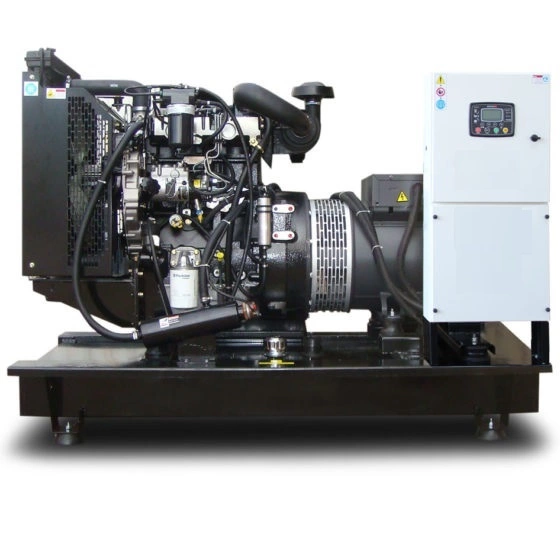
Categories
Uncategorized

Power Generator

Power Generator
Power Generator

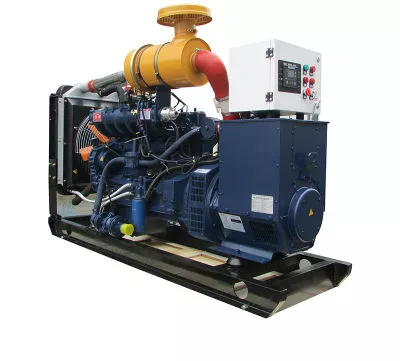
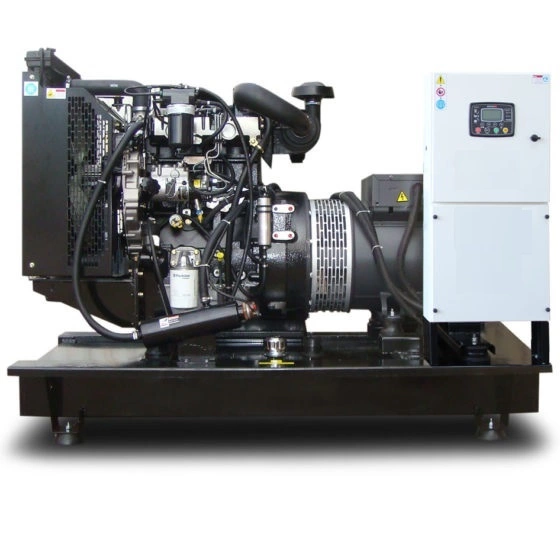
We manufacture Power Generator types for sale. Power Generators from the manufacturer. Diesel and Gasoline Power Generator with high quality and low price

Power Generator

A power generator is a device that converts mechanical energy into electrical energy. It is used to provide backup power or as a primary power source for homes, businesses, and other settings. Power generators come in various types and sizes, including gasoline, diesel, propane, natural gas, and solar generators.

Some key features of a power generator include:

  1. Power output: The power output of a generator is measured in watts or kilowatts, and determines how much electrical power the generator can produce. Generators are available in a wide range of power outputs, from portable models that can produce a few hundred watts to large industrial models that can produce several megawatts.
  2. Fuel type: Different types of generators use different types of fuel, such as gasoline, diesel, propane, natural gas, or solar energy. The fuel type affects factors such as fuel efficiency, operating cost, and environmental impact.
  3. Portability: Some generators are designed to be portable, making them easy to move from one location to another. This can be useful for outdoor events, construction sites, or other temporary power needs.
  4. Noise level: The noise level of a generator can vary depending on the make and model. Some generators are designed to operate quietly, while others can be quite noisy.
  5. Maintenance requirements: All generators require regular maintenance to ensure optimal performance and lifespan. The maintenance requirements can vary depending on the type and model of the generator.

When choosing a power generator, it’s important to consider factors such as power output, fuel type, portability, noise level, and maintenance requirements. It’s also important to choose a reputable brand and ensure that the generator meets safety and environmental standards.

Power Generator Application Areas

Power generators are widely used in a variety of industries and applications. Here are some of the common areas where power generators are used:

  1. Residential: Power generators are commonly used in residential settings to provide backup power during power outages or as a primary source of power in remote areas.
  2. Commercial: Many commercial establishments, such as hotels, hospitals, and data centers, require a reliable source of backup power to ensure their operations are not disrupted during power outages.
  3. Industrial: Power generators are widely used in industrial applications, such as construction sites, mining operations, and oil and gas fields.
  4. Military: Power generators are essential for military operations, where they are used to power field hospitals, communication systems, and other equipment.
  5. Marine: Power generators are used on ships and offshore platforms to provide electrical power for lighting, navigation, communication, and other systems.
  6. Emergency services: Power generators are used by emergency services such as fire and rescue, police, and paramedics to power their equipment in the field.
  7. Agriculture: Power generators are used in agricultural applications such as irrigation, crop drying, and livestock farming.
  8. Events: Power generators are often used at outdoor events such as concerts, festivals, and sporting events to provide electrical power for lighting, sound systems, and other equipment.
  9. Remote locations: Power generators are often used in remote locations such as campsites, national parks, and rural areas, where there is no access to the electrical grid.

Overall, power generators are an essential tool in many industries and applications, providing reliable and efficient power in a wide range of settings.

Why to get one?

There are several reasons why someone may choose to buy a power generator:

  1. Backup power: A power generator can provide backup power in the event of a power outage, ensuring that your home or business can continue to function as normal.
  2. Remote locations: If you live or work in a remote location without access to grid power, a power generator can be a reliable source of power.
  3. Portable power: If you need power on-the-go, such as for outdoor events or camping trips, a portable generator can be a convenient solution.
  4. Business continuity: For businesses that rely on uninterrupted power, a power generator can be critical to prevent financial losses and maintain productivity.
  5. Disaster preparedness: In areas prone to natural disasters or other emergencies, a power generator can be a crucial tool to ensure that you have access to power when you need it most.
  6. Cost-effective: In some cases, owning a power generator can be more cost-effective than relying on alternative power sources, such as battery backup systems.

Overall, a power generator can provide reliable and convenient access to power in a variety of settings. It’s important to consider factors such as power output, fuel type, portability, noise level, and maintenance requirements when choosing a generator that meets your specific needs and budget.

Diesel Engine of the Generators

EMS Power Machines” uses diesel engines that are manufactured with the latest technology, in accordance with ISO3046 standards, and designed for generator sets. The diesel engines used; are designed for low fuel consumption, with 4-stroke type, direct injection, with all needed limiting and level sensors, with diesel electronic or mechanical type governor mounted on the fuel pump for sensitive speed adjustment or regulation.

The engines used, may have oil, air, or water-type cooling systems, depending on customer request and the diesel engine. There are also oil, fuel, and air filters that are designed for heavy operation conditions, which provide the engine with a long lifetime with high performance. All the equipment that is needed for the diesel engine for operating safely and reliably, is provided along with the generator set.

EMS Power Machines can provide a base frame fuel tank or free-standing fuel tank dependent on the model preferences of the customer. Larger sets require free-standing fuel tanks due to the need for high fuel capacity.
Fuel tanks are manufactured of plate steel or other suitable materials.
Teksan ensures that the fuel tanks are all manufactured in accordance with relevant standards. EMS Power Machines fuel tanks are equipped with:

  • Filling cap
  • Tank ventilation
  • Fuel outlet valve
  • Fuel return connections
  • Tank drainage plug
  • Sediment trapping section
  • Level gauge pipe
  • Float switches (Optional)
  • Automatic filling (Optional)

It is highly recommended to install a fuel filter and/or a water separator on the outlet line of these fuel tanks.

Engine Brands of Diesel Generators for Sale

  • Perkins Engines
  • Cummins Engines
  • Ricardo Engines
  • Baudoin Engines
  • Shanghai Dongfeng Engines
  • Volvo Engines
  • Yangdong Engines

We use any of the above-mentioned diesel engines for the production of our diesel generators according to the customers’ requests.

Perkins engines are manufactured in the UK and are very common in the generator production market.
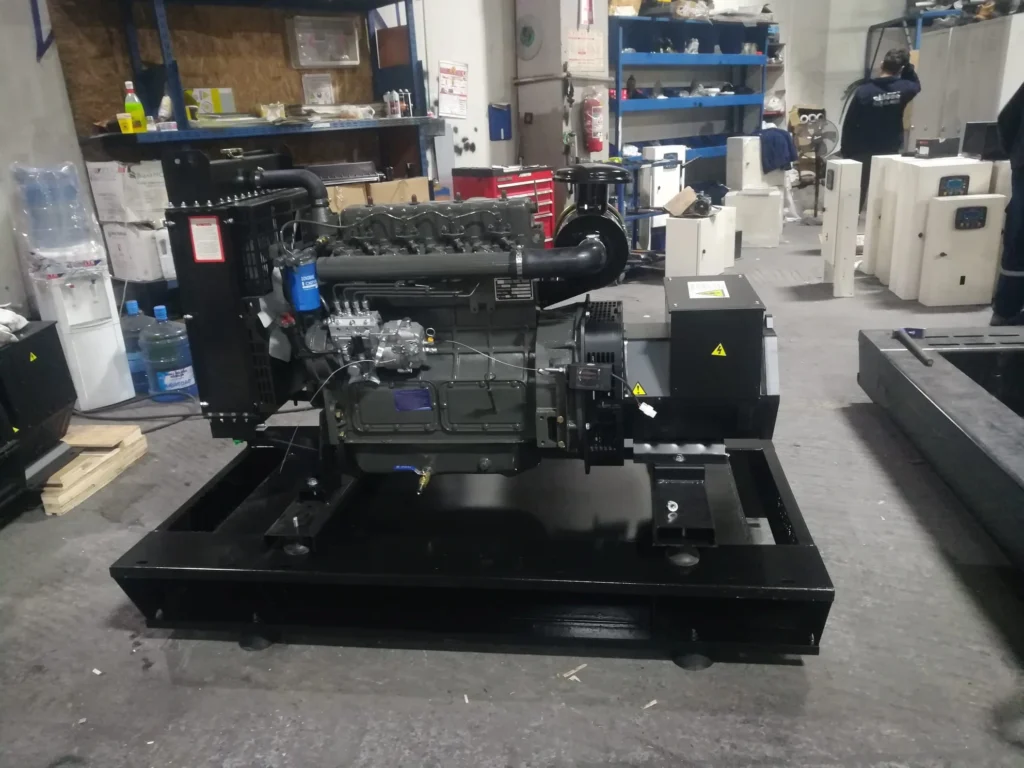
75 KVA Generator with Ricardo Engine

Ricardo engines are manufactured in China and have a very high market share in the generator manufacturing market.

Base Frame of the Generators

The base frame on which the generator set is placed has been manufactured using proper steel plates or special profiles based on the necessary dynamic, static, and vibration calculations in order for providing high resistance. EMS Power Machines produces the base frames for all ranges in accordance with international standards.
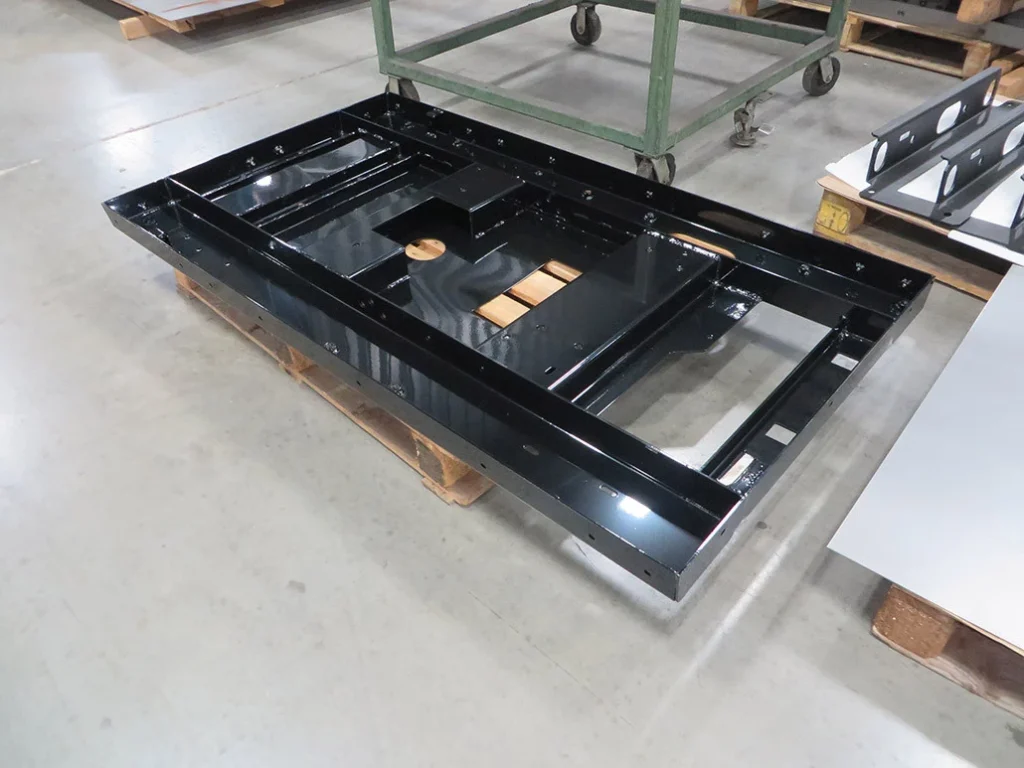
Base Frame of the Generators

The base frame of a generator, often referred to as the generator skid or chassis, is a crucial structural component that provides support, stability, and a foundation for the entire generator set. It plays a key role in ensuring the proper functioning, safety, and longevity of the generator. Here are some key aspects related to the base frame of generators:

Functions and Features

  1. Support Structure:
    • The base frame serves as the primary support structure for the generator set, providing a stable foundation to hold all the components together.
  2. Engine and Alternator Mounting:
    • The engine and alternator, the two main components of a generator set, are securely mounted on the base frame. Proper alignment and secure mounting are essential for efficient operation and to minimize vibrations.
  3. Vibration Isolation:
    • Many base frames incorporate features to isolate vibrations produced during the operation of the generator. This helps reduce noise and ensures that vibrations do not impact the performance or structural integrity of the generator.
  4. Fuel Tank Support:
    • In some generator sets, the fuel tank is integrated into or mounted on the base frame. This provides a secure and stable location for the fuel tank.
  5. Cooling System Support:
    • The cooling system components, such as radiators and cooling fans, are often mounted on or integrated into the base frame to ensure proper airflow and cooling.
  6. Lifting Points:
    • Base frames are designed with lifting points or provisions for lifting equipment. This facilitates ease of transportation, installation, and maintenance of the generator set.
  7. Weatherproofing:
    • Depending on the design, the base frame may provide some level of protection against environmental elements, such as rain and dust, to ensure the longevity of the generator set.
  8. Accessibility:
    • The base frame is designed to allow easy access to key components for maintenance and service tasks. This includes access panels and doors for routine inspections and repairs.
  9. Corrosion Resistance:
    • Base frames are often constructed from materials that offer corrosion resistance to withstand environmental conditions and ensure a longer service life.

Considerations

  1. Material Selection:
    • Base frames are commonly made of steel, but the type and quality of the steel used can vary. The choice of materials depends on factors such as environmental conditions, weight considerations, and corrosion resistance.
  2. Size and Dimensions:
    • The size and dimensions of the base frame are determined by the overall size of the generator set. It should provide adequate space for all components and ensure proper ventilation.
  3. Site Conditions:
    • The design of the base frame should consider the specific site conditions where the generator will be installed. This includes factors such as seismic requirements, soil conditions, and available space.
  4. Transportation:
    • The base frame design should facilitate ease of transportation, considering factors such as size, weight, and lifting points.
  5. Regulatory Compliance:
    • The design and construction of the base frame should comply with relevant safety and construction standards set by regulatory authorities.

The base frame is a critical element in the overall design and functionality of a generator set. Its design and construction should align with the specific requirements of the generator and the intended application. Manufacturers often provide detailed specifications for the base frame in the generator set documentation. When selecting or installing a generator set, it’s important to follow the manufacturer’s guidelines and consider any site-specific requirements.

Vibration Isolators

Vibration isolators, also known as vibration mounts or isolating mounts, are components used in diesel generators to reduce the transmission of vibrations and noise generated during the operation of the engine. These isolators play a crucial role in enhancing the overall performance, stability, and comfort of the generator set. Here are key aspects related to the vibration isolators of diesel generators:

Functions and Features

  1. Vibration Reduction:
    • The primary function of vibration isolators is to reduce the transmission of vibrations generated by the diesel engine to the surrounding structure. This helps minimize the impact of vibrations on adjacent equipment and structures.
  2. Noise Reduction:
    • In addition to reducing vibrations, isolators also contribute to noise reduction. They help isolate the generator set from its surroundings, preventing the transmission of noise to nearby areas.
  3. Component Protection:
    • Vibration isolators protect various components of the generator set, including the engine, alternator, and other critical parts, from the potentially damaging effects of excessive vibrations.
  4. Structural Integrity:
    • By reducing vibrations, isolators contribute to maintaining the structural integrity of the generator set and the surrounding infrastructure. Excessive vibrations can lead to wear and tear on components and may compromise the overall stability of the generator.
  5. Isolation from External Vibrations:
    • Isolators not only prevent the transmission of internal vibrations but also isolate the generator set from external vibrations, such as those from nearby machinery or environmental factors.
  6. Adjustability:
    • Some vibration isolators are designed to be adjustable, allowing for fine-tuning to achieve optimal vibration isolation based on the specific operating conditions and requirements.

Types of Vibration Isolators

  1. Spring Mounts:
    • Spring mounts use metal springs to isolate vibrations. They are effective in reducing both high and low-frequency vibrations.
  2. Rubber Mounts:
    • Rubber mounts, or elastomeric mounts, use rubber or other elastomeric materials to absorb and dampen vibrations. They are effective for isolating high-frequency vibrations.
  3. Air Springs:
    • Air springs use compressed air to provide isolation. They are effective in isolating low-frequency vibrations and are often used in large and heavy machinery.
  4. Viscous Dampers:
    • Viscous dampers use hydraulic fluid to absorb and dissipate vibrations. They are effective in isolating both high and low-frequency vibrations.
  5. Active Isolation Systems:
    • Active isolation systems use sensors and actuators to actively counteract vibrations in real-time. These systems can provide dynamic and adaptive vibration control.

Considerations

  1. Application Specifics:
    • The selection of vibration isolators should consider the specific application, environmental conditions, and the frequency spectrum of vibrations generated by the diesel generator.
  2. Load Capacity:
    • The isolators should be selected based on the load capacity of the generator set to ensure proper support and isolation.
  3. Installation and Maintenance:
    • Proper installation and regular maintenance of the vibration isolators are crucial to ensure their effectiveness over time.
  4. Regulatory Compliance:
    • Compliance with relevant safety and regulatory standards should be considered when selecting vibration isolators.
  5. Manufacturer Recommendations:
    • Follow the manufacturer’s recommendations for the type and specification of vibration isolators suitable for a particular generator model.

Vibration isolators are integral components that contribute to the smooth and reliable operation of diesel generators while minimizing the impact on surrounding structures and environments. When selecting or maintaining vibration isolators, it’s essential to consider the specific requirements of the generator set and follow the guidelines provided by the generator manufacturer.

Vibration insulators are used in order to decrease the negative effects of vibrations caused by the rotational movement of the engine and alternator. These insulators which also prevent the vibration to be transferred from
the base frame to the ground, are placed between the engine/alternator and the base frame. Specially chosen vibration isolators are mounted between the engine, alternator, and base frame. Alternatively, in bigger generator sets, vibration isolators are mounted between the base frame and floor.

Exhaust System and Silencer

An exhaust system should be designed to decrease the noise coming from the exhaust manifold and dispel the exhaust gases into the atmosphere. The exhaust system consists of a flexible compensator that absorbs vibration and expansion, steel pipes, bend, silencer, and mounting equipment. Further details on exhaust systems can be found in the “Installation” section of this manual.
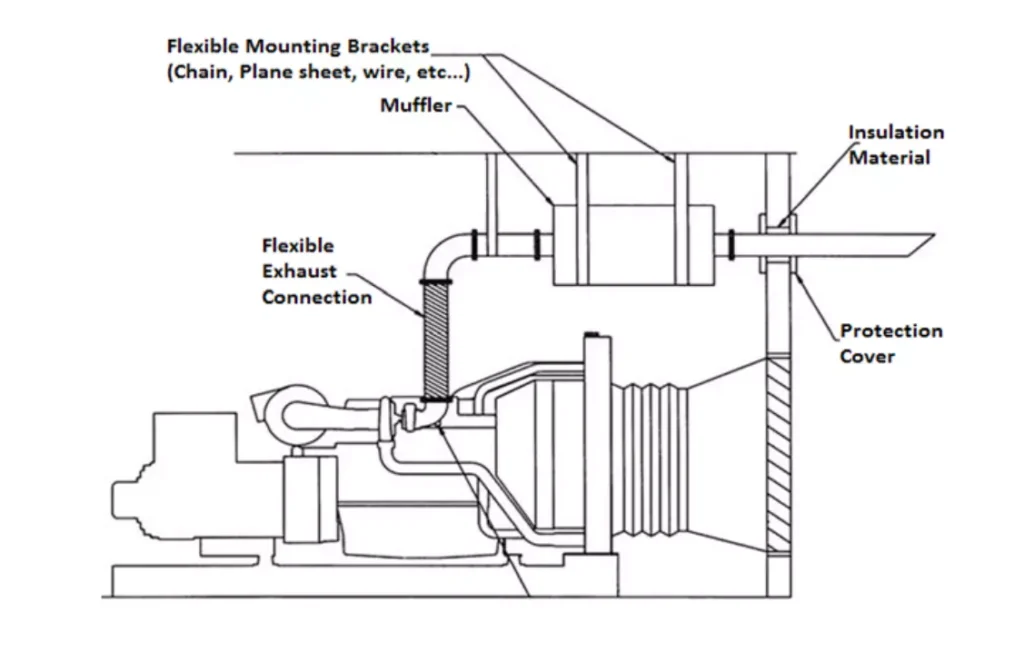
Exhaust System and Silencer of Generators

The exhaust system and silencer of a diesel generator play a crucial role in managing and reducing the noise and emissions produced during the operation of the generator. Here are key aspects related to the exhaust system and silencer of diesel generators:

Exhaust System

  1. Exhaust Manifold:
    • The exhaust manifold collects exhaust gases from the engine cylinders and directs them to the exhaust system.
  2. Turbocharger (if applicable):
    • In some diesel generators, especially those with larger engines, a turbocharger may be used to increase the efficiency of exhaust gas evacuation.
  3. Piping:
    • Exhaust piping carries the hot gases from the engine to the other components of the exhaust system. It is designed to withstand high temperatures and is often insulated to prevent heat dissipation.
  4. After-Treatment Devices:
    • Modern diesel generators often incorporate after-treatment devices such as diesel particulate filters (DPF) and selective catalytic reduction (SCR) systems to reduce emissions and comply with environmental regulations.

Silencer

  1. Purpose:
    • The silencer, or muffler, is designed to reduce the noise generated by the exhaust gases as they exit the generator. It helps in creating a more tolerable and quieter operating environment.
  2. Design:
    • Silencers are typically designed with sound-absorbing materials and internal baffles to attenuate and dissipate sound energy. The design may vary based on the specific noise reduction requirements.
  3. Inlet and Outlet:
    • Silencers have inlet and outlet ports that are connected to the exhaust piping. The exhaust gases enter the silencer through the inlet and exit through the outlet.
  4. Materials:
    • Silencers are constructed using materials that can withstand high temperatures and corrosion, given the harsh environment of exhaust gases.
  5. Resonators (if applicable):
    • Some silencers may incorporate resonators to further dampen specific frequencies of sound and enhance noise reduction.
  6. Spark Arrestor (if applicable):
    • In certain applications, especially in environments where the risk of fire is a concern, a spark arrestor may be included in the silencer to prevent sparks from exiting the exhaust.

Considerations

  1. Noise Regulations:
    • Compliance with local noise regulations is a critical consideration when selecting or designing the exhaust system and silencer. Different regions may have specific noise level requirements that need to be met.
  2. Emission Regulations:
    • Ensure that the exhaust system, including any after-treatment devices, complies with emissions regulations applicable to the generator’s location.
  3. Engine Efficiency:
    • The design of the exhaust system should not compromise the efficiency of the engine. It should allow for proper evacuation of exhaust gases without causing backpressure.
  4. Maintenance:
    • Regular inspection and maintenance of the exhaust system and silencer are essential to ensure proper functioning and longevity. This includes checking for leaks, corrosion, and damage.
  5. Installation:
    • Proper installation of the exhaust system and silencer is crucial for optimal performance. Consider factors such as proper clearances, support structures, and heat dissipation.
  6. Manufacturer Recommendations:
    • Follow the recommendations provided by the generator manufacturer regarding the selection, installation, and maintenance of the exhaust system and silencer.

The exhaust system and silencer are critical components that contribute to the safe and environmentally friendly operation of diesel generators. When selecting or maintaining these components, it’s important to consider both regulatory requirements and the specific operational needs of the generator. Consulting with the generator manufacturer or a qualified professional can help ensure that the exhaust system is designed and maintained to meet the necessary standards.

Control System

The control system of a diesel generator is a crucial component that governs and manages the operation of the generator set. It includes a range of components and features designed to monitor, control, and protect the generator during various operating conditions. Here are key aspects related to the control system of diesel generators:

Components of the Control System

  1. Control Panel:
    • The control panel is the interface through which operators interact with the generator. It typically includes displays, buttons, switches, and indicators for monitoring and controlling various parameters.
  2. Controller:
    • The controller is the central processing unit responsible for monitoring and regulating the generator’s functions. It may be a microprocessor-based controller that processes data from sensors and issues commands to different components.
  3. Sensors:
    • Various sensors are deployed throughout the generator to measure critical parameters such as engine speed, oil pressure, coolant temperature, voltage, and current. These sensors provide real-time data to the controller.
  4. Automatic Voltage Regulator (AVR):
    • The AVR is responsible for maintaining a stable and consistent voltage output from the generator. It adjusts the excitation current to the generator’s alternator to control the voltage level.
  5. Engine Control Module (ECM):
    • The ECM monitors and controls the diesel engine’s operation. It manages fuel injection, air intake, exhaust emissions, and other parameters to optimize engine performance and efficiency.
  6. Governor:
    • The governor regulates the speed of the engine by controlling the fuel injection. It helps maintain a constant speed under varying loads.
  7. Protection System:
    • The protection system safeguards the generator against abnormal conditions such as overloading, overheating, low oil pressure, and over-speeding. It can initiate automatic shutdowns to prevent damage.
  8. Data Logging and Communication:
    • Some control systems feature data logging capabilities to record operational data over time. Communication interfaces may allow for remote monitoring and control.

Features and Functions

  1. Start/Stop Control:
    • The control system initiates the start and stop sequences of the generator based on manual or automatic commands.
  2. Load Sharing (Parallel Operation):
    • In parallel operation scenarios where multiple generators are connected, the control system ensures proper load sharing and synchronization.
  3. Synchronization:
    • The control system facilitates synchronization when connecting the generator to an electrical grid or other generators, ensuring a seamless connection without disturbances.
  4. Emergency Shutdown:
    • The control system includes emergency shutdown features that can be triggered in response to critical faults or unsafe conditions to protect the generator.
  5. Remote Monitoring and Control:
    • Advanced control systems may allow remote monitoring and control of the generator, providing real-time information and the ability to make adjustments from a distance.
  6. Diagnostic and Fault Analysis:
    • The control system can diagnose faults, provide alerts or alarms, and perform self-diagnostics to aid in troubleshooting and maintenance.

Considerations

  1. Compatibility:
    • Ensure that the control system is compatible with the generator set and any additional components, especially if the generator is part of a larger power system.
  2. Scalability:
    • Consider the scalability of the control system to accommodate future upgrades or additions to the generator system.
  3. User Interface:
    • Evaluate the user interface of the control panel for ease of use and accessibility, especially for operators who need to monitor and manage the generator.
  4. Integration with Power Systems:
    • If the generator is part of a larger power distribution system, ensure that the control system can seamlessly integrate with other power management components.
  5. Training and Documentation:
    • Adequate training and documentation should be provided for operators to effectively use and troubleshoot the control system.

The control system is a critical aspect of diesel generators, ensuring reliable and efficient operation while providing essential protection features. When selecting a generator, it’s important to understand the capabilities of the control system and how well it aligns with the specific requirements of the intended application. Manufacturers typically provide detailed specifications and documentation related to the control system for each generator model.

Various control systems are developed for ensuring the protection of the generator set against failures, load transfers, and the reliability of the operation of the generator set. Control system designs can vary according to the customer requirements and assembling requirements. The main
types of control systems are Manual, Automatic, Standby, and Parallel working systems.

All control systems are mounted on steel panels containing a lockable door for easy reaching and service. Further technical information about the control systems of the generator sets can be found in the “Control Systems” section of this manual and the manual of the controller.

Installation of Generators

The installation of generators is a critical process that involves several steps to ensure proper functionality, safety, and compliance with regulations. Whether installing a standby generator for backup power or a prime power generator for continuous operation, following best practices is essential. Here is a general guide for the installation of generators:

1. Site Selection

  1. Regulatory Compliance:
    • Ensure compliance with local building codes, zoning regulations, and environmental requirements. Obtain any necessary permits before starting the installation.
  2. Space and Clearance:
    • Select a location with sufficient space for the generator and its accessories. Allow for proper clearance around the generator for maintenance and ventilation.
  3. Ventilation:
    • Ensure adequate ventilation to dissipate heat generated by the generator. Generators typically require space for air intake and exhaust.
  4. Accessibility:
    • Choose a location that allows easy access for installation, maintenance, and potential repairs. Consider factors such as crane access and pathways for transporting equipment.

2. Foundation and Mounting

  1. Foundation Construction:
    • Prepare a stable foundation for the generator. The foundation should be level, sturdy, and capable of supporting the generator’s weight.
  2. Vibration Isolation:
    • If applicable, install vibration isolators or mounts to minimize the transmission of vibrations from the generator to the foundation and surrounding structures.
  3. Anchor the Generator:
    • Anchor the generator securely to the foundation to prevent movement or shifting during operation or external forces.

3. Electrical Connections

  1. Transfer Switch Installation:
    • Install an automatic transfer switch (ATS) to facilitate seamless switching between the main power source and the generator during power outages.
  2. Wiring:
    • Connect the generator to the electrical distribution system following local electrical codes and regulations. Ensure proper sizing of conductors and adherence to safety standards.
  3. Grounding:
    • Establish proper grounding for the generator as per electrical codes. A grounding electrode system helps ensure safety and proper functioning.
  4. Voltage Configuration:
    • Verify that the generator’s voltage configuration matches the requirements of the connected loads. Adjust settings if necessary.

4. Fuel System

  1. Fuel Storage:
    • If the generator has an internal fuel tank, ensure it is filled with the appropriate fuel. For external fuel tanks, connect and test the fuel supply system.
  2. Fuel Quality:
    • Ensure that the fuel supply meets the specifications recommended by the generator manufacturer. Use clean and high-quality fuel.

5. Exhaust System

  1. Exhaust Piping:
    • Install the exhaust piping in compliance with local codes and regulations. Ensure proper venting of exhaust gases away from occupied spaces.
  2. Silencer Installation:
    • If a silencer is included, install it in the exhaust system to reduce noise emissions. Follow the manufacturer’s recommendations for placement and installation.

6. Control System

  1. Control Panel Wiring:
    • Connect the control panel to the generator and ensure proper wiring. Verify the functionality of control features such as start/stop, monitoring, and protection systems.
  2. Testing:
    • Conduct thorough testing of the control system to ensure all functions operate as intended. Test automatic start/stop sequences, alarms, and safety shutdowns.

7. Commissioning and Testing

  1. Load Testing:
    • Conduct load tests to ensure the generator can handle the expected loads. Verify the generator’s performance under varying load conditions.
  2. System Integration:
    • Integrate the generator into the overall power system. If multiple generators are used, ensure proper synchronization and load sharing.
  3. Commissioning Procedures:
    • Follow the commissioning procedures provided by the generator manufacturer. This may include adjusting settings, verifying alarms, and ensuring all systems are operational.

8. Documentation

  1. As-Built Documentation:
    • Prepare as-built documentation that includes detailed drawings, specifications, and records of the installation. This documentation is valuable for future maintenance and reference.
  2. Operation and Maintenance Manuals:
    • Provide the end user with comprehensive operation and maintenance manuals. Include information on routine maintenance, troubleshooting, and emergency procedures.

9. Training

  1. Operator Training:
    • Provide training for operators on how to start, stop, and operate the generator safely. Ensure they are familiar with the control panel and understand basic troubleshooting procedures.
  2. Maintenance Training:
    • Train maintenance personnel on routine maintenance tasks, including oil changes, filter replacements, and inspections. Emphasize the importance of following the manufacturer’s maintenance schedule.

10. Compliance

  1. Final Inspection:
    • Conduct a final inspection to ensure compliance with all applicable codes, regulations, and safety standards.
  2. Certifications:
    • Obtain any necessary certifications or approvals from local authorities or regulatory bodies.
  3. Record Keeping:
    • Keep detailed records of the installation, testing, and commissioning processes. This documentation may be required for compliance audits and warranty support.

11. Ongoing Monitoring and Maintenance

  1. Monitoring Systems:
    • Implement continuous monitoring systems for key parameters, such as fuel levels, oil pressure, and coolant temperature. Consider remote monitoring options for quick response to issues.
  2. Scheduled Maintenance:
    • Establish a scheduled maintenance program and adhere to the manufacturer’s recommendations. Regular maintenance is essential for the reliability and longevity of the generator.
  3. Emergency Response Plan:
    • Develop and communicate an emergency response plan outlining procedures to follow in the event of a generator malfunction or failure.

Conclusion

The installation of generators is a multifaceted process that requires careful planning, attention to detail, and compliance with various standards and regulations. Collaboration with experienced professionals, including electrical engineers, mechanical contractors, and generator technicians, can contribute to a successful installation. Additionally, consulting with the generator manufacturer and following their guidelines is essential to ensure optimal performance and longevity of the generator system.

The selection and preparation of the location where the generator set will be placed is the most important step of installation. So please make sure that the generator set is installed at a place that is selected and prepared fully in conformity with the instructions in this manual.

Also, remember that you can call us for any further information or confirmation about this issue. If the generator will be placed on an upper floor, not the basement or ground, the responsibility of static load distribution belongs to the customer. The customer should get approval from an authority about this issue before installation.

Environmental Conditions

Install the generator set in such a place that it will not be directly exposed to harsh environmental conditions such as rain, snow, hail, flood, humidity, excessive sunlight, extremely low or high temperature, dust, soil, sand or wind. The place where the generator set will be installed must be, clean, dry, well illuminated and ventilated, free of corrosive or conductive pollutant substances like dust, lint, smoke, oil vapor, exhaust smoke, etc…

Be sure to leave enough blank space around the generator set, in order to ease future maintenance or repair activities Remember that it can be necessary to disassemble the main parts like the engine, alternator, or base frame in some cases. The base ground where the generator will be settled must be clean dry and must have a good drainage system. Put the generator set in such a place that nobody unauthorized can access it, or at least take necessary precautions about it.

Place generator sets in such places that they will not be affected by the operation of any other machines. Do not install or run the generator set at any place that has any possibility of risk in terms of safety of operation.
Also, provide the necessary precautions (canopy option) or protections against bad weather conditions if it will be placed outside.

The doors of the room that the generator set will be placed in, must be at enough size for the main parts (engine, alternator, radiator, etc…) to pass through. Also, ventilation windows can be built portable or mobile for
this purpose.

Diesel Generator

A diesel generator is a device that converts diesel fuel into electricity. Diesel generators are typically used as backup power sources in the event of a power outage, but they can also be used as primary power sources in remote areas where there is no grid electricity available.

Diesel generators work by using a diesel engine to turn a generator. The diesel engine burns diesel fuel to create mechanical energy, which is then converted into electrical energy by the generator.

Diesel generators are available in a variety of sizes and power outputs. Some diesel generators are small enough to be portable, while others are large enough to power entire buildings or communities.

Diesel generators are a reliable and efficient way to generate electricity. They are also relatively easy to operate and maintain.

Here are some examples of where diesel generators are used:

  • Hospitals and other critical facilities: Diesel generators are used to provide backup power in hospitals, data centers, and other critical facilities. This ensures that these facilities continue to operate even in the event of a power outage.
  • Construction sites: Diesel generators are used to provide power for construction tools and equipment at construction sites. This allows construction work to continue even in remote areas where there is no grid electricity available.
  • Emergency services: Diesel generators are used to provide power for emergency services, such as ambulances and fire trucks. This ensures that these services can continue to operate even in the event of a power outage.
  • Remote areas: Diesel generators are used to provide primary power in remote areas where there is no grid electricity available. This allows people living in these areas to have access to electricity for lighting, cooking, and other essential needs.

Diesel generators are a valuable tool for generating electricity in a variety of situations. They are reliable, efficient, and easy to operate and maintain.

Diesel Generator Outputs

The output of a diesel generator is measured in kilowatts (kW). The output of a diesel generator is limited by the size and power of the diesel engine that it uses. Diesel generators are available in a variety of sizes and power outputs, ranging from small portable generators that produce a few kW of power to large industrial generators that produce thousands of kW of power.

The output of a diesel generator is also affected by a number of other factors, including:

  • Fuel quality: The quality of the diesel fuel used in a generator can affect its output. Lower quality diesel fuel can produce less power and can also damage the generator.
  • Air quality: The quality of the air that the generator is operating in can also affect its output. Operating a generator in thin air or in hot weather can reduce its output.
  • Maintenance: Proper maintenance of a diesel generator is essential to ensure its optimal performance. A generator that is not properly maintained may produce less power and may also be more likely to break down.

Here are some examples of the power outputs of different types of diesel generators:

  • Small portable generator: 1-5 kW
  • Medium-sized generator: 5-10 kW
  • Large generator: 10-100 kW
  • Industrial generator: 100 kW and up

The power output of a diesel generator is an important factor to consider when choosing a generator for a particular application. The generator should have enough power output to meet the needs of the devices and appliances that will be connected to it.

It is also important to note that the power output of a diesel generator is not the same as its efficiency. The efficiency of a diesel generator is the percentage of the fuel energy that is converted into electrical energy. A more efficient generator will produce more electrical energy for a given amount of fuel.

Diesel Generators

Diesel generators are a type of backup or standby power source that uses a diesel engine to generate electricity. These generators are widely used in various applications where a reliable and continuous power supply is crucial. Here are key aspects related to diesel generators:

Components of Diesel Generators

  1. Diesel Engine:
    • The diesel engine is the primary component responsible for converting diesel fuel into mechanical energy. This mechanical energy is then used to turn a generator to produce electricity.
  2. Generator (Alternator):
    • The generator, or alternator, converts the mechanical energy from the diesel engine into electrical energy. It consists of a rotor and a stator, and as the rotor turns within the stator’s magnetic field, it induces an electric current.
  3. Fuel System:
    • The fuel system stores and delivers diesel fuel to the engine for combustion. It typically includes a fuel tank, fuel pump, and fuel injectors.
  4. Cooling System:
    • Diesel generators have a cooling system to maintain optimal operating temperatures. This system may include a radiator, cooling fans, and a water or air cooling mechanism.
  5. Exhaust System:
    • The exhaust system is responsible for expelling the combustion gases produced during the diesel engine’s operation. It usually includes a muffler and may incorporate emission control devices.
  6. Control Panel:
    • The control panel houses the generator’s control and monitoring systems. It allows operators to start or stop the generator, monitor performance, and sometimes control other parameters such as voltage and frequency.
  7. Voltage Regulator:
    • The voltage regulator maintains a stable output voltage by adjusting the excitation current to the generator’s rotor.
  8. Battery Charger:
    • Diesel generators often have a battery or set of batteries to start the engine. A battery charger ensures that the batteries remain charged and ready to start the generator when needed.
  9. Automatic Transfer Switch (ATS):
    • An ATS is a crucial component for standby generators. It automatically switches the electrical load from the main power source to the generator when it detects a power outage and vice versa when the main power is restored.
Working Principle:
  1. Combustion: Diesel fuel is injected into the combustion chamber, and the heat generated by the compression of air ignites the fuel.
  2. Mechanical Energy: The combustion process produces high-pressure gases that expand, creating mechanical energy. This energy is used to rotate the engine’s crankshaft.
  3. Electricity Generation: The rotating crankshaft is connected to the generator, causing it to spin. As the generator’s rotor rotates within the stator, it induces an electric current, generating electricity.
Applications:
  1. Emergency Power:
    • Diesel generators are commonly used for emergency backup power in critical facilities such as hospitals, data centers, and telecommunications facilities.
  2. Construction Sites:
    • They are used on construction sites to power tools and equipment where a reliable grid connection may not be available.
  3. Industrial Facilities:
    • Diesel generators provide backup power for industrial plants and manufacturing facilities to prevent production disruptions.
  4. Remote Locations:
    • In remote or off-grid locations, where a stable power supply from the grid is not feasible, diesel generators can provide a reliable source of electricity.
  5. Mining Operations:
    • Diesel generators are often used in mining operations to power equipment in remote and rugged environments.
  6. Agriculture:
    • Farms may use diesel generators to power irrigation systems, machinery, and other agricultural equipment.
Advantages:
  1. Fuel Availability:
    • Diesel fuel is widely available, making diesel generators suitable for various locations.
  2. Fuel Efficiency:
    • Diesel generators are known for their fuel efficiency, providing a cost-effective solution for standby power.
  3. Durability:
    • Diesel generators are generally robust and durable, capable of handling heavy loads and providing long service life.
  4. High Torque:
    • Diesel engines provide high torque, making them suitable for applications with varying load conditions.
Limitations:
  1. Noise and Emissions:
    • Diesel generators can be noisy, and their combustion process produces emissions. However, advancements in technology have led to quieter and more environmentally friendly models.
  2. Maintenance:
    • Regular maintenance is essential to ensure the proper functioning of diesel generators.
  3. Initial Cost:
    • Diesel generators may have a higher upfront cost compared to some other types of generators.

Diesel generators are a reliable and widely used solution for providing backup or primary power in various settings. The choice of a diesel generator depends on factors such as power requirements, environmental considerations, and the specific needs of the application.

Diesel generators are machines that convert the chemical energy of diesel fuel into mechanical energy, which is then used to generate electricity. They are a popular choice for a variety of applications, including prime power for remote locations, backup power for businesses, and emergency power for hospitals and other critical infrastructure.

Diesel generators are available in a wide range of sizes, from small portable generators that can be used to power a few appliances to large stationary generators that can power entire buildings or even small towns.

Diesel generators are typically powered by four-stroke diesel engines. Diesel engines are known for their reliability and fuel efficiency, making them a good choice for applications where long-term operation is required.

Diesel generators work by burning diesel fuel in the engine, which drives a generator to produce electricity. The electricity generated by the generator can then be used to power lights, appliances, and other electrical devices.

Diesel generators are a valuable source of backup power in the event of a power outage. They can also be used as a primary source of power in remote locations where there is no access to the electrical grid.

Here are some of the benefits of using a diesel generator:

  • Reliable: Diesel generators are very reliable and can operate for long periods of time without any problems.
  • Fuel-efficient: Diesel generators are fuel-efficient, which can save you money on operating costs.
  • Durable: Diesel generators are built to last and can withstand harsh operating conditions.
  • Versatile: Diesel generators can be used in a variety of applications, from prime power for remote locations to backup power for businesses and critical infrastructure.

If you are considering purchasing a diesel generator, be sure to do your research and choose a generator that is the right size and type for your needs. You should also consider the cost of fuel and maintenance when making your decision.

EMS Power Machines

We design, manufacture and assembly Power Machines such as – diesel generators, electric motors, vibration motors, pumps, steam engines and steam turbines

EMS Power Machines is a global power engineering company, one of the five world leaders in the industry in terms of installed equipment. The companies included in the company have been operating in the energy market for more than 60 years.

EMS Power Machines manufactures steam turbines, gas turbines, hydroelectric turbines, generators, and other power equipment for thermal, nuclear, and hydroelectric power plants, as well as for various industries, transport, and marine energy.

EMS Power Machines is a major player in the global power industry, and its equipment is used in power plants all over the world. The company has a strong track record of innovation, and it is constantly developing new and improved technologies.

Here are some examples of Power Machines’ products and services:

  • Steam turbines for thermal and nuclear power plants
  • Gas turbines for combined cycle power plants and industrial applications
  • Hydroelectric turbines for hydroelectric power plants
  • Generators for all types of power plants
  • Boilers for thermal power plants
  • Condensers for thermal power plants
  • Reheaters for thermal power plants
  • Air preheaters for thermal power plants
  • Feedwater pumps for thermal power plants
  • Control systems for power plants
  • Maintenance and repair services for power plants

EMS Power Machines is committed to providing its customers with high-quality products and services. The company has a strong reputation for reliability and innovation. Power Machines is a leading provider of power equipment and services, and it plays a vital role in the global power industry.

EMS Power Machines, which began in 1961 as a small factory of electric motors, has become a leading global supplier of electronic products for different segments. The search for excellence has resulted in the diversification of the business, adding to the electric motors products which provide from power generation to more efficient means of use.
Categories
Uncategorized

Cummins Generator

Cummins Generator
Cummins Generator

We manufacture Cummins Generator Types of different powers. Diesel engines with Cummins engines from the manufacturer. High quality & low price

Cummins Generator

Cummins is a well-known manufacturer of diesel and gas-powered generators that are designed for a wide range of applications. Here are some key features and benefits of Cummins generators:

  1. Power output: Cummins generators are available in a wide range of power outputs, from 5 kW to 2,500 kW, making them suitable for a variety of applications.
  2. Fuel efficiency: Cummins generators are designed to be fuel-efficient, which can help to save money on operating costs over time.
  3. Durability: Cummins generators are built to be durable and reliable, with robust engines and high-quality components that are designed to last.
  4. Remote monitoring and control: Cummins generators are available with advanced monitoring and control systems that allow users to monitor the generator’s performance and make adjustments as needed.
  5. Quiet operation: Many Cummins generators are designed to be quiet, which can be an important consideration in residential areas or other settings where noise is a concern.
  6. Environmental performance: Cummins generators are designed to meet or exceed emissions standards, with many models featuring advanced emissions control technologies.
  7. Wide range of applications: Cummins generators are suitable for a wide range of applications, including residential, commercial, industrial, and institutional settings.

Overall, Cummins generators are known for their reliability, durability, and fuel efficiency, making them a popular choice for a wide range of applications. When considering a Cummins generator, it’s important to choose a model that is appropriate for your specific power needs and operating conditions.

Advantages and Disadvantages

Advantages of Cummins generators:

  1. Durability: Cummins generators are built to be durable and reliable, with high-quality components that are designed to last.
  2. Fuel efficiency: Cummins generators are designed to be fuel-efficient, which can help to save money on operating costs over time.
  3. Wide range of applications: Cummins generators are suitable for a wide range of applications, from residential to industrial settings.
  4. Remote monitoring and control: Many Cummins generators are available with advanced monitoring and control systems, which allow users to monitor the generator’s performance and make adjustments as needed.
  5. Environmental performance: Cummins generators are designed to meet or exceed emissions standards, with many models featuring advanced emissions control technologies.
  6. Quiet operation: Many Cummins generators are designed to be quiet, which can be an important consideration in residential areas or other settings where noise is a concern.

Disadvantages of Cummins generators:

  1. Cost: Cummins generators can be more expensive than some other brands of generators, although they may offer better durability and fuel efficiency over the long run.
  2. Maintenance: As with any generator, Cummins generators require regular maintenance to ensure reliable performance, which can be time-consuming and costly.
  3. Size and weight: Cummins generators can be quite large and heavy, which can make them difficult to move and install.

Overall, the advantages of Cummins generators, including durability, fuel efficiency, and a wide range of applications, make them a popular choice for many customers. However, the higher cost and maintenance requirements of Cummins generators may be a disadvantage for some customers, and it’s important to carefully consider these factors when choosing a generator for your needs.

Why would I buy one?

You may consider buying a Cummins generator if you need a reliable, durable, and fuel-efficient generator for your power needs. Some specific reasons why you might choose a Cummins generator include:

  1. Wide range of applications: Cummins generators are suitable for a wide range of applications, including residential, commercial, industrial, and institutional settings.
  2. Reliability: Cummins generators are known for their durability and reliability, making them a good choice for customers who need a dependable source of backup power.
  3. Fuel efficiency: Cummins generators are designed to be fuel-efficient, which can help to save money on operating costs over time.
  4. Advanced technology: Many Cummins generators are available with advanced monitoring and control systems, which allow users to monitor the generator’s performance and make adjustments as needed.
  5. Environmental performance: Cummins generators are designed to meet or exceed emissions standards, with many models featuring advanced emissions control technologies.
  6. Quiet operation: Many Cummins generators are designed to be quiet, which can be an important consideration in residential areas or other settings where noise is a concern.

Overall, if you need a high-quality generator that is built to last, Cummins generators are a good option to consider. It’s important to choose a model that is appropriate for your specific power needs and operating conditions, and to carefully consider factors such as cost and maintenance requirements before making a purchase decision.

Diesel Engine of the Generators

EMS Power Machines” uses diesel engines that are manufactured with the latest technology, in accordance with ISO3046 standards, and designed for generator sets. The diesel engines used; are designed for low fuel consumption, with 4-stroke type, direct injection, with all needed limiting and level sensors, with diesel electronic or mechanical type governor mounted on the fuel pump for sensitive speed adjustment or regulation.

The engines used, may have oil, air, or water-type cooling systems, depending on customer request and the diesel engine. There are also oil, fuel, and air filters that are designed for heavy operation conditions, which provide the engine with a long lifetime with high performance. All the equipment that is needed for the diesel engine for operating safely and reliably, is provided along with the generator set.

EMS Power Machines can provide a base frame fuel tank or free-standing fuel tank dependent on the model preferences of the customer. Larger sets require free-standing fuel tanks due to the need for high fuel capacity.
Fuel tanks are manufactured of plate steel or other suitable materials.
Teksan ensures that the fuel tanks are all manufactured in accordance with relevant standards. EMS Power Machines fuel tanks are equipped with:

  • Filling cap
  • Tank ventilation
  • Fuel outlet valve
  • Fuel return connections
  • Tank drainage plug
  • Sediment trapping section
  • Level gauge pipe
  • Float switches (Optional)
  • Automatic filling (Optional)

It is highly recommended to install a fuel filter and/or a water separator on the outlet line of these fuel tanks.

Engine Brands of Diesel Generators for Sale

  • Perkins Engines
  • Cummins Engines
  • Ricardo Engines
  • Baudoin Engines
  • Shanghai Dongfeng Engines
  • Volvo Engines
  • Yangdong Engines

We use any of the above-mentioned diesel engines for the production of our diesel generators according to the customers’ requests.

Perkins engines are manufactured in the UK and are very common in the generator production market.

75 KVA Generator with Ricardo Engine

Ricardo engines are manufactured in China and have a very high market share in the generator manufacturing market.

Base Frame of the Generators

The base frame on which the generator set is placed has been manufactured using proper steel plates or special profiles based on the necessary dynamic, static, and vibration calculations in order for providing high resistance. EMS Power Machines produces the base frames for all ranges in accordance with international standards.

Base Frame of the Generators

The base frame of a generator, often referred to as the generator skid or chassis, is a crucial structural component that provides support, stability, and a foundation for the entire generator set. It plays a key role in ensuring the proper functioning, safety, and longevity of the generator. Here are some key aspects related to the base frame of generators:

Functions and Features

  1. Support Structure:
    • The base frame serves as the primary support structure for the generator set, providing a stable foundation to hold all the components together.
  2. Engine and Alternator Mounting:
    • The engine and alternator, the two main components of a generator set, are securely mounted on the base frame. Proper alignment and secure mounting are essential for efficient operation and to minimize vibrations.
  3. Vibration Isolation:
    • Many base frames incorporate features to isolate vibrations produced during the operation of the generator. This helps reduce noise and ensures that vibrations do not impact the performance or structural integrity of the generator.
  4. Fuel Tank Support:
    • In some generator sets, the fuel tank is integrated into or mounted on the base frame. This provides a secure and stable location for the fuel tank.
  5. Cooling System Support:
    • The cooling system components, such as radiators and cooling fans, are often mounted on or integrated into the base frame to ensure proper airflow and cooling.
  6. Lifting Points:
    • Base frames are designed with lifting points or provisions for lifting equipment. This facilitates ease of transportation, installation, and maintenance of the generator set.
  7. Weatherproofing:
    • Depending on the design, the base frame may provide some level of protection against environmental elements, such as rain and dust, to ensure the longevity of the generator set.
  8. Accessibility:
    • The base frame is designed to allow easy access to key components for maintenance and service tasks. This includes access panels and doors for routine inspections and repairs.
  9. Corrosion Resistance:
    • Base frames are often constructed from materials that offer corrosion resistance to withstand environmental conditions and ensure a longer service life.

Considerations

  1. Material Selection:
    • Base frames are commonly made of steel, but the type and quality of the steel used can vary. The choice of materials depends on factors such as environmental conditions, weight considerations, and corrosion resistance.
  2. Size and Dimensions:
    • The size and dimensions of the base frame are determined by the overall size of the generator set. It should provide adequate space for all components and ensure proper ventilation.
  3. Site Conditions:
    • The design of the base frame should consider the specific site conditions where the generator will be installed. This includes factors such as seismic requirements, soil conditions, and available space.
  4. Transportation:
    • The base frame design should facilitate ease of transportation, considering factors such as size, weight, and lifting points.
  5. Regulatory Compliance:
    • The design and construction of the base frame should comply with relevant safety and construction standards set by regulatory authorities.

The base frame is a critical element in the overall design and functionality of a generator set. Its design and construction should align with the specific requirements of the generator and the intended application. Manufacturers often provide detailed specifications for the base frame in the generator set documentation. When selecting or installing a generator set, it’s important to follow the manufacturer’s guidelines and consider any site-specific requirements.

Vibration Isolators

Vibration isolators, also known as vibration mounts or isolating mounts, are components used in diesel generators to reduce the transmission of vibrations and noise generated during the operation of the engine. These isolators play a crucial role in enhancing the overall performance, stability, and comfort of the generator set. Here are key aspects related to the vibration isolators of diesel generators:

Functions and Features

  1. Vibration Reduction:
    • The primary function of vibration isolators is to reduce the transmission of vibrations generated by the diesel engine to the surrounding structure. This helps minimize the impact of vibrations on adjacent equipment and structures.
  2. Noise Reduction:
    • In addition to reducing vibrations, isolators also contribute to noise reduction. They help isolate the generator set from its surroundings, preventing the transmission of noise to nearby areas.
  3. Component Protection:
    • Vibration isolators protect various components of the generator set, including the engine, alternator, and other critical parts, from the potentially damaging effects of excessive vibrations.
  4. Structural Integrity:
    • By reducing vibrations, isolators contribute to maintaining the structural integrity of the generator set and the surrounding infrastructure. Excessive vibrations can lead to wear and tear on components and may compromise the overall stability of the generator.
  5. Isolation from External Vibrations:
    • Isolators not only prevent the transmission of internal vibrations but also isolate the generator set from external vibrations, such as those from nearby machinery or environmental factors.
  6. Adjustability:
    • Some vibration isolators are designed to be adjustable, allowing for fine-tuning to achieve optimal vibration isolation based on the specific operating conditions and requirements.

Types of Vibration Isolators

  1. Spring Mounts:
    • Spring mounts use metal springs to isolate vibrations. They are effective in reducing both high and low-frequency vibrations.
  2. Rubber Mounts:
    • Rubber mounts, or elastomeric mounts, use rubber or other elastomeric materials to absorb and dampen vibrations. They are effective for isolating high-frequency vibrations.
  3. Air Springs:
    • Air springs use compressed air to provide isolation. They are effective in isolating low-frequency vibrations and are often used in large and heavy machinery.
  4. Viscous Dampers:
    • Viscous dampers use hydraulic fluid to absorb and dissipate vibrations. They are effective in isolating both high and low-frequency vibrations.
  5. Active Isolation Systems:
    • Active isolation systems use sensors and actuators to actively counteract vibrations in real-time. These systems can provide dynamic and adaptive vibration control.

Considerations

  1. Application Specifics:
    • The selection of vibration isolators should consider the specific application, environmental conditions, and the frequency spectrum of vibrations generated by the diesel generator.
  2. Load Capacity:
    • The isolators should be selected based on the load capacity of the generator set to ensure proper support and isolation.
  3. Installation and Maintenance:
    • Proper installation and regular maintenance of the vibration isolators are crucial to ensure their effectiveness over time.
  4. Regulatory Compliance:
    • Compliance with relevant safety and regulatory standards should be considered when selecting vibration isolators.
  5. Manufacturer Recommendations:
    • Follow the manufacturer’s recommendations for the type and specification of vibration isolators suitable for a particular generator model.

Vibration isolators are integral components that contribute to the smooth and reliable operation of diesel generators while minimizing the impact on surrounding structures and environments. When selecting or maintaining vibration isolators, it’s essential to consider the specific requirements of the generator set and follow the guidelines provided by the generator manufacturer.

Vibration insulators are used in order to decrease the negative effects of vibrations caused by the rotational movement of the engine and alternator. These insulators which also prevent the vibration to be transferred from
the base frame to the ground, are placed between the engine/alternator and the base frame. Specially chosen vibration isolators are mounted between the engine, alternator, and base frame. Alternatively, in bigger generator sets, vibration isolators are mounted between the base frame and floor.

Exhaust System and Silencer

An exhaust system should be designed to decrease the noise coming from the exhaust manifold and dispel the exhaust gases into the atmosphere. The exhaust system consists of a flexible compensator that absorbs vibration and expansion, steel pipes, bend, silencer, and mounting equipment. Further details on exhaust systems can be found in the “Installation” section of this manual.

Exhaust System and Silencer of Generators

The exhaust system and silencer of a diesel generator play a crucial role in managing and reducing the noise and emissions produced during the operation of the generator. Here are key aspects related to the exhaust system and silencer of diesel generators:

Exhaust System

  1. Exhaust Manifold:
    • The exhaust manifold collects exhaust gases from the engine cylinders and directs them to the exhaust system.
  2. Turbocharger (if applicable):
    • In some diesel generators, especially those with larger engines, a turbocharger may be used to increase the efficiency of exhaust gas evacuation.
  3. Piping:
    • Exhaust piping carries the hot gases from the engine to the other components of the exhaust system. It is designed to withstand high temperatures and is often insulated to prevent heat dissipation.
  4. After-Treatment Devices:
    • Modern diesel generators often incorporate after-treatment devices such as diesel particulate filters (DPF) and selective catalytic reduction (SCR) systems to reduce emissions and comply with environmental regulations.

Silencer

  1. Purpose:
    • The silencer, or muffler, is designed to reduce the noise generated by the exhaust gases as they exit the generator. It helps in creating a more tolerable and quieter operating environment.
  2. Design:
    • Silencers are typically designed with sound-absorbing materials and internal baffles to attenuate and dissipate sound energy. The design may vary based on the specific noise reduction requirements.
  3. Inlet and Outlet:
    • Silencers have inlet and outlet ports that are connected to the exhaust piping. The exhaust gases enter the silencer through the inlet and exit through the outlet.
  4. Materials:
    • Silencers are constructed using materials that can withstand high temperatures and corrosion, given the harsh environment of exhaust gases.
  5. Resonators (if applicable):
    • Some silencers may incorporate resonators to further dampen specific frequencies of sound and enhance noise reduction.
  6. Spark Arrestor (if applicable):
    • In certain applications, especially in environments where the risk of fire is a concern, a spark arrestor may be included in the silencer to prevent sparks from exiting the exhaust.

Considerations

  1. Noise Regulations:
    • Compliance with local noise regulations is a critical consideration when selecting or designing the exhaust system and silencer. Different regions may have specific noise level requirements that need to be met.
  2. Emission Regulations:
    • Ensure that the exhaust system, including any after-treatment devices, complies with emissions regulations applicable to the generator’s location.
  3. Engine Efficiency:
    • The design of the exhaust system should not compromise the efficiency of the engine. It should allow for proper evacuation of exhaust gases without causing backpressure.
  4. Maintenance:
    • Regular inspection and maintenance of the exhaust system and silencer are essential to ensure proper functioning and longevity. This includes checking for leaks, corrosion, and damage.
  5. Installation:
    • Proper installation of the exhaust system and silencer is crucial for optimal performance. Consider factors such as proper clearances, support structures, and heat dissipation.
  6. Manufacturer Recommendations:
    • Follow the recommendations provided by the generator manufacturer regarding the selection, installation, and maintenance of the exhaust system and silencer.

The exhaust system and silencer are critical components that contribute to the safe and environmentally friendly operation of diesel generators. When selecting or maintaining these components, it’s important to consider both regulatory requirements and the specific operational needs of the generator. Consulting with the generator manufacturer or a qualified professional can help ensure that the exhaust system is designed and maintained to meet the necessary standards.

Control System

The control system of a diesel generator is a crucial component that governs and manages the operation of the generator set. It includes a range of components and features designed to monitor, control, and protect the generator during various operating conditions. Here are key aspects related to the control system of diesel generators:

Components of the Control System

  1. Control Panel:
    • The control panel is the interface through which operators interact with the generator. It typically includes displays, buttons, switches, and indicators for monitoring and controlling various parameters.
  2. Controller:
    • The controller is the central processing unit responsible for monitoring and regulating the generator’s functions. It may be a microprocessor-based controller that processes data from sensors and issues commands to different components.
  3. Sensors:
    • Various sensors are deployed throughout the generator to measure critical parameters such as engine speed, oil pressure, coolant temperature, voltage, and current. These sensors provide real-time data to the controller.
  4. Automatic Voltage Regulator (AVR):
    • The AVR is responsible for maintaining a stable and consistent voltage output from the generator. It adjusts the excitation current to the generator’s alternator to control the voltage level.
  5. Engine Control Module (ECM):
    • The ECM monitors and controls the diesel engine’s operation. It manages fuel injection, air intake, exhaust emissions, and other parameters to optimize engine performance and efficiency.
  6. Governor:
    • The governor regulates the speed of the engine by controlling the fuel injection. It helps maintain a constant speed under varying loads.
  7. Protection System:
    • The protection system safeguards the generator against abnormal conditions such as overloading, overheating, low oil pressure, and over-speeding. It can initiate automatic shutdowns to prevent damage.
  8. Data Logging and Communication:
    • Some control systems feature data logging capabilities to record operational data over time. Communication interfaces may allow for remote monitoring and control.

Features and Functions

  1. Start/Stop Control:
    • The control system initiates the start and stop sequences of the generator based on manual or automatic commands.
  2. Load Sharing (Parallel Operation):
    • In parallel operation scenarios where multiple generators are connected, the control system ensures proper load sharing and synchronization.
  3. Synchronization:
    • The control system facilitates synchronization when connecting the generator to an electrical grid or other generators, ensuring a seamless connection without disturbances.
  4. Emergency Shutdown:
    • The control system includes emergency shutdown features that can be triggered in response to critical faults or unsafe conditions to protect the generator.
  5. Remote Monitoring and Control:
    • Advanced control systems may allow remote monitoring and control of the generator, providing real-time information and the ability to make adjustments from a distance.
  6. Diagnostic and Fault Analysis:
    • The control system can diagnose faults, provide alerts or alarms, and perform self-diagnostics to aid in troubleshooting and maintenance.

Considerations

  1. Compatibility:
    • Ensure that the control system is compatible with the generator set and any additional components, especially if the generator is part of a larger power system.
  2. Scalability:
    • Consider the scalability of the control system to accommodate future upgrades or additions to the generator system.
  3. User Interface:
    • Evaluate the user interface of the control panel for ease of use and accessibility, especially for operators who need to monitor and manage the generator.
  4. Integration with Power Systems:
    • If the generator is part of a larger power distribution system, ensure that the control system can seamlessly integrate with other power management components.
  5. Training and Documentation:
    • Adequate training and documentation should be provided for operators to effectively use and troubleshoot the control system.

The control system is a critical aspect of diesel generators, ensuring reliable and efficient operation while providing essential protection features. When selecting a generator, it’s important to understand the capabilities of the control system and how well it aligns with the specific requirements of the intended application. Manufacturers typically provide detailed specifications and documentation related to the control system for each generator model.

Various control systems are developed for ensuring the protection of the generator set against failures, load transfers, and the reliability of the operation of the generator set. Control system designs can vary according to the customer requirements and assembling requirements. The main
types of control systems are Manual, Automatic, Standby, and Parallel working systems.

All control systems are mounted on steel panels containing a lockable door for easy reaching and service. Further technical information about the control systems of the generator sets can be found in the “Control Systems” section of this manual and the manual of the controller.

Installation of Generators

The installation of generators is a critical process that involves several steps to ensure proper functionality, safety, and compliance with regulations. Whether installing a standby generator for backup power or a prime power generator for continuous operation, following best practices is essential. Here is a general guide for the installation of generators:

1. Site Selection

  1. Regulatory Compliance:
    • Ensure compliance with local building codes, zoning regulations, and environmental requirements. Obtain any necessary permits before starting the installation.
  2. Space and Clearance:
    • Select a location with sufficient space for the generator and its accessories. Allow for proper clearance around the generator for maintenance and ventilation.
  3. Ventilation:
    • Ensure adequate ventilation to dissipate heat generated by the generator. Generators typically require space for air intake and exhaust.
  4. Accessibility:
    • Choose a location that allows easy access for installation, maintenance, and potential repairs. Consider factors such as crane access and pathways for transporting equipment.

2. Foundation and Mounting

  1. Foundation Construction:
    • Prepare a stable foundation for the generator. The foundation should be level, sturdy, and capable of supporting the generator’s weight.
  2. Vibration Isolation:
    • If applicable, install vibration isolators or mounts to minimize the transmission of vibrations from the generator to the foundation and surrounding structures.
  3. Anchor the Generator:
    • Anchor the generator securely to the foundation to prevent movement or shifting during operation or external forces.

3. Electrical Connections

  1. Transfer Switch Installation:
    • Install an automatic transfer switch (ATS) to facilitate seamless switching between the main power source and the generator during power outages.
  2. Wiring:
    • Connect the generator to the electrical distribution system following local electrical codes and regulations. Ensure proper sizing of conductors and adherence to safety standards.
  3. Grounding:
    • Establish proper grounding for the generator as per electrical codes. A grounding electrode system helps ensure safety and proper functioning.
  4. Voltage Configuration:
    • Verify that the generator’s voltage configuration matches the requirements of the connected loads. Adjust settings if necessary.

4. Fuel System

  1. Fuel Storage:
    • If the generator has an internal fuel tank, ensure it is filled with the appropriate fuel. For external fuel tanks, connect and test the fuel supply system.
  2. Fuel Quality:
    • Ensure that the fuel supply meets the specifications recommended by the generator manufacturer. Use clean and high-quality fuel.

5. Exhaust System

  1. Exhaust Piping:
    • Install the exhaust piping in compliance with local codes and regulations. Ensure proper venting of exhaust gases away from occupied spaces.
  2. Silencer Installation:
    • If a silencer is included, install it in the exhaust system to reduce noise emissions. Follow the manufacturer’s recommendations for placement and installation.

6. Control System

  1. Control Panel Wiring:
    • Connect the control panel to the generator and ensure proper wiring. Verify the functionality of control features such as start/stop, monitoring, and protection systems.
  2. Testing:
    • Conduct thorough testing of the control system to ensure all functions operate as intended. Test automatic start/stop sequences, alarms, and safety shutdowns.

7. Commissioning and Testing

  1. Load Testing:
    • Conduct load tests to ensure the generator can handle the expected loads. Verify the generator’s performance under varying load conditions.
  2. System Integration:
    • Integrate the generator into the overall power system. If multiple generators are used, ensure proper synchronization and load sharing.
  3. Commissioning Procedures:
    • Follow the commissioning procedures provided by the generator manufacturer. This may include adjusting settings, verifying alarms, and ensuring all systems are operational.

8. Documentation

  1. As-Built Documentation:
    • Prepare as-built documentation that includes detailed drawings, specifications, and records of the installation. This documentation is valuable for future maintenance and reference.
  2. Operation and Maintenance Manuals:
    • Provide the end user with comprehensive operation and maintenance manuals. Include information on routine maintenance, troubleshooting, and emergency procedures.

9. Training

  1. Operator Training:
    • Provide training for operators on how to start, stop, and operate the generator safely. Ensure they are familiar with the control panel and understand basic troubleshooting procedures.
  2. Maintenance Training:
    • Train maintenance personnel on routine maintenance tasks, including oil changes, filter replacements, and inspections. Emphasize the importance of following the manufacturer’s maintenance schedule.

10. Compliance

  1. Final Inspection:
    • Conduct a final inspection to ensure compliance with all applicable codes, regulations, and safety standards.
  2. Certifications:
    • Obtain any necessary certifications or approvals from local authorities or regulatory bodies.
  3. Record Keeping:
    • Keep detailed records of the installation, testing, and commissioning processes. This documentation may be required for compliance audits and warranty support.

11. Ongoing Monitoring and Maintenance

  1. Monitoring Systems:
    • Implement continuous monitoring systems for key parameters, such as fuel levels, oil pressure, and coolant temperature. Consider remote monitoring options for quick response to issues.
  2. Scheduled Maintenance:
    • Establish a scheduled maintenance program and adhere to the manufacturer’s recommendations. Regular maintenance is essential for the reliability and longevity of the generator.
  3. Emergency Response Plan:
    • Develop and communicate an emergency response plan outlining procedures to follow in the event of a generator malfunction or failure.

Conclusion

The installation of generators is a multifaceted process that requires careful planning, attention to detail, and compliance with various standards and regulations. Collaboration with experienced professionals, including electrical engineers, mechanical contractors, and generator technicians, can contribute to a successful installation. Additionally, consulting with the generator manufacturer and following their guidelines is essential to ensure optimal performance and longevity of the generator system.

The selection and preparation of the location where the generator set will be placed is the most important step of installation. So please make sure that the generator set is installed at a place that is selected and prepared fully in conformity with the instructions in this manual.

Also, remember that you can call us for any further information or confirmation about this issue. If the generator will be placed on an upper floor, not the basement or ground, the responsibility of static load distribution belongs to the customer. The customer should get approval from an authority about this issue before installation.

Environmental Conditions

Install the generator set in such a place that it will not be directly exposed to harsh environmental conditions such as rain, snow, hail, flood, humidity, excessive sunlight, extremely low or high temperature, dust, soil, sand or wind. The place where the generator set will be installed must be, clean, dry, well illuminated and ventilated, free of corrosive or conductive pollutant substances like dust, lint, smoke, oil vapor, exhaust smoke, etc…

Be sure to leave enough blank space around the generator set, in order to ease future maintenance or repair activities Remember that it can be necessary to disassemble the main parts like the engine, alternator, or base frame in some cases. The base ground where the generator will be settled must be clean dry and must have a good drainage system. Put the generator set in such a place that nobody unauthorized can access it, or at least take necessary precautions about it.

Place generator sets in such places that they will not be affected by the operation of any other machines. Do not install or run the generator set at any place that has any possibility of risk in terms of safety of operation.
Also, provide the necessary precautions (canopy option) or protections against bad weather conditions if it will be placed outside.

The doors of the room that the generator set will be placed in, must be at enough size for the main parts (engine, alternator, radiator, etc…) to pass through. Also, ventilation windows can be built portable or mobile for
this purpose.

Diesel Generator

A diesel generator is a device that converts diesel fuel into electricity. Diesel generators are typically used as backup power sources in the event of a power outage, but they can also be used as primary power sources in remote areas where there is no grid electricity available.

Diesel generators work by using a diesel engine to turn a generator. The diesel engine burns diesel fuel to create mechanical energy, which is then converted into electrical energy by the generator.

Diesel generators are available in a variety of sizes and power outputs. Some diesel generators are small enough to be portable, while others are large enough to power entire buildings or communities.

Diesel generators are a reliable and efficient way to generate electricity. They are also relatively easy to operate and maintain.

Here are some examples of where diesel generators are used:

  • Hospitals and other critical facilities: Diesel generators are used to provide backup power in hospitals, data centers, and other critical facilities. This ensures that these facilities continue to operate even in the event of a power outage.
  • Construction sites: Diesel generators are used to provide power for construction tools and equipment at construction sites. This allows construction work to continue even in remote areas where there is no grid electricity available.
  • Emergency services: Diesel generators are used to provide power for emergency services, such as ambulances and fire trucks. This ensures that these services can continue to operate even in the event of a power outage.
  • Remote areas: Diesel generators are used to provide primary power in remote areas where there is no grid electricity available. This allows people living in these areas to have access to electricity for lighting, cooking, and other essential needs.

Diesel generators are a valuable tool for generating electricity in a variety of situations. They are reliable, efficient, and easy to operate and maintain.

Diesel Generator Outputs

The output of a diesel generator is measured in kilowatts (kW). The output of a diesel generator is limited by the size and power of the diesel engine that it uses. Diesel generators are available in a variety of sizes and power outputs, ranging from small portable generators that produce a few kW of power to large industrial generators that produce thousands of kW of power.

The output of a diesel generator is also affected by a number of other factors, including:

  • Fuel quality: The quality of the diesel fuel used in a generator can affect its output. Lower quality diesel fuel can produce less power and can also damage the generator.
  • Air quality: The quality of the air that the generator is operating in can also affect its output. Operating a generator in thin air or in hot weather can reduce its output.
  • Maintenance: Proper maintenance of a diesel generator is essential to ensure its optimal performance. A generator that is not properly maintained may produce less power and may also be more likely to break down.

Here are some examples of the power outputs of different types of diesel generators:

  • Small portable generator: 1-5 kW
  • Medium-sized generator: 5-10 kW
  • Large generator: 10-100 kW
  • Industrial generator: 100 kW and up

The power output of a diesel generator is an important factor to consider when choosing a generator for a particular application. The generator should have enough power output to meet the needs of the devices and appliances that will be connected to it.

It is also important to note that the power output of a diesel generator is not the same as its efficiency. The efficiency of a diesel generator is the percentage of the fuel energy that is converted into electrical energy. A more efficient generator will produce more electrical energy for a given amount of fuel.

Diesel Generators

Diesel generators are a type of backup or standby power source that uses a diesel engine to generate electricity. These generators are widely used in various applications where a reliable and continuous power supply is crucial. Here are key aspects related to diesel generators:

Components of Diesel Generators

  1. Diesel Engine:
    • The diesel engine is the primary component responsible for converting diesel fuel into mechanical energy. This mechanical energy is then used to turn a generator to produce electricity.
  2. Generator (Alternator):
    • The generator, or alternator, converts the mechanical energy from the diesel engine into electrical energy. It consists of a rotor and a stator, and as the rotor turns within the stator’s magnetic field, it induces an electric current.
  3. Fuel System:
    • The fuel system stores and delivers diesel fuel to the engine for combustion. It typically includes a fuel tank, fuel pump, and fuel injectors.
  4. Cooling System:
    • Diesel generators have a cooling system to maintain optimal operating temperatures. This system may include a radiator, cooling fans, and a water or air cooling mechanism.
  5. Exhaust System:
    • The exhaust system is responsible for expelling the combustion gases produced during the diesel engine’s operation. It usually includes a muffler and may incorporate emission control devices.
  6. Control Panel:
    • The control panel houses the generator’s control and monitoring systems. It allows operators to start or stop the generator, monitor performance, and sometimes control other parameters such as voltage and frequency.
  7. Voltage Regulator:
    • The voltage regulator maintains a stable output voltage by adjusting the excitation current to the generator’s rotor.
  8. Battery Charger:
    • Diesel generators often have a battery or set of batteries to start the engine. A battery charger ensures that the batteries remain charged and ready to start the generator when needed.
  9. Automatic Transfer Switch (ATS):
    • An ATS is a crucial component for standby generators. It automatically switches the electrical load from the main power source to the generator when it detects a power outage and vice versa when the main power is restored.
Working Principle:
  1. Combustion: Diesel fuel is injected into the combustion chamber, and the heat generated by the compression of air ignites the fuel.
  2. Mechanical Energy: The combustion process produces high-pressure gases that expand, creating mechanical energy. This energy is used to rotate the engine’s crankshaft.
  3. Electricity Generation: The rotating crankshaft is connected to the generator, causing it to spin. As the generator’s rotor rotates within the stator, it induces an electric current, generating electricity.
Applications:
  1. Emergency Power:
    • Diesel generators are commonly used for emergency backup power in critical facilities such as hospitals, data centers, and telecommunications facilities.
  2. Construction Sites:
    • They are used on construction sites to power tools and equipment where a reliable grid connection may not be available.
  3. Industrial Facilities:
    • Diesel generators provide backup power for industrial plants and manufacturing facilities to prevent production disruptions.
  4. Remote Locations:
    • In remote or off-grid locations, where a stable power supply from the grid is not feasible, diesel generators can provide a reliable source of electricity.
  5. Mining Operations:
    • Diesel generators are often used in mining operations to power equipment in remote and rugged environments.
  6. Agriculture:
    • Farms may use diesel generators to power irrigation systems, machinery, and other agricultural equipment.
Advantages:
  1. Fuel Availability:
    • Diesel fuel is widely available, making diesel generators suitable for various locations.
  2. Fuel Efficiency:
    • Diesel generators are known for their fuel efficiency, providing a cost-effective solution for standby power.
  3. Durability:
    • Diesel generators are generally robust and durable, capable of handling heavy loads and providing long service life.
  4. High Torque:
    • Diesel engines provide high torque, making them suitable for applications with varying load conditions.
Limitations:
  1. Noise and Emissions:
    • Diesel generators can be noisy, and their combustion process produces emissions. However, advancements in technology have led to quieter and more environmentally friendly models.
  2. Maintenance:
    • Regular maintenance is essential to ensure the proper functioning of diesel generators.
  3. Initial Cost:
    • Diesel generators may have a higher upfront cost compared to some other types of generators.

Diesel generators are a reliable and widely used solution for providing backup or primary power in various settings. The choice of a diesel generator depends on factors such as power requirements, environmental considerations, and the specific needs of the application.

Diesel generators are machines that convert the chemical energy of diesel fuel into mechanical energy, which is then used to generate electricity. They are a popular choice for a variety of applications, including prime power for remote locations, backup power for businesses, and emergency power for hospitals and other critical infrastructure.

Diesel generators are available in a wide range of sizes, from small portable generators that can be used to power a few appliances to large stationary generators that can power entire buildings or even small towns.

Diesel generators are typically powered by four-stroke diesel engines. Diesel engines are known for their reliability and fuel efficiency, making them a good choice for applications where long-term operation is required.

Diesel generators work by burning diesel fuel in the engine, which drives a generator to produce electricity. The electricity generated by the generator can then be used to power lights, appliances, and other electrical devices.

Diesel generators are a valuable source of backup power in the event of a power outage. They can also be used as a primary source of power in remote locations where there is no access to the electrical grid.

Here are some of the benefits of using a diesel generator:

  • Reliable: Diesel generators are very reliable and can operate for long periods of time without any problems.
  • Fuel-efficient: Diesel generators are fuel-efficient, which can save you money on operating costs.
  • Durable: Diesel generators are built to last and can withstand harsh operating conditions.
  • Versatile: Diesel generators can be used in a variety of applications, from prime power for remote locations to backup power for businesses and critical infrastructure.

If you are considering purchasing a diesel generator, be sure to do your research and choose a generator that is the right size and type for your needs. You should also consider the cost of fuel and maintenance when making your decision.

EMS Power Machines

We design, manufacture and assembly Power Machines such as – diesel generators, electric motors, vibration motors, pumps, steam engines and steam turbines

EMS Power Machines is a global power engineering company, one of the five world leaders in the industry in terms of installed equipment. The companies included in the company have been operating in the energy market for more than 60 years.

EMS Power Machines manufactures steam turbines, gas turbines, hydroelectric turbines, generators, and other power equipment for thermal, nuclear, and hydroelectric power plants, as well as for various industries, transport, and marine energy.

EMS Power Machines is a major player in the global power industry, and its equipment is used in power plants all over the world. The company has a strong track record of innovation, and it is constantly developing new and improved technologies.

Here are some examples of Power Machines’ products and services:

  • Steam turbines for thermal and nuclear power plants
  • Gas turbines for combined cycle power plants and industrial applications
  • Hydroelectric turbines for hydroelectric power plants
  • Generators for all types of power plants
  • Boilers for thermal power plants
  • Condensers for thermal power plants
  • Reheaters for thermal power plants
  • Air preheaters for thermal power plants
  • Feedwater pumps for thermal power plants
  • Control systems for power plants
  • Maintenance and repair services for power plants

EMS Power Machines is committed to providing its customers with high-quality products and services. The company has a strong reputation for reliability and innovation. Power Machines is a leading provider of power equipment and services, and it plays a vital role in the global power industry.

EMS Power Machines, which began in 1961 as a small factory of electric motors, has become a leading global supplier of electronic products for different segments. The search for excellence has resulted in the diversification of the business, adding to the electric motors products which provide from power generation to more efficient means of use.
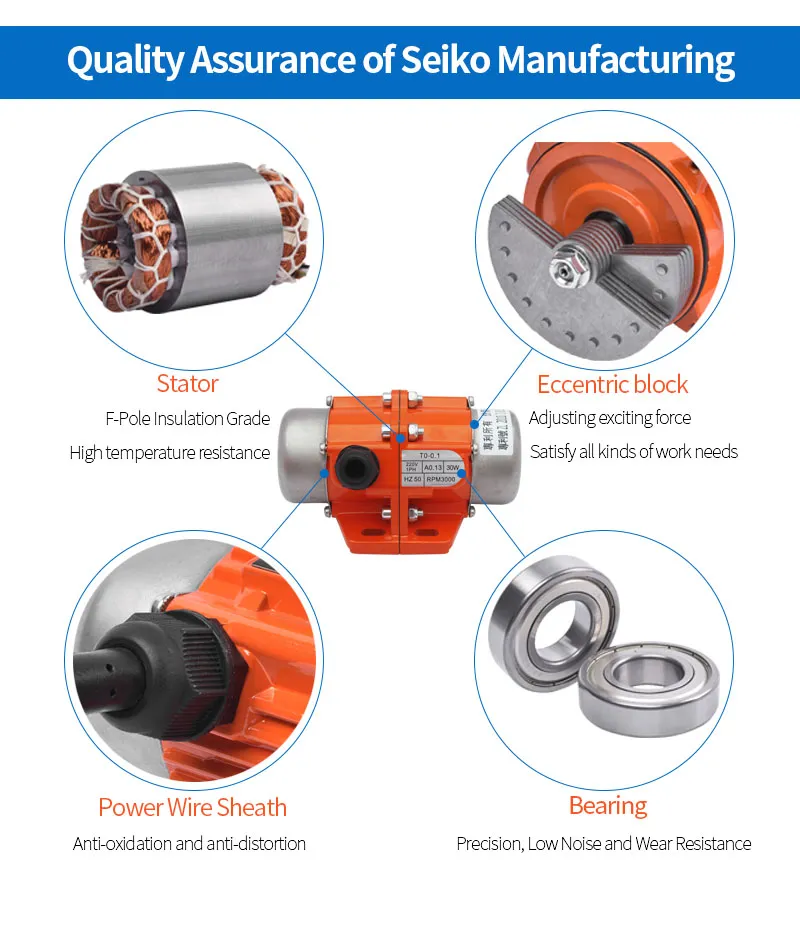
Categories
Uncategorized

Www Generator

Www Generator
Www Generator

Www Generator for sale price from the manufacturer. Diesel generator for sale from the manufacturer price. High quality and low price with free consultation

A diesel generator is a type of generator that uses diesel fuel to power an engine that in turn generates electricity. Diesel generators are commonly used for backup power supply in residential, commercial, and industrial settings, as well as for off-grid applications such as remote construction sites or mobile food trucks.

Www Generator

Diesel generators come in a variety of sizes, from small portable units suitable for camping or powering tools on a job site, to large stationary units capable of providing backup power for an entire building or facility. They are generally known for their durability and reliability, and are often used in situations where a reliable source of backup power is needed.

Diesel generators are also known for their fuel efficiency and long life span. They can typically run for many hours on a single tank of fuel, and require less maintenance than other types of generators. However, diesel generators can be more expensive to purchase and maintain than some other types of generators, and they can be noisy and produce emissions, which may be a concern in some settings.

Application Areas

Diesel generators are commonly used for backup power supply in a variety of settings, including:

  1. Residential: Diesel generators can provide backup power for homes in the event of a power outage, ensuring that essential appliances and systems such as refrigerators, lights, and HVAC systems continue to function.
  2. Commercial: Many businesses rely on diesel generators to provide backup power for critical systems such as data centers, hospitals, and manufacturing facilities.
  3. Industrial: Diesel generators are commonly used in the oil and gas, mining, and construction industries to power equipment and provide backup power.
  4. Agriculture: Diesel generators can be used to power irrigation systems, barns, and other essential equipment on farms.
  5. Remote locations: Diesel generators are often used in off-grid locations such as remote construction sites, mining camps, and military installations.
  6. Mobile applications: Diesel generators can be used to provide power for mobile food trucks, RVs, and other vehicles.

Overall, diesel generators are versatile and can be used in a wide range of settings where a reliable source of backup power is needed.

Diesel Engine of the Generators

EMS Power Machines” uses diesel engines that are manufactured with the latest technology, in accordance with ISO3046 standards, and designed for generator sets. The diesel engines used; are designed for low fuel consumption, with 4-stroke type, direct injection, with all needed limiting and level sensors, with diesel electronic or mechanical type governor mounted on the fuel pump for sensitive speed adjustment or regulation.

The engines used, may have oil, air, or water-type cooling systems, depending on customer request and the diesel engine. There are also oil, fuel, and air filters that are designed for heavy operation conditions, which provide the engine with a long lifetime with high performance. All the equipment that is needed for the diesel engine for operating safely and reliably, is provided along with the generator set.

EMS Power Machines can provide a base frame fuel tank or free-standing fuel tank dependent on the model preferences of the customer. Larger sets require free-standing fuel tanks due to the need for high fuel capacity.
Fuel tanks are manufactured of plate steel or other suitable materials.
Teksan ensures that the fuel tanks are all manufactured in accordance with relevant standards. EMS Power Machines fuel tanks are equipped with:

  • Filling cap
  • Tank ventilation
  • Fuel outlet valve
  • Fuel return connections
  • Tank drainage plug
  • Sediment trapping section
  • Level gauge pipe
  • Float switches (Optional)
  • Automatic filling (Optional)

It is highly recommended to install a fuel filter and/or a water separator on the outlet line of these fuel tanks.

Engine Brands of Diesel Generators for Sale

  • Perkins Engines
  • Cummins Engines
  • Ricardo Engines
  • Baudoin Engines
  • Shanghai Dongfeng Engines
  • Volvo Engines
  • Yangdong Engines

We use any of the above-mentioned diesel engines for the production of our diesel generators according to the customers’ requests.

Perkins engines are manufactured in the UK and are very common in the generator production market.

75 KVA Generator with Ricardo Engine

Ricardo engines are manufactured in China and have a very high market share in the generator manufacturing market.

Base Frame of the Generators

The base frame on which the generator set is placed has been manufactured using proper steel plates or special profiles based on the necessary dynamic, static, and vibration calculations in order for providing high resistance. EMS Power Machines produces the base frames for all ranges in accordance with international standards.

Base Frame of the Generators

The base frame of a generator, often referred to as the generator skid or chassis, is a crucial structural component that provides support, stability, and a foundation for the entire generator set. It plays a key role in ensuring the proper functioning, safety, and longevity of the generator. Here are some key aspects related to the base frame of generators:

Functions and Features

  1. Support Structure:
    • The base frame serves as the primary support structure for the generator set, providing a stable foundation to hold all the components together.
  2. Engine and Alternator Mounting:
    • The engine and alternator, the two main components of a generator set, are securely mounted on the base frame. Proper alignment and secure mounting are essential for efficient operation and to minimize vibrations.
  3. Vibration Isolation:
    • Many base frames incorporate features to isolate vibrations produced during the operation of the generator. This helps reduce noise and ensures that vibrations do not impact the performance or structural integrity of the generator.
  4. Fuel Tank Support:
    • In some generator sets, the fuel tank is integrated into or mounted on the base frame. This provides a secure and stable location for the fuel tank.
  5. Cooling System Support:
    • The cooling system components, such as radiators and cooling fans, are often mounted on or integrated into the base frame to ensure proper airflow and cooling.
  6. Lifting Points:
    • Base frames are designed with lifting points or provisions for lifting equipment. This facilitates ease of transportation, installation, and maintenance of the generator set.
  7. Weatherproofing:
    • Depending on the design, the base frame may provide some level of protection against environmental elements, such as rain and dust, to ensure the longevity of the generator set.
  8. Accessibility:
    • The base frame is designed to allow easy access to key components for maintenance and service tasks. This includes access panels and doors for routine inspections and repairs.
  9. Corrosion Resistance:
    • Base frames are often constructed from materials that offer corrosion resistance to withstand environmental conditions and ensure a longer service life.

Considerations

  1. Material Selection:
    • Base frames are commonly made of steel, but the type and quality of the steel used can vary. The choice of materials depends on factors such as environmental conditions, weight considerations, and corrosion resistance.
  2. Size and Dimensions:
    • The size and dimensions of the base frame are determined by the overall size of the generator set. It should provide adequate space for all components and ensure proper ventilation.
  3. Site Conditions:
    • The design of the base frame should consider the specific site conditions where the generator will be installed. This includes factors such as seismic requirements, soil conditions, and available space.
  4. Transportation:
    • The base frame design should facilitate ease of transportation, considering factors such as size, weight, and lifting points.
  5. Regulatory Compliance:
    • The design and construction of the base frame should comply with relevant safety and construction standards set by regulatory authorities.

The base frame is a critical element in the overall design and functionality of a generator set. Its design and construction should align with the specific requirements of the generator and the intended application. Manufacturers often provide detailed specifications for the base frame in the generator set documentation. When selecting or installing a generator set, it’s important to follow the manufacturer’s guidelines and consider any site-specific requirements.

Vibration Isolators

Vibration isolators, also known as vibration mounts or isolating mounts, are components used in diesel generators to reduce the transmission of vibrations and noise generated during the operation of the engine. These isolators play a crucial role in enhancing the overall performance, stability, and comfort of the generator set. Here are key aspects related to the vibration isolators of diesel generators:

Functions and Features

  1. Vibration Reduction:
    • The primary function of vibration isolators is to reduce the transmission of vibrations generated by the diesel engine to the surrounding structure. This helps minimize the impact of vibrations on adjacent equipment and structures.
  2. Noise Reduction:
    • In addition to reducing vibrations, isolators also contribute to noise reduction. They help isolate the generator set from its surroundings, preventing the transmission of noise to nearby areas.
  3. Component Protection:
    • Vibration isolators protect various components of the generator set, including the engine, alternator, and other critical parts, from the potentially damaging effects of excessive vibrations.
  4. Structural Integrity:
    • By reducing vibrations, isolators contribute to maintaining the structural integrity of the generator set and the surrounding infrastructure. Excessive vibrations can lead to wear and tear on components and may compromise the overall stability of the generator.
  5. Isolation from External Vibrations:
    • Isolators not only prevent the transmission of internal vibrations but also isolate the generator set from external vibrations, such as those from nearby machinery or environmental factors.
  6. Adjustability:
    • Some vibration isolators are designed to be adjustable, allowing for fine-tuning to achieve optimal vibration isolation based on the specific operating conditions and requirements.

Types of Vibration Isolators

  1. Spring Mounts:
    • Spring mounts use metal springs to isolate vibrations. They are effective in reducing both high and low-frequency vibrations.
  2. Rubber Mounts:
    • Rubber mounts, or elastomeric mounts, use rubber or other elastomeric materials to absorb and dampen vibrations. They are effective for isolating high-frequency vibrations.
  3. Air Springs:
    • Air springs use compressed air to provide isolation. They are effective in isolating low-frequency vibrations and are often used in large and heavy machinery.
  4. Viscous Dampers:
    • Viscous dampers use hydraulic fluid to absorb and dissipate vibrations. They are effective in isolating both high and low-frequency vibrations.
  5. Active Isolation Systems:
    • Active isolation systems use sensors and actuators to actively counteract vibrations in real-time. These systems can provide dynamic and adaptive vibration control.

Considerations

  1. Application Specifics:
    • The selection of vibration isolators should consider the specific application, environmental conditions, and the frequency spectrum of vibrations generated by the diesel generator.
  2. Load Capacity:
    • The isolators should be selected based on the load capacity of the generator set to ensure proper support and isolation.
  3. Installation and Maintenance:
    • Proper installation and regular maintenance of the vibration isolators are crucial to ensure their effectiveness over time.
  4. Regulatory Compliance:
    • Compliance with relevant safety and regulatory standards should be considered when selecting vibration isolators.
  5. Manufacturer Recommendations:
    • Follow the manufacturer’s recommendations for the type and specification of vibration isolators suitable for a particular generator model.

Vibration isolators are integral components that contribute to the smooth and reliable operation of diesel generators while minimizing the impact on surrounding structures and environments. When selecting or maintaining vibration isolators, it’s essential to consider the specific requirements of the generator set and follow the guidelines provided by the generator manufacturer.

Vibration insulators are used in order to decrease the negative effects of vibrations caused by the rotational movement of the engine and alternator. These insulators which also prevent the vibration to be transferred from
the base frame to the ground, are placed between the engine/alternator and the base frame. Specially chosen vibration isolators are mounted between the engine, alternator, and base frame. Alternatively, in bigger generator sets, vibration isolators are mounted between the base frame and floor.

Exhaust System and Silencer

An exhaust system should be designed to decrease the noise coming from the exhaust manifold and dispel the exhaust gases into the atmosphere. The exhaust system consists of a flexible compensator that absorbs vibration and expansion, steel pipes, bend, silencer, and mounting equipment. Further details on exhaust systems can be found in the “Installation” section of this manual.

Exhaust System and Silencer of Generators

The exhaust system and silencer of a diesel generator play a crucial role in managing and reducing the noise and emissions produced during the operation of the generator. Here are key aspects related to the exhaust system and silencer of diesel generators:

Exhaust System

  1. Exhaust Manifold:
    • The exhaust manifold collects exhaust gases from the engine cylinders and directs them to the exhaust system.
  2. Turbocharger (if applicable):
    • In some diesel generators, especially those with larger engines, a turbocharger may be used to increase the efficiency of exhaust gas evacuation.
  3. Piping:
    • Exhaust piping carries the hot gases from the engine to the other components of the exhaust system. It is designed to withstand high temperatures and is often insulated to prevent heat dissipation.
  4. After-Treatment Devices:
    • Modern diesel generators often incorporate after-treatment devices such as diesel particulate filters (DPF) and selective catalytic reduction (SCR) systems to reduce emissions and comply with environmental regulations.

Silencer

  1. Purpose:
    • The silencer, or muffler, is designed to reduce the noise generated by the exhaust gases as they exit the generator. It helps in creating a more tolerable and quieter operating environment.
  2. Design:
    • Silencers are typically designed with sound-absorbing materials and internal baffles to attenuate and dissipate sound energy. The design may vary based on the specific noise reduction requirements.
  3. Inlet and Outlet:
    • Silencers have inlet and outlet ports that are connected to the exhaust piping. The exhaust gases enter the silencer through the inlet and exit through the outlet.
  4. Materials:
    • Silencers are constructed using materials that can withstand high temperatures and corrosion, given the harsh environment of exhaust gases.
  5. Resonators (if applicable):
    • Some silencers may incorporate resonators to further dampen specific frequencies of sound and enhance noise reduction.
  6. Spark Arrestor (if applicable):
    • In certain applications, especially in environments where the risk of fire is a concern, a spark arrestor may be included in the silencer to prevent sparks from exiting the exhaust.

Considerations

  1. Noise Regulations:
    • Compliance with local noise regulations is a critical consideration when selecting or designing the exhaust system and silencer. Different regions may have specific noise level requirements that need to be met.
  2. Emission Regulations:
    • Ensure that the exhaust system, including any after-treatment devices, complies with emissions regulations applicable to the generator’s location.
  3. Engine Efficiency:
    • The design of the exhaust system should not compromise the efficiency of the engine. It should allow for proper evacuation of exhaust gases without causing backpressure.
  4. Maintenance:
    • Regular inspection and maintenance of the exhaust system and silencer are essential to ensure proper functioning and longevity. This includes checking for leaks, corrosion, and damage.
  5. Installation:
    • Proper installation of the exhaust system and silencer is crucial for optimal performance. Consider factors such as proper clearances, support structures, and heat dissipation.
  6. Manufacturer Recommendations:
    • Follow the recommendations provided by the generator manufacturer regarding the selection, installation, and maintenance of the exhaust system and silencer.

The exhaust system and silencer are critical components that contribute to the safe and environmentally friendly operation of diesel generators. When selecting or maintaining these components, it’s important to consider both regulatory requirements and the specific operational needs of the generator. Consulting with the generator manufacturer or a qualified professional can help ensure that the exhaust system is designed and maintained to meet the necessary standards.

Control System

The control system of a diesel generator is a crucial component that governs and manages the operation of the generator set. It includes a range of components and features designed to monitor, control, and protect the generator during various operating conditions. Here are key aspects related to the control system of diesel generators:

Components of the Control System

  1. Control Panel:
    • The control panel is the interface through which operators interact with the generator. It typically includes displays, buttons, switches, and indicators for monitoring and controlling various parameters.
  2. Controller:
    • The controller is the central processing unit responsible for monitoring and regulating the generator’s functions. It may be a microprocessor-based controller that processes data from sensors and issues commands to different components.
  3. Sensors:
    • Various sensors are deployed throughout the generator to measure critical parameters such as engine speed, oil pressure, coolant temperature, voltage, and current. These sensors provide real-time data to the controller.
  4. Automatic Voltage Regulator (AVR):
    • The AVR is responsible for maintaining a stable and consistent voltage output from the generator. It adjusts the excitation current to the generator’s alternator to control the voltage level.
  5. Engine Control Module (ECM):
    • The ECM monitors and controls the diesel engine’s operation. It manages fuel injection, air intake, exhaust emissions, and other parameters to optimize engine performance and efficiency.
  6. Governor:
    • The governor regulates the speed of the engine by controlling the fuel injection. It helps maintain a constant speed under varying loads.
  7. Protection System:
    • The protection system safeguards the generator against abnormal conditions such as overloading, overheating, low oil pressure, and over-speeding. It can initiate automatic shutdowns to prevent damage.
  8. Data Logging and Communication:
    • Some control systems feature data logging capabilities to record operational data over time. Communication interfaces may allow for remote monitoring and control.

Features and Functions

  1. Start/Stop Control:
    • The control system initiates the start and stop sequences of the generator based on manual or automatic commands.
  2. Load Sharing (Parallel Operation):
    • In parallel operation scenarios where multiple generators are connected, the control system ensures proper load sharing and synchronization.
  3. Synchronization:
    • The control system facilitates synchronization when connecting the generator to an electrical grid or other generators, ensuring a seamless connection without disturbances.
  4. Emergency Shutdown:
    • The control system includes emergency shutdown features that can be triggered in response to critical faults or unsafe conditions to protect the generator.
  5. Remote Monitoring and Control:
    • Advanced control systems may allow remote monitoring and control of the generator, providing real-time information and the ability to make adjustments from a distance.
  6. Diagnostic and Fault Analysis:
    • The control system can diagnose faults, provide alerts or alarms, and perform self-diagnostics to aid in troubleshooting and maintenance.

Considerations

  1. Compatibility:
    • Ensure that the control system is compatible with the generator set and any additional components, especially if the generator is part of a larger power system.
  2. Scalability:
    • Consider the scalability of the control system to accommodate future upgrades or additions to the generator system.
  3. User Interface:
    • Evaluate the user interface of the control panel for ease of use and accessibility, especially for operators who need to monitor and manage the generator.
  4. Integration with Power Systems:
    • If the generator is part of a larger power distribution system, ensure that the control system can seamlessly integrate with other power management components.
  5. Training and Documentation:
    • Adequate training and documentation should be provided for operators to effectively use and troubleshoot the control system.

The control system is a critical aspect of diesel generators, ensuring reliable and efficient operation while providing essential protection features. When selecting a generator, it’s important to understand the capabilities of the control system and how well it aligns with the specific requirements of the intended application. Manufacturers typically provide detailed specifications and documentation related to the control system for each generator model.

Various control systems are developed for ensuring the protection of the generator set against failures, load transfers, and the reliability of the operation of the generator set. Control system designs can vary according to the customer requirements and assembling requirements. The main
types of control systems are Manual, Automatic, Standby, and Parallel working systems.

All control systems are mounted on steel panels containing a lockable door for easy reaching and service. Further technical information about the control systems of the generator sets can be found in the “Control Systems” section of this manual and the manual of the controller.

Installation of Generators

The installation of generators is a critical process that involves several steps to ensure proper functionality, safety, and compliance with regulations. Whether installing a standby generator for backup power or a prime power generator for continuous operation, following best practices is essential. Here is a general guide for the installation of generators:

1. Site Selection

  1. Regulatory Compliance:
    • Ensure compliance with local building codes, zoning regulations, and environmental requirements. Obtain any necessary permits before starting the installation.
  2. Space and Clearance:
    • Select a location with sufficient space for the generator and its accessories. Allow for proper clearance around the generator for maintenance and ventilation.
  3. Ventilation:
    • Ensure adequate ventilation to dissipate heat generated by the generator. Generators typically require space for air intake and exhaust.
  4. Accessibility:
    • Choose a location that allows easy access for installation, maintenance, and potential repairs. Consider factors such as crane access and pathways for transporting equipment.

2. Foundation and Mounting

  1. Foundation Construction:
    • Prepare a stable foundation for the generator. The foundation should be level, sturdy, and capable of supporting the generator’s weight.
  2. Vibration Isolation:
    • If applicable, install vibration isolators or mounts to minimize the transmission of vibrations from the generator to the foundation and surrounding structures.
  3. Anchor the Generator:
    • Anchor the generator securely to the foundation to prevent movement or shifting during operation or external forces.

3. Electrical Connections

  1. Transfer Switch Installation:
    • Install an automatic transfer switch (ATS) to facilitate seamless switching between the main power source and the generator during power outages.
  2. Wiring:
    • Connect the generator to the electrical distribution system following local electrical codes and regulations. Ensure proper sizing of conductors and adherence to safety standards.
  3. Grounding:
    • Establish proper grounding for the generator as per electrical codes. A grounding electrode system helps ensure safety and proper functioning.
  4. Voltage Configuration:
    • Verify that the generator’s voltage configuration matches the requirements of the connected loads. Adjust settings if necessary.

4. Fuel System

  1. Fuel Storage:
    • If the generator has an internal fuel tank, ensure it is filled with the appropriate fuel. For external fuel tanks, connect and test the fuel supply system.
  2. Fuel Quality:
    • Ensure that the fuel supply meets the specifications recommended by the generator manufacturer. Use clean and high-quality fuel.

5. Exhaust System

  1. Exhaust Piping:
    • Install the exhaust piping in compliance with local codes and regulations. Ensure proper venting of exhaust gases away from occupied spaces.
  2. Silencer Installation:
    • If a silencer is included, install it in the exhaust system to reduce noise emissions. Follow the manufacturer’s recommendations for placement and installation.

6. Control System

  1. Control Panel Wiring:
    • Connect the control panel to the generator and ensure proper wiring. Verify the functionality of control features such as start/stop, monitoring, and protection systems.
  2. Testing:
    • Conduct thorough testing of the control system to ensure all functions operate as intended. Test automatic start/stop sequences, alarms, and safety shutdowns.

7. Commissioning and Testing

  1. Load Testing:
    • Conduct load tests to ensure the generator can handle the expected loads. Verify the generator’s performance under varying load conditions.
  2. System Integration:
    • Integrate the generator into the overall power system. If multiple generators are used, ensure proper synchronization and load sharing.
  3. Commissioning Procedures:
    • Follow the commissioning procedures provided by the generator manufacturer. This may include adjusting settings, verifying alarms, and ensuring all systems are operational.

8. Documentation

  1. As-Built Documentation:
    • Prepare as-built documentation that includes detailed drawings, specifications, and records of the installation. This documentation is valuable for future maintenance and reference.
  2. Operation and Maintenance Manuals:
    • Provide the end user with comprehensive operation and maintenance manuals. Include information on routine maintenance, troubleshooting, and emergency procedures.

9. Training

  1. Operator Training:
    • Provide training for operators on how to start, stop, and operate the generator safely. Ensure they are familiar with the control panel and understand basic troubleshooting procedures.
  2. Maintenance Training:
    • Train maintenance personnel on routine maintenance tasks, including oil changes, filter replacements, and inspections. Emphasize the importance of following the manufacturer’s maintenance schedule.

10. Compliance

  1. Final Inspection:
    • Conduct a final inspection to ensure compliance with all applicable codes, regulations, and safety standards.
  2. Certifications:
    • Obtain any necessary certifications or approvals from local authorities or regulatory bodies.
  3. Record Keeping:
    • Keep detailed records of the installation, testing, and commissioning processes. This documentation may be required for compliance audits and warranty support.

11. Ongoing Monitoring and Maintenance

  1. Monitoring Systems:
    • Implement continuous monitoring systems for key parameters, such as fuel levels, oil pressure, and coolant temperature. Consider remote monitoring options for quick response to issues.
  2. Scheduled Maintenance:
    • Establish a scheduled maintenance program and adhere to the manufacturer’s recommendations. Regular maintenance is essential for the reliability and longevity of the generator.
  3. Emergency Response Plan:
    • Develop and communicate an emergency response plan outlining procedures to follow in the event of a generator malfunction or failure.

Conclusion

The installation of generators is a multifaceted process that requires careful planning, attention to detail, and compliance with various standards and regulations. Collaboration with experienced professionals, including electrical engineers, mechanical contractors, and generator technicians, can contribute to a successful installation. Additionally, consulting with the generator manufacturer and following their guidelines is essential to ensure optimal performance and longevity of the generator system.

The selection and preparation of the location where the generator set will be placed is the most important step of installation. So please make sure that the generator set is installed at a place that is selected and prepared fully in conformity with the instructions in this manual.

Also, remember that you can call us for any further information or confirmation about this issue. If the generator will be placed on an upper floor, not the basement or ground, the responsibility of static load distribution belongs to the customer. The customer should get approval from an authority about this issue before installation.

Environmental Conditions

Install the generator set in such a place that it will not be directly exposed to harsh environmental conditions such as rain, snow, hail, flood, humidity, excessive sunlight, extremely low or high temperature, dust, soil, sand or wind. The place where the generator set will be installed must be, clean, dry, well illuminated and ventilated, free of corrosive or conductive pollutant substances like dust, lint, smoke, oil vapor, exhaust smoke, etc…

Be sure to leave enough blank space around the generator set, in order to ease future maintenance or repair activities Remember that it can be necessary to disassemble the main parts like the engine, alternator, or base frame in some cases. The base ground where the generator will be settled must be clean dry and must have a good drainage system. Put the generator set in such a place that nobody unauthorized can access it, or at least take necessary precautions about it.

Place generator sets in such places that they will not be affected by the operation of any other machines. Do not install or run the generator set at any place that has any possibility of risk in terms of safety of operation.
Also, provide the necessary precautions (canopy option) or protections against bad weather conditions if it will be placed outside.

The doors of the room that the generator set will be placed in, must be at enough size for the main parts (engine, alternator, radiator, etc…) to pass through. Also, ventilation windows can be built portable or mobile for
this purpose.

Diesel Generator

A diesel generator is a device that converts diesel fuel into electricity. Diesel generators are typically used as backup power sources in the event of a power outage, but they can also be used as primary power sources in remote areas where there is no grid electricity available.

Diesel generators work by using a diesel engine to turn a generator. The diesel engine burns diesel fuel to create mechanical energy, which is then converted into electrical energy by the generator.

Diesel generators are available in a variety of sizes and power outputs. Some diesel generators are small enough to be portable, while others are large enough to power entire buildings or communities.

Diesel generators are a reliable and efficient way to generate electricity. They are also relatively easy to operate and maintain.

Here are some examples of where diesel generators are used:

  • Hospitals and other critical facilities: Diesel generators are used to provide backup power in hospitals, data centers, and other critical facilities. This ensures that these facilities continue to operate even in the event of a power outage.
  • Construction sites: Diesel generators are used to provide power for construction tools and equipment at construction sites. This allows construction work to continue even in remote areas where there is no grid electricity available.
  • Emergency services: Diesel generators are used to provide power for emergency services, such as ambulances and fire trucks. This ensures that these services can continue to operate even in the event of a power outage.
  • Remote areas: Diesel generators are used to provide primary power in remote areas where there is no grid electricity available. This allows people living in these areas to have access to electricity for lighting, cooking, and other essential needs.

Diesel generators are a valuable tool for generating electricity in a variety of situations. They are reliable, efficient, and easy to operate and maintain.

Diesel Generator Outputs

The output of a diesel generator is measured in kilowatts (kW). The output of a diesel generator is limited by the size and power of the diesel engine that it uses. Diesel generators are available in a variety of sizes and power outputs, ranging from small portable generators that produce a few kW of power to large industrial generators that produce thousands of kW of power.

The output of a diesel generator is also affected by a number of other factors, including:

  • Fuel quality: The quality of the diesel fuel used in a generator can affect its output. Lower quality diesel fuel can produce less power and can also damage the generator.
  • Air quality: The quality of the air that the generator is operating in can also affect its output. Operating a generator in thin air or in hot weather can reduce its output.
  • Maintenance: Proper maintenance of a diesel generator is essential to ensure its optimal performance. A generator that is not properly maintained may produce less power and may also be more likely to break down.

Here are some examples of the power outputs of different types of diesel generators:

  • Small portable generator: 1-5 kW
  • Medium-sized generator: 5-10 kW
  • Large generator: 10-100 kW
  • Industrial generator: 100 kW and up

The power output of a diesel generator is an important factor to consider when choosing a generator for a particular application. The generator should have enough power output to meet the needs of the devices and appliances that will be connected to it.

It is also important to note that the power output of a diesel generator is not the same as its efficiency. The efficiency of a diesel generator is the percentage of the fuel energy that is converted into electrical energy. A more efficient generator will produce more electrical energy for a given amount of fuel.

Diesel Generators

Diesel generators are a type of backup or standby power source that uses a diesel engine to generate electricity. These generators are widely used in various applications where a reliable and continuous power supply is crucial. Here are key aspects related to diesel generators:

Components of Diesel Generators

  1. Diesel Engine:
    • The diesel engine is the primary component responsible for converting diesel fuel into mechanical energy. This mechanical energy is then used to turn a generator to produce electricity.
  2. Generator (Alternator):
    • The generator, or alternator, converts the mechanical energy from the diesel engine into electrical energy. It consists of a rotor and a stator, and as the rotor turns within the stator’s magnetic field, it induces an electric current.
  3. Fuel System:
    • The fuel system stores and delivers diesel fuel to the engine for combustion. It typically includes a fuel tank, fuel pump, and fuel injectors.
  4. Cooling System:
    • Diesel generators have a cooling system to maintain optimal operating temperatures. This system may include a radiator, cooling fans, and a water or air cooling mechanism.
  5. Exhaust System:
    • The exhaust system is responsible for expelling the combustion gases produced during the diesel engine’s operation. It usually includes a muffler and may incorporate emission control devices.
  6. Control Panel:
    • The control panel houses the generator’s control and monitoring systems. It allows operators to start or stop the generator, monitor performance, and sometimes control other parameters such as voltage and frequency.
  7. Voltage Regulator:
    • The voltage regulator maintains a stable output voltage by adjusting the excitation current to the generator’s rotor.
  8. Battery Charger:
    • Diesel generators often have a battery or set of batteries to start the engine. A battery charger ensures that the batteries remain charged and ready to start the generator when needed.
  9. Automatic Transfer Switch (ATS):
    • An ATS is a crucial component for standby generators. It automatically switches the electrical load from the main power source to the generator when it detects a power outage and vice versa when the main power is restored.
Working Principle:
  1. Combustion: Diesel fuel is injected into the combustion chamber, and the heat generated by the compression of air ignites the fuel.
  2. Mechanical Energy: The combustion process produces high-pressure gases that expand, creating mechanical energy. This energy is used to rotate the engine’s crankshaft.
  3. Electricity Generation: The rotating crankshaft is connected to the generator, causing it to spin. As the generator’s rotor rotates within the stator, it induces an electric current, generating electricity.
Applications:
  1. Emergency Power:
    • Diesel generators are commonly used for emergency backup power in critical facilities such as hospitals, data centers, and telecommunications facilities.
  2. Construction Sites:
    • They are used on construction sites to power tools and equipment where a reliable grid connection may not be available.
  3. Industrial Facilities:
    • Diesel generators provide backup power for industrial plants and manufacturing facilities to prevent production disruptions.
  4. Remote Locations:
    • In remote or off-grid locations, where a stable power supply from the grid is not feasible, diesel generators can provide a reliable source of electricity.
  5. Mining Operations:
    • Diesel generators are often used in mining operations to power equipment in remote and rugged environments.
  6. Agriculture:
    • Farms may use diesel generators to power irrigation systems, machinery, and other agricultural equipment.
Advantages:
  1. Fuel Availability:
    • Diesel fuel is widely available, making diesel generators suitable for various locations.
  2. Fuel Efficiency:
    • Diesel generators are known for their fuel efficiency, providing a cost-effective solution for standby power.
  3. Durability:
    • Diesel generators are generally robust and durable, capable of handling heavy loads and providing long service life.
  4. High Torque:
    • Diesel engines provide high torque, making them suitable for applications with varying load conditions.
Limitations:
  1. Noise and Emissions:
    • Diesel generators can be noisy, and their combustion process produces emissions. However, advancements in technology have led to quieter and more environmentally friendly models.
  2. Maintenance:
    • Regular maintenance is essential to ensure the proper functioning of diesel generators.
  3. Initial Cost:
    • Diesel generators may have a higher upfront cost compared to some other types of generators.

Diesel generators are a reliable and widely used solution for providing backup or primary power in various settings. The choice of a diesel generator depends on factors such as power requirements, environmental considerations, and the specific needs of the application.

Diesel generators are machines that convert the chemical energy of diesel fuel into mechanical energy, which is then used to generate electricity. They are a popular choice for a variety of applications, including prime power for remote locations, backup power for businesses, and emergency power for hospitals and other critical infrastructure.

Diesel generators are available in a wide range of sizes, from small portable generators that can be used to power a few appliances to large stationary generators that can power entire buildings or even small towns.

Diesel generators are typically powered by four-stroke diesel engines. Diesel engines are known for their reliability and fuel efficiency, making them a good choice for applications where long-term operation is required.

Diesel generators work by burning diesel fuel in the engine, which drives a generator to produce electricity. The electricity generated by the generator can then be used to power lights, appliances, and other electrical devices.

Diesel generators are a valuable source of backup power in the event of a power outage. They can also be used as a primary source of power in remote locations where there is no access to the electrical grid.

Here are some of the benefits of using a diesel generator:

  • Reliable: Diesel generators are very reliable and can operate for long periods of time without any problems.
  • Fuel-efficient: Diesel generators are fuel-efficient, which can save you money on operating costs.
  • Durable: Diesel generators are built to last and can withstand harsh operating conditions.
  • Versatile: Diesel generators can be used in a variety of applications, from prime power for remote locations to backup power for businesses and critical infrastructure.

If you are considering purchasing a diesel generator, be sure to do your research and choose a generator that is the right size and type for your needs. You should also consider the cost of fuel and maintenance when making your decision.

EMS Power Machines

We design, manufacture and assembly Power Machines such as – diesel generators, electric motors, vibration motors, pumps, steam engines and steam turbines

EMS Power Machines is a global power engineering company, one of the five world leaders in the industry in terms of installed equipment. The companies included in the company have been operating in the energy market for more than 60 years.

EMS Power Machines manufactures steam turbines, gas turbines, hydroelectric turbines, generators, and other power equipment for thermal, nuclear, and hydroelectric power plants, as well as for various industries, transport, and marine energy.

EMS Power Machines is a major player in the global power industry, and its equipment is used in power plants all over the world. The company has a strong track record of innovation, and it is constantly developing new and improved technologies.

Here are some examples of Power Machines’ products and services:

  • Steam turbines for thermal and nuclear power plants
  • Gas turbines for combined cycle power plants and industrial applications
  • Hydroelectric turbines for hydroelectric power plants
  • Generators for all types of power plants
  • Boilers for thermal power plants
  • Condensers for thermal power plants
  • Reheaters for thermal power plants
  • Air preheaters for thermal power plants
  • Feedwater pumps for thermal power plants
  • Control systems for power plants
  • Maintenance and repair services for power plants

EMS Power Machines is committed to providing its customers with high-quality products and services. The company has a strong reputation for reliability and innovation. Power Machines is a leading provider of power equipment and services, and it plays a vital role in the global power industry.

EMS Power Machines, which began in 1961 as a small factory of electric motors, has become a leading global supplier of electronic products for different segments. The search for excellence has resulted in the diversification of the business, adding to the electric motors products which provide from power generation to more efficient means of use.

Categories
Uncategorized

Diesel Generator Fuel Consumption per Hour Formula

Diesel Generator Fuel Consumption per Hour Formula

Diesel Generator Fuel Consumption per Hour Formula. Diesel generator for sale from the manufacturer price. High quality and low price with free consultation

The fuel consumption of a diesel generator per hour can be calculated using the following formula:

Fuel consumption (in liters per hour) = Power output (in kW) x Specific fuel consumption (in liters per kWh)

The specific fuel consumption (SFC) is a measure of how much fuel is required to produce one kilowatt-hour (kWh) of electricity. The SFC can vary depending on the make and model of the generator, as well as the load on the generator.

To calculate the SFC, you can refer to the generator manufacturer’s specifications or consult a fuel consumption chart for diesel generators. These charts typically list the SFC for various load levels, based on the generator’s rated capacity.

Once you have the SFC and power output values, you can plug them into the formula to calculate the fuel consumption per hour. For example, if a 100 kW diesel generator has an SFC of 0.2 liters per kWh, the fuel consumption per hour would be:

Fuel consumption = 100 kW x 0.2 liters per kWh = 20 liters per hour

Note that this formula provides an estimate of the fuel consumption and actual fuel usage may vary based on factors such as load level, generator efficiency, and fuel quality.

Diesel Generator Fuel Consumption per Hour Formula

Here are some additional details on factors that can affect the fuel consumption of a diesel generator per hour:

  1. Load level: Diesel generators are typically most efficient when operating at or near their rated capacity. At lower load levels, the generator may consume more fuel per hour to produce the same amount of power, due to factors such as incomplete combustion and higher heat losses.
  2. Generator efficiency: The efficiency of a diesel generator can be affected by factors such as the design of the engine, the type of fuel injection system, and the quality of the fuel being used. A more efficient generator may consume less fuel per hour to produce the same amount of power.
  3. Fuel quality: The quality of the fuel being used can have a significant impact on the fuel consumption of a diesel generator. Poor quality fuel with high levels of contaminants can cause issues such as incomplete combustion, reduced engine efficiency, and increased fuel consumption.
  4. Operating conditions: Factors such as temperature, altitude, and humidity can affect the performance of a diesel generator and its fuel consumption. For example, a generator operating at high altitudes may consume more fuel per hour due to reduced air density and oxygen content.
  5. Maintenance: Proper maintenance of a diesel generator is essential for maximizing efficiency and minimizing fuel consumption. Regular maintenance tasks such as cleaning the air filters, replacing worn parts, and tuning the engine can help ensure that the generator is operating at peak efficiency.

By taking these factors into account, it is possible to estimate the fuel consumption of a diesel generator per hour and identify opportunities for improving efficiency and reducing fuel costs.

Application Areas

Diesel generators are used in a wide range of applications and industries where reliable backup or primary power is required. Here are some common application areas for diesel generators:

  1. Emergency backup power: Diesel generators are commonly used as backup power sources for critical infrastructure such as hospitals, data centers, and telecommunications facilities. They can provide reliable power in the event of grid outages or other emergencies.
  2. Construction and mining: Diesel generators are often used to power heavy equipment and machinery on construction and mining sites where grid power is not available or practical.
  3. Agriculture and farming: Diesel generators are used in agriculture and farming to power irrigation systems, grain drying, and other equipment.
  4. Marine industry: Diesel generators are commonly used to power ships and boats, particularly in commercial shipping and offshore oil and gas industries.
  5. Remote and off-grid locations: Diesel generators are frequently used in remote or off-grid locations where there is no access to grid power. They can be used to power homes, businesses, and other infrastructure.
  6. Events and entertainment: Diesel generators are used to provide temporary power for outdoor events, concerts, and festivals.

Overall, diesel generators are widely used in many industries and applications where reliable and portable power is required.

Diesel Engine of the Generators

EMS Power Machines” uses diesel engines that are manufactured with the latest technology, in accordance with ISO3046 standards, and designed for generator sets. The diesel engines used; are designed for low fuel consumption, with 4-stroke type, direct injection, with all needed limiting and level sensors, with diesel electronic or mechanical type governor mounted on the fuel pump for sensitive speed adjustment or regulation.

The engines used, may have oil, air, or water-type cooling systems, depending on customer request and the diesel engine. There are also oil, fuel, and air filters that are designed for heavy operation conditions, which provide the engine with a long lifetime with high performance. All the equipment that is needed for the diesel engine for operating safely and reliably, is provided along with the generator set.

EMS Power Machines can provide a base frame fuel tank or free-standing fuel tank dependent on the model preferences of the customer. Larger sets require free-standing fuel tanks due to the need for high fuel capacity.
Fuel tanks are manufactured of plate steel or other suitable materials.
Teksan ensures that the fuel tanks are all manufactured in accordance with relevant standards. EMS Power Machines fuel tanks are equipped with:

  • Filling cap
  • Tank ventilation
  • Fuel outlet valve
  • Fuel return connections
  • Tank drainage plug
  • Sediment trapping section
  • Level gauge pipe
  • Float switches (Optional)
  • Automatic filling (Optional)

It is highly recommended to install a fuel filter and/or a water separator on the outlet line of these fuel tanks.

Engine Brands of Diesel Generators for Sale

  • Perkins Engines
  • Cummins Engines
  • Ricardo Engines
  • Baudoin Engines
  • Shanghai Dongfeng Engines
  • Volvo Engines
  • Yangdong Engines

We use any of the above-mentioned diesel engines for the production of our diesel generators according to the customers’ requests.

Perkins engines are manufactured in the UK and are very common in the generator production market.

75 KVA Generator with Ricardo Engine

Ricardo engines are manufactured in China and have a very high market share in the generator manufacturing market.

Base Frame of the Generators

The base frame on which the generator set is placed has been manufactured using proper steel plates or special profiles based on the necessary dynamic, static, and vibration calculations in order for providing high resistance. EMS Power Machines produces the base frames for all ranges in accordance with international standards.

Base Frame of the Generators

The base frame of a generator, often referred to as the generator skid or chassis, is a crucial structural component that provides support, stability, and a foundation for the entire generator set. It plays a key role in ensuring the proper functioning, safety, and longevity of the generator. Here are some key aspects related to the base frame of generators:

Functions and Features

  1. Support Structure:
    • The base frame serves as the primary support structure for the generator set, providing a stable foundation to hold all the components together.
  2. Engine and Alternator Mounting:
    • The engine and alternator, the two main components of a generator set, are securely mounted on the base frame. Proper alignment and secure mounting are essential for efficient operation and to minimize vibrations.
  3. Vibration Isolation:
    • Many base frames incorporate features to isolate vibrations produced during the operation of the generator. This helps reduce noise and ensures that vibrations do not impact the performance or structural integrity of the generator.
  4. Fuel Tank Support:
    • In some generator sets, the fuel tank is integrated into or mounted on the base frame. This provides a secure and stable location for the fuel tank.
  5. Cooling System Support:
    • The cooling system components, such as radiators and cooling fans, are often mounted on or integrated into the base frame to ensure proper airflow and cooling.
  6. Lifting Points:
    • Base frames are designed with lifting points or provisions for lifting equipment. This facilitates ease of transportation, installation, and maintenance of the generator set.
  7. Weatherproofing:
    • Depending on the design, the base frame may provide some level of protection against environmental elements, such as rain and dust, to ensure the longevity of the generator set.
  8. Accessibility:
    • The base frame is designed to allow easy access to key components for maintenance and service tasks. This includes access panels and doors for routine inspections and repairs.
  9. Corrosion Resistance:
    • Base frames are often constructed from materials that offer corrosion resistance to withstand environmental conditions and ensure a longer service life.

Considerations

  1. Material Selection:
    • Base frames are commonly made of steel, but the type and quality of the steel used can vary. The choice of materials depends on factors such as environmental conditions, weight considerations, and corrosion resistance.
  2. Size and Dimensions:
    • The size and dimensions of the base frame are determined by the overall size of the generator set. It should provide adequate space for all components and ensure proper ventilation.
  3. Site Conditions:
    • The design of the base frame should consider the specific site conditions where the generator will be installed. This includes factors such as seismic requirements, soil conditions, and available space.
  4. Transportation:
    • The base frame design should facilitate ease of transportation, considering factors such as size, weight, and lifting points.
  5. Regulatory Compliance:
    • The design and construction of the base frame should comply with relevant safety and construction standards set by regulatory authorities.

The base frame is a critical element in the overall design and functionality of a generator set. Its design and construction should align with the specific requirements of the generator and the intended application. Manufacturers often provide detailed specifications for the base frame in the generator set documentation. When selecting or installing a generator set, it’s important to follow the manufacturer’s guidelines and consider any site-specific requirements.

Vibration Isolators

Vibration isolators, also known as vibration mounts or isolating mounts, are components used in diesel generators to reduce the transmission of vibrations and noise generated during the operation of the engine. These isolators play a crucial role in enhancing the overall performance, stability, and comfort of the generator set. Here are key aspects related to the vibration isolators of diesel generators:

Functions and Features

  1. Vibration Reduction:
    • The primary function of vibration isolators is to reduce the transmission of vibrations generated by the diesel engine to the surrounding structure. This helps minimize the impact of vibrations on adjacent equipment and structures.
  2. Noise Reduction:
    • In addition to reducing vibrations, isolators also contribute to noise reduction. They help isolate the generator set from its surroundings, preventing the transmission of noise to nearby areas.
  3. Component Protection:
    • Vibration isolators protect various components of the generator set, including the engine, alternator, and other critical parts, from the potentially damaging effects of excessive vibrations.
  4. Structural Integrity:
    • By reducing vibrations, isolators contribute to maintaining the structural integrity of the generator set and the surrounding infrastructure. Excessive vibrations can lead to wear and tear on components and may compromise the overall stability of the generator.
  5. Isolation from External Vibrations:
    • Isolators not only prevent the transmission of internal vibrations but also isolate the generator set from external vibrations, such as those from nearby machinery or environmental factors.
  6. Adjustability:
    • Some vibration isolators are designed to be adjustable, allowing for fine-tuning to achieve optimal vibration isolation based on the specific operating conditions and requirements.

Types of Vibration Isolators

  1. Spring Mounts:
    • Spring mounts use metal springs to isolate vibrations. They are effective in reducing both high and low-frequency vibrations.
  2. Rubber Mounts:
    • Rubber mounts, or elastomeric mounts, use rubber or other elastomeric materials to absorb and dampen vibrations. They are effective for isolating high-frequency vibrations.
  3. Air Springs:
    • Air springs use compressed air to provide isolation. They are effective in isolating low-frequency vibrations and are often used in large and heavy machinery.
  4. Viscous Dampers:
    • Viscous dampers use hydraulic fluid to absorb and dissipate vibrations. They are effective in isolating both high and low-frequency vibrations.
  5. Active Isolation Systems:
    • Active isolation systems use sensors and actuators to actively counteract vibrations in real-time. These systems can provide dynamic and adaptive vibration control.

Considerations

  1. Application Specifics:
    • The selection of vibration isolators should consider the specific application, environmental conditions, and the frequency spectrum of vibrations generated by the diesel generator.
  2. Load Capacity:
    • The isolators should be selected based on the load capacity of the generator set to ensure proper support and isolation.
  3. Installation and Maintenance:
    • Proper installation and regular maintenance of the vibration isolators are crucial to ensure their effectiveness over time.
  4. Regulatory Compliance:
    • Compliance with relevant safety and regulatory standards should be considered when selecting vibration isolators.
  5. Manufacturer Recommendations:
    • Follow the manufacturer’s recommendations for the type and specification of vibration isolators suitable for a particular generator model.

Vibration isolators are integral components that contribute to the smooth and reliable operation of diesel generators while minimizing the impact on surrounding structures and environments. When selecting or maintaining vibration isolators, it’s essential to consider the specific requirements of the generator set and follow the guidelines provided by the generator manufacturer.

Vibration insulators are used in order to decrease the negative effects of vibrations caused by the rotational movement of the engine and alternator. These insulators which also prevent the vibration to be transferred from
the base frame to the ground, are placed between the engine/alternator and the base frame. Specially chosen vibration isolators are mounted between the engine, alternator, and base frame. Alternatively, in bigger generator sets, vibration isolators are mounted between the base frame and floor.

Exhaust System and Silencer

An exhaust system should be designed to decrease the noise coming from the exhaust manifold and dispel the exhaust gases into the atmosphere. The exhaust system consists of a flexible compensator that absorbs vibration and expansion, steel pipes, bend, silencer, and mounting equipment. Further details on exhaust systems can be found in the “Installation” section of this manual.

Exhaust System and Silencer of Generators

The exhaust system and silencer of a diesel generator play a crucial role in managing and reducing the noise and emissions produced during the operation of the generator. Here are key aspects related to the exhaust system and silencer of diesel generators:

Exhaust System

  1. Exhaust Manifold:
    • The exhaust manifold collects exhaust gases from the engine cylinders and directs them to the exhaust system.
  2. Turbocharger (if applicable):
    • In some diesel generators, especially those with larger engines, a turbocharger may be used to increase the efficiency of exhaust gas evacuation.
  3. Piping:
    • Exhaust piping carries the hot gases from the engine to the other components of the exhaust system. It is designed to withstand high temperatures and is often insulated to prevent heat dissipation.
  4. After-Treatment Devices:
    • Modern diesel generators often incorporate after-treatment devices such as diesel particulate filters (DPF) and selective catalytic reduction (SCR) systems to reduce emissions and comply with environmental regulations.

Silencer

  1. Purpose:
    • The silencer, or muffler, is designed to reduce the noise generated by the exhaust gases as they exit the generator. It helps in creating a more tolerable and quieter operating environment.
  2. Design:
    • Silencers are typically designed with sound-absorbing materials and internal baffles to attenuate and dissipate sound energy. The design may vary based on the specific noise reduction requirements.
  3. Inlet and Outlet:
    • Silencers have inlet and outlet ports that are connected to the exhaust piping. The exhaust gases enter the silencer through the inlet and exit through the outlet.
  4. Materials:
    • Silencers are constructed using materials that can withstand high temperatures and corrosion, given the harsh environment of exhaust gases.
  5. Resonators (if applicable):
    • Some silencers may incorporate resonators to further dampen specific frequencies of sound and enhance noise reduction.
  6. Spark Arrestor (if applicable):
    • In certain applications, especially in environments where the risk of fire is a concern, a spark arrestor may be included in the silencer to prevent sparks from exiting the exhaust.

Considerations

  1. Noise Regulations:
    • Compliance with local noise regulations is a critical consideration when selecting or designing the exhaust system and silencer. Different regions may have specific noise level requirements that need to be met.
  2. Emission Regulations:
    • Ensure that the exhaust system, including any after-treatment devices, complies with emissions regulations applicable to the generator’s location.
  3. Engine Efficiency:
    • The design of the exhaust system should not compromise the efficiency of the engine. It should allow for proper evacuation of exhaust gases without causing backpressure.
  4. Maintenance:
    • Regular inspection and maintenance of the exhaust system and silencer are essential to ensure proper functioning and longevity. This includes checking for leaks, corrosion, and damage.
  5. Installation:
    • Proper installation of the exhaust system and silencer is crucial for optimal performance. Consider factors such as proper clearances, support structures, and heat dissipation.
  6. Manufacturer Recommendations:
    • Follow the recommendations provided by the generator manufacturer regarding the selection, installation, and maintenance of the exhaust system and silencer.

The exhaust system and silencer are critical components that contribute to the safe and environmentally friendly operation of diesel generators. When selecting or maintaining these components, it’s important to consider both regulatory requirements and the specific operational needs of the generator. Consulting with the generator manufacturer or a qualified professional can help ensure that the exhaust system is designed and maintained to meet the necessary standards.

Control System

The control system of a diesel generator is a crucial component that governs and manages the operation of the generator set. It includes a range of components and features designed to monitor, control, and protect the generator during various operating conditions. Here are key aspects related to the control system of diesel generators:

Components of the Control System

  1. Control Panel:
    • The control panel is the interface through which operators interact with the generator. It typically includes displays, buttons, switches, and indicators for monitoring and controlling various parameters.
  2. Controller:
    • The controller is the central processing unit responsible for monitoring and regulating the generator’s functions. It may be a microprocessor-based controller that processes data from sensors and issues commands to different components.
  3. Sensors:
    • Various sensors are deployed throughout the generator to measure critical parameters such as engine speed, oil pressure, coolant temperature, voltage, and current. These sensors provide real-time data to the controller.
  4. Automatic Voltage Regulator (AVR):
    • The AVR is responsible for maintaining a stable and consistent voltage output from the generator. It adjusts the excitation current to the generator’s alternator to control the voltage level.
  5. Engine Control Module (ECM):
    • The ECM monitors and controls the diesel engine’s operation. It manages fuel injection, air intake, exhaust emissions, and other parameters to optimize engine performance and efficiency.
  6. Governor:
    • The governor regulates the speed of the engine by controlling the fuel injection. It helps maintain a constant speed under varying loads.
  7. Protection System:
    • The protection system safeguards the generator against abnormal conditions such as overloading, overheating, low oil pressure, and over-speeding. It can initiate automatic shutdowns to prevent damage.
  8. Data Logging and Communication:
    • Some control systems feature data logging capabilities to record operational data over time. Communication interfaces may allow for remote monitoring and control.

Features and Functions

  1. Start/Stop Control:
    • The control system initiates the start and stop sequences of the generator based on manual or automatic commands.
  2. Load Sharing (Parallel Operation):
    • In parallel operation scenarios where multiple generators are connected, the control system ensures proper load sharing and synchronization.
  3. Synchronization:
    • The control system facilitates synchronization when connecting the generator to an electrical grid or other generators, ensuring a seamless connection without disturbances.
  4. Emergency Shutdown:
    • The control system includes emergency shutdown features that can be triggered in response to critical faults or unsafe conditions to protect the generator.
  5. Remote Monitoring and Control:
    • Advanced control systems may allow remote monitoring and control of the generator, providing real-time information and the ability to make adjustments from a distance.
  6. Diagnostic and Fault Analysis:
    • The control system can diagnose faults, provide alerts or alarms, and perform self-diagnostics to aid in troubleshooting and maintenance.

Considerations

  1. Compatibility:
    • Ensure that the control system is compatible with the generator set and any additional components, especially if the generator is part of a larger power system.
  2. Scalability:
    • Consider the scalability of the control system to accommodate future upgrades or additions to the generator system.
  3. User Interface:
    • Evaluate the user interface of the control panel for ease of use and accessibility, especially for operators who need to monitor and manage the generator.
  4. Integration with Power Systems:
    • If the generator is part of a larger power distribution system, ensure that the control system can seamlessly integrate with other power management components.
  5. Training and Documentation:
    • Adequate training and documentation should be provided for operators to effectively use and troubleshoot the control system.

The control system is a critical aspect of diesel generators, ensuring reliable and efficient operation while providing essential protection features. When selecting a generator, it’s important to understand the capabilities of the control system and how well it aligns with the specific requirements of the intended application. Manufacturers typically provide detailed specifications and documentation related to the control system for each generator model.

Various control systems are developed for ensuring the protection of the generator set against failures, load transfers, and the reliability of the operation of the generator set. Control system designs can vary according to the customer requirements and assembling requirements. The main
types of control systems are Manual, Automatic, Standby, and Parallel working systems.

All control systems are mounted on steel panels containing a lockable door for easy reaching and service. Further technical information about the control systems of the generator sets can be found in the “Control Systems” section of this manual and the manual of the controller.

Installation of Generators

The installation of generators is a critical process that involves several steps to ensure proper functionality, safety, and compliance with regulations. Whether installing a standby generator for backup power or a prime power generator for continuous operation, following best practices is essential. Here is a general guide for the installation of generators:

1. Site Selection

  1. Regulatory Compliance:
    • Ensure compliance with local building codes, zoning regulations, and environmental requirements. Obtain any necessary permits before starting the installation.
  2. Space and Clearance:
    • Select a location with sufficient space for the generator and its accessories. Allow for proper clearance around the generator for maintenance and ventilation.
  3. Ventilation:
    • Ensure adequate ventilation to dissipate heat generated by the generator. Generators typically require space for air intake and exhaust.
  4. Accessibility:
    • Choose a location that allows easy access for installation, maintenance, and potential repairs. Consider factors such as crane access and pathways for transporting equipment.

2. Foundation and Mounting

  1. Foundation Construction:
    • Prepare a stable foundation for the generator. The foundation should be level, sturdy, and capable of supporting the generator’s weight.
  2. Vibration Isolation:
    • If applicable, install vibration isolators or mounts to minimize the transmission of vibrations from the generator to the foundation and surrounding structures.
  3. Anchor the Generator:
    • Anchor the generator securely to the foundation to prevent movement or shifting during operation or external forces.

3. Electrical Connections

  1. Transfer Switch Installation:
    • Install an automatic transfer switch (ATS) to facilitate seamless switching between the main power source and the generator during power outages.
  2. Wiring:
    • Connect the generator to the electrical distribution system following local electrical codes and regulations. Ensure proper sizing of conductors and adherence to safety standards.
  3. Grounding:
    • Establish proper grounding for the generator as per electrical codes. A grounding electrode system helps ensure safety and proper functioning.
  4. Voltage Configuration:
    • Verify that the generator’s voltage configuration matches the requirements of the connected loads. Adjust settings if necessary.

4. Fuel System

  1. Fuel Storage:
    • If the generator has an internal fuel tank, ensure it is filled with the appropriate fuel. For external fuel tanks, connect and test the fuel supply system.
  2. Fuel Quality:
    • Ensure that the fuel supply meets the specifications recommended by the generator manufacturer. Use clean and high-quality fuel.

5. Exhaust System

  1. Exhaust Piping:
    • Install the exhaust piping in compliance with local codes and regulations. Ensure proper venting of exhaust gases away from occupied spaces.
  2. Silencer Installation:
    • If a silencer is included, install it in the exhaust system to reduce noise emissions. Follow the manufacturer’s recommendations for placement and installation.

6. Control System

  1. Control Panel Wiring:
    • Connect the control panel to the generator and ensure proper wiring. Verify the functionality of control features such as start/stop, monitoring, and protection systems.
  2. Testing:
    • Conduct thorough testing of the control system to ensure all functions operate as intended. Test automatic start/stop sequences, alarms, and safety shutdowns.

7. Commissioning and Testing

  1. Load Testing:
    • Conduct load tests to ensure the generator can handle the expected loads. Verify the generator’s performance under varying load conditions.
  2. System Integration:
    • Integrate the generator into the overall power system. If multiple generators are used, ensure proper synchronization and load sharing.
  3. Commissioning Procedures:
    • Follow the commissioning procedures provided by the generator manufacturer. This may include adjusting settings, verifying alarms, and ensuring all systems are operational.

8. Documentation

  1. As-Built Documentation:
    • Prepare as-built documentation that includes detailed drawings, specifications, and records of the installation. This documentation is valuable for future maintenance and reference.
  2. Operation and Maintenance Manuals:
    • Provide the end user with comprehensive operation and maintenance manuals. Include information on routine maintenance, troubleshooting, and emergency procedures.

9. Training

  1. Operator Training:
    • Provide training for operators on how to start, stop, and operate the generator safely. Ensure they are familiar with the control panel and understand basic troubleshooting procedures.
  2. Maintenance Training:
    • Train maintenance personnel on routine maintenance tasks, including oil changes, filter replacements, and inspections. Emphasize the importance of following the manufacturer’s maintenance schedule.

10. Compliance

  1. Final Inspection:
    • Conduct a final inspection to ensure compliance with all applicable codes, regulations, and safety standards.
  2. Certifications:
    • Obtain any necessary certifications or approvals from local authorities or regulatory bodies.
  3. Record Keeping:
    • Keep detailed records of the installation, testing, and commissioning processes. This documentation may be required for compliance audits and warranty support.

11. Ongoing Monitoring and Maintenance

  1. Monitoring Systems:
    • Implement continuous monitoring systems for key parameters, such as fuel levels, oil pressure, and coolant temperature. Consider remote monitoring options for quick response to issues.
  2. Scheduled Maintenance:
    • Establish a scheduled maintenance program and adhere to the manufacturer’s recommendations. Regular maintenance is essential for the reliability and longevity of the generator.
  3. Emergency Response Plan:
    • Develop and communicate an emergency response plan outlining procedures to follow in the event of a generator malfunction or failure.

Conclusion

The installation of generators is a multifaceted process that requires careful planning, attention to detail, and compliance with various standards and regulations. Collaboration with experienced professionals, including electrical engineers, mechanical contractors, and generator technicians, can contribute to a successful installation. Additionally, consulting with the generator manufacturer and following their guidelines is essential to ensure optimal performance and longevity of the generator system.

The selection and preparation of the location where the generator set will be placed is the most important step of installation. So please make sure that the generator set is installed at a place that is selected and prepared fully in conformity with the instructions in this manual.

Also, remember that you can call us for any further information or confirmation about this issue. If the generator will be placed on an upper floor, not the basement or ground, the responsibility of static load distribution belongs to the customer. The customer should get approval from an authority about this issue before installation.

Environmental Conditions

Install the generator set in such a place that it will not be directly exposed to harsh environmental conditions such as rain, snow, hail, flood, humidity, excessive sunlight, extremely low or high temperature, dust, soil, sand or wind. The place where the generator set will be installed must be, clean, dry, well illuminated and ventilated, free of corrosive or conductive pollutant substances like dust, lint, smoke, oil vapor, exhaust smoke, etc…

Be sure to leave enough blank space around the generator set, in order to ease future maintenance or repair activities Remember that it can be necessary to disassemble the main parts like the engine, alternator, or base frame in some cases. The base ground where the generator will be settled must be clean dry and must have a good drainage system. Put the generator set in such a place that nobody unauthorized can access it, or at least take necessary precautions about it.

Place generator sets in such places that they will not be affected by the operation of any other machines. Do not install or run the generator set at any place that has any possibility of risk in terms of safety of operation.
Also, provide the necessary precautions (canopy option) or protections against bad weather conditions if it will be placed outside.

The doors of the room that the generator set will be placed in, must be at enough size for the main parts (engine, alternator, radiator, etc…) to pass through. Also, ventilation windows can be built portable or mobile for
this purpose.

Diesel Generator

A diesel generator is a device that converts diesel fuel into electricity. Diesel generators are typically used as backup power sources in the event of a power outage, but they can also be used as primary power sources in remote areas where there is no grid electricity available.

Diesel generators work by using a diesel engine to turn a generator. The diesel engine burns diesel fuel to create mechanical energy, which is then converted into electrical energy by the generator.

Diesel generators are available in a variety of sizes and power outputs. Some diesel generators are small enough to be portable, while others are large enough to power entire buildings or communities.

Diesel generators are a reliable and efficient way to generate electricity. They are also relatively easy to operate and maintain.

Here are some examples of where diesel generators are used:

  • Hospitals and other critical facilities: Diesel generators are used to provide backup power in hospitals, data centers, and other critical facilities. This ensures that these facilities continue to operate even in the event of a power outage.
  • Construction sites: Diesel generators are used to provide power for construction tools and equipment at construction sites. This allows construction work to continue even in remote areas where there is no grid electricity available.
  • Emergency services: Diesel generators are used to provide power for emergency services, such as ambulances and fire trucks. This ensures that these services can continue to operate even in the event of a power outage.
  • Remote areas: Diesel generators are used to provide primary power in remote areas where there is no grid electricity available. This allows people living in these areas to have access to electricity for lighting, cooking, and other essential needs.

Diesel generators are a valuable tool for generating electricity in a variety of situations. They are reliable, efficient, and easy to operate and maintain.

Diesel Generator Outputs

The output of a diesel generator is measured in kilowatts (kW). The output of a diesel generator is limited by the size and power of the diesel engine that it uses. Diesel generators are available in a variety of sizes and power outputs, ranging from small portable generators that produce a few kW of power to large industrial generators that produce thousands of kW of power.

The output of a diesel generator is also affected by a number of other factors, including:

  • Fuel quality: The quality of the diesel fuel used in a generator can affect its output. Lower quality diesel fuel can produce less power and can also damage the generator.
  • Air quality: The quality of the air that the generator is operating in can also affect its output. Operating a generator in thin air or in hot weather can reduce its output.
  • Maintenance: Proper maintenance of a diesel generator is essential to ensure its optimal performance. A generator that is not properly maintained may produce less power and may also be more likely to break down.

Here are some examples of the power outputs of different types of diesel generators:

  • Small portable generator: 1-5 kW
  • Medium-sized generator: 5-10 kW
  • Large generator: 10-100 kW
  • Industrial generator: 100 kW and up

The power output of a diesel generator is an important factor to consider when choosing a generator for a particular application. The generator should have enough power output to meet the needs of the devices and appliances that will be connected to it.

It is also important to note that the power output of a diesel generator is not the same as its efficiency. The efficiency of a diesel generator is the percentage of the fuel energy that is converted into electrical energy. A more efficient generator will produce more electrical energy for a given amount of fuel.

Diesel Generators

Diesel generators are a type of backup or standby power source that uses a diesel engine to generate electricity. These generators are widely used in various applications where a reliable and continuous power supply is crucial. Here are key aspects related to diesel generators:

Components of Diesel Generators

  1. Diesel Engine:
    • The diesel engine is the primary component responsible for converting diesel fuel into mechanical energy. This mechanical energy is then used to turn a generator to produce electricity.
  2. Generator (Alternator):
    • The generator, or alternator, converts the mechanical energy from the diesel engine into electrical energy. It consists of a rotor and a stator, and as the rotor turns within the stator’s magnetic field, it induces an electric current.
  3. Fuel System:
    • The fuel system stores and delivers diesel fuel to the engine for combustion. It typically includes a fuel tank, fuel pump, and fuel injectors.
  4. Cooling System:
    • Diesel generators have a cooling system to maintain optimal operating temperatures. This system may include a radiator, cooling fans, and a water or air cooling mechanism.
  5. Exhaust System:
    • The exhaust system is responsible for expelling the combustion gases produced during the diesel engine’s operation. It usually includes a muffler and may incorporate emission control devices.
  6. Control Panel:
    • The control panel houses the generator’s control and monitoring systems. It allows operators to start or stop the generator, monitor performance, and sometimes control other parameters such as voltage and frequency.
  7. Voltage Regulator:
    • The voltage regulator maintains a stable output voltage by adjusting the excitation current to the generator’s rotor.
  8. Battery Charger:
    • Diesel generators often have a battery or set of batteries to start the engine. A battery charger ensures that the batteries remain charged and ready to start the generator when needed.
  9. Automatic Transfer Switch (ATS):
    • An ATS is a crucial component for standby generators. It automatically switches the electrical load from the main power source to the generator when it detects a power outage and vice versa when the main power is restored.
Working Principle:
  1. Combustion: Diesel fuel is injected into the combustion chamber, and the heat generated by the compression of air ignites the fuel.
  2. Mechanical Energy: The combustion process produces high-pressure gases that expand, creating mechanical energy. This energy is used to rotate the engine’s crankshaft.
  3. Electricity Generation: The rotating crankshaft is connected to the generator, causing it to spin. As the generator’s rotor rotates within the stator, it induces an electric current, generating electricity.
Applications:
  1. Emergency Power:
    • Diesel generators are commonly used for emergency backup power in critical facilities such as hospitals, data centers, and telecommunications facilities.
  2. Construction Sites:
    • They are used on construction sites to power tools and equipment where a reliable grid connection may not be available.
  3. Industrial Facilities:
    • Diesel generators provide backup power for industrial plants and manufacturing facilities to prevent production disruptions.
  4. Remote Locations:
    • In remote or off-grid locations, where a stable power supply from the grid is not feasible, diesel generators can provide a reliable source of electricity.
  5. Mining Operations:
    • Diesel generators are often used in mining operations to power equipment in remote and rugged environments.
  6. Agriculture:
    • Farms may use diesel generators to power irrigation systems, machinery, and other agricultural equipment.
Advantages:
  1. Fuel Availability:
    • Diesel fuel is widely available, making diesel generators suitable for various locations.
  2. Fuel Efficiency:
    • Diesel generators are known for their fuel efficiency, providing a cost-effective solution for standby power.
  3. Durability:
    • Diesel generators are generally robust and durable, capable of handling heavy loads and providing long service life.
  4. High Torque:
    • Diesel engines provide high torque, making them suitable for applications with varying load conditions.
Limitations:
  1. Noise and Emissions:
    • Diesel generators can be noisy, and their combustion process produces emissions. However, advancements in technology have led to quieter and more environmentally friendly models.
  2. Maintenance:
    • Regular maintenance is essential to ensure the proper functioning of diesel generators.
  3. Initial Cost:
    • Diesel generators may have a higher upfront cost compared to some other types of generators.

Diesel generators are a reliable and widely used solution for providing backup or primary power in various settings. The choice of a diesel generator depends on factors such as power requirements, environmental considerations, and the specific needs of the application.

Diesel generators are machines that convert the chemical energy of diesel fuel into mechanical energy, which is then used to generate electricity. They are a popular choice for a variety of applications, including prime power for remote locations, backup power for businesses, and emergency power for hospitals and other critical infrastructure.

Diesel generators are available in a wide range of sizes, from small portable generators that can be used to power a few appliances to large stationary generators that can power entire buildings or even small towns.

Diesel generators are typically powered by four-stroke diesel engines. Diesel engines are known for their reliability and fuel efficiency, making them a good choice for applications where long-term operation is required.

Diesel generators work by burning diesel fuel in the engine, which drives a generator to produce electricity. The electricity generated by the generator can then be used to power lights, appliances, and other electrical devices.

Diesel generators are a valuable source of backup power in the event of a power outage. They can also be used as a primary source of power in remote locations where there is no access to the electrical grid.

Here are some of the benefits of using a diesel generator:

  • Reliable: Diesel generators are very reliable and can operate for long periods of time without any problems.
  • Fuel-efficient: Diesel generators are fuel-efficient, which can save you money on operating costs.
  • Durable: Diesel generators are built to last and can withstand harsh operating conditions.
  • Versatile: Diesel generators can be used in a variety of applications, from prime power for remote locations to backup power for businesses and critical infrastructure.

If you are considering purchasing a diesel generator, be sure to do your research and choose a generator that is the right size and type for your needs. You should also consider the cost of fuel and maintenance when making your decision.

EMS Power Machines

We design, manufacture and assembly Power Machines such as – diesel generators, electric motors, vibration motors, pumps, steam engines and steam turbines

EMS Power Machines is a global power engineering company, one of the five world leaders in the industry in terms of installed equipment. The companies included in the company have been operating in the energy market for more than 60 years.

EMS Power Machines manufactures steam turbines, gas turbines, hydroelectric turbines, generators, and other power equipment for thermal, nuclear, and hydroelectric power plants, as well as for various industries, transport, and marine energy.

EMS Power Machines is a major player in the global power industry, and its equipment is used in power plants all over the world. The company has a strong track record of innovation, and it is constantly developing new and improved technologies.

Here are some examples of Power Machines’ products and services:

  • Steam turbines for thermal and nuclear power plants
  • Gas turbines for combined cycle power plants and industrial applications
  • Hydroelectric turbines for hydroelectric power plants
  • Generators for all types of power plants
  • Boilers for thermal power plants
  • Condensers for thermal power plants
  • Reheaters for thermal power plants
  • Air preheaters for thermal power plants
  • Feedwater pumps for thermal power plants
  • Control systems for power plants
  • Maintenance and repair services for power plants

EMS Power Machines is committed to providing its customers with high-quality products and services. The company has a strong reputation for reliability and innovation. Power Machines is a leading provider of power equipment and services, and it plays a vital role in the global power industry.

EMS Power Machines, which began in 1961 as a small factory of electric motors, has become a leading global supplier of electronic products for different segments. The search for excellence has resulted in the diversification of the business, adding to the electric motors products which provide from power generation to more efficient means of use.

Categories
Uncategorized

250 kva Generator Diesel Consumption

250 kva Generator Diesel Consumption

Here you can check our article about the 250 kva Generator Diesel Consumption. Diesel generators from the manufacturer with high quality and low price

250 kva Generator Diesel Consumption

The diesel consumption of a 250 kVA generator can vary depending on factors such as the load it is carrying, the efficiency of the generator, and the specific model and make of the generator. However, here are some general estimates of diesel consumption for a 250 kVA diesel generator:

  • At full load: A 250 kVA diesel generator at full load (250 kW) can consume around 60-70 liters of diesel per hour.
  • At half load: If the generator is operating at half load (125 kW), it can consume around 30-35 liters of diesel per hour.

It’s important to note that these are just general estimates, and actual diesel consumption can vary based on several factors, including the specific operating conditions and the efficiency of the generator. It’s always a good idea to consult the manufacturer’s specifications or consult with a qualified generator technician to determine the expected diesel consumption for a specific generator.

Application Areas

A 250 kVA diesel generator is a relatively large generator and can be used in a wide range of applications where reliable and continuous power is required. Some of the common applications areas for a 250 kVA diesel generator include:

  1. Industrial and manufacturing facilities: A 250 kVA diesel generator can provide backup power for large industrial and manufacturing facilities, ensuring that production processes can continue uninterrupted during power outages.
  2. Hospitals and healthcare facilities: Medical facilities rely heavily on continuous power to ensure that critical medical equipment and life support systems remain operational. A 250 kVA diesel generator can provide backup power to hospitals and healthcare facilities.
  3. Data centers: Data centers are another critical application area for 250 kVA diesel generators, as they require uninterrupted power to ensure that data and computer systems remain operational.
  4. Construction sites: Construction sites often lack access to reliable grid power, and a 250 kVA diesel generator can provide temporary power to construction sites during the building phase.
  5. Event management: Large outdoor events, such as concerts or festivals, require reliable power to run sound and lighting equipment. A 250 kVA diesel generator can provide the necessary power for such events.
  6. Mining and oil exploration: Mining and oil exploration sites often operate in remote locations and require reliable power sources. A 250 kVA diesel generator can provide power for exploration and drilling equipment.

Overall, a 250 kVA diesel generator is a powerful and versatile generator that can be used in a variety of applications where reliable and continuous power is critical.

Why would I buy one?

You may consider buying a 250 kVA diesel generator if:

  1. You need a reliable backup power source: A 250 kVA diesel generator can provide a reliable source of backup power to keep essential equipment and systems running during a power outage.
  2. You need continuous power supply: Certain applications, such as hospitals or data centers, require an uninterrupted power supply. A 250 kVA diesel generator can provide a continuous power supply to keep such facilities running.
  3. You are working in remote locations: In remote locations where grid power is unavailable or unreliable, a 250 kVA diesel generator can provide the necessary power for essential equipment and operations.
  4. You need a temporary power source: During construction or other temporary projects, a 250 kVA diesel generator can provide temporary power until a permanent power source is established.
  5. You need a high-power generator: A 250 kVA diesel generator is a high-power generator that can provide sufficient power for large industrial or commercial facilities.
  6. You want a generator that is durable and low-maintenance: Diesel generators are known for their durability and require less maintenance compared to gasoline generators.

Overall, a 250 kVA diesel generator is a reliable and powerful generator that can meet the power needs of various applications. However, it’s essential to consider the specific power requirements and application needs before purchasing a generator.

Diesel Engine of the Generators

EMS Power Machines” uses diesel engines that are manufactured with the latest technology, in accordance with ISO3046 standards, and designed for generator sets. The diesel engines used; are designed for low fuel consumption, with 4-stroke type, direct injection, with all needed limiting and level sensors, with diesel electronic or mechanical type governor mounted on the fuel pump for sensitive speed adjustment or regulation.

The engines used, may have oil, air, or water-type cooling systems, depending on customer request and the diesel engine. There are also oil, fuel, and air filters that are designed for heavy operation conditions, which provide the engine with a long lifetime with high performance. All the equipment that is needed for the diesel engine for operating safely and reliably, is provided along with the generator set.

EMS Power Machines can provide a base frame fuel tank or free-standing fuel tank dependent on the model preferences of the customer. Larger sets require free-standing fuel tanks due to the need for high fuel capacity.
Fuel tanks are manufactured of plate steel or other suitable materials.
Teksan ensures that the fuel tanks are all manufactured in accordance with relevant standards. EMS Power Machines fuel tanks are equipped with:

  • Filling cap
  • Tank ventilation
  • Fuel outlet valve
  • Fuel return connections
  • Tank drainage plug
  • Sediment trapping section
  • Level gauge pipe
  • Float switches (Optional)
  • Automatic filling (Optional)

It is highly recommended to install a fuel filter and/or a water separator on the outlet line of these fuel tanks.

Engine Brands of Diesel Generators for Sale

  • Perkins Engines
  • Cummins Engines
  • Ricardo Engines
  • Baudoin Engines
  • Shanghai Dongfeng Engines
  • Volvo Engines
  • Yangdong Engines

We use any of the above-mentioned diesel engines for the production of our diesel generators according to the customers’ requests.

Perkins engines are manufactured in the UK and are very common in the generator production market.

75 KVA Generator with Ricardo Engine

Ricardo engines are manufactured in China and have a very high market share in the generator manufacturing market.

Base Frame of the Generators

The base frame on which the generator set is placed has been manufactured using proper steel plates or special profiles based on the necessary dynamic, static, and vibration calculations in order for providing high resistance. EMS Power Machines produces the base frames for all ranges in accordance with international standards.

Base Frame of the Generators

The base frame of a generator, often referred to as the generator skid or chassis, is a crucial structural component that provides support, stability, and a foundation for the entire generator set. It plays a key role in ensuring the proper functioning, safety, and longevity of the generator. Here are some key aspects related to the base frame of generators:

Functions and Features

  1. Support Structure:
    • The base frame serves as the primary support structure for the generator set, providing a stable foundation to hold all the components together.
  2. Engine and Alternator Mounting:
    • The engine and alternator, the two main components of a generator set, are securely mounted on the base frame. Proper alignment and secure mounting are essential for efficient operation and to minimize vibrations.
  3. Vibration Isolation:
    • Many base frames incorporate features to isolate vibrations produced during the operation of the generator. This helps reduce noise and ensures that vibrations do not impact the performance or structural integrity of the generator.
  4. Fuel Tank Support:
    • In some generator sets, the fuel tank is integrated into or mounted on the base frame. This provides a secure and stable location for the fuel tank.
  5. Cooling System Support:
    • The cooling system components, such as radiators and cooling fans, are often mounted on or integrated into the base frame to ensure proper airflow and cooling.
  6. Lifting Points:
    • Base frames are designed with lifting points or provisions for lifting equipment. This facilitates ease of transportation, installation, and maintenance of the generator set.
  7. Weatherproofing:
    • Depending on the design, the base frame may provide some level of protection against environmental elements, such as rain and dust, to ensure the longevity of the generator set.
  8. Accessibility:
    • The base frame is designed to allow easy access to key components for maintenance and service tasks. This includes access panels and doors for routine inspections and repairs.
  9. Corrosion Resistance:
    • Base frames are often constructed from materials that offer corrosion resistance to withstand environmental conditions and ensure a longer service life.

Considerations

  1. Material Selection:
    • Base frames are commonly made of steel, but the type and quality of the steel used can vary. The choice of materials depends on factors such as environmental conditions, weight considerations, and corrosion resistance.
  2. Size and Dimensions:
    • The size and dimensions of the base frame are determined by the overall size of the generator set. It should provide adequate space for all components and ensure proper ventilation.
  3. Site Conditions:
    • The design of the base frame should consider the specific site conditions where the generator will be installed. This includes factors such as seismic requirements, soil conditions, and available space.
  4. Transportation:
    • The base frame design should facilitate ease of transportation, considering factors such as size, weight, and lifting points.
  5. Regulatory Compliance:
    • The design and construction of the base frame should comply with relevant safety and construction standards set by regulatory authorities.

The base frame is a critical element in the overall design and functionality of a generator set. Its design and construction should align with the specific requirements of the generator and the intended application. Manufacturers often provide detailed specifications for the base frame in the generator set documentation. When selecting or installing a generator set, it’s important to follow the manufacturer’s guidelines and consider any site-specific requirements.

Vibration Isolators

Vibration isolators, also known as vibration mounts or isolating mounts, are components used in diesel generators to reduce the transmission of vibrations and noise generated during the operation of the engine. These isolators play a crucial role in enhancing the overall performance, stability, and comfort of the generator set. Here are key aspects related to the vibration isolators of diesel generators:

Functions and Features

  1. Vibration Reduction:
    • The primary function of vibration isolators is to reduce the transmission of vibrations generated by the diesel engine to the surrounding structure. This helps minimize the impact of vibrations on adjacent equipment and structures.
  2. Noise Reduction:
    • In addition to reducing vibrations, isolators also contribute to noise reduction. They help isolate the generator set from its surroundings, preventing the transmission of noise to nearby areas.
  3. Component Protection:
    • Vibration isolators protect various components of the generator set, including the engine, alternator, and other critical parts, from the potentially damaging effects of excessive vibrations.
  4. Structural Integrity:
    • By reducing vibrations, isolators contribute to maintaining the structural integrity of the generator set and the surrounding infrastructure. Excessive vibrations can lead to wear and tear on components and may compromise the overall stability of the generator.
  5. Isolation from External Vibrations:
    • Isolators not only prevent the transmission of internal vibrations but also isolate the generator set from external vibrations, such as those from nearby machinery or environmental factors.
  6. Adjustability:
    • Some vibration isolators are designed to be adjustable, allowing for fine-tuning to achieve optimal vibration isolation based on the specific operating conditions and requirements.

Types of Vibration Isolators

  1. Spring Mounts:
    • Spring mounts use metal springs to isolate vibrations. They are effective in reducing both high and low-frequency vibrations.
  2. Rubber Mounts:
    • Rubber mounts, or elastomeric mounts, use rubber or other elastomeric materials to absorb and dampen vibrations. They are effective for isolating high-frequency vibrations.
  3. Air Springs:
    • Air springs use compressed air to provide isolation. They are effective in isolating low-frequency vibrations and are often used in large and heavy machinery.
  4. Viscous Dampers:
    • Viscous dampers use hydraulic fluid to absorb and dissipate vibrations. They are effective in isolating both high and low-frequency vibrations.
  5. Active Isolation Systems:
    • Active isolation systems use sensors and actuators to actively counteract vibrations in real-time. These systems can provide dynamic and adaptive vibration control.

Considerations

  1. Application Specifics:
    • The selection of vibration isolators should consider the specific application, environmental conditions, and the frequency spectrum of vibrations generated by the diesel generator.
  2. Load Capacity:
    • The isolators should be selected based on the load capacity of the generator set to ensure proper support and isolation.
  3. Installation and Maintenance:
    • Proper installation and regular maintenance of the vibration isolators are crucial to ensure their effectiveness over time.
  4. Regulatory Compliance:
    • Compliance with relevant safety and regulatory standards should be considered when selecting vibration isolators.
  5. Manufacturer Recommendations:
    • Follow the manufacturer’s recommendations for the type and specification of vibration isolators suitable for a particular generator model.

Vibration isolators are integral components that contribute to the smooth and reliable operation of diesel generators while minimizing the impact on surrounding structures and environments. When selecting or maintaining vibration isolators, it’s essential to consider the specific requirements of the generator set and follow the guidelines provided by the generator manufacturer.

Vibration insulators are used in order to decrease the negative effects of vibrations caused by the rotational movement of the engine and alternator. These insulators which also prevent the vibration to be transferred from
the base frame to the ground, are placed between the engine/alternator and the base frame. Specially chosen vibration isolators are mounted between the engine, alternator, and base frame. Alternatively, in bigger generator sets, vibration isolators are mounted between the base frame and floor.

Exhaust System and Silencer

An exhaust system should be designed to decrease the noise coming from the exhaust manifold and dispel the exhaust gases into the atmosphere. The exhaust system consists of a flexible compensator that absorbs vibration and expansion, steel pipes, bend, silencer, and mounting equipment. Further details on exhaust systems can be found in the “Installation” section of this manual.

Exhaust System and Silencer of Generators

The exhaust system and silencer of a diesel generator play a crucial role in managing and reducing the noise and emissions produced during the operation of the generator. Here are key aspects related to the exhaust system and silencer of diesel generators:

Exhaust System

  1. Exhaust Manifold:
    • The exhaust manifold collects exhaust gases from the engine cylinders and directs them to the exhaust system.
  2. Turbocharger (if applicable):
    • In some diesel generators, especially those with larger engines, a turbocharger may be used to increase the efficiency of exhaust gas evacuation.
  3. Piping:
    • Exhaust piping carries the hot gases from the engine to the other components of the exhaust system. It is designed to withstand high temperatures and is often insulated to prevent heat dissipation.
  4. After-Treatment Devices:
    • Modern diesel generators often incorporate after-treatment devices such as diesel particulate filters (DPF) and selective catalytic reduction (SCR) systems to reduce emissions and comply with environmental regulations.

Silencer

  1. Purpose:
    • The silencer, or muffler, is designed to reduce the noise generated by the exhaust gases as they exit the generator. It helps in creating a more tolerable and quieter operating environment.
  2. Design:
    • Silencers are typically designed with sound-absorbing materials and internal baffles to attenuate and dissipate sound energy. The design may vary based on the specific noise reduction requirements.
  3. Inlet and Outlet:
    • Silencers have inlet and outlet ports that are connected to the exhaust piping. The exhaust gases enter the silencer through the inlet and exit through the outlet.
  4. Materials:
    • Silencers are constructed using materials that can withstand high temperatures and corrosion, given the harsh environment of exhaust gases.
  5. Resonators (if applicable):
    • Some silencers may incorporate resonators to further dampen specific frequencies of sound and enhance noise reduction.
  6. Spark Arrestor (if applicable):
    • In certain applications, especially in environments where the risk of fire is a concern, a spark arrestor may be included in the silencer to prevent sparks from exiting the exhaust.

Considerations

  1. Noise Regulations:
    • Compliance with local noise regulations is a critical consideration when selecting or designing the exhaust system and silencer. Different regions may have specific noise level requirements that need to be met.
  2. Emission Regulations:
    • Ensure that the exhaust system, including any after-treatment devices, complies with emissions regulations applicable to the generator’s location.
  3. Engine Efficiency:
    • The design of the exhaust system should not compromise the efficiency of the engine. It should allow for proper evacuation of exhaust gases without causing backpressure.
  4. Maintenance:
    • Regular inspection and maintenance of the exhaust system and silencer are essential to ensure proper functioning and longevity. This includes checking for leaks, corrosion, and damage.
  5. Installation:
    • Proper installation of the exhaust system and silencer is crucial for optimal performance. Consider factors such as proper clearances, support structures, and heat dissipation.
  6. Manufacturer Recommendations:
    • Follow the recommendations provided by the generator manufacturer regarding the selection, installation, and maintenance of the exhaust system and silencer.

The exhaust system and silencer are critical components that contribute to the safe and environmentally friendly operation of diesel generators. When selecting or maintaining these components, it’s important to consider both regulatory requirements and the specific operational needs of the generator. Consulting with the generator manufacturer or a qualified professional can help ensure that the exhaust system is designed and maintained to meet the necessary standards.

Control System

The control system of a diesel generator is a crucial component that governs and manages the operation of the generator set. It includes a range of components and features designed to monitor, control, and protect the generator during various operating conditions. Here are key aspects related to the control system of diesel generators:

Components of the Control System

  1. Control Panel:
    • The control panel is the interface through which operators interact with the generator. It typically includes displays, buttons, switches, and indicators for monitoring and controlling various parameters.
  2. Controller:
    • The controller is the central processing unit responsible for monitoring and regulating the generator’s functions. It may be a microprocessor-based controller that processes data from sensors and issues commands to different components.
  3. Sensors:
    • Various sensors are deployed throughout the generator to measure critical parameters such as engine speed, oil pressure, coolant temperature, voltage, and current. These sensors provide real-time data to the controller.
  4. Automatic Voltage Regulator (AVR):
    • The AVR is responsible for maintaining a stable and consistent voltage output from the generator. It adjusts the excitation current to the generator’s alternator to control the voltage level.
  5. Engine Control Module (ECM):
    • The ECM monitors and controls the diesel engine’s operation. It manages fuel injection, air intake, exhaust emissions, and other parameters to optimize engine performance and efficiency.
  6. Governor:
    • The governor regulates the speed of the engine by controlling the fuel injection. It helps maintain a constant speed under varying loads.
  7. Protection System:
    • The protection system safeguards the generator against abnormal conditions such as overloading, overheating, low oil pressure, and over-speeding. It can initiate automatic shutdowns to prevent damage.
  8. Data Logging and Communication:
    • Some control systems feature data logging capabilities to record operational data over time. Communication interfaces may allow for remote monitoring and control.

Features and Functions

  1. Start/Stop Control:
    • The control system initiates the start and stop sequences of the generator based on manual or automatic commands.
  2. Load Sharing (Parallel Operation):
    • In parallel operation scenarios where multiple generators are connected, the control system ensures proper load sharing and synchronization.
  3. Synchronization:
    • The control system facilitates synchronization when connecting the generator to an electrical grid or other generators, ensuring a seamless connection without disturbances.
  4. Emergency Shutdown:
    • The control system includes emergency shutdown features that can be triggered in response to critical faults or unsafe conditions to protect the generator.
  5. Remote Monitoring and Control:
    • Advanced control systems may allow remote monitoring and control of the generator, providing real-time information and the ability to make adjustments from a distance.
  6. Diagnostic and Fault Analysis:
    • The control system can diagnose faults, provide alerts or alarms, and perform self-diagnostics to aid in troubleshooting and maintenance.

Considerations

  1. Compatibility:
    • Ensure that the control system is compatible with the generator set and any additional components, especially if the generator is part of a larger power system.
  2. Scalability:
    • Consider the scalability of the control system to accommodate future upgrades or additions to the generator system.
  3. User Interface:
    • Evaluate the user interface of the control panel for ease of use and accessibility, especially for operators who need to monitor and manage the generator.
  4. Integration with Power Systems:
    • If the generator is part of a larger power distribution system, ensure that the control system can seamlessly integrate with other power management components.
  5. Training and Documentation:
    • Adequate training and documentation should be provided for operators to effectively use and troubleshoot the control system.

The control system is a critical aspect of diesel generators, ensuring reliable and efficient operation while providing essential protection features. When selecting a generator, it’s important to understand the capabilities of the control system and how well it aligns with the specific requirements of the intended application. Manufacturers typically provide detailed specifications and documentation related to the control system for each generator model.

Various control systems are developed for ensuring the protection of the generator set against failures, load transfers, and the reliability of the operation of the generator set. Control system designs can vary according to the customer requirements and assembling requirements. The main
types of control systems are Manual, Automatic, Standby, and Parallel working systems.

All control systems are mounted on steel panels containing a lockable door for easy reaching and service. Further technical information about the control systems of the generator sets can be found in the “Control Systems” section of this manual and the manual of the controller.

Installation of Generators

The installation of generators is a critical process that involves several steps to ensure proper functionality, safety, and compliance with regulations. Whether installing a standby generator for backup power or a prime power generator for continuous operation, following best practices is essential. Here is a general guide for the installation of generators:

1. Site Selection

  1. Regulatory Compliance:
    • Ensure compliance with local building codes, zoning regulations, and environmental requirements. Obtain any necessary permits before starting the installation.
  2. Space and Clearance:
    • Select a location with sufficient space for the generator and its accessories. Allow for proper clearance around the generator for maintenance and ventilation.
  3. Ventilation:
    • Ensure adequate ventilation to dissipate heat generated by the generator. Generators typically require space for air intake and exhaust.
  4. Accessibility:
    • Choose a location that allows easy access for installation, maintenance, and potential repairs. Consider factors such as crane access and pathways for transporting equipment.

2. Foundation and Mounting

  1. Foundation Construction:
    • Prepare a stable foundation for the generator. The foundation should be level, sturdy, and capable of supporting the generator’s weight.
  2. Vibration Isolation:
    • If applicable, install vibration isolators or mounts to minimize the transmission of vibrations from the generator to the foundation and surrounding structures.
  3. Anchor the Generator:
    • Anchor the generator securely to the foundation to prevent movement or shifting during operation or external forces.

3. Electrical Connections

  1. Transfer Switch Installation:
    • Install an automatic transfer switch (ATS) to facilitate seamless switching between the main power source and the generator during power outages.
  2. Wiring:
    • Connect the generator to the electrical distribution system following local electrical codes and regulations. Ensure proper sizing of conductors and adherence to safety standards.
  3. Grounding:
    • Establish proper grounding for the generator as per electrical codes. A grounding electrode system helps ensure safety and proper functioning.
  4. Voltage Configuration:
    • Verify that the generator’s voltage configuration matches the requirements of the connected loads. Adjust settings if necessary.

4. Fuel System

  1. Fuel Storage:
    • If the generator has an internal fuel tank, ensure it is filled with the appropriate fuel. For external fuel tanks, connect and test the fuel supply system.
  2. Fuel Quality:
    • Ensure that the fuel supply meets the specifications recommended by the generator manufacturer. Use clean and high-quality fuel.

5. Exhaust System

  1. Exhaust Piping:
    • Install the exhaust piping in compliance with local codes and regulations. Ensure proper venting of exhaust gases away from occupied spaces.
  2. Silencer Installation:
    • If a silencer is included, install it in the exhaust system to reduce noise emissions. Follow the manufacturer’s recommendations for placement and installation.

6. Control System

  1. Control Panel Wiring:
    • Connect the control panel to the generator and ensure proper wiring. Verify the functionality of control features such as start/stop, monitoring, and protection systems.
  2. Testing:
    • Conduct thorough testing of the control system to ensure all functions operate as intended. Test automatic start/stop sequences, alarms, and safety shutdowns.

7. Commissioning and Testing

  1. Load Testing:
    • Conduct load tests to ensure the generator can handle the expected loads. Verify the generator’s performance under varying load conditions.
  2. System Integration:
    • Integrate the generator into the overall power system. If multiple generators are used, ensure proper synchronization and load sharing.
  3. Commissioning Procedures:
    • Follow the commissioning procedures provided by the generator manufacturer. This may include adjusting settings, verifying alarms, and ensuring all systems are operational.

8. Documentation

  1. As-Built Documentation:
    • Prepare as-built documentation that includes detailed drawings, specifications, and records of the installation. This documentation is valuable for future maintenance and reference.
  2. Operation and Maintenance Manuals:
    • Provide the end user with comprehensive operation and maintenance manuals. Include information on routine maintenance, troubleshooting, and emergency procedures.

9. Training

  1. Operator Training:
    • Provide training for operators on how to start, stop, and operate the generator safely. Ensure they are familiar with the control panel and understand basic troubleshooting procedures.
  2. Maintenance Training:
    • Train maintenance personnel on routine maintenance tasks, including oil changes, filter replacements, and inspections. Emphasize the importance of following the manufacturer’s maintenance schedule.

10. Compliance

  1. Final Inspection:
    • Conduct a final inspection to ensure compliance with all applicable codes, regulations, and safety standards.
  2. Certifications:
    • Obtain any necessary certifications or approvals from local authorities or regulatory bodies.
  3. Record Keeping:
    • Keep detailed records of the installation, testing, and commissioning processes. This documentation may be required for compliance audits and warranty support.

11. Ongoing Monitoring and Maintenance

  1. Monitoring Systems:
    • Implement continuous monitoring systems for key parameters, such as fuel levels, oil pressure, and coolant temperature. Consider remote monitoring options for quick response to issues.
  2. Scheduled Maintenance:
    • Establish a scheduled maintenance program and adhere to the manufacturer’s recommendations. Regular maintenance is essential for the reliability and longevity of the generator.
  3. Emergency Response Plan:
    • Develop and communicate an emergency response plan outlining procedures to follow in the event of a generator malfunction or failure.

Conclusion

The installation of generators is a multifaceted process that requires careful planning, attention to detail, and compliance with various standards and regulations. Collaboration with experienced professionals, including electrical engineers, mechanical contractors, and generator technicians, can contribute to a successful installation. Additionally, consulting with the generator manufacturer and following their guidelines is essential to ensure optimal performance and longevity of the generator system.

The selection and preparation of the location where the generator set will be placed is the most important step of installation. So please make sure that the generator set is installed at a place that is selected and prepared fully in conformity with the instructions in this manual.

Also, remember that you can call us for any further information or confirmation about this issue. If the generator will be placed on an upper floor, not the basement or ground, the responsibility of static load distribution belongs to the customer. The customer should get approval from an authority about this issue before installation.

Environmental Conditions

Install the generator set in such a place that it will not be directly exposed to harsh environmental conditions such as rain, snow, hail, flood, humidity, excessive sunlight, extremely low or high temperature, dust, soil, sand or wind. The place where the generator set will be installed must be, clean, dry, well illuminated and ventilated, free of corrosive or conductive pollutant substances like dust, lint, smoke, oil vapor, exhaust smoke, etc…

Be sure to leave enough blank space around the generator set, in order to ease future maintenance or repair activities Remember that it can be necessary to disassemble the main parts like the engine, alternator, or base frame in some cases. The base ground where the generator will be settled must be clean dry and must have a good drainage system. Put the generator set in such a place that nobody unauthorized can access it, or at least take necessary precautions about it.

Place generator sets in such places that they will not be affected by the operation of any other machines. Do not install or run the generator set at any place that has any possibility of risk in terms of safety of operation.
Also, provide the necessary precautions (canopy option) or protections against bad weather conditions if it will be placed outside.

The doors of the room that the generator set will be placed in, must be at enough size for the main parts (engine, alternator, radiator, etc…) to pass through. Also, ventilation windows can be built portable or mobile for
this purpose.

Diesel Generator

A diesel generator is a device that converts diesel fuel into electricity. Diesel generators are typically used as backup power sources in the event of a power outage, but they can also be used as primary power sources in remote areas where there is no grid electricity available.

Diesel generators work by using a diesel engine to turn a generator. The diesel engine burns diesel fuel to create mechanical energy, which is then converted into electrical energy by the generator.

Diesel generators are available in a variety of sizes and power outputs. Some diesel generators are small enough to be portable, while others are large enough to power entire buildings or communities.

Diesel generators are a reliable and efficient way to generate electricity. They are also relatively easy to operate and maintain.

Here are some examples of where diesel generators are used:

  • Hospitals and other critical facilities: Diesel generators are used to provide backup power in hospitals, data centers, and other critical facilities. This ensures that these facilities continue to operate even in the event of a power outage.
  • Construction sites: Diesel generators are used to provide power for construction tools and equipment at construction sites. This allows construction work to continue even in remote areas where there is no grid electricity available.
  • Emergency services: Diesel generators are used to provide power for emergency services, such as ambulances and fire trucks. This ensures that these services can continue to operate even in the event of a power outage.
  • Remote areas: Diesel generators are used to provide primary power in remote areas where there is no grid electricity available. This allows people living in these areas to have access to electricity for lighting, cooking, and other essential needs.

Diesel generators are a valuable tool for generating electricity in a variety of situations. They are reliable, efficient, and easy to operate and maintain.

Diesel Generator Outputs

The output of a diesel generator is measured in kilowatts (kW). The output of a diesel generator is limited by the size and power of the diesel engine that it uses. Diesel generators are available in a variety of sizes and power outputs, ranging from small portable generators that produce a few kW of power to large industrial generators that produce thousands of kW of power.

The output of a diesel generator is also affected by a number of other factors, including:

  • Fuel quality: The quality of the diesel fuel used in a generator can affect its output. Lower quality diesel fuel can produce less power and can also damage the generator.
  • Air quality: The quality of the air that the generator is operating in can also affect its output. Operating a generator in thin air or in hot weather can reduce its output.
  • Maintenance: Proper maintenance of a diesel generator is essential to ensure its optimal performance. A generator that is not properly maintained may produce less power and may also be more likely to break down.

Here are some examples of the power outputs of different types of diesel generators:

  • Small portable generator: 1-5 kW
  • Medium-sized generator: 5-10 kW
  • Large generator: 10-100 kW
  • Industrial generator: 100 kW and up

The power output of a diesel generator is an important factor to consider when choosing a generator for a particular application. The generator should have enough power output to meet the needs of the devices and appliances that will be connected to it.

It is also important to note that the power output of a diesel generator is not the same as its efficiency. The efficiency of a diesel generator is the percentage of the fuel energy that is converted into electrical energy. A more efficient generator will produce more electrical energy for a given amount of fuel.

Diesel Generators

Diesel generators are a type of backup or standby power source that uses a diesel engine to generate electricity. These generators are widely used in various applications where a reliable and continuous power supply is crucial. Here are key aspects related to diesel generators:

Components of Diesel Generators

  1. Diesel Engine:
    • The diesel engine is the primary component responsible for converting diesel fuel into mechanical energy. This mechanical energy is then used to turn a generator to produce electricity.
  2. Generator (Alternator):
    • The generator, or alternator, converts the mechanical energy from the diesel engine into electrical energy. It consists of a rotor and a stator, and as the rotor turns within the stator’s magnetic field, it induces an electric current.
  3. Fuel System:
    • The fuel system stores and delivers diesel fuel to the engine for combustion. It typically includes a fuel tank, fuel pump, and fuel injectors.
  4. Cooling System:
    • Diesel generators have a cooling system to maintain optimal operating temperatures. This system may include a radiator, cooling fans, and a water or air cooling mechanism.
  5. Exhaust System:
    • The exhaust system is responsible for expelling the combustion gases produced during the diesel engine’s operation. It usually includes a muffler and may incorporate emission control devices.
  6. Control Panel:
    • The control panel houses the generator’s control and monitoring systems. It allows operators to start or stop the generator, monitor performance, and sometimes control other parameters such as voltage and frequency.
  7. Voltage Regulator:
    • The voltage regulator maintains a stable output voltage by adjusting the excitation current to the generator’s rotor.
  8. Battery Charger:
    • Diesel generators often have a battery or set of batteries to start the engine. A battery charger ensures that the batteries remain charged and ready to start the generator when needed.
  9. Automatic Transfer Switch (ATS):
    • An ATS is a crucial component for standby generators. It automatically switches the electrical load from the main power source to the generator when it detects a power outage and vice versa when the main power is restored.
Working Principle:
  1. Combustion: Diesel fuel is injected into the combustion chamber, and the heat generated by the compression of air ignites the fuel.
  2. Mechanical Energy: The combustion process produces high-pressure gases that expand, creating mechanical energy. This energy is used to rotate the engine’s crankshaft.
  3. Electricity Generation: The rotating crankshaft is connected to the generator, causing it to spin. As the generator’s rotor rotates within the stator, it induces an electric current, generating electricity.
Applications:
  1. Emergency Power:
    • Diesel generators are commonly used for emergency backup power in critical facilities such as hospitals, data centers, and telecommunications facilities.
  2. Construction Sites:
    • They are used on construction sites to power tools and equipment where a reliable grid connection may not be available.
  3. Industrial Facilities:
    • Diesel generators provide backup power for industrial plants and manufacturing facilities to prevent production disruptions.
  4. Remote Locations:
    • In remote or off-grid locations, where a stable power supply from the grid is not feasible, diesel generators can provide a reliable source of electricity.
  5. Mining Operations:
    • Diesel generators are often used in mining operations to power equipment in remote and rugged environments.
  6. Agriculture:
    • Farms may use diesel generators to power irrigation systems, machinery, and other agricultural equipment.
Advantages:
  1. Fuel Availability:
    • Diesel fuel is widely available, making diesel generators suitable for various locations.
  2. Fuel Efficiency:
    • Diesel generators are known for their fuel efficiency, providing a cost-effective solution for standby power.
  3. Durability:
    • Diesel generators are generally robust and durable, capable of handling heavy loads and providing long service life.
  4. High Torque:
    • Diesel engines provide high torque, making them suitable for applications with varying load conditions.
Limitations:
  1. Noise and Emissions:
    • Diesel generators can be noisy, and their combustion process produces emissions. However, advancements in technology have led to quieter and more environmentally friendly models.
  2. Maintenance:
    • Regular maintenance is essential to ensure the proper functioning of diesel generators.
  3. Initial Cost:
    • Diesel generators may have a higher upfront cost compared to some other types of generators.

Diesel generators are a reliable and widely used solution for providing backup or primary power in various settings. The choice of a diesel generator depends on factors such as power requirements, environmental considerations, and the specific needs of the application.

Diesel generators are machines that convert the chemical energy of diesel fuel into mechanical energy, which is then used to generate electricity. They are a popular choice for a variety of applications, including prime power for remote locations, backup power for businesses, and emergency power for hospitals and other critical infrastructure.

Diesel generators are available in a wide range of sizes, from small portable generators that can be used to power a few appliances to large stationary generators that can power entire buildings or even small towns.

Diesel generators are typically powered by four-stroke diesel engines. Diesel engines are known for their reliability and fuel efficiency, making them a good choice for applications where long-term operation is required.

Diesel generators work by burning diesel fuel in the engine, which drives a generator to produce electricity. The electricity generated by the generator can then be used to power lights, appliances, and other electrical devices.

Diesel generators are a valuable source of backup power in the event of a power outage. They can also be used as a primary source of power in remote locations where there is no access to the electrical grid.

Here are some of the benefits of using a diesel generator:

  • Reliable: Diesel generators are very reliable and can operate for long periods of time without any problems.
  • Fuel-efficient: Diesel generators are fuel-efficient, which can save you money on operating costs.
  • Durable: Diesel generators are built to last and can withstand harsh operating conditions.
  • Versatile: Diesel generators can be used in a variety of applications, from prime power for remote locations to backup power for businesses and critical infrastructure.

If you are considering purchasing a diesel generator, be sure to do your research and choose a generator that is the right size and type for your needs. You should also consider the cost of fuel and maintenance when making your decision.

EMS Power Machines

We design, manufacture and assembly Power Machines such as – diesel generators, electric motors, vibration motors, pumps, steam engines and steam turbines

EMS Power Machines is a global power engineering company, one of the five world leaders in the industry in terms of installed equipment. The companies included in the company have been operating in the energy market for more than 60 years.

EMS Power Machines manufactures steam turbines, gas turbines, hydroelectric turbines, generators, and other power equipment for thermal, nuclear, and hydroelectric power plants, as well as for various industries, transport, and marine energy.

EMS Power Machines is a major player in the global power industry, and its equipment is used in power plants all over the world. The company has a strong track record of innovation, and it is constantly developing new and improved technologies.

Here are some examples of Power Machines’ products and services:

  • Steam turbines for thermal and nuclear power plants
  • Gas turbines for combined cycle power plants and industrial applications
  • Hydroelectric turbines for hydroelectric power plants
  • Generators for all types of power plants
  • Boilers for thermal power plants
  • Condensers for thermal power plants
  • Reheaters for thermal power plants
  • Air preheaters for thermal power plants
  • Feedwater pumps for thermal power plants
  • Control systems for power plants
  • Maintenance and repair services for power plants

EMS Power Machines is committed to providing its customers with high-quality products and services. The company has a strong reputation for reliability and innovation. Power Machines is a leading provider of power equipment and services, and it plays a vital role in the global power industry.

EMS Power Machines, which began in 1961 as a small factory of electric motors, has become a leading global supplier of electronic products for different segments. The search for excellence has resulted in the diversification of the business, adding to the electric motors products which provide from power generation to more efficient means of use.

Categories
Uncategorized

Diesel Generator Fuel Consumption Calculator

Diesel Generator Fuel Consumption Calculator

Here you can check Diesel Generator Fuel Consumption Calculator. Diesel Generator for Sale price with high quality & low price & free consultation

Diesel Generator Fuel Consumption Calculator

There are various online diesel generator fuel consumption calculators available that can help you estimate the fuel consumption of a diesel generator based on its rated power output and other technical specifications. Here are the steps to use a diesel generator fuel consumption calculator:

  1. Go to a diesel generator fuel consumption calculator website, such as Cummins Power Suite, Diesel Service and Supply, or Power Calculator.
  2. Enter the rated power output of the generator in kW or kVA. This information is usually provided in the generator’s technical specifications.
  3. Enter the fuel type, usually diesel, and the fuel consumption rate in liters per hour (L/hr) or gallons per hour (GPH). The fuel consumption rate can also be found in the generator’s technical specifications.
  4. Enter any additional factors, such as the altitude or ambient temperature, which can affect the fuel consumption rate.
  5. Click on the calculate button to get an estimate of the fuel consumption rate.

It’s important to note that the fuel consumption rate of a diesel generator can vary depending on the load demand, operating conditions, and maintenance schedule. Therefore, the estimate provided by the fuel consumption calculator should be used as a guide and not a definitive measurement.

Examples

Here are a few examples of diesel generator fuel consumption calculators available online:

  1. Cummins Power Suite: This calculator is provided by Cummins, a leading manufacturer of diesel generators. It allows you to estimate the fuel consumption rate of a Cummins diesel generator based on the rated power output, fuel type, and other factors such as altitude and temperature. You can find the Cummins Power Suite calculator at https://power.cummins.com/calculator.
  2. Diesel Service and Supply: This website provides a fuel consumption calculator that can estimate the fuel consumption rate of a diesel generator based on the rated power output, fuel type, and operating hours per day. The calculator provides estimates in both liters per hour and gallons per hour. You can find the Diesel Service and Supply calculator at https://www.dieselserviceandsupply.com/Calculator.aspx.
  3. Power Calculator: This calculator is provided by Generator Source, a supplier of new and used diesel generators. It allows you to estimate the fuel consumption rate of a diesel generator based on the rated power output, fuel type, and load demand. The calculator provides estimates in both liters per hour and gallons per hour. You can find the Power Calculator at https://www.generatorsource.com/Power-Calculator.

These calculators are just a few examples of the many diesel generator fuel consumption calculators available online. It’s important to use a calculator that is specific to the make and model of your generator or one that provides estimates based on industry-standard fuel consumption rates.

Diesel Engine of the Generators

EMS Power Machines” uses diesel engines that are manufactured with the latest technology, in accordance with ISO3046 standards, and designed for generator sets. The diesel engines used; are designed for low fuel consumption, with 4-stroke type, direct injection, with all needed limiting and level sensors, with diesel electronic or mechanical type governor mounted on the fuel pump for sensitive speed adjustment or regulation.

The engines used, may have oil, air, or water-type cooling systems, depending on customer request and the diesel engine. There are also oil, fuel, and air filters that are designed for heavy operation conditions, which provide the engine with a long lifetime with high performance. All the equipment that is needed for the diesel engine for operating safely and reliably, is provided along with the generator set.

EMS Power Machines can provide a base frame fuel tank or free-standing fuel tank dependent on the model preferences of the customer. Larger sets require free-standing fuel tanks due to the need for high fuel capacity.
Fuel tanks are manufactured of plate steel or other suitable materials.
Teksan ensures that the fuel tanks are all manufactured in accordance with relevant standards. EMS Power Machines fuel tanks are equipped with:

  • Filling cap
  • Tank ventilation
  • Fuel outlet valve
  • Fuel return connections
  • Tank drainage plug
  • Sediment trapping section
  • Level gauge pipe
  • Float switches (Optional)
  • Automatic filling (Optional)

It is highly recommended to install a fuel filter and/or a water separator on the outlet line of these fuel tanks.

Engine Brands of Diesel Generators for Sale

  • Perkins Engines
  • Cummins Engines
  • Ricardo Engines
  • Baudoin Engines
  • Shanghai Dongfeng Engines
  • Volvo Engines
  • Yangdong Engines

We use any of the above-mentioned diesel engines for the production of our diesel generators according to the customers’ requests.

Perkins engines are manufactured in the UK and are very common in the generator production market.

75 KVA Generator with Ricardo Engine

Ricardo engines are manufactured in China and have a very high market share in the generator manufacturing market.

Base Frame of the Generators

The base frame on which the generator set is placed has been manufactured using proper steel plates or special profiles based on the necessary dynamic, static, and vibration calculations in order for providing high resistance. EMS Power Machines produces the base frames for all ranges in accordance with international standards.

Base Frame of the Generators

The base frame of a generator, often referred to as the generator skid or chassis, is a crucial structural component that provides support, stability, and a foundation for the entire generator set. It plays a key role in ensuring the proper functioning, safety, and longevity of the generator. Here are some key aspects related to the base frame of generators:

Functions and Features

  1. Support Structure:
    • The base frame serves as the primary support structure for the generator set, providing a stable foundation to hold all the components together.
  2. Engine and Alternator Mounting:
    • The engine and alternator, the two main components of a generator set, are securely mounted on the base frame. Proper alignment and secure mounting are essential for efficient operation and to minimize vibrations.
  3. Vibration Isolation:
    • Many base frames incorporate features to isolate vibrations produced during the operation of the generator. This helps reduce noise and ensures that vibrations do not impact the performance or structural integrity of the generator.
  4. Fuel Tank Support:
    • In some generator sets, the fuel tank is integrated into or mounted on the base frame. This provides a secure and stable location for the fuel tank.
  5. Cooling System Support:
    • The cooling system components, such as radiators and cooling fans, are often mounted on or integrated into the base frame to ensure proper airflow and cooling.
  6. Lifting Points:
    • Base frames are designed with lifting points or provisions for lifting equipment. This facilitates ease of transportation, installation, and maintenance of the generator set.
  7. Weatherproofing:
    • Depending on the design, the base frame may provide some level of protection against environmental elements, such as rain and dust, to ensure the longevity of the generator set.
  8. Accessibility:
    • The base frame is designed to allow easy access to key components for maintenance and service tasks. This includes access panels and doors for routine inspections and repairs.
  9. Corrosion Resistance:
    • Base frames are often constructed from materials that offer corrosion resistance to withstand environmental conditions and ensure a longer service life.

Considerations

  1. Material Selection:
    • Base frames are commonly made of steel, but the type and quality of the steel used can vary. The choice of materials depends on factors such as environmental conditions, weight considerations, and corrosion resistance.
  2. Size and Dimensions:
    • The size and dimensions of the base frame are determined by the overall size of the generator set. It should provide adequate space for all components and ensure proper ventilation.
  3. Site Conditions:
    • The design of the base frame should consider the specific site conditions where the generator will be installed. This includes factors such as seismic requirements, soil conditions, and available space.
  4. Transportation:
    • The base frame design should facilitate ease of transportation, considering factors such as size, weight, and lifting points.
  5. Regulatory Compliance:
    • The design and construction of the base frame should comply with relevant safety and construction standards set by regulatory authorities.

The base frame is a critical element in the overall design and functionality of a generator set. Its design and construction should align with the specific requirements of the generator and the intended application. Manufacturers often provide detailed specifications for the base frame in the generator set documentation. When selecting or installing a generator set, it’s important to follow the manufacturer’s guidelines and consider any site-specific requirements.

Vibration Isolators

Vibration isolators, also known as vibration mounts or isolating mounts, are components used in diesel generators to reduce the transmission of vibrations and noise generated during the operation of the engine. These isolators play a crucial role in enhancing the overall performance, stability, and comfort of the generator set. Here are key aspects related to the vibration isolators of diesel generators:

Functions and Features

  1. Vibration Reduction:
    • The primary function of vibration isolators is to reduce the transmission of vibrations generated by the diesel engine to the surrounding structure. This helps minimize the impact of vibrations on adjacent equipment and structures.
  2. Noise Reduction:
    • In addition to reducing vibrations, isolators also contribute to noise reduction. They help isolate the generator set from its surroundings, preventing the transmission of noise to nearby areas.
  3. Component Protection:
    • Vibration isolators protect various components of the generator set, including the engine, alternator, and other critical parts, from the potentially damaging effects of excessive vibrations.
  4. Structural Integrity:
    • By reducing vibrations, isolators contribute to maintaining the structural integrity of the generator set and the surrounding infrastructure. Excessive vibrations can lead to wear and tear on components and may compromise the overall stability of the generator.
  5. Isolation from External Vibrations:
    • Isolators not only prevent the transmission of internal vibrations but also isolate the generator set from external vibrations, such as those from nearby machinery or environmental factors.
  6. Adjustability:
    • Some vibration isolators are designed to be adjustable, allowing for fine-tuning to achieve optimal vibration isolation based on the specific operating conditions and requirements.

Types of Vibration Isolators

  1. Spring Mounts:
    • Spring mounts use metal springs to isolate vibrations. They are effective in reducing both high and low-frequency vibrations.
  2. Rubber Mounts:
    • Rubber mounts, or elastomeric mounts, use rubber or other elastomeric materials to absorb and dampen vibrations. They are effective for isolating high-frequency vibrations.
  3. Air Springs:
    • Air springs use compressed air to provide isolation. They are effective in isolating low-frequency vibrations and are often used in large and heavy machinery.
  4. Viscous Dampers:
    • Viscous dampers use hydraulic fluid to absorb and dissipate vibrations. They are effective in isolating both high and low-frequency vibrations.
  5. Active Isolation Systems:
    • Active isolation systems use sensors and actuators to actively counteract vibrations in real-time. These systems can provide dynamic and adaptive vibration control.

Considerations

  1. Application Specifics:
    • The selection of vibration isolators should consider the specific application, environmental conditions, and the frequency spectrum of vibrations generated by the diesel generator.
  2. Load Capacity:
    • The isolators should be selected based on the load capacity of the generator set to ensure proper support and isolation.
  3. Installation and Maintenance:
    • Proper installation and regular maintenance of the vibration isolators are crucial to ensure their effectiveness over time.
  4. Regulatory Compliance:
    • Compliance with relevant safety and regulatory standards should be considered when selecting vibration isolators.
  5. Manufacturer Recommendations:
    • Follow the manufacturer’s recommendations for the type and specification of vibration isolators suitable for a particular generator model.

Vibration isolators are integral components that contribute to the smooth and reliable operation of diesel generators while minimizing the impact on surrounding structures and environments. When selecting or maintaining vibration isolators, it’s essential to consider the specific requirements of the generator set and follow the guidelines provided by the generator manufacturer.

Vibration insulators are used in order to decrease the negative effects of vibrations caused by the rotational movement of the engine and alternator. These insulators which also prevent the vibration to be transferred from
the base frame to the ground, are placed between the engine/alternator and the base frame. Specially chosen vibration isolators are mounted between the engine, alternator, and base frame. Alternatively, in bigger generator sets, vibration isolators are mounted between the base frame and floor.

Exhaust System and Silencer

An exhaust system should be designed to decrease the noise coming from the exhaust manifold and dispel the exhaust gases into the atmosphere. The exhaust system consists of a flexible compensator that absorbs vibration and expansion, steel pipes, bend, silencer, and mounting equipment. Further details on exhaust systems can be found in the “Installation” section of this manual.

Exhaust System and Silencer of Generators

The exhaust system and silencer of a diesel generator play a crucial role in managing and reducing the noise and emissions produced during the operation of the generator. Here are key aspects related to the exhaust system and silencer of diesel generators:

Exhaust System

  1. Exhaust Manifold:
    • The exhaust manifold collects exhaust gases from the engine cylinders and directs them to the exhaust system.
  2. Turbocharger (if applicable):
    • In some diesel generators, especially those with larger engines, a turbocharger may be used to increase the efficiency of exhaust gas evacuation.
  3. Piping:
    • Exhaust piping carries the hot gases from the engine to the other components of the exhaust system. It is designed to withstand high temperatures and is often insulated to prevent heat dissipation.
  4. After-Treatment Devices:
    • Modern diesel generators often incorporate after-treatment devices such as diesel particulate filters (DPF) and selective catalytic reduction (SCR) systems to reduce emissions and comply with environmental regulations.

Silencer

  1. Purpose:
    • The silencer, or muffler, is designed to reduce the noise generated by the exhaust gases as they exit the generator. It helps in creating a more tolerable and quieter operating environment.
  2. Design:
    • Silencers are typically designed with sound-absorbing materials and internal baffles to attenuate and dissipate sound energy. The design may vary based on the specific noise reduction requirements.
  3. Inlet and Outlet:
    • Silencers have inlet and outlet ports that are connected to the exhaust piping. The exhaust gases enter the silencer through the inlet and exit through the outlet.
  4. Materials:
    • Silencers are constructed using materials that can withstand high temperatures and corrosion, given the harsh environment of exhaust gases.
  5. Resonators (if applicable):
    • Some silencers may incorporate resonators to further dampen specific frequencies of sound and enhance noise reduction.
  6. Spark Arrestor (if applicable):
    • In certain applications, especially in environments where the risk of fire is a concern, a spark arrestor may be included in the silencer to prevent sparks from exiting the exhaust.

Considerations

  1. Noise Regulations:
    • Compliance with local noise regulations is a critical consideration when selecting or designing the exhaust system and silencer. Different regions may have specific noise level requirements that need to be met.
  2. Emission Regulations:
    • Ensure that the exhaust system, including any after-treatment devices, complies with emissions regulations applicable to the generator’s location.
  3. Engine Efficiency:
    • The design of the exhaust system should not compromise the efficiency of the engine. It should allow for proper evacuation of exhaust gases without causing backpressure.
  4. Maintenance:
    • Regular inspection and maintenance of the exhaust system and silencer are essential to ensure proper functioning and longevity. This includes checking for leaks, corrosion, and damage.
  5. Installation:
    • Proper installation of the exhaust system and silencer is crucial for optimal performance. Consider factors such as proper clearances, support structures, and heat dissipation.
  6. Manufacturer Recommendations:
    • Follow the recommendations provided by the generator manufacturer regarding the selection, installation, and maintenance of the exhaust system and silencer.

The exhaust system and silencer are critical components that contribute to the safe and environmentally friendly operation of diesel generators. When selecting or maintaining these components, it’s important to consider both regulatory requirements and the specific operational needs of the generator. Consulting with the generator manufacturer or a qualified professional can help ensure that the exhaust system is designed and maintained to meet the necessary standards.

Control System

The control system of a diesel generator is a crucial component that governs and manages the operation of the generator set. It includes a range of components and features designed to monitor, control, and protect the generator during various operating conditions. Here are key aspects related to the control system of diesel generators:

Components of the Control System

  1. Control Panel:
    • The control panel is the interface through which operators interact with the generator. It typically includes displays, buttons, switches, and indicators for monitoring and controlling various parameters.
  2. Controller:
    • The controller is the central processing unit responsible for monitoring and regulating the generator’s functions. It may be a microprocessor-based controller that processes data from sensors and issues commands to different components.
  3. Sensors:
    • Various sensors are deployed throughout the generator to measure critical parameters such as engine speed, oil pressure, coolant temperature, voltage, and current. These sensors provide real-time data to the controller.
  4. Automatic Voltage Regulator (AVR):
    • The AVR is responsible for maintaining a stable and consistent voltage output from the generator. It adjusts the excitation current to the generator’s alternator to control the voltage level.
  5. Engine Control Module (ECM):
    • The ECM monitors and controls the diesel engine’s operation. It manages fuel injection, air intake, exhaust emissions, and other parameters to optimize engine performance and efficiency.
  6. Governor:
    • The governor regulates the speed of the engine by controlling the fuel injection. It helps maintain a constant speed under varying loads.
  7. Protection System:
    • The protection system safeguards the generator against abnormal conditions such as overloading, overheating, low oil pressure, and over-speeding. It can initiate automatic shutdowns to prevent damage.
  8. Data Logging and Communication:
    • Some control systems feature data logging capabilities to record operational data over time. Communication interfaces may allow for remote monitoring and control.

Features and Functions

  1. Start/Stop Control:
    • The control system initiates the start and stop sequences of the generator based on manual or automatic commands.
  2. Load Sharing (Parallel Operation):
    • In parallel operation scenarios where multiple generators are connected, the control system ensures proper load sharing and synchronization.
  3. Synchronization:
    • The control system facilitates synchronization when connecting the generator to an electrical grid or other generators, ensuring a seamless connection without disturbances.
  4. Emergency Shutdown:
    • The control system includes emergency shutdown features that can be triggered in response to critical faults or unsafe conditions to protect the generator.
  5. Remote Monitoring and Control:
    • Advanced control systems may allow remote monitoring and control of the generator, providing real-time information and the ability to make adjustments from a distance.
  6. Diagnostic and Fault Analysis:
    • The control system can diagnose faults, provide alerts or alarms, and perform self-diagnostics to aid in troubleshooting and maintenance.

Considerations

  1. Compatibility:
    • Ensure that the control system is compatible with the generator set and any additional components, especially if the generator is part of a larger power system.
  2. Scalability:
    • Consider the scalability of the control system to accommodate future upgrades or additions to the generator system.
  3. User Interface:
    • Evaluate the user interface of the control panel for ease of use and accessibility, especially for operators who need to monitor and manage the generator.
  4. Integration with Power Systems:
    • If the generator is part of a larger power distribution system, ensure that the control system can seamlessly integrate with other power management components.
  5. Training and Documentation:
    • Adequate training and documentation should be provided for operators to effectively use and troubleshoot the control system.

The control system is a critical aspect of diesel generators, ensuring reliable and efficient operation while providing essential protection features. When selecting a generator, it’s important to understand the capabilities of the control system and how well it aligns with the specific requirements of the intended application. Manufacturers typically provide detailed specifications and documentation related to the control system for each generator model.

Various control systems are developed for ensuring the protection of the generator set against failures, load transfers, and the reliability of the operation of the generator set. Control system designs can vary according to the customer requirements and assembling requirements. The main
types of control systems are Manual, Automatic, Standby, and Parallel working systems.

All control systems are mounted on steel panels containing a lockable door for easy reaching and service. Further technical information about the control systems of the generator sets can be found in the “Control Systems” section of this manual and the manual of the controller.

Installation of Generators

The installation of generators is a critical process that involves several steps to ensure proper functionality, safety, and compliance with regulations. Whether installing a standby generator for backup power or a prime power generator for continuous operation, following best practices is essential. Here is a general guide for the installation of generators:

1. Site Selection

  1. Regulatory Compliance:
    • Ensure compliance with local building codes, zoning regulations, and environmental requirements. Obtain any necessary permits before starting the installation.
  2. Space and Clearance:
    • Select a location with sufficient space for the generator and its accessories. Allow for proper clearance around the generator for maintenance and ventilation.
  3. Ventilation:
    • Ensure adequate ventilation to dissipate heat generated by the generator. Generators typically require space for air intake and exhaust.
  4. Accessibility:
    • Choose a location that allows easy access for installation, maintenance, and potential repairs. Consider factors such as crane access and pathways for transporting equipment.

2. Foundation and Mounting

  1. Foundation Construction:
    • Prepare a stable foundation for the generator. The foundation should be level, sturdy, and capable of supporting the generator’s weight.
  2. Vibration Isolation:
    • If applicable, install vibration isolators or mounts to minimize the transmission of vibrations from the generator to the foundation and surrounding structures.
  3. Anchor the Generator:
    • Anchor the generator securely to the foundation to prevent movement or shifting during operation or external forces.

3. Electrical Connections

  1. Transfer Switch Installation:
    • Install an automatic transfer switch (ATS) to facilitate seamless switching between the main power source and the generator during power outages.
  2. Wiring:
    • Connect the generator to the electrical distribution system following local electrical codes and regulations. Ensure proper sizing of conductors and adherence to safety standards.
  3. Grounding:
    • Establish proper grounding for the generator as per electrical codes. A grounding electrode system helps ensure safety and proper functioning.
  4. Voltage Configuration:
    • Verify that the generator’s voltage configuration matches the requirements of the connected loads. Adjust settings if necessary.

4. Fuel System

  1. Fuel Storage:
    • If the generator has an internal fuel tank, ensure it is filled with the appropriate fuel. For external fuel tanks, connect and test the fuel supply system.
  2. Fuel Quality:
    • Ensure that the fuel supply meets the specifications recommended by the generator manufacturer. Use clean and high-quality fuel.

5. Exhaust System

  1. Exhaust Piping:
    • Install the exhaust piping in compliance with local codes and regulations. Ensure proper venting of exhaust gases away from occupied spaces.
  2. Silencer Installation:
    • If a silencer is included, install it in the exhaust system to reduce noise emissions. Follow the manufacturer’s recommendations for placement and installation.

6. Control System

  1. Control Panel Wiring:
    • Connect the control panel to the generator and ensure proper wiring. Verify the functionality of control features such as start/stop, monitoring, and protection systems.
  2. Testing:
    • Conduct thorough testing of the control system to ensure all functions operate as intended. Test automatic start/stop sequences, alarms, and safety shutdowns.

7. Commissioning and Testing

  1. Load Testing:
    • Conduct load tests to ensure the generator can handle the expected loads. Verify the generator’s performance under varying load conditions.
  2. System Integration:
    • Integrate the generator into the overall power system. If multiple generators are used, ensure proper synchronization and load sharing.
  3. Commissioning Procedures:
    • Follow the commissioning procedures provided by the generator manufacturer. This may include adjusting settings, verifying alarms, and ensuring all systems are operational.

8. Documentation

  1. As-Built Documentation:
    • Prepare as-built documentation that includes detailed drawings, specifications, and records of the installation. This documentation is valuable for future maintenance and reference.
  2. Operation and Maintenance Manuals:
    • Provide the end user with comprehensive operation and maintenance manuals. Include information on routine maintenance, troubleshooting, and emergency procedures.

9. Training

  1. Operator Training:
    • Provide training for operators on how to start, stop, and operate the generator safely. Ensure they are familiar with the control panel and understand basic troubleshooting procedures.
  2. Maintenance Training:
    • Train maintenance personnel on routine maintenance tasks, including oil changes, filter replacements, and inspections. Emphasize the importance of following the manufacturer’s maintenance schedule.

10. Compliance

  1. Final Inspection:
    • Conduct a final inspection to ensure compliance with all applicable codes, regulations, and safety standards.
  2. Certifications:
    • Obtain any necessary certifications or approvals from local authorities or regulatory bodies.
  3. Record Keeping:
    • Keep detailed records of the installation, testing, and commissioning processes. This documentation may be required for compliance audits and warranty support.

11. Ongoing Monitoring and Maintenance

  1. Monitoring Systems:
    • Implement continuous monitoring systems for key parameters, such as fuel levels, oil pressure, and coolant temperature. Consider remote monitoring options for quick response to issues.
  2. Scheduled Maintenance:
    • Establish a scheduled maintenance program and adhere to the manufacturer’s recommendations. Regular maintenance is essential for the reliability and longevity of the generator.
  3. Emergency Response Plan:
    • Develop and communicate an emergency response plan outlining procedures to follow in the event of a generator malfunction or failure.

Conclusion

The installation of generators is a multifaceted process that requires careful planning, attention to detail, and compliance with various standards and regulations. Collaboration with experienced professionals, including electrical engineers, mechanical contractors, and generator technicians, can contribute to a successful installation. Additionally, consulting with the generator manufacturer and following their guidelines is essential to ensure optimal performance and longevity of the generator system.

The selection and preparation of the location where the generator set will be placed is the most important step of installation. So please make sure that the generator set is installed at a place that is selected and prepared fully in conformity with the instructions in this manual.

Also, remember that you can call us for any further information or confirmation about this issue. If the generator will be placed on an upper floor, not the basement or ground, the responsibility of static load distribution belongs to the customer. The customer should get approval from an authority about this issue before installation.

Environmental Conditions

Install the generator set in such a place that it will not be directly exposed to harsh environmental conditions such as rain, snow, hail, flood, humidity, excessive sunlight, extremely low or high temperature, dust, soil, sand or wind. The place where the generator set will be installed must be, clean, dry, well illuminated and ventilated, free of corrosive or conductive pollutant substances like dust, lint, smoke, oil vapor, exhaust smoke, etc…

Be sure to leave enough blank space around the generator set, in order to ease future maintenance or repair activities Remember that it can be necessary to disassemble the main parts like the engine, alternator, or base frame in some cases. The base ground where the generator will be settled must be clean dry and must have a good drainage system. Put the generator set in such a place that nobody unauthorized can access it, or at least take necessary precautions about it.

Place generator sets in such places that they will not be affected by the operation of any other machines. Do not install or run the generator set at any place that has any possibility of risk in terms of safety of operation.
Also, provide the necessary precautions (canopy option) or protections against bad weather conditions if it will be placed outside.

The doors of the room that the generator set will be placed in, must be at enough size for the main parts (engine, alternator, radiator, etc…) to pass through. Also, ventilation windows can be built portable or mobile for
this purpose.

Diesel Generator

A diesel generator is a device that converts diesel fuel into electricity. Diesel generators are typically used as backup power sources in the event of a power outage, but they can also be used as primary power sources in remote areas where there is no grid electricity available.

Diesel generators work by using a diesel engine to turn a generator. The diesel engine burns diesel fuel to create mechanical energy, which is then converted into electrical energy by the generator.

Diesel generators are available in a variety of sizes and power outputs. Some diesel generators are small enough to be portable, while others are large enough to power entire buildings or communities.

Diesel generators are a reliable and efficient way to generate electricity. They are also relatively easy to operate and maintain.

Here are some examples of where diesel generators are used:

  • Hospitals and other critical facilities: Diesel generators are used to provide backup power in hospitals, data centers, and other critical facilities. This ensures that these facilities continue to operate even in the event of a power outage.
  • Construction sites: Diesel generators are used to provide power for construction tools and equipment at construction sites. This allows construction work to continue even in remote areas where there is no grid electricity available.
  • Emergency services: Diesel generators are used to provide power for emergency services, such as ambulances and fire trucks. This ensures that these services can continue to operate even in the event of a power outage.
  • Remote areas: Diesel generators are used to provide primary power in remote areas where there is no grid electricity available. This allows people living in these areas to have access to electricity for lighting, cooking, and other essential needs.

Diesel generators are a valuable tool for generating electricity in a variety of situations. They are reliable, efficient, and easy to operate and maintain.

Diesel Generator Outputs

The output of a diesel generator is measured in kilowatts (kW). The output of a diesel generator is limited by the size and power of the diesel engine that it uses. Diesel generators are available in a variety of sizes and power outputs, ranging from small portable generators that produce a few kW of power to large industrial generators that produce thousands of kW of power.

The output of a diesel generator is also affected by a number of other factors, including:

  • Fuel quality: The quality of the diesel fuel used in a generator can affect its output. Lower quality diesel fuel can produce less power and can also damage the generator.
  • Air quality: The quality of the air that the generator is operating in can also affect its output. Operating a generator in thin air or in hot weather can reduce its output.
  • Maintenance: Proper maintenance of a diesel generator is essential to ensure its optimal performance. A generator that is not properly maintained may produce less power and may also be more likely to break down.

Here are some examples of the power outputs of different types of diesel generators:

  • Small portable generator: 1-5 kW
  • Medium-sized generator: 5-10 kW
  • Large generator: 10-100 kW
  • Industrial generator: 100 kW and up

The power output of a diesel generator is an important factor to consider when choosing a generator for a particular application. The generator should have enough power output to meet the needs of the devices and appliances that will be connected to it.

It is also important to note that the power output of a diesel generator is not the same as its efficiency. The efficiency of a diesel generator is the percentage of the fuel energy that is converted into electrical energy. A more efficient generator will produce more electrical energy for a given amount of fuel.

Diesel Generators

Diesel generators are a type of backup or standby power source that uses a diesel engine to generate electricity. These generators are widely used in various applications where a reliable and continuous power supply is crucial. Here are key aspects related to diesel generators:

Components of Diesel Generators

  1. Diesel Engine:
    • The diesel engine is the primary component responsible for converting diesel fuel into mechanical energy. This mechanical energy is then used to turn a generator to produce electricity.
  2. Generator (Alternator):
    • The generator, or alternator, converts the mechanical energy from the diesel engine into electrical energy. It consists of a rotor and a stator, and as the rotor turns within the stator’s magnetic field, it induces an electric current.
  3. Fuel System:
    • The fuel system stores and delivers diesel fuel to the engine for combustion. It typically includes a fuel tank, fuel pump, and fuel injectors.
  4. Cooling System:
    • Diesel generators have a cooling system to maintain optimal operating temperatures. This system may include a radiator, cooling fans, and a water or air cooling mechanism.
  5. Exhaust System:
    • The exhaust system is responsible for expelling the combustion gases produced during the diesel engine’s operation. It usually includes a muffler and may incorporate emission control devices.
  6. Control Panel:
    • The control panel houses the generator’s control and monitoring systems. It allows operators to start or stop the generator, monitor performance, and sometimes control other parameters such as voltage and frequency.
  7. Voltage Regulator:
    • The voltage regulator maintains a stable output voltage by adjusting the excitation current to the generator’s rotor.
  8. Battery Charger:
    • Diesel generators often have a battery or set of batteries to start the engine. A battery charger ensures that the batteries remain charged and ready to start the generator when needed.
  9. Automatic Transfer Switch (ATS):
    • An ATS is a crucial component for standby generators. It automatically switches the electrical load from the main power source to the generator when it detects a power outage and vice versa when the main power is restored.
Working Principle:
  1. Combustion: Diesel fuel is injected into the combustion chamber, and the heat generated by the compression of air ignites the fuel.
  2. Mechanical Energy: The combustion process produces high-pressure gases that expand, creating mechanical energy. This energy is used to rotate the engine’s crankshaft.
  3. Electricity Generation: The rotating crankshaft is connected to the generator, causing it to spin. As the generator’s rotor rotates within the stator, it induces an electric current, generating electricity.
Applications:
  1. Emergency Power:
    • Diesel generators are commonly used for emergency backup power in critical facilities such as hospitals, data centers, and telecommunications facilities.
  2. Construction Sites:
    • They are used on construction sites to power tools and equipment where a reliable grid connection may not be available.
  3. Industrial Facilities:
    • Diesel generators provide backup power for industrial plants and manufacturing facilities to prevent production disruptions.
  4. Remote Locations:
    • In remote or off-grid locations, where a stable power supply from the grid is not feasible, diesel generators can provide a reliable source of electricity.
  5. Mining Operations:
    • Diesel generators are often used in mining operations to power equipment in remote and rugged environments.
  6. Agriculture:
    • Farms may use diesel generators to power irrigation systems, machinery, and other agricultural equipment.
Advantages:
  1. Fuel Availability:
    • Diesel fuel is widely available, making diesel generators suitable for various locations.
  2. Fuel Efficiency:
    • Diesel generators are known for their fuel efficiency, providing a cost-effective solution for standby power.
  3. Durability:
    • Diesel generators are generally robust and durable, capable of handling heavy loads and providing long service life.
  4. High Torque:
    • Diesel engines provide high torque, making them suitable for applications with varying load conditions.
Limitations:
  1. Noise and Emissions:
    • Diesel generators can be noisy, and their combustion process produces emissions. However, advancements in technology have led to quieter and more environmentally friendly models.
  2. Maintenance:
    • Regular maintenance is essential to ensure the proper functioning of diesel generators.
  3. Initial Cost:
    • Diesel generators may have a higher upfront cost compared to some other types of generators.

Diesel generators are a reliable and widely used solution for providing backup or primary power in various settings. The choice of a diesel generator depends on factors such as power requirements, environmental considerations, and the specific needs of the application.

Diesel generators are machines that convert the chemical energy of diesel fuel into mechanical energy, which is then used to generate electricity. They are a popular choice for a variety of applications, including prime power for remote locations, backup power for businesses, and emergency power for hospitals and other critical infrastructure.

Diesel generators are available in a wide range of sizes, from small portable generators that can be used to power a few appliances to large stationary generators that can power entire buildings or even small towns.

Diesel generators are typically powered by four-stroke diesel engines. Diesel engines are known for their reliability and fuel efficiency, making them a good choice for applications where long-term operation is required.

Diesel generators work by burning diesel fuel in the engine, which drives a generator to produce electricity. The electricity generated by the generator can then be used to power lights, appliances, and other electrical devices.

Diesel generators are a valuable source of backup power in the event of a power outage. They can also be used as a primary source of power in remote locations where there is no access to the electrical grid.

Here are some of the benefits of using a diesel generator:

  • Reliable: Diesel generators are very reliable and can operate for long periods of time without any problems.
  • Fuel-efficient: Diesel generators are fuel-efficient, which can save you money on operating costs.
  • Durable: Diesel generators are built to last and can withstand harsh operating conditions.
  • Versatile: Diesel generators can be used in a variety of applications, from prime power for remote locations to backup power for businesses and critical infrastructure.

If you are considering purchasing a diesel generator, be sure to do your research and choose a generator that is the right size and type for your needs. You should also consider the cost of fuel and maintenance when making your decision.

EMS Power Machines

We design, manufacture and assembly Power Machines such as – diesel generators, electric motors, vibration motors, pumps, steam engines and steam turbines

EMS Power Machines is a global power engineering company, one of the five world leaders in the industry in terms of installed equipment. The companies included in the company have been operating in the energy market for more than 60 years.

EMS Power Machines manufactures steam turbines, gas turbines, hydroelectric turbines, generators, and other power equipment for thermal, nuclear, and hydroelectric power plants, as well as for various industries, transport, and marine energy.

EMS Power Machines is a major player in the global power industry, and its equipment is used in power plants all over the world. The company has a strong track record of innovation, and it is constantly developing new and improved technologies.

Here are some examples of Power Machines’ products and services:

  • Steam turbines for thermal and nuclear power plants
  • Gas turbines for combined cycle power plants and industrial applications
  • Hydroelectric turbines for hydroelectric power plants
  • Generators for all types of power plants
  • Boilers for thermal power plants
  • Condensers for thermal power plants
  • Reheaters for thermal power plants
  • Air preheaters for thermal power plants
  • Feedwater pumps for thermal power plants
  • Control systems for power plants
  • Maintenance and repair services for power plants

EMS Power Machines is committed to providing its customers with high-quality products and services. The company has a strong reputation for reliability and innovation. Power Machines is a leading provider of power equipment and services, and it plays a vital role in the global power industry.

EMS Power Machines, which began in 1961 as a small factory of electric motors, has become a leading global supplier of electronic products for different segments. The search for excellence has resulted in the diversification of the business, adding to the electric motors products which provide from power generation to more efficient means of use.

Categories
Uncategorized

Diesel Generator Fuel Consumption per Hour

Diesel Generator Fuel Consumption per Hour

Here you will get some brief information about the Diesel Generator Fuel Consumption per Hour. High quality & low price & Free consultation

Diesel Generator Fuel Consumption per Hour

The diesel generator fuel consumption per hour depends on several factors, including the generator’s rated power output, load demand, operating conditions, and maintenance schedule. However, on average, a diesel generator can consume between 0.25 and 0.5 liters of fuel per kilowatt-hour (kWh) of electricity generated.

For example, if a 100 kW diesel generator is running at full load for one hour, it can consume between 25 and 50 liters of fuel, depending on the generator’s efficiency and load demand. Similarly, if a 500 kW diesel generator is running at half load for one hour, it can consume between 62.5 and 125 liters of fuel.

It’s important to note that the fuel consumption rate of a diesel generator can vary significantly depending on the load demand and operating conditions. Running a generator at full load for extended periods can result in higher fuel consumption rates and increased wear and tear on the engine. Similarly, operating a generator in extreme temperatures or at high altitudes can affect its fuel efficiency. Regular maintenance and proper servicing of the generator can also help to optimize fuel consumption and reduce operating costs.

Example

Let’s take an example of a 250 kVA diesel generator running at 75% of its rated load. Assuming an average fuel consumption rate of 0.35 liters per kWh, we can calculate the diesel generator fuel consumption per hour as follows:

Power Output = 250 kVA x 0.75 = 187.5 kW

Fuel Consumption Rate = 0.35 liters per kWh

Fuel Consumption per Hour = Power Output / Fuel Consumption Rate

Fuel Consumption per Hour = 187.5 kW / 0.35 liters per kWh

Fuel Consumption per Hour = 535.71 liters per hour

So, a 250 kVA diesel generator running at 75% load can consume approximately 535.71 liters of fuel per hour. However, it’s important to note that this is just an estimate, and the actual fuel consumption rate can vary depending on the specific operating conditions and maintenance schedule of the generator.

Possible Mistakes

Some common mistakes that can affect the accuracy of diesel generator fuel consumption calculations include:

  1. Using an incorrect fuel consumption rate: The fuel consumption rate can vary depending on factors such as the generator’s make and model, fuel type, load demand, and operating conditions. It’s important to use the correct fuel consumption rate for the specific generator being used.
  2. Ignoring the generator’s efficiency: A diesel generator’s efficiency can also affect its fuel consumption rate. The efficiency can vary depending on the generator’s age, maintenance schedule, and operating conditions. Neglecting to consider the generator’s efficiency can result in inaccurate fuel consumption estimates.
  3. Incorrect load estimation: The fuel consumption rate can also depend on the generator’s load demand. Estimating the load demand incorrectly can result in over or underestimating the fuel consumption rate.
  4. Failure to account for idling time: If the generator is running but not producing any electricity, it’s still consuming fuel. Failing to account for idle time can result in underestimating the generator’s fuel consumption.
  5. Ignoring other factors affecting fuel consumption: Other factors, such as ambient temperature, altitude, and humidity, can also affect a diesel generator’s fuel consumption rate. Ignoring these factors can result in inaccurate fuel consumption estimates.

To ensure accurate fuel consumption calculations, it’s important to use reliable data and take all relevant factors into account. Regular maintenance and monitoring of the generator’s performance can also help optimize fuel consumption and reduce operating costs.

Diesel Engine of the Generators

EMS Power Machines” uses diesel engines that are manufactured with the latest technology, in accordance with ISO3046 standards, and designed for generator sets. The diesel engines used; are designed for low fuel consumption, with 4-stroke type, direct injection, with all needed limiting and level sensors, with diesel electronic or mechanical type governor mounted on the fuel pump for sensitive speed adjustment or regulation.

The engines used, may have oil, air, or water-type cooling systems, depending on customer request and the diesel engine. There are also oil, fuel, and air filters that are designed for heavy operation conditions, which provide the engine with a long lifetime with high performance. All the equipment that is needed for the diesel engine for operating safely and reliably, is provided along with the generator set.

EMS Power Machines can provide a base frame fuel tank or free-standing fuel tank dependent on the model preferences of the customer. Larger sets require free-standing fuel tanks due to the need for high fuel capacity.
Fuel tanks are manufactured of plate steel or other suitable materials.
Teksan ensures that the fuel tanks are all manufactured in accordance with relevant standards. EMS Power Machines fuel tanks are equipped with:

  • Filling cap
  • Tank ventilation
  • Fuel outlet valve
  • Fuel return connections
  • Tank drainage plug
  • Sediment trapping section
  • Level gauge pipe
  • Float switches (Optional)
  • Automatic filling (Optional)

It is highly recommended to install a fuel filter and/or a water separator on the outlet line of these fuel tanks.

Engine Brands of Diesel Generators for Sale

  • Perkins Engines
  • Cummins Engines
  • Ricardo Engines
  • Baudoin Engines
  • Shanghai Dongfeng Engines
  • Volvo Engines
  • Yangdong Engines

We use any of the above-mentioned diesel engines for the production of our diesel generators according to the customers’ requests.

Perkins engines are manufactured in the UK and are very common in the generator production market.

75 KVA Generator with Ricardo Engine

Ricardo engines are manufactured in China and have a very high market share in the generator manufacturing market.

Base Frame of the Generators

The base frame on which the generator set is placed has been manufactured using proper steel plates or special profiles based on the necessary dynamic, static, and vibration calculations in order for providing high resistance. EMS Power Machines produces the base frames for all ranges in accordance with international standards.

Base Frame of the Generators

The base frame of a generator, often referred to as the generator skid or chassis, is a crucial structural component that provides support, stability, and a foundation for the entire generator set. It plays a key role in ensuring the proper functioning, safety, and longevity of the generator. Here are some key aspects related to the base frame of generators:

Functions and Features

  1. Support Structure:
    • The base frame serves as the primary support structure for the generator set, providing a stable foundation to hold all the components together.
  2. Engine and Alternator Mounting:
    • The engine and alternator, the two main components of a generator set, are securely mounted on the base frame. Proper alignment and secure mounting are essential for efficient operation and to minimize vibrations.
  3. Vibration Isolation:
    • Many base frames incorporate features to isolate vibrations produced during the operation of the generator. This helps reduce noise and ensures that vibrations do not impact the performance or structural integrity of the generator.
  4. Fuel Tank Support:
    • In some generator sets, the fuel tank is integrated into or mounted on the base frame. This provides a secure and stable location for the fuel tank.
  5. Cooling System Support:
    • The cooling system components, such as radiators and cooling fans, are often mounted on or integrated into the base frame to ensure proper airflow and cooling.
  6. Lifting Points:
    • Base frames are designed with lifting points or provisions for lifting equipment. This facilitates ease of transportation, installation, and maintenance of the generator set.
  7. Weatherproofing:
    • Depending on the design, the base frame may provide some level of protection against environmental elements, such as rain and dust, to ensure the longevity of the generator set.
  8. Accessibility:
    • The base frame is designed to allow easy access to key components for maintenance and service tasks. This includes access panels and doors for routine inspections and repairs.
  9. Corrosion Resistance:
    • Base frames are often constructed from materials that offer corrosion resistance to withstand environmental conditions and ensure a longer service life.

Considerations

  1. Material Selection:
    • Base frames are commonly made of steel, but the type and quality of the steel used can vary. The choice of materials depends on factors such as environmental conditions, weight considerations, and corrosion resistance.
  2. Size and Dimensions:
    • The size and dimensions of the base frame are determined by the overall size of the generator set. It should provide adequate space for all components and ensure proper ventilation.
  3. Site Conditions:
    • The design of the base frame should consider the specific site conditions where the generator will be installed. This includes factors such as seismic requirements, soil conditions, and available space.
  4. Transportation:
    • The base frame design should facilitate ease of transportation, considering factors such as size, weight, and lifting points.
  5. Regulatory Compliance:
    • The design and construction of the base frame should comply with relevant safety and construction standards set by regulatory authorities.

The base frame is a critical element in the overall design and functionality of a generator set. Its design and construction should align with the specific requirements of the generator and the intended application. Manufacturers often provide detailed specifications for the base frame in the generator set documentation. When selecting or installing a generator set, it’s important to follow the manufacturer’s guidelines and consider any site-specific requirements.

Vibration Isolators

Vibration isolators, also known as vibration mounts or isolating mounts, are components used in diesel generators to reduce the transmission of vibrations and noise generated during the operation of the engine. These isolators play a crucial role in enhancing the overall performance, stability, and comfort of the generator set. Here are key aspects related to the vibration isolators of diesel generators:

Functions and Features

  1. Vibration Reduction:
    • The primary function of vibration isolators is to reduce the transmission of vibrations generated by the diesel engine to the surrounding structure. This helps minimize the impact of vibrations on adjacent equipment and structures.
  2. Noise Reduction:
    • In addition to reducing vibrations, isolators also contribute to noise reduction. They help isolate the generator set from its surroundings, preventing the transmission of noise to nearby areas.
  3. Component Protection:
    • Vibration isolators protect various components of the generator set, including the engine, alternator, and other critical parts, from the potentially damaging effects of excessive vibrations.
  4. Structural Integrity:
    • By reducing vibrations, isolators contribute to maintaining the structural integrity of the generator set and the surrounding infrastructure. Excessive vibrations can lead to wear and tear on components and may compromise the overall stability of the generator.
  5. Isolation from External Vibrations:
    • Isolators not only prevent the transmission of internal vibrations but also isolate the generator set from external vibrations, such as those from nearby machinery or environmental factors.
  6. Adjustability:
    • Some vibration isolators are designed to be adjustable, allowing for fine-tuning to achieve optimal vibration isolation based on the specific operating conditions and requirements.

Types of Vibration Isolators

  1. Spring Mounts:
    • Spring mounts use metal springs to isolate vibrations. They are effective in reducing both high and low-frequency vibrations.
  2. Rubber Mounts:
    • Rubber mounts, or elastomeric mounts, use rubber or other elastomeric materials to absorb and dampen vibrations. They are effective for isolating high-frequency vibrations.
  3. Air Springs:
    • Air springs use compressed air to provide isolation. They are effective in isolating low-frequency vibrations and are often used in large and heavy machinery.
  4. Viscous Dampers:
    • Viscous dampers use hydraulic fluid to absorb and dissipate vibrations. They are effective in isolating both high and low-frequency vibrations.
  5. Active Isolation Systems:
    • Active isolation systems use sensors and actuators to actively counteract vibrations in real-time. These systems can provide dynamic and adaptive vibration control.

Considerations

  1. Application Specifics:
    • The selection of vibration isolators should consider the specific application, environmental conditions, and the frequency spectrum of vibrations generated by the diesel generator.
  2. Load Capacity:
    • The isolators should be selected based on the load capacity of the generator set to ensure proper support and isolation.
  3. Installation and Maintenance:
    • Proper installation and regular maintenance of the vibration isolators are crucial to ensure their effectiveness over time.
  4. Regulatory Compliance:
    • Compliance with relevant safety and regulatory standards should be considered when selecting vibration isolators.
  5. Manufacturer Recommendations:
    • Follow the manufacturer’s recommendations for the type and specification of vibration isolators suitable for a particular generator model.

Vibration isolators are integral components that contribute to the smooth and reliable operation of diesel generators while minimizing the impact on surrounding structures and environments. When selecting or maintaining vibration isolators, it’s essential to consider the specific requirements of the generator set and follow the guidelines provided by the generator manufacturer.

Vibration insulators are used in order to decrease the negative effects of vibrations caused by the rotational movement of the engine and alternator. These insulators which also prevent the vibration to be transferred from
the base frame to the ground, are placed between the engine/alternator and the base frame. Specially chosen vibration isolators are mounted between the engine, alternator, and base frame. Alternatively, in bigger generator sets, vibration isolators are mounted between the base frame and floor.

Exhaust System and Silencer

An exhaust system should be designed to decrease the noise coming from the exhaust manifold and dispel the exhaust gases into the atmosphere. The exhaust system consists of a flexible compensator that absorbs vibration and expansion, steel pipes, bend, silencer, and mounting equipment. Further details on exhaust systems can be found in the “Installation” section of this manual.

Exhaust System and Silencer of Generators

The exhaust system and silencer of a diesel generator play a crucial role in managing and reducing the noise and emissions produced during the operation of the generator. Here are key aspects related to the exhaust system and silencer of diesel generators:

Exhaust System

  1. Exhaust Manifold:
    • The exhaust manifold collects exhaust gases from the engine cylinders and directs them to the exhaust system.
  2. Turbocharger (if applicable):
    • In some diesel generators, especially those with larger engines, a turbocharger may be used to increase the efficiency of exhaust gas evacuation.
  3. Piping:
    • Exhaust piping carries the hot gases from the engine to the other components of the exhaust system. It is designed to withstand high temperatures and is often insulated to prevent heat dissipation.
  4. After-Treatment Devices:
    • Modern diesel generators often incorporate after-treatment devices such as diesel particulate filters (DPF) and selective catalytic reduction (SCR) systems to reduce emissions and comply with environmental regulations.

Silencer

  1. Purpose:
    • The silencer, or muffler, is designed to reduce the noise generated by the exhaust gases as they exit the generator. It helps in creating a more tolerable and quieter operating environment.
  2. Design:
    • Silencers are typically designed with sound-absorbing materials and internal baffles to attenuate and dissipate sound energy. The design may vary based on the specific noise reduction requirements.
  3. Inlet and Outlet:
    • Silencers have inlet and outlet ports that are connected to the exhaust piping. The exhaust gases enter the silencer through the inlet and exit through the outlet.
  4. Materials:
    • Silencers are constructed using materials that can withstand high temperatures and corrosion, given the harsh environment of exhaust gases.
  5. Resonators (if applicable):
    • Some silencers may incorporate resonators to further dampen specific frequencies of sound and enhance noise reduction.
  6. Spark Arrestor (if applicable):
    • In certain applications, especially in environments where the risk of fire is a concern, a spark arrestor may be included in the silencer to prevent sparks from exiting the exhaust.

Considerations

  1. Noise Regulations:
    • Compliance with local noise regulations is a critical consideration when selecting or designing the exhaust system and silencer. Different regions may have specific noise level requirements that need to be met.
  2. Emission Regulations:
    • Ensure that the exhaust system, including any after-treatment devices, complies with emissions regulations applicable to the generator’s location.
  3. Engine Efficiency:
    • The design of the exhaust system should not compromise the efficiency of the engine. It should allow for proper evacuation of exhaust gases without causing backpressure.
  4. Maintenance:
    • Regular inspection and maintenance of the exhaust system and silencer are essential to ensure proper functioning and longevity. This includes checking for leaks, corrosion, and damage.
  5. Installation:
    • Proper installation of the exhaust system and silencer is crucial for optimal performance. Consider factors such as proper clearances, support structures, and heat dissipation.
  6. Manufacturer Recommendations:
    • Follow the recommendations provided by the generator manufacturer regarding the selection, installation, and maintenance of the exhaust system and silencer.

The exhaust system and silencer are critical components that contribute to the safe and environmentally friendly operation of diesel generators. When selecting or maintaining these components, it’s important to consider both regulatory requirements and the specific operational needs of the generator. Consulting with the generator manufacturer or a qualified professional can help ensure that the exhaust system is designed and maintained to meet the necessary standards.

Control System

The control system of a diesel generator is a crucial component that governs and manages the operation of the generator set. It includes a range of components and features designed to monitor, control, and protect the generator during various operating conditions. Here are key aspects related to the control system of diesel generators:

Components of the Control System

  1. Control Panel:
    • The control panel is the interface through which operators interact with the generator. It typically includes displays, buttons, switches, and indicators for monitoring and controlling various parameters.
  2. Controller:
    • The controller is the central processing unit responsible for monitoring and regulating the generator’s functions. It may be a microprocessor-based controller that processes data from sensors and issues commands to different components.
  3. Sensors:
    • Various sensors are deployed throughout the generator to measure critical parameters such as engine speed, oil pressure, coolant temperature, voltage, and current. These sensors provide real-time data to the controller.
  4. Automatic Voltage Regulator (AVR):
    • The AVR is responsible for maintaining a stable and consistent voltage output from the generator. It adjusts the excitation current to the generator’s alternator to control the voltage level.
  5. Engine Control Module (ECM):
    • The ECM monitors and controls the diesel engine’s operation. It manages fuel injection, air intake, exhaust emissions, and other parameters to optimize engine performance and efficiency.
  6. Governor:
    • The governor regulates the speed of the engine by controlling the fuel injection. It helps maintain a constant speed under varying loads.
  7. Protection System:
    • The protection system safeguards the generator against abnormal conditions such as overloading, overheating, low oil pressure, and over-speeding. It can initiate automatic shutdowns to prevent damage.
  8. Data Logging and Communication:
    • Some control systems feature data logging capabilities to record operational data over time. Communication interfaces may allow for remote monitoring and control.

Features and Functions

  1. Start/Stop Control:
    • The control system initiates the start and stop sequences of the generator based on manual or automatic commands.
  2. Load Sharing (Parallel Operation):
    • In parallel operation scenarios where multiple generators are connected, the control system ensures proper load sharing and synchronization.
  3. Synchronization:
    • The control system facilitates synchronization when connecting the generator to an electrical grid or other generators, ensuring a seamless connection without disturbances.
  4. Emergency Shutdown:
    • The control system includes emergency shutdown features that can be triggered in response to critical faults or unsafe conditions to protect the generator.
  5. Remote Monitoring and Control:
    • Advanced control systems may allow remote monitoring and control of the generator, providing real-time information and the ability to make adjustments from a distance.
  6. Diagnostic and Fault Analysis:
    • The control system can diagnose faults, provide alerts or alarms, and perform self-diagnostics to aid in troubleshooting and maintenance.

Considerations

  1. Compatibility:
    • Ensure that the control system is compatible with the generator set and any additional components, especially if the generator is part of a larger power system.
  2. Scalability:
    • Consider the scalability of the control system to accommodate future upgrades or additions to the generator system.
  3. User Interface:
    • Evaluate the user interface of the control panel for ease of use and accessibility, especially for operators who need to monitor and manage the generator.
  4. Integration with Power Systems:
    • If the generator is part of a larger power distribution system, ensure that the control system can seamlessly integrate with other power management components.
  5. Training and Documentation:
    • Adequate training and documentation should be provided for operators to effectively use and troubleshoot the control system.

The control system is a critical aspect of diesel generators, ensuring reliable and efficient operation while providing essential protection features. When selecting a generator, it’s important to understand the capabilities of the control system and how well it aligns with the specific requirements of the intended application. Manufacturers typically provide detailed specifications and documentation related to the control system for each generator model.

Various control systems are developed for ensuring the protection of the generator set against failures, load transfers, and the reliability of the operation of the generator set. Control system designs can vary according to the customer requirements and assembling requirements. The main
types of control systems are Manual, Automatic, Standby, and Parallel working systems.

All control systems are mounted on steel panels containing a lockable door for easy reaching and service. Further technical information about the control systems of the generator sets can be found in the “Control Systems” section of this manual and the manual of the controller.

Installation of Generators

The installation of generators is a critical process that involves several steps to ensure proper functionality, safety, and compliance with regulations. Whether installing a standby generator for backup power or a prime power generator for continuous operation, following best practices is essential. Here is a general guide for the installation of generators:

1. Site Selection

  1. Regulatory Compliance:
    • Ensure compliance with local building codes, zoning regulations, and environmental requirements. Obtain any necessary permits before starting the installation.
  2. Space and Clearance:
    • Select a location with sufficient space for the generator and its accessories. Allow for proper clearance around the generator for maintenance and ventilation.
  3. Ventilation:
    • Ensure adequate ventilation to dissipate heat generated by the generator. Generators typically require space for air intake and exhaust.
  4. Accessibility:
    • Choose a location that allows easy access for installation, maintenance, and potential repairs. Consider factors such as crane access and pathways for transporting equipment.

2. Foundation and Mounting

  1. Foundation Construction:
    • Prepare a stable foundation for the generator. The foundation should be level, sturdy, and capable of supporting the generator’s weight.
  2. Vibration Isolation:
    • If applicable, install vibration isolators or mounts to minimize the transmission of vibrations from the generator to the foundation and surrounding structures.
  3. Anchor the Generator:
    • Anchor the generator securely to the foundation to prevent movement or shifting during operation or external forces.

3. Electrical Connections

  1. Transfer Switch Installation:
    • Install an automatic transfer switch (ATS) to facilitate seamless switching between the main power source and the generator during power outages.
  2. Wiring:
    • Connect the generator to the electrical distribution system following local electrical codes and regulations. Ensure proper sizing of conductors and adherence to safety standards.
  3. Grounding:
    • Establish proper grounding for the generator as per electrical codes. A grounding electrode system helps ensure safety and proper functioning.
  4. Voltage Configuration:
    • Verify that the generator’s voltage configuration matches the requirements of the connected loads. Adjust settings if necessary.

4. Fuel System

  1. Fuel Storage:
    • If the generator has an internal fuel tank, ensure it is filled with the appropriate fuel. For external fuel tanks, connect and test the fuel supply system.
  2. Fuel Quality:
    • Ensure that the fuel supply meets the specifications recommended by the generator manufacturer. Use clean and high-quality fuel.

5. Exhaust System

  1. Exhaust Piping:
    • Install the exhaust piping in compliance with local codes and regulations. Ensure proper venting of exhaust gases away from occupied spaces.
  2. Silencer Installation:
    • If a silencer is included, install it in the exhaust system to reduce noise emissions. Follow the manufacturer’s recommendations for placement and installation.

6. Control System

  1. Control Panel Wiring:
    • Connect the control panel to the generator and ensure proper wiring. Verify the functionality of control features such as start/stop, monitoring, and protection systems.
  2. Testing:
    • Conduct thorough testing of the control system to ensure all functions operate as intended. Test automatic start/stop sequences, alarms, and safety shutdowns.

7. Commissioning and Testing

  1. Load Testing:
    • Conduct load tests to ensure the generator can handle the expected loads. Verify the generator’s performance under varying load conditions.
  2. System Integration:
    • Integrate the generator into the overall power system. If multiple generators are used, ensure proper synchronization and load sharing.
  3. Commissioning Procedures:
    • Follow the commissioning procedures provided by the generator manufacturer. This may include adjusting settings, verifying alarms, and ensuring all systems are operational.

8. Documentation

  1. As-Built Documentation:
    • Prepare as-built documentation that includes detailed drawings, specifications, and records of the installation. This documentation is valuable for future maintenance and reference.
  2. Operation and Maintenance Manuals:
    • Provide the end user with comprehensive operation and maintenance manuals. Include information on routine maintenance, troubleshooting, and emergency procedures.

9. Training

  1. Operator Training:
    • Provide training for operators on how to start, stop, and operate the generator safely. Ensure they are familiar with the control panel and understand basic troubleshooting procedures.
  2. Maintenance Training:
    • Train maintenance personnel on routine maintenance tasks, including oil changes, filter replacements, and inspections. Emphasize the importance of following the manufacturer’s maintenance schedule.

10. Compliance

  1. Final Inspection:
    • Conduct a final inspection to ensure compliance with all applicable codes, regulations, and safety standards.
  2. Certifications:
    • Obtain any necessary certifications or approvals from local authorities or regulatory bodies.
  3. Record Keeping:
    • Keep detailed records of the installation, testing, and commissioning processes. This documentation may be required for compliance audits and warranty support.

11. Ongoing Monitoring and Maintenance

  1. Monitoring Systems:
    • Implement continuous monitoring systems for key parameters, such as fuel levels, oil pressure, and coolant temperature. Consider remote monitoring options for quick response to issues.
  2. Scheduled Maintenance:
    • Establish a scheduled maintenance program and adhere to the manufacturer’s recommendations. Regular maintenance is essential for the reliability and longevity of the generator.
  3. Emergency Response Plan:
    • Develop and communicate an emergency response plan outlining procedures to follow in the event of a generator malfunction or failure.

Conclusion

The installation of generators is a multifaceted process that requires careful planning, attention to detail, and compliance with various standards and regulations. Collaboration with experienced professionals, including electrical engineers, mechanical contractors, and generator technicians, can contribute to a successful installation. Additionally, consulting with the generator manufacturer and following their guidelines is essential to ensure optimal performance and longevity of the generator system.

The selection and preparation of the location where the generator set will be placed is the most important step of installation. So please make sure that the generator set is installed at a place that is selected and prepared fully in conformity with the instructions in this manual.

Also, remember that you can call us for any further information or confirmation about this issue. If the generator will be placed on an upper floor, not the basement or ground, the responsibility of static load distribution belongs to the customer. The customer should get approval from an authority about this issue before installation.

Environmental Conditions

Install the generator set in such a place that it will not be directly exposed to harsh environmental conditions such as rain, snow, hail, flood, humidity, excessive sunlight, extremely low or high temperature, dust, soil, sand or wind. The place where the generator set will be installed must be, clean, dry, well illuminated and ventilated, free of corrosive or conductive pollutant substances like dust, lint, smoke, oil vapor, exhaust smoke, etc…

Be sure to leave enough blank space around the generator set, in order to ease future maintenance or repair activities Remember that it can be necessary to disassemble the main parts like the engine, alternator, or base frame in some cases. The base ground where the generator will be settled must be clean dry and must have a good drainage system. Put the generator set in such a place that nobody unauthorized can access it, or at least take necessary precautions about it.

Place generator sets in such places that they will not be affected by the operation of any other machines. Do not install or run the generator set at any place that has any possibility of risk in terms of safety of operation.
Also, provide the necessary precautions (canopy option) or protections against bad weather conditions if it will be placed outside.

The doors of the room that the generator set will be placed in, must be at enough size for the main parts (engine, alternator, radiator, etc…) to pass through. Also, ventilation windows can be built portable or mobile for
this purpose.

Diesel Generator

A diesel generator is a device that converts diesel fuel into electricity. Diesel generators are typically used as backup power sources in the event of a power outage, but they can also be used as primary power sources in remote areas where there is no grid electricity available.

Diesel generators work by using a diesel engine to turn a generator. The diesel engine burns diesel fuel to create mechanical energy, which is then converted into electrical energy by the generator.

Diesel generators are available in a variety of sizes and power outputs. Some diesel generators are small enough to be portable, while others are large enough to power entire buildings or communities.

Diesel generators are a reliable and efficient way to generate electricity. They are also relatively easy to operate and maintain.

Here are some examples of where diesel generators are used:

  • Hospitals and other critical facilities: Diesel generators are used to provide backup power in hospitals, data centers, and other critical facilities. This ensures that these facilities continue to operate even in the event of a power outage.
  • Construction sites: Diesel generators are used to provide power for construction tools and equipment at construction sites. This allows construction work to continue even in remote areas where there is no grid electricity available.
  • Emergency services: Diesel generators are used to provide power for emergency services, such as ambulances and fire trucks. This ensures that these services can continue to operate even in the event of a power outage.
  • Remote areas: Diesel generators are used to provide primary power in remote areas where there is no grid electricity available. This allows people living in these areas to have access to electricity for lighting, cooking, and other essential needs.

Diesel generators are a valuable tool for generating electricity in a variety of situations. They are reliable, efficient, and easy to operate and maintain.

Diesel Generator Outputs

The output of a diesel generator is measured in kilowatts (kW). The output of a diesel generator is limited by the size and power of the diesel engine that it uses. Diesel generators are available in a variety of sizes and power outputs, ranging from small portable generators that produce a few kW of power to large industrial generators that produce thousands of kW of power.

The output of a diesel generator is also affected by a number of other factors, including:

  • Fuel quality: The quality of the diesel fuel used in a generator can affect its output. Lower quality diesel fuel can produce less power and can also damage the generator.
  • Air quality: The quality of the air that the generator is operating in can also affect its output. Operating a generator in thin air or in hot weather can reduce its output.
  • Maintenance: Proper maintenance of a diesel generator is essential to ensure its optimal performance. A generator that is not properly maintained may produce less power and may also be more likely to break down.

Here are some examples of the power outputs of different types of diesel generators:

  • Small portable generator: 1-5 kW
  • Medium-sized generator: 5-10 kW
  • Large generator: 10-100 kW
  • Industrial generator: 100 kW and up

The power output of a diesel generator is an important factor to consider when choosing a generator for a particular application. The generator should have enough power output to meet the needs of the devices and appliances that will be connected to it.

It is also important to note that the power output of a diesel generator is not the same as its efficiency. The efficiency of a diesel generator is the percentage of the fuel energy that is converted into electrical energy. A more efficient generator will produce more electrical energy for a given amount of fuel.

Diesel Generators

Diesel generators are a type of backup or standby power source that uses a diesel engine to generate electricity. These generators are widely used in various applications where a reliable and continuous power supply is crucial. Here are key aspects related to diesel generators:

Components of Diesel Generators

  1. Diesel Engine:
    • The diesel engine is the primary component responsible for converting diesel fuel into mechanical energy. This mechanical energy is then used to turn a generator to produce electricity.
  2. Generator (Alternator):
    • The generator, or alternator, converts the mechanical energy from the diesel engine into electrical energy. It consists of a rotor and a stator, and as the rotor turns within the stator’s magnetic field, it induces an electric current.
  3. Fuel System:
    • The fuel system stores and delivers diesel fuel to the engine for combustion. It typically includes a fuel tank, fuel pump, and fuel injectors.
  4. Cooling System:
    • Diesel generators have a cooling system to maintain optimal operating temperatures. This system may include a radiator, cooling fans, and a water or air cooling mechanism.
  5. Exhaust System:
    • The exhaust system is responsible for expelling the combustion gases produced during the diesel engine’s operation. It usually includes a muffler and may incorporate emission control devices.
  6. Control Panel:
    • The control panel houses the generator’s control and monitoring systems. It allows operators to start or stop the generator, monitor performance, and sometimes control other parameters such as voltage and frequency.
  7. Voltage Regulator:
    • The voltage regulator maintains a stable output voltage by adjusting the excitation current to the generator’s rotor.
  8. Battery Charger:
    • Diesel generators often have a battery or set of batteries to start the engine. A battery charger ensures that the batteries remain charged and ready to start the generator when needed.
  9. Automatic Transfer Switch (ATS):
    • An ATS is a crucial component for standby generators. It automatically switches the electrical load from the main power source to the generator when it detects a power outage and vice versa when the main power is restored.
Working Principle:
  1. Combustion: Diesel fuel is injected into the combustion chamber, and the heat generated by the compression of air ignites the fuel.
  2. Mechanical Energy: The combustion process produces high-pressure gases that expand, creating mechanical energy. This energy is used to rotate the engine’s crankshaft.
  3. Electricity Generation: The rotating crankshaft is connected to the generator, causing it to spin. As the generator’s rotor rotates within the stator, it induces an electric current, generating electricity.
Applications:
  1. Emergency Power:
    • Diesel generators are commonly used for emergency backup power in critical facilities such as hospitals, data centers, and telecommunications facilities.
  2. Construction Sites:
    • They are used on construction sites to power tools and equipment where a reliable grid connection may not be available.
  3. Industrial Facilities:
    • Diesel generators provide backup power for industrial plants and manufacturing facilities to prevent production disruptions.
  4. Remote Locations:
    • In remote or off-grid locations, where a stable power supply from the grid is not feasible, diesel generators can provide a reliable source of electricity.
  5. Mining Operations:
    • Diesel generators are often used in mining operations to power equipment in remote and rugged environments.
  6. Agriculture:
    • Farms may use diesel generators to power irrigation systems, machinery, and other agricultural equipment.
Advantages:
  1. Fuel Availability:
    • Diesel fuel is widely available, making diesel generators suitable for various locations.
  2. Fuel Efficiency:
    • Diesel generators are known for their fuel efficiency, providing a cost-effective solution for standby power.
  3. Durability:
    • Diesel generators are generally robust and durable, capable of handling heavy loads and providing long service life.
  4. High Torque:
    • Diesel engines provide high torque, making them suitable for applications with varying load conditions.
Limitations:
  1. Noise and Emissions:
    • Diesel generators can be noisy, and their combustion process produces emissions. However, advancements in technology have led to quieter and more environmentally friendly models.
  2. Maintenance:
    • Regular maintenance is essential to ensure the proper functioning of diesel generators.
  3. Initial Cost:
    • Diesel generators may have a higher upfront cost compared to some other types of generators.

Diesel generators are a reliable and widely used solution for providing backup or primary power in various settings. The choice of a diesel generator depends on factors such as power requirements, environmental considerations, and the specific needs of the application.

Diesel generators are machines that convert the chemical energy of diesel fuel into mechanical energy, which is then used to generate electricity. They are a popular choice for a variety of applications, including prime power for remote locations, backup power for businesses, and emergency power for hospitals and other critical infrastructure.

Diesel generators are available in a wide range of sizes, from small portable generators that can be used to power a few appliances to large stationary generators that can power entire buildings or even small towns.

Diesel generators are typically powered by four-stroke diesel engines. Diesel engines are known for their reliability and fuel efficiency, making them a good choice for applications where long-term operation is required.

Diesel generators work by burning diesel fuel in the engine, which drives a generator to produce electricity. The electricity generated by the generator can then be used to power lights, appliances, and other electrical devices.

Diesel generators are a valuable source of backup power in the event of a power outage. They can also be used as a primary source of power in remote locations where there is no access to the electrical grid.

Here are some of the benefits of using a diesel generator:

  • Reliable: Diesel generators are very reliable and can operate for long periods of time without any problems.
  • Fuel-efficient: Diesel generators are fuel-efficient, which can save you money on operating costs.
  • Durable: Diesel generators are built to last and can withstand harsh operating conditions.
  • Versatile: Diesel generators can be used in a variety of applications, from prime power for remote locations to backup power for businesses and critical infrastructure.

If you are considering purchasing a diesel generator, be sure to do your research and choose a generator that is the right size and type for your needs. You should also consider the cost of fuel and maintenance when making your decision.

EMS Power Machines

We design, manufacture and assembly Power Machines such as – diesel generators, electric motors, vibration motors, pumps, steam engines and steam turbines

EMS Power Machines is a global power engineering company, one of the five world leaders in the industry in terms of installed equipment. The companies included in the company have been operating in the energy market for more than 60 years.

EMS Power Machines manufactures steam turbines, gas turbines, hydroelectric turbines, generators, and other power equipment for thermal, nuclear, and hydroelectric power plants, as well as for various industries, transport, and marine energy.

EMS Power Machines is a major player in the global power industry, and its equipment is used in power plants all over the world. The company has a strong track record of innovation, and it is constantly developing new and improved technologies.

Here are some examples of Power Machines’ products and services:

  • Steam turbines for thermal and nuclear power plants
  • Gas turbines for combined cycle power plants and industrial applications
  • Hydroelectric turbines for hydroelectric power plants
  • Generators for all types of power plants
  • Boilers for thermal power plants
  • Condensers for thermal power plants
  • Reheaters for thermal power plants
  • Air preheaters for thermal power plants
  • Feedwater pumps for thermal power plants
  • Control systems for power plants
  • Maintenance and repair services for power plants

EMS Power Machines is committed to providing its customers with high-quality products and services. The company has a strong reputation for reliability and innovation. Power Machines is a leading provider of power equipment and services, and it plays a vital role in the global power industry.

EMS Power Machines, which began in 1961 as a small factory of electric motors, has become a leading global supplier of electronic products for different segments. The search for excellence has resulted in the diversification of the business, adding to the electric motors products which provide from power generation to more efficient means of use.

Categories
Uncategorized

Marine Diesel Generator Working Principle

Marine Diesel Generator Working Principle

Here you will find some brief information about the marine diesel generator working principle and its application areas. High quality and low price

Marine Diesel Generator Working Principle

Marine diesel generators work based on the principle of internal combustion engines. They use diesel fuel to generate mechanical energy, which is then converted into electrical energy through a generator. Here is a simplified explanation of the working principle:

  1. Fuel Injection: The process starts with the injection of diesel fuel into the combustion chamber of the engine. This is typically done through a fuel injection system that sprays fuel into the cylinder at a precise moment.
  2. Compression Stroke: The piston inside the cylinder moves upwards, compressing the air inside the combustion chamber. The compression increases the temperature and pressure of the air.
  3. Ignition: Once the air is compressed, the fuel injected into the cylinder is ignited by a spark plug or by the high temperature and pressure in the chamber. The combustion of the fuel-air mixture creates a rapid expansion of gases, pushing the piston downward.
  4. Power Stroke: As the piston moves downward, it transfers the energy from the combustion process to the connecting rod, which converts the linear motion into rotary motion.
  5. Crankshaft Rotation: The rotary motion of the connecting rod is transmitted to the crankshaft, which converts the linear motion into a rotating motion.
  6. Generator Operation: The rotating crankshaft is connected to the generator, which consists of a rotor and stator. The rotating motion of the crankshaft induces an electromagnetic field in the stator, which generates electricity through electromagnetic induction.
  7. Electrical Output: The electrical energy produced by the generator is then available for use to power various electrical systems and equipment on the marine vessel.

The process described above repeats in a continuous cycle, with the combustion of fuel and the movement of the pistons driving the rotation of the crankshaft and the generation of electricity. Marine diesel generators are designed to provide a reliable source of electrical power for various applications on board ships and boats.

Fuel Injection

Fuel injection is a process used in internal combustion engines, including marine diesel generators, to deliver the precise amount of fuel to the combustion chamber at the right time. It plays a crucial role in optimizing fuel efficiency, performance, and emissions control. Here’s an overview of how fuel injection works:

  1. Fuel Supply: The fuel, typically diesel in the case of marine diesel generators, is stored in a fuel tank. It is then drawn from the tank by a fuel pump and delivered to the fuel injection system.
  2. Fuel Injection System: The fuel injection system consists of several components, including a fuel pump, fuel injectors, and control mechanisms. The fuel pump pressurizes the fuel and delivers it to the injectors.
  3. Timing and Quantity Control: The timing and quantity of fuel injection are precisely controlled by the engine’s electronic control unit (ECU) or a mechanical system. The ECU monitors various engine parameters, such as speed, load, and temperature, to determine the optimal timing and fuel quantity for each combustion cycle.
  4. Injection Process: When the ECU signals the fuel injectors, they open to spray a fine mist of fuel into the combustion chamber. The injectors are typically positioned near the intake valves or directly into the combustion chamber. The spray pattern and atomization of the fuel help ensure efficient combustion.
  5. Combustion: The fuel mixes with the compressed air inside the combustion chamber. As the piston reaches the top of its compression stroke, the fuel-air mixture is ignited by a spark plug or by the high temperature and pressure in the chamber, depending on the engine type.
  6. Combustion Efficiency: Fuel injection allows for precise control over the fuel-air mixture, resulting in better combustion efficiency compared to older carburetor systems. This leads to improved fuel economy, reduced emissions, and increased power output.
  7. System Monitoring and Adjustment: The fuel injection system continuously monitors engine conditions and adjusts the fuel injection parameters accordingly. This adaptive control helps optimize performance and emissions in real-time.

Overall, fuel injection in marine diesel generators provides more precise control over the fuel delivery process, resulting in improved efficiency, reduced emissions, and better engine performance compared to traditional carburetor systems.

Compression Stroke

The compression stroke is one of the four strokes in a four-stroke internal combustion engine cycle, including marine diesel generators. It is the second stroke in the cycle and plays a crucial role in the combustion process. Here’s an overview of the compression stroke:

  1. Intake Stroke: Before the compression stroke, the engine goes through the intake stroke. During this stroke, the intake valve opens, allowing a mixture of air and fuel (in the case of a spark-ignited engine) or just air (in the case of a compression-ignited engine) to enter the combustion chamber. The piston moves downward, creating a vacuum that draws the air or air-fuel mixture into the cylinder.
  2. Compression Stroke: After the intake stroke, the intake valve closes, and the piston starts moving upward. This upward movement compresses the air or air-fuel mixture trapped inside the cylinder. As the piston moves toward the top of the cylinder, the volume of the combustion chamber decreases, causing the pressure and temperature of the mixture to increase.
  3. Ignition: Near the end of the compression stroke, the fuel-air mixture is ignited in a spark-ignited engine by a spark plug. In a compression-ignited engine, the high temperature and pressure in the combustion chamber cause the injected fuel to ignite spontaneously.
  4. Power Stroke: After the combustion of the fuel-air mixture, the power stroke follows. This stroke is characterized by the rapid expansion of the burning gases, which forces the piston back down with significant force. The downward movement of the piston generates the power that drives the engine.
  5. Exhaust Stroke: Finally, after the power stroke, the exhaust stroke occurs. The exhaust valve opens, and the piston moves upward, pushing the burned gases out of the cylinder and into the exhaust system. This prepares the cylinder for the next intake stroke.

During the compression stroke, the air or air-fuel mixture is compressed to a high pressure and temperature, creating the ideal conditions for efficient combustion. By compressing the mixture, the engine maximizes the power output and fuel efficiency. The compression ratio, which is the ratio of the cylinder volume at bottom dead center (BDC) to the cylinder volume at top dead center (TDC), plays a significant role in determining the engine’s performance characteristics. Higher compression ratios generally result in better efficiency and power output.

Overall, the compression stroke is a critical part of the engine cycle, where the fuel-air mixture is compressed to create the conditions necessary for efficient combustion and power generation in a marine diesel generator.

Ignition

Ignition is a crucial step in the operation of a marine diesel generator or any internal combustion engine. It refers to the process of initiating the combustion of the fuel-air mixture inside the engine’s cylinders. In a marine diesel generator, ignition occurs in two main types: spark ignition and compression ignition.

  1. Spark Ignition: In spark-ignited engines, such as gasoline engines, the ignition process is initiated by a spark plug. During the compression stroke, as the piston nears the top of the cylinder, an electrical spark is generated by the spark plug. This spark ignites the fuel-air mixture, which results in the rapid combustion and expansion of the gases. The spark plug produces the necessary high-voltage electrical discharge to ignite the air-fuel mixture and initiate the combustion process.
  2. Compression Ignition: Marine diesel generators typically use compression-ignited engines, commonly known as diesel engines. In these engines, ignition occurs due to the high temperature and pressure resulting from the compression of the air in the combustion chamber. During the compression stroke, the air is compressed to a high pressure, which leads to a significant rise in temperature. At a specific point in the compression stroke, fuel is injected into the combustion chamber, usually by a fuel injector. The heat and pressure in the chamber cause the fuel to ignite spontaneously, without the need for a spark plug. This process is often referred to as “autoignition” or “self-ignition.” The ignition timing, which determines when the fuel is injected, is carefully controlled to ensure efficient and reliable combustion.

The ignition process is critical for starting the combustion reaction that produces the power needed to drive the marine diesel generator. It needs to be accurately timed and controlled to ensure efficient combustion, power generation, and overall engine performance. Proper ignition timing and the right fuel-air mixture are essential for achieving optimal engine efficiency, power output, and emissions control.

It’s important to note that marine diesel generators require a reliable and consistent ignition system to ensure smooth and reliable operation. The ignition system, whether spark-ignition or compression-ignition, needs to be properly maintained and periodically inspected to ensure proper functioning. Regular maintenance, including checking spark plugs (for spark-ignition engines) or fuel injectors (for compression-ignition engines), is essential to maintain optimal ignition performance.

Power Stroke

The power stroke is a crucial phase in the operation of a marine diesel generator or any internal combustion engine. It is the phase where the combustion of the fuel-air mixture generates high-pressure gases that exert force on the piston, resulting in the generation of power.

In a marine diesel generator, the power stroke occurs after the ignition of the fuel-air mixture. Here’s an overview of the power stroke process:

  1. Ignition: After the compression stroke, where the air-fuel mixture is compressed inside the cylinder, the fuel is ignited either by a spark plug (spark-ignition engines) or through autoignition (compression-ignition engines). The ignition causes the rapid combustion of the fuel, generating high-pressure gases.
  2. Expansion: The combustion of the fuel-air mixture produces a rapid increase in pressure. The high-pressure gases expand, forcing the piston to move downward. As the expanding gases push against the piston, the reciprocating motion is converted into rotational motion through the crankshaft.
  3. Power Generation: The downward movement of the piston, driven by the force of the expanding gases, is transferred to the crankshaft. The rotating motion of the crankshaft generates mechanical power. This power is then transmitted to the generator, which converts it into electrical power.

During the power stroke, the combustion process is carefully controlled to ensure efficient power generation. Factors such as fuel-air mixture ratio, injection timing (in compression-ignition engines), and combustion chamber design play a crucial role in optimizing power output, fuel efficiency, and emissions control.

It’s important to note that the power stroke is only one phase of the four-stroke cycle in a marine diesel generator. The other three phases include the intake stroke (air intake), compression stroke (compression of the air-fuel mixture), and exhaust stroke (expulsion of exhaust gases).

Efficient power stroke operation is essential for the overall performance of a marine diesel generator. Proper maintenance, including regular inspection of fuel systems, combustion chamber cleanliness, and fuel quality, is crucial to ensure smooth and reliable power stroke operation and maximize the generator’s performance and longevity.

Crankshaft Rotation

The rotation of the crankshaft is a fundamental aspect of the operation of a marine diesel generator or any internal combustion engine. The crankshaft converts the linear motion of the piston into rotational motion, which ultimately drives the generator to produce electricity.

Here’s an overview of how the crankshaft rotation occurs in a marine diesel generator:

  1. Power Stroke: During the power stroke, the high-pressure gases produced by the combustion of the fuel-air mixture push the piston downward. The connecting rod, which is connected to the piston, transfers this linear motion to the crankshaft.
  2. Crankshaft Design: The crankshaft consists of a series of offset crank throws or journals. The connecting rod is attached to one of these crank throws, usually through a piston pin or wrist pin. As the piston moves downward during the power stroke, it rotates the crankshaft due to the connection between the connecting rod and the crank throw.
  3. Rotation Direction: The rotation direction of the crankshaft depends on the engine design. In most marine diesel generators, the crankshaft rotates in a clockwise direction (when viewed from the front). This rotation direction is often referred to as the “normal” or “right-hand” rotation.
  4. Flywheel and Generator Connection: The crankshaft is connected to the flywheel, which helps to maintain the rotational momentum and smooth out any variations in the power delivery. The flywheel is also connected to the generator shaft, transmitting the rotational motion to the generator, which then converts it into electrical power.

The crankshaft rotation is synchronized with the engine’s combustion cycle and the generator’s electrical output requirements. The speed of the crankshaft rotation, measured in revolutions per minute (RPM), is controlled by the engine’s throttle and governor system. This allows for the regulation of the generator’s output power and maintains the desired operational speed.

Proper maintenance and lubrication of the crankshaft and its associated components are essential to ensure smooth and efficient rotation. Regular inspections, lubricant checks, and maintenance procedures are performed to maintain the integrity and performance of the crankshaft, ensuring reliable operation of the marine diesel generator.

Diesel Engine of the Generators

EMS Power Machines” uses diesel engines that are manufactured with the latest technology, in accordance with ISO3046 standards, and designed for generator sets. The diesel engines used; are designed for low fuel consumption, with 4-stroke type, direct injection, with all needed limiting and level sensors, with diesel electronic or mechanical type governor mounted on the fuel pump for sensitive speed adjustment or regulation.

The engines used, may have oil, air, or water-type cooling systems, depending on customer request and the diesel engine. There are also oil, fuel, and air filters that are designed for heavy operation conditions, which provide the engine with a long lifetime with high performance. All the equipment that is needed for the diesel engine for operating safely and reliably, is provided along with the generator set.

EMS Power Machines can provide a base frame fuel tank or free-standing fuel tank dependent on the model preferences of the customer. Larger sets require free-standing fuel tanks due to the need for high fuel capacity.
Fuel tanks are manufactured of plate steel or other suitable materials.
Teksan ensures that the fuel tanks are all manufactured in accordance with relevant standards. EMS Power Machines fuel tanks are equipped with:

  • Filling cap
  • Tank ventilation
  • Fuel outlet valve
  • Fuel return connections
  • Tank drainage plug
  • Sediment trapping section
  • Level gauge pipe
  • Float switches (Optional)
  • Automatic filling (Optional)

It is highly recommended to install a fuel filter and/or a water separator on the outlet line of these fuel tanks.

Engine Brands of Diesel Generators for Sale

  • Perkins Engines
  • Cummins Engines
  • Ricardo Engines
  • Baudoin Engines
  • Shanghai Dongfeng Engines
  • Volvo Engines
  • Yangdong Engines

We use any of the above-mentioned diesel engines for the production of our diesel generators according to the customers’ requests.

Perkins engines are manufactured in the UK and are very common in the generator production market.

75 KVA Generator with Ricardo Engine

Ricardo engines are manufactured in China and have a very high market share in the generator manufacturing market.

Base Frame of the Generators

The base frame on which the generator set is placed has been manufactured using proper steel plates or special profiles based on the necessary dynamic, static, and vibration calculations in order for providing high resistance. EMS Power Machines produces the base frames for all ranges in accordance with international standards.

Base Frame of the Generators

The base frame of a generator, often referred to as the generator skid or chassis, is a crucial structural component that provides support, stability, and a foundation for the entire generator set. It plays a key role in ensuring the proper functioning, safety, and longevity of the generator. Here are some key aspects related to the base frame of generators:

Functions and Features

  1. Support Structure:
    • The base frame serves as the primary support structure for the generator set, providing a stable foundation to hold all the components together.
  2. Engine and Alternator Mounting:
    • The engine and alternator, the two main components of a generator set, are securely mounted on the base frame. Proper alignment and secure mounting are essential for efficient operation and to minimize vibrations.
  3. Vibration Isolation:
    • Many base frames incorporate features to isolate vibrations produced during the operation of the generator. This helps reduce noise and ensures that vibrations do not impact the performance or structural integrity of the generator.
  4. Fuel Tank Support:
    • In some generator sets, the fuel tank is integrated into or mounted on the base frame. This provides a secure and stable location for the fuel tank.
  5. Cooling System Support:
    • The cooling system components, such as radiators and cooling fans, are often mounted on or integrated into the base frame to ensure proper airflow and cooling.
  6. Lifting Points:
    • Base frames are designed with lifting points or provisions for lifting equipment. This facilitates ease of transportation, installation, and maintenance of the generator set.
  7. Weatherproofing:
    • Depending on the design, the base frame may provide some level of protection against environmental elements, such as rain and dust, to ensure the longevity of the generator set.
  8. Accessibility:
    • The base frame is designed to allow easy access to key components for maintenance and service tasks. This includes access panels and doors for routine inspections and repairs.
  9. Corrosion Resistance:
    • Base frames are often constructed from materials that offer corrosion resistance to withstand environmental conditions and ensure a longer service life.

Considerations

  1. Material Selection:
    • Base frames are commonly made of steel, but the type and quality of the steel used can vary. The choice of materials depends on factors such as environmental conditions, weight considerations, and corrosion resistance.
  2. Size and Dimensions:
    • The size and dimensions of the base frame are determined by the overall size of the generator set. It should provide adequate space for all components and ensure proper ventilation.
  3. Site Conditions:
    • The design of the base frame should consider the specific site conditions where the generator will be installed. This includes factors such as seismic requirements, soil conditions, and available space.
  4. Transportation:
    • The base frame design should facilitate ease of transportation, considering factors such as size, weight, and lifting points.
  5. Regulatory Compliance:
    • The design and construction of the base frame should comply with relevant safety and construction standards set by regulatory authorities.

The base frame is a critical element in the overall design and functionality of a generator set. Its design and construction should align with the specific requirements of the generator and the intended application. Manufacturers often provide detailed specifications for the base frame in the generator set documentation. When selecting or installing a generator set, it’s important to follow the manufacturer’s guidelines and consider any site-specific requirements.

Vibration Isolators

Vibration isolators, also known as vibration mounts or isolating mounts, are components used in diesel generators to reduce the transmission of vibrations and noise generated during the operation of the engine. These isolators play a crucial role in enhancing the overall performance, stability, and comfort of the generator set. Here are key aspects related to the vibration isolators of diesel generators:

Functions and Features

  1. Vibration Reduction:
    • The primary function of vibration isolators is to reduce the transmission of vibrations generated by the diesel engine to the surrounding structure. This helps minimize the impact of vibrations on adjacent equipment and structures.
  2. Noise Reduction:
    • In addition to reducing vibrations, isolators also contribute to noise reduction. They help isolate the generator set from its surroundings, preventing the transmission of noise to nearby areas.
  3. Component Protection:
    • Vibration isolators protect various components of the generator set, including the engine, alternator, and other critical parts, from the potentially damaging effects of excessive vibrations.
  4. Structural Integrity:
    • By reducing vibrations, isolators contribute to maintaining the structural integrity of the generator set and the surrounding infrastructure. Excessive vibrations can lead to wear and tear on components and may compromise the overall stability of the generator.
  5. Isolation from External Vibrations:
    • Isolators not only prevent the transmission of internal vibrations but also isolate the generator set from external vibrations, such as those from nearby machinery or environmental factors.
  6. Adjustability:
    • Some vibration isolators are designed to be adjustable, allowing for fine-tuning to achieve optimal vibration isolation based on the specific operating conditions and requirements.

Types of Vibration Isolators

  1. Spring Mounts:
    • Spring mounts use metal springs to isolate vibrations. They are effective in reducing both high and low-frequency vibrations.
  2. Rubber Mounts:
    • Rubber mounts, or elastomeric mounts, use rubber or other elastomeric materials to absorb and dampen vibrations. They are effective for isolating high-frequency vibrations.
  3. Air Springs:
    • Air springs use compressed air to provide isolation. They are effective in isolating low-frequency vibrations and are often used in large and heavy machinery.
  4. Viscous Dampers:
    • Viscous dampers use hydraulic fluid to absorb and dissipate vibrations. They are effective in isolating both high and low-frequency vibrations.
  5. Active Isolation Systems:
    • Active isolation systems use sensors and actuators to actively counteract vibrations in real-time. These systems can provide dynamic and adaptive vibration control.

Considerations

  1. Application Specifics:
    • The selection of vibration isolators should consider the specific application, environmental conditions, and the frequency spectrum of vibrations generated by the diesel generator.
  2. Load Capacity:
    • The isolators should be selected based on the load capacity of the generator set to ensure proper support and isolation.
  3. Installation and Maintenance:
    • Proper installation and regular maintenance of the vibration isolators are crucial to ensure their effectiveness over time.
  4. Regulatory Compliance:
    • Compliance with relevant safety and regulatory standards should be considered when selecting vibration isolators.
  5. Manufacturer Recommendations:
    • Follow the manufacturer’s recommendations for the type and specification of vibration isolators suitable for a particular generator model.

Vibration isolators are integral components that contribute to the smooth and reliable operation of diesel generators while minimizing the impact on surrounding structures and environments. When selecting or maintaining vibration isolators, it’s essential to consider the specific requirements of the generator set and follow the guidelines provided by the generator manufacturer.

Vibration insulators are used in order to decrease the negative effects of vibrations caused by the rotational movement of the engine and alternator. These insulators which also prevent the vibration to be transferred from
the base frame to the ground, are placed between the engine/alternator and the base frame. Specially chosen vibration isolators are mounted between the engine, alternator, and base frame. Alternatively, in bigger generator sets, vibration isolators are mounted between the base frame and floor.

Exhaust System and Silencer

An exhaust system should be designed to decrease the noise coming from the exhaust manifold and dispel the exhaust gases into the atmosphere. The exhaust system consists of a flexible compensator that absorbs vibration and expansion, steel pipes, bend, silencer, and mounting equipment. Further details on exhaust systems can be found in the “Installation” section of this manual.

Exhaust System and Silencer of Generators

The exhaust system and silencer of a diesel generator play a crucial role in managing and reducing the noise and emissions produced during the operation of the generator. Here are key aspects related to the exhaust system and silencer of diesel generators:

Exhaust System

  1. Exhaust Manifold:
    • The exhaust manifold collects exhaust gases from the engine cylinders and directs them to the exhaust system.
  2. Turbocharger (if applicable):
    • In some diesel generators, especially those with larger engines, a turbocharger may be used to increase the efficiency of exhaust gas evacuation.
  3. Piping:
    • Exhaust piping carries the hot gases from the engine to the other components of the exhaust system. It is designed to withstand high temperatures and is often insulated to prevent heat dissipation.
  4. After-Treatment Devices:
    • Modern diesel generators often incorporate after-treatment devices such as diesel particulate filters (DPF) and selective catalytic reduction (SCR) systems to reduce emissions and comply with environmental regulations.

Silencer

  1. Purpose:
    • The silencer, or muffler, is designed to reduce the noise generated by the exhaust gases as they exit the generator. It helps in creating a more tolerable and quieter operating environment.
  2. Design:
    • Silencers are typically designed with sound-absorbing materials and internal baffles to attenuate and dissipate sound energy. The design may vary based on the specific noise reduction requirements.
  3. Inlet and Outlet:
    • Silencers have inlet and outlet ports that are connected to the exhaust piping. The exhaust gases enter the silencer through the inlet and exit through the outlet.
  4. Materials:
    • Silencers are constructed using materials that can withstand high temperatures and corrosion, given the harsh environment of exhaust gases.
  5. Resonators (if applicable):
    • Some silencers may incorporate resonators to further dampen specific frequencies of sound and enhance noise reduction.
  6. Spark Arrestor (if applicable):
    • In certain applications, especially in environments where the risk of fire is a concern, a spark arrestor may be included in the silencer to prevent sparks from exiting the exhaust.

Considerations

  1. Noise Regulations:
    • Compliance with local noise regulations is a critical consideration when selecting or designing the exhaust system and silencer. Different regions may have specific noise level requirements that need to be met.
  2. Emission Regulations:
    • Ensure that the exhaust system, including any after-treatment devices, complies with emissions regulations applicable to the generator’s location.
  3. Engine Efficiency:
    • The design of the exhaust system should not compromise the efficiency of the engine. It should allow for proper evacuation of exhaust gases without causing backpressure.
  4. Maintenance:
    • Regular inspection and maintenance of the exhaust system and silencer are essential to ensure proper functioning and longevity. This includes checking for leaks, corrosion, and damage.
  5. Installation:
    • Proper installation of the exhaust system and silencer is crucial for optimal performance. Consider factors such as proper clearances, support structures, and heat dissipation.
  6. Manufacturer Recommendations:
    • Follow the recommendations provided by the generator manufacturer regarding the selection, installation, and maintenance of the exhaust system and silencer.

The exhaust system and silencer are critical components that contribute to the safe and environmentally friendly operation of diesel generators. When selecting or maintaining these components, it’s important to consider both regulatory requirements and the specific operational needs of the generator. Consulting with the generator manufacturer or a qualified professional can help ensure that the exhaust system is designed and maintained to meet the necessary standards.

Control System

The control system of a diesel generator is a crucial component that governs and manages the operation of the generator set. It includes a range of components and features designed to monitor, control, and protect the generator during various operating conditions. Here are key aspects related to the control system of diesel generators:

Components of the Control System

  1. Control Panel:
    • The control panel is the interface through which operators interact with the generator. It typically includes displays, buttons, switches, and indicators for monitoring and controlling various parameters.
  2. Controller:
    • The controller is the central processing unit responsible for monitoring and regulating the generator’s functions. It may be a microprocessor-based controller that processes data from sensors and issues commands to different components.
  3. Sensors:
    • Various sensors are deployed throughout the generator to measure critical parameters such as engine speed, oil pressure, coolant temperature, voltage, and current. These sensors provide real-time data to the controller.
  4. Automatic Voltage Regulator (AVR):
    • The AVR is responsible for maintaining a stable and consistent voltage output from the generator. It adjusts the excitation current to the generator’s alternator to control the voltage level.
  5. Engine Control Module (ECM):
    • The ECM monitors and controls the diesel engine’s operation. It manages fuel injection, air intake, exhaust emissions, and other parameters to optimize engine performance and efficiency.
  6. Governor:
    • The governor regulates the speed of the engine by controlling the fuel injection. It helps maintain a constant speed under varying loads.
  7. Protection System:
    • The protection system safeguards the generator against abnormal conditions such as overloading, overheating, low oil pressure, and over-speeding. It can initiate automatic shutdowns to prevent damage.
  8. Data Logging and Communication:
    • Some control systems feature data logging capabilities to record operational data over time. Communication interfaces may allow for remote monitoring and control.

Features and Functions

  1. Start/Stop Control:
    • The control system initiates the start and stop sequences of the generator based on manual or automatic commands.
  2. Load Sharing (Parallel Operation):
    • In parallel operation scenarios where multiple generators are connected, the control system ensures proper load sharing and synchronization.
  3. Synchronization:
    • The control system facilitates synchronization when connecting the generator to an electrical grid or other generators, ensuring a seamless connection without disturbances.
  4. Emergency Shutdown:
    • The control system includes emergency shutdown features that can be triggered in response to critical faults or unsafe conditions to protect the generator.
  5. Remote Monitoring and Control:
    • Advanced control systems may allow remote monitoring and control of the generator, providing real-time information and the ability to make adjustments from a distance.
  6. Diagnostic and Fault Analysis:
    • The control system can diagnose faults, provide alerts or alarms, and perform self-diagnostics to aid in troubleshooting and maintenance.

Considerations

  1. Compatibility:
    • Ensure that the control system is compatible with the generator set and any additional components, especially if the generator is part of a larger power system.
  2. Scalability:
    • Consider the scalability of the control system to accommodate future upgrades or additions to the generator system.
  3. User Interface:
    • Evaluate the user interface of the control panel for ease of use and accessibility, especially for operators who need to monitor and manage the generator.
  4. Integration with Power Systems:
    • If the generator is part of a larger power distribution system, ensure that the control system can seamlessly integrate with other power management components.
  5. Training and Documentation:
    • Adequate training and documentation should be provided for operators to effectively use and troubleshoot the control system.

The control system is a critical aspect of diesel generators, ensuring reliable and efficient operation while providing essential protection features. When selecting a generator, it’s important to understand the capabilities of the control system and how well it aligns with the specific requirements of the intended application. Manufacturers typically provide detailed specifications and documentation related to the control system for each generator model.

Various control systems are developed for ensuring the protection of the generator set against failures, load transfers, and the reliability of the operation of the generator set. Control system designs can vary according to the customer requirements and assembling requirements. The main
types of control systems are Manual, Automatic, Standby, and Parallel working systems.

All control systems are mounted on steel panels containing a lockable door for easy reaching and service. Further technical information about the control systems of the generator sets can be found in the “Control Systems” section of this manual and the manual of the controller.

Installation of Generators

The installation of generators is a critical process that involves several steps to ensure proper functionality, safety, and compliance with regulations. Whether installing a standby generator for backup power or a prime power generator for continuous operation, following best practices is essential. Here is a general guide for the installation of generators:

1. Site Selection

  1. Regulatory Compliance:
    • Ensure compliance with local building codes, zoning regulations, and environmental requirements. Obtain any necessary permits before starting the installation.
  2. Space and Clearance:
    • Select a location with sufficient space for the generator and its accessories. Allow for proper clearance around the generator for maintenance and ventilation.
  3. Ventilation:
    • Ensure adequate ventilation to dissipate heat generated by the generator. Generators typically require space for air intake and exhaust.
  4. Accessibility:
    • Choose a location that allows easy access for installation, maintenance, and potential repairs. Consider factors such as crane access and pathways for transporting equipment.

2. Foundation and Mounting

  1. Foundation Construction:
    • Prepare a stable foundation for the generator. The foundation should be level, sturdy, and capable of supporting the generator’s weight.
  2. Vibration Isolation:
    • If applicable, install vibration isolators or mounts to minimize the transmission of vibrations from the generator to the foundation and surrounding structures.
  3. Anchor the Generator:
    • Anchor the generator securely to the foundation to prevent movement or shifting during operation or external forces.

3. Electrical Connections

  1. Transfer Switch Installation:
    • Install an automatic transfer switch (ATS) to facilitate seamless switching between the main power source and the generator during power outages.
  2. Wiring:
    • Connect the generator to the electrical distribution system following local electrical codes and regulations. Ensure proper sizing of conductors and adherence to safety standards.
  3. Grounding:
    • Establish proper grounding for the generator as per electrical codes. A grounding electrode system helps ensure safety and proper functioning.
  4. Voltage Configuration:
    • Verify that the generator’s voltage configuration matches the requirements of the connected loads. Adjust settings if necessary.

4. Fuel System

  1. Fuel Storage:
    • If the generator has an internal fuel tank, ensure it is filled with the appropriate fuel. For external fuel tanks, connect and test the fuel supply system.
  2. Fuel Quality:
    • Ensure that the fuel supply meets the specifications recommended by the generator manufacturer. Use clean and high-quality fuel.

5. Exhaust System

  1. Exhaust Piping:
    • Install the exhaust piping in compliance with local codes and regulations. Ensure proper venting of exhaust gases away from occupied spaces.
  2. Silencer Installation:
    • If a silencer is included, install it in the exhaust system to reduce noise emissions. Follow the manufacturer’s recommendations for placement and installation.

6. Control System

  1. Control Panel Wiring:
    • Connect the control panel to the generator and ensure proper wiring. Verify the functionality of control features such as start/stop, monitoring, and protection systems.
  2. Testing:
    • Conduct thorough testing of the control system to ensure all functions operate as intended. Test automatic start/stop sequences, alarms, and safety shutdowns.

7. Commissioning and Testing

  1. Load Testing:
    • Conduct load tests to ensure the generator can handle the expected loads. Verify the generator’s performance under varying load conditions.
  2. System Integration:
    • Integrate the generator into the overall power system. If multiple generators are used, ensure proper synchronization and load sharing.
  3. Commissioning Procedures:
    • Follow the commissioning procedures provided by the generator manufacturer. This may include adjusting settings, verifying alarms, and ensuring all systems are operational.

8. Documentation

  1. As-Built Documentation:
    • Prepare as-built documentation that includes detailed drawings, specifications, and records of the installation. This documentation is valuable for future maintenance and reference.
  2. Operation and Maintenance Manuals:
    • Provide the end user with comprehensive operation and maintenance manuals. Include information on routine maintenance, troubleshooting, and emergency procedures.

9. Training

  1. Operator Training:
    • Provide training for operators on how to start, stop, and operate the generator safely. Ensure they are familiar with the control panel and understand basic troubleshooting procedures.
  2. Maintenance Training:
    • Train maintenance personnel on routine maintenance tasks, including oil changes, filter replacements, and inspections. Emphasize the importance of following the manufacturer’s maintenance schedule.

10. Compliance

  1. Final Inspection:
    • Conduct a final inspection to ensure compliance with all applicable codes, regulations, and safety standards.
  2. Certifications:
    • Obtain any necessary certifications or approvals from local authorities or regulatory bodies.
  3. Record Keeping:
    • Keep detailed records of the installation, testing, and commissioning processes. This documentation may be required for compliance audits and warranty support.

11. Ongoing Monitoring and Maintenance

  1. Monitoring Systems:
    • Implement continuous monitoring systems for key parameters, such as fuel levels, oil pressure, and coolant temperature. Consider remote monitoring options for quick response to issues.
  2. Scheduled Maintenance:
    • Establish a scheduled maintenance program and adhere to the manufacturer’s recommendations. Regular maintenance is essential for the reliability and longevity of the generator.
  3. Emergency Response Plan:
    • Develop and communicate an emergency response plan outlining procedures to follow in the event of a generator malfunction or failure.

Conclusion

The installation of generators is a multifaceted process that requires careful planning, attention to detail, and compliance with various standards and regulations. Collaboration with experienced professionals, including electrical engineers, mechanical contractors, and generator technicians, can contribute to a successful installation. Additionally, consulting with the generator manufacturer and following their guidelines is essential to ensure optimal performance and longevity of the generator system.

The selection and preparation of the location where the generator set will be placed is the most important step of installation. So please make sure that the generator set is installed at a place that is selected and prepared fully in conformity with the instructions in this manual.

Also, remember that you can call us for any further information or confirmation about this issue. If the generator will be placed on an upper floor, not the basement or ground, the responsibility of static load distribution belongs to the customer. The customer should get approval from an authority about this issue before installation.

Environmental Conditions

Install the generator set in such a place that it will not be directly exposed to harsh environmental conditions such as rain, snow, hail, flood, humidity, excessive sunlight, extremely low or high temperature, dust, soil, sand or wind. The place where the generator set will be installed must be, clean, dry, well illuminated and ventilated, free of corrosive or conductive pollutant substances like dust, lint, smoke, oil vapor, exhaust smoke, etc…

Be sure to leave enough blank space around the generator set, in order to ease future maintenance or repair activities Remember that it can be necessary to disassemble the main parts like the engine, alternator, or base frame in some cases. The base ground where the generator will be settled must be clean dry and must have a good drainage system. Put the generator set in such a place that nobody unauthorized can access it, or at least take necessary precautions about it.

Place generator sets in such places that they will not be affected by the operation of any other machines. Do not install or run the generator set at any place that has any possibility of risk in terms of safety of operation.
Also, provide the necessary precautions (canopy option) or protections against bad weather conditions if it will be placed outside.

The doors of the room that the generator set will be placed in, must be at enough size for the main parts (engine, alternator, radiator, etc…) to pass through. Also, ventilation windows can be built portable or mobile for
this purpose.

Diesel Generator

A diesel generator is a device that converts diesel fuel into electricity. Diesel generators are typically used as backup power sources in the event of a power outage, but they can also be used as primary power sources in remote areas where there is no grid electricity available.

Diesel generators work by using a diesel engine to turn a generator. The diesel engine burns diesel fuel to create mechanical energy, which is then converted into electrical energy by the generator.

Diesel generators are available in a variety of sizes and power outputs. Some diesel generators are small enough to be portable, while others are large enough to power entire buildings or communities.

Diesel generators are a reliable and efficient way to generate electricity. They are also relatively easy to operate and maintain.

Here are some examples of where diesel generators are used:

  • Hospitals and other critical facilities: Diesel generators are used to provide backup power in hospitals, data centers, and other critical facilities. This ensures that these facilities continue to operate even in the event of a power outage.
  • Construction sites: Diesel generators are used to provide power for construction tools and equipment at construction sites. This allows construction work to continue even in remote areas where there is no grid electricity available.
  • Emergency services: Diesel generators are used to provide power for emergency services, such as ambulances and fire trucks. This ensures that these services can continue to operate even in the event of a power outage.
  • Remote areas: Diesel generators are used to provide primary power in remote areas where there is no grid electricity available. This allows people living in these areas to have access to electricity for lighting, cooking, and other essential needs.

Diesel generators are a valuable tool for generating electricity in a variety of situations. They are reliable, efficient, and easy to operate and maintain.

Diesel Generator Outputs

The output of a diesel generator is measured in kilowatts (kW). The output of a diesel generator is limited by the size and power of the diesel engine that it uses. Diesel generators are available in a variety of sizes and power outputs, ranging from small portable generators that produce a few kW of power to large industrial generators that produce thousands of kW of power.

The output of a diesel generator is also affected by a number of other factors, including:

  • Fuel quality: The quality of the diesel fuel used in a generator can affect its output. Lower quality diesel fuel can produce less power and can also damage the generator.
  • Air quality: The quality of the air that the generator is operating in can also affect its output. Operating a generator in thin air or in hot weather can reduce its output.
  • Maintenance: Proper maintenance of a diesel generator is essential to ensure its optimal performance. A generator that is not properly maintained may produce less power and may also be more likely to break down.

Here are some examples of the power outputs of different types of diesel generators:

  • Small portable generator: 1-5 kW
  • Medium-sized generator: 5-10 kW
  • Large generator: 10-100 kW
  • Industrial generator: 100 kW and up

The power output of a diesel generator is an important factor to consider when choosing a generator for a particular application. The generator should have enough power output to meet the needs of the devices and appliances that will be connected to it.

It is also important to note that the power output of a diesel generator is not the same as its efficiency. The efficiency of a diesel generator is the percentage of the fuel energy that is converted into electrical energy. A more efficient generator will produce more electrical energy for a given amount of fuel.

Diesel Generators

Diesel generators are a type of backup or standby power source that uses a diesel engine to generate electricity. These generators are widely used in various applications where a reliable and continuous power supply is crucial. Here are key aspects related to diesel generators:

Components of Diesel Generators

  1. Diesel Engine:
    • The diesel engine is the primary component responsible for converting diesel fuel into mechanical energy. This mechanical energy is then used to turn a generator to produce electricity.
  2. Generator (Alternator):
    • The generator, or alternator, converts the mechanical energy from the diesel engine into electrical energy. It consists of a rotor and a stator, and as the rotor turns within the stator’s magnetic field, it induces an electric current.
  3. Fuel System:
    • The fuel system stores and delivers diesel fuel to the engine for combustion. It typically includes a fuel tank, fuel pump, and fuel injectors.
  4. Cooling System:
    • Diesel generators have a cooling system to maintain optimal operating temperatures. This system may include a radiator, cooling fans, and a water or air cooling mechanism.
  5. Exhaust System:
    • The exhaust system is responsible for expelling the combustion gases produced during the diesel engine’s operation. It usually includes a muffler and may incorporate emission control devices.
  6. Control Panel:
    • The control panel houses the generator’s control and monitoring systems. It allows operators to start or stop the generator, monitor performance, and sometimes control other parameters such as voltage and frequency.
  7. Voltage Regulator:
    • The voltage regulator maintains a stable output voltage by adjusting the excitation current to the generator’s rotor.
  8. Battery Charger:
    • Diesel generators often have a battery or set of batteries to start the engine. A battery charger ensures that the batteries remain charged and ready to start the generator when needed.
  9. Automatic Transfer Switch (ATS):
    • An ATS is a crucial component for standby generators. It automatically switches the electrical load from the main power source to the generator when it detects a power outage and vice versa when the main power is restored.
Working Principle:
  1. Combustion: Diesel fuel is injected into the combustion chamber, and the heat generated by the compression of air ignites the fuel.
  2. Mechanical Energy: The combustion process produces high-pressure gases that expand, creating mechanical energy. This energy is used to rotate the engine’s crankshaft.
  3. Electricity Generation: The rotating crankshaft is connected to the generator, causing it to spin. As the generator’s rotor rotates within the stator, it induces an electric current, generating electricity.
Applications:
  1. Emergency Power:
    • Diesel generators are commonly used for emergency backup power in critical facilities such as hospitals, data centers, and telecommunications facilities.
  2. Construction Sites:
    • They are used on construction sites to power tools and equipment where a reliable grid connection may not be available.
  3. Industrial Facilities:
    • Diesel generators provide backup power for industrial plants and manufacturing facilities to prevent production disruptions.
  4. Remote Locations:
    • In remote or off-grid locations, where a stable power supply from the grid is not feasible, diesel generators can provide a reliable source of electricity.
  5. Mining Operations:
    • Diesel generators are often used in mining operations to power equipment in remote and rugged environments.
  6. Agriculture:
    • Farms may use diesel generators to power irrigation systems, machinery, and other agricultural equipment.
Advantages:
  1. Fuel Availability:
    • Diesel fuel is widely available, making diesel generators suitable for various locations.
  2. Fuel Efficiency:
    • Diesel generators are known for their fuel efficiency, providing a cost-effective solution for standby power.
  3. Durability:
    • Diesel generators are generally robust and durable, capable of handling heavy loads and providing long service life.
  4. High Torque:
    • Diesel engines provide high torque, making them suitable for applications with varying load conditions.
Limitations:
  1. Noise and Emissions:
    • Diesel generators can be noisy, and their combustion process produces emissions. However, advancements in technology have led to quieter and more environmentally friendly models.
  2. Maintenance:
    • Regular maintenance is essential to ensure the proper functioning of diesel generators.
  3. Initial Cost:
    • Diesel generators may have a higher upfront cost compared to some other types of generators.

Diesel generators are a reliable and widely used solution for providing backup or primary power in various settings. The choice of a diesel generator depends on factors such as power requirements, environmental considerations, and the specific needs of the application.

Diesel generators are machines that convert the chemical energy of diesel fuel into mechanical energy, which is then used to generate electricity. They are a popular choice for a variety of applications, including prime power for remote locations, backup power for businesses, and emergency power for hospitals and other critical infrastructure.

Diesel generators are available in a wide range of sizes, from small portable generators that can be used to power a few appliances to large stationary generators that can power entire buildings or even small towns.

Diesel generators are typically powered by four-stroke diesel engines. Diesel engines are known for their reliability and fuel efficiency, making them a good choice for applications where long-term operation is required.

Diesel generators work by burning diesel fuel in the engine, which drives a generator to produce electricity. The electricity generated by the generator can then be used to power lights, appliances, and other electrical devices.

Diesel generators are a valuable source of backup power in the event of a power outage. They can also be used as a primary source of power in remote locations where there is no access to the electrical grid.

Here are some of the benefits of using a diesel generator:

  • Reliable: Diesel generators are very reliable and can operate for long periods of time without any problems.
  • Fuel-efficient: Diesel generators are fuel-efficient, which can save you money on operating costs.
  • Durable: Diesel generators are built to last and can withstand harsh operating conditions.
  • Versatile: Diesel generators can be used in a variety of applications, from prime power for remote locations to backup power for businesses and critical infrastructure.

If you are considering purchasing a diesel generator, be sure to do your research and choose a generator that is the right size and type for your needs. You should also consider the cost of fuel and maintenance when making your decision.

EMS Power Machines

We design, manufacture and assembly Power Machines such as – diesel generators, electric motors, vibration motors, pumps, steam engines and steam turbines

EMS Power Machines is a global power engineering company, one of the five world leaders in the industry in terms of installed equipment. The companies included in the company have been operating in the energy market for more than 60 years.

EMS Power Machines manufactures steam turbines, gas turbines, hydroelectric turbines, generators, and other power equipment for thermal, nuclear, and hydroelectric power plants, as well as for various industries, transport, and marine energy.

EMS Power Machines is a major player in the global power industry, and its equipment is used in power plants all over the world. The company has a strong track record of innovation, and it is constantly developing new and improved technologies.

Here are some examples of Power Machines’ products and services:

  • Steam turbines for thermal and nuclear power plants
  • Gas turbines for combined cycle power plants and industrial applications
  • Hydroelectric turbines for hydroelectric power plants
  • Generators for all types of power plants
  • Boilers for thermal power plants
  • Condensers for thermal power plants
  • Reheaters for thermal power plants
  • Air preheaters for thermal power plants
  • Feedwater pumps for thermal power plants
  • Control systems for power plants
  • Maintenance and repair services for power plants

EMS Power Machines is committed to providing its customers with high-quality products and services. The company has a strong reputation for reliability and innovation. Power Machines is a leading provider of power equipment and services, and it plays a vital role in the global power industry.

EMS Power Machines, which began in 1961 as a small factory of electric motors, has become a leading global supplier of electronic products for different segments. The search for excellence has resulted in the diversification of the business, adding to the electric motors products which provide from power generation to more efficient means of use.

Categories
Uncategorized

Diesel Generator Working Principle

Diesel Generator Working Principle

Here you can find out some brief information about the diesel generator working principle and application areas. High quality and low price with Free Consultation

Diesel Generator Working Principle

A diesel generator is a type of electrical generator that converts the chemical energy stored in diesel fuel into electrical energy. It is a versatile and reliable source of power that is used in a wide variety of applications, including residential, commercial, and industrial settings.

Working Principle of a Diesel Generator:

  1. Fuel Injection: Diesel fuel is injected into the combustion chamber of the diesel engine at the precise moment when the piston is near the top of its compression stroke.
  2. Combustion: The high pressure and temperature in the combustion chamber cause the diesel fuel to ignite spontaneously, creating a controlled explosion that drives the piston downward.
  3. Crankshaft Rotation: The downward force of the piston is transferred to the connecting rod, which rotates the crankshaft.
  4. Flywheel Smoothing: The flywheel connected to the crankshaft stores energy from the combustion process and releases it gradually, ensuring smooth and consistent rotation of the crankshaft.
  5. Generator Operation: The rotation of the crankshaft is connected to the rotor of the generator, which generates electricity through electromagnetic induction.
  6. Voltage Regulation: The voltage regulator controls the output voltage of the generator, ensuring that it remains within a safe and acceptable range.
  7. Electricity Distribution: The generated electricity is then distributed to various electrical circuits, powering appliances, machinery, or other electrical devices.

Key Components of a Diesel Generator:

  1. Diesel Engine: The diesel engine is the heart of the generator, converting chemical energy from diesel fuel into mechanical energy through combustion.
  2. Generator: The generator is responsible for converting mechanical energy from the diesel engine into electrical energy through electromagnetic induction.
  3. Fuel System: The fuel system delivers diesel fuel to the combustion chamber at the appropriate time and pressure.
  4. Cooling System: The cooling system prevents the diesel engine from overheating by circulating coolant through the engine block and radiator.
  5. Electrical Control System: The electrical control system regulates the generator’s output voltage, monitors engine performance, and provides protection against electrical faults.

Advantages of Diesel Generators:

  1. Reliability: Diesel generators are known for their reliability and ability to operate in various conditions, including extreme temperatures and harsh environments.
  2. Versatility: Diesel generators can be used for a wide range of applications, from powering homes and businesses to providing backup power during emergencies.
  3. Portable Options: Small, portable diesel generators are available for use in remote locations or for temporary power needs.
  4. Fuel Efficiency: Diesel engines are relatively fuel-efficient, providing a cost-effective way to generate electricity.

Challenges of Diesel Generators:

  1. Emissions: Diesel generators emit air pollutants, such as particulate matter and nitrogen oxides, which can contribute to air quality issues.
  2. Maintenance Requirements: Diesel generators require regular maintenance to ensure optimal performance and prevent breakdowns.
  3. Noise Pollution: Diesel generators can generate noise pollution, which may be a concern in residential or sensitive areas.
  4. Fuel Storage: Diesel fuel needs to be stored safely and properly to prevent spills and environmental contamination.

Future Trends in Diesel Generator Technology:

  1. Emission Reduction: Efforts are focused on developing cleaner diesel engines and advanced emission control systems to reduce air pollution.
  2. Hybrid Power Systems: Diesel generators are being integrated with renewable energy sources, such as solar or wind power, to create hybrid power systems.
  3. Smart Generator Technology: Smart generators are being developed to optimize fuel consumption, monitor performance, and provide remote control capabilities.

A diesel generator works on the principle of converting the energy from diesel fuel into electrical energy through the process of combustion. Here are the basic steps involved in the working of a diesel generator:

  1. Fuel Supply: The diesel generator is powered by diesel fuel which is stored in a fuel tank. The fuel is drawn from the tank by a fuel pump and delivered to the engine.
  2. Air Intake: The engine requires air to mix with the diesel fuel in order to produce combustion. The air is drawn in through an air filter into the engine’s combustion chamber.
  3. Compression: The air is compressed by a piston in the combustion chamber, which increases the temperature and pressure of the air.
  4. Fuel Injection: The diesel fuel is injected into the combustion chamber at the end of the compression stroke. The fuel mixes with the hot, compressed air and ignites due to the high temperature and pressure in the chamber.
  5. Combustion: The fuel and air mixture ignites and produces a high-pressure gas which forces the piston down, creating rotational energy in the engine.
  6. Exhaust: The exhaust gases from the combustion process are expelled through an exhaust system.
  7. Alternator: The rotational energy produced by the engine is used to drive an alternator which converts the mechanical energy into electrical energy.
  8. Load: The electrical energy produced by the generator is supplied to a load such as a building or equipment that requires electrical power.

This process is repeated continuously as long as there is fuel available and the generator is in operation, producing a steady supply of electrical power.

Technical Characteristics

Some of the characteristics of a diesel generator are:

  1. Fuel Efficiency: Diesel generators are known for their fuel efficiency, as they use less fuel to generate the same amount of power as other types of generators.
  2. Durability: Diesel generators are built to last and can withstand harsh operating conditions. They have a longer lifespan than other types of generators.
  3. Low Maintenance: Diesel generators require minimal maintenance due to their simple design and fewer moving parts. They can operate for longer periods of time without the need for maintenance.
  4. High Power Output: Diesel generators are capable of producing high power outputs, making them suitable for industrial applications and large-scale operations.
  5. Quick Start: Diesel generators can start quickly and provide power within a short period of time, making them ideal for emergency backup power.
  6. Cost: Diesel generators can be more expensive to purchase initially than other types of generators, but they can be more cost-effective in the long run due to their fuel efficiency and durability.
  7. Noise Level: Diesel generators can be noisy during operation, but newer models are designed with noise reduction features to minimize the sound.

Overall, diesel generators are reliable, efficient, and durable power sources that can be used in a variety of applications, including homes, businesses, and industries.

Diesel Generator Working Principle

A diesel generator works by converting the chemical energy in diesel fuel into mechanical energy, which is then used to generate electricity. The basic working principle of a diesel generator is as follows:

  1. Air intake: Air is drawn into the cylinders of the diesel engine.
  2. Compression: The air is compressed in the cylinders.
  3. Injection: Diesel fuel is injected into the compressed air.
  4. Ignition: The fuel-air mixture is ignited by the heat of compression.
  5. Power stroke: The combustion of the fuel-air mixture drives the pistons down, rotating the crankshaft.
  6. Exhaust: The exhaust gases are expelled from the cylinders.

The crankshaft is connected to an alternator, which converts the mechanical energy of the rotating crankshaft into electrical energy.

Diesel generators are typically used in applications where there is no access to the grid, or where the grid is unreliable. Diesel generators are also used in peak power applications, where they can be used to supplement the grid during periods of high demand.

Here are some of the key advantages and disadvantages of diesel generators:

Advantages:

  • Diesel generators are reliable and can operate in a variety of conditions.
  • Diesel generators are relatively inexpensive to purchase and operate.
  • Diesel generators can be used to generate a significant amount of power.

Disadvantages:

  • Diesel generators produce emissions, such as nitrogen oxides and particulate matter, which can be harmful to the environment.
  • Diesel generators can be noisy.
  • Diesel generators require regular maintenance.

Overall, diesel generators are a versatile and reliable source of power. They are well-suited for a variety of applications, including backup power, peak power, and remote power generation.

Diesel Engine of the Generators

EMS Power Machines” uses diesel engines that are manufactured with the latest technology, in accordance with ISO3046 standards, and designed for generator sets. The diesel engines used; are designed for low fuel consumption, with 4-stroke type, direct injection, with all needed limiting and level sensors, with diesel electronic or mechanical type governor mounted on the fuel pump for sensitive speed adjustment or regulation.

The engines used, may have oil, air, or water-type cooling systems, depending on customer request and the diesel engine. There are also oil, fuel, and air filters that are designed for heavy operation conditions, which provide the engine with a long lifetime with high performance. All the equipment that is needed for the diesel engine for operating safely and reliably, is provided along with the generator set.

EMS Power Machines can provide a base frame fuel tank or free-standing fuel tank dependent on the model preferences of the customer. Larger sets require free-standing fuel tanks due to the need for high fuel capacity.
Fuel tanks are manufactured of plate steel or other suitable materials.
Teksan ensures that the fuel tanks are all manufactured in accordance with relevant standards. EMS Power Machines fuel tanks are equipped with:

  • Filling cap
  • Tank ventilation
  • Fuel outlet valve
  • Fuel return connections
  • Tank drainage plug
  • Sediment trapping section
  • Level gauge pipe
  • Float switches (Optional)
  • Automatic filling (Optional)

It is highly recommended to install a fuel filter and/or a water separator on the outlet line of these fuel tanks.

Engine Brands of Diesel Generators for Sale

  • Perkins Engines
  • Cummins Engines
  • Ricardo Engines
  • Baudoin Engines
  • Shanghai Dongfeng Engines
  • Volvo Engines
  • Yangdong Engines

We use any of the above-mentioned diesel engines for the production of our diesel generators according to the customers’ requests.

Perkins engines are manufactured in the UK and are very common in the generator production market.

75 KVA Generator with Ricardo Engine

Ricardo engines are manufactured in China and have a very high market share in the generator manufacturing market.

Base Frame of the Generators

The base frame on which the generator set is placed has been manufactured using proper steel plates or special profiles based on the necessary dynamic, static, and vibration calculations in order for providing high resistance. EMS Power Machines produces the base frames for all ranges in accordance with international standards.

Base Frame of the Generators

The base frame of a generator, often referred to as the generator skid or chassis, is a crucial structural component that provides support, stability, and a foundation for the entire generator set. It plays a key role in ensuring the proper functioning, safety, and longevity of the generator. Here are some key aspects related to the base frame of generators:

Functions and Features

  1. Support Structure:
    • The base frame serves as the primary support structure for the generator set, providing a stable foundation to hold all the components together.
  2. Engine and Alternator Mounting:
    • The engine and alternator, the two main components of a generator set, are securely mounted on the base frame. Proper alignment and secure mounting are essential for efficient operation and to minimize vibrations.
  3. Vibration Isolation:
    • Many base frames incorporate features to isolate vibrations produced during the operation of the generator. This helps reduce noise and ensures that vibrations do not impact the performance or structural integrity of the generator.
  4. Fuel Tank Support:
    • In some generator sets, the fuel tank is integrated into or mounted on the base frame. This provides a secure and stable location for the fuel tank.
  5. Cooling System Support:
    • The cooling system components, such as radiators and cooling fans, are often mounted on or integrated into the base frame to ensure proper airflow and cooling.
  6. Lifting Points:
    • Base frames are designed with lifting points or provisions for lifting equipment. This facilitates ease of transportation, installation, and maintenance of the generator set.
  7. Weatherproofing:
    • Depending on the design, the base frame may provide some level of protection against environmental elements, such as rain and dust, to ensure the longevity of the generator set.
  8. Accessibility:
    • The base frame is designed to allow easy access to key components for maintenance and service tasks. This includes access panels and doors for routine inspections and repairs.
  9. Corrosion Resistance:
    • Base frames are often constructed from materials that offer corrosion resistance to withstand environmental conditions and ensure a longer service life.

Considerations

  1. Material Selection:
    • Base frames are commonly made of steel, but the type and quality of the steel used can vary. The choice of materials depends on factors such as environmental conditions, weight considerations, and corrosion resistance.
  2. Size and Dimensions:
    • The size and dimensions of the base frame are determined by the overall size of the generator set. It should provide adequate space for all components and ensure proper ventilation.
  3. Site Conditions:
    • The design of the base frame should consider the specific site conditions where the generator will be installed. This includes factors such as seismic requirements, soil conditions, and available space.
  4. Transportation:
    • The base frame design should facilitate ease of transportation, considering factors such as size, weight, and lifting points.
  5. Regulatory Compliance:
    • The design and construction of the base frame should comply with relevant safety and construction standards set by regulatory authorities.

The base frame is a critical element in the overall design and functionality of a generator set. Its design and construction should align with the specific requirements of the generator and the intended application. Manufacturers often provide detailed specifications for the base frame in the generator set documentation. When selecting or installing a generator set, it’s important to follow the manufacturer’s guidelines and consider any site-specific requirements.

Vibration Isolators

Vibration isolators, also known as vibration mounts or isolating mounts, are components used in diesel generators to reduce the transmission of vibrations and noise generated during the operation of the engine. These isolators play a crucial role in enhancing the overall performance, stability, and comfort of the generator set. Here are key aspects related to the vibration isolators of diesel generators:

Functions and Features

  1. Vibration Reduction:
    • The primary function of vibration isolators is to reduce the transmission of vibrations generated by the diesel engine to the surrounding structure. This helps minimize the impact of vibrations on adjacent equipment and structures.
  2. Noise Reduction:
    • In addition to reducing vibrations, isolators also contribute to noise reduction. They help isolate the generator set from its surroundings, preventing the transmission of noise to nearby areas.
  3. Component Protection:
    • Vibration isolators protect various components of the generator set, including the engine, alternator, and other critical parts, from the potentially damaging effects of excessive vibrations.
  4. Structural Integrity:
    • By reducing vibrations, isolators contribute to maintaining the structural integrity of the generator set and the surrounding infrastructure. Excessive vibrations can lead to wear and tear on components and may compromise the overall stability of the generator.
  5. Isolation from External Vibrations:
    • Isolators not only prevent the transmission of internal vibrations but also isolate the generator set from external vibrations, such as those from nearby machinery or environmental factors.
  6. Adjustability:
    • Some vibration isolators are designed to be adjustable, allowing for fine-tuning to achieve optimal vibration isolation based on the specific operating conditions and requirements.

Types of Vibration Isolators

  1. Spring Mounts:
    • Spring mounts use metal springs to isolate vibrations. They are effective in reducing both high and low-frequency vibrations.
  2. Rubber Mounts:
    • Rubber mounts, or elastomeric mounts, use rubber or other elastomeric materials to absorb and dampen vibrations. They are effective for isolating high-frequency vibrations.
  3. Air Springs:
    • Air springs use compressed air to provide isolation. They are effective in isolating low-frequency vibrations and are often used in large and heavy machinery.
  4. Viscous Dampers:
    • Viscous dampers use hydraulic fluid to absorb and dissipate vibrations. They are effective in isolating both high and low-frequency vibrations.
  5. Active Isolation Systems:
    • Active isolation systems use sensors and actuators to actively counteract vibrations in real-time. These systems can provide dynamic and adaptive vibration control.

Considerations

  1. Application Specifics:
    • The selection of vibration isolators should consider the specific application, environmental conditions, and the frequency spectrum of vibrations generated by the diesel generator.
  2. Load Capacity:
    • The isolators should be selected based on the load capacity of the generator set to ensure proper support and isolation.
  3. Installation and Maintenance:
    • Proper installation and regular maintenance of the vibration isolators are crucial to ensure their effectiveness over time.
  4. Regulatory Compliance:
    • Compliance with relevant safety and regulatory standards should be considered when selecting vibration isolators.
  5. Manufacturer Recommendations:
    • Follow the manufacturer’s recommendations for the type and specification of vibration isolators suitable for a particular generator model.

Vibration isolators are integral components that contribute to the smooth and reliable operation of diesel generators while minimizing the impact on surrounding structures and environments. When selecting or maintaining vibration isolators, it’s essential to consider the specific requirements of the generator set and follow the guidelines provided by the generator manufacturer.

Vibration insulators are used in order to decrease the negative effects of vibrations caused by the rotational movement of the engine and alternator. These insulators which also prevent the vibration to be transferred from
the base frame to the ground, are placed between the engine/alternator and the base frame. Specially chosen vibration isolators are mounted between the engine, alternator, and base frame. Alternatively, in bigger generator sets, vibration isolators are mounted between the base frame and floor.

Exhaust System and Silencer

An exhaust system should be designed to decrease the noise coming from the exhaust manifold and dispel the exhaust gases into the atmosphere. The exhaust system consists of a flexible compensator that absorbs vibration and expansion, steel pipes, bend, silencer, and mounting equipment. Further details on exhaust systems can be found in the “Installation” section of this manual.

Exhaust System and Silencer of Generators

The exhaust system and silencer of a diesel generator play a crucial role in managing and reducing the noise and emissions produced during the operation of the generator. Here are key aspects related to the exhaust system and silencer of diesel generators:

Exhaust System

  1. Exhaust Manifold:
    • The exhaust manifold collects exhaust gases from the engine cylinders and directs them to the exhaust system.
  2. Turbocharger (if applicable):
    • In some diesel generators, especially those with larger engines, a turbocharger may be used to increase the efficiency of exhaust gas evacuation.
  3. Piping:
    • Exhaust piping carries the hot gases from the engine to the other components of the exhaust system. It is designed to withstand high temperatures and is often insulated to prevent heat dissipation.
  4. After-Treatment Devices:
    • Modern diesel generators often incorporate after-treatment devices such as diesel particulate filters (DPF) and selective catalytic reduction (SCR) systems to reduce emissions and comply with environmental regulations.

Silencer

  1. Purpose:
    • The silencer, or muffler, is designed to reduce the noise generated by the exhaust gases as they exit the generator. It helps in creating a more tolerable and quieter operating environment.
  2. Design:
    • Silencers are typically designed with sound-absorbing materials and internal baffles to attenuate and dissipate sound energy. The design may vary based on the specific noise reduction requirements.
  3. Inlet and Outlet:
    • Silencers have inlet and outlet ports that are connected to the exhaust piping. The exhaust gases enter the silencer through the inlet and exit through the outlet.
  4. Materials:
    • Silencers are constructed using materials that can withstand high temperatures and corrosion, given the harsh environment of exhaust gases.
  5. Resonators (if applicable):
    • Some silencers may incorporate resonators to further dampen specific frequencies of sound and enhance noise reduction.
  6. Spark Arrestor (if applicable):
    • In certain applications, especially in environments where the risk of fire is a concern, a spark arrestor may be included in the silencer to prevent sparks from exiting the exhaust.

Considerations

  1. Noise Regulations:
    • Compliance with local noise regulations is a critical consideration when selecting or designing the exhaust system and silencer. Different regions may have specific noise level requirements that need to be met.
  2. Emission Regulations:
    • Ensure that the exhaust system, including any after-treatment devices, complies with emissions regulations applicable to the generator’s location.
  3. Engine Efficiency:
    • The design of the exhaust system should not compromise the efficiency of the engine. It should allow for proper evacuation of exhaust gases without causing backpressure.
  4. Maintenance:
    • Regular inspection and maintenance of the exhaust system and silencer are essential to ensure proper functioning and longevity. This includes checking for leaks, corrosion, and damage.
  5. Installation:
    • Proper installation of the exhaust system and silencer is crucial for optimal performance. Consider factors such as proper clearances, support structures, and heat dissipation.
  6. Manufacturer Recommendations:
    • Follow the recommendations provided by the generator manufacturer regarding the selection, installation, and maintenance of the exhaust system and silencer.

The exhaust system and silencer are critical components that contribute to the safe and environmentally friendly operation of diesel generators. When selecting or maintaining these components, it’s important to consider both regulatory requirements and the specific operational needs of the generator. Consulting with the generator manufacturer or a qualified professional can help ensure that the exhaust system is designed and maintained to meet the necessary standards.

Control System

The control system of a diesel generator is a crucial component that governs and manages the operation of the generator set. It includes a range of components and features designed to monitor, control, and protect the generator during various operating conditions. Here are key aspects related to the control system of diesel generators:

Components of the Control System

  1. Control Panel:
    • The control panel is the interface through which operators interact with the generator. It typically includes displays, buttons, switches, and indicators for monitoring and controlling various parameters.
  2. Controller:
    • The controller is the central processing unit responsible for monitoring and regulating the generator’s functions. It may be a microprocessor-based controller that processes data from sensors and issues commands to different components.
  3. Sensors:
    • Various sensors are deployed throughout the generator to measure critical parameters such as engine speed, oil pressure, coolant temperature, voltage, and current. These sensors provide real-time data to the controller.
  4. Automatic Voltage Regulator (AVR):
    • The AVR is responsible for maintaining a stable and consistent voltage output from the generator. It adjusts the excitation current to the generator’s alternator to control the voltage level.
  5. Engine Control Module (ECM):
    • The ECM monitors and controls the diesel engine’s operation. It manages fuel injection, air intake, exhaust emissions, and other parameters to optimize engine performance and efficiency.
  6. Governor:
    • The governor regulates the speed of the engine by controlling the fuel injection. It helps maintain a constant speed under varying loads.
  7. Protection System:
    • The protection system safeguards the generator against abnormal conditions such as overloading, overheating, low oil pressure, and over-speeding. It can initiate automatic shutdowns to prevent damage.
  8. Data Logging and Communication:
    • Some control systems feature data logging capabilities to record operational data over time. Communication interfaces may allow for remote monitoring and control.

Features and Functions

  1. Start/Stop Control:
    • The control system initiates the start and stop sequences of the generator based on manual or automatic commands.
  2. Load Sharing (Parallel Operation):
    • In parallel operation scenarios where multiple generators are connected, the control system ensures proper load sharing and synchronization.
  3. Synchronization:
    • The control system facilitates synchronization when connecting the generator to an electrical grid or other generators, ensuring a seamless connection without disturbances.
  4. Emergency Shutdown:
    • The control system includes emergency shutdown features that can be triggered in response to critical faults or unsafe conditions to protect the generator.
  5. Remote Monitoring and Control:
    • Advanced control systems may allow remote monitoring and control of the generator, providing real-time information and the ability to make adjustments from a distance.
  6. Diagnostic and Fault Analysis:
    • The control system can diagnose faults, provide alerts or alarms, and perform self-diagnostics to aid in troubleshooting and maintenance.

Considerations

  1. Compatibility:
    • Ensure that the control system is compatible with the generator set and any additional components, especially if the generator is part of a larger power system.
  2. Scalability:
    • Consider the scalability of the control system to accommodate future upgrades or additions to the generator system.
  3. User Interface:
    • Evaluate the user interface of the control panel for ease of use and accessibility, especially for operators who need to monitor and manage the generator.
  4. Integration with Power Systems:
    • If the generator is part of a larger power distribution system, ensure that the control system can seamlessly integrate with other power management components.
  5. Training and Documentation:
    • Adequate training and documentation should be provided for operators to effectively use and troubleshoot the control system.

The control system is a critical aspect of diesel generators, ensuring reliable and efficient operation while providing essential protection features. When selecting a generator, it’s important to understand the capabilities of the control system and how well it aligns with the specific requirements of the intended application. Manufacturers typically provide detailed specifications and documentation related to the control system for each generator model.

Various control systems are developed for ensuring the protection of the generator set against failures, load transfers, and the reliability of the operation of the generator set. Control system designs can vary according to the customer requirements and assembling requirements. The main
types of control systems are Manual, Automatic, Standby, and Parallel working systems.

All control systems are mounted on steel panels containing a lockable door for easy reaching and service. Further technical information about the control systems of the generator sets can be found in the “Control Systems” section of this manual and the manual of the controller.

Installation of Generators

The installation of generators is a critical process that involves several steps to ensure proper functionality, safety, and compliance with regulations. Whether installing a standby generator for backup power or a prime power generator for continuous operation, following best practices is essential. Here is a general guide for the installation of generators:

1. Site Selection

  1. Regulatory Compliance:
    • Ensure compliance with local building codes, zoning regulations, and environmental requirements. Obtain any necessary permits before starting the installation.
  2. Space and Clearance:
    • Select a location with sufficient space for the generator and its accessories. Allow for proper clearance around the generator for maintenance and ventilation.
  3. Ventilation:
    • Ensure adequate ventilation to dissipate heat generated by the generator. Generators typically require space for air intake and exhaust.
  4. Accessibility:
    • Choose a location that allows easy access for installation, maintenance, and potential repairs. Consider factors such as crane access and pathways for transporting equipment.

2. Foundation and Mounting

  1. Foundation Construction:
    • Prepare a stable foundation for the generator. The foundation should be level, sturdy, and capable of supporting the generator’s weight.
  2. Vibration Isolation:
    • If applicable, install vibration isolators or mounts to minimize the transmission of vibrations from the generator to the foundation and surrounding structures.
  3. Anchor the Generator:
    • Anchor the generator securely to the foundation to prevent movement or shifting during operation or external forces.

3. Electrical Connections

  1. Transfer Switch Installation:
    • Install an automatic transfer switch (ATS) to facilitate seamless switching between the main power source and the generator during power outages.
  2. Wiring:
    • Connect the generator to the electrical distribution system following local electrical codes and regulations. Ensure proper sizing of conductors and adherence to safety standards.
  3. Grounding:
    • Establish proper grounding for the generator as per electrical codes. A grounding electrode system helps ensure safety and proper functioning.
  4. Voltage Configuration:
    • Verify that the generator’s voltage configuration matches the requirements of the connected loads. Adjust settings if necessary.

4. Fuel System

  1. Fuel Storage:
    • If the generator has an internal fuel tank, ensure it is filled with the appropriate fuel. For external fuel tanks, connect and test the fuel supply system.
  2. Fuel Quality:
    • Ensure that the fuel supply meets the specifications recommended by the generator manufacturer. Use clean and high-quality fuel.

5. Exhaust System

  1. Exhaust Piping:
    • Install the exhaust piping in compliance with local codes and regulations. Ensure proper venting of exhaust gases away from occupied spaces.
  2. Silencer Installation:
    • If a silencer is included, install it in the exhaust system to reduce noise emissions. Follow the manufacturer’s recommendations for placement and installation.

6. Control System

  1. Control Panel Wiring:
    • Connect the control panel to the generator and ensure proper wiring. Verify the functionality of control features such as start/stop, monitoring, and protection systems.
  2. Testing:
    • Conduct thorough testing of the control system to ensure all functions operate as intended. Test automatic start/stop sequences, alarms, and safety shutdowns.

7. Commissioning and Testing

  1. Load Testing:
    • Conduct load tests to ensure the generator can handle the expected loads. Verify the generator’s performance under varying load conditions.
  2. System Integration:
    • Integrate the generator into the overall power system. If multiple generators are used, ensure proper synchronization and load sharing.
  3. Commissioning Procedures:
    • Follow the commissioning procedures provided by the generator manufacturer. This may include adjusting settings, verifying alarms, and ensuring all systems are operational.

8. Documentation

  1. As-Built Documentation:
    • Prepare as-built documentation that includes detailed drawings, specifications, and records of the installation. This documentation is valuable for future maintenance and reference.
  2. Operation and Maintenance Manuals:
    • Provide the end user with comprehensive operation and maintenance manuals. Include information on routine maintenance, troubleshooting, and emergency procedures.

9. Training

  1. Operator Training:
    • Provide training for operators on how to start, stop, and operate the generator safely. Ensure they are familiar with the control panel and understand basic troubleshooting procedures.
  2. Maintenance Training:
    • Train maintenance personnel on routine maintenance tasks, including oil changes, filter replacements, and inspections. Emphasize the importance of following the manufacturer’s maintenance schedule.

10. Compliance

  1. Final Inspection:
    • Conduct a final inspection to ensure compliance with all applicable codes, regulations, and safety standards.
  2. Certifications:
    • Obtain any necessary certifications or approvals from local authorities or regulatory bodies.
  3. Record Keeping:
    • Keep detailed records of the installation, testing, and commissioning processes. This documentation may be required for compliance audits and warranty support.

11. Ongoing Monitoring and Maintenance

  1. Monitoring Systems:
    • Implement continuous monitoring systems for key parameters, such as fuel levels, oil pressure, and coolant temperature. Consider remote monitoring options for quick response to issues.
  2. Scheduled Maintenance:
    • Establish a scheduled maintenance program and adhere to the manufacturer’s recommendations. Regular maintenance is essential for the reliability and longevity of the generator.
  3. Emergency Response Plan:
    • Develop and communicate an emergency response plan outlining procedures to follow in the event of a generator malfunction or failure.

Conclusion

The installation of generators is a multifaceted process that requires careful planning, attention to detail, and compliance with various standards and regulations. Collaboration with experienced professionals, including electrical engineers, mechanical contractors, and generator technicians, can contribute to a successful installation. Additionally, consulting with the generator manufacturer and following their guidelines is essential to ensure optimal performance and longevity of the generator system.

The selection and preparation of the location where the generator set will be placed is the most important step of installation. So please make sure that the generator set is installed at a place that is selected and prepared fully in conformity with the instructions in this manual.

Also, remember that you can call us for any further information or confirmation about this issue. If the generator will be placed on an upper floor, not the basement or ground, the responsibility of static load distribution belongs to the customer. The customer should get approval from an authority about this issue before installation.

Environmental Conditions

Install the generator set in such a place that it will not be directly exposed to harsh environmental conditions such as rain, snow, hail, flood, humidity, excessive sunlight, extremely low or high temperature, dust, soil, sand or wind. The place where the generator set will be installed must be, clean, dry, well illuminated and ventilated, free of corrosive or conductive pollutant substances like dust, lint, smoke, oil vapor, exhaust smoke, etc…

Be sure to leave enough blank space around the generator set, in order to ease future maintenance or repair activities Remember that it can be necessary to disassemble the main parts like the engine, alternator, or base frame in some cases. The base ground where the generator will be settled must be clean dry and must have a good drainage system. Put the generator set in such a place that nobody unauthorized can access it, or at least take necessary precautions about it.

Place generator sets in such places that they will not be affected by the operation of any other machines. Do not install or run the generator set at any place that has any possibility of risk in terms of safety of operation.
Also, provide the necessary precautions (canopy option) or protections against bad weather conditions if it will be placed outside.

The doors of the room that the generator set will be placed in, must be at enough size for the main parts (engine, alternator, radiator, etc…) to pass through. Also, ventilation windows can be built portable or mobile for
this purpose.

Diesel Generator

A diesel generator is a device that converts diesel fuel into electricity. Diesel generators are typically used as backup power sources in the event of a power outage, but they can also be used as primary power sources in remote areas where there is no grid electricity available.

Diesel generators work by using a diesel engine to turn a generator. The diesel engine burns diesel fuel to create mechanical energy, which is then converted into electrical energy by the generator.

Diesel generators are available in a variety of sizes and power outputs. Some diesel generators are small enough to be portable, while others are large enough to power entire buildings or communities.

Diesel generators are a reliable and efficient way to generate electricity. They are also relatively easy to operate and maintain.

Here are some examples of where diesel generators are used:

  • Hospitals and other critical facilities: Diesel generators are used to provide backup power in hospitals, data centers, and other critical facilities. This ensures that these facilities continue to operate even in the event of a power outage.
  • Construction sites: Diesel generators are used to provide power for construction tools and equipment at construction sites. This allows construction work to continue even in remote areas where there is no grid electricity available.
  • Emergency services: Diesel generators are used to provide power for emergency services, such as ambulances and fire trucks. This ensures that these services can continue to operate even in the event of a power outage.
  • Remote areas: Diesel generators are used to provide primary power in remote areas where there is no grid electricity available. This allows people living in these areas to have access to electricity for lighting, cooking, and other essential needs.

Diesel generators are a valuable tool for generating electricity in a variety of situations. They are reliable, efficient, and easy to operate and maintain.

Diesel Generator Outputs

The output of a diesel generator is measured in kilowatts (kW). The output of a diesel generator is limited by the size and power of the diesel engine that it uses. Diesel generators are available in a variety of sizes and power outputs, ranging from small portable generators that produce a few kW of power to large industrial generators that produce thousands of kW of power.

The output of a diesel generator is also affected by a number of other factors, including:

  • Fuel quality: The quality of the diesel fuel used in a generator can affect its output. Lower quality diesel fuel can produce less power and can also damage the generator.
  • Air quality: The quality of the air that the generator is operating in can also affect its output. Operating a generator in thin air or in hot weather can reduce its output.
  • Maintenance: Proper maintenance of a diesel generator is essential to ensure its optimal performance. A generator that is not properly maintained may produce less power and may also be more likely to break down.

Here are some examples of the power outputs of different types of diesel generators:

  • Small portable generator: 1-5 kW
  • Medium-sized generator: 5-10 kW
  • Large generator: 10-100 kW
  • Industrial generator: 100 kW and up

The power output of a diesel generator is an important factor to consider when choosing a generator for a particular application. The generator should have enough power output to meet the needs of the devices and appliances that will be connected to it.

It is also important to note that the power output of a diesel generator is not the same as its efficiency. The efficiency of a diesel generator is the percentage of the fuel energy that is converted into electrical energy. A more efficient generator will produce more electrical energy for a given amount of fuel.

Diesel Generators

Diesel generators are a type of backup or standby power source that uses a diesel engine to generate electricity. These generators are widely used in various applications where a reliable and continuous power supply is crucial. Here are key aspects related to diesel generators:

Components of Diesel Generators

  1. Diesel Engine:
    • The diesel engine is the primary component responsible for converting diesel fuel into mechanical energy. This mechanical energy is then used to turn a generator to produce electricity.
  2. Generator (Alternator):
    • The generator, or alternator, converts the mechanical energy from the diesel engine into electrical energy. It consists of a rotor and a stator, and as the rotor turns within the stator’s magnetic field, it induces an electric current.
  3. Fuel System:
    • The fuel system stores and delivers diesel fuel to the engine for combustion. It typically includes a fuel tank, fuel pump, and fuel injectors.
  4. Cooling System:
    • Diesel generators have a cooling system to maintain optimal operating temperatures. This system may include a radiator, cooling fans, and a water or air cooling mechanism.
  5. Exhaust System:
    • The exhaust system is responsible for expelling the combustion gases produced during the diesel engine’s operation. It usually includes a muffler and may incorporate emission control devices.
  6. Control Panel:
    • The control panel houses the generator’s control and monitoring systems. It allows operators to start or stop the generator, monitor performance, and sometimes control other parameters such as voltage and frequency.
  7. Voltage Regulator:
    • The voltage regulator maintains a stable output voltage by adjusting the excitation current to the generator’s rotor.
  8. Battery Charger:
    • Diesel generators often have a battery or set of batteries to start the engine. A battery charger ensures that the batteries remain charged and ready to start the generator when needed.
  9. Automatic Transfer Switch (ATS):
    • An ATS is a crucial component for standby generators. It automatically switches the electrical load from the main power source to the generator when it detects a power outage and vice versa when the main power is restored.
Working Principle:
  1. Combustion: Diesel fuel is injected into the combustion chamber, and the heat generated by the compression of air ignites the fuel.
  2. Mechanical Energy: The combustion process produces high-pressure gases that expand, creating mechanical energy. This energy is used to rotate the engine’s crankshaft.
  3. Electricity Generation: The rotating crankshaft is connected to the generator, causing it to spin. As the generator’s rotor rotates within the stator, it induces an electric current, generating electricity.
Applications:
  1. Emergency Power:
    • Diesel generators are commonly used for emergency backup power in critical facilities such as hospitals, data centers, and telecommunications facilities.
  2. Construction Sites:
    • They are used on construction sites to power tools and equipment where a reliable grid connection may not be available.
  3. Industrial Facilities:
    • Diesel generators provide backup power for industrial plants and manufacturing facilities to prevent production disruptions.
  4. Remote Locations:
    • In remote or off-grid locations, where a stable power supply from the grid is not feasible, diesel generators can provide a reliable source of electricity.
  5. Mining Operations:
    • Diesel generators are often used in mining operations to power equipment in remote and rugged environments.
  6. Agriculture:
    • Farms may use diesel generators to power irrigation systems, machinery, and other agricultural equipment.
Advantages:
  1. Fuel Availability:
    • Diesel fuel is widely available, making diesel generators suitable for various locations.
  2. Fuel Efficiency:
    • Diesel generators are known for their fuel efficiency, providing a cost-effective solution for standby power.
  3. Durability:
    • Diesel generators are generally robust and durable, capable of handling heavy loads and providing long service life.
  4. High Torque:
    • Diesel engines provide high torque, making them suitable for applications with varying load conditions.
Limitations:
  1. Noise and Emissions:
    • Diesel generators can be noisy, and their combustion process produces emissions. However, advancements in technology have led to quieter and more environmentally friendly models.
  2. Maintenance:
    • Regular maintenance is essential to ensure the proper functioning of diesel generators.
  3. Initial Cost:
    • Diesel generators may have a higher upfront cost compared to some other types of generators.

Diesel generators are a reliable and widely used solution for providing backup or primary power in various settings. The choice of a diesel generator depends on factors such as power requirements, environmental considerations, and the specific needs of the application.

Diesel generators are machines that convert the chemical energy of diesel fuel into mechanical energy, which is then used to generate electricity. They are a popular choice for a variety of applications, including prime power for remote locations, backup power for businesses, and emergency power for hospitals and other critical infrastructure.

Diesel generators are available in a wide range of sizes, from small portable generators that can be used to power a few appliances to large stationary generators that can power entire buildings or even small towns.

Diesel generators are typically powered by four-stroke diesel engines. Diesel engines are known for their reliability and fuel efficiency, making them a good choice for applications where long-term operation is required.

Diesel generators work by burning diesel fuel in the engine, which drives a generator to produce electricity. The electricity generated by the generator can then be used to power lights, appliances, and other electrical devices.

Diesel generators are a valuable source of backup power in the event of a power outage. They can also be used as a primary source of power in remote locations where there is no access to the electrical grid.

Here are some of the benefits of using a diesel generator:

  • Reliable: Diesel generators are very reliable and can operate for long periods of time without any problems.
  • Fuel-efficient: Diesel generators are fuel-efficient, which can save you money on operating costs.
  • Durable: Diesel generators are built to last and can withstand harsh operating conditions.
  • Versatile: Diesel generators can be used in a variety of applications, from prime power for remote locations to backup power for businesses and critical infrastructure.

If you are considering purchasing a diesel generator, be sure to do your research and choose a generator that is the right size and type for your needs. You should also consider the cost of fuel and maintenance when making your decision.

EMS Power Machines

We design, manufacture and assembly Power Machines such as – diesel generators, electric motors, vibration motors, pumps, steam engines and steam turbines

EMS Power Machines is a global power engineering company, one of the five world leaders in the industry in terms of installed equipment. The companies included in the company have been operating in the energy market for more than 60 years.

EMS Power Machines manufactures steam turbines, gas turbines, hydroelectric turbines, generators, and other power equipment for thermal, nuclear, and hydroelectric power plants, as well as for various industries, transport, and marine energy.

EMS Power Machines is a major player in the global power industry, and its equipment is used in power plants all over the world. The company has a strong track record of innovation, and it is constantly developing new and improved technologies.

Here are some examples of Power Machines’ products and services:

  • Steam turbines for thermal and nuclear power plants
  • Gas turbines for combined cycle power plants and industrial applications
  • Hydroelectric turbines for hydroelectric power plants
  • Generators for all types of power plants
  • Boilers for thermal power plants
  • Condensers for thermal power plants
  • Reheaters for thermal power plants
  • Air preheaters for thermal power plants
  • Feedwater pumps for thermal power plants
  • Control systems for power plants
  • Maintenance and repair services for power plants

EMS Power Machines is committed to providing its customers with high-quality products and services. The company has a strong reputation for reliability and innovation. Power Machines is a leading provider of power equipment and services, and it plays a vital role in the global power industry.

EMS Power Machines, which began in 1961 as a small factory of electric motors, has become a leading global supplier of electronic products for different segments. The search for excellence has resulted in the diversification of the business, adding to the electric motors products which provide from power generation to more efficient means of use.

Categories
Uncategorized

How Do Vibration Motors Work?

How Do Vibration Motors Work?

How do vibration motors work? Here you will get some brief information about vibration motors and their applications in the industry. Vibrator motors are here.

How Do Vibration Motors Work?

Vibration motors, also known as shakers or vibrators, are electromechanical devices that convert electrical energy into mechanical vibration. They are commonly used in a wide range of applications, including mobile phones, gaming controllers, and medical equipment.

Working Principle of Vibration Motors:

  1. Electromagnetism: A vibration motor consists of an electromagnet and a movable mass, such as a weight or armature.
  2. Electrical Current: When an electrical current is applied to the coil of the electromagnet, it creates a magnetic field.
  3. Attraction and Repelling: The moving mass is attracted to and repelled by the magnetic field, causing it to oscillate back and forth.
  4. Vibration Generation: The oscillations of the moving mass translate into mechanical vibrations, which can be felt or heard.

Types of Vibration Motors:

  1. Eccentric Rotating Mass Motors: These motors have an eccentric mass attached to the rotating shaft, which creates a centrifugal force that causes vibration.
  2. Voice Coil Motors (VCMs): These motors use a voice coil, which is a conductor suspended in a magnetic field, to create vibration.
  3. Ultresonic Motors: These motors generate ultrasonic vibrations by using a piezoelectric crystal.

Applications of Vibration Motors:

  1. Feedback Mechanisms: Vibration motors are used in mobile phones and gaming controllers to provide haptic feedback, simulating the feeling of buttons being pressed.
  2. Shakers and Massagers: Vibration motors are used in personal care devices to provide a massaging or shaking effect.
  3. Medical Equipment: Vibration motors are used in medical equipment, such as endoscopes and ultrasound machines, to help with tissue manipulation and cleaning.
  4. Manufacturing Processes: Vibration motors are used in manufacturing processes to help with mixing, sorting, and deburring.
  5. Alarms and Warning Signals: Vibration motors can be used to generate alarms or warning signals in emergency situations.

Advantages of Vibration Motors:

  1. Compact Size: Vibration motors are relatively small and lightweight, making them suitable for portable devices.
  2. Low Cost: Vibration motors are relatively inexpensive, making them a cost-effective solution for many applications.
  3. Versatility: Vibration motors can be used in a wide range of applications.

Challenges of Vibration Motors:

  1. Noise: Vibration motors can generate noise, which may be a concern in some applications.
  2. Power Requirements: Vibration motors can require a significant amount of power to operate, which may be a limiting factor in some devices.
  3. Durability: Vibration motors can be susceptible to wear and tear, especially in high-usage applications.

Future Trends in Vibration Motor Technology:

  1. Miniaturization: Efforts are focused on miniaturizing vibration motors to make them even smaller and more integrated into devices.
  2. Improved Efficiency: Research is being conducted to improve the efficiency of vibration motors to reduce power consumption.
  3. Smart Vibration Control: Smart control systems are being developed to optimize the vibration of motors to improve performance and reduce noise.

CAN ALL SIZES OF ROTARY ELECTRIC VIBRATORS BE PURCHASED IN 120V SINGLE-PHASE?

No. 120V Industrial Vibrators are only available in a limited line of smaller-sized Vibrators. The reason for the size limitation is the torque requirement during start-up. Electrically, a stator can only provide a fixed amount of torque.

The amount of torque required to rotate a specifically sized set of eccentric weights (used to generate force output), increases dramatically as the size of the weights increases. 120V single-phase Vibrators are limited in the amount of torque the Motor can effectively produce based on the size and efficiency of the electrical characteristics of the Motor.

CAN A 120V SINGLE-PHASE ROTARY ELECTRIC VIBRATOR BE DIRECTLY PLUGGED INTO A 120V OUTLET?

No. Typically you cannot simply plug a 120V single-phase Vibrator into an outlet and operate the Motor. Most 120V Vibrators require a start and/or run capacitor in order to operate correctly. The capacitor requirements vary according to the size of the Vibrator Motor.

CAN A RHEOSTAT BE USED ON A SINGLE-PHASE ROTARY ELECTRIC VIBRATORY MOTOR TO ADJUST THE RPM?

Yes. Depending on the design of the Vibrator, a rheostat can be used to adjust RPM. Some single-phase Motor manufacturers allow the use of a rheostat on their Motors and some do not. Initially, it must be determined if the Vibrator being used is suited to have the RPM adjusted via a rheostat. If the answer is “yes”, the user must be aware that because a rheostat drops the voltage, there will also be a drop in starting torque.

With this in mind, it is recommended to always start the Vibrator with the rheostat set at maximum RPM, and to then slow the Vibrator down to the required speed. It is also important to note that most single-phase Vibratory Motors require capacitors for start-up and/or running. This capacitor requirement means that if a rheostat to be used, it must be compatible with capacitor operation.

ARE SINGLE-PHASE ROTARY ELECTRIC VIBRATORS SUITABLE FOR OUTDOOR, COLD-WEATHER USE?

Yes. Single-phase Vibrators (both 120V & 240V) can be used in outdoor, cold-weather applications, but they are not ideal because of the low torque single-phase motors generate. Combine this inherent torque limitation with cold temperatures (<32°F) and resultant “stiff” grease, and the Vibrator may not generate enough torque to overcome the load imposed by the swinging mass of the eccentric weights during initial start-up.

Typically, once a single-phase Vibrator is running and warmed up, it will start/stop and run without issue on a cold day. Therefore, we’re not saying you can’t use single-phase Vibrators outdoors, many people do, what we are saying is that start-up issues can occur, and the colder the temperature and longer the “OFF” interval, the greater the likelihood of problems. What we suggest is that wherever possible, you use a 3-phase Vibrator for outdoor, cold weather use because 3-phase Vibrators develop enough torque that start-up and run issues rarely occur.

ARE THREE-PHASE ROTARY ELECTRIC VIBRATORY MOTORS PREFERRED OVER SINGLE-PHASE VIBRATORY MOTORS?

Yes. There are a number of reasons why three-phase Vibratory Motors are preferred over single-phase Industrial Vibrators. The primary reason is the size limitation of single-phase versus three-phase Vibratory Motors. Single-phase Motors are limited to smaller force output Motors. This size limitation can be attributed to two major factors. First, the amount of torque required to rotate a Vibrator’s set of eccentric weights.

A Vibrator’s starting torque increases as the weight sizes increase which means the current required also increases. Single-phase power will quickly and dramatically increase the amperage required to overcome the starting torque requirements, it simply becomes inefficient to use single-phase power as the Vibratory Motor size increases. Further, single-phase Motors don’t react well to cold temperatures.

The lower the temperature, the higher the starting torque – a problem in cold temperature applications. Second, the nature of electricity when used in single-phase applications. This type of electricity is not suited for higher amperage usage. Typically, capacitors are needed to increase the amperage required to power the start-up.

In order to use single-phase electricity in a high amp situation, both the capacitors and conductor wire-gauge required become large quickly. Again, it becomes very inefficient to use larger capacitors as the power consumption increases, and, of course, single-phase power is more expensive to use than three-phase power. In summary, single-phase Vibratory Motors do have value in some specific
applications, but they are limited by size and application.

CAN A 50HZ ROTARY ELECTRIC VIBRATOR BE RUN AT 60HZ, OR A 60HZ VIBRATOR AT 50 HZ?

Yes and No. Using 3000/3600 RPM Motors as an example, 50Hz (3000 RPM) and 60 Hz (3600 RPM) Vibrators of the same size typically use the same stator. As long as the Motors share the same stator design, and the stator is designed to run at variable frequencies, you can run the Motors safely at the other frequency. Where problems will be encountered is mechanical with the eccentric weight sets.

For example, assume a 50 Hz Motor running at 3000 RPM, producing 1107 lbs of centrifugal force (CF) output, and using a weight with a static moment rated at 4.3 in-lbs. Taking the same 50 Hz/3000 RPM Motor and running it at 60 Hz/3600 RPM, the 4.3 in-lbs weight set will produce 1583 lbs of CF. At 60 Hz/3600 RPM, the 1583 pounds of CF is too much for the bearings and they will fail. In the alternative, running the 60 Hz/3600 version of the Motor at 50Hz/3000 RPM will produce much less CF than anticipated.

For example, assume a 60 Hz motor running at 3600 RPM, producing 1036 lbs of CF output, and using a weight with a static moment rated at 2.8 in-lbs. Taking the same 60 Hz/3600 RPM Motor and running it at 50 Hz/3000 RPM, the 2.8 in-lbs weight set will produce only 716 lbs of CF. At 50 Hz/3000 RPM, the 716 lbs of CF is far less than this Motor can safely produce with properly sized weights. The same type of relationships
exist with Vibratory Motors at other operating speeds, ie, 1500/1800 RPM, 1000/1200RPM and 750/900RPM.

To summarize the results, we can safely operate a higher frequency/speed Vibrator Motor at a lower frequency/speed and not damage the Motor, albeit with much lower CF results. We cannot operate a lower frequency/speed Motor at a higher frequency/speed without subjecting the bearings to excessive stress due to the weight sizes associated with the specific speed requirements.

CAN A ROTARY ELECTRIC VIBRATOR BE RUN ON AN INVERTER?

Yes. It is generally ok to run Vibratory Motors on an Inverter. Most three-phase 60Hz Vibrators are designed to run safely between 20 Hz to 60 Hz with no issue. Also, most three-phase 50Hz Vibrators can be run safely between 20 Hz to 50 Hz with no issue. Typically, it is stated on the Vibrator’s nameplate if it is safe to operate on an Inverter. It is important to note, the nameplate amp draw should never be exceeded
throughout the entire frequency range.

CAN THE CENTRIFUGAL FORCE OUTPUT OF A ROTARY ELECTRIC VIBRATORY MOTOR BE INCREASED OR DECREASED BY ONLY CHANGING THE ECCENTRIC WEIGHTS ON ONE SIDE OF THE MOTOR?

No. Weights on an individual Vibratory Motor must be set equal to each other. The eccentric weights or both ends of the Vibrator must be adjusted to exactly the same setting. Failure to adhere to this rule will result in premature failure of the Vibrator.

DO TWO INDIVIDUAL ROTARY ELECTRIC VIBRATORS ON A SINGLE PIECE OF VIBRATORY
DOES EQUIPMENT NEED TO BE ELECTRICALLY INTERLOCKED?

Yes. When operating two electric Vibrators on a single piece of Vibratory Equipment, the Vibrators should be controlled with a single motor starter that has overload protection dedicated to each individual Vibrator. The overloads must be electrically interlocked such that a fault with one Vibrator will de-energize both Vibrators. This is required to avoid damage to the Vibratory Equipment and/or the individual Vibrators.

HOW FLAT AND THICK DOES A MOUNTING SURFACE NEED TO BE TO CORRECTLY MOUNT A ROTARY ELECTRIC VIBRATOR?

The Vibrator mounting surface must be ridged and strong enough for the vibration energy transfer to take place without damaging the structure or the Vibrator. The mounting surface must be clean and flat within 0.010 inches across mounting feet, and free of paint, rust, and foreign debris. The minimum thickness of the plate should be equal to or greater than the major diameter of the mounting bolts, eg, ½” mount bolts means a ≥ ½ ” thick plate is needed. It is also important that the feet of the Vibrator are clean and free of debris prior to installation.

WHAT TYPE OF MOUNTING HARDWARE SHOULD BE USED TO MOUNT A ROTARY ELECTRIC VIBRATOR?

Always use new bolts, nuts, and compression washers for each installation or reinstallation. Never reuse hardware that has been previously torqued. The bolts should be a Grade-5 or Grade-8 (Internationally 8.8 and 12.9 respectively). Grade-5 bolts are suitable for the majority of applications. Use only compression washers – do not use split lock washers or any other kind of washer or nut with a locking feature.

All bolts must be torqued to the manufacturer’s recommended torque values. After initial installation, the bolts should be torque-checked after the first 15 minutes of run-time, and then again after 8 hours of Vibrator run-time. Thereafter, the bolt torque should be checked at every 6-month interval.

WILL LOW-VOLTAGE AFFECT MY VIBRATORY MOTOR?

Yes. Operating a Vibratory Motor with a voltage that is lower than the nameplate voltage (≤ 10%) will alter the Motor’s performance. Some performance characteristics will change slightly, while others, such as amp draw, will change dramatically. A Vibratory Motor is classified as a “heavily loaded motor” (power factor is high), especially at start-up.

The amount of power a Motor draws is a direct correlation between voltage and amperage (V = IR). If Voltage (V) is low, then Current (I) must increase to provide the same amount of power because the Resistance (R) is fixed. As the Current increases, heat builds in the Motor. Without corrective action, the heat will damage the Motor’s windings and bearings.

The extent of Motor damage is based on the frequency and duration of the low-voltage abuse. Notable facts about Low-Voltage supply to Vibratory Motors: • Single-phase Vibratory Motors are less adversely affected by Low-Voltage than are Three-phase Vibratory Motors.

  • Vibratory Motor efficiency drops significantly with Low-Voltage resulting in more cost to operate and a shorter motor life
  • Ironically, the power factor improves with Low-Voltage.
  • As Voltage decreases, the Current will increase in the same proportion. This will cause the Motor’s nameplate Full-Load Amp (FLA) Draw to be exceeded.
  • Low-Voltage reduces starting torque, which in turn increases stress on the windings due to heat build-up.
  • The low-Voltage operation will shorten the life of a Vibratory Motor. The downtime of this critical equipment can be avoided by ensuring that the proper voltage is supplied to all Vibratory Motors.


WILL HIGH VOLTAGE AFFECT MY VIBRATORY MOTOR?

Yes. Operating a Vibratory Motor with a voltage that is higher than the nameplate Voltage (> 10%) will alter the Motor’s performance. Many users mistakenly believe that because Low-Voltage increases the amp draw, that High-Voltage will lower the amp draw. In reality, High-Voltage will put the magnetic portion of the winding into saturation. (Motor Saturation, simply stated, means the Motor needs a larger magnetic circuit to operate.) Saturation causes the magnetic-iron portion of the winding to be pushed beyond its limits which in turn increases Current.

As the Current increases, heat builds in the Motor. Without corrective action, the heat will damage the Motor’s windings and bearings. The extent of the Motor damage is based on the frequency and duration of the high-voltage abuse. Notable facts about High-Voltage supply to Vibratory Motors:

  • High-Voltage causes in-rush Current (at Startup) to exceed “safe” limits
  • High-Voltage causes Vibratory Motor efficiency to drop resulting in more cost to operate and a shorter motor life
  • 1200 and 900-RPM Vibrators are more sensitive to High-Voltage supplies when compared to 3600 and 1800-RPM Vibrators. The lower speed Motors are damaged more rapidly when being supplied High-Voltage.
  • Single-phase Motors are more adversely affected by High-Voltage than are Three-phase Vibratory Motors
  • The power factor of a Vibratory Motor quickly drops with High-Voltage
  • High-Voltage drives up amperage and heat damage of even lightly loaded Motors because a Vibratory Motor is a heavily loaded Motor, it suffers even greater heat damage as the voltage supply rises. The high-Voltage operation will shorten the life of a Vibratory Motor. The downtime of this critical equipment can be avoided by ensuring that the proper voltage is supplied to all Vibratory Motors.

WHAT OPERATIONAL PARAMETERS NEED TO BE INSPECTED DURING THE INITIAL START-UP OF A ROTARY ELECTRIC VIBRATOR?

Make sure the power supplied matches the nameplate requirements. Assure the mounting hardware is properly sized, is minimum Grade-5, and is torqued to the manufacturer’s specifications. Verify the motor starter is
properly sized and set to protect the Vibrator during operation.

While a slight bearing noise is normal and should be expected, excessive noise during operation could indicate a problem. Upon start-up, the amp-draw line current could exceed the nameplate value, but this should drop quickly after the motor is broken-in. If, after a few hours, the amp draw still exceeds the nameplate value, there could be problems with the mounting or the Vibrator, and the Vibrator must be shut off until the issue(s) is resolved.

Never permanently operate the Vibrator above the amp value shown on the nameplate. After 15 minutes, and then again after 8 hours of operation, re-torque the mounting hardware. After 8 hours, verify the amp draw is at or below the nameplate value.

HOW OFTEN SHOULD A ROTARY ELECTRIC VIBRATOR BE LUBRICATED?

Typically every 2000 hours. It is important to use only the specified type and amount of the manufacturer-recommended grease. Use of non-recommended grease and/or over- or under-lubricating the Vibrator will
result in short Vibrator life. Vibrators in some specific applications and Vibrators exposed to excessive heat and/or high wear applications will require more frequent lubrication.

CAN ROTARY ELECTRIC VIBRATORY MOTORS BE REBUILT MECHANICALLY AND ELECTRICALLY?

Yes, But It depends on the size of the Vibrator. All Vibrators, no matter the size, can have the bearings replaced in the event of a mechanical failure, as long as it is cost-effective. Only factory-supplied bearings
should be installed and the manufacturer’s recommended type and quantity of grease must be used. In the event of a stator failure, some stators are replaceable.

The ability to replace a failed stator depends on the OEM’s method of installation. If the stator has been installed in the housing with epoxy, it is probably not cost-effective to replace or rewind the stator. If the stator has been press fitted into the housing, it is usually cost-effective to replace or rewind the stator. Rewinding of a stator should only be performed by qualified electrical rewind shops that are both aware of and follow the special requirements of a stator used in Vibratory Motors.

CAN A ROTARY ELECTRIC VIBRATOR BE TEST RUN WITH THE WEIGHTS SET AT ZERO PERCENT OR WITH THE WEIGHTS REMOVED?

No. Do not test run a Vibrator with no centrifugal load on the bearings. Vibratory Motor bearings are oversized to handle the extreme loads they encounter during operation. Operation of the Vibrator without a centrifugal weight load will cause the bearings to skid (rather than rotate) and build up excessive heat which deprives the bearings of lubrication. This bearing damage occurs rapidly when no bearing load is used during testing.

CAN I GET ADDITIONAL INFORMATION ON TROUBLESHOOTING ROTARY ELECTRIC VIBRATORS?

Yes. Contact us at info@ems-powermachines.com for a complimentary copy of How to Select, Locate, Mount, Repair, and Troubleshoot Rotary Electric Vibrators.

EMS Power Machines

We design, manufacture and assembly Power Machines such as – diesel generators, electric motors, vibration motors, pumps, steam engines and steam turbines

EMS Power Machines is a global power engineering company, one of the five world leaders in the industry in terms of installed equipment. The companies included in the company have been operating in the energy market for more than 60 years.

EMS Power Machines manufactures steam turbines, gas turbines, hydroelectric turbines, generators, and other power equipment for thermal, nuclear, and hydroelectric power plants, as well as for various industries, transport, and marine energy.

EMS Power Machines is a major player in the global power industry, and its equipment is used in power plants all over the world. The company has a strong track record of innovation, and it is constantly developing new and improved technologies.

Here are some examples of Power Machines’ products and services:

  • Steam turbines for thermal and nuclear power plants
  • Gas turbines for combined cycle power plants and industrial applications
  • Hydroelectric turbines for hydroelectric power plants
  • Generators for all types of power plants
  • Boilers for thermal power plants
  • Condensers for thermal power plants
  • Reheaters for thermal power plants
  • Air preheaters for thermal power plants
  • Feedwater pumps for thermal power plants
  • Control systems for power plants
  • Maintenance and repair services for power plants

EMS Power Machines is committed to providing its customers with high-quality products and services. The company has a strong reputation for reliability and innovation. Power Machines is a leading provider of power equipment and services, and it plays a vital role in the global power industry.

EMS Power Machines, which began in 1961 as a small factory of electric motors, has become a leading global supplier of electronic products for different segments. The search for excellence has resulted in the diversification of the business, adding to the electric motors products which provide from power generation to more efficient means of use.