
Categories
Uncategorized

Renewable Energy

Renewable Energy
Renewable Energy

In the face of climate change and environmental degradation, the global community has recognized the imperative to transition from fossil fuels to renewable energy sources. Renewable energy, derived from natural processes that are constantly replenished, offers a promising solution to mitigate greenhouse gas emissions and secure a sustainable future for generations to come. This comprehensive discussion explores the significance, benefits, challenges, and future prospects of renewable energy.

Significance of Renewable Energy: Renewable energy encompasses a diverse array of sources, including solar, wind, hydroelectric, geothermal, and biomass energy. Unlike finite fossil fuels, renewable energy is inexhaustible and abundant, offering a sustainable alternative to traditional energy sources. By harnessing the power of renewable resources, nations can reduce their reliance on fossil fuels, mitigate air pollution, and combat climate change.

Renewable Energy

Benefits of Renewable Energy: The transition to renewable energy offers numerous economic, environmental, and social benefits. Economically, investing in renewable energy technologies stimulates job creation, fosters innovation, and enhances energy security by reducing dependence on imported fuels. Moreover, renewable energy projects often generate local revenue and attract investment, revitalizing communities and bolstering economic resilience.

Environmentally, renewable energy production produces minimal greenhouse gas emissions and pollutants compared to fossil fuels, mitigating air and water pollution and safeguarding ecosystems. Furthermore, renewable energy technologies have a smaller ecological footprint, with solar panels and wind turbines occupying relatively small land areas and causing minimal disruption to natural habitats.

Socially, renewable energy democratizes energy production by empowering communities to generate their own electricity, fostering energy independence and resilience. Additionally, renewable energy infrastructure enhances energy access in remote and underserved regions, bridging the energy gap and improving quality of life for millions worldwide.

Challenges Facing Renewable Energy: Despite its immense potential, renewable energy deployment faces several challenges, including intermittency, grid integration, storage limitations, and upfront costs. The intermittent nature of solar and wind power necessitates reliable storage solutions and grid flexibility to ensure consistent energy supply. Moreover, integrating renewable energy into existing grids requires substantial infrastructure upgrades and regulatory reforms to accommodate variable generation and optimize system reliability.

Additionally, while the long-term costs of renewable energy have declined significantly in recent years, upfront capital costs remain a barrier to widespread adoption, particularly in developing countries with limited financial resources. Overcoming these challenges requires concerted efforts from policymakers, industry stakeholders, and the research community to drive technological innovation, improve energy storage, streamline permitting processes, and facilitate financing mechanisms.

Future Prospects and Opportunities: Despite the challenges, the future of renewable energy appears promising, driven by ongoing technological advancements, policy support, and increasing public awareness of the urgency to address climate change. Rapid advancements in energy storage, smart grid technologies, and digitalization are enhancing the reliability and efficiency of renewable energy systems, enabling greater grid integration and flexibility.

Moreover, the growing momentum towards decarbonization and the Paris Agreement’s targets are spurring ambitious renewable energy targets and investments worldwide. Governments, corporations, and international organizations are increasingly committing to transition to renewable energy sources, recognizing the economic, environmental, and social benefits of a clean energy future.

Furthermore, emerging trends such as community-owned renewable energy projects, offshore wind farms, and renewable hydrogen production hold immense potential to accelerate the transition to a low-carbon economy and create sustainable, resilient energy systems.

Conclusion: Renewable energy represents a transformative force in addressing the dual challenges of climate change and energy sustainability. By harnessing the abundant power of nature, we can transition towards a clean, resilient, and equitable energy future. To realize this vision, concerted efforts are needed to overcome technological, regulatory, and financial barriers, while leveraging innovation, collaboration, and political will to accelerate the global energy transition. Together, we can embrace the power of renewable energy and pave the way towards a more sustainable world for current and future generations.

Solar Power

Solar power, often referred to as solar energy, is the conversion of sunlight into electricity using photovoltaic (PV) cells or solar thermal systems. It is a renewable and sustainable source of energy that has gained significant attention due to its environmental benefits and decreasing cost of technology. Solar power harnesses the abundant energy emitted by the sun, providing an inexhaustible and clean energy source.

Photovoltaic cells, commonly known as solar panels, convert sunlight directly into electricity through the photovoltaic effect. When sunlight strikes the surface of a solar panel, it excites electrons within the semiconductor material, creating an electric current. Solar panels can be installed on rooftops, ground-mounted arrays, or integrated into building materials, enabling decentralized power generation and reducing reliance on centralized grid infrastructure.

Solar thermal systems utilize mirrors or lenses to concentrate sunlight onto a receiver, where it is converted into heat energy. This thermal energy can be used for heating water, space heating, or generating electricity through steam turbines. Concentrated solar power (CSP) plants employ large-scale solar thermal technology to produce electricity, typically in regions with abundant sunlight and suitable land availability.

One of the key advantages of solar power is its environmental sustainability and minimal impact on ecosystems. Solar energy systems produce no greenhouse gas emissions or air pollutants during operation, reducing carbon footprint and mitigating climate change impacts. Solar power also contributes to energy independence and security by diversifying energy sources and reducing dependence on fossil fuels.

However, solar power also faces challenges such as intermittency, variability, and energy storage limitations. Solar energy generation is dependent on weather conditions and daylight availability, leading to fluctuations in output and grid integration challenges. Energy storage technologies such as batteries, pumped hydro, or thermal storage are essential for balancing supply and demand and ensuring grid stability.

Despite these challenges, solar power continues to expand rapidly worldwide, driven by technological advancements, policy support, and increasing consumer demand for clean energy. Governments, utilities, and businesses are investing in solar energy projects, incentivizing rooftop solar installations, and implementing renewable energy targets to accelerate the transition towards a sustainable energy future powered by the sun.

Wind Energy

Wind energy is a renewable and sustainable source of power derived from the kinetic energy of wind. It is harnessed through the use of wind turbines, which convert the motion of the wind into mechanical energy that can be used to generate electricity. Wind energy has emerged as one of the fastest-growing sources of renewable energy globally, offering numerous environmental, economic, and social benefits.

Wind turbines consist of large blades mounted on a tower, which rotate when exposed to wind. The rotation of the blades drives a generator, producing electricity. Wind turbines can vary in size and capacity, from small-scale turbines used for residential or rural applications to utility-scale turbines installed in wind farms for commercial power generation.

One of the key advantages of wind energy is its abundance and widespread availability. Wind is a naturally occurring resource found in many regions around the world, making wind energy a viable option for electricity generation in diverse geographic areas. Wind power is also considered a clean and environmentally friendly energy source, as it produces no greenhouse gas emissions or air pollutants during operation, unlike fossil fuel-based power plants.

Wind energy has the potential to significantly reduce reliance on fossil fuels, mitigate climate change impacts, and improve air quality by displacing conventional electricity generation sources. It offers energy security and independence by diversifying the energy mix and reducing dependence on imported fuels. Additionally, wind energy projects can stimulate economic growth, create jobs, and revitalize rural communities through investment, development, and local procurement opportunities.

Despite its many benefits, wind energy also faces challenges and limitations. Wind power generation is intermittent and variable, depending on weather conditions and wind patterns, which can lead to fluctuations in electricity output and grid integration challenges. Energy storage technologies, grid infrastructure upgrades, and demand-side management strategies are essential for balancing supply and demand and ensuring grid stability in wind-dominated power systems.

Furthermore, wind energy projects may encounter opposition from local communities due to concerns about visual impact, noise pollution, wildlife disruption, and land use conflicts. Effective stakeholder engagement, environmental impact assessments, and land use planning are critical for addressing these concerns and ensuring the sustainable development of wind energy projects.

Despite these challenges, wind energy continues to play a crucial role in the global energy transition towards a low-carbon and sustainable future. Technological advancements, cost reductions, and supportive policies have accelerated the deployment of wind power worldwide, making it a leading renewable energy source capable of meeting growing energy demand while mitigating climate change and advancing energy security goals.

Hydropower

Hydropower, also known as hydroelectric power, is a renewable energy source that harnesses the energy of flowing or falling water to generate electricity. It is one of the oldest and most widely used forms of renewable energy, with a long history of providing reliable and sustainable power for various applications, including electricity generation, irrigation, and industrial processes.

Hydropower systems typically involve the construction of dams, reservoirs, and water turbines to capture the energy of flowing water and convert it into mechanical or electrical energy. The potential energy stored in the water is released as it flows through turbines, which are connected to generators that produce electricity. Hydropower plants can vary in size and capacity, from small-scale run-of-river installations to large-scale dams and reservoirs.

One of the key advantages of hydropower is its reliability and predictability as a renewable energy source. Unlike solar and wind energy, which are intermittent and variable, hydropower can provide continuous and dispatchable power generation, making it a valuable asset for grid stability and energy balancing. Hydropower reservoirs also serve multiple purposes, including flood control, water supply, and recreational activities, enhancing their socio-economic value.

Hydropower offers numerous environmental benefits, including zero greenhouse gas emissions during operation and minimal air pollution compared to fossil fuel-based power plants. It contributes to climate change mitigation by displacing carbon-intensive energy sources and reducing reliance on non-renewable fuels. Hydropower projects can also provide ecosystem services such as habitat restoration, water quality improvement, and biodiversity conservation when properly managed and operated.

However, hydropower also presents environmental and social challenges, particularly related to habitat alteration, ecosystem disruption, and community displacement associated with dam construction and operation. Large-scale hydropower projects can have significant impacts on river ecosystems, fish migration patterns, and downstream water flow, leading to biodiversity loss and habitat fragmentation. Reservoir-induced seismicity and methane emissions from decomposing organic matter in reservoirs are also environmental concerns associated with hydropower development.

In recent years, there has been growing interest in small-scale and low-impact hydropower technologies such as micro-hydro systems, run-of-river projects, and pumped storage hydropower for grid stabilization and energy storage applications. These technologies offer opportunities for decentralized energy generation, community empowerment, and sustainable development while minimizing environmental and social impacts.

Overall, hydropower remains a critical component of the global energy mix, providing clean, renewable, and reliable electricity generation for meeting growing energy demand and advancing sustainable development goals. With careful planning, environmental stewardship, and stakeholder engagement, hydropower can continue to play a vital role in the transition towards a low-carbon and resilient energy future.

Biomass

Biomass refers to organic materials derived from living or recently living organisms, which can be used as a renewable energy source for various applications, including heat, electricity, and transportation fuels. Biomass is composed of a wide range of organic materials, including wood, agricultural residues, municipal solid waste, animal manure, and dedicated energy crops such as switchgrass and miscanthus.

One of the key advantages of biomass is its abundance and availability as a renewable energy resource. Biomass materials are abundant and widely distributed across the globe, making them accessible and cost-effective for energy production in many regions. Biomass can be sustainably harvested, cultivated, or collected from agricultural, forestry, and waste management activities, reducing dependence on finite fossil fuel resources and promoting sustainable land management practices.

Biomass can be converted into energy through various thermochemical, biochemical, and mechanical processes, depending on the feedstock and desired end products. Common biomass conversion technologies include combustion, gasification, pyrolysis, fermentation, and anaerobic digestion, each offering unique advantages in terms of energy efficiency, fuel flexibility, and environmental performance.

  1. Combustion: Biomass combustion involves burning organic materials such as wood chips, crop residues, or municipal solid waste to produce heat energy. Biomass combustion can be used for residential heating, industrial process heat, or power generation in biomass-fired boilers, stoves, or power plants. Combustion emits carbon dioxide (CO2) and air pollutants such as particulate matter (PM), nitrogen oxides (NOx), and sulfur dioxide (SO2), but can be mitigated through proper combustion technology and emission controls.
  2. Gasification: Biomass gasification is a thermochemical process that converts biomass into syngas (synthetic gas) by reacting it with a controlled amount of oxygen or steam at high temperatures (>700°C) in a gasifier. Syngas can be used as a fuel for power generation, combined heat and power (CHP) systems, or as a precursor for producing biofuels such as synthetic natural gas (SNG) or bio-based chemicals. Gasification offers high energy efficiency, fuel flexibility, and potential for carbon capture and utilization (CCU) technologies.
  3. Pyrolysis: Biomass pyrolysis involves heating organic materials in the absence of oxygen to produce biochar, bio-oil, and syngas. Pyrolysis can be used to convert lignocellulosic biomass into biofuels, biochar for soil amendment, and syngas for power generation or bio-based chemicals. Pyrolysis offers potential benefits for carbon sequestration, soil fertility enhancement, and waste valorization, but requires careful process control and optimization to maximize energy yield and product quality.
  4. Fermentation: Biomass fermentation utilizes microorganisms such as bacteria, yeast, or algae to convert sugars, starches, or cellulose into biofuels such as ethanol, biodiesel, or biogas. Fermentation can be used to produce biofuels from agricultural crops, food waste, or dedicated energy crops through anaerobic digestion, alcoholic fermentation, or microbial conversion processes. Biofuels derived from biomass fermentation offer renewable alternatives to fossil fuels, reduce greenhouse gas emissions, and promote sustainable bioenergy production.
  5. Anaerobic Digestion: Biomass anaerobic digestion involves the decomposition of organic materials in the absence of oxygen by anaerobic bacteria, resulting in the production of biogas (methane and carbon dioxide) and digestate. Anaerobic digestion can be used to treat organic waste streams such as animal manure, food waste, or wastewater sludge while simultaneously generating renewable biogas for heat, power, or vehicle fuel. Anaerobic digestion offers environmental benefits such as waste diversion, odor reduction, and nutrient recovery, contributing to circular economy principles and resource efficiency.

Despite its many benefits, biomass energy also faces challenges and limitations, including feedstock availability, competition with food and feed production, land use conflicts, and environmental impacts such as deforestation, biodiversity loss, and air pollution. Sustainable biomass production and utilization practices, integrated resource management, and advanced conversion technologies are essential for realizing the full potential of biomass as a renewable energy source while minimizing its environmental footprint and maximizing its socio-economic benefits.

Geothermal Energy

Geothermal energy is a renewable and sustainable energy source derived from the heat stored beneath the Earth’s surface. It harnesses the natural heat energy generated from the Earth’s core, mantle, and crust to produce electricity, heat buildings, and provide hot water for various applications. Geothermal energy has been utilized for thousands of years for bathing, heating, and cooking purposes and is now increasingly being used for electricity generation and district heating systems.

There are several types of geothermal resources that can be tapped for energy production:

  1. Geothermal Hot Springs: These are natural springs where groundwater is heated by geothermal heat sources and rises to the surface. Hot springs have been used for centuries for bathing, relaxation, and therapeutic purposes. In some cases, the heat from hot springs can be used directly for district heating or greenhouse heating without the need for additional equipment.
  2. Geothermal Wells: Geothermal wells are drilled deep into the Earth’s crust to access high-temperature reservoirs of steam or hot water. These reservoirs are typically found in regions with volcanic activity, tectonic plate boundaries, or geothermal gradients. The steam or hot water extracted from geothermal wells can be used to drive turbines and generate electricity in geothermal power plants.
  3. Enhanced Geothermal Systems (EGS): EGS involves engineering techniques to stimulate and enhance the permeability of hot rock formations deep underground where there is no naturally occurring geothermal reservoir. By injecting water or other fluids into the rock formations under high pressure, fractures are created, allowing for the circulation of fluids and heat exchange. EGS has the potential to significantly expand the geographic range of geothermal energy production beyond traditional volcanic areas.

Geothermal power plants typically use one of three main technologies to generate electricity:

  1. Dry Steam Power Plants: In dry steam power plants, high-pressure steam from underground reservoirs is directly fed into turbines to generate electricity. After passing through the turbines, the steam is condensed back into water and reinjected into the reservoir to maintain pressure and sustain production.
  2. Flash Steam Power Plants: Flash steam power plants are the most common type of geothermal power plants. They use high-pressure hot water from underground reservoirs to generate steam by reducing pressure through a flash tank. The steam is then used to drive turbines and generate electricity, similar to dry steam plants.
  3. Binary Cycle Power Plants: Binary cycle power plants use lower-temperature geothermal fluids to heat a secondary fluid with a lower boiling point, such as isobutane or isopentane. The secondary fluid vaporizes at a lower temperature and is used to drive turbines and generate electricity. Binary cycle power plants are suitable for geothermal resources with lower temperatures and are more widely applicable than dry steam or flash steam plants.

Geothermal energy offers several advantages as a renewable energy source:

  • Reliability: Geothermal energy is available 24/7, providing a constant and reliable source of baseload power, unlike solar or wind energy, which are intermittent.
  • Low Emissions: Geothermal power plants emit minimal greenhouse gases and air pollutants compared to fossil fuel-based power plants, contributing to climate change mitigation and improving air quality.
  • Longevity: Geothermal reservoirs can sustain energy production for decades to centuries with proper management and reinjection practices, providing long-term energy security and stability.
  • Local Economic Benefits: Geothermal energy projects create jobs, stimulate local economies, and provide revenue streams for landowners and communities through royalties, taxes, and lease payments.

However, geothermal energy also faces some challenges and limitations:

  • Location Constraints: Geothermal resources are concentrated in specific regions with tectonic activity, volcanic geology, or high geothermal gradients, limiting their widespread availability and accessibility.
  • High Upfront Costs: The initial capital investment required to drill geothermal wells and construct power plants can be significant, although operational costs are relatively low once the facilities are operational.
  • Resource Sustainability: There is a risk of reservoir depletion or thermal decline over time if geothermal fluids are extracted at rates faster than they can be replenished by natural processes. Sustainable management practices, reinjection of spent fluids, and reservoir engineering are essential for maintaining long-term resource sustainability.

In conclusion, geothermal energy offers a reliable, sustainable, and environmentally friendly alternative to conventional energy sources for electricity generation, heating, and cooling applications. With ongoing technological advancements, cost reductions, and supportive policies, geothermal energy has the potential to play a significant role in the global energy transition towards a low-carbon and resilient future.

Tidal Energy

Tidal energy is a renewable and sustainable form of energy derived from the gravitational forces exerted by the moon and the sun on the Earth’s oceans. It harnesses the kinetic energy of tidal currents and tidal fluctuations to generate electricity through various technologies and systems. Tidal energy has the potential to provide a predictable and reliable source of power, with minimal environmental impact compared to conventional energy sources.

There are several methods for capturing tidal energy:

  1. Tidal Stream Systems: Tidal stream systems, also known as tidal turbines or underwater turbines, operate similarly to wind turbines but are submerged underwater to capture the kinetic energy of tidal currents. As the tide flows in and out, the underwater turbines rotate, driving generators to produce electricity. Tidal stream systems can be deployed individually or in arrays in areas with strong tidal currents, such as channels, straits, or coastal regions.
  2. Tidal Barrages: Tidal barrages are large dams or barriers built across estuaries, bays, or tidal rivers to capture and store tidal energy. As the tide rises and falls, water flows through sluice gates or turbines installed in the barrage, generating electricity. Tidal barrages can have a significant impact on the local ecosystem, including changes in water levels, sedimentation, and wildlife habitat, but they can also provide flood protection, navigation, and recreational benefits.
  3. Tidal Lagoon Systems: Tidal lagoon systems are similar to tidal barrages but are constructed as enclosed circular or horseshoe-shaped walls in coastal areas. As the tide enters and exits the lagoon through gates or turbines, water levels rise and fall, creating a pressure differential that drives turbines and generates electricity. Tidal lagoons can be designed to minimize environmental impacts and provide opportunities for marine habitat enhancement and recreational activities.

Tidal energy offers several advantages as a renewable energy source:

  • Predictability: Tidal energy is highly predictable and reliable, with regular and consistent patterns of tidal cycles that can be accurately forecasted years in advance. This predictability enhances grid stability and energy planning, making tidal energy a valuable asset for meeting peak demand and reducing dependence on fossil fuels.
  • High Energy Density: Tidal currents are dense and carry a significant amount of kinetic energy, allowing for efficient power generation using relatively small-scale infrastructure. Tidal energy systems can be deployed in areas with strong tidal flows to maximize energy capture and output.
  • Low Environmental Impact: Tidal energy systems have minimal greenhouse gas emissions and air pollutants compared to fossil fuel-based power plants, reducing carbon footprint and mitigating climate change impacts. Tidal energy projects can also have low visual and noise impact, especially if deployed offshore or underwater, minimizing conflicts with other marine activities.

However, tidal energy also faces challenges and limitations:

  • Site-specific Nature: Tidal energy resources are location-dependent and limited to coastal areas with strong tidal currents or suitable topography for tidal barrage construction. Identifying suitable sites for tidal energy projects requires comprehensive resource assessment and environmental impact studies to evaluate feasibility and minimize risks.
  • High Capital Costs: The upfront capital costs of tidal energy infrastructure, including turbine installation, barrage construction, and grid connection, can be substantial. Tidal energy projects often require significant investment and long payback periods, making them less economically competitive compared to other renewable energy sources such as wind or solar.
  • Environmental Concerns: Tidal energy projects can have environmental impacts on marine ecosystems, including changes in water flow, sediment transport, and wildlife behavior. Proper siting, monitoring, and mitigation measures are essential for minimizing adverse effects on marine habitats, migratory routes, and biodiversity.

In conclusion, tidal energy represents a promising and untapped resource for clean, renewable electricity generation with the potential to contribute significantly to the global energy mix. With continued technological advancements, cost reductions, and supportive policies, tidal energy can play a vital role in the transition towards a sustainable and resilient energy future, harnessing the power of the tides to meet growing energy demand while protecting the environment and enhancing energy security.

Wave Energy

Wave energy is a renewable and sustainable form of energy derived from the kinetic energy of ocean waves. It harnesses the natural motion of waves to generate electricity through various technologies and devices deployed offshore or near the coastline. Wave energy has the potential to provide a predictable and reliable source of power, with minimal environmental impact compared to conventional energy sources.

There are several methods for capturing wave energy:

  1. Oscillating Water Columns (OWCs): OWCs are offshore or nearshore structures that contain a chamber partially submerged in the water, open to the sea at the bottom, with a roof or air turbine on top. As waves enter the chamber, the water level rises and falls, causing the air trapped inside to oscillate. The oscillating air drives a turbine or generator, producing electricity.
  2. Point Absorbers: Point absorbers are floating or submerged devices that capture wave energy using buoyant or oscillating components. These devices move up and down or back and forth in response to wave motion, driving hydraulic pumps, linear generators, or oscillating bodies to generate electricity.
  3. Overtopping Devices: Overtopping devices are shore-based or nearshore structures designed to capture the potential energy of waves as they break over a barrier or ramp. The incoming waves are directed into a reservoir or basin, where the water level rises and falls, driving turbines or hydroelectric generators to produce electricity.
  4. Attenuators: Attenuators are long, segmented structures that float or submerge parallel to the direction of wave propagation. As waves pass along the length of the attenuator, they cause the segments to flex or oscillate, generating mechanical motion that can be converted into electricity using hydraulic systems or power take-off mechanisms.

Wave energy offers several advantages as a renewable energy source:

  • Predictability: Wave energy is highly predictable and reliable, with regular and consistent patterns of wave activity that can be forecasted days or weeks in advance. This predictability enhances grid stability and energy planning, making wave energy a valuable asset for meeting peak demand and reducing dependence on fossil fuels.
  • High Energy Density: Ocean waves carry a significant amount of kinetic energy, especially in regions with strong winds and wave climates. Wave energy systems can capture this energy using relatively small-scale devices or arrays, offering high energy density and efficiency compared to other renewable energy sources such as solar or wind.
  • Low Environmental Impact: Wave energy systems have minimal greenhouse gas emissions and air pollutants compared to fossil fuel-based power plants, reducing carbon footprint and mitigating climate change impacts. Wave energy projects can also have low visual and noise impact, especially if deployed offshore or in remote coastal areas, minimizing conflicts with other marine activities.

However, wave energy also faces challenges and limitations:

  • Technology Development: Wave energy conversion technologies are still in the early stages of development and demonstration, with limited commercial deployment and operational experience. Further research, innovation, and testing are needed to improve technology performance, reliability, and cost-effectiveness.
  • Environmental Concerns: Wave energy projects can have environmental impacts on marine ecosystems, including changes in water flow, sediment transport, and wildlife behavior. Proper siting, monitoring, and mitigation measures are essential for minimizing adverse effects on marine habitats, migratory routes, and biodiversity.
  • Resource Variability: Wave energy resources vary spatially and temporally, depending on factors such as ocean geography, wave climate, and seasonal weather patterns. Identifying suitable sites for wave energy projects requires comprehensive resource assessment and modeling to evaluate feasibility and optimize energy capture potential.

In conclusion, wave energy represents a promising and untapped resource for clean, renewable electricity generation with the potential to contribute significantly to the global energy mix. With continued technological advancements, cost reductions, and supportive policies, wave energy can play a vital role in the transition towards a sustainable and resilient energy future, harnessing the power of the oceans to meet growing energy demand while protecting the environment and enhancing energy security.

Biofuels

Biofuels are liquid or gaseous fuels derived from organic materials such as biomass, agricultural crops, algae, or waste streams. They are considered renewable energy sources because they can be produced from organic matter that can be replenished over time through natural processes. Biofuels are used primarily for transportation, either as standalone fuels or as blends with conventional fossil fuels, and they offer potential environmental and economic benefits compared to petroleum-based fuels.

There are several types of biofuels, including:

  1. Bioethanol: Bioethanol is an alcohol fuel derived from fermenting sugars or starches found in biomass feedstocks such as sugarcane, corn, wheat, or cellulosic materials. It is commonly used as a gasoline additive to increase octane levels and reduce greenhouse gas emissions. Bioethanol can be produced through fermentation and distillation processes using microorganisms such as yeast or bacteria.
  2. Biodiesel: Biodiesel is a renewable diesel fuel made from vegetable oils, animal fats, or recycled cooking oils through a process called transesterification. It can be used in diesel engines with little or no modification and is typically blended with petroleum diesel to reduce emissions of particulate matter, sulfur oxides, and hydrocarbons. Biodiesel production can utilize a variety of feedstocks, including soybean oil, rapeseed oil, palm oil, and waste cooking oil.
  3. Biogas: Biogas is a renewable natural gas produced by the anaerobic digestion of organic matter such as agricultural residues, animal manure, sewage sludge, or organic waste. It consists primarily of methane (CH4) and carbon dioxide (CO2) and can be used as a fuel for heating, electricity generation, or vehicle fuel in compressed natural gas (CNG) vehicles. Biogas production reduces methane emissions from organic waste decomposition and provides a renewable alternative to fossil fuels.
  4. Syngas: Syngas, or synthesis gas, is a mixture of hydrogen (H2) and carbon monoxide (CO) produced by gasification or pyrolysis of biomass feedstocks such as wood, agricultural residues, or municipal solid waste. Syngas can be used as a fuel for power generation, heating, or chemical synthesis processes, or it can be converted into liquid fuels such as synthetic diesel or jet fuel through Fischer-Tropsch synthesis.

Biofuels offer several advantages as renewable energy sources:

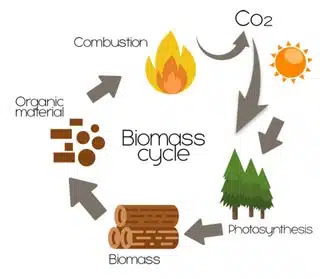
  • Carbon Neutrality: Biofuels are considered carbon-neutral because the carbon dioxide (CO2) emitted during combustion is offset by the carbon dioxide absorbed by the plants during photosynthesis. This closed carbon cycle helps mitigate climate change by reducing net greenhouse gas emissions compared to fossil fuels.
  • Energy Security: Biofuels reduce dependence on imported oil and fossil fuels, enhancing energy security and resilience against supply disruptions and price volatility. Domestic production of biofuels supports rural economies, creates jobs, and reduces reliance on foreign oil imports.
  • Renewable Feedstocks: Biofuels can be produced from a wide range of renewable feedstocks, including agricultural crops, forestry residues, algae, and organic waste streams. This diversity of feedstocks reduces competition with food production and promotes sustainable land use practices, biodiversity conservation, and waste valorization.

However, biofuels also face challenges and limitations:

  • Feedstock Availability: The availability and sustainability of biomass feedstocks for biofuel production are influenced by factors such as land availability, land use competition, water resources, and environmental impacts. Sustainable biomass production practices, land-use planning, and resource management are essential for ensuring the long-term viability of biofuel feedstocks.
  • Resource Efficiency: Biofuel production processes require significant inputs of land, water, energy, and nutrients, which can lead to competition with food production, deforestation, soil degradation, and water pollution if not managed sustainably. Improving resource efficiency, crop productivity, and supply chain logistics are critical for minimizing environmental impacts and optimizing biofuel production systems.
  • Technological Challenges: Biofuel production technologies face technical and economic challenges related to feedstock logistics, conversion efficiency, process scalability, and cost competitiveness compared to conventional fossil fuels. Research and development efforts are needed to advance biofuel technologies, reduce production costs, and improve performance, reliability, and environmental sustainability.

In conclusion, biofuels represent a promising and versatile renewable energy source with the potential to reduce greenhouse gas emissions, enhance energy security, and promote sustainable development. With continued investment, innovation, and policy support, biofuels can play a significant role in the global energy transition towards a low-carbon and resilient future, providing clean and renewable alternatives to conventional fossil fuels for transportation, heating, and power generation.

Solar Energy

Solar energy is a renewable and sustainable source of power derived from the sun’s radiation. It is one of the most abundant and widely available sources of renewable energy, offering a clean, inexhaustible, and environmentally friendly alternative to conventional fossil fuels. Solar energy can be harnessed and converted into electricity or heat using various technologies, including photovoltaic (PV) systems, concentrating solar power (CSP) plants, and solar thermal collectors.

  1. Photovoltaic (PV) Systems: Photovoltaic systems, commonly known as solar panels, convert sunlight directly into electricity using semiconductor materials such as silicon. When sunlight strikes the solar cells, photons of light are absorbed, releasing electrons and generating an electric current. The generated electricity can be used immediately, stored in batteries for later use, or fed into the grid for distribution. PV systems can be installed on rooftops, building facades, or ground-mounted arrays, making them suitable for both residential and commercial applications.
  2. Concentrating Solar Power (CSP) Plants: Concentrating solar power plants use mirrors or lenses to concentrate sunlight onto a receiver, where it is converted into heat energy. The concentrated heat is used to generate steam, which drives a turbine to produce electricity. CSP plants can incorporate various technologies such as parabolic troughs, solar power towers, or dish/engine systems, depending on the concentration method and receiver design. CSP plants are typically deployed in utility-scale power plants located in regions with high solar irradiance and suitable land availability.
  3. Solar Thermal Collectors: Solar thermal collectors capture sunlight to heat a fluid, typically water or a heat transfer fluid, for direct use in heating applications or for generating electricity through steam turbines. Solar thermal collectors can be flat-plate collectors, evacuated tube collectors, or concentrating collectors, depending on the concentration method and application. Solar thermal systems are used for water heating, space heating, industrial process heat, and solar cooling applications in residential, commercial, and industrial settings.

Solar energy offers several advantages as a renewable energy source:

  • Abundance: Solar energy is abundant and widely distributed, with vast potential for power generation in regions around the world. The amount of solar energy reaching the Earth’s surface in one hour exceeds global energy demand for an entire year, making solar energy a virtually limitless resource.
  • Clean and Sustainable: Solar energy produces no greenhouse gas emissions or air pollutants during operation, contributing to climate change mitigation and improving air quality. Solar power plants have minimal environmental impact compared to fossil fuel-based power plants, reducing land degradation, water consumption, and habitat disruption.
  • Cost-Competitive: The cost of solar energy has declined significantly in recent years due to technological advancements, economies of scale, and policy incentives. Solar photovoltaic (PV) systems and solar thermal technologies are now cost-competitive with conventional energy sources in many regions, making solar energy an attractive investment for homeowners, businesses, and utilities.
  • Modularity and Scalability: Solar energy systems are modular and scalable, allowing for flexible deployment and expansion according to energy demand and available space. Solar panels can be installed on rooftops, building facades, or ground-mounted arrays, making efficient use of urban and rural land areas.

Despite its many benefits, solar energy also faces challenges and limitations:

  • Intermittency: Solar energy is intermittent and variable, depending on weather conditions, time of day, and seasonal changes. Cloud cover, shading, and night-time hours can affect solar energy generation, requiring energy storage, grid integration, and backup power systems for reliable electricity supply.
  • Energy Storage: Energy storage technologies such as batteries, pumped hydro storage, or thermal storage are needed to store excess solar energy for use during periods of low sunlight or high energy demand. Energy storage enhances grid stability, load balancing, and energy resilience in solar-dominated power systems.
  • Land Use and Environmental Impacts: Large-scale deployment of solar energy systems can have land use implications, including habitat fragmentation, land conversion, and visual impact. Proper land-use planning, environmental assessments, and stakeholder engagement are essential for minimizing adverse effects and maximizing co-benefits of solar energy projects.

In conclusion, solar energy represents a promising and rapidly growing renewable energy source with the potential to transform the global energy landscape. With continued technological innovation, supportive policies, and investment in infrastructure, solar energy can play a central role in the transition towards a sustainable, low-carbon future, powering communities, industries, and economies with clean, affordable, and resilient energy solutions.

Wind Energy

Wind energy is a renewable and sustainable source of power derived from the kinetic energy of wind. It is one of the fastest-growing forms of renewable energy globally, offering a clean, abundant, and environmentally friendly alternative to conventional fossil fuels. Wind energy can be harnessed and converted into electricity using wind turbines, which are designed to capture the kinetic energy of moving air and convert it into mechanical or electrical energy.

  1. Onshore Wind Turbines: Onshore wind turbines are installed on land, typically in open areas with consistent wind patterns such as plains, hills, or coastal regions. They consist of tall towers with rotor blades mounted on a hub, which are connected to a gearbox and generator. When the wind blows, the rotor blades spin, turning the generator to produce electricity. Onshore wind farms can range in size from small-scale installations to large utility-scale projects, supplying electricity to local communities or feeding into the grid.
  2. Offshore Wind Turbines: Offshore wind turbines are installed in bodies of water, such as oceans or lakes, to capture the strong and consistent wind resources available offshore. Offshore wind turbines are larger and more complex than onshore turbines, with taller towers, longer blades, and specialized foundation structures designed to withstand harsh marine environments. Offshore wind farms can be located near the coast or in deeper waters using floating platforms, providing opportunities for larger-scale deployment and higher energy production potential.

Wind energy offers several advantages as a renewable energy source:

  • Abundance: Wind energy is abundant and widely distributed, with vast potential for power generation in regions around the world. Wind resources are strongest in coastal areas, plains, mountain passes, and offshore locations, providing ample opportunities for wind energy development and deployment.
  • Clean and Sustainable: Wind energy produces no greenhouse gas emissions or air pollutants during operation, contributing to climate change mitigation and improving air quality. Wind power plants have minimal environmental impact compared to fossil fuel-based power plants, reducing land degradation, water consumption, and habitat disruption.
  • Cost-Competitive: The cost of wind energy has declined significantly in recent years due to technological advancements, economies of scale, and policy incentives. Onshore and offshore wind projects are now cost-competitive with conventional energy sources in many regions, making wind energy an attractive investment for utilities, developers, and investors.
  • Modularity and Scalability: Wind energy systems are modular and scalable, allowing for flexible deployment and expansion according to energy demand and available wind resources. Wind turbines can be installed individually or in arrays, ranging from small-scale turbines for residential use to large utility-scale wind farms for commercial power generation.

Despite its many benefits, wind energy also faces challenges and limitations:

  • Intermittency: Wind energy is intermittent and variable, depending on weather conditions, time of day, and seasonal changes. Calm winds or gusty conditions can affect wind energy generation, requiring energy storage, grid integration, and backup power systems for reliable electricity supply.
  • Grid Integration: Integrating large amounts of wind energy into the electricity grid can pose challenges related to grid stability, load balancing, and transmission infrastructure. Grid upgrades, smart grid technologies, and energy storage solutions are needed to manage variability and ensure the reliable operation of wind-dominated power systems.
  • Land Use and Visual Impact: Large-scale deployment of wind turbines can have land use implications, including habitat fragmentation, land conversion, and visual impact. Proper siting, environmental assessments, and stakeholder engagement are essential for minimizing adverse effects and maximizing co-benefits of wind energy projects.

In conclusion, wind energy represents a promising and rapidly growing renewable energy source with the potential to play a significant role in the global energy transition. With continued technological innovation, supportive policies, and investment in infrastructure, wind energy can help reduce greenhouse gas emissions, enhance energy security, and promote sustainable development, powering communities, industries, and economies with clean, affordable, and resilient energy solutions.

Hydropower

Hydropower, also known as hydroelectric power, is a renewable and sustainable source of energy derived from the gravitational force of flowing water. It is one of the oldest and most widely used forms of renewable energy, with a long history of human use for mechanical power, irrigation, and electricity generation. Hydropower harnesses the energy of flowing water to generate electricity through various technologies and systems, including dams, turbines, and hydroelectric power plants.

  1. Run-of-River Hydropower: Run-of-river hydropower systems generate electricity by diverting a portion of a river’s flow through a turbine without the need for large storage reservoirs or dams. These systems utilize the natural flow and elevation drop of the river to drive turbines and generate electricity. Run-of-river hydropower plants have minimal environmental impact compared to conventional dams and reservoirs and can be deployed in remote or environmentally sensitive areas.
  2. Reservoir Hydropower: Reservoir hydropower systems, also known as storage hydropower, utilize dams and reservoirs to store water and regulate the flow of rivers for electricity generation. Water is stored in the reservoir during periods of low demand and released through turbines during periods of high demand to meet electricity needs. Reservoir hydropower plants provide grid stability, energy storage, and flood control benefits but can have significant environmental and social impacts, including habitat disruption, displacement of communities, and alteration of river ecosystems.
  3. Pumped Storage Hydropower: Pumped storage hydropower plants use surplus electricity during off-peak hours to pump water from a lower reservoir to a higher reservoir, storing energy in the form of gravitational potential energy. During periods of high demand, water is released from the upper reservoir through turbines to generate electricity and meet peak load requirements. Pumped storage hydropower plants provide grid balancing, load-shifting, and energy storage services, enhancing the reliability and resilience of the electricity grid.

Hydropower offers several advantages as a renewable energy source:

  • Reliability: Hydropower is a reliable and dispatchable source of electricity, providing baseload power and grid stability in regions with abundant water resources. Hydropower plants can respond quickly to changes in electricity demand and provide ancillary services such as frequency regulation and voltage control.
  • Energy Storage: Pumped storage hydropower plants serve as large-scale energy storage systems, storing surplus electricity during periods of low demand and releasing it during periods of high demand to balance supply and demand on the grid. Hydropower reservoirs can also provide seasonal energy storage for drought mitigation and water management.
  • Low Operating Costs: Once constructed, hydropower plants have low operating and maintenance costs compared to fossil fuel-based power plants, making them economically competitive and financially attractive over the long term. Hydropower projects can also generate revenue through water sales, flood control, irrigation, and recreation.
  • Environmental Benefits: Hydropower produces no greenhouse gas emissions or air pollutants during operation, contributing to climate change mitigation and improving air quality. Hydropower reservoirs can provide habitat for aquatic species, recreational opportunities, and water storage for agriculture, municipal, and industrial use.

However, hydropower also faces challenges and limitations:

  • Environmental and Social Impacts: Large-scale hydropower projects can have significant environmental and social impacts, including habitat destruction, displacement of communities, alteration of river ecosystems, and loss of cultural heritage. Proper planning, stakeholder engagement, and environmental mitigation measures are essential for minimizing adverse effects and maximizing co-benefits of hydropower development.
  • Climate Vulnerability: Hydropower generation can be affected by climate variability and change, including changes in precipitation patterns, snowmelt timing, and river flow regimes. Climate adaptation measures, reservoir management strategies, and operational adjustments are needed to mitigate climate risks and ensure the resilience of hydropower systems.
  • Siltation and Sedimentation: Hydropower reservoirs can accumulate sediment over time, reducing storage capacity, affecting water quality, and impairing downstream ecosystems. Sediment management, reservoir flushing, and sediment bypass systems are needed to mitigate the effects of siltation and sedimentation on hydropower operations and ecosystem health.

In conclusion, hydropower represents a valuable and versatile renewable energy source with the potential to contribute significantly to the global energy transition. With careful planning, sustainable management, and inclusive governance, hydropower can help meet growing energy demand, support economic development, and promote environmental stewardship, providing clean, reliable, and resilient energy solutions for communities, industries, and economies around the world.

Geothermal Energy

Geothermal energy is a renewable and sustainable source of power derived from the heat stored beneath the Earth’s surface. It harnesses the natural heat flux from the Earth’s interior to generate electricity or provide heating and cooling for various applications. Geothermal energy is abundant and widely distributed, offering a reliable, baseload source of power with minimal environmental impact compared to conventional fossil fuels.

  1. Geothermal Power Plants: Geothermal power plants use hot water or steam from underground reservoirs to drive turbines and generate electricity. There are several types of geothermal power plants, including:
    • Dry Steam Power Plants: Dry steam power plants use steam directly from underground reservoirs to drive turbines and generate electricity.
    • Flash Steam Power Plants: Flash steam power plants utilize high-pressure hot water from underground reservoirs, which is flashed into steam at the surface and used to drive turbines.
    • Binary Cycle Power Plants: Binary cycle power plants transfer heat from underground reservoirs to a secondary fluid with a lower boiling point, such as isobutane or pentane. The secondary fluid vaporizes and drives turbines to generate electricity.
  2. Direct-Use Applications: Geothermal energy is used directly for heating and cooling in various applications, including district heating systems, greenhouses, aquaculture, and industrial processes. Direct-use geothermal systems circulate hot water or steam from underground reservoirs through heat exchangers to provide space heating, hot water, or process heat without combustion or emissions.
  3. Geothermal Heat Pumps: Geothermal heat pumps, also known as ground-source heat pumps, utilize the relatively constant temperature of the Earth’s subsurface to provide heating, cooling, and domestic hot water for buildings. Geothermal heat pumps circulate fluid through a closed-loop system of underground pipes, transferring heat to or from the ground to maintain desired indoor temperatures efficiently and cost-effectively.

Geothermal energy offers several advantages as a renewable energy source:

  • Reliability: Geothermal energy is a reliable and dispatchable source of electricity, providing baseload power and grid stability in regions with significant geothermal resources. Geothermal power plants operate continuously and can complement intermittent renewable energy sources such as wind and solar.
  • Low Emissions: Geothermal power plants produce minimal greenhouse gas emissions and air pollutants during operation, contributing to climate change mitigation and improving air quality. Geothermal energy has one of the lowest life-cycle carbon footprints of all energy sources, making it an environmentally friendly alternative to fossil fuels.
  • Longevity: Geothermal power plants have long operational lifetimes, with some plants operating for decades with minimal maintenance. Once a geothermal reservoir is developed, it can sustain power production for many years, providing a stable and long-term source of energy for local communities and industries.
  • Local Economic Benefits: Geothermal energy development creates jobs, stimulates economic growth, and generates revenue for local communities through direct investment, employment opportunities, and royalty payments. Geothermal projects can also enhance energy security, reduce dependence on imported fuels, and promote sustainable development in rural areas.

However, geothermal energy also faces challenges and limitations:

  • Resource Limitations: Geothermal resources are location-dependent and limited to regions with active tectonic activity, volcanic activity, or high geothermal gradients. Identifying suitable sites for geothermal development requires comprehensive exploration, drilling, and reservoir engineering to assess resource potential and mitigate risks.
  • High Upfront Costs: The upfront capital costs of geothermal power plants and exploration drilling can be substantial, particularly for deep or high-temperature reservoirs. Geothermal projects often require significant investment and long payback periods, making them less economically competitive compared to other renewable energy sources such as wind or solar.
  • Environmental Impacts: Geothermal energy development can have environmental impacts on land use, water resources, and ecosystems, including habitat disruption, land subsidence, and induced seismicity. Proper siting, environmental assessments, and mitigation measures are essential for minimizing adverse effects and ensuring sustainable development of geothermal resources.

In conclusion, geothermal energy represents a valuable and underutilized renewable energy source with the potential to play a significant role in the global energy transition. With continued investment, innovation, and supportive policies, geothermal energy can help meet growing energy demand, reduce greenhouse gas emissions, and promote sustainable development, providing clean, reliable, and resilient energy solutions for communities, industries, and economies around the world.

Tidal Energy:

Tidal energy is a renewable and sustainable source of power derived from the gravitational forces of the moon and the sun, which cause the ocean tides to rise and fall cyclically. It harnesses the kinetic energy of tidal currents and flows to generate electricity using various technologies and devices deployed in coastal or estuarine environments. Tidal energy is predictable, reliable, and highly concentrated, offering a consistent and renewable source of power with minimal environmental impact compared to conventional fossil fuels.

  1. Tidal Stream Turbines: Tidal stream turbines, also known as tidal turbines or underwater turbines, are submerged devices that resemble underwater wind turbines and operate in a similar manner. They capture the kinetic energy of tidal currents and flows to drive rotating blades connected to generators, producing electricity. Tidal stream turbines can be installed individually or in arrays on the seabed or mounted on floating platforms in tidal channels, straits, or coastal waters.
  2. Tidal Barrages: Tidal barrages are large-scale structures built across estuaries or tidal rivers to harness the potential energy of tidal range, the difference in water level between high tide and low tide. Tidal barrages consist of a series of sluice gates or turbines that open and close to control the flow of water through the barrage, generating electricity as water flows in and out of the tidal basin. Tidal barrages can provide baseload power and energy storage capabilities, but they can have significant environmental and social impacts, including habitat disruption and sedimentation.
  3. Tidal Lagoons: Tidal lagoons are impoundment structures built in coastal areas to capture and store tidal energy in enclosed reservoirs or basins. Tidal lagoons use the rise and fall of the tide to fill and empty the lagoon through sluice gates or turbines, generating electricity as water flows in and out of the lagoon. Tidal lagoons can provide reliable and predictable power generation with minimal environmental impact compared to tidal barrages, but they require suitable coastal topography and hydrological conditions for construction and operation.

Tidal energy offers several advantages as a renewable energy source:

  • Predictability: Tidal energy is highly predictable and reliable, with regular and consistent patterns of tidal currents and flows that can be forecasted years in advance. Tidal energy systems can provide baseload power and grid stability, complementing intermittent renewable energy sources such as wind and solar.
  • High Energy Density: Tidal currents and flows carry a significant amount of kinetic energy, especially in regions with strong tidal ranges and currents. Tidal energy systems can capture this energy using relatively small-scale devices or arrays, offering high energy density and efficiency compared to other renewable energy sources such as wind or solar.
  • Low Environmental Impact: Tidal energy systems have minimal greenhouse gas emissions and air pollutants compared to fossil fuel-based power plants, reducing carbon footprint and mitigating climate change impacts. Tidal energy projects can also have low visual and noise impact, especially if deployed offshore or in remote coastal areas, minimizing conflicts with other marine activities.

However, tidal energy also faces challenges and limitations:

  • High Costs: The upfront capital costs of tidal energy projects can be substantial, including site survey, device design, manufacturing, installation, and grid connection. Tidal energy technologies are still in the early stages of development and demonstration, with limited commercial deployment and operational experience, which can increase investment risks and project financing challenges.
  • Environmental Concerns: Tidal energy projects can have environmental impacts on marine ecosystems, including changes in water flow, sediment transport, and wildlife behavior. Proper siting, monitoring, and mitigation measures are essential for minimizing adverse effects on marine habitats, migratory routes, and biodiversity.
  • Resource Variability: Tidal energy resources vary spatially and temporally, depending on factors such as coastal geography, tidal range, and bathymetry. Identifying suitable sites for tidal energy projects requires comprehensive resource assessment and modeling to evaluate feasibility and optimize energy capture potential.

In conclusion, tidal energy represents a promising and emerging renewable energy source with the potential to contribute significantly to the global energy mix. With continued technological advancements, cost reductions, and supportive policies, tidal energy can play a vital role in the transition towards a sustainable and resilient energy future, harnessing the power of the tides to meet growing energy demand while protecting the environment and enhancing energy security.

Wave Energy:

Wave energy is a renewable and sustainable source of power derived from the kinetic energy of ocean waves. It harnesses the motion of waves to generate electricity using various technologies and devices deployed in coastal or offshore environments. Wave energy is abundant, predictable, and widely distributed, offering a clean and environmentally friendly alternative to conventional fossil fuels for electricity generation.

  1. Wave Energy Converters (WECs): Wave energy converters (WECs) are devices designed to capture and convert the kinetic energy of ocean waves into mechanical or electrical energy. There are several types of wave energy converters, including:
    • Point Absorbers: Point absorbers are buoyant devices that move up and down with the motion of waves, driving mechanical or hydraulic systems to generate electricity.
    • Oscillating Water Columns (OWCs): Oscillating water columns use the rise and fall of waves to compress and decompress air within a chamber, driving turbines or generators to produce electricity.
    • Overtopping Devices: Overtopping devices capture the potential energy of waves as they flow over a structure, filling a reservoir or basin with water, which is then released through turbines to generate electricity.
    • Surface Following Devices: Surface following devices utilize the motion of waves to drive floating or submerged structures, such as articulated rafts or flap gates, which are connected to power take-off systems to extract energy.
  2. Submerged Pressure Differentials: Submerged pressure differential systems harness the pressure differentials created by wave motion between submerged chambers or structures to generate electricity. As waves pass over the submerged device, pressure changes within the chambers drive fluid flow through turbines or generators, producing electricity.
  3. Terminators: Terminator devices are shoreline or seabed-mounted structures that absorb the energy of incoming waves and convert it into mechanical or electrical energy using hydraulic or pneumatic systems. Terminator devices can be installed in coastal areas or offshore environments to capture wave energy near the shore or in deeper waters.

Wave energy offers several advantages as a renewable energy source:

  • Abundance: Wave energy is abundant and widely distributed, with significant potential for power generation in coastal areas and offshore environments around the world. Waves are generated by wind energy transferred to the ocean surface, making wave energy a renewable and inexhaustible resource.
  • Predictability: Wave energy is predictable and follows consistent patterns based on factors such as wind speed, direction, and fetch. Wave forecasting models and oceanographic data can be used to predict wave conditions and optimize wave energy capture, enabling reliable and efficient power generation.
  • Low Environmental Impact: Wave energy projects have minimal environmental impact compared to conventional fossil fuel-based power plants, producing no greenhouse gas emissions or air pollutants during operation. Wave energy devices can be deployed offshore or in remote coastal areas, minimizing visual and noise impact and preserving marine ecosystems.
  • Energy Security: Wave energy can enhance energy security and resilience by diversifying the energy mix and reducing dependence on imported fossil fuels. Wave energy projects can provide reliable and locally sourced electricity to coastal communities, islands, and remote regions with limited access to conventional power sources.

However, wave energy also faces challenges and limitations:

  • Technological Maturity: Wave energy technologies are still in the early stages of development and demonstration, with limited commercial deployment and operational experience. Technical challenges such as device reliability, survivability in harsh marine environments, and cost-effectiveness need to be addressed to scale up wave energy deployment and reduce costs.
  • High Capital Costs: The upfront capital costs of wave energy projects can be substantial, including device design, manufacturing, installation, and grid connection. Financing wave energy projects can be challenging due to investment risks, regulatory uncertainty, and the lack of established markets and incentives for wave energy deployment.
  • Resource Variability: Wave energy resources vary spatially and temporally, depending on factors such as ocean geography, wave height, period, and direction. Identifying suitable sites for wave energy projects requires comprehensive resource assessment and modeling to evaluate feasibility and optimize energy capture potential.

In conclusion, wave energy represents a promising and emerging renewable energy source with the potential to contribute significantly to the global energy transition. With continued research, development, and investment in wave energy technologies, supportive policies, and market incentives, wave energy can help meet growing energy demand, reduce greenhouse gas emissions, and promote sustainable development, providing clean, reliable, and resilient energy solutions for coastal communities, industries, and economies worldwide.

Bioenergy

Bioenergy is a renewable and sustainable source of power derived from organic materials, such as biomass, agricultural residues, organic waste, and biofuels. It harnesses the chemical energy stored in biological matter through processes such as combustion, fermentation, or conversion to produce heat, electricity, or transportation fuels. Bioenergy plays a vital role in the global energy mix, providing a versatile and flexible source of renewable energy for various applications.

  1. Biomass Combustion: Biomass combustion involves burning organic materials, such as wood, agricultural residues, or energy crops, to produce heat or electricity. Biomass combustion systems range from traditional wood stoves and biomass boilers to modern biomass power plants equipped with advanced combustion technologies, such as fluidized bed boilers or gasification systems. Biomass combustion releases carbon dioxide (CO2) emissions, but it is considered carbon-neutral when sustainably managed, as the carbon emitted is offset by the carbon absorbed during the growth of biomass feedstocks.
  2. Biogas Production: Biogas production involves anaerobic digestion of organic materials, such as animal manure, sewage sludge, food waste, or energy crops, to produce biogas, a mixture of methane (CH4) and carbon dioxide (CO2), along with other trace gases. Biogas can be used directly as a renewable fuel for heating, cooking, or electricity generation, or upgraded to biomethane for injection into natural gas pipelines or use as a transportation fuel. Biogas production also generates nutrient-rich digestate, which can be used as fertilizer for agriculture or soil amendment.
  3. Bioethanol and Biodiesel: Bioethanol and biodiesel are liquid biofuels produced from renewable feedstocks, such as corn, sugarcane, wheat, soybeans, or lignocellulosic biomass. Bioethanol is produced through fermentation and distillation of sugars or starches, while biodiesel is produced through transesterification of vegetable oils or animal fats. Bioethanol is commonly blended with gasoline to reduce greenhouse gas emissions and enhance octane ratings, while biodiesel is blended with diesel fuel to improve lubricity and reduce emissions of particulate matter and nitrogen oxides.
  4. Pyrolysis and Gasification: Pyrolysis and gasification are thermochemical conversion processes that transform biomass into biochar, syngas, and bio-oil through heating in the absence of oxygen. Pyrolysis involves heating biomass at high temperatures (300-800°C) in a low-oxygen environment to produce biochar and bio-oil, which can be used as soil amendments or bioenergy feedstocks, respectively. Gasification involves reacting biomass with steam or oxygen at high temperatures (>700°C) to produce syngas, a mixture of hydrogen (H2) and carbon monoxide (CO), which can be used for heat, power, or biofuel production.

Bioenergy offers several advantages as a renewable energy source:

  • Resource Availability: Biomass feedstocks for bioenergy production are abundant and widely available, including agricultural residues, forestry residues, energy crops, and organic waste. Bioenergy can be produced locally, reducing dependence on imported fossil fuels and promoting energy security and self-sufficiency.
  • Carbon Neutrality: Bioenergy is considered carbon-neutral or even carbon-negative when sustainably managed, as the carbon emitted during combustion is offset by the carbon absorbed during the growth of biomass feedstocks. Biomass production and utilization can contribute to carbon sequestration, soil fertility, and ecosystem restoration, mitigating climate change and enhancing environmental sustainability.
  • Energy Diversity: Bioenergy diversifies the energy mix and reduces reliance on fossil fuels, providing a flexible and dispatchable source of renewable energy for heat, power, and transportation. Bioenergy complements intermittent renewable energy sources such as wind and solar, providing baseload power and grid stability in integrated energy systems.
  • Rural Development: Bioenergy production promotes rural development, job creation, and economic growth in agricultural and forestry regions, supporting local economies and livelihoods. Bioenergy value chains, including biomass supply chains, biorefineries, and biofuel distribution networks, create opportunities for small-scale farmers, entrepreneurs, and communities to participate in sustainable bioenergy markets.

However, bioenergy also faces challenges and limitations:

  • Feedstock Availability: The sustainable supply of biomass feedstocks for bioenergy production depends on factors such as land availability, land use competition, biomass yield, and environmental sustainability. Competition for land between food production, bioenergy crops, and conservation can raise concerns about land-use change, deforestation, and biodiversity loss.
  • Resource Efficiency: Bioenergy systems require efficient conversion technologies, feedstock logistics, and energy utilization practices to maximize energy output, minimize resource consumption, and optimize overall system efficiency. Improving the energy and carbon balances of bioenergy production and utilization is essential for enhancing resource efficiency and environmental performance.
  • Technology Costs: The costs of bioenergy technologies, including biomass conversion, biorefining, and biofuel production, can be high compared to conventional fossil fuel-based technologies, particularly for emerging and innovative processes. Research, development, and demonstration efforts are needed to reduce technology costs, improve performance, and increase market competitiveness of bioenergy systems.
  • Environmental Impacts: Bioenergy production can have environmental impacts on land, water, and ecosystems, including soil degradation, water pollution, and habitat fragmentation. Sustainable biomass management practices, environmental regulations, and certification schemes are essential for mitigating adverse effects and ensuring the environmental sustainability of bioenergy projects.

In conclusion, bioenergy represents a versatile and renewable energy source with the potential to contribute significantly to the global energy transition. With careful planning, sustainable management, and integrated approaches, bioenergy can help meet growing energy demand, reduce greenhouse gas emissions, promote rural development, and enhance environmental stewardship, providing clean, reliable, and resilient energy solutions for communities, industries, and economies worldwide.

Hydrogen Fuel:

Hydrogen fuel is a versatile and sustainable energy carrier derived from hydrogen gas (H2) that can be used for various applications, including transportation, electricity generation, heating, and industrial processes. It is considered a promising alternative to fossil fuels due to its high energy density, zero carbon emissions when used in fuel cells, and compatibility with existing infrastructure for storage, distribution, and utilization.

  1. Hydrogen Production: Hydrogen fuel can be produced from various feedstocks and energy sources through several methods, including:
    • Steam Methane Reforming (SMR): SMR is the most common method of hydrogen production, utilizing natural gas or methane as a feedstock. It involves reacting methane with steam at high temperatures (>700°C) and pressures to produce hydrogen and carbon monoxide.
    • Water Electrolysis: Electrolysis is a process that splits water molecules (H2O) into hydrogen (H2) and oxygen (O2) using electricity. It can be powered by renewable energy sources such as solar, wind, or hydroelectric power, resulting in zero-carbon hydrogen production.
    • Biomass Gasification: Biomass gasification involves converting organic materials such as agricultural residues, forestry waste, or energy crops into synthesis gas (syngas), which can be further processed to produce hydrogen through water-gas shift reactions.
    • Thermochemical Water Splitting: Thermochemical water splitting uses heat from concentrated solar energy, nuclear reactors, or fossil fuel combustion to split water molecules into hydrogen and oxygen through thermochemical reactions, such as metal oxide reduction or sulfur-iodine cycles.
  2. Hydrogen Storage and Distribution: Hydrogen fuel can be stored and transported in various forms, including compressed gas, liquid hydrogen, and solid-state materials, such as metal hydrides or carbon-based materials. Compressed hydrogen gas is typically stored in high-pressure tanks or cylinders for transportation and distribution to fueling stations. Liquid hydrogen is cryogenically cooled to temperatures below -253°C and stored in insulated tanks for long-term storage and space-constrained applications.
  3. Fuel Cell Technology: Fuel cells are electrochemical devices that convert hydrogen fuel and oxygen from the air into electricity through a chemical reaction. Fuel cells operate silently and efficiently, with higher energy conversion efficiencies compared to internal combustion engines, and produce only water vapor as a byproduct. Fuel cell systems are used in various applications, including vehicles, buses, trucks, trains, ships, stationary power generation, and backup power systems.

Hydrogen fuel offers several advantages as a clean and sustainable energy carrier:

  • Zero Emissions: Hydrogen fuel produces no greenhouse gas emissions or air pollutants when used in fuel cells, offering significant environmental benefits and contributing to climate change mitigation and air quality improvement. Hydrogen fuel cells can help reduce dependence on fossil fuels and transition towards a low-carbon and sustainable energy future.
  • Energy Security: Hydrogen fuel diversifies the energy mix and reduces dependence on imported fossil fuels, enhancing energy security and resilience to supply disruptions. Hydrogen can be produced from a variety of domestic sources, including natural gas, renewable electricity, biomass, and nuclear power, providing flexibility and self-sufficiency in energy supply.
  • Versatility: Hydrogen fuel is a versatile energy carrier that can be used in various applications, including transportation, stationary power generation, industrial processes, and energy storage. Hydrogen fuel cells can power electric vehicles with long driving ranges and fast refueling times, providing a viable alternative to conventional internal combustion engines and battery electric vehicles.
  • Scalability: Hydrogen fuel production, storage, and distribution infrastructure can be scaled up to meet growing demand and support widespread deployment of hydrogen-powered technologies. Investments in hydrogen infrastructure, including hydrogen production plants, refueling stations, and distribution networks, are expanding globally to facilitate the commercialization and adoption of hydrogen fuel technologies.

However, hydrogen fuel also faces challenges and limitations:

  • Cost Competitiveness: The cost of hydrogen fuel production, storage, and distribution needs to be reduced to compete with conventional fossil fuels and other alternative energy sources. Technological advancements, economies of scale, and supportive policies are needed to drive down costs and improve the affordability and competitiveness of hydrogen fuel technologies.
  • Infrastructure Development: The development of hydrogen infrastructure, including production facilities, refueling stations, and distribution networks, requires significant investment and coordination among stakeholders. Expanding hydrogen infrastructure to support widespread adoption of hydrogen-powered vehicles and equipment will require public-private partnerships, regulatory incentives, and market incentives.
  • Energy Efficiency: Hydrogen production processes, such as steam methane reforming and electrolysis, require energy input from primary energy sources, which can affect overall energy efficiency and environmental sustainability. Improving the efficiency of hydrogen production technologies, increasing the use of renewable energy sources, and optimizing energy conversion processes are essential for enhancing the energy efficiency and reducing the carbon footprint of hydrogen fuel production.
  • Safety Concerns: Hydrogen fuel has unique safety considerations related to its flammability, high-pressure storage requirements, and potential leakage risks. Implementing robust safety standards, regulations, and best practices for hydrogen production, storage, transportation

Ocean Thermal Energy Conversion (OTEC):

Ocean Thermal Energy Conversion (OTEC) is a renewable energy technology that harnesses the temperature difference between warm surface waters and cold deep waters in tropical oceans to generate electricity. OTEC systems utilize the thermal gradient of the ocean to drive a heat engine, typically a Rankine cycle or closed-cycle heat engine, which converts thermal energy into mechanical power and then electricity. OTEC is a promising source of clean, reliable, and sustainable energy with the potential to provide baseload power and support economic development in tropical coastal regions.

  1. Open-Cycle OTEC: Open-cycle OTEC systems pump warm surface seawater into a low-pressure chamber, where it evaporates a working fluid such as ammonia or propane with a low boiling point. The vaporized working fluid expands through a turbine, driving a generator to produce electricity, and then condenses as it passes through a heat exchanger with cold deep seawater. The condensed working fluid is then recycled back into the evaporation chamber to complete the cycle.
  2. Closed-Cycle OTEC: Closed-cycle OTEC systems use a working fluid with a higher boiling point, such as a refrigerant like ammonia or R-134a, to transfer heat from warm surface seawater to a closed-loop secondary fluid circuit. The warm seawater vaporizes the working fluid in a heat exchanger, driving a turbine-generator system to produce electricity. The vaporized working fluid is then condensed using cold deep seawater, and the cycle is repeated.
  3. Hybrid OTEC Systems: Hybrid OTEC systems combine elements of both open-cycle and closed-cycle OTEC to optimize energy efficiency and performance. Hybrid OTEC systems may use multiple stages of heat exchange and power generation to maximize the utilization of thermal energy and minimize environmental impacts. Some hybrid OTEC systems also integrate desalination processes to produce fresh water as a co-product with electricity generation.

OTEC offers several advantages as a renewable energy source:

  • Abundance: OTEC harnesses the vast thermal energy stored in the tropical oceans, which receive abundant sunlight and have a stable temperature gradient between surface and deep waters throughout the year. OTEC resources are available in tropical regions worldwide, including the Caribbean, Pacific Islands, Indian Ocean, and Southeast Asia.
  • Reliability: OTEC provides a reliable and continuous source of baseload power, as the temperature difference between warm surface waters and cold deep waters is maintained day and night, regardless of weather conditions or seasonal variations. OTEC systems can complement intermittent renewable energy sources such as wind and solar, providing grid stability and resilience.
  • Environmental Sustainability: OTEC produces no greenhouse gas emissions or air pollutants during operation, making it a clean and environmentally friendly energy source compared to fossil fuels. OTEC systems can also have positive environmental impacts, such as promoting ocean cooling, enhancing marine habitats, and supporting coral reef restoration efforts.
  • Multipurpose Applications: OTEC systems can be integrated with other marine technologies and infrastructure to support various applications, including desalination, aquaculture, seawater air conditioning (SWAC), and marine research. OTEC projects can provide additional benefits such as fresh water production, cold water delivery for cooling, and sustainable aquaculture operations.

However, OTEC also faces challenges and limitations:

  • High Capital Costs: The upfront capital costs of OTEC systems, including platform construction, heat exchangers, turbines, and marine infrastructure, can be significant, particularly for offshore installations in deep waters. OTEC projects require substantial investment and long payback periods, which can be barriers to commercialization and deployment.
  • Technology Maturity: OTEC technology is still in the early stages of development and demonstration, with limited commercial deployment and operational experience. Technical challenges such as corrosion, biofouling, materials compatibility, and seawater pumping efficiency need to be addressed to improve the reliability and performance of OTEC systems.
  • Resource Constraints: OTEC resource potential is limited to tropical regions with suitable oceanographic conditions, including warm surface waters (>20°C) and deep waters (>1,000 meters) within close proximity to the coastline. Identifying optimal OTEC sites requires comprehensive resource assessment, environmental impact studies, and stakeholder engagement to address potential conflicts with marine activities and habitats.
  • Infrastructure and Logistics: OTEC projects require specialized marine infrastructure, vessels, and logistical support for installation, operation, and maintenance in remote offshore locations. Developing OTEC infrastructure, including mooring systems, power cables, and support vessels, can present logistical challenges and increase project complexity and costs.

In conclusion, OTEC represents a promising and innovative renewable energy technology with the potential to provide clean, reliable, and sustainable power for tropical coastal regions and island nations. With continued research, development, and investment, OTEC can play a significant role in the global energy transition, harnessing the abundant thermal energy of the oceans to meet growing energy demand, reduce greenhouse gas emissions, and promote economic development and environmental stewardship in tropical marine environments.

Renewable Energy Integration:

Renewable energy integration refers to the process of incorporating variable and intermittent renewable energy sources, such as wind, solar, and tidal power, into existing energy systems in a reliable, efficient, and cost-effective manner. It involves optimizing the operation, planning, and management of energy networks to accommodate the fluctuating nature of renewable energy generation while ensuring grid stability, energy security, and environmental sustainability.

  1. Grid Integration Strategies: Grid integration strategies involve the deployment of advanced technologies, grid infrastructure upgrades, and operational practices to integrate renewable energy sources into the electric grid effectively. This includes:
    • Smart Grids: Smart grid technologies enable real-time monitoring, control, and optimization of electricity distribution and transmission networks, facilitating the integration of renewable energy sources and demand-side management.
    • Energy Storage: Energy storage systems, such as batteries, pumped hydro storage, and thermal energy storage, play a crucial role in balancing supply and demand, smoothing fluctuations in renewable energy generation, and providing grid stability and resilience.
    • Demand Response: Demand response programs incentivize consumers to adjust their electricity consumption patterns in response to grid conditions and renewable energy availability, reducing peak demand and enhancing grid flexibility.
    • Flexible Generation: Flexible and dispatchable power generation technologies, such as natural gas-fired power plants, hydropower, and bioenergy, complement variable renewable energy sources by providing backup capacity and grid balancing services.
  2. Market Mechanisms: Market mechanisms and regulatory frameworks play a key role in promoting renewable energy integration by providing incentives, market signals, and policy support for renewable energy deployment and grid modernization. This includes:
    • Renewable Energy Standards: Renewable energy standards, mandates, and targets set by governments and regulatory agencies incentivize utilities and energy suppliers to invest in renewable energy projects and meet renewable energy goals.
    • Feed-in Tariffs: Feed-in tariffs guarantee fixed prices or premiums for renewable electricity generated by small-scale producers, encouraging decentralized renewable energy generation and grid integration of distributed energy resources.
    • Net Metering: Net metering policies allow consumers to offset their electricity bills by exporting surplus renewable energy generated on-site to the grid, promoting rooftop solar photovoltaic (PV) installations and distributed generation.
    • Capacity Markets: Capacity markets compensate power generators for providing reliable capacity and grid services, incentivizing investments in flexible generation, energy storage, and demand-side resources to support renewable energy integration.
  3. Grid Planning and Operation: Grid planning and operation involve the coordination of renewable energy deployment, transmission expansion, and grid reinforcement to accommodate increasing shares of renewable energy generation. This includes:
    • Renewable Energy Forecasting: Accurate forecasting of renewable energy generation, including wind, solar, and tidal power, is essential for grid operators to anticipate fluctuations in supply and optimize grid operations and dispatch.
    • Transmission Expansion: Investing in new transmission infrastructure, interconnections, and grid reinforcements helps to integrate remote renewable energy resources, such as offshore wind farms and solar power plants, into the grid and access renewable energy-rich regions.
    • Grid Flexibility: Enhancing grid flexibility through advanced control systems, grid automation, and demand-side management enables grid operators to balance supply and demand in real-time, accommodate variable renewable energy generation, and maintain grid stability and reliability.

Renewable energy integration offers several benefits for the energy transition and sustainable development:

  • Decarbonization: Integrating renewable energy sources reduces greenhouse gas emissions, mitigates climate change, and promotes environmental sustainability by displacing fossil fuel-based power generation and reducing air pollution and carbon footprint.
  • Energy Security: Diversifying the energy mix with renewable energy sources enhances energy security and resilience by reducing dependence on imported fossil fuels, mitigating fuel price volatility, and increasing energy self-sufficiency.
  • Economic Growth: Renewable energy integration stimulates economic growth, creates jobs, and drives innovation and investment in clean energy technologies, industries, and infrastructure, contributing to sustainable development and green economic recovery.
  • Grid Resilience: Integrating renewable energy sources enhances grid resilience and reliability by decentralizing power generation, improving grid flexibility, and diversifying energy resources, reducing the risk of disruptions from extreme weather events, natural disasters, or cyber-attacks.

However, renewable energy integration also presents challenges and complexities:

  • Intermittency and Variability: Renewable energy sources such as wind and solar power are variable and intermittent, leading to fluctuations in electricity supply and grid imbalances that must be managed through advanced grid control and storage technologies.
  • Grid Stability: Integrating high shares of renewable energy into the grid can pose challenges for grid stability, frequency regulation, and voltage control, requiring grid upgrades, grid-forming inverters, and ancillary services to maintain grid stability and reliability.
  • Investment Needs: The transition to renewable energy requires significant investments in grid infrastructure, energy storage, and demand-side resources to support renewable energy integration, improve grid flexibility, and ensure reliable and resilient electricity supply.
  • Policy and Regulatory Barriers: Policy and regulatory barriers, including market distortions, subsidies, and fossil fuel subsidies, can hinder renewable energy integration by favoring incumbent technologies and impeding the deployment of renewable energy projects and grid modernization initiatives.

In conclusion, renewable energy integration is essential for transitioning to a low-carbon and sustainable energy future, harnessing the full potential of renewable energy sources to meet growing energy demand, reduce greenhouse gas emissions, and promote energy security and economic development. By adopting a holistic approach to grid modernization, market reform, and policy support, stakeholders can overcome barriers and unlock the benefits of renewable energy integration, paving the way for a resilient, inclusive, and sustainable energy system for future generations.

Carbon Neutrality

Carbon neutrality refers to the state where an entity, process, or activity has achieved a balance between the amount of carbon dioxide (CO2) emissions it produces and the amount of CO2 it removes from the atmosphere or offsets through carbon removal or sequestration measures. Achieving carbon neutrality is a critical strategy for mitigating climate change and reducing greenhouse gas emissions to limit global warming and its adverse impacts on the environment, ecosystems, and human societies.

To attain carbon neutrality, organizations, governments, and individuals implement a combination of strategies, including:

  1. Emissions Reduction: The primary approach to achieving carbon neutrality is to reduce greenhouse gas emissions by improving energy efficiency, transitioning to renewable energy sources, adopting low-carbon technologies, and implementing sustainable practices across sectors such as energy, transportation, industry, agriculture, and waste management. Emissions reduction measures aim to minimize the carbon footprint of activities and operations, thereby lowering overall CO2 emissions.
  2. Carbon Offsetting: Carbon offsetting involves investing in projects or initiatives that remove or prevent an equivalent amount of CO2 emissions elsewhere, effectively compensating for the emissions generated by an activity or process. Carbon offset projects include reforestation and afforestation projects, renewable energy projects, methane capture and utilization projects, energy efficiency initiatives, and investments in carbon capture and storage (CCS) technologies. By offsetting emissions, individuals and organizations can achieve carbon neutrality and support climate mitigation efforts globally.
  3. Carbon Removal: Carbon removal technologies and practices remove CO2 from the atmosphere and store it in natural or artificial sinks, such as forests, soils, oceans, geological formations, or engineered systems. Carbon removal methods include afforestation and reforestation, soil carbon sequestration, bioenergy with carbon capture and storage (BECCS), direct air capture (DAC), enhanced weathering, and ocean fertilization. Carbon removal enhances the capacity of ecosystems and technologies to absorb and store CO2, thereby contributing to carbon neutrality and climate stabilization.
  4. Lifecycle Analysis: Lifecycle analysis (LCA) evaluates the carbon footprint of products, services, and processes throughout their entire lifecycle, from raw material extraction and production to use, disposal, and end-of-life management. By conducting LCAs, organizations can identify opportunities to reduce emissions, optimize resource efficiency, and enhance sustainability across supply chains, product design, and manufacturing processes, ultimately supporting efforts to achieve carbon neutrality.
  5. Policy and Regulation: Governments, regulatory agencies, and international organizations play a crucial role in advancing carbon neutrality through policy development, regulation, and international cooperation. Policy measures such as carbon pricing, emissions trading schemes, renewable energy mandates, energy efficiency standards, and incentives for low-carbon investments incentivize emissions reductions, promote renewable energy deployment, and accelerate the transition to carbon-neutral economies.
  6. Public Awareness and Engagement: Public awareness, education, and engagement are essential for mobilizing collective action and driving behavior change towards carbon neutrality. Awareness-raising campaigns, educational initiatives, and outreach activities inform individuals, communities, businesses, and policymakers about the importance of reducing emissions, adopting sustainable practices, and supporting carbon-neutral solutions. By fostering a culture of sustainability and climate consciousness, public engagement initiatives empower stakeholders to take meaningful action to address climate change and achieve carbon neutrality.

Overall, achieving carbon neutrality requires a comprehensive and coordinated effort involving technological innovation, policy support, financial investment, public participation, and international cooperation. By transitioning to carbon-neutral energy systems, economies, and societies, stakeholders can mitigate the impacts of climate change, preserve environmental resources, and build a sustainable future for present and future generations.

Zero-Carbon Power:

Zero-carbon power refers to electricity generation that produces no net carbon dioxide (CO2) emissions during its operation, thereby minimizing its contribution to climate change and global warming. Zero-carbon power sources utilize energy resources and technologies that emit little to no CO2 during electricity generation, providing a clean, sustainable, and environmentally friendly alternative to traditional fossil fuel-based power generation.

Key examples of zero-carbon power sources include:

  1. Renewable Energy: Renewable energy sources such as solar, wind, hydroelectric, geothermal, and tidal power harness naturally occurring energy flows or heat from the Earth’s surface without emitting CO2 during electricity generation. Solar photovoltaic (PV) panels convert sunlight into electricity, while wind turbines capture kinetic energy from the wind to generate power. Hydroelectric dams utilize the potential energy of flowing water to drive turbines, while geothermal power plants tap into the Earth’s heat to produce steam and drive turbines. Tidal power systems harness the kinetic energy of ocean tides to generate electricity, offering a predictable and reliable source of zero-carbon power.
  2. Nuclear Energy: Nuclear power plants generate electricity by splitting uranium atoms in a process called nuclear fission, releasing large amounts of heat that are used to produce steam and drive turbines. Unlike fossil fuel combustion, nuclear fission does not produce CO2 emissions, making nuclear power a zero-carbon energy source. However, nuclear power generation raises concerns about safety, nuclear waste management, proliferation risks, and public acceptance.
  3. Carbon Capture and Storage (CCS): Carbon capture and storage technologies capture CO2 emissions from power plants and industrial facilities, compress and transport the CO2 to suitable storage sites, and inject it underground for long-term storage in geological formations such as depleted oil and gas reservoirs or deep saline aquifers. By capturing and sequestering CO2 emissions, CCS enables fossil fuel-based power plants to achieve near-zero or negative emissions, effectively transforming them into zero-carbon power sources. However, CCS deployment faces challenges such as high costs, technical feasibility, regulatory barriers, and public acceptance.
  4. Bioenergy with Carbon Capture and Storage (BECCS): Bioenergy with carbon capture and storage (BECCS) combines bioenergy production with CCS technologies to achieve negative emissions by removing CO2 from the atmosphere. BECCS involves growing biomass feedstocks such as plants, trees, or algae, converting them into biofuels or biogas through processes such as combustion, fermentation, or gasification, and capturing and storing the CO2 emissions generated during bioenergy production. BECCS systems offset CO2 emissions from fossil fuel combustion while removing additional CO2 from the atmosphere through biomass growth, making them a potential tool for climate change mitigation and achieving carbon neutrality.

Zero-carbon power sources offer several advantages for addressing climate change, promoting energy security, and fostering sustainable development:

  • Climate Mitigation: Zero-carbon power generation reduces CO2 emissions and mitigates the impacts of climate change by limiting global warming, sea level rise, extreme weather events, and ecological disruptions. By transitioning to zero-carbon power sources, countries can achieve their climate targets under the Paris Agreement and contribute to international efforts to limit global temperature rise to well below 2 degrees Celsius above pre-industrial levels.
  • Energy Independence: Zero-carbon power sources enhance energy security and independence by diversifying the energy mix, reducing dependence on imported fossil fuels, and promoting domestic renewable energy resources and technologies. Renewable energy sources such as solar and wind power are abundant, widely distributed, and locally available, providing a decentralized and resilient energy supply that is less vulnerable to geopolitical risks and supply disruptions.
  • Environmental Sustainability: Zero-carbon power generation minimizes air and water pollution, preserves natural resources, and protects ecosystems and biodiversity by avoiding the release of harmful pollutants and greenhouse gases into the environment. Renewable energy technologies have lower environmental impacts than fossil fuel-based power generation, including reduced water consumption, land use, habitat destruction, and ecosystem degradation.
  • Economic Opportunities: Zero-carbon power deployment creates economic opportunities, stimulates job creation, and drives innovation and investment in clean energy technologies, industries, and infrastructure. The transition to zero-carbon power sources can spur economic growth, enhance competitiveness, and foster sustainable development by creating new markets, business models, and value chains for renewable energy deployment, energy efficiency improvements, and carbon abatement initiatives.

However, achieving widespread deployment of zero-carbon power sources faces several challenges and barriers:

  • Intermittency and Variability: Some zero-carbon power sources such as solar and wind power are intermittent and variable, depending on weather conditions, diurnal cycles, and seasonal variations. Addressing intermittency and variability requires deploying energy storage systems, grid flexibility measures, demand response programs, and complementary power sources to ensure reliable and stable electricity supply.
  • Cost Competitiveness: The upfront costs of zero-carbon power technologies such as solar PV, wind turbines, nuclear reactors, and CCS facilities can be higher than conventional fossil fuel-based power generation, limiting their widespread adoption and market competitiveness. Lowering the costs of zero-carbon power sources through technological innovation, economies of scale, policy support, and financial incentives is essential for accelerating their deployment and achieving cost parity with fossil fuels.
  • Infrastructure and Grid Integration: Integrating zero-carbon power sources into existing energy infrastructure and electric grids requires grid modernization, transmission expansion, and infrastructure upgrades to accommodate increased renewable energy penetration, optimize power flows, and ensure grid stability and reliability. Planning, permitting, and financing new infrastructure projects and interconnections are critical for overcoming barriers to zero-carbon power integration and maximizing the benefits of renewable energy deployment.
  • Policy and Regulatory Frameworks: Policy and regulatory frameworks play a crucial role in incentivizing and facilitating the deployment of zero-carbon power sources by providing market signals, setting targets, implementing incentives, and removing barriers to entry. Establishing supportive policies such as renewable energy mandates, carbon pricing mechanisms, feed-in tariffs, tax credits, and regulatory standards can accelerate the transition to zero-carbon power and create a level playing field

Low-Carbon Electricity:

Low-carbon electricity refers to electricity generation with a reduced carbon footprint, achieved by minimizing or avoiding the release of carbon dioxide (CO2) and other greenhouse gases into the atmosphere during the generation process. While not entirely carbon-neutral like renewable energy sources, low-carbon electricity technologies produce significantly lower emissions compared to conventional fossil fuel-based power generation, contributing to climate change mitigation and environmental sustainability.

Key technologies and strategies for generating low-carbon electricity include:

  1. Natural Gas Combined Cycle (NGCC) Power Plants: NGCC power plants burn natural gas, a cleaner-burning fossil fuel compared to coal and oil, to generate electricity. NGCC plants achieve higher efficiency and lower emissions by using a combination of gas turbines and steam turbines to extract energy from the combustion of natural gas. While natural gas combustion still produces CO2 emissions, NGCC plants emit fewer greenhouse gases and air pollutants per unit of electricity generated compared to traditional coal-fired power plants.
  2. Carbon Capture and Storage (CCS): CCS technologies capture CO2 emissions from power plants and industrial facilities, compress and transport the captured CO2 to suitable storage sites, and inject it underground for long-term storage in geological formations such as depleted oil and gas reservoirs or deep saline aquifers. By capturing and sequestering CO2 emissions, CCS enables fossil fuel-based power plants to achieve near-zero or negative emissions, effectively reducing their carbon footprint and mitigating climate change.
  3. Nuclear Power: Nuclear power plants generate electricity by splitting uranium atoms in a process called nuclear fission, releasing large amounts of heat that are used to produce steam and drive turbines. Unlike fossil fuel combustion, nuclear fission does not produce CO2 emissions, making nuclear power a low-carbon energy source. However, nuclear power generation raises concerns about safety, nuclear waste management, proliferation risks, and public acceptance.
  4. Biomass Energy: Biomass energy involves burning organic materials such as wood, agricultural residues, or biogas from anaerobic digestion to produce heat and electricity. While biomass combustion releases CO2 emissions, biomass energy is considered low-carbon when used sustainably, as the CO2 emitted during combustion is part of the natural carbon cycle and can be offset by regrowth of biomass feedstocks through photosynthesis. Biomass energy can contribute to climate change mitigation by displacing fossil fuel-based power generation and promoting renewable energy deployment.
  5. Hydropower: Hydropower plants harness the energy of flowing water to generate electricity, typically by capturing the kinetic energy of river currents or the potential energy of dammed reservoirs. Hydropower is a low-carbon energy source that produces minimal greenhouse gas emissions during operation, although it can have environmental and social impacts such as habitat disruption, biodiversity loss, and displacement of communities. Small-scale and run-of-river hydropower projects are often considered more environmentally sustainable than large-scale dam projects.
  6. Geothermal Energy: Geothermal power plants extract heat from the Earth’s crust to generate electricity through processes such as steam extraction, binary cycle systems, or enhanced geothermal systems (EGS). Geothermal energy is a low-carbon energy source that produces minimal emissions during operation and can provide baseload power with high reliability and availability. However, geothermal development requires suitable geological conditions and can pose environmental and resource management challenges such as land use, water consumption, and induced seismicity.

Low-carbon electricity technologies offer several advantages for addressing climate change, promoting energy security, and fostering sustainable development:

  • Climate Mitigation: Low-carbon electricity generation reduces CO2 emissions and mitigates the impacts of climate change by limiting global warming, sea level rise, extreme weather events, and ecological disruptions. By transitioning to low-carbon electricity sources, countries can achieve their climate targets under the Paris Agreement and contribute to international efforts to limit global temperature rise to well below 2 degrees Celsius above pre-industrial levels.
  • Energy Security: Low-carbon electricity sources enhance energy security and independence by diversifying the energy mix, reducing dependence on imported fossil fuels, and promoting domestic energy resources and technologies. Low-carbon electricity technologies such as natural gas, nuclear power, biomass, and geothermal energy provide reliable and resilient energy supply options that are less vulnerable to geopolitical risks and supply disruptions.
  • Environmental Sustainability: Low-carbon electricity generation minimizes air and water pollution, preserves natural resources, and protects ecosystems and biodiversity by avoiding the release of harmful pollutants and greenhouse gases into the environment. Low-carbon energy sources have lower environmental impacts than fossil fuel-based power generation, including reduced water consumption, land use, habitat destruction, and ecosystem degradation.
  • Economic Opportunities: Low-carbon electricity deployment creates economic opportunities, stimulates job creation, and drives innovation and investment in clean energy technologies, industries, and infrastructure. The transition to low-carbon electricity sources can spur economic growth, enhance competitiveness, and foster sustainable development by creating new markets, business models, and value chains for renewable energy deployment, energy efficiency improvements, and carbon abatement initiatives.

However, achieving widespread deployment of low-carbon electricity sources faces several challenges and barriers:

  • Cost Competitiveness: The upfront costs of low-carbon electricity technologies such as nuclear power, CCS, and advanced renewables can be higher than conventional fossil fuel-based power generation, limiting their widespread adoption and market competitiveness. Lowering the costs of low-carbon electricity sources through technological innovation, economies of scale, policy support, and financial incentives is essential for accelerating their deployment and achieving cost parity with fossil fuels.
  • Infrastructure and Grid Integration: Integrating low-carbon electricity sources into existing energy infrastructure and electric grids requires grid modernization, transmission expansion, and infrastructure upgrades to accommodate increased penetration of renewable energy, optimize power flows, and ensure grid stability and reliability. Planning, permitting, and financing new infrastructure projects and interconnections are critical for overcoming barriers to low-carbon electricity integration and maximizing the benefits of renewable energy deployment.

Renewable Energy:

Renewable energy refers to energy derived from naturally replenished sources that are continuously available and can be sustainably utilized without depleting finite resources or causing significant environmental harm. Renewable energy sources harness natural processes such as sunlight, wind, water, and geothermal heat to generate electricity, heat, or mechanical power, offering a clean, sustainable, and environmentally friendly alternative to conventional fossil fuels.

Here are some key renewable energy sources and their characteristics:

  1. Solar Energy: Solar energy is generated by capturing sunlight using photovoltaic (PV) panels or concentrating solar power (CSP) systems to produce electricity or heat. Solar PV panels convert sunlight directly into electricity using semiconductor materials, while CSP systems concentrate sunlight to generate steam and drive turbines. Solar energy is abundant, widely distributed, and renewable, with vast potential for electricity generation in both photovoltaic and concentrated solar power applications.
  2. Wind Energy: Wind energy is generated by harnessing the kinetic energy of wind to rotate wind turbine blades and generate electricity. Wind turbines are installed in onshore and offshore wind farms, where prevailing wind patterns provide consistent and reliable wind speeds for power generation. Wind energy is renewable, scalable, and emits no greenhouse gases or air pollutants during operation, making it a clean and sustainable energy source.
  3. Hydropower: Hydropower is generated by capturing the potential energy of flowing water in rivers, streams, and dams to drive turbines and generate electricity. Hydropower plants can be categorized as run-of-river, reservoir, or pumped storage facilities, depending on their design and operation. Hydropower is a mature and reliable renewable energy source that provides baseload power with high efficiency and low emissions, although it can have environmental and social impacts such as habitat disruption and reservoir inundation.
  4. Biomass Energy: Biomass energy is produced from organic materials such as wood, agricultural residues, crop waste, and organic waste through processes such as combustion, fermentation, or gasification to generate heat, electricity, or biofuels. Biomass energy is renewable, carbon-neutral, and can provide dispatchable power and heating solutions for industrial, residential, and transportation applications. However, sustainable biomass production and utilization are essential to minimize environmental impacts such as deforestation, land degradation, and air pollution.
  5. Geothermal Energy: Geothermal energy is generated by tapping into the Earth’s heat from volcanic activity, tectonic plate movement, or radioactive decay of minerals to produce electricity or heat. Geothermal power plants extract hot water or steam from geothermal reservoirs underground and use it to drive turbines and generate electricity. Geothermal energy is renewable, reliable, and available 24/7, offering baseload power with minimal environmental impacts and greenhouse gas emissions.
  6. Tidal and Wave Energy: Tidal and wave energy are generated by harnessing the kinetic energy of ocean currents, tides, and waves to drive turbines and generate electricity. Tidal energy systems utilize the gravitational forces of the moon and sun to create predictable and reliable tidal flows, while wave energy systems capture the energy of ocean waves through buoyancy, oscillation, or pressure differentials. Tidal and wave energy are renewable, predictable, and have the potential to provide a significant share of coastal energy needs, although commercial deployment is still in the early stages.

Renewable energy offers several advantages over conventional fossil fuels:

  • Environmental Sustainability: Renewable energy sources produce little to no air or water pollution and have lower environmental impacts compared to fossil fuel-based power generation. By reducing greenhouse gas emissions, deforestation, and habitat destruction, renewable energy contributes to climate change mitigation, biodiversity conservation, and ecosystem restoration.
  • Energy Security: Renewable energy diversifies the energy mix, reduces dependence on imported fossil fuels, and enhances energy security and resilience by utilizing domestic and locally available energy resources. Renewable energy sources such as solar, wind, and biomass are abundant, widely distributed, and less vulnerable to geopolitical risks and supply disruptions than finite fossil fuel reserves.
  • Economic Growth: Renewable energy deployment stimulates economic growth, creates jobs, and drives investment and innovation in clean energy technologies, industries, and infrastructure. The renewable energy sector offers opportunities for entrepreneurship, entrepreneurship, small business development, and rural revitalization, fostering economic development and prosperity in communities worldwide.
  • Climate Change Mitigation: Renewable energy mitigates climate change by reducing CO2 emissions, limiting global warming, and transitioning to a low-carbon and sustainable energy system. By replacing fossil fuels with renewable energy sources, countries can achieve their climate targets under the Paris Agreement, promote sustainable development goals, and build a resilient and inclusive green economy for future generations.

However, renewable energy deployment also faces challenges and barriers:

  • Intermittency and Variability: Some renewable energy sources such as solar and wind power are intermittent and variable, depending on weather conditions, diurnal cycles, and seasonal variations. Addressing intermittency and variability requires deploying energy storage systems, grid flexibility measures, demand response programs, and complementary power sources to ensure reliable and stable electricity supply.
  • Grid Integration and Infrastructure: Integrating renewable energy sources into existing energy infrastructure and electric

Clean Power:

Clean power refers to electricity generation that minimizes environmental impacts, reduces air and water pollution, and mitigates greenhouse gas emissions, contributing to environmental sustainability, public health, and climate change mitigation. Clean power technologies utilize renewable energy sources, advanced energy efficiency measures, and emission control technologies to produce electricity with minimal environmental harm and maximize energy efficiency, promoting a transition to a low-carbon and sustainable energy system.

Here are some key components and characteristics of clean power:

  1. Renewable Energy Sources: Clean power is primarily derived from renewable energy sources such as solar, wind, hydroelectric, geothermal, and biomass, which harness naturally replenished energy flows or heat from the Earth’s surface without depleting finite resources or causing significant environmental harm. Renewable energy technologies produce electricity without emitting greenhouse gases or air pollutants during operation, offering a clean, sustainable, and environmentally friendly alternative to conventional fossil fuels.
  2. Energy Efficiency Measures: Clean power emphasizes energy efficiency improvements and demand-side management practices to reduce energy consumption, minimize waste, and optimize energy use across sectors such as buildings, transportation, industry, and agriculture. Energy efficiency measures include upgrading equipment and appliances, improving building insulation and weatherization, implementing energy-saving technologies and practices, and promoting behavior change to reduce energy consumption and enhance resource efficiency.
  3. Emission Control Technologies: Clean power generation incorporates emission control technologies and pollution abatement measures to minimize air and water pollution, reduce particulate matter, sulfur dioxide (SO2), nitrogen oxides (NOx), and other harmful emissions from power plants and industrial facilities. Emission control technologies such as scrubbers, electrostatic precipitators, selective catalytic reduction (SCR), and flue gas desulfurization (FGD) systems capture, remove, or neutralize pollutants before they are released into the atmosphere or discharged into water bodies, ensuring compliance with environmental regulations and protecting public health and ecosystems.
  4. Carbon Capture and Storage (CCS): Clean power can also involve carbon capture and storage (CCS) technologies, which capture CO2 emissions from power plants and industrial facilities, compress and transport the captured CO2 to suitable storage sites, and inject it underground for long-term storage in geological formations such as depleted oil and gas reservoirs or deep saline aquifers. By capturing and sequestering CO2 emissions, CCS enables fossil fuel-based power plants to achieve near-zero or negative emissions, effectively reducing their carbon footprint and mitigating climate change.
  5. Decentralized and Distributed Generation: Clean power deployment includes decentralized and distributed generation systems that produce electricity at or near the point of consumption, reducing transmission losses, grid congestion, and reliance on centralized power plants. Distributed generation technologies such as rooftop solar photovoltaic (PV) panels, small-scale wind turbines, combined heat and power (CHP) systems, and microgrids provide on-site power generation and enhance energy resilience, reliability, and flexibility.
  6. Smart Grids and Grid Modernization: Clean power relies on smart grids, advanced metering infrastructure (AMI), and grid modernization initiatives to optimize electricity distribution and transmission networks, integrate renewable energy sources, and enable demand response and energy management capabilities. Smart grid technologies facilitate real-time monitoring, control, and optimization of electricity flows, enhance grid flexibility and stability, and support the integration of intermittent renewable energy generation into the electric grid.

Clean power offers several benefits for environmental sustainability, public health, and economic development:

  • Environmental Sustainability: Clean power reduces greenhouse gas emissions, minimizes air and water pollution, and protects ecosystems and biodiversity by promoting renewable energy deployment, energy efficiency improvements, and emission control measures. By transitioning to clean power generation, countries can mitigate climate change, preserve natural resources, and promote environmental stewardship and conservation.
  • Public Health: Clean power improves public health and quality of life by reducing exposure to harmful air pollutants, such as particulate matter, sulfur dioxide (SO2), nitrogen oxides (NOx), and mercury, emitted from fossil fuel combustion and industrial activities. By minimizing air pollution and associated health risks, clean power helps prevent respiratory diseases, cardiovascular ailments, and premature mortality, particularly in vulnerable populations living near power plants and industrial facilities.
  • Climate Change Mitigation: Clean power contributes to climate change mitigation by reducing CO2 emissions, limiting global warming, and transitioning to a low-carbon and sustainable energy system. By replacing fossil fuels with renewable energy sources, improving energy efficiency, and deploying emission control technologies, countries can achieve their climate targets under the Paris Agreement and support international efforts to limit global temperature rise and adapt to climate impacts.
  • Economic Development: Clean power deployment stimulates economic growth, creates jobs, and drives investment and innovation in clean energy technologies, industries, and infrastructure. The clean energy sector offers opportunities for entrepreneurship, small business development, and job training, fostering economic development and prosperity in communities worldwide. By investing in clean power generation, countries can enhance energy security, competitiveness, and resilience, while reducing reliance on imported fossil fuels and promoting domestic energy resources and technologies.

However, achieving widespread deployment of clean power technologies requires overcoming several

Green Energy:

Green energy refers to electricity generation from renewable energy sources that have minimal environmental impact and produce little to no greenhouse gas emissions during operation, contributing to environmental sustainability, climate change mitigation, and energy transition. Green energy technologies harness natural energy flows such as sunlight, wind, water, and heat from the Earth’s crust to generate electricity or heat without depleting finite resources or causing significant environmental harm.

Here are key aspects and characteristics of green energy:

  1. Renewable Energy Sources: Green energy primarily relies on renewable energy sources such as solar, wind, hydroelectric, geothermal, and biomass, which harness naturally replenished energy flows or heat from the sun, wind, water bodies, and the Earth’s crust. Renewable energy technologies convert these natural resources into electricity or heat without emitting greenhouse gases or air pollutants during operation, offering a clean, sustainable, and environmentally friendly alternative to fossil fuels.
  2. Solar Energy: Solar energy is generated by capturing sunlight using photovoltaic (PV) panels or concentrating solar power (CSP) systems to produce electricity or heat. Solar PV panels convert sunlight directly into electricity using semiconductor materials, while CSP systems concentrate sunlight to generate steam and drive turbines. Solar energy is abundant, widely distributed, and renewable, with vast potential for electricity generation in both photovoltaic and concentrated solar power applications.
  3. Wind Energy: Wind energy is generated by harnessing the kinetic energy of wind to rotate wind turbine blades and generate electricity. Wind turbines are installed in onshore and offshore wind farms, where prevailing wind patterns provide consistent and reliable wind speeds for power generation. Wind energy is renewable, scalable, and emits no greenhouse gases or air pollutants during operation, making it a clean and sustainable energy source.
  4. Hydropower: Hydropower is generated by capturing the potential energy of flowing water in rivers, streams, and dams to drive turbines and generate electricity. Hydropower plants can be categorized as run-of-river, reservoir, or pumped storage facilities, depending on their design and operation. Hydropower is a mature and reliable renewable energy source that provides baseload power with high efficiency and low emissions, although it can have environmental and social impacts such as habitat disruption and reservoir inundation.
  5. Geothermal Energy: Geothermal energy is generated by tapping into the Earth’s heat from volcanic activity, tectonic plate movement, or radioactive decay of minerals to produce electricity or heat. Geothermal power plants extract hot water or steam from geothermal reservoirs underground and use it to drive turbines and generate electricity. Geothermal energy is renewable, reliable, and available 24/7, offering baseload power with minimal environmental impacts and greenhouse gas emissions.
  6. Biomass Energy: Biomass energy is produced from organic materials such as wood, agricultural residues, crop waste, and organic waste through processes such as combustion, fermentation, or gasification to generate heat, electricity, or biofuels. Biomass energy is renewable, carbon-neutral, and can provide dispatchable power and heating solutions for industrial, residential, and transportation applications. However, sustainable biomass production and utilization are essential to minimize environmental impacts such as deforestation, land degradation, and air pollution.

Green energy offers several benefits for environmental sustainability, public health, and economic development:

  • Climate Change Mitigation: Green energy reduces greenhouse gas emissions, mitigates climate change, and transitions to a low-carbon and sustainable energy system. By replacing fossil fuels with renewable energy sources, countries can achieve their climate targets under the Paris Agreement, limit global temperature rise, and adapt to climate impacts, promoting environmental stewardship and conservation.
  • Environmental Protection: Green energy minimizes air and water pollution, preserves natural resources, and protects ecosystems and biodiversity by promoting renewable energy deployment, energy efficiency improvements, and emission control measures. By reducing pollution and habitat destruction, green energy enhances environmental quality, public health, and ecological resilience, ensuring the health and well-being of present and future generations.
  • Energy Security: Green energy diversifies the energy mix, reduces dependence on imported fossil fuels, and enhances energy security and resilience by utilizing domestic and locally available energy resources. Renewable energy sources such as solar, wind, and biomass are abundant, widely distributed, and less vulnerable to geopolitical risks and supply disruptions than finite fossil fuel reserves, promoting energy independence and sovereignty.
  • Economic Development: Green energy deployment stimulates economic growth, creates jobs, and drives investment and innovation in clean energy technologies, industries, and infrastructure. The green energy sector offers opportunities for entrepreneurship, small business development, and job training, fostering economic development and prosperity in communities worldwide. By investing in green energy generation, countries can enhance competitiveness, productivity, and sustainability, while reducing carbon emissions and environmental footprint.

Overall, green energy plays a crucial role in promoting sustainable development, combating climate change, and building a resilient and inclusive green economy for future generations. By embracing renewable energy sources and transitioning to clean and sustainable energy systems, countries can achieve environmental, social, and economic objectives, while ensuring a sustainable and prosperous future for all.

Sustainable Energy:

Sustainable energy refers to energy production, distribution, and consumption practices that meet present needs without compromising the ability of future generations to meet their own needs, promoting environmental, social, and economic sustainability. Sustainable energy systems prioritize renewable energy sources, energy efficiency measures, and equitable access to clean and affordable energy services, aiming to reduce environmental impacts, enhance energy security, and foster inclusive and resilient development.

Here are key components and characteristics of sustainable energy:

  1. Renewable Energy Sources: Sustainable energy relies on renewable energy sources such as solar, wind, hydroelectric, geothermal, and biomass, which harness naturally replenished energy flows or heat from the sun, wind, water bodies, and the Earth’s crust. Renewable energy technologies generate electricity or heat without emitting greenhouse gases or air pollutants during operation, offering a clean, sustainable, and environmentally friendly alternative to fossil fuels.
  2. Energy Efficiency Measures: Sustainable energy emphasizes energy efficiency improvements and demand-side management practices to reduce energy consumption, minimize waste, and optimize energy use across sectors such as buildings, transportation, industry, and agriculture. Energy efficiency measures include upgrading equipment and appliances, improving building insulation and weatherization, implementing energy-saving technologies and practices, and promoting behavior change to reduce energy consumption and enhance resource efficiency.
  3. Decentralized and Distributed Generation: Sustainable energy deployment includes decentralized and distributed generation systems that produce electricity at or near the point of consumption, reducing transmission losses, grid congestion, and reliance on centralized power plants. Distributed generation technologies such as rooftop solar photovoltaic (PV) panels, small-scale wind turbines, combined heat and power (CHP) systems, and microgrids provide on-site power generation and enhance energy resilience, reliability, and flexibility.
  4. Grid Modernization and Smart Grids: Sustainable energy relies on smart grids, advanced metering infrastructure (AMI), and grid modernization initiatives to optimize electricity distribution and transmission networks, integrate renewable energy sources, and enable demand response and energy management capabilities. Smart grid technologies facilitate real-time monitoring, control, and optimization of electricity flows, enhance grid flexibility and stability, and support the integration of intermittent renewable energy generation into the electric grid.
  5. Energy Access and Equity: Sustainable energy prioritizes equitable access to clean and affordable energy services for all communities, particularly underserved and marginalized populations in rural, remote, and urban areas. Ensuring universal energy access and equity requires deploying off-grid and mini-grid solutions, providing energy subsidies and financial incentives, improving energy infrastructure and service delivery, and empowering local communities to participate in energy planning and decision-making processes.
  6. Community Engagement and Empowerment: Sustainable energy promotes community engagement, empowerment, and ownership of renewable energy projects, fostering local capacity building, job creation, and socio-economic development. Community-led initiatives such as community-owned renewable energy cooperatives, energy efficiency programs, and energy literacy campaigns empower individuals and communities to participate in the transition to sustainable energy systems, driving social innovation and collective action.

Sustainable energy offers several benefits for environmental sustainability, social equity, and economic development:

  • Environmental Stewardship: Sustainable energy reduces greenhouse gas emissions, minimizes air and water pollution, and protects ecosystems and biodiversity by promoting renewable energy deployment, energy efficiency improvements, and emission control measures. By transitioning to sustainable energy systems, countries can mitigate climate change, conserve natural resources, and promote environmental stewardship and conservation.
  • Social Inclusion: Sustainable energy ensures equitable access to clean and affordable energy services for all communities, particularly underserved and marginalized populations, improving health, education, livelihoods, and quality of life. By addressing energy poverty and promoting social inclusion, sustainable energy enhances social cohesion, reduces inequalities, and fosters inclusive and resilient development, ensuring that no one is left behind in the energy transition.
  • Economic Resilience: Sustainable energy deployment stimulates economic growth, creates jobs, and drives investment and innovation in clean energy technologies, industries, and infrastructure. The sustainable energy sector offers opportunities for entrepreneurship, small business development, and job training, fostering economic resilience and prosperity in communities worldwide. By investing in sustainable energy generation, countries can enhance competitiveness, productivity, and sustainability, while reducing carbon emissions and environmental footprint.
  • Energy Security: Sustainable energy diversifies the energy mix, reduces dependence on imported fossil fuels, and enhances energy security and resilience by utilizing domestic and locally available energy resources. Renewable energy sources such as solar, wind, and biomass are abundant, widely distributed, and less vulnerable to geopolitical risks and supply disruptions than finite fossil fuel reserves, promoting energy independence and sovereignty.

Overall, sustainable energy plays a pivotal role in promoting sustainable development, combating climate change, and building a resilient and inclusive green economy for future generations. By embracing renewable energy sources, enhancing energy efficiency, and ensuring equitable access to clean and affordable energy services, countries can achieve environmental, social, and economic objectives, while ensuring a sustainable and prosperous future for all.

Carbon Neutrality

Carbon neutrality refers to achieving a balance between the amount of greenhouse gases emitted into the atmosphere and the amount removed or offset, resulting in a net-zero carbon footprint. It entails reducing emissions of carbon dioxide (CO2) and other greenhouse gases to the greatest extent possible and compensating for any remaining emissions through measures such as carbon sequestration, offset projects, or purchasing carbon credits.

Here are key aspects and characteristics of carbon neutrality:

  1. Emissions Reduction: Carbon neutrality begins with efforts to reduce greenhouse gas emissions across all sectors of the economy, including energy production, transportation, industry, agriculture, and waste management. Emissions reduction strategies focus on improving energy efficiency, transitioning to renewable energy sources, adopting low-carbon technologies, and implementing sustainable practices to minimize emissions from fossil fuel combustion, deforestation, and industrial processes.
  2. Renewable Energy Deployment: Transitioning to renewable energy sources such as solar, wind, hydroelectric, geothermal, and biomass is essential for achieving carbon neutrality. Renewable energy technologies generate electricity and heat without emitting greenhouse gases or air pollutants during operation, offering a clean, sustainable, and environmentally friendly alternative to fossil fuels. By replacing coal, oil, and natural gas with renewable energy sources, countries can reduce their carbon emissions and accelerate the transition to a low-carbon energy system.
  3. Energy Efficiency Improvements: Improving energy efficiency is crucial for reducing energy consumption, minimizing waste, and lowering greenhouse gas emissions. Energy efficiency measures include upgrading equipment and appliances, improving building insulation and weatherization, optimizing industrial processes, and promoting transportation efficiency to reduce fuel consumption and emissions. By maximizing energy efficiency across sectors, countries can achieve significant emissions reductions and cost savings while enhancing energy security and resilience.
  4. Carbon Sequestration and Offset Projects: Carbon neutrality involves enhancing natural carbon sinks and implementing offset projects to sequester or remove CO2 emissions from the atmosphere. Carbon sequestration methods include afforestation and reforestation, soil carbon sequestration, ocean fertilization, and direct air capture technologies that capture and store CO2 emissions underground or in geological formations. Offset projects such as renewable energy projects, forest conservation, and methane capture initiatives generate carbon credits that can be used to compensate for residual emissions, achieving net-zero emissions overall.
  5. Carbon Pricing and Market Mechanisms: Carbon pricing mechanisms such as carbon taxes, cap-and-trade systems, and carbon markets incentivize emissions reductions and promote investments in low-carbon technologies and practices. By putting a price on carbon emissions, governments, businesses, and individuals internalize the social and environmental costs of climate change, encouraging emissions reductions and fostering innovation and competitiveness in clean energy solutions. Carbon pricing also generates revenue that can be reinvested in renewable energy deployment, energy efficiency programs, and climate adaptation measures.
  6. Corporate and Individual Action: Achieving carbon neutrality requires collective action and collaboration from governments, businesses, civil society organizations, and individuals. Companies can set ambitious emissions reduction targets, implement sustainability initiatives, and engage in carbon offset projects to achieve carbon neutrality in their operations and supply chains. Individuals can reduce their carbon footprint by adopting energy-efficient practices, using public transportation, reducing waste, and supporting renewable energy and conservation initiatives in their communities.

Carbon neutrality offers several benefits for climate change mitigation, environmental sustainability, and economic development:

  • Climate Change Mitigation: Carbon neutrality reduces greenhouse gas emissions, mitigates climate change, and limits global warming by achieving net-zero emissions overall. By transitioning to renewable energy sources, improving energy efficiency, and implementing carbon sequestration and offset projects, countries can achieve their climate targets under the Paris Agreement and contribute to international efforts to limit global temperature rise and adapt to climate impacts.
  • Environmental Stewardship: Carbon neutrality promotes environmental stewardship and conservation by reducing air and water pollution, preserving natural resources, and protecting ecosystems and biodiversity. By minimizing emissions of greenhouse gases and other pollutants, carbon neutrality enhances environmental quality, public health, and ecological resilience, ensuring the health and well-being of present and future generations.
  • Energy Security and Resilience: Carbon neutrality enhances energy security and resilience by diversifying the energy mix, reducing dependence on imported fossil fuels, and promoting domestic energy resources and technologies. Renewable energy sources such as solar, wind, and biomass are abundant, widely distributed, and less vulnerable to geopolitical risks and supply disruptions than finite fossil fuel reserves, promoting energy independence and sovereignty.
  • Economic Opportunities: Carbon neutrality stimulates economic growth, creates jobs, and drives investment and innovation in clean energy technologies, industries, and infrastructure. The transition to carbon neutrality offers opportunities for entrepreneurship, small business development, and job training, fostering economic development and prosperity in communities worldwide. By investing in renewable energy deployment, energy efficiency improvements, and climate resilience measures, countries can enhance competitiveness, productivity, and sustainability, while reducing carbon emissions and environmental footprint.

Renewable Energy Transition:

The renewable energy transition refers to the global shift from fossil fuel-based energy systems to renewable energy sources, driven by the need to mitigate climate change, reduce dependence on finite resources, and promote sustainable development. The transition involves transitioning from coal, oil, and natural gas to solar, wind, hydroelectric, geothermal, and biomass energy, as well as implementing energy efficiency measures and advancing energy storage technologies to support the integration of renewable energy into the electric grid.

Here are key aspects and characteristics of the renewable energy transition:

  1. Decarbonization of Energy Systems: The renewable energy transition aims to decarbonize energy systems by reducing greenhouse gas emissions from power generation, transportation, industry, buildings, and other sectors. Decarbonization strategies focus on replacing fossil fuel-based power plants with renewable energy sources such as solar, wind, and hydroelectric power, electrifying transportation with electric vehicles, and implementing energy efficiency measures to reduce energy consumption and emissions.
  2. Scaling Up Renewable Energy Deployment: The renewable energy transition involves scaling up the deployment of renewable energy technologies such as solar photovoltaic (PV) panels, wind turbines, hydroelectric dams, geothermal power plants, and biomass energy systems. Renewable energy deployment requires investments in infrastructure, policy support, regulatory frameworks, and market incentives to overcome barriers and accelerate the adoption of clean energy solutions on a large scale.
  3. Grid Integration and Energy Storage: Integrating renewable energy into the electric grid requires upgrading grid infrastructure, enhancing grid flexibility, and deploying energy storage technologies to manage intermittent renewable energy generation and ensure grid stability and reliability. Energy storage technologies such as batteries, pumped hydro storage, and thermal storage enable the storage of surplus renewable energy during periods of low demand and its dispatch when demand is high, facilitating the transition to a renewable energy-based electricity system.
  4. Policy Support and Market Incentives: The renewable energy transition relies on policy support, market incentives, and regulatory frameworks to drive investments in clean energy technologies, stimulate innovation, and create favorable conditions for renewable energy deployment. Policies such as renewable energy targets, feed-in tariffs, tax incentives, renewable portfolio standards, and carbon pricing mechanisms incentivize investments in renewable energy projects, promote market competition, and accelerate the transition to a low-carbon energy system.
  5. Public and Private Sector Collaboration: Achieving the renewable energy transition requires collaboration and partnership between the public and private sectors, as well as civil society organizations, academia, and international institutions. Governments play a key role in setting ambitious climate and energy targets, establishing regulatory frameworks, and providing financial support for renewable energy projects. Meanwhile, businesses, investors, and technology developers drive innovation, invest in renewable energy infrastructure, and adopt clean energy solutions to reduce emissions and enhance competitiveness.
  6. Community Engagement and Empowerment: Community engagement and empowerment are essential for the success of the renewable energy transition, ensuring that local communities are involved in decision-making processes, benefit from renewable energy projects, and participate in the transition to a sustainable energy future. Community-led initiatives such as community-owned renewable energy cooperatives, energy efficiency programs, and job training initiatives empower individuals and communities to take ownership of the renewable energy transition and drive social innovation and collective action.

The renewable energy transition offers several benefits for climate change mitigation, energy security, and economic development:

  • Climate Change Mitigation: The renewable energy transition reduces greenhouse gas emissions, mitigates climate change, and limits global warming by replacing fossil fuel-based energy systems with clean and sustainable alternatives. By transitioning to renewable energy sources, countries can achieve their climate targets under the Paris Agreement, promote sustainable development goals, and build a resilient and inclusive green economy for future generations.
  • Energy Security and Resilience: The renewable energy transition enhances energy security and resilience by diversifying the energy mix, reducing dependence on imported fossil fuels, and promoting domestic energy resources and technologies. Renewable energy sources such as solar, wind, and biomass are abundant, widely distributed, and less vulnerable to geopolitical risks and supply disruptions than finite fossil fuel reserves, promoting energy independence and sovereignty.
  • Economic Opportunities: The renewable energy transition stimulates economic growth, creates jobs, and drives investment and innovation in clean energy technologies, industries, and infrastructure. The renewable energy sector offers opportunities for entrepreneurship, small business development, and job training, fostering economic development and prosperity in communities worldwide. By investing in renewable energy deployment, energy efficiency improvements, and climate resilience measures, countries can enhance competitiveness, productivity, and sustainability, while reducing carbon emissions and environmental footprint.
  • Environmental Sustainability: The renewable energy transition promotes environmental sustainability by reducing air and water pollution, preserving natural resources, and protecting ecosystems and biodiversity. By minimizing emissions of greenhouse gases and other pollutants, the renewable energy transition enhances environmental quality, public health, and ecological resilience, ensuring the health and well-being of present and future generations.

Overall, the renewable energy transition is a crucial component of the global response to climate change, offering a pathway to a sustainable, low-carbon, and resilient energy future. By embracing renewable energy sources, advancing energy efficiency, and fostering collaboration and innovation, countries can accelerate the transition to clean and sustainable energy systems, achieve carbon neutrality, and build a more prosperous and equitable world for all.

Carbon Capture and Storage (CCS):

Carbon capture and storage (CCS) is a technology that captures carbon dioxide (CO2) emissions from power plants, industrial facilities, and other large point sources, transports the captured CO2 to suitable storage sites, and injects it underground for long-term storage in geological formations such as depleted oil and gas reservoirs, deep saline aquifers, or unmineable coal seams. CCS aims to prevent CO2 emissions from entering the atmosphere and contributing to climate change by permanently storing them underground, effectively reducing the carbon footprint of fossil fuel-based power generation and industrial processes.

Here are key aspects and characteristics of carbon capture and storage:

  1. Capture Technologies: Carbon capture technologies capture CO2 emissions from flue gases produced by combustion processes in power plants, cement plants, refineries, steel mills, and other industrial facilities. Capture technologies can be classified into pre-combustion, post-combustion, and oxy-fuel combustion processes, depending on where CO2 is captured in the production process. Pre-combustion capture involves gasifying fossil fuels to produce a syngas rich in hydrogen and CO2, while post-combustion capture involves separating CO2 from flue gases using chemical solvents or sorbents. Oxy-fuel combustion captures CO2 by burning fossil fuels in a mixture of oxygen and recirculated flue gases, resulting in a concentrated CO2 stream suitable for capture and storage.
  2. Transportation Infrastructure: Once captured, CO2 is transported via pipelines, ships, or trucks to suitable storage sites for injection and storage underground. CO2 pipelines are the most common method of transportation, similar to natural gas pipelines, and can transport CO2 over long distances from capture facilities to storage sites. CO2 ships and trucks are used for short-distance transportation or when pipelines are not feasible. Transportation infrastructure ensures the safe and efficient delivery of CO2 to storage sites while minimizing environmental and safety risks.
  3. Storage Sites: Geological formations such as depleted oil and gas reservoirs, deep saline aquifers, and unmineable coal seams are considered suitable storage sites for CO2 injection and storage. These formations provide porous and permeable rock layers capable of trapping and retaining CO2 underground over geological time scales. Depleted oil and gas reservoirs offer the potential for enhanced oil recovery (EOR) by injecting CO2 to mobilize and recover remaining oil and gas resources, while deep saline aquifers and coal seams provide secure and permanent storage options for CO2 storage.
  4. Injection and Monitoring: CO2 injection involves injecting captured CO2 into geological formations under pressure to ensure that it remains in a dense, liquid-like state and migrates downward into secure storage zones. Injection wells are drilled into the storage formation, and CO2 is injected through these wells using pumps or compressors. Monitoring and verification techniques such as seismic imaging, pressure monitoring, and geochemical analysis are employed to monitor CO2 injection, migration, and storage over time and ensure the integrity and security of storage sites.
  5. Environmental and Safety Considerations: CCS projects must comply with stringent environmental, safety, and regulatory requirements to minimize environmental impacts, ensure public safety, and protect groundwater resources. Environmental assessments, risk assessments, and permitting processes are conducted to evaluate potential environmental and health risks associated with CO2 capture, transportation, and storage activities. Leakage risks, induced seismicity, and groundwater contamination are among the key concerns addressed by CCS project developers and regulators to ensure the safe and responsible deployment of CCS technology.
  6. Costs and Financing: CCS deployment entails significant capital costs for the construction and operation of CO2 capture, transportation, and storage infrastructure, as well as ongoing monitoring and verification activities. Cost factors include the scale of CO2 capture facilities, transportation distances, geological characteristics of storage sites, regulatory compliance, and financing terms. Public and private financing mechanisms such as government grants, loans, tax incentives, carbon pricing mechanisms, and private sector investments play a crucial role in financing CCS projects and overcoming financial barriers to deployment.

CCS offers several potential benefits for climate change mitigation, energy security, and industrial decarbonization:

  • Climate Change Mitigation: CCS reduces CO2 emissions from power plants and industrial facilities, mitigates climate change, and helps achieve emissions reduction targets under the Paris Agreement. By capturing and storing CO2 underground, CCS prevents CO2 emissions from entering the atmosphere and accumulating in the atmosphere, effectively reducing the carbon footprint of fossil fuel-based energy generation and industrial processes.
  • Energy Security: CCS enhances energy security by enabling the continued use of abundant and affordable fossil fuels such as coal, natural gas, and oil while reducing their environmental impact. CCS allows fossil fuel-based power plants and industrial facilities to capture and store CO2 emissions, ensuring the long-term sustainability and reliability of energy supplies while reducing dependence on imported fossil fuels.
  • Industrial Decarbonization: CCS facilitates the decarbonization of energy-intensive industries such as cement, steel, chemicals, and refining, which are challenging to decarbonize using renewable energy sources alone. CCS enables these industries to capture and store CO2 emissions from their production processes, reducing their carbon footprint and transitioning to low-carbon and sustainable practices while maintaining competitiveness and job creation.
  • Carbon Removal and Negative Emissions: CCS has the potential to remove CO2 from the atmosphere and achieve negative emissions by coupling CO2 capture with bioenergy production or direct air capture technologies. Bioenergy with CCS (BECCS) involves capturing CO2 emissions from biomass combustion or biofuel production and storing them underground, effectively removing CO2 from the atmosphere and offsetting emissions from other sectors. Direct air capture (DAC) technologies capture CO2 directly from the ambient air using chemical sorbents or membranes and store it underground, offering a scalable and cost-effective approach to achieving negative emissions.

Despite its potential benefits, CCS faces several challenges and barriers to deployment, including technological maturity, high costs, regulatory uncertainties, public acceptance, and competition from renewable energy alternatives. Addressing these challenges and scaling up CCS deployment will require coordinated efforts from governments, industry stakeholders, research institutions, and civil society organizations to develop and deploy CCS technology at scale, unlock financing and investment, and create an enabling policy and regulatory environment for CCS deployment.

In conclusion, CCS technology has the potential to play a crucial role in addressing climate change, reducing CO2 emissions, and achieving carbon neutrality by capturing and storing CO2 emissions from power plants, industrial facilities, and other large point sources. By deploying CCS technology alongside renewable energy deployment, energy efficiency improvements, and other climate mitigation measures, countries can accelerate the transition to a low-carbon and sustainable energy future while ensuring energy security, economic development, and environmental sustainability.

Renewable Energy Integration:

Renewable energy integration refers to the process of incorporating variable renewable energy sources such as solar and wind power into the electric grid, ensuring reliable, resilient, and cost-effective electricity supply while maximizing the use of renewable energy and minimizing carbon emissions. Renewable energy integration involves overcoming technical, economic, regulatory, and institutional barriers to enable the seamless integration of intermittent renewable energy generation into the existing energy infrastructure and market mechanisms.

Here are key aspects and characteristics of renewable energy integration:

  1. Grid Flexibility and Resilience: Renewable energy integration requires enhancing grid flexibility and resilience to accommodate the variability and intermittency of solar and wind power generation. Flexible grid infrastructure, advanced grid management systems, and energy storage technologies such as batteries, pumped hydro storage, and demand response enable the balancing of supply and demand, smoothing out fluctuations in renewable energy output, and ensuring grid stability and reliability.
  2. Forecasting and Predictive Analytics: Accurate forecasting and predictive analytics are essential for optimizing renewable energy integration and grid operations, anticipating fluctuations in renewable energy generation, and making informed decisions in real time. Weather forecasting models, advanced analytics, and machine learning algorithms predict solar and wind power output, grid congestion, and electricity demand patterns, enabling grid operators to adjust generation, transmission, and demand-side resources accordingly and minimize grid disruptions.
  3. Demand-Side Management: Demand-side management strategies such as demand response, time-of-use pricing, and smart grid technologies enable consumers to adjust their electricity consumption in response to changes in renewable energy generation and grid conditions. Demand response programs incentivize consumers to shift energy use to off-peak hours, reduce energy consumption during periods of high demand or low renewable energy availability, and contribute to grid stability and efficiency.
  4. Energy Storage Solutions: Energy storage technologies play a crucial role in renewable energy integration by storing surplus renewable energy during periods of high generation and dispatching it when demand is high or renewable energy generation is low. Battery storage systems, pumped hydro storage, thermal storage, and compressed air energy storage enable the storage and dispatch of renewable energy at scale, providing grid flexibility, balancing services, and backup power during grid outages.
  5. Interconnection and Transmission Upgrades: Interconnection and transmission upgrades are necessary to facilitate the integration of renewable energy resources across regions, enable the efficient transmission of renewable energy from remote or offshore locations to population centers, and alleviate grid congestion and bottlenecks. High-voltage transmission lines, interregional transmission corridors, and grid interconnection projects enable the transfer of renewable energy across different geographic areas and support the growth of renewable energy markets and industries.
  6. Market Design and Regulatory Reforms: Market design and regulatory reforms are essential for creating an enabling environment for renewable energy integration, incentivizing investments in renewable energy projects, and ensuring fair competition and market efficiency. Wholesale electricity markets, capacity markets, and ancillary services markets provide revenue streams for renewable energy generators, grid operators, and energy storage providers, while regulatory frameworks such as renewable energy targets, feed-in tariffs, and carbon pricing mechanisms promote renewable energy deployment and grid decarbonization.

Renewable energy integration offers several benefits for grid decarbonization, energy security, and economic development:

  • Grid Decarbonization: Renewable energy integration reduces greenhouse gas emissions, decarbonizes the electric grid, and mitigates climate change by replacing fossil fuel-based power generation with clean and sustainable alternatives. By maximizing the use of solar, wind, and other renewable energy sources, countries can achieve their climate targets under the Paris Agreement, promote sustainable development goals, and transition to a low-carbon energy future.
  • Energy Security and Reliability: Renewable energy integration enhances energy security and reliability by diversifying the energy mix, reducing dependence on imported fossil fuels, and promoting domestic renewable energy resources and technologies. Solar and wind power generation is abundant, widely distributed, and less vulnerable to geopolitical risks and supply disruptions than finite fossil fuel reserves, promoting energy independence and sovereignty.
  • Economic Development: Renewable energy integration stimulates economic growth, creates jobs, and drives investment and innovation in clean energy technologies, industries, and infrastructure. The renewable energy sector offers opportunities for entrepreneurship, small business development, and job training, fostering economic development and prosperity in communities worldwide. By investing in renewable energy integration, countries can enhance competitiveness, productivity, and sustainability, while reducing carbon emissions and environmental footprint.
  • Environmental Sustainability: Renewable energy integration promotes environmental sustainability by reducing air and water pollution, preserving natural resources, and protecting ecosystems and biodiversity. By minimizing emissions of greenhouse gases and other pollutants, renewable energy integration enhances environmental quality, public health, and ecological resilience, ensuring the health and well-being of present and future generations.

Overall, renewable energy integration is a critical component of the global transition to a sustainable, low-carbon energy future, offering a pathway to grid decarbonization, energy security, and economic prosperity. By embracing grid flexibility, energy storage solutions, demand-side management, and market reforms, countries can accelerate the integration of renewable energy into their energy systems, achieve climate mitigation goals, and build a more resilient and sustainable energy infrastructure for future generations.

Renewable Energy Policy:

Renewable energy policy refers to government strategies, regulations, incentives, and initiatives aimed at promoting the development, deployment, and integration of renewable energy technologies to mitigate climate change, enhance energy security, and foster sustainable economic development. Renewable energy policies set targets, establish regulatory frameworks, provide financial incentives, and support research and development efforts to accelerate the transition to clean and sustainable energy systems.

Here are key aspects and characteristics of renewable energy policy:

  1. Renewable Energy Targets: Renewable energy policies often include targets and mandates for increasing the share of renewable energy in the overall energy mix, setting specific goals for renewable energy deployment and capacity expansion over time. Renewable energy targets may be expressed as a percentage of total energy consumption, electricity generation, or installed capacity, aiming to drive investment and innovation in renewable energy technologies and industries.
  2. Feed-in Tariffs and Renewable Energy Incentives: Feed-in tariffs (FITs), renewable energy certificates (RECs), tax incentives, grants, and subsidies are common policy mechanisms used to incentivize renewable energy investment and deployment, reduce technology costs, and stimulate market demand for renewable energy technologies. FITs guarantee long-term contracts and above-market prices for renewable energy producers, providing financial stability and return on investment for renewable energy projects and facilitating project financing and development.
  3. Net Metering and Interconnection Standards: Net metering policies allow renewable energy producers to offset their electricity consumption with on-site generation and receive credits or compensation for excess electricity fed back into the grid. Interconnection standards establish technical requirements and procedures for connecting renewable energy systems to the electric grid, ensuring safety, reliability, and interoperability and facilitating the integration of distributed generation resources such as rooftop solar PV panels and small wind turbines.
  4. Renewable Portfolio Standards (RPS): Renewable portfolio standards (RPS) mandate utilities and electricity suppliers to procure a minimum percentage of their electricity from renewable sources, encouraging the adoption of renewable energy technologies and increasing renewable energy market share. RPS policies create demand for renewable energy certificates (RECs) and drive investment in renewable energy projects, supporting the growth of renewable energy industries and job creation in the clean energy sector.
  5. Carbon Pricing Mechanisms: Carbon pricing mechanisms such as carbon taxes, cap-and-trade systems, and emission trading schemes internalize the social and environmental costs of greenhouse gas emissions, incentivizing emissions reductions and promoting investments in low-carbon technologies and renewable energy sources. Carbon pricing provides a market-based mechanism for valuing renewable energy and creating financial incentives for transitioning to a low-carbon energy system, while generating revenue for climate mitigation and adaptation efforts.
  6. Research, Development, and Innovation: Government-funded research, development, and innovation (R&D&I) programs support the advancement of renewable energy technologies, materials, and manufacturing processes, driving technological innovation, cost reduction, and performance improvement in renewable energy systems. R&D&I investments foster collaboration between government agencies, research institutions, universities, and private sector partners, accelerating the commercialization and deployment of breakthrough renewable energy innovations.

Renewable energy policy offers several benefits for climate change mitigation, energy security, and economic development:

  • Climate Change Mitigation: Renewable energy policies reduce greenhouse gas emissions, mitigate climate change, and contribute to global efforts to limit temperature rise and achieve carbon neutrality. By promoting the deployment of solar, wind, hydroelectric, geothermal, and biomass energy technologies, renewable energy policies help countries transition to low-carbon energy systems, reduce dependence on fossil fuels, and achieve emissions reduction targets under the Paris Agreement.
  • Energy Security: Renewable energy policies enhance energy security by diversifying the energy mix, reducing dependence on imported fossil fuels, and promoting domestic renewable energy resources and technologies. Solar and wind power generation is abundant, widely distributed, and less vulnerable to geopolitical risks and supply disruptions than finite fossil fuel reserves, promoting energy independence and sovereignty.
  • Economic Development: Renewable energy policies stimulate economic growth, create jobs, and drive investment and innovation in clean energy technologies, industries, and infrastructure. The renewable energy sector offers opportunities for entrepreneurship, small business development, and job training, fostering economic development and prosperity in communities worldwide. By investing in renewable energy deployment and innovation, countries can enhance competitiveness, productivity, and sustainability while reducing carbon emissions and environmental footprint.
  • Energy Access and Equity: Renewable energy policies prioritize equitable access to clean and affordable energy services for all communities, particularly underserved and marginalized populations in rural, remote, and urban areas. Ensuring universal energy access and equity requires deploying off-grid and mini-grid solutions, providing energy subsidies and financial incentives, improving energy infrastructure and service delivery, and empowering local communities to participate in energy planning and decision-making processes.

Overall, renewable energy policy plays a crucial role in driving the transition to a sustainable, low-carbon energy future, fostering innovation, investment, and collaboration across government, industry, academia, and civil society. By implementing ambitious renewable energy targets, enacting supportive regulatory frameworks, and providing incentives for renewable energy deployment and investment, countries can accelerate the transition to clean and sustainable energy systems, achieve climate mitigation goals, and build a more resilient and prosperous future for all.

Renewable Energy Financing:

Renewable energy financing refers to the funding, investment, and financial mechanisms used to support the development, deployment, and integration of renewable energy technologies and projects. Renewable energy financing encompasses a wide range of financial instruments, including project finance, debt and equity investments, grants, subsidies, tax incentives, carbon credits, and innovative financing mechanisms, aimed at mobilizing capital, reducing investment risks, and accelerating the transition to clean and sustainable energy systems.

Here are key aspects and characteristics of renewable energy financing:

  1. Project Finance: Project finance is a common financing mechanism used to fund large-scale renewable energy projects such as solar power plants, wind farms, hydroelectric dams, and biomass energy facilities. Project finance structures involve securing debt and equity financing from lenders, investors, and project sponsors to finance project development, construction, and operation, with project revenues generated from electricity sales or long-term power purchase agreements (PPAs) used to repay project debt and provide returns to investors.
  2. Debt Financing: Debt financing plays a crucial role in funding renewable energy projects, providing project developers with access to capital markets, commercial banks, development finance institutions, and export credit agencies to finance project construction and operation. Debt financing options include term loans, project bonds, green bonds, asset-backed securities, and mezzanine financing, tailored to the specific needs and risk profiles of renewable energy projects and investors.
  3. Equity Financing: Equity financing involves raising capital from equity investors, venture capital firms, private equity funds, institutional investors, and strategic partners to fund renewable energy projects and business ventures. Equity investors provide capital in exchange for ownership stakes in renewable energy projects, expecting to earn returns through project dividends, asset appreciation, or exit strategies such as project refinancing, mergers, or acquisitions.
  4. Government Support and Incentives: Governments provide financial support and incentives for renewable energy deployment through grants, subsidies, tax incentives, and policy mechanisms such as feed-in tariffs, renewable portfolio standards, and carbon pricing mechanisms. Government support reduces investment risks, lowers financing costs, and stimulates private sector investment in renewable energy projects, driving market growth and innovation in the renewable energy sector.
  5. Multilateral and Development Finance: Multilateral and development finance institutions such as the World Bank, Asian Development Bank, European Investment Bank, and International Finance Corporation (IFC) provide loans, grants, guarantees, and technical assistance to support renewable energy projects in developing countries and emerging markets. Multilateral finance institutions leverage public and private sector resources to finance renewable energy infrastructure, promote sustainable development, and address climate change mitigation and adaptation challenges.
  6. Green and Climate Finance: Green finance and climate finance initiatives mobilize capital for renewable energy projects and climate mitigation efforts, aligning financial flows with environmental and sustainability objectives. Green bonds, green investment funds, climate funds, and carbon finance mechanisms provide financing for renewable energy projects, energy efficiency improvements, and climate resilience measures, leveraging private sector investment and innovation to accelerate the transition to a low-carbon economy.

Renewable energy financing offers several benefits for climate change mitigation, energy security, and economic development:

  • Climate Change Mitigation: Renewable energy financing supports the deployment of solar, wind, hydroelectric, geothermal, and biomass energy projects, reducing greenhouse gas emissions, mitigating climate change, and achieving emissions reduction targets under the Paris Agreement. By mobilizing capital for renewable energy infrastructure and technology development, renewable energy financing drives innovation, scale-up, and cost reduction in the renewable energy sector.
  • Energy Access and Equity: Renewable energy financing promotes equitable access to clean and affordable energy services for all communities, particularly underserved and marginalized populations in rural, remote, and urban areas. By investing in off-grid and mini-grid solutions, energy subsidies, and financial incentives, renewable energy financing improves energy access, enhances livelihoods, and empowers local communities to participate in energy transition and sustainable development initiatives.
  • Economic Development: Renewable energy financing stimulates economic growth, creates jobs, and drives investment and innovation in clean energy technologies, industries, and infrastructure. The renewable energy sector offers opportunities for entrepreneurship, small business development, and job training, fostering economic development and prosperity in communities worldwide. By attracting private sector investment and leveraging public sector resources, renewable energy financing promotes economic diversification, industrial competitiveness, and sustainable growth.
  • Energy Security and Resilience: Renewable energy financing enhances energy security and resilience by diversifying the energy mix, reducing dependence on imported fossil fuels, and promoting domestic renewable energy resources and technologies. Solar, wind, and other renewable energy sources are abundant, widely distributed, and less vulnerable to geopolitical risks and supply disruptions than finite fossil fuel reserves, promoting energy independence and sovereignty.

Overall, renewable energy financing is a critical enabler of the global transition to a sustainable, low-carbon energy future, mobilizing capital, reducing investment risks, and unlocking opportunities for renewable energy deployment and innovation. By leveraging public and private sector resources, implementing supportive policy frameworks, and fostering international cooperation and collaboration, renewable energy financing can accelerate the scale-up and adoption of renewable energy technologies, drive economic development, and address climate change and energy access challenges on a global scale.

Community Renewable Energy Projects:

Community renewable energy projects involve the development, ownership, and operation of renewable energy facilities by local communities, cooperatives, municipalities, indigenous groups, and other community-based organizations. These projects aim to empower communities to participate in the transition to clean and sustainable energy systems, promote local energy sovereignty, and maximize the social, economic, and environmental benefits of renewable energy deployment at the grassroots level.

Here are key aspects and characteristics of community renewable energy projects:

  1. Local Ownership and Control: Community renewable energy projects are characterized by local ownership and control, with communities playing a central role in the planning, financing, and decision-making processes related to renewable energy development. Local communities, cooperatives, and indigenous groups often form partnerships or establish legal entities such as community energy cooperatives, municipal utilities, or energy service companies (ESCOs) to own, operate, and benefit from renewable energy projects in their jurisdictions.
  2. Democratic Governance and Participation: Community renewable energy projects prioritize democratic governance and community participation, engaging local residents, stakeholders, and organizations in the project development process through public consultations, community meetings, and participatory decision-making mechanisms. Community members have a voice in project planning, site selection, technology choice, and revenue distribution, ensuring transparency, accountability, and social acceptance of renewable energy projects.
  3. Local Economic Development: Community renewable energy projects contribute to local economic development by creating jobs, stimulating investment, and generating revenue for local communities and economies. Renewable energy projects create opportunities for skilled and unskilled labor in construction, installation, maintenance, and operation activities, supporting job creation and income generation in rural, remote, and economically disadvantaged areas. Local procurement, supply chain development, and value-added services further enhance the economic benefits of community renewable energy projects, fostering entrepreneurship and small business growth.
  4. Energy Affordability and Accessibility: Community renewable energy projects improve energy affordability and accessibility by providing clean and affordable electricity to local communities, reducing energy costs, and alleviating energy poverty. Community-owned renewable energy facilities, such as solar PV arrays, wind turbines, and biomass plants, generate electricity locally, reducing transmission and distribution losses and lowering electricity bills for community members. Community solar and shared renewables programs enable residents, businesses, and organizations to access renewable energy benefits without the need for rooftop installations or upfront costs, expanding energy access and equity.
  5. Environmental Stewardship and Sustainability: Community renewable energy projects promote environmental stewardship and sustainability by reducing greenhouse gas emissions, mitigating climate change, and protecting natural resources and ecosystems. Solar, wind, hydroelectric, and biomass energy technologies generate electricity from renewable sources, minimizing air and water pollution, and environmental degradation associated with fossil fuel combustion. Community-based approaches to renewable energy development prioritize land use planning, wildlife conservation, and ecosystem restoration, ensuring the ecological integrity and long-term sustainability of renewable energy projects.
  6. Social Cohesion and Resilience: Community renewable energy projects strengthen social cohesion and resilience by fostering collaboration, trust, and solidarity among community members, enhancing community resilience to economic, social, and environmental challenges. Renewable energy projects provide opportunities for community engagement, capacity building, and collective action, empowering marginalized and vulnerable groups to participate in energy transition initiatives and address community priorities and needs. Community resilience strategies such as microgrids, energy storage, and distributed generation enhance energy security and reliability, enabling communities to withstand and recover from disasters, emergencies, and disruptions to the electric grid.

Community renewable energy projects offer several benefits for climate change mitigation, energy security, and sustainable development:

  • Climate Change Mitigation: Community renewable energy projects reduce greenhouse gas emissions, mitigate climate change, and contribute to global efforts to limit temperature rise and achieve carbon neutrality. By replacing fossil fuel-based power generation with clean and sustainable alternatives, community renewable energy projects help countries transition to low-carbon energy systems and achieve emissions reduction targets under the Paris Agreement.
  • Energy Security and Resilience: Community renewable energy projects enhance energy security and resilience by diversifying the energy mix, reducing dependence on imported fossil fuels, and promoting decentralized and distributed energy systems. Solar, wind, and other renewable energy sources are abundant, widely distributed, and less vulnerable to geopolitical risks and supply disruptions than finite fossil fuel reserves, promoting energy independence and sovereignty at the local level.
  • Sustainable Development: Community renewable energy projects promote sustainable development by fostering local economic development, social inclusion, and environmental stewardship. By empowering communities to own, control, and benefit from renewable energy resources, community renewable energy projects create opportunities for economic diversification, job creation, and poverty alleviation, while protecting ecosystems, conserving natural resources, and enhancing quality of life for present and future generations.

Overall, community renewable energy projects demonstrate the potential of decentralized, participatory, and community-driven approaches to renewable energy development, offering a pathway to inclusive and sustainable energy transition at the grassroots level. By harnessing local resources, knowledge, and collective action, communities can lead the way in advancing renewable energy solutions, building resilience, and creating shared prosperity for all.

Renewable Energy Microgrids

Renewable energy microgrids are small-scale, localized electricity grids that integrate renewable energy sources, energy storage systems, and smart grid technologies to generate, distribute, and manage electricity independently or in conjunction with the main utility grid. Microgrids can operate in grid-connected mode, interacting with the main grid for power exchange, or in islanded mode, functioning autonomously during grid outages or emergencies. Renewable energy microgrids offer several benefits, including enhanced energy security, resilience, and sustainability, as well as improved grid flexibility, efficiency, and reliability.

Here are key aspects and characteristics of renewable energy microgrids:

  1. Renewable Energy Generation: Renewable energy microgrids rely on solar photovoltaic (PV) panels, wind turbines, hydroelectric generators, biomass facilities, and other renewable energy sources to generate electricity locally. Distributed generation allows microgrid operators to harness renewable energy resources available on-site or within the community, reducing dependence on centralized power plants and fossil fuel imports and promoting energy self-sufficiency and sustainability.
  2. Energy Storage Systems: Energy storage systems such as batteries, flywheels, pumped hydro storage, and thermal storage play a critical role in renewable energy microgrids by storing surplus renewable energy during periods of high generation and dispatching it when demand is high or renewable energy generation is low. Energy storage enhances grid stability, reliability, and resilience, providing backup power, load balancing, and frequency regulation services during grid outages or fluctuations in renewable energy output.
  3. Smart Grid Technologies: Smart grid technologies enable real-time monitoring, control, and optimization of renewable energy microgrids, facilitating dynamic load management, demand response, and grid balancing operations. Advanced metering infrastructure (AMI), grid automation, and communication systems allow microgrid operators to collect data, analyze grid performance, and optimize energy flows, maximizing the efficiency and reliability of renewable energy microgrid operations.
  4. Grid-Interactive and Islanded Operation: Renewable energy microgrids can operate in grid-connected mode, exchanging electricity with the main utility grid and providing ancillary services such as peak shaving, voltage regulation, and grid support. In islanded mode, microgrids function autonomously during grid outages or emergencies, relying on renewable energy generation and energy storage to meet local electricity demand and maintain critical services such as hospitals, schools, and emergency shelters.
  5. Resilience and Reliability: Renewable energy microgrids enhance energy resilience and reliability by reducing dependence on centralized power infrastructure, improving grid flexibility, and minimizing the impact of grid disruptions and outages. Microgrids provide backup power, critical infrastructure support, and community resilience services during natural disasters, extreme weather events, and other emergencies, ensuring continuity of essential services and enhancing community preparedness and response capabilities.
  6. Community Engagement and Empowerment: Renewable energy microgrids empower communities to participate in energy transition initiatives, promote local energy sovereignty, and build partnerships with utilities, local governments, and other stakeholders. Community engagement strategies such as outreach, education, and participatory decision-making processes foster collaboration, trust, and ownership of renewable energy microgrid projects, ensuring alignment with community priorities, values, and aspirations.

Renewable energy microgrids offer several benefits for energy security, resilience, and sustainability:

  • Energy Security: Renewable energy microgrids enhance energy security by diversifying the energy mix, reducing dependence on imported fossil fuels, and promoting decentralized and distributed energy systems. Microgrids provide reliable, resilient, and self-sufficient electricity supply, even during grid outages or disruptions, ensuring uninterrupted power for critical infrastructure, essential services, and community resilience.
  • Resilience: Renewable energy microgrids improve grid resilience by enhancing flexibility, adaptability, and response capabilities to withstand and recover from natural disasters, cyber-attacks, and other emergencies. Microgrids provide localized energy solutions, backup power, and emergency services, supporting community resilience and disaster preparedness efforts and reducing vulnerability to external threats and disruptions.
  • Sustainability: Renewable energy microgrids promote environmental sustainability by reducing greenhouse gas emissions, mitigating climate change, and protecting natural resources and ecosystems. By integrating renewable energy sources, energy storage systems, and smart grid technologies, microgrids minimize environmental impacts, optimize energy efficiency, and promote sustainable development at the local and regional levels.

Overall, renewable energy microgrids represent a promising approach to enhancing energy security, resilience, and sustainability, empowering communities to take control of their energy future, reduce carbon emissions, and build more resilient and sustainable energy systems. By harnessing the power of renewable energy and advanced grid technologies, microgrids offer a pathway to a more resilient, decentralized, and equitable energy future for all.

Renewable Energy Grid Integration

Renewable energy grid integration refers to the process of incorporating variable renewable energy sources such as solar, wind, and hydroelectric power into the existing electricity grid infrastructure, ensuring reliable, resilient, and cost-effective electricity supply while maximizing the use of renewable energy and minimizing carbon emissions. Grid integration involves overcoming technical, economic, regulatory, and institutional challenges to accommodate the variability and intermittency of renewable energy generation, optimize grid operations, and enhance grid flexibility and stability.

Here are key aspects and characteristics of renewable energy grid integration:

  1. Grid Flexibility and Balancing: Renewable energy grid integration requires enhancing grid flexibility and balancing capabilities to accommodate the variability and intermittency of solar and wind power generation. Flexible grid infrastructure, advanced grid management systems, and energy storage technologies such as batteries, pumped hydro storage, and demand response enable the balancing of supply and demand, smoothing out fluctuations in renewable energy output, and ensuring grid stability and reliability.
  2. Forecasting and Predictive Analytics: Accurate forecasting and predictive analytics are essential for optimizing renewable energy grid integration and grid operations, anticipating fluctuations in renewable energy generation, and making informed decisions in real time. Weather forecasting models, advanced analytics, and machine learning algorithms predict solar and wind power output, grid congestion, and electricity demand patterns, enabling grid operators to adjust generation, transmission, and demand-side resources accordingly and minimize grid disruptions.
  3. Demand-Side Management: Demand-side management strategies such as demand response, time-of-use pricing, and smart grid technologies enable consumers to adjust their electricity consumption in response to changes in renewable energy generation and grid conditions. Demand response programs incentivize consumers to shift energy use to off-peak hours, reduce energy consumption during periods of high demand or low renewable energy availability, and contribute to grid stability and efficiency.
  4. Energy Storage Solutions: Energy storage technologies play a crucial role in renewable energy grid integration by storing surplus renewable energy during periods of high generation and dispatching it when demand is high or renewable energy generation is low. Battery storage systems, pumped hydro storage, thermal storage, and compressed air energy storage enable the storage and dispatch of renewable energy at scale, providing grid flexibility, balancing services, and backup power during grid outages.
  5. Interconnection and Transmission Upgrades: Interconnection and transmission upgrades are necessary to facilitate the integration of renewable energy resources across regions, enable the efficient transmission of renewable energy from remote or offshore locations to population centers, and alleviate grid congestion and bottlenecks. High-voltage transmission lines, interregional transmission corridors, and grid interconnection projects enable the transfer of renewable energy across different geographic areas and support the growth of renewable energy markets and industries.
  6. Market Design and Regulatory Reforms: Market design and regulatory reforms are essential for creating an enabling environment for renewable energy grid integration, incentivizing investments in renewable energy projects, and ensuring fair competition and market efficiency. Wholesale electricity markets, capacity markets, and ancillary services markets provide revenue streams for renewable energy generators, grid operators, and energy storage providers, while regulatory frameworks such as renewable energy targets, feed-in tariffs, and carbon pricing mechanisms promote renewable energy deployment and grid decarbonization.

Renewable energy grid integration offers several benefits for grid decarbonization, energy security, and economic development:

  • Grid Decarbonization: Renewable energy grid integration reduces greenhouse gas emissions, decarbonizes the electric grid, and mitigates climate change by replacing fossil fuel-based power generation with clean and sustainable alternatives. By maximizing the use of solar, wind, and other renewable energy sources, countries can achieve their climate targets under the Paris Agreement, promote sustainable development goals, and transition to a low-carbon energy future.
  • Energy Security and Reliability: Renewable energy grid integration enhances energy security and reliability by diversifying the energy mix, reducing dependence on imported fossil fuels, and promoting domestic renewable energy resources and technologies. Solar and wind power generation is abundant, widely distributed, and less vulnerable to geopolitical risks and supply disruptions than finite fossil fuel reserves, promoting energy independence and sovereignty.
  • Economic Development: Renewable energy grid integration stimulates economic growth, creates jobs, and drives investment and innovation in clean energy technologies, industries, and infrastructure. The renewable energy sector offers opportunities for entrepreneurship, small business development, and job training, fostering economic development and prosperity in communities worldwide. By investing in renewable energy integration, countries can enhance competitiveness, productivity, and sustainability, while reducing carbon emissions and environmental footprint.
  • Environmental Sustainability: Renewable energy grid integration promotes environmental sustainability by reducing air and water pollution, preserving natural resources, and protecting ecosystems and biodiversity. By minimizing emissions of greenhouse gases and other pollutants, renewable energy grid integration enhances environmental quality, public health, and ecological resilience, ensuring the health and well-being of present and future generations.

Overall, renewable energy grid integration is a critical component of the global transition to a sustainable, low-carbon energy future, offering a pathway to grid decarbonization, energy security, and economic prosperity. By embracing grid flexibility, energy storage solutions, demand-side management, and market reforms, countries can accelerate the integration of renewable energy into their energy systems, achieve climate mitigation goals, and build a more resilient and sustainable energy infrastructure for future generations.

Renewable Energy Certificates (RECs):

Renewable Energy Certificates (RECs), also known as Renewable Energy Credits or Green Energy Certificates, are tradable instruments that represent the environmental attributes and benefits associated with the generation of renewable electricity. RECs enable electricity consumers, businesses, and organizations to support renewable energy development and offset their carbon footprint by purchasing certificates equivalent to the environmental attributes of renewable energy generation, such as avoided greenhouse gas emissions, air pollution reductions, and resource conservation.

Here are key aspects and characteristics of Renewable Energy Certificates (RECs):

  1. Generation and Certification: RECs are created when renewable energy is generated and fed into the electric grid, representing one megawatt-hour (MWh) of renewable electricity generation. Each REC is assigned a unique identification number and registered in a REC tracking system, certifying the environmental attributes and renewable energy benefits associated with the corresponding renewable energy generation source, such as solar, wind, hydroelectric, biomass, or geothermal power.
  2. Environmental Attributes: RECs represent the environmental attributes of renewable energy generation, including avoided greenhouse gas emissions, air pollutants, and water consumption compared to conventional fossil fuel-based power generation. By purchasing RECs, electricity consumers and organizations can claim the environmental benefits of renewable energy generation and support the transition to clean and sustainable energy systems, even if they are unable to directly access or consume renewable electricity from their local utility.
  3. Market Transactions and Trading: RECs are tradable commodities that can be bought, sold, and traded on regional and national REC markets, enabling market participants to meet renewable energy goals, comply with regulatory requirements, and demonstrate environmental stewardship. REC transactions occur through bilateral contracts, REC exchanges, brokers, and trading platforms, with prices determined by supply and demand dynamics, renewable energy market conditions, and regulatory policies.
  4. Verification and Tracking Systems: REC tracking systems, also known as REC registries or tracking platforms, facilitate the issuance, transfer, and retirement of RECs, ensuring transparency, integrity, and accountability in the REC market. REC tracking systems record the creation, ownership, and transaction history of RECs, enabling market participants to verify the authenticity and environmental attributes of renewable energy certificates and avoid double counting or double claiming of renewable energy benefits.
  5. Renewable Energy Purchases and Use: Organizations, businesses, and individuals purchase RECs to offset their carbon footprint, meet renewable energy targets, and demonstrate environmental leadership and corporate social responsibility (CSR). By purchasing RECs, electricity consumers can support renewable energy development, incentivize renewable energy investment, and accelerate the transition to a low-carbon energy future, while reducing their environmental impact and promoting sustainable practices.
  6. Voluntary and Compliance Markets: RECs are traded in both voluntary and compliance markets, with voluntary markets driven by consumer demand for renewable energy and sustainability initiatives, and compliance markets regulated by government mandates, renewable energy standards, and renewable portfolio requirements. Voluntary REC buyers include corporations, universities, municipalities, and individuals seeking to reduce their carbon footprint and support renewable energy projects, while compliance REC buyers include utilities, electricity suppliers, and government agencies fulfilling renewable energy obligations.

Renewable Energy Certificates (RECs) offer several benefits for renewable energy development, carbon mitigation, and environmental sustainability:

  • Support for Renewable Energy Projects: RECs provide a source of revenue and financial incentives for renewable energy project developers, enabling them to recover project costs, attract investment, and accelerate the deployment of solar, wind, hydroelectric, and other renewable energy technologies. By purchasing RECs, electricity consumers and organizations directly support the expansion of renewable energy capacity and infrastructure, driving market demand and innovation in the renewable energy sector.
  • Carbon Footprint Reduction: RECs enable electricity consumers to offset their carbon footprint and reduce greenhouse gas emissions associated with electricity consumption, transportation, and other activities. By purchasing RECs equivalent to their electricity usage, consumers effectively support renewable energy generation and mitigate the environmental impact of fossil fuel-based power generation, contributing to climate change mitigation efforts and sustainable development goals.
  • Renewable Energy Market Growth: RECs promote market liquidity, transparency, and efficiency in the renewable energy sector, facilitating renewable energy transactions, investment, and project development across regions and jurisdictions. By creating a market for renewable energy attributes, RECs incentivize renewable energy investment and innovation, expand access to clean and sustainable energy sources, and drive the transition to a low-carbon energy future at scale.
  • Consumer Choice and Empowerment: RECs empower electricity consumers to make informed choices about their energy supply, support renewable energy development, and advocate for environmental sustainability and social responsibility. By purchasing RECs, consumers can align their energy consumption with their values and preferences, demonstrate commitment to renewable energy adoption, and influence market dynamics and policy outcomes through collective action and advocacy.

Overall, Renewable Energy Certificates (RECs) play a critical role in advancing renewable energy adoption, carbon mitigation, and environmental sustainability, providing a flexible and scalable mechanism for promoting renewable energy investment, incentivizing market participation, and driving positive environmental and social outcomes. By harnessing the power of RECs, governments, businesses, and individuals can accelerate the transition to a clean, resilient, and equitable energy future for all.

Renewable Energy Policy and Regulation

Renewable energy policy and regulation encompass a wide range of laws, regulations, incentives, and initiatives designed to promote the development, deployment, and integration of renewable energy technologies and projects, reduce greenhouse gas emissions, and transition to a sustainable, low-carbon energy future. Renewable energy policies are formulated and implemented at the international, national, regional, and local levels by governments, regulatory agencies, utilities, and other stakeholders, aiming to address energy security, environmental sustainability, and economic development objectives.

Here are key aspects and characteristics of renewable energy policy and regulation:

  1. Renewable Energy Targets and Mandates: Renewable energy targets and mandates set specific goals, targets, and timelines for increasing the share of renewable energy in the overall energy mix, reducing dependence on fossil fuels, and achieving emissions reduction targets. Renewable portfolio standards (RPS), renewable energy obligations (REOs), and feed-in tariffs (FITs) require utilities, electricity suppliers, and other stakeholders to procure or generate a certain percentage of electricity from renewable sources, driving market demand and investment in renewable energy projects.
  2. Financial Incentives and Subsidies: Financial incentives and subsidies such as tax credits, grants, rebates, and low-interest loans provide financial support and incentives for renewable energy development, investment, and deployment. Governments offer financial incentives to renewable energy developers, investors, and consumers to reduce project costs, stimulate private sector investment, and accelerate the adoption of solar, wind, hydroelectric, biomass, and geothermal energy technologies, promoting job creation, economic growth, and energy transition initiatives.
  3. Net Metering and Feed-in Tariffs: Net metering and feed-in tariffs (FITs) enable renewable energy generators to receive financial compensation or credits for excess electricity generated and fed into the grid, promoting distributed generation, rooftop solar installations, and community renewable energy projects. Net metering allows residential and commercial customers to offset their electricity bills by exporting surplus renewable energy to the grid, while FITs provide fixed, long-term payments or tariffs for renewable energy generation, ensuring stable and predictable revenue streams for renewable energy producers.
  4. Grid Integration and Interconnection Standards: Grid integration and interconnection standards establish technical requirements, procedures, and guidelines for connecting renewable energy projects to the electric grid, ensuring grid reliability, stability, and safety. Renewable energy developers must comply with grid code requirements, voltage regulations, and grid connection agreements to ensure seamless integration of renewable energy resources and minimize grid impacts such as voltage fluctuations, grid congestion, and frequency deviations.
  5. Environmental Regulations and Permitting: Environmental regulations and permitting requirements govern the siting, construction, operation, and decommissioning of renewable energy projects, ensuring compliance with environmental laws, regulations, and standards. Renewable energy developers must obtain permits, licenses, and approvals from regulatory agencies and stakeholders to assess environmental impacts, protect natural resources, and mitigate potential adverse effects on wildlife, habitats, and ecosystems associated with renewable energy development activities.
  6. Technology Innovation and Research Funding: Renewable energy policy and regulation support technology innovation, research, and development through funding programs, grants, and partnerships with academic institutions, research organizations, and industry stakeholders. Governments invest in renewable energy research, demonstration projects, and technology commercialization initiatives to advance breakthroughs in renewable energy technologies, improve performance, reduce costs, and address technical challenges such as intermittency, storage, and grid integration.

Renewable energy policy and regulation play a crucial role in driving the transition to a sustainable, low-carbon energy future, promoting energy security, environmental sustainability, and economic prosperity. Here are some of the key benefits and outcomes of effective renewable energy policy and regulation:

  • Energy Security: Renewable energy policy and regulation reduce dependence on imported fossil fuels, enhance energy security, and promote domestic energy production, diversification, and resilience. By investing in renewable energy infrastructure and technology development, countries can strengthen energy independence, mitigate supply risks, and enhance energy sovereignty, ensuring stable and reliable energy supply for present and future generations.
  • Environmental Sustainability: Renewable energy policy and regulation mitigate climate change, reduce air and water pollution, and protect natural resources and ecosystems by promoting clean and sustainable energy sources and technologies. By phasing out fossil fuel-based power generation, transitioning to renewable energy, and implementing energy efficiency measures, governments can achieve emissions reduction targets, improve air quality, and conserve biodiversity, contributing to global efforts to address environmental challenges and achieve sustainable development goals.
  • Economic Development: Renewable energy policy and regulation stimulate economic growth, create jobs, and drive investment and innovation in clean energy technologies, industries, and supply chains. By investing in renewable energy projects, infrastructure, and workforce development, governments can generate employment opportunities, attract private sector investment, and foster entrepreneurship and innovation, while promoting economic diversification, industrial competitiveness, and sustainable growth in local communities and regions.
  • Social Equity and Inclusion: Renewable energy policy and regulation promote social equity, inclusion, and community engagement by ensuring equitable access to clean and affordable energy services, enhancing energy affordability and accessibility for underserved and marginalized populations, and empowering local communities to participate in energy transition initiatives. By prioritizing community engagement, capacity building, and benefit sharing, governments can address energy poverty, promote social justice, and advance energy democracy and resilience at the grassroots level.

Overall, renewable energy policy and regulation are essential drivers of the global transition to a sustainable, low-carbon energy future, providing a policy framework and regulatory environment to incentivize renewable energy deployment, mobilize private sector investment, and achieve environmental, social, and economic objectives. By implementing effective policies, regulations, and incentives, governments can accelerate the shift towards renewable energy, unlock the full potential of clean energy technologies, and build a more resilient, equitable, and prosperous energy system for future generations.

Renewable Energy Incentive Programs

Renewable energy incentive programs are government-led initiatives, financial mechanisms, and policy measures designed to promote the development, deployment, and adoption of renewable energy technologies and projects by providing financial incentives, subsidies, tax credits, grants, rebates, and other forms of support to renewable energy developers, investors, consumers, and stakeholders. Incentive programs aim to reduce the cost barriers, increase the competitiveness, and accelerate the uptake of renewable energy, driving market growth, innovation, and investment in clean and sustainable energy solutions.

Here are key aspects and characteristics of renewable energy incentive programs:

  1. Financial Incentives and Subsidies: Renewable energy incentive programs offer financial incentives, subsidies, and financial support mechanisms to renewable energy developers, investors, and consumers to reduce project costs, stimulate private sector investment, and accelerate the deployment of renewable energy technologies. Incentive programs may include tax credits, production-based incentives, investment grants, feed-in tariffs (FITs), net metering, and performance-based incentives, providing financial rewards or payments for renewable energy generation, investment, and performance.
  2. Tax Credits and Deductions: Renewable energy incentive programs provide tax credits, deductions, and tax incentives to renewable energy developers, investors, and project owners to incentivize investment in renewable energy projects and technologies. Tax credits such as the Investment Tax Credit (ITC), Production Tax Credit (PTC), and Renewable Energy Tax Credit (RETC) offer financial relief and tax benefits for eligible renewable energy projects, reducing project costs, improving project economics, and attracting private sector investment.
  3. Grants and Rebates: Renewable energy incentive programs offer grants, rebates, and financial assistance to renewable energy projects and stakeholders to offset project costs, incentivize investment, and promote technology deployment. Governments, utilities, and energy agencies provide funding support for renewable energy projects through competitive grant programs, project development grants, equipment rebates, and performance-based incentives, encouraging innovation, collaboration, and partnership among public and private sector stakeholders.
  4. Feed-in Tariffs (FITs): Feed-in tariffs (FITs) are long-term, fixed-price contracts or payments offered to renewable energy producers for the electricity they generate and feed into the grid, providing stable and predictable revenue streams for renewable energy projects and investors. FIT programs guarantee renewable energy generators a premium price or above-market rate for their electricity output, incentivizing renewable energy deployment, reducing investment risk, and accelerating the transition to clean and sustainable energy systems.
  5. Net Metering and Distributed Generation: Net metering and distributed generation policies allow renewable energy system owners to offset their electricity bills by exporting surplus electricity generated from renewable sources to the grid, receiving credits or compensation for excess generation. Net metering programs promote distributed generation, rooftop solar installations, and community renewable energy projects, empowering consumers to generate their own renewable energy, reduce energy costs, and contribute to grid stability and resilience.
  6. Performance-Based Incentives: Performance-based incentives reward renewable energy generators and stakeholders based on the performance, output, and environmental benefits of their renewable energy projects, incentivizing high-efficiency, low-emission, and environmentally sustainable energy production. Performance-based incentives may include renewable energy certificates (RECs), carbon credits, emissions reductions credits (ERCs), and environmental attribute payments, providing financial rewards for renewable energy generation, emissions reductions, and environmental stewardship.

Renewable energy incentive programs offer several benefits for renewable energy development, investment, and adoption:

  • Market Growth and Investment: Renewable energy incentive programs stimulate market growth, drive investment, and attract private sector capital to renewable energy projects and technologies, creating opportunities for job creation, economic development, and innovation in the renewable energy sector. By reducing financial barriers, improving project economics, and providing financial certainty, incentive programs unlock the potential of renewable energy markets, technologies, and industries, driving down costs and expanding access to clean and sustainable energy solutions.
  • Technology Deployment and Innovation: Renewable energy incentive programs accelerate the deployment and adoption of renewable energy technologies by providing financial support, market incentives, and policy certainty to renewable energy developers, investors, and stakeholders. Incentive programs spur technology innovation, research, and development, driving technological advancements, performance improvements, and cost reductions in solar, wind, hydroelectric, biomass, and geothermal energy technologies, while promoting competitiveness and sustainability in the global clean energy market.
  • Environmental Benefits and Climate Mitigation: Renewable energy incentive programs promote environmental benefits, mitigate climate change, and reduce greenhouse gas emissions by incentivizing renewable energy deployment and displacing fossil fuel-based power generation. By supporting the transition to clean and sustainable energy sources, incentive programs contribute to emissions reductions, air quality improvements, and environmental stewardship, while advancing climate mitigation goals and achieving carbon neutrality objectives at the local, national, and global levels.
  • Energy Access and Equity: Renewable energy incentive programs promote energy access, equity, and social inclusion by expanding access to clean and affordable energy services for underserved and marginalized populations, promoting energy affordability, reliability, and resilience, and empowering communities to participate in the energy transition. Incentive programs prioritize energy justice, community engagement, and benefit sharing, ensuring that the benefits of renewable energy deployment are equitably distributed and accessible to all, regardless of income, geography, or socioeconomic status.

Overall, renewable energy incentive programs play a critical role in driving the transition to a sustainable, low-carbon energy future, providing essential support and incentives for renewable energy development, investment, and adoption. By leveraging financial mechanisms, policy tools, and market incentives, governments, utilities, and

Renewable Energy Financing Mechanisms

Renewable energy financing mechanisms are financial instruments, strategies, and arrangements used to fund, finance, and invest in renewable energy projects and technologies, enabling developers, investors, and stakeholders to overcome financing barriers, mobilize capital, and accelerate the deployment of clean and sustainable energy solutions. Renewable energy financing mechanisms encompass a variety of funding sources, financial instruments, and investment vehicles, including project finance, debt financing, equity investment, green bonds, crowdfunding, and public-private partnerships.

Here are key aspects and characteristics of renewable energy financing mechanisms:

  1. Project Finance: Project finance is a financing structure used to fund large-scale renewable energy projects, such as solar, wind, and hydroelectric power plants, where the project’s assets and cash flows serve as collateral for debt financing. Project finance arrangements involve the creation of a special purpose vehicle (SPV) to develop, own, and operate the renewable energy project, with lenders providing non-recourse or limited-recourse debt financing based on the project’s revenue potential, contracts, and risk profile.
  2. Debt Financing: Debt financing involves borrowing money from lenders, financial institutions, or capital markets to fund renewable energy projects, with the borrower (project developer or owner) repaying the loan principal and interest over time. Debt financing options for renewable energy projects include commercial loans, project finance loans, construction loans, and asset-backed securities (ABS), with lenders assessing the creditworthiness, revenue streams, and risk factors of the project to determine loan terms and interest rates.
  3. Equity Investment: Equity investment involves raising capital from investors, venture capitalists, private equity firms, and institutional investors to finance renewable energy projects in exchange for ownership or equity stake in the project or company. Equity investors provide capital to cover project costs, construction expenses, and operating expenses in return for a share of the project’s profits, dividends, or future cash flows, with the potential for capital appreciation and exit through project sale or initial public offering (IPO).
  4. Green Bonds: Green bonds are fixed-income securities issued by governments, municipalities, corporations, or financial institutions to finance renewable energy projects, energy efficiency initiatives, and other environmentally sustainable projects. Green bonds raise capital from investors by offering attractive yields and returns while earmarking proceeds for eligible green projects, aligning investment capital with environmental objectives, and promoting sustainable finance and responsible investment practices.
  5. Crowdfunding: Crowdfunding platforms and online investment platforms enable individuals, retail investors, and communities to contribute capital and invest in renewable energy projects through crowdfunding campaigns, community solar projects, and peer-to-peer lending platforms. Crowdfunding allows project developers to raise funds from a large number of investors, diversify project financing sources, and engage local communities in renewable energy development, while offering investors opportunities for social impact investment and financial returns.
  6. Public-Private Partnerships (PPPs): Public-private partnerships (PPPs) involve collaboration between government agencies, private sector companies, and investors to develop, finance, and operate renewable energy projects and infrastructure. PPPs leverage public sector resources, regulatory support, and policy incentives to attract private sector investment, expertise, and technology innovation, while sharing risks, costs, and responsibilities between public and private sector partners to achieve common goals and objectives.

Renewable energy financing mechanisms offer several benefits for renewable energy development, investment, and deployment:

  • Risk Mitigation: Renewable energy financing mechanisms help mitigate project risks, financial uncertainties, and investment barriers associated with renewable energy projects by providing access to diverse funding sources, reducing reliance on conventional project financing, and sharing risks among project stakeholders. By structuring financing arrangements to align with project cash flows, revenue streams, and risk profiles, renewable energy developers and investors can optimize project economics, improve investment returns, and minimize financial exposure.
  • Capital Mobilization: Renewable energy financing mechanisms mobilize capital, attract investment, and unlock funding for renewable energy projects by leveraging public and private sector resources, tapping into capital markets, and accessing innovative financing solutions. By diversifying financing sources, expanding investment opportunities, and offering attractive financial returns, renewable energy financing mechanisms stimulate investment in clean energy technologies, industries, and infrastructure, driving market growth, innovation, and competitiveness in the renewable energy sector.
  • Market Development: Renewable energy financing mechanisms promote market development, technology deployment, and industry growth by providing financial incentives, reducing financing costs, and promoting investment confidence in renewable energy projects. By lowering barriers to entry, improving project economics, and fostering investor confidence, renewable energy financing mechanisms accelerate the adoption of renewable energy technologies, expand market access, and catalyze investment in renewable energy markets and supply chains.
  • Sustainability and Impact: Renewable energy financing mechanisms support sustainability, environmental stewardship, and social impact by channeling investment capital towards renewable energy projects that reduce greenhouse gas emissions, promote energy access, and enhance resilience to climate change. By financing renewable energy projects with positive environmental and social outcomes, investors can achieve financial returns while contributing to sustainable development goals, environmental conservation, and social equity objectives.

Overall, renewable energy financing mechanisms play a crucial role in driving the transition to a sustainable, low-carbon energy future, providing essential funding, investment, and financial support for renewable energy projects, technologies, and initiatives. By leveraging diverse financing sources, innovative financial instruments, and collaborative partnerships, governments, businesses, and investors can accelerate the deployment of renewable energy, achieve climate mitigation targets, and build a resilient and equitable energy system for future generations.

Steam Turbines
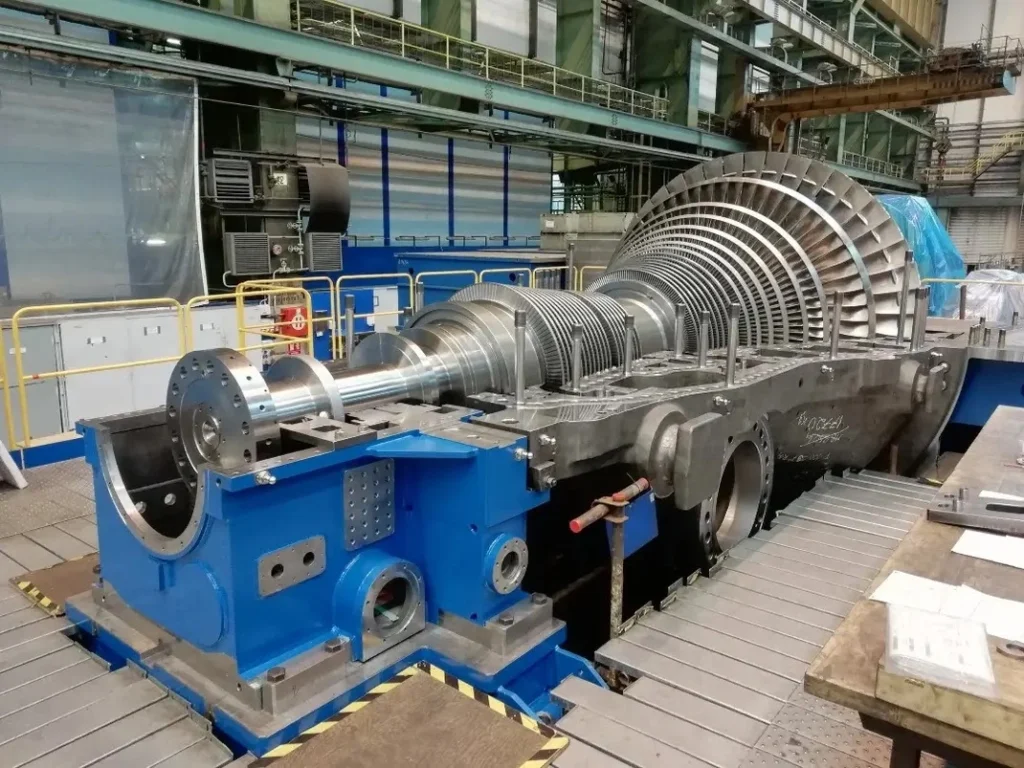
Steam Turbines
Steam Turbines

Steam turbines are a fundamental component of modern power generation and various industrial processes. They convert thermal energy from steam into mechanical energy, which can then be used to generate electricity or drive machinery. The concept of harnessing steam power dates back to ancient times, with early attempts to use steam for mechanical purposes seen in the aeolipile, a simple steam-powered device invented by Hero of Alexandria in the 1st century AD. However, it wasn’t until the 19th century that steam turbines, as we know them today, began to take shape.

The breakthrough in steam turbine technology came in the late 19th century with the work of Sir Charles Parsons and Gustaf de Laval. Sir Charles Parsons is often credited with inventing the modern steam turbine in 1884, when he developed a prototype capable of driving an electrical generator. This invention marked a significant leap in efficiency compared to earlier steam engines. Parsons’ steam turbine quickly became the preferred method for generating electricity, and its design principles are still used in modern turbines.

Gustaf de Laval, a Swedish engineer, made significant contributions to the development of steam turbines, particularly in high-speed turbines. His work in the 1880s and 1890s led to the creation of impulse turbines, which use the kinetic energy of steam to drive the turbine blades. These developments laid the foundation for the widespread adoption of steam turbines in various industries.

Importance in Modern Industry

Today, steam turbines play a crucial role in the global energy landscape. They are used in thermal power plants to generate a significant portion of the world’s electricity. In a typical thermal power plant, steam is produced by burning fossil fuels such as coal, natural gas, or oil, or by utilizing nuclear energy. The steam is then directed into the turbine, where it expands and drives the turbine blades, converting thermal energy into mechanical energy. This mechanical energy is then used to rotate an electrical generator, producing electricity.

Steam turbines are also integral to various industrial processes. They are used in the petrochemical industry to drive compressors and pumps, in the steel industry for mechanical drives, and in the paper industry to generate electricity and drive machinery. Additionally, steam turbines are employed in marine propulsion systems, particularly in large vessels like aircraft carriers and submarines, where their reliability and efficiency are highly valued.

The versatility and efficiency of steam turbines make them indispensable in both traditional and modern energy systems. They are compatible with a wide range of energy sources, including fossil fuels, nuclear power, and renewable sources such as biomass, geothermal, and concentrated solar power. This adaptability ensures that steam turbines will continue to play a vital role in the global energy mix as the world transitions towards more sustainable energy solutions.

Fundamentals of Steam Turbines
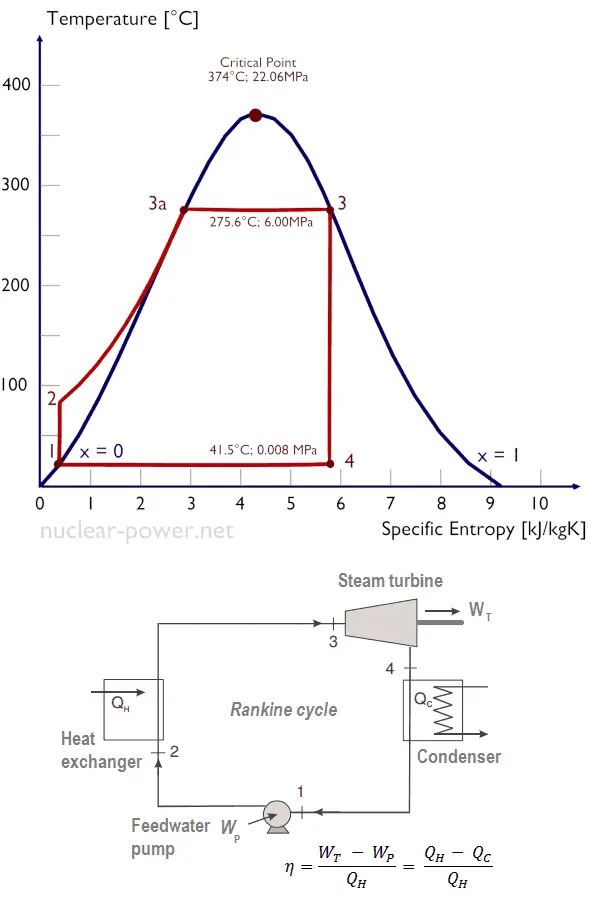
Basic Principles of Operation

Basic Principles

At the core of a steam turbine’s operation is the conversion of thermal energy from steam into mechanical energy. This process is grounded in the principles of thermodynamics, specifically the Rankine cycle, which is the fundamental thermodynamic cycle used in steam turbine operations.

In simple terms, the Rankine cycle involves four main processes:

  1. Heat Addition: In a boiler, water is heated at constant pressure, transforming it into steam. This high-pressure steam contains a significant amount of thermal energy.
  2. Expansion: The high-energy steam is directed into the turbine, where it expands. As the steam expands, its pressure and temperature drop, and it imparts kinetic energy to the turbine blades, causing them to rotate. This rotational energy is then transferred to a shaft connected to an electrical generator or mechanical equipment.
  3. Condensation: After passing through the turbine, the steam is exhausted into a condenser, where it is cooled and condensed back into water.
  4. Pumping: The condensed water is then pumped back to the boiler to begin the cycle again.

The efficiency of a steam turbine is determined by how effectively it converts the thermal energy in the steam into mechanical energy. Factors such as steam pressure, temperature, and the design of the turbine blades play crucial roles in determining this efficiency.

Key Components

Steam turbines consist of several critical components, each playing a specific role in the turbine’s operation:

  • Rotor: The rotor is the rotating part of the turbine and consists of a shaft and attached blades. As steam passes through the turbine, it causes the rotor to spin, converting thermal energy into mechanical energy.
  • Stator: The stator is the stationary part of the turbine that surrounds the rotor. It contains fixed blades that direct the flow of steam onto the rotor blades in an efficient manner.
  • Casing: The casing encases the entire turbine, providing structural support and containing the steam within the turbine. It also protects the internal components from external elements.
  • Blades: The turbine blades are crucial for the conversion of energy. There are two main types of blades: fixed blades (attached to the stator) and moving blades (attached to the rotor). The design and arrangement of these blades are critical for the efficient operation of the turbine.
  • Steam Supply System: This system includes the pipes, valves, and other components that deliver steam to the turbine at the required pressure and temperature. It also controls the flow of steam into the turbine.
  • Condenser: The condenser cools the exhaust steam from the turbine, converting it back into water to be reused in the cycle. It is typically a heat exchanger that removes the latent heat of vaporization from the steam.
  • Governor: The governor is a control mechanism that regulates the turbine’s speed by adjusting the steam flow. It ensures that the turbine operates at the desired speed and can respond to changes in load demand.

Types of Steam Turbines

Steam turbines are classified based on their design, method of steam expansion, and application. The main types include:

  1. Impulse Turbines: In impulse turbines, high-pressure steam is directed onto the turbine blades through nozzles. The steam jets strike the blades, causing them to move, but the steam pressure remains constant as it passes over the blades. The rotor’s motion is purely due to the impulse force from the steam. Impulse turbines are often used in high-speed applications and are suitable for driving generators in power plants.
  2. Reaction Turbines: Unlike impulse turbines, reaction turbines utilize both the impulse of steam and the reaction force generated as steam expands and accelerates through the moving blades. The steam pressure drops as it passes through the blades, and this pressure drop is what drives the rotor. Reaction turbines are commonly used in lower-speed applications and are often found in industrial settings.
  3. Condensing Turbines: These turbines are designed to exhaust steam at a lower pressure, usually into a condenser, where the steam is condensed into water. Condensing turbines are widely used in power generation, where maximum efficiency is required.
  4. Non-Condensing Turbines: Also known as back-pressure turbines, these turbines exhaust steam at a pressure higher than atmospheric pressure. The exhaust steam can be used for heating or other industrial processes. Non-condensing turbines are commonly used in cogeneration systems where both electricity and process steam are needed.
  5. Extraction Turbines: Extraction turbines are designed to extract steam at one or more points along the turbine for industrial processes or heating. The remaining steam continues through the turbine for power generation. These turbines provide flexibility in applications where steam at different pressures is required.
  6. Reheat Turbines: In reheat turbines, steam is expanded through a high-pressure stage of the turbine, reheated in the boiler, and then expanded further in a lower-pressure stage. Reheating improves the efficiency of the cycle and reduces the moisture content of the steam, which can help to reduce blade erosion.
  7. Industrial Turbines: These are designed for specific industrial applications, such as driving compressors, pumps, or fans. Industrial turbines can be either impulse or reaction types, depending on the specific application requirements.
  8. Marine Turbines: Used in naval vessels and large commercial ships, marine turbines are designed to be highly reliable and capable of operating under the challenging conditions at sea. They are typically reaction turbines and are designed to drive propellers or generators for propulsion.

Thermodynamics and Fluid Mechanics
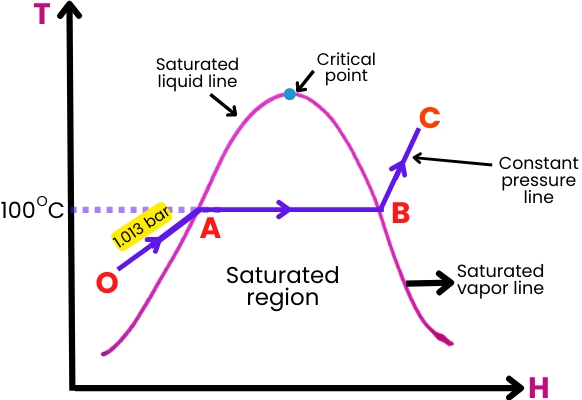
Challenges and Limitations

Thermodynamic Cycles

The operation of steam turbines is fundamentally based on thermodynamic cycles, with the Rankine cycle being the most important for understanding how these machines work. The Rankine cycle, named after William John Macquorn Rankine, is a closed-loop cycle that converts heat into work, making it the backbone of steam turbine operations in power plants and industrial settings.

  1. The Rankine Cycle: The Rankine cycle consists of four main processes:
    • Isentropic Compression: The working fluid (water) is pumped from a low pressure to a high pressure. This process requires work input, typically provided by a pump.
    • Isobaric Heat Addition: The high-pressure water is heated in a boiler at constant pressure, turning it into high-pressure steam.
    • Isentropic Expansion: The high-pressure steam is expanded in the turbine, doing work by turning the turbine’s rotor. As the steam expands, its pressure and temperature drop.
    • Isobaric Heat Rejection: The expanded steam is condensed at constant pressure back into water, completing the cycle.
    The efficiency of the Rankine cycle can be improved by various methods, including reheating and regenerative feedwater heating.
  2. Reheat Cycle: In a reheat cycle, steam is expanded in a high-pressure turbine, reheated in the boiler, and then expanded again in a low-pressure turbine. This process increases the thermal efficiency of the cycle by allowing the steam to expand through a greater pressure range, reducing the moisture content at the turbine’s exhaust, which in turn minimizes turbine blade erosion.
  3. Regenerative Cycle: The regenerative cycle improves efficiency by preheating the feedwater entering the boiler using steam extracted from various stages of the turbine. This reduces the amount of fuel needed to heat the water to the desired temperature, thereby improving overall efficiency.
  4. Combined Cycle: The combined cycle is a modern approach that combines a gas turbine cycle with a steam turbine cycle. The exhaust gases from the gas turbine are used to generate steam in a heat recovery steam generator (HRSG), which then powers a steam turbine. This setup allows for very high overall efficiency, often exceeding 60%.

Fluid Dynamics in Steam Turbines

Fluid dynamics plays a crucial role in the operation of steam turbines, as the efficient conversion of steam energy into mechanical work depends on the controlled flow of steam through the turbine.

  1. Steam Flow and Velocity Triangles: The flow of steam through a turbine is characterized by velocity triangles, which are geometric representations of the velocity of steam relative to the blades of the turbine. These triangles help in analyzing the energy conversion process as the steam flows through both the stationary (stator) and moving (rotor) blades.
    • Absolute Velocity: This is the velocity of the steam relative to the stationary components of the turbine.
    • Relative Velocity: This is the velocity of the steam relative to the moving blades of the rotor.
    • Blade Velocity: The velocity at which the turbine blades move.
    The efficiency of the turbine depends on how well these velocities are optimized to maximize energy transfer from the steam to the rotor.
  2. Impulse and Reaction Principles: Steam turbines operate on either impulse or reaction principles, or a combination of both.
    • Impulse Turbines: In impulse turbines, steam is expanded through nozzles, converting its pressure energy into kinetic energy before it hits the rotor blades. The rotor blades are designed to absorb this kinetic energy, causing the rotor to spin.
    • Reaction Turbines: In reaction turbines, the steam undergoes a pressure drop as it passes through the rotor blades, which are shaped to act as nozzles. The pressure drop results in a reactive force that turns the rotor. This principle is similar to how a jet engine works.
    The choice between impulse and reaction designs depends on the specific application, with many turbines incorporating both principles in different stages.
  3. Expansion and Losses: As steam expands through the turbine, it loses energy due to several factors, including friction, heat losses, and mechanical losses. These losses reduce the overall efficiency of the turbine. Understanding and minimizing these losses is crucial for optimizing turbine performance.
    • Frictional Losses: Occur due to the friction between steam and the turbine blades and internal surfaces.
    • Heat Losses: Result from the heat exchange between steam and the turbine casing or the environment.
    • Mechanical Losses: Include losses in bearings, seals, and other mechanical components of the turbine.
    Advanced materials and coatings, as well as precise manufacturing techniques, are used to minimize these losses.

Heat Transfer Mechanisms

Heat transfer is a critical aspect of steam turbine operation, influencing both efficiency and performance. The primary heat transfer mechanisms involved are conduction, convection, and radiation.

  1. Conduction: Conduction is the transfer of heat through a solid material, such as the turbine casing or blades. In steam turbines, conduction occurs when heat flows through the metal components from the high-temperature steam to cooler regions. The thermal conductivity of the materials used in turbine construction is an important factor, as it affects the rate of heat transfer and the temperature distribution within the turbine.
  2. Convection: Convection is the transfer of heat between a solid surface and a fluid, in this case, steam. It occurs when steam flows over the turbine blades and heat is transferred from the steam to the blade material. The efficiency of this process is influenced by factors such as steam velocity, turbulence, and the surface roughness of the blades.
    • Forced Convection: In steam turbines, forced convection occurs as steam is forced through the turbine at high velocities. The design of the turbine blades and the flow paths are optimized to enhance heat transfer through forced convection.
    • Natural Convection: Natural convection plays a lesser role in steam turbines but can occur in areas where steam or air is stagnant. Managing natural convection is important in turbine cooling and in maintaining structural integrity.
  3. Radiation: Radiation is the transfer of heat through electromagnetic waves. In steam turbines, radiation heat transfer is typically less significant than conduction and convection but can become important at very high temperatures, such as those found in the superheater sections of a boiler or in high-temperature turbines.
    • Thermal Radiation: The turbine components emit thermal radiation based on their temperature. This radiation can contribute to heat losses if not properly managed through insulation and other thermal management techniques.
    Effective thermal management in steam turbines involves a careful balance of these heat transfer mechanisms to maintain optimal operating temperatures and to prevent overheating of components, which can lead to reduced efficiency or even failure.

Design and Manufacturing of Steam Turbines
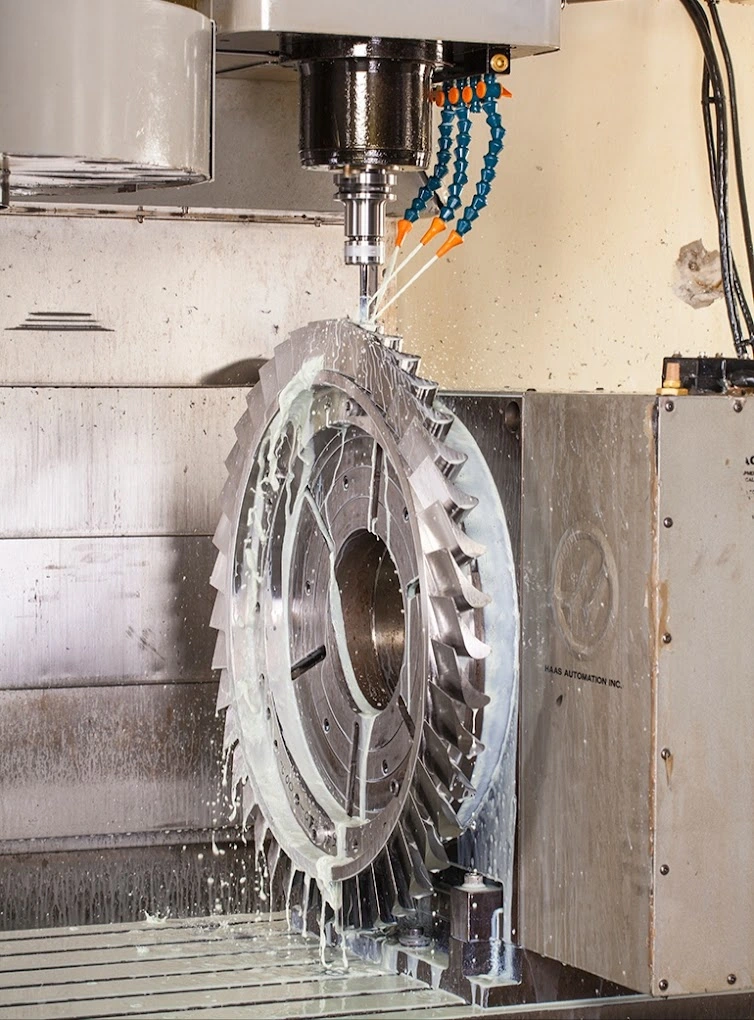
Recent Technological Advancements

Design Process

Designing a steam turbine is a complex process that requires a deep understanding of thermodynamics, fluid mechanics, materials science, and mechanical engineering. The primary goals in designing a steam turbine are to maximize efficiency, ensure reliability, and meet the specific operational requirements of the application.

  1. Thermodynamic Efficiency: The design begins with thermodynamic calculations to determine the optimal operating conditions, such as steam pressure, temperature, and flow rate. Engineers use these calculations to design the turbine stages, ensuring that each stage extracts the maximum possible energy from the steam.
  2. Blade Design: The design of the turbine blades is crucial for efficiency and reliability. Blades must be aerodynamically optimized to maximize energy extraction while minimizing losses due to friction, turbulence, and separation. The shape, angle, and length of the blades are carefully calculated, often using computational fluid dynamics (CFD) simulations to model the flow of steam through the turbine.
  3. Material Selection: The materials used in turbine construction must withstand high temperatures, pressures, and mechanical stresses. Material selection is driven by the need for strength, durability, resistance to corrosion and erosion, and the ability to maintain performance under thermal cycling. Common materials include high-strength alloys, stainless steel, and nickel-based superalloys.
  4. Cooling and Heat Management: In high-temperature turbines, especially those used in power generation, cooling is a critical design consideration. Blades and other components are often internally cooled using air or steam to prevent overheating and maintain structural integrity. Advanced cooling designs, such as film cooling or transpiration cooling, may be used in particularly demanding applications.
  5. Rotor Dynamics and Balancing: The rotor is a critical component that must be carefully designed to ensure smooth and reliable operation. Engineers must account for rotor dynamics, including the natural frequencies of the rotor, to avoid resonance that could lead to mechanical failure. Additionally, the rotor must be precisely balanced to prevent excessive vibrations, which can cause wear and tear on bearings and other components.
  6. Sealing and Clearance Control: Minimizing steam leakage between different stages of the turbine is essential for maintaining efficiency. Engineers design precise seals and control clearances between rotating and stationary parts to reduce losses. Advanced sealing techniques, such as labyrinth seals and brush seals, are often used.
  7. Mechanical Integrity and Safety: The design must ensure that the turbine can operate safely under all expected conditions, including start-up, shutdown, and emergency situations. This involves designing for mechanical integrity, with components capable of withstanding high mechanical loads, thermal stresses, and the effects of transient conditions such as pressure surges or steam hammer.
  8. Modularity and Scalability: Modern steam turbines are often designed with modularity in mind, allowing for scalability and customization to meet different power outputs or industrial requirements. This modular approach also facilitates maintenance and component replacement.

Materials Used

The materials used in the construction of steam turbines are chosen for their ability to withstand the extreme conditions present during operation, such as high temperatures, pressures, and mechanical stresses. The selection of materials is crucial for ensuring the turbine’s performance, longevity, and safety.

  1. High-Strength Alloys: High-strength alloys, such as chromium-molybdenum steel, are commonly used for turbine rotors, casings, and other critical components. These alloys offer a good balance of strength, toughness, and resistance to thermal fatigue.
  2. Nickel-Based Superalloys: Nickel-based superalloys are frequently used in high-temperature sections of the turbine, such as the blades and vanes in the high-pressure stages. These superalloys are specifically designed to maintain their mechanical properties at elevated temperatures, making them ideal for use in environments where temperatures can exceed 1000°C.
  3. Stainless Steel: Stainless steel is used for components that require excellent corrosion resistance, such as parts exposed to wet steam or aggressive industrial environments. Austenitic stainless steels, in particular, are favored for their high-temperature performance and resistance to oxidation.
  4. Ceramic Coatings: To further enhance the high-temperature performance of turbine blades, ceramic coatings are often applied. These coatings provide a thermal barrier, reducing the amount of heat transferred to the underlying metal, which helps to protect against thermal degradation and extends the life of the blades.
  5. Titanium Alloys: Titanium alloys are sometimes used in low-pressure turbine blades due to their high strength-to-weight ratio and resistance to corrosion. Their lower density compared to steel or nickel-based alloys makes them advantageous in applications where weight savings are critical.
  6. Creep-Resistant Materials: Creep, the tendency of materials to deform permanently under constant stress at high temperatures, is a significant concern in steam turbines. Creep-resistant materials, such as advanced ferritic steels, are used

Manufacturing Techniques
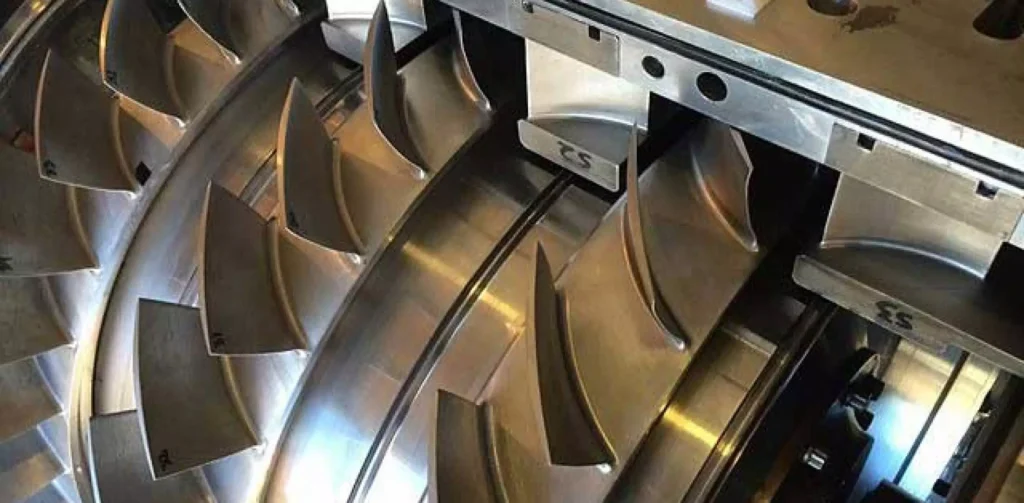
Steam Turbine Bearings

The manufacturing of steam turbines involves a series of highly specialized processes that ensure the precise fabrication and assembly of components capable of withstanding extreme operational conditions. The techniques used vary depending on the size, complexity, and specific requirements of the turbine.

  1. Casting: Many components of steam turbines, particularly the rotor and casing, are produced using casting techniques. Casting involves pouring molten metal into a mold shaped like the final part. Once the metal solidifies, the mold is removed, leaving behind a rough component that is further refined. Investment casting and sand casting are common methods used for creating intricate parts like blades, where precision and material integrity are crucial.
  2. Forging: Forging is another critical manufacturing process used to create strong, high-integrity components such as rotors and discs. In forging, a metal workpiece is heated and then shaped under high pressure, which aligns the metal’s grain structure, resulting in enhanced mechanical properties. Forged components are typically stronger and more resistant to fatigue and creep than cast parts, making them ideal for high-stress areas of the turbine.
  3. Machining: After casting or forging, most turbine components undergo machining to achieve the necessary dimensions, surface finishes, and tolerances. Machining processes include milling, turning, drilling, and grinding. Computer numerical control (CNC) machines are often used to ensure high precision and repeatability, especially for components like blades, where aerodynamic properties are critical.
  4. Heat Treatment: Heat treatment processes, such as annealing, quenching, and tempering, are used to enhance the mechanical properties of turbine components. These processes alter the microstructure of the metal, improving its strength, toughness, and resistance to wear and thermal fatigue. For instance, heat treatment is crucial for blades that must maintain their integrity at high operating temperatures.
  5. Surface Treatments and Coatings: To protect against corrosion, erosion, and high-temperature oxidation, turbine components often undergo surface treatments and coatings. Techniques such as thermal spraying, chemical vapor deposition (CVD), and physical vapor deposition (PVD) are used to apply protective coatings. Ceramic coatings, as mentioned earlier, are commonly applied to blades to provide thermal insulation and reduce heat transfer.
  6. Welding and Joining: Welding is a critical process in the assembly of steam turbines, particularly for joining large sections of the casing or connecting blades to the rotor. Advanced welding techniques, such as electron beam welding and laser welding, are used to create high-strength joints with minimal defects. These techniques are especially important for maintaining the structural integrity of the turbine under high-pressure and high-temperature conditions.
  7. Balancing and Assembly: Once all the components are manufactured, they are carefully assembled. The rotor, which is one of the most critical components, must be precisely balanced to ensure smooth operation at high speeds. Balancing involves adjusting the distribution of mass around the rotor’s axis to minimize vibrations. This is typically done using specialized balancing machines that measure and correct any imbalance.
  8. Quality Control and Testing: Quality control is paramount in steam turbine manufacturing. Each component undergoes rigorous inspection and testing to ensure it meets the required specifications. Non-destructive testing (NDT) methods, such as ultrasonic testing, radiography, and dye penetrant inspection, are used to detect any internal or surface defects. The assembled turbine is also subjected to performance testing, where it is run under controlled conditions to verify its efficiency, output, and operational stability.
  9. Final Assembly and Installation: After passing all tests, the turbine is finally assembled and prepared for shipment to its installation site. Installation requires precise alignment and calibration to ensure that the turbine operates correctly within its intended system, whether it’s a power plant, industrial facility, or marine vessel. The installation process includes integrating the turbine with the steam supply, electrical systems, and other necessary infrastructure.

Operation and Maintenance
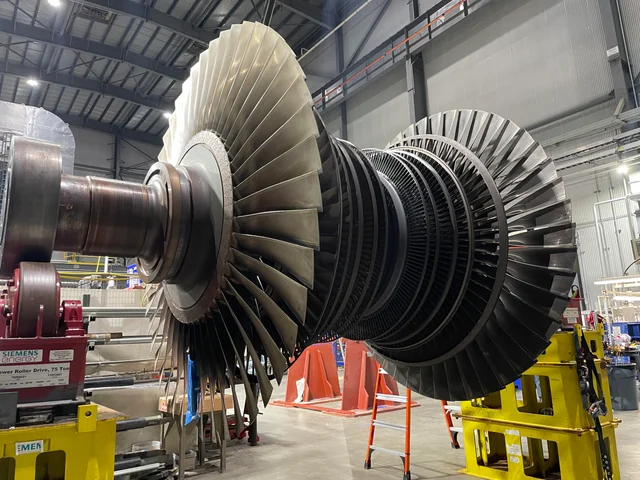
Steam Turbine Technology for Electricity Generation

Operating Conditions

Steam turbines operate under demanding conditions, where factors such as temperature, pressure, steam quality, and load variations can significantly impact their performance and longevity. Understanding these conditions is essential for optimizing turbine operation and ensuring reliable performance.

  1. Temperature and Pressure: Steam turbines are designed to operate at high temperatures and pressures. In typical power generation applications, steam enters the turbine at temperatures ranging from 500°C to 600°C and pressures up to 30 MPa (megapascals). These extreme conditions enable the turbine to extract maximum energy from the steam, but they also impose significant thermal and mechanical stresses on the components.
  2. Steam Quality: The quality of the steam entering the turbine is critical for efficient operation. Ideally, the steam should be dry and superheated to prevent condensation inside the turbine, which can lead to erosion of the blades and reduced efficiency. However, in some applications, such as nuclear power plants, saturated steam may be used, requiring careful design and operation to manage the associated risks.
  3. Load Variations: Steam turbines often operate under varying loads, depending on the demand for electricity or the specific requirements of the industrial process they are powering. The ability to quickly and efficiently respond to load changes is crucial for maintaining stable operation. Turbines must be capable of ramping up or down without excessive wear or risk of damage.
  4. Startup and Shutdown Procedures: The processes of starting up and shutting down a steam turbine are critical periods that require careful control. During startup, the turbine components must be gradually brought up to operating temperature to avoid thermal shocks, which can cause cracking or deformation. Similarly, shutdown procedures involve slowly cooling the turbine to prevent damage.
  5. Control Systems: Modern steam turbines are equipped with sophisticated control systems that manage various operational parameters, such as steam flow, temperature, pressure, and rotational speed. These systems ensure that the turbine operates within its design limits and responds appropriately to changes in load or other operating conditions.

Maintenance Practices

Regular maintenance is essential to ensure the long-term reliability and efficiency of steam turbines. Maintenance practices are typically divided into preventive, predictive, and corrective maintenance.

  1. Preventive Maintenance: Preventive maintenance involves routine inspections and servicing of the turbine to prevent potential issues from arising. This includes tasks such as:
    • Lubrication: Regular lubrication of bearings and other moving parts to reduce friction and wear.
    • Inspection of Blades and Seals: Checking for signs of wear, erosion, or corrosion on turbine blades and seals.
    • Cleaning: Removing deposits or scale from turbine components to maintain optimal performance.
    • Calibration: Ensuring that control systems and sensors are accurately calibrated to prevent operational errors.
  2. Predictive Maintenance: Predictive maintenance uses condition monitoring techniques to predict when maintenance is needed before a failure occurs. This approach allows for maintenance to be scheduled based on the actual condition of the turbine rather than on a fixed schedule. Key techniques include:
    • Vibration Analysis: Monitoring the vibrations of the turbine to detect imbalances, misalignment, or bearing issues.
    • Thermography: Using infrared cameras to detect hotspots or uneven temperature distributions that may indicate a problem.
    • Oil Analysis: Analyzing the lubrication oil for signs of contamination, wear particles, or chemical degradation.
  3. Corrective Maintenance: When a component fails or a problem is detected, corrective maintenance is performed to repair or replace the affected parts. This type of maintenance can involve:
    • Blade Replacement: Replacing damaged or worn blades to restore turbine efficiency and prevent further damage.
    • Seal Repair or Replacement: Addressing issues with seals that may cause steam leakage or reduced efficiency.
    • Bearing Replacement: Replacing worn or damaged bearings to prevent rotor imbalance and excessive vibrations.
  4. Outage Planning: Steam turbines typically undergo scheduled outages for extensive inspections, repairs, and overhauls. These outages are carefully planned to minimize downtime and ensure that the turbine is returned to service in optimal condition. During an outage, the turbine may be disassembled, with major components like the rotor, blades, and casing inspected and refurbished as necessary.

Common Issues and Solutions

Steam turbines, despite their robust design, can encounter various issues during operation. Identifying and addressing these issues promptly is key to maintaining reliable performance.

  1. Blade Fouling and Erosion: Fouling occurs when deposits form on the turbine blades, often as a result of impurities in the steam. Erosion, on the other hand, is caused by high-velocity steam or water droplets impinging on the blades, gradually wearing away the material. These issues can lead to reduced efficiency and, if left unchecked, can cause serious damage.
    • Solution: Regular cleaning and maintenance can prevent fouling, while erosion-resistant coatings can extend blade life. Additionally, improving the quality of the steam entering the turbine can reduce the risk of these problems.
  2. Vibration and Rotor Imbalance: Excessive vibration is a common issue in steam turbines and can be caused by rotor imbalance, misalignment, bearing wear, or other mechanical problems. Vibration can lead to accelerated wear of components and, in severe cases, catastrophic failure.
    • Solution: Vibration analysis and regular balancing of the rotor can help detect and correct these issues before they cause significant damage. Proper alignment during installation and routine bearing inspections are also critical.
  3. Steam Leakage: Steam leakage can occur due to worn seals, poor sealing surfaces, or cracks in the casing. This leads to a loss of efficiency and can also cause damage to surrounding components.
    • Solution: Regular inspection of seals and replacement when necessary can mitigate steam leakage. In some cases, upgrading to more advanced sealing technologies, such as brush seals, can provide a better seal and longer service life.
  4. Thermal Fatigue and Creep: Thermal fatigue occurs when turbine components are subjected to repeated cycles of heating and cooling, leading to the formation of cracks. Creep is a gradual deformation of materials under constant high temperature and stress. Both issues can significantly impact the structural integrity of the turbine.
    • Solution: Using materials specifically designed to resist thermal fatigue and creep, along with careful control of operating conditions, can minimize these risks. Regular inspection and monitoring for signs of fatigue or creep are also essential.
  5. Control System Failures: The control systems of steam turbines are vital for safe and efficient operation. Failures in these systems can lead to incorrect steam flow, pressure surges, or even turbine trips.
    • Solution: Regular testing and calibration of control systems, along with the use of redundant systems, can help prevent control system failures. Upgrading older systems to modern, digital control systems can also enhance reliability.

Applications of Steam Turbines
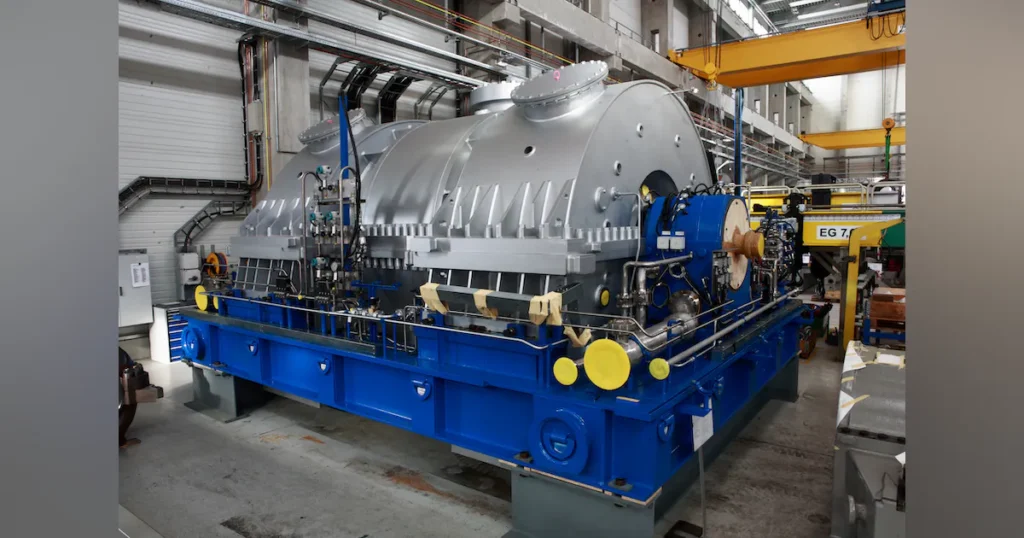
Steam Engine Electric Generator for Sale

Power Generation

Steam turbines are central to power generation and are used in a variety of settings, from large-scale thermal power plants to smaller, decentralized energy systems. The following subsections outline the main applications of steam turbines in power generation:

  1. Coal-Fired Power Plants:
    • Overview: Coal-fired power plants have historically been one of the most common applications of steam turbines. In these plants, coal is burned in a boiler to produce high-pressure steam, which is then directed into a steam turbine to generate electricity.
    • Role of Steam Turbines: Steam turbines in coal-fired plants are designed to handle the high temperatures and pressures associated with coal combustion. They convert the thermal energy from the steam into mechanical energy, which drives an electrical generator.
    • Environmental Considerations: While coal-fired power plants are efficient, they are also a significant source of greenhouse gas emissions. Many modern plants incorporate emission control technologies and are transitioning to cleaner coal technologies, such as supercritical and ultra-supercritical steam cycles, to improve efficiency and reduce emissions.
  2. Nuclear Power Plants:
    • Overview: In nuclear power plants, steam turbines are used to convert the thermal energy generated by nuclear fission into electricity. These plants use nuclear reactors to heat water and produce steam.
    • Role of Steam Turbines: The steam produced in a nuclear reactor is typically at a lower temperature and pressure compared to that in fossil-fuel plants. However, the turbines must be extremely reliable and durable due to the safety-critical nature of nuclear power generation. The turbines in nuclear plants are often large, with high power outputs to match the continuous energy production of the reactor.
    • Special Considerations: The design of steam turbines for nuclear power includes considerations for safety, such as the ability to operate reliably under potential emergency conditions and withstand the corrosive effects of certain types of steam.
  3. Gas-Fired Power Plants (Combined Cycle):
    • Overview: Combined cycle power plants use both gas and steam turbines to generate electricity. In these plants, a gas turbine generates electricity and its exhaust heat is used to produce steam, which then powers a steam turbine.
    • Role of Steam Turbines: The steam turbine in a combined cycle plant enhances the overall efficiency of the plant by utilizing the waste heat from the gas turbine. This process significantly increases the plant’s thermal efficiency, often reaching levels above 60%.
    • Advantages: Combined cycle plants are known for their high efficiency, flexibility, and lower carbon emissions compared to traditional coal-fired plants. Steam turbines in these plants are integral to achieving these benefits.
  4. Geothermal Power Plants:
    • Overview: Geothermal power plants use steam turbines to generate electricity from geothermal energy, which is the heat stored within the Earth.
    • Role of Steam Turbines: In geothermal plants, steam is extracted from underground reservoirs and used to drive turbines. These turbines must be designed to handle steam with varying temperatures and pressures, as well as the potential presence of corrosive gases and minerals.
    • Challenges and Solutions: The main challenges in geothermal power generation include scaling, corrosion, and the management of non-condensable gases. Turbine designs that include corrosion-resistant materials and advanced sealing technologies are essential for long-term operation in these environments.
  5. Solar Thermal Power Plants:
    • Overview: Solar thermal power plants, also known as concentrating solar power (CSP) plants, use steam turbines to generate electricity from solar energy.
    • Role of Steam Turbines: In CSP plants, mirrors or lenses concentrate sunlight to heat a fluid, which is then used to produce steam. The steam drives a turbine, converting thermal energy into mechanical energy for electricity generation.
    • Innovations: Some CSP plants incorporate thermal storage systems, allowing them to generate electricity even when the sun is not shining. The steam turbines in these plants must be adaptable to varying steam inputs and capable of operating efficiently with the thermal storage systems.

Industrial Applications

Beyond power generation, steam turbines are widely used in various industrial processes where they provide mechanical power for a range of applications.

  1. Petrochemical Industry:
    • Overview: Steam turbines are essential in the petrochemical industry, where they are used to drive compressors, pumps, and other machinery involved in the processing of chemicals and petroleum products.
    • Role of Steam Turbines: The turbines in this industry are often designed for continuous operation, high efficiency, and reliability under harsh conditions, including high temperatures and corrosive environments.
    • Advantages: Using steam turbines in petrochemical plants helps improve overall energy efficiency by recovering waste heat and converting it into useful mechanical or electrical energy.
  2. Pulp and Paper Industry:
    • Overview: The pulp and paper industry relies on steam turbines for both electricity generation and mechanical drives in processes such as pulping, drying, and paper making.
    • Role of Steam Turbines: Steam turbines in this industry often operate in cogeneration setups, where they simultaneously produce electricity and steam for the manufacturing process. This combined heat and power (CHP) approach enhances energy efficiency.
    • Challenges: The main challenges include handling fluctuating loads and ensuring reliable operation in environments with high moisture content and potential corrosive chemicals.
  3. Steel Manufacturing:
    • Overview: In steel manufacturing, steam turbines are used to drive blowers, compressors, and rolling mills. The steam used often comes from waste heat recovery systems, making the process more energy-efficient.
    • Role of Steam Turbines: Steam turbines help reduce the overall energy consumption of steel mills by utilizing waste heat to generate power for various processes.
    • Benefits: Integrating steam turbines into steel manufacturing processes not only reduces energy costs but also helps in meeting environmental regulations by lowering emissions.
  4. Sugar Industry:
    • Overview: The sugar industry uses steam turbines extensively in the production of sugar and ethanol. The turbines are part of the cogeneration systems that use bagasse (the fibrous residue left after extracting sugar juice) as fuel.
    • Role of Steam Turbines: In this industry, steam turbines generate electricity and provide mechanical power for the crushing and refining processes. The use of biomass like bagasse makes the process more sustainable and reduces dependence on fossil fuels.
    • Sustainability: The integration of steam turbines into sugar production highlights the potential for renewable energy sources in industrial applications.

Marine Propulsion

Steam turbines have a long history of use in marine propulsion, particularly in naval vessels and large commercial ships. Their reliability, efficiency, and power output make them ideal for this demanding application.

  1. Naval Vessels:
    • Overview: Steam turbines have been a mainstay in naval propulsion, especially in large vessels such as aircraft carriers, destroyers, and submarines.
    • Role of Steam Turbines: Naval turbines are designed for high power output, reliability, and efficiency. They must operate under extreme conditions, including rapid speed changes and prolonged high-speed operation.
    • Advancements: Modern naval steam turbines often incorporate advanced materials and cooling technologies to withstand the harsh marine environment and to operate quietly, which is crucial for stealth in military operations.
  2. Commercial Shipping:
    • Overview: In commercial shipping, steam turbines are used in large vessels such as tankers and bulk carriers. Although diesel engines have become more common, steam turbines are still used in certain applications, particularly where high power and long-range operation are required.
    • Advantages: Steam turbines offer smooth operation, reduced vibration, and lower maintenance requirements compared to other propulsion systems, making them suitable for large ships.
    • Trends: The use of steam turbines in commercial shipping has declined with the rise of more fuel-efficient diesel engines. However, they remain in use in specific scenarios where their benefits outweigh those of alternative technologies.

Renewable Energy Integration

Steam turbines are also finding applications in renewable energy systems, contributing to the generation of clean and sustainable energy.

  1. Biomass Power Plants:
    • Overview: Biomass power plants use organic materials, such as wood, agricultural residues, and waste, to produce steam, which then drives turbines to generate electricity.
    • Role of Steam Turbines: In biomass plants, steam turbines must handle steam generated from a variety of biomass sources, which can vary in quality and consistency. The turbines are designed to be flexible and efficient, maximizing the energy extracted from biomass.
    • Environmental Benefits: Biomass power generation is considered carbon-neutral, as the CO2 released during combustion is offset by the CO2 absorbed during the growth of the biomass. Steam turbines play a key role in making this a viable and sustainable energy source.
  2. Concentrated Solar Power (CSP):
    • Overview: In CSP plants, steam turbines are used to convert solar energy into electricity. The plants use mirrors or lenses to concentrate sunlight onto a receiver, where it heats a fluid to produce steam.
    • Role of Steam Turbines: The turbines in CSP plants must be designed to operate efficiently with steam generated from fluctuating solar input, as well as to integrate with thermal storage systems that allow for power generation even when the sun is not shining.
    • Innovation and Future Potential: As CSP technology advances, steam turbines are expected to play an increasingly important role in providing renewable, dispatchable power, helping to stabilize grids with high penetration of intermittent renewable sources like wind and solar PV.

Efficiency and Performance Optimization
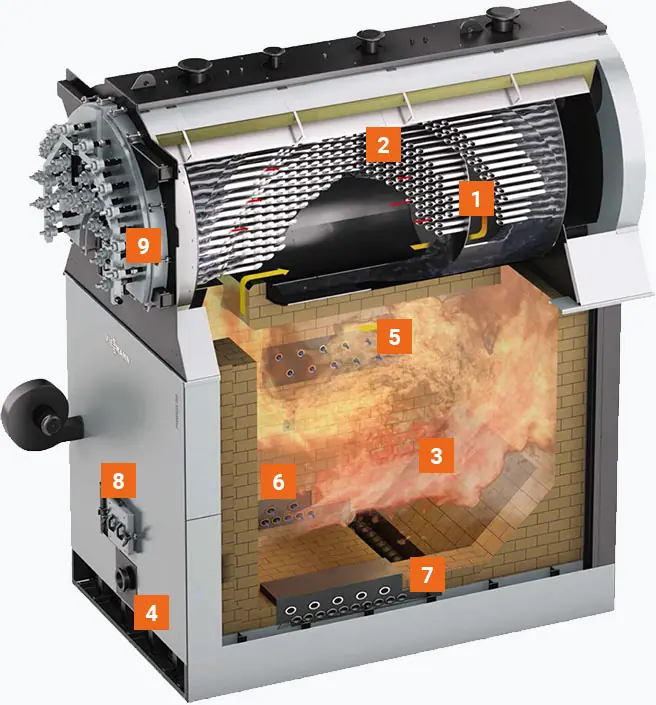
Understanding Waste Heat in Factories

Factors Affecting Efficiency

The efficiency of a steam turbine is a critical aspect of its performance, influencing the overall energy conversion process and the economic viability of power plants and industrial applications. Several factors can impact the efficiency of a steam turbine:

  1. Steam Conditions:
    • Temperature and Pressure: The higher the steam temperature and pressure at the turbine inlet, the greater the potential for energy extraction. Superheated steam, with higher energy content, allows the turbine to produce more work, thereby increasing efficiency. However, materials and design must be capable of withstanding these extreme conditions.
    • Steam Quality: The quality of steam, particularly its dryness fraction, affects turbine performance. Wet steam can cause erosion of turbine blades and reduce efficiency due to the presence of water droplets. Maintaining a high dryness fraction or superheating the steam minimizes these losses.
  2. Design and Aerodynamics:
    • Blade Design: The design of turbine blades, including their shape, angle, and surface finish, plays a significant role in efficiency. Aerodynamically optimized blades reduce losses due to friction and turbulence, allowing for more effective energy conversion from steam to mechanical work.
    • Stage Efficiency: Steam turbines are often divided into multiple stages, each designed to extract energy from steam at progressively lower pressures. The efficiency of each stage contributes to the overall turbine efficiency. Proper staging, with carefully calculated blade profiles and angles, is essential for maximizing efficiency.
  3. Mechanical Losses:
    • Friction and Wear: Mechanical losses due to friction in bearings, seals, and other moving parts can reduce overall turbine efficiency. Regular maintenance, proper lubrication, and the use of advanced materials can help minimize these losses.
    • Vibration and Imbalance: Imbalances in the rotor or excessive vibrations can lead to mechanical inefficiencies, as energy is lost in the form of unwanted movements. Ensuring that the turbine is properly balanced and that vibrations are controlled through effective damping mechanisms is crucial.
  4. Thermodynamic Losses:
    • Heat Losses: Heat losses occur when steam or other components transfer heat to the surrounding environment. Proper insulation of the turbine casing and piping, as well as minimizing the temperature gradient within the turbine, can help reduce these losses.
    • Entropy Generation: Inefficiencies in the expansion process within the turbine stages can lead to increased entropy, reducing the available work output. Reducing these losses involves optimizing the expansion process and minimizing irreversible losses within the turbine.

Optimization Techniques

Improving the efficiency of steam turbines involves a combination of design optimization, operational strategies, and technological innovations. The following techniques are commonly used to enhance turbine performance:

  1. Advanced Blade Design:
    • Computational Fluid Dynamics (CFD): CFD is widely used in the design and optimization of turbine blades. By simulating the flow of steam through the turbine, engineers can identify areas where losses occur and adjust blade shapes and angles to improve efficiency. CFD allows for the testing of multiple design iterations in a virtual environment, reducing the need for physical prototypes.
    • 3D Blade Profiling: Advanced manufacturing techniques, such as 3D printing and precision machining, enable the production of complex blade profiles that are tailored to specific operating conditions. 3D blade profiling can result in blades that offer better aerodynamic performance and reduced losses.
  2. Steam Temperature and Pressure Control:
    • Superheating and Reheating: Increasing the temperature of steam before it enters the turbine (superheating) or reheating steam between turbine stages can significantly improve efficiency. Reheating, in particular, allows for more energy extraction by reducing the moisture content in the later stages of the turbine.
    • Pressure Optimization: Operating the turbine at the optimal steam pressure for each stage can maximize efficiency. This involves careful control of steam pressure throughout the turbine, ensuring that each stage operates at its most efficient point on the pressure-enthalpy curve.
  3. Energy Recovery Systems:
    • Regenerative Feedwater Heating: Regenerative feedwater heating is a technique where steam is extracted from intermediate stages of the turbine and used to preheat the feedwater before it enters the boiler. This reduces the amount of fuel needed to reach the desired steam temperature, thereby improving the overall efficiency of the Rankine cycle.
    • Condensate Recovery: Efficient recovery and reuse of condensate (water) from the turbine exhaust can reduce the energy required to heat and pressurize water for subsequent cycles. This also minimizes the need for additional water treatment, contributing to overall efficiency improvements.
  4. Load Optimization:
    • Variable Load Operation: Modern steam turbines are designed to operate efficiently across a range of loads, not just at full capacity. By optimizing turbine performance under partial loads, power plants can improve overall efficiency, especially in applications where demand fluctuates throughout the day.
    • Load Matching: Load matching involves adjusting the turbine’s operation to match the specific energy demand at any given time. This can involve varying the steam flow rate, adjusting the number of active turbine stages, or modulating the turbine’s output to match real-time load requirements.
  5. Monitoring and Control Systems:
    • Real-Time Performance Monitoring: Advanced sensors and control systems allow for real-time monitoring of turbine performance, including temperature, pressure, vibration, and efficiency metrics. By continuously monitoring these parameters, operators can make adjustments to optimize performance and prevent issues before they lead to inefficiencies or failures.
    • Predictive Maintenance: Using data analytics and machine learning, predictive maintenance systems can forecast potential issues based on historical performance data. This allows for maintenance to be performed proactively, reducing downtime and improving overall turbine efficiency.

Monitoring and Performance Analysis

Maintaining optimal efficiency in steam turbines requires ongoing monitoring and analysis of performance data. The following approaches are commonly used to assess and enhance turbine efficiency:

  1. Key Performance Indicators (KPIs):
    • Heat Rate: The heat rate is a measure of the amount of energy used by the turbine to generate electricity. It is typically expressed as the amount of fuel energy required per unit of electrical output (e.g., BTU/kWh). Monitoring the heat rate helps identify inefficiencies in fuel use and overall turbine performance.
    • Thermal Efficiency: Thermal efficiency measures the ratio of useful work output to the total heat input. It is a key indicator of how effectively the turbine converts thermal energy into mechanical energy. Higher thermal efficiency indicates better performance.
    • Capacity Factor: The capacity factor is the ratio of the actual output of the turbine over a period of time to its maximum possible output. It reflects how well the turbine is being utilized relative to its full capacity.
  2. Performance Testing:
    • Acceptance Testing: Acceptance testing is conducted when a turbine is first installed or after a major overhaul to ensure it meets the specified performance criteria. These tests typically measure parameters such as output power, efficiency, and steam consumption under controlled conditions.
    • Routine Testing: Periodic performance testing is conducted to monitor the ongoing efficiency of the turbine. Routine tests help detect gradual declines in performance, allowing for timely interventions to restore efficiency.
  3. Data Analytics and Optimization:
    • Data Logging and Trend Analysis: Continuous data logging allows for the collection of vast amounts of performance data, which can be analyzed to identify trends, detect anomalies, and assess the impact of operational changes on efficiency.
    • Digital Twins: A digital twin is a virtual model of the steam turbine that simulates its real-world counterpart in real time. By comparing the digital twin’s performance with actual operational data, operators can identify inefficiencies and test potential optimizations without risking the physical turbine.
  4. Diagnostic Tools:
    • Vibration Monitoring: Vibration analysis is a critical diagnostic tool for detecting mechanical issues such as rotor imbalance, misalignment, or bearing wear. By identifying and correcting these issues early, operators can prevent efficiency losses and extend the life of the turbine.
    • Thermal Imaging: Thermal imaging is used to detect hotspots and assess the distribution of temperature across the turbine components. This helps identify areas where heat losses are occurring and where insulation or cooling might be needed.

Environmental Impact and Sustainability
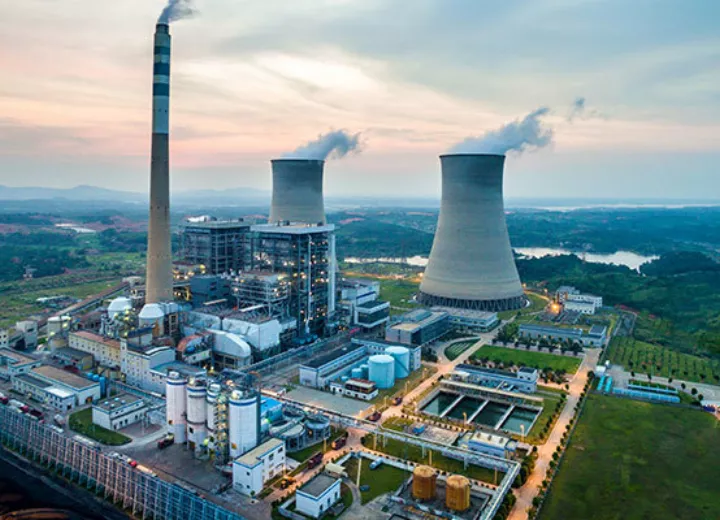
Waste Heat Recovery Systems

Environmental Concerns

Steam turbines, while crucial to power generation and industrial processes, are associated with several environmental concerns. These issues stem primarily from the energy sources used to produce steam and the byproducts of turbine operation.

  1. Greenhouse Gas Emissions:
    • Fossil Fuel Combustion: Steam turbines used in coal, oil, and natural gas-fired power plants contribute significantly to greenhouse gas emissions, particularly carbon dioxide (CO2). The combustion of fossil fuels releases CO2, which is a major contributor to global warming and climate change.
    • Mitigation Strategies: Efforts to reduce greenhouse gas emissions include improving the efficiency of steam turbines, transitioning to cleaner fuels, and integrating carbon capture and storage (CCS) technologies. Higher efficiency means that less fuel is required to produce the same amount of electricity, thereby reducing emissions per unit of energy generated.
  2. Air Pollutants:
    • Sulfur Dioxide (SO2) and Nitrogen Oxides (NOx): Fossil fuel combustion in power plants can release harmful air pollutants, including SO2 and NOx, which contribute to acid rain and respiratory problems in humans. These pollutants are particularly prevalent in coal-fired power plants, where sulfur content in the fuel is higher.
    • Control Technologies: Technologies such as flue gas desulfurization (FGD) and selective catalytic reduction (SCR) are used to reduce SO2 and NOx emissions from power plants. Additionally, low-NOx burners and other combustion optimization techniques help minimize the formation of these pollutants at the source.
  3. Water Usage and Thermal Pollution:
    • Cooling Water Requirements: Steam turbines, particularly in large power plants, require substantial amounts of water for cooling. The withdrawal of water from natural sources can impact local ecosystems, especially if not managed sustainably. Furthermore, the discharge of heated water back into the environment can cause thermal pollution, which negatively affects aquatic life.
    • Mitigation Strategies: To mitigate these impacts, power plants can adopt closed-loop cooling systems that minimize water withdrawal and reduce thermal discharge. Additionally, dry cooling systems, which use air instead of water, are increasingly being implemented, particularly in water-scarce regions.
  4. Solid Waste and Byproducts:
    • Coal Ash and Slag: The combustion of coal in power plants produces solid byproducts such as ash and slag, which can contain heavy metals and other toxic substances. These byproducts must be managed carefully to prevent soil and water contamination.
    • Disposal and Reuse: Modern waste management practices include the safe disposal of ash in lined landfills and the beneficial reuse of ash in construction materials, such as cement and concrete. By converting waste into valuable products, the environmental impact of coal ash can be minimized.

Sustainability Initiatives

In response to environmental concerns, the steam turbine industry is increasingly adopting sustainability initiatives aimed at reducing its environmental footprint and supporting the transition to a low-carbon economy.

  1. Integration with Renewable Energy:
    • Biomass and Waste-to-Energy: Steam turbines are being integrated with renewable energy sources such as biomass and waste-to-energy plants. These systems use organic waste materials to produce steam, which is then converted into electricity by steam turbines. Biomass is considered carbon-neutral, as the CO2 released during combustion is offset by the CO2 absorbed during the growth of the biomass.
    • Geothermal and Solar Thermal: Geothermal and concentrated solar power (CSP) plants also utilize steam turbines to generate electricity. These renewable energy sources produce little to no greenhouse gas emissions, making them attractive options for sustainable power generation. The use of steam turbines in these settings supports the broader adoption of renewable energy technologies.
  2. Efficiency Improvements:
    • Supercritical and Ultra-Supercritical Steam Cycles: Advancements in turbine technology have led to the development of supercritical and ultra-supercritical steam cycles, which operate at higher temperatures and pressures than conventional steam cycles. These cycles achieve higher efficiencies, meaning that less fuel is needed to produce the same amount of electricity, resulting in lower emissions.
    • Cogeneration and Combined Heat and Power (CHP): Cogeneration, or CHP, systems simultaneously produce electricity and useful heat from the same energy source. By capturing and utilizing the waste heat from steam turbines, CHP systems significantly improve overall energy efficiency, reducing fuel consumption and emissions.
  3. Carbon Capture and Storage (CCS):
    • CCS Technology: Carbon capture and storage is a technology designed to capture CO2 emissions from power plants and industrial processes, preventing them from entering the atmosphere. The captured CO2 is then transported and stored underground in geological formations. When integrated with steam turbines, CCS can greatly reduce the carbon footprint of fossil fuel-based power generation.
    • Challenges and Opportunities: While CCS has the potential to mitigate climate change, it faces challenges such as high costs, energy requirements, and the need for suitable storage sites. However, ongoing research and development efforts aim to overcome these barriers, making CCS a viable option for large-scale emission reductions.
  4. Material and Resource Efficiency:
    • Recycling and Waste Minimization: The steam turbine industry is adopting practices to minimize waste and improve resource efficiency. This includes the recycling of metals and other materials used in turbine manufacturing, as well as the reduction of material waste through precision manufacturing techniques.
    • Life Cycle Assessment (LCA): Life cycle assessment is a tool used to evaluate the environmental impacts of a product throughout its entire life cycle, from raw material extraction to disposal. By conducting LCAs, manufacturers can identify areas where environmental impacts can be reduced, leading to more sustainable turbine production and operation.

Regulatory Framework

The operation of steam turbines, particularly in power generation, is subject to a range of environmental regulations aimed at minimizing their impact on the environment. These regulations vary by region but generally focus on emissions control, water usage, and waste management.

  1. Emissions Regulations:
    • Clean Air Act (U.S.): In the United States, the Clean Air Act (CAA) regulates air emissions from power plants and industrial sources, including those using steam turbines. The CAA establishes limits for pollutants such as SO2, NOx, and particulate matter, and mandates the use of best available control technologies (BACT) to reduce emissions.
    • European Union Emissions Trading System (EU ETS): The EU ETS is a cap-and-trade system that sets a limit on the total amount of greenhouse gases that can be emitted by certain industries, including power generation. Steam turbine operators in the EU must comply with emission allowances or purchase additional allowances if they exceed their limits.
  2. Water Usage and Discharge Regulations:
    • Clean Water Act (U.S.): The Clean Water Act (CWA) regulates the discharge of pollutants into U.S. waters and sets standards for water quality. Power plants using steam turbines must obtain permits for water withdrawal and discharge, ensuring that their operations do not harm aquatic ecosystems.
    • EU Water Framework Directive: In the European Union, the Water Framework Directive establishes a framework for protecting water resources, including the regulation of water usage and thermal discharges from power plants. Compliance with these regulations is essential for the sustainable operation of steam turbines.
  3. Waste Management and Disposal:
    • Resource Conservation and Recovery Act (RCRA): In the U.S., the RCRA governs the management of hazardous and non-hazardous waste, including coal ash from power plants. The act requires safe disposal practices and encourages the recycling and reuse of industrial byproducts.
    • EU Waste Framework Directive: The EU Waste Framework Directive sets guidelines for waste management across member states, promoting recycling and the reduction of waste generation. Steam turbine operators must comply with these regulations to minimize their environmental impact.
  4. International Standards and Guidelines:
    • ISO 14001 Environmental Management Systems: The ISO 14001 standard provides a framework for organizations to manage their environmental responsibilities in a systematic manner. Compliance with ISO 14001 helps steam turbine operators reduce their environmental footprint and improve sustainability.
    • World Bank Environmental and Social Standards: The World Bank’s Environmental and Social Standards (ESS) provide guidelines for managing environmental and social risks in projects financed by the World Bank. These standards are often used in the development of power plants and other large-scale projects involving steam turbines.

Future Trends and Innovations

Technological Advances

The steam turbine industry is continuously evolving, driven by the need for greater efficiency, reliability, and environmental performance. Several technological advances are shaping the future of steam turbines:

  1. Advanced Materials:
    • Superalloys: The development of advanced nickel-based superalloys is enabling steam turbines to operate at higher temperatures and pressures, which improves efficiency. These materials are designed to resist creep, corrosion, and thermal fatigue, making them ideal for use in the most demanding sections of the turbine.
    • Ceramic Matrix Composites (CMCs): CMCs are gaining attention for their potential to replace traditional metal alloys in high-temperature turbine components. These materials offer excellent thermal stability, low density, and resistance to oxidation, allowing turbines to operate at even higher temperatures without compromising structural integrity.
    • Additive Manufacturing: Also known as 3D printing, additive manufacturing is revolutionizing the production of turbine components. This technology allows for the creation of complex, optimized geometries that are difficult or impossible to achieve with traditional manufacturing methods. Additive manufacturing also reduces material waste and shortens production times.
  2. Advanced Blade Design:
    • 3D-Aerodynamic Blades: Innovations in blade design, particularly through the use of 3D aerodynamic modeling, are improving the efficiency and performance of steam turbines. These blades are designed to optimize the flow of steam, reducing losses due to turbulence and friction. The use of computational fluid dynamics (CFD) simulations allows engineers to refine blade shapes for maximum efficiency.
    • Shrouded and Shroudless Blades: Shrouded blades, which include a cover on the blade tips to reduce leakage, are being optimized to further improve efficiency. At the same time, advancements in shroudless blade designs are being explored to reduce weight and mechanical complexity while maintaining aerodynamic performance.
  3. Digitalization and Smart Turbines:
    • Digital Twins: The concept of a digital twin, a virtual model of the steam turbine that runs in parallel with the physical machine, is becoming a critical tool in the industry. Digital twins allow operators to monitor turbine performance in real-time, predict maintenance needs, and optimize operations. By simulating different scenarios, digital twins can help identify potential issues before they occur and suggest the best course of action for maintenance or operational adjustments.
    • Artificial Intelligence (AI) and Machine Learning: AI and machine learning are being increasingly used to enhance turbine control systems. These technologies enable more precise control of operating parameters, such as steam flow, pressure, and temperature, optimizing turbine efficiency under varying load conditions. AI-driven analytics can also predict equipment failures, reducing downtime and extending the life of turbine components.
  4. Modular and Scalable Designs:
    • Modularity: The development of modular steam turbines is a trend aimed at improving flexibility and reducing costs. Modular turbines can be easily scaled up or down depending on the power generation requirements, making them suitable for both large-scale power plants and smaller, decentralized energy systems. Modularity also facilitates easier maintenance and component replacement, reducing downtime.
    • Scalability for Microgrids: Steam turbines are being adapted for use in microgrids and distributed energy systems. These scalable turbines are designed to provide reliable power in remote locations or as part of a hybrid energy system that integrates renewable energy sources with traditional power generation.

Integration with Smart Grids

As the energy landscape evolves, steam turbines are being integrated into smart grid systems, which offer enhanced flexibility, reliability, and efficiency in power generation and distribution.

  1. Role of Steam Turbines in Smart Grids:
    • Load Balancing: Steam turbines are essential in smart grids for load balancing, especially during peak demand periods. They can be ramped up or down to match the demand, helping to maintain grid stability and prevent blackouts. The ability to quickly respond to changes in demand makes steam turbines a valuable component of smart grids.
    • Integration with Renewable Energy: Smart grids are increasingly incorporating renewable energy sources such as solar and wind. Steam turbines, particularly those in combined heat and power (CHP) plants, can provide backup power when renewable sources are intermittent, ensuring a continuous and reliable energy supply. By integrating with smart grid technologies, steam turbines can optimize their operation based on real-time data from the grid.
  2. Advanced Control Systems:
    • Real-Time Monitoring and Control: Advanced control systems are being developed to allow steam turbines to operate more efficiently within a smart grid. These systems use real-time data to adjust operating parameters, such as steam pressure and temperature, to optimize performance. Real-time monitoring also helps detect potential issues before they lead to failures, reducing downtime and maintenance costs.
    • Grid Synchronization: Steam turbines are being equipped with advanced synchronization technologies that allow them to seamlessly integrate with smart grids. These technologies ensure that the turbines can synchronize their output with the grid’s frequency and voltage, maintaining power quality and reliability.
  3. Demand Response and Energy Storage:
    • Demand Response Programs: Steam turbines are playing a role in demand response programs, where power generation is adjusted based on real-time demand. In these programs, steam turbines can reduce their output during periods of low demand or increase it during peak times, helping to balance the grid and reduce the need for additional peaking power plants.
    • Integration with Energy Storage: Steam turbines are being integrated with energy storage systems, such as batteries and thermal storage, to enhance their flexibility and efficiency. Energy storage allows turbines to store excess energy produced during periods of low demand and release it when needed, improving overall grid stability and efficiency.

Research and Development

Ongoing research and development (R&D) efforts are focused on advancing steam turbine technology to meet the evolving demands of the energy industry and address environmental challenges.

  1. High-Efficiency Steam Cycles:
    • Supercritical and Ultra-Supercritical Cycles: R&D is driving the development of supercritical and ultra-supercritical steam cycles, which operate at higher temperatures and pressures than conventional cycles. These advanced cycles offer higher thermal efficiencies, reducing fuel consumption and emissions. Researchers are exploring new materials and designs that can withstand the extreme conditions of these cycles.
    • Thermodynamic Cycle Innovations: Innovative thermodynamic cycles, such as the Kalina cycle and the Organic Rankine Cycle (ORC), are being explored for their potential to improve efficiency in specific applications. These cycles use different working fluids or configurations to optimize energy conversion, particularly in low-temperature or waste heat recovery applications.
  2. Low-Carbon and Carbon-Neutral Technologies:
    • Hydrogen-Fueled Steam Turbines: Research is underway to develop steam turbines that can operate on hydrogen, a carbon-free fuel that can be produced using renewable energy. Hydrogen-fueled turbines have the potential to provide reliable, low-carbon power generation, particularly in conjunction with renewable energy sources.
    • Carbon Capture Integration: Integrating carbon capture and storage (CCS) technologies with steam turbines is a key area of research aimed at reducing CO2 emissions from fossil fuel-based power generation. Ongoing R&D efforts are focused on improving the efficiency and cost-effectiveness of CCS, making it a viable option for large-scale deployment.
  3. Enhanced Durability and Reliability:
    • Advanced Coatings and Surface Treatments: R&D is focused on developing advanced coatings and surface treatments that can extend the life of turbine components by protecting them from corrosion, erosion, and high-temperature oxidation. These coatings are essential for improving the durability and reliability of turbines operating under harsh conditions.
    • Predictive Maintenance and AI: Research into predictive maintenance technologies, powered by AI and machine learning, is helping to improve the reliability of steam turbines. By analyzing historical performance data and identifying patterns that precede failures, these technologies enable more accurate predictions of maintenance needs, reducing unexpected downtime and extending the lifespan of turbine components.

Challenges and Opportunities

As the steam turbine industry evolves, it faces a range of challenges and opportunities that will shape its future.

  1. Challenges:
    • Environmental Regulations: Increasingly stringent environmental regulations, particularly those related to greenhouse gas emissions and water usage, pose a challenge for the steam turbine industry. Meeting these regulations requires ongoing innovation in turbine design, materials, and operational strategies.
    • Competition from Alternative Technologies: The rise of alternative power generation technologies, such as wind, solar, and energy storage, presents a challenge to the steam turbine industry. These technologies are becoming more cost-competitive and are often favored in policies aimed at reducing carbon emissions.
    • Aging Infrastructure: Many existing steam turbines, particularly those in older power plants, are reaching the end of their operational life. Upgrading or replacing these turbines with more efficient, modern designs presents a significant challenge, particularly in terms of cost and downtime.
  2. Opportunities:
    • Decarbonization Initiatives: The global push for decarbonization presents an opportunity for the steam turbine industry to develop low-carbon and carbon-neutral technologies. This includes the integration of steam turbines with renewable energy sources, hydrogen, and CCS technologies.
    • Energy Transition: As the energy industry transitions towards more sustainable sources, steam turbines have the opportunity to play a key role in hybrid systems that combine renewable energy with traditional power generation. These hybrid systems can provide reliable, continuous power while reducing overall carbon emissions.
    • Emerging Markets: Emerging markets, particularly in Asia and Africa, present significant growth opportunities for the steam turbine industry. As these regions continue to industrialize and expand their energy infrastructure, the demand for reliable and efficient power generation technologies, including steam turbines, is expected to increase.

Case Studies and Industry Examples
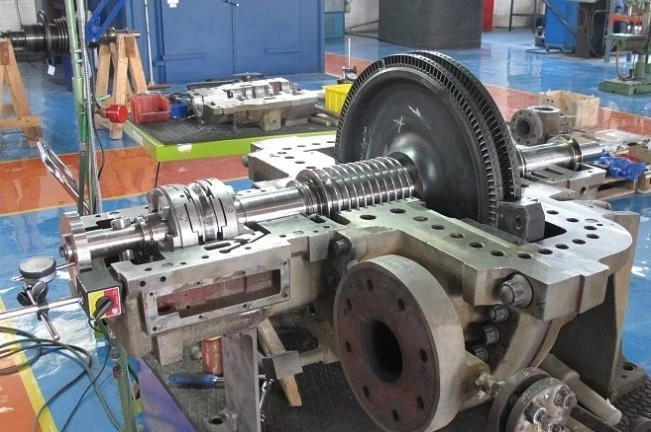
Steam Turbine Power Plant

Notable Projects

Real-world applications of steam turbines showcase their versatility and efficiency across various industries. The following case studies highlight significant installations and the impact of steam turbines in different settings:

  1. The Taichung Power Plant, Taiwan:
    • Overview: The Taichung Power Plant is one of the largest coal-fired power plants in the world, located in Taiwan. With an installed capacity of 5,500 MW, it plays a critical role in meeting the energy demands of Taiwan’s population and industry.
    • Role of Steam Turbines: The plant uses a series of large-scale steam turbines to convert the thermal energy from coal combustion into electricity. These turbines are designed to operate at high efficiency, utilizing supercritical steam conditions to maximize energy extraction.
    • Environmental Impact: Despite being a coal-fired plant, Taichung has implemented advanced emission control technologies, including flue gas desulfurization and selective catalytic reduction, to minimize its environmental footprint. The plant also serves as a benchmark for efficiency improvements in large-scale fossil fuel power generation.
  2. The Olkaria Geothermal Plant, Kenya:
    • Overview: The Olkaria Geothermal Plant is the largest geothermal power plant in Africa, located in Kenya’s Great Rift Valley. It has a capacity of over 800 MW and contributes significantly to Kenya’s renewable energy mix.
    • Role of Steam Turbines: The plant utilizes steam turbines specifically designed to handle the unique challenges of geothermal steam, such as the presence of corrosive gases and minerals. The turbines efficiently convert geothermal energy into electricity, providing a reliable source of power with low carbon emissions.
    • Sustainability: The success of the Olkaria Geothermal Plant demonstrates the potential of geothermal energy in providing sustainable, baseload power in regions with geothermal resources. The plant’s expansion over the years highlights the scalability of geothermal projects and the crucial role of steam turbines in this renewable energy sector.
  3. The Ivanpah Solar Electric Generating System, United States:
    • Overview: Ivanpah is one of the largest concentrated solar power (CSP) plants in the world, located in California’s Mojave Desert. It has a capacity of 392 MW and uses mirrors to concentrate sunlight onto boilers, generating steam to drive turbines.
    • Role of Steam Turbines: The steam turbines at Ivanpah are designed to operate with the variable steam input characteristic of CSP plants. They play a crucial role in converting solar energy into electricity, with the ability to start and stop quickly in response to solar conditions.
    • Innovation: Ivanpah is an example of how steam turbines can be effectively integrated into renewable energy systems. The project demonstrates the potential for CSP technology to provide utility-scale renewable energy, supported by advanced steam turbine technology.

Industry Leaders

Several companies and institutions have made significant contributions to the development and deployment of steam turbines. These industry leaders have pioneered technological advancements and set benchmarks for efficiency and reliability.

  1. Siemens Energy:
    • Overview: Siemens Energy is a global leader in the design and manufacture of steam turbines, with a portfolio that includes turbines for power generation, industrial applications, and marine propulsion. The company is known for its focus on innovation and efficiency.
    • Key Contributions: Siemens has been at the forefront of developing high-efficiency steam turbines, including those for supercritical and ultra-supercritical applications. Their turbines are widely used in power plants around the world, contributing to both fossil fuel and renewable energy projects. Siemens is also a leader in digitalization, offering advanced monitoring and control systems that enhance turbine performance and reliability.
  2. General Electric (GE):
    • Overview: General Electric is another major player in the steam turbine industry, with a long history of innovation and engineering excellence. GE’s steam turbines are used in a variety of applications, including power generation, industrial processes, and marine propulsion.
    • Key Contributions: GE has been instrumental in advancing turbine efficiency through the development of high-performance blades, advanced materials, and integrated control systems. The company has also been a pioneer in the use of digital twins and predictive maintenance technologies, helping operators optimize turbine performance and reduce operational costs.
  3. Mitsubishi Power:
    • Overview: Mitsubishi Power, a subsidiary of Mitsubishi Heavy Industries, is a leading manufacturer of steam turbines, particularly in Asia. The company offers a wide range of turbines for power generation, including those for coal, nuclear, and gas-fired plants, as well as renewable energy projects.
    • Key Contributions: Mitsubishi Power is known for its advanced steam turbine designs, which prioritize efficiency and reliability. The company has made significant strides in the development of ultra-supercritical turbines and has played a key role in the deployment of large-scale geothermal and biomass projects. Mitsubishi Power is also actively involved in R&D efforts focused on hydrogen-powered turbines and carbon capture integration.

Lessons Learned

The deployment of steam turbines across various industries provides valuable insights into the challenges and best practices associated with these technologies. Key lessons learned from these projects include:

  1. The Importance of Customization:
    • Project-Specific Design: One of the most important lessons from successful steam turbine projects is the need for customization. Each project has unique requirements based on the type of fuel, operating conditions, and environmental regulations. Tailoring the design of the steam turbine to these specific conditions is crucial for achieving optimal performance and reliability.
    • Adaptation to Local Conditions: In projects like the Olkaria Geothermal Plant, adapting the turbine design to handle the specific characteristics of geothermal steam, such as high moisture content and corrosive gases, was essential for long-term success. This highlights the importance of understanding local conditions and incorporating them into the turbine design process.
  2. Efficiency as a Key Driver:
    • Focus on Efficiency: Efficiency improvements have been a central focus in the development of steam turbines, driven by the need to reduce fuel consumption and emissions. Projects like the Taichung Power Plant demonstrate how supercritical and ultra-supercritical steam conditions can significantly enhance efficiency, leading to lower operational costs and reduced environmental impact.
    • Innovation in Blade Design: Advances in blade design, such as 3D-aerodynamic blades and the use of advanced materials, have been critical in improving turbine efficiency. Lessons from industry leaders like Siemens and GE show that continuous innovation in turbine components is necessary to maintain competitiveness in the market.
  3. The Role of Digitalization:
    • Embracing Digital Technologies: The integration of digital technologies, such as digital twins, AI, and real-time monitoring systems, has emerged as a best practice in the steam turbine industry. These technologies enable operators to optimize performance, predict maintenance needs, and reduce downtime, leading to improved overall efficiency and reliability.
    • Data-Driven Decision Making: The use of data analytics to monitor turbine performance and predict potential issues is becoming increasingly important. Industry leaders have demonstrated that data-driven decision-making can significantly enhance the operational efficiency and lifespan of steam turbines.
  4. Sustainability and Environmental Compliance:
    • Sustainability Initiatives: The growing emphasis on sustainability has led to the adoption of cleaner energy sources, such as biomass, geothermal, and solar thermal, in steam turbine projects. Lessons from projects like Ivanpah show that steam turbines can play a key role in the transition to renewable energy, provided they are integrated with the appropriate technologies.
    • Regulatory Compliance: Ensuring compliance with environmental regulations is a critical aspect of steam turbine projects. The successful implementation of emission control technologies, as seen in the Taichung Power Plant, highlights the importance of adhering to regulatory standards to minimize environmental impact and ensure project viability.

Conclusion

Summary of Key Points

Steam turbines have been a cornerstone of power generation and industrial applications for over a century, demonstrating remarkable adaptability and efficiency across various settings. This comprehensive exploration of steam turbines has covered their historical development, fundamental principles, design and manufacturing processes, and the wide range of applications in which they are employed.

  • Fundamentals: At their core, steam turbines operate by converting thermal energy from steam into mechanical energy, which can then be used to generate electricity or drive machinery. The efficiency of this process depends on factors such as steam conditions, blade design, and the thermodynamic cycles employed, with the Rankine cycle being the most common.
  • Design and Manufacturing: The design of steam turbines is a complex process that requires careful consideration of thermodynamics, materials science, and mechanical engineering. Advances in materials, such as superalloys and ceramic matrix composites, along with innovations in blade design and digitalization, are driving improvements in turbine efficiency and reliability. The manufacturing process, which includes casting, forging, machining, and heat treatment, ensures that turbines can withstand the extreme conditions under which they operate.
  • Operation and Maintenance: Steam turbines require careful operation and regular maintenance to ensure their longevity and performance. Maintenance practices such as preventive and predictive maintenance, along with the use of advanced diagnostic tools, help prevent issues like blade erosion, rotor imbalance, and steam leakage. Proper operation, including control of steam quality and adherence to startup and shutdown procedures, is essential for maximizing efficiency and minimizing wear.
  • Applications: Steam turbines are used in a wide variety of applications, from power generation in coal, nuclear, and geothermal plants to industrial processes in the petrochemical, pulp and paper, and steel industries. They also play a critical role in marine propulsion and are increasingly being integrated into renewable energy systems, such as concentrated solar power and biomass plants.
  • Efficiency and Optimization: The efficiency of steam turbines is a key driver of their performance, with advancements in blade design, steam conditions, and energy recovery systems contributing to ongoing improvements. The use of digital twins, AI, and real-time monitoring systems is enhancing the ability to optimize turbine performance, reduce downtime, and extend the lifespan of turbine components.
  • Environmental Impact and Sustainability: The environmental impact of steam turbines, particularly those powered by fossil fuels, is a significant concern. However, sustainability initiatives, such as the integration of renewable energy sources, the development of supercritical and ultra-supercritical steam cycles, and the adoption of carbon capture technologies, are helping to mitigate these impacts and support the transition to a low-carbon future.
  • Future Trends and Innovations: The steam turbine industry is poised for continued innovation, with advances in materials, digitalization, and integration with smart grids driving the future of the technology. Research into low-carbon and carbon-neutral technologies, such as hydrogen-fueled turbines and enhanced carbon capture systems, will play a critical role in the industry’s evolution. The challenges posed by environmental regulations, competition from alternative technologies, and aging infrastructure present both obstacles and opportunities for the industry.

The Future of Steam Turbines

As the global energy landscape continues to evolve, steam turbines will remain a vital component of power generation and industrial processes. Their ability to adapt to changing technologies, integrate with renewable energy systems, and improve efficiency will ensure their continued relevance in the coming decades.

The push for decarbonization and the need for more sustainable energy solutions will drive further innovation in steam turbine technology. The development of ultra-efficient steam cycles, the integration of digital technologies, and the exploration of new materials and designs will be essential for meeting the growing demand for clean, reliable, and efficient power.

Moreover, the role of steam turbines in emerging markets and in hybrid energy systems that combine traditional power generation with renewable sources presents significant growth opportunities. As these regions continue to industrialize and expand their energy infrastructure, the demand for steam turbines that can deliver high efficiency, reliability, and sustainability will increase.

In conclusion, steam turbines have a rich history of innovation and adaptation, and their future looks promising as they continue to evolve in response to the challenges and opportunities of the 21st century. The ongoing commitment to improving efficiency, reducing environmental impact, and integrating with advanced energy systems will ensure that steam turbines remain a cornerstone of global energy production for years to come.

Introduction to Power Generation with Steam Turbines

Basic Principles of Operation

Steam turbines have been at the heart of power generation for over a century. Invented by Sir Charles Parsons in 1884, steam turbines quickly became the dominant technology for converting thermal energy into mechanical energy and, subsequently, into electrical energy. Their versatility and efficiency have made them the backbone of electricity generation worldwide.

In modern power generation, steam turbines are used in a variety of settings, from large-scale fossil fuel plants to renewable energy installations. They operate on the principle of converting the energy from high-pressure steam into mechanical energy by driving a rotor connected to a generator. The flexibility of steam turbines allows them to be integrated into diverse energy systems, including coal, nuclear, natural gas, geothermal, and solar thermal power plants.

The importance of steam turbines lies in their ability to efficiently produce large amounts of electricity. With advancements in technology, steam turbines have evolved to operate at higher temperatures and pressures, increasing their efficiency and reducing fuel consumption. These improvements have also led to a reduction in greenhouse gas emissions per unit of electricity generated, making steam turbines a critical component in the transition to more sustainable energy systems.

Types of Power Plants Using Steam Turbines
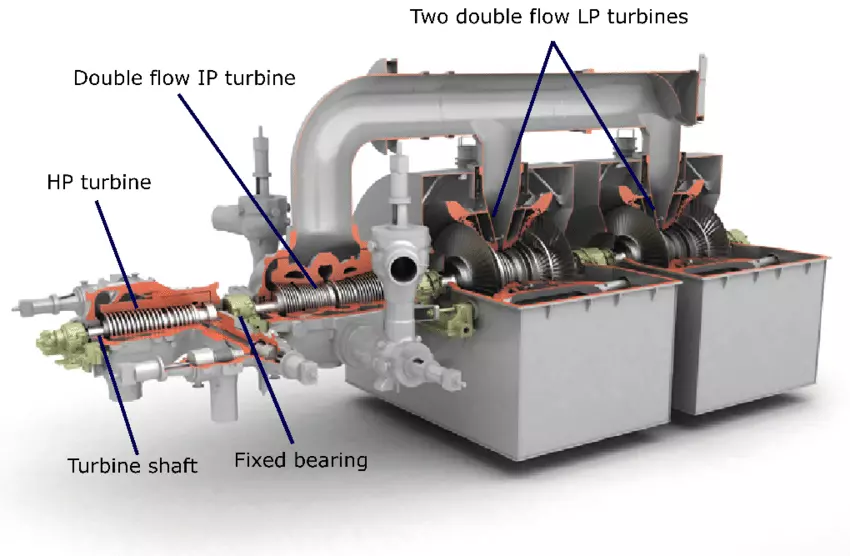
Components of Impulse Turbine

Coal-Fired Power Plants

Coal-fired power plants are among the most common applications of steam turbines. In these plants, coal is burned in a boiler to produce high-pressure steam, which is then directed into a steam turbine to generate electricity. Despite the environmental challenges associated with coal, such as CO2 emissions and air pollution, it remains a significant energy source, particularly in developing countries.

The efficiency of coal-fired power plants has improved over the years, thanks to advancements in steam turbine technology. Supercritical and ultra-supercritical steam conditions, where steam is generated at temperatures and pressures above the critical point, allow for higher thermal efficiency. This means that more electricity can be generated from the same amount of coal, reducing the overall environmental impact.

Emission control technologies, such as flue gas desulfurization (FGD) and selective catalytic reduction (SCR), are employed to reduce the emission of pollutants like SO2 and NOx. Additionally, carbon capture and storage (CCS) technologies are being developed to capture CO2 emissions from coal plants, although these are still in the early stages of adoption.

Nuclear Power Plants
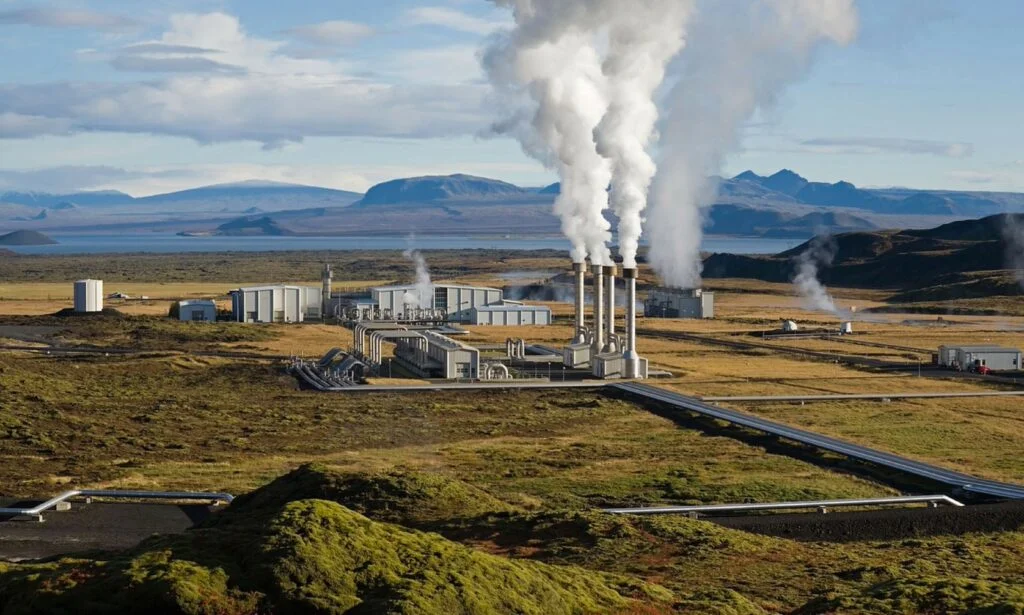
Understanding Waste Heat in Factories

In nuclear power plants, steam turbines play a crucial role in converting the heat generated by nuclear fission into electricity. Nuclear reactors heat water to produce steam, which then drives a steam turbine connected to a generator. The steam turbines used in nuclear power plants are typically large and must be highly reliable, given the safety-critical nature of nuclear energy.

One of the key challenges in nuclear power generation is managing the steam conditions, which differ from those in fossil fuel plants. The steam produced in nuclear reactors is often at a lower temperature and pressure, which requires specific turbine designs to operate efficiently under these conditions. Additionally, the turbines must be capable of withstanding radiation and operating in a highly controlled environment.

The efficiency of nuclear power plants is influenced by the design of the steam cycle, with some plants employing reheat cycles to improve thermal efficiency. Advances in materials and turbine design continue to enhance the performance of steam turbines in nuclear applications, contributing to the overall reliability and safety of nuclear power generation.

Gas-Fired Power Plants (Combined Cycle)

Combined cycle power plants represent a significant advancement in the use of steam turbines. These plants combine a gas turbine with a steam turbine to maximize efficiency. In a combined cycle setup, a gas turbine generates electricity, and the waste heat from the gas turbine’s exhaust is used to produce steam, which then drives a steam turbine to generate additional electricity.

The efficiency of combined cycle power plants is among the highest of any power generation technology, often exceeding 60%. This is because the steam turbine effectively captures and utilizes energy that would otherwise be lost as waste heat. Combined cycle plants are also more flexible than traditional power plants, as they can be ramped up or down quickly in response to changes in electricity demand.

The integration of steam turbines in combined cycle plants has made natural gas a more attractive option for power generation, particularly in countries looking to reduce their reliance on coal and lower their carbon emissions. The ability to combine gas and steam turbines in a single plant allows for greater efficiency and lower environmental impact, making combined cycle plants a key component of the modern energy mix.

Geothermal Power Plants

Geothermal power plants harness the Earth’s natural heat to generate electricity, and steam turbines are central to this process. In these plants, steam is extracted from underground reservoirs and used to drive turbines. Geothermal steam often contains corrosive gases and minerals, which presents unique challenges for turbine design and operation.

The efficiency of geothermal power plants depends on the temperature and pressure of the geothermal steam. Higher temperature resources allow for the use of more efficient steam cycles, similar to those used in fossil fuel plants. However, geothermal plants typically operate at lower pressures, requiring turbines that can handle a wider range of steam qualities.

One of the key advantages of geothermal energy is its ability to provide baseload power, as geothermal resources are available 24/7. Steam turbines in geothermal plants must be robust and reliable, capable of operating continuously with minimal downtime. Innovations in turbine materials and designs are helping to improve the longevity and efficiency of geothermal turbines, making geothermal energy an increasingly important part of the renewable energy landscape.

Concentrated Solar Power (CSP) Plants

Concentrated Solar Power (CSP) plants use mirrors or lenses to concentrate sunlight onto a receiver, where it heats a fluid to produce steam. This steam then drives a turbine to generate electricity. CSP is unique among renewable energy technologies in that it can produce electricity even when the sun is not shining, thanks to thermal storage systems that store heat for later use.

Steam turbines used in CSP plants are designed to operate with variable steam inputs, as the intensity of sunlight can fluctuate throughout the day. The turbines must be capable of starting and stopping quickly and efficiently to match the availability of solar energy. CSP plants often use steam turbines with advanced blade designs and materials that can withstand the thermal cycling associated with intermittent solar input.

One of the key innovations in CSP is the integration of molten salt thermal storage, which allows the plant to store heat during the day and use it to generate steam at night or during cloudy periods. This ability to provide dispatchable power makes CSP with steam turbines a valuable addition to the renewable energy mix, particularly in regions with high solar irradiance.

Efficiency Considerations in Steam Turbine Power Generation

Efficiency is a critical factor in steam turbine power generation, as it determines how effectively fuel or energy resources are converted into electricity. Several factors influence the efficiency of steam turbines, including thermodynamic principles, technological advancements, and operational strategies.

Thermodynamic Efficiency

The efficiency of a steam turbine is largely governed by the principles of thermodynamics, particularly the Rankine cycle, which is the basic cycle used in steam power plants. The Rankine cycle involves four main processes: isentropic compression, isobaric heat addition, isentropic expansion, and isobaric heat rejection. The efficiency of this cycle can be improved through several methods:

  • Superheating and Reheating: Increasing the temperature of steam (superheating) before it enters the turbine, or reheating the steam between turbine stages, can significantly improve efficiency by reducing the moisture content in the steam and allowing more energy to be extracted.
  • Higher Pressure Ratios: Operating the turbine at higher pressures increases the amount of energy that can be extracted from the steam, improving overall cycle efficiency. Supercritical and ultra-supercritical steam conditions, where steam is generated at pressures above the critical point, represent the highest efficiency levels in modern power plants.
  • Regenerative Feedwater Heating: Extracting steam from intermediate stages of the turbine to preheat the feedwater before it enters the boiler reduces the amount of fuel needed to produce steam, thereby improving the overall efficiency of the power plant.

Technological Advances

Advances in steam turbine technology have played a significant role in improving efficiency. Innovations in blade design, materials, and manufacturing techniques have allowed turbines to operate at higher temperatures and pressures, leading to greater energy conversion efficiency.

  • Advanced Blade Designs: The design of turbine blades has a significant impact on efficiency. Modern blades are aerodynamically optimized to reduce losses due to turbulence and friction. The use of computational fluid dynamics (CFD) allows engineers to design blades that maximize the energy extracted from steam.
  • High-Performance Materials: The development of advanced materials, such as nickel-based superalloys and ceramic matrix composites, has enabled steam turbines to operate at higher temperatures without compromising structural integrity. These materials resist creep, corrosion, and thermal fatigue, allowing for more efficient and durable turbine operation.
  • 3D Printing and Precision Manufacturing: Additive manufacturing technologies, such as 3D printing, have enabled the production of turbine components with complex geometries that are optimized for efficiency. Precision manufacturing techniques also reduce material waste and improve the consistency and reliability of turbine components.

Operational Strategies

Operational strategies also play a crucial role in optimizing the efficiency of steam turbines. By carefully managing the operating conditions and load profiles, power plant operators can maximize the performance of steam turbines.

  • Load Optimization: Steam turbines are most efficient when operating at or near their design capacity. However, power plants often experience varying demand throughout the day. By optimizing the load on the turbine, operators can maintain high efficiency even during periods of lower demand. Techniques such as load matching and peak shaving help ensure that turbines operate within their optimal range.
  • Real-Time Monitoring and Control: Modern steam turbines are equipped with advanced monitoring and control systems that allow operators to adjust operating parameters in real-time. These systems use sensors and data analytics to monitor performance metrics such as steam temperature, pressure, and flow rate. By continuously optimizing these parameters, operators can improve efficiency and prevent issues before they lead to performance losses.
  • Maintenance and Reliability: Regular maintenance is essential for maintaining the efficiency of steam turbines. Predictive maintenance, which uses data analytics to predict when components are likely to fail, helps minimize downtime and ensures that turbines continue to operate at peak efficiency. Proper lubrication, vibration analysis, and blade inspection are all critical components of an effective maintenance strategy.

Environmental Impact and Mitigation Strategies

Environmental and Economic Benefits

Steam turbines play a central role in power generation, but they also contribute to environmental challenges, particularly when powered by fossil fuels. Understanding and mitigating these impacts is crucial for the sustainable operation of steam turbines.

Greenhouse Gas Emissions

The combustion of fossil fuels in steam turbines, particularly in coal and gas-fired power plants, is a significant source of CO2 emissions. These greenhouse gas emissions contribute to global warming and climate change, making it imperative to reduce the carbon footprint of steam turbine power generation.

  • Carbon Capture and Storage (CCS): CCS is a technology that captures CO2 emissions from power plants and stores them underground in geological formations. When integrated with steam turbines, CCS can significantly reduce the carbon emissions of fossil fuel-based power generation. While CCS is still in the early stages of adoption, ongoing research and development are focused on making it more cost-effective and scalable.
  • Transition to Low-Carbon Fuels: Another strategy for reducing greenhouse gas emissions is transitioning from coal to lower-carbon fuels, such as natural gas, or even carbon-neutral fuels like biomass. Combined cycle power plants, which use both gas and steam turbines, offer higher efficiency and lower emissions compared to traditional coal-fired plants.

Air and Water Pollution

In addition to CO2, fossil fuel combustion in steam turbines also produces other air pollutants, such as sulfur dioxide (SO2), nitrogen oxides (NOx), and particulate matter. These pollutants contribute to acid rain, smog, and respiratory problems in humans.

  • Emission Control Technologies: Technologies such as flue gas desulfurization (FGD) and selective catalytic reduction (SCR) are used to reduce SO2 and NOx emissions from power plants. Particulate matter can be controlled using electrostatic precipitators and baghouse filters. These technologies help mitigate the environmental impact of air pollution from steam turbines.
  • Water Usage and Thermal Pollution: Steam turbines require significant amounts of water for cooling, which can impact local water resources. Additionally, the discharge of heated water back into the environment can cause thermal pollution, affecting aquatic ecosystems. To address these issues, power plants are increasingly adopting closed-loop cooling systems that minimize water withdrawal and reduce thermal discharge. Dry cooling systems, which use air instead of water, are also being implemented, particularly in water-scarce regions.

Renewable Energy Integration

The integration of steam turbines with renewable energy sources presents an opportunity to reduce the environmental impact of power generation. By leveraging steam turbines in conjunction with renewable energy technologies, such as biomass, geothermal, and concentrated solar power (CSP), it is possible to produce electricity with a lower carbon footprint.

  • Biomass Power Generation: Biomass power plants use organic materials, such as wood, agricultural residues, and waste, to produce steam that drives turbines. Biomass is considered carbon-neutral, as the CO2 released during combustion is offset by the CO2 absorbed during the growth of the biomass. Steam turbines play a critical role in converting biomass energy into electricity, providing a sustainable alternative to fossil fuels.
  • Geothermal and Solar Thermal: Geothermal power plants harness the Earth’s natural heat to produce steam, while CSP plants use concentrated sunlight to generate steam. Both technologies rely on steam turbines to convert thermal energy into electricity. These renewable energy sources produce little to no greenhouse gas emissions, making them attractive options for sustainable power generation.

Future Trends and Innovations in Steam Turbine Power Generation

The steam turbine industry is continuously evolving, with new technologies and trends shaping the future of power generation. These innovations are focused on improving efficiency, reducing environmental impact, and enhancing the flexibility of steam turbines in a changing energy landscape.

Decarbonization Initiatives

As the world moves toward decarbonization, steam turbines are being adapted to operate with low-carbon and carbon-neutral fuels. Hydrogen, in particular, is emerging as a promising fuel for steam turbines.

  • Hydrogen-Fueled Steam Turbines: Hydrogen can be produced using renewable energy through electrolysis, resulting in a carbon-free fuel. Research is underway to develop steam turbines that can operate on hydrogen, either alone or in combination with other fuels. Hydrogen-fueled turbines have the potential to provide reliable, low-carbon power generation, especially in conjunction with renewable energy sources.
  • Hybrid Energy Systems: Steam turbines are increasingly being integrated into hybrid energy systems that combine traditional power generation with renewable energy. These systems can provide continuous power while reducing carbon emissions. For example, a hybrid system might use a natural gas-fired steam turbine in combination with solar or wind power, with the turbine providing backup power when renewable sources are intermittent.

Digitalization and Smart Grids

Digital technologies are transforming the operation of steam turbines, making them more efficient, reliable, and responsive to grid demands.

  • Artificial Intelligence and Machine Learning: AI and machine learning are being used to optimize turbine operations by analyzing data from sensors and control systems. These technologies can predict maintenance needs, optimize load distribution, and improve efficiency by adjusting operating parameters in real-time. AI-driven analytics are also helping to identify patterns and trends that can lead to better decision-making and improved turbine performance.
  • Digital Twins: The concept of a digital twin, a virtual model of the steam turbine that runs in parallel with the physical machine, is becoming increasingly important in the industry. Digital twins allow operators to monitor turbine performance in real-time, simulate different scenarios, and optimize operations without risking the physical turbine. This technology is particularly valuable for predicting and preventing issues before they occur, reducing downtime and maintenance costs.
  • Smart Grid Integration: Steam turbines are being integrated into smart grid systems, which offer enhanced flexibility and efficiency in power generation and distribution. Advanced control systems and real-time monitoring enable steam turbines to respond quickly to changes in electricity demand, helping to balance the grid and prevent blackouts. The integration of steam turbines with energy storage systems, such as batteries, also enhances grid stability and allows for more efficient use of renewable energy.

Research and Development

Ongoing research and development (R&D) efforts are focused on advancing steam turbine technology to meet the evolving demands of the energy industry and address environmental challenges.

  • High-Efficiency Steam Cycles: R&D is driving the development of supercritical and ultra-supercritical steam cycles, which operate at higher temperatures and pressures than conventional cycles. These advanced cycles offer higher thermal efficiencies, reducing fuel consumption and emissions. Researchers are exploring new materials and designs that can withstand the extreme conditions of these cycles, making them more viable for widespread adoption.
  • Carbon Capture Integration: Integrating carbon capture and storage (CCS) technologies with steam turbines is a key area of research aimed at reducing CO2 emissions from fossil fuel-based power generation. Ongoing R&D efforts are focused on improving the efficiency and cost-effectiveness of CCS, making it a viable option for large-scale deployment.
  • Advanced Materials and Coatings: The development of new materials and coatings that can withstand high temperatures and corrosive environments is essential for improving the durability and efficiency of steam turbines. Research into advanced coatings, such as thermal barrier coatings and anti-corrosion treatments, is helping to extend the life of turbine components and reduce maintenance costs.

Conclusion

Steam turbines have been a cornerstone of power generation for over a century, and their role continues to evolve in response to changing energy needs and environmental challenges. This comprehensive overview of steam turbine power generation has highlighted the versatility, efficiency, and sustainability of steam turbines across a range of applications.

From coal-fired and nuclear power plants to renewable energy systems like geothermal and concentrated solar power, steam turbines are critical to producing reliable and efficient electricity. Technological advancements, including supercritical steam cycles, advanced blade designs, and digitalization, have significantly improved the performance of steam turbines, making them more efficient and environmentally friendly.

As the world transitions to a low-carbon economy, steam turbines will play an essential role in decarbonization efforts. The integration of hydrogen as a fuel, the adoption of carbon capture technologies, and the development of hybrid energy systems are just a few of the ways steam turbines are being adapted to meet the demands of a more sustainable energy future.

The future of steam turbines is bright, with ongoing research and innovation driving continued improvements in efficiency, reliability, and environmental performance. As digital technologies like AI and digital twins become more prevalent, steam turbines will become even more integrated with smart grid systems, enhancing their flexibility and responsiveness to changing energy demands.

In conclusion, steam turbines will remain a vital component of global power generation for years to come. Their ability to adapt to new technologies and integrate with renewable energy sources ensures that they will continue to play a key role in the transition to a more sustainable and resilient energy system.

EMS Power Machines
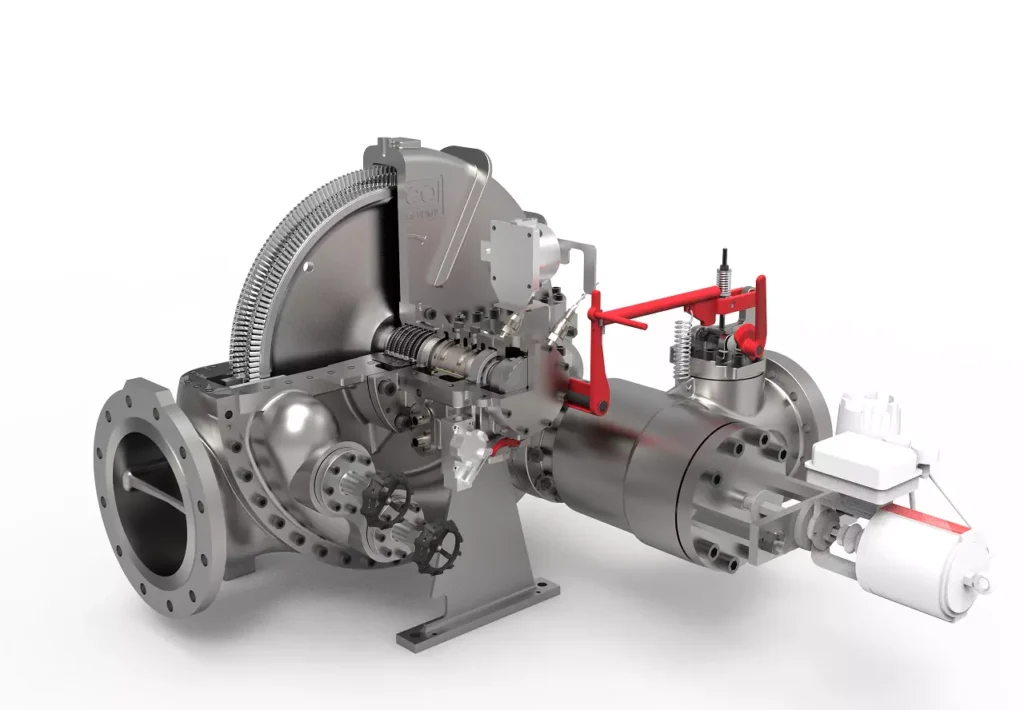
EMS Power Machines
EMS Power Machines

We design, manufacture and assembly Power Machines such as – diesel generators, electric motors, vibration motors, pumps, steam engines and steam turbines

EMS Power Machines is a global power engineering company, one of the five world leaders in the industry in terms of installed equipment. The companies included in the company have been operating in the energy market for more than 60 years.

EMS Power Machines manufactures steam turbines, gas turbines, hydroelectric turbines, generators, and other power equipment for thermal, nuclear, and hydroelectric power plants, as well as for various industries, transport, and marine energy.

EMS Power Machines is a major player in the global power industry, and its equipment is used in power plants all over the world. The company has a strong track record of innovation, and it is constantly developing new and improved technologies.

Here are some examples of Power Machines’ products and services:

  • Steam turbines for thermal and nuclear power plants
  • Gas turbines for combined cycle power plants and industrial applications
  • Hydroelectric turbines for hydroelectric power plants
  • Generators for all types of power plants
  • Boilers for thermal power plants
  • Condensers for thermal power plants
  • Reheaters for thermal power plants
  • Air preheaters for thermal power plants
  • Feedwater pumps for thermal power plants
  • Control systems for power plants
  • Maintenance and repair services for power plants

EMS Power Machines is committed to providing its customers with high-quality products and services. The company has a strong reputation for reliability and innovation. Power Machines is a leading provider of power equipment and services, and it plays a vital role in the global power industry.

EMS Power Machines, which began in 1961 as a small factory of electric motors, has become a leading global supplier of electronic products for different segments. The search for excellence has resulted in the diversification of the business, adding to the electric motors products which provide from power generation to more efficient means of use.
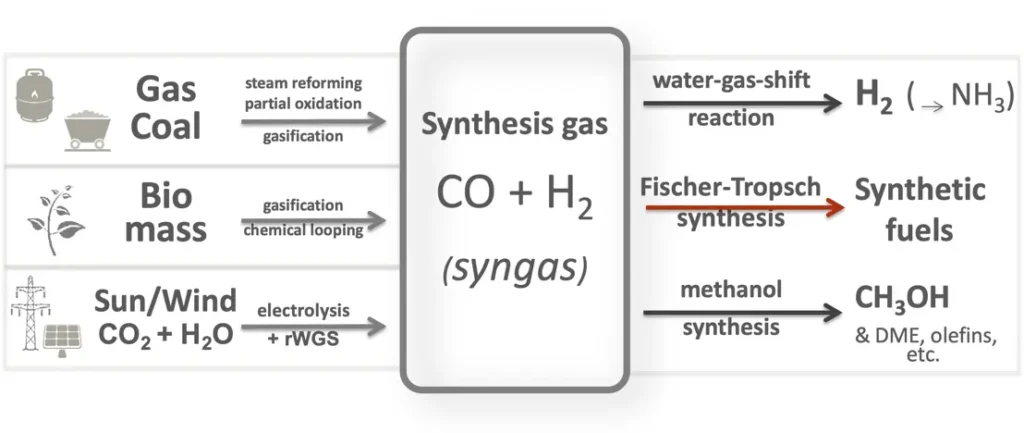

Categories
Uncategorized

Gasification Process

Gasification Process

Gasification is a thermochemical process that converts carbonaceous feedstocks such as biomass, coal, or waste materials into a synthesis gas, or syngas, consisting primarily of carbon monoxide (CO), hydrogen (H2), and carbon dioxide (CO2). Unlike combustion, which involves the complete oxidation of fuel in the presence of excess oxygen, gasification occurs in an oxygen-starved environment, leading to partial oxidation and the production of a fuel-rich gas mixture.

The gasification process typically involves several interconnected steps:

  1. Feedstock Preparation: Carbonaceous feedstocks are first prepared and sized to facilitate handling, feeding, and uniform conversion in the gasification reactor. Biomass feedstocks may undergo drying, grinding, or densification to improve their physical properties and increase energy density.
  2. Pyrolysis: Upon entering the gasifier, the feedstock undergoes pyrolysis, a thermal decomposition process in which organic materials are heated in the absence of oxygen, leading to the release of volatile compounds such as tar, methane, and other hydrocarbons. Pyrolysis temperatures typically range from 500°C to 800°C, depending on the feedstock composition and gasification conditions.
  3. Gasification Reactions: In the presence of heat and a controlled amount of oxygen, the volatile compounds produced during pyrolysis undergo further reactions to form syngas. The gasification reactions include:
    • Partial Oxidation: The partial oxidation of carbonaceous materials by oxygen or steam generates carbon monoxide and hydrogen, according to the following reactions: C + O2 → CO + CO2 C + H2O → CO + H2
    • Water-Gas Shift Reaction: The water-gas shift reaction converts carbon monoxide and steam into additional hydrogen and carbon dioxide: CO + H2O → CO2 + H2 These reactions occur at elevated temperatures (typically between 700°C and 1200°C) and are facilitated by the presence of a gasification agent such as air, oxygen, or steam.
  4. Syngas Composition: The composition of the syngas produced during gasification depends on various factors, including feedstock composition, gasification conditions (temperature, pressure, residence time), and gasification agent. Typically, syngas consists of approximately 20-30% carbon monoxide, 10-20% hydrogen, 10-20% carbon dioxide, with traces of methane, nitrogen, and other impurities.
  5. Gas Cleanup: The raw syngas produced from the gasification process contains impurities such as tar, particulates, sulfur compounds, ammonia, and alkali metals, which must be removed or converted to meet product specifications for downstream applications. Gas cleanup technologies such as tar cracking, particulate filtration, sulfur removal, and ammonia scrubbing are employed to purify the syngas and enhance its quality and usability.
  6. Energy Conversion: The syngas can be utilized for various energy conversion processes, including power generation, heat production, or synthesis of fuels and chemicals. Depending on the application, the syngas may undergo further processing, such as catalytic conversion, Fischer-Tropsch synthesis, or methanation, to produce desired end products.

Gasification

Gasification offers several advantages over conventional combustion and other thermochemical processes:

  • Fuel Flexibility: Gasification can utilize a wide range of carbonaceous feedstocks, including biomass, coal, municipal solid waste, or industrial residues, providing flexibility in feedstock selection and resource utilization.
  • Energy Efficiency: Gasification can achieve high energy conversion efficiencies compared to traditional combustion processes, especially when combined with advanced gas cleanup and energy recovery technologies.
  • Emissions Reduction: Gasification can result in lower emissions of pollutants such as sulfur dioxide, nitrogen oxides, and particulate matter compared to conventional combustion, especially when integrated with gas cleanup technologies and carbon capture and storage (CCS) systems.

Gasification has applications in various sectors, including power generation, industrial processes, transportation fuels, and chemical production. As renewable energy and sustainability efforts continue to gain momentum, gasification technologies are expected to play an increasingly important role in enabling the transition towards a low-carbon, circular economy.

Biomass

Biomass refers to organic matter derived from plants, animals, and microorganisms, which can be utilized as a renewable and sustainable feedstock for various energy and industrial applications. Biomass encompasses a wide range of materials, including agricultural residues, forest residues, energy crops, organic waste, and algae, which can be converted into bioenergy, biofuels, bioproducts, and biochemicals through biochemical, thermochemical, or physicochemical processes.

The use of biomass as a renewable energy source offers several advantages:

  1. Renewable and Sustainable: Biomass is derived from organic materials that can be replenished through natural processes, making it a renewable and sustainable energy source that can contribute to reducing dependence on finite fossil fuels and mitigating greenhouse gas emissions.
  2. Carbon Neutral: Biomass absorbs carbon dioxide (CO2) from the atmosphere during photosynthesis, and when used for energy production, the CO2 released during combustion or conversion is offset by the CO2 sequestered during biomass growth, resulting in net-zero carbon emissions and contributing to climate change mitigation.
  3. Resource Availability: Biomass resources are widely available in diverse forms and locations, including agricultural lands, forests, urban areas, and industrial facilities, providing opportunities for decentralized energy production, rural development, and waste valorization.
  4. Waste Utilization: Biomass can utilize organic waste materials such as crop residues, forest residues, agricultural byproducts, food waste, and municipal solid waste, diverting these materials from landfills or incineration and converting them into useful energy products, fuels, or chemicals.
  5. Energy Security: Biomass resources are domestically available and can reduce reliance on imported fossil fuels, enhancing energy security, resilience, and independence, particularly in regions with abundant biomass feedstocks and limited access to conventional energy sources.
  6. Economic Development: Biomass utilization can stimulate economic growth, create employment opportunities, and support rural economies through biomass production, harvesting, processing, and utilization activities, fostering local value chains and entrepreneurship.

Biomass can be converted into various forms of energy and products through different conversion pathways:

  1. Biochemical Conversion: Biomass can undergo biochemical conversion processes such as anaerobic digestion, fermentation, or enzymatic hydrolysis to produce biofuels such as biogas, bioethanol, or biodiesel, as well as biochemicals such as organic acids, enzymes, or bioplastics.
  2. Thermochemical Conversion: Biomass can undergo thermochemical conversion processes such as combustion, gasification, or pyrolysis to produce heat, electricity, biochar, or syngas, which can be utilized for power generation, heating, or synthesis of fuels and chemicals.
  3. Physicochemical Conversion: Biomass can undergo physicochemical conversion processes such as torrefaction, hydrothermal liquefaction, or solvent extraction to modify its physical or chemical properties and enhance its suitability for energy or industrial applications.

Biomass utilization faces several challenges and considerations, including:

  1. Feedstock Availability: Biomass availability, quality, seasonality, and logistics vary depending on feedstock type, location, and harvesting practices, requiring sustainable sourcing strategies, feedstock management, and supply chain optimization to ensure reliable and cost-effective biomass supply.
  2. Conversion Efficiency: Biomass conversion technologies may exhibit varying degrees of efficiency, scalability, and reliability depending on feedstock characteristics, process conditions, and equipment design, requiring continuous research, development, and optimization to improve performance and reduce costs.
  3. Environmental Impacts: Biomass utilization may have environmental impacts such as land use change, biodiversity loss, water consumption, and air emissions, particularly when biomass production, harvesting, or processing practices are not sustainable or environmentally responsible, requiring comprehensive life cycle assessments and environmental management practices.
  4. Technological Innovation: Biomass utilization relies on technological innovation and research in biomass conversion, process integration, product development, and market deployment, requiring collaboration between industry, academia, government, and other stakeholders to advance clean energy technologies and solutions.

Overall, biomass represents a valuable and versatile renewable resource with significant potential to contribute to sustainable development, energy transition, and climate change mitigation. As renewable energy and sustainability efforts continue to evolve, biomass utilization will play an increasingly important role in diversifying energy sources, promoting circular economy principles, and fostering resilience in energy systems for future generations.

Feedstock

In the context of biomass utilization and renewable energy production, feedstock refers to the raw material or resource that is used as input for bioenergy conversion processes. Feedstocks can encompass a wide range of organic materials, including agricultural residues, forestry biomass, energy crops, organic waste, algae, and animal manure. The choice of feedstock depends on factors such as availability, accessibility, cost, energy content, and suitability for specific conversion technologies and end-use applications.

  1. Agricultural Residues: Agricultural residues are leftover biomass materials from crop production processes, including crop stalks, straw, husks, shells, stems, leaves, and other plant parts. Common agricultural residues include corn stover, wheat straw, rice husks, sugarcane bagasse, and cotton gin trash. Agricultural residues are abundant and widely available, especially in agricultural regions, making them attractive feedstocks for bioenergy production.
  2. Forestry Biomass: Forestry biomass refers to woody biomass materials derived from forest management activities, including logging residues, sawmill residues, tree trimmings, branches, tops, and bark. Forestry biomass can also include non-timber forest products such as leaves, needles, and understory vegetation. Forestry biomass is generated from sustainable forest management practices and can serve as a valuable feedstock for bioenergy production, forest restoration, and wildfire mitigation efforts.
  3. Energy Crops: Energy crops are specifically grown or cultivated for biomass production and bioenergy purposes, including dedicated bioenergy crops, perennial grasses, short-rotation woody crops, and agroforestry systems. Common energy crops include switchgrass, miscanthus, willow, poplar, eucalyptus, and hybrid poplar. Energy crops offer opportunities for sustainable biomass production on marginal lands, degraded lands, or underutilized agricultural areas, providing additional revenue streams for farmers and landowners.
  4. Organic Waste: Organic waste materials from various sources, including municipal solid waste (MSW), food waste, agricultural residues, forestry residues, and industrial byproducts, can serve as feedstocks for bioenergy production through anaerobic digestion, composting, or thermochemical conversion processes. Organic waste diversion and valorization can reduce landfilling, methane emissions, and environmental pollution while producing renewable energy, biogas, biofertilizers, or biochemicals.
  5. Algae: Algae biomass refers to photosynthetic microorganisms that can grow in diverse aquatic environments, including freshwater, seawater, wastewater, and industrial effluents. Algae biomass can be cultivated in open ponds, closed photobioreactors, or raceway systems and harvested for biofuel production, bioremediation, wastewater treatment, or high-value biochemicals. Algae offer high growth rates, high biomass productivity, and potential for carbon capture and utilization (CCU) in bioenergy applications.

Feedstock selection and management are critical factors in biomass utilization and bioenergy production, influencing process efficiency, product quality, environmental sustainability, and economic viability. Considerations for feedstock utilization include:

  • Availability and Accessibility: Feedstock availability, proximity, seasonality, and logistics affect the feasibility and cost-effectiveness of biomass supply chains, requiring reliable sourcing strategies, transportation networks, and storage facilities to ensure continuous feedstock supply to bioenergy conversion facilities.
  • Energy Content and Composition: Feedstock characteristics such as moisture content, ash content, volatile matter, and elemental composition influence energy density, combustion properties, gasification performance, and biochemical conversion yields, requiring feedstock characterization and testing to optimize process efficiency and product quality.
  • Sustainability and Environmental Impact: Feedstock production, harvesting, and conversion practices should be environmentally sustainable, socially responsible, and economically viable, minimizing negative impacts on land, water, air, biodiversity, and local communities while maximizing ecosystem services, carbon sequestration, and resource efficiency.
  • Economic Viability and Market Dynamics: Feedstock costs, prices, availability, and market dynamics vary depending on regional, national, and global factors such as energy policies, subsidies, incentives, regulations, market demand, and competition from other sectors, requiring market analysis, risk assessment, and business planning to ensure profitability and competitiveness in bioenergy markets.

Overall, feedstock management plays a crucial role in biomass utilization and bioenergy production, requiring integrated approaches, interdisciplinary collaboration, and stakeholder engagement to address technical, economic, environmental, and social challenges and maximize the potential of biomass resources for sustainable development and renewable energy transition.

Syngas

Syngas, short for synthesis gas, is a versatile mixture of carbon monoxide (CO) and hydrogen (H2), along with varying amounts of carbon dioxide (CO2), methane (CH4), water vapor (H2O), and trace contaminants such as nitrogen (N2), sulfur compounds (e.g., H2S), and particulates. Syngas is produced through the gasification of carbonaceous feedstocks such as biomass, coal, natural gas, or waste materials in the presence of heat, steam, and a controlled amount of oxygen or air.

  1. Composition: Syngas composition varies depending on feedstock type, gasification process, operating conditions, and gasification agent. Typically, syngas contains approximately 15-30% carbon monoxide (CO), 20-50% hydrogen (H2), 10-30% carbon dioxide (CO2), and traces of methane (CH4), water vapor (H2O), nitrogen (N2), and other impurities. The ratio of CO to H2, known as the syngas ratio, influences the suitability of syngas for different applications, such as fuel synthesis, chemical production, or power generation.
  2. Production: Syngas is produced through thermochemical processes such as gasification, pyrolysis, or reforming, where carbonaceous feedstocks are heated in the presence of a gasification agent (e.g., air, oxygen, steam) to initiate chemical reactions that convert solid or liquid feedstock into gaseous products. Gasification is the most common method for syngas production and involves partial oxidation of carbonaceous materials in an oxygen-starved environment to produce a fuel-rich gas mixture.
  3. Applications: Syngas is utilized as a feedstock for various industrial processes, chemical synthesis reactions, and energy conversion technologies, including:
    • Fuel Synthesis: Syngas can be converted into liquid fuels such as synthetic gasoline, diesel, methanol, or dimethyl ether (DME) through catalytic processes such as Fischer-Tropsch synthesis or methanol synthesis. These synthetic fuels can be used as drop-in replacements for conventional petroleum-based fuels in transportation, heating, or industrial applications.
    • Chemical Production: Syngas serves as a precursor for the synthesis of a wide range of chemicals and intermediates, including ammonia, methanol, hydrogen, synthetic natural gas (SNG), olefins, alcohols, and organic acids. These chemicals are used in various industries such as agriculture, petrochemicals, plastics, pharmaceuticals, and fertilizers.
    • Power Generation: Syngas can be utilized as a fuel in gas turbines, internal combustion engines, or combined cycle power plants for electricity generation and cogeneration of heat and power (CHP) in industrial, commercial, or residential applications. Syngas-based power generation offers high efficiency, low emissions, and fuel flexibility compared to conventional combustion technologies.
    • Hydrogen Production: Syngas can be reformed, purified, or electrolyzed to produce high-purity hydrogen gas (H2) for fuel cell vehicles, hydrogen fueling stations, industrial processes, or energy storage applications. Syngas-derived hydrogen offers a clean and versatile energy carrier for decarbonizing transportation, industry, and power sectors.
  4. Gas Cleanup: Raw syngas produced from gasification contains impurities such as tar, particulates, sulfur compounds, ammonia, and alkali metals, which must be removed or converted to meet product specifications for downstream applications. Gas cleanup technologies such as tar cracking, particulate filtration, sulfur removal, and ammonia scrubbing are employed to purify the syngas and enhance its quality and usability.
  5. Environmental Impact: Syngas utilization offers several environmental benefits compared to conventional fossil fuel combustion, including lower greenhouse gas emissions, reduced air pollutants (e.g., sulfur dioxide, nitrogen oxides, particulate matter), and decreased reliance on finite fossil fuel resources. However, syngas production and utilization may also have environmental impacts such as land use change, water consumption, and waste generation, depending on feedstock selection, process efficiency, and emissions control measures.

Overall, syngas is a valuable intermediate energy carrier and chemical feedstock with diverse applications in renewable fuels production, chemical synthesis, and power generation. As renewable energy and sustainability efforts continue to advance, syngas technologies will play an increasingly important role in enabling the transition towards a low-carbon, circular economy and addressing global energy and environmental challenges for future generations.

Thermal Decomposition

Thermal decomposition, also known as pyrolysis, is a chemical process in which organic materials are heated in the absence of oxygen or in an oxygen-starved environment, leading to the breakdown of complex molecules into simpler compounds, gases, liquids, and solids. Thermal decomposition occurs at elevated temperatures, typically between 300°C and 800°C, depending on the type of feedstock and the desired products.

  1. Process Overview: During thermal decomposition, the organic material undergoes rapid heating, causing the breakdown of chemical bonds and the release of volatile compounds such as water vapor, hydrocarbons, and other organic gases. As the temperature increases, thermal cracking and rearrangement reactions occur, leading to the formation of smaller molecular fragments, char, and tar-like substances.
  2. Reaction Mechanisms: Thermal decomposition involves various chemical reactions, including:
    • Dehydration: Removal of water molecules from organic materials, resulting in the release of water vapor and the formation of unsaturated hydrocarbons.
    • Depolymerization: Breakdown of long-chain polymers into smaller molecules, such as aromatics, olefins, and aliphatic compounds.
    • Cracking: Cleavage of carbon-carbon bonds within organic molecules, leading to the formation of hydrocarbon fragments, radicals, and free radicals.
    • Carbonization: Conversion of organic materials into carbonaceous residues, char, or carbon black, through thermal stabilization and carbonization processes.
    • Tar Formation: Condensation of volatiles and intermediates into tar-like substances, which can accumulate as liquid or solid residues and require further treatment or processing.
  3. Product Formation: The products of thermal decomposition depend on factors such as feedstock composition, heating rate, residence time, and process conditions. Common products include:
    • Gases: Hydrogen (H2), methane (CH4), carbon monoxide (CO), carbon dioxide (CO2), ethylene (C2H4), propylene (C3H6), and other hydrocarbons, depending on the type of feedstock and the temperature range.
    • Liquids: Pyrolysis oil, bio-oil, or bio-crude, consisting of a complex mixture of oxygenated hydrocarbons, phenolics, aldehydes, ketones, and organic acids, which can be further processed into biofuels, biochemicals, or platform chemicals.
    • Solids: Char, biochar, or carbonaceous residues, containing carbonaceous materials, minerals, and ash, which can be used as soil amendments, adsorbents, or precursors for carbon materials.
  4. Applications: Thermal decomposition has applications in various sectors, including:
    • Biomass Conversion: Thermal decomposition is used to convert biomass feedstocks such as wood, agricultural residues, or waste materials into bioenergy, biofuels, biochar, or biochemicals through pyrolysis, gasification, or combustion processes.
    • Waste Valorization: Thermal decomposition processes such as pyrolysis or gasification can convert organic waste materials such as plastics, tires, or municipal solid waste into syngas, bio-oil, or recovered carbon products, reducing waste disposal and environmental pollution.
    • Material Synthesis: Thermal decomposition is used to synthesize carbon materials such as carbon nanotubes, graphene, activated carbon, or carbon fibers, through controlled pyrolysis of carbonaceous precursors at high temperatures.
  5. Challenges and Considerations: Despite its benefits, thermal decomposition processes face challenges such as:
    • Energy Efficiency: Achieving high energy efficiency and product yields while minimizing energy consumption, heat loss, and process complexity.
    • Product Quality: Ensuring the quality, purity, and consistency of products such as bio-oil, biochar, or syngas for specific applications and end-users.
    • Emissions Control: Managing emissions of greenhouse gases, volatile organic compounds (VOCs), particulate matter, and other air pollutants generated during thermal decomposition processes.
    • Scale-Up and Commercialization: Scaling up thermal decomposition technologies from laboratory or pilot-scale demonstrations to commercial-scale deployment, addressing technical, economic, and regulatory challenges.

In conclusion, thermal decomposition is a versatile and widely used process for converting organic materials into valuable products such as bioenergy, biofuels, biochemicals, and carbon materials. As renewable energy and circular economy initiatives continue to grow, thermal decomposition technologies will play an increasingly important role in valorizing biomass resources, reducing waste, and advancing sustainable development goals for a greener and cleaner future.

Combustion

Combustion is a chemical process in which a fuel reacts rapidly with oxygen in the air, releasing heat, light, and various combustion products, such as carbon dioxide (CO2), water vapor (H2O), nitrogen oxides (NOx), sulfur oxides (SOx), and particulate matter. Combustion is a common method for converting the chemical energy stored in fuels into thermal energy, which can be used for heating, power generation, propulsion, or industrial processes.

  1. Process Overview: Combustion occurs when a fuel, such as biomass, coal, natural gas, or petroleum, is oxidized in the presence of a sufficient amount of oxygen (O2) from the air. The combustion process typically involves three main stages: ignition, flame propagation, and combustion completion. During ignition, the fuel is heated to its ignition temperature, initiating the combustion reactions. Flame propagation occurs as the burning fuel releases heat, which sustains the combustion reactions and propagates the flame front through the fuel-air mixture. Combustion completion occurs when the fuel is fully oxidized, and combustion products are formed.
  2. Chemical Reactions: Combustion reactions involve the oxidation of fuel molecules, which release energy in the form of heat and light. The general combustion reaction for hydrocarbon fuels can be represented as follows: Fuel + Oxygen (O2) → Carbon Dioxide (CO2) + Water Vapor (H2O) + Heat For example, the combustion of methane (CH4) can be represented by the following equation: CH4 + 2O2 → CO2 + 2H2O + Heat In addition to carbon dioxide and water vapor, combustion reactions may also produce nitrogen oxides (NOx) from nitrogen in the air and sulfur oxides (SOx) from sulfur impurities in the fuel.
  3. Heat Release: Combustion releases heat energy through exothermic chemical reactions, which raises the temperature of the combustion products and surrounding environment. The amount of heat released during combustion depends on factors such as the type of fuel, the stoichiometry of the combustion reaction, and the combustion efficiency. Heat release is typically measured in units such as British thermal units (BTU) or joules per unit of fuel mass or volume.
  4. Products of Combustion: The primary products of combustion are carbon dioxide (CO2) and water vapor (H2O), which are formed from the oxidation of carbon and hydrogen in the fuel, respectively. However, combustion may also produce other combustion products such as carbon monoxide (CO), nitrogen oxides (NOx), sulfur oxides (SOx), volatile organic compounds (VOCs), and particulate matter (PM), depending on fuel composition, combustion conditions, and emission control measures.
  5. Applications: Combustion has numerous applications in various sectors, including:
    • Heating: Combustion is used for space heating, water heating, and industrial heating applications, utilizing fuels such as natural gas, propane, heating oil, or biomass pellets in furnaces, boilers, heaters, and stoves.
    • Power Generation: Combustion is used to generate electricity in power plants, where fossil fuels such as coal, natural gas, or oil are burned to produce steam, which drives turbines connected to generators.
    • Transportation: Combustion engines, such as internal combustion engines and gas turbines, are used in vehicles, airplanes, ships, and locomotives to convert fuel into mechanical energy for propulsion.
    • Industrial Processes: Combustion is used in various industrial processes, including cement production, metal smelting, glass manufacturing, and chemical synthesis, providing heat, steam, or process heat for production processes.
  6. Environmental Impact: Combustion of fossil fuels and biomass can have environmental impacts such as air pollution, greenhouse gas emissions, and climate change. Emissions from combustion processes, including carbon dioxide (CO2), nitrogen oxides (NOx), sulfur oxides (SOx), volatile organic compounds (VOCs), and particulate matter (PM), can contribute to air quality degradation, acid rain, smog formation, and respiratory health problems. To mitigate environmental impacts, combustion technologies often incorporate emission control measures such as fuel combustion optimization, flue gas desulfurization, selective catalytic reduction (SCR), and particulate filtration.

In conclusion, combustion is a fundamental process for energy conversion and heat generation, with widespread applications in heating, power generation, transportation, and industrial processes. While combustion provides essential energy services, it also presents environmental challenges related to air pollution and climate change, highlighting the importance of cleaner combustion technologies, energy efficiency improvements, and renewable energy alternatives for a sustainable future.

Oxygen-starved environment

An oxygen-starved environment refers to a condition in which the concentration of oxygen (O2) is significantly reduced or limited, relative to the stoichiometric requirements for complete combustion or oxidation reactions. In such environments, the availability of oxygen is insufficient to support complete combustion of fuel molecules, leading to partial oxidation, pyrolysis, or gasification processes that produce different chemical products and energy carriers.

  1. Characteristics: An oxygen-starved environment is characterized by a reduced or controlled supply of oxygen relative to the amount required for complete combustion. This can be achieved through various means, including oxygen deprivation, oxygen dilution, or oxygen exclusion, depending on the specific application and process requirements.
  2. Partial Oxidation: In an oxygen-starved environment, fuel molecules undergo partial oxidation reactions, where only a portion of the fuel is oxidized to produce combustion products such as carbon monoxide (CO), hydrogen (H2), and volatile organic compounds (VOCs), along with carbonaceous residues such as char, biochar, or soot. Partial oxidation occurs when the supply of oxygen is limited, preventing complete combustion and resulting in the formation of intermediate combustion products and byproducts.
  3. Pyrolysis: In addition to partial oxidation, an oxygen-starved environment can facilitate pyrolysis reactions, where organic materials are thermally decomposed in the absence of oxygen to produce volatile gases, liquids, and solids. Pyrolysis occurs at elevated temperatures, typically between 300°C and 800°C, and leads to the release of hydrocarbons, aromatics, and other volatile compounds, along with char, bio-oil, or biochar residues.
  4. Gasification: An oxygen-starved environment is also conducive to gasification processes, where carbonaceous feedstocks such as biomass, coal, or waste materials are heated in the presence of a gasification agent (e.g., steam, carbon dioxide) to produce synthesis gas (syngas), consisting primarily of carbon monoxide (CO) and hydrogen (H2). Gasification occurs at high temperatures (typically above 700°C) and in oxygen-deficient conditions, allowing for the partial oxidation of fuel molecules and the generation of syngas for energy conversion or chemical synthesis applications.
  5. Applications: Oxygen-starved environments are utilized in various industrial processes and technologies, including:
    • Biomass Gasification: Oxygen-starved conditions are employed in biomass gasification processes to produce syngas for power generation, heat production, or synthesis of fuels and chemicals. Biomass feedstocks are heated in a gasifier reactor with limited oxygen supply, leading to partial oxidation and gasification reactions that produce syngas as the primary product.
    • Pyrolysis: Oxygen-starved environments are utilized in pyrolysis processes to convert biomass, plastics, or waste materials into biochar, bio-oil, or syngas. By controlling the oxygen supply and heating conditions, pyrolysis reactors can optimize the production of desired products while minimizing combustion and emission of pollutants.
    • Waste Treatment: Oxygen-starved conditions are employed in waste treatment technologies such as anaerobic digestion, composting, or thermal conversion, where organic waste materials are decomposed or converted into biogas, compost, or biochar under controlled environmental conditions that limit oxygen availability and promote microbial activity or thermal degradation.
  6. Advantages and Challenges: Oxygen-starved environments offer several advantages, including higher energy efficiency, lower emissions of greenhouse gases and air pollutants, and greater flexibility in feedstock utilization. However, oxygen-starved processes also pose challenges such as reactor design complexity, heat management, and control of reaction kinetics, requiring careful optimization of operating parameters and integration of process controls to ensure efficient and reliable operation.

In conclusion, an oxygen-starved environment plays a crucial role in various thermochemical processes such as gasification, pyrolysis, and waste treatment, enabling the conversion of organic materials into valuable energy products, fuels, and chemicals. By controlling oxygen availability and reaction conditions, oxygen-starved processes offer opportunities for sustainable resource utilization, waste valorization, and renewable energy production, contributing to environmental stewardship and climate change mitigation efforts.

Gasification Reactor

A gasification reactor is a specialized vessel or chamber where the thermochemical conversion process known as gasification occurs. Gasification reactors are designed to convert carbonaceous feedstocks, such as biomass, coal, or waste materials, into a synthesis gas (syngas) consisting primarily of carbon monoxide (CO) and hydrogen (H2), along with other gases such as carbon dioxide (CO2), methane (CH4), and trace contaminants.

  1. Principle of Operation: Gasification reactors operate on the principle of partial oxidation, where carbonaceous feedstocks are heated in a controlled environment with a limited supply of oxygen (or other gasification agent) to induce chemical reactions that convert solid or liquid fuels into gaseous products. The gasification process typically occurs at high temperatures (above 700°C) and in an oxygen-starved or oxygen-limited environment to prevent complete combustion and promote gasification reactions.
  2. Types of Gasification Reactors: Gasification reactors come in various designs and configurations, each with its own advantages, limitations, and applications. Common types of gasification reactors include:
    • Fixed-Bed Gasifiers: Fixed-bed gasifiers consist of a stationary bed of solid fuel particles (e.g., coal, biomass) through which a gasification agent (e.g., air, oxygen, steam) is passed from below or above the bed. Examples include updraft gasifiers, downdraft gasifiers, and fluidized bed gasifiers, which differ in the direction of gas flow and fluidization characteristics.
    • Fluidized Bed Gasifiers: Fluidized bed gasifiers suspend solid fuel particles in a stream of gasification agent (usually air or steam) to create a fluidized bed of particles with high heat and mass transfer rates. Fluidized bed gasifiers offer excellent fuel flexibility, uniform temperature distribution, and efficient gas-solid mixing, making them suitable for a wide range of feedstocks and operating conditions.
    • Entrained Flow Gasifiers: Entrained flow gasifiers entrain pulverized or finely ground feedstock particles in a high-velocity stream of gasification agent (usually oxygen or steam) to promote rapid heating, devolatilization, and gasification reactions. Entrained flow gasifiers operate at high temperatures and pressures, enabling complete conversion of feedstock into syngas with high heating value and low tar content.
    • Biomass Gasifiers: Biomass gasifiers are specialized gasification reactors designed specifically for converting biomass feedstocks (e.g., wood chips, agricultural residues) into syngas for bioenergy, biofuels, or biochemicals production. Biomass gasifiers may utilize fixed-bed, fluidized bed, or entrained flow configurations, depending on feedstock characteristics, process requirements, and scale of operation.
  3. Process Steps: Gasification reactors typically involve several process steps, including:
    • Feedstock Preparation: Solid or liquid feedstocks are prepared and conditioned to meet size, moisture, and composition requirements for efficient gasification.
    • Fuel Feeding: Feedstocks are fed into the gasification reactor continuously or intermittently, depending on reactor design and operating mode.
    • Gasification: Feedstocks undergo thermochemical conversion reactions, including pyrolysis, oxidation, and reduction, to produce syngas consisting primarily of carbon monoxide (CO) and hydrogen (H2).
    • Gas Cleaning: Syngas is cooled, cleaned, and conditioned to remove impurities such as tar, particulates, sulfur compounds, and moisture before further processing or utilization.
    • Heat Recovery: Waste heat from the gasification process is recovered and utilized for preheating feedstocks, generating steam, or supplying process heat for downstream applications.
  4. Applications: Gasification reactors have diverse applications in renewable energy production, waste valorization, and industrial processes, including:
    • Bioenergy Production: Biomass gasification reactors produce syngas for power generation, heating, or synthesis of biofuels such as synthetic gasoline, diesel, or methanol.
    • Waste-to-Energy: Waste gasification reactors convert municipal solid waste (MSW), industrial waste, or agricultural residues into syngas for energy recovery and waste reduction.
    • Chemical Synthesis: Gasification reactors supply syngas for chemical synthesis reactions, such as Fischer-Tropsch synthesis, methanol synthesis, ammonia production, and hydrogen production.
    • Hydrogen Production: Gasification reactors produce hydrogen gas (H2) from carbonaceous feedstocks for fuel cell vehicles, industrial processes, or energy storage applications.
  5. Challenges and Considerations: Gasification reactors face challenges such as feedstock variability, reactor fouling, tar formation, corrosion, and gas cleanup requirements, which necessitate robust reactor design, process control, and emission management strategies. Additionally, economic viability, scale-up considerations, and regulatory compliance play key roles in the deployment and commercialization of gasification technologies.

In conclusion, gasification reactors play a critical role in converting carbonaceous feedstocks into valuable synthesis gas (syngas) for renewable energy production, waste management, and industrial applications. Continued research, development, and innovation in gasification technology are essential for overcoming technical challenges, improving process efficiency, and realizing the full potential of gasification for sustainable development and energy transition.

Syngas Cleaning

Syngas cleaning, also known as gas cleanup or gas conditioning, is a crucial step in the gasification process that involves the removal of impurities, contaminants, and byproducts from the raw syngas produced during thermochemical conversion. Syngas cleaning is essential to meet product specifications, ensure the efficient operation of downstream processes, and minimize environmental emissions and equipment fouling.

  1. Purpose: Syngas cleaning serves several important purposes, including:
    • Product Quality: Removing impurities such as tar, particulates, sulfur compounds, ammonia, and alkali metals improves the quality and purity of the syngas, making it suitable for various end-use applications such as power generation, fuel synthesis, or chemical production.
    • Equipment Protection: Preventing the deposition of tar, particulates, and contaminants in downstream equipment such as gas turbines, heat exchangers, and catalysts helps maintain operational efficiency, reliability, and longevity of process equipment.
    • Environmental Compliance: Reducing emissions of harmful pollutants such as sulfur dioxide (SO2), nitrogen oxides (NOx), volatile organic compounds (VOCs), and particulate matter (PM) ensures compliance with environmental regulations and standards for air quality and emission control.
  2. Syngas Impurities: Raw syngas produced from gasification processes contains various impurities and contaminants that must be removed or reduced to acceptable levels, including:
    • Tar and Hydrocarbons: Condensable hydrocarbons and tar-like substances can condense and solidify at lower temperatures, leading to fouling, corrosion, and reduced efficiency in downstream equipment. Tar removal is essential to prevent equipment fouling and maintain syngas quality.
    • Particulate Matter: Solid particles, ash, and char residues suspended in the syngas stream can cause abrasion, erosion, and fouling in process equipment, affecting performance and reliability. Particulate removal is necessary to protect downstream equipment and ensure product purity.
    • Sulfur Compounds: Hydrogen sulfide (H2S), carbonyl sulfide (COS), and sulfur dioxide (SO2) are common sulfur compounds present in syngas, which can contribute to corrosion, catalyst poisoning, and environmental emissions. Sulfur removal is critical for meeting product specifications and emission limits.
    • Ammonia and Amines: Ammonia (NH3) and amine compounds may be present in syngas as contaminants from feedstock decomposition or gasification reactions, leading to corrosion, fouling, and emission of nitrogen oxides (NOx). Ammonia removal helps mitigate environmental impact and protect downstream equipment.
    • Alkali Metals: Potassium (K), sodium (Na), and other alkali metals present in biomass feedstocks can catalyze tar formation, promote ash agglomeration, and deactivate catalysts in downstream processes. Alkali metal removal is essential for preventing equipment fouling and ensuring process efficiency.
  3. Syngas Cleaning Technologies: Various technologies are available for syngas cleaning and purification, including:
    • Catalytic Tar Cracking: Tar cracking reactors utilize catalysts to thermally decompose condensable hydrocarbons and tar-like substances into lighter gases such as methane, hydrogen, and carbon monoxide, which are easier to remove or utilize.
    • Particulate Filtration: Particulate filters, such as ceramic filters, bag filters, or electrostatic precipitators, are used to capture solid particles, ash, and char residues from the syngas stream, improving product purity and protecting downstream equipment.
    • Desulfurization: Desulfurization processes, including adsorption, absorption, chemical reaction, and membrane separation, remove sulfur compounds from syngas through physical or chemical means, reducing environmental emissions and corrosion risks.
    • Ammonia Removal: Ammonia removal technologies, such as selective catalytic reduction (SCR), wet scrubbing, or adsorption, capture ammonia and amine compounds from syngas streams, reducing nitrogen oxide emissions and protecting downstream equipment.
    • Alkali Metal Removal: Alkali metal removal techniques, including acid washing, chemical treatment, or adsorption onto solid sorbents, remove potassium, sodium, and other alkali metals from syngas to prevent equipment fouling and catalyst deactivation.
  4. Process Integration: Syngas cleaning technologies are often integrated into gasification plants as part of a comprehensive gas cleanup system, which may include multiple cleaning steps and units to achieve desired product specifications and performance targets. Process integration involves optimizing operating conditions, flow rates, temperatures, pressures, and residence times to maximize efficiency, minimize energy consumption, and ensure reliable operation of the gasification process.
  5. Economic and Environmental Considerations: Syngas cleaning represents a significant portion of the overall capital and operating costs in gasification plants, impacting the economic viability and competitiveness of syngas-based processes. Therefore, selecting cost-effective and efficient cleaning technologies while considering energy efficiency, waste management, and environmental compliance is essential for successful project development and operation.

In conclusion, syngas cleaning is a critical step in gasification processes to remove impurities, contaminants, and byproducts from raw syngas streams, ensuring product quality, equipment reliability, and environmental compliance. By employing advanced cleaning technologies and process integration strategies, gasification plants can achieve higher efficiency, lower emissions, and greater sustainability in syngas production for renewable energy, biofuels, and chemical synthesis applications.

Syngas Utilization

Syngas utilization involves the conversion of synthesis gas (syngas), a mixture primarily composed of carbon monoxide (CO) and hydrogen (H2), into valuable end products such as fuels, chemicals, and energy carriers. Syngas, produced through thermochemical processes such as gasification or reforming, offers versatility and flexibility for various industrial, commercial, and residential applications, contributing to renewable energy production, waste valorization, and sustainable development.

  1. Fuel Synthesis: Syngas serves as a feedstock for the synthesis of liquid fuels such as synthetic gasoline, diesel, methanol, dimethyl ether (DME), and synthetic natural gas (SNG) through catalytic processes such as Fischer-Tropsch synthesis, methanol synthesis, or hydrocarbon reforming. These synthetic fuels can be used as drop-in replacements for conventional petroleum-based fuels in transportation, heating, and industrial applications, offering renewable and low-carbon alternatives to fossil fuels.
  2. Chemical Production: Syngas is utilized as a precursor for the synthesis of a wide range of chemicals, intermediates, and specialty products, including ammonia, methanol, hydrogen, olefins, alcohols, organic acids, and polymers. These chemicals are essential for various industries such as agriculture, petrochemicals, plastics, pharmaceuticals, and specialty chemicals, serving as building blocks for manufacturing processes, consumer products, and industrial applications.
  3. Power Generation: Syngas can be utilized as a fuel in gas turbines, internal combustion engines, or combined cycle power plants for electricity generation and cogeneration of heat and power (CHP) in industrial, commercial, or residential applications. Syngas-based power generation offers high efficiency, low emissions, and fuel flexibility compared to conventional combustion technologies, making it suitable for distributed energy systems, microgrids, and renewable energy integration.
  4. Hydrogen Production: Syngas can be reformed, purified, or electrolyzed to produce high-purity hydrogen gas (H2) for fuel cell vehicles, hydrogen fueling stations, industrial processes, or energy storage applications. Syngas-derived hydrogen offers a clean and versatile energy carrier for decarbonizing transportation, industry, and power sectors, enabling zero-emission mobility and renewable energy integration.
  5. Bioenergy and Biofuels: Syngas produced from biomass gasification or biomass-to-liquids (BTL) processes can be used to generate renewable bioenergy and biofuels, including bioelectricity, biogas, bioethanol, biodiesel, and renewable natural gas (RNG). Biomass-derived syngas offers carbon-neutral or carbon-negative energy solutions, utilizing organic waste materials, agricultural residues, or dedicated energy crops to produce sustainable bioenergy and mitigate greenhouse gas emissions.
  6. Waste Valorization: Syngas can be utilized for waste valorization and resource recovery from organic waste streams such as municipal solid waste (MSW), agricultural residues, forestry residues, or industrial waste materials. Waste-to-energy technologies such as gasification, pyrolysis, or anaerobic digestion convert organic waste into syngas, biochar, bio-oil, or biogas for energy production, waste reduction, and environmental sustainability.
  7. Carbon Capture and Utilization (CCU): Syngas can serve as a platform for carbon capture and utilization (CCU) technologies, where carbon dioxide (CO2) from syngas production or other industrial processes is captured, purified, and utilized for chemical synthesis, enhanced oil recovery (EOR), carbon mineralization, or other value-added applications. CCU technologies enable the conversion of CO2 emissions into valuable products, contributing to climate change mitigation and circular carbon economy objectives.
  8. Renewable Energy Integration: Syngas utilization supports the integration of renewable energy sources such as biomass, biogas, or waste-derived feedstocks into the energy system, providing dispatchable, baseload, or backup power generation capabilities. Syngas-based energy systems complement intermittent renewable energy sources such as solar and wind power, enhancing grid stability, reliability, and resilience while reducing reliance on fossil fuels and mitigating environmental impacts.

In conclusion, syngas utilization offers diverse opportunities for renewable energy production, waste valorization, chemical synthesis, and carbon management, contributing to sustainable development goals, energy security, and environmental stewardship. By leveraging advanced technologies and innovative solutions, syngas can play a significant role in transitioning towards a low-carbon, circular economy and addressing global energy and climate challenges for a cleaner and greener future.

Fischer-Tropsch Synthesis

Fischer-Tropsch synthesis (FTS) is a catalytic chemical process used to convert syngas (a mixture of carbon monoxide and hydrogen) into liquid hydrocarbons and other valuable products. Named after the German chemists Franz Fischer and Hans Tropsch who developed the process in the 1920s, FTS has been widely employed for producing synthetic fuels, lubricants, waxes, and chemicals from coal, natural gas, biomass, or waste-derived syngas.

  1. Principle: Fischer-Tropsch synthesis involves a series of chemical reactions in which carbon monoxide (CO) and hydrogen (H2) molecules, derived from syngas, are catalytically converted into hydrocarbons through chain-growth polymerization and hydrogenation reactions. The process occurs over heterogeneous catalysts, typically based on transition metals such as iron (Fe), cobalt (Co), or ruthenium (Ru), under elevated temperature and pressure conditions.
  2. Reaction Mechanism: The Fischer-Tropsch synthesis comprises several elementary steps, including:
    • Adsorption: CO and H2 molecules adsorb onto the catalytic surface, forming chemisorbed species that are activated for subsequent reactions.
    • Chemisorption: CO molecules dissociate into surface-bound carbon (C) atoms, while H2 molecules dissociate into surface-bound hydrogen (H) atoms.
    • Chain Growth: Surface-bound carbon atoms undergo chain-growth polymerization reactions, where successive carbon atoms are added to growing hydrocarbon chains through carbon-carbon (C-C) bond formation.
    • Hydrogenation: Unsaturated hydrocarbon chains are hydrogenated to saturate double bonds, producing saturated hydrocarbons (paraffins) and removing oxygen functionalities.
    • Desorption: Saturated hydrocarbons desorb from the catalyst surface as liquid products, while residual hydrogen and carbon monoxide are recycled for further conversion.
  3. Product Distribution: Fischer-Tropsch synthesis produces a range of hydrocarbon products with varying molecular weights, structures, and properties, including:
    • Paraffins: Saturated hydrocarbons with straight-chain or branched structures, resembling conventional diesel, gasoline, or jet fuels.
    • Olefins: Unsaturated hydrocarbons with double bonds, which can be further processed into specialty chemicals, plastics, or polymers.
    • Oxygenates: Oxygen-containing compounds such as alcohols, aldehydes, or esters, which may be formed as intermediate or byproducts during FTS reactions.
    • Aromatics: Aromatic hydrocarbons such as benzene, toluene, and xylene, which are valuable precursors for petrochemicals, solvents, or additives.
  4. Catalysts: Fischer-Tropsch synthesis catalysts play a crucial role in controlling reaction kinetics, product selectivity, and catalyst stability. Supported metal catalysts, such as iron-based (Fe), cobalt-based (Co), or ruthenium-based (Ru) catalysts, are commonly used due to their activity, selectivity, and resistance to deactivation. Catalyst properties such as particle size, morphology, composition, and promoter additives influence catalytic performance and product distribution.
  5. Process Conditions: Fischer-Tropsch synthesis operates under specific temperature, pressure, and syngas composition conditions to optimize reaction kinetics, product yields, and catalyst performance. Typical operating conditions include temperatures ranging from 150°C to 350°C, pressures ranging from 10 to 50 bar, and syngas molar ratios (H2/CO) ranging from 1 to 2, depending on the desired product slate and reactor configuration.
  6. Applications: Fischer-Tropsch synthesis has diverse applications in energy, transportation, and chemical industries, including:
    • Synthetic Fuels: Fischer-Tropsch synthesis produces synthetic fuels such as diesel, gasoline, and jet fuel from coal, natural gas, or biomass-derived syngas, offering alternatives to conventional petroleum-based fuels for transportation and heating.
    • Lubricants and Waxes: Fischer-Tropsch synthesis generates high-quality lubricants, waxes, and specialty oils with excellent thermal stability, low pour points, and tailored molecular structures for automotive, industrial, and cosmetic applications.
    • Chemical Feedstocks: Fischer-Tropsch synthesis provides chemical feedstocks and intermediates for manufacturing a wide range of chemicals, polymers, plastics, and pharmaceuticals, contributing to the production of value-added products and materials.
  7. Environmental and Economic Considerations: Fischer-Tropsch synthesis offers several environmental and economic benefits, including:
    • Reduced Emissions: Synthetic fuels produced via Fischer-Tropsch synthesis exhibit lower sulfur, nitrogen, and aromatic content compared to conventional petroleum fuels, resulting in reduced emissions of pollutants such as sulfur oxides (SOx), nitrogen oxides (NOx), and particulate matter (PM).
    • Resource Diversification: Fischer-Tropsch synthesis enables the utilization of diverse feedstocks such as coal, natural gas, biomass, or waste-derived syngas, reducing dependence on petroleum resources and enhancing energy security and supply resilience.

Syngas to Methanol

The conversion of synthesis gas (syngas) to methanol is a catalytic chemical process known as methanol synthesis. Methanol, also known as wood alcohol, is a versatile chemical compound used as a fuel, solvent, antifreeze, feedstock for chemical synthesis, and as a renewable energy carrier. The synthesis of methanol from syngas is a key industrial process with significant applications in energy production, transportation, and chemical manufacturing.

  1. Reaction Mechanism: Methanol synthesis from syngas primarily involves the catalytic hydrogenation of carbon monoxide (CO) and carbon dioxide (CO2) with hydrogen (H2) over a heterogeneous catalyst. The primary reaction steps include:
    • CO Hydrogenation: CO molecules react with hydrogen to form methanol (CH3OH) via intermediate species such as formate (HCOO) and methyl (CH3) radicals. This step is catalyzed by metal-based catalysts, typically copper (Cu), zinc (Zn), or a combination of metals supported on alumina or silica supports.
    • CO2 Hydrogenation: Carbon dioxide can also undergo hydrogenation to produce methanol, although the reaction kinetics are slower compared to CO hydrogenation. CO2 activation and hydrogenation occur through similar mechanisms involving metal catalysis and surface reactions.
  2. Catalysts: Methanol synthesis catalysts play a crucial role in determining reaction rates, selectivity, and catalyst stability. Copper-based catalysts are widely used due to their high activity and selectivity for methanol production. Promoters such as zinc (Zn), aluminum (Al), or alkali metals (e.g., potassium, potassium) are often added to enhance catalyst performance and stability. Catalyst properties such as surface area, particle size, morphology, and metal dispersion influence catalytic activity and product distribution.
  3. Process Conditions: Methanol synthesis operates under specific temperature, pressure, and syngas composition conditions to optimize reaction kinetics and product yields. Typical operating conditions include temperatures ranging from 200°C to 300°C, pressures ranging from 50 to 100 bar, and syngas molar ratios (H2/CO) ranging from 2 to 3, depending on catalyst formulation and reactor design.
  4. Syngas Composition: The composition of syngas significantly influences methanol synthesis performance and product selectivity. Syngas with a stoichiometric ratio of hydrogen to carbon monoxide (H2/CO) close to 2 is optimal for methanol synthesis, although variations in syngas composition can affect reaction equilibrium, catalyst activity, and methanol yield. Syngas impurities such as sulfur compounds, ammonia, and trace contaminants may also impact catalyst performance and require removal or mitigation.
  5. Product Purification: Methanol synthesis produces a crude methanol product containing methanol, water, unreacted syngas components, and trace impurities. Crude methanol undergoes purification steps such as distillation, pressure swing adsorption (PSA), or membrane separation to remove water, volatile impurities, and byproducts, yielding high-purity methanol suitable for commercial use.
  6. Applications: Methanol is a versatile chemical intermediate with diverse applications in various industries, including:
    • Fuel: Methanol can be used as a direct fuel or fuel additive for internal combustion engines, fuel cells, and alternative fuel blends (e.g., M85, M100). Methanol’s high octane rating, clean combustion characteristics, and low emissions make it a viable alternative to gasoline or diesel fuels for transportation and power generation.
    • Chemical Feedstock: Methanol serves as a feedstock for producing a wide range of chemicals, including formaldehyde, acetic acid, methyl methacrylate, dimethyl ether (DME), olefins, and polymers. Methanol-derived chemicals are used in plastics, resins, coatings, adhesives, solvents, and pharmaceuticals, among other applications.
    • Energy Storage: Methanol can be utilized as an energy carrier for storing and transporting renewable energy from intermittent sources such as wind, solar, or biomass. Methanol can be synthesized from renewable hydrogen and captured carbon dioxide, offering a carbon-neutral energy storage solution with potential applications in grid-scale energy storage, fuel cells, and remote power systems.
  7. Environmental and Economic Considerations: Methanol synthesis offers several environmental and economic benefits, including:
    • Carbon Utilization: Methanol synthesis from syngas enables the utilization of carbonaceous feedstocks such as coal, natural gas, biomass, or captured carbon dioxide, reducing greenhouse gas emissions and contributing to carbon capture and utilization (CCU) initiatives.
    • Renewable Methanol: Methanol can be produced from renewable feedstocks such as biomass-derived syngas or electrolytic hydrogen, offering a renewable and sustainable alternative to fossil-based methanol. Renewable methanol can help decarbonize transportation, industry, and chemical sectors while promoting circular economy principles and resource efficiency.
    • Energy Security: Methanol synthesis diversifies energy sources and reduces reliance on conventional petroleum fuels, enhancing energy security, supply resilience, and geopolitical stability. Methanol’s versatility as a liquid fuel, chemical feedstock, and energy carrier contributes to energy transition efforts and sustainable development goals.

Syngas to Synthetic Natural Gas (SNG)

Synthetic natural gas (SNG), also known as substitute natural gas, is a gaseous fuel produced from the conversion of synthesis gas (syngas) derived from coal, biomass, or waste feedstocks. SNG closely resembles natural gas in composition and properties, making it compatible with existing natural gas infrastructure and suitable for various energy applications, including heating, power generation, and transportation.

  1. Conversion Process: The conversion of syngas to synthetic natural gas (SNG) involves several steps, including:
    • Syngas Production: Syngas is produced through thermochemical processes such as gasification, steam reforming, or biomass pyrolysis, where carbonaceous feedstocks undergo partial oxidation or reforming reactions to produce a mixture of carbon monoxide (CO) and hydrogen (H2).
    • Methanation: Syngas undergoes catalytic methanation reactions, where CO and H2 molecules react over a methanation catalyst to form methane (CH4) and water (H2O). Methanation catalysts are typically based on nickel (Ni) or cobalt (Co) supported on high-surface-area substrates such as alumina or silica.
    • Gas Conditioning: The methane-rich gas stream produced from methanation undergoes conditioning steps such as purification, compression, and drying to remove impurities, moisture, and trace contaminants. Gas conditioning ensures the quality, purity, and stability of the synthetic natural gas product.
    • Compression and Storage: Synthetic natural gas is compressed to pipeline pressures and stored in storage tanks or underground reservoirs for distribution and utilization. Compression increases the energy density and transportability of SNG, facilitating storage, transportation, and delivery to end-users.
  2. Composition: Synthetic natural gas (SNG) closely resembles natural gas in composition, with methane (CH4) as the primary component along with minor quantities of other hydrocarbons, inert gases, and trace contaminants. The composition of SNG may vary depending on feedstock composition, conversion technology, and process conditions but typically contains high methane content (>90%) with low levels of impurities such as carbon monoxide (CO), hydrogen (H2), nitrogen (N2), carbon dioxide (CO2), sulfur compounds, and trace contaminants.
  3. Applications: Synthetic natural gas (SNG) has diverse applications in energy, heating, and industrial sectors, including:
    • Natural Gas Replacement: SNG can be blended with or substituted for conventional natural gas in residential, commercial, and industrial applications such as space heating, water heating, cooking, and process heating. SNG’s compatibility with existing natural gas infrastructure, appliances, and combustion equipment makes it a viable alternative for energy users seeking cleaner, renewable fuel options.
    • Power Generation: Synthetic natural gas can be utilized as a fuel for combined-cycle gas turbines (CCGT), gas engines, or fuel cells to generate electricity and cogenerate heat and power (CHP) in distributed energy systems, microgrids, or utility-scale power plants. SNG-based power generation offers high efficiency, low emissions, and dispatchable energy supply, complementing intermittent renewable energy sources such as wind and solar power.
    • Transportation Fuels: SNG can be compressed or liquefied for use as a transportation fuel in natural gas vehicles (NGVs), buses, trucks, and ships. SNG-powered vehicles offer lower emissions of greenhouse gases (GHGs), nitrogen oxides (NOx), particulate matter (PM), and sulfur oxides (SOx) compared to conventional diesel or gasoline vehicles, contributing to air quality improvement and climate change mitigation.
    • Industrial Applications: Synthetic natural gas finds applications in industrial processes such as steam generation, kiln firing, thermal drying, and chemical synthesis as a clean, efficient, and versatile fuel or feedstock. SNG can replace conventional fossil fuels such as coal, oil, or propane in industrial boilers, furnaces, and kilns, reducing emissions, energy costs, and environmental footprint.
  4. Environmental Benefits: Synthetic natural gas (SNG) offers several environmental benefits compared to conventional fossil fuels, including:
    • Reduced Greenhouse Gas Emissions: SNG produced from renewable or low-carbon feedstocks such as biomass or waste offers carbon-neutral or carbon-negative emissions profiles, mitigating greenhouse gas emissions and climate change impacts. SNG production from carbon capture and utilization (CCU) technologies also reduces carbon dioxide (CO2) emissions by recycling captured CO2 as a feedstock for methanation.
    • Air Quality Improvement: SNG combustion produces lower emissions of criteria pollutants such as sulfur dioxide (SO2), nitrogen oxides (NOx), particulate matter (PM), and volatile organic compounds (VOCs) compared to conventional fossil fuels, contributing to improved air quality, public health, and environmental sustainability.
    • Resource Conservation: SNG production from biomass, waste, or stranded natural gas resources enhances resource conservation, energy security, and supply resilience by utilizing renewable or underutilized feedstocks and reducing dependence on finite fossil fuel reserves.

In conclusion, synthetic natural gas (SNG) offers a promising pathway for decarbonizing energy systems, reducing emissions, and advancing sustainable development goals. By leveraging syngas conversion technologies, such as methanation and gas conditioning, SNG enables the utilization of diverse feedstocks for renewable energy production, waste valorization, and carbon management, contributing to a cleaner, greener, and more resilient energy future.

Syngas to Fischer-Tropsch Liquids (FTL)

Syngas to Fischer-Tropsch liquids (FTL) conversion involves the catalytic synthesis of liquid hydrocarbons and other valuable products from synthesis gas (syngas) through the Fischer-Tropsch (FT) process. FTL synthesis offers a versatile and flexible route for producing synthetic fuels, lubricants, waxes, and chemicals from a variety of carbonaceous feedstocks, including coal, natural gas, biomass, or waste-derived syngas.

  1. Fischer-Tropsch Synthesis: The Fischer-Tropsch process comprises a series of catalytic reactions in which carbon monoxide (CO) and hydrogen (H2) molecules derived from syngas are polymerized and hydrogenated to form liquid hydrocarbons. The key steps in Fischer-Tropsch synthesis include:
    • Adsorption: CO and H2 molecules adsorb onto the surface of a heterogeneous catalyst, typically based on metals such as iron (Fe), cobalt (Co), or ruthenium (Ru) supported on high-surface-area substrates like alumina or silica.
    • Chain Growth: Surface-bound CO molecules undergo chain-growth polymerization reactions, where successive carbon atoms are added to growing hydrocarbon chains through carbon-carbon (C-C) bond formation.
    • Hydrogenation: Unsaturated hydrocarbon chains are hydrogenated by surface-bound hydrogen atoms, forming saturated hydrocarbons (paraffins) and removing oxygen functionalities.
    • Product Formation: Saturated hydrocarbons desorb from the catalyst surface as liquid products, ranging from light gases (e.g., methane, ethane) to heavier hydrocarbons (e.g., diesel, waxes).
  2. Catalysts: Fischer-Tropsch catalysts play a critical role in determining reaction kinetics, product selectivity, and catalyst stability. Cobalt-based catalysts are widely used for FTL synthesis due to their high activity and selectivity for long-chain hydrocarbon formation. Iron-based catalysts are also employed for specific applications, offering advantages in terms of catalyst cost and stability. Catalyst properties such as particle size, composition, morphology, and promoter additives influence catalytic performance and product distribution.
  3. Product Slate: Fischer-Tropsch liquids (FTL) encompass a range of hydrocarbon products with varying molecular weights, structures, and properties. The product slate typically includes:
    • Paraffins: Saturated hydrocarbons with straight-chain or branched structures, resembling conventional petroleum-derived fuels such as diesel, gasoline, and jet fuel.
    • Olefins: Unsaturated hydrocarbons with double bonds, which can be further processed into specialty chemicals, plastics, or polymers.
    • Waxes: High-molecular-weight hydrocarbons with long-chain structures, used in applications such as lubricants, coatings, candles, and personal care products.
    • Lubricants: Synthetic lubricants with tailored properties such as viscosity, thermal stability, and oxidative resistance, suitable for automotive, industrial, and aerospace applications.
  4. Process Integration: Fischer-Tropsch synthesis is often integrated into larger gas-to-liquids (GTL) or biomass-to-liquids (BTL) plants, which may include syngas production, gas cleanup, product upgrading, and downstream processing units. Process integration involves optimizing operating conditions, reactor design, catalyst performance, and product recovery to maximize overall process efficiency, product yields, and economic viability.
  5. Applications: Fischer-Tropsch liquids (FTL) have diverse applications in energy, transportation, and chemical industries, including:
    • Transportation Fuels: FTL serve as drop-in replacements for conventional petroleum-based fuels such as diesel, gasoline, and jet fuel in transportation applications, offering renewable and low-carbon alternatives for reducing greenhouse gas emissions and fossil fuel dependence.
    • Chemical Feedstocks: FTL provide chemical feedstocks and intermediates for manufacturing a wide range of chemicals, polymers, plastics, and specialty products in petrochemical, pharmaceutical, and materials industries, contributing to value-added product synthesis and industrial processes.
    • Lubricants and Waxes: FTL-derived lubricants, waxes, and specialty oils offer tailored properties and performance characteristics for automotive, industrial, and consumer applications, providing high-quality, sustainable alternatives to petroleum-derived counterparts.
    • Power Generation: FTL can be used as fuel in stationary engines, gas turbines, or combined-cycle power plants for electricity generation and cogeneration of heat and power (CHP), offering high efficiency, reliability, and flexibility in distributed energy systems and grid integration.
  6. Environmental Considerations: Fischer-Tropsch liquids (FTL) offer several environmental benefits compared to conventional petroleum-based fuels, including:
    • Reduced Emissions: FTL exhibit lower sulfur, nitrogen, and aromatic content compared to conventional fuels, resulting in reduced emissions of criteria pollutants such as sulfur dioxide (SO2), nitrogen oxides (NOx), particulate matter (PM), and volatile organic compounds (VOCs), contributing to air quality improvement and public health protection.
    • Carbon Utilization: FTL production from renewable or low-carbon feedstocks such as biomass or waste offers carbon-neutral or carbon-negative emissions profiles, mitigating greenhouse gas emissions and climate change impacts. FTL synthesis from carbon capture and utilization (CCU) technologies also reduces carbon dioxide (CO2) emissions by recycling captured CO2 as a feedstock for hydrocarbon synthesis.

In conclusion, syngas to Fischer-Tropsch liquids (FTL) conversion offers a sustainable pathway for producing renewable fuels, chemicals, and value-added products from diverse feedstocks while reducing environmental impacts and enhancing energy security. By leveraging advanced catalytic technologies, process integration strategies, and renewable feedstock utilization, FTL synthesis contributes to the transition towards a low-carbon, circular economy and sustainable energy future.

Syngas to Hydrogen

Syngas, a mixture primarily composed of carbon monoxide (CO) and hydrogen (H2), can be converted into pure hydrogen gas (H2) through various thermochemical processes. Hydrogen production from syngas offers a clean, versatile, and renewable energy carrier for a wide range of industrial, commercial, and transportation applications.

  1. Steam Reforming: Steam reforming, also known as steam methane reforming (SMR) when applied to natural gas, is the most widely used method for producing hydrogen from syngas. In steam reforming, syngas reacts with steam over a catalyst, typically nickel (Ni) or platinum (Pt) supported on alumina or other substrates, at high temperatures (700-1000°C) and moderate pressures (1-30 bar) to produce hydrogen and carbon dioxide according to the following reaction:CH4 + H2O → CO + 3H2CO + H2O → CO2 + H2The water-gas shift reaction (WGSR) further converts CO to CO2, releasing additional hydrogen:CO + H2O → CO2 + H2Steam reforming is highly efficient and scalable, making it the dominant method for large-scale hydrogen production from natural gas, biogas, or refinery off-gas streams.
  2. Partial Oxidation: Partial oxidation (POX) is another thermochemical process for producing hydrogen from syngas, involving the partial combustion of hydrocarbons with oxygen or air at high temperatures (>1000°C) and pressures (5-50 bar) to generate hydrogen and carbon monoxide. Partial oxidation reactions typically proceed exothermically and are favored by the presence of oxygen-rich environments and fast-reacting catalysts such as supported noble metals (e.g., platinum, palladium). Partial oxidation can be applied to various feedstocks, including natural gas, refinery gases, or liquid hydrocarbons, offering flexibility in hydrogen production.
  3. Autothermal Reforming: Autothermal reforming (ATR) combines elements of steam reforming and partial oxidation, utilizing both steam and oxygen or air to generate syngas from hydrocarbon feedstocks. In autothermal reforming, a controlled amount of oxygen is introduced along with steam to the reforming reactor, allowing for simultaneous steam reforming and partial oxidation reactions to occur. Autothermal reforming offers advantages in terms of process efficiency, heat integration, and syngas composition control, making it suitable for integrated hydrogen production systems and fuel cell applications.
  4. Water-Gas Shift Reaction: The water-gas shift reaction (WGSR) plays a critical role in hydrogen production from syngas, converting carbon monoxide (CO) to carbon dioxide (CO2) while generating additional hydrogen. The WGSR is typically catalyzed by high-temperature shift (HTS) catalysts such as iron oxide (Fe3O4) or copper-zinc oxide (CuO/ZnO) supported on alumina or other substrates. The reaction proceeds according to the following equation:CO + H2O → CO2 + H2The water-gas shift reaction is essential for reducing CO concentrations in syngas to levels acceptable for downstream processes such as hydrogen purification and fuel cell operation, ensuring product purity and performance.
  5. Hydrogen Purification: Following syngas conversion, hydrogen purification is required to remove impurities such as carbon monoxide (CO), carbon dioxide (CO2), water vapor, sulfur compounds, and trace contaminants from the hydrogen stream. Purification techniques include pressure swing adsorption (PSA), membrane separation, cryogenic distillation, and selective catalytic conversion, depending on the desired purity, flow rate, and operating conditions. Hydrogen purification ensures the quality, safety, and reliability of hydrogen for various applications, including fuel cells, ammonia production, chemical synthesis, and metallurgical processes.
  6. Applications: Hydrogen produced from syngas has diverse applications in energy, transportation, industry, and residential sectors, including:
    • Fuel Cells: Hydrogen fuel cells convert hydrogen and oxygen into electricity and water through electrochemical reactions, offering high efficiency, zero emissions, and quiet operation for powering vehicles, stationary power systems, and portable electronics.
    • Ammonia Production: Hydrogen is a key feedstock for ammonia synthesis, where it reacts with nitrogen to produce ammonia (NH3) for fertilizer production, chemical synthesis, and industrial applications.
    • Refinery Upgrading: Hydrogen is used in petroleum refining processes such as hydrocracking, hydrotreating, and catalytic reforming to upgrade crude oil fractions, remove impurities, and produce cleaner fuels with lower sulfur and aromatic content.
    • Methanol Synthesis: Hydrogen is utilized in methanol synthesis from syngas, where it reacts with carbon monoxide (CO) over a catalyst to produce methanol (CH3OH), a versatile chemical feedstock for plastics, solvents, and fuels.
  7. Environmental Considerations: Hydrogen production from syngas offers several environmental benefits compared to conventional fossil fuel-based processes, including:
    • Reduced Emissions: Hydrogen produced from renewable or low-carbon sources such as biomass, biogas, or electrolysis offers carbon-neutral or carbon-negative emissions profiles, mitigating greenhouse gas emissions and climate change impacts.
    • Air Quality Improvement: Hydrogen combustion produces no greenhouse gases (GHGs) or criteria pollutants such as sulfur dioxide (SO2), nitrogen oxides (NOx), particulate matter (PM), or volatile organic compounds (VOCs), contributing to improved air quality, public health, and environmental sustainability.
    • Resource Conservation: Hydrogen production from renewable feedstocks promotes resource conservation, energy security, and supply resilience by utilizing abundant, sustainable resources such as biomass, water, or renewable electricity for hydrogen generation, reducing dependence on finite fossil fuel reserves.

In conclusion, hydrogen production from syngas offers a clean, versatile, and sustainable pathway for meeting growing energy demands, reducing environmental impacts, and advancing the transition towards a low-carbon, hydrogen-based economy. By leveraging advanced conversion technologies, renewable feedstock utilization, and hydrogen infrastructure development, syngas-to-hydrogen processes contribute to global energy transition efforts and sustainable development goals for a cleaner, greener future.

Syngas to Synthetic Natural Gas (SNG)

Synthetic natural gas (SNG) production involves the conversion of synthesis gas (syngas) derived from various feedstocks such as coal, biomass, or natural gas into a gas mixture that closely resembles natural gas. SNG serves as a versatile and clean energy carrier with applications in heating, power generation, and transportation.

  1. Gasification: The first step in SNG production is gasification, where carbonaceous feedstocks such as coal, biomass, or waste materials are converted into syngas through thermochemical processes. Gasification typically involves partial oxidation or pyrolysis of feedstocks at high temperatures (>700°C) and controlled oxygen or steam conditions to produce a mixture of carbon monoxide (CO), hydrogen (H2), carbon dioxide (CO2), and other gases.
  2. Syngas Cleanup: The raw syngas produced from gasification contains impurities such as tar, sulfur compounds, particulates, and trace contaminants, which need to be removed to ensure the quality and stability of the final SNG product. Syngas cleanup processes include tar removal, sulfur removal (desulfurization), particulate filtration, and trace contaminant removal through scrubbing, adsorption, or catalytic conversion.
  3. Methanation: After syngas cleanup, the resulting clean syngas undergoes catalytic methanation reactions to convert carbon monoxide (CO) and carbon dioxide (CO2) into methane (CH4), the primary component of natural gas. Methanation reactions are typically catalyzed by nickel-based or cobalt-based catalysts at elevated temperatures (>300°C) and pressures (5-30 bar), with hydrogen (H2) acting as a reducing agent. Methanation enhances the energy content and stability of SNG while reducing CO and CO2 emissions.
  4. Hydrogenation: In addition to methanation, hydrogenation reactions may occur to further saturate unsaturated hydrocarbons and oxygenated compounds present in syngas, producing higher concentrations of methane and enhancing the energy density of SNG. Hydrogenation reactions are promoted by metal-based catalysts under suitable process conditions, such as temperature, pressure, and hydrogen-to-carbon ratio (H2/CO), to maximize methane yield and minimize byproduct formation.
  5. Product Conditioning: The methane-rich gas stream produced from methanation undergoes conditioning steps such as cooling, compression, and drying to adjust temperature, pressure, and moisture content for pipeline transport or storage. Product conditioning ensures the stability, safety, and compatibility of SNG with existing natural gas infrastructure and end-use applications.
  6. Quality Control: SNG quality control measures involve monitoring and adjusting key parameters such as methane content, heating value, impurity levels, and odorant addition to meet regulatory standards, customer specifications, and safety requirements. Quality control ensures the reliability, performance, and compliance of SNG for distribution, combustion, and utilization in residential, commercial, and industrial sectors.
  7. Applications: Synthetic natural gas (SNG) has diverse applications in energy, heating, power generation, and transportation sectors, including:
    • Heating: SNG can be used as a direct substitute for natural gas in residential, commercial, and industrial heating applications such as space heating, water heating, cooking, and process heating, offering clean, efficient, and reliable energy supply with minimal environmental impact.
    • Power Generation: SNG can be utilized as a fuel for combined-cycle gas turbines (CCGT), gas engines, or fuel cells to generate electricity and cogenerate heat and power (CHP) in distributed energy systems, microgrids, or utility-scale power plants. SNG-based power generation offers high efficiency, low emissions, and dispatchable energy supply, complementing intermittent renewable energy sources such as wind and solar power.
    • Transportation Fuels: SNG can be compressed or liquefied for use as a transportation fuel in natural gas vehicles (NGVs), buses, trucks, and ships. SNG-powered vehicles offer lower emissions of greenhouse gases (GHGs), nitrogen oxides (NOx), particulate matter (PM), and sulfur oxides (SOx) compared to conventional diesel or gasoline vehicles, contributing to air quality improvement and climate change mitigation.
    • Industrial Applications: Synthetic natural gas finds applications in industrial processes such as steam generation, kiln firing, thermal drying, and chemical synthesis as a clean, efficient, and versatile fuel or feedstock. SNG can replace conventional fossil fuels such as coal, oil, or propane in industrial boilers, furnaces, and kilns, reducing emissions, energy costs, and environmental footprint.
  8. Environmental Considerations: Synthetic natural gas (SNG) offers several environmental benefits compared to conventional fossil fuels, including:
    • Reduced Emissions: SNG combustion produces lower emissions of criteria pollutants such as sulfur dioxide (SO2), nitrogen oxides (NOx), particulate matter (PM), and volatile organic compounds (VOCs) compared to conventional fossil fuels, contributing to improved air quality, public health, and environmental sustainability.
    • Carbon Utilization: SNG production from renewable or low-carbon feedstocks such as biomass, biogas, or captured carbon dioxide offers carbon-neutral or carbon-negative emissions profiles, mitigating greenhouse gas emissions and climate change impacts.
    • Resource Conservation: SNG production enhances resource conservation, energy security, and supply resilience by utilizing diverse feedstocks such as coal, biomass, or waste materials, reducing dependence on finite

Syngas to Power (Electricity Generation)

The conversion of synthesis gas (syngas) into electricity involves several steps and technologies aimed at harnessing the energy content of syngas for power generation. Syngas, a mixture primarily composed of carbon monoxide (CO) and hydrogen (H2), can be produced from various feedstocks such as coal, biomass, or natural gas through gasification or reforming processes.

  1. Gasification: Gasification is the thermochemical process of converting solid or liquid carbonaceous feedstocks into syngas by reacting them with oxygen or steam at high temperatures (>700°C) in the presence of a gasification agent such as air, oxygen, or steam. Gasification technologies include entrained-flow, fixed-bed, fluidized-bed, and integrated gasification combined cycle (IGCC) systems, each offering unique advantages in terms of feedstock flexibility, syngas quality, and process efficiency.
  2. Syngas Cleanup: The raw syngas produced from gasification contains impurities such as tar, sulfur compounds, particulates, and trace contaminants, which need to be removed to ensure the reliability and efficiency of downstream power generation equipment. Syngas cleanup processes include tar removal, sulfur removal (desulfurization), particulate filtration, and trace contaminant removal through scrubbing, adsorption, or catalytic conversion.
  3. Power Generation Technologies: Several power generation technologies can utilize syngas as a fuel to produce electricity, including:
    • Gas Turbines: Syngas can be combusted directly in gas turbines to drive electrical generators and produce electricity. Gas turbines offer high efficiency, fast start-up times, and low emissions, making them suitable for base-load, peaking, or grid-balancing applications in power generation systems.
    • Combined Cycle Power Plants: Integrated gasification combined cycle (IGCC) power plants combine gasification and gas turbine technologies with heat recovery steam generators (HRSGs) and steam turbines to maximize overall efficiency and power output. In IGCC plants, syngas is used as fuel for gas turbines, and the waste heat from turbine exhaust is recovered to produce steam for driving steam turbines, resulting in higher overall efficiency and lower emissions compared to conventional coal-fired power plants.
    • Fuel Cells: Syngas can be used as a feedstock for fuel cells, electrochemical devices that convert chemical energy directly into electrical energy through redox reactions between hydrogen and oxygen. Syngas-fed fuel cells such as solid oxide fuel cells (SOFCs) or molten carbonate fuel cells (MCFCs) offer high efficiency, low emissions, and quiet operation for distributed power generation, backup power, or combined heat and power (CHP) applications.
    • Internal Combustion Engines: Syngas can be utilized as fuel in internal combustion engines (ICEs) such as reciprocating engines or gas turbines for distributed power generation, remote off-grid applications, or transportation electrification. Syngas-powered engines offer flexibility, scalability, and compatibility with existing infrastructure, making them suitable for decentralized energy systems and microgrid integration.
  4. Performance and Efficiency: The performance and efficiency of syngas-based power generation systems depend on various factors, including syngas composition, calorific value, energy content, fuel flexibility, combustion characteristics, turbine design, heat recovery efficiency, and plant configuration. Optimizing process parameters, controlling emissions, and integrating advanced control systems can enhance overall system performance and efficiency, reduce operational costs, and maximize power output.
  5. Environmental Considerations: Syngas-based power generation offers several environmental benefits compared to conventional fossil fuel-based power plants, including:
    • Reduced Emissions: Syngas combustion produces lower emissions of greenhouse gases (GHGs) such as carbon dioxide (CO2), sulfur dioxide (SO2), nitrogen oxides (NOx), particulate matter (PM), and volatile organic compounds (VOCs) compared to coal-fired power plants, contributing to air quality improvement and climate change mitigation.
    • Carbon Utilization: Syngas production from renewable or low-carbon feedstocks such as biomass, biogas, or captured carbon dioxide offers carbon-neutral or carbon-negative emissions profiles, mitigating greenhouse gas emissions and supporting carbon capture and utilization (CCU) initiatives.
    • Resource Efficiency: Syngas-based power generation enhances resource efficiency, energy security, and supply resilience by utilizing diverse feedstocks such as coal, biomass, or waste materials, reducing dependence on finite fossil fuel reserves and promoting sustainable energy development.

In conclusion, syngas-based power generation technologies offer a flexible, efficient, and environmentally sustainable pathway for producing electricity from diverse feedstocks while reducing emissions, enhancing energy security, and supporting the transition towards a low-carbon, renewable energy future. By leveraging gasification, cleanup, and power generation technologies, syngas-to-power systems contribute to global energy transition efforts and sustainable development goals for a cleaner, greener world.

Syngas to Synthetic Natural Gas (SNG) Storage

Synthetic natural gas (SNG) storage is a crucial component of the overall SNG production and distribution system, enabling the efficient, safe, and reliable storage of SNG for future use in various energy applications. SNG, produced from synthesis gas (syngas) through methanation and conditioning processes, is typically stored in storage tanks, underground reservoirs, or existing natural gas infrastructure for later distribution and utilization.

  1. Storage Technologies: Several storage technologies are employed for storing synthetic natural gas (SNG), including:
    • Above-Ground Storage Tanks: SNG can be stored in above-ground storage tanks made of steel, concrete, or composite materials. These tanks are commonly used for short-term storage or buffer storage at production facilities, distribution terminals, or end-user sites. Above-ground tanks offer flexibility, accessibility, and relatively low installation costs but may require additional safety measures and environmental controls.
    • Underground Storage Tanks: Underground storage tanks or caverns are used for long-term storage of SNG in geological formations such as depleted natural gas reservoirs, salt caverns, or aquifers. Underground storage provides greater capacity, security, and stability for storing large volumes of SNG over extended periods. Geological storage sites offer natural containment, insulation, and pressure management, minimizing environmental impacts and land use requirements.
    • Pipeline Storage: SNG can be stored temporarily in natural gas transmission pipelines or distribution networks during periods of low demand or excess production. Pipeline storage relies on compressors, valves, and pressure regulation systems to maintain gas flow, pressure, and volume within pipeline networks. Pipeline storage offers rapid response, continuous operation, and seamless integration with existing gas infrastructure but may require additional compression and control infrastructure.
  2. Storage Capacity: The storage capacity of SNG storage facilities depends on various factors, including storage technology, facility design, operating conditions, safety regulations, and market demand. Storage capacity is typically expressed in terms of volume (cubic meters or cubic feet) or energy content (megajoules or gigawatt-hours) and can range from small-scale distributed storage tanks to large-scale underground reservoirs or caverns capable of storing millions of cubic meters of SNG.
  3. Safety and Environmental Considerations: SNG storage facilities must comply with strict safety, environmental, and regulatory standards to ensure the integrity, reliability, and compliance of storage operations. Key safety considerations include:
    • Pressure Management: SNG storage facilities must maintain safe operating pressures within design limits to prevent over-pressurization, leakage, or rupture of storage vessels. Pressure relief systems, safety valves, and emergency shutdown procedures are employed to mitigate risks and protect personnel, equipment, and the environment.
    • Leak Detection and Monitoring: Continuous monitoring and surveillance systems are used to detect and localize leaks, spills, or emissions from storage facilities. Leak detection technologies such as gas sensors, infrared cameras, acoustic detectors, and remote sensing systems provide early warning of potential hazards and enable rapid response and containment measures.
    • Environmental Protection: SNG storage facilities implement environmental management practices to minimize air emissions, water contamination, soil degradation, and ecosystem impacts associated with storage operations. Environmental monitoring, remediation, and mitigation measures are employed to prevent, mitigate, or remediate potential environmental hazards and ensure compliance with regulatory requirements.
  4. Operational Flexibility: SNG storage facilities offer operational flexibility and system resilience to accommodate fluctuations in supply, demand, and market conditions. Storage operators utilize inventory management, scheduling, and dispatching strategies to optimize storage utilization, minimize inventory costs, and meet customer requirements. Operational flexibility enables SNG storage facilities to serve as strategic assets for balancing energy supply and demand, optimizing grid stability, and supporting renewable energy integration.
  5. Integration with Distribution Networks: SNG storage facilities are integrated with natural gas distribution networks, pipelines, and infrastructure to facilitate seamless transport, distribution, and utilization of SNG across various end-use sectors. Storage operators collaborate with gas utilities, transmission companies, and regulatory authorities to ensure interoperability, reliability, and safety of SNG storage and distribution systems.

In conclusion, synthetic natural gas (SNG) storage plays a critical role in the SNG value chain, enabling the efficient, safe, and reliable storage of SNG for future use in energy, heating, power generation, and transportation applications. By leveraging diverse storage technologies, safety protocols, and operational practices, SNG storage facilities support the transition towards cleaner, more resilient energy systems and contribute to sustainable development goals for a low-carbon, renewable energy future.

Syngas to Synthetic Natural Gas (SNG) Transmission

Synthetic natural gas (SNG) transmission involves the transportation of SNG from production facilities to distribution networks, end-users, and consumption points through pipelines, compression stations, and storage facilities. SNG, produced from synthesis gas (syngas) through methanation and conditioning processes, is transported over long distances using existing natural gas infrastructure or dedicated SNG pipelines.

  1. Pipeline Infrastructure: SNG transmission relies on a network of pipelines, compressors, valves, meters, and control systems to transport gas from production sites to distribution hubs, industrial facilities, or residential areas. Pipeline infrastructure includes transmission pipelines, distribution mains, gathering lines, and interconnection points interconnected through a grid-like network spanning vast geographic regions.
  2. Pipeline Design and Construction: SNG pipelines are designed and constructed to meet stringent engineering, safety, and regulatory standards for pressure containment, corrosion resistance, material integrity, and environmental protection. Pipeline materials such as steel, polyethylene, or composite materials are selected based on factors such as operating pressure, temperature, soil conditions, and terrain characteristics. Pipeline construction involves site preparation, trenching, welding, coating, installation, testing, and commissioning to ensure structural integrity, leak tightness, and compliance with design specifications.
  3. Pipeline Operation and Maintenance: SNG pipelines are operated and maintained according to strict protocols, procedures, and best practices to ensure safe, reliable, and efficient transportation of gas. Pipeline operators monitor pipeline integrity, pressure, flow rates, and temperature using remote monitoring systems, supervisory control and data acquisition (SCADA) systems, and advanced analytics tools. Routine inspection, maintenance, and repair activities such as pigging, corrosion control, cathodic protection, and valve maintenance are conducted to prevent leaks, spills, or accidents and maintain pipeline integrity.
  4. Compression and Boosting: SNG transmission pipelines may require compression or boosting stations along the route to maintain gas flow, pressure, and volume over long distances or elevation changes. Compressor stations utilize centrifugal or reciprocating compressors driven by electric motors or gas turbines to increase gas pressure and overcome frictional losses, elevation differentials, or flow restrictions. Booster stations are deployed strategically to enhance pipeline capacity, reliability, and throughput in high-demand areas or remote locations.
  5. Interconnection and Integration: SNG transmission pipelines are interconnected with existing natural gas infrastructure, distribution networks, and storage facilities to facilitate seamless transport, distribution, and utilization of gas across different regions and sectors. Interconnection points, metering stations, and valve stations enable gas flow control, measurement, and diversion to ensure system reliability, flexibility, and interoperability. Integration with renewable energy sources, power generation plants, and industrial facilities supports energy transition efforts and enhances system resilience.
  6. Safety and Regulatory Compliance: SNG transmission pipelines adhere to rigorous safety, environmental, and regulatory standards set forth by government agencies, industry organizations, and international bodies. Pipeline operators implement risk management, emergency response, and safety protocols to prevent, detect, and mitigate potential hazards such as leaks, ruptures, or third-party damage. Regulatory compliance includes adherence to pipeline codes, standards, permits, inspections, and reporting requirements to ensure public safety, environmental protection, and stakeholder engagement.
  7. Capacity Expansion and Optimization: SNG transmission infrastructure is continuously expanded, upgraded, and optimized to meet growing demand, accommodate new supply sources, and improve system efficiency. Capacity expansion projects involve pipeline looping, parallel routing, diameter upgrades, or new pipeline construction to increase throughput, reduce bottlenecks, and enhance system reliability. Optimization measures such as flow modeling, pressure management, and asset management improve pipeline performance, energy efficiency, and cost-effectiveness over the lifecycle.
  8. Environmental Impact and Mitigation: SNG transmission pipelines undergo environmental impact assessments, mitigation measures, and monitoring programs to minimize ecological disturbance, habitat fragmentation, and land use conflicts associated with pipeline construction and operation. Environmental considerations include soil erosion control, wetland protection, wildlife conservation, and stakeholder consultation to mitigate adverse impacts and promote sustainable development.

In conclusion, synthetic natural gas (SNG) transmission plays a vital role in the energy value chain, enabling the efficient, reliable, and sustainable transport of gas from production sites to end-users across diverse geographic regions. By leveraging advanced pipeline technologies, operational practices, and regulatory frameworks, SNG transmission systems support energy security, economic development, and environmental stewardship in the transition towards a low-carbon, renewable energy future.

Syngas to Synthetic Natural Gas (SNG) Distribution

Synthetic natural gas (SNG) distribution involves the delivery of SNG from transmission pipelines or storage facilities to end-users, including residential, commercial, industrial, and transportation sectors, through local distribution networks, meters, regulators, and service lines. SNG, produced from synthesis gas (syngas) through methanation and conditioning processes, is distributed via existing natural gas infrastructure or dedicated SNG distribution systems.

  1. Distribution Networks: SNG distribution networks consist of a network of pipelines, valves, regulators, meters, and service lines interconnected to deliver gas to individual customers or consumption points within a geographic area. Distribution networks include high-pressure transmission mains, medium-pressure distribution mains, low-pressure service lines, and customer meters, designed to maintain safe, reliable, and efficient gas delivery to end-users.
  2. Pipeline Infrastructure: SNG distribution pipelines are typically made of steel, polyethylene, or composite materials and are designed and installed according to local building codes, safety standards, and regulatory requirements. Distribution pipelines are buried underground to minimize environmental impact, prevent corrosion, and protect against external damage, with valves, regulators, and access points installed at strategic locations for system control and maintenance.
  3. Regulation and Measurement: SNG distribution networks incorporate pressure regulators, flow meters, and control valves to regulate gas pressure, flow rates, and distribution to individual customers. Pressure regulation ensures safe operation and consistent gas delivery within acceptable pressure ranges, while flow measurement enables accurate billing, monitoring, and control of gas consumption at customer sites.
  4. Metering and Billing: SNG distribution systems utilize gas meters installed at customer premises to measure gas consumption for billing purposes. Gas meters can be mechanical, electronic, or smart meters capable of remote reading, data logging, and communication with utility systems. Billing practices may include volumetric pricing, peak demand charges, or time-of-use rates to incentivize energy efficiency and demand management.
  5. Service Lines and Connections: SNG distribution networks connect individual customers to the gas grid through service lines, risers, and meters installed at building entry points. Service lines convey gas from distribution mains to customer premises, where meters measure consumption, regulators maintain pressure, and safety valves ensure system integrity. Service connections comply with building codes, safety standards, and utility specifications to ensure safe, reliable, and compliant gas supply.
  6. Safety and Reliability: SNG distribution systems prioritize safety, reliability, and system integrity through rigorous design, construction, operation, and maintenance practices. Safety measures include leak detection, odorization, corrosion control, emergency response, and public awareness programs to mitigate risks, protect public health, and prevent accidents. Reliability measures such as redundancy, system monitoring, and contingency planning ensure continuous gas supply and service reliability for customers.
  7. Emergency Response and Contingency Planning: SNG distribution operators implement emergency response plans, procedures, and protocols to address gas leaks, fires, explosions, or other incidents that may pose risks to public safety or system integrity. Emergency response teams, communication channels, and coordination with local authorities facilitate rapid deployment of resources, evacuation, and mitigation measures to minimize impacts and restore service.
  8. Infrastructure Expansion and Modernization: SNG distribution infrastructure undergoes continuous expansion, modernization, and upgrades to accommodate population growth, urban development, technological advancements, and regulatory requirements. Infrastructure investments may include pipeline replacement, system reinforcement, asset management, and automation to improve system performance, efficiency, and resilience over time.
  9. Customer Engagement and Education: SNG distribution utilities engage with customers through outreach, education, and communication programs to promote energy efficiency, safety awareness, and environmental stewardship. Customer education initiatives cover topics such as gas safety, appliance maintenance, energy conservation, and emergency preparedness to empower customers to make informed decisions and contribute to sustainable energy use.
  10. Environmental Impact Mitigation: SNG distribution activities incorporate environmental impact assessments, mitigation measures, and sustainability practices to minimize ecological disturbance, habitat fragmentation, and carbon emissions associated with gas distribution operations. Environmental initiatives include pipeline integrity management, leak detection, greenhouse gas reduction, and community engagement to enhance environmental stewardship and social responsibility.

In conclusion, synthetic natural gas (SNG) distribution plays a critical role in delivering clean, reliable, and affordable energy to end-users across diverse sectors and geographic regions. By leveraging advanced infrastructure, safety protocols, and customer services, SNG distribution systems support energy transition efforts and sustainable development goals for a cleaner, greener future.

EMS Power Machines

EMS Power Machines
EMS Power Machines

We design, manufacture and assembly Power Machines such as – diesel generators, electric motors, vibration motors, pumps, steam engines and steam turbines

EMS Power Machines is a global power engineering company, one of the five world leaders in the industry in terms of installed equipment. The companies included in the company have been operating in the energy market for more than 60 years.

EMS Power Machines manufactures steam turbines, gas turbines, hydroelectric turbines, generators, and other power equipment for thermal, nuclear, and hydroelectric power plants, as well as for various industries, transport, and marine energy.

EMS Power Machines is a major player in the global power industry, and its equipment is used in power plants all over the world. The company has a strong track record of innovation, and it is constantly developing new and improved technologies.

Here are some examples of Power Machines’ products and services:

  • Steam turbines for thermal and nuclear power plants
  • Gas turbines for combined cycle power plants and industrial applications
  • Hydroelectric turbines for hydroelectric power plants
  • Generators for all types of power plants
  • Boilers for thermal power plants
  • Condensers for thermal power plants
  • Reheaters for thermal power plants
  • Air preheaters for thermal power plants
  • Feedwater pumps for thermal power plants
  • Control systems for power plants
  • Maintenance and repair services for power plants

EMS Power Machines is committed to providing its customers with high-quality products and services. The company has a strong reputation for reliability and innovation. Power Machines is a leading provider of power equipment and services, and it plays a vital role in the global power industry.

EMS Power Machines, which began in 1961 as a small factory of electric motors, has become a leading global supplier of electronic products for different segments. The search for excellence has resulted in the diversification of the business, adding to the electric motors products which provide from power generation to more efficient means of use.
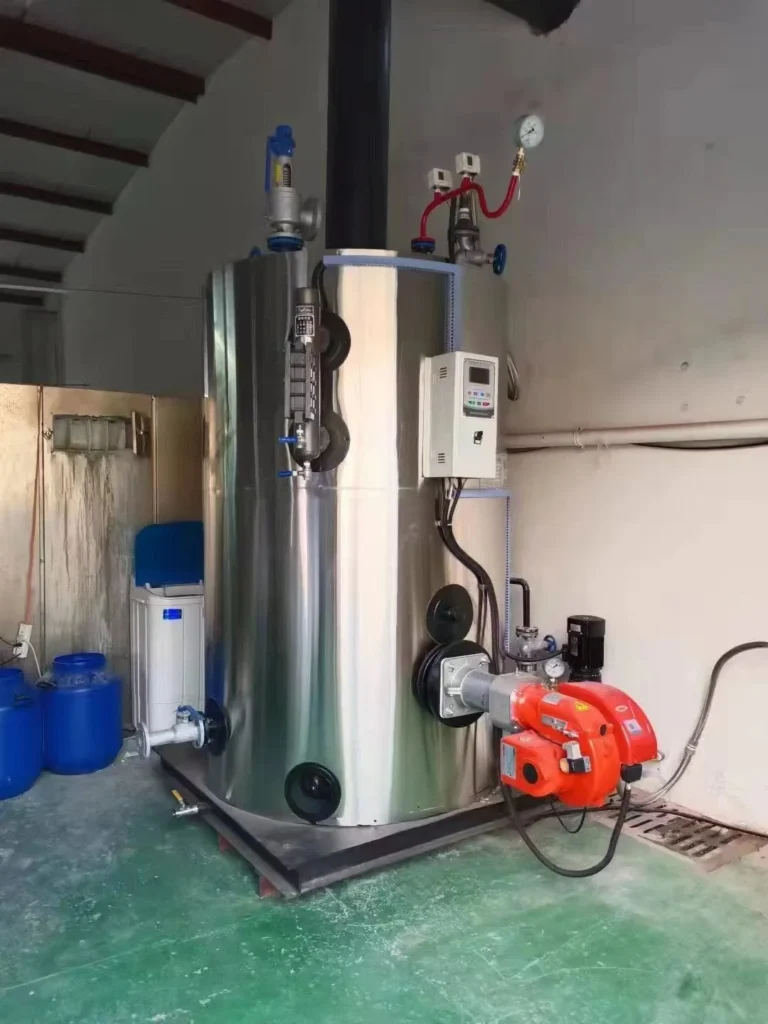
Categories
Uncategorized

Charcoal Gasifier

Charcoal Gasifier
Charcoal Gasifier

A charcoal gasifier is a device designed to convert solid biomass, such as charcoal, into a combustible gas known as syngas or producer gas. This gas can be used for various applications, including cooking, heating, and even powering internal combustion engines. Charcoal gasification is a form of biomass gasification, which is a process that utilizes thermochemical reactions to break down organic materials into a gaseous fuel.

The basic principle of a charcoal gasifier involves the partial combustion of charcoal in a controlled environment, where the oxygen supply is limited. This process, known as pyrolysis, occurs at elevated temperatures without the presence of sufficient oxygen to support complete combustion. As a result, the charcoal undergoes thermal decomposition, releasing volatile gases, tars, and charcoal residues.

Charcoal Gasifier

The primary components of a charcoal gasifier include a reaction chamber, air inlet, and a system for collecting and cleaning the produced gas. The reaction chamber is where the pyrolysis and gasification reactions take place. The air inlet controls the amount of oxygen introduced into the system, regulating the combustion process. The gas collection and cleaning system remove impurities and condensable compounds from the produced syngas, ensuring a cleaner and more efficient fuel.

One of the advantages of charcoal gasification is its ability to produce a clean and versatile fuel source. Syngas generated from charcoal gasifiers consists mainly of carbon monoxide, hydrogen, methane, and other trace gases. This composition makes it suitable for various applications, such as cooking and heating in households, as well as providing fuel for engines in small-scale power generation systems.

Charcoal gasifiers are often employed in areas with limited access to traditional energy sources, serving as a sustainable and environmentally friendly alternative. Additionally, the use of biomass-based fuels like charcoal helps reduce dependence on fossil fuels, contributing to lower greenhouse gas emissions and promoting a more sustainable energy future.

In conclusion, a charcoal gasifier is a valuable technology that harnesses the energy potential of charcoal through controlled pyrolysis and gasification processes. It provides a clean and versatile fuel source that can be utilized for various applications, making it an essential tool in promoting sustainable and environmentally friendly energy solutions.

Biomass Gasification:

Biomass gasification is a thermochemical process that involves converting biomass materials, such as wood, agricultural residues, or charcoal, into a gaseous fuel known as syngas. The process occurs in a controlled environment with restricted oxygen, promoting partial combustion through heat-induced chemical reactions. In the context of charcoal gasification, biomass, in the form of charcoal, undergoes pyrolysis, releasing volatile gases that are then further converted into syngas.

Biomass gasification offers a sustainable and renewable energy solution, utilizing organic materials to generate a versatile fuel source. This process has gained attention as a cleaner alternative to traditional combustion methods, reducing emissions and providing a pathway toward carbon-neutral energy production. The syngas produced through biomass gasification can be harnessed for various applications, including electricity generation, heating, and cooking, making it a valuable technology in the quest for environmentally friendly energy alternatives.

Charcoal Conversion:

Charcoal conversion refers to the process of transforming solid carbonaceous material, typically wood or agricultural residues, into charcoal through controlled pyrolysis. Pyrolysis involves heating the biomass in a low-oxygen environment, leading to the release of volatile organic compounds and leaving behind a carbon-rich residue known as charcoal.

Charcoal has been used for centuries as a reliable and efficient source of energy for cooking, heating, and industrial processes. The conversion of biomass into charcoal involves removing moisture and volatile components, resulting in a more concentrated and energy-dense fuel. This process not only enhances the calorific value of the material but also reduces its susceptibility to decay and increases its storability.

Charcoal conversion plays a crucial role in sustainable energy practices, offering a cleaner-burning alternative to traditional wood combustion. The resulting charcoal can be used in various applications, including traditional cooking methods, metallurgical processes, and as a feedstock for charcoal gasifiers to produce syngas for energy generation. As the world explores environmentally friendly energy options, charcoal conversion stands out as an essential process in the utilization of biomass resources for a wide range of applications.

Syngas Production:

Syngas, short for synthetic gas, is a versatile fuel produced through the gasification of carbonaceous materials, such as biomass or fossil fuels, under controlled conditions. The process involves partial combustion, typically in a low-oxygen environment, leading to the generation of a gaseous mixture composed mainly of carbon monoxide, hydrogen, and methane, along with other trace gases.

Syngas production plays a pivotal role in various energy applications due to its flexibility and wide range of uses. In the context of charcoal gasification, syngas is generated by subjecting charcoal to high temperatures in a gasifier. The resulting syngas can be utilized for cooking, heating, or as a fuel for internal combustion engines and power generation.

The composition of syngas makes it an attractive energy source, and its adaptability for different purposes contributes to its growing popularity. Syngas can serve as a transitional energy carrier, facilitating the integration of renewable and sustainable energy sources into existing infrastructures. Its production from biomass, such as charcoal, aligns with environmentally conscious energy practices, offering a cleaner alternative to traditional fossil fuels while contributing to a diversified and resilient energy landscape.

Thermochemical Reactions:

Thermochemical reactions refer to chemical processes that involve the exchange or transformation of heat energy. In the context of charcoal gasification, thermochemical reactions play a crucial role in converting solid biomass, like charcoal, into a gaseous fuel. The primary thermochemical process involved is pyrolysis, which occurs at elevated temperatures in the absence of sufficient oxygen for complete combustion.

During pyrolysis, the biomass undergoes thermal decomposition, breaking down into volatile gases, tars, and charcoal residues. This process is integral to the gasification of charcoal, as it releases the energy stored in the biomass in the form of combustible gases. Thermochemical reactions in a controlled environment ensure efficient conversion, allowing for the harnessing of energy from biomass while minimizing the release of harmful byproducts.

Understanding and optimizing thermochemical reactions are essential for designing efficient and sustainable energy systems, such as charcoal gasifiers. By controlling the temperature, pressure, and oxygen levels in the gasification process, it is possible to tailor the thermochemical reactions to maximize the production of clean and usable syngas while minimizing environmental impact. Thermochemical processes, including pyrolysis, contribute significantly to the development of cleaner and more efficient energy technologies, paving the way for sustainable energy solutions.

Pyrolysis Process:

Pyrolysis is a fundamental thermochemical process crucial in the conversion of biomass, including charcoal, into valuable energy products. It involves the decomposition of organic materials at elevated temperatures in the absence of sufficient oxygen for complete combustion. In the context of charcoal gasification, pyrolysis is the initial stage where solid charcoal undergoes thermal degradation, leading to the release of volatile gases, liquids (tars), and a carbon-rich residue.

The pyrolysis process consists of three main stages: drying, devolatilization, and carbonization. In the drying phase, moisture is driven off from the biomass. Devolatilization is the subsequent stage where volatile organic compounds are released from the heated biomass. Finally, carbonization occurs, resulting in the formation of charcoal.

In a charcoal gasifier, the pyrolysis process is a crucial step in producing syngas. During pyrolysis, complex organic compounds in the biomass break down into simpler, gaseous compounds, which can then be further processed into a clean-burning fuel. Efficient control of pyrolysis conditions, such as temperature and residence time, is essential to optimize the production of syngas with desired composition and energy content.

Pyrolysis is not only a key component of charcoal gasification but also a widely studied process for converting various biomass feedstocks into valuable energy carriers. Its importance lies in its ability to contribute to sustainable energy solutions by harnessing the energy stored in biomass while minimizing environmental impact. Understanding and refining the pyrolysis process are integral to the development of cleaner and more efficient energy conversion technologies.

Gasification Technology:

Gasification technology involves the thermochemical conversion of carbonaceous materials, such as charcoal or biomass, into a combustible gas known as syngas. In the realm of energy production, gasification provides an alternative to traditional combustion methods by partially oxidizing the feedstock in a controlled environment with limited oxygen.

In the context of charcoal gasification, the technology utilizes solid biomass, namely charcoal, as the feedstock. The process typically occurs in a gasifier, a device designed to facilitate the controlled conversion of the biomass into syngas. Gasification involves three main reactions: drying, pyrolysis, and combustion of the char residue. Through these reactions, the complex organic compounds in charcoal break down into simpler, gaseous components, forming a versatile fuel source.

Gasification technology offers several advantages. It enables the utilization of a wide range of feedstocks, including agricultural residues and waste materials, contributing to the efficient and sustainable use of biomass resources. The produced syngas can be used for various applications, such as electricity generation, heating, and as a fuel for internal combustion engines. Gasification also facilitates the integration of renewable energy sources into existing energy infrastructures, promoting a more diverse and resilient energy landscape.

Continuous advancements in gasification technology aim to enhance efficiency, reduce environmental impacts, and broaden the range of applicable feedstocks. As a versatile and environmentally conscious energy conversion method, gasification technology plays a crucial role in the transition towards cleaner and more sustainable energy solutions.

Renewable Energy:

Renewable energy refers to energy derived from naturally replenishing sources that are not depleted when used. In the context of charcoal gasification, the biomass feedstock, such as wood or agricultural residues, is considered a renewable resource because it can be regrown or replenished through natural processes.

Charcoal gasification contributes to the broader concept of renewable energy by harnessing the energy stored in biomass and converting it into syngas, a versatile and clean-burning fuel. Unlike fossil fuels, which are finite and contribute to environmental degradation, renewable energy sources promote sustainability and environmental responsibility.

The use of charcoal as a renewable energy source is particularly significant in regions where biomass is abundant and can be harvested sustainably. By adopting charcoal gasification for energy production, communities can reduce their reliance on non-renewable resources, mitigate environmental impacts, and contribute to a more sustainable energy future.

Renewable energy technologies, including charcoal gasification, play a crucial role in addressing global challenges such as climate change and energy security. They offer a pathway to reducing greenhouse gas emissions, enhancing energy resilience, and promoting a transition towards a more sustainable and environmentally friendly energy paradigm. As the world continues to explore cleaner alternatives, renewable energy sources like charcoal gasification stand out as essential components in achieving a more sustainable and resilient global energy system.

Sustainable Fuel:

Sustainable fuel refers to a type of energy source that can be produced, utilized, and managed in a manner that minimizes environmental impact, promotes long-term viability, and does not deplete finite resources. In the context of charcoal gasification, the production and utilization of syngas derived from biomass, specifically charcoal, exemplify sustainable fuel practices.

Charcoal, as a biomass-derived material, is considered renewable since it originates from organic sources that can be regenerated through natural processes. Charcoal gasification enhances the sustainability of this resource by efficiently converting it into syngas, a clean-burning fuel. This process aligns with the principles of sustainability by reducing dependence on non-renewable fossil fuels, minimizing greenhouse gas emissions, and supporting the responsible use of biomass resources.

Sustainable fuel practices also encompass considerations of social, economic, and environmental aspects. Charcoal gasification, when implemented responsibly, can contribute to rural development by providing decentralized energy solutions, creating local employment opportunities, and fostering community resilience.

As the world grapples with the challenges of climate change and resource depletion, the adoption of sustainable fuels becomes imperative. Charcoal gasification, by utilizing biomass in an environmentally friendly and economically viable manner, exemplifies a sustainable approach to energy production. This not only addresses current energy needs but also contributes to building a more resilient and sustainable energy future for generations to come.

Clean Cooking:

Clean cooking refers to the use of cleaner and more efficient technologies for household cooking, aiming to reduce indoor air pollution, promote health, and minimize environmental impact. Charcoal gasification plays a significant role in advancing the concept of clean cooking by providing an alternative to traditional biomass combustion methods, such as open fires or rudimentary stoves.

In many developing regions, households rely on solid biomass, like wood or charcoal, for cooking purposes. However, traditional cooking methods often lead to incomplete combustion, releasing harmful pollutants such as particulate matter, carbon monoxide, and volatile organic compounds. These pollutants can have detrimental effects on respiratory health and contribute to indoor air pollution.

Charcoal gasification offers a cleaner and more efficient solution for cooking. By converting charcoal into syngas through controlled gasification, the process produces a cleaner-burning fuel. This not only improves combustion efficiency but also reduces the emission of harmful pollutants associated with traditional cooking methods. Implementing charcoal gasification for clean cooking contributes to better indoor air quality, lowers the risk of respiratory diseases, and enhances the overall well-being of communities.

As the global community focuses on achieving Sustainable Development Goals, including those related to health and environmental sustainability, the adoption of clean cooking technologies becomes crucial. Charcoal gasification stands out as a viable and sustainable option, addressing health concerns and contributing to a cleaner, healthier living environment for communities relying on solid biomass for their cooking needs.

Producer Gas:

Producer gas, also known as syngas, is a combustible gas mixture produced through the gasification of carbonaceous materials like biomass or coal. In the context of charcoal gasification, producer gas is generated by subjecting solid biomass, specifically charcoal, to controlled thermochemical reactions in a gasifier. The resulting gas typically consists of carbon monoxide (CO), hydrogen (H2), methane (CH4), and other trace gases.

Producer gas is a valuable energy carrier with diverse applications. In the realm of charcoal gasification, the producer gas derived from charcoal serves as a versatile fuel source. It can be used for cooking, heating, and as fuel for internal combustion engines or small-scale power generation systems.

The composition of producer gas makes it adaptable for various energy needs, and its production aligns with sustainable and renewable energy practices. When harnessed effectively, producer gas can replace conventional fossil fuels, contributing to reduced greenhouse gas emissions and mitigating environmental impacts.

The utilization of producer gas derived from charcoal in gasification processes exemplifies an innovative and sustainable approach to energy production. It not only enhances energy efficiency but also supports the transition towards cleaner and more environmentally friendly energy alternatives, contributing to a more sustainable and resilient energy landscape.

Energy Efficiency:

Energy efficiency refers to the ratio of useful energy output to the total energy input in a given system or process. In the context of charcoal gasification, improving energy efficiency is a key objective to maximize the utilization of the energy content in biomass, specifically charcoal, and enhance the overall performance of the gasification process.

Efficiency in charcoal gasification involves optimizing various parameters such as temperature, pressure, residence time, and the air-to-fuel ratio within the gasifier. These factors influence the extent of pyrolysis, the conversion of charcoal into syngas, and the subsequent combustion of char residues. Efficient gasification processes ensure that a higher proportion of the energy stored in the biomass is captured in the form of clean-burning syngas.

Enhancing energy efficiency in charcoal gasification is essential for promoting sustainable energy practices. It not only maximizes the yield of usable energy but also minimizes waste and environmental impact. Efficient gasification technologies contribute to the economic viability of biomass-based energy systems, making them more competitive with traditional fossil fuel alternatives.

As global energy demand continues to rise and the focus on sustainable practices intensifies, improving energy efficiency in processes like charcoal gasification becomes paramount. It aligns with the broader goal of achieving a more sustainable and resilient energy infrastructure, reducing environmental impact, and fostering responsible energy consumption practices.

Carbon-Neutral:

The term “carbon-neutral” refers to the state where the net release of carbon dioxide (CO2) emissions into the atmosphere is balanced by an equivalent amount of carbon sequestration or offsetting activities. In the context of charcoal gasification, the use of biomass-derived charcoal can be considered a carbon-neutral energy source under certain conditions.

When plants grow, they absorb carbon dioxide from the atmosphere through photosynthesis, converting it into biomass. If this biomass, such as wood or agricultural residues, is then used to produce charcoal through controlled gasification, the carbon stored in the biomass is released as carbon monoxide (CO) and other gases, but it is not contributing to a net increase in atmospheric CO2 levels.

To achieve carbon neutrality in charcoal gasification, it is crucial to ensure sustainable and responsible biomass management. This includes practices such as reforestation, afforestation, or the use of agricultural residues in a manner that maintains or increases carbon stocks. Additionally, the combustion of the produced syngas should be done efficiently, minimizing emissions and environmental impact.

The carbon-neutral aspect of charcoal gasification is a key advantage in the context of mitigating climate change. By utilizing biomass-derived charcoal in a sustainable manner, communities and industries can reduce their carbon footprint, contribute to carbon sequestration efforts, and play a role in fostering a more sustainable and environmentally friendly energy landscape.

Small-Scale Power Generation:

Small-scale power generation refers to the production of electricity on a localized or modest scale, typically serving specific communities, industries, or individual households. In the context of charcoal gasification, small-scale power generation involves the utilization of syngas derived from charcoal to produce electricity for local energy needs.

Charcoal gasification systems designed for small-scale power generation consist of a gasifier, where charcoal undergoes thermochemical reactions to produce syngas, and an engine or generator that converts the syngas into electricity. This decentralized approach to power generation is particularly valuable in areas with limited access to traditional electricity grids or in off-grid locations.

The advantages of small-scale power generation through charcoal gasification include reduced transmission losses, increased energy efficiency, and the ability to provide reliable electricity to remote or underserved communities. These systems can be tailored to meet specific energy demands, making them adaptable to diverse settings ranging from rural villages to industrial facilities.

The integration of small-scale power generation using charcoal gasification supports energy access initiatives, enhances local resilience, and contributes to sustainable development goals. It empowers communities to harness their local biomass resources, reducing dependence on external energy sources and promoting a more self-sufficient and sustainable energy infrastructure.

EMS Power Machines

EMS Power Machines
EMS Power Machines

We design, manufacture and assembly Power Machines such as – diesel generators, electric motors, vibration motors, pumps, steam engines and steam turbines

EMS Power Machines is a global power engineering company, one of the five world leaders in the industry in terms of installed equipment. The companies included in the company have been operating in the energy market for more than 60 years.

EMS Power Machines manufactures steam turbines, gas turbines, hydroelectric turbines, generators, and other power equipment for thermal, nuclear, and hydroelectric power plants, as well as for various industries, transport, and marine energy.

EMS Power Machines is a major player in the global power industry, and its equipment is used in power plants all over the world. The company has a strong track record of innovation, and it is constantly developing new and improved technologies.

Here are some examples of Power Machines’ products and services:

  • Steam turbines for thermal and nuclear power plants
  • Gas turbines for combined cycle power plants and industrial applications
  • Hydroelectric turbines for hydroelectric power plants
  • Generators for all types of power plants
  • Boilers for thermal power plants
  • Condensers for thermal power plants
  • Reheaters for thermal power plants
  • Air preheaters for thermal power plants
  • Feedwater pumps for thermal power plants
  • Control systems for power plants
  • Maintenance and repair services for power plants

EMS Power Machines is committed to providing its customers with high-quality products and services. The company has a strong reputation for reliability and innovation. Power Machines is a leading provider of power equipment and services, and it plays a vital role in the global power industry.

EMS Power Machines, which began in 1961 as a small factory of electric motors, has become a leading global supplier of electronic products for different segments. The search for excellence has resulted in the diversification of the business, adding to the electric motors products which provide from power generation to more efficient means of use.
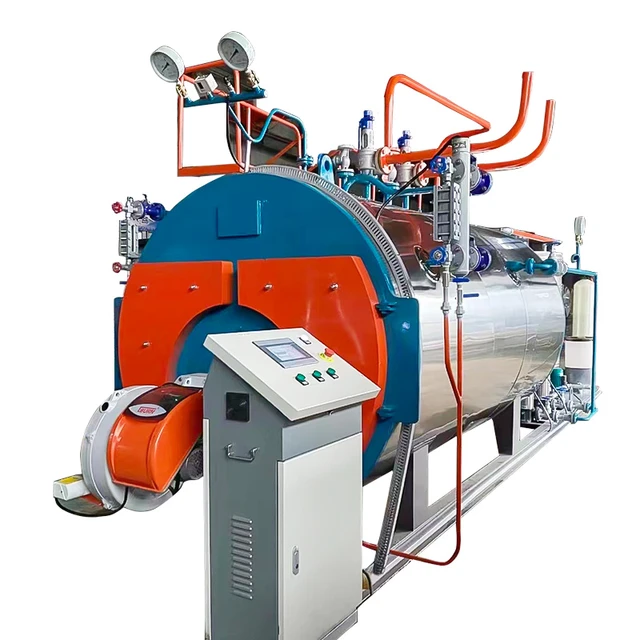
Categories
Uncategorized

Electricity from Wood Burning

Electricity from Wood Burning

Generating electricity from wood burning involves converting the heat produced by burning wood into electrical energy. This process typically involves a system known as biomass power generation. There are different methods to achieve this, but the most common ones include:

  1. Steam Turbines:
    • Wood is burned to produce heat.
    • The heat is used to boil water and produce steam.
    • The steam drives a turbine connected to a generator, producing electricity.
  2. Internal Combustion Engines:
    • Wood can be burned in an internal combustion engine.
    • The combustion process drives a piston, which is connected to a generator, producing electricity.
  3. Gasification:
    • Wood is converted into a gas through a process called gasification.
    • The gas, known as syngas, can be burned to produce heat.
    • The heat is then used to generate steam, which drives a turbine connected to a generator.
  4. Thermophotovoltaic Cells:
    • Wood can be burned to produce heat.
    • The heat is then used to generate light, which is converted into electricity by thermophotovoltaic cells.

It’s important to note that while wood burning for electricity generation can be a renewable energy source, it also raises environmental concerns, such as deforestation and air pollution. Sustainable practices, such as using wood waste or dedicated energy crops, can help mitigate these issues.

Electricity from Wood Burning

Additionally, the efficiency and environmental impact of wood-burning power generation depend on factors like the type of technology used, the source of the wood, and the overall sustainability of the process. In recent years, there has been an increasing focus on developing cleaner and more efficient biomass technologies to minimize environmental impact.

Biomass Power:

Biomass power is a sustainable energy generation process that involves harnessing the energy stored in organic materials, such as wood, agricultural residues, and dedicated energy crops, to produce electricity. In the context of electricity from wood burning, biomass power specifically refers to the utilization of wood and wood-derived products as a source of renewable energy. This method typically involves burning wood in a controlled environment to release heat, which is then used to produce steam. The steam drives a turbine connected to a generator, ultimately converting the thermal energy from burning wood into electrical power.

Biomass power generation is considered carbon-neutral, as the carbon dioxide released during combustion is roughly equal to the amount absorbed by the plants during their growth. This contrasts with fossil fuels, which introduce new carbon into the atmosphere. The sustainable management of forests and the use of wood waste or by-products from the wood industry further enhance the environmental credentials of biomass power. While challenges such as land use and potential competition with food crops exist, advancements in technology and responsible practices contribute to making biomass power an integral part of the renewable energy portfolio.

Wood-to-Energy:

Wood-to-energy represents a process wherein wood, a renewable and readily available resource, is converted into energy, typically in the form of electricity or heat. This approach plays a vital role in the broader context of sustainable energy solutions. In the specific context of electricity generation, the wood-to-energy process often involves the controlled combustion of wood to produce heat. This heat is then harnessed to generate steam, which drives turbines connected to generators, ultimately transforming thermal energy into electrical power.

Wood-to-energy initiatives are characterized by their environmental benefits, as the carbon released during combustion is part of the natural carbon cycle, making it a carbon-neutral energy source. The key lies in responsible forestry management and ensuring that the rate of wood consumption aligns with the rate of new growth. This approach minimizes the environmental impact and maintains the long-term sustainability of wood-to-energy systems.

Moreover, the wood-to-energy concept extends beyond traditional combustion methods. Advanced technologies such as gasification and pyrolysis allow for the conversion of wood into synthetic gases or bio-oils, which can be further utilized for electricity generation or other energy applications. This versatility enhances the potential of wood-to-energy as a renewable and environmentally friendly alternative in the broader landscape of clean energy solutions.

Bioenergy:

Bioenergy is a comprehensive term that encompasses energy derived from biological sources, including organic materials such as wood, agricultural residues, and organic waste. In the context of electricity from wood burning, bioenergy specifically refers to the conversion of energy stored in wood biomass into electrical power. This process involves harnessing the chemical energy stored in organic materials through various methods like combustion, gasification, or biochemical processes.

Wood, being a renewable resource, plays a significant role in bioenergy production. In the case of electricity generation, bioenergy often involves burning wood to produce heat, which is then converted into electricity through steam turbines or other power generation technologies. Bioenergy derived from wood is considered carbon-neutral, as the carbon dioxide released during combustion is offset by the carbon absorbed during the growth of the trees.

The versatility of bioenergy extends beyond electricity generation. It includes applications such as biofuels for transportation and heating, providing a diverse set of solutions to meet energy needs sustainably. Bioenergy also contributes to waste reduction by utilizing organic materials that might otherwise be disposed of in landfills. As the world seeks cleaner and more sustainable energy alternatives, bioenergy, with wood as a prominent component, plays a crucial role in fostering a greener and more environmentally friendly energy landscape.

Wood Combustion:

Wood combustion is a fundamental process within the broader realm of biomass energy, involving the controlled burning of wood to release heat for various applications, including electricity generation. In the context of generating electricity from wood burning, this process typically entails the combustion of wood in a controlled environment, such as a biomass power plant. The primary objective is to convert the chemical energy stored in wood into thermal energy, which is then harnessed to produce steam.

The combustion of wood involves the chemical reaction between wood and oxygen, resulting in the release of heat, carbon dioxide, and water vapor. This heat, when properly managed, can be utilized to raise the temperature of water, ultimately generating steam. The produced steam is then directed towards turbines, driving their blades and, in turn, generating electricity through connected generators.

Wood combustion for electricity generation is often accompanied by stringent emission control measures to minimize the release of pollutants into the atmosphere. Advanced combustion technologies and efficient energy recovery systems contribute to maximizing the energy extracted from wood while minimizing environmental impacts. As part of a sustainable energy strategy, wood combustion plays a role in providing renewable and carbon-neutral electricity, contributing to a cleaner and more environmentally conscious energy landscape.

Renewable Energy:

Renewable energy refers to energy derived from naturally occurring and replenishable sources that are virtually inexhaustible over time. Wood, as a renewable resource, plays a significant role in contributing to renewable energy, particularly in the context of electricity generation. When utilized for electricity from wood burning, it exemplifies a sustainable and eco-friendly approach to meeting energy needs.

Wood’s renewable nature stems from the fact that it can be sourced from responsibly managed forests, where new trees are continuously planted to replace those harvested. In the process of generating electricity, the renewable energy cycle begins with the growth of trees, which absorb carbon dioxide from the atmosphere during photosynthesis. When wood is burned for electricity, the carbon dioxide released is part of this natural cycle, making the overall process carbon-neutral.

Renewable energy sources like wood contribute to reducing dependence on finite fossil fuels and help mitigate the environmental impacts associated with non-renewable energy extraction and consumption. As the world transitions towards a more sustainable energy future, the integration of renewable resources, including wood for electricity generation, plays a pivotal role in fostering a cleaner and greener global energy landscape.

Wood-Fired Power Generation:

Wood-fired power generation is a specific method within the broader spectrum of biomass energy, focusing on utilizing wood as a primary fuel source to produce electricity. This process involves the controlled combustion of wood in dedicated power plants designed to convert the released heat into electrical power. Wood-fired power generation plays a crucial role in meeting energy demands sustainably while utilizing a renewable and locally available resource.

In wood-fired power plants, the combustion of wood releases heat, which is used to produce steam. The generated steam then drives turbines connected to generators, converting the thermal energy into electrical energy. This method offers a reliable and scalable solution for electricity generation, with the flexibility to use various forms of wood, including wood chips, sawdust, or other wood residues.

The environmental benefits of wood-fired power generation are noteworthy. When sourced responsibly and managed sustainably, wood is considered a carbon-neutral fuel. The carbon dioxide emitted during combustion is offset by the carbon absorbed during the growth of trees, contributing to a closed carbon cycle. Additionally, utilizing wood waste or by-products from the forestry and wood industry further enhances the efficiency and sustainability of wood-fired power generation. As advancements in technology continue, wood-fired power generation remains a valuable component of the renewable energy landscape, providing a cleaner and more sustainable alternative to traditional fossil fuel-based power generation.

Biomass Electricity:

Biomass electricity refers to the production of electrical energy through the combustion or conversion of organic materials, commonly derived from plants or other biological sources. Wood, a significant component of biomass, is often used in this process to generate electricity. Biomass electricity production involves harnessing the chemical energy stored in wood and converting it into electrical power through various technologies.

In the case of wood as biomass, the process typically begins with the combustion of wood in a controlled environment. The heat generated is then used to produce steam, which drives turbines connected to generators. This mechanical energy is ultimately transformed into electrical energy that can be distributed for various uses.

One key advantage of biomass electricity, including that derived from wood, is its renewable and carbon-neutral nature. As trees grow, they absorb carbon dioxide from the atmosphere, and when wood is burned for electricity, the released carbon dioxide is balanced by the carbon absorbed during the tree’s life cycle. This sustainability aspect distinguishes biomass electricity from fossil fuel-based power generation.

Moreover, biomass electricity projects often utilize wood waste or residues from forestry and wood processing industries, reducing the environmental impact and promoting resource efficiency. As part of the broader strategy for transitioning to cleaner energy sources, biomass electricity, with wood as a primary contributor, plays a significant role in addressing both energy needs and environmental concerns.

Forest Biomass:

Forest biomass refers to the organic materials derived from forests, including trees, branches, leaves, and other plant matter. This rich source of biological material is integral to the production of energy, and when used for electricity generation, it becomes a key component of the renewable energy landscape. The sustainable utilization of forest biomass, including wood, presents an environmentally friendly approach to meet energy demands.

In the context of electricity generation, forest biomass can be employed through combustion, gasification, or other conversion processes. Wood, as a primary forest biomass, can be burned to release heat, which is then used to produce steam and generate electricity through turbines and generators. This method allows for the harnessing of the energy stored in trees and plants in a manner that is both renewable and environmentally responsible.

Forest biomass contributes to the circular carbon cycle. As trees grow, they absorb carbon dioxide from the atmosphere during photosynthesis. When wood is used for electricity generation, the carbon released during combustion is offset by the carbon absorbed during the growth of new trees, maintaining a balance in the carbon cycle.

Effective forest management practices, including sustainable harvesting and afforestation, ensure the long-term viability of using forest biomass for electricity generation. By integrating forest biomass into the energy mix, societies can promote both renewable energy development and the responsible stewardship of vital ecosystems.

Wood Gasification:

Wood gasification is an advanced and efficient technology that converts wood or wood-based biomass into a combustible gas known as syngas. This syngas can be utilized for various energy applications, including electricity generation. Wood gasification differs from traditional wood combustion as it involves a thermochemical process that takes place in a controlled environment with limited oxygen.

In the wood gasification process, wood is heated in a low-oxygen environment, leading to the production of syngas, which primarily consists of carbon monoxide, hydrogen, and methane. This syngas can then be burned to generate heat, which, in turn, can be used to produce steam and drive turbines connected to generators for electricity generation.

Wood gasification offers several advantages, including higher energy efficiency compared to direct combustion. The process allows for the extraction of more energy from the same amount of wood, reducing waste and increasing overall system efficiency. Additionally, the produced syngas can be stored and used as needed, providing flexibility in energy generation.

This technology contributes to sustainability by making use of wood resources more efficiently and by enabling the utilization of wood waste or by-products that might not be suitable for direct combustion. Wood gasification, when integrated into the energy landscape, showcases the potential for cleaner and more resource-efficient electricity generation from wood.

Syngas Production:

Syngas, short for synthetic gas, is a versatile fuel produced through various processes, including wood gasification. In the context of electricity generation from wood, syngas production involves the transformation of wood or biomass into a mixture of carbon monoxide, hydrogen, methane, and other gases. This syngas serves as a valuable intermediary in energy production, with applications ranging from electricity generation to the synthesis of chemicals and fuels.

Wood, when subjected to gasification, undergoes a controlled reaction that releases syngas. The produced syngas can be utilized for electricity generation by burning it in a controlled environment to produce heat. The heat, in turn, can be used to generate steam, driving turbines connected to generators for the production of electrical energy.

Syngas production from wood contributes to energy efficiency and environmental sustainability. The process allows for the extraction of energy-rich gases from wood, providing a cleaner and more versatile fuel source. Additionally, this approach enhances the utilization of wood resources, including waste and by-products, reducing overall environmental impact.

The flexibility of syngas applications extends beyond electricity generation to include various industrial processes, providing a multifaceted solution to energy and resource needs. As technology advances, syngas production from wood plays a vital role in the development of cleaner and more sustainable energy systems.

Cogeneration:

Cogeneration, also known as combined heat and power (CHP), is an energy-efficient process that involves the simultaneous production of electricity and useful heat from a single energy source. Wood can be a suitable fuel for cogeneration systems, contributing to both electricity generation and the generation of thermal energy for heating or industrial processes.

In a wood-based cogeneration system, wood is typically burned to produce heat. The generated heat is then used to produce steam, which drives turbines connected to generators for electricity generation. Simultaneously, the excess heat generated during this process can be captured and utilized for space heating, district heating, or other industrial purposes.

The key advantage of cogeneration is the optimization of energy use, as it maximizes the overall efficiency of the system by capturing and utilizing the waste heat that would otherwise be lost in conventional power generation processes. This makes cogeneration an environmentally friendly and resource-efficient approach to meeting both electrical and thermal energy needs.

Wood-fired cogeneration systems are particularly valuable in applications where there is a simultaneous demand for electricity and heat, such as in industrial facilities, hospitals, and district heating networks. By integrating cogeneration into the energy mix, the efficiency gains and reduced environmental impact contribute to a more sustainable and resilient energy infrastructure.

Woody Biomass:

Woody biomass refers to organic materials derived from trees and woody plants, such as branches, bark, wood chips, and sawdust. It is a renewable and versatile resource that plays a significant role in various energy applications, including electricity generation. Woody biomass can be used as a feedstock for different technologies, ranging from traditional combustion to advanced processes like gasification and pyrolysis.

In the context of electricity generation, woody biomass is often utilized by burning it in controlled environments. The combustion releases heat, which is then used to produce steam, driving turbines connected to generators for the generation of electrical power. This approach makes use of the chemical energy stored in wood during photosynthesis, contributing to a carbon-neutral energy cycle when managed sustainably.

Woody biomass offers several advantages, including its abundance and renewability. Sustainable forestry practices, such as afforestation and responsible harvesting, ensure the long-term availability of woody biomass for energy use. Additionally, the use of wood waste or by-products from forestry and wood processing industries minimizes environmental impact and enhances resource efficiency.

As part of a diversified and sustainable energy strategy, woody biomass plays a crucial role in providing clean and renewable electricity. The versatility of woody biomass in different energy conversion technologies highlights its importance in addressing energy needs while promoting environmental responsibility.

Thermochemical Conversion:

Thermochemical conversion is a process that transforms biomass, including wood, into useful energy through the application of heat. This method involves chemical reactions that alter the composition of biomass, leading to the production of valuable energy carriers. In the context of electricity generation from wood, thermochemical conversion techniques play a crucial role in extracting energy efficiently.

Several thermochemical conversion processes can be applied to wood, including combustion, gasification, and pyrolysis. Combustion involves burning wood to release heat, which is then used for electricity generation. Gasification converts wood into syngas, a mixture of carbon monoxide, hydrogen, and methane, which can be burned to produce electricity. Pyrolysis involves heating wood in the absence of oxygen to produce bio-oil, which can be further processed for electricity generation.

Thermochemical conversion offers advantages such as high energy efficiency and flexibility in utilizing different forms of biomass. It allows for the extraction of energy from wood while minimizing environmental impacts. Furthermore, the by-products of these processes, such as biochar or ash, can often be utilized beneficially, contributing to the overall sustainability of the conversion.

As technology advances, thermochemical conversion continues to be a focal point in the development of efficient and environmentally friendly processes for electricity generation from wood and other biomass sources. This approach aligns with the broader goal of transitioning towards cleaner and more sustainable energy solutions.

Steam Turbine Power:

Steam turbine power generation is a widely used method for converting heat energy, derived from the combustion of wood or other biomass, into electrical power. In this process, wood is burned to produce heat, which is then used to generate steam. The high-pressure steam is directed onto the blades of a turbine, causing it to spin. The spinning turbine is connected to an electric generator, ultimately converting the mechanical energy from the turbine into electrical energy.

Wood-fired steam turbine power generation systems are often employed in biomass power plants. These plants are designed to efficiently harness the energy stored in wood and convert it into electricity. The controlled combustion of wood ensures the release of heat in a controlled manner, optimizing the efficiency of the entire process.

One of the advantages of steam turbine power generation is its scalability. It can be adapted for various scales of electricity generation, making it suitable for both small-scale applications, such as in industrial settings, and larger utility-scale power plants. Additionally, the use of wood in this process contributes to a sustainable and carbon-neutral energy cycle, as the carbon dioxide released during combustion is balanced by the carbon absorbed during the growth of trees.

As part of a diversified energy portfolio, steam turbine power generation from wood provides a reliable and environmentally friendly solution to meet electricity demand. The technology’s efficiency and adaptability make it a valuable component of the broader efforts to transition towards cleaner and more sustainable energy sources.

Carbon-Neutral Energy:

Carbon-neutral energy, often associated with electricity generation from wood, refers to a balanced state where the amount of carbon dioxide (CO2) released into the atmosphere is roughly equivalent to the amount of CO2 absorbed during the growth of the biomass used for energy production. In the context of wood burning, carbon neutrality is achieved through sustainable forestry practices and the responsible management of biomass resources.

When trees and plants grow, they absorb CO2 from the atmosphere through the process of photosynthesis, converting it into carbon stored in their biomass. When wood is burned for electricity generation, the stored carbon is released back into the atmosphere as CO2. The key to achieving carbon neutrality is to ensure that the rate of carbon absorption during the growth of new biomass equals or exceeds the rate of carbon release during combustion.

Wood, as a renewable resource, plays a crucial role in carbon-neutral energy systems. Responsible forestry management practices, such as replanting trees and maintaining healthy forest ecosystems, contribute to sustaining this carbon balance. Additionally, the use of wood waste or by-products for energy generation further enhances the carbon-neutral nature of the process, as it minimizes the environmental impact associated with other waste disposal methods.

Carbon-neutral energy is a vital concept in addressing climate change concerns, providing a sustainable path towards meeting energy needs without contributing to the net increase of greenhouse gas emissions in the atmosphere. As the world continues to prioritize cleaner and more sustainable energy solutions, carbon-neutral electricity generation from wood exemplifies an environmentally conscious approach to power generation.

Steam Turbines

Steam Turbines
Steam Turbines

Steam turbines are a fundamental component of modern power generation and various industrial processes. They convert thermal energy from steam into mechanical energy, which can then be used to generate electricity or drive machinery. The concept of harnessing steam power dates back to ancient times, with early attempts to use steam for mechanical purposes seen in the aeolipile, a simple steam-powered device invented by Hero of Alexandria in the 1st century AD. However, it wasn’t until the 19th century that steam turbines, as we know them today, began to take shape.

The breakthrough in steam turbine technology came in the late 19th century with the work of Sir Charles Parsons and Gustaf de Laval. Sir Charles Parsons is often credited with inventing the modern steam turbine in 1884, when he developed a prototype capable of driving an electrical generator. This invention marked a significant leap in efficiency compared to earlier steam engines. Parsons’ steam turbine quickly became the preferred method for generating electricity, and its design principles are still used in modern turbines.

Gustaf de Laval, a Swedish engineer, made significant contributions to the development of steam turbines, particularly in high-speed turbines. His work in the 1880s and 1890s led to the creation of impulse turbines, which use the kinetic energy of steam to drive the turbine blades. These developments laid the foundation for the widespread adoption of steam turbines in various industries.

Importance in Modern Industry

Today, steam turbines play a crucial role in the global energy landscape. They are used in thermal power plants to generate a significant portion of the world’s electricity. In a typical thermal power plant, steam is produced by burning fossil fuels such as coal, natural gas, or oil, or by utilizing nuclear energy. The steam is then directed into the turbine, where it expands and drives the turbine blades, converting thermal energy into mechanical energy. This mechanical energy is then used to rotate an electrical generator, producing electricity.

Steam turbines are also integral to various industrial processes. They are used in the petrochemical industry to drive compressors and pumps, in the steel industry for mechanical drives, and in the paper industry to generate electricity and drive machinery. Additionally, steam turbines are employed in marine propulsion systems, particularly in large vessels like aircraft carriers and submarines, where their reliability and efficiency are highly valued.

The versatility and efficiency of steam turbines make them indispensable in both traditional and modern energy systems. They are compatible with a wide range of energy sources, including fossil fuels, nuclear power, and renewable sources such as biomass, geothermal, and concentrated solar power. This adaptability ensures that steam turbines will continue to play a vital role in the global energy mix as the world transitions towards more sustainable energy solutions.

Fundamentals of Steam Turbines

Basic Principles of Operation

Basic Principles

At the core of a steam turbine’s operation is the conversion of thermal energy from steam into mechanical energy. This process is grounded in the principles of thermodynamics, specifically the Rankine cycle, which is the fundamental thermodynamic cycle used in steam turbine operations.

In simple terms, the Rankine cycle involves four main processes:

  1. Heat Addition: In a boiler, water is heated at constant pressure, transforming it into steam. This high-pressure steam contains a significant amount of thermal energy.
  2. Expansion: The high-energy steam is directed into the turbine, where it expands. As the steam expands, its pressure and temperature drop, and it imparts kinetic energy to the turbine blades, causing them to rotate. This rotational energy is then transferred to a shaft connected to an electrical generator or mechanical equipment.
  3. Condensation: After passing through the turbine, the steam is exhausted into a condenser, where it is cooled and condensed back into water.
  4. Pumping: The condensed water is then pumped back to the boiler to begin the cycle again.

The efficiency of a steam turbine is determined by how effectively it converts the thermal energy in the steam into mechanical energy. Factors such as steam pressure, temperature, and the design of the turbine blades play crucial roles in determining this efficiency.

Key Components

Steam turbines consist of several critical components, each playing a specific role in the turbine’s operation:

  • Rotor: The rotor is the rotating part of the turbine and consists of a shaft and attached blades. As steam passes through the turbine, it causes the rotor to spin, converting thermal energy into mechanical energy.
  • Stator: The stator is the stationary part of the turbine that surrounds the rotor. It contains fixed blades that direct the flow of steam onto the rotor blades in an efficient manner.
  • Casing: The casing encases the entire turbine, providing structural support and containing the steam within the turbine. It also protects the internal components from external elements.
  • Blades: The turbine blades are crucial for the conversion of energy. There are two main types of blades: fixed blades (attached to the stator) and moving blades (attached to the rotor). The design and arrangement of these blades are critical for the efficient operation of the turbine.
  • Steam Supply System: This system includes the pipes, valves, and other components that deliver steam to the turbine at the required pressure and temperature. It also controls the flow of steam into the turbine.
  • Condenser: The condenser cools the exhaust steam from the turbine, converting it back into water to be reused in the cycle. It is typically a heat exchanger that removes the latent heat of vaporization from the steam.
  • Governor: The governor is a control mechanism that regulates the turbine’s speed by adjusting the steam flow. It ensures that the turbine operates at the desired speed and can respond to changes in load demand.

Types of Steam Turbines

Steam turbines are classified based on their design, method of steam expansion, and application. The main types include:

  1. Impulse Turbines: In impulse turbines, high-pressure steam is directed onto the turbine blades through nozzles. The steam jets strike the blades, causing them to move, but the steam pressure remains constant as it passes over the blades. The rotor’s motion is purely due to the impulse force from the steam. Impulse turbines are often used in high-speed applications and are suitable for driving generators in power plants.
  2. Reaction Turbines: Unlike impulse turbines, reaction turbines utilize both the impulse of steam and the reaction force generated as steam expands and accelerates through the moving blades. The steam pressure drops as it passes through the blades, and this pressure drop is what drives the rotor. Reaction turbines are commonly used in lower-speed applications and are often found in industrial settings.
  3. Condensing Turbines: These turbines are designed to exhaust steam at a lower pressure, usually into a condenser, where the steam is condensed into water. Condensing turbines are widely used in power generation, where maximum efficiency is required.
  4. Non-Condensing Turbines: Also known as back-pressure turbines, these turbines exhaust steam at a pressure higher than atmospheric pressure. The exhaust steam can be used for heating or other industrial processes. Non-condensing turbines are commonly used in cogeneration systems where both electricity and process steam are needed.
  5. Extraction Turbines: Extraction turbines are designed to extract steam at one or more points along the turbine for industrial processes or heating. The remaining steam continues through the turbine for power generation. These turbines provide flexibility in applications where steam at different pressures is required.
  6. Reheat Turbines: In reheat turbines, steam is expanded through a high-pressure stage of the turbine, reheated in the boiler, and then expanded further in a lower-pressure stage. Reheating improves the efficiency of the cycle and reduces the moisture content of the steam, which can help to reduce blade erosion.
  7. Industrial Turbines: These are designed for specific industrial applications, such as driving compressors, pumps, or fans. Industrial turbines can be either impulse or reaction types, depending on the specific application requirements.
  8. Marine Turbines: Used in naval vessels and large commercial ships, marine turbines are designed to be highly reliable and capable of operating under the challenging conditions at sea. They are typically reaction turbines and are designed to drive propellers or generators for propulsion.

Thermodynamics and Fluid Mechanics

Challenges and Limitations

Thermodynamic Cycles

The operation of steam turbines is fundamentally based on thermodynamic cycles, with the Rankine cycle being the most important for understanding how these machines work. The Rankine cycle, named after William John Macquorn Rankine, is a closed-loop cycle that converts heat into work, making it the backbone of steam turbine operations in power plants and industrial settings.

  1. The Rankine Cycle: The Rankine cycle consists of four main processes:
    • Isentropic Compression: The working fluid (water) is pumped from a low pressure to a high pressure. This process requires work input, typically provided by a pump.
    • Isobaric Heat Addition: The high-pressure water is heated in a boiler at constant pressure, turning it into high-pressure steam.
    • Isentropic Expansion: The high-pressure steam is expanded in the turbine, doing work by turning the turbine’s rotor. As the steam expands, its pressure and temperature drop.
    • Isobaric Heat Rejection: The expanded steam is condensed at constant pressure back into water, completing the cycle.
    The efficiency of the Rankine cycle can be improved by various methods, including reheating and regenerative feedwater heating.
  2. Reheat Cycle: In a reheat cycle, steam is expanded in a high-pressure turbine, reheated in the boiler, and then expanded again in a low-pressure turbine. This process increases the thermal efficiency of the cycle by allowing the steam to expand through a greater pressure range, reducing the moisture content at the turbine’s exhaust, which in turn minimizes turbine blade erosion.
  3. Regenerative Cycle: The regenerative cycle improves efficiency by preheating the feedwater entering the boiler using steam extracted from various stages of the turbine. This reduces the amount of fuel needed to heat the water to the desired temperature, thereby improving overall efficiency.
  4. Combined Cycle: The combined cycle is a modern approach that combines a gas turbine cycle with a steam turbine cycle. The exhaust gases from the gas turbine are used to generate steam in a heat recovery steam generator (HRSG), which then powers a steam turbine. This setup allows for very high overall efficiency, often exceeding 60%.

Fluid Dynamics in Steam Turbines

Fluid dynamics plays a crucial role in the operation of steam turbines, as the efficient conversion of steam energy into mechanical work depends on the controlled flow of steam through the turbine.

  1. Steam Flow and Velocity Triangles: The flow of steam through a turbine is characterized by velocity triangles, which are geometric representations of the velocity of steam relative to the blades of the turbine. These triangles help in analyzing the energy conversion process as the steam flows through both the stationary (stator) and moving (rotor) blades.
    • Absolute Velocity: This is the velocity of the steam relative to the stationary components of the turbine.
    • Relative Velocity: This is the velocity of the steam relative to the moving blades of the rotor.
    • Blade Velocity: The velocity at which the turbine blades move.
    The efficiency of the turbine depends on how well these velocities are optimized to maximize energy transfer from the steam to the rotor.
  2. Impulse and Reaction Principles: Steam turbines operate on either impulse or reaction principles, or a combination of both.
    • Impulse Turbines: In impulse turbines, steam is expanded through nozzles, converting its pressure energy into kinetic energy before it hits the rotor blades. The rotor blades are designed to absorb this kinetic energy, causing the rotor to spin.
    • Reaction Turbines: In reaction turbines, the steam undergoes a pressure drop as it passes through the rotor blades, which are shaped to act as nozzles. The pressure drop results in a reactive force that turns the rotor. This principle is similar to how a jet engine works.
    The choice between impulse and reaction designs depends on the specific application, with many turbines incorporating both principles in different stages.
  3. Expansion and Losses: As steam expands through the turbine, it loses energy due to several factors, including friction, heat losses, and mechanical losses. These losses reduce the overall efficiency of the turbine. Understanding and minimizing these losses is crucial for optimizing turbine performance.
    • Frictional Losses: Occur due to the friction between steam and the turbine blades and internal surfaces.
    • Heat Losses: Result from the heat exchange between steam and the turbine casing or the environment.
    • Mechanical Losses: Include losses in bearings, seals, and other mechanical components of the turbine.
    Advanced materials and coatings, as well as precise manufacturing techniques, are used to minimize these losses.

Heat Transfer Mechanisms

Heat transfer is a critical aspect of steam turbine operation, influencing both efficiency and performance. The primary heat transfer mechanisms involved are conduction, convection, and radiation.

  1. Conduction: Conduction is the transfer of heat through a solid material, such as the turbine casing or blades. In steam turbines, conduction occurs when heat flows through the metal components from the high-temperature steam to cooler regions. The thermal conductivity of the materials used in turbine construction is an important factor, as it affects the rate of heat transfer and the temperature distribution within the turbine.
  2. Convection: Convection is the transfer of heat between a solid surface and a fluid, in this case, steam. It occurs when steam flows over the turbine blades and heat is transferred from the steam to the blade material. The efficiency of this process is influenced by factors such as steam velocity, turbulence, and the surface roughness of the blades.
    • Forced Convection: In steam turbines, forced convection occurs as steam is forced through the turbine at high velocities. The design of the turbine blades and the flow paths are optimized to enhance heat transfer through forced convection.
    • Natural Convection: Natural convection plays a lesser role in steam turbines but can occur in areas where steam or air is stagnant. Managing natural convection is important in turbine cooling and in maintaining structural integrity.
  3. Radiation: Radiation is the transfer of heat through electromagnetic waves. In steam turbines, radiation heat transfer is typically less significant than conduction and convection but can become important at very high temperatures, such as those found in the superheater sections of a boiler or in high-temperature turbines.
    • Thermal Radiation: The turbine components emit thermal radiation based on their temperature. This radiation can contribute to heat losses if not properly managed through insulation and other thermal management techniques.
    Effective thermal management in steam turbines involves a careful balance of these heat transfer mechanisms to maintain optimal operating temperatures and to prevent overheating of components, which can lead to reduced efficiency or even failure.

Design and Manufacturing of Steam Turbines

Recent Technological Advancements

Design Process

Designing a steam turbine is a complex process that requires a deep understanding of thermodynamics, fluid mechanics, materials science, and mechanical engineering. The primary goals in designing a steam turbine are to maximize efficiency, ensure reliability, and meet the specific operational requirements of the application.

  1. Thermodynamic Efficiency: The design begins with thermodynamic calculations to determine the optimal operating conditions, such as steam pressure, temperature, and flow rate. Engineers use these calculations to design the turbine stages, ensuring that each stage extracts the maximum possible energy from the steam.
  2. Blade Design: The design of the turbine blades is crucial for efficiency and reliability. Blades must be aerodynamically optimized to maximize energy extraction while minimizing losses due to friction, turbulence, and separation. The shape, angle, and length of the blades are carefully calculated, often using computational fluid dynamics (CFD) simulations to model the flow of steam through the turbine.
  3. Material Selection: The materials used in turbine construction must withstand high temperatures, pressures, and mechanical stresses. Material selection is driven by the need for strength, durability, resistance to corrosion and erosion, and the ability to maintain performance under thermal cycling. Common materials include high-strength alloys, stainless steel, and nickel-based superalloys.
  4. Cooling and Heat Management: In high-temperature turbines, especially those used in power generation, cooling is a critical design consideration. Blades and other components are often internally cooled using air or steam to prevent overheating and maintain structural integrity. Advanced cooling designs, such as film cooling or transpiration cooling, may be used in particularly demanding applications.
  5. Rotor Dynamics and Balancing: The rotor is a critical component that must be carefully designed to ensure smooth and reliable operation. Engineers must account for rotor dynamics, including the natural frequencies of the rotor, to avoid resonance that could lead to mechanical failure. Additionally, the rotor must be precisely balanced to prevent excessive vibrations, which can cause wear and tear on bearings and other components.
  6. Sealing and Clearance Control: Minimizing steam leakage between different stages of the turbine is essential for maintaining efficiency. Engineers design precise seals and control clearances between rotating and stationary parts to reduce losses. Advanced sealing techniques, such as labyrinth seals and brush seals, are often used.
  7. Mechanical Integrity and Safety: The design must ensure that the turbine can operate safely under all expected conditions, including start-up, shutdown, and emergency situations. This involves designing for mechanical integrity, with components capable of withstanding high mechanical loads, thermal stresses, and the effects of transient conditions such as pressure surges or steam hammer.
  8. Modularity and Scalability: Modern steam turbines are often designed with modularity in mind, allowing for scalability and customization to meet different power outputs or industrial requirements. This modular approach also facilitates maintenance and component replacement.

Materials Used

The materials used in the construction of steam turbines are chosen for their ability to withstand the extreme conditions present during operation, such as high temperatures, pressures, and mechanical stresses. The selection of materials is crucial for ensuring the turbine’s performance, longevity, and safety.

  1. High-Strength Alloys: High-strength alloys, such as chromium-molybdenum steel, are commonly used for turbine rotors, casings, and other critical components. These alloys offer a good balance of strength, toughness, and resistance to thermal fatigue.
  2. Nickel-Based Superalloys: Nickel-based superalloys are frequently used in high-temperature sections of the turbine, such as the blades and vanes in the high-pressure stages. These superalloys are specifically designed to maintain their mechanical properties at elevated temperatures, making them ideal for use in environments where temperatures can exceed 1000°C.
  3. Stainless Steel: Stainless steel is used for components that require excellent corrosion resistance, such as parts exposed to wet steam or aggressive industrial environments. Austenitic stainless steels, in particular, are favored for their high-temperature performance and resistance to oxidation.
  4. Ceramic Coatings: To further enhance the high-temperature performance of turbine blades, ceramic coatings are often applied. These coatings provide a thermal barrier, reducing the amount of heat transferred to the underlying metal, which helps to protect against thermal degradation and extends the life of the blades.
  5. Titanium Alloys: Titanium alloys are sometimes used in low-pressure turbine blades due to their high strength-to-weight ratio and resistance to corrosion. Their lower density compared to steel or nickel-based alloys makes them advantageous in applications where weight savings are critical.
  6. Creep-Resistant Materials: Creep, the tendency of materials to deform permanently under constant stress at high temperatures, is a significant concern in steam turbines. Creep-resistant materials, such as advanced ferritic steels, are used

Manufacturing Techniques

Steam Turbine Bearings

The manufacturing of steam turbines involves a series of highly specialized processes that ensure the precise fabrication and assembly of components capable of withstanding extreme operational conditions. The techniques used vary depending on the size, complexity, and specific requirements of the turbine.

  1. Casting: Many components of steam turbines, particularly the rotor and casing, are produced using casting techniques. Casting involves pouring molten metal into a mold shaped like the final part. Once the metal solidifies, the mold is removed, leaving behind a rough component that is further refined. Investment casting and sand casting are common methods used for creating intricate parts like blades, where precision and material integrity are crucial.
  2. Forging: Forging is another critical manufacturing process used to create strong, high-integrity components such as rotors and discs. In forging, a metal workpiece is heated and then shaped under high pressure, which aligns the metal’s grain structure, resulting in enhanced mechanical properties. Forged components are typically stronger and more resistant to fatigue and creep than cast parts, making them ideal for high-stress areas of the turbine.
  3. Machining: After casting or forging, most turbine components undergo machining to achieve the necessary dimensions, surface finishes, and tolerances. Machining processes include milling, turning, drilling, and grinding. Computer numerical control (CNC) machines are often used to ensure high precision and repeatability, especially for components like blades, where aerodynamic properties are critical.
  4. Heat Treatment: Heat treatment processes, such as annealing, quenching, and tempering, are used to enhance the mechanical properties of turbine components. These processes alter the microstructure of the metal, improving its strength, toughness, and resistance to wear and thermal fatigue. For instance, heat treatment is crucial for blades that must maintain their integrity at high operating temperatures.
  5. Surface Treatments and Coatings: To protect against corrosion, erosion, and high-temperature oxidation, turbine components often undergo surface treatments and coatings. Techniques such as thermal spraying, chemical vapor deposition (CVD), and physical vapor deposition (PVD) are used to apply protective coatings. Ceramic coatings, as mentioned earlier, are commonly applied to blades to provide thermal insulation and reduce heat transfer.
  6. Welding and Joining: Welding is a critical process in the assembly of steam turbines, particularly for joining large sections of the casing or connecting blades to the rotor. Advanced welding techniques, such as electron beam welding and laser welding, are used to create high-strength joints with minimal defects. These techniques are especially important for maintaining the structural integrity of the turbine under high-pressure and high-temperature conditions.
  7. Balancing and Assembly: Once all the components are manufactured, they are carefully assembled. The rotor, which is one of the most critical components, must be precisely balanced to ensure smooth operation at high speeds. Balancing involves adjusting the distribution of mass around the rotor’s axis to minimize vibrations. This is typically done using specialized balancing machines that measure and correct any imbalance.
  8. Quality Control and Testing: Quality control is paramount in steam turbine manufacturing. Each component undergoes rigorous inspection and testing to ensure it meets the required specifications. Non-destructive testing (NDT) methods, such as ultrasonic testing, radiography, and dye penetrant inspection, are used to detect any internal or surface defects. The assembled turbine is also subjected to performance testing, where it is run under controlled conditions to verify its efficiency, output, and operational stability.
  9. Final Assembly and Installation: After passing all tests, the turbine is finally assembled and prepared for shipment to its installation site. Installation requires precise alignment and calibration to ensure that the turbine operates correctly within its intended system, whether it’s a power plant, industrial facility, or marine vessel. The installation process includes integrating the turbine with the steam supply, electrical systems, and other necessary infrastructure.

Operation and Maintenance

Steam Turbine Technology for Electricity Generation

Operating Conditions

Steam turbines operate under demanding conditions, where factors such as temperature, pressure, steam quality, and load variations can significantly impact their performance and longevity. Understanding these conditions is essential for optimizing turbine operation and ensuring reliable performance.

  1. Temperature and Pressure: Steam turbines are designed to operate at high temperatures and pressures. In typical power generation applications, steam enters the turbine at temperatures ranging from 500°C to 600°C and pressures up to 30 MPa (megapascals). These extreme conditions enable the turbine to extract maximum energy from the steam, but they also impose significant thermal and mechanical stresses on the components.
  2. Steam Quality: The quality of the steam entering the turbine is critical for efficient operation. Ideally, the steam should be dry and superheated to prevent condensation inside the turbine, which can lead to erosion of the blades and reduced efficiency. However, in some applications, such as nuclear power plants, saturated steam may be used, requiring careful design and operation to manage the associated risks.
  3. Load Variations: Steam turbines often operate under varying loads, depending on the demand for electricity or the specific requirements of the industrial process they are powering. The ability to quickly and efficiently respond to load changes is crucial for maintaining stable operation. Turbines must be capable of ramping up or down without excessive wear or risk of damage.
  4. Startup and Shutdown Procedures: The processes of starting up and shutting down a steam turbine are critical periods that require careful control. During startup, the turbine components must be gradually brought up to operating temperature to avoid thermal shocks, which can cause cracking or deformation. Similarly, shutdown procedures involve slowly cooling the turbine to prevent damage.
  5. Control Systems: Modern steam turbines are equipped with sophisticated control systems that manage various operational parameters, such as steam flow, temperature, pressure, and rotational speed. These systems ensure that the turbine operates within its design limits and responds appropriately to changes in load or other operating conditions.

Maintenance Practices

Regular maintenance is essential to ensure the long-term reliability and efficiency of steam turbines. Maintenance practices are typically divided into preventive, predictive, and corrective maintenance.

  1. Preventive Maintenance: Preventive maintenance involves routine inspections and servicing of the turbine to prevent potential issues from arising. This includes tasks such as:
    • Lubrication: Regular lubrication of bearings and other moving parts to reduce friction and wear.
    • Inspection of Blades and Seals: Checking for signs of wear, erosion, or corrosion on turbine blades and seals.
    • Cleaning: Removing deposits or scale from turbine components to maintain optimal performance.
    • Calibration: Ensuring that control systems and sensors are accurately calibrated to prevent operational errors.
  2. Predictive Maintenance: Predictive maintenance uses condition monitoring techniques to predict when maintenance is needed before a failure occurs. This approach allows for maintenance to be scheduled based on the actual condition of the turbine rather than on a fixed schedule. Key techniques include:
    • Vibration Analysis: Monitoring the vibrations of the turbine to detect imbalances, misalignment, or bearing issues.
    • Thermography: Using infrared cameras to detect hotspots or uneven temperature distributions that may indicate a problem.
    • Oil Analysis: Analyzing the lubrication oil for signs of contamination, wear particles, or chemical degradation.
  3. Corrective Maintenance: When a component fails or a problem is detected, corrective maintenance is performed to repair or replace the affected parts. This type of maintenance can involve:
    • Blade Replacement: Replacing damaged or worn blades to restore turbine efficiency and prevent further damage.
    • Seal Repair or Replacement: Addressing issues with seals that may cause steam leakage or reduced efficiency.
    • Bearing Replacement: Replacing worn or damaged bearings to prevent rotor imbalance and excessive vibrations.
  4. Outage Planning: Steam turbines typically undergo scheduled outages for extensive inspections, repairs, and overhauls. These outages are carefully planned to minimize downtime and ensure that the turbine is returned to service in optimal condition. During an outage, the turbine may be disassembled, with major components like the rotor, blades, and casing inspected and refurbished as necessary.

Common Issues and Solutions

Steam turbines, despite their robust design, can encounter various issues during operation. Identifying and addressing these issues promptly is key to maintaining reliable performance.

  1. Blade Fouling and Erosion: Fouling occurs when deposits form on the turbine blades, often as a result of impurities in the steam. Erosion, on the other hand, is caused by high-velocity steam or water droplets impinging on the blades, gradually wearing away the material. These issues can lead to reduced efficiency and, if left unchecked, can cause serious damage.
    • Solution: Regular cleaning and maintenance can prevent fouling, while erosion-resistant coatings can extend blade life. Additionally, improving the quality of the steam entering the turbine can reduce the risk of these problems.
  2. Vibration and Rotor Imbalance: Excessive vibration is a common issue in steam turbines and can be caused by rotor imbalance, misalignment, bearing wear, or other mechanical problems. Vibration can lead to accelerated wear of components and, in severe cases, catastrophic failure.
    • Solution: Vibration analysis and regular balancing of the rotor can help detect and correct these issues before they cause significant damage. Proper alignment during installation and routine bearing inspections are also critical.
  3. Steam Leakage: Steam leakage can occur due to worn seals, poor sealing surfaces, or cracks in the casing. This leads to a loss of efficiency and can also cause damage to surrounding components.
    • Solution: Regular inspection of seals and replacement when necessary can mitigate steam leakage. In some cases, upgrading to more advanced sealing technologies, such as brush seals, can provide a better seal and longer service life.
  4. Thermal Fatigue and Creep: Thermal fatigue occurs when turbine components are subjected to repeated cycles of heating and cooling, leading to the formation of cracks. Creep is a gradual deformation of materials under constant high temperature and stress. Both issues can significantly impact the structural integrity of the turbine.
    • Solution: Using materials specifically designed to resist thermal fatigue and creep, along with careful control of operating conditions, can minimize these risks. Regular inspection and monitoring for signs of fatigue or creep are also essential.
  5. Control System Failures: The control systems of steam turbines are vital for safe and efficient operation. Failures in these systems can lead to incorrect steam flow, pressure surges, or even turbine trips.
    • Solution: Regular testing and calibration of control systems, along with the use of redundant systems, can help prevent control system failures. Upgrading older systems to modern, digital control systems can also enhance reliability.

Applications of Steam Turbines

Steam Engine Electric Generator for Sale

Power Generation

Steam turbines are central to power generation and are used in a variety of settings, from large-scale thermal power plants to smaller, decentralized energy systems. The following subsections outline the main applications of steam turbines in power generation:

  1. Coal-Fired Power Plants:
    • Overview: Coal-fired power plants have historically been one of the most common applications of steam turbines. In these plants, coal is burned in a boiler to produce high-pressure steam, which is then directed into a steam turbine to generate electricity.
    • Role of Steam Turbines: Steam turbines in coal-fired plants are designed to handle the high temperatures and pressures associated with coal combustion. They convert the thermal energy from the steam into mechanical energy, which drives an electrical generator.
    • Environmental Considerations: While coal-fired power plants are efficient, they are also a significant source of greenhouse gas emissions. Many modern plants incorporate emission control technologies and are transitioning to cleaner coal technologies, such as supercritical and ultra-supercritical steam cycles, to improve efficiency and reduce emissions.
  2. Nuclear Power Plants:
    • Overview: In nuclear power plants, steam turbines are used to convert the thermal energy generated by nuclear fission into electricity. These plants use nuclear reactors to heat water and produce steam.
    • Role of Steam Turbines: The steam produced in a nuclear reactor is typically at a lower temperature and pressure compared to that in fossil-fuel plants. However, the turbines must be extremely reliable and durable due to the safety-critical nature of nuclear power generation. The turbines in nuclear plants are often large, with high power outputs to match the continuous energy production of the reactor.
    • Special Considerations: The design of steam turbines for nuclear power includes considerations for safety, such as the ability to operate reliably under potential emergency conditions and withstand the corrosive effects of certain types of steam.
  3. Gas-Fired Power Plants (Combined Cycle):
    • Overview: Combined cycle power plants use both gas and steam turbines to generate electricity. In these plants, a gas turbine generates electricity and its exhaust heat is used to produce steam, which then powers a steam turbine.
    • Role of Steam Turbines: The steam turbine in a combined cycle plant enhances the overall efficiency of the plant by utilizing the waste heat from the gas turbine. This process significantly increases the plant’s thermal efficiency, often reaching levels above 60%.
    • Advantages: Combined cycle plants are known for their high efficiency, flexibility, and lower carbon emissions compared to traditional coal-fired plants. Steam turbines in these plants are integral to achieving these benefits.
  4. Geothermal Power Plants:
    • Overview: Geothermal power plants use steam turbines to generate electricity from geothermal energy, which is the heat stored within the Earth.
    • Role of Steam Turbines: In geothermal plants, steam is extracted from underground reservoirs and used to drive turbines. These turbines must be designed to handle steam with varying temperatures and pressures, as well as the potential presence of corrosive gases and minerals.
    • Challenges and Solutions: The main challenges in geothermal power generation include scaling, corrosion, and the management of non-condensable gases. Turbine designs that include corrosion-resistant materials and advanced sealing technologies are essential for long-term operation in these environments.
  5. Solar Thermal Power Plants:
    • Overview: Solar thermal power plants, also known as concentrating solar power (CSP) plants, use steam turbines to generate electricity from solar energy.
    • Role of Steam Turbines: In CSP plants, mirrors or lenses concentrate sunlight to heat a fluid, which is then used to produce steam. The steam drives a turbine, converting thermal energy into mechanical energy for electricity generation.
    • Innovations: Some CSP plants incorporate thermal storage systems, allowing them to generate electricity even when the sun is not shining. The steam turbines in these plants must be adaptable to varying steam inputs and capable of operating efficiently with the thermal storage systems.

Industrial Applications

Beyond power generation, steam turbines are widely used in various industrial processes where they provide mechanical power for a range of applications.

  1. Petrochemical Industry:
    • Overview: Steam turbines are essential in the petrochemical industry, where they are used to drive compressors, pumps, and other machinery involved in the processing of chemicals and petroleum products.
    • Role of Steam Turbines: The turbines in this industry are often designed for continuous operation, high efficiency, and reliability under harsh conditions, including high temperatures and corrosive environments.
    • Advantages: Using steam turbines in petrochemical plants helps improve overall energy efficiency by recovering waste heat and converting it into useful mechanical or electrical energy.
  2. Pulp and Paper Industry:
    • Overview: The pulp and paper industry relies on steam turbines for both electricity generation and mechanical drives in processes such as pulping, drying, and paper making.
    • Role of Steam Turbines: Steam turbines in this industry often operate in cogeneration setups, where they simultaneously produce electricity and steam for the manufacturing process. This combined heat and power (CHP) approach enhances energy efficiency.
    • Challenges: The main challenges include handling fluctuating loads and ensuring reliable operation in environments with high moisture content and potential corrosive chemicals.
  3. Steel Manufacturing:
    • Overview: In steel manufacturing, steam turbines are used to drive blowers, compressors, and rolling mills. The steam used often comes from waste heat recovery systems, making the process more energy-efficient.
    • Role of Steam Turbines: Steam turbines help reduce the overall energy consumption of steel mills by utilizing waste heat to generate power for various processes.
    • Benefits: Integrating steam turbines into steel manufacturing processes not only reduces energy costs but also helps in meeting environmental regulations by lowering emissions.
  4. Sugar Industry:
    • Overview: The sugar industry uses steam turbines extensively in the production of sugar and ethanol. The turbines are part of the cogeneration systems that use bagasse (the fibrous residue left after extracting sugar juice) as fuel.
    • Role of Steam Turbines: In this industry, steam turbines generate electricity and provide mechanical power for the crushing and refining processes. The use of biomass like bagasse makes the process more sustainable and reduces dependence on fossil fuels.
    • Sustainability: The integration of steam turbines into sugar production highlights the potential for renewable energy sources in industrial applications.

Marine Propulsion

Steam turbines have a long history of use in marine propulsion, particularly in naval vessels and large commercial ships. Their reliability, efficiency, and power output make them ideal for this demanding application.

  1. Naval Vessels:
    • Overview: Steam turbines have been a mainstay in naval propulsion, especially in large vessels such as aircraft carriers, destroyers, and submarines.
    • Role of Steam Turbines: Naval turbines are designed for high power output, reliability, and efficiency. They must operate under extreme conditions, including rapid speed changes and prolonged high-speed operation.
    • Advancements: Modern naval steam turbines often incorporate advanced materials and cooling technologies to withstand the harsh marine environment and to operate quietly, which is crucial for stealth in military operations.
  2. Commercial Shipping:
    • Overview: In commercial shipping, steam turbines are used in large vessels such as tankers and bulk carriers. Although diesel engines have become more common, steam turbines are still used in certain applications, particularly where high power and long-range operation are required.
    • Advantages: Steam turbines offer smooth operation, reduced vibration, and lower maintenance requirements compared to other propulsion systems, making them suitable for large ships.
    • Trends: The use of steam turbines in commercial shipping has declined with the rise of more fuel-efficient diesel engines. However, they remain in use in specific scenarios where their benefits outweigh those of alternative technologies.

Renewable Energy Integration

Steam turbines are also finding applications in renewable energy systems, contributing to the generation of clean and sustainable energy.

  1. Biomass Power Plants:
    • Overview: Biomass power plants use organic materials, such as wood, agricultural residues, and waste, to produce steam, which then drives turbines to generate electricity.
    • Role of Steam Turbines: In biomass plants, steam turbines must handle steam generated from a variety of biomass sources, which can vary in quality and consistency. The turbines are designed to be flexible and efficient, maximizing the energy extracted from biomass.
    • Environmental Benefits: Biomass power generation is considered carbon-neutral, as the CO2 released during combustion is offset by the CO2 absorbed during the growth of the biomass. Steam turbines play a key role in making this a viable and sustainable energy source.
  2. Concentrated Solar Power (CSP):
    • Overview: In CSP plants, steam turbines are used to convert solar energy into electricity. The plants use mirrors or lenses to concentrate sunlight onto a receiver, where it heats a fluid to produce steam.
    • Role of Steam Turbines: The turbines in CSP plants must be designed to operate efficiently with steam generated from fluctuating solar input, as well as to integrate with thermal storage systems that allow for power generation even when the sun is not shining.
    • Innovation and Future Potential: As CSP technology advances, steam turbines are expected to play an increasingly important role in providing renewable, dispatchable power, helping to stabilize grids with high penetration of intermittent renewable sources like wind and solar PV.

Efficiency and Performance Optimization

Understanding Waste Heat in Factories

Factors Affecting Efficiency

The efficiency of a steam turbine is a critical aspect of its performance, influencing the overall energy conversion process and the economic viability of power plants and industrial applications. Several factors can impact the efficiency of a steam turbine:

  1. Steam Conditions:
    • Temperature and Pressure: The higher the steam temperature and pressure at the turbine inlet, the greater the potential for energy extraction. Superheated steam, with higher energy content, allows the turbine to produce more work, thereby increasing efficiency. However, materials and design must be capable of withstanding these extreme conditions.
    • Steam Quality: The quality of steam, particularly its dryness fraction, affects turbine performance. Wet steam can cause erosion of turbine blades and reduce efficiency due to the presence of water droplets. Maintaining a high dryness fraction or superheating the steam minimizes these losses.
  2. Design and Aerodynamics:
    • Blade Design: The design of turbine blades, including their shape, angle, and surface finish, plays a significant role in efficiency. Aerodynamically optimized blades reduce losses due to friction and turbulence, allowing for more effective energy conversion from steam to mechanical work.
    • Stage Efficiency: Steam turbines are often divided into multiple stages, each designed to extract energy from steam at progressively lower pressures. The efficiency of each stage contributes to the overall turbine efficiency. Proper staging, with carefully calculated blade profiles and angles, is essential for maximizing efficiency.
  3. Mechanical Losses:
    • Friction and Wear: Mechanical losses due to friction in bearings, seals, and other moving parts can reduce overall turbine efficiency. Regular maintenance, proper lubrication, and the use of advanced materials can help minimize these losses.
    • Vibration and Imbalance: Imbalances in the rotor or excessive vibrations can lead to mechanical inefficiencies, as energy is lost in the form of unwanted movements. Ensuring that the turbine is properly balanced and that vibrations are controlled through effective damping mechanisms is crucial.
  4. Thermodynamic Losses:
    • Heat Losses: Heat losses occur when steam or other components transfer heat to the surrounding environment. Proper insulation of the turbine casing and piping, as well as minimizing the temperature gradient within the turbine, can help reduce these losses.
    • Entropy Generation: Inefficiencies in the expansion process within the turbine stages can lead to increased entropy, reducing the available work output. Reducing these losses involves optimizing the expansion process and minimizing irreversible losses within the turbine.

Optimization Techniques

Improving the efficiency of steam turbines involves a combination of design optimization, operational strategies, and technological innovations. The following techniques are commonly used to enhance turbine performance:

  1. Advanced Blade Design:
    • Computational Fluid Dynamics (CFD): CFD is widely used in the design and optimization of turbine blades. By simulating the flow of steam through the turbine, engineers can identify areas where losses occur and adjust blade shapes and angles to improve efficiency. CFD allows for the testing of multiple design iterations in a virtual environment, reducing the need for physical prototypes.
    • 3D Blade Profiling: Advanced manufacturing techniques, such as 3D printing and precision machining, enable the production of complex blade profiles that are tailored to specific operating conditions. 3D blade profiling can result in blades that offer better aerodynamic performance and reduced losses.
  2. Steam Temperature and Pressure Control:
    • Superheating and Reheating: Increasing the temperature of steam before it enters the turbine (superheating) or reheating steam between turbine stages can significantly improve efficiency. Reheating, in particular, allows for more energy extraction by reducing the moisture content in the later stages of the turbine.
    • Pressure Optimization: Operating the turbine at the optimal steam pressure for each stage can maximize efficiency. This involves careful control of steam pressure throughout the turbine, ensuring that each stage operates at its most efficient point on the pressure-enthalpy curve.
  3. Energy Recovery Systems:
    • Regenerative Feedwater Heating: Regenerative feedwater heating is a technique where steam is extracted from intermediate stages of the turbine and used to preheat the feedwater before it enters the boiler. This reduces the amount of fuel needed to reach the desired steam temperature, thereby improving the overall efficiency of the Rankine cycle.
    • Condensate Recovery: Efficient recovery and reuse of condensate (water) from the turbine exhaust can reduce the energy required to heat and pressurize water for subsequent cycles. This also minimizes the need for additional water treatment, contributing to overall efficiency improvements.
  4. Load Optimization:
    • Variable Load Operation: Modern steam turbines are designed to operate efficiently across a range of loads, not just at full capacity. By optimizing turbine performance under partial loads, power plants can improve overall efficiency, especially in applications where demand fluctuates throughout the day.
    • Load Matching: Load matching involves adjusting the turbine’s operation to match the specific energy demand at any given time. This can involve varying the steam flow rate, adjusting the number of active turbine stages, or modulating the turbine’s output to match real-time load requirements.
  5. Monitoring and Control Systems:
    • Real-Time Performance Monitoring: Advanced sensors and control systems allow for real-time monitoring of turbine performance, including temperature, pressure, vibration, and efficiency metrics. By continuously monitoring these parameters, operators can make adjustments to optimize performance and prevent issues before they lead to inefficiencies or failures.
    • Predictive Maintenance: Using data analytics and machine learning, predictive maintenance systems can forecast potential issues based on historical performance data. This allows for maintenance to be performed proactively, reducing downtime and improving overall turbine efficiency.

Monitoring and Performance Analysis

Maintaining optimal efficiency in steam turbines requires ongoing monitoring and analysis of performance data. The following approaches are commonly used to assess and enhance turbine efficiency:

  1. Key Performance Indicators (KPIs):
    • Heat Rate: The heat rate is a measure of the amount of energy used by the turbine to generate electricity. It is typically expressed as the amount of fuel energy required per unit of electrical output (e.g., BTU/kWh). Monitoring the heat rate helps identify inefficiencies in fuel use and overall turbine performance.
    • Thermal Efficiency: Thermal efficiency measures the ratio of useful work output to the total heat input. It is a key indicator of how effectively the turbine converts thermal energy into mechanical energy. Higher thermal efficiency indicates better performance.
    • Capacity Factor: The capacity factor is the ratio of the actual output of the turbine over a period of time to its maximum possible output. It reflects how well the turbine is being utilized relative to its full capacity.
  2. Performance Testing:
    • Acceptance Testing: Acceptance testing is conducted when a turbine is first installed or after a major overhaul to ensure it meets the specified performance criteria. These tests typically measure parameters such as output power, efficiency, and steam consumption under controlled conditions.
    • Routine Testing: Periodic performance testing is conducted to monitor the ongoing efficiency of the turbine. Routine tests help detect gradual declines in performance, allowing for timely interventions to restore efficiency.
  3. Data Analytics and Optimization:
    • Data Logging and Trend Analysis: Continuous data logging allows for the collection of vast amounts of performance data, which can be analyzed to identify trends, detect anomalies, and assess the impact of operational changes on efficiency.
    • Digital Twins: A digital twin is a virtual model of the steam turbine that simulates its real-world counterpart in real time. By comparing the digital twin’s performance with actual operational data, operators can identify inefficiencies and test potential optimizations without risking the physical turbine.
  4. Diagnostic Tools:
    • Vibration Monitoring: Vibration analysis is a critical diagnostic tool for detecting mechanical issues such as rotor imbalance, misalignment, or bearing wear. By identifying and correcting these issues early, operators can prevent efficiency losses and extend the life of the turbine.
    • Thermal Imaging: Thermal imaging is used to detect hotspots and assess the distribution of temperature across the turbine components. This helps identify areas where heat losses are occurring and where insulation or cooling might be needed.

Environmental Impact and Sustainability

Waste Heat Recovery Systems

Environmental Concerns

Steam turbines, while crucial to power generation and industrial processes, are associated with several environmental concerns. These issues stem primarily from the energy sources used to produce steam and the byproducts of turbine operation.

  1. Greenhouse Gas Emissions:
    • Fossil Fuel Combustion: Steam turbines used in coal, oil, and natural gas-fired power plants contribute significantly to greenhouse gas emissions, particularly carbon dioxide (CO2). The combustion of fossil fuels releases CO2, which is a major contributor to global warming and climate change.
    • Mitigation Strategies: Efforts to reduce greenhouse gas emissions include improving the efficiency of steam turbines, transitioning to cleaner fuels, and integrating carbon capture and storage (CCS) technologies. Higher efficiency means that less fuel is required to produce the same amount of electricity, thereby reducing emissions per unit of energy generated.
  2. Air Pollutants:
    • Sulfur Dioxide (SO2) and Nitrogen Oxides (NOx): Fossil fuel combustion in power plants can release harmful air pollutants, including SO2 and NOx, which contribute to acid rain and respiratory problems in humans. These pollutants are particularly prevalent in coal-fired power plants, where sulfur content in the fuel is higher.
    • Control Technologies: Technologies such as flue gas desulfurization (FGD) and selective catalytic reduction (SCR) are used to reduce SO2 and NOx emissions from power plants. Additionally, low-NOx burners and other combustion optimization techniques help minimize the formation of these pollutants at the source.
  3. Water Usage and Thermal Pollution:
    • Cooling Water Requirements: Steam turbines, particularly in large power plants, require substantial amounts of water for cooling. The withdrawal of water from natural sources can impact local ecosystems, especially if not managed sustainably. Furthermore, the discharge of heated water back into the environment can cause thermal pollution, which negatively affects aquatic life.
    • Mitigation Strategies: To mitigate these impacts, power plants can adopt closed-loop cooling systems that minimize water withdrawal and reduce thermal discharge. Additionally, dry cooling systems, which use air instead of water, are increasingly being implemented, particularly in water-scarce regions.
  4. Solid Waste and Byproducts:
    • Coal Ash and Slag: The combustion of coal in power plants produces solid byproducts such as ash and slag, which can contain heavy metals and other toxic substances. These byproducts must be managed carefully to prevent soil and water contamination.
    • Disposal and Reuse: Modern waste management practices include the safe disposal of ash in lined landfills and the beneficial reuse of ash in construction materials, such as cement and concrete. By converting waste into valuable products, the environmental impact of coal ash can be minimized.

Sustainability Initiatives

In response to environmental concerns, the steam turbine industry is increasingly adopting sustainability initiatives aimed at reducing its environmental footprint and supporting the transition to a low-carbon economy.

  1. Integration with Renewable Energy:
    • Biomass and Waste-to-Energy: Steam turbines are being integrated with renewable energy sources such as biomass and waste-to-energy plants. These systems use organic waste materials to produce steam, which is then converted into electricity by steam turbines. Biomass is considered carbon-neutral, as the CO2 released during combustion is offset by the CO2 absorbed during the growth of the biomass.
    • Geothermal and Solar Thermal: Geothermal and concentrated solar power (CSP) plants also utilize steam turbines to generate electricity. These renewable energy sources produce little to no greenhouse gas emissions, making them attractive options for sustainable power generation. The use of steam turbines in these settings supports the broader adoption of renewable energy technologies.
  2. Efficiency Improvements:
    • Supercritical and Ultra-Supercritical Steam Cycles: Advancements in turbine technology have led to the development of supercritical and ultra-supercritical steam cycles, which operate at higher temperatures and pressures than conventional steam cycles. These cycles achieve higher efficiencies, meaning that less fuel is needed to produce the same amount of electricity, resulting in lower emissions.
    • Cogeneration and Combined Heat and Power (CHP): Cogeneration, or CHP, systems simultaneously produce electricity and useful heat from the same energy source. By capturing and utilizing the waste heat from steam turbines, CHP systems significantly improve overall energy efficiency, reducing fuel consumption and emissions.
  3. Carbon Capture and Storage (CCS):
    • CCS Technology: Carbon capture and storage is a technology designed to capture CO2 emissions from power plants and industrial processes, preventing them from entering the atmosphere. The captured CO2 is then transported and stored underground in geological formations. When integrated with steam turbines, CCS can greatly reduce the carbon footprint of fossil fuel-based power generation.
    • Challenges and Opportunities: While CCS has the potential to mitigate climate change, it faces challenges such as high costs, energy requirements, and the need for suitable storage sites. However, ongoing research and development efforts aim to overcome these barriers, making CCS a viable option for large-scale emission reductions.
  4. Material and Resource Efficiency:
    • Recycling and Waste Minimization: The steam turbine industry is adopting practices to minimize waste and improve resource efficiency. This includes the recycling of metals and other materials used in turbine manufacturing, as well as the reduction of material waste through precision manufacturing techniques.
    • Life Cycle Assessment (LCA): Life cycle assessment is a tool used to evaluate the environmental impacts of a product throughout its entire life cycle, from raw material extraction to disposal. By conducting LCAs, manufacturers can identify areas where environmental impacts can be reduced, leading to more sustainable turbine production and operation.

Regulatory Framework

The operation of steam turbines, particularly in power generation, is subject to a range of environmental regulations aimed at minimizing their impact on the environment. These regulations vary by region but generally focus on emissions control, water usage, and waste management.

  1. Emissions Regulations:
    • Clean Air Act (U.S.): In the United States, the Clean Air Act (CAA) regulates air emissions from power plants and industrial sources, including those using steam turbines. The CAA establishes limits for pollutants such as SO2, NOx, and particulate matter, and mandates the use of best available control technologies (BACT) to reduce emissions.
    • European Union Emissions Trading System (EU ETS): The EU ETS is a cap-and-trade system that sets a limit on the total amount of greenhouse gases that can be emitted by certain industries, including power generation. Steam turbine operators in the EU must comply with emission allowances or purchase additional allowances if they exceed their limits.
  2. Water Usage and Discharge Regulations:
    • Clean Water Act (U.S.): The Clean Water Act (CWA) regulates the discharge of pollutants into U.S. waters and sets standards for water quality. Power plants using steam turbines must obtain permits for water withdrawal and discharge, ensuring that their operations do not harm aquatic ecosystems.
    • EU Water Framework Directive: In the European Union, the Water Framework Directive establishes a framework for protecting water resources, including the regulation of water usage and thermal discharges from power plants. Compliance with these regulations is essential for the sustainable operation of steam turbines.
  3. Waste Management and Disposal:
    • Resource Conservation and Recovery Act (RCRA): In the U.S., the RCRA governs the management of hazardous and non-hazardous waste, including coal ash from power plants. The act requires safe disposal practices and encourages the recycling and reuse of industrial byproducts.
    • EU Waste Framework Directive: The EU Waste Framework Directive sets guidelines for waste management across member states, promoting recycling and the reduction of waste generation. Steam turbine operators must comply with these regulations to minimize their environmental impact.
  4. International Standards and Guidelines:
    • ISO 14001 Environmental Management Systems: The ISO 14001 standard provides a framework for organizations to manage their environmental responsibilities in a systematic manner. Compliance with ISO 14001 helps steam turbine operators reduce their environmental footprint and improve sustainability.
    • World Bank Environmental and Social Standards: The World Bank’s Environmental and Social Standards (ESS) provide guidelines for managing environmental and social risks in projects financed by the World Bank. These standards are often used in the development of power plants and other large-scale projects involving steam turbines.

Future Trends and Innovations

Technological Advances

The steam turbine industry is continuously evolving, driven by the need for greater efficiency, reliability, and environmental performance. Several technological advances are shaping the future of steam turbines:

  1. Advanced Materials:
    • Superalloys: The development of advanced nickel-based superalloys is enabling steam turbines to operate at higher temperatures and pressures, which improves efficiency. These materials are designed to resist creep, corrosion, and thermal fatigue, making them ideal for use in the most demanding sections of the turbine.
    • Ceramic Matrix Composites (CMCs): CMCs are gaining attention for their potential to replace traditional metal alloys in high-temperature turbine components. These materials offer excellent thermal stability, low density, and resistance to oxidation, allowing turbines to operate at even higher temperatures without compromising structural integrity.
    • Additive Manufacturing: Also known as 3D printing, additive manufacturing is revolutionizing the production of turbine components. This technology allows for the creation of complex, optimized geometries that are difficult or impossible to achieve with traditional manufacturing methods. Additive manufacturing also reduces material waste and shortens production times.
  2. Advanced Blade Design:
    • 3D-Aerodynamic Blades: Innovations in blade design, particularly through the use of 3D aerodynamic modeling, are improving the efficiency and performance of steam turbines. These blades are designed to optimize the flow of steam, reducing losses due to turbulence and friction. The use of computational fluid dynamics (CFD) simulations allows engineers to refine blade shapes for maximum efficiency.
    • Shrouded and Shroudless Blades: Shrouded blades, which include a cover on the blade tips to reduce leakage, are being optimized to further improve efficiency. At the same time, advancements in shroudless blade designs are being explored to reduce weight and mechanical complexity while maintaining aerodynamic performance.
  3. Digitalization and Smart Turbines:
    • Digital Twins: The concept of a digital twin, a virtual model of the steam turbine that runs in parallel with the physical machine, is becoming a critical tool in the industry. Digital twins allow operators to monitor turbine performance in real-time, predict maintenance needs, and optimize operations. By simulating different scenarios, digital twins can help identify potential issues before they occur and suggest the best course of action for maintenance or operational adjustments.
    • Artificial Intelligence (AI) and Machine Learning: AI and machine learning are being increasingly used to enhance turbine control systems. These technologies enable more precise control of operating parameters, such as steam flow, pressure, and temperature, optimizing turbine efficiency under varying load conditions. AI-driven analytics can also predict equipment failures, reducing downtime and extending the life of turbine components.
  4. Modular and Scalable Designs:
    • Modularity: The development of modular steam turbines is a trend aimed at improving flexibility and reducing costs. Modular turbines can be easily scaled up or down depending on the power generation requirements, making them suitable for both large-scale power plants and smaller, decentralized energy systems. Modularity also facilitates easier maintenance and component replacement, reducing downtime.
    • Scalability for Microgrids: Steam turbines are being adapted for use in microgrids and distributed energy systems. These scalable turbines are designed to provide reliable power in remote locations or as part of a hybrid energy system that integrates renewable energy sources with traditional power generation.

Integration with Smart Grids

As the energy landscape evolves, steam turbines are being integrated into smart grid systems, which offer enhanced flexibility, reliability, and efficiency in power generation and distribution.

  1. Role of Steam Turbines in Smart Grids:
    • Load Balancing: Steam turbines are essential in smart grids for load balancing, especially during peak demand periods. They can be ramped up or down to match the demand, helping to maintain grid stability and prevent blackouts. The ability to quickly respond to changes in demand makes steam turbines a valuable component of smart grids.
    • Integration with Renewable Energy: Smart grids are increasingly incorporating renewable energy sources such as solar and wind. Steam turbines, particularly those in combined heat and power (CHP) plants, can provide backup power when renewable sources are intermittent, ensuring a continuous and reliable energy supply. By integrating with smart grid technologies, steam turbines can optimize their operation based on real-time data from the grid.
  2. Advanced Control Systems:
    • Real-Time Monitoring and Control: Advanced control systems are being developed to allow steam turbines to operate more efficiently within a smart grid. These systems use real-time data to adjust operating parameters, such as steam pressure and temperature, to optimize performance. Real-time monitoring also helps detect potential issues before they lead to failures, reducing downtime and maintenance costs.
    • Grid Synchronization: Steam turbines are being equipped with advanced synchronization technologies that allow them to seamlessly integrate with smart grids. These technologies ensure that the turbines can synchronize their output with the grid’s frequency and voltage, maintaining power quality and reliability.
  3. Demand Response and Energy Storage:
    • Demand Response Programs: Steam turbines are playing a role in demand response programs, where power generation is adjusted based on real-time demand. In these programs, steam turbines can reduce their output during periods of low demand or increase it during peak times, helping to balance the grid and reduce the need for additional peaking power plants.
    • Integration with Energy Storage: Steam turbines are being integrated with energy storage systems, such as batteries and thermal storage, to enhance their flexibility and efficiency. Energy storage allows turbines to store excess energy produced during periods of low demand and release it when needed, improving overall grid stability and efficiency.

Research and Development

Ongoing research and development (R&D) efforts are focused on advancing steam turbine technology to meet the evolving demands of the energy industry and address environmental challenges.

  1. High-Efficiency Steam Cycles:
    • Supercritical and Ultra-Supercritical Cycles: R&D is driving the development of supercritical and ultra-supercritical steam cycles, which operate at higher temperatures and pressures than conventional cycles. These advanced cycles offer higher thermal efficiencies, reducing fuel consumption and emissions. Researchers are exploring new materials and designs that can withstand the extreme conditions of these cycles.
    • Thermodynamic Cycle Innovations: Innovative thermodynamic cycles, such as the Kalina cycle and the Organic Rankine Cycle (ORC), are being explored for their potential to improve efficiency in specific applications. These cycles use different working fluids or configurations to optimize energy conversion, particularly in low-temperature or waste heat recovery applications.
  2. Low-Carbon and Carbon-Neutral Technologies:
    • Hydrogen-Fueled Steam Turbines: Research is underway to develop steam turbines that can operate on hydrogen, a carbon-free fuel that can be produced using renewable energy. Hydrogen-fueled turbines have the potential to provide reliable, low-carbon power generation, particularly in conjunction with renewable energy sources.
    • Carbon Capture Integration: Integrating carbon capture and storage (CCS) technologies with steam turbines is a key area of research aimed at reducing CO2 emissions from fossil fuel-based power generation. Ongoing R&D efforts are focused on improving the efficiency and cost-effectiveness of CCS, making it a viable option for large-scale deployment.
  3. Enhanced Durability and Reliability:
    • Advanced Coatings and Surface Treatments: R&D is focused on developing advanced coatings and surface treatments that can extend the life of turbine components by protecting them from corrosion, erosion, and high-temperature oxidation. These coatings are essential for improving the durability and reliability of turbines operating under harsh conditions.
    • Predictive Maintenance and AI: Research into predictive maintenance technologies, powered by AI and machine learning, is helping to improve the reliability of steam turbines. By analyzing historical performance data and identifying patterns that precede failures, these technologies enable more accurate predictions of maintenance needs, reducing unexpected downtime and extending the lifespan of turbine components.

Challenges and Opportunities

As the steam turbine industry evolves, it faces a range of challenges and opportunities that will shape its future.

  1. Challenges:
    • Environmental Regulations: Increasingly stringent environmental regulations, particularly those related to greenhouse gas emissions and water usage, pose a challenge for the steam turbine industry. Meeting these regulations requires ongoing innovation in turbine design, materials, and operational strategies.
    • Competition from Alternative Technologies: The rise of alternative power generation technologies, such as wind, solar, and energy storage, presents a challenge to the steam turbine industry. These technologies are becoming more cost-competitive and are often favored in policies aimed at reducing carbon emissions.
    • Aging Infrastructure: Many existing steam turbines, particularly those in older power plants, are reaching the end of their operational life. Upgrading or replacing these turbines with more efficient, modern designs presents a significant challenge, particularly in terms of cost and downtime.
  2. Opportunities:
    • Decarbonization Initiatives: The global push for decarbonization presents an opportunity for the steam turbine industry to develop low-carbon and carbon-neutral technologies. This includes the integration of steam turbines with renewable energy sources, hydrogen, and CCS technologies.
    • Energy Transition: As the energy industry transitions towards more sustainable sources, steam turbines have the opportunity to play a key role in hybrid systems that combine renewable energy with traditional power generation. These hybrid systems can provide reliable, continuous power while reducing overall carbon emissions.
    • Emerging Markets: Emerging markets, particularly in Asia and Africa, present significant growth opportunities for the steam turbine industry. As these regions continue to industrialize and expand their energy infrastructure, the demand for reliable and efficient power generation technologies, including steam turbines, is expected to increase.

Case Studies and Industry Examples

Steam Turbine Power Plant

Notable Projects

Real-world applications of steam turbines showcase their versatility and efficiency across various industries. The following case studies highlight significant installations and the impact of steam turbines in different settings:

  1. The Taichung Power Plant, Taiwan:
    • Overview: The Taichung Power Plant is one of the largest coal-fired power plants in the world, located in Taiwan. With an installed capacity of 5,500 MW, it plays a critical role in meeting the energy demands of Taiwan’s population and industry.
    • Role of Steam Turbines: The plant uses a series of large-scale steam turbines to convert the thermal energy from coal combustion into electricity. These turbines are designed to operate at high efficiency, utilizing supercritical steam conditions to maximize energy extraction.
    • Environmental Impact: Despite being a coal-fired plant, Taichung has implemented advanced emission control technologies, including flue gas desulfurization and selective catalytic reduction, to minimize its environmental footprint. The plant also serves as a benchmark for efficiency improvements in large-scale fossil fuel power generation.
  2. The Olkaria Geothermal Plant, Kenya:
    • Overview: The Olkaria Geothermal Plant is the largest geothermal power plant in Africa, located in Kenya’s Great Rift Valley. It has a capacity of over 800 MW and contributes significantly to Kenya’s renewable energy mix.
    • Role of Steam Turbines: The plant utilizes steam turbines specifically designed to handle the unique challenges of geothermal steam, such as the presence of corrosive gases and minerals. The turbines efficiently convert geothermal energy into electricity, providing a reliable source of power with low carbon emissions.
    • Sustainability: The success of the Olkaria Geothermal Plant demonstrates the potential of geothermal energy in providing sustainable, baseload power in regions with geothermal resources. The plant’s expansion over the years highlights the scalability of geothermal projects and the crucial role of steam turbines in this renewable energy sector.
  3. The Ivanpah Solar Electric Generating System, United States:
    • Overview: Ivanpah is one of the largest concentrated solar power (CSP) plants in the world, located in California’s Mojave Desert. It has a capacity of 392 MW and uses mirrors to concentrate sunlight onto boilers, generating steam to drive turbines.
    • Role of Steam Turbines: The steam turbines at Ivanpah are designed to operate with the variable steam input characteristic of CSP plants. They play a crucial role in converting solar energy into electricity, with the ability to start and stop quickly in response to solar conditions.
    • Innovation: Ivanpah is an example of how steam turbines can be effectively integrated into renewable energy systems. The project demonstrates the potential for CSP technology to provide utility-scale renewable energy, supported by advanced steam turbine technology.

Industry Leaders

Several companies and institutions have made significant contributions to the development and deployment of steam turbines. These industry leaders have pioneered technological advancements and set benchmarks for efficiency and reliability.

  1. Siemens Energy:
    • Overview: Siemens Energy is a global leader in the design and manufacture of steam turbines, with a portfolio that includes turbines for power generation, industrial applications, and marine propulsion. The company is known for its focus on innovation and efficiency.
    • Key Contributions: Siemens has been at the forefront of developing high-efficiency steam turbines, including those for supercritical and ultra-supercritical applications. Their turbines are widely used in power plants around the world, contributing to both fossil fuel and renewable energy projects. Siemens is also a leader in digitalization, offering advanced monitoring and control systems that enhance turbine performance and reliability.
  2. General Electric (GE):
    • Overview: General Electric is another major player in the steam turbine industry, with a long history of innovation and engineering excellence. GE’s steam turbines are used in a variety of applications, including power generation, industrial processes, and marine propulsion.
    • Key Contributions: GE has been instrumental in advancing turbine efficiency through the development of high-performance blades, advanced materials, and integrated control systems. The company has also been a pioneer in the use of digital twins and predictive maintenance technologies, helping operators optimize turbine performance and reduce operational costs.
  3. Mitsubishi Power:
    • Overview: Mitsubishi Power, a subsidiary of Mitsubishi Heavy Industries, is a leading manufacturer of steam turbines, particularly in Asia. The company offers a wide range of turbines for power generation, including those for coal, nuclear, and gas-fired plants, as well as renewable energy projects.
    • Key Contributions: Mitsubishi Power is known for its advanced steam turbine designs, which prioritize efficiency and reliability. The company has made significant strides in the development of ultra-supercritical turbines and has played a key role in the deployment of large-scale geothermal and biomass projects. Mitsubishi Power is also actively involved in R&D efforts focused on hydrogen-powered turbines and carbon capture integration.

Lessons Learned

The deployment of steam turbines across various industries provides valuable insights into the challenges and best practices associated with these technologies. Key lessons learned from these projects include:

  1. The Importance of Customization:
    • Project-Specific Design: One of the most important lessons from successful steam turbine projects is the need for customization. Each project has unique requirements based on the type of fuel, operating conditions, and environmental regulations. Tailoring the design of the steam turbine to these specific conditions is crucial for achieving optimal performance and reliability.
    • Adaptation to Local Conditions: In projects like the Olkaria Geothermal Plant, adapting the turbine design to handle the specific characteristics of geothermal steam, such as high moisture content and corrosive gases, was essential for long-term success. This highlights the importance of understanding local conditions and incorporating them into the turbine design process.
  2. Efficiency as a Key Driver:
    • Focus on Efficiency: Efficiency improvements have been a central focus in the development of steam turbines, driven by the need to reduce fuel consumption and emissions. Projects like the Taichung Power Plant demonstrate how supercritical and ultra-supercritical steam conditions can significantly enhance efficiency, leading to lower operational costs and reduced environmental impact.
    • Innovation in Blade Design: Advances in blade design, such as 3D-aerodynamic blades and the use of advanced materials, have been critical in improving turbine efficiency. Lessons from industry leaders like Siemens and GE show that continuous innovation in turbine components is necessary to maintain competitiveness in the market.
  3. The Role of Digitalization:
    • Embracing Digital Technologies: The integration of digital technologies, such as digital twins, AI, and real-time monitoring systems, has emerged as a best practice in the steam turbine industry. These technologies enable operators to optimize performance, predict maintenance needs, and reduce downtime, leading to improved overall efficiency and reliability.
    • Data-Driven Decision Making: The use of data analytics to monitor turbine performance and predict potential issues is becoming increasingly important. Industry leaders have demonstrated that data-driven decision-making can significantly enhance the operational efficiency and lifespan of steam turbines.
  4. Sustainability and Environmental Compliance:
    • Sustainability Initiatives: The growing emphasis on sustainability has led to the adoption of cleaner energy sources, such as biomass, geothermal, and solar thermal, in steam turbine projects. Lessons from projects like Ivanpah show that steam turbines can play a key role in the transition to renewable energy, provided they are integrated with the appropriate technologies.
    • Regulatory Compliance: Ensuring compliance with environmental regulations is a critical aspect of steam turbine projects. The successful implementation of emission control technologies, as seen in the Taichung Power Plant, highlights the importance of adhering to regulatory standards to minimize environmental impact and ensure project viability.

Conclusion

Summary of Key Points

Steam turbines have been a cornerstone of power generation and industrial applications for over a century, demonstrating remarkable adaptability and efficiency across various settings. This comprehensive exploration of steam turbines has covered their historical development, fundamental principles, design and manufacturing processes, and the wide range of applications in which they are employed.

  • Fundamentals: At their core, steam turbines operate by converting thermal energy from steam into mechanical energy, which can then be used to generate electricity or drive machinery. The efficiency of this process depends on factors such as steam conditions, blade design, and the thermodynamic cycles employed, with the Rankine cycle being the most common.
  • Design and Manufacturing: The design of steam turbines is a complex process that requires careful consideration of thermodynamics, materials science, and mechanical engineering. Advances in materials, such as superalloys and ceramic matrix composites, along with innovations in blade design and digitalization, are driving improvements in turbine efficiency and reliability. The manufacturing process, which includes casting, forging, machining, and heat treatment, ensures that turbines can withstand the extreme conditions under which they operate.
  • Operation and Maintenance: Steam turbines require careful operation and regular maintenance to ensure their longevity and performance. Maintenance practices such as preventive and predictive maintenance, along with the use of advanced diagnostic tools, help prevent issues like blade erosion, rotor imbalance, and steam leakage. Proper operation, including control of steam quality and adherence to startup and shutdown procedures, is essential for maximizing efficiency and minimizing wear.
  • Applications: Steam turbines are used in a wide variety of applications, from power generation in coal, nuclear, and geothermal plants to industrial processes in the petrochemical, pulp and paper, and steel industries. They also play a critical role in marine propulsion and are increasingly being integrated into renewable energy systems, such as concentrated solar power and biomass plants.
  • Efficiency and Optimization: The efficiency of steam turbines is a key driver of their performance, with advancements in blade design, steam conditions, and energy recovery systems contributing to ongoing improvements. The use of digital twins, AI, and real-time monitoring systems is enhancing the ability to optimize turbine performance, reduce downtime, and extend the lifespan of turbine components.
  • Environmental Impact and Sustainability: The environmental impact of steam turbines, particularly those powered by fossil fuels, is a significant concern. However, sustainability initiatives, such as the integration of renewable energy sources, the development of supercritical and ultra-supercritical steam cycles, and the adoption of carbon capture technologies, are helping to mitigate these impacts and support the transition to a low-carbon future.
  • Future Trends and Innovations: The steam turbine industry is poised for continued innovation, with advances in materials, digitalization, and integration with smart grids driving the future of the technology. Research into low-carbon and carbon-neutral technologies, such as hydrogen-fueled turbines and enhanced carbon capture systems, will play a critical role in the industry’s evolution. The challenges posed by environmental regulations, competition from alternative technologies, and aging infrastructure present both obstacles and opportunities for the industry.

The Future of Steam Turbines

As the global energy landscape continues to evolve, steam turbines will remain a vital component of power generation and industrial processes. Their ability to adapt to changing technologies, integrate with renewable energy systems, and improve efficiency will ensure their continued relevance in the coming decades.

The push for decarbonization and the need for more sustainable energy solutions will drive further innovation in steam turbine technology. The development of ultra-efficient steam cycles, the integration of digital technologies, and the exploration of new materials and designs will be essential for meeting the growing demand for clean, reliable, and efficient power.

Moreover, the role of steam turbines in emerging markets and in hybrid energy systems that combine traditional power generation with renewable sources presents significant growth opportunities. As these regions continue to industrialize and expand their energy infrastructure, the demand for steam turbines that can deliver high efficiency, reliability, and sustainability will increase.

In conclusion, steam turbines have a rich history of innovation and adaptation, and their future looks promising as they continue to evolve in response to the challenges and opportunities of the 21st century. The ongoing commitment to improving efficiency, reducing environmental impact, and integrating with advanced energy systems will ensure that steam turbines remain a cornerstone of global energy production for years to come.

Introduction to Power Generation with Steam Turbines

Basic Principles of Operation

Steam turbines have been at the heart of power generation for over a century. Invented by Sir Charles Parsons in 1884, steam turbines quickly became the dominant technology for converting thermal energy into mechanical energy and, subsequently, into electrical energy. Their versatility and efficiency have made them the backbone of electricity generation worldwide.

In modern power generation, steam turbines are used in a variety of settings, from large-scale fossil fuel plants to renewable energy installations. They operate on the principle of converting the energy from high-pressure steam into mechanical energy by driving a rotor connected to a generator. The flexibility of steam turbines allows them to be integrated into diverse energy systems, including coal, nuclear, natural gas, geothermal, and solar thermal power plants.

The importance of steam turbines lies in their ability to efficiently produce large amounts of electricity. With advancements in technology, steam turbines have evolved to operate at higher temperatures and pressures, increasing their efficiency and reducing fuel consumption. These improvements have also led to a reduction in greenhouse gas emissions per unit of electricity generated, making steam turbines a critical component in the transition to more sustainable energy systems.

Types of Power Plants Using Steam Turbines

Components of Impulse Turbine

Coal-Fired Power Plants

Coal-fired power plants are among the most common applications of steam turbines. In these plants, coal is burned in a boiler to produce high-pressure steam, which is then directed into a steam turbine to generate electricity. Despite the environmental challenges associated with coal, such as CO2 emissions and air pollution, it remains a significant energy source, particularly in developing countries.

The efficiency of coal-fired power plants has improved over the years, thanks to advancements in steam turbine technology. Supercritical and ultra-supercritical steam conditions, where steam is generated at temperatures and pressures above the critical point, allow for higher thermal efficiency. This means that more electricity can be generated from the same amount of coal, reducing the overall environmental impact.

Emission control technologies, such as flue gas desulfurization (FGD) and selective catalytic reduction (SCR), are employed to reduce the emission of pollutants like SO2 and NOx. Additionally, carbon capture and storage (CCS) technologies are being developed to capture CO2 emissions from coal plants, although these are still in the early stages of adoption.

Nuclear Power Plants

Understanding Waste Heat in Factories

In nuclear power plants, steam turbines play a crucial role in converting the heat generated by nuclear fission into electricity. Nuclear reactors heat water to produce steam, which then drives a steam turbine connected to a generator. The steam turbines used in nuclear power plants are typically large and must be highly reliable, given the safety-critical nature of nuclear energy.

One of the key challenges in nuclear power generation is managing the steam conditions, which differ from those in fossil fuel plants. The steam produced in nuclear reactors is often at a lower temperature and pressure, which requires specific turbine designs to operate efficiently under these conditions. Additionally, the turbines must be capable of withstanding radiation and operating in a highly controlled environment.

The efficiency of nuclear power plants is influenced by the design of the steam cycle, with some plants employing reheat cycles to improve thermal efficiency. Advances in materials and turbine design continue to enhance the performance of steam turbines in nuclear applications, contributing to the overall reliability and safety of nuclear power generation.

Gas-Fired Power Plants (Combined Cycle)

Combined cycle power plants represent a significant advancement in the use of steam turbines. These plants combine a gas turbine with a steam turbine to maximize efficiency. In a combined cycle setup, a gas turbine generates electricity, and the waste heat from the gas turbine’s exhaust is used to produce steam, which then drives a steam turbine to generate additional electricity.

The efficiency of combined cycle power plants is among the highest of any power generation technology, often exceeding 60%. This is because the steam turbine effectively captures and utilizes energy that would otherwise be lost as waste heat. Combined cycle plants are also more flexible than traditional power plants, as they can be ramped up or down quickly in response to changes in electricity demand.

The integration of steam turbines in combined cycle plants has made natural gas a more attractive option for power generation, particularly in countries looking to reduce their reliance on coal and lower their carbon emissions. The ability to combine gas and steam turbines in a single plant allows for greater efficiency and lower environmental impact, making combined cycle plants a key component of the modern energy mix.

Geothermal Power Plants

Geothermal power plants harness the Earth’s natural heat to generate electricity, and steam turbines are central to this process. In these plants, steam is extracted from underground reservoirs and used to drive turbines. Geothermal steam often contains corrosive gases and minerals, which presents unique challenges for turbine design and operation.

The efficiency of geothermal power plants depends on the temperature and pressure of the geothermal steam. Higher temperature resources allow for the use of more efficient steam cycles, similar to those used in fossil fuel plants. However, geothermal plants typically operate at lower pressures, requiring turbines that can handle a wider range of steam qualities.

One of the key advantages of geothermal energy is its ability to provide baseload power, as geothermal resources are available 24/7. Steam turbines in geothermal plants must be robust and reliable, capable of operating continuously with minimal downtime. Innovations in turbine materials and designs are helping to improve the longevity and efficiency of geothermal turbines, making geothermal energy an increasingly important part of the renewable energy landscape.

Concentrated Solar Power (CSP) Plants

Concentrated Solar Power (CSP) plants use mirrors or lenses to concentrate sunlight onto a receiver, where it heats a fluid to produce steam. This steam then drives a turbine to generate electricity. CSP is unique among renewable energy technologies in that it can produce electricity even when the sun is not shining, thanks to thermal storage systems that store heat for later use.

Steam turbines used in CSP plants are designed to operate with variable steam inputs, as the intensity of sunlight can fluctuate throughout the day. The turbines must be capable of starting and stopping quickly and efficiently to match the availability of solar energy. CSP plants often use steam turbines with advanced blade designs and materials that can withstand the thermal cycling associated with intermittent solar input.

One of the key innovations in CSP is the integration of molten salt thermal storage, which allows the plant to store heat during the day and use it to generate steam at night or during cloudy periods. This ability to provide dispatchable power makes CSP with steam turbines a valuable addition to the renewable energy mix, particularly in regions with high solar irradiance.

Efficiency Considerations in Steam Turbine Power Generation

Efficiency is a critical factor in steam turbine power generation, as it determines how effectively fuel or energy resources are converted into electricity. Several factors influence the efficiency of steam turbines, including thermodynamic principles, technological advancements, and operational strategies.

Thermodynamic Efficiency

The efficiency of a steam turbine is largely governed by the principles of thermodynamics, particularly the Rankine cycle, which is the basic cycle used in steam power plants. The Rankine cycle involves four main processes: isentropic compression, isobaric heat addition, isentropic expansion, and isobaric heat rejection. The efficiency of this cycle can be improved through several methods:

  • Superheating and Reheating: Increasing the temperature of steam (superheating) before it enters the turbine, or reheating the steam between turbine stages, can significantly improve efficiency by reducing the moisture content in the steam and allowing more energy to be extracted.
  • Higher Pressure Ratios: Operating the turbine at higher pressures increases the amount of energy that can be extracted from the steam, improving overall cycle efficiency. Supercritical and ultra-supercritical steam conditions, where steam is generated at pressures above the critical point, represent the highest efficiency levels in modern power plants.
  • Regenerative Feedwater Heating: Extracting steam from intermediate stages of the turbine to preheat the feedwater before it enters the boiler reduces the amount of fuel needed to produce steam, thereby improving the overall efficiency of the power plant.

Technological Advances

Advances in steam turbine technology have played a significant role in improving efficiency. Innovations in blade design, materials, and manufacturing techniques have allowed turbines to operate at higher temperatures and pressures, leading to greater energy conversion efficiency.

  • Advanced Blade Designs: The design of turbine blades has a significant impact on efficiency. Modern blades are aerodynamically optimized to reduce losses due to turbulence and friction. The use of computational fluid dynamics (CFD) allows engineers to design blades that maximize the energy extracted from steam.
  • High-Performance Materials: The development of advanced materials, such as nickel-based superalloys and ceramic matrix composites, has enabled steam turbines to operate at higher temperatures without compromising structural integrity. These materials resist creep, corrosion, and thermal fatigue, allowing for more efficient and durable turbine operation.
  • 3D Printing and Precision Manufacturing: Additive manufacturing technologies, such as 3D printing, have enabled the production of turbine components with complex geometries that are optimized for efficiency. Precision manufacturing techniques also reduce material waste and improve the consistency and reliability of turbine components.

Operational Strategies

Operational strategies also play a crucial role in optimizing the efficiency of steam turbines. By carefully managing the operating conditions and load profiles, power plant operators can maximize the performance of steam turbines.

  • Load Optimization: Steam turbines are most efficient when operating at or near their design capacity. However, power plants often experience varying demand throughout the day. By optimizing the load on the turbine, operators can maintain high efficiency even during periods of lower demand. Techniques such as load matching and peak shaving help ensure that turbines operate within their optimal range.
  • Real-Time Monitoring and Control: Modern steam turbines are equipped with advanced monitoring and control systems that allow operators to adjust operating parameters in real-time. These systems use sensors and data analytics to monitor performance metrics such as steam temperature, pressure, and flow rate. By continuously optimizing these parameters, operators can improve efficiency and prevent issues before they lead to performance losses.
  • Maintenance and Reliability: Regular maintenance is essential for maintaining the efficiency of steam turbines. Predictive maintenance, which uses data analytics to predict when components are likely to fail, helps minimize downtime and ensures that turbines continue to operate at peak efficiency. Proper lubrication, vibration analysis, and blade inspection are all critical components of an effective maintenance strategy.

Environmental Impact and Mitigation Strategies

Environmental and Economic Benefits

Steam turbines play a central role in power generation, but they also contribute to environmental challenges, particularly when powered by fossil fuels. Understanding and mitigating these impacts is crucial for the sustainable operation of steam turbines.

Greenhouse Gas Emissions

The combustion of fossil fuels in steam turbines, particularly in coal and gas-fired power plants, is a significant source of CO2 emissions. These greenhouse gas emissions contribute to global warming and climate change, making it imperative to reduce the carbon footprint of steam turbine power generation.

  • Carbon Capture and Storage (CCS): CCS is a technology that captures CO2 emissions from power plants and stores them underground in geological formations. When integrated with steam turbines, CCS can significantly reduce the carbon emissions of fossil fuel-based power generation. While CCS is still in the early stages of adoption, ongoing research and development are focused on making it more cost-effective and scalable.
  • Transition to Low-Carbon Fuels: Another strategy for reducing greenhouse gas emissions is transitioning from coal to lower-carbon fuels, such as natural gas, or even carbon-neutral fuels like biomass. Combined cycle power plants, which use both gas and steam turbines, offer higher efficiency and lower emissions compared to traditional coal-fired plants.

Air and Water Pollution

In addition to CO2, fossil fuel combustion in steam turbines also produces other air pollutants, such as sulfur dioxide (SO2), nitrogen oxides (NOx), and particulate matter. These pollutants contribute to acid rain, smog, and respiratory problems in humans.

  • Emission Control Technologies: Technologies such as flue gas desulfurization (FGD) and selective catalytic reduction (SCR) are used to reduce SO2 and NOx emissions from power plants. Particulate matter can be controlled using electrostatic precipitators and baghouse filters. These technologies help mitigate the environmental impact of air pollution from steam turbines.
  • Water Usage and Thermal Pollution: Steam turbines require significant amounts of water for cooling, which can impact local water resources. Additionally, the discharge of heated water back into the environment can cause thermal pollution, affecting aquatic ecosystems. To address these issues, power plants are increasingly adopting closed-loop cooling systems that minimize water withdrawal and reduce thermal discharge. Dry cooling systems, which use air instead of water, are also being implemented, particularly in water-scarce regions.

Renewable Energy Integration

The integration of steam turbines with renewable energy sources presents an opportunity to reduce the environmental impact of power generation. By leveraging steam turbines in conjunction with renewable energy technologies, such as biomass, geothermal, and concentrated solar power (CSP), it is possible to produce electricity with a lower carbon footprint.

  • Biomass Power Generation: Biomass power plants use organic materials, such as wood, agricultural residues, and waste, to produce steam that drives turbines. Biomass is considered carbon-neutral, as the CO2 released during combustion is offset by the CO2 absorbed during the growth of the biomass. Steam turbines play a critical role in converting biomass energy into electricity, providing a sustainable alternative to fossil fuels.
  • Geothermal and Solar Thermal: Geothermal power plants harness the Earth’s natural heat to produce steam, while CSP plants use concentrated sunlight to generate steam. Both technologies rely on steam turbines to convert thermal energy into electricity. These renewable energy sources produce little to no greenhouse gas emissions, making them attractive options for sustainable power generation.

Future Trends and Innovations in Steam Turbine Power Generation

The steam turbine industry is continuously evolving, with new technologies and trends shaping the future of power generation. These innovations are focused on improving efficiency, reducing environmental impact, and enhancing the flexibility of steam turbines in a changing energy landscape.

Decarbonization Initiatives

As the world moves toward decarbonization, steam turbines are being adapted to operate with low-carbon and carbon-neutral fuels. Hydrogen, in particular, is emerging as a promising fuel for steam turbines.

  • Hydrogen-Fueled Steam Turbines: Hydrogen can be produced using renewable energy through electrolysis, resulting in a carbon-free fuel. Research is underway to develop steam turbines that can operate on hydrogen, either alone or in combination with other fuels. Hydrogen-fueled turbines have the potential to provide reliable, low-carbon power generation, especially in conjunction with renewable energy sources.
  • Hybrid Energy Systems: Steam turbines are increasingly being integrated into hybrid energy systems that combine traditional power generation with renewable energy. These systems can provide continuous power while reducing carbon emissions. For example, a hybrid system might use a natural gas-fired steam turbine in combination with solar or wind power, with the turbine providing backup power when renewable sources are intermittent.

Digitalization and Smart Grids

Digital technologies are transforming the operation of steam turbines, making them more efficient, reliable, and responsive to grid demands.

  • Artificial Intelligence and Machine Learning: AI and machine learning are being used to optimize turbine operations by analyzing data from sensors and control systems. These technologies can predict maintenance needs, optimize load distribution, and improve efficiency by adjusting operating parameters in real-time. AI-driven analytics are also helping to identify patterns and trends that can lead to better decision-making and improved turbine performance.
  • Digital Twins: The concept of a digital twin, a virtual model of the steam turbine that runs in parallel with the physical machine, is becoming increasingly important in the industry. Digital twins allow operators to monitor turbine performance in real-time, simulate different scenarios, and optimize operations without risking the physical turbine. This technology is particularly valuable for predicting and preventing issues before they occur, reducing downtime and maintenance costs.
  • Smart Grid Integration: Steam turbines are being integrated into smart grid systems, which offer enhanced flexibility and efficiency in power generation and distribution. Advanced control systems and real-time monitoring enable steam turbines to respond quickly to changes in electricity demand, helping to balance the grid and prevent blackouts. The integration of steam turbines with energy storage systems, such as batteries, also enhances grid stability and allows for more efficient use of renewable energy.

Research and Development

Ongoing research and development (R&D) efforts are focused on advancing steam turbine technology to meet the evolving demands of the energy industry and address environmental challenges.

  • High-Efficiency Steam Cycles: R&D is driving the development of supercritical and ultra-supercritical steam cycles, which operate at higher temperatures and pressures than conventional cycles. These advanced cycles offer higher thermal efficiencies, reducing fuel consumption and emissions. Researchers are exploring new materials and designs that can withstand the extreme conditions of these cycles, making them more viable for widespread adoption.
  • Carbon Capture Integration: Integrating carbon capture and storage (CCS) technologies with steam turbines is a key area of research aimed at reducing CO2 emissions from fossil fuel-based power generation. Ongoing R&D efforts are focused on improving the efficiency and cost-effectiveness of CCS, making it a viable option for large-scale deployment.
  • Advanced Materials and Coatings: The development of new materials and coatings that can withstand high temperatures and corrosive environments is essential for improving the durability and efficiency of steam turbines. Research into advanced coatings, such as thermal barrier coatings and anti-corrosion treatments, is helping to extend the life of turbine components and reduce maintenance costs.

Conclusion

Steam turbines have been a cornerstone of power generation for over a century, and their role continues to evolve in response to changing energy needs and environmental challenges. This comprehensive overview of steam turbine power generation has highlighted the versatility, efficiency, and sustainability of steam turbines across a range of applications.

From coal-fired and nuclear power plants to renewable energy systems like geothermal and concentrated solar power, steam turbines are critical to producing reliable and efficient electricity. Technological advancements, including supercritical steam cycles, advanced blade designs, and digitalization, have significantly improved the performance of steam turbines, making them more efficient and environmentally friendly.

As the world transitions to a low-carbon economy, steam turbines will play an essential role in decarbonization efforts. The integration of hydrogen as a fuel, the adoption of carbon capture technologies, and the development of hybrid energy systems are just a few of the ways steam turbines are being adapted to meet the demands of a more sustainable energy future.

The future of steam turbines is bright, with ongoing research and innovation driving continued improvements in efficiency, reliability, and environmental performance. As digital technologies like AI and digital twins become more prevalent, steam turbines will become even more integrated with smart grid systems, enhancing their flexibility and responsiveness to changing energy demands.

In conclusion, steam turbines will remain a vital component of global power generation for years to come. Their ability to adapt to new technologies and integrate with renewable energy sources ensures that they will continue to play a key role in the transition to a more sustainable and resilient energy system.

EMS Power Machines

EMS Power Machines
EMS Power Machines

We design, manufacture and assembly Power Machines such as – diesel generators, electric motors, vibration motors, pumps, steam engines and steam turbines

EMS Power Machines is a global power engineering company, one of the five world leaders in the industry in terms of installed equipment. The companies included in the company have been operating in the energy market for more than 60 years.

EMS Power Machines manufactures steam turbines, gas turbines, hydroelectric turbines, generators, and other power equipment for thermal, nuclear, and hydroelectric power plants, as well as for various industries, transport, and marine energy.

EMS Power Machines is a major player in the global power industry, and its equipment is used in power plants all over the world. The company has a strong track record of innovation, and it is constantly developing new and improved technologies.

Here are some examples of Power Machines’ products and services:

  • Steam turbines for thermal and nuclear power plants
  • Gas turbines for combined cycle power plants and industrial applications
  • Hydroelectric turbines for hydroelectric power plants
  • Generators for all types of power plants
  • Boilers for thermal power plants
  • Condensers for thermal power plants
  • Reheaters for thermal power plants
  • Air preheaters for thermal power plants
  • Feedwater pumps for thermal power plants
  • Control systems for power plants
  • Maintenance and repair services for power plants

EMS Power Machines is committed to providing its customers with high-quality products and services. The company has a strong reputation for reliability and innovation. Power Machines is a leading provider of power equipment and services, and it plays a vital role in the global power industry.

EMS Power Machines, which began in 1961 as a small factory of electric motors, has become a leading global supplier of electronic products for different segments. The search for excellence has resulted in the diversification of the business, adding to the electric motors products which provide from power generation to more efficient means of use.
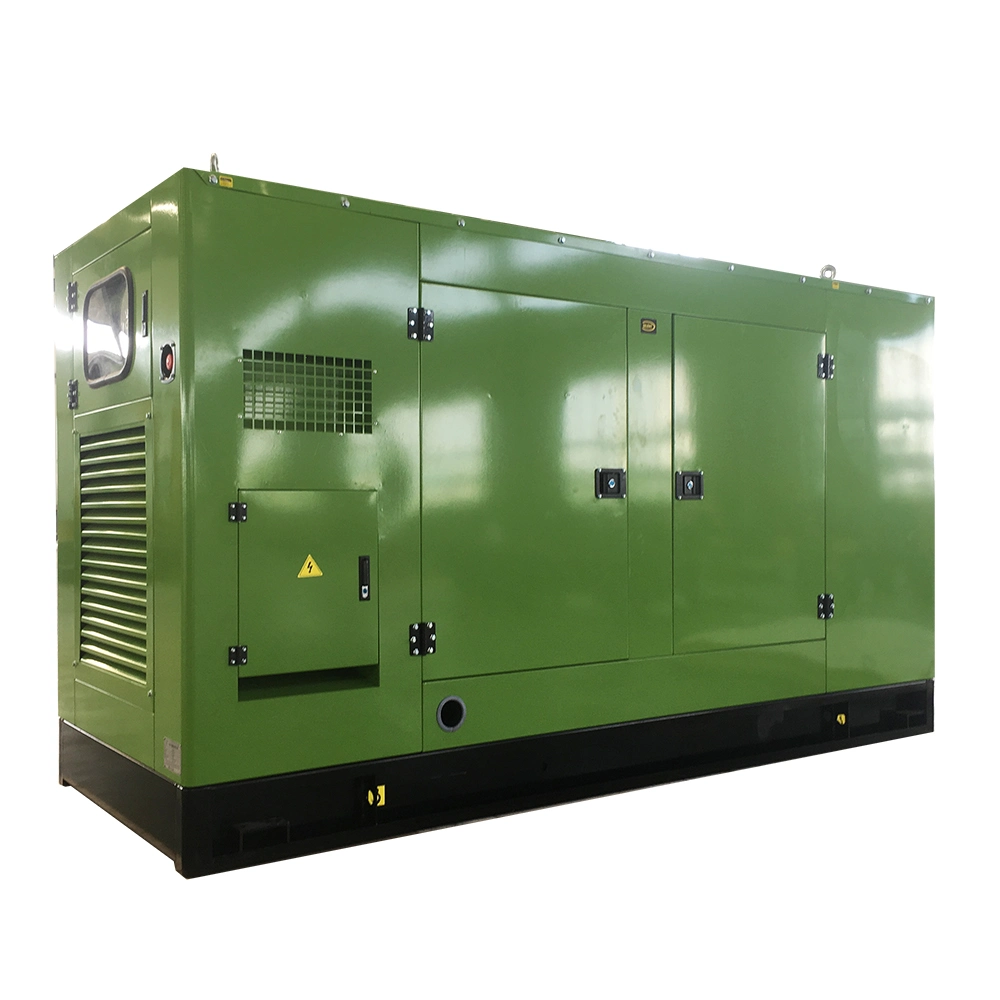
Categories
Uncategorized

Can a Wood Boiler Generate Electricity

Can a Wood Boiler Generate Electricity

Yes, it is possible for a wood boiler to generate electricity, but the process typically involves more than just the boiler itself. The most common method involves using a steam engine or a steam turbine connected to a generator. Here’s a simplified explanation of how it works:

  1. Burning Wood: The wood boiler is used to heat water, producing steam through the combustion of wood or other biomass materials.
  2. Steam Production: The generated steam is then directed to a steam engine or turbine.
  3. Mechanical Energy: As the steam flows through the engine or turbine, it causes mechanical movement.
  4. Generator: The mechanical movement is then used to turn a generator, converting the mechanical energy into electrical energy.
  5. Electricity Generation: The generator produces electricity that can be used to power electrical devices or be fed into the electrical grid.

This process is often referred to as biomass power generation. While it’s technically feasible, there are challenges and considerations such as efficiency, maintenance, and environmental impact. It’s important to note that small-scale wood boilers may not be as efficient for electricity generation compared to large-scale power plants. Additionally, there may be regulatory and environmental compliance issues to address.

Before attempting to generate electricity from a wood boiler, it’s crucial to consult with experts and ensure compliance with local regulations.

Biomass Power with a Wood Boiler

Biomass power is a sustainable and environmentally friendly method of generating electricity by harnessing energy from organic materials such as wood, crop residues, and other plant and animal matter. In the context of a wood boiler, biomass power involves the combustion of wood to produce heat, which is then used to generate steam. The steam, in turn, drives a turbine connected to a generator, ultimately converting the thermal energy from burning wood into electricity.

The process of biomass power generation is considered carbon-neutral, as the carbon dioxide released during combustion is part of the natural carbon cycle. As trees and plants grow, they absorb carbon dioxide from the atmosphere, and when they are burned for energy, the same amount of carbon dioxide is released. This contrasts with the net increase in atmospheric carbon dioxide associated with burning fossil fuels.

Biomass power offers a renewable and sustainable energy source, helping reduce dependence on non-renewable fossil fuels and mitigating the environmental impact of energy production. Additionally, it contributes to the management of organic waste by utilizing materials that might otherwise be disposed of in landfills.

By incorporating biomass power, particularly from wood boilers, into the energy mix, we can move towards a more sustainable and eco-friendly approach to electricity generation. The utilization of biomass resources not only supports the transition to cleaner energy but also promotes the responsible use of natural resources, fostering a greener and more sustainable energy future.

Wood-Fired Generator:

A wood-fired generator is a system that utilizes the energy released during the combustion of wood to generate electricity. This approach combines the benefits of renewable energy from biomass with the efficiency of electricity production. In a wood-fired generator system, a wood boiler serves as the primary heat source.

The process begins with the combustion of wood, typically in the form of logs, chips, or pellets, within the wood boiler. The heat produced from this combustion is used to raise the temperature of water, creating steam. The steam is then directed towards a steam engine or turbine, where its high-pressure flow sets the machinery in motion.

The mechanical energy generated by the steam engine or turbine is harnessed to turn a generator. As the generator spins, it converts the mechanical energy into electrical energy, producing a continuous and renewable power supply. This wood-fired generator system provides a reliable source of electricity while utilizing a sustainable fuel source, making it an environmentally friendly option.

Wood-fired generators are particularly appealing in regions with abundant wood resources, as they can contribute to local energy independence and reduce reliance on non-renewable energy sources. Additionally, the carbon dioxide emitted during the combustion of wood is offset by the carbon dioxide absorbed during the growth of the trees, making it a carbon-neutral energy production method.

In summary, a wood-fired generator represents an innovative and eco-friendly approach to electricity generation, showcasing the potential of biomass energy in promoting sustainability and reducing the environmental impact of power generation.

Steam Engine:

A steam engine is a mechanical device that transforms the energy of pressurized steam into mechanical work, and when coupled with a generator, it becomes an integral part of the process for generating electricity from a wood boiler. In the context of wood-fired power generation, the steam engine plays a crucial role in converting thermal energy from burning wood into usable electricity.

The operation of a steam engine begins with the production of steam within a wood boiler. As wood combusts, it releases energy in the form of heat, raising the temperature of water to create steam. This high-pressure steam is then directed towards the steam engine. The steam’s force is used to move pistons or turbines within the engine, initiating mechanical motion.

The mechanical movement generated by the steam engine is transferred to a generator connected to the same shaft. This connection allows the rotational energy to be converted into electrical energy by the generator. The electricity produced is then ready for distribution and use.

Steam engines have a long history and were once a dominant technology during the industrial revolution. Today, they find renewed relevance in biomass power generation systems, where the combustion of wood serves as a sustainable heat source to drive the steam engine.

While steam engines are known for their reliability and simplicity, their efficiency can be influenced by factors such as pressure levels, temperature, and the design of the engine. Advances in technology continue to enhance the performance of steam engines, making them a viable and efficient component in wood-fired electricity generation systems.

Wood Boiler Electricity:

Wood boiler electricity refers to the generation of electrical power using a wood boiler as the primary heat source. This innovative approach integrates the principles of biomass energy with electricity production, offering a sustainable and eco-friendly alternative to conventional power sources.

The process begins with the combustion of wood in the boiler, releasing energy in the form of heat. This heat is used to raise the temperature of water, ultimately producing steam. The high-pressure steam is then directed towards a steam engine or turbine. In the case of wood boiler electricity, the focus is on utilizing wood as the primary fuel for this heat production.

The steam engine or turbine, driven by the force of the steam, is connected to a generator. As the steam-induced mechanical motion turns the generator, it converts the mechanical energy into electrical energy. This electricity is then available for various applications, including powering homes, businesses, or being integrated into the electrical grid.

Wood boiler electricity is particularly attractive for areas with abundant wood resources, providing a decentralized and sustainable energy solution. It contributes to reducing dependence on non-renewable energy sources and lowers the environmental impact associated with conventional power generation.

Moreover, wood boiler electricity supports the concept of combined heat and power (CHP), where both electricity and useful heat are generated simultaneously, maximizing the efficiency of the energy conversion process. This integrated approach enhances the overall sustainability and cost-effectiveness of wood boiler electricity systems.

In summary, wood boiler electricity represents a forward-thinking and environmentally conscious method of electricity generation, highlighting the potential for biomass energy to play a significant role in the transition to cleaner and more sustainable power sources.

Renewable Energy:

Renewable energy is a crucial aspect of the global shift towards sustainable and environmentally friendly power sources. It encompasses energy derived from resources that are naturally replenished on a human timescale, such as sunlight, wind, geothermal heat, and biomass, including wood. Wood boilers play a significant role in contributing to renewable energy, particularly through the generation of heat and electricity.

In the context of renewable energy, a wood boiler serves as a biomass heating system, utilizing wood or wood-derived fuels to produce heat through combustion. This heat can be used directly for space heating, water heating, or in industrial processes. Furthermore, the energy produced in the combustion process can be harnessed to generate electricity through mechanisms like steam engines or turbines connected to generators.

Wood, as a biomass resource, is considered renewable because the carbon dioxide released during combustion is part of the natural carbon cycle. Trees absorb carbon dioxide as they grow, and when the wood is burned, it releases the same amount of carbon dioxide, creating a balanced and sustainable energy cycle. This stands in contrast to fossil fuels, where the combustion releases carbon dioxide stored underground for millions of years, contributing to climate change.

Embracing renewable energy sources, including wood boilers, not only reduces reliance on finite fossil fuels but also helps mitigate the environmental impact of energy production. As the world seeks cleaner and more sustainable energy solutions, the integration of wood boilers into renewable energy systems represents a positive step towards a greener and more sustainable future.

Cogeneration:

Cogeneration, also known as combined heat and power (CHP), is a highly efficient method of energy utilization that involves the simultaneous production of electricity and useful heat from a single energy source. Wood boilers are often integrated into cogeneration systems, making them a key component in achieving optimal energy efficiency and sustainability.

In a cogeneration system using a wood boiler, the process begins with the combustion of wood to generate heat. This heat is used for various applications, such as space heating, industrial processes, or water heating. Simultaneously, the high-pressure steam produced during the combustion process can be directed towards a steam engine or turbine.

The mechanical energy generated by the steam engine or turbine is then utilized to drive a generator, converting the mechanical energy into electricity. This electricity can be utilized on-site or fed into the electrical grid. The key distinction of cogeneration lies in its ability to maximize the utilization of the energy content in the wood, minimizing waste and improving overall efficiency.

By capturing and utilizing both the thermal energy and electricity generated from the wood boiler, cogeneration systems can achieve efficiency levels significantly higher than traditional separate production of heat and power. This integrated approach not only enhances energy efficiency but also reduces greenhouse gas emissions compared to conventional energy production methods.

Cogeneration, with the incorporation of wood boilers, stands as a sustainable and economically viable solution, particularly in settings where there is a simultaneous demand for both heat and electricity. This approach represents a harmonious integration of biomass energy into the broader framework of efficient and environmentally conscious energy production.

Biomass Combustion:

Biomass combustion is a process in which organic materials, such as wood, agricultural residues, or dedicated energy crops, are burned to release energy. This energy can be harnessed for various purposes, including heat production and electricity generation. Wood boilers are integral to biomass combustion systems, playing a central role in converting the stored energy in wood into usable heat and power.

In the context of wood boilers, biomass combustion begins with the introduction of wood fuel into the combustion chamber. The combustion process involves the chemical reaction between the wood and oxygen, resulting in the release of heat, light, and various combustion byproducts, including carbon dioxide and water vapor.

The generated heat is then used to raise the temperature of water, producing steam. This steam can be directed towards a steam engine or turbine, where its high-pressure flow initiates mechanical movement. The mechanical energy generated is further converted into electricity by a connected generator.

Biomass combustion is considered carbon-neutral, as the carbon dioxide released during the burning of wood is part of the natural carbon cycle. Trees absorb carbon dioxide from the atmosphere as they grow, and when the wood is burned, it releases the same amount of carbon dioxide. This contrasts with fossil fuels, where carbon dioxide is released from carbon sources that have been sequestered for millions of years, contributing to a net increase in atmospheric carbon dioxide levels.

Embracing biomass combustion, particularly through wood boilers, supports the utilization of renewable resources for energy production. It provides a sustainable alternative to traditional fossil fuels, helping to reduce greenhouse gas emissions and mitigate the environmental impact of energy generation.

Steam Turbine:

A steam turbine is a mechanical device that extracts energy from pressurized steam and converts it into rotational motion, which can then be used to generate electricity. In the context of wood boilers, steam turbines play a crucial role in the process of converting the thermal energy released from burning wood into electrical power.

The operation of a steam turbine begins with the production of steam within a wood boiler. As wood combusts, it releases energy in the form of heat, raising the temperature of water to produce steam. This high-pressure steam is then directed towards the steam turbine. The steam’s force causes the blades of the turbine to rotate, generating mechanical motion.

The rotational energy produced by the steam turbine is connected to a generator, typically through a shaft. This connection allows the generator to convert the mechanical energy into electrical energy. The electricity generated can then be utilized locally or transmitted into the electrical grid for broader distribution.

Steam turbines are known for their efficiency in converting thermal energy into mechanical and electrical energy. They are widely used in various power generation applications, including those involving renewable energy sources like biomass. The scalability of steam turbines makes them suitable for both small-scale and large-scale wood boiler electricity generation systems.

The integration of steam turbines in wood boiler setups highlights the adaptability and versatility of these systems in harnessing the potential of biomass for sustainable power generation. As the demand for clean and renewable energy solutions continues to grow, steam turbines remain a key component in efficiently converting the energy from wood combustion into valuable electricity.

Wood Energy:

Wood energy refers to the utilization of wood as a renewable and sustainable source of heat and power. In the context of wood boilers, wood energy plays a vital role in providing an eco-friendly alternative to conventional fossil fuels for residential, commercial, and industrial applications.

Wood energy is derived from the combustion of wood in specialized appliances like wood boilers. These boilers are designed to efficiently burn wood logs, chips, pellets, or other biomass materials, releasing heat in the process. This heat can be harnessed for space heating, water heating, or industrial processes, contributing to the overall energy needs of a given system.

Wood energy systems often integrate advanced combustion technologies, such as gasification or pyrolysis, to enhance efficiency and minimize emissions. Gasification, for example, involves the partial combustion of wood to produce a combustible gas, which can be used for heat or power generation.

Wood energy is not limited to direct heat applications; it also serves as a valuable resource for electricity generation. Wood boilers, when coupled with steam engines, turbines, or other power generation technologies, enable the conversion of wood energy into electricity, supporting a more diversified and sustainable energy portfolio.

The use of wood energy promotes forest management practices, as responsible harvesting and replanting ensure a continuous and sustainable supply of wood resources. Furthermore, the carbon dioxide released during wood combustion is part of a closed carbon cycle, making wood energy a carbon-neutral option when managed sustainably.

In summary, wood energy represents a versatile and renewable solution, offering a pathway towards a greener and more sustainable energy future by harnessing the inherent energy stored in wood for both heat and electricity generation.

Power Generation from Wood:

Power generation from wood involves the conversion of the energy stored in wood biomass into electrical power. This process typically utilizes wood boilers as a primary component in the overall system. The goal is to efficiently extract energy from wood through combustion and subsequently convert it into electricity for various applications.

The process begins with the combustion of wood within a specialized boiler. The heat generated from the burning wood is used to produce steam. This high-pressure steam is then directed towards a device such as a steam engine or turbine. These mechanical components are crucial for converting the thermal energy from wood combustion into mechanical motion.

As the steam engine or turbine moves, it is connected to a generator. The rotational motion is transferred to the generator, where it is converted into electrical energy. This electricity can be used on-site for powering homes, businesses, or industrial processes, or it can be fed into the electrical grid for broader distribution.

Power generation from wood is considered a sustainable and renewable energy option. Wood is a biomass resource that can be sourced responsibly through managed forestry practices, ensuring a continuous and sustainable fuel supply. Additionally, the carbon dioxide released during wood combustion is part of the natural carbon cycle, making it a carbon-neutral energy source when managed properly.

This approach to power generation aligns with the global movement towards cleaner and more sustainable energy solutions, contributing to the reduction of greenhouse gas emissions and decreasing dependence on non-renewable resources. Power generation from wood stands as a tangible example of harnessing the potential of biomass to create a more environmentally friendly and resilient energy infrastructure.

Sustainable Electricity:

Sustainable electricity refers to the generation of electrical power using methods that have a minimal impact on the environment and contribute to long-term ecological balance. Wood boilers, as part of biomass power generation systems, play a significant role in achieving sustainable electricity by utilizing renewable resources and adopting environmentally friendly practices.

In the context of wood boilers, sustainable electricity generation begins with the combustion of wood biomass. Wood, as a renewable resource, can be harvested responsibly, and its use for energy production supports sustainable forestry practices. During combustion, the released heat is used to produce steam, which is then directed towards a steam engine or turbine.

The mechanical energy generated by the steam engine or turbine is connected to a generator, converting the rotational motion into electrical energy. What makes the process sustainable is the closed carbon cycle associated with biomass combustion. As trees grow, they absorb carbon dioxide from the atmosphere. When wood is burned for electricity generation, it releases the stored carbon back into the atmosphere. This cycle maintains a balance and does not contribute to a net increase in atmospheric carbon dioxide.

Sustainable electricity from wood offers a decentralized and versatile energy solution, particularly in areas with abundant wood resources. It contributes to reducing dependence on fossil fuels, mitigates greenhouse gas emissions, and promotes the responsible use of biomass as a clean and renewable energy source.

Embracing sustainable electricity from wood aligns with the broader global efforts to transition towards cleaner energy alternatives, fostering a more resilient and environmentally conscious energy landscape for current and future generations.

Biomass Boiler:

A biomass boiler is a specialized heating system designed to efficiently combust organic materials, such as wood, agricultural residues, or other biomass feedstocks, to produce heat for space heating, water heating, or industrial processes. Biomass boilers are versatile and play a crucial role in sustainable energy production by utilizing renewable resources.

In the case of wood biomass, a biomass boiler is equipped to burn wood logs, chips, or pellets. The combustion process releases heat, which is used to raise the temperature of water, producing steam. This steam can be directed towards various applications, including powering steam engines, turbines, or for direct heating purposes.

The efficiency of biomass boilers can be enhanced through advanced technologies like gasification, where the biomass is partially combusted to produce a combustible gas that can be used for heat or power generation. Additionally, modern biomass boilers often incorporate automated feeding and control systems to optimize combustion and improve overall efficiency.

Biomass boilers contribute to the reduction of greenhouse gas emissions by providing a sustainable alternative to fossil fuels. The carbon dioxide released during biomass combustion is offset by the carbon dioxide absorbed by the plants during their growth, resulting in a closed carbon cycle.

The integration of biomass boilers into energy systems supports the broader goals of renewable energy adoption, reducing dependence on non-renewable resources, and promoting environmentally friendly alternatives. Biomass boilers, particularly those designed for wood combustion, exemplify the practical application of biomass energy for both heat and power generation in a sustainable and eco-friendly manner.

Wood Gasification:

Wood gasification is an advanced biomass conversion process that involves the partial combustion of wood to produce a combustible gas known as “wood gas” or “syngas.” This gas can be used as a clean and efficient fuel for various applications, including heat production and electricity generation. Wood gasification technology represents a more sophisticated and environmentally friendly approach to utilizing wood as a renewable energy source.

In a wood gasification process, wood is subjected to high temperatures in a low-oxygen environment. This thermochemical reaction results in the breakdown of the wood into its constituent gases, primarily carbon monoxide, hydrogen, and methane. The absence of oxygen during gasification helps prevent the formation of pollutants commonly associated with traditional combustion.

The produced wood gas can be utilized in different ways. It can be burned directly for heat, used as a fuel in internal combustion engines for power generation, or further processed to separate and enhance specific components. In the context of wood boilers, the wood gas can be directed towards combustion chambers or engines designed to convert the thermal energy into usable power.

Wood gasification offers several advantages, including higher efficiency compared to traditional combustion methods, reduced emissions, and increased versatility in fuel utilization. The technology allows for the extraction of energy from wood with minimal environmental impact, contributing to sustainable energy practices.

By incorporating wood gasification into biomass power generation systems, including wood boilers, we can enhance the overall efficiency and environmental performance of utilizing wood as a renewable energy resource. This technology exemplifies the ongoing innovation in the field of biomass energy, showcasing a cleaner and more advanced approach to harnessing the energy stored in wood.

Electricity from Biomass:

Electricity from biomass, including wood, is a sustainable and environmentally friendly approach to power generation. Biomass electricity production involves the conversion of organic materials into electrical energy, often using wood boilers as a key component in the process.

In the context of electricity from wood, the process typically begins with the combustion of wood in a specialized biomass boiler. The heat produced from burning wood is then used to generate steam. This high-pressure steam is directed towards a steam engine or turbine.

The mechanical energy generated by the steam engine or turbine is then connected to a generator. As the steam-induced mechanical motion turns the generator, it converts the mechanical energy into electrical energy. This electricity can be used on-site to power homes, businesses, or industrial processes, or it can be integrated into the electrical grid for wider distribution.

Electricity from biomass, particularly wood, is considered a renewable and carbon-neutral energy source. During the growth of trees, they absorb carbon dioxide from the atmosphere. When wood is burned for electricity generation, the carbon dioxide released is roughly equal to the amount previously absorbed by the trees, resulting in a closed carbon cycle.

This method of electricity generation aligns with sustainable energy practices, reducing reliance on fossil fuels and mitigating greenhouse gas emissions. Electricity from wood represents a tangible and scalable solution for communities seeking clean and renewable alternatives in their pursuit of a more sustainable and resilient energy future.

Combined Heat and Power (CHP):

Combined Heat and Power (CHP), also known as cogeneration, is a highly efficient energy production process that involves the simultaneous generation of electricity and useful heat from a single energy source. Wood boilers are frequently integrated into CHP systems, providing a sustainable and versatile solution for meeting both electrical and thermal energy needs.

In a CHP system using a wood boiler, the process starts with the combustion of wood to produce heat. This heat serves multiple purposes, such as space heating, water heating, or industrial processes. Simultaneously, the high-pressure steam generated during the combustion process is directed towards a steam engine or turbine.

The mechanical energy generated by the steam engine or turbine is then coupled to a generator, converting the rotational motion into electrical energy. This electricity can be utilized on-site or fed into the electrical grid. The key distinction of CHP lies in its ability to maximize the utilization of the energy content in the wood, as both electricity and useful heat are generated simultaneously.

CHP systems using wood boilers excel in energy efficiency compared to separate generation of heat and power. They enhance overall system efficiency by capturing and utilizing the waste heat that would otherwise be lost in conventional power plants. This integrated approach reduces greenhouse gas emissions and optimizes the utilization of renewable resources.

By implementing CHP with wood boilers, communities and industries can achieve a more sustainable and cost-effective energy solution. This technology provides a resilient and decentralized energy source, contributing to the transition towards cleaner and more efficient energy systems while meeting the diverse energy demands of a given system.

Steam Turbines

Steam Turbines
Steam Turbines

Steam turbines are a fundamental component of modern power generation and various industrial processes. They convert thermal energy from steam into mechanical energy, which can then be used to generate electricity or drive machinery. The concept of harnessing steam power dates back to ancient times, with early attempts to use steam for mechanical purposes seen in the aeolipile, a simple steam-powered device invented by Hero of Alexandria in the 1st century AD. However, it wasn’t until the 19th century that steam turbines, as we know them today, began to take shape.

The breakthrough in steam turbine technology came in the late 19th century with the work of Sir Charles Parsons and Gustaf de Laval. Sir Charles Parsons is often credited with inventing the modern steam turbine in 1884, when he developed a prototype capable of driving an electrical generator. This invention marked a significant leap in efficiency compared to earlier steam engines. Parsons’ steam turbine quickly became the preferred method for generating electricity, and its design principles are still used in modern turbines.

Gustaf de Laval, a Swedish engineer, made significant contributions to the development of steam turbines, particularly in high-speed turbines. His work in the 1880s and 1890s led to the creation of impulse turbines, which use the kinetic energy of steam to drive the turbine blades. These developments laid the foundation for the widespread adoption of steam turbines in various industries.

Importance in Modern Industry

Today, steam turbines play a crucial role in the global energy landscape. They are used in thermal power plants to generate a significant portion of the world’s electricity. In a typical thermal power plant, steam is produced by burning fossil fuels such as coal, natural gas, or oil, or by utilizing nuclear energy. The steam is then directed into the turbine, where it expands and drives the turbine blades, converting thermal energy into mechanical energy. This mechanical energy is then used to rotate an electrical generator, producing electricity.

Steam turbines are also integral to various industrial processes. They are used in the petrochemical industry to drive compressors and pumps, in the steel industry for mechanical drives, and in the paper industry to generate electricity and drive machinery. Additionally, steam turbines are employed in marine propulsion systems, particularly in large vessels like aircraft carriers and submarines, where their reliability and efficiency are highly valued.

The versatility and efficiency of steam turbines make them indispensable in both traditional and modern energy systems. They are compatible with a wide range of energy sources, including fossil fuels, nuclear power, and renewable sources such as biomass, geothermal, and concentrated solar power. This adaptability ensures that steam turbines will continue to play a vital role in the global energy mix as the world transitions towards more sustainable energy solutions.

Fundamentals of Steam Turbines

Basic Principles of Operation

Basic Principles

At the core of a steam turbine’s operation is the conversion of thermal energy from steam into mechanical energy. This process is grounded in the principles of thermodynamics, specifically the Rankine cycle, which is the fundamental thermodynamic cycle used in steam turbine operations.

In simple terms, the Rankine cycle involves four main processes:

  1. Heat Addition: In a boiler, water is heated at constant pressure, transforming it into steam. This high-pressure steam contains a significant amount of thermal energy.
  2. Expansion: The high-energy steam is directed into the turbine, where it expands. As the steam expands, its pressure and temperature drop, and it imparts kinetic energy to the turbine blades, causing them to rotate. This rotational energy is then transferred to a shaft connected to an electrical generator or mechanical equipment.
  3. Condensation: After passing through the turbine, the steam is exhausted into a condenser, where it is cooled and condensed back into water.
  4. Pumping: The condensed water is then pumped back to the boiler to begin the cycle again.

The efficiency of a steam turbine is determined by how effectively it converts the thermal energy in the steam into mechanical energy. Factors such as steam pressure, temperature, and the design of the turbine blades play crucial roles in determining this efficiency.

Key Components

Steam turbines consist of several critical components, each playing a specific role in the turbine’s operation:

  • Rotor: The rotor is the rotating part of the turbine and consists of a shaft and attached blades. As steam passes through the turbine, it causes the rotor to spin, converting thermal energy into mechanical energy.
  • Stator: The stator is the stationary part of the turbine that surrounds the rotor. It contains fixed blades that direct the flow of steam onto the rotor blades in an efficient manner.
  • Casing: The casing encases the entire turbine, providing structural support and containing the steam within the turbine. It also protects the internal components from external elements.
  • Blades: The turbine blades are crucial for the conversion of energy. There are two main types of blades: fixed blades (attached to the stator) and moving blades (attached to the rotor). The design and arrangement of these blades are critical for the efficient operation of the turbine.
  • Steam Supply System: This system includes the pipes, valves, and other components that deliver steam to the turbine at the required pressure and temperature. It also controls the flow of steam into the turbine.
  • Condenser: The condenser cools the exhaust steam from the turbine, converting it back into water to be reused in the cycle. It is typically a heat exchanger that removes the latent heat of vaporization from the steam.
  • Governor: The governor is a control mechanism that regulates the turbine’s speed by adjusting the steam flow. It ensures that the turbine operates at the desired speed and can respond to changes in load demand.

Types of Steam Turbines

Steam turbines are classified based on their design, method of steam expansion, and application. The main types include:

  1. Impulse Turbines: In impulse turbines, high-pressure steam is directed onto the turbine blades through nozzles. The steam jets strike the blades, causing them to move, but the steam pressure remains constant as it passes over the blades. The rotor’s motion is purely due to the impulse force from the steam. Impulse turbines are often used in high-speed applications and are suitable for driving generators in power plants.
  2. Reaction Turbines: Unlike impulse turbines, reaction turbines utilize both the impulse of steam and the reaction force generated as steam expands and accelerates through the moving blades. The steam pressure drops as it passes through the blades, and this pressure drop is what drives the rotor. Reaction turbines are commonly used in lower-speed applications and are often found in industrial settings.
  3. Condensing Turbines: These turbines are designed to exhaust steam at a lower pressure, usually into a condenser, where the steam is condensed into water. Condensing turbines are widely used in power generation, where maximum efficiency is required.
  4. Non-Condensing Turbines: Also known as back-pressure turbines, these turbines exhaust steam at a pressure higher than atmospheric pressure. The exhaust steam can be used for heating or other industrial processes. Non-condensing turbines are commonly used in cogeneration systems where both electricity and process steam are needed.
  5. Extraction Turbines: Extraction turbines are designed to extract steam at one or more points along the turbine for industrial processes or heating. The remaining steam continues through the turbine for power generation. These turbines provide flexibility in applications where steam at different pressures is required.
  6. Reheat Turbines: In reheat turbines, steam is expanded through a high-pressure stage of the turbine, reheated in the boiler, and then expanded further in a lower-pressure stage. Reheating improves the efficiency of the cycle and reduces the moisture content of the steam, which can help to reduce blade erosion.
  7. Industrial Turbines: These are designed for specific industrial applications, such as driving compressors, pumps, or fans. Industrial turbines can be either impulse or reaction types, depending on the specific application requirements.
  8. Marine Turbines: Used in naval vessels and large commercial ships, marine turbines are designed to be highly reliable and capable of operating under the challenging conditions at sea. They are typically reaction turbines and are designed to drive propellers or generators for propulsion.

Thermodynamics and Fluid Mechanics

Challenges and Limitations

Thermodynamic Cycles

The operation of steam turbines is fundamentally based on thermodynamic cycles, with the Rankine cycle being the most important for understanding how these machines work. The Rankine cycle, named after William John Macquorn Rankine, is a closed-loop cycle that converts heat into work, making it the backbone of steam turbine operations in power plants and industrial settings.

  1. The Rankine Cycle: The Rankine cycle consists of four main processes:
    • Isentropic Compression: The working fluid (water) is pumped from a low pressure to a high pressure. This process requires work input, typically provided by a pump.
    • Isobaric Heat Addition: The high-pressure water is heated in a boiler at constant pressure, turning it into high-pressure steam.
    • Isentropic Expansion: The high-pressure steam is expanded in the turbine, doing work by turning the turbine’s rotor. As the steam expands, its pressure and temperature drop.
    • Isobaric Heat Rejection: The expanded steam is condensed at constant pressure back into water, completing the cycle.
    The efficiency of the Rankine cycle can be improved by various methods, including reheating and regenerative feedwater heating.
  2. Reheat Cycle: In a reheat cycle, steam is expanded in a high-pressure turbine, reheated in the boiler, and then expanded again in a low-pressure turbine. This process increases the thermal efficiency of the cycle by allowing the steam to expand through a greater pressure range, reducing the moisture content at the turbine’s exhaust, which in turn minimizes turbine blade erosion.
  3. Regenerative Cycle: The regenerative cycle improves efficiency by preheating the feedwater entering the boiler using steam extracted from various stages of the turbine. This reduces the amount of fuel needed to heat the water to the desired temperature, thereby improving overall efficiency.
  4. Combined Cycle: The combined cycle is a modern approach that combines a gas turbine cycle with a steam turbine cycle. The exhaust gases from the gas turbine are used to generate steam in a heat recovery steam generator (HRSG), which then powers a steam turbine. This setup allows for very high overall efficiency, often exceeding 60%.

Fluid Dynamics in Steam Turbines

Fluid dynamics plays a crucial role in the operation of steam turbines, as the efficient conversion of steam energy into mechanical work depends on the controlled flow of steam through the turbine.

  1. Steam Flow and Velocity Triangles: The flow of steam through a turbine is characterized by velocity triangles, which are geometric representations of the velocity of steam relative to the blades of the turbine. These triangles help in analyzing the energy conversion process as the steam flows through both the stationary (stator) and moving (rotor) blades.
    • Absolute Velocity: This is the velocity of the steam relative to the stationary components of the turbine.
    • Relative Velocity: This is the velocity of the steam relative to the moving blades of the rotor.
    • Blade Velocity: The velocity at which the turbine blades move.
    The efficiency of the turbine depends on how well these velocities are optimized to maximize energy transfer from the steam to the rotor.
  2. Impulse and Reaction Principles: Steam turbines operate on either impulse or reaction principles, or a combination of both.
    • Impulse Turbines: In impulse turbines, steam is expanded through nozzles, converting its pressure energy into kinetic energy before it hits the rotor blades. The rotor blades are designed to absorb this kinetic energy, causing the rotor to spin.
    • Reaction Turbines: In reaction turbines, the steam undergoes a pressure drop as it passes through the rotor blades, which are shaped to act as nozzles. The pressure drop results in a reactive force that turns the rotor. This principle is similar to how a jet engine works.
    The choice between impulse and reaction designs depends on the specific application, with many turbines incorporating both principles in different stages.
  3. Expansion and Losses: As steam expands through the turbine, it loses energy due to several factors, including friction, heat losses, and mechanical losses. These losses reduce the overall efficiency of the turbine. Understanding and minimizing these losses is crucial for optimizing turbine performance.
    • Frictional Losses: Occur due to the friction between steam and the turbine blades and internal surfaces.
    • Heat Losses: Result from the heat exchange between steam and the turbine casing or the environment.
    • Mechanical Losses: Include losses in bearings, seals, and other mechanical components of the turbine.
    Advanced materials and coatings, as well as precise manufacturing techniques, are used to minimize these losses.

Heat Transfer Mechanisms

Heat transfer is a critical aspect of steam turbine operation, influencing both efficiency and performance. The primary heat transfer mechanisms involved are conduction, convection, and radiation.

  1. Conduction: Conduction is the transfer of heat through a solid material, such as the turbine casing or blades. In steam turbines, conduction occurs when heat flows through the metal components from the high-temperature steam to cooler regions. The thermal conductivity of the materials used in turbine construction is an important factor, as it affects the rate of heat transfer and the temperature distribution within the turbine.
  2. Convection: Convection is the transfer of heat between a solid surface and a fluid, in this case, steam. It occurs when steam flows over the turbine blades and heat is transferred from the steam to the blade material. The efficiency of this process is influenced by factors such as steam velocity, turbulence, and the surface roughness of the blades.
    • Forced Convection: In steam turbines, forced convection occurs as steam is forced through the turbine at high velocities. The design of the turbine blades and the flow paths are optimized to enhance heat transfer through forced convection.
    • Natural Convection: Natural convection plays a lesser role in steam turbines but can occur in areas where steam or air is stagnant. Managing natural convection is important in turbine cooling and in maintaining structural integrity.
  3. Radiation: Radiation is the transfer of heat through electromagnetic waves. In steam turbines, radiation heat transfer is typically less significant than conduction and convection but can become important at very high temperatures, such as those found in the superheater sections of a boiler or in high-temperature turbines.
    • Thermal Radiation: The turbine components emit thermal radiation based on their temperature. This radiation can contribute to heat losses if not properly managed through insulation and other thermal management techniques.
    Effective thermal management in steam turbines involves a careful balance of these heat transfer mechanisms to maintain optimal operating temperatures and to prevent overheating of components, which can lead to reduced efficiency or even failure.

Design and Manufacturing of Steam Turbines

Recent Technological Advancements

Design Process

Designing a steam turbine is a complex process that requires a deep understanding of thermodynamics, fluid mechanics, materials science, and mechanical engineering. The primary goals in designing a steam turbine are to maximize efficiency, ensure reliability, and meet the specific operational requirements of the application.

  1. Thermodynamic Efficiency: The design begins with thermodynamic calculations to determine the optimal operating conditions, such as steam pressure, temperature, and flow rate. Engineers use these calculations to design the turbine stages, ensuring that each stage extracts the maximum possible energy from the steam.
  2. Blade Design: The design of the turbine blades is crucial for efficiency and reliability. Blades must be aerodynamically optimized to maximize energy extraction while minimizing losses due to friction, turbulence, and separation. The shape, angle, and length of the blades are carefully calculated, often using computational fluid dynamics (CFD) simulations to model the flow of steam through the turbine.
  3. Material Selection: The materials used in turbine construction must withstand high temperatures, pressures, and mechanical stresses. Material selection is driven by the need for strength, durability, resistance to corrosion and erosion, and the ability to maintain performance under thermal cycling. Common materials include high-strength alloys, stainless steel, and nickel-based superalloys.
  4. Cooling and Heat Management: In high-temperature turbines, especially those used in power generation, cooling is a critical design consideration. Blades and other components are often internally cooled using air or steam to prevent overheating and maintain structural integrity. Advanced cooling designs, such as film cooling or transpiration cooling, may be used in particularly demanding applications.
  5. Rotor Dynamics and Balancing: The rotor is a critical component that must be carefully designed to ensure smooth and reliable operation. Engineers must account for rotor dynamics, including the natural frequencies of the rotor, to avoid resonance that could lead to mechanical failure. Additionally, the rotor must be precisely balanced to prevent excessive vibrations, which can cause wear and tear on bearings and other components.
  6. Sealing and Clearance Control: Minimizing steam leakage between different stages of the turbine is essential for maintaining efficiency. Engineers design precise seals and control clearances between rotating and stationary parts to reduce losses. Advanced sealing techniques, such as labyrinth seals and brush seals, are often used.
  7. Mechanical Integrity and Safety: The design must ensure that the turbine can operate safely under all expected conditions, including start-up, shutdown, and emergency situations. This involves designing for mechanical integrity, with components capable of withstanding high mechanical loads, thermal stresses, and the effects of transient conditions such as pressure surges or steam hammer.
  8. Modularity and Scalability: Modern steam turbines are often designed with modularity in mind, allowing for scalability and customization to meet different power outputs or industrial requirements. This modular approach also facilitates maintenance and component replacement.

Materials Used

The materials used in the construction of steam turbines are chosen for their ability to withstand the extreme conditions present during operation, such as high temperatures, pressures, and mechanical stresses. The selection of materials is crucial for ensuring the turbine’s performance, longevity, and safety.

  1. High-Strength Alloys: High-strength alloys, such as chromium-molybdenum steel, are commonly used for turbine rotors, casings, and other critical components. These alloys offer a good balance of strength, toughness, and resistance to thermal fatigue.
  2. Nickel-Based Superalloys: Nickel-based superalloys are frequently used in high-temperature sections of the turbine, such as the blades and vanes in the high-pressure stages. These superalloys are specifically designed to maintain their mechanical properties at elevated temperatures, making them ideal for use in environments where temperatures can exceed 1000°C.
  3. Stainless Steel: Stainless steel is used for components that require excellent corrosion resistance, such as parts exposed to wet steam or aggressive industrial environments. Austenitic stainless steels, in particular, are favored for their high-temperature performance and resistance to oxidation.
  4. Ceramic Coatings: To further enhance the high-temperature performance of turbine blades, ceramic coatings are often applied. These coatings provide a thermal barrier, reducing the amount of heat transferred to the underlying metal, which helps to protect against thermal degradation and extends the life of the blades.
  5. Titanium Alloys: Titanium alloys are sometimes used in low-pressure turbine blades due to their high strength-to-weight ratio and resistance to corrosion. Their lower density compared to steel or nickel-based alloys makes them advantageous in applications where weight savings are critical.
  6. Creep-Resistant Materials: Creep, the tendency of materials to deform permanently under constant stress at high temperatures, is a significant concern in steam turbines. Creep-resistant materials, such as advanced ferritic steels, are used

Manufacturing Techniques

Steam Turbine Bearings

The manufacturing of steam turbines involves a series of highly specialized processes that ensure the precise fabrication and assembly of components capable of withstanding extreme operational conditions. The techniques used vary depending on the size, complexity, and specific requirements of the turbine.

  1. Casting: Many components of steam turbines, particularly the rotor and casing, are produced using casting techniques. Casting involves pouring molten metal into a mold shaped like the final part. Once the metal solidifies, the mold is removed, leaving behind a rough component that is further refined. Investment casting and sand casting are common methods used for creating intricate parts like blades, where precision and material integrity are crucial.
  2. Forging: Forging is another critical manufacturing process used to create strong, high-integrity components such as rotors and discs. In forging, a metal workpiece is heated and then shaped under high pressure, which aligns the metal’s grain structure, resulting in enhanced mechanical properties. Forged components are typically stronger and more resistant to fatigue and creep than cast parts, making them ideal for high-stress areas of the turbine.
  3. Machining: After casting or forging, most turbine components undergo machining to achieve the necessary dimensions, surface finishes, and tolerances. Machining processes include milling, turning, drilling, and grinding. Computer numerical control (CNC) machines are often used to ensure high precision and repeatability, especially for components like blades, where aerodynamic properties are critical.
  4. Heat Treatment: Heat treatment processes, such as annealing, quenching, and tempering, are used to enhance the mechanical properties of turbine components. These processes alter the microstructure of the metal, improving its strength, toughness, and resistance to wear and thermal fatigue. For instance, heat treatment is crucial for blades that must maintain their integrity at high operating temperatures.
  5. Surface Treatments and Coatings: To protect against corrosion, erosion, and high-temperature oxidation, turbine components often undergo surface treatments and coatings. Techniques such as thermal spraying, chemical vapor deposition (CVD), and physical vapor deposition (PVD) are used to apply protective coatings. Ceramic coatings, as mentioned earlier, are commonly applied to blades to provide thermal insulation and reduce heat transfer.
  6. Welding and Joining: Welding is a critical process in the assembly of steam turbines, particularly for joining large sections of the casing or connecting blades to the rotor. Advanced welding techniques, such as electron beam welding and laser welding, are used to create high-strength joints with minimal defects. These techniques are especially important for maintaining the structural integrity of the turbine under high-pressure and high-temperature conditions.
  7. Balancing and Assembly: Once all the components are manufactured, they are carefully assembled. The rotor, which is one of the most critical components, must be precisely balanced to ensure smooth operation at high speeds. Balancing involves adjusting the distribution of mass around the rotor’s axis to minimize vibrations. This is typically done using specialized balancing machines that measure and correct any imbalance.
  8. Quality Control and Testing: Quality control is paramount in steam turbine manufacturing. Each component undergoes rigorous inspection and testing to ensure it meets the required specifications. Non-destructive testing (NDT) methods, such as ultrasonic testing, radiography, and dye penetrant inspection, are used to detect any internal or surface defects. The assembled turbine is also subjected to performance testing, where it is run under controlled conditions to verify its efficiency, output, and operational stability.
  9. Final Assembly and Installation: After passing all tests, the turbine is finally assembled and prepared for shipment to its installation site. Installation requires precise alignment and calibration to ensure that the turbine operates correctly within its intended system, whether it’s a power plant, industrial facility, or marine vessel. The installation process includes integrating the turbine with the steam supply, electrical systems, and other necessary infrastructure.

Operation and Maintenance

Steam Turbine Technology for Electricity Generation

Operating Conditions

Steam turbines operate under demanding conditions, where factors such as temperature, pressure, steam quality, and load variations can significantly impact their performance and longevity. Understanding these conditions is essential for optimizing turbine operation and ensuring reliable performance.

  1. Temperature and Pressure: Steam turbines are designed to operate at high temperatures and pressures. In typical power generation applications, steam enters the turbine at temperatures ranging from 500°C to 600°C and pressures up to 30 MPa (megapascals). These extreme conditions enable the turbine to extract maximum energy from the steam, but they also impose significant thermal and mechanical stresses on the components.
  2. Steam Quality: The quality of the steam entering the turbine is critical for efficient operation. Ideally, the steam should be dry and superheated to prevent condensation inside the turbine, which can lead to erosion of the blades and reduced efficiency. However, in some applications, such as nuclear power plants, saturated steam may be used, requiring careful design and operation to manage the associated risks.
  3. Load Variations: Steam turbines often operate under varying loads, depending on the demand for electricity or the specific requirements of the industrial process they are powering. The ability to quickly and efficiently respond to load changes is crucial for maintaining stable operation. Turbines must be capable of ramping up or down without excessive wear or risk of damage.
  4. Startup and Shutdown Procedures: The processes of starting up and shutting down a steam turbine are critical periods that require careful control. During startup, the turbine components must be gradually brought up to operating temperature to avoid thermal shocks, which can cause cracking or deformation. Similarly, shutdown procedures involve slowly cooling the turbine to prevent damage.
  5. Control Systems: Modern steam turbines are equipped with sophisticated control systems that manage various operational parameters, such as steam flow, temperature, pressure, and rotational speed. These systems ensure that the turbine operates within its design limits and responds appropriately to changes in load or other operating conditions.

Maintenance Practices

Regular maintenance is essential to ensure the long-term reliability and efficiency of steam turbines. Maintenance practices are typically divided into preventive, predictive, and corrective maintenance.

  1. Preventive Maintenance: Preventive maintenance involves routine inspections and servicing of the turbine to prevent potential issues from arising. This includes tasks such as:
    • Lubrication: Regular lubrication of bearings and other moving parts to reduce friction and wear.
    • Inspection of Blades and Seals: Checking for signs of wear, erosion, or corrosion on turbine blades and seals.
    • Cleaning: Removing deposits or scale from turbine components to maintain optimal performance.
    • Calibration: Ensuring that control systems and sensors are accurately calibrated to prevent operational errors.
  2. Predictive Maintenance: Predictive maintenance uses condition monitoring techniques to predict when maintenance is needed before a failure occurs. This approach allows for maintenance to be scheduled based on the actual condition of the turbine rather than on a fixed schedule. Key techniques include:
    • Vibration Analysis: Monitoring the vibrations of the turbine to detect imbalances, misalignment, or bearing issues.
    • Thermography: Using infrared cameras to detect hotspots or uneven temperature distributions that may indicate a problem.
    • Oil Analysis: Analyzing the lubrication oil for signs of contamination, wear particles, or chemical degradation.
  3. Corrective Maintenance: When a component fails or a problem is detected, corrective maintenance is performed to repair or replace the affected parts. This type of maintenance can involve:
    • Blade Replacement: Replacing damaged or worn blades to restore turbine efficiency and prevent further damage.
    • Seal Repair or Replacement: Addressing issues with seals that may cause steam leakage or reduced efficiency.
    • Bearing Replacement: Replacing worn or damaged bearings to prevent rotor imbalance and excessive vibrations.
  4. Outage Planning: Steam turbines typically undergo scheduled outages for extensive inspections, repairs, and overhauls. These outages are carefully planned to minimize downtime and ensure that the turbine is returned to service in optimal condition. During an outage, the turbine may be disassembled, with major components like the rotor, blades, and casing inspected and refurbished as necessary.

Common Issues and Solutions

Steam turbines, despite their robust design, can encounter various issues during operation. Identifying and addressing these issues promptly is key to maintaining reliable performance.

  1. Blade Fouling and Erosion: Fouling occurs when deposits form on the turbine blades, often as a result of impurities in the steam. Erosion, on the other hand, is caused by high-velocity steam or water droplets impinging on the blades, gradually wearing away the material. These issues can lead to reduced efficiency and, if left unchecked, can cause serious damage.
    • Solution: Regular cleaning and maintenance can prevent fouling, while erosion-resistant coatings can extend blade life. Additionally, improving the quality of the steam entering the turbine can reduce the risk of these problems.
  2. Vibration and Rotor Imbalance: Excessive vibration is a common issue in steam turbines and can be caused by rotor imbalance, misalignment, bearing wear, or other mechanical problems. Vibration can lead to accelerated wear of components and, in severe cases, catastrophic failure.
    • Solution: Vibration analysis and regular balancing of the rotor can help detect and correct these issues before they cause significant damage. Proper alignment during installation and routine bearing inspections are also critical.
  3. Steam Leakage: Steam leakage can occur due to worn seals, poor sealing surfaces, or cracks in the casing. This leads to a loss of efficiency and can also cause damage to surrounding components.
    • Solution: Regular inspection of seals and replacement when necessary can mitigate steam leakage. In some cases, upgrading to more advanced sealing technologies, such as brush seals, can provide a better seal and longer service life.
  4. Thermal Fatigue and Creep: Thermal fatigue occurs when turbine components are subjected to repeated cycles of heating and cooling, leading to the formation of cracks. Creep is a gradual deformation of materials under constant high temperature and stress. Both issues can significantly impact the structural integrity of the turbine.
    • Solution: Using materials specifically designed to resist thermal fatigue and creep, along with careful control of operating conditions, can minimize these risks. Regular inspection and monitoring for signs of fatigue or creep are also essential.
  5. Control System Failures: The control systems of steam turbines are vital for safe and efficient operation. Failures in these systems can lead to incorrect steam flow, pressure surges, or even turbine trips.
    • Solution: Regular testing and calibration of control systems, along with the use of redundant systems, can help prevent control system failures. Upgrading older systems to modern, digital control systems can also enhance reliability.

Applications of Steam Turbines

Steam Engine Electric Generator for Sale

Power Generation

Steam turbines are central to power generation and are used in a variety of settings, from large-scale thermal power plants to smaller, decentralized energy systems. The following subsections outline the main applications of steam turbines in power generation:

  1. Coal-Fired Power Plants:
    • Overview: Coal-fired power plants have historically been one of the most common applications of steam turbines. In these plants, coal is burned in a boiler to produce high-pressure steam, which is then directed into a steam turbine to generate electricity.
    • Role of Steam Turbines: Steam turbines in coal-fired plants are designed to handle the high temperatures and pressures associated with coal combustion. They convert the thermal energy from the steam into mechanical energy, which drives an electrical generator.
    • Environmental Considerations: While coal-fired power plants are efficient, they are also a significant source of greenhouse gas emissions. Many modern plants incorporate emission control technologies and are transitioning to cleaner coal technologies, such as supercritical and ultra-supercritical steam cycles, to improve efficiency and reduce emissions.
  2. Nuclear Power Plants:
    • Overview: In nuclear power plants, steam turbines are used to convert the thermal energy generated by nuclear fission into electricity. These plants use nuclear reactors to heat water and produce steam.
    • Role of Steam Turbines: The steam produced in a nuclear reactor is typically at a lower temperature and pressure compared to that in fossil-fuel plants. However, the turbines must be extremely reliable and durable due to the safety-critical nature of nuclear power generation. The turbines in nuclear plants are often large, with high power outputs to match the continuous energy production of the reactor.
    • Special Considerations: The design of steam turbines for nuclear power includes considerations for safety, such as the ability to operate reliably under potential emergency conditions and withstand the corrosive effects of certain types of steam.
  3. Gas-Fired Power Plants (Combined Cycle):
    • Overview: Combined cycle power plants use both gas and steam turbines to generate electricity. In these plants, a gas turbine generates electricity and its exhaust heat is used to produce steam, which then powers a steam turbine.
    • Role of Steam Turbines: The steam turbine in a combined cycle plant enhances the overall efficiency of the plant by utilizing the waste heat from the gas turbine. This process significantly increases the plant’s thermal efficiency, often reaching levels above 60%.
    • Advantages: Combined cycle plants are known for their high efficiency, flexibility, and lower carbon emissions compared to traditional coal-fired plants. Steam turbines in these plants are integral to achieving these benefits.
  4. Geothermal Power Plants:
    • Overview: Geothermal power plants use steam turbines to generate electricity from geothermal energy, which is the heat stored within the Earth.
    • Role of Steam Turbines: In geothermal plants, steam is extracted from underground reservoirs and used to drive turbines. These turbines must be designed to handle steam with varying temperatures and pressures, as well as the potential presence of corrosive gases and minerals.
    • Challenges and Solutions: The main challenges in geothermal power generation include scaling, corrosion, and the management of non-condensable gases. Turbine designs that include corrosion-resistant materials and advanced sealing technologies are essential for long-term operation in these environments.
  5. Solar Thermal Power Plants:
    • Overview: Solar thermal power plants, also known as concentrating solar power (CSP) plants, use steam turbines to generate electricity from solar energy.
    • Role of Steam Turbines: In CSP plants, mirrors or lenses concentrate sunlight to heat a fluid, which is then used to produce steam. The steam drives a turbine, converting thermal energy into mechanical energy for electricity generation.
    • Innovations: Some CSP plants incorporate thermal storage systems, allowing them to generate electricity even when the sun is not shining. The steam turbines in these plants must be adaptable to varying steam inputs and capable of operating efficiently with the thermal storage systems.

Industrial Applications

Beyond power generation, steam turbines are widely used in various industrial processes where they provide mechanical power for a range of applications.

  1. Petrochemical Industry:
    • Overview: Steam turbines are essential in the petrochemical industry, where they are used to drive compressors, pumps, and other machinery involved in the processing of chemicals and petroleum products.
    • Role of Steam Turbines: The turbines in this industry are often designed for continuous operation, high efficiency, and reliability under harsh conditions, including high temperatures and corrosive environments.
    • Advantages: Using steam turbines in petrochemical plants helps improve overall energy efficiency by recovering waste heat and converting it into useful mechanical or electrical energy.
  2. Pulp and Paper Industry:
    • Overview: The pulp and paper industry relies on steam turbines for both electricity generation and mechanical drives in processes such as pulping, drying, and paper making.
    • Role of Steam Turbines: Steam turbines in this industry often operate in cogeneration setups, where they simultaneously produce electricity and steam for the manufacturing process. This combined heat and power (CHP) approach enhances energy efficiency.
    • Challenges: The main challenges include handling fluctuating loads and ensuring reliable operation in environments with high moisture content and potential corrosive chemicals.
  3. Steel Manufacturing:
    • Overview: In steel manufacturing, steam turbines are used to drive blowers, compressors, and rolling mills. The steam used often comes from waste heat recovery systems, making the process more energy-efficient.
    • Role of Steam Turbines: Steam turbines help reduce the overall energy consumption of steel mills by utilizing waste heat to generate power for various processes.
    • Benefits: Integrating steam turbines into steel manufacturing processes not only reduces energy costs but also helps in meeting environmental regulations by lowering emissions.
  4. Sugar Industry:
    • Overview: The sugar industry uses steam turbines extensively in the production of sugar and ethanol. The turbines are part of the cogeneration systems that use bagasse (the fibrous residue left after extracting sugar juice) as fuel.
    • Role of Steam Turbines: In this industry, steam turbines generate electricity and provide mechanical power for the crushing and refining processes. The use of biomass like bagasse makes the process more sustainable and reduces dependence on fossil fuels.
    • Sustainability: The integration of steam turbines into sugar production highlights the potential for renewable energy sources in industrial applications.

Marine Propulsion

Steam turbines have a long history of use in marine propulsion, particularly in naval vessels and large commercial ships. Their reliability, efficiency, and power output make them ideal for this demanding application.

  1. Naval Vessels:
    • Overview: Steam turbines have been a mainstay in naval propulsion, especially in large vessels such as aircraft carriers, destroyers, and submarines.
    • Role of Steam Turbines: Naval turbines are designed for high power output, reliability, and efficiency. They must operate under extreme conditions, including rapid speed changes and prolonged high-speed operation.
    • Advancements: Modern naval steam turbines often incorporate advanced materials and cooling technologies to withstand the harsh marine environment and to operate quietly, which is crucial for stealth in military operations.
  2. Commercial Shipping:
    • Overview: In commercial shipping, steam turbines are used in large vessels such as tankers and bulk carriers. Although diesel engines have become more common, steam turbines are still used in certain applications, particularly where high power and long-range operation are required.
    • Advantages: Steam turbines offer smooth operation, reduced vibration, and lower maintenance requirements compared to other propulsion systems, making them suitable for large ships.
    • Trends: The use of steam turbines in commercial shipping has declined with the rise of more fuel-efficient diesel engines. However, they remain in use in specific scenarios where their benefits outweigh those of alternative technologies.

Renewable Energy Integration

Steam turbines are also finding applications in renewable energy systems, contributing to the generation of clean and sustainable energy.

  1. Biomass Power Plants:
    • Overview: Biomass power plants use organic materials, such as wood, agricultural residues, and waste, to produce steam, which then drives turbines to generate electricity.
    • Role of Steam Turbines: In biomass plants, steam turbines must handle steam generated from a variety of biomass sources, which can vary in quality and consistency. The turbines are designed to be flexible and efficient, maximizing the energy extracted from biomass.
    • Environmental Benefits: Biomass power generation is considered carbon-neutral, as the CO2 released during combustion is offset by the CO2 absorbed during the growth of the biomass. Steam turbines play a key role in making this a viable and sustainable energy source.
  2. Concentrated Solar Power (CSP):
    • Overview: In CSP plants, steam turbines are used to convert solar energy into electricity. The plants use mirrors or lenses to concentrate sunlight onto a receiver, where it heats a fluid to produce steam.
    • Role of Steam Turbines: The turbines in CSP plants must be designed to operate efficiently with steam generated from fluctuating solar input, as well as to integrate with thermal storage systems that allow for power generation even when the sun is not shining.
    • Innovation and Future Potential: As CSP technology advances, steam turbines are expected to play an increasingly important role in providing renewable, dispatchable power, helping to stabilize grids with high penetration of intermittent renewable sources like wind and solar PV.

Efficiency and Performance Optimization

Understanding Waste Heat in Factories

Factors Affecting Efficiency

The efficiency of a steam turbine is a critical aspect of its performance, influencing the overall energy conversion process and the economic viability of power plants and industrial applications. Several factors can impact the efficiency of a steam turbine:

  1. Steam Conditions:
    • Temperature and Pressure: The higher the steam temperature and pressure at the turbine inlet, the greater the potential for energy extraction. Superheated steam, with higher energy content, allows the turbine to produce more work, thereby increasing efficiency. However, materials and design must be capable of withstanding these extreme conditions.
    • Steam Quality: The quality of steam, particularly its dryness fraction, affects turbine performance. Wet steam can cause erosion of turbine blades and reduce efficiency due to the presence of water droplets. Maintaining a high dryness fraction or superheating the steam minimizes these losses.
  2. Design and Aerodynamics:
    • Blade Design: The design of turbine blades, including their shape, angle, and surface finish, plays a significant role in efficiency. Aerodynamically optimized blades reduce losses due to friction and turbulence, allowing for more effective energy conversion from steam to mechanical work.
    • Stage Efficiency: Steam turbines are often divided into multiple stages, each designed to extract energy from steam at progressively lower pressures. The efficiency of each stage contributes to the overall turbine efficiency. Proper staging, with carefully calculated blade profiles and angles, is essential for maximizing efficiency.
  3. Mechanical Losses:
    • Friction and Wear: Mechanical losses due to friction in bearings, seals, and other moving parts can reduce overall turbine efficiency. Regular maintenance, proper lubrication, and the use of advanced materials can help minimize these losses.
    • Vibration and Imbalance: Imbalances in the rotor or excessive vibrations can lead to mechanical inefficiencies, as energy is lost in the form of unwanted movements. Ensuring that the turbine is properly balanced and that vibrations are controlled through effective damping mechanisms is crucial.
  4. Thermodynamic Losses:
    • Heat Losses: Heat losses occur when steam or other components transfer heat to the surrounding environment. Proper insulation of the turbine casing and piping, as well as minimizing the temperature gradient within the turbine, can help reduce these losses.
    • Entropy Generation: Inefficiencies in the expansion process within the turbine stages can lead to increased entropy, reducing the available work output. Reducing these losses involves optimizing the expansion process and minimizing irreversible losses within the turbine.

Optimization Techniques

Improving the efficiency of steam turbines involves a combination of design optimization, operational strategies, and technological innovations. The following techniques are commonly used to enhance turbine performance:

  1. Advanced Blade Design:
    • Computational Fluid Dynamics (CFD): CFD is widely used in the design and optimization of turbine blades. By simulating the flow of steam through the turbine, engineers can identify areas where losses occur and adjust blade shapes and angles to improve efficiency. CFD allows for the testing of multiple design iterations in a virtual environment, reducing the need for physical prototypes.
    • 3D Blade Profiling: Advanced manufacturing techniques, such as 3D printing and precision machining, enable the production of complex blade profiles that are tailored to specific operating conditions. 3D blade profiling can result in blades that offer better aerodynamic performance and reduced losses.
  2. Steam Temperature and Pressure Control:
    • Superheating and Reheating: Increasing the temperature of steam before it enters the turbine (superheating) or reheating steam between turbine stages can significantly improve efficiency. Reheating, in particular, allows for more energy extraction by reducing the moisture content in the later stages of the turbine.
    • Pressure Optimization: Operating the turbine at the optimal steam pressure for each stage can maximize efficiency. This involves careful control of steam pressure throughout the turbine, ensuring that each stage operates at its most efficient point on the pressure-enthalpy curve.
  3. Energy Recovery Systems:
    • Regenerative Feedwater Heating: Regenerative feedwater heating is a technique where steam is extracted from intermediate stages of the turbine and used to preheat the feedwater before it enters the boiler. This reduces the amount of fuel needed to reach the desired steam temperature, thereby improving the overall efficiency of the Rankine cycle.
    • Condensate Recovery: Efficient recovery and reuse of condensate (water) from the turbine exhaust can reduce the energy required to heat and pressurize water for subsequent cycles. This also minimizes the need for additional water treatment, contributing to overall efficiency improvements.
  4. Load Optimization:
    • Variable Load Operation: Modern steam turbines are designed to operate efficiently across a range of loads, not just at full capacity. By optimizing turbine performance under partial loads, power plants can improve overall efficiency, especially in applications where demand fluctuates throughout the day.
    • Load Matching: Load matching involves adjusting the turbine’s operation to match the specific energy demand at any given time. This can involve varying the steam flow rate, adjusting the number of active turbine stages, or modulating the turbine’s output to match real-time load requirements.
  5. Monitoring and Control Systems:
    • Real-Time Performance Monitoring: Advanced sensors and control systems allow for real-time monitoring of turbine performance, including temperature, pressure, vibration, and efficiency metrics. By continuously monitoring these parameters, operators can make adjustments to optimize performance and prevent issues before they lead to inefficiencies or failures.
    • Predictive Maintenance: Using data analytics and machine learning, predictive maintenance systems can forecast potential issues based on historical performance data. This allows for maintenance to be performed proactively, reducing downtime and improving overall turbine efficiency.

Monitoring and Performance Analysis

Maintaining optimal efficiency in steam turbines requires ongoing monitoring and analysis of performance data. The following approaches are commonly used to assess and enhance turbine efficiency:

  1. Key Performance Indicators (KPIs):
    • Heat Rate: The heat rate is a measure of the amount of energy used by the turbine to generate electricity. It is typically expressed as the amount of fuel energy required per unit of electrical output (e.g., BTU/kWh). Monitoring the heat rate helps identify inefficiencies in fuel use and overall turbine performance.
    • Thermal Efficiency: Thermal efficiency measures the ratio of useful work output to the total heat input. It is a key indicator of how effectively the turbine converts thermal energy into mechanical energy. Higher thermal efficiency indicates better performance.
    • Capacity Factor: The capacity factor is the ratio of the actual output of the turbine over a period of time to its maximum possible output. It reflects how well the turbine is being utilized relative to its full capacity.
  2. Performance Testing:
    • Acceptance Testing: Acceptance testing is conducted when a turbine is first installed or after a major overhaul to ensure it meets the specified performance criteria. These tests typically measure parameters such as output power, efficiency, and steam consumption under controlled conditions.
    • Routine Testing: Periodic performance testing is conducted to monitor the ongoing efficiency of the turbine. Routine tests help detect gradual declines in performance, allowing for timely interventions to restore efficiency.
  3. Data Analytics and Optimization:
    • Data Logging and Trend Analysis: Continuous data logging allows for the collection of vast amounts of performance data, which can be analyzed to identify trends, detect anomalies, and assess the impact of operational changes on efficiency.
    • Digital Twins: A digital twin is a virtual model of the steam turbine that simulates its real-world counterpart in real time. By comparing the digital twin’s performance with actual operational data, operators can identify inefficiencies and test potential optimizations without risking the physical turbine.
  4. Diagnostic Tools:
    • Vibration Monitoring: Vibration analysis is a critical diagnostic tool for detecting mechanical issues such as rotor imbalance, misalignment, or bearing wear. By identifying and correcting these issues early, operators can prevent efficiency losses and extend the life of the turbine.
    • Thermal Imaging: Thermal imaging is used to detect hotspots and assess the distribution of temperature across the turbine components. This helps identify areas where heat losses are occurring and where insulation or cooling might be needed.

Environmental Impact and Sustainability

Waste Heat Recovery Systems

Environmental Concerns

Steam turbines, while crucial to power generation and industrial processes, are associated with several environmental concerns. These issues stem primarily from the energy sources used to produce steam and the byproducts of turbine operation.

  1. Greenhouse Gas Emissions:
    • Fossil Fuel Combustion: Steam turbines used in coal, oil, and natural gas-fired power plants contribute significantly to greenhouse gas emissions, particularly carbon dioxide (CO2). The combustion of fossil fuels releases CO2, which is a major contributor to global warming and climate change.
    • Mitigation Strategies: Efforts to reduce greenhouse gas emissions include improving the efficiency of steam turbines, transitioning to cleaner fuels, and integrating carbon capture and storage (CCS) technologies. Higher efficiency means that less fuel is required to produce the same amount of electricity, thereby reducing emissions per unit of energy generated.
  2. Air Pollutants:
    • Sulfur Dioxide (SO2) and Nitrogen Oxides (NOx): Fossil fuel combustion in power plants can release harmful air pollutants, including SO2 and NOx, which contribute to acid rain and respiratory problems in humans. These pollutants are particularly prevalent in coal-fired power plants, where sulfur content in the fuel is higher.
    • Control Technologies: Technologies such as flue gas desulfurization (FGD) and selective catalytic reduction (SCR) are used to reduce SO2 and NOx emissions from power plants. Additionally, low-NOx burners and other combustion optimization techniques help minimize the formation of these pollutants at the source.
  3. Water Usage and Thermal Pollution:
    • Cooling Water Requirements: Steam turbines, particularly in large power plants, require substantial amounts of water for cooling. The withdrawal of water from natural sources can impact local ecosystems, especially if not managed sustainably. Furthermore, the discharge of heated water back into the environment can cause thermal pollution, which negatively affects aquatic life.
    • Mitigation Strategies: To mitigate these impacts, power plants can adopt closed-loop cooling systems that minimize water withdrawal and reduce thermal discharge. Additionally, dry cooling systems, which use air instead of water, are increasingly being implemented, particularly in water-scarce regions.
  4. Solid Waste and Byproducts:
    • Coal Ash and Slag: The combustion of coal in power plants produces solid byproducts such as ash and slag, which can contain heavy metals and other toxic substances. These byproducts must be managed carefully to prevent soil and water contamination.
    • Disposal and Reuse: Modern waste management practices include the safe disposal of ash in lined landfills and the beneficial reuse of ash in construction materials, such as cement and concrete. By converting waste into valuable products, the environmental impact of coal ash can be minimized.

Sustainability Initiatives

In response to environmental concerns, the steam turbine industry is increasingly adopting sustainability initiatives aimed at reducing its environmental footprint and supporting the transition to a low-carbon economy.

  1. Integration with Renewable Energy:
    • Biomass and Waste-to-Energy: Steam turbines are being integrated with renewable energy sources such as biomass and waste-to-energy plants. These systems use organic waste materials to produce steam, which is then converted into electricity by steam turbines. Biomass is considered carbon-neutral, as the CO2 released during combustion is offset by the CO2 absorbed during the growth of the biomass.
    • Geothermal and Solar Thermal: Geothermal and concentrated solar power (CSP) plants also utilize steam turbines to generate electricity. These renewable energy sources produce little to no greenhouse gas emissions, making them attractive options for sustainable power generation. The use of steam turbines in these settings supports the broader adoption of renewable energy technologies.
  2. Efficiency Improvements:
    • Supercritical and Ultra-Supercritical Steam Cycles: Advancements in turbine technology have led to the development of supercritical and ultra-supercritical steam cycles, which operate at higher temperatures and pressures than conventional steam cycles. These cycles achieve higher efficiencies, meaning that less fuel is needed to produce the same amount of electricity, resulting in lower emissions.
    • Cogeneration and Combined Heat and Power (CHP): Cogeneration, or CHP, systems simultaneously produce electricity and useful heat from the same energy source. By capturing and utilizing the waste heat from steam turbines, CHP systems significantly improve overall energy efficiency, reducing fuel consumption and emissions.
  3. Carbon Capture and Storage (CCS):
    • CCS Technology: Carbon capture and storage is a technology designed to capture CO2 emissions from power plants and industrial processes, preventing them from entering the atmosphere. The captured CO2 is then transported and stored underground in geological formations. When integrated with steam turbines, CCS can greatly reduce the carbon footprint of fossil fuel-based power generation.
    • Challenges and Opportunities: While CCS has the potential to mitigate climate change, it faces challenges such as high costs, energy requirements, and the need for suitable storage sites. However, ongoing research and development efforts aim to overcome these barriers, making CCS a viable option for large-scale emission reductions.
  4. Material and Resource Efficiency:
    • Recycling and Waste Minimization: The steam turbine industry is adopting practices to minimize waste and improve resource efficiency. This includes the recycling of metals and other materials used in turbine manufacturing, as well as the reduction of material waste through precision manufacturing techniques.
    • Life Cycle Assessment (LCA): Life cycle assessment is a tool used to evaluate the environmental impacts of a product throughout its entire life cycle, from raw material extraction to disposal. By conducting LCAs, manufacturers can identify areas where environmental impacts can be reduced, leading to more sustainable turbine production and operation.

Regulatory Framework

The operation of steam turbines, particularly in power generation, is subject to a range of environmental regulations aimed at minimizing their impact on the environment. These regulations vary by region but generally focus on emissions control, water usage, and waste management.

  1. Emissions Regulations:
    • Clean Air Act (U.S.): In the United States, the Clean Air Act (CAA) regulates air emissions from power plants and industrial sources, including those using steam turbines. The CAA establishes limits for pollutants such as SO2, NOx, and particulate matter, and mandates the use of best available control technologies (BACT) to reduce emissions.
    • European Union Emissions Trading System (EU ETS): The EU ETS is a cap-and-trade system that sets a limit on the total amount of greenhouse gases that can be emitted by certain industries, including power generation. Steam turbine operators in the EU must comply with emission allowances or purchase additional allowances if they exceed their limits.
  2. Water Usage and Discharge Regulations:
    • Clean Water Act (U.S.): The Clean Water Act (CWA) regulates the discharge of pollutants into U.S. waters and sets standards for water quality. Power plants using steam turbines must obtain permits for water withdrawal and discharge, ensuring that their operations do not harm aquatic ecosystems.
    • EU Water Framework Directive: In the European Union, the Water Framework Directive establishes a framework for protecting water resources, including the regulation of water usage and thermal discharges from power plants. Compliance with these regulations is essential for the sustainable operation of steam turbines.
  3. Waste Management and Disposal:
    • Resource Conservation and Recovery Act (RCRA): In the U.S., the RCRA governs the management of hazardous and non-hazardous waste, including coal ash from power plants. The act requires safe disposal practices and encourages the recycling and reuse of industrial byproducts.
    • EU Waste Framework Directive: The EU Waste Framework Directive sets guidelines for waste management across member states, promoting recycling and the reduction of waste generation. Steam turbine operators must comply with these regulations to minimize their environmental impact.
  4. International Standards and Guidelines:
    • ISO 14001 Environmental Management Systems: The ISO 14001 standard provides a framework for organizations to manage their environmental responsibilities in a systematic manner. Compliance with ISO 14001 helps steam turbine operators reduce their environmental footprint and improve sustainability.
    • World Bank Environmental and Social Standards: The World Bank’s Environmental and Social Standards (ESS) provide guidelines for managing environmental and social risks in projects financed by the World Bank. These standards are often used in the development of power plants and other large-scale projects involving steam turbines.

Future Trends and Innovations

Technological Advances

The steam turbine industry is continuously evolving, driven by the need for greater efficiency, reliability, and environmental performance. Several technological advances are shaping the future of steam turbines:

  1. Advanced Materials:
    • Superalloys: The development of advanced nickel-based superalloys is enabling steam turbines to operate at higher temperatures and pressures, which improves efficiency. These materials are designed to resist creep, corrosion, and thermal fatigue, making them ideal for use in the most demanding sections of the turbine.
    • Ceramic Matrix Composites (CMCs): CMCs are gaining attention for their potential to replace traditional metal alloys in high-temperature turbine components. These materials offer excellent thermal stability, low density, and resistance to oxidation, allowing turbines to operate at even higher temperatures without compromising structural integrity.
    • Additive Manufacturing: Also known as 3D printing, additive manufacturing is revolutionizing the production of turbine components. This technology allows for the creation of complex, optimized geometries that are difficult or impossible to achieve with traditional manufacturing methods. Additive manufacturing also reduces material waste and shortens production times.
  2. Advanced Blade Design:
    • 3D-Aerodynamic Blades: Innovations in blade design, particularly through the use of 3D aerodynamic modeling, are improving the efficiency and performance of steam turbines. These blades are designed to optimize the flow of steam, reducing losses due to turbulence and friction. The use of computational fluid dynamics (CFD) simulations allows engineers to refine blade shapes for maximum efficiency.
    • Shrouded and Shroudless Blades: Shrouded blades, which include a cover on the blade tips to reduce leakage, are being optimized to further improve efficiency. At the same time, advancements in shroudless blade designs are being explored to reduce weight and mechanical complexity while maintaining aerodynamic performance.
  3. Digitalization and Smart Turbines:
    • Digital Twins: The concept of a digital twin, a virtual model of the steam turbine that runs in parallel with the physical machine, is becoming a critical tool in the industry. Digital twins allow operators to monitor turbine performance in real-time, predict maintenance needs, and optimize operations. By simulating different scenarios, digital twins can help identify potential issues before they occur and suggest the best course of action for maintenance or operational adjustments.
    • Artificial Intelligence (AI) and Machine Learning: AI and machine learning are being increasingly used to enhance turbine control systems. These technologies enable more precise control of operating parameters, such as steam flow, pressure, and temperature, optimizing turbine efficiency under varying load conditions. AI-driven analytics can also predict equipment failures, reducing downtime and extending the life of turbine components.
  4. Modular and Scalable Designs:
    • Modularity: The development of modular steam turbines is a trend aimed at improving flexibility and reducing costs. Modular turbines can be easily scaled up or down depending on the power generation requirements, making them suitable for both large-scale power plants and smaller, decentralized energy systems. Modularity also facilitates easier maintenance and component replacement, reducing downtime.
    • Scalability for Microgrids: Steam turbines are being adapted for use in microgrids and distributed energy systems. These scalable turbines are designed to provide reliable power in remote locations or as part of a hybrid energy system that integrates renewable energy sources with traditional power generation.

Integration with Smart Grids

As the energy landscape evolves, steam turbines are being integrated into smart grid systems, which offer enhanced flexibility, reliability, and efficiency in power generation and distribution.

  1. Role of Steam Turbines in Smart Grids:
    • Load Balancing: Steam turbines are essential in smart grids for load balancing, especially during peak demand periods. They can be ramped up or down to match the demand, helping to maintain grid stability and prevent blackouts. The ability to quickly respond to changes in demand makes steam turbines a valuable component of smart grids.
    • Integration with Renewable Energy: Smart grids are increasingly incorporating renewable energy sources such as solar and wind. Steam turbines, particularly those in combined heat and power (CHP) plants, can provide backup power when renewable sources are intermittent, ensuring a continuous and reliable energy supply. By integrating with smart grid technologies, steam turbines can optimize their operation based on real-time data from the grid.
  2. Advanced Control Systems:
    • Real-Time Monitoring and Control: Advanced control systems are being developed to allow steam turbines to operate more efficiently within a smart grid. These systems use real-time data to adjust operating parameters, such as steam pressure and temperature, to optimize performance. Real-time monitoring also helps detect potential issues before they lead to failures, reducing downtime and maintenance costs.
    • Grid Synchronization: Steam turbines are being equipped with advanced synchronization technologies that allow them to seamlessly integrate with smart grids. These technologies ensure that the turbines can synchronize their output with the grid’s frequency and voltage, maintaining power quality and reliability.
  3. Demand Response and Energy Storage:
    • Demand Response Programs: Steam turbines are playing a role in demand response programs, where power generation is adjusted based on real-time demand. In these programs, steam turbines can reduce their output during periods of low demand or increase it during peak times, helping to balance the grid and reduce the need for additional peaking power plants.
    • Integration with Energy Storage: Steam turbines are being integrated with energy storage systems, such as batteries and thermal storage, to enhance their flexibility and efficiency. Energy storage allows turbines to store excess energy produced during periods of low demand and release it when needed, improving overall grid stability and efficiency.

Research and Development

Ongoing research and development (R&D) efforts are focused on advancing steam turbine technology to meet the evolving demands of the energy industry and address environmental challenges.

  1. High-Efficiency Steam Cycles:
    • Supercritical and Ultra-Supercritical Cycles: R&D is driving the development of supercritical and ultra-supercritical steam cycles, which operate at higher temperatures and pressures than conventional cycles. These advanced cycles offer higher thermal efficiencies, reducing fuel consumption and emissions. Researchers are exploring new materials and designs that can withstand the extreme conditions of these cycles.
    • Thermodynamic Cycle Innovations: Innovative thermodynamic cycles, such as the Kalina cycle and the Organic Rankine Cycle (ORC), are being explored for their potential to improve efficiency in specific applications. These cycles use different working fluids or configurations to optimize energy conversion, particularly in low-temperature or waste heat recovery applications.
  2. Low-Carbon and Carbon-Neutral Technologies:
    • Hydrogen-Fueled Steam Turbines: Research is underway to develop steam turbines that can operate on hydrogen, a carbon-free fuel that can be produced using renewable energy. Hydrogen-fueled turbines have the potential to provide reliable, low-carbon power generation, particularly in conjunction with renewable energy sources.
    • Carbon Capture Integration: Integrating carbon capture and storage (CCS) technologies with steam turbines is a key area of research aimed at reducing CO2 emissions from fossil fuel-based power generation. Ongoing R&D efforts are focused on improving the efficiency and cost-effectiveness of CCS, making it a viable option for large-scale deployment.
  3. Enhanced Durability and Reliability:
    • Advanced Coatings and Surface Treatments: R&D is focused on developing advanced coatings and surface treatments that can extend the life of turbine components by protecting them from corrosion, erosion, and high-temperature oxidation. These coatings are essential for improving the durability and reliability of turbines operating under harsh conditions.
    • Predictive Maintenance and AI: Research into predictive maintenance technologies, powered by AI and machine learning, is helping to improve the reliability of steam turbines. By analyzing historical performance data and identifying patterns that precede failures, these technologies enable more accurate predictions of maintenance needs, reducing unexpected downtime and extending the lifespan of turbine components.

Challenges and Opportunities

As the steam turbine industry evolves, it faces a range of challenges and opportunities that will shape its future.

  1. Challenges:
    • Environmental Regulations: Increasingly stringent environmental regulations, particularly those related to greenhouse gas emissions and water usage, pose a challenge for the steam turbine industry. Meeting these regulations requires ongoing innovation in turbine design, materials, and operational strategies.
    • Competition from Alternative Technologies: The rise of alternative power generation technologies, such as wind, solar, and energy storage, presents a challenge to the steam turbine industry. These technologies are becoming more cost-competitive and are often favored in policies aimed at reducing carbon emissions.
    • Aging Infrastructure: Many existing steam turbines, particularly those in older power plants, are reaching the end of their operational life. Upgrading or replacing these turbines with more efficient, modern designs presents a significant challenge, particularly in terms of cost and downtime.
  2. Opportunities:
    • Decarbonization Initiatives: The global push for decarbonization presents an opportunity for the steam turbine industry to develop low-carbon and carbon-neutral technologies. This includes the integration of steam turbines with renewable energy sources, hydrogen, and CCS technologies.
    • Energy Transition: As the energy industry transitions towards more sustainable sources, steam turbines have the opportunity to play a key role in hybrid systems that combine renewable energy with traditional power generation. These hybrid systems can provide reliable, continuous power while reducing overall carbon emissions.
    • Emerging Markets: Emerging markets, particularly in Asia and Africa, present significant growth opportunities for the steam turbine industry. As these regions continue to industrialize and expand their energy infrastructure, the demand for reliable and efficient power generation technologies, including steam turbines, is expected to increase.

Case Studies and Industry Examples

Steam Turbine Power Plant

Notable Projects

Real-world applications of steam turbines showcase their versatility and efficiency across various industries. The following case studies highlight significant installations and the impact of steam turbines in different settings:

  1. The Taichung Power Plant, Taiwan:
    • Overview: The Taichung Power Plant is one of the largest coal-fired power plants in the world, located in Taiwan. With an installed capacity of 5,500 MW, it plays a critical role in meeting the energy demands of Taiwan’s population and industry.
    • Role of Steam Turbines: The plant uses a series of large-scale steam turbines to convert the thermal energy from coal combustion into electricity. These turbines are designed to operate at high efficiency, utilizing supercritical steam conditions to maximize energy extraction.
    • Environmental Impact: Despite being a coal-fired plant, Taichung has implemented advanced emission control technologies, including flue gas desulfurization and selective catalytic reduction, to minimize its environmental footprint. The plant also serves as a benchmark for efficiency improvements in large-scale fossil fuel power generation.
  2. The Olkaria Geothermal Plant, Kenya:
    • Overview: The Olkaria Geothermal Plant is the largest geothermal power plant in Africa, located in Kenya’s Great Rift Valley. It has a capacity of over 800 MW and contributes significantly to Kenya’s renewable energy mix.
    • Role of Steam Turbines: The plant utilizes steam turbines specifically designed to handle the unique challenges of geothermal steam, such as the presence of corrosive gases and minerals. The turbines efficiently convert geothermal energy into electricity, providing a reliable source of power with low carbon emissions.
    • Sustainability: The success of the Olkaria Geothermal Plant demonstrates the potential of geothermal energy in providing sustainable, baseload power in regions with geothermal resources. The plant’s expansion over the years highlights the scalability of geothermal projects and the crucial role of steam turbines in this renewable energy sector.
  3. The Ivanpah Solar Electric Generating System, United States:
    • Overview: Ivanpah is one of the largest concentrated solar power (CSP) plants in the world, located in California’s Mojave Desert. It has a capacity of 392 MW and uses mirrors to concentrate sunlight onto boilers, generating steam to drive turbines.
    • Role of Steam Turbines: The steam turbines at Ivanpah are designed to operate with the variable steam input characteristic of CSP plants. They play a crucial role in converting solar energy into electricity, with the ability to start and stop quickly in response to solar conditions.
    • Innovation: Ivanpah is an example of how steam turbines can be effectively integrated into renewable energy systems. The project demonstrates the potential for CSP technology to provide utility-scale renewable energy, supported by advanced steam turbine technology.

Industry Leaders

Several companies and institutions have made significant contributions to the development and deployment of steam turbines. These industry leaders have pioneered technological advancements and set benchmarks for efficiency and reliability.

  1. Siemens Energy:
    • Overview: Siemens Energy is a global leader in the design and manufacture of steam turbines, with a portfolio that includes turbines for power generation, industrial applications, and marine propulsion. The company is known for its focus on innovation and efficiency.
    • Key Contributions: Siemens has been at the forefront of developing high-efficiency steam turbines, including those for supercritical and ultra-supercritical applications. Their turbines are widely used in power plants around the world, contributing to both fossil fuel and renewable energy projects. Siemens is also a leader in digitalization, offering advanced monitoring and control systems that enhance turbine performance and reliability.
  2. General Electric (GE):
    • Overview: General Electric is another major player in the steam turbine industry, with a long history of innovation and engineering excellence. GE’s steam turbines are used in a variety of applications, including power generation, industrial processes, and marine propulsion.
    • Key Contributions: GE has been instrumental in advancing turbine efficiency through the development of high-performance blades, advanced materials, and integrated control systems. The company has also been a pioneer in the use of digital twins and predictive maintenance technologies, helping operators optimize turbine performance and reduce operational costs.
  3. Mitsubishi Power:
    • Overview: Mitsubishi Power, a subsidiary of Mitsubishi Heavy Industries, is a leading manufacturer of steam turbines, particularly in Asia. The company offers a wide range of turbines for power generation, including those for coal, nuclear, and gas-fired plants, as well as renewable energy projects.
    • Key Contributions: Mitsubishi Power is known for its advanced steam turbine designs, which prioritize efficiency and reliability. The company has made significant strides in the development of ultra-supercritical turbines and has played a key role in the deployment of large-scale geothermal and biomass projects. Mitsubishi Power is also actively involved in R&D efforts focused on hydrogen-powered turbines and carbon capture integration.

Lessons Learned

The deployment of steam turbines across various industries provides valuable insights into the challenges and best practices associated with these technologies. Key lessons learned from these projects include:

  1. The Importance of Customization:
    • Project-Specific Design: One of the most important lessons from successful steam turbine projects is the need for customization. Each project has unique requirements based on the type of fuel, operating conditions, and environmental regulations. Tailoring the design of the steam turbine to these specific conditions is crucial for achieving optimal performance and reliability.
    • Adaptation to Local Conditions: In projects like the Olkaria Geothermal Plant, adapting the turbine design to handle the specific characteristics of geothermal steam, such as high moisture content and corrosive gases, was essential for long-term success. This highlights the importance of understanding local conditions and incorporating them into the turbine design process.
  2. Efficiency as a Key Driver:
    • Focus on Efficiency: Efficiency improvements have been a central focus in the development of steam turbines, driven by the need to reduce fuel consumption and emissions. Projects like the Taichung Power Plant demonstrate how supercritical and ultra-supercritical steam conditions can significantly enhance efficiency, leading to lower operational costs and reduced environmental impact.
    • Innovation in Blade Design: Advances in blade design, such as 3D-aerodynamic blades and the use of advanced materials, have been critical in improving turbine efficiency. Lessons from industry leaders like Siemens and GE show that continuous innovation in turbine components is necessary to maintain competitiveness in the market.
  3. The Role of Digitalization:
    • Embracing Digital Technologies: The integration of digital technologies, such as digital twins, AI, and real-time monitoring systems, has emerged as a best practice in the steam turbine industry. These technologies enable operators to optimize performance, predict maintenance needs, and reduce downtime, leading to improved overall efficiency and reliability.
    • Data-Driven Decision Making: The use of data analytics to monitor turbine performance and predict potential issues is becoming increasingly important. Industry leaders have demonstrated that data-driven decision-making can significantly enhance the operational efficiency and lifespan of steam turbines.
  4. Sustainability and Environmental Compliance:
    • Sustainability Initiatives: The growing emphasis on sustainability has led to the adoption of cleaner energy sources, such as biomass, geothermal, and solar thermal, in steam turbine projects. Lessons from projects like Ivanpah show that steam turbines can play a key role in the transition to renewable energy, provided they are integrated with the appropriate technologies.
    • Regulatory Compliance: Ensuring compliance with environmental regulations is a critical aspect of steam turbine projects. The successful implementation of emission control technologies, as seen in the Taichung Power Plant, highlights the importance of adhering to regulatory standards to minimize environmental impact and ensure project viability.

Conclusion

Summary of Key Points

Steam turbines have been a cornerstone of power generation and industrial applications for over a century, demonstrating remarkable adaptability and efficiency across various settings. This comprehensive exploration of steam turbines has covered their historical development, fundamental principles, design and manufacturing processes, and the wide range of applications in which they are employed.

  • Fundamentals: At their core, steam turbines operate by converting thermal energy from steam into mechanical energy, which can then be used to generate electricity or drive machinery. The efficiency of this process depends on factors such as steam conditions, blade design, and the thermodynamic cycles employed, with the Rankine cycle being the most common.
  • Design and Manufacturing: The design of steam turbines is a complex process that requires careful consideration of thermodynamics, materials science, and mechanical engineering. Advances in materials, such as superalloys and ceramic matrix composites, along with innovations in blade design and digitalization, are driving improvements in turbine efficiency and reliability. The manufacturing process, which includes casting, forging, machining, and heat treatment, ensures that turbines can withstand the extreme conditions under which they operate.
  • Operation and Maintenance: Steam turbines require careful operation and regular maintenance to ensure their longevity and performance. Maintenance practices such as preventive and predictive maintenance, along with the use of advanced diagnostic tools, help prevent issues like blade erosion, rotor imbalance, and steam leakage. Proper operation, including control of steam quality and adherence to startup and shutdown procedures, is essential for maximizing efficiency and minimizing wear.
  • Applications: Steam turbines are used in a wide variety of applications, from power generation in coal, nuclear, and geothermal plants to industrial processes in the petrochemical, pulp and paper, and steel industries. They also play a critical role in marine propulsion and are increasingly being integrated into renewable energy systems, such as concentrated solar power and biomass plants.
  • Efficiency and Optimization: The efficiency of steam turbines is a key driver of their performance, with advancements in blade design, steam conditions, and energy recovery systems contributing to ongoing improvements. The use of digital twins, AI, and real-time monitoring systems is enhancing the ability to optimize turbine performance, reduce downtime, and extend the lifespan of turbine components.
  • Environmental Impact and Sustainability: The environmental impact of steam turbines, particularly those powered by fossil fuels, is a significant concern. However, sustainability initiatives, such as the integration of renewable energy sources, the development of supercritical and ultra-supercritical steam cycles, and the adoption of carbon capture technologies, are helping to mitigate these impacts and support the transition to a low-carbon future.
  • Future Trends and Innovations: The steam turbine industry is poised for continued innovation, with advances in materials, digitalization, and integration with smart grids driving the future of the technology. Research into low-carbon and carbon-neutral technologies, such as hydrogen-fueled turbines and enhanced carbon capture systems, will play a critical role in the industry’s evolution. The challenges posed by environmental regulations, competition from alternative technologies, and aging infrastructure present both obstacles and opportunities for the industry.

The Future of Steam Turbines

As the global energy landscape continues to evolve, steam turbines will remain a vital component of power generation and industrial processes. Their ability to adapt to changing technologies, integrate with renewable energy systems, and improve efficiency will ensure their continued relevance in the coming decades.

The push for decarbonization and the need for more sustainable energy solutions will drive further innovation in steam turbine technology. The development of ultra-efficient steam cycles, the integration of digital technologies, and the exploration of new materials and designs will be essential for meeting the growing demand for clean, reliable, and efficient power.

Moreover, the role of steam turbines in emerging markets and in hybrid energy systems that combine traditional power generation with renewable sources presents significant growth opportunities. As these regions continue to industrialize and expand their energy infrastructure, the demand for steam turbines that can deliver high efficiency, reliability, and sustainability will increase.

In conclusion, steam turbines have a rich history of innovation and adaptation, and their future looks promising as they continue to evolve in response to the challenges and opportunities of the 21st century. The ongoing commitment to improving efficiency, reducing environmental impact, and integrating with advanced energy systems will ensure that steam turbines remain a cornerstone of global energy production for years to come.

Introduction to Power Generation with Steam Turbines

Basic Principles of Operation

Steam turbines have been at the heart of power generation for over a century. Invented by Sir Charles Parsons in 1884, steam turbines quickly became the dominant technology for converting thermal energy into mechanical energy and, subsequently, into electrical energy. Their versatility and efficiency have made them the backbone of electricity generation worldwide.

In modern power generation, steam turbines are used in a variety of settings, from large-scale fossil fuel plants to renewable energy installations. They operate on the principle of converting the energy from high-pressure steam into mechanical energy by driving a rotor connected to a generator. The flexibility of steam turbines allows them to be integrated into diverse energy systems, including coal, nuclear, natural gas, geothermal, and solar thermal power plants.

The importance of steam turbines lies in their ability to efficiently produce large amounts of electricity. With advancements in technology, steam turbines have evolved to operate at higher temperatures and pressures, increasing their efficiency and reducing fuel consumption. These improvements have also led to a reduction in greenhouse gas emissions per unit of electricity generated, making steam turbines a critical component in the transition to more sustainable energy systems.

Types of Power Plants Using Steam Turbines

Components of Impulse Turbine

Coal-Fired Power Plants

Coal-fired power plants are among the most common applications of steam turbines. In these plants, coal is burned in a boiler to produce high-pressure steam, which is then directed into a steam turbine to generate electricity. Despite the environmental challenges associated with coal, such as CO2 emissions and air pollution, it remains a significant energy source, particularly in developing countries.

The efficiency of coal-fired power plants has improved over the years, thanks to advancements in steam turbine technology. Supercritical and ultra-supercritical steam conditions, where steam is generated at temperatures and pressures above the critical point, allow for higher thermal efficiency. This means that more electricity can be generated from the same amount of coal, reducing the overall environmental impact.

Emission control technologies, such as flue gas desulfurization (FGD) and selective catalytic reduction (SCR), are employed to reduce the emission of pollutants like SO2 and NOx. Additionally, carbon capture and storage (CCS) technologies are being developed to capture CO2 emissions from coal plants, although these are still in the early stages of adoption.

Nuclear Power Plants

Understanding Waste Heat in Factories

In nuclear power plants, steam turbines play a crucial role in converting the heat generated by nuclear fission into electricity. Nuclear reactors heat water to produce steam, which then drives a steam turbine connected to a generator. The steam turbines used in nuclear power plants are typically large and must be highly reliable, given the safety-critical nature of nuclear energy.

One of the key challenges in nuclear power generation is managing the steam conditions, which differ from those in fossil fuel plants. The steam produced in nuclear reactors is often at a lower temperature and pressure, which requires specific turbine designs to operate efficiently under these conditions. Additionally, the turbines must be capable of withstanding radiation and operating in a highly controlled environment.

The efficiency of nuclear power plants is influenced by the design of the steam cycle, with some plants employing reheat cycles to improve thermal efficiency. Advances in materials and turbine design continue to enhance the performance of steam turbines in nuclear applications, contributing to the overall reliability and safety of nuclear power generation.

Gas-Fired Power Plants (Combined Cycle)

Combined cycle power plants represent a significant advancement in the use of steam turbines. These plants combine a gas turbine with a steam turbine to maximize efficiency. In a combined cycle setup, a gas turbine generates electricity, and the waste heat from the gas turbine’s exhaust is used to produce steam, which then drives a steam turbine to generate additional electricity.

The efficiency of combined cycle power plants is among the highest of any power generation technology, often exceeding 60%. This is because the steam turbine effectively captures and utilizes energy that would otherwise be lost as waste heat. Combined cycle plants are also more flexible than traditional power plants, as they can be ramped up or down quickly in response to changes in electricity demand.

The integration of steam turbines in combined cycle plants has made natural gas a more attractive option for power generation, particularly in countries looking to reduce their reliance on coal and lower their carbon emissions. The ability to combine gas and steam turbines in a single plant allows for greater efficiency and lower environmental impact, making combined cycle plants a key component of the modern energy mix.

Geothermal Power Plants

Geothermal power plants harness the Earth’s natural heat to generate electricity, and steam turbines are central to this process. In these plants, steam is extracted from underground reservoirs and used to drive turbines. Geothermal steam often contains corrosive gases and minerals, which presents unique challenges for turbine design and operation.

The efficiency of geothermal power plants depends on the temperature and pressure of the geothermal steam. Higher temperature resources allow for the use of more efficient steam cycles, similar to those used in fossil fuel plants. However, geothermal plants typically operate at lower pressures, requiring turbines that can handle a wider range of steam qualities.

One of the key advantages of geothermal energy is its ability to provide baseload power, as geothermal resources are available 24/7. Steam turbines in geothermal plants must be robust and reliable, capable of operating continuously with minimal downtime. Innovations in turbine materials and designs are helping to improve the longevity and efficiency of geothermal turbines, making geothermal energy an increasingly important part of the renewable energy landscape.

Concentrated Solar Power (CSP) Plants

Concentrated Solar Power (CSP) plants use mirrors or lenses to concentrate sunlight onto a receiver, where it heats a fluid to produce steam. This steam then drives a turbine to generate electricity. CSP is unique among renewable energy technologies in that it can produce electricity even when the sun is not shining, thanks to thermal storage systems that store heat for later use.

Steam turbines used in CSP plants are designed to operate with variable steam inputs, as the intensity of sunlight can fluctuate throughout the day. The turbines must be capable of starting and stopping quickly and efficiently to match the availability of solar energy. CSP plants often use steam turbines with advanced blade designs and materials that can withstand the thermal cycling associated with intermittent solar input.

One of the key innovations in CSP is the integration of molten salt thermal storage, which allows the plant to store heat during the day and use it to generate steam at night or during cloudy periods. This ability to provide dispatchable power makes CSP with steam turbines a valuable addition to the renewable energy mix, particularly in regions with high solar irradiance.

Efficiency Considerations in Steam Turbine Power Generation

Efficiency is a critical factor in steam turbine power generation, as it determines how effectively fuel or energy resources are converted into electricity. Several factors influence the efficiency of steam turbines, including thermodynamic principles, technological advancements, and operational strategies.

Thermodynamic Efficiency

The efficiency of a steam turbine is largely governed by the principles of thermodynamics, particularly the Rankine cycle, which is the basic cycle used in steam power plants. The Rankine cycle involves four main processes: isentropic compression, isobaric heat addition, isentropic expansion, and isobaric heat rejection. The efficiency of this cycle can be improved through several methods:

  • Superheating and Reheating: Increasing the temperature of steam (superheating) before it enters the turbine, or reheating the steam between turbine stages, can significantly improve efficiency by reducing the moisture content in the steam and allowing more energy to be extracted.
  • Higher Pressure Ratios: Operating the turbine at higher pressures increases the amount of energy that can be extracted from the steam, improving overall cycle efficiency. Supercritical and ultra-supercritical steam conditions, where steam is generated at pressures above the critical point, represent the highest efficiency levels in modern power plants.
  • Regenerative Feedwater Heating: Extracting steam from intermediate stages of the turbine to preheat the feedwater before it enters the boiler reduces the amount of fuel needed to produce steam, thereby improving the overall efficiency of the power plant.

Technological Advances

Advances in steam turbine technology have played a significant role in improving efficiency. Innovations in blade design, materials, and manufacturing techniques have allowed turbines to operate at higher temperatures and pressures, leading to greater energy conversion efficiency.

  • Advanced Blade Designs: The design of turbine blades has a significant impact on efficiency. Modern blades are aerodynamically optimized to reduce losses due to turbulence and friction. The use of computational fluid dynamics (CFD) allows engineers to design blades that maximize the energy extracted from steam.
  • High-Performance Materials: The development of advanced materials, such as nickel-based superalloys and ceramic matrix composites, has enabled steam turbines to operate at higher temperatures without compromising structural integrity. These materials resist creep, corrosion, and thermal fatigue, allowing for more efficient and durable turbine operation.
  • 3D Printing and Precision Manufacturing: Additive manufacturing technologies, such as 3D printing, have enabled the production of turbine components with complex geometries that are optimized for efficiency. Precision manufacturing techniques also reduce material waste and improve the consistency and reliability of turbine components.

Operational Strategies

Operational strategies also play a crucial role in optimizing the efficiency of steam turbines. By carefully managing the operating conditions and load profiles, power plant operators can maximize the performance of steam turbines.

  • Load Optimization: Steam turbines are most efficient when operating at or near their design capacity. However, power plants often experience varying demand throughout the day. By optimizing the load on the turbine, operators can maintain high efficiency even during periods of lower demand. Techniques such as load matching and peak shaving help ensure that turbines operate within their optimal range.
  • Real-Time Monitoring and Control: Modern steam turbines are equipped with advanced monitoring and control systems that allow operators to adjust operating parameters in real-time. These systems use sensors and data analytics to monitor performance metrics such as steam temperature, pressure, and flow rate. By continuously optimizing these parameters, operators can improve efficiency and prevent issues before they lead to performance losses.
  • Maintenance and Reliability: Regular maintenance is essential for maintaining the efficiency of steam turbines. Predictive maintenance, which uses data analytics to predict when components are likely to fail, helps minimize downtime and ensures that turbines continue to operate at peak efficiency. Proper lubrication, vibration analysis, and blade inspection are all critical components of an effective maintenance strategy.

Environmental Impact and Mitigation Strategies

Environmental and Economic Benefits

Steam turbines play a central role in power generation, but they also contribute to environmental challenges, particularly when powered by fossil fuels. Understanding and mitigating these impacts is crucial for the sustainable operation of steam turbines.

Greenhouse Gas Emissions

The combustion of fossil fuels in steam turbines, particularly in coal and gas-fired power plants, is a significant source of CO2 emissions. These greenhouse gas emissions contribute to global warming and climate change, making it imperative to reduce the carbon footprint of steam turbine power generation.

  • Carbon Capture and Storage (CCS): CCS is a technology that captures CO2 emissions from power plants and stores them underground in geological formations. When integrated with steam turbines, CCS can significantly reduce the carbon emissions of fossil fuel-based power generation. While CCS is still in the early stages of adoption, ongoing research and development are focused on making it more cost-effective and scalable.
  • Transition to Low-Carbon Fuels: Another strategy for reducing greenhouse gas emissions is transitioning from coal to lower-carbon fuels, such as natural gas, or even carbon-neutral fuels like biomass. Combined cycle power plants, which use both gas and steam turbines, offer higher efficiency and lower emissions compared to traditional coal-fired plants.

Air and Water Pollution

In addition to CO2, fossil fuel combustion in steam turbines also produces other air pollutants, such as sulfur dioxide (SO2), nitrogen oxides (NOx), and particulate matter. These pollutants contribute to acid rain, smog, and respiratory problems in humans.

  • Emission Control Technologies: Technologies such as flue gas desulfurization (FGD) and selective catalytic reduction (SCR) are used to reduce SO2 and NOx emissions from power plants. Particulate matter can be controlled using electrostatic precipitators and baghouse filters. These technologies help mitigate the environmental impact of air pollution from steam turbines.
  • Water Usage and Thermal Pollution: Steam turbines require significant amounts of water for cooling, which can impact local water resources. Additionally, the discharge of heated water back into the environment can cause thermal pollution, affecting aquatic ecosystems. To address these issues, power plants are increasingly adopting closed-loop cooling systems that minimize water withdrawal and reduce thermal discharge. Dry cooling systems, which use air instead of water, are also being implemented, particularly in water-scarce regions.

Renewable Energy Integration

The integration of steam turbines with renewable energy sources presents an opportunity to reduce the environmental impact of power generation. By leveraging steam turbines in conjunction with renewable energy technologies, such as biomass, geothermal, and concentrated solar power (CSP), it is possible to produce electricity with a lower carbon footprint.

  • Biomass Power Generation: Biomass power plants use organic materials, such as wood, agricultural residues, and waste, to produce steam that drives turbines. Biomass is considered carbon-neutral, as the CO2 released during combustion is offset by the CO2 absorbed during the growth of the biomass. Steam turbines play a critical role in converting biomass energy into electricity, providing a sustainable alternative to fossil fuels.
  • Geothermal and Solar Thermal: Geothermal power plants harness the Earth’s natural heat to produce steam, while CSP plants use concentrated sunlight to generate steam. Both technologies rely on steam turbines to convert thermal energy into electricity. These renewable energy sources produce little to no greenhouse gas emissions, making them attractive options for sustainable power generation.

Future Trends and Innovations in Steam Turbine Power Generation

The steam turbine industry is continuously evolving, with new technologies and trends shaping the future of power generation. These innovations are focused on improving efficiency, reducing environmental impact, and enhancing the flexibility of steam turbines in a changing energy landscape.

Decarbonization Initiatives

As the world moves toward decarbonization, steam turbines are being adapted to operate with low-carbon and carbon-neutral fuels. Hydrogen, in particular, is emerging as a promising fuel for steam turbines.

  • Hydrogen-Fueled Steam Turbines: Hydrogen can be produced using renewable energy through electrolysis, resulting in a carbon-free fuel. Research is underway to develop steam turbines that can operate on hydrogen, either alone or in combination with other fuels. Hydrogen-fueled turbines have the potential to provide reliable, low-carbon power generation, especially in conjunction with renewable energy sources.
  • Hybrid Energy Systems: Steam turbines are increasingly being integrated into hybrid energy systems that combine traditional power generation with renewable energy. These systems can provide continuous power while reducing carbon emissions. For example, a hybrid system might use a natural gas-fired steam turbine in combination with solar or wind power, with the turbine providing backup power when renewable sources are intermittent.

Digitalization and Smart Grids

Digital technologies are transforming the operation of steam turbines, making them more efficient, reliable, and responsive to grid demands.

  • Artificial Intelligence and Machine Learning: AI and machine learning are being used to optimize turbine operations by analyzing data from sensors and control systems. These technologies can predict maintenance needs, optimize load distribution, and improve efficiency by adjusting operating parameters in real-time. AI-driven analytics are also helping to identify patterns and trends that can lead to better decision-making and improved turbine performance.
  • Digital Twins: The concept of a digital twin, a virtual model of the steam turbine that runs in parallel with the physical machine, is becoming increasingly important in the industry. Digital twins allow operators to monitor turbine performance in real-time, simulate different scenarios, and optimize operations without risking the physical turbine. This technology is particularly valuable for predicting and preventing issues before they occur, reducing downtime and maintenance costs.
  • Smart Grid Integration: Steam turbines are being integrated into smart grid systems, which offer enhanced flexibility and efficiency in power generation and distribution. Advanced control systems and real-time monitoring enable steam turbines to respond quickly to changes in electricity demand, helping to balance the grid and prevent blackouts. The integration of steam turbines with energy storage systems, such as batteries, also enhances grid stability and allows for more efficient use of renewable energy.

Research and Development

Ongoing research and development (R&D) efforts are focused on advancing steam turbine technology to meet the evolving demands of the energy industry and address environmental challenges.

  • High-Efficiency Steam Cycles: R&D is driving the development of supercritical and ultra-supercritical steam cycles, which operate at higher temperatures and pressures than conventional cycles. These advanced cycles offer higher thermal efficiencies, reducing fuel consumption and emissions. Researchers are exploring new materials and designs that can withstand the extreme conditions of these cycles, making them more viable for widespread adoption.
  • Carbon Capture Integration: Integrating carbon capture and storage (CCS) technologies with steam turbines is a key area of research aimed at reducing CO2 emissions from fossil fuel-based power generation. Ongoing R&D efforts are focused on improving the efficiency and cost-effectiveness of CCS, making it a viable option for large-scale deployment.
  • Advanced Materials and Coatings: The development of new materials and coatings that can withstand high temperatures and corrosive environments is essential for improving the durability and efficiency of steam turbines. Research into advanced coatings, such as thermal barrier coatings and anti-corrosion treatments, is helping to extend the life of turbine components and reduce maintenance costs.

Conclusion

Steam turbines have been a cornerstone of power generation for over a century, and their role continues to evolve in response to changing energy needs and environmental challenges. This comprehensive overview of steam turbine power generation has highlighted the versatility, efficiency, and sustainability of steam turbines across a range of applications.

From coal-fired and nuclear power plants to renewable energy systems like geothermal and concentrated solar power, steam turbines are critical to producing reliable and efficient electricity. Technological advancements, including supercritical steam cycles, advanced blade designs, and digitalization, have significantly improved the performance of steam turbines, making them more efficient and environmentally friendly.

As the world transitions to a low-carbon economy, steam turbines will play an essential role in decarbonization efforts. The integration of hydrogen as a fuel, the adoption of carbon capture technologies, and the development of hybrid energy systems are just a few of the ways steam turbines are being adapted to meet the demands of a more sustainable energy future.

The future of steam turbines is bright, with ongoing research and innovation driving continued improvements in efficiency, reliability, and environmental performance. As digital technologies like AI and digital twins become more prevalent, steam turbines will become even more integrated with smart grid systems, enhancing their flexibility and responsiveness to changing energy demands.

In conclusion, steam turbines will remain a vital component of global power generation for years to come. Their ability to adapt to new technologies and integrate with renewable energy sources ensures that they will continue to play a key role in the transition to a more sustainable and resilient energy system.

EMS Power Machines

EMS Power Machines
EMS Power Machines

We design, manufacture and assembly Power Machines such as – diesel generators, electric motors, vibration motors, pumps, steam engines and steam turbines

EMS Power Machines is a global power engineering company, one of the five world leaders in the industry in terms of installed equipment. The companies included in the company have been operating in the energy market for more than 60 years.

EMS Power Machines manufactures steam turbines, gas turbines, hydroelectric turbines, generators, and other power equipment for thermal, nuclear, and hydroelectric power plants, as well as for various industries, transport, and marine energy.

EMS Power Machines is a major player in the global power industry, and its equipment is used in power plants all over the world. The company has a strong track record of innovation, and it is constantly developing new and improved technologies.

Here are some examples of Power Machines’ products and services:

  • Steam turbines for thermal and nuclear power plants
  • Gas turbines for combined cycle power plants and industrial applications
  • Hydroelectric turbines for hydroelectric power plants
  • Generators for all types of power plants
  • Boilers for thermal power plants
  • Condensers for thermal power plants
  • Reheaters for thermal power plants
  • Air preheaters for thermal power plants
  • Feedwater pumps for thermal power plants
  • Control systems for power plants
  • Maintenance and repair services for power plants

EMS Power Machines is committed to providing its customers with high-quality products and services. The company has a strong reputation for reliability and innovation. Power Machines is a leading provider of power equipment and services, and it plays a vital role in the global power industry.

EMS Power Machines, which began in 1961 as a small factory of electric motors, has become a leading global supplier of electronic products for different segments. The search for excellence has resulted in the diversification of the business, adding to the electric motors products which provide from power generation to more efficient means of use.

Categories
Uncategorized

Wood burning electric generator

Wood burning electric generator

A wood powered generator is a device that generates electricity by burning wood or biomass to produce heat, which is then used to drive a generator and generate electrical power. The process typically involves converting the chemical energy stored in wood into thermal energy through combustion and then converting that thermal energy into mechanical energy, which is finally transformed into electricity.

Wood burning electric generator

Here are the basic components and steps involved in a wood-powered generator:

  1. Fuel Storage and Handling: Wood or biomass, such as wood chips, pellets, or logs, is stored and fed into the generator.
  2. Combustion Chamber: The wood is burned in a combustion chamber to produce heat. This is often done in the presence of air or oxygen, leading to the release of energy through combustion.
  3. Heat Exchanger: The generated heat is transferred to a heat exchanger, which is a device that absorbs the thermal energy from the combustion process.
  4. Working Fluid: The heat exchanger heats a working fluid, such as water or another thermal fluid, turning it into steam or gas.
  5. Steam/Gas Expansion: The high-temperature, high-pressure steam or gas produced from the working fluid expansion is used to drive a turbine or engine.
  6. Generator: The rotating motion of the turbine or engine is connected to a generator, which converts mechanical energy into electrical energy.
  7. Power Output: The generator produces electricity that can be utilized for various applications, such as powering homes, businesses, or other electrical devices.

It’s worth noting that wood-powered generators are considered a form of biomass power generation. While they provide a renewable energy source, it’s essential to manage the biomass sustainably to avoid environmental impacts. Additionally, the efficiency and environmental performance of wood-powered generators can vary based on the specific technology and fuel used. Always consider the environmental implications and local regulations when planning and operating such systems.

Keyword: Biomass

Biomass refers to organic materials, primarily plant-based, that can be used as a renewable energy source. In the context of wood-powered generators, biomass typically involves the use of wood or wood-derived products to generate heat through combustion. This organic material captures and stores energy from the sun through photosynthesis, making it a sustainable and environmentally friendly source of energy.

Wood biomass, such as logs, wood chips, or pellets, can be utilized in a wood-powered generator to produce heat, which is then converted into electricity. This process is part of the broader field of biomass energy, contributing to the reduction of greenhouse gas emissions and promoting a more sustainable energy mix.

Biomass energy is considered carbon-neutral, as the carbon dioxide released during combustion is roughly equal to the amount absorbed by the plants during their growth. It represents a viable alternative to fossil fuels, aligning with efforts to transition towards cleaner and more sustainable energy solutions. Additionally, advancements in biomass technology, such as gasification and co-firing, continue to enhance the efficiency and environmental performance of wood-powered generators, making biomass an integral part of the renewable energy landscape.

Keyword: Combustion

Combustion is a chemical reaction between a fuel and an oxidizing agent, typically oxygen, resulting in the release of energy in the form of heat and light. In the context of wood-powered generators, combustion plays a crucial role in converting the chemical energy stored in wood into thermal energy.

Wood combustion begins with the ignition of the wood, initiating a complex series of chemical reactions. The cellulose, hemicellulose, and lignin present in wood break down into volatile compounds, releasing energy in the form of heat. This heat is then used to raise the temperature of a working fluid, usually water or another thermal medium.

In a wood-powered generator, controlled combustion is essential to optimize energy output and minimize environmental impacts. Proper air supply, temperature control, and efficient burners contribute to clean and effective combustion processes. Technologies such as gasification, where wood is converted into a combustible gas, further enhance combustion efficiency.

Understanding the principles of combustion is crucial for designing and operating wood-powered generators. Achieving efficient combustion not only maximizes electricity generation but also reduces emissions and promotes sustainable energy practices. Advances in combustion technology continue to drive improvements in the efficiency and environmental performance of wood-based energy systems.

Keyword: Renewable Energy

Renewable energy refers to energy derived from naturally occurring, replenishable sources that are not depleted when used. In the context of wood-powered generators, the renewable aspect is associated with the use of wood biomass, which is a sustainable resource. Unlike finite fossil fuels, wood biomass can be continually replenished through responsible forestry practices and afforestation.

Wood-powered generators contribute to the broader goal of transitioning away from non-renewable energy sources, such as coal and oil, which are major contributors to environmental pollution and climate change. The renewable nature of wood biomass ensures that, when managed responsibly, it can provide a consistent and ongoing source of energy without depleting the Earth’s resources.

The carbon neutrality of wood biomass is another crucial aspect of its contribution to renewable energy. As trees grow, they absorb carbon dioxide from the atmosphere through photosynthesis. When the wood is burned in a generator, the same amount of carbon dioxide is released, resulting in a closed carbon cycle. This contrasts with fossil fuels, where carbon that has been sequestered for millions of years is released into the atmosphere, contributing to the greenhouse effect.

Wood-powered generators, as a form of renewable energy, play a vital role in reducing the carbon footprint and promoting a more sustainable energy future. Advances in technology and the integration of renewable energy sources contribute to the global efforts to mitigate climate change and create a cleaner, more sustainable energy landscape.

Keyword: Generator

A generator is a device that converts mechanical energy into electrical energy. In the context of wood-powered systems, a generator plays a central role in transforming the rotational energy produced by the combustion and expansion processes into usable electricity.

In a wood-powered generator, the mechanical energy generated by a turbine or engine, driven by the high-temperature steam or gas produced during wood combustion, is transferred to the generator. This mechanical energy induces the movement of electrons in a wire coil within a magnetic field, generating an electric current.

Generators come in various types, including synchronous generators, induction generators, and more. The type used in wood-powered systems depends on factors such as efficiency, power output requirements, and system design. Synchronous generators are commonly used in large-scale applications, while smaller systems may use induction generators.

The efficiency of a wood-powered generator is influenced by factors such as the combustion process, heat transfer efficiency, and the design of the generator itself. Advances in generator technology, including improvements in materials and control systems, contribute to enhancing the overall performance of wood-powered systems.

Understanding the intricacies of generator technology is crucial for designing and operating efficient wood-powered systems. As the demand for sustainable and decentralized energy sources grows, ongoing developments in generator technology will play a key role in optimizing the conversion of wood biomass into reliable and clean electrical power.

Keyword: Wood Gasification

Wood gasification is an advanced thermochemical process that converts wood or biomass into a combustible gas known as syngas. This process is a key technology in the realm of wood-powered generators, offering increased efficiency and reduced emissions compared to traditional wood combustion.

In a wood gasification system, the wood is heated in a low-oxygen environment, causing it to undergo a series of chemical reactions. This results in the production of syngas, which is primarily composed of carbon monoxide, hydrogen, and methane. The syngas can then be burned directly for heat or used as a fuel in engines or turbines to generate electricity.

One of the advantages of wood gasification is its ability to extract a higher percentage of energy from wood compared to conventional combustion. The process allows for better control of the combustion environment, leading to more complete and cleaner burning of the wood. Additionally, the syngas produced can be more easily transported and stored than solid biomass, providing flexibility in energy utilization.

Wood gasification technology contributes to the efficiency and sustainability of wood-powered generators, offering an alternative to traditional combustion methods. As research and development in gasification continue, it holds promise for enhancing the overall performance and environmental impact of biomass energy systems.

Keyword: Sustainable

Sustainability, in the context of wood-powered generators, encompasses the responsible and efficient use of resources to meet current energy needs without compromising the ability of future generations to meet their own needs. Wood-based energy systems can contribute to sustainability through several key aspects.

  1. Renewable Resource: Wood biomass is a renewable resource that can be sustainably harvested, replanted, and managed. Responsible forestry practices ensure the regeneration of forests, maintaining a continuous supply of wood for energy generation.
  2. Carbon Neutrality: Wood combustion is considered carbon-neutral since the carbon dioxide released during burning is approximately equal to the amount absorbed by the trees during their growth. This closed carbon cycle minimizes the impact on the atmosphere, making wood-powered generators environmentally friendly.
  3. Reduced Greenhouse Gas Emissions: Compared to fossil fuels, wood-based energy systems generally produce lower greenhouse gas emissions. Efficient combustion and gasification technologies further reduce emissions, contributing to climate change mitigation.
  4. Local Energy Production: Wood-powered generators can support decentralized energy production, reducing the need for long-distance transportation of energy. This can enhance energy resilience and support local economies.
  5. Waste Utilization: Certain wood-powered systems, such as biomass cogeneration plants, can make use of wood waste from forestry and other industries. This not only provides an additional fuel source but also helps manage and reduce waste.
  6. Environmental Stewardship: Sustainable wood-powered systems encourage responsible land management and biodiversity conservation. Integrating energy production with ecological considerations promotes holistic environmental stewardship.

Embracing sustainability in wood-powered generators involves a comprehensive approach, considering ecological, economic, and social aspects. Ongoing research and technological advancements aim to further improve the sustainability of wood-based energy systems, aligning them with broader goals of mitigating climate change and fostering a more sustainable energy future.

Keyword: Cogeneration

Cogeneration, also known as combined heat and power (CHP), is a highly efficient process in which a wood-powered generator simultaneously produces electricity and captures and utilizes the waste heat generated during the process. This dual-purpose approach enhances overall energy efficiency and represents a sustainable and resourceful way to meet both electrical and thermal energy needs.

In a cogeneration system using wood biomass, the wood is combusted or gasified to produce heat, which is then used to generate steam or hot water. This thermal energy is utilized for various purposes, such as space heating, industrial processes, or district heating. Simultaneously, the high-temperature steam or gas can be directed through a turbine or engine to generate electricity.

The key benefits of cogeneration include:

  1. Increased Efficiency: By capturing and using the waste heat that would otherwise be lost in a traditional power generation process, cogeneration systems achieve higher overall efficiency compared to separate electricity and heat production.
  2. Energy Savings: Cogeneration systems can contribute to energy savings by providing both electricity and useful heat from the same energy input.
  3. Environmental Benefits: The efficient use of fuel in cogeneration reduces greenhouse gas emissions per unit of useful energy produced, contributing to environmental sustainability.
  4. Grid Support: Cogeneration systems can be designed to provide both on-site power and contribute excess electricity to the grid, enhancing energy reliability and grid stability.
  5. Versatility: Cogeneration is adaptable to various scales and applications, making it suitable for industrial, commercial, and residential settings.

Integrating cogeneration with wood-powered generators aligns with the principles of sustainability and resource efficiency, offering a practical solution for meeting diverse energy needs while minimizing environmental impact. Advances in cogeneration technology continue to enhance its feasibility and applicability in various energy-intensive sectors.

Keyword: Biomass Power

Biomass power refers to the generation of electricity through the combustion or conversion of organic materials, such as wood, agricultural residues, or dedicated energy crops. Wood-powered generators are a significant component of biomass power systems, contributing to renewable energy production while addressing environmental and energy security concerns.

In a biomass power plant, wood is burned in a controlled environment to produce heat. This heat is then used to convert water into steam, which drives a turbine connected to a generator. The generator, in turn, transforms the mechanical energy from the turbine into electrical energy. This process harnesses the energy stored in wood biomass and converts it into a usable form for various applications.

Key aspects of biomass power, especially in the context of wood-powered generators, include:

  1. Renewable Energy Source: Biomass, including wood, is a renewable resource that can be continually replenished through sustainable forestry practices, making biomass power a reliable and sustainable energy source.
  2. Carbon Neutrality: Biomass combustion is considered carbon-neutral because the carbon dioxide released during burning is part of the natural carbon cycle, offset by the carbon absorbed during the growth of the biomass.
  3. Waste Utilization: Biomass power systems often utilize wood waste, forestry residues, or agricultural by-products, reducing the reliance on landfills and providing an eco-friendly solution for waste management.
  4. Grid Integration: Biomass power plants can be integrated into the electricity grid, contributing to grid stability and reliability while supporting the transition to a cleaner energy mix.
  5. Energy Independence: Utilizing locally sourced biomass enhances energy security by reducing dependence on imported fuels and promoting self-sufficiency in energy production.

Biomass power, driven by wood-powered generators, plays a crucial role in diversifying the energy mix and reducing reliance on fossil fuels. Ongoing research and technological advancements aim to improve the efficiency and environmental performance of biomass power systems, making them integral components of a sustainable energy future.

Keyword: Carbon Neutral

The term “Carbon Neutral” refers to a state in which the net release of carbon dioxide (CO2) into the atmosphere is balanced by an equivalent amount of carbon dioxide removal or offsetting activities. In the context of wood-powered generators, the carbon-neutral aspect is associated with the use of wood biomass as a fuel source.

Wood is considered carbon-neutral because the carbon dioxide released during combustion is part of the natural carbon cycle. During the growth of the trees, they absorb carbon dioxide from the atmosphere through photosynthesis, converting it into carbon stored in the biomass. When the wood is burned in a generator, the same amount of carbon dioxide is released back into the atmosphere, maintaining a balanced carbon cycle.

Several key points highlight the carbon-neutral nature of wood-powered generators:

  1. Closed Carbon Cycle: Unlike fossil fuels, which release carbon stored over millions of years, wood biomass operates within a closed carbon cycle. The carbon emitted during combustion is recently captured from the atmosphere during the growth of the trees.
  2. Sustainable Management: To maintain carbon neutrality, it is crucial to practice sustainable forestry management. This involves responsible harvesting, replanting, and ensuring that the rate of wood extraction does not exceed the rate of new growth.
  3. Carbon Offsetting: In some cases, additional measures, such as afforestation or investments in projects that remove or reduce carbon emissions, may be employed to offset any remaining carbon footprint associated with the wood-powered generator.
  4. Climate Change Mitigation: The carbon-neutral nature of wood biomass contributes to mitigating climate change by reducing reliance on fossil fuels and promoting the use of a renewable and sustainable energy source.

Understanding and promoting the carbon-neutral attributes of wood-powered generators are essential elements in the broader strategy to address climate change and transition towards a more sustainable and environmentally friendly energy landscape.

Keyword: Energy Independence

Energy independence refers to a state where a country, region, or community can meet its energy needs without relying heavily on external sources or imports. Wood-powered generators contribute to achieving energy independence by utilizing a locally available and renewable resource—wood biomass—to generate electricity.

Key aspects of energy independence in the context of wood-powered generators include:

  1. Local Resource Utilization: Wood biomass is sourced locally, reducing dependence on imported fuels and promoting the utilization of regional resources. This enhances energy security by minimizing the vulnerability to external supply disruptions or price fluctuations.
  2. Reduced Reliance on Fossil Fuels: By shifting away from fossil fuel-based power generation, wood-powered generators contribute to reducing dependence on non-renewable and often imported energy sources. This diversification enhances resilience and mitigates the impact of global energy market fluctuations.
  3. Community Empowerment: Deploying wood-powered generators at the community or regional level fosters local energy production and self-sufficiency. This can lead to economic benefits, job creation, and increased community control over energy resources.
  4. Sustainable Practices: Sustainable forestry management practices ensure a continuous and responsible supply of wood biomass, aligning with the principles of energy independence. Balancing resource extraction with regeneration supports long-term energy sustainability.
  5. Decentralized Energy Production: Wood-powered generators can be deployed in decentralized or off-grid settings, providing electricity to remote areas where centralized power infrastructure may be impractical. This decentralization contributes to local autonomy in energy production.

Promoting energy independence through the use of wood-powered generators aligns with broader energy security goals, sustainability objectives, and the transition towards a more resilient and self-reliant energy infrastructure. As technological advancements continue, wood biomass can play a strategic role in enhancing energy independence on local and regional scales.

Keyword: Thermochemical Conversion

Thermochemical conversion refers to a set of processes that involve the transformation of biomass or other organic materials through the application of heat. In the context of wood-powered generators, thermochemical conversion methods play a crucial role in extracting energy from wood biomass. Two primary thermochemical conversion processes relevant to wood-based energy systems are combustion and gasification.

  1. Combustion: Combustion is a thermochemical conversion process where wood biomass is burned in the presence of oxygen to release heat. This heat is used to raise the temperature of a working fluid, such as water or another thermal medium. The high-temperature steam produced is then directed through a turbine or engine to generate electricity.
  2. Gasification: Gasification is another thermochemical conversion process that involves heating wood biomass in a low-oxygen environment to produce a combustible gas known as syngas. This syngas, primarily composed of carbon monoxide, hydrogen, and methane, can be burned directly for heat or used as a fuel in engines or turbines to generate electricity.

Thermochemical conversion offers several advantages in the context of wood-powered generators:

  • Higher Efficiency: Thermochemical conversion processes, particularly gasification, can achieve higher overall efficiency compared to traditional combustion. This is due to better control over the combustion environment and the ability to extract more energy from the biomass.
  • Flexibility in Fuel Types: Thermochemical conversion allows for the use of various wood biomass forms, including wood chips, pellets, and even waste wood. This flexibility enhances the adaptability of wood-powered generators to different fuel sources.
  • Reduced Emissions: Advanced thermochemical conversion technologies contribute to reduced emissions, including particulate matter and pollutants. This aligns with efforts to enhance the environmental performance of wood-based energy systems.

Understanding and optimizing thermochemical conversion processes are critical for maximizing the energy output of wood-powered generators while minimizing environmental impacts. Ongoing research and technological advancements continue to refine these processes, making them more efficient, cleaner, and integral to the sustainable utilization of wood biomass for energy.

Keyword: Fuelwood

Fuelwood refers to wood that is specifically harvested and used as a fuel for heating or energy generation. In the context of wood-powered generators, fuelwood serves as the primary feedstock for combustion or gasification processes to produce heat, ultimately generating electricity. Fuelwood can be sourced from various types of wood biomass, including logs, wood chips, or pellets.

Key aspects related to fuelwood in the context of wood-powered generators include:

  1. Sustainable Harvesting: The sustainable harvesting of fuelwood involves carefully managing forests to ensure that the rate of wood extraction does not exceed the rate of natural regeneration. Responsible forestry practices, such as selective logging and replanting, help maintain a continuous and sustainable supply of fuelwood.
  2. Diverse Biomass Sources: Fuelwood can be derived from different types of wood biomass, allowing flexibility in the choice of feedstock based on availability, efficiency, and local considerations. Wood chips and pellets, for example, offer standardized and convenient forms of fuelwood for specific applications.
  3. Local Availability: Fuelwood is often sourced locally, contributing to regional energy resilience and reducing the need for long-distance transportation. This localization supports community-based energy systems and minimizes the environmental footprint associated with fuel transport.
  4. Seasoned and Dried Wood: To optimize combustion efficiency and minimize emissions, fuelwood is typically seasoned or dried before use. This reduces moisture content, ensuring a cleaner and more efficient combustion process in wood-powered generators.
  5. Waste Wood Utilization: In addition to purposefully harvested fuelwood, wood-powered generators can make use of waste wood from forestry operations, sawmills, or other wood-processing industries. This utilization helps manage wood waste and enhances the overall efficiency of the wood-to-energy supply chain.

Fuelwood remains a vital component in the sustainable utilization of wood biomass for energy. Balancing the demand for fuelwood with responsible forestry practices is crucial to ensuring a resilient and renewable source of energy while promoting environmental stewardship and biodiversity conservation.

Keyword: Off-Grid Power

Off-grid power refers to the generation and supply of electricity in locations that are not connected to a centralized electrical grid. Wood-powered generators can play a significant role in providing off-grid power solutions, particularly in remote areas where access to traditional grid infrastructure is impractical or economically unfeasible.

Key aspects related to off-grid power using wood-powered generators include:

  1. Energy Independence: Off-grid power systems, powered by wood generators, contribute to energy independence by providing a local and self-sufficient source of electricity. This is especially valuable in remote regions where grid connectivity is challenging.
  2. Decentralized Energy Production: Wood-powered generators allow for decentralized energy production, reducing the need for extensive grid infrastructure. This decentralization enhances energy reliability and resilience in off-grid communities.
  3. Renewable Energy for Remote Areas: In many remote areas, access to renewable energy sources is crucial. Wood biomass, as a locally available and renewable resource, offers a reliable and sustainable solution for off-grid power generation.
  4. Community Empowerment: Off-grid power systems empower local communities by giving them control over their energy production. This can lead to economic development, improved living standards, and increased opportunities for education and healthcare.
  5. Environmental Considerations: Off-grid power solutions using wood biomass contribute to environmental sustainability. As a renewable resource with a closed carbon cycle, wood biomass minimizes the environmental impact associated with off-grid electricity generation.
  6. Hybrid Systems: Wood-powered generators can be integrated into hybrid off-grid systems, combining various renewable energy sources such as solar or wind to enhance overall system reliability and efficiency.

Off-grid power solutions using wood-powered generators represent a versatile and sustainable approach to meeting the energy needs of isolated or remote communities. Technological advancements in energy storage, control systems, and generator efficiency continue to enhance the viability and effectiveness of wood-powered off-grid systems.

Keyword: Carbon Sequestration

Carbon sequestration is the process of capturing and storing carbon dioxide (CO2) from the atmosphere, preventing its release into the environment. In the context of wood-powered generators, carbon sequestration is associated with the ability of trees and other biomass to absorb and store carbon during their growth, offsetting the carbon emissions produced during combustion.

Key aspects related to carbon sequestration in the context of wood-powered generators include:

  1. Photosynthesis and Carbon Absorption: Trees and plants absorb carbon dioxide from the atmosphere during photosynthesis, a natural process in which they convert sunlight into energy. The carbon is then stored in the form of biomass, including wood, as trees grow.
  2. Carbon Neutrality: When wood biomass is used as a fuel in a generator, the carbon stored in the wood is released back into the atmosphere as CO2. However, since this carbon was originally absorbed during the growth of the trees, the process is considered carbon-neutral. The overall carbon balance remains neutral when accounting for the carbon sequestration during the biomass growth phase.
  3. Sustainable Forestry Practices: Carbon sequestration is enhanced through sustainable forestry practices that promote responsible harvesting, reforestation, and afforestation. These practices help maintain healthy forests, ensuring a continuous cycle of carbon absorption and release.
  4. Long-term Carbon Storage: Wood products, such as lumber or furniture, continue to store carbon for an extended period even after the tree has been harvested. This contributes to long-term carbon storage and supports the concept of sustainable forest management.
  5. Climate Change Mitigation: By utilizing wood biomass in generators and maintaining healthy forests, carbon sequestration plays a role in mitigating climate change. It helps offset the carbon emissions from other sources and contributes to a more sustainable and balanced carbon cycle.

Understanding the relationship between wood-powered generators and carbon sequestration is essential for assessing the overall environmental impact of biomass energy systems. Proper forest management practices and conservation efforts further enhance the positive contributions of wood biomass to carbon sequestration and climate change mitigation.

Keyword: Woody Biomass

Woody biomass refers to the organic material derived from trees and woody plants, specifically the non-edible parts such as branches, stems, and roots. In the context of wood-powered generators, woody biomass serves as the primary feedstock for energy production through combustion or gasification.

Key aspects related to woody biomass in the context of wood-powered generators include:

  1. Abundance and Availability: Woody biomass is widely available in forests and wooded areas, making it a readily accessible and abundant resource for energy generation. Proper forest management ensures sustainable harvesting practices, maintaining a continuous supply of woody biomass.
  2. Diversity of Feedstock: Woody biomass includes various forms such as logs, wood chips, and pellets. This diversity allows for flexibility in choosing the most suitable feedstock based on the requirements of the wood-powered generator, efficiency considerations, and the availability of biomass resources.
  3. Responsible Harvesting: Sustainable forestry practices involve responsible harvesting of woody biomass to prevent over-extraction and ensure the health of forest ecosystems. This includes selective logging, reforestation, and maintaining biodiversity.
  4. Conversion Technologies: Woody biomass can be utilized in different conversion technologies, including combustion and gasification, to produce heat and electricity. The choice of technology depends on factors such as system efficiency, environmental impact, and the specific application.
  5. Waste Utilization: Woody biomass from forestry and wood-processing operations can help manage wood waste by converting it into a valuable energy resource. This aligns with principles of waste reduction and resource efficiency.
  6. Local Economic Benefits: The utilization of woody biomass for energy generation can contribute to local economies by supporting jobs in forestry, harvesting, and transportation. This can foster economic development and enhance the sustainability of rural communities.

Woody biomass, when used responsibly and efficiently, represents a valuable and renewable energy source that contributes to a cleaner and more sustainable energy mix. Ongoing research and advancements in biomass energy technologies continue to optimize the utilization of woody biomass for efficient and environmentally friendly energy production.

Steam Turbines

Steam Turbines
Steam Turbines

Steam turbines are a fundamental component of modern power generation and various industrial processes. They convert thermal energy from steam into mechanical energy, which can then be used to generate electricity or drive machinery. The concept of harnessing steam power dates back to ancient times, with early attempts to use steam for mechanical purposes seen in the aeolipile, a simple steam-powered device invented by Hero of Alexandria in the 1st century AD. However, it wasn’t until the 19th century that steam turbines, as we know them today, began to take shape.

The breakthrough in steam turbine technology came in the late 19th century with the work of Sir Charles Parsons and Gustaf de Laval. Sir Charles Parsons is often credited with inventing the modern steam turbine in 1884, when he developed a prototype capable of driving an electrical generator. This invention marked a significant leap in efficiency compared to earlier steam engines. Parsons’ steam turbine quickly became the preferred method for generating electricity, and its design principles are still used in modern turbines.

Gustaf de Laval, a Swedish engineer, made significant contributions to the development of steam turbines, particularly in high-speed turbines. His work in the 1880s and 1890s led to the creation of impulse turbines, which use the kinetic energy of steam to drive the turbine blades. These developments laid the foundation for the widespread adoption of steam turbines in various industries.

Importance in Modern Industry

Today, steam turbines play a crucial role in the global energy landscape. They are used in thermal power plants to generate a significant portion of the world’s electricity. In a typical thermal power plant, steam is produced by burning fossil fuels such as coal, natural gas, or oil, or by utilizing nuclear energy. The steam is then directed into the turbine, where it expands and drives the turbine blades, converting thermal energy into mechanical energy. This mechanical energy is then used to rotate an electrical generator, producing electricity.

Steam turbines are also integral to various industrial processes. They are used in the petrochemical industry to drive compressors and pumps, in the steel industry for mechanical drives, and in the paper industry to generate electricity and drive machinery. Additionally, steam turbines are employed in marine propulsion systems, particularly in large vessels like aircraft carriers and submarines, where their reliability and efficiency are highly valued.

The versatility and efficiency of steam turbines make them indispensable in both traditional and modern energy systems. They are compatible with a wide range of energy sources, including fossil fuels, nuclear power, and renewable sources such as biomass, geothermal, and concentrated solar power. This adaptability ensures that steam turbines will continue to play a vital role in the global energy mix as the world transitions towards more sustainable energy solutions.

Fundamentals of Steam Turbines

Basic Principles of Operation

Basic Principles

At the core of a steam turbine’s operation is the conversion of thermal energy from steam into mechanical energy. This process is grounded in the principles of thermodynamics, specifically the Rankine cycle, which is the fundamental thermodynamic cycle used in steam turbine operations.

In simple terms, the Rankine cycle involves four main processes:

  1. Heat Addition: In a boiler, water is heated at constant pressure, transforming it into steam. This high-pressure steam contains a significant amount of thermal energy.
  2. Expansion: The high-energy steam is directed into the turbine, where it expands. As the steam expands, its pressure and temperature drop, and it imparts kinetic energy to the turbine blades, causing them to rotate. This rotational energy is then transferred to a shaft connected to an electrical generator or mechanical equipment.
  3. Condensation: After passing through the turbine, the steam is exhausted into a condenser, where it is cooled and condensed back into water.
  4. Pumping: The condensed water is then pumped back to the boiler to begin the cycle again.

The efficiency of a steam turbine is determined by how effectively it converts the thermal energy in the steam into mechanical energy. Factors such as steam pressure, temperature, and the design of the turbine blades play crucial roles in determining this efficiency.

Key Components

Steam turbines consist of several critical components, each playing a specific role in the turbine’s operation:

  • Rotor: The rotor is the rotating part of the turbine and consists of a shaft and attached blades. As steam passes through the turbine, it causes the rotor to spin, converting thermal energy into mechanical energy.
  • Stator: The stator is the stationary part of the turbine that surrounds the rotor. It contains fixed blades that direct the flow of steam onto the rotor blades in an efficient manner.
  • Casing: The casing encases the entire turbine, providing structural support and containing the steam within the turbine. It also protects the internal components from external elements.
  • Blades: The turbine blades are crucial for the conversion of energy. There are two main types of blades: fixed blades (attached to the stator) and moving blades (attached to the rotor). The design and arrangement of these blades are critical for the efficient operation of the turbine.
  • Steam Supply System: This system includes the pipes, valves, and other components that deliver steam to the turbine at the required pressure and temperature. It also controls the flow of steam into the turbine.
  • Condenser: The condenser cools the exhaust steam from the turbine, converting it back into water to be reused in the cycle. It is typically a heat exchanger that removes the latent heat of vaporization from the steam.
  • Governor: The governor is a control mechanism that regulates the turbine’s speed by adjusting the steam flow. It ensures that the turbine operates at the desired speed and can respond to changes in load demand.

Types of Steam Turbines

Steam turbines are classified based on their design, method of steam expansion, and application. The main types include:

  1. Impulse Turbines: In impulse turbines, high-pressure steam is directed onto the turbine blades through nozzles. The steam jets strike the blades, causing them to move, but the steam pressure remains constant as it passes over the blades. The rotor’s motion is purely due to the impulse force from the steam. Impulse turbines are often used in high-speed applications and are suitable for driving generators in power plants.
  2. Reaction Turbines: Unlike impulse turbines, reaction turbines utilize both the impulse of steam and the reaction force generated as steam expands and accelerates through the moving blades. The steam pressure drops as it passes through the blades, and this pressure drop is what drives the rotor. Reaction turbines are commonly used in lower-speed applications and are often found in industrial settings.
  3. Condensing Turbines: These turbines are designed to exhaust steam at a lower pressure, usually into a condenser, where the steam is condensed into water. Condensing turbines are widely used in power generation, where maximum efficiency is required.
  4. Non-Condensing Turbines: Also known as back-pressure turbines, these turbines exhaust steam at a pressure higher than atmospheric pressure. The exhaust steam can be used for heating or other industrial processes. Non-condensing turbines are commonly used in cogeneration systems where both electricity and process steam are needed.
  5. Extraction Turbines: Extraction turbines are designed to extract steam at one or more points along the turbine for industrial processes or heating. The remaining steam continues through the turbine for power generation. These turbines provide flexibility in applications where steam at different pressures is required.
  6. Reheat Turbines: In reheat turbines, steam is expanded through a high-pressure stage of the turbine, reheated in the boiler, and then expanded further in a lower-pressure stage. Reheating improves the efficiency of the cycle and reduces the moisture content of the steam, which can help to reduce blade erosion.
  7. Industrial Turbines: These are designed for specific industrial applications, such as driving compressors, pumps, or fans. Industrial turbines can be either impulse or reaction types, depending on the specific application requirements.
  8. Marine Turbines: Used in naval vessels and large commercial ships, marine turbines are designed to be highly reliable and capable of operating under the challenging conditions at sea. They are typically reaction turbines and are designed to drive propellers or generators for propulsion.

Thermodynamics and Fluid Mechanics

Challenges and Limitations

Thermodynamic Cycles

The operation of steam turbines is fundamentally based on thermodynamic cycles, with the Rankine cycle being the most important for understanding how these machines work. The Rankine cycle, named after William John Macquorn Rankine, is a closed-loop cycle that converts heat into work, making it the backbone of steam turbine operations in power plants and industrial settings.

  1. The Rankine Cycle: The Rankine cycle consists of four main processes:
    • Isentropic Compression: The working fluid (water) is pumped from a low pressure to a high pressure. This process requires work input, typically provided by a pump.
    • Isobaric Heat Addition: The high-pressure water is heated in a boiler at constant pressure, turning it into high-pressure steam.
    • Isentropic Expansion: The high-pressure steam is expanded in the turbine, doing work by turning the turbine’s rotor. As the steam expands, its pressure and temperature drop.
    • Isobaric Heat Rejection: The expanded steam is condensed at constant pressure back into water, completing the cycle.
    The efficiency of the Rankine cycle can be improved by various methods, including reheating and regenerative feedwater heating.
  2. Reheat Cycle: In a reheat cycle, steam is expanded in a high-pressure turbine, reheated in the boiler, and then expanded again in a low-pressure turbine. This process increases the thermal efficiency of the cycle by allowing the steam to expand through a greater pressure range, reducing the moisture content at the turbine’s exhaust, which in turn minimizes turbine blade erosion.
  3. Regenerative Cycle: The regenerative cycle improves efficiency by preheating the feedwater entering the boiler using steam extracted from various stages of the turbine. This reduces the amount of fuel needed to heat the water to the desired temperature, thereby improving overall efficiency.
  4. Combined Cycle: The combined cycle is a modern approach that combines a gas turbine cycle with a steam turbine cycle. The exhaust gases from the gas turbine are used to generate steam in a heat recovery steam generator (HRSG), which then powers a steam turbine. This setup allows for very high overall efficiency, often exceeding 60%.

Fluid Dynamics in Steam Turbines

Fluid dynamics plays a crucial role in the operation of steam turbines, as the efficient conversion of steam energy into mechanical work depends on the controlled flow of steam through the turbine.

  1. Steam Flow and Velocity Triangles: The flow of steam through a turbine is characterized by velocity triangles, which are geometric representations of the velocity of steam relative to the blades of the turbine. These triangles help in analyzing the energy conversion process as the steam flows through both the stationary (stator) and moving (rotor) blades.
    • Absolute Velocity: This is the velocity of the steam relative to the stationary components of the turbine.
    • Relative Velocity: This is the velocity of the steam relative to the moving blades of the rotor.
    • Blade Velocity: The velocity at which the turbine blades move.
    The efficiency of the turbine depends on how well these velocities are optimized to maximize energy transfer from the steam to the rotor.
  2. Impulse and Reaction Principles: Steam turbines operate on either impulse or reaction principles, or a combination of both.
    • Impulse Turbines: In impulse turbines, steam is expanded through nozzles, converting its pressure energy into kinetic energy before it hits the rotor blades. The rotor blades are designed to absorb this kinetic energy, causing the rotor to spin.
    • Reaction Turbines: In reaction turbines, the steam undergoes a pressure drop as it passes through the rotor blades, which are shaped to act as nozzles. The pressure drop results in a reactive force that turns the rotor. This principle is similar to how a jet engine works.
    The choice between impulse and reaction designs depends on the specific application, with many turbines incorporating both principles in different stages.
  3. Expansion and Losses: As steam expands through the turbine, it loses energy due to several factors, including friction, heat losses, and mechanical losses. These losses reduce the overall efficiency of the turbine. Understanding and minimizing these losses is crucial for optimizing turbine performance.
    • Frictional Losses: Occur due to the friction between steam and the turbine blades and internal surfaces.
    • Heat Losses: Result from the heat exchange between steam and the turbine casing or the environment.
    • Mechanical Losses: Include losses in bearings, seals, and other mechanical components of the turbine.
    Advanced materials and coatings, as well as precise manufacturing techniques, are used to minimize these losses.

Heat Transfer Mechanisms

Heat transfer is a critical aspect of steam turbine operation, influencing both efficiency and performance. The primary heat transfer mechanisms involved are conduction, convection, and radiation.

  1. Conduction: Conduction is the transfer of heat through a solid material, such as the turbine casing or blades. In steam turbines, conduction occurs when heat flows through the metal components from the high-temperature steam to cooler regions. The thermal conductivity of the materials used in turbine construction is an important factor, as it affects the rate of heat transfer and the temperature distribution within the turbine.
  2. Convection: Convection is the transfer of heat between a solid surface and a fluid, in this case, steam. It occurs when steam flows over the turbine blades and heat is transferred from the steam to the blade material. The efficiency of this process is influenced by factors such as steam velocity, turbulence, and the surface roughness of the blades.
    • Forced Convection: In steam turbines, forced convection occurs as steam is forced through the turbine at high velocities. The design of the turbine blades and the flow paths are optimized to enhance heat transfer through forced convection.
    • Natural Convection: Natural convection plays a lesser role in steam turbines but can occur in areas where steam or air is stagnant. Managing natural convection is important in turbine cooling and in maintaining structural integrity.
  3. Radiation: Radiation is the transfer of heat through electromagnetic waves. In steam turbines, radiation heat transfer is typically less significant than conduction and convection but can become important at very high temperatures, such as those found in the superheater sections of a boiler or in high-temperature turbines.
    • Thermal Radiation: The turbine components emit thermal radiation based on their temperature. This radiation can contribute to heat losses if not properly managed through insulation and other thermal management techniques.
    Effective thermal management in steam turbines involves a careful balance of these heat transfer mechanisms to maintain optimal operating temperatures and to prevent overheating of components, which can lead to reduced efficiency or even failure.

Design and Manufacturing of Steam Turbines

Recent Technological Advancements

Design Process

Designing a steam turbine is a complex process that requires a deep understanding of thermodynamics, fluid mechanics, materials science, and mechanical engineering. The primary goals in designing a steam turbine are to maximize efficiency, ensure reliability, and meet the specific operational requirements of the application.

  1. Thermodynamic Efficiency: The design begins with thermodynamic calculations to determine the optimal operating conditions, such as steam pressure, temperature, and flow rate. Engineers use these calculations to design the turbine stages, ensuring that each stage extracts the maximum possible energy from the steam.
  2. Blade Design: The design of the turbine blades is crucial for efficiency and reliability. Blades must be aerodynamically optimized to maximize energy extraction while minimizing losses due to friction, turbulence, and separation. The shape, angle, and length of the blades are carefully calculated, often using computational fluid dynamics (CFD) simulations to model the flow of steam through the turbine.
  3. Material Selection: The materials used in turbine construction must withstand high temperatures, pressures, and mechanical stresses. Material selection is driven by the need for strength, durability, resistance to corrosion and erosion, and the ability to maintain performance under thermal cycling. Common materials include high-strength alloys, stainless steel, and nickel-based superalloys.
  4. Cooling and Heat Management: In high-temperature turbines, especially those used in power generation, cooling is a critical design consideration. Blades and other components are often internally cooled using air or steam to prevent overheating and maintain structural integrity. Advanced cooling designs, such as film cooling or transpiration cooling, may be used in particularly demanding applications.
  5. Rotor Dynamics and Balancing: The rotor is a critical component that must be carefully designed to ensure smooth and reliable operation. Engineers must account for rotor dynamics, including the natural frequencies of the rotor, to avoid resonance that could lead to mechanical failure. Additionally, the rotor must be precisely balanced to prevent excessive vibrations, which can cause wear and tear on bearings and other components.
  6. Sealing and Clearance Control: Minimizing steam leakage between different stages of the turbine is essential for maintaining efficiency. Engineers design precise seals and control clearances between rotating and stationary parts to reduce losses. Advanced sealing techniques, such as labyrinth seals and brush seals, are often used.
  7. Mechanical Integrity and Safety: The design must ensure that the turbine can operate safely under all expected conditions, including start-up, shutdown, and emergency situations. This involves designing for mechanical integrity, with components capable of withstanding high mechanical loads, thermal stresses, and the effects of transient conditions such as pressure surges or steam hammer.
  8. Modularity and Scalability: Modern steam turbines are often designed with modularity in mind, allowing for scalability and customization to meet different power outputs or industrial requirements. This modular approach also facilitates maintenance and component replacement.

Materials Used

The materials used in the construction of steam turbines are chosen for their ability to withstand the extreme conditions present during operation, such as high temperatures, pressures, and mechanical stresses. The selection of materials is crucial for ensuring the turbine’s performance, longevity, and safety.

  1. High-Strength Alloys: High-strength alloys, such as chromium-molybdenum steel, are commonly used for turbine rotors, casings, and other critical components. These alloys offer a good balance of strength, toughness, and resistance to thermal fatigue.
  2. Nickel-Based Superalloys: Nickel-based superalloys are frequently used in high-temperature sections of the turbine, such as the blades and vanes in the high-pressure stages. These superalloys are specifically designed to maintain their mechanical properties at elevated temperatures, making them ideal for use in environments where temperatures can exceed 1000°C.
  3. Stainless Steel: Stainless steel is used for components that require excellent corrosion resistance, such as parts exposed to wet steam or aggressive industrial environments. Austenitic stainless steels, in particular, are favored for their high-temperature performance and resistance to oxidation.
  4. Ceramic Coatings: To further enhance the high-temperature performance of turbine blades, ceramic coatings are often applied. These coatings provide a thermal barrier, reducing the amount of heat transferred to the underlying metal, which helps to protect against thermal degradation and extends the life of the blades.
  5. Titanium Alloys: Titanium alloys are sometimes used in low-pressure turbine blades due to their high strength-to-weight ratio and resistance to corrosion. Their lower density compared to steel or nickel-based alloys makes them advantageous in applications where weight savings are critical.
  6. Creep-Resistant Materials: Creep, the tendency of materials to deform permanently under constant stress at high temperatures, is a significant concern in steam turbines. Creep-resistant materials, such as advanced ferritic steels, are used

Manufacturing Techniques

Steam Turbine Bearings

The manufacturing of steam turbines involves a series of highly specialized processes that ensure the precise fabrication and assembly of components capable of withstanding extreme operational conditions. The techniques used vary depending on the size, complexity, and specific requirements of the turbine.

  1. Casting: Many components of steam turbines, particularly the rotor and casing, are produced using casting techniques. Casting involves pouring molten metal into a mold shaped like the final part. Once the metal solidifies, the mold is removed, leaving behind a rough component that is further refined. Investment casting and sand casting are common methods used for creating intricate parts like blades, where precision and material integrity are crucial.
  2. Forging: Forging is another critical manufacturing process used to create strong, high-integrity components such as rotors and discs. In forging, a metal workpiece is heated and then shaped under high pressure, which aligns the metal’s grain structure, resulting in enhanced mechanical properties. Forged components are typically stronger and more resistant to fatigue and creep than cast parts, making them ideal for high-stress areas of the turbine.
  3. Machining: After casting or forging, most turbine components undergo machining to achieve the necessary dimensions, surface finishes, and tolerances. Machining processes include milling, turning, drilling, and grinding. Computer numerical control (CNC) machines are often used to ensure high precision and repeatability, especially for components like blades, where aerodynamic properties are critical.
  4. Heat Treatment: Heat treatment processes, such as annealing, quenching, and tempering, are used to enhance the mechanical properties of turbine components. These processes alter the microstructure of the metal, improving its strength, toughness, and resistance to wear and thermal fatigue. For instance, heat treatment is crucial for blades that must maintain their integrity at high operating temperatures.
  5. Surface Treatments and Coatings: To protect against corrosion, erosion, and high-temperature oxidation, turbine components often undergo surface treatments and coatings. Techniques such as thermal spraying, chemical vapor deposition (CVD), and physical vapor deposition (PVD) are used to apply protective coatings. Ceramic coatings, as mentioned earlier, are commonly applied to blades to provide thermal insulation and reduce heat transfer.
  6. Welding and Joining: Welding is a critical process in the assembly of steam turbines, particularly for joining large sections of the casing or connecting blades to the rotor. Advanced welding techniques, such as electron beam welding and laser welding, are used to create high-strength joints with minimal defects. These techniques are especially important for maintaining the structural integrity of the turbine under high-pressure and high-temperature conditions.
  7. Balancing and Assembly: Once all the components are manufactured, they are carefully assembled. The rotor, which is one of the most critical components, must be precisely balanced to ensure smooth operation at high speeds. Balancing involves adjusting the distribution of mass around the rotor’s axis to minimize vibrations. This is typically done using specialized balancing machines that measure and correct any imbalance.
  8. Quality Control and Testing: Quality control is paramount in steam turbine manufacturing. Each component undergoes rigorous inspection and testing to ensure it meets the required specifications. Non-destructive testing (NDT) methods, such as ultrasonic testing, radiography, and dye penetrant inspection, are used to detect any internal or surface defects. The assembled turbine is also subjected to performance testing, where it is run under controlled conditions to verify its efficiency, output, and operational stability.
  9. Final Assembly and Installation: After passing all tests, the turbine is finally assembled and prepared for shipment to its installation site. Installation requires precise alignment and calibration to ensure that the turbine operates correctly within its intended system, whether it’s a power plant, industrial facility, or marine vessel. The installation process includes integrating the turbine with the steam supply, electrical systems, and other necessary infrastructure.

Operation and Maintenance

Steam Turbine Technology for Electricity Generation

Operating Conditions

Steam turbines operate under demanding conditions, where factors such as temperature, pressure, steam quality, and load variations can significantly impact their performance and longevity. Understanding these conditions is essential for optimizing turbine operation and ensuring reliable performance.

  1. Temperature and Pressure: Steam turbines are designed to operate at high temperatures and pressures. In typical power generation applications, steam enters the turbine at temperatures ranging from 500°C to 600°C and pressures up to 30 MPa (megapascals). These extreme conditions enable the turbine to extract maximum energy from the steam, but they also impose significant thermal and mechanical stresses on the components.
  2. Steam Quality: The quality of the steam entering the turbine is critical for efficient operation. Ideally, the steam should be dry and superheated to prevent condensation inside the turbine, which can lead to erosion of the blades and reduced efficiency. However, in some applications, such as nuclear power plants, saturated steam may be used, requiring careful design and operation to manage the associated risks.
  3. Load Variations: Steam turbines often operate under varying loads, depending on the demand for electricity or the specific requirements of the industrial process they are powering. The ability to quickly and efficiently respond to load changes is crucial for maintaining stable operation. Turbines must be capable of ramping up or down without excessive wear or risk of damage.
  4. Startup and Shutdown Procedures: The processes of starting up and shutting down a steam turbine are critical periods that require careful control. During startup, the turbine components must be gradually brought up to operating temperature to avoid thermal shocks, which can cause cracking or deformation. Similarly, shutdown procedures involve slowly cooling the turbine to prevent damage.
  5. Control Systems: Modern steam turbines are equipped with sophisticated control systems that manage various operational parameters, such as steam flow, temperature, pressure, and rotational speed. These systems ensure that the turbine operates within its design limits and responds appropriately to changes in load or other operating conditions.

Maintenance Practices

Regular maintenance is essential to ensure the long-term reliability and efficiency of steam turbines. Maintenance practices are typically divided into preventive, predictive, and corrective maintenance.

  1. Preventive Maintenance: Preventive maintenance involves routine inspections and servicing of the turbine to prevent potential issues from arising. This includes tasks such as:
    • Lubrication: Regular lubrication of bearings and other moving parts to reduce friction and wear.
    • Inspection of Blades and Seals: Checking for signs of wear, erosion, or corrosion on turbine blades and seals.
    • Cleaning: Removing deposits or scale from turbine components to maintain optimal performance.
    • Calibration: Ensuring that control systems and sensors are accurately calibrated to prevent operational errors.
  2. Predictive Maintenance: Predictive maintenance uses condition monitoring techniques to predict when maintenance is needed before a failure occurs. This approach allows for maintenance to be scheduled based on the actual condition of the turbine rather than on a fixed schedule. Key techniques include:
    • Vibration Analysis: Monitoring the vibrations of the turbine to detect imbalances, misalignment, or bearing issues.
    • Thermography: Using infrared cameras to detect hotspots or uneven temperature distributions that may indicate a problem.
    • Oil Analysis: Analyzing the lubrication oil for signs of contamination, wear particles, or chemical degradation.
  3. Corrective Maintenance: When a component fails or a problem is detected, corrective maintenance is performed to repair or replace the affected parts. This type of maintenance can involve:
    • Blade Replacement: Replacing damaged or worn blades to restore turbine efficiency and prevent further damage.
    • Seal Repair or Replacement: Addressing issues with seals that may cause steam leakage or reduced efficiency.
    • Bearing Replacement: Replacing worn or damaged bearings to prevent rotor imbalance and excessive vibrations.
  4. Outage Planning: Steam turbines typically undergo scheduled outages for extensive inspections, repairs, and overhauls. These outages are carefully planned to minimize downtime and ensure that the turbine is returned to service in optimal condition. During an outage, the turbine may be disassembled, with major components like the rotor, blades, and casing inspected and refurbished as necessary.

Common Issues and Solutions

Steam turbines, despite their robust design, can encounter various issues during operation. Identifying and addressing these issues promptly is key to maintaining reliable performance.

  1. Blade Fouling and Erosion: Fouling occurs when deposits form on the turbine blades, often as a result of impurities in the steam. Erosion, on the other hand, is caused by high-velocity steam or water droplets impinging on the blades, gradually wearing away the material. These issues can lead to reduced efficiency and, if left unchecked, can cause serious damage.
    • Solution: Regular cleaning and maintenance can prevent fouling, while erosion-resistant coatings can extend blade life. Additionally, improving the quality of the steam entering the turbine can reduce the risk of these problems.
  2. Vibration and Rotor Imbalance: Excessive vibration is a common issue in steam turbines and can be caused by rotor imbalance, misalignment, bearing wear, or other mechanical problems. Vibration can lead to accelerated wear of components and, in severe cases, catastrophic failure.
    • Solution: Vibration analysis and regular balancing of the rotor can help detect and correct these issues before they cause significant damage. Proper alignment during installation and routine bearing inspections are also critical.
  3. Steam Leakage: Steam leakage can occur due to worn seals, poor sealing surfaces, or cracks in the casing. This leads to a loss of efficiency and can also cause damage to surrounding components.
    • Solution: Regular inspection of seals and replacement when necessary can mitigate steam leakage. In some cases, upgrading to more advanced sealing technologies, such as brush seals, can provide a better seal and longer service life.
  4. Thermal Fatigue and Creep: Thermal fatigue occurs when turbine components are subjected to repeated cycles of heating and cooling, leading to the formation of cracks. Creep is a gradual deformation of materials under constant high temperature and stress. Both issues can significantly impact the structural integrity of the turbine.
    • Solution: Using materials specifically designed to resist thermal fatigue and creep, along with careful control of operating conditions, can minimize these risks. Regular inspection and monitoring for signs of fatigue or creep are also essential.
  5. Control System Failures: The control systems of steam turbines are vital for safe and efficient operation. Failures in these systems can lead to incorrect steam flow, pressure surges, or even turbine trips.
    • Solution: Regular testing and calibration of control systems, along with the use of redundant systems, can help prevent control system failures. Upgrading older systems to modern, digital control systems can also enhance reliability.

Applications of Steam Turbines

Steam Engine Electric Generator for Sale

Power Generation

Steam turbines are central to power generation and are used in a variety of settings, from large-scale thermal power plants to smaller, decentralized energy systems. The following subsections outline the main applications of steam turbines in power generation:

  1. Coal-Fired Power Plants:
    • Overview: Coal-fired power plants have historically been one of the most common applications of steam turbines. In these plants, coal is burned in a boiler to produce high-pressure steam, which is then directed into a steam turbine to generate electricity.
    • Role of Steam Turbines: Steam turbines in coal-fired plants are designed to handle the high temperatures and pressures associated with coal combustion. They convert the thermal energy from the steam into mechanical energy, which drives an electrical generator.
    • Environmental Considerations: While coal-fired power plants are efficient, they are also a significant source of greenhouse gas emissions. Many modern plants incorporate emission control technologies and are transitioning to cleaner coal technologies, such as supercritical and ultra-supercritical steam cycles, to improve efficiency and reduce emissions.
  2. Nuclear Power Plants:
    • Overview: In nuclear power plants, steam turbines are used to convert the thermal energy generated by nuclear fission into electricity. These plants use nuclear reactors to heat water and produce steam.
    • Role of Steam Turbines: The steam produced in a nuclear reactor is typically at a lower temperature and pressure compared to that in fossil-fuel plants. However, the turbines must be extremely reliable and durable due to the safety-critical nature of nuclear power generation. The turbines in nuclear plants are often large, with high power outputs to match the continuous energy production of the reactor.
    • Special Considerations: The design of steam turbines for nuclear power includes considerations for safety, such as the ability to operate reliably under potential emergency conditions and withstand the corrosive effects of certain types of steam.
  3. Gas-Fired Power Plants (Combined Cycle):
    • Overview: Combined cycle power plants use both gas and steam turbines to generate electricity. In these plants, a gas turbine generates electricity and its exhaust heat is used to produce steam, which then powers a steam turbine.
    • Role of Steam Turbines: The steam turbine in a combined cycle plant enhances the overall efficiency of the plant by utilizing the waste heat from the gas turbine. This process significantly increases the plant’s thermal efficiency, often reaching levels above 60%.
    • Advantages: Combined cycle plants are known for their high efficiency, flexibility, and lower carbon emissions compared to traditional coal-fired plants. Steam turbines in these plants are integral to achieving these benefits.
  4. Geothermal Power Plants:
    • Overview: Geothermal power plants use steam turbines to generate electricity from geothermal energy, which is the heat stored within the Earth.
    • Role of Steam Turbines: In geothermal plants, steam is extracted from underground reservoirs and used to drive turbines. These turbines must be designed to handle steam with varying temperatures and pressures, as well as the potential presence of corrosive gases and minerals.
    • Challenges and Solutions: The main challenges in geothermal power generation include scaling, corrosion, and the management of non-condensable gases. Turbine designs that include corrosion-resistant materials and advanced sealing technologies are essential for long-term operation in these environments.
  5. Solar Thermal Power Plants:
    • Overview: Solar thermal power plants, also known as concentrating solar power (CSP) plants, use steam turbines to generate electricity from solar energy.
    • Role of Steam Turbines: In CSP plants, mirrors or lenses concentrate sunlight to heat a fluid, which is then used to produce steam. The steam drives a turbine, converting thermal energy into mechanical energy for electricity generation.
    • Innovations: Some CSP plants incorporate thermal storage systems, allowing them to generate electricity even when the sun is not shining. The steam turbines in these plants must be adaptable to varying steam inputs and capable of operating efficiently with the thermal storage systems.

Industrial Applications

Beyond power generation, steam turbines are widely used in various industrial processes where they provide mechanical power for a range of applications.

  1. Petrochemical Industry:
    • Overview: Steam turbines are essential in the petrochemical industry, where they are used to drive compressors, pumps, and other machinery involved in the processing of chemicals and petroleum products.
    • Role of Steam Turbines: The turbines in this industry are often designed for continuous operation, high efficiency, and reliability under harsh conditions, including high temperatures and corrosive environments.
    • Advantages: Using steam turbines in petrochemical plants helps improve overall energy efficiency by recovering waste heat and converting it into useful mechanical or electrical energy.
  2. Pulp and Paper Industry:
    • Overview: The pulp and paper industry relies on steam turbines for both electricity generation and mechanical drives in processes such as pulping, drying, and paper making.
    • Role of Steam Turbines: Steam turbines in this industry often operate in cogeneration setups, where they simultaneously produce electricity and steam for the manufacturing process. This combined heat and power (CHP) approach enhances energy efficiency.
    • Challenges: The main challenges include handling fluctuating loads and ensuring reliable operation in environments with high moisture content and potential corrosive chemicals.
  3. Steel Manufacturing:
    • Overview: In steel manufacturing, steam turbines are used to drive blowers, compressors, and rolling mills. The steam used often comes from waste heat recovery systems, making the process more energy-efficient.
    • Role of Steam Turbines: Steam turbines help reduce the overall energy consumption of steel mills by utilizing waste heat to generate power for various processes.
    • Benefits: Integrating steam turbines into steel manufacturing processes not only reduces energy costs but also helps in meeting environmental regulations by lowering emissions.
  4. Sugar Industry:
    • Overview: The sugar industry uses steam turbines extensively in the production of sugar and ethanol. The turbines are part of the cogeneration systems that use bagasse (the fibrous residue left after extracting sugar juice) as fuel.
    • Role of Steam Turbines: In this industry, steam turbines generate electricity and provide mechanical power for the crushing and refining processes. The use of biomass like bagasse makes the process more sustainable and reduces dependence on fossil fuels.
    • Sustainability: The integration of steam turbines into sugar production highlights the potential for renewable energy sources in industrial applications.

Marine Propulsion

Steam turbines have a long history of use in marine propulsion, particularly in naval vessels and large commercial ships. Their reliability, efficiency, and power output make them ideal for this demanding application.

  1. Naval Vessels:
    • Overview: Steam turbines have been a mainstay in naval propulsion, especially in large vessels such as aircraft carriers, destroyers, and submarines.
    • Role of Steam Turbines: Naval turbines are designed for high power output, reliability, and efficiency. They must operate under extreme conditions, including rapid speed changes and prolonged high-speed operation.
    • Advancements: Modern naval steam turbines often incorporate advanced materials and cooling technologies to withstand the harsh marine environment and to operate quietly, which is crucial for stealth in military operations.
  2. Commercial Shipping:
    • Overview: In commercial shipping, steam turbines are used in large vessels such as tankers and bulk carriers. Although diesel engines have become more common, steam turbines are still used in certain applications, particularly where high power and long-range operation are required.
    • Advantages: Steam turbines offer smooth operation, reduced vibration, and lower maintenance requirements compared to other propulsion systems, making them suitable for large ships.
    • Trends: The use of steam turbines in commercial shipping has declined with the rise of more fuel-efficient diesel engines. However, they remain in use in specific scenarios where their benefits outweigh those of alternative technologies.

Renewable Energy Integration

Steam turbines are also finding applications in renewable energy systems, contributing to the generation of clean and sustainable energy.

  1. Biomass Power Plants:
    • Overview: Biomass power plants use organic materials, such as wood, agricultural residues, and waste, to produce steam, which then drives turbines to generate electricity.
    • Role of Steam Turbines: In biomass plants, steam turbines must handle steam generated from a variety of biomass sources, which can vary in quality and consistency. The turbines are designed to be flexible and efficient, maximizing the energy extracted from biomass.
    • Environmental Benefits: Biomass power generation is considered carbon-neutral, as the CO2 released during combustion is offset by the CO2 absorbed during the growth of the biomass. Steam turbines play a key role in making this a viable and sustainable energy source.
  2. Concentrated Solar Power (CSP):
    • Overview: In CSP plants, steam turbines are used to convert solar energy into electricity. The plants use mirrors or lenses to concentrate sunlight onto a receiver, where it heats a fluid to produce steam.
    • Role of Steam Turbines: The turbines in CSP plants must be designed to operate efficiently with steam generated from fluctuating solar input, as well as to integrate with thermal storage systems that allow for power generation even when the sun is not shining.
    • Innovation and Future Potential: As CSP technology advances, steam turbines are expected to play an increasingly important role in providing renewable, dispatchable power, helping to stabilize grids with high penetration of intermittent renewable sources like wind and solar PV.

Efficiency and Performance Optimization

Understanding Waste Heat in Factories

Factors Affecting Efficiency

The efficiency of a steam turbine is a critical aspect of its performance, influencing the overall energy conversion process and the economic viability of power plants and industrial applications. Several factors can impact the efficiency of a steam turbine:

  1. Steam Conditions:
    • Temperature and Pressure: The higher the steam temperature and pressure at the turbine inlet, the greater the potential for energy extraction. Superheated steam, with higher energy content, allows the turbine to produce more work, thereby increasing efficiency. However, materials and design must be capable of withstanding these extreme conditions.
    • Steam Quality: The quality of steam, particularly its dryness fraction, affects turbine performance. Wet steam can cause erosion of turbine blades and reduce efficiency due to the presence of water droplets. Maintaining a high dryness fraction or superheating the steam minimizes these losses.
  2. Design and Aerodynamics:
    • Blade Design: The design of turbine blades, including their shape, angle, and surface finish, plays a significant role in efficiency. Aerodynamically optimized blades reduce losses due to friction and turbulence, allowing for more effective energy conversion from steam to mechanical work.
    • Stage Efficiency: Steam turbines are often divided into multiple stages, each designed to extract energy from steam at progressively lower pressures. The efficiency of each stage contributes to the overall turbine efficiency. Proper staging, with carefully calculated blade profiles and angles, is essential for maximizing efficiency.
  3. Mechanical Losses:
    • Friction and Wear: Mechanical losses due to friction in bearings, seals, and other moving parts can reduce overall turbine efficiency. Regular maintenance, proper lubrication, and the use of advanced materials can help minimize these losses.
    • Vibration and Imbalance: Imbalances in the rotor or excessive vibrations can lead to mechanical inefficiencies, as energy is lost in the form of unwanted movements. Ensuring that the turbine is properly balanced and that vibrations are controlled through effective damping mechanisms is crucial.
  4. Thermodynamic Losses:
    • Heat Losses: Heat losses occur when steam or other components transfer heat to the surrounding environment. Proper insulation of the turbine casing and piping, as well as minimizing the temperature gradient within the turbine, can help reduce these losses.
    • Entropy Generation: Inefficiencies in the expansion process within the turbine stages can lead to increased entropy, reducing the available work output. Reducing these losses involves optimizing the expansion process and minimizing irreversible losses within the turbine.

Optimization Techniques

Improving the efficiency of steam turbines involves a combination of design optimization, operational strategies, and technological innovations. The following techniques are commonly used to enhance turbine performance:

  1. Advanced Blade Design:
    • Computational Fluid Dynamics (CFD): CFD is widely used in the design and optimization of turbine blades. By simulating the flow of steam through the turbine, engineers can identify areas where losses occur and adjust blade shapes and angles to improve efficiency. CFD allows for the testing of multiple design iterations in a virtual environment, reducing the need for physical prototypes.
    • 3D Blade Profiling: Advanced manufacturing techniques, such as 3D printing and precision machining, enable the production of complex blade profiles that are tailored to specific operating conditions. 3D blade profiling can result in blades that offer better aerodynamic performance and reduced losses.
  2. Steam Temperature and Pressure Control:
    • Superheating and Reheating: Increasing the temperature of steam before it enters the turbine (superheating) or reheating steam between turbine stages can significantly improve efficiency. Reheating, in particular, allows for more energy extraction by reducing the moisture content in the later stages of the turbine.
    • Pressure Optimization: Operating the turbine at the optimal steam pressure for each stage can maximize efficiency. This involves careful control of steam pressure throughout the turbine, ensuring that each stage operates at its most efficient point on the pressure-enthalpy curve.
  3. Energy Recovery Systems:
    • Regenerative Feedwater Heating: Regenerative feedwater heating is a technique where steam is extracted from intermediate stages of the turbine and used to preheat the feedwater before it enters the boiler. This reduces the amount of fuel needed to reach the desired steam temperature, thereby improving the overall efficiency of the Rankine cycle.
    • Condensate Recovery: Efficient recovery and reuse of condensate (water) from the turbine exhaust can reduce the energy required to heat and pressurize water for subsequent cycles. This also minimizes the need for additional water treatment, contributing to overall efficiency improvements.
  4. Load Optimization:
    • Variable Load Operation: Modern steam turbines are designed to operate efficiently across a range of loads, not just at full capacity. By optimizing turbine performance under partial loads, power plants can improve overall efficiency, especially in applications where demand fluctuates throughout the day.
    • Load Matching: Load matching involves adjusting the turbine’s operation to match the specific energy demand at any given time. This can involve varying the steam flow rate, adjusting the number of active turbine stages, or modulating the turbine’s output to match real-time load requirements.
  5. Monitoring and Control Systems:
    • Real-Time Performance Monitoring: Advanced sensors and control systems allow for real-time monitoring of turbine performance, including temperature, pressure, vibration, and efficiency metrics. By continuously monitoring these parameters, operators can make adjustments to optimize performance and prevent issues before they lead to inefficiencies or failures.
    • Predictive Maintenance: Using data analytics and machine learning, predictive maintenance systems can forecast potential issues based on historical performance data. This allows for maintenance to be performed proactively, reducing downtime and improving overall turbine efficiency.

Monitoring and Performance Analysis

Maintaining optimal efficiency in steam turbines requires ongoing monitoring and analysis of performance data. The following approaches are commonly used to assess and enhance turbine efficiency:

  1. Key Performance Indicators (KPIs):
    • Heat Rate: The heat rate is a measure of the amount of energy used by the turbine to generate electricity. It is typically expressed as the amount of fuel energy required per unit of electrical output (e.g., BTU/kWh). Monitoring the heat rate helps identify inefficiencies in fuel use and overall turbine performance.
    • Thermal Efficiency: Thermal efficiency measures the ratio of useful work output to the total heat input. It is a key indicator of how effectively the turbine converts thermal energy into mechanical energy. Higher thermal efficiency indicates better performance.
    • Capacity Factor: The capacity factor is the ratio of the actual output of the turbine over a period of time to its maximum possible output. It reflects how well the turbine is being utilized relative to its full capacity.
  2. Performance Testing:
    • Acceptance Testing: Acceptance testing is conducted when a turbine is first installed or after a major overhaul to ensure it meets the specified performance criteria. These tests typically measure parameters such as output power, efficiency, and steam consumption under controlled conditions.
    • Routine Testing: Periodic performance testing is conducted to monitor the ongoing efficiency of the turbine. Routine tests help detect gradual declines in performance, allowing for timely interventions to restore efficiency.
  3. Data Analytics and Optimization:
    • Data Logging and Trend Analysis: Continuous data logging allows for the collection of vast amounts of performance data, which can be analyzed to identify trends, detect anomalies, and assess the impact of operational changes on efficiency.
    • Digital Twins: A digital twin is a virtual model of the steam turbine that simulates its real-world counterpart in real time. By comparing the digital twin’s performance with actual operational data, operators can identify inefficiencies and test potential optimizations without risking the physical turbine.
  4. Diagnostic Tools:
    • Vibration Monitoring: Vibration analysis is a critical diagnostic tool for detecting mechanical issues such as rotor imbalance, misalignment, or bearing wear. By identifying and correcting these issues early, operators can prevent efficiency losses and extend the life of the turbine.
    • Thermal Imaging: Thermal imaging is used to detect hotspots and assess the distribution of temperature across the turbine components. This helps identify areas where heat losses are occurring and where insulation or cooling might be needed.

Environmental Impact and Sustainability

Waste Heat Recovery Systems

Environmental Concerns

Steam turbines, while crucial to power generation and industrial processes, are associated with several environmental concerns. These issues stem primarily from the energy sources used to produce steam and the byproducts of turbine operation.

  1. Greenhouse Gas Emissions:
    • Fossil Fuel Combustion: Steam turbines used in coal, oil, and natural gas-fired power plants contribute significantly to greenhouse gas emissions, particularly carbon dioxide (CO2). The combustion of fossil fuels releases CO2, which is a major contributor to global warming and climate change.
    • Mitigation Strategies: Efforts to reduce greenhouse gas emissions include improving the efficiency of steam turbines, transitioning to cleaner fuels, and integrating carbon capture and storage (CCS) technologies. Higher efficiency means that less fuel is required to produce the same amount of electricity, thereby reducing emissions per unit of energy generated.
  2. Air Pollutants:
    • Sulfur Dioxide (SO2) and Nitrogen Oxides (NOx): Fossil fuel combustion in power plants can release harmful air pollutants, including SO2 and NOx, which contribute to acid rain and respiratory problems in humans. These pollutants are particularly prevalent in coal-fired power plants, where sulfur content in the fuel is higher.
    • Control Technologies: Technologies such as flue gas desulfurization (FGD) and selective catalytic reduction (SCR) are used to reduce SO2 and NOx emissions from power plants. Additionally, low-NOx burners and other combustion optimization techniques help minimize the formation of these pollutants at the source.
  3. Water Usage and Thermal Pollution:
    • Cooling Water Requirements: Steam turbines, particularly in large power plants, require substantial amounts of water for cooling. The withdrawal of water from natural sources can impact local ecosystems, especially if not managed sustainably. Furthermore, the discharge of heated water back into the environment can cause thermal pollution, which negatively affects aquatic life.
    • Mitigation Strategies: To mitigate these impacts, power plants can adopt closed-loop cooling systems that minimize water withdrawal and reduce thermal discharge. Additionally, dry cooling systems, which use air instead of water, are increasingly being implemented, particularly in water-scarce regions.
  4. Solid Waste and Byproducts:
    • Coal Ash and Slag: The combustion of coal in power plants produces solid byproducts such as ash and slag, which can contain heavy metals and other toxic substances. These byproducts must be managed carefully to prevent soil and water contamination.
    • Disposal and Reuse: Modern waste management practices include the safe disposal of ash in lined landfills and the beneficial reuse of ash in construction materials, such as cement and concrete. By converting waste into valuable products, the environmental impact of coal ash can be minimized.

Sustainability Initiatives

In response to environmental concerns, the steam turbine industry is increasingly adopting sustainability initiatives aimed at reducing its environmental footprint and supporting the transition to a low-carbon economy.

  1. Integration with Renewable Energy:
    • Biomass and Waste-to-Energy: Steam turbines are being integrated with renewable energy sources such as biomass and waste-to-energy plants. These systems use organic waste materials to produce steam, which is then converted into electricity by steam turbines. Biomass is considered carbon-neutral, as the CO2 released during combustion is offset by the CO2 absorbed during the growth of the biomass.
    • Geothermal and Solar Thermal: Geothermal and concentrated solar power (CSP) plants also utilize steam turbines to generate electricity. These renewable energy sources produce little to no greenhouse gas emissions, making them attractive options for sustainable power generation. The use of steam turbines in these settings supports the broader adoption of renewable energy technologies.
  2. Efficiency Improvements:
    • Supercritical and Ultra-Supercritical Steam Cycles: Advancements in turbine technology have led to the development of supercritical and ultra-supercritical steam cycles, which operate at higher temperatures and pressures than conventional steam cycles. These cycles achieve higher efficiencies, meaning that less fuel is needed to produce the same amount of electricity, resulting in lower emissions.
    • Cogeneration and Combined Heat and Power (CHP): Cogeneration, or CHP, systems simultaneously produce electricity and useful heat from the same energy source. By capturing and utilizing the waste heat from steam turbines, CHP systems significantly improve overall energy efficiency, reducing fuel consumption and emissions.
  3. Carbon Capture and Storage (CCS):
    • CCS Technology: Carbon capture and storage is a technology designed to capture CO2 emissions from power plants and industrial processes, preventing them from entering the atmosphere. The captured CO2 is then transported and stored underground in geological formations. When integrated with steam turbines, CCS can greatly reduce the carbon footprint of fossil fuel-based power generation.
    • Challenges and Opportunities: While CCS has the potential to mitigate climate change, it faces challenges such as high costs, energy requirements, and the need for suitable storage sites. However, ongoing research and development efforts aim to overcome these barriers, making CCS a viable option for large-scale emission reductions.
  4. Material and Resource Efficiency:
    • Recycling and Waste Minimization: The steam turbine industry is adopting practices to minimize waste and improve resource efficiency. This includes the recycling of metals and other materials used in turbine manufacturing, as well as the reduction of material waste through precision manufacturing techniques.
    • Life Cycle Assessment (LCA): Life cycle assessment is a tool used to evaluate the environmental impacts of a product throughout its entire life cycle, from raw material extraction to disposal. By conducting LCAs, manufacturers can identify areas where environmental impacts can be reduced, leading to more sustainable turbine production and operation.

Regulatory Framework

The operation of steam turbines, particularly in power generation, is subject to a range of environmental regulations aimed at minimizing their impact on the environment. These regulations vary by region but generally focus on emissions control, water usage, and waste management.

  1. Emissions Regulations:
    • Clean Air Act (U.S.): In the United States, the Clean Air Act (CAA) regulates air emissions from power plants and industrial sources, including those using steam turbines. The CAA establishes limits for pollutants such as SO2, NOx, and particulate matter, and mandates the use of best available control technologies (BACT) to reduce emissions.
    • European Union Emissions Trading System (EU ETS): The EU ETS is a cap-and-trade system that sets a limit on the total amount of greenhouse gases that can be emitted by certain industries, including power generation. Steam turbine operators in the EU must comply with emission allowances or purchase additional allowances if they exceed their limits.
  2. Water Usage and Discharge Regulations:
    • Clean Water Act (U.S.): The Clean Water Act (CWA) regulates the discharge of pollutants into U.S. waters and sets standards for water quality. Power plants using steam turbines must obtain permits for water withdrawal and discharge, ensuring that their operations do not harm aquatic ecosystems.
    • EU Water Framework Directive: In the European Union, the Water Framework Directive establishes a framework for protecting water resources, including the regulation of water usage and thermal discharges from power plants. Compliance with these regulations is essential for the sustainable operation of steam turbines.
  3. Waste Management and Disposal:
    • Resource Conservation and Recovery Act (RCRA): In the U.S., the RCRA governs the management of hazardous and non-hazardous waste, including coal ash from power plants. The act requires safe disposal practices and encourages the recycling and reuse of industrial byproducts.
    • EU Waste Framework Directive: The EU Waste Framework Directive sets guidelines for waste management across member states, promoting recycling and the reduction of waste generation. Steam turbine operators must comply with these regulations to minimize their environmental impact.
  4. International Standards and Guidelines:
    • ISO 14001 Environmental Management Systems: The ISO 14001 standard provides a framework for organizations to manage their environmental responsibilities in a systematic manner. Compliance with ISO 14001 helps steam turbine operators reduce their environmental footprint and improve sustainability.
    • World Bank Environmental and Social Standards: The World Bank’s Environmental and Social Standards (ESS) provide guidelines for managing environmental and social risks in projects financed by the World Bank. These standards are often used in the development of power plants and other large-scale projects involving steam turbines.

Future Trends and Innovations

Technological Advances

The steam turbine industry is continuously evolving, driven by the need for greater efficiency, reliability, and environmental performance. Several technological advances are shaping the future of steam turbines:

  1. Advanced Materials:
    • Superalloys: The development of advanced nickel-based superalloys is enabling steam turbines to operate at higher temperatures and pressures, which improves efficiency. These materials are designed to resist creep, corrosion, and thermal fatigue, making them ideal for use in the most demanding sections of the turbine.
    • Ceramic Matrix Composites (CMCs): CMCs are gaining attention for their potential to replace traditional metal alloys in high-temperature turbine components. These materials offer excellent thermal stability, low density, and resistance to oxidation, allowing turbines to operate at even higher temperatures without compromising structural integrity.
    • Additive Manufacturing: Also known as 3D printing, additive manufacturing is revolutionizing the production of turbine components. This technology allows for the creation of complex, optimized geometries that are difficult or impossible to achieve with traditional manufacturing methods. Additive manufacturing also reduces material waste and shortens production times.
  2. Advanced Blade Design:
    • 3D-Aerodynamic Blades: Innovations in blade design, particularly through the use of 3D aerodynamic modeling, are improving the efficiency and performance of steam turbines. These blades are designed to optimize the flow of steam, reducing losses due to turbulence and friction. The use of computational fluid dynamics (CFD) simulations allows engineers to refine blade shapes for maximum efficiency.
    • Shrouded and Shroudless Blades: Shrouded blades, which include a cover on the blade tips to reduce leakage, are being optimized to further improve efficiency. At the same time, advancements in shroudless blade designs are being explored to reduce weight and mechanical complexity while maintaining aerodynamic performance.
  3. Digitalization and Smart Turbines:
    • Digital Twins: The concept of a digital twin, a virtual model of the steam turbine that runs in parallel with the physical machine, is becoming a critical tool in the industry. Digital twins allow operators to monitor turbine performance in real-time, predict maintenance needs, and optimize operations. By simulating different scenarios, digital twins can help identify potential issues before they occur and suggest the best course of action for maintenance or operational adjustments.
    • Artificial Intelligence (AI) and Machine Learning: AI and machine learning are being increasingly used to enhance turbine control systems. These technologies enable more precise control of operating parameters, such as steam flow, pressure, and temperature, optimizing turbine efficiency under varying load conditions. AI-driven analytics can also predict equipment failures, reducing downtime and extending the life of turbine components.
  4. Modular and Scalable Designs:
    • Modularity: The development of modular steam turbines is a trend aimed at improving flexibility and reducing costs. Modular turbines can be easily scaled up or down depending on the power generation requirements, making them suitable for both large-scale power plants and smaller, decentralized energy systems. Modularity also facilitates easier maintenance and component replacement, reducing downtime.
    • Scalability for Microgrids: Steam turbines are being adapted for use in microgrids and distributed energy systems. These scalable turbines are designed to provide reliable power in remote locations or as part of a hybrid energy system that integrates renewable energy sources with traditional power generation.

Integration with Smart Grids

As the energy landscape evolves, steam turbines are being integrated into smart grid systems, which offer enhanced flexibility, reliability, and efficiency in power generation and distribution.

  1. Role of Steam Turbines in Smart Grids:
    • Load Balancing: Steam turbines are essential in smart grids for load balancing, especially during peak demand periods. They can be ramped up or down to match the demand, helping to maintain grid stability and prevent blackouts. The ability to quickly respond to changes in demand makes steam turbines a valuable component of smart grids.
    • Integration with Renewable Energy: Smart grids are increasingly incorporating renewable energy sources such as solar and wind. Steam turbines, particularly those in combined heat and power (CHP) plants, can provide backup power when renewable sources are intermittent, ensuring a continuous and reliable energy supply. By integrating with smart grid technologies, steam turbines can optimize their operation based on real-time data from the grid.
  2. Advanced Control Systems:
    • Real-Time Monitoring and Control: Advanced control systems are being developed to allow steam turbines to operate more efficiently within a smart grid. These systems use real-time data to adjust operating parameters, such as steam pressure and temperature, to optimize performance. Real-time monitoring also helps detect potential issues before they lead to failures, reducing downtime and maintenance costs.
    • Grid Synchronization: Steam turbines are being equipped with advanced synchronization technologies that allow them to seamlessly integrate with smart grids. These technologies ensure that the turbines can synchronize their output with the grid’s frequency and voltage, maintaining power quality and reliability.
  3. Demand Response and Energy Storage:
    • Demand Response Programs: Steam turbines are playing a role in demand response programs, where power generation is adjusted based on real-time demand. In these programs, steam turbines can reduce their output during periods of low demand or increase it during peak times, helping to balance the grid and reduce the need for additional peaking power plants.
    • Integration with Energy Storage: Steam turbines are being integrated with energy storage systems, such as batteries and thermal storage, to enhance their flexibility and efficiency. Energy storage allows turbines to store excess energy produced during periods of low demand and release it when needed, improving overall grid stability and efficiency.

Research and Development

Ongoing research and development (R&D) efforts are focused on advancing steam turbine technology to meet the evolving demands of the energy industry and address environmental challenges.

  1. High-Efficiency Steam Cycles:
    • Supercritical and Ultra-Supercritical Cycles: R&D is driving the development of supercritical and ultra-supercritical steam cycles, which operate at higher temperatures and pressures than conventional cycles. These advanced cycles offer higher thermal efficiencies, reducing fuel consumption and emissions. Researchers are exploring new materials and designs that can withstand the extreme conditions of these cycles.
    • Thermodynamic Cycle Innovations: Innovative thermodynamic cycles, such as the Kalina cycle and the Organic Rankine Cycle (ORC), are being explored for their potential to improve efficiency in specific applications. These cycles use different working fluids or configurations to optimize energy conversion, particularly in low-temperature or waste heat recovery applications.
  2. Low-Carbon and Carbon-Neutral Technologies:
    • Hydrogen-Fueled Steam Turbines: Research is underway to develop steam turbines that can operate on hydrogen, a carbon-free fuel that can be produced using renewable energy. Hydrogen-fueled turbines have the potential to provide reliable, low-carbon power generation, particularly in conjunction with renewable energy sources.
    • Carbon Capture Integration: Integrating carbon capture and storage (CCS) technologies with steam turbines is a key area of research aimed at reducing CO2 emissions from fossil fuel-based power generation. Ongoing R&D efforts are focused on improving the efficiency and cost-effectiveness of CCS, making it a viable option for large-scale deployment.
  3. Enhanced Durability and Reliability:
    • Advanced Coatings and Surface Treatments: R&D is focused on developing advanced coatings and surface treatments that can extend the life of turbine components by protecting them from corrosion, erosion, and high-temperature oxidation. These coatings are essential for improving the durability and reliability of turbines operating under harsh conditions.
    • Predictive Maintenance and AI: Research into predictive maintenance technologies, powered by AI and machine learning, is helping to improve the reliability of steam turbines. By analyzing historical performance data and identifying patterns that precede failures, these technologies enable more accurate predictions of maintenance needs, reducing unexpected downtime and extending the lifespan of turbine components.

Challenges and Opportunities

As the steam turbine industry evolves, it faces a range of challenges and opportunities that will shape its future.

  1. Challenges:
    • Environmental Regulations: Increasingly stringent environmental regulations, particularly those related to greenhouse gas emissions and water usage, pose a challenge for the steam turbine industry. Meeting these regulations requires ongoing innovation in turbine design, materials, and operational strategies.
    • Competition from Alternative Technologies: The rise of alternative power generation technologies, such as wind, solar, and energy storage, presents a challenge to the steam turbine industry. These technologies are becoming more cost-competitive and are often favored in policies aimed at reducing carbon emissions.
    • Aging Infrastructure: Many existing steam turbines, particularly those in older power plants, are reaching the end of their operational life. Upgrading or replacing these turbines with more efficient, modern designs presents a significant challenge, particularly in terms of cost and downtime.
  2. Opportunities:
    • Decarbonization Initiatives: The global push for decarbonization presents an opportunity for the steam turbine industry to develop low-carbon and carbon-neutral technologies. This includes the integration of steam turbines with renewable energy sources, hydrogen, and CCS technologies.
    • Energy Transition: As the energy industry transitions towards more sustainable sources, steam turbines have the opportunity to play a key role in hybrid systems that combine renewable energy with traditional power generation. These hybrid systems can provide reliable, continuous power while reducing overall carbon emissions.
    • Emerging Markets: Emerging markets, particularly in Asia and Africa, present significant growth opportunities for the steam turbine industry. As these regions continue to industrialize and expand their energy infrastructure, the demand for reliable and efficient power generation technologies, including steam turbines, is expected to increase.

Case Studies and Industry Examples

Steam Turbine Power Plant

Notable Projects

Real-world applications of steam turbines showcase their versatility and efficiency across various industries. The following case studies highlight significant installations and the impact of steam turbines in different settings:

  1. The Taichung Power Plant, Taiwan:
    • Overview: The Taichung Power Plant is one of the largest coal-fired power plants in the world, located in Taiwan. With an installed capacity of 5,500 MW, it plays a critical role in meeting the energy demands of Taiwan’s population and industry.
    • Role of Steam Turbines: The plant uses a series of large-scale steam turbines to convert the thermal energy from coal combustion into electricity. These turbines are designed to operate at high efficiency, utilizing supercritical steam conditions to maximize energy extraction.
    • Environmental Impact: Despite being a coal-fired plant, Taichung has implemented advanced emission control technologies, including flue gas desulfurization and selective catalytic reduction, to minimize its environmental footprint. The plant also serves as a benchmark for efficiency improvements in large-scale fossil fuel power generation.
  2. The Olkaria Geothermal Plant, Kenya:
    • Overview: The Olkaria Geothermal Plant is the largest geothermal power plant in Africa, located in Kenya’s Great Rift Valley. It has a capacity of over 800 MW and contributes significantly to Kenya’s renewable energy mix.
    • Role of Steam Turbines: The plant utilizes steam turbines specifically designed to handle the unique challenges of geothermal steam, such as the presence of corrosive gases and minerals. The turbines efficiently convert geothermal energy into electricity, providing a reliable source of power with low carbon emissions.
    • Sustainability: The success of the Olkaria Geothermal Plant demonstrates the potential of geothermal energy in providing sustainable, baseload power in regions with geothermal resources. The plant’s expansion over the years highlights the scalability of geothermal projects and the crucial role of steam turbines in this renewable energy sector.
  3. The Ivanpah Solar Electric Generating System, United States:
    • Overview: Ivanpah is one of the largest concentrated solar power (CSP) plants in the world, located in California’s Mojave Desert. It has a capacity of 392 MW and uses mirrors to concentrate sunlight onto boilers, generating steam to drive turbines.
    • Role of Steam Turbines: The steam turbines at Ivanpah are designed to operate with the variable steam input characteristic of CSP plants. They play a crucial role in converting solar energy into electricity, with the ability to start and stop quickly in response to solar conditions.
    • Innovation: Ivanpah is an example of how steam turbines can be effectively integrated into renewable energy systems. The project demonstrates the potential for CSP technology to provide utility-scale renewable energy, supported by advanced steam turbine technology.

Industry Leaders

Several companies and institutions have made significant contributions to the development and deployment of steam turbines. These industry leaders have pioneered technological advancements and set benchmarks for efficiency and reliability.

  1. Siemens Energy:
    • Overview: Siemens Energy is a global leader in the design and manufacture of steam turbines, with a portfolio that includes turbines for power generation, industrial applications, and marine propulsion. The company is known for its focus on innovation and efficiency.
    • Key Contributions: Siemens has been at the forefront of developing high-efficiency steam turbines, including those for supercritical and ultra-supercritical applications. Their turbines are widely used in power plants around the world, contributing to both fossil fuel and renewable energy projects. Siemens is also a leader in digitalization, offering advanced monitoring and control systems that enhance turbine performance and reliability.
  2. General Electric (GE):
    • Overview: General Electric is another major player in the steam turbine industry, with a long history of innovation and engineering excellence. GE’s steam turbines are used in a variety of applications, including power generation, industrial processes, and marine propulsion.
    • Key Contributions: GE has been instrumental in advancing turbine efficiency through the development of high-performance blades, advanced materials, and integrated control systems. The company has also been a pioneer in the use of digital twins and predictive maintenance technologies, helping operators optimize turbine performance and reduce operational costs.
  3. Mitsubishi Power:
    • Overview: Mitsubishi Power, a subsidiary of Mitsubishi Heavy Industries, is a leading manufacturer of steam turbines, particularly in Asia. The company offers a wide range of turbines for power generation, including those for coal, nuclear, and gas-fired plants, as well as renewable energy projects.
    • Key Contributions: Mitsubishi Power is known for its advanced steam turbine designs, which prioritize efficiency and reliability. The company has made significant strides in the development of ultra-supercritical turbines and has played a key role in the deployment of large-scale geothermal and biomass projects. Mitsubishi Power is also actively involved in R&D efforts focused on hydrogen-powered turbines and carbon capture integration.

Lessons Learned

The deployment of steam turbines across various industries provides valuable insights into the challenges and best practices associated with these technologies. Key lessons learned from these projects include:

  1. The Importance of Customization:
    • Project-Specific Design: One of the most important lessons from successful steam turbine projects is the need for customization. Each project has unique requirements based on the type of fuel, operating conditions, and environmental regulations. Tailoring the design of the steam turbine to these specific conditions is crucial for achieving optimal performance and reliability.
    • Adaptation to Local Conditions: In projects like the Olkaria Geothermal Plant, adapting the turbine design to handle the specific characteristics of geothermal steam, such as high moisture content and corrosive gases, was essential for long-term success. This highlights the importance of understanding local conditions and incorporating them into the turbine design process.
  2. Efficiency as a Key Driver:
    • Focus on Efficiency: Efficiency improvements have been a central focus in the development of steam turbines, driven by the need to reduce fuel consumption and emissions. Projects like the Taichung Power Plant demonstrate how supercritical and ultra-supercritical steam conditions can significantly enhance efficiency, leading to lower operational costs and reduced environmental impact.
    • Innovation in Blade Design: Advances in blade design, such as 3D-aerodynamic blades and the use of advanced materials, have been critical in improving turbine efficiency. Lessons from industry leaders like Siemens and GE show that continuous innovation in turbine components is necessary to maintain competitiveness in the market.
  3. The Role of Digitalization:
    • Embracing Digital Technologies: The integration of digital technologies, such as digital twins, AI, and real-time monitoring systems, has emerged as a best practice in the steam turbine industry. These technologies enable operators to optimize performance, predict maintenance needs, and reduce downtime, leading to improved overall efficiency and reliability.
    • Data-Driven Decision Making: The use of data analytics to monitor turbine performance and predict potential issues is becoming increasingly important. Industry leaders have demonstrated that data-driven decision-making can significantly enhance the operational efficiency and lifespan of steam turbines.
  4. Sustainability and Environmental Compliance:
    • Sustainability Initiatives: The growing emphasis on sustainability has led to the adoption of cleaner energy sources, such as biomass, geothermal, and solar thermal, in steam turbine projects. Lessons from projects like Ivanpah show that steam turbines can play a key role in the transition to renewable energy, provided they are integrated with the appropriate technologies.
    • Regulatory Compliance: Ensuring compliance with environmental regulations is a critical aspect of steam turbine projects. The successful implementation of emission control technologies, as seen in the Taichung Power Plant, highlights the importance of adhering to regulatory standards to minimize environmental impact and ensure project viability.

Conclusion

Summary of Key Points

Steam turbines have been a cornerstone of power generation and industrial applications for over a century, demonstrating remarkable adaptability and efficiency across various settings. This comprehensive exploration of steam turbines has covered their historical development, fundamental principles, design and manufacturing processes, and the wide range of applications in which they are employed.

  • Fundamentals: At their core, steam turbines operate by converting thermal energy from steam into mechanical energy, which can then be used to generate electricity or drive machinery. The efficiency of this process depends on factors such as steam conditions, blade design, and the thermodynamic cycles employed, with the Rankine cycle being the most common.
  • Design and Manufacturing: The design of steam turbines is a complex process that requires careful consideration of thermodynamics, materials science, and mechanical engineering. Advances in materials, such as superalloys and ceramic matrix composites, along with innovations in blade design and digitalization, are driving improvements in turbine efficiency and reliability. The manufacturing process, which includes casting, forging, machining, and heat treatment, ensures that turbines can withstand the extreme conditions under which they operate.
  • Operation and Maintenance: Steam turbines require careful operation and regular maintenance to ensure their longevity and performance. Maintenance practices such as preventive and predictive maintenance, along with the use of advanced diagnostic tools, help prevent issues like blade erosion, rotor imbalance, and steam leakage. Proper operation, including control of steam quality and adherence to startup and shutdown procedures, is essential for maximizing efficiency and minimizing wear.
  • Applications: Steam turbines are used in a wide variety of applications, from power generation in coal, nuclear, and geothermal plants to industrial processes in the petrochemical, pulp and paper, and steel industries. They also play a critical role in marine propulsion and are increasingly being integrated into renewable energy systems, such as concentrated solar power and biomass plants.
  • Efficiency and Optimization: The efficiency of steam turbines is a key driver of their performance, with advancements in blade design, steam conditions, and energy recovery systems contributing to ongoing improvements. The use of digital twins, AI, and real-time monitoring systems is enhancing the ability to optimize turbine performance, reduce downtime, and extend the lifespan of turbine components.
  • Environmental Impact and Sustainability: The environmental impact of steam turbines, particularly those powered by fossil fuels, is a significant concern. However, sustainability initiatives, such as the integration of renewable energy sources, the development of supercritical and ultra-supercritical steam cycles, and the adoption of carbon capture technologies, are helping to mitigate these impacts and support the transition to a low-carbon future.
  • Future Trends and Innovations: The steam turbine industry is poised for continued innovation, with advances in materials, digitalization, and integration with smart grids driving the future of the technology. Research into low-carbon and carbon-neutral technologies, such as hydrogen-fueled turbines and enhanced carbon capture systems, will play a critical role in the industry’s evolution. The challenges posed by environmental regulations, competition from alternative technologies, and aging infrastructure present both obstacles and opportunities for the industry.

The Future of Steam Turbines

As the global energy landscape continues to evolve, steam turbines will remain a vital component of power generation and industrial processes. Their ability to adapt to changing technologies, integrate with renewable energy systems, and improve efficiency will ensure their continued relevance in the coming decades.

The push for decarbonization and the need for more sustainable energy solutions will drive further innovation in steam turbine technology. The development of ultra-efficient steam cycles, the integration of digital technologies, and the exploration of new materials and designs will be essential for meeting the growing demand for clean, reliable, and efficient power.

Moreover, the role of steam turbines in emerging markets and in hybrid energy systems that combine traditional power generation with renewable sources presents significant growth opportunities. As these regions continue to industrialize and expand their energy infrastructure, the demand for steam turbines that can deliver high efficiency, reliability, and sustainability will increase.

In conclusion, steam turbines have a rich history of innovation and adaptation, and their future looks promising as they continue to evolve in response to the challenges and opportunities of the 21st century. The ongoing commitment to improving efficiency, reducing environmental impact, and integrating with advanced energy systems will ensure that steam turbines remain a cornerstone of global energy production for years to come.

Introduction to Power Generation with Steam Turbines

Basic Principles of Operation

Steam turbines have been at the heart of power generation for over a century. Invented by Sir Charles Parsons in 1884, steam turbines quickly became the dominant technology for converting thermal energy into mechanical energy and, subsequently, into electrical energy. Their versatility and efficiency have made them the backbone of electricity generation worldwide.

In modern power generation, steam turbines are used in a variety of settings, from large-scale fossil fuel plants to renewable energy installations. They operate on the principle of converting the energy from high-pressure steam into mechanical energy by driving a rotor connected to a generator. The flexibility of steam turbines allows them to be integrated into diverse energy systems, including coal, nuclear, natural gas, geothermal, and solar thermal power plants.

The importance of steam turbines lies in their ability to efficiently produce large amounts of electricity. With advancements in technology, steam turbines have evolved to operate at higher temperatures and pressures, increasing their efficiency and reducing fuel consumption. These improvements have also led to a reduction in greenhouse gas emissions per unit of electricity generated, making steam turbines a critical component in the transition to more sustainable energy systems.

Types of Power Plants Using Steam Turbines

Components of Impulse Turbine

Coal-Fired Power Plants

Coal-fired power plants are among the most common applications of steam turbines. In these plants, coal is burned in a boiler to produce high-pressure steam, which is then directed into a steam turbine to generate electricity. Despite the environmental challenges associated with coal, such as CO2 emissions and air pollution, it remains a significant energy source, particularly in developing countries.

The efficiency of coal-fired power plants has improved over the years, thanks to advancements in steam turbine technology. Supercritical and ultra-supercritical steam conditions, where steam is generated at temperatures and pressures above the critical point, allow for higher thermal efficiency. This means that more electricity can be generated from the same amount of coal, reducing the overall environmental impact.

Emission control technologies, such as flue gas desulfurization (FGD) and selective catalytic reduction (SCR), are employed to reduce the emission of pollutants like SO2 and NOx. Additionally, carbon capture and storage (CCS) technologies are being developed to capture CO2 emissions from coal plants, although these are still in the early stages of adoption.

Nuclear Power Plants

Understanding Waste Heat in Factories

In nuclear power plants, steam turbines play a crucial role in converting the heat generated by nuclear fission into electricity. Nuclear reactors heat water to produce steam, which then drives a steam turbine connected to a generator. The steam turbines used in nuclear power plants are typically large and must be highly reliable, given the safety-critical nature of nuclear energy.

One of the key challenges in nuclear power generation is managing the steam conditions, which differ from those in fossil fuel plants. The steam produced in nuclear reactors is often at a lower temperature and pressure, which requires specific turbine designs to operate efficiently under these conditions. Additionally, the turbines must be capable of withstanding radiation and operating in a highly controlled environment.

The efficiency of nuclear power plants is influenced by the design of the steam cycle, with some plants employing reheat cycles to improve thermal efficiency. Advances in materials and turbine design continue to enhance the performance of steam turbines in nuclear applications, contributing to the overall reliability and safety of nuclear power generation.

Gas-Fired Power Plants (Combined Cycle)

Combined cycle power plants represent a significant advancement in the use of steam turbines. These plants combine a gas turbine with a steam turbine to maximize efficiency. In a combined cycle setup, a gas turbine generates electricity, and the waste heat from the gas turbine’s exhaust is used to produce steam, which then drives a steam turbine to generate additional electricity.

The efficiency of combined cycle power plants is among the highest of any power generation technology, often exceeding 60%. This is because the steam turbine effectively captures and utilizes energy that would otherwise be lost as waste heat. Combined cycle plants are also more flexible than traditional power plants, as they can be ramped up or down quickly in response to changes in electricity demand.

The integration of steam turbines in combined cycle plants has made natural gas a more attractive option for power generation, particularly in countries looking to reduce their reliance on coal and lower their carbon emissions. The ability to combine gas and steam turbines in a single plant allows for greater efficiency and lower environmental impact, making combined cycle plants a key component of the modern energy mix.

Geothermal Power Plants

Geothermal power plants harness the Earth’s natural heat to generate electricity, and steam turbines are central to this process. In these plants, steam is extracted from underground reservoirs and used to drive turbines. Geothermal steam often contains corrosive gases and minerals, which presents unique challenges for turbine design and operation.

The efficiency of geothermal power plants depends on the temperature and pressure of the geothermal steam. Higher temperature resources allow for the use of more efficient steam cycles, similar to those used in fossil fuel plants. However, geothermal plants typically operate at lower pressures, requiring turbines that can handle a wider range of steam qualities.

One of the key advantages of geothermal energy is its ability to provide baseload power, as geothermal resources are available 24/7. Steam turbines in geothermal plants must be robust and reliable, capable of operating continuously with minimal downtime. Innovations in turbine materials and designs are helping to improve the longevity and efficiency of geothermal turbines, making geothermal energy an increasingly important part of the renewable energy landscape.

Concentrated Solar Power (CSP) Plants

Concentrated Solar Power (CSP) plants use mirrors or lenses to concentrate sunlight onto a receiver, where it heats a fluid to produce steam. This steam then drives a turbine to generate electricity. CSP is unique among renewable energy technologies in that it can produce electricity even when the sun is not shining, thanks to thermal storage systems that store heat for later use.

Steam turbines used in CSP plants are designed to operate with variable steam inputs, as the intensity of sunlight can fluctuate throughout the day. The turbines must be capable of starting and stopping quickly and efficiently to match the availability of solar energy. CSP plants often use steam turbines with advanced blade designs and materials that can withstand the thermal cycling associated with intermittent solar input.

One of the key innovations in CSP is the integration of molten salt thermal storage, which allows the plant to store heat during the day and use it to generate steam at night or during cloudy periods. This ability to provide dispatchable power makes CSP with steam turbines a valuable addition to the renewable energy mix, particularly in regions with high solar irradiance.

Efficiency Considerations in Steam Turbine Power Generation

Efficiency is a critical factor in steam turbine power generation, as it determines how effectively fuel or energy resources are converted into electricity. Several factors influence the efficiency of steam turbines, including thermodynamic principles, technological advancements, and operational strategies.

Thermodynamic Efficiency

The efficiency of a steam turbine is largely governed by the principles of thermodynamics, particularly the Rankine cycle, which is the basic cycle used in steam power plants. The Rankine cycle involves four main processes: isentropic compression, isobaric heat addition, isentropic expansion, and isobaric heat rejection. The efficiency of this cycle can be improved through several methods:

  • Superheating and Reheating: Increasing the temperature of steam (superheating) before it enters the turbine, or reheating the steam between turbine stages, can significantly improve efficiency by reducing the moisture content in the steam and allowing more energy to be extracted.
  • Higher Pressure Ratios: Operating the turbine at higher pressures increases the amount of energy that can be extracted from the steam, improving overall cycle efficiency. Supercritical and ultra-supercritical steam conditions, where steam is generated at pressures above the critical point, represent the highest efficiency levels in modern power plants.
  • Regenerative Feedwater Heating: Extracting steam from intermediate stages of the turbine to preheat the feedwater before it enters the boiler reduces the amount of fuel needed to produce steam, thereby improving the overall efficiency of the power plant.

Technological Advances

Advances in steam turbine technology have played a significant role in improving efficiency. Innovations in blade design, materials, and manufacturing techniques have allowed turbines to operate at higher temperatures and pressures, leading to greater energy conversion efficiency.

  • Advanced Blade Designs: The design of turbine blades has a significant impact on efficiency. Modern blades are aerodynamically optimized to reduce losses due to turbulence and friction. The use of computational fluid dynamics (CFD) allows engineers to design blades that maximize the energy extracted from steam.
  • High-Performance Materials: The development of advanced materials, such as nickel-based superalloys and ceramic matrix composites, has enabled steam turbines to operate at higher temperatures without compromising structural integrity. These materials resist creep, corrosion, and thermal fatigue, allowing for more efficient and durable turbine operation.
  • 3D Printing and Precision Manufacturing: Additive manufacturing technologies, such as 3D printing, have enabled the production of turbine components with complex geometries that are optimized for efficiency. Precision manufacturing techniques also reduce material waste and improve the consistency and reliability of turbine components.

Operational Strategies

Operational strategies also play a crucial role in optimizing the efficiency of steam turbines. By carefully managing the operating conditions and load profiles, power plant operators can maximize the performance of steam turbines.

  • Load Optimization: Steam turbines are most efficient when operating at or near their design capacity. However, power plants often experience varying demand throughout the day. By optimizing the load on the turbine, operators can maintain high efficiency even during periods of lower demand. Techniques such as load matching and peak shaving help ensure that turbines operate within their optimal range.
  • Real-Time Monitoring and Control: Modern steam turbines are equipped with advanced monitoring and control systems that allow operators to adjust operating parameters in real-time. These systems use sensors and data analytics to monitor performance metrics such as steam temperature, pressure, and flow rate. By continuously optimizing these parameters, operators can improve efficiency and prevent issues before they lead to performance losses.
  • Maintenance and Reliability: Regular maintenance is essential for maintaining the efficiency of steam turbines. Predictive maintenance, which uses data analytics to predict when components are likely to fail, helps minimize downtime and ensures that turbines continue to operate at peak efficiency. Proper lubrication, vibration analysis, and blade inspection are all critical components of an effective maintenance strategy.

Environmental Impact and Mitigation Strategies

Environmental and Economic Benefits

Steam turbines play a central role in power generation, but they also contribute to environmental challenges, particularly when powered by fossil fuels. Understanding and mitigating these impacts is crucial for the sustainable operation of steam turbines.

Greenhouse Gas Emissions

The combustion of fossil fuels in steam turbines, particularly in coal and gas-fired power plants, is a significant source of CO2 emissions. These greenhouse gas emissions contribute to global warming and climate change, making it imperative to reduce the carbon footprint of steam turbine power generation.

  • Carbon Capture and Storage (CCS): CCS is a technology that captures CO2 emissions from power plants and stores them underground in geological formations. When integrated with steam turbines, CCS can significantly reduce the carbon emissions of fossil fuel-based power generation. While CCS is still in the early stages of adoption, ongoing research and development are focused on making it more cost-effective and scalable.
  • Transition to Low-Carbon Fuels: Another strategy for reducing greenhouse gas emissions is transitioning from coal to lower-carbon fuels, such as natural gas, or even carbon-neutral fuels like biomass. Combined cycle power plants, which use both gas and steam turbines, offer higher efficiency and lower emissions compared to traditional coal-fired plants.

Air and Water Pollution

In addition to CO2, fossil fuel combustion in steam turbines also produces other air pollutants, such as sulfur dioxide (SO2), nitrogen oxides (NOx), and particulate matter. These pollutants contribute to acid rain, smog, and respiratory problems in humans.

  • Emission Control Technologies: Technologies such as flue gas desulfurization (FGD) and selective catalytic reduction (SCR) are used to reduce SO2 and NOx emissions from power plants. Particulate matter can be controlled using electrostatic precipitators and baghouse filters. These technologies help mitigate the environmental impact of air pollution from steam turbines.
  • Water Usage and Thermal Pollution: Steam turbines require significant amounts of water for cooling, which can impact local water resources. Additionally, the discharge of heated water back into the environment can cause thermal pollution, affecting aquatic ecosystems. To address these issues, power plants are increasingly adopting closed-loop cooling systems that minimize water withdrawal and reduce thermal discharge. Dry cooling systems, which use air instead of water, are also being implemented, particularly in water-scarce regions.

Renewable Energy Integration

The integration of steam turbines with renewable energy sources presents an opportunity to reduce the environmental impact of power generation. By leveraging steam turbines in conjunction with renewable energy technologies, such as biomass, geothermal, and concentrated solar power (CSP), it is possible to produce electricity with a lower carbon footprint.

  • Biomass Power Generation: Biomass power plants use organic materials, such as wood, agricultural residues, and waste, to produce steam that drives turbines. Biomass is considered carbon-neutral, as the CO2 released during combustion is offset by the CO2 absorbed during the growth of the biomass. Steam turbines play a critical role in converting biomass energy into electricity, providing a sustainable alternative to fossil fuels.
  • Geothermal and Solar Thermal: Geothermal power plants harness the Earth’s natural heat to produce steam, while CSP plants use concentrated sunlight to generate steam. Both technologies rely on steam turbines to convert thermal energy into electricity. These renewable energy sources produce little to no greenhouse gas emissions, making them attractive options for sustainable power generation.

Future Trends and Innovations in Steam Turbine Power Generation

The steam turbine industry is continuously evolving, with new technologies and trends shaping the future of power generation. These innovations are focused on improving efficiency, reducing environmental impact, and enhancing the flexibility of steam turbines in a changing energy landscape.

Decarbonization Initiatives

As the world moves toward decarbonization, steam turbines are being adapted to operate with low-carbon and carbon-neutral fuels. Hydrogen, in particular, is emerging as a promising fuel for steam turbines.

  • Hydrogen-Fueled Steam Turbines: Hydrogen can be produced using renewable energy through electrolysis, resulting in a carbon-free fuel. Research is underway to develop steam turbines that can operate on hydrogen, either alone or in combination with other fuels. Hydrogen-fueled turbines have the potential to provide reliable, low-carbon power generation, especially in conjunction with renewable energy sources.
  • Hybrid Energy Systems: Steam turbines are increasingly being integrated into hybrid energy systems that combine traditional power generation with renewable energy. These systems can provide continuous power while reducing carbon emissions. For example, a hybrid system might use a natural gas-fired steam turbine in combination with solar or wind power, with the turbine providing backup power when renewable sources are intermittent.

Digitalization and Smart Grids

Digital technologies are transforming the operation of steam turbines, making them more efficient, reliable, and responsive to grid demands.

  • Artificial Intelligence and Machine Learning: AI and machine learning are being used to optimize turbine operations by analyzing data from sensors and control systems. These technologies can predict maintenance needs, optimize load distribution, and improve efficiency by adjusting operating parameters in real-time. AI-driven analytics are also helping to identify patterns and trends that can lead to better decision-making and improved turbine performance.
  • Digital Twins: The concept of a digital twin, a virtual model of the steam turbine that runs in parallel with the physical machine, is becoming increasingly important in the industry. Digital twins allow operators to monitor turbine performance in real-time, simulate different scenarios, and optimize operations without risking the physical turbine. This technology is particularly valuable for predicting and preventing issues before they occur, reducing downtime and maintenance costs.
  • Smart Grid Integration: Steam turbines are being integrated into smart grid systems, which offer enhanced flexibility and efficiency in power generation and distribution. Advanced control systems and real-time monitoring enable steam turbines to respond quickly to changes in electricity demand, helping to balance the grid and prevent blackouts. The integration of steam turbines with energy storage systems, such as batteries, also enhances grid stability and allows for more efficient use of renewable energy.

Research and Development

Ongoing research and development (R&D) efforts are focused on advancing steam turbine technology to meet the evolving demands of the energy industry and address environmental challenges.

  • High-Efficiency Steam Cycles: R&D is driving the development of supercritical and ultra-supercritical steam cycles, which operate at higher temperatures and pressures than conventional cycles. These advanced cycles offer higher thermal efficiencies, reducing fuel consumption and emissions. Researchers are exploring new materials and designs that can withstand the extreme conditions of these cycles, making them more viable for widespread adoption.
  • Carbon Capture Integration: Integrating carbon capture and storage (CCS) technologies with steam turbines is a key area of research aimed at reducing CO2 emissions from fossil fuel-based power generation. Ongoing R&D efforts are focused on improving the efficiency and cost-effectiveness of CCS, making it a viable option for large-scale deployment.
  • Advanced Materials and Coatings: The development of new materials and coatings that can withstand high temperatures and corrosive environments is essential for improving the durability and efficiency of steam turbines. Research into advanced coatings, such as thermal barrier coatings and anti-corrosion treatments, is helping to extend the life of turbine components and reduce maintenance costs.

Conclusion

Steam turbines have been a cornerstone of power generation for over a century, and their role continues to evolve in response to changing energy needs and environmental challenges. This comprehensive overview of steam turbine power generation has highlighted the versatility, efficiency, and sustainability of steam turbines across a range of applications.

From coal-fired and nuclear power plants to renewable energy systems like geothermal and concentrated solar power, steam turbines are critical to producing reliable and efficient electricity. Technological advancements, including supercritical steam cycles, advanced blade designs, and digitalization, have significantly improved the performance of steam turbines, making them more efficient and environmentally friendly.

As the world transitions to a low-carbon economy, steam turbines will play an essential role in decarbonization efforts. The integration of hydrogen as a fuel, the adoption of carbon capture technologies, and the development of hybrid energy systems are just a few of the ways steam turbines are being adapted to meet the demands of a more sustainable energy future.

The future of steam turbines is bright, with ongoing research and innovation driving continued improvements in efficiency, reliability, and environmental performance. As digital technologies like AI and digital twins become more prevalent, steam turbines will become even more integrated with smart grid systems, enhancing their flexibility and responsiveness to changing energy demands.

In conclusion, steam turbines will remain a vital component of global power generation for years to come. Their ability to adapt to new technologies and integrate with renewable energy sources ensures that they will continue to play a key role in the transition to a more sustainable and resilient energy system.

EMS Power Machines

EMS Power Machines
EMS Power Machines

We design, manufacture and assembly Power Machines such as – diesel generators, electric motors, vibration motors, pumps, steam engines and steam turbines

EMS Power Machines is a global power engineering company, one of the five world leaders in the industry in terms of installed equipment. The companies included in the company have been operating in the energy market for more than 60 years.

EMS Power Machines manufactures steam turbines, gas turbines, hydroelectric turbines, generators, and other power equipment for thermal, nuclear, and hydroelectric power plants, as well as for various industries, transport, and marine energy.

EMS Power Machines is a major player in the global power industry, and its equipment is used in power plants all over the world. The company has a strong track record of innovation, and it is constantly developing new and improved technologies.

Here are some examples of Power Machines’ products and services:

  • Steam turbines for thermal and nuclear power plants
  • Gas turbines for combined cycle power plants and industrial applications
  • Hydroelectric turbines for hydroelectric power plants
  • Generators for all types of power plants
  • Boilers for thermal power plants
  • Condensers for thermal power plants
  • Reheaters for thermal power plants
  • Air preheaters for thermal power plants
  • Feedwater pumps for thermal power plants
  • Control systems for power plants
  • Maintenance and repair services for power plants

EMS Power Machines is committed to providing its customers with high-quality products and services. The company has a strong reputation for reliability and innovation. Power Machines is a leading provider of power equipment and services, and it plays a vital role in the global power industry.

EMS Power Machines, which began in 1961 as a small factory of electric motors, has become a leading global supplier of electronic products for different segments. The search for excellence has resulted in the diversification of the business, adding to the electric motors products which provide from power generation to more efficient means of use.

Categories
Uncategorized

Wood burning electricity generator for sale

Wood burning electricity generator for sale

Generating electricity from wood through a process known as wood gasification is possible, but it’s important to note that it’s not a simple or widely used method for large-scale power generation. Wood burning for electricity typically involves converting wood into a combustible gas, known as wood gas or syngas, which can then be used to produce electricity through various means.

Here’s a simplified overview of the process:

  1. Wood Gasification: Wood is heated in a low-oxygen environment to produce wood gas. This is typically done in a device called a gasifier. The wood doesn’t burn completely, and instead, it undergoes thermal decomposition to produce a mixture of gases, including carbon monoxide, hydrogen, and methane.
  2. Gas Cleanup: The produced gas needs to be cleaned before it can be used for power generation. This involves removing impurities like tar and particulate matter, which can damage engines or generators.
  3. Power Generation: The cleaned wood gas can be used in an internal combustion engine or a generator to produce electricity. It’s important to note that specialized equipment is required for this step, and the efficiency of the process can be relatively low compared to other forms of power generation.
  4. Heat Recovery: In some systems, the heat generated during the gasification process can be captured and used for other purposes, such as space heating or water heating, increasing the overall efficiency of the system.

While wood gasification has been used in certain contexts, such as during World War II when other fuel sources were scarce, it has limitations and challenges. The process can be complex, and the efficiency may not be as high as other renewable energy sources like solar or wind power. Additionally, environmental considerations, such as emissions and sustainability, need to be taken into account.

If you’re considering generating electricity from wood on a smaller scale for personal use, it’s crucial to research and follow safety guidelines and local regulations. Keep in mind that more conventional and established renewable energy sources may be more practical for larger-scale or continuous electricity generation.

Wood burning electricity generator for sale

Wood gasification is a process that involves the thermal conversion of wood or other biomass into a combustible gas known as wood gas or syngas. This method is a form of biomass energy conversion where wood is subjected to heat in a low-oxygen environment. The absence of sufficient oxygen prevents complete combustion, leading to the production of a mixture of gases such as carbon monoxide, hydrogen, methane, and other volatile compounds. Wood gasification has historical significance, dating back to times when alternative fuel sources were scarce, such as during World War II. Today, it is considered a renewable energy technology that can be used to generate electricity, with applications ranging from small-scale, decentralized systems to larger industrial setups.

The gasification process typically involves a device called a gasifier, which can come in various designs. The produced wood gas can be utilized for electricity generation, and it has the advantage of being a cleaner fuel compared to direct wood combustion. However, challenges include the need for gas cleanup to remove impurities like tar and particulate matter before the gas can be used in engines or generators. Despite its complexities, wood gasification represents an interesting avenue for sustainable and decentralized power generation from readily available biomass resources.

Wood gasification systems offer the potential for both electricity and heat generation, making them versatile solutions in areas where a reliable and sustainable power source is needed. The technology has seen advancements over the years, with ongoing research aimed at improving efficiency, reducing emissions, and expanding its applicability in the broader context of renewable energy solutions.

Syngas Production:

Syngas, short for synthesis gas, is a versatile fuel produced through the gasification of organic materials such as wood, coal, or biomass. The production of syngas involves subjecting these materials to high temperatures in a controlled environment with limited oxygen. This process results in the decomposition of the organic matter into a mixture of gases, primarily carbon monoxide, hydrogen, and methane, along with other trace gases. Syngas has various applications, with one of the significant uses being electricity generation.

Syngas production from wood, often referred to as wood gasification, is an important aspect of renewable energy technology. It offers an alternative to traditional fossil fuels and can be used as a cleaner-burning fuel in power plants or engines. The composition of syngas can be adjusted based on the specific feedstock and process parameters, making it a customizable energy source for diverse applications.

The produced syngas can be utilized in internal combustion engines or combined with other technologies like fuel cells to generate electricity. Gas cleanup processes are essential to remove impurities such as tars and particulates, ensuring the efficient and reliable operation of downstream equipment. Syngas production is a key step in the utilization of biomass for energy, contributing to the development of sustainable and environmentally friendly power generation methods.

Research and development in syngas production continue to focus on optimizing the process, improving efficiency, and exploring novel applications. As the world seeks cleaner and more sustainable energy sources, syngas production from wood and biomass remains a promising avenue, offering a renewable alternative to conventional fossil fuels.

Gasifier Technology:

Gasifier technology plays a pivotal role in the conversion of biomass, such as wood, into valuable fuels like syngas. A gasifier is a device designed to facilitate the gasification process, where organic materials undergo thermochemical reactions in a controlled environment to produce a combustible gas. In the context of wood gasification, gasifiers provide the necessary conditions for breaking down wood into its constituent gases, including carbon monoxide, hydrogen, and methane.

Gasifiers come in various designs, each with its unique characteristics and applications. Common types include updraft, downdraft, and fluidized bed gasifiers. Updraft gasifiers introduce biomass at the top and allow gases to flow downward, while downdraft gasifiers move gases in the opposite direction. Fluidized bed gasifiers suspend particles of biomass in an upward-flowing gas, creating a dynamic and efficient reaction environment.

The choice of gasifier design depends on factors such as feedstock, desired gas composition, and intended applications. Gasifiers are integral to decentralized energy systems, enabling the conversion of locally available biomass resources into a clean and renewable fuel source for electricity generation.

Ongoing advancements in gasifier technology focus on improving efficiency, reliability, and scalability. Researchers explore novel materials and engineering solutions to enhance gasifier performance and address challenges such as tar formation and operational stability. As gasification technology evolves, it contributes to the broader goal of sustainable energy by offering an efficient means of harnessing the energy stored in biomass, ultimately reducing reliance on fossil fuels and mitigating environmental impacts.

Biomass Power Generation:

Biomass power generation involves the conversion of organic materials, such as wood, agricultural residues, or other plant-based substances, into electricity. This process leverages the energy stored in biomass through various technologies, and it plays a significant role in the broader landscape of renewable energy sources.

Wood, a renewable and widely available biomass resource, can be used in different forms for power generation. One common approach is the combustion of wood, where heat is produced by burning wood, and the generated thermal energy is then used to produce steam. The steam can drive a turbine connected to a generator, converting the mechanical energy into electricity. This method is similar to traditional coal-fired power plants but with the advantage of utilizing a renewable and carbon-neutral fuel source.

Another approach involves advanced technologies such as gasification, where wood is converted into syngas, and combustion or other processes are used to generate electricity. Gasification allows for more efficient utilization of biomass resources, and the produced syngas can be used in internal combustion engines or other power generation systems.

Biomass power generation has the advantage of providing a baseload power source, meaning it can produce a continuous and reliable supply of electricity, unlike some intermittent renewable sources like solar or wind. Additionally, it contributes to the reduction of greenhouse gas emissions, as the carbon released during combustion is part of the natural carbon cycle, making biomass a carbon-neutral energy source.

However, challenges such as fuel supply logistics, environmental impacts, and technological advancements to improve efficiency and reduce emissions are areas of ongoing research and development in the field of biomass power generation. As the world seeks cleaner and more sustainable energy solutions, biomass power generation, including wood-based approaches, remains a vital component of the renewable energy portfolio.

Renewable Energy:

Renewable energy refers to energy derived from sources that are naturally replenished on a human timescale, such as sunlight, wind, rain, tides, waves, geothermal heat, and biomass. Unlike fossil fuels, which are finite and contribute to environmental degradation, renewable energy sources are considered sustainable and have lower environmental impacts.

Wood burning for electricity generation is one facet of renewable energy, specifically falling under the category of biomass energy. Biomass, including wood, is renewable because it comes from organic materials that can be replenished over time. When wood is used for energy, it releases carbon dioxide, but the carbon emitted is part of the natural carbon cycle, as the trees absorbed carbon dioxide during their growth. This contrasts with the combustion of fossil fuels, which releases carbon that has been sequestered for millions of years.

Renewable energy sources play a crucial role in addressing climate change, reducing dependence on finite resources, and fostering energy security. Wood burning, along with other forms of biomass energy, contributes to diversifying the energy mix and can be integrated into decentralized systems, providing sustainable and locally sourced power.

The global transition towards a more sustainable energy future involves increasing the share of renewable energy in the overall energy mix. Governments, businesses, and individuals are investing in technologies and infrastructure that harness the power of renewable resources, aiming to create a cleaner and more resilient energy system for the benefit of current and future generations. Wood burning as a renewable energy source aligns with these efforts, offering a pathway to reduce reliance on non-renewable fossil fuels and mitigate the environmental impact of energy production.

Combustible Gases:

Combustible gases, in the context of wood burning for electricity generation, refer to the gases produced during the thermal conversion of wood through processes such as gasification. These gases, commonly known as wood gas or syngas (synthesis gas), are combustible and can be utilized as a fuel for various energy applications.

The primary components of combustible gases produced from wood gasification include carbon monoxide (CO), hydrogen (H2), methane (CH4), and other trace gases. These gases are generated when wood undergoes pyrolysis, a thermochemical decomposition process in the absence of sufficient oxygen. The resulting gas mixture can be used as a renewable and cleaner-burning alternative to traditional fossil fuels.

Combustible gases play a crucial role in decentralized energy systems, particularly when derived from biomass resources like wood. After the wood gas is produced, it can be subjected to gas cleanup processes to remove impurities such as tar and particulate matter. Once cleaned, the combustible gases can be used in internal combustion engines or generators to produce electricity.

The advantage of utilizing combustible gases from wood is that it represents a carbon-neutral energy source. The carbon released during combustion is part of the natural carbon cycle, as the trees absorbed carbon dioxide during their growth. This contrasts with fossil fuels, where the combustion releases carbon that has been sequestered for millions of years.

Efforts to harness combustible gases from wood align with the broader goal of transitioning to sustainable and environmentally friendly energy sources. Research and development in this field focus on improving the efficiency of gasification processes, enhancing gas cleanup technologies, and exploring new applications for wood-derived combustible gases in the context of renewable energy.

Internal Combustion Engine:

An internal combustion engine (ICE) is a type of heat engine that converts the chemical energy stored in fuel into mechanical energy through a series of controlled explosions or combustion events within the engine. In the context of wood burning for electricity generation, internal combustion engines play a crucial role in converting the energy contained in combustible gases, such as wood gas or syngas, into usable electrical power.

The process begins with the introduction of combustible gases into the internal combustion engine. These gases, derived from wood gasification, contain a mixture of carbon monoxide, hydrogen, methane, and other components. The engine’s cylinders compress the gas mixture, and then a spark ignition or compression ignition initiates combustion. The rapid expansion of the burning gases drives the engine’s pistons, converting the thermal energy into mechanical work.

Connected to a generator, the internal combustion engine transforms the mechanical energy into electrical energy, which can then be used to power electrical devices or contribute to the grid. This approach is commonly employed in small-scale, decentralized power generation systems, where wood-derived combustible gases serve as a renewable and locally available fuel source.

Advantages of using internal combustion engines in wood gasification systems include their relative simplicity, durability, and the ability to operate on a variety of fuel types. However, challenges include the need for regular maintenance and the emission of pollutants such as nitrogen oxides (NOx) and particulate matter. Ongoing research aims to enhance the efficiency and environmental performance of internal combustion engines, contributing to the sustainable utilization of wood-derived combustible gases for electricity generation.

Generator Set:

A generator set, commonly known as a genset, refers to a system comprising an engine and an electric generator designed to work together for the purpose of generating electricity. In the context of wood burning for electricity generation, a generator set plays a vital role in converting the energy from combustible gases, such as wood gas or syngas, into electrical power.

The generator set consists of two main components: the internal combustion engine and the electric generator. The internal combustion engine, powered by wood-derived combustible gases, drives the generator to produce electricity. This process is based on the principle of electromagnetic induction, where the relative motion between a coil of wire and a magnetic field generates an electric current.

Wood gasification systems often utilize generator sets as a practical and efficient means of decentralized power generation. These systems are particularly suitable for off-grid applications or in areas where access to traditional power sources is challenging. Generator sets offer flexibility in terms of fuel sources, and when combined with wood gasification technology, they contribute to sustainable and renewable energy solutions.

The efficiency and reliability of generator sets are crucial considerations in the design and implementation of wood gasification power systems. Ongoing research focuses on optimizing the performance of generator sets, improving fuel utilization, and exploring advanced materials and technologies to enhance overall system efficiency. As part of decentralized energy solutions, generator sets play a role in providing reliable and locally sourced electricity, especially in settings where conventional power infrastructure may be impractical or unavailable.

Gas Cleanup:

Gas cleanup is a critical step in the wood gasification process and involves the removal of impurities and contaminants from the produced combustible gases, such as wood gas or syngas. The gas cleanup stage is essential to ensure the efficient and reliable operation of downstream equipment, such as internal combustion engines or generators, as these impurities can cause damage and reduce overall system performance.

During wood gasification, various by-products are generated, including tars, particulate matter, and other trace elements. These impurities can be detrimental to the combustion process and can foul or damage engine components. Therefore, gas cleanup technologies are employed to purify the wood gas before it is used as a fuel for electricity generation.

Common gas cleanup methods include:

  1. Tar Removal: Tars are complex organic compounds that can condense and solidify in pipelines and engine components. Filtration, cooling, and other techniques are used to separate and remove tar from the gas stream.
  2. Particulate Removal: Particulate matter, consisting of solid particles, ash, and dust, can be removed through filtration or cyclone separators to prevent clogging and abrasion in downstream equipment.
  3. Desulfurization: Depending on the feedstock and gasification process, there may be sulfur compounds in the gas. Desulfurization methods are employed to reduce sulfur content and prevent corrosion in equipment.
  4. Water Removal: Moisture in the gas stream can lead to corrosion and reduced combustion efficiency. Gas cleanup systems often include components to remove water from the wood gas.

Efficient gas cleanup is crucial for the successful integration of wood gasification into energy systems. Research in this field focuses on developing cost-effective and environmentally friendly technologies to remove impurities effectively. The optimization of gas cleanup processes contributes to the overall reliability and sustainability of wood-based electricity generation systems, making them more viable for both small-scale and larger applications.

Carbon Monoxide:

Carbon monoxide (CO) is a colorless, odorless gas that plays a significant role in wood gasification, particularly as one of the primary components of the combustible gases produced during the thermochemical conversion of wood. In the context of wood burning for electricity generation, carbon monoxide is a key constituent of wood gas or syngas, and its presence is crucial for the subsequent combustion process that produces energy.

During the gasification of wood, carbon monoxide is formed through the incomplete combustion of carbon-containing compounds in a low-oxygen environment. The chemical reaction involves the reduction of carbon dioxide (CO2) by carbon (C) present in the wood, resulting in the release of carbon monoxide:

C+CO2→2COC+CO2​→2CO

Carbon monoxide has a high energy content and serves as a valuable fuel. In wood gasification systems, the generated carbon monoxide can be used as a feedstock for combustion in internal combustion engines or other power generation devices. The combustion of carbon monoxide releases energy, driving the mechanical components of generators to produce electricity.

Efficient utilization of carbon monoxide requires proper gas cleanup to remove impurities and ensure the reliability of downstream equipment. Additionally, safety measures are essential due to the toxic nature of carbon monoxide; proper ventilation and monitoring are crucial to prevent exposure to high concentrations.

As a component of wood-derived combustible gases, carbon monoxide contributes to the renewable and sustainable aspect of wood burning for electricity generation, providing an alternative to conventional fossil fuels and aligning with efforts to reduce greenhouse gas emissions.

Heat Recovery:

Heat recovery is a crucial aspect of wood burning electricity generation systems, where the heat generated during the wood gasification process is captured and utilized for additional purposes. This process enhances the overall efficiency of the system by maximizing the use of the thermal energy released during the combustion of wood or wood-derived gases.

In wood gasification systems, the heat recovery process typically involves capturing the excess heat produced during the gasification of wood and utilizing it for various applications. Common methods of heat recovery include:

  1. Combined Heat and Power (CHP): In CHP systems, also known as cogeneration, the heat generated during electricity generation is simultaneously used for heating applications, such as space heating or water heating. This dual-use approach improves the overall energy efficiency of the system.
  2. District Heating Systems: The captured heat can be integrated into district heating networks, where it is distributed to nearby buildings or industrial facilities for space heating or industrial processes. This contributes to the efficient utilization of thermal energy at a community level.
  3. Thermal Storage: Excess heat can be stored for later use, allowing for a more flexible and responsive system. Thermal storage systems store the heat energy generated during periods of high demand and release it when needed, providing a continuous and reliable source of heat.

By incorporating heat recovery into wood burning electricity generation systems, the overall efficiency and economic viability of the technology are improved. This approach aligns with the principles of sustainable and efficient energy use, as it maximizes the benefits derived from the renewable energy source (wood) and minimizes waste by utilizing both the electrical and thermal components of the energy produced. Research and development efforts continue to focus on optimizing heat recovery technologies to enhance the performance of wood-based electricity generation systems.

Sustainable Energy:

Sustainable energy refers to energy sources and practices that meet current energy needs without compromising the ability of future generations to meet their own needs. In the context of wood burning for electricity generation, sustainable energy principles are applied to ensure that the utilization of wood resources aligns with environmental, social, and economic considerations, fostering long-term viability and minimizing negative impacts.

Key elements of sustainable energy in the context of wood burning include:

  1. Renewability: Wood, as a biomass resource, is renewable because it comes from organic materials that can be replenished over time. Sustainable wood harvesting practices involve planting new trees to replace those that are harvested, maintaining the balance of the ecosystem.
  2. Carbon Neutrality: The combustion of wood releases carbon dioxide into the atmosphere. However, since the carbon in wood originates from atmospheric carbon dioxide absorbed by trees during their growth, the process is considered carbon-neutral over the long term. This contrasts with the combustion of fossil fuels, which releases carbon sequestered for millions of years.
  3. Local Availability: Wood is often locally available, reducing the need for long-distance transportation and contributing to energy resilience and security. This aligns with sustainable development principles that prioritize local resources and reduce the environmental impact of energy production.
  4. Biodiversity Considerations: Sustainable wood harvesting practices take into account the preservation of biodiversity by ensuring responsible forestry management. This includes protecting habitats, maintaining ecosystem health, and preventing deforestation.
  5. Efficiency Improvements: Ongoing research and technological advancements focus on improving the efficiency of wood burning electricity generation systems. This includes optimizing gasification processes, enhancing gas cleanup technologies, and incorporating heat recovery systems to maximize the overall energy yield.

Sustainable energy practices are integral to addressing environmental challenges such as climate change and promoting responsible resource management. Wood burning, when done sustainably and in accordance with these principles, can contribute to a diverse and resilient energy portfolio, supporting the transition to a more sustainable and environmentally friendly energy future.

Biomass Energy:

Biomass energy encompasses the use of organic materials, such as wood, agricultural residues, and other biological substances, to produce energy. In the context of wood burning for electricity generation, wood serves as a primary biomass resource, and its energy content is harnessed through various processes, including combustion and gasification.

Here are key aspects of biomass energy, particularly as it relates to wood:

  1. Renewability: Biomass is considered a renewable energy source because it comes from living or recently living organisms. As long as harvesting is done sustainably and new plants or trees are replanted, biomass resources can be continuously replenished.
  2. Carbon Cycle: Biomass energy is part of the carbon cycle, where plants absorb carbon dioxide from the atmosphere during photosynthesis. When wood is burned for energy, the carbon stored in the biomass is released back into the atmosphere. This cyclical process is different from burning fossil fuels, which release carbon sequestered over geological timescales.
  3. Decentralized Energy Production: Biomass energy, including wood burning, can be employed in decentralized energy systems. This is particularly beneficial in rural or remote areas where centralized power infrastructure may be impractical. Small-scale biomass power plants or wood gasification systems provide a local and sustainable energy source.
  4. Diverse Feedstocks: Biomass resources are diverse, encompassing various types of organic materials. Wood, wood residues, agricultural crops, and organic waste can all be utilized for energy production. This diversity allows for flexibility in choosing feedstocks based on local availability and specific energy needs.
  5. Reduced Greenhouse Gas Emissions: While biomass combustion releases carbon dioxide, the overall impact on greenhouse gas emissions is considered lower than burning fossil fuels. This is because the carbon released is part of the current carbon cycle and does not contribute to a net increase in atmospheric carbon dioxide over the long term.

Biomass energy, when produced and utilized sustainably, contributes to a more environmentally friendly and carbon-neutral energy landscape. It supports the transition to cleaner and more sustainable energy sources, reducing dependence on finite fossil fuels and mitigating the environmental impacts associated with conventional energy production.

Wood Fuel:

Wood fuel is a form of biomass energy derived from the combustion or gasification of wood for the purpose of producing heat or generating electricity. It has been a traditional and widely used source of energy for heating, cooking, and other applications for centuries. In the context of contemporary energy systems, wood fuel plays a role in renewable energy solutions, contributing to sustainable and environmentally friendly practices.

Here are key aspects related to wood fuel:

  1. Solid Biomass: Wood fuel is classified as solid biomass, consisting of organic materials in a solid form. It includes logs, wood chips, pellets, and other forms of processed wood. The combustion of solid biomass releases energy in the form of heat, which can be used for residential heating, industrial processes, or electricity generation.
  2. Domestic Heating: Wood fuel is commonly used in residential settings for heating homes. Traditional wood-burning stoves and modern wood pellet stoves are examples of technologies that utilize wood fuel for space heating. This provides a renewable alternative to fossil fuel-based heating systems.
  3. Industrial Applications: Wood fuel can be employed in various industrial processes, such as drying and curing, where heat is required. Industries may use wood fuel directly in boilers or indirectly through gasification systems to meet their thermal energy needs.
  4. Electricity Generation: Wood fuel can be used to generate electricity through combustion or gasification processes. Wood-derived combustible gases, such as syngas, can be utilized in internal combustion engines or generators to produce electrical power. This is particularly relevant in decentralized or off-grid settings.
  5. Sustainability Practices: Sustainable wood fuel practices involve responsible forestry management, ensuring that the rate of wood harvesting does not exceed the rate of regrowth. Forest certification programs and sustainable harvesting guidelines contribute to the preservation of ecosystems and biodiversity.
  6. Carbon Neutrality: Wood fuel is considered carbon-neutral over the long term. As trees grow, they absorb carbon dioxide from the atmosphere. When the wood is burned, the carbon released is roughly equivalent to the amount absorbed during the tree’s growth, making the overall process carbon-neutral.

Wood fuel represents a versatile and renewable energy resource that can contribute to reducing dependence on fossil fuels and mitigating climate change. However, sustainable practices, efficient combustion technologies, and responsible forestry management are essential to ensure the environmental and social benefits of wood fuel utilization.

Alternative Power Sources:

Alternative power sources encompass a diverse array of energy options that serve as alternatives to conventional fossil fuels, contributing to a more sustainable and diversified energy landscape. Wood burning for electricity generation can be considered one of these alternative power sources, offering a renewable and locally available option for producing power. Here are key considerations related to alternative power sources:

  1. Diversification of Energy Mix: Alternative power sources contribute to the diversification of the energy mix by offering different technologies and fuels. This diversification enhances energy security, reduces reliance on a single energy source, and promotes a more resilient energy infrastructure.
  2. Renewable Energy Technologies: Wood burning, along with other renewable energy technologies such as solar, wind, hydropower, and geothermal, contributes to the growing portfolio of clean and sustainable energy sources. Each alternative power source has its unique advantages and can be harnessed based on local conditions and energy needs.
  3. Decentralized Energy Production: Many alternative power sources, including wood burning, enable decentralized energy production. This is especially beneficial in areas where centralized power infrastructure is challenging or economically unfeasible. Decentralization can enhance energy access and resilience.
  4. Reduced Environmental Impact: Alternative power sources typically have lower environmental impacts compared to traditional fossil fuels. Wood burning, when conducted sustainably, can be considered carbon-neutral, contributing to lower greenhouse gas emissions and mitigating climate change.
  5. Technological Innovation: The exploration of alternative power sources often involves technological innovation. Advances in energy storage, smart grid technologies, and more efficient conversion processes contribute to the continuous improvement and integration of alternative energy solutions.
  6. Community and Off-Grid Applications: Alternative power sources are well-suited for community-level or off-grid applications. They empower communities to meet their energy needs locally, promoting energy independence and fostering sustainable development.
  7. Transition to a Low-Carbon Future: As concerns about climate change and environmental sustainability grow, the adoption of alternative power sources becomes integral to the global transition toward a low-carbon future. These sources play a crucial role in reducing the carbon footprint associated with energy production.

Wood burning for electricity generation, as an alternative power source, aligns with these broader goals of sustainability, diversification, and reduced environmental impact. It exemplifies the potential for harnessing renewable resources to meet energy needs and contributes to a more resilient and environmentally conscious energy paradigm.

Steam Turbines

Steam Turbines
Steam Turbines

Steam turbines are a fundamental component of modern power generation and various industrial processes. They convert thermal energy from steam into mechanical energy, which can then be used to generate electricity or drive machinery. The concept of harnessing steam power dates back to ancient times, with early attempts to use steam for mechanical purposes seen in the aeolipile, a simple steam-powered device invented by Hero of Alexandria in the 1st century AD. However, it wasn’t until the 19th century that steam turbines, as we know them today, began to take shape.

The breakthrough in steam turbine technology came in the late 19th century with the work of Sir Charles Parsons and Gustaf de Laval. Sir Charles Parsons is often credited with inventing the modern steam turbine in 1884, when he developed a prototype capable of driving an electrical generator. This invention marked a significant leap in efficiency compared to earlier steam engines. Parsons’ steam turbine quickly became the preferred method for generating electricity, and its design principles are still used in modern turbines.

Gustaf de Laval, a Swedish engineer, made significant contributions to the development of steam turbines, particularly in high-speed turbines. His work in the 1880s and 1890s led to the creation of impulse turbines, which use the kinetic energy of steam to drive the turbine blades. These developments laid the foundation for the widespread adoption of steam turbines in various industries.

Importance in Modern Industry

Today, steam turbines play a crucial role in the global energy landscape. They are used in thermal power plants to generate a significant portion of the world’s electricity. In a typical thermal power plant, steam is produced by burning fossil fuels such as coal, natural gas, or oil, or by utilizing nuclear energy. The steam is then directed into the turbine, where it expands and drives the turbine blades, converting thermal energy into mechanical energy. This mechanical energy is then used to rotate an electrical generator, producing electricity.

Steam turbines are also integral to various industrial processes. They are used in the petrochemical industry to drive compressors and pumps, in the steel industry for mechanical drives, and in the paper industry to generate electricity and drive machinery. Additionally, steam turbines are employed in marine propulsion systems, particularly in large vessels like aircraft carriers and submarines, where their reliability and efficiency are highly valued.

The versatility and efficiency of steam turbines make them indispensable in both traditional and modern energy systems. They are compatible with a wide range of energy sources, including fossil fuels, nuclear power, and renewable sources such as biomass, geothermal, and concentrated solar power. This adaptability ensures that steam turbines will continue to play a vital role in the global energy mix as the world transitions towards more sustainable energy solutions.

Fundamentals of Steam Turbines

Basic Principles of Operation

Basic Principles

At the core of a steam turbine’s operation is the conversion of thermal energy from steam into mechanical energy. This process is grounded in the principles of thermodynamics, specifically the Rankine cycle, which is the fundamental thermodynamic cycle used in steam turbine operations.

In simple terms, the Rankine cycle involves four main processes:

  1. Heat Addition: In a boiler, water is heated at constant pressure, transforming it into steam. This high-pressure steam contains a significant amount of thermal energy.
  2. Expansion: The high-energy steam is directed into the turbine, where it expands. As the steam expands, its pressure and temperature drop, and it imparts kinetic energy to the turbine blades, causing them to rotate. This rotational energy is then transferred to a shaft connected to an electrical generator or mechanical equipment.
  3. Condensation: After passing through the turbine, the steam is exhausted into a condenser, where it is cooled and condensed back into water.
  4. Pumping: The condensed water is then pumped back to the boiler to begin the cycle again.

The efficiency of a steam turbine is determined by how effectively it converts the thermal energy in the steam into mechanical energy. Factors such as steam pressure, temperature, and the design of the turbine blades play crucial roles in determining this efficiency.

Key Components

Steam turbines consist of several critical components, each playing a specific role in the turbine’s operation:

  • Rotor: The rotor is the rotating part of the turbine and consists of a shaft and attached blades. As steam passes through the turbine, it causes the rotor to spin, converting thermal energy into mechanical energy.
  • Stator: The stator is the stationary part of the turbine that surrounds the rotor. It contains fixed blades that direct the flow of steam onto the rotor blades in an efficient manner.
  • Casing: The casing encases the entire turbine, providing structural support and containing the steam within the turbine. It also protects the internal components from external elements.
  • Blades: The turbine blades are crucial for the conversion of energy. There are two main types of blades: fixed blades (attached to the stator) and moving blades (attached to the rotor). The design and arrangement of these blades are critical for the efficient operation of the turbine.
  • Steam Supply System: This system includes the pipes, valves, and other components that deliver steam to the turbine at the required pressure and temperature. It also controls the flow of steam into the turbine.
  • Condenser: The condenser cools the exhaust steam from the turbine, converting it back into water to be reused in the cycle. It is typically a heat exchanger that removes the latent heat of vaporization from the steam.
  • Governor: The governor is a control mechanism that regulates the turbine’s speed by adjusting the steam flow. It ensures that the turbine operates at the desired speed and can respond to changes in load demand.

Types of Steam Turbines

Steam turbines are classified based on their design, method of steam expansion, and application. The main types include:

  1. Impulse Turbines: In impulse turbines, high-pressure steam is directed onto the turbine blades through nozzles. The steam jets strike the blades, causing them to move, but the steam pressure remains constant as it passes over the blades. The rotor’s motion is purely due to the impulse force from the steam. Impulse turbines are often used in high-speed applications and are suitable for driving generators in power plants.
  2. Reaction Turbines: Unlike impulse turbines, reaction turbines utilize both the impulse of steam and the reaction force generated as steam expands and accelerates through the moving blades. The steam pressure drops as it passes through the blades, and this pressure drop is what drives the rotor. Reaction turbines are commonly used in lower-speed applications and are often found in industrial settings.
  3. Condensing Turbines: These turbines are designed to exhaust steam at a lower pressure, usually into a condenser, where the steam is condensed into water. Condensing turbines are widely used in power generation, where maximum efficiency is required.
  4. Non-Condensing Turbines: Also known as back-pressure turbines, these turbines exhaust steam at a pressure higher than atmospheric pressure. The exhaust steam can be used for heating or other industrial processes. Non-condensing turbines are commonly used in cogeneration systems where both electricity and process steam are needed.
  5. Extraction Turbines: Extraction turbines are designed to extract steam at one or more points along the turbine for industrial processes or heating. The remaining steam continues through the turbine for power generation. These turbines provide flexibility in applications where steam at different pressures is required.
  6. Reheat Turbines: In reheat turbines, steam is expanded through a high-pressure stage of the turbine, reheated in the boiler, and then expanded further in a lower-pressure stage. Reheating improves the efficiency of the cycle and reduces the moisture content of the steam, which can help to reduce blade erosion.
  7. Industrial Turbines: These are designed for specific industrial applications, such as driving compressors, pumps, or fans. Industrial turbines can be either impulse or reaction types, depending on the specific application requirements.
  8. Marine Turbines: Used in naval vessels and large commercial ships, marine turbines are designed to be highly reliable and capable of operating under the challenging conditions at sea. They are typically reaction turbines and are designed to drive propellers or generators for propulsion.

Thermodynamics and Fluid Mechanics

Challenges and Limitations

Thermodynamic Cycles

The operation of steam turbines is fundamentally based on thermodynamic cycles, with the Rankine cycle being the most important for understanding how these machines work. The Rankine cycle, named after William John Macquorn Rankine, is a closed-loop cycle that converts heat into work, making it the backbone of steam turbine operations in power plants and industrial settings.

  1. The Rankine Cycle: The Rankine cycle consists of four main processes:
    • Isentropic Compression: The working fluid (water) is pumped from a low pressure to a high pressure. This process requires work input, typically provided by a pump.
    • Isobaric Heat Addition: The high-pressure water is heated in a boiler at constant pressure, turning it into high-pressure steam.
    • Isentropic Expansion: The high-pressure steam is expanded in the turbine, doing work by turning the turbine’s rotor. As the steam expands, its pressure and temperature drop.
    • Isobaric Heat Rejection: The expanded steam is condensed at constant pressure back into water, completing the cycle.
    The efficiency of the Rankine cycle can be improved by various methods, including reheating and regenerative feedwater heating.
  2. Reheat Cycle: In a reheat cycle, steam is expanded in a high-pressure turbine, reheated in the boiler, and then expanded again in a low-pressure turbine. This process increases the thermal efficiency of the cycle by allowing the steam to expand through a greater pressure range, reducing the moisture content at the turbine’s exhaust, which in turn minimizes turbine blade erosion.
  3. Regenerative Cycle: The regenerative cycle improves efficiency by preheating the feedwater entering the boiler using steam extracted from various stages of the turbine. This reduces the amount of fuel needed to heat the water to the desired temperature, thereby improving overall efficiency.
  4. Combined Cycle: The combined cycle is a modern approach that combines a gas turbine cycle with a steam turbine cycle. The exhaust gases from the gas turbine are used to generate steam in a heat recovery steam generator (HRSG), which then powers a steam turbine. This setup allows for very high overall efficiency, often exceeding 60%.

Fluid Dynamics in Steam Turbines

Fluid dynamics plays a crucial role in the operation of steam turbines, as the efficient conversion of steam energy into mechanical work depends on the controlled flow of steam through the turbine.

  1. Steam Flow and Velocity Triangles: The flow of steam through a turbine is characterized by velocity triangles, which are geometric representations of the velocity of steam relative to the blades of the turbine. These triangles help in analyzing the energy conversion process as the steam flows through both the stationary (stator) and moving (rotor) blades.
    • Absolute Velocity: This is the velocity of the steam relative to the stationary components of the turbine.
    • Relative Velocity: This is the velocity of the steam relative to the moving blades of the rotor.
    • Blade Velocity: The velocity at which the turbine blades move.
    The efficiency of the turbine depends on how well these velocities are optimized to maximize energy transfer from the steam to the rotor.
  2. Impulse and Reaction Principles: Steam turbines operate on either impulse or reaction principles, or a combination of both.
    • Impulse Turbines: In impulse turbines, steam is expanded through nozzles, converting its pressure energy into kinetic energy before it hits the rotor blades. The rotor blades are designed to absorb this kinetic energy, causing the rotor to spin.
    • Reaction Turbines: In reaction turbines, the steam undergoes a pressure drop as it passes through the rotor blades, which are shaped to act as nozzles. The pressure drop results in a reactive force that turns the rotor. This principle is similar to how a jet engine works.
    The choice between impulse and reaction designs depends on the specific application, with many turbines incorporating both principles in different stages.
  3. Expansion and Losses: As steam expands through the turbine, it loses energy due to several factors, including friction, heat losses, and mechanical losses. These losses reduce the overall efficiency of the turbine. Understanding and minimizing these losses is crucial for optimizing turbine performance.
    • Frictional Losses: Occur due to the friction between steam and the turbine blades and internal surfaces.
    • Heat Losses: Result from the heat exchange between steam and the turbine casing or the environment.
    • Mechanical Losses: Include losses in bearings, seals, and other mechanical components of the turbine.
    Advanced materials and coatings, as well as precise manufacturing techniques, are used to minimize these losses.

Heat Transfer Mechanisms

Heat transfer is a critical aspect of steam turbine operation, influencing both efficiency and performance. The primary heat transfer mechanisms involved are conduction, convection, and radiation.

  1. Conduction: Conduction is the transfer of heat through a solid material, such as the turbine casing or blades. In steam turbines, conduction occurs when heat flows through the metal components from the high-temperature steam to cooler regions. The thermal conductivity of the materials used in turbine construction is an important factor, as it affects the rate of heat transfer and the temperature distribution within the turbine.
  2. Convection: Convection is the transfer of heat between a solid surface and a fluid, in this case, steam. It occurs when steam flows over the turbine blades and heat is transferred from the steam to the blade material. The efficiency of this process is influenced by factors such as steam velocity, turbulence, and the surface roughness of the blades.
    • Forced Convection: In steam turbines, forced convection occurs as steam is forced through the turbine at high velocities. The design of the turbine blades and the flow paths are optimized to enhance heat transfer through forced convection.
    • Natural Convection: Natural convection plays a lesser role in steam turbines but can occur in areas where steam or air is stagnant. Managing natural convection is important in turbine cooling and in maintaining structural integrity.
  3. Radiation: Radiation is the transfer of heat through electromagnetic waves. In steam turbines, radiation heat transfer is typically less significant than conduction and convection but can become important at very high temperatures, such as those found in the superheater sections of a boiler or in high-temperature turbines.
    • Thermal Radiation: The turbine components emit thermal radiation based on their temperature. This radiation can contribute to heat losses if not properly managed through insulation and other thermal management techniques.
    Effective thermal management in steam turbines involves a careful balance of these heat transfer mechanisms to maintain optimal operating temperatures and to prevent overheating of components, which can lead to reduced efficiency or even failure.

Design and Manufacturing of Steam Turbines

Recent Technological Advancements

Design Process

Designing a steam turbine is a complex process that requires a deep understanding of thermodynamics, fluid mechanics, materials science, and mechanical engineering. The primary goals in designing a steam turbine are to maximize efficiency, ensure reliability, and meet the specific operational requirements of the application.

  1. Thermodynamic Efficiency: The design begins with thermodynamic calculations to determine the optimal operating conditions, such as steam pressure, temperature, and flow rate. Engineers use these calculations to design the turbine stages, ensuring that each stage extracts the maximum possible energy from the steam.
  2. Blade Design: The design of the turbine blades is crucial for efficiency and reliability. Blades must be aerodynamically optimized to maximize energy extraction while minimizing losses due to friction, turbulence, and separation. The shape, angle, and length of the blades are carefully calculated, often using computational fluid dynamics (CFD) simulations to model the flow of steam through the turbine.
  3. Material Selection: The materials used in turbine construction must withstand high temperatures, pressures, and mechanical stresses. Material selection is driven by the need for strength, durability, resistance to corrosion and erosion, and the ability to maintain performance under thermal cycling. Common materials include high-strength alloys, stainless steel, and nickel-based superalloys.
  4. Cooling and Heat Management: In high-temperature turbines, especially those used in power generation, cooling is a critical design consideration. Blades and other components are often internally cooled using air or steam to prevent overheating and maintain structural integrity. Advanced cooling designs, such as film cooling or transpiration cooling, may be used in particularly demanding applications.
  5. Rotor Dynamics and Balancing: The rotor is a critical component that must be carefully designed to ensure smooth and reliable operation. Engineers must account for rotor dynamics, including the natural frequencies of the rotor, to avoid resonance that could lead to mechanical failure. Additionally, the rotor must be precisely balanced to prevent excessive vibrations, which can cause wear and tear on bearings and other components.
  6. Sealing and Clearance Control: Minimizing steam leakage between different stages of the turbine is essential for maintaining efficiency. Engineers design precise seals and control clearances between rotating and stationary parts to reduce losses. Advanced sealing techniques, such as labyrinth seals and brush seals, are often used.
  7. Mechanical Integrity and Safety: The design must ensure that the turbine can operate safely under all expected conditions, including start-up, shutdown, and emergency situations. This involves designing for mechanical integrity, with components capable of withstanding high mechanical loads, thermal stresses, and the effects of transient conditions such as pressure surges or steam hammer.
  8. Modularity and Scalability: Modern steam turbines are often designed with modularity in mind, allowing for scalability and customization to meet different power outputs or industrial requirements. This modular approach also facilitates maintenance and component replacement.

Materials Used

The materials used in the construction of steam turbines are chosen for their ability to withstand the extreme conditions present during operation, such as high temperatures, pressures, and mechanical stresses. The selection of materials is crucial for ensuring the turbine’s performance, longevity, and safety.

  1. High-Strength Alloys: High-strength alloys, such as chromium-molybdenum steel, are commonly used for turbine rotors, casings, and other critical components. These alloys offer a good balance of strength, toughness, and resistance to thermal fatigue.
  2. Nickel-Based Superalloys: Nickel-based superalloys are frequently used in high-temperature sections of the turbine, such as the blades and vanes in the high-pressure stages. These superalloys are specifically designed to maintain their mechanical properties at elevated temperatures, making them ideal for use in environments where temperatures can exceed 1000°C.
  3. Stainless Steel: Stainless steel is used for components that require excellent corrosion resistance, such as parts exposed to wet steam or aggressive industrial environments. Austenitic stainless steels, in particular, are favored for their high-temperature performance and resistance to oxidation.
  4. Ceramic Coatings: To further enhance the high-temperature performance of turbine blades, ceramic coatings are often applied. These coatings provide a thermal barrier, reducing the amount of heat transferred to the underlying metal, which helps to protect against thermal degradation and extends the life of the blades.
  5. Titanium Alloys: Titanium alloys are sometimes used in low-pressure turbine blades due to their high strength-to-weight ratio and resistance to corrosion. Their lower density compared to steel or nickel-based alloys makes them advantageous in applications where weight savings are critical.
  6. Creep-Resistant Materials: Creep, the tendency of materials to deform permanently under constant stress at high temperatures, is a significant concern in steam turbines. Creep-resistant materials, such as advanced ferritic steels, are used

Manufacturing Techniques

Steam Turbine Bearings

The manufacturing of steam turbines involves a series of highly specialized processes that ensure the precise fabrication and assembly of components capable of withstanding extreme operational conditions. The techniques used vary depending on the size, complexity, and specific requirements of the turbine.

  1. Casting: Many components of steam turbines, particularly the rotor and casing, are produced using casting techniques. Casting involves pouring molten metal into a mold shaped like the final part. Once the metal solidifies, the mold is removed, leaving behind a rough component that is further refined. Investment casting and sand casting are common methods used for creating intricate parts like blades, where precision and material integrity are crucial.
  2. Forging: Forging is another critical manufacturing process used to create strong, high-integrity components such as rotors and discs. In forging, a metal workpiece is heated and then shaped under high pressure, which aligns the metal’s grain structure, resulting in enhanced mechanical properties. Forged components are typically stronger and more resistant to fatigue and creep than cast parts, making them ideal for high-stress areas of the turbine.
  3. Machining: After casting or forging, most turbine components undergo machining to achieve the necessary dimensions, surface finishes, and tolerances. Machining processes include milling, turning, drilling, and grinding. Computer numerical control (CNC) machines are often used to ensure high precision and repeatability, especially for components like blades, where aerodynamic properties are critical.
  4. Heat Treatment: Heat treatment processes, such as annealing, quenching, and tempering, are used to enhance the mechanical properties of turbine components. These processes alter the microstructure of the metal, improving its strength, toughness, and resistance to wear and thermal fatigue. For instance, heat treatment is crucial for blades that must maintain their integrity at high operating temperatures.
  5. Surface Treatments and Coatings: To protect against corrosion, erosion, and high-temperature oxidation, turbine components often undergo surface treatments and coatings. Techniques such as thermal spraying, chemical vapor deposition (CVD), and physical vapor deposition (PVD) are used to apply protective coatings. Ceramic coatings, as mentioned earlier, are commonly applied to blades to provide thermal insulation and reduce heat transfer.
  6. Welding and Joining: Welding is a critical process in the assembly of steam turbines, particularly for joining large sections of the casing or connecting blades to the rotor. Advanced welding techniques, such as electron beam welding and laser welding, are used to create high-strength joints with minimal defects. These techniques are especially important for maintaining the structural integrity of the turbine under high-pressure and high-temperature conditions.
  7. Balancing and Assembly: Once all the components are manufactured, they are carefully assembled. The rotor, which is one of the most critical components, must be precisely balanced to ensure smooth operation at high speeds. Balancing involves adjusting the distribution of mass around the rotor’s axis to minimize vibrations. This is typically done using specialized balancing machines that measure and correct any imbalance.
  8. Quality Control and Testing: Quality control is paramount in steam turbine manufacturing. Each component undergoes rigorous inspection and testing to ensure it meets the required specifications. Non-destructive testing (NDT) methods, such as ultrasonic testing, radiography, and dye penetrant inspection, are used to detect any internal or surface defects. The assembled turbine is also subjected to performance testing, where it is run under controlled conditions to verify its efficiency, output, and operational stability.
  9. Final Assembly and Installation: After passing all tests, the turbine is finally assembled and prepared for shipment to its installation site. Installation requires precise alignment and calibration to ensure that the turbine operates correctly within its intended system, whether it’s a power plant, industrial facility, or marine vessel. The installation process includes integrating the turbine with the steam supply, electrical systems, and other necessary infrastructure.

Operation and Maintenance

Steam Turbine Technology for Electricity Generation

Operating Conditions

Steam turbines operate under demanding conditions, where factors such as temperature, pressure, steam quality, and load variations can significantly impact their performance and longevity. Understanding these conditions is essential for optimizing turbine operation and ensuring reliable performance.

  1. Temperature and Pressure: Steam turbines are designed to operate at high temperatures and pressures. In typical power generation applications, steam enters the turbine at temperatures ranging from 500°C to 600°C and pressures up to 30 MPa (megapascals). These extreme conditions enable the turbine to extract maximum energy from the steam, but they also impose significant thermal and mechanical stresses on the components.
  2. Steam Quality: The quality of the steam entering the turbine is critical for efficient operation. Ideally, the steam should be dry and superheated to prevent condensation inside the turbine, which can lead to erosion of the blades and reduced efficiency. However, in some applications, such as nuclear power plants, saturated steam may be used, requiring careful design and operation to manage the associated risks.
  3. Load Variations: Steam turbines often operate under varying loads, depending on the demand for electricity or the specific requirements of the industrial process they are powering. The ability to quickly and efficiently respond to load changes is crucial for maintaining stable operation. Turbines must be capable of ramping up or down without excessive wear or risk of damage.
  4. Startup and Shutdown Procedures: The processes of starting up and shutting down a steam turbine are critical periods that require careful control. During startup, the turbine components must be gradually brought up to operating temperature to avoid thermal shocks, which can cause cracking or deformation. Similarly, shutdown procedures involve slowly cooling the turbine to prevent damage.
  5. Control Systems: Modern steam turbines are equipped with sophisticated control systems that manage various operational parameters, such as steam flow, temperature, pressure, and rotational speed. These systems ensure that the turbine operates within its design limits and responds appropriately to changes in load or other operating conditions.

Maintenance Practices

Regular maintenance is essential to ensure the long-term reliability and efficiency of steam turbines. Maintenance practices are typically divided into preventive, predictive, and corrective maintenance.

  1. Preventive Maintenance: Preventive maintenance involves routine inspections and servicing of the turbine to prevent potential issues from arising. This includes tasks such as:
    • Lubrication: Regular lubrication of bearings and other moving parts to reduce friction and wear.
    • Inspection of Blades and Seals: Checking for signs of wear, erosion, or corrosion on turbine blades and seals.
    • Cleaning: Removing deposits or scale from turbine components to maintain optimal performance.
    • Calibration: Ensuring that control systems and sensors are accurately calibrated to prevent operational errors.
  2. Predictive Maintenance: Predictive maintenance uses condition monitoring techniques to predict when maintenance is needed before a failure occurs. This approach allows for maintenance to be scheduled based on the actual condition of the turbine rather than on a fixed schedule. Key techniques include:
    • Vibration Analysis: Monitoring the vibrations of the turbine to detect imbalances, misalignment, or bearing issues.
    • Thermography: Using infrared cameras to detect hotspots or uneven temperature distributions that may indicate a problem.
    • Oil Analysis: Analyzing the lubrication oil for signs of contamination, wear particles, or chemical degradation.
  3. Corrective Maintenance: When a component fails or a problem is detected, corrective maintenance is performed to repair or replace the affected parts. This type of maintenance can involve:
    • Blade Replacement: Replacing damaged or worn blades to restore turbine efficiency and prevent further damage.
    • Seal Repair or Replacement: Addressing issues with seals that may cause steam leakage or reduced efficiency.
    • Bearing Replacement: Replacing worn or damaged bearings to prevent rotor imbalance and excessive vibrations.
  4. Outage Planning: Steam turbines typically undergo scheduled outages for extensive inspections, repairs, and overhauls. These outages are carefully planned to minimize downtime and ensure that the turbine is returned to service in optimal condition. During an outage, the turbine may be disassembled, with major components like the rotor, blades, and casing inspected and refurbished as necessary.

Common Issues and Solutions

Steam turbines, despite their robust design, can encounter various issues during operation. Identifying and addressing these issues promptly is key to maintaining reliable performance.

  1. Blade Fouling and Erosion: Fouling occurs when deposits form on the turbine blades, often as a result of impurities in the steam. Erosion, on the other hand, is caused by high-velocity steam or water droplets impinging on the blades, gradually wearing away the material. These issues can lead to reduced efficiency and, if left unchecked, can cause serious damage.
    • Solution: Regular cleaning and maintenance can prevent fouling, while erosion-resistant coatings can extend blade life. Additionally, improving the quality of the steam entering the turbine can reduce the risk of these problems.
  2. Vibration and Rotor Imbalance: Excessive vibration is a common issue in steam turbines and can be caused by rotor imbalance, misalignment, bearing wear, or other mechanical problems. Vibration can lead to accelerated wear of components and, in severe cases, catastrophic failure.
    • Solution: Vibration analysis and regular balancing of the rotor can help detect and correct these issues before they cause significant damage. Proper alignment during installation and routine bearing inspections are also critical.
  3. Steam Leakage: Steam leakage can occur due to worn seals, poor sealing surfaces, or cracks in the casing. This leads to a loss of efficiency and can also cause damage to surrounding components.
    • Solution: Regular inspection of seals and replacement when necessary can mitigate steam leakage. In some cases, upgrading to more advanced sealing technologies, such as brush seals, can provide a better seal and longer service life.
  4. Thermal Fatigue and Creep: Thermal fatigue occurs when turbine components are subjected to repeated cycles of heating and cooling, leading to the formation of cracks. Creep is a gradual deformation of materials under constant high temperature and stress. Both issues can significantly impact the structural integrity of the turbine.
    • Solution: Using materials specifically designed to resist thermal fatigue and creep, along with careful control of operating conditions, can minimize these risks. Regular inspection and monitoring for signs of fatigue or creep are also essential.
  5. Control System Failures: The control systems of steam turbines are vital for safe and efficient operation. Failures in these systems can lead to incorrect steam flow, pressure surges, or even turbine trips.
    • Solution: Regular testing and calibration of control systems, along with the use of redundant systems, can help prevent control system failures. Upgrading older systems to modern, digital control systems can also enhance reliability.

Applications of Steam Turbines

Steam Engine Electric Generator for Sale

Power Generation

Steam turbines are central to power generation and are used in a variety of settings, from large-scale thermal power plants to smaller, decentralized energy systems. The following subsections outline the main applications of steam turbines in power generation:

  1. Coal-Fired Power Plants:
    • Overview: Coal-fired power plants have historically been one of the most common applications of steam turbines. In these plants, coal is burned in a boiler to produce high-pressure steam, which is then directed into a steam turbine to generate electricity.
    • Role of Steam Turbines: Steam turbines in coal-fired plants are designed to handle the high temperatures and pressures associated with coal combustion. They convert the thermal energy from the steam into mechanical energy, which drives an electrical generator.
    • Environmental Considerations: While coal-fired power plants are efficient, they are also a significant source of greenhouse gas emissions. Many modern plants incorporate emission control technologies and are transitioning to cleaner coal technologies, such as supercritical and ultra-supercritical steam cycles, to improve efficiency and reduce emissions.
  2. Nuclear Power Plants:
    • Overview: In nuclear power plants, steam turbines are used to convert the thermal energy generated by nuclear fission into electricity. These plants use nuclear reactors to heat water and produce steam.
    • Role of Steam Turbines: The steam produced in a nuclear reactor is typically at a lower temperature and pressure compared to that in fossil-fuel plants. However, the turbines must be extremely reliable and durable due to the safety-critical nature of nuclear power generation. The turbines in nuclear plants are often large, with high power outputs to match the continuous energy production of the reactor.
    • Special Considerations: The design of steam turbines for nuclear power includes considerations for safety, such as the ability to operate reliably under potential emergency conditions and withstand the corrosive effects of certain types of steam.
  3. Gas-Fired Power Plants (Combined Cycle):
    • Overview: Combined cycle power plants use both gas and steam turbines to generate electricity. In these plants, a gas turbine generates electricity and its exhaust heat is used to produce steam, which then powers a steam turbine.
    • Role of Steam Turbines: The steam turbine in a combined cycle plant enhances the overall efficiency of the plant by utilizing the waste heat from the gas turbine. This process significantly increases the plant’s thermal efficiency, often reaching levels above 60%.
    • Advantages: Combined cycle plants are known for their high efficiency, flexibility, and lower carbon emissions compared to traditional coal-fired plants. Steam turbines in these plants are integral to achieving these benefits.
  4. Geothermal Power Plants:
    • Overview: Geothermal power plants use steam turbines to generate electricity from geothermal energy, which is the heat stored within the Earth.
    • Role of Steam Turbines: In geothermal plants, steam is extracted from underground reservoirs and used to drive turbines. These turbines must be designed to handle steam with varying temperatures and pressures, as well as the potential presence of corrosive gases and minerals.
    • Challenges and Solutions: The main challenges in geothermal power generation include scaling, corrosion, and the management of non-condensable gases. Turbine designs that include corrosion-resistant materials and advanced sealing technologies are essential for long-term operation in these environments.
  5. Solar Thermal Power Plants:
    • Overview: Solar thermal power plants, also known as concentrating solar power (CSP) plants, use steam turbines to generate electricity from solar energy.
    • Role of Steam Turbines: In CSP plants, mirrors or lenses concentrate sunlight to heat a fluid, which is then used to produce steam. The steam drives a turbine, converting thermal energy into mechanical energy for electricity generation.
    • Innovations: Some CSP plants incorporate thermal storage systems, allowing them to generate electricity even when the sun is not shining. The steam turbines in these plants must be adaptable to varying steam inputs and capable of operating efficiently with the thermal storage systems.

Industrial Applications

Beyond power generation, steam turbines are widely used in various industrial processes where they provide mechanical power for a range of applications.

  1. Petrochemical Industry:
    • Overview: Steam turbines are essential in the petrochemical industry, where they are used to drive compressors, pumps, and other machinery involved in the processing of chemicals and petroleum products.
    • Role of Steam Turbines: The turbines in this industry are often designed for continuous operation, high efficiency, and reliability under harsh conditions, including high temperatures and corrosive environments.
    • Advantages: Using steam turbines in petrochemical plants helps improve overall energy efficiency by recovering waste heat and converting it into useful mechanical or electrical energy.
  2. Pulp and Paper Industry:
    • Overview: The pulp and paper industry relies on steam turbines for both electricity generation and mechanical drives in processes such as pulping, drying, and paper making.
    • Role of Steam Turbines: Steam turbines in this industry often operate in cogeneration setups, where they simultaneously produce electricity and steam for the manufacturing process. This combined heat and power (CHP) approach enhances energy efficiency.
    • Challenges: The main challenges include handling fluctuating loads and ensuring reliable operation in environments with high moisture content and potential corrosive chemicals.
  3. Steel Manufacturing:
    • Overview: In steel manufacturing, steam turbines are used to drive blowers, compressors, and rolling mills. The steam used often comes from waste heat recovery systems, making the process more energy-efficient.
    • Role of Steam Turbines: Steam turbines help reduce the overall energy consumption of steel mills by utilizing waste heat to generate power for various processes.
    • Benefits: Integrating steam turbines into steel manufacturing processes not only reduces energy costs but also helps in meeting environmental regulations by lowering emissions.
  4. Sugar Industry:
    • Overview: The sugar industry uses steam turbines extensively in the production of sugar and ethanol. The turbines are part of the cogeneration systems that use bagasse (the fibrous residue left after extracting sugar juice) as fuel.
    • Role of Steam Turbines: In this industry, steam turbines generate electricity and provide mechanical power for the crushing and refining processes. The use of biomass like bagasse makes the process more sustainable and reduces dependence on fossil fuels.
    • Sustainability: The integration of steam turbines into sugar production highlights the potential for renewable energy sources in industrial applications.

Marine Propulsion

Steam turbines have a long history of use in marine propulsion, particularly in naval vessels and large commercial ships. Their reliability, efficiency, and power output make them ideal for this demanding application.

  1. Naval Vessels:
    • Overview: Steam turbines have been a mainstay in naval propulsion, especially in large vessels such as aircraft carriers, destroyers, and submarines.
    • Role of Steam Turbines: Naval turbines are designed for high power output, reliability, and efficiency. They must operate under extreme conditions, including rapid speed changes and prolonged high-speed operation.
    • Advancements: Modern naval steam turbines often incorporate advanced materials and cooling technologies to withstand the harsh marine environment and to operate quietly, which is crucial for stealth in military operations.
  2. Commercial Shipping:
    • Overview: In commercial shipping, steam turbines are used in large vessels such as tankers and bulk carriers. Although diesel engines have become more common, steam turbines are still used in certain applications, particularly where high power and long-range operation are required.
    • Advantages: Steam turbines offer smooth operation, reduced vibration, and lower maintenance requirements compared to other propulsion systems, making them suitable for large ships.
    • Trends: The use of steam turbines in commercial shipping has declined with the rise of more fuel-efficient diesel engines. However, they remain in use in specific scenarios where their benefits outweigh those of alternative technologies.

Renewable Energy Integration

Steam turbines are also finding applications in renewable energy systems, contributing to the generation of clean and sustainable energy.

  1. Biomass Power Plants:
    • Overview: Biomass power plants use organic materials, such as wood, agricultural residues, and waste, to produce steam, which then drives turbines to generate electricity.
    • Role of Steam Turbines: In biomass plants, steam turbines must handle steam generated from a variety of biomass sources, which can vary in quality and consistency. The turbines are designed to be flexible and efficient, maximizing the energy extracted from biomass.
    • Environmental Benefits: Biomass power generation is considered carbon-neutral, as the CO2 released during combustion is offset by the CO2 absorbed during the growth of the biomass. Steam turbines play a key role in making this a viable and sustainable energy source.
  2. Concentrated Solar Power (CSP):
    • Overview: In CSP plants, steam turbines are used to convert solar energy into electricity. The plants use mirrors or lenses to concentrate sunlight onto a receiver, where it heats a fluid to produce steam.
    • Role of Steam Turbines: The turbines in CSP plants must be designed to operate efficiently with steam generated from fluctuating solar input, as well as to integrate with thermal storage systems that allow for power generation even when the sun is not shining.
    • Innovation and Future Potential: As CSP technology advances, steam turbines are expected to play an increasingly important role in providing renewable, dispatchable power, helping to stabilize grids with high penetration of intermittent renewable sources like wind and solar PV.

Efficiency and Performance Optimization

Understanding Waste Heat in Factories

Factors Affecting Efficiency

The efficiency of a steam turbine is a critical aspect of its performance, influencing the overall energy conversion process and the economic viability of power plants and industrial applications. Several factors can impact the efficiency of a steam turbine:

  1. Steam Conditions:
    • Temperature and Pressure: The higher the steam temperature and pressure at the turbine inlet, the greater the potential for energy extraction. Superheated steam, with higher energy content, allows the turbine to produce more work, thereby increasing efficiency. However, materials and design must be capable of withstanding these extreme conditions.
    • Steam Quality: The quality of steam, particularly its dryness fraction, affects turbine performance. Wet steam can cause erosion of turbine blades and reduce efficiency due to the presence of water droplets. Maintaining a high dryness fraction or superheating the steam minimizes these losses.
  2. Design and Aerodynamics:
    • Blade Design: The design of turbine blades, including their shape, angle, and surface finish, plays a significant role in efficiency. Aerodynamically optimized blades reduce losses due to friction and turbulence, allowing for more effective energy conversion from steam to mechanical work.
    • Stage Efficiency: Steam turbines are often divided into multiple stages, each designed to extract energy from steam at progressively lower pressures. The efficiency of each stage contributes to the overall turbine efficiency. Proper staging, with carefully calculated blade profiles and angles, is essential for maximizing efficiency.
  3. Mechanical Losses:
    • Friction and Wear: Mechanical losses due to friction in bearings, seals, and other moving parts can reduce overall turbine efficiency. Regular maintenance, proper lubrication, and the use of advanced materials can help minimize these losses.
    • Vibration and Imbalance: Imbalances in the rotor or excessive vibrations can lead to mechanical inefficiencies, as energy is lost in the form of unwanted movements. Ensuring that the turbine is properly balanced and that vibrations are controlled through effective damping mechanisms is crucial.
  4. Thermodynamic Losses:
    • Heat Losses: Heat losses occur when steam or other components transfer heat to the surrounding environment. Proper insulation of the turbine casing and piping, as well as minimizing the temperature gradient within the turbine, can help reduce these losses.
    • Entropy Generation: Inefficiencies in the expansion process within the turbine stages can lead to increased entropy, reducing the available work output. Reducing these losses involves optimizing the expansion process and minimizing irreversible losses within the turbine.

Optimization Techniques

Improving the efficiency of steam turbines involves a combination of design optimization, operational strategies, and technological innovations. The following techniques are commonly used to enhance turbine performance:

  1. Advanced Blade Design:
    • Computational Fluid Dynamics (CFD): CFD is widely used in the design and optimization of turbine blades. By simulating the flow of steam through the turbine, engineers can identify areas where losses occur and adjust blade shapes and angles to improve efficiency. CFD allows for the testing of multiple design iterations in a virtual environment, reducing the need for physical prototypes.
    • 3D Blade Profiling: Advanced manufacturing techniques, such as 3D printing and precision machining, enable the production of complex blade profiles that are tailored to specific operating conditions. 3D blade profiling can result in blades that offer better aerodynamic performance and reduced losses.
  2. Steam Temperature and Pressure Control:
    • Superheating and Reheating: Increasing the temperature of steam before it enters the turbine (superheating) or reheating steam between turbine stages can significantly improve efficiency. Reheating, in particular, allows for more energy extraction by reducing the moisture content in the later stages of the turbine.
    • Pressure Optimization: Operating the turbine at the optimal steam pressure for each stage can maximize efficiency. This involves careful control of steam pressure throughout the turbine, ensuring that each stage operates at its most efficient point on the pressure-enthalpy curve.
  3. Energy Recovery Systems:
    • Regenerative Feedwater Heating: Regenerative feedwater heating is a technique where steam is extracted from intermediate stages of the turbine and used to preheat the feedwater before it enters the boiler. This reduces the amount of fuel needed to reach the desired steam temperature, thereby improving the overall efficiency of the Rankine cycle.
    • Condensate Recovery: Efficient recovery and reuse of condensate (water) from the turbine exhaust can reduce the energy required to heat and pressurize water for subsequent cycles. This also minimizes the need for additional water treatment, contributing to overall efficiency improvements.
  4. Load Optimization:
    • Variable Load Operation: Modern steam turbines are designed to operate efficiently across a range of loads, not just at full capacity. By optimizing turbine performance under partial loads, power plants can improve overall efficiency, especially in applications where demand fluctuates throughout the day.
    • Load Matching: Load matching involves adjusting the turbine’s operation to match the specific energy demand at any given time. This can involve varying the steam flow rate, adjusting the number of active turbine stages, or modulating the turbine’s output to match real-time load requirements.
  5. Monitoring and Control Systems:
    • Real-Time Performance Monitoring: Advanced sensors and control systems allow for real-time monitoring of turbine performance, including temperature, pressure, vibration, and efficiency metrics. By continuously monitoring these parameters, operators can make adjustments to optimize performance and prevent issues before they lead to inefficiencies or failures.
    • Predictive Maintenance: Using data analytics and machine learning, predictive maintenance systems can forecast potential issues based on historical performance data. This allows for maintenance to be performed proactively, reducing downtime and improving overall turbine efficiency.

Monitoring and Performance Analysis

Maintaining optimal efficiency in steam turbines requires ongoing monitoring and analysis of performance data. The following approaches are commonly used to assess and enhance turbine efficiency:

  1. Key Performance Indicators (KPIs):
    • Heat Rate: The heat rate is a measure of the amount of energy used by the turbine to generate electricity. It is typically expressed as the amount of fuel energy required per unit of electrical output (e.g., BTU/kWh). Monitoring the heat rate helps identify inefficiencies in fuel use and overall turbine performance.
    • Thermal Efficiency: Thermal efficiency measures the ratio of useful work output to the total heat input. It is a key indicator of how effectively the turbine converts thermal energy into mechanical energy. Higher thermal efficiency indicates better performance.
    • Capacity Factor: The capacity factor is the ratio of the actual output of the turbine over a period of time to its maximum possible output. It reflects how well the turbine is being utilized relative to its full capacity.
  2. Performance Testing:
    • Acceptance Testing: Acceptance testing is conducted when a turbine is first installed or after a major overhaul to ensure it meets the specified performance criteria. These tests typically measure parameters such as output power, efficiency, and steam consumption under controlled conditions.
    • Routine Testing: Periodic performance testing is conducted to monitor the ongoing efficiency of the turbine. Routine tests help detect gradual declines in performance, allowing for timely interventions to restore efficiency.
  3. Data Analytics and Optimization:
    • Data Logging and Trend Analysis: Continuous data logging allows for the collection of vast amounts of performance data, which can be analyzed to identify trends, detect anomalies, and assess the impact of operational changes on efficiency.
    • Digital Twins: A digital twin is a virtual model of the steam turbine that simulates its real-world counterpart in real time. By comparing the digital twin’s performance with actual operational data, operators can identify inefficiencies and test potential optimizations without risking the physical turbine.
  4. Diagnostic Tools:
    • Vibration Monitoring: Vibration analysis is a critical diagnostic tool for detecting mechanical issues such as rotor imbalance, misalignment, or bearing wear. By identifying and correcting these issues early, operators can prevent efficiency losses and extend the life of the turbine.
    • Thermal Imaging: Thermal imaging is used to detect hotspots and assess the distribution of temperature across the turbine components. This helps identify areas where heat losses are occurring and where insulation or cooling might be needed.

Environmental Impact and Sustainability

Waste Heat Recovery Systems

Environmental Concerns

Steam turbines, while crucial to power generation and industrial processes, are associated with several environmental concerns. These issues stem primarily from the energy sources used to produce steam and the byproducts of turbine operation.

  1. Greenhouse Gas Emissions:
    • Fossil Fuel Combustion: Steam turbines used in coal, oil, and natural gas-fired power plants contribute significantly to greenhouse gas emissions, particularly carbon dioxide (CO2). The combustion of fossil fuels releases CO2, which is a major contributor to global warming and climate change.
    • Mitigation Strategies: Efforts to reduce greenhouse gas emissions include improving the efficiency of steam turbines, transitioning to cleaner fuels, and integrating carbon capture and storage (CCS) technologies. Higher efficiency means that less fuel is required to produce the same amount of electricity, thereby reducing emissions per unit of energy generated.
  2. Air Pollutants:
    • Sulfur Dioxide (SO2) and Nitrogen Oxides (NOx): Fossil fuel combustion in power plants can release harmful air pollutants, including SO2 and NOx, which contribute to acid rain and respiratory problems in humans. These pollutants are particularly prevalent in coal-fired power plants, where sulfur content in the fuel is higher.
    • Control Technologies: Technologies such as flue gas desulfurization (FGD) and selective catalytic reduction (SCR) are used to reduce SO2 and NOx emissions from power plants. Additionally, low-NOx burners and other combustion optimization techniques help minimize the formation of these pollutants at the source.
  3. Water Usage and Thermal Pollution:
    • Cooling Water Requirements: Steam turbines, particularly in large power plants, require substantial amounts of water for cooling. The withdrawal of water from natural sources can impact local ecosystems, especially if not managed sustainably. Furthermore, the discharge of heated water back into the environment can cause thermal pollution, which negatively affects aquatic life.
    • Mitigation Strategies: To mitigate these impacts, power plants can adopt closed-loop cooling systems that minimize water withdrawal and reduce thermal discharge. Additionally, dry cooling systems, which use air instead of water, are increasingly being implemented, particularly in water-scarce regions.
  4. Solid Waste and Byproducts:
    • Coal Ash and Slag: The combustion of coal in power plants produces solid byproducts such as ash and slag, which can contain heavy metals and other toxic substances. These byproducts must be managed carefully to prevent soil and water contamination.
    • Disposal and Reuse: Modern waste management practices include the safe disposal of ash in lined landfills and the beneficial reuse of ash in construction materials, such as cement and concrete. By converting waste into valuable products, the environmental impact of coal ash can be minimized.

Sustainability Initiatives

In response to environmental concerns, the steam turbine industry is increasingly adopting sustainability initiatives aimed at reducing its environmental footprint and supporting the transition to a low-carbon economy.

  1. Integration with Renewable Energy:
    • Biomass and Waste-to-Energy: Steam turbines are being integrated with renewable energy sources such as biomass and waste-to-energy plants. These systems use organic waste materials to produce steam, which is then converted into electricity by steam turbines. Biomass is considered carbon-neutral, as the CO2 released during combustion is offset by the CO2 absorbed during the growth of the biomass.
    • Geothermal and Solar Thermal: Geothermal and concentrated solar power (CSP) plants also utilize steam turbines to generate electricity. These renewable energy sources produce little to no greenhouse gas emissions, making them attractive options for sustainable power generation. The use of steam turbines in these settings supports the broader adoption of renewable energy technologies.
  2. Efficiency Improvements:
    • Supercritical and Ultra-Supercritical Steam Cycles: Advancements in turbine technology have led to the development of supercritical and ultra-supercritical steam cycles, which operate at higher temperatures and pressures than conventional steam cycles. These cycles achieve higher efficiencies, meaning that less fuel is needed to produce the same amount of electricity, resulting in lower emissions.
    • Cogeneration and Combined Heat and Power (CHP): Cogeneration, or CHP, systems simultaneously produce electricity and useful heat from the same energy source. By capturing and utilizing the waste heat from steam turbines, CHP systems significantly improve overall energy efficiency, reducing fuel consumption and emissions.
  3. Carbon Capture and Storage (CCS):
    • CCS Technology: Carbon capture and storage is a technology designed to capture CO2 emissions from power plants and industrial processes, preventing them from entering the atmosphere. The captured CO2 is then transported and stored underground in geological formations. When integrated with steam turbines, CCS can greatly reduce the carbon footprint of fossil fuel-based power generation.
    • Challenges and Opportunities: While CCS has the potential to mitigate climate change, it faces challenges such as high costs, energy requirements, and the need for suitable storage sites. However, ongoing research and development efforts aim to overcome these barriers, making CCS a viable option for large-scale emission reductions.
  4. Material and Resource Efficiency:
    • Recycling and Waste Minimization: The steam turbine industry is adopting practices to minimize waste and improve resource efficiency. This includes the recycling of metals and other materials used in turbine manufacturing, as well as the reduction of material waste through precision manufacturing techniques.
    • Life Cycle Assessment (LCA): Life cycle assessment is a tool used to evaluate the environmental impacts of a product throughout its entire life cycle, from raw material extraction to disposal. By conducting LCAs, manufacturers can identify areas where environmental impacts can be reduced, leading to more sustainable turbine production and operation.

Regulatory Framework

The operation of steam turbines, particularly in power generation, is subject to a range of environmental regulations aimed at minimizing their impact on the environment. These regulations vary by region but generally focus on emissions control, water usage, and waste management.

  1. Emissions Regulations:
    • Clean Air Act (U.S.): In the United States, the Clean Air Act (CAA) regulates air emissions from power plants and industrial sources, including those using steam turbines. The CAA establishes limits for pollutants such as SO2, NOx, and particulate matter, and mandates the use of best available control technologies (BACT) to reduce emissions.
    • European Union Emissions Trading System (EU ETS): The EU ETS is a cap-and-trade system that sets a limit on the total amount of greenhouse gases that can be emitted by certain industries, including power generation. Steam turbine operators in the EU must comply with emission allowances or purchase additional allowances if they exceed their limits.
  2. Water Usage and Discharge Regulations:
    • Clean Water Act (U.S.): The Clean Water Act (CWA) regulates the discharge of pollutants into U.S. waters and sets standards for water quality. Power plants using steam turbines must obtain permits for water withdrawal and discharge, ensuring that their operations do not harm aquatic ecosystems.
    • EU Water Framework Directive: In the European Union, the Water Framework Directive establishes a framework for protecting water resources, including the regulation of water usage and thermal discharges from power plants. Compliance with these regulations is essential for the sustainable operation of steam turbines.
  3. Waste Management and Disposal:
    • Resource Conservation and Recovery Act (RCRA): In the U.S., the RCRA governs the management of hazardous and non-hazardous waste, including coal ash from power plants. The act requires safe disposal practices and encourages the recycling and reuse of industrial byproducts.
    • EU Waste Framework Directive: The EU Waste Framework Directive sets guidelines for waste management across member states, promoting recycling and the reduction of waste generation. Steam turbine operators must comply with these regulations to minimize their environmental impact.
  4. International Standards and Guidelines:
    • ISO 14001 Environmental Management Systems: The ISO 14001 standard provides a framework for organizations to manage their environmental responsibilities in a systematic manner. Compliance with ISO 14001 helps steam turbine operators reduce their environmental footprint and improve sustainability.
    • World Bank Environmental and Social Standards: The World Bank’s Environmental and Social Standards (ESS) provide guidelines for managing environmental and social risks in projects financed by the World Bank. These standards are often used in the development of power plants and other large-scale projects involving steam turbines.

Future Trends and Innovations

Technological Advances

The steam turbine industry is continuously evolving, driven by the need for greater efficiency, reliability, and environmental performance. Several technological advances are shaping the future of steam turbines:

  1. Advanced Materials:
    • Superalloys: The development of advanced nickel-based superalloys is enabling steam turbines to operate at higher temperatures and pressures, which improves efficiency. These materials are designed to resist creep, corrosion, and thermal fatigue, making them ideal for use in the most demanding sections of the turbine.
    • Ceramic Matrix Composites (CMCs): CMCs are gaining attention for their potential to replace traditional metal alloys in high-temperature turbine components. These materials offer excellent thermal stability, low density, and resistance to oxidation, allowing turbines to operate at even higher temperatures without compromising structural integrity.
    • Additive Manufacturing: Also known as 3D printing, additive manufacturing is revolutionizing the production of turbine components. This technology allows for the creation of complex, optimized geometries that are difficult or impossible to achieve with traditional manufacturing methods. Additive manufacturing also reduces material waste and shortens production times.
  2. Advanced Blade Design:
    • 3D-Aerodynamic Blades: Innovations in blade design, particularly through the use of 3D aerodynamic modeling, are improving the efficiency and performance of steam turbines. These blades are designed to optimize the flow of steam, reducing losses due to turbulence and friction. The use of computational fluid dynamics (CFD) simulations allows engineers to refine blade shapes for maximum efficiency.
    • Shrouded and Shroudless Blades: Shrouded blades, which include a cover on the blade tips to reduce leakage, are being optimized to further improve efficiency. At the same time, advancements in shroudless blade designs are being explored to reduce weight and mechanical complexity while maintaining aerodynamic performance.
  3. Digitalization and Smart Turbines:
    • Digital Twins: The concept of a digital twin, a virtual model of the steam turbine that runs in parallel with the physical machine, is becoming a critical tool in the industry. Digital twins allow operators to monitor turbine performance in real-time, predict maintenance needs, and optimize operations. By simulating different scenarios, digital twins can help identify potential issues before they occur and suggest the best course of action for maintenance or operational adjustments.
    • Artificial Intelligence (AI) and Machine Learning: AI and machine learning are being increasingly used to enhance turbine control systems. These technologies enable more precise control of operating parameters, such as steam flow, pressure, and temperature, optimizing turbine efficiency under varying load conditions. AI-driven analytics can also predict equipment failures, reducing downtime and extending the life of turbine components.
  4. Modular and Scalable Designs:
    • Modularity: The development of modular steam turbines is a trend aimed at improving flexibility and reducing costs. Modular turbines can be easily scaled up or down depending on the power generation requirements, making them suitable for both large-scale power plants and smaller, decentralized energy systems. Modularity also facilitates easier maintenance and component replacement, reducing downtime.
    • Scalability for Microgrids: Steam turbines are being adapted for use in microgrids and distributed energy systems. These scalable turbines are designed to provide reliable power in remote locations or as part of a hybrid energy system that integrates renewable energy sources with traditional power generation.

Integration with Smart Grids

As the energy landscape evolves, steam turbines are being integrated into smart grid systems, which offer enhanced flexibility, reliability, and efficiency in power generation and distribution.

  1. Role of Steam Turbines in Smart Grids:
    • Load Balancing: Steam turbines are essential in smart grids for load balancing, especially during peak demand periods. They can be ramped up or down to match the demand, helping to maintain grid stability and prevent blackouts. The ability to quickly respond to changes in demand makes steam turbines a valuable component of smart grids.
    • Integration with Renewable Energy: Smart grids are increasingly incorporating renewable energy sources such as solar and wind. Steam turbines, particularly those in combined heat and power (CHP) plants, can provide backup power when renewable sources are intermittent, ensuring a continuous and reliable energy supply. By integrating with smart grid technologies, steam turbines can optimize their operation based on real-time data from the grid.
  2. Advanced Control Systems:
    • Real-Time Monitoring and Control: Advanced control systems are being developed to allow steam turbines to operate more efficiently within a smart grid. These systems use real-time data to adjust operating parameters, such as steam pressure and temperature, to optimize performance. Real-time monitoring also helps detect potential issues before they lead to failures, reducing downtime and maintenance costs.
    • Grid Synchronization: Steam turbines are being equipped with advanced synchronization technologies that allow them to seamlessly integrate with smart grids. These technologies ensure that the turbines can synchronize their output with the grid’s frequency and voltage, maintaining power quality and reliability.
  3. Demand Response and Energy Storage:
    • Demand Response Programs: Steam turbines are playing a role in demand response programs, where power generation is adjusted based on real-time demand. In these programs, steam turbines can reduce their output during periods of low demand or increase it during peak times, helping to balance the grid and reduce the need for additional peaking power plants.
    • Integration with Energy Storage: Steam turbines are being integrated with energy storage systems, such as batteries and thermal storage, to enhance their flexibility and efficiency. Energy storage allows turbines to store excess energy produced during periods of low demand and release it when needed, improving overall grid stability and efficiency.

Research and Development

Ongoing research and development (R&D) efforts are focused on advancing steam turbine technology to meet the evolving demands of the energy industry and address environmental challenges.

  1. High-Efficiency Steam Cycles:
    • Supercritical and Ultra-Supercritical Cycles: R&D is driving the development of supercritical and ultra-supercritical steam cycles, which operate at higher temperatures and pressures than conventional cycles. These advanced cycles offer higher thermal efficiencies, reducing fuel consumption and emissions. Researchers are exploring new materials and designs that can withstand the extreme conditions of these cycles.
    • Thermodynamic Cycle Innovations: Innovative thermodynamic cycles, such as the Kalina cycle and the Organic Rankine Cycle (ORC), are being explored for their potential to improve efficiency in specific applications. These cycles use different working fluids or configurations to optimize energy conversion, particularly in low-temperature or waste heat recovery applications.
  2. Low-Carbon and Carbon-Neutral Technologies:
    • Hydrogen-Fueled Steam Turbines: Research is underway to develop steam turbines that can operate on hydrogen, a carbon-free fuel that can be produced using renewable energy. Hydrogen-fueled turbines have the potential to provide reliable, low-carbon power generation, particularly in conjunction with renewable energy sources.
    • Carbon Capture Integration: Integrating carbon capture and storage (CCS) technologies with steam turbines is a key area of research aimed at reducing CO2 emissions from fossil fuel-based power generation. Ongoing R&D efforts are focused on improving the efficiency and cost-effectiveness of CCS, making it a viable option for large-scale deployment.
  3. Enhanced Durability and Reliability:
    • Advanced Coatings and Surface Treatments: R&D is focused on developing advanced coatings and surface treatments that can extend the life of turbine components by protecting them from corrosion, erosion, and high-temperature oxidation. These coatings are essential for improving the durability and reliability of turbines operating under harsh conditions.
    • Predictive Maintenance and AI: Research into predictive maintenance technologies, powered by AI and machine learning, is helping to improve the reliability of steam turbines. By analyzing historical performance data and identifying patterns that precede failures, these technologies enable more accurate predictions of maintenance needs, reducing unexpected downtime and extending the lifespan of turbine components.

Challenges and Opportunities

As the steam turbine industry evolves, it faces a range of challenges and opportunities that will shape its future.

  1. Challenges:
    • Environmental Regulations: Increasingly stringent environmental regulations, particularly those related to greenhouse gas emissions and water usage, pose a challenge for the steam turbine industry. Meeting these regulations requires ongoing innovation in turbine design, materials, and operational strategies.
    • Competition from Alternative Technologies: The rise of alternative power generation technologies, such as wind, solar, and energy storage, presents a challenge to the steam turbine industry. These technologies are becoming more cost-competitive and are often favored in policies aimed at reducing carbon emissions.
    • Aging Infrastructure: Many existing steam turbines, particularly those in older power plants, are reaching the end of their operational life. Upgrading or replacing these turbines with more efficient, modern designs presents a significant challenge, particularly in terms of cost and downtime.
  2. Opportunities:
    • Decarbonization Initiatives: The global push for decarbonization presents an opportunity for the steam turbine industry to develop low-carbon and carbon-neutral technologies. This includes the integration of steam turbines with renewable energy sources, hydrogen, and CCS technologies.
    • Energy Transition: As the energy industry transitions towards more sustainable sources, steam turbines have the opportunity to play a key role in hybrid systems that combine renewable energy with traditional power generation. These hybrid systems can provide reliable, continuous power while reducing overall carbon emissions.
    • Emerging Markets: Emerging markets, particularly in Asia and Africa, present significant growth opportunities for the steam turbine industry. As these regions continue to industrialize and expand their energy infrastructure, the demand for reliable and efficient power generation technologies, including steam turbines, is expected to increase.

Case Studies and Industry Examples

Steam Turbine Power Plant

Notable Projects

Real-world applications of steam turbines showcase their versatility and efficiency across various industries. The following case studies highlight significant installations and the impact of steam turbines in different settings:

  1. The Taichung Power Plant, Taiwan:
    • Overview: The Taichung Power Plant is one of the largest coal-fired power plants in the world, located in Taiwan. With an installed capacity of 5,500 MW, it plays a critical role in meeting the energy demands of Taiwan’s population and industry.
    • Role of Steam Turbines: The plant uses a series of large-scale steam turbines to convert the thermal energy from coal combustion into electricity. These turbines are designed to operate at high efficiency, utilizing supercritical steam conditions to maximize energy extraction.
    • Environmental Impact: Despite being a coal-fired plant, Taichung has implemented advanced emission control technologies, including flue gas desulfurization and selective catalytic reduction, to minimize its environmental footprint. The plant also serves as a benchmark for efficiency improvements in large-scale fossil fuel power generation.
  2. The Olkaria Geothermal Plant, Kenya:
    • Overview: The Olkaria Geothermal Plant is the largest geothermal power plant in Africa, located in Kenya’s Great Rift Valley. It has a capacity of over 800 MW and contributes significantly to Kenya’s renewable energy mix.
    • Role of Steam Turbines: The plant utilizes steam turbines specifically designed to handle the unique challenges of geothermal steam, such as the presence of corrosive gases and minerals. The turbines efficiently convert geothermal energy into electricity, providing a reliable source of power with low carbon emissions.
    • Sustainability: The success of the Olkaria Geothermal Plant demonstrates the potential of geothermal energy in providing sustainable, baseload power in regions with geothermal resources. The plant’s expansion over the years highlights the scalability of geothermal projects and the crucial role of steam turbines in this renewable energy sector.
  3. The Ivanpah Solar Electric Generating System, United States:
    • Overview: Ivanpah is one of the largest concentrated solar power (CSP) plants in the world, located in California’s Mojave Desert. It has a capacity of 392 MW and uses mirrors to concentrate sunlight onto boilers, generating steam to drive turbines.
    • Role of Steam Turbines: The steam turbines at Ivanpah are designed to operate with the variable steam input characteristic of CSP plants. They play a crucial role in converting solar energy into electricity, with the ability to start and stop quickly in response to solar conditions.
    • Innovation: Ivanpah is an example of how steam turbines can be effectively integrated into renewable energy systems. The project demonstrates the potential for CSP technology to provide utility-scale renewable energy, supported by advanced steam turbine technology.

Industry Leaders

Several companies and institutions have made significant contributions to the development and deployment of steam turbines. These industry leaders have pioneered technological advancements and set benchmarks for efficiency and reliability.

  1. Siemens Energy:
    • Overview: Siemens Energy is a global leader in the design and manufacture of steam turbines, with a portfolio that includes turbines for power generation, industrial applications, and marine propulsion. The company is known for its focus on innovation and efficiency.
    • Key Contributions: Siemens has been at the forefront of developing high-efficiency steam turbines, including those for supercritical and ultra-supercritical applications. Their turbines are widely used in power plants around the world, contributing to both fossil fuel and renewable energy projects. Siemens is also a leader in digitalization, offering advanced monitoring and control systems that enhance turbine performance and reliability.
  2. General Electric (GE):
    • Overview: General Electric is another major player in the steam turbine industry, with a long history of innovation and engineering excellence. GE’s steam turbines are used in a variety of applications, including power generation, industrial processes, and marine propulsion.
    • Key Contributions: GE has been instrumental in advancing turbine efficiency through the development of high-performance blades, advanced materials, and integrated control systems. The company has also been a pioneer in the use of digital twins and predictive maintenance technologies, helping operators optimize turbine performance and reduce operational costs.
  3. Mitsubishi Power:
    • Overview: Mitsubishi Power, a subsidiary of Mitsubishi Heavy Industries, is a leading manufacturer of steam turbines, particularly in Asia. The company offers a wide range of turbines for power generation, including those for coal, nuclear, and gas-fired plants, as well as renewable energy projects.
    • Key Contributions: Mitsubishi Power is known for its advanced steam turbine designs, which prioritize efficiency and reliability. The company has made significant strides in the development of ultra-supercritical turbines and has played a key role in the deployment of large-scale geothermal and biomass projects. Mitsubishi Power is also actively involved in R&D efforts focused on hydrogen-powered turbines and carbon capture integration.

Lessons Learned

The deployment of steam turbines across various industries provides valuable insights into the challenges and best practices associated with these technologies. Key lessons learned from these projects include:

  1. The Importance of Customization:
    • Project-Specific Design: One of the most important lessons from successful steam turbine projects is the need for customization. Each project has unique requirements based on the type of fuel, operating conditions, and environmental regulations. Tailoring the design of the steam turbine to these specific conditions is crucial for achieving optimal performance and reliability.
    • Adaptation to Local Conditions: In projects like the Olkaria Geothermal Plant, adapting the turbine design to handle the specific characteristics of geothermal steam, such as high moisture content and corrosive gases, was essential for long-term success. This highlights the importance of understanding local conditions and incorporating them into the turbine design process.
  2. Efficiency as a Key Driver:
    • Focus on Efficiency: Efficiency improvements have been a central focus in the development of steam turbines, driven by the need to reduce fuel consumption and emissions. Projects like the Taichung Power Plant demonstrate how supercritical and ultra-supercritical steam conditions can significantly enhance efficiency, leading to lower operational costs and reduced environmental impact.
    • Innovation in Blade Design: Advances in blade design, such as 3D-aerodynamic blades and the use of advanced materials, have been critical in improving turbine efficiency. Lessons from industry leaders like Siemens and GE show that continuous innovation in turbine components is necessary to maintain competitiveness in the market.
  3. The Role of Digitalization:
    • Embracing Digital Technologies: The integration of digital technologies, such as digital twins, AI, and real-time monitoring systems, has emerged as a best practice in the steam turbine industry. These technologies enable operators to optimize performance, predict maintenance needs, and reduce downtime, leading to improved overall efficiency and reliability.
    • Data-Driven Decision Making: The use of data analytics to monitor turbine performance and predict potential issues is becoming increasingly important. Industry leaders have demonstrated that data-driven decision-making can significantly enhance the operational efficiency and lifespan of steam turbines.
  4. Sustainability and Environmental Compliance:
    • Sustainability Initiatives: The growing emphasis on sustainability has led to the adoption of cleaner energy sources, such as biomass, geothermal, and solar thermal, in steam turbine projects. Lessons from projects like Ivanpah show that steam turbines can play a key role in the transition to renewable energy, provided they are integrated with the appropriate technologies.
    • Regulatory Compliance: Ensuring compliance with environmental regulations is a critical aspect of steam turbine projects. The successful implementation of emission control technologies, as seen in the Taichung Power Plant, highlights the importance of adhering to regulatory standards to minimize environmental impact and ensure project viability.

Conclusion

Summary of Key Points

Steam turbines have been a cornerstone of power generation and industrial applications for over a century, demonstrating remarkable adaptability and efficiency across various settings. This comprehensive exploration of steam turbines has covered their historical development, fundamental principles, design and manufacturing processes, and the wide range of applications in which they are employed.

  • Fundamentals: At their core, steam turbines operate by converting thermal energy from steam into mechanical energy, which can then be used to generate electricity or drive machinery. The efficiency of this process depends on factors such as steam conditions, blade design, and the thermodynamic cycles employed, with the Rankine cycle being the most common.
  • Design and Manufacturing: The design of steam turbines is a complex process that requires careful consideration of thermodynamics, materials science, and mechanical engineering. Advances in materials, such as superalloys and ceramic matrix composites, along with innovations in blade design and digitalization, are driving improvements in turbine efficiency and reliability. The manufacturing process, which includes casting, forging, machining, and heat treatment, ensures that turbines can withstand the extreme conditions under which they operate.
  • Operation and Maintenance: Steam turbines require careful operation and regular maintenance to ensure their longevity and performance. Maintenance practices such as preventive and predictive maintenance, along with the use of advanced diagnostic tools, help prevent issues like blade erosion, rotor imbalance, and steam leakage. Proper operation, including control of steam quality and adherence to startup and shutdown procedures, is essential for maximizing efficiency and minimizing wear.
  • Applications: Steam turbines are used in a wide variety of applications, from power generation in coal, nuclear, and geothermal plants to industrial processes in the petrochemical, pulp and paper, and steel industries. They also play a critical role in marine propulsion and are increasingly being integrated into renewable energy systems, such as concentrated solar power and biomass plants.
  • Efficiency and Optimization: The efficiency of steam turbines is a key driver of their performance, with advancements in blade design, steam conditions, and energy recovery systems contributing to ongoing improvements. The use of digital twins, AI, and real-time monitoring systems is enhancing the ability to optimize turbine performance, reduce downtime, and extend the lifespan of turbine components.
  • Environmental Impact and Sustainability: The environmental impact of steam turbines, particularly those powered by fossil fuels, is a significant concern. However, sustainability initiatives, such as the integration of renewable energy sources, the development of supercritical and ultra-supercritical steam cycles, and the adoption of carbon capture technologies, are helping to mitigate these impacts and support the transition to a low-carbon future.
  • Future Trends and Innovations: The steam turbine industry is poised for continued innovation, with advances in materials, digitalization, and integration with smart grids driving the future of the technology. Research into low-carbon and carbon-neutral technologies, such as hydrogen-fueled turbines and enhanced carbon capture systems, will play a critical role in the industry’s evolution. The challenges posed by environmental regulations, competition from alternative technologies, and aging infrastructure present both obstacles and opportunities for the industry.

The Future of Steam Turbines

As the global energy landscape continues to evolve, steam turbines will remain a vital component of power generation and industrial processes. Their ability to adapt to changing technologies, integrate with renewable energy systems, and improve efficiency will ensure their continued relevance in the coming decades.

The push for decarbonization and the need for more sustainable energy solutions will drive further innovation in steam turbine technology. The development of ultra-efficient steam cycles, the integration of digital technologies, and the exploration of new materials and designs will be essential for meeting the growing demand for clean, reliable, and efficient power.

Moreover, the role of steam turbines in emerging markets and in hybrid energy systems that combine traditional power generation with renewable sources presents significant growth opportunities. As these regions continue to industrialize and expand their energy infrastructure, the demand for steam turbines that can deliver high efficiency, reliability, and sustainability will increase.

In conclusion, steam turbines have a rich history of innovation and adaptation, and their future looks promising as they continue to evolve in response to the challenges and opportunities of the 21st century. The ongoing commitment to improving efficiency, reducing environmental impact, and integrating with advanced energy systems will ensure that steam turbines remain a cornerstone of global energy production for years to come.

Introduction to Power Generation with Steam Turbines

Basic Principles of Operation

Steam turbines have been at the heart of power generation for over a century. Invented by Sir Charles Parsons in 1884, steam turbines quickly became the dominant technology for converting thermal energy into mechanical energy and, subsequently, into electrical energy. Their versatility and efficiency have made them the backbone of electricity generation worldwide.

In modern power generation, steam turbines are used in a variety of settings, from large-scale fossil fuel plants to renewable energy installations. They operate on the principle of converting the energy from high-pressure steam into mechanical energy by driving a rotor connected to a generator. The flexibility of steam turbines allows them to be integrated into diverse energy systems, including coal, nuclear, natural gas, geothermal, and solar thermal power plants.

The importance of steam turbines lies in their ability to efficiently produce large amounts of electricity. With advancements in technology, steam turbines have evolved to operate at higher temperatures and pressures, increasing their efficiency and reducing fuel consumption. These improvements have also led to a reduction in greenhouse gas emissions per unit of electricity generated, making steam turbines a critical component in the transition to more sustainable energy systems.

Types of Power Plants Using Steam Turbines

Components of Impulse Turbine

Coal-Fired Power Plants

Coal-fired power plants are among the most common applications of steam turbines. In these plants, coal is burned in a boiler to produce high-pressure steam, which is then directed into a steam turbine to generate electricity. Despite the environmental challenges associated with coal, such as CO2 emissions and air pollution, it remains a significant energy source, particularly in developing countries.

The efficiency of coal-fired power plants has improved over the years, thanks to advancements in steam turbine technology. Supercritical and ultra-supercritical steam conditions, where steam is generated at temperatures and pressures above the critical point, allow for higher thermal efficiency. This means that more electricity can be generated from the same amount of coal, reducing the overall environmental impact.

Emission control technologies, such as flue gas desulfurization (FGD) and selective catalytic reduction (SCR), are employed to reduce the emission of pollutants like SO2 and NOx. Additionally, carbon capture and storage (CCS) technologies are being developed to capture CO2 emissions from coal plants, although these are still in the early stages of adoption.

Nuclear Power Plants

Understanding Waste Heat in Factories

In nuclear power plants, steam turbines play a crucial role in converting the heat generated by nuclear fission into electricity. Nuclear reactors heat water to produce steam, which then drives a steam turbine connected to a generator. The steam turbines used in nuclear power plants are typically large and must be highly reliable, given the safety-critical nature of nuclear energy.

One of the key challenges in nuclear power generation is managing the steam conditions, which differ from those in fossil fuel plants. The steam produced in nuclear reactors is often at a lower temperature and pressure, which requires specific turbine designs to operate efficiently under these conditions. Additionally, the turbines must be capable of withstanding radiation and operating in a highly controlled environment.

The efficiency of nuclear power plants is influenced by the design of the steam cycle, with some plants employing reheat cycles to improve thermal efficiency. Advances in materials and turbine design continue to enhance the performance of steam turbines in nuclear applications, contributing to the overall reliability and safety of nuclear power generation.

Gas-Fired Power Plants (Combined Cycle)

Combined cycle power plants represent a significant advancement in the use of steam turbines. These plants combine a gas turbine with a steam turbine to maximize efficiency. In a combined cycle setup, a gas turbine generates electricity, and the waste heat from the gas turbine’s exhaust is used to produce steam, which then drives a steam turbine to generate additional electricity.

The efficiency of combined cycle power plants is among the highest of any power generation technology, often exceeding 60%. This is because the steam turbine effectively captures and utilizes energy that would otherwise be lost as waste heat. Combined cycle plants are also more flexible than traditional power plants, as they can be ramped up or down quickly in response to changes in electricity demand.

The integration of steam turbines in combined cycle plants has made natural gas a more attractive option for power generation, particularly in countries looking to reduce their reliance on coal and lower their carbon emissions. The ability to combine gas and steam turbines in a single plant allows for greater efficiency and lower environmental impact, making combined cycle plants a key component of the modern energy mix.

Geothermal Power Plants

Geothermal power plants harness the Earth’s natural heat to generate electricity, and steam turbines are central to this process. In these plants, steam is extracted from underground reservoirs and used to drive turbines. Geothermal steam often contains corrosive gases and minerals, which presents unique challenges for turbine design and operation.

The efficiency of geothermal power plants depends on the temperature and pressure of the geothermal steam. Higher temperature resources allow for the use of more efficient steam cycles, similar to those used in fossil fuel plants. However, geothermal plants typically operate at lower pressures, requiring turbines that can handle a wider range of steam qualities.

One of the key advantages of geothermal energy is its ability to provide baseload power, as geothermal resources are available 24/7. Steam turbines in geothermal plants must be robust and reliable, capable of operating continuously with minimal downtime. Innovations in turbine materials and designs are helping to improve the longevity and efficiency of geothermal turbines, making geothermal energy an increasingly important part of the renewable energy landscape.

Concentrated Solar Power (CSP) Plants

Concentrated Solar Power (CSP) plants use mirrors or lenses to concentrate sunlight onto a receiver, where it heats a fluid to produce steam. This steam then drives a turbine to generate electricity. CSP is unique among renewable energy technologies in that it can produce electricity even when the sun is not shining, thanks to thermal storage systems that store heat for later use.

Steam turbines used in CSP plants are designed to operate with variable steam inputs, as the intensity of sunlight can fluctuate throughout the day. The turbines must be capable of starting and stopping quickly and efficiently to match the availability of solar energy. CSP plants often use steam turbines with advanced blade designs and materials that can withstand the thermal cycling associated with intermittent solar input.

One of the key innovations in CSP is the integration of molten salt thermal storage, which allows the plant to store heat during the day and use it to generate steam at night or during cloudy periods. This ability to provide dispatchable power makes CSP with steam turbines a valuable addition to the renewable energy mix, particularly in regions with high solar irradiance.

Efficiency Considerations in Steam Turbine Power Generation

Efficiency is a critical factor in steam turbine power generation, as it determines how effectively fuel or energy resources are converted into electricity. Several factors influence the efficiency of steam turbines, including thermodynamic principles, technological advancements, and operational strategies.

Thermodynamic Efficiency

The efficiency of a steam turbine is largely governed by the principles of thermodynamics, particularly the Rankine cycle, which is the basic cycle used in steam power plants. The Rankine cycle involves four main processes: isentropic compression, isobaric heat addition, isentropic expansion, and isobaric heat rejection. The efficiency of this cycle can be improved through several methods:

  • Superheating and Reheating: Increasing the temperature of steam (superheating) before it enters the turbine, or reheating the steam between turbine stages, can significantly improve efficiency by reducing the moisture content in the steam and allowing more energy to be extracted.
  • Higher Pressure Ratios: Operating the turbine at higher pressures increases the amount of energy that can be extracted from the steam, improving overall cycle efficiency. Supercritical and ultra-supercritical steam conditions, where steam is generated at pressures above the critical point, represent the highest efficiency levels in modern power plants.
  • Regenerative Feedwater Heating: Extracting steam from intermediate stages of the turbine to preheat the feedwater before it enters the boiler reduces the amount of fuel needed to produce steam, thereby improving the overall efficiency of the power plant.

Technological Advances

Advances in steam turbine technology have played a significant role in improving efficiency. Innovations in blade design, materials, and manufacturing techniques have allowed turbines to operate at higher temperatures and pressures, leading to greater energy conversion efficiency.

  • Advanced Blade Designs: The design of turbine blades has a significant impact on efficiency. Modern blades are aerodynamically optimized to reduce losses due to turbulence and friction. The use of computational fluid dynamics (CFD) allows engineers to design blades that maximize the energy extracted from steam.
  • High-Performance Materials: The development of advanced materials, such as nickel-based superalloys and ceramic matrix composites, has enabled steam turbines to operate at higher temperatures without compromising structural integrity. These materials resist creep, corrosion, and thermal fatigue, allowing for more efficient and durable turbine operation.
  • 3D Printing and Precision Manufacturing: Additive manufacturing technologies, such as 3D printing, have enabled the production of turbine components with complex geometries that are optimized for efficiency. Precision manufacturing techniques also reduce material waste and improve the consistency and reliability of turbine components.

Operational Strategies

Operational strategies also play a crucial role in optimizing the efficiency of steam turbines. By carefully managing the operating conditions and load profiles, power plant operators can maximize the performance of steam turbines.

  • Load Optimization: Steam turbines are most efficient when operating at or near their design capacity. However, power plants often experience varying demand throughout the day. By optimizing the load on the turbine, operators can maintain high efficiency even during periods of lower demand. Techniques such as load matching and peak shaving help ensure that turbines operate within their optimal range.
  • Real-Time Monitoring and Control: Modern steam turbines are equipped with advanced monitoring and control systems that allow operators to adjust operating parameters in real-time. These systems use sensors and data analytics to monitor performance metrics such as steam temperature, pressure, and flow rate. By continuously optimizing these parameters, operators can improve efficiency and prevent issues before they lead to performance losses.
  • Maintenance and Reliability: Regular maintenance is essential for maintaining the efficiency of steam turbines. Predictive maintenance, which uses data analytics to predict when components are likely to fail, helps minimize downtime and ensures that turbines continue to operate at peak efficiency. Proper lubrication, vibration analysis, and blade inspection are all critical components of an effective maintenance strategy.

Environmental Impact and Mitigation Strategies

Environmental and Economic Benefits

Steam turbines play a central role in power generation, but they also contribute to environmental challenges, particularly when powered by fossil fuels. Understanding and mitigating these impacts is crucial for the sustainable operation of steam turbines.

Greenhouse Gas Emissions

The combustion of fossil fuels in steam turbines, particularly in coal and gas-fired power plants, is a significant source of CO2 emissions. These greenhouse gas emissions contribute to global warming and climate change, making it imperative to reduce the carbon footprint of steam turbine power generation.

  • Carbon Capture and Storage (CCS): CCS is a technology that captures CO2 emissions from power plants and stores them underground in geological formations. When integrated with steam turbines, CCS can significantly reduce the carbon emissions of fossil fuel-based power generation. While CCS is still in the early stages of adoption, ongoing research and development are focused on making it more cost-effective and scalable.
  • Transition to Low-Carbon Fuels: Another strategy for reducing greenhouse gas emissions is transitioning from coal to lower-carbon fuels, such as natural gas, or even carbon-neutral fuels like biomass. Combined cycle power plants, which use both gas and steam turbines, offer higher efficiency and lower emissions compared to traditional coal-fired plants.

Air and Water Pollution

In addition to CO2, fossil fuel combustion in steam turbines also produces other air pollutants, such as sulfur dioxide (SO2), nitrogen oxides (NOx), and particulate matter. These pollutants contribute to acid rain, smog, and respiratory problems in humans.

  • Emission Control Technologies: Technologies such as flue gas desulfurization (FGD) and selective catalytic reduction (SCR) are used to reduce SO2 and NOx emissions from power plants. Particulate matter can be controlled using electrostatic precipitators and baghouse filters. These technologies help mitigate the environmental impact of air pollution from steam turbines.
  • Water Usage and Thermal Pollution: Steam turbines require significant amounts of water for cooling, which can impact local water resources. Additionally, the discharge of heated water back into the environment can cause thermal pollution, affecting aquatic ecosystems. To address these issues, power plants are increasingly adopting closed-loop cooling systems that minimize water withdrawal and reduce thermal discharge. Dry cooling systems, which use air instead of water, are also being implemented, particularly in water-scarce regions.

Renewable Energy Integration

The integration of steam turbines with renewable energy sources presents an opportunity to reduce the environmental impact of power generation. By leveraging steam turbines in conjunction with renewable energy technologies, such as biomass, geothermal, and concentrated solar power (CSP), it is possible to produce electricity with a lower carbon footprint.

  • Biomass Power Generation: Biomass power plants use organic materials, such as wood, agricultural residues, and waste, to produce steam that drives turbines. Biomass is considered carbon-neutral, as the CO2 released during combustion is offset by the CO2 absorbed during the growth of the biomass. Steam turbines play a critical role in converting biomass energy into electricity, providing a sustainable alternative to fossil fuels.
  • Geothermal and Solar Thermal: Geothermal power plants harness the Earth’s natural heat to produce steam, while CSP plants use concentrated sunlight to generate steam. Both technologies rely on steam turbines to convert thermal energy into electricity. These renewable energy sources produce little to no greenhouse gas emissions, making them attractive options for sustainable power generation.

Future Trends and Innovations in Steam Turbine Power Generation

The steam turbine industry is continuously evolving, with new technologies and trends shaping the future of power generation. These innovations are focused on improving efficiency, reducing environmental impact, and enhancing the flexibility of steam turbines in a changing energy landscape.

Decarbonization Initiatives

As the world moves toward decarbonization, steam turbines are being adapted to operate with low-carbon and carbon-neutral fuels. Hydrogen, in particular, is emerging as a promising fuel for steam turbines.

  • Hydrogen-Fueled Steam Turbines: Hydrogen can be produced using renewable energy through electrolysis, resulting in a carbon-free fuel. Research is underway to develop steam turbines that can operate on hydrogen, either alone or in combination with other fuels. Hydrogen-fueled turbines have the potential to provide reliable, low-carbon power generation, especially in conjunction with renewable energy sources.
  • Hybrid Energy Systems: Steam turbines are increasingly being integrated into hybrid energy systems that combine traditional power generation with renewable energy. These systems can provide continuous power while reducing carbon emissions. For example, a hybrid system might use a natural gas-fired steam turbine in combination with solar or wind power, with the turbine providing backup power when renewable sources are intermittent.

Digitalization and Smart Grids

Digital technologies are transforming the operation of steam turbines, making them more efficient, reliable, and responsive to grid demands.

  • Artificial Intelligence and Machine Learning: AI and machine learning are being used to optimize turbine operations by analyzing data from sensors and control systems. These technologies can predict maintenance needs, optimize load distribution, and improve efficiency by adjusting operating parameters in real-time. AI-driven analytics are also helping to identify patterns and trends that can lead to better decision-making and improved turbine performance.
  • Digital Twins: The concept of a digital twin, a virtual model of the steam turbine that runs in parallel with the physical machine, is becoming increasingly important in the industry. Digital twins allow operators to monitor turbine performance in real-time, simulate different scenarios, and optimize operations without risking the physical turbine. This technology is particularly valuable for predicting and preventing issues before they occur, reducing downtime and maintenance costs.
  • Smart Grid Integration: Steam turbines are being integrated into smart grid systems, which offer enhanced flexibility and efficiency in power generation and distribution. Advanced control systems and real-time monitoring enable steam turbines to respond quickly to changes in electricity demand, helping to balance the grid and prevent blackouts. The integration of steam turbines with energy storage systems, such as batteries, also enhances grid stability and allows for more efficient use of renewable energy.

Research and Development

Ongoing research and development (R&D) efforts are focused on advancing steam turbine technology to meet the evolving demands of the energy industry and address environmental challenges.

  • High-Efficiency Steam Cycles: R&D is driving the development of supercritical and ultra-supercritical steam cycles, which operate at higher temperatures and pressures than conventional cycles. These advanced cycles offer higher thermal efficiencies, reducing fuel consumption and emissions. Researchers are exploring new materials and designs that can withstand the extreme conditions of these cycles, making them more viable for widespread adoption.
  • Carbon Capture Integration: Integrating carbon capture and storage (CCS) technologies with steam turbines is a key area of research aimed at reducing CO2 emissions from fossil fuel-based power generation. Ongoing R&D efforts are focused on improving the efficiency and cost-effectiveness of CCS, making it a viable option for large-scale deployment.
  • Advanced Materials and Coatings: The development of new materials and coatings that can withstand high temperatures and corrosive environments is essential for improving the durability and efficiency of steam turbines. Research into advanced coatings, such as thermal barrier coatings and anti-corrosion treatments, is helping to extend the life of turbine components and reduce maintenance costs.

Conclusion

Steam turbines have been a cornerstone of power generation for over a century, and their role continues to evolve in response to changing energy needs and environmental challenges. This comprehensive overview of steam turbine power generation has highlighted the versatility, efficiency, and sustainability of steam turbines across a range of applications.

From coal-fired and nuclear power plants to renewable energy systems like geothermal and concentrated solar power, steam turbines are critical to producing reliable and efficient electricity. Technological advancements, including supercritical steam cycles, advanced blade designs, and digitalization, have significantly improved the performance of steam turbines, making them more efficient and environmentally friendly.

As the world transitions to a low-carbon economy, steam turbines will play an essential role in decarbonization efforts. The integration of hydrogen as a fuel, the adoption of carbon capture technologies, and the development of hybrid energy systems are just a few of the ways steam turbines are being adapted to meet the demands of a more sustainable energy future.

The future of steam turbines is bright, with ongoing research and innovation driving continued improvements in efficiency, reliability, and environmental performance. As digital technologies like AI and digital twins become more prevalent, steam turbines will become even more integrated with smart grid systems, enhancing their flexibility and responsiveness to changing energy demands.

In conclusion, steam turbines will remain a vital component of global power generation for years to come. Their ability to adapt to new technologies and integrate with renewable energy sources ensures that they will continue to play a key role in the transition to a more sustainable and resilient energy system.

EMS Power Machines

EMS Power Machines
EMS Power Machines

We design, manufacture and assembly Power Machines such as – diesel generators, electric motors, vibration motors, pumps, steam engines and steam turbines

EMS Power Machines is a global power engineering company, one of the five world leaders in the industry in terms of installed equipment. The companies included in the company have been operating in the energy market for more than 60 years.

EMS Power Machines manufactures steam turbines, gas turbines, hydroelectric turbines, generators, and other power equipment for thermal, nuclear, and hydroelectric power plants, as well as for various industries, transport, and marine energy.

EMS Power Machines is a major player in the global power industry, and its equipment is used in power plants all over the world. The company has a strong track record of innovation, and it is constantly developing new and improved technologies.

Here are some examples of Power Machines’ products and services:

  • Steam turbines for thermal and nuclear power plants
  • Gas turbines for combined cycle power plants and industrial applications
  • Hydroelectric turbines for hydroelectric power plants
  • Generators for all types of power plants
  • Boilers for thermal power plants
  • Condensers for thermal power plants
  • Reheaters for thermal power plants
  • Air preheaters for thermal power plants
  • Feedwater pumps for thermal power plants
  • Control systems for power plants
  • Maintenance and repair services for power plants

EMS Power Machines is committed to providing its customers with high-quality products and services. The company has a strong reputation for reliability and innovation. Power Machines is a leading provider of power equipment and services, and it plays a vital role in the global power industry.

EMS Power Machines, which began in 1961 as a small factory of electric motors, has become a leading global supplier of electronic products for different segments. The search for excellence has resulted in the diversification of the business, adding to the electric motors products which provide from power generation to more efficient means of use.

Categories
Uncategorized

Used Wood Gasifier for Sale

Used Wood Gasifier for Sale

A wood gasifier is a technology that converts wood or other biomass into a gaseous fuel known as wood gas, which primarily consists of carbon monoxide, hydrogen, and methane. This process is achieved through a thermochemical reaction called biomass gasification. The fundamental principle behind wood gasification is the incomplete combustion of biomass in a controlled environment, typically in the absence of oxygen, to produce a combustible gas.

Used Wood Gasifier for Sale

Components of a Wood Gasifier:

  1. Hopper or Fuel Chamber: This is where the biomass, usually wood chips or other organic materials, is loaded into the gasifier. The fuel chamber ensures a steady and controlled feed of biomass to the gasification process.
  2. Reactor or Gasification Chamber: The biomass undergoes thermal decomposition in this chamber, producing wood gas. The reactor is designed to operate at high temperatures, typically between 700 and 1,200 degrees Celsius, and is equipped with a reduction zone to minimize the production of tar and other undesirable by-products.
  3. Air Intake and Control Mechanism: Oxygen is introduced into the gasifier to initiate the gasification process. However, the amount of oxygen is carefully regulated to prevent complete combustion, ensuring the production of wood gas instead of ash.
  4. Filtering and Cleaning System: The wood gas produced may contain impurities such as tar, particulate matter, and other contaminants. A filtration and cleaning system is employed to remove these impurities, enhancing the quality of the wood gas before it is utilized for various applications.

Applications of Wood Gasifiers:

  1. Power Generation: Wood gas can be used as a fuel for internal combustion engines, which can generate electricity or power various mechanical devices. This application is particularly useful in off-grid or remote areas where traditional power sources may be unavailable.
  2. Heating Systems: Wood gasifiers can be integrated into heating systems for residential or industrial use. The wood gas can be burned directly in a boiler to provide heat for space heating or water heating purposes.
  3. Combined Heat and Power (CHP) Systems: Wood gasifiers can be integrated into combined heat and power systems, where the generated wood gas is used to produce both electricity and heat. This approach maximizes the overall efficiency of the system.
  4. Transportation: Wood gas can be utilized as a fuel for vehicles by retrofitting internal combustion engines. While this application is not as common as others, it offers an alternative for areas with abundant biomass resources.

Advantages of Wood Gasifiers:

  1. Renewable Energy Source: Wood gasification relies on biomass, a renewable resource, making it a sustainable and environmentally friendly energy option.
  2. Waste Utilization: Wood gasifiers can process various types of biomass, including wood scraps, agricultural residues, and even certain types of waste, contributing to waste reduction and recycling efforts.
  3. Off-Grid Power Generation: In remote or off-grid areas, wood gasifiers provide a decentralized power generation solution, reducing dependence on traditional power grids.
  4. Carbon Neutral: The carbon dioxide released during wood gasification is part of the natural carbon cycle, as the biomass used for gasification absorbed carbon dioxide during its growth. This makes wood gasification a carbon-neutral process when managed sustainably.

While wood gasifiers offer several advantages, it’s essential to consider factors such as proper system design, maintenance, and fuel quality to ensure optimal performance and longevity. Additionally, ongoing research and development aim to improve the efficiency and applicability of wood gasification technology in diverse settings.

Biomass Gasification:

Biomass gasification is a process that transforms organic materials, such as wood, agricultural residues, or other plant-based substances, into a gaseous fuel known as wood gas. This conversion occurs through a thermochemical reaction in a controlled environment, typically without complete combustion. Biomass, loaded into a gasifier, undergoes a series of chemical reactions, leading to the production of wood gas, which consists mainly of carbon monoxide, hydrogen, and methane.

The primary advantage of biomass gasification is its ability to harness renewable resources for energy production. Unlike traditional combustion methods that release carbon dioxide directly into the atmosphere, gasification is a more controlled process, allowing for the capture and potential sequestration of carbon. This aligns with sustainable energy practices, as biomass is considered a carbon-neutral fuel source.

Furthermore, biomass gasification contributes to waste reduction by utilizing various organic materials, including agricultural residues and wood scraps, that might otherwise go unused. This process not only generates energy but also provides an environmentally friendly solution for managing biomass waste.

In summary, biomass gasification is a versatile and environmentally conscious technology that enables the conversion of diverse organic materials into a valuable energy source, promoting sustainability and addressing both energy and waste management challenges.

Thermochemical Reaction:

Thermochemical reactions play a fundamental role in the process of wood gasification, which is the conversion of biomass into wood gas through controlled heat-driven chemical transformations. The term “thermochemical” refers to the combination of heat (thermo) and chemical processes involved in altering the structure of organic materials.

In the context of wood gasification, the thermochemical reaction occurs in a gasification chamber within the gasifier. The key to this reaction is the controlled absence of oxygen, preventing complete combustion. Instead, the biomass undergoes pyrolysis, a process where heat causes it to decompose into volatile gases, tars, and char. The volatile gases are then further converted into carbon monoxide, hydrogen, and methane through secondary reactions, forming the desired wood gas.

The thermochemical reaction is highly temperature-dependent, typically requiring temperatures ranging from 700 to 1,200 degrees Celsius for optimal gasification. This controlled thermal environment ensures the production of a clean and combustible gas while minimizing the formation of undesirable by-products like tar.

Understanding the thermochemical aspects of wood gasification is crucial for designing efficient gasification systems. Proper temperature control and regulation contribute to the overall success of the gasification process, influencing factors such as gas composition, tar content, and system efficiency. In essence, the thermochemical reaction is the cornerstone of biomass gasification, enabling the transformation of organic matter into a valuable and sustainable energy source.

Wood Gas:

Wood gas, also known as producer gas or syngas, is the combustible gaseous fuel produced through the thermochemical conversion of biomass in a wood gasifier. This gas typically consists of carbon monoxide (CO), hydrogen (H2), methane (CH4), carbon dioxide (CO2), and traces of other gases. The composition of wood gas depends on factors such as the type of biomass used, the gasification process, and the specific conditions within the gasifier.

Carbon monoxide is a significant component of wood gas and serves as a valuable energy carrier. It can be burned to release energy, and when used in combustion engines, it contributes to power generation. Hydrogen, another crucial component, is a high-energy fuel that enhances the overall calorific value of the wood gas. Methane, while present in smaller quantities, further adds to the combustibility of the gas.

Wood gas has been historically used for various applications, including powering vehicles during fuel shortages in World War II and providing energy in off-grid or remote areas. Its versatility makes it suitable for a range of applications, from electricity generation to heating systems.

Despite its benefits, wood gas may contain impurities such as tar, particulate matter, and nitrogen compounds. Therefore, a proper filtering and cleaning system is often employed to refine the wood gas before it is utilized in engines or other combustion devices.

In summary, wood gas is a valuable renewable fuel produced through biomass gasification, offering a cleaner and more sustainable alternative to traditional fossil fuels for various energy applications.

Gasification Chamber:

The gasification chamber is a crucial component within a wood gasifier where the thermochemical conversion of biomass into wood gas takes place. This chamber provides the controlled environment necessary for the gasification process, ensuring that the biomass undergoes pyrolysis and subsequent chemical reactions to produce a combustible gas.

The design and characteristics of the gasification chamber significantly influence the efficiency and performance of the wood gasifier. Typically, the chamber is constructed to withstand high temperatures, ranging from 700 to 1,200 degrees Celsius, which are necessary for the thermochemical reactions to occur. The high temperatures facilitate the breakdown of biomass into volatile gases, including carbon monoxide, hydrogen, and methane.

One critical feature of the gasification chamber is the inclusion of a reduction zone. This zone is designed to minimize the production of tar, a by-product that can be detrimental to the overall efficiency of the wood gasifier and can lead to equipment fouling. The reduction zone promotes further reactions that convert tar into additional combustible gases, enhancing the quality of the wood gas.

The shape and size of the gasification chamber can vary depending on the specific design of the gasifier. Some gasifiers employ updraft configurations, where biomass moves from the bottom to the top of the chamber, while others use downdraft configurations, with biomass entering from the top and moving downward.

Proper control and regulation of the gasification chamber are essential for optimizing the wood gasification process. This includes monitoring factors such as temperature, air intake, and residence time to ensure efficient conversion of biomass into a clean and usable wood gas. In essence, the gasification chamber is the heart of the wood gasifier, where the transformation of biomass into energy-rich gas occurs.

Renewable Energy:

Renewable energy refers to energy derived from naturally occurring and replenishable sources, and wood gasification plays a significant role in contributing to this sustainable energy landscape. As a renewable energy source, wood gasification harnesses the energy stored in biomass, such as wood chips, agricultural residues, or other organic materials, and converts it into a clean and usable fuel – wood gas.

One of the primary advantages of wood gasification as a renewable energy solution is that biomass is considered carbon-neutral. During its growth, the biomass absorbs carbon dioxide from the atmosphere through photosynthesis. When the biomass is used as fuel in a wood gasifier, the carbon dioxide released is roughly equal to the amount previously absorbed, maintaining a balanced carbon cycle.

This contrasts with fossil fuels, where burning them releases carbon dioxide sequestered over millions of years, contributing to the greenhouse effect and climate change. Wood gasification offers a more sustainable alternative by tapping into the continuous cycle of plant growth and decay, ensuring that the carbon emitted is part of a natural and relatively short-term carbon cycle.

The use of renewable energy sources like wood gas also reduces dependence on finite fossil fuel reserves, contributing to energy security and mitigating environmental impacts associated with fossil fuel extraction and combustion.

In summary, wood gasification as a form of renewable energy aligns with global efforts to transition towards cleaner and more sustainable energy systems. By utilizing biomass and ensuring responsible forestry practices, wood gasification provides a viable pathway for meeting energy needs while minimizing environmental impacts.

Sustainable Fuel:

Wood gas, derived from biomass through the process of gasification, represents a sustainable fuel option with numerous environmental and economic benefits. Sustainability in this context refers to the ability to meet current energy needs without compromising the ability of future generations to meet their own needs.

  1. Renewable Resource Utilization: Biomass, the feedstock for wood gasification, is a renewable resource. As long as responsible forestry and agricultural practices are maintained, biomass can be continuously replenished, making wood gas a sustainable fuel option.
  2. Carbon Neutrality: Wood gasification contributes to carbon neutrality. When biomass grows, it absorbs carbon dioxide from the atmosphere through photosynthesis. When the biomass is used as fuel, the carbon released during combustion is roughly equivalent to what was absorbed during growth, resulting in a closed carbon cycle.
  3. Reduced Greenhouse Gas Emissions: Compared to traditional fossil fuels, wood gas emits lower levels of greenhouse gases, such as carbon dioxide. This helps mitigate climate change impacts and reduces the overall carbon footprint associated with energy production.
  4. Waste Utilization: Wood gasification allows for the utilization of various biomass feedstocks, including wood chips, agricultural residues, and forestry by-products. By converting these materials into energy, the process contributes to waste reduction and repurposing.
  5. Localized Energy Production: Wood gasifiers can be employed in decentralized or off-grid settings, promoting localized energy production. This reduces the need for extensive transportation of energy resources, minimizing associated environmental impacts.
  6. Diversification of Energy Sources: Incorporating wood gas into the energy mix diversifies the sources of energy, reducing dependence on non-renewable and environmentally harmful alternatives. This diversification enhances energy security and resilience.

Sustainable fuel options like wood gas play a crucial role in transitioning towards greener energy systems, aligning with global efforts to address climate change and create a more environmentally conscious and resilient energy infrastructure.

Carbon Neutral:

The concept of carbon neutrality is central to understanding the environmental impact of wood gasification and its role in mitigating climate change. In the context of wood gas, carbon neutrality refers to the balance between the carbon dioxide (CO2) emitted during combustion and the CO2 absorbed by the biomass during its growth phase.

  1. Biomass Carbon Sequestration: During their growth, plants, including the biomass used in wood gasification, absorb carbon dioxide from the atmosphere through photosynthesis. This process allows plants to store carbon in their structure, effectively sequestering it from the atmosphere.
  2. Emission during Combustion: When the biomass is subjected to gasification and combustion in a controlled environment, the stored carbon is released in the form of carbon dioxide. However, because this carbon was recently sequestered during the biomass’s growth, the process is considered carbon neutral over a relatively short time frame.
  3. Closed Carbon Cycle: The carbon cycle associated with wood gasification is considered closed because the carbon emitted during combustion is part of the natural carbon cycle. This is in contrast to burning fossil fuels, where carbon dioxide released has been sequestered underground for millions of years, contributing to a net increase in atmospheric carbon.
  4. Sustainable Practices: To maintain carbon neutrality, it is essential to practice sustainable forestry and agricultural methods. Responsible management ensures that the rate of biomass extraction is balanced with the rate of new growth, preventing a net increase in atmospheric carbon.

By adhering to sustainable practices and promoting responsible land management, wood gasification becomes an environmentally friendly energy option. It allows for the utilization of biomass as a fuel source without contributing to the long-term buildup of carbon dioxide in the atmosphere, making it a key contributor to a more sustainable and climate-friendly energy landscape.

Hopper System:

The hopper system is a critical component in the wood gasification process, serving as the initial point for loading biomass into the gasifier. This system ensures a continuous and controlled feed of biomass, such as wood chips or other organic materials, into the gasification chamber.

  1. Fuel Feeding Mechanism: The hopper system is designed to facilitate the efficient loading of biomass into the gasifier. This can be achieved through various mechanisms, including augers, conveyors, or gravity-fed systems. The chosen method depends on the specific design and scale of the wood gasification system.
  2. Consistent Fuel Supply: A well-designed hopper system contributes to a consistent and reliable fuel supply to the gasification chamber. This is crucial for maintaining stable operating conditions within the gasifier, optimizing the thermochemical reactions, and ensuring a continuous production of wood gas.
  3. Automation and Control: In advanced wood gasification systems, the hopper system may be equipped with automation and control mechanisms. These technologies can monitor and regulate the flow of biomass into the gasifier, optimizing the process for efficiency and performance. Automation also allows for adjustments based on real-time conditions, contributing to overall system reliability.
  4. Capacity and Size: The size and capacity of the hopper system depend on the specific requirements of the gasification system. Larger systems designed for industrial or power generation applications may have substantial hoppers to accommodate higher biomass input, while smaller-scale systems for residential use may have more compact designs.
  5. Integration with Gasification Unit: The hopper system is typically integrated seamlessly with the gasification unit, ensuring a smooth transfer of biomass from the storage area to the gasification chamber. Proper design and alignment prevent disruptions in the gasification process and contribute to the overall efficiency of the wood gasifier.

In summary, the hopper system plays a crucial role in the wood gasification system by providing a controlled and continuous supply of biomass. Its design, capacity, and integration with the gasification unit are essential factors influencing the overall performance and reliability of the wood gasification process.

Power Generation:

Wood gasification holds significant potential for power generation, offering an environmentally friendly and sustainable alternative to traditional fossil fuels. The process involves converting biomass into wood gas, which can be used as a fuel for various power generation applications.

  1. Internal Combustion Engines: One common method of utilizing wood gas for power generation is through internal combustion engines. These engines, which can be adapted or retrofitted to run on wood gas, convert the energy in the gas into mechanical power, which can then be used to drive generators or other mechanical devices.
  2. Electricity Production: Wood gasifiers integrated with internal combustion engines can generate electricity. This is particularly valuable in off-grid or remote areas where access to conventional power sources is limited. Wood gas-powered generators can provide a reliable source of electricity for residential, industrial, or community use.
  3. Combined Heat and Power (CHP) Systems: Wood gasification can be integrated into Combined Heat and Power (CHP) systems, also known as cogeneration. In these systems, the heat produced during the wood gas combustion is captured and utilized for heating purposes, such as space heating or water heating, in addition to generating electricity. This dual-purpose approach enhances overall energy efficiency.
  4. Grid-Connected Systems: Wood gasification can contribute to grid-connected power generation, particularly in areas with abundant biomass resources. When integrated with appropriate technologies, wood gas can feed into the electrical grid, providing renewable energy to supplement or replace conventional power sources.
  5. Decentralized Power Generation: One of the advantages of wood gasification is its ability to support decentralized power generation. This is especially valuable in rural or remote areas where establishing traditional power infrastructure may be impractical or cost-prohibitive.

By converting biomass into a usable and clean fuel, wood gasification for power generation offers a versatile and sustainable solution. It aligns with the global push towards cleaner energy sources, contributing to reduced greenhouse gas emissions and increased energy security in various applications.

Off-Grid Energy:

Wood gasification plays a pivotal role in providing off-grid energy solutions, addressing the energy needs of areas without access to traditional power grids. Off-grid energy systems, powered by wood gas, offer a decentralized and sustainable approach to meet the electricity and heating requirements of remote or underserved communities.

  1. Energy Independence: Off-grid energy systems powered by wood gas provide a level of energy independence, reducing reliance on centralized power infrastructure. This is particularly valuable in rural or remote areas where extending traditional power lines may be impractical or cost-prohibitive.
  2. Remote Locations: Wood gasifiers are well-suited for deployment in remote locations where biomass resources, such as wood or agricultural residues, are abundant. These systems enable the utilization of locally available renewable resources for energy production, minimizing the need for transporting fuel over long distances.
  3. Resilience to Disruptions: Off-grid energy systems enhance community resilience by providing a local and sustainable power source. In the face of natural disasters or disruptions to centralized power grids, wood gasification allows communities to maintain essential services and functions.
  4. Community-Based Energy Projects: Wood gasifiers can support community-based energy projects, empowering local communities to take charge of their energy needs. These projects can promote economic development, job creation, and community cohesion.
  5. Rural Electrification: Off-grid wood gasification systems contribute to rural electrification efforts, bringing electricity to areas where conventional grid expansion may not be feasible. This enhances the quality of life for residents by providing access to lighting, communication, and various electrical appliances.
  6. Environmental Sustainability: Off-grid energy systems powered by wood gas align with environmental sustainability goals. By utilizing locally sourced biomass, these systems reduce the environmental impact associated with transporting conventional fuels and promote sustainable land management practices.

In summary, off-grid energy solutions based on wood gasification offer a decentralized and sustainable approach to meeting the energy needs of remote or underserved communities. These systems provide a reliable and environmentally friendly alternative, contributing to both energy access and community resilience.

Filtration System:

The filtration system in a wood gasification setup is a critical component designed to enhance the quality of the wood gas produced by removing impurities and contaminants. This system plays a vital role in ensuring that the wood gas is suitable for various applications, such as power generation or heating, by preventing the negative effects of pollutants.

  1. Tar Removal: One of the primary functions of the filtration system is to remove tar, a sticky and potentially harmful by-product of wood gasification. Tar can accumulate in engine components, pipes, and other downstream equipment, leading to reduced efficiency and increased maintenance requirements. The filtration system minimizes tar content, improving the overall performance and lifespan of the wood gasification system.
  2. Particulate Matter Removal: Wood gas can contain particulate matter, such as ash and fine particles, which may result from incomplete combustion or the breakdown of biomass. The filtration system helps remove these particles, preventing them from causing damage to downstream components and ensuring a cleaner and more efficient combustion process.
  3. Contaminant Reduction: In addition to tar and particulate matter, the filtration system may target other contaminants, such as moisture and volatile organic compounds (VOCs), which can affect the combustion characteristics and overall quality of the wood gas. Effective filtration enhances the purity of the wood gas, making it suitable for various applications without compromising performance.
  4. Engine and Equipment Protection: By removing impurities, the filtration system protects internal combustion engines and other downstream equipment from wear and damage. Clean wood gas reduces the risk of fouling, corrosion, and deposits, contributing to the reliability and longevity of power generation or heating systems.
  5. Optimizing Gas Composition: A well-designed filtration system helps maintain the desired composition of the wood gas, including the appropriate ratios of carbon monoxide, hydrogen, and methane. This optimization ensures that the wood gas meets the specific requirements of the intended application, whether for electricity generation or heating purposes.

In summary, the filtration system is an essential component of wood gasification technology, contributing to the production of a high-quality and clean wood gas. This system enhances the efficiency, reliability, and environmental performance of wood gasification systems, making them more suitable for a wide range of practical applications.

Heating Applications:

Wood gasification serves as a versatile and sustainable energy source for various heating applications, offering an environmentally friendly alternative for both residential and industrial heating needs. The process involves converting biomass into wood gas, which can be utilized in heating systems for space heating, water heating, and other thermal applications.

  1. Space Heating: Wood gas can be employed as a fuel for heating systems designed to warm indoor spaces. This application is particularly common in residential settings, where wood gasifiers can provide an efficient and sustainable alternative to traditional heating methods. The wood gas can be used in stoves, furnaces, or boilers to generate heat for homes, offices, or other enclosed spaces.
  2. Water Heating: Wood gasification is also suitable for water heating applications. The produced wood gas can be utilized in boilers or water heaters to heat water for domestic use, industrial processes, or other applications requiring hot water. This integration enhances energy efficiency by utilizing a renewable and locally available fuel source.
  3. Combined Heat and Power (CHP) Systems: Wood gasification can be part of combined heat and power systems, where the heat generated during combustion is captured and utilized for space or water heating in addition to electricity generation. This dual-purpose approach enhances overall energy efficiency, making wood gasification systems suitable for both residential and industrial CHP applications.
  4. Industrial Processes: Industries with specific heating requirements, such as drying, cooking, or certain manufacturing processes, can benefit from wood gasification. The wood gas can be employed in industrial heating systems to provide the necessary thermal energy, contributing to sustainability goals and reducing reliance on fossil fuels.
  5. District Heating: In certain cases, wood gasification can be integrated into district heating systems, where a centralized plant produces heat for multiple buildings or facilities. This approach can be especially effective in communities with access to abundant biomass resources.

By utilizing wood gas for heating applications, wood gasification contributes to reducing the environmental impact associated with conventional heating methods. It offers a sustainable and renewable solution that aligns with the growing emphasis on clean and efficient energy use in both residential and industrial settings.

Combined Heat and Power (CHP) Systems:

Combined Heat and Power (CHP) systems, also known as cogeneration, represent a highly efficient and integrated approach to energy utilization, and wood gasification plays a pivotal role in these systems. CHP systems simultaneously generate both electricity and useful heat from a single fuel source, enhancing overall energy efficiency and reducing environmental impact.

  1. Electricity Generation: Wood gas produced through gasification serves as a fuel for internal combustion engines or other power generation technologies in CHP systems. These engines convert the energy in wood gas into electricity, which can be utilized to meet various electrical needs, including powering homes, businesses, or industrial facilities.
  2. Heat Recovery: A distinguishing feature of CHP systems is the recovery and utilization of waste heat generated during electricity production. In wood gasification-based CHP systems, the heat recovered can be utilized for space heating, water heating, or industrial processes. This dual-purpose approach significantly improves the overall efficiency of the system compared to separate electricity and heat generation methods.
  3. Efficiency Gains: Traditional power plants that solely generate electricity can have lower overall efficiency, as a significant portion of the energy is lost as waste heat. CHP systems, powered by wood gasification, maximize efficiency by capturing and utilizing this waste heat for productive purposes, resulting in overall efficiency gains and reduced energy wastage.
  4. Residential and Industrial Applications: Wood gasification-based CHP systems find applications in both residential and industrial settings. In residential contexts, CHP systems can provide a home with electricity and heating simultaneously, while in industrial environments, these systems can meet electricity and process heat requirements efficiently.
  5. Reduced Environmental Impact: By optimizing energy use and minimizing waste heat, wood gasification-based CHP systems contribute to reduced environmental impact. These systems offer a cleaner and more sustainable alternative to conventional power generation methods, helping to mitigate greenhouse gas emissions and decrease reliance on fossil fuels.

In summary, wood gasification in CHP systems exemplifies an advanced and environmentally conscious approach to energy production. The simultaneous generation of electricity and useful heat enhances efficiency, making these systems a valuable solution for meeting diverse energy needs in both residential and industrial settings.

Decentralized Energy:

Wood gasification plays a key role in supporting decentralized energy systems, offering an alternative to centralized power generation by providing local and self-sufficient energy solutions. Decentralized energy refers to the generation of power or heat at or near the point of use, reducing the need for extensive power distribution infrastructure and promoting energy independence.

  1. Localized Power Generation: Wood gasifiers can be deployed in various locations, allowing for localized power generation. This is particularly advantageous in remote or off-grid areas where establishing traditional power infrastructure may be challenging or cost-prohibitive. Decentralized energy systems based on wood gas can provide electricity for individual homes, communities, or small businesses.
  2. Energy Security: By decentralizing power generation, wood gasification enhances energy security. Local communities or businesses with their own wood gasifiers are less vulnerable to disruptions in centralized power grids. This independence is especially valuable during natural disasters, emergencies, or times of grid instability.
  3. Reduced Transmission Losses: Traditional centralized power generation involves the transmission of electricity over long distances, resulting in energy losses. Decentralized energy systems, powered by wood gas, minimize transmission losses since the energy is generated close to where it is consumed. This efficiency contributes to overall energy conservation.
  4. Utilization of Local Resources: Decentralized wood gasification systems leverage locally available biomass resources, such as wood chips or agricultural residues. This utilization of local resources reduces the need for long-distance transportation of fuel, minimizing associated environmental impacts and promoting sustainable land management practices.
  5. Community Empowerment: Decentralized energy systems empower local communities to take control of their energy production. Wood gasification projects at the community level can foster a sense of ownership, provide economic opportunities, and contribute to local development.
  6. Adaptability to Various Scales: Wood gasification is adaptable to various scales, from small residential units to larger industrial applications. This scalability allows for the implementation of decentralized energy solutions tailored to specific energy demands and local conditions.

In summary, wood gasification supporting decentralized energy systems offers a sustainable, resilient, and community-driven approach to meeting energy needs. It aligns with the growing trend towards distributed energy generation, promoting self-sufficiency, energy security, and environmental sustainability.

Waste Utilization:

Wood gasification contributes to effective waste utilization by converting various forms of biomass into a valuable energy resource. This process plays a crucial role in addressing waste management challenges and promoting a more sustainable approach to handling organic materials.

  1. Utilization of Biomass Residues: Wood gasification allows for the utilization of a wide range of biomass residues, including wood scraps, agricultural residues, and forestry by-products. These materials, which might otherwise be considered waste, become valuable feedstocks for energy production through gasification.
  2. Reduction of Biomass Waste: By converting biomass waste into wood gas, gasification minimizes the environmental impact of organic materials. This not only addresses the issue of waste accumulation but also reduces the need for disposal methods like open burning, which can release pollutants into the atmosphere.
  3. Diversification of Feedstock Sources: Wood gasification systems are flexible in terms of the types of biomass they can utilize. This flexibility enables the diversification of feedstock sources, allowing communities and industries to adapt their systems based on the availability of different organic materials.
  4. Avoidance of Landfilling: Gasification prevents the unnecessary disposal of biomass into landfills, where organic waste can contribute to the production of methane, a potent greenhouse gas. By converting biomass into wood gas, gasification mitigates the environmental impact associated with landfilling.
  5. Promotion of Circular Economy: Wood gasification aligns with the principles of a circular economy by transforming biomass waste into a valuable energy resource. This approach promotes sustainability by closing the loop on organic material usage, emphasizing resource efficiency and reducing reliance on finite resources.
  6. Environmental Benefits: Waste utilization through wood gasification contributes to environmental benefits such as reduced greenhouse gas emissions. By converting biomass waste into a cleaner-burning fuel, the overall carbon footprint is minimized, supporting climate change mitigation efforts.

In summary, wood gasification’s role in waste utilization reflects a sustainable and eco-friendly approach to managing biomass residues. By transforming organic waste into a valuable energy source, gasification contributes to a more circular and environmentally conscious model of resource use.

EMS Power Machines

EMS Power Machines
EMS Power Machines

We design, manufacture and assembly Power Machines such as – diesel generators, electric motors, vibration motors, pumps, steam engines and steam turbines

EMS Power Machines is a global power engineering company, one of the five world leaders in the industry in terms of installed equipment. The companies included in the company have been operating in the energy market for more than 60 years.

EMS Power Machines manufactures steam turbines, gas turbines, hydroelectric turbines, generators, and other power equipment for thermal, nuclear, and hydroelectric power plants, as well as for various industries, transport, and marine energy.

EMS Power Machines is a major player in the global power industry, and its equipment is used in power plants all over the world. The company has a strong track record of innovation, and it is constantly developing new and improved technologies.

Here are some examples of Power Machines’ products and services:

  • Steam turbines for thermal and nuclear power plants
  • Gas turbines for combined cycle power plants and industrial applications
  • Hydroelectric turbines for hydroelectric power plants
  • Generators for all types of power plants
  • Boilers for thermal power plants
  • Condensers for thermal power plants
  • Reheaters for thermal power plants
  • Air preheaters for thermal power plants
  • Feedwater pumps for thermal power plants
  • Control systems for power plants
  • Maintenance and repair services for power plants

EMS Power Machines is committed to providing its customers with high-quality products and services. The company has a strong reputation for reliability and innovation. Power Machines is a leading provider of power equipment and services, and it plays a vital role in the global power industry.

EMS Power Machines, which began in 1961 as a small factory of electric motors, has become a leading global supplier of electronic products for different segments. The search for excellence has resulted in the diversification of the business, adding to the electric motors products which provide from power generation to more efficient means of use.

Categories
Uncategorized

Downdraft Gasifier for Sale

Downdraft Gasifier for Sale

A downdraft gasifier is a technology used for converting biomass or other carbonaceous materials into a combustible gas known as syngas. This process is a form of biomass gasification, where organic materials are heated in a low-oxygen environment to produce a mixture of carbon monoxide, hydrogen, methane, and other gases. The downdraft gasifier is so named because the flow of gases during the gasification process moves downward through the reactor.

The basic principle behind a downdraft gasifier involves feeding biomass into a high-temperature reaction chamber. Unlike updraft gasifiers, which introduce the biomass from the top and have the gas flow upwards, downdraft gasifiers load the biomass from the top and allow the gas to move downward through the reactor. This design provides certain advantages in terms of gas quality, efficiency, and tar reduction.

Downdraft Gasifier for Sale

One key advantage of downdraft gasifiers is their ability to produce a cleaner syngas compared to updraft gasifiers. The downward flow of gases in a downdraft gasifier helps to minimize tar and particulate matter in the syngas. Tar is a sticky and problematic byproduct of gasification that can lead to clogging and damage to downstream equipment. The downdraft configuration reduces the tar content in the syngas, making it more suitable for various applications, including internal combustion engines, gas turbines, and heating systems.

The downdraft gasification process typically involves several zones within the reactor. The upper zone, where the biomass is introduced and undergoes drying and pyrolysis, is followed by the reduction zone where the partial combustion of the pyrolysis gases occurs. Finally, in the oxidation zone, the remaining carbonaceous material reacts with air or oxygen to produce the final syngas. The separation of these zones contributes to better control over the gasification process and enhances overall efficiency.

Downdraft gasifiers find applications in a range of sectors, including power generation, industrial processes, and decentralized energy systems. They can be used with a variety of feedstocks such as wood chips, agricultural residues, and municipal solid waste. The versatility of downdraft gasifiers makes them suitable for both small-scale and large-scale applications, providing an environmentally friendly alternative to traditional fossil fuels.

In conclusion, downdraft gasifiers play a significant role in the field of biomass gasification by offering improved syngas quality, reduced tar content, and enhanced efficiency. As the world continues to seek sustainable and cleaner energy solutions, the downdraft gasifier technology holds promise for contributing to a greener and more resilient energy landscape.

Gasification:

Gasification is a thermochemical process that transforms carbonaceous materials, such as biomass or organic waste, into a valuable fuel called syngas. The process occurs in a gasifier, which is designed to operate in specific conditions with limited oxygen, promoting the partial combustion of the feedstock. In the case of downdraft gasifiers, the gasification process involves feeding biomass from the top, and the produced syngas flows downward through different reaction zones.

During gasification, the biomass undergoes several stages, including drying, pyrolysis, and combustion. In the absence of sufficient oxygen, the biomass is first dried, followed by pyrolysis, where high temperatures cause the organic materials to decompose into volatile gases. These gases then react further to produce syngas, a mixture of carbon monoxide, hydrogen, methane, and other trace gases.

Gasification has gained attention as a versatile technology due to its ability to utilize a variety of feedstocks, ranging from wood and agricultural residues to municipal waste. The resulting syngas can be used for power generation, heating, or as a feedstock for the production of biofuels and chemicals. Gasification plays a crucial role in the development of sustainable energy solutions by converting organic materials into a cleaner and more energy-dense form. The process not only provides an alternative to traditional fossil fuels but also contributes to reducing greenhouse gas emissions and promoting a more circular and resource-efficient economy.

Downdraft Reactor:

A downdraft reactor is a key component in the gasification process, specifically designed to facilitate the controlled conversion of biomass into syngas. Unlike updraft gasifiers, which introduce biomass from the top and allow gases to flow upward, downdraft reactors load biomass at the top and enable the produced gases to move downward through the reactor. This design enhances certain aspects of the gasification process, leading to improved syngas quality and reduced tar content.

The downdraft reactor typically consists of several distinct zones, each serving a specific purpose in the gasification process. The upper zone is where biomass is introduced, and initial drying and pyrolysis take place. As the gases move downward, they enter the reduction zone, where partial combustion of the pyrolysis gases occurs. Finally, the remaining carbonaceous material reacts with air or oxygen in the oxidation zone, resulting in the production of syngas.

The advantage of the downdraft configuration lies in its ability to minimize tar formation in the syngas. Tars are undesirable byproducts that can lead to operational issues and equipment damage. The downward flow of gases helps to prevent the carryover of tar, contributing to a cleaner and more efficient gasification process.

Downdraft reactors are employed in various scales, from small-scale decentralized energy systems to larger industrial applications. Their versatility and ability to handle different feedstocks make them integral to the advancement of biomass gasification technologies. Downdraft reactors play a crucial role in harnessing the potential of renewable biomass resources, providing a pathway towards sustainable and cleaner energy solutions.

Syngas Production:

Syngas, short for synthetic gas, is a crucial output of the gasification process, and it serves as a versatile and valuable fuel source. The production of syngas involves the transformation of carbonaceous materials, such as biomass or organic waste, into a gaseous mixture primarily composed of carbon monoxide (CO), hydrogen (H₂), methane (CH₄), and other trace gases. The process occurs within a gasifier, with the specific configuration determining the characteristics of the resulting syngas.

In a downdraft gasifier, the syngas production begins with the introduction of biomass at the top of the reactor. As the biomass undergoes drying and pyrolysis, volatile gases are released. These gases then pass through different zones within the gasifier, where partial combustion and further reactions take place. The downward flow of gases helps to minimize tar content and enhance the overall quality of the syngas.

Syngas holds significant importance due to its applicability in various energy-related applications. It can be used as a fuel for internal combustion engines, gas turbines, or as a feedstock for the production of biofuels and chemicals. The flexibility of syngas makes it a valuable resource for both stationary and mobile energy systems, contributing to the diversification of energy sources and reducing reliance on traditional fossil fuels.

The production of syngas through downdraft gasification aligns with the growing emphasis on sustainable and renewable energy solutions. By converting biomass into a clean and energy-dense gas, syngas production plays a pivotal role in mitigating environmental impact and advancing the development of a more resilient and eco-friendly energy landscape.

Biomass Conversion:

Biomass conversion is the overarching process through which organic materials, such as wood, crop residues, or organic waste, are transformed into useful forms of energy, with downdraft gasification being a prominent method within this context. The conversion of biomass involves changing its chemical composition through thermochemical or biochemical processes to produce energy carriers like syngas, biofuels, or heat.

In the case of downdraft gasifiers, the biomass conversion process unfolds in a controlled environment that limits the presence of oxygen. The reactor, designed with specific zones, facilitates the sequential stages of drying, pyrolysis, and gasification. In the drying phase, moisture is removed from the biomass. Subsequently, in the pyrolysis phase, high temperatures induce the breakdown of organic materials into volatile gases. The final gasification phase involves the partial combustion of these gases, resulting in the production of syngas.

Biomass conversion is vital for sustainable energy production, as it taps into renewable resources, reducing reliance on finite fossil fuels. It provides a means of utilizing organic materials that would otherwise contribute to environmental challenges like waste disposal or biomass burning. Additionally, the process helps in mitigating greenhouse gas emissions, as the carbon released during combustion is part of the natural carbon cycle.

The versatility of biomass conversion, particularly through downdraft gasification, makes it applicable across various scales—from small-scale decentralized energy systems to larger industrial facilities. As the world seeks cleaner and more sustainable energy solutions, biomass conversion technologies play a pivotal role in fostering a transition towards a more environmentally friendly and resource-efficient energy paradigm.

Tar Reduction:

Tar reduction is a critical aspect of gasification processes, particularly in the context of downdraft gasifiers, aiming to minimize the formation and presence of tar in the produced syngas. Tar, also known as biomass tars or organic tars, refers to complex and sticky hydrocarbons that can condense and solidify during the cooling stages of the gasification process. It poses challenges to downstream equipment, leading to clogging, corrosion, and decreased system efficiency.

In downdraft gasifiers, the design and operational characteristics contribute to effective tar reduction. The downward flow of gases through the reactor helps prevent the carryover of tar into the syngas. Additionally, the controlled conditions within specific zones of the gasifier, such as the reduction and oxidation zones, play a crucial role in minimizing tar formation. Partial combustion of pyrolysis gases in the reduction zone contributes to the breakdown of tar-forming compounds.

Effective tar reduction is essential for ensuring the smooth operation and longevity of gasification systems. Tar-free syngas is more suitable for a wide range of applications, including power generation and industrial processes. Moreover, reduced tar content simplifies downstream gas cleaning processes, enhancing the overall efficiency of the gasification technology.

Researchers and engineers continually explore innovative methods to further improve tar reduction techniques in gasification processes. This focus on minimizing tar formation aligns with the broader goal of enhancing the reliability and economic viability of biomass gasification technologies, making them more competitive and attractive in the transition towards cleaner and sustainable energy solutions.

Carbon Monoxide:

Carbon monoxide (CO) is a primary component of syngas produced through gasification, including the downdraft gasification process. It is a colorless, odorless gas that holds significance as a valuable energy carrier and chemical building block. In downdraft gasifiers, carbon monoxide is formed during the partial combustion of biomass-derived gases in specific zones of the reactor.

The production of carbon monoxide in downdraft gasifiers is a result of the thermochemical conversion of biomass. During the pyrolysis phase, high temperatures cause the breakdown of organic materials, releasing volatile gases. In the subsequent reduction and oxidation zones, carbon monoxide is formed through the partial combustion of these gases. The controlled conditions in the downdraft gasifier contribute to the efficient conversion of biomass into carbon monoxide-rich syngas.

Carbon monoxide has diverse applications in various industries. It is a crucial feedstock in the production of chemicals, such as methanol and synthetic hydrocarbons. Additionally, carbon monoxide is a combustible gas that can be used as a fuel for internal combustion engines and gas turbines. Its versatility makes it a valuable component of syngas, contributing to the overall energy density and usability of the gas produced through downdraft gasification.

While carbon monoxide has utility as a fuel and chemical precursor, its combustion produces carbon dioxide (CO2). As the world addresses climate change concerns, the impact of carbon monoxide as a byproduct is carefully considered. Efforts in gasification research and development focus on optimizing processes to enhance the energy efficiency of carbon monoxide utilization while minimizing environmental impacts. The role of carbon monoxide in the broader landscape of renewable energy underscores its potential to contribute to a more sustainable and diversified energy future.

Hydrogen Production:

Hydrogen production is a significant outcome of downdraft gasification, contributing to the versatility and sustainability of the syngas produced. Hydrogen (H₂) is a clean and high-energy-density gas that can serve as a fuel for various applications, including fuel cells, transportation, and industrial processes. In downdraft gasifiers, hydrogen is formed as part of the syngas composition through the thermochemical conversion of biomass.

During the gasification process, biomass undergoes pyrolysis, releasing volatile gases that include hydrogen. In the subsequent reduction and oxidation zones of the downdraft gasifier, these gases undergo further reactions, leading to the production of hydrogen-rich syngas. The controlled conditions within the gasifier contribute to efficient hydrogen production while minimizing undesirable byproducts.

Hydrogen holds promise as a clean energy carrier, particularly in the context of transitioning away from fossil fuels. It can be utilized in fuel cells to generate electricity with water as the only byproduct, offering a cleaner alternative to traditional combustion processes. Additionally, hydrogen can be employed as a feedstock in industrial processes, contributing to the production of chemicals and serving as a versatile energy carrier for various sectors.

As global efforts intensify to reduce carbon emissions and combat climate change, hydrogen produced from renewable sources, such as biomass gasification, becomes increasingly important. The integration of hydrogen production with downdraft gasification aligns with the broader goal of developing sustainable and environmentally friendly energy solutions, providing an avenue for cleaner energy production and a transition towards a low-carbon future.

Renewable Energy:

Renewable energy is a broad and encompassing term that includes various sources of energy derived from natural processes that are continuously replenished. Downdraft gasification plays a significant role in the realm of renewable energy, particularly by harnessing the potential of biomass resources to produce clean and sustainable energy in the form of syngas.

Biomass, the feedstock for downdraft gasification, is considered a renewable resource because it comes from organic materials such as wood, agricultural residues, or organic waste. Unlike fossil fuels, which are finite and contribute to environmental degradation, biomass is part of the natural carbon cycle, making it a sustainable and renewable source of energy.

Downdraft gasifiers facilitate the conversion of biomass into syngas, a versatile and clean energy carrier. This syngas can be utilized for power generation, heating, or as a feedstock for the production of biofuels and chemicals. The process aligns with the broader goal of reducing reliance on non-renewable energy sources and mitigating the environmental impact associated with conventional energy production.

The integration of downdraft gasification into renewable energy systems contributes to the diversification of the energy mix, enhancing energy security and resilience. As the world faces challenges related to climate change and strives to meet carbon reduction targets, technologies like downdraft gasification offer a pathway towards a more sustainable and environmentally conscious energy future. By utilizing renewable biomass resources, downdraft gasification exemplifies a commitment to reducing greenhouse gas emissions and fostering a transition to cleaner and more sustainable energy practices.

Sustainable Technology:

Sustainable technology refers to the development and implementation of technological solutions that meet current needs without compromising the ability of future generations to meet their own needs. Downdraft gasification embodies the principles of sustainability by providing an environmentally friendly and efficient means of converting biomass into syngas, contributing to cleaner energy production and resource conservation.

Downdraft gasifiers operate with a focus on minimizing environmental impact. The controlled conditions within the reactor optimize the conversion of biomass into syngas while reducing the formation of undesirable byproducts such as tar. This contributes to cleaner combustion and a more efficient energy conversion process, aligning with the sustainable technology paradigm.

The use of biomass as a feedstock in downdraft gasification is inherently sustainable. Biomass is a renewable resource, and its utilization for energy production reduces the reliance on finite fossil fuels. Furthermore, the carbon dioxide released during the combustion of biomass is part of the natural carbon cycle, making it a closed-loop system when managed sustainably.

Sustainable technology, as exemplified by downdraft gasification, addresses the triple bottom line—balancing environmental, social, and economic considerations. Beyond environmental benefits, the implementation of sustainable technologies supports local economies by creating jobs and fostering community resilience. As societies strive for a more sustainable future, technologies like downdraft gasification play a crucial role in advancing cleaner and more efficient energy solutions while minimizing the impact on ecosystems and promoting long-term environmental stewardship.

Gas Quality:

Gas quality is a crucial parameter in gasification processes, and in the context of downdraft gasifiers, it refers to the composition and characteristics of the produced syngas. Downdraft gasification is designed to optimize gas quality by controlling the conditions within the reactor to minimize impurities, tar content, and ensure a suitable composition for various applications.

The downward flow of gases in downdraft gasifiers contributes to improved gas quality. This design minimizes the carryover of tar, a sticky byproduct that can adversely affect the syngas and downstream equipment. Effective tar reduction enhances the cleanliness and usability of the syngas, making it suitable for a wide range of end-use applications.

The composition of syngas from downdraft gasification typically includes carbon monoxide, hydrogen, methane, and other trace gases. The specific configuration of the gasifier and the control of temperature and airflow in different zones contribute to achieving the desired gas quality. High-quality syngas is essential for efficient combustion in various applications, including power generation, industrial processes, and biofuel production.

Gas quality considerations extend beyond immediate applications to downstream processes. Cleaner syngas simplifies the design and operation of gas cleaning and conditioning systems, reducing the need for complex and expensive purification methods. As industries and energy systems increasingly prioritize efficiency and environmental performance, optimizing gas quality through technologies like downdraft gasification becomes instrumental in achieving these goals.

Pyrolysis:

Pyrolysis is a fundamental stage in the downdraft gasification process, representing the thermal decomposition of biomass in the absence of oxygen. This critical phase occurs in the upper zone of the gasifier, where the biomass feedstock undergoes transformation at elevated temperatures, typically ranging from 400 to 700 degrees Celsius.

During pyrolysis, the heat induces the breakdown of complex organic compounds in the biomass, releasing volatile gases, liquids, and char. The volatile gases, consisting of hydrocarbons, water vapor, and other compounds, are crucial precursors to the syngas generated in subsequent stages of the gasification process. The liquid byproducts, commonly referred to as bio-oil, and the residual char have potential applications as well, adding versatility to the overall biomass conversion process.

Effective pyrolysis is essential for maximizing the yield of desirable gases and minimizing the formation of unwanted byproducts such as tar. The controlled conditions in the downdraft gasifier play a key role in optimizing the pyrolysis process. The released volatile gases from pyrolysis continue their journey downward through the reduction and oxidation zones, where further reactions occur to form the final syngas.

Understanding and optimizing pyrolysis are crucial for enhancing the overall efficiency and performance of downdraft gasification systems. Research and advancements in pyrolysis technology contribute to the development of cleaner and more sustainable energy solutions, aligning with the global effort to transition towards renewable and low-carbon energy sources.

Decentralized Energy:

Decentralized energy refers to the generation of power closer to the point of use, in contrast to the centralized model where electricity is produced at large power plants and transmitted over long distances. Downdraft gasifiers play a significant role in decentralized energy systems, offering a flexible and sustainable solution for producing on-site power, especially in areas where access to centralized grids may be limited or impractical.

The versatility of downdraft gasification technology allows it to be deployed in various scales, from small-scale distributed systems to larger industrial applications. In decentralized energy setups, biomass feedstocks, such as wood chips or agricultural residues, can be locally sourced, reducing the need for extensive transportation infrastructure. This localized approach enhances energy resilience and security by minimizing dependence on centralized power grids.

Decentralized energy systems powered by downdraft gasifiers find applications in rural areas, off-grid communities, and industrial facilities with on-site biomass resources. These systems can provide reliable electricity, heat, or a combination of both, meeting the specific energy needs of the local community or facility. Furthermore, the use of renewable biomass resources in decentralized energy contributes to reduced greenhouse gas emissions and environmental sustainability.

The decentralized energy model, facilitated by technologies like downdraft gasification, aligns with the broader trend towards distributed and resilient energy systems. As societies aim to enhance energy security, reduce transmission losses, and transition towards cleaner energy sources, decentralized energy solutions play a pivotal role in fostering a more sustainable and locally resilient energy landscape.

Bioenergy:

Bioenergy encompasses the use of biological resources, particularly biomass, to generate energy. Downdraft gasification contributes significantly to bioenergy production by converting biomass into syngas, a versatile fuel suitable for various applications. This form of renewable energy holds promise for mitigating climate change, reducing dependence on fossil fuels, and fostering sustainable development.

In downdraft gasifiers, biomass serves as the primary feedstock for bioenergy production. Wood chips, agricultural residues, and other organic materials undergo a thermochemical conversion process, starting with pyrolysis and progressing through reduction and oxidation zones to produce syngas. This syngas can then be used for power generation, heating, or as a precursor for biofuels and biochemicals.

Bioenergy, derived from downdraft gasification, has several advantages. It is considered carbon-neutral because the carbon dioxide released during combustion is offset by the carbon absorbed by the biomass during its growth. This contrasts with the carbon emissions associated with burning fossil fuels. Additionally, the use of biomass for energy contributes to the management of organic waste, reducing the environmental impact of agricultural and forestry residues.

The versatility of bioenergy aligns with the global transition towards cleaner and more sustainable energy sources. Downdraft gasification, as a key technology in the bioenergy landscape, plays a crucial role in advancing the utilization of biomass resources for power generation and promoting a more circular and eco-friendly approach to meeting the world’s energy needs.

Feedstock Versatility:

Feedstock versatility in the context of downdraft gasification refers to the ability of the technology to efficiently process a wide range of biomass materials as input for the gasification process. Downdraft gasifiers exhibit flexibility in accepting diverse feedstocks, including wood chips, agricultural residues, forestry waste, energy crops, and organic waste.

This versatility is advantageous for several reasons. Firstly, it allows for the utilization of locally available biomass resources, reducing transportation costs and promoting regional energy independence. Different regions may have distinct types of biomass, and the ability of downdraft gasifiers to handle varied feedstocks makes them adaptable to different geographical and ecological contexts.

Secondly, feedstock versatility enhances the resilience of downdraft gasification systems. If one type of biomass feedstock becomes scarce or expensive, the technology can easily switch to an alternative without significant modifications. This adaptability contributes to the stability and sustainability of biomass gasification projects, especially in areas where biomass availability can vary seasonally or due to other factors.

Thirdly, the capability to use multiple feedstocks promotes the concept of a circular bioeconomy. Biomass that would otherwise be considered waste, such as agricultural residues or forestry byproducts, can be efficiently converted into valuable energy through downdraft gasification. This not only addresses waste management challenges but also adds value to materials that might have been discarded.

In conclusion, the feedstock versatility of downdraft gasifiers plays a pivotal role in optimizing resource utilization, promoting local sustainability, and contributing to the development of a circular and resilient bioeconomy.

Energy Efficiency:

Energy efficiency is a critical aspect of downdraft gasification technology, reflecting the effectiveness with which biomass is converted into usable energy, specifically syngas. Downdraft gasifiers are designed to operate with high efficiency, ensuring that a significant portion of the energy content in the biomass feedstock is successfully captured in the produced syngas.

Several factors contribute to the energy efficiency of downdraft gasification systems. The controlled conditions within the reactor, including temperature and airflow management in different zones, optimize the conversion of biomass into syngas. This controlled environment minimizes energy losses and ensures a more complete and efficient conversion process.

The downward flow of gases in downdraft gasifiers also plays a role in enhancing energy efficiency. This design minimizes heat losses and promotes effective heat transfer, contributing to the overall thermal efficiency of the gasification process. Efficient tar reduction mechanisms further improve energy efficiency by preventing the formation of sticky byproducts that can clog equipment and reduce overall system performance.

High energy efficiency is crucial for making downdraft gasification economically viable and competitive with other energy generation methods. As the world seeks cleaner and more sustainable energy solutions, the efficiency of biomass conversion technologies becomes paramount. Downdraft gasification, by maximizing energy capture from biomass feedstocks, aligns with the global goals of reducing greenhouse gas emissions and transitioning towards more energy-efficient and environmentally friendly energy systems.

EMS Power Machines

EMS Power Machines
EMS Power Machines

We design, manufacture and assembly Power Machines such as – diesel generators, electric motors, vibration motors, pumps, steam engines and steam turbines

EMS Power Machines is a global power engineering company, one of the five world leaders in the industry in terms of installed equipment. The companies included in the company have been operating in the energy market for more than 60 years.

EMS Power Machines manufactures steam turbines, gas turbines, hydroelectric turbines, generators, and other power equipment for thermal, nuclear, and hydroelectric power plants, as well as for various industries, transport, and marine energy.

EMS Power Machines is a major player in the global power industry, and its equipment is used in power plants all over the world. The company has a strong track record of innovation, and it is constantly developing new and improved technologies.

Here are some examples of Power Machines’ products and services:

  • Steam turbines for thermal and nuclear power plants
  • Gas turbines for combined cycle power plants and industrial applications
  • Hydroelectric turbines for hydroelectric power plants
  • Generators for all types of power plants
  • Boilers for thermal power plants
  • Condensers for thermal power plants
  • Reheaters for thermal power plants
  • Air preheaters for thermal power plants
  • Feedwater pumps for thermal power plants
  • Control systems for power plants
  • Maintenance and repair services for power plants

EMS Power Machines is committed to providing its customers with high-quality products and services. The company has a strong reputation for reliability and innovation. Power Machines is a leading provider of power equipment and services, and it plays a vital role in the global power industry.

EMS Power Machines, which began in 1961 as a small factory of electric motors, has become a leading global supplier of electronic products for different segments. The search for excellence has resulted in the diversification of the business, adding to the electric motors products which provide from power generation to more efficient means of use.

Categories
Uncategorized

Industrial Wood Gasifier

Industrial Wood Gasifier

A wood gasifier is a technology that converts wood or other biomass into a gaseous fuel known as wood gas, which primarily consists of carbon monoxide, hydrogen, and methane. This process is achieved through a thermochemical reaction called biomass gasification. The fundamental principle behind wood gasification is the incomplete combustion of biomass in a controlled environment, typically in the absence of oxygen, to produce a combustible gas.

Industrial Wood Gasifier

Components of a Wood Gasifier:

  1. Hopper or Fuel Chamber: This is where the biomass, usually wood chips or other organic materials, is loaded into the gasifier. The fuel chamber ensures a steady and controlled feed of biomass to the gasification process.
  2. Reactor or Gasification Chamber: The biomass undergoes thermal decomposition in this chamber, producing wood gas. The reactor is designed to operate at high temperatures, typically between 700 and 1,200 degrees Celsius, and is equipped with a reduction zone to minimize the production of tar and other undesirable by-products.
  3. Air Intake and Control Mechanism: Oxygen is introduced into the gasifier to initiate the gasification process. However, the amount of oxygen is carefully regulated to prevent complete combustion, ensuring the production of wood gas instead of ash.
  4. Filtering and Cleaning System: The wood gas produced may contain impurities such as tar, particulate matter, and other contaminants. A filtration and cleaning system is employed to remove these impurities, enhancing the quality of the wood gas before it is utilized for various applications.

Applications of Wood Gasifiers:

  1. Power Generation: Wood gas can be used as a fuel for internal combustion engines, which can generate electricity or power various mechanical devices. This application is particularly useful in off-grid or remote areas where traditional power sources may be unavailable.
  2. Heating Systems: Wood gasifiers can be integrated into heating systems for residential or industrial use. The wood gas can be burned directly in a boiler to provide heat for space heating or water heating purposes.
  3. Combined Heat and Power (CHP) Systems: Wood gasifiers can be integrated into combined heat and power systems, where the generated wood gas is used to produce both electricity and heat. This approach maximizes the overall efficiency of the system.
  4. Transportation: Wood gas can be utilized as a fuel for vehicles by retrofitting internal combustion engines. While this application is not as common as others, it offers an alternative for areas with abundant biomass resources.

Advantages of Wood Gasifiers:

  1. Renewable Energy Source: Wood gasification relies on biomass, a renewable resource, making it a sustainable and environmentally friendly energy option.
  2. Waste Utilization: Wood gasifiers can process various types of biomass, including wood scraps, agricultural residues, and even certain types of waste, contributing to waste reduction and recycling efforts.
  3. Off-Grid Power Generation: In remote or off-grid areas, wood gasifiers provide a decentralized power generation solution, reducing dependence on traditional power grids.
  4. Carbon Neutral: The carbon dioxide released during wood gasification is part of the natural carbon cycle, as the biomass used for gasification absorbed carbon dioxide during its growth. This makes wood gasification a carbon-neutral process when managed sustainably.

While wood gasifiers offer several advantages, it’s essential to consider factors such as proper system design, maintenance, and fuel quality to ensure optimal performance and longevity. Additionally, ongoing research and development aim to improve the efficiency and applicability of wood gasification technology in diverse settings.

Biomass Gasification:

Biomass gasification is a process that transforms organic materials, such as wood, agricultural residues, or other plant-based substances, into a gaseous fuel known as wood gas. This conversion occurs through a thermochemical reaction in a controlled environment, typically without complete combustion. Biomass, loaded into a gasifier, undergoes a series of chemical reactions, leading to the production of wood gas, which consists mainly of carbon monoxide, hydrogen, and methane.

The primary advantage of biomass gasification is its ability to harness renewable resources for energy production. Unlike traditional combustion methods that release carbon dioxide directly into the atmosphere, gasification is a more controlled process, allowing for the capture and potential sequestration of carbon. This aligns with sustainable energy practices, as biomass is considered a carbon-neutral fuel source.

Furthermore, biomass gasification contributes to waste reduction by utilizing various organic materials, including agricultural residues and wood scraps, that might otherwise go unused. This process not only generates energy but also provides an environmentally friendly solution for managing biomass waste.

In summary, biomass gasification is a versatile and environmentally conscious technology that enables the conversion of diverse organic materials into a valuable energy source, promoting sustainability and addressing both energy and waste management challenges.

Thermochemical Reaction:

Thermochemical reactions play a fundamental role in the process of wood gasification, which is the conversion of biomass into wood gas through controlled heat-driven chemical transformations. The term “thermochemical” refers to the combination of heat (thermo) and chemical processes involved in altering the structure of organic materials.

In the context of wood gasification, the thermochemical reaction occurs in a gasification chamber within the gasifier. The key to this reaction is the controlled absence of oxygen, preventing complete combustion. Instead, the biomass undergoes pyrolysis, a process where heat causes it to decompose into volatile gases, tars, and char. The volatile gases are then further converted into carbon monoxide, hydrogen, and methane through secondary reactions, forming the desired wood gas.

The thermochemical reaction is highly temperature-dependent, typically requiring temperatures ranging from 700 to 1,200 degrees Celsius for optimal gasification. This controlled thermal environment ensures the production of a clean and combustible gas while minimizing the formation of undesirable by-products like tar.

Understanding the thermochemical aspects of wood gasification is crucial for designing efficient gasification systems. Proper temperature control and regulation contribute to the overall success of the gasification process, influencing factors such as gas composition, tar content, and system efficiency. In essence, the thermochemical reaction is the cornerstone of biomass gasification, enabling the transformation of organic matter into a valuable and sustainable energy source.

Wood Gas:

Wood gas, also known as producer gas or syngas, is the combustible gaseous fuel produced through the thermochemical conversion of biomass in a wood gasifier. This gas typically consists of carbon monoxide (CO), hydrogen (H2), methane (CH4), carbon dioxide (CO2), and traces of other gases. The composition of wood gas depends on factors such as the type of biomass used, the gasification process, and the specific conditions within the gasifier.

Carbon monoxide is a significant component of wood gas and serves as a valuable energy carrier. It can be burned to release energy, and when used in combustion engines, it contributes to power generation. Hydrogen, another crucial component, is a high-energy fuel that enhances the overall calorific value of the wood gas. Methane, while present in smaller quantities, further adds to the combustibility of the gas.

Wood gas has been historically used for various applications, including powering vehicles during fuel shortages in World War II and providing energy in off-grid or remote areas. Its versatility makes it suitable for a range of applications, from electricity generation to heating systems.

Despite its benefits, wood gas may contain impurities such as tar, particulate matter, and nitrogen compounds. Therefore, a proper filtering and cleaning system is often employed to refine the wood gas before it is utilized in engines or other combustion devices.

In summary, wood gas is a valuable renewable fuel produced through biomass gasification, offering a cleaner and more sustainable alternative to traditional fossil fuels for various energy applications.

Gasification Chamber:

The gasification chamber is a crucial component within a wood gasifier where the thermochemical conversion of biomass into wood gas takes place. This chamber provides the controlled environment necessary for the gasification process, ensuring that the biomass undergoes pyrolysis and subsequent chemical reactions to produce a combustible gas.

The design and characteristics of the gasification chamber significantly influence the efficiency and performance of the wood gasifier. Typically, the chamber is constructed to withstand high temperatures, ranging from 700 to 1,200 degrees Celsius, which are necessary for the thermochemical reactions to occur. The high temperatures facilitate the breakdown of biomass into volatile gases, including carbon monoxide, hydrogen, and methane.

One critical feature of the gasification chamber is the inclusion of a reduction zone. This zone is designed to minimize the production of tar, a by-product that can be detrimental to the overall efficiency of the wood gasifier and can lead to equipment fouling. The reduction zone promotes further reactions that convert tar into additional combustible gases, enhancing the quality of the wood gas.

The shape and size of the gasification chamber can vary depending on the specific design of the gasifier. Some gasifiers employ updraft configurations, where biomass moves from the bottom to the top of the chamber, while others use downdraft configurations, with biomass entering from the top and moving downward.

Proper control and regulation of the gasification chamber are essential for optimizing the wood gasification process. This includes monitoring factors such as temperature, air intake, and residence time to ensure efficient conversion of biomass into a clean and usable wood gas. In essence, the gasification chamber is the heart of the wood gasifier, where the transformation of biomass into energy-rich gas occurs.

Renewable Energy:

Renewable energy refers to energy derived from naturally occurring and replenishable sources, and wood gasification plays a significant role in contributing to this sustainable energy landscape. As a renewable energy source, wood gasification harnesses the energy stored in biomass, such as wood chips, agricultural residues, or other organic materials, and converts it into a clean and usable fuel – wood gas.

One of the primary advantages of wood gasification as a renewable energy solution is that biomass is considered carbon-neutral. During its growth, the biomass absorbs carbon dioxide from the atmosphere through photosynthesis. When the biomass is used as fuel in a wood gasifier, the carbon dioxide released is roughly equal to the amount previously absorbed, maintaining a balanced carbon cycle.

This contrasts with fossil fuels, where burning them releases carbon dioxide sequestered over millions of years, contributing to the greenhouse effect and climate change. Wood gasification offers a more sustainable alternative by tapping into the continuous cycle of plant growth and decay, ensuring that the carbon emitted is part of a natural and relatively short-term carbon cycle.

The use of renewable energy sources like wood gas also reduces dependence on finite fossil fuel reserves, contributing to energy security and mitigating environmental impacts associated with fossil fuel extraction and combustion.

In summary, wood gasification as a form of renewable energy aligns with global efforts to transition towards cleaner and more sustainable energy systems. By utilizing biomass and ensuring responsible forestry practices, wood gasification provides a viable pathway for meeting energy needs while minimizing environmental impacts.

Sustainable Fuel:

Wood gas, derived from biomass through the process of gasification, represents a sustainable fuel option with numerous environmental and economic benefits. Sustainability in this context refers to the ability to meet current energy needs without compromising the ability of future generations to meet their own needs.

  1. Renewable Resource Utilization: Biomass, the feedstock for wood gasification, is a renewable resource. As long as responsible forestry and agricultural practices are maintained, biomass can be continuously replenished, making wood gas a sustainable fuel option.
  2. Carbon Neutrality: Wood gasification contributes to carbon neutrality. When biomass grows, it absorbs carbon dioxide from the atmosphere through photosynthesis. When the biomass is used as fuel, the carbon released during combustion is roughly equivalent to what was absorbed during growth, resulting in a closed carbon cycle.
  3. Reduced Greenhouse Gas Emissions: Compared to traditional fossil fuels, wood gas emits lower levels of greenhouse gases, such as carbon dioxide. This helps mitigate climate change impacts and reduces the overall carbon footprint associated with energy production.
  4. Waste Utilization: Wood gasification allows for the utilization of various biomass feedstocks, including wood chips, agricultural residues, and forestry by-products. By converting these materials into energy, the process contributes to waste reduction and repurposing.
  5. Localized Energy Production: Wood gasifiers can be employed in decentralized or off-grid settings, promoting localized energy production. This reduces the need for extensive transportation of energy resources, minimizing associated environmental impacts.
  6. Diversification of Energy Sources: Incorporating wood gas into the energy mix diversifies the sources of energy, reducing dependence on non-renewable and environmentally harmful alternatives. This diversification enhances energy security and resilience.

Sustainable fuel options like wood gas play a crucial role in transitioning towards greener energy systems, aligning with global efforts to address climate change and create a more environmentally conscious and resilient energy infrastructure.

Carbon Neutral:

The concept of carbon neutrality is central to understanding the environmental impact of wood gasification and its role in mitigating climate change. In the context of wood gas, carbon neutrality refers to the balance between the carbon dioxide (CO2) emitted during combustion and the CO2 absorbed by the biomass during its growth phase.

  1. Biomass Carbon Sequestration: During their growth, plants, including the biomass used in wood gasification, absorb carbon dioxide from the atmosphere through photosynthesis. This process allows plants to store carbon in their structure, effectively sequestering it from the atmosphere.
  2. Emission during Combustion: When the biomass is subjected to gasification and combustion in a controlled environment, the stored carbon is released in the form of carbon dioxide. However, because this carbon was recently sequestered during the biomass’s growth, the process is considered carbon neutral over a relatively short time frame.
  3. Closed Carbon Cycle: The carbon cycle associated with wood gasification is considered closed because the carbon emitted during combustion is part of the natural carbon cycle. This is in contrast to burning fossil fuels, where carbon dioxide released has been sequestered underground for millions of years, contributing to a net increase in atmospheric carbon.
  4. Sustainable Practices: To maintain carbon neutrality, it is essential to practice sustainable forestry and agricultural methods. Responsible management ensures that the rate of biomass extraction is balanced with the rate of new growth, preventing a net increase in atmospheric carbon.

By adhering to sustainable practices and promoting responsible land management, wood gasification becomes an environmentally friendly energy option. It allows for the utilization of biomass as a fuel source without contributing to the long-term buildup of carbon dioxide in the atmosphere, making it a key contributor to a more sustainable and climate-friendly energy landscape.

Hopper System:

The hopper system is a critical component in the wood gasification process, serving as the initial point for loading biomass into the gasifier. This system ensures a continuous and controlled feed of biomass, such as wood chips or other organic materials, into the gasification chamber.

  1. Fuel Feeding Mechanism: The hopper system is designed to facilitate the efficient loading of biomass into the gasifier. This can be achieved through various mechanisms, including augers, conveyors, or gravity-fed systems. The chosen method depends on the specific design and scale of the wood gasification system.
  2. Consistent Fuel Supply: A well-designed hopper system contributes to a consistent and reliable fuel supply to the gasification chamber. This is crucial for maintaining stable operating conditions within the gasifier, optimizing the thermochemical reactions, and ensuring a continuous production of wood gas.
  3. Automation and Control: In advanced wood gasification systems, the hopper system may be equipped with automation and control mechanisms. These technologies can monitor and regulate the flow of biomass into the gasifier, optimizing the process for efficiency and performance. Automation also allows for adjustments based on real-time conditions, contributing to overall system reliability.
  4. Capacity and Size: The size and capacity of the hopper system depend on the specific requirements of the gasification system. Larger systems designed for industrial or power generation applications may have substantial hoppers to accommodate higher biomass input, while smaller-scale systems for residential use may have more compact designs.
  5. Integration with Gasification Unit: The hopper system is typically integrated seamlessly with the gasification unit, ensuring a smooth transfer of biomass from the storage area to the gasification chamber. Proper design and alignment prevent disruptions in the gasification process and contribute to the overall efficiency of the wood gasifier.

In summary, the hopper system plays a crucial role in the wood gasification system by providing a controlled and continuous supply of biomass. Its design, capacity, and integration with the gasification unit are essential factors influencing the overall performance and reliability of the wood gasification process.

Power Generation:

Wood gasification holds significant potential for power generation, offering an environmentally friendly and sustainable alternative to traditional fossil fuels. The process involves converting biomass into wood gas, which can be used as a fuel for various power generation applications.

  1. Internal Combustion Engines: One common method of utilizing wood gas for power generation is through internal combustion engines. These engines, which can be adapted or retrofitted to run on wood gas, convert the energy in the gas into mechanical power, which can then be used to drive generators or other mechanical devices.
  2. Electricity Production: Wood gasifiers integrated with internal combustion engines can generate electricity. This is particularly valuable in off-grid or remote areas where access to conventional power sources is limited. Wood gas-powered generators can provide a reliable source of electricity for residential, industrial, or community use.
  3. Combined Heat and Power (CHP) Systems: Wood gasification can be integrated into Combined Heat and Power (CHP) systems, also known as cogeneration. In these systems, the heat produced during the wood gas combustion is captured and utilized for heating purposes, such as space heating or water heating, in addition to generating electricity. This dual-purpose approach enhances overall energy efficiency.
  4. Grid-Connected Systems: Wood gasification can contribute to grid-connected power generation, particularly in areas with abundant biomass resources. When integrated with appropriate technologies, wood gas can feed into the electrical grid, providing renewable energy to supplement or replace conventional power sources.
  5. Decentralized Power Generation: One of the advantages of wood gasification is its ability to support decentralized power generation. This is especially valuable in rural or remote areas where establishing traditional power infrastructure may be impractical or cost-prohibitive.

By converting biomass into a usable and clean fuel, wood gasification for power generation offers a versatile and sustainable solution. It aligns with the global push towards cleaner energy sources, contributing to reduced greenhouse gas emissions and increased energy security in various applications.

Off-Grid Energy:

Wood gasification plays a pivotal role in providing off-grid energy solutions, addressing the energy needs of areas without access to traditional power grids. Off-grid energy systems, powered by wood gas, offer a decentralized and sustainable approach to meet the electricity and heating requirements of remote or underserved communities.

  1. Energy Independence: Off-grid energy systems powered by wood gas provide a level of energy independence, reducing reliance on centralized power infrastructure. This is particularly valuable in rural or remote areas where extending traditional power lines may be impractical or cost-prohibitive.
  2. Remote Locations: Wood gasifiers are well-suited for deployment in remote locations where biomass resources, such as wood or agricultural residues, are abundant. These systems enable the utilization of locally available renewable resources for energy production, minimizing the need for transporting fuel over long distances.
  3. Resilience to Disruptions: Off-grid energy systems enhance community resilience by providing a local and sustainable power source. In the face of natural disasters or disruptions to centralized power grids, wood gasification allows communities to maintain essential services and functions.
  4. Community-Based Energy Projects: Wood gasifiers can support community-based energy projects, empowering local communities to take charge of their energy needs. These projects can promote economic development, job creation, and community cohesion.
  5. Rural Electrification: Off-grid wood gasification systems contribute to rural electrification efforts, bringing electricity to areas where conventional grid expansion may not be feasible. This enhances the quality of life for residents by providing access to lighting, communication, and various electrical appliances.
  6. Environmental Sustainability: Off-grid energy systems powered by wood gas align with environmental sustainability goals. By utilizing locally sourced biomass, these systems reduce the environmental impact associated with transporting conventional fuels and promote sustainable land management practices.

In summary, off-grid energy solutions based on wood gasification offer a decentralized and sustainable approach to meeting the energy needs of remote or underserved communities. These systems provide a reliable and environmentally friendly alternative, contributing to both energy access and community resilience.

Filtration System:

The filtration system in a wood gasification setup is a critical component designed to enhance the quality of the wood gas produced by removing impurities and contaminants. This system plays a vital role in ensuring that the wood gas is suitable for various applications, such as power generation or heating, by preventing the negative effects of pollutants.

  1. Tar Removal: One of the primary functions of the filtration system is to remove tar, a sticky and potentially harmful by-product of wood gasification. Tar can accumulate in engine components, pipes, and other downstream equipment, leading to reduced efficiency and increased maintenance requirements. The filtration system minimizes tar content, improving the overall performance and lifespan of the wood gasification system.
  2. Particulate Matter Removal: Wood gas can contain particulate matter, such as ash and fine particles, which may result from incomplete combustion or the breakdown of biomass. The filtration system helps remove these particles, preventing them from causing damage to downstream components and ensuring a cleaner and more efficient combustion process.
  3. Contaminant Reduction: In addition to tar and particulate matter, the filtration system may target other contaminants, such as moisture and volatile organic compounds (VOCs), which can affect the combustion characteristics and overall quality of the wood gas. Effective filtration enhances the purity of the wood gas, making it suitable for various applications without compromising performance.
  4. Engine and Equipment Protection: By removing impurities, the filtration system protects internal combustion engines and other downstream equipment from wear and damage. Clean wood gas reduces the risk of fouling, corrosion, and deposits, contributing to the reliability and longevity of power generation or heating systems.
  5. Optimizing Gas Composition: A well-designed filtration system helps maintain the desired composition of the wood gas, including the appropriate ratios of carbon monoxide, hydrogen, and methane. This optimization ensures that the wood gas meets the specific requirements of the intended application, whether for electricity generation or heating purposes.

In summary, the filtration system is an essential component of wood gasification technology, contributing to the production of a high-quality and clean wood gas. This system enhances the efficiency, reliability, and environmental performance of wood gasification systems, making them more suitable for a wide range of practical applications.

Heating Applications:

Wood gasification serves as a versatile and sustainable energy source for various heating applications, offering an environmentally friendly alternative for both residential and industrial heating needs. The process involves converting biomass into wood gas, which can be utilized in heating systems for space heating, water heating, and other thermal applications.

  1. Space Heating: Wood gas can be employed as a fuel for heating systems designed to warm indoor spaces. This application is particularly common in residential settings, where wood gasifiers can provide an efficient and sustainable alternative to traditional heating methods. The wood gas can be used in stoves, furnaces, or boilers to generate heat for homes, offices, or other enclosed spaces.
  2. Water Heating: Wood gasification is also suitable for water heating applications. The produced wood gas can be utilized in boilers or water heaters to heat water for domestic use, industrial processes, or other applications requiring hot water. This integration enhances energy efficiency by utilizing a renewable and locally available fuel source.
  3. Combined Heat and Power (CHP) Systems: Wood gasification can be part of combined heat and power systems, where the heat generated during combustion is captured and utilized for space or water heating in addition to electricity generation. This dual-purpose approach enhances overall energy efficiency, making wood gasification systems suitable for both residential and industrial CHP applications.
  4. Industrial Processes: Industries with specific heating requirements, such as drying, cooking, or certain manufacturing processes, can benefit from wood gasification. The wood gas can be employed in industrial heating systems to provide the necessary thermal energy, contributing to sustainability goals and reducing reliance on fossil fuels.
  5. District Heating: In certain cases, wood gasification can be integrated into district heating systems, where a centralized plant produces heat for multiple buildings or facilities. This approach can be especially effective in communities with access to abundant biomass resources.

By utilizing wood gas for heating applications, wood gasification contributes to reducing the environmental impact associated with conventional heating methods. It offers a sustainable and renewable solution that aligns with the growing emphasis on clean and efficient energy use in both residential and industrial settings.

Combined Heat and Power (CHP) Systems:

Combined Heat and Power (CHP) systems, also known as cogeneration, represent a highly efficient and integrated approach to energy utilization, and wood gasification plays a pivotal role in these systems. CHP systems simultaneously generate both electricity and useful heat from a single fuel source, enhancing overall energy efficiency and reducing environmental impact.

  1. Electricity Generation: Wood gas produced through gasification serves as a fuel for internal combustion engines or other power generation technologies in CHP systems. These engines convert the energy in wood gas into electricity, which can be utilized to meet various electrical needs, including powering homes, businesses, or industrial facilities.
  2. Heat Recovery: A distinguishing feature of CHP systems is the recovery and utilization of waste heat generated during electricity production. In wood gasification-based CHP systems, the heat recovered can be utilized for space heating, water heating, or industrial processes. This dual-purpose approach significantly improves the overall efficiency of the system compared to separate electricity and heat generation methods.
  3. Efficiency Gains: Traditional power plants that solely generate electricity can have lower overall efficiency, as a significant portion of the energy is lost as waste heat. CHP systems, powered by wood gasification, maximize efficiency by capturing and utilizing this waste heat for productive purposes, resulting in overall efficiency gains and reduced energy wastage.
  4. Residential and Industrial Applications: Wood gasification-based CHP systems find applications in both residential and industrial settings. In residential contexts, CHP systems can provide a home with electricity and heating simultaneously, while in industrial environments, these systems can meet electricity and process heat requirements efficiently.
  5. Reduced Environmental Impact: By optimizing energy use and minimizing waste heat, wood gasification-based CHP systems contribute to reduced environmental impact. These systems offer a cleaner and more sustainable alternative to conventional power generation methods, helping to mitigate greenhouse gas emissions and decrease reliance on fossil fuels.

In summary, wood gasification in CHP systems exemplifies an advanced and environmentally conscious approach to energy production. The simultaneous generation of electricity and useful heat enhances efficiency, making these systems a valuable solution for meeting diverse energy needs in both residential and industrial settings.


A wood gasifier is a device that converts wood or other biomass materials into a combustible gas known as wood gas or syngas. This gas can be used as a fuel in various applications, including industrial processes, heating, and electricity generation. Wood gasification is a thermochemical process that involves the partial combustion of wood or biomass in a low-oxygen environment.

Here’s a general overview of how an industrial wood gasifier works:

  1. Fuel Loading: Wood or biomass materials, such as wood chips, sawdust, or other organic matter, are loaded into the gasifier.
  2. Pyrolysis: The fuel undergoes a pyrolysis stage where it is heated in the absence of oxygen. This leads to the decomposition of the biomass into volatile gases, tars, and charcoal.
  3. Gasification: The volatile gases produced during pyrolysis, which mainly include carbon monoxide (CO), hydrogen (H2), and methane (CH4), are then subjected to further reactions in the gasification zone. This zone typically has a controlled amount of oxygen or air to allow the partial combustion of the gases, producing a mixture of combustible gases known as syngas.
  4. Cleaning and Conditioning: The syngas produced contains impurities such as tars, particulate matter, and other contaminants. It undergoes a cleaning and conditioning process to remove these impurities, ensuring that the gas is suitable for combustion in engines or other applications.
  5. Utilization: The clean syngas can be used in various industrial processes, such as heating, drying, or as a fuel for internal combustion engines or generators to produce electricity.

Advantages of using wood gasifiers include the use of renewable biomass as a fuel source, reduced greenhouse gas emissions compared to traditional fossil fuels, and the potential for decentralized energy production.

It’s important to note that the design and operation of industrial wood gasifiers can vary based on specific applications and requirements. Proper engineering and safety measures are crucial to ensure efficient and safe operation. Additionally, advancements in gasification technology continue to improve the efficiency and environmental performance of these systems.

Wood Gasification:

Wood gasification is a thermochemical process that transforms wood or biomass into a valuable energy resource known as syngas. This innovative technology has gained attention for its ability to harness the energy potential of renewable resources, providing an environmentally friendly alternative to traditional fossil fuels. In the wood gasification process, wood or biomass undergoes a series of controlled chemical reactions in a low-oxygen environment. This results in the production of syngas, a combustible mixture primarily composed of carbon monoxide (CO), hydrogen (H2), and methane (CH4). Wood gasification offers a sustainable solution for various energy needs, ranging from heat production to electricity generation.

The key advantage of wood gasification lies in its utilization of biomass, a readily available and renewable resource, reducing dependency on finite fossil fuels. This process aligns with the principles of circular economy and sustainable energy practices. Additionally, wood gasification contributes to mitigating climate change by minimizing carbon emissions, as the carbon released during combustion is part of the natural carbon cycle. As technology advances, wood gasification systems continue to improve in efficiency and reliability, making them an integral part of the transition towards cleaner and more sustainable energy solutions.

In summary, wood gasification represents a promising avenue for harnessing the energy potential of biomass, offering a renewable and environmentally conscious alternative for industrial and energy applications.

Syngas Production:

Syngas production is a crucial aspect of advanced energy systems, particularly those involving gasification of carbonaceous materials such as biomass, coal, or municipal solid waste. The term “syngas” stands for synthesis gas, which is a mixture of hydrogen, carbon monoxide, and other trace gases. Syngas is a versatile fuel that can be utilized in various industrial processes, including power generation, heating, and chemical production.

The process of syngas production involves subjecting carbon-rich feedstocks to high temperatures in a controlled environment with limited oxygen, a method known as gasification. During gasification, the feedstock undergoes a series of chemical reactions, leading to the formation of syngas. The composition of syngas can be adjusted by controlling the gasification parameters, making it adaptable for different applications.

Syngas production holds significant promise for addressing energy challenges by utilizing diverse feedstocks, including biomass, to produce a clean and efficient fuel. This method contributes to reducing dependence on conventional fossil fuels and mitigating greenhouse gas emissions. As technology advances, researchers and engineers continue to refine syngas production processes, making them more efficient, cost-effective, and environmentally friendly.

In conclusion, syngas production plays a pivotal role in advancing sustainable energy solutions, offering a versatile and renewable alternative for a wide range of industrial applications.

Biomass Energy:

Biomass energy represents a sustainable and renewable source of power derived from organic materials such as wood, crop residues, agricultural byproducts, and dedicated energy crops. This form of energy harnesses the stored solar energy in plant matter through various conversion processes, with one notable method being biomass gasification.

The utilization of biomass energy is a key strategy in the transition towards cleaner and more sustainable energy practices. Unlike finite fossil fuels, biomass is abundant, and its use contributes to carbon neutrality when managed responsibly. Biomass energy systems, including biomass gasification, offer a versatile solution for meeting energy needs across different sectors, including electricity generation, heating, and even transportation.

In the context of biomass gasification, organic materials undergo thermal decomposition in a controlled environment to produce syngas. This syngas can then be used as a fuel in various applications. The integration of biomass energy into the energy mix helps reduce greenhouse gas emissions, promotes rural development through sustainable agriculture practices, and enhances energy security by diversifying energy sources.

As the global focus on mitigating climate change intensifies, biomass energy stands out as a promising and environmentally friendly option. Advances in technology continue to enhance the efficiency and viability of biomass energy systems, reinforcing their role in creating a more sustainable and resilient energy future.

Thermochemical Conversion:

Thermochemical conversion is a category of processes that involve the transformation of feedstocks, often biomass or fossil fuels, through the application of heat and chemical reactions. This approach plays a crucial role in various industrial applications, contributing to energy production, fuel synthesis, and environmental management.

One prominent example of thermochemical conversion is gasification, a process where solid or liquid carbonaceous materials are subjected to high temperatures in a controlled environment, typically with limited oxygen or air. This results in the production of syngas, a valuable fuel with applications in power generation and industrial processes.

Thermochemical conversion processes also include pyrolysis, where organic materials are heated in the absence of oxygen, leading to the decomposition of the material into bio-oil, biochar, and gases. Another process is combustion, where the feedstock reacts with oxygen to release heat and produce carbon dioxide and water.

These thermochemical conversion methods are critical for optimizing the utilization of biomass and other carbon-rich resources. They provide pathways to extract energy from organic materials efficiently and contribute to the development of sustainable energy systems. As research and development in thermochemical conversion technologies advance, the efficiency and environmental performance of these processes continue to improve, furthering their role in the transition to a more sustainable and low-carbon energy landscape.

In summary, thermochemical conversion is a diverse and essential set of processes with applications ranging from energy production to waste management, playing a pivotal role in shaping the future of sustainable energy solutions.

Gasification Reactor:

A gasification reactor is a key component in the process of converting carbonaceous materials, such as biomass or coal, into valuable syngas through the gasification process. The reactor serves as the controlled environment where feedstocks undergo thermochemical reactions, leading to the production of a mixture of combustible gases.

Gasification reactors come in various designs, but they generally share the common goal of creating an oxygen-limited environment to facilitate partial combustion and the subsequent formation of syngas. Fixed-bed, fluidized-bed, and entrained-flow gasifiers are some common types of gasification reactors.

In a fixed-bed gasifier, the feedstock is arranged as a stationary bed, and heat is applied to initiate gasification reactions. Fluidized-bed gasifiers suspend the feedstock in an upward-flowing gas, promoting thorough mixing and efficient heat transfer. Entrained-flow gasifiers involve feeding the pulverized feedstock into a high-velocity stream of gas, ensuring rapid and complete gasification.

The choice of gasification reactor depends on factors such as the type of feedstock, desired syngas composition, and specific application requirements. Researchers and engineers continually explore ways to optimize reactor designs, improve efficiency, and enhance the overall performance of gasification systems.

Gasification reactors play a critical role in advancing sustainable energy solutions by enabling the conversion of diverse carbon-rich feedstocks into a versatile and clean fuel. As technology evolves, innovations in gasification reactor design contribute to the efficiency, reliability, and scalability of these systems, making them integral to the development of a more sustainable and resilient energy infrastructure.

Pyrolysis:

Pyrolysis is a thermochemical process that involves the decomposition of organic materials, such as biomass or certain types of waste, through the application of heat in the absence of oxygen. This results in the breakdown of complex organic compounds into simpler molecules, producing biochar, bio-oil, and combustible gases.

In the context of biomass, pyrolysis is a key method for converting plant-based materials into valuable products. The process occurs in three main stages: drying, pyrolysis, and gasification. During the drying phase, moisture is removed from the biomass. In the pyrolysis phase, the dried biomass undergoes thermal decomposition, leading to the formation of biochar, a solid carbon-rich material, and bio-oil, a liquid mixture of organic compounds. The third stage involves gasification of the remaining volatile gases produced during pyrolysis.

Pyrolysis has gained attention for its potential in bioenergy production, soil improvement through biochar application, and the generation of bio-based chemicals. Biochar, when used as a soil amendment, can enhance soil fertility and carbon sequestration. Bio-oil can be further processed into biofuels or used as a precursor for various chemical products.

The versatility of pyrolysis makes it a promising technology for addressing both energy and environmental challenges. As researchers refine pyrolysis processes and explore new feedstocks, this method contributes to the development of sustainable practices, providing a valuable tool in the broader effort to create a more circular and resource-efficient economy.

Combustible Gases:

Combustible gases, also known as flammable gases, refer to gases that have the potential to undergo combustion in the presence of oxygen. These gases play a significant role in various industrial processes, energy production, and applications where controlled combustion is utilized for heat or power generation.

One of the notable sources of combustible gases is the gasification of carbonaceous materials, such as biomass, coal, or waste, where gases like carbon monoxide (CO), hydrogen (H2), and methane (CH4) are produced. These gases are collectively known as syngas and are valuable for their potential use as a clean and renewable fuel.

Carbon monoxide is a colorless and odorless gas that, when mixed with air or oxygen, becomes highly combustible. Hydrogen, known for its high energy content, can be used as a fuel in various applications, including fuel cells for electricity generation. Methane, the primary component of natural gas, is another important combustible gas with applications in heating, electricity generation, and as a transportation fuel.

The utilization of combustible gases aligns with the broader goals of transitioning towards cleaner and more sustainable energy sources. Syngas produced from gasification processes provides a versatile fuel option, offering an alternative to traditional fossil fuels and contributing to efforts aimed at reducing greenhouse gas emissions.

As technology advances, the efficient and controlled utilization of combustible gases becomes increasingly important, not only for energy production but also for addressing environmental concerns associated with conventional fuel sources.

Renewable Energy:

Renewable energy refers to energy derived from naturally occurring and replenishable sources that are not depleted when used. This category of energy encompasses various forms, including solar, wind, hydroelectric, geothermal, and biomass energy. The focus on renewable energy is driven by the need to mitigate the environmental impact of conventional fossil fuels and transition towards sustainable and low-carbon energy systems.

Biomass energy, obtained from organic materials such as wood, crop residues, and waste, is a crucial component of the renewable energy landscape. Processes like gasification and pyrolysis enable the conversion of biomass into valuable fuels, contributing to the diversification of energy sources and reducing reliance on non-renewable alternatives.

Renewable energy sources offer several advantages, including a reduced environmental footprint, decreased greenhouse gas emissions, and increased energy security. Unlike fossil fuels, which are finite and contribute to climate change, renewable energy harnesses the power of natural processes, ensuring a continuous and sustainable energy supply.

The integration of renewable energy technologies into the global energy mix is a key strategy for addressing climate change and promoting a more sustainable future. Governments, businesses, and individuals worldwide are investing in and adopting renewable energy solutions to create a cleaner and more resilient energy infrastructure.

As the world works towards achieving a balance between economic growth and environmental conservation, the development and widespread adoption of renewable energy technologies, including those related to biomass, play a pivotal role in shaping a more sustainable and equitable energy future.

Decentralized Power Generation:

Decentralized power generation refers to the generation of electricity at or near the point of use, as opposed to centralized power plants that produce electricity for transmission over long distances. This approach to power generation offers a range of benefits, including increased energy efficiency, enhanced resilience, and a reduced environmental impact.

Decentralized power generation systems often incorporate technologies like biomass gasifiers, solar panels, wind turbines, and small-scale hydroelectric generators. Biomass gasification, in particular, allows for the on-site conversion of organic materials into syngas, providing a local and renewable source of fuel for electricity generation.

One of the key advantages of decentralized power generation is the reduction of transmission and distribution losses associated with transporting electricity over long distances. By producing energy close to the point of consumption, these systems enhance overall energy efficiency and contribute to a more reliable and resilient energy infrastructure.

Decentralized power generation is also well-suited for remote or off-grid locations where traditional power infrastructure may be impractical or cost-prohibitive. In such areas, decentralized systems, including biomass gasifiers, enable communities to meet their energy needs independently and sustainably.

As technology continues to advance, decentralized power generation plays a crucial role in the broader shift towards a more decentralized and diversified energy landscape. It empowers communities, industries, and individuals to actively participate in energy production, fostering energy independence and contributing to the overall sustainability of the global energy sector.

Clean Energy Technology:

Clean energy technology encompasses a wide range of technologies and processes designed to generate energy with minimal environmental impact, reducing or eliminating emissions of pollutants and greenhouse gases. This category includes renewable energy sources, energy efficiency measures, and technologies that facilitate the transition to a more sustainable and environmentally friendly energy system.

Biomass gasification is considered a clean energy technology as it allows for the conversion of organic materials into syngas, a versatile and clean-burning fuel. The controlled nature of gasification processes helps minimize harmful emissions and pollutants associated with traditional combustion of fossil fuels.

Clean energy technologies play a crucial role in addressing climate change, air pollution, and resource depletion. They include solar and wind power, hydropower, geothermal energy, and various bioenergy solutions like biomass gasification. These technologies contribute to reducing dependence on fossil fuels, mitigating greenhouse gas emissions, and promoting a more sustainable and resilient energy infrastructure.

Governments, industries, and research institutions globally are investing in the development and deployment of clean energy technologies to meet climate goals and ensure a sustainable energy future. Advancements in these technologies not only enhance environmental sustainability but also create economic opportunities, drive innovation, and improve energy security.

As the world seeks to transition to a low-carbon economy, clean energy technologies, including those related to biomass gasification, continue to play a pivotal role in shaping the future of energy production and consumption.

Gas Cleaning and Conditioning:

Gas cleaning and conditioning are critical steps in the process of biomass gasification and other thermochemical conversion methods. These steps are essential to ensure that the produced syngas meets specific quality standards, making it suitable for various applications, including power generation, heating, and industrial processes.

Gas cleaning involves the removal of impurities and contaminants from the syngas to meet specific requirements for combustion and downstream applications. Common impurities in syngas include tars, particulate matter, sulfur compounds, and other trace elements. Failure to adequately clean the syngas can lead to equipment fouling, reduced efficiency, and increased environmental emissions.

Various gas cleaning technologies are employed to achieve high-quality syngas. These may include filters, scrubbers, cyclones, and catalytic converters, each designed to target specific contaminants. For example, tar removal may involve processes such as cooling and condensation, while sulfur compounds may be removed through scrubbing with suitable absorbents.

Once the syngas is cleaned, gas conditioning may be employed to adjust its composition and temperature to meet the requirements of the intended application. This step is particularly important when the syngas is utilized in internal combustion engines, turbines, or fuel cells.

Effective gas cleaning and conditioning contribute to the overall efficiency and reliability of biomass gasification systems. Ongoing research and development efforts focus on improving these processes to enhance the economic viability and environmental performance of biomass-based energy systems.

In summary, gas cleaning and conditioning are crucial aspects of biomass gasification, ensuring that the produced syngas is of high quality and suitable for a wide range of industrial and energy applications.

Carbon Monoxide (CO):

Carbon monoxide (CO) is a colorless, odorless, and tasteless gas composed of one carbon atom and one oxygen atom. In the context of biomass gasification and other thermochemical processes, carbon monoxide is a significant component of the produced syngas, along with hydrogen and methane.

During gasification, carbon monoxide is formed through the incomplete combustion of carbon-containing feedstocks such as biomass. It is a vital component of syngas and holds importance for several applications. CO is a combustible gas with a high heating value, making it suitable for use in internal combustion engines, gas turbines, and other combustion-based systems for electricity generation or industrial processes.

In addition to its use as a fuel, carbon monoxide is a crucial precursor in various chemical processes, contributing to the production of chemicals and fuels. It can undergo further reactions to produce valuable compounds such as methanol and hydrocarbons.

While carbon monoxide has valuable energy and industrial applications, it is important to handle it with caution due to its toxicity. In enclosed spaces, high concentrations of carbon monoxide can pose health risks, as it interferes with the body’s ability to transport oxygen.

Efforts in biomass gasification and related processes often involve optimizing the syngas composition to balance the benefits of carbon monoxide as a fuel with considerations for safety and environmental impact. Advanced gas cleaning technologies are employed to remove impurities and ensure that the syngas meets specific quality standards.

In summary, carbon monoxide is a key component of syngas, playing a crucial role in various energy and industrial applications, and its safe and efficient utilization is a focus of biomass gasification research and development.

Hydrogen (H2):

Hydrogen is a molecular gas composed of two hydrogen atoms and is a key component of syngas produced through biomass gasification. It holds great significance in the context of clean energy due to its versatility as a fuel and its potential to play a crucial role in a low-carbon energy future.

In biomass gasification, hydrogen is generated as a result of the thermochemical conversion of organic materials. Once produced, hydrogen can be utilized in various applications, such as fuel cells, internal combustion engines, and industrial processes. Its combustion or electrochemical reaction in fuel cells produces energy, with water as the only byproduct, making it a clean and environmentally friendly fuel.

Hydrogen has gained attention as a promising energy carrier for several reasons. First, it can be produced from a variety of sources, including water, natural gas, and biomass. When produced from renewable sources, such as biomass, it offers a pathway to store and utilize energy from intermittent renewable sources like wind and solar.

Second, hydrogen has a high energy content by weight, making it a potent fuel for transportation and industrial processes. Its application in fuel cells for electric vehicles and as a feedstock for various industrial processes contributes to the reduction of greenhouse gas emissions.

Research and development efforts continue to focus on improving hydrogen production methods, storage technologies, and utilization processes to make hydrogen a more accessible and cost-effective clean energy solution. As the world seeks to transition to a low-carbon economy, hydrogen, derived from sustainable sources like biomass gasification, holds promise as a crucial component of the clean energy landscape.

Internal Combustion Engines:

Internal combustion engines (ICE) are devices that convert the chemical energy stored in a fuel, such as the syngas produced from biomass gasification, into mechanical energy through combustion occurring inside the engine. These engines play a pivotal role in various applications, including transportation, power generation, and industrial processes.

In the context of biomass gasification, the syngas containing components like carbon monoxide (CO), hydrogen (H2), and methane (CH4) can be utilized as a fuel in internal combustion engines. The combustion of these gases within the engine’s cylinders generates high-pressure gases, which then act on the engine’s pistons, ultimately producing mechanical work.

Internal combustion engines have been widely used in the automotive industry, powering cars, trucks, and other vehicles. Additionally, they find application in stationary power generation units, such as generators and combined heat and power (CHP) systems. In CHP systems, the waste heat from the engine’s operation is often captured and utilized for heating or other industrial processes, enhancing overall energy efficiency.

The flexibility of internal combustion engines in using various fuels, including syngas from biomass gasification, makes them suitable for decentralized power generation and other applications where a reliable and versatile power source is required. Advances in engine design, control systems, and emissions reduction technologies contribute to improving their efficiency and environmental performance.

While electric vehicles and alternative technologies gain prominence, internal combustion engines, especially those adapted for clean fuels like syngas, continue to play a role in the transition to more sustainable energy systems.

Sustainable Industrial Processes:

Sustainable industrial processes refer to methods of production and manufacturing that aim to minimize environmental impact, reduce resource consumption, and promote social responsibility. In the context of biomass gasification, the utilization of renewable feedstocks for energy production aligns with the principles of sustainability, offering an environmentally conscious alternative to traditional industrial processes.

Biomass gasification contributes to sustainable industrial processes by providing a clean and renewable source of energy. The use of organic materials, such as wood or agricultural residues, reduces reliance on finite fossil fuels and helps mitigate greenhouse gas emissions. By integrating biomass gasification into industrial operations, businesses can enhance their environmental performance and contribute to global efforts to combat climate change.

In addition to reducing the carbon footprint, sustainable industrial processes prioritize resource efficiency, waste reduction, and the adoption of eco-friendly technologies. The byproducts of biomass gasification, such as biochar and ash, can often be utilized beneficially, such as in soil improvement or as raw materials for other industrial processes, contributing to a circular and sustainable economy.

Furthermore, sustainable industrial processes involve considerations for social responsibility, including the well-being of local communities, ethical sourcing of materials, and adherence to fair labor practices. The adoption of biomass gasification in industrial settings reflects a commitment to sustainable practices that extend beyond environmental concerns to encompass broader societal and ethical considerations.

As industries worldwide seek to align with sustainable development goals, the integration of biomass gasification into industrial processes represents a proactive step towards achieving a balance between economic growth, environmental stewardship, and social responsibility.

EMS Power Machines

EMS Power Machines
EMS Power Machines

We design, manufacture and assembly Power Machines such as – diesel generators, electric motors, vibration motors, pumps, steam engines and steam turbines

EMS Power Machines is a global power engineering company, one of the five world leaders in the industry in terms of installed equipment. The companies included in the company have been operating in the energy market for more than 60 years.

EMS Power Machines manufactures steam turbines, gas turbines, hydroelectric turbines, generators, and other power equipment for thermal, nuclear, and hydroelectric power plants, as well as for various industries, transport, and marine energy.

EMS Power Machines is a major player in the global power industry, and its equipment is used in power plants all over the world. The company has a strong track record of innovation, and it is constantly developing new and improved technologies.

Here are some examples of Power Machines’ products and services:

  • Steam turbines for thermal and nuclear power plants
  • Gas turbines for combined cycle power plants and industrial applications
  • Hydroelectric turbines for hydroelectric power plants
  • Generators for all types of power plants
  • Boilers for thermal power plants
  • Condensers for thermal power plants
  • Reheaters for thermal power plants
  • Air preheaters for thermal power plants
  • Feedwater pumps for thermal power plants
  • Control systems for power plants
  • Maintenance and repair services for power plants

EMS Power Machines is committed to providing its customers with high-quality products and services. The company has a strong reputation for reliability and innovation. Power Machines is a leading provider of power equipment and services, and it plays a vital role in the global power industry.

EMS Power Machines, which began in 1961 as a small factory of electric motors, has become a leading global supplier of electronic products for different segments. The search for excellence has resulted in the diversification of the business, adding to the electric motors products which provide from power generation to more efficient means of use.