Categories
Uncategorized

Regenerative Heat Exchanger

Regenerative Heat Exchanger

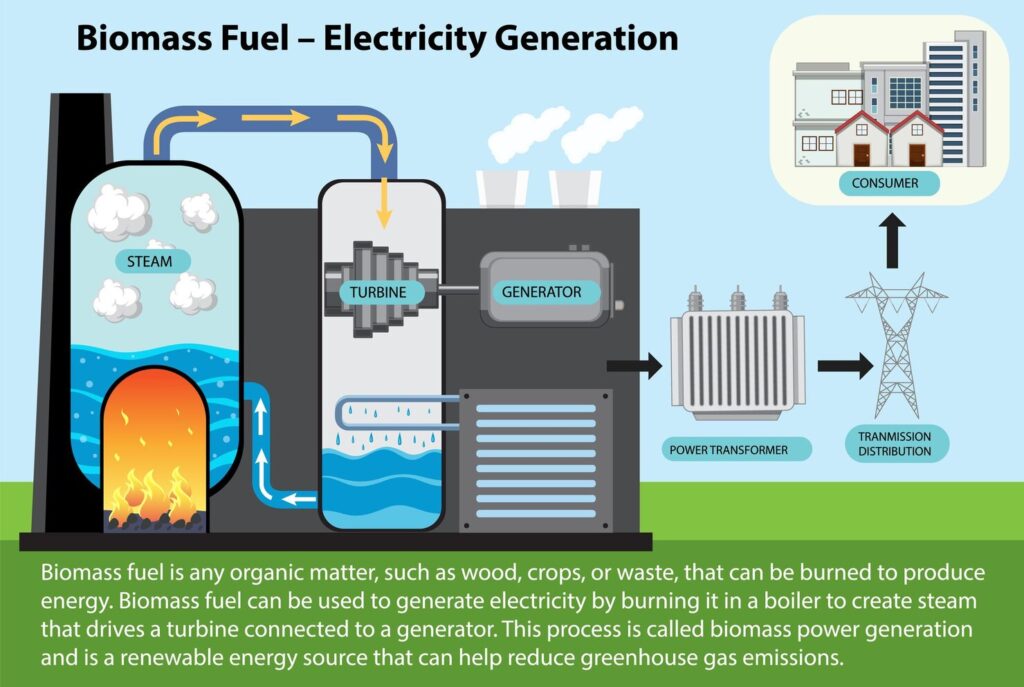
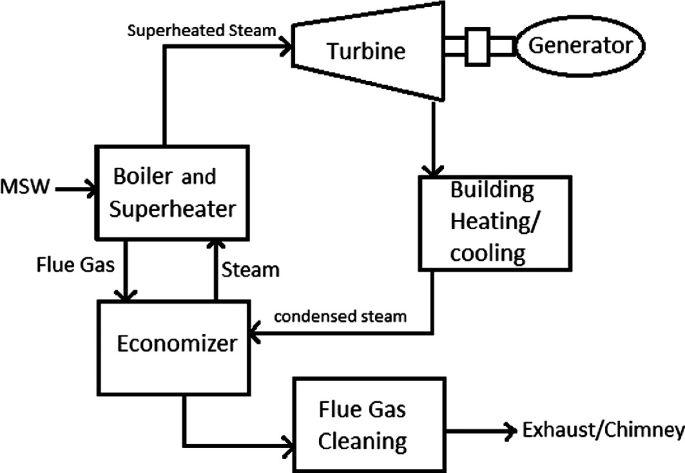
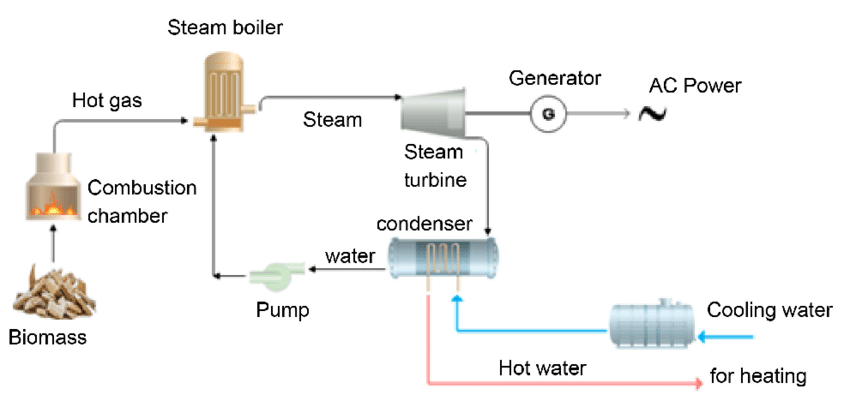
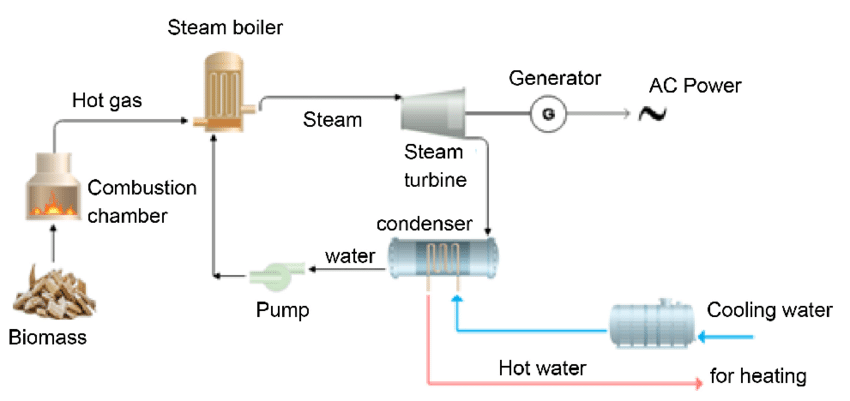
Regenerative Heat Exchanger: A steam generator power plant is a type of power plant that uses heat to convert water into steam, which then drives a steam turbine connected to a generator to produce electricity. These plants are commonly used in thermal power generation, including coal, nuclear, biomass, and concentrated solar power plants.

Main Components of a Steam Generator Power Plant

  1. Boiler (Steam Generator) – Heats water to produce steam using fossil fuels, nuclear reactions, or renewable sources.
  2. Steam Turbine – Converts thermal energy from steam into mechanical energy.
  3. Generator – Converts mechanical energy into electrical energy.
  4. Condenser – Cools and condenses exhaust steam back into water.
  5. Feedwater Pump – Recirculates condensed water back to the boiler.
  6. Cooling System – Uses cooling towers or water sources to remove excess heat.

Types of Steam Generator Power Plants

  • Fossil Fuel Power Plants (Coal, Natural Gas, Oil)
  • Nuclear Power Plants (Using nuclear fission to heat water)
  • Biomass Power Plants (Burning organic materials)
  • Geothermal Power Plants (Using underground heat)
  • Concentrated Solar Power Plants (Using solar energy to produce steam)

Efficiency & Environmental Impact

  • Efficiency depends on the technology used (e.g., supercritical and ultra-supercritical steam cycles are more efficient).
  • Carbon emissions are high in fossil fuel plants but lower in nuclear and renewable sources.
  • Waste heat management and water usage are critical environmental concerns.

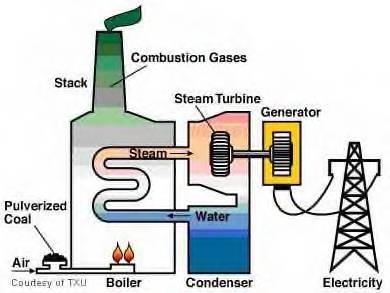
A steam generator power plant operates by converting water into steam using heat energy, which then drives a turbine to generate electricity. This process follows the Rankine cycle, a thermodynamic cycle that includes heating, expanding, condensing, and pumping stages. The steam generator, often called a boiler, is the heart of the system, where water is heated to produce high-pressure steam. This steam is then directed toward a turbine, where its energy is used to rotate blades connected to a generator. The spinning generator converts mechanical energy into electrical energy, which is then distributed through power grids. After passing through the turbine, the steam enters a condenser, where it is cooled and converted back into liquid water. This water is then pumped back into the steam generator to be reheated, completing the cycle.

The efficiency of a steam generator power plant depends on several factors, including the temperature and pressure of the steam produced, the type of fuel used, and the design of the plant. Modern plants use advanced techniques such as supercritical and ultra-supercritical steam cycles, which operate at higher pressures and temperatures to improve efficiency. These plants achieve thermal efficiencies of over 40%, significantly reducing fuel consumption and emissions compared to older subcritical designs.

Fuel sources for steam generator power plants vary widely. Fossil fuels such as coal, natural gas, and oil are the most common sources, with coal-fired plants historically being the dominant type. However, due to environmental concerns and regulatory pressures, many countries are shifting toward cleaner alternatives like natural gas and biomass. Nuclear power plants also use steam generation but rely on nuclear fission to provide the necessary heat. Renewable sources such as concentrated solar power (CSP) plants use mirrors to focus sunlight on a receiver that heats a fluid to produce steam, offering a sustainable alternative.

One of the biggest challenges of steam power plants is managing their environmental impact. Coal-fired plants, in particular, release significant amounts of carbon dioxide, sulfur dioxide, and particulate matter, contributing to air pollution and climate change. Advanced emission control technologies, such as scrubbers and carbon capture systems, help reduce these effects, but they come with additional costs and technical challenges. Water consumption is another concern, as steam plants require large amounts of water for cooling and condensing. Some plants use dry cooling systems or hybrid cooling methods to mitigate this issue, but these solutions can be less efficient.

Despite these challenges, steam generator power plants remain a critical part of the global energy mix. They provide stable, large-scale power generation, making them essential for base-load electricity supply. Unlike intermittent renewable sources like wind and solar, steam power plants can operate continuously, providing reliable power regardless of weather conditions. This reliability makes them crucial in many regions, especially those with high industrial energy demands.

The future of steam generator power plants lies in improving efficiency, reducing emissions, and integrating with renewable energy sources. Innovations in supercritical carbon dioxide (sCO2) cycles, advanced materials for high-temperature operation, and hybrid systems combining steam and renewable technologies offer promising ways to enhance performance while minimizing environmental impact. As the world transitions toward cleaner energy, steam generator power plants will continue to evolve, balancing efficiency and sustainability to meet growing energy demands.

One of the key factors influencing the efficiency and viability of steam generator power plants is fuel selection. Fossil fuel-based plants, particularly coal-fired ones, have historically dominated global electricity production due to the abundance and affordability of coal. However, coal combustion produces high levels of carbon dioxide and other pollutants, leading to regulatory restrictions and a shift toward cleaner alternatives. Natural gas-fired plants have gained popularity as a lower-emission alternative, offering higher efficiency and lower carbon output. They can also be equipped with combined cycle technology, where a gas turbine generates electricity before its exhaust heat is used to produce steam for a secondary steam turbine, significantly improving overall efficiency. Biomass, derived from organic materials such as wood, agricultural waste, and dedicated energy crops, is another fuel source that can be used in steam power plants. While biomass combustion still releases carbon dioxide, it is considered more sustainable than fossil fuels because the carbon emitted can be offset by the carbon absorbed during plant growth.

Nuclear power plants also rely on steam generation but use a fundamentally different heat source. Instead of burning fuel, they utilize nuclear fission, where atoms split to release large amounts of heat. This heat is transferred to water, creating high-pressure steam that drives turbines. The advantage of nuclear power lies in its ability to produce large amounts of electricity without direct carbon emissions, making it a critical component in efforts to reduce greenhouse gases. However, nuclear energy comes with its own challenges, including concerns about radioactive waste disposal, high construction costs, and public perception regarding safety. Despite these concerns, advanced reactor designs such as small modular reactors (SMRs) and next-generation fast reactors aim to improve safety, efficiency, and waste management, potentially expanding the role of nuclear power in the future.

Another important aspect of steam generator power plants is their thermodynamic efficiency, which is limited by the laws of physics. Traditional subcritical steam plants operate at relatively low pressures and temperatures, leading to efficiency losses. To overcome these limitations, modern plants utilize supercritical and ultra-supercritical steam conditions, where water is heated beyond its critical point, eliminating the phase transition between water and steam. This results in higher thermal efficiency, often exceeding 45%, reducing fuel consumption and emissions per unit of electricity generated. Research into advanced materials that can withstand extreme temperatures and pressures is crucial for further improving plant performance. Some experimental designs also explore alternative working fluids, such as supercritical carbon dioxide, which can potentially achieve even greater efficiency than traditional steam cycles.

Water usage is another critical factor in steam power plant operation. Conventional plants require large quantities of water for cooling and condensing purposes, making them heavily dependent on local water availability. This can pose challenges in arid regions or during droughts, where water scarcity limits plant operation. To address this issue, some power plants use dry cooling technology, where air, rather than water, is used to remove excess heat. While dry cooling significantly reduces water consumption, it is less efficient than traditional wet cooling methods, leading to potential trade-offs in performance. Hybrid cooling systems, which combine elements of both approaches, offer a compromise by reducing water use while maintaining reasonable efficiency levels.

The role of steam generator power plants in the energy transition is evolving as governments and industries prioritize reducing carbon footprints. Many coal-fired plants are being retrofitted with carbon capture and storage (CCS) technology, which captures carbon dioxide emissions before they are released into the atmosphere and stores them underground. While CCS has the potential to make fossil fuel plants more sustainable, it remains expensive and energy-intensive. Some plants are also experimenting with co-firing, where a portion of coal is replaced with biomass or hydrogen, reducing emissions without requiring complete infrastructure overhauls.

Another emerging trend is the integration of steam power plants with renewable energy sources to create hybrid systems. For example, some concentrated solar power (CSP) plants use solar-generated heat to supplement or replace traditional fuel sources, reducing fossil fuel consumption. Similarly, geothermal power plants utilize naturally occurring underground heat to produce steam, providing a renewable and continuous source of energy. These hybrid approaches aim to combine the reliability of steam power with the sustainability of renewable energy, ensuring stable electricity generation while reducing environmental impact.

Despite the increasing emphasis on renewable energy, steam generator power plants are likely to remain a key component of the global energy landscape for the foreseeable future. Their ability to provide consistent, large-scale power makes them indispensable for industrial applications and grid stability. However, their long-term viability will depend on continued advancements in efficiency, emissions reduction, and integration with cleaner technologies. As energy demand continues to grow worldwide, the evolution of steam power plants will play a crucial role in shaping a more sustainable and reliable energy future.

One of the main drivers of change in steam generator power plants is the ongoing shift toward decarbonization. Governments and energy companies are actively working to reduce carbon emissions by implementing policies that encourage cleaner energy production. This has led to a decline in the construction of new coal-fired plants in many countries, while existing plants are being upgraded with cleaner technologies or phased out entirely. Natural gas remains a preferred alternative due to its lower carbon intensity and ability to provide reliable baseload power. However, even natural gas is facing pressure as renewable energy sources such as wind and solar become more competitive. The challenge with renewables, however, is their intermittency, which means they cannot always provide a stable electricity supply. Steam generator power plants, whether powered by fossil fuels, nuclear, or renewable heat sources, continue to play a crucial role in maintaining grid reliability.

One way steam power plants are adapting to modern energy needs is through flexible operation. Traditionally, these plants were designed to run continuously at a stable output, making them well-suited for baseload generation. However, as more renewable energy sources are integrated into the grid, steam plants must become more responsive to fluctuations in electricity demand. This requires improvements in plant startup times, load-following capabilities, and overall efficiency. Modern steam plants are being designed or retrofitted with advanced control systems that allow for faster ramp-up and ramp-down times, enabling them to complement variable renewable energy generation. In some cases, hybrid power plants are being developed, where steam turbines work alongside battery storage or other energy storage solutions to balance supply and demand more effectively.

The development of hydrogen as a clean fuel presents another opportunity for steam generator power plants. Hydrogen can be used as a fuel source for high-temperature combustion or as a reducing agent in certain industrial processes. Some existing coal and natural gas plants are being modified to co-fire hydrogen with traditional fuels, gradually reducing their carbon footprint. While hydrogen production still faces challenges related to cost and infrastructure, advances in electrolysis and carbon-free hydrogen production methods could make it a viable long-term fuel for steam power generation. In particular, high-temperature nuclear reactors and concentrated solar power systems can generate the necessary heat for efficient hydrogen production, creating a potential synergy between steam power plants and the hydrogen economy.

Nuclear power remains one of the most reliable and efficient methods of steam-based electricity generation, with many countries continuing to invest in new reactor designs. Small modular reactors (SMRs) are gaining attention as a way to bring nuclear power to a wider range of applications. Unlike traditional large-scale nuclear plants, SMRs are designed to be compact, factory-built, and scalable, allowing them to be deployed in locations where conventional nuclear plants would be impractical. These reactors can be used for electricity generation, industrial heat applications, and even hydrogen production. Advanced nuclear technologies, such as molten salt reactors and fast reactors, offer the potential for improved safety, reduced nuclear waste, and higher thermal efficiencies, further strengthening the case for nuclear-powered steam generation in a low-carbon future.

In addition to technological advancements, policy and market dynamics will play a major role in shaping the future of steam generator power plants. Carbon pricing, emissions regulations, and government incentives for clean energy are influencing investment decisions in the power sector. In some regions, aging coal plants are being retired in favor of renewable energy and natural gas, while in others, efforts are being made to extend the life of existing plants through efficiency upgrades and emissions-reducing technologies. The availability of financing for new power projects is also a critical factor, as investors increasingly favor cleaner energy sources over traditional fossil fuel-based generation. Meanwhile, developing countries with growing energy demands must balance the need for affordable, reliable electricity with environmental concerns, leading to a diverse range of strategies for steam power deployment.

One of the lesser-discussed aspects of steam power plants is their role in industrial applications beyond electricity generation. Many industrial processes, such as chemical manufacturing, petroleum refining, and metal production, require large amounts of heat and steam. Cogeneration, also known as combined heat and power (CHP), allows power plants to simultaneously generate electricity and useful thermal energy, significantly improving overall efficiency. By capturing and utilizing waste heat, cogeneration plants can achieve efficiency levels of 70% or higher, making them an attractive option for industries seeking to reduce energy costs and emissions. District heating systems, commonly used in colder climates, also rely on steam power plants to provide heat to residential and commercial buildings, further expanding the role of steam generation in modern energy systems.

Looking ahead, the future of steam generator power plants will depend on their ability to adapt to an evolving energy landscape. While traditional coal-fired plants are in decline, new opportunities are emerging through advanced nuclear, hydrogen integration, renewable-based steam generation, and hybrid power systems. Efficiency improvements, emissions reduction technologies, and smarter grid management will be key to ensuring that steam power plants remain a valuable part of the energy mix. As the world transitions toward cleaner energy, steam power plants will need to continue evolving, finding new ways to complement and integrate with the broader shift toward sustainable electricity generation.

The continued relevance of steam generator power plants will be shaped by their ability to integrate with new and evolving energy systems. One of the most promising areas of development is the combination of steam power with renewable energy sources to create hybrid systems that enhance grid stability and overall efficiency. Concentrated solar power (CSP) plants, for example, already use steam turbines by harnessing solar heat through mirrors and directing it to a thermal fluid, which then generates steam to drive a turbine. Unlike photovoltaic solar panels, which generate electricity directly from sunlight, CSP systems allow for thermal energy storage, making them capable of providing power even after the sun sets. This stored thermal energy can be used to maintain a steady supply of electricity, reducing the intermittency issues associated with solar power. As energy storage technology improves, CSP plants could become a more significant part of the energy mix, working alongside traditional steam power plants.

Another area of innovation is the advancement of carbon capture, utilization, and storage (CCUS) technologies, which could allow fossil-fuel-powered steam plants to operate with near-zero emissions. Carbon capture works by extracting CO₂ from plant emissions before it enters the atmosphere. Once captured, the CO₂ can either be stored underground in geological formations or repurposed for industrial applications such as enhanced oil recovery, concrete production, or synthetic fuel creation. While carbon capture technology has been demonstrated at pilot and commercial scales, its widespread deployment has been hindered by high costs and energy requirements. Ongoing research is focused on developing more efficient capture methods, such as chemical looping combustion, direct air capture, and new absorbent materials that require less energy to separate CO₂. If these technologies become more cost-effective, they could extend the life of existing steam power plants while aligning them with global decarbonization goals.

The modernization of existing steam power infrastructure is another pathway for keeping these plants competitive in an evolving energy market. Many older plants were built with technologies that are now outdated and less efficient compared to modern systems. Retrofitting these facilities with higher-efficiency boilers, improved steam turbines, and advanced digital monitoring systems can significantly improve performance while reducing emissions. Digitalization plays an increasingly important role in optimizing plant operations, with artificial intelligence (AI) and machine learning being used to analyze performance data, predict maintenance needs, and optimize fuel use. By implementing real-time monitoring and predictive analytics, plant operators can reduce downtime, prevent costly equipment failures, and ensure that their plants run at maximum efficiency.

Supercritical and ultra-supercritical steam cycles represent another major efficiency breakthrough for steam power plants. Traditional subcritical plants operate at lower pressures and temperatures, which limits their efficiency to around 35-40%. In contrast, supercritical plants operate at conditions where water and steam exist as a single-phase fluid, allowing for efficiencies exceeding 45%. Ultra-supercritical plants push these boundaries even further by operating at temperatures above 600°C, enabling efficiency gains that reduce fuel consumption and lower emissions. While these advanced steam cycles require specialized materials to withstand extreme conditions, their long-term benefits make them an attractive option for modernizing existing plants or developing new high-efficiency facilities.

A critical challenge for steam power plants moving forward will be water usage, particularly in regions experiencing water scarcity. Conventional steam plants require large amounts of water for cooling and steam generation, which can create conflicts with local water needs for agriculture and human consumption. Alternative cooling technologies, such as air-cooled condensers and hybrid cooling systems, offer solutions to reduce water dependency, though they come with trade-offs in terms of efficiency and cost. Some plants are exploring the use of treated wastewater or seawater for cooling purposes, reducing their reliance on freshwater resources. The development of closed-loop systems that minimize water losses through recirculation and evaporation control will be key in ensuring the long-term sustainability of steam power plants.

One of the broader implications of steam generator power plants is their role in energy security and grid stability. As the global energy transition progresses, many regions are facing challenges in maintaining a reliable electricity supply while reducing their reliance on fossil fuels. Steam power plants, particularly those fueled by nuclear energy or equipped with carbon capture, can provide a stable source of baseload power that complements the variable nature of wind and solar energy. Countries with abundant coal or biomass resources may also continue to utilize steam power as a means of ensuring domestic energy independence while working toward cleaner and more efficient plant designs.

In industrial applications, steam power remains essential for processes that require high-temperature heat. Industries such as steelmaking, chemical production, and petroleum refining depend on large-scale steam generation, which is difficult to replace with renewable electricity alone. Emerging technologies, such as high-temperature nuclear reactors and advanced geothermal systems, could provide alternative sources of industrial heat, but their widespread adoption is still in the early stages. Until these technologies are fully developed, steam generator power plants will likely remain a crucial part of the industrial energy landscape.

Looking ahead, the future of steam power will likely be shaped by a combination of efficiency improvements, fuel diversification, and environmental regulations. As research continues into advanced materials, energy storage, hydrogen co-firing, and new steam cycle designs, steam power plants could evolve into more flexible and sustainable energy producers. While the global energy shift favors renewables, the adaptability of steam power means it is unlikely to disappear entirely. Instead, it will continue to transform, integrating with cleaner technologies and playing a supporting role in the broader transition to a low-carbon energy system.

Regenerative Heat Exchanger

Regenerative Heat Exchanger

regenerative heat exchanger is a type of heat exchanger that improves thermal efficiency by recycling heat from the system itself. Unlike conventional heat exchangers, which transfer heat between separate fluid streams, regenerative heat exchangers use a heat storage medium to temporarily hold and transfer thermal energy. This process reduces energy loss and enhances overall system efficiency.

Working Principle

A regenerative heat exchanger alternates between two phases: heating and cooling. In one phase, hot fluid passes through the exchanger and transfers heat to the storage medium, typically a metal or ceramic matrix. In the next phase, the cooler incoming fluid passes through the same medium, absorbing the stored heat. This cyclic process minimizes heat waste and reduces fuel consumption in industrial applications.

Types of Regenerative Heat Exchangers

  1. Fixed-Bed (Static) Regenerators – These use a stationary heat storage matrix. Fluid flows in alternating directions, periodically reversing to transfer heat. Common in blast furnaces and gas turbines.
  2. Rotary Regenerators – A rotating drum or disk transfers heat between two streams, continuously regenerating heat. Used in power plants, industrial drying systems, and HVAC applications.
  3. Dynamic Regenerators – Utilize moving heat storage media, often found in specialized energy recovery applications.

Applications

  • Power Plants: Used in steam cycles (e.g., feedwater heaters) to improve efficiency.
  • Gas Turbines: Enhances fuel efficiency by preheating air before combustion.
  • Industrial Processes: Used in furnaces, kilns, and chemical processing to reduce heat loss.
  • HVAC Systems: Energy recovery ventilators (ERVs) use regenerative exchangers to improve indoor air quality and reduce heating/cooling costs.

Advantages & Challenges

Regenerative heat exchangers offer high efficiency, fuel savings, and lower emissions. However, they require precise control mechanisms to manage thermal cycling and prevent contamination between fluid streams. In some applications, maintenance and material degradation due to high temperatures are also concerns.

A regenerative heat exchanger is a device designed to improve energy efficiency by capturing and reusing heat within a system. Instead of simply transferring heat from one fluid to another as in conventional heat exchangers, regenerative heat exchangers store heat temporarily in a thermal medium and then transfer it back to the incoming fluid. This approach significantly reduces energy loss, making these systems particularly valuable in applications where thermal efficiency is a priority. The process involves alternating cycles of heating and cooling, where a hot fluid first passes through a heat-absorbing medium, transferring its thermal energy. Once the medium is heated, the flow is reversed or redirected, allowing a cooler fluid to absorb the stored heat. This cyclical process makes regenerative heat exchangers highly effective in systems where continuous heat recovery is needed.

These exchangers are widely used in power plants, gas turbines, and industrial furnaces, where they help preheat air or other process fluids before combustion, reducing fuel consumption. They are also integral to HVAC energy recovery systems, where they enhance building efficiency by transferring heat between incoming and outgoing air streams. In high-temperature industrial processes, regenerative heat exchangers play a crucial role in maintaining energy efficiency while minimizing heat loss. The materials used in these systems must withstand repeated heating and cooling cycles, often requiring high-temperature alloys, ceramics, or specialized coatings to prevent degradation.

Regenerative heat exchangers can be classified based on their design and method of heat storage. Fixed-bed regenerators use a stationary matrix that alternates between hot and cold fluid flows, while rotary regenerators employ a rotating heat storage element that continuously transfers heat between streams. The choice of design depends on factors such as space constraints, operational efficiency, and thermal performance requirements. Rotary regenerators are common in applications requiring continuous heat exchange, such as gas turbines and HVAC systems, whereas fixed-bed designs are often used in large-scale industrial furnaces.

One of the key advantages of regenerative heat exchangers is their ability to improve overall system efficiency, leading to lower operational costs and reduced environmental impact. By recovering and reusing heat that would otherwise be lost, these systems contribute to lower fuel consumption and reduced greenhouse gas emissions. This makes them particularly valuable in industries striving for energy efficiency and regulatory compliance. However, challenges exist in maintaining and optimizing these systems, as they require careful control of thermal cycling, prevention of cross-contamination between fluids, and materials that can endure extreme operating conditions. In some cases, fouling or degradation of the heat storage medium can affect performance, necessitating periodic maintenance and replacement of components.

Advancements in regenerative heat exchanger technology continue to push efficiency levels higher, with improvements in materials, automation, and heat transfer modeling. Computational fluid dynamics (CFD) and predictive maintenance strategies are increasingly used to optimize performance and extend the lifespan of these systems. As industries seek to reduce energy consumption and enhance sustainability, regenerative heat exchangers will remain a critical technology in energy-intensive applications. The integration of these systems with renewable energy sources, such as concentrated solar power and waste heat recovery, further expands their role in modern energy infrastructure. The continuous refinement of regenerative heat exchanger designs will be essential for achieving higher efficiency, lower emissions, and greater reliability across various industrial and commercial sectors.

The performance of regenerative heat exchangers depends on their ability to efficiently store and transfer heat over repeated cycles without significant losses. This requires materials that can withstand high temperatures and thermal stress while maintaining consistent performance over time. Metals such as stainless steel and specialized alloys are often used for their durability, while ceramics are preferred in extreme temperature applications due to their resistance to thermal degradation. The choice of material directly impacts the efficiency and lifespan of the system, as degradation or fouling can reduce heat transfer effectiveness and increase maintenance requirements. In environments where contaminants or particulate matter are present, additional design considerations are necessary to prevent blockages or buildup that could compromise performance.

In power generation, regenerative heat exchangers play a crucial role in steam cycles by preheating feedwater before it enters the boiler, improving overall thermal efficiency. This reduces the fuel required to achieve the necessary steam temperature and pressure, leading to lower operational costs and emissions. Gas turbines also benefit from regenerative heat exchangers, where exhaust gases are used to preheat incoming air before combustion, increasing efficiency and reducing fuel consumption. This principle extends to industrial furnaces, where waste heat from exhaust gases is captured and redirected to preheat raw materials, optimizing energy use and reducing heat loss.

The operation of regenerative heat exchangers relies on precise timing and control to ensure optimal heat transfer while minimizing energy losses. In rotary regenerators, for example, the rotation speed must be carefully managed to balance heat storage and release. Too slow a rotation can result in excessive heat buildup in the matrix, while too fast a rotation may not allow sufficient time for heat absorption and transfer. In fixed-bed regenerators, fluid flow must be switched at the right intervals to maintain efficiency without excessive thermal lag or pressure drop. Advanced control systems and automation are increasingly used to optimize these processes, improving overall reliability and performance.

One of the challenges in designing regenerative heat exchangers is minimizing leakage between hot and cold fluid streams, as even small leaks can reduce efficiency and lead to cross-contamination. Sealing mechanisms and precision engineering are essential to ensure that the system functions as intended. In rotary regenerators, for instance, proper sealing at the interface between the rotating matrix and the housing is critical to maintaining efficiency. Similarly, in fixed-bed regenerators, the design of valves and ducting must prevent backflow or unintended mixing of hot and cold gases. These design considerations become even more important in applications where purity of the process fluid is critical, such as in chemical processing or high-purity industrial heating applications.

The economic benefits of regenerative heat exchangers make them an attractive choice for industries looking to reduce energy costs and improve sustainability. By recovering and reusing heat that would otherwise be wasted, these systems offer long-term savings and help facilities meet increasingly stringent energy efficiency regulations. In large-scale industrial applications, the return on investment for installing a regenerative heat exchanger can be significant, with many systems paying for themselves through energy savings within a few years. Additionally, as industries shift toward decarbonization, heat recovery technologies like regenerative heat exchangers will play an increasingly important role in reducing emissions and improving overall energy efficiency.

Future developments in regenerative heat exchangers focus on improving efficiency, durability, and adaptability to different industrial processes. New materials with higher thermal conductivity and resistance to wear are being explored to enhance performance and longevity. Computational modeling and artificial intelligence are also being integrated into system design and operation, allowing for real-time adjustments that optimize heat transfer and minimize energy losses. As industries continue to seek ways to improve energy efficiency and reduce environmental impact, regenerative heat exchangers will remain a key technology in the transition to more sustainable industrial and power generation systems.

As industries push for greater efficiency and sustainability, regenerative heat exchangers are being optimized to handle more demanding conditions and integrate with modern energy systems. One area of improvement is in the development of advanced heat storage materials that offer higher thermal conductivity and durability. Traditional metal matrices, while effective, are being supplemented or replaced with ceramic and composite materials that can withstand higher temperatures without degradation. These materials not only improve heat retention but also reduce maintenance costs and extend the operational lifespan of the system. Research into phase-change materials (PCMs) for regenerative heat exchangers is also gaining interest, as these substances can absorb and release large amounts of heat while maintaining a stable temperature, improving energy storage and recovery efficiency.

Another significant advancement in regenerative heat exchangers is the application of smart monitoring and control systems that enhance performance and reliability. Digital sensors, artificial intelligence, and machine learning algorithms are now being used to analyze real-time data from heat exchanger operations, allowing for predictive maintenance and performance optimization. By continuously monitoring temperature differentials, pressure drops, and flow rates, these intelligent systems can detect inefficiencies, predict potential failures, and automatically adjust operating conditions to maximize heat recovery. This level of automation reduces the need for manual intervention, improves safety, and ensures that the system operates at peak efficiency under varying load conditions.

In the power generation sector, regenerative heat exchangers are increasingly integrated with combined cycle power plants, where both gas and steam turbines work together to maximize efficiency. In these systems, exhaust heat from a gas turbine is used to produce steam for a secondary steam turbine, significantly improving overall energy conversion. Regenerative heat exchangers play a role in optimizing this process by recovering additional heat from the exhaust gases before they are released. This concept is also being explored in emerging hydrogen-based power systems, where waste heat from hydrogen combustion or fuel cells can be captured and reused to enhance energy output.

Industrial applications of regenerative heat exchangers are expanding beyond traditional power plants and manufacturing facilities. In chemical processing, these exchangers are used to maintain precise temperature control for reactions that require high thermal stability. In the steel and glass industries, where extremely high temperatures are necessary, regenerative heat exchangers help reduce fuel consumption by preheating combustion air with exhaust gases. Even in food processing, where temperature-sensitive operations are common, regenerative heat exchangers are being employed to recover heat from drying, baking, and sterilization processes, improving energy efficiency while maintaining product quality.

A growing focus in regenerative heat exchanger development is on minimizing environmental impact by reducing emissions and improving energy recovery. With stricter global regulations on industrial emissions and carbon footprint reduction, companies are looking for ways to make their operations cleaner and more efficient. Regenerative heat exchangers contribute to this effort by lowering the demand for primary energy sources, reducing reliance on fossil fuels, and decreasing overall greenhouse gas emissions. In applications where flue gases contain pollutants, these systems can be paired with advanced filtration and scrubbing technologies to capture harmful substances before they are released into the atmosphere.

Waste heat recovery through regenerative heat exchangers is also becoming an integral part of district heating and cogeneration systems. In urban areas, large-scale heat exchangers are used to capture excess heat from power plants, industrial sites, and even data centers, redistributing it to residential and commercial buildings for space heating and hot water production. This approach not only reduces energy waste but also lowers heating costs for consumers and decreases the need for additional fuel combustion. In some cases, waste heat from industrial processes is even being used to generate electricity through organic Rankine cycle (ORC) systems, further improving overall energy utilization.

As research continues, the next generation of regenerative heat exchangers will likely incorporate more compact and lightweight designs, allowing for easier integration into diverse applications. Advances in additive manufacturing, such as 3D-printed heat exchanger components, are opening new possibilities for customized, highly efficient designs that maximize heat transfer while minimizing material use. Additionally, improvements in coatings and surface treatments are enhancing resistance to corrosion and fouling, ensuring long-term performance in harsh operating environments.

The ongoing evolution of regenerative heat exchanger technology reflects the broader shift toward energy efficiency and sustainability in industrial and power generation sectors. By continuously improving their efficiency, durability, and adaptability, these systems will remain a key component in the effort to reduce energy waste, lower emissions, and optimize thermal processes across various industries. As global energy demands continue to grow, regenerative heat exchangers will play an increasingly vital role in ensuring that available energy resources are used as effectively as possible.

The future of regenerative heat exchangers will be shaped by ongoing advancements in materials, design, and integration with emerging energy systems. As industries seek higher efficiency and lower emissions, research is focusing on ways to enhance heat transfer performance while minimizing system complexity and maintenance needs. One of the most promising developments is the use of nanostructured materials and coatings that improve thermal conductivity and resistance to wear. These advanced materials allow for better heat absorption and release, reducing energy losses over repeated cycles. Additionally, self-cleaning and anti-fouling coatings are being developed to prevent particulate buildup and corrosion, particularly in applications where contaminants in exhaust gases or process fluids can degrade heat exchanger performance over time.

Computational fluid dynamics (CFD) and artificial intelligence (AI) are playing an increasing role in optimizing regenerative heat exchanger designs. By simulating complex heat transfer processes and fluid dynamics, engineers can refine the shape and structure of heat exchanger components to maximize efficiency while minimizing pressure drop and material use. AI-driven predictive maintenance systems are also being deployed to monitor heat exchanger conditions in real time, allowing operators to detect early signs of wear, fouling, or inefficiencies before they lead to costly downtime. These intelligent monitoring systems are particularly valuable in large-scale industrial settings, where maintaining consistent thermal performance is critical for overall plant efficiency.

As global efforts to reduce carbon emissions intensify, regenerative heat exchangers are being adapted for use in carbon capture and storage (CCS) systems. These heat exchangers help optimize the energy-intensive process of capturing CO₂ from power plant exhaust gases by recovering and reusing heat within the capture process, reducing the overall energy penalty associated with CCS deployment. In emerging hydrogen production technologies, such as steam methane reforming (SMR) and electrolysis, regenerative heat exchangers play a role in capturing and reusing excess heat, improving system efficiency and reducing operating costs. These developments are essential as industries transition toward low-carbon energy sources while maintaining the high efficiency needed for economic viability.

Another area of expansion for regenerative heat exchangers is their role in high-efficiency combined heat and power (CHP) systems, where electricity generation and useful thermal energy are produced simultaneously. By integrating regenerative heat exchangers into CHP plants, industries and district heating networks can achieve significantly higher overall energy utilization compared to conventional power generation. This is particularly beneficial in cold climates, where waste heat from industrial processes or power plants can be repurposed for heating residential and commercial buildings. As CHP technology evolves, heat exchangers are being designed to operate across a wider range of temperatures and pressures, allowing for greater flexibility in different applications.

Beyond industrial settings, regenerative heat exchanger technology is being explored for use in advanced aerospace and automotive applications. In jet engines and space propulsion systems, where extreme temperatures and rapid heat fluctuations occur, regenerative heat exchangers help manage thermal loads and improve fuel efficiency. High-performance vehicles, including electric and hybrid cars, are also beginning to incorporate regenerative thermal management systems to optimize battery and engine performance, extending the range and efficiency of next-generation transportation solutions.

With the global energy transition accelerating, the role of regenerative heat exchangers in renewable energy systems is becoming increasingly important. In geothermal power plants, these exchangers are used to recover and reuse heat from underground sources, improving efficiency and reducing operational costs. In concentrated solar power (CSP) plants, regenerative heat exchangers help store and transfer solar-generated heat, enabling continuous electricity production even after sunset. In industrial waste heat recovery applications, they capture and repurpose excess thermal energy that would otherwise be lost, providing a sustainable way to reduce overall energy consumption.

Looking ahead, continued innovation in regenerative heat exchanger technology will be essential for meeting global energy efficiency and sustainability goals. The combination of advanced materials, AI-driven optimization, and integration with renewable and low-carbon energy systems will ensure that these devices remain a key component of modern thermal management strategies. As industries, power plants, and transportation sectors seek new ways to maximize energy utilization while minimizing environmental impact, regenerative heat exchangers will play a critical role in shaping a more efficient and sustainable future.

CHP Systems
Natural Gas Power Plant

Combined Heat and Power (CHP), also known as cogeneration, is an energy-efficient technology that simultaneously generates both electricity and useful heat from a single energy source. CHP systems capture the heat that would typically be wasted in traditional power generation processes and use it for heating purposes, increasing the overall energy efficiency.

Key Components of CHP Systems:

  1. Prime Mover: This is the machine that generates mechanical power, such as a gas turbine, steam turbine, internal combustion engine, or a microturbine.
  2. Generator: Converts mechanical power into electricity.
  3. Heat Recovery Unit: Captures the waste heat from the prime mover (often exhaust gases or steam) and uses it for heating or other industrial processes.

Benefits of CHP:

  • Improved Efficiency: Traditional power plants typically have an efficiency of about 30-40%, but CHP can achieve efficiencies of 60-80% because it makes use of both the electricity and heat generated.
  • Reduced Emissions: By using fuel more efficiently, CHP systems can reduce carbon emissions compared to separate heat and power generation.
  • Cost Savings: By utilizing waste heat, CHP systems can lower overall energy costs, especially in industries with high heat demands.
  • Energy Independence: CHP systems can provide a reliable and consistent source of energy, reducing dependence on the grid.

Applications:

  • Industrial: Used in manufacturing plants, refineries, and chemical plants where both electricity and process heat are needed.
  • District Heating: In colder climates, CHP can be used to provide both electricity and space heating to buildings in a district or neighborhood.
  • Commercial and Residential: Smaller-scale CHP units are used in larger buildings, apartment complexes, or even homes, to provide combined heat and power.

Combined Heat and Power (CHP), or cogeneration, is an energy-efficient process that simultaneously produces electricity and useful heat from a single energy source. In conventional power generation systems, a large portion of the energy used to generate electricity is lost as waste heat, but with CHP, this heat is captured and utilized for heating purposes or for industrial processes, improving the overall efficiency of the system. By recovering this waste heat, CHP systems can achieve efficiencies of 60-80%, compared to the typical 30-40% efficiency of traditional power generation.

CHP systems consist of a prime mover, which is responsible for generating mechanical power—this can be a gas turbine, steam turbine, internal combustion engine, or a microturbine. The mechanical power is then converted into electricity through a generator. The heat recovery unit captures the waste heat produced during the generation process, which can be used for space heating, hot water production, or for industrial processes that require thermal energy.

The primary benefits of CHP are enhanced energy efficiency, reduced emissions, and cost savings. Since CHP systems make better use of the fuel by converting both the electrical and thermal energy, they can significantly reduce carbon emissions compared to conventional energy production methods. Additionally, the use of waste heat helps lower overall energy costs, particularly in industries that require both power and thermal energy, such as manufacturing, chemical plants, and district heating systems. In colder climates, CHP is often used to supply heating to residential areas or commercial buildings.

CHP systems also contribute to energy security by providing a more reliable and consistent energy supply. They can reduce reliance on the grid and lower the need for additional infrastructure to meet energy demands. Moreover, the systems can be sized to meet the specific needs of the application, ranging from small-scale systems used in homes and commercial buildings to large-scale systems in industrial plants and district heating networks.

In summary, CHP is a highly efficient energy solution that optimizes the use of fuel by capturing and utilizing waste heat, reducing both operational costs and environmental impact while providing a more reliable energy supply.

The efficiency of Combined Heat and Power (CHP) systems stems from their ability to recover and utilize waste heat, a process that significantly reduces the overall energy consumption compared to separate generation of electricity and heat. When traditional power plants produce electricity, a large portion of the energy is lost as heat in cooling towers or through other wasteful methods. In contrast, CHP systems harness this wasted heat and put it to productive use, typically for space heating, hot water generation, or even industrial processes requiring thermal energy.

By capturing and utilizing both heat and electricity, CHP systems increase the overall energy efficiency to as high as 80%, making them much more resource-efficient than conventional power generation methods. In practical terms, this means that less fuel is needed to produce the same amount of usable energy, leading to a reduction in fuel costs. Moreover, since less fuel is burned to produce the same output, the emissions associated with energy production are also reduced, contributing to a smaller carbon footprint.

The operational efficiency of CHP also translates into lower operational costs for businesses and industries that use it. Industries like manufacturing, chemical processing, and food production often require both electricity and heat for their operations. A CHP system provides both simultaneously, which means they do not have to rely on separate suppliers for electricity and thermal energy. This combination can yield significant financial savings over time, particularly when heating demands are constant or predictable.

Another notable benefit of CHP systems is their capacity to operate in a decentralized manner, allowing them to provide reliable, on-site energy to their users. This decentralization reduces reliance on the grid and minimizes energy losses during transmission and distribution. It can also enhance energy security, as industries, commercial buildings, or even whole districts can maintain power generation even during grid outages or power shortages.

Furthermore, CHP systems offer flexibility in terms of their size and application. They can be tailored to suit the energy needs of specific industries or even residential buildings. While large-scale CHP systems are typically used by industrial facilities that require substantial heat and power, smaller-scale systems are being developed for homes, schools, and office buildings, offering the potential to bring significant energy efficiency and savings to a broader range of users.

In summary, CHP systems not only improve efficiency and reduce emissions but also provide businesses, communities, and residential areas with a reliable and cost-effective energy solution. By optimizing the use of both electricity and heat, they represent a forward-thinking approach to energy generation that can help meet growing energy demands in a more sustainable way.

Building on the concept of Combined Heat and Power (CHP) systems, their flexibility and adaptability make them suitable for a wide range of applications, from large industrial plants to residential units. The versatility of CHP technology allows it to be scaled up or down to meet the specific energy needs of different sectors.

In industrial applications, CHP systems are commonly used in facilities that require both electricity and significant amounts of heat. Manufacturing plants, chemical refineries, paper mills, and food processing industries are prime examples of where CHP can be highly effective. These industries often have continuous or fluctuating heating demands alongside electrical needs, making CHP an ideal solution. By integrating a CHP system, these industries can achieve greater control over their energy supply, reduce their reliance on external energy sources, and cut down on operational costs. For instance, a paper mill that requires large quantities of steam for its production process can generate this steam using the waste heat from a CHP system while simultaneously producing electricity for the plant.

District heating is another important application of CHP technology. In areas with dense populations or colder climates, where heating demand is consistently high, CHP can provide both power and thermal energy for entire neighborhoods or districts. In a district heating system, a central CHP unit generates electricity and the excess heat is distributed via a network of insulated pipes to residential and commercial buildings. This setup provides a cost-effective and efficient way to meet the heating needs of a large number of buildings without relying on separate systems for heat and power generation.

In the commercial sector, larger office buildings, hospitals, universities, and hotels are increasingly adopting CHP systems. These facilities often have continuous heating needs, especially in colder climates, and could benefit from the energy savings provided by CHP technology. For instance, hospitals require both electricity to run medical equipment and heating for the building, hot water, and sterilization processes. A CHP system can supply all these needs simultaneously, reducing energy costs and improving the reliability of power and heat supply.

Smaller-scale CHP systems are also gaining traction in residential and community settings. Micro-CHP systems, which are designed for single homes or small communities, are becoming more common as they offer homeowners an opportunity to generate their own electricity and heat. These systems are typically powered by natural gas and use small engines or microturbines to produce electricity while recovering heat for domestic hot water or space heating. These systems not only provide energy independence but also offer significant reductions in utility bills and an overall smaller environmental footprint.

Furthermore, as the world transitions toward more sustainable energy sources, CHP systems can also be adapted to run on renewable fuels, such as biogas, biomass, or even hydrogen. This shift can further improve the environmental performance of CHP systems and contribute to the global effort to reduce greenhouse gas emissions. For instance, biogas CHP systems are already being used in agricultural facilities to manage waste while generating renewable energy. The waste from livestock or food processing can be converted into biogas through anaerobic digestion and used as fuel for a CHP unit, providing both electricity and heat while managing organic waste.

In conclusion, CHP technology offers a robust and adaptable solution to meet the energy needs of various industries, commercial buildings, and residential areas. Its ability to provide both electricity and heat from a single fuel source reduces energy costs, improves energy efficiency, and helps to mitigate environmental impact. Whether in large industrial plants, district heating networks, or small residential applications, CHP systems are a key part of the future of energy generation, particularly as the world moves toward more sustainable energy practices.

Waste Heat Recovery Power Plant
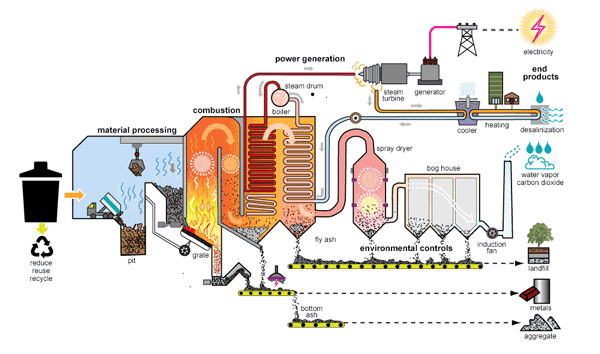
How do Steam Power Plants Work

A waste heat recovery power plant (WHRPP) is a type of energy generation facility designed to capture and utilize waste heat—often from industrial processes, combustion engines, or other operations that produce heat as a byproduct. Rather than allowing this heat to be lost to the environment, a WHRPP recycles it to generate additional electricity, thus improving energy efficiency and reducing the need for additional fuel consumption.

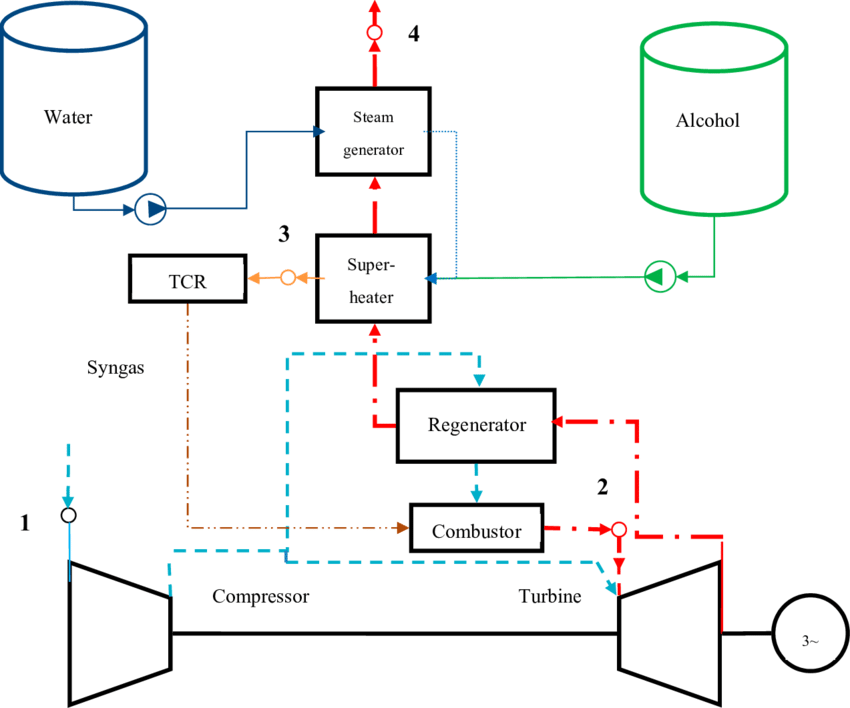
In a typical WHRPP, waste heat—usually in the form of exhaust gases, steam, or hot water—is collected from an industrial process, a furnace, or a gas turbine. This heat is then transferred to a heat recovery system, such as a heat exchanger, which captures the thermal energy and uses it to drive a secondary power generation process.

The most common method for converting waste heat into electricity in a WHRPP is through the use of a Rankine cycle or Organic Rankine Cycle (ORC) system. In these cycles, the captured heat is used to vaporize a working fluid, which then drives a turbine connected to an electrical generator. The expanded working fluid is then cooled, condensed back to its liquid form, and recirculated to repeat the process.

Alternatively, if the waste heat is at a lower temperature, thermoelectric generators (TEGs), which use the Seebeck effect to directly convert heat to electricity, can be utilized. These systems are generally smaller in scale and less efficient compared to Rankine-based systems but are suitable for niche applications.

Waste heat recovery plants are highly beneficial because they increase the overall efficiency of the facility from which the heat is being recovered. In industrial settings, the energy used to generate heat—often from burning fossil fuels—can be quite substantial, and by recovering waste heat, these plants can reduce the amount of fuel required for electricity generation.

A WHRPP can be applied in various industries where heat is generated as a byproduct of the process. For example, in cement manufacturing, the rotary kiln produces significant waste heat that can be recovered and used for power generation. Similarly, in steel production, waste heat is abundant, and recovering it can help reduce both energy costs and greenhouse gas emissions.

In addition to improving efficiency and reducing operating costs, waste heat recovery systems also have environmental benefits. By capturing and reusing heat that would otherwise be released into the atmosphere, WHRPPs help reduce the overall demand for fuel, thereby decreasing carbon emissions associated with energy production.

In conclusion, a waste heat recovery power plant is a highly effective technology for improving energy efficiency, reducing fuel consumption, and lowering emissions in industrial processes. By capturing and converting waste heat into electricity, these systems not only contribute to cost savings but also play a significant role in advancing sustainability goals, particularly in energy-intensive industries.

Building on the concept of a Waste Heat Recovery Power Plant (WHRPP), the technology offers several significant advantages, both from an operational and environmental perspective. The key benefit is its ability to enhance the overall energy efficiency of an industrial operation by utilizing energy that would otherwise be lost. This is particularly valuable in energy-intensive industries where heat is a constant byproduct, such as in cement production, glass manufacturing, metal processing, and chemical production.

In a typical industrial process, a large portion of the energy used to create heat is wasted, especially in processes like high-temperature furnaces, boilers, or turbines. These systems often operate at temperatures that generate significant amounts of excess heat, which, if not recovered, would be vented into the atmosphere or lost to the surroundings. By capturing and recycling this waste heat, WHRPPs not only reduce the need for additional fuel to generate electricity but also improve the overall thermal efficiency of the plant. For instance, in a steel plant, excess heat from the blast furnace or steelmaking processes can be recovered and used to generate steam, which can then be converted into electricity.

In addition to improving efficiency, WHRPPs help in reducing the carbon footprint of industrial operations. The recovery of waste heat means that less fuel is burned to produce the same amount of electricity, reducing greenhouse gas emissions, such as carbon dioxide (CO2), that would have been emitted from conventional power generation processes. This contributes to overall sustainability goals by lowering emissions in sectors that traditionally have high energy demands.

Another benefit of WHRPPs is their ability to be integrated into existing facilities with minimal disruption to ongoing operations. The technology can be retrofitted into existing plants, especially those that already produce large amounts of waste heat, providing a relatively cost-effective way to improve energy efficiency. The recovered heat can be used to generate electricity or directly supply thermal energy for industrial processes, reducing reliance on external power sources and lowering energy costs.

The efficiency of a WHRPP largely depends on the temperature of the waste heat being recovered. High-temperature heat (over 400°C or 750°F) can be effectively used in Rankine or Organic Rankine cycle systems to generate electricity. These systems are typically coupled with a steam turbine or organic fluid turbine to produce power. For lower temperature waste heat, systems like thermoelectric generators (TEGs) or even absorption refrigeration systems can be employed, although their overall efficiency is lower than that of high-temperature systems. In some cases, waste heat recovery is coupled with combined heat and power (CHP) systems, where both electrical power and thermal energy are produced simultaneously.

Despite the efficiency and environmental benefits, implementing a WHRPP can have challenges. One of the primary concerns is the initial capital investment, as retrofitting existing plants or setting up a new waste heat recovery system can be costly. However, the long-term operational savings, in terms of reduced fuel consumption and lower energy costs, often outweigh the initial investment. Furthermore, the economic feasibility of a WHRPP often depends on local energy prices, the scale of operations, and available incentives or subsidies for energy efficiency and environmental initiatives.

In summary, Waste Heat Recovery Power Plants represent an important technology for improving energy efficiency, reducing emissions, and cutting energy costs in industrial sectors. Their ability to capture and convert waste heat into useful electricity not only maximizes the energy output of a plant but also contributes to sustainability efforts by reducing fuel consumption and lowering greenhouse gas emissions. With the potential for integration into existing systems and the flexibility to scale for different heat recovery needs, WHRPPs are increasingly becoming a critical component in the transition toward more energy-efficient and environmentally-friendly industrial practices.

Continuing from the previous discussion, the future of Waste Heat Recovery Power Plants (WHRPPs) is promising, as advancements in technology and growing environmental awareness push industries to adopt more energy-efficient and sustainable practices. As industries face increasing pressure to reduce their carbon footprint and improve operational efficiency, WHRPPs provide a viable solution that addresses both economic and environmental challenges.

One key area of development for WHRPPs is the improvement of heat recovery technologies to handle a broader range of waste heat temperatures and enhance overall system efficiency. The use of Organic Rankine Cycle (ORC) systems, for example, allows WHRPPs to recover waste heat at lower temperatures (below 400°C), which was traditionally difficult to utilize. The ORC uses organic fluids with lower boiling points than water, making it effective for recovering waste heat from lower-temperature sources such as exhaust gases from industrial processes, refrigeration, or automotive applications. These systems are gaining popularity in various industries due to their ability to recover heat from a wide range of temperature sources, thereby improving efficiency and enabling WHRPPs to be deployed in more diverse applications.

Thermoelectric materials are another area of innovation for WHRPPs, particularly for low-temperature waste heat recovery. Thermoelectric generators (TEGs) directly convert heat into electricity through the Seebeck effect, using materials that generate an electrical current when exposed to a temperature gradient. While TEGs are still relatively less efficient compared to other waste heat recovery technologies, advances in thermoelectric materials, such as nanostructured and high-performance alloys, are enhancing their efficiency, making them a promising option for small-scale applications. For example, automotive manufacturers are exploring the use of TEGs to convert waste heat from vehicle exhaust systems into electrical power, improving fuel efficiency.

Advanced materials and coatings are also being developed to improve the heat exchange efficiency of WHRPP systems. The effectiveness of heat exchangers, which capture and transfer waste heat to the working fluid, is critical in the overall performance of a WHRPP. New materials with higher thermal conductivity or specialized coatings that prevent fouling and corrosion can extend the lifespan and improve the performance of heat recovery systems. Additionally, supercritical carbon dioxide (sCO₂) cycles are being researched as a more efficient alternative to traditional Rankine cycles. These systems use carbon dioxide as the working fluid in a supercritical state (above its critical temperature and pressure), allowing for better thermodynamic performance and higher efficiency in converting waste heat into electricity.

The role of energy storage in WHRPPs is also becoming increasingly important. While waste heat recovery systems are highly efficient during continuous or steady-state operations, fluctuations in heat generation or energy demand can sometimes limit their effectiveness. Integrating energy storage solutions, such as thermal energy storage (TES) or battery systems, can help balance supply and demand by storing excess heat or electricity during periods of low demand and releasing it when needed. This approach enhances the flexibility of WHRPPs and can help smooth out the variability in energy production, especially in industries with variable operational cycles.

Another significant driver of WHRPP adoption is the growing availability of incentives and regulations aimed at reducing energy consumption and carbon emissions. Governments around the world are increasingly implementing policies that encourage energy efficiency, such as tax credits, grants, and subsidies for companies investing in sustainable technologies. For example, the European Union and the United States offer financial incentives for industries that invest in waste heat recovery and other energy-efficient technologies. As the push for decarbonization intensifies, it is expected that WHRPPs will play a more prominent role in meeting international climate targets and energy efficiency standards.

The integration of digital technologies and smart monitoring systems is also revolutionizing the way waste heat recovery plants are managed. Real-time monitoring of key parameters, such as temperature, flow rates, and energy output, allows for optimized operation and better maintenance planning. Advanced data analytics and artificial intelligence (AI) can predict system performance, detect inefficiencies, and provide insights for continuous improvement. By leveraging these technologies, operators can maximize the performance of WHRPPs, reduce downtime, and identify opportunities for further energy savings.

In summary, the future of Waste Heat Recovery Power Plants is shaped by continuous technological advancements aimed at improving the efficiency, scalability, and versatility of these systems. As industries look to reduce their environmental impact and operating costs, WHRPPs will remain a key solution in the pursuit of more sustainable energy practices. From the development of new materials and thermodynamic cycles to the integration of energy storage and smart monitoring systems, the evolution of WHRPPs promises to unlock even greater energy savings and contribute to a greener, more energy-efficient future.

HRSG and its Manufacturing

HRSG Manufacturers
HRSG Manufacturers

Heat Recovery Steam Generator (HRSG) is a critical component in many combined cycle power plants, waste heat recovery systems, and cogeneration plants. It is designed to recover exhaust heat from a gas turbine, industrial process, or other high-temperature systems and use it to generate steam. This steam can be used for power generation in a steam turbine or for industrial heating and other processes.

HRSG Functionality:

An HRSG captures the waste heat in the exhaust gases produced by a gas turbine or an internal combustion engine and uses this heat to produce steam. This steam can either drive a steam turbine to produce additional power or be used for other purposes, such as district heating or industrial processes that require steam. The HRSG typically includes multiple heat exchangers, economizers, superheaters, and sometimes a duct burner (if additional heat is needed) to maximize the efficiency of heat recovery.

The HRSG operates in conjunction with a gas turbine in a combined cycle power plant. The gas turbine generates electricity by burning fuel, and its exhaust gases (still hot) are directed through the HRSG to generate steam. The steam is then used to drive a steam turbine, which adds additional power generation to the system. This dual-use process enhances the overall efficiency of the power plant.

HRSG Manufacturing Process:

The manufacturing of an HRSG is a complex, highly specialized process that involves both design and fabrication of custom components. The construction of an HRSG typically requires significant expertise in thermal systems, materials science, and industrial engineering. Here is an overview of the manufacturing process:

  1. Design Phase: The design of an HRSG is a crucial part of its manufacturing, as it involves tailoring the system to the specific needs of the plant, including factors like the temperature and volume of exhaust gases, the desired steam production rate, and the type of application (power generation, district heating, industrial process heat, etc.). Engineers create detailed specifications, which include the arrangement of the heat exchangers, evaporators, superheaters, economizers, and other components.
  2. Material Selection: HRSGs are subjected to extreme temperatures and pressures, so materials must be selected for their durability and resistance to corrosion, fatigue, and high temperatures. Common materials include carbon steelstainless steel, and high-alloy steels. Superheaters and other critical components may use specialized alloys to withstand higher temperatures. The materials are chosen based on the specific conditions they will face, including the type of fuel being burned in the gas turbine.
  3. Fabrication of Components: After the design phase, the manufacturing process begins with the fabrication of individual components. This typically involves the construction of large, complex heat exchanger modules, which are made of tubes and plates that transfer heat from the exhaust gases to water or steam. Other key components, such as economizers, evaporators, and steam drums, are fabricated separately. These components are often welded together using precision welding techniques to ensure that they can withstand the high-pressure and high-temperature conditions inside the HRSG.
  4. Assembly and Welding: The individual components are then assembled into the final HRSG structure. This involves welding the heat exchanger sections, economizers, and other subassemblies into a modular structure. The assembly must ensure proper heat transfer and safe operation under pressure. Precision welding techniques are essential to avoid issues such as leaks, stress corrosion, or failure due to high temperatures. Some components may undergo non-destructive testing (NDT) to ensure they meet the required standards.
  5. Testing: Before the HRSG is delivered to the customer or installed at the site, it undergoes rigorous testing to verify its performance and integrity. Testing typically includes pressure tests to ensure that the HRSG can safely handle the operational pressures, as well as thermal testing to confirm that heat is transferred effectively. Some HRSGs may also undergo performance testing to ensure they can produce the expected amount of steam and energy under operating conditions.
  6. Transportation and Installation: Once the HRSG has passed its tests, it is disassembled if necessary for transportation. HRSGs are large, heavy units, so transportation can be a complex process, requiring cranes, heavy trucks, or even barges in some cases. Upon arrival at the installation site, the HRSG is reassembled, integrated with other plant components (such as the gas turbine and steam turbine), and connected to the rest of the power plant’s systems.
  7. Commissioning and Operation: Once installed, the HRSG is carefully tested again during commissioning to ensure it operates as designed. Engineers will check for any issues with heat transfer, pressure, or steam generation and make adjustments as needed. Once operational, the HRSG is monitored continuously to ensure that it performs optimally over its operational life.

Customization and Modularity:

HRSGs are often custom-built for specific applications. This customization is based on factors such as the output of the gas turbine, the exhaust temperature, the specific steam requirements, and the overall layout of the plant. The modular nature of HRSGs allows them to be adapted to different power plant configurations, including single or multiple pressure levels, natural circulation or forced circulation, and different types of heat recovery (e.g., attemperation, supplemental firing, etc.).

Advances in HRSG Manufacturing:

Manufacturing HRSGs has evolved over time with advancements in material science, thermal management, and computer-aided design. Modern HRSGs can now handle higher temperatures and pressures, improving efficiency and reducing operating costs. Additionally, new manufacturing methods, such as 3D printing, may be used in the future for producing complex components or prototypes more quickly and accurately.

In some cases, HRSG manufacturers are incorporating smart monitoring and predictive maintenance technologies, which use sensors to track temperature, pressure, and flow rates in real time. This data can be analyzed to predict potential failures before they occur and optimize the performance of the HRSG over its lifespan.

Conclusion:

The manufacturing of a Heat Recovery Steam Generator is a highly technical and specialized process that involves detailed design, material selection, precision fabrication, and extensive testing. HRSGs play a crucial role in improving the efficiency of power plants by recovering waste heat and converting it into useful steam for power generation or industrial applications. The growing demand for energy efficiency, combined with advances in technology, is driving continued innovation in the design and manufacturing of HRSGs, making them an essential part of modern energy systems.

Building on the previous discussion of Heat Recovery Steam Generators (HRSGs), it is essential to further explore their application, efficiency improvements, and role in reducing environmental impact. As energy demands continue to rise, the need for more efficient and sustainable power generation methods is becoming even more critical. HRSGs, particularly when integrated into combined cycle power plants, contribute significantly to improving the overall energy efficiency of power generation systems.

Efficiency and Performance of HRSGs:

The core benefit of HRSGs lies in their ability to recover waste heat from exhaust gases, which would otherwise be released into the atmosphere. This recovered heat is used to generate steam that drives a steam turbine, contributing additional power generation. The process improves the overall thermal efficiency of the power plant by allowing the gas turbine to operate at its optimal conditions, while still providing useful energy through the HRSG.

In combined cycle plants, the gas turbine produces electricity using high-efficiency gas combustion, but its exhaust contains significant amounts of waste heat, which an HRSG recovers to generate steam. The recovered steam is then sent to a steam turbine, which generates additional power from the same fuel source. This process, where both gas and steam turbines are used, is much more efficient than a simple cycle plant, where only the gas turbine is used.

The overall thermal efficiency of a combined cycle plant with an HRSG can exceed 60%, compared to the 30-40% efficiency of traditional single-cycle gas turbine plants. This efficiency gain is critical for reducing fuel consumption, lowering operational costs, and improving energy output without needing additional fuel inputs.

Role of HRSGs in Environmental Sustainability:

HRSGs help reduce the environmental impact of power generation by making better use of the fuel burned in a gas turbine. Since the HRSG recovers waste heat, it allows for less fuel to be burned to achieve the same output. This results in a reduction in fuel consumption and, consequently, lower emissions of carbon dioxide (CO2) and other pollutants.

The use of HRSGs can also facilitate the integration of renewable energy systems into combined cycle plants. For instance, by using biogasbiomass, or other renewable fuels in the gas turbine, combined with HRSGs, power plants can generate electricity with a significantly lower carbon footprint. The ability to recover heat from renewable fuel sources helps further enhance the sustainability of the entire power generation process.

In regions or markets where carbon emissions are taxed or regulated, using HRSGs for waste heat recovery can also help meet emissions reduction targets. Many utilities and industrial facilities are increasingly adopting cleaner technologies as part of their decarbonization strategies. HRSGs play an important role in reducing the reliance on fossil fuels, helping to transition to low-carbon power generation.

HRSGs in Industrial Applications:

Beyond their use in power generation, HRSGs are also widely utilized in various industrial sectors where high-temperature exhaust gases are a byproduct of manufacturing processes. For example, cement plantssteel mills, and chemical processing facilities generate significant waste heat during their operations. By installing HRSGs, these industries can recover this waste heat to generate steam for internal processes or even for electricity production. This not only improves energy efficiency but also helps industries reduce their operational costs and lower their environmental impact.

HRSGs can be integrated into industries that require significant amounts of steam, including the paper and pulp industryfood processing, and refining operations. For example, in a refinery, the high-temperature exhaust from a furnace or combustion chamber can be used to generate steam for various processes, reducing the need for external fuel sources.

Key Challenges and Future Outlook for HRSGs:

Despite the numerous benefits, there are some challenges associated with HRSGs. One challenge is the capital cost of the HRSG system itself, along with the associated infrastructure needed for integration into an existing power plant or industrial facility. The custom design required for each plant means that HRSGs are not typically “off-the-shelf” products but are instead tailor-made for specific requirements. This customization, while essential for optimal performance, can add complexity and cost to the project.

Another challenge is the maintenance of HRSGs. Because these systems deal with high temperatures, pressures, and corrosive exhaust gases, they require regular maintenance to ensure that heat exchangers, tubes, and other components are functioning efficiently. Corrosion and fouling of heat transfer surfaces can reduce the effectiveness of the HRSG, leading to increased operational costs and potential unplanned downtime. Regular monitoring and maintenance practices, along with advanced diagnostic tools, are essential to maintain performance and extend the lifespan of the HRSG.

The lifecycle management of HRSGs is also an area of interest, as their components are subject to thermal fatigue and stress over time. Technologies such as predictive maintenance, condition monitoring, and advanced materials are becoming increasingly important for prolonging the life of HRSGs and ensuring continued high performance.

Looking ahead, advancements in materials (such as corrosion-resistant alloys and coatings) and better heat transfer technologies are likely to improve the overall performance of HRSGs. The development of higher efficiency cycles, such as the supercritical CO₂ cycle and organic Rankine cycles, may also be applied to future HRSGs to further enhance efficiency and enable their use in low- to medium-temperature waste heat recovery applications.

Moreover, the growing demand for energy storage systems to balance power generation and grid stability presents an opportunity to integrate HRSGs with energy storage technologies. The ability to store excess energy generated from waste heat recovery, especially in industrial applications, could provide significant benefits in terms of energy flexibility and grid support.

Conclusion:

Heat Recovery Steam Generators (HRSGs) play a crucial role in improving energy efficiency, reducing emissions, and lowering operational costs in both power plants and industrial facilities. Their ability to recover waste heat from gas turbines and other high-temperature processes helps maximize the energy output from a given fuel source. As power generation and industrial sectors continue to embrace decarbonization and sustainability goals, the role of HRSGs is expected to grow. Future advancements in materials, efficiency, and integration with renewable energy systems will ensure that HRSGs remain an integral part of the global push toward more sustainable and efficient energy systems.

Building further on the development and application of Heat Recovery Steam Generators (HRSGs), there are several emerging trends and innovations in the field that are likely to shape the future of energy systems, particularly in industries and power plants where energy efficiency and sustainability are key priorities. Below, we explore some of the advanced technologies, integration strategies, and long-term prospects for HRSGs.

Advanced Materials and Thermal Management Technologies

One of the most promising directions for improving HRSG performance is the development of advanced materials designed to withstand higher temperatures and aggressive operating conditions. As HRSGs are exposed to high-temperature exhaust gases and must maintain high thermal efficiency, the need for materials with superior heat resistance and thermal conductivity is paramount.

Superalloys and High-Temperature Alloys: The use of superalloys and high-temperature alloys, such as nickel-based alloys and titanium, is increasingly common in HRSG manufacturing. These materials offer excellent resistance to oxidation, corrosion, and creep (deformation under sustained stress), which are crucial in maintaining long-term performance in harsh conditions. Furthermore, advanced coatings can help reduce the degradation of metal surfaces, improving heat transfer efficiency and preventing damage caused by high exhaust gas temperatures.

Heat Transfer Enhancement: The development of enhanced heat transfer surfaces within HRSGs is another area of active research. Innovations like microchannel heat exchangers3D-printed heat exchangers, and nano-coatings can improve the effectiveness of heat transfer within the HRSG. Microchannels, for instance, can increase the surface area available for heat exchange, leading to more efficient thermal management in compact spaces. The use of nano-materials and coatings can also improve heat resistance and reduce the build-up of fouling, further enhancing the operational lifespan of HRSGs.

Integration with Renewable Energy Sources

As the energy transition accelerates, the integration of HRSGs with renewable energy sources is becoming increasingly important. HRSGs can be integrated with both solar thermal systems and biomass energy systems to further enhance their efficiency and sustainability.

  1. Solar Thermal Integration: Solar thermal technologies capture sunlight and convert it into heat, which can be used to generate steam. When combined with an HRSG, the waste heat from a solar thermal system can be used to supplement the HRSG’s operation, providing a cleaner and more sustainable way to generate steam and electricity. This integration can be particularly useful in regions where solar energy is abundant, and it can reduce reliance on fossil fuels in combined cycle plants.
  2. Biomass and Biogas Fuels: The use of biomass and biogas as fuels for gas turbines, combined with HRSGs, offers a significant advantage in terms of reducing carbon emissions. Biomass fuels, such as wood chips, agricultural waste, and other organic materials, can be combusted in a gas turbine to produce exhaust gases with a lower carbon footprint. HRSGs recover the heat from these gases to generate steam, effectively producing renewable energy. This synergy supports the transition to a more circular economy by reducing dependence on fossil fuels while maintaining energy security.

Energy Storage Integration

Integrating HRSGs with energy storage systems is another key trend that can significantly enhance the performance and flexibility of power plants. Thermal energy storage (TES) and battery storage can be used to store excess energy produced by the HRSG during periods of low demand and release it during periods of high demand.

Thermal Energy Storage (TES): Thermal storage systems store excess heat generated by the HRSG in high-temperature materials such as molten salt or phase-change materials. This stored thermal energy can be used when the HRSG is not operating at full capacity or when the power plant experiences peak demand. TES can help smooth out fluctuations in power generation, making HRSG-based power plants more adaptable to grid needs.

Battery Energy Storage Systems (BESS): For more rapid energy dispatch, HRSGs can be paired with battery storage systems. The steam generated by HRSGs can be used to drive a steam turbine for electricity generation, and the electricity generated can be stored in batteries for later use. This combination allows for flexible and on-demand energy delivery, reducing the reliance on the traditional grid and improving the resilience of the power system.

Digitalization and Smart Monitoring

The integration of digital technologies and smart monitoring systems is transforming how HRSGs are operated and maintained. The ability to monitor HRSG performance in real time, using sensors and data analytics, is helping improve efficiency, reliability, and maintenance practices.

Predictive Maintenance: Using Internet of Things (IoT) devices and sensor networks, HRSGs can now continuously monitor critical parameters such as pressure, temperature, and vibration levels. Advanced data analytics can detect anomalies and predict when maintenance or repairs may be needed before failures occur. This predictive maintenance approach can help reduce downtime and extend the operational life of HRSGs.

Real-time Performance Optimization: Machine learning algorithms and artificial intelligence (AI) are being employed to optimize the operation of HRSGs. By continuously analyzing operational data, these systems can adjust variables such as flow rates and temperatures to ensure maximum efficiency. Additionally, the integration of real-time performance monitoring allows for more responsive adjustments during operation, optimizing steam generation and reducing fuel consumption.

Digital Twins: A digital twin is a virtual representation of a physical system, and its application to HRSGs can further enhance operational efficiency. By creating a real-time digital model of the HRSG, operators can simulate various scenarios, predict outcomes, and test changes without disrupting the actual plant. This technology can help identify inefficiencies and improve decision-making, resulting in more reliable and cost-effective plant operations.

HRSGs in Hybrid Systems

The future of HRSGs also lies in their role within hybrid energy systems, where multiple types of energy generation technologies are integrated to optimize overall efficiency and reduce emissions. A hybrid system might combine gas turbines, HRSGs, and renewable energy sources such as wind or solar.

For instance, in a hybrid power plant, the HRSG may be used in conjunction with a gas turbine to generate electricity from both conventional and renewable sources. The HRSG can recover waste heat from the gas turbine, while the renewable energy component can be used to reduce reliance on fossil fuels, further lowering the carbon footprint.

Conclusion:

As the demand for clean, efficient, and sustainable energy grows, the role of Heat Recovery Steam Generators (HRSGs) will continue to expand. The integration of advanced materials, renewable energy sources, energy storage, and digital technologies is poised to significantly improve the performance, efficiency, and flexibility of HRSGs in modern energy systems. As these innovations evolve, HRSGs will become even more central to achieving global energy efficiency and carbon reduction goals. By maximizing the potential of waste heat, HRSGs are helping power plants and industries transition toward more sustainable energy systems, offering a reliable and cost-effective means of optimizing energy production.

Steam Generator and Boiler Difference
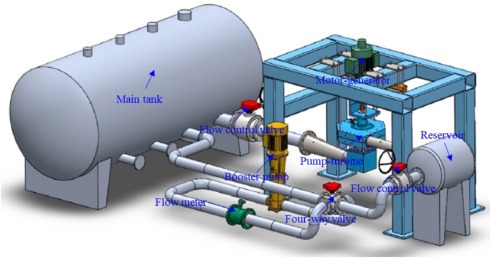
Electric Clean Steam Generator

The terms steam generator and boiler are often used interchangeably in the context of power generation and industrial heating, but they refer to different types of equipment with distinct functions, designs, and applications. Below, we’ll explore the key differences between a steam generator and a boiler:

1. Basic Definition:

  • Steam Generator: A steam generator is a device designed to convert water into steam by using heat. It generally operates under lower pressure conditions and is typically used for small-scale steam production or in specific industrial processes where moderate steam conditions are required. Steam generators are often compact and have a direct heat exchange from a combustion process or electric heating elements to generate steam.
  • Boiler: A boiler is a larger, more complex piece of equipment designed to generate steam by boiling water. It operates under higher pressures and is commonly used in industrial and power generation applications. Boilers are usually equipped with multiple heating surfaces and are capable of generating significant amounts of steam for a variety of uses, such as electricity generation, heating, and industrial processing.

2. Design and Construction:

  • Steam Generator:
    • Compact design: Steam generators are typically smaller and simpler in design.
    • Direct heat exchange: In a steam generator, water is heated directly by combustion gases or electrical heating elements, and steam is produced in a single pass or small number of passes.
    • Lower pressure operation: Steam generators often operate at lower pressures (up to 60 bar) and are more efficient for applications that don’t require very high-pressure steam.
  • Boiler:
    • Larger and more complex: Boilers are much larger and more intricate in design. They often include multiple stages of heat exchange, such as economizers, superheaters, and reheaters, to improve efficiency.
    • High-pressure systems: Boilers are designed to operate under higher pressures (up to several hundred bar) and generate steam that can be used for power generation, large industrial heating, or heating buildings in district heating systems.
    • Multiple passes: Boilers may have multiple stages for heat transfer, including the primary combustion chamber, secondary heat exchangers, and additional systems for heat recovery.

3. Steam Pressure and Temperature:

  • Steam Generator:
    • Typically designed for lower pressure and lower temperature steam generation.
    • They are commonly used in small industrial applications (such as for process heat, sterilization, or small power plants), where the steam requirements do not exceed the capabilities of a steam generator.
    • Operates at pressures typically between 10 to 60 bar and temperatures up to 300°C, though this can vary based on the design.
  • Boiler:
    • Boilers are designed to generate high-pressure steam, typically above 60 bar, and at high temperatures, making them suitable for large-scale power generation, industrial heating, and district heating.
    • High-pressure steam is used to drive steam turbines for electricity generation, where the steam is often superheated and pressurized to several hundred bar and temperatures above 500°C.

4. Applications:

  • Steam Generator:
    • Commonly used in small-scale applications, such as hospital sterilization unitssmall industrial facilitiesbiomass plants, or systems where moderate pressure and small quantities of steam are required.
    • Industrial processes that require low to medium steam pressure (such as cleaning, heating, and cooking).
    • Often used in cogeneration systems where heat recovery is essential, such as in combined cycle power plants.
  • Boiler:
    • Used in large-scale power plants for electricity generation.
    • Used in industrial applications requiring large amounts of steam at higher pressures and temperatures, such as in the chemicalpetrochemicalpharmaceuticalfood processing, and paper industries.
    • Also found in district heating systems, where they supply heat to entire buildings or neighborhoods.

5. Operation and Efficiency:

  • Steam Generator:
    • Steam generators are designed for rapid startup and low-to-medium heat requirements. They often have faster response times and are efficient at handling fluctuations in steam demand.
    • Efficiency tends to be slightly lower in steam generators compared to large-scale boilers due to their simpler design, although they are adequate for their intended uses.
  • Boiler:
    • Boilers are more complex systems designed for continuous, steady operation over long periods. They are generally more fuel-efficient than steam generators at larger scales due to their ability to recover heat through multiple stages and achieve higher operational pressures.
    • Start-up times are generally slower than steam generators, and they are built for continuous, long-term operation, making them ideal for power plants and large industrial facilities that require stable and abundant steam.

6. Control and Automation:

  • Steam Generator:
    • Steam generators often have simpler control mechanisms and are less automated, as they typically deal with smaller loads and simpler systems.
    • They may use pressure or temperature-based controls to regulate steam production.
  • Boiler:
    • Boilers often have advanced control systems that include automation for temperature regulation, steam pressure, and feedwater levels. These systems are designed to ensure safe operation under high pressures and temperatures and can automatically adjust to changing load demands.

7. Maintenance:

  • Steam Generator:
    • Generally requires less frequent maintenance due to their simpler design and lower operational pressures.
    • Maintenance typically involves ensuring that heating elements (if electric) or heat exchangers are functioning properly.
  • Boiler:
    • Requires more frequent and intensive maintenance, particularly in high-pressure boilers that operate at higher temperatures. This includes regular inspections, cleaning of tubes to prevent fouling, and ensuring the integrity of pressure vessels.
    • Boiler components such as burnerseconomizerssuperheaters, and pressure valves need periodic servicing to ensure they operate safely and efficiently.

Summary of Key Differences:

FeatureSteam GeneratorBoiler
SizeSmall, compact designLarger, complex systems
PressureLower pressure (up to 60 bar)High pressure (up to several hundred bar)
TemperatureLower temperatures (up to 300°C)High temperatures (up to 500°C or more)
ApplicationsSmall-scale industrial processes, cogeneration, sterilizationLarge-scale power generation, industrial heating, district heating
EfficiencyModerate efficiency, faster start-upHigher efficiency, steady operation
MaintenanceLess frequent, simpler maintenanceMore frequent, complex maintenance
OperationRapid start-up, fluctuating demandContinuous, steady operation
ControlSimple controls, manual or basic automationAdvanced controls with full automation

Conclusion:

In essence, steam generators are smaller, simpler devices designed to produce steam at lower pressures and temperatures for specific, often smaller-scale applications. They are ideal for quick start-ups and moderate steam needs. On the other hand, boilers are more complex and robust systems capable of generating large amounts of high-pressure steam, making them suitable for industrial-scale operations and power generation. While both serve similar fundamental functions of steam production, they differ significantly in terms of scale, pressure, temperature, and application.

Steam generators and boilers serve the same basic function of producing steam from water, but they differ significantly in their design, scale, applications, and operating conditions. A steam generator is typically a smaller, more compact system designed for lower-pressure steam production. It operates at lower temperatures and is ideal for applications that don’t require large amounts of steam, such as in small industrial processes, sterilization, or as a supplemental component in systems like cogeneration plants. Steam generators tend to be simpler in design, with a more direct heat exchange process, and are more suited for quick start-up and flexible operations.

In contrast, a boiler is a much larger and more complex piece of equipment that is designed to handle high pressures and temperatures, making it suitable for large-scale applications such as power plants, industrial heating, and district heating systems. Boilers typically include multiple stages for heat transfer, such as economizers, superheaters, and reheaters, which help increase the efficiency of steam production. These systems are designed to operate continuously under steady conditions, providing large quantities of high-pressure steam, and are built to accommodate demanding and long-term industrial or power generation operations.

The key differences between steam generators and boilers also extend to their operational efficiency, control mechanisms, and maintenance needs. Steam generators are generally more energy-efficient for smaller applications, but they may not have the same level of operational sophistication or longevity as boilers, which are engineered for continuous high-efficiency operation under extreme conditions. Boilers require more intensive and regular maintenance, particularly due to their larger size, complexity, and the high pressures and temperatures at which they operate. However, they are more efficient at larger scales and are necessary for applications that demand a steady supply of high-pressure steam.

While steam generators are commonly used in situations where moderate steam is required and rapid operation is needed, boilers are typically the go-to solution for industries and power plants that need high volumes of steam over extended periods. The design of a boiler incorporates a variety of safety features and advanced controls to ensure the system operates reliably, safely, and efficiently. These controls include automated regulation of pressure, temperature, and feedwater, allowing boilers to adapt to fluctuations in demand, something that steam generators handle with more basic control systems.

Ultimately, the choice between a steam generator and a boiler depends largely on the scale and complexity of the application, as well as the steam pressure and temperature requirements. While steam generators are suited for smaller, more flexible steam needs, boilers are built for more demanding industrial and power generation environments where high-pressure, high-temperature steam is required over longer durations.

As we continue, it’s important to explore how the specific applications and operational characteristics of steam generators and boilers influence the design and functionality of energy systems. When considering factors such as energy efficiency, operational flexibility, and cost, the decision to use a steam generator or boiler can have a significant impact on the overall performance of a plant or industrial process.

In terms of energy efficiency, steam generators can be more efficient for smaller-scale applications due to their simpler design and quicker start-up times. They are particularly effective in settings where steam demands fluctuate or are relatively low and intermittent. Because steam generators operate with a more direct heat exchange process, they tend to have fewer heat losses compared to large boilers that require more intricate heat recovery systems. However, this efficiency comes with the limitation of producing only moderate amounts of steam at lower pressures, which is not suitable for large-scale power generation or heavy industrial operations.

On the other hand, boilers are far more efficient in large-scale operations where continuous steam production is required. Their design incorporates advanced heat recovery mechanisms such as economizers, which capture waste heat from flue gases to preheat the incoming feedwater, improving overall efficiency. Additionally, superheaters are used in boilers to raise the temperature of the steam beyond its boiling point, increasing its energy content and allowing for greater power generation when used in conjunction with steam turbines. The ability of boilers to generate high-pressure, superheated steam makes them indispensable in large power plants and industries requiring substantial heat energy.

The operational flexibility of steam generators and boilers also differs. Steam generators excel in applications where flexibility is essential, such as in industries or processes that need steam on demand but at varying quantities. Their simpler construction allows for faster response times, enabling them to adjust quickly to changes in steam demand. This makes them ideal for small industrial systems, backup steam supply, and for cogeneration units where steam is produced alongside power. Furthermore, steam generators can be easily integrated with renewable energy sources or smaller-scale combined heat and power (CHP) systems, where the demand for steam can fluctuate significantly.

Boilers, due to their larger size and complexity, offer less flexibility in adjusting to sudden changes in steam load. They are designed for steady-state operation, where the system is expected to produce a consistent and substantial amount of steam over extended periods. While modern boilers can be adjusted to meet changes in demand, they do so more slowly compared to steam generators. However, in large-scale power generation or industrial settings, the ability to produce large amounts of steam reliably and efficiently outweighs the need for rapid load changes.

Cost is another crucial consideration. Steam generators are generally less expensive than boilers due to their simpler design, smaller size, and lower material requirements. They are ideal for facilities where the initial investment needs to be lower or for applications that don’t require a constant supply of high-pressure steam. Their smaller footprint and straightforward construction also result in lower installation and maintenance costs. However, for larger applications, the cost of multiple smaller steam generators can sometimes exceed the cost of a single, larger boiler.

Boilers, while more expensive upfront, offer long-term value when considered for larger, more demanding applications. Their design allows for more efficient energy conversion at scale, reducing operating costs over time in high-demand environments like power plants or heavy industrial facilities. Boilers also benefit from their ability to handle large volumes of steam, making them more cost-effective in the long run when the demand for steam is consistent and substantial. The costs associated with maintaining and operating a boiler are generally higher than for steam generators, especially given their more complex components, but the overall efficiency and steam production capabilities make boilers a more viable option for large-scale operations.

Finally, in terms of maintenance, both steam generators and boilers require attention, but the frequency and complexity differ. Steam generators, being simpler, generally require less maintenance and are easier to repair. The lower operational pressure and temperature mean less wear and tear on components, reducing the likelihood of catastrophic failure. However, regular checks are still necessary to ensure proper operation, especially for the heating elements or heat exchangers.

On the other hand, boilers require more detailed and frequent maintenance due to their complex design and the high-pressure environments in which they operate. Regular maintenance is crucial for maintaining efficiency, preventing breakdowns, and ensuring safety. The components most commonly serviced in boilers include burners, pressure valves, heat exchangers, and superheaters. The higher pressure and temperature levels of boilers mean that parts are under greater stress, leading to more rapid wear over time. Routine inspections, cleaning of combustion chambers, and descaling of heat transfer surfaces are all part of the maintenance schedule for a boiler to ensure it remains in optimal working condition.

In conclusion, the choice between a steam generator and a boiler depends on several factors such as the required steam output, the scale of operation, efficiency needs, and cost considerations. Steam generators offer a simpler, more flexible solution for low-to-medium steam requirements, whereas boilers are the preferred choice for large-scale, high-pressure steam production, offering superior efficiency and continuous operation in demanding environments. Understanding the specific needs of a given application and considering factors like energy demand, operational flexibility, and long-term costs will help determine the appropriate system for efficient and sustainable steam generation.

Nuclear Steam Generator
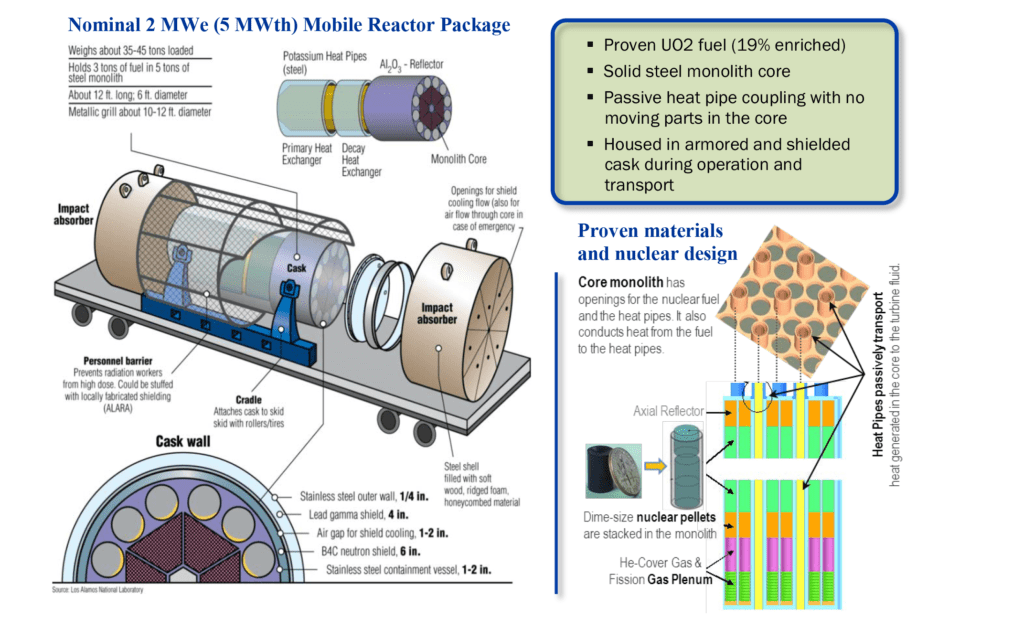
What is a Steam Generator in a Nuclear Power Plant

nuclear steam generator is a critical component in a nuclear power plant that converts heat from nuclear fission reactions into steam. This steam is then used to drive a turbine generator, producing electricity. The key function of a nuclear steam generator is to transfer heat from the reactor coolant (typically water or another coolant fluid) to water in a secondary circuit, which is then turned into steam. Nuclear steam generators are distinct from conventional steam boilers or generators in that they operate within a nuclear reactor and are designed to handle the high temperatures and pressures associated with nuclear energy.

Key Features of a Nuclear Steam Generator:

  1. Heat Transfer Mechanism:
    • In a nuclear reactor, the core undergoes nuclear fission, where atoms are split to release large amounts of energy. This heat is absorbed by the reactor coolant (typically pressurized water or liquid metal like sodium).
    • The nuclear steam generator’s primary role is to transfer this heat from the coolant to a secondary water loop, which produces steam. The secondary water loop is kept separate from the reactor coolant loop to ensure there is no direct contact between the radioactive coolant and the steam used for power generation.
  2. Primary and Secondary Loops:
    • Primary loop: The reactor coolant absorbs the heat generated by fission reactions in the nuclear core. This coolant, under high pressure and temperature, is pumped through tubes in the nuclear steam generator.
    • Secondary loop: In the steam generator, the primary coolant heats water in a secondary loop, turning it into steam. The steam then drives a turbine connected to an electric generator.
  3. Structure and Design:
    • A nuclear steam generator typically consists of a heat exchanger that includes a large number of tubes, through which the primary coolant flows. Water in the secondary loop surrounds these tubes and is heated to produce steam.
    • The steam generator is designed to operate under extremely high pressure and temperature, often at pressures exceeding 1000 psi (69 bar), to effectively transfer heat without boiling the coolant in the primary loop.
    • The steam generator is usually designed to prevent contamination between the two loops, as the primary loop is radioactive, and any leakage could lead to safety and environmental issues.
  4. Materials Used:
    • Nuclear steam generators are constructed from high-strength materials that can withstand the extreme operating conditions. Alloy steelstitanium, and nickel-based alloys are commonly used for the heat exchanger tubes due to their high resistance to corrosion, radiation, and heat.
    • These materials must also resist stress corrosion cracking and thermal fatigue, which can occur due to the cyclic nature of heating and cooling.
  5. Safety Considerations:
    • Since nuclear steam generators operate in a highly radioactive environment, they are designed with numerous safety features to prevent the release of radioactive materials.
    • The steam generator is often located in a containment structure that can withstand extreme conditions, including pressure surges and earthquakes.
    • Regular monitoring of the heat transfer efficiency, pressure, and temperature is critical to ensure safe operation. Systems are in place to shut down the reactor in case of any anomalies, such as a failure in the heat exchange process.
  6. Types of Nuclear Steam Generators:
    • Pressurized Water Reactor (PWR) Steam Generators: These are the most common type and are used in pressurized water reactors. In a PWR, water is kept under high pressure so it does not boil as it is heated by the nuclear core. The heated water then passes through the nuclear steam generator, transferring heat to the secondary water loop.
    • Boiling Water Reactor (BWR) Steam Generators: In a boiling water reactor, the reactor coolant boils directly in the reactor core to create steam, which is then used to drive the turbine. While a steam generator is not used in BWRs for heat exchange, the steam produced in the reactor core itself serves as the working fluid for the turbine.
    • Fast Breeder Reactors (FBR): These reactors use liquid metal coolants, such as sodium, to transfer heat from the core. The nuclear steam generators in these systems are designed to handle the unique properties of liquid metal coolants and high heat fluxes.
  7. Challenges and Maintenance:
    • Nuclear steam generators face significant challenges in maintenance due to the harsh operating environment. Over time, the heat exchanger tubes can become prone to wear, corrosion, and tube degradation caused by high-temperature radiation.
    • One of the biggest challenges is the phenomenon of primary-to-secondary leakage, which can occur if a tube in the steam generator ruptures or becomes damaged, allowing radioactive coolant to contaminate the secondary water loop. This can lead to safety risks and shutdowns for repairs.
    • Routine inspection, cleaning, and testing are required to ensure that the nuclear steam generator remains functional and safe. Eddy current testing is often used to detect flaws or cracks in the tubes of the steam generator.
  8. Efficiency:
    • Nuclear steam generators are designed to be highly efficient at transferring heat from the primary coolant to the secondary loop. However, the efficiency of a nuclear steam generator is also influenced by the thermal efficiency of the overall nuclear power plant. Most nuclear plants operate at thermal efficiencies of around 33-37%.
    • Advanced designs and technologies, such as superheating the steam or increasing the temperature and pressure of the reactor coolant, aim to improve the efficiency of steam generation and electricity production.

Conclusion:

In summary, the nuclear steam generator plays a pivotal role in transferring heat from the reactor coolant to generate steam, which is used to drive turbines and produce electricity. The design and materials must withstand extremely high temperatures, pressures, and radiation. Nuclear steam generators are a critical part of pressurized water reactors, which are among the most common types of nuclear power plants worldwide. Ensuring the integrity, safety, and long-term performance of these generators is essential for the efficient and safe operation of nuclear power plants. Regular maintenance, advanced materials, and modern inspection techniques are crucial for the reliable functioning of nuclear steam generators.

Continuing from the previous discussion, nuclear steam generators (NSGs) are indispensable in nuclear power plants, especially those using pressurized water reactors (PWRs). Their role goes beyond just converting heat to steam, as they are part of a highly specialized system designed to ensure the safe and efficient production of electricity. Let’s explore further the complexities and operational considerations of nuclear steam generators.

The core of a nuclear reactor generates heat through nuclear fission, where atoms are split, releasing energy that heats the reactor coolant, typically water under high pressure. This coolant, now heated, flows through the nuclear steam generator, which operates as a large heat exchanger. The secondary loop involves water or a different coolant that circulates through the steam generator, absorbing heat from the reactor coolant and turning into steam. The steam then drives turbines connected to electrical generators, producing the energy that powers the grid.

Key Considerations for Nuclear Steam Generators:

  1. Design and Operational Integrity: The design of nuclear steam generators must consider the high thermal stresses, radiation exposure, and corrosion-resistant requirements. The coolant inside the primary loop is radioactive, meaning that nuclear steam generators must be sealed effectively to prevent leaks and contamination. This is a critical safety concern. Engineers design the systems so that any potential leak in the primary circuit does not lead to the release of radioactivity into the secondary loop or the environment. In addition to ensuring the safe transfer of heat, the design minimizes thermal shock and thermal gradients that could cause structural damage to the materials over time.
  2. Pressure and Temperature Control: The reactor coolant in the primary loop is kept at a high pressure (typically above 150 bar) to prevent it from boiling, even though it reaches temperatures of over 300°C. This allows the coolant to efficiently transfer heat without turning into steam. The secondary loop water, however, is allowed to boil and produce steam at much lower pressures (around 60 bar in most reactors). The process involves managing and controlling this pressure differential, which is crucial for the efficient functioning of the nuclear steam generator and the broader reactor system.
  3. Heat Transfer and Efficiency: The efficiency of a nuclear steam generator is dependent on the heat transfer effectiveness between the primary and secondary loops. To maximize efficiency, nuclear steam generators are designed with large surface areas within the heat exchangers. Tubes through which the primary coolant flows are surrounded by secondary water, allowing heat to transfer without mixing the two fluids. Materials used for the tubes, such as Inconel or stainless steel, are selected for their ability to withstand high heat, radiation, and pressure conditions over long periods. Another factor that influences efficiency is the design of the turbine and the steam produced. Superheating the steam or using higher operating pressures helps extract more energy from the steam, improving overall thermal efficiency. For instance, superheated steam has a higher enthalpy (energy per unit mass), meaning it can produce more work when expanded through the turbine.
  4. Corrosion Resistance: One of the most challenging aspects of operating nuclear steam generators is dealing with the effects of corrosion in the primary loop. The high-pressure water can interact with the materials in the tubes, leading to stress corrosion cracking and pitting over time. The environment within the reactor system is chemically aggressive, with dissolved oxygen and chlorides that can exacerbate corrosion. Therefore, anti-corrosive materials like Alloy 800 or Inconel 690 are used in the construction of steam generator tubes. To combat these issues, nuclear power plants often employ advanced chemical treatments, such as de-oxygenating the coolant and using corrosion inhibitors. Additionally, nuclear steam generators are designed with redundant safety features, such as flooded steam generator areas and specialized sealing mechanisms, to mitigate potential issues caused by corrosion.
  5. Monitoring and Inspection: Given the critical nature of nuclear steam generators in the operation of a nuclear plant, they are closely monitored and inspected to ensure that they continue to operate safely and efficiently. Non-destructive testing (NDT) methods, including eddy current testing and ultrasonic testing, are regularly used to detect early signs of tube wear or other damage. This ensures that any degradation in the system is caught early, and corrective measures can be taken before a failure occurs. Inspection routines may include testing the integrity of tube-to-tube sheet welds, checking for thermal expansion effects, and verifying the cleanliness of the tubes to ensure there is no buildup of scale or fouling that could affect heat transfer.
  6. Aging and Replacement: Nuclear steam generators are designed to last for several decades, but aging is inevitable due to the high radiation exposure, thermal cycling, and pressure conditions. As a result, nuclear operators must plan for periodic replacements or refurbishments of components. The tubes inside a steam generator, in particular, may degrade over time and require replacement, often at intervals of 30 to 40 years. Advanced repair technologies have been developed to allow the replacement of these tubes without a complete shutdown of the plant, thereby extending the operational life of the steam generator.
  7. Safety Protocols and Redundancy: The safety of nuclear steam generators is paramount because a malfunction or failure could potentially compromise the integrity of the reactor itself. Nuclear power plants are designed with multiple safety protocols and redundant systems to handle emergencies. This includes backup power systems, emergency cooling systems, and containment structures designed to prevent any radioactivity from escaping in the event of a serious failure. Any malfunction that leads to primary-to-secondary leakage—where radioactive water from the primary loop enters the secondary loop—could lead to plant shutdowns and extensive safety investigations. To mitigate this, the containment structure of the plant and steam generator tubes are designed with multiple barriers to prevent the release of radiation. Safety valves and pressurized relief systems are incorporated to release excess pressure in case of emergencies, and automatic shutdown systems are in place to stop the reactor in case of detected anomalies.

Conclusion:

In a nuclear power plant, the nuclear steam generator serves as a crucial link between the nuclear reactor and the electricity production system. It is responsible for converting the heat produced by nuclear fission into steam that can be used to power turbines and generate electricity. The design and operation of nuclear steam generators involve managing extreme heat, pressure, and radiation conditions while ensuring the integrity and safety of the system. With regular maintenance, advanced materials, and robust safety protocols, nuclear steam generators play a vital role in providing a reliable, low-carbon source of energy. However, the high demands of operating in a nuclear environment require continuous monitoring, advanced engineering, and careful planning to ensure long-term efficiency and safety.

Continuing from where we left off, it’s important to further discuss the operational dynamicstechnological advancements, and the future outlook of nuclear steam generators, which continue to evolve alongside advancements in nuclear power technology.

Technological Advancements and Future Directions

As nuclear power continues to evolve, so too do the technologies associated with nuclear steam generators (NSGs). Engineers are constantly working to improve the performance, longevity, and safety of these critical components. The advancements in material science, manufacturing techniques, and design optimization are all playing a role in enhancing the effectiveness of nuclear steam generators.

  1. Advanced Materials: One of the key areas of improvement in nuclear steam generators is the development of new materials that can withstand even higher temperatures, pressures, and radiation levels. Materials such as advanced alloys, including nickel-based alloys and titanium, are being explored for their higher resistance to corrosion and their ability to handle the extreme operating conditions within the reactor environment. Research is also focused on ceramic materials, which could offer better heat resistance and reduced degradation from radiation exposure. Another promising development is the use of composite materials, which can improve the performance of heat exchangers by offering lower thermal conductivity and greater resistance to thermal cycling. These advancements not only enhance the safety and efficiency of nuclear steam generators but also help extend their operational lifespan, reducing the frequency of replacements and repairs.
  2. Design Improvements: The design of nuclear steam generators is becoming more modular and compact to improve efficiency and reduce costs. Modular reactors (SMRs – Small Modular Reactors) are gaining attention as a more flexible and scalable alternative to traditional large reactors. In these systems, the nuclear steam generator may be designed to be smaller, lighter, and easier to transport, offering enhanced safety features and the ability to deploy in more varied locations. Furthermore, computer-aided design (CAD) and simulation technologies are being used to model and optimize the performance of nuclear steam generators under various operating conditions. These technologies allow for a more detailed understanding of fluid dynamics, thermal transfer, and structural stresses within the generator, enabling engineers to design more efficient and reliable systems.
  3. Enhanced Heat Exchange SystemsHeat exchanger technology is a critical area of development, as it directly impacts the efficiency of the nuclear steam generator. Modern nuclear steam generators are being designed with more efficient heat exchangers that improve the transfer of thermal energy between the primary and secondary circuits. Advanced designs such as double-wall tubesherringbone fins, and printed heat exchanger surfaces aim to enhance heat transfer while minimizing thermal losses and the potential for fouling or scaling. Additionally, the use of direct nuclear heating systems, where heat is directly transferred from the nuclear core to the working fluid without a separate steam generator, is being researched. Although not yet widespread, such systems have the potential to improve efficiency and reduce the complexity of the plant design.
  4. Advanced Reactor Concepts: As the energy demands of the world evolve, so too do the concepts for new nuclear reactors. In addition to traditional PWRs (Pressurized Water Reactors) and BWRs (Boiling Water Reactors), advanced nuclear reactors such as molten salt reactors (MSRs) and high-temperature gas-cooled reactors (HTGRs) are being developed. These reactors may require entirely new designs for their steam generation systems due to differences in operating temperatures, coolant properties, and steam production methods. Molten Salt Reactors (MSRs), for example, use liquid salt as both the coolant and the fuel medium, potentially allowing for higher operational temperatures. The traditional steam generator design is incompatible with MSRs due to the different heat transfer mechanisms, and new heat exchangers are being developed to operate at higher temperatures. These systems are being designed to offer greater fuel efficiency and safety while reducing the risk of accidents, as the reactor’s liquid fuel cannot overheat in the same way as conventional solid-fuel reactors.
  5. Zero-Carbon Energy Integration: As the world shifts towards more sustainable and zero-carbon energy sources, nuclear power, and by extension nuclear steam generators, are poised to play a larger role. The need for clean, reliable power sources has prompted a reevaluation of nuclear energy, particularly in the context of climate change. Modern nuclear steam generators and reactors are designed to integrate with renewable energy systems (like solar and wind) through hybrid systems that maximize energy production and provide backup power during fluctuations in renewable generation. For example, nuclear power plants could potentially supply continuous baseload power while renewable sources handle peak demand.
  6. Waste Heat Recovery: The integration of waste heat recovery systems in nuclear power plants, including within the nuclear steam generator, can further enhance the efficiency of these facilities. Recovering and utilizing waste heat, which would otherwise be lost to the environment, can contribute to overall plant efficiency, particularly in applications such as district heating and industrial processes. Advanced heat recovery steam generators (HRSGs) may be used to capture excess heat from the reactor coolant loop and provide additional power or heating to nearby industrial operations. Some future nuclear plants may incorporate closed-loop systems where waste heat from the steam cycle is recycled to improve efficiency, much like how combined heat and power (CHP) systems are used in conventional energy plants. This would enable a more sustainable and cost-effective approach to energy production, maximizing the output from nuclear reactors.

Safety Improvements and Regulatory Considerations

Safety remains a paramount concern for nuclear power generation, and nuclear steam generators are a key component of this safety framework. With the heightened focus on public and environmental safety, nuclear operators are constantly working on improving the designoperation, and maintenance protocols for nuclear steam generators.

  1. Seismic and Extreme Event Safety: New nuclear plants are being designed to withstand a wider range of natural disasters, including earthquakes, tsunamis, and extreme weather conditions. The seismic resilience of nuclear steam generators and their associated infrastructure is critical, especially since steam generators operate in a high-pressure environment. Modern plants often include seismic isolation systems that allow for some movement of the reactor and steam generator units during an earthquake without compromising the structural integrity.
  2. Automated Safety Systems: As part of the automated monitoring and control systemsadvanced sensors are now used to detect potential issues in the nuclear steam generator before they result in catastrophic failures. These systems can measure pressure, temperature, vibration, and even the early signs of corrosion, ensuring the reactor and steam generator operate within safe parameters. If any irregularities are detected, automatic shutdown systems can be triggered, and operators are alerted for immediate corrective action.
  3. Public Perception and Acceptance: While nuclear energy is regarded as a clean, reliable energy source, its public perception has often been clouded by historical accidents such as Chernobyl and Fukushima. As such, nuclear steam generators, along with the reactors they serve, must meet stringent safety and regulatory standards to gain public trust. Advances in reactor designs and steam generation systems are focused not just on operational efficiency but also on demonstrating fail-safe systems, robust safety measures, and transparency in operations to improve public confidence in nuclear power.

Conclusion: The Future of Nuclear Steam Generators

Looking to the future, nuclear steam generators will continue to evolve alongside the global energy landscape. They will likely see improvements in efficiencyreliabilitymaterial science, and safety systems that enable nuclear power to play an increasingly important role in meeting global energy demands. As advanced reactor designs such as small modular reactors (SMRs) and molten salt reactors (MSRs) come online, nuclear steam generators will adapt to new cooling methods, heat transfer systems, and reactor architectures, ensuring that nuclear power remains a key part of the low-carbon energy mix.

The continued investment in research and development, along with increased regulatory scrutiny, will drive the development of next-generation nuclear technologies. These innovations will not only improve the efficiency of nuclear steam generators but will also enhance the safety, sustainability, and overall performance of nuclear power as an energy source for future generations.

Natural Gas Power Plant

Natural Gas Power Plant

natural gas power plant is a facility that generates electricity using natural gas as the primary fuel source. These plants are highly efficient and versatile, often employed to meet both base-load and peak electricity demand. Natural gas is burned to produce heat, which drives a turbine connected to an electric generator. These power plants can be classified into several types, with the most common being combined-cycle power plantssimple-cycle plants, and co-generation plants.

Key Components of a Natural Gas Power Plant

  1. Gas Turbine: The gas turbine is the core of many natural gas power plants, particularly in simple-cycle and combined-cycle systems. In these turbines, natural gas is burned in a combustion chamber to produce hot gases. These gases expand rapidly and pass through a turbine, which spins and drives an electric generator. The efficiency of this process depends on the temperature and pressure of the gas, and modern turbines are designed to extract as much energy as possible from the combustion process.
  2. Boiler (for Combined-Cycle Plants): In combined-cycle power plants, natural gas turbines are paired with a steam turbine to increase overall efficiency. The exhaust heat from the gas turbine, which would otherwise be wasted, is used to produce steam in a heat recovery steam generator (HRSG). This steam is then fed to a steam turbine to generate additional electricity. This dual approach significantly increases the plant’s efficiency compared to simple-cycle designs.
  3. Heat Recovery Steam Generator (HRSG): In a combined-cycle setup, the HRSG captures waste heat from the exhaust of the gas turbine and uses it to boil water, creating steam for the steam turbine. The HRSG is crucial for the efficiency of combined-cycle plants, and its design can vary depending on the specific requirements of the plant. It can also play a role in waste heat recovery and co-generation processes.
  4. Steam Turbine (for Combined-Cycle Plants): In a combined-cycle plant, the steam turbine is responsible for generating additional electricity by utilizing the steam produced from the HRSG. The steam turbine operates on the principle of Rankine cycle, where steam is expanded through the turbine, driving a generator. The waste heat in the steam is eventually cooled and condensed back into water in the condenser before being reused in the HRSG.
  5. Condenser: The condenser is typically located after the steam turbine in a combined-cycle plant. It cools and condenses the steam back into water, which is then pumped back into the HRSG to be heated again, completing the cycle. The condenser is often cooled by a nearby water source (river, lake, or ocean) or by air cooling systems.
  6. Generator: The generator is connected to the turbine shaft and is responsible for converting mechanical energy from the rotating turbine into electrical energy. It does this using electromagnetic induction principles. As the turbine spins, the mechanical energy is transferred to the generator, producing electrical power.
  7. Cooling System: In natural gas power plants, particularly those using steam turbines, cooling systems are needed to remove the heat produced during the generation of steam. These systems are essential to condense the steam back into water. There are two main types of cooling systems:
    • Wet cooling: Uses large amounts of water from a nearby river or ocean to condense steam.
    • Dry cooling: Uses air to cool the steam, typically in regions where water resources are limited.
  8. Auxiliary Systems: These include various systems for fuel supply, air handling, and exhaust treatment. Natural gas must be supplied to the plant at a consistent pressure, and air must be appropriately filtered and supplied to the combustion chamber. Exhaust gases may also be treated to reduce emissions, using systems like selective catalytic reduction (SCR) to control nitrogen oxide (NOx) emissions.

Types of Natural Gas Power Plants

  1. Simple-Cycle Gas Turbine Plants: Simple-cycle plants are the most straightforward type of natural gas power plant. They operate by burning natural gas in a gas turbine to produce electricity. After the combustion process, the exhaust gases are expelled. The efficiency of simple-cycle plants is typically around 30-40%, as much of the heat energy is wasted in the exhaust.
  2. Combined-Cycle Gas Turbine (CCGT) Plants: Combined-cycle plants are much more efficient than simple-cycle plants. These plants use both a gas turbine and a steam turbine to generate electricity. The exhaust from the gas turbine is used to heat water and produce steam, which drives a steam turbine, generating more electricity. The overall efficiency of combined-cycle plants is around 50-60%, making them a popular choice for modern natural gas power generation.
  3. Open-Cycle vs. Closed-Cycle:
    • Open-Cycle: In an open-cycle gas turbine plant, the exhaust gases are released into the atmosphere without being utilized for further energy production.
    • Closed-Cycle: A closed-cycle system recycles the exhaust gases, using them to heat another medium, like water or a refrigerant, for additional power generation. This is typically seen in combined-cycle plants.
  4. Co-Generation or Combined Heat and Power (CHP) Plants: These plants are designed to provide both electricity and useful heat, often for industrial applications or district heating. The heat generated from the combustion process or the waste heat from the turbines is used for heating purposes, such as space heating, hot water for industrial processes, or district heating systems.

Advantages of Natural Gas Power Plants

  1. Efficiency: Natural gas power plants, especially combined-cycle plants, are among the most efficient forms of electricity generation. Their ability to use waste heat from the gas turbine to power a steam turbine boosts their overall efficiency to levels much higher than traditional coal or oil plants.
  2. Lower Emissions: Natural gas is a cleaner-burning fossil fuel compared to coal or oil. It emits about half the carbon dioxide (CO2) per unit of energy produced as coal. It also produces lower levels of nitrogen oxides (NOx) and sulfur dioxide (SO2), which are major pollutants associated with traditional power plants. This makes natural gas a preferable choice from an environmental standpoint, particularly in regions aiming to reduce greenhouse gas emissions.
  3. Flexibility and Responsiveness: Natural gas plants can be ramped up or down quickly, making them an excellent complement to renewable energy sources like solar and wind, which can be intermittent. Natural gas plants can respond rapidly to changes in demand, filling in the gaps when renewable energy sources are not generating sufficient power.
  4. Lower Operating Costs: The operating costs of natural gas plants tend to be lower compared to other fossil-fuel plants, especially in regions where natural gas is abundant and inexpensive. They also have lower fuel costs compared to coal, and their operational and maintenance requirements are generally simpler, which can reduce overall costs.
  5. Smaller Footprint: Natural gas plants generally have a smaller physical footprint compared to coal plants, requiring less land area. This can be particularly advantageous in urban settings or areas with limited space for power generation infrastructure.

Challenges and Considerations

  1. Dependence on Natural Gas Supply: The viability and cost-effectiveness of natural gas power plants are tied to the availability and price of natural gas. Fluctuations in the global natural gas market can affect operating costs and the plant’s economic performance. In regions with limited access to natural gas or unreliable supply chains, this dependency may pose a challenge.
  2. Environmental Impact of Methane Leaks: While natural gas burns cleaner than coal or oil, the process of extracting and transporting natural gas can lead to methane leaks. Methane is a potent greenhouse gas with a much higher warming potential than CO2. These leaks can offset some of the environmental benefits of natural gas, particularly if they occur during extraction, transportation, or distribution.
  3. Carbon Emissions: Although natural gas plants emit less carbon than coal plants, they still contribute to global carbon emissions. As the world shifts toward carbon-neutral energy systems, natural gas will likely play a transitional role, but it may need to be phased out or supplemented with carbon capture and storage (CCS) technologies to meet long-term decarbonization goals.
  4. Water Usage: Natural gas power plants, especially those with a steam cycle, can consume large amounts of water for cooling. This can be a concern in areas with water scarcity, especially in regions prone to droughts. While some plants use air cooling to reduce water consumption, this typically comes at the cost of lower efficiency.

Conclusion

Natural gas power plants are an important part of the global energy landscape, providing reliable, efficient, and relatively low-emission electricity. Combined-cycle gas turbine (CCGT) plants are particularly popular due to their high efficiency and ability to complement renewable energy sources. While natural gas plants have advantages in terms of efficiency, flexibility, and lower emissions, challenges related to fuel supply dependency, methane emissions, and water usage remain. As the energy sector transitions toward low-carbon solutions, natural gas is expected to play a role in providing backup power to renewables, but its long-term future will depend on the development of carbon capture technologies and the availability of alternative, cleaner energy sources.

Natural gas power plants play a significant role in the energy mix, offering a reliable and flexible means of electricity generation. The primary advantage of natural gas plants lies in their high efficiency, particularly in combined-cycle configurations, where the waste heat from the gas turbine is used to generate additional power through a steam turbine. This design can achieve efficiency levels of 50-60%, making it one of the most efficient types of fossil-fuel power generation.

These plants are also highly flexible, meaning they can quickly respond to changes in electricity demand. This responsiveness makes them a perfect complement to renewable energy sources like wind and solar, which are intermittent and require backup power during times of low generation. Natural gas plants can ramp up production quickly to fill in the gaps when renewable energy is unavailable.

Compared to coal and oil, natural gas burns much cleaner, emitting about half the carbon dioxide (CO2) per unit of energy produced. This reduction in emissions makes natural gas plants a favorable option for regions looking to reduce their carbon footprint and transition away from more polluting fossil fuels. However, despite being cleaner than coal, natural gas still contributes to carbon emissions, and there are concerns about the environmental impact of methane leaks during extraction, transportation, and distribution. Methane is a potent greenhouse gas, and preventing leaks is crucial for maximizing the environmental benefits of natural gas.

In addition to reducing CO2 emissions, natural gas plants produce lower levels of other pollutants such as sulfur dioxide (SO2) and nitrogen oxides (NOx), which are major contributors to acid rain and smog. This makes natural gas plants an attractive option for areas looking to improve air quality.

On the downside, the dependency on natural gas supply can create volatility in pricing and operational costs. Natural gas prices can fluctuate due to market conditions, geopolitical factors, and supply chain issues, which can affect the financial stability of power plants. Moreover, although natural gas is considered a cleaner fossil fuel, it still requires the extraction and transportation of resources, which can lead to environmental concerns, such as habitat disruption or water contamination, particularly from practices like hydraulic fracturing (fracking).

Water usage is another challenge for natural gas power plants. Most plants rely on cooling systems that require large amounts of water to condense the steam back into water after it has passed through the steam turbine. In regions where water is scarce or where water resources are limited, this can pose a significant problem. Some plants mitigate this issue by using dry cooling systems, but these systems can be less efficient and more costly to operate.

Despite these challenges, natural gas remains a crucial part of the global energy landscape. In addition to generating electricity, natural gas can also be used for combined heat and power (CHP) systems, where waste heat is utilized for heating applications, further improving efficiency. The versatility of natural gas allows it to be used in various settings, from small-scale residential and industrial plants to large, utility-scale power stations.

As the world continues to move toward cleaner energy systems, natural gas is expected to remain a transitional energy source, helping to bridge the gap between high-emission fossil fuels and renewable sources. To ensure that natural gas plants can contribute meaningfully to a low-carbon future, further investments in carbon capture and storage (CCS) technologies are essential. By capturing the CO2 emissions produced during the combustion process, these technologies can significantly reduce the carbon footprint of natural gas plants.

In the long term, the future of natural gas in power generation will depend on how well these plants can adapt to a world focused on sustainability and carbon neutrality. While natural gas offers many benefits, its continued role in the energy sector will require innovations to minimize its environmental impact and enhance its integration with renewable energy systems.

As we continue exploring the future of natural gas power plants, it’s important to consider the broader context in which they operate and how they might evolve in response to global energy demands and environmental concerns. One of the key drivers for this evolution is the global shift toward decarbonization. Countries around the world are setting ambitious targets to reduce greenhouse gas emissions and transition to low-carbon energy systems, which puts pressure on all sectors of the energy industry, including natural gas.

While natural gas is often considered a “cleaner” fossil fuel compared to coal and oil, its role in the long-term energy mix is being scrutinized, particularly as renewable energy technologies like wind, solar, and battery storage continue to mature. The ability of natural gas plants to act as a flexible backup to renewables is one of their greatest strengths, but their future will depend on how effectively they can be integrated into a grid that increasingly relies on intermittent energy sources.

To this end, the development of hybrid systems, where natural gas plants work in tandem with renewable energy sources, could become more common. For example, gas plants might work alongside large-scale solar or wind farms to provide the grid with steady electricity when renewable output is low, such as on cloudy or calm days. This will require improved grid management systems that can handle the variability of renewable energy while ensuring that natural gas plants can ramp up or down quickly to meet demand.

The transition to a low-carbon energy system also opens up opportunities for the use of bio-methane and synthetic natural gas (SNG), which are renewable gases that can be used in existing natural gas infrastructure, including power plants. These alternatives are produced from organic waste or captured carbon dioxide and can be a sustainable way to reduce the carbon footprint of natural gas power generation.

Moreover, carbon capture, utilization, and storage (CCUS) technologies are essential for allowing natural gas plants to operate in a carbon-constrained future. By capturing the CO2 emissions from combustion processes and either storing them underground or using them in industrial applications, CCUS could allow natural gas plants to remain a viable part of the energy mix. This technology is still in the early stages of development, with several demonstration projects underway around the world, but scaling it up to a commercial level will be crucial for making natural gas a truly sustainable energy source.

The use of hydrogen as a fuel source in natural gas power plants is another area of interest. Hydrogen can be produced from natural gas through a process called steam methane reforming (SMR), and when burned, hydrogen emits only water vapor. However, producing hydrogen in this manner still produces CO2, unless coupled with carbon capture technology. An alternative approach is producing green hydrogen, which involves electrolysis powered by renewable energy to split water into hydrogen and oxygen. This hydrogen could be used in natural gas plants to reduce emissions significantly. In the future, a mix of natural gas and hydrogen could play a major role in reducing the carbon footprint of the power sector.

Another challenge for natural gas power plants, particularly those using conventional technologies, is the need for ongoing maintenance and operational upgrades to keep up with the evolving regulatory and technological landscape. With stricter emissions regulations being implemented globally, power plants will need to invest in upgraded pollution control systems and monitoring equipment to comply with environmental standards. This may include retrofitting plants with technologies to reduce NOx, SO2, and particulate matter emissions, as well as improving efficiency to reduce fuel consumption and emissions.

The increased demand for electrification across industries such as transportation, manufacturing, and residential heating could also drive changes in the natural gas power plant industry. As more sectors transition to electric systems, the demand for reliable and affordable electricity is likely to rise. Natural gas power plants, with their flexibility and relatively low emissions, will continue to play a critical role in ensuring that electricity grids remain stable and resilient, particularly during peak demand times when renewable energy sources are unable to meet the load.

Finally, the integration of digital technologies into natural gas power plants will continue to advance the efficiency, reliability, and safety of these facilities. The use of data analyticspredictive maintenance, and AI-driven optimization will allow operators to identify potential issues before they arise, minimizing downtime and reducing maintenance costs. The automation of many operational tasks can also reduce human error and improve the overall performance of natural gas plants.

In conclusion, while natural gas power plants are often seen as part of the transitional energy landscape toward a more sustainable future, they must evolve to stay relevant in a decarbonizing world. Innovations in carbon capture and hydrogen blending, coupled with the continued integration of renewable energy and digital technologies, will be critical to ensuring that natural gas remains a viable and sustainable part of the energy mix. The transition to a low-carbon, resilient energy future will require careful consideration of how natural gas can work alongside renewables, storage, and emerging technologies to create a balanced, reliable, and affordable electricity grid.

Nuclear Power Plant

Nuclear Power Plant
Nuclear Power Plant

nuclear power plant generates electricity by using nuclear reactions, typically fission, to produce heat, which is then used to drive turbines that generate electricity. Nuclear power is considered a low-carbon energy source because it does not produce carbon dioxide (CO2) or other greenhouse gases during electricity generation. As countries around the world seek ways to reduce emissions and transition to cleaner energy sources, nuclear power plays an important role in providing reliable, large-scale electricity generation.

The primary process in a nuclear power plant involves the splitting (or fission) of atoms in nuclear fuel, usually uranium-235 or plutonium-239. When these atoms are split, they release a significant amount of energy in the form of heat. This heat is used to produce steam, which drives a steam turbine connected to a generator, producing electricity.

Key Components of a Nuclear Power Plant

  1. Reactor: The reactor is the heart of a nuclear power plant. Inside the reactor, nuclear fuel is placed in fuel rods, which are submerged in a cooling fluid, often water, that absorbs the heat generated by the fission process. The reactor contains a moderator (usually water, graphite, or heavy water) to slow down neutrons, making it easier for them to cause fission in the uranium or plutonium nuclei. The reactor also has control rods, which are made of materials that absorb neutrons and can be raised or lowered to control the fission rate. By adjusting the position of the control rods, operators can control the power output of the reactor.
  2. Cooling System: A nuclear plant’s cooling system is critical for removing the heat generated by the reactor. In most nuclear plants, water is used as the cooling medium. The heated water from the reactor is passed through a heat exchanger where it transfers its heat to a secondary water circuit. In some plants, this secondary water is then used to produce steam that drives the turbines. In other designs, the steam is generated directly in the reactor coolant loop. The cooling system also typically uses a cooling tower or a nearby body of water, such as a river or ocean, to dissipate the heat from the steam after it has passed through the turbine.
  3. Steam Turbine: After the heat from the reactor is used to generate steam, the steam is passed through a steam turbine. The steam turbine converts the thermal energy of the steam into mechanical energy as the steam causes the turbine blades to spin. This spinning motion is then used to drive a generator that produces electricity.
  4. Generator: The generator is connected to the steam turbine and converts the mechanical energy from the turbine into electrical energy. This is done through electromagnetic induction. The generator produces alternating current (AC) electricity, which is then sent to the power grid.
  5. Containment Building: Nuclear reactors are housed in large containment buildings made of steel and concrete. These structures are designed to contain the release of radioactive materials in the event of an accident, providing a critical layer of safety. The containment building serves to protect the plant’s surroundings from radiation and is a key safety feature of nuclear power plants.
  6. Control Room: The control room is the central hub where operators monitor and control the operation of the reactor and all associated systems. Operators use various instruments to measure reactor conditions, such as temperature, pressure, and radiation levels. The control room also includes systems to manage reactor output and ensure that safety protocols are followed.
  7. Spent Fuel Pool: After nuclear fuel has been used in the reactor, it is considered “spent” and still highly radioactive. The spent fuel is initially stored in pools of water, called spent fuel pools, located near the reactor. The water helps cool the spent fuel and provides shielding from radiation. Over time, the spent fuel cools, and it may be moved to dry cask storage for longer-term storage or disposal.
  8. Cooling Tower: The cooling tower is a structure used to expel heat from the plant’s cooling system. In many nuclear power plants, water that has been heated by the reactor is pumped into a large, open-air cooling tower, where it is cooled by evaporation before being returned to the reactor system. The cooling tower helps to minimize the impact of the plant on local water bodies, as it uses less water compared to direct discharge into lakes or rivers.

Types of Nuclear Reactors

  1. Pressurized Water Reactor (PWR): The most common type of nuclear reactor worldwide is the Pressurized Water Reactor (PWR). In this design, the reactor coolant is kept under high pressure to prevent it from boiling, even at temperatures above 100°C. The pressurized water absorbs the heat from the reactor and then transfers it to a secondary water loop, where it is turned into steam to drive the turbine.
  2. Boiling Water Reactor (BWR): In a Boiling Water Reactor (BWR), the reactor coolant is allowed to boil directly in the reactor core. The steam produced in the reactor is then sent directly to the turbine. This design simplifies the system because it eliminates the need for a heat exchanger. However, it requires more complex safety and control systems due to the direct interaction of the reactor coolant with the turbine.
  3. CANDU Reactor: The CANDU (CANadian Deuterium Uranium) reactor is a type of pressurized heavy water reactor. It uses heavy water (deuterium oxide, D2O) as both the coolant and the moderator. Heavy water is more effective at slowing down neutrons, allowing the reactor to use natural uranium as fuel instead of enriched uranium. This makes CANDU reactors a more economical option in countries with limited access to enriched uranium.
  4. Gas-Cooled Reactor (GCR): The Gas-Cooled Reactor (GCR) uses carbon dioxide or helium as a coolant instead of water. The reactor core is cooled by circulating gas that absorbs heat from the fuel. This type of reactor has higher thermal efficiency but is less common compared to PWR and BWR reactors.
  5. Molten Salt Reactor (MSR): A Molten Salt Reactor (MSR) is an experimental design in which the coolant is a liquid mixture of salts. The fuel is dissolved in the molten salt, and the heat from the fission process is transferred to the coolant. MSRs are considered promising due to their inherent safety features and ability to use thorium as a fuel, which is more abundant than uranium.
  6. Fast Breeder Reactor (FBR): The Fast Breeder Reactor (FBR) is designed to generate more fissile material (fuel) than it consumes by using fast neutrons to convert non-fissile isotopes, such as uranium-238 or thorium-232, into fissile isotopes. These reactors have the potential to greatly extend the fuel supply and reduce the need for uranium mining.

Safety and Challenges

  1. Safety Concerns: Safety is the most significant concern when it comes to nuclear power generation. The potential consequences of a reactor failure, such as the Chernobyl disaster in 1986 or the Fukushima Daiichi accident in 2011, highlight the risks involved. While modern nuclear power plants are designed with multiple layers of safety systems to prevent such accidents, the consequences of a nuclear accident can be catastrophic, with long-term environmental, health, and economic impacts.
  2. Radioactive Waste: Another challenge is the management of radioactive waste. Spent nuclear fuel remains highly radioactive for thousands of years, and finding safe, long-term storage solutions is a major issue. Currently, spent fuel is stored in pools and dry casks, but a permanent solution such as a deep geological repository has not yet been fully implemented at a large scale. The long-term management of nuclear waste is a significant challenge for the nuclear industry.
  3. High Initial Costs: Nuclear power plants require substantial upfront investment for construction, regulatory approvals, and safety measures. The costs associated with building a nuclear power plant are much higher than those for natural gas, coal, or renewable energy plants. Additionally, long construction times and regulatory hurdles can delay projects, making them less attractive in some countries, particularly in competitive energy markets.
  4. Public Perception: Public perception of nuclear energy is often negative due to concerns over safety, waste management, and the potential for nuclear proliferation. Despite the significant advancements in reactor safety and waste disposal technologies, fear of accidents and environmental harm remains a barrier to the widespread adoption of nuclear power in many regions.

Advantages of Nuclear Power

  1. Low Carbon Emissions: Nuclear power plants produce virtually no carbon emissions during operation. This makes them a critical tool in combating climate change, as they provide reliable, large-scale electricity without contributing to global warming.
  2. High Energy Density: Nuclear fuel has an extremely high energy density compared to fossil fuels, meaning that a small amount of fuel can generate a large amount of energy. This makes nuclear power plants capable of producing a consistent and reliable supply of electricity.
  3. Base Load Power: Nuclear power plants can provide a stable and continuous output of electricity, known as base load power. Unlike renewable sources like wind and solar, which are intermittent, nuclear plants operate continuously, providing a stable foundation for the grid.
  4. Energy Security: Nuclear power can enhance energy security by diversifying the energy mix and reducing reliance on imported fossil fuels. Countries with limited access to fossil fuels but abundant uranium resources can use nuclear power as a means of reducing energy dependence.

Conclusion

Nuclear power continues to be a vital part of the energy mix in many countries, offering a reliable, low-carbon source of electricity. Despite challenges related to safety, waste management, and high upfront costs, nuclear energy remains an essential component of efforts to combat climate change and transition to a cleaner energy future. With ongoing advancements in reactor technology and safety, nuclear power could play a more significant role in providing stable, clean energy as part of a diversified energy portfolio in the coming decades.

Continuing with the discussion on nuclear power, it’s essential to delve into the evolving role that nuclear energy could play in the transition to a cleaner and more sustainable global energy mix.

Nuclear Power and the Low-Carbon Future

As the global community strives to meet climate change goals and reduce carbon emissions, nuclear power is gaining renewed attention. While renewable energy sources like solar, wind, and hydropower are growing rapidly, they still face challenges in terms of intermittency, i.e., energy availability fluctuates based on weather conditions and time of day. This makes it difficult to ensure a reliable supply of electricity without some form of baseload power — energy that is continuously available, regardless of external conditions. Nuclear power is one of the few energy sources that can provide baseload power at a large scale while emitting virtually no carbon during operation.

The International Energy Agency (IEA) has recognized nuclear power as a crucial player in achieving net-zero emissions. In scenarios where countries aim for zero-carbon electricity, nuclear power is projected to play an integral role alongside renewables, filling gaps in energy supply and maintaining grid stability, especially during periods when renewable generation is low. Many experts see nuclear as complementary to the growth of renewable energy, capable of providing reliability and stability to grids powered by more intermittent energy sources.

Advanced Nuclear Technologies

Several advanced nuclear technologies are currently under development and could shape the future of nuclear power generation. These technologies promise to address many of the challenges facing conventional nuclear reactors, particularly regarding safety, waste management, and cost efficiency.

1. Small Modular Reactors (SMRs)

Small Modular Reactors (SMRs) are a new generation of reactors that aim to provide the benefits of nuclear energy on a smaller, more flexible scale. Unlike traditional large reactors, SMRs are compact and can be built in factories and shipped to sites for installation. This modular approach allows for quicker construction and potentially lower costs.

SMRs also have inherent safety features, such as passive cooling systems, which do not require active mechanical systems or external power to maintain safe operation. This makes them less vulnerable to accidents, and their smaller size reduces the potential impact of an incident. SMRs could be used in remote or off-grid locations and could be combined with renewable energy systems, providing on-demand power when renewable generation is insufficient.

2. Thorium Reactors

Another promising development is the use of thorium as a nuclear fuel. Thorium reactors have several advantages over conventional uranium-based reactors. Thorium is more abundant than uranium, and thorium-based reactors produce far less nuclear waste. They also operate at higher temperatures, which can improve the efficiency of electricity generation and allow the use of the heat for industrial applications such as hydrogen production or desalination.

One significant advantage of thorium reactors is their potential to be inherently safe. In the event of a malfunction, thorium reactors are designed to shut down passively and avoid a meltdown, as opposed to traditional reactors, which rely on active cooling systems. While thorium reactors are still in the experimental phase, they hold great promise for the future of nuclear energy.

3. Fusion Reactors

Fusion power, often referred to as the “holy grail” of energy production, is another area of ongoing research. Fusion reactors seek to replicate the process that powers the sun — the fusion of hydrogen atoms to form helium — which produces vast amounts of energy without the harmful radioactive waste associated with fission-based nuclear reactors.

While fusion has the potential to provide nearly limitless energy with minimal environmental impact, the technology is still in the experimental phase. The main challenge is achieving the extreme temperatures and pressures necessary for fusion to occur in a controlled and sustainable manner. However, significant progress is being made, with international collaborations like the ITER project (International Thermonuclear Experimental Reactor) working toward making fusion energy a reality. If successful, fusion power could revolutionize the global energy landscape by providing clean, virtually limitless power.

4. Molten Salt Reactors (MSRs)

As mentioned earlier, Molten Salt Reactors (MSRs) are another potential breakthrough. MSRs use liquid salt as both the coolant and the fuel medium. This offers several advantages, including higher efficiency and the ability to operate at higher temperatures, which makes them suitable for industrial applications beyond electricity generation, such as hydrogen production or process heat for chemical industries.

MSRs are also considered safer because of their ability to operate at low pressures and the inherent ability of the salt to dissolve the fuel, preventing overheating. Additionally, because MSRs can be designed to run on a variety of fuels, including thorium, they could help solve the problem of nuclear waste by utilizing spent nuclear fuel.

Challenges Facing Nuclear Power

Despite its potential, nuclear power faces several significant challenges that need to be addressed for it to play a larger role in the global energy transition.

1. High Capital Costs and Long Construction Times

One of the most significant barriers to nuclear energy expansion is the high capital costs and long construction timelines associated with building new nuclear power plants. Nuclear power plants require large upfront investments, typically costing tens of billions of dollars, and the construction process can take over a decade. This makes nuclear power a less attractive option compared to rapidly deployable renewables such as solar and wind.

To address this issue, Small Modular Reactors (SMRs) are seen as a possible solution, offering more affordable and faster-to-build nuclear plants. However, SMRs are still in the early stages of development, and it remains to be seen whether they can be scaled up to meet global energy demands.

2. Nuclear Waste Management

The management of nuclear waste remains one of the most contentious issues in the nuclear industry. Spent nuclear fuel remains highly radioactive for thousands of years, and finding a safe and secure means of storing and disposing of this waste is critical for the long-term viability of nuclear power.

Currently, spent fuel is stored in pools or dry casks, but there is still no permanent geological disposal solution, such as deep geological repositories, in operation at a large scale. Countries like Finland and Sweden have made progress in developing underground storage sites, but the global challenge of managing nuclear waste remains unresolved.

3. Public Perception and Safety Concerns

Public concerns about the safety of nuclear power plants are deeply ingrained, especially after major accidents like Chernobyl (1986) and Fukushima Daiichi (2011). While modern reactors have far superior safety features and accident prevention systems, the stigma surrounding nuclear power remains a significant challenge. Educating the public on the advances in nuclear technology and emphasizing the strict safety standards in place at plants can help improve perceptions of nuclear power.

4. Nuclear Proliferation

The risk of nuclear proliferation — the spread of nuclear weapons technology — is another concern related to the expansion of nuclear power. Some nuclear technologies, such as uranium enrichment or plutonium reprocessing, can be diverted for military purposes, potentially increasing the risk of nuclear weapons development. Strict international safeguards and oversight by organizations like the International Atomic Energy Agency (IAEA) are necessary to ensure that nuclear materials are not misused.

The Future of Nuclear Power

Despite these challenges, nuclear power is expected to continue playing a significant role in the global energy landscape. As the world transitions to cleaner, low-carbon energy systems, nuclear power’s ability to provide consistent, reliable electricity will be crucial in complementing the growing share of renewable energy.

Advances in reactor technology, including Small Modular Reactors (SMRs)thorium reactors, and fusion energy, offer promising pathways for the future. Combined with stringent safety standards, improved waste management technologies, and global efforts to tackle climate change, nuclear power could continue to contribute to a cleaner and more sustainable energy future.

In the coming decades, the role of nuclear energy will likely evolve, focusing on safetyefficiency, and sustainability. As the global community works to achieve net-zero emissions, nuclear power’s contribution to low-carbon, reliable electricity generation will remain an important part of the energy mix, even as the world increasingly turns to renewable energy sources.

Continuing with the future prospects of nuclear power, there are several key developments and considerations that will shape its role in the global energy transition, as well as some emerging opportunities for the nuclear industry.

Nuclear Power and the Global Energy Mix

Nuclear power is not only significant for its ability to provide baseload electricity, but it is also a key player in decarbonizing the global energy system. As many nations push towards carbon neutrality and net-zero emissions by mid-century, nuclear energy is seen as a solution that can provide clean, large-scale electricity generation, which is critical for meeting these ambitious goals.

In addition to being a low-carbon energy source, nuclear power is also an energy dense form of electricity generation, meaning that a small amount of fuel can produce a large amount of energy. This contrasts with renewable energy sources such as solar and wind, which often require large amounts of land or materials for energy generation. Given the growing concerns over land use and resource depletion, nuclear energy’s compact nature and high energy density make it a potentially favorable option in densely populated areas or regions with limited land.

While nuclear power alone cannot solve the energy transition, it can play a complementary role to renewables. The intermittent nature of solar and wind energy means that backup power sources like nuclear can smooth out fluctuations and provide continuous energy when renewable generation is insufficient. For example, in regions where wind or solar is abundant but prone to variability, nuclear power can help ensure that electricity is available at all times, reducing the need for fossil-fuel-based backup generation.

Emerging Markets for Nuclear Power

Nuclear power is expanding not just in established energy markets, but also in emerging economies. Countries that have traditionally relied on fossil fuels for their energy needs, such as those in Asia and the Middle East, are increasingly turning to nuclear power as a means of diversifying their energy sources and reducing their carbon footprints.

  1. China: China has aggressively pursued the development of nuclear power as part of its energy strategy. The country aims to significantly increase its nuclear capacity to meet its growing energy needs and reduce its dependence on coal, which is a major contributor to air pollution and carbon emissions. China is investing heavily in nuclear technology, including the development of advanced reactors and the construction of new nuclear plants. China’s nuclear ambitions also include the development of Small Modular Reactors (SMRs) for use in remote regions and offshore applications.
  2. India: India, with its rapidly growing population and energy demands, has set ambitious targets to increase its nuclear energy capacity. The country’s reliance on coal has resulted in significant air pollution, and nuclear power offers an opportunity to reduce its carbon footprint while meeting growing electricity demand. India is also investing in the development of advanced nuclear technologies, including thorium reactors, as it seeks to address both energy security and sustainability concerns.
  3. Middle East: Countries in the Middle East, such as the United Arab Emirates (UAE), are turning to nuclear power to diversify their energy mix and reduce their dependence on oil and gas. The UAE’s Barakah nuclear power plant, which began operations in 2020, is a significant milestone in the region’s nuclear energy ambitions. Other countries in the region, including Saudi Arabia and Jordan, are also considering nuclear energy as part of their long-term energy strategies.
  4. Africa: Several African countries are also exploring nuclear energy as a way to meet their growing energy needs and improve energy access for their populations. Countries like South Africa, which already has an operational nuclear plant, are considering expanding their nuclear capacity, while others, such as Egypt and Kenya, are in the early stages of nuclear development.

Innovation in Nuclear Fuel Cycle

A critical area of focus for nuclear energy’s future is the nuclear fuel cycle. The traditional nuclear fuel cycle, which involves mining uranium, enriching it, using it in reactors, and then storing the spent fuel, has been under scrutiny due to concerns about resource depletion and waste management.

  1. Closed Fuel Cycle: A major innovation is the development of the closed fuel cycle, in which spent nuclear fuel is reprocessed and recycled to extract valuable fissile material for reuse in reactors. This approach significantly reduces the amount of nuclear waste that needs to be managed and increases the efficiency of the fuel use. Countries like France, Russia, and Japan have been pioneers in developing and implementing closed fuel cycle technologies. Reprocessing spent fuel can reduce the amount of high-level radioactive waste and improve the sustainability of nuclear power.
  2. Uranium Recycling and Thorium Use: As the world searches for more sustainable fuel sources, thorium is emerging as an alternative to uranium for nuclear reactors. Thorium has several advantages over uranium, including a greater abundance, lower risk of nuclear proliferation, and the potential for safer reactor designs. Some advanced reactor concepts, like the Molten Salt Reactor (MSR), are designed to operate using thorium fuel. If thorium can be successfully incorporated into the nuclear fuel cycle, it could lead to more sustainable and safer nuclear energy production.
  3. Nuclear Fusion: Looking even further into the future, nuclear fusion holds the potential to provide near-limitless, clean energy. Unlike nuclear fission, which splits heavy atoms to release energy, fusion combines light atoms (usually hydrogen isotopes) to form a heavier atom, releasing enormous amounts of energy. Fusion does not produce the same radioactive waste as fission and could be a game-changer for clean energy. However, achieving controlled fusion has proven challenging, and significant technological advancements are still required. Despite these challenges, initiatives like the ITER project (International Thermonuclear Experimental Reactor) in France are working towards realizing fusion energy.

Nuclear Power’s Role in Decarbonization

Nuclear energy’s contribution to global decarbonization efforts is becoming increasingly evident, particularly in light of the Paris Agreement and the global push for net-zero emissions by 2050. While renewables like wind and solar are growing rapidly, their intermittent nature necessitates reliable backup power. Nuclear energy can provide a baseload source of clean electricity that is less dependent on weather conditions or time of day, filling an essential gap in the energy mix.

The decarbonization of the electricity sector is seen as a crucial step in achieving net-zero emissions, as power generation is one of the largest sources of global greenhouse gas emissions. Nuclear power can help decarbonize not just the power sector, but also industrial sectors that require high-temperature heat, such as steel manufacturingchemical processing, and hydrogen production. Some nuclear plants are already being considered for district heating applications, particularly in cold regions where the demand for heating is high.

Nuclear Power and Hydrogen Production

One emerging opportunity is the use of nuclear energy for hydrogen production. Hydrogen is increasingly seen as a key element of the clean energy transition, especially in sectors that are hard to electrify, such as heavy industry and transportation. Nuclear hydrogen production uses nuclear heat or electricity to produce hydrogen through a process called high-temperature electrolysis or thermochemical cycles.

By using nuclear energy for hydrogen production, it is possible to produce clean hydrogen without relying on fossil fuels. This hydrogen can be used in a wide variety of applications, including fuel cells for transportation, industrial processes, and even for storing excess energy from renewables. Nuclear-powered hydrogen production could potentially play a significant role in decarbonizing industries like cement, steel, and chemical manufacturing, which are difficult to electrify.

The Path Forward for Nuclear Power

The future of nuclear power will depend on overcoming the challenges of cost, safety, and waste management. Continued innovation in reactor designsfuel cycles, and waste disposal technologies will help shape the role of nuclear energy in the clean energy transition. As countries increasingly seek ways to reduce carbon emissions while meeting growing energy demands, nuclear power will likely remain a vital part of the energy mix.

The adoption of Small Modular Reactors (SMRs), the development of advanced reactors like thorium and molten salt reactors, and breakthroughs in fusion energy will help address some of the challenges associated with nuclear power. Meanwhile, the role of nuclear in clean hydrogen production and industrial applications could also significantly enhance its contribution to decarbonization.

As the world moves toward net-zero emissions, nuclear power will likely continue to evolve and contribute to a cleaner, more sustainable energy future. The combination of nuclear power with renewable energy sources could provide the reliability, scalability, and low-carbon energy needed to tackle climate change and support a growing global population. The next few decades will be critical for the nuclear industry to demonstrate its safety, efficiency, and sustainability, and for policymakers and industry leaders to make decisions that support the long-term growth of nuclear energy in the global energy mix.

Şunu dedin:

Thermal power plant working principle

ChatGPT:

The working principle of a thermal power plant involves converting thermal energy (heat) into mechanical energy and subsequently into electrical energy using steam as the working fluid. Thermal power plants typically use fossil fuels like coal, natural gas, or oil, although some plants also utilize nuclear or biomass energy to generate heat. Here’s a step-by-step breakdown of how a typical thermal power plant works:

1. Fuel Combustion

  • The process starts with fuel combustion. In a coal-fired thermal power plant, coal is pulverized into fine powder and burned in a boiler. In gas-based plants, natural gas is burned in a gas turbine or boiler.
  • The combustion process generates heat, which is used to convert water into steam. In nuclear plants, the nuclear reaction produces heat, which is used in a similar way.

2. Steam Generation

  • The heat from the combustion of fuel is transferred to water in the boiler. The boiler is a closed system where water circulates, absorbing heat, and turning into high-pressure steam.
  • This steam is highly pressurized and superheated, which makes it capable of doing mechanical work when it expands and cools down.

3. Turbine Rotation

  • The superheated steam is then directed into the steam turbine. The turbine consists of blades mounted on a shaft. As the high-pressure steam passes through the turbine blades, it expands and cools, causing the blades to rotate.
  • This rotational motion of the turbine shaft is the mechanical energy that will eventually be converted into electrical energy.

4. Electricity Generation (Generator)

  • The turbine is connected to a generator via a shaft. As the turbine rotates, it drives the generator, which uses electromagnetic induction to convert mechanical energy into electrical energy.
  • The generator consists of a rotor (rotating part) and a stator (stationary part). When the rotor spins, it induces an electric current in the stator, producing electricity.

5. Condensation of Steam

  • After passing through the turbine, the steam loses much of its pressure and temperature and is now in a low-pressure state.
  • The steam is then passed through a condenser, where it is cooled down by water (usually from a nearby river or cooling tower). This cooling causes the steam to condense back into water.
  • The water, now in liquid form, is pumped back to the boiler to be reheated and turned into steam again, completing the Rankine cycle (the thermodynamic cycle used in steam power plants).

6. Cooling

  • The condensed steam is transferred to a cooling system, such as a cooling tower or cooling pond, where it releases heat into the atmosphere.
  • The cooling system helps maintain the thermal balance in the plant by ensuring that the cycle is not disrupted by excess heat.

7. Energy Transmission

  • The electricity generated by the plant is transmitted through transformers to increase the voltage for efficient transmission over long distances through power lines.
  • After reaching local substations, the voltage is stepped down, and the electricity is distributed for residential, commercial, and industrial use.

Summary of the Working Principle

  1. Fuel combustion generates heat.
  2. Heat is used to convert water into high-pressure steam.
  3. The steam drives a turbine, which spins a generator to produce electricity.
  4. The steam is cooled and condensed back into water in a condenser.
  5. The cycle is repeated, and electricity is transmitted to the grid.

Efficiency and Byproducts

  • Thermal power plants, particularly those that burn fossil fuels, are not 100% efficient due to heat losses and the thermodynamic limitations of the Rankine cycle.
  • Thermal plants also emit greenhouse gases such as carbon dioxide (CO₂)nitrogen oxides (NOₓ), and sulfur dioxide (SO₂), which contribute to air pollution and climate change.

Conclusion

Thermal power plants operate by using heat energy to produce steam, which drives a turbine connected to a generator. This process converts thermal energy into electrical energy, making thermal power plants a major source of electricity worldwide. However, as concerns about pollution and carbon emissions grow, there is increasing interest in cleaner alternatives, such as renewable energy sources and more efficient thermal technologies like carbon capture and storage (CCS).

Continuing with the working of thermal power plants, let’s delve into further aspects of their operation, particularly focusing on operational efficiency, environmental impact, and technological advancements.

1. Operational Efficiency in Thermal Power Plants

The efficiency of a thermal power plant is a crucial factor in determining its fuel consumption, operational costs, and environmental impact. The efficiency of a thermal power plant is primarily dictated by its thermodynamic cycle (usually the Rankine cycle for steam plants), and several factors can affect its performance:

Thermal Efficiency

  • Thermal efficiency refers to how well a plant converts the heat produced by burning fuel into usable electrical energy. It is usually expressed as a percentage and calculated as the ratio of electrical energy output to the thermal energy input from the fuel.
  • For traditional thermal power plants, thermal efficiency typically ranges from 33% to 45%. This means that a significant portion of the heat energy from the fuel is lost, usually as waste heat in the cooling system or through exhaust gases.

Advanced Technologies for Improving Efficiency

  • Supercritical and Ultra-supercritical Boilers: Modern thermal power plants use supercritical (above 22.1 MPa) or ultra-supercritical (above 25 MPa) steam pressures and temperatures. This increases the thermodynamic efficiency of the Rankine cycle, improving the overall efficiency of the plant.
  • Combined Cycle Plants (CCPP): In combined cycle plants, both gas turbines and steam turbines are used. The waste heat from the gas turbine is used to generate steam for the steam turbine, enhancing overall efficiency. Combined-cycle plants can achieve efficiencies of up to 60% or more, significantly reducing fuel consumption and improving performance.

Cogeneration (Combined Heat and Power – CHP)

  • Cogeneration, or combined heat and power (CHP), refers to the simultaneous production of electricity and useful thermal energy (such as steam or hot water) from a single energy source. This is particularly beneficial in industrial applications where both electricity and heat are required, improving overall efficiency.
  • Cogeneration systems can achieve overall efficiencies of up to 80%, as they utilize both the electricity generated and the waste heat for industrial heating or other applications.

2. Environmental Impact of Thermal Power Plants

While thermal power plants provide a significant amount of electricity, they have considerable environmental consequences, particularly in terms of emissions and resource consumption.

Air Pollution

  • Greenhouse Gases: Thermal power plants that burn fossil fuels, particularly coal, emit carbon dioxide (CO₂), a major greenhouse gas contributing to climate change. The combustion of coal is one of the largest sources of CO₂ emissions globally.
  • Other Pollutants: In addition to CO₂, thermal plants can emit pollutants such as nitrogen oxides (NOₓ)sulfur dioxide (SO₂), and particulate matter, all of which contribute to acid rainsmog, and other forms of air pollution that can harm human health and the environment.

Water Use and Thermal Pollution

  • Cooling Water: Thermal power plants require large amounts of water for cooling purposes. This can put significant pressure on local water resources, especially in regions facing water scarcity.
  • Thermal Pollution: The heated water discharged from the cooling system back into natural water bodies can raise the temperature of rivers, lakes, or oceans, leading to thermal pollution. This can disrupt local ecosystems, harming aquatic life by reducing oxygen levels and changing the water temperature.

Waste Generation

  • The combustion of coal generates substantial amounts of fly ash and bottom ash, which need to be managed and disposed of. These byproducts can pose environmental hazards if not handled properly, as they may contain heavy metals like mercury and arsenic.
  • In nuclear thermal power plants, radioactive waste is a concern. While nuclear plants do not emit CO₂, they generate long-lived radioactive waste, which requires safe storage and disposal.

3. Technological Advancements to Mitigate Environmental Impact

To address the environmental concerns associated with thermal power plants, several technologies have been developed and are in various stages of implementation:

Carbon Capture and Storage (CCS)

  • CCS technology captures carbon dioxide (CO₂) emissions from power plants and stores them underground in deep geological formations to prevent their release into the atmosphere.
  • While CCS holds great promise for reducing the carbon footprint of thermal power plants, its widespread implementation faces challenges related to cost, infrastructure, and the need for suitable storage sites.

Fluidized Bed Combustion (FBC)

  • Fluidized bed combustion involves burning fuel in a bed of hot, inert particles, which are fluidized by air. This method allows for more efficient burning of fuels like coal, reduces the formation of sulfur dioxide and nitrogen oxide emissions, and can accommodate a wide variety of fuels, including biomass and waste materials.
  • FBC is particularly useful for reducing sulfur dioxide (SO₂) emissions, as it allows for the use of sulfur-laden fuels while minimizing sulfur emissions.

Advanced Emission Control Systems

  • Modern thermal power plants use advanced scrubbersfilters, and catalytic converters to reduce harmful emissions. Flue gas desulfurization (FGD) systems are used to remove sulfur from exhaust gases, reducing sulfur dioxide emissions.
  • Selective catalytic reduction (SCR) is used to reduce nitrogen oxide (NOₓ) emissions by using a catalyst and ammonia to convert NOₓ into harmless nitrogen and water.

Hybrid Renewable-Thermal Systems

  • Some plants are experimenting with combining renewable energy sources like solar and wind with thermal generation. For instance, solar thermal power plants use mirrors to concentrate sunlight and generate heat, which can be stored and used to generate electricity even when the sun isn’t shining.
  • This hybrid approach can reduce the overall need for fossil fuel combustion, lower emissions, and improve the sustainability of thermal power plants.

Waste Heat Recovery

  • To improve overall efficiency, thermal plants can utilize waste heat recovery systems. These systems capture heat that would otherwise be wasted (such as from exhaust gases) and use it to pre-heat water or assist in other parts of the power generation process.
  • The application of waste heat recovery technologies can enhance thermal efficiency, reduce fuel consumption, and decrease emissions.

4. Future of Thermal Power Plants

While renewable energy sources are rapidly growing, thermal power plants will continue to play an important role in the global energy mix for the foreseeable future due to their reliability and ability to provide baseload power. However, the sector will likely undergo significant transformations to improve its sustainability and reduce its environmental impact:

Carbon-Neutral Fuels

  • Some thermal power plants are exploring the use of biomass or synthetic fuels that are carbon-neutral. These fuels, produced from renewable sources like agricultural waste, can be used in place of fossil fuels to reduce the carbon footprint of thermal power plants.
  • Green hydrogen, produced using renewable energy, is another potential fuel for thermal power plants. Hydrogen combustion in a thermal plant could produce zero emissions, but the infrastructure to support it is still being developed.

Automation and Digitalization

  • The integration of digital technologies such as AImachine learning, and smart sensors can enhance the operation of thermal power plants. These technologies enable real-time monitoring, predictive maintenance, and optimization of plant performance, helping to reduce downtime, improve efficiency, and lower operational costs.

Hybridization with Renewable Energy

  • The future of thermal power could lie in hybrid systems that integrate renewable energy sources with thermal power generation. For example, solar thermal power could be used to complement traditional thermal plants, allowing them to generate electricity even when the sun isn’t shining.
  • This hybrid approach could reduce reliance on fossil fuels and lower the overall environmental impact of thermal plants.

Conclusion

Thermal power plants are a cornerstone of global energy production, providing reliable electricity and contributing to energy security. However, their reliance on fossil fuels and associated environmental impacts have raised concerns. The shift towards cleaner technologiesrenewable hybridization, and carbon capture is essential to making thermal power generation more sustainable. As the energy sector moves toward net-zero emissions, thermal plants will need to evolve, integrating advanced technologies to reduce emissions and improve efficiency.

Continuing from the previous discussion, let’s further explore additional aspects of thermal power plant technologies, including their role in the energy mixeconomic considerations, and future challenges.

1. Role in the Energy Mix

Despite the growth of renewable energy sources like wind and solar power, thermal power plants remain a key component of the global energy landscape due to their ability to provide baseload power and their flexibility in responding to energy demand fluctuations.

Baseload Power Generation

  • Baseload power refers to the minimum level of demand on an electrical grid over a span of time. Thermal power plants are well-suited for this role because they can operate continuously at a steady output, making them reliable sources of energy for meeting constant demand.
  • In contrast, many renewable energy sources, such as wind and solar, are intermittent and may not always produce electricity when demand is high. Therefore, thermal power plants act as a back-up to renewables, ensuring grid stability.

Flexibility and Load Following

  • Thermal power plants, especially those powered by natural gas, can also be flexible and operate as load-following plants, meaning they can ramp up or down their electricity production to respond to sudden changes in demand or to compensate for fluctuations in renewable energy generation.
  • This flexibility makes natural gas plants a useful complement to intermittent renewable sources, ensuring that supply matches demand even during periods of low renewable generation.

2. Economic Considerations

Thermal power plants are central to the economics of many countries’ energy sectors. The economic factors involved in the operation and construction of thermal power plants include capital investmentfuel costs, and operational costs. Let’s break these down:

Capital Investment

  • Building a thermal power plant requires a significant initial capital investment. This includes costs for purchasing land, constructing the plant, buying boilers, turbines, generators, and establishing the necessary infrastructure for fuel supply and transmission lines.
  • The investment costs can be very high, especially for advanced technologies like supercritical or ultra-supercritical steam plants, which require sophisticated boilers and turbines to handle high-pressure and high-temperature conditions.

Fuel Costs

  • The cost of fuel is one of the primary ongoing expenses for thermal power plants, especially for coal-fired or oil-based plants. Fuel costs can fluctuate based on global markets, geopolitical factors, and supply chains.
  • Natural gas has become a preferred fuel for many newer plants due to its relatively lower carbon emissions compared to coal, although its price can still be volatile.
  • Renewable energy sources, such as wind and solar, have no fuel costs, making them economically attractive in the long term, even though their upfront investment costs may be high.

Operational Costs

  • Beyond fuel costs, operational costs include maintenance of the plant’s equipment, labor costs, and costs related to waste disposal (e.g., managing ash in coal plants).
  • Thermal power plants typically have a long operational life, often 30 to 40 years, but they must be continually maintained to ensure efficiency and minimize downtime. Maintenance costs increase as the plant ages and more components require replacement or upgrading.

External Costs and Subsidies

  • Many countries provide subsidies or tax incentives to keep thermal power plants economically viable, especially those using cleaner technologies like natural gas or carbon capture. However, these subsidies are sometimes controversial as they support industries that are not aligned with the global shift toward decarbonization.
  • Additionally, there are external costs associated with the operation of thermal power plants, including environmental damage caused by emissions, air pollution, and thermal pollution. These costs are often not reflected in the market price of electricity, leading to calls for better carbon pricing or emission trading systems to internalize these externalities.

3. Future Challenges and the Path to Decarbonization

Thermal power plants face several challenges as the energy transition accelerates. The world’s focus on reducing greenhouse gas emissions and meeting climate goals will have significant implications for the future of thermal energy generation.

Carbon Emissions Reduction

  • A major challenge for thermal power plants, especially those burning coal and oil, is reducing their carbon emissions. Global climate targets, such as those set by the Paris Agreement, call for a dramatic reduction in carbon emissions by 2030 and reaching net-zero emissions by 2050.
  • Carbon capture and storage (CCS) is one of the main technologies being pursued to mitigate emissions from existing coal and gas plants. However, CCS is expensive, and its large-scale deployment is still in the experimental or early-stage commercial phase.

Shift Toward Cleaner Fuels

  • In response to the need to decarbonize the energy sector, thermal power plants are increasingly turning toward natural gas as a cleaner alternative to coal. Natural gas plants produce approximately 50-60% less CO₂ per unit of electricity generated than coal-fired plants.
  • Hydrogen is another potential fuel for thermal power plants. Green hydrogen, produced via electrolysis using renewable energy, is considered an attractive option because its combustion produces no direct CO₂ emissions. The challenge lies in creating the infrastructure and technologies needed to produce, store, and distribute hydrogen at scale.

Integration with Renewables and Storage Solutions

  • As renewable energy sources grow in prominence, thermal power plants will likely evolve to complement these systems. Hybrid power plants that combine renewable energy (such as solar or wind) with thermal generation will play a key role in maintaining grid stability while reducing emissions.
  • Energy storage technologies, such as batteries and pumped hydro storage, can also be integrated with thermal plants to store excess electricity produced during periods of low demand or high renewable output. This stored energy can be released during peak demand times to reduce reliance on fossil fuels.

Distributed Energy and Microgrids

  • Distributed energy systems and microgrids are gaining traction in energy systems. Instead of large centralized thermal power plants, small, local power generation systems using thermal energy or combined with renewable sources may emerge in the future. These systems can be more flexible, scalable, and efficient while reducing transmission losses and enhancing energy resilience.

Retirement and Transition of Older Plants

  • Many old thermal power plants, especially coal plants, are nearing the end of their operational lives and face mounting pressure to retire due to their high emissions. Retiring these plants and transitioning workers to greener industries will be a critical challenge.
  • Governments and utility companies are exploring just transition strategies to manage this shift, including retraining workers, repurposing retired plants for renewable energy production, and utilizing carbon capture technologies for remaining fossil plants.

4. Conclusion: The Evolving Role of Thermal Power Plants

Thermal power plants will remain an essential part of the global energy mix for the foreseeable future. However, their role is evolving as the world moves toward a more sustainable, decarbonized energy system. The future of thermal power plants will depend on their ability to adopt cleaner technologies, such as carbon capture, hybridization with renewable energy, and switching to cleaner fuels like natural gas or hydrogen.

The ongoing technological advancements and policy shifts toward renewable integrationenergy storage, and carbon mitigation will play a central role in determining the future of thermal power. While the path to decarbonization is complex, thermal power plants can still contribute significantly to energy security, grid stability, and the transition to a cleaner, more sustainable global energy system.

Cogeneration Efficiency Formula
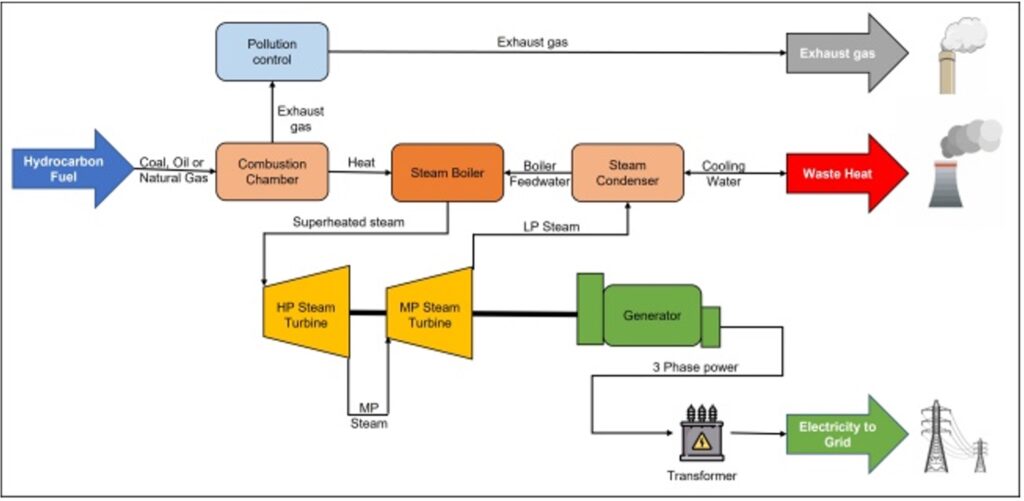
Cogeneration Efficiency Formula

The efficiency of a cogeneration system (also known as combined heat and power (CHP)) can be expressed in terms of its overall thermal efficiency. In a cogeneration system, both electricity and useful heat (such as steam or hot water) are generated simultaneously from the same energy source, making it a more efficient process compared to separate production of electricity and heat.

The formula for calculating the overall efficiency of a cogeneration system can be given as:ηcogeneration=Eelec+EheatEfuel\eta_{\text{cogeneration}} = \frac{E_{\text{elec}} + E_{\text{heat}}}{E_{\text{fuel}}}ηcogeneration​=Efuel​Eelec​+Eheat​​

Where:

  • ηcogeneration\eta_{\text{cogeneration}}ηcogeneration​ = Overall cogeneration efficiency (dimensionless or percentage)
  • EelecE_{\text{elec}}Eelec​ = Electricity output from the system (in units of energy, e.g., kWh, MJ)
  • EheatE_{\text{heat}}Eheat​ = Useful heat output from the system (in units of energy, e.g., kWh, MJ)
  • EfuelE_{\text{fuel}}Efuel​ = Total fuel input to the system (in units of energy, e.g., kWh, MJ)

Explanation:

  • Electricity output refers to the amount of electrical energy generated by the cogeneration system.
  • Useful heat output refers to the thermal energy produced and used for heating purposes (e.g., space heating, industrial processes).
  • Fuel input is the total energy input required for combustion or other processes to produce both electricity and heat.

Example Calculation:

If a cogeneration plant uses 1000 MJ of fuel and produces 600 MJ of electricity and 300 MJ of useful heat, the overall efficiency would be:ηcogeneration=600 MJ+300 MJ1000 MJ=9001000=0.9=90%\eta_{\text{cogeneration}} = \frac{600 \, \text{MJ} + 300 \, \text{MJ}}{1000 \, \text{MJ}} = \frac{900}{1000} = 0.9 = 90\%ηcogeneration​=1000MJ600MJ+300MJ​=1000900​=0.9=90%

In this example, the cogeneration system has an efficiency of 90%, meaning 90% of the energy from the fuel is converted into useful outputs (both electrical and thermal energy), compared to a typical separate system where the overall efficiency would be much lower (typically 35-45% for conventional power plants).

Comparison with Separate Heat and Power Production:

  • In separate systems, electricity-only systems may have efficiencies around 30-45% (for fossil fuels), while heat-only systems are typically even less efficient. Cogeneration systems, by utilizing both electricity and heat simultaneously, often achieve much higher overall efficiencies, typically in the range of 70-90% depending on the technology and applications.

The increased efficiency of cogeneration systems is a key reason they are preferred in industries that require both heat and electricity, such as chemical processing, food production, and district heating systems.

1. Optimizing Cogeneration Efficiency

Achieving high efficiency in cogeneration systems involves several factors, from design considerations to operational strategies. Below are some key factors that impact and help optimize cogeneration efficiency:

Matching Heat and Power Demand

  • The efficiency of a cogeneration system depends heavily on the matching of electricity and heat output with the actual demand. If there is excess heat produced that is not needed, it leads to inefficiencies.
  • Dynamic control systems are used to adjust the operation of the system to align with real-time demands for heat and power. These systems help ensure that the plant operates at its peak efficiency by continuously adjusting the power and heat outputs to meet the demand.

Heat Recovery

  • Effective heat recovery is key to maximizing the efficiency of cogeneration systems. Waste heat from the electricity generation process can be captured and used for heating applications. This is usually done through heat exchangers or heat recovery steam generators (HRSG).
  • For example, in a combined cycle gas turbine (CCGT) system, the exhaust gases from the gas turbine (which would otherwise be wasted) are used to produce steam, which then drives a steam turbine to generate additional electricity. By capturing and using this waste heat, the overall system efficiency increases significantly.

Fuel Selection

  • The type of fuel used in the cogeneration system can also impact efficiency. Natural gas, for example, is a cleaner-burning and more efficient fuel compared to coal or oil. Modern gas turbine cogeneration systems (also known as combined-cycle plants) offer higher efficiency due to the combination of electricity generation and heat recovery.
  • In some cases, renewable fuels (e.g., biomass, biogas, or hydrogen) are used to fuel cogeneration systems, further reducing the carbon footprint and potentially increasing efficiency when paired with waste heat recovery.

System Size and Scale

  • The size and scale of the cogeneration system can also affect its efficiency. Smaller systems may have lower efficiencies due to equipment and operational constraints, while larger systems can take advantage of economies of scale, making them more efficient.
  • For larger applications, such as industrial plants or district heating systems, cogeneration can reach higher efficiencies (70%–90%) because both heat and electricity are in continuous demand, maximizing the use of generated energy.

2. Applications of Cogeneration

Cogeneration is used across a variety of industries and applications where both heat and electricity are needed. The systems are particularly common in:

Industrial Applications

  • Chemical plantsrefineries, and food processing facilities are some of the major industrial sectors that rely on cogeneration because they typically require large amounts of both heat and electricity for their operations.
  • In chemical plants, cogeneration can be used to produce high-temperature steam for processes such as distillation, while also generating electricity for on-site use.

District Heating

  • Cogeneration systems are often used in district heating systems, where both electricity and heat are provided to multiple buildings or residential areas. In this application, the cogeneration system produces steam or hot water, which is distributed through pipes to various buildings for space heating or industrial applications, while also generating electricity.
  • This is especially beneficial in colder climates where there is high demand for heating, making cogeneration systems highly efficient due to the continuous demand for both power and heat.

Data Centers

  • Data centers, which consume substantial amounts of electricity to power servers and cooling systems, are increasingly adopting cogeneration systems. These centers also require significant heat management, and cogeneration systems can supply both electricity and thermal energy for cooling, reducing operational costs and improving energy efficiency.

Hospitals and Universities

  • Hospitals and large university campuses often operate cogeneration plants to meet their energy needs for heating, cooling, and electricity. These systems are particularly useful in settings where reliability and efficiency are critical. For instance, cogeneration systems can provide heat for hospitals’ hot water systems and power for electrical equipment, all while optimizing energy usage.

Residential Applications

  • Small-scale cogeneration, also known as micro-CHP (combined heat and power), is emerging for residential use, particularly in areas where natural gas is available. These systems can generate enough electricity for a home while providing heating for hot water and space heating.
  • Micro-CHP units can be powered by natural gas or even biomass, providing homeowners with an energy-efficient solution for both heat and electricity generation.

3. Technological Advancements in Cogeneration Systems

The development of more efficient cogeneration technologies continues to push the boundaries of how energy is produced and utilized. Some recent advancements include:

High-Efficiency Gas Turbines

  • The use of high-efficiency gas turbines has improved the efficiency of cogeneration systems significantly. Modern turbines can operate at higher temperatures and pressures, providing more electricity from the same amount of fuel.
  • Combined-cycle gas turbine (CCGT) plants, which use both a gas turbine and a steam turbine, have become the gold standard in terms of cogeneration efficiency, often reaching efficiency levels above 60%.

Integration with Renewable Energy

  • Hybrid cogeneration systems, which combine conventional thermal energy generation with renewable energy sources such as solarwind, or biomass, are on the rise. These hybrid systems can enhance the flexibility and sustainability of cogeneration, reducing reliance on fossil fuels and further improving overall efficiency.
  • For example, solar thermal cogeneration systems combine solar heat with a conventional thermal power cycle (such as a steam turbine) to produce both heat and electricity, making use of abundant renewable energy.

Advanced Heat Recovery Systems

  • Modern heat recovery steam generators (HRSGs) and heat exchangers are more efficient in capturing waste heat, enabling even greater levels of heat reuse in cogeneration systems. These advanced heat recovery systems are optimized to minimize energy losses and make full use of the heat generated during power production.

Microturbines and Fuel Cells

  • Microturbines and fuel cells are emerging technologies that offer higher efficiency and lower emissions in small-scale cogeneration applications. Microturbines are compact, efficient gas turbines, while fuel cells use electrochemical reactions to generate electricity and heat with minimal emissions.
  • Fuel cell cogeneration systems, such as solid oxide fuel cells (SOFCs) and proton exchange membrane (PEM) fuel cells, have the potential to provide very high efficiencies (up to 85% or higher) and are being explored for use in both industrial and residential applications.

Smart Grid Integration

  • The integration of cogeneration systems with smart grids allows for real-time optimization and more effective management of energy resources. Smart grids can help ensure that the energy produced is used in the most efficient manner, and any excess energy can be stored or sold back to the grid, further improving the economics of cogeneration systems.

4. Environmental and Economic Benefits

Cogeneration systems are attractive due to their high efficiency and relatively low environmental impact when compared to traditional separate heat and power generation systems. Some key benefits include:

Reduced Greenhouse Gas Emissions

  • By using fuel more efficiently, cogeneration systems reduce the amount of fuel needed to produce the same amount of energy, which in turn leads to a reduction in greenhouse gas emissions. This makes them an important part of efforts to decarbonize the energy sector.
  • The ability to use biomass or waste as fuel further contributes to lowering carbon emissions, as these materials are often considered carbon-neutral.

Cost Savings

  • Cogeneration systems can lead to significant cost savings over time by reducing fuel consumption, lowering electricity and heating costs, and minimizing energy losses. The higher overall efficiency means less energy is wasted, and less fuel is needed to produce the same outputs.

Energy Security

  • Cogeneration systems increase energy security by providing a local, reliable source of both heat and power. This is particularly valuable for industries or regions with high energy demands or where centralized power grid access is unreliable or expensive.

Conclusion

Cogeneration, or combined heat and power (CHP), represents a highly efficient and environmentally beneficial method of energy production. By simultaneously generating both electricity and useful heat, cogeneration systems are able to achieve efficiencies of up to 90%, which is far superior to separate heat and power generation. The continued advancements in technology, fuel options, and integration with renewable sources make cogeneration an increasingly attractive solution for industrial, commercial, and residential applications.

1. Economic Viability of Cogeneration Systems

Cogeneration offers substantial economic benefits due to its efficiency and versatility. Below are some critical factors that influence the economic viability of cogeneration systems:

Initial Capital Investment

  • The upfront cost of installing a cogeneration system can be significant. This includes the cost of purchasing and installing equipment such as turbines, heat recovery systems, and associated infrastructure. However, the cost can be offset over time through energy savings and improved operational efficiency.
  • The initial investment depends largely on the scale of the system. Industrial-scale cogeneration systems, such as those used in chemical plants, may require significant capital, while micro-CHP units for residential or small commercial use tend to be less expensive but may also offer smaller savings in comparison.

Operational and Maintenance Costs

  • The operational and maintenance costs of cogeneration systems depend on the complexity and size of the system. For example, gas turbine-based cogeneration plants typically require more maintenance than smaller internal combustion engines or microturbines.
  • However, cogeneration systems are often low-maintenance compared to traditional power plants, especially those using renewable fuels or waste heat. With proper maintenance, many cogeneration systems can operate efficiently for 20-30 years.

Energy Savings

  • The most significant economic benefit of cogeneration is the energy savings. Cogeneration systems reduce the need to purchase electricity from the grid and can help meet heating needs more efficiently. This leads to a lower overall energy bill.
  • Cogeneration also minimizes transmission and distribution losses, as power is generated and used locally, often within the same facility or district heating system.

Financial Incentives and Subsidies

  • In many countries, governments offer financial incentives, such as tax credits, grants, and subsidies, to encourage the installation of cogeneration systems. These incentives help to offset the initial capital investment and improve the system’s financial feasibility.
  • For instance, the U.S. Department of Energy offers funding for research and development in cogeneration technologies, while the EU provides support for projects that improve energy efficiency through cogeneration.

Payback Period

  • The payback period for cogeneration systems can vary significantly depending on the specific application, energy prices, and system size. Typically, cogeneration systems pay back their investment within 3-10 years.
  • For larger, industrial cogeneration plants, the payback period is generally shorter due to the large amount of energy that is generated and consumed on-site, making these systems highly attractive for energy-intensive industries.

2. Environmental Impact of Cogeneration

One of the significant advantages of cogeneration systems is their positive environmental impact. Because these systems are more efficient than traditional heat and power generation methods, they help to reduce overall energy consumption and greenhouse gas emissions.

Reduction in Greenhouse Gas Emissions

  • Since cogeneration systems use energy more efficiently, they require less fuel to produce the same amount of energy, leading to a reduction in carbon dioxide (CO₂) emissions. In some cases, cogeneration systems can reduce CO₂ emissions by up to 30-40% compared to separate generation systems.
  • Additionally, if biomass or biogas is used as fuel, cogeneration systems can be effectively carbon-neutral, as the carbon dioxide released during combustion is offset by the carbon absorbed during the growth of the biomass.

Reduced Air Pollutants

  • Cogeneration systems that use natural gas as a fuel produce fewer nitrogen oxides (NOx)sulfur dioxide (SO₂), and particulate matter compared to traditional coal-fired plants, helping to reduce air pollution.
  • Modern cogeneration plants equipped with advanced pollution control technologies (e.g., scrubbersselective catalytic reduction (SCR)) further reduce emissions, improving air quality and complying with environmental regulations.

Utilization of Waste Heat

  • The ability to capture and use waste heat (which would otherwise be lost in separate power generation systems) significantly reduces energy waste. This is particularly beneficial in industries that require substantial amounts of heat, such as in chemical processing or food production.
  • By utilizing this heat for other processes (e.g., district heating, hot water, or steam for industrial use), cogeneration reduces the need for additional fuel consumption, minimizing environmental impact.

Sustainability and Renewable Integration

  • In many regions, cogeneration systems are transitioning to utilize renewable fuels such as biomass or waste as part of the fuel mix. This shift further improves the sustainability of cogeneration technologies.
  • In areas with significant renewable energy potential (such as biomass or geothermal), cogeneration systems can integrate renewable energy sources with traditional thermal power to create low-emission, efficient power and heat generation.

3. Future Developments in Cogeneration Technology

The cogeneration industry continues to evolve with advancements in technology, fuel options, and integration with renewable energy systems. Key areas of development include:

Integration with Hydrogen

  • Hydrogen is emerging as a potential fuel for cogeneration systems, especially in the context of green hydrogen, produced via electrolysis using renewable energy. Hydrogen offers a clean, zero-emission fuel option for generating both power and heat.
  • The transition to hydrogen-based cogeneration would require significant infrastructure changes, such as the development of hydrogen storage and distribution systems. However, as renewable energy sources become more abundant and cost-competitive, hydrogen-powered cogeneration systems could play a critical role in decarbonizing industries and regions.

Advanced Materials and Turbine Technology

  • Advanced materials and improved turbine technology are allowing for the construction of more efficient and durable cogeneration systems. High-temperature materials in gas turbines, for example, enable higher operating efficiencies and power output from the same amount of fuel.
  • Supercritical and ultra-supercritical steam cycles are also being explored for cogeneration applications. These technologies allow steam to operate at higher pressures and temperatures, improving efficiency while reducing fuel consumption.

Microgrid and Distributed Cogeneration

  • The rise of microgrids and distributed energy resources is opening up new opportunities for cogeneration systems, especially in remote locationsoff-grid communities, or large campuses (such as universities or industrial parks). These systems can function independently of the central grid, providing reliable, efficient power and heat.
  • Microgrids with cogeneration systems can be integrated with solarwind, and storage technologies to create highly resilient and low-carbon energy systems.

Digitalization and Smart Controls

  • Digital technologies and smart controls are increasingly being integrated into cogeneration systems to optimize their performance. Internet of Things (IoT) devices, artificial intelligence (AI), and predictive analytics can help monitor system performance, predict maintenance needs, and optimize energy generation based on real-time demand.
  • These advancements allow for greater operational efficiency, lower downtime, and improved adaptability to changing energy demand, making cogeneration systems even more attractive for industries and municipalities.

Waste Heat to Power Systems

  • In addition to conventional cogeneration, there is growing interest in using waste heat to power (WHP) technologies to recover and convert low-temperature waste heat into usable electricity. These systems, such as organic Rankine cycle (ORC) generators, can increase overall energy efficiency by utilizing heat from processes that would otherwise be wasted.
  • Waste heat recovery for power generation is particularly relevant in industries with abundant low-grade heat sources, such as cement plantssteel mills, and refineries.

4. Conclusion: The Future of Cogeneration

Cogeneration systems represent a highly efficient and sustainable solution for meeting both electricity and heat demands across various sectors, including industrial, residential, and commercial applications. With continued technological advancements, integration with renewable energy sources, and ongoing efforts to reduce emissions, cogeneration systems will play an increasingly important role in the global transition to a cleaner and more efficient energy system.

As energy efficiency, sustainability, and cost-effectiveness continue to shape the energy landscape, cogeneration will remain a cornerstone of modern energy generation, offering both environmental and economic benefits. By embracing innovations such as hydrogenmicrogrids, and smart technologies, the potential for even greater efficiencies and further reductions in emissions is vast.

Cogeneration Cycle
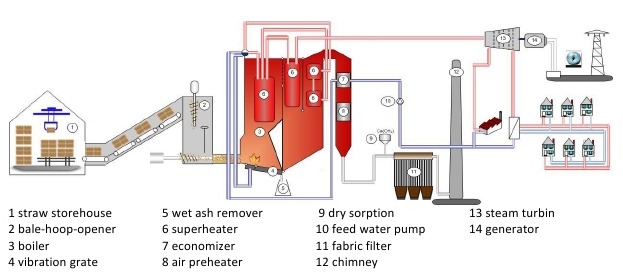
Sources of Waste Heat

The cogeneration cycle (also known as Combined Heat and Power (CHP) cycle) is a system designed to produce both electricity and useful heat from the same energy source. It improves overall energy efficiency by using the waste heat generated during power production, which would otherwise be wasted in conventional power generation processes. The cogeneration cycle can vary in complexity, but the general principles remain the same, with both electricity and heat being generated simultaneously.

Basic Cogeneration Cycle

The cogeneration cycle typically involves a combined thermodynamic process that operates on the principles of Rankine cycle (for heat production) and Brayton cycle (for electricity production), or variations of these cycles. Here’s a breakdown of a basic cogeneration cycle:

  1. Fuel Input: The process begins with the combustion of fuel (natural gas, biomass, or other fuels) in a boiler or gas turbine. This produces high-temperature, high-pressure steam or hot gases, which are then used to generate both electricity and heat.
  2. Electricity Generation (Power Cycle):
    • In a gas turbine-based cogeneration system, the hot gases from combustion are directed into a gas turbine, which converts thermal energy into mechanical energy.
    • The mechanical energy from the turbine is then converted into electrical energy via a generator.
    • This is a version of the Brayton cycle, which involves compression, combustion, and expansion of the working fluid (gas) to produce power.
  3. Heat Recovery (Heat Cycle):
    • The waste heat from the gas turbine (or alternatively from the boiler) is then captured through a heat recovery steam generator (HRSG) or heat exchanger.
    • In a steam turbine-based cogeneration system, this recovered heat is used to generate steam, which drives a steam turbine to produce additional electricity or used directly for heating purposes.
    • This is a version of the Rankine cycle, where water is heated to produce steam that drives the turbine.
  4. Heat Utilization:
    • The waste heat can be utilized for a variety of purposes, such as:
      • District heating: providing hot water or steam to buildings or industries.
      • Industrial processes: supplying heat for processes like drying, distillation, or chemical reactions.
      • Space heating or water heating: in residential or commercial applications.
    • In a well-designed cogeneration system, the heat output is used as much as possible to meet the thermal energy needs of the facility, minimizing energy losses.
  5. Exhaust: After the steam is used, it either exits the system as condensed water (which can be recycled back into the system) or is released as cooled exhaust gases, depending on the design and specific needs of the plant.

Key Components of a Cogeneration Cycle

  1. Gas Turbine (in gas turbine-based systems): Burns fuel to produce high-temperature exhaust gases that drive a turbine connected to a generator.
  2. Steam Turbine (in combined-cycle or steam-based systems): Converts steam from the heat recovery process into mechanical power to generate additional electricity.
  3. Heat Recovery System (HRSG or heat exchangers): Recovers waste heat from the turbine exhaust or boiler and converts it into steam or hot water.
  4. Boiler: In some systems, the boiler provides the necessary heat by burning fuel to generate steam for both electricity production and heating.
  5. Generator: Converts mechanical energy from the turbine (either gas or steam) into electricity.
  6. Cooling System: Used to cool exhaust gases or condense steam back into water for reuse in the system (often using cooling towers or heat exchangers).

Types of Cogeneration Cycles

Depending on the configuration and the nature of the heat and electricity requirements, different cogeneration cycles are used:

  1. Simple Cogeneration Cycle:
    • In this system, a single turbine or engine is used to produce electricity, while waste heat is recovered and used for heating purposes. This is the most basic type of cogeneration.
  2. Combined Cycle Cogeneration:
    • In a combined cycle cogeneration system, a gas turbine is used to produce electricity, and the waste heat is used to produce steam, which is then used to generate additional electricity via a steam turbine.
    • This combined cycle allows for higher overall efficiency, as it captures more of the waste heat and converts it into useful energy.
  3. Bottoming Cycle:
    • In this configuration, steam turbines or organic Rankine cycle (ORC) systems are used for generating power from waste heat at lower temperatures.
    • Often, waste heat recovery from industrial processes (e.g., exhaust gases from furnaces) is used to generate electricity in the bottoming cycle.
  4. Top-Down Cycle:
    • top-down cycle focuses on generating electricity first from high-temperature exhaust gases and then using the lower-temperature waste heat for other purposes. This system is typically seen in industrial processes.

Efficiency of the Cogeneration Cycle

The efficiency of a cogeneration system depends on how well it captures and uses both electricity and heat. The key advantage of cogeneration over separate generation systems is its ability to recover waste heat and use it effectively.

  • Electrical Efficiency: The electricity generation process can operate at an efficiency of 30-50% for conventional thermal power plants. In cogeneration systems, the heat recovery increases this efficiency.
  • Overall Efficiency: By combining the production of heat and power, the overall efficiency of a cogeneration system can reach up to 80-90%—much higher than conventional electricity-only plants, which typically have efficiencies around 30-40%.

Example of a Cogeneration Cycle: Combined Cycle Gas Turbine (CCGT)

One of the most efficient types of cogeneration systems is the Combined Cycle Gas Turbine (CCGT). Here’s how it works:

  1. Gas Turbine (Brayton Cycle):
    • Natural gas is burned in the gas turbine, producing high-temperature exhaust gases.
    • The exhaust gases are used to drive a generator to produce electricity.
  2. Heat Recovery (HRSG):
    • The hot exhaust gases are passed through a Heat Recovery Steam Generator (HRSG), which captures the heat to generate steam.
  3. Steam Turbine (Rankine Cycle):
    • The steam produced in the HRSG is used to drive a steam turbine, which also generates additional electricity.
    • This allows the system to produce both heat and power efficiently.
  4. Heat Utilization:
    • The waste heat from the steam cycle can be used for heating purposes (e.g., district heating or industrial processes).
  5. Exhaust:
    • After passing through the steam turbine, the steam is condensed and returned to the HRSG as water, completing the cycle.

Advantages of the Cogeneration Cycle

  1. High Efficiency: The combined use of both heat and electricity results in much higher overall efficiency compared to separate generation systems.
  2. Reduced Fuel Consumption: Because both electricity and heat are produced from the same fuel source, cogeneration systems reduce the amount of fuel needed, leading to fuel savings.
  3. Lower Emissions: With improved efficiency and reduced fuel consumption, cogeneration systems also emit fewer pollutants, helping to reduce the carbon footprint.
  4. Cost Savings: By reducing the need for purchased electricity and utilizing waste heat, cogeneration can lower operational costs, particularly for energy-intensive industries.

Conclusion

The cogeneration cycle optimizes energy production by simultaneously generating electricity and useful heat from the same energy source. Whether through gas turbines, steam turbines, or combined cycles, cogeneration systems significantly increase energy efficiency and reduce environmental impacts compared to traditional energy generation systems. By capturing waste heat and utilizing it for heating or other industrial processes, these systems offer substantial energy savings and are increasingly important in the pursuit of sustainable, low-emission energy solutions.

Continuing from the discussion on the Cogeneration Cycle, we can delve further into the applicationsadvantages, and challenges of cogeneration systems, as well as explore additional variations of the cycle and their potential.

Applications of Cogeneration

Cogeneration systems are used across a wide range of sectors and applications due to their high efficiency and dual-purpose capability of generating both heat and electricity. Below are the primary areas where cogeneration systems are widely implemented:

  1. Industrial Applications:
    • Manufacturing plants: Industries such as chemicalcementsteel, and food processing require large amounts of both electricity and heat. Cogeneration systems provide a reliable, cost-effective solution to meet these needs by utilizing waste heat from industrial processes, increasing efficiency, and reducing reliance on external energy sources.
    • Refineries: In petroleum refining, cogeneration systems are used to provide the necessary heat for distillation processes while simultaneously generating electricity for the facility.
    • Pulp and Paper Mills: These facilities consume a large amount of steam for pulping and drying processes. Cogeneration systems use the waste heat from the power generation cycle to provide steam for the production process.
  2. District Heating:
    • Residential and commercial heating: In cold climates, district heating networks are often used to supply heat to multiple buildings from a central plant. Cogeneration systems can provide both the electricity and the steam needed for heating, reducing the energy loss typically associated with separate power generation.
    • Community heating: Small communities or large campuses (e.g., universities, hospitals, military bases) can benefit from cogeneration systems to supply power and heat, improving energy efficiency and reliability.
  3. Agricultural and Waste Treatment:
    • Biogas Cogeneration: Agricultural facilities or landfills generate biogas (methane) as a byproduct of organic waste. This biogas can be used as a fuel in cogeneration systems, providing a renewable source of electricity and heat. This is particularly useful for waste treatment plants or farms with significant organic waste.
    • Anaerobic Digesters: In wastewater treatment facilities, anaerobic digesters generate biogas, which can be used to power cogeneration systems. These systems help treat waste while generating valuable energy.
  4. Power Plants:
    • Combined Cycle Power Plants: As mentioned earlier, combined-cycle plants use both gas turbines and steam turbines to maximize efficiency. This type of cogeneration system is commonly found in large-scale power plants.
    • Cogeneration in Combined Heat and Power (CHP) Stations: In some countries, dedicated CHP stations are established for both residential and industrial purposes. These plants combine power generation and district heating, significantly improving overall energy efficiency.
  5. Marine and Transport Applications:
    • Cogeneration in Ships: Some ships and vessels use cogeneration systems to efficiently generate power and steam for onboard use, reducing fuel consumption and emissions.
    • Transportation: While still in its early stages, cogeneration technologies are being explored for use in electric vehicles, especially hybrid models, to maximize energy efficiency.

Advantages of Cogeneration

Cogeneration systems offer several key benefits, which explain their widespread adoption across different industries:

  1. Higher Efficiency:
    • Cogeneration systems are significantly more efficient than conventional systems that produce only electricity or heat. The combined generation of both electricity and heat can improve overall system efficiency to 80-90%—far above the 30-40% efficiency typical of conventional power plants.
    • This efficiency translates into fuel savings, as the system generates more energy with the same amount of fuel.
  2. Cost Savings:
    • By utilizing both electricity and heat in a single system, cogeneration can reduce operational costs. Companies can lower their energy bills by generating power onsite and utilizing waste heat, reducing the need for purchasing electricity and heating from external sources.
    • For industries with high energy demand (e.g., chemical production or large-scale manufacturing), the savings can be substantial, and the system can pay for itself in a relatively short time frame (3-10 years).
  3. Reduced Emissions:
    • Cogeneration systems produce fewer greenhouse gas emissions compared to separate power and heat generation systems. This reduction in emissions is due to the higher efficiency, which results in less fuel consumption and lower pollutant output.
    • Systems using biomass or biogas as a fuel source can provide carbon-neutral energy production, as the CO₂ released during combustion is offset by the carbon absorbed by the plants during their growth.
  4. Energy Security:
    • Cogeneration enhances energy security by providing decentralized energy generation. Facilities with cogeneration systems are less reliant on external power grids, making them more resilient to energy supply disruptions.
    • In remote areas, or in regions with unreliable energy infrastructure, cogeneration systems offer an important solution for maintaining continuous energy supply.
  5. Waste Heat Utilization:
    • Cogeneration systems help to reduce energy waste by capturing and utilizing waste heat that would otherwise be lost in conventional systems. This waste heat can be used for industrial processes, heating, or district energy systems, contributing to overall energy efficiency.
  6. Flexibility:
    • Cogeneration systems can be scaled to meet the needs of various applications, from small micro-CHP systems for homes to large-scale systems for industrial plants or district heating.
    • The ability to use different fuels, including natural gasbiomassbiogas, or even coal, provides flexibility in fuel choice, depending on availability, cost, and environmental considerations.

Challenges of Cogeneration

Despite its many advantages, cogeneration also faces several challenges that need to be addressed for its wider adoption:

  1. High Initial Capital Cost:
    • The upfront investment for cogeneration systems can be significant, particularly for larger, industrial-scale applications. While these systems offer long-term cost savings, the initial cost can be a barrier, especially for smaller companies or industries with limited budgets.
    • Financial incentives, such as government subsidies or tax credits, can help alleviate some of these costs, but the overall investment can still be substantial.
  2. Complexity in Design and Operation:
    • Cogeneration systems, particularly combined-cycle systems, can be complex to design and operate. Balancing the heat and power generation requirements while optimizing efficiency requires careful planning and expertise.
    • Maintenance of cogeneration plants is also more complex than traditional power plants, requiring specialized knowledge of both power generation and heat recovery systems.
  3. Fuel Availability and Cost:
    • The availability and cost of fuel are crucial factors in the economic feasibility of cogeneration. If the fuel prices fluctuate significantly, it may affect the overall cost-effectiveness of the system.
    • For systems relying on biomass or biogas, supply chains for these fuels can be less predictable than conventional fuels like natural gas.
  4. Infrastructure Requirements:
    • Implementing cogeneration in certain applications, such as district heating, requires significant infrastructure investments for distributing heat and electricity to the end users. This can involve the construction of extensive piping networks and electrical distribution systems.
    • The lack of existing infrastructure in some areas may make the implementation of cogeneration less feasible or more expensive.
  5. Technological Challenges:
    • While cogeneration technology has advanced significantly, integrating it with renewable energy sources like solar and wind remains a challenge. The variable nature of renewable sources means that a backup or complementary energy source, such as natural gas, is often needed to ensure reliable power generation.
    • The use of hydrogen in cogeneration systems is still in the research phase and faces challenges in terms of cost, infrastructure, and technology.

Conclusion

The cogeneration cycle is a highly efficient and sustainable energy production process that can be applied across a wide range of industries, from manufacturing to district heating and waste treatment. By using both electricity and heat produced from a single fuel source, cogeneration systems significantly improve energy efficiency, reduce emissions, and offer cost savings.

While there are challenges associated with implementation—such as high initial costs, system complexity, and infrastructure requirements—ongoing advancements in technology, fuel availability, and financial incentives are making cogeneration an increasingly attractive option for industrial, commercial, and residential applications.

As energy systems evolve, particularly with the integration of renewable and low-carbon energy sources, cogeneration remains a key technology in the pursuit of a more sustainable and efficient energy future.

Advanced Applications of Cogeneration

  1. Micro-Cogeneration (Micro-CHP):
    • Micro-cogeneration systems are small-scale cogeneration systems designed to provide electricity and heat for residential homes or small businesses. These systems are ideal for buildings where a large cogeneration unit would be overkill.
    • Micro-CHP units typically run on natural gas or biomass and can significantly reduce energy bills by providing both space heating and electricity for the home or business. They are also referred to as domestic CHP and are especially popular in colder climates where space heating is crucial.
    • These systems can come in the form of small fuel cellsmicro-turbines, or internal combustion engines.
  2. Waste-to-Energy Cogeneration:
    • Waste-to-energy (WtE) cogeneration systems use municipal solid waste (MSW), industrial waste, or agricultural byproducts as a fuel source for energy generation.
    • Through this process, the waste material is burned or otherwise processed to generate both electricity and heat, often used for district heating or industrial processes.
    • This type of cogeneration addresses two critical issues: waste disposal and energy production. By converting waste into energy, cogeneration systems can help reduce landfill usage and greenhouse gas emissions associated with waste incineration.
  3. Industrial Combined Heat and Power:
    • Large industrial plants such as chemical refineriespetrochemical plantspaper mills, and metal production facilities are ideal candidates for industrial cogeneration systems. These industries not only need significant amounts of electricity but also require vast quantities of process heat for their operations.
    • In these settings, cogeneration systems can significantly reduce costs by supplying both the electricity and thermal energy required for production, cutting down on purchased energy and fuel.
  4. Cogeneration in Data Centers:
    • Data centers are major energy consumers due to the high demand for cooling and power to run servers. These centers produce substantial amounts of waste heat from their cooling systems.
    • By integrating cogeneration, data centers can efficiently capture this waste heat, use it for space heating, or even contribute to nearby district heating systems. Additionally, cogeneration provides backup power, ensuring operational continuity during grid failures.
  5. Biomass Cogeneration:
    • Biomass cogeneration systems, which use organic materials (such as wood chips, agricultural residues, or dedicated energy crops), are particularly attractive for regions with abundant biomass resources.
    • Biomass plants can utilize the combined heat and power principle by converting the stored chemical energy in organic material into both electricity and heat, making them a renewable energy solution that supports carbon neutrality.
    • These systems are often used in industries like food processingbreweries, or in rural or off-grid areas where biomass is readily available.

Emerging Technologies in Cogeneration

As technology continues to advance, cogeneration systems are becoming more efficient and versatile. Here are some emerging technologies that could significantly impact the future of cogeneration:

  1. Fuel Cells for Cogeneration:
    • Fuel cell technology is a promising future application for cogeneration systems. Fuel cells can generate both electricity and heat through electrochemical reactions rather than combustion. This leads to very high efficiency and low emissions.
    • For example, solid oxide fuel cells (SOFCs) or polymer electrolyte membrane fuel cells (PEMFCs) can be used in micro-cogeneration systems for residential or commercial applications.
    • Fuel cells are especially attractive for applications in remote areas or off-grid systems, where they can operate without the need for an external electricity supply.
  2. Solar Thermal Cogeneration:
    • In this technology, solar thermal collectors are used to capture sunlight, which is then converted into heat. This heat can be used for both power generation and heating needs. Solar thermal cogeneration systems can be combined with parabolic troughssolar power towers, or solar dish collectors.
    • Solar cogeneration systems are becoming more viable as energy storage technologies such as molten salt storage or thermal batteries improve, allowing for 24/7 heat and power generation from solar energy.
  3. Combined Heat and Power with Hydrogen:
    • Hydrogen has emerged as a potential clean fuel for cogeneration systems. When burned or used in fuel cells, hydrogen produces only water vapor as a byproduct, making it an environmentally friendly fuel choice.
    • Hydrogen-powered cogeneration systems could play a role in decarbonizing sectors that are difficult to electrify, such as heavy industrytransportation, and heating.
    • As hydrogen production technologies, such as electrolysis, become more cost-effective, hydrogen-based cogeneration could become an important part of green energy systems.
  4. Organic Rankine Cycle (ORC) Cogeneration:
    • The Organic Rankine Cycle (ORC) is a thermodynamic cycle that works similarly to the traditional Rankine cycle but uses an organic fluid with a lower boiling point than water. This allows ORC systems to operate with lower temperature heat sources, such as geothermal or waste heat.
    • ORC systems are gaining popularity in applications like waste heat recovery from industrial processes or even in biomass and solar thermal cogeneration systems. They can efficiently convert low-grade heat into useful electricity and thermal energy.
  5. Microturbines and Stirling Engines:
    • Microturbines are small-scale gas turbines that can be used in both residential and commercial cogeneration applications. They are well-suited for micro-cogeneration systems due to their compact sizehigh efficiency, and ability to run on a variety of fuels, including natural gas and biogas.
    • Similarly, Stirling engines—which operate on the principles of external combustion—are being explored for use in small-scale cogeneration systems. These engines can be fueled by a range of heat sources, from solar to biomass, and are known for their low emissions and efficiency.

The Future of Cogeneration

As energy demand continues to grow globally, cogeneration systems will likely play an increasingly important role in energy conservationcarbon reduction, and efficiency improvements. Some trends shaping the future of cogeneration include:

  1. Integration with Renewable Energy:
    • Cogeneration systems are becoming a key part of the energy transition towards low-carbon and renewable energy sources. They can be integrated with solarwindbiomass, and geothermal energy to create hybrid systems that provide both clean electricity and heat.
    • The combination of cogeneration with energy storage systems (e.g., batteries or thermal storage) could help balance the intermittent nature of renewables and provide a reliable, continuous power supply.
  2. Decentralized Energy Networks:
    • The shift towards distributed energy generation means that more and more businesses and homes will have their own cogeneration systems, reducing dependence on the central grid and improving energy security.
    • Microgrids powered by cogeneration can provide localized, reliable, and efficient energy solutions, especially for remote or underserved areas.
  3. Smart and Automated Cogeneration Systems:
    • As part of the smart grid and Industry 4.0 trends, cogeneration systems are likely to become more automated and optimized. Advanced control systems can ensure that the system is running at peak efficiency, adjusting power generation based on real-time energy demand, weather conditions, and fuel availability.
    • The integration of artificial intelligence (AI) and big data analytics can further improve the optimization and predictive maintenance of cogeneration plants, reducing downtime and extending equipment life.
  4. Policy and Regulation:
    • Governments worldwide are expected to continue implementing policies that encourage the adoption of cogeneration systems, especially as part of green energy initiatives.
    • Financial incentives such as tax creditssubsidies, and feed-in tariffs for cogeneration systems, particularly those using renewable fuels like biomass or biogas, can make these technologies more financially viable for businesses and homeowners.
  5. Global Energy Transition:
    • As nations around the world work toward achieving net-zero emissionscogeneration will be a critical technology for reducing carbon footprints in sectors like industrial manufacturingbuilding heating, and waste management.
    • The rise of sustainable energy sources will drive innovation in cogeneration technologies, ensuring that energy production remains both clean and efficient.

Conclusion

The cogeneration cycle is at the forefront of energy efficiency and sustainability, providing a means to generate both electricity and useful heat from a single fuel source. With advancements in technology, increasing adoption of renewable energy sources, and the ongoing push for decarbonization, cogeneration systems are poised to play a crucial role in the future of global energy systems.

From small-scale micro-CHP units for residential homes to large-scale industrial cogeneration plants, these systems offer significant benefits, including higher efficiencycost savingsreduced emissions, and improved energy security. The combination of these factors positions cogeneration as a key player in the transition towards more sustainableresilient, and decentralized energy networks.

Cogeneration Plant

Waste Heat Electricity Generation

cogeneration plant (also known as a combined heat and power (CHP) plant) is a facility that simultaneously generates electricity and useful heat from a single fuel source. Unlike traditional power plants that only produce electricity, cogeneration plants maximize the efficiency of energy generation by utilizing the waste heat that is typically lost in conventional systems.

Working Principle of a Cogeneration Plant

A cogeneration plant works on the principle of combined heat and power generation, where both electricity and heat are produced from a single source of energy. Here’s how it works:

  1. Fuel Supply:
    • The plant starts by burning a fuel source, which could be natural gasbiomasscoal, or other fuels. The choice of fuel depends on the plant’s design and location, as well as the availability of resources.
  2. Electricity Generation:
    • The energy produced by burning fuel is used to generate electricity. This is typically done using a turbine (steam or gas), a generator, or an internal combustion engine. In steam turbine-based cogeneration, water is heated to produce steam that drives the turbine, generating electricity.
  3. Heat Recovery:
    • In a conventional power plant, a large portion of the heat produced during electricity generation is wasted into the environment through cooling systems. However, in a cogeneration plant, the waste heat is captured and used for heating purposes.
    • This heat can be used for district heating (providing hot water or steam to nearby buildings or industries), industrial processes, or space heating in residential or commercial buildings.
  4. Dual Output:
    • By combining both electricity and heat generation, the cogeneration system can achieve high efficiency (up to 80-90%) compared to conventional power plants, where typical efficiency may be 30-40%.
  5. Heat Utilization:
    • The heat recovered from the process is delivered to where it is needed, either as steamhot water, or thermal energy. For example, in an industrial cogeneration plant, the heat could be used for manufacturing processes like drying, heating, or chemical processing.

Types of Cogeneration Plants

  1. Topping-Cycle Cogeneration:
    • In a topping-cycle system, electricity is generated first, and then the waste heat is used to provide useful thermal energy. This is the most common form of cogeneration, where the plant produces electricity first, and then the excess heat is recovered for use.
    • Example: A typical combined-cycle gas turbine (CCGT) plant, where natural gas is used to generate electricity, and the exhaust heat is utilized for steam production.
  2. Bottoming-Cycle Cogeneration:
    • In bottoming-cycle cogeneration, the heat is recovered from industrial processes, and then it is used to generate electricity. This is usually applied in industries with significant waste heat, such as steel manufacturing or refining.
    • Example: A cogeneration plant at a steel mill, where heat from the furnaces is used to generate steam and produce electricity.
  3. Combined-Cycle Cogeneration:
    • Combined-cycle systems use both gas turbines and steam turbines to maximize efficiency. The exhaust gases from the gas turbine are used to produce steam, which drives a steam turbine for additional power generation.
    • This configuration is commonly used in large-scale industrial or utility-scale cogeneration plants and is known for achieving very high efficiency levels.

Applications of Cogeneration Plants

  1. Industrial Applications:
    • Chemical plantsrefineriespaper mills, and textile factories require both power and process heat. Cogeneration plants are highly suitable for these industries, as they provide significant cost savings by reducing the need for external electricity and heating.
  2. District Heating:
    • Many cities use district heating systems, where the cogeneration plant generates both electricity and steam for heating multiple buildings or neighborhoods. This is particularly useful in colder climates where there is significant demand for heat.
  3. Waste-to-Energy:
    • Waste-to-energy (WtE) cogeneration plants burn municipal solid waste (MSW) or industrial waste to generate both power and heat. These plants reduce the volume of waste while generating useful energy.
  4. Biomass and Renewable Energy:
    • Biomass cogeneration plants use organic materials, such as wood chips, agricultural residues, or biogas, to generate both heat and power. This contributes to renewable energy goals and can reduce dependence on fossil fuels.
  5. Hospitals, Universities, and Large Commercial Buildings:
    • Cogeneration plants are used in hospitals, universities, and large commercial complexes where both reliable electricity and heat (for space heating and hot water) are needed.

Advantages of Cogeneration Plants

  1. High Efficiency:
    • Cogeneration plants are far more efficient than traditional power plants because they utilize both the electricity and the waste heat, achieving efficiencies of 80-90% compared to conventional plants that only achieve 30-40%.
  2. Cost Savings:
    • By generating both electricity and heat, cogeneration reduces the cost of purchasing electricity and heating from external sources. For industrial and commercial users, this can result in significant savings in energy bills.
  3. Lower Emissions:
    • Cogeneration plants are more environmentally friendly than conventional plants because they produce less waste heat and use fuel more efficiently. Additionally, systems powered by biomass or biogas can offer carbon-neutral energy.
  4. Energy Security:
    • Cogeneration provides decentralized energy production, reducing reliance on the grid and increasing energy security for businesses, industries, and communities.
  5. Reduced Environmental Impact:
    • By capturing and using waste heat, cogeneration helps to reduce the environmental impact of energy generation. Lower fuel consumption and reduced greenhouse gas emissions contribute to environmental sustainability.
  6. Flexibility:
    • Cogeneration systems can be scaled to meet the needs of a wide variety of applications, from small micro-CHP units for homes or small businesses to large-scale systems for industrial plants or district heating networks.

Challenges of Cogeneration Plants

  1. High Initial Investment:
    • While cogeneration plants offer long-term savings, the initial investment can be significant. This includes the cost of setting up the plant, purchasing and installing equipment, and maintaining the system.
  2. Complexity in Operation and Maintenance:
    • Cogeneration systems are more complex to operate and maintain than traditional plants, requiring skilled personnel and specialized equipment. Regular maintenance and monitoring are crucial for maximizing the efficiency and lifespan of the system.
  3. Fuel Availability:
    • The fuel used in cogeneration plants—whether natural gas, biomass, or others—needs to be reliably available. Fluctuations in fuel prices or supply can impact the cost-effectiveness of the system.
  4. Grid Integration:
    • While cogeneration offers benefits in terms of decentralized energy, integrating these systems into the broader energy grid can be challenging, particularly for large-scale plants. Issues related to grid stability and energy distribution may need to be addressed.
  5. Environmental Impact of Fossil Fuels:
    • While cogeneration reduces emissions compared to conventional power generation, it still relies on fossil fuels like natural gas or coal in some cases, which have an environmental impact. Transitioning to fully renewable-based cogeneration systems is a challenge.

Conclusion

Cogeneration plants are an efficient and cost-effective way to generate both electricity and heat simultaneously from a single energy source. With their high efficiency and ability to reduce energy costs, cogeneration is an attractive option for industrial applications, district heating, waste-to-energy, and even small-scale residential applications. The use of cogeneration systems supports sustainability goals by reducing waste, improving energy efficiency, and lowering emissions.

While there are challenges related to initial costs, complexity, and fuel supply, cogeneration plants continue to play an essential role in meeting global energy demands in an increasingly sustainable way.

Technological Enhancements and Innovations in Cogeneration Plants

  1. Combined-Cycle Gas Turbine (CCGT) Systems:
    • The Combined-Cycle Gas Turbine (CCGT) is a highly efficient cogeneration technology that integrates both gas turbines and steam turbines. In this system, a gas turbine generates electricity by burning natural gas, and the hot exhaust gases are used to produce steam. The steam then drives a steam turbine, generating additional electricity.
    • This configuration can achieve thermal efficiencies of up to 60-70% for power generation and even higher if the waste heat is used for district heating or industrial processes.
    • CCGT plants are commonly used in large-scale cogeneration operations and are well-suited for applications where both electricity and thermal energy are in high demand, such as in industrial complexeslarge-scale district heating, or municipal power generation.
  2. Fuel Flexibility:
    • Cogeneration plants are increasingly designed to be fuel-flexible, meaning they can operate on a variety of fuels, including natural gasbiomasscoalwaste oils, and even hydrogen. This flexibility allows operators to switch fuels depending on price fluctuations or availability, optimizing energy production and costs.
    • Biomass cogeneration systems are a prime example of how renewable fuels can be integrated into the cogeneration process. These plants burn organic materials such as wood chips, agricultural residues, and even municipal solid waste to produce both electricity and heat. This is an effective way to contribute to renewable energy goals while reducing waste.
    • In the future, hydrogen is expected to play an increasing role in fuel-flexible cogeneration systems, especially as green hydrogen production technology advances. Hydrogen-based cogeneration systems can provide an entirely carbon-free energy source when powered by renewable electricity.
  3. Advanced Heat Recovery Systems:
    • Cogeneration plants can enhance their performance by utilizing advanced heat recovery technologies that capture and repurpose waste heat more effectively. For instance:
      • Heat recovery steam generators (HRSGs) are used in combined-cycle systems to capture exhaust gases from gas turbines and use that heat to generate steam for a steam turbine.
      • Thermal storage systems, such as molten salt storage or phase-change materials, can store excess heat generated by cogeneration systems and release it when demand for heat or electricity spikes, improving operational flexibility and efficiency.
    • These technologies improve the overall efficiency of cogeneration plants by making the most out of every unit of fuel consumed, further lowering operating costs and reducing environmental impact.
  4. Micro-Cogeneration and Small-Scale Systems:
    • Micro-cogeneration systems, also known as micro-CHP (combined heat and power) systems, are smaller versions of traditional cogeneration plants designed for use in residential or small commercial buildings. These systems typically run on natural gasbiogas, or propane and are ideal for households or small businesses that need both electricity and heat.
    • Fuel cellsinternal combustion engines, and Stirling engines are often used in micro-cogeneration systems. These small-scale systems can offer significant energy savings, provide energy security, and reduce carbon footprints for users, particularly in areas where electricity costs are high or in off-grid locations.
    • Some systems are designed with smart grid integration capabilities, allowing users to manage and optimize energy use, participate in demand response programs, or feed excess electricity back into the grid.
  5. Smart Grid Integration:
    • The integration of cogeneration plants into the smart grid can further enhance their efficiency and flexibility. By utilizing advanced sensorsdata analytics, and automated control systems, cogeneration plants can operate dynamically based on real-time demand for both electricity and heat.
    • Smart grid technology allows cogeneration plants to:
      • Respond to fluctuations in energy demand by adjusting production levels for electricity and thermal output.
      • Integrate with other distributed energy resources (DERs) like solar panelswind turbines, and battery storage systems to create a more resilient and sustainable energy system.
      • Provide valuable grid services like frequency regulation and demand response, helping stabilize the overall electricity grid while optimizing plant operations.
  6. Advanced Monitoring and Control Systems:
    • To maximize the performance and lifespan of a cogeneration plant, advanced monitoring and control systems are used to track real-time operating conditions, detect faults, and optimize operations. These systems typically rely on Internet of Things (IoT) sensors, AI algorithms, and machine learning to predict and prevent failures, schedule maintenance, and optimize fuel usage.
    • These technologies can help improve uptime, reduce operational costs, and ensure that the plant consistently operates at peak efficiency. In addition, predictive maintenance powered by AI can reduce the need for expensive repairs and minimize downtime.
  7. Waste Heat Recovery for Carbon Capture:
    • Another innovative approach is using the waste heat from cogeneration plants in carbon capture technologies. By recovering heat and integrating it with carbon capture and storage (CCS) systems, it is possible to reduce the carbon emissions of cogeneration plants, particularly those that rely on fossil fuels like natural gas or coal.
    • Post-combustion carbon capture systems can use waste heat to improve the efficiency of CO2 absorption processes. This is especially useful in plants aiming to meet stringent carbon reduction targets.

Economic and Environmental Considerations

  1. Cost-Effectiveness and Return on Investment (ROI):
    • While cogeneration systems often require a high initial investment, the long-term savings in fuel costs and energy bills often result in an attractive return on investment (ROI). The savings from reduced energy imports (both electricity and heating) can help recoup the upfront capital over a relatively short period.
    • Government incentives, such as tax creditssubsidies, or feed-in tariffs, can make cogeneration projects more financially attractive, especially for renewable energy and waste-to-energy cogeneration projects.
  2. Environmental Benefits:
    • Cogeneration significantly reduces the environmental impact of energy generation by utilizing waste heat and improving overall fuel efficiency. This leads to lower emissions of CO2 and other pollutants (like NOx and SOx) compared to traditional power generation systems.
    • Systems powered by biomassbiogas, or hydrogen can be particularly carbon-neutral or carbon-negative, depending on the feedstock used, thus contributing to climate change mitigation efforts.
    • As countries continue to tighten environmental regulations and move toward achieving net-zero emissions, cogeneration plants powered by renewable and low-carbon fuels will become even more important.
  3. Grid Decentralization and Energy Resilience:
    • One of the key benefits of cogeneration plants is that they can be integrated into decentralized energy grids, which can enhance the overall resilience and reliability of the energy system. Distributed energy generation, such as that provided by cogeneration plants, helps reduce reliance on centralized power plants and long-distance electricity transmission.
    • In the event of grid failures or natural disasters, cogeneration plants can continue to supply localized energy, supporting critical infrastructure, hospitals, and essential services. This resilience is particularly valuable in regions prone to power outages or areas with limited access to the grid.
  4. Integration with Renewable Energy:
    • The integration of cogeneration plants with renewable energy sources like solarwind, and geothermal can create a highly resilient and sustainable energy system. Cogeneration systems can provide a reliable, stable energy supply when renewable sources are intermittent (e.g., solar during the night, wind when calm).
    • In combination with energy storage solutions (e.g., batteries or thermal storage), cogeneration plants can form a part of an integrated renewable energy microgrid, ensuring that electricity and heat are available when needed, regardless of external conditions.

Conclusion

Cogeneration plants represent a highly efficient and cost-effective approach to generating both electricity and heat from a single fuel source. They have proven benefits in terms of efficiencycost savings, and emissions reduction, making them a key player in the transition to a more sustainable energy system. As technology continues to evolve, cogeneration systems will increasingly incorporate advanced features such as smart grid integrationfuel flexibility, and renewable energy sources, further enhancing their efficiency and environmental performance.

From industrial applications to residential and commercial settings, cogeneration offers a versatile and scalable solution that not only improves energy efficiency but also contributes to the decarbonization of energy systems. As the world continues to address the challenges of climate change and energy security, cogeneration will remain a central technology in the global effort to build a more sustainable and resilient energy future.

Future Trends and Innovations in Cogeneration Technology

  1. Hybrid Cogeneration Systems:
    • One of the emerging trends in cogeneration technology is the development of hybrid systems that combine different generation technologies to optimize energy production. These systems can include combinations of natural gas turbinesbiomass boilerssolar panelswind turbines, and battery storage.
    • By integrating various energy sources, hybrid cogeneration systems can provide a stable and flexible energy supply that adapts to fluctuations in both fuel availability and renewable energy generation. For instance, a hybrid cogeneration plant could use biomass or natural gas for base-load electricity generation while incorporating solar power during daylight hours to reduce fuel consumption and emissions.
    • Hybrid systems also enable grid support in decentralized energy systems, allowing them to play a role in peak shaving (reducing the peak electricity demand) and demand response, improving overall energy system reliability.
  2. Fuel Cells in Cogeneration:
    • Fuel cells are becoming increasingly important in cogeneration plants due to their ability to efficiently convert chemical energy directly into electricity without combustion. The waste heat from this process can be used for thermal applications, making fuel cells a promising technology for high-efficiency cogeneration.
    • In particular, solid oxide fuel cells (SOFCs) and molten carbonate fuel cells (MCFCs) are being explored for use in cogeneration applications, especially for commercial and industrial settings where both electricity and heat are needed.
    • Hydrogen fuel cells are a key area of innovation, as they provide a clean, carbon-neutral solution when powered by green hydrogen produced from renewable sources. Fuel cell cogeneration systems could play a significant role in decarbonizing sectors that are difficult to electrify, such as heavy industry and transportation.
  3. Advanced Thermal Energy Storage (TES):
    • Thermal energy storage (TES) is becoming more integrated with cogeneration plants to improve their operational flexibility. In systems that produce both electricity and heat, excess heat can be stored in thermal storage systems and used when demand for heating increases, reducing the need for backup boilers or additional fuel consumption.
    • Phase-change materials (PCMs)molten salt storage, and thermal storage tanks are all examples of technologies that can be used to store heat efficiently. These systems not only help manage fluctuations in energy demand but also reduce fuel consumption during off-peak periods.
    • Advanced TES technologies can improve the economics and performance of cogeneration plants, particularly in district heating applications or in areas with seasonal variations in heating demand.
  4. Waste Heat Recovery from Low-Temperature Sources:
    • Traditionally, cogeneration systems are designed to capture high-temperature exhaust gases for use in steam generation or industrial processes. However, there is increasing interest in recovering waste heat from low-temperature sources (below 100°C) that would typically be discarded.
    • Technologies like organic Rankine cycle (ORC) systems are being explored for low-grade heat recovery, where they can convert heat from sources like industrial processesgeothermal sources, or even solar thermal into electricity and usable thermal energy. These innovations could make cogeneration systems more viable in a broader range of industries and settings, further enhancing energy efficiency.
  5. Energy Efficiency Optimization Using Artificial Intelligence (AI):
    • As cogeneration plants become more complex with the integration of hybrid energy sources, AI and machine learning (ML) are increasingly being used to optimize plant performance. By analyzing real-time data from sensors embedded throughout the plant, AI systems can predict energy demand, optimize fuel usage, and schedule maintenance more effectively.
    • AI-driven systems can also help balance electricity and heat production in real-time, ensuring that both outputs are optimized based on current conditions and demand patterns. In the long term, this could improve the overall economic performance of cogeneration plants while minimizing waste and emissions.
  6. Decentralized Energy Systems and Microgrids:
    • The integration of cogeneration plants into microgrids is becoming more prominent, especially in remote or off-grid areas where centralized grid infrastructure may not be reliable or cost-effective.
    • Microgrids can operate independently from the larger grid or in conjunction with it, providing reliable power and heat to local communities, industries, or campuses. Cogeneration plants, with their ability to produce both electricity and thermal energy locally, are ideal for microgrid applications.
    • Microgrids also improve energy resilience by ensuring that even if there is a failure in the larger power grid, the local system can continue functioning. This is particularly useful in areas prone to natural disasters or where power outages are common.
  7. Digital Twin Technology in Cogeneration:
    • Digital twin technology is being applied in cogeneration plants to create virtual replicas of the physical system. By using real-time data from sensors and control systems, a digital twin can simulate how the plant will perform under different conditions.
    • This technology enables operators to perform predictive maintenance, assess the impact of various operational strategies, and optimize energy output in real-time. It also supports design optimization for new plants by allowing engineers to test different configurations and design parameters before construction.
    • The use of digital twins helps improve plant reliability, reduce operational costs, and enhance the long-term sustainability of cogeneration systems.

Economic and Environmental Impact

  1. Cost Reduction and Fuel Efficiency:
    • Cogeneration significantly reduces energy costs for businesses, industries, and municipalities by providing both electricity and heating or cooling from a single energy source. This reduces the need to purchase electricity from external sources or operate separate heating systems.
    • With improved efficiency, cogeneration systems lower fuel consumption, which translates to cost savings and a more sustainable operation. For industries that have both high electricity and thermal energy demands (e.g., chemical productionpaper mills, and food processing), cogeneration can lead to substantial reductions in operational expenses.
  2. Carbon Emissions Reduction:
    • One of the most significant environmental benefits of cogeneration is the reduction in carbon emissions. Because cogeneration utilizes waste heat that would otherwise be discarded, it minimizes the need for additional fuel consumption.
    • The ability to produce both electricity and heat with a single energy source results in lower CO2 emissions per unit of energy compared to conventional power plants, where waste heat is simply released into the atmosphere. As a result, cogeneration is often considered a key technology for achieving climate goals and net-zero emissions targets.
  3. Improved Energy Security:
    • Cogeneration enhances energy security by decentralizing energy production, allowing businesses, industries, and even communities to become more self-sufficient. Localized energy production through cogeneration reduces reliance on the external grid, making the system more resilient to supply disruptions or price volatility in energy markets.
    • In many cases, cogeneration plants are used to provide backup power in the event of grid outages, ensuring that critical infrastructure such as hospitals, data centers, and manufacturing facilities can continue operations without disruption.
  4. Support for Renewable Energy Integration:
    • As renewable energy sources like solarwind, and hydropower become more widespread, the challenge of managing intermittent power generation increases. Cogeneration plants can help by providing dispatchable power (electricity that can be produced on-demand), complementing the variable nature of renewable sources.
    • Cogeneration plants can also integrate biomass or biogas as fuels, which are renewable and contribute to reducing reliance on fossil fuels, aligning with broader sustainability and green energy goals.
  5. Support for Industrial Sustainability:
    • Industries that operate with high energy demands, such as refineriessteel mills, and cement plants, can benefit from cogeneration by reducing their environmental impact. By using waste heat for both power generation and thermal processes, these industries can become more energy-efficient and reduce their carbon footprint.
    • Additionally, cogeneration supports zero-waste initiatives by enabling the use of waste products (such as waste heat, biomass, and municipal solid waste) as valuable fuel sources for energy generation.

Conclusion

Cogeneration plants are a cornerstone of modern energy systems, providing a sustainable and efficient solution for both electricity and heat production. As technology advances, these systems are becoming more flexible, adaptable, and integrated with renewable energy sourcessmart grid systems, and AI-driven optimizations.

The combination of energy efficiency, cost reduction, and environmental benefits makes cogeneration a critical technology for industries, municipalities, and even residential applications. With its potential to reduce carbon emissions, enhance energy security, and support the transition to a low-carbon economy, cogeneration will continue to play a crucial role in achieving global energy sustainability goals.

The future of cogeneration is bright, with ongoing innovations in fuel flexibility, hybrid systems, and energy storage, all of which contribute to making energy systems more resilient, sustainable, and cost-effective.

Cogeneration and Trigeneration

Cogeneration and Trigeneration

Cogeneration and Trigeneration are both systems that produce multiple forms of energy (typically electricity and heat) from a single fuel source, but they differ in the number of outputs they provide.

Cogeneration (CHP – Combined Heat and Power)

Cogeneration, or combined heat and power (CHP), is a process that simultaneously generates electricity and useful heat from the same energy source. It’s widely used in both industrial and commercial settings, where there is a demand for both electricity and thermal energy.

Key Features of Cogeneration:

  • Primary Outputs: Electricity and Heat (usually steam or hot water).
  • Process: The system works by burning a fuel (such as natural gas, biomass, or coal) to generate electricity, and then the waste heat produced during the electricity generation process is captured and used for heating purposes. This heat can be used for space heating, industrial processes, or even district heating systems.
  • Efficiency: Cogeneration systems can achieve efficiencies of up to 80-90%, compared to typical thermal power plants, which only have an efficiency of around 30-40%. This is because cogeneration maximizes the use of the energy contained in the fuel by utilizing both the electrical and thermal energy.
  • Typical Applications:
    • Industrial plants (e.g., chemical, paper, steel production).
    • District heating systems.
    • Commercial buildings (e.g., hotels, hospitals).
    • Residential buildings (in the case of small-scale micro-cogeneration units).

Benefits:

  • Higher Efficiency: Cogeneration allows the same amount of fuel to generate both electricity and heat, making the process more efficient than conventional separate generation methods.
  • Cost Savings: Businesses and industries with high energy demands (both electrical and thermal) can significantly reduce energy costs by using a cogeneration system.
  • Reduced Carbon Footprint: The increased efficiency reduces the amount of fuel consumed and, therefore, lowers emissions.
  • Energy Security: Localized cogeneration systems help reduce dependence on external energy sources, enhancing energy resilience.

Trigeneration (CCHP – Combined Cooling, Heat, and Power)

Trigeneration, also known as Combined Cooling, Heat, and Power (CCHP), is an advanced form of cogeneration that produces electricityheat, and cooling (usually through chilled water or refrigeration) from the same energy source. It extends the cogeneration concept to provide an additional output, cooling, which can be particularly useful in climates where air conditioning and refrigeration are essential.

Key Features of Trigeneration:

  • Primary Outputs: Electricity, Heat, and Cooling.
  • Process: Similar to cogeneration, trigeneration systems burn fuel to generate electricity and produce waste heat. However, in trigeneration, the waste heat is used to drive a absorption chiller or adsorption chiller, which produces cooling (cold air or chilled water). These systems often combine the use of gas turbinesinternal combustion engines, or fuel cells for electricity generation, and a heat recovery steam generator (HRSG) to capture the waste heat for both thermal energy and cooling.
  • Efficiency: Trigeneration can be even more efficient than cogeneration. Depending on the technology, trigeneration systems can reach 90-95% efficiency because they utilize waste heat to produce cooling, electricity, and heating, thereby maximizing the potential of the energy source.
  • Typical Applications:
    • Large commercial and residential buildings (e.g., office complexes, hospitals, shopping malls).
    • Industrial applications with high heat and cooling demand (e.g., food processing, pharmaceutical industries).
    • District cooling systems, especially in urban environments with high cooling demand.

Benefits:

  • Higher Efficiency: Trigeneration systems are among the most efficient energy systems, as they maximize the use of the available energy in the fuel to produce electricity, heat, and cooling, minimizing waste.
  • Reduced Costs: By providing cooling, heating, and electricity, trigeneration can significantly reduce the need to purchase electricity and cooling from the grid, leading to substantial energy savings.
  • Sustainability: Trigeneration systems offer reduced emissions and better fuel utilization, contributing to the reduction of greenhouse gas emissions and overall environmental impact.
  • Comfort and Flexibility: In environments with significant cooling needs (e.g., hot climates), trigeneration systems provide a reliable and efficient way to meet the demand for air conditioning and refrigeration alongside electricity and heating.

Comparison Between Cogeneration and Trigeneration

FeatureCogeneration (CHP)Trigeneration (CCHP)
Primary OutputsElectricity, HeatElectricity, Heat, Cooling
Key BenefitMaximizes the use of fuel for power and heat generationAdds cooling, improving efficiency in cooling-demand sectors
Typical ApplicationsIndustrial, commercial, district heatingLarge buildings, industries with cooling needs, district cooling
Efficiency80-90%90-95% (can be higher due to cooling output)
Technology UsedInternal combustion engines, gas turbines, HRSGsCombined internal combustion engines or turbines with absorption chillers
Cooling RequirementNo cooling productionProvides cooling, ideal for regions with hot climates
Environmental ImpactReduces fuel consumption and emissions by utilizing both electricity and heatMore sustainable with further reductions in fuel consumption and emissions due to cooling production
Cost SavingsReduces energy costs through combined electricity and heat generationEven greater cost savings due to the added cooling capability

Applications of Trigeneration

Trigeneration is particularly beneficial in commercialindustrial, and residential settings where the demand for heating, cooling, and electricity are all high. Here are a few examples:

  • Hotels: Hotels, especially large ones, have high heating and cooling needs (for hot water, heating, and air conditioning). A trigeneration system can provide all three at a higher efficiency and lower cost.
  • Hospitals: Hospitals require continuous electricity for medical equipment, heating for hot water, and cooling for air conditioning. A trigeneration system ensures uninterrupted energy supply and enhances efficiency.
  • Food Processing: Industries like food processing, where precise temperature control is needed, can benefit from trigeneration systems by efficiently meeting both heating and cooling requirements while producing electricity.
  • District Cooling Systems: Large cities and industrial parks in hot climates may use trigeneration for district cooling, generating chilled water through absorption chillers, which is distributed to buildings for air conditioning.

Challenges and Considerations

  • Capital Investment: The initial cost of trigeneration systems tends to be higher than traditional cogeneration systems due to the added complexity of incorporating cooling equipment like absorption chillers.
  • Maintenance: Maintaining both power generation equipment and cooling systems requires specialized knowledge and may increase maintenance complexity and costs.
  • Energy Demand Profile: The demand for cooling may not always align with the electricity and heat demand, so trigeneration systems are most effective in settings where there is a constant need for all three outputs. In areas with lower cooling demand, cogeneration might be more suitable.

Conclusion

While cogeneration is ideal for applications requiring electricity and heattrigeneration is the best option when there is a significant demand for cooling along with electricity and heat. Both systems are highly efficient compared to traditional methods of energy generation and offer economic and environmental benefits by maximizing the use of energy. With the increasing need for sustainable, energy-efficient solutions, trigeneration is gaining popularity in sectors that require all three forms of energy, especially in regions with high cooling demands.

Choosing between cogeneration and trigeneration depends on the specific energy needs of the application, climate considerations, and the potential for energy savings and emissions reduction. Both technologies represent critical advancements in the transition towards more efficient and sustainable energy systems.

Integration with Renewable Energy Sources

  1. Cogeneration and Renewables:
    • As the world shifts towards sustainable energy systems, integrating renewable energy sources (such as solar, wind, and biomass) with cogeneration systems can significantly reduce carbon emissions and fuel consumption.
    • Biomass-powered cogeneration is an excellent example, where organic materials such as agricultural waste, wood chips, or municipal solid waste are used to generate both electricity and heat. This type of cogeneration reduces reliance on fossil fuels and contributes to the circular economy by turning waste into energy.
    • Solar and wind integration: While renewable sources like solar and wind are intermittent, combining them with cogeneration can ensure a more stable and reliable energy supply. For example, when solar or wind power is abundant, cogeneration can reduce fuel consumption by relying on the renewable source for electricity, while still providing the necessary heating or cooling through the cogeneration unit.
    • Hydrogen as a fuel: The use of hydrogen fuel cells in cogeneration systems is also being explored, especially as green hydrogen (produced from renewable energy sources like solar or wind) becomes more available. Hydrogen-based cogeneration could offer a clean, efficient energy solution with no direct carbon emissions.
  2. Trigeneration and Renewable Energy:
    • Trigeneration systems can also benefit from the integration of renewable energy sources. For instance, solar thermal energy could be used in a trigeneration system to provide both cooling (through an absorption chiller) and heat. By integrating solar thermal collectors with the system, the cooling load can be reduced, leading to substantial energy savings and a lower environmental footprint.
    • In regions with high solar irradiance or wind potential, hybrid trigeneration systems can leverage renewable sources for the electricity generation portion of the system while still providing thermal and cooling outputs using waste heat or renewable-driven chillers.
    • Geothermal energy is another renewable source that can be integrated into trigeneration systems. Geothermal heat pumps can provide both heating and cooling and be combined with electricity generation through a geothermal power plant. This combination creates a nearly carbon-neutral trigeneration system.

Technological Advancements in Cogeneration and Trigeneration

  1. Fuel Flexibility:
    • One of the key advancements in both cogeneration and trigeneration technologies is the ability to operate with multiple types of fuel sources. Modern systems are becoming more flexible, allowing operators to switch between natural gasbiomassbiogas, and even synthetic fuels (like liquefied natural gas (LNG) or hydrogen), depending on availability and cost.
    • This flexibility reduces reliance on a single fuel source and allows facilities to adapt to changing market conditions, supply chains, and sustainability goals. For example, a cogeneration plant might operate on natural gas when available, but switch to biogas from a nearby waste-to-energy facility to reduce its carbon footprint.
  2. Advanced Control Systems:
    • The incorporation of advanced control systems powered by Artificial Intelligence (AI) and Internet of Things (IoT) sensors can dramatically improve the performance and efficiency of both cogeneration and trigeneration systems. These systems can monitor energy production, heat recovery, and cooling demand in real time, automatically adjusting operations to optimize energy output and fuel consumption.
    • For example, AI algorithms can analyze patterns in energy consumption and adjust the operation of the system accordingly, ensuring that energy is produced efficiently and that waste heat is maximized.
  3. Modular Cogeneration and Trigeneration:
    • Modular systems are becoming increasingly popular due to their flexibility and scalability. Modular cogeneration allows for smaller, customizable systems that can be expanded or upgraded as needed. This is ideal for industrial and commercial buildings with fluctuating energy demands.
    • Modular trigeneration systems are also evolving, making it possible for smaller applications (like multi-family residential complexes) to install trigeneration units without the need for large-scale, central plants. The modular design allows for energy output to be scaled up or down based on the needs of the building or complex.
  4. Energy Storage Integration:
    • Energy storage systems are becoming a critical component of both cogeneration and trigeneration plants. These systems store excess electricity or thermal energy produced by the cogeneration unit, which can then be used when demand peaks or when the renewable energy sources are not available.
    • For example, a battery storage system integrated with a trigeneration unit can store electricity generated during off-peak times and supply it during high-demand periods. Similarly, thermal energy storage systems can store excess heat generated by the cogeneration system and release it when heating demand rises, reducing the need for additional fuel use.

Challenges and Considerations

  1. High Initial Investment:
    • Both cogeneration and trigeneration systems generally require a higher capital investment compared to traditional power plants. This includes the cost of the equipment (such as turbines, engines, boilers, and chillers) and the installation of complex control systems.
    • However, the long-term savings in energy costsfuel consumption, and maintenance often offset the initial investment, especially for large-scale commercial or industrial operations.
  2. Maintenance and Operation Complexity:
    • These systems require specialized maintenance due to the combination of electricity generation, heat recovery, and cooling in the case of trigeneration. Operators need to have expertise in managing a complex set of equipment that requires regular monitoring, maintenance, and optimization.
    • The complexity of these systems also means that failure in one part of the system (e.g., a failure in the absorption chiller in a trigeneration plant) can disrupt the entire operation. Therefore, proper redundancy systems and preventive maintenance plans are critical to ensuring uptime and minimizing disruption.
  3. Fuel Supply and Availability:
    • Cogeneration and trigeneration systems depend on a consistent and reliable fuel supply (e.g., natural gas, biomass, or biogas). Fluctuations in fuel prices or availability can impact the economic viability of these systems, particularly in regions with limited access to inexpensive or renewable fuels.
    • For example, biomass-powered cogeneration systems may face challenges related to the availability of feedstock (such as wood chips or agricultural waste), which can affect system reliability and cost-effectiveness.
  4. Environmental Impact:
    • While both cogeneration and trigeneration systems are more efficient than traditional systems, they still generate emissions, particularly if they are powered by fossil fuels. However, these emissions can be minimized by using cleaner fuels (like biogasgreen hydrogen, or biomass) and by integrating carbon capture and storage (CCS) technologies in some cases.
    • For trigeneration systems, which add a cooling function, refrigerants used in the absorption chiller systems may have environmental impacts, especially if they are high Global Warming Potential (GWP) substances. It’s important to use environmentally-friendly refrigerants to minimize the system’s overall impact.
  5. Energy Storage and Grid Integration:
    • For grid-connected cogeneration and trigeneration systems, issues related to grid integration may arise. These systems need to be coordinated with the grid to ensure that energy production matches demand and that excess energy can be sold back to the grid when possible.
    • In regions with high renewable penetration, cogeneration and trigeneration plants may face challenges in synchronizing with the fluctuating supply of renewable power, which requires sophisticated grid management and storage solutions to maintain a stable supply.

Conclusion

Cogeneration and trigeneration are both cutting-edge technologies that enhance energy efficiency, reduce operational costs, and support sustainability goals by optimizing the use of energy resources. While cogeneration is well-suited for applications that require both electricity and heattrigeneration offers additional value by providing cooling, making it ideal for applications in hot climates or where cooling is a critical demand (e.g., hospitals, large commercial buildings, and industrial processes).

With the continued development of renewable energy sourcesadvanced storage systems, and smart grid technologies, the potential for integrating cogeneration and trigeneration systems into modern energy networks is becoming increasingly promising. These systems offer a powerful tool for achieving carbon reduction goals and improving energy security while meeting the growing demands for electricity, heating, and cooling in both urban and industrial environments.

By overcoming challenges like high upfront costs, system complexity, and fuel availability, and with the help of digital technologiesmodular designs, and smart controls, cogeneration and trigeneration can be integral parts of the future sustainable energy landscape.

Future Trends and Technological Advancements

  1. Digitalization and Smart Energy Management
    • The digitalization of cogeneration and trigeneration systems is one of the most important trends shaping their future. The use of smart sensorsIoT devices, and AI algorithms is expected to significantly improve the performance, optimization, and predictive maintenance of these systems.
    • Advanced monitoring and control systems will allow operators to track the performance of both electricity and heat generation, optimize fuel usage, and adjust operations to match fluctuating demand. For example, predictive maintenance powered by AI can identify potential failures before they occur, reducing downtime and improving the overall efficiency of the system.
    • The integration of these technologies will allow for more dynamic management of energy resources, including demand-side management where a building or facility adjusts its energy consumption based on real-time energy availability and prices.
  2. Integration with Smart Grids
    • Smart grids are transforming the way energy is generated, distributed, and consumed. Cogeneration and trigeneration systems can play a key role in these grids by providing both localized power generation and grid stability.
    • By using demand-response systems, cogeneration and trigeneration systems can adjust their energy output based on grid needs. For example, during periods of high demand on the grid, these systems can increase their power generation, supporting the grid and reducing the need for costly and polluting peak-load plants.
    • In addition, distributed energy resources (DERs), like cogeneration and trigeneration, can be integrated into the microgrids that form part of a smart grid, allowing for more resilient and reliable energy systems in both urban and rural settings. Microgrids can function autonomously or be connected to the larger grid, depending on energy requirements.
  3. Use of Hydrogen as a Fuel Source
    • Hydrogen is emerging as a promising fuel for both cogeneration and trigeneration systems, especially green hydrogen produced from renewable energy sources like wind and solar power. Using hydrogen in these systems can eliminate carbon emissions while still providing the benefits of combined heat, power, and cooling.
    • The transition to hydrogen in cogeneration and trigeneration could support the decarbonization of industries and buildings with high energy demands. For instance, a hydrogen-powered trigeneration system could generate electricity, heat, and cooling with zero emissions from the combustion process.
    • However, the widespread adoption of hydrogen fuel in cogeneration and trigeneration systems depends on advancements in hydrogen productionstorage, and distribution infrastructure, as well as the cost-effectiveness of hydrogen compared to conventional fuels like natural gas.
  4. Decarbonization and Electrification of Heating and Cooling
    • The move toward decarbonizing the energy sector is creating greater demand for low-carbon heating and cooling solutions. In this context, electric heat pumpssolar thermal systems, and geothermal energy are becoming more integrated into cogeneration and trigeneration systems.
    • For example, electric heat pumps can be used in a trigeneration setup to provide both heating and cooling without the need for fossil fuel combustion. These systems can be integrated with electric grid power, particularly when clean and renewable electricity sources, such as solar or wind, are used.
    • By replacing traditional heating and cooling technologies with low-carbon alternatives, trigeneration systems can support net-zero energy goals, while still maintaining their efficiency and energy output.
  5. Thermal Energy Storage (TES) Integration
    • Another key area of innovation is the integration of thermal energy storage (TES) in both cogeneration and trigeneration systems. Thermal storage allows heat produced during low-demand periods to be stored and used when energy demand is high.
    • In a trigeneration system, excess heat can be stored in molten saltphase-change materials (PCM), or water tanks. This stored energy can then be used for heating or cooling when demand increases or when the renewable energy supply is intermittent.
    • The integration of TES with cogeneration or trigeneration increases the system’s flexibility and can help balance peak-load demands, leading to even greater energy efficiency and cost savings.
  6. Blockchain and Energy Trading
    • Blockchain technology could play an important role in the future of cogeneration and trigeneration systems, particularly in the context of energy trading and peer-to-peer (P2P) energy markets. As energy generation becomes more decentralized, blockchain can facilitate secure and transparent transactions, allowing consumers to buy and sell excess energy produced by their cogeneration or trigeneration systems.
    • This could enable cogeneration and trigeneration owners to participate in local energy markets, selling surplus electricity, heat, or cooling to nearby buildings or microgrids. Such systems would be managed by smart contracts, ensuring fair and real-time transactions.
    • In the long run, blockchain-based systems could empower communities to become more energy self-sufficient and increase the democratization of energy.

Challenges and Barriers to Widespread Adoption

Despite the numerous advantages and future potential of cogeneration and trigeneration, there are several challenges that need to be addressed for these systems to become more widely adopted:

  1. High Capital Costs
    • The initial investment for installing cogeneration and trigeneration systems remains a significant barrier. Even though these systems can lead to significant long-term cost savings, the upfront costs for equipment and installation, including advanced control systems and cooling technologies, can be prohibitive for many businesses and municipalities.
    • To encourage adoption, financial incentives, such as government subsidies or tax credits, and financing models like Power Purchase Agreements (PPAs) or Energy Service Agreements (ESAs), could make it easier for companies to invest in these technologies.
  2. Technological Complexity
    • While modern cogeneration and trigeneration systems have become more user-friendly and modular, their operational complexity still presents a challenge. Managing the interaction between electrical generationheat recovery, and cooling systems requires advanced control strategies and experienced operators.
    • Moreover, integrating advanced technologies like AIIoT, and blockchain introduces further complexity, especially for smaller-scale applications. However, as more companies and industries adopt these technologies, there will likely be an increased pool of skilled professionals and service providers to manage and operate these systems effectively.
  3. Regulatory and Policy Challenges
    • The regulatory environment for cogeneration and trigeneration can be complex, especially in regions where energy markets are heavily regulated. Policies that support decentralized energy productionself-consumption, and energy efficiency are critical for encouraging the adoption of these systems.
    • In many places, regulatory frameworks and grid integration policies may not yet fully accommodate distributed generation or storage solutions. For example, existing policies may make it difficult for owners of cogeneration and trigeneration systems to sell excess energy back to the grid or participate in energy markets.
    • Governments can foster growth in the cogeneration and trigeneration sectors by updating energy policies to support energy efficiency, green energy solutions, and distributed generation technologies.
  4. Fuel Availability and Sustainability
    • The availability and sustainability of the fuel supply (natural gas, biomass, biogas, hydrogen) for cogeneration and trigeneration systems is another challenge. In particular, biomass and biogas-based systems require a stable supply of organic materials, which may not always be available in sufficient quantities.
    • Transitioning to green hydrogen or renewable fuels will require significant investments in infrastructure and a sustainable supply chain for production, storage, and distribution.
    • However, this challenge also presents an opportunity to develop more sustainable fuel options, such as algae-based biofuelssynthetic fuels, or waste-to-energy technologies, that can reduce the reliance on conventional fossil fuels.

Conclusion

The future of cogeneration and trigeneration is promising, with technological innovations, sustainability goals, and grid modernization efforts paving the way for more efficient, flexible, and environmentally friendly energy systems. As digital technologiesrenewable energy integration, and energy storage solutions continue to evolve, these systems will become increasingly adaptable and optimized for various applications across residential, commercial, and industrial sectors.

While challenges related to capital investmentsystem complexity, and regulatory frameworks still exist, the benefits of higher efficiencycost savings, and reduced emissions outweigh these hurdles in the long term. Governments, businesses, and industries that adopt and invest in these technologies will not only gain a competitive edge in energy management but also contribute to a more sustainable and resilient energy future.

As renewable energy sources and clean technologies continue to advance, cogeneration and trigeneration will undoubtedly play a crucial role in shaping the decarbonized energy landscape of tomorrow.

Key Principles of Cogeneration:

  • Simultaneous Production: Unlike traditional power generation methods, which waste heat as a byproduct, cogeneration systems capture this heat and use it for heating, cooling, or other industrial processes.
  • High Efficiency: Cogeneration typically operates at 70-90% efficiency compared to conventional systems, which may operate at only 30-40% efficiency. This is because the waste heat is harnessed instead of being released into the atmosphere.

Types of Cogeneration Systems:

  1. Reciprocating Engine-based Cogeneration:
    • Often used in smaller-scale applications, such as commercial buildings or industrial facilities.
    • These engines operate on natural gasbiogas, or other fuels, and generate electricity while capturing waste heat for heating or cooling.
  2. Gas Turbine-based Cogeneration:
    • Commonly used in larger-scale industrial or utility applications.
    • It uses a gas turbine to generate electricity and the exhaust heat is recovered and used for heating or other thermal processes.
  3. Steam-based Cogeneration:
    • This involves using a steam turbine to generate electricity. The steam produced is then recovered and used for heating or industrial processes. This system is common in industries like chemicalpaper, and food processing.
  4. Organic Rankine Cycle (ORC):
    • A cogeneration system that uses an organic fluid with a lower boiling point than water. This system is used in low-temperature applications where traditional steam cycles would be inefficient.

Cogeneration Applications:

  1. Industry: Cogeneration is widely used in industries where both electricity and thermal energy are required for operations. This includes industries such as food processingchemical productionpaper mills, and textiles.
  2. District Heating and Cooling: Cogeneration plants can supply district heating (for buildings and neighborhoods) or district cooling, improving energy efficiency and reducing costs for urban areas.
  3. Commercial Buildings: Cogeneration can be used to meet the electricity and heating demands of commercial buildings, including hotelsuniversities, and hospitals. In these cases, it provides energy savings and increases the building’s sustainability profile.
  4. Residential: Small-scale cogeneration, often referred to as micro-CHP, is being explored for use in residential homes, providing both electricity and heat, which can help homeowners reduce their energy bills.

Advantages of Cogeneration:

  • Increased Efficiency: Cogeneration systems use a single fuel source to produce both electricity and useful thermal energy, improving the overall energy efficiency compared to conventional methods.
  • Reduced Energy Costs: Because cogeneration systems are more efficient, they can significantly reduce energy costs for businesses and industries.
  • Environmental Benefits: By using waste heat, cogeneration reduces fuel consumption and carbon emissions. It can be a step towards achieving carbon neutrality if paired with renewable fuels like biogas or green hydrogen.
  • Energy Security: Cogeneration systems can provide energy independence for industries or buildings by enabling on-site power generation and reducing reliance on the grid.

Disadvantages and Challenges:

  • High Initial Capital Costs: The installation of cogeneration systems, particularly larger ones, can have significant upfront costs. While operational savings make up for these costs over time, the investment can be a barrier for some users.
  • Complexity in Operation: Cogeneration systems require specialized knowledge to operate and maintain, as they involve both electricity generation and heat recovery.
  • Fuel Availability: Cogeneration systems rely on a steady supply of fuel (such as natural gas or biomass). Disruptions in fuel supply can impact operations.

Technological Innovations:

  • Biomass Cogeneration: Using organic materials (such as wood, agricultural residues, and municipal waste) as fuel, biomass cogeneration plants provide a renewable alternative to fossil fuel-based systems.
  • Combined Heat, Power, and Cooling (Trigeneration): By adding a cooling function, trigeneration systems provide electricity, heat, and cooling, increasing flexibility and meeting the demands of applications such as data centers and hospitals.
  • Micro-Cogeneration Systems: These small-scale systems are designed for residential use and can be powered by natural gas or renewable sources like biogas.

Future Trends:

  • Integration with Renewables: Cogeneration systems can be integrated with renewable energy sources like solar and wind, improving energy reliability and reducing reliance on fossil fuels.
  • Hydrogen-Based Cogeneration: As the use of green hydrogen increases, hydrogen-fueled cogeneration systems are expected to play an important role in reducing carbon emissions while maintaining high efficiency.
  • Smart Grid Integration: Cogeneration systems can be integrated into smart grids, enabling real-time adjustments and improved energy distribution.

In summary, cogeneration offers a promising solution for improving energy efficiency, reducing operational costs, and contributing to sustainability efforts across various industries, commercial buildings, and even residential areas. While there are challenges related to initial investments and system complexity, the long-term benefits make cogeneration an attractive option for modern energy systems.

Emerging Technologies and Innovations in Cogeneration:

  1. Integration with Renewable Energy:
    • As the world transitions to renewable energy sources, cogeneration is increasingly being combined with technologies like solar and wind power. The idea is to optimize the energy produced by renewable sources while maintaining the ability to produce consistent and reliable power and heat from cogeneration.
    • For example, solar thermal energy can be integrated into a cogeneration plant to provide additional heat for industrial processes, reducing the dependence on fossil fuels and boosting overall system efficiency.
    • Hybrid cogeneration systems that combine natural gassolar, or wind power can provide reliable energy generation and improve system performance by smoothing out fluctuations in renewable energy availability.
  2. Hybrid Systems with Energy Storage:
    • The addition of energy storage technologies, such as batteries or thermal storage, to cogeneration systems allows for greater flexibility and reliability. Stored energy can be used during peak demand times or when renewable energy sources like wind or solar are unavailable.
    • Thermal energy storage (TES) in particular is gaining traction in cogeneration. In TES systems, the heat produced by cogeneration can be stored for later use, such as for heating buildings or for industrial applications, ensuring that the system can supply thermal energy even when the cogeneration plant is not actively producing heat.
  3. Micro-Cogeneration:
    • Micro-cogeneration systems, also known as small-scale cogeneration or domestic cogeneration, are designed for individual homes or small businesses. These systems are typically powered by natural gas or biogas and can provide both heat and electricity in a more localized, cost-effective manner.
    • With the growing interest in smart homes and smart cities, micro-cogeneration can play a key role in providing resilientlocalized energy solutions that reduce reliance on the grid and lower energy costs for end-users.
    • The use of small-scale fuel cells or combined heat and power (CHP) micro-units powered by renewable fuels like biogas or hydrogen can offer clean and efficient solutions for residential buildings, creating sustainable energy sources at the point of demand.
  4. Advanced Control Systems and Artificial Intelligence (AI):
    • Artificial intelligence and machine learning algorithms are being increasingly integrated into cogeneration systems to optimize performance, reduce energy waste, and predict maintenance needs.
    • These technologies help manage the intricate balance between electricity production, heat recovery, and demand-side management, making it easier for operators to fine-tune the system and predict performance in real-time.
    • Predictive maintenance powered by AI can help in diagnosing issues before they cause system downtime, significantly extending the lifespan of cogeneration plants.
  5. Hydrogen Cogeneration Systems:
    • As the hydrogen economy develops, hydrogen-based cogeneration plants are emerging as a promising way to reduce greenhouse gas emissions while maintaining the dual benefit of electricity and heat production.
    • In this setup, hydrogen is used as a fuel instead of natural gas or coal, resulting in zero carbon emissions during combustion. Hydrogen cogeneration systems can be part of the effort to decarbonize the industrial sector and reduce reliance on fossil fuels for both electricity and heating.
    • The development of green hydrogen, produced using renewable energy sources, is expected to drive the widespread adoption of hydrogen cogeneration as it offers a clean alternative to fossil fuel-based systems.
  6. Waste Heat Recovery and Combined Systems:
    • Waste heat recovery systems are increasingly being paired with cogeneration to further increase system efficiency. Waste heat can be recovered from industrial processes, vehicles, or power generation systems and used to produce additional energy or be applied to heating systems.
    • Combining waste-to-energy technologies with cogeneration can create a more circular energy economy, where waste is utilized as a resource to generate both heat and power, reducing the overall environmental footprint.
    • These systems are particularly effective in energy-intensive industries such as steel manufacturing, cement production, or petrochemical plants, where substantial amounts of waste heat are produced.

Global Adoption and Regulatory Considerations:

  1. Global Adoption of Cogeneration:
    • Countries around the world are adopting cogeneration systems as part of their efforts to meet energy efficiency and sustainability goals. Many European countries, such as Germany and the Netherlands, have implemented policies that encourage the installation of CHP systems, especially in industrial and residential sectors.
    • In countries like China and India, the use of cogeneration in industrial sectors is on the rise due to the growing need for both electricity and thermal energy in manufacturing processes. The use of cogeneration allows these countries to improve their energy efficiency while reducing emissions from coal-based power generation.
  2. Regulatory Incentives and Support:
    • Governments are offering incentives for cogeneration systems through tax creditssubsidies, and feed-in tariffs that provide financial support to companies investing in CHP technologies.
    • For instance, many European countries provide financial incentives for the installation of cogeneration systems, particularly those that utilize renewable fuels or contribute to district heating networks. These incentives make cogeneration more economically viable for businesses and encourage its adoption in sectors like agriculturefood processing, and commercial buildings.
    • However, regulations around grid integration, energy storage, and emissions standards will need to evolve to support the scaling up of these systems, particularly in terms of encouraging renewable energy integration and energy independence.

Challenges in Widespread Adoption:

  1. High Capital Investment:
    • While cogeneration systems lead to long-term operational savings, the initial capital cost remains one of the major barriers to adoption, particularly for small and medium-sized enterprises (SMEs) and residential applications.
    • The investment in advanced technologies, energy storage systems, and fuel flexibility can be prohibitive without strong financial incentives or affordable financing options.
  2. Fuel Supply and Availability:
    • Cogeneration systems that rely on fossil fuels such as natural gas may be subject to fluctuations in fuel prices and supply. For this reason, ensuring a reliable and stable fuel supply is critical for the long-term viability of such systems.
    • This is less of an issue with biomass-based or waste-to-energy systems, but it still requires a consistent and reliable supply of raw materials.
  3. System Complexity and Maintenance:
    • The integration of multiple energy systems (power generation, heat recovery, and cooling) can create operational and maintenance challenges. The complexity of managing these systems requires specialized training and skilled operators, which may limit adoption in smaller or less-industrialized settings.
    • Additionally, regular maintenance is needed to ensure high performance and avoid downtimes. As cogeneration systems are more complex than traditional single-purpose systems, they require careful management and continuous monitoring.

Conclusion:

The future of cogeneration is highly promising, particularly as it integrates with renewable energy systems, advanced technologies, and energy storage solutions. It is an effective strategy for improving energy efficiency, reducing operational costs, and advancing sustainability goals. By harnessing both electricity and useful thermal energy, cogeneration provides significant environmental benefits, including reduced emissions and the ability to optimize energy use.

As global energy needs continue to rise, particularly in urban environments and energy-intensive industries, the adoption of cogeneration technologies will continue to grow, making a crucial contribution to the global effort towards a more sustainable and low-carbon energy future. However, overcoming challenges related to capital costssystem complexity, and fuel availability will be key to unlocking the full potential of cogeneration systems worldwide.

Role of Cogeneration in the Global Energy Transition:

As countries across the globe work towards carbon neutrality and the decarbonization of energy systemscogeneration plays a pivotal role in reducing overall energy consumption and emissions. Some key aspects of cogeneration’s role in the energy transition include:

  1. Carbon Emission Reduction:
    • By recovering and utilizing waste heat, cogeneration systems drastically improve energy efficiency, reducing the need for additional power generation. This translates into lower carbon emissions compared to traditional energy generation systems.
    • Biomass-based cogeneration further amplifies this reduction, as it uses renewable organic fuels (e.g., agricultural residues, wood chips, or even waste from food production) to generate energy. This provides a low-carbon or even carbon-neutral alternative to fossil fuels.
    • The integration of hydrogen fuel cells or the use of green hydrogen in cogeneration systems can help further decarbonize industries that traditionally rely on high-carbon fuels.
  2. Grid Stabilization:
    • As renewable energy sources like wind and solar become more widespread, they introduce variability into energy generation. Cogeneration systems can help balance the grid by providing consistent electricity and heat production when renewable energy output is low.
    • With the added benefit of energy storage systems, cogeneration facilities can store energy during periods of low demand and release it when demand spikes, making them integral to smart grid technologies and ensuring a reliable and resilient energy supply.
  3. Sustainability in Industrial Sectors:
    • Cogeneration systems are particularly valuable in energy-intensive industries, such as chemical manufacturingpaper production, and metallurgy, where both heat and electricity are required for production processes.
    • For example, in a steel mill, the waste heat from the furnace can be used to produce steam, which is then fed into a steam turbine to generate electricity. This integration of heat and power results in significant energy savings and a reduction in overall fuel consumption.
    • The adoption of cogeneration can be a key element in a company’s sustainability strategy, helping reduce carbon footprints and align with green building certifications like LEED or BREEAM.

Technological Innovations Driving Cogeneration Forward:

  1. Microgrids and Decentralized Power Generation:
    • Microgrids are localized networks that can operate independently or in conjunction with the larger grid. They are increasingly using cogeneration technologies to ensure reliability and optimize energy use.
    • In a microgrid, cogeneration can provide both electricity and thermal energy, meeting the needs of residential complexes, campuses, or industrial parks. This decentralized approach allows for enhanced energy security, especially in remote areas or during grid disruptions.
    • The integration of blockchain and digital technologies in microgrids can enable peer-to-peer energy trading, where users of cogeneration systems can sell excess energy to others, further improving efficiency and cost-effectiveness.
  2. Integration with District Heating and Cooling Systems:
    • Cogeneration systems are an excellent fit for district heating and cooling networks, where they provide energy to a large number of buildings or facilities in a defined area. These systems can be designed to use the heat produced by cogeneration to supply space heatinghot water, or even district cooling (via absorption chillers or heat pumps).
    • Combined heat, power, and cooling (CHPC) systems, or trigeneration systems, are particularly useful in urban environments where the demand for cooling is high, such as in data centershospitals, or high-rise buildings.
  3. Artificial Intelligence (AI) and Machine Learning (ML) in Cogeneration:
    • AI and ML are enhancing the performance of cogeneration systems by enabling real-time optimization. These systems can analyze data from sensors to predict demand, adjust fuel consumption, and maintain optimal performance across all components of the system.
    • AI algorithms can help optimize the efficiency of the cogeneration cycle by adjusting fuel input, heat recovery, and electricity generation in response to changes in demand, weather conditions, and the availability of renewable energy sources.
    • Predictive maintenance powered by AI ensures that cogeneration systems are regularly monitored for potential failures, reducing downtime and maintenance costs.
  4. Next-Generation Heat Recovery Technologies:
    • Innovations in heat exchanger designs and organic Rankine cycle (ORC) systems are improving the efficiency of heat recovery in cogeneration plants.
    • ORC systems use organic fluids with low boiling points to recover heat from low-temperature sources (like waste heat from industrial processes) and convert it into electricity. This technology opens the door for cogeneration in industries with lower-temperature heat waste, increasing the applicability of cogeneration across a wider range of sectors.
    • Additionally, advancements in supercritical steam cycles and combined-cycle systems further boost efficiency in cogeneration, particularly in large industrial applications.

Economics of Cogeneration:

  1. Cost-Benefit Analysis:
    • The economics of cogeneration largely depend on the fuel source, the size of the system, and the specific needs of the application. For industries with high heat and electricity demands, cogeneration offers significant savings on energy costs by reducing the need to purchase heat and power separately.
    • While the capital investment for cogeneration systems can be high, the payback period is often shorter than traditional energy systems due to the savings on fuel and electricity.
    • Energy efficiency incentives, carbon credits, and tax benefits are available in many regions, further enhancing the economic case for cogeneration.
    • The increased demand for renewable and green energy will likely lead to a reduction in operational costs over time, as renewable fuels and innovative financing mechanisms make cogeneration systems more affordable and accessible.
  2. Financing and Business Models:
    • Financing options for cogeneration projects include power purchase agreements (PPAs)leasing models, and energy-as-a-service (EaaS) arrangements, which make it easier for companies to invest in cogeneration without significant upfront costs.
    • Energy performance contracts (EPCs), where energy savings pay for the capital cost of the system over time, have become popular for businesses looking to adopt cogeneration without absorbing the full financial risk.
    • As cogeneration technology advances and becomes more standardized, it’s expected that these financing models will become more widely available, encouraging adoption among a broader range of businesses and industries.

Global Trends and Policies:

  1. Government Policies and Incentives:
    • Governments around the world are increasingly prioritizing the decarbonization of their energy sectors. Many have established carbon reduction targets and policies that favor the use of cogeneration systems to improve energy efficiency and reduce emissions.
    • In countries like Germanythe Netherlands, and Japancogeneration is encouraged through subsidiesgrants, and feed-in tariffs that make the installation of CHP plants more affordable for both small and large-scale applications.
    • The growing importance of circular economy policies will likely spur further adoption of cogeneration, especially when paired with waste-to-energy technologies that help reduce landfill waste and generate clean energy simultaneously.
  2. International Cooperation on Standards:
    • As more countries adopt cogeneration systems, the need for international standards for system design, efficiency, and emissions has increased. Organizations like the International Energy Agency (IEA) and ISO are working on setting universal guidelines to help harmonize cogeneration practices and encourage their global adoption.
    • These standards will not only help businesses achieve energy efficiency but also ensure that cogeneration systems meet environmental goals and comply with local regulations, enhancing the reliability and sustainability of these systems worldwide.

Conclusion:

As the world transitions to more sustainable energy solutions, cogeneration stands out as a highly efficient and flexible technology with the potential to transform how we generate, use, and conserve energy. From industrial applications to residential use, cogeneration systems reduce waste, cut costs, and contribute significantly to carbon emissions reductions. The integration of emerging technologies such as AIenergy storage, and renewable energy sources is pushing the boundaries of what cogeneration can achieve.

Despite challenges like initial capital investment and system complexity, the future of cogeneration looks promising, especially as global policies continue to encourage energy efficiency and sustainability. As energy demands continue to grow and environmental concerns become more pressing, cogeneration will play a key role in building a cleaner, more efficient, and reliable energy future for industries, cities, and countries worldwide.

Oil Fired Power Plant

Sources of Waste Heat

An oil-fired power plant is a type of thermal power plant where oil (usually heavy fuel oilcrude oil, or light distillates) is used as the primary fuel to generate electricity. These plants are typically employed in regions where other fuel sources like natural gas, coal, or renewables are either not available or not feasible. Below, we’ll discuss the working principlecomponents, and advantages and disadvantages of oil-fired power plants.

Working Principle of an Oil-Fired Power Plant:

The operation of an oil-fired power plant is based on a Rankine cycle, which involves converting heat into mechanical energy to generate electricity. The process can be broken down into the following steps:

  1. Fuel Combustion:
    • Oil is burned in a furnace or boiler to produce heat. The type of oil used varies depending on the plant’s location and specific requirements. For instance, heavy fuel oil is typically used for large power plants, while diesel or light fuel oil might be used for smaller, more flexible applications.
  2. Steam Generation:
    • The heat generated from burning oil is used to boil water in a boiler or steam generator, turning it into high-pressure steam. This steam is used as the working fluid in the turbine.
  3. Turbine Operation:
    • The high-pressure steam is then directed to a steam turbine, where it expands, causing the turbine blades to spin. This mechanical motion is used to turn a generator, producing electrical energy.
  4. Condenser:
    • After passing through the turbine, the steam is condensed back into water in a condenser. The water is then pumped back to the boiler to be reheated, creating a closed-loop cycle.
  5. Electricity Generation:
    • The generator, which is coupled with the steam turbine, converts the mechanical energy from the turbine into electrical energy through electromagnetic induction. The electricity produced is then transmitted to the grid or used locally.
  6. Exhaust and Emissions:
    • The burning of oil releases gases like carbon dioxide (CO2)sulfur dioxide (SO2), and nitrogen oxides (NOx), which are typically treated in scrubbers or electrostatic precipitators to minimize environmental impact. However, the emissions from oil-fired power plants are still a concern compared to cleaner energy sources.

Components of an Oil-Fired Power Plant:

  1. Fuel Supply System:
    • The system that stores and delivers oil to the boiler. This includes storage tankspumps, and pipes to move fuel to the combustion chamber.
  2. Boiler:
    • The boiler is where the oil is burned to produce heat. It consists of a combustion chamberheat exchangers, and superheaters to increase the temperature of the steam.
  3. Turbine and Generator:
    • The turbine converts thermal energy from the steam into mechanical energy, which is then used to turn the generator and produce electricity.
  4. Condenser:
    • The condenser cools the steam after it passes through the turbine and condenses it back into liquid form, making it available for reuse in the boiler.
  5. Cooling System:
    • An essential part of the plant, which may include cooling towers or river water to remove excess heat from the condenser and the entire system.
  6. Emissions Control System:
    • This system includes scrubbersfilters, and electrostatic precipitators to capture harmful emissions and prevent them from being released into the atmosphere.

Advantages of Oil-Fired Power Plants:

  1. Fuel Availability:
    • Oil is widely available and can be stored easily in large quantities, making it an ideal choice for power generation, especially in regions where other energy sources (like natural gas or coal) are unavailable or unreliable.
  2. Flexible Operation:
    • Oil-fired plants can be operated with great flexibility and are often used for peak-load power generation. They can be started up and shut down quickly, making them suitable for times when there is a sudden demand for electricity.
  3. High Energy Density:
    • Oil has a high energy density, meaning a small amount of fuel can generate a relatively large amount of power. This is particularly useful in remote locations or areas where the fuel supply is limited.
  4. Established Technology:
    • The technology for oil combustion and steam turbine operation is well-established and understood. This makes it a reliable option for power generation, especially in regions with established infrastructure.
  5. Compactness:
    • Oil-fired plants tend to have a smaller footprint compared to other types of power plants, like coal-fired plants, which require larger space for fuel storage and handling.

Disadvantages of Oil-Fired Power Plants:

  1. Environmental Impact:
    • The primary disadvantage of oil-fired power plants is their environmental impact. Burning oil produces a significant amount of greenhouse gases (GHGs), including carbon dioxide (CO2)sulfur dioxide (SO2), and nitrogen oxides (NOx). These emissions contribute to air pollution and climate change.
    • The extraction and transportation of oil also result in environmental degradation, including the potential for oil spills, which can cause significant damage to ecosystems.
  2. High Operational Costs:
    • Oil is often more expensive than other fuels, such as natural gas or coal. This makes oil-fired power generation more expensive and less economically competitive compared to plants that use cheaper fuel sources.
    • In addition, oil-fired plants are often less efficient than other types of thermal plants, leading to higher operational costs.
  3. Fuel Price Volatility:
    • The price of oil can fluctuate significantly based on geopolitical events, global supply and demand dynamics, and market speculation. These price fluctuations can make it difficult to predict the operating costs of an oil-fired power plant over time.
  4. Limited Sustainability:
    • Oil is a non-renewable resource, and its continued use for power generation contributes to the depletion of fossil fuel reserves. Over time, the sustainability of oil-fired power plants becomes increasingly problematic as the world moves towards more renewable energy sources like solarwind, and hydropower.
  5. Energy Efficiency:
    • Oil-fired plants are generally less efficient than natural gas plants, particularly when compared to combined-cycle gas turbine (CCGT) plants, which can achieve higher efficiency levels. As a result, the overall energy conversion from oil to electricity is relatively low.

Applications of Oil-Fired Power Plants:

  1. Peaking Power Plants:
    • Oil-fired power plants are often used as peaking plants to meet short-term electricity demand during periods of high usage, like during heat waves or cold spells when other power sources might not be sufficient.
  2. Remote and Off-Grid Areas:
    • Oil-fired power plants are commonly used in remote locations, such as islands or remote communities, where access to a reliable energy supply is limited, and alternative energy infrastructure (like wind or solar) may not yet be available.
  3. Backup Power Generation:
    • Due to their ability to quickly start up and provide electricity, oil-fired plants are often used as backup power in case of grid failures or emergencies.
  4. Industrial Use:
    • Some industries that require both power and heat, like in petrochemical processing or oil refineries, may use oil-fired plants to generate energy in a form that suits their production needs.

Conclusion:

Oil-fired power plants have been a significant part of the global energy mix, providing reliable electricity in various regions. However, the environmental and economic challenges associated with oil combustion, along with the growing focus on renewable energy sources, have led to a shift away from oil-fired plants in many countries. As global energy transitions towards cleaner sources, oil-fired power plants are likely to see decreasing importance in the long term, although they may still play a role in emergency power supply or in regions with limited access to alternatives.

Technological Advancements in Oil-Fired Power Plants:

Despite the environmental challenges, technological advancements have made oil-fired power plants more efficient and cleaner. Some of these developments include:

  1. Combined Cycle Systems:
    • Some oil-fired plants have adopted combined cycle systems, where the waste heat from the oil combustion is used to drive a secondary turbine (using steam), increasing overall efficiency. This setup can lead to an efficiency improvement of up to 50%, which is a significant step towards reducing the environmental impact per unit of electricity generated.
    • Integrated Combined Heat and Power (CHP): In some cases, oil-fired plants use combined heat and power (CHP) systems, where excess heat from electricity generation is used for industrial processes or district heating. This improves the overall efficiency of the plant by utilizing waste heat that would otherwise be lost.
  2. Emission Reduction Technologies:
    • To mitigate the environmental impact of burning oil, flue gas desulfurization (FGD) units can be installed to remove sulfur from exhaust gases, reducing the amount of sulfur dioxide (SO2) released into the atmosphere.
    • Selective Catalytic Reduction (SCR) technology is used to reduce nitrogen oxides (NOx) emissions, a key contributor to air pollution and acid rain.
    • Carbon capture and storage (CCS) technologies are also being explored for integration with oil-fired power plants. CCS captures carbon dioxide emissions from the exhaust gases and stores them underground or repurposes them for other industrial uses, though this technology is still in the early stages of large-scale implementation for oil-fired plants.
  3. Fuel Flexibility:
    • Some modern oil-fired plants are designed to be fuel-flexible, meaning they can switch between different types of oil or even use other fuels like natural gas or biomass. This flexibility can help mitigate fuel supply or price fluctuations and allow the plant to adapt to changing energy needs.
  4. Improved Burner and Combustion Technology:
    • Advances in burner technology have led to more efficient combustion, which allows for better utilization of oil and a reduction in the formation of pollutants such as particulate matter (PM), sulfur compounds, and carbon monoxide (CO). Low-emission burners are designed to optimize combustion and reduce the environmental impact of burning oil.

Challenges and Limitations of Oil-Fired Power Plants:

While technological advancements help address some of the drawbacks of oil-fired plants, several challenges still persist:

  1. Environmental Regulations:
    • Many countries have stringent regulations aimed at reducing greenhouse gas emissions and controlling air pollution. Oil-fired power plants face increasing pressure from regulatory bodies to reduce their emissions. Compliance with regulations often involves significant investment in emission-control technologies, which may not always be economically feasible.
    • Carbon pricing or cap-and-trade systems that charge companies for emitting CO2 may further increase operational costs, making oil-fired plants less competitive compared to cleaner energy sources.
  2. Fuel Dependency:
    • Oil-fired power plants are highly dependent on the availability and cost of oil. Since oil is a volatile commodity, changes in global oil prices can lead to financial uncertainty for operators of oil-fired plants. This dependency also ties oil-fired plants to geopolitical factors, as political instability in oil-producing regions can affect fuel supply and prices.
  3. Efficiency vs. Other Fossil Fuels:
    • Compared to natural gas plants, oil-fired power plants tend to have lower thermal efficiency and are more costly to operate. Natural gas is often preferred over oil due to its lower price, greater efficiency, and relatively cleaner combustion. As a result, oil-fired plants are increasingly being displaced by natural gas power plants in regions where natural gas is readily available.
  4. Long-Term Viability:
    • The global trend towards renewable energy and decarbonization challenges the long-term viability of oil-fired power plants. Governments and organizations are prioritizing low-carbon technologies, and international agreements such as the Paris Agreement emphasize the need to reduce reliance on fossil fuels.
    • There is growing emphasis on renewable energy integration, including solarwindgeothermal, and hydropower, which have lower environmental impacts and are more sustainable over the long term.

Future Outlook for Oil-Fired Power Plants:

While oil-fired power plants may not be at the forefront of the energy transition, they will likely continue to serve certain roles in the global energy mix for the foreseeable future, especially in specific regions and applications:

  1. Transitional Role in Emerging Markets:
    • In countries with limited access to cleaner fuels or renewable energy infrastructure, oil-fired power plants might continue to play an important role in providing electricity in the short to medium term. They can provide a reliable source of power while these regions transition toward more sustainable energy solutions.
  2. Hybrid Systems with Renewables:
    • In some areas, hybrid systems combining oil-fired plants with renewable energy sources like solar or wind are being developed. These systems allow for reliable power generation while reducing reliance on oil by harnessing clean energy when available. The oil-fired system can be used as a backup when renewable energy production is low, ensuring grid stability.
  3. **Potential for Integration with Biofuels:
    • As the demand for biofuels increases, there is potential for oil-fired plants to incorporate biodiesel or biomass-based oils into their fuel mix. This can reduce the carbon footprint of oil-fired plants, as biofuels have a lower net carbon impact compared to fossil oils. However, large-scale adoption of biofuels in oil-fired plants will depend on the availability of sustainable and cost-competitive feedstocks.
  4. Decommissioning and Replacement:
    • As countries phase out fossil fuel-based power generation, oil-fired plants are likely to be decommissioned in favor of cleaner technologies. This transition will be particularly evident in regions where renewable energy is becoming more affordable and accessible. In some instances, gasification and coal-to-gas conversion technologies might replace oil-fired generation with natural gas plants, which are more efficient and environmentally friendly.
  5. Role in Backup and Emergency Power:
    • Due to their ability to quickly ramp up production, oil-fired plants may continue to serve as emergency backup systems or for peak load shaving in certain regions. However, this role may diminish as more distributed energy resources, like battery storage and microgrids, become more widespread.

Conclusion:

While oil-fired power plants have a significant place in the historical and current energy landscape, their long-term viability is increasingly in question. The environmental and economic challenges associated with burning oil for electricity, coupled with the global transition to more sustainable energy sources, point to a future where oil-fired plants are gradually phased out in favor of cleaner alternatives.

However, these plants will likely continue to serve niche roles in regions with limited access to cleaner energy, in emergency power applications, and as transitional solutions for countries still dependent on fossil fuels. As such, while oil-fired power plants are not the centerpiece of future energy systems, they will continue to be part of the broader energy mix for the foreseeable future, particularly in areas with specific energy needs. The ongoing technological improvements in efficiency and emissions control will help mitigate some of the environmental impact, but the overall trend is moving toward a more sustainable, renewable energy-driven future.

Economic Considerations for Oil-Fired Power Plants:

  1. Capital and Operating Costs:
    • Oil-fired power plants require significant capital investment for construction, including the cost of purchasing and installing boilers, turbines, generators, and other infrastructure. The plant’s operational costs are heavily dependent on the cost of oil. Since oil is subject to price fluctuations, this can lead to high operating costs in times of rising fuel prices.
    • Additionally, oil-fired plants have relatively low efficiency compared to natural gas or combined-cycle plants. As a result, they may be less competitive when compared to newer, more efficient power generation technologies.
  2. Fuel Price Volatility:
    • One of the major economic challenges for oil-fired power plants is the volatility in oil prices. Since oil is a global commodity, prices can fluctuate dramatically based on geopolitical events, natural disasters, and changes in global supply and demand. This volatility creates uncertainty for plant operators and energy consumers, making it harder to forecast long-term operational costs.
    • Hedging strategies or long-term fuel contracts can mitigate some of this uncertainty, but they still don’t eliminate the inherent risks associated with oil price fluctuations.
  3. Impact of Carbon Pricing and Emissions Regulations:
    • Many countries have implemented or are planning to implement carbon pricing mechanisms, such as carbon taxes or cap-and-trade systems. These systems place a cost on emitting carbon dioxide (CO2), which disproportionately affects oil-fired power plants due to their high emissions intensity compared to cleaner technologies like natural gas or renewables.
    • Oil-fired plants that fail to adopt carbon capture and emissions control technologies may find it increasingly difficult to remain economically viable as the cost of compliance with emissions regulations rises.
  4. Subsidies and Financial Support:
    • In certain regions, oil-fired power plants may still benefit from subsidies or government support due to their importance for energy security or grid stability. These subsidies can make oil-fired plants more economically viable, especially in countries where alternative sources of energy, like renewables or natural gas, are not yet widely available.
    • However, as global energy markets transition towards cleaner sources, such subsidies are expected to decline, placing further economic pressure on oil-fired plants.

Alternative Fuels for Oil-Fired Power Plants:

As concerns over the environmental impact and sustainability of oil as a fuel source continue to rise, there is increasing interest in alternative fuels that can be used in oil-fired power plants. Some of these options include:

  1. Biodiesel:
    • Biodiesel is derived from renewable biological sources, such as vegetable oils or animal fats. It can be used as a direct replacement for petroleum-based diesel or heavy fuel oil in combustion systems. Biodiesel burns cleaner than traditional oils, producing fewer carbon emissions and particulate matter.
    • Many oil-fired plants are exploring the use of biodiesel as a lower-carbon fuel to reduce their environmental impact. However, the availability and cost of biodiesel can be limiting factors.
  2. Biomass:
    • Biomass is organic material, such as wood pellets, agricultural residues, or municipal solid waste, that can be used as a fuel source. Biomass has the potential to be used in co-firing alongside oil or as a replacement for oil in certain applications.
    • Biomass combustion produces lower net carbon emissions compared to fossil fuels, as the carbon released during combustion is offset by the carbon absorbed by the plants during their growth. However, the supply of biomass must be managed sustainably to avoid deforestation or depletion of resources.
  3. Natural Gas:
    • Some oil-fired plants are designed to be fuel-flexible, meaning they can switch between oil and natural gas, depending on availability and price. Natural gas is often preferred for its lower emissions and higher efficiency compared to oil.
    • In regions where natural gas infrastructure is available, it can be a more cost-effective and environmentally friendly option. However, this requires significant infrastructure changes and investment, which may not be feasible in every case.
  4. Waste Oils:
    • Some plants may opt to use waste oils, such as used cooking oils or industrial oils, as a fuel. These oils are often cheaper and can be recycled into energy. They are also considered a greener option, as they reduce waste and can help lower the environmental impact of oil use.
    • However, like biodiesel, the availability of waste oils may be limited, and their quality can vary, which could affect plant performance and fuel management.
  5. Hydrogen:
    • Hydrogen is emerging as a potential fuel for power generation due to its clean-burning characteristics. When burned or used in fuel cells, hydrogen produces only water vapor as a byproduct, with no carbon emissions. However, the production of hydrogen is currently expensive and energy-intensive, often relying on natural gas or other non-renewable sources.
    • If green hydrogen production technologies improve, hydrogen could become a viable long-term alternative for oil in power generation, particularly as part of decarbonization efforts.

Global Trends and Future Outlook:

  1. Renewable Energy and the Shift Away from Fossil Fuels:
    • Global energy trends are increasingly focused on renewable energy, with countries committing to carbon neutrality and decarbonization by mid-century. As a result, the demand for oil-fired power plants is expected to decrease over time.
    • Technologies like solarwindgeothermal, and hydropower are becoming more cost-competitive and more widely deployed across the globe. This shift is driving down the reliance on fossil fuels and oil in particular, as renewable sources gain more market share.
  2. Decentralized Energy Systems:
    • The future of energy is moving toward more decentralized energy systems, where small-scale generation sources like solar panelswind turbines, and battery storage are used in combination with the traditional grid to supply electricity. This reduces the need for large, centralized fossil fuel plants, including oil-fired plants.
    • As these technologies become more efficient and accessible, they will further diminish the need for oil as a primary fuel source in the power sector.
  3. Government Policies and Regulations:
    • Many governments are setting aggressive carbon reduction targets and implementing policies that incentivize cleaner energy sources while phasing out fossil fuel-based power generation.
    • Carbon pricinggreen energy subsidies, and emission reduction mandates are becoming more common, and they often create financial disincentives for continued use of oil in power generation.
  4. Energy Storage and Grid Stability:
    • With the increasing use of intermittent renewable energy sources like wind and solar, there is a growing demand for energy storage technologies to ensure grid stability and reliability. Battery storage systems and pumped hydro storage are key technologies that can provide backup power when renewables are not available, reducing the need for traditional oil-fired plants.
    • As energy storage technologies mature and become more cost-effective, they will likely reduce the reliance on oil-fired plants for backup or peaking power generation.

Conclusion:

Oil-fired power plants have historically been a critical part of the global energy infrastructure, especially in regions with limited access to other energy sources. However, the global transition towards cleaner, more sustainable energy solutions is posing challenges for the future of oil-fired plants. These plants are gradually being displaced by more efficient, less environmentally damaging technologies, such as natural gas, renewable energy, and advanced energy storage.

While oil-fired plants will likely continue to have a role in niche applications—such as providing backup power, operating in regions with limited alternatives, or being used for peak load generation—their long-term future is uncertain. The economic and environmental pressures they face will accelerate their phase-out in favor of greener, more sustainable energy sources. As technology and policy evolve, the global energy mix will continue to shift toward cleaner, renewable energy solutions, reducing the reliance on oil for electricity generation.

Gas fired power plants

Gas Fired Power Plants

Gas-fired power plants are a key component of the modern energy mix, providing a flexible, reliable, and relatively cleaner option for electricity generation compared to traditional coal- or oil-fired plants. These plants typically use natural gas as their fuel source, and there are several types of gas-fired power plants, each with distinct characteristics.

Types of Gas-Fired Power Plants

  1. Simple Cycle Gas Turbine (SCGT) Plants:
    • Simple cycle gas turbine plants use a gas turbine to generate electricity. In this system, natural gas is burned in the turbine’s combustion chamber, and the resulting hot gases drive a turbine connected to an electrical generator.
    • These plants are relatively quick to start and are often used for peak load generation, providing electricity during periods of high demand.
    • The efficiency of simple cycle plants is generally lower compared to other gas-fired technologies, typically in the range of 30-40%.
  2. Combined Cycle Gas Turbine (CCGT) Plants:
    • Combined cycle gas turbine plants are more efficient than simple cycle plants. They combine a gas turbine and a steam turbine in a single system. The hot exhaust gases from the gas turbine are used to produce steam in a heat recovery steam generator (HRSG), which drives a steam turbine to generate additional electricity.
    • This setup allows CCGT plants to achieve much higher efficiency levels, typically in the range of 50-60%, with some modern plants achieving efficiency rates above 60%. These plants are often used for base load generation but can also respond quickly to changes in demand.
  3. Open Cycle Gas Turbine (OCGT) Plants:
    • An open cycle gas turbine plant is a type of gas turbine that operates on a single cycle. In this case, the hot exhaust gases are simply expelled into the atmosphere after they pass through the turbine, without being used to generate additional power through steam production.
    • OCGTs are typically used for emergency backup or peak power applications due to their quick start-up times and relatively low capital cost. However, their efficiency is generally lower than that of CCGT plants, and they have a higher environmental impact.

Working Principle of Gas-Fired Power Plants

The working principle of a gas-fired power plant revolves around using natural gas as a fuel to create hot gases, which are used to turn turbines and generate electricity. Below is a general process:

  1. Combustion:
    • Natural gas is mixed with air and burned in a combustion chamber. This produces a high-temperature, high-pressure gas.
  2. Turbine:
    • The hot gases are directed to a gas turbine, where they expand rapidly, driving the turbine blades. As the turbine spins, it generates electricity through a connected generator.
  3. Exhaust and Heat Recovery (in Combined Cycle Plants):
    • In a combined cycle plant, the exhaust gases from the gas turbine are routed to an HRSG, where they are used to produce steam. This steam drives a steam turbine, generating additional electricity. This process significantly increases the overall efficiency of the plant.
  4. Cooling:
    • After passing through the turbines, the gases or steam are cooled in a condenser or cooling system. This process is necessary to return the fluids to their original state (e.g., water) for reuse in the cycle.

Advantages of Gas-Fired Power Plants

  1. Lower Emissions:
    • Compared to coal- or oil-fired power plants, gas-fired plants produce fewer carbon dioxide (CO2) emissions, making them a more environmentally friendly option in the fossil fuel category. Natural gas combustion releases about 50% less CO2 than coal and 30% less than oil.
  2. Higher Efficiency:
    • Combined cycle gas turbine plants are highly efficient, with efficiency levels of 50-60% or higher. This is a significant improvement over coal-fired power plants, which typically operate at efficiencies of 33-45%.
  3. Flexible and Reliable:
    • Gas-fired plants can be quickly turned on and off, making them ideal for peak load generation, where demand for electricity fluctuates throughout the day. Their ability to respond rapidly to grid fluctuations and provide reliable electricity is a key advantage.
  4. Lower Operational Costs:
    • Natural gas is generally cheaper than coal or oil, and gas-fired plants have lower operational and maintenance costs. In regions with access to abundant and affordable natural gas, these plants are a cost-effective option for electricity generation.
  5. Reduced Water Usage:
    • Compared to coal plants, gas-fired plants typically require less water for cooling, which is a significant advantage in areas where water resources are limited or expensive.
  6. Smaller Physical Footprint:
    • Gas-fired plants generally require less space compared to coal plants, making them more suitable for urban or smaller sites.

Challenges of Gas-Fired Power Plants

  1. Natural Gas Price Volatility:
    • While natural gas is generally more affordable than coal and oil, its price is still subject to market fluctuations. This volatility can affect the operational costs and economic viability of gas-fired power plants, especially in regions where natural gas is imported or where the price is heavily influenced by geopolitical factors.
  2. Greenhouse Gas Emissions:
    • Although gas-fired plants emit less CO2 than coal or oil-fired plants, they are still significant sources of greenhouse gas emissions. As governments and organizations worldwide aim for carbon neutrality and to meet climate goals, reducing emissions from gas-fired plants will become increasingly important. This may require the adoption of carbon capture and storage (CCS) technologies, which are still under development.
  3. Fuel Supply and Infrastructure:
    • Reliable access to natural gas is critical for the operation of gas-fired plants. In regions without well-established natural gas infrastructure (pipelines, storage facilities), supply interruptions or price increases can impact the operation of these plants.
    • Developing natural gas infrastructure can be costly, particularly in regions that lack pipelines or storage capabilities.
  4. Competition from Renewable Energy:
    • The rise of renewable energy sources like solarwind, and hydropower presents competition for gas-fired plants, especially in regions with abundant renewable resources. The growing adoption of battery storage technologies also poses a challenge, as it enables renewable energy to be stored and dispatched when needed, reducing the need for fossil fuel-based generation.

Future Outlook for Gas-Fired Power Plants

  1. Role in the Energy Transition:
    • Gas-fired power plants are expected to play a transitional role as the world moves toward a cleaner energy future. They will help bridge the gap between more intermittent renewable energy sources and the demand for reliable, dispatchable power.
    • In regions where renewable energy penetration is still low or where grid stability is a concern, gas-fired plants will likely continue to provide crucial baseload and peak load electricity generation.
  2. Integration with Renewable Energy:
    • Gas-fired plants, particularly combined cycle plants, may become increasingly integrated with renewable energy sources, acting as backup for periods when solar or wind energy production is insufficient.
    • In some cases, gas-fired plants can provide grid balancing services by quickly ramping up or down their power output as renewable sources fluctuate.
  3. Carbon Capture and Storage (CCS):
    • As governments tighten emissions regulations, the implementation of carbon capture and storage (CCS) technologies could allow gas-fired power plants to significantly reduce their carbon emissions. This technology would capture CO2 emissions before they are released into the atmosphere and store them underground or use them for industrial purposes.
    • However, CCS technology is still in the early stages of large-scale deployment, and its commercial viability remains a challenge.
  4. Decarbonization and Hydrogen:
    • As the world pushes for decarbonization, gas-fired plants could evolve to run on hydrogen. Hydrogen can be produced from renewable energy sources (green hydrogen) and used as a fuel for gas turbines, producing only water vapor as a byproduct. The development of hydrogen infrastructure and fuel flexibility will likely be a key focus in the coming years.

Conclusion

Gas-fired power plants, especially combined cycle plants, are a crucial component of the modern energy landscape, offering a balance between efficiency, flexibility, and relatively lower emissions compared to coal and oil plants. However, as the world shifts toward a cleaner, more sustainable energy system, the role of gas-fired plants will evolve, with renewable energy and carbon capture technologies playing increasingly significant roles in ensuring a low-carbon future. Despite these challenges, gas-fired power plants will continue to be part of the energy mix in the near to medium term, especially in regions where they can complement renewable energy sources and provide grid stability.

Technological Advancements in Gas-Fired Power Plants

  1. High-Efficiency Gas Turbines:
    • One of the most significant advancements in gas-fired power plants has been the development of high-efficiency gas turbines. Modern turbines are designed to operate at higher temperatures and pressures, which increases the overall thermal efficiency of the plant. This helps in achieving greater fuel efficiency, reducing fuel consumption, and lowering emissions.
    • For example, aero-derivative turbines, which are based on aircraft jet engine technology, are being used in both simple cycle and combined cycle plants for quicker start-up times and higher efficiency.
  2. Combined Heat and Power (CHP):
    • Many gas-fired plants are adopting combined heat and power (CHP) systems, where the waste heat produced during electricity generation is recovered and used for industrial processes or district heating. This increases the overall energy efficiency of the plant and provides a useful byproduct in the form of thermal energy.
    • CHP plants using gas turbines or combined cycle systems are particularly useful for applications in industries such as chemical processing, food production, and district heating.
  3. Digital and Smart Grid Integration:
    • The use of digital technologies is becoming increasingly common in gas-fired plants to improve monitoring, control, and performance. Advanced sensor technologiesartificial intelligence (AI), and machine learning algorithms are being deployed to predict maintenance needs, optimize fuel usage, and reduce downtime.
    • Integration with smart grids allows gas-fired plants to respond to real-time fluctuations in power demand and ensure grid stability, particularly in areas with high renewable energy penetration.
  4. Advanced Combustion Technologies:
    • Dry low-NOx (nitrogen oxide) combustion technologies are being developed to reduce harmful emissions during the combustion process. These technologies help minimize the formation of nitrogen oxides (NOx), which are major contributors to air pollution and acid rain.
    • Additionally, the use of hydrogen blends or synthetic natural gas in gas turbines is being explored as a way to further reduce carbon emissions from the combustion process. This could be particularly beneficial for decarbonizing the power sector.

Environmental Considerations

  1. Greenhouse Gas Emissions:
    • Although gas-fired power plants emit significantly less carbon dioxide (CO2) than coal-fired plants, they are still a source of greenhouse gas emissions, contributing to climate change. The exact emissions depend on factors like plant efficiency, fuel quality, and the presence of carbon capture technologies.
    • The carbon intensity of natural gas is generally about 450–550 gCO2/kWh, compared to 800–900 gCO2/kWh for coal. However, as part of global efforts to limit global warming to 1.5°C or less, even these emissions must be reduced or eliminated over time.
  2. Air Pollution:
    • Air pollutants like nitrogen oxides (NOx), sulfur dioxide (SO2), and particulate matter can still be produced by gas-fired plants, although in much smaller quantities than coal-fired plants. These pollutants can affect local air quality and contribute to smog, acid rain, and respiratory diseases.
    • Advanced emission control technologies, such as selective catalytic reduction (SCR) and low-NOx burners, are employed to reduce the release of these pollutants, especially in densely populated areas or regions with stringent environmental regulations.
  3. Water Use:
    • Gas-fired power plants typically use water for cooling, which can strain local water resources, especially in areas experiencing droughts or with limited freshwater supplies. However, gas-fired plants generally require less water than coal-fired plants, as they operate at higher temperatures and use dry cooling systems or closed-loop cooling.
    • The environmental impact of water use in gas plants can be minimized by using reclaimed water or implementing water-saving technologies.
  4. Noise and Aesthetic Impact:
    • Noise pollution is another concern, particularly in gas turbine-based plants, where the sound of the turbine blades spinning can be quite loud. Modern turbines are designed with noise-reducing features, but the impact can still be noticeable in areas close to urban or residential zones.
    • Gas-fired power plants also have an aesthetic impact, particularly when built in natural or scenic areas. Environmental regulations may require these plants to undergo environmental impact assessments to mitigate visual and noise-related disruptions.

Economic Impact of Gas-Fired Power Plants

  1. Capital and Operational Costs:
    • The capital costs for gas-fired power plants, particularly for combined cycle systems, can be relatively high due to the need for sophisticated technology and equipment. However, these costs are typically lower than coal or nuclear plants.
    • The operational and maintenance costs are lower for gas-fired plants than coal-fired plants, partly because natural gas is easier to handle, and the plants do not require extensive water treatment or ash disposal systems.
    • Fuel costs for natural gas plants are often lower than those for coal, especially in regions with abundant natural gas supplies. This makes gas-fired plants an attractive option for regions seeking cost-effective power generation.
  2. Fuel Price Sensitivity:
    • A key economic challenge for gas-fired plants is their reliance on natural gas prices, which can be volatile due to factors such as geopolitical events, changes in global supply and demand, and weather conditions. In regions with volatile natural gas markets, the economic stability of gas-fired plants can be affected.
    • To manage fuel price risks, some gas-fired plants may enter into long-term supply contracts or use financial instruments such as hedging to mitigate price volatility.
  3. Job Creation and Economic Growth:
    • Gas-fired power plants contribute to local economies by providing jobs in construction, operation, and maintenance. In addition to direct employment, the construction and operation of these plants can stimulate the local economy by providing support for industries such as engineering, equipment manufacturing, and transportation.
    • Natural gas production also generates economic activity, particularly in regions with significant gas reserves. This includes jobs in exploration, extraction, and transportation of natural gas.
  4. Grid Stability and Energy Security:
    • Gas-fired plants are often used as backup or peaking plants, meaning they play a critical role in maintaining grid stability. By providing reliable power during peak demand periods, gas-fired plants support energy security, particularly in areas with high renewable energy penetration.
    • These plants can also provide dispatchable power, helping to balance the intermittent nature of renewable sources like solar and wind.
  5. Export Opportunities:
    • In countries with large natural gas reserves, gas-fired power plants can help promote energy exports, as electricity generated from natural gas can be exported to neighboring countries via power grids. Additionally, the export of liquefied natural gas (LNG) can be an important revenue stream for countries with significant gas resources, boosting their economies.

Global Trends in Gas-Fired Power Plants

  1. Increasing Role in Renewable Integration:
    • As renewable energy sources like solar and wind become more widespread, gas-fired power plants are increasingly seen as critical for renewable integration. They can provide fast-response backup power when renewable energy generation is insufficient or intermittent, helping to maintain grid stability and ensure a reliable supply of electricity.
  2. Carbon Neutrality and Decarbonization:
    • Many governments have committed to achieving carbon neutrality by mid-century, and this includes addressing emissions from gas-fired power plants. While natural gas is a cleaner fossil fuel option compared to coal, its contribution to carbon emissions means that these plants may face increased pressure to reduce their impact.
    • Some countries are exploring carbon capture and storage (CCS) solutions for gas plants, as well as green hydrogen as a future fuel source, which could allow gas-fired power plants to operate without releasing carbon emissions.
  3. Market Growth in Developing Regions:
    • In developing countries, where energy demand is rising rapidly, gas-fired plants are expected to play a significant role in expanding electricity access and supporting economic growth. These plants can provide reliable and affordable electricity as these regions work to expand their energy infrastructure.
    • Gas is often seen as a viable bridge fuel for countries transitioning from more traditional biomass or coal-based generation to cleaner energy sources like renewables.

Conclusion

Gas-fired power plants are a crucial part of the global energy mix, providing a flexible and efficient way to generate electricity. They offer lower emissions and higher efficiency compared to coal and oil-fired plants and are essential in supporting grid stability and the integration of renewable energy. However, their long-term future will depend on continued advancements in technology, efforts to reduce carbon emissions, and the global push toward a decarbonized energy future. With developments in carbon capturehydrogen integration, and smart grid technologies, gas-fired plants will continue to evolve and play a key role in the energy transition.

Challenges Faced by Gas-Fired Power Plants

  1. Environmental Regulations and Carbon Pricing:
    • As the world transitions to cleaner energy sources, gas-fired plants face increasing pressure from environmental regulations aimed at curbing carbon emissions. Many governments are introducing or tightening carbon pricing mechanisms, such as carbon taxes or cap-and-trade systems, which could raise the operational costs of gas-fired power plants.
    • This makes it economically challenging for plants to remain competitive, particularly if cheaper renewable options like solar and wind become more widespread. Gas-fired plants may need to integrate carbon capture technologies or adopt low-carbon fuels to remain viable in a carbon-constrained future.
  2. Fuel Availability and Geopolitical Factors:
    • The availability of natural gas can be influenced by geopolitical dynamics, as natural gas is a globally traded commodity. Political instability in key gas-producing regions, changes in supply chains, or disruptions in natural gas pipelines can lead to fuel shortages or price hikes, which can directly impact the operations and economics of gas-fired power plants.
    • In regions that depend on imported liquefied natural gas (LNG), such as Europe, the volatility of global natural gas prices can pose significant challenges to the economic predictability of gas-fired plants.
  3. Transitioning to Green Hydrogen:
    • As countries push for decarbonization, hydrogen, particularly green hydrogen (produced from renewable energy), is being seen as a potential fuel to replace natural gas in power generation. However, the infrastructure for producing, storing, and transporting hydrogen is still under development and can be costly.
    • Hydrogen-ready gas turbines are being designed to eventually run on hydrogen, but the technology is still in its infancy, and large-scale adoption may take several years. As hydrogen becomes a more prominent energy carrier, gas-fired plants may need to invest in adapting their technologies and infrastructure to handle this new fuel.
  4. Public Perception and Renewable Energy Competition:
    • The growing public awareness of climate change and the environmental impact of fossil fuels has led to increased criticism of gas-fired power plants, particularly in countries with ambitious net-zero or carbon-neutral targets.
    • Renewable energy sources like solarwind, and geothermal are becoming more cost-competitive with gas-fired plants, especially as energy storage technologies (e.g., batteries) improve and become cheaper. The perception of gas-fired plants as “transitional” technologies is becoming more common, as governments and industries shift their focus to fully renewable energy systems.
  5. Decarbonization Pressure:
    • As the global energy landscape shifts toward a low-carbon economy, the pressure to decarbonize power generation becomes more intense. While gas-fired plants emit less CO2 than coal plants, they are still a source of emissions, and countries aiming for carbon neutrality may set stricter emissions reduction targets.
    • In regions where renewables are growing rapidly, gas-fired plants will face increasing pressure to reduce their carbon emissions through carbon captureclean hydrogen, or direct carbon offset mechanisms.

Future Developments in Gas-Fired Power Plants

  1. Carbon Capture, Utilization, and Storage (CCUS):
    • To reduce CO2 emissions, gas-fired power plants are expected to integrate Carbon Capture, Utilization, and Storage (CCUS) technologies. CCUS involves capturing carbon dioxide from the exhaust gases of the plant and either storing it underground or utilizing it in other processes.
    • The development and deployment of CCUS are critical for allowing gas-fired plants to meet stringent climate change targets without shutting down. However, the costs of implementing these technologies and their commercial viability remain significant challenges.
    • Direct Air Capture (DAC) technologies, which capture CO2 directly from the atmosphere, may also become part of the solution for addressing the carbon footprint of gas-fired power generation.
  2. Advanced Gas Turbine Technology:
    • Gas turbine manufacturers are working on developing next-generation turbines that are more efficient, capable of running on a variety of fuels, and better able to handle fluctuating demands. These turbines may include hybrid models that can run on a combination of natural gas and renewable fuels like hydrogen or synthetic gas.
    • Advanced materials for turbine blades and components are being developed to withstand higher temperatures and pressures, enabling turbines to operate at even higher efficiencies. The evolution of combined-cycle technology will allow for even better fuel utilization, achieving efficiencies above 65% in some cases.
  3. Integration with Renewable Energy Sources:
    • One of the primary ways gas-fired plants will remain relevant is through their integration with renewable energy systems. Gas-fired plants can be used as backup or balancing plants for intermittent renewable energy sources like wind and solar.
    • Gas turbines can ramp up quickly to provide grid stability during periods when renewable generation is low or fluctuating. This flexibility is key to supporting the transition to renewable-dominated grids.
  4. Decentralized and Modular Gas Power:
    • With the growing demand for more flexible, distributed energy systems, gas-fired power plants could become more modular and decentralized. Smaller, modular gas turbines can be deployed in microgrids, offering local power generation with minimal emissions and greater resilience.
    • These modular plants are well-suited for remote locations or areas with variable power needs. As technology improves, these decentralized systems could play a role in rural or off-grid areas, providing reliable power where the grid is not viable.
  5. Fuel Flexibility and Hybridization:
    • Hybrid power plants that combine gas turbines with renewable energy or other low-carbon technologies (e.g., battery storage) are becoming more popular. These plants can operate on a mixture of natural gas, hydrogen, and renewable power, making them highly adaptable to changing fuel sources and market conditions.
    • The ability to run on a variety of fuels will make gas-fired power plants more versatile and better equipped to handle future fuel price fluctuations and environmental requirements.
  6. Hydrogen as a Fuel for Gas Turbines:
    • Hydrogen is widely seen as a key alternative fuel for gas turbines in the future. Research and development are underway to create hydrogen-ready gas turbines, which can operate on hydrogen and potentially run with zero carbon emissions if hydrogen is sourced from renewable processes.
    • Many major turbine manufacturers are already testing turbines that can run on a blend of natural gas and hydrogen, with the aim of transitioning to 100% hydrogen in the future. This shift would allow gas-fired plants to continue operating in a decarbonized energy future.

Global Market Perspectives on Gas-Fired Power Plants

  1. Growing Demand in Emerging Markets:
    • In developing economies, particularly in Asia, Africa, and Latin America, the demand for reliable electricity is growing rapidly. Gas-fired plants are increasingly being viewed as a solution for these regions, where they provide a faster and more cost-effective way to meet growing electricity needs compared to building large-scale nuclear or coal-fired plants.
    • The availability of cheap natural gas in some regions, especially with the rise of LNG (liquefied natural gas), is encouraging the development of gas-fired power infrastructure.
  2. Shifting Policies in Developed Economies:
    • In many developed economies, climate change policies and regulatory pressure are driving a shift away from fossil fuels, including natural gas. Countries like GermanyFrance, and the UK are making ambitious commitments to reach net-zero emissions by 2050 or earlier, which will reduce the reliance on gas-fired power plants.
    • Renewables, along with energy storage and demand response technologies, are expected to play a larger role in these countries, leading to a potential decline in the construction of new gas-fired plants in favor of cleaner technologies.
  3. Natural Gas as a Bridge Fuel:
    • Gas-fired power plants are often described as a bridge fuel to a low-carbon energy future. As renewables grow in importance, gas-fired plants can provide backup power when renewable generation is low, helping to smooth out fluctuations in supply and maintain grid reliability.
    • This bridge role is likely to persist for the next few decades, particularly in regions with limited access to renewables or where grid stability is a concern. Gas-fired plants can help ensure energy security while renewable energy systems are scaled up.
  4. LNG as a Game-Changer:
    • The growth of LNG (liquefied natural gas) as a global commodity is changing the dynamics of gas-fired power generation. LNG allows countries to access natural gas from a global market, bypassing the need for extensive pipeline infrastructure.
    • The expansion of floating LNG terminals and small-scale LNG solutions will make it easier for developing countries to adopt gas-fired generation while reducing reliance on more polluting fuels like coal and oil.
  5. Environmental Targets and Gas Phase-Out:
    • In some regions, gas-fired power plants may eventually face a phase-out as countries pursue more aggressive decarbonization goals. For instance, the European Union and other members of the Paris Agreement are focusing on reducing emissions, with some nations pledging to eliminate fossil fuel-based generation by 2030-2050.
    • The role of gas-fired plants will thus be reevaluated in many developed economies, with a focus shifting toward complete renewable energy systems, energy efficiency, and carbon-neutral technologies.

Conclusion

Gas-fired power plants are expected to continue playing an important role in the global energy mix, especially as countries navigate the transition to a cleaner energy future. While these plants offer lower emissions compared to coal-fired plants and have high flexibility in meeting energy demand, their future will depend heavily on technological advancements in carbon capture, the integration of renewable energy, and the development of green hydrogen as an alternative fuel. Gas-fired plants will remain critical in areas where energy reliability and grid stability are essential, but their long-term viability will rely on decarbonization strategies and evolving fuel sources to align with global climate goals.

Thermal power plant

Thermal Power Plant
Thermal Power Plant

thermal power plant is a facility where heat energy is converted into electrical energy. It is one of the most commonly used methods of power generation globally. The primary source of heat for these plants is fossil fuels, such as coal, oil, or natural gas, but they can also use nuclear energy or biomass as fuel. Thermal power plants are typically steam-based plants, where heat is used to generate steam, which drives a turbine connected to an electrical generator.

Working Principle of a Thermal Power Plant

  1. Fuel Combustion: In a thermal power plant, the combustion of fuel (coal, oil, or gas) takes place in a boiler. The fuel is burned in the furnace of the boiler to generate heat.
  2. Heat Generation: The heat produced from burning the fuel is transferred to water in the boiler to produce steam.
  3. Steam Expansion: The high-pressure steam is directed into a steam turbine, where it expands and spins the turbine blades. The mechanical energy of the turbine is then converted into electrical energy through a generator.
  4. Cooling: After the steam passes through the turbine, it is cooled and condensed back into water in the condenser. This water is then pumped back into the boiler to be reheated, completing the cycle.
  5. Electricity Generation: The mechanical energy from the turbine is transferred to the generator, which then converts it into electrical energy, which is supplied to the grid.

Components of a Thermal Power Plant

  1. Boiler: The boiler is where the fuel is burned to produce heat, which converts water into steam.
  2. Turbine: The steam produced in the boiler expands in the turbine, causing it to rotate. The turbine’s mechanical energy is converted into electrical energy by the generator.
  3. Generator: The generator is coupled with the turbine and converts mechanical energy into electrical energy.
  4. Condenser: The condenser cools the exhaust steam from the turbine, condensing it back into water, which is then recycled back into the boiler.
  5. Cooling Tower: In many thermal plants, cooling towers are used to dissipate excess heat to the atmosphere. In coastal or riverside plants, natural water bodies may be used for cooling instead.
  6. Feedwater Pump: This pump circulates water through the plant’s system to maintain the flow of water into the boiler for steam generation.
  7. Stack: The exhaust gases, including smoke and pollutants, are expelled from the plant through the stack. These gases are usually scrubbed and treated to minimize pollution before being released into the atmosphere.

Types of Thermal Power Plants

  1. Coal-Fired Power Plants: These plants burn coal to produce heat and generate steam. Coal is the most widely used fossil fuel for electricity generation, though it has significant environmental concerns, including CO2 emissions and particulate pollution.
  2. Oil-Fired Power Plants: These plants use oil as a fuel to generate heat. Oil is less commonly used than coal due to its higher cost and environmental concerns.
  3. Natural Gas-Fired Power Plants: Natural gas is considered a cleaner fossil fuel, with lower emissions than coal or oil. These plants can use either simple cycle or combined cycle systems.
  4. Nuclear Power Plants: In nuclear plants, nuclear reactions (fission) are used to generate heat, which is then used to produce steam and drive turbines. These plants do not produce direct emissions but have issues with radioactive waste and high capital costs.
  5. Biomass Power Plants: Biomass is used as a renewable fuel source in some thermal power plants, burning organic material like wood, agricultural waste, or dedicated energy crops. Biomass plants can be considered more environmentally friendly than fossil fuel plants.

Efficiency of Thermal Power Plants

Thermal power plants typically have an efficiency of 33% to 40%, meaning that only a small portion of the fuel’s energy is converted into useful electrical energy, and the rest is lost as heat. The efficiency depends on factors like:

  • The type of fuel used
  • The technology and design of the plant (e.g., supercritical or ultra-supercritical boilers)
  • The temperature and pressure of steam used in the turbine
  • The overall design of the plant’s thermodynamic cycle

In combined cycle plants, a gas turbine is used to generate electricity, and the waste heat from the turbine is used to produce steam for a steam turbine, increasing efficiency.

Environmental Impact

Thermal power plants, especially those fueled by coal and oil, have significant environmental impacts:

  • Air Pollution: The combustion of fossil fuels releases pollutants like CO2NOx (nitrogen oxides), SO2 (sulfur dioxide), and particulate matter, which contribute to climate change, acid rain, and smog.
  • Water Usage: Thermal power plants use large amounts of water for cooling, which can strain local water resources and affect aquatic ecosystems. They can also cause thermal pollution by discharging heated water into rivers or lakes.
  • Solid Waste: Coal-fired plants produce fly ash and bottom ash, which can be hazardous if not properly managed.

Future of Thermal Power Plants

As the world shifts towards renewable energy sources like windsolar, and hydropower, the future of thermal power plants is evolving:

  • Carbon Capture and Storage (CCS): Thermal plants, particularly coal-fired plants, are being retrofitted with CCS technologies to capture CO2 emissions before they enter the atmosphere and store them underground.
  • Transition to Cleaner Fuels: There is a growing interest in transitioning fossil-fuel-based plants to use natural gasbiomass, or even hydrogen as cleaner alternatives.
  • Hybrid Systems: Some thermal power plants are being integrated with renewable energy sources and energy storage systems to provide more consistent, low-emission power generation.
  • Advanced TechnologiesSupercritical and ultra-supercritical steam cycles are being developed to increase the efficiency of thermal power plants, reducing fuel consumption and emissions.

Conclusion

Thermal power plants play a vital role in global electricity generation but face challenges regarding environmental impacts and efficiency. Despite these challenges, advancements in technology, cleaner fuels, and carbon capture solutions are helping to reduce the environmental footprint of these plants. Moving forward, thermal power plants will need to adapt to decarbonization goals, integrate more renewable energy, and enhance their efficiency to meet the world’s growing demand for clean, reliable energy.

Operational Aspects of Thermal Power Plants

  1. Fuel Management:
    • Thermal power plants require a constant supply of fuel to maintain operations. The management of fuel resources is crucial to ensure consistent energy production. For coal plants, this includes coal procurement, storage, and transportation. For gas-fired plants, natural gas is delivered via pipelines or imported as LNG (liquefied natural gas).
    • Fuel handling systems in thermal plants must be efficient, with automated systems for storing, mixing, and transporting the fuel to the boiler. In the case of biomass plants, fuel types vary and require a diverse supply chain management approach.
  2. Heat Recovery:
    • In thermal power plants, a significant portion of energy is lost as waste heat. However, with advanced technologies like combined-cycle systems, the recovery of this heat can improve overall plant efficiency.
    • Heat recovery steam generators (HRSG) are employed in gas-fired power plants, where the waste heat from the gas turbine exhaust is used to generate steam for the steam turbine. This process enhances overall efficiency, which can reach 60% to 65% in some plants.
  3. Grid Integration and Load Management:
    • Thermal power plants must operate efficiently under fluctuating demand. They are typically part of a baseload generation system, meaning they run continuously at a steady output to meet the minimum electricity demand.
    • However, they can also be load-following, meaning they adjust their output in response to the variation in electricity demand. This is particularly important for thermal plants in regions where demand peaks at certain times, like during hot summer months when air conditioning usage rises.
  4. Maintenance:
    • Routine maintenance is critical for the efficient operation of thermal power plants. This includes cleaning and inspection of boilers, turbines, and generators, as well as ensuring fuel quality is consistently met.
    • Preventative maintenance and condition-based monitoring help prevent breakdowns, reduce downtime, and extend the lifespan of plant components.

Technological Advancements in Thermal Power Plants

  1. Supercritical and Ultra-Supercritical Boilers:
    • Supercritical and ultra-supercritical steam cycles are designed to improve the thermal efficiency of thermal power plants. By operating at higher temperatures and pressures than conventional subcritical systems, these plants can extract more energy from the same amount of fuel, improving fuel efficiency and reducing emissions.
    • These systems operate above the critical point of water (374°C and 22 MPa), resulting in improved thermal efficiency and less fuel consumption for the same power output.
  2. Integrated Gasification Combined Cycle (IGCC):
    • IGCC plants use a process called gasification to convert coal (or other fuels) into syngas (synthetic gas), which is then burned in a gas turbine. The waste heat from this process generates steam for a steam turbine.
    • This system increases efficiency and reduces pollutants compared to conventional combustion-based thermal plants. The integration of gas turbines and steam turbines enhances overall power generation efficiency and makes the plant more environmentally friendly by capturing and using waste heat.
  3. Fluidized Bed Combustion (FBC):
    • Fluidized bed combustion is an advanced method used in some thermal plants, particularly those burning low-grade fuels like coal or biomass. In this system, fuel is suspended in an upward flow of air, allowing for better combustion efficiency and lower emissions of sulfur dioxide and nitrogen oxides.
    • Circulating fluidized bed (CFB) combustion systems are particularly effective in reducing pollutants, making them a cleaner alternative to traditional methods.
  4. Advanced Turbine Technology:
    • Gas turbines in combined-cycle plants are being improved through the use of advanced materials that can withstand higher temperatures and pressures, which boosts efficiency.
    • Manufacturers are also focusing on developing turbines with improved aerodynamics and thermal management to increase output while reducing emissions and fuel consumption.
  5. Carbon Capture and Storage (CCS):
    • CCS is becoming a crucial technology to reduce the carbon footprint of fossil fuel-based power plants, including thermal power plants. Pre-combustionpost-combustion, and oxy-fuel combustion are some of the key methods used to capture CO2 before it is released into the atmosphere.
    • Post-combustion capture, where CO2 is captured from the flue gases after combustion, is the most commonly applied CCS method in thermal plants.

Fuel Transition and Hybrid Systems

  1. Natural Gas as a Cleaner Alternative:
    • As part of the energy transition, many countries are switching from coal-fired thermal power plants to natural gas-fired plants due to natural gas’s lower emissions of CO2 and other pollutants.
    • Gas-fired power plants are typically more efficient than coal plants, especially when using combined-cycle technology, where both gas turbines and steam turbines are utilized.
  2. Biomass Integration:
    • Biomass is being increasingly used in thermal plants as a renewable fuel source. It can reduce the carbon footprint of thermal power generation since it is considered carbon-neutral (the carbon dioxide released during combustion is offset by the carbon absorbed during the plant’s growth).
    • In co-firing systems, biomass is mixed with coal or other fossil fuels to reduce the overall environmental impact of the plant while still utilizing existing infrastructure.
  3. Hydrogen for Decarbonization:
    • Hydrogen, particularly green hydrogen (produced via electrolysis using renewable electricity), is being considered as an alternative fuel for thermal power plants. Hydrogen-fired gas turbines can produce electricity with zero CO2 emissions if the hydrogen is sourced from renewable sources.
    • Hydrogen can be used to retrofit existing natural gas power plants, reducing their carbon intensity and helping to meet decarbonization goals.

Challenges and Future Outlook

  1. Regulatory and Environmental Pressures:
    • Thermal power plants, especially coal-fired ones, are facing increasing regulatory pressure due to their environmental impact. Countries around the world are setting more ambitious carbon emissions reduction targets, often with the goal of net-zero emissions by mid-century.
    • Governments may impose stricter emissions regulations or provide incentives for carbon capture to help plants reduce their environmental impact. This pressure will likely accelerate the adoption of cleaner technologies and alternative fuels.
  2. Energy Transition and Role in Renewables:
    • As the renewable energy sector expands, the role of thermal power plants may shift from baseload generation to providing backup power or grid stability. Thermal power plants, particularly those using natural gas, may play a key role in balancing the grid during periods when renewable energy generation is low or inconsistent.
    • However, as energy storage technologies such as batteries and pumped hydro storage mature, the need for thermal power plants as backup systems may decrease over time.
  3. Cost Competitiveness:
    • The cost of renewables has fallen dramatically, and solar and wind power are becoming cost-competitive with thermal power generation in many regions. The capital cost of building a thermal power plant is relatively high, and long-term fuel costs add to the total cost of electricity generation.
    • However, thermal plants may still be required in areas where renewable energy is not reliable or where access to energy storage is limited.
  4. Advances in Efficiency and Sustainability:
    • Ongoing technological improvements in power plant efficiency and sustainability will continue to make thermal power generation cleaner and more cost-effective. The combination of renewable energy integrationhybrid systems, and low-carbon technologies like hydrogen or CCS will ensure that thermal plants continue to be part of the energy mix for decades to come.

Conclusion

Thermal power plants have been the backbone of electricity generation for over a century, and despite the rapid growth of renewable energy, they will continue to play a critical role in the global energy mix. However, the challenges of reducing carbon emissions, improving efficiency, and adapting to the changing energy landscape are pushing thermal plants toward cleaner, more sustainable technologies. The future of thermal power generation will likely involve a combination of advanced technologiesfuel transitions, and integration with renewable energy sources to meet the world’s growing energy needs while reducing environmental impact.

Emerging Trends and Future Prospects for Thermal Power Plants

  1. Advanced Materials and Manufacturing:
    • The development of advanced materials plays a crucial role in improving the efficiency and lifespan of thermal power plants. Materials that can withstand higher temperatures and pressures are essential for supercritical and ultra-supercritical steam cycles, which enable plants to operate at higher efficiencies.
    • New superalloys and ceramic coatings are being developed to withstand the extreme conditions inside turbines, boilers, and other high-temperature components. This not only improves thermal efficiency but also helps in reducing maintenance costs and extending the operational lifespan of power plant equipment.
  2. Artificial Intelligence (AI) and Automation:
    • AI and machine learning technologies are being increasingly integrated into thermal power plants for enhanced predictive maintenance and real-time optimization of plant operations. These technologies can analyze data from sensors embedded in critical components to detect anomalies before they result in failures, allowing for more efficient maintenance schedules.
    • AI can also optimize fuel consumption and improve the control of emissions by fine-tuning combustion processes, thus improving both efficiency and environmental performance.
    • Automation of plant operations can reduce human error, enhance safety, and increase the overall efficiency of the plant, especially in remote or difficult-to-operate environments.
  3. Waste Heat Utilization:
    • One of the most promising ways to enhance the efficiency of thermal power plants is by improving the utilization of waste heat. Modern plants often implement combined heat and power (CHP) systems, where the waste heat from electricity generation is used for district heating or industrial processes.
    • This process significantly improves overall efficiency by using heat that would otherwise be wasted, reducing the need for additional fuel input. The integration of thermal energy storage systems can help store excess heat during off-peak times and release it when needed, further enhancing the flexibility and sustainability of the plant.
  4. Grid Flexibility and Demand Response:
    • As renewable energy sources, such as wind and solar, increase in share, grid operators face the challenge of maintaining grid stability. Thermal power plants can provide the flexibility required to balance intermittent renewable generation, especially during peak demand periods.
    • Thermal plants are often equipped with advanced grid management systems, allowing them to adjust their output in response to fluctuations in demand or supply from renewable sources. This demand-response capability is essential as electricity grids become more integrated with renewable energy sources.
  5. Hybrid Thermal-Renewable Systems:
    • Some power plants are experimenting with hybrid systems that combine thermal generation with renewable energy sources. For example, a solar-thermal power plant could be combined with a traditional gas or coal-fired thermal power plant to provide both continuous base-load power and the flexibility to adjust to variable demand.
    • Hybrid systems can reduce fuel consumption by supplementing the plant’s thermal generation with solar power or other renewable energy sources, which can be particularly effective in regions with abundant sunlight.
    • Geothermal energy is also being considered as a hybrid source for some thermal plants. The ability to integrate geothermal heat with traditional thermal generation can offer both clean power and thermal storage capabilities.
  6. Global Energy Transition and the Role of Thermal Power Plants:
    • Energy transition is a global movement toward decarbonization, and although thermal power plants have historically been associated with fossil fuel emissions, their role is evolving.
    • Natural gas-fired plants are often seen as a bridge between coal and renewables because of their lower carbon intensity. As a cleaner alternative, natural gas plants will likely remain essential in the short- to medium-term, especially for regions with limited renewable energy resources.
    • However, carbon capture, utilization, and storage (CCUS) technologies will play a critical role in enabling thermal power plants to continue operating while minimizing their environmental impact. CCUS technology, if successfully scaled, can allow thermal power plants to significantly reduce their CO2 emissions while continuing to provide essential baseload power.
  7. Decentralized Energy Generation:
    • The trend toward decentralized energy systems could impact the future of large-scale thermal power plants. As more industries, communities, and even homes begin to generate their own power through solarwind, and other distributed resources, the need for traditional, centralized thermal plants may decrease in certain regions.
    • However, thermal plants will continue to play a vital role in providing reliable, large-scale energy for industries and cities, particularly in areas where renewables are not yet economically feasible or where storage technology is not sufficiently developed.
    • Furthermore, microgrids and smart grids are becoming more common, allowing for more flexible, localized energy systems that incorporate both renewable and thermal power sources.
  8. Policy and Financial Drivers:
    • Government policies and international agreements on climate change are pushing the energy sector toward cleaner energy sources. As such, many governments are implementing carbon pricingemission standards, and renewable energy incentives that will impact the future of thermal power plants.
    • Additionally, financial investments are shifting toward cleaner energy projects. This trend could accelerate the transition to cleaner fuels for thermal plants or prompt the closure of outdated coal-fired plants in favor of natural gas or renewable-based generation.
    • Financial institutions are increasingly requiring companies to meet environmental, social, and governance (ESG) criteria, which may push power producers to adopt cleaner technologies and reduce their environmental impact.
  9. Future Role of Coal in Thermal Power Plants:
    • The role of coal in thermal power generation is expected to continue to decline in many regions due to its environmental impact, the rise of cheaper renewable energy, and stringent emissions regulations.
    • In some parts of the world, coal-fired plants may still be necessary for energy security and economic reasons. However, the increasing cost competitiveness of renewables and the development of clean coal technologies, such as carbon capture and integrated gasification, will determine the future viability of coal in power generation.
    • Many coal plants are likely to be either retrofitted with CCS technologies or replaced with cleaner alternatives like natural gas or biomass.

Conclusion: The Evolving Landscape of Thermal Power Generation

Thermal power plants are undergoing a significant transformation, driven by advances in technology, a shift toward decarbonization, and the growing integration of renewable energy sources. While the global energy sector increasingly focuses on reducing carbon emissions, thermal power plants will continue to play a crucial role in maintaining grid stability and providing reliable electricity, particularly in regions where renewable resources are not yet fully available or affordable.

The future of thermal power plants will depend heavily on technological advancements such as carbon capturehybrid systems, and improved efficiency. Additionally, the transition from coal to cleaner fuels like natural gas and biomass, combined with increasing renewable energy adoption, will reshape the energy landscape over the coming decades.

Thermal plants, particularly those that can evolve through technology integration and fuel diversification, will remain a key part of the global energy mix. However, their role will shift toward flexible, sustainable, and cleaner power generation, contributing to a future of low-carbon energy that meets growing global energy demands while reducing environmental impact.

What is a Steam Generator Used for

Electric Clean Steam Generator

steam generator is used to produce steam by heating water or other fluids using various energy sources. The generated steam can then be used in a variety of applications, including power generationindustrial processes, and heating systems. Below are the primary uses of a steam generator:

  1. Power Generation:
    • In thermal power plantsnuclear power plants, and combined heat and power (CHP) systems, steam generators play a crucial role in converting thermal energy into mechanical energy. The steam produced is used to drive turbines, which in turn generate electricity.
    • Steam turbines are powered by the high-pressure steam from a steam generator, which drives a generator to produce electrical energy.
  2. Industrial Applications:
    • Steam generators are widely used in industries like chemicalpetrochemicalfood processingtextile, and paper production, where steam is needed for heatingdrying, or chemical reactions.
    • In these industries, steam is often used to provide heat for distillationsterilizationsteam cooking, and other industrial heating processes.
  3. District Heating:
    • In district heating systems, steam is generated in a central plant and distributed to multiple buildings or facilities for space heating and hot water supply.
    • Steam generators provide the heat source for these systems, especially in urban areas with a high demand for hot water or heating.
  4. Desalination:
    • Steam generators are also used in desalination plants to produce steam that can be used to evaporate seawater, leaving behind salt and other impurities. The steam condenses into fresh water, which can then be purified and used for drinking or other purposes.
  5. Heat Recovery:
    • In some systems, such as combined-cycle power plants or waste heat recovery systems, steam generators recover excess heat from industrial processesengines, or exhaust gases to produce steam. This helps improve overall energy efficiency by utilizing waste heat for additional power generation or heating.
  6. Nuclear Applications:
    • In nuclear power plantssteam generators are used to transfer heat from the nuclear reactor to the secondary circuit. The nuclear reactor produces heat, which is then used to create steam. This steam drives turbines to generate electricity.

In essence, a steam generator is an essential component in many energy and industrial systems, converting heat into steam for various purposes such as power generation, heating, and industrial processing.

Operational Principles of Steam Generators

steam generator operates based on the principle of heat transfer, where thermal energy from a fuel source (such as natural gas, coal, or nuclear reactions) is used to heat water, converting it into steam. The generated steam can then be used for various mechanical or thermal purposes.

  1. Heat Source:
    • Fossil Fuel: In coal-fired or gas-fired plants, steam is generated by burning the fuel to heat water. The heat produced in the combustion chamber is transferred to a water-filled heat exchanger or boiler.
    • Nuclear: In nuclear reactors, the heat from nuclear fission reactions is transferred to the water through a primary circuit, which then heats water in a secondary circuit to produce steam.
    • Geothermal: In geothermal power plants, steam generators use natural heat from beneath the earth’s surface to convert water into steam.
    • Waste Heat: In combined heat and power (CHP) or waste heat recovery plants, the exhaust heat from an industrial process, engine, or gas turbine is recovered to generate steam.
  2. Heat Transfer and Steam Production:
    • Water flows through tubes inside the boiler or heat exchanger, where it is heated by the surrounding heat source. As the water heats up, it eventually reaches its boiling point and turns into steam.
    • The steam is then collected and transported to where it will be used, such as a turbine in a power plant, a sterilization unit in a factory, or a radiator in a building.
    • Superheating is often done in steam generators, where the generated steam is further heated above its boiling point to increase its energy content and efficiency for driving turbines.
  3. Steam Pressure and Temperature Control:
    • The pressure and temperature of the steam produced are carefully controlled, as they significantly affect the efficiency of the steam generator and downstream processes. In power plants, supercritical and ultra-supercritical steam conditions are often used to maximize efficiency and reduce fuel consumption.
    • The steam is typically delivered at a high pressure to the turbine, where it expands to perform work (such as driving a generator). Afterward, the steam is cooled and condensed back into water to be reused in a closed loop.

Types of Steam Generators

  1. Water Tube Boilers:
    • In a water tube boiler, water flows inside the tubes, and heat is applied externally. These boilers are widely used in modern power plants because they can handle high-pressure conditions and are more efficient at producing steam. They are also more compact and safer than fire-tube boilers.
    • Applications: Water tube boilers are used in power generation, industrial heating, and steam-driven turbines.
  2. Fire Tube Boilers:
    • In a fire tube boiler, the hot gases from combustion pass through tubes, and water surrounds the tubes. The heat from the gases transfers to the water, generating steam.
    • Applications: These boilers are typically used for smaller-scale operations and for heating purposes, such as in heating plants, industrial processes, and smaller-scale power generation.
  3. Once-Through Steam Generators:
    • These generators are often used in nuclear power plants or oil sands processing. In a once-through system, water passes through the steam generator in a single pass, where it is heated and immediately converted into steam.
    • They are efficient in generating steam at high pressure but require precise control over water and steam flow to avoid operational issues like thermal cycling or overheating.
  4. Heat Recovery Steam Generators (HRSG):
    • These are used in combined-cycle power plants, where exhaust gases from a gas turbine are used to produce steam. The heat from the turbine exhaust is transferred to a water-based system, creating steam that can drive a steam turbine.
    • Applications: HRSGs are used in gas-fired combined-cycle power plants and industrial systems where waste heat recovery is crucial to improving overall efficiency.
  5. Nuclear Steam Generators:
    • These are specialized steam generators found in nuclear power plants, where they separate the water used for cooling the nuclear reactor from the water that is turned into steam. The heat produced by the reactor heats the water in the steam generator, which produces steam to drive turbines.
    • Applications: Nuclear power plants rely on these systems to ensure that radioactive materials are contained within the primary circuit while transferring heat to generate electricity.

Applications of Steam Generators

  1. Power Generation:
    • In conventional and nuclear power plants, steam generators are integral to the process of electricity generation. The high-pressure steam produced in these generators is used to drive turbines, which in turn generate electricity.
    • Combined-cycle power plants, which combine both gas turbines and steam turbines, use HRSGs to recover waste heat from the gas turbines and produce additional steam for electricity generation.
  2. Industrial Processes:
    • Steam generators are extensively used in various industries, such as the chemicaltextilepaper, and pharmaceutical industries, where steam is needed for:
      • Heat exchange in distillation and evaporation processes
      • Steam sterilization for equipment and production processes
      • Drying and cooking processes (e.g., in food manufacturing)
      • Cleaning purposes, where steam is used to sanitize equipment, containers, and surfaces.
  3. District Heating:
    • In urban areas, steam generators are often part of district heating systems, where steam is produced centrally and distributed through insulated pipelines to provide heating and hot water to multiple buildings.
    • Applications: This is commonly seen in large cities or complexes, where it is more cost-effective to have a central steam generation plant rather than individual heating systems in each building.
  4. Desalination:
    • In desalination plants, steam generators are used in processes like multi-stage flash distillation or multi-effect distillation. These processes rely on the ability of steam to evaporate seawater, separate it from salts and impurities, and condense it into fresh water for drinking or agricultural use.
    • Applications: Desalination plants in arid regions use steam generators to produce fresh water from seawater, contributing to water supply in water-scarce areas.
  5. Heat Recovery:
    • In systems designed for waste heat recovery, such as combined heat and power (CHP) or waste-to-energy plants, steam generators use exhaust heat from industrial processes, engines, or gas turbines to generate steam. This recovered steam is then used either for power generation or for heating purposes within the plant or surrounding facilities.
    • Applications: This process is common in industries like cement, steel production, and large-scale manufacturing, where waste heat can be harnessed efficiently.
  6. Biomass Energy Generation:
    • Biomass-fueled steam generators are used in power plants that generate electricity or heat by burning organic materials (wood, agricultural residues, etc.). The heat produced in the combustion process generates steam, which drives turbines or is used for district heating.
    • Applications: Biomass-based steam generators contribute to renewable energy generation by using locally available biomass resources, reducing reliance on fossil fuels.

Efficiency and Environmental Considerations

  • Efficiency: The efficiency of a steam generator is directly related to how well it can convert thermal energy from the heat source into steam. The higher the pressure and temperature of the steam, the more energy it can carry, which increases the efficiency of downstream turbines or processes.
  • Environmental Impact: Steam generators can be a source of emissions, particularly in fossil-fuel-based plants. However, advancements in clean technology, such as the integration of carbon capture systems or the use of biomass, are helping to reduce the environmental footprint of steam generation.

Conclusion

Steam generators are indispensable in a wide range of industries and energy generation systems. Their primary function is to convert water into steam, which can then be used for mechanical work (such as driving turbines) or for industrial heating and processing. With continuous advancements in efficiency, emissions reduction, and fuel diversification, steam generators remain a core technology in both traditional and renewable energy systems.

Emerging Trends and Technological Advancements in Steam Generators

  1. High-Efficiency and Supercritical Steam Generation:
    • As the demand for higher efficiency in power generation increases, steam generators are evolving to operate at supercritical and ultra-supercritical conditions. In these systems, the water is heated and pressurized beyond its critical point, where it no longer behaves as a liquid or gas, thus improving efficiency.
    • Supercritical steam generators are being used in next-generation coal and natural gas power plants, where the steam temperatures and pressures are higher than traditional subcritical plants. This leads to a significant increase in efficiency, allowing power plants to produce more electricity with less fuel consumption.
  2. Carbon Capture and Storage (CCS):
    • One of the most significant advancements in thermal power generation, including steam generators, is the incorporation of carbon capture and storage (CCS) technologies. In these systems, carbon dioxide (CO2) emissions from the steam generation process are captured and stored to prevent them from entering the atmosphere.
    • CCS systems are crucial in making fossil fuel-based power generation more sustainable. By integrating CCS into steam generators, plants can significantly reduce their carbon footprint and help mitigate the effects of climate change. Some advanced steam generators are being designed to work in synergy with CCS systems to improve efficiency and reduce emissions.
  3. Integration with Renewable Energy:
    • Hybrid power plants are becoming more common, where steam generators are used alongside renewable energy sources like solar thermal or geothermal energy. In such systems, steam is generated using renewable heat, and the energy can be used for power generation or district heating.
    • For example, solar thermal power plants use large arrays of mirrors or lenses to concentrate sunlight and generate heat. This heat is used to produce steam, which drives turbines to generate electricity, blending renewable energy with traditional steam generation technology.
    • Similarly, geothermal power plants use steam generated by the natural heat from the earth to power turbines and generate electricity. These renewable energy sources are expected to become more integrated into the steam generation sector in the future.
  4. Waste Heat Recovery and Energy Efficiency:
    • As industries and power plants look for ways to improve their energy efficiency, the concept of waste heat recovery continues to gain prominence. Modern Heat Recovery Steam Generators (HRSGs) are designed to recover heat from exhaust gases and use it to generate additional steam, improving the overall efficiency of the plant.
    • In many industrial settings, steam generators are being integrated into processes that allow for the reuse of waste heat to generate steam, reducing the need for additional fuel and improving overall operational efficiency. The growing emphasis on reducing waste and minimizing energy consumption will likely drive further innovations in this area.
  5. Micro and Modular Steam Generators:
    • As demand grows for decentralized energy generation and smaller-scale applications, micro steam generators and modular steam generation systems are being developed. These systems are designed to provide small amounts of steam for local power generation or industrial use.
    • These modular systems are particularly useful for industries that require on-site steam for their operations but do not need the large-scale infrastructure of traditional power plants. They can be more efficient, cost-effective, and flexible, making them suitable for industries, commercial applications, and even remote areas.
  6. Advanced Materials and Corrosion Resistance:
    • Steam generators, particularly those operating under high temperatures and pressures, require materials that can withstand the intense operational conditions without degrading over time. Advances in material science are leading to the development of corrosion-resistant alloyssuperalloys, and ceramic coatings that improve the performance and longevity of steam generators.
    • These advanced materials help reduce maintenance costs and downtime associated with wear and tear, especially in high-temperature and high-pressure systems. The ability to operate with more durable materials will enhance the overall reliability and efficiency of steam generators.
  7. Digitalization and Smart Monitoring:
    • The digital transformation of the energy sector has led to the development of smart monitoring systems for steam generators. These systems use sensorsdata analytics, and artificial intelligence to provide real-time insights into the operation of the steam generator.
    • Predictive maintenance techniques, enabled by machine learning algorithms, can predict when components of a steam generator are likely to fail or require maintenance. This reduces downtime, minimizes repair costs, and optimizes operational efficiency.
  8. Integration with District Heating and Cooling:
    • In areas where district heating is already established, there is a growing trend to incorporate district cooling systems alongside steam generation. These systems use the same infrastructure to provide both space heating in the winter and cooling in the summer, improving energy efficiency and reducing costs.
    • By utilizing the same steam generation infrastructure for both heating and cooling, energy can be more efficiently distributed throughout urban areas, leading to a reduction in energy waste and lower environmental impact.

Challenges Facing Steam Generators

  1. Environmental Concerns and Emissions:
    • While fossil fuel-based steam generation is responsible for a significant portion of the world’s electricity, it also contributes to greenhouse gas emissions and air pollution. As a result, steam generators in power plants are facing increasing regulatory pressure to reduce emissions and improve efficiency.
    • In addition to carbon dioxide (CO2), other pollutants such as nitrogen oxides (NOx) and sulfur dioxide (SO2) can be emitted from the combustion of fossil fuels in steam generators. Reducing these emissions requires ongoing investment in cleaner technologies, such as carbon capture and advanced filtration systems.
  2. Water Usage and Management:
    • Steam generation typically requires a large amount of water for cooling purposes, and the availability of freshwater is becoming a concern in many regions. Water-intensive power plants are facing increasing challenges related to water scarcity and water treatment.
    • New technologies, such as closed-loop cooling systems and dry cooling technologies, are being explored to reduce water consumption in steam generation. Additionally, water reuse and desalination technologies are being integrated into steam generators to address water shortages, particularly in regions with limited freshwater availability.
  3. Aging Infrastructure:
    • Many existing steam generators and the associated boiler systems are outdated and inefficient, and they require upgrades or replacement to meet modern environmental standards and efficiency demands. The cost and time involved in upgrading infrastructure can be a significant barrier to improvement, particularly in regions where older plants are still operational.
    • Upgrading steam generators with modern technologies such as supercritical and ultra-supercritical steam cycles can improve efficiency, but it also requires a significant investment in new equipment and training for operational staff.
  4. Fuel Supply and Price Volatility:
    • Fuel price volatility is another challenge faced by steam generators, particularly in fossil fuel-based plants. The cost of coalnatural gas, and oil can fluctuate significantly, making it difficult for operators to predict and manage operational costs.
    • In addition, reliance on fossil fuels presents geopolitical risks, as countries become increasingly aware of the need to transition to renewable energy sources to ensure energy security and reduce dependence on imported fuels.
  5. Technological Adaptation:
    • As the energy market shifts toward renewables, steam generators must adapt to changing market conditions. This includes incorporating renewable sources, improving energy efficiency, and reducing the carbon footprint of steam generation. In some cases, this may require upgrading or replacing existing equipment with more flexible and sustainable options.
    • The ability of steam generators to integrate with hybrid systemsstore energy, and work efficiently with renewables will determine their long-term viability in a rapidly changing energy landscape.

Conclusion

Steam generators have been fundamental to energy production for over a century, and their role continues to evolve in the face of modern challenges and emerging technologies. From higher-efficiency systems that make the most of fossil fuels to hybrid systems integrating renewable energy sources, steam generators are increasingly being designed to meet the demands of a cleaner, more sustainable energy future.

By improving efficiency, incorporating advanced materials, and utilizing smart monitoring systems, steam generators will continue to play a critical role in global energy production, particularly as the world transitions to a more decarbonized energy system. However, the challenges of emissions reductionwater usage, and infrastructure modernization must be addressed to ensure that steam generation remains a viable and sustainable solution for the future.

Market Trends and Future Applications

  1. Decarbonization and Transition to Cleaner Energy:
    • The transition towards decarbonization is one of the most significant forces shaping the future of steam generators. Carbon reduction goals, driven by global agreements like the Paris Agreement, are pushing industries to develop low-carbon technologies. In response, there is a rising trend toward integrating renewable energy sources with steam generation systems to achieve a low-carbon and sustainable energy mix.
    • The growth of renewable-powered steam generation (e.g., solar thermalgeothermalbiomass) is opening new markets for steam generators. For example, solar thermal power plants are becoming increasingly viable for large-scale energy production, especially in regions with abundant sunlight. Similarly, geothermal steam generation provides a constant, renewable source of heat for steam turbines, complementing the variability of other renewables like wind and solar.
  2. Decentralized Energy Systems:
    • Another important trend is the shift toward decentralized energy production, which is driven by the need for energy resilience and the growing adoption of distributed energy resources (DERs). Smaller-scale micro steam generatorsmodular boiler systems, and mobile steam generation units are becoming more popular for industries and communities requiring localized power.
    • With the advancement of microgrid technologies, steam generators integrated into these decentralized systems can help optimize power production while providing greater flexibility and reliability in energy supply. For example, industries such as chemical plantsrefineries, and data centers may use small-scale steam generators for on-site power generation, heating, and process needs, reducing their dependence on centralized grids.
  3. Hybrid Systems Combining Renewable and Conventional Sources:
    • In the evolving energy market, there is growing interest in hybrid systems that combine renewable energy and conventional steam generation technologies to optimize efficiency and minimize environmental impact. A notable example is the integration of natural gas-fired steam generators with solar thermal collectors or wind energy.
    • These hybrid systems can be more flexible, enabling dispatchable power generation that can balance the intermittent nature of renewable energy while benefiting from the reliable steam generation capabilities of fossil fuels. This is especially useful in regions where renewable energy alone cannot meet the demand during peak hours.
  4. District Energy Systems (DHS):
    • District heating and district cooling systems are growing in urban areas as part of efforts to reduce emissions, improve energy efficiency, and reduce urban air pollution. Steam generators play a critical role in district energy systems, where they produce steam or hot water that is distributed across an urban area to provide space heatingindustrial heating, and even electricity generation.
    • District cooling systems, which use chilled water or steam for air conditioning, are also gaining traction, particularly in hot climates where cooling demand is high. These systems can significantly improve the efficiency of centralized cooling, reducing the reliance on individual air conditioning units.
  5. Increased Adoption of Clean Biomass and Waste-to-Energy:
    • Biomass steam generators are becoming more common as industries and power plants look for ways to reduce their carbon footprint while maintaining reliable steam production. Biomass energy is considered carbon-neutral because the carbon dioxide released during combustion is roughly equivalent to the CO2 absorbed by the plants during their growth.
    • Additionally, waste-to-energy (WTE) technologies, where steam generators are fueled by municipal waste or industrial byproducts, are expanding. These systems can reduce landfill use, convert waste into useful energy, and help reduce reliance on traditional fossil fuels.
  6. Smart Grid Integration:
    • Steam generators are being increasingly integrated into smart grid technologies that leverage data and communications systems to enhance grid reliability and efficiency. By monitoring and controlling energy production and consumption in real time, steam generators can help balance the grid, reduce energy waste, and optimize performance.
    • In these systems, smart steam generators can adjust their output in response to grid demand and automatically connect or disconnect from the grid based on availability of renewable energy sources or overall system needs. This helps integrate intermittent renewable energy sources while ensuring a steady supply of steam for power generation or industrial use.

Innovative Technologies and Developments in Steam Generation

  1. Supercritical and Ultra-Supercritical Steam Cycles:
    • The push for higher efficiency in steam generation is leading to the use of supercritical (SC) and ultra-supercritical (USC) steam cycles. These technologies allow steam to reach temperatures and pressures above the critical point, resulting in more efficient thermodynamic cycles and increased overall power generation efficiency.
    • The higher temperatures and pressures associated with supercritical and ultra-supercritical cycles result in increased thermodynamic efficiency and reduce fuel consumption. As more steam generators adopt these advanced cycles, the overall fuel efficiency of power plants can significantly improve, reducing their environmental impact.
  2. Flexible Operation in Power Plants:
    • As the energy mix shifts toward a higher percentage of renewable energy, there is a greater need for flexibility in steam generator operations. Power plants must be able to quickly ramp up or down to balance the intermittent nature of renewables like solar and wind.
    • To meet this demand, steam generators are being designed for faster start-up times and more dynamic load-following capabilities. This is critical for integrating with a grid that increasingly depends on variable renewable generation and requires more flexible and responsive conventional generation technologies.
    • Hybrid steam generation systems, combining both gas turbines and steam turbines in a combined-cycle setup, offer greater operational flexibility, enabling quick responses to changes in demand or renewable output fluctuations.
  3. Integrated Energy Systems (IES):
    • In the pursuit of greater overall efficiency, integrated energy systems (IES) are being developed, where steam generators work in conjunction with other power generation technologies, such as combined heat and power (CHP)combined cooling, heating, and power (CCHP), and energy storage systems.
    • These integrated systems optimize energy production and consumption by simultaneously meeting electricalheating, and cooling demands. For example, cogeneration plants combine steam generation with turbine-based power generation, capturing and using waste heat to produce hot water or steam for industrial or district heating applications.
  4. Artificial Intelligence (AI) and Machine Learning (ML):
    • Artificial intelligence (AI) and machine learning (ML) are being incorporated into the management of steam generators to improve performance and predict maintenance needs. These advanced tools can help operators monitor the condition and efficiency of steam generation systems in real-time, anticipating potential failures before they occur and optimizing operational parameters for peak performance.
    • For example, AI-powered monitoring systems can analyze large datasets from sensors embedded in steam generators to predict maintenance schedules, avoid unexpected downtimes, and enhance overall system reliability.
  5. Next-Generation Boiler Materials:
    • As steam generators are pushed to operate at higher pressures and temperatures, there is an ongoing need for the development of next-generation boiler materials. These materials need to withstand extreme operating conditions, including corrosionthermal stresses, and fatigue.
    • Superalloysadvanced ceramic materials, and high-temperature coatings are under development to improve the performance and lifespan of steam generators, reducing the need for frequent repairs and replacements.
  6. Advanced Boiler Design:
    • Advanced boiler design concepts, such as once-through steam generators and modular boilers, are being explored to improve the efficiency, flexibility, and scalability of steam generation systems. Once-through boilers, for example, eliminate the need for a drum and allow for more efficient heat transfer, enabling faster startup times and more responsive operation.

Conclusion

Steam generators are undergoing significant changes in response to the evolving global energy landscape. As technologies such as supercritical steam cycleshybrid power generation, and artificial intelligence are integrated, steam generators will become more efficient, flexible, and capable of supporting a decarbonized energy systemRenewable energy integrationmodular systems, and district energy systems represent the future of steam generation, with applications expanding into industrial processeswaste-to-energy solutions, and microgrid technologies.

However, the challenges of environmental impactaging infrastructure, and the need for more efficient materials remain key areas of focus. By investing in the development of next-generation steam generation technologies and leveraging the benefits of AIpredictive maintenance, and smart grid integration, steam generators can continue to play a vital role in providing reliable, efficient, and sustainable energy for various sectors in the coming decades.

What is a steam generator in a nuclear power plant

Nuclear Power Plant
Nuclear Power Plant

In a nuclear power plant, a steam generator is a critical component used to transfer heat produced by the nuclear reactor to a secondary loop, which generates steam. This steam is then used to drive the turbines that generate electricity. The process in a nuclear power plant is slightly different from conventional thermal plants because the heat source comes from nuclear fission rather than burning fossil fuels.

Key Functions of a Steam Generator in a Nuclear Power Plant:

  1. Heat Transfer:
    • The primary role of the steam generator in a nuclear power plant is to transfer heat from the primary loop (where the nuclear reactor produces heat) to the secondary loop, which is used to produce steam for electricity generation.
    • The primary loop contains the nuclear reactor’s coolant, typically water (in pressurized water reactors (PWR)) or gas (in gas-cooled reactors (GCR)). The coolant absorbs the heat produced by nuclear fission and carries it to the steam generator.
  2. Two-Loop System:
    • In most nuclear plants, especially those with pressurized water reactors (PWR), the steam generator operates in a two-loop system. The primary loop is closed and contains reactor coolant that circulates through the reactor core, absorbing heat. This heated coolant flows into the steam generator, where it passes through tubes that are surrounded by water in the secondary loop.
    • The water in the secondary loop boils as it absorbs the heat, creating steam that is then directed to steam turbines. This process allows for the production of electricity without mixing the radioactive water from the primary loop with the non-radioactive water in the secondary loop.
  3. Safety and Containment:
    • In a nuclear power plant, the steam generator serves an important safety function by providing a barrier between the radioactive water in the primary loop and the non-radioactive steam used in the secondary loop. This separation ensures that radioactive materials do not enter the steam cycle, preventing the contamination of the turbines and electrical systems.
    • Steam generators are designed to be highly reliable and resistant to pressure and temperature extremes. The integrity of the steam generator is essential to the safe operation of the nuclear reactor.
  4. Cooling:
    • The steam generator also has a role in cooling the reactor core. The reactor coolant, which flows through the steam generator, removes heat from the reactor core and carries it to the steam generator, where it cools down slightly. This helps maintain safe operating temperatures in the reactor core and prevents overheating.

Design of a Nuclear Steam Generator:

  • A typical nuclear steam generator is made up of tubes arranged in a U-shape or herringbone pattern, through which the hot reactor coolant passes. The secondary water, which is kept at a lower pressure, flows around these tubes and is heated by the coolant, converting the water into steam.
  • The heat transfer process takes place through the walls of the tubes, where the primary and secondary fluids do not mix. This setup is designed to ensure that the reactor coolant remains isolated from the rest of the plant’s systems.

Types of Nuclear Steam Generators:

  1. Pressurized Water Reactor (PWR) Steam Generators:
    • These are the most common type of steam generator used in nuclear power plants worldwide. In PWRs, the primary loop is maintained at a high pressure to prevent water from boiling. The heat from the reactor is transferred to the secondary loop, where water boils and creates steam for the turbines.
  2. Boiling Water Reactor (BWR):
    • In boiling water reactors, the steam is directly produced within the reactor vessel itself, and there is no need for a steam generator like in PWRs. The reactor coolant boils directly in the reactor core, producing steam that drives the turbine. However, BWRs are less common than PWRs.
  3. Advanced Reactors:
    • Some advanced nuclear reactors, such as high-temperature gas reactors (HTGRs) or molten salt reactors, use alternative methods for heat exchange and may not use traditional steam generators, but instead use other types of heat exchangers or direct cycles.

Key Considerations for Nuclear Steam Generators:

  1. Thermal Efficiency:
    • The efficiency of a steam generator plays a crucial role in the overall thermal efficiency of the nuclear power plant. The heat exchange process must be as efficient as possible to minimize energy loss.
  2. Material Durability:
    • Nuclear steam generators operate under extreme conditions, including high temperatures, pressures, and radiation. The materials used for the construction of steam generators must be highly durable and resistant to corrosion, erosion, and the effects of radiation.
    • Advanced alloys and corrosion-resistant materials, such as Inconel, are often used in the construction of nuclear steam generators.
  3. Maintenance and Inspection:
    • Regular maintenance, inspection, and sometimes replacement of parts, such as tubes or heat exchangers, are necessary for steam generators. Over time, components can suffer from erosionstress cracking, or other forms of damage, which must be addressed to ensure the long-term safety and efficiency of the plant.

Conclusion:

In a nuclear power plant, the steam generator plays a pivotal role in ensuring that the heat produced by the reactor is safely transferred to the secondary loop to generate steam and produce electricity. It provides a barrier between the radioactive water in the primary loop and the clean steam used in the secondary loop, ensuring safe and efficient power production. The design, efficiency, and integrity of the steam generator are essential to the safe and reliable operation of the nuclear power plant.

Operation of Steam Generators in Nuclear Power Plants

In a nuclear power plant, the operation of the steam generator is carefully controlled to ensure efficiency, safety, and reliability. Below is a closer look at how steam generators work within the plant:

  1. Heat Exchange Process:
    • The heat exchange process begins when the primary coolant loop absorbs heat from the nuclear fission reactions taking place inside the reactor. This primary coolant, typically water or gas, circulates through the reactor core, where it is heated by the intense heat produced by the nuclear fuel (uranium or plutonium).
    • This heated coolant then flows into the steam generator, where it enters a series of U-tubes or coils that are immersed in the secondary loop water. The primary coolant itself does not mix with the secondary water, as the two loops are physically separated by the tube walls.
    • As the primary coolant passes through the tubes, it transfers its heat to the water in the secondary loop, causing the secondary loop water to boil and produce steam. This steam is then directed to the turbine generator, where it drives the turbine to produce electricity.
  2. Pressure and Temperature Control:
    • In a pressurized water reactor (PWR), the primary coolant loop is kept at very high pressures to prevent the water from boiling, even though the temperature is elevated. This ensures that the coolant remains in a liquid state and can transfer heat efficiently to the secondary loop.
    • The steam generator must also be capable of maintaining the appropriate temperature and pressure in the secondary loop to ensure efficient steam production. After the steam passes through the turbine, it is cooled in the condenser and returns to the steam generator to repeat the cycle.
  3. Isolation of Radioactive Fluids:
    • One of the most important aspects of the steam generator in a nuclear power plant is the separation of the radioactive primary coolant from the non-radioactive secondary loop. This isolation ensures that the steam used to drive the turbines does not become contaminated by radioactive materials. The steam generated in the secondary loop, which drives the turbine, is clean and free from radiation.
    • This is achieved by using heat exchanger tubes that are tightly sealed, ensuring no leakage of radioactive water into the non-radioactive steam. The steam generator plays a key role in maintaining the integrity of this containment, which is essential for the plant’s safety.
  4. Thermal Efficiency and Output:
    • Steam generators are designed to maximize heat transfer efficiency. The hotter the coolant is from the reactor, the more efficiently the steam generator can produce steam. However, there is a balance to be struck between maintaining the heat transfer efficiency and the mechanical limitations of the materials used in the steam generator. High temperatures and pressures can stress materials and lead to corrosion, so steam generators must be carefully engineered to withstand these extreme conditions.

Challenges in the Operation of Nuclear Steam Generators

  1. Material Degradation and Corrosion:
    • Due to the high-pressure, high-temperature environment in which steam generators operate, material degradation is a major concern. Over time, the materials used in the heat exchange tubes and other components of the steam generator can suffer from corrosion, wear, and stress corrosion cracking (SCC) due to the extreme conditions and the presence of chlorides or other corrosive agents.
    • The primary coolant contains boric acid and other chemicals that can increase the rate of corrosion, especially when it leaks into the secondary loop or the tube bundle of the steam generator.
    • Fatigue is also a concern, as the materials are subjected to thermal cycling (the expansion and contraction of metals due to temperature changes), which can cause long-term wear.
  2. Tube Leaks and Tube Rupture:
    • One of the most critical issues for nuclear steam generators is tube integrity. The U-tubes that carry the primary coolant are susceptible to failure due to corrosion, vibration, and the effects of thermal expansion.
    • Tube leaks or even ruptures can result in radioactive contamination of the secondary system, which could compromise the safety of the entire plant. The inspection and monitoring of steam generator tubes are therefore essential to detect potential issues before they become serious.
    • Eddy current testing and other non-destructive techniques are routinely used to detect cracks or weaknesses in the tubes, ensuring the continued safe operation of the plant.
  3. Scaling and Fouling:
    • Scaling can occur inside the steam generator, where minerals from the secondary water, such as calcium and magnesium, precipitate out and form deposits on the inner surfaces of the tubes. These deposits reduce the efficiency of heat transfer by acting as an insulating layer.
    • Fouling is a similar problem, where other contaminants, such as organic material or suspended solids, accumulate and block the heat exchange surfaces. This can lead to a decrease in thermal efficiency and the need for cleaning or even repair of the steam generator.
  4. Operational Flexibility:
    • Nuclear plants are typically designed for steady operation, and steam generators are optimized for continuous, stable heat transfer. However, with the increasing integration of renewable energy sources and the demand for more flexible grid operation, there is growing interest in improving the start-up and shut-down times of nuclear power plants, including the steam generator’s ability to respond to these changes.
    • Steam generators must be able to withstand rapid temperature changes and maintain reliable operation under different power demands. Advanced steam generators are being designed to be more flexible to adapt to such load variations.

Advancements in Nuclear Steam Generator Technology

  1. Advanced Materials for Durability:
    • To address material degradation, new alloys and composite materials are being developed for steam generator components. These materials are designed to be more resistant to corrosioncreep, and fatigue at high temperatures and pressures.
    • Nickel-based superalloys and advanced coatings are being used to enhance the resistance of the steam generator tubes to corrosion and wear. Additionally, ceramic materials are being explored for use in the construction of heat exchangers and other components.
  2. Innovative Designs:
    • Some newer designs for nuclear steam generators incorporate direct cycle systems or innovative heat exchangers, which improve efficiency and reduce the risk of contamination. These designs are particularly beneficial for small modular reactors (SMRs), which are expected to be more flexible and have simpler components compared to traditional large-scale nuclear reactors.
    • The once-through steam generator concept, which is being explored in advanced reactors, eliminates the need for a secondary loop altogether, simplifying the heat transfer process. This design can potentially reduce maintenance and increase efficiency.
  3. Improved Inspection and Monitoring:
    • Advances in monitoring technologies are allowing for more real-time diagnostics and more precise detection of issues like cracks, leaks, and corrosion. Techniques such as ultrasonic testinglaser scanning, and remote sensing are being increasingly used to inspect steam generators and their components.
    • AI-powered predictive maintenance is also becoming more common in nuclear power plants. By using data collected from sensors, AI systems can analyze potential issues in the steam generator before they become critical, scheduling maintenance only when needed, improving plant efficiency, and reducing downtime.
  4. Hybrid Nuclear Systems:
    • To increase the efficiency and reduce the environmental impact of nuclear power generation, some plants are exploring hybrid systems that combine nuclear steam generation with other forms of clean energy. For example, nuclear power could be paired with solar thermal energy or geothermal systems to provide additional heat for steam generation, making the overall energy system more efficient and flexible.

Conclusion

The steam generator is a vital component in a nuclear power plant, serving as the conduit for heat transfer between the nuclear reactor and the secondary steam cycle, which ultimately powers the turbines that generate electricity. While steam generators are designed for durability and high efficiency, they face challenges such as material degradation, tube integrity issues, and the need for operational flexibility.

Advancements in materials, inspection techniques, and innovative designs are helping to address these challenges, ensuring the continued safe and efficient operation of nuclear power plants. As nuclear energy continues to play a crucial role in the global effort to reduce greenhouse gas emissions and transition to low-carbon energy sources, the importance of steam generators in ensuring the reliability and sustainability of nuclear power plants will only continue to grow.

Future Advancements in Nuclear Steam Generators

The design and operation of nuclear steam generators are evolving to improve their performance, safety, and sustainability. Several emerging technologies and design concepts are being explored to ensure that nuclear power plants remain reliable and efficient as global energy demands evolve. Some of the key advancements are as follows:

  1. Higher Efficiency Designs:
    • As nuclear power plants face increasing competition from renewable energy sources like wind and solar, there is growing pressure to improve the thermal efficiency of nuclear reactors. Advances in heat transfer technologies within steam generators are aiming to improve the heat exchange process, minimize heat loss, and generate more power from the same amount of fuel.
    • Some research is focused on improving the heat transfer rates in steam generators through the use of advanced materials that can handle even higher temperatures and pressures. These advancements can lead to better utilization of the heat generated by nuclear fission, improving overall reactor efficiency.
  2. Advanced Reactor Designs:
    • Next-generation reactors, such as Small Modular Reactors (SMRs) and Generation IV reactors, promise to have more flexible and safer designs. These reactors often use integrated heat exchangers or direct-cycle steam generators, simplifying the thermal exchange process and improving efficiency.
    • Some of these reactors, such as the Supercritical Water-Cooled Reactor (SCWR), could use supercritical water as both the coolant and steam, eliminating the need for separate steam generation and improving overall efficiency.
  3. Molten Salt Reactors (MSRs):
    • In molten salt reactors, instead of using traditional water for cooling, molten salts are used as a coolant. These reactors operate at much higher temperatures than conventional reactors, allowing for more efficient thermal conversion. While these reactors do not use traditional steam generators, the heat produced by molten salts can be transferred directly to a secondary system, often eliminating the need for steam generators as we know them today.
    • If successful, molten salt reactors could revolutionize the way steam is produced for electricity generation, offering significant improvements in efficiency and safety compared to conventional nuclear reactors.
  4. Heat Pipe Technology:
    • Heat pipes are another promising technology for nuclear reactors. Heat pipes can transfer heat at very high efficiencies and may be able to replace some of the traditional heat exchange methods in nuclear reactors.
    • These devices rely on the phase change of working fluids (typically water or a specific refrigerant) to carry heat over long distances with very low temperature differences. In the context of a nuclear plant, heat pipes could potentially help move heat from the reactor to a secondary loop or even directly to turbines without the need for large steam generators.
  5. Additive Manufacturing (3D Printing):
    • Additive manufacturing techniques, such as 3D printing, are becoming a potential solution for improving the design and construction of nuclear components, including steam generators.
    • This technology could allow for the creation of complex, optimized structures with fewer parts, which could help improve heat transfer efficiency, reduce material waste, and lower costs. It could also potentially lead to faster production times for critical parts and components, including heat exchanger tubes, which would enhance plant reliability and reduce maintenance downtime.

Research Areas for Nuclear Steam Generators

The research on nuclear steam generators is focused on addressing challenges such as material degradation, heat transfer efficiency, and the integration of emerging nuclear technologies. Some of the key areas of focus are:

  1. Advanced Materials Research:
    • As previously mentioned, material degradation is a significant concern for steam generators, particularly when they operate in high-temperature, high-pressure, and highly radioactive environments. Researchers are investigating advanced alloys and coatings that can withstand the extreme conditions within nuclear reactors.
    • Nanotechnology is also being explored for the development of nano-coated materials that could provide better protection against corrosion, radiation damage, and high thermal stresses.
    • Advanced ceramic materials, which have excellent resistance to high temperatures and radiation, are also being tested as possible candidates for components in steam generators.
  2. Enhanced Heat Transfer Mechanisms:
    • Efficient heat transfer is critical for the performance of nuclear steam generators. Research is ongoing to develop better heat exchange surfaces and fluid dynamics models to increase the heat transfer rates between the primary and secondary loops.
    • Studies are focusing on enhancing the turbulent flow within the steam generator to maximize the heat exchange efficiency, which is essential for generating high-quality steam with minimal thermal losses.
  3. Simulation and Modeling:
    • The use of advanced computer simulations and fluid dynamics models is playing an increasingly important role in the design and optimization of nuclear steam generators. By simulating various operating conditions, engineers can predict performance issues, material stresses, and potential failure points before physical tests are conducted.
    • These simulations help to reduce design flaws and enhance the overall efficiency of steam generators by providing insights into flow patternstemperature distribution, and heat transfer characteristics in the system.
  4. Fusion Energy:
    • While still in the experimental stage, nuclear fusion presents the possibility of generating heat at much higher temperatures than traditional fission reactors. Fusion reactors could potentially require entirely different heat exchange methods, including specialized steam generation systems.
    • Researchers are exploring how steam generators might adapt to future fusion reactors, which would likely require more advanced and robust materials, as well as new methods for transferring heat to a secondary system for electricity generation.

Role of Nuclear Steam Generators in Sustainable Energy

Nuclear energy plays a key role in the global shift toward low-carbon and sustainable energy systems. As the world moves toward decarbonizing its power grids, nuclear power remains a critical source of baseload power generation, especially in regions where renewable energy sources alone cannot provide reliable electricity. In this context, the role of nuclear steam generators in ensuring reliablesafe, and efficient power production is vital.

  1. Reducing Carbon Footprint:
    • Nuclear power generation is virtually carbon-free, meaning it does not contribute to greenhouse gas emissions during operation. As such, nuclear power, supported by efficient steam generators, will continue to be an essential part of the solution for addressing climate change.
    • Advances in nuclear technology, particularly small modular reactors (SMRs) and advanced reactors, promise to make nuclear energy even cleaner and more adaptable to regional energy needs.
  2. Integrating with Renewable Energy:
    • Nuclear power plants, including those with advanced steam generators, can complement intermittent renewable sources like solar and wind. By providing reliable baseload power, nuclear plants can help stabilize the grid when renewable energy generation is low.
    • Some innovative designs for hybrid energy systems are being explored, where nuclear steam generators are used in combination with renewable energy systems to improve overall energy system efficiency and sustainability.
  3. Long-term Viability of Nuclear Energy:
    • As the demand for clean energy grows, the efficiency and safety of nuclear power generation will be essential to meet global energy needs. Steam generators will continue to evolve to meet these demands by improving efficiency, extending the lifespan of plants, and ensuring that nuclear power remains a safe and reliable energy source.
    • Future nuclear plants could also play a role in desalination projects, providing both clean electricity and fresh water to arid regions, further increasing their value as part of a sustainable energy infrastructure.

Conclusion

The nuclear steam generator is at the heart of a nuclear power plant’s operations, ensuring that the heat produced by nuclear fission is efficiently converted into steam, which powers turbines and generates electricity. As nuclear power continues to evolve, the designmaterials, and technologies used in steam generators are becoming increasingly advanced, addressing challenges such as material degradation, efficiency improvements, and integration with next-generation reactor designs.

Through continued innovation and research, nuclear steam generators will remain a vital part of the global transition toward cleaner, more sustainable energy. As we look to the future, nuclear energy has the potential to play a key role in a diversified, low-carbon energy mix, with advanced steam generator technologies helping ensure its continued viability and safety in the years to come.

How does a steam generator work

Electric Clean Steam Generator

1. Heat Source (Primary Side)

  • In a nuclear power plant, the primary heat source is the nuclear reactor, where the fission of uranium or plutonium generates intense heat.
  • In a fossil fuel plant, the primary heat source comes from burning coal, oil, or natural gas.
  • In a solar thermal plant, mirrors or lenses focus sunlight to heat a fluid that transfers heat to the water in the steam generator.
  • In a biomass plant, organic materials are burned to create heat.

2. Heat Transfer (Primary to Secondary Loop)

  • The heat generated in the reactor or furnace is used to heat water or a heat transfer fluid in the primary loop. In a nuclear power plant, for example, the primary loop is often a closed system of water or gas that flows through the reactor.
  • This hot primary coolant (often at high pressure) flows through tubes in the steam generator. The tubes contain secondary water (non-radioactive in nuclear plants) that will be converted into steam.

3. Steam Production (Secondary Side)

  • The heated primary fluid transfers its heat through the walls of the tubes, raising the temperature of the water in the secondary loop. As the secondary water reaches its boiling point, it starts to evaporate and forms steam.
  • The steam produced in the steam generator is then collected and directed to a turbine to generate electricity, or to a heating system in industrial applications.

4. Pressure and Temperature Control

  • The pressure of the steam is typically controlled in order to ensure it stays at a level where it can be effectively used for power generation. The steam generator is designed to handle high temperatures and pressures to maximize the efficiency of steam production.
  • Superheating: In some systems, steam is passed through additional heat exchangers to further raise its temperature beyond its boiling point. This process creates superheated steam, which is more efficient for turbine operation.

5. Steam to Turbine

  • Once the steam is generated, it travels through pipes to a turbine. In a fossil fuel or nuclear power plant, the high-pressure steam turns the turbine blades, causing the turbine to spin.
  • The spinning turbine is connected to a generator that converts the mechanical energy into electrical energy.

6. Condensation and Recirculation

  • After the steam passes through the turbine, it is cooled and condensed back into water in a condenser. The cooling process typically uses water from a nearby river, lake, or cooling tower to absorb the heat.
  • The condensed water is then pumped back into the steam generator to begin the cycle again, creating a closed-loop system.

7. Safety and Maintenance

  • In nuclear plants, steam generators are carefully designed to isolate radioactive fluids from the non-radioactive system, ensuring that only non-radioactive steam is used for power generation.
  • Regular maintenance and inspection are required to ensure that the steam generator operates efficiently and safely, as the heat exchange process can cause wear, corrosion, and scaling over time.

In summary:

A steam generator works by transferring heat from a primary heat source (nuclear, fossil, solar, or biomass) to water in a secondary loop, converting it into steam. This steam is then used to drive turbines for power generation, with the system recycling the water after it has cooled and condensed.

Types of Steam Generators

  1. Fossil Fuel-Fired Steam Generators:
    • In coal, oil, or natural gas power plants, steam generators are used to boil water using the heat generated by the combustion of fossil fuels.
    • These types of steam generators are typically part of boilers, where the fuel burns in a furnace, and the heat is transferred to water within the system, producing steam.
  2. Nuclear Steam Generators:
    • In nuclear power plants, the steam generator acts as a heat exchanger that separates the radioactive water in the primary circuit from the non-radioactive water in the secondary circuit. This ensures that steam used to drive turbines remains non-radioactive.
    • The primary loop in a nuclear plant typically involves heated coolant (water or gas) circulating around the reactor core, while the secondary loop carries water that absorbs heat from the primary loop and is converted to steam.
  3. Solar Thermal Steam Generators:
    • In solar power plants, steam generators are used in concentrated solar power (CSP) systems. Solar mirrors or lenses focus sunlight onto a heat transfer fluid, which then heats water to create steam. This steam can then drive turbines to generate electricity.
    • CSP systems are particularly useful in regions with abundant sunlight and are a growing segment of renewable energy generation.
  4. Biomass Steam Generators:
    • Biomass plants burn organic materials like wood pellets, agricultural waste, or even municipal waste to generate heat. This heat is transferred to water in a steam generator, producing steam that drives a turbine for power generation.
    • Biomass is considered a renewable source of energy, and steam generators in these plants typically function in a similar way to fossil fuel plants.
  5. Waste Heat Recovery Steam Generators:
    • In industrial settings, waste heat recovery steam generators use the excess heat from processes like steel manufacturing, cement production, or chemical plants to generate steam. This steam can be used to produce electricity or for industrial heating purposes.
    • These systems are highly efficient as they recover energy that would otherwise be wasted, turning it into usable power.

Key Components of a Steam Generator

  1. Heat Exchanger Tubes:
    • The core function of a steam generator is to transfer heat from the primary heat source to the water in the secondary loop. This happens through heat exchanger tubes that carry hot fluids (in nuclear plants, radioactive coolant or in fossil plants, hot gases) that transfer heat to the water inside the tubes, converting it to steam.
    • These tubes must be made from materials that can withstand high temperatures and pressures, and in the case of nuclear power plants, they must also resist corrosion and radiation damage.
  2. Drum and Separator:
    • In some steam generators, especially in larger systems, a drum is used to separate the water and steam. The water entering the drum is partially converted to steam, and the rest is still in liquid form.
    • The separator ensures that only dry, saturated steam enters the turbine, while water is recycled back into the system for further heating.
  3. Superheaters:
    • In many systems, steam is passed through superheaters to increase its temperature beyond the boiling point. Superheated steam is more efficient for driving turbines because it has higher energy content and can expand more in the turbine, leading to better power generation.
    • Superheaters are typically found in fossil fuel and nuclear steam generators.
  4. Economizer:
    • An economizer is a heat exchange device that recovers heat from exhaust gases, typically from combustion processes. It preheats the water entering the steam generator, improving the overall efficiency of the system.
    • This is especially common in fossil fuel power plants, where maximizing fuel efficiency is crucial.
  5. Condenser:
    • After the steam passes through the turbine, it must be cooled and condensed back into water for recirculation. This process typically happens in a condenser, where the steam is cooled using a secondary cooling fluid (often water from a river, lake, or cooling tower).
    • The condensed water is pumped back into the steam generator to be reheated, creating a closed-loop system.

Advanced Features and Technologies

  1. Materials and Corrosion Resistance:
    • Steam generators must operate in extreme environments with high temperatures, pressures, and often corrosive conditions. Advances in material science, such as the development of high-performance alloys and coatings, have been crucial in extending the lifespan of steam generators.
    • In nuclear power plants, advanced alloys are used to resist radiation damage and maintain the structural integrity of the heat exchanger tubes.
  2. Modular and Small-Scale Designs:
    • Small Modular Reactors (SMRs) and other compact systems often use smaller, more efficient steam generators compared to traditional large-scale nuclear power plants. These systems can be used in remote or smaller applications, and their compact nature allows for easier maintenance and quicker deployment.
  3. High-Efficiency Heat Recovery:
    • New technologies are focused on improving the heat recovery from the steam generation process. For instance, combined cycle power plants integrate steam generators with gas turbines to maximize efficiency by using the waste heat from gas turbines to generate steam.
    • Similarly, waste heat recovery systems are becoming increasingly common in industries like cement and steel manufacturing, where excess heat is used to generate steam and power, increasing overall system efficiency.
  4. Closed-Loop and Open-Loop Systems:
    • In closed-loop systems, water circulates within the steam generator without contact with the outside environment, making it suitable for applications like nuclear power plants, where contamination control is essential.
    • Open-loop systems use external water sources (like rivers or lakes) to cool the steam in condensers. This is more common in older or larger-scale power plants, but modern systems often focus on reducing the environmental impact of using external water.

Applications of Steam Generators

  1. Power Generation:
    • The most common use of steam generators is in power plants, where steam is used to drive turbines connected to electricity generators. This includes fossil fuel, nuclear, solar, and biomass plants.
    • Advanced combined heat and power (CHP) systems often use steam generators to provide both electricity and useful heat, increasing overall energy efficiency.
  2. Industrial Heating:
    • Steam generators are essential in industries like chemical manufacturingpaper productionfood processing, and oil refining, where steam is used for heating, sterilization, and other industrial processes.
    • In many of these industries, waste heat recovery steam generators allow companies to capture excess heat from manufacturing processes and convert it into steam.
  3. Desalination:
    • Steam generators are also used in desalination plants, where seawater is heated and then distilled to produce fresh water. The process uses steam to evaporate the water, and the vapor is then condensed into purified water.
  4. Residential and Commercial Heating:
    • In district heating systems, steam generators provide centralized heating to multiple buildings or residential complexes, reducing energy consumption and improving efficiency.
    • Similarly, in industrial zones or large commercial buildings, steam generators can provide centralized heating and hot water supply.

Conclusion

A steam generator works by efficiently converting heat from a primary source (such as nuclear, fossil fuel, or renewable sources) into steam, which is then used for power generation, industrial heating, or other processes. The system relies on a heat exchanger to transfer energy from the heat source to water, converting it into steam that can power turbines or perform other tasks. With ongoing technological advancements, steam generators continue to evolve, improving efficiency, safety, and environmental sustainability across various industries.

Emerging Technologies in Steam Generation

  1. Advanced Materials and Coatings:
    • One of the key areas of innovation in steam generators is the development of advanced materials that can withstand even higher temperatures and pressures, as well as resist corrosion, erosion, and fatigue over long periods of operation.
    • Materials such as ceramic compositeshigh-temperature alloys, and superalloys are being integrated into steam generator components to increase performance and durability. These materials allow for more efficient heat transfer and longer service life, which reduces maintenance costs and downtime.
  2. Supercritical and Ultra-Supercritical Steam Generation:
    • Supercritical steam generation refers to a process in which the water is heated beyond its critical point (374°C and 22.06 MPa pressure). At this point, the water no longer behaves as a liquid or gas, but as a supercritical fluid, which has a higher thermal efficiency.
    • Ultra-supercritical (USC) steam generation goes even further, operating at temperatures and pressures above those typically seen in conventional steam cycles, reaching efficiencies of up to 45% or higher. This allows power plants to use less fuel for the same amount of energy production.
    • These advanced steam cycles are being adopted in new fossil fuel power plants to improve their efficiency and reduce emissions by lowering fuel consumption.
  3. Heat Recovery Steam Generators (HRSGs) in Combined Cycle Plants:
    • In combined cycle power plants, gas turbines produce high-temperature exhaust gases that are used to heat water in a Heat Recovery Steam Generator (HRSG), producing steam for additional power generation.
    • The integration of HRSGs with gas turbines in combined cycle setups leads to a significant increase in overall plant efficiency. The use of these systems allows plants to achieve efficiencies of over 60%, significantly reducing fuel consumption and emissions compared to traditional single-cycle power plants.
  4. Solar-Powered Steam Generators:
    • As the demand for renewable energy increases, solar thermal steam generation has gained traction. Concentrated solar power (CSP) plants use large arrays of mirrors or lenses to concentrate sunlight onto a heat transfer fluid, which then heats water to produce steam.
    • The use of thermal storage systems in CSP plants allows them to store energy during sunny periods and continue to generate steam for power production even when the sun isn’t shining. This makes solar thermal systems more reliable and capable of providing baseload power.
  5. Carbon Capture and Storage (CCS) Integration:
    • As part of efforts to combat climate change, some modern fossil fuel plants are incorporating carbon capture and storage (CCS) technologies. These systems capture CO2 emissions produced during the combustion process and store them underground or use them in industrial applications.
    • For steam generators, the integration of CCS requires additional energy for the capture process, but it helps reduce the carbon footprint of fossil fuel-based power plants. Ongoing research is focused on improving the efficiency and cost-effectiveness of CCS systems.

Efficiency Improvements and Environmental Impact

  1. Heat Integration and Cogeneration:
    • Cogeneration (or Combined Heat and Power – CHP) plants are another area where steam generators are becoming more efficient. These plants generate both electricity and useful heat from a single fuel source.
    • By recovering waste heat from the steam generation process and using it for industrial processes, district heating, or even air conditioning in some cases, cogeneration plants achieve efficiencies above 80%, which is significantly higher than that of traditional power plants that generate electricity alone.
  2. Waste Heat Recovery and Circular Economy:
    • The idea of a circular economy—where waste products from one process are used as inputs in another—has influenced steam generation technologies. Waste heat recovery systems allow industries to capture excess heat from manufacturing processes and reuse it to generate steam, which can either power turbines or be used in other industrial applications.
    • This approach reduces the need for external energy sources, lowers operational costs, and minimizes environmental impact by reducing waste and the consumption of additional fuel.
  3. Energy Efficiency in Industrial Applications:
    • Industries like chemical manufacturingpaper millssteel production, and refineries often rely on steam generators for process heat. Optimizing steam generation in these industries can lead to substantial energy savings.
    • New control systems and digital technologies such as Internet of Things (IoT) sensors and advanced monitoring systems are being deployed to better manage steam generation and ensure maximum efficiency, reducing fuel consumption and operational costs.
  4. Reduced Emissions and Environmental Footprint:
    • As environmental concerns continue to grow, steam generators are being designed with lower emissions in mind. Efforts to minimize CO2, sulfur dioxide (SO2), nitrogen oxide (NOx), and particulate emissions are essential to reducing the environmental impact of power generation.
    • In some cases, biomass steam generation is being integrated into systems to replace fossil fuels, using organic materials such as wood pellets or agricultural waste to produce steam. This can lead to significant reductions in greenhouse gas emissions compared to traditional fossil fuel-based systems.

Future Trends and Innovations

  1. Decentralized and Modular Steam Generation:
    • The demand for more flexiblemodular systems is growing. Modular steam generators are smaller, more adaptable systems that can be deployed in various industries, especially in regions where large centralized power plants are not feasible.
    • These modular systems can be combined to scale up power generation as needed and are designed to be more cost-effective for smaller-scale or off-grid applications.
  2. Digitalization and Smart Steam Generation:
    • Digital technologies are revolutionizing steam generation. Advanced data analyticspredictive maintenance, and machine learning are increasingly being used to optimize performance, predict failures before they occur, and reduce energy wastage in steam generation systems.
    • Smart sensors embedded in the steam generator can monitor pressure, temperature, and other critical parameters in real-time. This data can be used to make adjustments on the fly, improving system efficiency and reducing the need for manual intervention.
  3. Integration with Renewable Energy Sources:
    • The future of steam generation is likely to involve more integrated systems that combine steam generation with renewable energy sources. For instance, solar thermal systems could work alongside traditional steam generators to supplement electricity generation with renewable power, reducing the overall reliance on fossil fuels.
    • Hybrid plants, which combine wind, solar, and steam generation, may also become more common. These plants would use steam turbines in combination with renewable energy sources to balance out fluctuations in renewable energy availability, ensuring consistent power supply.
  4. Nuclear Fusion and Next-Generation Nuclear Steam Generation:
    • Nuclear fusion, still in the experimental phase, promises a clean, virtually limitless energy source. Future fusion reactors could use steam generation systems similar to those in current nuclear plants, but with the potential for much higher efficiency and safety.
    • As nuclear fusion technology advances, we may see the development of steam generators that operate in entirely new ways, possibly using novel materials and processes to harness fusion energy.
  5. Carbon-Free Steam Generation:
    • Moving toward carbon-free steam generation is another key trend, with increasing interest in hydrogen as a potential fuel for steam generation. Hydrogen can be used in hydrogen-fired steam generators to produce steam without any carbon emissions.
    • While hydrogen steam generation is still in its early stages, it represents a promising future for steam production, particularly in decarbonizing industries and power plants.

Conclusion

The evolution of steam generation technology is driven by the need for higher efficiency, lower environmental impact, and adaptability to diverse energy sources. From advanced materials and supercritical steam cycles to digitalization and renewable integration, the future of steam generation looks promising, with continuous innovations aimed at improving performance, sustainability, and cost-effectiveness. As the global energy landscape shifts towards decarbonization and efficiency, steam generators will continue to play a vital role in power generation, industrial applications, and even emerging energy systems like fusion and hydrogen.

Steam Generator Working Principle

Electric Clean Steam Generator

The working principle of a steam generator revolves around the process of heat transfer from a primary heat source to water, which is then converted into steam. The steam is typically used to drive turbines in power generation, or for industrial processes requiring heat. The process can vary slightly depending on the type of steam generator (e.g., fossil fuel, nuclear, solar, etc.), but the fundamental principle remains the same.

Working Principle of a Steam Generator:

  1. Heat Source:
    • The steam generation process begins with a heat source. This can be:
      • Fossil fuels (coal, oil, natural gas) that burn to release thermal energy.
      • Nuclear reactions in the case of nuclear reactors.
      • Solar energy in concentrated solar power plants.
      • Biomass or waste heat in certain industrial setups.
  2. Heat Transfer to Water:
    • The heat from the source is transferred to water inside the steam generator. In fossil fuel or biomass power plants, this typically happens through combustion in a furnace or boiler, where hot gases produced by burning fuel pass over water tubes or coils. In nuclear plants, the reactor core heats coolant (typically water or gas), which then transfers heat to a secondary loop of water inside the steam generator.
  3. Boiling of Water:
    • As the heat from the combustion gases or nuclear reactor is transferred to the water, the temperature of the water rises. When the water reaches its boiling point, it begins to vaporize into steam. The steam generation process is governed by the principle of latent heat of vaporization, where water absorbs heat without increasing temperature, allowing it to turn into steam.
  4. Separation of Water and Steam:
    • In larger systems, the steam generator often has a drum or separator to separate the steam from the water. Some of the water remains in liquid form while the rest is converted into steam. The separator ensures that only dry, saturated steam is sent to the turbine to drive the power generation process. The remaining water is recycled back into the system for further heating.
  5. Superheating (Optional):
    • In many steam generators, especially in fossil fuel and nuclear plants, the steam is passed through a superheater after it has been produced. The superheater increases the steam’s temperature above its boiling point, making it superheated steam. This superheated steam has more energy and is more efficient for driving turbines.
  6. Steam Delivery to the Turbine:
    • The generated steam (or superheated steam) is then directed toward the turbine. The steam enters the turbine blades, causing them to spin. The turbine is connected to a generator, which converts the mechanical energy of the turbine into electrical energy.
  7. Cooling and Condensation:
    • After the steam passes through the turbine, it loses much of its energy and must be cooled and condensed back into water to be reused in the steam generator. This cooling often takes place in a condenser, where the steam is cooled by water (usually from a river, lake, or cooling tower) and turned back into liquid form.
  8. Recycling the Water:
    • The condensed water is pumped back into the steam generator to be heated again, completing the closed-loop cycle. This makes the system highly efficient as it minimizes water consumption and can operate continuously.

Key Components of a Steam Generator:

  • Burner/Furnace (for fossil fuel systems): Burns fuel to generate heat.
  • Heat Exchanger: Transfers heat from the combustion gases to the water.
  • Drum: Separates water and steam (in large systems).
  • Superheater: Increases steam temperature for higher efficiency.
  • Condenser: Cools and condenses the steam back into water.
  • Pump: Circulates water through the system.

Types of Steam Generators:

  1. Fossil Fuel Steam Generators (Boilers): In these systems, fuel is burned to produce heat, which is transferred to water, creating steam.
  2. Nuclear Steam Generators: In these plants, the heat produced by nuclear reactions is transferred via a heat exchanger to water, generating steam in a secondary loop.
  3. Solar Steam Generators: These use concentrated solar energy to heat a fluid, which is then used to generate steam.
  4. Waste Heat Recovery Steam Generators: These systems capture excess heat from industrial processes and convert it into steam, improving energy efficiency.

Efficiency Factors:

The efficiency of a steam generator depends on factors like the quality of the heat source, the effectiveness of heat transfer, the pressure and temperature of the steam, and the ability to recover and reuse water. Advanced systems aim to maximize efficiency through superheatinghigh-pressure cycles, and waste heat recovery.

In essence, a steam generator works by transferring heat to water, turning it into steam, and then utilizing that steam to perform useful work, such as generating electricity or providing industrial heat.

Operational Considerations in Steam Generation:

  1. Pressure and Temperature Control:
    • The pressure and temperature of steam are crucial factors in determining the efficiency of the power generation process. Higher pressure and temperature allow for greater efficiency and more energy extraction from the steam, which is why advanced steam generators, especially in supercritical and ultra-supercritical plants, operate at higher pressures and temperatures.
    • Pressure control systems ensure that the steam generator operates safely within designed limits. Pressure relief valves and safety systems are in place to prevent over-pressurization, which could lead to catastrophic failures.
  2. Thermal Efficiency:
    • The goal of any steam generator system is to maximize thermal efficiency, i.e., how effectively it converts heat into work (typically electrical power). The efficiency of a steam generator is largely influenced by the temperature difference between the heat source (combustion gases, nuclear reaction, etc.) and the steam produced.
    • Thermal losses must be minimized, and advanced steam generators often feature highly effective insulationheat exchangers, and superheaters to ensure that the maximum amount of heat is transferred to the water.
  3. Water Quality:
    • The quality of water used in steam generation is critical, as impurities such as minerals or salts can lead to scaling, corrosion, and reduced heat transfer efficiency. High-purity water is often used to prevent these issues, and sophisticated water treatment systems are employed in power plants to purify the water before it enters the steam generator.
    • Demineralization systems and boiler water treatment are commonly used to remove dissolved solids and gases that could cause scaling or corrosion.
  4. Steam Cycle Efficiency:
    • Steam generators are part of a larger Rankine cycle (for thermal power plants) or Brayton-Rankine cycle (for combined cycle plants). Optimizing the steam cycle efficiency is essential for improving the overall performance of the power plant.
    • The efficiency of the turbine, the ability to recover waste heat, and the effective use of condensate recovery systems are all important for maintaining high steam cycle efficiency.
  5. Fuel Flexibility:
    • Modern steam generators are designed to be flexible in terms of the fuel they use. While many plants traditionally used coal, advancements have led to systems that can also burn natural gasbiomassoil, or even waste-derived fuels. This flexibility allows steam generators to operate in different economic and environmental conditions.
    • The shift toward natural gas and renewables has led to cleaner and more sustainable operations, with lower emissions of greenhouse gases and other pollutants.
  6. Heat Recovery:
    • In many industrial applications, waste heat recovery is an important aspect of steam generator operation. Waste heat from various processes, such as exhaust gases from furnaces, can be recovered and used to generate steam, improving overall system efficiency. This is especially common in cogeneration or combined heat and power (CHP) plants.

Maintenance of Steam Generators:

  1. Inspection and Monitoring:
    • Steam generators, especially those in power plants, are subject to high temperatures, pressures, and corrosion. Therefore, regular inspections and maintenance are crucial to ensure safety and efficiency.
    • Non-destructive testing (NDT) methods, such as ultrasonic testing, radiographic inspection, and eddy current testing, are commonly used to detect cracks, corrosion, or erosion in steam generator components, particularly in heat exchangers and tubes.
    • Condition monitoring systems are also increasingly used to assess the performance of steam generators in real-time, helping predict failures before they occur.
  2. Cleaning and Descaling:
    • The accumulation of scale or sludge inside the tubes of a steam generator can reduce heat transfer efficiency and cause overheating, leading to equipment failure. Chemical cleaning or mechanical descaling techniques are employed to remove these deposits and maintain the performance of the system.
    • Blowdown systems are used to remove impurities from the water, preventing scale formation and maintaining water quality.
  3. Corrosion Management:
    • Corrosion is a significant issue in steam generators, especially in areas exposed to high-temperature steam or acidic water. Corrosion can weaken the structural integrity of components, leading to leaks or failures.
    • Corrosion-resistant alloys and protective coatings are often used in critical areas of the steam generator to reduce the risk of corrosion. Regular inspection and early detection of corrosion are essential for preventing costly repairs and downtime.
  4. Lubrication and Bearings:
    • The turbine and pump systems that rely on steam need effective lubrication to reduce friction and wear. Regular lubrication and bearing maintenance are essential to avoid mechanical failure in the steam cycle.
    • Monitoring of lubricant condition, as well as vibration analysis of turbine components, helps ensure that mechanical systems continue to operate efficiently and without issues.
  5. Operational Training:
    • Proper training for operators is vital to ensuring that steam generators operate within safe parameters. Operators must be knowledgeable about the various safety systems, performance metrics, and maintenance schedules required to keep the steam generator functioning optimally.
    • Advances in simulation technology have improved operator training, allowing for realistic training scenarios that prepare staff for emergency situations without putting the plant at risk.

Evolution of Steam Generation Technology:

  1. Improved Heat Transfer Methods:
    • Heat exchangers and other heat transfer components have seen significant advances. Fin-tube heat exchangersplate heat exchangers, and spiral wound exchangers offer more efficient ways of transferring heat to water while minimizing space and weight.
    • The use of advanced materials such as titanium alloys and graphite composites has improved heat transfer efficiency and corrosion resistance, making steam generators more durable and cost-effective.
  2. Supercritical and Ultra-Supercritical Steam Generators:
    • The evolution of steam generation has led to the development of supercritical and ultra-supercritical steam generators. These systems operate at higher temperatures and pressures than conventional systems, achieving higher thermal efficiencies and reducing emissions. The use of advanced steam turbines and boiler designs has allowed for the realization of these advanced cycles.
    • Supercritical steam allows for efficiencies of 45% or more, compared to conventional subcritical steam cycles, which typically achieve 35-40% efficiency.
  3. Sustainability and Renewable Integration:
    • Solar thermal steam generation and biomass steam generators are examples of the trend toward renewable steam generation. Solar power plants use mirrors or lenses to focus sunlight onto a heat-absorbing fluid, which in turn generates steam to power turbines.
    • Waste-to-energy steam generators, which use municipal solid waste or industrial by-products as fuel, are helping reduce landfill waste and generate clean energy simultaneously.
  4. Digitalization and AI in Steam Generation:
    • The use of Artificial Intelligence (AI) and Internet of Things (IoT) sensors is beginning to revolutionize steam generation systems. These technologies enable real-time monitoring, predictive maintenance, and optimization of steam production and consumption, leading to greater efficiency and reduced downtime.
    • Data analytics is also being employed to optimize the operation of steam generators by analyzing operational data and adjusting parameters for maximum efficiency.

Conclusion

Steam generators play a crucial role in power generation and industrial processes, providing a reliable and efficient method for converting thermal energy into mechanical work or electricity. Their operation is based on fundamental principles of heat transfer and water-to-steam conversion, with continuous advancements aimed at improving efficiency, reducing environmental impact, and enhancing safety. With the adoption of emerging technologies, such as supercritical cycles, renewable energy integration, and digital control systems, the future of steam generation promises even greater performance and sustainability.

Future Trends in Steam Generation Technology:

  1. Advanced Materials for Efficiency:
    • As steam generators evolve, the development of advanced materials plays a significant role in improving their performance and longevity. For example, ceramic compositesnickel-based alloys, and titanium are being used to build more durable heat exchangers and turbine blades capable of withstanding extreme temperatures and pressures.
    • These materials not only improve the thermal efficiency of steam generators but also enhance their resistance to corrosion, scaling, and erosion—ensuring longer operational lifespans and fewer maintenance requirements.
  2. Integration with Carbon Capture and Storage (CCS):
    • As environmental concerns grow, there is increasing interest in integrating carbon capture and storage (CCS) systems with steam generation plants, particularly those powered by fossil fuels. The goal is to capture the carbon dioxide (CO₂) produced during the combustion process before it can enter the atmosphere.
    • Advanced steam generators are being designed to work alongside CCS systems, which can separate CO₂ from exhaust gases, compress it, and then transport it to storage sites deep underground. This combination helps reduce the carbon footprint of traditional power plants and paves the way for cleaner fossil fuel power generation.
  3. Hybrid Systems (Thermal & Renewable):
    • A growing trend is the hybridization of steam generation systems with renewable energy sources. For example, solar thermal energy or geothermal energy can be integrated into traditional steam generators. This hybrid approach combines the benefits of reliable steam generation with the sustainability of renewable energy.
    • Solar-thermal plants use mirrors or lenses to focus sunlight onto a heat-absorbing fluid, which is then used to generate steam. The hybridization of these systems with traditional gas or coal plants can help reduce fossil fuel consumption and emissions while maintaining base-load generation capabilities.
  4. Modular and Small-Scale Systems:
    • Modular steam generators are gaining traction, especially in small-scale or distributed energy systems. These systems are designed to be compact, portable, and scalable, allowing for the generation of steam in smaller plants or for off-grid applications.
    • Small-scale combined heat and power (CHP) units and microgrids are increasingly using modular steam generation systems to provide energy for remote areas or specific industrial applications, contributing to decentralized and resilient power systems.
  5. Improvement in Energy Storage:
    • Energy storage technologies such as thermal energy storage (TES) are becoming more integrated with steam generation systems. This allows excess energy generated during off-peak hours to be stored and then converted back into steam when demand is higher. TES systems, such as molten salt storage, store heat for later use, improving the efficiency and reliability of steam generation in both fossil and renewable-based power plants.
    • This technology helps smooth out the intermittency of renewable energy sources and reduces the need for constant combustion in fossil fuel plants.

Challenges in Steam Generation:

  1. Environmental Concerns and Emissions:
    • One of the significant challenges facing steam generation, especially in fossil fuel-based power plants, is the environmental impact. Emissions of greenhouse gases (GHGs), including carbon dioxide (CO₂), and other pollutants, such as sulfur dioxide (SO₂) and nitrogen oxides (NOx), are major concerns for policymakers and the general public.
    • The demand for reducing emissions is pushing industries toward cleaner technologies, such as carbon capture and renewable energy integration. However, these solutions often require significant capital investments and technological development to be cost-effective at scale.
  2. Fuel Supply and Sustainability:
    • For conventional steam generators, especially those that rely on coal or natural gas, fluctuations in fuel prices and availability can pose challenges. The cost and supply of fuel are critical factors in determining the viability of steam generation for both utility-scale power plants and industrial applications.
    • The growing emphasis on sustainability means that fuel sources like coal are being phased out in favor of cleaner alternatives. However, transitioning to renewable sources or biofuels still requires significant infrastructure changes and adaptation of steam generation technologies to handle new types of fuels efficiently.
  3. Aging Infrastructure:
    • Many existing steam generators, particularly in older power plants, are facing deterioration due to wear and tear over decades of operation. Corrosionerosion, and the buildup of scale can compromise efficiency, increase maintenance costs, and even lead to unplanned shutdowns.
    • Replacing or upgrading aging infrastructure can be costly, requiring significant capital investment. Furthermore, the need for ongoing maintenance and inspection of existing systems remains a key challenge, as a failure in one part of the system can lead to cascading breakdowns, affecting the entire steam cycle.
  4. Water Scarcity:
    • Steam generation systems, particularly in large-scale thermal power plants, require large quantities of water for both cooling and steam production. In regions where water resources are limited or where there is a growing concern about water scarcity, ensuring a consistent and reliable water supply becomes a significant challenge.
    • Some steam generators, particularly in desalination plants or dry cooling systems, are being designed to reduce water consumption, using air-cooled condensers or alternative cooling methods to minimize the impact on local water supplies.
  5. Efficiency in Hybrid Systems:
    • While hybrid systems, such as solar-thermal and fossil-fuel integrated plants, offer great promise for reducing emissions and increasing sustainability, they also come with certain operational challenges. For instance, ensuring efficient integration of renewable and traditional energy sources requires sophisticated management systems that balance energy output and optimize fuel use.
    • These hybrid systems often require complex control algorithms and energy management platforms to optimize when and how different sources of energy (e.g., solar, gas, or biomass) are used to generate steam. Achieving high economic efficiency without compromising the reliability of energy production remains a challenge.

Innovations in Steam Generation:

  1. High-Efficiency Turbines:
    • Advances in turbine design are crucial to maximizing the efficiency of steam generation. Supercritical and ultra-supercritical turbines, which operate at higher pressures and temperatures, are being developed to extract more energy from steam, improving plant efficiency.
    • Additionally, new materials for turbine blades and high-pressure components are being explored to increase the operating limits of steam generators, leading to higher efficiency and reduced fuel consumption.
  2. Superheated Steam and Reheat Systems:
    • The development of superheated steam and reheat systems allows steam to retain more energy and improve the efficiency of the Rankine cycleSuperheated steam has higher thermal energy, which translates into better turbine efficiency and power output.
    • Reheat systems ensure that the steam is reheated after expanding through the turbine to maintain its temperature and pressure, allowing for higher thermal efficiency.
  3. Artificial Intelligence and Predictive Maintenance:
    • The integration of Artificial Intelligence (AI) in steam generation is enhancing the ability to monitor and optimize steam production in real-time. AI-powered systems can analyze data from sensors to predict failures before they occur, schedule maintenance more effectively, and optimize fuel consumption.
    • Predictive maintenance techniques, utilizing machine learning and data analytics, enable plant operators to identify signs of wear, corrosion, or inefficiency in critical components before they lead to costly downtime or breakdowns.
  4. Advanced Heat Recovery Systems:
    • Waste heat recovery technologies are improving, allowing steam generators to reuse exhaust gases or other byproducts of the process to generate more steam. Heat recovery steam generators (HRSGs) are being incorporated into combined-cycle plants, increasing the overall energy efficiency by capturing and using waste heat that would otherwise be lost.
    • Combined heat and power (CHP) systems are also becoming more prevalent in both industrial and residential applications, where they utilize steam not only for power generation but also for heating or other thermal processes.
  5. Hybrid Solar-Fossil Fuel Plants:
    • The integration of solar energy into traditional steam generators, creating hybrid solar-fossil fuel plants, is one of the most innovative developments in the sector. Solar thermal systems are being used to generate steam, reducing reliance on fossil fuels and improving the sustainability of steam generation.
    • Concentrated Solar Power (CSP) systems, which use mirrors or lenses to concentrate sunlight, are being combined with thermal storage systems to provide continuous steam generation even when the sun isn’t shining, offering a viable solution to the intermittency of solar energy.

Conclusion:

The field of steam generation is rapidly evolving, driven by the need for increased efficiencysustainability, and reliability in power generation and industrial processes. With advancements in materialstechnology, and renewable energy integration, steam generation systems are becoming more sophisticated, cleaner, and more efficient. However, challenges related to fuel availabilitywater usageaging infrastructure, and environmental concerns remain. The industry will continue to innovate, with a focus on hybrid systemsenergy storage, and carbon capture technologies to meet the demands of a changing energy landscape.

High pressure steam generator

Electric Clean Steam Generator

high-pressure steam generator is a type of steam generator designed to produce steam at significantly higher pressures than conventional steam generators. These systems are commonly used in industrial and power generation applications where high-temperature, high-pressure steam is required for efficient energy conversion and various industrial processes.

Working Principle of a High-Pressure Steam Generator:

  1. Heating:
    • In a high-pressure steam generator, water is heated using a heat source, which could be from combustion of fossil fuelsnuclear reactions, or renewable heat sources like solar thermal.
    • The heat is transferred to the water in the boiler or heat exchanger, which turns it into steam. To achieve high pressures, the water must be heated in a tightly controlled system where the pressure is carefully managed.
  2. Pressure Control:
    • High-pressure steam generators are designed to handle water at pressures often exceeding 22 MPa (megapascals), compared to standard systems that usually operate below 10 MPa. This higher pressure allows the system to operate at higher temperatures, which is beneficial for power generation because it improves the thermodynamic efficiency of the turbine.
    • Pressure relief valves and safety systems ensure that the generator operates safely within its design limits, preventing over-pressurization, which could lead to catastrophic failures.
  3. Superheating:
    • Once water is converted to steam, it can be passed through superheaters, which further increase its temperature. Superheated steam has higher energy content and can be more effectively used to drive turbines for power generation.
    • In high-pressure systems, superheating is particularly important as it increases the steam’s energy density, thus improving the efficiency of the overall cycle.
  4. Steam Expansion:
    • The high-pressure steam produced is then sent to turbines or other mechanical equipment. In a power plant, this steam drives a turbine, which is connected to a generator to produce electricity.
    • The pressure of the steam decreases as it expands in the turbine, releasing energy and performing mechanical work.
  5. Condensation:
    • After the steam passes through the turbine and releases its energy, it condenses back into water, which is then returned to the steam generator for re-heating in a closed-loop system. This reduces water usage and ensures a continuous supply of water for steam generation.

Applications of High-Pressure Steam Generators:

  1. Power Plants:
    • High-pressure steam generators are a core component of thermal power plants, including coal-firednatural gas, and nuclear power plants. These generators are used to produce steam that drives turbines connected to generators, converting thermal energy into electrical energy.
  2. Industrial Processes:
    • Many industrial processes, such as petrochemical productionchemical manufacturingrefining, and metal processing, require high-pressure steam for heatingdistillationdrying, and reaction processes.
    • For example, in refineries, high-pressure steam is used to provide the heat necessary to drive the distillation of crude oil into various products, such as gasoline, diesel, and other by-products.
  3. Cogeneration:
    • In cogeneration plants, high-pressure steam generators produce steam that is used for both electricity generation and heat supply. This is commonly used in industrial plants and district heating systems where both power and heat are needed simultaneously.
  4. Nuclear Power Plants:
    • In nuclear reactors, high-pressure steam generators are used to produce steam from the heat generated by nuclear fission. The steam is used to drive turbines, generating electricity in a similar way to fossil fuel power plants, but without the direct emissions associated with burning fuel.

Advantages of High-Pressure Steam Generators:

  1. Improved Efficiency:
    • High-pressure steam allows for greater thermodynamic efficiency. As steam is generated at higher pressures and temperatures, it can extract more work from the turbine, leading to more electricity generated from the same amount of fuel.
    • This results in lower fuel consumption and reduced emissions per unit of energy generated.
  2. Better Heat Recovery:
    • High-pressure steam systems often include advanced heat recovery technologies, such as superheaters and economizers, which capture waste heat from exhaust gases and use it to pre-heat water entering the steam generator. This improves the overall system efficiency.
  3. Increased Power Output:
    • High-pressure steam generators are capable of producing larger quantities of steam at higher energy densities, allowing power plants to generate more electricity while maintaining compact and efficient designs.
  4. Flexibility:
    • High-pressure steam generators can be adapted to a range of fuel sources and are increasingly being designed to handle renewable sources, such as biomass or solar thermal, in addition to fossil fuels and nuclear energy.

Challenges of High-Pressure Steam Generators:

  1. Material and Maintenance Challenges:
    • The high temperatures and pressures involved in high-pressure steam generation place significant stress on materials. Components such as boilersheat exchangersturbines, and pipes must be constructed from specialized alloys capable of withstanding the extreme conditions.
    • Over time, materials can degrade due to corrosionerosion, and fatigue, leading to higher maintenance costs and the need for regular inspections and component replacements.
  2. Safety Concerns:
    • Because of the extreme pressures involved, any failure in the system can be catastrophic. Steam generator systems must be equipped with safety features, such as pressure relief valves and automatic shutdown systems, to prevent accidents and ensure that pressure does not exceed safe levels.
  3. Water Management:
    • High-pressure steam generation requires large quantities of high-quality waterWater treatment systems are necessary to ensure that impurities, such as minerals and dissolved gases, do not damage the system or reduce efficiency. Managing water resources, especially in areas with water scarcity, can be a significant challenge.
  4. Environmental Impact:
    • Despite advancements in efficiency, steam generation from fossil fuels still contributes to carbon emissions. Transitioning to low-carbon or zero-carbon energy sources for high-pressure steam generation, such as biomassgeothermal, or solar thermal, is a key challenge for the industry in reducing the environmental impact of energy production.

Conclusion:

high-pressure steam generator is an essential piece of equipment in modern power generation and industrial applications. By operating at high pressures, these systems can produce steam at temperatures and energy densities that allow for greater efficiency and increased power output. While the technology provides many benefits, including improved thermal efficiency and better heat recovery, it also comes with challenges related to material durability, safety, and environmental impact. Innovations in materials, design, and integration with renewable energy sources are key to further improving the efficiency and sustainability of high-pressure steam generators in the future.

Advancements in High-Pressure Steam Generators:

  1. Supercritical and Ultra-Supercritical Steam Generation:
    • Supercritical and ultra-supercritical steam generators represent an advancement in high-pressure steam technology. In these systems, steam is generated at pressures above the critical point of water (around 22.1 MPa) and at temperatures that exceed 600°C.
    • These systems enhance the overall efficiency of the steam cycle because they avoid the phase change between liquid and gas, which leads to more efficient heat transfer and higher power output. Ultra-supercritical steam generators are increasingly being deployed in modern coal-fired power plants to reduce fuel consumption and carbon emissions.
  2. Heat Recovery and Combined Heat and Power (CHP):
    • High-pressure steam systems are increasingly being paired with combined heat and power (CHP) technology. These systems capture and use waste heat that would otherwise be lost in the exhaust, further improving the efficiency of the steam cycle.
    • The integration of heat recovery steam generators (HRSGs) allows plants to recover energy from exhaust gases from turbines or engines, turning waste heat into additional steam. This can be used to generate more electricity or provide district heating for industrial or residential purposes.
  3. Integration with Renewable Energy Sources:
    • The focus on sustainability has led to more efforts to integrate high-pressure steam generators with renewable energy sources. For example, solar thermal energy and biomass combustion are used in combination with high-pressure steam systems to generate power. This hybrid approach reduces the reliance on fossil fuels and lowers the carbon footprint of power generation.
    • Concentrated solar power (CSP) plants use mirrors or lenses to concentrate sunlight onto a working fluid, which is then used to produce high-pressure steam. This steam is used to drive turbines, providing a renewable source of energy for power plants.
  4. Advanced Control Systems and Automation:
    • The integration of advanced control systems and automation in high-pressure steam generators allows for better optimization of steam production, ensuring that the system operates at maximum efficiency. Real-time monitoring and predictive analytics help in identifying potential issues before they lead to equipment failure, improving the overall reliability and uptime of the system.
    • Modern digital control systems also help in better load management, enabling plants to adjust steam production according to demand fluctuations. This is especially important in systems that need to respond quickly to changes in grid requirements or industrial processes.

Maintenance Strategies for High-Pressure Steam Generators:

  1. Regular Inspections and Monitoring:
    • Given the high pressures and temperatures involved, regular inspections and monitoring of key components are essential. For instance, the boiler tubesheat exchangers, and turbine blades are subject to extreme wear and degradation.
    • Non-destructive testing (NDT) techniques, such as ultrasonic testing and x-ray inspections, are employed to monitor for material fatigue, corrosion, and cracks. Regular inspection schedules can help identify problems early and prevent unexpected breakdowns.
  2. Corrosion Prevention and Control:
    • One of the significant challenges in high-pressure steam systems is corrosion, particularly in components exposed to high temperatures and water chemistry. Corrosion can reduce the efficiency of heat exchangers and boilers and shorten the lifespan of the equipment.
    • Advanced corrosion-resistant materials are increasingly being used in the construction of high-pressure systems. Additionally, careful water chemistry control, such as maintaining the right pH levels, minimizing dissolved oxygen, and using appropriate chemical additives, is essential to prevent corrosion and scale buildup.
  3. Cleaning and Descaling:
    • Over time, mineral deposits and scale can build up inside the pipes, boilers, and heat exchangers of high-pressure steam generators. These deposits reduce heat transfer efficiency and can cause overheating and system failure if left unchecked.
    • Regular cleaning using chemical descaling agentshigh-pressure water jets, or mechanical cleaning methods is necessary to remove scale and maintain the system’s efficiency. The frequency of cleaning depends on the quality of the water used and the operating conditions.
  4. Component Replacement and Upgrades:
    • Critical components, such as turbine bladesboiler tubes, and valves, are subjected to continuous wear and can degrade over time. Replacement of these parts, along with periodic upgrades to incorporate the latest technology, ensures that the steam generator maintains high performance and reliability.
    • In many cases, power plants will also retrofit their high-pressure steam generators with more efficient components, such as superheaters or economizers, to increase efficiency and reduce fuel consumption.
  5. Predictive and Preventative Maintenance:
    • Modern high-pressure steam systems increasingly rely on predictive maintenance techniques to anticipate and prevent failures before they occur. This involves the use of sensors and AI-driven analytics to monitor the health of the system in real-time and predict when components may need maintenance or replacement.
    • By predicting the failure of components, such as bearings or seals, operators can schedule maintenance at the most convenient times, reducing downtime and increasing the lifespan of the steam generator.

Challenges and Future Directions:

  1. Fuel Flexibility and Transition to Low-Carbon Fuels:
    • As the world transitions toward cleaner energy, there is a growing need for high-pressure steam generators to accommodate low-carbon fuels. This includes biofuelshydrogen, and synthetic fuels that can reduce the environmental impact of steam generation while maintaining high efficiency.
    • Transitioning from fossil fuels like coal to cleaner alternatives is a significant challenge for many existing power plants. Upgrading high-pressure steam generators to handle these fuels may involve retrofitting boilers, changing combustion systems, and adjusting operational parameters.
  2. Integration with Smart Grids and Energy Storage:
    • The future of high-pressure steam generation lies in its integration with smart grids and energy storage systems. By using energy storage, such as batteries or thermal storage systems, in conjunction with steam generators, energy can be stored during off-peak times and used when demand is higher.
    • Smart grid systems can help optimize energy usage by providing real-time data on energy consumption, allowing steam plants to adjust their output dynamically and efficiently to match grid demand.
  3. Carbon Capture and Storage (CCS):
    • As pressure to reduce carbon emissions grows, carbon capture and storage (CCS) technologies are becoming increasingly important. These technologies capture CO₂ emissions from high-pressure steam generators and power plants and store them underground to prevent their release into the atmosphere.
    • Integrating CCS with high-pressure steam systems can help achieve near-zero emissions in conventional power plants, making them more environmentally sustainable.
  4. Advanced Digital Monitoring and Control:
    • The continued integration of IoT (Internet of Things) devices and digital twins will further enhance the performance and safety of high-pressure steam generators. These systems provide operators with real-time data on the health and performance of critical components, enabling quicker decision-making and more efficient operation.
    • Advanced machine learning algorithms can predict the remaining useful life of components and optimize maintenance schedules, further improving the plant’s operational efficiency and reducing unplanned downtime.

Conclusion:

High-pressure steam generators are vital to the efficient operation of power plants and various industrial applications. With advancements in materials, efficiency, and control systems, these generators are becoming more sustainable and capable of integrating with renewable energy sources. However, challenges related to fuel flexibility, environmental impact, and the need for regular maintenance remain. The future of high-pressure steam generation lies in adopting low-carbon fuelsdigital technologies, and advanced monitoring systems, ensuring that they continue to play a crucial role in the energy transition while maximizing efficiency and minimizing environmental impact.

Emerging Technologies in High-Pressure Steam Generators:

  1. Supercritical Fluid Technology:
    • Supercritical steam generators, where steam is heated beyond the critical point of water (over 22 MPa), are an advanced form of high-pressure steam generation. This technology eliminates the phase change from liquid to gas, leading to improved efficiency and smoother turbine operation.
    • Supercritical steam systems allow for higher thermal efficiency because there are no large temperature and pressure fluctuations during steam expansion. This is particularly advantageous in improving the overall thermodynamic efficiency in energy conversion cycles, such as in supercritical steam power plants.
  2. Advanced Heat Transfer Technologies:
    • Enhanced heat exchangers using materials like ceramic composites or nanomaterials are being explored to improve heat transfer efficiency in high-pressure steam systems. These materials can withstand high temperatures and pressures while offering superior thermal conductivity, leading to better heat utilization and less fuel consumption.
    • Heat pipes and compact heat exchangers are also being utilized for faster heat transfer, smaller form factors, and lower operational costs. The focus is on maximizing the surface area in heat exchangers to improve the thermal efficiency of high-pressure steam systems.
  3. Energy Storage Integration:
    • The integration of thermal energy storage systems into high-pressure steam generation is another emerging trend. These systems store excess heat produced during off-peak hours and then release it when needed. This is particularly useful in power plants that rely on intermittent sources of energy, such as solar thermal or biomass.
    • In some configurations, molten salt or other heat storage media are used to store heat at high temperatures, allowing for continued steam generation even when the primary heat source is not available.
  4. Artificial Intelligence and Machine Learning:
    • Advanced algorithms powered by artificial intelligence (AI) and machine learning (ML) are being applied to optimize steam generation processes. These technologies can predict and adjust operating parameters (such as temperaturepressure, and flow rates) in real time to maintain the most efficient operation possible.
    • By analyzing large datasets from sensors embedded throughout the steam generation system, AI and ML can improve fault detection, anticipate maintenance needs, and optimize fuel consumption, reducing operational costs and extending the lifespan of equipment.

Operational Optimizations and Best Practices:

  1. Modular and Flexible Designs:
    • One of the operational strategies for improving high-pressure steam generator efficiency is designing modular systems that can be scaled up or down depending on demand. Modular boilers or combined heat and power (CHP) units allow for easy adjustments based on seasonal or peak demand fluctuations.
    • Flexibility in operation, such as the ability to quickly ramp up or down depending on external conditions, is especially important in power plants where grid demand can change rapidly.
  2. Optimized Combustion Techniques:
    • The use of lean combustion technologies and low-emission burners can help minimize the environmental impact of high-pressure steam generation, particularly in fossil-fuel plants. These combustion techniques reduce the formation of harmful emissions, such as NOxSOx, and particulate matter, while maintaining the required high pressures for steam production.
    • Oxygen-enhanced combustion is another technology that can improve the efficiency of steam generators. By increasing the oxygen content in the combustion process, higher flame temperatures and more complete combustion are achieved, improving the overall efficiency of the system.
  3. Integrated System Management:
    • The future of high-pressure steam systems will involve more integrated systems management, where multiple sub-systems such as water treatmentfuel handling, and power generation are interconnected and optimized. Advanced control systems will ensure that all parts of the system operate in unison, minimizing waste and optimizing overall performance.
    • Using centralized digital platforms, operators can monitor performance across the entire plant and adjust settings in real-time, improving the reliability and efficiency of the steam generation process.
  4. Combined Heat and Power (CHP) Upgrades:
    • Many existing high-pressure steam systems can be retrofitted with CHP technology to improve their efficiency by using waste heat for heating purposes or additional power generation. In industrial or residential applications, integrating CHP can reduce operational costs and enhance overall system efficiency.
    • These systems utilize waste heat from high-pressure steam generation for industrial processes or district heating, thus achieving more efficient use of energy resources.

Future Outlook for High-Pressure Steam Generators:

  1. Transition to Cleaner Energy Sources:
    • The most significant future trend for high-pressure steam generators is the transition to cleaner energy sources. Many countries and industries are moving towards renewable and low-carbon energy sources to reduce environmental impact and meet stringent carbon emissions regulations.
    • Carbon capture and storage (CCS) technologies will be integrated into high-pressure steam systems to trap carbon dioxide emissions produced during the combustion of fossil fuels. This will allow continued operation of high-pressure steam generators in a carbon-constrained world.
  2. Hydrogen Integration:
    • Hydrogen is increasingly being considered as a viable, clean energy source for high-pressure steam generation. Hydrogen can be used in steam generators as a fuel in place of coal or natural gas, producing zero emissions at the point of combustion.
    • High-pressure steam systems can be adapted to burn hydrogen in existing boilers or be retrofitted for hydrogen combustion, helping power plants achieve carbon neutrality. Hydrogen’s role as an energy carrier will also be critical in industries that require high-temperature steam, such as steel productionchemical manufacturing, and refining.
  3. Smarter, Decentralized Power Generation:
    • Future high-pressure steam generators are expected to become part of more decentralized power systems, allowing for localized generation of electricity and heat. With the rise of microgrids and distributed energy resources (DER), high-pressure steam generation could be integrated into smaller, more flexible energy systems that operate independently of the main grid.
    • This decentralization allows for more efficient and reliable energy delivery to specific areas, especially remote or off-grid locations.
  4. Zero Emissions and Efficiency Standards:
    • The future of high-pressure steam generation will likely see stricter efficiency standards and emissions regulations, pushing manufacturers and operators to develop systems that consume less fuel while producing more energy. As governments set more ambitious goals for carbon reduction, steam generators will have to meet stringent carbon intensity targets.
    • The shift towards net-zero power generation will drive innovation in technologies such as renewable energy integrationadvanced storage systems, and smart energy management.
  5. Blockchain for Energy Trading:
    • Blockchain technology could also play a role in the future of high-pressure steam generation, particularly in the management of decentralized energy markets. By using blockchain for energy trading, consumers and producers can transact with transparent, secure, and real-time energy exchanges.
    • This can be particularly useful for optimizing high-pressure steam generation systems in areas with multiple energy sources or small-scale producers, helping balance supply and demand efficiently.

Challenges and Considerations for the Future:

  1. Water Scarcity:
    • Many high-pressure steam generation systems rely heavily on water for steam production. However, in areas facing water scarcity, such as regions in the Middle East or parts of California, the availability of water for cooling and steam generation is becoming a concern.
    • Technologies such as dry cooling systems, closed-loop water circuits, and desalination will be necessary to ensure the continued operation of high-pressure steam generators in water-limited areas.
  2. Cost of Transition to Clean Energy:
    • While the transition to cleaner energy sources (such as hydrogen or biofuels) for high-pressure steam generation is essential, it can be costly. The development of new infrastructure, fuel sourcing, and equipment changes may require substantial investment, particularly for existing fossil fuel-based plants.
  3. Regulatory Compliance:
    • As governments introduce more stringent environmental regulations, high-pressure steam generators must evolve to comply with emissions standards. Meeting these standards will require ongoing investment in new technologies, retrofits, and process optimizations to reduce the carbon footprint of steam generation.
  4. Workforce Training:
    • As technology evolves, so does the need for a skilled workforce to operate and maintain high-pressure steam systems. Operators must be trained in the latest digital tools, data analytics, and advanced control systems to ensure optimal performance and safe operation of these systems.

Conclusion:

High-pressure steam generators are central to modern power plants and industrial processes. With advancements in efficiencyclean energy integration, and smart technology, these systems will continue to evolve to meet the growing demand for energy while reducing environmental impact. The future of high-pressure steam generation will be shaped by advancements in renewable energy, hydrogen fuel, carbon capture, and digital technology, enabling a more sustainableefficient, and flexible energy future.

Electric Clean Steam Generator

Electric Clean Steam Generator

An Electric Clean Steam Generator (ECSG) is a specialized type of steam generator that produces clean steam using electric heating methods instead of traditional combustion processes. The purpose of these generators is to create steam that is free from impurities, such as minerals, chemicals, and contaminants, making it suitable for sensitive applications where high levels of purity are required. This includes industries like pharmaceuticalsfood processing, and biotechnology.

Key Features of Electric Clean Steam Generators (ECSG):

  1. Electric Heating:
    • Electric heating elements (such as resistance heaters) are used to generate heat. Unlike traditional steam boilers that rely on fuel combustion (natural gas, coal, oil), an ECSG uses electricity to directly heat water and generate steam.
    • This eliminates the need for combustion chambers, fuel handling systems, and exhaust management, reducing emissions and improving overall efficiency.
  2. Purity of Steam:
    • Clean steam generators are specifically designed to produce steam with minimal contamination. The water used in ECSGs is often demineralized or distilled to remove impurities like dissolved salts and minerals, which could otherwise deposit inside equipment or affect the quality of the final product.
    • The steam produced is essentially free from oils, residues, and contaminants typically found in conventional steam generators.
  3. No Chemical Additives:
    • ECSGs do not require chemical treatments for scale prevention or corrosion inhibition, as is common in traditional steam systems. This makes the steam produced more pure and free of any potentially harmful chemicals.
  4. Compact and Efficient:
    • Electric clean steam generators are often more compact and energy-efficient than traditional steam boilers. They can be installed in environments where space is limited or where combustion-based systems are not viable due to environmental or regulatory restrictions.
    • These systems are also quicker to start up and do not require large external fuel supplies, reducing operational costs in some cases.
  5. Direct Control and Modulation:
    • Since the heating is electric, ECSGs can provide precise control over the temperature and pressure of the steam. This allows for fine-tuned operation, which is crucial for industries like pharmaceuticals, where process parameters must be carefully controlled.

Applications of Electric Clean Steam Generators:

  1. Pharmaceutical Industry:
    • In pharmaceutical manufacturing, clean steam is essential for sterilization purposes. Autoclaves and other sterilization equipment require clean steam to prevent contamination of medical products, surgical instruments, and other sensitive items.
    • ECSGs ensure that the steam used in these processes is of the highest purity, meeting stringent industry standards.
  2. Food and Beverage:
    • In the food and beverage industry, clean steam is used for sterilization, cooking, and pasteurization. ECSGs ensure that no contaminants from the steam come into contact with food products, preserving their quality and safety.
    • Applications include clean steam for brewingcanningdairy, and meat processing.
  3. Biotechnology:
    • In biotechnology applications, where steam is used for sterilization and other critical processes, ECSGs provide an uncontaminated source of steam, crucial for maintaining the integrity of biological experiments, processes, and products.
  4. Hospitals and Healthcare:
    • Sterile environments are a must in healthcare, especially in hospital settings. ECSGs supply clean steam for autoclaves and sterilizers used to sanitize medical equipment, surgical instruments, and textiles, preventing cross-contamination.

Advantages of Electric Clean Steam Generators:

  1. No Combustion Emissions:
    • ECSGs do not burn fossil fuels, so they do not produce harmful combustion gases like carbon dioxide (CO2)nitrogen oxides (NOx), or particulate matter, making them a cleaner option compared to conventional steam boilers.
  2. Reduced Risk of Contamination:
    • Since there are no combustion residues or exhaust gases involved, the risk of steam contamination from these sources is minimized. The system’s ability to generate steam at high purity levels makes it highly suitable for industries with stringent cleanliness requirements.
  3. Energy Efficiency:
    • Electric heating provides a direct and efficient method of heating the water, without the intermediate steps needed in combustion-based heating systems. ECSGs typically have high thermal efficiency, especially when the electricity comes from renewable sources.
  4. Environmental Sustainability:
    • ECSGs support sustainability goals because they can be powered by renewable energy such as solarwind, or hydroelectric power. This can significantly reduce the carbon footprint of facilities using these systems.
  5. Low Maintenance:
    • These systems require less maintenance than traditional steam generators since there are no combustion parts or fuel handling systems involved. Regular maintenance is limited to ensuring the heating elements and water purity standards are maintained.

Challenges of Electric Clean Steam Generators:

  1. High Initial Cost:
    • The upfront cost of electric clean steam generators can be higher compared to traditional steam boilers, especially for larger-scale installations. However, the operational cost savings, reduced fuel usage, and lower environmental impact often offset the initial investment.
  2. Electricity Demand:
    • The main drawback of ECSGs is the high electricity consumption required for steam generation, which can be costly if the electricity is not sourced from renewable or low-cost suppliers.
    • This can make ECSGs less economically viable in regions with high electricity rates or where grid stability and capacity are a concern.
  3. Scale and Capacity Limitations:
    • While ECSGs are efficient for small- to medium-sized applications, they may not always be ideal for large-scale industrial processes or power plants that require large amounts of steam at high pressures.
    • Scaling up the system to meet larger demands may require multiple units, which could increase complexity and cost.

Conclusion:

Electric Clean Steam Generators represent a sustainable, efficient, and environmentally friendly option for producing high-purity steam, especially in industries with stringent cleanliness and contamination control requirements. They offer the advantage of emissions-free operation and precise control over steam quality and production. Although there are challenges like high electricity consumption and initial costs, the benefits they provide—particularly in terms of operational efficiency, environmental impact, and maintenance—make them a valuable solution for many industries, including pharmaceuticals, food processing, biotechnology, and healthcare.

As technology advances and electricity grids become greener, ECSGs are likely to play an increasingly important role in achieving cleaner and more efficient steam generation across various sectors.

Advancements in Electric Clean Steam Generators:

  1. Integration with Renewable Energy:
    • A major advancement in ECSG technology is the growing trend of integrating these systems with renewable energy sources, such as solar and wind power. By using electricity from renewable sources, ECSGs can operate with little to no carbon footprint, aligning with global sustainability goals.
    • Solar-thermal combined with ECSGs can provide a highly efficient and green solution, especially in areas with abundant sunlight. These hybrid systems combine solar energy to pre-heat water, which then is electrically heated to generate steam, reducing electricity demand.
  2. Smart Control and Automation:
    • The integration of smart control systems and IoT (Internet of Things) technology is becoming increasingly common in modern ECSGs. These systems allow operators to monitor and control the generator remotely, adjust operating parameters in real-time, and track performance metrics, such as temperaturepressure, and efficiency.
    • Predictive maintenance algorithms based on real-time data are also gaining traction, where machine learning models analyze historical performance and sensor data to predict when maintenance or replacements are needed. This reduces downtime and enhances the reliability of ECSGs.
  3. Compact and Modular Designs:
    • There is a move towards modular ECSGs that are scalable, allowing facilities to start with a smaller system and expand as demand for clean steam grows. These units are compact, with plug-and-play capabilities, making installation and maintenance easier.
    • This is particularly beneficial for industries or smaller facilities that need clean steam but lack the space or resources for large traditional boiler systems.
  4. Hybrid Systems with Heat Recovery:
    • ECSGs are now often designed as hybrid systems, which combine electric steam generation with heat recovery technologies. For example, waste heat recovery systems can capture heat from industrial processes or even from the exhaust of ECSGs themselves, recycling that energy to reduce overall electricity consumption. This makes the system more energy-efficient and cost-effective.

Design Considerations for Electric Clean Steam Generators:

  1. Water Quality Control:
    • One of the most critical aspects of ECSGs is the water quality used in the system. Since the steam needs to be free of impurities, water must be demineralizeddistilled, or treated to remove any dissolved minerals, salts, and other contaminants. This ensures the purity of the steam and prevents scaling or corrosion in the system.
    • Some ECSGs also incorporate continuous filtration systems to maintain water quality during operation, further enhancing steam purity.
  2. Thermal Efficiency:
    • The design of an ECSG must optimize heat transfer efficiency. The higher the efficiency, the lower the energy consumption for generating steam. Materials that maximize heat conductivity are commonly used in the design of the heating elements, heat exchangers, and pipes within the generator.
    • The system should also maintain high thermal stability to prevent overheating, which could damage components or lead to energy inefficiency.
  3. Safety and Pressure Regulation:
    • As ECSGs produce high-pressure steam, safety measures are crucial. The system must be equipped with pressure relief valves, temperature sensors, and automatic shutdown mechanisms to ensure that steam pressure and temperature do not exceed safe limits.
    • The design must also consider redundancy in critical components (e.g., heating elements and water pumps) to ensure continued operation in case of a failure.
  4. Electric Heating Elements and Materials:
    • The electric heating elements used in ECSGs need to withstand high temperatures and prolonged use. Materials like tungstennickel alloys, or stainless steel are commonly used for their durability and high resistance to corrosion.
    • The choice of insulation material is also important to ensure heat is not lost to the surroundings and to improve the overall system efficiency. Ceramic-based insulation materials are often used due to their high heat resistance and insulation properties.

Future Trends in Electric Clean Steam Generators:

  1. Decentralized and Localized Energy Generation:
    • As industries continue to move toward decentralized energy production, ECSGs could be used in smaller, localized facilities or even in individual production units. The ability to generate clean steam on-site reduces reliance on large-scale, centralized energy grids and provides greater energy security, particularly for remote locations or businesses that require a continuous steam supply.
    • Microgrid systems, where ECSGs can be integrated with local energy storage systems, will become more common, enabling facilities to operate independently and more efficiently.
  2. Zero-Emission Steam Generation:
    • As the global energy sector shifts towards net-zero emissions, ECSGs powered by renewable electricity (e.g., wind, solar, hydro) could represent a key technology in achieving zero-emission steam generation. ECSGs could be integrated into larger systems designed for decarbonizing industrial processes, particularly in hard-to-abate sectors like chemical manufacturing and food processing.
    • The growing focus on sustainability and environmental impact will push ECSG manufacturers to improve their energy efficiency further and to integrate new green technologies.
  3. Integration with District Heating Systems:
    • Electric clean steam generators could become an integral part of district heating networks, which supply heat and hot water to multiple buildings or facilities from a central source. These systems, often powered by renewable energy, will enable ECSGs to provide both clean steam for industrial processes and heat for residential or commercial use in a single, integrated solution.
    • This dual functionality not only improves energy utilization but also provides a sustainable way to meet urban heating and industrial needs in an energy-efficient manner.
  4. Advanced Materials and Technologies:
    • The development of advanced materials such as grapheneceramic composites, and nanomaterials could further enhance the performance of ECSGs. These materials have the potential to increase thermal efficiency, enhance the durability of heating elements, and reduce energy losses during steam generation.
    • Additionally, advanced control systems such as AI-driven optimization will become more prevalent, enabling ECSGs to automatically adjust to changing demand, optimize energy use, and predict maintenance needs with greater precision.

Conclusion:

Electric Clean Steam Generators (ECSGs) are a clean, efficient, and increasingly essential technology for producing high-purity steam, particularly in industries where contamination and emissions are a significant concern. With advancements in renewable integrationsmart technology, and hybrid systems, ECSGs are well-positioned to play a crucial role in the transition to more sustainable, decentralized, and energy-efficient industrial practices.

Although challenges related to electricity consumption and initial capital costs exist, the growing emphasis on sustainabilityefficiency, and clean energy is likely to drive further adoption and innovation in ECSGs, helping industries meet their environmental goals while providing a reliable source of high-quality steam.

Additional Benefits of Electric Clean Steam Generators:

  1. Minimal Environmental Impact:
    • ECSGs contribute to a reduction in greenhouse gas emissions when powered by renewable energy sources. This is an important aspect of reducing the carbon footprint in industries that rely on high-quality steam for their processes.
    • In addition, ECSGs can help companies comply with environmental regulations related to air pollution and carbon emissions. Traditional steam boilers, especially those fueled by coal or oil, release pollutants that ECSGs can help avoid, making them a more sustainable choice.
  2. High Operational Flexibility:
    • Electric Clean Steam Generators offer great flexibility in operation. Their precise control systems allow operators to adjust steam production based on immediate needs, ensuring that steam generation is as efficient and cost-effective as possible. This capability is particularly valuable in industries with variable or fluctuating steam demands, such as food processing or pharmaceuticals.
    • ECSGs are also highly adaptable to different operational conditions, allowing them to integrate smoothly with a variety of production lines, whether it’s for sterilizationcooking, or manufacturing processes.
  3. Reduced Water Treatment Costs:
    • Traditional steam boilers often require extensive water treatment systems to prevent scaling, corrosion, and fouling, which can lead to costly maintenance and downtime. ECSGs, however, typically use demineralized or distilled water, which results in less need for complex water treatment processes. This lowers both capital and operational costs related to water treatment.
  4. Low Noise and Vibration:
    • Since ECSGs rely on electric heating rather than combustion or mechanical processes, they tend to operate with lower noise levels and vibrations compared to traditional boilers. This can improve the working environment for operators and reduce wear and tear on the surrounding infrastructure.

Economic Considerations for Electric Clean Steam Generators:

  1. Energy Costs:
    • The primary operational cost of ECSGs is electricity. The price of electricity can significantly impact the operating costs, especially in regions where the energy supply is expensive or unreliable. It is important to consider long-term electricity pricing when evaluating the economic feasibility of ECSGs.
    • However, as renewable energy sources become more affordable and accessible, the operating costs for ECSGs can decrease, making them a more attractive option. In some cases, on-site generation of renewable electricity (e.g., through solar panels or wind turbines) can help reduce reliance on the grid and lower energy costs.
  2. Return on Investment (ROI):
    • The initial capital cost of an ECSG is typically higher than that of traditional steam boilers due to the advanced technology, materials, and control systems required. However, the long-term savings in fuel costsmaintenance, and environmental compliance can lead to a positive ROI over time.
    • The maintenance costs for ECSGs are generally lower than those of traditional boilers because they have fewer mechanical components (e.g., no combustion chamber, fuel handling, or exhaust system). This reduction in maintenance requirements can significantly improve the overall cost-effectiveness of ECSGs.
  3. Government Incentives:
    • Many governments around the world offer subsidiestax incentives, or grants to encourage the adoption of green technologies. These incentives can help offset the initial investment in ECSGs and improve their economic viability for businesses.
    • Additionally, some countries have carbon pricing systems or emissions trading schemes that penalize high-emission technologies. In such cases, ECSGs can offer a significant economic advantage by avoiding these penalties due to their cleaner operation.
  4. Energy Efficiency Improvements:
    • ECSGs provide the opportunity to optimize steam generation in terms of energy efficiency. Modern electric steam generators are typically designed with high thermal efficiency, which means that they convert a larger proportion of the input electrical energy into usable steam.
    • Over time, this improved efficiency can lead to a lower cost per unit of steam produced, which translates into significant savings for industries that rely heavily on steam in their operations.

Challenges and Limitations of Electric Clean Steam Generators:

  1. High Electricity Demand:
    • One of the key challenges of ECSGs is their high electricity consumption, especially when large amounts of steam are needed. Depending on the scale of the operation, ECSGs may require a significant amount of electrical power, which could be expensive if local electricity rates are high.
    • Large industrial facilities or power plants may struggle to meet this demand through the grid alone, and therefore, might need to invest in additional electric infrastructure, such as high-capacity transformers or backup power supplies to ensure reliable steam generation.
  2. Limited Scale for Large-Scale Operations:
    • While ECSGs work well for smaller to medium-scale operations, they may not be as suitable for large-scale industries that require huge quantities of steam (e.g., large chemical plants, refineries, or power plants). These large-scale operations often demand steam at high pressures and volumes, which can make electric steam generation less economically viable due to the high electricity costs associated with these processes.
    • Some large-scale facilities might opt for hybrid solutions, combining electric steam generation with fossil fuel-based systems to ensure a reliable and cost-effective supply of steam.
  3. Electric Grid Stability:
    • ECSGs are dependent on a stable and reliable electric grid to operate efficiently. In regions with unstable electricity supply or frequent power outages, ECSGs might not be the best choice. These interruptions can lead to production delays, process inefficiencies, or even damage to sensitive equipment.
    • To address this, many facilities with ECSGs in such regions may invest in backup power sources or integrate energy storage systems (like batteries or flywheels) to ensure continuous operation.
  4. Need for Regular Monitoring and Control:
    • While ECSGs offer precise control over steam production, they also require consistent monitoring to ensure that they are operating optimally. Issues like water qualityheating element integrity, and pressure regulation need to be carefully monitored to prevent system failure.
    • Advanced control systems and IoT integration can alleviate some of these concerns, but they still require a level of expertise in maintaining and operating the system.

The Road Ahead: Future Outlook for ECSGs:

As industries move toward cleaner and more efficient technologies, the demand for Electric Clean Steam Generators will likely continue to grow. The key factors driving this growth include:

  1. Global Push for Sustainability:
    • Governments and industries worldwide are increasingly focused on reducing emissions, enhancing energy efficiency, and promoting clean technologies. ECSGs, powered by renewable energy sources, offer an effective way to meet these objectives while providing the necessary steam for industrial processes.
  2. Technological Advancements:
    • As advanced materialsenergy storage technologies, and AI-powered optimization tools evolve, ECSGs will become more efficient, cost-effective, and adaptable to a broader range of industries.
    • Innovations in heat recovery and hybrid systems will make ECSGs even more versatile, enabling them to deliver clean steam at lower operational costs.
  3. Decentralized Energy Generation:
    • The rise of distributed energy systems, where individual facilities or communities generate their own electricity, will further drive the adoption of ECSGs. This decentralized approach can improve energy security and reduce reliance on the central grid, making ECSGs a key component of this energy transition.

Conclusion:

Electric Clean Steam Generators represent a promising technology for industries that need high-purity steam while minimizing environmental impact and reducing reliance on fossil fuels. While there are challenges—such as high electricity demand and initial costs—advancements in renewable energy integration, smart control technologies, and scalable designs will continue to enhance the feasibility and attractiveness of ECSGs.

With growing emphasis on sustainability and clean energy, ECSGs are well-positioned to contribute significantly to industrial steam generation needs while aligning with global environmental goals. By improving energy efficiency, reducing emissions, and ensuring cleaner steam production, ECSGs offer a viable solution for industries looking to transition toward more eco-friendly and cost-effective operations.

EMS Power Machines

EMS Power Machines
EMS Power Machines

We design, manufacture and assembly Power Machines such as – diesel generators, electric motors, vibration motors, pumps, steam engines and steam turbines

EMS Power Machines is a global power engineering company, one of the five world leaders in the industry in terms of installed equipment. The companies included in the company have been operating in the energy market for more than 60 years.

EMS Power Machines manufactures steam turbines, gas turbines, hydroelectric turbines, generators, and other power equipment for thermal, nuclear, and hydroelectric power plants, as well as for various industries, transport, and marine energy.

EMS Power Machines is a major player in the global power industry, and its equipment is used in power plants all over the world. The company has a strong track record of innovation, and it is constantly developing new and improved technologies.

Here are some examples of Power Machines’ products and services:

  • Steam turbines for thermal and nuclear power plants
  • Gas turbines for combined cycle power plants and industrial applications
  • Hydroelectric turbines for hydroelectric power plants
  • Generators for all types of power plants
  • Boilers for thermal power plants
  • Condensers for thermal power plants
  • Reheaters for thermal power plants
  • Air preheaters for thermal power plants
  • Feedwater pumps for thermal power plants
  • Control systems for power plants
  • Maintenance and repair services for power plants

EMS Power Machines is committed to providing its customers with high-quality products and services. The company has a strong reputation for reliability and innovation. Power Machines is a leading provider of power equipment and services, and it plays a vital role in the global power industry.

EMS Power Machines, which began in 1961 as a small factory of electric motors, has become a leading global supplier of electronic products for different segments. The search for excellence has resulted in the diversification of the business, adding to the electric motors products which provide from power generation to more efficient means of use.

Categories
Uncategorized

Steam Generator Power Plant

Steam Generator Power Plant

Steam Generator Power Plant: A steam generator power plant is a type of power plant that uses heat to convert water into steam, which then drives a steam turbine connected to a generator to produce electricity. These plants are commonly used in thermal power generation, including coal, nuclear, biomass, and concentrated solar power plants.

Main Components of a Steam Generator Power Plant

  1. Boiler (Steam Generator) – Heats water to produce steam using fossil fuels, nuclear reactions, or renewable sources.
  2. Steam Turbine – Converts thermal energy from steam into mechanical energy.
  3. Generator – Converts mechanical energy into electrical energy.
  4. Condenser – Cools and condenses exhaust steam back into water.
  5. Feedwater Pump – Recirculates condensed water back to the boiler.
  6. Cooling System – Uses cooling towers or water sources to remove excess heat.

Types of Steam Generator Power Plants

  • Fossil Fuel Power Plants (Coal, Natural Gas, Oil)
  • Nuclear Power Plants (Using nuclear fission to heat water)
  • Biomass Power Plants (Burning organic materials)
  • Geothermal Power Plants (Using underground heat)
  • Concentrated Solar Power Plants (Using solar energy to produce steam)

Efficiency & Environmental Impact

  • Efficiency depends on the technology used (e.g., supercritical and ultra-supercritical steam cycles are more efficient).
  • Carbon emissions are high in fossil fuel plants but lower in nuclear and renewable sources.
  • Waste heat management and water usage are critical environmental concerns.

A steam generator power plant operates by converting water into steam using heat energy, which then drives a turbine to generate electricity. This process follows the Rankine cycle, a thermodynamic cycle that includes heating, expanding, condensing, and pumping stages. The steam generator, often called a boiler, is the heart of the system, where water is heated to produce high-pressure steam. This steam is then directed toward a turbine, where its energy is used to rotate blades connected to a generator. The spinning generator converts mechanical energy into electrical energy, which is then distributed through power grids. After passing through the turbine, the steam enters a condenser, where it is cooled and converted back into liquid water. This water is then pumped back into the steam generator to be reheated, completing the cycle.

The efficiency of a steam generator power plant depends on several factors, including the temperature and pressure of the steam produced, the type of fuel used, and the design of the plant. Modern plants use advanced techniques such as supercritical and ultra-supercritical steam cycles, which operate at higher pressures and temperatures to improve efficiency. These plants achieve thermal efficiencies of over 40%, significantly reducing fuel consumption and emissions compared to older subcritical designs.

Fuel sources for steam generator power plants vary widely. Fossil fuels such as coal, natural gas, and oil are the most common sources, with coal-fired plants historically being the dominant type. However, due to environmental concerns and regulatory pressures, many countries are shifting toward cleaner alternatives like natural gas and biomass. Nuclear power plants also use steam generation but rely on nuclear fission to provide the necessary heat. Renewable sources such as concentrated solar power (CSP) plants use mirrors to focus sunlight on a receiver that heats a fluid to produce steam, offering a sustainable alternative.

One of the biggest challenges of steam power plants is managing their environmental impact. Coal-fired plants, in particular, release significant amounts of carbon dioxide, sulfur dioxide, and particulate matter, contributing to air pollution and climate change. Advanced emission control technologies, such as scrubbers and carbon capture systems, help reduce these effects, but they come with additional costs and technical challenges. Water consumption is another concern, as steam plants require large amounts of water for cooling and condensing. Some plants use dry cooling systems or hybrid cooling methods to mitigate this issue, but these solutions can be less efficient.

Despite these challenges, steam generator power plants remain a critical part of the global energy mix. They provide stable, large-scale power generation, making them essential for base-load electricity supply. Unlike intermittent renewable sources like wind and solar, steam power plants can operate continuously, providing reliable power regardless of weather conditions. This reliability makes them crucial in many regions, especially those with high industrial energy demands.

The future of steam generator power plants lies in improving efficiency, reducing emissions, and integrating with renewable energy sources. Innovations in supercritical carbon dioxide (sCO2) cycles, advanced materials for high-temperature operation, and hybrid systems combining steam and renewable technologies offer promising ways to enhance performance while minimizing environmental impact. As the world transitions toward cleaner energy, steam generator power plants will continue to evolve, balancing efficiency and sustainability to meet growing energy demands.

One of the key factors influencing the efficiency and viability of steam generator power plants is fuel selection. Fossil fuel-based plants, particularly coal-fired ones, have historically dominated global electricity production due to the abundance and affordability of coal. However, coal combustion produces high levels of carbon dioxide and other pollutants, leading to regulatory restrictions and a shift toward cleaner alternatives. Natural gas-fired plants have gained popularity as a lower-emission alternative, offering higher efficiency and lower carbon output. They can also be equipped with combined cycle technology, where a gas turbine generates electricity before its exhaust heat is used to produce steam for a secondary steam turbine, significantly improving overall efficiency. Biomass, derived from organic materials such as wood, agricultural waste, and dedicated energy crops, is another fuel source that can be used in steam power plants. While biomass combustion still releases carbon dioxide, it is considered more sustainable than fossil fuels because the carbon emitted can be offset by the carbon absorbed during plant growth.

Nuclear power plants also rely on steam generation but use a fundamentally different heat source. Instead of burning fuel, they utilize nuclear fission, where atoms split to release large amounts of heat. This heat is transferred to water, creating high-pressure steam that drives turbines. The advantage of nuclear power lies in its ability to produce large amounts of electricity without direct carbon emissions, making it a critical component in efforts to reduce greenhouse gases. However, nuclear energy comes with its own challenges, including concerns about radioactive waste disposal, high construction costs, and public perception regarding safety. Despite these concerns, advanced reactor designs such as small modular reactors (SMRs) and next-generation fast reactors aim to improve safety, efficiency, and waste management, potentially expanding the role of nuclear power in the future.

Another important aspect of steam generator power plants is their thermodynamic efficiency, which is limited by the laws of physics. Traditional subcritical steam plants operate at relatively low pressures and temperatures, leading to efficiency losses. To overcome these limitations, modern plants utilize supercritical and ultra-supercritical steam conditions, where water is heated beyond its critical point, eliminating the phase transition between water and steam. This results in higher thermal efficiency, often exceeding 45%, reducing fuel consumption and emissions per unit of electricity generated. Research into advanced materials that can withstand extreme temperatures and pressures is crucial for further improving plant performance. Some experimental designs also explore alternative working fluids, such as supercritical carbon dioxide, which can potentially achieve even greater efficiency than traditional steam cycles.

Water usage is another critical factor in steam power plant operation. Conventional plants require large quantities of water for cooling and condensing purposes, making them heavily dependent on local water availability. This can pose challenges in arid regions or during droughts, where water scarcity limits plant operation. To address this issue, some power plants use dry cooling technology, where air, rather than water, is used to remove excess heat. While dry cooling significantly reduces water consumption, it is less efficient than traditional wet cooling methods, leading to potential trade-offs in performance. Hybrid cooling systems, which combine elements of both approaches, offer a compromise by reducing water use while maintaining reasonable efficiency levels.

The role of steam generator power plants in the energy transition is evolving as governments and industries prioritize reducing carbon footprints. Many coal-fired plants are being retrofitted with carbon capture and storage (CCS) technology, which captures carbon dioxide emissions before they are released into the atmosphere and stores them underground. While CCS has the potential to make fossil fuel plants more sustainable, it remains expensive and energy-intensive. Some plants are also experimenting with co-firing, where a portion of coal is replaced with biomass or hydrogen, reducing emissions without requiring complete infrastructure overhauls.

Another emerging trend is the integration of steam power plants with renewable energy sources to create hybrid systems. For example, some concentrated solar power (CSP) plants use solar-generated heat to supplement or replace traditional fuel sources, reducing fossil fuel consumption. Similarly, geothermal power plants utilize naturally occurring underground heat to produce steam, providing a renewable and continuous source of energy. These hybrid approaches aim to combine the reliability of steam power with the sustainability of renewable energy, ensuring stable electricity generation while reducing environmental impact.

Despite the increasing emphasis on renewable energy, steam generator power plants are likely to remain a key component of the global energy landscape for the foreseeable future. Their ability to provide consistent, large-scale power makes them indispensable for industrial applications and grid stability. However, their long-term viability will depend on continued advancements in efficiency, emissions reduction, and integration with cleaner technologies. As energy demand continues to grow worldwide, the evolution of steam power plants will play a crucial role in shaping a more sustainable and reliable energy future.

One of the main drivers of change in steam generator power plants is the ongoing shift toward decarbonization. Governments and energy companies are actively working to reduce carbon emissions by implementing policies that encourage cleaner energy production. This has led to a decline in the construction of new coal-fired plants in many countries, while existing plants are being upgraded with cleaner technologies or phased out entirely. Natural gas remains a preferred alternative due to its lower carbon intensity and ability to provide reliable baseload power. However, even natural gas is facing pressure as renewable energy sources such as wind and solar become more competitive. The challenge with renewables, however, is their intermittency, which means they cannot always provide a stable electricity supply. Steam generator power plants, whether powered by fossil fuels, nuclear, or renewable heat sources, continue to play a crucial role in maintaining grid reliability.

One way steam power plants are adapting to modern energy needs is through flexible operation. Traditionally, these plants were designed to run continuously at a stable output, making them well-suited for baseload generation. However, as more renewable energy sources are integrated into the grid, steam plants must become more responsive to fluctuations in electricity demand. This requires improvements in plant startup times, load-following capabilities, and overall efficiency. Modern steam plants are being designed or retrofitted with advanced control systems that allow for faster ramp-up and ramp-down times, enabling them to complement variable renewable energy generation. In some cases, hybrid power plants are being developed, where steam turbines work alongside battery storage or other energy storage solutions to balance supply and demand more effectively.

The development of hydrogen as a clean fuel presents another opportunity for steam generator power plants. Hydrogen can be used as a fuel source for high-temperature combustion or as a reducing agent in certain industrial processes. Some existing coal and natural gas plants are being modified to co-fire hydrogen with traditional fuels, gradually reducing their carbon footprint. While hydrogen production still faces challenges related to cost and infrastructure, advances in electrolysis and carbon-free hydrogen production methods could make it a viable long-term fuel for steam power generation. In particular, high-temperature nuclear reactors and concentrated solar power systems can generate the necessary heat for efficient hydrogen production, creating a potential synergy between steam power plants and the hydrogen economy.

Nuclear power remains one of the most reliable and efficient methods of steam-based electricity generation, with many countries continuing to invest in new reactor designs. Small modular reactors (SMRs) are gaining attention as a way to bring nuclear power to a wider range of applications. Unlike traditional large-scale nuclear plants, SMRs are designed to be compact, factory-built, and scalable, allowing them to be deployed in locations where conventional nuclear plants would be impractical. These reactors can be used for electricity generation, industrial heat applications, and even hydrogen production. Advanced nuclear technologies, such as molten salt reactors and fast reactors, offer the potential for improved safety, reduced nuclear waste, and higher thermal efficiencies, further strengthening the case for nuclear-powered steam generation in a low-carbon future.

In addition to technological advancements, policy and market dynamics will play a major role in shaping the future of steam generator power plants. Carbon pricing, emissions regulations, and government incentives for clean energy are influencing investment decisions in the power sector. In some regions, aging coal plants are being retired in favor of renewable energy and natural gas, while in others, efforts are being made to extend the life of existing plants through efficiency upgrades and emissions-reducing technologies. The availability of financing for new power projects is also a critical factor, as investors increasingly favor cleaner energy sources over traditional fossil fuel-based generation. Meanwhile, developing countries with growing energy demands must balance the need for affordable, reliable electricity with environmental concerns, leading to a diverse range of strategies for steam power deployment.

One of the lesser-discussed aspects of steam power plants is their role in industrial applications beyond electricity generation. Many industrial processes, such as chemical manufacturing, petroleum refining, and metal production, require large amounts of heat and steam. Cogeneration, also known as combined heat and power (CHP), allows power plants to simultaneously generate electricity and useful thermal energy, significantly improving overall efficiency. By capturing and utilizing waste heat, cogeneration plants can achieve efficiency levels of 70% or higher, making them an attractive option for industries seeking to reduce energy costs and emissions. District heating systems, commonly used in colder climates, also rely on steam power plants to provide heat to residential and commercial buildings, further expanding the role of steam generation in modern energy systems.

Looking ahead, the future of steam generator power plants will depend on their ability to adapt to an evolving energy landscape. While traditional coal-fired plants are in decline, new opportunities are emerging through advanced nuclear, hydrogen integration, renewable-based steam generation, and hybrid power systems. Efficiency improvements, emissions reduction technologies, and smarter grid management will be key to ensuring that steam power plants remain a valuable part of the energy mix. As the world transitions toward cleaner energy, steam power plants will need to continue evolving, finding new ways to complement and integrate with the broader shift toward sustainable electricity generation.

The continued relevance of steam generator power plants will be shaped by their ability to integrate with new and evolving energy systems. One of the most promising areas of development is the combination of steam power with renewable energy sources to create hybrid systems that enhance grid stability and overall efficiency. Concentrated solar power (CSP) plants, for example, already use steam turbines by harnessing solar heat through mirrors and directing it to a thermal fluid, which then generates steam to drive a turbine. Unlike photovoltaic solar panels, which generate electricity directly from sunlight, CSP systems allow for thermal energy storage, making them capable of providing power even after the sun sets. This stored thermal energy can be used to maintain a steady supply of electricity, reducing the intermittency issues associated with solar power. As energy storage technology improves, CSP plants could become a more significant part of the energy mix, working alongside traditional steam power plants.

Another area of innovation is the advancement of carbon capture, utilization, and storage (CCUS) technologies, which could allow fossil-fuel-powered steam plants to operate with near-zero emissions. Carbon capture works by extracting CO₂ from plant emissions before it enters the atmosphere. Once captured, the CO₂ can either be stored underground in geological formations or repurposed for industrial applications such as enhanced oil recovery, concrete production, or synthetic fuel creation. While carbon capture technology has been demonstrated at pilot and commercial scales, its widespread deployment has been hindered by high costs and energy requirements. Ongoing research is focused on developing more efficient capture methods, such as chemical looping combustion, direct air capture, and new absorbent materials that require less energy to separate CO₂. If these technologies become more cost-effective, they could extend the life of existing steam power plants while aligning them with global decarbonization goals.

The modernization of existing steam power infrastructure is another pathway for keeping these plants competitive in an evolving energy market. Many older plants were built with technologies that are now outdated and less efficient compared to modern systems. Retrofitting these facilities with higher-efficiency boilers, improved steam turbines, and advanced digital monitoring systems can significantly improve performance while reducing emissions. Digitalization plays an increasingly important role in optimizing plant operations, with artificial intelligence (AI) and machine learning being used to analyze performance data, predict maintenance needs, and optimize fuel use. By implementing real-time monitoring and predictive analytics, plant operators can reduce downtime, prevent costly equipment failures, and ensure that their plants run at maximum efficiency.

Supercritical and ultra-supercritical steam cycles represent another major efficiency breakthrough for steam power plants. Traditional subcritical plants operate at lower pressures and temperatures, which limits their efficiency to around 35-40%. In contrast, supercritical plants operate at conditions where water and steam exist as a single-phase fluid, allowing for efficiencies exceeding 45%. Ultra-supercritical plants push these boundaries even further by operating at temperatures above 600°C, enabling efficiency gains that reduce fuel consumption and lower emissions. While these advanced steam cycles require specialized materials to withstand extreme conditions, their long-term benefits make them an attractive option for modernizing existing plants or developing new high-efficiency facilities.

A critical challenge for steam power plants moving forward will be water usage, particularly in regions experiencing water scarcity. Conventional steam plants require large amounts of water for cooling and steam generation, which can create conflicts with local water needs for agriculture and human consumption. Alternative cooling technologies, such as air-cooled condensers and hybrid cooling systems, offer solutions to reduce water dependency, though they come with trade-offs in terms of efficiency and cost. Some plants are exploring the use of treated wastewater or seawater for cooling purposes, reducing their reliance on freshwater resources. The development of closed-loop systems that minimize water losses through recirculation and evaporation control will be key in ensuring the long-term sustainability of steam power plants.

One of the broader implications of steam generator power plants is their role in energy security and grid stability. As the global energy transition progresses, many regions are facing challenges in maintaining a reliable electricity supply while reducing their reliance on fossil fuels. Steam power plants, particularly those fueled by nuclear energy or equipped with carbon capture, can provide a stable source of baseload power that complements the variable nature of wind and solar energy. Countries with abundant coal or biomass resources may also continue to utilize steam power as a means of ensuring domestic energy independence while working toward cleaner and more efficient plant designs.

In industrial applications, steam power remains essential for processes that require high-temperature heat. Industries such as steelmaking, chemical production, and petroleum refining depend on large-scale steam generation, which is difficult to replace with renewable electricity alone. Emerging technologies, such as high-temperature nuclear reactors and advanced geothermal systems, could provide alternative sources of industrial heat, but their widespread adoption is still in the early stages. Until these technologies are fully developed, steam generator power plants will likely remain a crucial part of the industrial energy landscape.

Looking ahead, the future of steam power will likely be shaped by a combination of efficiency improvements, fuel diversification, and environmental regulations. As research continues into advanced materials, energy storage, hydrogen co-firing, and new steam cycle designs, steam power plants could evolve into more flexible and sustainable energy producers. While the global energy shift favors renewables, the adaptability of steam power means it is unlikely to disappear entirely. Instead, it will continue to transform, integrating with cleaner technologies and playing a supporting role in the broader transition to a low-carbon energy system.

Regenerative Heat Exchanger

Regenerative Heat Exchanger

A regenerative heat exchanger is a type of heat exchanger that improves thermal efficiency by recycling heat from the system itself. Unlike conventional heat exchangers, which transfer heat between separate fluid streams, regenerative heat exchangers use a heat storage medium to temporarily hold and transfer thermal energy. This process reduces energy loss and enhances overall system efficiency.

Working Principle

A regenerative heat exchanger alternates between two phases: heating and cooling. In one phase, hot fluid passes through the exchanger and transfers heat to the storage medium, typically a metal or ceramic matrix. In the next phase, the cooler incoming fluid passes through the same medium, absorbing the stored heat. This cyclic process minimizes heat waste and reduces fuel consumption in industrial applications.

Types of Regenerative Heat Exchangers

  1. Fixed-Bed (Static) Regenerators – These use a stationary heat storage matrix. Fluid flows in alternating directions, periodically reversing to transfer heat. Common in blast furnaces and gas turbines.
  2. Rotary Regenerators – A rotating drum or disk transfers heat between two streams, continuously regenerating heat. Used in power plants, industrial drying systems, and HVAC applications.
  3. Dynamic Regenerators – Utilize moving heat storage media, often found in specialized energy recovery applications.

Applications

  • Power Plants: Used in steam cycles (e.g., feedwater heaters) to improve efficiency.
  • Gas Turbines: Enhances fuel efficiency by preheating air before combustion.
  • Industrial Processes: Used in furnaces, kilns, and chemical processing to reduce heat loss.
  • HVAC Systems: Energy recovery ventilators (ERVs) use regenerative exchangers to improve indoor air quality and reduce heating/cooling costs.

Advantages & Challenges

Regenerative heat exchangers offer high efficiency, fuel savings, and lower emissions. However, they require precise control mechanisms to manage thermal cycling and prevent contamination between fluid streams. In some applications, maintenance and material degradation due to high temperatures are also concerns.

A regenerative heat exchanger is a device designed to improve energy efficiency by capturing and reusing heat within a system. Instead of simply transferring heat from one fluid to another as in conventional heat exchangers, regenerative heat exchangers store heat temporarily in a thermal medium and then transfer it back to the incoming fluid. This approach significantly reduces energy loss, making these systems particularly valuable in applications where thermal efficiency is a priority. The process involves alternating cycles of heating and cooling, where a hot fluid first passes through a heat-absorbing medium, transferring its thermal energy. Once the medium is heated, the flow is reversed or redirected, allowing a cooler fluid to absorb the stored heat. This cyclical process makes regenerative heat exchangers highly effective in systems where continuous heat recovery is needed.

These exchangers are widely used in power plants, gas turbines, and industrial furnaces, where they help preheat air or other process fluids before combustion, reducing fuel consumption. They are also integral to HVAC energy recovery systems, where they enhance building efficiency by transferring heat between incoming and outgoing air streams. In high-temperature industrial processes, regenerative heat exchangers play a crucial role in maintaining energy efficiency while minimizing heat loss. The materials used in these systems must withstand repeated heating and cooling cycles, often requiring high-temperature alloys, ceramics, or specialized coatings to prevent degradation.

Regenerative heat exchangers can be classified based on their design and method of heat storage. Fixed-bed regenerators use a stationary matrix that alternates between hot and cold fluid flows, while rotary regenerators employ a rotating heat storage element that continuously transfers heat between streams. The choice of design depends on factors such as space constraints, operational efficiency, and thermal performance requirements. Rotary regenerators are common in applications requiring continuous heat exchange, such as gas turbines and HVAC systems, whereas fixed-bed designs are often used in large-scale industrial furnaces.

One of the key advantages of regenerative heat exchangers is their ability to improve overall system efficiency, leading to lower operational costs and reduced environmental impact. By recovering and reusing heat that would otherwise be lost, these systems contribute to lower fuel consumption and reduced greenhouse gas emissions. This makes them particularly valuable in industries striving for energy efficiency and regulatory compliance. However, challenges exist in maintaining and optimizing these systems, as they require careful control of thermal cycling, prevention of cross-contamination between fluids, and materials that can endure extreme operating conditions. In some cases, fouling or degradation of the heat storage medium can affect performance, necessitating periodic maintenance and replacement of components.

Advancements in regenerative heat exchanger technology continue to push efficiency levels higher, with improvements in materials, automation, and heat transfer modeling. Computational fluid dynamics (CFD) and predictive maintenance strategies are increasingly used to optimize performance and extend the lifespan of these systems. As industries seek to reduce energy consumption and enhance sustainability, regenerative heat exchangers will remain a critical technology in energy-intensive applications. The integration of these systems with renewable energy sources, such as concentrated solar power and waste heat recovery, further expands their role in modern energy infrastructure. The continuous refinement of regenerative heat exchanger designs will be essential for achieving higher efficiency, lower emissions, and greater reliability across various industrial and commercial sectors.

The performance of regenerative heat exchangers depends on their ability to efficiently store and transfer heat over repeated cycles without significant losses. This requires materials that can withstand high temperatures and thermal stress while maintaining consistent performance over time. Metals such as stainless steel and specialized alloys are often used for their durability, while ceramics are preferred in extreme temperature applications due to their resistance to thermal degradation. The choice of material directly impacts the efficiency and lifespan of the system, as degradation or fouling can reduce heat transfer effectiveness and increase maintenance requirements. In environments where contaminants or particulate matter are present, additional design considerations are necessary to prevent blockages or buildup that could compromise performance.

In power generation, regenerative heat exchangers play a crucial role in steam cycles by preheating feedwater before it enters the boiler, improving overall thermal efficiency. This reduces the fuel required to achieve the necessary steam temperature and pressure, leading to lower operational costs and emissions. Gas turbines also benefit from regenerative heat exchangers, where exhaust gases are used to preheat incoming air before combustion, increasing efficiency and reducing fuel consumption. This principle extends to industrial furnaces, where waste heat from exhaust gases is captured and redirected to preheat raw materials, optimizing energy use and reducing heat loss.

The operation of regenerative heat exchangers relies on precise timing and control to ensure optimal heat transfer while minimizing energy losses. In rotary regenerators, for example, the rotation speed must be carefully managed to balance heat storage and release. Too slow a rotation can result in excessive heat buildup in the matrix, while too fast a rotation may not allow sufficient time for heat absorption and transfer. In fixed-bed regenerators, fluid flow must be switched at the right intervals to maintain efficiency without excessive thermal lag or pressure drop. Advanced control systems and automation are increasingly used to optimize these processes, improving overall reliability and performance.

One of the challenges in designing regenerative heat exchangers is minimizing leakage between hot and cold fluid streams, as even small leaks can reduce efficiency and lead to cross-contamination. Sealing mechanisms and precision engineering are essential to ensure that the system functions as intended. In rotary regenerators, for instance, proper sealing at the interface between the rotating matrix and the housing is critical to maintaining efficiency. Similarly, in fixed-bed regenerators, the design of valves and ducting must prevent backflow or unintended mixing of hot and cold gases. These design considerations become even more important in applications where purity of the process fluid is critical, such as in chemical processing or high-purity industrial heating applications.

The economic benefits of regenerative heat exchangers make them an attractive choice for industries looking to reduce energy costs and improve sustainability. By recovering and reusing heat that would otherwise be wasted, these systems offer long-term savings and help facilities meet increasingly stringent energy efficiency regulations. In large-scale industrial applications, the return on investment for installing a regenerative heat exchanger can be significant, with many systems paying for themselves through energy savings within a few years. Additionally, as industries shift toward decarbonization, heat recovery technologies like regenerative heat exchangers will play an increasingly important role in reducing emissions and improving overall energy efficiency.

Future developments in regenerative heat exchangers focus on improving efficiency, durability, and adaptability to different industrial processes. New materials with higher thermal conductivity and resistance to wear are being explored to enhance performance and longevity. Computational modeling and artificial intelligence are also being integrated into system design and operation, allowing for real-time adjustments that optimize heat transfer and minimize energy losses. As industries continue to seek ways to improve energy efficiency and reduce environmental impact, regenerative heat exchangers will remain a key technology in the transition to more sustainable industrial and power generation systems.

As industries push for greater efficiency and sustainability, regenerative heat exchangers are being optimized to handle more demanding conditions and integrate with modern energy systems. One area of improvement is in the development of advanced heat storage materials that offer higher thermal conductivity and durability. Traditional metal matrices, while effective, are being supplemented or replaced with ceramic and composite materials that can withstand higher temperatures without degradation. These materials not only improve heat retention but also reduce maintenance costs and extend the operational lifespan of the system. Research into phase-change materials (PCMs) for regenerative heat exchangers is also gaining interest, as these substances can absorb and release large amounts of heat while maintaining a stable temperature, improving energy storage and recovery efficiency.

Another significant advancement in regenerative heat exchangers is the application of smart monitoring and control systems that enhance performance and reliability. Digital sensors, artificial intelligence, and machine learning algorithms are now being used to analyze real-time data from heat exchanger operations, allowing for predictive maintenance and performance optimization. By continuously monitoring temperature differentials, pressure drops, and flow rates, these intelligent systems can detect inefficiencies, predict potential failures, and automatically adjust operating conditions to maximize heat recovery. This level of automation reduces the need for manual intervention, improves safety, and ensures that the system operates at peak efficiency under varying load conditions.

In the power generation sector, regenerative heat exchangers are increasingly integrated with combined cycle power plants, where both gas and steam turbines work together to maximize efficiency. In these systems, exhaust heat from a gas turbine is used to produce steam for a secondary steam turbine, significantly improving overall energy conversion. Regenerative heat exchangers play a role in optimizing this process by recovering additional heat from the exhaust gases before they are released. This concept is also being explored in emerging hydrogen-based power systems, where waste heat from hydrogen combustion or fuel cells can be captured and reused to enhance energy output.

Industrial applications of regenerative heat exchangers are expanding beyond traditional power plants and manufacturing facilities. In chemical processing, these exchangers are used to maintain precise temperature control for reactions that require high thermal stability. In the steel and glass industries, where extremely high temperatures are necessary, regenerative heat exchangers help reduce fuel consumption by preheating combustion air with exhaust gases. Even in food processing, where temperature-sensitive operations are common, regenerative heat exchangers are being employed to recover heat from drying, baking, and sterilization processes, improving energy efficiency while maintaining product quality.

A growing focus in regenerative heat exchanger development is on minimizing environmental impact by reducing emissions and improving energy recovery. With stricter global regulations on industrial emissions and carbon footprint reduction, companies are looking for ways to make their operations cleaner and more efficient. Regenerative heat exchangers contribute to this effort by lowering the demand for primary energy sources, reducing reliance on fossil fuels, and decreasing overall greenhouse gas emissions. In applications where flue gases contain pollutants, these systems can be paired with advanced filtration and scrubbing technologies to capture harmful substances before they are released into the atmosphere.

Waste heat recovery through regenerative heat exchangers is also becoming an integral part of district heating and cogeneration systems. In urban areas, large-scale heat exchangers are used to capture excess heat from power plants, industrial sites, and even data centers, redistributing it to residential and commercial buildings for space heating and hot water production. This approach not only reduces energy waste but also lowers heating costs for consumers and decreases the need for additional fuel combustion. In some cases, waste heat from industrial processes is even being used to generate electricity through organic Rankine cycle (ORC) systems, further improving overall energy utilization.

As research continues, the next generation of regenerative heat exchangers will likely incorporate more compact and lightweight designs, allowing for easier integration into diverse applications. Advances in additive manufacturing, such as 3D-printed heat exchanger components, are opening new possibilities for customized, highly efficient designs that maximize heat transfer while minimizing material use. Additionally, improvements in coatings and surface treatments are enhancing resistance to corrosion and fouling, ensuring long-term performance in harsh operating environments.

The ongoing evolution of regenerative heat exchanger technology reflects the broader shift toward energy efficiency and sustainability in industrial and power generation sectors. By continuously improving their efficiency, durability, and adaptability, these systems will remain a key component in the effort to reduce energy waste, lower emissions, and optimize thermal processes across various industries. As global energy demands continue to grow, regenerative heat exchangers will play an increasingly vital role in ensuring that available energy resources are used as effectively as possible.

The future of regenerative heat exchangers will be shaped by ongoing advancements in materials, design, and integration with emerging energy systems. As industries seek higher efficiency and lower emissions, research is focusing on ways to enhance heat transfer performance while minimizing system complexity and maintenance needs. One of the most promising developments is the use of nanostructured materials and coatings that improve thermal conductivity and resistance to wear. These advanced materials allow for better heat absorption and release, reducing energy losses over repeated cycles. Additionally, self-cleaning and anti-fouling coatings are being developed to prevent particulate buildup and corrosion, particularly in applications where contaminants in exhaust gases or process fluids can degrade heat exchanger performance over time.

Computational fluid dynamics (CFD) and artificial intelligence (AI) are playing an increasing role in optimizing regenerative heat exchanger designs. By simulating complex heat transfer processes and fluid dynamics, engineers can refine the shape and structure of heat exchanger components to maximize efficiency while minimizing pressure drop and material use. AI-driven predictive maintenance systems are also being deployed to monitor heat exchanger conditions in real time, allowing operators to detect early signs of wear, fouling, or inefficiencies before they lead to costly downtime. These intelligent monitoring systems are particularly valuable in large-scale industrial settings, where maintaining consistent thermal performance is critical for overall plant efficiency.

As global efforts to reduce carbon emissions intensify, regenerative heat exchangers are being adapted for use in carbon capture and storage (CCS) systems. These heat exchangers help optimize the energy-intensive process of capturing CO₂ from power plant exhaust gases by recovering and reusing heat within the capture process, reducing the overall energy penalty associated with CCS deployment. In emerging hydrogen production technologies, such as steam methane reforming (SMR) and electrolysis, regenerative heat exchangers play a role in capturing and reusing excess heat, improving system efficiency and reducing operating costs. These developments are essential as industries transition toward low-carbon energy sources while maintaining the high efficiency needed for economic viability.

Another area of expansion for regenerative heat exchangers is their role in high-efficiency combined heat and power (CHP) systems, where electricity generation and useful thermal energy are produced simultaneously. By integrating regenerative heat exchangers into CHP plants, industries and district heating networks can achieve significantly higher overall energy utilization compared to conventional power generation. This is particularly beneficial in cold climates, where waste heat from industrial processes or power plants can be repurposed for heating residential and commercial buildings. As CHP technology evolves, heat exchangers are being designed to operate across a wider range of temperatures and pressures, allowing for greater flexibility in different applications.

Beyond industrial settings, regenerative heat exchanger technology is being explored for use in advanced aerospace and automotive applications. In jet engines and space propulsion systems, where extreme temperatures and rapid heat fluctuations occur, regenerative heat exchangers help manage thermal loads and improve fuel efficiency. High-performance vehicles, including electric and hybrid cars, are also beginning to incorporate regenerative thermal management systems to optimize battery and engine performance, extending the range and efficiency of next-generation transportation solutions.

With the global energy transition accelerating, the role of regenerative heat exchangers in renewable energy systems is becoming increasingly important. In geothermal power plants, these exchangers are used to recover and reuse heat from underground sources, improving efficiency and reducing operational costs. In concentrated solar power (CSP) plants, regenerative heat exchangers help store and transfer solar-generated heat, enabling continuous electricity production even after sunset. In industrial waste heat recovery applications, they capture and repurpose excess thermal energy that would otherwise be lost, providing a sustainable way to reduce overall energy consumption.

Looking ahead, continued innovation in regenerative heat exchanger technology will be essential for meeting global energy efficiency and sustainability goals. The combination of advanced materials, AI-driven optimization, and integration with renewable and low-carbon energy systems will ensure that these devices remain a key component of modern thermal management strategies. As industries, power plants, and transportation sectors seek new ways to maximize energy utilization while minimizing environmental impact, regenerative heat exchangers will play a critical role in shaping a more efficient and sustainable future.

CHP Systems

Natural Gas Power Plant

Combined Heat and Power (CHP), also known as cogeneration, is an energy-efficient technology that simultaneously generates both electricity and useful heat from a single energy source. CHP systems capture the heat that would typically be wasted in traditional power generation processes and use it for heating purposes, increasing the overall energy efficiency.

Key Components of CHP Systems:

  1. Prime Mover: This is the machine that generates mechanical power, such as a gas turbine, steam turbine, internal combustion engine, or a microturbine.
  2. Generator: Converts mechanical power into electricity.
  3. Heat Recovery Unit: Captures the waste heat from the prime mover (often exhaust gases or steam) and uses it for heating or other industrial processes.

Benefits of CHP:

  • Improved Efficiency: Traditional power plants typically have an efficiency of about 30-40%, but CHP can achieve efficiencies of 60-80% because it makes use of both the electricity and heat generated.
  • Reduced Emissions: By using fuel more efficiently, CHP systems can reduce carbon emissions compared to separate heat and power generation.
  • Cost Savings: By utilizing waste heat, CHP systems can lower overall energy costs, especially in industries with high heat demands.
  • Energy Independence: CHP systems can provide a reliable and consistent source of energy, reducing dependence on the grid.

Applications:

  • Industrial: Used in manufacturing plants, refineries, and chemical plants where both electricity and process heat are needed.
  • District Heating: In colder climates, CHP can be used to provide both electricity and space heating to buildings in a district or neighborhood.
  • Commercial and Residential: Smaller-scale CHP units are used in larger buildings, apartment complexes, or even homes, to provide combined heat and power.

Combined Heat and Power (CHP), or cogeneration, is an energy-efficient process that simultaneously produces electricity and useful heat from a single energy source. In conventional power generation systems, a large portion of the energy used to generate electricity is lost as waste heat, but with CHP, this heat is captured and utilized for heating purposes or for industrial processes, improving the overall efficiency of the system. By recovering this waste heat, CHP systems can achieve efficiencies of 60-80%, compared to the typical 30-40% efficiency of traditional power generation.

CHP systems consist of a prime mover, which is responsible for generating mechanical power—this can be a gas turbine, steam turbine, internal combustion engine, or a microturbine. The mechanical power is then converted into electricity through a generator. The heat recovery unit captures the waste heat produced during the generation process, which can be used for space heating, hot water production, or for industrial processes that require thermal energy.

The primary benefits of CHP are enhanced energy efficiency, reduced emissions, and cost savings. Since CHP systems make better use of the fuel by converting both the electrical and thermal energy, they can significantly reduce carbon emissions compared to conventional energy production methods. Additionally, the use of waste heat helps lower overall energy costs, particularly in industries that require both power and thermal energy, such as manufacturing, chemical plants, and district heating systems. In colder climates, CHP is often used to supply heating to residential areas or commercial buildings.

CHP systems also contribute to energy security by providing a more reliable and consistent energy supply. They can reduce reliance on the grid and lower the need for additional infrastructure to meet energy demands. Moreover, the systems can be sized to meet the specific needs of the application, ranging from small-scale systems used in homes and commercial buildings to large-scale systems in industrial plants and district heating networks.

In summary, CHP is a highly efficient energy solution that optimizes the use of fuel by capturing and utilizing waste heat, reducing both operational costs and environmental impact while providing a more reliable energy supply.

The efficiency of Combined Heat and Power (CHP) systems stems from their ability to recover and utilize waste heat, a process that significantly reduces the overall energy consumption compared to separate generation of electricity and heat. When traditional power plants produce electricity, a large portion of the energy is lost as heat in cooling towers or through other wasteful methods. In contrast, CHP systems harness this wasted heat and put it to productive use, typically for space heating, hot water generation, or even industrial processes requiring thermal energy.

By capturing and utilizing both heat and electricity, CHP systems increase the overall energy efficiency to as high as 80%, making them much more resource-efficient than conventional power generation methods. In practical terms, this means that less fuel is needed to produce the same amount of usable energy, leading to a reduction in fuel costs. Moreover, since less fuel is burned to produce the same output, the emissions associated with energy production are also reduced, contributing to a smaller carbon footprint.

The operational efficiency of CHP also translates into lower operational costs for businesses and industries that use it. Industries like manufacturing, chemical processing, and food production often require both electricity and heat for their operations. A CHP system provides both simultaneously, which means they do not have to rely on separate suppliers for electricity and thermal energy. This combination can yield significant financial savings over time, particularly when heating demands are constant or predictable.

Another notable benefit of CHP systems is their capacity to operate in a decentralized manner, allowing them to provide reliable, on-site energy to their users. This decentralization reduces reliance on the grid and minimizes energy losses during transmission and distribution. It can also enhance energy security, as industries, commercial buildings, or even whole districts can maintain power generation even during grid outages or power shortages.

Furthermore, CHP systems offer flexibility in terms of their size and application. They can be tailored to suit the energy needs of specific industries or even residential buildings. While large-scale CHP systems are typically used by industrial facilities that require substantial heat and power, smaller-scale systems are being developed for homes, schools, and office buildings, offering the potential to bring significant energy efficiency and savings to a broader range of users.

In summary, CHP systems not only improve efficiency and reduce emissions but also provide businesses, communities, and residential areas with a reliable and cost-effective energy solution. By optimizing the use of both electricity and heat, they represent a forward-thinking approach to energy generation that can help meet growing energy demands in a more sustainable way.

Building on the concept of Combined Heat and Power (CHP) systems, their flexibility and adaptability make them suitable for a wide range of applications, from large industrial plants to residential units. The versatility of CHP technology allows it to be scaled up or down to meet the specific energy needs of different sectors.

In industrial applications, CHP systems are commonly used in facilities that require both electricity and significant amounts of heat. Manufacturing plants, chemical refineries, paper mills, and food processing industries are prime examples of where CHP can be highly effective. These industries often have continuous or fluctuating heating demands alongside electrical needs, making CHP an ideal solution. By integrating a CHP system, these industries can achieve greater control over their energy supply, reduce their reliance on external energy sources, and cut down on operational costs. For instance, a paper mill that requires large quantities of steam for its production process can generate this steam using the waste heat from a CHP system while simultaneously producing electricity for the plant.

District heating is another important application of CHP technology. In areas with dense populations or colder climates, where heating demand is consistently high, CHP can provide both power and thermal energy for entire neighborhoods or districts. In a district heating system, a central CHP unit generates electricity and the excess heat is distributed via a network of insulated pipes to residential and commercial buildings. This setup provides a cost-effective and efficient way to meet the heating needs of a large number of buildings without relying on separate systems for heat and power generation.

In the commercial sector, larger office buildings, hospitals, universities, and hotels are increasingly adopting CHP systems. These facilities often have continuous heating needs, especially in colder climates, and could benefit from the energy savings provided by CHP technology. For instance, hospitals require both electricity to run medical equipment and heating for the building, hot water, and sterilization processes. A CHP system can supply all these needs simultaneously, reducing energy costs and improving the reliability of power and heat supply.

Smaller-scale CHP systems are also gaining traction in residential and community settings. Micro-CHP systems, which are designed for single homes or small communities, are becoming more common as they offer homeowners an opportunity to generate their own electricity and heat. These systems are typically powered by natural gas and use small engines or microturbines to produce electricity while recovering heat for domestic hot water or space heating. These systems not only provide energy independence but also offer significant reductions in utility bills and an overall smaller environmental footprint.

Furthermore, as the world transitions toward more sustainable energy sources, CHP systems can also be adapted to run on renewable fuels, such as biogas, biomass, or even hydrogen. This shift can further improve the environmental performance of CHP systems and contribute to the global effort to reduce greenhouse gas emissions. For instance, biogas CHP systems are already being used in agricultural facilities to manage waste while generating renewable energy. The waste from livestock or food processing can be converted into biogas through anaerobic digestion and used as fuel for a CHP unit, providing both electricity and heat while managing organic waste.

In conclusion, CHP technology offers a robust and adaptable solution to meet the energy needs of various industries, commercial buildings, and residential areas. Its ability to provide both electricity and heat from a single fuel source reduces energy costs, improves energy efficiency, and helps to mitigate environmental impact. Whether in large industrial plants, district heating networks, or small residential applications, CHP systems are a key part of the future of energy generation, particularly as the world moves toward more sustainable energy practices.

Waste Heat Recovery Power Plant

How do Steam Power Plants Work

A waste heat recovery power plant (WHRPP) is a type of energy generation facility designed to capture and utilize waste heat—often from industrial processes, combustion engines, or other operations that produce heat as a byproduct. Rather than allowing this heat to be lost to the environment, a WHRPP recycles it to generate additional electricity, thus improving energy efficiency and reducing the need for additional fuel consumption.

In a typical WHRPP, waste heat—usually in the form of exhaust gases, steam, or hot water—is collected from an industrial process, a furnace, or a gas turbine. This heat is then transferred to a heat recovery system, such as a heat exchanger, which captures the thermal energy and uses it to drive a secondary power generation process.

The most common method for converting waste heat into electricity in a WHRPP is through the use of a Rankine cycle or Organic Rankine Cycle (ORC) system. In these cycles, the captured heat is used to vaporize a working fluid, which then drives a turbine connected to an electrical generator. The expanded working fluid is then cooled, condensed back to its liquid form, and recirculated to repeat the process.

Alternatively, if the waste heat is at a lower temperature, thermoelectric generators (TEGs), which use the Seebeck effect to directly convert heat to electricity, can be utilized. These systems are generally smaller in scale and less efficient compared to Rankine-based systems but are suitable for niche applications.

Waste heat recovery plants are highly beneficial because they increase the overall efficiency of the facility from which the heat is being recovered. In industrial settings, the energy used to generate heat—often from burning fossil fuels—can be quite substantial, and by recovering waste heat, these plants can reduce the amount of fuel required for electricity generation.

A WHRPP can be applied in various industries where heat is generated as a byproduct of the process. For example, in cement manufacturing, the rotary kiln produces significant waste heat that can be recovered and used for power generation. Similarly, in steel production, waste heat is abundant, and recovering it can help reduce both energy costs and greenhouse gas emissions.

In addition to improving efficiency and reducing operating costs, waste heat recovery systems also have environmental benefits. By capturing and reusing heat that would otherwise be released into the atmosphere, WHRPPs help reduce the overall demand for fuel, thereby decreasing carbon emissions associated with energy production.

In conclusion, a waste heat recovery power plant is a highly effective technology for improving energy efficiency, reducing fuel consumption, and lowering emissions in industrial processes. By capturing and converting waste heat into electricity, these systems not only contribute to cost savings but also play a significant role in advancing sustainability goals, particularly in energy-intensive industries.

Building on the concept of a Waste Heat Recovery Power Plant (WHRPP), the technology offers several significant advantages, both from an operational and environmental perspective. The key benefit is its ability to enhance the overall energy efficiency of an industrial operation by utilizing energy that would otherwise be lost. This is particularly valuable in energy-intensive industries where heat is a constant byproduct, such as in cement production, glass manufacturing, metal processing, and chemical production.

In a typical industrial process, a large portion of the energy used to create heat is wasted, especially in processes like high-temperature furnaces, boilers, or turbines. These systems often operate at temperatures that generate significant amounts of excess heat, which, if not recovered, would be vented into the atmosphere or lost to the surroundings. By capturing and recycling this waste heat, WHRPPs not only reduce the need for additional fuel to generate electricity but also improve the overall thermal efficiency of the plant. For instance, in a steel plant, excess heat from the blast furnace or steelmaking processes can be recovered and used to generate steam, which can then be converted into electricity.

In addition to improving efficiency, WHRPPs help in reducing the carbon footprint of industrial operations. The recovery of waste heat means that less fuel is burned to produce the same amount of electricity, reducing greenhouse gas emissions, such as carbon dioxide (CO2), that would have been emitted from conventional power generation processes. This contributes to overall sustainability goals by lowering emissions in sectors that traditionally have high energy demands.

Another benefit of WHRPPs is their ability to be integrated into existing facilities with minimal disruption to ongoing operations. The technology can be retrofitted into existing plants, especially those that already produce large amounts of waste heat, providing a relatively cost-effective way to improve energy efficiency. The recovered heat can be used to generate electricity or directly supply thermal energy for industrial processes, reducing reliance on external power sources and lowering energy costs.

The efficiency of a WHRPP largely depends on the temperature of the waste heat being recovered. High-temperature heat (over 400°C or 750°F) can be effectively used in Rankine or Organic Rankine cycle systems to generate electricity. These systems are typically coupled with a steam turbine or organic fluid turbine to produce power. For lower temperature waste heat, systems like thermoelectric generators (TEGs) or even absorption refrigeration systems can be employed, although their overall efficiency is lower than that of high-temperature systems. In some cases, waste heat recovery is coupled with combined heat and power (CHP) systems, where both electrical power and thermal energy are produced simultaneously.

Despite the efficiency and environmental benefits, implementing a WHRPP can have challenges. One of the primary concerns is the initial capital investment, as retrofitting existing plants or setting up a new waste heat recovery system can be costly. However, the long-term operational savings, in terms of reduced fuel consumption and lower energy costs, often outweigh the initial investment. Furthermore, the economic feasibility of a WHRPP often depends on local energy prices, the scale of operations, and available incentives or subsidies for energy efficiency and environmental initiatives.

In summary, Waste Heat Recovery Power Plants represent an important technology for improving energy efficiency, reducing emissions, and cutting energy costs in industrial sectors. Their ability to capture and convert waste heat into useful electricity not only maximizes the energy output of a plant but also contributes to sustainability efforts by reducing fuel consumption and lowering greenhouse gas emissions. With the potential for integration into existing systems and the flexibility to scale for different heat recovery needs, WHRPPs are increasingly becoming a critical component in the transition toward more energy-efficient and environmentally-friendly industrial practices.

Continuing from the previous discussion, the future of Waste Heat Recovery Power Plants (WHRPPs) is promising, as advancements in technology and growing environmental awareness push industries to adopt more energy-efficient and sustainable practices. As industries face increasing pressure to reduce their carbon footprint and improve operational efficiency, WHRPPs provide a viable solution that addresses both economic and environmental challenges.

One key area of development for WHRPPs is the improvement of heat recovery technologies to handle a broader range of waste heat temperatures and enhance overall system efficiency. The use of Organic Rankine Cycle (ORC) systems, for example, allows WHRPPs to recover waste heat at lower temperatures (below 400°C), which was traditionally difficult to utilize. The ORC uses organic fluids with lower boiling points than water, making it effective for recovering waste heat from lower-temperature sources such as exhaust gases from industrial processes, refrigeration, or automotive applications. These systems are gaining popularity in various industries due to their ability to recover heat from a wide range of temperature sources, thereby improving efficiency and enabling WHRPPs to be deployed in more diverse applications.

Thermoelectric materials are another area of innovation for WHRPPs, particularly for low-temperature waste heat recovery. Thermoelectric generators (TEGs) directly convert heat into electricity through the Seebeck effect, using materials that generate an electrical current when exposed to a temperature gradient. While TEGs are still relatively less efficient compared to other waste heat recovery technologies, advances in thermoelectric materials, such as nanostructured and high-performance alloys, are enhancing their efficiency, making them a promising option for small-scale applications. For example, automotive manufacturers are exploring the use of TEGs to convert waste heat from vehicle exhaust systems into electrical power, improving fuel efficiency.

Advanced materials and coatings are also being developed to improve the heat exchange efficiency of WHRPP systems. The effectiveness of heat exchangers, which capture and transfer waste heat to the working fluid, is critical in the overall performance of a WHRPP. New materials with higher thermal conductivity or specialized coatings that prevent fouling and corrosion can extend the lifespan and improve the performance of heat recovery systems. Additionally, supercritical carbon dioxide (sCO₂) cycles are being researched as a more efficient alternative to traditional Rankine cycles. These systems use carbon dioxide as the working fluid in a supercritical state (above its critical temperature and pressure), allowing for better thermodynamic performance and higher efficiency in converting waste heat into electricity.

The role of energy storage in WHRPPs is also becoming increasingly important. While waste heat recovery systems are highly efficient during continuous or steady-state operations, fluctuations in heat generation or energy demand can sometimes limit their effectiveness. Integrating energy storage solutions, such as thermal energy storage (TES) or battery systems, can help balance supply and demand by storing excess heat or electricity during periods of low demand and releasing it when needed. This approach enhances the flexibility of WHRPPs and can help smooth out the variability in energy production, especially in industries with variable operational cycles.

Another significant driver of WHRPP adoption is the growing availability of incentives and regulations aimed at reducing energy consumption and carbon emissions. Governments around the world are increasingly implementing policies that encourage energy efficiency, such as tax credits, grants, and subsidies for companies investing in sustainable technologies. For example, the European Union and the United States offer financial incentives for industries that invest in waste heat recovery and other energy-efficient technologies. As the push for decarbonization intensifies, it is expected that WHRPPs will play a more prominent role in meeting international climate targets and energy efficiency standards.

The integration of digital technologies and smart monitoring systems is also revolutionizing the way waste heat recovery plants are managed. Real-time monitoring of key parameters, such as temperature, flow rates, and energy output, allows for optimized operation and better maintenance planning. Advanced data analytics and artificial intelligence (AI) can predict system performance, detect inefficiencies, and provide insights for continuous improvement. By leveraging these technologies, operators can maximize the performance of WHRPPs, reduce downtime, and identify opportunities for further energy savings.

In summary, the future of Waste Heat Recovery Power Plants is shaped by continuous technological advancements aimed at improving the efficiency, scalability, and versatility of these systems. As industries look to reduce their environmental impact and operating costs, WHRPPs will remain a key solution in the pursuit of more sustainable energy practices. From the development of new materials and thermodynamic cycles to the integration of energy storage and smart monitoring systems, the evolution of WHRPPs promises to unlock even greater energy savings and contribute to a greener, more energy-efficient future.

HRSG and its Manufacturing

HRSG Manufacturers
HRSG Manufacturers

A Heat Recovery Steam Generator (HRSG) is a critical component in many combined cycle power plants, waste heat recovery systems, and cogeneration plants. It is designed to recover exhaust heat from a gas turbine, industrial process, or other high-temperature systems and use it to generate steam. This steam can be used for power generation in a steam turbine or for industrial heating and other processes.

HRSG Functionality:

An HRSG captures the waste heat in the exhaust gases produced by a gas turbine or an internal combustion engine and uses this heat to produce steam. This steam can either drive a steam turbine to produce additional power or be used for other purposes, such as district heating or industrial processes that require steam. The HRSG typically includes multiple heat exchangers, economizers, superheaters, and sometimes a duct burner (if additional heat is needed) to maximize the efficiency of heat recovery.

The HRSG operates in conjunction with a gas turbine in a combined cycle power plant. The gas turbine generates electricity by burning fuel, and its exhaust gases (still hot) are directed through the HRSG to generate steam. The steam is then used to drive a steam turbine, which adds additional power generation to the system. This dual-use process enhances the overall efficiency of the power plant.

HRSG Manufacturing Process:

The manufacturing of an HRSG is a complex, highly specialized process that involves both design and fabrication of custom components. The construction of an HRSG typically requires significant expertise in thermal systems, materials science, and industrial engineering. Here is an overview of the manufacturing process:

  1. Design Phase: The design of an HRSG is a crucial part of its manufacturing, as it involves tailoring the system to the specific needs of the plant, including factors like the temperature and volume of exhaust gases, the desired steam production rate, and the type of application (power generation, district heating, industrial process heat, etc.). Engineers create detailed specifications, which include the arrangement of the heat exchangers, evaporators, superheaters, economizers, and other components.
  2. Material Selection: HRSGs are subjected to extreme temperatures and pressures, so materials must be selected for their durability and resistance to corrosion, fatigue, and high temperatures. Common materials include carbon steel, stainless steel, and high-alloy steels. Superheaters and other critical components may use specialized alloys to withstand higher temperatures. The materials are chosen based on the specific conditions they will face, including the type of fuel being burned in the gas turbine.
  3. Fabrication of Components: After the design phase, the manufacturing process begins with the fabrication of individual components. This typically involves the construction of large, complex heat exchanger modules, which are made of tubes and plates that transfer heat from the exhaust gases to water or steam. Other key components, such as economizers, evaporators, and steam drums, are fabricated separately. These components are often welded together using precision welding techniques to ensure that they can withstand the high-pressure and high-temperature conditions inside the HRSG.
  4. Assembly and Welding: The individual components are then assembled into the final HRSG structure. This involves welding the heat exchanger sections, economizers, and other subassemblies into a modular structure. The assembly must ensure proper heat transfer and safe operation under pressure. Precision welding techniques are essential to avoid issues such as leaks, stress corrosion, or failure due to high temperatures. Some components may undergo non-destructive testing (NDT) to ensure they meet the required standards.
  5. Testing: Before the HRSG is delivered to the customer or installed at the site, it undergoes rigorous testing to verify its performance and integrity. Testing typically includes pressure tests to ensure that the HRSG can safely handle the operational pressures, as well as thermal testing to confirm that heat is transferred effectively. Some HRSGs may also undergo performance testing to ensure they can produce the expected amount of steam and energy under operating conditions.
  6. Transportation and Installation: Once the HRSG has passed its tests, it is disassembled if necessary for transportation. HRSGs are large, heavy units, so transportation can be a complex process, requiring cranes, heavy trucks, or even barges in some cases. Upon arrival at the installation site, the HRSG is reassembled, integrated with other plant components (such as the gas turbine and steam turbine), and connected to the rest of the power plant’s systems.
  7. Commissioning and Operation: Once installed, the HRSG is carefully tested again during commissioning to ensure it operates as designed. Engineers will check for any issues with heat transfer, pressure, or steam generation and make adjustments as needed. Once operational, the HRSG is monitored continuously to ensure that it performs optimally over its operational life.

Customization and Modularity:

HRSGs are often custom-built for specific applications. This customization is based on factors such as the output of the gas turbine, the exhaust temperature, the specific steam requirements, and the overall layout of the plant. The modular nature of HRSGs allows them to be adapted to different power plant configurations, including single or multiple pressure levels, natural circulation or forced circulation, and different types of heat recovery (e.g., attemperation, supplemental firing, etc.).

Advances in HRSG Manufacturing:

Manufacturing HRSGs has evolved over time with advancements in material science, thermal management, and computer-aided design. Modern HRSGs can now handle higher temperatures and pressures, improving efficiency and reducing operating costs. Additionally, new manufacturing methods, such as 3D printing, may be used in the future for producing complex components or prototypes more quickly and accurately.

In some cases, HRSG manufacturers are incorporating smart monitoring and predictive maintenance technologies, which use sensors to track temperature, pressure, and flow rates in real time. This data can be analyzed to predict potential failures before they occur and optimize the performance of the HRSG over its lifespan.

Conclusion:

The manufacturing of a Heat Recovery Steam Generator is a highly technical and specialized process that involves detailed design, material selection, precision fabrication, and extensive testing. HRSGs play a crucial role in improving the efficiency of power plants by recovering waste heat and converting it into useful steam for power generation or industrial applications. The growing demand for energy efficiency, combined with advances in technology, is driving continued innovation in the design and manufacturing of HRSGs, making them an essential part of modern energy systems.

Building on the previous discussion of Heat Recovery Steam Generators (HRSGs), it is essential to further explore their application, efficiency improvements, and role in reducing environmental impact. As energy demands continue to rise, the need for more efficient and sustainable power generation methods is becoming even more critical. HRSGs, particularly when integrated into combined cycle power plants, contribute significantly to improving the overall energy efficiency of power generation systems.

Efficiency and Performance of HRSGs:

The core benefit of HRSGs lies in their ability to recover waste heat from exhaust gases, which would otherwise be released into the atmosphere. This recovered heat is used to generate steam that drives a steam turbine, contributing additional power generation. The process improves the overall thermal efficiency of the power plant by allowing the gas turbine to operate at its optimal conditions, while still providing useful energy through the HRSG.

In combined cycle plants, the gas turbine produces electricity using high-efficiency gas combustion, but its exhaust contains significant amounts of waste heat, which an HRSG recovers to generate steam. The recovered steam is then sent to a steam turbine, which generates additional power from the same fuel source. This process, where both gas and steam turbines are used, is much more efficient than a simple cycle plant, where only the gas turbine is used.

The overall thermal efficiency of a combined cycle plant with an HRSG can exceed 60%, compared to the 30-40% efficiency of traditional single-cycle gas turbine plants. This efficiency gain is critical for reducing fuel consumption, lowering operational costs, and improving energy output without needing additional fuel inputs.

Role of HRSGs in Environmental Sustainability:

HRSGs help reduce the environmental impact of power generation by making better use of the fuel burned in a gas turbine. Since the HRSG recovers waste heat, it allows for less fuel to be burned to achieve the same output. This results in a reduction in fuel consumption and, consequently, lower emissions of carbon dioxide (CO2) and other pollutants.

The use of HRSGs can also facilitate the integration of renewable energy systems into combined cycle plants. For instance, by using biogas, biomass, or other renewable fuels in the gas turbine, combined with HRSGs, power plants can generate electricity with a significantly lower carbon footprint. The ability to recover heat from renewable fuel sources helps further enhance the sustainability of the entire power generation process.

In regions or markets where carbon emissions are taxed or regulated, using HRSGs for waste heat recovery can also help meet emissions reduction targets. Many utilities and industrial facilities are increasingly adopting cleaner technologies as part of their decarbonization strategies. HRSGs play an important role in reducing the reliance on fossil fuels, helping to transition to low-carbon power generation.

HRSGs in Industrial Applications:

Beyond their use in power generation, HRSGs are also widely utilized in various industrial sectors where high-temperature exhaust gases are a byproduct of manufacturing processes. For example, cement plants, steel mills, and chemical processing facilities generate significant waste heat during their operations. By installing HRSGs, these industries can recover this waste heat to generate steam for internal processes or even for electricity production. This not only improves energy efficiency but also helps industries reduce their operational costs and lower their environmental impact.

HRSGs can be integrated into industries that require significant amounts of steam, including the paper and pulp industry, food processing, and refining operations. For example, in a refinery, the high-temperature exhaust from a furnace or combustion chamber can be used to generate steam for various processes, reducing the need for external fuel sources.

Key Challenges and Future Outlook for HRSGs:

Despite the numerous benefits, there are some challenges associated with HRSGs. One challenge is the capital cost of the HRSG system itself, along with the associated infrastructure needed for integration into an existing power plant or industrial facility. The custom design required for each plant means that HRSGs are not typically “off-the-shelf” products but are instead tailor-made for specific requirements. This customization, while essential for optimal performance, can add complexity and cost to the project.

Another challenge is the maintenance of HRSGs. Because these systems deal with high temperatures, pressures, and corrosive exhaust gases, they require regular maintenance to ensure that heat exchangers, tubes, and other components are functioning efficiently. Corrosion and fouling of heat transfer surfaces can reduce the effectiveness of the HRSG, leading to increased operational costs and potential unplanned downtime. Regular monitoring and maintenance practices, along with advanced diagnostic tools, are essential to maintain performance and extend the lifespan of the HRSG.

The lifecycle management of HRSGs is also an area of interest, as their components are subject to thermal fatigue and stress over time. Technologies such as predictive maintenance, condition monitoring, and advanced materials are becoming increasingly important for prolonging the life of HRSGs and ensuring continued high performance.

Looking ahead, advancements in materials (such as corrosion-resistant alloys and coatings) and better heat transfer technologies are likely to improve the overall performance of HRSGs. The development of higher efficiency cycles, such as the supercritical CO₂ cycle and organic Rankine cycles, may also be applied to future HRSGs to further enhance efficiency and enable their use in low- to medium-temperature waste heat recovery applications.

Moreover, the growing demand for energy storage systems to balance power generation and grid stability presents an opportunity to integrate HRSGs with energy storage technologies. The ability to store excess energy generated from waste heat recovery, especially in industrial applications, could provide significant benefits in terms of energy flexibility and grid support.

Conclusion:

Heat Recovery Steam Generators (HRSGs) play a crucial role in improving energy efficiency, reducing emissions, and lowering operational costs in both power plants and industrial facilities. Their ability to recover waste heat from gas turbines and other high-temperature processes helps maximize the energy output from a given fuel source. As power generation and industrial sectors continue to embrace decarbonization and sustainability goals, the role of HRSGs is expected to grow. Future advancements in materials, efficiency, and integration with renewable energy systems will ensure that HRSGs remain an integral part of the global push toward more sustainable and efficient energy systems.

Building further on the development and application of Heat Recovery Steam Generators (HRSGs), there are several emerging trends and innovations in the field that are likely to shape the future of energy systems, particularly in industries and power plants where energy efficiency and sustainability are key priorities. Below, we explore some of the advanced technologies, integration strategies, and long-term prospects for HRSGs.

Advanced Materials and Thermal Management Technologies

One of the most promising directions for improving HRSG performance is the development of advanced materials designed to withstand higher temperatures and aggressive operating conditions. As HRSGs are exposed to high-temperature exhaust gases and must maintain high thermal efficiency, the need for materials with superior heat resistance and thermal conductivity is paramount.

Superalloys and High-Temperature Alloys: The use of superalloys and high-temperature alloys, such as nickel-based alloys and titanium, is increasingly common in HRSG manufacturing. These materials offer excellent resistance to oxidation, corrosion, and creep (deformation under sustained stress), which are crucial in maintaining long-term performance in harsh conditions. Furthermore, advanced coatings can help reduce the degradation of metal surfaces, improving heat transfer efficiency and preventing damage caused by high exhaust gas temperatures.

Heat Transfer Enhancement: The development of enhanced heat transfer surfaces within HRSGs is another area of active research. Innovations like microchannel heat exchangers, 3D-printed heat exchangers, and nano-coatings can improve the effectiveness of heat transfer within the HRSG. Microchannels, for instance, can increase the surface area available for heat exchange, leading to more efficient thermal management in compact spaces. The use of nano-materials and coatings can also improve heat resistance and reduce the build-up of fouling, further enhancing the operational lifespan of HRSGs.

Integration with Renewable Energy Sources

As the energy transition accelerates, the integration of HRSGs with renewable energy sources is becoming increasingly important. HRSGs can be integrated with both solar thermal systems and biomass energy systems to further enhance their efficiency and sustainability.

  1. Solar Thermal Integration: Solar thermal technologies capture sunlight and convert it into heat, which can be used to generate steam. When combined with an HRSG, the waste heat from a solar thermal system can be used to supplement the HRSG’s operation, providing a cleaner and more sustainable way to generate steam and electricity. This integration can be particularly useful in regions where solar energy is abundant, and it can reduce reliance on fossil fuels in combined cycle plants.
  2. Biomass and Biogas Fuels: The use of biomass and biogas as fuels for gas turbines, combined with HRSGs, offers a significant advantage in terms of reducing carbon emissions. Biomass fuels, such as wood chips, agricultural waste, and other organic materials, can be combusted in a gas turbine to produce exhaust gases with a lower carbon footprint. HRSGs recover the heat from these gases to generate steam, effectively producing renewable energy. This synergy supports the transition to a more circular economy by reducing dependence on fossil fuels while maintaining energy security.

Energy Storage Integration

Integrating HRSGs with energy storage systems is another key trend that can significantly enhance the performance and flexibility of power plants. Thermal energy storage (TES) and battery storage can be used to store excess energy produced by the HRSG during periods of low demand and release it during periods of high demand.

Thermal Energy Storage (TES): Thermal storage systems store excess heat generated by the HRSG in high-temperature materials such as molten salt or phase-change materials. This stored thermal energy can be used when the HRSG is not operating at full capacity or when the power plant experiences peak demand. TES can help smooth out fluctuations in power generation, making HRSG-based power plants more adaptable to grid needs.

Battery Energy Storage Systems (BESS): For more rapid energy dispatch, HRSGs can be paired with battery storage systems. The steam generated by HRSGs can be used to drive a steam turbine for electricity generation, and the electricity generated can be stored in batteries for later use. This combination allows for flexible and on-demand energy delivery, reducing the reliance on the traditional grid and improving the resilience of the power system.

Digitalization and Smart Monitoring

The integration of digital technologies and smart monitoring systems is transforming how HRSGs are operated and maintained. The ability to monitor HRSG performance in real time, using sensors and data analytics, is helping improve efficiency, reliability, and maintenance practices.

Predictive Maintenance: Using Internet of Things (IoT) devices and sensor networks, HRSGs can now continuously monitor critical parameters such as pressure, temperature, and vibration levels. Advanced data analytics can detect anomalies and predict when maintenance or repairs may be needed before failures occur. This predictive maintenance approach can help reduce downtime and extend the operational life of HRSGs.

Real-time Performance Optimization: Machine learning algorithms and artificial intelligence (AI) are being employed to optimize the operation of HRSGs. By continuously analyzing operational data, these systems can adjust variables such as flow rates and temperatures to ensure maximum efficiency. Additionally, the integration of real-time performance monitoring allows for more responsive adjustments during operation, optimizing steam generation and reducing fuel consumption.

Digital Twins: A digital twin is a virtual representation of a physical system, and its application to HRSGs can further enhance operational efficiency. By creating a real-time digital model of the HRSG, operators can simulate various scenarios, predict outcomes, and test changes without disrupting the actual plant. This technology can help identify inefficiencies and improve decision-making, resulting in more reliable and cost-effective plant operations.

HRSGs in Hybrid Systems

The future of HRSGs also lies in their role within hybrid energy systems, where multiple types of energy generation technologies are integrated to optimize overall efficiency and reduce emissions. A hybrid system might combine gas turbines, HRSGs, and renewable energy sources such as wind or solar.

For instance, in a hybrid power plant, the HRSG may be used in conjunction with a gas turbine to generate electricity from both conventional and renewable sources. The HRSG can recover waste heat from the gas turbine, while the renewable energy component can be used to reduce reliance on fossil fuels, further lowering the carbon footprint.

Conclusion:

As the demand for clean, efficient, and sustainable energy grows, the role of Heat Recovery Steam Generators (HRSGs) will continue to expand. The integration of advanced materials, renewable energy sources, energy storage, and digital technologies is poised to significantly improve the performance, efficiency, and flexibility of HRSGs in modern energy systems. As these innovations evolve, HRSGs will become even more central to achieving global energy efficiency and carbon reduction goals. By maximizing the potential of waste heat, HRSGs are helping power plants and industries transition toward more sustainable energy systems, offering a reliable and cost-effective means of optimizing energy production.

Steam Generator and Boiler Difference

Electric Clean Steam Generator

The terms steam generator and boiler are often used interchangeably in the context of power generation and industrial heating, but they refer to different types of equipment with distinct functions, designs, and applications. Below, we’ll explore the key differences between a steam generator and a boiler:

1. Basic Definition:

  • Steam Generator: A steam generator is a device designed to convert water into steam by using heat. It generally operates under lower pressure conditions and is typically used for small-scale steam production or in specific industrial processes where moderate steam conditions are required. Steam generators are often compact and have a direct heat exchange from a combustion process or electric heating elements to generate steam.
  • Boiler: A boiler is a larger, more complex piece of equipment designed to generate steam by boiling water. It operates under higher pressures and is commonly used in industrial and power generation applications. Boilers are usually equipped with multiple heating surfaces and are capable of generating significant amounts of steam for a variety of uses, such as electricity generation, heating, and industrial processing.

2. Design and Construction:

  • Steam Generator:
    • Compact design: Steam generators are typically smaller and simpler in design.
    • Direct heat exchange: In a steam generator, water is heated directly by combustion gases or electrical heating elements, and steam is produced in a single pass or small number of passes.
    • Lower pressure operation: Steam generators often operate at lower pressures (up to 60 bar) and are more efficient for applications that don’t require very high-pressure steam.
  • Boiler:
    • Larger and more complex: Boilers are much larger and more intricate in design. They often include multiple stages of heat exchange, such as economizers, superheaters, and reheaters, to improve efficiency.
    • High-pressure systems: Boilers are designed to operate under higher pressures (up to several hundred bar) and generate steam that can be used for power generation, large industrial heating, or heating buildings in district heating systems.
    • Multiple passes: Boilers may have multiple stages for heat transfer, including the primary combustion chamber, secondary heat exchangers, and additional systems for heat recovery.

3. Steam Pressure and Temperature:

  • Steam Generator:
    • Typically designed for lower pressure and lower temperature steam generation.
    • They are commonly used in small industrial applications (such as for process heat, sterilization, or small power plants), where the steam requirements do not exceed the capabilities of a steam generator.
    • Operates at pressures typically between 10 to 60 bar and temperatures up to 300°C, though this can vary based on the design.
  • Boiler:
    • Boilers are designed to generate high-pressure steam, typically above 60 bar, and at high temperatures, making them suitable for large-scale power generation, industrial heating, and district heating.
    • High-pressure steam is used to drive steam turbines for electricity generation, where the steam is often superheated and pressurized to several hundred bar and temperatures above 500°C.

4. Applications:

  • Steam Generator:
    • Commonly used in small-scale applications, such as hospital sterilization units, small industrial facilities, biomass plants, or systems where moderate pressure and small quantities of steam are required.
    • Industrial processes that require low to medium steam pressure (such as cleaning, heating, and cooking).
    • Often used in cogeneration systems where heat recovery is essential, such as in combined cycle power plants.
  • Boiler:
    • Used in large-scale power plants for electricity generation.
    • Used in industrial applications requiring large amounts of steam at higher pressures and temperatures, such as in the chemical, petrochemical, pharmaceutical, food processing, and paper industries.
    • Also found in district heating systems, where they supply heat to entire buildings or neighborhoods.

5. Operation and Efficiency:

  • Steam Generator:
    • Steam generators are designed for rapid startup and low-to-medium heat requirements. They often have faster response times and are efficient at handling fluctuations in steam demand.
    • Efficiency tends to be slightly lower in steam generators compared to large-scale boilers due to their simpler design, although they are adequate for their intended uses.
  • Boiler:
    • Boilers are more complex systems designed for continuous, steady operation over long periods. They are generally more fuel-efficient than steam generators at larger scales due to their ability to recover heat through multiple stages and achieve higher operational pressures.
    • Start-up times are generally slower than steam generators, and they are built for continuous, long-term operation, making them ideal for power plants and large industrial facilities that require stable and abundant steam.

6. Control and Automation:

  • Steam Generator:
    • Steam generators often have simpler control mechanisms and are less automated, as they typically deal with smaller loads and simpler systems.
    • They may use pressure or temperature-based controls to regulate steam production.
  • Boiler:
    • Boilers often have advanced control systems that include automation for temperature regulation, steam pressure, and feedwater levels. These systems are designed to ensure safe operation under high pressures and temperatures and can automatically adjust to changing load demands.

7. Maintenance:

  • Steam Generator:
    • Generally requires less frequent maintenance due to their simpler design and lower operational pressures.
    • Maintenance typically involves ensuring that heating elements (if electric) or heat exchangers are functioning properly.
  • Boiler:
    • Requires more frequent and intensive maintenance, particularly in high-pressure boilers that operate at higher temperatures. This includes regular inspections, cleaning of tubes to prevent fouling, and ensuring the integrity of pressure vessels.
    • Boiler components such as burners, economizers, superheaters, and pressure valves need periodic servicing to ensure they operate safely and efficiently.

Summary of Key Differences:

FeatureSteam GeneratorBoiler
SizeSmall, compact designLarger, complex systems
PressureLower pressure (up to 60 bar)High pressure (up to several hundred bar)
TemperatureLower temperatures (up to 300°C)High temperatures (up to 500°C or more)
ApplicationsSmall-scale industrial processes, cogeneration, sterilizationLarge-scale power generation, industrial heating, district heating
EfficiencyModerate efficiency, faster start-upHigher efficiency, steady operation
MaintenanceLess frequent, simpler maintenanceMore frequent, complex maintenance
OperationRapid start-up, fluctuating demandContinuous, steady operation
ControlSimple controls, manual or basic automationAdvanced controls with full automation

Conclusion:

In essence, steam generators are smaller, simpler devices designed to produce steam at lower pressures and temperatures for specific, often smaller-scale applications. They are ideal for quick start-ups and moderate steam needs. On the other hand, boilers are more complex and robust systems capable of generating large amounts of high-pressure steam, making them suitable for industrial-scale operations and power generation. While both serve similar fundamental functions of steam production, they differ significantly in terms of scale, pressure, temperature, and application.

Steam generators and boilers serve the same basic function of producing steam from water, but they differ significantly in their design, scale, applications, and operating conditions. A steam generator is typically a smaller, more compact system designed for lower-pressure steam production. It operates at lower temperatures and is ideal for applications that don’t require large amounts of steam, such as in small industrial processes, sterilization, or as a supplemental component in systems like cogeneration plants. Steam generators tend to be simpler in design, with a more direct heat exchange process, and are more suited for quick start-up and flexible operations.

In contrast, a boiler is a much larger and more complex piece of equipment that is designed to handle high pressures and temperatures, making it suitable for large-scale applications such as power plants, industrial heating, and district heating systems. Boilers typically include multiple stages for heat transfer, such as economizers, superheaters, and reheaters, which help increase the efficiency of steam production. These systems are designed to operate continuously under steady conditions, providing large quantities of high-pressure steam, and are built to accommodate demanding and long-term industrial or power generation operations.

The key differences between steam generators and boilers also extend to their operational efficiency, control mechanisms, and maintenance needs. Steam generators are generally more energy-efficient for smaller applications, but they may not have the same level of operational sophistication or longevity as boilers, which are engineered for continuous high-efficiency operation under extreme conditions. Boilers require more intensive and regular maintenance, particularly due to their larger size, complexity, and the high pressures and temperatures at which they operate. However, they are more efficient at larger scales and are necessary for applications that demand a steady supply of high-pressure steam.

While steam generators are commonly used in situations where moderate steam is required and rapid operation is needed, boilers are typically the go-to solution for industries and power plants that need high volumes of steam over extended periods. The design of a boiler incorporates a variety of safety features and advanced controls to ensure the system operates reliably, safely, and efficiently. These controls include automated regulation of pressure, temperature, and feedwater, allowing boilers to adapt to fluctuations in demand, something that steam generators handle with more basic control systems.

Ultimately, the choice between a steam generator and a boiler depends largely on the scale and complexity of the application, as well as the steam pressure and temperature requirements. While steam generators are suited for smaller, more flexible steam needs, boilers are built for more demanding industrial and power generation environments where high-pressure, high-temperature steam is required over longer durations.

As we continue, it’s important to explore how the specific applications and operational characteristics of steam generators and boilers influence the design and functionality of energy systems. When considering factors such as energy efficiency, operational flexibility, and cost, the decision to use a steam generator or boiler can have a significant impact on the overall performance of a plant or industrial process.

In terms of energy efficiency, steam generators can be more efficient for smaller-scale applications due to their simpler design and quicker start-up times. They are particularly effective in settings where steam demands fluctuate or are relatively low and intermittent. Because steam generators operate with a more direct heat exchange process, they tend to have fewer heat losses compared to large boilers that require more intricate heat recovery systems. However, this efficiency comes with the limitation of producing only moderate amounts of steam at lower pressures, which is not suitable for large-scale power generation or heavy industrial operations.

On the other hand, boilers are far more efficient in large-scale operations where continuous steam production is required. Their design incorporates advanced heat recovery mechanisms such as economizers, which capture waste heat from flue gases to preheat the incoming feedwater, improving overall efficiency. Additionally, superheaters are used in boilers to raise the temperature of the steam beyond its boiling point, increasing its energy content and allowing for greater power generation when used in conjunction with steam turbines. The ability of boilers to generate high-pressure, superheated steam makes them indispensable in large power plants and industries requiring substantial heat energy.

The operational flexibility of steam generators and boilers also differs. Steam generators excel in applications where flexibility is essential, such as in industries or processes that need steam on demand but at varying quantities. Their simpler construction allows for faster response times, enabling them to adjust quickly to changes in steam demand. This makes them ideal for small industrial systems, backup steam supply, and for cogeneration units where steam is produced alongside power. Furthermore, steam generators can be easily integrated with renewable energy sources or smaller-scale combined heat and power (CHP) systems, where the demand for steam can fluctuate significantly.

Boilers, due to their larger size and complexity, offer less flexibility in adjusting to sudden changes in steam load. They are designed for steady-state operation, where the system is expected to produce a consistent and substantial amount of steam over extended periods. While modern boilers can be adjusted to meet changes in demand, they do so more slowly compared to steam generators. However, in large-scale power generation or industrial settings, the ability to produce large amounts of steam reliably and efficiently outweighs the need for rapid load changes.

Cost is another crucial consideration. Steam generators are generally less expensive than boilers due to their simpler design, smaller size, and lower material requirements. They are ideal for facilities where the initial investment needs to be lower or for applications that don’t require a constant supply of high-pressure steam. Their smaller footprint and straightforward construction also result in lower installation and maintenance costs. However, for larger applications, the cost of multiple smaller steam generators can sometimes exceed the cost of a single, larger boiler.

Boilers, while more expensive upfront, offer long-term value when considered for larger, more demanding applications. Their design allows for more efficient energy conversion at scale, reducing operating costs over time in high-demand environments like power plants or heavy industrial facilities. Boilers also benefit from their ability to handle large volumes of steam, making them more cost-effective in the long run when the demand for steam is consistent and substantial. The costs associated with maintaining and operating a boiler are generally higher than for steam generators, especially given their more complex components, but the overall efficiency and steam production capabilities make boilers a more viable option for large-scale operations.

Finally, in terms of maintenance, both steam generators and boilers require attention, but the frequency and complexity differ. Steam generators, being simpler, generally require less maintenance and are easier to repair. The lower operational pressure and temperature mean less wear and tear on components, reducing the likelihood of catastrophic failure. However, regular checks are still necessary to ensure proper operation, especially for the heating elements or heat exchangers.

On the other hand, boilers require more detailed and frequent maintenance due to their complex design and the high-pressure environments in which they operate. Regular maintenance is crucial for maintaining efficiency, preventing breakdowns, and ensuring safety. The components most commonly serviced in boilers include burners, pressure valves, heat exchangers, and superheaters. The higher pressure and temperature levels of boilers mean that parts are under greater stress, leading to more rapid wear over time. Routine inspections, cleaning of combustion chambers, and descaling of heat transfer surfaces are all part of the maintenance schedule for a boiler to ensure it remains in optimal working condition.

In conclusion, the choice between a steam generator and a boiler depends on several factors such as the required steam output, the scale of operation, efficiency needs, and cost considerations. Steam generators offer a simpler, more flexible solution for low-to-medium steam requirements, whereas boilers are the preferred choice for large-scale, high-pressure steam production, offering superior efficiency and continuous operation in demanding environments. Understanding the specific needs of a given application and considering factors like energy demand, operational flexibility, and long-term costs will help determine the appropriate system for efficient and sustainable steam generation.

Nuclear Steam Generator

What is a Steam Generator in a Nuclear Power Plant

A nuclear steam generator is a critical component in a nuclear power plant that converts heat from nuclear fission reactions into steam. This steam is then used to drive a turbine generator, producing electricity. The key function of a nuclear steam generator is to transfer heat from the reactor coolant (typically water or another coolant fluid) to water in a secondary circuit, which is then turned into steam. Nuclear steam generators are distinct from conventional steam boilers or generators in that they operate within a nuclear reactor and are designed to handle the high temperatures and pressures associated with nuclear energy.

Key Features of a Nuclear Steam Generator:

  1. Heat Transfer Mechanism:
    • In a nuclear reactor, the core undergoes nuclear fission, where atoms are split to release large amounts of energy. This heat is absorbed by the reactor coolant (typically pressurized water or liquid metal like sodium).
    • The nuclear steam generator’s primary role is to transfer this heat from the coolant to a secondary water loop, which produces steam. The secondary water loop is kept separate from the reactor coolant loop to ensure there is no direct contact between the radioactive coolant and the steam used for power generation.
  2. Primary and Secondary Loops:
    • Primary loop: The reactor coolant absorbs the heat generated by fission reactions in the nuclear core. This coolant, under high pressure and temperature, is pumped through tubes in the nuclear steam generator.
    • Secondary loop: In the steam generator, the primary coolant heats water in a secondary loop, turning it into steam. The steam then drives a turbine connected to an electric generator.
  3. Structure and Design:
    • A nuclear steam generator typically consists of a heat exchanger that includes a large number of tubes, through which the primary coolant flows. Water in the secondary loop surrounds these tubes and is heated to produce steam.
    • The steam generator is designed to operate under extremely high pressure and temperature, often at pressures exceeding 1000 psi (69 bar), to effectively transfer heat without boiling the coolant in the primary loop.
    • The steam generator is usually designed to prevent contamination between the two loops, as the primary loop is radioactive, and any leakage could lead to safety and environmental issues.
  4. Materials Used:
    • Nuclear steam generators are constructed from high-strength materials that can withstand the extreme operating conditions. Alloy steels, titanium, and nickel-based alloys are commonly used for the heat exchanger tubes due to their high resistance to corrosion, radiation, and heat.
    • These materials must also resist stress corrosion cracking and thermal fatigue, which can occur due to the cyclic nature of heating and cooling.
  5. Safety Considerations:
    • Since nuclear steam generators operate in a highly radioactive environment, they are designed with numerous safety features to prevent the release of radioactive materials.
    • The steam generator is often located in a containment structure that can withstand extreme conditions, including pressure surges and earthquakes.
    • Regular monitoring of the heat transfer efficiency, pressure, and temperature is critical to ensure safe operation. Systems are in place to shut down the reactor in case of any anomalies, such as a failure in the heat exchange process.
  6. Types of Nuclear Steam Generators:
    • Pressurized Water Reactor (PWR) Steam Generators: These are the most common type and are used in pressurized water reactors. In a PWR, water is kept under high pressure so it does not boil as it is heated by the nuclear core. The heated water then passes through the nuclear steam generator, transferring heat to the secondary water loop.
    • Boiling Water Reactor (BWR) Steam Generators: In a boiling water reactor, the reactor coolant boils directly in the reactor core to create steam, which is then used to drive the turbine. While a steam generator is not used in BWRs for heat exchange, the steam produced in the reactor core itself serves as the working fluid for the turbine.
    • Fast Breeder Reactors (FBR): These reactors use liquid metal coolants, such as sodium, to transfer heat from the core. The nuclear steam generators in these systems are designed to handle the unique properties of liquid metal coolants and high heat fluxes.
  7. Challenges and Maintenance:
    • Nuclear steam generators face significant challenges in maintenance due to the harsh operating environment. Over time, the heat exchanger tubes can become prone to wear, corrosion, and tube degradation caused by high-temperature radiation.
    • One of the biggest challenges is the phenomenon of primary-to-secondary leakage, which can occur if a tube in the steam generator ruptures or becomes damaged, allowing radioactive coolant to contaminate the secondary water loop. This can lead to safety risks and shutdowns for repairs.
    • Routine inspection, cleaning, and testing are required to ensure that the nuclear steam generator remains functional and safe. Eddy current testing is often used to detect flaws or cracks in the tubes of the steam generator.
  8. Efficiency:
    • Nuclear steam generators are designed to be highly efficient at transferring heat from the primary coolant to the secondary loop. However, the efficiency of a nuclear steam generator is also influenced by the thermal efficiency of the overall nuclear power plant. Most nuclear plants operate at thermal efficiencies of around 33-37%.
    • Advanced designs and technologies, such as superheating the steam or increasing the temperature and pressure of the reactor coolant, aim to improve the efficiency of steam generation and electricity production.

Conclusion:

In summary, the nuclear steam generator plays a pivotal role in transferring heat from the reactor coolant to generate steam, which is used to drive turbines and produce electricity. The design and materials must withstand extremely high temperatures, pressures, and radiation. Nuclear steam generators are a critical part of pressurized water reactors, which are among the most common types of nuclear power plants worldwide. Ensuring the integrity, safety, and long-term performance of these generators is essential for the efficient and safe operation of nuclear power plants. Regular maintenance, advanced materials, and modern inspection techniques are crucial for the reliable functioning of nuclear steam generators.

Continuing from the previous discussion, nuclear steam generators (NSGs) are indispensable in nuclear power plants, especially those using pressurized water reactors (PWRs). Their role goes beyond just converting heat to steam, as they are part of a highly specialized system designed to ensure the safe and efficient production of electricity. Let’s explore further the complexities and operational considerations of nuclear steam generators.

The core of a nuclear reactor generates heat through nuclear fission, where atoms are split, releasing energy that heats the reactor coolant, typically water under high pressure. This coolant, now heated, flows through the nuclear steam generator, which operates as a large heat exchanger. The secondary loop involves water or a different coolant that circulates through the steam generator, absorbing heat from the reactor coolant and turning into steam. The steam then drives turbines connected to electrical generators, producing the energy that powers the grid.

Key Considerations for Nuclear Steam Generators:

  1. Design and Operational Integrity: The design of nuclear steam generators must consider the high thermal stresses, radiation exposure, and corrosion-resistant requirements. The coolant inside the primary loop is radioactive, meaning that nuclear steam generators must be sealed effectively to prevent leaks and contamination. This is a critical safety concern. Engineers design the systems so that any potential leak in the primary circuit does not lead to the release of radioactivity into the secondary loop or the environment. In addition to ensuring the safe transfer of heat, the design minimizes thermal shock and thermal gradients that could cause structural damage to the materials over time.
  2. Pressure and Temperature Control: The reactor coolant in the primary loop is kept at a high pressure (typically above 150 bar) to prevent it from boiling, even though it reaches temperatures of over 300°C. This allows the coolant to efficiently transfer heat without turning into steam. The secondary loop water, however, is allowed to boil and produce steam at much lower pressures (around 60 bar in most reactors). The process involves managing and controlling this pressure differential, which is crucial for the efficient functioning of the nuclear steam generator and the broader reactor system.
  3. Heat Transfer and Efficiency: The efficiency of a nuclear steam generator is dependent on the heat transfer effectiveness between the primary and secondary loops. To maximize efficiency, nuclear steam generators are designed with large surface areas within the heat exchangers. Tubes through which the primary coolant flows are surrounded by secondary water, allowing heat to transfer without mixing the two fluids. Materials used for the tubes, such as Inconel or stainless steel, are selected for their ability to withstand high heat, radiation, and pressure conditions over long periods. Another factor that influences efficiency is the design of the turbine and the steam produced. Superheating the steam or using higher operating pressures helps extract more energy from the steam, improving overall thermal efficiency. For instance, superheated steam has a higher enthalpy (energy per unit mass), meaning it can produce more work when expanded through the turbine.
  4. Corrosion Resistance: One of the most challenging aspects of operating nuclear steam generators is dealing with the effects of corrosion in the primary loop. The high-pressure water can interact with the materials in the tubes, leading to stress corrosion cracking and pitting over time. The environment within the reactor system is chemically aggressive, with dissolved oxygen and chlorides that can exacerbate corrosion. Therefore, anti-corrosive materials like Alloy 800 or Inconel 690 are used in the construction of steam generator tubes. To combat these issues, nuclear power plants often employ advanced chemical treatments, such as de-oxygenating the coolant and using corrosion inhibitors. Additionally, nuclear steam generators are designed with redundant safety features, such as flooded steam generator areas and specialized sealing mechanisms, to mitigate potential issues caused by corrosion.
  5. Monitoring and Inspection: Given the critical nature of nuclear steam generators in the operation of a nuclear plant, they are closely monitored and inspected to ensure that they continue to operate safely and efficiently. Non-destructive testing (NDT) methods, including eddy current testing and ultrasonic testing, are regularly used to detect early signs of tube wear or other damage. This ensures that any degradation in the system is caught early, and corrective measures can be taken before a failure occurs. Inspection routines may include testing the integrity of tube-to-tube sheet welds, checking for thermal expansion effects, and verifying the cleanliness of the tubes to ensure there is no buildup of scale or fouling that could affect heat transfer.
  6. Aging and Replacement: Nuclear steam generators are designed to last for several decades, but aging is inevitable due to the high radiation exposure, thermal cycling, and pressure conditions. As a result, nuclear operators must plan for periodic replacements or refurbishments of components. The tubes inside a steam generator, in particular, may degrade over time and require replacement, often at intervals of 30 to 40 years. Advanced repair technologies have been developed to allow the replacement of these tubes without a complete shutdown of the plant, thereby extending the operational life of the steam generator.
  7. Safety Protocols and Redundancy: The safety of nuclear steam generators is paramount because a malfunction or failure could potentially compromise the integrity of the reactor itself. Nuclear power plants are designed with multiple safety protocols and redundant systems to handle emergencies. This includes backup power systems, emergency cooling systems, and containment structures designed to prevent any radioactivity from escaping in the event of a serious failure. Any malfunction that leads to primary-to-secondary leakage—where radioactive water from the primary loop enters the secondary loop—could lead to plant shutdowns and extensive safety investigations. To mitigate this, the containment structure of the plant and steam generator tubes are designed with multiple barriers to prevent the release of radiation. Safety valves and pressurized relief systems are incorporated to release excess pressure in case of emergencies, and automatic shutdown systems are in place to stop the reactor in case of detected anomalies.

Conclusion:

In a nuclear power plant, the nuclear steam generator serves as a crucial link between the nuclear reactor and the electricity production system. It is responsible for converting the heat produced by nuclear fission into steam that can be used to power turbines and generate electricity. The design and operation of nuclear steam generators involve managing extreme heat, pressure, and radiation conditions while ensuring the integrity and safety of the system. With regular maintenance, advanced materials, and robust safety protocols, nuclear steam generators play a vital role in providing a reliable, low-carbon source of energy. However, the high demands of operating in a nuclear environment require continuous monitoring, advanced engineering, and careful planning to ensure long-term efficiency and safety.

Continuing from where we left off, it’s important to further discuss the operational dynamics, technological advancements, and the future outlook of nuclear steam generators, which continue to evolve alongside advancements in nuclear power technology.

Technological Advancements and Future Directions

As nuclear power continues to evolve, so too do the technologies associated with nuclear steam generators (NSGs). Engineers are constantly working to improve the performance, longevity, and safety of these critical components. The advancements in material science, manufacturing techniques, and design optimization are all playing a role in enhancing the effectiveness of nuclear steam generators.

  1. Advanced Materials: One of the key areas of improvement in nuclear steam generators is the development of new materials that can withstand even higher temperatures, pressures, and radiation levels. Materials such as advanced alloys, including nickel-based alloys and titanium, are being explored for their higher resistance to corrosion and their ability to handle the extreme operating conditions within the reactor environment. Research is also focused on ceramic materials, which could offer better heat resistance and reduced degradation from radiation exposure. Another promising development is the use of composite materials, which can improve the performance of heat exchangers by offering lower thermal conductivity and greater resistance to thermal cycling. These advancements not only enhance the safety and efficiency of nuclear steam generators but also help extend their operational lifespan, reducing the frequency of replacements and repairs.
  2. Design Improvements: The design of nuclear steam generators is becoming more modular and compact to improve efficiency and reduce costs. Modular reactors (SMRs – Small Modular Reactors) are gaining attention as a more flexible and scalable alternative to traditional large reactors. In these systems, the nuclear steam generator may be designed to be smaller, lighter, and easier to transport, offering enhanced safety features and the ability to deploy in more varied locations. Furthermore, computer-aided design (CAD) and simulation technologies are being used to model and optimize the performance of nuclear steam generators under various operating conditions. These technologies allow for a more detailed understanding of fluid dynamics, thermal transfer, and structural stresses within the generator, enabling engineers to design more efficient and reliable systems.
  3. Enhanced Heat Exchange Systems: Heat exchanger technology is a critical area of development, as it directly impacts the efficiency of the nuclear steam generator. Modern nuclear steam generators are being designed with more efficient heat exchangers that improve the transfer of thermal energy between the primary and secondary circuits. Advanced designs such as double-wall tubes, herringbone fins, and printed heat exchanger surfaces aim to enhance heat transfer while minimizing thermal losses and the potential for fouling or scaling. Additionally, the use of direct nuclear heating systems, where heat is directly transferred from the nuclear core to the working fluid without a separate steam generator, is being researched. Although not yet widespread, such systems have the potential to improve efficiency and reduce the complexity of the plant design.
  4. Advanced Reactor Concepts: As the energy demands of the world evolve, so too do the concepts for new nuclear reactors. In addition to traditional PWRs (Pressurized Water Reactors) and BWRs (Boiling Water Reactors), advanced nuclear reactors such as molten salt reactors (MSRs) and high-temperature gas-cooled reactors (HTGRs) are being developed. These reactors may require entirely new designs for their steam generation systems due to differences in operating temperatures, coolant properties, and steam production methods. Molten Salt Reactors (MSRs), for example, use liquid salt as both the coolant and the fuel medium, potentially allowing for higher operational temperatures. The traditional steam generator design is incompatible with MSRs due to the different heat transfer mechanisms, and new heat exchangers are being developed to operate at higher temperatures. These systems are being designed to offer greater fuel efficiency and safety while reducing the risk of accidents, as the reactor’s liquid fuel cannot overheat in the same way as conventional solid-fuel reactors.
  5. Zero-Carbon Energy Integration: As the world shifts towards more sustainable and zero-carbon energy sources, nuclear power, and by extension nuclear steam generators, are poised to play a larger role. The need for clean, reliable power sources has prompted a reevaluation of nuclear energy, particularly in the context of climate change. Modern nuclear steam generators and reactors are designed to integrate with renewable energy systems (like solar and wind) through hybrid systems that maximize energy production and provide backup power during fluctuations in renewable generation. For example, nuclear power plants could potentially supply continuous baseload power while renewable sources handle peak demand.
  6. Waste Heat Recovery: The integration of waste heat recovery systems in nuclear power plants, including within the nuclear steam generator, can further enhance the efficiency of these facilities. Recovering and utilizing waste heat, which would otherwise be lost to the environment, can contribute to overall plant efficiency, particularly in applications such as district heating and industrial processes. Advanced heat recovery steam generators (HRSGs) may be used to capture excess heat from the reactor coolant loop and provide additional power or heating to nearby industrial operations. Some future nuclear plants may incorporate closed-loop systems where waste heat from the steam cycle is recycled to improve efficiency, much like how combined heat and power (CHP) systems are used in conventional energy plants. This would enable a more sustainable and cost-effective approach to energy production, maximizing the output from nuclear reactors.

Safety Improvements and Regulatory Considerations

Safety remains a paramount concern for nuclear power generation, and nuclear steam generators are a key component of this safety framework. With the heightened focus on public and environmental safety, nuclear operators are constantly working on improving the design, operation, and maintenance protocols for nuclear steam generators.

  1. Seismic and Extreme Event Safety: New nuclear plants are being designed to withstand a wider range of natural disasters, including earthquakes, tsunamis, and extreme weather conditions. The seismic resilience of nuclear steam generators and their associated infrastructure is critical, especially since steam generators operate in a high-pressure environment. Modern plants often include seismic isolation systems that allow for some movement of the reactor and steam generator units during an earthquake without compromising the structural integrity.
  2. Automated Safety Systems: As part of the automated monitoring and control systems, advanced sensors are now used to detect potential issues in the nuclear steam generator before they result in catastrophic failures. These systems can measure pressure, temperature, vibration, and even the early signs of corrosion, ensuring the reactor and steam generator operate within safe parameters. If any irregularities are detected, automatic shutdown systems can be triggered, and operators are alerted for immediate corrective action.
  3. Public Perception and Acceptance: While nuclear energy is regarded as a clean, reliable energy source, its public perception has often been clouded by historical accidents such as Chernobyl and Fukushima. As such, nuclear steam generators, along with the reactors they serve, must meet stringent safety and regulatory standards to gain public trust. Advances in reactor designs and steam generation systems are focused not just on operational efficiency but also on demonstrating fail-safe systems, robust safety measures, and transparency in operations to improve public confidence in nuclear power.

Conclusion: The Future of Nuclear Steam Generators

Looking to the future, nuclear steam generators will continue to evolve alongside the global energy landscape. They will likely see improvements in efficiency, reliability, material science, and safety systems that enable nuclear power to play an increasingly important role in meeting global energy demands. As advanced reactor designs such as small modular reactors (SMRs) and molten salt reactors (MSRs) come online, nuclear steam generators will adapt to new cooling methods, heat transfer systems, and reactor architectures, ensuring that nuclear power remains a key part of the low-carbon energy mix.

The continued investment in research and development, along with increased regulatory scrutiny, will drive the development of next-generation nuclear technologies. These innovations will not only improve the efficiency of nuclear steam generators but will also enhance the safety, sustainability, and overall performance of nuclear power as an energy source for future generations.

Natural Gas Power Plant

Natural Gas Power Plant

A natural gas power plant is a facility that generates electricity using natural gas as the primary fuel source. These plants are highly efficient and versatile, often employed to meet both base-load and peak electricity demand. Natural gas is burned to produce heat, which drives a turbine connected to an electric generator. These power plants can be classified into several types, with the most common being combined-cycle power plants, simple-cycle plants, and co-generation plants.

Key Components of a Natural Gas Power Plant

  1. Gas Turbine: The gas turbine is the core of many natural gas power plants, particularly in simple-cycle and combined-cycle systems. In these turbines, natural gas is burned in a combustion chamber to produce hot gases. These gases expand rapidly and pass through a turbine, which spins and drives an electric generator. The efficiency of this process depends on the temperature and pressure of the gas, and modern turbines are designed to extract as much energy as possible from the combustion process.
  2. Boiler (for Combined-Cycle Plants): In combined-cycle power plants, natural gas turbines are paired with a steam turbine to increase overall efficiency. The exhaust heat from the gas turbine, which would otherwise be wasted, is used to produce steam in a heat recovery steam generator (HRSG). This steam is then fed to a steam turbine to generate additional electricity. This dual approach significantly increases the plant’s efficiency compared to simple-cycle designs.
  3. Heat Recovery Steam Generator (HRSG): In a combined-cycle setup, the HRSG captures waste heat from the exhaust of the gas turbine and uses it to boil water, creating steam for the steam turbine. The HRSG is crucial for the efficiency of combined-cycle plants, and its design can vary depending on the specific requirements of the plant. It can also play a role in waste heat recovery and co-generation processes.
  4. Steam Turbine (for Combined-Cycle Plants): In a combined-cycle plant, the steam turbine is responsible for generating additional electricity by utilizing the steam produced from the HRSG. The steam turbine operates on the principle of Rankine cycle, where steam is expanded through the turbine, driving a generator. The waste heat in the steam is eventually cooled and condensed back into water in the condenser before being reused in the HRSG.
  5. Condenser: The condenser is typically located after the steam turbine in a combined-cycle plant. It cools and condenses the steam back into water, which is then pumped back into the HRSG to be heated again, completing the cycle. The condenser is often cooled by a nearby water source (river, lake, or ocean) or by air cooling systems.
  6. Generator: The generator is connected to the turbine shaft and is responsible for converting mechanical energy from the rotating turbine into electrical energy. It does this using electromagnetic induction principles. As the turbine spins, the mechanical energy is transferred to the generator, producing electrical power.
  7. Cooling System: In natural gas power plants, particularly those using steam turbines, cooling systems are needed to remove the heat produced during the generation of steam. These systems are essential to condense the steam back into water. There are two main types of cooling systems:
    • Wet cooling: Uses large amounts of water from a nearby river or ocean to condense steam.
    • Dry cooling: Uses air to cool the steam, typically in regions where water resources are limited.
  8. Auxiliary Systems: These include various systems for fuel supply, air handling, and exhaust treatment. Natural gas must be supplied to the plant at a consistent pressure, and air must be appropriately filtered and supplied to the combustion chamber. Exhaust gases may also be treated to reduce emissions, using systems like selective catalytic reduction (SCR) to control nitrogen oxide (NOx) emissions.

Types of Natural Gas Power Plants

  1. Simple-Cycle Gas Turbine Plants: Simple-cycle plants are the most straightforward type of natural gas power plant. They operate by burning natural gas in a gas turbine to produce electricity. After the combustion process, the exhaust gases are expelled. The efficiency of simple-cycle plants is typically around 30-40%, as much of the heat energy is wasted in the exhaust.
  2. Combined-Cycle Gas Turbine (CCGT) Plants: Combined-cycle plants are much more efficient than simple-cycle plants. These plants use both a gas turbine and a steam turbine to generate electricity. The exhaust from the gas turbine is used to heat water and produce steam, which drives a steam turbine, generating more electricity. The overall efficiency of combined-cycle plants is around 50-60%, making them a popular choice for modern natural gas power generation.
  3. Open-Cycle vs. Closed-Cycle:
    • Open-Cycle: In an open-cycle gas turbine plant, the exhaust gases are released into the atmosphere without being utilized for further energy production.
    • Closed-Cycle: A closed-cycle system recycles the exhaust gases, using them to heat another medium, like water or a refrigerant, for additional power generation. This is typically seen in combined-cycle plants.
  4. Co-Generation or Combined Heat and Power (CHP) Plants: These plants are designed to provide both electricity and useful heat, often for industrial applications or district heating. The heat generated from the combustion process or the waste heat from the turbines is used for heating purposes, such as space heating, hot water for industrial processes, or district heating systems.

Advantages of Natural Gas Power Plants

  1. Efficiency: Natural gas power plants, especially combined-cycle plants, are among the most efficient forms of electricity generation. Their ability to use waste heat from the gas turbine to power a steam turbine boosts their overall efficiency to levels much higher than traditional coal or oil plants.
  2. Lower Emissions: Natural gas is a cleaner-burning fossil fuel compared to coal or oil. It emits about half the carbon dioxide (CO2) per unit of energy produced as coal. It also produces lower levels of nitrogen oxides (NOx) and sulfur dioxide (SO2), which are major pollutants associated with traditional power plants. This makes natural gas a preferable choice from an environmental standpoint, particularly in regions aiming to reduce greenhouse gas emissions.
  3. Flexibility and Responsiveness: Natural gas plants can be ramped up or down quickly, making them an excellent complement to renewable energy sources like solar and wind, which can be intermittent. Natural gas plants can respond rapidly to changes in demand, filling in the gaps when renewable energy sources are not generating sufficient power.
  4. Lower Operating Costs: The operating costs of natural gas plants tend to be lower compared to other fossil-fuel plants, especially in regions where natural gas is abundant and inexpensive. They also have lower fuel costs compared to coal, and their operational and maintenance requirements are generally simpler, which can reduce overall costs.
  5. Smaller Footprint: Natural gas plants generally have a smaller physical footprint compared to coal plants, requiring less land area. This can be particularly advantageous in urban settings or areas with limited space for power generation infrastructure.

Challenges and Considerations

  1. Dependence on Natural Gas Supply: The viability and cost-effectiveness of natural gas power plants are tied to the availability and price of natural gas. Fluctuations in the global natural gas market can affect operating costs and the plant’s economic performance. In regions with limited access to natural gas or unreliable supply chains, this dependency may pose a challenge.
  2. Environmental Impact of Methane Leaks: While natural gas burns cleaner than coal or oil, the process of extracting and transporting natural gas can lead to methane leaks. Methane is a potent greenhouse gas with a much higher warming potential than CO2. These leaks can offset some of the environmental benefits of natural gas, particularly if they occur during extraction, transportation, or distribution.
  3. Carbon Emissions: Although natural gas plants emit less carbon than coal plants, they still contribute to global carbon emissions. As the world shifts toward carbon-neutral energy systems, natural gas will likely play a transitional role, but it may need to be phased out or supplemented with carbon capture and storage (CCS) technologies to meet long-term decarbonization goals.
  4. Water Usage: Natural gas power plants, especially those with a steam cycle, can consume large amounts of water for cooling. This can be a concern in areas with water scarcity, especially in regions prone to droughts. While some plants use air cooling to reduce water consumption, this typically comes at the cost of lower efficiency.

Conclusion

Natural gas power plants are an important part of the global energy landscape, providing reliable, efficient, and relatively low-emission electricity. Combined-cycle gas turbine (CCGT) plants are particularly popular due to their high efficiency and ability to complement renewable energy sources. While natural gas plants have advantages in terms of efficiency, flexibility, and lower emissions, challenges related to fuel supply dependency, methane emissions, and water usage remain. As the energy sector transitions toward low-carbon solutions, natural gas is expected to play a role in providing backup power to renewables, but its long-term future will depend on the development of carbon capture technologies and the availability of alternative, cleaner energy sources.

Natural gas power plants play a significant role in the energy mix, offering a reliable and flexible means of electricity generation. The primary advantage of natural gas plants lies in their high efficiency, particularly in combined-cycle configurations, where the waste heat from the gas turbine is used to generate additional power through a steam turbine. This design can achieve efficiency levels of 50-60%, making it one of the most efficient types of fossil-fuel power generation.

These plants are also highly flexible, meaning they can quickly respond to changes in electricity demand. This responsiveness makes them a perfect complement to renewable energy sources like wind and solar, which are intermittent and require backup power during times of low generation. Natural gas plants can ramp up production quickly to fill in the gaps when renewable energy is unavailable.

Compared to coal and oil, natural gas burns much cleaner, emitting about half the carbon dioxide (CO2) per unit of energy produced. This reduction in emissions makes natural gas plants a favorable option for regions looking to reduce their carbon footprint and transition away from more polluting fossil fuels. However, despite being cleaner than coal, natural gas still contributes to carbon emissions, and there are concerns about the environmental impact of methane leaks during extraction, transportation, and distribution. Methane is a potent greenhouse gas, and preventing leaks is crucial for maximizing the environmental benefits of natural gas.

In addition to reducing CO2 emissions, natural gas plants produce lower levels of other pollutants such as sulfur dioxide (SO2) and nitrogen oxides (NOx), which are major contributors to acid rain and smog. This makes natural gas plants an attractive option for areas looking to improve air quality.

On the downside, the dependency on natural gas supply can create volatility in pricing and operational costs. Natural gas prices can fluctuate due to market conditions, geopolitical factors, and supply chain issues, which can affect the financial stability of power plants. Moreover, although natural gas is considered a cleaner fossil fuel, it still requires the extraction and transportation of resources, which can lead to environmental concerns, such as habitat disruption or water contamination, particularly from practices like hydraulic fracturing (fracking).

Water usage is another challenge for natural gas power plants. Most plants rely on cooling systems that require large amounts of water to condense the steam back into water after it has passed through the steam turbine. In regions where water is scarce or where water resources are limited, this can pose a significant problem. Some plants mitigate this issue by using dry cooling systems, but these systems can be less efficient and more costly to operate.

Despite these challenges, natural gas remains a crucial part of the global energy landscape. In addition to generating electricity, natural gas can also be used for combined heat and power (CHP) systems, where waste heat is utilized for heating applications, further improving efficiency. The versatility of natural gas allows it to be used in various settings, from small-scale residential and industrial plants to large, utility-scale power stations.

As the world continues to move toward cleaner energy systems, natural gas is expected to remain a transitional energy source, helping to bridge the gap between high-emission fossil fuels and renewable sources. To ensure that natural gas plants can contribute meaningfully to a low-carbon future, further investments in carbon capture and storage (CCS) technologies are essential. By capturing the CO2 emissions produced during the combustion process, these technologies can significantly reduce the carbon footprint of natural gas plants.

In the long term, the future of natural gas in power generation will depend on how well these plants can adapt to a world focused on sustainability and carbon neutrality. While natural gas offers many benefits, its continued role in the energy sector will require innovations to minimize its environmental impact and enhance its integration with renewable energy systems.

As we continue exploring the future of natural gas power plants, it’s important to consider the broader context in which they operate and how they might evolve in response to global energy demands and environmental concerns. One of the key drivers for this evolution is the global shift toward decarbonization. Countries around the world are setting ambitious targets to reduce greenhouse gas emissions and transition to low-carbon energy systems, which puts pressure on all sectors of the energy industry, including natural gas.

While natural gas is often considered a “cleaner” fossil fuel compared to coal and oil, its role in the long-term energy mix is being scrutinized, particularly as renewable energy technologies like wind, solar, and battery storage continue to mature. The ability of natural gas plants to act as a flexible backup to renewables is one of their greatest strengths, but their future will depend on how effectively they can be integrated into a grid that increasingly relies on intermittent energy sources.

To this end, the development of hybrid systems, where natural gas plants work in tandem with renewable energy sources, could become more common. For example, gas plants might work alongside large-scale solar or wind farms to provide the grid with steady electricity when renewable output is low, such as on cloudy or calm days. This will require improved grid management systems that can handle the variability of renewable energy while ensuring that natural gas plants can ramp up or down quickly to meet demand.

The transition to a low-carbon energy system also opens up opportunities for the use of bio-methane and synthetic natural gas (SNG), which are renewable gases that can be used in existing natural gas infrastructure, including power plants. These alternatives are produced from organic waste or captured carbon dioxide and can be a sustainable way to reduce the carbon footprint of natural gas power generation.

Moreover, carbon capture, utilization, and storage (CCUS) technologies are essential for allowing natural gas plants to operate in a carbon-constrained future. By capturing the CO2 emissions from combustion processes and either storing them underground or using them in industrial applications, CCUS could allow natural gas plants to remain a viable part of the energy mix. This technology is still in the early stages of development, with several demonstration projects underway around the world, but scaling it up to a commercial level will be crucial for making natural gas a truly sustainable energy source.

The use of hydrogen as a fuel source in natural gas power plants is another area of interest. Hydrogen can be produced from natural gas through a process called steam methane reforming (SMR), and when burned, hydrogen emits only water vapor. However, producing hydrogen in this manner still produces CO2, unless coupled with carbon capture technology. An alternative approach is producing green hydrogen, which involves electrolysis powered by renewable energy to split water into hydrogen and oxygen. This hydrogen could be used in natural gas plants to reduce emissions significantly. In the future, a mix of natural gas and hydrogen could play a major role in reducing the carbon footprint of the power sector.

Another challenge for natural gas power plants, particularly those using conventional technologies, is the need for ongoing maintenance and operational upgrades to keep up with the evolving regulatory and technological landscape. With stricter emissions regulations being implemented globally, power plants will need to invest in upgraded pollution control systems and monitoring equipment to comply with environmental standards. This may include retrofitting plants with technologies to reduce NOx, SO2, and particulate matter emissions, as well as improving efficiency to reduce fuel consumption and emissions.

The increased demand for electrification across industries such as transportation, manufacturing, and residential heating could also drive changes in the natural gas power plant industry. As more sectors transition to electric systems, the demand for reliable and affordable electricity is likely to rise. Natural gas power plants, with their flexibility and relatively low emissions, will continue to play a critical role in ensuring that electricity grids remain stable and resilient, particularly during peak demand times when renewable energy sources are unable to meet the load.

Finally, the integration of digital technologies into natural gas power plants will continue to advance the efficiency, reliability, and safety of these facilities. The use of data analytics, predictive maintenance, and AI-driven optimization will allow operators to identify potential issues before they arise, minimizing downtime and reducing maintenance costs. The automation of many operational tasks can also reduce human error and improve the overall performance of natural gas plants.

In conclusion, while natural gas power plants are often seen as part of the transitional energy landscape toward a more sustainable future, they must evolve to stay relevant in a decarbonizing world. Innovations in carbon capture and hydrogen blending, coupled with the continued integration of renewable energy and digital technologies, will be critical to ensuring that natural gas remains a viable and sustainable part of the energy mix. The transition to a low-carbon, resilient energy future will require careful consideration of how natural gas can work alongside renewables, storage, and emerging technologies to create a balanced, reliable, and affordable electricity grid.

Nuclear Power Plant

Nuclear Power Plant
Nuclear Power Plant

A nuclear power plant generates electricity by using nuclear reactions, typically fission, to produce heat, which is then used to drive turbines that generate electricity. Nuclear power is considered a low-carbon energy source because it does not produce carbon dioxide (CO2) or other greenhouse gases during electricity generation. As countries around the world seek ways to reduce emissions and transition to cleaner energy sources, nuclear power plays an important role in providing reliable, large-scale electricity generation.

The primary process in a nuclear power plant involves the splitting (or fission) of atoms in nuclear fuel, usually uranium-235 or plutonium-239. When these atoms are split, they release a significant amount of energy in the form of heat. This heat is used to produce steam, which drives a steam turbine connected to a generator, producing electricity.

Key Components of a Nuclear Power Plant

  1. Reactor: The reactor is the heart of a nuclear power plant. Inside the reactor, nuclear fuel is placed in fuel rods, which are submerged in a cooling fluid, often water, that absorbs the heat generated by the fission process. The reactor contains a moderator (usually water, graphite, or heavy water) to slow down neutrons, making it easier for them to cause fission in the uranium or plutonium nuclei. The reactor also has control rods, which are made of materials that absorb neutrons and can be raised or lowered to control the fission rate. By adjusting the position of the control rods, operators can control the power output of the reactor.
  2. Cooling System: A nuclear plant’s cooling system is critical for removing the heat generated by the reactor. In most nuclear plants, water is used as the cooling medium. The heated water from the reactor is passed through a heat exchanger where it transfers its heat to a secondary water circuit. In some plants, this secondary water is then used to produce steam that drives the turbines. In other designs, the steam is generated directly in the reactor coolant loop. The cooling system also typically uses a cooling tower or a nearby body of water, such as a river or ocean, to dissipate the heat from the steam after it has passed through the turbine.
  3. Steam Turbine: After the heat from the reactor is used to generate steam, the steam is passed through a steam turbine. The steam turbine converts the thermal energy of the steam into mechanical energy as the steam causes the turbine blades to spin. This spinning motion is then used to drive a generator that produces electricity.
  4. Generator: The generator is connected to the steam turbine and converts the mechanical energy from the turbine into electrical energy. This is done through electromagnetic induction. The generator produces alternating current (AC) electricity, which is then sent to the power grid.
  5. Containment Building: Nuclear reactors are housed in large containment buildings made of steel and concrete. These structures are designed to contain the release of radioactive materials in the event of an accident, providing a critical layer of safety. The containment building serves to protect the plant’s surroundings from radiation and is a key safety feature of nuclear power plants.
  6. Control Room: The control room is the central hub where operators monitor and control the operation of the reactor and all associated systems. Operators use various instruments to measure reactor conditions, such as temperature, pressure, and radiation levels. The control room also includes systems to manage reactor output and ensure that safety protocols are followed.
  7. Spent Fuel Pool: After nuclear fuel has been used in the reactor, it is considered “spent” and still highly radioactive. The spent fuel is initially stored in pools of water, called spent fuel pools, located near the reactor. The water helps cool the spent fuel and provides shielding from radiation. Over time, the spent fuel cools, and it may be moved to dry cask storage for longer-term storage or disposal.
  8. Cooling Tower: The cooling tower is a structure used to expel heat from the plant’s cooling system. In many nuclear power plants, water that has been heated by the reactor is pumped into a large, open-air cooling tower, where it is cooled by evaporation before being returned to the reactor system. The cooling tower helps to minimize the impact of the plant on local water bodies, as it uses less water compared to direct discharge into lakes or rivers.

Types of Nuclear Reactors

  1. Pressurized Water Reactor (PWR): The most common type of nuclear reactor worldwide is the Pressurized Water Reactor (PWR). In this design, the reactor coolant is kept under high pressure to prevent it from boiling, even at temperatures above 100°C. The pressurized water absorbs the heat from the reactor and then transfers it to a secondary water loop, where it is turned into steam to drive the turbine.
  2. Boiling Water Reactor (BWR): In a Boiling Water Reactor (BWR), the reactor coolant is allowed to boil directly in the reactor core. The steam produced in the reactor is then sent directly to the turbine. This design simplifies the system because it eliminates the need for a heat exchanger. However, it requires more complex safety and control systems due to the direct interaction of the reactor coolant with the turbine.
  3. CANDU Reactor: The CANDU (CANadian Deuterium Uranium) reactor is a type of pressurized heavy water reactor. It uses heavy water (deuterium oxide, D2O) as both the coolant and the moderator. Heavy water is more effective at slowing down neutrons, allowing the reactor to use natural uranium as fuel instead of enriched uranium. This makes CANDU reactors a more economical option in countries with limited access to enriched uranium.
  4. Gas-Cooled Reactor (GCR): The Gas-Cooled Reactor (GCR) uses carbon dioxide or helium as a coolant instead of water. The reactor core is cooled by circulating gas that absorbs heat from the fuel. This type of reactor has higher thermal efficiency but is less common compared to PWR and BWR reactors.
  5. Molten Salt Reactor (MSR): A Molten Salt Reactor (MSR) is an experimental design in which the coolant is a liquid mixture of salts. The fuel is dissolved in the molten salt, and the heat from the fission process is transferred to the coolant. MSRs are considered promising due to their inherent safety features and ability to use thorium as a fuel, which is more abundant than uranium.
  6. Fast Breeder Reactor (FBR): The Fast Breeder Reactor (FBR) is designed to generate more fissile material (fuel) than it consumes by using fast neutrons to convert non-fissile isotopes, such as uranium-238 or thorium-232, into fissile isotopes. These reactors have the potential to greatly extend the fuel supply and reduce the need for uranium mining.

Safety and Challenges

  1. Safety Concerns: Safety is the most significant concern when it comes to nuclear power generation. The potential consequences of a reactor failure, such as the Chernobyl disaster in 1986 or the Fukushima Daiichi accident in 2011, highlight the risks involved. While modern nuclear power plants are designed with multiple layers of safety systems to prevent such accidents, the consequences of a nuclear accident can be catastrophic, with long-term environmental, health, and economic impacts.
  2. Radioactive Waste: Another challenge is the management of radioactive waste. Spent nuclear fuel remains highly radioactive for thousands of years, and finding safe, long-term storage solutions is a major issue. Currently, spent fuel is stored in pools and dry casks, but a permanent solution such as a deep geological repository has not yet been fully implemented at a large scale. The long-term management of nuclear waste is a significant challenge for the nuclear industry.
  3. High Initial Costs: Nuclear power plants require substantial upfront investment for construction, regulatory approvals, and safety measures. The costs associated with building a nuclear power plant are much higher than those for natural gas, coal, or renewable energy plants. Additionally, long construction times and regulatory hurdles can delay projects, making them less attractive in some countries, particularly in competitive energy markets.
  4. Public Perception: Public perception of nuclear energy is often negative due to concerns over safety, waste management, and the potential for nuclear proliferation. Despite the significant advancements in reactor safety and waste disposal technologies, fear of accidents and environmental harm remains a barrier to the widespread adoption of nuclear power in many regions.

Advantages of Nuclear Power

  1. Low Carbon Emissions: Nuclear power plants produce virtually no carbon emissions during operation. This makes them a critical tool in combating climate change, as they provide reliable, large-scale electricity without contributing to global warming.
  2. High Energy Density: Nuclear fuel has an extremely high energy density compared to fossil fuels, meaning that a small amount of fuel can generate a large amount of energy. This makes nuclear power plants capable of producing a consistent and reliable supply of electricity.
  3. Base Load Power: Nuclear power plants can provide a stable and continuous output of electricity, known as base load power. Unlike renewable sources like wind and solar, which are intermittent, nuclear plants operate continuously, providing a stable foundation for the grid.
  4. Energy Security: Nuclear power can enhance energy security by diversifying the energy mix and reducing reliance on imported fossil fuels. Countries with limited access to fossil fuels but abundant uranium resources can use nuclear power as a means of reducing energy dependence.

Conclusion

Nuclear power continues to be a vital part of the energy mix in many countries, offering a reliable, low-carbon source of electricity. Despite challenges related to safety, waste management, and high upfront costs, nuclear energy remains an essential component of efforts to combat climate change and transition to a cleaner energy future. With ongoing advancements in reactor technology and safety, nuclear power could play a more significant role in providing stable, clean energy as part of a diversified energy portfolio in the coming decades.

Continuing with the discussion on nuclear power, it’s essential to delve into the evolving role that nuclear energy could play in the transition to a cleaner and more sustainable global energy mix.

Nuclear Power and the Low-Carbon Future

As the global community strives to meet climate change goals and reduce carbon emissions, nuclear power is gaining renewed attention. While renewable energy sources like solar, wind, and hydropower are growing rapidly, they still face challenges in terms of intermittency, i.e., energy availability fluctuates based on weather conditions and time of day. This makes it difficult to ensure a reliable supply of electricity without some form of baseload power — energy that is continuously available, regardless of external conditions. Nuclear power is one of the few energy sources that can provide baseload power at a large scale while emitting virtually no carbon during operation.

The International Energy Agency (IEA) has recognized nuclear power as a crucial player in achieving net-zero emissions. In scenarios where countries aim for zero-carbon electricity, nuclear power is projected to play an integral role alongside renewables, filling gaps in energy supply and maintaining grid stability, especially during periods when renewable generation is low. Many experts see nuclear as complementary to the growth of renewable energy, capable of providing reliability and stability to grids powered by more intermittent energy sources.

Advanced Nuclear Technologies

Several advanced nuclear technologies are currently under development and could shape the future of nuclear power generation. These technologies promise to address many of the challenges facing conventional nuclear reactors, particularly regarding safety, waste management, and cost efficiency.

1. Small Modular Reactors (SMRs)

Small Modular Reactors (SMRs) are a new generation of reactors that aim to provide the benefits of nuclear energy on a smaller, more flexible scale. Unlike traditional large reactors, SMRs are compact and can be built in factories and shipped to sites for installation. This modular approach allows for quicker construction and potentially lower costs.

SMRs also have inherent safety features, such as passive cooling systems, which do not require active mechanical systems or external power to maintain safe operation. This makes them less vulnerable to accidents, and their smaller size reduces the potential impact of an incident. SMRs could be used in remote or off-grid locations and could be combined with renewable energy systems, providing on-demand power when renewable generation is insufficient.

2. Thorium Reactors

Another promising development is the use of thorium as a nuclear fuel. Thorium reactors have several advantages over conventional uranium-based reactors. Thorium is more abundant than uranium, and thorium-based reactors produce far less nuclear waste. They also operate at higher temperatures, which can improve the efficiency of electricity generation and allow the use of the heat for industrial applications such as hydrogen production or desalination.

One significant advantage of thorium reactors is their potential to be inherently safe. In the event of a malfunction, thorium reactors are designed to shut down passively and avoid a meltdown, as opposed to traditional reactors, which rely on active cooling systems. While thorium reactors are still in the experimental phase, they hold great promise for the future of nuclear energy.

3. Fusion Reactors

Fusion power, often referred to as the “holy grail” of energy production, is another area of ongoing research. Fusion reactors seek to replicate the process that powers the sun — the fusion of hydrogen atoms to form helium — which produces vast amounts of energy without the harmful radioactive waste associated with fission-based nuclear reactors.

While fusion has the potential to provide nearly limitless energy with minimal environmental impact, the technology is still in the experimental phase. The main challenge is achieving the extreme temperatures and pressures necessary for fusion to occur in a controlled and sustainable manner. However, significant progress is being made, with international collaborations like the ITER project (International Thermonuclear Experimental Reactor) working toward making fusion energy a reality. If successful, fusion power could revolutionize the global energy landscape by providing clean, virtually limitless power.

4. Molten Salt Reactors (MSRs)

As mentioned earlier, Molten Salt Reactors (MSRs) are another potential breakthrough. MSRs use liquid salt as both the coolant and the fuel medium. This offers several advantages, including higher efficiency and the ability to operate at higher temperatures, which makes them suitable for industrial applications beyond electricity generation, such as hydrogen production or process heat for chemical industries.

MSRs are also considered safer because of their ability to operate at low pressures and the inherent ability of the salt to dissolve the fuel, preventing overheating. Additionally, because MSRs can be designed to run on a variety of fuels, including thorium, they could help solve the problem of nuclear waste by utilizing spent nuclear fuel.

Challenges Facing Nuclear Power

Despite its potential, nuclear power faces several significant challenges that need to be addressed for it to play a larger role in the global energy transition.

1. High Capital Costs and Long Construction Times

One of the most significant barriers to nuclear energy expansion is the high capital costs and long construction timelines associated with building new nuclear power plants. Nuclear power plants require large upfront investments, typically costing tens of billions of dollars, and the construction process can take over a decade. This makes nuclear power a less attractive option compared to rapidly deployable renewables such as solar and wind.

To address this issue, Small Modular Reactors (SMRs) are seen as a possible solution, offering more affordable and faster-to-build nuclear plants. However, SMRs are still in the early stages of development, and it remains to be seen whether they can be scaled up to meet global energy demands.

2. Nuclear Waste Management

The management of nuclear waste remains one of the most contentious issues in the nuclear industry. Spent nuclear fuel remains highly radioactive for thousands of years, and finding a safe and secure means of storing and disposing of this waste is critical for the long-term viability of nuclear power.

Currently, spent fuel is stored in pools or dry casks, but there is still no permanent geological disposal solution, such as deep geological repositories, in operation at a large scale. Countries like Finland and Sweden have made progress in developing underground storage sites, but the global challenge of managing nuclear waste remains unresolved.

3. Public Perception and Safety Concerns

Public concerns about the safety of nuclear power plants are deeply ingrained, especially after major accidents like Chernobyl (1986) and Fukushima Daiichi (2011). While modern reactors have far superior safety features and accident prevention systems, the stigma surrounding nuclear power remains a significant challenge. Educating the public on the advances in nuclear technology and emphasizing the strict safety standards in place at plants can help improve perceptions of nuclear power.

4. Nuclear Proliferation

The risk of nuclear proliferation — the spread of nuclear weapons technology — is another concern related to the expansion of nuclear power. Some nuclear technologies, such as uranium enrichment or plutonium reprocessing, can be diverted for military purposes, potentially increasing the risk of nuclear weapons development. Strict international safeguards and oversight by organizations like the International Atomic Energy Agency (IAEA) are necessary to ensure that nuclear materials are not misused.

The Future of Nuclear Power

Despite these challenges, nuclear power is expected to continue playing a significant role in the global energy landscape. As the world transitions to cleaner, low-carbon energy systems, nuclear power’s ability to provide consistent, reliable electricity will be crucial in complementing the growing share of renewable energy.

Advances in reactor technology, including Small Modular Reactors (SMRs), thorium reactors, and fusion energy, offer promising pathways for the future. Combined with stringent safety standards, improved waste management technologies, and global efforts to tackle climate change, nuclear power could continue to contribute to a cleaner and more sustainable energy future.

In the coming decades, the role of nuclear energy will likely evolve, focusing on safety, efficiency, and sustainability. As the global community works to achieve net-zero emissions, nuclear power’s contribution to low-carbon, reliable electricity generation will remain an important part of the energy mix, even as the world increasingly turns to renewable energy sources.

Continuing with the future prospects of nuclear power, there are several key developments and considerations that will shape its role in the global energy transition, as well as some emerging opportunities for the nuclear industry.

Nuclear Power and the Global Energy Mix

Nuclear power is not only significant for its ability to provide baseload electricity, but it is also a key player in decarbonizing the global energy system. As many nations push towards carbon neutrality and net-zero emissions by mid-century, nuclear energy is seen as a solution that can provide clean, large-scale electricity generation, which is critical for meeting these ambitious goals.

In addition to being a low-carbon energy source, nuclear power is also an energy dense form of electricity generation, meaning that a small amount of fuel can produce a large amount of energy. This contrasts with renewable energy sources such as solar and wind, which often require large amounts of land or materials for energy generation. Given the growing concerns over land use and resource depletion, nuclear energy’s compact nature and high energy density make it a potentially favorable option in densely populated areas or regions with limited land.

While nuclear power alone cannot solve the energy transition, it can play a complementary role to renewables. The intermittent nature of solar and wind energy means that backup power sources like nuclear can smooth out fluctuations and provide continuous energy when renewable generation is insufficient. For example, in regions where wind or solar is abundant but prone to variability, nuclear power can help ensure that electricity is available at all times, reducing the need for fossil-fuel-based backup generation.

Emerging Markets for Nuclear Power

Nuclear power is expanding not just in established energy markets, but also in emerging economies. Countries that have traditionally relied on fossil fuels for their energy needs, such as those in Asia and the Middle East, are increasingly turning to nuclear power as a means of diversifying their energy sources and reducing their carbon footprints.

  1. China: China has aggressively pursued the development of nuclear power as part of its energy strategy. The country aims to significantly increase its nuclear capacity to meet its growing energy needs and reduce its dependence on coal, which is a major contributor to air pollution and carbon emissions. China is investing heavily in nuclear technology, including the development of advanced reactors and the construction of new nuclear plants. China’s nuclear ambitions also include the development of Small Modular Reactors (SMRs) for use in remote regions and offshore applications.
  2. India: India, with its rapidly growing population and energy demands, has set ambitious targets to increase its nuclear energy capacity. The country’s reliance on coal has resulted in significant air pollution, and nuclear power offers an opportunity to reduce its carbon footprint while meeting growing electricity demand. India is also investing in the development of advanced nuclear technologies, including thorium reactors, as it seeks to address both energy security and sustainability concerns.
  3. Middle East: Countries in the Middle East, such as the United Arab Emirates (UAE), are turning to nuclear power to diversify their energy mix and reduce their dependence on oil and gas. The UAE’s Barakah nuclear power plant, which began operations in 2020, is a significant milestone in the region’s nuclear energy ambitions. Other countries in the region, including Saudi Arabia and Jordan, are also considering nuclear energy as part of their long-term energy strategies.
  4. Africa: Several African countries are also exploring nuclear energy as a way to meet their growing energy needs and improve energy access for their populations. Countries like South Africa, which already has an operational nuclear plant, are considering expanding their nuclear capacity, while others, such as Egypt and Kenya, are in the early stages of nuclear development.

Innovation in Nuclear Fuel Cycle

A critical area of focus for nuclear energy’s future is the nuclear fuel cycle. The traditional nuclear fuel cycle, which involves mining uranium, enriching it, using it in reactors, and then storing the spent fuel, has been under scrutiny due to concerns about resource depletion and waste management.

  1. Closed Fuel Cycle: A major innovation is the development of the closed fuel cycle, in which spent nuclear fuel is reprocessed and recycled to extract valuable fissile material for reuse in reactors. This approach significantly reduces the amount of nuclear waste that needs to be managed and increases the efficiency of the fuel use. Countries like France, Russia, and Japan have been pioneers in developing and implementing closed fuel cycle technologies. Reprocessing spent fuel can reduce the amount of high-level radioactive waste and improve the sustainability of nuclear power.
  2. Uranium Recycling and Thorium Use: As the world searches for more sustainable fuel sources, thorium is emerging as an alternative to uranium for nuclear reactors. Thorium has several advantages over uranium, including a greater abundance, lower risk of nuclear proliferation, and the potential for safer reactor designs. Some advanced reactor concepts, like the Molten Salt Reactor (MSR), are designed to operate using thorium fuel. If thorium can be successfully incorporated into the nuclear fuel cycle, it could lead to more sustainable and safer nuclear energy production.
  3. Nuclear Fusion: Looking even further into the future, nuclear fusion holds the potential to provide near-limitless, clean energy. Unlike nuclear fission, which splits heavy atoms to release energy, fusion combines light atoms (usually hydrogen isotopes) to form a heavier atom, releasing enormous amounts of energy. Fusion does not produce the same radioactive waste as fission and could be a game-changer for clean energy. However, achieving controlled fusion has proven challenging, and significant technological advancements are still required. Despite these challenges, initiatives like the ITER project (International Thermonuclear Experimental Reactor) in France are working towards realizing fusion energy.

Nuclear Power’s Role in Decarbonization

Nuclear energy’s contribution to global decarbonization efforts is becoming increasingly evident, particularly in light of the Paris Agreement and the global push for net-zero emissions by 2050. While renewables like wind and solar are growing rapidly, their intermittent nature necessitates reliable backup power. Nuclear energy can provide a baseload source of clean electricity that is less dependent on weather conditions or time of day, filling an essential gap in the energy mix.

The decarbonization of the electricity sector is seen as a crucial step in achieving net-zero emissions, as power generation is one of the largest sources of global greenhouse gas emissions. Nuclear power can help decarbonize not just the power sector, but also industrial sectors that require high-temperature heat, such as steel manufacturing, chemical processing, and hydrogen production. Some nuclear plants are already being considered for district heating applications, particularly in cold regions where the demand for heating is high.

Nuclear Power and Hydrogen Production

One emerging opportunity is the use of nuclear energy for hydrogen production. Hydrogen is increasingly seen as a key element of the clean energy transition, especially in sectors that are hard to electrify, such as heavy industry and transportation. Nuclear hydrogen production uses nuclear heat or electricity to produce hydrogen through a process called high-temperature electrolysis or thermochemical cycles.

By using nuclear energy for hydrogen production, it is possible to produce clean hydrogen without relying on fossil fuels. This hydrogen can be used in a wide variety of applications, including fuel cells for transportation, industrial processes, and even for storing excess energy from renewables. Nuclear-powered hydrogen production could potentially play a significant role in decarbonizing industries like cement, steel, and chemical manufacturing, which are difficult to electrify.

The Path Forward for Nuclear Power

The future of nuclear power will depend on overcoming the challenges of cost, safety, and waste management. Continued innovation in reactor designs, fuel cycles, and waste disposal technologies will help shape the role of nuclear energy in the clean energy transition. As countries increasingly seek ways to reduce carbon emissions while meeting growing energy demands, nuclear power will likely remain a vital part of the energy mix.

The adoption of Small Modular Reactors (SMRs), the development of advanced reactors like thorium and molten salt reactors, and breakthroughs in fusion energy will help address some of the challenges associated with nuclear power. Meanwhile, the role of nuclear in clean hydrogen production and industrial applications could also significantly enhance its contribution to decarbonization.

As the world moves toward net-zero emissions, nuclear power will likely continue to evolve and contribute to a cleaner, more sustainable energy future. The combination of nuclear power with renewable energy sources could provide the reliability, scalability, and low-carbon energy needed to tackle climate change and support a growing global population. The next few decades will be critical for the nuclear industry to demonstrate its safety, efficiency, and sustainability, and for policymakers and industry leaders to make decisions that support the long-term growth of nuclear energy in the global energy mix.

Şunu dedin:

Thermal power plant working principle

ChatGPT:

The working principle of a thermal power plant involves converting thermal energy (heat) into mechanical energy and subsequently into electrical energy using steam as the working fluid. Thermal power plants typically use fossil fuels like coal, natural gas, or oil, although some plants also utilize nuclear or biomass energy to generate heat. Here’s a step-by-step breakdown of how a typical thermal power plant works:

1. Fuel Combustion

  • The process starts with fuel combustion. In a coal-fired thermal power plant, coal is pulverized into fine powder and burned in a boiler. In gas-based plants, natural gas is burned in a gas turbine or boiler.
  • The combustion process generates heat, which is used to convert water into steam. In nuclear plants, the nuclear reaction produces heat, which is used in a similar way.

2. Steam Generation

  • The heat from the combustion of fuel is transferred to water in the boiler. The boiler is a closed system where water circulates, absorbing heat, and turning into high-pressure steam.
  • This steam is highly pressurized and superheated, which makes it capable of doing mechanical work when it expands and cools down.

3. Turbine Rotation

  • The superheated steam is then directed into the steam turbine. The turbine consists of blades mounted on a shaft. As the high-pressure steam passes through the turbine blades, it expands and cools, causing the blades to rotate.
  • This rotational motion of the turbine shaft is the mechanical energy that will eventually be converted into electrical energy.

4. Electricity Generation (Generator)

  • The turbine is connected to a generator via a shaft. As the turbine rotates, it drives the generator, which uses electromagnetic induction to convert mechanical energy into electrical energy.
  • The generator consists of a rotor (rotating part) and a stator (stationary part). When the rotor spins, it induces an electric current in the stator, producing electricity.

5. Condensation of Steam

  • After passing through the turbine, the steam loses much of its pressure and temperature and is now in a low-pressure state.
  • The steam is then passed through a condenser, where it is cooled down by water (usually from a nearby river or cooling tower). This cooling causes the steam to condense back into water.
  • The water, now in liquid form, is pumped back to the boiler to be reheated and turned into steam again, completing the Rankine cycle (the thermodynamic cycle used in steam power plants).

6. Cooling

  • The condensed steam is transferred to a cooling system, such as a cooling tower or cooling pond, where it releases heat into the atmosphere.
  • The cooling system helps maintain the thermal balance in the plant by ensuring that the cycle is not disrupted by excess heat.

7. Energy Transmission

  • The electricity generated by the plant is transmitted through transformers to increase the voltage for efficient transmission over long distances through power lines.
  • After reaching local substations, the voltage is stepped down, and the electricity is distributed for residential, commercial, and industrial use.

Summary of the Working Principle

  1. Fuel combustion generates heat.
  2. Heat is used to convert water into high-pressure steam.
  3. The steam drives a turbine, which spins a generator to produce electricity.
  4. The steam is cooled and condensed back into water in a condenser.
  5. The cycle is repeated, and electricity is transmitted to the grid.

Efficiency and Byproducts

  • Thermal power plants, particularly those that burn fossil fuels, are not 100% efficient due to heat losses and the thermodynamic limitations of the Rankine cycle.
  • Thermal plants also emit greenhouse gases such as carbon dioxide (CO₂), nitrogen oxides (NOₓ), and sulfur dioxide (SO₂), which contribute to air pollution and climate change.

Conclusion

Thermal power plants operate by using heat energy to produce steam, which drives a turbine connected to a generator. This process converts thermal energy into electrical energy, making thermal power plants a major source of electricity worldwide. However, as concerns about pollution and carbon emissions grow, there is increasing interest in cleaner alternatives, such as renewable energy sources and more efficient thermal technologies like carbon capture and storage (CCS).

Continuing with the working of thermal power plants, let’s delve into further aspects of their operation, particularly focusing on operational efficiency, environmental impact, and technological advancements.

1. Operational Efficiency in Thermal Power Plants

The efficiency of a thermal power plant is a crucial factor in determining its fuel consumption, operational costs, and environmental impact. The efficiency of a thermal power plant is primarily dictated by its thermodynamic cycle (usually the Rankine cycle for steam plants), and several factors can affect its performance:

Thermal Efficiency

  • Thermal efficiency refers to how well a plant converts the heat produced by burning fuel into usable electrical energy. It is usually expressed as a percentage and calculated as the ratio of electrical energy output to the thermal energy input from the fuel.
  • For traditional thermal power plants, thermal efficiency typically ranges from 33% to 45%. This means that a significant portion of the heat energy from the fuel is lost, usually as waste heat in the cooling system or through exhaust gases.

Advanced Technologies for Improving Efficiency

  • Supercritical and Ultra-supercritical Boilers: Modern thermal power plants use supercritical (above 22.1 MPa) or ultra-supercritical (above 25 MPa) steam pressures and temperatures. This increases the thermodynamic efficiency of the Rankine cycle, improving the overall efficiency of the plant.
  • Combined Cycle Plants (CCPP): In combined cycle plants, both gas turbines and steam turbines are used. The waste heat from the gas turbine is used to generate steam for the steam turbine, enhancing overall efficiency. Combined-cycle plants can achieve efficiencies of up to 60% or more, significantly reducing fuel consumption and improving performance.

Cogeneration (Combined Heat and Power – CHP)

  • Cogeneration, or combined heat and power (CHP), refers to the simultaneous production of electricity and useful thermal energy (such as steam or hot water) from a single energy source. This is particularly beneficial in industrial applications where both electricity and heat are required, improving overall efficiency.
  • Cogeneration systems can achieve overall efficiencies of up to 80%, as they utilize both the electricity generated and the waste heat for industrial heating or other applications.

2. Environmental Impact of Thermal Power Plants

While thermal power plants provide a significant amount of electricity, they have considerable environmental consequences, particularly in terms of emissions and resource consumption.

Air Pollution

  • Greenhouse Gases: Thermal power plants that burn fossil fuels, particularly coal, emit carbon dioxide (CO₂), a major greenhouse gas contributing to climate change. The combustion of coal is one of the largest sources of CO₂ emissions globally.
  • Other Pollutants: In addition to CO₂, thermal plants can emit pollutants such as nitrogen oxides (NOₓ), sulfur dioxide (SO₂), and particulate matter, all of which contribute to acid rain, smog, and other forms of air pollution that can harm human health and the environment.

Water Use and Thermal Pollution

  • Cooling Water: Thermal power plants require large amounts of water for cooling purposes. This can put significant pressure on local water resources, especially in regions facing water scarcity.
  • Thermal Pollution: The heated water discharged from the cooling system back into natural water bodies can raise the temperature of rivers, lakes, or oceans, leading to thermal pollution. This can disrupt local ecosystems, harming aquatic life by reducing oxygen levels and changing the water temperature.

Waste Generation

  • The combustion of coal generates substantial amounts of fly ash and bottom ash, which need to be managed and disposed of. These byproducts can pose environmental hazards if not handled properly, as they may contain heavy metals like mercury and arsenic.
  • In nuclear thermal power plants, radioactive waste is a concern. While nuclear plants do not emit CO₂, they generate long-lived radioactive waste, which requires safe storage and disposal.

3. Technological Advancements to Mitigate Environmental Impact

To address the environmental concerns associated with thermal power plants, several technologies have been developed and are in various stages of implementation:

Carbon Capture and Storage (CCS)

  • CCS technology captures carbon dioxide (CO₂) emissions from power plants and stores them underground in deep geological formations to prevent their release into the atmosphere.
  • While CCS holds great promise for reducing the carbon footprint of thermal power plants, its widespread implementation faces challenges related to cost, infrastructure, and the need for suitable storage sites.

Fluidized Bed Combustion (FBC)

  • Fluidized bed combustion involves burning fuel in a bed of hot, inert particles, which are fluidized by air. This method allows for more efficient burning of fuels like coal, reduces the formation of sulfur dioxide and nitrogen oxide emissions, and can accommodate a wide variety of fuels, including biomass and waste materials.
  • FBC is particularly useful for reducing sulfur dioxide (SO₂) emissions, as it allows for the use of sulfur-laden fuels while minimizing sulfur emissions.

Advanced Emission Control Systems

  • Modern thermal power plants use advanced scrubbers, filters, and catalytic converters to reduce harmful emissions. Flue gas desulfurization (FGD) systems are used to remove sulfur from exhaust gases, reducing sulfur dioxide emissions.
  • Selective catalytic reduction (SCR) is used to reduce nitrogen oxide (NOₓ) emissions by using a catalyst and ammonia to convert NOₓ into harmless nitrogen and water.

Hybrid Renewable-Thermal Systems

  • Some plants are experimenting with combining renewable energy sources like solar and wind with thermal generation. For instance, solar thermal power plants use mirrors to concentrate sunlight and generate heat, which can be stored and used to generate electricity even when the sun isn’t shining.
  • This hybrid approach can reduce the overall need for fossil fuel combustion, lower emissions, and improve the sustainability of thermal power plants.

Waste Heat Recovery

  • To improve overall efficiency, thermal plants can utilize waste heat recovery systems. These systems capture heat that would otherwise be wasted (such as from exhaust gases) and use it to pre-heat water or assist in other parts of the power generation process.
  • The application of waste heat recovery technologies can enhance thermal efficiency, reduce fuel consumption, and decrease emissions.

4. Future of Thermal Power Plants

While renewable energy sources are rapidly growing, thermal power plants will continue to play an important role in the global energy mix for the foreseeable future due to their reliability and ability to provide baseload power. However, the sector will likely undergo significant transformations to improve its sustainability and reduce its environmental impact:

Carbon-Neutral Fuels

  • Some thermal power plants are exploring the use of biomass or synthetic fuels that are carbon-neutral. These fuels, produced from renewable sources like agricultural waste, can be used in place of fossil fuels to reduce the carbon footprint of thermal power plants.
  • Green hydrogen, produced using renewable energy, is another potential fuel for thermal power plants. Hydrogen combustion in a thermal plant could produce zero emissions, but the infrastructure to support it is still being developed.

Automation and Digitalization

  • The integration of digital technologies such as AI, machine learning, and smart sensors can enhance the operation of thermal power plants. These technologies enable real-time monitoring, predictive maintenance, and optimization of plant performance, helping to reduce downtime, improve efficiency, and lower operational costs.

Hybridization with Renewable Energy

  • The future of thermal power could lie in hybrid systems that integrate renewable energy sources with thermal power generation. For example, solar thermal power could be used to complement traditional thermal plants, allowing them to generate electricity even when the sun isn’t shining.
  • This hybrid approach could reduce reliance on fossil fuels and lower the overall environmental impact of thermal plants.

Conclusion

Thermal power plants are a cornerstone of global energy production, providing reliable electricity and contributing to energy security. However, their reliance on fossil fuels and associated environmental impacts have raised concerns. The shift towards cleaner technologies, renewable hybridization, and carbon capture is essential to making thermal power generation more sustainable. As the energy sector moves toward net-zero emissions, thermal plants will need to evolve, integrating advanced technologies to reduce emissions and improve efficiency.

Continuing from the previous discussion, let’s further explore additional aspects of thermal power plant technologies, including their role in the energy mix, economic considerations, and future challenges.

1. Role in the Energy Mix

Despite the growth of renewable energy sources like wind and solar power, thermal power plants remain a key component of the global energy landscape due to their ability to provide baseload power and their flexibility in responding to energy demand fluctuations.

Baseload Power Generation

  • Baseload power refers to the minimum level of demand on an electrical grid over a span of time. Thermal power plants are well-suited for this role because they can operate continuously at a steady output, making them reliable sources of energy for meeting constant demand.
  • In contrast, many renewable energy sources, such as wind and solar, are intermittent and may not always produce electricity when demand is high. Therefore, thermal power plants act as a back-up to renewables, ensuring grid stability.

Flexibility and Load Following

  • Thermal power plants, especially those powered by natural gas, can also be flexible and operate as load-following plants, meaning they can ramp up or down their electricity production to respond to sudden changes in demand or to compensate for fluctuations in renewable energy generation.
  • This flexibility makes natural gas plants a useful complement to intermittent renewable sources, ensuring that supply matches demand even during periods of low renewable generation.

2. Economic Considerations

Thermal power plants are central to the economics of many countries’ energy sectors. The economic factors involved in the operation and construction of thermal power plants include capital investment, fuel costs, and operational costs. Let’s break these down:

Capital Investment

  • Building a thermal power plant requires a significant initial capital investment. This includes costs for purchasing land, constructing the plant, buying boilers, turbines, generators, and establishing the necessary infrastructure for fuel supply and transmission lines.
  • The investment costs can be very high, especially for advanced technologies like supercritical or ultra-supercritical steam plants, which require sophisticated boilers and turbines to handle high-pressure and high-temperature conditions.

Fuel Costs

  • The cost of fuel is one of the primary ongoing expenses for thermal power plants, especially for coal-fired or oil-based plants. Fuel costs can fluctuate based on global markets, geopolitical factors, and supply chains.
  • Natural gas has become a preferred fuel for many newer plants due to its relatively lower carbon emissions compared to coal, although its price can still be volatile.
  • Renewable energy sources, such as wind and solar, have no fuel costs, making them economically attractive in the long term, even though their upfront investment costs may be high.

Operational Costs

  • Beyond fuel costs, operational costs include maintenance of the plant’s equipment, labor costs, and costs related to waste disposal (e.g., managing ash in coal plants).
  • Thermal power plants typically have a long operational life, often 30 to 40 years, but they must be continually maintained to ensure efficiency and minimize downtime. Maintenance costs increase as the plant ages and more components require replacement or upgrading.

External Costs and Subsidies

  • Many countries provide subsidies or tax incentives to keep thermal power plants economically viable, especially those using cleaner technologies like natural gas or carbon capture. However, these subsidies are sometimes controversial as they support industries that are not aligned with the global shift toward decarbonization.
  • Additionally, there are external costs associated with the operation of thermal power plants, including environmental damage caused by emissions, air pollution, and thermal pollution. These costs are often not reflected in the market price of electricity, leading to calls for better carbon pricing or emission trading systems to internalize these externalities.

3. Future Challenges and the Path to Decarbonization

Thermal power plants face several challenges as the energy transition accelerates. The world’s focus on reducing greenhouse gas emissions and meeting climate goals will have significant implications for the future of thermal energy generation.

Carbon Emissions Reduction

  • A major challenge for thermal power plants, especially those burning coal and oil, is reducing their carbon emissions. Global climate targets, such as those set by the Paris Agreement, call for a dramatic reduction in carbon emissions by 2030 and reaching net-zero emissions by 2050.
  • Carbon capture and storage (CCS) is one of the main technologies being pursued to mitigate emissions from existing coal and gas plants. However, CCS is expensive, and its large-scale deployment is still in the experimental or early-stage commercial phase.

Shift Toward Cleaner Fuels

  • In response to the need to decarbonize the energy sector, thermal power plants are increasingly turning toward natural gas as a cleaner alternative to coal. Natural gas plants produce approximately 50-60% less CO₂ per unit of electricity generated than coal-fired plants.
  • Hydrogen is another potential fuel for thermal power plants. Green hydrogen, produced via electrolysis using renewable energy, is considered an attractive option because its combustion produces no direct CO₂ emissions. The challenge lies in creating the infrastructure and technologies needed to produce, store, and distribute hydrogen at scale.

Integration with Renewables and Storage Solutions

  • As renewable energy sources grow in prominence, thermal power plants will likely evolve to complement these systems. Hybrid power plants that combine renewable energy (such as solar or wind) with thermal generation will play a key role in maintaining grid stability while reducing emissions.
  • Energy storage technologies, such as batteries and pumped hydro storage, can also be integrated with thermal plants to store excess electricity produced during periods of low demand or high renewable output. This stored energy can be released during peak demand times to reduce reliance on fossil fuels.

Distributed Energy and Microgrids

  • Distributed energy systems and microgrids are gaining traction in energy systems. Instead of large centralized thermal power plants, small, local power generation systems using thermal energy or combined with renewable sources may emerge in the future. These systems can be more flexible, scalable, and efficient while reducing transmission losses and enhancing energy resilience.

Retirement and Transition of Older Plants

  • Many old thermal power plants, especially coal plants, are nearing the end of their operational lives and face mounting pressure to retire due to their high emissions. Retiring these plants and transitioning workers to greener industries will be a critical challenge.
  • Governments and utility companies are exploring just transition strategies to manage this shift, including retraining workers, repurposing retired plants for renewable energy production, and utilizing carbon capture technologies for remaining fossil plants.

4. Conclusion: The Evolving Role of Thermal Power Plants

Thermal power plants will remain an essential part of the global energy mix for the foreseeable future. However, their role is evolving as the world moves toward a more sustainable, decarbonized energy system. The future of thermal power plants will depend on their ability to adopt cleaner technologies, such as carbon capture, hybridization with renewable energy, and switching to cleaner fuels like natural gas or hydrogen.

The ongoing technological advancements and policy shifts toward renewable integration, energy storage, and carbon mitigation will play a central role in determining the future of thermal power. While the path to decarbonization is complex, thermal power plants can still contribute significantly to energy security, grid stability, and the transition to a cleaner, more sustainable global energy system.

Cogeneration Efficiency Formula

Cogeneration Efficiency Formula

The efficiency of a cogeneration system (also known as combined heat and power (CHP)) can be expressed in terms of its overall thermal efficiency. In a cogeneration system, both electricity and useful heat (such as steam or hot water) are generated simultaneously from the same energy source, making it a more efficient process compared to separate production of electricity and heat.

The formula for calculating the overall efficiency of a cogeneration system can be given as:ηcogeneration=Eelec+EheatEfuel\eta_{\text{cogeneration}} = \frac{E_{\text{elec}} + E_{\text{heat}}}{E_{\text{fuel}}}ηcogeneration​=Efuel​Eelec​+Eheat​​

Where:

  • ηcogeneration\eta_{\text{cogeneration}}ηcogeneration​ = Overall cogeneration efficiency (dimensionless or percentage)
  • EelecE_{\text{elec}}Eelec​ = Electricity output from the system (in units of energy, e.g., kWh, MJ)
  • EheatE_{\text{heat}}Eheat​ = Useful heat output from the system (in units of energy, e.g., kWh, MJ)
  • EfuelE_{\text{fuel}}Efuel​ = Total fuel input to the system (in units of energy, e.g., kWh, MJ)

Explanation:

  • Electricity output refers to the amount of electrical energy generated by the cogeneration system.
  • Useful heat output refers to the thermal energy produced and used for heating purposes (e.g., space heating, industrial processes).
  • Fuel input is the total energy input required for combustion or other processes to produce both electricity and heat.

Example Calculation:

If a cogeneration plant uses 1000 MJ of fuel and produces 600 MJ of electricity and 300 MJ of useful heat, the overall efficiency would be:ηcogeneration=600 MJ+300 MJ1000 MJ=9001000=0.9=90%\eta_{\text{cogeneration}} = \frac{600 \, \text{MJ} + 300 \, \text{MJ}}{1000 \, \text{MJ}} = \frac{900}{1000} = 0.9 = 90\%ηcogeneration​=1000MJ600MJ+300MJ​=1000900​=0.9=90%

In this example, the cogeneration system has an efficiency of 90%, meaning 90% of the energy from the fuel is converted into useful outputs (both electrical and thermal energy), compared to a typical separate system where the overall efficiency would be much lower (typically 35-45% for conventional power plants).

Comparison with Separate Heat and Power Production:

  • In separate systems, electricity-only systems may have efficiencies around 30-45% (for fossil fuels), while heat-only systems are typically even less efficient. Cogeneration systems, by utilizing both electricity and heat simultaneously, often achieve much higher overall efficiencies, typically in the range of 70-90% depending on the technology and applications.

The increased efficiency of cogeneration systems is a key reason they are preferred in industries that require both heat and electricity, such as chemical processing, food production, and district heating systems.

1. Optimizing Cogeneration Efficiency

Achieving high efficiency in cogeneration systems involves several factors, from design considerations to operational strategies. Below are some key factors that impact and help optimize cogeneration efficiency:

Matching Heat and Power Demand

  • The efficiency of a cogeneration system depends heavily on the matching of electricity and heat output with the actual demand. If there is excess heat produced that is not needed, it leads to inefficiencies.
  • Dynamic control systems are used to adjust the operation of the system to align with real-time demands for heat and power. These systems help ensure that the plant operates at its peak efficiency by continuously adjusting the power and heat outputs to meet the demand.

Heat Recovery

  • Effective heat recovery is key to maximizing the efficiency of cogeneration systems. Waste heat from the electricity generation process can be captured and used for heating applications. This is usually done through heat exchangers or heat recovery steam generators (HRSG).
  • For example, in a combined cycle gas turbine (CCGT) system, the exhaust gases from the gas turbine (which would otherwise be wasted) are used to produce steam, which then drives a steam turbine to generate additional electricity. By capturing and using this waste heat, the overall system efficiency increases significantly.

Fuel Selection

  • The type of fuel used in the cogeneration system can also impact efficiency. Natural gas, for example, is a cleaner-burning and more efficient fuel compared to coal or oil. Modern gas turbine cogeneration systems (also known as combined-cycle plants) offer higher efficiency due to the combination of electricity generation and heat recovery.
  • In some cases, renewable fuels (e.g., biomass, biogas, or hydrogen) are used to fuel cogeneration systems, further reducing the carbon footprint and potentially increasing efficiency when paired with waste heat recovery.

System Size and Scale

  • The size and scale of the cogeneration system can also affect its efficiency. Smaller systems may have lower efficiencies due to equipment and operational constraints, while larger systems can take advantage of economies of scale, making them more efficient.
  • For larger applications, such as industrial plants or district heating systems, cogeneration can reach higher efficiencies (70%–90%) because both heat and electricity are in continuous demand, maximizing the use of generated energy.

2. Applications of Cogeneration

Cogeneration is used across a variety of industries and applications where both heat and electricity are needed. The systems are particularly common in:

Industrial Applications

  • Chemical plants, refineries, and food processing facilities are some of the major industrial sectors that rely on cogeneration because they typically require large amounts of both heat and electricity for their operations.
  • In chemical plants, cogeneration can be used to produce high-temperature steam for processes such as distillation, while also generating electricity for on-site use.

District Heating

  • Cogeneration systems are often used in district heating systems, where both electricity and heat are provided to multiple buildings or residential areas. In this application, the cogeneration system produces steam or hot water, which is distributed through pipes to various buildings for space heating or industrial applications, while also generating electricity.
  • This is especially beneficial in colder climates where there is high demand for heating, making cogeneration systems highly efficient due to the continuous demand for both power and heat.

Data Centers

  • Data centers, which consume substantial amounts of electricity to power servers and cooling systems, are increasingly adopting cogeneration systems. These centers also require significant heat management, and cogeneration systems can supply both electricity and thermal energy for cooling, reducing operational costs and improving energy efficiency.

Hospitals and Universities

  • Hospitals and large university campuses often operate cogeneration plants to meet their energy needs for heating, cooling, and electricity. These systems are particularly useful in settings where reliability and efficiency are critical. For instance, cogeneration systems can provide heat for hospitals’ hot water systems and power for electrical equipment, all while optimizing energy usage.

Residential Applications

  • Small-scale cogeneration, also known as micro-CHP (combined heat and power), is emerging for residential use, particularly in areas where natural gas is available. These systems can generate enough electricity for a home while providing heating for hot water and space heating.
  • Micro-CHP units can be powered by natural gas or even biomass, providing homeowners with an energy-efficient solution for both heat and electricity generation.

3. Technological Advancements in Cogeneration Systems

The development of more efficient cogeneration technologies continues to push the boundaries of how energy is produced and utilized. Some recent advancements include:

High-Efficiency Gas Turbines

  • The use of high-efficiency gas turbines has improved the efficiency of cogeneration systems significantly. Modern turbines can operate at higher temperatures and pressures, providing more electricity from the same amount of fuel.
  • Combined-cycle gas turbine (CCGT) plants, which use both a gas turbine and a steam turbine, have become the gold standard in terms of cogeneration efficiency, often reaching efficiency levels above 60%.

Integration with Renewable Energy

  • Hybrid cogeneration systems, which combine conventional thermal energy generation with renewable energy sources such as solar, wind, or biomass, are on the rise. These hybrid systems can enhance the flexibility and sustainability of cogeneration, reducing reliance on fossil fuels and further improving overall efficiency.
  • For example, solar thermal cogeneration systems combine solar heat with a conventional thermal power cycle (such as a steam turbine) to produce both heat and electricity, making use of abundant renewable energy.

Advanced Heat Recovery Systems

  • Modern heat recovery steam generators (HRSGs) and heat exchangers are more efficient in capturing waste heat, enabling even greater levels of heat reuse in cogeneration systems. These advanced heat recovery systems are optimized to minimize energy losses and make full use of the heat generated during power production.

Microturbines and Fuel Cells

  • Microturbines and fuel cells are emerging technologies that offer higher efficiency and lower emissions in small-scale cogeneration applications. Microturbines are compact, efficient gas turbines, while fuel cells use electrochemical reactions to generate electricity and heat with minimal emissions.
  • Fuel cell cogeneration systems, such as solid oxide fuel cells (SOFCs) and proton exchange membrane (PEM) fuel cells, have the potential to provide very high efficiencies (up to 85% or higher) and are being explored for use in both industrial and residential applications.

Smart Grid Integration

  • The integration of cogeneration systems with smart grids allows for real-time optimization and more effective management of energy resources. Smart grids can help ensure that the energy produced is used in the most efficient manner, and any excess energy can be stored or sold back to the grid, further improving the economics of cogeneration systems.

4. Environmental and Economic Benefits

Cogeneration systems are attractive due to their high efficiency and relatively low environmental impact when compared to traditional separate heat and power generation systems. Some key benefits include:

Reduced Greenhouse Gas Emissions

  • By using fuel more efficiently, cogeneration systems reduce the amount of fuel needed to produce the same amount of energy, which in turn leads to a reduction in greenhouse gas emissions. This makes them an important part of efforts to decarbonize the energy sector.
  • The ability to use biomass or waste as fuel further contributes to lowering carbon emissions, as these materials are often considered carbon-neutral.

Cost Savings

  • Cogeneration systems can lead to significant cost savings over time by reducing fuel consumption, lowering electricity and heating costs, and minimizing energy losses. The higher overall efficiency means less energy is wasted, and less fuel is needed to produce the same outputs.

Energy Security

  • Cogeneration systems increase energy security by providing a local, reliable source of both heat and power. This is particularly valuable for industries or regions with high energy demands or where centralized power grid access is unreliable or expensive.

Conclusion

Cogeneration, or combined heat and power (CHP), represents a highly efficient and environmentally beneficial method of energy production. By simultaneously generating both electricity and useful heat, cogeneration systems are able to achieve efficiencies of up to 90%, which is far superior to separate heat and power generation. The continued advancements in technology, fuel options, and integration with renewable sources make cogeneration an increasingly attractive solution for industrial, commercial, and residential applications.

1. Economic Viability of Cogeneration Systems

Cogeneration offers substantial economic benefits due to its efficiency and versatility. Below are some critical factors that influence the economic viability of cogeneration systems:

Initial Capital Investment

  • The upfront cost of installing a cogeneration system can be significant. This includes the cost of purchasing and installing equipment such as turbines, heat recovery systems, and associated infrastructure. However, the cost can be offset over time through energy savings and improved operational efficiency.
  • The initial investment depends largely on the scale of the system. Industrial-scale cogeneration systems, such as those used in chemical plants, may require significant capital, while micro-CHP units for residential or small commercial use tend to be less expensive but may also offer smaller savings in comparison.

Operational and Maintenance Costs

  • The operational and maintenance costs of cogeneration systems depend on the complexity and size of the system. For example, gas turbine-based cogeneration plants typically require more maintenance than smaller internal combustion engines or microturbines.
  • However, cogeneration systems are often low-maintenance compared to traditional power plants, especially those using renewable fuels or waste heat. With proper maintenance, many cogeneration systems can operate efficiently for 20-30 years.

Energy Savings

  • The most significant economic benefit of cogeneration is the energy savings. Cogeneration systems reduce the need to purchase electricity from the grid and can help meet heating needs more efficiently. This leads to a lower overall energy bill.
  • Cogeneration also minimizes transmission and distribution losses, as power is generated and used locally, often within the same facility or district heating system.

Financial Incentives and Subsidies

  • In many countries, governments offer financial incentives, such as tax credits, grants, and subsidies, to encourage the installation of cogeneration systems. These incentives help to offset the initial capital investment and improve the system’s financial feasibility.
  • For instance, the U.S. Department of Energy offers funding for research and development in cogeneration technologies, while the EU provides support for projects that improve energy efficiency through cogeneration.

Payback Period

  • The payback period for cogeneration systems can vary significantly depending on the specific application, energy prices, and system size. Typically, cogeneration systems pay back their investment within 3-10 years.
  • For larger, industrial cogeneration plants, the payback period is generally shorter due to the large amount of energy that is generated and consumed on-site, making these systems highly attractive for energy-intensive industries.

2. Environmental Impact of Cogeneration

One of the significant advantages of cogeneration systems is their positive environmental impact. Because these systems are more efficient than traditional heat and power generation methods, they help to reduce overall energy consumption and greenhouse gas emissions.

Reduction in Greenhouse Gas Emissions

  • Since cogeneration systems use energy more efficiently, they require less fuel to produce the same amount of energy, leading to a reduction in carbon dioxide (CO₂) emissions. In some cases, cogeneration systems can reduce CO₂ emissions by up to 30-40% compared to separate generation systems.
  • Additionally, if biomass or biogas is used as fuel, cogeneration systems can be effectively carbon-neutral, as the carbon dioxide released during combustion is offset by the carbon absorbed during the growth of the biomass.

Reduced Air Pollutants

  • Cogeneration systems that use natural gas as a fuel produce fewer nitrogen oxides (NOx), sulfur dioxide (SO₂), and particulate matter compared to traditional coal-fired plants, helping to reduce air pollution.
  • Modern cogeneration plants equipped with advanced pollution control technologies (e.g., scrubbers, selective catalytic reduction (SCR)) further reduce emissions, improving air quality and complying with environmental regulations.

Utilization of Waste Heat

  • The ability to capture and use waste heat (which would otherwise be lost in separate power generation systems) significantly reduces energy waste. This is particularly beneficial in industries that require substantial amounts of heat, such as in chemical processing or food production.
  • By utilizing this heat for other processes (e.g., district heating, hot water, or steam for industrial use), cogeneration reduces the need for additional fuel consumption, minimizing environmental impact.

Sustainability and Renewable Integration

  • In many regions, cogeneration systems are transitioning to utilize renewable fuels such as biomass or waste as part of the fuel mix. This shift further improves the sustainability of cogeneration technologies.
  • In areas with significant renewable energy potential (such as biomass or geothermal), cogeneration systems can integrate renewable energy sources with traditional thermal power to create low-emission, efficient power and heat generation.

3. Future Developments in Cogeneration Technology

The cogeneration industry continues to evolve with advancements in technology, fuel options, and integration with renewable energy systems. Key areas of development include:

Integration with Hydrogen

  • Hydrogen is emerging as a potential fuel for cogeneration systems, especially in the context of green hydrogen, produced via electrolysis using renewable energy. Hydrogen offers a clean, zero-emission fuel option for generating both power and heat.
  • The transition to hydrogen-based cogeneration would require significant infrastructure changes, such as the development of hydrogen storage and distribution systems. However, as renewable energy sources become more abundant and cost-competitive, hydrogen-powered cogeneration systems could play a critical role in decarbonizing industries and regions.

Advanced Materials and Turbine Technology

  • Advanced materials and improved turbine technology are allowing for the construction of more efficient and durable cogeneration systems. High-temperature materials in gas turbines, for example, enable higher operating efficiencies and power output from the same amount of fuel.
  • Supercritical and ultra-supercritical steam cycles are also being explored for cogeneration applications. These technologies allow steam to operate at higher pressures and temperatures, improving efficiency while reducing fuel consumption.

Microgrid and Distributed Cogeneration

  • The rise of microgrids and distributed energy resources is opening up new opportunities for cogeneration systems, especially in remote locations, off-grid communities, or large campuses (such as universities or industrial parks). These systems can function independently of the central grid, providing reliable, efficient power and heat.
  • Microgrids with cogeneration systems can be integrated with solar, wind, and storage technologies to create highly resilient and low-carbon energy systems.

Digitalization and Smart Controls

  • Digital technologies and smart controls are increasingly being integrated into cogeneration systems to optimize their performance. Internet of Things (IoT) devices, artificial intelligence (AI), and predictive analytics can help monitor system performance, predict maintenance needs, and optimize energy generation based on real-time demand.
  • These advancements allow for greater operational efficiency, lower downtime, and improved adaptability to changing energy demand, making cogeneration systems even more attractive for industries and municipalities.

Waste Heat to Power Systems

  • In addition to conventional cogeneration, there is growing interest in using waste heat to power (WHP) technologies to recover and convert low-temperature waste heat into usable electricity. These systems, such as organic Rankine cycle (ORC) generators, can increase overall energy efficiency by utilizing heat from processes that would otherwise be wasted.
  • Waste heat recovery for power generation is particularly relevant in industries with abundant low-grade heat sources, such as cement plants, steel mills, and refineries.

4. Conclusion: The Future of Cogeneration

Cogeneration systems represent a highly efficient and sustainable solution for meeting both electricity and heat demands across various sectors, including industrial, residential, and commercial applications. With continued technological advancements, integration with renewable energy sources, and ongoing efforts to reduce emissions, cogeneration systems will play an increasingly important role in the global transition to a cleaner and more efficient energy system.

As energy efficiency, sustainability, and cost-effectiveness continue to shape the energy landscape, cogeneration will remain a cornerstone of modern energy generation, offering both environmental and economic benefits. By embracing innovations such as hydrogen, microgrids, and smart technologies, the potential for even greater efficiencies and further reductions in emissions is vast.

Cogeneration Cycle

Sources of Waste Heat

The cogeneration cycle (also known as Combined Heat and Power (CHP) cycle) is a system designed to produce both electricity and useful heat from the same energy source. It improves overall energy efficiency by using the waste heat generated during power production, which would otherwise be wasted in conventional power generation processes. The cogeneration cycle can vary in complexity, but the general principles remain the same, with both electricity and heat being generated simultaneously.

Basic Cogeneration Cycle

The cogeneration cycle typically involves a combined thermodynamic process that operates on the principles of Rankine cycle (for heat production) and Brayton cycle (for electricity production), or variations of these cycles. Here’s a breakdown of a basic cogeneration cycle:

  1. Fuel Input: The process begins with the combustion of fuel (natural gas, biomass, or other fuels) in a boiler or gas turbine. This produces high-temperature, high-pressure steam or hot gases, which are then used to generate both electricity and heat.
  2. Electricity Generation (Power Cycle):
    • In a gas turbine-based cogeneration system, the hot gases from combustion are directed into a gas turbine, which converts thermal energy into mechanical energy.
    • The mechanical energy from the turbine is then converted into electrical energy via a generator.
    • This is a version of the Brayton cycle, which involves compression, combustion, and expansion of the working fluid (gas) to produce power.
  3. Heat Recovery (Heat Cycle):
    • The waste heat from the gas turbine (or alternatively from the boiler) is then captured through a heat recovery steam generator (HRSG) or heat exchanger.
    • In a steam turbine-based cogeneration system, this recovered heat is used to generate steam, which drives a steam turbine to produce additional electricity or used directly for heating purposes.
    • This is a version of the Rankine cycle, where water is heated to produce steam that drives the turbine.
  4. Heat Utilization:
    • The waste heat can be utilized for a variety of purposes, such as:
      • District heating: providing hot water or steam to buildings or industries.
      • Industrial processes: supplying heat for processes like drying, distillation, or chemical reactions.
      • Space heating or water heating: in residential or commercial applications.
    • In a well-designed cogeneration system, the heat output is used as much as possible to meet the thermal energy needs of the facility, minimizing energy losses.
  5. Exhaust: After the steam is used, it either exits the system as condensed water (which can be recycled back into the system) or is released as cooled exhaust gases, depending on the design and specific needs of the plant.

Key Components of a Cogeneration Cycle

  1. Gas Turbine (in gas turbine-based systems): Burns fuel to produce high-temperature exhaust gases that drive a turbine connected to a generator.
  2. Steam Turbine (in combined-cycle or steam-based systems): Converts steam from the heat recovery process into mechanical power to generate additional electricity.
  3. Heat Recovery System (HRSG or heat exchangers): Recovers waste heat from the turbine exhaust or boiler and converts it into steam or hot water.
  4. Boiler: In some systems, the boiler provides the necessary heat by burning fuel to generate steam for both electricity production and heating.
  5. Generator: Converts mechanical energy from the turbine (either gas or steam) into electricity.
  6. Cooling System: Used to cool exhaust gases or condense steam back into water for reuse in the system (often using cooling towers or heat exchangers).

Types of Cogeneration Cycles

Depending on the configuration and the nature of the heat and electricity requirements, different cogeneration cycles are used:

  1. Simple Cogeneration Cycle:
    • In this system, a single turbine or engine is used to produce electricity, while waste heat is recovered and used for heating purposes. This is the most basic type of cogeneration.
  2. Combined Cycle Cogeneration:
    • In a combined cycle cogeneration system, a gas turbine is used to produce electricity, and the waste heat is used to produce steam, which is then used to generate additional electricity via a steam turbine.
    • This combined cycle allows for higher overall efficiency, as it captures more of the waste heat and converts it into useful energy.
  3. Bottoming Cycle:
    • In this configuration, steam turbines or organic Rankine cycle (ORC) systems are used for generating power from waste heat at lower temperatures.
    • Often, waste heat recovery from industrial processes (e.g., exhaust gases from furnaces) is used to generate electricity in the bottoming cycle.
  4. Top-Down Cycle:
    • A top-down cycle focuses on generating electricity first from high-temperature exhaust gases and then using the lower-temperature waste heat for other purposes. This system is typically seen in industrial processes.

Efficiency of the Cogeneration Cycle

The efficiency of a cogeneration system depends on how well it captures and uses both electricity and heat. The key advantage of cogeneration over separate generation systems is its ability to recover waste heat and use it effectively.

  • Electrical Efficiency: The electricity generation process can operate at an efficiency of 30-50% for conventional thermal power plants. In cogeneration systems, the heat recovery increases this efficiency.
  • Overall Efficiency: By combining the production of heat and power, the overall efficiency of a cogeneration system can reach up to 80-90%—much higher than conventional electricity-only plants, which typically have efficiencies around 30-40%.

Example of a Cogeneration Cycle: Combined Cycle Gas Turbine (CCGT)

One of the most efficient types of cogeneration systems is the Combined Cycle Gas Turbine (CCGT). Here’s how it works:

  1. Gas Turbine (Brayton Cycle):
    • Natural gas is burned in the gas turbine, producing high-temperature exhaust gases.
    • The exhaust gases are used to drive a generator to produce electricity.
  2. Heat Recovery (HRSG):
    • The hot exhaust gases are passed through a Heat Recovery Steam Generator (HRSG), which captures the heat to generate steam.
  3. Steam Turbine (Rankine Cycle):
    • The steam produced in the HRSG is used to drive a steam turbine, which also generates additional electricity.
    • This allows the system to produce both heat and power efficiently.
  4. Heat Utilization:
    • The waste heat from the steam cycle can be used for heating purposes (e.g., district heating or industrial processes).
  5. Exhaust:
    • After passing through the steam turbine, the steam is condensed and returned to the HRSG as water, completing the cycle.

Advantages of the Cogeneration Cycle

  1. High Efficiency: The combined use of both heat and electricity results in much higher overall efficiency compared to separate generation systems.
  2. Reduced Fuel Consumption: Because both electricity and heat are produced from the same fuel source, cogeneration systems reduce the amount of fuel needed, leading to fuel savings.
  3. Lower Emissions: With improved efficiency and reduced fuel consumption, cogeneration systems also emit fewer pollutants, helping to reduce the carbon footprint.
  4. Cost Savings: By reducing the need for purchased electricity and utilizing waste heat, cogeneration can lower operational costs, particularly for energy-intensive industries.

Conclusion

The cogeneration cycle optimizes energy production by simultaneously generating electricity and useful heat from the same energy source. Whether through gas turbines, steam turbines, or combined cycles, cogeneration systems significantly increase energy efficiency and reduce environmental impacts compared to traditional energy generation systems. By capturing waste heat and utilizing it for heating or other industrial processes, these systems offer substantial energy savings and are increasingly important in the pursuit of sustainable, low-emission energy solutions.

Continuing from the discussion on the Cogeneration Cycle, we can delve further into the applications, advantages, and challenges of cogeneration systems, as well as explore additional variations of the cycle and their potential.

Applications of Cogeneration

Cogeneration systems are used across a wide range of sectors and applications due to their high efficiency and dual-purpose capability of generating both heat and electricity. Below are the primary areas where cogeneration systems are widely implemented:

  1. Industrial Applications:
    • Manufacturing plants: Industries such as chemical, cement, steel, and food processing require large amounts of both electricity and heat. Cogeneration systems provide a reliable, cost-effective solution to meet these needs by utilizing waste heat from industrial processes, increasing efficiency, and reducing reliance on external energy sources.
    • Refineries: In petroleum refining, cogeneration systems are used to provide the necessary heat for distillation processes while simultaneously generating electricity for the facility.
    • Pulp and Paper Mills: These facilities consume a large amount of steam for pulping and drying processes. Cogeneration systems use the waste heat from the power generation cycle to provide steam for the production process.
  2. District Heating:
    • Residential and commercial heating: In cold climates, district heating networks are often used to supply heat to multiple buildings from a central plant. Cogeneration systems can provide both the electricity and the steam needed for heating, reducing the energy loss typically associated with separate power generation.
    • Community heating: Small communities or large campuses (e.g., universities, hospitals, military bases) can benefit from cogeneration systems to supply power and heat, improving energy efficiency and reliability.
  3. Agricultural and Waste Treatment:
    • Biogas Cogeneration: Agricultural facilities or landfills generate biogas (methane) as a byproduct of organic waste. This biogas can be used as a fuel in cogeneration systems, providing a renewable source of electricity and heat. This is particularly useful for waste treatment plants or farms with significant organic waste.
    • Anaerobic Digesters: In wastewater treatment facilities, anaerobic digesters generate biogas, which can be used to power cogeneration systems. These systems help treat waste while generating valuable energy.
  4. Power Plants:
    • Combined Cycle Power Plants: As mentioned earlier, combined-cycle plants use both gas turbines and steam turbines to maximize efficiency. This type of cogeneration system is commonly found in large-scale power plants.
    • Cogeneration in Combined Heat and Power (CHP) Stations: In some countries, dedicated CHP stations are established for both residential and industrial purposes. These plants combine power generation and district heating, significantly improving overall energy efficiency.
  5. Marine and Transport Applications:
    • Cogeneration in Ships: Some ships and vessels use cogeneration systems to efficiently generate power and steam for onboard use, reducing fuel consumption and emissions.
    • Transportation: While still in its early stages, cogeneration technologies are being explored for use in electric vehicles, especially hybrid models, to maximize energy efficiency.

Advantages of Cogeneration

Cogeneration systems offer several key benefits, which explain their widespread adoption across different industries:

  1. Higher Efficiency:
    • Cogeneration systems are significantly more efficient than conventional systems that produce only electricity or heat. The combined generation of both electricity and heat can improve overall system efficiency to 80-90%—far above the 30-40% efficiency typical of conventional power plants.
    • This efficiency translates into fuel savings, as the system generates more energy with the same amount of fuel.
  2. Cost Savings:
    • By utilizing both electricity and heat in a single system, cogeneration can reduce operational costs. Companies can lower their energy bills by generating power onsite and utilizing waste heat, reducing the need for purchasing electricity and heating from external sources.
    • For industries with high energy demand (e.g., chemical production or large-scale manufacturing), the savings can be substantial, and the system can pay for itself in a relatively short time frame (3-10 years).
  3. Reduced Emissions:
    • Cogeneration systems produce fewer greenhouse gas emissions compared to separate power and heat generation systems. This reduction in emissions is due to the higher efficiency, which results in less fuel consumption and lower pollutant output.
    • Systems using biomass or biogas as a fuel source can provide carbon-neutral energy production, as the CO₂ released during combustion is offset by the carbon absorbed by the plants during their growth.
  4. Energy Security:
    • Cogeneration enhances energy security by providing decentralized energy generation. Facilities with cogeneration systems are less reliant on external power grids, making them more resilient to energy supply disruptions.
    • In remote areas, or in regions with unreliable energy infrastructure, cogeneration systems offer an important solution for maintaining continuous energy supply.
  5. Waste Heat Utilization:
    • Cogeneration systems help to reduce energy waste by capturing and utilizing waste heat that would otherwise be lost in conventional systems. This waste heat can be used for industrial processes, heating, or district energy systems, contributing to overall energy efficiency.
  6. Flexibility:
    • Cogeneration systems can be scaled to meet the needs of various applications, from small micro-CHP systems for homes to large-scale systems for industrial plants or district heating.
    • The ability to use different fuels, including natural gas, biomass, biogas, or even coal, provides flexibility in fuel choice, depending on availability, cost, and environmental considerations.

Challenges of Cogeneration

Despite its many advantages, cogeneration also faces several challenges that need to be addressed for its wider adoption:

  1. High Initial Capital Cost:
    • The upfront investment for cogeneration systems can be significant, particularly for larger, industrial-scale applications. While these systems offer long-term cost savings, the initial cost can be a barrier, especially for smaller companies or industries with limited budgets.
    • Financial incentives, such as government subsidies or tax credits, can help alleviate some of these costs, but the overall investment can still be substantial.
  2. Complexity in Design and Operation:
    • Cogeneration systems, particularly combined-cycle systems, can be complex to design and operate. Balancing the heat and power generation requirements while optimizing efficiency requires careful planning and expertise.
    • Maintenance of cogeneration plants is also more complex than traditional power plants, requiring specialized knowledge of both power generation and heat recovery systems.
  3. Fuel Availability and Cost:
    • The availability and cost of fuel are crucial factors in the economic feasibility of cogeneration. If the fuel prices fluctuate significantly, it may affect the overall cost-effectiveness of the system.
    • For systems relying on biomass or biogas, supply chains for these fuels can be less predictable than conventional fuels like natural gas.
  4. Infrastructure Requirements:
    • Implementing cogeneration in certain applications, such as district heating, requires significant infrastructure investments for distributing heat and electricity to the end users. This can involve the construction of extensive piping networks and electrical distribution systems.
    • The lack of existing infrastructure in some areas may make the implementation of cogeneration less feasible or more expensive.
  5. Technological Challenges:
    • While cogeneration technology has advanced significantly, integrating it with renewable energy sources like solar and wind remains a challenge. The variable nature of renewable sources means that a backup or complementary energy source, such as natural gas, is often needed to ensure reliable power generation.
    • The use of hydrogen in cogeneration systems is still in the research phase and faces challenges in terms of cost, infrastructure, and technology.

Conclusion

The cogeneration cycle is a highly efficient and sustainable energy production process that can be applied across a wide range of industries, from manufacturing to district heating and waste treatment. By using both electricity and heat produced from a single fuel source, cogeneration systems significantly improve energy efficiency, reduce emissions, and offer cost savings.

While there are challenges associated with implementation—such as high initial costs, system complexity, and infrastructure requirements—ongoing advancements in technology, fuel availability, and financial incentives are making cogeneration an increasingly attractive option for industrial, commercial, and residential applications.

As energy systems evolve, particularly with the integration of renewable and low-carbon energy sources, cogeneration remains a key technology in the pursuit of a more sustainable and efficient energy future.

Advanced Applications of Cogeneration

  1. Micro-Cogeneration (Micro-CHP):
    • Micro-cogeneration systems are small-scale cogeneration systems designed to provide electricity and heat for residential homes or small businesses. These systems are ideal for buildings where a large cogeneration unit would be overkill.
    • Micro-CHP units typically run on natural gas or biomass and can significantly reduce energy bills by providing both space heating and electricity for the home or business. They are also referred to as domestic CHP and are especially popular in colder climates where space heating is crucial.
    • These systems can come in the form of small fuel cells, micro-turbines, or internal combustion engines.
  2. Waste-to-Energy Cogeneration:
    • Waste-to-energy (WtE) cogeneration systems use municipal solid waste (MSW), industrial waste, or agricultural byproducts as a fuel source for energy generation.
    • Through this process, the waste material is burned or otherwise processed to generate both electricity and heat, often used for district heating or industrial processes.
    • This type of cogeneration addresses two critical issues: waste disposal and energy production. By converting waste into energy, cogeneration systems can help reduce landfill usage and greenhouse gas emissions associated with waste incineration.
  3. Industrial Combined Heat and Power:
    • Large industrial plants such as chemical refineries, petrochemical plants, paper mills, and metal production facilities are ideal candidates for industrial cogeneration systems. These industries not only need significant amounts of electricity but also require vast quantities of process heat for their operations.
    • In these settings, cogeneration systems can significantly reduce costs by supplying both the electricity and thermal energy required for production, cutting down on purchased energy and fuel.
  4. Cogeneration in Data Centers:
    • Data centers are major energy consumers due to the high demand for cooling and power to run servers. These centers produce substantial amounts of waste heat from their cooling systems.
    • By integrating cogeneration, data centers can efficiently capture this waste heat, use it for space heating, or even contribute to nearby district heating systems. Additionally, cogeneration provides backup power, ensuring operational continuity during grid failures.
  5. Biomass Cogeneration:
    • Biomass cogeneration systems, which use organic materials (such as wood chips, agricultural residues, or dedicated energy crops), are particularly attractive for regions with abundant biomass resources.
    • Biomass plants can utilize the combined heat and power principle by converting the stored chemical energy in organic material into both electricity and heat, making them a renewable energy solution that supports carbon neutrality.
    • These systems are often used in industries like food processing, breweries, or in rural or off-grid areas where biomass is readily available.

Emerging Technologies in Cogeneration

As technology continues to advance, cogeneration systems are becoming more efficient and versatile. Here are some emerging technologies that could significantly impact the future of cogeneration:

  1. Fuel Cells for Cogeneration:
    • Fuel cell technology is a promising future application for cogeneration systems. Fuel cells can generate both electricity and heat through electrochemical reactions rather than combustion. This leads to very high efficiency and low emissions.
    • For example, solid oxide fuel cells (SOFCs) or polymer electrolyte membrane fuel cells (PEMFCs) can be used in micro-cogeneration systems for residential or commercial applications.
    • Fuel cells are especially attractive for applications in remote areas or off-grid systems, where they can operate without the need for an external electricity supply.
  2. Solar Thermal Cogeneration:
    • In this technology, solar thermal collectors are used to capture sunlight, which is then converted into heat. This heat can be used for both power generation and heating needs. Solar thermal cogeneration systems can be combined with parabolic troughs, solar power towers, or solar dish collectors.
    • Solar cogeneration systems are becoming more viable as energy storage technologies such as molten salt storage or thermal batteries improve, allowing for 24/7 heat and power generation from solar energy.
  3. Combined Heat and Power with Hydrogen:
    • Hydrogen has emerged as a potential clean fuel for cogeneration systems. When burned or used in fuel cells, hydrogen produces only water vapor as a byproduct, making it an environmentally friendly fuel choice.
    • Hydrogen-powered cogeneration systems could play a role in decarbonizing sectors that are difficult to electrify, such as heavy industry, transportation, and heating.
    • As hydrogen production technologies, such as electrolysis, become more cost-effective, hydrogen-based cogeneration could become an important part of green energy systems.
  4. Organic Rankine Cycle (ORC) Cogeneration:
    • The Organic Rankine Cycle (ORC) is a thermodynamic cycle that works similarly to the traditional Rankine cycle but uses an organic fluid with a lower boiling point than water. This allows ORC systems to operate with lower temperature heat sources, such as geothermal or waste heat.
    • ORC systems are gaining popularity in applications like waste heat recovery from industrial processes or even in biomass and solar thermal cogeneration systems. They can efficiently convert low-grade heat into useful electricity and thermal energy.
  5. Microturbines and Stirling Engines:
    • Microturbines are small-scale gas turbines that can be used in both residential and commercial cogeneration applications. They are well-suited for micro-cogeneration systems due to their compact size, high efficiency, and ability to run on a variety of fuels, including natural gas and biogas.
    • Similarly, Stirling engines—which operate on the principles of external combustion—are being explored for use in small-scale cogeneration systems. These engines can be fueled by a range of heat sources, from solar to biomass, and are known for their low emissions and efficiency.

The Future of Cogeneration

As energy demand continues to grow globally, cogeneration systems will likely play an increasingly important role in energy conservation, carbon reduction, and efficiency improvements. Some trends shaping the future of cogeneration include:

  1. Integration with Renewable Energy:
    • Cogeneration systems are becoming a key part of the energy transition towards low-carbon and renewable energy sources. They can be integrated with solar, wind, biomass, and geothermal energy to create hybrid systems that provide both clean electricity and heat.
    • The combination of cogeneration with energy storage systems (e.g., batteries or thermal storage) could help balance the intermittent nature of renewables and provide a reliable, continuous power supply.
  2. Decentralized Energy Networks:
    • The shift towards distributed energy generation means that more and more businesses and homes will have their own cogeneration systems, reducing dependence on the central grid and improving energy security.
    • Microgrids powered by cogeneration can provide localized, reliable, and efficient energy solutions, especially for remote or underserved areas.
  3. Smart and Automated Cogeneration Systems:
    • As part of the smart grid and Industry 4.0 trends, cogeneration systems are likely to become more automated and optimized. Advanced control systems can ensure that the system is running at peak efficiency, adjusting power generation based on real-time energy demand, weather conditions, and fuel availability.
    • The integration of artificial intelligence (AI) and big data analytics can further improve the optimization and predictive maintenance of cogeneration plants, reducing downtime and extending equipment life.
  4. Policy and Regulation:
    • Governments worldwide are expected to continue implementing policies that encourage the adoption of cogeneration systems, especially as part of green energy initiatives.
    • Financial incentives such as tax credits, subsidies, and feed-in tariffs for cogeneration systems, particularly those using renewable fuels like biomass or biogas, can make these technologies more financially viable for businesses and homeowners.
  5. Global Energy Transition:
    • As nations around the world work toward achieving net-zero emissions, cogeneration will be a critical technology for reducing carbon footprints in sectors like industrial manufacturing, building heating, and waste management.
    • The rise of sustainable energy sources will drive innovation in cogeneration technologies, ensuring that energy production remains both clean and efficient.

Conclusion

The cogeneration cycle is at the forefront of energy efficiency and sustainability, providing a means to generate both electricity and useful heat from a single fuel source. With advancements in technology, increasing adoption of renewable energy sources, and the ongoing push for decarbonization, cogeneration systems are poised to play a crucial role in the future of global energy systems.

From small-scale micro-CHP units for residential homes to large-scale industrial cogeneration plants, these systems offer significant benefits, including higher efficiency, cost savings, reduced emissions, and improved energy security. The combination of these factors positions cogeneration as a key player in the transition towards more sustainable, resilient, and decentralized energy networks.

Cogeneration Plant
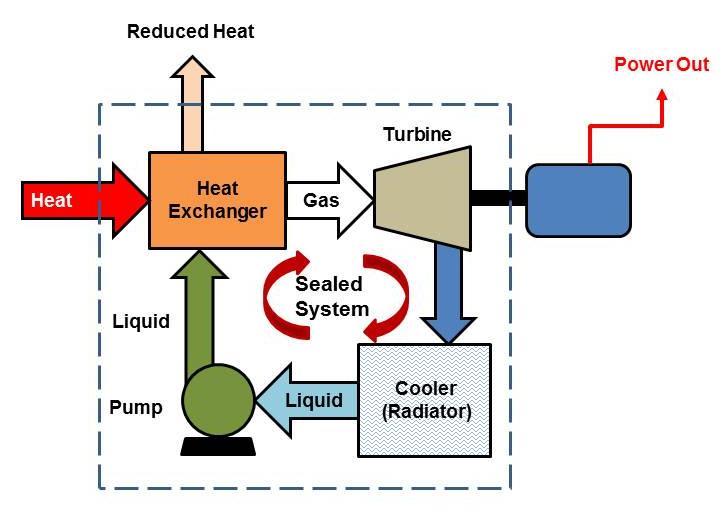
Waste Heat Electricity Generation

A cogeneration plant (also known as a combined heat and power (CHP) plant) is a facility that simultaneously generates electricity and useful heat from a single fuel source. Unlike traditional power plants that only produce electricity, cogeneration plants maximize the efficiency of energy generation by utilizing the waste heat that is typically lost in conventional systems.

Working Principle of a Cogeneration Plant

A cogeneration plant works on the principle of combined heat and power generation, where both electricity and heat are produced from a single source of energy. Here’s how it works:

  1. Fuel Supply:
    • The plant starts by burning a fuel source, which could be natural gas, biomass, coal, or other fuels. The choice of fuel depends on the plant’s design and location, as well as the availability of resources.
  2. Electricity Generation:
    • The energy produced by burning fuel is used to generate electricity. This is typically done using a turbine (steam or gas), a generator, or an internal combustion engine. In steam turbine-based cogeneration, water is heated to produce steam that drives the turbine, generating electricity.
  3. Heat Recovery:
    • In a conventional power plant, a large portion of the heat produced during electricity generation is wasted into the environment through cooling systems. However, in a cogeneration plant, the waste heat is captured and used for heating purposes.
    • This heat can be used for district heating (providing hot water or steam to nearby buildings or industries), industrial processes, or space heating in residential or commercial buildings.
  4. Dual Output:
    • By combining both electricity and heat generation, the cogeneration system can achieve high efficiency (up to 80-90%) compared to conventional power plants, where typical efficiency may be 30-40%.
  5. Heat Utilization:
    • The heat recovered from the process is delivered to where it is needed, either as steam, hot water, or thermal energy. For example, in an industrial cogeneration plant, the heat could be used for manufacturing processes like drying, heating, or chemical processing.

Types of Cogeneration Plants

  1. Topping-Cycle Cogeneration:
    • In a topping-cycle system, electricity is generated first, and then the waste heat is used to provide useful thermal energy. This is the most common form of cogeneration, where the plant produces electricity first, and then the excess heat is recovered for use.
    • Example: A typical combined-cycle gas turbine (CCGT) plant, where natural gas is used to generate electricity, and the exhaust heat is utilized for steam production.
  2. Bottoming-Cycle Cogeneration:
    • In bottoming-cycle cogeneration, the heat is recovered from industrial processes, and then it is used to generate electricity. This is usually applied in industries with significant waste heat, such as steel manufacturing or refining.
    • Example: A cogeneration plant at a steel mill, where heat from the furnaces is used to generate steam and produce electricity.
  3. Combined-Cycle Cogeneration:
    • Combined-cycle systems use both gas turbines and steam turbines to maximize efficiency. The exhaust gases from the gas turbine are used to produce steam, which drives a steam turbine for additional power generation.
    • This configuration is commonly used in large-scale industrial or utility-scale cogeneration plants and is known for achieving very high efficiency levels.

Applications of Cogeneration Plants

  1. Industrial Applications:
    • Chemical plants, refineries, paper mills, and textile factories require both power and process heat. Cogeneration plants are highly suitable for these industries, as they provide significant cost savings by reducing the need for external electricity and heating.
  2. District Heating:
    • Many cities use district heating systems, where the cogeneration plant generates both electricity and steam for heating multiple buildings or neighborhoods. This is particularly useful in colder climates where there is significant demand for heat.
  3. Waste-to-Energy:
    • Waste-to-energy (WtE) cogeneration plants burn municipal solid waste (MSW) or industrial waste to generate both power and heat. These plants reduce the volume of waste while generating useful energy.
  4. Biomass and Renewable Energy:
    • Biomass cogeneration plants use organic materials, such as wood chips, agricultural residues, or biogas, to generate both heat and power. This contributes to renewable energy goals and can reduce dependence on fossil fuels.
  5. Hospitals, Universities, and Large Commercial Buildings:
    • Cogeneration plants are used in hospitals, universities, and large commercial complexes where both reliable electricity and heat (for space heating and hot water) are needed.

Advantages of Cogeneration Plants

  1. High Efficiency:
    • Cogeneration plants are far more efficient than traditional power plants because they utilize both the electricity and the waste heat, achieving efficiencies of 80-90% compared to conventional plants that only achieve 30-40%.
  2. Cost Savings:
    • By generating both electricity and heat, cogeneration reduces the cost of purchasing electricity and heating from external sources. For industrial and commercial users, this can result in significant savings in energy bills.
  3. Lower Emissions:
    • Cogeneration plants are more environmentally friendly than conventional plants because they produce less waste heat and use fuel more efficiently. Additionally, systems powered by biomass or biogas can offer carbon-neutral energy.
  4. Energy Security:
    • Cogeneration provides decentralized energy production, reducing reliance on the grid and increasing energy security for businesses, industries, and communities.
  5. Reduced Environmental Impact:
    • By capturing and using waste heat, cogeneration helps to reduce the environmental impact of energy generation. Lower fuel consumption and reduced greenhouse gas emissions contribute to environmental sustainability.
  6. Flexibility:
    • Cogeneration systems can be scaled to meet the needs of a wide variety of applications, from small micro-CHP units for homes or small businesses to large-scale systems for industrial plants or district heating networks.

Challenges of Cogeneration Plants

  1. High Initial Investment:
    • While cogeneration plants offer long-term savings, the initial investment can be significant. This includes the cost of setting up the plant, purchasing and installing equipment, and maintaining the system.
  2. Complexity in Operation and Maintenance:
    • Cogeneration systems are more complex to operate and maintain than traditional plants, requiring skilled personnel and specialized equipment. Regular maintenance and monitoring are crucial for maximizing the efficiency and lifespan of the system.
  3. Fuel Availability:
    • The fuel used in cogeneration plants—whether natural gas, biomass, or others—needs to be reliably available. Fluctuations in fuel prices or supply can impact the cost-effectiveness of the system.
  4. Grid Integration:
    • While cogeneration offers benefits in terms of decentralized energy, integrating these systems into the broader energy grid can be challenging, particularly for large-scale plants. Issues related to grid stability and energy distribution may need to be addressed.
  5. Environmental Impact of Fossil Fuels:
    • While cogeneration reduces emissions compared to conventional power generation, it still relies on fossil fuels like natural gas or coal in some cases, which have an environmental impact. Transitioning to fully renewable-based cogeneration systems is a challenge.

Conclusion

Cogeneration plants are an efficient and cost-effective way to generate both electricity and heat simultaneously from a single energy source. With their high efficiency and ability to reduce energy costs, cogeneration is an attractive option for industrial applications, district heating, waste-to-energy, and even small-scale residential applications. The use of cogeneration systems supports sustainability goals by reducing waste, improving energy efficiency, and lowering emissions.

While there are challenges related to initial costs, complexity, and fuel supply, cogeneration plants continue to play an essential role in meeting global energy demands in an increasingly sustainable way.

Technological Enhancements and Innovations in Cogeneration Plants

  1. Combined-Cycle Gas Turbine (CCGT) Systems:
    • The Combined-Cycle Gas Turbine (CCGT) is a highly efficient cogeneration technology that integrates both gas turbines and steam turbines. In this system, a gas turbine generates electricity by burning natural gas, and the hot exhaust gases are used to produce steam. The steam then drives a steam turbine, generating additional electricity.
    • This configuration can achieve thermal efficiencies of up to 60-70% for power generation and even higher if the waste heat is used for district heating or industrial processes.
    • CCGT plants are commonly used in large-scale cogeneration operations and are well-suited for applications where both electricity and thermal energy are in high demand, such as in industrial complexes, large-scale district heating, or municipal power generation.
  2. Fuel Flexibility:
    • Cogeneration plants are increasingly designed to be fuel-flexible, meaning they can operate on a variety of fuels, including natural gas, biomass, coal, waste oils, and even hydrogen. This flexibility allows operators to switch fuels depending on price fluctuations or availability, optimizing energy production and costs.
    • Biomass cogeneration systems are a prime example of how renewable fuels can be integrated into the cogeneration process. These plants burn organic materials such as wood chips, agricultural residues, and even municipal solid waste to produce both electricity and heat. This is an effective way to contribute to renewable energy goals while reducing waste.
    • In the future, hydrogen is expected to play an increasing role in fuel-flexible cogeneration systems, especially as green hydrogen production technology advances. Hydrogen-based cogeneration systems can provide an entirely carbon-free energy source when powered by renewable electricity.
  3. Advanced Heat Recovery Systems:
    • Cogeneration plants can enhance their performance by utilizing advanced heat recovery technologies that capture and repurpose waste heat more effectively. For instance:
      • Heat recovery steam generators (HRSGs) are used in combined-cycle systems to capture exhaust gases from gas turbines and use that heat to generate steam for a steam turbine.
      • Thermal storage systems, such as molten salt storage or phase-change materials, can store excess heat generated by cogeneration systems and release it when demand for heat or electricity spikes, improving operational flexibility and efficiency.
    • These technologies improve the overall efficiency of cogeneration plants by making the most out of every unit of fuel consumed, further lowering operating costs and reducing environmental impact.
  4. Micro-Cogeneration and Small-Scale Systems:
    • Micro-cogeneration systems, also known as micro-CHP (combined heat and power) systems, are smaller versions of traditional cogeneration plants designed for use in residential or small commercial buildings. These systems typically run on natural gas, biogas, or propane and are ideal for households or small businesses that need both electricity and heat.
    • Fuel cells, internal combustion engines, and Stirling engines are often used in micro-cogeneration systems. These small-scale systems can offer significant energy savings, provide energy security, and reduce carbon footprints for users, particularly in areas where electricity costs are high or in off-grid locations.
    • Some systems are designed with smart grid integration capabilities, allowing users to manage and optimize energy use, participate in demand response programs, or feed excess electricity back into the grid.
  5. Smart Grid Integration:
    • The integration of cogeneration plants into the smart grid can further enhance their efficiency and flexibility. By utilizing advanced sensors, data analytics, and automated control systems, cogeneration plants can operate dynamically based on real-time demand for both electricity and heat.
    • Smart grid technology allows cogeneration plants to:
      • Respond to fluctuations in energy demand by adjusting production levels for electricity and thermal output.
      • Integrate with other distributed energy resources (DERs) like solar panels, wind turbines, and battery storage systems to create a more resilient and sustainable energy system.
      • Provide valuable grid services like frequency regulation and demand response, helping stabilize the overall electricity grid while optimizing plant operations.
  6. Advanced Monitoring and Control Systems:
    • To maximize the performance and lifespan of a cogeneration plant, advanced monitoring and control systems are used to track real-time operating conditions, detect faults, and optimize operations. These systems typically rely on Internet of Things (IoT) sensors, AI algorithms, and machine learning to predict and prevent failures, schedule maintenance, and optimize fuel usage.
    • These technologies can help improve uptime, reduce operational costs, and ensure that the plant consistently operates at peak efficiency. In addition, predictive maintenance powered by AI can reduce the need for expensive repairs and minimize downtime.
  7. Waste Heat Recovery for Carbon Capture:
    • Another innovative approach is using the waste heat from cogeneration plants in carbon capture technologies. By recovering heat and integrating it with carbon capture and storage (CCS) systems, it is possible to reduce the carbon emissions of cogeneration plants, particularly those that rely on fossil fuels like natural gas or coal.
    • Post-combustion carbon capture systems can use waste heat to improve the efficiency of CO2 absorption processes. This is especially useful in plants aiming to meet stringent carbon reduction targets.

Economic and Environmental Considerations

  1. Cost-Effectiveness and Return on Investment (ROI):
    • While cogeneration systems often require a high initial investment, the long-term savings in fuel costs and energy bills often result in an attractive return on investment (ROI). The savings from reduced energy imports (both electricity and heating) can help recoup the upfront capital over a relatively short period.
    • Government incentives, such as tax credits, subsidies, or feed-in tariffs, can make cogeneration projects more financially attractive, especially for renewable energy and waste-to-energy cogeneration projects.
  2. Environmental Benefits:
    • Cogeneration significantly reduces the environmental impact of energy generation by utilizing waste heat and improving overall fuel efficiency. This leads to lower emissions of CO2 and other pollutants (like NOx and SOx) compared to traditional power generation systems.
    • Systems powered by biomass, biogas, or hydrogen can be particularly carbon-neutral or carbon-negative, depending on the feedstock used, thus contributing to climate change mitigation efforts.
    • As countries continue to tighten environmental regulations and move toward achieving net-zero emissions, cogeneration plants powered by renewable and low-carbon fuels will become even more important.
  3. Grid Decentralization and Energy Resilience:
    • One of the key benefits of cogeneration plants is that they can be integrated into decentralized energy grids, which can enhance the overall resilience and reliability of the energy system. Distributed energy generation, such as that provided by cogeneration plants, helps reduce reliance on centralized power plants and long-distance electricity transmission.
    • In the event of grid failures or natural disasters, cogeneration plants can continue to supply localized energy, supporting critical infrastructure, hospitals, and essential services. This resilience is particularly valuable in regions prone to power outages or areas with limited access to the grid.
  4. Integration with Renewable Energy:
    • The integration of cogeneration plants with renewable energy sources like solar, wind, and geothermal can create a highly resilient and sustainable energy system. Cogeneration systems can provide a reliable, stable energy supply when renewable sources are intermittent (e.g., solar during the night, wind when calm).
    • In combination with energy storage solutions (e.g., batteries or thermal storage), cogeneration plants can form a part of an integrated renewable energy microgrid, ensuring that electricity and heat are available when needed, regardless of external conditions.

Conclusion

Cogeneration plants represent a highly efficient and cost-effective approach to generating both electricity and heat from a single fuel source. They have proven benefits in terms of efficiency, cost savings, and emissions reduction, making them a key player in the transition to a more sustainable energy system. As technology continues to evolve, cogeneration systems will increasingly incorporate advanced features such as smart grid integration, fuel flexibility, and renewable energy sources, further enhancing their efficiency and environmental performance.

From industrial applications to residential and commercial settings, cogeneration offers a versatile and scalable solution that not only improves energy efficiency but also contributes to the decarbonization of energy systems. As the world continues to address the challenges of climate change and energy security, cogeneration will remain a central technology in the global effort to build a more sustainable and resilient energy future.

Future Trends and Innovations in Cogeneration Technology

  1. Hybrid Cogeneration Systems:
    • One of the emerging trends in cogeneration technology is the development of hybrid systems that combine different generation technologies to optimize energy production. These systems can include combinations of natural gas turbines, biomass boilers, solar panels, wind turbines, and battery storage.
    • By integrating various energy sources, hybrid cogeneration systems can provide a stable and flexible energy supply that adapts to fluctuations in both fuel availability and renewable energy generation. For instance, a hybrid cogeneration plant could use biomass or natural gas for base-load electricity generation while incorporating solar power during daylight hours to reduce fuel consumption and emissions.
    • Hybrid systems also enable grid support in decentralized energy systems, allowing them to play a role in peak shaving (reducing the peak electricity demand) and demand response, improving overall energy system reliability.
  2. Fuel Cells in Cogeneration:
    • Fuel cells are becoming increasingly important in cogeneration plants due to their ability to efficiently convert chemical energy directly into electricity without combustion. The waste heat from this process can be used for thermal applications, making fuel cells a promising technology for high-efficiency cogeneration.
    • In particular, solid oxide fuel cells (SOFCs) and molten carbonate fuel cells (MCFCs) are being explored for use in cogeneration applications, especially for commercial and industrial settings where both electricity and heat are needed.
    • Hydrogen fuel cells are a key area of innovation, as they provide a clean, carbon-neutral solution when powered by green hydrogen produced from renewable sources. Fuel cell cogeneration systems could play a significant role in decarbonizing sectors that are difficult to electrify, such as heavy industry and transportation.
  3. Advanced Thermal Energy Storage (TES):
    • Thermal energy storage (TES) is becoming more integrated with cogeneration plants to improve their operational flexibility. In systems that produce both electricity and heat, excess heat can be stored in thermal storage systems and used when demand for heating increases, reducing the need for backup boilers or additional fuel consumption.
    • Phase-change materials (PCMs), molten salt storage, and thermal storage tanks are all examples of technologies that can be used to store heat efficiently. These systems not only help manage fluctuations in energy demand but also reduce fuel consumption during off-peak periods.
    • Advanced TES technologies can improve the economics and performance of cogeneration plants, particularly in district heating applications or in areas with seasonal variations in heating demand.
  4. Waste Heat Recovery from Low-Temperature Sources:
    • Traditionally, cogeneration systems are designed to capture high-temperature exhaust gases for use in steam generation or industrial processes. However, there is increasing interest in recovering waste heat from low-temperature sources (below 100°C) that would typically be discarded.
    • Technologies like organic Rankine cycle (ORC) systems are being explored for low-grade heat recovery, where they can convert heat from sources like industrial processes, geothermal sources, or even solar thermal into electricity and usable thermal energy. These innovations could make cogeneration systems more viable in a broader range of industries and settings, further enhancing energy efficiency.
  5. Energy Efficiency Optimization Using Artificial Intelligence (AI):
    • As cogeneration plants become more complex with the integration of hybrid energy sources, AI and machine learning (ML) are increasingly being used to optimize plant performance. By analyzing real-time data from sensors embedded throughout the plant, AI systems can predict energy demand, optimize fuel usage, and schedule maintenance more effectively.
    • AI-driven systems can also help balance electricity and heat production in real-time, ensuring that both outputs are optimized based on current conditions and demand patterns. In the long term, this could improve the overall economic performance of cogeneration plants while minimizing waste and emissions.
  6. Decentralized Energy Systems and Microgrids:
    • The integration of cogeneration plants into microgrids is becoming more prominent, especially in remote or off-grid areas where centralized grid infrastructure may not be reliable or cost-effective.
    • Microgrids can operate independently from the larger grid or in conjunction with it, providing reliable power and heat to local communities, industries, or campuses. Cogeneration plants, with their ability to produce both electricity and thermal energy locally, are ideal for microgrid applications.
    • Microgrids also improve energy resilience by ensuring that even if there is a failure in the larger power grid, the local system can continue functioning. This is particularly useful in areas prone to natural disasters or where power outages are common.
  7. Digital Twin Technology in Cogeneration:
    • Digital twin technology is being applied in cogeneration plants to create virtual replicas of the physical system. By using real-time data from sensors and control systems, a digital twin can simulate how the plant will perform under different conditions.
    • This technology enables operators to perform predictive maintenance, assess the impact of various operational strategies, and optimize energy output in real-time. It also supports design optimization for new plants by allowing engineers to test different configurations and design parameters before construction.
    • The use of digital twins helps improve plant reliability, reduce operational costs, and enhance the long-term sustainability of cogeneration systems.

Economic and Environmental Impact

  1. Cost Reduction and Fuel Efficiency:
    • Cogeneration significantly reduces energy costs for businesses, industries, and municipalities by providing both electricity and heating or cooling from a single energy source. This reduces the need to purchase electricity from external sources or operate separate heating systems.
    • With improved efficiency, cogeneration systems lower fuel consumption, which translates to cost savings and a more sustainable operation. For industries that have both high electricity and thermal energy demands (e.g., chemical production, paper mills, and food processing), cogeneration can lead to substantial reductions in operational expenses.
  2. Carbon Emissions Reduction:
    • One of the most significant environmental benefits of cogeneration is the reduction in carbon emissions. Because cogeneration utilizes waste heat that would otherwise be discarded, it minimizes the need for additional fuel consumption.
    • The ability to produce both electricity and heat with a single energy source results in lower CO2 emissions per unit of energy compared to conventional power plants, where waste heat is simply released into the atmosphere. As a result, cogeneration is often considered a key technology for achieving climate goals and net-zero emissions targets.
  3. Improved Energy Security:
    • Cogeneration enhances energy security by decentralizing energy production, allowing businesses, industries, and even communities to become more self-sufficient. Localized energy production through cogeneration reduces reliance on the external grid, making the system more resilient to supply disruptions or price volatility in energy markets.
    • In many cases, cogeneration plants are used to provide backup power in the event of grid outages, ensuring that critical infrastructure such as hospitals, data centers, and manufacturing facilities can continue operations without disruption.
  4. Support for Renewable Energy Integration:
    • As renewable energy sources like solar, wind, and hydropower become more widespread, the challenge of managing intermittent power generation increases. Cogeneration plants can help by providing dispatchable power (electricity that can be produced on-demand), complementing the variable nature of renewable sources.
    • Cogeneration plants can also integrate biomass or biogas as fuels, which are renewable and contribute to reducing reliance on fossil fuels, aligning with broader sustainability and green energy goals.
  5. Support for Industrial Sustainability:
    • Industries that operate with high energy demands, such as refineries, steel mills, and cement plants, can benefit from cogeneration by reducing their environmental impact. By using waste heat for both power generation and thermal processes, these industries can become more energy-efficient and reduce their carbon footprint.
    • Additionally, cogeneration supports zero-waste initiatives by enabling the use of waste products (such as waste heat, biomass, and municipal solid waste) as valuable fuel sources for energy generation.

Conclusion

Cogeneration plants are a cornerstone of modern energy systems, providing a sustainable and efficient solution for both electricity and heat production. As technology advances, these systems are becoming more flexible, adaptable, and integrated with renewable energy sources, smart grid systems, and AI-driven optimizations.

The combination of energy efficiency, cost reduction, and environmental benefits makes cogeneration a critical technology for industries, municipalities, and even residential applications. With its potential to reduce carbon emissions, enhance energy security, and support the transition to a low-carbon economy, cogeneration will continue to play a crucial role in achieving global energy sustainability goals.

The future of cogeneration is bright, with ongoing innovations in fuel flexibility, hybrid systems, and energy storage, all of which contribute to making energy systems more resilient, sustainable, and cost-effective.

Cogeneration and Trigeneration

Cogeneration and Trigeneration

Cogeneration and Trigeneration are both systems that produce multiple forms of energy (typically electricity and heat) from a single fuel source, but they differ in the number of outputs they provide.

Cogeneration (CHP – Combined Heat and Power)

Cogeneration, or combined heat and power (CHP), is a process that simultaneously generates electricity and useful heat from the same energy source. It’s widely used in both industrial and commercial settings, where there is a demand for both electricity and thermal energy.

Key Features of Cogeneration:

  • Primary Outputs: Electricity and Heat (usually steam or hot water).
  • Process: The system works by burning a fuel (such as natural gas, biomass, or coal) to generate electricity, and then the waste heat produced during the electricity generation process is captured and used for heating purposes. This heat can be used for space heating, industrial processes, or even district heating systems.
  • Efficiency: Cogeneration systems can achieve efficiencies of up to 80-90%, compared to typical thermal power plants, which only have an efficiency of around 30-40%. This is because cogeneration maximizes the use of the energy contained in the fuel by utilizing both the electrical and thermal energy.
  • Typical Applications:
    • Industrial plants (e.g., chemical, paper, steel production).
    • District heating systems.
    • Commercial buildings (e.g., hotels, hospitals).
    • Residential buildings (in the case of small-scale micro-cogeneration units).

Benefits:

  • Higher Efficiency: Cogeneration allows the same amount of fuel to generate both electricity and heat, making the process more efficient than conventional separate generation methods.
  • Cost Savings: Businesses and industries with high energy demands (both electrical and thermal) can significantly reduce energy costs by using a cogeneration system.
  • Reduced Carbon Footprint: The increased efficiency reduces the amount of fuel consumed and, therefore, lowers emissions.
  • Energy Security: Localized cogeneration systems help reduce dependence on external energy sources, enhancing energy resilience.

Trigeneration (CCHP – Combined Cooling, Heat, and Power)

Trigeneration, also known as Combined Cooling, Heat, and Power (CCHP), is an advanced form of cogeneration that produces electricity, heat, and cooling (usually through chilled water or refrigeration) from the same energy source. It extends the cogeneration concept to provide an additional output, cooling, which can be particularly useful in climates where air conditioning and refrigeration are essential.

Key Features of Trigeneration:

  • Primary Outputs: Electricity, Heat, and Cooling.
  • Process: Similar to cogeneration, trigeneration systems burn fuel to generate electricity and produce waste heat. However, in trigeneration, the waste heat is used to drive a absorption chiller or adsorption chiller, which produces cooling (cold air or chilled water). These systems often combine the use of gas turbines, internal combustion engines, or fuel cells for electricity generation, and a heat recovery steam generator (HRSG) to capture the waste heat for both thermal energy and cooling.
  • Efficiency: Trigeneration can be even more efficient than cogeneration. Depending on the technology, trigeneration systems can reach 90-95% efficiency because they utilize waste heat to produce cooling, electricity, and heating, thereby maximizing the potential of the energy source.
  • Typical Applications:
    • Large commercial and residential buildings (e.g., office complexes, hospitals, shopping malls).
    • Industrial applications with high heat and cooling demand (e.g., food processing, pharmaceutical industries).
    • District cooling systems, especially in urban environments with high cooling demand.

Benefits:

  • Higher Efficiency: Trigeneration systems are among the most efficient energy systems, as they maximize the use of the available energy in the fuel to produce electricity, heat, and cooling, minimizing waste.
  • Reduced Costs: By providing cooling, heating, and electricity, trigeneration can significantly reduce the need to purchase electricity and cooling from the grid, leading to substantial energy savings.
  • Sustainability: Trigeneration systems offer reduced emissions and better fuel utilization, contributing to the reduction of greenhouse gas emissions and overall environmental impact.
  • Comfort and Flexibility: In environments with significant cooling needs (e.g., hot climates), trigeneration systems provide a reliable and efficient way to meet the demand for air conditioning and refrigeration alongside electricity and heating.

Comparison Between Cogeneration and Trigeneration

FeatureCogeneration (CHP)Trigeneration (CCHP)
Primary OutputsElectricity, HeatElectricity, Heat, Cooling
Key BenefitMaximizes the use of fuel for power and heat generationAdds cooling, improving efficiency in cooling-demand sectors
Typical ApplicationsIndustrial, commercial, district heatingLarge buildings, industries with cooling needs, district cooling
Efficiency80-90%90-95% (can be higher due to cooling output)
Technology UsedInternal combustion engines, gas turbines, HRSGsCombined internal combustion engines or turbines with absorption chillers
Cooling RequirementNo cooling productionProvides cooling, ideal for regions with hot climates
Environmental ImpactReduces fuel consumption and emissions by utilizing both electricity and heatMore sustainable with further reductions in fuel consumption and emissions due to cooling production
Cost SavingsReduces energy costs through combined electricity and heat generationEven greater cost savings due to the added cooling capability

Applications of Trigeneration

Trigeneration is particularly beneficial in commercial, industrial, and residential settings where the demand for heating, cooling, and electricity are all high. Here are a few examples:

  • Hotels: Hotels, especially large ones, have high heating and cooling needs (for hot water, heating, and air conditioning). A trigeneration system can provide all three at a higher efficiency and lower cost.
  • Hospitals: Hospitals require continuous electricity for medical equipment, heating for hot water, and cooling for air conditioning. A trigeneration system ensures uninterrupted energy supply and enhances efficiency.
  • Food Processing: Industries like food processing, where precise temperature control is needed, can benefit from trigeneration systems by efficiently meeting both heating and cooling requirements while producing electricity.
  • District Cooling Systems: Large cities and industrial parks in hot climates may use trigeneration for district cooling, generating chilled water through absorption chillers, which is distributed to buildings for air conditioning.

Challenges and Considerations

  • Capital Investment: The initial cost of trigeneration systems tends to be higher than traditional cogeneration systems due to the added complexity of incorporating cooling equipment like absorption chillers.
  • Maintenance: Maintaining both power generation equipment and cooling systems requires specialized knowledge and may increase maintenance complexity and costs.
  • Energy Demand Profile: The demand for cooling may not always align with the electricity and heat demand, so trigeneration systems are most effective in settings where there is a constant need for all three outputs. In areas with lower cooling demand, cogeneration might be more suitable.

Conclusion

While cogeneration is ideal for applications requiring electricity and heat, trigeneration is the best option when there is a significant demand for cooling along with electricity and heat. Both systems are highly efficient compared to traditional methods of energy generation and offer economic and environmental benefits by maximizing the use of energy. With the increasing need for sustainable, energy-efficient solutions, trigeneration is gaining popularity in sectors that require all three forms of energy, especially in regions with high cooling demands.

Choosing between cogeneration and trigeneration depends on the specific energy needs of the application, climate considerations, and the potential for energy savings and emissions reduction. Both technologies represent critical advancements in the transition towards more efficient and sustainable energy systems.

Integration with Renewable Energy Sources

  1. Cogeneration and Renewables:
    • As the world shifts towards sustainable energy systems, integrating renewable energy sources (such as solar, wind, and biomass) with cogeneration systems can significantly reduce carbon emissions and fuel consumption.
    • Biomass-powered cogeneration is an excellent example, where organic materials such as agricultural waste, wood chips, or municipal solid waste are used to generate both electricity and heat. This type of cogeneration reduces reliance on fossil fuels and contributes to the circular economy by turning waste into energy.
    • Solar and wind integration: While renewable sources like solar and wind are intermittent, combining them with cogeneration can ensure a more stable and reliable energy supply. For example, when solar or wind power is abundant, cogeneration can reduce fuel consumption by relying on the renewable source for electricity, while still providing the necessary heating or cooling through the cogeneration unit.
    • Hydrogen as a fuel: The use of hydrogen fuel cells in cogeneration systems is also being explored, especially as green hydrogen (produced from renewable energy sources like solar or wind) becomes more available. Hydrogen-based cogeneration could offer a clean, efficient energy solution with no direct carbon emissions.
  2. Trigeneration and Renewable Energy:
    • Trigeneration systems can also benefit from the integration of renewable energy sources. For instance, solar thermal energy could be used in a trigeneration system to provide both cooling (through an absorption chiller) and heat. By integrating solar thermal collectors with the system, the cooling load can be reduced, leading to substantial energy savings and a lower environmental footprint.
    • In regions with high solar irradiance or wind potential, hybrid trigeneration systems can leverage renewable sources for the electricity generation portion of the system while still providing thermal and cooling outputs using waste heat or renewable-driven chillers.
    • Geothermal energy is another renewable source that can be integrated into trigeneration systems. Geothermal heat pumps can provide both heating and cooling and be combined with electricity generation through a geothermal power plant. This combination creates a nearly carbon-neutral trigeneration system.

Technological Advancements in Cogeneration and Trigeneration

  1. Fuel Flexibility:
    • One of the key advancements in both cogeneration and trigeneration technologies is the ability to operate with multiple types of fuel sources. Modern systems are becoming more flexible, allowing operators to switch between natural gas, biomass, biogas, and even synthetic fuels (like liquefied natural gas (LNG) or hydrogen), depending on availability and cost.
    • This flexibility reduces reliance on a single fuel source and allows facilities to adapt to changing market conditions, supply chains, and sustainability goals. For example, a cogeneration plant might operate on natural gas when available, but switch to biogas from a nearby waste-to-energy facility to reduce its carbon footprint.
  2. Advanced Control Systems:
    • The incorporation of advanced control systems powered by Artificial Intelligence (AI) and Internet of Things (IoT) sensors can dramatically improve the performance and efficiency of both cogeneration and trigeneration systems. These systems can monitor energy production, heat recovery, and cooling demand in real time, automatically adjusting operations to optimize energy output and fuel consumption.
    • For example, AI algorithms can analyze patterns in energy consumption and adjust the operation of the system accordingly, ensuring that energy is produced efficiently and that waste heat is maximized.
  3. Modular Cogeneration and Trigeneration:
    • Modular systems are becoming increasingly popular due to their flexibility and scalability. Modular cogeneration allows for smaller, customizable systems that can be expanded or upgraded as needed. This is ideal for industrial and commercial buildings with fluctuating energy demands.
    • Modular trigeneration systems are also evolving, making it possible for smaller applications (like multi-family residential complexes) to install trigeneration units without the need for large-scale, central plants. The modular design allows for energy output to be scaled up or down based on the needs of the building or complex.
  4. Energy Storage Integration:
    • Energy storage systems are becoming a critical component of both cogeneration and trigeneration plants. These systems store excess electricity or thermal energy produced by the cogeneration unit, which can then be used when demand peaks or when the renewable energy sources are not available.
    • For example, a battery storage system integrated with a trigeneration unit can store electricity generated during off-peak times and supply it during high-demand periods. Similarly, thermal energy storage systems can store excess heat generated by the cogeneration system and release it when heating demand rises, reducing the need for additional fuel use.

Challenges and Considerations

  1. High Initial Investment:
    • Both cogeneration and trigeneration systems generally require a higher capital investment compared to traditional power plants. This includes the cost of the equipment (such as turbines, engines, boilers, and chillers) and the installation of complex control systems.
    • However, the long-term savings in energy costs, fuel consumption, and maintenance often offset the initial investment, especially for large-scale commercial or industrial operations.
  2. Maintenance and Operation Complexity:
    • These systems require specialized maintenance due to the combination of electricity generation, heat recovery, and cooling in the case of trigeneration. Operators need to have expertise in managing a complex set of equipment that requires regular monitoring, maintenance, and optimization.
    • The complexity of these systems also means that failure in one part of the system (e.g., a failure in the absorption chiller in a trigeneration plant) can disrupt the entire operation. Therefore, proper redundancy systems and preventive maintenance plans are critical to ensuring uptime and minimizing disruption.
  3. Fuel Supply and Availability:
    • Cogeneration and trigeneration systems depend on a consistent and reliable fuel supply (e.g., natural gas, biomass, or biogas). Fluctuations in fuel prices or availability can impact the economic viability of these systems, particularly in regions with limited access to inexpensive or renewable fuels.
    • For example, biomass-powered cogeneration systems may face challenges related to the availability of feedstock (such as wood chips or agricultural waste), which can affect system reliability and cost-effectiveness.
  4. Environmental Impact:
    • While both cogeneration and trigeneration systems are more efficient than traditional systems, they still generate emissions, particularly if they are powered by fossil fuels. However, these emissions can be minimized by using cleaner fuels (like biogas, green hydrogen, or biomass) and by integrating carbon capture and storage (CCS) technologies in some cases.
    • For trigeneration systems, which add a cooling function, refrigerants used in the absorption chiller systems may have environmental impacts, especially if they are high Global Warming Potential (GWP) substances. It’s important to use environmentally-friendly refrigerants to minimize the system’s overall impact.
  5. Energy Storage and Grid Integration:
    • For grid-connected cogeneration and trigeneration systems, issues related to grid integration may arise. These systems need to be coordinated with the grid to ensure that energy production matches demand and that excess energy can be sold back to the grid when possible.
    • In regions with high renewable penetration, cogeneration and trigeneration plants may face challenges in synchronizing with the fluctuating supply of renewable power, which requires sophisticated grid management and storage solutions to maintain a stable supply.

Conclusion

Cogeneration and trigeneration are both cutting-edge technologies that enhance energy efficiency, reduce operational costs, and support sustainability goals by optimizing the use of energy resources. While cogeneration is well-suited for applications that require both electricity and heat, trigeneration offers additional value by providing cooling, making it ideal for applications in hot climates or where cooling is a critical demand (e.g., hospitals, large commercial buildings, and industrial processes).

With the continued development of renewable energy sources, advanced storage systems, and smart grid technologies, the potential for integrating cogeneration and trigeneration systems into modern energy networks is becoming increasingly promising. These systems offer a powerful tool for achieving carbon reduction goals and improving energy security while meeting the growing demands for electricity, heating, and cooling in both urban and industrial environments.

By overcoming challenges like high upfront costs, system complexity, and fuel availability, and with the help of digital technologies, modular designs, and smart controls, cogeneration and trigeneration can be integral parts of the future sustainable energy landscape.

Future Trends and Technological Advancements

  1. Digitalization and Smart Energy Management
    • The digitalization of cogeneration and trigeneration systems is one of the most important trends shaping their future. The use of smart sensors, IoT devices, and AI algorithms is expected to significantly improve the performance, optimization, and predictive maintenance of these systems.
    • Advanced monitoring and control systems will allow operators to track the performance of both electricity and heat generation, optimize fuel usage, and adjust operations to match fluctuating demand. For example, predictive maintenance powered by AI can identify potential failures before they occur, reducing downtime and improving the overall efficiency of the system.
    • The integration of these technologies will allow for more dynamic management of energy resources, including demand-side management where a building or facility adjusts its energy consumption based on real-time energy availability and prices.
  2. Integration with Smart Grids
    • Smart grids are transforming the way energy is generated, distributed, and consumed. Cogeneration and trigeneration systems can play a key role in these grids by providing both localized power generation and grid stability.
    • By using demand-response systems, cogeneration and trigeneration systems can adjust their energy output based on grid needs. For example, during periods of high demand on the grid, these systems can increase their power generation, supporting the grid and reducing the need for costly and polluting peak-load plants.
    • In addition, distributed energy resources (DERs), like cogeneration and trigeneration, can be integrated into the microgrids that form part of a smart grid, allowing for more resilient and reliable energy systems in both urban and rural settings. Microgrids can function autonomously or be connected to the larger grid, depending on energy requirements.
  3. Use of Hydrogen as a Fuel Source
    • Hydrogen is emerging as a promising fuel for both cogeneration and trigeneration systems, especially green hydrogen produced from renewable energy sources like wind and solar power. Using hydrogen in these systems can eliminate carbon emissions while still providing the benefits of combined heat, power, and cooling.
    • The transition to hydrogen in cogeneration and trigeneration could support the decarbonization of industries and buildings with high energy demands. For instance, a hydrogen-powered trigeneration system could generate electricity, heat, and cooling with zero emissions from the combustion process.
    • However, the widespread adoption of hydrogen fuel in cogeneration and trigeneration systems depends on advancements in hydrogen production, storage, and distribution infrastructure, as well as the cost-effectiveness of hydrogen compared to conventional fuels like natural gas.
  4. Decarbonization and Electrification of Heating and Cooling
    • The move toward decarbonizing the energy sector is creating greater demand for low-carbon heating and cooling solutions. In this context, electric heat pumps, solar thermal systems, and geothermal energy are becoming more integrated into cogeneration and trigeneration systems.
    • For example, electric heat pumps can be used in a trigeneration setup to provide both heating and cooling without the need for fossil fuel combustion. These systems can be integrated with electric grid power, particularly when clean and renewable electricity sources, such as solar or wind, are used.
    • By replacing traditional heating and cooling technologies with low-carbon alternatives, trigeneration systems can support net-zero energy goals, while still maintaining their efficiency and energy output.
  5. Thermal Energy Storage (TES) Integration
    • Another key area of innovation is the integration of thermal energy storage (TES) in both cogeneration and trigeneration systems. Thermal storage allows heat produced during low-demand periods to be stored and used when energy demand is high.
    • In a trigeneration system, excess heat can be stored in molten salt, phase-change materials (PCM), or water tanks. This stored energy can then be used for heating or cooling when demand increases or when the renewable energy supply is intermittent.
    • The integration of TES with cogeneration or trigeneration increases the system’s flexibility and can help balance peak-load demands, leading to even greater energy efficiency and cost savings.
  6. Blockchain and Energy Trading
    • Blockchain technology could play an important role in the future of cogeneration and trigeneration systems, particularly in the context of energy trading and peer-to-peer (P2P) energy markets. As energy generation becomes more decentralized, blockchain can facilitate secure and transparent transactions, allowing consumers to buy and sell excess energy produced by their cogeneration or trigeneration systems.
    • This could enable cogeneration and trigeneration owners to participate in local energy markets, selling surplus electricity, heat, or cooling to nearby buildings or microgrids. Such systems would be managed by smart contracts, ensuring fair and real-time transactions.
    • In the long run, blockchain-based systems could empower communities to become more energy self-sufficient and increase the democratization of energy.

Challenges and Barriers to Widespread Adoption

Despite the numerous advantages and future potential of cogeneration and trigeneration, there are several challenges that need to be addressed for these systems to become more widely adopted:

  1. High Capital Costs
    • The initial investment for installing cogeneration and trigeneration systems remains a significant barrier. Even though these systems can lead to significant long-term cost savings, the upfront costs for equipment and installation, including advanced control systems and cooling technologies, can be prohibitive for many businesses and municipalities.
    • To encourage adoption, financial incentives, such as government subsidies or tax credits, and financing models like Power Purchase Agreements (PPAs) or Energy Service Agreements (ESAs), could make it easier for companies to invest in these technologies.
  2. Technological Complexity
    • While modern cogeneration and trigeneration systems have become more user-friendly and modular, their operational complexity still presents a challenge. Managing the interaction between electrical generation, heat recovery, and cooling systems requires advanced control strategies and experienced operators.
    • Moreover, integrating advanced technologies like AI, IoT, and blockchain introduces further complexity, especially for smaller-scale applications. However, as more companies and industries adopt these technologies, there will likely be an increased pool of skilled professionals and service providers to manage and operate these systems effectively.
  3. Regulatory and Policy Challenges
    • The regulatory environment for cogeneration and trigeneration can be complex, especially in regions where energy markets are heavily regulated. Policies that support decentralized energy production, self-consumption, and energy efficiency are critical for encouraging the adoption of these systems.
    • In many places, regulatory frameworks and grid integration policies may not yet fully accommodate distributed generation or storage solutions. For example, existing policies may make it difficult for owners of cogeneration and trigeneration systems to sell excess energy back to the grid or participate in energy markets.
    • Governments can foster growth in the cogeneration and trigeneration sectors by updating energy policies to support energy efficiency, green energy solutions, and distributed generation technologies.
  4. Fuel Availability and Sustainability
    • The availability and sustainability of the fuel supply (natural gas, biomass, biogas, hydrogen) for cogeneration and trigeneration systems is another challenge. In particular, biomass and biogas-based systems require a stable supply of organic materials, which may not always be available in sufficient quantities.
    • Transitioning to green hydrogen or renewable fuels will require significant investments in infrastructure and a sustainable supply chain for production, storage, and distribution.
    • However, this challenge also presents an opportunity to develop more sustainable fuel options, such as algae-based biofuels, synthetic fuels, or waste-to-energy technologies, that can reduce the reliance on conventional fossil fuels.

Conclusion

The future of cogeneration and trigeneration is promising, with technological innovations, sustainability goals, and grid modernization efforts paving the way for more efficient, flexible, and environmentally friendly energy systems. As digital technologies, renewable energy integration, and energy storage solutions continue to evolve, these systems will become increasingly adaptable and optimized for various applications across residential, commercial, and industrial sectors.

While challenges related to capital investment, system complexity, and regulatory frameworks still exist, the benefits of higher efficiency, cost savings, and reduced emissions outweigh these hurdles in the long term. Governments, businesses, and industries that adopt and invest in these technologies will not only gain a competitive edge in energy management but also contribute to a more sustainable and resilient energy future.

As renewable energy sources and clean technologies continue to advance, cogeneration and trigeneration will undoubtedly play a crucial role in shaping the decarbonized energy landscape of tomorrow.

Key Principles of Cogeneration:

  • Simultaneous Production: Unlike traditional power generation methods, which waste heat as a byproduct, cogeneration systems capture this heat and use it for heating, cooling, or other industrial processes.
  • High Efficiency: Cogeneration typically operates at 70-90% efficiency compared to conventional systems, which may operate at only 30-40% efficiency. This is because the waste heat is harnessed instead of being released into the atmosphere.

Types of Cogeneration Systems:

  1. Reciprocating Engine-based Cogeneration:
    • Often used in smaller-scale applications, such as commercial buildings or industrial facilities.
    • These engines operate on natural gas, biogas, or other fuels, and generate electricity while capturing waste heat for heating or cooling.
  2. Gas Turbine-based Cogeneration:
    • Commonly used in larger-scale industrial or utility applications.
    • It uses a gas turbine to generate electricity and the exhaust heat is recovered and used for heating or other thermal processes.
  3. Steam-based Cogeneration:
    • This involves using a steam turbine to generate electricity. The steam produced is then recovered and used for heating or industrial processes. This system is common in industries like chemical, paper, and food processing.
  4. Organic Rankine Cycle (ORC):
    • A cogeneration system that uses an organic fluid with a lower boiling point than water. This system is used in low-temperature applications where traditional steam cycles would be inefficient.

Cogeneration Applications:

  1. Industry: Cogeneration is widely used in industries where both electricity and thermal energy are required for operations. This includes industries such as food processing, chemical production, paper mills, and textiles.
  2. District Heating and Cooling: Cogeneration plants can supply district heating (for buildings and neighborhoods) or district cooling, improving energy efficiency and reducing costs for urban areas.
  3. Commercial Buildings: Cogeneration can be used to meet the electricity and heating demands of commercial buildings, including hotels, universities, and hospitals. In these cases, it provides energy savings and increases the building’s sustainability profile.
  4. Residential: Small-scale cogeneration, often referred to as micro-CHP, is being explored for use in residential homes, providing both electricity and heat, which can help homeowners reduce their energy bills.

Advantages of Cogeneration:

  • Increased Efficiency: Cogeneration systems use a single fuel source to produce both electricity and useful thermal energy, improving the overall energy efficiency compared to conventional methods.
  • Reduced Energy Costs: Because cogeneration systems are more efficient, they can significantly reduce energy costs for businesses and industries.
  • Environmental Benefits: By using waste heat, cogeneration reduces fuel consumption and carbon emissions. It can be a step towards achieving carbon neutrality if paired with renewable fuels like biogas or green hydrogen.
  • Energy Security: Cogeneration systems can provide energy independence for industries or buildings by enabling on-site power generation and reducing reliance on the grid.

Disadvantages and Challenges:

  • High Initial Capital Costs: The installation of cogeneration systems, particularly larger ones, can have significant upfront costs. While operational savings make up for these costs over time, the investment can be a barrier for some users.
  • Complexity in Operation: Cogeneration systems require specialized knowledge to operate and maintain, as they involve both electricity generation and heat recovery.
  • Fuel Availability: Cogeneration systems rely on a steady supply of fuel (such as natural gas or biomass). Disruptions in fuel supply can impact operations.

Technological Innovations:

  • Biomass Cogeneration: Using organic materials (such as wood, agricultural residues, and municipal waste) as fuel, biomass cogeneration plants provide a renewable alternative to fossil fuel-based systems.
  • Combined Heat, Power, and Cooling (Trigeneration): By adding a cooling function, trigeneration systems provide electricity, heat, and cooling, increasing flexibility and meeting the demands of applications such as data centers and hospitals.
  • Micro-Cogeneration Systems: These small-scale systems are designed for residential use and can be powered by natural gas or renewable sources like biogas.

Future Trends:

  • Integration with Renewables: Cogeneration systems can be integrated with renewable energy sources like solar and wind, improving energy reliability and reducing reliance on fossil fuels.
  • Hydrogen-Based Cogeneration: As the use of green hydrogen increases, hydrogen-fueled cogeneration systems are expected to play an important role in reducing carbon emissions while maintaining high efficiency.
  • Smart Grid Integration: Cogeneration systems can be integrated into smart grids, enabling real-time adjustments and improved energy distribution.

In summary, cogeneration offers a promising solution for improving energy efficiency, reducing operational costs, and contributing to sustainability efforts across various industries, commercial buildings, and even residential areas. While there are challenges related to initial investments and system complexity, the long-term benefits make cogeneration an attractive option for modern energy systems.

Emerging Technologies and Innovations in Cogeneration:

  1. Integration with Renewable Energy:
    • As the world transitions to renewable energy sources, cogeneration is increasingly being combined with technologies like solar and wind power. The idea is to optimize the energy produced by renewable sources while maintaining the ability to produce consistent and reliable power and heat from cogeneration.
    • For example, solar thermal energy can be integrated into a cogeneration plant to provide additional heat for industrial processes, reducing the dependence on fossil fuels and boosting overall system efficiency.
    • Hybrid cogeneration systems that combine natural gas, solar, or wind power can provide reliable energy generation and improve system performance by smoothing out fluctuations in renewable energy availability.
  2. Hybrid Systems with Energy Storage:
    • The addition of energy storage technologies, such as batteries or thermal storage, to cogeneration systems allows for greater flexibility and reliability. Stored energy can be used during peak demand times or when renewable energy sources like wind or solar are unavailable.
    • Thermal energy storage (TES) in particular is gaining traction in cogeneration. In TES systems, the heat produced by cogeneration can be stored for later use, such as for heating buildings or for industrial applications, ensuring that the system can supply thermal energy even when the cogeneration plant is not actively producing heat.
  3. Micro-Cogeneration:
    • Micro-cogeneration systems, also known as small-scale cogeneration or domestic cogeneration, are designed for individual homes or small businesses. These systems are typically powered by natural gas or biogas and can provide both heat and electricity in a more localized, cost-effective manner.
    • With the growing interest in smart homes and smart cities, micro-cogeneration can play a key role in providing resilient, localized energy solutions that reduce reliance on the grid and lower energy costs for end-users.
    • The use of small-scale fuel cells or combined heat and power (CHP) micro-units powered by renewable fuels like biogas or hydrogen can offer clean and efficient solutions for residential buildings, creating sustainable energy sources at the point of demand.
  4. Advanced Control Systems and Artificial Intelligence (AI):
    • Artificial intelligence and machine learning algorithms are being increasingly integrated into cogeneration systems to optimize performance, reduce energy waste, and predict maintenance needs.
    • These technologies help manage the intricate balance between electricity production, heat recovery, and demand-side management, making it easier for operators to fine-tune the system and predict performance in real-time.
    • Predictive maintenance powered by AI can help in diagnosing issues before they cause system downtime, significantly extending the lifespan of cogeneration plants.
  5. Hydrogen Cogeneration Systems:
    • As the hydrogen economy develops, hydrogen-based cogeneration plants are emerging as a promising way to reduce greenhouse gas emissions while maintaining the dual benefit of electricity and heat production.
    • In this setup, hydrogen is used as a fuel instead of natural gas or coal, resulting in zero carbon emissions during combustion. Hydrogen cogeneration systems can be part of the effort to decarbonize the industrial sector and reduce reliance on fossil fuels for both electricity and heating.
    • The development of green hydrogen, produced using renewable energy sources, is expected to drive the widespread adoption of hydrogen cogeneration as it offers a clean alternative to fossil fuel-based systems.
  6. Waste Heat Recovery and Combined Systems:
    • Waste heat recovery systems are increasingly being paired with cogeneration to further increase system efficiency. Waste heat can be recovered from industrial processes, vehicles, or power generation systems and used to produce additional energy or be applied to heating systems.
    • Combining waste-to-energy technologies with cogeneration can create a more circular energy economy, where waste is utilized as a resource to generate both heat and power, reducing the overall environmental footprint.
    • These systems are particularly effective in energy-intensive industries such as steel manufacturing, cement production, or petrochemical plants, where substantial amounts of waste heat are produced.

Global Adoption and Regulatory Considerations:

  1. Global Adoption of Cogeneration:
    • Countries around the world are adopting cogeneration systems as part of their efforts to meet energy efficiency and sustainability goals. Many European countries, such as Germany and the Netherlands, have implemented policies that encourage the installation of CHP systems, especially in industrial and residential sectors.
    • In countries like China and India, the use of cogeneration in industrial sectors is on the rise due to the growing need for both electricity and thermal energy in manufacturing processes. The use of cogeneration allows these countries to improve their energy efficiency while reducing emissions from coal-based power generation.
  2. Regulatory Incentives and Support:
    • Governments are offering incentives for cogeneration systems through tax credits, subsidies, and feed-in tariffs that provide financial support to companies investing in CHP technologies.
    • For instance, many European countries provide financial incentives for the installation of cogeneration systems, particularly those that utilize renewable fuels or contribute to district heating networks. These incentives make cogeneration more economically viable for businesses and encourage its adoption in sectors like agriculture, food processing, and commercial buildings.
    • However, regulations around grid integration, energy storage, and emissions standards will need to evolve to support the scaling up of these systems, particularly in terms of encouraging renewable energy integration and energy independence.

Challenges in Widespread Adoption:

  1. High Capital Investment:
    • While cogeneration systems lead to long-term operational savings, the initial capital cost remains one of the major barriers to adoption, particularly for small and medium-sized enterprises (SMEs) and residential applications.
    • The investment in advanced technologies, energy storage systems, and fuel flexibility can be prohibitive without strong financial incentives or affordable financing options.
  2. Fuel Supply and Availability:
    • Cogeneration systems that rely on fossil fuels such as natural gas may be subject to fluctuations in fuel prices and supply. For this reason, ensuring a reliable and stable fuel supply is critical for the long-term viability of such systems.
    • This is less of an issue with biomass-based or waste-to-energy systems, but it still requires a consistent and reliable supply of raw materials.
  3. System Complexity and Maintenance:
    • The integration of multiple energy systems (power generation, heat recovery, and cooling) can create operational and maintenance challenges. The complexity of managing these systems requires specialized training and skilled operators, which may limit adoption in smaller or less-industrialized settings.
    • Additionally, regular maintenance is needed to ensure high performance and avoid downtimes. As cogeneration systems are more complex than traditional single-purpose systems, they require careful management and continuous monitoring.

Conclusion:

The future of cogeneration is highly promising, particularly as it integrates with renewable energy systems, advanced technologies, and energy storage solutions. It is an effective strategy for improving energy efficiency, reducing operational costs, and advancing sustainability goals. By harnessing both electricity and useful thermal energy, cogeneration provides significant environmental benefits, including reduced emissions and the ability to optimize energy use.

As global energy needs continue to rise, particularly in urban environments and energy-intensive industries, the adoption of cogeneration technologies will continue to grow, making a crucial contribution to the global effort towards a more sustainable and low-carbon energy future. However, overcoming challenges related to capital costs, system complexity, and fuel availability will be key to unlocking the full potential of cogeneration systems worldwide.

Role of Cogeneration in the Global Energy Transition:

As countries across the globe work towards carbon neutrality and the decarbonization of energy systems, cogeneration plays a pivotal role in reducing overall energy consumption and emissions. Some key aspects of cogeneration’s role in the energy transition include:

  1. Carbon Emission Reduction:
    • By recovering and utilizing waste heat, cogeneration systems drastically improve energy efficiency, reducing the need for additional power generation. This translates into lower carbon emissions compared to traditional energy generation systems.
    • Biomass-based cogeneration further amplifies this reduction, as it uses renewable organic fuels (e.g., agricultural residues, wood chips, or even waste from food production) to generate energy. This provides a low-carbon or even carbon-neutral alternative to fossil fuels.
    • The integration of hydrogen fuel cells or the use of green hydrogen in cogeneration systems can help further decarbonize industries that traditionally rely on high-carbon fuels.
  2. Grid Stabilization:
    • As renewable energy sources like wind and solar become more widespread, they introduce variability into energy generation. Cogeneration systems can help balance the grid by providing consistent electricity and heat production when renewable energy output is low.
    • With the added benefit of energy storage systems, cogeneration facilities can store energy during periods of low demand and release it when demand spikes, making them integral to smart grid technologies and ensuring a reliable and resilient energy supply.
  3. Sustainability in Industrial Sectors:
    • Cogeneration systems are particularly valuable in energy-intensive industries, such as chemical manufacturing, paper production, and metallurgy, where both heat and electricity are required for production processes.
    • For example, in a steel mill, the waste heat from the furnace can be used to produce steam, which is then fed into a steam turbine to generate electricity. This integration of heat and power results in significant energy savings and a reduction in overall fuel consumption.
    • The adoption of cogeneration can be a key element in a company’s sustainability strategy, helping reduce carbon footprints and align with green building certifications like LEED or BREEAM.

Technological Innovations Driving Cogeneration Forward:

  1. Microgrids and Decentralized Power Generation:
    • Microgrids are localized networks that can operate independently or in conjunction with the larger grid. They are increasingly using cogeneration technologies to ensure reliability and optimize energy use.
    • In a microgrid, cogeneration can provide both electricity and thermal energy, meeting the needs of residential complexes, campuses, or industrial parks. This decentralized approach allows for enhanced energy security, especially in remote areas or during grid disruptions.
    • The integration of blockchain and digital technologies in microgrids can enable peer-to-peer energy trading, where users of cogeneration systems can sell excess energy to others, further improving efficiency and cost-effectiveness.
  2. Integration with District Heating and Cooling Systems:
    • Cogeneration systems are an excellent fit for district heating and cooling networks, where they provide energy to a large number of buildings or facilities in a defined area. These systems can be designed to use the heat produced by cogeneration to supply space heating, hot water, or even district cooling (via absorption chillers or heat pumps).
    • Combined heat, power, and cooling (CHPC) systems, or trigeneration systems, are particularly useful in urban environments where the demand for cooling is high, such as in data centers, hospitals, or high-rise buildings.
  3. Artificial Intelligence (AI) and Machine Learning (ML) in Cogeneration:
    • AI and ML are enhancing the performance of cogeneration systems by enabling real-time optimization. These systems can analyze data from sensors to predict demand, adjust fuel consumption, and maintain optimal performance across all components of the system.
    • AI algorithms can help optimize the efficiency of the cogeneration cycle by adjusting fuel input, heat recovery, and electricity generation in response to changes in demand, weather conditions, and the availability of renewable energy sources.
    • Predictive maintenance powered by AI ensures that cogeneration systems are regularly monitored for potential failures, reducing downtime and maintenance costs.
  4. Next-Generation Heat Recovery Technologies:
    • Innovations in heat exchanger designs and organic Rankine cycle (ORC) systems are improving the efficiency of heat recovery in cogeneration plants.
    • ORC systems use organic fluids with low boiling points to recover heat from low-temperature sources (like waste heat from industrial processes) and convert it into electricity. This technology opens the door for cogeneration in industries with lower-temperature heat waste, increasing the applicability of cogeneration across a wider range of sectors.
    • Additionally, advancements in supercritical steam cycles and combined-cycle systems further boost efficiency in cogeneration, particularly in large industrial applications.

Economics of Cogeneration:

  1. Cost-Benefit Analysis:
    • The economics of cogeneration largely depend on the fuel source, the size of the system, and the specific needs of the application. For industries with high heat and electricity demands, cogeneration offers significant savings on energy costs by reducing the need to purchase heat and power separately.
    • While the capital investment for cogeneration systems can be high, the payback period is often shorter than traditional energy systems due to the savings on fuel and electricity.
    • Energy efficiency incentives, carbon credits, and tax benefits are available in many regions, further enhancing the economic case for cogeneration.
    • The increased demand for renewable and green energy will likely lead to a reduction in operational costs over time, as renewable fuels and innovative financing mechanisms make cogeneration systems more affordable and accessible.
  2. Financing and Business Models:
    • Financing options for cogeneration projects include power purchase agreements (PPAs), leasing models, and energy-as-a-service (EaaS) arrangements, which make it easier for companies to invest in cogeneration without significant upfront costs.
    • Energy performance contracts (EPCs), where energy savings pay for the capital cost of the system over time, have become popular for businesses looking to adopt cogeneration without absorbing the full financial risk.
    • As cogeneration technology advances and becomes more standardized, it’s expected that these financing models will become more widely available, encouraging adoption among a broader range of businesses and industries.

Global Trends and Policies:

  1. Government Policies and Incentives:
    • Governments around the world are increasingly prioritizing the decarbonization of their energy sectors. Many have established carbon reduction targets and policies that favor the use of cogeneration systems to improve energy efficiency and reduce emissions.
    • In countries like Germany, the Netherlands, and Japan, cogeneration is encouraged through subsidies, grants, and feed-in tariffs that make the installation of CHP plants more affordable for both small and large-scale applications.
    • The growing importance of circular economy policies will likely spur further adoption of cogeneration, especially when paired with waste-to-energy technologies that help reduce landfill waste and generate clean energy simultaneously.
  2. International Cooperation on Standards:
    • As more countries adopt cogeneration systems, the need for international standards for system design, efficiency, and emissions has increased. Organizations like the International Energy Agency (IEA) and ISO are working on setting universal guidelines to help harmonize cogeneration practices and encourage their global adoption.
    • These standards will not only help businesses achieve energy efficiency but also ensure that cogeneration systems meet environmental goals and comply with local regulations, enhancing the reliability and sustainability of these systems worldwide.

Conclusion:

As the world transitions to more sustainable energy solutions, cogeneration stands out as a highly efficient and flexible technology with the potential to transform how we generate, use, and conserve energy. From industrial applications to residential use, cogeneration systems reduce waste, cut costs, and contribute significantly to carbon emissions reductions. The integration of emerging technologies such as AI, energy storage, and renewable energy sources is pushing the boundaries of what cogeneration can achieve.

Despite challenges like initial capital investment and system complexity, the future of cogeneration looks promising, especially as global policies continue to encourage energy efficiency and sustainability. As energy demands continue to grow and environmental concerns become more pressing, cogeneration will play a key role in building a cleaner, more efficient, and reliable energy future for industries, cities, and countries worldwide.

Oil Fired Power Plant

Sources of Waste Heat

An oil-fired power plant is a type of thermal power plant where oil (usually heavy fuel oil, crude oil, or light distillates) is used as the primary fuel to generate electricity. These plants are typically employed in regions where other fuel sources like natural gas, coal, or renewables are either not available or not feasible. Below, we’ll discuss the working principle, components, and advantages and disadvantages of oil-fired power plants.

Working Principle of an Oil-Fired Power Plant:

The operation of an oil-fired power plant is based on a Rankine cycle, which involves converting heat into mechanical energy to generate electricity. The process can be broken down into the following steps:

  1. Fuel Combustion:
    • Oil is burned in a furnace or boiler to produce heat. The type of oil used varies depending on the plant’s location and specific requirements. For instance, heavy fuel oil is typically used for large power plants, while diesel or light fuel oil might be used for smaller, more flexible applications.
  2. Steam Generation:
    • The heat generated from burning oil is used to boil water in a boiler or steam generator, turning it into high-pressure steam. This steam is used as the working fluid in the turbine.
  3. Turbine Operation:
    • The high-pressure steam is then directed to a steam turbine, where it expands, causing the turbine blades to spin. This mechanical motion is used to turn a generator, producing electrical energy.
  4. Condenser:
    • After passing through the turbine, the steam is condensed back into water in a condenser. The water is then pumped back to the boiler to be reheated, creating a closed-loop cycle.
  5. Electricity Generation:
    • The generator, which is coupled with the steam turbine, converts the mechanical energy from the turbine into electrical energy through electromagnetic induction. The electricity produced is then transmitted to the grid or used locally.
  6. Exhaust and Emissions:
    • The burning of oil releases gases like carbon dioxide (CO2), sulfur dioxide (SO2), and nitrogen oxides (NOx), which are typically treated in scrubbers or electrostatic precipitators to minimize environmental impact. However, the emissions from oil-fired power plants are still a concern compared to cleaner energy sources.

Components of an Oil-Fired Power Plant:

  1. Fuel Supply System:
    • The system that stores and delivers oil to the boiler. This includes storage tanks, pumps, and pipes to move fuel to the combustion chamber.
  2. Boiler:
    • The boiler is where the oil is burned to produce heat. It consists of a combustion chamber, heat exchangers, and superheaters to increase the temperature of the steam.
  3. Turbine and Generator:
    • The turbine converts thermal energy from the steam into mechanical energy, which is then used to turn the generator and produce electricity.
  4. Condenser:
    • The condenser cools the steam after it passes through the turbine and condenses it back into liquid form, making it available for reuse in the boiler.
  5. Cooling System:
    • An essential part of the plant, which may include cooling towers or river water to remove excess heat from the condenser and the entire system.
  6. Emissions Control System:
    • This system includes scrubbers, filters, and electrostatic precipitators to capture harmful emissions and prevent them from being released into the atmosphere.

Advantages of Oil-Fired Power Plants:

  1. Fuel Availability:
    • Oil is widely available and can be stored easily in large quantities, making it an ideal choice for power generation, especially in regions where other energy sources (like natural gas or coal) are unavailable or unreliable.
  2. Flexible Operation:
    • Oil-fired plants can be operated with great flexibility and are often used for peak-load power generation. They can be started up and shut down quickly, making them suitable for times when there is a sudden demand for electricity.
  3. High Energy Density:
    • Oil has a high energy density, meaning a small amount of fuel can generate a relatively large amount of power. This is particularly useful in remote locations or areas where the fuel supply is limited.
  4. Established Technology:
    • The technology for oil combustion and steam turbine operation is well-established and understood. This makes it a reliable option for power generation, especially in regions with established infrastructure.
  5. Compactness:
    • Oil-fired plants tend to have a smaller footprint compared to other types of power plants, like coal-fired plants, which require larger space for fuel storage and handling.

Disadvantages of Oil-Fired Power Plants:

  1. Environmental Impact:
    • The primary disadvantage of oil-fired power plants is their environmental impact. Burning oil produces a significant amount of greenhouse gases (GHGs), including carbon dioxide (CO2), sulfur dioxide (SO2), and nitrogen oxides (NOx). These emissions contribute to air pollution and climate change.
    • The extraction and transportation of oil also result in environmental degradation, including the potential for oil spills, which can cause significant damage to ecosystems.
  2. High Operational Costs:
    • Oil is often more expensive than other fuels, such as natural gas or coal. This makes oil-fired power generation more expensive and less economically competitive compared to plants that use cheaper fuel sources.
    • In addition, oil-fired plants are often less efficient than other types of thermal plants, leading to higher operational costs.
  3. Fuel Price Volatility:
    • The price of oil can fluctuate significantly based on geopolitical events, global supply and demand dynamics, and market speculation. These price fluctuations can make it difficult to predict the operating costs of an oil-fired power plant over time.
  4. Limited Sustainability:
    • Oil is a non-renewable resource, and its continued use for power generation contributes to the depletion of fossil fuel reserves. Over time, the sustainability of oil-fired power plants becomes increasingly problematic as the world moves towards more renewable energy sources like solar, wind, and hydropower.
  5. Energy Efficiency:
    • Oil-fired plants are generally less efficient than natural gas plants, particularly when compared to combined-cycle gas turbine (CCGT) plants, which can achieve higher efficiency levels. As a result, the overall energy conversion from oil to electricity is relatively low.

Applications of Oil-Fired Power Plants:

  1. Peaking Power Plants:
    • Oil-fired power plants are often used as peaking plants to meet short-term electricity demand during periods of high usage, like during heat waves or cold spells when other power sources might not be sufficient.
  2. Remote and Off-Grid Areas:
    • Oil-fired power plants are commonly used in remote locations, such as islands or remote communities, where access to a reliable energy supply is limited, and alternative energy infrastructure (like wind or solar) may not yet be available.
  3. Backup Power Generation:
    • Due to their ability to quickly start up and provide electricity, oil-fired plants are often used as backup power in case of grid failures or emergencies.
  4. Industrial Use:
    • Some industries that require both power and heat, like in petrochemical processing or oil refineries, may use oil-fired plants to generate energy in a form that suits their production needs.

Conclusion:

Oil-fired power plants have been a significant part of the global energy mix, providing reliable electricity in various regions. However, the environmental and economic challenges associated with oil combustion, along with the growing focus on renewable energy sources, have led to a shift away from oil-fired plants in many countries. As global energy transitions towards cleaner sources, oil-fired power plants are likely to see decreasing importance in the long term, although they may still play a role in emergency power supply or in regions with limited access to alternatives.

Technological Advancements in Oil-Fired Power Plants:

Despite the environmental challenges, technological advancements have made oil-fired power plants more efficient and cleaner. Some of these developments include:

  1. Combined Cycle Systems:
    • Some oil-fired plants have adopted combined cycle systems, where the waste heat from the oil combustion is used to drive a secondary turbine (using steam), increasing overall efficiency. This setup can lead to an efficiency improvement of up to 50%, which is a significant step towards reducing the environmental impact per unit of electricity generated.
    • Integrated Combined Heat and Power (CHP): In some cases, oil-fired plants use combined heat and power (CHP) systems, where excess heat from electricity generation is used for industrial processes or district heating. This improves the overall efficiency of the plant by utilizing waste heat that would otherwise be lost.
  2. Emission Reduction Technologies:
    • To mitigate the environmental impact of burning oil, flue gas desulfurization (FGD) units can be installed to remove sulfur from exhaust gases, reducing the amount of sulfur dioxide (SO2) released into the atmosphere.
    • Selective Catalytic Reduction (SCR) technology is used to reduce nitrogen oxides (NOx) emissions, a key contributor to air pollution and acid rain.
    • Carbon capture and storage (CCS) technologies are also being explored for integration with oil-fired power plants. CCS captures carbon dioxide emissions from the exhaust gases and stores them underground or repurposes them for other industrial uses, though this technology is still in the early stages of large-scale implementation for oil-fired plants.
  3. Fuel Flexibility:
    • Some modern oil-fired plants are designed to be fuel-flexible, meaning they can switch between different types of oil or even use other fuels like natural gas or biomass. This flexibility can help mitigate fuel supply or price fluctuations and allow the plant to adapt to changing energy needs.
  4. Improved Burner and Combustion Technology:
    • Advances in burner technology have led to more efficient combustion, which allows for better utilization of oil and a reduction in the formation of pollutants such as particulate matter (PM), sulfur compounds, and carbon monoxide (CO). Low-emission burners are designed to optimize combustion and reduce the environmental impact of burning oil.

Challenges and Limitations of Oil-Fired Power Plants:

While technological advancements help address some of the drawbacks of oil-fired plants, several challenges still persist:

  1. Environmental Regulations:
    • Many countries have stringent regulations aimed at reducing greenhouse gas emissions and controlling air pollution. Oil-fired power plants face increasing pressure from regulatory bodies to reduce their emissions. Compliance with regulations often involves significant investment in emission-control technologies, which may not always be economically feasible.
    • Carbon pricing or cap-and-trade systems that charge companies for emitting CO2 may further increase operational costs, making oil-fired plants less competitive compared to cleaner energy sources.
  2. Fuel Dependency:
    • Oil-fired power plants are highly dependent on the availability and cost of oil. Since oil is a volatile commodity, changes in global oil prices can lead to financial uncertainty for operators of oil-fired plants. This dependency also ties oil-fired plants to geopolitical factors, as political instability in oil-producing regions can affect fuel supply and prices.
  3. Efficiency vs. Other Fossil Fuels:
    • Compared to natural gas plants, oil-fired power plants tend to have lower thermal efficiency and are more costly to operate. Natural gas is often preferred over oil due to its lower price, greater efficiency, and relatively cleaner combustion. As a result, oil-fired plants are increasingly being displaced by natural gas power plants in regions where natural gas is readily available.
  4. Long-Term Viability:
    • The global trend towards renewable energy and decarbonization challenges the long-term viability of oil-fired power plants. Governments and organizations are prioritizing low-carbon technologies, and international agreements such as the Paris Agreement emphasize the need to reduce reliance on fossil fuels.
    • There is growing emphasis on renewable energy integration, including solar, wind, geothermal, and hydropower, which have lower environmental impacts and are more sustainable over the long term.

Future Outlook for Oil-Fired Power Plants:

While oil-fired power plants may not be at the forefront of the energy transition, they will likely continue to serve certain roles in the global energy mix for the foreseeable future, especially in specific regions and applications:

  1. Transitional Role in Emerging Markets:
    • In countries with limited access to cleaner fuels or renewable energy infrastructure, oil-fired power plants might continue to play an important role in providing electricity in the short to medium term. They can provide a reliable source of power while these regions transition toward more sustainable energy solutions.
  2. Hybrid Systems with Renewables:
    • In some areas, hybrid systems combining oil-fired plants with renewable energy sources like solar or wind are being developed. These systems allow for reliable power generation while reducing reliance on oil by harnessing clean energy when available. The oil-fired system can be used as a backup when renewable energy production is low, ensuring grid stability.
  3. **Potential for Integration with Biofuels:
    • As the demand for biofuels increases, there is potential for oil-fired plants to incorporate biodiesel or biomass-based oils into their fuel mix. This can reduce the carbon footprint of oil-fired plants, as biofuels have a lower net carbon impact compared to fossil oils. However, large-scale adoption of biofuels in oil-fired plants will depend on the availability of sustainable and cost-competitive feedstocks.
  4. Decommissioning and Replacement:
    • As countries phase out fossil fuel-based power generation, oil-fired plants are likely to be decommissioned in favor of cleaner technologies. This transition will be particularly evident in regions where renewable energy is becoming more affordable and accessible. In some instances, gasification and coal-to-gas conversion technologies might replace oil-fired generation with natural gas plants, which are more efficient and environmentally friendly.
  5. Role in Backup and Emergency Power:
    • Due to their ability to quickly ramp up production, oil-fired plants may continue to serve as emergency backup systems or for peak load shaving in certain regions. However, this role may diminish as more distributed energy resources, like battery storage and microgrids, become more widespread.

Conclusion:

While oil-fired power plants have a significant place in the historical and current energy landscape, their long-term viability is increasingly in question. The environmental and economic challenges associated with burning oil for electricity, coupled with the global transition to more sustainable energy sources, point to a future where oil-fired plants are gradually phased out in favor of cleaner alternatives.

However, these plants will likely continue to serve niche roles in regions with limited access to cleaner energy, in emergency power applications, and as transitional solutions for countries still dependent on fossil fuels. As such, while oil-fired power plants are not the centerpiece of future energy systems, they will continue to be part of the broader energy mix for the foreseeable future, particularly in areas with specific energy needs. The ongoing technological improvements in efficiency and emissions control will help mitigate some of the environmental impact, but the overall trend is moving toward a more sustainable, renewable energy-driven future.

Economic Considerations for Oil-Fired Power Plants:

  1. Capital and Operating Costs:
    • Oil-fired power plants require significant capital investment for construction, including the cost of purchasing and installing boilers, turbines, generators, and other infrastructure. The plant’s operational costs are heavily dependent on the cost of oil. Since oil is subject to price fluctuations, this can lead to high operating costs in times of rising fuel prices.
    • Additionally, oil-fired plants have relatively low efficiency compared to natural gas or combined-cycle plants. As a result, they may be less competitive when compared to newer, more efficient power generation technologies.
  2. Fuel Price Volatility:
    • One of the major economic challenges for oil-fired power plants is the volatility in oil prices. Since oil is a global commodity, prices can fluctuate dramatically based on geopolitical events, natural disasters, and changes in global supply and demand. This volatility creates uncertainty for plant operators and energy consumers, making it harder to forecast long-term operational costs.
    • Hedging strategies or long-term fuel contracts can mitigate some of this uncertainty, but they still don’t eliminate the inherent risks associated with oil price fluctuations.
  3. Impact of Carbon Pricing and Emissions Regulations:
    • Many countries have implemented or are planning to implement carbon pricing mechanisms, such as carbon taxes or cap-and-trade systems. These systems place a cost on emitting carbon dioxide (CO2), which disproportionately affects oil-fired power plants due to their high emissions intensity compared to cleaner technologies like natural gas or renewables.
    • Oil-fired plants that fail to adopt carbon capture and emissions control technologies may find it increasingly difficult to remain economically viable as the cost of compliance with emissions regulations rises.
  4. Subsidies and Financial Support:
    • In certain regions, oil-fired power plants may still benefit from subsidies or government support due to their importance for energy security or grid stability. These subsidies can make oil-fired plants more economically viable, especially in countries where alternative sources of energy, like renewables or natural gas, are not yet widely available.
    • However, as global energy markets transition towards cleaner sources, such subsidies are expected to decline, placing further economic pressure on oil-fired plants.

Alternative Fuels for Oil-Fired Power Plants:

As concerns over the environmental impact and sustainability of oil as a fuel source continue to rise, there is increasing interest in alternative fuels that can be used in oil-fired power plants. Some of these options include:

  1. Biodiesel:
    • Biodiesel is derived from renewable biological sources, such as vegetable oils or animal fats. It can be used as a direct replacement for petroleum-based diesel or heavy fuel oil in combustion systems. Biodiesel burns cleaner than traditional oils, producing fewer carbon emissions and particulate matter.
    • Many oil-fired plants are exploring the use of biodiesel as a lower-carbon fuel to reduce their environmental impact. However, the availability and cost of biodiesel can be limiting factors.
  2. Biomass:
    • Biomass is organic material, such as wood pellets, agricultural residues, or municipal solid waste, that can be used as a fuel source. Biomass has the potential to be used in co-firing alongside oil or as a replacement for oil in certain applications.
    • Biomass combustion produces lower net carbon emissions compared to fossil fuels, as the carbon released during combustion is offset by the carbon absorbed by the plants during their growth. However, the supply of biomass must be managed sustainably to avoid deforestation or depletion of resources.
  3. Natural Gas:
    • Some oil-fired plants are designed to be fuel-flexible, meaning they can switch between oil and natural gas, depending on availability and price. Natural gas is often preferred for its lower emissions and higher efficiency compared to oil.
    • In regions where natural gas infrastructure is available, it can be a more cost-effective and environmentally friendly option. However, this requires significant infrastructure changes and investment, which may not be feasible in every case.
  4. Waste Oils:
    • Some plants may opt to use waste oils, such as used cooking oils or industrial oils, as a fuel. These oils are often cheaper and can be recycled into energy. They are also considered a greener option, as they reduce waste and can help lower the environmental impact of oil use.
    • However, like biodiesel, the availability of waste oils may be limited, and their quality can vary, which could affect plant performance and fuel management.
  5. Hydrogen:
    • Hydrogen is emerging as a potential fuel for power generation due to its clean-burning characteristics. When burned or used in fuel cells, hydrogen produces only water vapor as a byproduct, with no carbon emissions. However, the production of hydrogen is currently expensive and energy-intensive, often relying on natural gas or other non-renewable sources.
    • If green hydrogen production technologies improve, hydrogen could become a viable long-term alternative for oil in power generation, particularly as part of decarbonization efforts.

Global Trends and Future Outlook:

  1. Renewable Energy and the Shift Away from Fossil Fuels:
    • Global energy trends are increasingly focused on renewable energy, with countries committing to carbon neutrality and decarbonization by mid-century. As a result, the demand for oil-fired power plants is expected to decrease over time.
    • Technologies like solar, wind, geothermal, and hydropower are becoming more cost-competitive and more widely deployed across the globe. This shift is driving down the reliance on fossil fuels and oil in particular, as renewable sources gain more market share.
  2. Decentralized Energy Systems:
    • The future of energy is moving toward more decentralized energy systems, where small-scale generation sources like solar panels, wind turbines, and battery storage are used in combination with the traditional grid to supply electricity. This reduces the need for large, centralized fossil fuel plants, including oil-fired plants.
    • As these technologies become more efficient and accessible, they will further diminish the need for oil as a primary fuel source in the power sector.
  3. Government Policies and Regulations:
    • Many governments are setting aggressive carbon reduction targets and implementing policies that incentivize cleaner energy sources while phasing out fossil fuel-based power generation.
    • Carbon pricing, green energy subsidies, and emission reduction mandates are becoming more common, and they often create financial disincentives for continued use of oil in power generation.
  4. Energy Storage and Grid Stability:
    • With the increasing use of intermittent renewable energy sources like wind and solar, there is a growing demand for energy storage technologies to ensure grid stability and reliability. Battery storage systems and pumped hydro storage are key technologies that can provide backup power when renewables are not available, reducing the need for traditional oil-fired plants.
    • As energy storage technologies mature and become more cost-effective, they will likely reduce the reliance on oil-fired plants for backup or peaking power generation.

Conclusion:

Oil-fired power plants have historically been a critical part of the global energy infrastructure, especially in regions with limited access to other energy sources. However, the global transition towards cleaner, more sustainable energy solutions is posing challenges for the future of oil-fired plants. These plants are gradually being displaced by more efficient, less environmentally damaging technologies, such as natural gas, renewable energy, and advanced energy storage.

While oil-fired plants will likely continue to have a role in niche applications—such as providing backup power, operating in regions with limited alternatives, or being used for peak load generation—their long-term future is uncertain. The economic and environmental pressures they face will accelerate their phase-out in favor of greener, more sustainable energy sources. As technology and policy evolve, the global energy mix will continue to shift toward cleaner, renewable energy solutions, reducing the reliance on oil for electricity generation.

Gas fired power plants
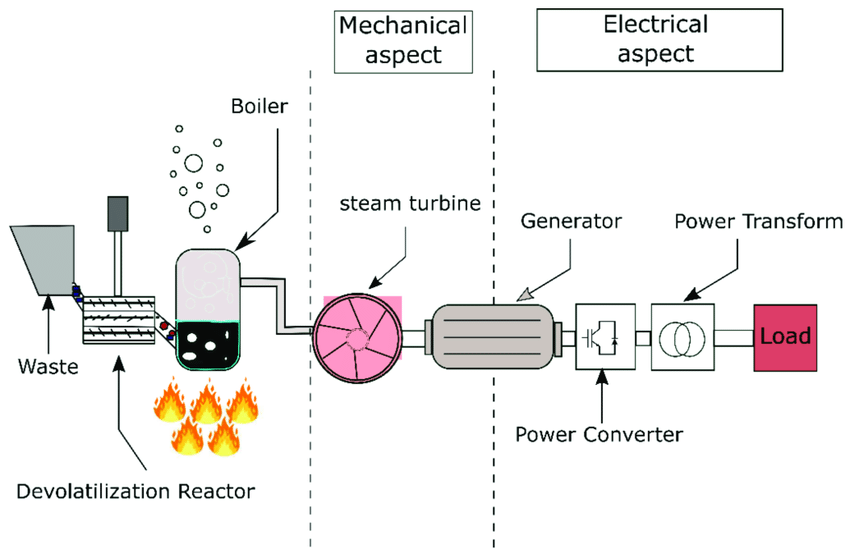
Gas Fired Power Plants

Gas-fired power plants are a key component of the modern energy mix, providing a flexible, reliable, and relatively cleaner option for electricity generation compared to traditional coal- or oil-fired plants. These plants typically use natural gas as their fuel source, and there are several types of gas-fired power plants, each with distinct characteristics.

Types of Gas-Fired Power Plants

  1. Simple Cycle Gas Turbine (SCGT) Plants:
    • Simple cycle gas turbine plants use a gas turbine to generate electricity. In this system, natural gas is burned in the turbine’s combustion chamber, and the resulting hot gases drive a turbine connected to an electrical generator.
    • These plants are relatively quick to start and are often used for peak load generation, providing electricity during periods of high demand.
    • The efficiency of simple cycle plants is generally lower compared to other gas-fired technologies, typically in the range of 30-40%.
  2. Combined Cycle Gas Turbine (CCGT) Plants:
    • Combined cycle gas turbine plants are more efficient than simple cycle plants. They combine a gas turbine and a steam turbine in a single system. The hot exhaust gases from the gas turbine are used to produce steam in a heat recovery steam generator (HRSG), which drives a steam turbine to generate additional electricity.
    • This setup allows CCGT plants to achieve much higher efficiency levels, typically in the range of 50-60%, with some modern plants achieving efficiency rates above 60%. These plants are often used for base load generation but can also respond quickly to changes in demand.
  3. Open Cycle Gas Turbine (OCGT) Plants:
    • An open cycle gas turbine plant is a type of gas turbine that operates on a single cycle. In this case, the hot exhaust gases are simply expelled into the atmosphere after they pass through the turbine, without being used to generate additional power through steam production.
    • OCGTs are typically used for emergency backup or peak power applications due to their quick start-up times and relatively low capital cost. However, their efficiency is generally lower than that of CCGT plants, and they have a higher environmental impact.

Working Principle of Gas-Fired Power Plants

The working principle of a gas-fired power plant revolves around using natural gas as a fuel to create hot gases, which are used to turn turbines and generate electricity. Below is a general process:

  1. Combustion:
    • Natural gas is mixed with air and burned in a combustion chamber. This produces a high-temperature, high-pressure gas.
  2. Turbine:
    • The hot gases are directed to a gas turbine, where they expand rapidly, driving the turbine blades. As the turbine spins, it generates electricity through a connected generator.
  3. Exhaust and Heat Recovery (in Combined Cycle Plants):
    • In a combined cycle plant, the exhaust gases from the gas turbine are routed to an HRSG, where they are used to produce steam. This steam drives a steam turbine, generating additional electricity. This process significantly increases the overall efficiency of the plant.
  4. Cooling:
    • After passing through the turbines, the gases or steam are cooled in a condenser or cooling system. This process is necessary to return the fluids to their original state (e.g., water) for reuse in the cycle.

Advantages of Gas-Fired Power Plants

  1. Lower Emissions:
    • Compared to coal- or oil-fired power plants, gas-fired plants produce fewer carbon dioxide (CO2) emissions, making them a more environmentally friendly option in the fossil fuel category. Natural gas combustion releases about 50% less CO2 than coal and 30% less than oil.
  2. Higher Efficiency:
    • Combined cycle gas turbine plants are highly efficient, with efficiency levels of 50-60% or higher. This is a significant improvement over coal-fired power plants, which typically operate at efficiencies of 33-45%.
  3. Flexible and Reliable:
    • Gas-fired plants can be quickly turned on and off, making them ideal for peak load generation, where demand for electricity fluctuates throughout the day. Their ability to respond rapidly to grid fluctuations and provide reliable electricity is a key advantage.
  4. Lower Operational Costs:
    • Natural gas is generally cheaper than coal or oil, and gas-fired plants have lower operational and maintenance costs. In regions with access to abundant and affordable natural gas, these plants are a cost-effective option for electricity generation.
  5. Reduced Water Usage:
    • Compared to coal plants, gas-fired plants typically require less water for cooling, which is a significant advantage in areas where water resources are limited or expensive.
  6. Smaller Physical Footprint:
    • Gas-fired plants generally require less space compared to coal plants, making them more suitable for urban or smaller sites.

Challenges of Gas-Fired Power Plants

  1. Natural Gas Price Volatility:
    • While natural gas is generally more affordable than coal and oil, its price is still subject to market fluctuations. This volatility can affect the operational costs and economic viability of gas-fired power plants, especially in regions where natural gas is imported or where the price is heavily influenced by geopolitical factors.
  2. Greenhouse Gas Emissions:
    • Although gas-fired plants emit less CO2 than coal or oil-fired plants, they are still significant sources of greenhouse gas emissions. As governments and organizations worldwide aim for carbon neutrality and to meet climate goals, reducing emissions from gas-fired plants will become increasingly important. This may require the adoption of carbon capture and storage (CCS) technologies, which are still under development.
  3. Fuel Supply and Infrastructure:
    • Reliable access to natural gas is critical for the operation of gas-fired plants. In regions without well-established natural gas infrastructure (pipelines, storage facilities), supply interruptions or price increases can impact the operation of these plants.
    • Developing natural gas infrastructure can be costly, particularly in regions that lack pipelines or storage capabilities.
  4. Competition from Renewable Energy:
    • The rise of renewable energy sources like solar, wind, and hydropower presents competition for gas-fired plants, especially in regions with abundant renewable resources. The growing adoption of battery storage technologies also poses a challenge, as it enables renewable energy to be stored and dispatched when needed, reducing the need for fossil fuel-based generation.

Future Outlook for Gas-Fired Power Plants

  1. Role in the Energy Transition:
    • Gas-fired power plants are expected to play a transitional role as the world moves toward a cleaner energy future. They will help bridge the gap between more intermittent renewable energy sources and the demand for reliable, dispatchable power.
    • In regions where renewable energy penetration is still low or where grid stability is a concern, gas-fired plants will likely continue to provide crucial baseload and peak load electricity generation.
  2. Integration with Renewable Energy:
    • Gas-fired plants, particularly combined cycle plants, may become increasingly integrated with renewable energy sources, acting as backup for periods when solar or wind energy production is insufficient.
    • In some cases, gas-fired plants can provide grid balancing services by quickly ramping up or down their power output as renewable sources fluctuate.
  3. Carbon Capture and Storage (CCS):
    • As governments tighten emissions regulations, the implementation of carbon capture and storage (CCS) technologies could allow gas-fired power plants to significantly reduce their carbon emissions. This technology would capture CO2 emissions before they are released into the atmosphere and store them underground or use them for industrial purposes.
    • However, CCS technology is still in the early stages of large-scale deployment, and its commercial viability remains a challenge.
  4. Decarbonization and Hydrogen:
    • As the world pushes for decarbonization, gas-fired plants could evolve to run on hydrogen. Hydrogen can be produced from renewable energy sources (green hydrogen) and used as a fuel for gas turbines, producing only water vapor as a byproduct. The development of hydrogen infrastructure and fuel flexibility will likely be a key focus in the coming years.

Conclusion

Gas-fired power plants, especially combined cycle plants, are a crucial component of the modern energy landscape, offering a balance between efficiency, flexibility, and relatively lower emissions compared to coal and oil plants. However, as the world shifts toward a cleaner, more sustainable energy system, the role of gas-fired plants will evolve, with renewable energy and carbon capture technologies playing increasingly significant roles in ensuring a low-carbon future. Despite these challenges, gas-fired power plants will continue to be part of the energy mix in the near to medium term, especially in regions where they can complement renewable energy sources and provide grid stability.

Technological Advancements in Gas-Fired Power Plants

  1. High-Efficiency Gas Turbines:
    • One of the most significant advancements in gas-fired power plants has been the development of high-efficiency gas turbines. Modern turbines are designed to operate at higher temperatures and pressures, which increases the overall thermal efficiency of the plant. This helps in achieving greater fuel efficiency, reducing fuel consumption, and lowering emissions.
    • For example, aero-derivative turbines, which are based on aircraft jet engine technology, are being used in both simple cycle and combined cycle plants for quicker start-up times and higher efficiency.
  2. Combined Heat and Power (CHP):
    • Many gas-fired plants are adopting combined heat and power (CHP) systems, where the waste heat produced during electricity generation is recovered and used for industrial processes or district heating. This increases the overall energy efficiency of the plant and provides a useful byproduct in the form of thermal energy.
    • CHP plants using gas turbines or combined cycle systems are particularly useful for applications in industries such as chemical processing, food production, and district heating.
  3. Digital and Smart Grid Integration:
    • The use of digital technologies is becoming increasingly common in gas-fired plants to improve monitoring, control, and performance. Advanced sensor technologies, artificial intelligence (AI), and machine learning algorithms are being deployed to predict maintenance needs, optimize fuel usage, and reduce downtime.
    • Integration with smart grids allows gas-fired plants to respond to real-time fluctuations in power demand and ensure grid stability, particularly in areas with high renewable energy penetration.
  4. Advanced Combustion Technologies:
    • Dry low-NOx (nitrogen oxide) combustion technologies are being developed to reduce harmful emissions during the combustion process. These technologies help minimize the formation of nitrogen oxides (NOx), which are major contributors to air pollution and acid rain.
    • Additionally, the use of hydrogen blends or synthetic natural gas in gas turbines is being explored as a way to further reduce carbon emissions from the combustion process. This could be particularly beneficial for decarbonizing the power sector.

Environmental Considerations

  1. Greenhouse Gas Emissions:
    • Although gas-fired power plants emit significantly less carbon dioxide (CO2) than coal-fired plants, they are still a source of greenhouse gas emissions, contributing to climate change. The exact emissions depend on factors like plant efficiency, fuel quality, and the presence of carbon capture technologies.
    • The carbon intensity of natural gas is generally about 450–550 gCO2/kWh, compared to 800–900 gCO2/kWh for coal. However, as part of global efforts to limit global warming to 1.5°C or less, even these emissions must be reduced or eliminated over time.
  2. Air Pollution:
    • Air pollutants like nitrogen oxides (NOx), sulfur dioxide (SO2), and particulate matter can still be produced by gas-fired plants, although in much smaller quantities than coal-fired plants. These pollutants can affect local air quality and contribute to smog, acid rain, and respiratory diseases.
    • Advanced emission control technologies, such as selective catalytic reduction (SCR) and low-NOx burners, are employed to reduce the release of these pollutants, especially in densely populated areas or regions with stringent environmental regulations.
  3. Water Use:
    • Gas-fired power plants typically use water for cooling, which can strain local water resources, especially in areas experiencing droughts or with limited freshwater supplies. However, gas-fired plants generally require less water than coal-fired plants, as they operate at higher temperatures and use dry cooling systems or closed-loop cooling.
    • The environmental impact of water use in gas plants can be minimized by using reclaimed water or implementing water-saving technologies.
  4. Noise and Aesthetic Impact:
    • Noise pollution is another concern, particularly in gas turbine-based plants, where the sound of the turbine blades spinning can be quite loud. Modern turbines are designed with noise-reducing features, but the impact can still be noticeable in areas close to urban or residential zones.
    • Gas-fired power plants also have an aesthetic impact, particularly when built in natural or scenic areas. Environmental regulations may require these plants to undergo environmental impact assessments to mitigate visual and noise-related disruptions.

Economic Impact of Gas-Fired Power Plants

  1. Capital and Operational Costs:
    • The capital costs for gas-fired power plants, particularly for combined cycle systems, can be relatively high due to the need for sophisticated technology and equipment. However, these costs are typically lower than coal or nuclear plants.
    • The operational and maintenance costs are lower for gas-fired plants than coal-fired plants, partly because natural gas is easier to handle, and the plants do not require extensive water treatment or ash disposal systems.
    • Fuel costs for natural gas plants are often lower than those for coal, especially in regions with abundant natural gas supplies. This makes gas-fired plants an attractive option for regions seeking cost-effective power generation.
  2. Fuel Price Sensitivity:
    • A key economic challenge for gas-fired plants is their reliance on natural gas prices, which can be volatile due to factors such as geopolitical events, changes in global supply and demand, and weather conditions. In regions with volatile natural gas markets, the economic stability of gas-fired plants can be affected.
    • To manage fuel price risks, some gas-fired plants may enter into long-term supply contracts or use financial instruments such as hedging to mitigate price volatility.
  3. Job Creation and Economic Growth:
    • Gas-fired power plants contribute to local economies by providing jobs in construction, operation, and maintenance. In addition to direct employment, the construction and operation of these plants can stimulate the local economy by providing support for industries such as engineering, equipment manufacturing, and transportation.
    • Natural gas production also generates economic activity, particularly in regions with significant gas reserves. This includes jobs in exploration, extraction, and transportation of natural gas.
  4. Grid Stability and Energy Security:
    • Gas-fired plants are often used as backup or peaking plants, meaning they play a critical role in maintaining grid stability. By providing reliable power during peak demand periods, gas-fired plants support energy security, particularly in areas with high renewable energy penetration.
    • These plants can also provide dispatchable power, helping to balance the intermittent nature of renewable sources like solar and wind.
  5. Export Opportunities:
    • In countries with large natural gas reserves, gas-fired power plants can help promote energy exports, as electricity generated from natural gas can be exported to neighboring countries via power grids. Additionally, the export of liquefied natural gas (LNG) can be an important revenue stream for countries with significant gas resources, boosting their economies.

Global Trends in Gas-Fired Power Plants

  1. Increasing Role in Renewable Integration:
    • As renewable energy sources like solar and wind become more widespread, gas-fired power plants are increasingly seen as critical for renewable integration. They can provide fast-response backup power when renewable energy generation is insufficient or intermittent, helping to maintain grid stability and ensure a reliable supply of electricity.
  2. Carbon Neutrality and Decarbonization:
    • Many governments have committed to achieving carbon neutrality by mid-century, and this includes addressing emissions from gas-fired power plants. While natural gas is a cleaner fossil fuel option compared to coal, its contribution to carbon emissions means that these plants may face increased pressure to reduce their impact.
    • Some countries are exploring carbon capture and storage (CCS) solutions for gas plants, as well as green hydrogen as a future fuel source, which could allow gas-fired power plants to operate without releasing carbon emissions.
  3. Market Growth in Developing Regions:
    • In developing countries, where energy demand is rising rapidly, gas-fired plants are expected to play a significant role in expanding electricity access and supporting economic growth. These plants can provide reliable and affordable electricity as these regions work to expand their energy infrastructure.
    • Gas is often seen as a viable bridge fuel for countries transitioning from more traditional biomass or coal-based generation to cleaner energy sources like renewables.

Conclusion

Gas-fired power plants are a crucial part of the global energy mix, providing a flexible and efficient way to generate electricity. They offer lower emissions and higher efficiency compared to coal and oil-fired plants and are essential in supporting grid stability and the integration of renewable energy. However, their long-term future will depend on continued advancements in technology, efforts to reduce carbon emissions, and the global push toward a decarbonized energy future. With developments in carbon capture, hydrogen integration, and smart grid technologies, gas-fired plants will continue to evolve and play a key role in the energy transition.

Challenges Faced by Gas-Fired Power Plants

  1. Environmental Regulations and Carbon Pricing:
    • As the world transitions to cleaner energy sources, gas-fired plants face increasing pressure from environmental regulations aimed at curbing carbon emissions. Many governments are introducing or tightening carbon pricing mechanisms, such as carbon taxes or cap-and-trade systems, which could raise the operational costs of gas-fired power plants.
    • This makes it economically challenging for plants to remain competitive, particularly if cheaper renewable options like solar and wind become more widespread. Gas-fired plants may need to integrate carbon capture technologies or adopt low-carbon fuels to remain viable in a carbon-constrained future.
  2. Fuel Availability and Geopolitical Factors:
    • The availability of natural gas can be influenced by geopolitical dynamics, as natural gas is a globally traded commodity. Political instability in key gas-producing regions, changes in supply chains, or disruptions in natural gas pipelines can lead to fuel shortages or price hikes, which can directly impact the operations and economics of gas-fired power plants.
    • In regions that depend on imported liquefied natural gas (LNG), such as Europe, the volatility of global natural gas prices can pose significant challenges to the economic predictability of gas-fired plants.
  3. Transitioning to Green Hydrogen:
    • As countries push for decarbonization, hydrogen, particularly green hydrogen (produced from renewable energy), is being seen as a potential fuel to replace natural gas in power generation. However, the infrastructure for producing, storing, and transporting hydrogen is still under development and can be costly.
    • Hydrogen-ready gas turbines are being designed to eventually run on hydrogen, but the technology is still in its infancy, and large-scale adoption may take several years. As hydrogen becomes a more prominent energy carrier, gas-fired plants may need to invest in adapting their technologies and infrastructure to handle this new fuel.
  4. Public Perception and Renewable Energy Competition:
    • The growing public awareness of climate change and the environmental impact of fossil fuels has led to increased criticism of gas-fired power plants, particularly in countries with ambitious net-zero or carbon-neutral targets.
    • Renewable energy sources like solar, wind, and geothermal are becoming more cost-competitive with gas-fired plants, especially as energy storage technologies (e.g., batteries) improve and become cheaper. The perception of gas-fired plants as “transitional” technologies is becoming more common, as governments and industries shift their focus to fully renewable energy systems.
  5. Decarbonization Pressure:
    • As the global energy landscape shifts toward a low-carbon economy, the pressure to decarbonize power generation becomes more intense. While gas-fired plants emit less CO2 than coal plants, they are still a source of emissions, and countries aiming for carbon neutrality may set stricter emissions reduction targets.
    • In regions where renewables are growing rapidly, gas-fired plants will face increasing pressure to reduce their carbon emissions through carbon capture, clean hydrogen, or direct carbon offset mechanisms.

Future Developments in Gas-Fired Power Plants

  1. Carbon Capture, Utilization, and Storage (CCUS):
    • To reduce CO2 emissions, gas-fired power plants are expected to integrate Carbon Capture, Utilization, and Storage (CCUS) technologies. CCUS involves capturing carbon dioxide from the exhaust gases of the plant and either storing it underground or utilizing it in other processes.
    • The development and deployment of CCUS are critical for allowing gas-fired plants to meet stringent climate change targets without shutting down. However, the costs of implementing these technologies and their commercial viability remain significant challenges.
    • Direct Air Capture (DAC) technologies, which capture CO2 directly from the atmosphere, may also become part of the solution for addressing the carbon footprint of gas-fired power generation.
  2. Advanced Gas Turbine Technology:
    • Gas turbine manufacturers are working on developing next-generation turbines that are more efficient, capable of running on a variety of fuels, and better able to handle fluctuating demands. These turbines may include hybrid models that can run on a combination of natural gas and renewable fuels like hydrogen or synthetic gas.
    • Advanced materials for turbine blades and components are being developed to withstand higher temperatures and pressures, enabling turbines to operate at even higher efficiencies. The evolution of combined-cycle technology will allow for even better fuel utilization, achieving efficiencies above 65% in some cases.
  3. Integration with Renewable Energy Sources:
    • One of the primary ways gas-fired plants will remain relevant is through their integration with renewable energy systems. Gas-fired plants can be used as backup or balancing plants for intermittent renewable energy sources like wind and solar.
    • Gas turbines can ramp up quickly to provide grid stability during periods when renewable generation is low or fluctuating. This flexibility is key to supporting the transition to renewable-dominated grids.
  4. Decentralized and Modular Gas Power:
    • With the growing demand for more flexible, distributed energy systems, gas-fired power plants could become more modular and decentralized. Smaller, modular gas turbines can be deployed in microgrids, offering local power generation with minimal emissions and greater resilience.
    • These modular plants are well-suited for remote locations or areas with variable power needs. As technology improves, these decentralized systems could play a role in rural or off-grid areas, providing reliable power where the grid is not viable.
  5. Fuel Flexibility and Hybridization:
    • Hybrid power plants that combine gas turbines with renewable energy or other low-carbon technologies (e.g., battery storage) are becoming more popular. These plants can operate on a mixture of natural gas, hydrogen, and renewable power, making them highly adaptable to changing fuel sources and market conditions.
    • The ability to run on a variety of fuels will make gas-fired power plants more versatile and better equipped to handle future fuel price fluctuations and environmental requirements.
  6. Hydrogen as a Fuel for Gas Turbines:
    • Hydrogen is widely seen as a key alternative fuel for gas turbines in the future. Research and development are underway to create hydrogen-ready gas turbines, which can operate on hydrogen and potentially run with zero carbon emissions if hydrogen is sourced from renewable processes.
    • Many major turbine manufacturers are already testing turbines that can run on a blend of natural gas and hydrogen, with the aim of transitioning to 100% hydrogen in the future. This shift would allow gas-fired plants to continue operating in a decarbonized energy future.

Global Market Perspectives on Gas-Fired Power Plants

  1. Growing Demand in Emerging Markets:
    • In developing economies, particularly in Asia, Africa, and Latin America, the demand for reliable electricity is growing rapidly. Gas-fired plants are increasingly being viewed as a solution for these regions, where they provide a faster and more cost-effective way to meet growing electricity needs compared to building large-scale nuclear or coal-fired plants.
    • The availability of cheap natural gas in some regions, especially with the rise of LNG (liquefied natural gas), is encouraging the development of gas-fired power infrastructure.
  2. Shifting Policies in Developed Economies:
    • In many developed economies, climate change policies and regulatory pressure are driving a shift away from fossil fuels, including natural gas. Countries like Germany, France, and the UK are making ambitious commitments to reach net-zero emissions by 2050 or earlier, which will reduce the reliance on gas-fired power plants.
    • Renewables, along with energy storage and demand response technologies, are expected to play a larger role in these countries, leading to a potential decline in the construction of new gas-fired plants in favor of cleaner technologies.
  3. Natural Gas as a Bridge Fuel:
    • Gas-fired power plants are often described as a bridge fuel to a low-carbon energy future. As renewables grow in importance, gas-fired plants can provide backup power when renewable generation is low, helping to smooth out fluctuations in supply and maintain grid reliability.
    • This bridge role is likely to persist for the next few decades, particularly in regions with limited access to renewables or where grid stability is a concern. Gas-fired plants can help ensure energy security while renewable energy systems are scaled up.
  4. LNG as a Game-Changer:
    • The growth of LNG (liquefied natural gas) as a global commodity is changing the dynamics of gas-fired power generation. LNG allows countries to access natural gas from a global market, bypassing the need for extensive pipeline infrastructure.
    • The expansion of floating LNG terminals and small-scale LNG solutions will make it easier for developing countries to adopt gas-fired generation while reducing reliance on more polluting fuels like coal and oil.
  5. Environmental Targets and Gas Phase-Out:
    • In some regions, gas-fired power plants may eventually face a phase-out as countries pursue more aggressive decarbonization goals. For instance, the European Union and other members of the Paris Agreement are focusing on reducing emissions, with some nations pledging to eliminate fossil fuel-based generation by 2030-2050.
    • The role of gas-fired plants will thus be reevaluated in many developed economies, with a focus shifting toward complete renewable energy systems, energy efficiency, and carbon-neutral technologies.

Conclusion

Gas-fired power plants are expected to continue playing an important role in the global energy mix, especially as countries navigate the transition to a cleaner energy future. While these plants offer lower emissions compared to coal-fired plants and have high flexibility in meeting energy demand, their future will depend heavily on technological advancements in carbon capture, the integration of renewable energy, and the development of green hydrogen as an alternative fuel. Gas-fired plants will remain critical in areas where energy reliability and grid stability are essential, but their long-term viability will rely on decarbonization strategies and evolving fuel sources to align with global climate goals.

Thermal power plant
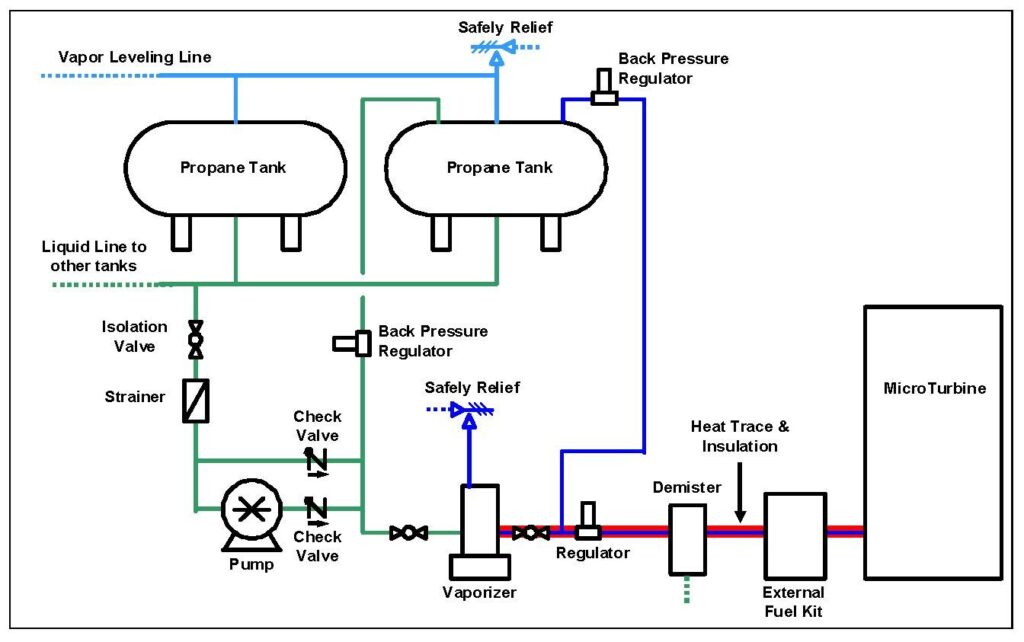
Thermal Power Plant
Thermal Power Plant

A thermal power plant is a facility where heat energy is converted into electrical energy. It is one of the most commonly used methods of power generation globally. The primary source of heat for these plants is fossil fuels, such as coal, oil, or natural gas, but they can also use nuclear energy or biomass as fuel. Thermal power plants are typically steam-based plants, where heat is used to generate steam, which drives a turbine connected to an electrical generator.

Working Principle of a Thermal Power Plant

  1. Fuel Combustion: In a thermal power plant, the combustion of fuel (coal, oil, or gas) takes place in a boiler. The fuel is burned in the furnace of the boiler to generate heat.
  2. Heat Generation: The heat produced from burning the fuel is transferred to water in the boiler to produce steam.
  3. Steam Expansion: The high-pressure steam is directed into a steam turbine, where it expands and spins the turbine blades. The mechanical energy of the turbine is then converted into electrical energy through a generator.
  4. Cooling: After the steam passes through the turbine, it is cooled and condensed back into water in the condenser. This water is then pumped back into the boiler to be reheated, completing the cycle.
  5. Electricity Generation: The mechanical energy from the turbine is transferred to the generator, which then converts it into electrical energy, which is supplied to the grid.

Components of a Thermal Power Plant

  1. Boiler: The boiler is where the fuel is burned to produce heat, which converts water into steam.
  2. Turbine: The steam produced in the boiler expands in the turbine, causing it to rotate. The turbine’s mechanical energy is converted into electrical energy by the generator.
  3. Generator: The generator is coupled with the turbine and converts mechanical energy into electrical energy.
  4. Condenser: The condenser cools the exhaust steam from the turbine, condensing it back into water, which is then recycled back into the boiler.
  5. Cooling Tower: In many thermal plants, cooling towers are used to dissipate excess heat to the atmosphere. In coastal or riverside plants, natural water bodies may be used for cooling instead.
  6. Feedwater Pump: This pump circulates water through the plant’s system to maintain the flow of water into the boiler for steam generation.
  7. Stack: The exhaust gases, including smoke and pollutants, are expelled from the plant through the stack. These gases are usually scrubbed and treated to minimize pollution before being released into the atmosphere.

Types of Thermal Power Plants

  1. Coal-Fired Power Plants: These plants burn coal to produce heat and generate steam. Coal is the most widely used fossil fuel for electricity generation, though it has significant environmental concerns, including CO2 emissions and particulate pollution.
  2. Oil-Fired Power Plants: These plants use oil as a fuel to generate heat. Oil is less commonly used than coal due to its higher cost and environmental concerns.
  3. Natural Gas-Fired Power Plants: Natural gas is considered a cleaner fossil fuel, with lower emissions than coal or oil. These plants can use either simple cycle or combined cycle systems.
  4. Nuclear Power Plants: In nuclear plants, nuclear reactions (fission) are used to generate heat, which is then used to produce steam and drive turbines. These plants do not produce direct emissions but have issues with radioactive waste and high capital costs.
  5. Biomass Power Plants: Biomass is used as a renewable fuel source in some thermal power plants, burning organic material like wood, agricultural waste, or dedicated energy crops. Biomass plants can be considered more environmentally friendly than fossil fuel plants.

Efficiency of Thermal Power Plants

Thermal power plants typically have an efficiency of 33% to 40%, meaning that only a small portion of the fuel’s energy is converted into useful electrical energy, and the rest is lost as heat. The efficiency depends on factors like:

  • The type of fuel used
  • The technology and design of the plant (e.g., supercritical or ultra-supercritical boilers)
  • The temperature and pressure of steam used in the turbine
  • The overall design of the plant’s thermodynamic cycle

In combined cycle plants, a gas turbine is used to generate electricity, and the waste heat from the turbine is used to produce steam for a steam turbine, increasing efficiency.

Environmental Impact

Thermal power plants, especially those fueled by coal and oil, have significant environmental impacts:

  • Air Pollution: The combustion of fossil fuels releases pollutants like CO2, NOx (nitrogen oxides), SO2 (sulfur dioxide), and particulate matter, which contribute to climate change, acid rain, and smog.
  • Water Usage: Thermal power plants use large amounts of water for cooling, which can strain local water resources and affect aquatic ecosystems. They can also cause thermal pollution by discharging heated water into rivers or lakes.
  • Solid Waste: Coal-fired plants produce fly ash and bottom ash, which can be hazardous if not properly managed.

Future of Thermal Power Plants

As the world shifts towards renewable energy sources like wind, solar, and hydropower, the future of thermal power plants is evolving:

  • Carbon Capture and Storage (CCS): Thermal plants, particularly coal-fired plants, are being retrofitted with CCS technologies to capture CO2 emissions before they enter the atmosphere and store them underground.
  • Transition to Cleaner Fuels: There is a growing interest in transitioning fossil-fuel-based plants to use natural gas, biomass, or even hydrogen as cleaner alternatives.
  • Hybrid Systems: Some thermal power plants are being integrated with renewable energy sources and energy storage systems to provide more consistent, low-emission power generation.
  • Advanced Technologies: Supercritical and ultra-supercritical steam cycles are being developed to increase the efficiency of thermal power plants, reducing fuel consumption and emissions.

Conclusion

Thermal power plants play a vital role in global electricity generation but face challenges regarding environmental impacts and efficiency. Despite these challenges, advancements in technology, cleaner fuels, and carbon capture solutions are helping to reduce the environmental footprint of these plants. Moving forward, thermal power plants will need to adapt to decarbonization goals, integrate more renewable energy, and enhance their efficiency to meet the world’s growing demand for clean, reliable energy.

Operational Aspects of Thermal Power Plants

  1. Fuel Management:
    • Thermal power plants require a constant supply of fuel to maintain operations. The management of fuel resources is crucial to ensure consistent energy production. For coal plants, this includes coal procurement, storage, and transportation. For gas-fired plants, natural gas is delivered via pipelines or imported as LNG (liquefied natural gas).
    • Fuel handling systems in thermal plants must be efficient, with automated systems for storing, mixing, and transporting the fuel to the boiler. In the case of biomass plants, fuel types vary and require a diverse supply chain management approach.
  2. Heat Recovery:
    • In thermal power plants, a significant portion of energy is lost as waste heat. However, with advanced technologies like combined-cycle systems, the recovery of this heat can improve overall plant efficiency.
    • Heat recovery steam generators (HRSG) are employed in gas-fired power plants, where the waste heat from the gas turbine exhaust is used to generate steam for the steam turbine. This process enhances overall efficiency, which can reach 60% to 65% in some plants.
  3. Grid Integration and Load Management:
    • Thermal power plants must operate efficiently under fluctuating demand. They are typically part of a baseload generation system, meaning they run continuously at a steady output to meet the minimum electricity demand.
    • However, they can also be load-following, meaning they adjust their output in response to the variation in electricity demand. This is particularly important for thermal plants in regions where demand peaks at certain times, like during hot summer months when air conditioning usage rises.
  4. Maintenance:
    • Routine maintenance is critical for the efficient operation of thermal power plants. This includes cleaning and inspection of boilers, turbines, and generators, as well as ensuring fuel quality is consistently met.
    • Preventative maintenance and condition-based monitoring help prevent breakdowns, reduce downtime, and extend the lifespan of plant components.

Technological Advancements in Thermal Power Plants

  1. Supercritical and Ultra-Supercritical Boilers:
    • Supercritical and ultra-supercritical steam cycles are designed to improve the thermal efficiency of thermal power plants. By operating at higher temperatures and pressures than conventional subcritical systems, these plants can extract more energy from the same amount of fuel, improving fuel efficiency and reducing emissions.
    • These systems operate above the critical point of water (374°C and 22 MPa), resulting in improved thermal efficiency and less fuel consumption for the same power output.
  2. Integrated Gasification Combined Cycle (IGCC):
    • IGCC plants use a process called gasification to convert coal (or other fuels) into syngas (synthetic gas), which is then burned in a gas turbine. The waste heat from this process generates steam for a steam turbine.
    • This system increases efficiency and reduces pollutants compared to conventional combustion-based thermal plants. The integration of gas turbines and steam turbines enhances overall power generation efficiency and makes the plant more environmentally friendly by capturing and using waste heat.
  3. Fluidized Bed Combustion (FBC):
    • Fluidized bed combustion is an advanced method used in some thermal plants, particularly those burning low-grade fuels like coal or biomass. In this system, fuel is suspended in an upward flow of air, allowing for better combustion efficiency and lower emissions of sulfur dioxide and nitrogen oxides.
    • Circulating fluidized bed (CFB) combustion systems are particularly effective in reducing pollutants, making them a cleaner alternative to traditional methods.
  4. Advanced Turbine Technology:
    • Gas turbines in combined-cycle plants are being improved through the use of advanced materials that can withstand higher temperatures and pressures, which boosts efficiency.
    • Manufacturers are also focusing on developing turbines with improved aerodynamics and thermal management to increase output while reducing emissions and fuel consumption.
  5. Carbon Capture and Storage (CCS):
    • CCS is becoming a crucial technology to reduce the carbon footprint of fossil fuel-based power plants, including thermal power plants. Pre-combustion, post-combustion, and oxy-fuel combustion are some of the key methods used to capture CO2 before it is released into the atmosphere.
    • Post-combustion capture, where CO2 is captured from the flue gases after combustion, is the most commonly applied CCS method in thermal plants.

Fuel Transition and Hybrid Systems

  1. Natural Gas as a Cleaner Alternative:
    • As part of the energy transition, many countries are switching from coal-fired thermal power plants to natural gas-fired plants due to natural gas’s lower emissions of CO2 and other pollutants.
    • Gas-fired power plants are typically more efficient than coal plants, especially when using combined-cycle technology, where both gas turbines and steam turbines are utilized.
  2. Biomass Integration:
    • Biomass is being increasingly used in thermal plants as a renewable fuel source. It can reduce the carbon footprint of thermal power generation since it is considered carbon-neutral (the carbon dioxide released during combustion is offset by the carbon absorbed during the plant’s growth).
    • In co-firing systems, biomass is mixed with coal or other fossil fuels to reduce the overall environmental impact of the plant while still utilizing existing infrastructure.
  3. Hydrogen for Decarbonization:
    • Hydrogen, particularly green hydrogen (produced via electrolysis using renewable electricity), is being considered as an alternative fuel for thermal power plants. Hydrogen-fired gas turbines can produce electricity with zero CO2 emissions if the hydrogen is sourced from renewable sources.
    • Hydrogen can be used to retrofit existing natural gas power plants, reducing their carbon intensity and helping to meet decarbonization goals.

Challenges and Future Outlook

  1. Regulatory and Environmental Pressures:
    • Thermal power plants, especially coal-fired ones, are facing increasing regulatory pressure due to their environmental impact. Countries around the world are setting more ambitious carbon emissions reduction targets, often with the goal of net-zero emissions by mid-century.
    • Governments may impose stricter emissions regulations or provide incentives for carbon capture to help plants reduce their environmental impact. This pressure will likely accelerate the adoption of cleaner technologies and alternative fuels.
  2. Energy Transition and Role in Renewables:
    • As the renewable energy sector expands, the role of thermal power plants may shift from baseload generation to providing backup power or grid stability. Thermal power plants, particularly those using natural gas, may play a key role in balancing the grid during periods when renewable energy generation is low or inconsistent.
    • However, as energy storage technologies such as batteries and pumped hydro storage mature, the need for thermal power plants as backup systems may decrease over time.
  3. Cost Competitiveness:
    • The cost of renewables has fallen dramatically, and solar and wind power are becoming cost-competitive with thermal power generation in many regions. The capital cost of building a thermal power plant is relatively high, and long-term fuel costs add to the total cost of electricity generation.
    • However, thermal plants may still be required in areas where renewable energy is not reliable or where access to energy storage is limited.
  4. Advances in Efficiency and Sustainability:
    • Ongoing technological improvements in power plant efficiency and sustainability will continue to make thermal power generation cleaner and more cost-effective. The combination of renewable energy integration, hybrid systems, and low-carbon technologies like hydrogen or CCS will ensure that thermal plants continue to be part of the energy mix for decades to come.

Conclusion

Thermal power plants have been the backbone of electricity generation for over a century, and despite the rapid growth of renewable energy, they will continue to play a critical role in the global energy mix. However, the challenges of reducing carbon emissions, improving efficiency, and adapting to the changing energy landscape are pushing thermal plants toward cleaner, more sustainable technologies. The future of thermal power generation will likely involve a combination of advanced technologies, fuel transitions, and integration with renewable energy sources to meet the world’s growing energy needs while reducing environmental impact.

Emerging Trends and Future Prospects for Thermal Power Plants

  1. Advanced Materials and Manufacturing:
    • The development of advanced materials plays a crucial role in improving the efficiency and lifespan of thermal power plants. Materials that can withstand higher temperatures and pressures are essential for supercritical and ultra-supercritical steam cycles, which enable plants to operate at higher efficiencies.
    • New superalloys and ceramic coatings are being developed to withstand the extreme conditions inside turbines, boilers, and other high-temperature components. This not only improves thermal efficiency but also helps in reducing maintenance costs and extending the operational lifespan of power plant equipment.
  2. Artificial Intelligence (AI) and Automation:
    • AI and machine learning technologies are being increasingly integrated into thermal power plants for enhanced predictive maintenance and real-time optimization of plant operations. These technologies can analyze data from sensors embedded in critical components to detect anomalies before they result in failures, allowing for more efficient maintenance schedules.
    • AI can also optimize fuel consumption and improve the control of emissions by fine-tuning combustion processes, thus improving both efficiency and environmental performance.
    • Automation of plant operations can reduce human error, enhance safety, and increase the overall efficiency of the plant, especially in remote or difficult-to-operate environments.
  3. Waste Heat Utilization:
    • One of the most promising ways to enhance the efficiency of thermal power plants is by improving the utilization of waste heat. Modern plants often implement combined heat and power (CHP) systems, where the waste heat from electricity generation is used for district heating or industrial processes.
    • This process significantly improves overall efficiency by using heat that would otherwise be wasted, reducing the need for additional fuel input. The integration of thermal energy storage systems can help store excess heat during off-peak times and release it when needed, further enhancing the flexibility and sustainability of the plant.
  4. Grid Flexibility and Demand Response:
    • As renewable energy sources, such as wind and solar, increase in share, grid operators face the challenge of maintaining grid stability. Thermal power plants can provide the flexibility required to balance intermittent renewable generation, especially during peak demand periods.
    • Thermal plants are often equipped with advanced grid management systems, allowing them to adjust their output in response to fluctuations in demand or supply from renewable sources. This demand-response capability is essential as electricity grids become more integrated with renewable energy sources.
  5. Hybrid Thermal-Renewable Systems:
    • Some power plants are experimenting with hybrid systems that combine thermal generation with renewable energy sources. For example, a solar-thermal power plant could be combined with a traditional gas or coal-fired thermal power plant to provide both continuous base-load power and the flexibility to adjust to variable demand.
    • Hybrid systems can reduce fuel consumption by supplementing the plant’s thermal generation with solar power or other renewable energy sources, which can be particularly effective in regions with abundant sunlight.
    • Geothermal energy is also being considered as a hybrid source for some thermal plants. The ability to integrate geothermal heat with traditional thermal generation can offer both clean power and thermal storage capabilities.
  6. Global Energy Transition and the Role of Thermal Power Plants:
    • Energy transition is a global movement toward decarbonization, and although thermal power plants have historically been associated with fossil fuel emissions, their role is evolving.
    • Natural gas-fired plants are often seen as a bridge between coal and renewables because of their lower carbon intensity. As a cleaner alternative, natural gas plants will likely remain essential in the short- to medium-term, especially for regions with limited renewable energy resources.
    • However, carbon capture, utilization, and storage (CCUS) technologies will play a critical role in enabling thermal power plants to continue operating while minimizing their environmental impact. CCUS technology, if successfully scaled, can allow thermal power plants to significantly reduce their CO2 emissions while continuing to provide essential baseload power.
  7. Decentralized Energy Generation:
    • The trend toward decentralized energy systems could impact the future of large-scale thermal power plants. As more industries, communities, and even homes begin to generate their own power through solar, wind, and other distributed resources, the need for traditional, centralized thermal plants may decrease in certain regions.
    • However, thermal plants will continue to play a vital role in providing reliable, large-scale energy for industries and cities, particularly in areas where renewables are not yet economically feasible or where storage technology is not sufficiently developed.
    • Furthermore, microgrids and smart grids are becoming more common, allowing for more flexible, localized energy systems that incorporate both renewable and thermal power sources.
  8. Policy and Financial Drivers:
    • Government policies and international agreements on climate change are pushing the energy sector toward cleaner energy sources. As such, many governments are implementing carbon pricing, emission standards, and renewable energy incentives that will impact the future of thermal power plants.
    • Additionally, financial investments are shifting toward cleaner energy projects. This trend could accelerate the transition to cleaner fuels for thermal plants or prompt the closure of outdated coal-fired plants in favor of natural gas or renewable-based generation.
    • Financial institutions are increasingly requiring companies to meet environmental, social, and governance (ESG) criteria, which may push power producers to adopt cleaner technologies and reduce their environmental impact.
  9. Future Role of Coal in Thermal Power Plants:
    • The role of coal in thermal power generation is expected to continue to decline in many regions due to its environmental impact, the rise of cheaper renewable energy, and stringent emissions regulations.
    • In some parts of the world, coal-fired plants may still be necessary for energy security and economic reasons. However, the increasing cost competitiveness of renewables and the development of clean coal technologies, such as carbon capture and integrated gasification, will determine the future viability of coal in power generation.
    • Many coal plants are likely to be either retrofitted with CCS technologies or replaced with cleaner alternatives like natural gas or biomass.

Conclusion: The Evolving Landscape of Thermal Power Generation

Thermal power plants are undergoing a significant transformation, driven by advances in technology, a shift toward decarbonization, and the growing integration of renewable energy sources. While the global energy sector increasingly focuses on reducing carbon emissions, thermal power plants will continue to play a crucial role in maintaining grid stability and providing reliable electricity, particularly in regions where renewable resources are not yet fully available or affordable.

The future of thermal power plants will depend heavily on technological advancements such as carbon capture, hybrid systems, and improved efficiency. Additionally, the transition from coal to cleaner fuels like natural gas and biomass, combined with increasing renewable energy adoption, will reshape the energy landscape over the coming decades.

Thermal plants, particularly those that can evolve through technology integration and fuel diversification, will remain a key part of the global energy mix. However, their role will shift toward flexible, sustainable, and cleaner power generation, contributing to a future of low-carbon energy that meets growing global energy demands while reducing environmental impact.

What is a Steam Generator Used for

Electric Clean Steam Generator

A steam generator is used to produce steam by heating water or other fluids using various energy sources. The generated steam can then be used in a variety of applications, including power generation, industrial processes, and heating systems. Below are the primary uses of a steam generator:

  1. Power Generation:
    • In thermal power plants, nuclear power plants, and combined heat and power (CHP) systems, steam generators play a crucial role in converting thermal energy into mechanical energy. The steam produced is used to drive turbines, which in turn generate electricity.
    • Steam turbines are powered by the high-pressure steam from a steam generator, which drives a generator to produce electrical energy.
  2. Industrial Applications:
    • Steam generators are widely used in industries like chemical, petrochemical, food processing, textile, and paper production, where steam is needed for heating, drying, or chemical reactions.
    • In these industries, steam is often used to provide heat for distillation, sterilization, steam cooking, and other industrial heating processes.
  3. District Heating:
    • In district heating systems, steam is generated in a central plant and distributed to multiple buildings or facilities for space heating and hot water supply.
    • Steam generators provide the heat source for these systems, especially in urban areas with a high demand for hot water or heating.
  4. Desalination:
    • Steam generators are also used in desalination plants to produce steam that can be used to evaporate seawater, leaving behind salt and other impurities. The steam condenses into fresh water, which can then be purified and used for drinking or other purposes.
  5. Heat Recovery:
    • In some systems, such as combined-cycle power plants or waste heat recovery systems, steam generators recover excess heat from industrial processes, engines, or exhaust gases to produce steam. This helps improve overall energy efficiency by utilizing waste heat for additional power generation or heating.
  6. Nuclear Applications:
    • In nuclear power plants, steam generators are used to transfer heat from the nuclear reactor to the secondary circuit. The nuclear reactor produces heat, which is then used to create steam. This steam drives turbines to generate electricity.

In essence, a steam generator is an essential component in many energy and industrial systems, converting heat into steam for various purposes such as power generation, heating, and industrial processing.

Operational Principles of Steam Generators

A steam generator operates based on the principle of heat transfer, where thermal energy from a fuel source (such as natural gas, coal, or nuclear reactions) is used to heat water, converting it into steam. The generated steam can then be used for various mechanical or thermal purposes.

  1. Heat Source:
    • Fossil Fuel: In coal-fired or gas-fired plants, steam is generated by burning the fuel to heat water. The heat produced in the combustion chamber is transferred to a water-filled heat exchanger or boiler.
    • Nuclear: In nuclear reactors, the heat from nuclear fission reactions is transferred to the water through a primary circuit, which then heats water in a secondary circuit to produce steam.
    • Geothermal: In geothermal power plants, steam generators use natural heat from beneath the earth’s surface to convert water into steam.
    • Waste Heat: In combined heat and power (CHP) or waste heat recovery plants, the exhaust heat from an industrial process, engine, or gas turbine is recovered to generate steam.
  2. Heat Transfer and Steam Production:
    • Water flows through tubes inside the boiler or heat exchanger, where it is heated by the surrounding heat source. As the water heats up, it eventually reaches its boiling point and turns into steam.
    • The steam is then collected and transported to where it will be used, such as a turbine in a power plant, a sterilization unit in a factory, or a radiator in a building.
    • Superheating is often done in steam generators, where the generated steam is further heated above its boiling point to increase its energy content and efficiency for driving turbines.
  3. Steam Pressure and Temperature Control:
    • The pressure and temperature of the steam produced are carefully controlled, as they significantly affect the efficiency of the steam generator and downstream processes. In power plants, supercritical and ultra-supercritical steam conditions are often used to maximize efficiency and reduce fuel consumption.
    • The steam is typically delivered at a high pressure to the turbine, where it expands to perform work (such as driving a generator). Afterward, the steam is cooled and condensed back into water to be reused in a closed loop.

Types of Steam Generators

  1. Water Tube Boilers:
    • In a water tube boiler, water flows inside the tubes, and heat is applied externally. These boilers are widely used in modern power plants because they can handle high-pressure conditions and are more efficient at producing steam. They are also more compact and safer than fire-tube boilers.
    • Applications: Water tube boilers are used in power generation, industrial heating, and steam-driven turbines.
  2. Fire Tube Boilers:
    • In a fire tube boiler, the hot gases from combustion pass through tubes, and water surrounds the tubes. The heat from the gases transfers to the water, generating steam.
    • Applications: These boilers are typically used for smaller-scale operations and for heating purposes, such as in heating plants, industrial processes, and smaller-scale power generation.
  3. Once-Through Steam Generators:
    • These generators are often used in nuclear power plants or oil sands processing. In a once-through system, water passes through the steam generator in a single pass, where it is heated and immediately converted into steam.
    • They are efficient in generating steam at high pressure but require precise control over water and steam flow to avoid operational issues like thermal cycling or overheating.
  4. Heat Recovery Steam Generators (HRSG):
    • These are used in combined-cycle power plants, where exhaust gases from a gas turbine are used to produce steam. The heat from the turbine exhaust is transferred to a water-based system, creating steam that can drive a steam turbine.
    • Applications: HRSGs are used in gas-fired combined-cycle power plants and industrial systems where waste heat recovery is crucial to improving overall efficiency.
  5. Nuclear Steam Generators:
    • These are specialized steam generators found in nuclear power plants, where they separate the water used for cooling the nuclear reactor from the water that is turned into steam. The heat produced by the reactor heats the water in the steam generator, which produces steam to drive turbines.
    • Applications: Nuclear power plants rely on these systems to ensure that radioactive materials are contained within the primary circuit while transferring heat to generate electricity.

Applications of Steam Generators

  1. Power Generation:
    • In conventional and nuclear power plants, steam generators are integral to the process of electricity generation. The high-pressure steam produced in these generators is used to drive turbines, which in turn generate electricity.
    • Combined-cycle power plants, which combine both gas turbines and steam turbines, use HRSGs to recover waste heat from the gas turbines and produce additional steam for electricity generation.
  2. Industrial Processes:
    • Steam generators are extensively used in various industries, such as the chemical, textile, paper, and pharmaceutical industries, where steam is needed for:
      • Heat exchange in distillation and evaporation processes
      • Steam sterilization for equipment and production processes
      • Drying and cooking processes (e.g., in food manufacturing)
      • Cleaning purposes, where steam is used to sanitize equipment, containers, and surfaces.
  3. District Heating:
    • In urban areas, steam generators are often part of district heating systems, where steam is produced centrally and distributed through insulated pipelines to provide heating and hot water to multiple buildings.
    • Applications: This is commonly seen in large cities or complexes, where it is more cost-effective to have a central steam generation plant rather than individual heating systems in each building.
  4. Desalination:
    • In desalination plants, steam generators are used in processes like multi-stage flash distillation or multi-effect distillation. These processes rely on the ability of steam to evaporate seawater, separate it from salts and impurities, and condense it into fresh water for drinking or agricultural use.
    • Applications: Desalination plants in arid regions use steam generators to produce fresh water from seawater, contributing to water supply in water-scarce areas.
  5. Heat Recovery:
    • In systems designed for waste heat recovery, such as combined heat and power (CHP) or waste-to-energy plants, steam generators use exhaust heat from industrial processes, engines, or gas turbines to generate steam. This recovered steam is then used either for power generation or for heating purposes within the plant or surrounding facilities.
    • Applications: This process is common in industries like cement, steel production, and large-scale manufacturing, where waste heat can be harnessed efficiently.
  6. Biomass Energy Generation:
    • Biomass-fueled steam generators are used in power plants that generate electricity or heat by burning organic materials (wood, agricultural residues, etc.). The heat produced in the combustion process generates steam, which drives turbines or is used for district heating.
    • Applications: Biomass-based steam generators contribute to renewable energy generation by using locally available biomass resources, reducing reliance on fossil fuels.

Efficiency and Environmental Considerations

  • Efficiency: The efficiency of a steam generator is directly related to how well it can convert thermal energy from the heat source into steam. The higher the pressure and temperature of the steam, the more energy it can carry, which increases the efficiency of downstream turbines or processes.
  • Environmental Impact: Steam generators can be a source of emissions, particularly in fossil-fuel-based plants. However, advancements in clean technology, such as the integration of carbon capture systems or the use of biomass, are helping to reduce the environmental footprint of steam generation.

Conclusion

Steam generators are indispensable in a wide range of industries and energy generation systems. Their primary function is to convert water into steam, which can then be used for mechanical work (such as driving turbines) or for industrial heating and processing. With continuous advancements in efficiency, emissions reduction, and fuel diversification, steam generators remain a core technology in both traditional and renewable energy systems.

Emerging Trends and Technological Advancements in Steam Generators

  1. High-Efficiency and Supercritical Steam Generation:
    • As the demand for higher efficiency in power generation increases, steam generators are evolving to operate at supercritical and ultra-supercritical conditions. In these systems, the water is heated and pressurized beyond its critical point, where it no longer behaves as a liquid or gas, thus improving efficiency.
    • Supercritical steam generators are being used in next-generation coal and natural gas power plants, where the steam temperatures and pressures are higher than traditional subcritical plants. This leads to a significant increase in efficiency, allowing power plants to produce more electricity with less fuel consumption.
  2. Carbon Capture and Storage (CCS):
    • One of the most significant advancements in thermal power generation, including steam generators, is the incorporation of carbon capture and storage (CCS) technologies. In these systems, carbon dioxide (CO2) emissions from the steam generation process are captured and stored to prevent them from entering the atmosphere.
    • CCS systems are crucial in making fossil fuel-based power generation more sustainable. By integrating CCS into steam generators, plants can significantly reduce their carbon footprint and help mitigate the effects of climate change. Some advanced steam generators are being designed to work in synergy with CCS systems to improve efficiency and reduce emissions.
  3. Integration with Renewable Energy:
    • Hybrid power plants are becoming more common, where steam generators are used alongside renewable energy sources like solar thermal or geothermal energy. In such systems, steam is generated using renewable heat, and the energy can be used for power generation or district heating.
    • For example, solar thermal power plants use large arrays of mirrors or lenses to concentrate sunlight and generate heat. This heat is used to produce steam, which drives turbines to generate electricity, blending renewable energy with traditional steam generation technology.
    • Similarly, geothermal power plants use steam generated by the natural heat from the earth to power turbines and generate electricity. These renewable energy sources are expected to become more integrated into the steam generation sector in the future.
  4. Waste Heat Recovery and Energy Efficiency:
    • As industries and power plants look for ways to improve their energy efficiency, the concept of waste heat recovery continues to gain prominence. Modern Heat Recovery Steam Generators (HRSGs) are designed to recover heat from exhaust gases and use it to generate additional steam, improving the overall efficiency of the plant.
    • In many industrial settings, steam generators are being integrated into processes that allow for the reuse of waste heat to generate steam, reducing the need for additional fuel and improving overall operational efficiency. The growing emphasis on reducing waste and minimizing energy consumption will likely drive further innovations in this area.
  5. Micro and Modular Steam Generators:
    • As demand grows for decentralized energy generation and smaller-scale applications, micro steam generators and modular steam generation systems are being developed. These systems are designed to provide small amounts of steam for local power generation or industrial use.
    • These modular systems are particularly useful for industries that require on-site steam for their operations but do not need the large-scale infrastructure of traditional power plants. They can be more efficient, cost-effective, and flexible, making them suitable for industries, commercial applications, and even remote areas.
  6. Advanced Materials and Corrosion Resistance:
    • Steam generators, particularly those operating under high temperatures and pressures, require materials that can withstand the intense operational conditions without degrading over time. Advances in material science are leading to the development of corrosion-resistant alloys, superalloys, and ceramic coatings that improve the performance and longevity of steam generators.
    • These advanced materials help reduce maintenance costs and downtime associated with wear and tear, especially in high-temperature and high-pressure systems. The ability to operate with more durable materials will enhance the overall reliability and efficiency of steam generators.
  7. Digitalization and Smart Monitoring:
    • The digital transformation of the energy sector has led to the development of smart monitoring systems for steam generators. These systems use sensors, data analytics, and artificial intelligence to provide real-time insights into the operation of the steam generator.
    • Predictive maintenance techniques, enabled by machine learning algorithms, can predict when components of a steam generator are likely to fail or require maintenance. This reduces downtime, minimizes repair costs, and optimizes operational efficiency.
  8. Integration with District Heating and Cooling:
    • In areas where district heating is already established, there is a growing trend to incorporate district cooling systems alongside steam generation. These systems use the same infrastructure to provide both space heating in the winter and cooling in the summer, improving energy efficiency and reducing costs.
    • By utilizing the same steam generation infrastructure for both heating and cooling, energy can be more efficiently distributed throughout urban areas, leading to a reduction in energy waste and lower environmental impact.

Challenges Facing Steam Generators

  1. Environmental Concerns and Emissions:
    • While fossil fuel-based steam generation is responsible for a significant portion of the world’s electricity, it also contributes to greenhouse gas emissions and air pollution. As a result, steam generators in power plants are facing increasing regulatory pressure to reduce emissions and improve efficiency.
    • In addition to carbon dioxide (CO2), other pollutants such as nitrogen oxides (NOx) and sulfur dioxide (SO2) can be emitted from the combustion of fossil fuels in steam generators. Reducing these emissions requires ongoing investment in cleaner technologies, such as carbon capture and advanced filtration systems.
  2. Water Usage and Management:
    • Steam generation typically requires a large amount of water for cooling purposes, and the availability of freshwater is becoming a concern in many regions. Water-intensive power plants are facing increasing challenges related to water scarcity and water treatment.
    • New technologies, such as closed-loop cooling systems and dry cooling technologies, are being explored to reduce water consumption in steam generation. Additionally, water reuse and desalination technologies are being integrated into steam generators to address water shortages, particularly in regions with limited freshwater availability.
  3. Aging Infrastructure:
    • Many existing steam generators and the associated boiler systems are outdated and inefficient, and they require upgrades or replacement to meet modern environmental standards and efficiency demands. The cost and time involved in upgrading infrastructure can be a significant barrier to improvement, particularly in regions where older plants are still operational.
    • Upgrading steam generators with modern technologies such as supercritical and ultra-supercritical steam cycles can improve efficiency, but it also requires a significant investment in new equipment and training for operational staff.
  4. Fuel Supply and Price Volatility:
    • Fuel price volatility is another challenge faced by steam generators, particularly in fossil fuel-based plants. The cost of coal, natural gas, and oil can fluctuate significantly, making it difficult for operators to predict and manage operational costs.
    • In addition, reliance on fossil fuels presents geopolitical risks, as countries become increasingly aware of the need to transition to renewable energy sources to ensure energy security and reduce dependence on imported fuels.
  5. Technological Adaptation:
    • As the energy market shifts toward renewables, steam generators must adapt to changing market conditions. This includes incorporating renewable sources, improving energy efficiency, and reducing the carbon footprint of steam generation. In some cases, this may require upgrading or replacing existing equipment with more flexible and sustainable options.
    • The ability of steam generators to integrate with hybrid systems, store energy, and work efficiently with renewables will determine their long-term viability in a rapidly changing energy landscape.

Conclusion

Steam generators have been fundamental to energy production for over a century, and their role continues to evolve in the face of modern challenges and emerging technologies. From higher-efficiency systems that make the most of fossil fuels to hybrid systems integrating renewable energy sources, steam generators are increasingly being designed to meet the demands of a cleaner, more sustainable energy future.

By improving efficiency, incorporating advanced materials, and utilizing smart monitoring systems, steam generators will continue to play a critical role in global energy production, particularly as the world transitions to a more decarbonized energy system. However, the challenges of emissions reduction, water usage, and infrastructure modernization must be addressed to ensure that steam generation remains a viable and sustainable solution for the future.

Market Trends and Future Applications

  1. Decarbonization and Transition to Cleaner Energy:
    • The transition towards decarbonization is one of the most significant forces shaping the future of steam generators. Carbon reduction goals, driven by global agreements like the Paris Agreement, are pushing industries to develop low-carbon technologies. In response, there is a rising trend toward integrating renewable energy sources with steam generation systems to achieve a low-carbon and sustainable energy mix.
    • The growth of renewable-powered steam generation (e.g., solar thermal, geothermal, biomass) is opening new markets for steam generators. For example, solar thermal power plants are becoming increasingly viable for large-scale energy production, especially in regions with abundant sunlight. Similarly, geothermal steam generation provides a constant, renewable source of heat for steam turbines, complementing the variability of other renewables like wind and solar.
  2. Decentralized Energy Systems:
    • Another important trend is the shift toward decentralized energy production, which is driven by the need for energy resilience and the growing adoption of distributed energy resources (DERs). Smaller-scale micro steam generators, modular boiler systems, and mobile steam generation units are becoming more popular for industries and communities requiring localized power.
    • With the advancement of microgrid technologies, steam generators integrated into these decentralized systems can help optimize power production while providing greater flexibility and reliability in energy supply. For example, industries such as chemical plants, refineries, and data centers may use small-scale steam generators for on-site power generation, heating, and process needs, reducing their dependence on centralized grids.
  3. Hybrid Systems Combining Renewable and Conventional Sources:
    • In the evolving energy market, there is growing interest in hybrid systems that combine renewable energy and conventional steam generation technologies to optimize efficiency and minimize environmental impact. A notable example is the integration of natural gas-fired steam generators with solar thermal collectors or wind energy.
    • These hybrid systems can be more flexible, enabling dispatchable power generation that can balance the intermittent nature of renewable energy while benefiting from the reliable steam generation capabilities of fossil fuels. This is especially useful in regions where renewable energy alone cannot meet the demand during peak hours.
  4. District Energy Systems (DHS):
    • District heating and district cooling systems are growing in urban areas as part of efforts to reduce emissions, improve energy efficiency, and reduce urban air pollution. Steam generators play a critical role in district energy systems, where they produce steam or hot water that is distributed across an urban area to provide space heating, industrial heating, and even electricity generation.
    • District cooling systems, which use chilled water or steam for air conditioning, are also gaining traction, particularly in hot climates where cooling demand is high. These systems can significantly improve the efficiency of centralized cooling, reducing the reliance on individual air conditioning units.
  5. Increased Adoption of Clean Biomass and Waste-to-Energy:
    • Biomass steam generators are becoming more common as industries and power plants look for ways to reduce their carbon footprint while maintaining reliable steam production. Biomass energy is considered carbon-neutral because the carbon dioxide released during combustion is roughly equivalent to the CO2 absorbed by the plants during their growth.
    • Additionally, waste-to-energy (WTE) technologies, where steam generators are fueled by municipal waste or industrial byproducts, are expanding. These systems can reduce landfill use, convert waste into useful energy, and help reduce reliance on traditional fossil fuels.
  6. Smart Grid Integration:
    • Steam generators are being increasingly integrated into smart grid technologies that leverage data and communications systems to enhance grid reliability and efficiency. By monitoring and controlling energy production and consumption in real time, steam generators can help balance the grid, reduce energy waste, and optimize performance.
    • In these systems, smart steam generators can adjust their output in response to grid demand and automatically connect or disconnect from the grid based on availability of renewable energy sources or overall system needs. This helps integrate intermittent renewable energy sources while ensuring a steady supply of steam for power generation or industrial use.

Innovative Technologies and Developments in Steam Generation

  1. Supercritical and Ultra-Supercritical Steam Cycles:
    • The push for higher efficiency in steam generation is leading to the use of supercritical (SC) and ultra-supercritical (USC) steam cycles. These technologies allow steam to reach temperatures and pressures above the critical point, resulting in more efficient thermodynamic cycles and increased overall power generation efficiency.
    • The higher temperatures and pressures associated with supercritical and ultra-supercritical cycles result in increased thermodynamic efficiency and reduce fuel consumption. As more steam generators adopt these advanced cycles, the overall fuel efficiency of power plants can significantly improve, reducing their environmental impact.
  2. Flexible Operation in Power Plants:
    • As the energy mix shifts toward a higher percentage of renewable energy, there is a greater need for flexibility in steam generator operations. Power plants must be able to quickly ramp up or down to balance the intermittent nature of renewables like solar and wind.
    • To meet this demand, steam generators are being designed for faster start-up times and more dynamic load-following capabilities. This is critical for integrating with a grid that increasingly depends on variable renewable generation and requires more flexible and responsive conventional generation technologies.
    • Hybrid steam generation systems, combining both gas turbines and steam turbines in a combined-cycle setup, offer greater operational flexibility, enabling quick responses to changes in demand or renewable output fluctuations.
  3. Integrated Energy Systems (IES):
    • In the pursuit of greater overall efficiency, integrated energy systems (IES) are being developed, where steam generators work in conjunction with other power generation technologies, such as combined heat and power (CHP), combined cooling, heating, and power (CCHP), and energy storage systems.
    • These integrated systems optimize energy production and consumption by simultaneously meeting electrical, heating, and cooling demands. For example, cogeneration plants combine steam generation with turbine-based power generation, capturing and using waste heat to produce hot water or steam for industrial or district heating applications.
  4. Artificial Intelligence (AI) and Machine Learning (ML):
    • Artificial intelligence (AI) and machine learning (ML) are being incorporated into the management of steam generators to improve performance and predict maintenance needs. These advanced tools can help operators monitor the condition and efficiency of steam generation systems in real-time, anticipating potential failures before they occur and optimizing operational parameters for peak performance.
    • For example, AI-powered monitoring systems can analyze large datasets from sensors embedded in steam generators to predict maintenance schedules, avoid unexpected downtimes, and enhance overall system reliability.
  5. Next-Generation Boiler Materials:
    • As steam generators are pushed to operate at higher pressures and temperatures, there is an ongoing need for the development of next-generation boiler materials. These materials need to withstand extreme operating conditions, including corrosion, thermal stresses, and fatigue.
    • Superalloys, advanced ceramic materials, and high-temperature coatings are under development to improve the performance and lifespan of steam generators, reducing the need for frequent repairs and replacements.
  6. Advanced Boiler Design:
    • Advanced boiler design concepts, such as once-through steam generators and modular boilers, are being explored to improve the efficiency, flexibility, and scalability of steam generation systems. Once-through boilers, for example, eliminate the need for a drum and allow for more efficient heat transfer, enabling faster startup times and more responsive operation.

Conclusion

Steam generators are undergoing significant changes in response to the evolving global energy landscape. As technologies such as supercritical steam cycles, hybrid power generation, and artificial intelligence are integrated, steam generators will become more efficient, flexible, and capable of supporting a decarbonized energy system. Renewable energy integration, modular systems, and district energy systems represent the future of steam generation, with applications expanding into industrial processes, waste-to-energy solutions, and microgrid technologies.

However, the challenges of environmental impact, aging infrastructure, and the need for more efficient materials remain key areas of focus. By investing in the development of next-generation steam generation technologies and leveraging the benefits of AI, predictive maintenance, and smart grid integration, steam generators can continue to play a vital role in providing reliable, efficient, and sustainable energy for various sectors in the coming decades.

What is a steam generator in a nuclear power plant

Nuclear Power Plant
Nuclear Power Plant

In a nuclear power plant, a steam generator is a critical component used to transfer heat produced by the nuclear reactor to a secondary loop, which generates steam. This steam is then used to drive the turbines that generate electricity. The process in a nuclear power plant is slightly different from conventional thermal plants because the heat source comes from nuclear fission rather than burning fossil fuels.

Key Functions of a Steam Generator in a Nuclear Power Plant:

  1. Heat Transfer:
    • The primary role of the steam generator in a nuclear power plant is to transfer heat from the primary loop (where the nuclear reactor produces heat) to the secondary loop, which is used to produce steam for electricity generation.
    • The primary loop contains the nuclear reactor’s coolant, typically water (in pressurized water reactors (PWR)) or gas (in gas-cooled reactors (GCR)). The coolant absorbs the heat produced by nuclear fission and carries it to the steam generator.
  2. Two-Loop System:
    • In most nuclear plants, especially those with pressurized water reactors (PWR), the steam generator operates in a two-loop system. The primary loop is closed and contains reactor coolant that circulates through the reactor core, absorbing heat. This heated coolant flows into the steam generator, where it passes through tubes that are surrounded by water in the secondary loop.
    • The water in the secondary loop boils as it absorbs the heat, creating steam that is then directed to steam turbines. This process allows for the production of electricity without mixing the radioactive water from the primary loop with the non-radioactive water in the secondary loop.
  3. Safety and Containment:
    • In a nuclear power plant, the steam generator serves an important safety function by providing a barrier between the radioactive water in the primary loop and the non-radioactive steam used in the secondary loop. This separation ensures that radioactive materials do not enter the steam cycle, preventing the contamination of the turbines and electrical systems.
    • Steam generators are designed to be highly reliable and resistant to pressure and temperature extremes. The integrity of the steam generator is essential to the safe operation of the nuclear reactor.
  4. Cooling:
    • The steam generator also has a role in cooling the reactor core. The reactor coolant, which flows through the steam generator, removes heat from the reactor core and carries it to the steam generator, where it cools down slightly. This helps maintain safe operating temperatures in the reactor core and prevents overheating.

Design of a Nuclear Steam Generator:

  • A typical nuclear steam generator is made up of tubes arranged in a U-shape or herringbone pattern, through which the hot reactor coolant passes. The secondary water, which is kept at a lower pressure, flows around these tubes and is heated by the coolant, converting the water into steam.
  • The heat transfer process takes place through the walls of the tubes, where the primary and secondary fluids do not mix. This setup is designed to ensure that the reactor coolant remains isolated from the rest of the plant’s systems.

Types of Nuclear Steam Generators:

  1. Pressurized Water Reactor (PWR) Steam Generators:
    • These are the most common type of steam generator used in nuclear power plants worldwide. In PWRs, the primary loop is maintained at a high pressure to prevent water from boiling. The heat from the reactor is transferred to the secondary loop, where water boils and creates steam for the turbines.
  2. Boiling Water Reactor (BWR):
    • In boiling water reactors, the steam is directly produced within the reactor vessel itself, and there is no need for a steam generator like in PWRs. The reactor coolant boils directly in the reactor core, producing steam that drives the turbine. However, BWRs are less common than PWRs.
  3. Advanced Reactors:
    • Some advanced nuclear reactors, such as high-temperature gas reactors (HTGRs) or molten salt reactors, use alternative methods for heat exchange and may not use traditional steam generators, but instead use other types of heat exchangers or direct cycles.

Key Considerations for Nuclear Steam Generators:

  1. Thermal Efficiency:
    • The efficiency of a steam generator plays a crucial role in the overall thermal efficiency of the nuclear power plant. The heat exchange process must be as efficient as possible to minimize energy loss.
  2. Material Durability:
    • Nuclear steam generators operate under extreme conditions, including high temperatures, pressures, and radiation. The materials used for the construction of steam generators must be highly durable and resistant to corrosion, erosion, and the effects of radiation.
    • Advanced alloys and corrosion-resistant materials, such as Inconel, are often used in the construction of nuclear steam generators.
  3. Maintenance and Inspection:
    • Regular maintenance, inspection, and sometimes replacement of parts, such as tubes or heat exchangers, are necessary for steam generators. Over time, components can suffer from erosion, stress cracking, or other forms of damage, which must be addressed to ensure the long-term safety and efficiency of the plant.

Conclusion:

In a nuclear power plant, the steam generator plays a pivotal role in ensuring that the heat produced by the reactor is safely transferred to the secondary loop to generate steam and produce electricity. It provides a barrier between the radioactive water in the primary loop and the clean steam used in the secondary loop, ensuring safe and efficient power production. The design, efficiency, and integrity of the steam generator are essential to the safe and reliable operation of the nuclear power plant.

Operation of Steam Generators in Nuclear Power Plants

In a nuclear power plant, the operation of the steam generator is carefully controlled to ensure efficiency, safety, and reliability. Below is a closer look at how steam generators work within the plant:

  1. Heat Exchange Process:
    • The heat exchange process begins when the primary coolant loop absorbs heat from the nuclear fission reactions taking place inside the reactor. This primary coolant, typically water or gas, circulates through the reactor core, where it is heated by the intense heat produced by the nuclear fuel (uranium or plutonium).
    • This heated coolant then flows into the steam generator, where it enters a series of U-tubes or coils that are immersed in the secondary loop water. The primary coolant itself does not mix with the secondary water, as the two loops are physically separated by the tube walls.
    • As the primary coolant passes through the tubes, it transfers its heat to the water in the secondary loop, causing the secondary loop water to boil and produce steam. This steam is then directed to the turbine generator, where it drives the turbine to produce electricity.
  2. Pressure and Temperature Control:
    • In a pressurized water reactor (PWR), the primary coolant loop is kept at very high pressures to prevent the water from boiling, even though the temperature is elevated. This ensures that the coolant remains in a liquid state and can transfer heat efficiently to the secondary loop.
    • The steam generator must also be capable of maintaining the appropriate temperature and pressure in the secondary loop to ensure efficient steam production. After the steam passes through the turbine, it is cooled in the condenser and returns to the steam generator to repeat the cycle.
  3. Isolation of Radioactive Fluids:
    • One of the most important aspects of the steam generator in a nuclear power plant is the separation of the radioactive primary coolant from the non-radioactive secondary loop. This isolation ensures that the steam used to drive the turbines does not become contaminated by radioactive materials. The steam generated in the secondary loop, which drives the turbine, is clean and free from radiation.
    • This is achieved by using heat exchanger tubes that are tightly sealed, ensuring no leakage of radioactive water into the non-radioactive steam. The steam generator plays a key role in maintaining the integrity of this containment, which is essential for the plant’s safety.
  4. Thermal Efficiency and Output:
    • Steam generators are designed to maximize heat transfer efficiency. The hotter the coolant is from the reactor, the more efficiently the steam generator can produce steam. However, there is a balance to be struck between maintaining the heat transfer efficiency and the mechanical limitations of the materials used in the steam generator. High temperatures and pressures can stress materials and lead to corrosion, so steam generators must be carefully engineered to withstand these extreme conditions.

Challenges in the Operation of Nuclear Steam Generators

  1. Material Degradation and Corrosion:
    • Due to the high-pressure, high-temperature environment in which steam generators operate, material degradation is a major concern. Over time, the materials used in the heat exchange tubes and other components of the steam generator can suffer from corrosion, wear, and stress corrosion cracking (SCC) due to the extreme conditions and the presence of chlorides or other corrosive agents.
    • The primary coolant contains boric acid and other chemicals that can increase the rate of corrosion, especially when it leaks into the secondary loop or the tube bundle of the steam generator.
    • Fatigue is also a concern, as the materials are subjected to thermal cycling (the expansion and contraction of metals due to temperature changes), which can cause long-term wear.
  2. Tube Leaks and Tube Rupture:
    • One of the most critical issues for nuclear steam generators is tube integrity. The U-tubes that carry the primary coolant are susceptible to failure due to corrosion, vibration, and the effects of thermal expansion.
    • Tube leaks or even ruptures can result in radioactive contamination of the secondary system, which could compromise the safety of the entire plant. The inspection and monitoring of steam generator tubes are therefore essential to detect potential issues before they become serious.
    • Eddy current testing and other non-destructive techniques are routinely used to detect cracks or weaknesses in the tubes, ensuring the continued safe operation of the plant.
  3. Scaling and Fouling:
    • Scaling can occur inside the steam generator, where minerals from the secondary water, such as calcium and magnesium, precipitate out and form deposits on the inner surfaces of the tubes. These deposits reduce the efficiency of heat transfer by acting as an insulating layer.
    • Fouling is a similar problem, where other contaminants, such as organic material or suspended solids, accumulate and block the heat exchange surfaces. This can lead to a decrease in thermal efficiency and the need for cleaning or even repair of the steam generator.
  4. Operational Flexibility:
    • Nuclear plants are typically designed for steady operation, and steam generators are optimized for continuous, stable heat transfer. However, with the increasing integration of renewable energy sources and the demand for more flexible grid operation, there is growing interest in improving the start-up and shut-down times of nuclear power plants, including the steam generator’s ability to respond to these changes.
    • Steam generators must be able to withstand rapid temperature changes and maintain reliable operation under different power demands. Advanced steam generators are being designed to be more flexible to adapt to such load variations.

Advancements in Nuclear Steam Generator Technology

  1. Advanced Materials for Durability:
    • To address material degradation, new alloys and composite materials are being developed for steam generator components. These materials are designed to be more resistant to corrosion, creep, and fatigue at high temperatures and pressures.
    • Nickel-based superalloys and advanced coatings are being used to enhance the resistance of the steam generator tubes to corrosion and wear. Additionally, ceramic materials are being explored for use in the construction of heat exchangers and other components.
  2. Innovative Designs:
    • Some newer designs for nuclear steam generators incorporate direct cycle systems or innovative heat exchangers, which improve efficiency and reduce the risk of contamination. These designs are particularly beneficial for small modular reactors (SMRs), which are expected to be more flexible and have simpler components compared to traditional large-scale nuclear reactors.
    • The once-through steam generator concept, which is being explored in advanced reactors, eliminates the need for a secondary loop altogether, simplifying the heat transfer process. This design can potentially reduce maintenance and increase efficiency.
  3. Improved Inspection and Monitoring:
    • Advances in monitoring technologies are allowing for more real-time diagnostics and more precise detection of issues like cracks, leaks, and corrosion. Techniques such as ultrasonic testing, laser scanning, and remote sensing are being increasingly used to inspect steam generators and their components.
    • AI-powered predictive maintenance is also becoming more common in nuclear power plants. By using data collected from sensors, AI systems can analyze potential issues in the steam generator before they become critical, scheduling maintenance only when needed, improving plant efficiency, and reducing downtime.
  4. Hybrid Nuclear Systems:
    • To increase the efficiency and reduce the environmental impact of nuclear power generation, some plants are exploring hybrid systems that combine nuclear steam generation with other forms of clean energy. For example, nuclear power could be paired with solar thermal energy or geothermal systems to provide additional heat for steam generation, making the overall energy system more efficient and flexible.

Conclusion

The steam generator is a vital component in a nuclear power plant, serving as the conduit for heat transfer between the nuclear reactor and the secondary steam cycle, which ultimately powers the turbines that generate electricity. While steam generators are designed for durability and high efficiency, they face challenges such as material degradation, tube integrity issues, and the need for operational flexibility.

Advancements in materials, inspection techniques, and innovative designs are helping to address these challenges, ensuring the continued safe and efficient operation of nuclear power plants. As nuclear energy continues to play a crucial role in the global effort to reduce greenhouse gas emissions and transition to low-carbon energy sources, the importance of steam generators in ensuring the reliability and sustainability of nuclear power plants will only continue to grow.

Future Advancements in Nuclear Steam Generators

The design and operation of nuclear steam generators are evolving to improve their performance, safety, and sustainability. Several emerging technologies and design concepts are being explored to ensure that nuclear power plants remain reliable and efficient as global energy demands evolve. Some of the key advancements are as follows:

  1. Higher Efficiency Designs:
    • As nuclear power plants face increasing competition from renewable energy sources like wind and solar, there is growing pressure to improve the thermal efficiency of nuclear reactors. Advances in heat transfer technologies within steam generators are aiming to improve the heat exchange process, minimize heat loss, and generate more power from the same amount of fuel.
    • Some research is focused on improving the heat transfer rates in steam generators through the use of advanced materials that can handle even higher temperatures and pressures. These advancements can lead to better utilization of the heat generated by nuclear fission, improving overall reactor efficiency.
  2. Advanced Reactor Designs:
    • Next-generation reactors, such as Small Modular Reactors (SMRs) and Generation IV reactors, promise to have more flexible and safer designs. These reactors often use integrated heat exchangers or direct-cycle steam generators, simplifying the thermal exchange process and improving efficiency.
    • Some of these reactors, such as the Supercritical Water-Cooled Reactor (SCWR), could use supercritical water as both the coolant and steam, eliminating the need for separate steam generation and improving overall efficiency.
  3. Molten Salt Reactors (MSRs):
    • In molten salt reactors, instead of using traditional water for cooling, molten salts are used as a coolant. These reactors operate at much higher temperatures than conventional reactors, allowing for more efficient thermal conversion. While these reactors do not use traditional steam generators, the heat produced by molten salts can be transferred directly to a secondary system, often eliminating the need for steam generators as we know them today.
    • If successful, molten salt reactors could revolutionize the way steam is produced for electricity generation, offering significant improvements in efficiency and safety compared to conventional nuclear reactors.
  4. Heat Pipe Technology:
    • Heat pipes are another promising technology for nuclear reactors. Heat pipes can transfer heat at very high efficiencies and may be able to replace some of the traditional heat exchange methods in nuclear reactors.
    • These devices rely on the phase change of working fluids (typically water or a specific refrigerant) to carry heat over long distances with very low temperature differences. In the context of a nuclear plant, heat pipes could potentially help move heat from the reactor to a secondary loop or even directly to turbines without the need for large steam generators.
  5. Additive Manufacturing (3D Printing):
    • Additive manufacturing techniques, such as 3D printing, are becoming a potential solution for improving the design and construction of nuclear components, including steam generators.
    • This technology could allow for the creation of complex, optimized structures with fewer parts, which could help improve heat transfer efficiency, reduce material waste, and lower costs. It could also potentially lead to faster production times for critical parts and components, including heat exchanger tubes, which would enhance plant reliability and reduce maintenance downtime.

Research Areas for Nuclear Steam Generators

The research on nuclear steam generators is focused on addressing challenges such as material degradation, heat transfer efficiency, and the integration of emerging nuclear technologies. Some of the key areas of focus are:

  1. Advanced Materials Research:
    • As previously mentioned, material degradation is a significant concern for steam generators, particularly when they operate in high-temperature, high-pressure, and highly radioactive environments. Researchers are investigating advanced alloys and coatings that can withstand the extreme conditions within nuclear reactors.
    • Nanotechnology is also being explored for the development of nano-coated materials that could provide better protection against corrosion, radiation damage, and high thermal stresses.
    • Advanced ceramic materials, which have excellent resistance to high temperatures and radiation, are also being tested as possible candidates for components in steam generators.
  2. Enhanced Heat Transfer Mechanisms:
    • Efficient heat transfer is critical for the performance of nuclear steam generators. Research is ongoing to develop better heat exchange surfaces and fluid dynamics models to increase the heat transfer rates between the primary and secondary loops.
    • Studies are focusing on enhancing the turbulent flow within the steam generator to maximize the heat exchange efficiency, which is essential for generating high-quality steam with minimal thermal losses.
  3. Simulation and Modeling:
    • The use of advanced computer simulations and fluid dynamics models is playing an increasingly important role in the design and optimization of nuclear steam generators. By simulating various operating conditions, engineers can predict performance issues, material stresses, and potential failure points before physical tests are conducted.
    • These simulations help to reduce design flaws and enhance the overall efficiency of steam generators by providing insights into flow patterns, temperature distribution, and heat transfer characteristics in the system.
  4. Fusion Energy:
    • While still in the experimental stage, nuclear fusion presents the possibility of generating heat at much higher temperatures than traditional fission reactors. Fusion reactors could potentially require entirely different heat exchange methods, including specialized steam generation systems.
    • Researchers are exploring how steam generators might adapt to future fusion reactors, which would likely require more advanced and robust materials, as well as new methods for transferring heat to a secondary system for electricity generation.

Role of Nuclear Steam Generators in Sustainable Energy

Nuclear energy plays a key role in the global shift toward low-carbon and sustainable energy systems. As the world moves toward decarbonizing its power grids, nuclear power remains a critical source of baseload power generation, especially in regions where renewable energy sources alone cannot provide reliable electricity. In this context, the role of nuclear steam generators in ensuring reliable, safe, and efficient power production is vital.

  1. Reducing Carbon Footprint:
    • Nuclear power generation is virtually carbon-free, meaning it does not contribute to greenhouse gas emissions during operation. As such, nuclear power, supported by efficient steam generators, will continue to be an essential part of the solution for addressing climate change.
    • Advances in nuclear technology, particularly small modular reactors (SMRs) and advanced reactors, promise to make nuclear energy even cleaner and more adaptable to regional energy needs.
  2. Integrating with Renewable Energy:
    • Nuclear power plants, including those with advanced steam generators, can complement intermittent renewable sources like solar and wind. By providing reliable baseload power, nuclear plants can help stabilize the grid when renewable energy generation is low.
    • Some innovative designs for hybrid energy systems are being explored, where nuclear steam generators are used in combination with renewable energy systems to improve overall energy system efficiency and sustainability.
  3. Long-term Viability of Nuclear Energy:
    • As the demand for clean energy grows, the efficiency and safety of nuclear power generation will be essential to meet global energy needs. Steam generators will continue to evolve to meet these demands by improving efficiency, extending the lifespan of plants, and ensuring that nuclear power remains a safe and reliable energy source.
    • Future nuclear plants could also play a role in desalination projects, providing both clean electricity and fresh water to arid regions, further increasing their value as part of a sustainable energy infrastructure.

Conclusion

The nuclear steam generator is at the heart of a nuclear power plant’s operations, ensuring that the heat produced by nuclear fission is efficiently converted into steam, which powers turbines and generates electricity. As nuclear power continues to evolve, the design, materials, and technologies used in steam generators are becoming increasingly advanced, addressing challenges such as material degradation, efficiency improvements, and integration with next-generation reactor designs.

Through continued innovation and research, nuclear steam generators will remain a vital part of the global transition toward cleaner, more sustainable energy. As we look to the future, nuclear energy has the potential to play a key role in a diversified, low-carbon energy mix, with advanced steam generator technologies helping ensure its continued viability and safety in the years to come.

How does a steam generator work

Electric Clean Steam Generator

1. Heat Source (Primary Side)

  • In a nuclear power plant, the primary heat source is the nuclear reactor, where the fission of uranium or plutonium generates intense heat.
  • In a fossil fuel plant, the primary heat source comes from burning coal, oil, or natural gas.
  • In a solar thermal plant, mirrors or lenses focus sunlight to heat a fluid that transfers heat to the water in the steam generator.
  • In a biomass plant, organic materials are burned to create heat.

2. Heat Transfer (Primary to Secondary Loop)

  • The heat generated in the reactor or furnace is used to heat water or a heat transfer fluid in the primary loop. In a nuclear power plant, for example, the primary loop is often a closed system of water or gas that flows through the reactor.
  • This hot primary coolant (often at high pressure) flows through tubes in the steam generator. The tubes contain secondary water (non-radioactive in nuclear plants) that will be converted into steam.

3. Steam Production (Secondary Side)

  • The heated primary fluid transfers its heat through the walls of the tubes, raising the temperature of the water in the secondary loop. As the secondary water reaches its boiling point, it starts to evaporate and forms steam.
  • The steam produced in the steam generator is then collected and directed to a turbine to generate electricity, or to a heating system in industrial applications.

4. Pressure and Temperature Control

  • The pressure of the steam is typically controlled in order to ensure it stays at a level where it can be effectively used for power generation. The steam generator is designed to handle high temperatures and pressures to maximize the efficiency of steam production.
  • Superheating: In some systems, steam is passed through additional heat exchangers to further raise its temperature beyond its boiling point. This process creates superheated steam, which is more efficient for turbine operation.

5. Steam to Turbine

  • Once the steam is generated, it travels through pipes to a turbine. In a fossil fuel or nuclear power plant, the high-pressure steam turns the turbine blades, causing the turbine to spin.
  • The spinning turbine is connected to a generator that converts the mechanical energy into electrical energy.

6. Condensation and Recirculation

  • After the steam passes through the turbine, it is cooled and condensed back into water in a condenser. The cooling process typically uses water from a nearby river, lake, or cooling tower to absorb the heat.
  • The condensed water is then pumped back into the steam generator to begin the cycle again, creating a closed-loop system.

7. Safety and Maintenance

  • In nuclear plants, steam generators are carefully designed to isolate radioactive fluids from the non-radioactive system, ensuring that only non-radioactive steam is used for power generation.
  • Regular maintenance and inspection are required to ensure that the steam generator operates efficiently and safely, as the heat exchange process can cause wear, corrosion, and scaling over time.

In summary:

A steam generator works by transferring heat from a primary heat source (nuclear, fossil, solar, or biomass) to water in a secondary loop, converting it into steam. This steam is then used to drive turbines for power generation, with the system recycling the water after it has cooled and condensed.

Types of Steam Generators

  1. Fossil Fuel-Fired Steam Generators:
    • In coal, oil, or natural gas power plants, steam generators are used to boil water using the heat generated by the combustion of fossil fuels.
    • These types of steam generators are typically part of boilers, where the fuel burns in a furnace, and the heat is transferred to water within the system, producing steam.
  2. Nuclear Steam Generators:
    • In nuclear power plants, the steam generator acts as a heat exchanger that separates the radioactive water in the primary circuit from the non-radioactive water in the secondary circuit. This ensures that steam used to drive turbines remains non-radioactive.
    • The primary loop in a nuclear plant typically involves heated coolant (water or gas) circulating around the reactor core, while the secondary loop carries water that absorbs heat from the primary loop and is converted to steam.
  3. Solar Thermal Steam Generators:
    • In solar power plants, steam generators are used in concentrated solar power (CSP) systems. Solar mirrors or lenses focus sunlight onto a heat transfer fluid, which then heats water to create steam. This steam can then drive turbines to generate electricity.
    • CSP systems are particularly useful in regions with abundant sunlight and are a growing segment of renewable energy generation.
  4. Biomass Steam Generators:
    • Biomass plants burn organic materials like wood pellets, agricultural waste, or even municipal waste to generate heat. This heat is transferred to water in a steam generator, producing steam that drives a turbine for power generation.
    • Biomass is considered a renewable source of energy, and steam generators in these plants typically function in a similar way to fossil fuel plants.
  5. Waste Heat Recovery Steam Generators:
    • In industrial settings, waste heat recovery steam generators use the excess heat from processes like steel manufacturing, cement production, or chemical plants to generate steam. This steam can be used to produce electricity or for industrial heating purposes.
    • These systems are highly efficient as they recover energy that would otherwise be wasted, turning it into usable power.

Key Components of a Steam Generator

  1. Heat Exchanger Tubes:
    • The core function of a steam generator is to transfer heat from the primary heat source to the water in the secondary loop. This happens through heat exchanger tubes that carry hot fluids (in nuclear plants, radioactive coolant or in fossil plants, hot gases) that transfer heat to the water inside the tubes, converting it to steam.
    • These tubes must be made from materials that can withstand high temperatures and pressures, and in the case of nuclear power plants, they must also resist corrosion and radiation damage.
  2. Drum and Separator:
    • In some steam generators, especially in larger systems, a drum is used to separate the water and steam. The water entering the drum is partially converted to steam, and the rest is still in liquid form.
    • The separator ensures that only dry, saturated steam enters the turbine, while water is recycled back into the system for further heating.
  3. Superheaters:
    • In many systems, steam is passed through superheaters to increase its temperature beyond the boiling point. Superheated steam is more efficient for driving turbines because it has higher energy content and can expand more in the turbine, leading to better power generation.
    • Superheaters are typically found in fossil fuel and nuclear steam generators.
  4. Economizer:
    • An economizer is a heat exchange device that recovers heat from exhaust gases, typically from combustion processes. It preheats the water entering the steam generator, improving the overall efficiency of the system.
    • This is especially common in fossil fuel power plants, where maximizing fuel efficiency is crucial.
  5. Condenser:
    • After the steam passes through the turbine, it must be cooled and condensed back into water for recirculation. This process typically happens in a condenser, where the steam is cooled using a secondary cooling fluid (often water from a river, lake, or cooling tower).
    • The condensed water is pumped back into the steam generator to be reheated, creating a closed-loop system.

Advanced Features and Technologies

  1. Materials and Corrosion Resistance:
    • Steam generators must operate in extreme environments with high temperatures, pressures, and often corrosive conditions. Advances in material science, such as the development of high-performance alloys and coatings, have been crucial in extending the lifespan of steam generators.
    • In nuclear power plants, advanced alloys are used to resist radiation damage and maintain the structural integrity of the heat exchanger tubes.
  2. Modular and Small-Scale Designs:
    • Small Modular Reactors (SMRs) and other compact systems often use smaller, more efficient steam generators compared to traditional large-scale nuclear power plants. These systems can be used in remote or smaller applications, and their compact nature allows for easier maintenance and quicker deployment.
  3. High-Efficiency Heat Recovery:
    • New technologies are focused on improving the heat recovery from the steam generation process. For instance, combined cycle power plants integrate steam generators with gas turbines to maximize efficiency by using the waste heat from gas turbines to generate steam.
    • Similarly, waste heat recovery systems are becoming increasingly common in industries like cement and steel manufacturing, where excess heat is used to generate steam and power, increasing overall system efficiency.
  4. Closed-Loop and Open-Loop Systems:
    • In closed-loop systems, water circulates within the steam generator without contact with the outside environment, making it suitable for applications like nuclear power plants, where contamination control is essential.
    • Open-loop systems use external water sources (like rivers or lakes) to cool the steam in condensers. This is more common in older or larger-scale power plants, but modern systems often focus on reducing the environmental impact of using external water.

Applications of Steam Generators

  1. Power Generation:
    • The most common use of steam generators is in power plants, where steam is used to drive turbines connected to electricity generators. This includes fossil fuel, nuclear, solar, and biomass plants.
    • Advanced combined heat and power (CHP) systems often use steam generators to provide both electricity and useful heat, increasing overall energy efficiency.
  2. Industrial Heating:
    • Steam generators are essential in industries like chemical manufacturing, paper production, food processing, and oil refining, where steam is used for heating, sterilization, and other industrial processes.
    • In many of these industries, waste heat recovery steam generators allow companies to capture excess heat from manufacturing processes and convert it into steam.
  3. Desalination:
    • Steam generators are also used in desalination plants, where seawater is heated and then distilled to produce fresh water. The process uses steam to evaporate the water, and the vapor is then condensed into purified water.
  4. Residential and Commercial Heating:
    • In district heating systems, steam generators provide centralized heating to multiple buildings or residential complexes, reducing energy consumption and improving efficiency.
    • Similarly, in industrial zones or large commercial buildings, steam generators can provide centralized heating and hot water supply.

Conclusion

A steam generator works by efficiently converting heat from a primary source (such as nuclear, fossil fuel, or renewable sources) into steam, which is then used for power generation, industrial heating, or other processes. The system relies on a heat exchanger to transfer energy from the heat source to water, converting it into steam that can power turbines or perform other tasks. With ongoing technological advancements, steam generators continue to evolve, improving efficiency, safety, and environmental sustainability across various industries.

Emerging Technologies in Steam Generation

  1. Advanced Materials and Coatings:
    • One of the key areas of innovation in steam generators is the development of advanced materials that can withstand even higher temperatures and pressures, as well as resist corrosion, erosion, and fatigue over long periods of operation.
    • Materials such as ceramic composites, high-temperature alloys, and superalloys are being integrated into steam generator components to increase performance and durability. These materials allow for more efficient heat transfer and longer service life, which reduces maintenance costs and downtime.
  2. Supercritical and Ultra-Supercritical Steam Generation:
    • Supercritical steam generation refers to a process in which the water is heated beyond its critical point (374°C and 22.06 MPa pressure). At this point, the water no longer behaves as a liquid or gas, but as a supercritical fluid, which has a higher thermal efficiency.
    • Ultra-supercritical (USC) steam generation goes even further, operating at temperatures and pressures above those typically seen in conventional steam cycles, reaching efficiencies of up to 45% or higher. This allows power plants to use less fuel for the same amount of energy production.
    • These advanced steam cycles are being adopted in new fossil fuel power plants to improve their efficiency and reduce emissions by lowering fuel consumption.
  3. Heat Recovery Steam Generators (HRSGs) in Combined Cycle Plants:
    • In combined cycle power plants, gas turbines produce high-temperature exhaust gases that are used to heat water in a Heat Recovery Steam Generator (HRSG), producing steam for additional power generation.
    • The integration of HRSGs with gas turbines in combined cycle setups leads to a significant increase in overall plant efficiency. The use of these systems allows plants to achieve efficiencies of over 60%, significantly reducing fuel consumption and emissions compared to traditional single-cycle power plants.
  4. Solar-Powered Steam Generators:
    • As the demand for renewable energy increases, solar thermal steam generation has gained traction. Concentrated solar power (CSP) plants use large arrays of mirrors or lenses to concentrate sunlight onto a heat transfer fluid, which then heats water to produce steam.
    • The use of thermal storage systems in CSP plants allows them to store energy during sunny periods and continue to generate steam for power production even when the sun isn’t shining. This makes solar thermal systems more reliable and capable of providing baseload power.
  5. Carbon Capture and Storage (CCS) Integration:
    • As part of efforts to combat climate change, some modern fossil fuel plants are incorporating carbon capture and storage (CCS) technologies. These systems capture CO2 emissions produced during the combustion process and store them underground or use them in industrial applications.
    • For steam generators, the integration of CCS requires additional energy for the capture process, but it helps reduce the carbon footprint of fossil fuel-based power plants. Ongoing research is focused on improving the efficiency and cost-effectiveness of CCS systems.

Efficiency Improvements and Environmental Impact

  1. Heat Integration and Cogeneration:
    • Cogeneration (or Combined Heat and Power – CHP) plants are another area where steam generators are becoming more efficient. These plants generate both electricity and useful heat from a single fuel source.
    • By recovering waste heat from the steam generation process and using it for industrial processes, district heating, or even air conditioning in some cases, cogeneration plants achieve efficiencies above 80%, which is significantly higher than that of traditional power plants that generate electricity alone.
  2. Waste Heat Recovery and Circular Economy:
    • The idea of a circular economy—where waste products from one process are used as inputs in another—has influenced steam generation technologies. Waste heat recovery systems allow industries to capture excess heat from manufacturing processes and reuse it to generate steam, which can either power turbines or be used in other industrial applications.
    • This approach reduces the need for external energy sources, lowers operational costs, and minimizes environmental impact by reducing waste and the consumption of additional fuel.
  3. Energy Efficiency in Industrial Applications:
    • Industries like chemical manufacturing, paper mills, steel production, and refineries often rely on steam generators for process heat. Optimizing steam generation in these industries can lead to substantial energy savings.
    • New control systems and digital technologies such as Internet of Things (IoT) sensors and advanced monitoring systems are being deployed to better manage steam generation and ensure maximum efficiency, reducing fuel consumption and operational costs.
  4. Reduced Emissions and Environmental Footprint:
    • As environmental concerns continue to grow, steam generators are being designed with lower emissions in mind. Efforts to minimize CO2, sulfur dioxide (SO2), nitrogen oxide (NOx), and particulate emissions are essential to reducing the environmental impact of power generation.
    • In some cases, biomass steam generation is being integrated into systems to replace fossil fuels, using organic materials such as wood pellets or agricultural waste to produce steam. This can lead to significant reductions in greenhouse gas emissions compared to traditional fossil fuel-based systems.

Future Trends and Innovations

  1. Decentralized and Modular Steam Generation:
    • The demand for more flexible, modular systems is growing. Modular steam generators are smaller, more adaptable systems that can be deployed in various industries, especially in regions where large centralized power plants are not feasible.
    • These modular systems can be combined to scale up power generation as needed and are designed to be more cost-effective for smaller-scale or off-grid applications.
  2. Digitalization and Smart Steam Generation:
    • Digital technologies are revolutionizing steam generation. Advanced data analytics, predictive maintenance, and machine learning are increasingly being used to optimize performance, predict failures before they occur, and reduce energy wastage in steam generation systems.
    • Smart sensors embedded in the steam generator can monitor pressure, temperature, and other critical parameters in real-time. This data can be used to make adjustments on the fly, improving system efficiency and reducing the need for manual intervention.
  3. Integration with Renewable Energy Sources:
    • The future of steam generation is likely to involve more integrated systems that combine steam generation with renewable energy sources. For instance, solar thermal systems could work alongside traditional steam generators to supplement electricity generation with renewable power, reducing the overall reliance on fossil fuels.
    • Hybrid plants, which combine wind, solar, and steam generation, may also become more common. These plants would use steam turbines in combination with renewable energy sources to balance out fluctuations in renewable energy availability, ensuring consistent power supply.
  4. Nuclear Fusion and Next-Generation Nuclear Steam Generation:
    • Nuclear fusion, still in the experimental phase, promises a clean, virtually limitless energy source. Future fusion reactors could use steam generation systems similar to those in current nuclear plants, but with the potential for much higher efficiency and safety.
    • As nuclear fusion technology advances, we may see the development of steam generators that operate in entirely new ways, possibly using novel materials and processes to harness fusion energy.
  5. Carbon-Free Steam Generation:
    • Moving toward carbon-free steam generation is another key trend, with increasing interest in hydrogen as a potential fuel for steam generation. Hydrogen can be used in hydrogen-fired steam generators to produce steam without any carbon emissions.
    • While hydrogen steam generation is still in its early stages, it represents a promising future for steam production, particularly in decarbonizing industries and power plants.

Conclusion

The evolution of steam generation technology is driven by the need for higher efficiency, lower environmental impact, and adaptability to diverse energy sources. From advanced materials and supercritical steam cycles to digitalization and renewable integration, the future of steam generation looks promising, with continuous innovations aimed at improving performance, sustainability, and cost-effectiveness. As the global energy landscape shifts towards decarbonization and efficiency, steam generators will continue to play a vital role in power generation, industrial applications, and even emerging energy systems like fusion and hydrogen.

Steam Generator Working Principle

Electric Clean Steam Generator

The working principle of a steam generator revolves around the process of heat transfer from a primary heat source to water, which is then converted into steam. The steam is typically used to drive turbines in power generation, or for industrial processes requiring heat. The process can vary slightly depending on the type of steam generator (e.g., fossil fuel, nuclear, solar, etc.), but the fundamental principle remains the same.

Working Principle of a Steam Generator:

  1. Heat Source:
    • The steam generation process begins with a heat source. This can be:
      • Fossil fuels (coal, oil, natural gas) that burn to release thermal energy.
      • Nuclear reactions in the case of nuclear reactors.
      • Solar energy in concentrated solar power plants.
      • Biomass or waste heat in certain industrial setups.
  2. Heat Transfer to Water:
    • The heat from the source is transferred to water inside the steam generator. In fossil fuel or biomass power plants, this typically happens through combustion in a furnace or boiler, where hot gases produced by burning fuel pass over water tubes or coils. In nuclear plants, the reactor core heats coolant (typically water or gas), which then transfers heat to a secondary loop of water inside the steam generator.
  3. Boiling of Water:
    • As the heat from the combustion gases or nuclear reactor is transferred to the water, the temperature of the water rises. When the water reaches its boiling point, it begins to vaporize into steam. The steam generation process is governed by the principle of latent heat of vaporization, where water absorbs heat without increasing temperature, allowing it to turn into steam.
  4. Separation of Water and Steam:
    • In larger systems, the steam generator often has a drum or separator to separate the steam from the water. Some of the water remains in liquid form while the rest is converted into steam. The separator ensures that only dry, saturated steam is sent to the turbine to drive the power generation process. The remaining water is recycled back into the system for further heating.
  5. Superheating (Optional):
    • In many steam generators, especially in fossil fuel and nuclear plants, the steam is passed through a superheater after it has been produced. The superheater increases the steam’s temperature above its boiling point, making it superheated steam. This superheated steam has more energy and is more efficient for driving turbines.
  6. Steam Delivery to the Turbine:
    • The generated steam (or superheated steam) is then directed toward the turbine. The steam enters the turbine blades, causing them to spin. The turbine is connected to a generator, which converts the mechanical energy of the turbine into electrical energy.
  7. Cooling and Condensation:
    • After the steam passes through the turbine, it loses much of its energy and must be cooled and condensed back into water to be reused in the steam generator. This cooling often takes place in a condenser, where the steam is cooled by water (usually from a river, lake, or cooling tower) and turned back into liquid form.
  8. Recycling the Water:
    • The condensed water is pumped back into the steam generator to be heated again, completing the closed-loop cycle. This makes the system highly efficient as it minimizes water consumption and can operate continuously.

Key Components of a Steam Generator:

  • Burner/Furnace (for fossil fuel systems): Burns fuel to generate heat.
  • Heat Exchanger: Transfers heat from the combustion gases to the water.
  • Drum: Separates water and steam (in large systems).
  • Superheater: Increases steam temperature for higher efficiency.
  • Condenser: Cools and condenses the steam back into water.
  • Pump: Circulates water through the system.

Types of Steam Generators:

  1. Fossil Fuel Steam Generators (Boilers): In these systems, fuel is burned to produce heat, which is transferred to water, creating steam.
  2. Nuclear Steam Generators: In these plants, the heat produced by nuclear reactions is transferred via a heat exchanger to water, generating steam in a secondary loop.
  3. Solar Steam Generators: These use concentrated solar energy to heat a fluid, which is then used to generate steam.
  4. Waste Heat Recovery Steam Generators: These systems capture excess heat from industrial processes and convert it into steam, improving energy efficiency.

Efficiency Factors:

The efficiency of a steam generator depends on factors like the quality of the heat source, the effectiveness of heat transfer, the pressure and temperature of the steam, and the ability to recover and reuse water. Advanced systems aim to maximize efficiency through superheating, high-pressure cycles, and waste heat recovery.

In essence, a steam generator works by transferring heat to water, turning it into steam, and then utilizing that steam to perform useful work, such as generating electricity or providing industrial heat.

Operational Considerations in Steam Generation:

  1. Pressure and Temperature Control:
    • The pressure and temperature of steam are crucial factors in determining the efficiency of the power generation process. Higher pressure and temperature allow for greater efficiency and more energy extraction from the steam, which is why advanced steam generators, especially in supercritical and ultra-supercritical plants, operate at higher pressures and temperatures.
    • Pressure control systems ensure that the steam generator operates safely within designed limits. Pressure relief valves and safety systems are in place to prevent over-pressurization, which could lead to catastrophic failures.
  2. Thermal Efficiency:
    • The goal of any steam generator system is to maximize thermal efficiency, i.e., how effectively it converts heat into work (typically electrical power). The efficiency of a steam generator is largely influenced by the temperature difference between the heat source (combustion gases, nuclear reaction, etc.) and the steam produced.
    • Thermal losses must be minimized, and advanced steam generators often feature highly effective insulation, heat exchangers, and superheaters to ensure that the maximum amount of heat is transferred to the water.
  3. Water Quality:
    • The quality of water used in steam generation is critical, as impurities such as minerals or salts can lead to scaling, corrosion, and reduced heat transfer efficiency. High-purity water is often used to prevent these issues, and sophisticated water treatment systems are employed in power plants to purify the water before it enters the steam generator.
    • Demineralization systems and boiler water treatment are commonly used to remove dissolved solids and gases that could cause scaling or corrosion.
  4. Steam Cycle Efficiency:
    • Steam generators are part of a larger Rankine cycle (for thermal power plants) or Brayton-Rankine cycle (for combined cycle plants). Optimizing the steam cycle efficiency is essential for improving the overall performance of the power plant.
    • The efficiency of the turbine, the ability to recover waste heat, and the effective use of condensate recovery systems are all important for maintaining high steam cycle efficiency.
  5. Fuel Flexibility:
    • Modern steam generators are designed to be flexible in terms of the fuel they use. While many plants traditionally used coal, advancements have led to systems that can also burn natural gas, biomass, oil, or even waste-derived fuels. This flexibility allows steam generators to operate in different economic and environmental conditions.
    • The shift toward natural gas and renewables has led to cleaner and more sustainable operations, with lower emissions of greenhouse gases and other pollutants.
  6. Heat Recovery:
    • In many industrial applications, waste heat recovery is an important aspect of steam generator operation. Waste heat from various processes, such as exhaust gases from furnaces, can be recovered and used to generate steam, improving overall system efficiency. This is especially common in cogeneration or combined heat and power (CHP) plants.

Maintenance of Steam Generators:

  1. Inspection and Monitoring:
    • Steam generators, especially those in power plants, are subject to high temperatures, pressures, and corrosion. Therefore, regular inspections and maintenance are crucial to ensure safety and efficiency.
    • Non-destructive testing (NDT) methods, such as ultrasonic testing, radiographic inspection, and eddy current testing, are commonly used to detect cracks, corrosion, or erosion in steam generator components, particularly in heat exchangers and tubes.
    • Condition monitoring systems are also increasingly used to assess the performance of steam generators in real-time, helping predict failures before they occur.
  2. Cleaning and Descaling:
    • The accumulation of scale or sludge inside the tubes of a steam generator can reduce heat transfer efficiency and cause overheating, leading to equipment failure. Chemical cleaning or mechanical descaling techniques are employed to remove these deposits and maintain the performance of the system.
    • Blowdown systems are used to remove impurities from the water, preventing scale formation and maintaining water quality.
  3. Corrosion Management:
    • Corrosion is a significant issue in steam generators, especially in areas exposed to high-temperature steam or acidic water. Corrosion can weaken the structural integrity of components, leading to leaks or failures.
    • Corrosion-resistant alloys and protective coatings are often used in critical areas of the steam generator to reduce the risk of corrosion. Regular inspection and early detection of corrosion are essential for preventing costly repairs and downtime.
  4. Lubrication and Bearings:
    • The turbine and pump systems that rely on steam need effective lubrication to reduce friction and wear. Regular lubrication and bearing maintenance are essential to avoid mechanical failure in the steam cycle.
    • Monitoring of lubricant condition, as well as vibration analysis of turbine components, helps ensure that mechanical systems continue to operate efficiently and without issues.
  5. Operational Training:
    • Proper training for operators is vital to ensuring that steam generators operate within safe parameters. Operators must be knowledgeable about the various safety systems, performance metrics, and maintenance schedules required to keep the steam generator functioning optimally.
    • Advances in simulation technology have improved operator training, allowing for realistic training scenarios that prepare staff for emergency situations without putting the plant at risk.

Evolution of Steam Generation Technology:

  1. Improved Heat Transfer Methods:
    • Heat exchangers and other heat transfer components have seen significant advances. Fin-tube heat exchangers, plate heat exchangers, and spiral wound exchangers offer more efficient ways of transferring heat to water while minimizing space and weight.
    • The use of advanced materials such as titanium alloys and graphite composites has improved heat transfer efficiency and corrosion resistance, making steam generators more durable and cost-effective.
  2. Supercritical and Ultra-Supercritical Steam Generators:
    • The evolution of steam generation has led to the development of supercritical and ultra-supercritical steam generators. These systems operate at higher temperatures and pressures than conventional systems, achieving higher thermal efficiencies and reducing emissions. The use of advanced steam turbines and boiler designs has allowed for the realization of these advanced cycles.
    • Supercritical steam allows for efficiencies of 45% or more, compared to conventional subcritical steam cycles, which typically achieve 35-40% efficiency.
  3. Sustainability and Renewable Integration:
    • Solar thermal steam generation and biomass steam generators are examples of the trend toward renewable steam generation. Solar power plants use mirrors or lenses to focus sunlight onto a heat-absorbing fluid, which in turn generates steam to power turbines.
    • Waste-to-energy steam generators, which use municipal solid waste or industrial by-products as fuel, are helping reduce landfill waste and generate clean energy simultaneously.
  4. Digitalization and AI in Steam Generation:
    • The use of Artificial Intelligence (AI) and Internet of Things (IoT) sensors is beginning to revolutionize steam generation systems. These technologies enable real-time monitoring, predictive maintenance, and optimization of steam production and consumption, leading to greater efficiency and reduced downtime.
    • Data analytics is also being employed to optimize the operation of steam generators by analyzing operational data and adjusting parameters for maximum efficiency.

Conclusion

Steam generators play a crucial role in power generation and industrial processes, providing a reliable and efficient method for converting thermal energy into mechanical work or electricity. Their operation is based on fundamental principles of heat transfer and water-to-steam conversion, with continuous advancements aimed at improving efficiency, reducing environmental impact, and enhancing safety. With the adoption of emerging technologies, such as supercritical cycles, renewable energy integration, and digital control systems, the future of steam generation promises even greater performance and sustainability.

Future Trends in Steam Generation Technology:

  1. Advanced Materials for Efficiency:
    • As steam generators evolve, the development of advanced materials plays a significant role in improving their performance and longevity. For example, ceramic composites, nickel-based alloys, and titanium are being used to build more durable heat exchangers and turbine blades capable of withstanding extreme temperatures and pressures.
    • These materials not only improve the thermal efficiency of steam generators but also enhance their resistance to corrosion, scaling, and erosion—ensuring longer operational lifespans and fewer maintenance requirements.
  2. Integration with Carbon Capture and Storage (CCS):
    • As environmental concerns grow, there is increasing interest in integrating carbon capture and storage (CCS) systems with steam generation plants, particularly those powered by fossil fuels. The goal is to capture the carbon dioxide (CO₂) produced during the combustion process before it can enter the atmosphere.
    • Advanced steam generators are being designed to work alongside CCS systems, which can separate CO₂ from exhaust gases, compress it, and then transport it to storage sites deep underground. This combination helps reduce the carbon footprint of traditional power plants and paves the way for cleaner fossil fuel power generation.
  3. Hybrid Systems (Thermal & Renewable):
    • A growing trend is the hybridization of steam generation systems with renewable energy sources. For example, solar thermal energy or geothermal energy can be integrated into traditional steam generators. This hybrid approach combines the benefits of reliable steam generation with the sustainability of renewable energy.
    • Solar-thermal plants use mirrors or lenses to focus sunlight onto a heat-absorbing fluid, which is then used to generate steam. The hybridization of these systems with traditional gas or coal plants can help reduce fossil fuel consumption and emissions while maintaining base-load generation capabilities.
  4. Modular and Small-Scale Systems:
    • Modular steam generators are gaining traction, especially in small-scale or distributed energy systems. These systems are designed to be compact, portable, and scalable, allowing for the generation of steam in smaller plants or for off-grid applications.
    • Small-scale combined heat and power (CHP) units and microgrids are increasingly using modular steam generation systems to provide energy for remote areas or specific industrial applications, contributing to decentralized and resilient power systems.
  5. Improvement in Energy Storage:
    • Energy storage technologies such as thermal energy storage (TES) are becoming more integrated with steam generation systems. This allows excess energy generated during off-peak hours to be stored and then converted back into steam when demand is higher. TES systems, such as molten salt storage, store heat for later use, improving the efficiency and reliability of steam generation in both fossil and renewable-based power plants.
    • This technology helps smooth out the intermittency of renewable energy sources and reduces the need for constant combustion in fossil fuel plants.

Challenges in Steam Generation:

  1. Environmental Concerns and Emissions:
    • One of the significant challenges facing steam generation, especially in fossil fuel-based power plants, is the environmental impact. Emissions of greenhouse gases (GHGs), including carbon dioxide (CO₂), and other pollutants, such as sulfur dioxide (SO₂) and nitrogen oxides (NOx), are major concerns for policymakers and the general public.
    • The demand for reducing emissions is pushing industries toward cleaner technologies, such as carbon capture and renewable energy integration. However, these solutions often require significant capital investments and technological development to be cost-effective at scale.
  2. Fuel Supply and Sustainability:
    • For conventional steam generators, especially those that rely on coal or natural gas, fluctuations in fuel prices and availability can pose challenges. The cost and supply of fuel are critical factors in determining the viability of steam generation for both utility-scale power plants and industrial applications.
    • The growing emphasis on sustainability means that fuel sources like coal are being phased out in favor of cleaner alternatives. However, transitioning to renewable sources or biofuels still requires significant infrastructure changes and adaptation of steam generation technologies to handle new types of fuels efficiently.
  3. Aging Infrastructure:
    • Many existing steam generators, particularly in older power plants, are facing deterioration due to wear and tear over decades of operation. Corrosion, erosion, and the buildup of scale can compromise efficiency, increase maintenance costs, and even lead to unplanned shutdowns.
    • Replacing or upgrading aging infrastructure can be costly, requiring significant capital investment. Furthermore, the need for ongoing maintenance and inspection of existing systems remains a key challenge, as a failure in one part of the system can lead to cascading breakdowns, affecting the entire steam cycle.
  4. Water Scarcity:
    • Steam generation systems, particularly in large-scale thermal power plants, require large quantities of water for both cooling and steam production. In regions where water resources are limited or where there is a growing concern about water scarcity, ensuring a consistent and reliable water supply becomes a significant challenge.
    • Some steam generators, particularly in desalination plants or dry cooling systems, are being designed to reduce water consumption, using air-cooled condensers or alternative cooling methods to minimize the impact on local water supplies.
  5. Efficiency in Hybrid Systems:
    • While hybrid systems, such as solar-thermal and fossil-fuel integrated plants, offer great promise for reducing emissions and increasing sustainability, they also come with certain operational challenges. For instance, ensuring efficient integration of renewable and traditional energy sources requires sophisticated management systems that balance energy output and optimize fuel use.
    • These hybrid systems often require complex control algorithms and energy management platforms to optimize when and how different sources of energy (e.g., solar, gas, or biomass) are used to generate steam. Achieving high economic efficiency without compromising the reliability of energy production remains a challenge.

Innovations in Steam Generation:

  1. High-Efficiency Turbines:
    • Advances in turbine design are crucial to maximizing the efficiency of steam generation. Supercritical and ultra-supercritical turbines, which operate at higher pressures and temperatures, are being developed to extract more energy from steam, improving plant efficiency.
    • Additionally, new materials for turbine blades and high-pressure components are being explored to increase the operating limits of steam generators, leading to higher efficiency and reduced fuel consumption.
  2. Superheated Steam and Reheat Systems:
    • The development of superheated steam and reheat systems allows steam to retain more energy and improve the efficiency of the Rankine cycle. Superheated steam has higher thermal energy, which translates into better turbine efficiency and power output.
    • Reheat systems ensure that the steam is reheated after expanding through the turbine to maintain its temperature and pressure, allowing for higher thermal efficiency.
  3. Artificial Intelligence and Predictive Maintenance:
    • The integration of Artificial Intelligence (AI) in steam generation is enhancing the ability to monitor and optimize steam production in real-time. AI-powered systems can analyze data from sensors to predict failures before they occur, schedule maintenance more effectively, and optimize fuel consumption.
    • Predictive maintenance techniques, utilizing machine learning and data analytics, enable plant operators to identify signs of wear, corrosion, or inefficiency in critical components before they lead to costly downtime or breakdowns.
  4. Advanced Heat Recovery Systems:
    • Waste heat recovery technologies are improving, allowing steam generators to reuse exhaust gases or other byproducts of the process to generate more steam. Heat recovery steam generators (HRSGs) are being incorporated into combined-cycle plants, increasing the overall energy efficiency by capturing and using waste heat that would otherwise be lost.
    • Combined heat and power (CHP) systems are also becoming more prevalent in both industrial and residential applications, where they utilize steam not only for power generation but also for heating or other thermal processes.
  5. Hybrid Solar-Fossil Fuel Plants:
    • The integration of solar energy into traditional steam generators, creating hybrid solar-fossil fuel plants, is one of the most innovative developments in the sector. Solar thermal systems are being used to generate steam, reducing reliance on fossil fuels and improving the sustainability of steam generation.
    • Concentrated Solar Power (CSP) systems, which use mirrors or lenses to concentrate sunlight, are being combined with thermal storage systems to provide continuous steam generation even when the sun isn’t shining, offering a viable solution to the intermittency of solar energy.

Conclusion:

The field of steam generation is rapidly evolving, driven by the need for increased efficiency, sustainability, and reliability in power generation and industrial processes. With advancements in materials, technology, and renewable energy integration, steam generation systems are becoming more sophisticated, cleaner, and more efficient. However, challenges related to fuel availability, water usage, aging infrastructure, and environmental concerns remain. The industry will continue to innovate, with a focus on hybrid systems, energy storage, and carbon capture technologies to meet the demands of a changing energy landscape.

High pressure steam generator

Electric Clean Steam Generator

A high-pressure steam generator is a type of steam generator designed to produce steam at significantly higher pressures than conventional steam generators. These systems are commonly used in industrial and power generation applications where high-temperature, high-pressure steam is required for efficient energy conversion and various industrial processes.

Working Principle of a High-Pressure Steam Generator:

  1. Heating:
    • In a high-pressure steam generator, water is heated using a heat source, which could be from combustion of fossil fuels, nuclear reactions, or renewable heat sources like solar thermal.
    • The heat is transferred to the water in the boiler or heat exchanger, which turns it into steam. To achieve high pressures, the water must be heated in a tightly controlled system where the pressure is carefully managed.
  2. Pressure Control:
    • High-pressure steam generators are designed to handle water at pressures often exceeding 22 MPa (megapascals), compared to standard systems that usually operate below 10 MPa. This higher pressure allows the system to operate at higher temperatures, which is beneficial for power generation because it improves the thermodynamic efficiency of the turbine.
    • Pressure relief valves and safety systems ensure that the generator operates safely within its design limits, preventing over-pressurization, which could lead to catastrophic failures.
  3. Superheating:
    • Once water is converted to steam, it can be passed through superheaters, which further increase its temperature. Superheated steam has higher energy content and can be more effectively used to drive turbines for power generation.
    • In high-pressure systems, superheating is particularly important as it increases the steam’s energy density, thus improving the efficiency of the overall cycle.
  4. Steam Expansion:
    • The high-pressure steam produced is then sent to turbines or other mechanical equipment. In a power plant, this steam drives a turbine, which is connected to a generator to produce electricity.
    • The pressure of the steam decreases as it expands in the turbine, releasing energy and performing mechanical work.
  5. Condensation:
    • After the steam passes through the turbine and releases its energy, it condenses back into water, which is then returned to the steam generator for re-heating in a closed-loop system. This reduces water usage and ensures a continuous supply of water for steam generation.

Applications of High-Pressure Steam Generators:

  1. Power Plants:
    • High-pressure steam generators are a core component of thermal power plants, including coal-fired, natural gas, and nuclear power plants. These generators are used to produce steam that drives turbines connected to generators, converting thermal energy into electrical energy.
  2. Industrial Processes:
    • Many industrial processes, such as petrochemical production, chemical manufacturing, refining, and metal processing, require high-pressure steam for heating, distillation, drying, and reaction processes.
    • For example, in refineries, high-pressure steam is used to provide the heat necessary to drive the distillation of crude oil into various products, such as gasoline, diesel, and other by-products.
  3. Cogeneration:
    • In cogeneration plants, high-pressure steam generators produce steam that is used for both electricity generation and heat supply. This is commonly used in industrial plants and district heating systems where both power and heat are needed simultaneously.
  4. Nuclear Power Plants:
    • In nuclear reactors, high-pressure steam generators are used to produce steam from the heat generated by nuclear fission. The steam is used to drive turbines, generating electricity in a similar way to fossil fuel power plants, but without the direct emissions associated with burning fuel.

Advantages of High-Pressure Steam Generators:

  1. Improved Efficiency:
    • High-pressure steam allows for greater thermodynamic efficiency. As steam is generated at higher pressures and temperatures, it can extract more work from the turbine, leading to more electricity generated from the same amount of fuel.
    • This results in lower fuel consumption and reduced emissions per unit of energy generated.
  2. Better Heat Recovery:
    • High-pressure steam systems often include advanced heat recovery technologies, such as superheaters and economizers, which capture waste heat from exhaust gases and use it to pre-heat water entering the steam generator. This improves the overall system efficiency.
  3. Increased Power Output:
    • High-pressure steam generators are capable of producing larger quantities of steam at higher energy densities, allowing power plants to generate more electricity while maintaining compact and efficient designs.
  4. Flexibility:
    • High-pressure steam generators can be adapted to a range of fuel sources and are increasingly being designed to handle renewable sources, such as biomass or solar thermal, in addition to fossil fuels and nuclear energy.

Challenges of High-Pressure Steam Generators:

  1. Material and Maintenance Challenges:
    • The high temperatures and pressures involved in high-pressure steam generation place significant stress on materials. Components such as boilers, heat exchangers, turbines, and pipes must be constructed from specialized alloys capable of withstanding the extreme conditions.
    • Over time, materials can degrade due to corrosion, erosion, and fatigue, leading to higher maintenance costs and the need for regular inspections and component replacements.
  2. Safety Concerns:
    • Because of the extreme pressures involved, any failure in the system can be catastrophic. Steam generator systems must be equipped with safety features, such as pressure relief valves and automatic shutdown systems, to prevent accidents and ensure that pressure does not exceed safe levels.
  3. Water Management:
    • High-pressure steam generation requires large quantities of high-quality water. Water treatment systems are necessary to ensure that impurities, such as minerals and dissolved gases, do not damage the system or reduce efficiency. Managing water resources, especially in areas with water scarcity, can be a significant challenge.
  4. Environmental Impact:
    • Despite advancements in efficiency, steam generation from fossil fuels still contributes to carbon emissions. Transitioning to low-carbon or zero-carbon energy sources for high-pressure steam generation, such as biomass, geothermal, or solar thermal, is a key challenge for the industry in reducing the environmental impact of energy production.

Conclusion:

A high-pressure steam generator is an essential piece of equipment in modern power generation and industrial applications. By operating at high pressures, these systems can produce steam at temperatures and energy densities that allow for greater efficiency and increased power output. While the technology provides many benefits, including improved thermal efficiency and better heat recovery, it also comes with challenges related to material durability, safety, and environmental impact. Innovations in materials, design, and integration with renewable energy sources are key to further improving the efficiency and sustainability of high-pressure steam generators in the future.

Advancements in High-Pressure Steam Generators:

  1. Supercritical and Ultra-Supercritical Steam Generation:
    • Supercritical and ultra-supercritical steam generators represent an advancement in high-pressure steam technology. In these systems, steam is generated at pressures above the critical point of water (around 22.1 MPa) and at temperatures that exceed 600°C.
    • These systems enhance the overall efficiency of the steam cycle because they avoid the phase change between liquid and gas, which leads to more efficient heat transfer and higher power output. Ultra-supercritical steam generators are increasingly being deployed in modern coal-fired power plants to reduce fuel consumption and carbon emissions.
  2. Heat Recovery and Combined Heat and Power (CHP):
    • High-pressure steam systems are increasingly being paired with combined heat and power (CHP) technology. These systems capture and use waste heat that would otherwise be lost in the exhaust, further improving the efficiency of the steam cycle.
    • The integration of heat recovery steam generators (HRSGs) allows plants to recover energy from exhaust gases from turbines or engines, turning waste heat into additional steam. This can be used to generate more electricity or provide district heating for industrial or residential purposes.
  3. Integration with Renewable Energy Sources:
    • The focus on sustainability has led to more efforts to integrate high-pressure steam generators with renewable energy sources. For example, solar thermal energy and biomass combustion are used in combination with high-pressure steam systems to generate power. This hybrid approach reduces the reliance on fossil fuels and lowers the carbon footprint of power generation.
    • Concentrated solar power (CSP) plants use mirrors or lenses to concentrate sunlight onto a working fluid, which is then used to produce high-pressure steam. This steam is used to drive turbines, providing a renewable source of energy for power plants.
  4. Advanced Control Systems and Automation:
    • The integration of advanced control systems and automation in high-pressure steam generators allows for better optimization of steam production, ensuring that the system operates at maximum efficiency. Real-time monitoring and predictive analytics help in identifying potential issues before they lead to equipment failure, improving the overall reliability and uptime of the system.
    • Modern digital control systems also help in better load management, enabling plants to adjust steam production according to demand fluctuations. This is especially important in systems that need to respond quickly to changes in grid requirements or industrial processes.

Maintenance Strategies for High-Pressure Steam Generators:

  1. Regular Inspections and Monitoring:
    • Given the high pressures and temperatures involved, regular inspections and monitoring of key components are essential. For instance, the boiler tubes, heat exchangers, and turbine blades are subject to extreme wear and degradation.
    • Non-destructive testing (NDT) techniques, such as ultrasonic testing and x-ray inspections, are employed to monitor for material fatigue, corrosion, and cracks. Regular inspection schedules can help identify problems early and prevent unexpected breakdowns.
  2. Corrosion Prevention and Control:
    • One of the significant challenges in high-pressure steam systems is corrosion, particularly in components exposed to high temperatures and water chemistry. Corrosion can reduce the efficiency of heat exchangers and boilers and shorten the lifespan of the equipment.
    • Advanced corrosion-resistant materials are increasingly being used in the construction of high-pressure systems. Additionally, careful water chemistry control, such as maintaining the right pH levels, minimizing dissolved oxygen, and using appropriate chemical additives, is essential to prevent corrosion and scale buildup.
  3. Cleaning and Descaling:
    • Over time, mineral deposits and scale can build up inside the pipes, boilers, and heat exchangers of high-pressure steam generators. These deposits reduce heat transfer efficiency and can cause overheating and system failure if left unchecked.
    • Regular cleaning using chemical descaling agents, high-pressure water jets, or mechanical cleaning methods is necessary to remove scale and maintain the system’s efficiency. The frequency of cleaning depends on the quality of the water used and the operating conditions.
  4. Component Replacement and Upgrades:
    • Critical components, such as turbine blades, boiler tubes, and valves, are subjected to continuous wear and can degrade over time. Replacement of these parts, along with periodic upgrades to incorporate the latest technology, ensures that the steam generator maintains high performance and reliability.
    • In many cases, power plants will also retrofit their high-pressure steam generators with more efficient components, such as superheaters or economizers, to increase efficiency and reduce fuel consumption.
  5. Predictive and Preventative Maintenance:
    • Modern high-pressure steam systems increasingly rely on predictive maintenance techniques to anticipate and prevent failures before they occur. This involves the use of sensors and AI-driven analytics to monitor the health of the system in real-time and predict when components may need maintenance or replacement.
    • By predicting the failure of components, such as bearings or seals, operators can schedule maintenance at the most convenient times, reducing downtime and increasing the lifespan of the steam generator.

Challenges and Future Directions:

  1. Fuel Flexibility and Transition to Low-Carbon Fuels:
    • As the world transitions toward cleaner energy, there is a growing need for high-pressure steam generators to accommodate low-carbon fuels. This includes biofuels, hydrogen, and synthetic fuels that can reduce the environmental impact of steam generation while maintaining high efficiency.
    • Transitioning from fossil fuels like coal to cleaner alternatives is a significant challenge for many existing power plants. Upgrading high-pressure steam generators to handle these fuels may involve retrofitting boilers, changing combustion systems, and adjusting operational parameters.
  2. Integration with Smart Grids and Energy Storage:
    • The future of high-pressure steam generation lies in its integration with smart grids and energy storage systems. By using energy storage, such as batteries or thermal storage systems, in conjunction with steam generators, energy can be stored during off-peak times and used when demand is higher.
    • Smart grid systems can help optimize energy usage by providing real-time data on energy consumption, allowing steam plants to adjust their output dynamically and efficiently to match grid demand.
  3. Carbon Capture and Storage (CCS):
    • As pressure to reduce carbon emissions grows, carbon capture and storage (CCS) technologies are becoming increasingly important. These technologies capture CO₂ emissions from high-pressure steam generators and power plants and store them underground to prevent their release into the atmosphere.
    • Integrating CCS with high-pressure steam systems can help achieve near-zero emissions in conventional power plants, making them more environmentally sustainable.
  4. Advanced Digital Monitoring and Control:
    • The continued integration of IoT (Internet of Things) devices and digital twins will further enhance the performance and safety of high-pressure steam generators. These systems provide operators with real-time data on the health and performance of critical components, enabling quicker decision-making and more efficient operation.
    • Advanced machine learning algorithms can predict the remaining useful life of components and optimize maintenance schedules, further improving the plant’s operational efficiency and reducing unplanned downtime.

Conclusion:

High-pressure steam generators are vital to the efficient operation of power plants and various industrial applications. With advancements in materials, efficiency, and control systems, these generators are becoming more sustainable and capable of integrating with renewable energy sources. However, challenges related to fuel flexibility, environmental impact, and the need for regular maintenance remain. The future of high-pressure steam generation lies in adopting low-carbon fuels, digital technologies, and advanced monitoring systems, ensuring that they continue to play a crucial role in the energy transition while maximizing efficiency and minimizing environmental impact.

Emerging Technologies in High-Pressure Steam Generators:

  1. Supercritical Fluid Technology:
    • Supercritical steam generators, where steam is heated beyond the critical point of water (over 22 MPa), are an advanced form of high-pressure steam generation. This technology eliminates the phase change from liquid to gas, leading to improved efficiency and smoother turbine operation.
    • Supercritical steam systems allow for higher thermal efficiency because there are no large temperature and pressure fluctuations during steam expansion. This is particularly advantageous in improving the overall thermodynamic efficiency in energy conversion cycles, such as in supercritical steam power plants.
  2. Advanced Heat Transfer Technologies:
    • Enhanced heat exchangers using materials like ceramic composites or nanomaterials are being explored to improve heat transfer efficiency in high-pressure steam systems. These materials can withstand high temperatures and pressures while offering superior thermal conductivity, leading to better heat utilization and less fuel consumption.
    • Heat pipes and compact heat exchangers are also being utilized for faster heat transfer, smaller form factors, and lower operational costs. The focus is on maximizing the surface area in heat exchangers to improve the thermal efficiency of high-pressure steam systems.
  3. Energy Storage Integration:
    • The integration of thermal energy storage systems into high-pressure steam generation is another emerging trend. These systems store excess heat produced during off-peak hours and then release it when needed. This is particularly useful in power plants that rely on intermittent sources of energy, such as solar thermal or biomass.
    • In some configurations, molten salt or other heat storage media are used to store heat at high temperatures, allowing for continued steam generation even when the primary heat source is not available.
  4. Artificial Intelligence and Machine Learning:
    • Advanced algorithms powered by artificial intelligence (AI) and machine learning (ML) are being applied to optimize steam generation processes. These technologies can predict and adjust operating parameters (such as temperature, pressure, and flow rates) in real time to maintain the most efficient operation possible.
    • By analyzing large datasets from sensors embedded throughout the steam generation system, AI and ML can improve fault detection, anticipate maintenance needs, and optimize fuel consumption, reducing operational costs and extending the lifespan of equipment.

Operational Optimizations and Best Practices:

  1. Modular and Flexible Designs:
    • One of the operational strategies for improving high-pressure steam generator efficiency is designing modular systems that can be scaled up or down depending on demand. Modular boilers or combined heat and power (CHP) units allow for easy adjustments based on seasonal or peak demand fluctuations.
    • Flexibility in operation, such as the ability to quickly ramp up or down depending on external conditions, is especially important in power plants where grid demand can change rapidly.
  2. Optimized Combustion Techniques:
    • The use of lean combustion technologies and low-emission burners can help minimize the environmental impact of high-pressure steam generation, particularly in fossil-fuel plants. These combustion techniques reduce the formation of harmful emissions, such as NOx, SOx, and particulate matter, while maintaining the required high pressures for steam production.
    • Oxygen-enhanced combustion is another technology that can improve the efficiency of steam generators. By increasing the oxygen content in the combustion process, higher flame temperatures and more complete combustion are achieved, improving the overall efficiency of the system.
  3. Integrated System Management:
    • The future of high-pressure steam systems will involve more integrated systems management, where multiple sub-systems such as water treatment, fuel handling, and power generation are interconnected and optimized. Advanced control systems will ensure that all parts of the system operate in unison, minimizing waste and optimizing overall performance.
    • Using centralized digital platforms, operators can monitor performance across the entire plant and adjust settings in real-time, improving the reliability and efficiency of the steam generation process.
  4. Combined Heat and Power (CHP) Upgrades:
    • Many existing high-pressure steam systems can be retrofitted with CHP technology to improve their efficiency by using waste heat for heating purposes or additional power generation. In industrial or residential applications, integrating CHP can reduce operational costs and enhance overall system efficiency.
    • These systems utilize waste heat from high-pressure steam generation for industrial processes or district heating, thus achieving more efficient use of energy resources.

Future Outlook for High-Pressure Steam Generators:

  1. Transition to Cleaner Energy Sources:
    • The most significant future trend for high-pressure steam generators is the transition to cleaner energy sources. Many countries and industries are moving towards renewable and low-carbon energy sources to reduce environmental impact and meet stringent carbon emissions regulations.
    • Carbon capture and storage (CCS) technologies will be integrated into high-pressure steam systems to trap carbon dioxide emissions produced during the combustion of fossil fuels. This will allow continued operation of high-pressure steam generators in a carbon-constrained world.
  2. Hydrogen Integration:
    • Hydrogen is increasingly being considered as a viable, clean energy source for high-pressure steam generation. Hydrogen can be used in steam generators as a fuel in place of coal or natural gas, producing zero emissions at the point of combustion.
    • High-pressure steam systems can be adapted to burn hydrogen in existing boilers or be retrofitted for hydrogen combustion, helping power plants achieve carbon neutrality. Hydrogen’s role as an energy carrier will also be critical in industries that require high-temperature steam, such as steel production, chemical manufacturing, and refining.
  3. Smarter, Decentralized Power Generation:
    • Future high-pressure steam generators are expected to become part of more decentralized power systems, allowing for localized generation of electricity and heat. With the rise of microgrids and distributed energy resources (DER), high-pressure steam generation could be integrated into smaller, more flexible energy systems that operate independently of the main grid.
    • This decentralization allows for more efficient and reliable energy delivery to specific areas, especially remote or off-grid locations.
  4. Zero Emissions and Efficiency Standards:
    • The future of high-pressure steam generation will likely see stricter efficiency standards and emissions regulations, pushing manufacturers and operators to develop systems that consume less fuel while producing more energy. As governments set more ambitious goals for carbon reduction, steam generators will have to meet stringent carbon intensity targets.
    • The shift towards net-zero power generation will drive innovation in technologies such as renewable energy integration, advanced storage systems, and smart energy management.
  5. Blockchain for Energy Trading:
    • Blockchain technology could also play a role in the future of high-pressure steam generation, particularly in the management of decentralized energy markets. By using blockchain for energy trading, consumers and producers can transact with transparent, secure, and real-time energy exchanges.
    • This can be particularly useful for optimizing high-pressure steam generation systems in areas with multiple energy sources or small-scale producers, helping balance supply and demand efficiently.

Challenges and Considerations for the Future:

  1. Water Scarcity:
    • Many high-pressure steam generation systems rely heavily on water for steam production. However, in areas facing water scarcity, such as regions in the Middle East or parts of California, the availability of water for cooling and steam generation is becoming a concern.
    • Technologies such as dry cooling systems, closed-loop water circuits, and desalination will be necessary to ensure the continued operation of high-pressure steam generators in water-limited areas.
  2. Cost of Transition to Clean Energy:
    • While the transition to cleaner energy sources (such as hydrogen or biofuels) for high-pressure steam generation is essential, it can be costly. The development of new infrastructure, fuel sourcing, and equipment changes may require substantial investment, particularly for existing fossil fuel-based plants.
  3. Regulatory Compliance:
    • As governments introduce more stringent environmental regulations, high-pressure steam generators must evolve to comply with emissions standards. Meeting these standards will require ongoing investment in new technologies, retrofits, and process optimizations to reduce the carbon footprint of steam generation.
  4. Workforce Training:
    • As technology evolves, so does the need for a skilled workforce to operate and maintain high-pressure steam systems. Operators must be trained in the latest digital tools, data analytics, and advanced control systems to ensure optimal performance and safe operation of these systems.

Conclusion:

High-pressure steam generators are central to modern power plants and industrial processes. With advancements in efficiency, clean energy integration, and smart technology, these systems will continue to evolve to meet the growing demand for energy while reducing environmental impact. The future of high-pressure steam generation will be shaped by advancements in renewable energy, hydrogen fuel, carbon capture, and digital technology, enabling a more sustainable, efficient, and flexible energy future.

Electric Clean Steam Generator

Electric Clean Steam Generator

An Electric Clean Steam Generator (ECSG) is a specialized type of steam generator that produces clean steam using electric heating methods instead of traditional combustion processes. The purpose of these generators is to create steam that is free from impurities, such as minerals, chemicals, and contaminants, making it suitable for sensitive applications where high levels of purity are required. This includes industries like pharmaceuticals, food processing, and biotechnology.

Key Features of Electric Clean Steam Generators (ECSG):

  1. Electric Heating:
    • Electric heating elements (such as resistance heaters) are used to generate heat. Unlike traditional steam boilers that rely on fuel combustion (natural gas, coal, oil), an ECSG uses electricity to directly heat water and generate steam.
    • This eliminates the need for combustion chambers, fuel handling systems, and exhaust management, reducing emissions and improving overall efficiency.
  2. Purity of Steam:
    • Clean steam generators are specifically designed to produce steam with minimal contamination. The water used in ECSGs is often demineralized or distilled to remove impurities like dissolved salts and minerals, which could otherwise deposit inside equipment or affect the quality of the final product.
    • The steam produced is essentially free from oils, residues, and contaminants typically found in conventional steam generators.
  3. No Chemical Additives:
    • ECSGs do not require chemical treatments for scale prevention or corrosion inhibition, as is common in traditional steam systems. This makes the steam produced more pure and free of any potentially harmful chemicals.
  4. Compact and Efficient:
    • Electric clean steam generators are often more compact and energy-efficient than traditional steam boilers. They can be installed in environments where space is limited or where combustion-based systems are not viable due to environmental or regulatory restrictions.
    • These systems are also quicker to start up and do not require large external fuel supplies, reducing operational costs in some cases.
  5. Direct Control and Modulation:
    • Since the heating is electric, ECSGs can provide precise control over the temperature and pressure of the steam. This allows for fine-tuned operation, which is crucial for industries like pharmaceuticals, where process parameters must be carefully controlled.

Applications of Electric Clean Steam Generators:

  1. Pharmaceutical Industry:
    • In pharmaceutical manufacturing, clean steam is essential for sterilization purposes. Autoclaves and other sterilization equipment require clean steam to prevent contamination of medical products, surgical instruments, and other sensitive items.
    • ECSGs ensure that the steam used in these processes is of the highest purity, meeting stringent industry standards.
  2. Food and Beverage:
    • In the food and beverage industry, clean steam is used for sterilization, cooking, and pasteurization. ECSGs ensure that no contaminants from the steam come into contact with food products, preserving their quality and safety.
    • Applications include clean steam for brewing, canning, dairy, and meat processing.
  3. Biotechnology:
    • In biotechnology applications, where steam is used for sterilization and other critical processes, ECSGs provide an uncontaminated source of steam, crucial for maintaining the integrity of biological experiments, processes, and products.
  4. Hospitals and Healthcare:
    • Sterile environments are a must in healthcare, especially in hospital settings. ECSGs supply clean steam for autoclaves and sterilizers used to sanitize medical equipment, surgical instruments, and textiles, preventing cross-contamination.

Advantages of Electric Clean Steam Generators:

  1. No Combustion Emissions:
    • ECSGs do not burn fossil fuels, so they do not produce harmful combustion gases like carbon dioxide (CO2), nitrogen oxides (NOx), or particulate matter, making them a cleaner option compared to conventional steam boilers.
  2. Reduced Risk of Contamination:
    • Since there are no combustion residues or exhaust gases involved, the risk of steam contamination from these sources is minimized. The system’s ability to generate steam at high purity levels makes it highly suitable for industries with stringent cleanliness requirements.
  3. Energy Efficiency:
    • Electric heating provides a direct and efficient method of heating the water, without the intermediate steps needed in combustion-based heating systems. ECSGs typically have high thermal efficiency, especially when the electricity comes from renewable sources.
  4. Environmental Sustainability:
    • ECSGs support sustainability goals because they can be powered by renewable energy such as solar, wind, or hydroelectric power. This can significantly reduce the carbon footprint of facilities using these systems.
  5. Low Maintenance:
    • These systems require less maintenance than traditional steam generators since there are no combustion parts or fuel handling systems involved. Regular maintenance is limited to ensuring the heating elements and water purity standards are maintained.

Challenges of Electric Clean Steam Generators:

  1. High Initial Cost:
    • The upfront cost of electric clean steam generators can be higher compared to traditional steam boilers, especially for larger-scale installations. However, the operational cost savings, reduced fuel usage, and lower environmental impact often offset the initial investment.
  2. Electricity Demand:
    • The main drawback of ECSGs is the high electricity consumption required for steam generation, which can be costly if the electricity is not sourced from renewable or low-cost suppliers.
    • This can make ECSGs less economically viable in regions with high electricity rates or where grid stability and capacity are a concern.
  3. Scale and Capacity Limitations:
    • While ECSGs are efficient for small- to medium-sized applications, they may not always be ideal for large-scale industrial processes or power plants that require large amounts of steam at high pressures.
    • Scaling up the system to meet larger demands may require multiple units, which could increase complexity and cost.

Conclusion:

Electric Clean Steam Generators represent a sustainable, efficient, and environmentally friendly option for producing high-purity steam, especially in industries with stringent cleanliness and contamination control requirements. They offer the advantage of emissions-free operation and precise control over steam quality and production. Although there are challenges like high electricity consumption and initial costs, the benefits they provide—particularly in terms of operational efficiency, environmental impact, and maintenance—make them a valuable solution for many industries, including pharmaceuticals, food processing, biotechnology, and healthcare.

As technology advances and electricity grids become greener, ECSGs are likely to play an increasingly important role in achieving cleaner and more efficient steam generation across various sectors.

Advancements in Electric Clean Steam Generators:

  1. Integration with Renewable Energy:
    • A major advancement in ECSG technology is the growing trend of integrating these systems with renewable energy sources, such as solar and wind power. By using electricity from renewable sources, ECSGs can operate with little to no carbon footprint, aligning with global sustainability goals.
    • Solar-thermal combined with ECSGs can provide a highly efficient and green solution, especially in areas with abundant sunlight. These hybrid systems combine solar energy to pre-heat water, which then is electrically heated to generate steam, reducing electricity demand.
  2. Smart Control and Automation:
    • The integration of smart control systems and IoT (Internet of Things) technology is becoming increasingly common in modern ECSGs. These systems allow operators to monitor and control the generator remotely, adjust operating parameters in real-time, and track performance metrics, such as temperature, pressure, and efficiency.
    • Predictive maintenance algorithms based on real-time data are also gaining traction, where machine learning models analyze historical performance and sensor data to predict when maintenance or replacements are needed. This reduces downtime and enhances the reliability of ECSGs.
  3. Compact and Modular Designs:
    • There is a move towards modular ECSGs that are scalable, allowing facilities to start with a smaller system and expand as demand for clean steam grows. These units are compact, with plug-and-play capabilities, making installation and maintenance easier.
    • This is particularly beneficial for industries or smaller facilities that need clean steam but lack the space or resources for large traditional boiler systems.
  4. Hybrid Systems with Heat Recovery:
    • ECSGs are now often designed as hybrid systems, which combine electric steam generation with heat recovery technologies. For example, waste heat recovery systems can capture heat from industrial processes or even from the exhaust of ECSGs themselves, recycling that energy to reduce overall electricity consumption. This makes the system more energy-efficient and cost-effective.

Design Considerations for Electric Clean Steam Generators:

  1. Water Quality Control:
    • One of the most critical aspects of ECSGs is the water quality used in the system. Since the steam needs to be free of impurities, water must be demineralized, distilled, or treated to remove any dissolved minerals, salts, and other contaminants. This ensures the purity of the steam and prevents scaling or corrosion in the system.
    • Some ECSGs also incorporate continuous filtration systems to maintain water quality during operation, further enhancing steam purity.
  2. Thermal Efficiency:
    • The design of an ECSG must optimize heat transfer efficiency. The higher the efficiency, the lower the energy consumption for generating steam. Materials that maximize heat conductivity are commonly used in the design of the heating elements, heat exchangers, and pipes within the generator.
    • The system should also maintain high thermal stability to prevent overheating, which could damage components or lead to energy inefficiency.
  3. Safety and Pressure Regulation:
    • As ECSGs produce high-pressure steam, safety measures are crucial. The system must be equipped with pressure relief valves, temperature sensors, and automatic shutdown mechanisms to ensure that steam pressure and temperature do not exceed safe limits.
    • The design must also consider redundancy in critical components (e.g., heating elements and water pumps) to ensure continued operation in case of a failure.
  4. Electric Heating Elements and Materials:
    • The electric heating elements used in ECSGs need to withstand high temperatures and prolonged use. Materials like tungsten, nickel alloys, or stainless steel are commonly used for their durability and high resistance to corrosion.
    • The choice of insulation material is also important to ensure heat is not lost to the surroundings and to improve the overall system efficiency. Ceramic-based insulation materials are often used due to their high heat resistance and insulation properties.

Future Trends in Electric Clean Steam Generators:

  1. Decentralized and Localized Energy Generation:
    • As industries continue to move toward decentralized energy production, ECSGs could be used in smaller, localized facilities or even in individual production units. The ability to generate clean steam on-site reduces reliance on large-scale, centralized energy grids and provides greater energy security, particularly for remote locations or businesses that require a continuous steam supply.
    • Microgrid systems, where ECSGs can be integrated with local energy storage systems, will become more common, enabling facilities to operate independently and more efficiently.
  2. Zero-Emission Steam Generation:
    • As the global energy sector shifts towards net-zero emissions, ECSGs powered by renewable electricity (e.g., wind, solar, hydro) could represent a key technology in achieving zero-emission steam generation. ECSGs could be integrated into larger systems designed for decarbonizing industrial processes, particularly in hard-to-abate sectors like chemical manufacturing and food processing.
    • The growing focus on sustainability and environmental impact will push ECSG manufacturers to improve their energy efficiency further and to integrate new green technologies.
  3. Integration with District Heating Systems:
    • Electric clean steam generators could become an integral part of district heating networks, which supply heat and hot water to multiple buildings or facilities from a central source. These systems, often powered by renewable energy, will enable ECSGs to provide both clean steam for industrial processes and heat for residential or commercial use in a single, integrated solution.
    • This dual functionality not only improves energy utilization but also provides a sustainable way to meet urban heating and industrial needs in an energy-efficient manner.
  4. Advanced Materials and Technologies:
    • The development of advanced materials such as graphene, ceramic composites, and nanomaterials could further enhance the performance of ECSGs. These materials have the potential to increase thermal efficiency, enhance the durability of heating elements, and reduce energy losses during steam generation.
    • Additionally, advanced control systems such as AI-driven optimization will become more prevalent, enabling ECSGs to automatically adjust to changing demand, optimize energy use, and predict maintenance needs with greater precision.

Conclusion:

Electric Clean Steam Generators (ECSGs) are a clean, efficient, and increasingly essential technology for producing high-purity steam, particularly in industries where contamination and emissions are a significant concern. With advancements in renewable integration, smart technology, and hybrid systems, ECSGs are well-positioned to play a crucial role in the transition to more sustainable, decentralized, and energy-efficient industrial practices.

Although challenges related to electricity consumption and initial capital costs exist, the growing emphasis on sustainability, efficiency, and clean energy is likely to drive further adoption and innovation in ECSGs, helping industries meet their environmental goals while providing a reliable source of high-quality steam.

Additional Benefits of Electric Clean Steam Generators:

  1. Minimal Environmental Impact:
    • ECSGs contribute to a reduction in greenhouse gas emissions when powered by renewable energy sources. This is an important aspect of reducing the carbon footprint in industries that rely on high-quality steam for their processes.
    • In addition, ECSGs can help companies comply with environmental regulations related to air pollution and carbon emissions. Traditional steam boilers, especially those fueled by coal or oil, release pollutants that ECSGs can help avoid, making them a more sustainable choice.
  2. High Operational Flexibility:
    • Electric Clean Steam Generators offer great flexibility in operation. Their precise control systems allow operators to adjust steam production based on immediate needs, ensuring that steam generation is as efficient and cost-effective as possible. This capability is particularly valuable in industries with variable or fluctuating steam demands, such as food processing or pharmaceuticals.
    • ECSGs are also highly adaptable to different operational conditions, allowing them to integrate smoothly with a variety of production lines, whether it’s for sterilization, cooking, or manufacturing processes.
  3. Reduced Water Treatment Costs:
    • Traditional steam boilers often require extensive water treatment systems to prevent scaling, corrosion, and fouling, which can lead to costly maintenance and downtime. ECSGs, however, typically use demineralized or distilled water, which results in less need for complex water treatment processes. This lowers both capital and operational costs related to water treatment.
  4. Low Noise and Vibration:
    • Since ECSGs rely on electric heating rather than combustion or mechanical processes, they tend to operate with lower noise levels and vibrations compared to traditional boilers. This can improve the working environment for operators and reduce wear and tear on the surrounding infrastructure.

Economic Considerations for Electric Clean Steam Generators:

  1. Energy Costs:
    • The primary operational cost of ECSGs is electricity. The price of electricity can significantly impact the operating costs, especially in regions where the energy supply is expensive or unreliable. It is important to consider long-term electricity pricing when evaluating the economic feasibility of ECSGs.
    • However, as renewable energy sources become more affordable and accessible, the operating costs for ECSGs can decrease, making them a more attractive option. In some cases, on-site generation of renewable electricity (e.g., through solar panels or wind turbines) can help reduce reliance on the grid and lower energy costs.
  2. Return on Investment (ROI):
    • The initial capital cost of an ECSG is typically higher than that of traditional steam boilers due to the advanced technology, materials, and control systems required. However, the long-term savings in fuel costs, maintenance, and environmental compliance can lead to a positive ROI over time.
    • The maintenance costs for ECSGs are generally lower than those of traditional boilers because they have fewer mechanical components (e.g., no combustion chamber, fuel handling, or exhaust system). This reduction in maintenance requirements can significantly improve the overall cost-effectiveness of ECSGs.
  3. Government Incentives:
    • Many governments around the world offer subsidies, tax incentives, or grants to encourage the adoption of green technologies. These incentives can help offset the initial investment in ECSGs and improve their economic viability for businesses.
    • Additionally, some countries have carbon pricing systems or emissions trading schemes that penalize high-emission technologies. In such cases, ECSGs can offer a significant economic advantage by avoiding these penalties due to their cleaner operation.
  4. Energy Efficiency Improvements:
    • ECSGs provide the opportunity to optimize steam generation in terms of energy efficiency. Modern electric steam generators are typically designed with high thermal efficiency, which means that they convert a larger proportion of the input electrical energy into usable steam.
    • Over time, this improved efficiency can lead to a lower cost per unit of steam produced, which translates into significant savings for industries that rely heavily on steam in their operations.

Challenges and Limitations of Electric Clean Steam Generators:

  1. High Electricity Demand:
    • One of the key challenges of ECSGs is their high electricity consumption, especially when large amounts of steam are needed. Depending on the scale of the operation, ECSGs may require a significant amount of electrical power, which could be expensive if local electricity rates are high.
    • Large industrial facilities or power plants may struggle to meet this demand through the grid alone, and therefore, might need to invest in additional electric infrastructure, such as high-capacity transformers or backup power supplies to ensure reliable steam generation.
  2. Limited Scale for Large-Scale Operations:
    • While ECSGs work well for smaller to medium-scale operations, they may not be as suitable for large-scale industries that require huge quantities of steam (e.g., large chemical plants, refineries, or power plants). These large-scale operations often demand steam at high pressures and volumes, which can make electric steam generation less economically viable due to the high electricity costs associated with these processes.
    • Some large-scale facilities might opt for hybrid solutions, combining electric steam generation with fossil fuel-based systems to ensure a reliable and cost-effective supply of steam.
  3. Electric Grid Stability:
    • ECSGs are dependent on a stable and reliable electric grid to operate efficiently. In regions with unstable electricity supply or frequent power outages, ECSGs might not be the best choice. These interruptions can lead to production delays, process inefficiencies, or even damage to sensitive equipment.
    • To address this, many facilities with ECSGs in such regions may invest in backup power sources or integrate energy storage systems (like batteries or flywheels) to ensure continuous operation.
  4. Need for Regular Monitoring and Control:
    • While ECSGs offer precise control over steam production, they also require consistent monitoring to ensure that they are operating optimally. Issues like water quality, heating element integrity, and pressure regulation need to be carefully monitored to prevent system failure.
    • Advanced control systems and IoT integration can alleviate some of these concerns, but they still require a level of expertise in maintaining and operating the system.

The Road Ahead: Future Outlook for ECSGs:

As industries move toward cleaner and more efficient technologies, the demand for Electric Clean Steam Generators will likely continue to grow. The key factors driving this growth include:

  1. Global Push for Sustainability:
    • Governments and industries worldwide are increasingly focused on reducing emissions, enhancing energy efficiency, and promoting clean technologies. ECSGs, powered by renewable energy sources, offer an effective way to meet these objectives while providing the necessary steam for industrial processes.
  2. Technological Advancements:
    • As advanced materials, energy storage technologies, and AI-powered optimization tools evolve, ECSGs will become more efficient, cost-effective, and adaptable to a broader range of industries.
    • Innovations in heat recovery and hybrid systems will make ECSGs even more versatile, enabling them to deliver clean steam at lower operational costs.
  3. Decentralized Energy Generation:
    • The rise of distributed energy systems, where individual facilities or communities generate their own electricity, will further drive the adoption of ECSGs. This decentralized approach can improve energy security and reduce reliance on the central grid, making ECSGs a key component of this energy transition.

Conclusion:

Electric Clean Steam Generators represent a promising technology for industries that need high-purity steam while minimizing environmental impact and reducing reliance on fossil fuels. While there are challenges—such as high electricity demand and initial costs—advancements in renewable energy integration, smart control technologies, and scalable designs will continue to enhance the feasibility and attractiveness of ECSGs.

With growing emphasis on sustainability and clean energy, ECSGs are well-positioned to contribute significantly to industrial steam generation needs while aligning with global environmental goals. By improving energy efficiency, reducing emissions, and ensuring cleaner steam production, ECSGs offer a viable solution for industries looking to transition toward more eco-friendly and cost-effective operations.

EMS Power Machines
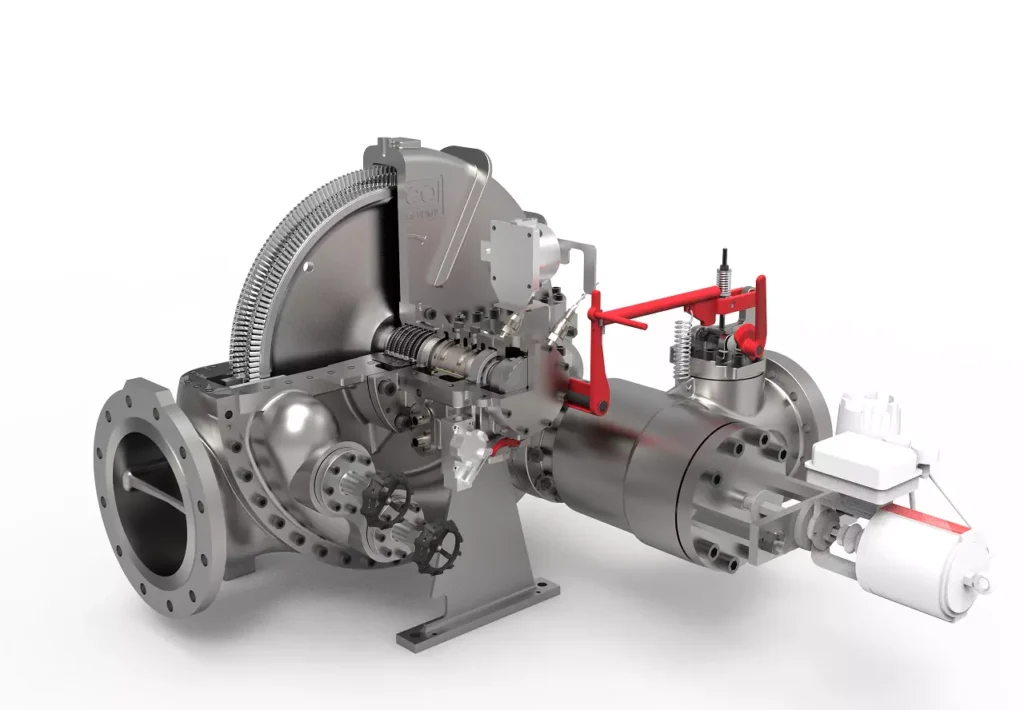
EMS Power Machines
EMS Power Machines

We design, manufacture and assembly Power Machines such as – diesel generators, electric motors, vibration motors, pumps, steam engines and steam turbines

EMS Power Machines is a global power engineering company, one of the five world leaders in the industry in terms of installed equipment. The companies included in the company have been operating in the energy market for more than 60 years.

EMS Power Machines manufactures steam turbines, gas turbines, hydroelectric turbines, generators, and other power equipment for thermal, nuclear, and hydroelectric power plants, as well as for various industries, transport, and marine energy.

EMS Power Machines is a major player in the global power industry, and its equipment is used in power plants all over the world. The company has a strong track record of innovation, and it is constantly developing new and improved technologies.

Here are some examples of Power Machines’ products and services:

  • Steam turbines for thermal and nuclear power plants
  • Gas turbines for combined cycle power plants and industrial applications
  • Hydroelectric turbines for hydroelectric power plants
  • Generators for all types of power plants
  • Boilers for thermal power plants
  • Condensers for thermal power plants
  • Reheaters for thermal power plants
  • Air preheaters for thermal power plants
  • Feedwater pumps for thermal power plants
  • Control systems for power plants
  • Maintenance and repair services for power plants

EMS Power Machines is committed to providing its customers with high-quality products and services. The company has a strong reputation for reliability and innovation. Power Machines is a leading provider of power equipment and services, and it plays a vital role in the global power industry.

EMS Power Machines, which began in 1961 as a small factory of electric motors, has become a leading global supplier of electronic products for different segments. The search for excellence has resulted in the diversification of the business, adding to the electric motors products which provide from power generation to more efficient means of use.

Categories
Uncategorized

Type of Waste Heat Recovery

Type of Waste Heat Recovery

Type of Waste Heat Recovery: Waste Heat to Energy is a process that captures waste heat from industrial processes, power plants, and other heat-generating systems to produce useful energy, typically in the form of electricity or mechanical work. This approach improves overall efficiency, reduces fuel consumption, and lowers greenhouse gas emissions.

1. Sources of Waste Heat

Waste heat is generated in various industrial and commercial processes, including:

  • Industrial Processes: Steel mills, cement plants, glass manufacturing, and refineries.
  • Power Plants: Gas turbines, steam turbines, and diesel generators.
  • Exhaust Gases: From internal combustion engines, furnaces, and incinerators.
  • Cooling Systems: Heat rejection from air compressors, chillers, and refrigeration units.

2. Waste Heat Recovery Technologies

A. Heat-to-Power Conversion Technologies

  1. Steam Rankine Cycle (SRC)
    • Uses waste heat to generate steam, which drives a steam turbine to produce electricity.
    • Best suited for high-temperature waste heat (>300°C).
  2. Organic Rankine Cycle (ORC)
    • Uses an organic fluid with a lower boiling point than water, allowing waste heat recovery from medium- and low-temperature sources (80°C–300°C).
    • Ideal for industrial processes and geothermal applications.
  3. Kalina Cycle
    • Uses an ammonia-water mixture to enhance efficiency in recovering low- and medium-temperature waste heat.
    • More efficient than ORC in certain conditions but has higher operational complexity.
  4. Thermoelectric Generators (TEGs)
    • Convert heat directly into electricity using the Seebeck effect.
    • Suitable for small-scale applications with low-grade waste heat (below 200°C).

B. Waste Heat Recovery Systems

  1. Heat Exchangers
    • Transfer heat from exhaust gases or process fluids to another medium.
    • Used in recuperators, regenerators, economizers, and heat recovery steam generators (HRSG).
  2. Waste Heat Boilers
    • Convert exhaust heat into steam, which can be used for power generation or industrial heating.
    • Common in combined heat and power (CHP) systems.
  3. Absorption Chillers
    • Use waste heat to drive cooling processes, reducing the need for electrical cooling.
    • Suitable for district cooling and HVAC applications.
  4. Regenerative Thermal Oxidizers (RTOs)
    • Capture heat from combustion processes and reuse it to preheat incoming gases.

3. Benefits of Waste Heat Recovery

✔ Improved Energy Efficiency – Reduces fuel consumption and operational costs.
✔ Lower Greenhouse Gas Emissions – Reduces reliance on fossil fuels, helping to meet environmental regulations.
✔ Cost Savings – Reduces energy bills and increases overall process efficiency.
✔ Enhanced Sustainability – Supports circular economy principles by utilizing existing energy streams.

4. Challenges and Considerations

  • Capital Investment: Initial installation costs can be high.
  • System Complexity: Requires careful integration into existing processes.
  • Waste Heat Temperature & Quality: Not all waste heat is easily recoverable.
  • Maintenance & Reliability: Some technologies require regular upkeep.

5. Applications and Industries

✔ Manufacturing & Heavy Industry – Steel, cement, glass, and chemical plants.
✔ Power Generation – Coal, gas, and biomass power plants.
✔ Oil & Gas – Refineries and natural gas processing.
✔ Transportation – Waste heat recovery in diesel engines and ships.
✔ Data Centers – Reuse of server-generated heat for district heating.

Sources of waste heat include industrial processes such as steel mills, cement plants, glass manufacturing, and refineries; power plants utilizing gas turbines, steam turbines, and diesel generators; exhaust gases from internal combustion engines, furnaces, and incinerators; and cooling systems that reject heat from air compressors, chillers, and refrigeration units.

Waste heat is generated from various industrial, commercial, and power generation processes where energy is not fully utilized and is instead lost to the environment. One of the primary sources of waste heat is industrial processes, including steel mills, cement plants, glass manufacturing, and refineries. These industries involve high-temperature operations where significant amounts of heat are expelled through exhaust gases, cooling water, and direct radiation from hot surfaces. The steel industry, for example, releases substantial heat through blast furnace slag, hot rolling mills, and coke ovens, while cement production emits waste heat from clinker cooling and rotary kilns. Similarly, in glass manufacturing, melting and forming processes generate large quantities of excess heat that can be captured and repurposed.

Another major source of waste heat is power plants, which utilize gas turbines, steam turbines, and diesel generators. In conventional thermal power plants, a significant portion of the fuel energy is lost in exhaust gases and cooling systems. Combined cycle power plants improve efficiency by using a gas turbine’s exhaust heat to generate steam and drive a secondary steam turbine, but even these systems still produce residual waste heat. Similarly, diesel generators, commonly used in remote locations and backup power applications, release high-temperature exhaust gases that can be recovered for useful energy generation.

Transportation and internal combustion engines are also significant contributors to waste heat. Automobiles, trucks, ships, and aircraft lose a substantial portion of their fuel energy as heat through engine exhaust and cooling systems. Modern advancements, such as turbochargers and thermoelectric generators, aim to capture and repurpose some of this waste heat for improved efficiency. Marine vessels, especially large cargo ships and naval fleets, produce waste heat from massive diesel engines, which can be recovered using heat exchangers and organic Rankine cycle systems.

Industrial furnaces, boilers, and incinerators also expel high-temperature exhaust gases that carry significant energy potential. These systems are widely used in various sectors, including food processing, pulp and paper production, and waste management. In incineration plants, municipal solid waste and hazardous materials are burned to generate energy, but a considerable fraction of the heat is still lost if not properly recovered.

Cooling and refrigeration systems represent another important category of waste heat sources. Air compressors, chillers, and HVAC systems generate excess heat that is typically dissipated into the surrounding environment. Data centers, which require extensive cooling to maintain optimal operating conditions for servers, produce substantial waste heat that can be redirected for space heating or absorption cooling.

In addition to these sources, renewable energy systems such as geothermal and solar thermal plants also experience waste heat losses. Geothermal power plants extract hot fluids from beneath the Earth’s surface, but not all the heat is converted into electricity, leading to thermal discharge. Similarly, concentrated solar power (CSP) plants, which use mirrors to focus sunlight and generate steam, lose a portion of their collected heat through system inefficiencies.

Overall, waste heat is an unavoidable byproduct of energy-intensive processes, but with the right technologies and strategies, it can be captured and converted into useful energy, improving efficiency and sustainability across various industries.

Waste heat from industrial processes is one of the most significant untapped energy resources, with immense potential for recovery and utilization. Industrial facilities, including steel mills, cement plants, glass manufacturing, and oil refineries, operate at high temperatures and often release large amounts of heat into the environment through exhaust gases, cooling water, and hot surfaces. This waste heat, if properly harnessed, can be repurposed for electricity generation, process heating, or even district heating systems, significantly improving overall energy efficiency.

Steel Industry

The steel industry is one of the largest producers of waste heat due to the extreme temperatures required in smelting, refining, and shaping processes. Key sources of waste heat in steel plants include blast furnace gas, basic oxygen furnaces, electric arc furnaces, reheating furnaces, coke ovens, and hot rolling mills. Blast furnaces, which are used to reduce iron ore into molten iron, emit high-temperature off-gases that contain significant amounts of thermal energy. This heat can be recovered using heat exchangers or gas expansion turbines to produce electricity or preheat raw materials. Similarly, coke ovens release hot gases during the carbonization of coal, which can be utilized for steam generation or power production.

Hot rolling mills, used to shape steel into sheets, rods, and other forms, generate a significant amount of waste heat through the cooling of hot steel. The water or air used for cooling absorbs heat that is often dissipated without recovery. By implementing recuperative heat exchangers, this energy can be used for preheating incoming steel slabs, reducing fuel consumption.

Cement Industry

Cement manufacturing is another energy-intensive process that generates large quantities of waste heat, primarily from rotary kilns and clinker coolers. Rotary kilns operate at extremely high temperatures to convert raw materials into clinker, the key ingredient in cement. A substantial amount of heat is lost through the kiln exhaust gases and the hot clinker as it exits the kiln. Waste heat recovery (WHR) systems, such as waste heat boilers and organic Rankine cycle (ORC) systems, can capture this heat and convert it into electricity, reducing reliance on external power sources. In modern cement plants, WHR systems can recover up to 30% of the total heat input, significantly improving efficiency and lowering carbon emissions.

Glass Manufacturing

The glass industry also operates at high temperatures, primarily during the melting and forming processes. Glass furnaces require continuous heating to maintain the molten state of raw materials, and a significant portion of the heat is lost through exhaust gases and radiant heat. Recuperators and regenerators are commonly used in glass manufacturing to capture and reuse waste heat, preheating combustion air or raw materials to reduce energy consumption.

Oil Refineries

Oil refineries, which process crude oil into fuels and chemicals, generate considerable waste heat from distillation columns, cracking units, and heat exchangers. Process heaters, used for refining crude oil, produce high-temperature flue gases that often go unrecovered. Implementing heat recovery systems, such as waste heat boilers or cogeneration units, allows refineries to capture this energy and generate steam or electricity for internal use. Additionally, flare gas recovery systems can reduce heat losses by utilizing excess gas that would otherwise be burned off.

By integrating advanced heat recovery technologies in these industries, significant energy savings can be achieved, reducing operating costs and minimizing environmental impact. As industries continue to seek ways to improve energy efficiency, waste heat recovery will play a crucial role in sustainable manufacturing and energy management.

Power Plants as a Source of Waste Heat

Power plants are among the largest producers of waste heat due to the inefficiencies inherent in electricity generation. Traditional thermal power plants, including coal-fired, natural gas, and nuclear plants, operate based on the Rankine cycle, where fuel is burned to heat water, producing steam that drives a turbine. However, a significant portion of the energy is lost as waste heat, either through exhaust gases, cooling towers, or discharged water. Even in more advanced combined-cycle power plants, which improve efficiency by using a secondary steam cycle, there is still residual waste heat that can be recovered for beneficial use.

Coal and Gas-Fired Power Plants

Conventional fossil fuel power plants typically operate at efficiency levels between 30% and 45%, meaning that more than half of the energy from fuel combustion is lost as heat. The primary sources of waste heat in these plants include:

  1. Flue Gas Exhaust – High-temperature combustion gases, often exceeding 500°C, are expelled from boilers and gas turbines. Heat recovery steam generators (HRSG) can capture this energy to generate additional steam for power production.
  2. Condenser Cooling Water – After steam passes through the turbine, it is condensed back into water using cooling towers or water bodies, leading to heat dissipation into the atmosphere or surrounding environment. District heating systems and industrial heat exchangers can recover some of this waste heat for heating applications.
  3. Turbine and Boiler Surface Radiation – Equipment surfaces radiate heat into the surrounding environment, contributing to thermal losses. Insulation and heat recapture technologies can minimize these losses.

Combined-Cycle Power Plants (CCPPs)

Combined-cycle plants, which integrate a gas turbine with a steam turbine, achieve higher efficiencies (50%–60%) by using exhaust heat from the gas turbine to generate steam for an additional power cycle. However, even these plants still experience waste heat losses, particularly in the final stages of energy conversion. Waste heat from CCPPs can be further utilized in industrial cogeneration (combined heat and power, CHP) systems to provide steam for industrial processes, district heating, or desalination plants.

Nuclear Power Plants

Nuclear plants operate with similar thermodynamic limitations as fossil fuel power plants, with efficiency levels typically around 33%, meaning that nearly two-thirds of the thermal energy produced in nuclear reactions is lost as waste heat. Most of this heat is discharged through cooling towers or directly into nearby water bodies. Advanced heat recovery systems, such as high-temperature reactors and cogeneration applications, aim to harness nuclear waste heat for district heating, hydrogen production, or industrial applications.

Diesel and Gas Generators

Smaller-scale power generation units, such as diesel and natural gas generators used in remote locations, data centers, and backup power systems, also produce considerable waste heat. These engines typically convert only 30%–40% of the fuel’s energy into useful work, with the rest dissipated as exhaust gas and engine cooling losses. Waste heat recovery units (WHRUs) can be installed to capture heat from generator exhaust and engine cooling systems, converting it into electricity via an Organic Rankine Cycle (ORC) or using it for process heating.

Potential Applications for Power Plant Waste Heat

Waste heat from power plants can be effectively utilized in various ways:

  • District Heating Systems – Capturing waste heat for residential and commercial heating can significantly reduce fuel consumption and emissions.
  • Industrial Steam and Process Heating – Industries that require high-temperature steam, such as chemical plants, can benefit from power plant waste heat.
  • Desalination – Thermal desalination processes, such as multi-stage flash (MSF) and multi-effect distillation (MED), can use waste heat to produce fresh water.
  • Greenhouses and Agriculture – Waste heat can provide controlled heating for greenhouses, improving food production efficiency.
  • Absorption Cooling – Waste heat can be used in absorption refrigeration systems to provide cooling, reducing electricity demand for air conditioning.

As global energy demands increase, improving the efficiency of power generation and utilizing waste heat will play a critical role in reducing carbon emissions and enhancing sustainability.

Waste Heat from Transportation and Internal Combustion Engines

Transportation is a major source of waste heat, particularly from internal combustion engines (ICEs) used in automobiles, trucks, ships, trains, and aircraft. In conventional gasoline and diesel engines, only about 25%–40% of the fuel’s energy is converted into useful mechanical work, while the rest is lost as heat through exhaust gases, engine cooling systems, and surface radiation. Capturing and utilizing this waste heat can significantly improve fuel efficiency, reduce emissions, and enhance overall performance.

Automobiles and Trucks

Road transportation relies heavily on internal combustion engines, where substantial waste heat is generated. The primary sources of heat loss in vehicles include:

  1. Exhaust Gases – A large portion of waste heat (up to 40% of fuel energy) escapes through the exhaust system. Technologies like turbochargers and thermoelectric generators (TEGs) can recover part of this heat for improved efficiency.
  2. Engine Cooling System – The cooling system removes heat from the engine block to prevent overheating, but this heat is typically dissipated into the atmosphere through radiators. Waste heat recovery (WHR) systems can redirect some of this thermal energy for auxiliary functions like cabin heating or electricity generation.
  3. Friction and Drivetrain Losses – Heat generated from moving engine parts and friction in the drivetrain is another source of wasted energy. Advanced lubricants and materials help reduce these losses, but some energy is still lost.

To address these inefficiencies, several waste heat recovery technologies are being developed:

  • Turbochargers and Turbo-Compounding – Turbochargers use exhaust gas energy to compress incoming air, improving engine efficiency and power output. Turbo-compounding systems take this a step further by using an additional turbine to recover even more exhaust energy and convert it into mechanical or electrical power.
  • Thermoelectric Generators (TEGs) – TEGs use the Seebeck effect to convert temperature differences between hot exhaust gases and cooler surfaces into electricity. These systems can power onboard electronics, reducing the load on the alternator and improving fuel economy.
  • Rankine Cycle Waste Heat Recovery Systems – Similar to power plants, vehicles can use a small Rankine cycle system to convert waste heat into mechanical energy to assist in propulsion.

Marine and Shipping Industry

Ships and marine vessels, particularly large cargo ships and cruise liners, use massive diesel engines that operate for long periods, generating significant amounts of waste heat. Key waste heat sources in marine engines include:

  • Exhaust Gases – Large marine engines produce high-temperature exhaust gases that can be captured using waste heat boilers to generate steam for auxiliary power.
  • Cooling Water – Engine cooling systems absorb heat, which can be used for heating applications on board or converted into electricity via heat exchangers and ORC systems.
  • Lubrication System Heat – Waste heat from lubricating oil can be recovered and reused for preheating fuel or other onboard applications.

Modern marine vessels are incorporating waste heat recovery systems (WHRS) to improve efficiency. Combined with shaft generators and electrical propulsion systems, WHR can reduce fuel consumption and lower emissions in compliance with environmental regulations.

Aircraft and Aviation

Aircraft engines, particularly jet engines, generate immense amounts of waste heat through exhaust gases and high-temperature components. While aviation has limited options for traditional waste heat recovery due to weight constraints, some innovative solutions include:

  • Heat Exchangers for Cabin Heating – Waste heat from jet engines is already used for cabin pressurization and heating.
  • More Efficient Engine Design – Advanced materials and cooling techniques reduce thermal losses and improve overall efficiency.
  • Hybrid and Electric Aviation Concepts – Future aircraft designs may integrate waste heat recovery technologies to enhance battery performance or reduce fuel consumption.

Rail Transportation

Diesel-electric locomotives generate significant waste heat from their engines and electrical components. Similar to marine applications, Rankine cycle systems, thermoelectric generators, and improved cooling system designs can enhance locomotive efficiency by capturing and reusing waste heat.

Future of Waste Heat Recovery in Transportation

As fuel efficiency standards become stricter and sustainability becomes a priority, waste heat recovery will play a critical role in the future of transportation. Advancements in materials, thermoelectric technology, and hybrid powertrain integration will further enhance the ability to capture and utilize waste heat in various vehicle types. Reducing waste heat losses will not only improve fuel economy but also contribute to lower greenhouse gas emissions and reduced reliance on fossil fuels.

Waste Heat Recovery Systems (WHRS)

Waste Heat Recovery Systems (WHRS) are technologies designed to capture and utilize heat that would otherwise be lost from industrial processes, power generation, and transportation. These systems improve energy efficiency, reduce fuel consumption, lower greenhouse gas emissions, and enhance overall sustainability. The recovered heat can be used for electricity generation, process heating, space heating, or cooling applications.

Types of Waste Heat Recovery Systems

Waste Heat Utilization

1. Regenerative Heat Exchangers

Regenerative heat exchangers store heat from hot gases and transfer it to incoming cold gases. They are commonly used in high-temperature industrial processes such as steel manufacturing and glass production.

  • Examples: Regenerators in blast furnaces, thermal oxidizers, and regenerative thermal oxidizers (RTOs).

2. Recuperative Heat Exchangers

Recuperative heat exchangers directly transfer heat from hot gases to cold gases or liquids through a solid medium.

  • Examples: Economizers in boilers, air preheaters, and plate heat exchangers.

3. Waste Heat Boilers (Heat Recovery Steam Generators – HRSG)

These systems use waste heat from industrial processes or power plants to produce steam, which can be used for electricity generation or industrial heating.

  • Examples: Combined cycle power plants, cogeneration (CHP) systems, and steam-based district heating.

4. Organic Rankine Cycle (ORC) Systems

ORC systems convert low-temperature waste heat into electricity using organic fluids with lower boiling points than water.

  • Applications: Biomass plants, geothermal energy, and low-grade waste heat recovery in industries.

5. Thermoelectric Generators (TEGs)

TEGs convert waste heat directly into electricity using the Seebeck effect.

  • Applications: Automotive exhaust systems, industrial furnaces, and spacecraft power generation.

6. Kalina Cycle Systems

Kalina cycle technology uses a mixture of ammonia and water to recover heat more efficiently than traditional Rankine cycles.

  • Applications: Geothermal power plants, industrial waste heat recovery, and solar thermal power.

7. Absorption Cooling Systems

These systems use waste heat to drive cooling cycles instead of electricity.

  • Applications: Air conditioning in commercial buildings, industrial refrigeration, and data centers.

8. Flue Gas Heat Recovery

Captures heat from exhaust gases in power plants, industrial boilers, and incinerators.

  • Applications: Preheating combustion air, district heating, and steam generation.

9. Mechanical Vapor Recompression (MVR)

MVR compresses and reuses steam to improve efficiency in evaporation and drying processes.

  • Applications: Food processing, desalination, and paper manufacturing.

Benefits of Waste Heat Recovery Systems

  • Energy savings – Reduces fuel consumption and operational costs.
  • Lower emissions – Decreases CO₂ and other greenhouse gas emissions.
  • Improved efficiency – Enhances process performance and sustainability.
  • Economic benefits – Reduces energy costs and improves profitability.

Waste Heat Recovery Systems are essential for improving energy efficiency across multiple sectors, helping industries and power plants transition toward a more sustainable future.

Waste Heat Recovery Systems (WHRS) are designed to capture and repurpose heat that would otherwise be lost from industrial processes, power plants, and transportation systems. These systems enhance energy efficiency, lower fuel consumption, and reduce greenhouse gas emissions, contributing to both economic and environmental sustainability. Waste heat can be recovered using different technologies depending on temperature levels, heat sources, and the intended application. High-temperature waste heat from industrial furnaces, steel mills, and cement kilns can be used to generate steam, which can either drive turbines for electricity generation or be used directly in manufacturing processes. Medium- and low-temperature waste heat, such as that from exhaust gases, cooling systems, and hot surfaces, can be recovered using heat exchangers, economizers, or organic Rankine cycle (ORC) systems.

Thermoelectric generators (TEGs) convert heat directly into electricity using the Seebeck effect, making them useful in automotive applications and remote power generation. In the transportation sector, waste heat recovery is particularly valuable in internal combustion engines, where a significant portion of fuel energy is lost through exhaust and cooling systems. Turbochargers improve engine efficiency by using exhaust gases to compress incoming air, while turbo-compounding systems convert excess exhaust energy into mechanical or electrical power. In marine and locomotive engines, waste heat recovery boilers capture exhaust heat to produce steam for auxiliary power.

In power plants, heat recovery steam generators (HRSG) are widely used in combined-cycle plants, where gas turbines’ exhaust heat is used to generate additional steam for a secondary power cycle, improving overall efficiency. Industrial applications frequently use regenerative and recuperative heat exchangers to capture and reuse thermal energy, with applications in steel, glass, cement, and chemical industries. Absorption refrigeration systems utilize waste heat for cooling, making them ideal for data centers, commercial buildings, and process cooling in industrial facilities. Flue gas heat recovery systems extract residual heat from exhaust gases in boilers and furnaces, preheating combustion air to reduce fuel consumption.

Mechanical vapor recompression (MVR) technology captures and reuses steam in processes such as food processing, desalination, and paper manufacturing. Kalina cycle systems use a mixture of ammonia and water to recover waste heat more efficiently than conventional Rankine cycles, particularly in geothermal and industrial applications. These waste heat recovery technologies provide numerous benefits, including significant energy savings, lower operating costs, reduced reliance on fossil fuels, and decreased carbon emissions. By integrating waste heat recovery systems, industries and power plants can optimize their processes and contribute to a more sustainable energy landscape.

Waste heat recovery systems play a critical role in optimizing energy use across various industries, including power generation, manufacturing, and transportation. In power plants, where efficiency losses are significant, waste heat recovery technologies such as combined heat and power (CHP) and district heating systems help utilize excess thermal energy that would otherwise be lost through cooling towers or exhaust stacks. By capturing and repurposing this heat, power plants can provide electricity and thermal energy simultaneously, reducing fuel consumption and emissions.

In industrial settings, waste heat recovery is widely implemented in energy-intensive sectors such as steel, cement, glass, and petrochemical production, where furnaces, kilns, and boilers generate large amounts of high-temperature waste heat. This heat can be recovered using regenerative and recuperative heat exchangers, waste heat boilers, and organic Rankine cycle (ORC) systems to produce additional steam or electricity. In refineries and chemical plants, process heat from distillation, cracking, and reforming units can be reused to preheat raw materials, improving overall energy efficiency.

Waste heat recovery is also essential in the transportation sector, particularly in diesel engines used in trucks, ships, and trains, where exhaust gas heat can be converted into useful work through turbo-compounding, thermoelectric generators (TEGs), and Rankine cycle systems. Marine vessels benefit from waste heat boilers that generate steam from exhaust gases, reducing fuel consumption for auxiliary power. In aviation, research into thermoelectric and heat exchanger technologies aims to enhance engine efficiency and reduce fuel burn. On a broader scale, waste heat recovery contributes to sustainable energy solutions, including waste-to-energy plants that convert municipal and industrial waste heat into usable electricity and heat for district energy networks. Advanced absorption cooling systems further expand the utility of waste heat by converting excess thermal energy into cooling power for air conditioning and refrigeration, reducing electrical demand.

The integration of waste heat recovery with renewable energy sources, such as solar and geothermal power, enhances overall system efficiency and resilience. Digital monitoring and smart energy management systems further optimize waste heat utilization by analyzing thermal losses in real-time and adjusting recovery processes accordingly. As industries and governments prioritize decarbonization and energy efficiency, waste heat recovery systems will continue to evolve, incorporating advanced materials, improved heat exchangers, and emerging technologies like supercritical CO₂ cycles and phase-change materials. These innovations will play a crucial role in minimizing energy waste, lowering greenhouse gas emissions, and improving the sustainability of industrial and power generation processes worldwide.

The continuous advancement of waste heat recovery systems is driven by the increasing need for energy efficiency, cost reduction, and sustainability across industries. One of the most promising areas of development is the integration of artificial intelligence (AI) and machine learning in waste heat recovery optimization. AI-powered systems can analyze operational data in real time, predict heat loss patterns, and adjust recovery mechanisms dynamically to maximize efficiency. This is particularly beneficial in complex industrial settings where fluctuating process conditions require adaptive control strategies. Additionally, advancements in thermoelectric materials are making thermoelectric generators (TEGs) more efficient and viable for large-scale waste heat recovery. New materials, such as nanostructured thermoelectrics and high-performance semiconductors, are improving the conversion efficiency of heat into electricity, expanding their applications in automotive engines, power plants, and industrial furnaces.

Another innovative approach to waste heat utilization is the development of supercritical CO₂ (sCO₂) power cycles, which offer higher thermal efficiency than traditional steam-based systems. sCO₂ cycles operate at higher pressures and temperatures, allowing for more effective waste heat recovery in power generation and industrial processes. This technology is gaining traction in applications such as concentrated solar power (CSP), nuclear power plants, and waste heat recovery in heavy industries. Similarly, phase-change materials (PCMs) are being explored for thermal energy storage, allowing waste heat to be captured and stored for later use, addressing the intermittent nature of heat availability in many industrial operations. These materials absorb heat during phase transitions and release it when needed, providing a more flexible and efficient way to utilize waste heat.

Waste heat recovery is also playing an increasing role in urban energy systems, particularly in district heating and cooling networks. Many cities are integrating industrial waste heat, data center heat, and even low-grade heat from wastewater treatment plants into their heating networks, reducing reliance on fossil fuels for space heating. Combined heat and power (CHP) systems continue to be a key solution in urban energy infrastructure, simultaneously producing electricity and useful heat from a single fuel source, thereby improving overall system efficiency. Additionally, emerging technologies such as absorption heat pumps and adsorption chillers are enabling more effective use of low-temperature waste heat in commercial and residential applications, further reducing energy demand from conventional heating and cooling systems.

As industries and governments continue to focus on carbon reduction goals, waste heat recovery systems are becoming an essential component of energy policy and corporate sustainability strategies. Stricter environmental regulations and carbon pricing mechanisms are pushing industries to invest in more efficient waste heat utilization technologies. Incentives and funding for energy efficiency projects, including government grants and tax credits, are accelerating the adoption of waste heat recovery solutions across various sectors. Moreover, the transition to hydrogen-based economies is opening new possibilities for waste heat recovery, as excess heat from hydrogen production processes such as electrolysis and methane reforming can be captured and reused in industrial applications or district energy systems.

Looking ahead, the convergence of digitalization, advanced materials, and innovative thermodynamic cycles will continue to drive improvements in waste heat recovery efficiency and economic viability. Companies and researchers are exploring hybrid solutions that combine waste heat recovery with renewable energy systems to create more resilient and self-sustaining industrial and urban energy networks. The expansion of decentralized waste heat recovery, where smaller-scale industrial and commercial facilities contribute to local energy systems, is also gaining momentum, further decentralizing energy production and reducing dependence on centralized fossil fuel power generation. By embracing these advancements, industries can significantly reduce energy waste, lower operational costs, and contribute to a more sustainable and energy-efficient future.

Benefits of Waste Heat Recovery

Waste Heat to Energy

The benefits of waste heat recovery are numerous, spanning economic, environmental, and operational improvements across various industries. By capturing and repurposing heat that would otherwise be lost, waste heat recovery systems can offer significant advantages in terms of energy efficiency, cost savings, and sustainability.

  1. Energy Efficiency: Waste heat recovery significantly enhances the overall energy efficiency of industrial processes, power plants, and transportation systems. By utilizing excess thermal energy, companies can reduce their reliance on primary energy sources (such as natural gas, coal, or electricity), making processes more efficient and reducing fuel consumption. This can lead to lower energy bills and a reduction in overall energy demand.
  2. Cost Savings: One of the most immediate benefits of waste heat recovery is cost savings. By capturing waste heat and repurposing it for useful applications, industries can reduce the need to purchase additional energy, thus cutting operating costs. For example, in manufacturing or power plants, recovered heat can be used to preheat incoming air or fluids, reducing the need for additional fuel to generate the required temperatures.
  3. Reduced Greenhouse Gas Emissions: Waste heat recovery systems help reduce greenhouse gas (GHG) emissions by lowering the overall fuel consumption of industrial processes and power plants. The less fuel that needs to be burned, the fewer emissions are generated. This is particularly important for companies working toward sustainability goals or those subject to emissions regulations. By using waste heat, industries can lower their carbon footprint and contribute to the global effort to combat climate change.
  4. Improved Process Efficiency: Waste heat recovery helps to optimize processes by providing a stable and reliable source of heat or energy. In many industries, the recovered heat can be used for processes such as preheating raw materials, producing steam, or powering auxiliary equipment. This integration leads to better system optimization, smoother operation, and reduced wear on equipment, enhancing overall process reliability and performance.
  5. Increased Energy Security: By recovering waste heat, industries can reduce their dependency on external energy supplies, contributing to greater energy security. Waste heat recovery allows companies to become more self-sufficient by generating their own power or reducing the need to purchase power from the grid. This can be particularly beneficial in regions with unstable energy prices or supply disruptions.
  6. Reduced Operational Costs: By reusing waste heat within a facility, industries can reduce the overall cost of running their operations. This includes savings from fuel, maintenance costs associated with equipment wear, and reduced demand on external utilities, leading to more predictable and manageable energy costs over time.
  7. Enhanced Sustainability: Waste heat recovery plays a key role in advancing sustainability initiatives. By reducing energy waste, emissions, and overall resource consumption, companies can contribute to sustainability goals, improve their public image, and meet corporate social responsibility (CSR) targets. Additionally, many waste heat recovery technologies, such as absorption chillers and organic Rankine cycles, can contribute to renewable energy generation, further boosting a facility’s sustainability efforts.
  8. Compliance with Environmental Regulations: Many countries have strict environmental regulations that require industries to reduce emissions and improve energy efficiency. Waste heat recovery systems help industries comply with these regulations by minimizing fuel consumption and GHG emissions. In some cases, the implementation of waste heat recovery systems may qualify companies for tax credits, grants, or other incentives aimed at supporting energy-efficient technologies.
  9. Opportunities for Combined Heat and Power (CHP) and District Heating: Waste heat recovery can be integrated into combined heat and power (CHP) systems, where both electricity and useful heat are generated from a single energy source. This increases overall system efficiency and allows for the utilization of otherwise wasted energy. Additionally, waste heat can be used in district heating systems, providing residential, commercial, and industrial buildings with affordable, low-carbon heat from local sources.
  10. Energy Flexibility and Reliability: Some waste heat recovery technologies, such as heat storage and thermal energy storage systems, allow for the storage of recovered heat for later use. This can provide a more flexible and reliable energy source, especially in operations that require heat on a fluctuating basis, such as in seasonal industries or those with variable production schedules.
  11. Innovation and Technological Advancements: Waste heat recovery encourages innovation in thermal management technologies, leading to the development of advanced systems like thermoelectric generators (TEGs), Kalina cycles, and supercritical CO₂ cycles. These technologies improve the ability to recover and use low- and medium-grade waste heat, further enhancing overall energy utilization.
  12. Market Competitiveness: Companies that adopt waste heat recovery technologies can gain a competitive edge by improving their bottom line through reduced energy costs and enhanced efficiency. Additionally, demonstrating a commitment to sustainability and energy efficiency can improve a company’s reputation and brand image, making it more attractive to customers, investors, and regulatory bodies.

In summary, waste heat recovery offers a wide range of benefits, from improved energy efficiency and cost savings to environmental sustainability and compliance with regulations. It is a critical tool in creating more sustainable, cost-effective, and energy-efficient industrial and energy systems worldwide.

Waste heat recovery systems offer significant advantages that contribute to operational, economic, and environmental improvements. By capturing and repurposing heat that would otherwise be wasted, industries can enhance their energy efficiency and reduce fuel consumption, which in turn lowers operating costs. The reduction in fuel consumption also directly results in fewer emissions, including greenhouse gases, contributing to environmental sustainability and helping industries meet regulatory compliance and sustainability goals. By recovering waste heat, companies can reduce their reliance on external energy sources, which not only boosts their energy security but also makes their energy needs more predictable and stable. This reduction in energy dependence can be particularly beneficial in areas with volatile energy prices or where energy security is a concern.

Waste heat recovery also improves process efficiency by providing a reliable source of thermal energy that can be used for applications like preheating raw materials, generating steam, or powering auxiliary equipment. This integration helps optimize overall system performance, enhancing reliability and productivity while reducing wear and tear on machinery. Furthermore, the reuse of waste heat can significantly cut down on fuel expenses, reducing the overall operational costs of a facility. The economic benefits of waste heat recovery systems extend beyond the immediate savings on energy costs, as the increased efficiency and reduced environmental impact can improve a company’s public image, helping to meet corporate social responsibility (CSR) targets and attract investment.

As industries move toward more sustainable practices, waste heat recovery plays a key role in advancing these efforts by reducing the amount of energy lost in industrial processes and enhancing overall resource conservation. The implementation of waste heat recovery systems aligns with sustainability initiatives, helping companies to reduce their carbon footprint while generating savings in the process. In regions where stringent environmental regulations are in place, waste heat recovery can be an effective strategy to comply with these laws, potentially qualifying businesses for incentives such as tax credits or grants for energy-efficient technologies.

Moreover, waste heat recovery contributes to the potential for combined heat and power (CHP) systems, where both electricity and useful heat are produced from a single fuel source. This not only boosts efficiency but also allows industries to create district heating systems that can provide low-carbon heating to nearby residential, commercial, and industrial buildings. Such integration further reduces reliance on traditional energy sources and promotes local, sustainable energy solutions. The flexibility of recovered heat, which can be stored for later use, also provides a level of reliability and energy security, particularly for industries with fluctuating energy demands.

Ultimately, the adoption of waste heat recovery technologies enables companies to remain competitive in a marketplace where energy efficiency and environmental responsibility are becoming increasingly important. These systems help businesses lower their energy costs, reduce emissions, and comply with regulations, all while boosting their reputation and market position. The ongoing innovation in waste heat recovery, through new technologies such as thermoelectric generators, supercritical CO₂ cycles, and advanced thermal storage solutions, continues to enhance the efficiency and viability of these systems, opening new opportunities for industries to harness and make use of energy that would otherwise be lost.

The widespread adoption of waste heat recovery systems is increasingly recognized as an essential strategy for optimizing energy usage and achieving sustainability goals across industries. As technologies continue to evolve, industries are finding new ways to leverage low- and medium-temperature waste heat that was previously considered difficult or uneconomical to recover. Innovations in materials, such as advanced heat exchangers and high-performance thermoelectrics, are improving the efficiency of heat recovery, even in lower temperature ranges. For example, organic Rankine cycles (ORC) and Kalina cycles have become more efficient at recovering heat from lower-grade waste streams, enabling industries to recover and utilize heat that would have otherwise been wasted.

Furthermore, waste heat recovery is playing an increasingly important role in the transition toward low-carbon and renewable energy solutions. By integrating recovered heat with renewable energy sources such as solar and biomass, industries can create hybrid systems that maximize overall energy efficiency and sustainability. For instance, waste heat recovery systems can be used in combination with solar thermal energy to create more reliable and efficient renewable power systems, or even in geothermal power plants where excess heat can be used to improve energy generation processes.

The growing emphasis on decarbonization, coupled with tightening regulations on carbon emissions and energy efficiency, is driving more industries to incorporate waste heat recovery technologies into their operations. As governments around the world implement stricter environmental policies, industries that adopt waste heat recovery systems will be better positioned to meet these regulatory requirements while also reducing their operational costs. In some regions, this can provide a competitive edge as companies that implement energy-efficient practices may benefit from financial incentives, subsidies, or preferential treatment in the market.

Beyond energy savings, waste heat recovery systems also contribute to improved resource utilization, as industries become more adept at making use of by-products that were previously overlooked. For example, in manufacturing processes, where high temperatures are often required, the ability to recover and reuse waste heat reduces the need for fresh inputs of fuel or electricity. This reduces both operating costs and the overall environmental impact of production processes, supporting circular economy principles by reducing waste and maximizing the reuse of available resources.

In the context of urban energy systems, waste heat recovery is also being integrated into district heating and cooling networks, where industrial or commercial heat is transferred to local buildings for space heating or hot water. This not only makes use of waste heat but also helps reduce the need for fossil fuels in urban energy systems, lowering emissions on a larger scale. Cities can greatly benefit from integrating waste heat recovery in their energy infrastructure, particularly as urban populations continue to grow and demand for energy rises. By creating more energy-efficient districts with shared heating and cooling resources, cities can become more resilient to energy price fluctuations and contribute to achieving national or global climate targets.

As energy markets evolve and new technological solutions emerge, waste heat recovery systems will continue to play an integral role in achieving a more sustainable energy future. The combination of digitalization, advanced analytics, and smart grids will further optimize the efficiency of these systems by enabling real-time monitoring and control, ensuring that waste heat recovery is maximized across a wide range of applications. In the long run, waste heat recovery not only offers a pathway to energy savings and cost reductions but also serves as a key pillar in the transition to a more sustainable, low-carbon economy.

As industries and governments continue to prioritize sustainability and energy efficiency, waste heat recovery technologies will become even more crucial in helping meet global energy demands while reducing environmental impact. The integration of waste heat recovery with emerging technologies like smart grids, advanced automation, and artificial intelligence will enable more dynamic and efficient energy systems. Real-time monitoring and predictive analytics will allow for better decision-making and optimization of energy use, ensuring that heat recovery systems operate at their peak efficiency, even in fluctuating conditions. With the increasing availability of data and digital tools, businesses can identify areas of heat loss and adjust recovery strategies to improve both economic performance and environmental outcomes.

Moreover, the development of new materials and technologies will continue to drive the expansion of waste heat recovery into previously untapped sectors. For instance, new heat-resistant alloys and ceramic materials are making high-temperature heat exchangers more durable and efficient, allowing for the recovery of heat from even more extreme industrial processes. Similarly, advances in heat storage technologies, such as advanced phase-change materials (PCMs) and thermochemical storage, are enabling industries to capture and store excess heat for later use, further increasing system flexibility and making it possible to use recovered heat during peak demand periods.

In addition, as global economies move toward hydrogen as a clean energy source, waste heat recovery will play an important role in optimizing hydrogen production processes. Technologies like electrolysis, which are used to produce green hydrogen from water, require significant amounts of electricity and produce waste heat. By integrating waste heat recovery into these processes, the efficiency of hydrogen production can be significantly improved, making it a more viable option for decarbonizing industries such as transportation, manufacturing, and power generation. Similarly, as the use of hydrogen in industrial heating systems grows, the integration of waste heat recovery can provide additional energy savings and further reduce emissions.

The expansion of decentralized energy systems and microgrids also presents new opportunities for waste heat recovery. In remote or off-grid locations, small-scale waste heat recovery systems can be used to generate electricity or provide heat for industrial and residential use. These systems could help power critical infrastructure, such as water treatment plants, hospitals, and schools, while reducing the reliance on expensive or unreliable external energy sources. By incorporating waste heat recovery into these systems, communities can create more resilient and self-sustaining energy solutions.

Waste heat recovery’s contribution to reducing the energy intensity of industrial operations, coupled with advances in renewable energy technologies, will help move industries closer to achieving their net-zero carbon goals. By addressing both operational efficiency and emissions reductions, waste heat recovery allows businesses to take a holistic approach to energy management, reducing costs while supporting their environmental and regulatory commitments.

As waste heat recovery technologies become more widespread, industries that adopt these systems will not only benefit from direct energy savings but also enhance their competitiveness in a market that increasingly values sustainability and resource efficiency. The ability to recover and reuse waste heat can also serve as a differentiating factor, as consumers, investors, and regulators place greater emphasis on environmentally responsible practices. For industries looking to future-proof their operations, investing in waste heat recovery technology is an important step toward building long-term resilience, enhancing sustainability, and maintaining market leadership.

Ultimately, the future of waste heat recovery holds great promise, with the potential to transform how industries utilize energy and reduce their environmental impact. As new technologies emerge and the global economy moves toward more sustainable and efficient energy solutions, waste heat recovery will continue to play an essential role in shaping a greener, more energy-efficient world. With ongoing innovation, strategic integration into energy systems, and a commitment to sustainability, waste heat recovery is poised to become an integral part of the global transition to a low-carbon economy.

While waste heat recovery offers substantial benefits, there are several challenges and considerations that industries must address to fully capitalize on these technologies.

  1. Initial Capital Investment: One of the primary challenges associated with waste heat recovery systems is the initial cost. The installation of recovery equipment, such as heat exchangers, thermoelectric generators, or ORC systems, can require a significant upfront investment. This cost may be a barrier for some industries, especially those with tight budgets or low-profit margins. However, the long-term savings from reduced energy consumption and improved efficiency often justify the initial expenditure.
  2. Technological Complexity: Implementing waste heat recovery systems often requires specialized knowledge and expertise. Different industries generate waste heat at various temperatures and scales, requiring tailored solutions to recover and repurpose this energy effectively. The complexity of integrating recovery systems with existing infrastructure can also pose a challenge, especially in older or less adaptable facilities. Proper planning, engineering, and technical support are critical to ensure a smooth implementation.
  3. Economic Viability for Low-Temperature Heat: Waste heat recovery is typically most effective when the heat source is high temperature, such as exhaust gases from industrial furnaces or power plants. Low-temperature waste heat (below 100°C or 212°F), which is common in many industrial processes, can be harder to recover efficiently. Technologies like organic Rankine cycles (ORC) and thermoelectric generators (TEGs) are increasingly being used to capture low-grade heat, but these systems may still have lower efficiency compared to high-temperature heat recovery systems. In some cases, the costs of recovering low-temperature heat may not be economically viable unless paired with other technologies or applications.
  4. System Integration and Compatibility: Integrating waste heat recovery systems into existing industrial processes and infrastructure can be challenging, particularly in industries with complex or outdated systems. The process of connecting recovery equipment to existing machinery, ensuring compatibility with control systems, and adjusting operations can be time-consuming and costly. Furthermore, the operational profile of industries often changes over time, which may impact the effectiveness of waste heat recovery solutions. Continuous monitoring and system optimization are essential for ensuring long-term performance.
  5. Operational and Maintenance Challenges: Like all energy systems, waste heat recovery systems require regular maintenance to ensure they continue to operate efficiently. This can involve cleaning heat exchangers, maintaining thermoelectric generators, and replacing worn-out components. Over time, system components can degrade due to factors like corrosion, scaling, or thermal fatigue. Maintenance and operational costs can accumulate, potentially offsetting some of the financial benefits of waste heat recovery. Furthermore, integrating waste heat recovery into existing operations may introduce new operational complexities that require specialized personnel.
  6. Space and Installation Constraints: Some industries, particularly in dense urban environments or in older facilities, may face space constraints that make the installation of waste heat recovery systems difficult. The additional equipment required for heat recovery, such as heat exchangers, storage tanks, or turbines, can require significant space, which may not be readily available in existing plants or industrial setups. In such cases, companies may need to invest in new infrastructure or undergo costly facility upgrades to accommodate waste heat recovery technologies.
  7. Regulatory and Environmental Considerations: While waste heat recovery can reduce greenhouse gas emissions, it must still comply with local environmental regulations. In some cases, recovering heat from industrial processes or exhaust gases may be subject to specific regulations regarding air quality, emissions, or thermal discharge. Regulatory constraints may limit the types of heat recovery technologies that can be used or the way in which heat is released back into the environment. Companies must carefully navigate these regulatory requirements to ensure their waste heat recovery systems operate within legal and environmental boundaries.
  8. Energy Quality and Consistency: The quality and consistency of the recovered heat are important considerations. Waste heat sources can vary in temperature, flow, and availability, which can impact the efficiency of recovery systems. For example, in processes where heat is not continuously available, energy storage or backup systems may be required to maintain a consistent supply of recovered heat. The varying nature of waste heat can also make it difficult to integrate these systems into broader energy networks, such as district heating or CHP systems, which rely on stable and predictable heat sources.
  9. Financial and Market Uncertainty: The financial return on investment (ROI) for waste heat recovery systems can be influenced by external factors, such as fluctuating energy prices, government incentives, or shifts in market conditions. For example, if energy prices decrease significantly, the cost savings from waste heat recovery may become less compelling. Similarly, changes in regulations, such as the removal of tax incentives for energy efficiency projects, could impact the financial viability of these systems.
  10. Technological Advancements and Future Proofing: As new technologies continue to emerge in the field of waste heat recovery, industries must carefully assess the long-term viability of the systems they install. New and more efficient technologies, such as advanced thermoelectric materials, supercritical CO₂ cycles, or hybrid renewable energy solutions, may provide better performance and longer-term savings, making older systems obsolete. This creates a challenge for industries seeking to future-proof their energy infrastructure while ensuring that their waste heat recovery investments remain competitive and relevant.

In conclusion, while waste heat recovery offers numerous benefits, industries must address several challenges in order to fully realize these advantages. Overcoming barriers such as high initial costs, technological complexity, system integration issues, and space constraints requires careful planning, expertise, and investment. However, with ongoing advancements in technology, more efficient solutions are emerging to address these challenges, making waste heat recovery an increasingly viable and integral part of sustainable energy strategies.

Addressing the challenges associated with waste heat recovery involves careful planning, investment, and ongoing optimization. One of the key areas that need focus is the economic viability of waste heat recovery systems, particularly in industries with low-temperature heat. Low-temperature waste heat is often less energy-dense, which can make recovery technologies less efficient and economically viable. In such cases, pairing waste heat recovery with complementary technologies, such as heat pumps, or integrating recovered heat into other parts of the industrial process, can improve the overall efficiency and cost-effectiveness of these systems. Additionally, industries must evaluate the long-term savings and the reduction in operational costs, weighing them against the initial investment required for system installation and integration.

Another consideration is the integration of waste heat recovery systems into existing industrial infrastructure. In many cases, industrial plants and processes are already operating with a set infrastructure, and introducing new technologies requires thoughtful integration with the current system. This could mean modifications to existing equipment, the installation of new heat exchangers, or the introduction of additional controls to ensure that recovered heat is effectively reused. This integration process can be resource-intensive, both in terms of time and financial outlay, as it may require downtime or system upgrades to ensure compatibility with the new technologies.

Space limitations also play a critical role in the successful implementation of waste heat recovery systems. Older facilities, in particular, may not have the physical space to accommodate new heat recovery equipment. Additionally, for industries located in highly urbanized areas, space constraints may limit the scale of waste heat recovery that can be practically installed. Solutions to these challenges could include the design and implementation of compact systems, modular recovery units, or leveraging off-site storage for recovered heat. However, this may still entail significant investment in infrastructure changes or spatial reconfigurations, which can be costly and logistically challenging.

In operational terms, the maintenance of waste heat recovery systems is an ongoing concern. While these systems can be highly beneficial in terms of efficiency and cost savings, they require regular attention to remain effective. For instance, heat exchangers need to be cleaned and maintained to prevent the buildup of scale, dirt, or corrosion, which could hinder heat transfer efficiency. Similarly, thermoelectric generators or other high-tech equipment in waste heat recovery systems may need periodic calibration and repairs to ensure consistent performance. Developing a reliable maintenance strategy and ensuring that personnel are trained to manage these advanced systems are crucial for the long-term success of waste heat recovery.

Moreover, external factors, such as changes in energy prices or environmental regulations, can also influence the economic feasibility of waste heat recovery projects. Fluctuating energy costs can directly impact the financial savings that waste heat recovery provides. If energy prices drop, the economic incentive to invest in waste heat recovery may diminish, as the payback period could become longer or the energy savings less significant. Conversely, if energy prices rise or stricter emissions regulations are implemented, the value proposition for waste heat recovery may improve. Businesses must continuously assess these external factors and adjust their strategies accordingly to ensure that their investments in waste heat recovery continue to yield positive returns.

Technological advancements will continue to evolve, providing new opportunities to overcome some of the limitations associated with waste heat recovery systems. Innovations in materials, such as advanced heat-resistant alloys or more efficient thermoelectric materials, are improving the ability to recover waste heat at lower temperatures, making these technologies more viable in a broader range of industrial applications. Moreover, improvements in energy storage technologies, such as thermal storage or advanced batteries, could help mitigate the intermittent nature of waste heat and allow industries to store and use recovered energy at times of peak demand.

In addition, policy support and government incentives will play an important role in driving the adoption of waste heat recovery technologies. Many countries are offering financial incentives, tax credits, or subsidies to encourage the adoption of energy-efficient technologies. Industries can take advantage of these programs to offset some of the initial costs associated with implementing waste heat recovery systems. However, the landscape of these incentives is often subject to change based on political and economic conditions, and businesses must stay informed about regulatory changes that could impact their ability to recover investments.

To fully address these challenges, industries must approach waste heat recovery with a long-term perspective, considering not only the immediate benefits but also the potential for future technological advancements, operational adjustments, and changes in the market and regulatory environments. By carefully navigating the complexities of waste heat recovery, businesses can improve their energy efficiency, reduce their environmental impact, and achieve significant cost savings over time.

As industries look to overcome these challenges, several strategies can be employed to ensure the successful implementation and long-term benefits of waste heat recovery systems.

  1. Strategic Planning and Feasibility Studies: Before investing in waste heat recovery technologies, industries should conduct detailed feasibility studies to assess the potential energy savings, payback periods, and the impact on overall system efficiency. These studies should consider factors such as the temperature and quantity of waste heat available, the specific energy demands of the facility, and the compatibility of potential recovery technologies with existing processes. A comprehensive analysis will help identify which heat recovery systems are most appropriate for the given conditions and whether the savings in energy consumption will justify the initial investment.
  2. Energy Audits and Monitoring Systems: Implementing a robust monitoring and energy auditing system is essential for identifying and quantifying the waste heat available within an industrial process. This helps companies pinpoint areas where heat loss is most significant and determine the most effective recovery methods. By using advanced monitoring tools, industries can track the performance of waste heat recovery systems in real-time, providing actionable data that can be used to optimize recovery rates and identify maintenance needs early. Regular audits and monitoring can also reveal new opportunities for additional energy savings over time.
  3. Government Support and Incentives: Many countries offer financial incentives to encourage industries to adopt energy-efficient technologies, including waste heat recovery systems. This could include grants, tax credits, or low-interest loans that help offset the capital cost of implementing recovery technologies. Additionally, some governments are offering funding or support for the development of new technologies to make waste heat recovery more efficient and accessible. Industries should actively seek out these programs and stay informed about the evolving regulatory landscape to take full advantage of available financial support.
  4. Technology Partnerships: Collaborating with technology providers, research institutions, and energy consultants can help industries overcome technical challenges and stay ahead of innovations in waste heat recovery. Partnerships with specialized suppliers can ensure that the most advanced and efficient systems are selected and correctly integrated into existing operations. Working with experts in the field can also help address integration challenges and identify ways to optimize the recovery process based on the unique needs of each industry. In some cases, technology providers may offer ongoing support and maintenance services to ensure the system continues to function optimally over its lifespan.
  5. Modular and Scalable Solutions: To mitigate space and cost constraints, industries may consider implementing modular and scalable waste heat recovery solutions. These systems are often easier to integrate into existing infrastructure and can be expanded or upgraded over time as energy demands grow or as technology improves. By adopting modular systems, industries can make incremental investments in waste heat recovery without having to commit to a large-scale installation upfront. This also allows for more flexibility in scaling up the system as energy efficiency needs evolve.
  6. Hybrid Solutions and Energy Storage: Hybrid systems, which combine multiple energy sources or recovery methods, can be effective in overcoming some of the limitations of individual waste heat recovery technologies. For example, waste heat recovery can be combined with renewable energy sources such as solar or biomass, or even with traditional power generation, to create a more resilient and efficient system. Additionally, incorporating energy storage technologies—such as thermal storage or battery systems—can allow industries to store recovered heat for later use, smoothing out fluctuations in energy demand and ensuring that recovered heat can be utilized during peak times.
  7. Upgrading Existing Infrastructure: In some cases, older facilities may require infrastructure upgrades to make them compatible with waste heat recovery systems. These upgrades could include improvements to heat distribution networks, the installation of heat exchangers, or the addition of advanced control systems. While this can involve significant upfront costs, it may be necessary to ensure that the waste heat recovery system functions efficiently and integrates seamlessly with the existing processes. Over time, the benefits from increased energy efficiency and cost savings can offset the initial investment in infrastructure upgrades.
  8. Employee Training and Skill Development: One of the critical factors in the successful operation of waste heat recovery systems is ensuring that employees are trained to understand and manage the new technologies. Staff members should be equipped with the necessary skills to monitor system performance, identify potential issues, and carry out routine maintenance. Training can also help employees understand the benefits of waste heat recovery, encouraging a culture of energy efficiency and sustainability within the organization. Additionally, having skilled personnel can help prevent operational disruptions and minimize the risk of costly breakdowns or inefficiencies.
  9. Sustainability Goals and Public Image: Companies that adopt waste heat recovery technologies can use these systems as part of their broader sustainability initiatives. In addition to the direct benefits of energy savings and emissions reductions, implementing waste heat recovery can enhance a company’s public image, positioning it as a leader in energy efficiency and environmental responsibility. Many consumers, investors, and stakeholders are increasingly prioritizing sustainability when making decisions, and businesses that integrate waste heat recovery systems can strengthen their market position by demonstrating their commitment to sustainability. This, in turn, can attract investors, improve customer loyalty, and contribute to a positive corporate reputation.
  10. Long-term Monitoring and Optimization: Continuous monitoring of waste heat recovery systems is essential to ensure that they operate at peak efficiency over time. Through data analytics, machine learning, and AI-based systems, industries can optimize the performance of waste heat recovery equipment and identify areas for further improvement. For instance, predictive maintenance tools can detect wear and tear before it leads to system failure, minimizing downtime and extending the lifespan of recovery equipment. Regular system optimization ensures that the technologies remain cost-effective and continue to deliver energy savings, even as industrial processes evolve.

By addressing these challenges proactively and considering these strategies, industries can successfully implement waste heat recovery systems that offer long-term benefits in terms of cost savings, energy efficiency, and environmental sustainability. The evolution of technology, regulatory frameworks, and business models will continue to support the widespread adoption of waste heat recovery, helping industries move closer to their sustainability and energy efficiency goals.

Looking ahead, the future of waste heat recovery holds significant promise, with evolving technologies and an increasing global focus on sustainability, energy efficiency, and decarbonization. Several emerging trends and innovations are poised to overcome existing challenges and unlock even greater potential for waste heat recovery systems. These advancements will help industries reduce operational costs, minimize environmental impact, and further contribute to the transition toward a low-carbon economy.

  1. Integration with Renewable Energy: As the global energy landscape shifts toward renewable sources, waste heat recovery will increasingly be integrated with renewable energy technologies, such as solar, wind, and biomass. This hybrid approach can help to balance the intermittency of renewable energy by providing a steady source of heat recovery, making energy systems more stable and reliable. For example, combining waste heat recovery with solar thermal systems can create more efficient district heating networks, reducing reliance on fossil fuels while improving overall energy security. Additionally, waste heat can be used in conjunction with renewable hydrogen production, which will be a key part of decarbonizing industries like steel, cement, and chemicals.
  2. Advanced Heat Recovery Technologies: As waste heat recovery technologies continue to evolve, more efficient and specialized systems will emerge. The development of high-performance materials, such as advanced alloys and ceramics, is improving the efficiency of heat exchangers, allowing industries to recover heat from even more extreme temperatures. Meanwhile, supercritical CO₂ cycles are an emerging technology that promises significant improvements in heat recovery efficiency, particularly for high-temperature waste heat. Supercritical CO₂ systems operate at higher pressures and temperatures than traditional steam cycles, making them ideal for capturing and converting waste heat from industrial processes into electricity or usable energy. Furthermore, advancements in thermoelectric materials are enabling more efficient conversion of heat into electricity, even at low temperatures. Thermoelectric generators (TEGs) can be used to recover waste heat from sources such as exhaust gases or industrial machinery, offering industries a more flexible and scalable solution to harnessing waste heat.
  3. Digitalization and Smart Monitoring: Digital technologies, including the Internet of Things (IoT)machine learning, and big data analytics, are revolutionizing the operation and optimization of waste heat recovery systems. Smart sensors and real-time data analytics can continuously monitor system performance, identifying inefficiencies and optimizing the recovery process in real-time. Machine learning algorithms can predict equipment failures before they occur, enabling predictive maintenance and minimizing downtime. The ability to collect and analyze data from waste heat recovery systems allows industries to fine-tune their operations for maximum efficiency, reducing costs and improving energy usage. Moreover, digital platforms and cloud-based software can integrate waste heat recovery data with broader energy management systems, providing a holistic view of energy consumption and performance across a facility or entire industrial complex. This enables businesses to optimize not just heat recovery but their overall energy strategy.
  4. Energy Storage Solutions: As industries increasingly adopt waste heat recovery, the need for effective storage solutions becomes more important. Heat storage technologies, such as phase-change materials (PCMs) and molten salt storage, are gaining traction as a way to store excess recovered heat for later use. These technologies can help buffer fluctuations in energy demand and ensure that recovered heat is available when needed, especially in industries where heat is intermittently produced or when systems need to be shut down temporarily for maintenance. Additionally, integrating thermal storage with battery storage solutions could provide more versatile energy systems. Batteries could store excess electricity generated from recovered heat and provide a backup power source for industrial facilities. This combination of heat and electrical energy storage could lead to greater energy independence and cost reductions for businesses.
  5. Decentralized and Microgrid Solutions: Waste heat recovery is also playing a key role in the development of decentralized energy systems and microgrids. These systems, which provide energy locally rather than relying on a central grid, can be particularly beneficial in remote or off-grid locations. For example, microgrids powered by waste heat recovery could supply energy to industrial facilities, residential areas, or critical infrastructure, reducing dependence on fossil fuels and external energy sources. By incorporating waste heat recovery, these microgrids can provide a more stable and resilient power supply while optimizing energy efficiency. In the future, waste heat recovery integrated with microgrids could support demand response systems, where recovered heat is used in real-time to balance supply and demand. These systems could also allow for excess recovered heat to be sold to neighboring communities or businesses, creating new revenue streams for industries while contributing to local energy solutions.
  6. Circular Economy and Industrial Symbiosis: Waste heat recovery is a natural fit for the principles of the circular economy, where resources are reused and waste is minimized. By recovering waste heat and reusing it in other industrial processes, companies can reduce their reliance on external energy sources, lower their carbon footprint, and contribute to the broader goals of resource efficiency and sustainability. Industrial symbiosis, where different industries exchange waste products (including heat), is gaining momentum as companies seek ways to minimize waste and optimize resource use. For instance, one industry’s waste heat could be used to power another industry’s heating needs, creating a mutually beneficial ecosystem where energy is shared rather than wasted.
  7. Regulatory Pressure and Sustainability Goals: Governments and regulatory bodies around the world are increasingly implementing policies and regulations that encourage or mandate energy efficiency improvements. For industries aiming to meet stringent carbon reduction targets or sustainability goals, waste heat recovery provides a practical solution. These systems can significantly reduce a company’s carbon emissions by offsetting the need for traditional energy sources. Additionally, industries may be eligible for tax incentives, rebates, or carbon credits that support the implementation of waste heat recovery technologies. With continued regulatory pressure on emissions and energy efficiency, waste heat recovery will become an increasingly attractive option for companies looking to comply with environmental regulations.
  8. Expansion into New Sectors: Waste heat recovery technologies, initially concentrated in energy-intensive sectors such as manufacturing, power generation, and chemicals, are now finding applications in more diverse industries. For example, the food and beverage industry, pharmaceuticals, and even data centers produce waste heat that can be captured and repurposed. As new sectors recognize the potential benefits of waste heat recovery, the market for these technologies will expand, leading to broader adoption across industries. In particular, data centers, which are responsible for significant energy consumption and heat generation, are increasingly implementing waste heat recovery systems to reduce operational costs and environmental impact. As the digital economy grows, solutions for waste heat recovery in these facilities will become increasingly important.

In conclusion, the future of waste heat recovery is bright, with innovations in technology, digitalization, energy storage, and sustainability driving the widespread adoption of these systems. Industries that invest in waste heat recovery technologies will not only improve their operational efficiency and reduce costs but will also contribute to the global effort to combat climate change and achieve sustainability goals. As the technologies continue to evolve and become more accessible, waste heat recovery will play an even more central role in the transition to a low-carbon, energy-efficient future.

Applications and Industries

How do Steam Power Plants Work

Waste heat recovery systems have a broad range of applications across various industries, enabling businesses to recover and reuse heat that would otherwise be lost. By capturing this waste heat, industries can significantly reduce their energy consumption, lower operational costs, and contribute to sustainability efforts. Below are some of the key industries and applications where waste heat recovery plays a vital role:

  1. Power Generation: In power plants, a significant amount of energy is lost as waste heat during the process of generating electricity. Waste heat recovery technologies such as combined heat and power (CHP) systems or organic Rankine cycle (ORC) systems are used to recover this heat and convert it into useful energy. By integrating waste heat recovery into the power generation process, plants can improve their overall efficiency, reduce fuel consumption, and lower greenhouse gas emissions. Geothermal power plants and nuclear power plants also benefit from waste heat recovery, utilizing the residual heat from reactors or geothermal fluids.
  2. Manufacturing: The manufacturing industry is one of the largest sources of industrial waste heat. Various processes—such as metal production, cement production, and chemical manufacturing—release large quantities of heat. Waste heat recovery systems in these industries include heat exchangers, steam turbines, and heat recovery steam generators (HRSG). For example, in steel mills, excess heat from furnaces and ovens can be recovered and reused for preheating materials or generating electricity. Similarly, in cement production, waste heat can be used to preheat the raw materials or to drive the kilns, reducing the need for additional energy inputs.
  3. Petrochemical and Chemical Industries: Petrochemical and chemical plants are energy-intensive and produce large amounts of waste heat during chemical reactions, distillation, and other processing activities. Waste heat recovery in these industries is commonly used to recover heat from flue gases, cooling water, or hot process streams. Heat exchangers and regenerative thermal oxidizers (RTOs) are commonly used to capture and reuse this heat. This recovered energy can be utilized for steam production, heating, or even generating electricity, leading to reduced energy costs and improved operational efficiency.
  4. Food and Beverage Industry: The food processing industry is another sector with significant potential for waste heat recovery. Processes such as cooking, drying, pasteurization, and sterilization generate substantial amounts of heat. Heat recovery systems can be integrated into these processes to capture the waste heat and use it for preheating raw materials, water, or air. For example, in breweries, waste heat can be recovered from fermentation processes to preheat water for brewing. Similarly, dairy plants can capture heat from pasteurization processes to help warm water used for cleaning and other operations.
  5. Textile Industry: The textile industry involves several energy-consuming processes such as drying, dyeing, and finishing. These processes produce waste heat that can be recovered and used in other parts of the production cycle. For example, air-source heat pumps can capture low-grade waste heat from drying machines and use it to preheat the incoming air or water. Additionally, waste heat recovery systems can be used to maintain the required temperatures in the production area, reducing the need for additional heating.
  6. Oil and Gas Industry: The oil and gas sector involves extensive use of heat for refining, petrochemical production, and other operations. In refineries, significant amounts of heat are generated during the distillation and cracking processes. Waste heat recovery systems, such as heat exchangersHRSGs, and reboilers, are commonly used to capture waste heat from flue gases, cooling water, and hot streams to generate steam or preheat process fluids. This helps refineries and petrochemical plants optimize energy use, reduce operational costs, and cut down on emissions.
  7. Data Centers: Data centers, which house vast amounts of IT equipment and servers, generate considerable amounts of waste heat. Effective heat recovery in data centers is essential for reducing the cooling load and improving energy efficiency. Air-conditioning unitsliquid cooling systems, and heat exchangers can be used to capture and reuse waste heat. For instance, recovered heat can be used to warm buildings, provide hot water, or be fed into district heating networks. Some data centers are even incorporating absorption chillers, which use waste heat to provide cooling instead of traditional energy-intensive refrigeration systems.
  8. HVAC (Heating, Ventilation, and Air Conditioning): The HVAC sector is another area where waste heat recovery can be applied. In buildings, particularly commercial and industrial spaces, waste heat from exhaust air, air conditioning, or refrigeration systems can be recovered and used for space heating, hot water production, or preheating fresh incoming air. For example, heat recovery ventilators (HRVs) and energy recovery ventilators (ERVs) are commonly used in buildings to capture heat from exhaust air and use it to precondition incoming fresh air, reducing the need for additional heating or cooling.
  9. Pulp and Paper Industry: The pulp and paper industry is a major energy consumer, with significant waste heat generated during processes such as drying, cooking, and bleaching. Waste heat recovery systems in this industry typically include heat exchangers, waste heat boilers, and thermal oil systems. The recovered heat can be used to generate steam for various stages of the production process or to preheat chemicals or water. By recovering this waste heat, pulp and paper mills can reduce their overall energy consumption and improve the sustainability of their operations.
  10. Mining Industry: In mining, energy is used extensively for crushing, grinding, and processing ores, and much of this energy is lost as waste heat. Mining operations often employ waste heat recovery systems, such as heat exchangers and CHP systems, to recover heat from hot exhaust gases or process fluids. This recovered heat can be used to generate power, provide heating for onsite facilities, or reduce the need for fuel in mining processes, improving both efficiency and environmental sustainability.
  11. Transportation and Automotive Industry: The transportation sector, especially within automotive manufacturing, generates substantial waste heat through processes such as engine testing, welding, and paint drying. In addition, the transportation industry, including trucks and ships, generates heat in exhaust systems. Technologies such as thermoelectric generators (TEGs) can be applied to recover heat from vehicle exhaust systems and convert it into electricity to power auxiliary systems, improving fuel efficiency and reducing emissions. This approach is still being developed for broader applications but holds promise for improving energy efficiency in the automotive and transportation sectors.
  12. District Heating Systems: In district heating, waste heat from industrial processes or power plants is used to provide heat to nearby residential or commercial buildings. This is especially common in colder climates where heating demand is high. By capturing waste heat from large-scale industrial operations, it is possible to create highly efficient district heating networks that serve multiple buildings and reduce the reliance on fossil fuels for heating. Waste heat from facilities such as power plantsrefineries, and data centers can be fed into district heating systems, providing an environmentally friendly alternative to traditional heating methods.

In summary, the application of waste heat recovery systems spans a wide range of industries and processes. Whether it’s power generation, manufacturing, food processing, or transportation, recovering and reusing waste heat presents a significant opportunity to improve energy efficiency, reduce costs, and contribute to sustainability goals. As waste heat recovery technologies continue to evolve, their applications across industries will expand, making them an increasingly important part of the global energy landscape.

  1. Biotechnology and Pharmaceuticals: The biotechnology and pharmaceutical industries use large amounts of energy during various processes, including fermentation, distillation, and sterilization. Waste heat recovery systems are increasingly used in these sectors to capture and reuse the heat from fermentation reactors, evaporators, and dryers. For instance, in pharmaceutical manufacturing, waste heat can be captured from drying and sterilization units to provide heating for other stages of production or for air preheating. These industries also use waste heat recovery to reduce energy costs, enhance sustainability, and meet regulatory energy efficiency standards, especially in environments that require precise temperature control.
  2. Glass and Ceramics Industry: The glass and ceramics industries are highly energy-intensive, as they require high temperatures for melting and firing materials. The furnaces used in these processes are a major source of waste heat. Recovering this heat can be done using regenerative heat exchangersflue gas heat recovery systems, and air preheating systems. The captured heat can be used to preheat the incoming raw materials, improving furnace efficiency and reducing energy consumption. In ceramics, waste heat can also be used to heat drying ovens and kilns, reducing the need for additional energy inputs and improving overall energy utilization.
  3. Concrete and Asphalt Production: The concrete and asphalt industries generate a significant amount of waste heat during production processes, such as mixing, drying, and heating. Heat exchangers and waste heat recovery systems can be used to capture heat from these processes and use it for other operations like preheating aggregates, drying materials, or heating water. For example, in asphalt production, the waste heat from the drying and mixing processes can be recovered and used to warm the incoming materials or to generate steam for other parts of the plant. This helps reduce energy consumption and improve sustainability by minimizing the need for additional heating or fuel use.
  4. Cold Storage and Refrigeration: Cold storage and refrigeration units generate waste heat as they operate. This heat can be recovered and reused in various ways, such as preheating water or generating low-grade steam for cleaning and sanitation purposes. In facilities like refrigerated warehouses, waste heat recovery systems can help reduce energy consumption by reusing the heat generated by compressors, motors, or condensers. Heat pump systems can be employed to recover low-grade waste heat and upgrade it for more useful purposes, like space heating or water heating.
  5. Airlines and Aviation Industry: Aircraft engines produce substantial amounts of waste heat, especially during flight and ground operations. Waste heat recovery systems could potentially be implemented in aircraft engines to improve fuel efficiency by recovering heat from exhaust gases and converting it into useful energy. Additionally, ground facilities at airports, such as fuel storage and maintenance areas, can also benefit from waste heat recovery to power auxiliary systems or heat buildings. This application is still emerging but has significant potential to improve energy efficiency in aviation and reduce operational costs.
  6. Marine and Shipping Industry: The shipping industry, like the automotive and transportation sectors, generates waste heat through engines and exhaust systems. Some marine vessels, especially large ones, are exploring waste heat recovery systems to convert exhaust heat into useful energy. The recovered heat can be used to generate electricity or provide additional power for onboard systems, reducing fuel consumption and enhancing operational efficiency. Thermoelectric generators (TEGs) and ORC systems are being tested as promising technologies for capturing exhaust heat from ships, offering more sustainable and energy-efficient solutions for the maritime industry.
  7. Smart Cities and Urban Applications: In the context of smart cities, waste heat recovery can be integrated into urban energy systems to support residential, commercial, and public infrastructure. Heat recovered from industrial processes, power plants, or data centers can be used in district heating networks to supply heat to buildings. This reduces the reliance on fossil fuels and lowers greenhouse gas emissions in urban environments. In addition, waste heat from commercial and residential buildings could be captured using heat recovery ventilators (HRVs), which can then be reused for space heating or water heating, improving the energy efficiency of buildings and helping cities meet sustainability goals.
  8. Retail and Hospitality Industry: The retail and hospitality sectors also generate significant amounts of waste heat, particularly from HVAC systems, refrigeration units, and kitchen appliances. Waste heat recovery systems can be installed to capture and reuse this heat for various purposes, such as providing hot water for bathrooms, preheating air, or even space heating. For example, in supermarkets, waste heat from refrigeration can be captured and used to provide heating in the store, reducing the need for additional heating systems and lowering energy bills. Hotels and restaurants can similarly benefit by reusing waste heat for water heating or space conditioning.
  9. Marine and Offshore Oil Platforms: Offshore oil platforms and marine vessels involved in extraction activities are highly dependent on energy-intensive processes, including drilling, refining, and gas compression. These platforms often rely on gas turbines or diesel generators that produce substantial waste heat. Waste heat recovery systems, including heat exchangers and CHP systems, can be used to recover heat from exhaust gases and convert it into electricity or steam, helping reduce fuel consumption and emissions. This is particularly valuable in offshore platforms where fuel availability can be limited, and energy efficiency is critical for operational sustainability.
  10. Waste-to-Energy Plants: Waste-to-energy (WTE) plants, which convert municipal solid waste (MSW) into electricity or heat, are another important sector where waste heat recovery plays a key role. The incineration of waste generates large amounts of heat that can be captured and used to produce steam for electricity generation or to feed into district heating systems. In addition, the flue gas from incinerators can be processed through heat recovery steam generators (HRSGs) to extract and reuse the thermal energy, improving the overall efficiency of WTE plants and reducing the environmental impact of waste disposal.

In conclusion, waste heat recovery is a versatile and effective technology that can be applied across a wide range of industries and applications. By capturing and reusing waste heat, businesses can not only reduce their energy consumption and lower costs but also contribute to sustainability goals and decrease their environmental footprint. With ongoing technological advancements and a growing emphasis on energy efficiency, waste heat recovery will continue to play an increasingly important role in helping industries meet their energy needs in a more sustainable and cost-effective way.

  1. Agriculture and Farming Industry: In agriculture and farming, waste heat recovery can be utilized in a variety of ways to improve energy efficiency and reduce costs. For instance, greenhouses often require heat to maintain optimal growing conditions, and waste heat from nearby industrial processes, power plants, or even local farms can be harnessed to provide the necessary warmth. By capturing waste heat, greenhouses can reduce their reliance on external heating systems, leading to significant savings on energy bills. In addition, livestock farms that produce waste heat through heating systems or animal barns can recover this heat to warm water, preheat air, or even provide space heating for the facilities. Such systems also contribute to reducing the carbon footprint of agricultural operations.
  2. Air Conditioning and Cooling Systems: Air conditioning and cooling systems are another area where waste heat recovery can be highly beneficial. In large commercial buildings, data centers, and industrial facilities, the process of cooling generates excess heat. Absorption chillers and heat pump systems can capture this waste heat and upgrade it for use in heating applications. For example, in a large shopping mall, waste heat from air conditioning units can be redirected to provide heating for water or space heating in other parts of the facility. This integration reduces the overall energy consumption and enhances the efficiency of the building’s energy management system.
  3. Cooling in Power Plants: Power plants, particularly those that operate with thermal energy, such as coal or natural gas power stations, produce significant amounts of waste heat during the process of electricity generation. Cooling towers or wet cooling systems are commonly used to dissipate this heat. However, there are opportunities for improving energy recovery from these systems. Heat exchangers and thermal storage systems can capture this cooling waste heat and use it for generating steam, providing auxiliary power, or even supplying heat to nearby industrial facilities or district heating systems. This helps improve the efficiency of the power plant and reduces the need for additional fuel input.
  4. Water Treatment and Desalination Plants: Desalination and water treatment plants are often located in coastal or remote areas and require substantial amounts of energy, especially for processes like reverse osmosis or distillation. These processes generate waste heat that can be recovered and repurposed for various uses. For instance, waste heat recovery systems in desalination plants can be used to preheat incoming seawater, reducing the energy required for further desalination steps. In water treatment plants, waste heat can be captured and used for heating or even to generate electricity through ORC systems or steam turbines, improving the overall energy efficiency of the plant.
  5. Waste Management and Recycling Plants: Waste management and recycling facilities that process materials such as metals, plastics, and glass typically use high-temperature furnaces or kilns. These processes produce substantial amounts of heat that can be captured using heat recovery systems. The recovered heat can be used to preheat materials, power other parts of the plant, or provide steam for industrial use. For example, in metal recycling, waste heat from furnaces used to melt scrap metal can be used to preheat incoming materials or generate steam. Similarly, plastic recycling plants can use waste heat to power dryers or to generate heat for the reprocessing of plastics.
  6. Transportation and Electric Vehicle Charging: The growing adoption of electric vehicles (EVs) and transportation electrification presents opportunities for waste heat recovery in charging stations and battery systems. Fast-charging stations for electric vehicles generate substantial heat during the charging process. Some of this heat can be recovered and used for preheating the charging stations or other nearby facilities, reducing energy use. Additionally, battery thermal management systems in EVs can recover and repurpose heat generated by the batteries during charging and discharging, improving the vehicle’s overall efficiency. Heat recovery in electric vehicle charging systems could also be integrated into smart city grids, where recovered heat can be fed into district heating networks or used in other urban applications.
  7. Cold Chain Logistics: Cold chain logistics is vital in industries such as food distribution, pharmaceuticals, and healthcare, where temperature-sensitive goods need to be transported under specific conditions. Refrigeration and freezing processes generate waste heat, especially in large-scale cold storage warehouses and transportation vehicles. The waste heat produced during refrigeration can be captured and reused to provide heating in warehouses, preheat fresh air, or generate low-grade steam for cleaning and sterilization. In addition, heat pump technology can upgrade waste heat to useful temperatures for other applications in the cold chain, helping to reduce the overall carbon footprint and energy consumption.
  8. Residential Buildings and Homes: In residential buildings, waste heat recovery systems are becoming increasingly popular as part of efforts to increase the energy efficiency of homes. For instance, ventilation heat recovery systems (VHRs) and heat recovery ventilators (HRVs) are used to capture heat from exhaust air and use it to preheat incoming fresh air. This process reduces the need for additional heating systems, which lowers energy consumption and costs. Similarly, waste heat from appliances such as dryers, dishwashers, or water heaters can be captured and used for space heating or preheating water for other uses. The adoption of these systems in homes can contribute to reducing heating bills and lowering household energy consumption.
  9. Railway and Transportation Systems: In railway and transportation infrastructure, significant waste heat is generated, especially in train enginestraction systems, and braking systemsElectric trains and high-speed trains, in particular, produce waste heat from their electrical components, while mechanical trains generate heat in engines. This waste heat can be captured and reused in various ways, such as in regenerative braking systems, which store energy generated during braking and convert it into electricity for later use. Waste heat from transportation stations and systems can also be used to heat passenger terminals, train stations, or platforms, reducing the need for additional heating systems.
  10. Hydrogen Production: As hydrogen is considered a critical part of the energy transition and decarbonization efforts, waste heat recovery plays a key role in improving the efficiency of hydrogen production processes. In hydrogen production via electrolysis, large amounts of energy are required to split water into hydrogen and oxygen. The electrolyzers produce significant amounts of waste heat, which can be captured and used to improve the overall efficiency of the electrolysis process. Additionally, hydrogen production via steam methane reforming (SMR) generates heat that can be recovered and used in other parts of the production process or for generating steam, further reducing overall energy consumption.
  11. Heat Recovery in Building Materials: The production of building materials such as bricks, cement, and tiles is energy-intensive and generates substantial amounts of waste heat. Heat recovery systems in these industries can capture the waste heat from kiln operations, drying processes, and other high-temperature stages. The recovered heat can be used to preheat materials, reduce fuel use in kilns, or generate steam for other manufacturing processes. This not only improves energy efficiency but also contributes to reducing the environmental footprint of the construction industry.

In summary, waste heat recovery has far-reaching applications across diverse sectors, from agriculture to energy production to transportation. By recovering and reusing waste heat, industries can achieve significant cost savings, increase operational efficiency, and contribute to global sustainability efforts. As technology continues to advance and the importance of reducing energy consumption grows, waste heat recovery will increasingly be a critical component of modern industrial practices and sustainable energy management.

  1. Electricity Grid Management and Energy Storage: As renewable energy sources like solar and wind become more integrated into electricity grids, managing intermittent power and optimizing energy use becomes increasingly important. Waste heat recovery can play a role in balancing grid supply and demand. For example, concentrated solar power (CSP) plants generate waste heat during the production of electricity from solar energy. This waste heat can be stored in thermal energy storage systems, which can then be used to generate electricity when the sun isn’t shining, helping to stabilize the grid. Similarly, thermal storage can be used in combination with battery energy storage systems (BESS), where waste heat is converted into thermal energy, which can be stored and later converted back to electricity as needed, enhancing the grid’s overall resilience.
  2. Pulp and Paper Industry: In the pulp and paper industry, energy consumption is significant due to the large-scale processes of pulping, drying, and papermaking. Much of the energy used in these processes is converted into waste heat, primarily from exhaust gases, boilers, and dryers. Waste heat recovery systems, including heat exchangers and recovery boilers, can capture this heat and reuse it for generating steam, preheating raw materials, or supplying heat to other parts of the plant. The application of waste heat recovery in the pulp and paper industry helps reduce energy consumption, lowers operating costs, and minimizes environmental impact by cutting down on the need for fossil fuel-based energy.
  3. Industrial Cooling and Refrigeration: Cooling and refrigeration processes in industries such as food production, pharmaceuticals, and chemicals generate waste heat that can be recovered and reused. For example, in industrial refrigeration systems, waste heat from compressors or condenser coils can be captured and repurposed to heat water for cleaning or to warm air for temperature regulation in warehouses. Additionally, heat recovery chillers can be installed in large-scale cooling systems, which use waste heat from the refrigeration process to produce hot water or space heating. This approach reduces the demand for external heating systems and lowers energy costs while enhancing system efficiency.
  4. Data Center Cooling: Data centers are among the most energy-intensive facilities, largely due to the heat produced by servers and IT equipment. The cooling systems in data centers are designed to remove this waste heat, but it can be repurposed to serve other functions. Heat recovery systems can be employed to recover the waste heat produced by server farms and use it for building heating, preheating water, or even providing heat to nearby buildings in a district heating network. Additionally, some liquid cooling systems capture heat directly from processors, which can then be circulated to provide thermal energy for other applications. This not only improves the energy efficiency of data centers but also contributes to the reduction of their environmental impact.
  5. Industrial Gas Turbines and Engines: Industrial gas turbines and engines, commonly used in power generation and various industrial operations, produce significant amounts of waste heat in the form of hot exhaust gases. The installation of combined heat and power (CHP) systems in these facilities allows for the recovery of waste heat, which can then be used to generate steam or electricity. Additionally, systems such as the ORC (Organic Rankine Cycle) can be used to convert low-temperature waste heat into useful energy. By capturing and reusing waste heat, these systems improve the overall energy efficiency of power plants and industrial processes, reducing fuel consumption and lowering operational costs.
  6. Mining and Mineral Processing: The mining industry consumes large amounts of energy for activities such as ore extraction, crushing, grinding, and processing. Waste heat generated by crushing and grinding equipment or by heating processes in mineral processing can be captured using heat recovery systems. The recovered heat can be used to generate steam for additional processing stages, power equipment, or provide heating for drying materials. Additionally, some mining operations use geothermal energy systems to recover heat from underground reservoirs, providing an additional source of energy for the mining process while reducing dependence on external energy sources.
  7. Green Building Technologies: In the context of green buildings and sustainable architecture, waste heat recovery plays a key role in improving the energy efficiency of modern buildings. Systems such as energy recovery ventilation (ERV) and heat recovery ventilation (HRV) are designed to capture heat from the air being vented out of buildings and use it to preheat incoming fresh air, reducing the need for additional heating. Similarly, district heating systems can integrate waste heat recovery, using excess heat from industrial processes or power plants to provide heating for residential or commercial buildings. By incorporating waste heat recovery technologies, buildings can reduce their overall energy demand, lower utility bills, and decrease carbon emissions, all while contributing to environmental sustainability goals.
  8. Cooling in Hydrogen Production: Hydrogen production, particularly through methods like electrolysis or steam methane reforming (SMR), generates substantial waste heat. Recovering and reusing this heat can improve the efficiency of hydrogen production processes. In electrolyzers, waste heat can be used to preheat water or improve the efficiency of other stages in the production chain. In SMR, waste heat from the reforming reaction can be captured and used for steam generation or heat integration in other parts of the process, reducing the need for additional fuel and lowering the overall environmental impact of hydrogen production.
  9. Thermal Insulation: While not typically thought of as a form of waste heat recovery, the application of thermal insulation plays an important role in minimizing heat losses during industrial and residential operations. By improving the insulation of pipes, boilers, and storage tanks, businesses and homeowners can prevent waste heat from escaping and retain energy more effectively. This helps to reduce the overall demand for heating and cooling systems, leading to energy savings. In industrial applications, proper insulation of equipment and systems can significantly reduce energy consumption and improve process efficiency, contributing to sustainable energy practices.
  10. Agricultural Waste Heat: In addition to the heat generated from industrial processes, agricultural operations can also produce waste heat that can be recovered. For example, biomass boilers in agricultural settings generate heat from organic waste materials, such as crop residues or animal manure. This waste heat can be captured and used for heating greenhouses, drying crops, or generating electricity. Similarly, biogas production from agricultural waste can generate heat that can be captured and used to produce additional energy or provide heat for nearby facilities, further enhancing the sustainability of agricultural practices.
  11. Food and Beverage Waste Heat: In the food and beverage industry, the production and processing of food and beverages, such as brewingbaking, and canning, generate substantial amounts of waste heat. Capturing this heat using systems like heat exchangers or waste heat boilers allows the heat to be reused for other processes, such as preheating water, generating steam, or providing heating for production facilities. For example, breweries can use waste heat to preheat water for brewing, while bakeries can capture heat from ovens to reduce the need for additional heating. This reduces energy consumption and increases the sustainability of the industry.
  12. Telecommunications: In telecommunications, particularly in mobile network base stations, waste heat is generated by the operation of electrical equipment and transmission systems. Cooling is often required to maintain optimal temperatures in these facilities, and waste heat recovery can be used to capture and repurpose this heat for building heating or other processes. In some advanced telecom installations, waste heat can be integrated into district heating networks, providing an additional source of thermal energy for surrounding communities.

In conclusion, the potential for waste heat recovery is vast, spanning a diverse range of industries, applications, and sectors. From large-scale industrial processes to small-scale residential uses, capturing and reusing waste heat offers a cost-effective and sustainable solution to reducing energy consumption and mitigating environmental impact. As industries continue to innovate and prioritize sustainability, waste heat recovery will play an increasingly important role in meeting global energy efficiency goals and advancing towards a more sustainable future.

Waste-to-energy

Waste-to-Energy
Waste-to-Energy

Waste-to-Energy (WTE) is the process of generating energy, usually in the form of electricity or heat, from the combustion or conversion of waste materials. It is an important part of the waste management hierarchy, aiming to reduce the volume of waste sent to landfills and simultaneously generate useful energy. WTE technologies include a variety of processes that can extract energy from both solid waste and wastewater sludge.

Types of Waste-to-Energy Technologies

  1. Incineration: This is the most common WTE method and involves burning waste materials at high temperatures to produce energy. The heat generated from the combustion process is used to create steam, which drives turbines to generate electricity. The residual ash left from the burning process can be processed and either used for construction purposes or disposed of in landfills. While incineration is a widely used method, it has raised environmental concerns due to the emission of pollutants like carbon dioxide (CO2), dioxins, and particulate matter.
  2. Gasification: This process involves heating organic materials (e.g., biomass, municipal solid waste) in a low-oxygen environment to convert the waste into synthesis gas (syngas), primarily composed of carbon monoxide, hydrogen, and methane. The syngas can be burned to generate electricity, or it can be used as a feedstock for chemical processes. Gasification is considered cleaner than incineration because it generates fewer pollutants, and it can process a wider variety of feedstocks, including plastics and other non-biodegradable materials.
  3. Pyrolysis: Pyrolysis is similar to gasification, but it occurs in the complete absence of oxygen. This process breaks down organic materials into simpler molecules such as oils, gases, and char (a solid carbon product). The resulting products can be used for energy generation, with the liquid oils often being used as a substitute for fuel oils, while gases can be used for power generation. Pyrolysis is particularly useful for converting waste plastics into valuable fuels, which can help reduce plastic waste in landfills.
  4. Anaerobic Digestion: Unlike thermal WTE technologies, anaerobic digestion is a biological process that breaks down organic matter (like food waste, agricultural waste, and sewage sludge) in the absence of oxygen. This produces biogas, which is primarily made up of methane. The methane can be burned to produce electricity and heat. Additionally, the process results in a nutrient-rich digestate, which can be used as a fertilizer or soil conditioner. Anaerobic digestion is most commonly used for organic waste, and it is one of the cleanest WTE technologies because it produces fewer emissions compared to thermal methods.
  5. Landfill Gas Recovery: As organic waste decomposes in landfills, it produces landfill gas (mostly methane and carbon dioxide). In a landfill gas recovery system, this methane can be captured and used to generate electricity. Methane is a potent greenhouse gas, and capturing it for energy use helps reduce its release into the atmosphere, thus mitigating climate change impacts.
  6. Plasma Arc Gasification: This is a high-temperature process that uses plasma arcs (extremely hot electric discharges) to break down waste into its basic elements. The waste is converted into syngas and solid slag (a by-product), with the gas being used to generate electricity or as a feedstock for chemical production. Plasma arc gasification is highly efficient and generates minimal emissions, but it is a more expensive technology compared to other WTE methods.

Benefits of Waste-to-Energy

  1. Reduction of Landfill Use: One of the key advantages of WTE is that it helps divert waste from landfills, reducing the need for landfill space. This is especially important as landfills are rapidly filling up in many areas, and finding new landfill sites can be difficult and costly.
  2. Renewable Energy Generation: WTE processes can produce renewable energy, contributing to the overall energy mix and helping to reduce dependence on fossil fuels. By capturing and converting waste into electricity or heat, these systems provide an alternative to conventional power sources.
  3. Lower Greenhouse Gas Emissions: By capturing methane from landfills or burning waste in controlled environments, WTE technologies can reduce greenhouse gas emissions. Methane is a potent greenhouse gas, and by preventing it from escaping into the atmosphere, WTE helps mitigate climate change.
  4. Energy Recovery: WTE is a form of energy recovery, where energy that would otherwise be wasted (from organic decomposition or other processes) is captured and reused. This contributes to improving energy efficiency at a large scale.
  5. Waste Management Cost Reduction: WTE plants can reduce the costs associated with waste disposal. Waste is converted into energy, and the operational costs of managing waste can be lowered. In some cases, WTE facilities can generate income from the energy they produce, offsetting waste disposal costs.
  6. Local Economic Development: The construction and operation of WTE facilities can create jobs and contribute to local economies. These plants require skilled labor for operation, maintenance, and management, which can lead to new employment opportunities in the region.

Challenges and Environmental Concerns

  1. Air Pollution: While gasification, pyrolysis, and other advanced WTE technologies produce fewer emissions than incineration, all thermal processes still release some pollutants into the air, including particulate matter, nitrogen oxides (NOx), sulfur dioxide (SO2), and carbon dioxide (CO2). Proper air pollution control systems are needed to minimize these emissions.
  2. Toxic Ash and Residues: WTE technologies, particularly incineration and pyrolysis, produce ash and other residues that can contain hazardous materials, such as heavy metals and dioxins. These by-products must be carefully managed and disposed of in an environmentally safe manner.
  3. Cost and Efficiency: The capital cost of building WTE facilities can be high, particularly for advanced technologies like plasma arc gasification. In addition, the efficiency of energy recovery from waste can vary depending on the technology and the quality of the waste feedstock. This means that WTE may not always be the most cost-effective or energy-efficient solution compared to other renewable energy sources.
  4. Public Perception and Opposition: Some communities oppose WTE plants due to concerns about air pollution, health impacts, and the potential for creating toxic waste. Public engagement and transparent environmental assessments are essential for gaining community support for these projects.
  5. Resource Efficiency: WTE processes are generally designed to handle waste that cannot be recycled or reused. However, there are concerns about the efficiency of WTE systems compared to recycling, as recycling helps recover valuable materials like metals and plastics, which WTE technologies do not. Ideally, WTE should complement, not replace, recycling and other waste reduction strategies.
  6. Reliability of Waste Supply: The performance of WTE facilities depends heavily on a consistent supply of waste. Fluctuations in the volume and composition of waste can impact the efficiency and profitability of WTE plants, particularly in areas where recycling rates are high or where waste reduction policies are effective.

Applications of Waste-to-Energy

  • Electricity Generation: WTE plants can be connected to the grid to provide renewable electricity. The energy generated can be used locally or exported to the national grid.
  • District Heating: In many WTE systems, the heat produced during waste incineration or gasification can be used for district heating, providing warmth to nearby homes and businesses.
  • Fuel Production: Some WTE technologies, such as pyrolysis, can convert waste materials into liquid fuels, which can be used in various industries or transportation sectors.
  • Biogas Production: Anaerobic digestion processes are particularly useful for treating organic waste like food waste, agricultural residue, and sewage sludge, converting them into biogas for energy production.

In conclusion, waste-to-energy is a promising technology for managing waste while generating renewable energy. Despite its environmental challenges and costs, it can help reduce landfill use, mitigate greenhouse gas emissions, and contribute to the overall energy supply. As technology continues to improve and regulations evolve, WTE may play an increasingly important role in creating a more sustainable and circular economy.

Waste-to-Energy (WTE) is the process of generating energy, typically in the form of electricity or heat, from the combustion or conversion of waste materials. It plays a critical role in waste management by reducing the volume of waste sent to landfills while generating useful energy. WTE technologies can convert both solid waste and wastewater sludge into valuable energy resources.

One of the most common methods for WTE is incineration, where waste is burned at high temperatures to produce heat. This heat is then used to generate steam, which powers turbines that produce electricity. The leftover ash is either processed and repurposed or disposed of in landfills. While this method reduces the volume of waste, concerns about air pollution due to emissions of pollutants such as dioxins, particulate matter, and carbon dioxide are a significant drawback.

Gasification is another method used in WTE, where organic materials are heated in a low-oxygen environment to produce synthesis gas (syngas). The syngas, primarily made up of carbon monoxide, hydrogen, and methane, can be burned to generate electricity or used as a feedstock for other chemical processes. This method is considered cleaner than incineration because it produces fewer pollutants and can handle a wider variety of waste materials, including plastics and other non-biodegradable substances.

Pyrolysis is a similar process to gasification, but it occurs in the absence of oxygen. It decomposes organic materials into simpler molecules such as oils, gases, and solid carbon. These products can then be used to generate energy. Pyrolysis is particularly beneficial for converting waste plastics into usable fuels, helping reduce plastic waste that would otherwise end up in landfills.

Anaerobic digestion is a biological process that breaks down organic waste, such as food scraps and sewage sludge, in the absence of oxygen. This process generates biogas, primarily made of methane, which can be burned to produce electricity and heat. The residual digestate, rich in nutrients, can be used as a fertilizer, contributing to sustainable agricultural practices. Anaerobic digestion is considered one of the cleanest WTE technologies because it produces fewer emissions compared to thermal methods.

Landfill gas recovery captures methane produced by decomposing organic waste in landfills. Methane is a potent greenhouse gas, and capturing it for energy generation helps mitigate climate change. The recovered methane can be used to generate electricity, thus reducing its release into the atmosphere and providing an additional source of renewable energy.

Plasma arc gasification is an advanced technology that uses high-temperature plasma arcs to break down waste into its basic elements. The resulting syngas can be used for energy production, while the solid by-product, slag, can be repurposed in construction or other applications. This method is highly efficient but tends to be more expensive than other WTE technologies.

Waste-to-Energy technologies offer numerous benefits. One of the key advantages is the reduction of waste sent to landfills. By converting waste into energy, WTE reduces landfill volume and provides an environmentally friendly alternative to waste disposal. Additionally, these processes generate renewable energy, contributing to the overall energy mix and reducing reliance on fossil fuels. This makes WTE an important part of global efforts to transition toward more sustainable energy sources.

WTE also helps reduce greenhouse gas emissions. Landfills are a significant source of methane emissions, and by capturing this gas, WTE technologies can mitigate its impact on climate change. In thermal WTE processes like incineration and gasification, the heat generated can be converted into useful energy, displacing the need for fossil fuels and reducing carbon emissions.

The energy recovery aspect of WTE systems is another significant benefit. Rather than allowing waste to go to landfills, these systems capture the energy embedded in waste materials and repurpose it for electricity or heat generation. This enhances energy efficiency and helps lower overall energy consumption, particularly in regions where renewable energy sources like solar and wind may be intermittent.

WTE can also lead to cost reductions in waste management. By converting waste into energy, the operational costs of waste disposal can be lowered. In some cases, WTE facilities generate enough revenue from energy production to offset waste management costs, which can be a significant financial advantage.

However, WTE is not without its challenges. One of the primary concerns is air pollution. While modern WTE technologies like gasification and pyrolysis emit fewer pollutants than traditional incineration, the combustion of waste still produces harmful emissions, including carbon dioxide and other hazardous compounds. To minimize these impacts, advanced air pollution control systems are essential.

Another challenge is the disposal of toxic ash and residues. WTE processes, particularly incineration and pyrolysis, produce ash and other by-products that may contain harmful materials such as heavy metals and dioxins. These materials must be carefully handled and disposed of in a safe and environmentally responsible manner to avoid contamination of the environment.

The cost of building and operating WTE plants can be high, especially for advanced technologies like plasma arc gasification. The efficiency of these systems can also vary depending on the waste composition and quality, making them less predictable in terms of energy output. This variability may make WTE a less cost-effective or efficient solution compared to other renewable energy technologies, such as wind or solar.

Public perception and opposition can also be barriers to the development of WTE facilities. Communities often raise concerns about the environmental and health impacts of these plants, especially when it comes to air quality and the potential for toxic emissions. Gaining public support for WTE projects requires transparent environmental assessments and open communication about the benefits and risks associated with these technologies.

WTE systems rely on a consistent supply of waste, which can be subject to fluctuations based on factors such as recycling rates and changes in waste generation patterns. This inconsistency in feedstock supply can impact the operational efficiency of WTE plants and make them less reliable compared to other energy generation methods.

Waste-to-Energy technologies are used in a variety of applications. They are often employed for electricity generation, where WTE plants are connected to the grid to provide power. The energy produced can be used locally or exported to national grids. In district heating systems, the heat generated by WTE processes can be used to warm homes and businesses in nearby areas, contributing to local energy needs. In some cases, WTE technologies can even produce liquid fuels, such as those generated through pyrolysis, which can be used for transportation or industrial purposes.

Biogas produced by anaerobic digestion is another valuable product of WTE systems. It can be used to generate electricity or heat, or it can be upgraded to natural gas standards and injected into the gas grid for use in homes and businesses.

In conclusion, Waste-to-Energy technologies are an effective and sustainable solution for managing waste while generating renewable energy. While there are challenges related to air pollution, cost, and public opposition, these technologies offer significant environmental benefits, including reducing landfill use, producing renewable energy, and mitigating greenhouse gas emissions. As technology advances and regulatory frameworks evolve, WTE is likely to become an increasingly important part of the global energy landscape.

Waste-to-Energy technologies continue to evolve and are increasingly viewed as a way to close the loop between waste management and energy production. The integration of advanced technologies and improvements in process efficiency are helping address some of the challenges associated with earlier WTE systems. One area of development is the enhancement of energy recovery efficiency. Advanced combustion systems, such as fluidized bed combustion and circulating fluidized bed technology, have been designed to increase the efficiency of waste incineration by optimizing the burning process. These systems can better control temperatures, increase the heat output, and lower emissions, making them more environmentally friendly and cost-effective.

Another trend is the increased focus on producing higher-quality by-products. The residues from WTE processes, such as ash, slag, and char, can sometimes contain hazardous substances that require special handling. However, research is underway to explore ways to recycle these by-products or use them in construction materials, reducing their environmental impact. In some cases, the residual heat from WTE processes is also being captured and used more efficiently for district heating or even to produce hydrogen as a clean fuel.

Furthermore, the advent of decentralized waste-to-energy systems offers a promising solution to address waste management challenges at smaller scales. Smaller-scale WTE plants, such as those using anaerobic digestion or small pyrolysis systems, are being developed to cater to local energy needs. These smaller facilities can process organic waste from agricultural activities, food waste, and even municipal solid waste on a community or regional scale, offering localized energy generation and reducing the reliance on large, centralized power plants.

The growing awareness of the circular economy has also led to a shift in perspective when it comes to waste management and energy generation. Waste-to-Energy systems are increasingly seen not as a replacement for recycling but as a complementary process that can handle waste that cannot be recycled or reused. This creates a more holistic approach to waste management, where recycling, reduction, and recovery (through WTE) work together to minimize environmental impact.

With an increasing demand for renewable energy sources, WTE systems are becoming an important tool in energy diversification. By incorporating WTE into a wider energy mix that includes solar, wind, and other renewable sources, countries can reduce their dependence on fossil fuels and increase energy security. In some regions, waste-to-energy has already become a key part of national energy strategies, contributing to both waste reduction goals and renewable energy targets.

WTE can also be integrated with carbon capture technologies to further reduce the carbon footprint of the energy produced. Capturing and storing the carbon emissions from waste incineration or gasification processes can significantly reduce their environmental impact, making WTE a more sustainable and eco-friendly energy solution.

As the global population grows and urbanization continues to expand, waste management challenges will become even more pronounced. Waste-to-energy technologies, when properly implemented and managed, have the potential to play a crucial role in addressing these challenges. They offer a means to not only reduce the environmental impact of waste but also generate valuable renewable energy and contribute to a more sustainable future.

By continuously improving technology, reducing emissions, and adopting a holistic waste management approach, the role of WTE in sustainable waste management and energy production will continue to grow. It can serve as a vital piece of the puzzle in building a circular economy and a low-carbon future.

As the demand for sustainable energy solutions increases, the role of Waste-to-Energy (WTE) systems will likely expand, especially with the ongoing developments in technologies and public policies that encourage the reduction of waste and the generation of renewable energy. To improve the sustainability of WTE, integration with other energy recovery and waste management methods is essential. For example, combining WTE technologies with materials recovery facilities can ensure that valuable materials such as metals, glass, and certain plastics are recovered before the remaining waste is processed for energy generation. This approach ensures a higher rate of recycling and reduces the overall environmental footprint.

Another area of improvement in WTE systems is the development of hybrid systems, where multiple technologies are combined to maximize waste processing efficiency. For example, some systems integrate gasification with anaerobic digestion or pyrolysis to handle different waste types more efficiently. These hybrid systems can provide more flexibility in terms of waste feedstock while optimizing energy recovery and minimizing emissions. Hybrid systems are also more adaptable to different waste streams, whether dealing with organic waste, industrial waste, or municipal solid waste.

Furthermore, waste sorting and pre-treatment techniques are becoming more advanced. Effective sorting of waste before it enters the WTE process allows for better separation of recyclable materials and harmful substances, ensuring that only suitable waste is processed for energy recovery. Pre-treatment techniques like shredding, drying, and separating contaminants can make the WTE process more efficient, reducing the need for expensive or energy-intensive treatment of the waste. These improvements help reduce the environmental impact of WTE plants and make them more economically viable.

Innovations in advanced combustion technologies are also contributing to more efficient WTE systems. For example, high-efficiency incinerators and supercritical steam systems can achieve higher thermal efficiency, converting waste to energy more effectively and with fewer emissions. These systems are designed to operate at higher temperatures and pressures, extracting more energy from the waste materials while reducing the need for additional energy sources.

Moreover, digitalization and automation are increasingly being implemented in WTE plants. Advanced monitoring systems, predictive maintenance, and data analytics can optimize plant operations, enhance energy recovery, and improve safety and environmental controls. Automation of waste sorting and feedstock handling can help increase the overall efficiency of WTE systems while lowering operational costs.

One of the challenges that WTE technologies face is the public perception of their environmental impact. Many people still associate waste incineration with pollution and negative health effects. To counteract this, many WTE facilities are undergoing rigorous environmental assessments and adopting best practices in pollution control, including state-of-the-art filtration systems, scrubbers, and carbon capture technologies. Demonstrating that WTE facilities can meet or exceed environmental regulations while providing renewable energy is essential to gaining public support and promoting the wider adoption of these technologies.

Governments and policymakers are beginning to play a more prominent role in promoting WTE by offering incentives for energy recovery and waste diversion from landfills. For instance, waste diversion targetsrenewable energy incentives, and carbon pricing are encouraging the development of WTE facilities. In some regions, regulations are evolving to ensure that WTE projects are integrated into broader circular economy strategies, emphasizing waste reduction, recycling, and energy recovery. By supporting WTE technologies through favorable policies, governments can help stimulate further innovation and drive the adoption of renewable energy solutions.

Despite these improvements, one of the ongoing challenges for WTE technologies is feedstock consistency. WTE systems rely on a steady and predictable supply of waste, but the composition of waste can fluctuate due to factors such as seasonal variation, economic conditions, or changes in consumer behavior. Innovations in waste stream forecasting and feedstock management are helping address this issue, ensuring that WTE plants can maintain optimal operational levels even during periods of waste supply fluctuation.

Public-private partnerships are another potential avenue for expanding WTE systems. Collaboration between governments, private enterprises, and research institutions can help drive investment in new WTE technologies, foster innovation, and address regulatory challenges. Public-private partnerships can also help share the financial risk of building and operating WTE plants, making it easier for communities to embrace these systems as part of their waste management and renewable energy strategies.

With an increasing global focus on achieving net-zero emissions and enhancing sustainable waste management, WTE technologies are poised to play a larger role in shaping the future of energy and waste systems. As the technology improves, WTE will likely be integrated into an interconnected infrastructure of renewable energy sources, waste management systems, and recycling efforts. The goal will be to create a more sustainable and resilient system that not only helps manage waste but also generates clean energy, reduces greenhouse gas emissions, and conserves natural resources.

In conclusion, the ongoing advancements in Waste-to-Energy technologies, when coupled with improved waste management strategies, policy support, and public engagement, can help shift waste from a burden to a valuable resource. By continuing to innovate and optimize these systems, WTE can become a critical component in the transition to a circular economy, supporting sustainable development goals, reducing reliance on landfills, and making meaningful contributions to the global renewable energy supply.

As Waste-to-Energy (WTE) technologies continue to evolve, there is a growing emphasis on sustainability and environmental responsibility. As global efforts to combat climate change intensify, WTE plays an important role in reducing the environmental footprint of waste management and energy generation. By recovering energy from waste, these systems can lower reliance on fossil fuels, reduce greenhouse gas emissions, and support efforts to reduce the volume of waste that ends up in landfills.

One of the most promising developments in WTE systems is the integration of carbon capture, utilization, and storage (CCUS) technologies. This approach is designed to capture carbon dioxide (CO₂) emissions generated during the combustion or gasification of waste and store them underground or use them in various industrial processes. Carbon capture in WTE plants can help mitigate the carbon footprint of waste-to-energy processes, making them more sustainable and aligning with global carbon reduction goals. Moreover, by utilizing captured CO₂ in the production of chemicals or other products, these systems contribute to the circular economy, turning waste into a resource.

There is also a growing trend of hybrid power plants that combine WTE with other renewable energy sources, such as solar or wind. These hybrid systems can provide continuous energy production, even when solar or wind power generation is intermittent. WTE systems can act as a reliable backup source of energy, complementing other renewable technologies and enhancing the resilience and stability of the energy grid. The integration of multiple energy sources also increases the economic viability of WTE plants by diversifying revenue streams and improving the overall efficiency of energy production.

A key aspect of modern WTE technologies is the focus on minimizing waste and improving the efficiency of the recovery process. With more advanced sorting, pre-treatment, and waste segregation techniques, it is possible to separate valuable materials from waste before it enters the energy recovery process. For instance, sorting out metals, glass, and certain plastics helps reduce contamination, making the energy recovery process more efficient and cleaner. Additionally, high-efficiency waste sorting technologies, such as robotic sortingAI-based systems, and optical scanners, are being used to optimize the separation of waste materials, ensuring that only suitable feedstock is processed for energy generation.

As circular economy principles become more prominent in waste management and energy production, WTE systems are aligning with these principles by focusing on resource recovery and minimizing environmental impact. In this approach, energy recovery from waste is not just about waste disposal but about utilizing waste as a valuable resource. In fact, some WTE plants are now designed to operate in a closed-loop system, where the residual heat from energy production is used for district heating, and by-products like ash are repurposed for construction materials or other applications. By maximizing resource recovery, WTE plants can contribute to sustainable urban infrastructure, making them an integral part of the development of smart cities and low-carbon communities.

There is also a growing recognition of the potential for bio-based feedstocks to enhance WTE processes. Organic waste, such as food scraps, agricultural waste, and wastewater sludge, can be converted into energy through anaerobic digestion or pyrolysis, which are both relatively clean methods of converting organic materials into biogas or biofuels. These processes not only generate renewable energy but also help reduce the environmental burden of organic waste, which would otherwise contribute to greenhouse gas emissions in landfills. By promoting the use of bio-based feedstocks in WTE systems, we can support sustainable agriculture, reduce waste, and generate clean energy.

Community engagement and social acceptance are crucial factors in the success of WTE projects. As public awareness about environmental issues increases, communities are demanding more transparency and accountability from WTE plant developers. To gain public trust, developers must engage with local communities early in the project planning stages and ensure that concerns about health, pollution, and environmental impacts are addressed. Education campaigns about the benefits of WTE technologies—such as reduced waste volumes, energy recovery, and lower carbon emissions—can help shift public perception. Additionally, efforts to ensure that WTE plants are built in compliance with rigorous environmental standards can help mitigate concerns about air quality and toxic emissions.

In some regions, there is also an increasing trend toward zero-waste policies, where the goal is to reduce the amount of waste sent to landfills to almost zero. WTE technologies can be a crucial tool in achieving these targets, as they provide a way to recover energy from waste that cannot be recycled or composted. By diverting waste from landfills and converting it into energy, WTE systems help reduce the environmental impact of waste disposal, making them an important component of a zero-waste strategy.

At the international level, collaborations between governments, businesses, and researchers are critical to advancing WTE technologies. Multilateral initiatives and partnerships can help standardize best practices, promote the adoption of cleaner technologies, and drive investment in WTE infrastructure. International cooperation can also support the development of common standards and regulations that encourage the responsible deployment of WTE systems, ensuring that environmental and health impacts are minimized.

Overall, as technology advances and global waste management practices evolve, WTE systems will continue to play an essential role in reducing waste volumes, providing renewable energy, and mitigating climate change. While challenges remain, the growing recognition of the benefits of WTE, coupled with continued innovation, policy support, and public engagement, will help drive the broader adoption of these technologies. Waste-to-Energy is not only a solution for managing waste but also an opportunity to shift toward a more sustainable, circular, and low-carbon economy.

Waste heat to electricity

Waste Heat to Electricity

Waste Heat to Electricity refers to the process of converting excess heat, often a byproduct of industrial, commercial, or power generation activities, into usable electricity. This process is part of waste heat recovery (WHR) systems, which help improve overall energy efficiency by capturing heat that would otherwise be lost to the environment and converting it into electrical power.

There are several technologies used to recover waste heat and convert it into electricity. These systems are particularly valuable in industries like manufacturing, chemical production, steelmaking, and power plants, where a significant amount of energy is often lost as waste heat. Capturing and repurposing this heat reduces energy waste, lowers operating costs, and supports sustainability by generating additional electricity from otherwise unused energy.

Common Technologies for Converting Waste Heat to Electricity:

  1. Organic Rankine Cycle (ORC) The Organic Rankine Cycle (ORC) is one of the most common technologies used for waste heat recovery. It works similarly to the traditional Rankine cycle used in steam power plants but uses an organic fluid with a lower boiling point than water. This allows the ORC system to capture and use lower-temperature waste heat (typically between 80°C and 350°C). In the ORC system, the organic fluid is vaporized using waste heat, and the vapor drives a turbine connected to a generator to produce electricity. The system is highly efficient for low-to-medium temperature heat sources and is commonly used in industries like geothermal power, biomass energy, and industrial waste heat recovery.
  2. Kalina Cycle The Kalina Cycle is a thermodynamic process that is similar to the Rankine Cycle but uses a mixture of water and ammonia as the working fluid, instead of a single-phase fluid. This dual-fluid system allows the Kalina Cycle to have higher efficiency in capturing and converting waste heat into electricity, especially in systems with fluctuating temperatures. It is typically used in applications where there is a significant temperature gradient or variable heat sources, such as industrial plants, natural gas power plants, or even in some geothermal energy systems.
  3. Thermoelectric Generators (TEGs) Thermoelectric generators convert heat directly into electricity by exploiting the Seebeck effect, which occurs when there is a temperature difference between two materials. When one side of the material is heated, it creates a flow of charge (electricity) across the material. TEGs are ideal for low-temperature applications and have the advantage of being compact and reliable with no moving parts. They are particularly useful for small-scale applications, such as recovering heat from exhaust gases or waste heat in vehicles, remote sensing, or in industrial machinery.
  4. Stirling Engines A Stirling engine operates on the principle of converting heat into mechanical energy using a cyclic compression and expansion of gas at different temperature levels. The heat source (waste heat) causes the gas inside the engine to expand, moving pistons and generating mechanical power. This mechanical power is then converted into electricity via a generator. Stirling engines are more suitable for medium to high-temperature heat sources and are used in applications like solar thermal power plants, combined heat and power (CHP) systems, and industrial waste heat recovery.
  5. Turbine-Based Systems In some applications, waste heat is used to power a turbine directly, much like in a conventional steam power plant. The waste heat is typically transferred to water or another fluid that can be vaporized at lower temperatures, and the vapor drives a turbine connected to a generator. These systems are often used in large industrial settings or in combined heat and power (CHP) plants, where both heat and electricity are needed for industrial processes.
  6. Supercritical CO2 Cycles Supercritical CO2 cycles are an emerging technology where carbon dioxide is used as the working fluid in a thermodynamic cycle. When CO₂ is heated above its critical point, it behaves like a fluid with properties of both a gas and a liquid, making it an ideal medium for efficient heat conversion. The supercritical CO₂ system can operate at high efficiency and is particularly suited to high-temperature waste heat sources. The technology is still in development but holds promise for more efficient waste heat-to-electricity conversion, especially in industries like power generation or large-scale industrial processes.

Applications of Waste Heat to Electricity Systems:

  1. Industrial Applications Waste heat recovery is particularly valuable in heavy industries like cement production, steelmaking, petrochemicals, and glass manufacturing. These industries generate substantial amounts of waste heat that can be harnessed to produce electricity, reducing energy consumption and lowering operating costs. For instance, heat from exhaust gases or furnace operations can be captured and converted into power to run equipment or be fed back into the grid.
  2. Power Plants In conventional power plants, such as natural gas, coal, or biomass plants, a significant amount of energy is lost as heat in the cooling systems or exhaust. By using waste heat recovery systems, power plants can capture this excess heat to generate additional electricity. This increases the overall efficiency of the power plant, helping reduce fuel consumption and greenhouse gas emissions.
  3. Automotive and Transportation Waste heat recovery technologies are also being developed for use in the automotive industry, particularly in automobile exhaust systems. Thermoelectric generators, for example, can convert excess heat from the engine and exhaust gases into electricity, which can be used to power auxiliary systems like air conditioning or lighting, improving overall fuel efficiency.
  4. Geothermal Energy Geothermal plants often operate at lower temperatures than traditional steam-based power plants, which makes them an excellent candidate for waste heat-to-electricity systems. The waste heat from geothermal reservoirs can be captured and used in ORC or Kalina cycle systems to generate additional power from the same geothermal source.
  5. Waste-to-Energy Plants Waste-to-energy (WTE) plants often generate excess heat from the incineration of municipal solid waste or other feedstocks. This waste heat can be recovered and used to generate electricity or supply district heating systems. WTE plants with integrated waste heat-to-electricity systems can help improve the overall efficiency of waste management and renewable energy generation.

Benefits of Waste Heat to Electricity Conversion:

  • Energy Efficiency: Recovering waste heat increases the overall efficiency of industrial processes and power generation, reducing the amount of primary energy needed.
  • Cost Savings: By generating electricity from waste heat, industries can lower their energy bills and reduce reliance on external power sources.
  • Environmental Benefits: Waste heat recovery reduces the need for additional fuel consumption, helping lower greenhouse gas emissions and contributing to the reduction of a plant’s carbon footprint.
  • Reduced Waste: Waste heat recovery reduces the environmental impact of industrial processes, as it diverts unused heat from being released into the atmosphere or water sources.
  • Enhanced Sustainability: As industries move toward more sustainable practices, waste heat-to-electricity technologies provide a pathway to more efficient energy use, supporting environmental goals and improving resource management.

Challenges and Considerations:

  • Capital Costs: The initial investment required for waste heat recovery systems can be high, particularly for large-scale industrial applications. However, these costs are often offset by long-term savings and increased energy efficiency.
  • Heat Quality: The temperature and consistency of waste heat can vary significantly, making it challenging to design systems that are highly efficient in all applications.
  • System Integration: Integrating waste heat recovery into existing industrial processes or power plants can require significant retrofitting and engineering, which can be complex and costly.
  • Economic Viability: The economic feasibility of waste heat recovery projects is highly dependent on the availability of waste heat, the cost of energy, and the size and nature of the installation.

Overall, waste heat to electricity technologies offer significant potential for improving energy efficiency, reducing costs, and minimizing environmental impact. As industries and power plants seek to optimize energy use and transition to more sustainable practices, waste heat recovery systems will continue to play an essential role in harnessing the energy value of waste heat.

As the technology for waste heat recovery and conversion to electricity evolves, the scope of applications continues to expand. In the future, we can expect significant advancements that will further enhance the efficiency and applicability of these systems, making them even more beneficial across a wider range of industries and sectors.

Advancements in Materials and Components: The development of new materials and components, such as more efficient thermoelectric materials and advanced turbines, will help increase the efficiency of waste heat-to-electricity systems. These advancements can reduce the cost of waste heat recovery systems and make them more suitable for smaller-scale or decentralized applications. For example, the development of high-performance thermoelectric materials that work efficiently at lower temperature gradients could open up new possibilities for waste heat recovery in industries where the heat available is not as high.

Hybrid Systems and Integrated Solutions: The future of waste heat recovery may lie in hybrid systems that combine multiple waste heat recovery technologies. For instance, integrating ORC with thermoelectric generators or utilizing waste heat in tandem with solar or geothermal energy systems could create highly efficient, multi-source energy recovery systems. Such hybrid solutions would make it possible to harness heat across a broader temperature range, significantly increasing the energy recovery potential. These systems could also be integrated into existing infrastructure more easily, reducing the need for extensive retrofitting and improving the economic viability of implementing waste heat-to-electricity technology.

Smart Grid Integration: Waste heat-to-electricity systems can be integrated with smart grid technology to optimize energy distribution. By converting waste heat into electricity and feeding it into the grid, businesses and industries can contribute to the stability and sustainability of the energy grid. Smart grid systems, which use digital technology to monitor and manage electricity usage and distribution, can help integrate decentralized power sources like waste heat recovery into the broader energy infrastructure. This will create more resilient energy systems that can respond dynamically to fluctuations in supply and demand, while also encouraging energy savings and reducing the carbon footprint of industries.

Smaller-Scale Applications: While large-scale industrial and power plant applications have traditionally been the primary focus of waste heat recovery, there is growing interest in small and medium-sized systems for commercial and residential buildings. For example, waste heat recovery from HVAC systems, industrial cooking equipment, or even car engines could generate electricity for local use. Smaller, modular systems that can be integrated into existing infrastructure without significant modification could make waste heat recovery more accessible to a wider range of consumers and businesses.

Policy and Regulatory Support: Government policies and incentives are likely to play an increasingly important role in driving the growth of waste heat-to-electricity technologies. As governments around the world pursue more ambitious energy efficiency and sustainability targets, they are likely to offer incentives or subsidies to businesses and industries that invest in waste heat recovery systems. Policies that encourage the development of energy efficiency standardscarbon pricing, and renewable energy targets will incentivize industries to reduce energy waste, invest in clean technologies, and increase the adoption of waste heat recovery systems.

Decentralized Energy Solutions: As more industries and businesses look for ways to reduce their carbon footprint and increase energy independence, decentralized waste heat-to-electricity systems could become more common. For instance, a large manufacturing facility or a district of buildings could install their own waste heat recovery systems to generate electricity for their own use, reducing reliance on the grid. This approach could not only lower operating costs but also reduce the overall demand for central grid-based power, which could have positive implications for both environmental and economic sustainability.

Industry-Specific Solutions: Waste heat recovery technologies will continue to evolve to meet the specific needs of different industries. For example, in the automotive sector, there is potential for advanced thermoelectric generators to recover energy from vehicle exhaust systems to power onboard electronics or assist with hybrid vehicle efficiency. Similarly, in food processing or chemical manufacturing, systems that capture heat from industrial processes could reduce energy consumption and provide additional power for auxiliary equipment or even contribute to the local power grid.

Sustainability Goals and Carbon Footprint Reduction: As companies increasingly focus on meeting sustainability goals and reducing their carbon footprints, waste heat-to-electricity systems will be a key component of their strategies. By implementing waste heat recovery, companies can significantly reduce greenhouse gas emissions by decreasing their reliance on fossil fuels and enhancing the energy efficiency of their operations. This is particularly important for industries with high energy consumption, such as petrochemical productioncement manufacturing, and metalworking, where waste heat recovery can be a crucial tool in meeting carbon reduction targets.

Cost Reduction through Technological Maturity: As waste heat recovery technologies become more widely adopted and the market for such systems grows, the costs associated with their installation and operation are likely to decrease. Increased competition among manufacturers and the availability of more standardized components will reduce costs, making these systems more accessible to smaller companies and facilities. This will make waste heat-to-electricity systems more financially attractive to a wider range of businesses, further promoting their adoption.

Educational and Research Efforts: The continued success of waste heat recovery technologies depends on innovation driven by research and development efforts. Universities, research institutions, and private sector companies are working to advance the science behind thermoelectrics, heat exchangers, and other technologies involved in waste heat recovery. As these technologies evolve, there will be more opportunities for collaboration and sharing of knowledge across industries. Governments and organizations that promote research fundingknowledge exchange, and education will support the next generation of waste heat-to-electricity technologies.

In conclusion, waste heat recovery for electricity generation is a rapidly evolving field that offers immense potential for energy efficiency, sustainability, and economic growth. As technologies improve and industries adopt more sophisticated systems, the ability to recover waste heat and convert it into electricity will become an increasingly viable option across a wide range of applications. From large industrial plants to small-scale commercial operations, waste heat recovery will play a key role in the global transition to a more sustainable and efficient energy landscape.

Looking ahead, the future of waste heat-to-electricity technologies appears promising, with continued advancements and innovations across multiple dimensions that could revolutionize energy recovery, efficiency, and sustainability.

Integration with Advanced Energy Storage Systems: A critical area of development is the integration of waste heat-to-electricity systems with energy storage technologies, such as batteriesthermal storage, or hydrogen production. Waste heat recovery can be used to charge energy storage systems, which can then release power when demand is high or when waste heat is not available. This integration would provide a more consistent, reliable power source by storing electricity generated during times of excess heat and releasing it as needed. For example, industries could store energy produced from waste heat during peak operational hours and use it during off-hours or during energy demand peaks, reducing grid dependency and enhancing energy security.

Microgrids and Localized Energy Systems: As more industries and communities seek energy independence, microgrids—localized energy networks that can operate autonomously or in conjunction with the larger power grid—are becoming more common. Waste heat-to-electricity systems could be an integral part of these microgrids, helping to reduce overall reliance on centralized power sources. By converting excess heat into electricity and integrating this energy into microgrids, companies and communities could improve energy resilience, reduce costs, and make more sustainable use of available resources. Furthermore, this could provide an opportunity for localized energy markets where communities could trade or share the excess energy they produce from waste heat.

Global Scaling and Replication: As waste heat recovery technologies mature, scaling these systems to be applicable in a wide range of industries, especially in emerging markets, will be a key opportunity. Industries in developing regions often experience high levels of energy inefficiency, where significant amounts of energy are wasted as heat. By deploying waste heat-to-electricity systems in these regions, energy costs can be reduced, productivity improved, and environmental footprints minimized. The global scaling of such technologies will require collaborations between governments, industries, and international organizations to drive adoption, streamline processes, and reduce the costs of technology deployment.

Improved Efficiency through Artificial Intelligence (AI) and Machine Learning: The integration of AI and machine learning (ML) into waste heat-to-electricity systems could significantly improve their performance. AI can be used for predictive maintenance, optimizing the operation of waste heat recovery systems, and improving system efficiency by learning from real-time data. Additionally, AI-powered algorithms could enhance the design of systems to better capture and utilize waste heat in dynamic environments, adjusting operations in response to varying temperatures, system loads, and energy demands. For example, AI could be used to automatically adjust parameters in a waste heat-to-electricity system to achieve optimal performance based on current heat availability or grid demands.

Circular Economy and Waste Minimization: As part of the broader transition toward a circular economy, waste heat recovery systems are expected to be further integrated into waste minimization and resource efficiency strategies. For example, industries that generate large quantities of heat could implement processes that use waste heat to recycle or repurpose materials, contributing to more sustainable manufacturing practices. In this scenario, waste heat recovery not only helps reduce energy consumption but also plays a role in minimizing the environmental impacts of waste materials, supporting closed-loop production systems where waste from one process becomes a resource for another.

Decarbonization of Heavy Industries: One of the biggest opportunities for waste heat-to-electricity systems is in the decarbonization of energy-intensive heavy industries such as cement production, steelmaking, and petrochemicals. These industries are often highly reliant on fossil fuels and contribute significantly to global greenhouse gas emissions. Waste heat recovery technologies can provide a clean, alternative energy source, helping to reduce emissions and improve energy efficiency in these sectors. Over time, this could lead to a transformation in how these industries operate, making them more sustainable and aligned with global decarbonization goals.

Cost-Effective Solutions for Small and Medium Enterprises (SMEs): As technology advances and economies of scale improve, waste heat recovery systems are likely to become more affordable for small and medium-sized enterprises (SMEs). Smaller businesses, which typically have less capital to invest in energy-intensive infrastructure, may benefit from more cost-effective solutions that allow them to recover waste heat from their operations and generate electricity. This could open up waste heat-to-electricity technology to a broader market, promoting energy efficiency and sustainability across a wider array of industries.

Integration with Renewable Energy Systems: Combining waste heat recovery with renewable energy sources such as solarwind, or biomass could enhance the overall sustainability of energy production. In hybrid systems, waste heat recovery could provide a consistent power source when renewable energy production is intermittent, helping to balance the grid. Conversely, waste heat recovery could be used to supplement renewable energy systems by generating additional power when renewable energy generation is high. For example, during periods of peak sunlight or wind, the excess energy generated could be stored or used to power waste heat recovery systems, which would, in turn, reduce reliance on fossil-fuel-based energy sources.

Sustainable Urban Development: As cities continue to grow, there is increasing focus on sustainable urban development. Waste heat-to-electricity systems can play a pivotal role in powering smart cities, where energy is used efficiently and sustainably. Urban infrastructure such as district heating systemswaste management facilities, and buildings can integrate waste heat recovery technologies to reduce energy consumption and lower carbon emissions. For instance, heat recovered from industrial processes or transportation systems could be converted into electricity for the city’s power grid or used to supply heat to homes and businesses, creating an interconnected and efficient energy network.

Public Awareness and Engagement: Finally, the success of waste heat-to-electricity technologies will depend not only on technological advancements but also on public awareness and engagement. Governments and industry leaders will need to promote the benefits of waste heat recovery systems, educate the public on their importance for sustainability, and encourage broader adoption through incentives, policies, and awareness campaigns. With greater public understanding, support for waste heat recovery could increase, leading to faster implementation and wider acceptance of these technologies.

In summary, the future of waste heat-to-electricity systems is bright, with many exciting developments on the horizon. As the world focuses on energy efficiency, sustainability, and decarbonization, waste heat recovery will become an increasingly critical part of global efforts to reduce energy waste and lower greenhouse gas emissions. The integration of new technologies, improved efficiency, and the broader adoption of waste heat recovery systems will help unlock significant potential across a wide range of industries, paving the way for a more sustainable, circular economy and an energy-efficient future.

As we continue to look at the future trajectory of waste heat-to-electricity systems, there are several key trends and areas of development that could fundamentally reshape how waste heat is captured and utilized. These innovations will not only enhance the efficiency of waste heat recovery systems but also provide opportunities for new industries and sectors to harness previously untapped energy.

Advancements in Heat Exchanger Design: Efficient heat exchangers are critical components in waste heat recovery systems, as they transfer heat from the waste stream to the working fluid or other medium. Continued advancements in heat exchanger technology, including the development of compact, high-efficiency heat exchangers and microchannel heat exchangers, could improve the overall performance of waste heat-to-electricity systems. These new designs can allow for the recovery of heat from smaller, lower-flow waste streams and enable higher thermal transfer rates, which would increase the electricity generated from available waste heat. This is especially important for industries that generate waste heat in small, distributed volumes.

Advanced Computational Tools for System Optimization: The use of advanced simulation tools and computational fluid dynamics (CFD) can significantly improve the design, performance, and optimization of waste heat-to-electricity systems. These tools can model and predict the behavior of heat recovery systems, enabling engineers to design more efficient systems that can handle complex, real-world conditions. Furthermore, optimization algorithms can help adjust operational parameters in real time, ensuring that the system operates at peak efficiency. These tools will be particularly valuable in large-scale industrial settings, where multiple heat recovery systems may need to be integrated or customized for specific processes.

Development of High-Temperature Waste Heat Recovery Technologies: Although current waste heat-to-electricity technologies such as ORC and thermoelectrics are effective for low- to medium-temperature heat, high-temperature waste heat—such as heat from industrial furnaces or high-temperature power plant exhausts—remains an area for improvement. New materials and processes that can withstand extreme temperatures while maintaining efficiency will unlock additional potential for heat recovery from these high-temperature sources. Supercritical fluids, for example, can offer improved thermodynamic efficiency at higher temperatures, while advanced turbines or materials with higher heat tolerance will be key in developing next-generation systems for high-temperature waste heat recovery.

Nanotechnology and New Heat Materials: The integration of nanotechnology into waste heat recovery systems is an exciting frontier. Nanoscale materials have unique properties that can improve heat transfer efficiency, boost the performance of thermoelectric materials, and enhance heat exchanger designs. For example, nanofluids—liquid suspensions of nanoparticles—are being explored as heat transfer fluids in waste heat recovery systems. These materials can dramatically increase the thermal conductivity of fluids, improving the efficiency of heat exchangers and enabling the use of waste heat at a wider range of temperatures.

Waste Heat Recovery for Data Centers: Data centers are a significant and growing source of waste heat, as they require large amounts of energy to run servers and maintain cooling systems. As the demand for cloud computing and digital services increases, so does the need to efficiently manage the energy used in data centers. Waste heat recovery systems, integrated with renewable energy sources or advanced cooling techniques, can help offset the energy consumption of these centers. For example, excess heat from server farms could be used for district heating or even converted into electricity using thermoelectric generators or heat recovery chillers, thus reducing both operational costs and carbon footprints.

Waste Heat Recovery in Emerging Markets: In emerging markets, where industrial growth is rapid but energy infrastructure may not be fully developed, waste heat-to-electricity systems can provide a pathway to improving energy access and sustainability. Many of these regions rely heavily on fossil fuels for power generation, and industrial operations often generate significant amounts of waste heat. By deploying efficient waste heat recovery technologies, these regions can reduce fuel consumption, lower emissions, and create new opportunities for sustainable economic growth. In addition, such technologies could be integrated into decentralized energy systems, providing off-grid or mini-grid solutions that supply power to rural or remote areas.

Modular and Scalable Systems: One promising development in waste heat recovery is the shift toward modular, scalable systems. These systems can be easily customized and expanded depending on the specific needs of an industry or facility. For example, a small factory with low levels of waste heat could install a smaller system to recover and convert that heat, while a larger facility with more significant waste heat could deploy a more robust system. The modular approach allows for incremental investment in waste heat recovery systems, making it easier for businesses to adopt the technology over time and scale it as their operations grow.

Integration with Carbon Capture and Storage (CCS)Carbon capture and storage (CCS) technologies are being developed to mitigate the environmental impact of industrial emissions, especially in sectors like cement, steel, and chemical production. Waste heat recovery systems can be integrated with CCS technologies to further reduce the carbon footprint of industries. By capturing waste heat and using it to power the capture and compression of CO₂, the overall efficiency of the CCS process could be improved. Additionally, coupling waste heat recovery with CCS could make industrial operations more sustainable by reducing the amount of fossil fuel needed to capture and store carbon.

Hybrid Renewable Systems: Combining waste heat recovery with other renewable energy technologies such as solar, wind, or biomass offers the potential for hybrid systems that provide reliable and clean energy. For instance, waste heat recovery could complement solar thermal or biomass-based energy systems by capturing excess heat that is otherwise wasted. This hybrid approach could stabilize power output by leveraging multiple energy sources, reducing reliance on any single source and improving the overall resilience of the energy system.

Collaboration Across Sectors: As the technologies for waste heat-to-electricity systems continue to evolve, cross-sector collaboration will be essential. Partnerships between energy producers, manufacturers, technology developers, and policymakers will help facilitate the widespread adoption of waste heat recovery technologies. For instance, collaborations between industries such as automotiveheavy manufacturing, and renewable energy could lead to new solutions for capturing and utilizing waste heat in innovative ways. Government incentives, supportive regulations, and research funding will be crucial in driving innovation and scaling the technology for broader use.

Circular Energy Systems: Waste heat recovery could be a key enabler in the development of circular energy systems, where energy flows are optimized, and materials are reused in a closed-loop system. In these systems, the energy recovered from one process can be reused in another, or waste heat can be repurposed to generate electricity. This approach aligns with the growing focus on circular economy principles in the energy and industrial sectors, which emphasize reducing waste, conserving resources, and optimizing the use of available energy. For example, industrial parks with multiple factories could implement shared waste heat recovery systems that provide electricity and heat across multiple operations, creating a more efficient and sustainable industrial ecosystem.

International Standards and Best Practices: To facilitate the adoption of waste heat recovery systems globally, international standards and best practices will be key. Developing consistent guidelines for the design, implementation, and operation of these systems can help ensure that they are applied efficiently and safely across different regions and industries. Standards related to system performancemaintenance, and sustainability will also help companies and governments identify the most appropriate technologies for their needs and ensure that they meet environmental goals and regulatory requirements.

Social and Economic Impact: As waste heat recovery systems become more widespread, their impact extends beyond the energy and environmental sectors. These systems could create new jobs in engineeringconstruction, and maintenance, contributing to local economies. They could also help reduce the energy burden for businesses, leading to lower operational costs and improved competitiveness in global markets. This is especially relevant for countries or regions focused on energy securityindustrial growth, and job creation, where the adoption of waste heat-to-electricity technologies could play a key role in supporting sustainable economic development.

In conclusion, the future of waste heat-to-electricity technologies is bright, with advancements across material science, system design, and integration with other energy solutions. The growing focus on sustainability, decarbonization, and energy efficiency will drive the adoption of these technologies across various industries and sectors. With continuous innovation and supportive policies, waste heat recovery could become an integral part of the global energy landscape, helping to meet both economic and environmental goals while reducing the inefficiencies and carbon footprints associated with industrial processes.

Waste heat to power

Waste Heat to Power
Waste Heat to Power

Waste Heat to Power refers to the process of capturing excess heat generated by industrial processes, machinery, or systems and converting it into usable electrical energy. This practice is a key component of improving energy efficiency and reducing environmental impact in various sectors. By utilizing waste heat that would otherwise be released into the environment, industries can recover and convert it into electricity, thus reducing reliance on external power sources and lowering overall energy costs.

Technologies Used in Waste Heat to Power Systems:

  1. Organic Rankine Cycle (ORC): The Organic Rankine Cycle is one of the most common technologies used to convert low- to medium-temperature waste heat into electricity. ORC works similarly to a steam turbine but uses organic fluids with lower boiling points, making it more effective for recovering heat from lower temperature sources (generally between 80°C to 300°C). The system consists of an evaporator, a turbine, a condenser, and a pump, where the organic fluid absorbs heat, vaporizes, and drives a turbine connected to a generator to produce electricity.
  2. Turbine-Based Systems: In higher temperature applications, steam turbines can be used to convert waste heat from industries such as power plants, metal production, and chemical manufacturing into electricity. These turbines operate by using the high-pressure steam generated from waste heat to drive a turbine that is connected to an electrical generator.
  3. Thermoelectric Generators (TEGs): Thermoelectric generators directly convert heat into electricity through the Seebeck effect using materials that can conduct electricity while maintaining a temperature difference between two sides. They are ideal for small-scale applications and are used in situations where conventional systems may be too large or inefficient. Though not as efficient as ORC or turbine-based systems, TEGs are compact and can be used in diverse applications, including automotive exhaust recovery and industrial machines.
  4. Kalina Cycle: The Kalina cycle is another technology used to convert waste heat to power. It uses a mixture of water and ammonia instead of a single fluid, as in the ORC system. This allows the Kalina cycle to be more efficient at lower temperatures because it has a variable boiling point. The mixture can absorb a broader range of heat and improve the overall efficiency of heat-to-power conversion.
  5. Steam Rankine Cycle: In some high-temperature industrial applications, particularly in larger-scale operations, the Steam Rankine Cycle (SRC) is used. This is similar to the ORC, but it uses water or steam as the working fluid. The process involves capturing high-temperature waste heat, converting it into steam, and driving a turbine connected to an electrical generator.
  6. Heat Recovery Steam Generators (HRSG): In combined heat and power (CHP) systems, HRSGs are used to recover waste heat from gas turbines or industrial processes to produce steam. This steam can then be used to generate electricity in steam turbines. This method is common in industries where both heat and power are required, such as in refining, chemical plants, and large-scale manufacturing.
  7. Supercritical CO2 (sCO2) Cycles: Supercritical CO2 cycles are an emerging technology that use carbon dioxide in a supercritical state to recover waste heat. This cycle is more efficient than traditional steam cycles, especially for higher temperature heat sources. The advantage of sCO2 over steam is that it requires smaller equipment and operates at higher efficiencies, making it an attractive option for various waste heat recovery applications.

Applications of Waste Heat to Power:

  1. Industrial Manufacturing: Many industrial processes, such as cement production, steel manufacturing, and chemical processing, generate significant amounts of waste heat. Capturing and converting this heat into electricity can reduce the overall energy consumption of these facilities, improving their operational efficiency and lowering their carbon footprint.
  2. Power Plants: Power plants, especially those operating on fossil fuels, produce large amounts of waste heat in the form of exhaust gases or hot water. By implementing waste heat recovery systems, such as the Organic Rankine Cycle or steam turbines, these plants can improve their overall energy efficiency by converting some of the excess heat into additional electricity.
  3. Petroleum Refining: Refineries are another significant source of waste heat, particularly in processes like distillation, catalytic cracking, and reforming. Waste heat recovery systems can be used to generate electricity from heat that would otherwise be lost, reducing the energy needs for the refinery and increasing its overall efficiency.
  4. Geothermal Power Generation: Waste heat recovery can also play a role in geothermal energy systems. Geothermal power plants capture the Earth’s natural heat to produce electricity, but waste heat from the geothermal plant itself can be captured and used in combined heat and power (CHP) systems, thereby improving the overall energy output and efficiency.
  5. Automotive Industry: In the automotive sector, waste heat from engines and exhaust systems can be converted into electricity through thermoelectric generators or Organic Rankine Cycle systems. This can help reduce the vehicle’s fuel consumption by recovering energy from exhaust gases to power auxiliary systems, such as lights, air conditioning, and electronics, reducing the overall energy demand from the vehicle’s engine.
  6. Data Centers: Data centers are significant consumers of energy, and much of this energy is lost as waste heat due to the large amounts of heat generated by servers and cooling systems. Waste heat recovery systems in data centers can help convert this excess heat into usable electricity, reducing operational costs and improving energy efficiency.

Benefits of Waste Heat to Power:

  • Energy Efficiency: Waste heat to power systems can dramatically increase the overall energy efficiency of industrial operations by reducing the amount of energy required from external sources, such as the electrical grid.
  • Cost Savings: By generating electricity from waste heat, companies can lower their energy bills. In some cases, they may even be able to sell excess electricity back to the grid, generating additional revenue.
  • Reduced Environmental Impact: Waste heat recovery reduces the demand for energy from conventional fossil fuels, thereby decreasing greenhouse gas emissions and contributing to a cleaner environment.
  • Energy Security: Waste heat recovery can provide a more reliable, localized source of power, reducing dependence on the grid and improving energy security for industries and regions.
  • Sustainability: The use of waste heat recovery contributes to sustainability efforts by promoting the efficient use of energy and reducing waste in industrial processes.

Challenges of Waste Heat to Power:

  • Economic Viability: The initial capital investment required for the installation of waste heat to power systems can be significant. In some cases, the cost of these systems may not justify the potential savings or revenue from recovered energy, particularly for smaller-scale operations or lower-temperature waste heat sources.
  • Technical Complexity: Waste heat recovery systems can be technically complex, requiring specialized knowledge for design, installation, and maintenance. Integrating these systems into existing operations may also present challenges.
  • Temperature Requirements: Some technologies, such as the Organic Rankine Cycle or thermoelectric generators, are most effective for specific temperature ranges. High-temperature waste heat is often required for the most efficient power generation, which may limit the applicability of certain systems to specific industries or processes.
  • Space Requirements: Some waste heat to power technologies, such as turbines and heat exchangers, can take up a significant amount of space. This can be a challenge in industries with limited floor area or where space is already allocated for other essential equipment.

Conclusion:

Waste heat to power is a highly effective and increasingly viable solution for improving energy efficiency and sustainability in industrial applications. By capturing and converting excess heat that would otherwise be wasted, companies can reduce energy consumption, lower costs, and minimize their environmental footprint. The adoption of waste heat recovery systems will continue to grow as technology advances, making these systems more affordable, efficient, and accessible for a wider range of industries.

Waste heat to power systems are becoming increasingly important in the global push for energy efficiency and sustainability. The idea of harnessing excess heat and converting it into electricity is not new, but advancements in technology are making it more economically viable and applicable across various industries. For instance, industrial processes that operate at high temperatures, like those found in manufacturing, chemical production, and power plants, generate significant amounts of heat that can be captured and repurposed to reduce energy consumption and improve efficiency.

In addition to industrial applications, waste heat recovery can contribute significantly to the energy needs of other sectors. For example, in the automotive industry, technologies like thermoelectric generators or organic Rankine cycle systems are being used to convert engine and exhaust heat into electricity. This approach can help power auxiliary systems, such as air conditioning, lights, or electronic devices, within the vehicle itself, reducing the burden on the engine and improving fuel efficiency.

The benefits of waste heat to power systems extend beyond cost savings and efficiency improvements. By reducing the need for additional energy from the grid, waste heat recovery can also help lower a company’s carbon footprint. In industries where emissions are a concern, such as oil and gas or heavy manufacturing, the ability to capture waste heat and convert it into electricity can significantly decrease greenhouse gas emissions, contributing to global decarbonization efforts.

Beyond the immediate energy and financial benefits, waste heat recovery also promotes energy security by offering a localized source of power. In industries where continuous energy supply is critical, these systems can provide a reliable backup or supplement to the primary power source, reducing dependence on external energy sources. Additionally, implementing waste heat recovery systems could make certain industries more resilient to energy price fluctuations and power grid instability, which are often beyond their control.

However, the adoption of waste heat recovery systems is not without challenges. One of the primary barriers is the initial investment required for installation and the complexity of integration into existing processes. While some systems, such as thermoelectric generators, are more compact and easier to integrate, others, like steam turbines or organic Rankine cycle units, may require significant space and infrastructure modifications. The costs associated with these systems can also be prohibitive, especially for smaller or less energy-intensive operations.

In many cases, the temperature range of the available waste heat also influences the choice of technology. Low- and medium-temperature heat sources might be best suited for organic Rankine cycle systems, while high-temperature applications may require steam turbines or even emerging technologies like supercritical CO₂ cycles. Thus, the heat source and the nature of the process will dictate the most effective and efficient method for waste heat recovery.

Despite these challenges, the outlook for waste heat to power systems is optimistic. Innovations in materials science, thermodynamics, and energy conversion technologies continue to make these systems more efficient and cost-effective. For example, advances in heat exchanger design and the development of more efficient thermoelectric materials could open up new possibilities for recovering waste heat from lower-temperature sources, making these systems applicable in more sectors. Additionally, efforts to reduce capital costs and improve the scalability of systems could make waste heat recovery accessible to a wider range of businesses, including smaller and medium-sized industries.

As industries and governments alike strive to meet sustainability goals and reduce emissions, waste heat recovery is poised to play a key role in advancing energy efficiency strategies. By turning waste into a valuable resource, companies can contribute to the circular economy while improving their bottom line. The future of waste heat to power systems looks promising, with ongoing research and development paving the way for broader implementation and greater impact across various sectors.

The increasing interest in waste heat recovery systems is driven by the growing recognition of the importance of energy efficiency in the fight against climate change. One of the major advantages of these systems is their ability to reduce overall energy consumption in industries that traditionally consume large amounts of energy. By effectively harnessing waste heat, industries can improve their operational efficiency and reduce their reliance on conventional energy sources, such as fossil fuels, which helps to mitigate environmental impacts. The ability to generate power from otherwise wasted energy aligns with the growing trend toward sustainability and the adoption of greener technologies.

Waste heat recovery systems are also becoming more attractive due to their potential to reduce operational costs. Industries that generate substantial waste heat can cut energy costs significantly by converting this heat into electricity. In some cases, excess electricity can even be sold back to the grid, creating an additional revenue stream. For energy-intensive sectors, this can lead to considerable savings, which in turn make these technologies a more feasible investment. With rising energy prices and stricter emissions regulations, businesses are increasingly looking for ways to optimize energy use and reduce their environmental footprint, making waste heat-to-power systems a compelling solution.

The rise of renewable energy technologies further complements the growth of waste heat recovery. By integrating renewable energy sources, such as solar, wind, or biomass, with waste heat recovery systems, industries can create hybrid energy systems that provide reliable, low-carbon power. For example, excess heat from industrial processes can be used in conjunction with solar thermal systems to produce electricity or heat. These hybrid systems offer greater flexibility and reliability, as they can draw on multiple sources of energy to meet varying demand while minimizing waste and emissions.

Moreover, the development of new, advanced materials and heat transfer technologies is playing a significant role in enhancing the efficiency of waste heat-to-power systems. Innovations in thermoelectric materials, for instance, have the potential to increase the conversion efficiency of heat into electricity, particularly for lower temperature applications. New developments in heat exchanger design, such as the use of nanomaterials or microchannel heat exchangers, are also improving the performance of systems by increasing the rate at which heat is captured and transferred. These advances make waste heat recovery more applicable across a wide range of temperatures and industries, broadening its potential.

In industries like cementsteel, and chemical manufacturing, where high-temperature processes are common, the recovery and conversion of waste heat into electricity could significantly improve the overall energy efficiency of the operations. These sectors are traditionally some of the largest contributors to global industrial energy consumption and carbon emissions, but they also produce significant amounts of waste heat. By utilizing this waste heat, these industries can not only reduce their energy bills but also lower their carbon footprint, making them more competitive in an increasingly environmentally-conscious marketplace.

Emerging markets, where energy infrastructure may still be developing, also stand to benefit from waste heat recovery. In regions with high industrial activity but limited access to reliable power sources, capturing waste heat and converting it into electricity could help supplement the energy supply. These systems can be particularly beneficial in countries with large manufacturing sectors but limited grid access or unreliable energy distribution systems. In such areas, waste heat-to-power systems could provide a more cost-effective and sustainable energy solution, improving local energy access and contributing to broader economic development.

In addition to industrial uses, waste heat recovery is gaining traction in urban energy systems. Cities generate large amounts of waste heat from transportation systems, buildings, and infrastructure. By integrating waste heat recovery technologies into urban energy networks, cities can convert this heat into useful power or district heating, helping to reduce the need for external energy sources and supporting the transition toward smart, sustainable cities. In urban areas, where energy demand is high and space is limited, the ability to harness waste heat and convert it into usable energy is becoming an increasingly important part of the energy mix.

The continued development and adoption of waste heat-to-power technologies are also supported by policy incentives and regulatory frameworks aimed at promoting energy efficiency and reducing greenhouse gas emissions. Governments are increasingly offering financial incentives, tax credits, and subsidies to encourage industries to invest in clean energy technologies, including waste heat recovery. The expansion of international climate agreements and national energy strategies focused on decarbonization is further driving the adoption of these systems. Many industries are now required to comply with stringent emissions standards, and capturing and reusing waste heat offers a practical, cost-effective way to meet these obligations while improving profitability.

The role of public-private partnerships will also be critical in accelerating the development and deployment of waste heat recovery systems. Collaboration between government agencies, research institutions, and private enterprises can lead to the creation of new technologies, better financing mechanisms, and more efficient implementation strategies. These partnerships can also help develop the necessary infrastructure, training, and support networks needed to scale up waste heat recovery systems and bring them to market.

As technologies advance, data analytics and smart monitoring systems will play a larger role in optimizing waste heat recovery operations. Through the use of sensors, real-time data collection, and artificial intelligence, industries can monitor heat recovery processes more efficiently and make adjustments to improve system performance. By implementing predictive maintenance strategies and using data to optimize system operation, industries can maximize the effectiveness of waste heat recovery and minimize downtime, ensuring that these systems remain cost-effective over time.

The integration of waste heat-to-power systems into a broader circular economy model also holds significant potential. In a circular economy, the focus is on minimizing waste and maximizing the use of resources. Waste heat recovery fits seamlessly into this model, as it transforms what would otherwise be an energy waste stream into a valuable resource. This approach not only helps reduce energy consumption and waste generation but also fosters a more sustainable economic model, where energy and resources are continuously reused and repurposed.

In conclusion, the growing interest and development of waste heat-to-power systems offer exciting possibilities for improving energy efficiency, reducing environmental impact, and creating more sustainable energy solutions. As technology continues to evolve, and industries seek to reduce costs and comply with environmental regulations, the potential for waste heat recovery to play a pivotal role in energy production and sustainability efforts will only increase. By capturing and converting waste heat into electricity, industries can unlock new opportunities for energy savings, emissions reductions, and sustainable growth, helping to drive the global transition to a cleaner, more efficient energy future.

As the world shifts towards more sustainable practices and energy solutions, waste heat-to-power technologies continue to evolve and hold considerable potential. One key aspect of this is their scalability, which enables them to be applied across various industries, ranging from large-scale industrial operations to smaller, localized systems. The ability to scale these systems based on the temperature and amount of waste heat available is crucial for their adoption in a wide range of applications. This versatility allows industries in diverse sectors, such as automotive, food processing, pharmaceuticals, and mining, to leverage waste heat recovery to meet their energy needs more efficiently.

The integration of waste heat recovery into existing infrastructure remains one of the most critical factors for its widespread adoption. Many industries already have complex energy systems in place, and retrofitting these systems with waste heat-to-power technologies requires careful planning and design. Retrofitting existing equipment, like boilers, turbines, or heat exchangers, can be expensive and technically challenging. However, over time, the cost savings associated with reduced energy consumption and the potential revenue from excess power generation often make retrofitting a worthwhile investment. Moreover, advances in modular waste heat recovery systems are allowing for more flexible integration, reducing the need for large-scale infrastructure changes.

A significant challenge for many industries when considering waste heat-to-power systems is the fluctuating nature of waste heat. Unlike a steady supply of power from the grid or renewable energy sources like solar and wind, waste heat can vary in temperature and availability depending on operational conditions. This variability requires technologies that can adapt to changing heat loads, which is particularly true for sectors like manufacturing, where production rates can fluctuate throughout the day or across seasons. To address this, waste heat recovery systems are increasingly incorporating energy storage solutions. By integrating thermal energy storage or battery systems, these technologies can store excess electricity generated during times of high waste heat availability and release it when demand is higher, ensuring a more consistent power supply.

As waste heat-to-power systems become more widespread, collaborative research and development between industries, universities, and technology providers is essential to improve the efficiency of these systems and to expand their applicability. Industry-specific solutions are needed to address the unique challenges of different sectors. For example, high-temperature processes used in metalworking require more robust materials and advanced cooling technologies compared to lower-temperature waste heat from office buildings or data centers. Custom-designed solutions that optimize heat recovery efficiency for different types of waste heat can lead to greater overall energy savings and a more sustainable approach to power generation.

Additionally, the cost-effectiveness of waste heat-to-power systems will continue to improve as manufacturing processes for key components, such as turbines, heat exchangers, and thermoelectric generators, become more efficient. As more companies and industries invest in the development of waste heat recovery technologies, economies of scale will further drive down the costs of these systems. The competition within the market will foster innovation and the refinement of existing technologies, leading to more affordable and accessible waste heat-to-power solutions in the future.

One significant opportunity for expanding the use of waste heat-to-power systems is the increasing focus on sustainable building designs and smart cities. Buildings, whether residential or commercial, generate a substantial amount of waste heat through lighting, appliances, HVAC systems, and industrial processes. By incorporating waste heat recovery systems into buildings and integrating them with broader urban energy systems, cities can reduce their energy consumption while improving energy security. District heating systems, which supply heat to multiple buildings in a region, can also benefit from waste heat recovery. For instance, excess heat from industrial zones or power plants can be captured and distributed to neighboring residential or commercial buildings, providing them with energy without relying on external sources.

Smart grids and smart meters can also play an essential role in optimizing the use of waste heat-to-power systems in urban and industrial environments. These systems can help balance the supply and demand of energy by providing real-time data on energy consumption, allowing industries to adjust their operations accordingly. With smart grid technology, energy generated from waste heat can be seamlessly integrated into the grid, either to be used on-site or shared with other users. This integration maximizes the utilization of the recovered energy and supports the overall efficiency of the electrical grid, leading to a more resilient and sustainable energy infrastructure.

Governments around the world are increasingly recognizing the role of waste heat recovery in meeting climate targets and achieving net-zero emissions. The Paris Agreement and other global climate frameworks have spurred efforts to reduce industrial emissions and improve energy efficiency across sectors. Governments are providing incentives, subsidies, and funding for the research and development of waste heat recovery technologies. In addition, some countries have introduced carbon pricing mechanisms, such as carbon taxes or emissions trading systems, which encourage industries to adopt energy-efficient practices, including waste heat recovery, to reduce their carbon footprints. These regulatory frameworks, coupled with increasing consumer demand for sustainable products and services, are creating an environment where waste heat recovery is not just a technical solution but a strategic business move.

Furthermore, global efforts to enhance circular economy practices are closely tied to waste heat recovery. Circular economies aim to minimize waste and maximize resource use through strategies like reusing, recycling, and repurposing. Waste heat fits naturally into this model because it is an untapped resource that can be repurposed for energy generation, contributing to the overall efficiency of industrial systems. The transition to a circular economy involves improving the life cycle of products and processes, and waste heat recovery plays a central role by reducing the demand for virgin resources and decreasing the overall environmental impact of production.

Public awareness and education are also growing in importance as more industries and consumers recognize the potential of waste heat recovery systems. As stakeholders become more knowledgeable about energy efficiency, the benefits of waste heat recovery, and the technologies available, there is greater demand for sustainable solutions. Industry leaders are increasingly looking to share best practices and collaborate with others in their sector to promote the adoption of waste heat recovery. Furthermore, governments are offering incentives to businesses that adopt energy-efficient technologies, such as waste heat recovery, encouraging innovation and the adoption of these systems on a larger scale.

In the long term, waste heat recovery will likely play an essential role in a decentralized and resilient energy grid. With continued technological advancements, cost reductions, and stronger regulatory support, waste heat recovery systems will become a critical component of global energy systems. By leveraging the untapped potential of waste heat, industries and countries alike can improve energy efficiency, lower costs, reduce emissions, and contribute to the sustainable development of the global economy.

What to do with waste heat

What to do with Waste Heat

Waste heat, which is the byproduct of various industrial processes, power generation, and other activities, can be managed and utilized in several productive ways. Instead of letting this excess heat go unused, it can be harnessed for multiple applications, contributing to both energy efficiency and sustainability. Here are several ways to deal with waste heat:

  1. Heat Recovery Systems: One of the most common ways to handle waste heat is by implementing heat recovery systems. These systems capture excess heat and transfer it to a medium (such as water or air) to be reused elsewhere. This recovered heat can be used in heating applications, such as space heatingwater heating, or district heating, reducing the need for external energy sources.
  2. Electricity Generation: Waste heat can be converted into electricity using various technologies. For example, the Organic Rankine Cycle (ORC) and steam turbines are commonly used to convert heat from high-temperature processes into electricity. This can help offset energy demand and reduce dependency on the grid. Thermoelectric generators and Kalina cycles are also under development for converting waste heat into electrical power, especially from low to medium-temperature sources.
  3. Industrial Applications: In industrial sectors, such as steelcement, and chemical production, waste heat can be reused in the manufacturing process itself. For instance, recovered heat can be redirected to preheat materials or air used in furnaces, reducing energy consumption and improving process efficiency.
  4. Thermal Storage: In some cases, waste heat is stored for later use. Thermal energy storage systems can capture excess heat during periods of low demand and release it when energy is needed. This can help balance the supply and demand of energy, making the system more efficient and providing a backup power source during peak times or in case of grid failures.
  5. Powering Auxiliary Systems: In the automotive industry, waste heat can be used to power auxiliary systems like air conditioning, lighting, and other vehicle electronics, reducing the load on the engine and improving fuel efficiency. Similarly, in shipbuilding and aviation, waste heat can be utilized to power secondary systems, improving the overall energy efficiency of these modes of transport.
  6. Heat as a Raw Material: Waste heat can sometimes serve as a valuable resource for producing useful materials. In some industries, heat can be used in desalination processes, converting saltwater into freshwater using thermal distillation methods. It can also help with drying or sterilizing materials in various sectors, including agriculture and food processing.
  7. Cooling: Waste heat can also be redirected into cooling systems. Technologies such as absorption chillers use waste heat to produce cooling, which can be beneficial in applications where refrigeration or air conditioning is required, such as in data centersgreenhouses, or commercial buildings.
  8. Heat Exchange Networks: In urban environments or industrial zones, excess heat generated by one company can be transferred to another through district heating systems. These heat exchange networks capture waste heat from industrial processes and deliver it to residential or commercial buildings, providing a sustainable and efficient method for heat distribution.
  9. Biomass and Biofuels: In some cases, waste heat can be used to dry biomass or process biofuels. This can help create renewable energy sources while reducing the need for conventional energy. Waste heat can also be used in the algae cultivation process, which requires controlled temperature conditions for optimal growth.
  10. Waste Heat in the Agricultural Sector: In agriculture, waste heat can be used to enhance crop growth. Greenhouses can benefit from controlled heating, especially in colder climates, making use of excess heat to create optimal growing conditions for plants.

By efficiently utilizing waste heat, industries can reduce their overall energy consumption, decrease carbon emissions, and lower operational costs. This also aligns with broader sustainability efforts, contributing to a circular economy and supporting the transition to cleaner energy systems.

Waste heat, when properly managed, can significantly improve energy efficiency and contribute to sustainability across various sectors. Instead of being allowed to dissipate into the environment, excess heat can be harnessed for various beneficial applications. By capturing and repurposing waste heat, industries, cities, and even individual businesses can reduce reliance on external energy sources, lower operational costs, and minimize environmental impact. Waste heat recovery technologies are continually advancing, making it increasingly easier to convert this waste energy into usable forms. The potential of waste heat as a resource extends beyond just providing power or heating—it can be integrated into a wide array of industrial and environmental applications, creating a more efficient and circular energy system.

In the industrial sector, waste heat can be utilized in manufacturing processes, reducing the need for additional fuel and improving overall process efficiency. Industries like steel, cement, and chemical production can all benefit from heat recovery, where excess heat is used to preheat raw materials, reduce the energy needed for furnaces, or generate additional power for use within the facility. This kind of heat recycling can also be applied to smaller-scale industries, where recovery and reuse technologies can make the processes more sustainable and economically viable.

Furthermore, waste heat recovery systems are becoming more advanced, integrating with smart grid technologies to balance energy supply and demand in real-time. In places where energy infrastructure may not be fully developed or reliable, waste heat recovery systems can serve as a decentralized energy source, supporting local energy needs and enhancing energy security. These systems not only generate energy locally but also help to stabilize the grid by providing backup power during peak demand periods, ensuring consistent and reliable energy access. This can be particularly important for areas with unreliable energy distribution or industries that rely on continuous processes, where even minor disruptions could lead to costly downtime.

In addition to direct energy applications, waste heat can also be used in cooling systems. Absorption chillers, which operate on waste heat, are a prime example of this technology. These systems allow for the generation of cooling power using waste heat, which can be extremely valuable for maintaining the necessary temperatures in data centers, commercial buildings, or even refrigeration units in the food industry. In a similar vein, waste heat can be utilized to power systems that regulate indoor temperatures in greenhouses, helping to create an optimal environment for growing crops in a controlled, energy-efficient way.

On a broader scale, waste heat recovery aligns with the growing trend of circular economies, where the goal is to reduce waste, maximize the reuse of materials, and create closed-loop systems. By converting waste heat into usable power or thermal energy, industries contribute to the overall reduction in resource consumption, leading to a more sustainable, low-waste approach to energy production. For urban areas and larger industrial zones, heat exchange networks or district heating systems provide an efficient method for transporting excess heat to nearby consumers, such as residential or commercial buildings. This reduces the overall demand for external energy sources and creates a more interconnected, energy-efficient urban infrastructure.

The agricultural industry is another area that stands to benefit from waste heat. For example, greenhouses can harness excess heat to regulate temperature, helping to create ideal growing conditions for crops even in colder climates. Additionally, waste heat can be used to dry agricultural products like grains or wood, which is often a key step in food processing and preservation. Such systems could reduce energy consumption and make agricultural practices more environmentally friendly, especially in areas where traditional energy resources may be scarce or expensive.

Ultimately, the potential to repurpose waste heat is vast. Whether it is used for generating electricity, reducing energy consumption, powering secondary systems, or contributing to environmental goals, waste heat represents a valuable and underutilized resource. As technology advances, the ability to efficiently capture, store, and convert waste heat into usable energy will only improve, making it more accessible and cost-effective. Moving forward, continued innovation in waste heat recovery will help drive the transition to more sustainable, energy-efficient industries and urban systems, contributing to a cleaner, greener future.

As technology continues to evolve, the applications of waste heat are expanding, offering even more opportunities to reduce energy consumption and promote sustainability. For instance, new materials and systems are being developed that make it easier to capture and utilize waste heat from lower-temperature sources, where previous technologies might not have been effective. This opens the door for a wider variety of industries and even buildings to take advantage of waste heat recovery, further reducing energy demands and the environmental footprint of energy production.

Additionally, the integration of artificial intelligence and machine learning into waste heat recovery systems is helping to optimize their performance. AI and predictive analytics can continuously monitor heat sources, energy demands, and system efficiency, enabling real-time adjustments and preventing waste. This allows systems to operate more efficiently, ensure that heat recovery occurs at the most opportune times, and reduce maintenance costs by identifying issues before they lead to system failures. With more automated systems, waste heat recovery can become even more reliable and accessible for industries that may not have the resources for constant monitoring and management.

In urban environments, the adoption of smart cities is paving the way for more widespread use of waste heat recovery technologies. Smart city infrastructure often integrates energy management systems that collect and analyze data from a variety of sources, such as transportation, buildings, and industrial facilities. By incorporating waste heat recovery into these systems, cities can significantly reduce their overall energy consumption. For example, waste heat from public transportation systems (such as trains or buses) can be captured and distributed to nearby buildings, while heat from local power plants can be used for district heating networks. The synergy between waste heat recovery and smart city systems helps optimize the flow of energy, increasing both the efficiency and sustainability of urban areas.

The future of waste heat recovery will also be influenced by the growing focus on decarbonizing industries and reducing carbon emissions. As governments around the world enforce stricter environmental regulations and climate goals, industries are seeking more ways to reduce their carbon footprint. Waste heat recovery can be a key strategy in achieving these goals, particularly in high-emission sectors like steel productioncement manufacturing, and chemical processing. By reusing waste heat rather than relying on fossil fuels to generate additional power, industries can lower their carbon emissions, improve energy efficiency, and help meet sustainability targets.

Emerging technologies like thermoelectric generators (TEGs) and piezoelectric systems are making waste heat recovery possible at even smaller scales. These innovations allow for waste heat to be converted into electricity, even from low-grade heat sources. This opens the door for applications in areas that were once considered inefficient or unfeasible, such as consumer electronics, wearables, or small-scale devices that rely on small amounts of waste heat. Such systems are also being explored in applications like off-grid energy solutions, where small amounts of waste heat can generate sufficient power for basic needs.

In energy-intensive industries, like mining or oil and gas extraction, waste heat recovery is increasingly seen as a way to cut costs while simultaneously addressing sustainability concerns. For example, heat generated by equipment used in drilling or refining processes can be captured and converted into electricity or used to drive other operations, reducing the need for additional power from the grid. By tapping into these untapped energy sources, industries can improve their energy self-sufficiency, lower operational costs, and reduce their environmental impact.

Furthermore, the transportation sector is exploring innovative ways to harness waste heat from vehicles, ships, and aircraft. In electric vehicles (EVs), waste heat from motors and batteries can be captured and used to power heating, cooling, or even help charge batteries, improving overall vehicle efficiency. Similarly, marine vessels and airplanes can use heat recovery technologies to improve energy efficiency and reduce fuel consumption. This can contribute to lower emissions from transportation, a sector that is vital in the fight against climate change.

As interest in sustainable building designs grows, waste heat recovery systems are increasingly being integrated into the construction of green buildings. Modern buildings can be designed to capture and reuse waste heat generated by appliances, lighting systems, or HVAC units. By recycling this heat, these buildings can lower their heating and cooling needs, reduce their energy consumption, and meet more stringent environmental standards. Additionally, smart home technologies can enable residents to control and optimize the use of waste heat, ensuring that it is utilized efficiently and does not go to waste.

One of the most exciting developments in the field of waste heat recovery is the potential for global-scale applications. As countries and regions strive to meet energy demands while reducing emissions, the opportunity to capture and use waste heat across sectors such as power generationheavy industry, and municipal heating could transform the global energy landscape. Waste heat recovery, when integrated with renewable energy sources and efficient grid systems, can contribute to a cleaner, more sustainable energy mix, where no energy is wasted.

In conclusion, the future of waste heat recovery looks promising. As industries, cities, and nations increasingly prioritize sustainability, the efficient capture and use of waste heat will play a critical role in driving down energy consumption, reducing emissions, and achieving climate goals. With continued innovation in technology, materials, and infrastructure, waste heat recovery systems will become an integral part of the global shift toward a more energy-efficient and sustainable future. Whether on a small scale, within individual buildings or devices, or on a larger scale, integrated into industrial processes and urban systems, waste heat has the potential to significantly reduce the world’s reliance on non-renewable energy sources and help create a more sustainable, circular economy.

As the world continues to move toward more sustainable energy systems, the focus on waste heat recovery will grow in importance. Innovations in technology, system design, and materials are paving the way for more efficient and cost-effective solutions, while the increasing demand for decarbonization and energy efficiency ensures that waste heat recovery will be a key strategy across various industries.

The next frontier for waste heat recovery lies in its integration with renewable energy systems. As renewable energy sources like wind, solar, and hydropower become more prevalent, the issue of intermittency arises. Renewable energy production is often dependent on environmental factors, such as sunlight or wind speed, which can fluctuate. Waste heat recovery can complement renewable systems by providing a consistent, reliable source of energy when renewable sources are not producing at full capacity. This synergy can ensure a steady supply of energy, reduce the need for backup fossil-fuel-based power plants, and contribute to a cleaner grid.

The combination of waste heat recovery and energy storage technologies is another promising area of development. Thermal storage, such as molten salt or phase-change materials, can be used to store excess heat generated during times of low energy demand. This stored energy can then be released during peak demand, when energy prices are higher or when renewable energy production is low. This process can also contribute to the grid balancing efforts, allowing for the use of stored heat during periods of high consumption, helping to reduce the strain on the grid and stabilize energy prices.

Circular economy principles are central to many waste heat recovery projects. By treating waste heat as a resource rather than a byproduct, industries can improve the overall sustainability of their processes. For instance, waste heat can be used to generate green hydrogen, a key component in the energy transition. Hydrogen produced using renewable energy sources can be stored and used in various applications, from transportation to industrial processes. Using waste heat to power the electrolysis process that produces green hydrogen can reduce costs and improve the overall efficiency of hydrogen production, further supporting decarbonization goals.

At the same time, government policies and regulations will continue to shape the future of waste heat recovery. Many countries have implemented or are considering carbon pricingemission reduction targets, and energy efficiency standards that encourage industries to adopt waste heat recovery technologies. These regulations serve as both an incentive and a requirement for businesses to invest in waste heat recovery, making it an integral part of corporate sustainability strategies. Additionally, subsidies and tax incentives for energy-efficient technologies can help accelerate the adoption of waste heat recovery systems, especially for small and medium-sized enterprises that might otherwise be unable to afford the initial investment.

In the construction sector, waste heat recovery is also expected to play a more prominent role. As buildings and cities adopt smart building technologies, there will be more opportunities to integrate waste heat recovery into the design and operation of new buildings. Advances in building materials, such as insulated concrete forms and high-performance windows, can work alongside waste heat recovery systems to reduce energy consumption. For example, waste heat from commercial buildings or nearby industries can be redirected to provide space heating or domestic hot water, which can be a more sustainable alternative to traditional heating systems that rely on fossil fuels.

Beyond energy, there are non-energy applications for waste heat recovery that can support broader sustainability goals. Waste heat can be harnessed to create useful byproducts, such as desalinated water in areas suffering from water scarcity. Desalination processes typically require significant energy, but by using waste heat to power these systems, it’s possible to provide clean water to regions in need while reducing the environmental impact of both energy and water production. Similarly, waste heat can be used in chemical processes, such as drying or sterilization, in sectors like pharmaceuticals or food production, reducing energy costs and improving overall productivity.

One of the most exciting areas of development in waste heat recovery is its application in the transportation sector, particularly with electric vehicles (EVs). As EV adoption grows, there is a growing need to find ways to maximize the energy efficiency of these vehicles. Much like in industrial applications, waste heat generated by an EV’s battery, motor, or other systems can be recovered and used to power auxiliary functions such as cabin heating, reducing the strain on the vehicle’s battery and improving driving range. Additionally, in commercial transportation, waste heat recovery can be used to optimize fleet management and increase operational efficiency, particularly for trucksships, and aerospace industries.

Furthermore, waste heat recovery is poised to make a substantial impact on the global energy transition. As industries and power plants work to reduce their carbon footprints, waste heat can become a key enabler in achieving emission reduction targets. Power plants, for example, typically release large amounts of heat as a byproduct of generating electricity. By integrating waste heat recovery systems, these plants can capture and convert some of this excess heat into usable energy, reducing the need for additional fuel consumption and lowering overall emissions. This is especially relevant in areas where fossil fuel-based power generation is still common and where renewable energy infrastructure is still developing.

The use of waste heat is not confined to large-scale operations alone; small-scale waste heat recovery systems are also being developed to cater to individual households, small businesses, and local industries. Technologies such as thermoelectric generators and low-temperature heat pumps are increasingly accessible and cost-effective, making it possible for smaller players to benefit from waste heat recovery. This democratization of technology could lead to a significant reduction in overall energy consumption across a variety of sectors, helping to reduce demand on centralized grids and contributing to a more resilient energy system.

Looking ahead, the integration of waste heat recovery with emerging technologies such as artificial intelligence (AI)5G, and IoT (Internet of Things) could further enhance the efficiency and effectiveness of heat recovery systems. With AI-driven predictive analytics, systems can learn from historical data and adapt in real-time, ensuring that waste heat is recovered and used at optimal times. The IoT will allow for the seamless communication between devices, enabling systems to adjust based on data received from various sources. These smart systems could improve the energy management of entire cities, industrial parks, and even households, maximizing the potential of every bit of waste heat.

In summary, the future of waste heat recovery is bright. As industries, cities, and countries continue to innovate and adopt sustainable practices, the potential for waste heat to be used as a valuable resource will grow exponentially. From generating electricity and providing heating to reducing emissions and supporting the energy transition, waste heat recovery is poised to become a cornerstone of global efforts to reduce energy consumption, mitigate climate change, and build a more sustainable future. With the right investments in technology, infrastructure, and policy support, waste heat recovery can play a pivotal role in shaping the future of energy efficiency and environmental sustainability.

Waste Heat Recovery Power Plant

Waste Heat Recovery Power Plant

Waste Heat Recovery Power Plant (WHRPP) is a facility that captures and utilizes excess heat produced by industrial processes, power generation, or other activities to generate electricity. The process takes advantage of thermal energy that would otherwise be wasted, converting it into usable electrical power. This approach not only increases the overall efficiency of a system but also contributes to sustainability by reducing the need for additional fuel consumption and lowering carbon emissions.

How it Works

In a typical Waste Heat Recovery Power Plant, the waste heat is sourced from high-temperature industrial processes, such as those in cement plantssteel millschemical plants, or gas turbines. This heat is captured and used to produce steam or hot gases, which then drive a turbine connected to a generator. The basic steps are as follows:

  1. Heat Capture: Excess heat is collected from exhaust gases or cooling systems within an industrial process. Heat exchangers or specialized recovery systems (such as heat recovery steam generators or air preheaters) are used to transfer the thermal energy to a working fluid, typically water or air.
  2. Steam Generation: The recovered heat is used to produce steam. This steam can be sent to a steam turbine (in systems using Rankine cycles), where it expands and spins the turbine blades to generate mechanical energy.
  3. Power Generation: The mechanical energy from the turbine is then converted into electrical power via a generator. This power can be used on-site to meet the energy demands of the plant or be fed back into the grid.
  4. Cooling: After passing through the turbine, the steam is typically cooled and condensed back into water to be reused in the process, completing a closed-loop system.

Types of Waste Heat Recovery Power Plants

There are several types of technologies and configurations used in waste heat recovery power plants, depending on the temperature and nature of the waste heat source. Common types include:

  1. Rankine Cycle-based Systems:
    • These systems are commonly used in WHRPPs where the heat is used to generate steam, which drives a steam turbine. This is based on the Rankine cycle, which is a thermodynamic cycle used for steam turbines. It’s typically used for high-temperature waste heat sources.
  2. Organic Rankine Cycle (ORC):
    • In cases where the waste heat is of lower temperature (typically between 80°C to 350°C), Organic Rankine Cycle (ORC) technology can be applied. The ORC uses organic fluids with low boiling points, like refrigerants or oils, instead of water to generate steam. The low-temperature heat can then drive a turbine connected to a generator, producing electricity.
  3. Kalina Cycle:
    • The Kalina cycle is another technology for utilizing waste heat. It works similarly to the Rankine cycle but uses a mixture of water and ammonia as the working fluid. This allows for more efficient heat recovery at lower temperatures than a pure Rankine cycle, making it ideal for medium-temperature waste heat recovery applications.
  4. Thermoelectric Generators (TEGs):
    • Thermoelectric generators are solid-state devices that convert heat directly into electricity using the Seebeck effect. These are typically used for small-scale applications, like powering remote sensors or small systems, where waste heat can be directly converted into power without a mechanical turbine.
  5. Heat Recovery Steam Generator (HRSG):
    • In power plants with gas turbines (such as combined-cycle plants), a Heat Recovery Steam Generator (HRSG) is often used. The HRSG captures the exhaust gases from the turbine, recovers the waste heat, and generates steam, which can either be used for additional power generation or for industrial heating needs.

Applications of Waste Heat Recovery Power Plants

Waste Heat Recovery Power Plants are used in various industrial sectors where excess heat is produced, including:

  • Cement Manufacturing: Waste heat from kilns and rotary furnaces can be captured to generate steam and produce electricity, reducing the reliance on external energy sources.
  • Steel and Metal Industry: High-temperature exhaust gases from furnaces and electric arc furnaces can be used to generate steam, which is then converted into electricity for on-site use or to offset grid demand.
  • Chemical and Petrochemical Industries: Large-scale processes in these industries produce significant amounts of waste heat, especially from reactors, distillation columns, and heat exchangers. Capturing this heat can power auxiliary processes and improve overall efficiency.
  • Gas Turbine Power Plants: In combined-cycle power plants, waste heat from gas turbines can be recovered to generate steam for additional electricity production, significantly improving the efficiency of the plant.
  • Refineries: Refining processes release heat in the form of exhaust gases, which can be captured and converted into electricity, reducing the overall energy consumption of the facility.
  • Geothermal Power Plants: Geothermal plants often rely on waste heat from the Earth’s core, which can be harnessed using WHRPP technologies to produce clean, renewable electricity.

Benefits

  • Increased Efficiency: The main benefit of waste heat recovery power plants is their ability to increase the overall efficiency of an industrial process or power generation plant. By utilizing the waste heat, these systems reduce the need for additional fuel to generate the same amount of energy.
  • Cost Savings: By generating power from waste heat, plants can reduce their energy costs. They may even generate enough electricity to reduce or eliminate their need to purchase energy from the grid, leading to significant savings over time.
  • Environmental Benefits: Waste heat recovery systems reduce the carbon footprint of industrial operations by decreasing the amount of fuel required for energy generation. They help reduce greenhouse gas emissions and other pollutants associated with fossil fuel-based power generation.
  • Energy Independence: Industries can reduce their dependency on external energy sources, ensuring that their operations remain stable even during energy supply disruptions or price fluctuations.
  • Support for Renewable Energy Goals: WHRPPs can complement renewable energy systems, like solar and wind, by providing reliable and consistent power generation when renewable sources are unavailable or during peak demand times.

Challenges

  • Capital Investment: One of the main challenges to establishing a waste heat recovery power plant is the upfront cost. The installation of heat recovery systems, turbines, and related infrastructure can be expensive, though the long-term savings often offset the initial investment.
  • Heat Availability: Not all industrial processes generate sufficient heat that can be efficiently captured and converted into power. Waste heat recovery is most effective in facilities with high-temperature processes or where heat is continuously produced.
  • System Integration: Integrating waste heat recovery systems into existing facilities can be complex. It requires proper planning and design to ensure the system is efficient and does not disrupt the ongoing operations of the plant.
  • Maintenance and Operations: Waste heat recovery systems, particularly turbines and heat exchangers, require ongoing maintenance to ensure their efficiency and longevity. Proper care and periodic checks are needed to avoid downtime and system failure.

Conclusion

Waste Heat Recovery Power Plants are a promising and sustainable solution for improving energy efficiency in energy-intensive industries. By capturing and repurposing excess heat, these plants help lower fuel consumption, reduce greenhouse gas emissions, and cut operating costs. As technologies continue to improve, waste heat recovery will play a vital role in reducing global energy demand, promoting industrial decarbonization, and contributing to a more sustainable future.

Waste Heat Recovery Power Plants (WHRPPs) are playing an increasingly important role in modern industrial practices as a response to rising energy costs and the global drive for sustainability. By effectively capturing and utilizing waste heat that would otherwise be lost, these systems are enabling industries to optimize their energy use, cut costs, and reduce their environmental impact. As energy efficiency and decarbonization become key priorities for industries worldwide, WHRPPs offer a pathway to more sustainable operations.

While large-scale applications of WHRPPs, such as those in cement or steel manufacturing, dominate the landscape, smaller-scale systems are also emerging. For example, some industrial plants are implementing modular or distributed WHR systems, which allow for more tailored solutions depending on the specific waste heat sources and operational conditions. These modular systems are particularly appealing to businesses that cannot invest in large-scale infrastructure but still want to capitalize on the benefits of waste heat recovery.

Integration with Renewable and Low-Carbon Energy Systems

One of the key advantages of Waste Heat Recovery Power Plants is their potential to integrate with renewable energy systems to create a more resilient, sustainable, and low-carbon energy ecosystem. The combination of waste heat recovery and renewable energy sources can complement each other in a way that maximizes energy use and reduces overall environmental impact.

For instance, in facilities where waste heat recovery systems are generating power through a steam turbine, that recovered energy could be paired with renewable energy sources like solar panels or wind turbines. By using waste heat during periods when renewable energy sources are not producing electricity (such as at night for solar or during calm days for wind), the plant can continue operating efficiently and without interruption. In this way, WHR systems help address the issue of intermittency in renewable energy production.

Additionally, in combined heat and power (CHP) or cogeneration plants, waste heat recovery can be integrated to provide both electrical power and useful thermal energy, which can be used for heating, cooling, or other industrial processes. These systems are highly efficient, as they maximize the use of the energy being produced by capturing and using waste heat for multiple purposes, not just electricity generation.

Technological Advancements in Waste Heat Recovery

Technological advancements continue to improve the efficiency and scope of Waste Heat Recovery Power Plants, making it possible to capture heat from even low-temperature sources. Some of the key technological developments include:

  1. Heat Exchange Efficiency: Advancements in heat exchanger designs, such as plate heat exchangersshell and tube heat exchangers, and compact heat exchangers, have led to more effective and efficient recovery of waste heat. These improvements allow for the heat to be captured at various stages of the industrial process, increasing the overall energy recovery.
  2. Thermoelectric Generators (TEGs): These devices have been improved significantly over the years. Thermoelectric generators use the Seebeck effect to convert temperature differences directly into electrical energy. As these systems continue to become more efficient, they are now capable of recovering waste heat from much lower-temperature sources (such as from exhaust gases or vehicle engines), creating more potential for small-scale energy generation in industries and transportation.
  3. Advanced Turbines and Heat Recovery Systems: New, more efficient turbines are being developed that can operate in higher temperature and pressure conditions, enabling waste heat recovery systems to capture energy from a wider range of heat sources. This is especially critical for industries like cement and steel production, where waste heat temperatures are often very high. Additionally, heat recovery steam generators (HRSGs) are being optimized to handle higher flow rates and more heat, improving overall performance.
  4. Advanced Materials: The development of new materials for heat exchangers and turbines, as well as for components used in organic Rankine cycles (ORCs), has allowed waste heat recovery systems to operate more efficiently. High-temperature-resistant materials and composite materials are increasingly being used to improve heat transfer and reduce wear and tear, thereby extending the life of these systems.
  5. Digitalization and AI: The integration of artificial intelligence (AI) and machine learning is enhancing the performance and efficiency of waste heat recovery systems. These technologies enable systems to predict optimal recovery times, adjust for variations in heat flow, and automate maintenance processes. Smart sensors and IoT devices are allowing plants to continuously monitor the system’s performance, detect anomalies, and predict when maintenance is needed, which helps reduce downtime and maximize recovery efficiency.
  6. Hybrid Systems: One exciting innovation is the development of hybrid waste heat recovery systems, which combine thermal energy storage (TES) with heat recovery to store excess thermal energy for later use. This helps smooth out fluctuations in demand for electricity and heating, especially in industries where the production of waste heat is not constant. These systems can store thermal energy for hours or even days, allowing businesses to use the energy when they need it the most, thereby improving the system’s reliability.

Future Trends in Waste Heat Recovery Power Plants

  1. Expansion into Low-Temperature Heat Recovery: As more efficient technologies such as ORCs and thermoelectrics are developed, waste heat recovery is moving into the realm of low-temperature sources (below 150°C), such as cooling systems in commercial buildings or waste heat from vehicle exhausts. These types of low-temperature recovery could open up new markets and applications for waste heat recovery systems, such as in municipal energy systems or transportation.
  2. Decarbonization Efforts: With growing global pressure to reduce greenhouse gas emissions, industries will continue to adopt waste heat recovery systems as part of their efforts to decarbonize. WHR technology will be a significant contributor to these efforts, as it helps reduce the consumption of fossil fuels and can be paired with carbon capture technologies to minimize emissions.
  3. Distributed Energy Systems: Waste heat recovery is likely to become a part of more distributed energy systems, where small-scale plants or even individual buildings can generate power using waste heat. This aligns with trends in decentralized energy generation and microgrids, where local energy production and consumption are balanced in a more efficient and self-sufficient way.
  4. Circular Economy and Industrial Symbiosis: Waste heat recovery is inherently aligned with the principles of the circular economy, which emphasizes the reuse of resources and minimizing waste. As industries adopt more industrial symbiosis strategies, where waste from one process becomes a resource for another, waste heat recovery systems will become integral in creating a more interconnected and efficient industrial ecosystem. For example, industrial zones or clusters of businesses could share waste heat with one another, optimizing energy use across multiple sectors.

Conclusion

Waste Heat Recovery Power Plants offer significant benefits, including improved energy efficiency, reduced costs, and lower environmental impacts. With the continuous advancement of technology, these systems are becoming increasingly viable and efficient across a wider range of industries and applications. From capturing heat at high temperatures in industrial processes to utilizing low-temperature waste heat from cooling systems, WHR systems are key to enhancing sustainability and supporting global decarbonization efforts. Their role in the transition to renewable and low-carbon energy systems, along with their potential for integration into smart grid systems, positions waste heat recovery as an essential technology for the future of energy and industry.

As the world continues to focus on sustainability, energy efficiency, and reducing carbon footprints, Waste Heat Recovery Power Plants (WHRPPs) represent a significant opportunity for industries to transform their waste heat into a valuable resource. These systems, while still evolving, are being increasingly adopted as part of industrial strategies to enhance energy utilization and lower environmental impacts. The future of WHRPPs looks promising with many developments that could increase their role in modern energy systems.

Key Opportunities and Challenges Moving Forward

  1. Scalability and Versatility: Waste heat recovery systems, while widely used in large-scale industrial settings, are becoming more versatile and adaptable for smaller-scale operations. The ability to scale waste heat recovery systems to suit various industry sizes and needs will open up new opportunities. For instance, industries such as food processingtextiles, and electronics — all of which generate moderate waste heat — can now explore WHR systems that suit their energy demands without requiring significant investment. The integration of modular systems or distributed waste heat recovery units means that even smaller companies can begin to capture and convert waste heat, allowing for a more extensive application of these technologies across diverse sectors.
  2. Collaboration in Industrial Clusters: One of the emerging trends is the concept of industrial symbiosis, where neighboring industries or factories collaborate to share resources, including waste heat. In such arrangements, waste heat from one facility becomes the input for another, creating more efficient energy use within an industrial cluster or eco-industrial park. This not only increases the efficiency of waste heat recovery systems but also reduces the overall carbon footprint of an industrial area.
  3. Integration with Green Technologies: The ongoing trend of integrating renewable energy technologies with waste heat recovery is critical for enhancing energy sustainability. As industries move toward decarbonization goals, combining waste heat recovery systems with renewable energy sources, such as solar, wind, or biomass, can result in hybrid solutions that ensure constant energy availability even during periods of variable renewable energy production. This integration is also being supported by the growing interest in energy storage solutions, where waste heat recovery systems can be paired with thermal storage to capture and store excess energy for later use, smoothing out fluctuations in supply and demand.
  4. Role in District HeatingDistrict heating systems, where a central energy source is used to provide heating to multiple buildings or industries, can significantly benefit from waste heat recovery. The heat captured from industrial processes, power plants, or even waste incinerators can be piped into residential, commercial, or municipal heating networks, reducing the need for separate, energy-consuming heating systems. As cities and regions pursue decarbonization targets, WHR systems could help to reduce reliance on fossil fuels, replacing traditional heating methods like natural gas boilers with waste-heat-based district heating systems. This model is particularly effective in urban areas with high population densities, where district heating can serve multiple buildings from a single energy source.
  5. Advanced Data Analytics and AI for Optimization: The use of big dataAI, and machine learning is revolutionizing waste heat recovery systems by optimizing their operations. With smart sensors, real-time data analytics, and predictive algorithms, these systems can continuously monitor performance, identify inefficiencies, and adjust operations for maximum energy capture and conversion. These technologies can also predict the optimal recovery times based on various parameters like process temperature, availability of heat, and electricity demand. Furthermore, AI-driven predictive maintenance ensures that systems are proactively serviced before breakdowns occur, preventing costly downtime and extending the lifespan of components. The automation of control systems using machine learning algorithms could further optimize performance, reducing the need for manual oversight.
  6. Development of Efficient Storage Solutions: For waste heat recovery systems to be more widely adopted in a variety of industries, energy storage remains an essential piece of the puzzle. Thermal energy storage (TES) technologies, which store excess heat for later use, could increase the flexibility and efficiency of WHRPPs. Phase change materials (PCMs)molten salts, and chemical storage systems are emerging as effective methods to store waste heat for extended periods, particularly in non-continuous processes that generate waste heat intermittently. As advanced storage solutions evolve, waste heat recovery systems can operate more flexibly and efficiently, ensuring energy is available when needed, and minimizing the need for supplementary energy from the grid.

Impact on Global Sustainability and Decarbonization

  1. Support for Net-Zero Targets: Governments and businesses worldwide are setting ambitious net-zero carbon emission targets, and waste heat recovery plays an essential role in achieving those goals. By converting waste heat into usable energy, WHRPPs contribute to a reduction in the consumption of fossil fuels, thereby lowering greenhouse gas emissions. For example, in the cement industry — one of the largest industrial emitters of CO2 — waste heat recovery technologies can drastically cut emissions by reducing the amount of external energy required to run the plant. As decarbonization strategies focus more on energy efficiency, WHR systems will become integral to meeting international climate commitments.
  2. Contribution to Circular Economy: Waste heat recovery aligns with the principles of the circular economy, where resources are used, reused, and recycled efficiently. Rather than letting waste heat escape into the environment, WHR technologies allow industries to recycle this thermal energy for beneficial purposes, turning waste into a resource. This approach reduces environmental pollution and helps businesses maintain competitive advantages by utilizing energy more effectively. The industrial symbiosis model, mentioned earlier, also supports the circular economy by encouraging industries to share resources, including energy. This results in reduced waste and optimizes the use of energy across interconnected industries, forming a network of sustainable operations.
  3. Global Energy Demand and Supply: As global energy demand continues to rise — driven by both population growth and increased industrialization — Waste Heat Recovery Power Plants offer a way to supplement conventional energy supplies. By tapping into the latent energy within industrial processes and other sources of waste heat, these systems can reduce overall energy consumption and reliance on fossil fuels, helping to meet the energy needs of a growing population without further exacerbating environmental damage. In addition to supporting sustainability, WHR systems also offer energy security benefits by reducing reliance on imported fuels, especially in energy-intensive regions or countries. Capturing waste heat locally can lead to energy resilience, enabling industries to maintain stable energy prices and supply even during global energy supply disruptions.

Conclusion

The development of Waste Heat Recovery Power Plants is a crucial component of the global push toward greater energy efficiency, lower carbon emissions, and more sustainable industrial practices. With ongoing technological advancements, including improved energy storage solutions, AI-based optimization, and the integration of renewable energy, WHR systems are becoming more effective, flexible, and accessible across various industries. Their role in reducing the environmental impact of industrial processes, supporting decarbonization efforts, and contributing to a circular economy will only grow in importance as the world continues to address the challenges of energy use and climate change.

As industrial sectors face growing pressure to cut emissions and improve energy efficiency, Waste Heat Recovery Power Plants offer a practical solution that can provide both economic and environmental benefits. By harnessing the untapped energy of waste heat, industries can reduce their dependence on fossil fuels, lower operational costs, and move closer to achieving global sustainability targets. Ultimately, the adoption and advancement of WHR technologies will play a pivotal role in the transition to a more sustainable, energy-efficient global economy.

As the adoption of Waste Heat Recovery Power Plants (WHRPPs) continues to increase, there are several future directions that will likely shape the evolution of these technologies. The integration of these systems into broader energy frameworks, especially in a world increasingly focused on sustainability, offers new opportunities and challenges. Moving forward, there are specific trends, technological innovations, and economic factors that will determine the future impact and scale of waste heat recovery applications.

1. Increasing Efficiency through Advanced Materials

A significant area of research is the development of advanced materials that can improve the efficiency and lifespan of waste heat recovery systems. For example, high-temperature alloys and ceramic materials that can withstand the extreme conditions found in industries like steelglass, and cement are crucial for maximizing heat recovery. These materials can improve the performance of heat exchangersturbines, and boilers by enhancing heat transfer, minimizing corrosion, and extending the operational life of key components. Research into nanomaterials and composite materials also holds promise for creating more efficient systems that can operate at higher temperatures with greater durability.

The performance of these materials could dramatically improve the potential for waste heat recovery systems, enabling the capture of heat from a wider range of sources, including those with lower temperature gradients. By improving material capabilities, waste heat recovery systems will become more adaptable and cost-effective, even in lower-temperature environments or less demanding industrial settings.

2. Waste Heat Recovery in Non-Industrial Applications

While waste heat recovery systems have traditionally been associated with large-scale industrial facilities, their application is expanding into non-industrial sectors. For example, commercial buildingsdata centers, and transportation systems are increasingly adopting waste heat recovery strategies to enhance energy efficiency.

In data centers, where massive amounts of heat are generated by servers and computer systems, waste heat recovery systems are being used to reduce cooling demands and supply heating to nearby facilities. Data centers, which are becoming ubiquitous in the digital economy, could leverage these systems not only to improve their energy efficiency but also contribute to a more sustainable energy ecosystem by offsetting the energy requirements of nearby buildings or communities.

Similarly, the transportation sector, including trainsships, and electric vehicles, is exploring the integration of waste heat recovery technologies. In electric vehicles, for example, waste heat from the engine and battery systems could be captured and used to extend driving range or power in-car heating systems. In trains, waste heat from engines can be recovered to generate electricity or support auxiliary functions.

3. Digital Twin and Simulation Technologies

The use of digital twin technology, which creates virtual models of physical systems, is expected to revolutionize the monitoring, optimization, and maintenance of waste heat recovery systems. By integrating real-time data from sensors embedded in the system with predictive analytics, digital twins can provide insights into system performance, identify inefficiencies, and recommend adjustments.

This technology allows for the simulation of different scenarios in waste heat recovery systems, such as fluctuating temperatures or energy demands, helping operators to optimize energy recovery processes. Through predictive modeling, digital twins can also forecast maintenance needs, ensuring that WHR systems operate at peak efficiency and reducing the likelihood of costly breakdowns.

4. Enhanced Policy Support and Incentives

Governments worldwide are increasingly incorporating waste heat recovery into their energy efficiency and carbon reduction strategies. As part of the global drive to meet climate goals, governments can play a crucial role in encouraging the adoption of waste heat recovery systems by offering financial incentives, such as tax creditssubsidies, or grants, to support initial investments. These incentives can make the upfront costs of WHR systems more manageable for companies, particularly in industries where the economic justification for such systems may not be immediately clear.

In addition, emission regulations and energy performance standards are likely to tighten, pushing industries to adopt cleaner, more efficient technologies. The adoption of carbon pricing mechanisms could further incentivize companies to capture waste heat as part of their overall efforts to reduce emissions and lower operational costs.

International agreements and treaties, such as the Paris Agreement, may also drive the adoption of waste heat recovery technologies by setting global emissions reduction targets and encouraging industries to seek energy-efficient solutions. As part of a global strategy to combat climate change, industrial sectors can be incentivized to adopt technologies like WHR to contribute to national and international decarbonization goals.

5. Growth of Smart Grids and Integration with Waste Heat Recovery

As the world moves toward more decentralized energy systems, the role of smart grids will become increasingly important. Smart grids enable a more flexible and efficient distribution of energy by connecting various decentralized energy sources, including waste heat recovery systems. Waste heat, captured and converted into electricity or thermal energy, can be fed into a smart grid to support nearby communities or industries.

In microgrids, localized networks of distributed energy sources, waste heat recovery can be integrated with solar, wind, or biomass energy to create a more resilient and self-sustaining energy infrastructure. This allows areas with significant industrial activity to capture waste heat locally and use it to meet energy demands within the same region, reducing transmission losses and improving overall energy efficiency.

Demand response mechanisms, where energy consumption is adjusted based on availability, can also be paired with WHR systems to help balance supply and demand across networks. In times of high energy demand, excess waste heat can be used to generate power or provide district heating, thus reducing reliance on external power sources.

6. Circular Economy and Industrial Symbiosis Expansion

The circular economy model encourages businesses to move from a traditional linear economy, where resources are used once and disposed of, to a system where materials, energy, and waste are reused and recycled. Waste heat recovery directly supports this model by turning heat that would otherwise be lost into a useful resource. Industrial symbiosis—the concept of industries sharing resources, including energy—could take this one step further by creating energy-sharing hubs or eco-industrial parks.

These industrial clusters could be linked together to share not just waste heat but also other byproducts, such as watercarbon, and raw materials, creating a more efficient and sustainable ecosystem. By integrating waste heat recovery systems into these symbiotic relationships, industries can reduce waste, lower energy consumption, and minimize their environmental footprint.

Conclusion

Waste heat recovery is poised to become a cornerstone of the global transition to sustainability and energy efficiency. As the technology improves, the potential applications of waste heat recovery are expanding beyond traditional industrial processes into new sectors such as data centerstransportation, and smart cities. With advances in digital technologymaterial science, and policy frameworks, waste heat recovery systems will become increasingly efficient, cost-effective, and widely adopted.

By tapping into this largely untapped energy source, industries can make significant strides toward achieving net-zero emissions, reducing energy consumption, and contributing to the circular economy. The evolution of WHR technologies holds great promise for achieving global sustainability goals, optimizing energy use, and mitigating climate change, all while offering significant economic benefits for businesses that choose to invest in these systems. The future of waste heat recovery is bright, with innovations and strategic collaborations that will continue to reshape how we use and reuse energy in the coming years.

Waste Heat to Electricity Conversion Equipment

Waste Heat to Electricity Conversion Equipment

Waste Heat to Electricity Conversion Equipment refers to the technologies and systems used to convert thermal energy from waste heat into electrical energy. These systems are crucial in industrial processes where large amounts of heat are generated but often not fully utilized. Instead of letting this energy go to waste, these systems capture the excess heat and convert it into usable electricity, thus improving overall energy efficiency and helping industries reduce their carbon footprint.

The key equipment and technologies involved in waste heat to electricity conversion include:

1. Heat Exchangers

  • Function: Heat exchangers are used to capture waste heat and transfer it to a working fluid (usually a gas or liquid) that can then be used in power generation systems.
  • Types: The most common types of heat exchangers include shell and tubeplate, and air-cooled heat exchangers. These devices are critical in recovering thermal energy from hot gases, liquids, or even solid materials like molten metals.
  • Application: Heat exchangers are often integrated into systems like ORC (Organic Rankine Cycle) or Kalina Cycle to enhance their efficiency.

2. Organic Rankine Cycle (ORC)

  • Function: ORC is one of the most common methods for converting low- to medium-temperature waste heat into electricity. It works similarly to a steam turbine but uses an organic fluid with a lower boiling point than water.
  • Components: The system consists of a heat exchanger (to absorb waste heat), a turbine (to convert thermal energy into mechanical energy), a generator (to convert mechanical energy into electricity), and a condenser (to cool down the working fluid).
  • Application: ORC systems are used in industries such as cementsteelglass, and chemical plants where significant amounts of low-temperature heat are available.

3. Kalina Cycle

  • Function: The Kalina Cycle is a more advanced thermodynamic cycle that uses a mixture of water and ammonia as the working fluid, offering better efficiency than the ORC at varying temperature ranges.
  • Components: Like the ORC, the Kalina cycle also involves a heat exchanger, turbine, condenser, and generator, but the key difference is in the working fluid that allows the system to be more efficient at handling a wider range of temperatures.
  • Application: Kalina cycles are used in places where waste heat has a higher or fluctuating temperature, such as power plants and geothermal energy recovery.

4. Turbines (Steam or Gas)

  • Function: Turbines are often used to convert thermal energy into mechanical energy. Steam turbines are used in high-temperature systems, while gas turbines can operate at even higher temperatures.
  • Steam Turbines: These turbines are typically used in cogeneration systems or large power plants where high-pressure steam is available as waste heat.
  • Gas Turbines: Gas turbines can directly use hot exhaust gases from industrial processes, providing a more flexible solution for waste heat recovery.
  • Application: Gas turbines are used in industries such as oil refiningchemical production, and steel manufacturing.

5. Thermoelectric Generators (TEGs)

  • Function: Thermoelectric generators directly convert temperature differences into electrical voltage through the Seebeck effect, which generates a current when there is a difference in temperature between two sides of a thermoelectric material.
  • Components: TEGs typically consist of semiconductor materials, which are arranged in thermoelectric modules that can be coupled to waste heat sources.
  • Application: TEGs are mainly used for small-scale applications, such as remote sensorsautomotive exhaust systems, and waste heat recovery in appliances. However, they are still less efficient for large-scale power generation compared to other methods like ORC.

6. Sterling Engines

  • Function: A Stirling engine is a type of heat engine that operates by cyclic compression and expansion of air or other gases, which is heated and cooled externally. Stirling engines are often used in low-temperature waste heat recovery.
  • Components: Stirling engines consist of a piston, cylinder, displacer, and heat exchangers, which enable the engine to convert heat into mechanical power that drives a generator.
  • Application: These engines are primarily used in applications where the waste heat is available at lower temperature ranges, such as in solar power plants and residential heating systems.

7. Thermal Energy Storage Systems

  • Function: These systems are designed to store excess thermal energy (from waste heat) for later use. The energy is stored as heat in materials such as molten saltsphase-change materials, or ceramics, and is later converted into electricity using the same principles as the heat recovery systems.
  • Application: Used in systems where waste heat is intermittent or not available in large enough quantities to generate continuous electricity. For example, concentrated solar power plants (CSP) often pair thermal energy storage with waste heat recovery to maintain a consistent power output even when the sun isn’t shining.

8. Combined Heat and Power (CHP) Systems

  • Function: CHP systems, also known as cogeneration systems, simultaneously produce electricity and useful thermal energy from a single energy source. In the context of waste heat recovery, these systems capture the excess heat from power generation and use it for heating or cooling.
  • Components: A typical CHP system consists of a turbinegeneratorheat exchanger, and heat recovery steam generator (HRSG). The system recycles waste heat to increase the overall energy efficiency.
  • Application: CHP systems are widely used in manufacturing plantsdistrict heating systems, and large-scale residential buildings where there is a constant demand for both electricity and heat.

9. Heat Pipes

  • Function: Heat pipes are devices that transfer heat with minimal temperature loss through the use of a closed-loop system. They utilize the phase change of a working fluid (typically water or ammonia) to transfer heat from a heat source to a heat exchanger or other components.
  • Application: Heat pipes are typically used in smaller systems where heat recovery is needed for electronic coolingautomotive applications, or low-temperature heat recovery.

10. Vapor Absorption Refrigeration Systems (VAR)

  • Function: While primarily used for cooling, vapor absorption refrigeration systems can utilize waste heat to drive the refrigeration cycle. This system uses a working fluid (such as water or ammonia) to absorb and compress heat, which can then be used to generate electricity.
  • Application: In industrial processes, VAR systems are used in chemical plantsfood processing, and other industries with a constant need for cooling and available waste heat.

11. Advanced Fluidized Bed Boilers

  • Function: Fluidized bed boilers are used for converting waste heat from combustion processes into useful electrical energy. These systems employ a bed of particles that are fluidized by a rising stream of air, enhancing heat transfer and allowing for the more efficient combustion of waste materials.
  • Application: Common in waste-to-energy plants, these systems are often used to convert biomass or municipal solid waste into electricity.

Conclusion

Waste heat to electricity conversion equipment encompasses a variety of technologies that cater to different temperature ranges, industries, and scales of operation. The choice of equipment largely depends on factors such as the temperature of the waste heat, the scale of the operation, and the economic feasibility of the system. Technologies like the Organic Rankine CycleKalina Cycle, and turbines are common in industrial applications, while smaller-scale technologies such as thermoelectric generators and Stirling engines are more suitable for residential and small industrial use.

With the push for greater energy efficiency and sustainability, these systems offer industries an effective means of reducing energy consumption and lowering carbon footprints by turning previously wasted thermal energy into usable electricity.

Waste heat to electricity conversion equipment plays a critical role in optimizing energy use in various industrial processes, where large amounts of waste heat are generated and often lost to the environment. By harnessing this heat, these systems provide a means to not only recover and reuse energy but also reduce operational costs and contribute to overall sustainability goals. The key to effective waste heat recovery lies in selecting the appropriate technology based on the temperature and scale of the waste heat, the energy demands of the facility, and the economic viability of the system.

Heat exchangers are one of the fundamental components in many waste heat recovery systems. These devices efficiently capture heat from hot exhaust gases or fluids and transfer it to a working fluid, which can then be used in various power generation technologies. They can be found in nearly all systems that recover waste heat, whether it’s in the form of steam, gases, or liquids. Heat exchangers help maximize the energy that can be extracted from waste heat, ensuring the system operates at its most efficient levels.

The Organic Rankine Cycle (ORC) system, one of the most common and effective methods for converting waste heat into electricity, uses a working fluid with a lower boiling point than water. This system is particularly suitable for capturing heat at lower to medium temperatures, making it ideal for industries like cement, steel, and chemical production. ORC systems consist of a heat exchanger to absorb the waste heat, a turbine to convert thermal energy into mechanical energy, and a generator to produce electricity.

For higher temperature waste heat, the Kalina cycle presents a more efficient alternative to the ORC system. This technology uses a mixture of water and ammonia as the working fluid, which has the advantage of varying the vaporization temperature depending on the heat source. The Kalina cycle allows for more efficient energy extraction at higher and fluctuating temperatures, making it an attractive option for more advanced waste heat recovery applications, particularly in power plants and geothermal energy recovery systems.

Turbines, whether steam or gas, are also essential components in waste heat to electricity conversion systems. Steam turbines are typically used in high-temperature environments, where heat from industrial processes or power generation plants can be captured to produce electricity. Similarly, gas turbines, which operate at even higher temperatures, can harness hot exhaust gases from industries like oil refining and chemical production. Both types of turbines are coupled with generators to produce electricity, and they form the backbone of many combined heat and power (CHP) systems that simultaneously provide electrical and thermal energy.

In certain applications, Thermoelectric Generators (TEGs) can be used to directly convert heat into electricity using the Seebeck effect. These generators are typically employed in smaller-scale operations or applications with more moderate heat sources, such as automotive exhaust systems or remote sensors. Although their efficiency is lower compared to other technologies like ORC or Kalina cycles, they offer the advantage of being compact and capable of generating electricity from low-grade heat sources.

Stirling engines, which operate through the expansion and compression of air or gases in a closed system, are another option for converting low-temperature waste heat into usable power. These engines can be applied in both small-scale residential or commercial settings and larger industrial environments where moderate heat sources are available. Stirling engines are more versatile in terms of the temperature range they can handle compared to other technologies, and their mechanical efficiency makes them attractive for waste heat recovery in renewable energy applications like solar or biomass.

Thermal energy storage systems are also playing an increasingly important role in waste heat recovery, allowing excess heat to be stored for later use. This is particularly useful in industries where waste heat generation is intermittent or fluctuates over time. Materials like molten salts, phase-change materials, and ceramics are used to store thermal energy, which can then be converted into electricity when needed. These storage systems ensure a continuous supply of energy, even when waste heat is not consistently available, and help integrate waste heat recovery into the broader energy grid.

Combined Heat and Power (CHP) systems are designed to capture waste heat and use it for both power generation and heating. These systems are most effective in settings that require simultaneous heating and electricity, such as large industrial plants, district heating systems, and residential complexes. By capturing and reusing waste heat, CHP systems significantly improve overall energy efficiency and reduce the need for additional fuel consumption.

In addition to these primary technologies, systems like heat pipes and vapor absorption refrigeration (VAR) are also utilized in specific situations to capture waste heat and improve the efficiency of industrial processes. Heat pipes are particularly useful in small-scale or highly localized waste heat recovery, where thermal energy needs to be transported from a source to a recovery system. On the other hand, vapor absorption refrigeration systems can use waste heat to drive cooling cycles, making them valuable in industries that require both cooling and power generation.

Lastly, advanced fluidized bed boilers are often used in industries that need to convert large quantities of waste heat into electricity, particularly in waste-to-energy plants or where biomass combustion occurs. These systems utilize a bed of particles fluidized by air to enhance heat transfer and efficiency, making them ideal for environments where high temperatures are present, such as in municipal solid waste incineration or biomass-based energy generation.

The future of waste heat to electricity conversion equipment lies in improving the efficiency and adaptability of these systems. As industries continue to focus on reducing their environmental impact and improving energy efficiency, waste heat recovery technologies will become more integrated into energy grids, industrial plants, and transportation systems. With ongoing advances in material science, digital technology, and government incentives, waste heat recovery systems will continue to evolve, playing an increasingly critical role in achieving global sustainability goals.

In addition to the technologies already discussed, several emerging innovations are set to enhance the efficiency and capabilities of waste heat to electricity conversion systems.

One such advancement is advanced materials for thermoelectric generators (TEGs). Research is ongoing to develop more efficient semiconductors for TEGs that could increase the conversion efficiency from low-grade waste heat sources. By enhancing the properties of thermoelectric materials, it becomes possible to harness a broader range of temperatures, making TEGs more viable for industrial-scale applications. This would allow industries that generate waste heat at lower temperatures to benefit from thermoelectric generation, which has previously been limited by low efficiency.

Another promising area of development is in heat-to-electricity conversion via piezoelectric materials. Piezoelectric materials generate an electrical charge when subjected to mechanical stress, and this principle could potentially be applied to waste heat recovery. Research into creating flexible and durable piezoelectric materials capable of withstanding high temperatures opens up the possibility of using waste heat to directly drive piezoelectric generators. This technology is still in the early stages, but it holds great potential for creating low-cost, high-efficiency waste heat recovery systems that can be implemented in various industrial settings.

There is also a growing interest in the use of artificial intelligence (AI) and machine learning (ML) to optimize waste heat recovery systems. AI algorithms can be employed to monitor and analyze heat flow and efficiency, adjusting system parameters dynamically to maximize electricity generation. Predictive maintenance powered by AI could also improve the lifespan and performance of waste heat recovery systems by identifying potential issues before they lead to system failure. The combination of AI and sensor technologies allows for real-time monitoring and adaptation, ensuring that the systems operate at optimal conditions under varying loads and waste heat availability.

In some industries, carbon capture and waste heat recovery are being integrated into a single system. Carbon capture technologies, which are used to capture CO2 emissions from industrial processes, can also serve as a heat recovery mechanism by using the captured heat to drive power generation or other processes. By pairing waste heat recovery with carbon capture systems, industries can improve both their environmental impact and their energy efficiency, making these combined systems a strategic choice for carbon-intensive sectors like cement, steel, and chemical manufacturing.

The use of hybrid systems that combine multiple waste heat recovery technologies is another avenue being explored. For instance, pairing an ORC system with a thermoelectric generator could create a multi-stage waste heat recovery system that improves overall conversion efficiency. Hybrid systems also allow industries to optimize their waste heat recovery strategies by adapting to different heat source temperatures or types of waste heat, thereby improving their operational flexibility and energy recovery rates.

The trend toward decentralized energy systems and microgrids is also influencing the development of waste heat recovery technologies. As more industries, businesses, and residential areas adopt localized energy systems, the need for efficient waste heat recovery becomes even more critical. Microgrids can incorporate waste heat recovery systems, such as CHP units or thermal storage systems, to provide localized electricity and heating, reducing reliance on the main grid and improving energy resilience. This is particularly relevant for areas with high industrial activity, such as manufacturing districts, or communities with sustainable energy initiatives.

As industries face increasing pressure to meet sustainability goals and reduce their carbon footprints, the integration of waste heat recovery systems with renewable energy sources such as solar power and wind energy is gaining momentum. By combining renewable energy with waste heat recovery, industries can create more resilient, energy-efficient systems that reduce dependency on fossil fuels. For example, waste heat recovery systems that utilize thermal storage can be integrated with solar power plants to store energy during the day and use it to generate electricity when the sun is not shining, creating a more reliable power supply.

The future also holds significant promise for waste heat recovery in transportation. Electric vehicles (EVs) and hybrid vehicles, for example, have the potential to utilize waste heat recovery systems to improve efficiency. In these vehicles, waste heat generated by components such as the engine or battery can be recovered and used to power auxiliary systems, such as heating and cooling, further extending the vehicle’s driving range. While waste heat recovery in transportation is still emerging, advancements in battery technology and the growing push for more sustainable transportation options could accelerate its adoption in the coming years.

On a global scale, policy incentives and regulations are increasingly influencing the adoption of waste heat recovery technologies. Governments are introducing tax credits, grants, and other financial incentives to encourage industries to invest in energy-efficient systems. As global regulatory frameworks become more stringent regarding carbon emissions and energy consumption, industries will be required to adopt more sustainable practices, further driving the development and implementation of waste heat recovery systems. Additionally, international agreements such as the Paris Agreement place pressure on industries to lower their carbon emissions, making waste heat recovery an important tool in achieving climate goals.

The potential for waste heat recovery in developing economies is also substantial. Many developing nations are undergoing rapid industrialization, creating opportunities to implement waste heat recovery technologies in these emerging markets. As these countries look to increase their energy security, improve industrial efficiency, and reduce environmental impact, waste heat recovery can provide a cost-effective and sustainable energy solution. In these regions, technology transfers and knowledge sharing between developed and developing countries could lead to the widespread adoption of energy-efficient systems that address both economic and environmental challenges.

In conclusion, the evolution of waste heat to electricity conversion technologies is poised to reshape how industries and societies harness and utilize energy. With advancements in materials science, AI integration, hybrid systems, and policy support, waste heat recovery will continue to play an essential role in reducing waste, improving energy efficiency, and contributing to a more sustainable energy future. As industries adapt to new energy demands and environmental regulations, the widespread adoption of waste heat recovery technologies will become a key element in achieving both economic and environmental goals.

As we look to the future, several key trends and technological advancements are expected to shape the landscape of waste heat recovery and electricity generation. The ongoing development of these systems will unlock new potential for industries to maximize their energy efficiency, reduce environmental impacts, and contribute to sustainable energy solutions. Some of the prominent areas of focus include the following:

Integration with Smart Grids
Waste heat recovery systems are increasingly being integrated with smart grids to optimize energy distribution and improve the overall efficiency of the electrical grid. A smart grid is a network that uses digital technology to monitor and manage the flow of electricity more efficiently. By combining waste heat recovery with smart grid technologies, industries and power plants can store excess heat energy, predict energy demand, and better match the generation of electricity with consumption patterns. This integration could allow for more flexible, real-time management of energy resources, which reduces waste and increases reliability. Additionally, smart grids can help in the optimization of waste heat recovery by adjusting parameters based on real-time data, ensuring the most efficient operation of these systems.

Waste Heat Recovery in the Circular Economy
The transition toward a circular economy—where resources are reused, recycled, and minimized—has prompted industries to seek out innovative ways to recover and reuse waste materials and energy. Waste heat recovery fits perfectly into this model, as it allows industries to extract value from what would otherwise be lost energy. By utilizing waste heat, companies can lower their consumption of external energy resources, reduce operating costs, and lower carbon emissions. This also supports a more sustainable business model where energy, water, and materials are used more efficiently, which is in line with the principles of circular economy practices. Integration with processes like waste-to-energy and recycling plants could amplify the economic benefits of waste heat recovery.

Geothermal Energy Integration
Another exciting development is the integration of waste heat recovery with geothermal energy systems. Geothermal plants already generate electricity by tapping into the Earth’s natural heat, but waste heat from industrial processes could complement these systems by providing additional thermal input. For example, excess heat from nearby manufacturing facilities could be used to preheat the working fluid in a geothermal plant, improving its overall efficiency. This synergy between waste heat recovery and geothermal power generation could create more efficient, lower-cost, and sustainable energy systems, particularly in regions with abundant geothermal potential.

Advanced Sensors and IoT
The role of advanced sensors and the Internet of Things (IoT) in waste heat recovery systems cannot be overstated. Sensors can be used to continuously monitor temperatures, fluid flows, and other parameters within heat recovery systems, providing real-time data that can help optimize performance. IoT technologies enable the collection and analysis of data from these sensors, facilitating remote monitoring and predictive maintenance. By employing sensors, operators can better manage the recovery process, identify inefficiencies, and make adjustments before performance drops or failures occur. This capability will significantly reduce maintenance costs, minimize downtime, and enhance the reliability of waste heat recovery systems, leading to a more consistent generation of electricity.

Mobile and Modular Systems
In line with the growing demand for flexibility, modular and mobile waste heat recovery systems are expected to gain traction. These systems allow for the rapid deployment of waste heat recovery technologies in different industrial settings. Modular systems, which can be scaled and configured based on the specific needs of an operation, allow industries to implement waste heat recovery without significant upfront infrastructure costs. Mobile waste heat recovery units, which can be deployed and relocated as needed, could be particularly useful in industries where waste heat sources vary by season or production cycle. This flexibility will make it easier for industries to adopt waste heat recovery, especially in industries with highly variable heat outputs or temporary operations.

Waste Heat Recovery in the Food and Beverage Industry
The food and beverage industry is another sector where waste heat recovery is poised to make a significant impact. The food and beverage sector is energy-intensive, with large amounts of waste heat generated during cooking, drying, and sterilization processes. By implementing waste heat recovery systems, such as ORC or heat exchangers, companies in this industry could capture thermal energy from cooking processes or pasteurization and use it to power refrigeration, lighting, or water heating. This would not only help reduce energy costs but also improve sustainability efforts by lowering the industry’s overall carbon footprint. Moreover, there are opportunities to integrate waste heat recovery with renewable energy systems, further enhancing the sector’s energy efficiency.

Building Integration
The integration of waste heat recovery systems into buildings is another area gaining attention. Commercial buildings, factories, and even residential complexes often have untapped waste heat from HVAC systems, industrial processes, or other sources. This waste heat can be captured and reused for heating water, maintaining room temperatures, or powering small-scale electricity generation systems. With the push for net-zero energy buildings and improved energy efficiency in urban settings, waste heat recovery could contribute significantly to reducing reliance on grid power, providing a more resilient and sustainable energy supply for buildings.

Waste Heat Recovery in Data Centers
Data centers, which require significant amounts of energy for cooling and maintaining optimal temperatures for servers, are another sector that can benefit from waste heat recovery. By capturing heat from the servers and converting it into electricity, data centers can reduce their overall energy consumption and lower operating costs. Moreover, the recovered heat could potentially be used for district heating or to power cooling systems within the data center itself. Given the rising energy demands of data centers and their increasing environmental impact, the adoption of waste heat recovery solutions could significantly improve their sustainability credentials.

Energy from Wastewater Treatment
Wastewater treatment plants are another potential source of waste heat. The process of treating water generates large quantities of heat, especially from the aeration process where air is introduced into wastewater to promote biological decomposition. This heat can be recovered and used to generate electricity or heat surrounding facilities, such as the plant’s office buildings or nearby industrial operations. By capturing waste heat from wastewater treatment, municipalities and industries can reduce their energy bills while contributing to a more sustainable water management system.

Global Collaboration and Research
Lastly, as waste heat recovery technologies become more advanced and widespread, there is a growing need for global collaboration and research. International partnerships between governments, private industry, and research institutions can drive innovation, share knowledge, and accelerate the development of new waste heat recovery systems. Collaborative efforts can lead to better understanding and modeling of how heat recovery systems can be applied across diverse industries and geographical locations. Increased investment in research will also help overcome some of the technological barriers, such as efficiency limits and material constraints, to unlock the full potential of waste heat recovery.

Conclusion
The future of waste heat recovery is bright, with numerous technological, regulatory, and market developments paving the way for more efficient and sustainable systems. As industries continue to strive for greater energy efficiency and sustainability, waste heat recovery will become a cornerstone of modern energy strategies. From integration with smart grids to the adoption of innovative materials and hybrid systems, the possibilities are vast. Furthermore, the continued focus on reducing greenhouse gas emissions and energy consumption will ensure that waste heat recovery remains an essential part of the global energy transition. Through advancements in technology and the adoption of forward-thinking strategies, the global industrial landscape will be better equipped to capture and use the value of waste heat, contributing to more sustainable, energy-efficient practices in the years to come.

What is Waste Heat

Electricity from Industrial Waste Heat

Waste heat refers to thermal energy that is generated as a byproduct of various industrial, commercial, and residential processes but is not used for any productive purpose. Instead of being utilized, this heat is often released into the environment, typically through exhaust systems, cooling towers, or vents.

Examples of processes that generate waste heat include:

  • Industrial operations: Manufacturing processes such as metal production, cement production, chemical production, and glass manufacturing often generate large amounts of waste heat.
  • Power plants: In conventional power generation, especially fossil fuel-based power plants, a significant portion of energy is lost as heat during electricity production.
  • Transportation: Vehicles, especially internal combustion engine vehicles, generate substantial waste heat through the engine’s operation.
  • Building systems: HVAC systems (heating, ventilation, and air conditioning) in buildings release waste heat into the environment.
  • Data centers: The operation of servers and other electronic equipment generates substantial heat, which is typically vented out without being recovered.
  • Food processing: Cooking, drying, or pasteurization processes in the food industry also result in waste heat.

Waste heat can be recovered and repurposed to improve energy efficiency, reduce operational costs, and contribute to sustainability efforts. By harnessing this energy, industries can offset their energy consumption and reduce their environmental impact, such as lowering greenhouse gas emissions.

Waste heat is often categorized based on its temperature level:

  1. Low-temperature waste heat: Typically below 100°C (212°F), this type of waste heat is often found in industrial processes such as refrigeration, air conditioning systems, and in processes like food and beverage production. While the energy is not very high, it can still be recovered and used in applications such as space heating, water heating, or preheating incoming air or fluids.
  2. Medium-temperature waste heat: Ranging from 100°C to 300°C (212°F to 572°F), this heat is generated in processes like chemical production, steel manufacturing, and power generation. Medium-temperature waste heat can be more easily converted to electricity using technologies like the Organic Rankine Cycle (ORC) or used in combined heat and power (CHP) systems to generate both electricity and heat.
  3. High-temperature waste heat: Above 300°C (572°F), this high-energy heat is typically found in heavy industries such as cement, metal production (e.g., steel), or power generation. This temperature range allows for more efficient energy conversion, and technologies like steam turbines or advanced heat recovery systems can be employed to generate electricity.

The recovery and reuse of waste heat depend on several factors, including:

  • Temperature: Higher temperature waste heat offers more potential for generating electricity, but it often requires more advanced technology and infrastructure.
  • Heat source: The type of industry and process generating the waste heat will dictate the technologies that can be applied. For example, waste heat from a gas turbine will require different equipment than heat from a furnace.
  • Scale: Large industrial operations typically have a higher capacity for waste heat generation and may require large-scale systems to capture and convert the heat, whereas smaller operations may need more compact and flexible systems.
  • Cost-effectiveness: The economic feasibility of waste heat recovery depends on the initial investment, operating costs, and potential savings or revenue generated by reusing the energy.

Waste heat recovery is crucial for improving overall energy efficiency, reducing energy consumption, and supporting sustainability efforts. By converting waste heat into usable energy, businesses can lower their reliance on external energy sources, improve profitability, and contribute to environmental protection by reducing greenhouse gas emissions.

The recovery of waste heat has become an increasingly important strategy for improving energy efficiency across industries. Several technologies and methods are being used to capture and repurpose this waste heat, depending on its temperature and the application requirements.

Heat Recovery Technologies:

  1. Heat Exchangers: One of the simplest and most common technologies for capturing waste heat is the use of heat exchangers. These devices transfer thermal energy from the waste heat source to a secondary fluid, which can then be used for heating or other processes. Heat exchangers can be air-to-air, liquid-to-liquid, or air-to-liquid, depending on the application. In industries such as chemical processing and food manufacturing, heat exchangers can preheat fluids or air that would otherwise need to be heated by burning additional fuel.
  2. Heat Pumps: A heat pump is a device that can transfer waste heat from a lower temperature source to a higher temperature sink, making it more usable. Heat pumps work similarly to refrigeration systems but in reverse. They can capture waste heat from sources such as industrial exhaust air or cooling systems and upgrade the temperature to a level where it can be reused for heating purposes, such as space heating, water heating, or even for use in industrial processes.
  3. Organic Rankine Cycle (ORC): The ORC is a technology that allows waste heat to be converted into electricity, even from low to medium-temperature sources. ORC uses an organic working fluid, such as refrigerants or hydrocarbons, which has a lower boiling point than water. This allows the ORC system to operate at lower temperatures, making it a viable solution for recovering heat from industrial processes like cement production, steel manufacturing, or waste incineration. The organic fluid is vaporized by the waste heat, and the resulting gas drives a turbine connected to a generator, producing electricity.
  4. Combined Heat and Power (CHP)CHP systems, also known as cogeneration, are used to simultaneously produce both electricity and useful heat from the same energy source. Waste heat recovery is often integrated into CHP systems, where the heat from electricity generation (typically from a steam turbine or gas turbine) is captured and used for heating or to drive additional processes. This significantly improves the overall energy efficiency of the system, as it reduces the amount of fuel needed to produce both electricity and heat. CHP is widely used in industries such as petrochemical, steel, and pulp and paper.
  5. Steam Rankine Cycle (SRC): In high-temperature settings, the traditional Steam Rankine Cycle (SRC) is often employed to convert waste heat into electricity. The process involves using the heat to generate steam from water, which then drives a steam turbine connected to a generator. This is particularly effective for large-scale power generation, such as in power plants or heavy industrial applications, where the waste heat is substantial and at a high enough temperature to produce steam.
  6. Thermoelectric Generators (TEGs)Thermoelectric generators convert waste heat directly into electrical energy using the Seebeck effect. When a temperature difference exists across the thermoelectric material, it generates a voltage that can be used to power electronic devices. Although the efficiency of TEGs has historically been low compared to other heat recovery technologies, advancements in materials science have led to significant improvements in their performance. TEGs are especially useful in small-scale or portable applications, such as in automotive systems, remote sensors, or off-grid electrical devices.
  7. Membrane DistillationMembrane distillation is another method that can recover waste heat, particularly in desalination processes. This technology uses hydrophobic membranes to separate vapor from liquid, driven by heat from industrial waste streams. The vapor is condensed into clean water, and the waste heat is recovered in the process, making it ideal for industries in arid regions or those producing significant volumes of saline or waste water.
  8. Thermal StorageThermal energy storage (TES) is a method of storing excess heat for later use. In systems where waste heat is generated intermittently, or when demand for heat is inconsistent, TES can store this energy and release it when required. This is achieved using materials that can absorb and store thermal energy, such as water, molten salts, or phase-change materials. For example, excess heat from an industrial furnace could be stored in molten salts during off-peak hours and used to provide heat during peak demand.

Applications of Waste Heat Recovery:

  1. Industrial Processes: Industries like cement, steel, chemical, and paper manufacturing produce large amounts of waste heat that can be recovered and reused. Heat exchangers, ORC systems, and CHP units can capture this waste heat to provide energy for heating, cooling, or power generation, significantly reducing the industry’s reliance on external energy sources.
  2. District Heating: In district heating systems, waste heat from power plants, industrial processes, or incinerators is used to heat water, which is then distributed through a network of pipes to provide heating for residential and commercial buildings. By capturing waste heat and using it for district heating, cities can reduce their dependence on fossil fuels and lower energy costs for consumers.
  3. Electricity Generation: Waste heat recovery for electricity generation can be done through ORC, steam turbines, or TEGs. This is particularly valuable in industries with high-temperature waste heat sources, like cement and metal production. By converting waste heat into electricity, these industries can improve energy efficiency and reduce operational costs.
  4. Transportation: In the transportation sector, especially in vehicles with internal combustion engines, waste heat recovery can be employed to capture heat from exhaust gases and use it to power auxiliary systems like air conditioning, improve engine efficiency, or even generate electricity. This is particularly beneficial for electric vehicles (EVs), where additional power generation can help extend driving range.
  5. Buildings and HVAC Systems: Waste heat from HVAC systems or industrial processes within buildings can be repurposed for space heating or water heating. In office buildings, factories, and other large-scale facilities, the integration of waste heat recovery systems can reduce energy bills and contribute to more sustainable building operations.
  6. Data Centers: Waste heat recovery in data centers is becoming an essential part of their energy management strategy. The heat generated by servers and other equipment can be captured and used for building heating or for cooling other areas of the data center. Some companies even recycle the waste heat to nearby homes or buildings.
  7. Renewable Energy Systems: Waste heat recovery can also complement renewable energy systems. For instance, waste heat recovery combined with solar power or wind energy can increase the overall efficiency of energy systems. During periods of low renewable energy production, waste heat recovery can help balance the energy needs.

By incorporating these waste heat recovery technologies into their operations, industries can achieve significant energy savings, reduce emissions, and improve their overall sustainability profiles. Advances in technology and materials science will continue to expand the possibilities of waste heat recovery, making it a crucial component of a more sustainable energy future.

As industries, governments, and research organizations continue to explore and develop new methods for waste heat recovery, several future trends and considerations are expected to shape the landscape of waste heat utilization:

Future Trends in Waste Heat Recovery:

  1. Integration with Renewable Energy Sources: As the world transitions to cleaner energy sources, waste heat recovery systems are increasingly being integrated with renewable energy technologies. For example, combining waste heat recovery with solar thermal or geothermal energy systems can provide more consistent and reliable power generation. These hybrid systems allow for the capture of waste heat from industrial processes and use it to support renewable energy efforts, increasing the overall efficiency of the combined system. By doing so, industries can reduce their reliance on fossil fuels, lower emissions, and enhance the economic viability of renewable energy.
  2. Digitalization and Smart Systems: The advent of digital technologies like the Internet of Things (IoT), artificial intelligence (AI), and big data analytics is revolutionizing how waste heat recovery systems are monitored, optimized, and controlled. Sensors and real-time data monitoring enable operators to track the performance of heat recovery systems more precisely and make adjustments to maximize energy recovery. Machine learning algorithms can predict when heat recovery systems need maintenance or when waste heat is most abundant, further enhancing the efficiency of these systems. The integration of waste heat recovery systems with smart grids could also allow for better management and distribution of recovered energy, ensuring that it is used when and where it is needed most.
  3. High-Temperature and Advanced Materials: Innovations in materials science are opening up new possibilities for recovering and converting high-temperature waste heat. For example, advanced materials such as ceramicssuperalloys, and graphene are being developed to withstand extreme temperatures and improve the efficiency of waste heat recovery systems. These materials can be used in high-temperature processes like metal smelting or cement production to recover waste heat at temperatures that were previously not feasible. The use of these advanced materials could expand the range of applications for waste heat recovery and improve the overall energy efficiency of industrial operations.
  4. Energy Storage Systems: One challenge with waste heat recovery is that energy demand does not always align with when waste heat is available. To address this, energy storage systems (such as thermal storagebatteries, or compressed air storage) are being integrated with waste heat recovery systems. These storage technologies allow excess heat to be captured and stored for later use, ensuring that energy is available when needed, even if the waste heat source is intermittent. For example, molten salt storage systems can store thermal energy from waste heat and release it when necessary to generate electricity or provide heating.
  5. Circular Economy and Zero-Waste Manufacturing: As part of the global shift towards a circular economy, waste heat recovery systems will be increasingly integrated into industrial processes that aim for zero waste. The goal of a circular economy is to maximize resource efficiency by reusing materials and energy as much as possible. Waste heat recovery directly aligns with this concept by turning what would otherwise be discarded thermal energy into a usable resource. Industries such as plastics recyclingautomotive manufacturing, and electronics production are already incorporating waste heat recovery systems to minimize their carbon footprints and reduce waste.
  6. Policy and Regulatory Support: As global concerns about climate change and energy efficiency continue to grow, governments are expected to increase support for waste heat recovery technologies. Policies, tax incentives, and regulations encouraging the adoption of waste heat recovery systems will help offset initial capital costs and make these technologies more financially viable for businesses. Moreover, international agreements and climate action goals, such as the Paris Agreement, are pushing industries toward reducing emissions, making waste heat recovery a crucial tool in meeting global sustainability targets. Carbon pricing and stricter regulations on industrial emissions may also incentivize the adoption of waste heat recovery technologies as part of broader efforts to decarbonize industries.
  7. Distributed Energy Systems: Waste heat recovery is not only beneficial for large industrial facilities but also for smaller-scale, distributed energy systems. As energy generation becomes more decentralized, businesses and residential buildings may increasingly implement small-scale waste heat recovery technologies. This could include micro-CHP systems, small-scale ORC units, or waste heat capture for water heating in homes and buildings. The growth of smart buildings and microgrids could further enhance the adoption of waste heat recovery systems by creating localized, energy-efficient ecosystems that rely on waste heat as a key resource.
  8. Carbon Capture, Utilization, and Storage (CCUS): The integration of carbon capture, utilization, and storage (CCUS) with waste heat recovery is an emerging trend in the fight against climate change. Waste heat recovery systems can be used in combination with carbon capture technologies to reduce CO2 emissions from industrial processes. For example, waste heat could be used to power the separation and capture of CO2 from flue gases or other industrial emissions. The captured carbon could then be stored underground or utilized in various ways, such as in carbon-neutral products or for enhanced oil recovery.
  9. Advanced Waste Heat Recovery in Transportation: While waste heat recovery has traditionally been associated with industrial applications, the transportation sector is starting to explore its potential. In particular, the automotive industry is looking into waste heat recovery for improving fuel efficiency in internal combustion engine (ICE) vehicles, hybrid vehicles, and electric vehicles (EVs). Technologies like thermoelectric generators (TEGs)exhaust heat recovery systems, and combined heat and power (CHP) systems are being tested to capture heat from exhaust gases and convert it into useful energy. This could increase the energy efficiency of vehicles and extend the range of electric vehicles by recovering heat for battery charging or powering auxiliary systems.

Challenges and Limitations

Despite its many benefits, there are several challenges associated with waste heat recovery systems that need to be addressed:

  1. High Initial Capital Costs: The implementation of waste heat recovery systems can require significant upfront investment in infrastructure, equipment, and technology. While the long-term savings can be substantial, the high initial cost may be a barrier, especially for smaller businesses or facilities with lower waste heat potential.
  2. Efficiency and Return on Investment (ROI): The efficiency of waste heat recovery systems varies depending on the temperature and availability of waste heat. Low- and medium-temperature waste heat may not always provide sufficient energy savings to justify the investment. Optimizing the performance of these systems to ensure a good return on investment is critical.
  3. Space and Integration Challenges: In existing industrial facilities, retrofitting waste heat recovery systems can be difficult due to space constraints or the complexity of integrating these systems into older infrastructure. The systems need to be carefully designed to minimize disruption to ongoing operations and ensure seamless integration with existing energy generation processes.
  4. Technological Limitations: While waste heat recovery technologies have advanced significantly, there are still limitations in terms of scalability, efficiency, and application range. For example, while ORC systems can be highly effective for medium-temperature waste heat, they may not be as efficient at higher or lower temperatures. Ongoing research and development will be necessary to improve these technologies and expand their applicability across various industries.
  5. Environmental and Regulatory Considerations: While waste heat recovery can reduce environmental impacts, the equipment used in these systems may involve materials or processes that need to be carefully managed to avoid negative environmental consequences. Additionally, in some regions, regulations around energy efficiency and emissions may limit the types of technologies that can be used.

In conclusion, the future of waste heat recovery holds significant promise for improving industrial efficiency, reducing energy consumption, and supporting sustainable energy solutions. Through technological innovation, policy support, and global collaboration, waste heat recovery systems will play an increasingly important role in the transition to a more energy-efficient and carbon-neutral economy. As industries, governments, and consumers continue to prioritize sustainability, the capture and utilization of waste heat will become a critical tool in meeting global energy goals.

Waste Heat Recovery Systems

Waste Heat Recovery Systems

Waste heat recovery systems are technologies designed to capture and repurpose heat that would otherwise be lost during industrial, commercial, or residential processes. The aim is to recover this heat energy and either reuse it within the same process or convert it into useful forms of energy, such as electricity or thermal energy. These systems help improve energy efficiency, reduce greenhouse gas emissions, and lower operational costs.

Key Components of Waste Heat Recovery Systems

  1. Heat Exchangers: Heat exchangers are used to transfer thermal energy from the waste heat source to a secondary fluid (such as water or air). This allows the recovered heat to be reused for heating purposes or other industrial processes. Types of heat exchangers include shell-and-tube, plate, and finned-tube exchangers, with each suited for different temperature ranges and fluid types.
  2. Heat Pumps: Heat pumps work by transferring heat from a low-temperature source to a higher temperature, allowing for efficient heat recovery. In waste heat recovery systems, heat pumps can be used to capture low- or medium-temperature waste heat and upgrade it for useful applications, such as space heating or industrial heating.
  3. Organic Rankine Cycle (ORC): The Organic Rankine Cycle (ORC) system is used to convert low- to medium-temperature waste heat into electricity. Unlike traditional steam-based power generation systems, ORC systems use an organic working fluid that has a lower boiling point than water. This allows the ORC system to operate effectively at lower temperatures, such as those produced in industrial settings like cement, steel, and chemical manufacturing.
  4. Steam Rankine Cycle (SRC): The Steam Rankine Cycle is similar to the ORC but uses water or steam as the working fluid. In high-temperature applications, waste heat is used to generate steam, which drives a steam turbine connected to a generator, converting waste heat into electricity. The SRC is most commonly used in power plants and large industrial operations.
  5. Thermoelectric Generators (TEGs): Thermoelectric generators (TEGs) directly convert heat into electrical energy using the Seebeck effect. A temperature difference across a thermoelectric material generates a voltage, which can be used to power small devices or systems. While TEGs have lower efficiency compared to traditional methods, they are gaining popularity in niche applications, such as in automotive systems or small-scale electronics.
  6. Combined Heat and Power (CHP): Combined Heat and Power (CHP), also known as cogeneration, is a system that simultaneously generates electricity and useful heat from the same energy source. In waste heat recovery, CHP systems can capture the heat produced during electricity generation and use it for heating, reducing the need for additional fuel consumption. CHP systems are highly efficient because they utilize both electricity and heat from the same process.
  7. Energy Storage Systems: Waste heat recovery systems can be integrated with energy storage technologies to store excess heat for later use. For example, thermal energy storage systems, such as molten salt or phase-change materials, can store heat during periods of low demand and release it when needed. Energy storage helps balance the intermittent nature of waste heat and ensures that it can be used when required, even if the waste heat source is not available at all times.
  8. Membrane Distillation: Membrane distillation uses a hydrophobic membrane to separate vapor from liquid, driven by waste heat. This process can be used for desalination, water purification, or concentrating solutions, making it particularly useful in industries where water treatment is a byproduct of waste heat, such as chemical processing or food production.

Types of Waste Heat Recovery Systems

  1. Low-Temperature Heat Recovery: Low-temperature waste heat (below 100°C) can be recovered using technologies like heat exchangers and heat pumps. This recovered heat can be used for space heating, water heating, or preheating fluids in various industrial processes.
  2. Medium-Temperature Heat Recovery: Waste heat in the range of 100°C to 300°C can be captured and used more effectively in ORC systems, heat exchangers, or CHP systems. Medium-temperature heat recovery is common in industries such as food processing, paper manufacturing, and chemical production.
  3. High-Temperature Heat Recovery: High-temperature waste heat (above 300°C) can be used in more advanced systems like steam Rankine cycles or high-efficiency heat exchangers. This type of waste heat is typically found in heavy industries such as cement, steel, and metal production, where significant energy is released during production processes.

Applications of Waste Heat Recovery Systems

  1. Industrial Processes: Industries that generate large amounts of waste heat, such as cement, steel, glass, and chemical production, can benefit significantly from waste heat recovery systems. By capturing and reusing waste heat, these industries can reduce fuel consumption, lower energy costs, and minimize environmental impact.
  2. Power Plants: Power plants, especially those powered by fossil fuels, produce a significant amount of waste heat. Waste heat recovery systems, like ORC or steam Rankine cycles, can capture this heat and use it to generate additional electricity, improving overall plant efficiency.
  3. Buildings and HVAC: In buildings, particularly commercial or industrial buildings, waste heat from HVAC systems, refrigeration units, or other mechanical systems can be captured and used for space heating or water heating. This helps reduce energy bills and improve overall building energy efficiency.
  4. Data Centers: Data centers consume large amounts of energy for cooling equipment, and the heat generated by servers and electronic devices can be captured and reused for heating purposes or even for electricity generation. Waste heat recovery can improve the sustainability of data centers by reducing the demand for additional heating or cooling.
  5. Transportation: In the transportation sector, particularly in vehicles with internal combustion engines, waste heat recovery systems can capture heat from exhaust gases to power auxiliary systems or improve fuel efficiency. This can be achieved through technologies like thermoelectric generators or exhaust heat recovery systems.
  6. District Heating: Waste heat recovery can be integrated into district heating systems, where heat is captured from power plants, industrial processes, or even waste incineration plants and distributed through a network of pipes to provide space heating or hot water for residential and commercial buildings.
  7. Waste-to-Energy Plants: In waste-to-energy plants, waste heat recovery systems can capture the thermal energy produced from the combustion of waste materials. This recovered heat can be used for district heating, electricity generation, or even to power additional processes within the plant, reducing the need for external energy sources.

Benefits of Waste Heat Recovery Systems

  1. Energy Efficiency: Waste heat recovery systems improve energy efficiency by capturing and repurposing thermal energy that would otherwise be wasted. This leads to a reduction in overall energy consumption and helps industries and businesses reduce their reliance on external energy sources.
  2. Cost Savings: By recovering waste heat and using it for heating or power generation, companies can significantly reduce energy costs. This is particularly important for energy-intensive industries that rely heavily on heating or electricity for their operations.
  3. Environmental Benefits: Waste heat recovery reduces greenhouse gas emissions by minimizing the need for additional fuel consumption. By improving energy efficiency and reducing waste heat, these systems contribute to sustainability goals and help businesses meet regulatory requirements for emissions reductions.
  4. Reduced Operational Costs: Waste heat recovery systems can help companies reduce operational costs by minimizing the need for purchased energy and improving the efficiency of their processes. This can lead to a better return on investment (ROI) and lower overall operating expenses.
  5. Grid Stability and Sustainability: By integrating waste heat recovery systems into the grid or energy systems, industries can provide additional power or heat during peak demand periods, helping stabilize the grid and reduce the reliance on fossil fuels for power generation.
  6. Energy Independence: Waste heat recovery contributes to energy independence by reducing the need for external energy sources, such as natural gas or electricity from the grid. This is particularly important for industries located in remote areas or regions with unstable energy supplies.

Challenges of Waste Heat Recovery Systems

  1. High Initial Capital Investment: The installation of waste heat recovery systems can involve significant upfront costs, including the purchase and installation of equipment, system design, and integration into existing infrastructure. However, these costs can often be offset over time by the energy savings achieved.
  2. Technical Complexity: Designing and implementing a waste heat recovery system that is both effective and efficient can be technically complex. The system must be tailored to the specific needs of the industry or process, which may require specialized engineering and expertise.
  3. Space Constraints: In some industries, particularly those with limited space or older infrastructure, finding room to install waste heat recovery systems can be challenging. Retrofitting existing plants or facilities may require modifications to accommodate the necessary equipment.
  4. Efficiency Variability: The efficiency of waste heat recovery systems can vary depending on the temperature of the waste heat, the type of technology used, and the specific application. Not all waste heat can be recovered with the same level of efficiency, and some systems may not be cost-effective if the waste heat is too low in temperature.
  5. Maintenance and Reliability: Waste heat recovery systems require regular maintenance to ensure optimal performance. Components such as heat exchangers, turbines, and pumps must be regularly checked for wear and tear, and system performance should be monitored to ensure continued efficiency.

In conclusion, waste heat recovery systems play a critical role in improving energy efficiency, reducing costs, and contributing to sustainability. By capturing and reusing waste heat, businesses and industries can make significant strides toward reducing energy consumption and environmental impact while improving profitability and long-term viability.

Waste heat recovery systems are crucial for optimizing energy use and improving efficiency across various industries. They not only help in reducing energy costs but also contribute to sustainability by lowering emissions and reducing dependency on fossil fuels. By effectively utilizing waste heat, companies can minimize their environmental footprint while benefiting from the significant energy savings. However, for these systems to be successful, they must be carefully designed and tailored to meet the specific needs of the process or industry they are implemented in.

Continued Importance of Waste Heat Recovery in Industries

  1. Cost-Effectiveness: Over time, the operational cost savings from waste heat recovery can offset the initial installation expenses. For many industries, this makes it a financially attractive option, particularly in energy-intensive sectors. These savings come not just from reducing energy bills but also from enhancing the overall efficiency of operations and reducing waste disposal costs (when waste heat can be repurposed instead of released into the environment).
  2. Increased System Reliability: Waste heat recovery systems are often designed to work seamlessly with existing equipment, enhancing overall system reliability. By capturing heat that would otherwise be wasted, the systems improve the efficiency of the equipment they are integrated with, ensuring smoother operation across the board. This is especially beneficial in industries where consistent operations are critical, such as in power generation and manufacturing.
  3. Support for Green Technologies and Energy Transition: As the world transitions to greener technologies, waste heat recovery plays an essential role in helping industries meet stricter environmental regulations. With increasing pressure to reduce emissions and energy consumption, waste heat recovery offers a practical and scalable solution that complements renewable energy adoption. The integration of waste heat recovery systems with clean energy technologies, such as solar or geothermal, makes the combined systems even more efficient.
  4. Industrial Symbiosis: Waste heat recovery can contribute to the concept of industrial symbiosis, where different industries or facilities exchange resources such as energy or heat. In such setups, a company that produces excess waste heat can supply this to another facility that requires thermal energy, thus fostering a more sustainable, circular economy. Examples include district heating systems that recover waste heat from industrial plants and use it to provide heating for nearby residential or commercial buildings.
  5. Smart Monitoring and Control Systems: With the rise of smart technologies in the industrial sector, waste heat recovery systems are increasingly incorporating advanced monitoring and control systems. These systems use sensors, data analytics, and AI to continuously monitor the heat recovery process and optimize performance. They can predict when maintenance is needed, identify inefficiencies, and adjust operations in real-time, further improving energy efficiency.
  6. Hybrid Systems for Enhanced Energy Recovery: Many industries are exploring hybrid systems that combine various waste heat recovery technologies for more comprehensive energy recovery solutions. For instance, a combination of ORC systems for electricity generation and heat exchangers for process heating can help extract maximum value from waste heat. These hybrid systems offer flexibility and scalability, allowing industries to optimize energy recovery for both large-scale power generation and smaller, localized applications.
  7. Integration with Carbon Capture and Storage: The future of waste heat recovery is also being shaped by its potential integration with carbon capture and storage (CCS) technologies. As industries focus on decarbonization, waste heat recovery systems can be used to power carbon capture processes, making them more energy-efficient. In this way, both waste heat and CO2 emissions can be managed together, contributing to sustainable manufacturing and reducing overall carbon footprints.

Conclusion

Waste heat recovery systems are vital for improving industrial energy efficiency, cutting operational costs, and contributing to environmental sustainability. As technologies evolve, these systems will continue to play a significant role in helping industries adapt to the growing demand for energy efficiency and reduced emissions. From small-scale applications in buildings to large-scale industrial solutions, waste heat recovery provides a diverse range of benefits that align with the global push toward cleaner, more efficient energy use. The combination of advanced materials, smarter technologies, and integration with renewable energy sources will ensure that waste heat recovery remains a key component in the energy landscape of the future.

As industries and sectors continue to grow and innovate, waste heat recovery systems will likely evolve and adapt to meet new challenges and opportunities. Several trends and advancements are expected to influence the development of waste heat recovery technologies in the coming years:

Advancements in Waste Heat Recovery Technologies

  1. Improved Heat Exchange Materials: Research and development in heat exchange materials will continue to advance, leading to the creation of more efficient, durable, and cost-effective materials for heat exchangers. For example, advanced ceramics, metal alloys, and composites are being explored for their ability to withstand higher temperatures and corrosive environments while offering superior heat transfer properties. The use of these materials could significantly enhance the overall efficiency of waste heat recovery systems, especially in industries like steel and cement production where extremely high temperatures are common.
  2. Integration of Artificial Intelligence (AI) and Machine Learning (ML): AI and ML algorithms are becoming increasingly integrated into waste heat recovery systems. These technologies can analyze large datasets generated by heat recovery systems to predict performance, optimize operations, and identify patterns that might otherwise go unnoticed. For example, AI could help predict peak waste heat generation periods, allowing for better management of energy storage systems or improving the performance of heat recovery equipment by fine-tuning system settings in real-time. This can lead to increased operational efficiency and cost savings.
  3. Thermal Energy Storage (TES): The integration of thermal energy storage technologies with waste heat recovery systems holds promise for enhancing their effectiveness. Thermal energy storage allows recovered heat to be stored and used later when demand is higher or when the waste heat source is not available. Advances in thermal storage materials—such as molten salts, phase-change materials (PCMs), and other high-density thermal storage technologies—can provide a more efficient and cost-effective solution for storing and dispatching waste heat for later use.
  4. Waste Heat Recovery in Small-Scale and Off-Grid Systems: While large industrial applications have traditionally led the way in waste heat recovery, there is growing interest in developing solutions for smaller-scale and off-grid systems. For example, small and medium-sized businesses, remote communities, or even homes can benefit from compact waste heat recovery systems, particularly those powered by renewable energy sources like solar or biomass. Micro-ORC systems, thermoelectric generators, and small-scale heat pumps are being developed to capture and utilize waste heat in a variety of contexts, providing energy independence and lowering energy costs for smaller operations.
  5. Circular Economy Integration: As the concept of a circular economy continues to gain traction, waste heat recovery will play an important role in closing the loop on energy use within industrial processes. Industries that generate significant waste heat, such as refining, cement production, or manufacturing, will be increasingly expected to find ways to recycle not just energy but also materials. By integrating waste heat recovery systems with other circular economy principles, such as recycling heat for industrial processes or using waste heat in combined heating and power (CHP) systems, industries can improve both their energy efficiency and sustainability.
  6. Hybrid Power Generation Systems: A growing trend is the development of hybrid power generation systems that combine waste heat recovery with renewable energy technologies. For example, integrating solar or wind power with ORC systems or steam Rankine cycles can allow waste heat to complement renewable generation. These hybrid systems can be deployed in industries that need consistent energy supply, especially in regions with intermittent renewable energy sources. Hybrid systems offer greater flexibility, allowing companies to manage energy production and consumption more effectively.

Regulatory and Policy Considerations

  1. Government Incentives and Subsidies: Government policies and regulations play a critical role in accelerating the adoption of waste heat recovery technologies. Many governments offer incentives, tax breaks, or subsidies to encourage businesses to invest in energy-saving technologies. These incentives can help offset the initial high capital costs associated with installing waste heat recovery systems. Furthermore, regulations on energy efficiency and emissions reduction will continue to drive the need for waste heat recovery systems, as industries seek to comply with stringent environmental standards.
  2. Emissions Reduction Targets: Global efforts to tackle climate change will continue to place pressure on industries to reduce their carbon footprint. The implementation of waste heat recovery systems offers an efficient way to reduce emissions associated with industrial energy consumption. By reusing waste heat, businesses can cut down on the need for additional fossil fuel-based power generation, thereby lowering their overall emissions. As governments set more ambitious emissions reduction targets, industries will increasingly adopt waste heat recovery systems to meet compliance requirements.
  3. Energy Efficiency Standards: In addition to emissions reduction targets, governments are also implementing energy efficiency standards that require industries to improve their energy use. As part of these efforts, businesses may be mandated to incorporate energy-saving technologies like waste heat recovery into their operations. Such regulatory frameworks will create a more favorable environment for the deployment of waste heat recovery systems and may encourage the use of innovative technologies that can further enhance efficiency.

Global Adoption and Regional Differences

  1. Developed vs. Developing Markets: The adoption of waste heat recovery technologies is expected to follow different trajectories in developed and developing markets. In developed countries, industries are more likely to invest in cutting-edge waste heat recovery technologies due to higher energy prices, stringent environmental regulations, and greater access to capital. On the other hand, developing markets may face challenges related to initial capital investment, technological expertise, and infrastructure. However, as waste heat recovery systems become more affordable and scalable, there is potential for widespread adoption in developing countries, particularly in industries that rely on high-temperature processes, such as cement, steel, and chemicals.
  2. Energy-Intensive Industries in Emerging Economies: Emerging economies with growing industrial sectors are expected to increasingly adopt waste heat recovery systems, particularly in energy-intensive industries. Countries such as China, India, and Brazil are major players in the cement, steel, and chemical industries, all of which generate significant amounts of waste heat. As these countries modernize their industrial base and improve energy efficiency, waste heat recovery systems will play a key role in reducing energy consumption and minimizing environmental impact. Additionally, as renewable energy adoption increases in these regions, waste heat recovery can complement renewable power generation, providing a more reliable energy mix.

Future of Waste Heat Recovery Systems

The future of waste heat recovery systems is bright, with the potential to significantly reduce energy consumption and emissions across a wide range of industries. As new materials, technologies, and business models continue to emerge, the effectiveness and efficiency of these systems will improve. For businesses, adopting waste heat recovery systems can help stay competitive in a rapidly changing market where sustainability, energy efficiency, and cost reduction are key priorities.

In conclusion, the development and deployment of waste heat recovery systems will continue to play a vital role in helping industries become more energy-efficient, environmentally responsible, and economically competitive. From advancing materials and system integration to overcoming regulatory hurdles, the future of waste heat recovery will be shaped by technological innovation, market forces, and global sustainability efforts. By embracing these systems, industries can help drive the transition to a cleaner, more energy-efficient global economy.

As the need for energy efficiency and sustainability becomes more pressing, the future of waste heat recovery systems will likely see further integration with emerging technologies and new business strategies. Here are some additional developments that could shape the next phase of waste heat recovery systems:

Future Trends in Waste Heat Recovery

  1. Decentralized and Distributed Systems: The trend towards decentralization in energy systems, especially with the rise of microgrids and local energy networks, will likely extend to waste heat recovery. Decentralized systems allow for localized energy production, reducing dependence on centralized power plants. Waste heat recovery technologies will be key in enabling these systems, as they can capture and reuse heat from local industrial operations or even from buildings in urban areas. This decentralized approach could help communities and businesses lower their overall energy costs and improve resilience to power outages.
  2. Digitalization and Smart Grid Integration: As the energy grid becomes smarter, the role of waste heat recovery systems will expand. Integration with smart grids allows for dynamic control of energy distribution and storage, making it easier to use recovered heat in real-time or store it for later use. Sensors and data analytics can be used to monitor energy consumption patterns, predict heat generation times, and automatically adjust operations based on demand. This interconnectedness will optimize the efficiency of energy recovery, leading to greater economic and environmental benefits.
  3. Carbon Neutral and Zero-Emissions Systems: As global commitments to carbon neutrality and zero-emissions goals intensify, waste heat recovery will become even more important. Companies and industries will seek to reduce their reliance on fossil fuels and decrease their carbon footprints. In combination with other sustainable technologies like carbon capture and storage (CCS), renewable energy generation, and energy storage solutions, waste heat recovery could contribute significantly to achieving carbon-neutral or even net-zero operations.
  4. Integration with Other Heat Recovery Methods: The future of waste heat recovery may also see more hybrid systems that combine waste heat with other forms of energy recovery. For example, combining waste heat recovery with solar thermal collectors or geothermal heating systems could offer even more significant benefits. Such integrations would provide a reliable, renewable, and sustainable source of heat for industries that require it, reducing the need for fossil fuels and increasing the efficiency of the system overall.
  5. Waste Heat to Fuel Conversion: Advances in technologies that convert waste heat into usable fuels could dramatically expand the range of applications for waste heat recovery systems. For example, technologies like thermochemical conversion or biochemical conversion could allow waste heat to be used to produce hydrogen or synthetic fuels. These fuels could be stored and used for transportation, electricity generation, or other industrial applications, turning waste heat into a valuable and versatile energy resource.
  6. Waste Heat Recovery in Transportation: Beyond industrial applications, there is growing interest in using waste heat recovery technologies in the transportation sector, particularly in vehicles with internal combustion engines (ICE). Modern cars and trucks already generate significant amounts of waste heat, and capturing and reusing this heat could improve fuel efficiency and reduce emissions. For example, thermoelectric generators (TEGs) are being explored as a way to capture waste heat from exhaust systems and convert it into electrical energy, which could then be used to power auxiliary systems or improve the overall energy efficiency of the vehicle.
  7. Energy as a Service (EaaS) Models: The shift toward more flexible and service-based business models in the energy sector could also impact the adoption of waste heat recovery systems. Energy as a Service (EaaS) is a model where companies, especially in energy-intensive industries, can pay for energy savings rather than directly investing in infrastructure. In this scenario, waste heat recovery solutions could be offered as part of an energy efficiency service, allowing businesses to benefit from the technology without needing to make significant upfront investments. This could open up waste heat recovery to smaller businesses and industries that would otherwise be unable to afford it.
  8. Global Collaboration and Standardization: The global nature of supply chains and industries means that the adoption of waste heat recovery systems will likely involve greater international collaboration and standardization. Shared knowledge, technological advancements, and best practices will help industries around the world implement these systems more effectively. Standardizing metrics for waste heat recovery efficiency, installation procedures, and environmental impact assessments could accelerate global adoption and ensure that systems meet performance criteria across regions and sectors.

Challenges Moving Forward

While the potential for growth in waste heat recovery systems is promising, there are several challenges that must be overcome to maximize their potential:

  1. Initial Capital Investment: Despite the long-term savings and benefits, the initial investment required to install waste heat recovery systems can be a barrier, particularly for smaller businesses or industries that operate on thin profit margins. While technologies are becoming more affordable, the upfront costs for installation, integration with existing systems, and maintenance remain a concern for many.
  2. Complexity of Integration: Waste heat recovery systems are often complex to integrate with existing industrial processes. Retroactively fitting these systems into established facilities may require significant modifications to equipment and infrastructure. The process of adapting waste heat recovery technologies to specific industrial environments can be time-consuming and expensive, especially in older facilities that were not originally designed with energy recovery in mind.
  3. Heat Recovery Efficiency: The efficiency of waste heat recovery systems can be impacted by various factors, such as the temperature of the waste heat, the nature of the industrial process, and the type of equipment used. While technologies like ORC and Rankine cycles are increasingly effective, there is still room for improvement, particularly in industries with low-grade waste heat. Continued research and development will be necessary to improve the capture and conversion efficiency of these systems.
  4. Environmental and Operational Factors: Waste heat recovery systems are affected by environmental factors such as ambient temperature, humidity, and the operational conditions of the industrial processes. These variables can impact system performance and may require ongoing adjustments. In industries that experience fluctuating heat outputs, maintaining consistent heat recovery can be challenging. Additionally, regular maintenance is required to ensure systems remain efficient and effective over time.
  5. Regulatory and Policy Uncertainty: While many governments are introducing regulations that promote energy efficiency, the future of waste heat recovery may be influenced by policy changes. For example, shifts in energy policies, tax incentives, or environmental regulations could impact the economic viability of waste heat recovery systems. Businesses may be hesitant to invest in these technologies if regulatory frameworks are uncertain or if incentives fluctuate.

The Road Ahead

Despite these challenges, the road ahead for waste heat recovery systems is filled with opportunity. With advancements in technology, policy support, and the global push for energy efficiency and sustainability, waste heat recovery systems will continue to be a cornerstone of industrial energy management. The ability to capture and reuse waste heat not only helps businesses reduce energy costs but also contributes to broader efforts to mitigate climate change, conserve resources, and create a more sustainable future.

In the coming years, the implementation of waste heat recovery systems will become increasingly common across industries, fueled by innovations in materials, integration with renewable energy, and improvements in digital and AI-driven technologies. Ultimately, waste heat recovery will play a central role in building a more energy-efficient and sustainable global economy.

Waste Heat Utilization

Waste Heat Electricity Generation

Waste Heat Utilization refers to the process of capturing and reusing the heat generated as a byproduct of industrial processes, transportation, or other energy-consuming systems that would otherwise be lost to the environment. Instead of releasing this heat into the atmosphere, it can be recovered and applied to generate power, heat buildings, or support other industrial processes, improving overall energy efficiency and reducing environmental impact.

Here’s an overview of the key aspects of waste heat utilization:

Applications of Waste Heat Utilization

  1. Power Generation: Waste heat can be used to generate electricity, particularly in industries where excess heat is produced, such as in power plants, refineries, cement manufacturing, and steel production. Technologies like Organic Rankine Cycle (ORC)Kalina Cycle, and steam Rankine cycle can convert waste heat into usable electrical power, helping to reduce dependence on external energy sources.
  2. Space Heating: Waste heat is frequently used to provide heating for buildings or industrial spaces. In district heating systems, excess heat from industrial plants, power stations, or other large facilities can be transferred through a network of pipes to nearby homes or businesses. This process can significantly reduce heating costs and energy consumption for those who would otherwise rely on fossil fuels or electric heating.
  3. Industrial Processes: Many industries require a continuous supply of heat for manufacturing processes, such as in chemical, metal, or food processing. Waste heat recovery systems can provide part or all of the energy needed for these processes, making operations more energy-efficient and less reliant on external fuel sources.
  4. Water Heating: Waste heat can be used to heat water in various applications, including domestic hot water systems, industrial water processes, and district heating systems. Industries like paper mills, breweries, and laundries often use waste heat to preheat water, reducing the need for additional energy input for heating.
  5. Cooling: Interestingly, waste heat can also be used for cooling in certain applications. For instance, absorption chillers use waste heat to drive a refrigeration cycle, offering a solution for cooling in industries or buildings without consuming additional electricity or fuel. This is especially useful in environments where cooling demands are high.
  6. Desalination: In regions with limited freshwater resources, waste heat can be used in desalination processes to convert seawater into potable water. Waste heat-powered desalination technologies such as multi-effect distillation (MED) or multi-stage flash (MSF) distillation can provide cost-effective solutions for water scarcity.

Technologies for Waste Heat Utilization

  1. Heat Exchangers: Heat exchangers are key to waste heat recovery, transferring heat from one medium (such as hot exhaust gases) to another medium (like water or air) for reuse. These systems can vary from simple air-to-air heat exchangers to more complex setups that recover heat from high-temperature gases in industries like steel or glass manufacturing.
  2. Organic Rankine Cycle (ORC): The ORC is widely used for converting waste heat into electricity, especially at low to medium temperature ranges. It operates on a similar principle to the steam Rankine cycle but uses an organic fluid with a lower boiling point than water, making it suitable for lower temperature waste heat. The ORC is particularly used in industries with constant heat production, such as cement, paper, and oil refineries.
  3. Heat PumpsHeat pumps are devices that can both recover waste heat and move it from one place to another. They use mechanical work to transfer heat from low-temperature sources to high-temperature sinks. Heat pumps can be used for a variety of applications, such as space heating, water heating, or industrial processes. When used for waste heat recovery, they can make use of low-grade waste heat and concentrate it into a more useful form.
  4. Thermoelectric Generators (TEGs)TEGs are devices that convert temperature differences directly into electrical energy using the Seebeck effect. These systems are highly suited for small-scale applications where waste heat is available, such as in vehicle exhaust systems or small industrial processes. TEGs are used in scenarios where conventional heat recovery systems like ORC may not be practical due to scale or temperature constraints.
  5. Absorption ChillersAbsorption chillers use waste heat (instead of electricity) to drive the refrigeration cycle. These systems can be particularly effective in large facilities or industrial complexes where both cooling and waste heat are simultaneously required. They can help improve energy efficiency and reduce reliance on electric-powered chillers.
  6. Heat Recovery Steam Generators (HRSG): In industrial power generation, a HRSG captures waste heat from gas turbines or other high-temperature processes to generate steam, which can then be used for electricity generation or industrial applications. HRSGs are commonly used in combined cycle power plants where both gas and steam turbines work in tandem to generate electricity more efficiently.

Benefits of Waste Heat Utilization

  1. Improved Energy Efficiency: By capturing and reusing waste heat, industries and businesses can significantly improve their overall energy efficiency. This helps to reduce the need for additional energy input, lower energy costs, and maximize the use of available energy.
  2. Reduction in Greenhouse Gas Emissions: Waste heat utilization helps lower emissions by reducing the need to generate electricity or heat from fossil fuels. By repurposing waste heat, industries can lower their carbon footprint and contribute to global sustainability goals.
  3. Cost Savings: Industries that successfully implement waste heat recovery systems can achieve substantial cost savings in the long run. By reducing fuel consumption for heating, power generation, and other energy needs, these systems offer a way to offset the initial capital costs and improve profit margins.
  4. Regulatory Compliance: As governments around the world impose stricter emissions standards and energy efficiency regulations, waste heat utilization can help companies comply with these regulations by reducing emissions and improving energy use.
  5. Resource Conservation: Waste heat utilization helps conserve valuable resources by reducing the need for additional fuel, whether it’s natural gas, coal, or electricity. By reusing available energy, businesses and industries can operate more sustainably, contributing to the conservation of natural resources.

Challenges of Waste Heat Utilization

  1. Capital Investment: While waste heat utilization systems offer long-term savings, the initial capital investment required for installation can be high. The cost of equipment, retrofitting existing facilities, and integrating new technologies can be significant, which may be a barrier for smaller businesses or industries with limited budgets.
  2. Efficiency Limitations: The efficiency of waste heat recovery can depend on the temperature and quality of the waste heat. Low-temperature waste heat may be challenging to capture and reuse effectively, requiring specialized technologies like heat pumps or absorption chillers to make it viable.
  3. Operational Complexity: Integrating waste heat recovery systems into existing processes can be complex, especially in older industrial facilities that were not designed with energy recovery in mind. The process may involve significant retrofitting, downtime, or changes in operational procedures.
  4. Maintenance and Reliability: Like any other industrial system, waste heat recovery technologies require regular maintenance to operate effectively. Over time, heat exchangers, turbines, and other equipment can become less efficient due to wear and tear, requiring ongoing monitoring and servicing.
  5. Regulatory and Market Barriers: In some regions, the regulatory framework for waste heat utilization may not be fully developed, making it difficult for businesses to adopt these systems. Additionally, there may be challenges related to accessing financial incentives or navigating local policies that could support waste heat recovery.

Conclusion

Waste heat utilization represents a critical opportunity for industries and businesses to improve energy efficiency, reduce emissions, and lower operational costs. As technologies evolve and become more accessible, the potential to harness waste heat for power generation, heating, cooling, and other applications will continue to grow. By investing in waste heat recovery and repurposing this otherwise wasted resource, industries can not only save money but also contribute to a more sustainable and energy-efficient future.

As industries and businesses continue to pursue greater energy efficiency and sustainability, waste heat utilization is becoming increasingly important. The evolution of waste heat recovery technologies and their integration into diverse sectors offers several opportunities for growth and innovation. Below are some additional considerations and trends that will shape the future of waste heat utilization:

Technological Advancements

  1. Integration with Renewable Energy: Waste heat systems will likely become more integrated with renewable energy solutions. For example, the use of waste heat to support solar thermal energy systems, or coupling waste heat recovery with geothermal energy, could offer more sustainable and consistent energy solutions. Such combinations would allow industries to reduce dependence on fossil fuels while improving energy efficiency.
  2. Advanced Materials for Heat Recovery: The development of advanced materials and coatings could improve the performance and lifespan of waste heat recovery systems. High-performance heat exchangers, which are resistant to corrosion, high temperatures, and wear, could allow for more efficient heat transfer and longer operational life. New materials may also be designed to recover heat from more challenging sources, like low-grade waste heat, enabling industries to capture and reuse more waste heat.
  3. Nano-technologies: Nanotechnology has the potential to revolutionize heat recovery technologies. Nanoscale materials with high thermal conductivity or advanced thermoelectric properties could significantly improve the efficiency of waste heat recovery systems. Research is ongoing into the use of nanomaterials for enhanced heat capture, heat transfer, and even direct conversion into electricity, which could open up new applications for waste heat utilization across various industries.
  4. Artificial Intelligence and Machine Learning: AI and machine learning could play a key role in optimizing waste heat recovery systems. These technologies could analyze large datasets to predict waste heat generation patterns, adjust operational processes in real-time, and optimize the efficiency of heat recovery systems. For example, AI could help identify when waste heat is likely to be at its highest, ensuring the system is operating at maximum efficiency and directing recovered heat to where it’s most needed.

Expanding Applications of Waste Heat Utilization

  1. Energy Storage: Waste heat could potentially be stored for later use, increasing its value in applications where real-time energy use is not possible. Energy storage systems that use thermal energy, such as thermal energy storage (TES), could store recovered heat during off-peak hours and release it during periods of high demand. This could be particularly useful in industrial operations with fluctuating heat needs or for balancing the grid in renewable energy-dependent regions.
  2. Microgrids: Waste heat recovery will likely play an important role in microgrids—localized energy systems that operate independently or in conjunction with the main power grid. By capturing and reusing waste heat from local sources, microgrids could enhance their energy self-sufficiency and resilience, enabling communities or industrial complexes to function more autonomously while minimizing energy costs and emissions.
  3. Urban Heat Networks: In urban environments, the integration of waste heat recovery into district heating networks could transform the energy landscape. Excess heat from industrial processes, power plants, or even data centers could be used to heat homes, office buildings, or public infrastructure. Such systems could provide significant energy savings for cities, reduce reliance on fossil fuels, and create opportunities for decentralized, local energy solutions.

Economic and Environmental Impacts

  1. Job Creation: As demand for waste heat utilization technologies increases, so too will the need for skilled labor in sectors related to installation, operation, and maintenance of these systems. This could drive job creation in areas such as engineering, technical support, and research and development. With the right training programs, waste heat recovery systems could contribute to economic growth in both developed and developing countries.
  2. Long-Term Cost Savings: For many industries, investing in waste heat recovery can offer significant long-term cost savings. The ability to recover and reuse waste heat reduces reliance on external energy sources, which can help buffer businesses against volatile energy prices. Additionally, reduced operational costs due to more efficient energy use and lower energy bills will increase the profitability of industries that invest in waste heat utilization technologies.
  3. Reduction of Operational Costs: Industries can also reduce costs associated with waste management and emissions. For example, waste heat recovery can prevent the need for cooling systems to expel heat into the atmosphere, decreasing the environmental impact of industrial processes. In some cases, integrating waste heat recovery systems can offset the costs of system installation and operation, making the initial investment more attractive to businesses looking to reduce long-term operational costs.
  4. Contributing to Climate Goals: Waste heat recovery plays a crucial role in reducing overall carbon emissions and advancing efforts toward climate goals. By making industrial processes more energy-efficient and reducing reliance on fossil fuels, waste heat utilization contributes to global initiatives such as the Paris Agreement and corporate net-zero commitments. The widespread adoption of waste heat recovery systems is a practical and impactful step toward mitigating climate change and transitioning to a sustainable, low-carbon economy.

Conclusion

The future of waste heat utilization looks promising, driven by innovations in technology, increasing environmental awareness, and the push toward energy efficiency. As industries and governments embrace more sustainable practices, the adoption of waste heat recovery systems will continue to grow. The integration of renewable energy, advanced materials, AI, and new storage technologies will further optimize waste heat utilization, allowing businesses to recover and repurpose waste heat in innovative ways.

With a combination of technological advancement, economic incentives, and regulatory support, waste heat recovery systems will help reduce energy consumption, lower carbon emissions, and contribute to the creation of a more sustainable global energy landscape. Industries that prioritize waste heat recovery can not only save money but also play a crucial role in addressing the global challenges of energy consumption and environmental sustainability.

As the focus on sustainability and energy efficiency intensifies, waste heat utilization will continue to evolve. Here are additional factors that will shape the future of waste heat recovery and utilization:

Evolving Policy and Regulatory Landscape

  1. Government Incentives: As governments worldwide continue to focus on reducing carbon footprints and enhancing energy efficiency, many are offering incentives for businesses and industries to invest in waste heat recovery technologies. These incentives could take the form of grants, tax breaks, or subsidies, making waste heat recovery systems more affordable for companies. In some regions, policies may also encourage industries to adopt waste heat recovery as part of broader efforts to meet energy efficiency and emissions reduction targets.
  2. Stricter Emission Regulations: As global efforts to reduce greenhouse gas emissions become more stringent, industries may face increased regulatory pressure to reduce their carbon footprint. Waste heat recovery systems can help companies meet these regulations by lowering energy consumption and reducing reliance on fossil fuels. By integrating waste heat recovery technologies, industries not only lower their emissions but also contribute to national and international climate goals, such as net-zero emissions targets.
  3. International Collaboration: Many industries are operating in an increasingly interconnected global market, where collaboration between countries and businesses will be key to advancing sustainable energy solutions. International organizations, such as the United Nations and the International Energy Agency (IEA), may facilitate collaborations and sharing of best practices regarding waste heat recovery technologies. By working together, nations and industries can identify opportunities to adopt and promote innovative solutions that maximize waste heat utilization, helping to combat climate change on a global scale.

Increasing Integration with Industry 4.0

  1. Smart Manufacturing: The rise of Industry 4.0, characterized by the integration of digital technologies like the Internet of Things (IoT), AI, and automation, will bring new possibilities for waste heat recovery. Through smart sensors and predictive analytics, businesses will be able to monitor energy usage, identify waste heat sources in real time, and dynamically adjust operations to optimize heat recovery. With enhanced data collection and analysis, manufacturers can reduce energy consumption, minimize waste, and maximize efficiency.
  2. Data-Driven Optimization: As factories and industrial plants implement advanced monitoring systems, the data they generate can be used to continuously optimize waste heat recovery processes. Real-time data on temperature, flow rates, and energy use could allow for quick adjustments to heat recovery systems, ensuring that businesses are extracting and reusing heat as efficiently as possible. Machine learning algorithms could also be applied to predict waste heat generation patterns and optimize heat recovery strategies.
  3. Digital Twin TechnologyDigital twin technology involves creating virtual replicas of physical assets, systems, or processes. In the context of waste heat recovery, digital twins could be used to simulate and optimize waste heat recovery systems, identify inefficiencies, and predict future performance. By modeling waste heat recovery systems, industries could test different configurations and scenarios to find the most effective ways to capture and reuse waste heat, ultimately improving overall system performance.

Expansion of Waste Heat Recovery in Emerging Markets

  1. Adoption in Developing Countries: While waste heat recovery systems are already prevalent in industrialized nations, emerging markets are increasingly recognizing the value of waste heat utilization. In developing countries, industrial sectors such as cement, textiles, and food processing are rapidly growing. The adoption of waste heat recovery systems in these sectors could reduce their dependence on external energy sources and improve their economic sustainability. Government support and international aid could play an essential role in facilitating the widespread adoption of waste heat recovery technologies in these regions.
  2. Technological Leapfrogging: In some emerging markets, there may be an opportunity to leapfrog traditional energy systems by directly adopting advanced waste heat recovery technologies. Instead of relying on outdated infrastructure, these markets can introduce modern, efficient systems that utilize waste heat from the outset. This could not only reduce energy consumption but also limit environmental degradation, offering a cleaner path toward industrial growth.
  3. Renewable Integration in Developing Economies: Waste heat recovery technologies can also be integrated with renewable energy systems in developing economies. For example, coupling solar thermal systems with waste heat recovery could provide a cost-effective and sustainable energy solution. This integration could help these regions move toward more energy-efficient practices and reduce their reliance on fossil fuels, ultimately contributing to global sustainability efforts.

Waste Heat Recovery in the Circular Economy

  1. Waste Heat as a Resource: In the context of the circular economy, waste heat is increasingly being viewed as a resource rather than a byproduct. Companies are being encouraged to adopt circular practices by reusing materials, water, and energy within their production processes. Waste heat recovery fits well within this framework, as it allows businesses to close energy loops, where waste from one part of the process can be used to power another, reducing overall energy consumption and waste generation.
  2. Industrial Symbiosis: The concept of industrial symbiosis involves different industries sharing resources, such as energy, materials, and water, to increase efficiency and reduce waste. Waste heat recovery can be a central component of industrial symbiosis, where excess heat from one industry is provided as a resource to neighboring industries or buildings. This sharing of resources can drive both cost savings and environmental benefits.
  3. Eco-Design and Sustainability: Many industries are embracing eco-design principles that prioritize sustainability at every stage of the product lifecycle, from raw material extraction to manufacturing and end-of-life disposal. Waste heat recovery systems align with these principles, as they enable companies to reduce the environmental impact of their operations by utilizing all available resources. By incorporating waste heat recovery into eco-design strategies, businesses can contribute to a more sustainable and efficient economy.

Future Prospects and Innovations

  1. Waste Heat as a Service: In the future, it’s possible that companies could start offering “waste heat as a service,” where businesses that produce significant amounts of waste heat could partner with energy companies or other industries to supply excess heat. Such models could lower the initial capital investment for businesses looking to implement waste heat recovery systems. This could provide a new revenue stream for industries while also allowing other businesses to benefit from the recovered heat, leading to further optimization of energy resources.
  2. Carbon Capture and Waste Heat Recovery: Carbon capture, utilization, and storage (CCUS) technologies could be integrated with waste heat recovery systems to further reduce emissions from industries. For instance, the waste heat could be used to power carbon capture technologies, or heat recovery systems could be used in conjunction with CCUS to enhance the overall energy efficiency of the process. This could significantly contribute to achieving net-zero emissions in hard-to-decarbonize industries like cement, steel, and chemicals.
  3. Next-Generation Thermoelectric Materials: Advancements in thermoelectric materials could drastically improve the efficiency of waste heat-to-electricity conversion systems. Research into next-generation thermoelectric materials, such as those based on nanostructured materials or flexible, lightweight compounds, may open new possibilities for capturing low-grade waste heat and converting it into electricity. These innovations could drive down costs and expand the applicability of waste heat recovery systems across a wide range of industries.

Conclusion

The continued advancement and adoption of waste heat recovery systems will play a crucial role in reducing energy consumption, minimizing emissions, and improving the sustainability of industries worldwide. With the development of new technologies, evolving policies, and the increasing emphasis on energy efficiency, waste heat recovery is set to become a cornerstone of the global transition to a low-carbon, circular economy.

As industries invest in and innovate around waste heat recovery, they not only reduce costs and improve their environmental footprint but also contribute to the global effort to combat climate change. By recognizing waste heat as a valuable resource, industries can maximize the efficiency of their operations, support sustainable practices, and ultimately build a more resilient, energy-efficient future for all.

As we look ahead, waste heat utilization and recovery continue to present exciting opportunities for improving industrial processes, reducing energy consumption, and mitigating environmental impact. Several evolving factors suggest that the integration of waste heat recovery systems will be more widespread and sophisticated in the coming years. Below are additional aspects of this growing field:

Interdisciplinary Collaboration and Innovation

  1. Cross-Industry Collaboration: The development and implementation of waste heat recovery technologies are not limited to a single industry. Cross-industry collaboration will become increasingly important as businesses from different sectors find opportunities to share technologies and expertise. For instance, manufacturers in one industry may collaborate with tech companies or energy experts to design more efficient waste heat systems, and partnerships between different sectors can lead to the creation of shared infrastructure for energy recovery. By pooling resources and knowledge, industries can accelerate the adoption of waste heat recovery and improve its cost-effectiveness.
  2. Innovation Hubs and Research Consortia: Universities, research institutions, and private companies are coming together in innovation hubs and consortia to advance the science behind waste heat recovery systems. These collaborations often combine different fields, such as thermodynamics, materials science, and engineering, to address the unique challenges associated with recovering and utilizing waste heat. For example, innovations in nanomaterials, like thermoelectric materials and heat-resistant alloys, could make systems more efficient and applicable to a broader range of industries. The outcome of such research is expected to fuel the next generation of waste heat systems that can capture heat from lower temperature sources and at lower costs.
  3. Public-Private Partnerships: Governments and private businesses will need to work together to bring waste heat recovery systems to scale. Government policy can help by setting ambitious energy efficiency and emissions reduction targets, while businesses can provide the technological expertise and capital necessary for large-scale implementation. Public-private partnerships could also help mitigate the initial investment risks that many companies face when implementing new technologies, creating a more favorable environment for adopting waste heat recovery solutions. Additionally, public incentives and subsidies can help accelerate the adoption of these systems across industries.

Integration with Smart Grids and Energy Systems

  1. Smart Grid Interactions: As smart grids evolve to incorporate renewable energy sources, waste heat recovery systems can play a pivotal role in stabilizing the grid. For instance, when there is excess renewable energy production (e.g., from solar or wind), waste heat recovery systems could store this energy in the form of thermal energy, ready to be used when demand spikes. By combining waste heat systems with smart grid technologies, industries can help balance energy generation and consumption, reducing reliance on fossil fuel-based energy sources and enhancing the stability of the overall power grid.
  2. Demand Response Programs: Waste heat systems could also be integrated into demand response programs, where energy consumption is adjusted in response to grid demand or price signals. This could involve using recovered waste heat during peak periods to reduce the need for electricity from the grid, or storing heat for use when energy prices are lower. By dynamically adjusting energy use based on real-time grid conditions, industries can reduce energy costs, improve the resilience of the power grid, and contribute to broader energy conservation efforts.
  3. Distributed Energy Systems: In addition to large-scale waste heat recovery systems, distributed energy systems could become a key component of the energy landscape. These smaller, localized systems will allow industries, buildings, or even communities to generate, store, and utilize waste heat independently. This decentralization could empower businesses to reduce reliance on centralized energy sources, increase self-sufficiency, and provide an energy-efficient solution that could be tailored to meet specific local needs.

Expanding Across Different Sectors

  1. Food and Beverage Industry: The food and beverage sector generates significant amounts of waste heat from cooking, pasteurization, and sterilization processes. By implementing waste heat recovery systems, this industry can reduce its reliance on external energy sources, lowering operational costs and carbon footprints. Additionally, recovered heat can be used to support refrigeration and air conditioning systems, further optimizing energy use throughout the facility. As consumer demand for sustainable products grows, food manufacturers are increasingly looking for ways to enhance energy efficiency, making waste heat recovery an attractive solution.
  2. Data Centers: Data centers are one of the fastest-growing sectors in terms of energy consumption, with significant amounts of waste heat being generated from server operation. Given their constant need for cooling, data centers present a unique opportunity for waste heat recovery. By capturing the heat produced by servers, data centers can not only reduce cooling costs but also reuse the recovered heat for nearby office buildings, greenhouses, or even power generation. With increasing pressure to reduce energy consumption and emissions, data centers are looking for more sustainable ways to operate, making waste heat recovery a promising solution.
  3. Automotive Industry: In the automotive sector, waste heat recovery is also becoming a point of focus, particularly in internal combustion engines and hybrid vehicles. The development of thermoelectric materials for waste heat recovery in vehicle exhaust systems is gaining traction. These materials convert excess heat into electricity, which can be used to power vehicle systems, reducing the overall energy demand from the engine. This technology could potentially enhance fuel efficiency and reduce the environmental impact of the automotive industry.
  4. Petrochemical Industry: The petrochemical industry is another major generator of waste heat, given the heat-intensive nature of processes like distillation, cracking, and refining. Waste heat recovery in this sector is crucial, as it can improve the overall energy efficiency of the plant and reduce the consumption of natural gas or other fossil fuels. Recovered heat can also be used for preheating raw materials or driving turbines that generate electricity. With the industry under increasing pressure to reduce its carbon footprint, waste heat recovery is an essential part of achieving these sustainability goals.

Moving Towards a Circular Economy

  1. Zero-Waste Processes: As industries increasingly aim for zero-waste or zero-emission processes, waste heat recovery plays a central role in achieving these goals. Waste heat can be integrated into closed-loop systems, where it is continually reused without being released into the environment. This can dramatically reduce a company’s carbon footprint, conserve resources, and minimize waste generation. A well-designed waste heat recovery system can help create more circular industrial processes, where energy is constantly reused rather than discarded.
  2. Recycling and Upcycling of Waste Heat: Another key trend within the circular economy is the upcycling of low-value waste products into higher-value resources. In the context of waste heat, this could mean recovering heat from industrial processes and transforming it into useful electricity, steam, or heating that can be reused within the same facility or distributed for external use. This concept is gaining traction across sectors such as steel manufacturing and mining, where energy-intensive processes often result in large amounts of waste heat.

Conclusion

The future of waste heat recovery is bright, driven by technological advancements, growing environmental awareness, and the push for greater energy efficiency across industries. As waste heat recovery technologies become more sophisticated and integrated with smart grids, renewable energy, and data-driven systems, industries will be able to unlock more value from their waste heat streams.

Incorporating waste heat recovery systems into industrial operations not only leads to significant cost savings but also contributes to broader sustainability efforts. As businesses increasingly recognize the value of waste heat as a resource, industries will become more energy-efficient, reduce their environmental impact, and move closer to achieving their climate and operational goals. The evolution of waste heat recovery systems will be essential for creating a more sustainable, low-carbon economy and for ensuring a more resilient, energy-efficient future.

Waste Heat Effect on the Environment

Waste Heat Effect on the Environment

Waste heat has a significant effect on the environment, both directly and indirectly. When industrial processes, power plants, or even consumer activities release excess heat into the surroundings, it can lead to several environmental issues. Below are the primary ways in which waste heat impacts the environment:

1. Increased Energy Consumption

Waste heat is often seen as a lost resource that could otherwise be reused or recycled to improve energy efficiency. When it is not captured and utilized, industries or systems typically rely on additional energy sources to meet operational needs. This increases the overall energy demand and leads to a higher consumption of fossil fuels (e.g., coal, oil, and natural gas), which in turn raises greenhouse gas emissions. These emissions contribute to global warming and climate change, exacerbating the environmental challenges we face.

2. Thermal Pollution

One of the most direct environmental impacts of waste heat is thermal pollution, particularly in bodies of water. Many power plants and industrial facilities use water for cooling purposes, discharging heated water back into lakes, rivers, or oceans. This thermal discharge raises the temperature of the water, which can have several harmful effects:

  • Decreased oxygen levels: Warmer water holds less dissolved oxygen, which is vital for aquatic life. As oxygen levels drop, fish and other aquatic organisms may struggle to survive, disrupting ecosystems.
  • Disruption of aquatic ecosystems: Many species of aquatic organisms are sensitive to temperature changes. Warmer water can lead to the migration of species, changes in breeding patterns, and even the death of temperature-sensitive organisms.
  • Algal blooms: Higher temperatures can promote the growth of algae in water bodies. Algal blooms can block sunlight from reaching other aquatic plants, reduce oxygen levels, and lead to “dead zones,” where life cannot sustain itself.

3. Impact on Local Climate

Large-scale waste heat emissions, especially in urban and industrial areas, can contribute to the phenomenon known as the urban heat island effect. This occurs when cities or densely populated areas become significantly warmer than their surrounding rural areas due to human activities, including the release of waste heat from buildings, vehicles, and factories. This localized temperature increase can exacerbate the following problems:

  • Air quality issues: Higher temperatures can increase the concentration of ground-level ozone, which contributes to air pollution and respiratory problems in humans.
  • Energy demand: As the local climate becomes warmer, the demand for air conditioning and cooling systems rises, further increasing energy consumption and emissions.
  • Health impacts: Heat stress and heat-related illnesses become more prevalent in urban areas with higher temperatures, especially for vulnerable populations like the elderly or those with pre-existing conditions.

4. Strain on Ecosystems and Biodiversity

Excessive heat from industrial processes can negatively impact local ecosystems and biodiversity. Species that thrive in cooler environments may be forced to migrate or face local extinction due to heat stress. For example:

  • Coral reefs: Elevated temperatures caused by industrial waste heat and climate change can cause coral bleaching, where corals expel the symbiotic algae that provide them with food. This weakens the reefs and disrupts marine biodiversity.
  • Forests and vegetation: Excess heat in industrial areas or near power plants can dry out surrounding vegetation, leaving it more susceptible to disease and pests. Prolonged exposure to higher-than-normal temperatures can lead to reduced growth rates and biodiversity loss in forest ecosystems.

5. Climate Change Acceleration

The global accumulation of waste heat from industrial and energy-producing activities, when not captured and used, contributes indirectly to climate change. As industries consume more energy to compensate for the heat they produce and fail to recycle waste heat, it leads to the burning of additional fossil fuels, which in turn increases the emission of carbon dioxide (CO₂) and other greenhouse gases. These gases trap heat in the atmosphere, further accelerating global warming and contributing to extreme weather patterns, rising sea levels, and more frequent natural disasters.

6. Resource Inefficiency

Waste heat is often a byproduct of industrial processes where energy is used inefficiently. When this heat is not recovered, it represents a lost opportunity to reduce the need for additional resources. The inefficiency of not reusing waste heat means that more raw materials are required to produce the same amount of energy, leading to resource depletion, environmental degradation, and increased carbon footprints in the long term.

7. Contribution to Global Warming

Although waste heat itself does not directly contribute to global warming in the same way that carbon dioxide and methane do, its indirect role in increasing energy demand and fossil fuel consumption leads to higher emissions of greenhouse gases. This chain reaction contributes to the greenhouse effect, wherein heat from the Earth’s surface is trapped by greenhouse gases, leading to an overall rise in global temperatures.

Mitigating the Environmental Effects

To mitigate these environmental impacts, industries and governments are increasingly adopting strategies for waste heat recovery, which can dramatically reduce energy consumption, lower emissions, and minimize the environmental effects associated with waste heat. This includes:

  • Capturing and reusing waste heat to generate electricity or to provide heating for nearby industrial processes, reducing the need for additional energy consumption.
  • Advanced cooling technologies like air-cooled systems that prevent the discharge of heated water into ecosystems.
  • Waste heat-to-power systems that convert low-grade heat into usable electricity, reducing reliance on fossil fuels and the associated environmental impact.
  • Implementing stricter regulations for industries to limit thermal pollution and incentivize sustainable energy practices.

In conclusion, waste heat has far-reaching effects on the environment, contributing to thermal pollution, climate change, and resource inefficiency. By recovering and utilizing waste heat more effectively, industries can reduce their carbon footprint and mitigate the harmful environmental impacts associated with waste heat, helping create a more sustainable future.

8. Contribution to Water Scarcity

Waste heat can exacerbate water scarcity issues, especially in regions where water resources are already under stress. Power plants and industrial facilities often rely on water for cooling purposes, and the discharge of hot water into nearby water bodies can increase evaporation rates, reducing the available water supply for other uses, such as agriculture, drinking, or industrial processes. Furthermore, higher water temperatures from thermal pollution can make water less suitable for irrigation and may negatively affect freshwater sources that are crucial for local communities.

9. Impact on Air Quality

In some cases, the release of waste heat can contribute to poor air quality in urban areas. The heat produced by industrial facilities and power plants can cause air currents that affect the distribution of pollutants like nitrogen oxides (NOx)volatile organic compounds (VOCs), and particulate matter. Elevated temperatures may increase the concentration of ground-level ozone, which is a harmful air pollutant that can lead to smog, respiratory issues, and increased cardiovascular problems in populations. Moreover, higher temperatures can increase the occurrence of wildfires in some regions, which are not only direct sources of air pollution but also indirectly raise the levels of carbon dioxide in the atmosphere.

10. Effect on Local Microclimates

Waste heat from large industrial complexes, factories, and power plants can alter local microclimates, leading to temperature shifts in surrounding areas. These shifts can affect the regional climate in a way that disrupts weather patterns, precipitation rates, and even the growth of local vegetation. In urban areas, this effect is often amplified due to the large amounts of heat generated by transportation and buildings. This exacerbates the urban heat island effect, which not only contributes to rising temperatures but also reduces the ability of urban areas to maintain a stable and balanced climate.

11. Increased Carbon Footprint

Industries and facilities that generate a lot of waste heat typically rely on fossil fuels to meet their energy demands. When waste heat is not recovered or reused, the additional energy needed to make up for the lost thermal efficiency often comes from fossil fuel-based power sources. This cycle of energy consumption leads to an increase in carbon dioxide emissions, which further exacerbates the global warming crisis. Reducing waste heat through recovery and utilization can help mitigate the overall carbon footprint of these facilities and reduce their long-term environmental impact.

12. Health Impacts

Aside from environmental and ecological consequences, waste heat can have direct health impacts on local populations. Elevated temperatures in industrial zones can increase the frequency and severity of heatwaves, which can lead to heat stress, dehydration, and other heat-related illnesses, particularly in vulnerable groups such as the elderly, children, and those with pre-existing health conditions. Additionally, the urban heat island effect, amplified by waste heat, can increase mortality rates due to heat exhaustion and exacerbate cardiovascular diseases, especially in already stressed urban areas with poor access to cooling resources.

13. Pressure on Wildlife and Agriculture

Excessive heat in industrial areas not only affects aquatic ecosystems but also places pressure on local wildlife and agriculture. Species that thrive in cooler environments may struggle to adapt to changes in their habitat, particularly when their ability to find shelter or food is compromised. Similarly, heat stress can affect crop yields, as high temperatures may interfere with plant growth, reduce water availability, and increase the likelihood of pest infestations. This could undermine food security in areas where agriculture is already vulnerable to climate change.

14. Mitigation Through Technological Solutions

In light of these environmental impacts, there is growing recognition of the need for technological solutions to mitigate waste heat effects. Advances in waste heat recovery systems can significantly reduce the amount of heat that is released into the environment, turning this wasted energy into valuable resources. By implementing energy-efficient technologies such as organic Rankine cycles (ORC), thermoelectric generators, and heat exchangers, industries can reduce their energy demand, lower greenhouse gas emissions, and prevent heat from contributing to environmental degradation.

Moreover, improvements in district heating systems can further capitalize on the value of waste heat. Instead of releasing excess heat into the atmosphere or water bodies, recovered heat can be used to provide hot water or heating to nearby homes, businesses, and even entire neighborhoods. This decentralized approach to energy recovery helps promote a more sustainable and resilient energy system.

15. Policy and Regulation

Governments and regulatory bodies have an important role to play in curbing the environmental impacts of waste heat. Environmental regulations that limit thermal pollution, incentivize waste heat recovery, and promote the use of renewable energy sources are critical in reducing the negative effects associated with waste heat. Policymakers can:

  • Implement standards and regulations that require industries to capture and reuse a certain percentage of their waste heat, or provide incentives for those who invest in heat recovery systems.
  • Encourage the development of heat recovery networks that enable industries to share excess heat, promoting efficiency at a regional level.
  • Provide financial incentives for businesses that invest in technologies that reduce waste heat emissions or that integrate renewable energy solutions to decrease reliance on fossil fuels.

Through regulatory frameworks, governments can play a pivotal role in guiding industries toward more sustainable practices and reducing the harmful environmental impacts of waste heat.

Conclusion

Waste heat, when not properly managed, can have a broad range of negative effects on the environment, including increased energy consumption, thermal pollution, disruption of local ecosystems, and exacerbation of climate change. However, through advances in waste heat recovery technologies, better industrial practices, and proactive governmental policies, these environmental impacts can be significantly mitigated. Capturing and utilizing waste heat not only helps reduce energy consumption and greenhouse gas emissions but also contributes to the development of more sustainable, energy-efficient systems that are better equipped to address the challenges of global warming, resource depletion, and environmental degradation.

By adopting waste heat recovery strategies, industries can help create a more sustainable future, improving energy efficiency, reducing their carbon footprint, and minimizing the environmental risks associated with waste heat.

16. Economic and Social Impacts

While the environmental effects of waste heat are significant, its management also has important economic and social consequences. By effectively capturing and utilizing waste heat, industries can reduce their energy costs, making their operations more efficient and less reliant on external energy sources. This can be particularly beneficial in energy-intensive sectors like cement production, steel manufacturing, and chemical processing.

  • Cost savings: Waste heat recovery can lead to reduced energy bills, which can improve the financial sustainability of businesses, allowing them to reinvest savings into other areas of their operations, such as improving product quality, expanding operations, or developing innovative technologies.
  • Job creation: The implementation of waste heat recovery systems can also create jobs in the fields of technology development, installation, and maintenance of heat recovery systems. This can stimulate local economies and provide employment opportunities, particularly in regions with a high concentration of industrial activities.
  • Public health benefits: By reducing the negative impacts of thermal pollution, waste heat recovery can improve air and water quality, leading to better health outcomes for local populations. This can lower healthcare costs associated with heat-related illnesses and respiratory problems caused by pollution, as well as improve the overall quality of life for communities living near industrial zones.

17. Advancements in Waste Heat Recovery Technologies

Technological innovation plays a critical role in the effective utilization of waste heat, and recent advancements have made it more feasible and cost-effective to recover and convert waste heat into usable energy. A few notable innovations include:

  • Organic Rankine Cycle (ORC): This technology uses a low-boiling organic fluid to drive a turbine and generate electricity from low-temperature heat sources. ORC systems are especially useful in applications with moderate to low temperature waste heat, such as in industries like food processing, chemical manufacturing, and geothermal power.
  • Thermoelectric Generators (TEGs): TEGs convert heat directly into electrical energy through the Seebeck effect. While they are still in the research phase for large-scale applications, they show promise for generating power from small-scale waste heat sources and can be integrated into a variety of systems, from industrial operations to consumer electronics.
  • Heat Pumps: Industrial heat pumps can be used to recover heat at lower temperatures, compress it to higher temperatures, and then use it for industrial processes or district heating systems. Heat pumps are becoming more efficient and are increasingly used in buildings and industrial facilities to lower overall energy consumption.
  • Advanced Heat Exchangers: Innovations in heat exchanger designs, such as plate heat exchangers and finned tube exchangers, enable more efficient transfer of heat from one medium to another. This allows industries to recover more waste heat, improve process efficiency, and reduce their reliance on additional energy inputs.

18. Waste Heat Recovery in Emerging Technologies

As the global demand for cleaner, more sustainable technologies increases, waste heat recovery is finding applications in emerging fields. Some key areas include:

  • Renewable energy integration: Waste heat recovery can be integrated into renewable energy systems like solar, wind, and biomass. For instance, waste heat from industrial processes can be stored and used in conjunction with solar thermal energy or used to enhance the efficiency of biomass-to-energy conversion.
  • Energy storage systems: Waste heat recovery can be coupled with energy storage technologies, such as thermal energy storage (TES), to store excess heat for later use. This can help balance energy supply and demand, particularly in intermittent energy systems like solar and wind power.
  • Hydrogen production: Waste heat recovery is also being explored in the context of hydrogen production. High-temperature processes like electrolysis can use recovered waste heat to improve the efficiency of hydrogen production, which is a key component of the hydrogen economy.
  • Carbon capture, utilization, and storage (CCUS): Waste heat recovery can be integrated with CCUS technologies to reduce the carbon footprint of industries by capturing and storing CO2 emissions. Heat is often required for the process of capturing CO2, and recovering waste heat can make this process more energy-efficient and cost-effective.

19. Global Trends and Future Outlook

The importance of waste heat recovery is expected to grow significantly as the world transitions to more sustainable energy systems. Key trends influencing this growth include:

  • Stricter environmental regulations: Governments around the world are increasingly imposing regulations to reduce energy consumption, minimize emissions, and promote sustainability. As these regulations tighten, industries will be incentivized to adopt waste heat recovery systems to meet efficiency standards and reduce their environmental impact.
  • Decarbonization targets: Countries and regions are setting ambitious targets for carbon neutrality and decarbonization. Waste heat recovery is a critical tool in meeting these targets by reducing energy consumption, improving efficiency, and lowering carbon emissions from industrial activities.
  • Digitalization and automation: The rise of smart manufacturing and digital technologies is enabling more efficient monitoring, management, and optimization of waste heat recovery systems. Machine learning and AI can predict heat generation patterns and optimize the performance of recovery systems in real-time, improving efficiency and reducing waste.

Conclusion

Waste heat is a pervasive issue with widespread environmental, economic, and social impacts. However, through the adoption of waste heat recovery technologies, industries can reduce their carbon footprint, minimize environmental harm, and improve energy efficiency. Not only does waste heat recovery contribute to sustainability goals, but it also offers significant economic benefits in terms of cost savings, job creation, and improved public health outcomes. As the demand for cleaner, more efficient energy systems continues to rise, waste heat recovery will play an increasingly important role in achieving a low-carbon, sustainable future.

To fully realize the potential of waste heat recovery, ongoing research, technological advancements, and policy interventions are essential. These efforts will help address the challenges associated with waste heat and ensure that it becomes a valuable resource rather than a lost opportunity for industries, communities, and the planet.

20. Role of Industry Leaders and Stakeholders in Waste Heat Recovery

The responsibility of advancing waste heat recovery systems does not rest solely on governments or technology developers. Industry leaders, including manufacturers, energy providers, and corporations, also play a critical role in adopting and promoting these systems. Some key ways in which industry leaders can contribute include:

  • Investing in research and development (R&D): Industry stakeholders can invest in R&D to develop more efficient and cost-effective waste heat recovery technologies. Collaboration with universities, research institutions, and technology startups can lead to breakthroughs in system design, materials, and performance optimization.
  • Setting industry standards: Large corporations in energy-intensive sectors can lead by setting ambitious sustainability goals and implementing best practices for waste heat recovery. By doing so, they can influence industry standards and inspire others to adopt similar approaches.
  • Public-private partnerships: Collaboration between public and private sectors is crucial for scaling up waste heat recovery. Governments can incentivize businesses to invest in recovery technologies through grants, tax incentives, and regulatory frameworks. In return, businesses can share knowledge and provide the technological expertise necessary to meet global sustainability goals.
  • Supply chain collaboration: Waste heat recovery is most effective when it is integrated throughout an entire industrial process or value chain. Businesses that work in close proximity—such as steelmakers, cement producers, and power plants—can share waste heat or co-locate recovery systems. By collaborating across supply chains, industries can enhance efficiency and minimize the environmental footprint.

21. Technological Challenges and Future Innovations

While the potential for waste heat recovery is substantial, several technological challenges need to be addressed to optimize the process and expand its application:

  • Low-temperature waste heat: Much of the waste heat produced by industries is low-grade (i.e., at lower temperatures), making it more difficult to capture and convert into useful energy. Traditional technologies such as the Rankine cycle or thermoelectric generators are more suited to higher-temperature waste heat. Developing new materials and technologies that can efficiently capture low-temperature waste heat is an ongoing area of research.
  • Efficiency of heat recovery systems: Even advanced heat recovery technologies often suffer from efficiency limitations, particularly when recovering heat from small or dispersed sources. As such, further innovations in heat exchangers, turbines, and heat storage methods are required to improve energy capture and conversion rates.
  • Integration into existing systems: Integrating waste heat recovery systems into existing industrial infrastructure can be challenging due to the need for specialized equipment, infrastructure modifications, and system retrofits. However, new modular and scalable systems are being developed to simplify integration and reduce capital costs, making waste heat recovery more accessible to a broader range of industries.
  • Cost of implementation: While waste heat recovery can lead to long-term savings, the initial costs of installing and maintaining recovery systems can be a barrier for some industries, especially small and medium-sized enterprises. Technological advances that reduce upfront costs, along with financial incentives from governments, could help overcome this barrier.
  • Energy storage and grid integration: One challenge is efficiently storing recovered heat and integrating it into the broader energy grid. Solutions like thermal storage tanks, phase-change materials, and advanced heat storage technologies are critical to making recovered heat available when it is needed most, such as during peak demand periods or when renewable energy sources are not producing sufficient power.

22. Global Impact of Waste Heat Recovery: A Worldwide Perspective

The global adoption of waste heat recovery technologies varies by region, depending on factors like industrial activity, environmental regulations, and access to renewable energy sources. Several regions are leading the way in waste heat recovery:

  • Europe: Many European countries have implemented strict environmental regulations, including mandatory energy efficiency targets and carbon reduction goals. In response, numerous industries across Europe have adopted waste heat recovery technologies to comply with these regulations and reduce carbon emissions. The European Union also offers funding and incentives for projects that reduce industrial energy consumption, contributing to widespread adoption.
  • United States: While there has been progress in waste heat recovery in the U.S., its adoption is still relatively slow compared to Europe. However, with the Biden administration’s focus on clean energy and climate action, there is a growing push for industries to adopt waste heat recovery technologies to meet the country’s carbon-neutral goals by 2050. The U.S. Department of Energy has also initiated several programs to support the development and deployment of waste heat recovery technologies.
  • China: As the world’s largest emitter of carbon dioxide, China has a significant opportunity to benefit from waste heat recovery. The country is investing heavily in clean energy solutions, and some of its most energy-intensive industries, such as steel and cement production, are beginning to adopt waste heat recovery systems. In addition, China has introduced regulations that incentivize the implementation of energy-saving technologies, helping to accelerate the transition to more sustainable practices.
  • India: India is facing significant energy challenges, and waste heat recovery offers a practical solution to address both energy demand and environmental concerns. The country is exploring waste heat recovery systems in sectors such as textiles, cement, and steel, where high-temperature processes generate large amounts of excess heat. India is also working with international partners to access the latest technologies and integrate them into local industries.
  • Developing Countries: In many developing nations, waste heat recovery systems remain underutilized due to limited resources, outdated infrastructure, and a lack of access to advanced technologies. However, organizations like the United Nations Industrial Development Organization (UNIDO) are providing technical assistance and funding for energy-efficient solutions, including waste heat recovery, to help these countries meet sustainable development goals (SDGs).

23. Waste Heat Recovery and the Circular Economy

The concept of a circular economy emphasizes reducing waste, maximizing resource use, and ensuring that products and materials are reused, repaired, and recycled. Waste heat recovery fits perfectly into this paradigm by converting what would otherwise be wasted energy into usable power or heating. By adopting circular economy principles, industries can reduce their reliance on virgin resources and minimize their carbon footprint.

  • Closed-loop systems: Waste heat recovery is an essential part of closed-loop energy systems, where energy is continuously reused and recirculated. This reduces the need for fresh energy inputs, improves overall energy efficiency, and helps industries become more self-sufficient in terms of their energy needs.
  • Material and energy recovery: Alongside waste heat recovery, industries can also implement systems to recover valuable materials from waste streams, such as metals, chemicals, and water. By combining energy recovery with material recovery, industries can drastically reduce their environmental impact and move toward a fully circular production model.

24. The Road Ahead: Scaling Up Waste Heat Recovery

To achieve large-scale adoption of waste heat recovery, several key steps need to be taken:

  • Research and development: Continued investment in R&D will enable the development of more efficient, cost-effective, and scalable waste heat recovery technologies. Collaboration between academia, government, and industry is essential to driving innovation in this field.
  • Policy support: Governments must implement supportive policies that encourage the widespread adoption of waste heat recovery technologies. This can include tax incentives, grants, and regulatory frameworks that reward companies for reducing energy consumption and emissions.
  • Public awareness and education: Raising awareness about the benefits of waste heat recovery and providing education on the technologies involved can help industries and consumers understand the potential value of recovering waste heat. Awareness campaigns and training programs can empower businesses to make informed decisions about adopting sustainable practices.

Conclusion

Waste heat recovery is a critical strategy for improving energy efficiency, reducing greenhouse gas emissions, and promoting sustainable industrial practices. By investing in advanced technologies, fostering collaboration across industries, and implementing supportive policies, we can significantly reduce the environmental and economic impact of waste heat. The global shift toward cleaner, more efficient energy systems will depend on scaling up waste heat recovery efforts, making it an integral part of the transition to a low-carbon, circular economy.

Waste Heat Recovery Power Generation

Waste Heat Recovery Power Generation

Waste heat recovery power generation refers to the process of capturing excess heat generated by industrial processes, machinery, or even natural sources and converting it into usable power, typically electricity. This process is a vital part of improving energy efficiency and reducing environmental impacts, as it allows industries to make use of heat that would otherwise be lost to the environment. Waste heat recovery power generation is achieved using specialized systems that convert heat into mechanical or electrical energy. Below is an overview of how this works and the technologies involved:

Key Technologies for Waste Heat Recovery Power Generation

  1. Rankine Cycle Systems
    The most commonly used technology for converting waste heat to power is the Rankine Cycle. In a Rankine cycle system, a working fluid is heated by waste heat, causing it to vaporize. The vapor then expands through a turbine, generating mechanical energy that is converted to electrical energy. There are two main types of Rankine cycles used for waste heat recovery:
    • Organic Rankine Cycle (ORC): The ORC uses organic fluids with lower boiling points than water, which makes it suitable for lower temperature waste heat sources. This system is commonly used in industries with waste heat at temperatures below 300°C, such as in cement, chemical, and food processing industries.
    • Water/Steam Rankine Cycle: This is the traditional Rankine cycle, which uses water as the working fluid. It is generally used in applications where waste heat temperatures are higher, such as in power plants or heavy industrial processes.
  2. Thermoelectric Generators (TEGs)
    Thermoelectric generators convert temperature differences directly into electricity using the Seebeck effect, where the movement of electrons is generated by the temperature gradient. TEGs are typically used for smaller-scale applications but can be integrated into a wide range of systems where waste heat is available. TEGs can be used for recovering heat from exhaust gases, hot surfaces, and even vehicle engines. Although TEGs are less efficient than Rankine cycles, they are compact and scalable, making them useful in niche applications.
  3. Stirling Engines
    Stirling engines operate by cyclically heating and cooling a gas inside a sealed chamber. The heating causes the gas to expand and push a piston, generating mechanical power that can be used to generate electricity. Stirling engines can operate on low-temperature waste heat sources and are often seen as an efficient way to recover waste heat from systems such as solar thermal or industrial exhaust.
  4. Kalina Cycle
    The Kalina cycle is similar to the Rankine cycle but uses a mixture of water and ammonia as the working fluid, instead of pure water or organic fluids. The advantage of the Kalina cycle is its ability to operate over a wider range of temperatures and efficiencies. It is particularly effective for low-temperature waste heat sources and offers greater efficiency than the traditional Rankine cycle in certain applications.
  5. Heat Pumps for Power Generation
    Some advanced systems use heat pumps to recover waste heat and boost its temperature for use in power generation. Heat pumps can absorb heat from a low-temperature source and raise it to a higher temperature, where it can be used in a Rankine or other thermodynamic cycle to generate power. This approach is particularly useful in applications where the available waste heat is too low to be used directly.

Benefits of Waste Heat Recovery Power Generation

  • Improved Energy Efficiency: Waste heat recovery power generation systems reduce the overall energy demand of industries by utilizing waste heat that would otherwise go unused. This results in less reliance on external energy sources, leading to cost savings and reduced carbon emissions.
  • Reduced Environmental Impact: By recovering waste heat and converting it into usable power, industries can lower their carbon footprint. This is especially important in sectors like manufacturing, power generation, and transportation, where waste heat is abundant but not fully utilized.
  • Cost Savings: Although the initial investment in waste heat recovery systems can be high, the long-term cost savings from reduced energy consumption often make the investment worthwhile. Companies that adopt waste heat recovery systems can reduce their energy bills by utilizing waste heat to generate power, which can offset the cost of installing the technology.
  • Increased Sustainability: Waste heat recovery contributes to a company’s sustainability efforts by reducing the need for additional energy inputs and lowering emissions. In some industries, adopting waste heat recovery can help businesses meet regulatory requirements for energy efficiency and emissions reductions.
  • Energy Resilience: By recovering and generating power from waste heat, industries can improve their energy security. This is especially valuable in regions where access to stable and affordable electricity may be limited or where industrial energy consumption is high.

Applications of Waste Heat Recovery Power Generation

  • Power Plants: In conventional power plants, significant amounts of heat are lost in the form of exhaust gases and cooling water. Waste heat recovery power generation systems can capture this heat to either improve the efficiency of the plant or generate additional electricity. Combined Heat and Power (CHP) plants or combined cycle plants often integrate waste heat recovery to optimize their energy use.
  • Industrial Manufacturing: Many manufacturing processes, such as metal smelting, glass production, and cement manufacturing, produce large amounts of waste heat. By implementing waste heat recovery systems, these industries can lower their energy consumption and reduce environmental impacts. For example, heat recovery systems in the cement industry can capture exhaust gas heat to generate electricity.
  • Automotive Industry: Waste heat recovery has found applications in the automotive sector, particularly in capturing exhaust heat to improve fuel efficiency. Thermoelectric generators and small Rankine cycle systems can be used to convert exhaust heat into electricity, which can then power auxiliary systems in vehicles, reducing the load on the engine.
  • Shipping and Marine: Ships and other large vessels also produce substantial amounts of waste heat from engine exhaust and other onboard systems. Waste heat recovery can improve fuel efficiency on ships by converting waste heat into electricity, which can be used to power ship systems, reducing fuel consumption.
  • Commercial Buildings: Waste heat recovery systems are also used in district heating systems, where heat generated from industrial processes or power plants is captured and used for heating residential and commercial buildings. This form of waste heat recovery supports sustainable urban energy systems by making use of otherwise wasted heat.

Challenges and Considerations

  • Technological Limitations: Waste heat recovery power generation is not always suitable for all types of waste heat, particularly when the heat source is at a very low temperature. Technologies like thermoelectric generators or Stirling engines may be less efficient at recovering low-grade heat compared to systems designed for high-temperature applications.
  • Capital Cost and Return on Investment: The initial investment for waste heat recovery power generation systems can be high, and the payback period can be lengthy. Industries need to assess the potential return on investment carefully before committing to such systems.
  • Integration with Existing Systems: Integrating waste heat recovery systems with existing industrial infrastructure can be challenging. Modifying or retrofitting current systems to incorporate waste heat recovery requires careful planning and significant upfront costs, which can be a barrier for some industries.
  • Maintenance and Reliability: Like any energy generation system, waste heat recovery systems require ongoing maintenance to ensure reliability and performance. This can lead to additional operational costs, particularly in industries where waste heat sources fluctuate.

Conclusion

Waste heat recovery power generation presents a promising opportunity to improve energy efficiency, reduce environmental impacts, and lower operational costs for industries across various sectors. By utilizing waste heat that would otherwise be discarded, companies can recover valuable energy, contributing to a more sustainable future. While there are challenges related to technology selection, integration, and cost, the long-term benefits of waste heat recovery systems often outweigh the initial hurdles. As technological advancements continue and regulatory pressures on energy efficiency and carbon emissions increase, waste heat recovery will become an even more crucial component of the global transition to a sustainable, low-carbon economy.

Future Prospects and Innovations in Waste Heat Recovery Power Generation

The future of waste heat recovery power generation is poised for significant growth and technological advancements, driven by increasing demand for energy efficiency, sustainability, and environmental responsibility. Several emerging trends and innovations are likely to shape the evolution of waste heat recovery systems:

  1. Advanced Materials and Heat Transfer Fluids
    One of the key areas of development is the improvement of materials and working fluids used in waste heat recovery systems. New advanced materials, such as high-temperature superconductors and heat-resistant alloys, will allow systems to operate more efficiently at higher temperatures, thus expanding the range of applications. Similarly, innovations in heat transfer fluids—such as nanofluids, which are suspensions of nanoparticles in conventional heat transfer fluids—promise to enhance heat exchange efficiency, increasing overall system performance.
  2. Hybrid Systems for Waste Heat Recovery
    Hybrid waste heat recovery systems, which combine multiple technologies to maximize energy recovery, are becoming more common. For instance, combining Rankine cycles with thermoelectric generators or Stirling engines could allow the system to capture heat from a broader range of temperatures and offer higher overall efficiencies. Such hybrid systems are particularly useful for industries with fluctuating heat sources and where a single technology might not be sufficient.
  3. Low-Temperature Waste Heat Recovery
    While traditional waste heat recovery technologies such as Rankine cycles and steam turbines excel at recovering high-temperature waste heat, there is growing interest in recovering low-grade waste heat. Thermoelectric devices and magnetocaloric or pyroelectric materials are gaining traction in research for their potential to efficiently convert low-temperature waste heat into electricity. These technologies are particularly suitable for sectors where waste heat is typically below 150°C, such as in food processing, automotive exhausts, and refrigeration.
  4. Artificial Intelligence and IoT for Optimization
    The integration of artificial intelligence (AI) and Internet of Things (IoT) technologies is transforming the way waste heat recovery systems are monitored and optimized. AI algorithms can analyze real-time data from waste heat recovery systems to identify inefficiencies, predict maintenance needs, and optimize heat capture and conversion processes. IoT-enabled sensors and monitoring systems will allow for continuous performance tracking and remote diagnostics, reducing downtime and improving the overall reliability of these systems.
  5. Integration with Renewable Energy
    Another promising direction for waste heat recovery is its integration with renewable energy sources like solar and wind. Waste heat recovery can complement intermittent renewable sources by providing a consistent and reliable energy supply. For instance, combining solar thermal systems with waste heat recovery can create a hybrid system that offers a steady energy flow, reducing reliance on external energy sources and increasing the efficiency of renewable energy utilization.
  6. Energy Storage Solutions
    Developing effective energy storage systems to store recovered heat is a crucial aspect of advancing waste heat recovery power generation. Thermal storage technologies, such as molten saltphase change materials, and sensible heat storage, allow recovered heat to be stored and used at a later time, overcoming issues related to heat fluctuation or intermittent availability. Coupled with other energy storage solutions like batteries or pumped hydro systems, thermal storage could become an integral part of the waste heat recovery infrastructure.
  7. Decentralized Energy Production
    Decentralized energy generation using waste heat recovery is gaining popularity, especially in industries where power needs are relatively localized. For example, small-scale waste heat recovery systems could be deployed in specific industrial facilities or commercial buildings to provide power directly to the site, reducing the reliance on external grid power. This model supports the development of microgrids and offers greater energy independence, particularly in remote or off-grid locations.
  8. Government Incentives and Policies
    As governments around the world continue to push for greater energy efficiency and reductions in greenhouse gas emissions, there is likely to be an increase in financial incentives, grants, and policy support for waste heat recovery technologies. Governments may implement carbon pricing mechanisms or offer tax incentives to industries that adopt waste heat recovery systems, further accelerating the deployment of these technologies. Global frameworks like the Paris Agreement and the UN Sustainable Development Goals (SDGs) will continue to drive policy change in favor of waste heat recovery and energy efficiency.

Conclusion: A Sustainable Future Powered by Waste Heat Recovery

The field of waste heat recovery power generation is evolving rapidly, with continuous innovations making it increasingly efficient, cost-effective, and scalable. As industries, governments, and research institutions continue to invest in R&D and explore new technologies, waste heat recovery will play an even more significant role in the global energy landscape. The integration of waste heat recovery systems into industrial processes not only reduces energy consumption and operational costs but also contributes to the broader effort to combat climate change by lowering carbon emissions. As technologies mature and become more accessible, waste heat recovery is likely to become an integral part of the transition toward a more sustainable and energy-efficient world.

Economic and Environmental Impacts of Waste Heat Recovery

Waste heat recovery not only offers substantial energy benefits but also has important economic and environmental implications that contribute to the broader goals of sustainability and resource efficiency.

1. Cost Reduction for Industries

One of the most immediate economic benefits of waste heat recovery is the potential for significant cost savings. By reusing waste heat, industries can reduce the amount of energy they need to purchase from external suppliers. For example, industries with high energy demands, such as cement plants, steel mills, and petrochemical facilities, can lower their energy bills by capturing and reusing the heat that would otherwise be lost. Over time, the cost savings from reducing reliance on purchased energy can offset the initial capital investment in waste heat recovery systems. In some cases, companies may even profit from generating electricity and selling it back to the grid.

Moreover, energy efficiency improvements from waste heat recovery can lead to enhanced operational performance. By reducing energy consumption, companies can improve their competitive edge, achieve higher margins, and reinvest the savings into innovation or expansion.

2. Reduction in Greenhouse Gas Emissions

The environmental benefits of waste heat recovery are significant. By recovering and utilizing waste heat, industries can reduce the need for additional energy from fossil fuel-based sources, thus lowering their greenhouse gas (GHG) emissions. In fact, many waste heat recovery systems directly contribute to carbon footprint reduction by displacing the need for carbon-intensive electricity production.

For instance, a power plant or industrial facility that recovers waste heat and generates additional electricity can cut down on the amount of energy that needs to be generated through traditional fossil fuel-based power plants, reducing the emissions associated with electricity production. This is crucial in meeting the global targets set by the Paris Agreement and other international climate change frameworks, which emphasize the need for substantial cuts in emissions across all sectors of the economy.

3. Contribution to the Circular Economy

Waste heat recovery fits seamlessly into the concept of a circular economy, where resources are continually reused, and waste is minimized. Instead of discarding excess heat into the environment, industries can recover it and turn it into a valuable energy source. This process helps close the loop on energy consumption, making industrial processes more sustainable.

Waste heat recovery also ties into broader sustainability initiatives, such as resource efficiency and waste reduction, as it helps companies reduce the amount of raw energy needed for production. For example, instead of relying on raw energy resources like natural gas, coal, or electricity to power operations, companies can optimize their operations by using recovered heat, contributing to a more resource-efficient system.

4. Support for Renewable Energy Integration

Waste heat recovery systems complement renewable energy sources like solarwind, and biomass. By utilizing waste heat, industries can store or convert excess heat into usable power during periods when renewable energy generation is low or intermittent. This is particularly useful in addressing the variability associated with solar and wind power, helping to stabilize the grid and ensure a continuous energy supply.

For example, in areas where renewable energy is abundant but inconsistent, waste heat recovery can smooth out these fluctuations, providing a reliable backup source of power when needed. As renewable energy becomes more integrated into national energy grids, waste heat recovery will increasingly serve as a reliable partner in ensuring grid stability and reducing the reliance on conventional power sources.

5. Job Creation and Economic Growth

The widespread adoption of waste heat recovery technologies has the potential to create a variety of new jobs and boost economic growth in sectors related to energy efficiency and renewable energy. These technologies require skilled labor for the design, installation, operation, and maintenance of recovery systems. The green energy economy has already seen significant job growth, and the expansion of waste heat recovery could accelerate this trend.

New industries focused on the production of waste heat recovery systems, energy management technologies, and the recycling of heat from industrial processes are emerging. These sectors not only create jobs but also help foster new innovations and manufacturing capabilities, contributing to local and national economic development. Additionally, the widespread deployment of waste heat recovery systems will help industries become more energy self-sufficient, reducing the impact of energy price fluctuations and improving long-term economic resilience.

6. Regulatory Compliance and Corporate Social Responsibility (CSR)

As environmental regulations become stricter, companies face growing pressure to reduce their energy consumption and carbon emissions. Adopting waste heat recovery systems can help companies meet regulatory requirements, avoid fines, and improve their sustainability performance. Many governments offer incentives, tax credits, and subsidies to encourage the adoption of energy-efficient technologies, including waste heat recovery systems.

In addition to compliance, companies that embrace waste heat recovery technologies often demonstrate a strong commitment to corporate social responsibility (CSR). By reducing waste, cutting down on energy consumption, and lowering emissions, these companies improve their reputation and enhance their standing with customers, investors, and stakeholders. CSR initiatives like these can improve brand loyalty, attract environmentally-conscious consumers, and help businesses gain a competitive edge in a market that is increasingly focused on sustainability.

7. Improved Public Health Outcomes

Waste heat recovery contributes indirectly to improved public health outcomes by reducing the pollution associated with energy production. Traditional power generation, particularly from fossil fuels, emits pollutants such as sulfur dioxide (SO2), nitrogen oxides (NOx), and particulate matter, which can lead to respiratory and cardiovascular diseases, as well as contribute to environmental degradation. By reducing reliance on these polluting sources of energy, waste heat recovery systems help mitigate these health impacts.

Moreover, by improving the energy efficiency of industrial processes and reducing the need for external energy imports, waste heat recovery also minimizes the negative environmental impacts of energy production, such as habitat destruction, water contamination, and deforestation, often associated with fossil fuel extraction.

8. Global Impact on Climate Change

The adoption of waste heat recovery technologies, especially on a large scale, can contribute significantly to global climate change mitigation efforts. According to estimates, waste heat recovery could help cut global CO2 emissions by hundreds of millions of tons annually. By enabling industries to recover and use waste heat instead of relying on energy generated from fossil fuels, the combined effect of widespread adoption could help countries and regions meet their long-term carbon reduction targets.

The development of waste heat recovery technologies, alongside other clean energy solutions, offers a viable pathway toward a low-carbon future. With continued advancements in the efficiency and scalability of these technologies, waste heat recovery could become a cornerstone of global efforts to limit the rise in global temperatures and combat climate change.

Conclusion: A Holistic Approach to Energy Efficiency

Waste heat recovery power generation offers a comprehensive solution to several of the challenges facing modern industries and energy systems, including rising energy costs, environmental impacts, and the need for greater energy security. Through the continued advancement of technology and integration into various industrial processes, waste heat recovery systems will contribute to a more sustainable and efficient energy future. By reducing the waste of valuable heat resources, enhancing economic performance, and mitigating environmental impacts, waste heat recovery is emerging as a critical strategy for industries to achieve both economic and environmental sustainability. The continued evolution of this technology, alongside supportive policies and innovation, will ensure that waste heat recovery remains a vital component of the global energy transition.

Future Outlook and Innovations in Waste Heat Recovery

As waste heat recovery continues to evolve, several key developments and innovations are expected to drive its growth in the coming years. These advancements will focus on improving efficiency, expanding the range of applicable industries, and integrating new technologies. The future of waste heat recovery is shaped by a combination of emerging technologies, policy developments, and shifting market dynamics.

1. Integration with Distributed Energy Systems

One of the promising future directions for waste heat recovery is its integration into distributed energy systems. This model focuses on localized energy generation, where power is generated close to the point of consumption, reducing transmission losses and increasing energy security. Waste heat recovery systems are well-suited to this model, as industries can capture and convert waste heat into electricity or useful thermal energy for nearby facilities. In combination with other distributed energy sources like solar or wind, waste heat recovery can form an integral part of microgrids, improving grid resilience and efficiency.

As the adoption of microgrids increases, waste heat recovery systems will likely become an essential technology for both industrial and commercial facilities, allowing them to operate more independently and with greater sustainability. These systems can not only support on-site energy needs but also contribute to excess power generation that can be fed back into local grids, contributing to overall energy diversification.

2. More Efficient Conversion Technologies

The future of waste heat recovery will also be marked by the development of more efficient conversion technologies that can capture heat from a broader range of temperatures and materials. While Rankine cycles and Stirling engines have long been the go-to solutions for high-temperature waste heat, innovations in low-temperature heat recovery are beginning to take off.

Emerging technologies, such as thermoelectric generators (TEGs)magnetocaloric materials, and pyroelectric materials, are showing promise in capturing heat from lower-grade sources (below 150°C). These technologies are gaining traction in industries that traditionally generate waste heat at low temperatures, such as automotiveelectronics, and food processing industries. As the performance of these systems improves and their costs decrease, we are likely to see a broader range of applications across different sectors.

Moreover, organic Rankine cycles (ORC) are becoming more efficient, especially when paired with advanced working fluids. By improving the efficiency of heat conversion, these systems will be able to recover heat from lower temperature sources than conventional methods.

3. Automation and AI for Optimization

Automation and artificial intelligence (AI) are increasingly playing a key role in optimizing waste heat recovery systems. As industry continues to demand higher levels of energy efficiency, the integration of smart sensors and AI-driven analytics into waste heat recovery systems will help maximize their performance and reduce operational costs. AI algorithms can analyze large sets of real-time data from sensors installed in heat recovery systems to monitor performance, predict equipment failure, and optimize the recovery and conversion processes.

For instance, AI can optimize the thermodynamic efficiency of heat recovery by adjusting the flow of heat exchange fluids or controlling the temperature and pressure in real-time to adapt to changing operating conditions. AI and machine learning also offer the potential to predict when maintenance is needed, reducing downtime and increasing system lifespan.

These smart systems can also enable predictive maintenance, which can help prevent expensive breakdowns and improve the overall performance of waste heat recovery equipment. Such optimization is critical to ensuring that the systems are operating at peak efficiency and are cost-effective.

4. Advanced Thermal Storage

Another key area of innovation is thermal energy storage. As industries and power plants generate waste heat, the ability to store that heat for later use becomes increasingly valuable. Thermal storage allows waste heat to be captured during times of peak production and stored for use when energy demand is higher or when the heat source is unavailable.

Innovations in high-efficiency thermal storage materials, such as phase change materials (PCMs) and molten salts, will make it easier to store heat at higher temperatures. These materials are capable of storing significant amounts of energy in compact spaces and can release it when needed, enabling continuous power generation even when waste heat is not being produced.

For example, thermal batteries made from advanced PCMs can store heat for long periods and release it at a steady rate when needed. This could allow industries to utilize waste heat during peak demand periods or when renewable energy sources like solar and wind are unavailable, further supporting energy security and grid stability.

5. Decentralized Waste Heat Recovery Systems

In the future, waste heat recovery could become more decentralized. Industries or commercial buildings will be able to implement small-scale, on-site recovery systems, which may allow for greater energy independence. Localized waste heat recovery, paired with solar panelsbattery storage, or small wind turbines, could form microgrids that support the energy needs of a specific facility or even a neighborhood.

By decoupling energy generation from centralized power plants and increasing reliance on local energy sources, these decentralized systems will contribute to the resilience of the energy grid and reduce the environmental impact of energy transmission. The integration of waste heat recovery into local energy networks will also support the transition to a more distributed energy future.

6. Policy and Incentive-driven Growth

As environmental concerns and energy efficiency targets become more urgent, governments around the world are increasingly introducing supportive policies and incentives to encourage the deployment of waste heat recovery technologies. Subsidies, tax credits, and grants can significantly reduce the capital costs associated with the installation of waste heat recovery systems, making them more financially viable for industries.

The continued emphasis on energy efficiency, as reflected in global frameworks such as the Paris Agreement and the UN Sustainable Development Goals, will likely lead to stronger regulatory support for waste heat recovery. In addition, carbon pricing, which puts a price on carbon emissions, can further incentivize industries to reduce waste heat and capture it for reuse, as they stand to benefit economically from energy efficiency improvements and carbon emissions reductions.

7. Expansion into New Industries and Sectors

Currently, waste heat recovery technologies are most commonly applied in high-energy industries like steel, cement, and petrochemical manufacturing. However, as technologies improve, these systems are likely to find new applications in sectors like electronics manufacturingautomotive production, and food processing, where waste heat is often generated but not always effectively captured.

The automotive sector, for example, generates significant amounts of waste heat in the form of exhaust gases, which could potentially be recovered and converted into electricity or used for other processes in manufacturing. Similarly, data centers—which are energy-intensive operations—could benefit from waste heat recovery systems to manage the heat generated by servers and use it for building heating or even convert it into electricity.

8. Global Expansion of Waste Heat Recovery Technologies

As industries in developing countries grow and become more energy-intensive, there will be a tremendous opportunity to deploy waste heat recovery systems in these regions. Emerging economies in Asia, Africa, and Latin America will need to embrace waste heat recovery as a way to reduce energy consumption and address environmental challenges. By adopting efficient technologies early, these regions could leapfrog older, less efficient systems and reduce their energy footprints from the outset.

Conclusion: A Sustainable Path Forward

Waste heat recovery power generation technologies are on the cusp of a transformative period, fueled by innovation, economic pressures, and environmental imperatives. As the technology continues to evolve, industries will see greater efficiency, lower costs, and reduced environmental impacts. In the future, waste heat recovery will be a critical component of energy systems, contributing to energy security, sustainability, and climate change mitigation efforts.

With the continued development of more efficient technologies, better integration with renewable energy systems, and expanded policy support, waste heat recovery will play an increasingly central role in the global transition to a low-carbon, resource-efficient future. The next decade will likely see the widespread adoption of waste heat recovery as industries across the world look to maximize their energy efficiency and minimize their environmental footprints.

Is Waste Heat Renewable Energy

Is Waste Heat Renewable Energy

Waste heat is not considered a renewable energy source in the strictest sense, but it shares some characteristics that align it with sustainable energy practices. Here’s why:

  1. Definition of Renewable Energy: Renewable energy refers to energy derived from natural, replenishable resources like the sun, wind, water, biomass, and geothermal sources. These resources are constantly replenished through natural processes and do not deplete over time.
  2. Waste Heat and Its Nature: Waste heat is heat generated from industrial processes, power generation, or other energy-consuming activities that would otherwise be lost to the environment. It is a byproduct of energy usage rather than an inherently renewable resource. For example, in an industrial plant, the heat from the production process or exhaust gases is waste heat, and this heat is recovered and used for further energy generation or heating.
  3. Sustainability: While waste heat itself is not “renewable,” its recovery and use contribute to energy efficiency and sustainability. By capturing and repurposing heat that would otherwise be lost, waste heat recovery systems reduce the need for additional energy generation from fossil fuels, effectively improving the sustainability of energy use. This aligns with some of the same goals as renewable energy, such as reducing carbon emissions and improving overall energy efficiency.
  4. Environmental Impact: Waste heat recovery helps reduce energy consumption and greenhouse gas emissions, as it makes use of heat that would otherwise contribute to inefficiency. In this sense, it supports the broader objective of transitioning to a low-carbon energy future, much like renewable energy technologies.

In Summary:

Waste heat is not a renewable energy source by definition, but recovering and utilizing it plays a critical role in improving energy efficiency, reducing environmental impact, and supporting the overall transition toward more sustainable energy systems. It can be viewed as part of the broader push for sustainability, though it is not classified as “renewable” in the technical sense.

Waste Heat in the Context of Renewable Energy and Sustainability

While waste heat is not classified as a renewable energy source, its role in sustainable energy systems and efficiency can have a significant impact on the broader renewable energy landscape. The increasing emphasis on energy efficiency and carbon reduction places waste heat recovery in a complementary role alongside renewable energy technologies. Here’s a deeper look into how waste heat recovery fits within the sustainability framework:

1. Energy Efficiency and the Role of Waste Heat Recovery

Waste heat recovery systems are crucial for improving the overall energy efficiency of industrial processes and power generation. In industries where significant energy is used—such as cement, steel, and chemical production—waste heat is often the largest energy loss. By recovering and reusing this heat, the need for external energy consumption (which might come from fossil fuels or other non-renewable sources) is reduced. This makes industrial processes more resource-efficient.

In this way, waste heat recovery can be considered a tool to maximize the effectiveness of energy use, directly contributing to energy conservation. Though not a renewable source itself, waste heat recovery enables the more sustainable use of existing energy resources, preventing further environmental degradation.

2. Complementing Renewable Energy Systems

Waste heat recovery can also support the integration of renewable energy systems. One of the challenges with renewable energy sources like solar and wind is their intermittency—energy production is not constant, and there are times when supply exceeds demand or vice versa. Waste heat recovery systems can provide a consistent and stable energy supply during periods when renewable energy production is low or when the demand for energy is high. This helps balance out the fluctuations from renewable sources and supports grid stability.

For instance, waste heat recovery can complement solar thermal or geothermal energy systems, providing a more consistent energy flow. By incorporating waste heat recovery technologies into renewable energy networks, industries can increase their reliance on clean energy while maintaining stable supply and demand.

3. Supporting Decarbonization Goals

One of the primary motivations for using renewable energy is the drive for carbon neutrality and the reduction of greenhouse gas emissions. Waste heat recovery plays an indirect but important role in these goals. By minimizing the need for fossil fuels and improving energy efficiency, waste heat recovery reduces the carbon footprint of energy-intensive industries. This helps industries meet national and global emissions reduction targets.

For example, by recovering waste heat, industries can lower their demand for grid electricity, which may come from carbon-heavy sources like coal, oil, or natural gas. Additionally, recovered heat can be used for combined heat and power (CHP) generation, which further reduces reliance on external energy sources and optimizes energy usage in industrial operations.

4. Waste Heat as a Stepping Stone to Sustainability

While waste heat itself is not a renewable resource, its recovery represents an important stepping stone toward sustainability. By reducing waste, improving energy efficiency, and integrating heat recovery into the overall energy mix, it aligns with broader sustainability goals. Industries that effectively utilize waste heat recovery systems contribute to resource conservationlower emissions, and reduced energy costs, which are all integral parts of building a more sustainable future.

As green technologies continue to advance, waste heat recovery will likely become a more accessible and widespread solution for both large and small-scale applications. With the combination of innovative technologies, regulatory frameworks, and incentives for energy efficiency, industries can achieve significant gains in sustainability without needing entirely new renewable resources.

5. The Circular Economy and Waste Heat

The concept of the circular economy—where resources are reused, recycled, and made more efficient—has close ties with waste heat recovery. Waste heat directly supports circularity by capturing and reusing energy that would otherwise be discarded. This mirrors the core principles of the circular economy: reducing waste, conserving resources, and ensuring that products and materials are used to their fullest potential.

Industries that recover waste heat are essentially closing the loop on their energy systems. Instead of simply disposing of excess heat, companies can reuse it, creating more sustainable production cycles and reducing the environmental burden. In this context, waste heat recovery is an essential aspect of creating more sustainable, closed-loop systems within industries and energy production.

Conclusion: Waste Heat and the Future of Sustainability

Although waste heat recovery is not classified as a renewable energy source, its role in improving energy efficiency and supporting the broader goals of carbon reduction and sustainability makes it an integral part of the sustainable energy future. By recovering and reusing waste heat, industries and energy producers can significantly reduce their environmental impact, support renewable energy systems, and contribute to a more circular and energy-efficient economy.

In the context of the global push for cleaner, more sustainable energy, waste heat recovery remains a powerful tool for industries and nations alike to reduce emissions, enhance energy security, and support the transition to a low-carbon economy.

The Role of Waste Heat Recovery in a Low-Carbon Economy

The increasing global focus on mitigating climate change and achieving a low-carbon economy makes the recovery and utilization of waste heat even more critical. Although waste heat itself is not a direct renewable energy source, its potential for reducing overall carbon emissions and improving the efficiency of energy use positions it as an important enabler of carbon-neutral objectives. Here’s how waste heat recovery contributes to a low-carbon economy:

1. Reduction in Energy Demand and Emissions

By recovering waste heat, industries can reduce their dependence on fossil fuel-based energy sources, which are among the largest contributors to greenhouse gas emissions. When waste heat is captured and reused—either through combined heat and power systems (CHP) or converting heat to electricity—companies reduce the need to burn additional fuels for heating or electricity generation. This translates into a direct reduction in emissions and a decrease in the overall carbon footprint of industrial processes.

For example, waste heat recovery in sectors like steel manufacturingcement production, and petrochemical industries—which are known for their high energy consumption—can significantly cut down on fossil fuel consumption, thereby lowering emissions. It’s estimated that waste heat recovery could lead to the reduction of millions of tons of CO2 emissions annually, which supports national and international climate goals, such as those outlined in the Paris Agreement.

2. Energy Efficiency and Technological Advancements

Technologies that recover waste heat, such as Organic Rankine Cycles (ORC)Stirling engines, and thermoelectric generators, continue to evolve, becoming more efficient and cost-effective. As these technologies advance, the efficiency of converting low-grade heat into useful energy improves, and the economic viability of waste heat recovery becomes more accessible to a broader range of industries. In the future, innovations like nanomaterials and advanced heat exchangers could lead to even greater improvements in efficiency, reducing the energy required for industrial processes and minimizing waste heat generation.

These advancements also align with the broader push for energy transition, where energy systems are moving away from carbon-intensive sources and toward clean, renewable technologies. Waste heat recovery can complement renewable energy systems by making energy use more efficient, thereby reducing the need for new power plants and helping to optimize renewable energy systems’ performance.

3. Electrification and Decarbonization of Industry

As industries increasingly transition to electrification—a key strategy for decarbonizing sectors like transportationmanufacturing, and heating—waste heat recovery systems can contribute significantly to reducing the demand for fossil fuel-based electricity. When waste heat is converted into electricity, it can be used to power electrified processes or supply electric grids. This reduces the reliance on carbon-heavy electricity sources and accelerates the move toward electric-powered technologies that are more sustainable.

For example, industries can use waste heat recovery systems to power their heating needs or even supply excess electricity to the grid during peak demand times. This approach aligns with broader efforts to decarbonize the industrial sector by providing a cleaner, more sustainable alternative to fossil-fuel-based heating systems and power generation.

4. Grid Flexibility and Integration with Renewable Energy

In addition to contributing to the energy efficiency of individual industrial plants, waste heat recovery can support the integration of renewable energy into the broader electric grid. The intermittent nature of renewables like solar and wind means that electricity supply can fluctuate, requiring backup systems to stabilize the grid. Waste heat recovery systems, particularly when integrated into combined heat and power (CHP) setups or microgrids, can offer a steady, predictable source of energy.

By capturing and storing excess waste heat, these systems can help meet demand peaks or grid balancing needs, especially when renewable generation is low. This reduces the reliance on fossil fuel-based power plants, which are traditionally used for grid stability during periods of low renewable output. Waste heat recovery, in combination with energy storage and renewable energy, contributes to grid flexibility, enabling a smoother transition to a low-carbon energy system.

5. Supporting Circular Economy and Sustainability Goals

The shift toward a circular economy—an economic model focused on sustainability, reducing waste, and ensuring products and resources are reused—aligns well with waste heat recovery. In a circular economy, the focus is on making the most out of existing resources and minimizing waste. Waste heat recovery directly contributes to this model by turning an otherwise wasted resource (excess heat) into something useful—whether it’s electricityspace heating, or even cooling.

Rather than discarding waste heat into the environment, industries can use it in various applications, reducing the demand for additional raw materials and energy. This makes the recovery of waste heat a key enabler of a more sustainable and closed-loop industrial system. Waste heat recovery systems reduce the need for new energy production, minimize environmental impacts, and conserve resources—helping to move industries closer to a sustainable, zero-waste future.

Conclusion: Waste Heat Recovery as a Vital Contributor to the Low-Carbon Future

While waste heat recovery may not fall under the category of renewable energy, its contribution to energy efficiencydecarbonization, and the broader shift toward sustainable energy systems is undeniable. By capturing and repurposing heat that would otherwise be wasted, industries and energy producers can reduce their overall energy consumption, minimize emissions, and improve the sustainability of their operations.

In a world that is increasingly focused on achieving carbon neutralityresource efficiency, and sustainable energy, waste heat recovery plays a vital role in supporting these goals. It enhances the overall energy performance of industrial sectors, complements renewable energy sources, and helps reduce reliance on fossil fuels. By continuing to invest in and innovate waste heat recovery technologies, industries can significantly contribute to a low-carbon future, supporting global efforts to combat climate change and transition to a more sustainable energy economy.

The Future of Waste Heat Recovery and Its Potential for Expanding Sustainability

As the world continues to embrace sustainable practices and energy efficiency as key drivers for a greener future, the role of waste heat recovery becomes increasingly important. This technology is poised to evolve, offering a broader range of applications across various sectors. Here are some key directions in which waste heat recovery may expand its potential in the near future:

1. Technological Innovations

Waste heat recovery technologies are undergoing rapid innovation, leading to even more efficient and cost-effective solutions. New advancements in heat exchangers, thermal storage systems, and low-temperature thermoelectric materials hold significant promise for expanding the scope of waste heat recovery across different industries and environments.

For example, the development of high-efficiency thermoelectric generators—which convert heat directly into electricity—could open up new possibilities for utilizing waste heat in low-temperature settings, where traditional heat recovery systems might be inefficient. These advancements will allow for more flexiblewidespread deployment of waste heat recovery systems in industries previously unable to take advantage of waste heat due to technological limitations.

Additionally, artificial intelligence (AI) and machine learning are beginning to play a role in optimizing waste heat recovery processes. These technologies can help monitor and predict heat output, enabling dynamic adjustments to recovery systems and improving their overall efficiency. As industries continue to automate and digitalize, AI-driven systems will play an important role in reducing operational costs while maximizing energy recovery.

2. Expanding Applications Across Different Sectors

While waste heat recovery has already found applications in energy-intensive industries such as cementsteel, and chemical production, its potential can be extended to a wider range of sectors. For instance:

  • Data Centers: With the rapid growth of the digital economy and the increasing energy consumption of data centers, there is a growing opportunity to recover waste heat from these facilities. Data centers generate significant heat as servers operate continuously, and waste heat recovery technologies can be used to repurpose this excess heat for district heating systems or even power other parts of the facility.
  • Residential and Commercial Buildings: Waste heat from industrial processes, refrigeration, or air conditioning systems in buildings can be captured and repurposed for space heating or hot water systems. This offers potential for reducing energy consumption in urban areas, contributing to energy-efficient buildings and smart cities.
  • Transportation: The transportation sector, particularly in electric vehicles (EVs) and electric public transport systems, can also benefit from waste heat recovery. Heat generated from braking systems, engine components, or battery cooling can be harnessed to improve energy efficiency in vehicles, making them more sustainable. Similarly, marine vessels and aerospace industries have the potential to adopt waste heat recovery systems for propulsion and onboard energy needs.
  • Agriculture: In greenhouses and agricultural production facilities, waste heat from industrial or power plants can be captured and used to maintain optimal temperature conditions. By utilizing waste heat for heating greenhouses, agricultural facilities can significantly reduce their need for external energy inputs.

3. Integration with Renewable Energy Systems

One of the most significant opportunities for waste heat recovery is its ability to work in tandem with renewable energy technologies. As the world transitions to a more decentralizedrenewable energy-driven grid, there is potential for waste heat recovery systems to complement solar, wind, and geothermal power.

  • Solar and Wind Integration: Since renewable sources like solar and wind are intermittent, waste heat recovery systems can help stabilize energy supply and reduce grid volatility. For example, when renewable energy production is low (during cloudy or windless periods), waste heat recovery systems can supply supplemental electricity, ensuring a reliable energy mix. Additionally, thermal energy storage systems paired with waste heat recovery could store excess heat during periods of high renewable energy output for use during low generation periods.
  • Energy Storage: Waste heat can be stored in thermal storage units and used later for power generation or heating, especially when renewable energy generation is high. This improves energy resilience by providing a buffer against fluctuating energy demand and supply, aligning with the growing interest in energy storage solutions to balance renewable energy output.

4. Policy and Regulatory Support

As governments around the world push for climate goals and carbon reduction strategies, policy and regulatory frameworks will increasingly play a role in promoting waste heat recovery technologies. Several strategies can facilitate broader adoption:

  • Incentives and Subsidies: Governments can provide financial incentives, such as tax credits, grants, or low-interest loans, to companies and industries that invest in waste heat recovery systems. This can lower the initial capital costs and encourage widespread adoption.
  • Mandates and Regulations: Some countries have already implemented policies that require industries to adopt energy-efficient practices and technologies. For example, in the European Union, the Energy Efficiency Directive mandates the recovery and reuse of waste heat in industrial settings, and similar regulations are emerging globally.
  • Carbon Pricing and Emission Trading: As carbon pricing mechanisms such as carbon taxes and cap-and-trade systems become more prevalent, industries that invest in waste heat recovery can reduce their carbon tax burdens or earn carbon credits, providing an additional financial incentive to adopt these technologies.

5. Circular Economy and Waste Reduction

The push toward a circular economy will further enhance the viability of waste heat recovery systems. By reducing waste and increasing resource efficiency, waste heat recovery can directly contribute to zero-waste principles in industrial processes. Rather than allowing excess heat to escape into the environment, industries can capture, store, and reuse it, keeping energy resources within the system. This aligns with efforts to reduce material waste, decrease landfill usage, and optimize the overall lifecycle of industrial products.

Waste heat recovery also supports closed-loop systems, where energy is continuously recycled within the industrial ecosystem. This not only reduces reliance on external energy sources but also cuts costs and minimizes environmental impacts, creating a more sustainable and resilient industrial framework.

Conclusion: Waste Heat Recovery’s Expanding Role in the Energy Transition

As we move toward a low-carbon, sustainable future, waste heat recovery will play a crucial role in bridging the gap between energy supply and demand, improving energy efficiency, and reducing emissions. The continued development of new technologies and the broader integration of waste heat recovery into industrial, commercial, and residential sectors will further enhance its impact.

As part of the broader movement toward sustainability, waste heat recovery offers a powerful tool to make energy systems more efficient, complement renewable energy solutions, and contribute to the global effort to combat climate change. By recovering and reusing heat that would otherwise be wasted, we can maximize the value of energy, reduce our carbon footprint, and support a transition to a cleaner, more sustainable energy future.

Waste Heat Examples

Waste Heat Examples
Waste Heat Examples

1. Industrial Manufacturing

  • Steel Production: The steelmaking process involves high-temperature furnaces where substantial heat is released during melting and casting. This heat can be recovered through heat exchangers or waste heat boilers and repurposed for preheating materials or generating electricity.
  • Cement Production: In the production of cement, rotary kilns operate at temperatures above 1,400°C, emitting substantial waste heat. This heat can be captured and used for drying raw materialsheating air used in the process, or producing electricity using waste heat recovery systems.
  • Glass Manufacturing: Glass furnaces operate at extremely high temperatures, and the exhaust gases from these furnaces contain significant amounts of waste heat. This can be captured to generate power or preheat raw materials for the furnace.

2. Power Generation

  • Thermal Power Plants: In conventional thermal power stations (coal, natural gas, or oil), a large portion of the energy used to produce electricity is lost as waste heat in the exhaust gases from boilers, turbines, and cooling systems. Waste heat recovery systems, such as combined heat and power (CHP) plants, can capture this heat and use it for district heating or further electricity generation.
  • Geothermal Power Plants: Some geothermal plants recover waste heat from the ground to produce electricity. The geothermal fluid pumped from underground sources can lose heat during the process, and this residual heat can be recaptured and reused.

3. Refining and Chemical Processes

  • Petroleum Refining: In refineries, waste heat is generated during various distillation, cracking, and reforming processes. This waste heat can be recovered for preheating feedstocksgenerating electricity, or providing heat for other processes in the plant.
  • Chemical Production: Many chemical processes, such as those involved in the production of ammoniamethanol, and fertilizers, release large amounts of waste heat. This heat can be captured for power generation or used to drive other chemical reactions in a closed-loop system.

4. Transportation

  • Automobiles: Internal combustion engines in cars and trucks produce a significant amount of waste heat, primarily from the exhaust system and engine cooling. Technologies like thermoelectric generators can convert some of this waste heat into electricity to power vehicle electronics, reduce fuel consumption, or charge hybrid or electric vehicle batteries.
  • Ships: Large marine engines on ships produce vast amounts of waste heat. Recovery systems can be installed to capture this heat for onboard heatingdesalination, or even electric power generation.
  • Aircraft: Aircraft engines generate significant heat during flight, and while it is harder to recover this heat at cruising altitudes, advancements in waste heat recovery systems may find ways to recapture some of this heat for use in onboard systems or aircraft engines.

5. Data Centers

  • Servers and Data Storage: Data centers consume vast amounts of energy for cooling servers and other equipment, and the cooling systems themselves release a significant amount of waste heat. This heat can be recovered through heat exchangers and repurposed for heating nearby buildings or used to generate electricity via heat recovery systems.

6. Residential and Commercial Buildings

  • HVAC Systems: The heating, ventilation, and air conditioning (HVAC) systems of large buildings or industrial plants generate significant waste heat, which can be recovered and reused for space heating or hot water production in nearby buildings or even used in district heating systems.
  • Refrigeration: Refrigeration systems, especially in large commercial operations (e.g., supermarkets, cold storage facilities), release waste heat during the cooling process. This can be captured and reused to provide heating to other parts of the building or produce hot water.

7. Food and Beverage Production

  • Brewery Operations: Breweries use large amounts of energy to heat water and steam for various processes, such as mashing and boiling. The waste heat from these processes can be recovered and reused for heating water or sterilizing equipment.
  • Food Processing: The cookingdrying, and pasteurizing processes in the food industry release waste heat, which can be captured and used to preheat raw ingredients or generate electricity.

8. Waste-to-Energy Plants

  • In waste-to-energy plants, incineration of municipal solid waste produces significant amounts of waste heat, which is typically used for electricity generation or district heating systems. In these plants, waste heat recovery can make the process more efficient by turning heat into useful energy.

These are just a few examples of industries and sectors where waste heat is generated, and waste heat recovery technologies can significantly reduce energy consumption, improve efficiency, and contribute to carbon reduction goals. By capturing and reusing waste heat, industries can lower their reliance on fossil fuels, reduce greenhouse gas emissions, and make progress toward a more sustainable, low-carbon economy.

9. Mining Industry

  • Ore Processing: In mining operations, the process of extracting metals or minerals from ore often involves heating or smelting at high temperatures. Significant amounts of waste heat are generated during these operations. This heat can be recovered and used to preheat incoming materials or generate electricity. For example, the heat produced by smelting ores in furnaces can be captured and used for steam generation or electrical power generation.

10. Pulp and Paper Industry

  • The pulp and paper industry requires a substantial amount of heat for processes such as wood pulpingdrying paper, and chemical recovery. The exhaust gases from these processes often contain a large amount of waste heat, which can be captured using heat recovery systems and repurposed for heating or power generation. Additionally, biomass combustion is frequently used in this sector, where residual waste heat from burning organic matter can be recovered to improve overall energy efficiency.

11. District Heating Systems

  • Waste Heat from Power Plants: Waste heat from power plants (such as natural gas or coal-fired plants) can be used in district heating systems to supply heat to residential, commercial, or industrial buildings. This allows excess heat to be distributed through networks of insulated pipes, reducing the demand for additional energy sources for heating.
  • Incinerators and Landfills: Waste heat from waste incineration plants or even landfills can be recovered and used for district heating, powering homes, businesses, or industrial processes in nearby areas. Landfill gas recovery systems, which capture methane gas from decaying waste, can also contribute to waste-to-energy technologies.

12. Biotechnology and Pharmaceutical Manufacturing

  • In the biotech and pharmaceutical sectors, fermentation processes often release waste heat, particularly in the production of medicines, vaccines, or enzymes. Heat generated from bioreactors and sterilization processes can be recovered and reused for heating or cooling other equipment in the plant or even for generating electricity.

13. Airports and Railways

  • Large airports and train stations typically consume vast amounts of energy for lighting, heating, ventilation, and air conditioning. Many of these buildings generate waste heat, especially from air conditioning systems and heating in winter. This waste heat can be captured and reused for space heating in other areas or redirected into thermal storage for use during periods of higher energy demand.

14. Cold Storage and Refrigerated Warehouses

  • Cold storage facilities and refrigerated warehouses also generate waste heat. While their primary function is cooling, the refrigeration compressors and cooling systems often produce significant waste heat, which can be captured and used for space heating or hot water production for other parts of the facility.

15. Textile Industry

  • The textile industry consumes a considerable amount of energy for processes like dyeingdrying, and washing fabrics. These processes release large amounts of waste heat, which can be captured and used for drying fabrics more efficiently or preheating water and steam for the production process.

16. Cooling Systems in Industrial Applications

  • Many industries, such as chemical plantspower stations, and petroleum refining, utilize cooling systems that generate waste heat in the form of hot water or air. By integrating waste heat recovery technologies, this excess heat can be captured and repurposed for cooling purposes (through absorption chillers) or energy production.

17. Food Service and Catering Operations

  • Restaurantscafes, and large-scale catering operations generate waste heat from ovens, stoves, fryers, and other cooking equipment. While this heat is typically released into the environment, there are opportunities to capture and reuse this waste heat for heating water or space heating in the kitchen or other parts of the facility.

By capturing and reusing waste heat across a wide range of industries and processes, businesses and organizations can increase their energy efficiency, lower operational costs, and reduce their environmental impact. Waste heat recovery also contributes to a more sustainable, low-carbon economy by minimizing the need for additional energy generation, particularly from fossil fuel sources.

18. HVAC Systems in Industrial Plants

  • In large industrial plants, the HVAC (heating, ventilation, and air conditioning) systems generate considerable amounts of waste heat. This heat can be recovered using heat exchangers or heat recovery ventilators (HRVs), which can then be used to preheat incoming air or provide heating for industrial processes or buildings. Recovered waste heat from HVAC systems can improve energy efficiency, reducing the overall energy demand of a facility.

19. Mining and Smelting

  • Smelting furnaces in the mining industry produce significant amounts of waste heat during the extraction of metals from ores. These high temperatures can be used for power generation or preheating raw materials entering the furnace. Technologies like flue gas heat recovery systems can capture this waste heat and repurpose it for various industrial applications, making smelting processes more energy-efficient.

20. Paper and Pulp Mills

  • Pulp and paper mills consume substantial amounts of energy during the processing of wood and paper products, and much of this energy is lost as waste heat. For example, the heat generated during wood cookingdrying paper, and chemical recovery can be captured using heat exchangers or recovery boilers. This captured waste heat can be reused to reduce fuel consumptionpower auxiliary systems, or provide heat to other areas of the mill.

21. Furnaces and Kilns in Manufacturing

  • Various types of furnaces, such as those used in ceramicsglass manufacturing, and metal forging, operate at extremely high temperatures. The waste heat from these processes can be recovered through heat recovery systems and used to preheat raw materials, generate electricity, or be diverted into district heating systems.

22. Food and Beverage Processing

  • The food processing industry, including breweriesdairies, and meat production plants, generates substantial waste heat. For instance, brewing involves boiling and fermenting, both of which release waste heat. Similarly, drying processes in the food industry produce hot exhaust gases that can be captured. This waste heat can be utilized to heat watersterilize equipment, or provide additional energy for other parts of the plant.

23. Renewable Energy Systems

  • Biomass and waste-to-energy plants generate heat during the conversion of organic waste into usable energy. The heat produced can be captured and used in cogeneration systems to generate electricity or supply heat to nearby communities. Similarly, in solar thermal energy systems, some residual heat generated from solar collectors can be stored and used for hot water or space heating in homes and businesses.

24. Incineration Plants

  • Waste incineration plants burn municipal solid waste to generate electricity, but the combustion process also produces a considerable amount of waste heat in the form of hot gases and steam. This heat is often captured using boilers or turbine generators, and it can be used to produce electricity or district heating for nearby areas.

25. Marine and Cruise Industry

  • Large ships and cruise liners generate large amounts of waste heat through their engines, propulsion systems, and HVAC systems. This waste heat can be captured and used to power auxiliary systems on board, provide hot water, or contribute to desalination processes (converting seawater into freshwater) using reverse osmosis systems.

26. Commercial and Industrial Kitchens

  • In commercial kitchens, such as those in restaurants, hotels, and industrial cafeterias, cooking equipment like ovensgrills, and fryers produces waste heat. This heat can be captured using heat recovery systems to warm water or provide space heating in the facility, reducing the need for external energy sources.

27. Cold Storage and Refrigeration

  • Cold storage facilities and refrigerated warehouses generate waste heat from refrigeration compressors. The heat produced during cooling operations can be captured and used for heating or to power hot water systems in the facility. Additionally, recovering waste heat from cooling systems can help maintain temperature control while reducing overall energy consumption.

28. Air Conditioning in Large Buildings

  • Large buildings with central air conditioning systems generate substantial waste heat, especially in commercial and industrial buildings where cooling needs are high. This waste heat can be captured and reused for space heating or hot water generation, reducing the energy demand for heating in other areas of the building.

29. Power-to-Gas Systems

  • In some power plants, waste heat is captured and used in power-to-gas systems, where it helps to convert surplus electricity into hydrogen or synthetic natural gas. This technology can be integrated with renewable energy sources, providing a method of storing surplus renewable energy for later use.

30. Waste Heat in Chemical Reactors

  • Many chemical production processes release waste heat during reactions, such as ammonia production or the refining of petrochemicals. Heat generated from chemical reactors can be recovered and used for heating raw materials or for generating electricity, improving the overall efficiency of the production plant.

By capturing and repurposing waste heat, industries can reduce their reliance on conventional energy sources, lower costs, and contribute to a more sustainable and energy-efficient future. Waste heat recovery offers a unique opportunity to create value from energy that would otherwise be wasted, helping industries meet their sustainability goals and improve their energy performance.

31. Electronics Manufacturing

  • In the electronics industry, especially in semiconductor fabrication, substantial waste heat is produced during the cooling of components and manufacturing processes. This heat can be captured from clean roomsmanufacturing equipment, and cooling systems to be reused for space heating in nearby areas or to power other manufacturing processes within the facility.

32. Transportation Industry

  • In railways, the engines of trains generate large amounts of waste heat during operation. This waste heat can be recovered and repurposed for heating cabinspowering auxiliary systems (such as lighting or air conditioning), or even used to provide hot water for passengers.
  • Electric vehicles can also recover waste heat from braking systems, which is often converted into useful energy through regenerative braking technology. This energy can either be used to recharge the vehicle’s battery or power onboard systems.

33. Water Treatment Plants

  • Municipal water treatment facilities generate waste heat during various stages of water purification, especially during reverse osmosis or chemical disinfection. This waste heat can be captured and utilized to provide space heating in the facility, warm incoming water, or even assist in process heating in downstream operations.

34. Telecommunication Infrastructure

  • Data centers and telecommunication hubs generate significant waste heat due to the constant operation of servers and networking equipment. This heat can be captured and used for cooling other systems within the facility, to heat nearby buildings, or to power additional processes like hot water generation or thermal storage solutions.

35. Biogas Plants

  • In biogas plants, where organic waste is converted into methane gas through anaerobic digestion, waste heat is produced during the biogas production process. This waste heat can be utilized to maintain optimal temperature levels for the digestion process, or generate electricity through a combined heat and power (CHP) system, thus making the process more efficient and reducing external energy requirements.

36. Solar Thermal Systems

  • Solar thermal systems, which use mirrors or lenses to concentrate sunlight to generate heat, also produce waste heat during the process of electricity generation. This waste heat, which is typically in the form of steam or hot fluid, can be captured and stored for later use or used to power steam turbines for electricity generation.

37. Greenhouses

  • In greenhousesheating systems are often required to maintain optimal growing conditions for plants. Waste heat from nearby industries (such as power plantschemical production facilities, or waste incinerators) can be used to provide space heating or warmth for the greenhouse environment, reducing the need for external energy sources.

38. Cold-Chain Logistics

  • In the cold-chain logistics industry, especially in refrigerated warehouses, waste heat from the cooling systems used to maintain low temperatures for products can be captured and used to warm other parts of the facility or generate hot water for use in various other operations.

39. Agricultural Industry

  • In agriculture, waste heat is produced during the drying of crops, especially in large-scale operations where crops such as grains or fruits are dried at high temperatures. The heat produced can be captured and reused for heating greenhousessterilizing agricultural equipment, or drying additional crops more efficiently.

40. Desalination Plants

  • Desalination plants, which convert seawater into freshwater, require significant amounts of energy for the reverse osmosis or thermal distillation processes. Waste heat from these plants, often in the form of hot brine or steam, can be recovered to help power additional processes, or to provide district heating or energy recovery through waste heat-to-power conversion.

41. Hydroelectric Power Generation

  • While hydroelectric plants are primarily known for generating electricity from the kinetic energy of flowing water, the operation of mechanical systems, turbines, and generators in these plants also generates waste heat. This heat can be recovered and used for electrical power generation in auxiliary systems or for heating nearby facilities, reducing overall energy consumption.

42. Textile Dyeing and Finishing

  • The dyeing and finishing processes in the textile industry consume significant amounts of energy. These processes produce hot exhaust gases that can be captured through heat exchangers and used for drying fabrics or preheating water for the dyeing process, helping to reduce energy consumption in subsequent stages of production.

43. Air Pollution Control Systems

  • In industrial operations where air pollution control systems, such as scrubbers, are used to remove contaminants from exhaust gases, these systems often produce waste heat in the form of hot water or gases. This waste heat can be recovered and used to preheat process waterheat buildings, or even power steam turbines for electricity generation.

44. Supermarkets and Cold Storage Units

  • Large supermarkets and cold storage units often use refrigeration systems to keep food and goods cold. These refrigeration systems produce substantial waste heat, which can be recovered and used for heating the buildingwater heating, or preheating incoming air. Some supermarkets even integrate waste heat recovery systems into their overall sustainability efforts, utilizing heat pumps or other technologies to maximize energy efficiency.

45. Automated Manufacturing Systems

  • In highly automated manufacturing environments, where machinery runs continuously (such as robotic assembly lines), the motors and machinery components generate waste heat. This heat can be captured and used for cooling systemsheating the production area, or even for generating additional power to reduce overall energy consumption.

The recovery and utilization of waste heat across these diverse sectors not only enhances energy efficiency but also significantly contributes to reducing operational costs and environmental impacts. With the growing emphasis on sustainability and energy efficiency, waste heat recovery technologies are becoming an essential part of efforts to create low-carbon, resource-efficient industries.

Sources of Waste Heat

Sources of Waste Heat

Waste heat can be generated from a variety of sources across multiple industries and systems. In industrial manufacturing, large machines and equipment used in processes like metalworking, plastic production, and cement production often create significant amounts of waste heat. This can include excess heat from furnaces, kilns, cooling towers, or exhaust gases from combustion processes. Additionally, power generation plants, especially those that rely on burning fossil fuels or utilizing nuclear energy, also produce a great deal of waste heat, typically in the form of hot water or gases that are released into the environment. In chemical plants, reactions that require high temperatures, such as those involved in petrochemical processing, often release substantial heat that can be recovered for use elsewhere. Similarly, in the food and beverage industry, various processes like baking, frying, or cooking create waste heat that can be captured for reuse. Large-scale data centers that house servers also generate excess heat due to the constant operation of equipment, which can contribute to energy inefficiencies.

Transportation systems, such as internal combustion engines in vehicles or industrial engines, also produce waste heat through engine exhaust, friction, and mechanical operations. Likewise, air conditioning and refrigeration systems used in both residential and commercial buildings generate waste heat, particularly from cooling units and compressors. In the agriculture sector, waste heat is often created during processes like drying crops or heating greenhouses. Waste heat is also prevalent in the mining and smelting industries, where furnaces and processing equipment used to extract metals from ores create significant heat that is often vented into the atmosphere. Finally, waste heat can be produced in municipal waste incineration plants, where burning waste materials releases heat, often in the form of hot gases, that can be harnessed for energy production or heating purposes. All of these sources contribute to the generation of waste heat that, if properly managed and captured, can be repurposed for useful applications such as electricity generation, heating, or improving the efficiency of various processes.

In addition to the previously mentioned sources, waste heat is also generated in various other processes and systems across different industries. For instance, in the mineral processing industry, high-temperature operations such as sinteringsmelting, and roasting can generate large amounts of waste heat. This heat, often contained in the exhaust gases or hot air produced during these processes, can be recovered using heat exchangers and integrated into power generation or other applications like preheating raw materials.

In paper mills and the textile industry, processes such as paper drying and dyeing fabrics can result in excess heat. This waste heat is commonly found in drying sections of the mills or the exhaust gases from the equipment used in textile processing. The heat can be recovered and repurposed for heating waterdrying additional material, or providing space heating for the facility. Similarly, in refineries, high-temperature units used for distillation and cracking processes contribute to substantial waste heat, which can be captured and reused for power generation or to improve the efficiency of other systems within the plant.

In the automotive industryengine test benches and other machinery used for vehicle production or testing also release waste heat. This heat can be captured and used to improve energy efficiency in the manufacturing process or to preheat air or water for the plant. Heating, ventilation, and air conditioning (HVAC) systems in large industrial buildings or data centers also generate waste heat that can be recovered to warm buildings or preheat air for ventilation.

Moreover, the aircraft industry also produces waste heat, especially from engines and auxiliary power units (APUs). The heat generated from jet engines during takeoff or cruising can be captured through heat recovery systems for use in aircraft systems like preheating fuel or providing heat for cabin comfort. Even the marine industry produces waste heat from ship engines and cooling systems, which can be reused for power generation or other applications like water desalination.

The development of waste heat recovery technologies has allowed industries to reduce energy consumption, lower costs, and minimize environmental impact. By capturing waste heat and either reusing it directly in the process or converting it into useful forms of energy like electricity, industries can significantly increase their overall energy efficiency and sustainability. This has led to the increasing adoption of waste heat recovery systems as a standard practice across a wide range of sectors.

Another significant source of waste heat is found in power electronics and electric motors. In industries where electric motors are heavily used, such as in pumping stationscompressors, or conveyors, energy losses occur as heat. The constant operation of electric motors in these systems results in the dissipation of energy as heat, which can be recovered and reused to improve energy efficiency or reduce heating demands. In transportation networks, including electric trains, waste heat is often generated by the friction between wheels and tracks or through the braking systems. This waste heat can be recaptured through regenerative braking technologies and either stored in batteries or used for other purposes within the system.

Similarly, steel production is another industrial process that produces large amounts of waste heat, especially from processes like blast furnaces and electric arc furnaces. These operations generate hot gases that, if not properly managed, escape into the atmosphere. However, with the appropriate heat recovery systems, such as flue gas heat exchangers, this heat can be captured and reused to preheat air for combustion or to generate steam for power production, making the process more energy-efficient.

The chemical industry, which includes processes such as pharmaceutical manufacturingfertilizer production, and plastics processing, is another sector where waste heat is commonly produced. High-temperature reactions, distillation processes, and exothermic reactions often result in waste heat that can be recovered using heat recovery systems like shell and tube heat exchangers or absorptive refrigeration systems. This heat can be repurposed for heating other areas of the plant or even power generation, thus improving the overall energy efficiency of the facility.

In power plants, particularly combined heat and power (CHP) plants, waste heat from the steam turbines can be captured and used for district heating or industrial processes. This is particularly common in biomasswaste-to-energy, and natural gas power plants, where the efficient use of exhaust heat can significantly reduce overall fuel consumption and increase the plant’s operational efficiency. Even in geothermal power plants, the heat extracted from the earth can sometimes be considered a form of waste heat, especially if it is used for secondary purposes such as agriculture or heating nearby facilities.

In industrial refrigeration, the heat generated by compressors or cooling equipment can be recovered to reduce energy consumption. For example, waste heat from refrigeration systems in cold storage warehouses can be captured and repurposed to heat water or provide heat to the surrounding environment, helping to minimize energy costs. Similarly, in aircraft systems, the auxiliary power units (APUs) that provide energy for onboard systems during flight create waste heat that can be captured and used for aircraft cabin heating or de-icing purposes.

Furthermore, in petroleum refining operations, heat produced during the distillation, cracking, and coking processes can be a significant waste heat source. Specialized systems, such as cogeneration plants, can use this waste heat to produce both electricity and useful thermal energy for other processes, enhancing the overall energy efficiency of the refinery. Similarly, in cement production, kilns and other equipment involved in clinker production emit a large amount of waste heat. This can be harnessed through heat recovery steam generators (HRSG), which can convert it into steam to power turbines or provide heating for drying processes in the facility.

The automotive industry and vehicle manufacturing processes also generate waste heat, especially from engine testing or vehicle assembly lines. Heat recovery technologies can help capture this waste heat and utilize it for building heatingwater heating, or to power auxiliary systems within the production plant.

Lastly, wastewater treatment plants are significant contributors of waste heat. The biological and mechanical processes involved in treating water release excess heat, often in the form of hot water or air. Capturing this heat and utilizing it to preheat incoming influent water or generate electricity for the plant can reduce the overall energy consumption of the facility. Some treatment plants use the recovered heat to provide hot water for nearby facilities or districts, contributing to overall energy savings and sustainability.

By identifying and recovering waste heat from these and other industrial processes, facilities can achieve substantial improvements in energy efficiency, reduce their carbon footprint, and make better use of available energy resources, leading to lower operational costs and more sustainable industrial practices. The trend of utilizing waste heat continues to grow, as industries seek ways to improve their environmental performance and reduce reliance on external energy sources.

In addition to the sources already mentioned, there are various other sectors where waste heat can be generated and recovered to improve overall energy efficiency. In the plastics industry, processes such as extrusioninjection molding, and blow molding often release significant amounts of heat. The machinery and processes involved in shaping and molding plastic components typically use high temperatures, and the waste heat from these operations can be captured and reused to preheat raw materialswarm spaces within the facility, or even generate electricity. Similarly, in the rubber industry, large amounts of heat are generated during the vulcanization process, and this heat can also be recovered for similar uses, such as heating water or improving the efficiency of the drying processes.

The pharmaceutical industry is another significant generator of waste heat, particularly during processes such as sterilizationdistillation, and reaction steps that require elevated temperatures. The heat released from these systems can be recovered to generate steam for other parts of the plant, power absorption chillers for cooling, or even provide heating for nearby buildings or greenhouses. In textile manufacturing, processes like knitting, weaving, or dyeing also release considerable amounts of waste heat, especially in the drying phase. Waste heat from drying machinery or heat exchangers can be captured and used for preheating water or temperature control in other parts of the facility.

Similarly, in the glass industry, furnaces used for melting raw materials and producing glass products generate enormous amounts of heat. This heat, typically released through exhaust gases, can be recovered through heat recovery systems and used to preheat air or fuel, or it can be converted into steam to generate electricity. The oil and gas industry, particularly in drilling and refining operations, is another significant source of waste heat. In refineries, processes such as distillationhydrocracking, and gas processing can generate substantial heat, which can be captured and used for cogeneration or to improve the energy efficiency of other refinery processes.

Data centers are also large producers of waste heat. Servers and IT equipment used to store and process data generate excess heat that, if not properly managed, can lead to inefficiencies. By capturing the heat generated from server racks and using it to power cooling systemspreheat air, or even to warm nearby office spaces, data centers can reduce their energy consumption and environmental impact. In addition, the increasing demand for blockchain operations and cryptocurrency mining has also created more waste heat. These operations, which require significant computational power, produce large amounts of heat that can be captured and reused in similar ways.

The shipping industry also produces waste heat from engines and auxiliary power units (APUs) on large vessels. Waste heat recovery technologies, such as exhaust gas boilers or organic Rankine cycle systems, can capture this waste heat and use it to generate electricityheat water, or power auxiliary systems aboard the vessel. In biotechnology, processes such as fermentation and biochemical production also result in waste heat, which can be recovered for space heatingenergy generation, or even for maintaining the desired conditions for the bioprocessing systems.

In district heating networks, where thermal energy is distributed to residential and commercial buildings for space heating, waste heat from various sources like power plantsindustrial facilities, or even data centers can be captured and reused. This captured waste heat is then transmitted through piped networks to provide heating for nearby homes or businesses, reducing the need for traditional heating fuels like natural gas or oil and contributing to energy savings and carbon footprint reduction.

Food processing facilities, such as meatpacking plantsdairies, and grain mills, often produce waste heat as a result of high-temperature processes used for cooking, sterilizing, or drying food products. The waste heat can be recovered through heat exchangerssteam generators, or heat pumps to provide hot water or process heat for other operations, or even be used for space heating within the facility.

Lastly, in municipal waste management, where waste incinerators or waste-to-energy plants are used to convert trash into energy, significant amounts of waste heat are generated during the incineration process. This heat can be captured to generate electricityprovide district heating, or preheat other waste materials, enhancing the overall efficiency of the system. In smelting operations used to refine metals, heat is often lost through exhaust gases, but the implementation of waste heat recovery systems can capture and use this heat to power auxiliary systems or preheat materials entering the furnace.

With ongoing advancements in waste heat recovery technologies and systems, industries are increasingly able to capture and repurpose this valuable resource. By recovering and reusing waste heat, companies can reduce operational costsenhance energy efficiency, and contribute to sustainability and carbon reduction goals. As industrial processes become more efficient, waste heat recovery will continue to play a significant role in reducing energy consumption and minimizing environmental impact.

Waste Heat Utilization

Waste Heat Utilization

Waste heat utilization refers to the process of capturing and repurposing heat that would otherwise be lost during industrial processes, transportation, or energy production. Rather than releasing this heat into the environment, which contributes to inefficiencies and environmental harm, it can be redirected and used for a variety of beneficial purposes. Waste heat recovery plays a crucial role in increasing the energy efficiency of industrial operations, reducing greenhouse gas emissions, and lowering overall energy costs. The effective use of waste heat involves technologies and systems designed to capture, store, and convert this heat into useful forms of energy, such as electricity or thermal energy.

One of the most common methods of utilizing waste heat is through cogeneration or combined heat and power (CHP) systems. These systems simultaneously produce electricity and useful thermal energy from a single fuel source. For example, a steam turbine driven by high-temperature waste heat can generate electricity, while the steam produced can be used for heating or other industrial processes. Cogeneration systems are widely used in industries like chemical manufacturingrefining, and food processing, where both electricity and thermal energy are in demand.

Another effective use of waste heat is in district heating. In this system, waste heat from industrial plants, power plants, or even data centers is captured and transported through insulated pipes to residential, commercial, or public buildings for space heating and hot water needs. Waste heat can also be used in greenhouses, where the heat is transferred to maintain the ideal growing conditions for plants, improving energy efficiency in agriculture.

Waste heat can also be utilized for process heating in industries that require high temperatures for operations, such as metallurgycement production, and glass manufacturing. The heat recovered from exhaust gases, cooling fluids, or industrial equipment can be repurposed to preheat raw materials, reduce energy consumption, or enhance the efficiency of various production processes.

Thermal storage systems are also used to store waste heat for later use. This is particularly useful in situations where waste heat is generated intermittently, such as in solar thermal or geothermal power plants. The heat can be stored in materials like molten salts, which retain heat for extended periods and can be used to generate electricity or provide heat during periods of peak demand.

In power generation, waste heat can be converted into additional electricity through technologies like organic Rankine cycle (ORC) systems or Kalina cycle systems. These systems use waste heat to vaporize a working fluid, which drives a turbine connected to a generator. They are particularly useful for low-temperature waste heat sources, such as those found in biomass or geothermal energy systems.

In industrial cooling systems, waste heat can be used for absorption cooling. This method uses waste heat to drive a chemical process that cools air or water, providing an alternative to traditional refrigeration that often uses electricity or fossil fuels.

Additionally, waste heat can be used for desalination processes in coastal regions. Heat from power plants or industrial operations can be utilized to evaporate seawater, leaving salt and other impurities behind. The condensed fresh water can then be collected for drinking or irrigation, addressing water scarcity while making use of excess heat.

In transportation, waste heat from vehicle engines can be captured and used to power auxiliary systems, preheat the cabin, or provide additional energy for vehicle propulsion. Technologies like turbochargers or thermoelectric generators can convert engine waste heat into usable energy, improving vehicle efficiency and reducing fuel consumption.

The potential for waste heat utilization is vast, and as technologies improve, industries are becoming increasingly adept at capturing and using waste heat in a more efficient and cost-effective manner. By doing so, waste heat not only reduces overall energy consumption but also contributes to sustainability by lowering the environmental impact of energy-intensive industries and reducing reliance on fossil fuels.

In addition to the common applications mentioned, there are other innovative ways that waste heat can be utilized across various industries. For instance, in the chemical industry, waste heat from exothermic reactions, distillation processes, or polymerization processes can be captured and repurposed for heating or power generation. The heat recovered from these processes can be used to preheat reactants or supply thermal energy to other processes, improving energy efficiency and reducing the need for external energy sources.

In the food and beverage industry, waste heat recovery is becoming increasingly important. Brewery operations, for example, generate substantial heat during boiling and mashing processes. Capturing this heat can be used to preheat incoming water or cleaning solutions, improving energy use and reducing water consumption. Similarly, in meat processing plants, heat produced during cooking and sterilizing processes can be recovered to help heat water, power heat exchangers, or provide heat for drying and packing processes.

Waste heat recovery is also gaining traction in industrial refrigeration systems, where compressors and evaporators generate significant amounts of waste heat. This waste heat can be utilized for heat pump applications, which can raise the temperature of other fluids or gases, enabling their use in processes such as space heating or hot water production. This method is especially beneficial in industries where refrigeration is integral, such as in cold storage warehouses or supermarkets.

In pulp and paper mills, heat is generated from the drying process, the digesting of wood chips, and the evaporation of water from pulp. This heat can be recovered through heat exchangers and used to preheat water for the mill’s processes or to generate steam for other operations. By reusing the heat, the mill can reduce the consumption of energy resources like natural gas or electricity, which are typically used to generate heat and steam.

Marine vessels, such as large ships or offshore platforms, produce waste heat from their engines and power generation systems. This heat can be harnessed and used for desalination systems to produce freshwater from seawater or to provide heat for the accommodation areas on the ship. Waste heat recovery systems on ships can improve energy efficiency, reduce fuel consumption, and minimize environmental impact, especially in remote or offshore locations where resources like freshwater are scarce.

Another example is the district energy system used in urban areas, where multiple buildings share a network for space heating and hot water production. Waste heat from power plants, industrial facilities, or even data centers can be captured and transferred via a centralized system to nearby buildings, making it a sustainable solution for large-scale energy distribution. This method not only reduces energy consumption but also lowers the demand for conventional heating fuels, contributing to carbon footprint reduction.

In biotechnology, waste heat from bioreactors or fermentation systems can be recovered for space heating or used to generate power for additional bioprocessing activities. In these cases, optimizing waste heat recovery helps to improve the efficiency of biochemical production processes while reducing the environmental impact of waste heat emissions.

Advanced manufacturing technologies also present new opportunities for utilizing waste heat. For example, in additive manufacturing (3D printing), heat produced during the fusing of materials can be captured and used for cooling or to preheat new feedstock. Similarly, in the automotive manufacturing sector, large-scale operations like castingwelding, and finishing create waste heat that can be redirected to reduce the need for external energy to heat equipment or space.

Finally, in wastewater treatment plants, waste heat from aerationsludge digestion, or thermal drying processes can be captured and used for preheating influent waterspace heating, or to generate electricity through combined heat and power systems. This helps wastewater treatment plants reduce their energy consumption and can provide additional savings, particularly for facilities with large-scale operations.

The continuous development of waste heat recovery technologies, such as organic Rankine cycles (ORC)Kalina cycles, and absorption chillers, is driving new applications for utilizing waste heat across industries. As more systems are designed to efficiently capture and convert waste heat, the potential for reducing energy costs, improving sustainability, and lowering environmental impact grows significantly, making waste heat recovery a critical element of modern energy management strategies.

Expanding further on the utilization of waste heat, several emerging technologies and strategies are being developed to make the recovery process more efficient and versatile across various industries. For instance, thermoelectric generators (TEGs) are becoming increasingly popular for converting low-temperature waste heat into electricity. These devices utilize the Seebeck effect, where a temperature difference between two materials generates an electric current. TEGs can be integrated into industrial machinery, vehicle engines, and marine vessels to recover otherwise wasted heat and convert it directly into electricity. While the efficiency of TEGs is still lower compared to other systems, ongoing advancements in materials science are improving their performance, making them a more viable option for waste heat recovery.

Another exciting area of development is the use of heat pipes and heat exchangers. Heat pipes, which are highly efficient in transferring heat over long distances, can be used to move waste heat from one part of an industrial plant to another, where it can be reused in a process or converted to electricity. Heat exchangers, meanwhile, can recover thermal energy from exhaust gases, cooling systems, or industrial processes and use it to preheat incoming fluids or materials, reducing the energy required to bring them up to the necessary temperature. These technologies are particularly useful in industries like petrochemicalscement production, and metallurgy, where high temperatures are common.

In addition to the standard combined heat and power (CHP) systems mentioned earlier, trigeneration systems (also known as combined cooling, heat, and power systems, or CCHP) are emerging as an advanced solution for waste heat utilization. Trigeneration systems can not only generate electricity and useful heat but also produce cooling energy using waste heat. This is particularly beneficial for industries or facilities that require both heating and cooling, such as data centershospitals, and chemical manufacturing plants. By integrating cooling, heating, and power generation in a single system, trigeneration helps to significantly improve energy efficiency, reduce operational costs, and lower the overall carbon footprint of the facility.

Waste heat is also increasingly being used in industrial-scale desalination plants, especially in regions where water scarcity is a significant concern. Multi-effect distillation (MED) and multi-stage flash (MSF) desalination processes, which require a substantial amount of thermal energy to evaporate seawater and separate the salt, can be powered by waste heat from power plants or industrial facilities. This process not only provides fresh water but also reduces the need for additional energy inputs for desalination, offering a sustainable solution to both water and energy challenges.

Geothermal energy systems also present a unique opportunity for waste heat utilization. Geothermal plants often operate by using natural heat from the Earth’s crust, but in some cases, the heat extracted can be diverted to nearby district heating networks or used to generate electricity through binary cycle power plants. These systems use a secondary fluid with a lower boiling point than water to convert geothermal heat into electricity more efficiently. In some cases, the waste heat from nearby industrial plants can be integrated with geothermal systems to improve overall energy output and reduce the need for additional fuel sources.

In urban infrastructure, waste heat utilization is being explored through the development of smart grids and energy-sharing networks. These networks connect multiple buildings and industries to capture and redistribute excess heat. For example, excess heat from a manufacturing plant or data center could be transferred to nearby residential buildings or commercial establishments through a network of insulated pipes. This concept is already being implemented in cities like Copenhagen, where waste heat from power plants and other industrial sources is distributed to thousands of homes and businesses.

Innovations in organic Rankine cycle (ORC) systems are also improving waste heat recovery by enabling the recovery of low-temperature heat (below 300°C). ORC systems use a working fluid that evaporates at low temperatures, making it possible to generate electricity from waste heat sources that would otherwise be too low-temperature to use. This technology is being applied in a variety of industries, including biomass power plantsgeothermal energy, and industrial facilities where low-temperature waste heat is abundant but previously unused.

Additionally, waste heat from mining operations, especially in metal extraction processes like copper smelting or aluminum production, can be captured and used for electricity generationspace heating, or district heating. In these operations, electrolytic refining and high-temperature furnaces generate a large amount of waste heat. The implementation of heat recovery steam generators (HRSGs) in these contexts is a viable option for enhancing energy efficiency.

Finally, industrial symbiosis — a concept where the waste from one industry is used as an input by another — is growing in popularity as a way to maximize waste heat utilization. For example, the waste heat from a cement plant could be transferred to a nearby greenhouse to help grow crops, or heat from a refinery could be used to provide hot water for a housing development. By creating networks of industries and businesses that can share waste heat and other resources, this model not only boosts energy efficiency but also reduces environmental impacts by optimizing the use of existing resources.

With continued innovation in waste heat recovery systems, we are likely to see even more creative solutions emerge, further enhancing the efficiency of industrial processes, reducing reliance on fossil fuels, and advancing sustainability goals across industries. The future of waste heat utilization holds tremendous potential for improving energy efficiency, reducing costs, and contributing to environmental conservation worldwide.

Building on the previous discussions, further developments in the utilization of waste heat are expected to significantly enhance the performance of industries and improve environmental sustainability. Emerging technologies are making it easier to recover and repurpose waste heat across various sectors, which contributes to reducing energy consumption and carbon emissions.

Advanced thermal storage systems are becoming more efficient at storing recovered waste heat for later use, which is especially useful in industries that experience fluctuating demand. These systems often use materials with high thermal energy storage capacities, such as phase-change materials (PCMs) or molten salts, that can absorb and store heat when it is available and release it when needed. These systems are being integrated into renewable energy solutions, such as solar thermal and geothermal power plants, to store waste heat or excess heat generated during non-peak hours. In this way, excess heat can be used during times when energy demand is high or when renewable generation is low, creating a more stable energy system.

The integration of waste heat recovery technologies with artificial intelligence (AI) and machine learning (ML) is an exciting development that could revolutionize energy efficiency in industries. AI algorithms can optimize the designoperation, and maintenance of waste heat recovery systems by predicting demand, adjusting operational parameters, and identifying opportunities for waste heat capture. In real-time, AI can predict temperature variations, the flow of heat, and system performance, ensuring the heat recovery process is as efficient as possible. The combination of machine learning and waste heat recovery will allow industries to become more adaptable and responsive to changing energy needs, improving the efficiency and sustainability of their operations.

Thermal desalination processes are becoming more widespread in water-scarce regions, where waste heat from industrial processespower plants, or even wastewater treatment plants can be used to produce fresh water. By coupling waste heat recovery systems with multi-effect distillation (MED) or multi-stage flash (MSF) desalination technologies, industrial facilities can not only reduce their freshwater footprint but also lower the costs associated with water production. These systems are particularly beneficial for coastal or arid areas where seawater desalination is crucial. The use of waste heat for desalination helps make the process more energy-efficient and cost-effective, addressing both water and energy challenges simultaneously.

Microgrids are increasingly utilizing waste heat recovery systems in combination with renewable energy sources like solar, wind, or geothermal power. These decentralized energy systems, which operate independently from the main power grid, allow communities, industries, and even individual facilities to capture and reuse their waste heat. In a microgrid, the waste heat from industrial plantsdata centers, or municipal systems can be captured, stored, and used to generate electricity or provide heating and cooling, all while being supplemented with renewable energy sources. This approach significantly reduces reliance on conventional grids, enhances energy independence, and reduces the overall environmental footprint of energy generation.

The growing field of thermal energy networks and district heating systems is another example of waste heat utilization expanding to urban and residential areas. In cities, waste heat can be captured from power stations, industrial plants, or even large commercial buildings and distributed to thousands of homes and businesses through insulated pipelines. These networks enable communities to benefit from energy that would otherwise be wasted, significantly reducing heating costs for residents and businesses. In addition, large-scale systems allow for the integration of different waste heat sources, including both industrial operations and urban infrastructure, into a smart grid for more efficient energy distribution.

Combined heat and power (CHP) or trigeneration systems, which use waste heat to generate both electricity and thermal energy, are seeing greater adoption in various industrial applications. These systems are particularly useful in sectors that require significant heating, such as chemical productionpaper mills, and food processing. By generating both power and heat from a single fuel source or waste heat stream, these systems reduce the need for additional fuel consumption, cut down on emissions, and improve overall efficiency. As circular economy principles continue to shape industrial practices, the adoption of CHP systems will become more widespread, allowing industries to reduce waste and optimize energy use.

Another area of growing interest is the use of waste heat in urban agriculture. As cities increasingly embrace vertical farming and indoor agriculture, waste heat can be harnessed to create controlled environments for growing crops. For example, greenhouses can benefit from the integration of waste heat systems to regulate temperature and humidity, providing optimal growing conditions while reducing the need for external heating. The combination of waste heat recovery and urban agriculture offers a sustainable solution to feed growing urban populations while simultaneously reducing energy consumption and the carbon footprint associated with food production.

Emerging technologies such as thermoacoustic engines are also being explored for waste heat recovery. These devices use sound waves to convert thermal energy into mechanical energy, which can then be used to drive a generator. While still in the early stages of development, thermoacoustic engines offer the promise of efficiently converting waste heat into electricity, with applications in a wide range of industries.

As industries and cities continue to focus on sustainability and resource optimization, the role of waste heat recovery is becoming even more critical. By investing in new technologies, retrofitting existing infrastructure, and embracing circular economy principles, industries can significantly reduce energy costs, minimize environmental impact, and create more sustainable systems. The future of waste heat utilization looks promising, with innovations that will lead to greater energy efficiency, improved resource management, and a significant reduction in global carbon emissions.

In summary, the future of waste heat utilization holds a wealth of opportunities for industries, cities, and communities to capture and repurpose waste heat in innovative and sustainable ways. The growing combination of renewable energyenergy storagesmart systems, and industrial symbiosis will help to drive the global transition towards a more energy-efficient and environmentally conscious future.

Waste Heat Recovery Boiler Working Principle

Waste Heat to Electricity

Waste Heat Recovery Boiler (WHRB) is designed to capture and utilize the waste heat produced by industrial processes or power plants, converting it into useful thermal energy or steam. These boilers are typically employed in industries where large amounts of heat are lost to exhaust gases, such as cement plantssteel millsrefineries, and power stations. The working principle of a waste heat recovery boiler is relatively simple but efficient in recovering and reusing this lost energy.

Working Principle:

  1. Heat Capture:
    • The process begins with the capture of waste heat, typically from high-temperature exhaust gases produced during industrial operations (such as combustion in furnaces, kilns, turbines, or chemical reactors).
    • These hot gases, which would otherwise be vented to the atmosphere, pass through the WHRB where their thermal energy is absorbed.
  2. Heat Transfer:
    • As the hot gases flow through the WHRB, they pass over or through a series of heat exchange surfaces, such as fin tubes or pipe coils, inside the boiler.
    • These heat exchange surfaces are designed to maximize the surface area available for heat transfer, improving the efficiency of the system. The heat from the exhaust gases is transferred to a working fluid (usually water or a heat transfer fluid).
    • In many cases, the gases may first pass through a preheating section to elevate the temperature of the feedwater or another fluid before reaching the primary heat exchange area.
  3. Steam Generation:
    • The heat absorbed by the working fluid raises its temperature to the point where it starts to vaporize into steam. This steam can be used for various purposes, such as process heatingelectricity generation, or even space heating.
    • The heat recovery boiler operates similarly to a conventional steam boiler, except that it uses waste heat from industrial processes rather than external fuel sources.
  4. Flue Gas Exit:
    • After the exhaust gases have transferred their thermal energy to the working fluid, they exit the WHRB through the flue gas outlet.
    • The temperature of the exhaust gases is significantly reduced, thus minimizing energy loss and improving the overall energy efficiency of the facility.
  5. Control Systems:
    • Modern WHRB systems are equipped with control mechanisms to optimize performance. These systems may regulate the flow of exhaust gases, the temperature of the working fluid, and ensure that the recovered steam or heat is used effectively.
    • Economizers or air preheaters can be incorporated into the system to further capture and reuse any residual heat in the exhaust gases.

Key Components:

  • Heat Exchanger: Transfers heat from the exhaust gases to the working fluid.
  • Water/Steam Drum: Contains the water and steam that are heated to generate steam for use.
  • Superheater: In some systems, the steam is further heated to increase its temperature and pressure for more efficient use in power generation or process heating.
  • Flue Gas Stack: Releases the cooled exhaust gases back into the atmosphere.
  • Economizer/Heat Recovery System: Maximizes the heat recovery efficiency, ensuring minimal heat is lost through the exhaust.

Applications:

  • Power Generation: WHRBs can feed steam into a turbine for electricity generation, contributing to combined cycle power plants.
  • Industrial Processes: Waste heat from furnaceskilns, or incinerators is often recovered to provide steam or hot water for dryingdistillation, or other energy-intensive processes.
  • District Heating: The recovered heat can be used to provide space heating in nearby buildings or communities.

In conclusion, the waste heat recovery boiler works by capturing and converting otherwise wasted heat from exhaust gases into useful thermal energy or steam, significantly improving energy efficiency, reducing fuel consumption, and lowering emissions in industrial applications.

Continuing from the basic working principle of waste heat recovery boilers, there are several advanced features and variations of these systems designed to improve efficiency and expand their application across different industries.

Advanced Features and Variations:

  1. Multiple Heat Recovery Stages:
    • Some waste heat recovery boilers are designed with multiple stages of heat recovery. In this configuration, exhaust gases are first cooled in a primary heat exchanger, followed by secondary and tertiary stages, where the heat is recovered at progressively lower temperatures. This multi-stage process maximizes the amount of waste heat that can be captured and reused, making the system more efficient.
    • Economizers can be included in the low-temperature stages to preheat the feedwater before it enters the boiler, further enhancing the overall heat recovery.
  2. Modular Design:
    • Some waste heat recovery boilers are designed in a modular fashion, where individual components (such as heat exchangers or economizers) can be added or removed based on the specific heat recovery needs of the facility. This modularity makes the system more adaptable to varying operational conditions, allowing for better flexibility and scalability.
    • This design is particularly useful in industries where waste heat production may fluctuate, such as chemical manufacturing or refining processes.
  3. Integration with Combined Heat and Power (CHP) Systems:
    • Many waste heat recovery boilers are integrated into combined heat and power (CHP) systems, which allow both electricity generation and thermal energy recovery from the same waste heat stream. By using the recovered heat to generate steam, which drives a turbine for electricity production, and also providing hot water or steam for industrial heating, these systems optimize the energy use and reduce the overall environmental impact.
    • CHP system not only improves energy efficiency but also reduces greenhouse gas emissions by minimizing the need for separate power generation and heating systems.
  4. Heat Recovery Steam Generators (HRSG):
    • In larger industrial plants or power plants, heat recovery steam generators (HRSGs) are often used as the main waste heat recovery boiler. These systems recover heat from the exhaust gases of gas turbines, converting it into steam, which can then drive additional turbines to generate power. HRSGs play a crucial role in combined cycle power plants, where both gas and steam turbines are used to maximize efficiency.
    • HRSGs are typically designed to handle higher temperatures and pressures, as they operate in systems where exhaust gases are at extremely high temperatures due to combustion in the gas turbine.
  5. Utilizing Different Working Fluids:
    • In addition to using water as the working fluid, organic Rankine cycle (ORC) systems are sometimes employed in waste heat recovery boilers. These systems use organic fluids, such as refrigerants or other low-boiling-point liquids, which can vaporize at lower temperatures. By using ORC technology, it is possible to recover waste heat at lower temperatures (from around 100°C to 300°C), making waste heat recovery feasible even in lower-temperature industrial processes.
    • The use of ORC-based WHRBs extends the range of waste heat recovery systems, allowing industries that produce lower-temperature waste heat (such as cement production or paper manufacturing) to benefit from waste heat recovery without needing high-temperature exhaust gases.
  6. Control Systems for Optimization:
    • Modern waste heat recovery boilers are equipped with advanced control systems that help to optimize the operation of the heat recovery process. These systems can monitor and adjust various parameters like gas flow ratestemperature differentials, and pressure in real-time, ensuring the boiler operates at its peak efficiency.
    • Automated control systems can also integrate with other plant control systems to ensure that the waste heat recovery boiler works harmoniously with the rest of the facility’s operations. For example, if steam generation is temporarily not needed, the system can be adjusted to prioritize other heat recovery processes or store the heat for later use.
  7. Thermal Storage Integration:
    • To further increase the effectiveness of waste heat recovery systems, some plants use thermal storage units. These units allow for the storage of high-temperature steam or hot water generated by the waste heat recovery boiler. When the demand for steam or heat exceeds the immediate recovery capacity, stored thermal energy can be released to maintain production processes or to provide heat for other applications.
    • The integration of thermal storage helps to smooth out the fluctuations in waste heat availability, which is particularly useful in industries with irregular heat production or in power generation systems that are designed to accommodate fluctuating grid demands.
  8. Environmental and Regulatory Benefits:
    • Waste heat recovery boilers not only improve the energy efficiency of industrial facilities but also help companies comply with environmental regulations. Many countries and regions are enforcing stricter limits on emissions, especially for carbon dioxide (CO2) and nitrogen oxides (NOx), which are often produced in large quantities by industrial operations and power plants.
    • By recovering waste heat and reducing the need for additional fuel burning, waste heat recovery systems contribute to a reduction in greenhouse gas emissions, making them a valuable part of sustainability and carbon management strategies. The integration of waste heat recovery systems can also reduce the overall fuel consumption of a plant, leading to lower operating costs and fewer emissions.

Conclusion:

Waste heat recovery boilers are a crucial part of energy efficiency strategies in modern industrial operations. Through advanced heat exchange technologies, integration with other systems like CHP, and the use of innovative control and storage mechanisms, these boilers can maximize the recovery of thermal energy and provide significant cost and environmental benefits. The continued development of waste heat recovery systems is essential for industries looking to reduce their carbon footprint, lower energy costs, and meet increasingly strict environmental regulations. With the growing emphasis on sustainability and resource efficiency, waste heat recovery boilers will play an integral role in the global effort to optimize energy usage and mitigate the effects of industrial processes on the environment.

Continuing from the explanation of the working principle of waste heat recovery boilers, there are additional considerations and benefits when incorporating these systems into industrial operations. Their implementation not only drives energy efficiency but also contributes to the optimization of operational costs, reduces environmental impacts, and provides additional economic benefits.

1. Cost Savings and Economic Benefits:

  • Fuel Cost Reduction: The primary economic benefit of waste heat recovery boilers lies in their ability to reduce fuel costs. By recovering heat that would otherwise be wasted, industries can reduce the need for additional fuel for steam or power generation. This translates into direct cost savings over time.
  • Payback Period: The capital investment in a waste heat recovery boiler is often offset by the savings on fuel consumption and maintenance over a relatively short period. Depending on the scale of implementation and the amount of waste heat available, companies can see a short payback period for these systems, making them a cost-effective option in the long term.
  • Reduced Maintenance Costs: Some waste heat recovery systems can also reduce wear and tear on primary heating systems (like boilers or furnaces) since they reduce the demand on these systems for additional energy input. This can lead to lower maintenance costs and a reduction in the frequency of equipment replacements.

2. Flexibility and Scalability:

  • Waste heat recovery systems can be designed with flexibility in mind, allowing them to handle various types and volumes of waste heat. Whether the plant is producing high-temperature exhaust gases from industrial processes or lower-temperature waste heat, systems can be scaled or adjusted to meet these demands.
  • In modular systems, additional components like heat exchangers, economizers, and even energy storage solutions can be added or removed based on changing operational needs, production levels, or energy demands. This adaptability allows companies to optimize their waste heat recovery systems as their operations evolve.

3. Integration with Other Energy Systems:

  • Many industries are now looking at integrating their waste heat recovery boilers with other renewable energy systems to create a more sustainable energy ecosystem. For example, waste heat recovery can be coupled with solar thermal systemsgeothermal energy, or biomass boilers to create a hybrid energy system that maximizes efficiency and sustainability.
  • In district heating systems, waste heat recovery boilers can be used to supply hot water or steam to nearby residential and commercial buildings, contributing to a more efficient energy network. This approach not only makes use of waste heat but also allows facilities to contribute to the energy needs of surrounding communities.

4. Environmental Benefits:

  • By recovering and reusing waste heat, companies reduce their reliance on fossil fuels, thereby decreasing their overall energy consumption. This results in lower carbon emissions and helps industries move closer to sustainability goals.
  • Emission Reduction: In many sectors, waste heat recovery can help meet stringent emission regulations. Since less fuel is needed to generate the same amount of energy, there is a reduction in harmful emissions such as CO2NOx, and SOx, which are common pollutants in many industrial processes. Waste heat recovery plays a critical role in helping industries transition to cleaner energy sources and contributing to global carbon footprint reduction.
  • Energy Efficiency: Waste heat recovery is a key component of the circular economy, where waste products (in this case, waste heat) are reused rather than discarded. By converting waste heat into useful energy, facilities not only save resources but also improve their overall energy efficiency, making their operations more sustainable.

5. Applications in Various Industries:

  • Chemical Industry: Chemical manufacturing often generates significant waste heat during processes like distillationcracking, and polymerization. By installing waste heat recovery systems, the heat generated can be reused to preheat incoming feedstock or produce steam for other process requirements, thereby reducing the need for additional fuel.
  • Steel Industry: The steel industry is one of the largest producers of waste heat due to high-temperature furnaces and kilns. WHRBs can be used to recover heat from these operations and generate steam or power, reducing fuel consumption and energy costs. This waste heat can also be used to dry products or heat water for other processes.
  • Petrochemical and Refining: Refineries often deal with extremely high-temperature exhaust gases. These can be used in WHRBs to generate steam for use in distillation towers or to produce electricity via turbines. This recovered heat significantly improves the overall energy efficiency of the refining process.
  • Food Processing: In food processing plants, waste heat generated during cooking, drying, or sterilizing can be recovered and used to preheat water or generate steam, helping reduce the consumption of fossil fuels and improve process efficiency.

6. Future Trends and Technological Developments:

  • The future of waste heat recovery boilers lies in continuous advancements in heat exchange technologies, materials, and system integration. The development of advanced materials that can withstand higher temperatures and corrosive environments, as well as more efficient heat exchangers, will continue to drive the effectiveness of these systems.
  • Nanotechnology and advanced coatings are being explored to increase the heat transfer efficiency of heat exchangers, reducing the size of the systems and enhancing their performance at lower costs. This will make waste heat recovery more accessible to a wider range of industries, including those with lower-temperature waste heat.
  • The integration of waste heat recovery systems with smart grid technologies is also an emerging trend. By combining these systems with advanced control and monitoring systems, industries can optimize their energy usage, reduce waste, and make real-time adjustments to improve efficiency.
  • The adoption of carbon capture technologies in combination with waste heat recovery systems is another area of development. By capturing carbon emissions from industrial processes and utilizing the recovered heat for further processing or energy generation, industries can significantly reduce their environmental impact.

Conclusion:

Waste heat recovery boilers provide a valuable opportunity for industries to reduce energy consumption, cut costs, and meet environmental goals. By capturing and reusing waste heat, companies can improve energy efficiency, lower emissions, and generate additional steam or power for various industrial applications. With advancements in technology and growing concerns about sustainability, waste heat recovery will continue to play a critical role in optimizing industrial operations, reducing energy costs, and contributing to a more sustainable energy future. As energy demands and environmental regulations continue to evolve, the implementation and innovation surrounding waste heat recovery systems will be key to achieving greater energy efficiency and environmental responsibility across industries.

Continuing from the previous points, let’s explore further into the emerging trends, benefits, and considerations regarding waste heat recovery boilers. This includes new technologies, integration strategies, and broader impacts on energy systems.

1. Waste Heat Recovery in Emerging Markets:

  • As developing economies continue to industrialize, the implementation of waste heat recovery technologies offers a significant opportunity for these regions to enhance energy efficiency from the outset. Emerging markets, especially in countries with growing industrial sectors (such as IndiaChina, and Brazil), can benefit from adopting these systems to meet energy demands while addressing the environmental challenges associated with rapid industrialization.
  • By investing in waste heat recovery systems early, industries in these regions can take advantage of lower energy costsreduced emissions, and improved competitiveness. These systems can also help reduce the overall dependence on external energy resources, which is often a critical issue in growing economies with limited energy infrastructure.

2. Integration with Energy Storage Systems:

  • Thermal energy storage (TES) technologies are increasingly being integrated with waste heat recovery systems to improve their flexibility. These systems allow excess heat to be stored and used when demand is high or when waste heat is not available. Thermal storage systems can store heat in various forms, including molten saltsphase-change materials, or water-based storage.
  • This integration with TES allows industrial plants to maintain a consistent energy supply, even when waste heat is intermittent, ensuring that recovered energy can be used efficiently during peak demand times or for backup power. This approach is also beneficial for integrating waste heat recovery into broader smart grid systems, where energy flow can be dynamically managed.

3. Decarbonization of Heavy Industries:

  • Heavy industries such as cementsteel, and chemical manufacturing are some of the most energy-intensive sectors, with high greenhouse gas (GHG) emissions. Waste heat recovery offers a crucial method for decarbonizing these industries by improving energy efficiency and reducing the need for fossil fuels.
  • With the increasing pressure to meet climate goals and reduce carbon emissions, industries that rely on high-temperature processes can significantly cut their GHG emissions by incorporating waste heat recovery systems. This can also help them meet emission reduction targets set by governments or regulatory bodies.
  • Additionally, the integration of waste heat recovery in these sectors can help industries reduce their dependence on carbon-intensive grid electricity, which further supports decarbonization efforts.

4. Advanced Materials for Heat Recovery:

  • The effectiveness and longevity of waste heat recovery systems depend on the materials used for components like heat exchangers, pipes, and insulation. As industrial processes involve high temperatures, the materials must be able to withstand corrosive environments and thermal cycling without degrading.
  • Advanced alloys and composite materials are being developed for these applications to improve the durability and efficiency of waste heat recovery systems. Materials such as nickel-based superalloysceramics, and carbon composites are being increasingly used in heat exchangers to withstand higher temperatures and provide longer service life.
  • Nanotechnology is also being applied to enhance the performance of these materials. For example, nano-coatings can be used to reduce the buildup of deposits in heat exchangers, which improves heat transfer efficiency and reduces maintenance needs.

5. Hybrid Systems and Cross-Industry Applications:

  • One emerging trend is the development of hybrid systems that combine waste heat recovery with other renewable energy technologies. For example, combining waste heat recovery with solar thermal or biomass boilers can provide a more consistent and reliable energy supply, reduce reliance on grid electricity, and maximize the use of available energy resources.
  • In chemical plants, waste heat recovery can also be integrated with carbon capture technologies. Capturing CO2 emissions from high-temperature processes and using waste heat for further processing or energy generation creates a closed-loop system that minimizes both energy consumption and carbon emissions.
  • Additionally, the food processing industry, which produces a significant amount of waste heat, can use these systems to supply both heat and electricity to processing lines or even to nearby communities in some cases.

6. Environmental and Social Benefits Beyond Energy Efficiency:

  • In addition to reducing emissions and improving energy efficiency, waste heat recovery also offers several social and environmental benefits. These include improved air quality by reducing the need for external fuel combustion, which lowers air pollutants such as particulate matterNOx, and SOx.
  • Furthermore, waste heat recovery can help industrial plants maintain their operations in line with increasingly stringent environmental regulations. In regions with rising environmental awareness and laws, waste heat recovery systems provide industries with an effective way to future-proof their operations against potential regulatory changes.

7. Policy and Incentives:

  • Governments worldwide are beginning to recognize the importance of waste heat recovery systems in achieving energy transition goals and sustainability objectives. Many countries have introduced incentive programs and subsidies for businesses to adopt energy-efficient technologies, including waste heat recovery.
  • For example, tax credits, grants, or low-interest loans are commonly offered to companies that invest in renewable energy and energy efficiency technologies. Such incentives help offset the initial capital costs of installing waste heat recovery systems, making them more financially feasible for smaller or medium-sized enterprises that may otherwise struggle to make the investment.
  • Additionally, some jurisdictions have introduced regulations requiring companies to adopt energy efficiency practices. This may include the implementation of waste heat recovery systems or the adoption of best practices for energy management. These regulations drive further adoption of these technologies and contribute to overall energy savings.

8. Long-term Sustainability and Global Impact:

  • Looking ahead, waste heat recovery is set to play a central role in the global push toward a carbon-neutral economy. With global energy consumption and industrialization continuing to rise, the efficient use of available energy resources will be critical for minimizing environmental impacts.
  • The use of waste heat can significantly reduce the need for additional energy production, which in turn reduces the demand for raw materials like coal, natural gas, and oil, thus mitigating the environmental impact of their extraction and use.
  • Global cooperation in sharing best practices, research, and innovative technologies related to waste heat recovery will accelerate the adoption of these systems, not just in high-income countries but also in regions that are heavily reliant on traditional energy sources.

Conclusion:

Waste heat recovery systems offer a multifaceted solution to a variety of energy challenges faced by industries around the world. With advanced technologies, better integration strategies, and evolving policy frameworks, these systems are becoming more efficient, flexible, and economically viable. By recovering and reusing waste heat, industries can reduce costs, improve energy efficiency, and contribute to global sustainability efforts. As industries and governments continue to prioritize carbon reductionenergy security, and resource efficiency, waste heat recovery will play a key role in shaping a more sustainable and economically efficient future.

Type of Waste Heat Recovery

Sources of Waste Heat

Waste heat recovery systems can be classified based on the method of heat transfer, temperature range, and the type of technology used to capture and reuse the heat. Here are the primary types of waste heat recovery systems:

1. Heat Exchangers

  • Description: Heat exchangers transfer heat from the waste stream to another medium (such as water or air) without the two fluids mixing. The recovered heat is then used for different purposes, such as preheating feedwater, generating steam, or heating air in industrial processes.
  • Types:
    • Shell and Tube Heat Exchanger: Commonly used in high-temperature applications like exhaust gases.
    • Plate Heat Exchanger: Compact and efficient, used for smaller-scale operations with lower heat transfer fluid requirements.
    • Air Cooled Heat Exchanger: Uses air as the heat transfer medium, often used in industries where water is scarce.

2. Waste Heat Boilers

  • Description: Waste heat boilers capture and recover heat from hot exhaust gases to generate steam. This steam can then be used in industrial processes or for power generation. These systems are typically installed where high-temperature exhaust gases (above 300°C) are available.
  • Applications: Steel plants, refineries, cement production, and power plants.

3. Organic Rankine Cycle (ORC)

  • Description: ORC technology uses an organic fluid (such as pentane or toluene) that vaporizes at lower temperatures than water. This organic fluid absorbs heat from the waste heat source and drives a turbine or generator to produce electricity.
  • Applications: Suitable for lower-temperature waste heat sources (around 80°C-350°C). Common in industries like cement, glass, and food processing.

4. Kalina Cycle

  • Description: The Kalina Cycle is similar to the Organic Rankine Cycle but uses a mixture of water and ammonia as the working fluid. The advantage of the Kalina Cycle is its ability to operate efficiently across a wider range of temperatures, from moderate to high-temperature waste heat.
  • Applications: Used in industries with a wide variety of waste heat sources, including geothermal plants, steel plants, and natural gas power generation.

5. Thermoelectric Generators (TEG)

  • Description: Thermoelectric generators convert heat directly into electricity using the Seebeck effect. When a temperature difference exists across a material, an electrical voltage is generated. TEGs are typically used for small-scale applications and can be placed directly on exhaust systems or other heat-generating surfaces.
  • Applications: Used in automotive industries, remote power systems, and smaller industrial operations where low-power generation is required.

6. Absorption Heat Pumps

  • Description: Absorption heat pumps use waste heat to drive a refrigeration cycle. A heat-driven compressor (instead of electricity) operates the refrigerant loop, which can then be used for cooling or heating purposes.
  • Applications: Commonly used in industrial settings where both heating and cooling are required, such as chemical plants or food processing.

7. Regenerators

  • Description: A regenerator is a heat recovery system that stores heat in a thermal mass (such as ceramic bricks or stones) during one part of the cycle and then transfers the heat to the fluid in the second part of the cycle. This type of system is used for applications where the heat recovery needs to be highly variable.
  • Applications: Often used in furnaces and kilns where there are fluctuations in temperature and heat demand.

8. Combined Heat and Power (CHP) Systems

  • Description: CHP systems generate both electricity and useful heat from a single fuel source. They can be coupled with waste heat recovery systems to maximize energy efficiency by reusing waste heat for district heating or industrial processes.
  • Applications: Common in large industrial plants and district heating systems where there is a need for both electrical power and thermal energy.

9. Direct Use of Waste Heat

  • Description: In some cases, waste heat can be directly used in processes without needing to be converted into another form of energy. This could involve using hot gases to dry materials, preheating feedstock, or heating spaces within a facility.
  • Applications: Drying and heating processes in industries like textiles, paper, and ceramics.

10. Flue Gas Condensing Systems

  • Description: These systems capture heat from the condensation of flue gases. As the hot gases cool, they condense, releasing additional heat that can be captured. This system is most effective when dealing with sulfur-free fuels and low-temperature exhaust gases.
  • Applications: Primarily used in power plants and large industrial boilers to recover additional heat from exhaust gases.

11. Heat Pumps

  • Description: Heat pumps work by transferring heat from a low-temperature source (such as waste heat) to a higher-temperature sink. These systems are often used for applications requiring heating or cooling at different temperature levels.
  • Applications: Refrigeration, district heating, and processes requiring moderate-temperature heat.

Conclusion:

The choice of waste heat recovery system depends on the temperature of the waste heat, the specific industrial application, and the desired energy output. Whether through boilers, thermoelectric generators, absorption heat pumps, or more advanced systems like the Kalina cycle, waste heat recovery technologies offer a wide range of solutions for improving energy efficiency, reducing costs, and minimizing environmental impact across various industries.

Waste heat recovery systems can take many forms depending on the type of industrial process, the temperature of the waste heat, and the desired outcome. One of the most common and versatile systems involves heat exchangers, which transfer heat from one fluid to another. Heat exchangers allow industries to recover waste heat from hot exhaust gases or other high-temperature processes. These systems are effective in various applications, such as preheating water or air, which helps improve overall energy efficiency in a plant. Heat exchangers come in different configurations, like shell-and-tube or plate heat exchangers, each offering unique advantages based on the operational environment.

Another method of waste heat recovery involves using waste heat boilers. These systems are specifically designed to recover heat from hot exhaust gases, converting it into steam, which can then be used to generate power or to support industrial heating processes. Waste heat boilers are particularly suitable for high-temperature waste heat sources, such as those found in industries like steel production, refineries, or cement manufacturing. The captured steam can also be routed to other parts of the plant for heating purposes, creating a highly integrated and energy-efficient system.

Organic Rankine Cycle (ORC) technology is another popular option for converting low- to medium-temperature waste heat into electricity. ORC systems use organic fluids, which have lower boiling points than water, to efficiently capture and convert heat into mechanical power. These systems are increasingly used in industries with moderate heat levels, such as food processing, glass manufacturing, and some chemical plants. The organic fluids used in ORC systems offer several advantages, including better efficiency at lower temperatures compared to traditional Rankine cycles, making them ideal for a wide range of industrial applications.

Thermoelectric generators (TEGs) offer a direct conversion of heat into electricity by utilizing the Seebeck effect. This effect occurs when two different conductors or semiconductors are exposed to a temperature gradient, generating a voltage. TEGs are compact systems that are especially useful for smaller-scale applications or where space constraints are an issue. These systems are becoming more common in automotive industries, remote power generation systems, and in low-power applications within various industrial settings.

Heat recovery can also be achieved through absorption heat pumps, which are often used when both heating and cooling are needed. These systems use waste heat to drive a refrigeration cycle, enabling the recovery of thermal energy while simultaneously providing cooling. Industries with fluctuating thermal demands, such as chemical plants or food processing, find absorption heat pumps particularly useful, as they can effectively balance the need for cooling and heating while reducing energy consumption.

In some cases, direct utilization of waste heat is possible, where the heat is used directly in the production process without the need for further conversion. This could involve using high-temperature gases to dry materials or preheat feedstock, effectively lowering energy consumption in operations like textile drying, ceramic firing, or paper manufacturing. This method is particularly efficient when waste heat is abundant and directly applicable to process requirements.

Finally, flue gas condensing systems can recover additional heat from exhaust gases by utilizing the condensation of flue gas vapors. These systems are most effective when dealing with flue gases from sulfur-free fuels and can capture heat that would otherwise be wasted. Such systems are typically used in power plants or large industrial boilers to maximize energy recovery from exhaust gases, improving the overall efficiency of the facility.

All these waste heat recovery technologies contribute to reducing overall energy consumption, cutting costs, and minimizing the environmental impact by lowering emissions and reducing the need for additional energy production.

Waste heat recovery is a critical component in enhancing energy efficiency across various industries. By capturing and reusing energy that would otherwise be wasted, it reduces the need for additional fuel consumption, resulting in significant cost savings and environmental benefits. These systems can be applied in numerous industrial sectors, with each having its unique requirements and optimal solutions. For instance, in high-temperature industrial processes like metal smelting or cement manufacturing, waste heat recovery systems are essential in minimizing the use of fossil fuels and optimizing operational efficiency. These industries often produce large amounts of waste heat, making them ideal candidates for robust heat recovery technologies.

In the chemical industry, where temperature control is crucial for chemical reactions and processes, waste heat recovery systems can efficiently capture excess heat from reactors, furnaces, and other equipment. This recovered heat can be redirected to provide energy for other parts of the plant or used for heating raw materials before they enter the process, enhancing overall energy management.

Moreover, refining operations also benefit from waste heat recovery. In refineries, a variety of waste heat sources exist, including hot gases and fluids from distillation columns and cracking units. Heat exchangers and boilers are commonly used in these facilities to capture the waste heat and convert it into useful thermal energy or electricity. This process improves the energy efficiency of the refinery, lowering operational costs and reducing reliance on external energy sources.

Power generation plants that utilize waste heat recovery systems can improve their overall efficiency by integrating these technologies into their operations. Combined Heat and Power (CHP) systems, which recover waste heat to produce both electricity and useful thermal energy, are a great example of how industrial applications can benefit from such technologies. Waste heat recovery is particularly valuable in industries like gas turbine power plants or combined cycle power stations, where the heat from exhaust gases is reused to generate additional electricity or provide district heating.

In industries that deal with food and beverage production, waste heat recovery can also be extremely valuable. Heat from processes like cookingdrying, or pasteurization can be captured and reused to heat water, provide hot air for drying processes, or even power certain parts of the production line. This helps not only in reducing energy consumption but also in lowering operating costs, which can be significant in energy-intensive operations like breweriesdairies, or confectionery production.

In addition, waste-to-energy plants, which recover heat from waste materials like municipal solid waste (MSW) or biomass, contribute to both waste management and energy production. These facilities use combustion or gasification methods to convert waste into usable energy. The heat produced during these processes can be recovered and utilized for generating electricity or heating nearby buildings, providing a sustainable way to deal with waste while producing energy. The integration of such systems into local energy grids can reduce reliance on traditional fossil fuels.

With rising global energy demands and increasing concerns over environmental sustainability, industries worldwide are looking for effective solutions to enhance energy efficiency. Waste heat recovery plays a central role in meeting these challenges. By converting waste heat into usable energy, industries can reduce energy consumption, lower greenhouse gas emissions, and cut down on operational costs. This makes it a win-win for both businesses and the environment.

Finally, the adoption of advanced technologies like organic Rankine cycles (ORC)Kalina cycles, and thermoelectric generators (TEGs) is driving innovation in the waste heat recovery sector. These technologies are pushing the boundaries of efficiency by converting low- to medium-temperature heat into electricity or useful thermal energy, making waste heat recovery feasible even in smaller-scale applications. Such technologies are increasingly being adopted in a range of sectors, from automotive to aerospace, as part of efforts to reduce environmental impact and achieve energy sustainability goals.

Overall, waste heat recovery is an important strategy for industries seeking to improve energy efficiency, reduce environmental impact, and lower operational costs. As new technologies continue to emerge, and as policies surrounding energy use and emissions become more stringent, the implementation of waste heat recovery systems will only become more crucial in the pursuit of sustainable energy solutions.

The integration of waste heat recovery systems continues to evolve, with growing adoption in both traditional and emerging industries. As the global demand for energy efficiency and sustainability increases, businesses are increasingly recognizing the importance of capturing and repurposing waste heat to drive economic and environmental benefits. These systems not only improve industrial performance but also contribute to reducing the carbon footprint of energy-intensive sectors.

One of the significant developments in waste heat recovery technology is the rise of modular systems that can be tailored to different industrial applications. These modular units can be designed to fit existing infrastructure, making it easier for industries to retrofit their operations with waste heat recovery systems without requiring major overhauls. This flexibility is particularly useful for small- and medium-sized enterprises (SMEs) that may not have the capital or resources to invest in large-scale energy recovery systems but still wish to benefit from waste heat.

The advancement of digital technologies also plays a crucial role in optimizing waste heat recovery systems. With the help of sensors, data analytics, and automation, industries can now better monitor and control the performance of their heat recovery systems. Real-time monitoring of temperature, flow rates, and efficiency allows for more precise control of the recovery process, ensuring that heat is captured and used as efficiently as possible. Additionally, predictive maintenance technologies help in detecting issues before they lead to system failures, further minimizing downtime and maximizing the lifespan of the equipment.

District heating systems have also seen a resurgence, fueled by the ability to recover waste heat from various industries and supply it to residential or commercial buildings. In urban areas where industrial facilities are located near dense population centers, waste heat recovery systems are being linked to district heating networks. These systems use recovered heat to provide space heating, hot water, and even electricity to nearby neighborhoods, reducing the need for traditional heating methods that rely on fossil fuels. This creates a more sustainable energy infrastructure by taking advantage of surplus heat, benefiting both industrial plants and communities.

Industries that process biomassmunicipal solid waste, and other organic materials also benefit from waste heat recovery systems. Waste-to-energy (WTE) plants, in particular, can convert non-recyclable waste into thermal energy and electricity. The waste heat produced during the combustion or gasification of materials can be captured and used for district heating, electricity generation, or industrial processes. WTE plants contribute to reducing the burden on landfills and provide an alternative energy source while simultaneously addressing the global waste management challenge. By integrating waste heat recovery, these plants can boost their overall efficiency, making the conversion process more sustainable.

The renewable energy sector has also seen innovations in waste heat recovery. Technologies like solar-thermal power plants are using waste heat to complement solar energy generation. By combining solar thermal power with waste heat recovery systems, plants can maintain continuous power generation even when solar radiation is low. This synergy improves the stability and reliability of renewable energy production, making it a more viable option for large-scale electricity generation. Similarly, geothermal plants are adopting waste heat recovery technologies to maximize the energy extracted from the Earth’s natural heat and convert it more efficiently into electricity.

Industries that operate in automotive and aerospace sectors are also exploring new ways to integrate waste heat recovery. For instance, automobile manufacturers are looking into using waste heat from exhaust gases to power auxiliary systems, such as air conditioning or electronics, thereby improving fuel efficiency. In the aerospace sector, waste heat recovery technologies are being researched to enhance aircraft engine efficiency and reduce fuel consumption, making air travel more sustainable.

Finally, as governments and corporations continue to prioritize carbon-neutral goals, waste heat recovery systems become a central component of broader decarbonization strategies. These systems allow industries to reduce their reliance on fossil fuels and contribute to net-zero emissions targets by reusing otherwise wasted energy. In some countries, policy incentives and subsidies are encouraging industries to invest in waste heat recovery, further accelerating its adoption across various sectors.

Overall, the future of waste heat recovery looks promising, with continued advancements in technology, integration with renewable energy sources, and enhanced efficiency driving more widespread implementation. As global industries strive to meet energy efficiency and sustainability goals, waste heat recovery will remain a key strategy in optimizing resource use, lowering costs, and reducing environmental impacts. The ongoing innovation and adaptation of these systems will play a pivotal role in shaping the future of industrial energy management.

EMS Power Machines

EMS Power Machines
EMS Power Machines

We design, manufacture and assembly Power Machines such as – diesel generators, electric motors, vibration motors, pumps, steam engines and steam turbines

EMS Power Machines is a global power engineering company, one of the five world leaders in the industry in terms of installed equipment. The companies included in the company have been operating in the energy market for more than 60 years.

EMS Power Machines manufactures steam turbines, gas turbines, hydroelectric turbines, generators, and other power equipment for thermal, nuclear, and hydroelectric power plants, as well as for various industries, transport, and marine energy.

EMS Power Machines is a major player in the global power industry, and its equipment is used in power plants all over the world. The company has a strong track record of innovation, and it is constantly developing new and improved technologies.

Here are some examples of Power Machines’ products and services:

  • Steam turbines for thermal and nuclear power plants
  • Gas turbines for combined cycle power plants and industrial applications
  • Hydroelectric turbines for hydroelectric power plants
  • Generators for all types of power plants
  • Boilers for thermal power plants
  • Condensers for thermal power plants
  • Reheaters for thermal power plants
  • Air preheaters for thermal power plants
  • Feedwater pumps for thermal power plants
  • Control systems for power plants
  • Maintenance and repair services for power plants

EMS Power Machines is committed to providing its customers with high-quality products and services. The company has a strong reputation for reliability and innovation. Power Machines is a leading provider of power equipment and services, and it plays a vital role in the global power industry.

EMS Power Machines, which began in 1961 as a small factory of electric motors, has become a leading global supplier of electronic products for different segments. The search for excellence has resulted in the diversification of the business, adding to the electric motors products which provide from power generation to more efficient means of use.
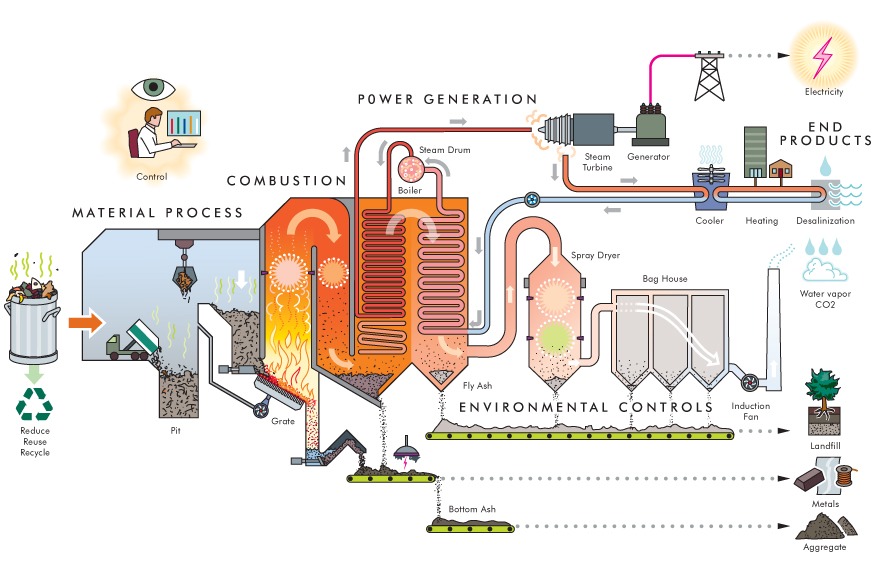
Categories
Uncategorized

Waste Heat Recovery Boiler Working Principle

Waste Heat Recovery Boiler Working Principle

Waste Heat Recovery Boiler Working Principle: Waste Heat to Energy is a process that captures waste heat from industrial processes, power plants, and other heat-generating systems to produce useful energy, typically in the form of electricity or mechanical work. This approach improves overall efficiency, reduces fuel consumption, and lowers greenhouse gas emissions.

1. Sources of Waste Heat

Waste heat is generated in various industrial and commercial processes, including:

  • Industrial Processes: Steel mills, cement plants, glass manufacturing, and refineries.
  • Power Plants: Gas turbines, steam turbines, and diesel generators.
  • Exhaust Gases: From internal combustion engines, furnaces, and incinerators.
  • Cooling Systems: Heat rejection from air compressors, chillers, and refrigeration units.

2. Waste Heat Recovery Technologies

A. Heat-to-Power Conversion Technologies

  1. Steam Rankine Cycle (SRC)
    • Uses waste heat to generate steam, which drives a steam turbine to produce electricity.
    • Best suited for high-temperature waste heat (>300°C).
  2. Organic Rankine Cycle (ORC)
    • Uses an organic fluid with a lower boiling point than water, allowing waste heat recovery from medium- and low-temperature sources (80°C–300°C).
    • Ideal for industrial processes and geothermal applications.
  3. Kalina Cycle
    • Uses an ammonia-water mixture to enhance efficiency in recovering low- and medium-temperature waste heat.
    • More efficient than ORC in certain conditions but has higher operational complexity.
  4. Thermoelectric Generators (TEGs)
    • Convert heat directly into electricity using the Seebeck effect.
    • Suitable for small-scale applications with low-grade waste heat (below 200°C).

B. Waste Heat Recovery Systems

  1. Heat Exchangers
    • Transfer heat from exhaust gases or process fluids to another medium.
    • Used in recuperators, regenerators, economizers, and heat recovery steam generators (HRSG).
  2. Waste Heat Boilers
    • Convert exhaust heat into steam, which can be used for power generation or industrial heating.
    • Common in combined heat and power (CHP) systems.
  3. Absorption Chillers
    • Use waste heat to drive cooling processes, reducing the need for electrical cooling.
    • Suitable for district cooling and HVAC applications.
  4. Regenerative Thermal Oxidizers (RTOs)
    • Capture heat from combustion processes and reuse it to preheat incoming gases.

3. Benefits of Waste Heat Recovery

✔ Improved Energy Efficiency – Reduces fuel consumption and operational costs.
✔ Lower Greenhouse Gas Emissions – Reduces reliance on fossil fuels, helping to meet environmental regulations.
✔ Cost Savings – Reduces energy bills and increases overall process efficiency.
✔ Enhanced Sustainability – Supports circular economy principles by utilizing existing energy streams.

4. Challenges and Considerations

  • Capital Investment: Initial installation costs can be high.
  • System Complexity: Requires careful integration into existing processes.
  • Waste Heat Temperature & Quality: Not all waste heat is easily recoverable.
  • Maintenance & Reliability: Some technologies require regular upkeep.

5. Applications and Industries

✔ Manufacturing & Heavy Industry – Steel, cement, glass, and chemical plants.
✔ Power Generation – Coal, gas, and biomass power plants.
✔ Oil & Gas – Refineries and natural gas processing.
✔ Transportation – Waste heat recovery in diesel engines and ships.
✔ Data Centers – Reuse of server-generated heat for district heating.

Sources of waste heat include industrial processes such as steel mills, cement plants, glass manufacturing, and refineries; power plants utilizing gas turbines, steam turbines, and diesel generators; exhaust gases from internal combustion engines, furnaces, and incinerators; and cooling systems that reject heat from air compressors, chillers, and refrigeration units.

Waste heat is generated from various industrial, commercial, and power generation processes where energy is not fully utilized and is instead lost to the environment. One of the primary sources of waste heat is industrial processes, including steel mills, cement plants, glass manufacturing, and refineries. These industries involve high-temperature operations where significant amounts of heat are expelled through exhaust gases, cooling water, and direct radiation from hot surfaces. The steel industry, for example, releases substantial heat through blast furnace slag, hot rolling mills, and coke ovens, while cement production emits waste heat from clinker cooling and rotary kilns. Similarly, in glass manufacturing, melting and forming processes generate large quantities of excess heat that can be captured and repurposed.

Another major source of waste heat is power plants, which utilize gas turbines, steam turbines, and diesel generators. In conventional thermal power plants, a significant portion of the fuel energy is lost in exhaust gases and cooling systems. Combined cycle power plants improve efficiency by using a gas turbine’s exhaust heat to generate steam and drive a secondary steam turbine, but even these systems still produce residual waste heat. Similarly, diesel generators, commonly used in remote locations and backup power applications, release high-temperature exhaust gases that can be recovered for useful energy generation.

Transportation and internal combustion engines are also significant contributors to waste heat. Automobiles, trucks, ships, and aircraft lose a substantial portion of their fuel energy as heat through engine exhaust and cooling systems. Modern advancements, such as turbochargers and thermoelectric generators, aim to capture and repurpose some of this waste heat for improved efficiency. Marine vessels, especially large cargo ships and naval fleets, produce waste heat from massive diesel engines, which can be recovered using heat exchangers and organic Rankine cycle systems.

Industrial furnaces, boilers, and incinerators also expel high-temperature exhaust gases that carry significant energy potential. These systems are widely used in various sectors, including food processing, pulp and paper production, and waste management. In incineration plants, municipal solid waste and hazardous materials are burned to generate energy, but a considerable fraction of the heat is still lost if not properly recovered.

Cooling and refrigeration systems represent another important category of waste heat sources. Air compressors, chillers, and HVAC systems generate excess heat that is typically dissipated into the surrounding environment. Data centers, which require extensive cooling to maintain optimal operating conditions for servers, produce substantial waste heat that can be redirected for space heating or absorption cooling.

In addition to these sources, renewable energy systems such as geothermal and solar thermal plants also experience waste heat losses. Geothermal power plants extract hot fluids from beneath the Earth’s surface, but not all the heat is converted into electricity, leading to thermal discharge. Similarly, concentrated solar power (CSP) plants, which use mirrors to focus sunlight and generate steam, lose a portion of their collected heat through system inefficiencies.

Overall, waste heat is an unavoidable byproduct of energy-intensive processes, but with the right technologies and strategies, it can be captured and converted into useful energy, improving efficiency and sustainability across various industries.

Waste heat from industrial processes is one of the most significant untapped energy resources, with immense potential for recovery and utilization. Industrial facilities, including steel mills, cement plants, glass manufacturing, and oil refineries, operate at high temperatures and often release large amounts of heat into the environment through exhaust gases, cooling water, and hot surfaces. This waste heat, if properly harnessed, can be repurposed for electricity generation, process heating, or even district heating systems, significantly improving overall energy efficiency.

Steel Industry

The steel industry is one of the largest producers of waste heat due to the extreme temperatures required in smelting, refining, and shaping processes. Key sources of waste heat in steel plants include blast furnace gas, basic oxygen furnaces, electric arc furnaces, reheating furnaces, coke ovens, and hot rolling mills. Blast furnaces, which are used to reduce iron ore into molten iron, emit high-temperature off-gases that contain significant amounts of thermal energy. This heat can be recovered using heat exchangers or gas expansion turbines to produce electricity or preheat raw materials. Similarly, coke ovens release hot gases during the carbonization of coal, which can be utilized for steam generation or power production.

Hot rolling mills, used to shape steel into sheets, rods, and other forms, generate a significant amount of waste heat through the cooling of hot steel. The water or air used for cooling absorbs heat that is often dissipated without recovery. By implementing recuperative heat exchangers, this energy can be used for preheating incoming steel slabs, reducing fuel consumption.

Cement Industry

Cement manufacturing is another energy-intensive process that generates large quantities of waste heat, primarily from rotary kilns and clinker coolers. Rotary kilns operate at extremely high temperatures to convert raw materials into clinker, the key ingredient in cement. A substantial amount of heat is lost through the kiln exhaust gases and the hot clinker as it exits the kiln. Waste heat recovery (WHR) systems, such as waste heat boilers and organic Rankine cycle (ORC) systems, can capture this heat and convert it into electricity, reducing reliance on external power sources. In modern cement plants, WHR systems can recover up to 30% of the total heat input, significantly improving efficiency and lowering carbon emissions.

Glass Manufacturing

The glass industry also operates at high temperatures, primarily during the melting and forming processes. Glass furnaces require continuous heating to maintain the molten state of raw materials, and a significant portion of the heat is lost through exhaust gases and radiant heat. Recuperators and regenerators are commonly used in glass manufacturing to capture and reuse waste heat, preheating combustion air or raw materials to reduce energy consumption.

Oil Refineries

Oil refineries, which process crude oil into fuels and chemicals, generate considerable waste heat from distillation columns, cracking units, and heat exchangers. Process heaters, used for refining crude oil, produce high-temperature flue gases that often go unrecovered. Implementing heat recovery systems, such as waste heat boilers or cogeneration units, allows refineries to capture this energy and generate steam or electricity for internal use. Additionally, flare gas recovery systems can reduce heat losses by utilizing excess gas that would otherwise be burned off.

By integrating advanced heat recovery technologies in these industries, significant energy savings can be achieved, reducing operating costs and minimizing environmental impact. As industries continue to seek ways to improve energy efficiency, waste heat recovery will play a crucial role in sustainable manufacturing and energy management.

Power Plants as a Source of Waste Heat

Power plants are among the largest producers of waste heat due to the inefficiencies inherent in electricity generation. Traditional thermal power plants, including coal-fired, natural gas, and nuclear plants, operate based on the Rankine cycle, where fuel is burned to heat water, producing steam that drives a turbine. However, a significant portion of the energy is lost as waste heat, either through exhaust gases, cooling towers, or discharged water. Even in more advanced combined-cycle power plants, which improve efficiency by using a secondary steam cycle, there is still residual waste heat that can be recovered for beneficial use.

Coal and Gas-Fired Power Plants

Conventional fossil fuel power plants typically operate at efficiency levels between 30% and 45%, meaning that more than half of the energy from fuel combustion is lost as heat. The primary sources of waste heat in these plants include:

  1. Flue Gas Exhaust – High-temperature combustion gases, often exceeding 500°C, are expelled from boilers and gas turbines. Heat recovery steam generators (HRSG) can capture this energy to generate additional steam for power production.
  2. Condenser Cooling Water – After steam passes through the turbine, it is condensed back into water using cooling towers or water bodies, leading to heat dissipation into the atmosphere or surrounding environment. District heating systems and industrial heat exchangers can recover some of this waste heat for heating applications.
  3. Turbine and Boiler Surface Radiation – Equipment surfaces radiate heat into the surrounding environment, contributing to thermal losses. Insulation and heat recapture technologies can minimize these losses.

Combined-Cycle Power Plants (CCPPs)

Combined-cycle plants, which integrate a gas turbine with a steam turbine, achieve higher efficiencies (50%–60%) by using exhaust heat from the gas turbine to generate steam for an additional power cycle. However, even these plants still experience waste heat losses, particularly in the final stages of energy conversion. Waste heat from CCPPs can be further utilized in industrial cogeneration (combined heat and power, CHP) systems to provide steam for industrial processes, district heating, or desalination plants.

Nuclear Power Plants

Nuclear plants operate with similar thermodynamic limitations as fossil fuel power plants, with efficiency levels typically around 33%, meaning that nearly two-thirds of the thermal energy produced in nuclear reactions is lost as waste heat. Most of this heat is discharged through cooling towers or directly into nearby water bodies. Advanced heat recovery systems, such as high-temperature reactors and cogeneration applications, aim to harness nuclear waste heat for district heating, hydrogen production, or industrial applications.

Diesel and Gas Generators

Smaller-scale power generation units, such as diesel and natural gas generators used in remote locations, data centers, and backup power systems, also produce considerable waste heat. These engines typically convert only 30%–40% of the fuel’s energy into useful work, with the rest dissipated as exhaust gas and engine cooling losses. Waste heat recovery units (WHRUs) can be installed to capture heat from generator exhaust and engine cooling systems, converting it into electricity via an Organic Rankine Cycle (ORC) or using it for process heating.

Potential Applications for Power Plant Waste Heat

Waste heat from power plants can be effectively utilized in various ways:

  • District Heating Systems – Capturing waste heat for residential and commercial heating can significantly reduce fuel consumption and emissions.
  • Industrial Steam and Process Heating – Industries that require high-temperature steam, such as chemical plants, can benefit from power plant waste heat.
  • Desalination – Thermal desalination processes, such as multi-stage flash (MSF) and multi-effect distillation (MED), can use waste heat to produce fresh water.
  • Greenhouses and Agriculture – Waste heat can provide controlled heating for greenhouses, improving food production efficiency.
  • Absorption Cooling – Waste heat can be used in absorption refrigeration systems to provide cooling, reducing electricity demand for air conditioning.

As global energy demands increase, improving the efficiency of power generation and utilizing waste heat will play a critical role in reducing carbon emissions and enhancing sustainability.

Waste Heat from Transportation and Internal Combustion Engines

Transportation is a major source of waste heat, particularly from internal combustion engines (ICEs) used in automobiles, trucks, ships, trains, and aircraft. In conventional gasoline and diesel engines, only about 25%–40% of the fuel’s energy is converted into useful mechanical work, while the rest is lost as heat through exhaust gases, engine cooling systems, and surface radiation. Capturing and utilizing this waste heat can significantly improve fuel efficiency, reduce emissions, and enhance overall performance.

Automobiles and Trucks

Road transportation relies heavily on internal combustion engines, where substantial waste heat is generated. The primary sources of heat loss in vehicles include:

  1. Exhaust Gases – A large portion of waste heat (up to 40% of fuel energy) escapes through the exhaust system. Technologies like turbochargers and thermoelectric generators (TEGs) can recover part of this heat for improved efficiency.
  2. Engine Cooling System – The cooling system removes heat from the engine block to prevent overheating, but this heat is typically dissipated into the atmosphere through radiators. Waste heat recovery (WHR) systems can redirect some of this thermal energy for auxiliary functions like cabin heating or electricity generation.
  3. Friction and Drivetrain Losses – Heat generated from moving engine parts and friction in the drivetrain is another source of wasted energy. Advanced lubricants and materials help reduce these losses, but some energy is still lost.

To address these inefficiencies, several waste heat recovery technologies are being developed:

  • Turbochargers and Turbo-Compounding – Turbochargers use exhaust gas energy to compress incoming air, improving engine efficiency and power output. Turbo-compounding systems take this a step further by using an additional turbine to recover even more exhaust energy and convert it into mechanical or electrical power.
  • Thermoelectric Generators (TEGs) – TEGs use the Seebeck effect to convert temperature differences between hot exhaust gases and cooler surfaces into electricity. These systems can power onboard electronics, reducing the load on the alternator and improving fuel economy.
  • Rankine Cycle Waste Heat Recovery Systems – Similar to power plants, vehicles can use a small Rankine cycle system to convert waste heat into mechanical energy to assist in propulsion.

Marine and Shipping Industry

Ships and marine vessels, particularly large cargo ships and cruise liners, use massive diesel engines that operate for long periods, generating significant amounts of waste heat. Key waste heat sources in marine engines include:

  • Exhaust Gases – Large marine engines produce high-temperature exhaust gases that can be captured using waste heat boilers to generate steam for auxiliary power.
  • Cooling Water – Engine cooling systems absorb heat, which can be used for heating applications on board or converted into electricity via heat exchangers and ORC systems.
  • Lubrication System Heat – Waste heat from lubricating oil can be recovered and reused for preheating fuel or other onboard applications.

Modern marine vessels are incorporating waste heat recovery systems (WHRS) to improve efficiency. Combined with shaft generators and electrical propulsion systems, WHR can reduce fuel consumption and lower emissions in compliance with environmental regulations.

Aircraft and Aviation

Aircraft engines, particularly jet engines, generate immense amounts of waste heat through exhaust gases and high-temperature components. While aviation has limited options for traditional waste heat recovery due to weight constraints, some innovative solutions include:

  • Heat Exchangers for Cabin Heating – Waste heat from jet engines is already used for cabin pressurization and heating.
  • More Efficient Engine Design – Advanced materials and cooling techniques reduce thermal losses and improve overall efficiency.
  • Hybrid and Electric Aviation Concepts – Future aircraft designs may integrate waste heat recovery technologies to enhance battery performance or reduce fuel consumption.

Rail Transportation

Diesel-electric locomotives generate significant waste heat from their engines and electrical components. Similar to marine applications, Rankine cycle systems, thermoelectric generators, and improved cooling system designs can enhance locomotive efficiency by capturing and reusing waste heat.

Future of Waste Heat Recovery in Transportation

As fuel efficiency standards become stricter and sustainability becomes a priority, waste heat recovery will play a critical role in the future of transportation. Advancements in materials, thermoelectric technology, and hybrid powertrain integration will further enhance the ability to capture and utilize waste heat in various vehicle types. Reducing waste heat losses will not only improve fuel economy but also contribute to lower greenhouse gas emissions and reduced reliance on fossil fuels.

Waste Heat Recovery Systems (WHRS)

Waste Heat Recovery Systems (WHRS) are technologies designed to capture and utilize heat that would otherwise be lost from industrial processes, power generation, and transportation. These systems improve energy efficiency, reduce fuel consumption, lower greenhouse gas emissions, and enhance overall sustainability. The recovered heat can be used for electricity generation, process heating, space heating, or cooling applications.

Types of Waste Heat Recovery Systems

Waste Heat Utilization

1. Regenerative Heat Exchangers

Regenerative heat exchangers store heat from hot gases and transfer it to incoming cold gases. They are commonly used in high-temperature industrial processes such as steel manufacturing and glass production.

  • Examples: Regenerators in blast furnaces, thermal oxidizers, and regenerative thermal oxidizers (RTOs).

2. Recuperative Heat Exchangers

Recuperative heat exchangers directly transfer heat from hot gases to cold gases or liquids through a solid medium.

  • Examples: Economizers in boilers, air preheaters, and plate heat exchangers.

3. Waste Heat Boilers (Heat Recovery Steam Generators – HRSG)

These systems use waste heat from industrial processes or power plants to produce steam, which can be used for electricity generation or industrial heating.

  • Examples: Combined cycle power plants, cogeneration (CHP) systems, and steam-based district heating.

4. Organic Rankine Cycle (ORC) Systems

ORC systems convert low-temperature waste heat into electricity using organic fluids with lower boiling points than water.

  • Applications: Biomass plants, geothermal energy, and low-grade waste heat recovery in industries.

5. Thermoelectric Generators (TEGs)

TEGs convert waste heat directly into electricity using the Seebeck effect.

  • Applications: Automotive exhaust systems, industrial furnaces, and spacecraft power generation.

6. Kalina Cycle Systems

Kalina cycle technology uses a mixture of ammonia and water to recover heat more efficiently than traditional Rankine cycles.

  • Applications: Geothermal power plants, industrial waste heat recovery, and solar thermal power.

7. Absorption Cooling Systems

These systems use waste heat to drive cooling cycles instead of electricity.

  • Applications: Air conditioning in commercial buildings, industrial refrigeration, and data centers.

8. Flue Gas Heat Recovery

Captures heat from exhaust gases in power plants, industrial boilers, and incinerators.

  • Applications: Preheating combustion air, district heating, and steam generation.

9. Mechanical Vapor Recompression (MVR)

MVR compresses and reuses steam to improve efficiency in evaporation and drying processes.

  • Applications: Food processing, desalination, and paper manufacturing.

Benefits of Waste Heat Recovery Systems

  • Energy savings – Reduces fuel consumption and operational costs.
  • Lower emissions – Decreases CO₂ and other greenhouse gas emissions.
  • Improved efficiency – Enhances process performance and sustainability.
  • Economic benefits – Reduces energy costs and improves profitability.

Waste Heat Recovery Systems are essential for improving energy efficiency across multiple sectors, helping industries and power plants transition toward a more sustainable future.

Waste Heat Recovery Systems (WHRS) are designed to capture and repurpose heat that would otherwise be lost from industrial processes, power plants, and transportation systems. These systems enhance energy efficiency, lower fuel consumption, and reduce greenhouse gas emissions, contributing to both economic and environmental sustainability. Waste heat can be recovered using different technologies depending on temperature levels, heat sources, and the intended application. High-temperature waste heat from industrial furnaces, steel mills, and cement kilns can be used to generate steam, which can either drive turbines for electricity generation or be used directly in manufacturing processes. Medium- and low-temperature waste heat, such as that from exhaust gases, cooling systems, and hot surfaces, can be recovered using heat exchangers, economizers, or organic Rankine cycle (ORC) systems.

Thermoelectric generators (TEGs) convert heat directly into electricity using the Seebeck effect, making them useful in automotive applications and remote power generation. In the transportation sector, waste heat recovery is particularly valuable in internal combustion engines, where a significant portion of fuel energy is lost through exhaust and cooling systems. Turbochargers improve engine efficiency by using exhaust gases to compress incoming air, while turbo-compounding systems convert excess exhaust energy into mechanical or electrical power. In marine and locomotive engines, waste heat recovery boilers capture exhaust heat to produce steam for auxiliary power.

In power plants, heat recovery steam generators (HRSG) are widely used in combined-cycle plants, where gas turbines’ exhaust heat is used to generate additional steam for a secondary power cycle, improving overall efficiency. Industrial applications frequently use regenerative and recuperative heat exchangers to capture and reuse thermal energy, with applications in steel, glass, cement, and chemical industries. Absorption refrigeration systems utilize waste heat for cooling, making them ideal for data centers, commercial buildings, and process cooling in industrial facilities. Flue gas heat recovery systems extract residual heat from exhaust gases in boilers and furnaces, preheating combustion air to reduce fuel consumption.

Mechanical vapor recompression (MVR) technology captures and reuses steam in processes such as food processing, desalination, and paper manufacturing. Kalina cycle systems use a mixture of ammonia and water to recover waste heat more efficiently than conventional Rankine cycles, particularly in geothermal and industrial applications. These waste heat recovery technologies provide numerous benefits, including significant energy savings, lower operating costs, reduced reliance on fossil fuels, and decreased carbon emissions. By integrating waste heat recovery systems, industries and power plants can optimize their processes and contribute to a more sustainable energy landscape.

Waste heat recovery systems play a critical role in optimizing energy use across various industries, including power generation, manufacturing, and transportation. In power plants, where efficiency losses are significant, waste heat recovery technologies such as combined heat and power (CHP) and district heating systems help utilize excess thermal energy that would otherwise be lost through cooling towers or exhaust stacks. By capturing and repurposing this heat, power plants can provide electricity and thermal energy simultaneously, reducing fuel consumption and emissions.

In industrial settings, waste heat recovery is widely implemented in energy-intensive sectors such as steel, cement, glass, and petrochemical production, where furnaces, kilns, and boilers generate large amounts of high-temperature waste heat. This heat can be recovered using regenerative and recuperative heat exchangers, waste heat boilers, and organic Rankine cycle (ORC) systems to produce additional steam or electricity. In refineries and chemical plants, process heat from distillation, cracking, and reforming units can be reused to preheat raw materials, improving overall energy efficiency.

Waste heat recovery is also essential in the transportation sector, particularly in diesel engines used in trucks, ships, and trains, where exhaust gas heat can be converted into useful work through turbo-compounding, thermoelectric generators (TEGs), and Rankine cycle systems. Marine vessels benefit from waste heat boilers that generate steam from exhaust gases, reducing fuel consumption for auxiliary power. In aviation, research into thermoelectric and heat exchanger technologies aims to enhance engine efficiency and reduce fuel burn. On a broader scale, waste heat recovery contributes to sustainable energy solutions, including waste-to-energy plants that convert municipal and industrial waste heat into usable electricity and heat for district energy networks. Advanced absorption cooling systems further expand the utility of waste heat by converting excess thermal energy into cooling power for air conditioning and refrigeration, reducing electrical demand.

The integration of waste heat recovery with renewable energy sources, such as solar and geothermal power, enhances overall system efficiency and resilience. Digital monitoring and smart energy management systems further optimize waste heat utilization by analyzing thermal losses in real-time and adjusting recovery processes accordingly. As industries and governments prioritize decarbonization and energy efficiency, waste heat recovery systems will continue to evolve, incorporating advanced materials, improved heat exchangers, and emerging technologies like supercritical CO₂ cycles and phase-change materials. These innovations will play a crucial role in minimizing energy waste, lowering greenhouse gas emissions, and improving the sustainability of industrial and power generation processes worldwide.

The continuous advancement of waste heat recovery systems is driven by the increasing need for energy efficiency, cost reduction, and sustainability across industries. One of the most promising areas of development is the integration of artificial intelligence (AI) and machine learning in waste heat recovery optimization. AI-powered systems can analyze operational data in real time, predict heat loss patterns, and adjust recovery mechanisms dynamically to maximize efficiency. This is particularly beneficial in complex industrial settings where fluctuating process conditions require adaptive control strategies. Additionally, advancements in thermoelectric materials are making thermoelectric generators (TEGs) more efficient and viable for large-scale waste heat recovery. New materials, such as nanostructured thermoelectrics and high-performance semiconductors, are improving the conversion efficiency of heat into electricity, expanding their applications in automotive engines, power plants, and industrial furnaces.

Another innovative approach to waste heat utilization is the development of supercritical CO₂ (sCO₂) power cycles, which offer higher thermal efficiency than traditional steam-based systems. sCO₂ cycles operate at higher pressures and temperatures, allowing for more effective waste heat recovery in power generation and industrial processes. This technology is gaining traction in applications such as concentrated solar power (CSP), nuclear power plants, and waste heat recovery in heavy industries. Similarly, phase-change materials (PCMs) are being explored for thermal energy storage, allowing waste heat to be captured and stored for later use, addressing the intermittent nature of heat availability in many industrial operations. These materials absorb heat during phase transitions and release it when needed, providing a more flexible and efficient way to utilize waste heat.

Waste heat recovery is also playing an increasing role in urban energy systems, particularly in district heating and cooling networks. Many cities are integrating industrial waste heat, data center heat, and even low-grade heat from wastewater treatment plants into their heating networks, reducing reliance on fossil fuels for space heating. Combined heat and power (CHP) systems continue to be a key solution in urban energy infrastructure, simultaneously producing electricity and useful heat from a single fuel source, thereby improving overall system efficiency. Additionally, emerging technologies such as absorption heat pumps and adsorption chillers are enabling more effective use of low-temperature waste heat in commercial and residential applications, further reducing energy demand from conventional heating and cooling systems.

As industries and governments continue to focus on carbon reduction goals, waste heat recovery systems are becoming an essential component of energy policy and corporate sustainability strategies. Stricter environmental regulations and carbon pricing mechanisms are pushing industries to invest in more efficient waste heat utilization technologies. Incentives and funding for energy efficiency projects, including government grants and tax credits, are accelerating the adoption of waste heat recovery solutions across various sectors. Moreover, the transition to hydrogen-based economies is opening new possibilities for waste heat recovery, as excess heat from hydrogen production processes such as electrolysis and methane reforming can be captured and reused in industrial applications or district energy systems.

Looking ahead, the convergence of digitalization, advanced materials, and innovative thermodynamic cycles will continue to drive improvements in waste heat recovery efficiency and economic viability. Companies and researchers are exploring hybrid solutions that combine waste heat recovery with renewable energy systems to create more resilient and self-sustaining industrial and urban energy networks. The expansion of decentralized waste heat recovery, where smaller-scale industrial and commercial facilities contribute to local energy systems, is also gaining momentum, further decentralizing energy production and reducing dependence on centralized fossil fuel power generation. By embracing these advancements, industries can significantly reduce energy waste, lower operational costs, and contribute to a more sustainable and energy-efficient future.

Benefits of Waste Heat Recovery

Waste Heat to Energy

The benefits of waste heat recovery are numerous, spanning economic, environmental, and operational improvements across various industries. By capturing and repurposing heat that would otherwise be lost, waste heat recovery systems can offer significant advantages in terms of energy efficiency, cost savings, and sustainability.

  1. Energy Efficiency: Waste heat recovery significantly enhances the overall energy efficiency of industrial processes, power plants, and transportation systems. By utilizing excess thermal energy, companies can reduce their reliance on primary energy sources (such as natural gas, coal, or electricity), making processes more efficient and reducing fuel consumption. This can lead to lower energy bills and a reduction in overall energy demand.
  2. Cost Savings: One of the most immediate benefits of waste heat recovery is cost savings. By capturing waste heat and repurposing it for useful applications, industries can reduce the need to purchase additional energy, thus cutting operating costs. For example, in manufacturing or power plants, recovered heat can be used to preheat incoming air or fluids, reducing the need for additional fuel to generate the required temperatures.
  3. Reduced Greenhouse Gas Emissions: Waste heat recovery systems help reduce greenhouse gas (GHG) emissions by lowering the overall fuel consumption of industrial processes and power plants. The less fuel that needs to be burned, the fewer emissions are generated. This is particularly important for companies working toward sustainability goals or those subject to emissions regulations. By using waste heat, industries can lower their carbon footprint and contribute to the global effort to combat climate change.
  4. Improved Process Efficiency: Waste heat recovery helps to optimize processes by providing a stable and reliable source of heat or energy. In many industries, the recovered heat can be used for processes such as preheating raw materials, producing steam, or powering auxiliary equipment. This integration leads to better system optimization, smoother operation, and reduced wear on equipment, enhancing overall process reliability and performance.
  5. Increased Energy Security: By recovering waste heat, industries can reduce their dependency on external energy supplies, contributing to greater energy security. Waste heat recovery allows companies to become more self-sufficient by generating their own power or reducing the need to purchase power from the grid. This can be particularly beneficial in regions with unstable energy prices or supply disruptions.
  6. Reduced Operational Costs: By reusing waste heat within a facility, industries can reduce the overall cost of running their operations. This includes savings from fuel, maintenance costs associated with equipment wear, and reduced demand on external utilities, leading to more predictable and manageable energy costs over time.
  7. Enhanced Sustainability: Waste heat recovery plays a key role in advancing sustainability initiatives. By reducing energy waste, emissions, and overall resource consumption, companies can contribute to sustainability goals, improve their public image, and meet corporate social responsibility (CSR) targets. Additionally, many waste heat recovery technologies, such as absorption chillers and organic Rankine cycles, can contribute to renewable energy generation, further boosting a facility’s sustainability efforts.
  8. Compliance with Environmental Regulations: Many countries have strict environmental regulations that require industries to reduce emissions and improve energy efficiency. Waste heat recovery systems help industries comply with these regulations by minimizing fuel consumption and GHG emissions. In some cases, the implementation of waste heat recovery systems may qualify companies for tax credits, grants, or other incentives aimed at supporting energy-efficient technologies.
  9. Opportunities for Combined Heat and Power (CHP) and District Heating: Waste heat recovery can be integrated into combined heat and power (CHP) systems, where both electricity and useful heat are generated from a single energy source. This increases overall system efficiency and allows for the utilization of otherwise wasted energy. Additionally, waste heat can be used in district heating systems, providing residential, commercial, and industrial buildings with affordable, low-carbon heat from local sources.
  10. Energy Flexibility and Reliability: Some waste heat recovery technologies, such as heat storage and thermal energy storage systems, allow for the storage of recovered heat for later use. This can provide a more flexible and reliable energy source, especially in operations that require heat on a fluctuating basis, such as in seasonal industries or those with variable production schedules.
  11. Innovation and Technological Advancements: Waste heat recovery encourages innovation in thermal management technologies, leading to the development of advanced systems like thermoelectric generators (TEGs), Kalina cycles, and supercritical CO₂ cycles. These technologies improve the ability to recover and use low- and medium-grade waste heat, further enhancing overall energy utilization.
  12. Market Competitiveness: Companies that adopt waste heat recovery technologies can gain a competitive edge by improving their bottom line through reduced energy costs and enhanced efficiency. Additionally, demonstrating a commitment to sustainability and energy efficiency can improve a company’s reputation and brand image, making it more attractive to customers, investors, and regulatory bodies.

In summary, waste heat recovery offers a wide range of benefits, from improved energy efficiency and cost savings to environmental sustainability and compliance with regulations. It is a critical tool in creating more sustainable, cost-effective, and energy-efficient industrial and energy systems worldwide.

Waste heat recovery systems offer significant advantages that contribute to operational, economic, and environmental improvements. By capturing and repurposing heat that would otherwise be wasted, industries can enhance their energy efficiency and reduce fuel consumption, which in turn lowers operating costs. The reduction in fuel consumption also directly results in fewer emissions, including greenhouse gases, contributing to environmental sustainability and helping industries meet regulatory compliance and sustainability goals. By recovering waste heat, companies can reduce their reliance on external energy sources, which not only boosts their energy security but also makes their energy needs more predictable and stable. This reduction in energy dependence can be particularly beneficial in areas with volatile energy prices or where energy security is a concern.

Waste heat recovery also improves process efficiency by providing a reliable source of thermal energy that can be used for applications like preheating raw materials, generating steam, or powering auxiliary equipment. This integration helps optimize overall system performance, enhancing reliability and productivity while reducing wear and tear on machinery. Furthermore, the reuse of waste heat can significantly cut down on fuel expenses, reducing the overall operational costs of a facility. The economic benefits of waste heat recovery systems extend beyond the immediate savings on energy costs, as the increased efficiency and reduced environmental impact can improve a company’s public image, helping to meet corporate social responsibility (CSR) targets and attract investment.

As industries move toward more sustainable practices, waste heat recovery plays a key role in advancing these efforts by reducing the amount of energy lost in industrial processes and enhancing overall resource conservation. The implementation of waste heat recovery systems aligns with sustainability initiatives, helping companies to reduce their carbon footprint while generating savings in the process. In regions where stringent environmental regulations are in place, waste heat recovery can be an effective strategy to comply with these laws, potentially qualifying businesses for incentives such as tax credits or grants for energy-efficient technologies.

Moreover, waste heat recovery contributes to the potential for combined heat and power (CHP) systems, where both electricity and useful heat are produced from a single fuel source. This not only boosts efficiency but also allows industries to create district heating systems that can provide low-carbon heating to nearby residential, commercial, and industrial buildings. Such integration further reduces reliance on traditional energy sources and promotes local, sustainable energy solutions. The flexibility of recovered heat, which can be stored for later use, also provides a level of reliability and energy security, particularly for industries with fluctuating energy demands.

Ultimately, the adoption of waste heat recovery technologies enables companies to remain competitive in a marketplace where energy efficiency and environmental responsibility are becoming increasingly important. These systems help businesses lower their energy costs, reduce emissions, and comply with regulations, all while boosting their reputation and market position. The ongoing innovation in waste heat recovery, through new technologies such as thermoelectric generators, supercritical CO₂ cycles, and advanced thermal storage solutions, continues to enhance the efficiency and viability of these systems, opening new opportunities for industries to harness and make use of energy that would otherwise be lost.

The widespread adoption of waste heat recovery systems is increasingly recognized as an essential strategy for optimizing energy usage and achieving sustainability goals across industries. As technologies continue to evolve, industries are finding new ways to leverage low- and medium-temperature waste heat that was previously considered difficult or uneconomical to recover. Innovations in materials, such as advanced heat exchangers and high-performance thermoelectrics, are improving the efficiency of heat recovery, even in lower temperature ranges. For example, organic Rankine cycles (ORC) and Kalina cycles have become more efficient at recovering heat from lower-grade waste streams, enabling industries to recover and utilize heat that would have otherwise been wasted.

Furthermore, waste heat recovery is playing an increasingly important role in the transition toward low-carbon and renewable energy solutions. By integrating recovered heat with renewable energy sources such as solar and biomass, industries can create hybrid systems that maximize overall energy efficiency and sustainability. For instance, waste heat recovery systems can be used in combination with solar thermal energy to create more reliable and efficient renewable power systems, or even in geothermal power plants where excess heat can be used to improve energy generation processes.

The growing emphasis on decarbonization, coupled with tightening regulations on carbon emissions and energy efficiency, is driving more industries to incorporate waste heat recovery technologies into their operations. As governments around the world implement stricter environmental policies, industries that adopt waste heat recovery systems will be better positioned to meet these regulatory requirements while also reducing their operational costs. In some regions, this can provide a competitive edge as companies that implement energy-efficient practices may benefit from financial incentives, subsidies, or preferential treatment in the market.

Beyond energy savings, waste heat recovery systems also contribute to improved resource utilization, as industries become more adept at making use of by-products that were previously overlooked. For example, in manufacturing processes, where high temperatures are often required, the ability to recover and reuse waste heat reduces the need for fresh inputs of fuel or electricity. This reduces both operating costs and the overall environmental impact of production processes, supporting circular economy principles by reducing waste and maximizing the reuse of available resources.

In the context of urban energy systems, waste heat recovery is also being integrated into district heating and cooling networks, where industrial or commercial heat is transferred to local buildings for space heating or hot water. This not only makes use of waste heat but also helps reduce the need for fossil fuels in urban energy systems, lowering emissions on a larger scale. Cities can greatly benefit from integrating waste heat recovery in their energy infrastructure, particularly as urban populations continue to grow and demand for energy rises. By creating more energy-efficient districts with shared heating and cooling resources, cities can become more resilient to energy price fluctuations and contribute to achieving national or global climate targets.

As energy markets evolve and new technological solutions emerge, waste heat recovery systems will continue to play an integral role in achieving a more sustainable energy future. The combination of digitalization, advanced analytics, and smart grids will further optimize the efficiency of these systems by enabling real-time monitoring and control, ensuring that waste heat recovery is maximized across a wide range of applications. In the long run, waste heat recovery not only offers a pathway to energy savings and cost reductions but also serves as a key pillar in the transition to a more sustainable, low-carbon economy.

As industries and governments continue to prioritize sustainability and energy efficiency, waste heat recovery technologies will become even more crucial in helping meet global energy demands while reducing environmental impact. The integration of waste heat recovery with emerging technologies like smart grids, advanced automation, and artificial intelligence will enable more dynamic and efficient energy systems. Real-time monitoring and predictive analytics will allow for better decision-making and optimization of energy use, ensuring that heat recovery systems operate at their peak efficiency, even in fluctuating conditions. With the increasing availability of data and digital tools, businesses can identify areas of heat loss and adjust recovery strategies to improve both economic performance and environmental outcomes.

Moreover, the development of new materials and technologies will continue to drive the expansion of waste heat recovery into previously untapped sectors. For instance, new heat-resistant alloys and ceramic materials are making high-temperature heat exchangers more durable and efficient, allowing for the recovery of heat from even more extreme industrial processes. Similarly, advances in heat storage technologies, such as advanced phase-change materials (PCMs) and thermochemical storage, are enabling industries to capture and store excess heat for later use, further increasing system flexibility and making it possible to use recovered heat during peak demand periods.

In addition, as global economies move toward hydrogen as a clean energy source, waste heat recovery will play an important role in optimizing hydrogen production processes. Technologies like electrolysis, which are used to produce green hydrogen from water, require significant amounts of electricity and produce waste heat. By integrating waste heat recovery into these processes, the efficiency of hydrogen production can be significantly improved, making it a more viable option for decarbonizing industries such as transportation, manufacturing, and power generation. Similarly, as the use of hydrogen in industrial heating systems grows, the integration of waste heat recovery can provide additional energy savings and further reduce emissions.

The expansion of decentralized energy systems and microgrids also presents new opportunities for waste heat recovery. In remote or off-grid locations, small-scale waste heat recovery systems can be used to generate electricity or provide heat for industrial and residential use. These systems could help power critical infrastructure, such as water treatment plants, hospitals, and schools, while reducing the reliance on expensive or unreliable external energy sources. By incorporating waste heat recovery into these systems, communities can create more resilient and self-sustaining energy solutions.

Waste heat recovery’s contribution to reducing the energy intensity of industrial operations, coupled with advances in renewable energy technologies, will help move industries closer to achieving their net-zero carbon goals. By addressing both operational efficiency and emissions reductions, waste heat recovery allows businesses to take a holistic approach to energy management, reducing costs while supporting their environmental and regulatory commitments.

As waste heat recovery technologies become more widespread, industries that adopt these systems will not only benefit from direct energy savings but also enhance their competitiveness in a market that increasingly values sustainability and resource efficiency. The ability to recover and reuse waste heat can also serve as a differentiating factor, as consumers, investors, and regulators place greater emphasis on environmentally responsible practices. For industries looking to future-proof their operations, investing in waste heat recovery technology is an important step toward building long-term resilience, enhancing sustainability, and maintaining market leadership.

Ultimately, the future of waste heat recovery holds great promise, with the potential to transform how industries utilize energy and reduce their environmental impact. As new technologies emerge and the global economy moves toward more sustainable and efficient energy solutions, waste heat recovery will continue to play an essential role in shaping a greener, more energy-efficient world. With ongoing innovation, strategic integration into energy systems, and a commitment to sustainability, waste heat recovery is poised to become an integral part of the global transition to a low-carbon economy.

While waste heat recovery offers substantial benefits, there are several challenges and considerations that industries must address to fully capitalize on these technologies.

  1. Initial Capital Investment: One of the primary challenges associated with waste heat recovery systems is the initial cost. The installation of recovery equipment, such as heat exchangers, thermoelectric generators, or ORC systems, can require a significant upfront investment. This cost may be a barrier for some industries, especially those with tight budgets or low-profit margins. However, the long-term savings from reduced energy consumption and improved efficiency often justify the initial expenditure.
  2. Technological Complexity: Implementing waste heat recovery systems often requires specialized knowledge and expertise. Different industries generate waste heat at various temperatures and scales, requiring tailored solutions to recover and repurpose this energy effectively. The complexity of integrating recovery systems with existing infrastructure can also pose a challenge, especially in older or less adaptable facilities. Proper planning, engineering, and technical support are critical to ensure a smooth implementation.
  3. Economic Viability for Low-Temperature Heat: Waste heat recovery is typically most effective when the heat source is high temperature, such as exhaust gases from industrial furnaces or power plants. Low-temperature waste heat (below 100°C or 212°F), which is common in many industrial processes, can be harder to recover efficiently. Technologies like organic Rankine cycles (ORC) and thermoelectric generators (TEGs) are increasingly being used to capture low-grade heat, but these systems may still have lower efficiency compared to high-temperature heat recovery systems. In some cases, the costs of recovering low-temperature heat may not be economically viable unless paired with other technologies or applications.
  4. System Integration and Compatibility: Integrating waste heat recovery systems into existing industrial processes and infrastructure can be challenging, particularly in industries with complex or outdated systems. The process of connecting recovery equipment to existing machinery, ensuring compatibility with control systems, and adjusting operations can be time-consuming and costly. Furthermore, the operational profile of industries often changes over time, which may impact the effectiveness of waste heat recovery solutions. Continuous monitoring and system optimization are essential for ensuring long-term performance.
  5. Operational and Maintenance Challenges: Like all energy systems, waste heat recovery systems require regular maintenance to ensure they continue to operate efficiently. This can involve cleaning heat exchangers, maintaining thermoelectric generators, and replacing worn-out components. Over time, system components can degrade due to factors like corrosion, scaling, or thermal fatigue. Maintenance and operational costs can accumulate, potentially offsetting some of the financial benefits of waste heat recovery. Furthermore, integrating waste heat recovery into existing operations may introduce new operational complexities that require specialized personnel.
  6. Space and Installation Constraints: Some industries, particularly in dense urban environments or in older facilities, may face space constraints that make the installation of waste heat recovery systems difficult. The additional equipment required for heat recovery, such as heat exchangers, storage tanks, or turbines, can require significant space, which may not be readily available in existing plants or industrial setups. In such cases, companies may need to invest in new infrastructure or undergo costly facility upgrades to accommodate waste heat recovery technologies.
  7. Regulatory and Environmental Considerations: While waste heat recovery can reduce greenhouse gas emissions, it must still comply with local environmental regulations. In some cases, recovering heat from industrial processes or exhaust gases may be subject to specific regulations regarding air quality, emissions, or thermal discharge. Regulatory constraints may limit the types of heat recovery technologies that can be used or the way in which heat is released back into the environment. Companies must carefully navigate these regulatory requirements to ensure their waste heat recovery systems operate within legal and environmental boundaries.
  8. Energy Quality and Consistency: The quality and consistency of the recovered heat are important considerations. Waste heat sources can vary in temperature, flow, and availability, which can impact the efficiency of recovery systems. For example, in processes where heat is not continuously available, energy storage or backup systems may be required to maintain a consistent supply of recovered heat. The varying nature of waste heat can also make it difficult to integrate these systems into broader energy networks, such as district heating or CHP systems, which rely on stable and predictable heat sources.
  9. Financial and Market Uncertainty: The financial return on investment (ROI) for waste heat recovery systems can be influenced by external factors, such as fluctuating energy prices, government incentives, or shifts in market conditions. For example, if energy prices decrease significantly, the cost savings from waste heat recovery may become less compelling. Similarly, changes in regulations, such as the removal of tax incentives for energy efficiency projects, could impact the financial viability of these systems.
  10. Technological Advancements and Future Proofing: As new technologies continue to emerge in the field of waste heat recovery, industries must carefully assess the long-term viability of the systems they install. New and more efficient technologies, such as advanced thermoelectric materials, supercritical CO₂ cycles, or hybrid renewable energy solutions, may provide better performance and longer-term savings, making older systems obsolete. This creates a challenge for industries seeking to future-proof their energy infrastructure while ensuring that their waste heat recovery investments remain competitive and relevant.

In conclusion, while waste heat recovery offers numerous benefits, industries must address several challenges in order to fully realize these advantages. Overcoming barriers such as high initial costs, technological complexity, system integration issues, and space constraints requires careful planning, expertise, and investment. However, with ongoing advancements in technology, more efficient solutions are emerging to address these challenges, making waste heat recovery an increasingly viable and integral part of sustainable energy strategies.

Addressing the challenges associated with waste heat recovery involves careful planning, investment, and ongoing optimization. One of the key areas that need focus is the economic viability of waste heat recovery systems, particularly in industries with low-temperature heat. Low-temperature waste heat is often less energy-dense, which can make recovery technologies less efficient and economically viable. In such cases, pairing waste heat recovery with complementary technologies, such as heat pumps, or integrating recovered heat into other parts of the industrial process, can improve the overall efficiency and cost-effectiveness of these systems. Additionally, industries must evaluate the long-term savings and the reduction in operational costs, weighing them against the initial investment required for system installation and integration.

Another consideration is the integration of waste heat recovery systems into existing industrial infrastructure. In many cases, industrial plants and processes are already operating with a set infrastructure, and introducing new technologies requires thoughtful integration with the current system. This could mean modifications to existing equipment, the installation of new heat exchangers, or the introduction of additional controls to ensure that recovered heat is effectively reused. This integration process can be resource-intensive, both in terms of time and financial outlay, as it may require downtime or system upgrades to ensure compatibility with the new technologies.

Space limitations also play a critical role in the successful implementation of waste heat recovery systems. Older facilities, in particular, may not have the physical space to accommodate new heat recovery equipment. Additionally, for industries located in highly urbanized areas, space constraints may limit the scale of waste heat recovery that can be practically installed. Solutions to these challenges could include the design and implementation of compact systems, modular recovery units, or leveraging off-site storage for recovered heat. However, this may still entail significant investment in infrastructure changes or spatial reconfigurations, which can be costly and logistically challenging.

In operational terms, the maintenance of waste heat recovery systems is an ongoing concern. While these systems can be highly beneficial in terms of efficiency and cost savings, they require regular attention to remain effective. For instance, heat exchangers need to be cleaned and maintained to prevent the buildup of scale, dirt, or corrosion, which could hinder heat transfer efficiency. Similarly, thermoelectric generators or other high-tech equipment in waste heat recovery systems may need periodic calibration and repairs to ensure consistent performance. Developing a reliable maintenance strategy and ensuring that personnel are trained to manage these advanced systems are crucial for the long-term success of waste heat recovery.

Moreover, external factors, such as changes in energy prices or environmental regulations, can also influence the economic feasibility of waste heat recovery projects. Fluctuating energy costs can directly impact the financial savings that waste heat recovery provides. If energy prices drop, the economic incentive to invest in waste heat recovery may diminish, as the payback period could become longer or the energy savings less significant. Conversely, if energy prices rise or stricter emissions regulations are implemented, the value proposition for waste heat recovery may improve. Businesses must continuously assess these external factors and adjust their strategies accordingly to ensure that their investments in waste heat recovery continue to yield positive returns.

Technological advancements will continue to evolve, providing new opportunities to overcome some of the limitations associated with waste heat recovery systems. Innovations in materials, such as advanced heat-resistant alloys or more efficient thermoelectric materials, are improving the ability to recover waste heat at lower temperatures, making these technologies more viable in a broader range of industrial applications. Moreover, improvements in energy storage technologies, such as thermal storage or advanced batteries, could help mitigate the intermittent nature of waste heat and allow industries to store and use recovered energy at times of peak demand.

In addition, policy support and government incentives will play an important role in driving the adoption of waste heat recovery technologies. Many countries are offering financial incentives, tax credits, or subsidies to encourage the adoption of energy-efficient technologies. Industries can take advantage of these programs to offset some of the initial costs associated with implementing waste heat recovery systems. However, the landscape of these incentives is often subject to change based on political and economic conditions, and businesses must stay informed about regulatory changes that could impact their ability to recover investments.

To fully address these challenges, industries must approach waste heat recovery with a long-term perspective, considering not only the immediate benefits but also the potential for future technological advancements, operational adjustments, and changes in the market and regulatory environments. By carefully navigating the complexities of waste heat recovery, businesses can improve their energy efficiency, reduce their environmental impact, and achieve significant cost savings over time.

As industries look to overcome these challenges, several strategies can be employed to ensure the successful implementation and long-term benefits of waste heat recovery systems.

  1. Strategic Planning and Feasibility Studies: Before investing in waste heat recovery technologies, industries should conduct detailed feasibility studies to assess the potential energy savings, payback periods, and the impact on overall system efficiency. These studies should consider factors such as the temperature and quantity of waste heat available, the specific energy demands of the facility, and the compatibility of potential recovery technologies with existing processes. A comprehensive analysis will help identify which heat recovery systems are most appropriate for the given conditions and whether the savings in energy consumption will justify the initial investment.
  2. Energy Audits and Monitoring Systems: Implementing a robust monitoring and energy auditing system is essential for identifying and quantifying the waste heat available within an industrial process. This helps companies pinpoint areas where heat loss is most significant and determine the most effective recovery methods. By using advanced monitoring tools, industries can track the performance of waste heat recovery systems in real-time, providing actionable data that can be used to optimize recovery rates and identify maintenance needs early. Regular audits and monitoring can also reveal new opportunities for additional energy savings over time.
  3. Government Support and Incentives: Many countries offer financial incentives to encourage industries to adopt energy-efficient technologies, including waste heat recovery systems. This could include grants, tax credits, or low-interest loans that help offset the capital cost of implementing recovery technologies. Additionally, some governments are offering funding or support for the development of new technologies to make waste heat recovery more efficient and accessible. Industries should actively seek out these programs and stay informed about the evolving regulatory landscape to take full advantage of available financial support.
  4. Technology Partnerships: Collaborating with technology providers, research institutions, and energy consultants can help industries overcome technical challenges and stay ahead of innovations in waste heat recovery. Partnerships with specialized suppliers can ensure that the most advanced and efficient systems are selected and correctly integrated into existing operations. Working with experts in the field can also help address integration challenges and identify ways to optimize the recovery process based on the unique needs of each industry. In some cases, technology providers may offer ongoing support and maintenance services to ensure the system continues to function optimally over its lifespan.
  5. Modular and Scalable Solutions: To mitigate space and cost constraints, industries may consider implementing modular and scalable waste heat recovery solutions. These systems are often easier to integrate into existing infrastructure and can be expanded or upgraded over time as energy demands grow or as technology improves. By adopting modular systems, industries can make incremental investments in waste heat recovery without having to commit to a large-scale installation upfront. This also allows for more flexibility in scaling up the system as energy efficiency needs evolve.
  6. Hybrid Solutions and Energy Storage: Hybrid systems, which combine multiple energy sources or recovery methods, can be effective in overcoming some of the limitations of individual waste heat recovery technologies. For example, waste heat recovery can be combined with renewable energy sources such as solar or biomass, or even with traditional power generation, to create a more resilient and efficient system. Additionally, incorporating energy storage technologies—such as thermal storage or battery systems—can allow industries to store recovered heat for later use, smoothing out fluctuations in energy demand and ensuring that recovered heat can be utilized during peak times.
  7. Upgrading Existing Infrastructure: In some cases, older facilities may require infrastructure upgrades to make them compatible with waste heat recovery systems. These upgrades could include improvements to heat distribution networks, the installation of heat exchangers, or the addition of advanced control systems. While this can involve significant upfront costs, it may be necessary to ensure that the waste heat recovery system functions efficiently and integrates seamlessly with the existing processes. Over time, the benefits from increased energy efficiency and cost savings can offset the initial investment in infrastructure upgrades.
  8. Employee Training and Skill Development: One of the critical factors in the successful operation of waste heat recovery systems is ensuring that employees are trained to understand and manage the new technologies. Staff members should be equipped with the necessary skills to monitor system performance, identify potential issues, and carry out routine maintenance. Training can also help employees understand the benefits of waste heat recovery, encouraging a culture of energy efficiency and sustainability within the organization. Additionally, having skilled personnel can help prevent operational disruptions and minimize the risk of costly breakdowns or inefficiencies.
  9. Sustainability Goals and Public Image: Companies that adopt waste heat recovery technologies can use these systems as part of their broader sustainability initiatives. In addition to the direct benefits of energy savings and emissions reductions, implementing waste heat recovery can enhance a company’s public image, positioning it as a leader in energy efficiency and environmental responsibility. Many consumers, investors, and stakeholders are increasingly prioritizing sustainability when making decisions, and businesses that integrate waste heat recovery systems can strengthen their market position by demonstrating their commitment to sustainability. This, in turn, can attract investors, improve customer loyalty, and contribute to a positive corporate reputation.
  10. Long-term Monitoring and Optimization: Continuous monitoring of waste heat recovery systems is essential to ensure that they operate at peak efficiency over time. Through data analytics, machine learning, and AI-based systems, industries can optimize the performance of waste heat recovery equipment and identify areas for further improvement. For instance, predictive maintenance tools can detect wear and tear before it leads to system failure, minimizing downtime and extending the lifespan of recovery equipment. Regular system optimization ensures that the technologies remain cost-effective and continue to deliver energy savings, even as industrial processes evolve.

By addressing these challenges proactively and considering these strategies, industries can successfully implement waste heat recovery systems that offer long-term benefits in terms of cost savings, energy efficiency, and environmental sustainability. The evolution of technology, regulatory frameworks, and business models will continue to support the widespread adoption of waste heat recovery, helping industries move closer to their sustainability and energy efficiency goals.

Looking ahead, the future of waste heat recovery holds significant promise, with evolving technologies and an increasing global focus on sustainability, energy efficiency, and decarbonization. Several emerging trends and innovations are poised to overcome existing challenges and unlock even greater potential for waste heat recovery systems. These advancements will help industries reduce operational costs, minimize environmental impact, and further contribute to the transition toward a low-carbon economy.

  1. Integration with Renewable Energy: As the global energy landscape shifts toward renewable sources, waste heat recovery will increasingly be integrated with renewable energy technologies, such as solar, wind, and biomass. This hybrid approach can help to balance the intermittency of renewable energy by providing a steady source of heat recovery, making energy systems more stable and reliable. For example, combining waste heat recovery with solar thermal systems can create more efficient district heating networks, reducing reliance on fossil fuels while improving overall energy security. Additionally, waste heat can be used in conjunction with renewable hydrogen production, which will be a key part of decarbonizing industries like steel, cement, and chemicals.
  2. Advanced Heat Recovery Technologies: As waste heat recovery technologies continue to evolve, more efficient and specialized systems will emerge. The development of high-performance materials, such as advanced alloys and ceramics, is improving the efficiency of heat exchangers, allowing industries to recover heat from even more extreme temperatures. Meanwhile, supercritical CO₂ cycles are an emerging technology that promises significant improvements in heat recovery efficiency, particularly for high-temperature waste heat. Supercritical CO₂ systems operate at higher pressures and temperatures than traditional steam cycles, making them ideal for capturing and converting waste heat from industrial processes into electricity or usable energy. Furthermore, advancements in thermoelectric materials are enabling more efficient conversion of heat into electricity, even at low temperatures. Thermoelectric generators (TEGs) can be used to recover waste heat from sources such as exhaust gases or industrial machinery, offering industries a more flexible and scalable solution to harnessing waste heat.
  3. Digitalization and Smart Monitoring: Digital technologies, including the Internet of Things (IoT)machine learning, and big data analytics, are revolutionizing the operation and optimization of waste heat recovery systems. Smart sensors and real-time data analytics can continuously monitor system performance, identifying inefficiencies and optimizing the recovery process in real-time. Machine learning algorithms can predict equipment failures before they occur, enabling predictive maintenance and minimizing downtime. The ability to collect and analyze data from waste heat recovery systems allows industries to fine-tune their operations for maximum efficiency, reducing costs and improving energy usage. Moreover, digital platforms and cloud-based software can integrate waste heat recovery data with broader energy management systems, providing a holistic view of energy consumption and performance across a facility or entire industrial complex. This enables businesses to optimize not just heat recovery but their overall energy strategy.
  4. Energy Storage Solutions: As industries increasingly adopt waste heat recovery, the need for effective storage solutions becomes more important. Heat storage technologies, such as phase-change materials (PCMs) and molten salt storage, are gaining traction as a way to store excess recovered heat for later use. These technologies can help buffer fluctuations in energy demand and ensure that recovered heat is available when needed, especially in industries where heat is intermittently produced or when systems need to be shut down temporarily for maintenance. Additionally, integrating thermal storage with battery storage solutions could provide more versatile energy systems. Batteries could store excess electricity generated from recovered heat and provide a backup power source for industrial facilities. This combination of heat and electrical energy storage could lead to greater energy independence and cost reductions for businesses.
  5. Decentralized and Microgrid Solutions: Waste heat recovery is also playing a key role in the development of decentralized energy systems and microgrids. These systems, which provide energy locally rather than relying on a central grid, can be particularly beneficial in remote or off-grid locations. For example, microgrids powered by waste heat recovery could supply energy to industrial facilities, residential areas, or critical infrastructure, reducing dependence on fossil fuels and external energy sources. By incorporating waste heat recovery, these microgrids can provide a more stable and resilient power supply while optimizing energy efficiency. In the future, waste heat recovery integrated with microgrids could support demand response systems, where recovered heat is used in real-time to balance supply and demand. These systems could also allow for excess recovered heat to be sold to neighboring communities or businesses, creating new revenue streams for industries while contributing to local energy solutions.
  6. Circular Economy and Industrial Symbiosis: Waste heat recovery is a natural fit for the principles of the circular economy, where resources are reused and waste is minimized. By recovering waste heat and reusing it in other industrial processes, companies can reduce their reliance on external energy sources, lower their carbon footprint, and contribute to the broader goals of resource efficiency and sustainability. Industrial symbiosis, where different industries exchange waste products (including heat), is gaining momentum as companies seek ways to minimize waste and optimize resource use. For instance, one industry’s waste heat could be used to power another industry’s heating needs, creating a mutually beneficial ecosystem where energy is shared rather than wasted.
  7. Regulatory Pressure and Sustainability Goals: Governments and regulatory bodies around the world are increasingly implementing policies and regulations that encourage or mandate energy efficiency improvements. For industries aiming to meet stringent carbon reduction targets or sustainability goals, waste heat recovery provides a practical solution. These systems can significantly reduce a company’s carbon emissions by offsetting the need for traditional energy sources. Additionally, industries may be eligible for tax incentives, rebates, or carbon credits that support the implementation of waste heat recovery technologies. With continued regulatory pressure on emissions and energy efficiency, waste heat recovery will become an increasingly attractive option for companies looking to comply with environmental regulations.
  8. Expansion into New Sectors: Waste heat recovery technologies, initially concentrated in energy-intensive sectors such as manufacturing, power generation, and chemicals, are now finding applications in more diverse industries. For example, the food and beverage industry, pharmaceuticals, and even data centers produce waste heat that can be captured and repurposed. As new sectors recognize the potential benefits of waste heat recovery, the market for these technologies will expand, leading to broader adoption across industries. In particular, data centers, which are responsible for significant energy consumption and heat generation, are increasingly implementing waste heat recovery systems to reduce operational costs and environmental impact. As the digital economy grows, solutions for waste heat recovery in these facilities will become increasingly important.

In conclusion, the future of waste heat recovery is bright, with innovations in technology, digitalization, energy storage, and sustainability driving the widespread adoption of these systems. Industries that invest in waste heat recovery technologies will not only improve their operational efficiency and reduce costs but will also contribute to the global effort to combat climate change and achieve sustainability goals. As the technologies continue to evolve and become more accessible, waste heat recovery will play an even more central role in the transition to a low-carbon, energy-efficient future.

Applications and Industries

How do Steam Power Plants Work

Waste heat recovery systems have a broad range of applications across various industries, enabling businesses to recover and reuse heat that would otherwise be lost. By capturing this waste heat, industries can significantly reduce their energy consumption, lower operational costs, and contribute to sustainability efforts. Below are some of the key industries and applications where waste heat recovery plays a vital role:

  1. Power Generation: In power plants, a significant amount of energy is lost as waste heat during the process of generating electricity. Waste heat recovery technologies such as combined heat and power (CHP) systems or organic Rankine cycle (ORC) systems are used to recover this heat and convert it into useful energy. By integrating waste heat recovery into the power generation process, plants can improve their overall efficiency, reduce fuel consumption, and lower greenhouse gas emissions. Geothermal power plants and nuclear power plants also benefit from waste heat recovery, utilizing the residual heat from reactors or geothermal fluids.
  2. Manufacturing: The manufacturing industry is one of the largest sources of industrial waste heat. Various processes—such as metal production, cement production, and chemical manufacturing—release large quantities of heat. Waste heat recovery systems in these industries include heat exchangers, steam turbines, and heat recovery steam generators (HRSG). For example, in steel mills, excess heat from furnaces and ovens can be recovered and reused for preheating materials or generating electricity. Similarly, in cement production, waste heat can be used to preheat the raw materials or to drive the kilns, reducing the need for additional energy inputs.
  3. Petrochemical and Chemical Industries: Petrochemical and chemical plants are energy-intensive and produce large amounts of waste heat during chemical reactions, distillation, and other processing activities. Waste heat recovery in these industries is commonly used to recover heat from flue gases, cooling water, or hot process streams. Heat exchangers and regenerative thermal oxidizers (RTOs) are commonly used to capture and reuse this heat. This recovered energy can be utilized for steam production, heating, or even generating electricity, leading to reduced energy costs and improved operational efficiency.
  4. Food and Beverage Industry: The food processing industry is another sector with significant potential for waste heat recovery. Processes such as cooking, drying, pasteurization, and sterilization generate substantial amounts of heat. Heat recovery systems can be integrated into these processes to capture the waste heat and use it for preheating raw materials, water, or air. For example, in breweries, waste heat can be recovered from fermentation processes to preheat water for brewing. Similarly, dairy plants can capture heat from pasteurization processes to help warm water used for cleaning and other operations.
  5. Textile Industry: The textile industry involves several energy-consuming processes such as drying, dyeing, and finishing. These processes produce waste heat that can be recovered and used in other parts of the production cycle. For example, air-source heat pumps can capture low-grade waste heat from drying machines and use it to preheat the incoming air or water. Additionally, waste heat recovery systems can be used to maintain the required temperatures in the production area, reducing the need for additional heating.
  6. Oil and Gas Industry: The oil and gas sector involves extensive use of heat for refining, petrochemical production, and other operations. In refineries, significant amounts of heat are generated during the distillation and cracking processes. Waste heat recovery systems, such as heat exchangersHRSGs, and reboilers, are commonly used to capture waste heat from flue gases, cooling water, and hot streams to generate steam or preheat process fluids. This helps refineries and petrochemical plants optimize energy use, reduce operational costs, and cut down on emissions.
  7. Data Centers: Data centers, which house vast amounts of IT equipment and servers, generate considerable amounts of waste heat. Effective heat recovery in data centers is essential for reducing the cooling load and improving energy efficiency. Air-conditioning unitsliquid cooling systems, and heat exchangers can be used to capture and reuse waste heat. For instance, recovered heat can be used to warm buildings, provide hot water, or be fed into district heating networks. Some data centers are even incorporating absorption chillers, which use waste heat to provide cooling instead of traditional energy-intensive refrigeration systems.
  8. HVAC (Heating, Ventilation, and Air Conditioning): The HVAC sector is another area where waste heat recovery can be applied. In buildings, particularly commercial and industrial spaces, waste heat from exhaust air, air conditioning, or refrigeration systems can be recovered and used for space heating, hot water production, or preheating fresh incoming air. For example, heat recovery ventilators (HRVs) and energy recovery ventilators (ERVs) are commonly used in buildings to capture heat from exhaust air and use it to precondition incoming fresh air, reducing the need for additional heating or cooling.
  9. Pulp and Paper Industry: The pulp and paper industry is a major energy consumer, with significant waste heat generated during processes such as drying, cooking, and bleaching. Waste heat recovery systems in this industry typically include heat exchangers, waste heat boilers, and thermal oil systems. The recovered heat can be used to generate steam for various stages of the production process or to preheat chemicals or water. By recovering this waste heat, pulp and paper mills can reduce their overall energy consumption and improve the sustainability of their operations.
  10. Mining Industry: In mining, energy is used extensively for crushing, grinding, and processing ores, and much of this energy is lost as waste heat. Mining operations often employ waste heat recovery systems, such as heat exchangers and CHP systems, to recover heat from hot exhaust gases or process fluids. This recovered heat can be used to generate power, provide heating for onsite facilities, or reduce the need for fuel in mining processes, improving both efficiency and environmental sustainability.
  11. Transportation and Automotive Industry: The transportation sector, especially within automotive manufacturing, generates substantial waste heat through processes such as engine testing, welding, and paint drying. In addition, the transportation industry, including trucks and ships, generates heat in exhaust systems. Technologies such as thermoelectric generators (TEGs) can be applied to recover heat from vehicle exhaust systems and convert it into electricity to power auxiliary systems, improving fuel efficiency and reducing emissions. This approach is still being developed for broader applications but holds promise for improving energy efficiency in the automotive and transportation sectors.
  12. District Heating Systems: In district heating, waste heat from industrial processes or power plants is used to provide heat to nearby residential or commercial buildings. This is especially common in colder climates where heating demand is high. By capturing waste heat from large-scale industrial operations, it is possible to create highly efficient district heating networks that serve multiple buildings and reduce the reliance on fossil fuels for heating. Waste heat from facilities such as power plantsrefineries, and data centers can be fed into district heating systems, providing an environmentally friendly alternative to traditional heating methods.

In summary, the application of waste heat recovery systems spans a wide range of industries and processes. Whether it’s power generation, manufacturing, food processing, or transportation, recovering and reusing waste heat presents a significant opportunity to improve energy efficiency, reduce costs, and contribute to sustainability goals. As waste heat recovery technologies continue to evolve, their applications across industries will expand, making them an increasingly important part of the global energy landscape.

  1. Biotechnology and Pharmaceuticals: The biotechnology and pharmaceutical industries use large amounts of energy during various processes, including fermentation, distillation, and sterilization. Waste heat recovery systems are increasingly used in these sectors to capture and reuse the heat from fermentation reactors, evaporators, and dryers. For instance, in pharmaceutical manufacturing, waste heat can be captured from drying and sterilization units to provide heating for other stages of production or for air preheating. These industries also use waste heat recovery to reduce energy costs, enhance sustainability, and meet regulatory energy efficiency standards, especially in environments that require precise temperature control.
  2. Glass and Ceramics Industry: The glass and ceramics industries are highly energy-intensive, as they require high temperatures for melting and firing materials. The furnaces used in these processes are a major source of waste heat. Recovering this heat can be done using regenerative heat exchangersflue gas heat recovery systems, and air preheating systems. The captured heat can be used to preheat the incoming raw materials, improving furnace efficiency and reducing energy consumption. In ceramics, waste heat can also be used to heat drying ovens and kilns, reducing the need for additional energy inputs and improving overall energy utilization.
  3. Concrete and Asphalt Production: The concrete and asphalt industries generate a significant amount of waste heat during production processes, such as mixing, drying, and heating. Heat exchangers and waste heat recovery systems can be used to capture heat from these processes and use it for other operations like preheating aggregates, drying materials, or heating water. For example, in asphalt production, the waste heat from the drying and mixing processes can be recovered and used to warm the incoming materials or to generate steam for other parts of the plant. This helps reduce energy consumption and improve sustainability by minimizing the need for additional heating or fuel use.
  4. Cold Storage and Refrigeration: Cold storage and refrigeration units generate waste heat as they operate. This heat can be recovered and reused in various ways, such as preheating water or generating low-grade steam for cleaning and sanitation purposes. In facilities like refrigerated warehouses, waste heat recovery systems can help reduce energy consumption by reusing the heat generated by compressors, motors, or condensers. Heat pump systems can be employed to recover low-grade waste heat and upgrade it for more useful purposes, like space heating or water heating.
  5. Airlines and Aviation Industry: Aircraft engines produce substantial amounts of waste heat, especially during flight and ground operations. Waste heat recovery systems could potentially be implemented in aircraft engines to improve fuel efficiency by recovering heat from exhaust gases and converting it into useful energy. Additionally, ground facilities at airports, such as fuel storage and maintenance areas, can also benefit from waste heat recovery to power auxiliary systems or heat buildings. This application is still emerging but has significant potential to improve energy efficiency in aviation and reduce operational costs.
  6. Marine and Shipping Industry: The shipping industry, like the automotive and transportation sectors, generates waste heat through engines and exhaust systems. Some marine vessels, especially large ones, are exploring waste heat recovery systems to convert exhaust heat into useful energy. The recovered heat can be used to generate electricity or provide additional power for onboard systems, reducing fuel consumption and enhancing operational efficiency. Thermoelectric generators (TEGs) and ORC systems are being tested as promising technologies for capturing exhaust heat from ships, offering more sustainable and energy-efficient solutions for the maritime industry.
  7. Smart Cities and Urban Applications: In the context of smart cities, waste heat recovery can be integrated into urban energy systems to support residential, commercial, and public infrastructure. Heat recovered from industrial processes, power plants, or data centers can be used in district heating networks to supply heat to buildings. This reduces the reliance on fossil fuels and lowers greenhouse gas emissions in urban environments. In addition, waste heat from commercial and residential buildings could be captured using heat recovery ventilators (HRVs), which can then be reused for space heating or water heating, improving the energy efficiency of buildings and helping cities meet sustainability goals.
  8. Retail and Hospitality Industry: The retail and hospitality sectors also generate significant amounts of waste heat, particularly from HVAC systems, refrigeration units, and kitchen appliances. Waste heat recovery systems can be installed to capture and reuse this heat for various purposes, such as providing hot water for bathrooms, preheating air, or even space heating. For example, in supermarkets, waste heat from refrigeration can be captured and used to provide heating in the store, reducing the need for additional heating systems and lowering energy bills. Hotels and restaurants can similarly benefit by reusing waste heat for water heating or space conditioning.
  9. Marine and Offshore Oil Platforms: Offshore oil platforms and marine vessels involved in extraction activities are highly dependent on energy-intensive processes, including drilling, refining, and gas compression. These platforms often rely on gas turbines or diesel generators that produce substantial waste heat. Waste heat recovery systems, including heat exchangers and CHP systems, can be used to recover heat from exhaust gases and convert it into electricity or steam, helping reduce fuel consumption and emissions. This is particularly valuable in offshore platforms where fuel availability can be limited, and energy efficiency is critical for operational sustainability.
  10. Waste-to-Energy Plants: Waste-to-energy (WTE) plants, which convert municipal solid waste (MSW) into electricity or heat, are another important sector where waste heat recovery plays a key role. The incineration of waste generates large amounts of heat that can be captured and used to produce steam for electricity generation or to feed into district heating systems. In addition, the flue gas from incinerators can be processed through heat recovery steam generators (HRSGs) to extract and reuse the thermal energy, improving the overall efficiency of WTE plants and reducing the environmental impact of waste disposal.

In conclusion, waste heat recovery is a versatile and effective technology that can be applied across a wide range of industries and applications. By capturing and reusing waste heat, businesses can not only reduce their energy consumption and lower costs but also contribute to sustainability goals and decrease their environmental footprint. With ongoing technological advancements and a growing emphasis on energy efficiency, waste heat recovery will continue to play an increasingly important role in helping industries meet their energy needs in a more sustainable and cost-effective way.

  1. Agriculture and Farming Industry: In agriculture and farming, waste heat recovery can be utilized in a variety of ways to improve energy efficiency and reduce costs. For instance, greenhouses often require heat to maintain optimal growing conditions, and waste heat from nearby industrial processes, power plants, or even local farms can be harnessed to provide the necessary warmth. By capturing waste heat, greenhouses can reduce their reliance on external heating systems, leading to significant savings on energy bills. In addition, livestock farms that produce waste heat through heating systems or animal barns can recover this heat to warm water, preheat air, or even provide space heating for the facilities. Such systems also contribute to reducing the carbon footprint of agricultural operations.
  2. Air Conditioning and Cooling Systems: Air conditioning and cooling systems are another area where waste heat recovery can be highly beneficial. In large commercial buildings, data centers, and industrial facilities, the process of cooling generates excess heat. Absorption chillers and heat pump systems can capture this waste heat and upgrade it for use in heating applications. For example, in a large shopping mall, waste heat from air conditioning units can be redirected to provide heating for water or space heating in other parts of the facility. This integration reduces the overall energy consumption and enhances the efficiency of the building’s energy management system.
  3. Cooling in Power Plants: Power plants, particularly those that operate with thermal energy, such as coal or natural gas power stations, produce significant amounts of waste heat during the process of electricity generation. Cooling towers or wet cooling systems are commonly used to dissipate this heat. However, there are opportunities for improving energy recovery from these systems. Heat exchangers and thermal storage systems can capture this cooling waste heat and use it for generating steam, providing auxiliary power, or even supplying heat to nearby industrial facilities or district heating systems. This helps improve the efficiency of the power plant and reduces the need for additional fuel input.
  4. Water Treatment and Desalination Plants: Desalination and water treatment plants are often located in coastal or remote areas and require substantial amounts of energy, especially for processes like reverse osmosis or distillation. These processes generate waste heat that can be recovered and repurposed for various uses. For instance, waste heat recovery systems in desalination plants can be used to preheat incoming seawater, reducing the energy required for further desalination steps. In water treatment plants, waste heat can be captured and used for heating or even to generate electricity through ORC systems or steam turbines, improving the overall energy efficiency of the plant.
  5. Waste Management and Recycling Plants: Waste management and recycling facilities that process materials such as metals, plastics, and glass typically use high-temperature furnaces or kilns. These processes produce substantial amounts of heat that can be captured using heat recovery systems. The recovered heat can be used to preheat materials, power other parts of the plant, or provide steam for industrial use. For example, in metal recycling, waste heat from furnaces used to melt scrap metal can be used to preheat incoming materials or generate steam. Similarly, plastic recycling plants can use waste heat to power dryers or to generate heat for the reprocessing of plastics.
  6. Transportation and Electric Vehicle Charging: The growing adoption of electric vehicles (EVs) and transportation electrification presents opportunities for waste heat recovery in charging stations and battery systems. Fast-charging stations for electric vehicles generate substantial heat during the charging process. Some of this heat can be recovered and used for preheating the charging stations or other nearby facilities, reducing energy use. Additionally, battery thermal management systems in EVs can recover and repurpose heat generated by the batteries during charging and discharging, improving the vehicle’s overall efficiency. Heat recovery in electric vehicle charging systems could also be integrated into smart city grids, where recovered heat can be fed into district heating networks or used in other urban applications.
  7. Cold Chain Logistics: Cold chain logistics is vital in industries such as food distribution, pharmaceuticals, and healthcare, where temperature-sensitive goods need to be transported under specific conditions. Refrigeration and freezing processes generate waste heat, especially in large-scale cold storage warehouses and transportation vehicles. The waste heat produced during refrigeration can be captured and reused to provide heating in warehouses, preheat fresh air, or generate low-grade steam for cleaning and sterilization. In addition, heat pump technology can upgrade waste heat to useful temperatures for other applications in the cold chain, helping to reduce the overall carbon footprint and energy consumption.
  8. Residential Buildings and Homes: In residential buildings, waste heat recovery systems are becoming increasingly popular as part of efforts to increase the energy efficiency of homes. For instance, ventilation heat recovery systems (VHRs) and heat recovery ventilators (HRVs) are used to capture heat from exhaust air and use it to preheat incoming fresh air. This process reduces the need for additional heating systems, which lowers energy consumption and costs. Similarly, waste heat from appliances such as dryers, dishwashers, or water heaters can be captured and used for space heating or preheating water for other uses. The adoption of these systems in homes can contribute to reducing heating bills and lowering household energy consumption.
  9. Railway and Transportation Systems: In railway and transportation infrastructure, significant waste heat is generated, especially in train enginestraction systems, and braking systemsElectric trains and high-speed trains, in particular, produce waste heat from their electrical components, while mechanical trains generate heat in engines. This waste heat can be captured and reused in various ways, such as in regenerative braking systems, which store energy generated during braking and convert it into electricity for later use. Waste heat from transportation stations and systems can also be used to heat passenger terminals, train stations, or platforms, reducing the need for additional heating systems.
  10. Hydrogen Production: As hydrogen is considered a critical part of the energy transition and decarbonization efforts, waste heat recovery plays a key role in improving the efficiency of hydrogen production processes. In hydrogen production via electrolysis, large amounts of energy are required to split water into hydrogen and oxygen. The electrolyzers produce significant amounts of waste heat, which can be captured and used to improve the overall efficiency of the electrolysis process. Additionally, hydrogen production via steam methane reforming (SMR) generates heat that can be recovered and used in other parts of the production process or for generating steam, further reducing overall energy consumption.
  11. Heat Recovery in Building Materials: The production of building materials such as bricks, cement, and tiles is energy-intensive and generates substantial amounts of waste heat. Heat recovery systems in these industries can capture the waste heat from kiln operations, drying processes, and other high-temperature stages. The recovered heat can be used to preheat materials, reduce fuel use in kilns, or generate steam for other manufacturing processes. This not only improves energy efficiency but also contributes to reducing the environmental footprint of the construction industry.

In summary, waste heat recovery has far-reaching applications across diverse sectors, from agriculture to energy production to transportation. By recovering and reusing waste heat, industries can achieve significant cost savings, increase operational efficiency, and contribute to global sustainability efforts. As technology continues to advance and the importance of reducing energy consumption grows, waste heat recovery will increasingly be a critical component of modern industrial practices and sustainable energy management.

  1. Electricity Grid Management and Energy Storage: As renewable energy sources like solar and wind become more integrated into electricity grids, managing intermittent power and optimizing energy use becomes increasingly important. Waste heat recovery can play a role in balancing grid supply and demand. For example, concentrated solar power (CSP) plants generate waste heat during the production of electricity from solar energy. This waste heat can be stored in thermal energy storage systems, which can then be used to generate electricity when the sun isn’t shining, helping to stabilize the grid. Similarly, thermal storage can be used in combination with battery energy storage systems (BESS), where waste heat is converted into thermal energy, which can be stored and later converted back to electricity as needed, enhancing the grid’s overall resilience.
  2. Pulp and Paper Industry: In the pulp and paper industry, energy consumption is significant due to the large-scale processes of pulping, drying, and papermaking. Much of the energy used in these processes is converted into waste heat, primarily from exhaust gases, boilers, and dryers. Waste heat recovery systems, including heat exchangers and recovery boilers, can capture this heat and reuse it for generating steam, preheating raw materials, or supplying heat to other parts of the plant. The application of waste heat recovery in the pulp and paper industry helps reduce energy consumption, lowers operating costs, and minimizes environmental impact by cutting down on the need for fossil fuel-based energy.
  3. Industrial Cooling and Refrigeration: Cooling and refrigeration processes in industries such as food production, pharmaceuticals, and chemicals generate waste heat that can be recovered and reused. For example, in industrial refrigeration systems, waste heat from compressors or condenser coils can be captured and repurposed to heat water for cleaning or to warm air for temperature regulation in warehouses. Additionally, heat recovery chillers can be installed in large-scale cooling systems, which use waste heat from the refrigeration process to produce hot water or space heating. This approach reduces the demand for external heating systems and lowers energy costs while enhancing system efficiency.
  4. Data Center Cooling: Data centers are among the most energy-intensive facilities, largely due to the heat produced by servers and IT equipment. The cooling systems in data centers are designed to remove this waste heat, but it can be repurposed to serve other functions. Heat recovery systems can be employed to recover the waste heat produced by server farms and use it for building heating, preheating water, or even providing heat to nearby buildings in a district heating network. Additionally, some liquid cooling systems capture heat directly from processors, which can then be circulated to provide thermal energy for other applications. This not only improves the energy efficiency of data centers but also contributes to the reduction of their environmental impact.
  5. Industrial Gas Turbines and Engines: Industrial gas turbines and engines, commonly used in power generation and various industrial operations, produce significant amounts of waste heat in the form of hot exhaust gases. The installation of combined heat and power (CHP) systems in these facilities allows for the recovery of waste heat, which can then be used to generate steam or electricity. Additionally, systems such as the ORC (Organic Rankine Cycle) can be used to convert low-temperature waste heat into useful energy. By capturing and reusing waste heat, these systems improve the overall energy efficiency of power plants and industrial processes, reducing fuel consumption and lowering operational costs.
  6. Mining and Mineral Processing: The mining industry consumes large amounts of energy for activities such as ore extraction, crushing, grinding, and processing. Waste heat generated by crushing and grinding equipment or by heating processes in mineral processing can be captured using heat recovery systems. The recovered heat can be used to generate steam for additional processing stages, power equipment, or provide heating for drying materials. Additionally, some mining operations use geothermal energy systems to recover heat from underground reservoirs, providing an additional source of energy for the mining process while reducing dependence on external energy sources.
  7. Green Building Technologies: In the context of green buildings and sustainable architecture, waste heat recovery plays a key role in improving the energy efficiency of modern buildings. Systems such as energy recovery ventilation (ERV) and heat recovery ventilation (HRV) are designed to capture heat from the air being vented out of buildings and use it to preheat incoming fresh air, reducing the need for additional heating. Similarly, district heating systems can integrate waste heat recovery, using excess heat from industrial processes or power plants to provide heating for residential or commercial buildings. By incorporating waste heat recovery technologies, buildings can reduce their overall energy demand, lower utility bills, and decrease carbon emissions, all while contributing to environmental sustainability goals.
  8. Cooling in Hydrogen Production: Hydrogen production, particularly through methods like electrolysis or steam methane reforming (SMR), generates substantial waste heat. Recovering and reusing this heat can improve the efficiency of hydrogen production processes. In electrolyzers, waste heat can be used to preheat water or improve the efficiency of other stages in the production chain. In SMR, waste heat from the reforming reaction can be captured and used for steam generation or heat integration in other parts of the process, reducing the need for additional fuel and lowering the overall environmental impact of hydrogen production.
  9. Thermal Insulation: While not typically thought of as a form of waste heat recovery, the application of thermal insulation plays an important role in minimizing heat losses during industrial and residential operations. By improving the insulation of pipes, boilers, and storage tanks, businesses and homeowners can prevent waste heat from escaping and retain energy more effectively. This helps to reduce the overall demand for heating and cooling systems, leading to energy savings. In industrial applications, proper insulation of equipment and systems can significantly reduce energy consumption and improve process efficiency, contributing to sustainable energy practices.
  10. Agricultural Waste Heat: In addition to the heat generated from industrial processes, agricultural operations can also produce waste heat that can be recovered. For example, biomass boilers in agricultural settings generate heat from organic waste materials, such as crop residues or animal manure. This waste heat can be captured and used for heating greenhouses, drying crops, or generating electricity. Similarly, biogas production from agricultural waste can generate heat that can be captured and used to produce additional energy or provide heat for nearby facilities, further enhancing the sustainability of agricultural practices.
  11. Food and Beverage Waste Heat: In the food and beverage industry, the production and processing of food and beverages, such as brewingbaking, and canning, generate substantial amounts of waste heat. Capturing this heat using systems like heat exchangers or waste heat boilers allows the heat to be reused for other processes, such as preheating water, generating steam, or providing heating for production facilities. For example, breweries can use waste heat to preheat water for brewing, while bakeries can capture heat from ovens to reduce the need for additional heating. This reduces energy consumption and increases the sustainability of the industry.
  12. Telecommunications: In telecommunications, particularly in mobile network base stations, waste heat is generated by the operation of electrical equipment and transmission systems. Cooling is often required to maintain optimal temperatures in these facilities, and waste heat recovery can be used to capture and repurpose this heat for building heating or other processes. In some advanced telecom installations, waste heat can be integrated into district heating networks, providing an additional source of thermal energy for surrounding communities.

In conclusion, the potential for waste heat recovery is vast, spanning a diverse range of industries, applications, and sectors. From large-scale industrial processes to small-scale residential uses, capturing and reusing waste heat offers a cost-effective and sustainable solution to reducing energy consumption and mitigating environmental impact. As industries continue to innovate and prioritize sustainability, waste heat recovery will play an increasingly important role in meeting global energy efficiency goals and advancing towards a more sustainable future.

Waste-to-energy

Waste-to-Energy
Waste-to-Energy

Waste-to-Energy (WTE) is the process of generating energy, usually in the form of electricity or heat, from the combustion or conversion of waste materials. It is an important part of the waste management hierarchy, aiming to reduce the volume of waste sent to landfills and simultaneously generate useful energy. WTE technologies include a variety of processes that can extract energy from both solid waste and wastewater sludge.

Types of Waste-to-Energy Technologies

  1. Incineration: This is the most common WTE method and involves burning waste materials at high temperatures to produce energy. The heat generated from the combustion process is used to create steam, which drives turbines to generate electricity. The residual ash left from the burning process can be processed and either used for construction purposes or disposed of in landfills. While incineration is a widely used method, it has raised environmental concerns due to the emission of pollutants like carbon dioxide (CO2), dioxins, and particulate matter.
  2. Gasification: This process involves heating organic materials (e.g., biomass, municipal solid waste) in a low-oxygen environment to convert the waste into synthesis gas (syngas), primarily composed of carbon monoxide, hydrogen, and methane. The syngas can be burned to generate electricity, or it can be used as a feedstock for chemical processes. Gasification is considered cleaner than incineration because it generates fewer pollutants, and it can process a wider variety of feedstocks, including plastics and other non-biodegradable materials.
  3. Pyrolysis: Pyrolysis is similar to gasification, but it occurs in the complete absence of oxygen. This process breaks down organic materials into simpler molecules such as oils, gases, and char (a solid carbon product). The resulting products can be used for energy generation, with the liquid oils often being used as a substitute for fuel oils, while gases can be used for power generation. Pyrolysis is particularly useful for converting waste plastics into valuable fuels, which can help reduce plastic waste in landfills.
  4. Anaerobic Digestion: Unlike thermal WTE technologies, anaerobic digestion is a biological process that breaks down organic matter (like food waste, agricultural waste, and sewage sludge) in the absence of oxygen. This produces biogas, which is primarily made up of methane. The methane can be burned to produce electricity and heat. Additionally, the process results in a nutrient-rich digestate, which can be used as a fertilizer or soil conditioner. Anaerobic digestion is most commonly used for organic waste, and it is one of the cleanest WTE technologies because it produces fewer emissions compared to thermal methods.
  5. Landfill Gas Recovery: As organic waste decomposes in landfills, it produces landfill gas (mostly methane and carbon dioxide). In a landfill gas recovery system, this methane can be captured and used to generate electricity. Methane is a potent greenhouse gas, and capturing it for energy use helps reduce its release into the atmosphere, thus mitigating climate change impacts.
  6. Plasma Arc Gasification: This is a high-temperature process that uses plasma arcs (extremely hot electric discharges) to break down waste into its basic elements. The waste is converted into syngas and solid slag (a by-product), with the gas being used to generate electricity or as a feedstock for chemical production. Plasma arc gasification is highly efficient and generates minimal emissions, but it is a more expensive technology compared to other WTE methods.

Benefits of Waste-to-Energy

  1. Reduction of Landfill Use: One of the key advantages of WTE is that it helps divert waste from landfills, reducing the need for landfill space. This is especially important as landfills are rapidly filling up in many areas, and finding new landfill sites can be difficult and costly.
  2. Renewable Energy Generation: WTE processes can produce renewable energy, contributing to the overall energy mix and helping to reduce dependence on fossil fuels. By capturing and converting waste into electricity or heat, these systems provide an alternative to conventional power sources.
  3. Lower Greenhouse Gas Emissions: By capturing methane from landfills or burning waste in controlled environments, WTE technologies can reduce greenhouse gas emissions. Methane is a potent greenhouse gas, and by preventing it from escaping into the atmosphere, WTE helps mitigate climate change.
  4. Energy Recovery: WTE is a form of energy recovery, where energy that would otherwise be wasted (from organic decomposition or other processes) is captured and reused. This contributes to improving energy efficiency at a large scale.
  5. Waste Management Cost Reduction: WTE plants can reduce the costs associated with waste disposal. Waste is converted into energy, and the operational costs of managing waste can be lowered. In some cases, WTE facilities can generate income from the energy they produce, offsetting waste disposal costs.
  6. Local Economic Development: The construction and operation of WTE facilities can create jobs and contribute to local economies. These plants require skilled labor for operation, maintenance, and management, which can lead to new employment opportunities in the region.

Challenges and Environmental Concerns

  1. Air Pollution: While gasification, pyrolysis, and other advanced WTE technologies produce fewer emissions than incineration, all thermal processes still release some pollutants into the air, including particulate matter, nitrogen oxides (NOx), sulfur dioxide (SO2), and carbon dioxide (CO2). Proper air pollution control systems are needed to minimize these emissions.
  2. Toxic Ash and Residues: WTE technologies, particularly incineration and pyrolysis, produce ash and other residues that can contain hazardous materials, such as heavy metals and dioxins. These by-products must be carefully managed and disposed of in an environmentally safe manner.
  3. Cost and Efficiency: The capital cost of building WTE facilities can be high, particularly for advanced technologies like plasma arc gasification. In addition, the efficiency of energy recovery from waste can vary depending on the technology and the quality of the waste feedstock. This means that WTE may not always be the most cost-effective or energy-efficient solution compared to other renewable energy sources.
  4. Public Perception and Opposition: Some communities oppose WTE plants due to concerns about air pollution, health impacts, and the potential for creating toxic waste. Public engagement and transparent environmental assessments are essential for gaining community support for these projects.
  5. Resource Efficiency: WTE processes are generally designed to handle waste that cannot be recycled or reused. However, there are concerns about the efficiency of WTE systems compared to recycling, as recycling helps recover valuable materials like metals and plastics, which WTE technologies do not. Ideally, WTE should complement, not replace, recycling and other waste reduction strategies.
  6. Reliability of Waste Supply: The performance of WTE facilities depends heavily on a consistent supply of waste. Fluctuations in the volume and composition of waste can impact the efficiency and profitability of WTE plants, particularly in areas where recycling rates are high or where waste reduction policies are effective.

Applications of Waste-to-Energy

  • Electricity Generation: WTE plants can be connected to the grid to provide renewable electricity. The energy generated can be used locally or exported to the national grid.
  • District Heating: In many WTE systems, the heat produced during waste incineration or gasification can be used for district heating, providing warmth to nearby homes and businesses.
  • Fuel Production: Some WTE technologies, such as pyrolysis, can convert waste materials into liquid fuels, which can be used in various industries or transportation sectors.
  • Biogas Production: Anaerobic digestion processes are particularly useful for treating organic waste like food waste, agricultural residue, and sewage sludge, converting them into biogas for energy production.

In conclusion, waste-to-energy is a promising technology for managing waste while generating renewable energy. Despite its environmental challenges and costs, it can help reduce landfill use, mitigate greenhouse gas emissions, and contribute to the overall energy supply. As technology continues to improve and regulations evolve, WTE may play an increasingly important role in creating a more sustainable and circular economy.

Waste-to-Energy (WTE) is the process of generating energy, typically in the form of electricity or heat, from the combustion or conversion of waste materials. It plays a critical role in waste management by reducing the volume of waste sent to landfills while generating useful energy. WTE technologies can convert both solid waste and wastewater sludge into valuable energy resources.

One of the most common methods for WTE is incineration, where waste is burned at high temperatures to produce heat. This heat is then used to generate steam, which powers turbines that produce electricity. The leftover ash is either processed and repurposed or disposed of in landfills. While this method reduces the volume of waste, concerns about air pollution due to emissions of pollutants such as dioxins, particulate matter, and carbon dioxide are a significant drawback.

Gasification is another method used in WTE, where organic materials are heated in a low-oxygen environment to produce synthesis gas (syngas). The syngas, primarily made up of carbon monoxide, hydrogen, and methane, can be burned to generate electricity or used as a feedstock for other chemical processes. This method is considered cleaner than incineration because it produces fewer pollutants and can handle a wider variety of waste materials, including plastics and other non-biodegradable substances.

Pyrolysis is a similar process to gasification, but it occurs in the absence of oxygen. It decomposes organic materials into simpler molecules such as oils, gases, and solid carbon. These products can then be used to generate energy. Pyrolysis is particularly beneficial for converting waste plastics into usable fuels, helping reduce plastic waste that would otherwise end up in landfills.

Anaerobic digestion is a biological process that breaks down organic waste, such as food scraps and sewage sludge, in the absence of oxygen. This process generates biogas, primarily made of methane, which can be burned to produce electricity and heat. The residual digestate, rich in nutrients, can be used as a fertilizer, contributing to sustainable agricultural practices. Anaerobic digestion is considered one of the cleanest WTE technologies because it produces fewer emissions compared to thermal methods.

Landfill gas recovery captures methane produced by decomposing organic waste in landfills. Methane is a potent greenhouse gas, and capturing it for energy generation helps mitigate climate change. The recovered methane can be used to generate electricity, thus reducing its release into the atmosphere and providing an additional source of renewable energy.

Plasma arc gasification is an advanced technology that uses high-temperature plasma arcs to break down waste into its basic elements. The resulting syngas can be used for energy production, while the solid by-product, slag, can be repurposed in construction or other applications. This method is highly efficient but tends to be more expensive than other WTE technologies.

Waste-to-Energy technologies offer numerous benefits. One of the key advantages is the reduction of waste sent to landfills. By converting waste into energy, WTE reduces landfill volume and provides an environmentally friendly alternative to waste disposal. Additionally, these processes generate renewable energy, contributing to the overall energy mix and reducing reliance on fossil fuels. This makes WTE an important part of global efforts to transition toward more sustainable energy sources.

WTE also helps reduce greenhouse gas emissions. Landfills are a significant source of methane emissions, and by capturing this gas, WTE technologies can mitigate its impact on climate change. In thermal WTE processes like incineration and gasification, the heat generated can be converted into useful energy, displacing the need for fossil fuels and reducing carbon emissions.

The energy recovery aspect of WTE systems is another significant benefit. Rather than allowing waste to go to landfills, these systems capture the energy embedded in waste materials and repurpose it for electricity or heat generation. This enhances energy efficiency and helps lower overall energy consumption, particularly in regions where renewable energy sources like solar and wind may be intermittent.

WTE can also lead to cost reductions in waste management. By converting waste into energy, the operational costs of waste disposal can be lowered. In some cases, WTE facilities generate enough revenue from energy production to offset waste management costs, which can be a significant financial advantage.

However, WTE is not without its challenges. One of the primary concerns is air pollution. While modern WTE technologies like gasification and pyrolysis emit fewer pollutants than traditional incineration, the combustion of waste still produces harmful emissions, including carbon dioxide and other hazardous compounds. To minimize these impacts, advanced air pollution control systems are essential.

Another challenge is the disposal of toxic ash and residues. WTE processes, particularly incineration and pyrolysis, produce ash and other by-products that may contain harmful materials such as heavy metals and dioxins. These materials must be carefully handled and disposed of in a safe and environmentally responsible manner to avoid contamination of the environment.

The cost of building and operating WTE plants can be high, especially for advanced technologies like plasma arc gasification. The efficiency of these systems can also vary depending on the waste composition and quality, making them less predictable in terms of energy output. This variability may make WTE a less cost-effective or efficient solution compared to other renewable energy technologies, such as wind or solar.

Public perception and opposition can also be barriers to the development of WTE facilities. Communities often raise concerns about the environmental and health impacts of these plants, especially when it comes to air quality and the potential for toxic emissions. Gaining public support for WTE projects requires transparent environmental assessments and open communication about the benefits and risks associated with these technologies.

WTE systems rely on a consistent supply of waste, which can be subject to fluctuations based on factors such as recycling rates and changes in waste generation patterns. This inconsistency in feedstock supply can impact the operational efficiency of WTE plants and make them less reliable compared to other energy generation methods.

Waste-to-Energy technologies are used in a variety of applications. They are often employed for electricity generation, where WTE plants are connected to the grid to provide power. The energy produced can be used locally or exported to national grids. In district heating systems, the heat generated by WTE processes can be used to warm homes and businesses in nearby areas, contributing to local energy needs. In some cases, WTE technologies can even produce liquid fuels, such as those generated through pyrolysis, which can be used for transportation or industrial purposes.

Biogas produced by anaerobic digestion is another valuable product of WTE systems. It can be used to generate electricity or heat, or it can be upgraded to natural gas standards and injected into the gas grid for use in homes and businesses.

In conclusion, Waste-to-Energy technologies are an effective and sustainable solution for managing waste while generating renewable energy. While there are challenges related to air pollution, cost, and public opposition, these technologies offer significant environmental benefits, including reducing landfill use, producing renewable energy, and mitigating greenhouse gas emissions. As technology advances and regulatory frameworks evolve, WTE is likely to become an increasingly important part of the global energy landscape.

Waste-to-Energy technologies continue to evolve and are increasingly viewed as a way to close the loop between waste management and energy production. The integration of advanced technologies and improvements in process efficiency are helping address some of the challenges associated with earlier WTE systems. One area of development is the enhancement of energy recovery efficiency. Advanced combustion systems, such as fluidized bed combustion and circulating fluidized bed technology, have been designed to increase the efficiency of waste incineration by optimizing the burning process. These systems can better control temperatures, increase the heat output, and lower emissions, making them more environmentally friendly and cost-effective.

Another trend is the increased focus on producing higher-quality by-products. The residues from WTE processes, such as ash, slag, and char, can sometimes contain hazardous substances that require special handling. However, research is underway to explore ways to recycle these by-products or use them in construction materials, reducing their environmental impact. In some cases, the residual heat from WTE processes is also being captured and used more efficiently for district heating or even to produce hydrogen as a clean fuel.

Furthermore, the advent of decentralized waste-to-energy systems offers a promising solution to address waste management challenges at smaller scales. Smaller-scale WTE plants, such as those using anaerobic digestion or small pyrolysis systems, are being developed to cater to local energy needs. These smaller facilities can process organic waste from agricultural activities, food waste, and even municipal solid waste on a community or regional scale, offering localized energy generation and reducing the reliance on large, centralized power plants.

The growing awareness of the circular economy has also led to a shift in perspective when it comes to waste management and energy generation. Waste-to-Energy systems are increasingly seen not as a replacement for recycling but as a complementary process that can handle waste that cannot be recycled or reused. This creates a more holistic approach to waste management, where recycling, reduction, and recovery (through WTE) work together to minimize environmental impact.

With an increasing demand for renewable energy sources, WTE systems are becoming an important tool in energy diversification. By incorporating WTE into a wider energy mix that includes solar, wind, and other renewable sources, countries can reduce their dependence on fossil fuels and increase energy security. In some regions, waste-to-energy has already become a key part of national energy strategies, contributing to both waste reduction goals and renewable energy targets.

WTE can also be integrated with carbon capture technologies to further reduce the carbon footprint of the energy produced. Capturing and storing the carbon emissions from waste incineration or gasification processes can significantly reduce their environmental impact, making WTE a more sustainable and eco-friendly energy solution.

As the global population grows and urbanization continues to expand, waste management challenges will become even more pronounced. Waste-to-energy technologies, when properly implemented and managed, have the potential to play a crucial role in addressing these challenges. They offer a means to not only reduce the environmental impact of waste but also generate valuable renewable energy and contribute to a more sustainable future.

By continuously improving technology, reducing emissions, and adopting a holistic waste management approach, the role of WTE in sustainable waste management and energy production will continue to grow. It can serve as a vital piece of the puzzle in building a circular economy and a low-carbon future.

As the demand for sustainable energy solutions increases, the role of Waste-to-Energy (WTE) systems will likely expand, especially with the ongoing developments in technologies and public policies that encourage the reduction of waste and the generation of renewable energy. To improve the sustainability of WTE, integration with other energy recovery and waste management methods is essential. For example, combining WTE technologies with materials recovery facilities can ensure that valuable materials such as metals, glass, and certain plastics are recovered before the remaining waste is processed for energy generation. This approach ensures a higher rate of recycling and reduces the overall environmental footprint.

Another area of improvement in WTE systems is the development of hybrid systems, where multiple technologies are combined to maximize waste processing efficiency. For example, some systems integrate gasification with anaerobic digestion or pyrolysis to handle different waste types more efficiently. These hybrid systems can provide more flexibility in terms of waste feedstock while optimizing energy recovery and minimizing emissions. Hybrid systems are also more adaptable to different waste streams, whether dealing with organic waste, industrial waste, or municipal solid waste.

Furthermore, waste sorting and pre-treatment techniques are becoming more advanced. Effective sorting of waste before it enters the WTE process allows for better separation of recyclable materials and harmful substances, ensuring that only suitable waste is processed for energy recovery. Pre-treatment techniques like shredding, drying, and separating contaminants can make the WTE process more efficient, reducing the need for expensive or energy-intensive treatment of the waste. These improvements help reduce the environmental impact of WTE plants and make them more economically viable.

Innovations in advanced combustion technologies are also contributing to more efficient WTE systems. For example, high-efficiency incinerators and supercritical steam systems can achieve higher thermal efficiency, converting waste to energy more effectively and with fewer emissions. These systems are designed to operate at higher temperatures and pressures, extracting more energy from the waste materials while reducing the need for additional energy sources.

Moreover, digitalization and automation are increasingly being implemented in WTE plants. Advanced monitoring systems, predictive maintenance, and data analytics can optimize plant operations, enhance energy recovery, and improve safety and environmental controls. Automation of waste sorting and feedstock handling can help increase the overall efficiency of WTE systems while lowering operational costs.

One of the challenges that WTE technologies face is the public perception of their environmental impact. Many people still associate waste incineration with pollution and negative health effects. To counteract this, many WTE facilities are undergoing rigorous environmental assessments and adopting best practices in pollution control, including state-of-the-art filtration systems, scrubbers, and carbon capture technologies. Demonstrating that WTE facilities can meet or exceed environmental regulations while providing renewable energy is essential to gaining public support and promoting the wider adoption of these technologies.

Governments and policymakers are beginning to play a more prominent role in promoting WTE by offering incentives for energy recovery and waste diversion from landfills. For instance, waste diversion targetsrenewable energy incentives, and carbon pricing are encouraging the development of WTE facilities. In some regions, regulations are evolving to ensure that WTE projects are integrated into broader circular economy strategies, emphasizing waste reduction, recycling, and energy recovery. By supporting WTE technologies through favorable policies, governments can help stimulate further innovation and drive the adoption of renewable energy solutions.

Despite these improvements, one of the ongoing challenges for WTE technologies is feedstock consistency. WTE systems rely on a steady and predictable supply of waste, but the composition of waste can fluctuate due to factors such as seasonal variation, economic conditions, or changes in consumer behavior. Innovations in waste stream forecasting and feedstock management are helping address this issue, ensuring that WTE plants can maintain optimal operational levels even during periods of waste supply fluctuation.

Public-private partnerships are another potential avenue for expanding WTE systems. Collaboration between governments, private enterprises, and research institutions can help drive investment in new WTE technologies, foster innovation, and address regulatory challenges. Public-private partnerships can also help share the financial risk of building and operating WTE plants, making it easier for communities to embrace these systems as part of their waste management and renewable energy strategies.

With an increasing global focus on achieving net-zero emissions and enhancing sustainable waste management, WTE technologies are poised to play a larger role in shaping the future of energy and waste systems. As the technology improves, WTE will likely be integrated into an interconnected infrastructure of renewable energy sources, waste management systems, and recycling efforts. The goal will be to create a more sustainable and resilient system that not only helps manage waste but also generates clean energy, reduces greenhouse gas emissions, and conserves natural resources.

In conclusion, the ongoing advancements in Waste-to-Energy technologies, when coupled with improved waste management strategies, policy support, and public engagement, can help shift waste from a burden to a valuable resource. By continuing to innovate and optimize these systems, WTE can become a critical component in the transition to a circular economy, supporting sustainable development goals, reducing reliance on landfills, and making meaningful contributions to the global renewable energy supply.

As Waste-to-Energy (WTE) technologies continue to evolve, there is a growing emphasis on sustainability and environmental responsibility. As global efforts to combat climate change intensify, WTE plays an important role in reducing the environmental footprint of waste management and energy generation. By recovering energy from waste, these systems can lower reliance on fossil fuels, reduce greenhouse gas emissions, and support efforts to reduce the volume of waste that ends up in landfills.

One of the most promising developments in WTE systems is the integration of carbon capture, utilization, and storage (CCUS) technologies. This approach is designed to capture carbon dioxide (CO₂) emissions generated during the combustion or gasification of waste and store them underground or use them in various industrial processes. Carbon capture in WTE plants can help mitigate the carbon footprint of waste-to-energy processes, making them more sustainable and aligning with global carbon reduction goals. Moreover, by utilizing captured CO₂ in the production of chemicals or other products, these systems contribute to the circular economy, turning waste into a resource.

There is also a growing trend of hybrid power plants that combine WTE with other renewable energy sources, such as solar or wind. These hybrid systems can provide continuous energy production, even when solar or wind power generation is intermittent. WTE systems can act as a reliable backup source of energy, complementing other renewable technologies and enhancing the resilience and stability of the energy grid. The integration of multiple energy sources also increases the economic viability of WTE plants by diversifying revenue streams and improving the overall efficiency of energy production.

A key aspect of modern WTE technologies is the focus on minimizing waste and improving the efficiency of the recovery process. With more advanced sorting, pre-treatment, and waste segregation techniques, it is possible to separate valuable materials from waste before it enters the energy recovery process. For instance, sorting out metals, glass, and certain plastics helps reduce contamination, making the energy recovery process more efficient and cleaner. Additionally, high-efficiency waste sorting technologies, such as robotic sortingAI-based systems, and optical scanners, are being used to optimize the separation of waste materials, ensuring that only suitable feedstock is processed for energy generation.

As circular economy principles become more prominent in waste management and energy production, WTE systems are aligning with these principles by focusing on resource recovery and minimizing environmental impact. In this approach, energy recovery from waste is not just about waste disposal but about utilizing waste as a valuable resource. In fact, some WTE plants are now designed to operate in a closed-loop system, where the residual heat from energy production is used for district heating, and by-products like ash are repurposed for construction materials or other applications. By maximizing resource recovery, WTE plants can contribute to sustainable urban infrastructure, making them an integral part of the development of smart cities and low-carbon communities.

There is also a growing recognition of the potential for bio-based feedstocks to enhance WTE processes. Organic waste, such as food scraps, agricultural waste, and wastewater sludge, can be converted into energy through anaerobic digestion or pyrolysis, which are both relatively clean methods of converting organic materials into biogas or biofuels. These processes not only generate renewable energy but also help reduce the environmental burden of organic waste, which would otherwise contribute to greenhouse gas emissions in landfills. By promoting the use of bio-based feedstocks in WTE systems, we can support sustainable agriculture, reduce waste, and generate clean energy.

Community engagement and social acceptance are crucial factors in the success of WTE projects. As public awareness about environmental issues increases, communities are demanding more transparency and accountability from WTE plant developers. To gain public trust, developers must engage with local communities early in the project planning stages and ensure that concerns about health, pollution, and environmental impacts are addressed. Education campaigns about the benefits of WTE technologies—such as reduced waste volumes, energy recovery, and lower carbon emissions—can help shift public perception. Additionally, efforts to ensure that WTE plants are built in compliance with rigorous environmental standards can help mitigate concerns about air quality and toxic emissions.

In some regions, there is also an increasing trend toward zero-waste policies, where the goal is to reduce the amount of waste sent to landfills to almost zero. WTE technologies can be a crucial tool in achieving these targets, as they provide a way to recover energy from waste that cannot be recycled or composted. By diverting waste from landfills and converting it into energy, WTE systems help reduce the environmental impact of waste disposal, making them an important component of a zero-waste strategy.

At the international level, collaborations between governments, businesses, and researchers are critical to advancing WTE technologies. Multilateral initiatives and partnerships can help standardize best practices, promote the adoption of cleaner technologies, and drive investment in WTE infrastructure. International cooperation can also support the development of common standards and regulations that encourage the responsible deployment of WTE systems, ensuring that environmental and health impacts are minimized.

Overall, as technology advances and global waste management practices evolve, WTE systems will continue to play an essential role in reducing waste volumes, providing renewable energy, and mitigating climate change. While challenges remain, the growing recognition of the benefits of WTE, coupled with continued innovation, policy support, and public engagement, will help drive the broader adoption of these technologies. Waste-to-Energy is not only a solution for managing waste but also an opportunity to shift toward a more sustainable, circular, and low-carbon economy.

Waste heat to electricity

Waste Heat to Electricity

Waste Heat to Electricity refers to the process of converting excess heat, often a byproduct of industrial, commercial, or power generation activities, into usable electricity. This process is part of waste heat recovery (WHR) systems, which help improve overall energy efficiency by capturing heat that would otherwise be lost to the environment and converting it into electrical power.

There are several technologies used to recover waste heat and convert it into electricity. These systems are particularly valuable in industries like manufacturing, chemical production, steelmaking, and power plants, where a significant amount of energy is often lost as waste heat. Capturing and repurposing this heat reduces energy waste, lowers operating costs, and supports sustainability by generating additional electricity from otherwise unused energy.

Common Technologies for Converting Waste Heat to Electricity:

  1. Organic Rankine Cycle (ORC) The Organic Rankine Cycle (ORC) is one of the most common technologies used for waste heat recovery. It works similarly to the traditional Rankine cycle used in steam power plants but uses an organic fluid with a lower boiling point than water. This allows the ORC system to capture and use lower-temperature waste heat (typically between 80°C and 350°C). In the ORC system, the organic fluid is vaporized using waste heat, and the vapor drives a turbine connected to a generator to produce electricity. The system is highly efficient for low-to-medium temperature heat sources and is commonly used in industries like geothermal power, biomass energy, and industrial waste heat recovery.
  2. Kalina Cycle The Kalina Cycle is a thermodynamic process that is similar to the Rankine Cycle but uses a mixture of water and ammonia as the working fluid, instead of a single-phase fluid. This dual-fluid system allows the Kalina Cycle to have higher efficiency in capturing and converting waste heat into electricity, especially in systems with fluctuating temperatures. It is typically used in applications where there is a significant temperature gradient or variable heat sources, such as industrial plants, natural gas power plants, or even in some geothermal energy systems.
  3. Thermoelectric Generators (TEGs) Thermoelectric generators convert heat directly into electricity by exploiting the Seebeck effect, which occurs when there is a temperature difference between two materials. When one side of the material is heated, it creates a flow of charge (electricity) across the material. TEGs are ideal for low-temperature applications and have the advantage of being compact and reliable with no moving parts. They are particularly useful for small-scale applications, such as recovering heat from exhaust gases or waste heat in vehicles, remote sensing, or in industrial machinery.
  4. Stirling Engines A Stirling engine operates on the principle of converting heat into mechanical energy using a cyclic compression and expansion of gas at different temperature levels. The heat source (waste heat) causes the gas inside the engine to expand, moving pistons and generating mechanical power. This mechanical power is then converted into electricity via a generator. Stirling engines are more suitable for medium to high-temperature heat sources and are used in applications like solar thermal power plants, combined heat and power (CHP) systems, and industrial waste heat recovery.
  5. Turbine-Based Systems In some applications, waste heat is used to power a turbine directly, much like in a conventional steam power plant. The waste heat is typically transferred to water or another fluid that can be vaporized at lower temperatures, and the vapor drives a turbine connected to a generator. These systems are often used in large industrial settings or in combined heat and power (CHP) plants, where both heat and electricity are needed for industrial processes.
  6. Supercritical CO2 Cycles Supercritical CO2 cycles are an emerging technology where carbon dioxide is used as the working fluid in a thermodynamic cycle. When CO₂ is heated above its critical point, it behaves like a fluid with properties of both a gas and a liquid, making it an ideal medium for efficient heat conversion. The supercritical CO₂ system can operate at high efficiency and is particularly suited to high-temperature waste heat sources. The technology is still in development but holds promise for more efficient waste heat-to-electricity conversion, especially in industries like power generation or large-scale industrial processes.

Applications of Waste Heat to Electricity Systems:

  1. Industrial Applications Waste heat recovery is particularly valuable in heavy industries like cement production, steelmaking, petrochemicals, and glass manufacturing. These industries generate substantial amounts of waste heat that can be harnessed to produce electricity, reducing energy consumption and lowering operating costs. For instance, heat from exhaust gases or furnace operations can be captured and converted into power to run equipment or be fed back into the grid.
  2. Power Plants In conventional power plants, such as natural gas, coal, or biomass plants, a significant amount of energy is lost as heat in the cooling systems or exhaust. By using waste heat recovery systems, power plants can capture this excess heat to generate additional electricity. This increases the overall efficiency of the power plant, helping reduce fuel consumption and greenhouse gas emissions.
  3. Automotive and Transportation Waste heat recovery technologies are also being developed for use in the automotive industry, particularly in automobile exhaust systems. Thermoelectric generators, for example, can convert excess heat from the engine and exhaust gases into electricity, which can be used to power auxiliary systems like air conditioning or lighting, improving overall fuel efficiency.
  4. Geothermal Energy Geothermal plants often operate at lower temperatures than traditional steam-based power plants, which makes them an excellent candidate for waste heat-to-electricity systems. The waste heat from geothermal reservoirs can be captured and used in ORC or Kalina cycle systems to generate additional power from the same geothermal source.
  5. Waste-to-Energy Plants Waste-to-energy (WTE) plants often generate excess heat from the incineration of municipal solid waste or other feedstocks. This waste heat can be recovered and used to generate electricity or supply district heating systems. WTE plants with integrated waste heat-to-electricity systems can help improve the overall efficiency of waste management and renewable energy generation.

Benefits of Waste Heat to Electricity Conversion:

  • Energy Efficiency: Recovering waste heat increases the overall efficiency of industrial processes and power generation, reducing the amount of primary energy needed.
  • Cost Savings: By generating electricity from waste heat, industries can lower their energy bills and reduce reliance on external power sources.
  • Environmental Benefits: Waste heat recovery reduces the need for additional fuel consumption, helping lower greenhouse gas emissions and contributing to the reduction of a plant’s carbon footprint.
  • Reduced Waste: Waste heat recovery reduces the environmental impact of industrial processes, as it diverts unused heat from being released into the atmosphere or water sources.
  • Enhanced Sustainability: As industries move toward more sustainable practices, waste heat-to-electricity technologies provide a pathway to more efficient energy use, supporting environmental goals and improving resource management.

Challenges and Considerations:

  • Capital Costs: The initial investment required for waste heat recovery systems can be high, particularly for large-scale industrial applications. However, these costs are often offset by long-term savings and increased energy efficiency.
  • Heat Quality: The temperature and consistency of waste heat can vary significantly, making it challenging to design systems that are highly efficient in all applications.
  • System Integration: Integrating waste heat recovery into existing industrial processes or power plants can require significant retrofitting and engineering, which can be complex and costly.
  • Economic Viability: The economic feasibility of waste heat recovery projects is highly dependent on the availability of waste heat, the cost of energy, and the size and nature of the installation.

Overall, waste heat to electricity technologies offer significant potential for improving energy efficiency, reducing costs, and minimizing environmental impact. As industries and power plants seek to optimize energy use and transition to more sustainable practices, waste heat recovery systems will continue to play an essential role in harnessing the energy value of waste heat.

As the technology for waste heat recovery and conversion to electricity evolves, the scope of applications continues to expand. In the future, we can expect significant advancements that will further enhance the efficiency and applicability of these systems, making them even more beneficial across a wider range of industries and sectors.

Advancements in Materials and Components: The development of new materials and components, such as more efficient thermoelectric materials and advanced turbines, will help increase the efficiency of waste heat-to-electricity systems. These advancements can reduce the cost of waste heat recovery systems and make them more suitable for smaller-scale or decentralized applications. For example, the development of high-performance thermoelectric materials that work efficiently at lower temperature gradients could open up new possibilities for waste heat recovery in industries where the heat available is not as high.

Hybrid Systems and Integrated Solutions: The future of waste heat recovery may lie in hybrid systems that combine multiple waste heat recovery technologies. For instance, integrating ORC with thermoelectric generators or utilizing waste heat in tandem with solar or geothermal energy systems could create highly efficient, multi-source energy recovery systems. Such hybrid solutions would make it possible to harness heat across a broader temperature range, significantly increasing the energy recovery potential. These systems could also be integrated into existing infrastructure more easily, reducing the need for extensive retrofitting and improving the economic viability of implementing waste heat-to-electricity technology.

Smart Grid Integration: Waste heat-to-electricity systems can be integrated with smart grid technology to optimize energy distribution. By converting waste heat into electricity and feeding it into the grid, businesses and industries can contribute to the stability and sustainability of the energy grid. Smart grid systems, which use digital technology to monitor and manage electricity usage and distribution, can help integrate decentralized power sources like waste heat recovery into the broader energy infrastructure. This will create more resilient energy systems that can respond dynamically to fluctuations in supply and demand, while also encouraging energy savings and reducing the carbon footprint of industries.

Smaller-Scale Applications: While large-scale industrial and power plant applications have traditionally been the primary focus of waste heat recovery, there is growing interest in small and medium-sized systems for commercial and residential buildings. For example, waste heat recovery from HVAC systems, industrial cooking equipment, or even car engines could generate electricity for local use. Smaller, modular systems that can be integrated into existing infrastructure without significant modification could make waste heat recovery more accessible to a wider range of consumers and businesses.

Policy and Regulatory Support: Government policies and incentives are likely to play an increasingly important role in driving the growth of waste heat-to-electricity technologies. As governments around the world pursue more ambitious energy efficiency and sustainability targets, they are likely to offer incentives or subsidies to businesses and industries that invest in waste heat recovery systems. Policies that encourage the development of energy efficiency standardscarbon pricing, and renewable energy targets will incentivize industries to reduce energy waste, invest in clean technologies, and increase the adoption of waste heat recovery systems.

Decentralized Energy Solutions: As more industries and businesses look for ways to reduce their carbon footprint and increase energy independence, decentralized waste heat-to-electricity systems could become more common. For instance, a large manufacturing facility or a district of buildings could install their own waste heat recovery systems to generate electricity for their own use, reducing reliance on the grid. This approach could not only lower operating costs but also reduce the overall demand for central grid-based power, which could have positive implications for both environmental and economic sustainability.

Industry-Specific Solutions: Waste heat recovery technologies will continue to evolve to meet the specific needs of different industries. For example, in the automotive sector, there is potential for advanced thermoelectric generators to recover energy from vehicle exhaust systems to power onboard electronics or assist with hybrid vehicle efficiency. Similarly, in food processing or chemical manufacturing, systems that capture heat from industrial processes could reduce energy consumption and provide additional power for auxiliary equipment or even contribute to the local power grid.

Sustainability Goals and Carbon Footprint Reduction: As companies increasingly focus on meeting sustainability goals and reducing their carbon footprints, waste heat-to-electricity systems will be a key component of their strategies. By implementing waste heat recovery, companies can significantly reduce greenhouse gas emissions by decreasing their reliance on fossil fuels and enhancing the energy efficiency of their operations. This is particularly important for industries with high energy consumption, such as petrochemical productioncement manufacturing, and metalworking, where waste heat recovery can be a crucial tool in meeting carbon reduction targets.

Cost Reduction through Technological Maturity: As waste heat recovery technologies become more widely adopted and the market for such systems grows, the costs associated with their installation and operation are likely to decrease. Increased competition among manufacturers and the availability of more standardized components will reduce costs, making these systems more accessible to smaller companies and facilities. This will make waste heat-to-electricity systems more financially attractive to a wider range of businesses, further promoting their adoption.

Educational and Research Efforts: The continued success of waste heat recovery technologies depends on innovation driven by research and development efforts. Universities, research institutions, and private sector companies are working to advance the science behind thermoelectrics, heat exchangers, and other technologies involved in waste heat recovery. As these technologies evolve, there will be more opportunities for collaboration and sharing of knowledge across industries. Governments and organizations that promote research fundingknowledge exchange, and education will support the next generation of waste heat-to-electricity technologies.

In conclusion, waste heat recovery for electricity generation is a rapidly evolving field that offers immense potential for energy efficiency, sustainability, and economic growth. As technologies improve and industries adopt more sophisticated systems, the ability to recover waste heat and convert it into electricity will become an increasingly viable option across a wide range of applications. From large industrial plants to small-scale commercial operations, waste heat recovery will play a key role in the global transition to a more sustainable and efficient energy landscape.

Looking ahead, the future of waste heat-to-electricity technologies appears promising, with continued advancements and innovations across multiple dimensions that could revolutionize energy recovery, efficiency, and sustainability.

Integration with Advanced Energy Storage Systems: A critical area of development is the integration of waste heat-to-electricity systems with energy storage technologies, such as batteriesthermal storage, or hydrogen production. Waste heat recovery can be used to charge energy storage systems, which can then release power when demand is high or when waste heat is not available. This integration would provide a more consistent, reliable power source by storing electricity generated during times of excess heat and releasing it as needed. For example, industries could store energy produced from waste heat during peak operational hours and use it during off-hours or during energy demand peaks, reducing grid dependency and enhancing energy security.

Microgrids and Localized Energy Systems: As more industries and communities seek energy independence, microgrids—localized energy networks that can operate autonomously or in conjunction with the larger power grid—are becoming more common. Waste heat-to-electricity systems could be an integral part of these microgrids, helping to reduce overall reliance on centralized power sources. By converting excess heat into electricity and integrating this energy into microgrids, companies and communities could improve energy resilience, reduce costs, and make more sustainable use of available resources. Furthermore, this could provide an opportunity for localized energy markets where communities could trade or share the excess energy they produce from waste heat.

Global Scaling and Replication: As waste heat recovery technologies mature, scaling these systems to be applicable in a wide range of industries, especially in emerging markets, will be a key opportunity. Industries in developing regions often experience high levels of energy inefficiency, where significant amounts of energy are wasted as heat. By deploying waste heat-to-electricity systems in these regions, energy costs can be reduced, productivity improved, and environmental footprints minimized. The global scaling of such technologies will require collaborations between governments, industries, and international organizations to drive adoption, streamline processes, and reduce the costs of technology deployment.

Improved Efficiency through Artificial Intelligence (AI) and Machine Learning: The integration of AI and machine learning (ML) into waste heat-to-electricity systems could significantly improve their performance. AI can be used for predictive maintenance, optimizing the operation of waste heat recovery systems, and improving system efficiency by learning from real-time data. Additionally, AI-powered algorithms could enhance the design of systems to better capture and utilize waste heat in dynamic environments, adjusting operations in response to varying temperatures, system loads, and energy demands. For example, AI could be used to automatically adjust parameters in a waste heat-to-electricity system to achieve optimal performance based on current heat availability or grid demands.

Circular Economy and Waste Minimization: As part of the broader transition toward a circular economy, waste heat recovery systems are expected to be further integrated into waste minimization and resource efficiency strategies. For example, industries that generate large quantities of heat could implement processes that use waste heat to recycle or repurpose materials, contributing to more sustainable manufacturing practices. In this scenario, waste heat recovery not only helps reduce energy consumption but also plays a role in minimizing the environmental impacts of waste materials, supporting closed-loop production systems where waste from one process becomes a resource for another.

Decarbonization of Heavy Industries: One of the biggest opportunities for waste heat-to-electricity systems is in the decarbonization of energy-intensive heavy industries such as cement production, steelmaking, and petrochemicals. These industries are often highly reliant on fossil fuels and contribute significantly to global greenhouse gas emissions. Waste heat recovery technologies can provide a clean, alternative energy source, helping to reduce emissions and improve energy efficiency in these sectors. Over time, this could lead to a transformation in how these industries operate, making them more sustainable and aligned with global decarbonization goals.

Cost-Effective Solutions for Small and Medium Enterprises (SMEs): As technology advances and economies of scale improve, waste heat recovery systems are likely to become more affordable for small and medium-sized enterprises (SMEs). Smaller businesses, which typically have less capital to invest in energy-intensive infrastructure, may benefit from more cost-effective solutions that allow them to recover waste heat from their operations and generate electricity. This could open up waste heat-to-electricity technology to a broader market, promoting energy efficiency and sustainability across a wider array of industries.

Integration with Renewable Energy Systems: Combining waste heat recovery with renewable energy sources such as solarwind, or biomass could enhance the overall sustainability of energy production. In hybrid systems, waste heat recovery could provide a consistent power source when renewable energy production is intermittent, helping to balance the grid. Conversely, waste heat recovery could be used to supplement renewable energy systems by generating additional power when renewable energy generation is high. For example, during periods of peak sunlight or wind, the excess energy generated could be stored or used to power waste heat recovery systems, which would, in turn, reduce reliance on fossil-fuel-based energy sources.

Sustainable Urban Development: As cities continue to grow, there is increasing focus on sustainable urban development. Waste heat-to-electricity systems can play a pivotal role in powering smart cities, where energy is used efficiently and sustainably. Urban infrastructure such as district heating systemswaste management facilities, and buildings can integrate waste heat recovery technologies to reduce energy consumption and lower carbon emissions. For instance, heat recovered from industrial processes or transportation systems could be converted into electricity for the city’s power grid or used to supply heat to homes and businesses, creating an interconnected and efficient energy network.

Public Awareness and Engagement: Finally, the success of waste heat-to-electricity technologies will depend not only on technological advancements but also on public awareness and engagement. Governments and industry leaders will need to promote the benefits of waste heat recovery systems, educate the public on their importance for sustainability, and encourage broader adoption through incentives, policies, and awareness campaigns. With greater public understanding, support for waste heat recovery could increase, leading to faster implementation and wider acceptance of these technologies.

In summary, the future of waste heat-to-electricity systems is bright, with many exciting developments on the horizon. As the world focuses on energy efficiency, sustainability, and decarbonization, waste heat recovery will become an increasingly critical part of global efforts to reduce energy waste and lower greenhouse gas emissions. The integration of new technologies, improved efficiency, and the broader adoption of waste heat recovery systems will help unlock significant potential across a wide range of industries, paving the way for a more sustainable, circular economy and an energy-efficient future.

As we continue to look at the future trajectory of waste heat-to-electricity systems, there are several key trends and areas of development that could fundamentally reshape how waste heat is captured and utilized. These innovations will not only enhance the efficiency of waste heat recovery systems but also provide opportunities for new industries and sectors to harness previously untapped energy.

Advancements in Heat Exchanger Design: Efficient heat exchangers are critical components in waste heat recovery systems, as they transfer heat from the waste stream to the working fluid or other medium. Continued advancements in heat exchanger technology, including the development of compact, high-efficiency heat exchangers and microchannel heat exchangers, could improve the overall performance of waste heat-to-electricity systems. These new designs can allow for the recovery of heat from smaller, lower-flow waste streams and enable higher thermal transfer rates, which would increase the electricity generated from available waste heat. This is especially important for industries that generate waste heat in small, distributed volumes.

Advanced Computational Tools for System Optimization: The use of advanced simulation tools and computational fluid dynamics (CFD) can significantly improve the design, performance, and optimization of waste heat-to-electricity systems. These tools can model and predict the behavior of heat recovery systems, enabling engineers to design more efficient systems that can handle complex, real-world conditions. Furthermore, optimization algorithms can help adjust operational parameters in real time, ensuring that the system operates at peak efficiency. These tools will be particularly valuable in large-scale industrial settings, where multiple heat recovery systems may need to be integrated or customized for specific processes.

Development of High-Temperature Waste Heat Recovery Technologies: Although current waste heat-to-electricity technologies such as ORC and thermoelectrics are effective for low- to medium-temperature heat, high-temperature waste heat—such as heat from industrial furnaces or high-temperature power plant exhausts—remains an area for improvement. New materials and processes that can withstand extreme temperatures while maintaining efficiency will unlock additional potential for heat recovery from these high-temperature sources. Supercritical fluids, for example, can offer improved thermodynamic efficiency at higher temperatures, while advanced turbines or materials with higher heat tolerance will be key in developing next-generation systems for high-temperature waste heat recovery.

Nanotechnology and New Heat Materials: The integration of nanotechnology into waste heat recovery systems is an exciting frontier. Nanoscale materials have unique properties that can improve heat transfer efficiency, boost the performance of thermoelectric materials, and enhance heat exchanger designs. For example, nanofluids—liquid suspensions of nanoparticles—are being explored as heat transfer fluids in waste heat recovery systems. These materials can dramatically increase the thermal conductivity of fluids, improving the efficiency of heat exchangers and enabling the use of waste heat at a wider range of temperatures.

Waste Heat Recovery for Data Centers: Data centers are a significant and growing source of waste heat, as they require large amounts of energy to run servers and maintain cooling systems. As the demand for cloud computing and digital services increases, so does the need to efficiently manage the energy used in data centers. Waste heat recovery systems, integrated with renewable energy sources or advanced cooling techniques, can help offset the energy consumption of these centers. For example, excess heat from server farms could be used for district heating or even converted into electricity using thermoelectric generators or heat recovery chillers, thus reducing both operational costs and carbon footprints.

Waste Heat Recovery in Emerging Markets: In emerging markets, where industrial growth is rapid but energy infrastructure may not be fully developed, waste heat-to-electricity systems can provide a pathway to improving energy access and sustainability. Many of these regions rely heavily on fossil fuels for power generation, and industrial operations often generate significant amounts of waste heat. By deploying efficient waste heat recovery technologies, these regions can reduce fuel consumption, lower emissions, and create new opportunities for sustainable economic growth. In addition, such technologies could be integrated into decentralized energy systems, providing off-grid or mini-grid solutions that supply power to rural or remote areas.

Modular and Scalable Systems: One promising development in waste heat recovery is the shift toward modular, scalable systems. These systems can be easily customized and expanded depending on the specific needs of an industry or facility. For example, a small factory with low levels of waste heat could install a smaller system to recover and convert that heat, while a larger facility with more significant waste heat could deploy a more robust system. The modular approach allows for incremental investment in waste heat recovery systems, making it easier for businesses to adopt the technology over time and scale it as their operations grow.

Integration with Carbon Capture and Storage (CCS)Carbon capture and storage (CCS) technologies are being developed to mitigate the environmental impact of industrial emissions, especially in sectors like cement, steel, and chemical production. Waste heat recovery systems can be integrated with CCS technologies to further reduce the carbon footprint of industries. By capturing waste heat and using it to power the capture and compression of CO₂, the overall efficiency of the CCS process could be improved. Additionally, coupling waste heat recovery with CCS could make industrial operations more sustainable by reducing the amount of fossil fuel needed to capture and store carbon.

Hybrid Renewable Systems: Combining waste heat recovery with other renewable energy technologies such as solar, wind, or biomass offers the potential for hybrid systems that provide reliable and clean energy. For instance, waste heat recovery could complement solar thermal or biomass-based energy systems by capturing excess heat that is otherwise wasted. This hybrid approach could stabilize power output by leveraging multiple energy sources, reducing reliance on any single source and improving the overall resilience of the energy system.

Collaboration Across Sectors: As the technologies for waste heat-to-electricity systems continue to evolve, cross-sector collaboration will be essential. Partnerships between energy producers, manufacturers, technology developers, and policymakers will help facilitate the widespread adoption of waste heat recovery technologies. For instance, collaborations between industries such as automotiveheavy manufacturing, and renewable energy could lead to new solutions for capturing and utilizing waste heat in innovative ways. Government incentives, supportive regulations, and research funding will be crucial in driving innovation and scaling the technology for broader use.

Circular Energy Systems: Waste heat recovery could be a key enabler in the development of circular energy systems, where energy flows are optimized, and materials are reused in a closed-loop system. In these systems, the energy recovered from one process can be reused in another, or waste heat can be repurposed to generate electricity. This approach aligns with the growing focus on circular economy principles in the energy and industrial sectors, which emphasize reducing waste, conserving resources, and optimizing the use of available energy. For example, industrial parks with multiple factories could implement shared waste heat recovery systems that provide electricity and heat across multiple operations, creating a more efficient and sustainable industrial ecosystem.

International Standards and Best Practices: To facilitate the adoption of waste heat recovery systems globally, international standards and best practices will be key. Developing consistent guidelines for the design, implementation, and operation of these systems can help ensure that they are applied efficiently and safely across different regions and industries. Standards related to system performancemaintenance, and sustainability will also help companies and governments identify the most appropriate technologies for their needs and ensure that they meet environmental goals and regulatory requirements.

Social and Economic Impact: As waste heat recovery systems become more widespread, their impact extends beyond the energy and environmental sectors. These systems could create new jobs in engineeringconstruction, and maintenance, contributing to local economies. They could also help reduce the energy burden for businesses, leading to lower operational costs and improved competitiveness in global markets. This is especially relevant for countries or regions focused on energy securityindustrial growth, and job creation, where the adoption of waste heat-to-electricity technologies could play a key role in supporting sustainable economic development.

In conclusion, the future of waste heat-to-electricity technologies is bright, with advancements across material science, system design, and integration with other energy solutions. The growing focus on sustainability, decarbonization, and energy efficiency will drive the adoption of these technologies across various industries and sectors. With continuous innovation and supportive policies, waste heat recovery could become an integral part of the global energy landscape, helping to meet both economic and environmental goals while reducing the inefficiencies and carbon footprints associated with industrial processes.

Waste heat to power

Waste Heat to Power
Waste Heat to Power

Waste Heat to Power refers to the process of capturing excess heat generated by industrial processes, machinery, or systems and converting it into usable electrical energy. This practice is a key component of improving energy efficiency and reducing environmental impact in various sectors. By utilizing waste heat that would otherwise be released into the environment, industries can recover and convert it into electricity, thus reducing reliance on external power sources and lowering overall energy costs.

Technologies Used in Waste Heat to Power Systems:

  1. Organic Rankine Cycle (ORC): The Organic Rankine Cycle is one of the most common technologies used to convert low- to medium-temperature waste heat into electricity. ORC works similarly to a steam turbine but uses organic fluids with lower boiling points, making it more effective for recovering heat from lower temperature sources (generally between 80°C to 300°C). The system consists of an evaporator, a turbine, a condenser, and a pump, where the organic fluid absorbs heat, vaporizes, and drives a turbine connected to a generator to produce electricity.
  2. Turbine-Based Systems: In higher temperature applications, steam turbines can be used to convert waste heat from industries such as power plants, metal production, and chemical manufacturing into electricity. These turbines operate by using the high-pressure steam generated from waste heat to drive a turbine that is connected to an electrical generator.
  3. Thermoelectric Generators (TEGs): Thermoelectric generators directly convert heat into electricity through the Seebeck effect using materials that can conduct electricity while maintaining a temperature difference between two sides. They are ideal for small-scale applications and are used in situations where conventional systems may be too large or inefficient. Though not as efficient as ORC or turbine-based systems, TEGs are compact and can be used in diverse applications, including automotive exhaust recovery and industrial machines.
  4. Kalina Cycle: The Kalina cycle is another technology used to convert waste heat to power. It uses a mixture of water and ammonia instead of a single fluid, as in the ORC system. This allows the Kalina cycle to be more efficient at lower temperatures because it has a variable boiling point. The mixture can absorb a broader range of heat and improve the overall efficiency of heat-to-power conversion.
  5. Steam Rankine Cycle: In some high-temperature industrial applications, particularly in larger-scale operations, the Steam Rankine Cycle (SRC) is used. This is similar to the ORC, but it uses water or steam as the working fluid. The process involves capturing high-temperature waste heat, converting it into steam, and driving a turbine connected to an electrical generator.
  6. Heat Recovery Steam Generators (HRSG): In combined heat and power (CHP) systems, HRSGs are used to recover waste heat from gas turbines or industrial processes to produce steam. This steam can then be used to generate electricity in steam turbines. This method is common in industries where both heat and power are required, such as in refining, chemical plants, and large-scale manufacturing.
  7. Supercritical CO2 (sCO2) Cycles: Supercritical CO2 cycles are an emerging technology that use carbon dioxide in a supercritical state to recover waste heat. This cycle is more efficient than traditional steam cycles, especially for higher temperature heat sources. The advantage of sCO2 over steam is that it requires smaller equipment and operates at higher efficiencies, making it an attractive option for various waste heat recovery applications.

Applications of Waste Heat to Power:

  1. Industrial Manufacturing: Many industrial processes, such as cement production, steel manufacturing, and chemical processing, generate significant amounts of waste heat. Capturing and converting this heat into electricity can reduce the overall energy consumption of these facilities, improving their operational efficiency and lowering their carbon footprint.
  2. Power Plants: Power plants, especially those operating on fossil fuels, produce large amounts of waste heat in the form of exhaust gases or hot water. By implementing waste heat recovery systems, such as the Organic Rankine Cycle or steam turbines, these plants can improve their overall energy efficiency by converting some of the excess heat into additional electricity.
  3. Petroleum Refining: Refineries are another significant source of waste heat, particularly in processes like distillation, catalytic cracking, and reforming. Waste heat recovery systems can be used to generate electricity from heat that would otherwise be lost, reducing the energy needs for the refinery and increasing its overall efficiency.
  4. Geothermal Power Generation: Waste heat recovery can also play a role in geothermal energy systems. Geothermal power plants capture the Earth’s natural heat to produce electricity, but waste heat from the geothermal plant itself can be captured and used in combined heat and power (CHP) systems, thereby improving the overall energy output and efficiency.
  5. Automotive Industry: In the automotive sector, waste heat from engines and exhaust systems can be converted into electricity through thermoelectric generators or Organic Rankine Cycle systems. This can help reduce the vehicle’s fuel consumption by recovering energy from exhaust gases to power auxiliary systems, such as lights, air conditioning, and electronics, reducing the overall energy demand from the vehicle’s engine.
  6. Data Centers: Data centers are significant consumers of energy, and much of this energy is lost as waste heat due to the large amounts of heat generated by servers and cooling systems. Waste heat recovery systems in data centers can help convert this excess heat into usable electricity, reducing operational costs and improving energy efficiency.

Benefits of Waste Heat to Power:

  • Energy Efficiency: Waste heat to power systems can dramatically increase the overall energy efficiency of industrial operations by reducing the amount of energy required from external sources, such as the electrical grid.
  • Cost Savings: By generating electricity from waste heat, companies can lower their energy bills. In some cases, they may even be able to sell excess electricity back to the grid, generating additional revenue.
  • Reduced Environmental Impact: Waste heat recovery reduces the demand for energy from conventional fossil fuels, thereby decreasing greenhouse gas emissions and contributing to a cleaner environment.
  • Energy Security: Waste heat recovery can provide a more reliable, localized source of power, reducing dependence on the grid and improving energy security for industries and regions.
  • Sustainability: The use of waste heat recovery contributes to sustainability efforts by promoting the efficient use of energy and reducing waste in industrial processes.

Challenges of Waste Heat to Power:

  • Economic Viability: The initial capital investment required for the installation of waste heat to power systems can be significant. In some cases, the cost of these systems may not justify the potential savings or revenue from recovered energy, particularly for smaller-scale operations or lower-temperature waste heat sources.
  • Technical Complexity: Waste heat recovery systems can be technically complex, requiring specialized knowledge for design, installation, and maintenance. Integrating these systems into existing operations may also present challenges.
  • Temperature Requirements: Some technologies, such as the Organic Rankine Cycle or thermoelectric generators, are most effective for specific temperature ranges. High-temperature waste heat is often required for the most efficient power generation, which may limit the applicability of certain systems to specific industries or processes.
  • Space Requirements: Some waste heat to power technologies, such as turbines and heat exchangers, can take up a significant amount of space. This can be a challenge in industries with limited floor area or where space is already allocated for other essential equipment.

Conclusion:

Waste heat to power is a highly effective and increasingly viable solution for improving energy efficiency and sustainability in industrial applications. By capturing and converting excess heat that would otherwise be wasted, companies can reduce energy consumption, lower costs, and minimize their environmental footprint. The adoption of waste heat recovery systems will continue to grow as technology advances, making these systems more affordable, efficient, and accessible for a wider range of industries.

Waste heat to power systems are becoming increasingly important in the global push for energy efficiency and sustainability. The idea of harnessing excess heat and converting it into electricity is not new, but advancements in technology are making it more economically viable and applicable across various industries. For instance, industrial processes that operate at high temperatures, like those found in manufacturing, chemical production, and power plants, generate significant amounts of heat that can be captured and repurposed to reduce energy consumption and improve efficiency.

In addition to industrial applications, waste heat recovery can contribute significantly to the energy needs of other sectors. For example, in the automotive industry, technologies like thermoelectric generators or organic Rankine cycle systems are being used to convert engine and exhaust heat into electricity. This approach can help power auxiliary systems, such as air conditioning, lights, or electronic devices, within the vehicle itself, reducing the burden on the engine and improving fuel efficiency.

The benefits of waste heat to power systems extend beyond cost savings and efficiency improvements. By reducing the need for additional energy from the grid, waste heat recovery can also help lower a company’s carbon footprint. In industries where emissions are a concern, such as oil and gas or heavy manufacturing, the ability to capture waste heat and convert it into electricity can significantly decrease greenhouse gas emissions, contributing to global decarbonization efforts.

Beyond the immediate energy and financial benefits, waste heat recovery also promotes energy security by offering a localized source of power. In industries where continuous energy supply is critical, these systems can provide a reliable backup or supplement to the primary power source, reducing dependence on external energy sources. Additionally, implementing waste heat recovery systems could make certain industries more resilient to energy price fluctuations and power grid instability, which are often beyond their control.

However, the adoption of waste heat recovery systems is not without challenges. One of the primary barriers is the initial investment required for installation and the complexity of integration into existing processes. While some systems, such as thermoelectric generators, are more compact and easier to integrate, others, like steam turbines or organic Rankine cycle units, may require significant space and infrastructure modifications. The costs associated with these systems can also be prohibitive, especially for smaller or less energy-intensive operations.

In many cases, the temperature range of the available waste heat also influences the choice of technology. Low- and medium-temperature heat sources might be best suited for organic Rankine cycle systems, while high-temperature applications may require steam turbines or even emerging technologies like supercritical CO₂ cycles. Thus, the heat source and the nature of the process will dictate the most effective and efficient method for waste heat recovery.

Despite these challenges, the outlook for waste heat to power systems is optimistic. Innovations in materials science, thermodynamics, and energy conversion technologies continue to make these systems more efficient and cost-effective. For example, advances in heat exchanger design and the development of more efficient thermoelectric materials could open up new possibilities for recovering waste heat from lower-temperature sources, making these systems applicable in more sectors. Additionally, efforts to reduce capital costs and improve the scalability of systems could make waste heat recovery accessible to a wider range of businesses, including smaller and medium-sized industries.

As industries and governments alike strive to meet sustainability goals and reduce emissions, waste heat recovery is poised to play a key role in advancing energy efficiency strategies. By turning waste into a valuable resource, companies can contribute to the circular economy while improving their bottom line. The future of waste heat to power systems looks promising, with ongoing research and development paving the way for broader implementation and greater impact across various sectors.

The increasing interest in waste heat recovery systems is driven by the growing recognition of the importance of energy efficiency in the fight against climate change. One of the major advantages of these systems is their ability to reduce overall energy consumption in industries that traditionally consume large amounts of energy. By effectively harnessing waste heat, industries can improve their operational efficiency and reduce their reliance on conventional energy sources, such as fossil fuels, which helps to mitigate environmental impacts. The ability to generate power from otherwise wasted energy aligns with the growing trend toward sustainability and the adoption of greener technologies.

Waste heat recovery systems are also becoming more attractive due to their potential to reduce operational costs. Industries that generate substantial waste heat can cut energy costs significantly by converting this heat into electricity. In some cases, excess electricity can even be sold back to the grid, creating an additional revenue stream. For energy-intensive sectors, this can lead to considerable savings, which in turn make these technologies a more feasible investment. With rising energy prices and stricter emissions regulations, businesses are increasingly looking for ways to optimize energy use and reduce their environmental footprint, making waste heat-to-power systems a compelling solution.

The rise of renewable energy technologies further complements the growth of waste heat recovery. By integrating renewable energy sources, such as solar, wind, or biomass, with waste heat recovery systems, industries can create hybrid energy systems that provide reliable, low-carbon power. For example, excess heat from industrial processes can be used in conjunction with solar thermal systems to produce electricity or heat. These hybrid systems offer greater flexibility and reliability, as they can draw on multiple sources of energy to meet varying demand while minimizing waste and emissions.

Moreover, the development of new, advanced materials and heat transfer technologies is playing a significant role in enhancing the efficiency of waste heat-to-power systems. Innovations in thermoelectric materials, for instance, have the potential to increase the conversion efficiency of heat into electricity, particularly for lower temperature applications. New developments in heat exchanger design, such as the use of nanomaterials or microchannel heat exchangers, are also improving the performance of systems by increasing the rate at which heat is captured and transferred. These advances make waste heat recovery more applicable across a wide range of temperatures and industries, broadening its potential.

In industries like cementsteel, and chemical manufacturing, where high-temperature processes are common, the recovery and conversion of waste heat into electricity could significantly improve the overall energy efficiency of the operations. These sectors are traditionally some of the largest contributors to global industrial energy consumption and carbon emissions, but they also produce significant amounts of waste heat. By utilizing this waste heat, these industries can not only reduce their energy bills but also lower their carbon footprint, making them more competitive in an increasingly environmentally-conscious marketplace.

Emerging markets, where energy infrastructure may still be developing, also stand to benefit from waste heat recovery. In regions with high industrial activity but limited access to reliable power sources, capturing waste heat and converting it into electricity could help supplement the energy supply. These systems can be particularly beneficial in countries with large manufacturing sectors but limited grid access or unreliable energy distribution systems. In such areas, waste heat-to-power systems could provide a more cost-effective and sustainable energy solution, improving local energy access and contributing to broader economic development.

In addition to industrial uses, waste heat recovery is gaining traction in urban energy systems. Cities generate large amounts of waste heat from transportation systems, buildings, and infrastructure. By integrating waste heat recovery technologies into urban energy networks, cities can convert this heat into useful power or district heating, helping to reduce the need for external energy sources and supporting the transition toward smart, sustainable cities. In urban areas, where energy demand is high and space is limited, the ability to harness waste heat and convert it into usable energy is becoming an increasingly important part of the energy mix.

The continued development and adoption of waste heat-to-power technologies are also supported by policy incentives and regulatory frameworks aimed at promoting energy efficiency and reducing greenhouse gas emissions. Governments are increasingly offering financial incentives, tax credits, and subsidies to encourage industries to invest in clean energy technologies, including waste heat recovery. The expansion of international climate agreements and national energy strategies focused on decarbonization is further driving the adoption of these systems. Many industries are now required to comply with stringent emissions standards, and capturing and reusing waste heat offers a practical, cost-effective way to meet these obligations while improving profitability.

The role of public-private partnerships will also be critical in accelerating the development and deployment of waste heat recovery systems. Collaboration between government agencies, research institutions, and private enterprises can lead to the creation of new technologies, better financing mechanisms, and more efficient implementation strategies. These partnerships can also help develop the necessary infrastructure, training, and support networks needed to scale up waste heat recovery systems and bring them to market.

As technologies advance, data analytics and smart monitoring systems will play a larger role in optimizing waste heat recovery operations. Through the use of sensors, real-time data collection, and artificial intelligence, industries can monitor heat recovery processes more efficiently and make adjustments to improve system performance. By implementing predictive maintenance strategies and using data to optimize system operation, industries can maximize the effectiveness of waste heat recovery and minimize downtime, ensuring that these systems remain cost-effective over time.

The integration of waste heat-to-power systems into a broader circular economy model also holds significant potential. In a circular economy, the focus is on minimizing waste and maximizing the use of resources. Waste heat recovery fits seamlessly into this model, as it transforms what would otherwise be an energy waste stream into a valuable resource. This approach not only helps reduce energy consumption and waste generation but also fosters a more sustainable economic model, where energy and resources are continuously reused and repurposed.

In conclusion, the growing interest and development of waste heat-to-power systems offer exciting possibilities for improving energy efficiency, reducing environmental impact, and creating more sustainable energy solutions. As technology continues to evolve, and industries seek to reduce costs and comply with environmental regulations, the potential for waste heat recovery to play a pivotal role in energy production and sustainability efforts will only increase. By capturing and converting waste heat into electricity, industries can unlock new opportunities for energy savings, emissions reductions, and sustainable growth, helping to drive the global transition to a cleaner, more efficient energy future.

As the world shifts towards more sustainable practices and energy solutions, waste heat-to-power technologies continue to evolve and hold considerable potential. One key aspect of this is their scalability, which enables them to be applied across various industries, ranging from large-scale industrial operations to smaller, localized systems. The ability to scale these systems based on the temperature and amount of waste heat available is crucial for their adoption in a wide range of applications. This versatility allows industries in diverse sectors, such as automotive, food processing, pharmaceuticals, and mining, to leverage waste heat recovery to meet their energy needs more efficiently.

The integration of waste heat recovery into existing infrastructure remains one of the most critical factors for its widespread adoption. Many industries already have complex energy systems in place, and retrofitting these systems with waste heat-to-power technologies requires careful planning and design. Retrofitting existing equipment, like boilers, turbines, or heat exchangers, can be expensive and technically challenging. However, over time, the cost savings associated with reduced energy consumption and the potential revenue from excess power generation often make retrofitting a worthwhile investment. Moreover, advances in modular waste heat recovery systems are allowing for more flexible integration, reducing the need for large-scale infrastructure changes.

A significant challenge for many industries when considering waste heat-to-power systems is the fluctuating nature of waste heat. Unlike a steady supply of power from the grid or renewable energy sources like solar and wind, waste heat can vary in temperature and availability depending on operational conditions. This variability requires technologies that can adapt to changing heat loads, which is particularly true for sectors like manufacturing, where production rates can fluctuate throughout the day or across seasons. To address this, waste heat recovery systems are increasingly incorporating energy storage solutions. By integrating thermal energy storage or battery systems, these technologies can store excess electricity generated during times of high waste heat availability and release it when demand is higher, ensuring a more consistent power supply.

As waste heat-to-power systems become more widespread, collaborative research and development between industries, universities, and technology providers is essential to improve the efficiency of these systems and to expand their applicability. Industry-specific solutions are needed to address the unique challenges of different sectors. For example, high-temperature processes used in metalworking require more robust materials and advanced cooling technologies compared to lower-temperature waste heat from office buildings or data centers. Custom-designed solutions that optimize heat recovery efficiency for different types of waste heat can lead to greater overall energy savings and a more sustainable approach to power generation.

Additionally, the cost-effectiveness of waste heat-to-power systems will continue to improve as manufacturing processes for key components, such as turbines, heat exchangers, and thermoelectric generators, become more efficient. As more companies and industries invest in the development of waste heat recovery technologies, economies of scale will further drive down the costs of these systems. The competition within the market will foster innovation and the refinement of existing technologies, leading to more affordable and accessible waste heat-to-power solutions in the future.

One significant opportunity for expanding the use of waste heat-to-power systems is the increasing focus on sustainable building designs and smart cities. Buildings, whether residential or commercial, generate a substantial amount of waste heat through lighting, appliances, HVAC systems, and industrial processes. By incorporating waste heat recovery systems into buildings and integrating them with broader urban energy systems, cities can reduce their energy consumption while improving energy security. District heating systems, which supply heat to multiple buildings in a region, can also benefit from waste heat recovery. For instance, excess heat from industrial zones or power plants can be captured and distributed to neighboring residential or commercial buildings, providing them with energy without relying on external sources.

Smart grids and smart meters can also play an essential role in optimizing the use of waste heat-to-power systems in urban and industrial environments. These systems can help balance the supply and demand of energy by providing real-time data on energy consumption, allowing industries to adjust their operations accordingly. With smart grid technology, energy generated from waste heat can be seamlessly integrated into the grid, either to be used on-site or shared with other users. This integration maximizes the utilization of the recovered energy and supports the overall efficiency of the electrical grid, leading to a more resilient and sustainable energy infrastructure.

Governments around the world are increasingly recognizing the role of waste heat recovery in meeting climate targets and achieving net-zero emissions. The Paris Agreement and other global climate frameworks have spurred efforts to reduce industrial emissions and improve energy efficiency across sectors. Governments are providing incentives, subsidies, and funding for the research and development of waste heat recovery technologies. In addition, some countries have introduced carbon pricing mechanisms, such as carbon taxes or emissions trading systems, which encourage industries to adopt energy-efficient practices, including waste heat recovery, to reduce their carbon footprints. These regulatory frameworks, coupled with increasing consumer demand for sustainable products and services, are creating an environment where waste heat recovery is not just a technical solution but a strategic business move.

Furthermore, global efforts to enhance circular economy practices are closely tied to waste heat recovery. Circular economies aim to minimize waste and maximize resource use through strategies like reusing, recycling, and repurposing. Waste heat fits naturally into this model because it is an untapped resource that can be repurposed for energy generation, contributing to the overall efficiency of industrial systems. The transition to a circular economy involves improving the life cycle of products and processes, and waste heat recovery plays a central role by reducing the demand for virgin resources and decreasing the overall environmental impact of production.

Public awareness and education are also growing in importance as more industries and consumers recognize the potential of waste heat recovery systems. As stakeholders become more knowledgeable about energy efficiency, the benefits of waste heat recovery, and the technologies available, there is greater demand for sustainable solutions. Industry leaders are increasingly looking to share best practices and collaborate with others in their sector to promote the adoption of waste heat recovery. Furthermore, governments are offering incentives to businesses that adopt energy-efficient technologies, such as waste heat recovery, encouraging innovation and the adoption of these systems on a larger scale.

In the long term, waste heat recovery will likely play an essential role in a decentralized and resilient energy grid. With continued technological advancements, cost reductions, and stronger regulatory support, waste heat recovery systems will become a critical component of global energy systems. By leveraging the untapped potential of waste heat, industries and countries alike can improve energy efficiency, lower costs, reduce emissions, and contribute to the sustainable development of the global economy.

What to do with waste heat

What to do with Waste Heat

Waste heat, which is the byproduct of various industrial processes, power generation, and other activities, can be managed and utilized in several productive ways. Instead of letting this excess heat go unused, it can be harnessed for multiple applications, contributing to both energy efficiency and sustainability. Here are several ways to deal with waste heat:

  1. Heat Recovery Systems: One of the most common ways to handle waste heat is by implementing heat recovery systems. These systems capture excess heat and transfer it to a medium (such as water or air) to be reused elsewhere. This recovered heat can be used in heating applications, such as space heatingwater heating, or district heating, reducing the need for external energy sources.
  2. Electricity Generation: Waste heat can be converted into electricity using various technologies. For example, the Organic Rankine Cycle (ORC) and steam turbines are commonly used to convert heat from high-temperature processes into electricity. This can help offset energy demand and reduce dependency on the grid. Thermoelectric generators and Kalina cycles are also under development for converting waste heat into electrical power, especially from low to medium-temperature sources.
  3. Industrial Applications: In industrial sectors, such as steelcement, and chemical production, waste heat can be reused in the manufacturing process itself. For instance, recovered heat can be redirected to preheat materials or air used in furnaces, reducing energy consumption and improving process efficiency.
  4. Thermal Storage: In some cases, waste heat is stored for later use. Thermal energy storage systems can capture excess heat during periods of low demand and release it when energy is needed. This can help balance the supply and demand of energy, making the system more efficient and providing a backup power source during peak times or in case of grid failures.
  5. Powering Auxiliary Systems: In the automotive industry, waste heat can be used to power auxiliary systems like air conditioning, lighting, and other vehicle electronics, reducing the load on the engine and improving fuel efficiency. Similarly, in shipbuilding and aviation, waste heat can be utilized to power secondary systems, improving the overall energy efficiency of these modes of transport.
  6. Heat as a Raw Material: Waste heat can sometimes serve as a valuable resource for producing useful materials. In some industries, heat can be used in desalination processes, converting saltwater into freshwater using thermal distillation methods. It can also help with drying or sterilizing materials in various sectors, including agriculture and food processing.
  7. Cooling: Waste heat can also be redirected into cooling systems. Technologies such as absorption chillers use waste heat to produce cooling, which can be beneficial in applications where refrigeration or air conditioning is required, such as in data centersgreenhouses, or commercial buildings.
  8. Heat Exchange Networks: In urban environments or industrial zones, excess heat generated by one company can be transferred to another through district heating systems. These heat exchange networks capture waste heat from industrial processes and deliver it to residential or commercial buildings, providing a sustainable and efficient method for heat distribution.
  9. Biomass and Biofuels: In some cases, waste heat can be used to dry biomass or process biofuels. This can help create renewable energy sources while reducing the need for conventional energy. Waste heat can also be used in the algae cultivation process, which requires controlled temperature conditions for optimal growth.
  10. Waste Heat in the Agricultural Sector: In agriculture, waste heat can be used to enhance crop growth. Greenhouses can benefit from controlled heating, especially in colder climates, making use of excess heat to create optimal growing conditions for plants.

By efficiently utilizing waste heat, industries can reduce their overall energy consumption, decrease carbon emissions, and lower operational costs. This also aligns with broader sustainability efforts, contributing to a circular economy and supporting the transition to cleaner energy systems.

Waste heat, when properly managed, can significantly improve energy efficiency and contribute to sustainability across various sectors. Instead of being allowed to dissipate into the environment, excess heat can be harnessed for various beneficial applications. By capturing and repurposing waste heat, industries, cities, and even individual businesses can reduce reliance on external energy sources, lower operational costs, and minimize environmental impact. Waste heat recovery technologies are continually advancing, making it increasingly easier to convert this waste energy into usable forms. The potential of waste heat as a resource extends beyond just providing power or heating—it can be integrated into a wide array of industrial and environmental applications, creating a more efficient and circular energy system.

In the industrial sector, waste heat can be utilized in manufacturing processes, reducing the need for additional fuel and improving overall process efficiency. Industries like steel, cement, and chemical production can all benefit from heat recovery, where excess heat is used to preheat raw materials, reduce the energy needed for furnaces, or generate additional power for use within the facility. This kind of heat recycling can also be applied to smaller-scale industries, where recovery and reuse technologies can make the processes more sustainable and economically viable.

Furthermore, waste heat recovery systems are becoming more advanced, integrating with smart grid technologies to balance energy supply and demand in real-time. In places where energy infrastructure may not be fully developed or reliable, waste heat recovery systems can serve as a decentralized energy source, supporting local energy needs and enhancing energy security. These systems not only generate energy locally but also help to stabilize the grid by providing backup power during peak demand periods, ensuring consistent and reliable energy access. This can be particularly important for areas with unreliable energy distribution or industries that rely on continuous processes, where even minor disruptions could lead to costly downtime.

In addition to direct energy applications, waste heat can also be used in cooling systems. Absorption chillers, which operate on waste heat, are a prime example of this technology. These systems allow for the generation of cooling power using waste heat, which can be extremely valuable for maintaining the necessary temperatures in data centers, commercial buildings, or even refrigeration units in the food industry. In a similar vein, waste heat can be utilized to power systems that regulate indoor temperatures in greenhouses, helping to create an optimal environment for growing crops in a controlled, energy-efficient way.

On a broader scale, waste heat recovery aligns with the growing trend of circular economies, where the goal is to reduce waste, maximize the reuse of materials, and create closed-loop systems. By converting waste heat into usable power or thermal energy, industries contribute to the overall reduction in resource consumption, leading to a more sustainable, low-waste approach to energy production. For urban areas and larger industrial zones, heat exchange networks or district heating systems provide an efficient method for transporting excess heat to nearby consumers, such as residential or commercial buildings. This reduces the overall demand for external energy sources and creates a more interconnected, energy-efficient urban infrastructure.

The agricultural industry is another area that stands to benefit from waste heat. For example, greenhouses can harness excess heat to regulate temperature, helping to create ideal growing conditions for crops even in colder climates. Additionally, waste heat can be used to dry agricultural products like grains or wood, which is often a key step in food processing and preservation. Such systems could reduce energy consumption and make agricultural practices more environmentally friendly, especially in areas where traditional energy resources may be scarce or expensive.

Ultimately, the potential to repurpose waste heat is vast. Whether it is used for generating electricity, reducing energy consumption, powering secondary systems, or contributing to environmental goals, waste heat represents a valuable and underutilized resource. As technology advances, the ability to efficiently capture, store, and convert waste heat into usable energy will only improve, making it more accessible and cost-effective. Moving forward, continued innovation in waste heat recovery will help drive the transition to more sustainable, energy-efficient industries and urban systems, contributing to a cleaner, greener future.

As technology continues to evolve, the applications of waste heat are expanding, offering even more opportunities to reduce energy consumption and promote sustainability. For instance, new materials and systems are being developed that make it easier to capture and utilize waste heat from lower-temperature sources, where previous technologies might not have been effective. This opens the door for a wider variety of industries and even buildings to take advantage of waste heat recovery, further reducing energy demands and the environmental footprint of energy production.

Additionally, the integration of artificial intelligence and machine learning into waste heat recovery systems is helping to optimize their performance. AI and predictive analytics can continuously monitor heat sources, energy demands, and system efficiency, enabling real-time adjustments and preventing waste. This allows systems to operate more efficiently, ensure that heat recovery occurs at the most opportune times, and reduce maintenance costs by identifying issues before they lead to system failures. With more automated systems, waste heat recovery can become even more reliable and accessible for industries that may not have the resources for constant monitoring and management.

In urban environments, the adoption of smart cities is paving the way for more widespread use of waste heat recovery technologies. Smart city infrastructure often integrates energy management systems that collect and analyze data from a variety of sources, such as transportation, buildings, and industrial facilities. By incorporating waste heat recovery into these systems, cities can significantly reduce their overall energy consumption. For example, waste heat from public transportation systems (such as trains or buses) can be captured and distributed to nearby buildings, while heat from local power plants can be used for district heating networks. The synergy between waste heat recovery and smart city systems helps optimize the flow of energy, increasing both the efficiency and sustainability of urban areas.

The future of waste heat recovery will also be influenced by the growing focus on decarbonizing industries and reducing carbon emissions. As governments around the world enforce stricter environmental regulations and climate goals, industries are seeking more ways to reduce their carbon footprint. Waste heat recovery can be a key strategy in achieving these goals, particularly in high-emission sectors like steel productioncement manufacturing, and chemical processing. By reusing waste heat rather than relying on fossil fuels to generate additional power, industries can lower their carbon emissions, improve energy efficiency, and help meet sustainability targets.

Emerging technologies like thermoelectric generators (TEGs) and piezoelectric systems are making waste heat recovery possible at even smaller scales. These innovations allow for waste heat to be converted into electricity, even from low-grade heat sources. This opens the door for applications in areas that were once considered inefficient or unfeasible, such as consumer electronics, wearables, or small-scale devices that rely on small amounts of waste heat. Such systems are also being explored in applications like off-grid energy solutions, where small amounts of waste heat can generate sufficient power for basic needs.

In energy-intensive industries, like mining or oil and gas extraction, waste heat recovery is increasingly seen as a way to cut costs while simultaneously addressing sustainability concerns. For example, heat generated by equipment used in drilling or refining processes can be captured and converted into electricity or used to drive other operations, reducing the need for additional power from the grid. By tapping into these untapped energy sources, industries can improve their energy self-sufficiency, lower operational costs, and reduce their environmental impact.

Furthermore, the transportation sector is exploring innovative ways to harness waste heat from vehicles, ships, and aircraft. In electric vehicles (EVs), waste heat from motors and batteries can be captured and used to power heating, cooling, or even help charge batteries, improving overall vehicle efficiency. Similarly, marine vessels and airplanes can use heat recovery technologies to improve energy efficiency and reduce fuel consumption. This can contribute to lower emissions from transportation, a sector that is vital in the fight against climate change.

As interest in sustainable building designs grows, waste heat recovery systems are increasingly being integrated into the construction of green buildings. Modern buildings can be designed to capture and reuse waste heat generated by appliances, lighting systems, or HVAC units. By recycling this heat, these buildings can lower their heating and cooling needs, reduce their energy consumption, and meet more stringent environmental standards. Additionally, smart home technologies can enable residents to control and optimize the use of waste heat, ensuring that it is utilized efficiently and does not go to waste.

One of the most exciting developments in the field of waste heat recovery is the potential for global-scale applications. As countries and regions strive to meet energy demands while reducing emissions, the opportunity to capture and use waste heat across sectors such as power generationheavy industry, and municipal heating could transform the global energy landscape. Waste heat recovery, when integrated with renewable energy sources and efficient grid systems, can contribute to a cleaner, more sustainable energy mix, where no energy is wasted.

In conclusion, the future of waste heat recovery looks promising. As industries, cities, and nations increasingly prioritize sustainability, the efficient capture and use of waste heat will play a critical role in driving down energy consumption, reducing emissions, and achieving climate goals. With continued innovation in technology, materials, and infrastructure, waste heat recovery systems will become an integral part of the global shift toward a more energy-efficient and sustainable future. Whether on a small scale, within individual buildings or devices, or on a larger scale, integrated into industrial processes and urban systems, waste heat has the potential to significantly reduce the world’s reliance on non-renewable energy sources and help create a more sustainable, circular economy.

As the world continues to move toward more sustainable energy systems, the focus on waste heat recovery will grow in importance. Innovations in technology, system design, and materials are paving the way for more efficient and cost-effective solutions, while the increasing demand for decarbonization and energy efficiency ensures that waste heat recovery will be a key strategy across various industries.

The next frontier for waste heat recovery lies in its integration with renewable energy systems. As renewable energy sources like wind, solar, and hydropower become more prevalent, the issue of intermittency arises. Renewable energy production is often dependent on environmental factors, such as sunlight or wind speed, which can fluctuate. Waste heat recovery can complement renewable systems by providing a consistent, reliable source of energy when renewable sources are not producing at full capacity. This synergy can ensure a steady supply of energy, reduce the need for backup fossil-fuel-based power plants, and contribute to a cleaner grid.

The combination of waste heat recovery and energy storage technologies is another promising area of development. Thermal storage, such as molten salt or phase-change materials, can be used to store excess heat generated during times of low energy demand. This stored energy can then be released during peak demand, when energy prices are higher or when renewable energy production is low. This process can also contribute to the grid balancing efforts, allowing for the use of stored heat during periods of high consumption, helping to reduce the strain on the grid and stabilize energy prices.

Circular economy principles are central to many waste heat recovery projects. By treating waste heat as a resource rather than a byproduct, industries can improve the overall sustainability of their processes. For instance, waste heat can be used to generate green hydrogen, a key component in the energy transition. Hydrogen produced using renewable energy sources can be stored and used in various applications, from transportation to industrial processes. Using waste heat to power the electrolysis process that produces green hydrogen can reduce costs and improve the overall efficiency of hydrogen production, further supporting decarbonization goals.

At the same time, government policies and regulations will continue to shape the future of waste heat recovery. Many countries have implemented or are considering carbon pricingemission reduction targets, and energy efficiency standards that encourage industries to adopt waste heat recovery technologies. These regulations serve as both an incentive and a requirement for businesses to invest in waste heat recovery, making it an integral part of corporate sustainability strategies. Additionally, subsidies and tax incentives for energy-efficient technologies can help accelerate the adoption of waste heat recovery systems, especially for small and medium-sized enterprises that might otherwise be unable to afford the initial investment.

In the construction sector, waste heat recovery is also expected to play a more prominent role. As buildings and cities adopt smart building technologies, there will be more opportunities to integrate waste heat recovery into the design and operation of new buildings. Advances in building materials, such as insulated concrete forms and high-performance windows, can work alongside waste heat recovery systems to reduce energy consumption. For example, waste heat from commercial buildings or nearby industries can be redirected to provide space heating or domestic hot water, which can be a more sustainable alternative to traditional heating systems that rely on fossil fuels.

Beyond energy, there are non-energy applications for waste heat recovery that can support broader sustainability goals. Waste heat can be harnessed to create useful byproducts, such as desalinated water in areas suffering from water scarcity. Desalination processes typically require significant energy, but by using waste heat to power these systems, it’s possible to provide clean water to regions in need while reducing the environmental impact of both energy and water production. Similarly, waste heat can be used in chemical processes, such as drying or sterilization, in sectors like pharmaceuticals or food production, reducing energy costs and improving overall productivity.

One of the most exciting areas of development in waste heat recovery is its application in the transportation sector, particularly with electric vehicles (EVs). As EV adoption grows, there is a growing need to find ways to maximize the energy efficiency of these vehicles. Much like in industrial applications, waste heat generated by an EV’s battery, motor, or other systems can be recovered and used to power auxiliary functions such as cabin heating, reducing the strain on the vehicle’s battery and improving driving range. Additionally, in commercial transportation, waste heat recovery can be used to optimize fleet management and increase operational efficiency, particularly for trucksships, and aerospace industries.

Furthermore, waste heat recovery is poised to make a substantial impact on the global energy transition. As industries and power plants work to reduce their carbon footprints, waste heat can become a key enabler in achieving emission reduction targets. Power plants, for example, typically release large amounts of heat as a byproduct of generating electricity. By integrating waste heat recovery systems, these plants can capture and convert some of this excess heat into usable energy, reducing the need for additional fuel consumption and lowering overall emissions. This is especially relevant in areas where fossil fuel-based power generation is still common and where renewable energy infrastructure is still developing.

The use of waste heat is not confined to large-scale operations alone; small-scale waste heat recovery systems are also being developed to cater to individual households, small businesses, and local industries. Technologies such as thermoelectric generators and low-temperature heat pumps are increasingly accessible and cost-effective, making it possible for smaller players to benefit from waste heat recovery. This democratization of technology could lead to a significant reduction in overall energy consumption across a variety of sectors, helping to reduce demand on centralized grids and contributing to a more resilient energy system.

Looking ahead, the integration of waste heat recovery with emerging technologies such as artificial intelligence (AI)5G, and IoT (Internet of Things) could further enhance the efficiency and effectiveness of heat recovery systems. With AI-driven predictive analytics, systems can learn from historical data and adapt in real-time, ensuring that waste heat is recovered and used at optimal times. The IoT will allow for the seamless communication between devices, enabling systems to adjust based on data received from various sources. These smart systems could improve the energy management of entire cities, industrial parks, and even households, maximizing the potential of every bit of waste heat.

In summary, the future of waste heat recovery is bright. As industries, cities, and countries continue to innovate and adopt sustainable practices, the potential for waste heat to be used as a valuable resource will grow exponentially. From generating electricity and providing heating to reducing emissions and supporting the energy transition, waste heat recovery is poised to become a cornerstone of global efforts to reduce energy consumption, mitigate climate change, and build a more sustainable future. With the right investments in technology, infrastructure, and policy support, waste heat recovery can play a pivotal role in shaping the future of energy efficiency and environmental sustainability.

Waste Heat Recovery Power Plant

Waste Heat Recovery Power Plant

Waste Heat Recovery Power Plant (WHRPP) is a facility that captures and utilizes excess heat produced by industrial processes, power generation, or other activities to generate electricity. The process takes advantage of thermal energy that would otherwise be wasted, converting it into usable electrical power. This approach not only increases the overall efficiency of a system but also contributes to sustainability by reducing the need for additional fuel consumption and lowering carbon emissions.

How it Works

In a typical Waste Heat Recovery Power Plant, the waste heat is sourced from high-temperature industrial processes, such as those in cement plantssteel millschemical plants, or gas turbines. This heat is captured and used to produce steam or hot gases, which then drive a turbine connected to a generator. The basic steps are as follows:

  1. Heat Capture: Excess heat is collected from exhaust gases or cooling systems within an industrial process. Heat exchangers or specialized recovery systems (such as heat recovery steam generators or air preheaters) are used to transfer the thermal energy to a working fluid, typically water or air.
  2. Steam Generation: The recovered heat is used to produce steam. This steam can be sent to a steam turbine (in systems using Rankine cycles), where it expands and spins the turbine blades to generate mechanical energy.
  3. Power Generation: The mechanical energy from the turbine is then converted into electrical power via a generator. This power can be used on-site to meet the energy demands of the plant or be fed back into the grid.
  4. Cooling: After passing through the turbine, the steam is typically cooled and condensed back into water to be reused in the process, completing a closed-loop system.

Types of Waste Heat Recovery Power Plants

There are several types of technologies and configurations used in waste heat recovery power plants, depending on the temperature and nature of the waste heat source. Common types include:

  1. Rankine Cycle-based Systems:
    • These systems are commonly used in WHRPPs where the heat is used to generate steam, which drives a steam turbine. This is based on the Rankine cycle, which is a thermodynamic cycle used for steam turbines. It’s typically used for high-temperature waste heat sources.
  2. Organic Rankine Cycle (ORC):
    • In cases where the waste heat is of lower temperature (typically between 80°C to 350°C), Organic Rankine Cycle (ORC) technology can be applied. The ORC uses organic fluids with low boiling points, like refrigerants or oils, instead of water to generate steam. The low-temperature heat can then drive a turbine connected to a generator, producing electricity.
  3. Kalina Cycle:
    • The Kalina cycle is another technology for utilizing waste heat. It works similarly to the Rankine cycle but uses a mixture of water and ammonia as the working fluid. This allows for more efficient heat recovery at lower temperatures than a pure Rankine cycle, making it ideal for medium-temperature waste heat recovery applications.
  4. Thermoelectric Generators (TEGs):
    • Thermoelectric generators are solid-state devices that convert heat directly into electricity using the Seebeck effect. These are typically used for small-scale applications, like powering remote sensors or small systems, where waste heat can be directly converted into power without a mechanical turbine.
  5. Heat Recovery Steam Generator (HRSG):
    • In power plants with gas turbines (such as combined-cycle plants), a Heat Recovery Steam Generator (HRSG) is often used. The HRSG captures the exhaust gases from the turbine, recovers the waste heat, and generates steam, which can either be used for additional power generation or for industrial heating needs.

Applications of Waste Heat Recovery Power Plants

Waste Heat Recovery Power Plants are used in various industrial sectors where excess heat is produced, including:

  • Cement Manufacturing: Waste heat from kilns and rotary furnaces can be captured to generate steam and produce electricity, reducing the reliance on external energy sources.
  • Steel and Metal Industry: High-temperature exhaust gases from furnaces and electric arc furnaces can be used to generate steam, which is then converted into electricity for on-site use or to offset grid demand.
  • Chemical and Petrochemical Industries: Large-scale processes in these industries produce significant amounts of waste heat, especially from reactors, distillation columns, and heat exchangers. Capturing this heat can power auxiliary processes and improve overall efficiency.
  • Gas Turbine Power Plants: In combined-cycle power plants, waste heat from gas turbines can be recovered to generate steam for additional electricity production, significantly improving the efficiency of the plant.
  • Refineries: Refining processes release heat in the form of exhaust gases, which can be captured and converted into electricity, reducing the overall energy consumption of the facility.
  • Geothermal Power Plants: Geothermal plants often rely on waste heat from the Earth’s core, which can be harnessed using WHRPP technologies to produce clean, renewable electricity.

Benefits

  • Increased Efficiency: The main benefit of waste heat recovery power plants is their ability to increase the overall efficiency of an industrial process or power generation plant. By utilizing the waste heat, these systems reduce the need for additional fuel to generate the same amount of energy.
  • Cost Savings: By generating power from waste heat, plants can reduce their energy costs. They may even generate enough electricity to reduce or eliminate their need to purchase energy from the grid, leading to significant savings over time.
  • Environmental Benefits: Waste heat recovery systems reduce the carbon footprint of industrial operations by decreasing the amount of fuel required for energy generation. They help reduce greenhouse gas emissions and other pollutants associated with fossil fuel-based power generation.
  • Energy Independence: Industries can reduce their dependency on external energy sources, ensuring that their operations remain stable even during energy supply disruptions or price fluctuations.
  • Support for Renewable Energy Goals: WHRPPs can complement renewable energy systems, like solar and wind, by providing reliable and consistent power generation when renewable sources are unavailable or during peak demand times.

Challenges

  • Capital Investment: One of the main challenges to establishing a waste heat recovery power plant is the upfront cost. The installation of heat recovery systems, turbines, and related infrastructure can be expensive, though the long-term savings often offset the initial investment.
  • Heat Availability: Not all industrial processes generate sufficient heat that can be efficiently captured and converted into power. Waste heat recovery is most effective in facilities with high-temperature processes or where heat is continuously produced.
  • System Integration: Integrating waste heat recovery systems into existing facilities can be complex. It requires proper planning and design to ensure the system is efficient and does not disrupt the ongoing operations of the plant.
  • Maintenance and Operations: Waste heat recovery systems, particularly turbines and heat exchangers, require ongoing maintenance to ensure their efficiency and longevity. Proper care and periodic checks are needed to avoid downtime and system failure.

Conclusion

Waste Heat Recovery Power Plants are a promising and sustainable solution for improving energy efficiency in energy-intensive industries. By capturing and repurposing excess heat, these plants help lower fuel consumption, reduce greenhouse gas emissions, and cut operating costs. As technologies continue to improve, waste heat recovery will play a vital role in reducing global energy demand, promoting industrial decarbonization, and contributing to a more sustainable future.

Waste Heat Recovery Power Plants (WHRPPs) are playing an increasingly important role in modern industrial practices as a response to rising energy costs and the global drive for sustainability. By effectively capturing and utilizing waste heat that would otherwise be lost, these systems are enabling industries to optimize their energy use, cut costs, and reduce their environmental impact. As energy efficiency and decarbonization become key priorities for industries worldwide, WHRPPs offer a pathway to more sustainable operations.

While large-scale applications of WHRPPs, such as those in cement or steel manufacturing, dominate the landscape, smaller-scale systems are also emerging. For example, some industrial plants are implementing modular or distributed WHR systems, which allow for more tailored solutions depending on the specific waste heat sources and operational conditions. These modular systems are particularly appealing to businesses that cannot invest in large-scale infrastructure but still want to capitalize on the benefits of waste heat recovery.

Integration with Renewable and Low-Carbon Energy Systems

One of the key advantages of Waste Heat Recovery Power Plants is their potential to integrate with renewable energy systems to create a more resilient, sustainable, and low-carbon energy ecosystem. The combination of waste heat recovery and renewable energy sources can complement each other in a way that maximizes energy use and reduces overall environmental impact.

For instance, in facilities where waste heat recovery systems are generating power through a steam turbine, that recovered energy could be paired with renewable energy sources like solar panels or wind turbines. By using waste heat during periods when renewable energy sources are not producing electricity (such as at night for solar or during calm days for wind), the plant can continue operating efficiently and without interruption. In this way, WHR systems help address the issue of intermittency in renewable energy production.

Additionally, in combined heat and power (CHP) or cogeneration plants, waste heat recovery can be integrated to provide both electrical power and useful thermal energy, which can be used for heating, cooling, or other industrial processes. These systems are highly efficient, as they maximize the use of the energy being produced by capturing and using waste heat for multiple purposes, not just electricity generation.

Technological Advancements in Waste Heat Recovery

Technological advancements continue to improve the efficiency and scope of Waste Heat Recovery Power Plants, making it possible to capture heat from even low-temperature sources. Some of the key technological developments include:

  1. Heat Exchange Efficiency: Advancements in heat exchanger designs, such as plate heat exchangersshell and tube heat exchangers, and compact heat exchangers, have led to more effective and efficient recovery of waste heat. These improvements allow for the heat to be captured at various stages of the industrial process, increasing the overall energy recovery.
  2. Thermoelectric Generators (TEGs): These devices have been improved significantly over the years. Thermoelectric generators use the Seebeck effect to convert temperature differences directly into electrical energy. As these systems continue to become more efficient, they are now capable of recovering waste heat from much lower-temperature sources (such as from exhaust gases or vehicle engines), creating more potential for small-scale energy generation in industries and transportation.
  3. Advanced Turbines and Heat Recovery Systems: New, more efficient turbines are being developed that can operate in higher temperature and pressure conditions, enabling waste heat recovery systems to capture energy from a wider range of heat sources. This is especially critical for industries like cement and steel production, where waste heat temperatures are often very high. Additionally, heat recovery steam generators (HRSGs) are being optimized to handle higher flow rates and more heat, improving overall performance.
  4. Advanced Materials: The development of new materials for heat exchangers and turbines, as well as for components used in organic Rankine cycles (ORCs), has allowed waste heat recovery systems to operate more efficiently. High-temperature-resistant materials and composite materials are increasingly being used to improve heat transfer and reduce wear and tear, thereby extending the life of these systems.
  5. Digitalization and AI: The integration of artificial intelligence (AI) and machine learning is enhancing the performance and efficiency of waste heat recovery systems. These technologies enable systems to predict optimal recovery times, adjust for variations in heat flow, and automate maintenance processes. Smart sensors and IoT devices are allowing plants to continuously monitor the system’s performance, detect anomalies, and predict when maintenance is needed, which helps reduce downtime and maximize recovery efficiency.
  6. Hybrid Systems: One exciting innovation is the development of hybrid waste heat recovery systems, which combine thermal energy storage (TES) with heat recovery to store excess thermal energy for later use. This helps smooth out fluctuations in demand for electricity and heating, especially in industries where the production of waste heat is not constant. These systems can store thermal energy for hours or even days, allowing businesses to use the energy when they need it the most, thereby improving the system’s reliability.

Future Trends in Waste Heat Recovery Power Plants

  1. Expansion into Low-Temperature Heat Recovery: As more efficient technologies such as ORCs and thermoelectrics are developed, waste heat recovery is moving into the realm of low-temperature sources (below 150°C), such as cooling systems in commercial buildings or waste heat from vehicle exhausts. These types of low-temperature recovery could open up new markets and applications for waste heat recovery systems, such as in municipal energy systems or transportation.
  2. Decarbonization Efforts: With growing global pressure to reduce greenhouse gas emissions, industries will continue to adopt waste heat recovery systems as part of their efforts to decarbonize. WHR technology will be a significant contributor to these efforts, as it helps reduce the consumption of fossil fuels and can be paired with carbon capture technologies to minimize emissions.
  3. Distributed Energy Systems: Waste heat recovery is likely to become a part of more distributed energy systems, where small-scale plants or even individual buildings can generate power using waste heat. This aligns with trends in decentralized energy generation and microgrids, where local energy production and consumption are balanced in a more efficient and self-sufficient way.
  4. Circular Economy and Industrial Symbiosis: Waste heat recovery is inherently aligned with the principles of the circular economy, which emphasizes the reuse of resources and minimizing waste. As industries adopt more industrial symbiosis strategies, where waste from one process becomes a resource for another, waste heat recovery systems will become integral in creating a more interconnected and efficient industrial ecosystem. For example, industrial zones or clusters of businesses could share waste heat with one another, optimizing energy use across multiple sectors.

Conclusion

Waste Heat Recovery Power Plants offer significant benefits, including improved energy efficiency, reduced costs, and lower environmental impacts. With the continuous advancement of technology, these systems are becoming increasingly viable and efficient across a wider range of industries and applications. From capturing heat at high temperatures in industrial processes to utilizing low-temperature waste heat from cooling systems, WHR systems are key to enhancing sustainability and supporting global decarbonization efforts. Their role in the transition to renewable and low-carbon energy systems, along with their potential for integration into smart grid systems, positions waste heat recovery as an essential technology for the future of energy and industry.

As the world continues to focus on sustainability, energy efficiency, and reducing carbon footprints, Waste Heat Recovery Power Plants (WHRPPs) represent a significant opportunity for industries to transform their waste heat into a valuable resource. These systems, while still evolving, are being increasingly adopted as part of industrial strategies to enhance energy utilization and lower environmental impacts. The future of WHRPPs looks promising with many developments that could increase their role in modern energy systems.

Key Opportunities and Challenges Moving Forward

  1. Scalability and Versatility: Waste heat recovery systems, while widely used in large-scale industrial settings, are becoming more versatile and adaptable for smaller-scale operations. The ability to scale waste heat recovery systems to suit various industry sizes and needs will open up new opportunities. For instance, industries such as food processingtextiles, and electronics — all of which generate moderate waste heat — can now explore WHR systems that suit their energy demands without requiring significant investment. The integration of modular systems or distributed waste heat recovery units means that even smaller companies can begin to capture and convert waste heat, allowing for a more extensive application of these technologies across diverse sectors.
  2. Collaboration in Industrial Clusters: One of the emerging trends is the concept of industrial symbiosis, where neighboring industries or factories collaborate to share resources, including waste heat. In such arrangements, waste heat from one facility becomes the input for another, creating more efficient energy use within an industrial cluster or eco-industrial park. This not only increases the efficiency of waste heat recovery systems but also reduces the overall carbon footprint of an industrial area.
  3. Integration with Green Technologies: The ongoing trend of integrating renewable energy technologies with waste heat recovery is critical for enhancing energy sustainability. As industries move toward decarbonization goals, combining waste heat recovery systems with renewable energy sources, such as solar, wind, or biomass, can result in hybrid solutions that ensure constant energy availability even during periods of variable renewable energy production. This integration is also being supported by the growing interest in energy storage solutions, where waste heat recovery systems can be paired with thermal storage to capture and store excess energy for later use, smoothing out fluctuations in supply and demand.
  4. Role in District HeatingDistrict heating systems, where a central energy source is used to provide heating to multiple buildings or industries, can significantly benefit from waste heat recovery. The heat captured from industrial processes, power plants, or even waste incinerators can be piped into residential, commercial, or municipal heating networks, reducing the need for separate, energy-consuming heating systems. As cities and regions pursue decarbonization targets, WHR systems could help to reduce reliance on fossil fuels, replacing traditional heating methods like natural gas boilers with waste-heat-based district heating systems. This model is particularly effective in urban areas with high population densities, where district heating can serve multiple buildings from a single energy source.
  5. Advanced Data Analytics and AI for Optimization: The use of big dataAI, and machine learning is revolutionizing waste heat recovery systems by optimizing their operations. With smart sensors, real-time data analytics, and predictive algorithms, these systems can continuously monitor performance, identify inefficiencies, and adjust operations for maximum energy capture and conversion. These technologies can also predict the optimal recovery times based on various parameters like process temperature, availability of heat, and electricity demand. Furthermore, AI-driven predictive maintenance ensures that systems are proactively serviced before breakdowns occur, preventing costly downtime and extending the lifespan of components. The automation of control systems using machine learning algorithms could further optimize performance, reducing the need for manual oversight.
  6. Development of Efficient Storage Solutions: For waste heat recovery systems to be more widely adopted in a variety of industries, energy storage remains an essential piece of the puzzle. Thermal energy storage (TES) technologies, which store excess heat for later use, could increase the flexibility and efficiency of WHRPPs. Phase change materials (PCMs)molten salts, and chemical storage systems are emerging as effective methods to store waste heat for extended periods, particularly in non-continuous processes that generate waste heat intermittently. As advanced storage solutions evolve, waste heat recovery systems can operate more flexibly and efficiently, ensuring energy is available when needed, and minimizing the need for supplementary energy from the grid.

Impact on Global Sustainability and Decarbonization

  1. Support for Net-Zero Targets: Governments and businesses worldwide are setting ambitious net-zero carbon emission targets, and waste heat recovery plays an essential role in achieving those goals. By converting waste heat into usable energy, WHRPPs contribute to a reduction in the consumption of fossil fuels, thereby lowering greenhouse gas emissions. For example, in the cement industry — one of the largest industrial emitters of CO2 — waste heat recovery technologies can drastically cut emissions by reducing the amount of external energy required to run the plant. As decarbonization strategies focus more on energy efficiency, WHR systems will become integral to meeting international climate commitments.
  2. Contribution to Circular Economy: Waste heat recovery aligns with the principles of the circular economy, where resources are used, reused, and recycled efficiently. Rather than letting waste heat escape into the environment, WHR technologies allow industries to recycle this thermal energy for beneficial purposes, turning waste into a resource. This approach reduces environmental pollution and helps businesses maintain competitive advantages by utilizing energy more effectively. The industrial symbiosis model, mentioned earlier, also supports the circular economy by encouraging industries to share resources, including energy. This results in reduced waste and optimizes the use of energy across interconnected industries, forming a network of sustainable operations.
  3. Global Energy Demand and Supply: As global energy demand continues to rise — driven by both population growth and increased industrialization — Waste Heat Recovery Power Plants offer a way to supplement conventional energy supplies. By tapping into the latent energy within industrial processes and other sources of waste heat, these systems can reduce overall energy consumption and reliance on fossil fuels, helping to meet the energy needs of a growing population without further exacerbating environmental damage. In addition to supporting sustainability, WHR systems also offer energy security benefits by reducing reliance on imported fuels, especially in energy-intensive regions or countries. Capturing waste heat locally can lead to energy resilience, enabling industries to maintain stable energy prices and supply even during global energy supply disruptions.

Conclusion

The development of Waste Heat Recovery Power Plants is a crucial component of the global push toward greater energy efficiency, lower carbon emissions, and more sustainable industrial practices. With ongoing technological advancements, including improved energy storage solutions, AI-based optimization, and the integration of renewable energy, WHR systems are becoming more effective, flexible, and accessible across various industries. Their role in reducing the environmental impact of industrial processes, supporting decarbonization efforts, and contributing to a circular economy will only grow in importance as the world continues to address the challenges of energy use and climate change.

As industrial sectors face growing pressure to cut emissions and improve energy efficiency, Waste Heat Recovery Power Plants offer a practical solution that can provide both economic and environmental benefits. By harnessing the untapped energy of waste heat, industries can reduce their dependence on fossil fuels, lower operational costs, and move closer to achieving global sustainability targets. Ultimately, the adoption and advancement of WHR technologies will play a pivotal role in the transition to a more sustainable, energy-efficient global economy.

As the adoption of Waste Heat Recovery Power Plants (WHRPPs) continues to increase, there are several future directions that will likely shape the evolution of these technologies. The integration of these systems into broader energy frameworks, especially in a world increasingly focused on sustainability, offers new opportunities and challenges. Moving forward, there are specific trends, technological innovations, and economic factors that will determine the future impact and scale of waste heat recovery applications.

1. Increasing Efficiency through Advanced Materials

A significant area of research is the development of advanced materials that can improve the efficiency and lifespan of waste heat recovery systems. For example, high-temperature alloys and ceramic materials that can withstand the extreme conditions found in industries like steelglass, and cement are crucial for maximizing heat recovery. These materials can improve the performance of heat exchangersturbines, and boilers by enhancing heat transfer, minimizing corrosion, and extending the operational life of key components. Research into nanomaterials and composite materials also holds promise for creating more efficient systems that can operate at higher temperatures with greater durability.

The performance of these materials could dramatically improve the potential for waste heat recovery systems, enabling the capture of heat from a wider range of sources, including those with lower temperature gradients. By improving material capabilities, waste heat recovery systems will become more adaptable and cost-effective, even in lower-temperature environments or less demanding industrial settings.

2. Waste Heat Recovery in Non-Industrial Applications

While waste heat recovery systems have traditionally been associated with large-scale industrial facilities, their application is expanding into non-industrial sectors. For example, commercial buildingsdata centers, and transportation systems are increasingly adopting waste heat recovery strategies to enhance energy efficiency.

In data centers, where massive amounts of heat are generated by servers and computer systems, waste heat recovery systems are being used to reduce cooling demands and supply heating to nearby facilities. Data centers, which are becoming ubiquitous in the digital economy, could leverage these systems not only to improve their energy efficiency but also contribute to a more sustainable energy ecosystem by offsetting the energy requirements of nearby buildings or communities.

Similarly, the transportation sector, including trainsships, and electric vehicles, is exploring the integration of waste heat recovery technologies. In electric vehicles, for example, waste heat from the engine and battery systems could be captured and used to extend driving range or power in-car heating systems. In trains, waste heat from engines can be recovered to generate electricity or support auxiliary functions.

3. Digital Twin and Simulation Technologies

The use of digital twin technology, which creates virtual models of physical systems, is expected to revolutionize the monitoring, optimization, and maintenance of waste heat recovery systems. By integrating real-time data from sensors embedded in the system with predictive analytics, digital twins can provide insights into system performance, identify inefficiencies, and recommend adjustments.

This technology allows for the simulation of different scenarios in waste heat recovery systems, such as fluctuating temperatures or energy demands, helping operators to optimize energy recovery processes. Through predictive modeling, digital twins can also forecast maintenance needs, ensuring that WHR systems operate at peak efficiency and reducing the likelihood of costly breakdowns.

4. Enhanced Policy Support and Incentives

Governments worldwide are increasingly incorporating waste heat recovery into their energy efficiency and carbon reduction strategies. As part of the global drive to meet climate goals, governments can play a crucial role in encouraging the adoption of waste heat recovery systems by offering financial incentives, such as tax creditssubsidies, or grants, to support initial investments. These incentives can make the upfront costs of WHR systems more manageable for companies, particularly in industries where the economic justification for such systems may not be immediately clear.

In addition, emission regulations and energy performance standards are likely to tighten, pushing industries to adopt cleaner, more efficient technologies. The adoption of carbon pricing mechanisms could further incentivize companies to capture waste heat as part of their overall efforts to reduce emissions and lower operational costs.

International agreements and treaties, such as the Paris Agreement, may also drive the adoption of waste heat recovery technologies by setting global emissions reduction targets and encouraging industries to seek energy-efficient solutions. As part of a global strategy to combat climate change, industrial sectors can be incentivized to adopt technologies like WHR to contribute to national and international decarbonization goals.

5. Growth of Smart Grids and Integration with Waste Heat Recovery

As the world moves toward more decentralized energy systems, the role of smart grids will become increasingly important. Smart grids enable a more flexible and efficient distribution of energy by connecting various decentralized energy sources, including waste heat recovery systems. Waste heat, captured and converted into electricity or thermal energy, can be fed into a smart grid to support nearby communities or industries.

In microgrids, localized networks of distributed energy sources, waste heat recovery can be integrated with solar, wind, or biomass energy to create a more resilient and self-sustaining energy infrastructure. This allows areas with significant industrial activity to capture waste heat locally and use it to meet energy demands within the same region, reducing transmission losses and improving overall energy efficiency.

Demand response mechanisms, where energy consumption is adjusted based on availability, can also be paired with WHR systems to help balance supply and demand across networks. In times of high energy demand, excess waste heat can be used to generate power or provide district heating, thus reducing reliance on external power sources.

6. Circular Economy and Industrial Symbiosis Expansion

The circular economy model encourages businesses to move from a traditional linear economy, where resources are used once and disposed of, to a system where materials, energy, and waste are reused and recycled. Waste heat recovery directly supports this model by turning heat that would otherwise be lost into a useful resource. Industrial symbiosis—the concept of industries sharing resources, including energy—could take this one step further by creating energy-sharing hubs or eco-industrial parks.

These industrial clusters could be linked together to share not just waste heat but also other byproducts, such as watercarbon, and raw materials, creating a more efficient and sustainable ecosystem. By integrating waste heat recovery systems into these symbiotic relationships, industries can reduce waste, lower energy consumption, and minimize their environmental footprint.

Conclusion

Waste heat recovery is poised to become a cornerstone of the global transition to sustainability and energy efficiency. As the technology improves, the potential applications of waste heat recovery are expanding beyond traditional industrial processes into new sectors such as data centerstransportation, and smart cities. With advances in digital technologymaterial science, and policy frameworks, waste heat recovery systems will become increasingly efficient, cost-effective, and widely adopted.

By tapping into this largely untapped energy source, industries can make significant strides toward achieving net-zero emissions, reducing energy consumption, and contributing to the circular economy. The evolution of WHR technologies holds great promise for achieving global sustainability goals, optimizing energy use, and mitigating climate change, all while offering significant economic benefits for businesses that choose to invest in these systems. The future of waste heat recovery is bright, with innovations and strategic collaborations that will continue to reshape how we use and reuse energy in the coming years.

Waste Heat to Electricity Conversion Equipment

Waste Heat to Electricity Conversion Equipment

Waste Heat to Electricity Conversion Equipment refers to the technologies and systems used to convert thermal energy from waste heat into electrical energy. These systems are crucial in industrial processes where large amounts of heat are generated but often not fully utilized. Instead of letting this energy go to waste, these systems capture the excess heat and convert it into usable electricity, thus improving overall energy efficiency and helping industries reduce their carbon footprint.

The key equipment and technologies involved in waste heat to electricity conversion include:

1. Heat Exchangers

  • Function: Heat exchangers are used to capture waste heat and transfer it to a working fluid (usually a gas or liquid) that can then be used in power generation systems.
  • Types: The most common types of heat exchangers include shell and tubeplate, and air-cooled heat exchangers. These devices are critical in recovering thermal energy from hot gases, liquids, or even solid materials like molten metals.
  • Application: Heat exchangers are often integrated into systems like ORC (Organic Rankine Cycle) or Kalina Cycle to enhance their efficiency.

2. Organic Rankine Cycle (ORC)

  • Function: ORC is one of the most common methods for converting low- to medium-temperature waste heat into electricity. It works similarly to a steam turbine but uses an organic fluid with a lower boiling point than water.
  • Components: The system consists of a heat exchanger (to absorb waste heat), a turbine (to convert thermal energy into mechanical energy), a generator (to convert mechanical energy into electricity), and a condenser (to cool down the working fluid).
  • Application: ORC systems are used in industries such as cementsteelglass, and chemical plants where significant amounts of low-temperature heat are available.

3. Kalina Cycle

  • Function: The Kalina Cycle is a more advanced thermodynamic cycle that uses a mixture of water and ammonia as the working fluid, offering better efficiency than the ORC at varying temperature ranges.
  • Components: Like the ORC, the Kalina cycle also involves a heat exchanger, turbine, condenser, and generator, but the key difference is in the working fluid that allows the system to be more efficient at handling a wider range of temperatures.
  • Application: Kalina cycles are used in places where waste heat has a higher or fluctuating temperature, such as power plants and geothermal energy recovery.

4. Turbines (Steam or Gas)

  • Function: Turbines are often used to convert thermal energy into mechanical energy. Steam turbines are used in high-temperature systems, while gas turbines can operate at even higher temperatures.
  • Steam Turbines: These turbines are typically used in cogeneration systems or large power plants where high-pressure steam is available as waste heat.
  • Gas Turbines: Gas turbines can directly use hot exhaust gases from industrial processes, providing a more flexible solution for waste heat recovery.
  • Application: Gas turbines are used in industries such as oil refiningchemical production, and steel manufacturing.

5. Thermoelectric Generators (TEGs)

  • Function: Thermoelectric generators directly convert temperature differences into electrical voltage through the Seebeck effect, which generates a current when there is a difference in temperature between two sides of a thermoelectric material.
  • Components: TEGs typically consist of semiconductor materials, which are arranged in thermoelectric modules that can be coupled to waste heat sources.
  • Application: TEGs are mainly used for small-scale applications, such as remote sensorsautomotive exhaust systems, and waste heat recovery in appliances. However, they are still less efficient for large-scale power generation compared to other methods like ORC.

6. Sterling Engines

  • Function: A Stirling engine is a type of heat engine that operates by cyclic compression and expansion of air or other gases, which is heated and cooled externally. Stirling engines are often used in low-temperature waste heat recovery.
  • Components: Stirling engines consist of a piston, cylinder, displacer, and heat exchangers, which enable the engine to convert heat into mechanical power that drives a generator.
  • Application: These engines are primarily used in applications where the waste heat is available at lower temperature ranges, such as in solar power plants and residential heating systems.

7. Thermal Energy Storage Systems

  • Function: These systems are designed to store excess thermal energy (from waste heat) for later use. The energy is stored as heat in materials such as molten saltsphase-change materials, or ceramics, and is later converted into electricity using the same principles as the heat recovery systems.
  • Application: Used in systems where waste heat is intermittent or not available in large enough quantities to generate continuous electricity. For example, concentrated solar power plants (CSP) often pair thermal energy storage with waste heat recovery to maintain a consistent power output even when the sun isn’t shining.

8. Combined Heat and Power (CHP) Systems

  • Function: CHP systems, also known as cogeneration systems, simultaneously produce electricity and useful thermal energy from a single energy source. In the context of waste heat recovery, these systems capture the excess heat from power generation and use it for heating or cooling.
  • Components: A typical CHP system consists of a turbinegeneratorheat exchanger, and heat recovery steam generator (HRSG). The system recycles waste heat to increase the overall energy efficiency.
  • Application: CHP systems are widely used in manufacturing plantsdistrict heating systems, and large-scale residential buildings where there is a constant demand for both electricity and heat.

9. Heat Pipes

  • Function: Heat pipes are devices that transfer heat with minimal temperature loss through the use of a closed-loop system. They utilize the phase change of a working fluid (typically water or ammonia) to transfer heat from a heat source to a heat exchanger or other components.
  • Application: Heat pipes are typically used in smaller systems where heat recovery is needed for electronic coolingautomotive applications, or low-temperature heat recovery.

10. Vapor Absorption Refrigeration Systems (VAR)

  • Function: While primarily used for cooling, vapor absorption refrigeration systems can utilize waste heat to drive the refrigeration cycle. This system uses a working fluid (such as water or ammonia) to absorb and compress heat, which can then be used to generate electricity.
  • Application: In industrial processes, VAR systems are used in chemical plantsfood processing, and other industries with a constant need for cooling and available waste heat.

11. Advanced Fluidized Bed Boilers

  • Function: Fluidized bed boilers are used for converting waste heat from combustion processes into useful electrical energy. These systems employ a bed of particles that are fluidized by a rising stream of air, enhancing heat transfer and allowing for the more efficient combustion of waste materials.
  • Application: Common in waste-to-energy plants, these systems are often used to convert biomass or municipal solid waste into electricity.

Conclusion

Waste heat to electricity conversion equipment encompasses a variety of technologies that cater to different temperature ranges, industries, and scales of operation. The choice of equipment largely depends on factors such as the temperature of the waste heat, the scale of the operation, and the economic feasibility of the system. Technologies like the Organic Rankine CycleKalina Cycle, and turbines are common in industrial applications, while smaller-scale technologies such as thermoelectric generators and Stirling engines are more suitable for residential and small industrial use.

With the push for greater energy efficiency and sustainability, these systems offer industries an effective means of reducing energy consumption and lowering carbon footprints by turning previously wasted thermal energy into usable electricity.

Waste heat to electricity conversion equipment plays a critical role in optimizing energy use in various industrial processes, where large amounts of waste heat are generated and often lost to the environment. By harnessing this heat, these systems provide a means to not only recover and reuse energy but also reduce operational costs and contribute to overall sustainability goals. The key to effective waste heat recovery lies in selecting the appropriate technology based on the temperature and scale of the waste heat, the energy demands of the facility, and the economic viability of the system.

Heat exchangers are one of the fundamental components in many waste heat recovery systems. These devices efficiently capture heat from hot exhaust gases or fluids and transfer it to a working fluid, which can then be used in various power generation technologies. They can be found in nearly all systems that recover waste heat, whether it’s in the form of steam, gases, or liquids. Heat exchangers help maximize the energy that can be extracted from waste heat, ensuring the system operates at its most efficient levels.

The Organic Rankine Cycle (ORC) system, one of the most common and effective methods for converting waste heat into electricity, uses a working fluid with a lower boiling point than water. This system is particularly suitable for capturing heat at lower to medium temperatures, making it ideal for industries like cement, steel, and chemical production. ORC systems consist of a heat exchanger to absorb the waste heat, a turbine to convert thermal energy into mechanical energy, and a generator to produce electricity.

For higher temperature waste heat, the Kalina cycle presents a more efficient alternative to the ORC system. This technology uses a mixture of water and ammonia as the working fluid, which has the advantage of varying the vaporization temperature depending on the heat source. The Kalina cycle allows for more efficient energy extraction at higher and fluctuating temperatures, making it an attractive option for more advanced waste heat recovery applications, particularly in power plants and geothermal energy recovery systems.

Turbines, whether steam or gas, are also essential components in waste heat to electricity conversion systems. Steam turbines are typically used in high-temperature environments, where heat from industrial processes or power generation plants can be captured to produce electricity. Similarly, gas turbines, which operate at even higher temperatures, can harness hot exhaust gases from industries like oil refining and chemical production. Both types of turbines are coupled with generators to produce electricity, and they form the backbone of many combined heat and power (CHP) systems that simultaneously provide electrical and thermal energy.

In certain applications, Thermoelectric Generators (TEGs) can be used to directly convert heat into electricity using the Seebeck effect. These generators are typically employed in smaller-scale operations or applications with more moderate heat sources, such as automotive exhaust systems or remote sensors. Although their efficiency is lower compared to other technologies like ORC or Kalina cycles, they offer the advantage of being compact and capable of generating electricity from low-grade heat sources.

Stirling engines, which operate through the expansion and compression of air or gases in a closed system, are another option for converting low-temperature waste heat into usable power. These engines can be applied in both small-scale residential or commercial settings and larger industrial environments where moderate heat sources are available. Stirling engines are more versatile in terms of the temperature range they can handle compared to other technologies, and their mechanical efficiency makes them attractive for waste heat recovery in renewable energy applications like solar or biomass.

Thermal energy storage systems are also playing an increasingly important role in waste heat recovery, allowing excess heat to be stored for later use. This is particularly useful in industries where waste heat generation is intermittent or fluctuates over time. Materials like molten salts, phase-change materials, and ceramics are used to store thermal energy, which can then be converted into electricity when needed. These storage systems ensure a continuous supply of energy, even when waste heat is not consistently available, and help integrate waste heat recovery into the broader energy grid.

Combined Heat and Power (CHP) systems are designed to capture waste heat and use it for both power generation and heating. These systems are most effective in settings that require simultaneous heating and electricity, such as large industrial plants, district heating systems, and residential complexes. By capturing and reusing waste heat, CHP systems significantly improve overall energy efficiency and reduce the need for additional fuel consumption.

In addition to these primary technologies, systems like heat pipes and vapor absorption refrigeration (VAR) are also utilized in specific situations to capture waste heat and improve the efficiency of industrial processes. Heat pipes are particularly useful in small-scale or highly localized waste heat recovery, where thermal energy needs to be transported from a source to a recovery system. On the other hand, vapor absorption refrigeration systems can use waste heat to drive cooling cycles, making them valuable in industries that require both cooling and power generation.

Lastly, advanced fluidized bed boilers are often used in industries that need to convert large quantities of waste heat into electricity, particularly in waste-to-energy plants or where biomass combustion occurs. These systems utilize a bed of particles fluidized by air to enhance heat transfer and efficiency, making them ideal for environments where high temperatures are present, such as in municipal solid waste incineration or biomass-based energy generation.

The future of waste heat to electricity conversion equipment lies in improving the efficiency and adaptability of these systems. As industries continue to focus on reducing their environmental impact and improving energy efficiency, waste heat recovery technologies will become more integrated into energy grids, industrial plants, and transportation systems. With ongoing advances in material science, digital technology, and government incentives, waste heat recovery systems will continue to evolve, playing an increasingly critical role in achieving global sustainability goals.

In addition to the technologies already discussed, several emerging innovations are set to enhance the efficiency and capabilities of waste heat to electricity conversion systems.

One such advancement is advanced materials for thermoelectric generators (TEGs). Research is ongoing to develop more efficient semiconductors for TEGs that could increase the conversion efficiency from low-grade waste heat sources. By enhancing the properties of thermoelectric materials, it becomes possible to harness a broader range of temperatures, making TEGs more viable for industrial-scale applications. This would allow industries that generate waste heat at lower temperatures to benefit from thermoelectric generation, which has previously been limited by low efficiency.

Another promising area of development is in heat-to-electricity conversion via piezoelectric materials. Piezoelectric materials generate an electrical charge when subjected to mechanical stress, and this principle could potentially be applied to waste heat recovery. Research into creating flexible and durable piezoelectric materials capable of withstanding high temperatures opens up the possibility of using waste heat to directly drive piezoelectric generators. This technology is still in the early stages, but it holds great potential for creating low-cost, high-efficiency waste heat recovery systems that can be implemented in various industrial settings.

There is also a growing interest in the use of artificial intelligence (AI) and machine learning (ML) to optimize waste heat recovery systems. AI algorithms can be employed to monitor and analyze heat flow and efficiency, adjusting system parameters dynamically to maximize electricity generation. Predictive maintenance powered by AI could also improve the lifespan and performance of waste heat recovery systems by identifying potential issues before they lead to system failure. The combination of AI and sensor technologies allows for real-time monitoring and adaptation, ensuring that the systems operate at optimal conditions under varying loads and waste heat availability.

In some industries, carbon capture and waste heat recovery are being integrated into a single system. Carbon capture technologies, which are used to capture CO2 emissions from industrial processes, can also serve as a heat recovery mechanism by using the captured heat to drive power generation or other processes. By pairing waste heat recovery with carbon capture systems, industries can improve both their environmental impact and their energy efficiency, making these combined systems a strategic choice for carbon-intensive sectors like cement, steel, and chemical manufacturing.

The use of hybrid systems that combine multiple waste heat recovery technologies is another avenue being explored. For instance, pairing an ORC system with a thermoelectric generator could create a multi-stage waste heat recovery system that improves overall conversion efficiency. Hybrid systems also allow industries to optimize their waste heat recovery strategies by adapting to different heat source temperatures or types of waste heat, thereby improving their operational flexibility and energy recovery rates.

The trend toward decentralized energy systems and microgrids is also influencing the development of waste heat recovery technologies. As more industries, businesses, and residential areas adopt localized energy systems, the need for efficient waste heat recovery becomes even more critical. Microgrids can incorporate waste heat recovery systems, such as CHP units or thermal storage systems, to provide localized electricity and heating, reducing reliance on the main grid and improving energy resilience. This is particularly relevant for areas with high industrial activity, such as manufacturing districts, or communities with sustainable energy initiatives.

As industries face increasing pressure to meet sustainability goals and reduce their carbon footprints, the integration of waste heat recovery systems with renewable energy sources such as solar power and wind energy is gaining momentum. By combining renewable energy with waste heat recovery, industries can create more resilient, energy-efficient systems that reduce dependency on fossil fuels. For example, waste heat recovery systems that utilize thermal storage can be integrated with solar power plants to store energy during the day and use it to generate electricity when the sun is not shining, creating a more reliable power supply.

The future also holds significant promise for waste heat recovery in transportation. Electric vehicles (EVs) and hybrid vehicles, for example, have the potential to utilize waste heat recovery systems to improve efficiency. In these vehicles, waste heat generated by components such as the engine or battery can be recovered and used to power auxiliary systems, such as heating and cooling, further extending the vehicle’s driving range. While waste heat recovery in transportation is still emerging, advancements in battery technology and the growing push for more sustainable transportation options could accelerate its adoption in the coming years.

On a global scale, policy incentives and regulations are increasingly influencing the adoption of waste heat recovery technologies. Governments are introducing tax credits, grants, and other financial incentives to encourage industries to invest in energy-efficient systems. As global regulatory frameworks become more stringent regarding carbon emissions and energy consumption, industries will be required to adopt more sustainable practices, further driving the development and implementation of waste heat recovery systems. Additionally, international agreements such as the Paris Agreement place pressure on industries to lower their carbon emissions, making waste heat recovery an important tool in achieving climate goals.

The potential for waste heat recovery in developing economies is also substantial. Many developing nations are undergoing rapid industrialization, creating opportunities to implement waste heat recovery technologies in these emerging markets. As these countries look to increase their energy security, improve industrial efficiency, and reduce environmental impact, waste heat recovery can provide a cost-effective and sustainable energy solution. In these regions, technology transfers and knowledge sharing between developed and developing countries could lead to the widespread adoption of energy-efficient systems that address both economic and environmental challenges.

In conclusion, the evolution of waste heat to electricity conversion technologies is poised to reshape how industries and societies harness and utilize energy. With advancements in materials science, AI integration, hybrid systems, and policy support, waste heat recovery will continue to play an essential role in reducing waste, improving energy efficiency, and contributing to a more sustainable energy future. As industries adapt to new energy demands and environmental regulations, the widespread adoption of waste heat recovery technologies will become a key element in achieving both economic and environmental goals.

As we look to the future, several key trends and technological advancements are expected to shape the landscape of waste heat recovery and electricity generation. The ongoing development of these systems will unlock new potential for industries to maximize their energy efficiency, reduce environmental impacts, and contribute to sustainable energy solutions. Some of the prominent areas of focus include the following:

Integration with Smart Grids
Waste heat recovery systems are increasingly being integrated with smart grids to optimize energy distribution and improve the overall efficiency of the electrical grid. A smart grid is a network that uses digital technology to monitor and manage the flow of electricity more efficiently. By combining waste heat recovery with smart grid technologies, industries and power plants can store excess heat energy, predict energy demand, and better match the generation of electricity with consumption patterns. This integration could allow for more flexible, real-time management of energy resources, which reduces waste and increases reliability. Additionally, smart grids can help in the optimization of waste heat recovery by adjusting parameters based on real-time data, ensuring the most efficient operation of these systems.

Waste Heat Recovery in the Circular Economy
The transition toward a circular economy—where resources are reused, recycled, and minimized—has prompted industries to seek out innovative ways to recover and reuse waste materials and energy. Waste heat recovery fits perfectly into this model, as it allows industries to extract value from what would otherwise be lost energy. By utilizing waste heat, companies can lower their consumption of external energy resources, reduce operating costs, and lower carbon emissions. This also supports a more sustainable business model where energy, water, and materials are used more efficiently, which is in line with the principles of circular economy practices. Integration with processes like waste-to-energy and recycling plants could amplify the economic benefits of waste heat recovery.

Geothermal Energy Integration
Another exciting development is the integration of waste heat recovery with geothermal energy systems. Geothermal plants already generate electricity by tapping into the Earth’s natural heat, but waste heat from industrial processes could complement these systems by providing additional thermal input. For example, excess heat from nearby manufacturing facilities could be used to preheat the working fluid in a geothermal plant, improving its overall efficiency. This synergy between waste heat recovery and geothermal power generation could create more efficient, lower-cost, and sustainable energy systems, particularly in regions with abundant geothermal potential.

Advanced Sensors and IoT
The role of advanced sensors and the Internet of Things (IoT) in waste heat recovery systems cannot be overstated. Sensors can be used to continuously monitor temperatures, fluid flows, and other parameters within heat recovery systems, providing real-time data that can help optimize performance. IoT technologies enable the collection and analysis of data from these sensors, facilitating remote monitoring and predictive maintenance. By employing sensors, operators can better manage the recovery process, identify inefficiencies, and make adjustments before performance drops or failures occur. This capability will significantly reduce maintenance costs, minimize downtime, and enhance the reliability of waste heat recovery systems, leading to a more consistent generation of electricity.

Mobile and Modular Systems
In line with the growing demand for flexibility, modular and mobile waste heat recovery systems are expected to gain traction. These systems allow for the rapid deployment of waste heat recovery technologies in different industrial settings. Modular systems, which can be scaled and configured based on the specific needs of an operation, allow industries to implement waste heat recovery without significant upfront infrastructure costs. Mobile waste heat recovery units, which can be deployed and relocated as needed, could be particularly useful in industries where waste heat sources vary by season or production cycle. This flexibility will make it easier for industries to adopt waste heat recovery, especially in industries with highly variable heat outputs or temporary operations.

Waste Heat Recovery in the Food and Beverage Industry
The food and beverage industry is another sector where waste heat recovery is poised to make a significant impact. The food and beverage sector is energy-intensive, with large amounts of waste heat generated during cooking, drying, and sterilization processes. By implementing waste heat recovery systems, such as ORC or heat exchangers, companies in this industry could capture thermal energy from cooking processes or pasteurization and use it to power refrigeration, lighting, or water heating. This would not only help reduce energy costs but also improve sustainability efforts by lowering the industry’s overall carbon footprint. Moreover, there are opportunities to integrate waste heat recovery with renewable energy systems, further enhancing the sector’s energy efficiency.

Building Integration
The integration of waste heat recovery systems into buildings is another area gaining attention. Commercial buildings, factories, and even residential complexes often have untapped waste heat from HVAC systems, industrial processes, or other sources. This waste heat can be captured and reused for heating water, maintaining room temperatures, or powering small-scale electricity generation systems. With the push for net-zero energy buildings and improved energy efficiency in urban settings, waste heat recovery could contribute significantly to reducing reliance on grid power, providing a more resilient and sustainable energy supply for buildings.

Waste Heat Recovery in Data Centers
Data centers, which require significant amounts of energy for cooling and maintaining optimal temperatures for servers, are another sector that can benefit from waste heat recovery. By capturing heat from the servers and converting it into electricity, data centers can reduce their overall energy consumption and lower operating costs. Moreover, the recovered heat could potentially be used for district heating or to power cooling systems within the data center itself. Given the rising energy demands of data centers and their increasing environmental impact, the adoption of waste heat recovery solutions could significantly improve their sustainability credentials.

Energy from Wastewater Treatment
Wastewater treatment plants are another potential source of waste heat. The process of treating water generates large quantities of heat, especially from the aeration process where air is introduced into wastewater to promote biological decomposition. This heat can be recovered and used to generate electricity or heat surrounding facilities, such as the plant’s office buildings or nearby industrial operations. By capturing waste heat from wastewater treatment, municipalities and industries can reduce their energy bills while contributing to a more sustainable water management system.

Global Collaboration and Research
Lastly, as waste heat recovery technologies become more advanced and widespread, there is a growing need for global collaboration and research. International partnerships between governments, private industry, and research institutions can drive innovation, share knowledge, and accelerate the development of new waste heat recovery systems. Collaborative efforts can lead to better understanding and modeling of how heat recovery systems can be applied across diverse industries and geographical locations. Increased investment in research will also help overcome some of the technological barriers, such as efficiency limits and material constraints, to unlock the full potential of waste heat recovery.

Conclusion
The future of waste heat recovery is bright, with numerous technological, regulatory, and market developments paving the way for more efficient and sustainable systems. As industries continue to strive for greater energy efficiency and sustainability, waste heat recovery will become a cornerstone of modern energy strategies. From integration with smart grids to the adoption of innovative materials and hybrid systems, the possibilities are vast. Furthermore, the continued focus on reducing greenhouse gas emissions and energy consumption will ensure that waste heat recovery remains an essential part of the global energy transition. Through advancements in technology and the adoption of forward-thinking strategies, the global industrial landscape will be better equipped to capture and use the value of waste heat, contributing to more sustainable, energy-efficient practices in the years to come.

What is Waste Heat

Electricity from Industrial Waste Heat

Waste heat refers to thermal energy that is generated as a byproduct of various industrial, commercial, and residential processes but is not used for any productive purpose. Instead of being utilized, this heat is often released into the environment, typically through exhaust systems, cooling towers, or vents.

Examples of processes that generate waste heat include:

  • Industrial operations: Manufacturing processes such as metal production, cement production, chemical production, and glass manufacturing often generate large amounts of waste heat.
  • Power plants: In conventional power generation, especially fossil fuel-based power plants, a significant portion of energy is lost as heat during electricity production.
  • Transportation: Vehicles, especially internal combustion engine vehicles, generate substantial waste heat through the engine’s operation.
  • Building systems: HVAC systems (heating, ventilation, and air conditioning) in buildings release waste heat into the environment.
  • Data centers: The operation of servers and other electronic equipment generates substantial heat, which is typically vented out without being recovered.
  • Food processing: Cooking, drying, or pasteurization processes in the food industry also result in waste heat.

Waste heat can be recovered and repurposed to improve energy efficiency, reduce operational costs, and contribute to sustainability efforts. By harnessing this energy, industries can offset their energy consumption and reduce their environmental impact, such as lowering greenhouse gas emissions.

Waste heat is often categorized based on its temperature level:

  1. Low-temperature waste heat: Typically below 100°C (212°F), this type of waste heat is often found in industrial processes such as refrigeration, air conditioning systems, and in processes like food and beverage production. While the energy is not very high, it can still be recovered and used in applications such as space heating, water heating, or preheating incoming air or fluids.
  2. Medium-temperature waste heat: Ranging from 100°C to 300°C (212°F to 572°F), this heat is generated in processes like chemical production, steel manufacturing, and power generation. Medium-temperature waste heat can be more easily converted to electricity using technologies like the Organic Rankine Cycle (ORC) or used in combined heat and power (CHP) systems to generate both electricity and heat.
  3. High-temperature waste heat: Above 300°C (572°F), this high-energy heat is typically found in heavy industries such as cement, metal production (e.g., steel), or power generation. This temperature range allows for more efficient energy conversion, and technologies like steam turbines or advanced heat recovery systems can be employed to generate electricity.

The recovery and reuse of waste heat depend on several factors, including:

  • Temperature: Higher temperature waste heat offers more potential for generating electricity, but it often requires more advanced technology and infrastructure.
  • Heat source: The type of industry and process generating the waste heat will dictate the technologies that can be applied. For example, waste heat from a gas turbine will require different equipment than heat from a furnace.
  • Scale: Large industrial operations typically have a higher capacity for waste heat generation and may require large-scale systems to capture and convert the heat, whereas smaller operations may need more compact and flexible systems.
  • Cost-effectiveness: The economic feasibility of waste heat recovery depends on the initial investment, operating costs, and potential savings or revenue generated by reusing the energy.

Waste heat recovery is crucial for improving overall energy efficiency, reducing energy consumption, and supporting sustainability efforts. By converting waste heat into usable energy, businesses can lower their reliance on external energy sources, improve profitability, and contribute to environmental protection by reducing greenhouse gas emissions.

The recovery of waste heat has become an increasingly important strategy for improving energy efficiency across industries. Several technologies and methods are being used to capture and repurpose this waste heat, depending on its temperature and the application requirements.

Heat Recovery Technologies:

  1. Heat Exchangers: One of the simplest and most common technologies for capturing waste heat is the use of heat exchangers. These devices transfer thermal energy from the waste heat source to a secondary fluid, which can then be used for heating or other processes. Heat exchangers can be air-to-air, liquid-to-liquid, or air-to-liquid, depending on the application. In industries such as chemical processing and food manufacturing, heat exchangers can preheat fluids or air that would otherwise need to be heated by burning additional fuel.
  2. Heat Pumps: A heat pump is a device that can transfer waste heat from a lower temperature source to a higher temperature sink, making it more usable. Heat pumps work similarly to refrigeration systems but in reverse. They can capture waste heat from sources such as industrial exhaust air or cooling systems and upgrade the temperature to a level where it can be reused for heating purposes, such as space heating, water heating, or even for use in industrial processes.
  3. Organic Rankine Cycle (ORC): The ORC is a technology that allows waste heat to be converted into electricity, even from low to medium-temperature sources. ORC uses an organic working fluid, such as refrigerants or hydrocarbons, which has a lower boiling point than water. This allows the ORC system to operate at lower temperatures, making it a viable solution for recovering heat from industrial processes like cement production, steel manufacturing, or waste incineration. The organic fluid is vaporized by the waste heat, and the resulting gas drives a turbine connected to a generator, producing electricity.
  4. Combined Heat and Power (CHP)CHP systems, also known as cogeneration, are used to simultaneously produce both electricity and useful heat from the same energy source. Waste heat recovery is often integrated into CHP systems, where the heat from electricity generation (typically from a steam turbine or gas turbine) is captured and used for heating or to drive additional processes. This significantly improves the overall energy efficiency of the system, as it reduces the amount of fuel needed to produce both electricity and heat. CHP is widely used in industries such as petrochemical, steel, and pulp and paper.
  5. Steam Rankine Cycle (SRC): In high-temperature settings, the traditional Steam Rankine Cycle (SRC) is often employed to convert waste heat into electricity. The process involves using the heat to generate steam from water, which then drives a steam turbine connected to a generator. This is particularly effective for large-scale power generation, such as in power plants or heavy industrial applications, where the waste heat is substantial and at a high enough temperature to produce steam.
  6. Thermoelectric Generators (TEGs)Thermoelectric generators convert waste heat directly into electrical energy using the Seebeck effect. When a temperature difference exists across the thermoelectric material, it generates a voltage that can be used to power electronic devices. Although the efficiency of TEGs has historically been low compared to other heat recovery technologies, advancements in materials science have led to significant improvements in their performance. TEGs are especially useful in small-scale or portable applications, such as in automotive systems, remote sensors, or off-grid electrical devices.
  7. Membrane DistillationMembrane distillation is another method that can recover waste heat, particularly in desalination processes. This technology uses hydrophobic membranes to separate vapor from liquid, driven by heat from industrial waste streams. The vapor is condensed into clean water, and the waste heat is recovered in the process, making it ideal for industries in arid regions or those producing significant volumes of saline or waste water.
  8. Thermal StorageThermal energy storage (TES) is a method of storing excess heat for later use. In systems where waste heat is generated intermittently, or when demand for heat is inconsistent, TES can store this energy and release it when required. This is achieved using materials that can absorb and store thermal energy, such as water, molten salts, or phase-change materials. For example, excess heat from an industrial furnace could be stored in molten salts during off-peak hours and used to provide heat during peak demand.

Applications of Waste Heat Recovery:

  1. Industrial Processes: Industries like cement, steel, chemical, and paper manufacturing produce large amounts of waste heat that can be recovered and reused. Heat exchangers, ORC systems, and CHP units can capture this waste heat to provide energy for heating, cooling, or power generation, significantly reducing the industry’s reliance on external energy sources.
  2. District Heating: In district heating systems, waste heat from power plants, industrial processes, or incinerators is used to heat water, which is then distributed through a network of pipes to provide heating for residential and commercial buildings. By capturing waste heat and using it for district heating, cities can reduce their dependence on fossil fuels and lower energy costs for consumers.
  3. Electricity Generation: Waste heat recovery for electricity generation can be done through ORC, steam turbines, or TEGs. This is particularly valuable in industries with high-temperature waste heat sources, like cement and metal production. By converting waste heat into electricity, these industries can improve energy efficiency and reduce operational costs.
  4. Transportation: In the transportation sector, especially in vehicles with internal combustion engines, waste heat recovery can be employed to capture heat from exhaust gases and use it to power auxiliary systems like air conditioning, improve engine efficiency, or even generate electricity. This is particularly beneficial for electric vehicles (EVs), where additional power generation can help extend driving range.
  5. Buildings and HVAC Systems: Waste heat from HVAC systems or industrial processes within buildings can be repurposed for space heating or water heating. In office buildings, factories, and other large-scale facilities, the integration of waste heat recovery systems can reduce energy bills and contribute to more sustainable building operations.
  6. Data Centers: Waste heat recovery in data centers is becoming an essential part of their energy management strategy. The heat generated by servers and other equipment can be captured and used for building heating or for cooling other areas of the data center. Some companies even recycle the waste heat to nearby homes or buildings.
  7. Renewable Energy Systems: Waste heat recovery can also complement renewable energy systems. For instance, waste heat recovery combined with solar power or wind energy can increase the overall efficiency of energy systems. During periods of low renewable energy production, waste heat recovery can help balance the energy needs.

By incorporating these waste heat recovery technologies into their operations, industries can achieve significant energy savings, reduce emissions, and improve their overall sustainability profiles. Advances in technology and materials science will continue to expand the possibilities of waste heat recovery, making it a crucial component of a more sustainable energy future.

As industries, governments, and research organizations continue to explore and develop new methods for waste heat recovery, several future trends and considerations are expected to shape the landscape of waste heat utilization:

Future Trends in Waste Heat Recovery:

  1. Integration with Renewable Energy Sources: As the world transitions to cleaner energy sources, waste heat recovery systems are increasingly being integrated with renewable energy technologies. For example, combining waste heat recovery with solar thermal or geothermal energy systems can provide more consistent and reliable power generation. These hybrid systems allow for the capture of waste heat from industrial processes and use it to support renewable energy efforts, increasing the overall efficiency of the combined system. By doing so, industries can reduce their reliance on fossil fuels, lower emissions, and enhance the economic viability of renewable energy.
  2. Digitalization and Smart Systems: The advent of digital technologies like the Internet of Things (IoT), artificial intelligence (AI), and big data analytics is revolutionizing how waste heat recovery systems are monitored, optimized, and controlled. Sensors and real-time data monitoring enable operators to track the performance of heat recovery systems more precisely and make adjustments to maximize energy recovery. Machine learning algorithms can predict when heat recovery systems need maintenance or when waste heat is most abundant, further enhancing the efficiency of these systems. The integration of waste heat recovery systems with smart grids could also allow for better management and distribution of recovered energy, ensuring that it is used when and where it is needed most.
  3. High-Temperature and Advanced Materials: Innovations in materials science are opening up new possibilities for recovering and converting high-temperature waste heat. For example, advanced materials such as ceramicssuperalloys, and graphene are being developed to withstand extreme temperatures and improve the efficiency of waste heat recovery systems. These materials can be used in high-temperature processes like metal smelting or cement production to recover waste heat at temperatures that were previously not feasible. The use of these advanced materials could expand the range of applications for waste heat recovery and improve the overall energy efficiency of industrial operations.
  4. Energy Storage Systems: One challenge with waste heat recovery is that energy demand does not always align with when waste heat is available. To address this, energy storage systems (such as thermal storagebatteries, or compressed air storage) are being integrated with waste heat recovery systems. These storage technologies allow excess heat to be captured and stored for later use, ensuring that energy is available when needed, even if the waste heat source is intermittent. For example, molten salt storage systems can store thermal energy from waste heat and release it when necessary to generate electricity or provide heating.
  5. Circular Economy and Zero-Waste Manufacturing: As part of the global shift towards a circular economy, waste heat recovery systems will be increasingly integrated into industrial processes that aim for zero waste. The goal of a circular economy is to maximize resource efficiency by reusing materials and energy as much as possible. Waste heat recovery directly aligns with this concept by turning what would otherwise be discarded thermal energy into a usable resource. Industries such as plastics recyclingautomotive manufacturing, and electronics production are already incorporating waste heat recovery systems to minimize their carbon footprints and reduce waste.
  6. Policy and Regulatory Support: As global concerns about climate change and energy efficiency continue to grow, governments are expected to increase support for waste heat recovery technologies. Policies, tax incentives, and regulations encouraging the adoption of waste heat recovery systems will help offset initial capital costs and make these technologies more financially viable for businesses. Moreover, international agreements and climate action goals, such as the Paris Agreement, are pushing industries toward reducing emissions, making waste heat recovery a crucial tool in meeting global sustainability targets. Carbon pricing and stricter regulations on industrial emissions may also incentivize the adoption of waste heat recovery technologies as part of broader efforts to decarbonize industries.
  7. Distributed Energy Systems: Waste heat recovery is not only beneficial for large industrial facilities but also for smaller-scale, distributed energy systems. As energy generation becomes more decentralized, businesses and residential buildings may increasingly implement small-scale waste heat recovery technologies. This could include micro-CHP systems, small-scale ORC units, or waste heat capture for water heating in homes and buildings. The growth of smart buildings and microgrids could further enhance the adoption of waste heat recovery systems by creating localized, energy-efficient ecosystems that rely on waste heat as a key resource.
  8. Carbon Capture, Utilization, and Storage (CCUS): The integration of carbon capture, utilization, and storage (CCUS) with waste heat recovery is an emerging trend in the fight against climate change. Waste heat recovery systems can be used in combination with carbon capture technologies to reduce CO2 emissions from industrial processes. For example, waste heat could be used to power the separation and capture of CO2 from flue gases or other industrial emissions. The captured carbon could then be stored underground or utilized in various ways, such as in carbon-neutral products or for enhanced oil recovery.
  9. Advanced Waste Heat Recovery in Transportation: While waste heat recovery has traditionally been associated with industrial applications, the transportation sector is starting to explore its potential. In particular, the automotive industry is looking into waste heat recovery for improving fuel efficiency in internal combustion engine (ICE) vehicles, hybrid vehicles, and electric vehicles (EVs). Technologies like thermoelectric generators (TEGs)exhaust heat recovery systems, and combined heat and power (CHP) systems are being tested to capture heat from exhaust gases and convert it into useful energy. This could increase the energy efficiency of vehicles and extend the range of electric vehicles by recovering heat for battery charging or powering auxiliary systems.

Challenges and Limitations

Despite its many benefits, there are several challenges associated with waste heat recovery systems that need to be addressed:

  1. High Initial Capital Costs: The implementation of waste heat recovery systems can require significant upfront investment in infrastructure, equipment, and technology. While the long-term savings can be substantial, the high initial cost may be a barrier, especially for smaller businesses or facilities with lower waste heat potential.
  2. Efficiency and Return on Investment (ROI): The efficiency of waste heat recovery systems varies depending on the temperature and availability of waste heat. Low- and medium-temperature waste heat may not always provide sufficient energy savings to justify the investment. Optimizing the performance of these systems to ensure a good return on investment is critical.
  3. Space and Integration Challenges: In existing industrial facilities, retrofitting waste heat recovery systems can be difficult due to space constraints or the complexity of integrating these systems into older infrastructure. The systems need to be carefully designed to minimize disruption to ongoing operations and ensure seamless integration with existing energy generation processes.
  4. Technological Limitations: While waste heat recovery technologies have advanced significantly, there are still limitations in terms of scalability, efficiency, and application range. For example, while ORC systems can be highly effective for medium-temperature waste heat, they may not be as efficient at higher or lower temperatures. Ongoing research and development will be necessary to improve these technologies and expand their applicability across various industries.
  5. Environmental and Regulatory Considerations: While waste heat recovery can reduce environmental impacts, the equipment used in these systems may involve materials or processes that need to be carefully managed to avoid negative environmental consequences. Additionally, in some regions, regulations around energy efficiency and emissions may limit the types of technologies that can be used.

In conclusion, the future of waste heat recovery holds significant promise for improving industrial efficiency, reducing energy consumption, and supporting sustainable energy solutions. Through technological innovation, policy support, and global collaboration, waste heat recovery systems will play an increasingly important role in the transition to a more energy-efficient and carbon-neutral economy. As industries, governments, and consumers continue to prioritize sustainability, the capture and utilization of waste heat will become a critical tool in meeting global energy goals.

Waste Heat Recovery Systems

Waste Heat Recovery Systems

Waste heat recovery systems are technologies designed to capture and repurpose heat that would otherwise be lost during industrial, commercial, or residential processes. The aim is to recover this heat energy and either reuse it within the same process or convert it into useful forms of energy, such as electricity or thermal energy. These systems help improve energy efficiency, reduce greenhouse gas emissions, and lower operational costs.

Key Components of Waste Heat Recovery Systems

  1. Heat Exchangers: Heat exchangers are used to transfer thermal energy from the waste heat source to a secondary fluid (such as water or air). This allows the recovered heat to be reused for heating purposes or other industrial processes. Types of heat exchangers include shell-and-tube, plate, and finned-tube exchangers, with each suited for different temperature ranges and fluid types.
  2. Heat Pumps: Heat pumps work by transferring heat from a low-temperature source to a higher temperature, allowing for efficient heat recovery. In waste heat recovery systems, heat pumps can be used to capture low- or medium-temperature waste heat and upgrade it for useful applications, such as space heating or industrial heating.
  3. Organic Rankine Cycle (ORC): The Organic Rankine Cycle (ORC) system is used to convert low- to medium-temperature waste heat into electricity. Unlike traditional steam-based power generation systems, ORC systems use an organic working fluid that has a lower boiling point than water. This allows the ORC system to operate effectively at lower temperatures, such as those produced in industrial settings like cement, steel, and chemical manufacturing.
  4. Steam Rankine Cycle (SRC): The Steam Rankine Cycle is similar to the ORC but uses water or steam as the working fluid. In high-temperature applications, waste heat is used to generate steam, which drives a steam turbine connected to a generator, converting waste heat into electricity. The SRC is most commonly used in power plants and large industrial operations.
  5. Thermoelectric Generators (TEGs): Thermoelectric generators (TEGs) directly convert heat into electrical energy using the Seebeck effect. A temperature difference across a thermoelectric material generates a voltage, which can be used to power small devices or systems. While TEGs have lower efficiency compared to traditional methods, they are gaining popularity in niche applications, such as in automotive systems or small-scale electronics.
  6. Combined Heat and Power (CHP): Combined Heat and Power (CHP), also known as cogeneration, is a system that simultaneously generates electricity and useful heat from the same energy source. In waste heat recovery, CHP systems can capture the heat produced during electricity generation and use it for heating, reducing the need for additional fuel consumption. CHP systems are highly efficient because they utilize both electricity and heat from the same process.
  7. Energy Storage Systems: Waste heat recovery systems can be integrated with energy storage technologies to store excess heat for later use. For example, thermal energy storage systems, such as molten salt or phase-change materials, can store heat during periods of low demand and release it when needed. Energy storage helps balance the intermittent nature of waste heat and ensures that it can be used when required, even if the waste heat source is not available at all times.
  8. Membrane Distillation: Membrane distillation uses a hydrophobic membrane to separate vapor from liquid, driven by waste heat. This process can be used for desalination, water purification, or concentrating solutions, making it particularly useful in industries where water treatment is a byproduct of waste heat, such as chemical processing or food production.

Types of Waste Heat Recovery Systems

  1. Low-Temperature Heat Recovery: Low-temperature waste heat (below 100°C) can be recovered using technologies like heat exchangers and heat pumps. This recovered heat can be used for space heating, water heating, or preheating fluids in various industrial processes.
  2. Medium-Temperature Heat Recovery: Waste heat in the range of 100°C to 300°C can be captured and used more effectively in ORC systems, heat exchangers, or CHP systems. Medium-temperature heat recovery is common in industries such as food processing, paper manufacturing, and chemical production.
  3. High-Temperature Heat Recovery: High-temperature waste heat (above 300°C) can be used in more advanced systems like steam Rankine cycles or high-efficiency heat exchangers. This type of waste heat is typically found in heavy industries such as cement, steel, and metal production, where significant energy is released during production processes.

Applications of Waste Heat Recovery Systems

  1. Industrial Processes: Industries that generate large amounts of waste heat, such as cement, steel, glass, and chemical production, can benefit significantly from waste heat recovery systems. By capturing and reusing waste heat, these industries can reduce fuel consumption, lower energy costs, and minimize environmental impact.
  2. Power Plants: Power plants, especially those powered by fossil fuels, produce a significant amount of waste heat. Waste heat recovery systems, like ORC or steam Rankine cycles, can capture this heat and use it to generate additional electricity, improving overall plant efficiency.
  3. Buildings and HVAC: In buildings, particularly commercial or industrial buildings, waste heat from HVAC systems, refrigeration units, or other mechanical systems can be captured and used for space heating or water heating. This helps reduce energy bills and improve overall building energy efficiency.
  4. Data Centers: Data centers consume large amounts of energy for cooling equipment, and the heat generated by servers and electronic devices can be captured and reused for heating purposes or even for electricity generation. Waste heat recovery can improve the sustainability of data centers by reducing the demand for additional heating or cooling.
  5. Transportation: In the transportation sector, particularly in vehicles with internal combustion engines, waste heat recovery systems can capture heat from exhaust gases to power auxiliary systems or improve fuel efficiency. This can be achieved through technologies like thermoelectric generators or exhaust heat recovery systems.
  6. District Heating: Waste heat recovery can be integrated into district heating systems, where heat is captured from power plants, industrial processes, or even waste incineration plants and distributed through a network of pipes to provide space heating or hot water for residential and commercial buildings.
  7. Waste-to-Energy Plants: In waste-to-energy plants, waste heat recovery systems can capture the thermal energy produced from the combustion of waste materials. This recovered heat can be used for district heating, electricity generation, or even to power additional processes within the plant, reducing the need for external energy sources.

Benefits of Waste Heat Recovery Systems

  1. Energy Efficiency: Waste heat recovery systems improve energy efficiency by capturing and repurposing thermal energy that would otherwise be wasted. This leads to a reduction in overall energy consumption and helps industries and businesses reduce their reliance on external energy sources.
  2. Cost Savings: By recovering waste heat and using it for heating or power generation, companies can significantly reduce energy costs. This is particularly important for energy-intensive industries that rely heavily on heating or electricity for their operations.
  3. Environmental Benefits: Waste heat recovery reduces greenhouse gas emissions by minimizing the need for additional fuel consumption. By improving energy efficiency and reducing waste heat, these systems contribute to sustainability goals and help businesses meet regulatory requirements for emissions reductions.
  4. Reduced Operational Costs: Waste heat recovery systems can help companies reduce operational costs by minimizing the need for purchased energy and improving the efficiency of their processes. This can lead to a better return on investment (ROI) and lower overall operating expenses.
  5. Grid Stability and Sustainability: By integrating waste heat recovery systems into the grid or energy systems, industries can provide additional power or heat during peak demand periods, helping stabilize the grid and reduce the reliance on fossil fuels for power generation.
  6. Energy Independence: Waste heat recovery contributes to energy independence by reducing the need for external energy sources, such as natural gas or electricity from the grid. This is particularly important for industries located in remote areas or regions with unstable energy supplies.

Challenges of Waste Heat Recovery Systems

  1. High Initial Capital Investment: The installation of waste heat recovery systems can involve significant upfront costs, including the purchase and installation of equipment, system design, and integration into existing infrastructure. However, these costs can often be offset over time by the energy savings achieved.
  2. Technical Complexity: Designing and implementing a waste heat recovery system that is both effective and efficient can be technically complex. The system must be tailored to the specific needs of the industry or process, which may require specialized engineering and expertise.
  3. Space Constraints: In some industries, particularly those with limited space or older infrastructure, finding room to install waste heat recovery systems can be challenging. Retrofitting existing plants or facilities may require modifications to accommodate the necessary equipment.
  4. Efficiency Variability: The efficiency of waste heat recovery systems can vary depending on the temperature of the waste heat, the type of technology used, and the specific application. Not all waste heat can be recovered with the same level of efficiency, and some systems may not be cost-effective if the waste heat is too low in temperature.
  5. Maintenance and Reliability: Waste heat recovery systems require regular maintenance to ensure optimal performance. Components such as heat exchangers, turbines, and pumps must be regularly checked for wear and tear, and system performance should be monitored to ensure continued efficiency.

In conclusion, waste heat recovery systems play a critical role in improving energy efficiency, reducing costs, and contributing to sustainability. By capturing and reusing waste heat, businesses and industries can make significant strides toward reducing energy consumption and environmental impact while improving profitability and long-term viability.

Waste heat recovery systems are crucial for optimizing energy use and improving efficiency across various industries. They not only help in reducing energy costs but also contribute to sustainability by lowering emissions and reducing dependency on fossil fuels. By effectively utilizing waste heat, companies can minimize their environmental footprint while benefiting from the significant energy savings. However, for these systems to be successful, they must be carefully designed and tailored to meet the specific needs of the process or industry they are implemented in.

Continued Importance of Waste Heat Recovery in Industries

  1. Cost-Effectiveness: Over time, the operational cost savings from waste heat recovery can offset the initial installation expenses. For many industries, this makes it a financially attractive option, particularly in energy-intensive sectors. These savings come not just from reducing energy bills but also from enhancing the overall efficiency of operations and reducing waste disposal costs (when waste heat can be repurposed instead of released into the environment).
  2. Increased System Reliability: Waste heat recovery systems are often designed to work seamlessly with existing equipment, enhancing overall system reliability. By capturing heat that would otherwise be wasted, the systems improve the efficiency of the equipment they are integrated with, ensuring smoother operation across the board. This is especially beneficial in industries where consistent operations are critical, such as in power generation and manufacturing.
  3. Support for Green Technologies and Energy Transition: As the world transitions to greener technologies, waste heat recovery plays an essential role in helping industries meet stricter environmental regulations. With increasing pressure to reduce emissions and energy consumption, waste heat recovery offers a practical and scalable solution that complements renewable energy adoption. The integration of waste heat recovery systems with clean energy technologies, such as solar or geothermal, makes the combined systems even more efficient.
  4. Industrial Symbiosis: Waste heat recovery can contribute to the concept of industrial symbiosis, where different industries or facilities exchange resources such as energy or heat. In such setups, a company that produces excess waste heat can supply this to another facility that requires thermal energy, thus fostering a more sustainable, circular economy. Examples include district heating systems that recover waste heat from industrial plants and use it to provide heating for nearby residential or commercial buildings.
  5. Smart Monitoring and Control Systems: With the rise of smart technologies in the industrial sector, waste heat recovery systems are increasingly incorporating advanced monitoring and control systems. These systems use sensors, data analytics, and AI to continuously monitor the heat recovery process and optimize performance. They can predict when maintenance is needed, identify inefficiencies, and adjust operations in real-time, further improving energy efficiency.
  6. Hybrid Systems for Enhanced Energy Recovery: Many industries are exploring hybrid systems that combine various waste heat recovery technologies for more comprehensive energy recovery solutions. For instance, a combination of ORC systems for electricity generation and heat exchangers for process heating can help extract maximum value from waste heat. These hybrid systems offer flexibility and scalability, allowing industries to optimize energy recovery for both large-scale power generation and smaller, localized applications.
  7. Integration with Carbon Capture and Storage: The future of waste heat recovery is also being shaped by its potential integration with carbon capture and storage (CCS) technologies. As industries focus on decarbonization, waste heat recovery systems can be used to power carbon capture processes, making them more energy-efficient. In this way, both waste heat and CO2 emissions can be managed together, contributing to sustainable manufacturing and reducing overall carbon footprints.

Conclusion

Waste heat recovery systems are vital for improving industrial energy efficiency, cutting operational costs, and contributing to environmental sustainability. As technologies evolve, these systems will continue to play a significant role in helping industries adapt to the growing demand for energy efficiency and reduced emissions. From small-scale applications in buildings to large-scale industrial solutions, waste heat recovery provides a diverse range of benefits that align with the global push toward cleaner, more efficient energy use. The combination of advanced materials, smarter technologies, and integration with renewable energy sources will ensure that waste heat recovery remains a key component in the energy landscape of the future.

As industries and sectors continue to grow and innovate, waste heat recovery systems will likely evolve and adapt to meet new challenges and opportunities. Several trends and advancements are expected to influence the development of waste heat recovery technologies in the coming years:

Advancements in Waste Heat Recovery Technologies

  1. Improved Heat Exchange Materials: Research and development in heat exchange materials will continue to advance, leading to the creation of more efficient, durable, and cost-effective materials for heat exchangers. For example, advanced ceramics, metal alloys, and composites are being explored for their ability to withstand higher temperatures and corrosive environments while offering superior heat transfer properties. The use of these materials could significantly enhance the overall efficiency of waste heat recovery systems, especially in industries like steel and cement production where extremely high temperatures are common.
  2. Integration of Artificial Intelligence (AI) and Machine Learning (ML): AI and ML algorithms are becoming increasingly integrated into waste heat recovery systems. These technologies can analyze large datasets generated by heat recovery systems to predict performance, optimize operations, and identify patterns that might otherwise go unnoticed. For example, AI could help predict peak waste heat generation periods, allowing for better management of energy storage systems or improving the performance of heat recovery equipment by fine-tuning system settings in real-time. This can lead to increased operational efficiency and cost savings.
  3. Thermal Energy Storage (TES): The integration of thermal energy storage technologies with waste heat recovery systems holds promise for enhancing their effectiveness. Thermal energy storage allows recovered heat to be stored and used later when demand is higher or when the waste heat source is not available. Advances in thermal storage materials—such as molten salts, phase-change materials (PCMs), and other high-density thermal storage technologies—can provide a more efficient and cost-effective solution for storing and dispatching waste heat for later use.
  4. Waste Heat Recovery in Small-Scale and Off-Grid Systems: While large industrial applications have traditionally led the way in waste heat recovery, there is growing interest in developing solutions for smaller-scale and off-grid systems. For example, small and medium-sized businesses, remote communities, or even homes can benefit from compact waste heat recovery systems, particularly those powered by renewable energy sources like solar or biomass. Micro-ORC systems, thermoelectric generators, and small-scale heat pumps are being developed to capture and utilize waste heat in a variety of contexts, providing energy independence and lowering energy costs for smaller operations.
  5. Circular Economy Integration: As the concept of a circular economy continues to gain traction, waste heat recovery will play an important role in closing the loop on energy use within industrial processes. Industries that generate significant waste heat, such as refining, cement production, or manufacturing, will be increasingly expected to find ways to recycle not just energy but also materials. By integrating waste heat recovery systems with other circular economy principles, such as recycling heat for industrial processes or using waste heat in combined heating and power (CHP) systems, industries can improve both their energy efficiency and sustainability.
  6. Hybrid Power Generation Systems: A growing trend is the development of hybrid power generation systems that combine waste heat recovery with renewable energy technologies. For example, integrating solar or wind power with ORC systems or steam Rankine cycles can allow waste heat to complement renewable generation. These hybrid systems can be deployed in industries that need consistent energy supply, especially in regions with intermittent renewable energy sources. Hybrid systems offer greater flexibility, allowing companies to manage energy production and consumption more effectively.

Regulatory and Policy Considerations

  1. Government Incentives and Subsidies: Government policies and regulations play a critical role in accelerating the adoption of waste heat recovery technologies. Many governments offer incentives, tax breaks, or subsidies to encourage businesses to invest in energy-saving technologies. These incentives can help offset the initial high capital costs associated with installing waste heat recovery systems. Furthermore, regulations on energy efficiency and emissions reduction will continue to drive the need for waste heat recovery systems, as industries seek to comply with stringent environmental standards.
  2. Emissions Reduction Targets: Global efforts to tackle climate change will continue to place pressure on industries to reduce their carbon footprint. The implementation of waste heat recovery systems offers an efficient way to reduce emissions associated with industrial energy consumption. By reusing waste heat, businesses can cut down on the need for additional fossil fuel-based power generation, thereby lowering their overall emissions. As governments set more ambitious emissions reduction targets, industries will increasingly adopt waste heat recovery systems to meet compliance requirements.
  3. Energy Efficiency Standards: In addition to emissions reduction targets, governments are also implementing energy efficiency standards that require industries to improve their energy use. As part of these efforts, businesses may be mandated to incorporate energy-saving technologies like waste heat recovery into their operations. Such regulatory frameworks will create a more favorable environment for the deployment of waste heat recovery systems and may encourage the use of innovative technologies that can further enhance efficiency.

Global Adoption and Regional Differences

  1. Developed vs. Developing Markets: The adoption of waste heat recovery technologies is expected to follow different trajectories in developed and developing markets. In developed countries, industries are more likely to invest in cutting-edge waste heat recovery technologies due to higher energy prices, stringent environmental regulations, and greater access to capital. On the other hand, developing markets may face challenges related to initial capital investment, technological expertise, and infrastructure. However, as waste heat recovery systems become more affordable and scalable, there is potential for widespread adoption in developing countries, particularly in industries that rely on high-temperature processes, such as cement, steel, and chemicals.
  2. Energy-Intensive Industries in Emerging Economies: Emerging economies with growing industrial sectors are expected to increasingly adopt waste heat recovery systems, particularly in energy-intensive industries. Countries such as China, India, and Brazil are major players in the cement, steel, and chemical industries, all of which generate significant amounts of waste heat. As these countries modernize their industrial base and improve energy efficiency, waste heat recovery systems will play a key role in reducing energy consumption and minimizing environmental impact. Additionally, as renewable energy adoption increases in these regions, waste heat recovery can complement renewable power generation, providing a more reliable energy mix.

Future of Waste Heat Recovery Systems

The future of waste heat recovery systems is bright, with the potential to significantly reduce energy consumption and emissions across a wide range of industries. As new materials, technologies, and business models continue to emerge, the effectiveness and efficiency of these systems will improve. For businesses, adopting waste heat recovery systems can help stay competitive in a rapidly changing market where sustainability, energy efficiency, and cost reduction are key priorities.

In conclusion, the development and deployment of waste heat recovery systems will continue to play a vital role in helping industries become more energy-efficient, environmentally responsible, and economically competitive. From advancing materials and system integration to overcoming regulatory hurdles, the future of waste heat recovery will be shaped by technological innovation, market forces, and global sustainability efforts. By embracing these systems, industries can help drive the transition to a cleaner, more energy-efficient global economy.

As the need for energy efficiency and sustainability becomes more pressing, the future of waste heat recovery systems will likely see further integration with emerging technologies and new business strategies. Here are some additional developments that could shape the next phase of waste heat recovery systems:

Future Trends in Waste Heat Recovery

  1. Decentralized and Distributed Systems: The trend towards decentralization in energy systems, especially with the rise of microgrids and local energy networks, will likely extend to waste heat recovery. Decentralized systems allow for localized energy production, reducing dependence on centralized power plants. Waste heat recovery technologies will be key in enabling these systems, as they can capture and reuse heat from local industrial operations or even from buildings in urban areas. This decentralized approach could help communities and businesses lower their overall energy costs and improve resilience to power outages.
  2. Digitalization and Smart Grid Integration: As the energy grid becomes smarter, the role of waste heat recovery systems will expand. Integration with smart grids allows for dynamic control of energy distribution and storage, making it easier to use recovered heat in real-time or store it for later use. Sensors and data analytics can be used to monitor energy consumption patterns, predict heat generation times, and automatically adjust operations based on demand. This interconnectedness will optimize the efficiency of energy recovery, leading to greater economic and environmental benefits.
  3. Carbon Neutral and Zero-Emissions Systems: As global commitments to carbon neutrality and zero-emissions goals intensify, waste heat recovery will become even more important. Companies and industries will seek to reduce their reliance on fossil fuels and decrease their carbon footprints. In combination with other sustainable technologies like carbon capture and storage (CCS), renewable energy generation, and energy storage solutions, waste heat recovery could contribute significantly to achieving carbon-neutral or even net-zero operations.
  4. Integration with Other Heat Recovery Methods: The future of waste heat recovery may also see more hybrid systems that combine waste heat with other forms of energy recovery. For example, combining waste heat recovery with solar thermal collectors or geothermal heating systems could offer even more significant benefits. Such integrations would provide a reliable, renewable, and sustainable source of heat for industries that require it, reducing the need for fossil fuels and increasing the efficiency of the system overall.
  5. Waste Heat to Fuel Conversion: Advances in technologies that convert waste heat into usable fuels could dramatically expand the range of applications for waste heat recovery systems. For example, technologies like thermochemical conversion or biochemical conversion could allow waste heat to be used to produce hydrogen or synthetic fuels. These fuels could be stored and used for transportation, electricity generation, or other industrial applications, turning waste heat into a valuable and versatile energy resource.
  6. Waste Heat Recovery in Transportation: Beyond industrial applications, there is growing interest in using waste heat recovery technologies in the transportation sector, particularly in vehicles with internal combustion engines (ICE). Modern cars and trucks already generate significant amounts of waste heat, and capturing and reusing this heat could improve fuel efficiency and reduce emissions. For example, thermoelectric generators (TEGs) are being explored as a way to capture waste heat from exhaust systems and convert it into electrical energy, which could then be used to power auxiliary systems or improve the overall energy efficiency of the vehicle.
  7. Energy as a Service (EaaS) Models: The shift toward more flexible and service-based business models in the energy sector could also impact the adoption of waste heat recovery systems. Energy as a Service (EaaS) is a model where companies, especially in energy-intensive industries, can pay for energy savings rather than directly investing in infrastructure. In this scenario, waste heat recovery solutions could be offered as part of an energy efficiency service, allowing businesses to benefit from the technology without needing to make significant upfront investments. This could open up waste heat recovery to smaller businesses and industries that would otherwise be unable to afford it.
  8. Global Collaboration and Standardization: The global nature of supply chains and industries means that the adoption of waste heat recovery systems will likely involve greater international collaboration and standardization. Shared knowledge, technological advancements, and best practices will help industries around the world implement these systems more effectively. Standardizing metrics for waste heat recovery efficiency, installation procedures, and environmental impact assessments could accelerate global adoption and ensure that systems meet performance criteria across regions and sectors.

Challenges Moving Forward

While the potential for growth in waste heat recovery systems is promising, there are several challenges that must be overcome to maximize their potential:

  1. Initial Capital Investment: Despite the long-term savings and benefits, the initial investment required to install waste heat recovery systems can be a barrier, particularly for smaller businesses or industries that operate on thin profit margins. While technologies are becoming more affordable, the upfront costs for installation, integration with existing systems, and maintenance remain a concern for many.
  2. Complexity of Integration: Waste heat recovery systems are often complex to integrate with existing industrial processes. Retroactively fitting these systems into established facilities may require significant modifications to equipment and infrastructure. The process of adapting waste heat recovery technologies to specific industrial environments can be time-consuming and expensive, especially in older facilities that were not originally designed with energy recovery in mind.
  3. Heat Recovery Efficiency: The efficiency of waste heat recovery systems can be impacted by various factors, such as the temperature of the waste heat, the nature of the industrial process, and the type of equipment used. While technologies like ORC and Rankine cycles are increasingly effective, there is still room for improvement, particularly in industries with low-grade waste heat. Continued research and development will be necessary to improve the capture and conversion efficiency of these systems.
  4. Environmental and Operational Factors: Waste heat recovery systems are affected by environmental factors such as ambient temperature, humidity, and the operational conditions of the industrial processes. These variables can impact system performance and may require ongoing adjustments. In industries that experience fluctuating heat outputs, maintaining consistent heat recovery can be challenging. Additionally, regular maintenance is required to ensure systems remain efficient and effective over time.
  5. Regulatory and Policy Uncertainty: While many governments are introducing regulations that promote energy efficiency, the future of waste heat recovery may be influenced by policy changes. For example, shifts in energy policies, tax incentives, or environmental regulations could impact the economic viability of waste heat recovery systems. Businesses may be hesitant to invest in these technologies if regulatory frameworks are uncertain or if incentives fluctuate.

The Road Ahead

Despite these challenges, the road ahead for waste heat recovery systems is filled with opportunity. With advancements in technology, policy support, and the global push for energy efficiency and sustainability, waste heat recovery systems will continue to be a cornerstone of industrial energy management. The ability to capture and reuse waste heat not only helps businesses reduce energy costs but also contributes to broader efforts to mitigate climate change, conserve resources, and create a more sustainable future.

In the coming years, the implementation of waste heat recovery systems will become increasingly common across industries, fueled by innovations in materials, integration with renewable energy, and improvements in digital and AI-driven technologies. Ultimately, waste heat recovery will play a central role in building a more energy-efficient and sustainable global economy.

Waste Heat Utilization

Waste Heat Electricity Generation

Waste Heat Utilization refers to the process of capturing and reusing the heat generated as a byproduct of industrial processes, transportation, or other energy-consuming systems that would otherwise be lost to the environment. Instead of releasing this heat into the atmosphere, it can be recovered and applied to generate power, heat buildings, or support other industrial processes, improving overall energy efficiency and reducing environmental impact.

Here’s an overview of the key aspects of waste heat utilization:

Applications of Waste Heat Utilization

  1. Power Generation: Waste heat can be used to generate electricity, particularly in industries where excess heat is produced, such as in power plants, refineries, cement manufacturing, and steel production. Technologies like Organic Rankine Cycle (ORC)Kalina Cycle, and steam Rankine cycle can convert waste heat into usable electrical power, helping to reduce dependence on external energy sources.
  2. Space Heating: Waste heat is frequently used to provide heating for buildings or industrial spaces. In district heating systems, excess heat from industrial plants, power stations, or other large facilities can be transferred through a network of pipes to nearby homes or businesses. This process can significantly reduce heating costs and energy consumption for those who would otherwise rely on fossil fuels or electric heating.
  3. Industrial Processes: Many industries require a continuous supply of heat for manufacturing processes, such as in chemical, metal, or food processing. Waste heat recovery systems can provide part or all of the energy needed for these processes, making operations more energy-efficient and less reliant on external fuel sources.
  4. Water Heating: Waste heat can be used to heat water in various applications, including domestic hot water systems, industrial water processes, and district heating systems. Industries like paper mills, breweries, and laundries often use waste heat to preheat water, reducing the need for additional energy input for heating.
  5. Cooling: Interestingly, waste heat can also be used for cooling in certain applications. For instance, absorption chillers use waste heat to drive a refrigeration cycle, offering a solution for cooling in industries or buildings without consuming additional electricity or fuel. This is especially useful in environments where cooling demands are high.
  6. Desalination: In regions with limited freshwater resources, waste heat can be used in desalination processes to convert seawater into potable water. Waste heat-powered desalination technologies such as multi-effect distillation (MED) or multi-stage flash (MSF) distillation can provide cost-effective solutions for water scarcity.

Technologies for Waste Heat Utilization

  1. Heat Exchangers: Heat exchangers are key to waste heat recovery, transferring heat from one medium (such as hot exhaust gases) to another medium (like water or air) for reuse. These systems can vary from simple air-to-air heat exchangers to more complex setups that recover heat from high-temperature gases in industries like steel or glass manufacturing.
  2. Organic Rankine Cycle (ORC): The ORC is widely used for converting waste heat into electricity, especially at low to medium temperature ranges. It operates on a similar principle to the steam Rankine cycle but uses an organic fluid with a lower boiling point than water, making it suitable for lower temperature waste heat. The ORC is particularly used in industries with constant heat production, such as cement, paper, and oil refineries.
  3. Heat PumpsHeat pumps are devices that can both recover waste heat and move it from one place to another. They use mechanical work to transfer heat from low-temperature sources to high-temperature sinks. Heat pumps can be used for a variety of applications, such as space heating, water heating, or industrial processes. When used for waste heat recovery, they can make use of low-grade waste heat and concentrate it into a more useful form.
  4. Thermoelectric Generators (TEGs)TEGs are devices that convert temperature differences directly into electrical energy using the Seebeck effect. These systems are highly suited for small-scale applications where waste heat is available, such as in vehicle exhaust systems or small industrial processes. TEGs are used in scenarios where conventional heat recovery systems like ORC may not be practical due to scale or temperature constraints.
  5. Absorption ChillersAbsorption chillers use waste heat (instead of electricity) to drive the refrigeration cycle. These systems can be particularly effective in large facilities or industrial complexes where both cooling and waste heat are simultaneously required. They can help improve energy efficiency and reduce reliance on electric-powered chillers.
  6. Heat Recovery Steam Generators (HRSG): In industrial power generation, a HRSG captures waste heat from gas turbines or other high-temperature processes to generate steam, which can then be used for electricity generation or industrial applications. HRSGs are commonly used in combined cycle power plants where both gas and steam turbines work in tandem to generate electricity more efficiently.

Benefits of Waste Heat Utilization

  1. Improved Energy Efficiency: By capturing and reusing waste heat, industries and businesses can significantly improve their overall energy efficiency. This helps to reduce the need for additional energy input, lower energy costs, and maximize the use of available energy.
  2. Reduction in Greenhouse Gas Emissions: Waste heat utilization helps lower emissions by reducing the need to generate electricity or heat from fossil fuels. By repurposing waste heat, industries can lower their carbon footprint and contribute to global sustainability goals.
  3. Cost Savings: Industries that successfully implement waste heat recovery systems can achieve substantial cost savings in the long run. By reducing fuel consumption for heating, power generation, and other energy needs, these systems offer a way to offset the initial capital costs and improve profit margins.
  4. Regulatory Compliance: As governments around the world impose stricter emissions standards and energy efficiency regulations, waste heat utilization can help companies comply with these regulations by reducing emissions and improving energy use.
  5. Resource Conservation: Waste heat utilization helps conserve valuable resources by reducing the need for additional fuel, whether it’s natural gas, coal, or electricity. By reusing available energy, businesses and industries can operate more sustainably, contributing to the conservation of natural resources.

Challenges of Waste Heat Utilization

  1. Capital Investment: While waste heat utilization systems offer long-term savings, the initial capital investment required for installation can be high. The cost of equipment, retrofitting existing facilities, and integrating new technologies can be significant, which may be a barrier for smaller businesses or industries with limited budgets.
  2. Efficiency Limitations: The efficiency of waste heat recovery can depend on the temperature and quality of the waste heat. Low-temperature waste heat may be challenging to capture and reuse effectively, requiring specialized technologies like heat pumps or absorption chillers to make it viable.
  3. Operational Complexity: Integrating waste heat recovery systems into existing processes can be complex, especially in older industrial facilities that were not designed with energy recovery in mind. The process may involve significant retrofitting, downtime, or changes in operational procedures.
  4. Maintenance and Reliability: Like any other industrial system, waste heat recovery technologies require regular maintenance to operate effectively. Over time, heat exchangers, turbines, and other equipment can become less efficient due to wear and tear, requiring ongoing monitoring and servicing.
  5. Regulatory and Market Barriers: In some regions, the regulatory framework for waste heat utilization may not be fully developed, making it difficult for businesses to adopt these systems. Additionally, there may be challenges related to accessing financial incentives or navigating local policies that could support waste heat recovery.

Conclusion

Waste heat utilization represents a critical opportunity for industries and businesses to improve energy efficiency, reduce emissions, and lower operational costs. As technologies evolve and become more accessible, the potential to harness waste heat for power generation, heating, cooling, and other applications will continue to grow. By investing in waste heat recovery and repurposing this otherwise wasted resource, industries can not only save money but also contribute to a more sustainable and energy-efficient future.

As industries and businesses continue to pursue greater energy efficiency and sustainability, waste heat utilization is becoming increasingly important. The evolution of waste heat recovery technologies and their integration into diverse sectors offers several opportunities for growth and innovation. Below are some additional considerations and trends that will shape the future of waste heat utilization:

Technological Advancements

  1. Integration with Renewable Energy: Waste heat systems will likely become more integrated with renewable energy solutions. For example, the use of waste heat to support solar thermal energy systems, or coupling waste heat recovery with geothermal energy, could offer more sustainable and consistent energy solutions. Such combinations would allow industries to reduce dependence on fossil fuels while improving energy efficiency.
  2. Advanced Materials for Heat Recovery: The development of advanced materials and coatings could improve the performance and lifespan of waste heat recovery systems. High-performance heat exchangers, which are resistant to corrosion, high temperatures, and wear, could allow for more efficient heat transfer and longer operational life. New materials may also be designed to recover heat from more challenging sources, like low-grade waste heat, enabling industries to capture and reuse more waste heat.
  3. Nano-technologies: Nanotechnology has the potential to revolutionize heat recovery technologies. Nanoscale materials with high thermal conductivity or advanced thermoelectric properties could significantly improve the efficiency of waste heat recovery systems. Research is ongoing into the use of nanomaterials for enhanced heat capture, heat transfer, and even direct conversion into electricity, which could open up new applications for waste heat utilization across various industries.
  4. Artificial Intelligence and Machine Learning: AI and machine learning could play a key role in optimizing waste heat recovery systems. These technologies could analyze large datasets to predict waste heat generation patterns, adjust operational processes in real-time, and optimize the efficiency of heat recovery systems. For example, AI could help identify when waste heat is likely to be at its highest, ensuring the system is operating at maximum efficiency and directing recovered heat to where it’s most needed.

Expanding Applications of Waste Heat Utilization

  1. Energy Storage: Waste heat could potentially be stored for later use, increasing its value in applications where real-time energy use is not possible. Energy storage systems that use thermal energy, such as thermal energy storage (TES), could store recovered heat during off-peak hours and release it during periods of high demand. This could be particularly useful in industrial operations with fluctuating heat needs or for balancing the grid in renewable energy-dependent regions.
  2. Microgrids: Waste heat recovery will likely play an important role in microgrids—localized energy systems that operate independently or in conjunction with the main power grid. By capturing and reusing waste heat from local sources, microgrids could enhance their energy self-sufficiency and resilience, enabling communities or industrial complexes to function more autonomously while minimizing energy costs and emissions.
  3. Urban Heat Networks: In urban environments, the integration of waste heat recovery into district heating networks could transform the energy landscape. Excess heat from industrial processes, power plants, or even data centers could be used to heat homes, office buildings, or public infrastructure. Such systems could provide significant energy savings for cities, reduce reliance on fossil fuels, and create opportunities for decentralized, local energy solutions.

Economic and Environmental Impacts

  1. Job Creation: As demand for waste heat utilization technologies increases, so too will the need for skilled labor in sectors related to installation, operation, and maintenance of these systems. This could drive job creation in areas such as engineering, technical support, and research and development. With the right training programs, waste heat recovery systems could contribute to economic growth in both developed and developing countries.
  2. Long-Term Cost Savings: For many industries, investing in waste heat recovery can offer significant long-term cost savings. The ability to recover and reuse waste heat reduces reliance on external energy sources, which can help buffer businesses against volatile energy prices. Additionally, reduced operational costs due to more efficient energy use and lower energy bills will increase the profitability of industries that invest in waste heat utilization technologies.
  3. Reduction of Operational Costs: Industries can also reduce costs associated with waste management and emissions. For example, waste heat recovery can prevent the need for cooling systems to expel heat into the atmosphere, decreasing the environmental impact of industrial processes. In some cases, integrating waste heat recovery systems can offset the costs of system installation and operation, making the initial investment more attractive to businesses looking to reduce long-term operational costs.
  4. Contributing to Climate Goals: Waste heat recovery plays a crucial role in reducing overall carbon emissions and advancing efforts toward climate goals. By making industrial processes more energy-efficient and reducing reliance on fossil fuels, waste heat utilization contributes to global initiatives such as the Paris Agreement and corporate net-zero commitments. The widespread adoption of waste heat recovery systems is a practical and impactful step toward mitigating climate change and transitioning to a sustainable, low-carbon economy.

Conclusion

The future of waste heat utilization looks promising, driven by innovations in technology, increasing environmental awareness, and the push toward energy efficiency. As industries and governments embrace more sustainable practices, the adoption of waste heat recovery systems will continue to grow. The integration of renewable energy, advanced materials, AI, and new storage technologies will further optimize waste heat utilization, allowing businesses to recover and repurpose waste heat in innovative ways.

With a combination of technological advancement, economic incentives, and regulatory support, waste heat recovery systems will help reduce energy consumption, lower carbon emissions, and contribute to the creation of a more sustainable global energy landscape. Industries that prioritize waste heat recovery can not only save money but also play a crucial role in addressing the global challenges of energy consumption and environmental sustainability.

As the focus on sustainability and energy efficiency intensifies, waste heat utilization will continue to evolve. Here are additional factors that will shape the future of waste heat recovery and utilization:

Evolving Policy and Regulatory Landscape

  1. Government Incentives: As governments worldwide continue to focus on reducing carbon footprints and enhancing energy efficiency, many are offering incentives for businesses and industries to invest in waste heat recovery technologies. These incentives could take the form of grants, tax breaks, or subsidies, making waste heat recovery systems more affordable for companies. In some regions, policies may also encourage industries to adopt waste heat recovery as part of broader efforts to meet energy efficiency and emissions reduction targets.
  2. Stricter Emission Regulations: As global efforts to reduce greenhouse gas emissions become more stringent, industries may face increased regulatory pressure to reduce their carbon footprint. Waste heat recovery systems can help companies meet these regulations by lowering energy consumption and reducing reliance on fossil fuels. By integrating waste heat recovery technologies, industries not only lower their emissions but also contribute to national and international climate goals, such as net-zero emissions targets.
  3. International Collaboration: Many industries are operating in an increasingly interconnected global market, where collaboration between countries and businesses will be key to advancing sustainable energy solutions. International organizations, such as the United Nations and the International Energy Agency (IEA), may facilitate collaborations and sharing of best practices regarding waste heat recovery technologies. By working together, nations and industries can identify opportunities to adopt and promote innovative solutions that maximize waste heat utilization, helping to combat climate change on a global scale.

Increasing Integration with Industry 4.0

  1. Smart Manufacturing: The rise of Industry 4.0, characterized by the integration of digital technologies like the Internet of Things (IoT), AI, and automation, will bring new possibilities for waste heat recovery. Through smart sensors and predictive analytics, businesses will be able to monitor energy usage, identify waste heat sources in real time, and dynamically adjust operations to optimize heat recovery. With enhanced data collection and analysis, manufacturers can reduce energy consumption, minimize waste, and maximize efficiency.
  2. Data-Driven Optimization: As factories and industrial plants implement advanced monitoring systems, the data they generate can be used to continuously optimize waste heat recovery processes. Real-time data on temperature, flow rates, and energy use could allow for quick adjustments to heat recovery systems, ensuring that businesses are extracting and reusing heat as efficiently as possible. Machine learning algorithms could also be applied to predict waste heat generation patterns and optimize heat recovery strategies.
  3. Digital Twin TechnologyDigital twin technology involves creating virtual replicas of physical assets, systems, or processes. In the context of waste heat recovery, digital twins could be used to simulate and optimize waste heat recovery systems, identify inefficiencies, and predict future performance. By modeling waste heat recovery systems, industries could test different configurations and scenarios to find the most effective ways to capture and reuse waste heat, ultimately improving overall system performance.

Expansion of Waste Heat Recovery in Emerging Markets

  1. Adoption in Developing Countries: While waste heat recovery systems are already prevalent in industrialized nations, emerging markets are increasingly recognizing the value of waste heat utilization. In developing countries, industrial sectors such as cement, textiles, and food processing are rapidly growing. The adoption of waste heat recovery systems in these sectors could reduce their dependence on external energy sources and improve their economic sustainability. Government support and international aid could play an essential role in facilitating the widespread adoption of waste heat recovery technologies in these regions.
  2. Technological Leapfrogging: In some emerging markets, there may be an opportunity to leapfrog traditional energy systems by directly adopting advanced waste heat recovery technologies. Instead of relying on outdated infrastructure, these markets can introduce modern, efficient systems that utilize waste heat from the outset. This could not only reduce energy consumption but also limit environmental degradation, offering a cleaner path toward industrial growth.
  3. Renewable Integration in Developing Economies: Waste heat recovery technologies can also be integrated with renewable energy systems in developing economies. For example, coupling solar thermal systems with waste heat recovery could provide a cost-effective and sustainable energy solution. This integration could help these regions move toward more energy-efficient practices and reduce their reliance on fossil fuels, ultimately contributing to global sustainability efforts.

Waste Heat Recovery in the Circular Economy

  1. Waste Heat as a Resource: In the context of the circular economy, waste heat is increasingly being viewed as a resource rather than a byproduct. Companies are being encouraged to adopt circular practices by reusing materials, water, and energy within their production processes. Waste heat recovery fits well within this framework, as it allows businesses to close energy loops, where waste from one part of the process can be used to power another, reducing overall energy consumption and waste generation.
  2. Industrial Symbiosis: The concept of industrial symbiosis involves different industries sharing resources, such as energy, materials, and water, to increase efficiency and reduce waste. Waste heat recovery can be a central component of industrial symbiosis, where excess heat from one industry is provided as a resource to neighboring industries or buildings. This sharing of resources can drive both cost savings and environmental benefits.
  3. Eco-Design and Sustainability: Many industries are embracing eco-design principles that prioritize sustainability at every stage of the product lifecycle, from raw material extraction to manufacturing and end-of-life disposal. Waste heat recovery systems align with these principles, as they enable companies to reduce the environmental impact of their operations by utilizing all available resources. By incorporating waste heat recovery into eco-design strategies, businesses can contribute to a more sustainable and efficient economy.

Future Prospects and Innovations

  1. Waste Heat as a Service: In the future, it’s possible that companies could start offering “waste heat as a service,” where businesses that produce significant amounts of waste heat could partner with energy companies or other industries to supply excess heat. Such models could lower the initial capital investment for businesses looking to implement waste heat recovery systems. This could provide a new revenue stream for industries while also allowing other businesses to benefit from the recovered heat, leading to further optimization of energy resources.
  2. Carbon Capture and Waste Heat Recovery: Carbon capture, utilization, and storage (CCUS) technologies could be integrated with waste heat recovery systems to further reduce emissions from industries. For instance, the waste heat could be used to power carbon capture technologies, or heat recovery systems could be used in conjunction with CCUS to enhance the overall energy efficiency of the process. This could significantly contribute to achieving net-zero emissions in hard-to-decarbonize industries like cement, steel, and chemicals.
  3. Next-Generation Thermoelectric Materials: Advancements in thermoelectric materials could drastically improve the efficiency of waste heat-to-electricity conversion systems. Research into next-generation thermoelectric materials, such as those based on nanostructured materials or flexible, lightweight compounds, may open new possibilities for capturing low-grade waste heat and converting it into electricity. These innovations could drive down costs and expand the applicability of waste heat recovery systems across a wide range of industries.

Conclusion

The continued advancement and adoption of waste heat recovery systems will play a crucial role in reducing energy consumption, minimizing emissions, and improving the sustainability of industries worldwide. With the development of new technologies, evolving policies, and the increasing emphasis on energy efficiency, waste heat recovery is set to become a cornerstone of the global transition to a low-carbon, circular economy.

As industries invest in and innovate around waste heat recovery, they not only reduce costs and improve their environmental footprint but also contribute to the global effort to combat climate change. By recognizing waste heat as a valuable resource, industries can maximize the efficiency of their operations, support sustainable practices, and ultimately build a more resilient, energy-efficient future for all.

As we look ahead, waste heat utilization and recovery continue to present exciting opportunities for improving industrial processes, reducing energy consumption, and mitigating environmental impact. Several evolving factors suggest that the integration of waste heat recovery systems will be more widespread and sophisticated in the coming years. Below are additional aspects of this growing field:

Interdisciplinary Collaboration and Innovation

  1. Cross-Industry Collaboration: The development and implementation of waste heat recovery technologies are not limited to a single industry. Cross-industry collaboration will become increasingly important as businesses from different sectors find opportunities to share technologies and expertise. For instance, manufacturers in one industry may collaborate with tech companies or energy experts to design more efficient waste heat systems, and partnerships between different sectors can lead to the creation of shared infrastructure for energy recovery. By pooling resources and knowledge, industries can accelerate the adoption of waste heat recovery and improve its cost-effectiveness.
  2. Innovation Hubs and Research Consortia: Universities, research institutions, and private companies are coming together in innovation hubs and consortia to advance the science behind waste heat recovery systems. These collaborations often combine different fields, such as thermodynamics, materials science, and engineering, to address the unique challenges associated with recovering and utilizing waste heat. For example, innovations in nanomaterials, like thermoelectric materials and heat-resistant alloys, could make systems more efficient and applicable to a broader range of industries. The outcome of such research is expected to fuel the next generation of waste heat systems that can capture heat from lower temperature sources and at lower costs.
  3. Public-Private Partnerships: Governments and private businesses will need to work together to bring waste heat recovery systems to scale. Government policy can help by setting ambitious energy efficiency and emissions reduction targets, while businesses can provide the technological expertise and capital necessary for large-scale implementation. Public-private partnerships could also help mitigate the initial investment risks that many companies face when implementing new technologies, creating a more favorable environment for adopting waste heat recovery solutions. Additionally, public incentives and subsidies can help accelerate the adoption of these systems across industries.

Integration with Smart Grids and Energy Systems

  1. Smart Grid Interactions: As smart grids evolve to incorporate renewable energy sources, waste heat recovery systems can play a pivotal role in stabilizing the grid. For instance, when there is excess renewable energy production (e.g., from solar or wind), waste heat recovery systems could store this energy in the form of thermal energy, ready to be used when demand spikes. By combining waste heat systems with smart grid technologies, industries can help balance energy generation and consumption, reducing reliance on fossil fuel-based energy sources and enhancing the stability of the overall power grid.
  2. Demand Response Programs: Waste heat systems could also be integrated into demand response programs, where energy consumption is adjusted in response to grid demand or price signals. This could involve using recovered waste heat during peak periods to reduce the need for electricity from the grid, or storing heat for use when energy prices are lower. By dynamically adjusting energy use based on real-time grid conditions, industries can reduce energy costs, improve the resilience of the power grid, and contribute to broader energy conservation efforts.
  3. Distributed Energy Systems: In addition to large-scale waste heat recovery systems, distributed energy systems could become a key component of the energy landscape. These smaller, localized systems will allow industries, buildings, or even communities to generate, store, and utilize waste heat independently. This decentralization could empower businesses to reduce reliance on centralized energy sources, increase self-sufficiency, and provide an energy-efficient solution that could be tailored to meet specific local needs.

Expanding Across Different Sectors

  1. Food and Beverage Industry: The food and beverage sector generates significant amounts of waste heat from cooking, pasteurization, and sterilization processes. By implementing waste heat recovery systems, this industry can reduce its reliance on external energy sources, lowering operational costs and carbon footprints. Additionally, recovered heat can be used to support refrigeration and air conditioning systems, further optimizing energy use throughout the facility. As consumer demand for sustainable products grows, food manufacturers are increasingly looking for ways to enhance energy efficiency, making waste heat recovery an attractive solution.
  2. Data Centers: Data centers are one of the fastest-growing sectors in terms of energy consumption, with significant amounts of waste heat being generated from server operation. Given their constant need for cooling, data centers present a unique opportunity for waste heat recovery. By capturing the heat produced by servers, data centers can not only reduce cooling costs but also reuse the recovered heat for nearby office buildings, greenhouses, or even power generation. With increasing pressure to reduce energy consumption and emissions, data centers are looking for more sustainable ways to operate, making waste heat recovery a promising solution.
  3. Automotive Industry: In the automotive sector, waste heat recovery is also becoming a point of focus, particularly in internal combustion engines and hybrid vehicles. The development of thermoelectric materials for waste heat recovery in vehicle exhaust systems is gaining traction. These materials convert excess heat into electricity, which can be used to power vehicle systems, reducing the overall energy demand from the engine. This technology could potentially enhance fuel efficiency and reduce the environmental impact of the automotive industry.
  4. Petrochemical Industry: The petrochemical industry is another major generator of waste heat, given the heat-intensive nature of processes like distillation, cracking, and refining. Waste heat recovery in this sector is crucial, as it can improve the overall energy efficiency of the plant and reduce the consumption of natural gas or other fossil fuels. Recovered heat can also be used for preheating raw materials or driving turbines that generate electricity. With the industry under increasing pressure to reduce its carbon footprint, waste heat recovery is an essential part of achieving these sustainability goals.

Moving Towards a Circular Economy

  1. Zero-Waste Processes: As industries increasingly aim for zero-waste or zero-emission processes, waste heat recovery plays a central role in achieving these goals. Waste heat can be integrated into closed-loop systems, where it is continually reused without being released into the environment. This can dramatically reduce a company’s carbon footprint, conserve resources, and minimize waste generation. A well-designed waste heat recovery system can help create more circular industrial processes, where energy is constantly reused rather than discarded.
  2. Recycling and Upcycling of Waste Heat: Another key trend within the circular economy is the upcycling of low-value waste products into higher-value resources. In the context of waste heat, this could mean recovering heat from industrial processes and transforming it into useful electricity, steam, or heating that can be reused within the same facility or distributed for external use. This concept is gaining traction across sectors such as steel manufacturing and mining, where energy-intensive processes often result in large amounts of waste heat.

Conclusion

The future of waste heat recovery is bright, driven by technological advancements, growing environmental awareness, and the push for greater energy efficiency across industries. As waste heat recovery technologies become more sophisticated and integrated with smart grids, renewable energy, and data-driven systems, industries will be able to unlock more value from their waste heat streams.

Incorporating waste heat recovery systems into industrial operations not only leads to significant cost savings but also contributes to broader sustainability efforts. As businesses increasingly recognize the value of waste heat as a resource, industries will become more energy-efficient, reduce their environmental impact, and move closer to achieving their climate and operational goals. The evolution of waste heat recovery systems will be essential for creating a more sustainable, low-carbon economy and for ensuring a more resilient, energy-efficient future.

Waste Heat Effect on the Environment

Waste Heat Effect on the Environment

Waste heat has a significant effect on the environment, both directly and indirectly. When industrial processes, power plants, or even consumer activities release excess heat into the surroundings, it can lead to several environmental issues. Below are the primary ways in which waste heat impacts the environment:

1. Increased Energy Consumption

Waste heat is often seen as a lost resource that could otherwise be reused or recycled to improve energy efficiency. When it is not captured and utilized, industries or systems typically rely on additional energy sources to meet operational needs. This increases the overall energy demand and leads to a higher consumption of fossil fuels (e.g., coal, oil, and natural gas), which in turn raises greenhouse gas emissions. These emissions contribute to global warming and climate change, exacerbating the environmental challenges we face.

2. Thermal Pollution

One of the most direct environmental impacts of waste heat is thermal pollution, particularly in bodies of water. Many power plants and industrial facilities use water for cooling purposes, discharging heated water back into lakes, rivers, or oceans. This thermal discharge raises the temperature of the water, which can have several harmful effects:

  • Decreased oxygen levels: Warmer water holds less dissolved oxygen, which is vital for aquatic life. As oxygen levels drop, fish and other aquatic organisms may struggle to survive, disrupting ecosystems.
  • Disruption of aquatic ecosystems: Many species of aquatic organisms are sensitive to temperature changes. Warmer water can lead to the migration of species, changes in breeding patterns, and even the death of temperature-sensitive organisms.
  • Algal blooms: Higher temperatures can promote the growth of algae in water bodies. Algal blooms can block sunlight from reaching other aquatic plants, reduce oxygen levels, and lead to “dead zones,” where life cannot sustain itself.

3. Impact on Local Climate

Large-scale waste heat emissions, especially in urban and industrial areas, can contribute to the phenomenon known as the urban heat island effect. This occurs when cities or densely populated areas become significantly warmer than their surrounding rural areas due to human activities, including the release of waste heat from buildings, vehicles, and factories. This localized temperature increase can exacerbate the following problems:

  • Air quality issues: Higher temperatures can increase the concentration of ground-level ozone, which contributes to air pollution and respiratory problems in humans.
  • Energy demand: As the local climate becomes warmer, the demand for air conditioning and cooling systems rises, further increasing energy consumption and emissions.
  • Health impacts: Heat stress and heat-related illnesses become more prevalent in urban areas with higher temperatures, especially for vulnerable populations like the elderly or those with pre-existing conditions.

4. Strain on Ecosystems and Biodiversity

Excessive heat from industrial processes can negatively impact local ecosystems and biodiversity. Species that thrive in cooler environments may be forced to migrate or face local extinction due to heat stress. For example:

  • Coral reefs: Elevated temperatures caused by industrial waste heat and climate change can cause coral bleaching, where corals expel the symbiotic algae that provide them with food. This weakens the reefs and disrupts marine biodiversity.
  • Forests and vegetation: Excess heat in industrial areas or near power plants can dry out surrounding vegetation, leaving it more susceptible to disease and pests. Prolonged exposure to higher-than-normal temperatures can lead to reduced growth rates and biodiversity loss in forest ecosystems.

5. Climate Change Acceleration

The global accumulation of waste heat from industrial and energy-producing activities, when not captured and used, contributes indirectly to climate change. As industries consume more energy to compensate for the heat they produce and fail to recycle waste heat, it leads to the burning of additional fossil fuels, which in turn increases the emission of carbon dioxide (CO₂) and other greenhouse gases. These gases trap heat in the atmosphere, further accelerating global warming and contributing to extreme weather patterns, rising sea levels, and more frequent natural disasters.

6. Resource Inefficiency

Waste heat is often a byproduct of industrial processes where energy is used inefficiently. When this heat is not recovered, it represents a lost opportunity to reduce the need for additional resources. The inefficiency of not reusing waste heat means that more raw materials are required to produce the same amount of energy, leading to resource depletion, environmental degradation, and increased carbon footprints in the long term.

7. Contribution to Global Warming

Although waste heat itself does not directly contribute to global warming in the same way that carbon dioxide and methane do, its indirect role in increasing energy demand and fossil fuel consumption leads to higher emissions of greenhouse gases. This chain reaction contributes to the greenhouse effect, wherein heat from the Earth’s surface is trapped by greenhouse gases, leading to an overall rise in global temperatures.

Mitigating the Environmental Effects

To mitigate these environmental impacts, industries and governments are increasingly adopting strategies for waste heat recovery, which can dramatically reduce energy consumption, lower emissions, and minimize the environmental effects associated with waste heat. This includes:

  • Capturing and reusing waste heat to generate electricity or to provide heating for nearby industrial processes, reducing the need for additional energy consumption.
  • Advanced cooling technologies like air-cooled systems that prevent the discharge of heated water into ecosystems.
  • Waste heat-to-power systems that convert low-grade heat into usable electricity, reducing reliance on fossil fuels and the associated environmental impact.
  • Implementing stricter regulations for industries to limit thermal pollution and incentivize sustainable energy practices.

In conclusion, waste heat has far-reaching effects on the environment, contributing to thermal pollution, climate change, and resource inefficiency. By recovering and utilizing waste heat more effectively, industries can reduce their carbon footprint and mitigate the harmful environmental impacts associated with waste heat, helping create a more sustainable future.

8. Contribution to Water Scarcity

Waste heat can exacerbate water scarcity issues, especially in regions where water resources are already under stress. Power plants and industrial facilities often rely on water for cooling purposes, and the discharge of hot water into nearby water bodies can increase evaporation rates, reducing the available water supply for other uses, such as agriculture, drinking, or industrial processes. Furthermore, higher water temperatures from thermal pollution can make water less suitable for irrigation and may negatively affect freshwater sources that are crucial for local communities.

9. Impact on Air Quality

In some cases, the release of waste heat can contribute to poor air quality in urban areas. The heat produced by industrial facilities and power plants can cause air currents that affect the distribution of pollutants like nitrogen oxides (NOx)volatile organic compounds (VOCs), and particulate matter. Elevated temperatures may increase the concentration of ground-level ozone, which is a harmful air pollutant that can lead to smog, respiratory issues, and increased cardiovascular problems in populations. Moreover, higher temperatures can increase the occurrence of wildfires in some regions, which are not only direct sources of air pollution but also indirectly raise the levels of carbon dioxide in the atmosphere.

10. Effect on Local Microclimates

Waste heat from large industrial complexes, factories, and power plants can alter local microclimates, leading to temperature shifts in surrounding areas. These shifts can affect the regional climate in a way that disrupts weather patterns, precipitation rates, and even the growth of local vegetation. In urban areas, this effect is often amplified due to the large amounts of heat generated by transportation and buildings. This exacerbates the urban heat island effect, which not only contributes to rising temperatures but also reduces the ability of urban areas to maintain a stable and balanced climate.

11. Increased Carbon Footprint

Industries and facilities that generate a lot of waste heat typically rely on fossil fuels to meet their energy demands. When waste heat is not recovered or reused, the additional energy needed to make up for the lost thermal efficiency often comes from fossil fuel-based power sources. This cycle of energy consumption leads to an increase in carbon dioxide emissions, which further exacerbates the global warming crisis. Reducing waste heat through recovery and utilization can help mitigate the overall carbon footprint of these facilities and reduce their long-term environmental impact.

12. Health Impacts

Aside from environmental and ecological consequences, waste heat can have direct health impacts on local populations. Elevated temperatures in industrial zones can increase the frequency and severity of heatwaves, which can lead to heat stress, dehydration, and other heat-related illnesses, particularly in vulnerable groups such as the elderly, children, and those with pre-existing health conditions. Additionally, the urban heat island effect, amplified by waste heat, can increase mortality rates due to heat exhaustion and exacerbate cardiovascular diseases, especially in already stressed urban areas with poor access to cooling resources.

13. Pressure on Wildlife and Agriculture

Excessive heat in industrial areas not only affects aquatic ecosystems but also places pressure on local wildlife and agriculture. Species that thrive in cooler environments may struggle to adapt to changes in their habitat, particularly when their ability to find shelter or food is compromised. Similarly, heat stress can affect crop yields, as high temperatures may interfere with plant growth, reduce water availability, and increase the likelihood of pest infestations. This could undermine food security in areas where agriculture is already vulnerable to climate change.

14. Mitigation Through Technological Solutions

In light of these environmental impacts, there is growing recognition of the need for technological solutions to mitigate waste heat effects. Advances in waste heat recovery systems can significantly reduce the amount of heat that is released into the environment, turning this wasted energy into valuable resources. By implementing energy-efficient technologies such as organic Rankine cycles (ORC), thermoelectric generators, and heat exchangers, industries can reduce their energy demand, lower greenhouse gas emissions, and prevent heat from contributing to environmental degradation.

Moreover, improvements in district heating systems can further capitalize on the value of waste heat. Instead of releasing excess heat into the atmosphere or water bodies, recovered heat can be used to provide hot water or heating to nearby homes, businesses, and even entire neighborhoods. This decentralized approach to energy recovery helps promote a more sustainable and resilient energy system.

15. Policy and Regulation

Governments and regulatory bodies have an important role to play in curbing the environmental impacts of waste heat. Environmental regulations that limit thermal pollution, incentivize waste heat recovery, and promote the use of renewable energy sources are critical in reducing the negative effects associated with waste heat. Policymakers can:

  • Implement standards and regulations that require industries to capture and reuse a certain percentage of their waste heat, or provide incentives for those who invest in heat recovery systems.
  • Encourage the development of heat recovery networks that enable industries to share excess heat, promoting efficiency at a regional level.
  • Provide financial incentives for businesses that invest in technologies that reduce waste heat emissions or that integrate renewable energy solutions to decrease reliance on fossil fuels.

Through regulatory frameworks, governments can play a pivotal role in guiding industries toward more sustainable practices and reducing the harmful environmental impacts of waste heat.

Conclusion

Waste heat, when not properly managed, can have a broad range of negative effects on the environment, including increased energy consumption, thermal pollution, disruption of local ecosystems, and exacerbation of climate change. However, through advances in waste heat recovery technologies, better industrial practices, and proactive governmental policies, these environmental impacts can be significantly mitigated. Capturing and utilizing waste heat not only helps reduce energy consumption and greenhouse gas emissions but also contributes to the development of more sustainable, energy-efficient systems that are better equipped to address the challenges of global warming, resource depletion, and environmental degradation.

By adopting waste heat recovery strategies, industries can help create a more sustainable future, improving energy efficiency, reducing their carbon footprint, and minimizing the environmental risks associated with waste heat.

16. Economic and Social Impacts

While the environmental effects of waste heat are significant, its management also has important economic and social consequences. By effectively capturing and utilizing waste heat, industries can reduce their energy costs, making their operations more efficient and less reliant on external energy sources. This can be particularly beneficial in energy-intensive sectors like cement production, steel manufacturing, and chemical processing.

  • Cost savings: Waste heat recovery can lead to reduced energy bills, which can improve the financial sustainability of businesses, allowing them to reinvest savings into other areas of their operations, such as improving product quality, expanding operations, or developing innovative technologies.
  • Job creation: The implementation of waste heat recovery systems can also create jobs in the fields of technology development, installation, and maintenance of heat recovery systems. This can stimulate local economies and provide employment opportunities, particularly in regions with a high concentration of industrial activities.
  • Public health benefits: By reducing the negative impacts of thermal pollution, waste heat recovery can improve air and water quality, leading to better health outcomes for local populations. This can lower healthcare costs associated with heat-related illnesses and respiratory problems caused by pollution, as well as improve the overall quality of life for communities living near industrial zones.

17. Advancements in Waste Heat Recovery Technologies

Technological innovation plays a critical role in the effective utilization of waste heat, and recent advancements have made it more feasible and cost-effective to recover and convert waste heat into usable energy. A few notable innovations include:

  • Organic Rankine Cycle (ORC): This technology uses a low-boiling organic fluid to drive a turbine and generate electricity from low-temperature heat sources. ORC systems are especially useful in applications with moderate to low temperature waste heat, such as in industries like food processing, chemical manufacturing, and geothermal power.
  • Thermoelectric Generators (TEGs): TEGs convert heat directly into electrical energy through the Seebeck effect. While they are still in the research phase for large-scale applications, they show promise for generating power from small-scale waste heat sources and can be integrated into a variety of systems, from industrial operations to consumer electronics.
  • Heat Pumps: Industrial heat pumps can be used to recover heat at lower temperatures, compress it to higher temperatures, and then use it for industrial processes or district heating systems. Heat pumps are becoming more efficient and are increasingly used in buildings and industrial facilities to lower overall energy consumption.
  • Advanced Heat Exchangers: Innovations in heat exchanger designs, such as plate heat exchangers and finned tube exchangers, enable more efficient transfer of heat from one medium to another. This allows industries to recover more waste heat, improve process efficiency, and reduce their reliance on additional energy inputs.

18. Waste Heat Recovery in Emerging Technologies

As the global demand for cleaner, more sustainable technologies increases, waste heat recovery is finding applications in emerging fields. Some key areas include:

  • Renewable energy integration: Waste heat recovery can be integrated into renewable energy systems like solar, wind, and biomass. For instance, waste heat from industrial processes can be stored and used in conjunction with solar thermal energy or used to enhance the efficiency of biomass-to-energy conversion.
  • Energy storage systems: Waste heat recovery can be coupled with energy storage technologies, such as thermal energy storage (TES), to store excess heat for later use. This can help balance energy supply and demand, particularly in intermittent energy systems like solar and wind power.
  • Hydrogen production: Waste heat recovery is also being explored in the context of hydrogen production. High-temperature processes like electrolysis can use recovered waste heat to improve the efficiency of hydrogen production, which is a key component of the hydrogen economy.
  • Carbon capture, utilization, and storage (CCUS): Waste heat recovery can be integrated with CCUS technologies to reduce the carbon footprint of industries by capturing and storing CO2 emissions. Heat is often required for the process of capturing CO2, and recovering waste heat can make this process more energy-efficient and cost-effective.

19. Global Trends and Future Outlook

The importance of waste heat recovery is expected to grow significantly as the world transitions to more sustainable energy systems. Key trends influencing this growth include:

  • Stricter environmental regulations: Governments around the world are increasingly imposing regulations to reduce energy consumption, minimize emissions, and promote sustainability. As these regulations tighten, industries will be incentivized to adopt waste heat recovery systems to meet efficiency standards and reduce their environmental impact.
  • Decarbonization targets: Countries and regions are setting ambitious targets for carbon neutrality and decarbonization. Waste heat recovery is a critical tool in meeting these targets by reducing energy consumption, improving efficiency, and lowering carbon emissions from industrial activities.
  • Digitalization and automation: The rise of smart manufacturing and digital technologies is enabling more efficient monitoring, management, and optimization of waste heat recovery systems. Machine learning and AI can predict heat generation patterns and optimize the performance of recovery systems in real-time, improving efficiency and reducing waste.

Conclusion

Waste heat is a pervasive issue with widespread environmental, economic, and social impacts. However, through the adoption of waste heat recovery technologies, industries can reduce their carbon footprint, minimize environmental harm, and improve energy efficiency. Not only does waste heat recovery contribute to sustainability goals, but it also offers significant economic benefits in terms of cost savings, job creation, and improved public health outcomes. As the demand for cleaner, more efficient energy systems continues to rise, waste heat recovery will play an increasingly important role in achieving a low-carbon, sustainable future.

To fully realize the potential of waste heat recovery, ongoing research, technological advancements, and policy interventions are essential. These efforts will help address the challenges associated with waste heat and ensure that it becomes a valuable resource rather than a lost opportunity for industries, communities, and the planet.

20. Role of Industry Leaders and Stakeholders in Waste Heat Recovery

The responsibility of advancing waste heat recovery systems does not rest solely on governments or technology developers. Industry leaders, including manufacturers, energy providers, and corporations, also play a critical role in adopting and promoting these systems. Some key ways in which industry leaders can contribute include:

  • Investing in research and development (R&D): Industry stakeholders can invest in R&D to develop more efficient and cost-effective waste heat recovery technologies. Collaboration with universities, research institutions, and technology startups can lead to breakthroughs in system design, materials, and performance optimization.
  • Setting industry standards: Large corporations in energy-intensive sectors can lead by setting ambitious sustainability goals and implementing best practices for waste heat recovery. By doing so, they can influence industry standards and inspire others to adopt similar approaches.
  • Public-private partnerships: Collaboration between public and private sectors is crucial for scaling up waste heat recovery. Governments can incentivize businesses to invest in recovery technologies through grants, tax incentives, and regulatory frameworks. In return, businesses can share knowledge and provide the technological expertise necessary to meet global sustainability goals.
  • Supply chain collaboration: Waste heat recovery is most effective when it is integrated throughout an entire industrial process or value chain. Businesses that work in close proximity—such as steelmakers, cement producers, and power plants—can share waste heat or co-locate recovery systems. By collaborating across supply chains, industries can enhance efficiency and minimize the environmental footprint.

21. Technological Challenges and Future Innovations

While the potential for waste heat recovery is substantial, several technological challenges need to be addressed to optimize the process and expand its application:

  • Low-temperature waste heat: Much of the waste heat produced by industries is low-grade (i.e., at lower temperatures), making it more difficult to capture and convert into useful energy. Traditional technologies such as the Rankine cycle or thermoelectric generators are more suited to higher-temperature waste heat. Developing new materials and technologies that can efficiently capture low-temperature waste heat is an ongoing area of research.
  • Efficiency of heat recovery systems: Even advanced heat recovery technologies often suffer from efficiency limitations, particularly when recovering heat from small or dispersed sources. As such, further innovations in heat exchangers, turbines, and heat storage methods are required to improve energy capture and conversion rates.
  • Integration into existing systems: Integrating waste heat recovery systems into existing industrial infrastructure can be challenging due to the need for specialized equipment, infrastructure modifications, and system retrofits. However, new modular and scalable systems are being developed to simplify integration and reduce capital costs, making waste heat recovery more accessible to a broader range of industries.
  • Cost of implementation: While waste heat recovery can lead to long-term savings, the initial costs of installing and maintaining recovery systems can be a barrier for some industries, especially small and medium-sized enterprises. Technological advances that reduce upfront costs, along with financial incentives from governments, could help overcome this barrier.
  • Energy storage and grid integration: One challenge is efficiently storing recovered heat and integrating it into the broader energy grid. Solutions like thermal storage tanks, phase-change materials, and advanced heat storage technologies are critical to making recovered heat available when it is needed most, such as during peak demand periods or when renewable energy sources are not producing sufficient power.

22. Global Impact of Waste Heat Recovery: A Worldwide Perspective

The global adoption of waste heat recovery technologies varies by region, depending on factors like industrial activity, environmental regulations, and access to renewable energy sources. Several regions are leading the way in waste heat recovery:

  • Europe: Many European countries have implemented strict environmental regulations, including mandatory energy efficiency targets and carbon reduction goals. In response, numerous industries across Europe have adopted waste heat recovery technologies to comply with these regulations and reduce carbon emissions. The European Union also offers funding and incentives for projects that reduce industrial energy consumption, contributing to widespread adoption.
  • United States: While there has been progress in waste heat recovery in the U.S., its adoption is still relatively slow compared to Europe. However, with the Biden administration’s focus on clean energy and climate action, there is a growing push for industries to adopt waste heat recovery technologies to meet the country’s carbon-neutral goals by 2050. The U.S. Department of Energy has also initiated several programs to support the development and deployment of waste heat recovery technologies.
  • China: As the world’s largest emitter of carbon dioxide, China has a significant opportunity to benefit from waste heat recovery. The country is investing heavily in clean energy solutions, and some of its most energy-intensive industries, such as steel and cement production, are beginning to adopt waste heat recovery systems. In addition, China has introduced regulations that incentivize the implementation of energy-saving technologies, helping to accelerate the transition to more sustainable practices.
  • India: India is facing significant energy challenges, and waste heat recovery offers a practical solution to address both energy demand and environmental concerns. The country is exploring waste heat recovery systems in sectors such as textiles, cement, and steel, where high-temperature processes generate large amounts of excess heat. India is also working with international partners to access the latest technologies and integrate them into local industries.
  • Developing Countries: In many developing nations, waste heat recovery systems remain underutilized due to limited resources, outdated infrastructure, and a lack of access to advanced technologies. However, organizations like the United Nations Industrial Development Organization (UNIDO) are providing technical assistance and funding for energy-efficient solutions, including waste heat recovery, to help these countries meet sustainable development goals (SDGs).

23. Waste Heat Recovery and the Circular Economy

The concept of a circular economy emphasizes reducing waste, maximizing resource use, and ensuring that products and materials are reused, repaired, and recycled. Waste heat recovery fits perfectly into this paradigm by converting what would otherwise be wasted energy into usable power or heating. By adopting circular economy principles, industries can reduce their reliance on virgin resources and minimize their carbon footprint.

  • Closed-loop systems: Waste heat recovery is an essential part of closed-loop energy systems, where energy is continuously reused and recirculated. This reduces the need for fresh energy inputs, improves overall energy efficiency, and helps industries become more self-sufficient in terms of their energy needs.
  • Material and energy recovery: Alongside waste heat recovery, industries can also implement systems to recover valuable materials from waste streams, such as metals, chemicals, and water. By combining energy recovery with material recovery, industries can drastically reduce their environmental impact and move toward a fully circular production model.

24. The Road Ahead: Scaling Up Waste Heat Recovery

To achieve large-scale adoption of waste heat recovery, several key steps need to be taken:

  • Research and development: Continued investment in R&D will enable the development of more efficient, cost-effective, and scalable waste heat recovery technologies. Collaboration between academia, government, and industry is essential to driving innovation in this field.
  • Policy support: Governments must implement supportive policies that encourage the widespread adoption of waste heat recovery technologies. This can include tax incentives, grants, and regulatory frameworks that reward companies for reducing energy consumption and emissions.
  • Public awareness and education: Raising awareness about the benefits of waste heat recovery and providing education on the technologies involved can help industries and consumers understand the potential value of recovering waste heat. Awareness campaigns and training programs can empower businesses to make informed decisions about adopting sustainable practices.

Conclusion

Waste heat recovery is a critical strategy for improving energy efficiency, reducing greenhouse gas emissions, and promoting sustainable industrial practices. By investing in advanced technologies, fostering collaboration across industries, and implementing supportive policies, we can significantly reduce the environmental and economic impact of waste heat. The global shift toward cleaner, more efficient energy systems will depend on scaling up waste heat recovery efforts, making it an integral part of the transition to a low-carbon, circular economy.

Waste Heat Recovery Power Generation

Waste Heat Recovery Power Generation

Waste heat recovery power generation refers to the process of capturing excess heat generated by industrial processes, machinery, or even natural sources and converting it into usable power, typically electricity. This process is a vital part of improving energy efficiency and reducing environmental impacts, as it allows industries to make use of heat that would otherwise be lost to the environment. Waste heat recovery power generation is achieved using specialized systems that convert heat into mechanical or electrical energy. Below is an overview of how this works and the technologies involved:

Key Technologies for Waste Heat Recovery Power Generation

  1. Rankine Cycle Systems
    The most commonly used technology for converting waste heat to power is the Rankine Cycle. In a Rankine cycle system, a working fluid is heated by waste heat, causing it to vaporize. The vapor then expands through a turbine, generating mechanical energy that is converted to electrical energy. There are two main types of Rankine cycles used for waste heat recovery:
    • Organic Rankine Cycle (ORC): The ORC uses organic fluids with lower boiling points than water, which makes it suitable for lower temperature waste heat sources. This system is commonly used in industries with waste heat at temperatures below 300°C, such as in cement, chemical, and food processing industries.
    • Water/Steam Rankine Cycle: This is the traditional Rankine cycle, which uses water as the working fluid. It is generally used in applications where waste heat temperatures are higher, such as in power plants or heavy industrial processes.
  2. Thermoelectric Generators (TEGs)
    Thermoelectric generators convert temperature differences directly into electricity using the Seebeck effect, where the movement of electrons is generated by the temperature gradient. TEGs are typically used for smaller-scale applications but can be integrated into a wide range of systems where waste heat is available. TEGs can be used for recovering heat from exhaust gases, hot surfaces, and even vehicle engines. Although TEGs are less efficient than Rankine cycles, they are compact and scalable, making them useful in niche applications.
  3. Stirling Engines
    Stirling engines operate by cyclically heating and cooling a gas inside a sealed chamber. The heating causes the gas to expand and push a piston, generating mechanical power that can be used to generate electricity. Stirling engines can operate on low-temperature waste heat sources and are often seen as an efficient way to recover waste heat from systems such as solar thermal or industrial exhaust.
  4. Kalina Cycle
    The Kalina cycle is similar to the Rankine cycle but uses a mixture of water and ammonia as the working fluid, instead of pure water or organic fluids. The advantage of the Kalina cycle is its ability to operate over a wider range of temperatures and efficiencies. It is particularly effective for low-temperature waste heat sources and offers greater efficiency than the traditional Rankine cycle in certain applications.
  5. Heat Pumps for Power Generation
    Some advanced systems use heat pumps to recover waste heat and boost its temperature for use in power generation. Heat pumps can absorb heat from a low-temperature source and raise it to a higher temperature, where it can be used in a Rankine or other thermodynamic cycle to generate power. This approach is particularly useful in applications where the available waste heat is too low to be used directly.

Benefits of Waste Heat Recovery Power Generation

  • Improved Energy Efficiency: Waste heat recovery power generation systems reduce the overall energy demand of industries by utilizing waste heat that would otherwise go unused. This results in less reliance on external energy sources, leading to cost savings and reduced carbon emissions.
  • Reduced Environmental Impact: By recovering waste heat and converting it into usable power, industries can lower their carbon footprint. This is especially important in sectors like manufacturing, power generation, and transportation, where waste heat is abundant but not fully utilized.
  • Cost Savings: Although the initial investment in waste heat recovery systems can be high, the long-term cost savings from reduced energy consumption often make the investment worthwhile. Companies that adopt waste heat recovery systems can reduce their energy bills by utilizing waste heat to generate power, which can offset the cost of installing the technology.
  • Increased Sustainability: Waste heat recovery contributes to a company’s sustainability efforts by reducing the need for additional energy inputs and lowering emissions. In some industries, adopting waste heat recovery can help businesses meet regulatory requirements for energy efficiency and emissions reductions.
  • Energy Resilience: By recovering and generating power from waste heat, industries can improve their energy security. This is especially valuable in regions where access to stable and affordable electricity may be limited or where industrial energy consumption is high.

Applications of Waste Heat Recovery Power Generation

  • Power Plants: In conventional power plants, significant amounts of heat are lost in the form of exhaust gases and cooling water. Waste heat recovery power generation systems can capture this heat to either improve the efficiency of the plant or generate additional electricity. Combined Heat and Power (CHP) plants or combined cycle plants often integrate waste heat recovery to optimize their energy use.
  • Industrial Manufacturing: Many manufacturing processes, such as metal smelting, glass production, and cement manufacturing, produce large amounts of waste heat. By implementing waste heat recovery systems, these industries can lower their energy consumption and reduce environmental impacts. For example, heat recovery systems in the cement industry can capture exhaust gas heat to generate electricity.
  • Automotive Industry: Waste heat recovery has found applications in the automotive sector, particularly in capturing exhaust heat to improve fuel efficiency. Thermoelectric generators and small Rankine cycle systems can be used to convert exhaust heat into electricity, which can then power auxiliary systems in vehicles, reducing the load on the engine.
  • Shipping and Marine: Ships and other large vessels also produce substantial amounts of waste heat from engine exhaust and other onboard systems. Waste heat recovery can improve fuel efficiency on ships by converting waste heat into electricity, which can be used to power ship systems, reducing fuel consumption.
  • Commercial Buildings: Waste heat recovery systems are also used in district heating systems, where heat generated from industrial processes or power plants is captured and used for heating residential and commercial buildings. This form of waste heat recovery supports sustainable urban energy systems by making use of otherwise wasted heat.

Challenges and Considerations

  • Technological Limitations: Waste heat recovery power generation is not always suitable for all types of waste heat, particularly when the heat source is at a very low temperature. Technologies like thermoelectric generators or Stirling engines may be less efficient at recovering low-grade heat compared to systems designed for high-temperature applications.
  • Capital Cost and Return on Investment: The initial investment for waste heat recovery power generation systems can be high, and the payback period can be lengthy. Industries need to assess the potential return on investment carefully before committing to such systems.
  • Integration with Existing Systems: Integrating waste heat recovery systems with existing industrial infrastructure can be challenging. Modifying or retrofitting current systems to incorporate waste heat recovery requires careful planning and significant upfront costs, which can be a barrier for some industries.
  • Maintenance and Reliability: Like any energy generation system, waste heat recovery systems require ongoing maintenance to ensure reliability and performance. This can lead to additional operational costs, particularly in industries where waste heat sources fluctuate.

Conclusion

Waste heat recovery power generation presents a promising opportunity to improve energy efficiency, reduce environmental impacts, and lower operational costs for industries across various sectors. By utilizing waste heat that would otherwise be discarded, companies can recover valuable energy, contributing to a more sustainable future. While there are challenges related to technology selection, integration, and cost, the long-term benefits of waste heat recovery systems often outweigh the initial hurdles. As technological advancements continue and regulatory pressures on energy efficiency and carbon emissions increase, waste heat recovery will become an even more crucial component of the global transition to a sustainable, low-carbon economy.

Future Prospects and Innovations in Waste Heat Recovery Power Generation

The future of waste heat recovery power generation is poised for significant growth and technological advancements, driven by increasing demand for energy efficiency, sustainability, and environmental responsibility. Several emerging trends and innovations are likely to shape the evolution of waste heat recovery systems:

  1. Advanced Materials and Heat Transfer Fluids
    One of the key areas of development is the improvement of materials and working fluids used in waste heat recovery systems. New advanced materials, such as high-temperature superconductors and heat-resistant alloys, will allow systems to operate more efficiently at higher temperatures, thus expanding the range of applications. Similarly, innovations in heat transfer fluids—such as nanofluids, which are suspensions of nanoparticles in conventional heat transfer fluids—promise to enhance heat exchange efficiency, increasing overall system performance.
  2. Hybrid Systems for Waste Heat Recovery
    Hybrid waste heat recovery systems, which combine multiple technologies to maximize energy recovery, are becoming more common. For instance, combining Rankine cycles with thermoelectric generators or Stirling engines could allow the system to capture heat from a broader range of temperatures and offer higher overall efficiencies. Such hybrid systems are particularly useful for industries with fluctuating heat sources and where a single technology might not be sufficient.
  3. Low-Temperature Waste Heat Recovery
    While traditional waste heat recovery technologies such as Rankine cycles and steam turbines excel at recovering high-temperature waste heat, there is growing interest in recovering low-grade waste heat. Thermoelectric devices and magnetocaloric or pyroelectric materials are gaining traction in research for their potential to efficiently convert low-temperature waste heat into electricity. These technologies are particularly suitable for sectors where waste heat is typically below 150°C, such as in food processing, automotive exhausts, and refrigeration.
  4. Artificial Intelligence and IoT for Optimization
    The integration of artificial intelligence (AI) and Internet of Things (IoT) technologies is transforming the way waste heat recovery systems are monitored and optimized. AI algorithms can analyze real-time data from waste heat recovery systems to identify inefficiencies, predict maintenance needs, and optimize heat capture and conversion processes. IoT-enabled sensors and monitoring systems will allow for continuous performance tracking and remote diagnostics, reducing downtime and improving the overall reliability of these systems.
  5. Integration with Renewable Energy
    Another promising direction for waste heat recovery is its integration with renewable energy sources like solar and wind. Waste heat recovery can complement intermittent renewable sources by providing a consistent and reliable energy supply. For instance, combining solar thermal systems with waste heat recovery can create a hybrid system that offers a steady energy flow, reducing reliance on external energy sources and increasing the efficiency of renewable energy utilization.
  6. Energy Storage Solutions
    Developing effective energy storage systems to store recovered heat is a crucial aspect of advancing waste heat recovery power generation. Thermal storage technologies, such as molten saltphase change materials, and sensible heat storage, allow recovered heat to be stored and used at a later time, overcoming issues related to heat fluctuation or intermittent availability. Coupled with other energy storage solutions like batteries or pumped hydro systems, thermal storage could become an integral part of the waste heat recovery infrastructure.
  7. Decentralized Energy Production
    Decentralized energy generation using waste heat recovery is gaining popularity, especially in industries where power needs are relatively localized. For example, small-scale waste heat recovery systems could be deployed in specific industrial facilities or commercial buildings to provide power directly to the site, reducing the reliance on external grid power. This model supports the development of microgrids and offers greater energy independence, particularly in remote or off-grid locations.
  8. Government Incentives and Policies
    As governments around the world continue to push for greater energy efficiency and reductions in greenhouse gas emissions, there is likely to be an increase in financial incentives, grants, and policy support for waste heat recovery technologies. Governments may implement carbon pricing mechanisms or offer tax incentives to industries that adopt waste heat recovery systems, further accelerating the deployment of these technologies. Global frameworks like the Paris Agreement and the UN Sustainable Development Goals (SDGs) will continue to drive policy change in favor of waste heat recovery and energy efficiency.

Conclusion: A Sustainable Future Powered by Waste Heat Recovery

The field of waste heat recovery power generation is evolving rapidly, with continuous innovations making it increasingly efficient, cost-effective, and scalable. As industries, governments, and research institutions continue to invest in R&D and explore new technologies, waste heat recovery will play an even more significant role in the global energy landscape. The integration of waste heat recovery systems into industrial processes not only reduces energy consumption and operational costs but also contributes to the broader effort to combat climate change by lowering carbon emissions. As technologies mature and become more accessible, waste heat recovery is likely to become an integral part of the transition toward a more sustainable and energy-efficient world.

Economic and Environmental Impacts of Waste Heat Recovery

Waste heat recovery not only offers substantial energy benefits but also has important economic and environmental implications that contribute to the broader goals of sustainability and resource efficiency.

1. Cost Reduction for Industries

One of the most immediate economic benefits of waste heat recovery is the potential for significant cost savings. By reusing waste heat, industries can reduce the amount of energy they need to purchase from external suppliers. For example, industries with high energy demands, such as cement plants, steel mills, and petrochemical facilities, can lower their energy bills by capturing and reusing the heat that would otherwise be lost. Over time, the cost savings from reducing reliance on purchased energy can offset the initial capital investment in waste heat recovery systems. In some cases, companies may even profit from generating electricity and selling it back to the grid.

Moreover, energy efficiency improvements from waste heat recovery can lead to enhanced operational performance. By reducing energy consumption, companies can improve their competitive edge, achieve higher margins, and reinvest the savings into innovation or expansion.

2. Reduction in Greenhouse Gas Emissions

The environmental benefits of waste heat recovery are significant. By recovering and utilizing waste heat, industries can reduce the need for additional energy from fossil fuel-based sources, thus lowering their greenhouse gas (GHG) emissions. In fact, many waste heat recovery systems directly contribute to carbon footprint reduction by displacing the need for carbon-intensive electricity production.

For instance, a power plant or industrial facility that recovers waste heat and generates additional electricity can cut down on the amount of energy that needs to be generated through traditional fossil fuel-based power plants, reducing the emissions associated with electricity production. This is crucial in meeting the global targets set by the Paris Agreement and other international climate change frameworks, which emphasize the need for substantial cuts in emissions across all sectors of the economy.

3. Contribution to the Circular Economy

Waste heat recovery fits seamlessly into the concept of a circular economy, where resources are continually reused, and waste is minimized. Instead of discarding excess heat into the environment, industries can recover it and turn it into a valuable energy source. This process helps close the loop on energy consumption, making industrial processes more sustainable.

Waste heat recovery also ties into broader sustainability initiatives, such as resource efficiency and waste reduction, as it helps companies reduce the amount of raw energy needed for production. For example, instead of relying on raw energy resources like natural gas, coal, or electricity to power operations, companies can optimize their operations by using recovered heat, contributing to a more resource-efficient system.

4. Support for Renewable Energy Integration

Waste heat recovery systems complement renewable energy sources like solarwind, and biomass. By utilizing waste heat, industries can store or convert excess heat into usable power during periods when renewable energy generation is low or intermittent. This is particularly useful in addressing the variability associated with solar and wind power, helping to stabilize the grid and ensure a continuous energy supply.

For example, in areas where renewable energy is abundant but inconsistent, waste heat recovery can smooth out these fluctuations, providing a reliable backup source of power when needed. As renewable energy becomes more integrated into national energy grids, waste heat recovery will increasingly serve as a reliable partner in ensuring grid stability and reducing the reliance on conventional power sources.

5. Job Creation and Economic Growth

The widespread adoption of waste heat recovery technologies has the potential to create a variety of new jobs and boost economic growth in sectors related to energy efficiency and renewable energy. These technologies require skilled labor for the design, installation, operation, and maintenance of recovery systems. The green energy economy has already seen significant job growth, and the expansion of waste heat recovery could accelerate this trend.

New industries focused on the production of waste heat recovery systems, energy management technologies, and the recycling of heat from industrial processes are emerging. These sectors not only create jobs but also help foster new innovations and manufacturing capabilities, contributing to local and national economic development. Additionally, the widespread deployment of waste heat recovery systems will help industries become more energy self-sufficient, reducing the impact of energy price fluctuations and improving long-term economic resilience.

6. Regulatory Compliance and Corporate Social Responsibility (CSR)

As environmental regulations become stricter, companies face growing pressure to reduce their energy consumption and carbon emissions. Adopting waste heat recovery systems can help companies meet regulatory requirements, avoid fines, and improve their sustainability performance. Many governments offer incentives, tax credits, and subsidies to encourage the adoption of energy-efficient technologies, including waste heat recovery systems.

In addition to compliance, companies that embrace waste heat recovery technologies often demonstrate a strong commitment to corporate social responsibility (CSR). By reducing waste, cutting down on energy consumption, and lowering emissions, these companies improve their reputation and enhance their standing with customers, investors, and stakeholders. CSR initiatives like these can improve brand loyalty, attract environmentally-conscious consumers, and help businesses gain a competitive edge in a market that is increasingly focused on sustainability.

7. Improved Public Health Outcomes

Waste heat recovery contributes indirectly to improved public health outcomes by reducing the pollution associated with energy production. Traditional power generation, particularly from fossil fuels, emits pollutants such as sulfur dioxide (SO2), nitrogen oxides (NOx), and particulate matter, which can lead to respiratory and cardiovascular diseases, as well as contribute to environmental degradation. By reducing reliance on these polluting sources of energy, waste heat recovery systems help mitigate these health impacts.

Moreover, by improving the energy efficiency of industrial processes and reducing the need for external energy imports, waste heat recovery also minimizes the negative environmental impacts of energy production, such as habitat destruction, water contamination, and deforestation, often associated with fossil fuel extraction.

8. Global Impact on Climate Change

The adoption of waste heat recovery technologies, especially on a large scale, can contribute significantly to global climate change mitigation efforts. According to estimates, waste heat recovery could help cut global CO2 emissions by hundreds of millions of tons annually. By enabling industries to recover and use waste heat instead of relying on energy generated from fossil fuels, the combined effect of widespread adoption could help countries and regions meet their long-term carbon reduction targets.

The development of waste heat recovery technologies, alongside other clean energy solutions, offers a viable pathway toward a low-carbon future. With continued advancements in the efficiency and scalability of these technologies, waste heat recovery could become a cornerstone of global efforts to limit the rise in global temperatures and combat climate change.

Conclusion: A Holistic Approach to Energy Efficiency

Waste heat recovery power generation offers a comprehensive solution to several of the challenges facing modern industries and energy systems, including rising energy costs, environmental impacts, and the need for greater energy security. Through the continued advancement of technology and integration into various industrial processes, waste heat recovery systems will contribute to a more sustainable and efficient energy future. By reducing the waste of valuable heat resources, enhancing economic performance, and mitigating environmental impacts, waste heat recovery is emerging as a critical strategy for industries to achieve both economic and environmental sustainability. The continued evolution of this technology, alongside supportive policies and innovation, will ensure that waste heat recovery remains a vital component of the global energy transition.

Future Outlook and Innovations in Waste Heat Recovery

As waste heat recovery continues to evolve, several key developments and innovations are expected to drive its growth in the coming years. These advancements will focus on improving efficiency, expanding the range of applicable industries, and integrating new technologies. The future of waste heat recovery is shaped by a combination of emerging technologies, policy developments, and shifting market dynamics.

1. Integration with Distributed Energy Systems

One of the promising future directions for waste heat recovery is its integration into distributed energy systems. This model focuses on localized energy generation, where power is generated close to the point of consumption, reducing transmission losses and increasing energy security. Waste heat recovery systems are well-suited to this model, as industries can capture and convert waste heat into electricity or useful thermal energy for nearby facilities. In combination with other distributed energy sources like solar or wind, waste heat recovery can form an integral part of microgrids, improving grid resilience and efficiency.

As the adoption of microgrids increases, waste heat recovery systems will likely become an essential technology for both industrial and commercial facilities, allowing them to operate more independently and with greater sustainability. These systems can not only support on-site energy needs but also contribute to excess power generation that can be fed back into local grids, contributing to overall energy diversification.

2. More Efficient Conversion Technologies

The future of waste heat recovery will also be marked by the development of more efficient conversion technologies that can capture heat from a broader range of temperatures and materials. While Rankine cycles and Stirling engines have long been the go-to solutions for high-temperature waste heat, innovations in low-temperature heat recovery are beginning to take off.

Emerging technologies, such as thermoelectric generators (TEGs)magnetocaloric materials, and pyroelectric materials, are showing promise in capturing heat from lower-grade sources (below 150°C). These technologies are gaining traction in industries that traditionally generate waste heat at low temperatures, such as automotiveelectronics, and food processing industries. As the performance of these systems improves and their costs decrease, we are likely to see a broader range of applications across different sectors.

Moreover, organic Rankine cycles (ORC) are becoming more efficient, especially when paired with advanced working fluids. By improving the efficiency of heat conversion, these systems will be able to recover heat from lower temperature sources than conventional methods.

3. Automation and AI for Optimization

Automation and artificial intelligence (AI) are increasingly playing a key role in optimizing waste heat recovery systems. As industry continues to demand higher levels of energy efficiency, the integration of smart sensors and AI-driven analytics into waste heat recovery systems will help maximize their performance and reduce operational costs. AI algorithms can analyze large sets of real-time data from sensors installed in heat recovery systems to monitor performance, predict equipment failure, and optimize the recovery and conversion processes.

For instance, AI can optimize the thermodynamic efficiency of heat recovery by adjusting the flow of heat exchange fluids or controlling the temperature and pressure in real-time to adapt to changing operating conditions. AI and machine learning also offer the potential to predict when maintenance is needed, reducing downtime and increasing system lifespan.

These smart systems can also enable predictive maintenance, which can help prevent expensive breakdowns and improve the overall performance of waste heat recovery equipment. Such optimization is critical to ensuring that the systems are operating at peak efficiency and are cost-effective.

4. Advanced Thermal Storage

Another key area of innovation is thermal energy storage. As industries and power plants generate waste heat, the ability to store that heat for later use becomes increasingly valuable. Thermal storage allows waste heat to be captured during times of peak production and stored for use when energy demand is higher or when the heat source is unavailable.

Innovations in high-efficiency thermal storage materials, such as phase change materials (PCMs) and molten salts, will make it easier to store heat at higher temperatures. These materials are capable of storing significant amounts of energy in compact spaces and can release it when needed, enabling continuous power generation even when waste heat is not being produced.

For example, thermal batteries made from advanced PCMs can store heat for long periods and release it at a steady rate when needed. This could allow industries to utilize waste heat during peak demand periods or when renewable energy sources like solar and wind are unavailable, further supporting energy security and grid stability.

5. Decentralized Waste Heat Recovery Systems

In the future, waste heat recovery could become more decentralized. Industries or commercial buildings will be able to implement small-scale, on-site recovery systems, which may allow for greater energy independence. Localized waste heat recovery, paired with solar panelsbattery storage, or small wind turbines, could form microgrids that support the energy needs of a specific facility or even a neighborhood.

By decoupling energy generation from centralized power plants and increasing reliance on local energy sources, these decentralized systems will contribute to the resilience of the energy grid and reduce the environmental impact of energy transmission. The integration of waste heat recovery into local energy networks will also support the transition to a more distributed energy future.

6. Policy and Incentive-driven Growth

As environmental concerns and energy efficiency targets become more urgent, governments around the world are increasingly introducing supportive policies and incentives to encourage the deployment of waste heat recovery technologies. Subsidies, tax credits, and grants can significantly reduce the capital costs associated with the installation of waste heat recovery systems, making them more financially viable for industries.

The continued emphasis on energy efficiency, as reflected in global frameworks such as the Paris Agreement and the UN Sustainable Development Goals, will likely lead to stronger regulatory support for waste heat recovery. In addition, carbon pricing, which puts a price on carbon emissions, can further incentivize industries to reduce waste heat and capture it for reuse, as they stand to benefit economically from energy efficiency improvements and carbon emissions reductions.

7. Expansion into New Industries and Sectors

Currently, waste heat recovery technologies are most commonly applied in high-energy industries like steel, cement, and petrochemical manufacturing. However, as technologies improve, these systems are likely to find new applications in sectors like electronics manufacturingautomotive production, and food processing, where waste heat is often generated but not always effectively captured.

The automotive sector, for example, generates significant amounts of waste heat in the form of exhaust gases, which could potentially be recovered and converted into electricity or used for other processes in manufacturing. Similarly, data centers—which are energy-intensive operations—could benefit from waste heat recovery systems to manage the heat generated by servers and use it for building heating or even convert it into electricity.

8. Global Expansion of Waste Heat Recovery Technologies

As industries in developing countries grow and become more energy-intensive, there will be a tremendous opportunity to deploy waste heat recovery systems in these regions. Emerging economies in Asia, Africa, and Latin America will need to embrace waste heat recovery as a way to reduce energy consumption and address environmental challenges. By adopting efficient technologies early, these regions could leapfrog older, less efficient systems and reduce their energy footprints from the outset.

Conclusion: A Sustainable Path Forward

Waste heat recovery power generation technologies are on the cusp of a transformative period, fueled by innovation, economic pressures, and environmental imperatives. As the technology continues to evolve, industries will see greater efficiency, lower costs, and reduced environmental impacts. In the future, waste heat recovery will be a critical component of energy systems, contributing to energy security, sustainability, and climate change mitigation efforts.

With the continued development of more efficient technologies, better integration with renewable energy systems, and expanded policy support, waste heat recovery will play an increasingly central role in the global transition to a low-carbon, resource-efficient future. The next decade will likely see the widespread adoption of waste heat recovery as industries across the world look to maximize their energy efficiency and minimize their environmental footprints.

Is Waste Heat Renewable Energy

Is Waste Heat Renewable Energy

Waste heat is not considered a renewable energy source in the strictest sense, but it shares some characteristics that align it with sustainable energy practices. Here’s why:

  1. Definition of Renewable Energy: Renewable energy refers to energy derived from natural, replenishable resources like the sun, wind, water, biomass, and geothermal sources. These resources are constantly replenished through natural processes and do not deplete over time.
  2. Waste Heat and Its Nature: Waste heat is heat generated from industrial processes, power generation, or other energy-consuming activities that would otherwise be lost to the environment. It is a byproduct of energy usage rather than an inherently renewable resource. For example, in an industrial plant, the heat from the production process or exhaust gases is waste heat, and this heat is recovered and used for further energy generation or heating.
  3. Sustainability: While waste heat itself is not “renewable,” its recovery and use contribute to energy efficiency and sustainability. By capturing and repurposing heat that would otherwise be lost, waste heat recovery systems reduce the need for additional energy generation from fossil fuels, effectively improving the sustainability of energy use. This aligns with some of the same goals as renewable energy, such as reducing carbon emissions and improving overall energy efficiency.
  4. Environmental Impact: Waste heat recovery helps reduce energy consumption and greenhouse gas emissions, as it makes use of heat that would otherwise contribute to inefficiency. In this sense, it supports the broader objective of transitioning to a low-carbon energy future, much like renewable energy technologies.

In Summary:

Waste heat is not a renewable energy source by definition, but recovering and utilizing it plays a critical role in improving energy efficiency, reducing environmental impact, and supporting the overall transition toward more sustainable energy systems. It can be viewed as part of the broader push for sustainability, though it is not classified as “renewable” in the technical sense.

Waste Heat in the Context of Renewable Energy and Sustainability

While waste heat is not classified as a renewable energy source, its role in sustainable energy systems and efficiency can have a significant impact on the broader renewable energy landscape. The increasing emphasis on energy efficiency and carbon reduction places waste heat recovery in a complementary role alongside renewable energy technologies. Here’s a deeper look into how waste heat recovery fits within the sustainability framework:

1. Energy Efficiency and the Role of Waste Heat Recovery

Waste heat recovery systems are crucial for improving the overall energy efficiency of industrial processes and power generation. In industries where significant energy is used—such as cement, steel, and chemical production—waste heat is often the largest energy loss. By recovering and reusing this heat, the need for external energy consumption (which might come from fossil fuels or other non-renewable sources) is reduced. This makes industrial processes more resource-efficient.

In this way, waste heat recovery can be considered a tool to maximize the effectiveness of energy use, directly contributing to energy conservation. Though not a renewable source itself, waste heat recovery enables the more sustainable use of existing energy resources, preventing further environmental degradation.

2. Complementing Renewable Energy Systems

Waste heat recovery can also support the integration of renewable energy systems. One of the challenges with renewable energy sources like solar and wind is their intermittency—energy production is not constant, and there are times when supply exceeds demand or vice versa. Waste heat recovery systems can provide a consistent and stable energy supply during periods when renewable energy production is low or when the demand for energy is high. This helps balance out the fluctuations from renewable sources and supports grid stability.

For instance, waste heat recovery can complement solar thermal or geothermal energy systems, providing a more consistent energy flow. By incorporating waste heat recovery technologies into renewable energy networks, industries can increase their reliance on clean energy while maintaining stable supply and demand.

3. Supporting Decarbonization Goals

One of the primary motivations for using renewable energy is the drive for carbon neutrality and the reduction of greenhouse gas emissions. Waste heat recovery plays an indirect but important role in these goals. By minimizing the need for fossil fuels and improving energy efficiency, waste heat recovery reduces the carbon footprint of energy-intensive industries. This helps industries meet national and global emissions reduction targets.

For example, by recovering waste heat, industries can lower their demand for grid electricity, which may come from carbon-heavy sources like coal, oil, or natural gas. Additionally, recovered heat can be used for combined heat and power (CHP) generation, which further reduces reliance on external energy sources and optimizes energy usage in industrial operations.

4. Waste Heat as a Stepping Stone to Sustainability

While waste heat itself is not a renewable resource, its recovery represents an important stepping stone toward sustainability. By reducing waste, improving energy efficiency, and integrating heat recovery into the overall energy mix, it aligns with broader sustainability goals. Industries that effectively utilize waste heat recovery systems contribute to resource conservationlower emissions, and reduced energy costs, which are all integral parts of building a more sustainable future.

As green technologies continue to advance, waste heat recovery will likely become a more accessible and widespread solution for both large and small-scale applications. With the combination of innovative technologies, regulatory frameworks, and incentives for energy efficiency, industries can achieve significant gains in sustainability without needing entirely new renewable resources.

5. The Circular Economy and Waste Heat

The concept of the circular economy—where resources are reused, recycled, and made more efficient—has close ties with waste heat recovery. Waste heat directly supports circularity by capturing and reusing energy that would otherwise be discarded. This mirrors the core principles of the circular economy: reducing waste, conserving resources, and ensuring that products and materials are used to their fullest potential.

Industries that recover waste heat are essentially closing the loop on their energy systems. Instead of simply disposing of excess heat, companies can reuse it, creating more sustainable production cycles and reducing the environmental burden. In this context, waste heat recovery is an essential aspect of creating more sustainable, closed-loop systems within industries and energy production.

Conclusion: Waste Heat and the Future of Sustainability

Although waste heat recovery is not classified as a renewable energy source, its role in improving energy efficiency and supporting the broader goals of carbon reduction and sustainability makes it an integral part of the sustainable energy future. By recovering and reusing waste heat, industries and energy producers can significantly reduce their environmental impact, support renewable energy systems, and contribute to a more circular and energy-efficient economy.

In the context of the global push for cleaner, more sustainable energy, waste heat recovery remains a powerful tool for industries and nations alike to reduce emissions, enhance energy security, and support the transition to a low-carbon economy.

The Role of Waste Heat Recovery in a Low-Carbon Economy

The increasing global focus on mitigating climate change and achieving a low-carbon economy makes the recovery and utilization of waste heat even more critical. Although waste heat itself is not a direct renewable energy source, its potential for reducing overall carbon emissions and improving the efficiency of energy use positions it as an important enabler of carbon-neutral objectives. Here’s how waste heat recovery contributes to a low-carbon economy:

1. Reduction in Energy Demand and Emissions

By recovering waste heat, industries can reduce their dependence on fossil fuel-based energy sources, which are among the largest contributors to greenhouse gas emissions. When waste heat is captured and reused—either through combined heat and power systems (CHP) or converting heat to electricity—companies reduce the need to burn additional fuels for heating or electricity generation. This translates into a direct reduction in emissions and a decrease in the overall carbon footprint of industrial processes.

For example, waste heat recovery in sectors like steel manufacturingcement production, and petrochemical industries—which are known for their high energy consumption—can significantly cut down on fossil fuel consumption, thereby lowering emissions. It’s estimated that waste heat recovery could lead to the reduction of millions of tons of CO2 emissions annually, which supports national and international climate goals, such as those outlined in the Paris Agreement.

2. Energy Efficiency and Technological Advancements

Technologies that recover waste heat, such as Organic Rankine Cycles (ORC)Stirling engines, and thermoelectric generators, continue to evolve, becoming more efficient and cost-effective. As these technologies advance, the efficiency of converting low-grade heat into useful energy improves, and the economic viability of waste heat recovery becomes more accessible to a broader range of industries. In the future, innovations like nanomaterials and advanced heat exchangers could lead to even greater improvements in efficiency, reducing the energy required for industrial processes and minimizing waste heat generation.

These advancements also align with the broader push for energy transition, where energy systems are moving away from carbon-intensive sources and toward clean, renewable technologies. Waste heat recovery can complement renewable energy systems by making energy use more efficient, thereby reducing the need for new power plants and helping to optimize renewable energy systems’ performance.

3. Electrification and Decarbonization of Industry

As industries increasingly transition to electrification—a key strategy for decarbonizing sectors like transportationmanufacturing, and heating—waste heat recovery systems can contribute significantly to reducing the demand for fossil fuel-based electricity. When waste heat is converted into electricity, it can be used to power electrified processes or supply electric grids. This reduces the reliance on carbon-heavy electricity sources and accelerates the move toward electric-powered technologies that are more sustainable.

For example, industries can use waste heat recovery systems to power their heating needs or even supply excess electricity to the grid during peak demand times. This approach aligns with broader efforts to decarbonize the industrial sector by providing a cleaner, more sustainable alternative to fossil-fuel-based heating systems and power generation.

4. Grid Flexibility and Integration with Renewable Energy

In addition to contributing to the energy efficiency of individual industrial plants, waste heat recovery can support the integration of renewable energy into the broader electric grid. The intermittent nature of renewables like solar and wind means that electricity supply can fluctuate, requiring backup systems to stabilize the grid. Waste heat recovery systems, particularly when integrated into combined heat and power (CHP) setups or microgrids, can offer a steady, predictable source of energy.

By capturing and storing excess waste heat, these systems can help meet demand peaks or grid balancing needs, especially when renewable generation is low. This reduces the reliance on fossil fuel-based power plants, which are traditionally used for grid stability during periods of low renewable output. Waste heat recovery, in combination with energy storage and renewable energy, contributes to grid flexibility, enabling a smoother transition to a low-carbon energy system.

5. Supporting Circular Economy and Sustainability Goals

The shift toward a circular economy—an economic model focused on sustainability, reducing waste, and ensuring products and resources are reused—aligns well with waste heat recovery. In a circular economy, the focus is on making the most out of existing resources and minimizing waste. Waste heat recovery directly contributes to this model by turning an otherwise wasted resource (excess heat) into something useful—whether it’s electricityspace heating, or even cooling.

Rather than discarding waste heat into the environment, industries can use it in various applications, reducing the demand for additional raw materials and energy. This makes the recovery of waste heat a key enabler of a more sustainable and closed-loop industrial system. Waste heat recovery systems reduce the need for new energy production, minimize environmental impacts, and conserve resources—helping to move industries closer to a sustainable, zero-waste future.

Conclusion: Waste Heat Recovery as a Vital Contributor to the Low-Carbon Future

While waste heat recovery may not fall under the category of renewable energy, its contribution to energy efficiencydecarbonization, and the broader shift toward sustainable energy systems is undeniable. By capturing and repurposing heat that would otherwise be wasted, industries and energy producers can reduce their overall energy consumption, minimize emissions, and improve the sustainability of their operations.

In a world that is increasingly focused on achieving carbon neutralityresource efficiency, and sustainable energy, waste heat recovery plays a vital role in supporting these goals. It enhances the overall energy performance of industrial sectors, complements renewable energy sources, and helps reduce reliance on fossil fuels. By continuing to invest in and innovate waste heat recovery technologies, industries can significantly contribute to a low-carbon future, supporting global efforts to combat climate change and transition to a more sustainable energy economy.

The Future of Waste Heat Recovery and Its Potential for Expanding Sustainability

As the world continues to embrace sustainable practices and energy efficiency as key drivers for a greener future, the role of waste heat recovery becomes increasingly important. This technology is poised to evolve, offering a broader range of applications across various sectors. Here are some key directions in which waste heat recovery may expand its potential in the near future:

1. Technological Innovations

Waste heat recovery technologies are undergoing rapid innovation, leading to even more efficient and cost-effective solutions. New advancements in heat exchangers, thermal storage systems, and low-temperature thermoelectric materials hold significant promise for expanding the scope of waste heat recovery across different industries and environments.

For example, the development of high-efficiency thermoelectric generators—which convert heat directly into electricity—could open up new possibilities for utilizing waste heat in low-temperature settings, where traditional heat recovery systems might be inefficient. These advancements will allow for more flexiblewidespread deployment of waste heat recovery systems in industries previously unable to take advantage of waste heat due to technological limitations.

Additionally, artificial intelligence (AI) and machine learning are beginning to play a role in optimizing waste heat recovery processes. These technologies can help monitor and predict heat output, enabling dynamic adjustments to recovery systems and improving their overall efficiency. As industries continue to automate and digitalize, AI-driven systems will play an important role in reducing operational costs while maximizing energy recovery.

2. Expanding Applications Across Different Sectors

While waste heat recovery has already found applications in energy-intensive industries such as cementsteel, and chemical production, its potential can be extended to a wider range of sectors. For instance:

  • Data Centers: With the rapid growth of the digital economy and the increasing energy consumption of data centers, there is a growing opportunity to recover waste heat from these facilities. Data centers generate significant heat as servers operate continuously, and waste heat recovery technologies can be used to repurpose this excess heat for district heating systems or even power other parts of the facility.
  • Residential and Commercial Buildings: Waste heat from industrial processes, refrigeration, or air conditioning systems in buildings can be captured and repurposed for space heating or hot water systems. This offers potential for reducing energy consumption in urban areas, contributing to energy-efficient buildings and smart cities.
  • Transportation: The transportation sector, particularly in electric vehicles (EVs) and electric public transport systems, can also benefit from waste heat recovery. Heat generated from braking systems, engine components, or battery cooling can be harnessed to improve energy efficiency in vehicles, making them more sustainable. Similarly, marine vessels and aerospace industries have the potential to adopt waste heat recovery systems for propulsion and onboard energy needs.
  • Agriculture: In greenhouses and agricultural production facilities, waste heat from industrial or power plants can be captured and used to maintain optimal temperature conditions. By utilizing waste heat for heating greenhouses, agricultural facilities can significantly reduce their need for external energy inputs.

3. Integration with Renewable Energy Systems

One of the most significant opportunities for waste heat recovery is its ability to work in tandem with renewable energy technologies. As the world transitions to a more decentralizedrenewable energy-driven grid, there is potential for waste heat recovery systems to complement solar, wind, and geothermal power.

  • Solar and Wind Integration: Since renewable sources like solar and wind are intermittent, waste heat recovery systems can help stabilize energy supply and reduce grid volatility. For example, when renewable energy production is low (during cloudy or windless periods), waste heat recovery systems can supply supplemental electricity, ensuring a reliable energy mix. Additionally, thermal energy storage systems paired with waste heat recovery could store excess heat during periods of high renewable energy output for use during low generation periods.
  • Energy Storage: Waste heat can be stored in thermal storage units and used later for power generation or heating, especially when renewable energy generation is high. This improves energy resilience by providing a buffer against fluctuating energy demand and supply, aligning with the growing interest in energy storage solutions to balance renewable energy output.

4. Policy and Regulatory Support

As governments around the world push for climate goals and carbon reduction strategies, policy and regulatory frameworks will increasingly play a role in promoting waste heat recovery technologies. Several strategies can facilitate broader adoption:

  • Incentives and Subsidies: Governments can provide financial incentives, such as tax credits, grants, or low-interest loans, to companies and industries that invest in waste heat recovery systems. This can lower the initial capital costs and encourage widespread adoption.
  • Mandates and Regulations: Some countries have already implemented policies that require industries to adopt energy-efficient practices and technologies. For example, in the European Union, the Energy Efficiency Directive mandates the recovery and reuse of waste heat in industrial settings, and similar regulations are emerging globally.
  • Carbon Pricing and Emission Trading: As carbon pricing mechanisms such as carbon taxes and cap-and-trade systems become more prevalent, industries that invest in waste heat recovery can reduce their carbon tax burdens or earn carbon credits, providing an additional financial incentive to adopt these technologies.

5. Circular Economy and Waste Reduction

The push toward a circular economy will further enhance the viability of waste heat recovery systems. By reducing waste and increasing resource efficiency, waste heat recovery can directly contribute to zero-waste principles in industrial processes. Rather than allowing excess heat to escape into the environment, industries can capture, store, and reuse it, keeping energy resources within the system. This aligns with efforts to reduce material waste, decrease landfill usage, and optimize the overall lifecycle of industrial products.

Waste heat recovery also supports closed-loop systems, where energy is continuously recycled within the industrial ecosystem. This not only reduces reliance on external energy sources but also cuts costs and minimizes environmental impacts, creating a more sustainable and resilient industrial framework.

Conclusion: Waste Heat Recovery’s Expanding Role in the Energy Transition

As we move toward a low-carbon, sustainable future, waste heat recovery will play a crucial role in bridging the gap between energy supply and demand, improving energy efficiency, and reducing emissions. The continued development of new technologies and the broader integration of waste heat recovery into industrial, commercial, and residential sectors will further enhance its impact.

As part of the broader movement toward sustainability, waste heat recovery offers a powerful tool to make energy systems more efficient, complement renewable energy solutions, and contribute to the global effort to combat climate change. By recovering and reusing heat that would otherwise be wasted, we can maximize the value of energy, reduce our carbon footprint, and support a transition to a cleaner, more sustainable energy future.

Waste Heat Examples

Waste Heat Examples
Waste Heat Examples

1. Industrial Manufacturing

  • Steel Production: The steelmaking process involves high-temperature furnaces where substantial heat is released during melting and casting. This heat can be recovered through heat exchangers or waste heat boilers and repurposed for preheating materials or generating electricity.
  • Cement Production: In the production of cement, rotary kilns operate at temperatures above 1,400°C, emitting substantial waste heat. This heat can be captured and used for drying raw materialsheating air used in the process, or producing electricity using waste heat recovery systems.
  • Glass Manufacturing: Glass furnaces operate at extremely high temperatures, and the exhaust gases from these furnaces contain significant amounts of waste heat. This can be captured to generate power or preheat raw materials for the furnace.

2. Power Generation

  • Thermal Power Plants: In conventional thermal power stations (coal, natural gas, or oil), a large portion of the energy used to produce electricity is lost as waste heat in the exhaust gases from boilers, turbines, and cooling systems. Waste heat recovery systems, such as combined heat and power (CHP) plants, can capture this heat and use it for district heating or further electricity generation.
  • Geothermal Power Plants: Some geothermal plants recover waste heat from the ground to produce electricity. The geothermal fluid pumped from underground sources can lose heat during the process, and this residual heat can be recaptured and reused.

3. Refining and Chemical Processes

  • Petroleum Refining: In refineries, waste heat is generated during various distillation, cracking, and reforming processes. This waste heat can be recovered for preheating feedstocksgenerating electricity, or providing heat for other processes in the plant.
  • Chemical Production: Many chemical processes, such as those involved in the production of ammoniamethanol, and fertilizers, release large amounts of waste heat. This heat can be captured for power generation or used to drive other chemical reactions in a closed-loop system.

4. Transportation

  • Automobiles: Internal combustion engines in cars and trucks produce a significant amount of waste heat, primarily from the exhaust system and engine cooling. Technologies like thermoelectric generators can convert some of this waste heat into electricity to power vehicle electronics, reduce fuel consumption, or charge hybrid or electric vehicle batteries.
  • Ships: Large marine engines on ships produce vast amounts of waste heat. Recovery systems can be installed to capture this heat for onboard heatingdesalination, or even electric power generation.
  • Aircraft: Aircraft engines generate significant heat during flight, and while it is harder to recover this heat at cruising altitudes, advancements in waste heat recovery systems may find ways to recapture some of this heat for use in onboard systems or aircraft engines.

5. Data Centers

  • Servers and Data Storage: Data centers consume vast amounts of energy for cooling servers and other equipment, and the cooling systems themselves release a significant amount of waste heat. This heat can be recovered through heat exchangers and repurposed for heating nearby buildings or used to generate electricity via heat recovery systems.

6. Residential and Commercial Buildings

  • HVAC Systems: The heating, ventilation, and air conditioning (HVAC) systems of large buildings or industrial plants generate significant waste heat, which can be recovered and reused for space heating or hot water production in nearby buildings or even used in district heating systems.
  • Refrigeration: Refrigeration systems, especially in large commercial operations (e.g., supermarkets, cold storage facilities), release waste heat during the cooling process. This can be captured and reused to provide heating to other parts of the building or produce hot water.

7. Food and Beverage Production

  • Brewery Operations: Breweries use large amounts of energy to heat water and steam for various processes, such as mashing and boiling. The waste heat from these processes can be recovered and reused for heating water or sterilizing equipment.
  • Food Processing: The cookingdrying, and pasteurizing processes in the food industry release waste heat, which can be captured and used to preheat raw ingredients or generate electricity.

8. Waste-to-Energy Plants

  • In waste-to-energy plants, incineration of municipal solid waste produces significant amounts of waste heat, which is typically used for electricity generation or district heating systems. In these plants, waste heat recovery can make the process more efficient by turning heat into useful energy.

These are just a few examples of industries and sectors where waste heat is generated, and waste heat recovery technologies can significantly reduce energy consumption, improve efficiency, and contribute to carbon reduction goals. By capturing and reusing waste heat, industries can lower their reliance on fossil fuels, reduce greenhouse gas emissions, and make progress toward a more sustainable, low-carbon economy.

9. Mining Industry

  • Ore Processing: In mining operations, the process of extracting metals or minerals from ore often involves heating or smelting at high temperatures. Significant amounts of waste heat are generated during these operations. This heat can be recovered and used to preheat incoming materials or generate electricity. For example, the heat produced by smelting ores in furnaces can be captured and used for steam generation or electrical power generation.

10. Pulp and Paper Industry

  • The pulp and paper industry requires a substantial amount of heat for processes such as wood pulpingdrying paper, and chemical recovery. The exhaust gases from these processes often contain a large amount of waste heat, which can be captured using heat recovery systems and repurposed for heating or power generation. Additionally, biomass combustion is frequently used in this sector, where residual waste heat from burning organic matter can be recovered to improve overall energy efficiency.

11. District Heating Systems

  • Waste Heat from Power Plants: Waste heat from power plants (such as natural gas or coal-fired plants) can be used in district heating systems to supply heat to residential, commercial, or industrial buildings. This allows excess heat to be distributed through networks of insulated pipes, reducing the demand for additional energy sources for heating.
  • Incinerators and Landfills: Waste heat from waste incineration plants or even landfills can be recovered and used for district heating, powering homes, businesses, or industrial processes in nearby areas. Landfill gas recovery systems, which capture methane gas from decaying waste, can also contribute to waste-to-energy technologies.

12. Biotechnology and Pharmaceutical Manufacturing

  • In the biotech and pharmaceutical sectors, fermentation processes often release waste heat, particularly in the production of medicines, vaccines, or enzymes. Heat generated from bioreactors and sterilization processes can be recovered and reused for heating or cooling other equipment in the plant or even for generating electricity.

13. Airports and Railways

  • Large airports and train stations typically consume vast amounts of energy for lighting, heating, ventilation, and air conditioning. Many of these buildings generate waste heat, especially from air conditioning systems and heating in winter. This waste heat can be captured and reused for space heating in other areas or redirected into thermal storage for use during periods of higher energy demand.

14. Cold Storage and Refrigerated Warehouses

  • Cold storage facilities and refrigerated warehouses also generate waste heat. While their primary function is cooling, the refrigeration compressors and cooling systems often produce significant waste heat, which can be captured and used for space heating or hot water production for other parts of the facility.

15. Textile Industry

  • The textile industry consumes a considerable amount of energy for processes like dyeingdrying, and washing fabrics. These processes release large amounts of waste heat, which can be captured and used for drying fabrics more efficiently or preheating water and steam for the production process.

16. Cooling Systems in Industrial Applications

  • Many industries, such as chemical plantspower stations, and petroleum refining, utilize cooling systems that generate waste heat in the form of hot water or air. By integrating waste heat recovery technologies, this excess heat can be captured and repurposed for cooling purposes (through absorption chillers) or energy production.

17. Food Service and Catering Operations

  • Restaurantscafes, and large-scale catering operations generate waste heat from ovens, stoves, fryers, and other cooking equipment. While this heat is typically released into the environment, there are opportunities to capture and reuse this waste heat for heating water or space heating in the kitchen or other parts of the facility.

By capturing and reusing waste heat across a wide range of industries and processes, businesses and organizations can increase their energy efficiency, lower operational costs, and reduce their environmental impact. Waste heat recovery also contributes to a more sustainable, low-carbon economy by minimizing the need for additional energy generation, particularly from fossil fuel sources.

18. HVAC Systems in Industrial Plants

  • In large industrial plants, the HVAC (heating, ventilation, and air conditioning) systems generate considerable amounts of waste heat. This heat can be recovered using heat exchangers or heat recovery ventilators (HRVs), which can then be used to preheat incoming air or provide heating for industrial processes or buildings. Recovered waste heat from HVAC systems can improve energy efficiency, reducing the overall energy demand of a facility.

19. Mining and Smelting

  • Smelting furnaces in the mining industry produce significant amounts of waste heat during the extraction of metals from ores. These high temperatures can be used for power generation or preheating raw materials entering the furnace. Technologies like flue gas heat recovery systems can capture this waste heat and repurpose it for various industrial applications, making smelting processes more energy-efficient.

20. Paper and Pulp Mills

  • Pulp and paper mills consume substantial amounts of energy during the processing of wood and paper products, and much of this energy is lost as waste heat. For example, the heat generated during wood cookingdrying paper, and chemical recovery can be captured using heat exchangers or recovery boilers. This captured waste heat can be reused to reduce fuel consumptionpower auxiliary systems, or provide heat to other areas of the mill.

21. Furnaces and Kilns in Manufacturing

  • Various types of furnaces, such as those used in ceramicsglass manufacturing, and metal forging, operate at extremely high temperatures. The waste heat from these processes can be recovered through heat recovery systems and used to preheat raw materials, generate electricity, or be diverted into district heating systems.

22. Food and Beverage Processing

  • The food processing industry, including breweriesdairies, and meat production plants, generates substantial waste heat. For instance, brewing involves boiling and fermenting, both of which release waste heat. Similarly, drying processes in the food industry produce hot exhaust gases that can be captured. This waste heat can be utilized to heat watersterilize equipment, or provide additional energy for other parts of the plant.

23. Renewable Energy Systems

  • Biomass and waste-to-energy plants generate heat during the conversion of organic waste into usable energy. The heat produced can be captured and used in cogeneration systems to generate electricity or supply heat to nearby communities. Similarly, in solar thermal energy systems, some residual heat generated from solar collectors can be stored and used for hot water or space heating in homes and businesses.

24. Incineration Plants

  • Waste incineration plants burn municipal solid waste to generate electricity, but the combustion process also produces a considerable amount of waste heat in the form of hot gases and steam. This heat is often captured using boilers or turbine generators, and it can be used to produce electricity or district heating for nearby areas.

25. Marine and Cruise Industry

  • Large ships and cruise liners generate large amounts of waste heat through their engines, propulsion systems, and HVAC systems. This waste heat can be captured and used to power auxiliary systems on board, provide hot water, or contribute to desalination processes (converting seawater into freshwater) using reverse osmosis systems.

26. Commercial and Industrial Kitchens

  • In commercial kitchens, such as those in restaurants, hotels, and industrial cafeterias, cooking equipment like ovensgrills, and fryers produces waste heat. This heat can be captured using heat recovery systems to warm water or provide space heating in the facility, reducing the need for external energy sources.

27. Cold Storage and Refrigeration

  • Cold storage facilities and refrigerated warehouses generate waste heat from refrigeration compressors. The heat produced during cooling operations can be captured and used for heating or to power hot water systems in the facility. Additionally, recovering waste heat from cooling systems can help maintain temperature control while reducing overall energy consumption.

28. Air Conditioning in Large Buildings

  • Large buildings with central air conditioning systems generate substantial waste heat, especially in commercial and industrial buildings where cooling needs are high. This waste heat can be captured and reused for space heating or hot water generation, reducing the energy demand for heating in other areas of the building.

29. Power-to-Gas Systems

  • In some power plants, waste heat is captured and used in power-to-gas systems, where it helps to convert surplus electricity into hydrogen or synthetic natural gas. This technology can be integrated with renewable energy sources, providing a method of storing surplus renewable energy for later use.

30. Waste Heat in Chemical Reactors

  • Many chemical production processes release waste heat during reactions, such as ammonia production or the refining of petrochemicals. Heat generated from chemical reactors can be recovered and used for heating raw materials or for generating electricity, improving the overall efficiency of the production plant.

By capturing and repurposing waste heat, industries can reduce their reliance on conventional energy sources, lower costs, and contribute to a more sustainable and energy-efficient future. Waste heat recovery offers a unique opportunity to create value from energy that would otherwise be wasted, helping industries meet their sustainability goals and improve their energy performance.

31. Electronics Manufacturing

  • In the electronics industry, especially in semiconductor fabrication, substantial waste heat is produced during the cooling of components and manufacturing processes. This heat can be captured from clean roomsmanufacturing equipment, and cooling systems to be reused for space heating in nearby areas or to power other manufacturing processes within the facility.

32. Transportation Industry

  • In railways, the engines of trains generate large amounts of waste heat during operation. This waste heat can be recovered and repurposed for heating cabinspowering auxiliary systems (such as lighting or air conditioning), or even used to provide hot water for passengers.
  • Electric vehicles can also recover waste heat from braking systems, which is often converted into useful energy through regenerative braking technology. This energy can either be used to recharge the vehicle’s battery or power onboard systems.

33. Water Treatment Plants

  • Municipal water treatment facilities generate waste heat during various stages of water purification, especially during reverse osmosis or chemical disinfection. This waste heat can be captured and utilized to provide space heating in the facility, warm incoming water, or even assist in process heating in downstream operations.

34. Telecommunication Infrastructure

  • Data centers and telecommunication hubs generate significant waste heat due to the constant operation of servers and networking equipment. This heat can be captured and used for cooling other systems within the facility, to heat nearby buildings, or to power additional processes like hot water generation or thermal storage solutions.

35. Biogas Plants

  • In biogas plants, where organic waste is converted into methane gas through anaerobic digestion, waste heat is produced during the biogas production process. This waste heat can be utilized to maintain optimal temperature levels for the digestion process, or generate electricity through a combined heat and power (CHP) system, thus making the process more efficient and reducing external energy requirements.

36. Solar Thermal Systems

  • Solar thermal systems, which use mirrors or lenses to concentrate sunlight to generate heat, also produce waste heat during the process of electricity generation. This waste heat, which is typically in the form of steam or hot fluid, can be captured and stored for later use or used to power steam turbines for electricity generation.

37. Greenhouses

  • In greenhousesheating systems are often required to maintain optimal growing conditions for plants. Waste heat from nearby industries (such as power plantschemical production facilities, or waste incinerators) can be used to provide space heating or warmth for the greenhouse environment, reducing the need for external energy sources.

38. Cold-Chain Logistics

  • In the cold-chain logistics industry, especially in refrigerated warehouses, waste heat from the cooling systems used to maintain low temperatures for products can be captured and used to warm other parts of the facility or generate hot water for use in various other operations.

39. Agricultural Industry

  • In agriculture, waste heat is produced during the drying of crops, especially in large-scale operations where crops such as grains or fruits are dried at high temperatures. The heat produced can be captured and reused for heating greenhousessterilizing agricultural equipment, or drying additional crops more efficiently.

40. Desalination Plants

  • Desalination plants, which convert seawater into freshwater, require significant amounts of energy for the reverse osmosis or thermal distillation processes. Waste heat from these plants, often in the form of hot brine or steam, can be recovered to help power additional processes, or to provide district heating or energy recovery through waste heat-to-power conversion.

41. Hydroelectric Power Generation

  • While hydroelectric plants are primarily known for generating electricity from the kinetic energy of flowing water, the operation of mechanical systems, turbines, and generators in these plants also generates waste heat. This heat can be recovered and used for electrical power generation in auxiliary systems or for heating nearby facilities, reducing overall energy consumption.

42. Textile Dyeing and Finishing

  • The dyeing and finishing processes in the textile industry consume significant amounts of energy. These processes produce hot exhaust gases that can be captured through heat exchangers and used for drying fabrics or preheating water for the dyeing process, helping to reduce energy consumption in subsequent stages of production.

43. Air Pollution Control Systems

  • In industrial operations where air pollution control systems, such as scrubbers, are used to remove contaminants from exhaust gases, these systems often produce waste heat in the form of hot water or gases. This waste heat can be recovered and used to preheat process waterheat buildings, or even power steam turbines for electricity generation.

44. Supermarkets and Cold Storage Units

  • Large supermarkets and cold storage units often use refrigeration systems to keep food and goods cold. These refrigeration systems produce substantial waste heat, which can be recovered and used for heating the buildingwater heating, or preheating incoming air. Some supermarkets even integrate waste heat recovery systems into their overall sustainability efforts, utilizing heat pumps or other technologies to maximize energy efficiency.

45. Automated Manufacturing Systems

  • In highly automated manufacturing environments, where machinery runs continuously (such as robotic assembly lines), the motors and machinery components generate waste heat. This heat can be captured and used for cooling systemsheating the production area, or even for generating additional power to reduce overall energy consumption.

The recovery and utilization of waste heat across these diverse sectors not only enhances energy efficiency but also significantly contributes to reducing operational costs and environmental impacts. With the growing emphasis on sustainability and energy efficiency, waste heat recovery technologies are becoming an essential part of efforts to create low-carbon, resource-efficient industries.

Sources of Waste Heat

Sources of Waste Heat

Waste heat can be generated from a variety of sources across multiple industries and systems. In industrial manufacturing, large machines and equipment used in processes like metalworking, plastic production, and cement production often create significant amounts of waste heat. This can include excess heat from furnaces, kilns, cooling towers, or exhaust gases from combustion processes. Additionally, power generation plants, especially those that rely on burning fossil fuels or utilizing nuclear energy, also produce a great deal of waste heat, typically in the form of hot water or gases that are released into the environment. In chemical plants, reactions that require high temperatures, such as those involved in petrochemical processing, often release substantial heat that can be recovered for use elsewhere. Similarly, in the food and beverage industry, various processes like baking, frying, or cooking create waste heat that can be captured for reuse. Large-scale data centers that house servers also generate excess heat due to the constant operation of equipment, which can contribute to energy inefficiencies.

Transportation systems, such as internal combustion engines in vehicles or industrial engines, also produce waste heat through engine exhaust, friction, and mechanical operations. Likewise, air conditioning and refrigeration systems used in both residential and commercial buildings generate waste heat, particularly from cooling units and compressors. In the agriculture sector, waste heat is often created during processes like drying crops or heating greenhouses. Waste heat is also prevalent in the mining and smelting industries, where furnaces and processing equipment used to extract metals from ores create significant heat that is often vented into the atmosphere. Finally, waste heat can be produced in municipal waste incineration plants, where burning waste materials releases heat, often in the form of hot gases, that can be harnessed for energy production or heating purposes. All of these sources contribute to the generation of waste heat that, if properly managed and captured, can be repurposed for useful applications such as electricity generation, heating, or improving the efficiency of various processes.

In addition to the previously mentioned sources, waste heat is also generated in various other processes and systems across different industries. For instance, in the mineral processing industry, high-temperature operations such as sinteringsmelting, and roasting can generate large amounts of waste heat. This heat, often contained in the exhaust gases or hot air produced during these processes, can be recovered using heat exchangers and integrated into power generation or other applications like preheating raw materials.

In paper mills and the textile industry, processes such as paper drying and dyeing fabrics can result in excess heat. This waste heat is commonly found in drying sections of the mills or the exhaust gases from the equipment used in textile processing. The heat can be recovered and repurposed for heating waterdrying additional material, or providing space heating for the facility. Similarly, in refineries, high-temperature units used for distillation and cracking processes contribute to substantial waste heat, which can be captured and reused for power generation or to improve the efficiency of other systems within the plant.

In the automotive industryengine test benches and other machinery used for vehicle production or testing also release waste heat. This heat can be captured and used to improve energy efficiency in the manufacturing process or to preheat air or water for the plant. Heating, ventilation, and air conditioning (HVAC) systems in large industrial buildings or data centers also generate waste heat that can be recovered to warm buildings or preheat air for ventilation.

Moreover, the aircraft industry also produces waste heat, especially from engines and auxiliary power units (APUs). The heat generated from jet engines during takeoff or cruising can be captured through heat recovery systems for use in aircraft systems like preheating fuel or providing heat for cabin comfort. Even the marine industry produces waste heat from ship engines and cooling systems, which can be reused for power generation or other applications like water desalination.

The development of waste heat recovery technologies has allowed industries to reduce energy consumption, lower costs, and minimize environmental impact. By capturing waste heat and either reusing it directly in the process or converting it into useful forms of energy like electricity, industries can significantly increase their overall energy efficiency and sustainability. This has led to the increasing adoption of waste heat recovery systems as a standard practice across a wide range of sectors.

Another significant source of waste heat is found in power electronics and electric motors. In industries where electric motors are heavily used, such as in pumping stationscompressors, or conveyors, energy losses occur as heat. The constant operation of electric motors in these systems results in the dissipation of energy as heat, which can be recovered and reused to improve energy efficiency or reduce heating demands. In transportation networks, including electric trains, waste heat is often generated by the friction between wheels and tracks or through the braking systems. This waste heat can be recaptured through regenerative braking technologies and either stored in batteries or used for other purposes within the system.

Similarly, steel production is another industrial process that produces large amounts of waste heat, especially from processes like blast furnaces and electric arc furnaces. These operations generate hot gases that, if not properly managed, escape into the atmosphere. However, with the appropriate heat recovery systems, such as flue gas heat exchangers, this heat can be captured and reused to preheat air for combustion or to generate steam for power production, making the process more energy-efficient.

The chemical industry, which includes processes such as pharmaceutical manufacturingfertilizer production, and plastics processing, is another sector where waste heat is commonly produced. High-temperature reactions, distillation processes, and exothermic reactions often result in waste heat that can be recovered using heat recovery systems like shell and tube heat exchangers or absorptive refrigeration systems. This heat can be repurposed for heating other areas of the plant or even power generation, thus improving the overall energy efficiency of the facility.

In power plants, particularly combined heat and power (CHP) plants, waste heat from the steam turbines can be captured and used for district heating or industrial processes. This is particularly common in biomasswaste-to-energy, and natural gas power plants, where the efficient use of exhaust heat can significantly reduce overall fuel consumption and increase the plant’s operational efficiency. Even in geothermal power plants, the heat extracted from the earth can sometimes be considered a form of waste heat, especially if it is used for secondary purposes such as agriculture or heating nearby facilities.

In industrial refrigeration, the heat generated by compressors or cooling equipment can be recovered to reduce energy consumption. For example, waste heat from refrigeration systems in cold storage warehouses can be captured and repurposed to heat water or provide heat to the surrounding environment, helping to minimize energy costs. Similarly, in aircraft systems, the auxiliary power units (APUs) that provide energy for onboard systems during flight create waste heat that can be captured and used for aircraft cabin heating or de-icing purposes.

Furthermore, in petroleum refining operations, heat produced during the distillation, cracking, and coking processes can be a significant waste heat source. Specialized systems, such as cogeneration plants, can use this waste heat to produce both electricity and useful thermal energy for other processes, enhancing the overall energy efficiency of the refinery. Similarly, in cement production, kilns and other equipment involved in clinker production emit a large amount of waste heat. This can be harnessed through heat recovery steam generators (HRSG), which can convert it into steam to power turbines or provide heating for drying processes in the facility.

The automotive industry and vehicle manufacturing processes also generate waste heat, especially from engine testing or vehicle assembly lines. Heat recovery technologies can help capture this waste heat and utilize it for building heatingwater heating, or to power auxiliary systems within the production plant.

Lastly, wastewater treatment plants are significant contributors of waste heat. The biological and mechanical processes involved in treating water release excess heat, often in the form of hot water or air. Capturing this heat and utilizing it to preheat incoming influent water or generate electricity for the plant can reduce the overall energy consumption of the facility. Some treatment plants use the recovered heat to provide hot water for nearby facilities or districts, contributing to overall energy savings and sustainability.

By identifying and recovering waste heat from these and other industrial processes, facilities can achieve substantial improvements in energy efficiency, reduce their carbon footprint, and make better use of available energy resources, leading to lower operational costs and more sustainable industrial practices. The trend of utilizing waste heat continues to grow, as industries seek ways to improve their environmental performance and reduce reliance on external energy sources.

In addition to the sources already mentioned, there are various other sectors where waste heat can be generated and recovered to improve overall energy efficiency. In the plastics industry, processes such as extrusioninjection molding, and blow molding often release significant amounts of heat. The machinery and processes involved in shaping and molding plastic components typically use high temperatures, and the waste heat from these operations can be captured and reused to preheat raw materialswarm spaces within the facility, or even generate electricity. Similarly, in the rubber industry, large amounts of heat are generated during the vulcanization process, and this heat can also be recovered for similar uses, such as heating water or improving the efficiency of the drying processes.

The pharmaceutical industry is another significant generator of waste heat, particularly during processes such as sterilizationdistillation, and reaction steps that require elevated temperatures. The heat released from these systems can be recovered to generate steam for other parts of the plant, power absorption chillers for cooling, or even provide heating for nearby buildings or greenhouses. In textile manufacturing, processes like knitting, weaving, or dyeing also release considerable amounts of waste heat, especially in the drying phase. Waste heat from drying machinery or heat exchangers can be captured and used for preheating water or temperature control in other parts of the facility.

Similarly, in the glass industry, furnaces used for melting raw materials and producing glass products generate enormous amounts of heat. This heat, typically released through exhaust gases, can be recovered through heat recovery systems and used to preheat air or fuel, or it can be converted into steam to generate electricity. The oil and gas industry, particularly in drilling and refining operations, is another significant source of waste heat. In refineries, processes such as distillationhydrocracking, and gas processing can generate substantial heat, which can be captured and used for cogeneration or to improve the energy efficiency of other refinery processes.

Data centers are also large producers of waste heat. Servers and IT equipment used to store and process data generate excess heat that, if not properly managed, can lead to inefficiencies. By capturing the heat generated from server racks and using it to power cooling systemspreheat air, or even to warm nearby office spaces, data centers can reduce their energy consumption and environmental impact. In addition, the increasing demand for blockchain operations and cryptocurrency mining has also created more waste heat. These operations, which require significant computational power, produce large amounts of heat that can be captured and reused in similar ways.

The shipping industry also produces waste heat from engines and auxiliary power units (APUs) on large vessels. Waste heat recovery technologies, such as exhaust gas boilers or organic Rankine cycle systems, can capture this waste heat and use it to generate electricityheat water, or power auxiliary systems aboard the vessel. In biotechnology, processes such as fermentation and biochemical production also result in waste heat, which can be recovered for space heatingenergy generation, or even for maintaining the desired conditions for the bioprocessing systems.

In district heating networks, where thermal energy is distributed to residential and commercial buildings for space heating, waste heat from various sources like power plantsindustrial facilities, or even data centers can be captured and reused. This captured waste heat is then transmitted through piped networks to provide heating for nearby homes or businesses, reducing the need for traditional heating fuels like natural gas or oil and contributing to energy savings and carbon footprint reduction.

Food processing facilities, such as meatpacking plantsdairies, and grain mills, often produce waste heat as a result of high-temperature processes used for cooking, sterilizing, or drying food products. The waste heat can be recovered through heat exchangerssteam generators, or heat pumps to provide hot water or process heat for other operations, or even be used for space heating within the facility.

Lastly, in municipal waste management, where waste incinerators or waste-to-energy plants are used to convert trash into energy, significant amounts of waste heat are generated during the incineration process. This heat can be captured to generate electricityprovide district heating, or preheat other waste materials, enhancing the overall efficiency of the system. In smelting operations used to refine metals, heat is often lost through exhaust gases, but the implementation of waste heat recovery systems can capture and use this heat to power auxiliary systems or preheat materials entering the furnace.

With ongoing advancements in waste heat recovery technologies and systems, industries are increasingly able to capture and repurpose this valuable resource. By recovering and reusing waste heat, companies can reduce operational costsenhance energy efficiency, and contribute to sustainability and carbon reduction goals. As industrial processes become more efficient, waste heat recovery will continue to play a significant role in reducing energy consumption and minimizing environmental impact.

Waste Heat Utilization

Waste Heat Utilization

Waste heat utilization refers to the process of capturing and repurposing heat that would otherwise be lost during industrial processes, transportation, or energy production. Rather than releasing this heat into the environment, which contributes to inefficiencies and environmental harm, it can be redirected and used for a variety of beneficial purposes. Waste heat recovery plays a crucial role in increasing the energy efficiency of industrial operations, reducing greenhouse gas emissions, and lowering overall energy costs. The effective use of waste heat involves technologies and systems designed to capture, store, and convert this heat into useful forms of energy, such as electricity or thermal energy.

One of the most common methods of utilizing waste heat is through cogeneration or combined heat and power (CHP) systems. These systems simultaneously produce electricity and useful thermal energy from a single fuel source. For example, a steam turbine driven by high-temperature waste heat can generate electricity, while the steam produced can be used for heating or other industrial processes. Cogeneration systems are widely used in industries like chemical manufacturingrefining, and food processing, where both electricity and thermal energy are in demand.

Another effective use of waste heat is in district heating. In this system, waste heat from industrial plants, power plants, or even data centers is captured and transported through insulated pipes to residential, commercial, or public buildings for space heating and hot water needs. Waste heat can also be used in greenhouses, where the heat is transferred to maintain the ideal growing conditions for plants, improving energy efficiency in agriculture.

Waste heat can also be utilized for process heating in industries that require high temperatures for operations, such as metallurgycement production, and glass manufacturing. The heat recovered from exhaust gases, cooling fluids, or industrial equipment can be repurposed to preheat raw materials, reduce energy consumption, or enhance the efficiency of various production processes.

Thermal storage systems are also used to store waste heat for later use. This is particularly useful in situations where waste heat is generated intermittently, such as in solar thermal or geothermal power plants. The heat can be stored in materials like molten salts, which retain heat for extended periods and can be used to generate electricity or provide heat during periods of peak demand.

In power generation, waste heat can be converted into additional electricity through technologies like organic Rankine cycle (ORC) systems or Kalina cycle systems. These systems use waste heat to vaporize a working fluid, which drives a turbine connected to a generator. They are particularly useful for low-temperature waste heat sources, such as those found in biomass or geothermal energy systems.

In industrial cooling systems, waste heat can be used for absorption cooling. This method uses waste heat to drive a chemical process that cools air or water, providing an alternative to traditional refrigeration that often uses electricity or fossil fuels.

Additionally, waste heat can be used for desalination processes in coastal regions. Heat from power plants or industrial operations can be utilized to evaporate seawater, leaving salt and other impurities behind. The condensed fresh water can then be collected for drinking or irrigation, addressing water scarcity while making use of excess heat.

In transportation, waste heat from vehicle engines can be captured and used to power auxiliary systems, preheat the cabin, or provide additional energy for vehicle propulsion. Technologies like turbochargers or thermoelectric generators can convert engine waste heat into usable energy, improving vehicle efficiency and reducing fuel consumption.

The potential for waste heat utilization is vast, and as technologies improve, industries are becoming increasingly adept at capturing and using waste heat in a more efficient and cost-effective manner. By doing so, waste heat not only reduces overall energy consumption but also contributes to sustainability by lowering the environmental impact of energy-intensive industries and reducing reliance on fossil fuels.

In addition to the common applications mentioned, there are other innovative ways that waste heat can be utilized across various industries. For instance, in the chemical industry, waste heat from exothermic reactions, distillation processes, or polymerization processes can be captured and repurposed for heating or power generation. The heat recovered from these processes can be used to preheat reactants or supply thermal energy to other processes, improving energy efficiency and reducing the need for external energy sources.

In the food and beverage industry, waste heat recovery is becoming increasingly important. Brewery operations, for example, generate substantial heat during boiling and mashing processes. Capturing this heat can be used to preheat incoming water or cleaning solutions, improving energy use and reducing water consumption. Similarly, in meat processing plants, heat produced during cooking and sterilizing processes can be recovered to help heat water, power heat exchangers, or provide heat for drying and packing processes.

Waste heat recovery is also gaining traction in industrial refrigeration systems, where compressors and evaporators generate significant amounts of waste heat. This waste heat can be utilized for heat pump applications, which can raise the temperature of other fluids or gases, enabling their use in processes such as space heating or hot water production. This method is especially beneficial in industries where refrigeration is integral, such as in cold storage warehouses or supermarkets.

In pulp and paper mills, heat is generated from the drying process, the digesting of wood chips, and the evaporation of water from pulp. This heat can be recovered through heat exchangers and used to preheat water for the mill’s processes or to generate steam for other operations. By reusing the heat, the mill can reduce the consumption of energy resources like natural gas or electricity, which are typically used to generate heat and steam.

Marine vessels, such as large ships or offshore platforms, produce waste heat from their engines and power generation systems. This heat can be harnessed and used for desalination systems to produce freshwater from seawater or to provide heat for the accommodation areas on the ship. Waste heat recovery systems on ships can improve energy efficiency, reduce fuel consumption, and minimize environmental impact, especially in remote or offshore locations where resources like freshwater are scarce.

Another example is the district energy system used in urban areas, where multiple buildings share a network for space heating and hot water production. Waste heat from power plants, industrial facilities, or even data centers can be captured and transferred via a centralized system to nearby buildings, making it a sustainable solution for large-scale energy distribution. This method not only reduces energy consumption but also lowers the demand for conventional heating fuels, contributing to carbon footprint reduction.

In biotechnology, waste heat from bioreactors or fermentation systems can be recovered for space heating or used to generate power for additional bioprocessing activities. In these cases, optimizing waste heat recovery helps to improve the efficiency of biochemical production processes while reducing the environmental impact of waste heat emissions.

Advanced manufacturing technologies also present new opportunities for utilizing waste heat. For example, in additive manufacturing (3D printing), heat produced during the fusing of materials can be captured and used for cooling or to preheat new feedstock. Similarly, in the automotive manufacturing sector, large-scale operations like castingwelding, and finishing create waste heat that can be redirected to reduce the need for external energy to heat equipment or space.

Finally, in wastewater treatment plants, waste heat from aerationsludge digestion, or thermal drying processes can be captured and used for preheating influent waterspace heating, or to generate electricity through combined heat and power systems. This helps wastewater treatment plants reduce their energy consumption and can provide additional savings, particularly for facilities with large-scale operations.

The continuous development of waste heat recovery technologies, such as organic Rankine cycles (ORC)Kalina cycles, and absorption chillers, is driving new applications for utilizing waste heat across industries. As more systems are designed to efficiently capture and convert waste heat, the potential for reducing energy costs, improving sustainability, and lowering environmental impact grows significantly, making waste heat recovery a critical element of modern energy management strategies.

Expanding further on the utilization of waste heat, several emerging technologies and strategies are being developed to make the recovery process more efficient and versatile across various industries. For instance, thermoelectric generators (TEGs) are becoming increasingly popular for converting low-temperature waste heat into electricity. These devices utilize the Seebeck effect, where a temperature difference between two materials generates an electric current. TEGs can be integrated into industrial machinery, vehicle engines, and marine vessels to recover otherwise wasted heat and convert it directly into electricity. While the efficiency of TEGs is still lower compared to other systems, ongoing advancements in materials science are improving their performance, making them a more viable option for waste heat recovery.

Another exciting area of development is the use of heat pipes and heat exchangers. Heat pipes, which are highly efficient in transferring heat over long distances, can be used to move waste heat from one part of an industrial plant to another, where it can be reused in a process or converted to electricity. Heat exchangers, meanwhile, can recover thermal energy from exhaust gases, cooling systems, or industrial processes and use it to preheat incoming fluids or materials, reducing the energy required to bring them up to the necessary temperature. These technologies are particularly useful in industries like petrochemicalscement production, and metallurgy, where high temperatures are common.

In addition to the standard combined heat and power (CHP) systems mentioned earlier, trigeneration systems (also known as combined cooling, heat, and power systems, or CCHP) are emerging as an advanced solution for waste heat utilization. Trigeneration systems can not only generate electricity and useful heat but also produce cooling energy using waste heat. This is particularly beneficial for industries or facilities that require both heating and cooling, such as data centershospitals, and chemical manufacturing plants. By integrating cooling, heating, and power generation in a single system, trigeneration helps to significantly improve energy efficiency, reduce operational costs, and lower the overall carbon footprint of the facility.

Waste heat is also increasingly being used in industrial-scale desalination plants, especially in regions where water scarcity is a significant concern. Multi-effect distillation (MED) and multi-stage flash (MSF) desalination processes, which require a substantial amount of thermal energy to evaporate seawater and separate the salt, can be powered by waste heat from power plants or industrial facilities. This process not only provides fresh water but also reduces the need for additional energy inputs for desalination, offering a sustainable solution to both water and energy challenges.

Geothermal energy systems also present a unique opportunity for waste heat utilization. Geothermal plants often operate by using natural heat from the Earth’s crust, but in some cases, the heat extracted can be diverted to nearby district heating networks or used to generate electricity through binary cycle power plants. These systems use a secondary fluid with a lower boiling point than water to convert geothermal heat into electricity more efficiently. In some cases, the waste heat from nearby industrial plants can be integrated with geothermal systems to improve overall energy output and reduce the need for additional fuel sources.

In urban infrastructure, waste heat utilization is being explored through the development of smart grids and energy-sharing networks. These networks connect multiple buildings and industries to capture and redistribute excess heat. For example, excess heat from a manufacturing plant or data center could be transferred to nearby residential buildings or commercial establishments through a network of insulated pipes. This concept is already being implemented in cities like Copenhagen, where waste heat from power plants and other industrial sources is distributed to thousands of homes and businesses.

Innovations in organic Rankine cycle (ORC) systems are also improving waste heat recovery by enabling the recovery of low-temperature heat (below 300°C). ORC systems use a working fluid that evaporates at low temperatures, making it possible to generate electricity from waste heat sources that would otherwise be too low-temperature to use. This technology is being applied in a variety of industries, including biomass power plantsgeothermal energy, and industrial facilities where low-temperature waste heat is abundant but previously unused.

Additionally, waste heat from mining operations, especially in metal extraction processes like copper smelting or aluminum production, can be captured and used for electricity generationspace heating, or district heating. In these operations, electrolytic refining and high-temperature furnaces generate a large amount of waste heat. The implementation of heat recovery steam generators (HRSGs) in these contexts is a viable option for enhancing energy efficiency.

Finally, industrial symbiosis — a concept where the waste from one industry is used as an input by another — is growing in popularity as a way to maximize waste heat utilization. For example, the waste heat from a cement plant could be transferred to a nearby greenhouse to help grow crops, or heat from a refinery could be used to provide hot water for a housing development. By creating networks of industries and businesses that can share waste heat and other resources, this model not only boosts energy efficiency but also reduces environmental impacts by optimizing the use of existing resources.

With continued innovation in waste heat recovery systems, we are likely to see even more creative solutions emerge, further enhancing the efficiency of industrial processes, reducing reliance on fossil fuels, and advancing sustainability goals across industries. The future of waste heat utilization holds tremendous potential for improving energy efficiency, reducing costs, and contributing to environmental conservation worldwide.

Building on the previous discussions, further developments in the utilization of waste heat are expected to significantly enhance the performance of industries and improve environmental sustainability. Emerging technologies are making it easier to recover and repurpose waste heat across various sectors, which contributes to reducing energy consumption and carbon emissions.

Advanced thermal storage systems are becoming more efficient at storing recovered waste heat for later use, which is especially useful in industries that experience fluctuating demand. These systems often use materials with high thermal energy storage capacities, such as phase-change materials (PCMs) or molten salts, that can absorb and store heat when it is available and release it when needed. These systems are being integrated into renewable energy solutions, such as solar thermal and geothermal power plants, to store waste heat or excess heat generated during non-peak hours. In this way, excess heat can be used during times when energy demand is high or when renewable generation is low, creating a more stable energy system.

The integration of waste heat recovery technologies with artificial intelligence (AI) and machine learning (ML) is an exciting development that could revolutionize energy efficiency in industries. AI algorithms can optimize the designoperation, and maintenance of waste heat recovery systems by predicting demand, adjusting operational parameters, and identifying opportunities for waste heat capture. In real-time, AI can predict temperature variations, the flow of heat, and system performance, ensuring the heat recovery process is as efficient as possible. The combination of machine learning and waste heat recovery will allow industries to become more adaptable and responsive to changing energy needs, improving the efficiency and sustainability of their operations.

Thermal desalination processes are becoming more widespread in water-scarce regions, where waste heat from industrial processespower plants, or even wastewater treatment plants can be used to produce fresh water. By coupling waste heat recovery systems with multi-effect distillation (MED) or multi-stage flash (MSF) desalination technologies, industrial facilities can not only reduce their freshwater footprint but also lower the costs associated with water production. These systems are particularly beneficial for coastal or arid areas where seawater desalination is crucial. The use of waste heat for desalination helps make the process more energy-efficient and cost-effective, addressing both water and energy challenges simultaneously.

Microgrids are increasingly utilizing waste heat recovery systems in combination with renewable energy sources like solar, wind, or geothermal power. These decentralized energy systems, which operate independently from the main power grid, allow communities, industries, and even individual facilities to capture and reuse their waste heat. In a microgrid, the waste heat from industrial plantsdata centers, or municipal systems can be captured, stored, and used to generate electricity or provide heating and cooling, all while being supplemented with renewable energy sources. This approach significantly reduces reliance on conventional grids, enhances energy independence, and reduces the overall environmental footprint of energy generation.

The growing field of thermal energy networks and district heating systems is another example of waste heat utilization expanding to urban and residential areas. In cities, waste heat can be captured from power stations, industrial plants, or even large commercial buildings and distributed to thousands of homes and businesses through insulated pipelines. These networks enable communities to benefit from energy that would otherwise be wasted, significantly reducing heating costs for residents and businesses. In addition, large-scale systems allow for the integration of different waste heat sources, including both industrial operations and urban infrastructure, into a smart grid for more efficient energy distribution.

Combined heat and power (CHP) or trigeneration systems, which use waste heat to generate both electricity and thermal energy, are seeing greater adoption in various industrial applications. These systems are particularly useful in sectors that require significant heating, such as chemical productionpaper mills, and food processing. By generating both power and heat from a single fuel source or waste heat stream, these systems reduce the need for additional fuel consumption, cut down on emissions, and improve overall efficiency. As circular economy principles continue to shape industrial practices, the adoption of CHP systems will become more widespread, allowing industries to reduce waste and optimize energy use.

Another area of growing interest is the use of waste heat in urban agriculture. As cities increasingly embrace vertical farming and indoor agriculture, waste heat can be harnessed to create controlled environments for growing crops. For example, greenhouses can benefit from the integration of waste heat systems to regulate temperature and humidity, providing optimal growing conditions while reducing the need for external heating. The combination of waste heat recovery and urban agriculture offers a sustainable solution to feed growing urban populations while simultaneously reducing energy consumption and the carbon footprint associated with food production.

Emerging technologies such as thermoacoustic engines are also being explored for waste heat recovery. These devices use sound waves to convert thermal energy into mechanical energy, which can then be used to drive a generator. While still in the early stages of development, thermoacoustic engines offer the promise of efficiently converting waste heat into electricity, with applications in a wide range of industries.

As industries and cities continue to focus on sustainability and resource optimization, the role of waste heat recovery is becoming even more critical. By investing in new technologies, retrofitting existing infrastructure, and embracing circular economy principles, industries can significantly reduce energy costs, minimize environmental impact, and create more sustainable systems. The future of waste heat utilization looks promising, with innovations that will lead to greater energy efficiency, improved resource management, and a significant reduction in global carbon emissions.

In summary, the future of waste heat utilization holds a wealth of opportunities for industries, cities, and communities to capture and repurpose waste heat in innovative and sustainable ways. The growing combination of renewable energyenergy storagesmart systems, and industrial symbiosis will help to drive the global transition towards a more energy-efficient and environmentally conscious future.

Waste Heat Recovery Boiler Working Principle

Waste Heat to Electricity

Waste Heat Recovery Boiler (WHRB) is designed to capture and utilize the waste heat produced by industrial processes or power plants, converting it into useful thermal energy or steam. These boilers are typically employed in industries where large amounts of heat are lost to exhaust gases, such as cement plantssteel millsrefineries, and power stations. The working principle of a waste heat recovery boiler is relatively simple but efficient in recovering and reusing this lost energy.

Working Principle:

  1. Heat Capture:
    • The process begins with the capture of waste heat, typically from high-temperature exhaust gases produced during industrial operations (such as combustion in furnaces, kilns, turbines, or chemical reactors).
    • These hot gases, which would otherwise be vented to the atmosphere, pass through the WHRB where their thermal energy is absorbed.
  2. Heat Transfer:
    • As the hot gases flow through the WHRB, they pass over or through a series of heat exchange surfaces, such as fin tubes or pipe coils, inside the boiler.
    • These heat exchange surfaces are designed to maximize the surface area available for heat transfer, improving the efficiency of the system. The heat from the exhaust gases is transferred to a working fluid (usually water or a heat transfer fluid).
    • In many cases, the gases may first pass through a preheating section to elevate the temperature of the feedwater or another fluid before reaching the primary heat exchange area.
  3. Steam Generation:
    • The heat absorbed by the working fluid raises its temperature to the point where it starts to vaporize into steam. This steam can be used for various purposes, such as process heatingelectricity generation, or even space heating.
    • The heat recovery boiler operates similarly to a conventional steam boiler, except that it uses waste heat from industrial processes rather than external fuel sources.
  4. Flue Gas Exit:
    • After the exhaust gases have transferred their thermal energy to the working fluid, they exit the WHRB through the flue gas outlet.
    • The temperature of the exhaust gases is significantly reduced, thus minimizing energy loss and improving the overall energy efficiency of the facility.
  5. Control Systems:
    • Modern WHRB systems are equipped with control mechanisms to optimize performance. These systems may regulate the flow of exhaust gases, the temperature of the working fluid, and ensure that the recovered steam or heat is used effectively.
    • Economizers or air preheaters can be incorporated into the system to further capture and reuse any residual heat in the exhaust gases.

Key Components:

  • Heat Exchanger: Transfers heat from the exhaust gases to the working fluid.
  • Water/Steam Drum: Contains the water and steam that are heated to generate steam for use.
  • Superheater: In some systems, the steam is further heated to increase its temperature and pressure for more efficient use in power generation or process heating.
  • Flue Gas Stack: Releases the cooled exhaust gases back into the atmosphere.
  • Economizer/Heat Recovery System: Maximizes the heat recovery efficiency, ensuring minimal heat is lost through the exhaust.

Applications:

  • Power Generation: WHRBs can feed steam into a turbine for electricity generation, contributing to combined cycle power plants.
  • Industrial Processes: Waste heat from furnaceskilns, or incinerators is often recovered to provide steam or hot water for dryingdistillation, or other energy-intensive processes.
  • District Heating: The recovered heat can be used to provide space heating in nearby buildings or communities.

In conclusion, the waste heat recovery boiler works by capturing and converting otherwise wasted heat from exhaust gases into useful thermal energy or steam, significantly improving energy efficiency, reducing fuel consumption, and lowering emissions in industrial applications.

Continuing from the basic working principle of waste heat recovery boilers, there are several advanced features and variations of these systems designed to improve efficiency and expand their application across different industries.

Advanced Features and Variations:

  1. Multiple Heat Recovery Stages:
    • Some waste heat recovery boilers are designed with multiple stages of heat recovery. In this configuration, exhaust gases are first cooled in a primary heat exchanger, followed by secondary and tertiary stages, where the heat is recovered at progressively lower temperatures. This multi-stage process maximizes the amount of waste heat that can be captured and reused, making the system more efficient.
    • Economizers can be included in the low-temperature stages to preheat the feedwater before it enters the boiler, further enhancing the overall heat recovery.
  2. Modular Design:
    • Some waste heat recovery boilers are designed in a modular fashion, where individual components (such as heat exchangers or economizers) can be added or removed based on the specific heat recovery needs of the facility. This modularity makes the system more adaptable to varying operational conditions, allowing for better flexibility and scalability.
    • This design is particularly useful in industries where waste heat production may fluctuate, such as chemical manufacturing or refining processes.
  3. Integration with Combined Heat and Power (CHP) Systems:
    • Many waste heat recovery boilers are integrated into combined heat and power (CHP) systems, which allow both electricity generation and thermal energy recovery from the same waste heat stream. By using the recovered heat to generate steam, which drives a turbine for electricity production, and also providing hot water or steam for industrial heating, these systems optimize the energy use and reduce the overall environmental impact.
    • CHP system not only improves energy efficiency but also reduces greenhouse gas emissions by minimizing the need for separate power generation and heating systems.
  4. Heat Recovery Steam Generators (HRSG):
    • In larger industrial plants or power plants, heat recovery steam generators (HRSGs) are often used as the main waste heat recovery boiler. These systems recover heat from the exhaust gases of gas turbines, converting it into steam, which can then drive additional turbines to generate power. HRSGs play a crucial role in combined cycle power plants, where both gas and steam turbines are used to maximize efficiency.
    • HRSGs are typically designed to handle higher temperatures and pressures, as they operate in systems where exhaust gases are at extremely high temperatures due to combustion in the gas turbine.
  5. Utilizing Different Working Fluids:
    • In addition to using water as the working fluid, organic Rankine cycle (ORC) systems are sometimes employed in waste heat recovery boilers. These systems use organic fluids, such as refrigerants or other low-boiling-point liquids, which can vaporize at lower temperatures. By using ORC technology, it is possible to recover waste heat at lower temperatures (from around 100°C to 300°C), making waste heat recovery feasible even in lower-temperature industrial processes.
    • The use of ORC-based WHRBs extends the range of waste heat recovery systems, allowing industries that produce lower-temperature waste heat (such as cement production or paper manufacturing) to benefit from waste heat recovery without needing high-temperature exhaust gases.
  6. Control Systems for Optimization:
    • Modern waste heat recovery boilers are equipped with advanced control systems that help to optimize the operation of the heat recovery process. These systems can monitor and adjust various parameters like gas flow ratestemperature differentials, and pressure in real-time, ensuring the boiler operates at its peak efficiency.
    • Automated control systems can also integrate with other plant control systems to ensure that the waste heat recovery boiler works harmoniously with the rest of the facility’s operations. For example, if steam generation is temporarily not needed, the system can be adjusted to prioritize other heat recovery processes or store the heat for later use.
  7. Thermal Storage Integration:
    • To further increase the effectiveness of waste heat recovery systems, some plants use thermal storage units. These units allow for the storage of high-temperature steam or hot water generated by the waste heat recovery boiler. When the demand for steam or heat exceeds the immediate recovery capacity, stored thermal energy can be released to maintain production processes or to provide heat for other applications.
    • The integration of thermal storage helps to smooth out the fluctuations in waste heat availability, which is particularly useful in industries with irregular heat production or in power generation systems that are designed to accommodate fluctuating grid demands.
  8. Environmental and Regulatory Benefits:
    • Waste heat recovery boilers not only improve the energy efficiency of industrial facilities but also help companies comply with environmental regulations. Many countries and regions are enforcing stricter limits on emissions, especially for carbon dioxide (CO2) and nitrogen oxides (NOx), which are often produced in large quantities by industrial operations and power plants.
    • By recovering waste heat and reducing the need for additional fuel burning, waste heat recovery systems contribute to a reduction in greenhouse gas emissions, making them a valuable part of sustainability and carbon management strategies. The integration of waste heat recovery systems can also reduce the overall fuel consumption of a plant, leading to lower operating costs and fewer emissions.

Conclusion:

Waste heat recovery boilers are a crucial part of energy efficiency strategies in modern industrial operations. Through advanced heat exchange technologies, integration with other systems like CHP, and the use of innovative control and storage mechanisms, these boilers can maximize the recovery of thermal energy and provide significant cost and environmental benefits. The continued development of waste heat recovery systems is essential for industries looking to reduce their carbon footprint, lower energy costs, and meet increasingly strict environmental regulations. With the growing emphasis on sustainability and resource efficiency, waste heat recovery boilers will play an integral role in the global effort to optimize energy usage and mitigate the effects of industrial processes on the environment.

Continuing from the explanation of the working principle of waste heat recovery boilers, there are additional considerations and benefits when incorporating these systems into industrial operations. Their implementation not only drives energy efficiency but also contributes to the optimization of operational costs, reduces environmental impacts, and provides additional economic benefits.

1. Cost Savings and Economic Benefits:

  • Fuel Cost Reduction: The primary economic benefit of waste heat recovery boilers lies in their ability to reduce fuel costs. By recovering heat that would otherwise be wasted, industries can reduce the need for additional fuel for steam or power generation. This translates into direct cost savings over time.
  • Payback Period: The capital investment in a waste heat recovery boiler is often offset by the savings on fuel consumption and maintenance over a relatively short period. Depending on the scale of implementation and the amount of waste heat available, companies can see a short payback period for these systems, making them a cost-effective option in the long term.
  • Reduced Maintenance Costs: Some waste heat recovery systems can also reduce wear and tear on primary heating systems (like boilers or furnaces) since they reduce the demand on these systems for additional energy input. This can lead to lower maintenance costs and a reduction in the frequency of equipment replacements.

2. Flexibility and Scalability:

  • Waste heat recovery systems can be designed with flexibility in mind, allowing them to handle various types and volumes of waste heat. Whether the plant is producing high-temperature exhaust gases from industrial processes or lower-temperature waste heat, systems can be scaled or adjusted to meet these demands.
  • In modular systems, additional components like heat exchangers, economizers, and even energy storage solutions can be added or removed based on changing operational needs, production levels, or energy demands. This adaptability allows companies to optimize their waste heat recovery systems as their operations evolve.

3. Integration with Other Energy Systems:

  • Many industries are now looking at integrating their waste heat recovery boilers with other renewable energy systems to create a more sustainable energy ecosystem. For example, waste heat recovery can be coupled with solar thermal systemsgeothermal energy, or biomass boilers to create a hybrid energy system that maximizes efficiency and sustainability.
  • In district heating systems, waste heat recovery boilers can be used to supply hot water or steam to nearby residential and commercial buildings, contributing to a more efficient energy network. This approach not only makes use of waste heat but also allows facilities to contribute to the energy needs of surrounding communities.

4. Environmental Benefits:

  • By recovering and reusing waste heat, companies reduce their reliance on fossil fuels, thereby decreasing their overall energy consumption. This results in lower carbon emissions and helps industries move closer to sustainability goals.
  • Emission Reduction: In many sectors, waste heat recovery can help meet stringent emission regulations. Since less fuel is needed to generate the same amount of energy, there is a reduction in harmful emissions such as CO2NOx, and SOx, which are common pollutants in many industrial processes. Waste heat recovery plays a critical role in helping industries transition to cleaner energy sources and contributing to global carbon footprint reduction.
  • Energy Efficiency: Waste heat recovery is a key component of the circular economy, where waste products (in this case, waste heat) are reused rather than discarded. By converting waste heat into useful energy, facilities not only save resources but also improve their overall energy efficiency, making their operations more sustainable.

5. Applications in Various Industries:

  • Chemical Industry: Chemical manufacturing often generates significant waste heat during processes like distillationcracking, and polymerization. By installing waste heat recovery systems, the heat generated can be reused to preheat incoming feedstock or produce steam for other process requirements, thereby reducing the need for additional fuel.
  • Steel Industry: The steel industry is one of the largest producers of waste heat due to high-temperature furnaces and kilns. WHRBs can be used to recover heat from these operations and generate steam or power, reducing fuel consumption and energy costs. This waste heat can also be used to dry products or heat water for other processes.
  • Petrochemical and Refining: Refineries often deal with extremely high-temperature exhaust gases. These can be used in WHRBs to generate steam for use in distillation towers or to produce electricity via turbines. This recovered heat significantly improves the overall energy efficiency of the refining process.
  • Food Processing: In food processing plants, waste heat generated during cooking, drying, or sterilizing can be recovered and used to preheat water or generate steam, helping reduce the consumption of fossil fuels and improve process efficiency.

6. Future Trends and Technological Developments:

  • The future of waste heat recovery boilers lies in continuous advancements in heat exchange technologies, materials, and system integration. The development of advanced materials that can withstand higher temperatures and corrosive environments, as well as more efficient heat exchangers, will continue to drive the effectiveness of these systems.
  • Nanotechnology and advanced coatings are being explored to increase the heat transfer efficiency of heat exchangers, reducing the size of the systems and enhancing their performance at lower costs. This will make waste heat recovery more accessible to a wider range of industries, including those with lower-temperature waste heat.
  • The integration of waste heat recovery systems with smart grid technologies is also an emerging trend. By combining these systems with advanced control and monitoring systems, industries can optimize their energy usage, reduce waste, and make real-time adjustments to improve efficiency.
  • The adoption of carbon capture technologies in combination with waste heat recovery systems is another area of development. By capturing carbon emissions from industrial processes and utilizing the recovered heat for further processing or energy generation, industries can significantly reduce their environmental impact.

Conclusion:

Waste heat recovery boilers provide a valuable opportunity for industries to reduce energy consumption, cut costs, and meet environmental goals. By capturing and reusing waste heat, companies can improve energy efficiency, lower emissions, and generate additional steam or power for various industrial applications. With advancements in technology and growing concerns about sustainability, waste heat recovery will continue to play a critical role in optimizing industrial operations, reducing energy costs, and contributing to a more sustainable energy future. As energy demands and environmental regulations continue to evolve, the implementation and innovation surrounding waste heat recovery systems will be key to achieving greater energy efficiency and environmental responsibility across industries.

Continuing from the previous points, let’s explore further into the emerging trends, benefits, and considerations regarding waste heat recovery boilers. This includes new technologies, integration strategies, and broader impacts on energy systems.

1. Waste Heat Recovery in Emerging Markets:

  • As developing economies continue to industrialize, the implementation of waste heat recovery technologies offers a significant opportunity for these regions to enhance energy efficiency from the outset. Emerging markets, especially in countries with growing industrial sectors (such as IndiaChina, and Brazil), can benefit from adopting these systems to meet energy demands while addressing the environmental challenges associated with rapid industrialization.
  • By investing in waste heat recovery systems early, industries in these regions can take advantage of lower energy costsreduced emissions, and improved competitiveness. These systems can also help reduce the overall dependence on external energy resources, which is often a critical issue in growing economies with limited energy infrastructure.

2. Integration with Energy Storage Systems:

  • Thermal energy storage (TES) technologies are increasingly being integrated with waste heat recovery systems to improve their flexibility. These systems allow excess heat to be stored and used when demand is high or when waste heat is not available. Thermal storage systems can store heat in various forms, including molten saltsphase-change materials, or water-based storage.
  • This integration with TES allows industrial plants to maintain a consistent energy supply, even when waste heat is intermittent, ensuring that recovered energy can be used efficiently during peak demand times or for backup power. This approach is also beneficial for integrating waste heat recovery into broader smart grid systems, where energy flow can be dynamically managed.

3. Decarbonization of Heavy Industries:

  • Heavy industries such as cementsteel, and chemical manufacturing are some of the most energy-intensive sectors, with high greenhouse gas (GHG) emissions. Waste heat recovery offers a crucial method for decarbonizing these industries by improving energy efficiency and reducing the need for fossil fuels.
  • With the increasing pressure to meet climate goals and reduce carbon emissions, industries that rely on high-temperature processes can significantly cut their GHG emissions by incorporating waste heat recovery systems. This can also help them meet emission reduction targets set by governments or regulatory bodies.
  • Additionally, the integration of waste heat recovery in these sectors can help industries reduce their dependence on carbon-intensive grid electricity, which further supports decarbonization efforts.

4. Advanced Materials for Heat Recovery:

  • The effectiveness and longevity of waste heat recovery systems depend on the materials used for components like heat exchangers, pipes, and insulation. As industrial processes involve high temperatures, the materials must be able to withstand corrosive environments and thermal cycling without degrading.
  • Advanced alloys and composite materials are being developed for these applications to improve the durability and efficiency of waste heat recovery systems. Materials such as nickel-based superalloysceramics, and carbon composites are being increasingly used in heat exchangers to withstand higher temperatures and provide longer service life.
  • Nanotechnology is also being applied to enhance the performance of these materials. For example, nano-coatings can be used to reduce the buildup of deposits in heat exchangers, which improves heat transfer efficiency and reduces maintenance needs.

5. Hybrid Systems and Cross-Industry Applications:

  • One emerging trend is the development of hybrid systems that combine waste heat recovery with other renewable energy technologies. For example, combining waste heat recovery with solar thermal or biomass boilers can provide a more consistent and reliable energy supply, reduce reliance on grid electricity, and maximize the use of available energy resources.
  • In chemical plants, waste heat recovery can also be integrated with carbon capture technologies. Capturing CO2 emissions from high-temperature processes and using waste heat for further processing or energy generation creates a closed-loop system that minimizes both energy consumption and carbon emissions.
  • Additionally, the food processing industry, which produces a significant amount of waste heat, can use these systems to supply both heat and electricity to processing lines or even to nearby communities in some cases.

6. Environmental and Social Benefits Beyond Energy Efficiency:

  • In addition to reducing emissions and improving energy efficiency, waste heat recovery also offers several social and environmental benefits. These include improved air quality by reducing the need for external fuel combustion, which lowers air pollutants such as particulate matterNOx, and SOx.
  • Furthermore, waste heat recovery can help industrial plants maintain their operations in line with increasingly stringent environmental regulations. In regions with rising environmental awareness and laws, waste heat recovery systems provide industries with an effective way to future-proof their operations against potential regulatory changes.

7. Policy and Incentives:

  • Governments worldwide are beginning to recognize the importance of waste heat recovery systems in achieving energy transition goals and sustainability objectives. Many countries have introduced incentive programs and subsidies for businesses to adopt energy-efficient technologies, including waste heat recovery.
  • For example, tax credits, grants, or low-interest loans are commonly offered to companies that invest in renewable energy and energy efficiency technologies. Such incentives help offset the initial capital costs of installing waste heat recovery systems, making them more financially feasible for smaller or medium-sized enterprises that may otherwise struggle to make the investment.
  • Additionally, some jurisdictions have introduced regulations requiring companies to adopt energy efficiency practices. This may include the implementation of waste heat recovery systems or the adoption of best practices for energy management. These regulations drive further adoption of these technologies and contribute to overall energy savings.

8. Long-term Sustainability and Global Impact:

  • Looking ahead, waste heat recovery is set to play a central role in the global push toward a carbon-neutral economy. With global energy consumption and industrialization continuing to rise, the efficient use of available energy resources will be critical for minimizing environmental impacts.
  • The use of waste heat can significantly reduce the need for additional energy production, which in turn reduces the demand for raw materials like coal, natural gas, and oil, thus mitigating the environmental impact of their extraction and use.
  • Global cooperation in sharing best practices, research, and innovative technologies related to waste heat recovery will accelerate the adoption of these systems, not just in high-income countries but also in regions that are heavily reliant on traditional energy sources.

Conclusion:

Waste heat recovery systems offer a multifaceted solution to a variety of energy challenges faced by industries around the world. With advanced technologies, better integration strategies, and evolving policy frameworks, these systems are becoming more efficient, flexible, and economically viable. By recovering and reusing waste heat, industries can reduce costs, improve energy efficiency, and contribute to global sustainability efforts. As industries and governments continue to prioritize carbon reductionenergy security, and resource efficiency, waste heat recovery will play a key role in shaping a more sustainable and economically efficient future.

Type of Waste Heat Recovery

Sources of Waste Heat

Waste heat recovery systems can be classified based on the method of heat transfer, temperature range, and the type of technology used to capture and reuse the heat. Here are the primary types of waste heat recovery systems:

1. Heat Exchangers

  • Description: Heat exchangers transfer heat from the waste stream to another medium (such as water or air) without the two fluids mixing. The recovered heat is then used for different purposes, such as preheating feedwater, generating steam, or heating air in industrial processes.
  • Types:
    • Shell and Tube Heat Exchanger: Commonly used in high-temperature applications like exhaust gases.
    • Plate Heat Exchanger: Compact and efficient, used for smaller-scale operations with lower heat transfer fluid requirements.
    • Air Cooled Heat Exchanger: Uses air as the heat transfer medium, often used in industries where water is scarce.

2. Waste Heat Boilers

  • Description: Waste heat boilers capture and recover heat from hot exhaust gases to generate steam. This steam can then be used in industrial processes or for power generation. These systems are typically installed where high-temperature exhaust gases (above 300°C) are available.
  • Applications: Steel plants, refineries, cement production, and power plants.

3. Organic Rankine Cycle (ORC)

  • Description: ORC technology uses an organic fluid (such as pentane or toluene) that vaporizes at lower temperatures than water. This organic fluid absorbs heat from the waste heat source and drives a turbine or generator to produce electricity.
  • Applications: Suitable for lower-temperature waste heat sources (around 80°C-350°C). Common in industries like cement, glass, and food processing.

4. Kalina Cycle

  • Description: The Kalina Cycle is similar to the Organic Rankine Cycle but uses a mixture of water and ammonia as the working fluid. The advantage of the Kalina Cycle is its ability to operate efficiently across a wider range of temperatures, from moderate to high-temperature waste heat.
  • Applications: Used in industries with a wide variety of waste heat sources, including geothermal plants, steel plants, and natural gas power generation.

5. Thermoelectric Generators (TEG)

  • Description: Thermoelectric generators convert heat directly into electricity using the Seebeck effect. When a temperature difference exists across a material, an electrical voltage is generated. TEGs are typically used for small-scale applications and can be placed directly on exhaust systems or other heat-generating surfaces.
  • Applications: Used in automotive industries, remote power systems, and smaller industrial operations where low-power generation is required.

6. Absorption Heat Pumps

  • Description: Absorption heat pumps use waste heat to drive a refrigeration cycle. A heat-driven compressor (instead of electricity) operates the refrigerant loop, which can then be used for cooling or heating purposes.
  • Applications: Commonly used in industrial settings where both heating and cooling are required, such as chemical plants or food processing.

7. Regenerators

  • Description: A regenerator is a heat recovery system that stores heat in a thermal mass (such as ceramic bricks or stones) during one part of the cycle and then transfers the heat to the fluid in the second part of the cycle. This type of system is used for applications where the heat recovery needs to be highly variable.
  • Applications: Often used in furnaces and kilns where there are fluctuations in temperature and heat demand.

8. Combined Heat and Power (CHP) Systems

  • Description: CHP systems generate both electricity and useful heat from a single fuel source. They can be coupled with waste heat recovery systems to maximize energy efficiency by reusing waste heat for district heating or industrial processes.
  • Applications: Common in large industrial plants and district heating systems where there is a need for both electrical power and thermal energy.

9. Direct Use of Waste Heat

  • Description: In some cases, waste heat can be directly used in processes without needing to be converted into another form of energy. This could involve using hot gases to dry materials, preheating feedstock, or heating spaces within a facility.
  • Applications: Drying and heating processes in industries like textiles, paper, and ceramics.

10. Flue Gas Condensing Systems

  • Description: These systems capture heat from the condensation of flue gases. As the hot gases cool, they condense, releasing additional heat that can be captured. This system is most effective when dealing with sulfur-free fuels and low-temperature exhaust gases.
  • Applications: Primarily used in power plants and large industrial boilers to recover additional heat from exhaust gases.

11. Heat Pumps

  • Description: Heat pumps work by transferring heat from a low-temperature source (such as waste heat) to a higher-temperature sink. These systems are often used for applications requiring heating or cooling at different temperature levels.
  • Applications: Refrigeration, district heating, and processes requiring moderate-temperature heat.

Conclusion:

The choice of waste heat recovery system depends on the temperature of the waste heat, the specific industrial application, and the desired energy output. Whether through boilers, thermoelectric generators, absorption heat pumps, or more advanced systems like the Kalina cycle, waste heat recovery technologies offer a wide range of solutions for improving energy efficiency, reducing costs, and minimizing environmental impact across various industries.

Waste heat recovery systems can take many forms depending on the type of industrial process, the temperature of the waste heat, and the desired outcome. One of the most common and versatile systems involves heat exchangers, which transfer heat from one fluid to another. Heat exchangers allow industries to recover waste heat from hot exhaust gases or other high-temperature processes. These systems are effective in various applications, such as preheating water or air, which helps improve overall energy efficiency in a plant. Heat exchangers come in different configurations, like shell-and-tube or plate heat exchangers, each offering unique advantages based on the operational environment.

Another method of waste heat recovery involves using waste heat boilers. These systems are specifically designed to recover heat from hot exhaust gases, converting it into steam, which can then be used to generate power or to support industrial heating processes. Waste heat boilers are particularly suitable for high-temperature waste heat sources, such as those found in industries like steel production, refineries, or cement manufacturing. The captured steam can also be routed to other parts of the plant for heating purposes, creating a highly integrated and energy-efficient system.

Organic Rankine Cycle (ORC) technology is another popular option for converting low- to medium-temperature waste heat into electricity. ORC systems use organic fluids, which have lower boiling points than water, to efficiently capture and convert heat into mechanical power. These systems are increasingly used in industries with moderate heat levels, such as food processing, glass manufacturing, and some chemical plants. The organic fluids used in ORC systems offer several advantages, including better efficiency at lower temperatures compared to traditional Rankine cycles, making them ideal for a wide range of industrial applications.

Thermoelectric generators (TEGs) offer a direct conversion of heat into electricity by utilizing the Seebeck effect. This effect occurs when two different conductors or semiconductors are exposed to a temperature gradient, generating a voltage. TEGs are compact systems that are especially useful for smaller-scale applications or where space constraints are an issue. These systems are becoming more common in automotive industries, remote power generation systems, and in low-power applications within various industrial settings.

Heat recovery can also be achieved through absorption heat pumps, which are often used when both heating and cooling are needed. These systems use waste heat to drive a refrigeration cycle, enabling the recovery of thermal energy while simultaneously providing cooling. Industries with fluctuating thermal demands, such as chemical plants or food processing, find absorption heat pumps particularly useful, as they can effectively balance the need for cooling and heating while reducing energy consumption.

In some cases, direct utilization of waste heat is possible, where the heat is used directly in the production process without the need for further conversion. This could involve using high-temperature gases to dry materials or preheat feedstock, effectively lowering energy consumption in operations like textile drying, ceramic firing, or paper manufacturing. This method is particularly efficient when waste heat is abundant and directly applicable to process requirements.

Finally, flue gas condensing systems can recover additional heat from exhaust gases by utilizing the condensation of flue gas vapors. These systems are most effective when dealing with flue gases from sulfur-free fuels and can capture heat that would otherwise be wasted. Such systems are typically used in power plants or large industrial boilers to maximize energy recovery from exhaust gases, improving the overall efficiency of the facility.

All these waste heat recovery technologies contribute to reducing overall energy consumption, cutting costs, and minimizing the environmental impact by lowering emissions and reducing the need for additional energy production.

Waste heat recovery is a critical component in enhancing energy efficiency across various industries. By capturing and reusing energy that would otherwise be wasted, it reduces the need for additional fuel consumption, resulting in significant cost savings and environmental benefits. These systems can be applied in numerous industrial sectors, with each having its unique requirements and optimal solutions. For instance, in high-temperature industrial processes like metal smelting or cement manufacturing, waste heat recovery systems are essential in minimizing the use of fossil fuels and optimizing operational efficiency. These industries often produce large amounts of waste heat, making them ideal candidates for robust heat recovery technologies.

In the chemical industry, where temperature control is crucial for chemical reactions and processes, waste heat recovery systems can efficiently capture excess heat from reactors, furnaces, and other equipment. This recovered heat can be redirected to provide energy for other parts of the plant or used for heating raw materials before they enter the process, enhancing overall energy management.

Moreover, refining operations also benefit from waste heat recovery. In refineries, a variety of waste heat sources exist, including hot gases and fluids from distillation columns and cracking units. Heat exchangers and boilers are commonly used in these facilities to capture the waste heat and convert it into useful thermal energy or electricity. This process improves the energy efficiency of the refinery, lowering operational costs and reducing reliance on external energy sources.

Power generation plants that utilize waste heat recovery systems can improve their overall efficiency by integrating these technologies into their operations. Combined Heat and Power (CHP) systems, which recover waste heat to produce both electricity and useful thermal energy, are a great example of how industrial applications can benefit from such technologies. Waste heat recovery is particularly valuable in industries like gas turbine power plants or combined cycle power stations, where the heat from exhaust gases is reused to generate additional electricity or provide district heating.

In industries that deal with food and beverage production, waste heat recovery can also be extremely valuable. Heat from processes like cookingdrying, or pasteurization can be captured and reused to heat water, provide hot air for drying processes, or even power certain parts of the production line. This helps not only in reducing energy consumption but also in lowering operating costs, which can be significant in energy-intensive operations like breweriesdairies, or confectionery production.

In addition, waste-to-energy plants, which recover heat from waste materials like municipal solid waste (MSW) or biomass, contribute to both waste management and energy production. These facilities use combustion or gasification methods to convert waste into usable energy. The heat produced during these processes can be recovered and utilized for generating electricity or heating nearby buildings, providing a sustainable way to deal with waste while producing energy. The integration of such systems into local energy grids can reduce reliance on traditional fossil fuels.

With rising global energy demands and increasing concerns over environmental sustainability, industries worldwide are looking for effective solutions to enhance energy efficiency. Waste heat recovery plays a central role in meeting these challenges. By converting waste heat into usable energy, industries can reduce energy consumption, lower greenhouse gas emissions, and cut down on operational costs. This makes it a win-win for both businesses and the environment.

Finally, the adoption of advanced technologies like organic Rankine cycles (ORC)Kalina cycles, and thermoelectric generators (TEGs) is driving innovation in the waste heat recovery sector. These technologies are pushing the boundaries of efficiency by converting low- to medium-temperature heat into electricity or useful thermal energy, making waste heat recovery feasible even in smaller-scale applications. Such technologies are increasingly being adopted in a range of sectors, from automotive to aerospace, as part of efforts to reduce environmental impact and achieve energy sustainability goals.

Overall, waste heat recovery is an important strategy for industries seeking to improve energy efficiency, reduce environmental impact, and lower operational costs. As new technologies continue to emerge, and as policies surrounding energy use and emissions become more stringent, the implementation of waste heat recovery systems will only become more crucial in the pursuit of sustainable energy solutions.

The integration of waste heat recovery systems continues to evolve, with growing adoption in both traditional and emerging industries. As the global demand for energy efficiency and sustainability increases, businesses are increasingly recognizing the importance of capturing and repurposing waste heat to drive economic and environmental benefits. These systems not only improve industrial performance but also contribute to reducing the carbon footprint of energy-intensive sectors.

One of the significant developments in waste heat recovery technology is the rise of modular systems that can be tailored to different industrial applications. These modular units can be designed to fit existing infrastructure, making it easier for industries to retrofit their operations with waste heat recovery systems without requiring major overhauls. This flexibility is particularly useful for small- and medium-sized enterprises (SMEs) that may not have the capital or resources to invest in large-scale energy recovery systems but still wish to benefit from waste heat.

The advancement of digital technologies also plays a crucial role in optimizing waste heat recovery systems. With the help of sensors, data analytics, and automation, industries can now better monitor and control the performance of their heat recovery systems. Real-time monitoring of temperature, flow rates, and efficiency allows for more precise control of the recovery process, ensuring that heat is captured and used as efficiently as possible. Additionally, predictive maintenance technologies help in detecting issues before they lead to system failures, further minimizing downtime and maximizing the lifespan of the equipment.

District heating systems have also seen a resurgence, fueled by the ability to recover waste heat from various industries and supply it to residential or commercial buildings. In urban areas where industrial facilities are located near dense population centers, waste heat recovery systems are being linked to district heating networks. These systems use recovered heat to provide space heating, hot water, and even electricity to nearby neighborhoods, reducing the need for traditional heating methods that rely on fossil fuels. This creates a more sustainable energy infrastructure by taking advantage of surplus heat, benefiting both industrial plants and communities.

Industries that process biomassmunicipal solid waste, and other organic materials also benefit from waste heat recovery systems. Waste-to-energy (WTE) plants, in particular, can convert non-recyclable waste into thermal energy and electricity. The waste heat produced during the combustion or gasification of materials can be captured and used for district heating, electricity generation, or industrial processes. WTE plants contribute to reducing the burden on landfills and provide an alternative energy source while simultaneously addressing the global waste management challenge. By integrating waste heat recovery, these plants can boost their overall efficiency, making the conversion process more sustainable.

The renewable energy sector has also seen innovations in waste heat recovery. Technologies like solar-thermal power plants are using waste heat to complement solar energy generation. By combining solar thermal power with waste heat recovery systems, plants can maintain continuous power generation even when solar radiation is low. This synergy improves the stability and reliability of renewable energy production, making it a more viable option for large-scale electricity generation. Similarly, geothermal plants are adopting waste heat recovery technologies to maximize the energy extracted from the Earth’s natural heat and convert it more efficiently into electricity.

Industries that operate in automotive and aerospace sectors are also exploring new ways to integrate waste heat recovery. For instance, automobile manufacturers are looking into using waste heat from exhaust gases to power auxiliary systems, such as air conditioning or electronics, thereby improving fuel efficiency. In the aerospace sector, waste heat recovery technologies are being researched to enhance aircraft engine efficiency and reduce fuel consumption, making air travel more sustainable.

Finally, as governments and corporations continue to prioritize carbon-neutral goals, waste heat recovery systems become a central component of broader decarbonization strategies. These systems allow industries to reduce their reliance on fossil fuels and contribute to net-zero emissions targets by reusing otherwise wasted energy. In some countries, policy incentives and subsidies are encouraging industries to invest in waste heat recovery, further accelerating its adoption across various sectors.

Overall, the future of waste heat recovery looks promising, with continued advancements in technology, integration with renewable energy sources, and enhanced efficiency driving more widespread implementation. As global industries strive to meet energy efficiency and sustainability goals, waste heat recovery will remain a key strategy in optimizing resource use, lowering costs, and reducing environmental impacts. The ongoing innovation and adaptation of these systems will play a pivotal role in shaping the future of industrial energy management.

EMS Power Machines

EMS Power Machines
EMS Power Machines

We design, manufacture and assembly Power Machines such as – diesel generators, electric motors, vibration motors, pumps, steam engines and steam turbines

EMS Power Machines is a global power engineering company, one of the five world leaders in the industry in terms of installed equipment. The companies included in the company have been operating in the energy market for more than 60 years.

EMS Power Machines manufactures steam turbines, gas turbines, hydroelectric turbines, generators, and other power equipment for thermal, nuclear, and hydroelectric power plants, as well as for various industries, transport, and marine energy.

EMS Power Machines is a major player in the global power industry, and its equipment is used in power plants all over the world. The company has a strong track record of innovation, and it is constantly developing new and improved technologies.

Here are some examples of Power Machines’ products and services:

  • Steam turbines for thermal and nuclear power plants
  • Gas turbines for combined cycle power plants and industrial applications
  • Hydroelectric turbines for hydroelectric power plants
  • Generators for all types of power plants
  • Boilers for thermal power plants
  • Condensers for thermal power plants
  • Reheaters for thermal power plants
  • Air preheaters for thermal power plants
  • Feedwater pumps for thermal power plants
  • Control systems for power plants
  • Maintenance and repair services for power plants

EMS Power Machines is committed to providing its customers with high-quality products and services. The company has a strong reputation for reliability and innovation. Power Machines is a leading provider of power equipment and services, and it plays a vital role in the global power industry.

EMS Power Machines, which began in 1961 as a small factory of electric motors, has become a leading global supplier of electronic products for different segments. The search for excellence has resulted in the diversification of the business, adding to the electric motors products which provide from power generation to more efficient means of use.
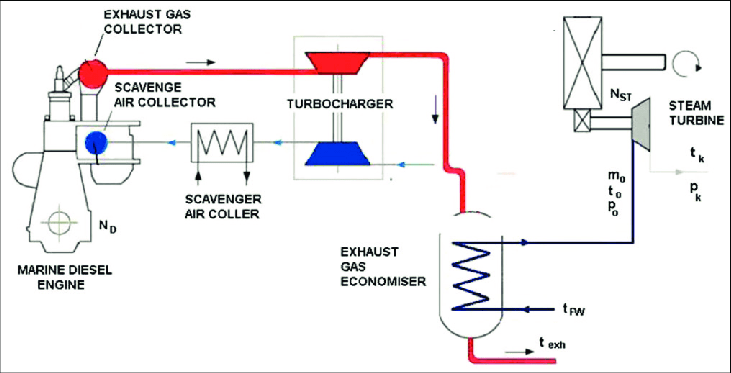
Categories
Uncategorized

Waste Heat Utilization

Waste Heat Utilization

Waste Heat Utilization: Waste Heat to Energy is a process that captures waste heat from industrial processes, power plants, and other heat-generating systems to produce useful energy, typically in the form of electricity or mechanical work. This approach improves overall efficiency, reduces fuel consumption, and lowers greenhouse gas emissions.

1. Sources of Waste Heat

Waste heat is generated in various industrial and commercial processes, including:

  • Industrial Processes: Steel mills, cement plants, glass manufacturing, and refineries.
  • Power Plants: Gas turbines, steam turbines, and diesel generators.
  • Exhaust Gases: From internal combustion engines, furnaces, and incinerators.
  • Cooling Systems: Heat rejection from air compressors, chillers, and refrigeration units.

2. Waste Heat Recovery Technologies

A. Heat-to-Power Conversion Technologies

  1. Steam Rankine Cycle (SRC)
    • Uses waste heat to generate steam, which drives a steam turbine to produce electricity.
    • Best suited for high-temperature waste heat (>300°C).
  2. Organic Rankine Cycle (ORC)
    • Uses an organic fluid with a lower boiling point than water, allowing waste heat recovery from medium- and low-temperature sources (80°C–300°C).
    • Ideal for industrial processes and geothermal applications.
  3. Kalina Cycle
    • Uses an ammonia-water mixture to enhance efficiency in recovering low- and medium-temperature waste heat.
    • More efficient than ORC in certain conditions but has higher operational complexity.
  4. Thermoelectric Generators (TEGs)
    • Convert heat directly into electricity using the Seebeck effect.
    • Suitable for small-scale applications with low-grade waste heat (below 200°C).

B. Waste Heat Recovery Systems

  1. Heat Exchangers
    • Transfer heat from exhaust gases or process fluids to another medium.
    • Used in recuperators, regenerators, economizers, and heat recovery steam generators (HRSG).
  2. Waste Heat Boilers
    • Convert exhaust heat into steam, which can be used for power generation or industrial heating.
    • Common in combined heat and power (CHP) systems.
  3. Absorption Chillers
    • Use waste heat to drive cooling processes, reducing the need for electrical cooling.
    • Suitable for district cooling and HVAC applications.
  4. Regenerative Thermal Oxidizers (RTOs)
    • Capture heat from combustion processes and reuse it to preheat incoming gases.

3. Benefits of Waste Heat Recovery

✔ Improved Energy Efficiency – Reduces fuel consumption and operational costs.
✔ Lower Greenhouse Gas Emissions – Reduces reliance on fossil fuels, helping to meet environmental regulations.
✔ Cost Savings – Reduces energy bills and increases overall process efficiency.
✔ Enhanced Sustainability – Supports circular economy principles by utilizing existing energy streams.

4. Challenges and Considerations

  • Capital Investment: Initial installation costs can be high.
  • System Complexity: Requires careful integration into existing processes.
  • Waste Heat Temperature & Quality: Not all waste heat is easily recoverable.
  • Maintenance & Reliability: Some technologies require regular upkeep.

5. Applications and Industries

✔ Manufacturing & Heavy Industry – Steel, cement, glass, and chemical plants.
✔ Power Generation – Coal, gas, and biomass power plants.
✔ Oil & Gas – Refineries and natural gas processing.
✔ Transportation – Waste heat recovery in diesel engines and ships.
✔ Data Centers – Reuse of server-generated heat for district heating.

Sources of waste heat include industrial processes such as steel mills, cement plants, glass manufacturing, and refineries; power plants utilizing gas turbines, steam turbines, and diesel generators; exhaust gases from internal combustion engines, furnaces, and incinerators; and cooling systems that reject heat from air compressors, chillers, and refrigeration units.

Waste heat is generated from various industrial, commercial, and power generation processes where energy is not fully utilized and is instead lost to the environment. One of the primary sources of waste heat is industrial processes, including steel mills, cement plants, glass manufacturing, and refineries. These industries involve high-temperature operations where significant amounts of heat are expelled through exhaust gases, cooling water, and direct radiation from hot surfaces. The steel industry, for example, releases substantial heat through blast furnace slag, hot rolling mills, and coke ovens, while cement production emits waste heat from clinker cooling and rotary kilns. Similarly, in glass manufacturing, melting and forming processes generate large quantities of excess heat that can be captured and repurposed.

Another major source of waste heat is power plants, which utilize gas turbines, steam turbines, and diesel generators. In conventional thermal power plants, a significant portion of the fuel energy is lost in exhaust gases and cooling systems. Combined cycle power plants improve efficiency by using a gas turbine’s exhaust heat to generate steam and drive a secondary steam turbine, but even these systems still produce residual waste heat. Similarly, diesel generators, commonly used in remote locations and backup power applications, release high-temperature exhaust gases that can be recovered for useful energy generation.

Transportation and internal combustion engines are also significant contributors to waste heat. Automobiles, trucks, ships, and aircraft lose a substantial portion of their fuel energy as heat through engine exhaust and cooling systems. Modern advancements, such as turbochargers and thermoelectric generators, aim to capture and repurpose some of this waste heat for improved efficiency. Marine vessels, especially large cargo ships and naval fleets, produce waste heat from massive diesel engines, which can be recovered using heat exchangers and organic Rankine cycle systems.

Industrial furnaces, boilers, and incinerators also expel high-temperature exhaust gases that carry significant energy potential. These systems are widely used in various sectors, including food processing, pulp and paper production, and waste management. In incineration plants, municipal solid waste and hazardous materials are burned to generate energy, but a considerable fraction of the heat is still lost if not properly recovered.

Cooling and refrigeration systems represent another important category of waste heat sources. Air compressors, chillers, and HVAC systems generate excess heat that is typically dissipated into the surrounding environment. Data centers, which require extensive cooling to maintain optimal operating conditions for servers, produce substantial waste heat that can be redirected for space heating or absorption cooling.

In addition to these sources, renewable energy systems such as geothermal and solar thermal plants also experience waste heat losses. Geothermal power plants extract hot fluids from beneath the Earth’s surface, but not all the heat is converted into electricity, leading to thermal discharge. Similarly, concentrated solar power (CSP) plants, which use mirrors to focus sunlight and generate steam, lose a portion of their collected heat through system inefficiencies.

Overall, waste heat is an unavoidable byproduct of energy-intensive processes, but with the right technologies and strategies, it can be captured and converted into useful energy, improving efficiency and sustainability across various industries.

Waste heat from industrial processes is one of the most significant untapped energy resources, with immense potential for recovery and utilization. Industrial facilities, including steel mills, cement plants, glass manufacturing, and oil refineries, operate at high temperatures and often release large amounts of heat into the environment through exhaust gases, cooling water, and hot surfaces. This waste heat, if properly harnessed, can be repurposed for electricity generation, process heating, or even district heating systems, significantly improving overall energy efficiency.

Steel Industry

The steel industry is one of the largest producers of waste heat due to the extreme temperatures required in smelting, refining, and shaping processes. Key sources of waste heat in steel plants include blast furnace gas, basic oxygen furnaces, electric arc furnaces, reheating furnaces, coke ovens, and hot rolling mills. Blast furnaces, which are used to reduce iron ore into molten iron, emit high-temperature off-gases that contain significant amounts of thermal energy. This heat can be recovered using heat exchangers or gas expansion turbines to produce electricity or preheat raw materials. Similarly, coke ovens release hot gases during the carbonization of coal, which can be utilized for steam generation or power production.

Hot rolling mills, used to shape steel into sheets, rods, and other forms, generate a significant amount of waste heat through the cooling of hot steel. The water or air used for cooling absorbs heat that is often dissipated without recovery. By implementing recuperative heat exchangers, this energy can be used for preheating incoming steel slabs, reducing fuel consumption.

Cement Industry

Cement manufacturing is another energy-intensive process that generates large quantities of waste heat, primarily from rotary kilns and clinker coolers. Rotary kilns operate at extremely high temperatures to convert raw materials into clinker, the key ingredient in cement. A substantial amount of heat is lost through the kiln exhaust gases and the hot clinker as it exits the kiln. Waste heat recovery (WHR) systems, such as waste heat boilers and organic Rankine cycle (ORC) systems, can capture this heat and convert it into electricity, reducing reliance on external power sources. In modern cement plants, WHR systems can recover up to 30% of the total heat input, significantly improving efficiency and lowering carbon emissions.

Glass Manufacturing

The glass industry also operates at high temperatures, primarily during the melting and forming processes. Glass furnaces require continuous heating to maintain the molten state of raw materials, and a significant portion of the heat is lost through exhaust gases and radiant heat. Recuperators and regenerators are commonly used in glass manufacturing to capture and reuse waste heat, preheating combustion air or raw materials to reduce energy consumption.

Oil Refineries

Oil refineries, which process crude oil into fuels and chemicals, generate considerable waste heat from distillation columns, cracking units, and heat exchangers. Process heaters, used for refining crude oil, produce high-temperature flue gases that often go unrecovered. Implementing heat recovery systems, such as waste heat boilers or cogeneration units, allows refineries to capture this energy and generate steam or electricity for internal use. Additionally, flare gas recovery systems can reduce heat losses by utilizing excess gas that would otherwise be burned off.

By integrating advanced heat recovery technologies in these industries, significant energy savings can be achieved, reducing operating costs and minimizing environmental impact. As industries continue to seek ways to improve energy efficiency, waste heat recovery will play a crucial role in sustainable manufacturing and energy management.

Power Plants as a Source of Waste Heat

Power plants are among the largest producers of waste heat due to the inefficiencies inherent in electricity generation. Traditional thermal power plants, including coal-fired, natural gas, and nuclear plants, operate based on the Rankine cycle, where fuel is burned to heat water, producing steam that drives a turbine. However, a significant portion of the energy is lost as waste heat, either through exhaust gases, cooling towers, or discharged water. Even in more advanced combined-cycle power plants, which improve efficiency by using a secondary steam cycle, there is still residual waste heat that can be recovered for beneficial use.

Coal and Gas-Fired Power Plants

Conventional fossil fuel power plants typically operate at efficiency levels between 30% and 45%, meaning that more than half of the energy from fuel combustion is lost as heat. The primary sources of waste heat in these plants include:

  1. Flue Gas Exhaust – High-temperature combustion gases, often exceeding 500°C, are expelled from boilers and gas turbines. Heat recovery steam generators (HRSG) can capture this energy to generate additional steam for power production.
  2. Condenser Cooling Water – After steam passes through the turbine, it is condensed back into water using cooling towers or water bodies, leading to heat dissipation into the atmosphere or surrounding environment. District heating systems and industrial heat exchangers can recover some of this waste heat for heating applications.
  3. Turbine and Boiler Surface Radiation – Equipment surfaces radiate heat into the surrounding environment, contributing to thermal losses. Insulation and heat recapture technologies can minimize these losses.

Combined-Cycle Power Plants (CCPPs)

Combined-cycle plants, which integrate a gas turbine with a steam turbine, achieve higher efficiencies (50%–60%) by using exhaust heat from the gas turbine to generate steam for an additional power cycle. However, even these plants still experience waste heat losses, particularly in the final stages of energy conversion. Waste heat from CCPPs can be further utilized in industrial cogeneration (combined heat and power, CHP) systems to provide steam for industrial processes, district heating, or desalination plants.

Nuclear Power Plants

Nuclear plants operate with similar thermodynamic limitations as fossil fuel power plants, with efficiency levels typically around 33%, meaning that nearly two-thirds of the thermal energy produced in nuclear reactions is lost as waste heat. Most of this heat is discharged through cooling towers or directly into nearby water bodies. Advanced heat recovery systems, such as high-temperature reactors and cogeneration applications, aim to harness nuclear waste heat for district heating, hydrogen production, or industrial applications.

Diesel and Gas Generators

Smaller-scale power generation units, such as diesel and natural gas generators used in remote locations, data centers, and backup power systems, also produce considerable waste heat. These engines typically convert only 30%–40% of the fuel’s energy into useful work, with the rest dissipated as exhaust gas and engine cooling losses. Waste heat recovery units (WHRUs) can be installed to capture heat from generator exhaust and engine cooling systems, converting it into electricity via an Organic Rankine Cycle (ORC) or using it for process heating.

Potential Applications for Power Plant Waste Heat

Waste heat from power plants can be effectively utilized in various ways:

  • District Heating Systems – Capturing waste heat for residential and commercial heating can significantly reduce fuel consumption and emissions.
  • Industrial Steam and Process Heating – Industries that require high-temperature steam, such as chemical plants, can benefit from power plant waste heat.
  • Desalination – Thermal desalination processes, such as multi-stage flash (MSF) and multi-effect distillation (MED), can use waste heat to produce fresh water.
  • Greenhouses and Agriculture – Waste heat can provide controlled heating for greenhouses, improving food production efficiency.
  • Absorption Cooling – Waste heat can be used in absorption refrigeration systems to provide cooling, reducing electricity demand for air conditioning.

As global energy demands increase, improving the efficiency of power generation and utilizing waste heat will play a critical role in reducing carbon emissions and enhancing sustainability.

Waste Heat from Transportation and Internal Combustion Engines

Transportation is a major source of waste heat, particularly from internal combustion engines (ICEs) used in automobiles, trucks, ships, trains, and aircraft. In conventional gasoline and diesel engines, only about 25%–40% of the fuel’s energy is converted into useful mechanical work, while the rest is lost as heat through exhaust gases, engine cooling systems, and surface radiation. Capturing and utilizing this waste heat can significantly improve fuel efficiency, reduce emissions, and enhance overall performance.

Automobiles and Trucks

Road transportation relies heavily on internal combustion engines, where substantial waste heat is generated. The primary sources of heat loss in vehicles include:

  1. Exhaust Gases – A large portion of waste heat (up to 40% of fuel energy) escapes through the exhaust system. Technologies like turbochargers and thermoelectric generators (TEGs) can recover part of this heat for improved efficiency.
  2. Engine Cooling System – The cooling system removes heat from the engine block to prevent overheating, but this heat is typically dissipated into the atmosphere through radiators. Waste heat recovery (WHR) systems can redirect some of this thermal energy for auxiliary functions like cabin heating or electricity generation.
  3. Friction and Drivetrain Losses – Heat generated from moving engine parts and friction in the drivetrain is another source of wasted energy. Advanced lubricants and materials help reduce these losses, but some energy is still lost.

To address these inefficiencies, several waste heat recovery technologies are being developed:

  • Turbochargers and Turbo-Compounding – Turbochargers use exhaust gas energy to compress incoming air, improving engine efficiency and power output. Turbo-compounding systems take this a step further by using an additional turbine to recover even more exhaust energy and convert it into mechanical or electrical power.
  • Thermoelectric Generators (TEGs) – TEGs use the Seebeck effect to convert temperature differences between hot exhaust gases and cooler surfaces into electricity. These systems can power onboard electronics, reducing the load on the alternator and improving fuel economy.
  • Rankine Cycle Waste Heat Recovery Systems – Similar to power plants, vehicles can use a small Rankine cycle system to convert waste heat into mechanical energy to assist in propulsion.

Marine and Shipping Industry

Ships and marine vessels, particularly large cargo ships and cruise liners, use massive diesel engines that operate for long periods, generating significant amounts of waste heat. Key waste heat sources in marine engines include:

  • Exhaust Gases – Large marine engines produce high-temperature exhaust gases that can be captured using waste heat boilers to generate steam for auxiliary power.
  • Cooling Water – Engine cooling systems absorb heat, which can be used for heating applications on board or converted into electricity via heat exchangers and ORC systems.
  • Lubrication System Heat – Waste heat from lubricating oil can be recovered and reused for preheating fuel or other onboard applications.

Modern marine vessels are incorporating waste heat recovery systems (WHRS) to improve efficiency. Combined with shaft generators and electrical propulsion systems, WHR can reduce fuel consumption and lower emissions in compliance with environmental regulations.

Aircraft and Aviation

Aircraft engines, particularly jet engines, generate immense amounts of waste heat through exhaust gases and high-temperature components. While aviation has limited options for traditional waste heat recovery due to weight constraints, some innovative solutions include:

  • Heat Exchangers for Cabin Heating – Waste heat from jet engines is already used for cabin pressurization and heating.
  • More Efficient Engine Design – Advanced materials and cooling techniques reduce thermal losses and improve overall efficiency.
  • Hybrid and Electric Aviation Concepts – Future aircraft designs may integrate waste heat recovery technologies to enhance battery performance or reduce fuel consumption.

Rail Transportation

Diesel-electric locomotives generate significant waste heat from their engines and electrical components. Similar to marine applications, Rankine cycle systems, thermoelectric generators, and improved cooling system designs can enhance locomotive efficiency by capturing and reusing waste heat.

Future of Waste Heat Recovery in Transportation

As fuel efficiency standards become stricter and sustainability becomes a priority, waste heat recovery will play a critical role in the future of transportation. Advancements in materials, thermoelectric technology, and hybrid powertrain integration will further enhance the ability to capture and utilize waste heat in various vehicle types. Reducing waste heat losses will not only improve fuel economy but also contribute to lower greenhouse gas emissions and reduced reliance on fossil fuels.

Waste Heat Recovery Systems (WHRS)

Waste Heat Recovery Systems (WHRS) are technologies designed to capture and utilize heat that would otherwise be lost from industrial processes, power generation, and transportation. These systems improve energy efficiency, reduce fuel consumption, lower greenhouse gas emissions, and enhance overall sustainability. The recovered heat can be used for electricity generation, process heating, space heating, or cooling applications.

Types of Waste Heat Recovery Systems

Waste Heat Utilization

1. Regenerative Heat Exchangers

Regenerative heat exchangers store heat from hot gases and transfer it to incoming cold gases. They are commonly used in high-temperature industrial processes such as steel manufacturing and glass production.

  • Examples: Regenerators in blast furnaces, thermal oxidizers, and regenerative thermal oxidizers (RTOs).

2. Recuperative Heat Exchangers

Recuperative heat exchangers directly transfer heat from hot gases to cold gases or liquids through a solid medium.

  • Examples: Economizers in boilers, air preheaters, and plate heat exchangers.

3. Waste Heat Boilers (Heat Recovery Steam Generators – HRSG)

These systems use waste heat from industrial processes or power plants to produce steam, which can be used for electricity generation or industrial heating.

  • Examples: Combined cycle power plants, cogeneration (CHP) systems, and steam-based district heating.

4. Organic Rankine Cycle (ORC) Systems

ORC systems convert low-temperature waste heat into electricity using organic fluids with lower boiling points than water.

  • Applications: Biomass plants, geothermal energy, and low-grade waste heat recovery in industries.

5. Thermoelectric Generators (TEGs)

TEGs convert waste heat directly into electricity using the Seebeck effect.

  • Applications: Automotive exhaust systems, industrial furnaces, and spacecraft power generation.

6. Kalina Cycle Systems

Kalina cycle technology uses a mixture of ammonia and water to recover heat more efficiently than traditional Rankine cycles.

  • Applications: Geothermal power plants, industrial waste heat recovery, and solar thermal power.

7. Absorption Cooling Systems

These systems use waste heat to drive cooling cycles instead of electricity.

  • Applications: Air conditioning in commercial buildings, industrial refrigeration, and data centers.

8. Flue Gas Heat Recovery

Captures heat from exhaust gases in power plants, industrial boilers, and incinerators.

  • Applications: Preheating combustion air, district heating, and steam generation.

9. Mechanical Vapor Recompression (MVR)

MVR compresses and reuses steam to improve efficiency in evaporation and drying processes.

  • Applications: Food processing, desalination, and paper manufacturing.

Benefits of Waste Heat Recovery Systems

  • Energy savings – Reduces fuel consumption and operational costs.
  • Lower emissions – Decreases CO₂ and other greenhouse gas emissions.
  • Improved efficiency – Enhances process performance and sustainability.
  • Economic benefits – Reduces energy costs and improves profitability.

Waste Heat Recovery Systems are essential for improving energy efficiency across multiple sectors, helping industries and power plants transition toward a more sustainable future.

Waste Heat Recovery Systems (WHRS) are designed to capture and repurpose heat that would otherwise be lost from industrial processes, power plants, and transportation systems. These systems enhance energy efficiency, lower fuel consumption, and reduce greenhouse gas emissions, contributing to both economic and environmental sustainability. Waste heat can be recovered using different technologies depending on temperature levels, heat sources, and the intended application. High-temperature waste heat from industrial furnaces, steel mills, and cement kilns can be used to generate steam, which can either drive turbines for electricity generation or be used directly in manufacturing processes. Medium- and low-temperature waste heat, such as that from exhaust gases, cooling systems, and hot surfaces, can be recovered using heat exchangers, economizers, or organic Rankine cycle (ORC) systems.

Thermoelectric generators (TEGs) convert heat directly into electricity using the Seebeck effect, making them useful in automotive applications and remote power generation. In the transportation sector, waste heat recovery is particularly valuable in internal combustion engines, where a significant portion of fuel energy is lost through exhaust and cooling systems. Turbochargers improve engine efficiency by using exhaust gases to compress incoming air, while turbo-compounding systems convert excess exhaust energy into mechanical or electrical power. In marine and locomotive engines, waste heat recovery boilers capture exhaust heat to produce steam for auxiliary power.

In power plants, heat recovery steam generators (HRSG) are widely used in combined-cycle plants, where gas turbines’ exhaust heat is used to generate additional steam for a secondary power cycle, improving overall efficiency. Industrial applications frequently use regenerative and recuperative heat exchangers to capture and reuse thermal energy, with applications in steel, glass, cement, and chemical industries. Absorption refrigeration systems utilize waste heat for cooling, making them ideal for data centers, commercial buildings, and process cooling in industrial facilities. Flue gas heat recovery systems extract residual heat from exhaust gases in boilers and furnaces, preheating combustion air to reduce fuel consumption.

Mechanical vapor recompression (MVR) technology captures and reuses steam in processes such as food processing, desalination, and paper manufacturing. Kalina cycle systems use a mixture of ammonia and water to recover waste heat more efficiently than conventional Rankine cycles, particularly in geothermal and industrial applications. These waste heat recovery technologies provide numerous benefits, including significant energy savings, lower operating costs, reduced reliance on fossil fuels, and decreased carbon emissions. By integrating waste heat recovery systems, industries and power plants can optimize their processes and contribute to a more sustainable energy landscape.

Waste heat recovery systems play a critical role in optimizing energy use across various industries, including power generation, manufacturing, and transportation. In power plants, where efficiency losses are significant, waste heat recovery technologies such as combined heat and power (CHP) and district heating systems help utilize excess thermal energy that would otherwise be lost through cooling towers or exhaust stacks. By capturing and repurposing this heat, power plants can provide electricity and thermal energy simultaneously, reducing fuel consumption and emissions.

In industrial settings, waste heat recovery is widely implemented in energy-intensive sectors such as steel, cement, glass, and petrochemical production, where furnaces, kilns, and boilers generate large amounts of high-temperature waste heat. This heat can be recovered using regenerative and recuperative heat exchangers, waste heat boilers, and organic Rankine cycle (ORC) systems to produce additional steam or electricity. In refineries and chemical plants, process heat from distillation, cracking, and reforming units can be reused to preheat raw materials, improving overall energy efficiency.

Waste heat recovery is also essential in the transportation sector, particularly in diesel engines used in trucks, ships, and trains, where exhaust gas heat can be converted into useful work through turbo-compounding, thermoelectric generators (TEGs), and Rankine cycle systems. Marine vessels benefit from waste heat boilers that generate steam from exhaust gases, reducing fuel consumption for auxiliary power. In aviation, research into thermoelectric and heat exchanger technologies aims to enhance engine efficiency and reduce fuel burn. On a broader scale, waste heat recovery contributes to sustainable energy solutions, including waste-to-energy plants that convert municipal and industrial waste heat into usable electricity and heat for district energy networks. Advanced absorption cooling systems further expand the utility of waste heat by converting excess thermal energy into cooling power for air conditioning and refrigeration, reducing electrical demand.

The integration of waste heat recovery with renewable energy sources, such as solar and geothermal power, enhances overall system efficiency and resilience. Digital monitoring and smart energy management systems further optimize waste heat utilization by analyzing thermal losses in real-time and adjusting recovery processes accordingly. As industries and governments prioritize decarbonization and energy efficiency, waste heat recovery systems will continue to evolve, incorporating advanced materials, improved heat exchangers, and emerging technologies like supercritical CO₂ cycles and phase-change materials. These innovations will play a crucial role in minimizing energy waste, lowering greenhouse gas emissions, and improving the sustainability of industrial and power generation processes worldwide.

The continuous advancement of waste heat recovery systems is driven by the increasing need for energy efficiency, cost reduction, and sustainability across industries. One of the most promising areas of development is the integration of artificial intelligence (AI) and machine learning in waste heat recovery optimization. AI-powered systems can analyze operational data in real time, predict heat loss patterns, and adjust recovery mechanisms dynamically to maximize efficiency. This is particularly beneficial in complex industrial settings where fluctuating process conditions require adaptive control strategies. Additionally, advancements in thermoelectric materials are making thermoelectric generators (TEGs) more efficient and viable for large-scale waste heat recovery. New materials, such as nanostructured thermoelectrics and high-performance semiconductors, are improving the conversion efficiency of heat into electricity, expanding their applications in automotive engines, power plants, and industrial furnaces.

Another innovative approach to waste heat utilization is the development of supercritical CO₂ (sCO₂) power cycles, which offer higher thermal efficiency than traditional steam-based systems. sCO₂ cycles operate at higher pressures and temperatures, allowing for more effective waste heat recovery in power generation and industrial processes. This technology is gaining traction in applications such as concentrated solar power (CSP), nuclear power plants, and waste heat recovery in heavy industries. Similarly, phase-change materials (PCMs) are being explored for thermal energy storage, allowing waste heat to be captured and stored for later use, addressing the intermittent nature of heat availability in many industrial operations. These materials absorb heat during phase transitions and release it when needed, providing a more flexible and efficient way to utilize waste heat.

Waste heat recovery is also playing an increasing role in urban energy systems, particularly in district heating and cooling networks. Many cities are integrating industrial waste heat, data center heat, and even low-grade heat from wastewater treatment plants into their heating networks, reducing reliance on fossil fuels for space heating. Combined heat and power (CHP) systems continue to be a key solution in urban energy infrastructure, simultaneously producing electricity and useful heat from a single fuel source, thereby improving overall system efficiency. Additionally, emerging technologies such as absorption heat pumps and adsorption chillers are enabling more effective use of low-temperature waste heat in commercial and residential applications, further reducing energy demand from conventional heating and cooling systems.

As industries and governments continue to focus on carbon reduction goals, waste heat recovery systems are becoming an essential component of energy policy and corporate sustainability strategies. Stricter environmental regulations and carbon pricing mechanisms are pushing industries to invest in more efficient waste heat utilization technologies. Incentives and funding for energy efficiency projects, including government grants and tax credits, are accelerating the adoption of waste heat recovery solutions across various sectors. Moreover, the transition to hydrogen-based economies is opening new possibilities for waste heat recovery, as excess heat from hydrogen production processes such as electrolysis and methane reforming can be captured and reused in industrial applications or district energy systems.

Looking ahead, the convergence of digitalization, advanced materials, and innovative thermodynamic cycles will continue to drive improvements in waste heat recovery efficiency and economic viability. Companies and researchers are exploring hybrid solutions that combine waste heat recovery with renewable energy systems to create more resilient and self-sustaining industrial and urban energy networks. The expansion of decentralized waste heat recovery, where smaller-scale industrial and commercial facilities contribute to local energy systems, is also gaining momentum, further decentralizing energy production and reducing dependence on centralized fossil fuel power generation. By embracing these advancements, industries can significantly reduce energy waste, lower operational costs, and contribute to a more sustainable and energy-efficient future.

Benefits of Waste Heat Recovery

Waste Heat to Energy

The benefits of waste heat recovery are numerous, spanning economic, environmental, and operational improvements across various industries. By capturing and repurposing heat that would otherwise be lost, waste heat recovery systems can offer significant advantages in terms of energy efficiency, cost savings, and sustainability.

  1. Energy Efficiency: Waste heat recovery significantly enhances the overall energy efficiency of industrial processes, power plants, and transportation systems. By utilizing excess thermal energy, companies can reduce their reliance on primary energy sources (such as natural gas, coal, or electricity), making processes more efficient and reducing fuel consumption. This can lead to lower energy bills and a reduction in overall energy demand.
  2. Cost Savings: One of the most immediate benefits of waste heat recovery is cost savings. By capturing waste heat and repurposing it for useful applications, industries can reduce the need to purchase additional energy, thus cutting operating costs. For example, in manufacturing or power plants, recovered heat can be used to preheat incoming air or fluids, reducing the need for additional fuel to generate the required temperatures.
  3. Reduced Greenhouse Gas Emissions: Waste heat recovery systems help reduce greenhouse gas (GHG) emissions by lowering the overall fuel consumption of industrial processes and power plants. The less fuel that needs to be burned, the fewer emissions are generated. This is particularly important for companies working toward sustainability goals or those subject to emissions regulations. By using waste heat, industries can lower their carbon footprint and contribute to the global effort to combat climate change.
  4. Improved Process Efficiency: Waste heat recovery helps to optimize processes by providing a stable and reliable source of heat or energy. In many industries, the recovered heat can be used for processes such as preheating raw materials, producing steam, or powering auxiliary equipment. This integration leads to better system optimization, smoother operation, and reduced wear on equipment, enhancing overall process reliability and performance.
  5. Increased Energy Security: By recovering waste heat, industries can reduce their dependency on external energy supplies, contributing to greater energy security. Waste heat recovery allows companies to become more self-sufficient by generating their own power or reducing the need to purchase power from the grid. This can be particularly beneficial in regions with unstable energy prices or supply disruptions.
  6. Reduced Operational Costs: By reusing waste heat within a facility, industries can reduce the overall cost of running their operations. This includes savings from fuel, maintenance costs associated with equipment wear, and reduced demand on external utilities, leading to more predictable and manageable energy costs over time.
  7. Enhanced Sustainability: Waste heat recovery plays a key role in advancing sustainability initiatives. By reducing energy waste, emissions, and overall resource consumption, companies can contribute to sustainability goals, improve their public image, and meet corporate social responsibility (CSR) targets. Additionally, many waste heat recovery technologies, such as absorption chillers and organic Rankine cycles, can contribute to renewable energy generation, further boosting a facility’s sustainability efforts.
  8. Compliance with Environmental Regulations: Many countries have strict environmental regulations that require industries to reduce emissions and improve energy efficiency. Waste heat recovery systems help industries comply with these regulations by minimizing fuel consumption and GHG emissions. In some cases, the implementation of waste heat recovery systems may qualify companies for tax credits, grants, or other incentives aimed at supporting energy-efficient technologies.
  9. Opportunities for Combined Heat and Power (CHP) and District Heating: Waste heat recovery can be integrated into combined heat and power (CHP) systems, where both electricity and useful heat are generated from a single energy source. This increases overall system efficiency and allows for the utilization of otherwise wasted energy. Additionally, waste heat can be used in district heating systems, providing residential, commercial, and industrial buildings with affordable, low-carbon heat from local sources.
  10. Energy Flexibility and Reliability: Some waste heat recovery technologies, such as heat storage and thermal energy storage systems, allow for the storage of recovered heat for later use. This can provide a more flexible and reliable energy source, especially in operations that require heat on a fluctuating basis, such as in seasonal industries or those with variable production schedules.
  11. Innovation and Technological Advancements: Waste heat recovery encourages innovation in thermal management technologies, leading to the development of advanced systems like thermoelectric generators (TEGs), Kalina cycles, and supercritical CO₂ cycles. These technologies improve the ability to recover and use low- and medium-grade waste heat, further enhancing overall energy utilization.
  12. Market Competitiveness: Companies that adopt waste heat recovery technologies can gain a competitive edge by improving their bottom line through reduced energy costs and enhanced efficiency. Additionally, demonstrating a commitment to sustainability and energy efficiency can improve a company’s reputation and brand image, making it more attractive to customers, investors, and regulatory bodies.

In summary, waste heat recovery offers a wide range of benefits, from improved energy efficiency and cost savings to environmental sustainability and compliance with regulations. It is a critical tool in creating more sustainable, cost-effective, and energy-efficient industrial and energy systems worldwide.

Waste heat recovery systems offer significant advantages that contribute to operational, economic, and environmental improvements. By capturing and repurposing heat that would otherwise be wasted, industries can enhance their energy efficiency and reduce fuel consumption, which in turn lowers operating costs. The reduction in fuel consumption also directly results in fewer emissions, including greenhouse gases, contributing to environmental sustainability and helping industries meet regulatory compliance and sustainability goals. By recovering waste heat, companies can reduce their reliance on external energy sources, which not only boosts their energy security but also makes their energy needs more predictable and stable. This reduction in energy dependence can be particularly beneficial in areas with volatile energy prices or where energy security is a concern.

Waste heat recovery also improves process efficiency by providing a reliable source of thermal energy that can be used for applications like preheating raw materials, generating steam, or powering auxiliary equipment. This integration helps optimize overall system performance, enhancing reliability and productivity while reducing wear and tear on machinery. Furthermore, the reuse of waste heat can significantly cut down on fuel expenses, reducing the overall operational costs of a facility. The economic benefits of waste heat recovery systems extend beyond the immediate savings on energy costs, as the increased efficiency and reduced environmental impact can improve a company’s public image, helping to meet corporate social responsibility (CSR) targets and attract investment.

As industries move toward more sustainable practices, waste heat recovery plays a key role in advancing these efforts by reducing the amount of energy lost in industrial processes and enhancing overall resource conservation. The implementation of waste heat recovery systems aligns with sustainability initiatives, helping companies to reduce their carbon footprint while generating savings in the process. In regions where stringent environmental regulations are in place, waste heat recovery can be an effective strategy to comply with these laws, potentially qualifying businesses for incentives such as tax credits or grants for energy-efficient technologies.

Moreover, waste heat recovery contributes to the potential for combined heat and power (CHP) systems, where both electricity and useful heat are produced from a single fuel source. This not only boosts efficiency but also allows industries to create district heating systems that can provide low-carbon heating to nearby residential, commercial, and industrial buildings. Such integration further reduces reliance on traditional energy sources and promotes local, sustainable energy solutions. The flexibility of recovered heat, which can be stored for later use, also provides a level of reliability and energy security, particularly for industries with fluctuating energy demands.

Ultimately, the adoption of waste heat recovery technologies enables companies to remain competitive in a marketplace where energy efficiency and environmental responsibility are becoming increasingly important. These systems help businesses lower their energy costs, reduce emissions, and comply with regulations, all while boosting their reputation and market position. The ongoing innovation in waste heat recovery, through new technologies such as thermoelectric generators, supercritical CO₂ cycles, and advanced thermal storage solutions, continues to enhance the efficiency and viability of these systems, opening new opportunities for industries to harness and make use of energy that would otherwise be lost.

The widespread adoption of waste heat recovery systems is increasingly recognized as an essential strategy for optimizing energy usage and achieving sustainability goals across industries. As technologies continue to evolve, industries are finding new ways to leverage low- and medium-temperature waste heat that was previously considered difficult or uneconomical to recover. Innovations in materials, such as advanced heat exchangers and high-performance thermoelectrics, are improving the efficiency of heat recovery, even in lower temperature ranges. For example, organic Rankine cycles (ORC) and Kalina cycles have become more efficient at recovering heat from lower-grade waste streams, enabling industries to recover and utilize heat that would have otherwise been wasted.

Furthermore, waste heat recovery is playing an increasingly important role in the transition toward low-carbon and renewable energy solutions. By integrating recovered heat with renewable energy sources such as solar and biomass, industries can create hybrid systems that maximize overall energy efficiency and sustainability. For instance, waste heat recovery systems can be used in combination with solar thermal energy to create more reliable and efficient renewable power systems, or even in geothermal power plants where excess heat can be used to improve energy generation processes.

The growing emphasis on decarbonization, coupled with tightening regulations on carbon emissions and energy efficiency, is driving more industries to incorporate waste heat recovery technologies into their operations. As governments around the world implement stricter environmental policies, industries that adopt waste heat recovery systems will be better positioned to meet these regulatory requirements while also reducing their operational costs. In some regions, this can provide a competitive edge as companies that implement energy-efficient practices may benefit from financial incentives, subsidies, or preferential treatment in the market.

Beyond energy savings, waste heat recovery systems also contribute to improved resource utilization, as industries become more adept at making use of by-products that were previously overlooked. For example, in manufacturing processes, where high temperatures are often required, the ability to recover and reuse waste heat reduces the need for fresh inputs of fuel or electricity. This reduces both operating costs and the overall environmental impact of production processes, supporting circular economy principles by reducing waste and maximizing the reuse of available resources.

In the context of urban energy systems, waste heat recovery is also being integrated into district heating and cooling networks, where industrial or commercial heat is transferred to local buildings for space heating or hot water. This not only makes use of waste heat but also helps reduce the need for fossil fuels in urban energy systems, lowering emissions on a larger scale. Cities can greatly benefit from integrating waste heat recovery in their energy infrastructure, particularly as urban populations continue to grow and demand for energy rises. By creating more energy-efficient districts with shared heating and cooling resources, cities can become more resilient to energy price fluctuations and contribute to achieving national or global climate targets.

As energy markets evolve and new technological solutions emerge, waste heat recovery systems will continue to play an integral role in achieving a more sustainable energy future. The combination of digitalization, advanced analytics, and smart grids will further optimize the efficiency of these systems by enabling real-time monitoring and control, ensuring that waste heat recovery is maximized across a wide range of applications. In the long run, waste heat recovery not only offers a pathway to energy savings and cost reductions but also serves as a key pillar in the transition to a more sustainable, low-carbon economy.

As industries and governments continue to prioritize sustainability and energy efficiency, waste heat recovery technologies will become even more crucial in helping meet global energy demands while reducing environmental impact. The integration of waste heat recovery with emerging technologies like smart grids, advanced automation, and artificial intelligence will enable more dynamic and efficient energy systems. Real-time monitoring and predictive analytics will allow for better decision-making and optimization of energy use, ensuring that heat recovery systems operate at their peak efficiency, even in fluctuating conditions. With the increasing availability of data and digital tools, businesses can identify areas of heat loss and adjust recovery strategies to improve both economic performance and environmental outcomes.

Moreover, the development of new materials and technologies will continue to drive the expansion of waste heat recovery into previously untapped sectors. For instance, new heat-resistant alloys and ceramic materials are making high-temperature heat exchangers more durable and efficient, allowing for the recovery of heat from even more extreme industrial processes. Similarly, advances in heat storage technologies, such as advanced phase-change materials (PCMs) and thermochemical storage, are enabling industries to capture and store excess heat for later use, further increasing system flexibility and making it possible to use recovered heat during peak demand periods.

In addition, as global economies move toward hydrogen as a clean energy source, waste heat recovery will play an important role in optimizing hydrogen production processes. Technologies like electrolysis, which are used to produce green hydrogen from water, require significant amounts of electricity and produce waste heat. By integrating waste heat recovery into these processes, the efficiency of hydrogen production can be significantly improved, making it a more viable option for decarbonizing industries such as transportation, manufacturing, and power generation. Similarly, as the use of hydrogen in industrial heating systems grows, the integration of waste heat recovery can provide additional energy savings and further reduce emissions.

The expansion of decentralized energy systems and microgrids also presents new opportunities for waste heat recovery. In remote or off-grid locations, small-scale waste heat recovery systems can be used to generate electricity or provide heat for industrial and residential use. These systems could help power critical infrastructure, such as water treatment plants, hospitals, and schools, while reducing the reliance on expensive or unreliable external energy sources. By incorporating waste heat recovery into these systems, communities can create more resilient and self-sustaining energy solutions.

Waste heat recovery’s contribution to reducing the energy intensity of industrial operations, coupled with advances in renewable energy technologies, will help move industries closer to achieving their net-zero carbon goals. By addressing both operational efficiency and emissions reductions, waste heat recovery allows businesses to take a holistic approach to energy management, reducing costs while supporting their environmental and regulatory commitments.

As waste heat recovery technologies become more widespread, industries that adopt these systems will not only benefit from direct energy savings but also enhance their competitiveness in a market that increasingly values sustainability and resource efficiency. The ability to recover and reuse waste heat can also serve as a differentiating factor, as consumers, investors, and regulators place greater emphasis on environmentally responsible practices. For industries looking to future-proof their operations, investing in waste heat recovery technology is an important step toward building long-term resilience, enhancing sustainability, and maintaining market leadership.

Ultimately, the future of waste heat recovery holds great promise, with the potential to transform how industries utilize energy and reduce their environmental impact. As new technologies emerge and the global economy moves toward more sustainable and efficient energy solutions, waste heat recovery will continue to play an essential role in shaping a greener, more energy-efficient world. With ongoing innovation, strategic integration into energy systems, and a commitment to sustainability, waste heat recovery is poised to become an integral part of the global transition to a low-carbon economy.

While waste heat recovery offers substantial benefits, there are several challenges and considerations that industries must address to fully capitalize on these technologies.

  1. Initial Capital Investment: One of the primary challenges associated with waste heat recovery systems is the initial cost. The installation of recovery equipment, such as heat exchangers, thermoelectric generators, or ORC systems, can require a significant upfront investment. This cost may be a barrier for some industries, especially those with tight budgets or low-profit margins. However, the long-term savings from reduced energy consumption and improved efficiency often justify the initial expenditure.
  2. Technological Complexity: Implementing waste heat recovery systems often requires specialized knowledge and expertise. Different industries generate waste heat at various temperatures and scales, requiring tailored solutions to recover and repurpose this energy effectively. The complexity of integrating recovery systems with existing infrastructure can also pose a challenge, especially in older or less adaptable facilities. Proper planning, engineering, and technical support are critical to ensure a smooth implementation.
  3. Economic Viability for Low-Temperature Heat: Waste heat recovery is typically most effective when the heat source is high temperature, such as exhaust gases from industrial furnaces or power plants. Low-temperature waste heat (below 100°C or 212°F), which is common in many industrial processes, can be harder to recover efficiently. Technologies like organic Rankine cycles (ORC) and thermoelectric generators (TEGs) are increasingly being used to capture low-grade heat, but these systems may still have lower efficiency compared to high-temperature heat recovery systems. In some cases, the costs of recovering low-temperature heat may not be economically viable unless paired with other technologies or applications.
  4. System Integration and Compatibility: Integrating waste heat recovery systems into existing industrial processes and infrastructure can be challenging, particularly in industries with complex or outdated systems. The process of connecting recovery equipment to existing machinery, ensuring compatibility with control systems, and adjusting operations can be time-consuming and costly. Furthermore, the operational profile of industries often changes over time, which may impact the effectiveness of waste heat recovery solutions. Continuous monitoring and system optimization are essential for ensuring long-term performance.
  5. Operational and Maintenance Challenges: Like all energy systems, waste heat recovery systems require regular maintenance to ensure they continue to operate efficiently. This can involve cleaning heat exchangers, maintaining thermoelectric generators, and replacing worn-out components. Over time, system components can degrade due to factors like corrosion, scaling, or thermal fatigue. Maintenance and operational costs can accumulate, potentially offsetting some of the financial benefits of waste heat recovery. Furthermore, integrating waste heat recovery into existing operations may introduce new operational complexities that require specialized personnel.
  6. Space and Installation Constraints: Some industries, particularly in dense urban environments or in older facilities, may face space constraints that make the installation of waste heat recovery systems difficult. The additional equipment required for heat recovery, such as heat exchangers, storage tanks, or turbines, can require significant space, which may not be readily available in existing plants or industrial setups. In such cases, companies may need to invest in new infrastructure or undergo costly facility upgrades to accommodate waste heat recovery technologies.
  7. Regulatory and Environmental Considerations: While waste heat recovery can reduce greenhouse gas emissions, it must still comply with local environmental regulations. In some cases, recovering heat from industrial processes or exhaust gases may be subject to specific regulations regarding air quality, emissions, or thermal discharge. Regulatory constraints may limit the types of heat recovery technologies that can be used or the way in which heat is released back into the environment. Companies must carefully navigate these regulatory requirements to ensure their waste heat recovery systems operate within legal and environmental boundaries.
  8. Energy Quality and Consistency: The quality and consistency of the recovered heat are important considerations. Waste heat sources can vary in temperature, flow, and availability, which can impact the efficiency of recovery systems. For example, in processes where heat is not continuously available, energy storage or backup systems may be required to maintain a consistent supply of recovered heat. The varying nature of waste heat can also make it difficult to integrate these systems into broader energy networks, such as district heating or CHP systems, which rely on stable and predictable heat sources.
  9. Financial and Market Uncertainty: The financial return on investment (ROI) for waste heat recovery systems can be influenced by external factors, such as fluctuating energy prices, government incentives, or shifts in market conditions. For example, if energy prices decrease significantly, the cost savings from waste heat recovery may become less compelling. Similarly, changes in regulations, such as the removal of tax incentives for energy efficiency projects, could impact the financial viability of these systems.
  10. Technological Advancements and Future Proofing: As new technologies continue to emerge in the field of waste heat recovery, industries must carefully assess the long-term viability of the systems they install. New and more efficient technologies, such as advanced thermoelectric materials, supercritical CO₂ cycles, or hybrid renewable energy solutions, may provide better performance and longer-term savings, making older systems obsolete. This creates a challenge for industries seeking to future-proof their energy infrastructure while ensuring that their waste heat recovery investments remain competitive and relevant.

In conclusion, while waste heat recovery offers numerous benefits, industries must address several challenges in order to fully realize these advantages. Overcoming barriers such as high initial costs, technological complexity, system integration issues, and space constraints requires careful planning, expertise, and investment. However, with ongoing advancements in technology, more efficient solutions are emerging to address these challenges, making waste heat recovery an increasingly viable and integral part of sustainable energy strategies.

Addressing the challenges associated with waste heat recovery involves careful planning, investment, and ongoing optimization. One of the key areas that need focus is the economic viability of waste heat recovery systems, particularly in industries with low-temperature heat. Low-temperature waste heat is often less energy-dense, which can make recovery technologies less efficient and economically viable. In such cases, pairing waste heat recovery with complementary technologies, such as heat pumps, or integrating recovered heat into other parts of the industrial process, can improve the overall efficiency and cost-effectiveness of these systems. Additionally, industries must evaluate the long-term savings and the reduction in operational costs, weighing them against the initial investment required for system installation and integration.

Another consideration is the integration of waste heat recovery systems into existing industrial infrastructure. In many cases, industrial plants and processes are already operating with a set infrastructure, and introducing new technologies requires thoughtful integration with the current system. This could mean modifications to existing equipment, the installation of new heat exchangers, or the introduction of additional controls to ensure that recovered heat is effectively reused. This integration process can be resource-intensive, both in terms of time and financial outlay, as it may require downtime or system upgrades to ensure compatibility with the new technologies.

Space limitations also play a critical role in the successful implementation of waste heat recovery systems. Older facilities, in particular, may not have the physical space to accommodate new heat recovery equipment. Additionally, for industries located in highly urbanized areas, space constraints may limit the scale of waste heat recovery that can be practically installed. Solutions to these challenges could include the design and implementation of compact systems, modular recovery units, or leveraging off-site storage for recovered heat. However, this may still entail significant investment in infrastructure changes or spatial reconfigurations, which can be costly and logistically challenging.

In operational terms, the maintenance of waste heat recovery systems is an ongoing concern. While these systems can be highly beneficial in terms of efficiency and cost savings, they require regular attention to remain effective. For instance, heat exchangers need to be cleaned and maintained to prevent the buildup of scale, dirt, or corrosion, which could hinder heat transfer efficiency. Similarly, thermoelectric generators or other high-tech equipment in waste heat recovery systems may need periodic calibration and repairs to ensure consistent performance. Developing a reliable maintenance strategy and ensuring that personnel are trained to manage these advanced systems are crucial for the long-term success of waste heat recovery.

Moreover, external factors, such as changes in energy prices or environmental regulations, can also influence the economic feasibility of waste heat recovery projects. Fluctuating energy costs can directly impact the financial savings that waste heat recovery provides. If energy prices drop, the economic incentive to invest in waste heat recovery may diminish, as the payback period could become longer or the energy savings less significant. Conversely, if energy prices rise or stricter emissions regulations are implemented, the value proposition for waste heat recovery may improve. Businesses must continuously assess these external factors and adjust their strategies accordingly to ensure that their investments in waste heat recovery continue to yield positive returns.

Technological advancements will continue to evolve, providing new opportunities to overcome some of the limitations associated with waste heat recovery systems. Innovations in materials, such as advanced heat-resistant alloys or more efficient thermoelectric materials, are improving the ability to recover waste heat at lower temperatures, making these technologies more viable in a broader range of industrial applications. Moreover, improvements in energy storage technologies, such as thermal storage or advanced batteries, could help mitigate the intermittent nature of waste heat and allow industries to store and use recovered energy at times of peak demand.

In addition, policy support and government incentives will play an important role in driving the adoption of waste heat recovery technologies. Many countries are offering financial incentives, tax credits, or subsidies to encourage the adoption of energy-efficient technologies. Industries can take advantage of these programs to offset some of the initial costs associated with implementing waste heat recovery systems. However, the landscape of these incentives is often subject to change based on political and economic conditions, and businesses must stay informed about regulatory changes that could impact their ability to recover investments.

To fully address these challenges, industries must approach waste heat recovery with a long-term perspective, considering not only the immediate benefits but also the potential for future technological advancements, operational adjustments, and changes in the market and regulatory environments. By carefully navigating the complexities of waste heat recovery, businesses can improve their energy efficiency, reduce their environmental impact, and achieve significant cost savings over time.

As industries look to overcome these challenges, several strategies can be employed to ensure the successful implementation and long-term benefits of waste heat recovery systems.

  1. Strategic Planning and Feasibility Studies: Before investing in waste heat recovery technologies, industries should conduct detailed feasibility studies to assess the potential energy savings, payback periods, and the impact on overall system efficiency. These studies should consider factors such as the temperature and quantity of waste heat available, the specific energy demands of the facility, and the compatibility of potential recovery technologies with existing processes. A comprehensive analysis will help identify which heat recovery systems are most appropriate for the given conditions and whether the savings in energy consumption will justify the initial investment.
  2. Energy Audits and Monitoring Systems: Implementing a robust monitoring and energy auditing system is essential for identifying and quantifying the waste heat available within an industrial process. This helps companies pinpoint areas where heat loss is most significant and determine the most effective recovery methods. By using advanced monitoring tools, industries can track the performance of waste heat recovery systems in real-time, providing actionable data that can be used to optimize recovery rates and identify maintenance needs early. Regular audits and monitoring can also reveal new opportunities for additional energy savings over time.
  3. Government Support and Incentives: Many countries offer financial incentives to encourage industries to adopt energy-efficient technologies, including waste heat recovery systems. This could include grants, tax credits, or low-interest loans that help offset the capital cost of implementing recovery technologies. Additionally, some governments are offering funding or support for the development of new technologies to make waste heat recovery more efficient and accessible. Industries should actively seek out these programs and stay informed about the evolving regulatory landscape to take full advantage of available financial support.
  4. Technology Partnerships: Collaborating with technology providers, research institutions, and energy consultants can help industries overcome technical challenges and stay ahead of innovations in waste heat recovery. Partnerships with specialized suppliers can ensure that the most advanced and efficient systems are selected and correctly integrated into existing operations. Working with experts in the field can also help address integration challenges and identify ways to optimize the recovery process based on the unique needs of each industry. In some cases, technology providers may offer ongoing support and maintenance services to ensure the system continues to function optimally over its lifespan.
  5. Modular and Scalable Solutions: To mitigate space and cost constraints, industries may consider implementing modular and scalable waste heat recovery solutions. These systems are often easier to integrate into existing infrastructure and can be expanded or upgraded over time as energy demands grow or as technology improves. By adopting modular systems, industries can make incremental investments in waste heat recovery without having to commit to a large-scale installation upfront. This also allows for more flexibility in scaling up the system as energy efficiency needs evolve.
  6. Hybrid Solutions and Energy Storage: Hybrid systems, which combine multiple energy sources or recovery methods, can be effective in overcoming some of the limitations of individual waste heat recovery technologies. For example, waste heat recovery can be combined with renewable energy sources such as solar or biomass, or even with traditional power generation, to create a more resilient and efficient system. Additionally, incorporating energy storage technologies—such as thermal storage or battery systems—can allow industries to store recovered heat for later use, smoothing out fluctuations in energy demand and ensuring that recovered heat can be utilized during peak times.
  7. Upgrading Existing Infrastructure: In some cases, older facilities may require infrastructure upgrades to make them compatible with waste heat recovery systems. These upgrades could include improvements to heat distribution networks, the installation of heat exchangers, or the addition of advanced control systems. While this can involve significant upfront costs, it may be necessary to ensure that the waste heat recovery system functions efficiently and integrates seamlessly with the existing processes. Over time, the benefits from increased energy efficiency and cost savings can offset the initial investment in infrastructure upgrades.
  8. Employee Training and Skill Development: One of the critical factors in the successful operation of waste heat recovery systems is ensuring that employees are trained to understand and manage the new technologies. Staff members should be equipped with the necessary skills to monitor system performance, identify potential issues, and carry out routine maintenance. Training can also help employees understand the benefits of waste heat recovery, encouraging a culture of energy efficiency and sustainability within the organization. Additionally, having skilled personnel can help prevent operational disruptions and minimize the risk of costly breakdowns or inefficiencies.
  9. Sustainability Goals and Public Image: Companies that adopt waste heat recovery technologies can use these systems as part of their broader sustainability initiatives. In addition to the direct benefits of energy savings and emissions reductions, implementing waste heat recovery can enhance a company’s public image, positioning it as a leader in energy efficiency and environmental responsibility. Many consumers, investors, and stakeholders are increasingly prioritizing sustainability when making decisions, and businesses that integrate waste heat recovery systems can strengthen their market position by demonstrating their commitment to sustainability. This, in turn, can attract investors, improve customer loyalty, and contribute to a positive corporate reputation.
  10. Long-term Monitoring and Optimization: Continuous monitoring of waste heat recovery systems is essential to ensure that they operate at peak efficiency over time. Through data analytics, machine learning, and AI-based systems, industries can optimize the performance of waste heat recovery equipment and identify areas for further improvement. For instance, predictive maintenance tools can detect wear and tear before it leads to system failure, minimizing downtime and extending the lifespan of recovery equipment. Regular system optimization ensures that the technologies remain cost-effective and continue to deliver energy savings, even as industrial processes evolve.

By addressing these challenges proactively and considering these strategies, industries can successfully implement waste heat recovery systems that offer long-term benefits in terms of cost savings, energy efficiency, and environmental sustainability. The evolution of technology, regulatory frameworks, and business models will continue to support the widespread adoption of waste heat recovery, helping industries move closer to their sustainability and energy efficiency goals.

Looking ahead, the future of waste heat recovery holds significant promise, with evolving technologies and an increasing global focus on sustainability, energy efficiency, and decarbonization. Several emerging trends and innovations are poised to overcome existing challenges and unlock even greater potential for waste heat recovery systems. These advancements will help industries reduce operational costs, minimize environmental impact, and further contribute to the transition toward a low-carbon economy.

  1. Integration with Renewable Energy: As the global energy landscape shifts toward renewable sources, waste heat recovery will increasingly be integrated with renewable energy technologies, such as solar, wind, and biomass. This hybrid approach can help to balance the intermittency of renewable energy by providing a steady source of heat recovery, making energy systems more stable and reliable. For example, combining waste heat recovery with solar thermal systems can create more efficient district heating networks, reducing reliance on fossil fuels while improving overall energy security. Additionally, waste heat can be used in conjunction with renewable hydrogen production, which will be a key part of decarbonizing industries like steel, cement, and chemicals.
  2. Advanced Heat Recovery Technologies: As waste heat recovery technologies continue to evolve, more efficient and specialized systems will emerge. The development of high-performance materials, such as advanced alloys and ceramics, is improving the efficiency of heat exchangers, allowing industries to recover heat from even more extreme temperatures. Meanwhile, supercritical CO₂ cycles are an emerging technology that promises significant improvements in heat recovery efficiency, particularly for high-temperature waste heat. Supercritical CO₂ systems operate at higher pressures and temperatures than traditional steam cycles, making them ideal for capturing and converting waste heat from industrial processes into electricity or usable energy. Furthermore, advancements in thermoelectric materials are enabling more efficient conversion of heat into electricity, even at low temperatures. Thermoelectric generators (TEGs) can be used to recover waste heat from sources such as exhaust gases or industrial machinery, offering industries a more flexible and scalable solution to harnessing waste heat.
  3. Digitalization and Smart Monitoring: Digital technologies, including the Internet of Things (IoT)machine learning, and big data analytics, are revolutionizing the operation and optimization of waste heat recovery systems. Smart sensors and real-time data analytics can continuously monitor system performance, identifying inefficiencies and optimizing the recovery process in real-time. Machine learning algorithms can predict equipment failures before they occur, enabling predictive maintenance and minimizing downtime. The ability to collect and analyze data from waste heat recovery systems allows industries to fine-tune their operations for maximum efficiency, reducing costs and improving energy usage. Moreover, digital platforms and cloud-based software can integrate waste heat recovery data with broader energy management systems, providing a holistic view of energy consumption and performance across a facility or entire industrial complex. This enables businesses to optimize not just heat recovery but their overall energy strategy.
  4. Energy Storage Solutions: As industries increasingly adopt waste heat recovery, the need for effective storage solutions becomes more important. Heat storage technologies, such as phase-change materials (PCMs) and molten salt storage, are gaining traction as a way to store excess recovered heat for later use. These technologies can help buffer fluctuations in energy demand and ensure that recovered heat is available when needed, especially in industries where heat is intermittently produced or when systems need to be shut down temporarily for maintenance. Additionally, integrating thermal storage with battery storage solutions could provide more versatile energy systems. Batteries could store excess electricity generated from recovered heat and provide a backup power source for industrial facilities. This combination of heat and electrical energy storage could lead to greater energy independence and cost reductions for businesses.
  5. Decentralized and Microgrid Solutions: Waste heat recovery is also playing a key role in the development of decentralized energy systems and microgrids. These systems, which provide energy locally rather than relying on a central grid, can be particularly beneficial in remote or off-grid locations. For example, microgrids powered by waste heat recovery could supply energy to industrial facilities, residential areas, or critical infrastructure, reducing dependence on fossil fuels and external energy sources. By incorporating waste heat recovery, these microgrids can provide a more stable and resilient power supply while optimizing energy efficiency. In the future, waste heat recovery integrated with microgrids could support demand response systems, where recovered heat is used in real-time to balance supply and demand. These systems could also allow for excess recovered heat to be sold to neighboring communities or businesses, creating new revenue streams for industries while contributing to local energy solutions.
  6. Circular Economy and Industrial Symbiosis: Waste heat recovery is a natural fit for the principles of the circular economy, where resources are reused and waste is minimized. By recovering waste heat and reusing it in other industrial processes, companies can reduce their reliance on external energy sources, lower their carbon footprint, and contribute to the broader goals of resource efficiency and sustainability. Industrial symbiosis, where different industries exchange waste products (including heat), is gaining momentum as companies seek ways to minimize waste and optimize resource use. For instance, one industry’s waste heat could be used to power another industry’s heating needs, creating a mutually beneficial ecosystem where energy is shared rather than wasted.
  7. Regulatory Pressure and Sustainability Goals: Governments and regulatory bodies around the world are increasingly implementing policies and regulations that encourage or mandate energy efficiency improvements. For industries aiming to meet stringent carbon reduction targets or sustainability goals, waste heat recovery provides a practical solution. These systems can significantly reduce a company’s carbon emissions by offsetting the need for traditional energy sources. Additionally, industries may be eligible for tax incentives, rebates, or carbon credits that support the implementation of waste heat recovery technologies. With continued regulatory pressure on emissions and energy efficiency, waste heat recovery will become an increasingly attractive option for companies looking to comply with environmental regulations.
  8. Expansion into New Sectors: Waste heat recovery technologies, initially concentrated in energy-intensive sectors such as manufacturing, power generation, and chemicals, are now finding applications in more diverse industries. For example, the food and beverage industry, pharmaceuticals, and even data centers produce waste heat that can be captured and repurposed. As new sectors recognize the potential benefits of waste heat recovery, the market for these technologies will expand, leading to broader adoption across industries. In particular, data centers, which are responsible for significant energy consumption and heat generation, are increasingly implementing waste heat recovery systems to reduce operational costs and environmental impact. As the digital economy grows, solutions for waste heat recovery in these facilities will become increasingly important.

In conclusion, the future of waste heat recovery is bright, with innovations in technology, digitalization, energy storage, and sustainability driving the widespread adoption of these systems. Industries that invest in waste heat recovery technologies will not only improve their operational efficiency and reduce costs but will also contribute to the global effort to combat climate change and achieve sustainability goals. As the technologies continue to evolve and become more accessible, waste heat recovery will play an even more central role in the transition to a low-carbon, energy-efficient future.

Applications and Industries

How do Steam Power Plants Work

Waste heat recovery systems have a broad range of applications across various industries, enabling businesses to recover and reuse heat that would otherwise be lost. By capturing this waste heat, industries can significantly reduce their energy consumption, lower operational costs, and contribute to sustainability efforts. Below are some of the key industries and applications where waste heat recovery plays a vital role:

  1. Power Generation: In power plants, a significant amount of energy is lost as waste heat during the process of generating electricity. Waste heat recovery technologies such as combined heat and power (CHP) systems or organic Rankine cycle (ORC) systems are used to recover this heat and convert it into useful energy. By integrating waste heat recovery into the power generation process, plants can improve their overall efficiency, reduce fuel consumption, and lower greenhouse gas emissions. Geothermal power plants and nuclear power plants also benefit from waste heat recovery, utilizing the residual heat from reactors or geothermal fluids.
  2. Manufacturing: The manufacturing industry is one of the largest sources of industrial waste heat. Various processes—such as metal production, cement production, and chemical manufacturing—release large quantities of heat. Waste heat recovery systems in these industries include heat exchangers, steam turbines, and heat recovery steam generators (HRSG). For example, in steel mills, excess heat from furnaces and ovens can be recovered and reused for preheating materials or generating electricity. Similarly, in cement production, waste heat can be used to preheat the raw materials or to drive the kilns, reducing the need for additional energy inputs.
  3. Petrochemical and Chemical Industries: Petrochemical and chemical plants are energy-intensive and produce large amounts of waste heat during chemical reactions, distillation, and other processing activities. Waste heat recovery in these industries is commonly used to recover heat from flue gases, cooling water, or hot process streams. Heat exchangers and regenerative thermal oxidizers (RTOs) are commonly used to capture and reuse this heat. This recovered energy can be utilized for steam production, heating, or even generating electricity, leading to reduced energy costs and improved operational efficiency.
  4. Food and Beverage Industry: The food processing industry is another sector with significant potential for waste heat recovery. Processes such as cooking, drying, pasteurization, and sterilization generate substantial amounts of heat. Heat recovery systems can be integrated into these processes to capture the waste heat and use it for preheating raw materials, water, or air. For example, in breweries, waste heat can be recovered from fermentation processes to preheat water for brewing. Similarly, dairy plants can capture heat from pasteurization processes to help warm water used for cleaning and other operations.
  5. Textile Industry: The textile industry involves several energy-consuming processes such as drying, dyeing, and finishing. These processes produce waste heat that can be recovered and used in other parts of the production cycle. For example, air-source heat pumps can capture low-grade waste heat from drying machines and use it to preheat the incoming air or water. Additionally, waste heat recovery systems can be used to maintain the required temperatures in the production area, reducing the need for additional heating.
  6. Oil and Gas Industry: The oil and gas sector involves extensive use of heat for refining, petrochemical production, and other operations. In refineries, significant amounts of heat are generated during the distillation and cracking processes. Waste heat recovery systems, such as heat exchangersHRSGs, and reboilers, are commonly used to capture waste heat from flue gases, cooling water, and hot streams to generate steam or preheat process fluids. This helps refineries and petrochemical plants optimize energy use, reduce operational costs, and cut down on emissions.
  7. Data Centers: Data centers, which house vast amounts of IT equipment and servers, generate considerable amounts of waste heat. Effective heat recovery in data centers is essential for reducing the cooling load and improving energy efficiency. Air-conditioning unitsliquid cooling systems, and heat exchangers can be used to capture and reuse waste heat. For instance, recovered heat can be used to warm buildings, provide hot water, or be fed into district heating networks. Some data centers are even incorporating absorption chillers, which use waste heat to provide cooling instead of traditional energy-intensive refrigeration systems.
  8. HVAC (Heating, Ventilation, and Air Conditioning): The HVAC sector is another area where waste heat recovery can be applied. In buildings, particularly commercial and industrial spaces, waste heat from exhaust air, air conditioning, or refrigeration systems can be recovered and used for space heating, hot water production, or preheating fresh incoming air. For example, heat recovery ventilators (HRVs) and energy recovery ventilators (ERVs) are commonly used in buildings to capture heat from exhaust air and use it to precondition incoming fresh air, reducing the need for additional heating or cooling.
  9. Pulp and Paper Industry: The pulp and paper industry is a major energy consumer, with significant waste heat generated during processes such as drying, cooking, and bleaching. Waste heat recovery systems in this industry typically include heat exchangers, waste heat boilers, and thermal oil systems. The recovered heat can be used to generate steam for various stages of the production process or to preheat chemicals or water. By recovering this waste heat, pulp and paper mills can reduce their overall energy consumption and improve the sustainability of their operations.
  10. Mining Industry: In mining, energy is used extensively for crushing, grinding, and processing ores, and much of this energy is lost as waste heat. Mining operations often employ waste heat recovery systems, such as heat exchangers and CHP systems, to recover heat from hot exhaust gases or process fluids. This recovered heat can be used to generate power, provide heating for onsite facilities, or reduce the need for fuel in mining processes, improving both efficiency and environmental sustainability.
  11. Transportation and Automotive Industry: The transportation sector, especially within automotive manufacturing, generates substantial waste heat through processes such as engine testing, welding, and paint drying. In addition, the transportation industry, including trucks and ships, generates heat in exhaust systems. Technologies such as thermoelectric generators (TEGs) can be applied to recover heat from vehicle exhaust systems and convert it into electricity to power auxiliary systems, improving fuel efficiency and reducing emissions. This approach is still being developed for broader applications but holds promise for improving energy efficiency in the automotive and transportation sectors.
  12. District Heating Systems: In district heating, waste heat from industrial processes or power plants is used to provide heat to nearby residential or commercial buildings. This is especially common in colder climates where heating demand is high. By capturing waste heat from large-scale industrial operations, it is possible to create highly efficient district heating networks that serve multiple buildings and reduce the reliance on fossil fuels for heating. Waste heat from facilities such as power plantsrefineries, and data centers can be fed into district heating systems, providing an environmentally friendly alternative to traditional heating methods.

In summary, the application of waste heat recovery systems spans a wide range of industries and processes. Whether it’s power generation, manufacturing, food processing, or transportation, recovering and reusing waste heat presents a significant opportunity to improve energy efficiency, reduce costs, and contribute to sustainability goals. As waste heat recovery technologies continue to evolve, their applications across industries will expand, making them an increasingly important part of the global energy landscape.

  1. Biotechnology and Pharmaceuticals: The biotechnology and pharmaceutical industries use large amounts of energy during various processes, including fermentation, distillation, and sterilization. Waste heat recovery systems are increasingly used in these sectors to capture and reuse the heat from fermentation reactors, evaporators, and dryers. For instance, in pharmaceutical manufacturing, waste heat can be captured from drying and sterilization units to provide heating for other stages of production or for air preheating. These industries also use waste heat recovery to reduce energy costs, enhance sustainability, and meet regulatory energy efficiency standards, especially in environments that require precise temperature control.
  2. Glass and Ceramics Industry: The glass and ceramics industries are highly energy-intensive, as they require high temperatures for melting and firing materials. The furnaces used in these processes are a major source of waste heat. Recovering this heat can be done using regenerative heat exchangersflue gas heat recovery systems, and air preheating systems. The captured heat can be used to preheat the incoming raw materials, improving furnace efficiency and reducing energy consumption. In ceramics, waste heat can also be used to heat drying ovens and kilns, reducing the need for additional energy inputs and improving overall energy utilization.
  3. Concrete and Asphalt Production: The concrete and asphalt industries generate a significant amount of waste heat during production processes, such as mixing, drying, and heating. Heat exchangers and waste heat recovery systems can be used to capture heat from these processes and use it for other operations like preheating aggregates, drying materials, or heating water. For example, in asphalt production, the waste heat from the drying and mixing processes can be recovered and used to warm the incoming materials or to generate steam for other parts of the plant. This helps reduce energy consumption and improve sustainability by minimizing the need for additional heating or fuel use.
  4. Cold Storage and Refrigeration: Cold storage and refrigeration units generate waste heat as they operate. This heat can be recovered and reused in various ways, such as preheating water or generating low-grade steam for cleaning and sanitation purposes. In facilities like refrigerated warehouses, waste heat recovery systems can help reduce energy consumption by reusing the heat generated by compressors, motors, or condensers. Heat pump systems can be employed to recover low-grade waste heat and upgrade it for more useful purposes, like space heating or water heating.
  5. Airlines and Aviation Industry: Aircraft engines produce substantial amounts of waste heat, especially during flight and ground operations. Waste heat recovery systems could potentially be implemented in aircraft engines to improve fuel efficiency by recovering heat from exhaust gases and converting it into useful energy. Additionally, ground facilities at airports, such as fuel storage and maintenance areas, can also benefit from waste heat recovery to power auxiliary systems or heat buildings. This application is still emerging but has significant potential to improve energy efficiency in aviation and reduce operational costs.
  6. Marine and Shipping Industry: The shipping industry, like the automotive and transportation sectors, generates waste heat through engines and exhaust systems. Some marine vessels, especially large ones, are exploring waste heat recovery systems to convert exhaust heat into useful energy. The recovered heat can be used to generate electricity or provide additional power for onboard systems, reducing fuel consumption and enhancing operational efficiency. Thermoelectric generators (TEGs) and ORC systems are being tested as promising technologies for capturing exhaust heat from ships, offering more sustainable and energy-efficient solutions for the maritime industry.
  7. Smart Cities and Urban Applications: In the context of smart cities, waste heat recovery can be integrated into urban energy systems to support residential, commercial, and public infrastructure. Heat recovered from industrial processes, power plants, or data centers can be used in district heating networks to supply heat to buildings. This reduces the reliance on fossil fuels and lowers greenhouse gas emissions in urban environments. In addition, waste heat from commercial and residential buildings could be captured using heat recovery ventilators (HRVs), which can then be reused for space heating or water heating, improving the energy efficiency of buildings and helping cities meet sustainability goals.
  8. Retail and Hospitality Industry: The retail and hospitality sectors also generate significant amounts of waste heat, particularly from HVAC systems, refrigeration units, and kitchen appliances. Waste heat recovery systems can be installed to capture and reuse this heat for various purposes, such as providing hot water for bathrooms, preheating air, or even space heating. For example, in supermarkets, waste heat from refrigeration can be captured and used to provide heating in the store, reducing the need for additional heating systems and lowering energy bills. Hotels and restaurants can similarly benefit by reusing waste heat for water heating or space conditioning.
  9. Marine and Offshore Oil Platforms: Offshore oil platforms and marine vessels involved in extraction activities are highly dependent on energy-intensive processes, including drilling, refining, and gas compression. These platforms often rely on gas turbines or diesel generators that produce substantial waste heat. Waste heat recovery systems, including heat exchangers and CHP systems, can be used to recover heat from exhaust gases and convert it into electricity or steam, helping reduce fuel consumption and emissions. This is particularly valuable in offshore platforms where fuel availability can be limited, and energy efficiency is critical for operational sustainability.
  10. Waste-to-Energy Plants: Waste-to-energy (WTE) plants, which convert municipal solid waste (MSW) into electricity or heat, are another important sector where waste heat recovery plays a key role. The incineration of waste generates large amounts of heat that can be captured and used to produce steam for electricity generation or to feed into district heating systems. In addition, the flue gas from incinerators can be processed through heat recovery steam generators (HRSGs) to extract and reuse the thermal energy, improving the overall efficiency of WTE plants and reducing the environmental impact of waste disposal.

In conclusion, waste heat recovery is a versatile and effective technology that can be applied across a wide range of industries and applications. By capturing and reusing waste heat, businesses can not only reduce their energy consumption and lower costs but also contribute to sustainability goals and decrease their environmental footprint. With ongoing technological advancements and a growing emphasis on energy efficiency, waste heat recovery will continue to play an increasingly important role in helping industries meet their energy needs in a more sustainable and cost-effective way.

  1. Agriculture and Farming Industry: In agriculture and farming, waste heat recovery can be utilized in a variety of ways to improve energy efficiency and reduce costs. For instance, greenhouses often require heat to maintain optimal growing conditions, and waste heat from nearby industrial processes, power plants, or even local farms can be harnessed to provide the necessary warmth. By capturing waste heat, greenhouses can reduce their reliance on external heating systems, leading to significant savings on energy bills. In addition, livestock farms that produce waste heat through heating systems or animal barns can recover this heat to warm water, preheat air, or even provide space heating for the facilities. Such systems also contribute to reducing the carbon footprint of agricultural operations.
  2. Air Conditioning and Cooling Systems: Air conditioning and cooling systems are another area where waste heat recovery can be highly beneficial. In large commercial buildings, data centers, and industrial facilities, the process of cooling generates excess heat. Absorption chillers and heat pump systems can capture this waste heat and upgrade it for use in heating applications. For example, in a large shopping mall, waste heat from air conditioning units can be redirected to provide heating for water or space heating in other parts of the facility. This integration reduces the overall energy consumption and enhances the efficiency of the building’s energy management system.
  3. Cooling in Power Plants: Power plants, particularly those that operate with thermal energy, such as coal or natural gas power stations, produce significant amounts of waste heat during the process of electricity generation. Cooling towers or wet cooling systems are commonly used to dissipate this heat. However, there are opportunities for improving energy recovery from these systems. Heat exchangers and thermal storage systems can capture this cooling waste heat and use it for generating steam, providing auxiliary power, or even supplying heat to nearby industrial facilities or district heating systems. This helps improve the efficiency of the power plant and reduces the need for additional fuel input.
  4. Water Treatment and Desalination Plants: Desalination and water treatment plants are often located in coastal or remote areas and require substantial amounts of energy, especially for processes like reverse osmosis or distillation. These processes generate waste heat that can be recovered and repurposed for various uses. For instance, waste heat recovery systems in desalination plants can be used to preheat incoming seawater, reducing the energy required for further desalination steps. In water treatment plants, waste heat can be captured and used for heating or even to generate electricity through ORC systems or steam turbines, improving the overall energy efficiency of the plant.
  5. Waste Management and Recycling Plants: Waste management and recycling facilities that process materials such as metals, plastics, and glass typically use high-temperature furnaces or kilns. These processes produce substantial amounts of heat that can be captured using heat recovery systems. The recovered heat can be used to preheat materials, power other parts of the plant, or provide steam for industrial use. For example, in metal recycling, waste heat from furnaces used to melt scrap metal can be used to preheat incoming materials or generate steam. Similarly, plastic recycling plants can use waste heat to power dryers or to generate heat for the reprocessing of plastics.
  6. Transportation and Electric Vehicle Charging: The growing adoption of electric vehicles (EVs) and transportation electrification presents opportunities for waste heat recovery in charging stations and battery systems. Fast-charging stations for electric vehicles generate substantial heat during the charging process. Some of this heat can be recovered and used for preheating the charging stations or other nearby facilities, reducing energy use. Additionally, battery thermal management systems in EVs can recover and repurpose heat generated by the batteries during charging and discharging, improving the vehicle’s overall efficiency. Heat recovery in electric vehicle charging systems could also be integrated into smart city grids, where recovered heat can be fed into district heating networks or used in other urban applications.
  7. Cold Chain Logistics: Cold chain logistics is vital in industries such as food distribution, pharmaceuticals, and healthcare, where temperature-sensitive goods need to be transported under specific conditions. Refrigeration and freezing processes generate waste heat, especially in large-scale cold storage warehouses and transportation vehicles. The waste heat produced during refrigeration can be captured and reused to provide heating in warehouses, preheat fresh air, or generate low-grade steam for cleaning and sterilization. In addition, heat pump technology can upgrade waste heat to useful temperatures for other applications in the cold chain, helping to reduce the overall carbon footprint and energy consumption.
  8. Residential Buildings and Homes: In residential buildings, waste heat recovery systems are becoming increasingly popular as part of efforts to increase the energy efficiency of homes. For instance, ventilation heat recovery systems (VHRs) and heat recovery ventilators (HRVs) are used to capture heat from exhaust air and use it to preheat incoming fresh air. This process reduces the need for additional heating systems, which lowers energy consumption and costs. Similarly, waste heat from appliances such as dryers, dishwashers, or water heaters can be captured and used for space heating or preheating water for other uses. The adoption of these systems in homes can contribute to reducing heating bills and lowering household energy consumption.
  9. Railway and Transportation Systems: In railway and transportation infrastructure, significant waste heat is generated, especially in train enginestraction systems, and braking systemsElectric trains and high-speed trains, in particular, produce waste heat from their electrical components, while mechanical trains generate heat in engines. This waste heat can be captured and reused in various ways, such as in regenerative braking systems, which store energy generated during braking and convert it into electricity for later use. Waste heat from transportation stations and systems can also be used to heat passenger terminals, train stations, or platforms, reducing the need for additional heating systems.
  10. Hydrogen Production: As hydrogen is considered a critical part of the energy transition and decarbonization efforts, waste heat recovery plays a key role in improving the efficiency of hydrogen production processes. In hydrogen production via electrolysis, large amounts of energy are required to split water into hydrogen and oxygen. The electrolyzers produce significant amounts of waste heat, which can be captured and used to improve the overall efficiency of the electrolysis process. Additionally, hydrogen production via steam methane reforming (SMR) generates heat that can be recovered and used in other parts of the production process or for generating steam, further reducing overall energy consumption.
  11. Heat Recovery in Building Materials: The production of building materials such as bricks, cement, and tiles is energy-intensive and generates substantial amounts of waste heat. Heat recovery systems in these industries can capture the waste heat from kiln operations, drying processes, and other high-temperature stages. The recovered heat can be used to preheat materials, reduce fuel use in kilns, or generate steam for other manufacturing processes. This not only improves energy efficiency but also contributes to reducing the environmental footprint of the construction industry.

In summary, waste heat recovery has far-reaching applications across diverse sectors, from agriculture to energy production to transportation. By recovering and reusing waste heat, industries can achieve significant cost savings, increase operational efficiency, and contribute to global sustainability efforts. As technology continues to advance and the importance of reducing energy consumption grows, waste heat recovery will increasingly be a critical component of modern industrial practices and sustainable energy management.

  1. Electricity Grid Management and Energy Storage: As renewable energy sources like solar and wind become more integrated into electricity grids, managing intermittent power and optimizing energy use becomes increasingly important. Waste heat recovery can play a role in balancing grid supply and demand. For example, concentrated solar power (CSP) plants generate waste heat during the production of electricity from solar energy. This waste heat can be stored in thermal energy storage systems, which can then be used to generate electricity when the sun isn’t shining, helping to stabilize the grid. Similarly, thermal storage can be used in combination with battery energy storage systems (BESS), where waste heat is converted into thermal energy, which can be stored and later converted back to electricity as needed, enhancing the grid’s overall resilience.
  2. Pulp and Paper Industry: In the pulp and paper industry, energy consumption is significant due to the large-scale processes of pulping, drying, and papermaking. Much of the energy used in these processes is converted into waste heat, primarily from exhaust gases, boilers, and dryers. Waste heat recovery systems, including heat exchangers and recovery boilers, can capture this heat and reuse it for generating steam, preheating raw materials, or supplying heat to other parts of the plant. The application of waste heat recovery in the pulp and paper industry helps reduce energy consumption, lowers operating costs, and minimizes environmental impact by cutting down on the need for fossil fuel-based energy.
  3. Industrial Cooling and Refrigeration: Cooling and refrigeration processes in industries such as food production, pharmaceuticals, and chemicals generate waste heat that can be recovered and reused. For example, in industrial refrigeration systems, waste heat from compressors or condenser coils can be captured and repurposed to heat water for cleaning or to warm air for temperature regulation in warehouses. Additionally, heat recovery chillers can be installed in large-scale cooling systems, which use waste heat from the refrigeration process to produce hot water or space heating. This approach reduces the demand for external heating systems and lowers energy costs while enhancing system efficiency.
  4. Data Center Cooling: Data centers are among the most energy-intensive facilities, largely due to the heat produced by servers and IT equipment. The cooling systems in data centers are designed to remove this waste heat, but it can be repurposed to serve other functions. Heat recovery systems can be employed to recover the waste heat produced by server farms and use it for building heating, preheating water, or even providing heat to nearby buildings in a district heating network. Additionally, some liquid cooling systems capture heat directly from processors, which can then be circulated to provide thermal energy for other applications. This not only improves the energy efficiency of data centers but also contributes to the reduction of their environmental impact.
  5. Industrial Gas Turbines and Engines: Industrial gas turbines and engines, commonly used in power generation and various industrial operations, produce significant amounts of waste heat in the form of hot exhaust gases. The installation of combined heat and power (CHP) systems in these facilities allows for the recovery of waste heat, which can then be used to generate steam or electricity. Additionally, systems such as the ORC (Organic Rankine Cycle) can be used to convert low-temperature waste heat into useful energy. By capturing and reusing waste heat, these systems improve the overall energy efficiency of power plants and industrial processes, reducing fuel consumption and lowering operational costs.
  6. Mining and Mineral Processing: The mining industry consumes large amounts of energy for activities such as ore extraction, crushing, grinding, and processing. Waste heat generated by crushing and grinding equipment or by heating processes in mineral processing can be captured using heat recovery systems. The recovered heat can be used to generate steam for additional processing stages, power equipment, or provide heating for drying materials. Additionally, some mining operations use geothermal energy systems to recover heat from underground reservoirs, providing an additional source of energy for the mining process while reducing dependence on external energy sources.
  7. Green Building Technologies: In the context of green buildings and sustainable architecture, waste heat recovery plays a key role in improving the energy efficiency of modern buildings. Systems such as energy recovery ventilation (ERV) and heat recovery ventilation (HRV) are designed to capture heat from the air being vented out of buildings and use it to preheat incoming fresh air, reducing the need for additional heating. Similarly, district heating systems can integrate waste heat recovery, using excess heat from industrial processes or power plants to provide heating for residential or commercial buildings. By incorporating waste heat recovery technologies, buildings can reduce their overall energy demand, lower utility bills, and decrease carbon emissions, all while contributing to environmental sustainability goals.
  8. Cooling in Hydrogen Production: Hydrogen production, particularly through methods like electrolysis or steam methane reforming (SMR), generates substantial waste heat. Recovering and reusing this heat can improve the efficiency of hydrogen production processes. In electrolyzers, waste heat can be used to preheat water or improve the efficiency of other stages in the production chain. In SMR, waste heat from the reforming reaction can be captured and used for steam generation or heat integration in other parts of the process, reducing the need for additional fuel and lowering the overall environmental impact of hydrogen production.
  9. Thermal Insulation: While not typically thought of as a form of waste heat recovery, the application of thermal insulation plays an important role in minimizing heat losses during industrial and residential operations. By improving the insulation of pipes, boilers, and storage tanks, businesses and homeowners can prevent waste heat from escaping and retain energy more effectively. This helps to reduce the overall demand for heating and cooling systems, leading to energy savings. In industrial applications, proper insulation of equipment and systems can significantly reduce energy consumption and improve process efficiency, contributing to sustainable energy practices.
  10. Agricultural Waste Heat: In addition to the heat generated from industrial processes, agricultural operations can also produce waste heat that can be recovered. For example, biomass boilers in agricultural settings generate heat from organic waste materials, such as crop residues or animal manure. This waste heat can be captured and used for heating greenhouses, drying crops, or generating electricity. Similarly, biogas production from agricultural waste can generate heat that can be captured and used to produce additional energy or provide heat for nearby facilities, further enhancing the sustainability of agricultural practices.
  11. Food and Beverage Waste Heat: In the food and beverage industry, the production and processing of food and beverages, such as brewingbaking, and canning, generate substantial amounts of waste heat. Capturing this heat using systems like heat exchangers or waste heat boilers allows the heat to be reused for other processes, such as preheating water, generating steam, or providing heating for production facilities. For example, breweries can use waste heat to preheat water for brewing, while bakeries can capture heat from ovens to reduce the need for additional heating. This reduces energy consumption and increases the sustainability of the industry.
  12. Telecommunications: In telecommunications, particularly in mobile network base stations, waste heat is generated by the operation of electrical equipment and transmission systems. Cooling is often required to maintain optimal temperatures in these facilities, and waste heat recovery can be used to capture and repurpose this heat for building heating or other processes. In some advanced telecom installations, waste heat can be integrated into district heating networks, providing an additional source of thermal energy for surrounding communities.

In conclusion, the potential for waste heat recovery is vast, spanning a diverse range of industries, applications, and sectors. From large-scale industrial processes to small-scale residential uses, capturing and reusing waste heat offers a cost-effective and sustainable solution to reducing energy consumption and mitigating environmental impact. As industries continue to innovate and prioritize sustainability, waste heat recovery will play an increasingly important role in meeting global energy efficiency goals and advancing towards a more sustainable future.

Waste-to-energy

Waste-to-Energy
Waste-to-Energy

Waste-to-Energy (WTE) is the process of generating energy, usually in the form of electricity or heat, from the combustion or conversion of waste materials. It is an important part of the waste management hierarchy, aiming to reduce the volume of waste sent to landfills and simultaneously generate useful energy. WTE technologies include a variety of processes that can extract energy from both solid waste and wastewater sludge.

Types of Waste-to-Energy Technologies

  1. Incineration: This is the most common WTE method and involves burning waste materials at high temperatures to produce energy. The heat generated from the combustion process is used to create steam, which drives turbines to generate electricity. The residual ash left from the burning process can be processed and either used for construction purposes or disposed of in landfills. While incineration is a widely used method, it has raised environmental concerns due to the emission of pollutants like carbon dioxide (CO2), dioxins, and particulate matter.
  2. Gasification: This process involves heating organic materials (e.g., biomass, municipal solid waste) in a low-oxygen environment to convert the waste into synthesis gas (syngas), primarily composed of carbon monoxide, hydrogen, and methane. The syngas can be burned to generate electricity, or it can be used as a feedstock for chemical processes. Gasification is considered cleaner than incineration because it generates fewer pollutants, and it can process a wider variety of feedstocks, including plastics and other non-biodegradable materials.
  3. Pyrolysis: Pyrolysis is similar to gasification, but it occurs in the complete absence of oxygen. This process breaks down organic materials into simpler molecules such as oils, gases, and char (a solid carbon product). The resulting products can be used for energy generation, with the liquid oils often being used as a substitute for fuel oils, while gases can be used for power generation. Pyrolysis is particularly useful for converting waste plastics into valuable fuels, which can help reduce plastic waste in landfills.
  4. Anaerobic Digestion: Unlike thermal WTE technologies, anaerobic digestion is a biological process that breaks down organic matter (like food waste, agricultural waste, and sewage sludge) in the absence of oxygen. This produces biogas, which is primarily made up of methane. The methane can be burned to produce electricity and heat. Additionally, the process results in a nutrient-rich digestate, which can be used as a fertilizer or soil conditioner. Anaerobic digestion is most commonly used for organic waste, and it is one of the cleanest WTE technologies because it produces fewer emissions compared to thermal methods.
  5. Landfill Gas Recovery: As organic waste decomposes in landfills, it produces landfill gas (mostly methane and carbon dioxide). In a landfill gas recovery system, this methane can be captured and used to generate electricity. Methane is a potent greenhouse gas, and capturing it for energy use helps reduce its release into the atmosphere, thus mitigating climate change impacts.
  6. Plasma Arc Gasification: This is a high-temperature process that uses plasma arcs (extremely hot electric discharges) to break down waste into its basic elements. The waste is converted into syngas and solid slag (a by-product), with the gas being used to generate electricity or as a feedstock for chemical production. Plasma arc gasification is highly efficient and generates minimal emissions, but it is a more expensive technology compared to other WTE methods.

Benefits of Waste-to-Energy

  1. Reduction of Landfill Use: One of the key advantages of WTE is that it helps divert waste from landfills, reducing the need for landfill space. This is especially important as landfills are rapidly filling up in many areas, and finding new landfill sites can be difficult and costly.
  2. Renewable Energy Generation: WTE processes can produce renewable energy, contributing to the overall energy mix and helping to reduce dependence on fossil fuels. By capturing and converting waste into electricity or heat, these systems provide an alternative to conventional power sources.
  3. Lower Greenhouse Gas Emissions: By capturing methane from landfills or burning waste in controlled environments, WTE technologies can reduce greenhouse gas emissions. Methane is a potent greenhouse gas, and by preventing it from escaping into the atmosphere, WTE helps mitigate climate change.
  4. Energy Recovery: WTE is a form of energy recovery, where energy that would otherwise be wasted (from organic decomposition or other processes) is captured and reused. This contributes to improving energy efficiency at a large scale.
  5. Waste Management Cost Reduction: WTE plants can reduce the costs associated with waste disposal. Waste is converted into energy, and the operational costs of managing waste can be lowered. In some cases, WTE facilities can generate income from the energy they produce, offsetting waste disposal costs.
  6. Local Economic Development: The construction and operation of WTE facilities can create jobs and contribute to local economies. These plants require skilled labor for operation, maintenance, and management, which can lead to new employment opportunities in the region.

Challenges and Environmental Concerns

  1. Air Pollution: While gasification, pyrolysis, and other advanced WTE technologies produce fewer emissions than incineration, all thermal processes still release some pollutants into the air, including particulate matter, nitrogen oxides (NOx), sulfur dioxide (SO2), and carbon dioxide (CO2). Proper air pollution control systems are needed to minimize these emissions.
  2. Toxic Ash and Residues: WTE technologies, particularly incineration and pyrolysis, produce ash and other residues that can contain hazardous materials, such as heavy metals and dioxins. These by-products must be carefully managed and disposed of in an environmentally safe manner.
  3. Cost and Efficiency: The capital cost of building WTE facilities can be high, particularly for advanced technologies like plasma arc gasification. In addition, the efficiency of energy recovery from waste can vary depending on the technology and the quality of the waste feedstock. This means that WTE may not always be the most cost-effective or energy-efficient solution compared to other renewable energy sources.
  4. Public Perception and Opposition: Some communities oppose WTE plants due to concerns about air pollution, health impacts, and the potential for creating toxic waste. Public engagement and transparent environmental assessments are essential for gaining community support for these projects.
  5. Resource Efficiency: WTE processes are generally designed to handle waste that cannot be recycled or reused. However, there are concerns about the efficiency of WTE systems compared to recycling, as recycling helps recover valuable materials like metals and plastics, which WTE technologies do not. Ideally, WTE should complement, not replace, recycling and other waste reduction strategies.
  6. Reliability of Waste Supply: The performance of WTE facilities depends heavily on a consistent supply of waste. Fluctuations in the volume and composition of waste can impact the efficiency and profitability of WTE plants, particularly in areas where recycling rates are high or where waste reduction policies are effective.

Applications of Waste-to-Energy

  • Electricity Generation: WTE plants can be connected to the grid to provide renewable electricity. The energy generated can be used locally or exported to the national grid.
  • District Heating: In many WTE systems, the heat produced during waste incineration or gasification can be used for district heating, providing warmth to nearby homes and businesses.
  • Fuel Production: Some WTE technologies, such as pyrolysis, can convert waste materials into liquid fuels, which can be used in various industries or transportation sectors.
  • Biogas Production: Anaerobic digestion processes are particularly useful for treating organic waste like food waste, agricultural residue, and sewage sludge, converting them into biogas for energy production.

In conclusion, waste-to-energy is a promising technology for managing waste while generating renewable energy. Despite its environmental challenges and costs, it can help reduce landfill use, mitigate greenhouse gas emissions, and contribute to the overall energy supply. As technology continues to improve and regulations evolve, WTE may play an increasingly important role in creating a more sustainable and circular economy.

Waste-to-Energy (WTE) is the process of generating energy, typically in the form of electricity or heat, from the combustion or conversion of waste materials. It plays a critical role in waste management by reducing the volume of waste sent to landfills while generating useful energy. WTE technologies can convert both solid waste and wastewater sludge into valuable energy resources.

One of the most common methods for WTE is incineration, where waste is burned at high temperatures to produce heat. This heat is then used to generate steam, which powers turbines that produce electricity. The leftover ash is either processed and repurposed or disposed of in landfills. While this method reduces the volume of waste, concerns about air pollution due to emissions of pollutants such as dioxins, particulate matter, and carbon dioxide are a significant drawback.

Gasification is another method used in WTE, where organic materials are heated in a low-oxygen environment to produce synthesis gas (syngas). The syngas, primarily made up of carbon monoxide, hydrogen, and methane, can be burned to generate electricity or used as a feedstock for other chemical processes. This method is considered cleaner than incineration because it produces fewer pollutants and can handle a wider variety of waste materials, including plastics and other non-biodegradable substances.

Pyrolysis is a similar process to gasification, but it occurs in the absence of oxygen. It decomposes organic materials into simpler molecules such as oils, gases, and solid carbon. These products can then be used to generate energy. Pyrolysis is particularly beneficial for converting waste plastics into usable fuels, helping reduce plastic waste that would otherwise end up in landfills.

Anaerobic digestion is a biological process that breaks down organic waste, such as food scraps and sewage sludge, in the absence of oxygen. This process generates biogas, primarily made of methane, which can be burned to produce electricity and heat. The residual digestate, rich in nutrients, can be used as a fertilizer, contributing to sustainable agricultural practices. Anaerobic digestion is considered one of the cleanest WTE technologies because it produces fewer emissions compared to thermal methods.

Landfill gas recovery captures methane produced by decomposing organic waste in landfills. Methane is a potent greenhouse gas, and capturing it for energy generation helps mitigate climate change. The recovered methane can be used to generate electricity, thus reducing its release into the atmosphere and providing an additional source of renewable energy.

Plasma arc gasification is an advanced technology that uses high-temperature plasma arcs to break down waste into its basic elements. The resulting syngas can be used for energy production, while the solid by-product, slag, can be repurposed in construction or other applications. This method is highly efficient but tends to be more expensive than other WTE technologies.

Waste-to-Energy technologies offer numerous benefits. One of the key advantages is the reduction of waste sent to landfills. By converting waste into energy, WTE reduces landfill volume and provides an environmentally friendly alternative to waste disposal. Additionally, these processes generate renewable energy, contributing to the overall energy mix and reducing reliance on fossil fuels. This makes WTE an important part of global efforts to transition toward more sustainable energy sources.

WTE also helps reduce greenhouse gas emissions. Landfills are a significant source of methane emissions, and by capturing this gas, WTE technologies can mitigate its impact on climate change. In thermal WTE processes like incineration and gasification, the heat generated can be converted into useful energy, displacing the need for fossil fuels and reducing carbon emissions.

The energy recovery aspect of WTE systems is another significant benefit. Rather than allowing waste to go to landfills, these systems capture the energy embedded in waste materials and repurpose it for electricity or heat generation. This enhances energy efficiency and helps lower overall energy consumption, particularly in regions where renewable energy sources like solar and wind may be intermittent.

WTE can also lead to cost reductions in waste management. By converting waste into energy, the operational costs of waste disposal can be lowered. In some cases, WTE facilities generate enough revenue from energy production to offset waste management costs, which can be a significant financial advantage.

However, WTE is not without its challenges. One of the primary concerns is air pollution. While modern WTE technologies like gasification and pyrolysis emit fewer pollutants than traditional incineration, the combustion of waste still produces harmful emissions, including carbon dioxide and other hazardous compounds. To minimize these impacts, advanced air pollution control systems are essential.

Another challenge is the disposal of toxic ash and residues. WTE processes, particularly incineration and pyrolysis, produce ash and other by-products that may contain harmful materials such as heavy metals and dioxins. These materials must be carefully handled and disposed of in a safe and environmentally responsible manner to avoid contamination of the environment.

The cost of building and operating WTE plants can be high, especially for advanced technologies like plasma arc gasification. The efficiency of these systems can also vary depending on the waste composition and quality, making them less predictable in terms of energy output. This variability may make WTE a less cost-effective or efficient solution compared to other renewable energy technologies, such as wind or solar.

Public perception and opposition can also be barriers to the development of WTE facilities. Communities often raise concerns about the environmental and health impacts of these plants, especially when it comes to air quality and the potential for toxic emissions. Gaining public support for WTE projects requires transparent environmental assessments and open communication about the benefits and risks associated with these technologies.

WTE systems rely on a consistent supply of waste, which can be subject to fluctuations based on factors such as recycling rates and changes in waste generation patterns. This inconsistency in feedstock supply can impact the operational efficiency of WTE plants and make them less reliable compared to other energy generation methods.

Waste-to-Energy technologies are used in a variety of applications. They are often employed for electricity generation, where WTE plants are connected to the grid to provide power. The energy produced can be used locally or exported to national grids. In district heating systems, the heat generated by WTE processes can be used to warm homes and businesses in nearby areas, contributing to local energy needs. In some cases, WTE technologies can even produce liquid fuels, such as those generated through pyrolysis, which can be used for transportation or industrial purposes.

Biogas produced by anaerobic digestion is another valuable product of WTE systems. It can be used to generate electricity or heat, or it can be upgraded to natural gas standards and injected into the gas grid for use in homes and businesses.

In conclusion, Waste-to-Energy technologies are an effective and sustainable solution for managing waste while generating renewable energy. While there are challenges related to air pollution, cost, and public opposition, these technologies offer significant environmental benefits, including reducing landfill use, producing renewable energy, and mitigating greenhouse gas emissions. As technology advances and regulatory frameworks evolve, WTE is likely to become an increasingly important part of the global energy landscape.

Waste-to-Energy technologies continue to evolve and are increasingly viewed as a way to close the loop between waste management and energy production. The integration of advanced technologies and improvements in process efficiency are helping address some of the challenges associated with earlier WTE systems. One area of development is the enhancement of energy recovery efficiency. Advanced combustion systems, such as fluidized bed combustion and circulating fluidized bed technology, have been designed to increase the efficiency of waste incineration by optimizing the burning process. These systems can better control temperatures, increase the heat output, and lower emissions, making them more environmentally friendly and cost-effective.

Another trend is the increased focus on producing higher-quality by-products. The residues from WTE processes, such as ash, slag, and char, can sometimes contain hazardous substances that require special handling. However, research is underway to explore ways to recycle these by-products or use them in construction materials, reducing their environmental impact. In some cases, the residual heat from WTE processes is also being captured and used more efficiently for district heating or even to produce hydrogen as a clean fuel.

Furthermore, the advent of decentralized waste-to-energy systems offers a promising solution to address waste management challenges at smaller scales. Smaller-scale WTE plants, such as those using anaerobic digestion or small pyrolysis systems, are being developed to cater to local energy needs. These smaller facilities can process organic waste from agricultural activities, food waste, and even municipal solid waste on a community or regional scale, offering localized energy generation and reducing the reliance on large, centralized power plants.

The growing awareness of the circular economy has also led to a shift in perspective when it comes to waste management and energy generation. Waste-to-Energy systems are increasingly seen not as a replacement for recycling but as a complementary process that can handle waste that cannot be recycled or reused. This creates a more holistic approach to waste management, where recycling, reduction, and recovery (through WTE) work together to minimize environmental impact.

With an increasing demand for renewable energy sources, WTE systems are becoming an important tool in energy diversification. By incorporating WTE into a wider energy mix that includes solar, wind, and other renewable sources, countries can reduce their dependence on fossil fuels and increase energy security. In some regions, waste-to-energy has already become a key part of national energy strategies, contributing to both waste reduction goals and renewable energy targets.

WTE can also be integrated with carbon capture technologies to further reduce the carbon footprint of the energy produced. Capturing and storing the carbon emissions from waste incineration or gasification processes can significantly reduce their environmental impact, making WTE a more sustainable and eco-friendly energy solution.

As the global population grows and urbanization continues to expand, waste management challenges will become even more pronounced. Waste-to-energy technologies, when properly implemented and managed, have the potential to play a crucial role in addressing these challenges. They offer a means to not only reduce the environmental impact of waste but also generate valuable renewable energy and contribute to a more sustainable future.

By continuously improving technology, reducing emissions, and adopting a holistic waste management approach, the role of WTE in sustainable waste management and energy production will continue to grow. It can serve as a vital piece of the puzzle in building a circular economy and a low-carbon future.

As the demand for sustainable energy solutions increases, the role of Waste-to-Energy (WTE) systems will likely expand, especially with the ongoing developments in technologies and public policies that encourage the reduction of waste and the generation of renewable energy. To improve the sustainability of WTE, integration with other energy recovery and waste management methods is essential. For example, combining WTE technologies with materials recovery facilities can ensure that valuable materials such as metals, glass, and certain plastics are recovered before the remaining waste is processed for energy generation. This approach ensures a higher rate of recycling and reduces the overall environmental footprint.

Another area of improvement in WTE systems is the development of hybrid systems, where multiple technologies are combined to maximize waste processing efficiency. For example, some systems integrate gasification with anaerobic digestion or pyrolysis to handle different waste types more efficiently. These hybrid systems can provide more flexibility in terms of waste feedstock while optimizing energy recovery and minimizing emissions. Hybrid systems are also more adaptable to different waste streams, whether dealing with organic waste, industrial waste, or municipal solid waste.

Furthermore, waste sorting and pre-treatment techniques are becoming more advanced. Effective sorting of waste before it enters the WTE process allows for better separation of recyclable materials and harmful substances, ensuring that only suitable waste is processed for energy recovery. Pre-treatment techniques like shredding, drying, and separating contaminants can make the WTE process more efficient, reducing the need for expensive or energy-intensive treatment of the waste. These improvements help reduce the environmental impact of WTE plants and make them more economically viable.

Innovations in advanced combustion technologies are also contributing to more efficient WTE systems. For example, high-efficiency incinerators and supercritical steam systems can achieve higher thermal efficiency, converting waste to energy more effectively and with fewer emissions. These systems are designed to operate at higher temperatures and pressures, extracting more energy from the waste materials while reducing the need for additional energy sources.

Moreover, digitalization and automation are increasingly being implemented in WTE plants. Advanced monitoring systems, predictive maintenance, and data analytics can optimize plant operations, enhance energy recovery, and improve safety and environmental controls. Automation of waste sorting and feedstock handling can help increase the overall efficiency of WTE systems while lowering operational costs.

One of the challenges that WTE technologies face is the public perception of their environmental impact. Many people still associate waste incineration with pollution and negative health effects. To counteract this, many WTE facilities are undergoing rigorous environmental assessments and adopting best practices in pollution control, including state-of-the-art filtration systems, scrubbers, and carbon capture technologies. Demonstrating that WTE facilities can meet or exceed environmental regulations while providing renewable energy is essential to gaining public support and promoting the wider adoption of these technologies.

Governments and policymakers are beginning to play a more prominent role in promoting WTE by offering incentives for energy recovery and waste diversion from landfills. For instance, waste diversion targetsrenewable energy incentives, and carbon pricing are encouraging the development of WTE facilities. In some regions, regulations are evolving to ensure that WTE projects are integrated into broader circular economy strategies, emphasizing waste reduction, recycling, and energy recovery. By supporting WTE technologies through favorable policies, governments can help stimulate further innovation and drive the adoption of renewable energy solutions.

Despite these improvements, one of the ongoing challenges for WTE technologies is feedstock consistency. WTE systems rely on a steady and predictable supply of waste, but the composition of waste can fluctuate due to factors such as seasonal variation, economic conditions, or changes in consumer behavior. Innovations in waste stream forecasting and feedstock management are helping address this issue, ensuring that WTE plants can maintain optimal operational levels even during periods of waste supply fluctuation.

Public-private partnerships are another potential avenue for expanding WTE systems. Collaboration between governments, private enterprises, and research institutions can help drive investment in new WTE technologies, foster innovation, and address regulatory challenges. Public-private partnerships can also help share the financial risk of building and operating WTE plants, making it easier for communities to embrace these systems as part of their waste management and renewable energy strategies.

With an increasing global focus on achieving net-zero emissions and enhancing sustainable waste management, WTE technologies are poised to play a larger role in shaping the future of energy and waste systems. As the technology improves, WTE will likely be integrated into an interconnected infrastructure of renewable energy sources, waste management systems, and recycling efforts. The goal will be to create a more sustainable and resilient system that not only helps manage waste but also generates clean energy, reduces greenhouse gas emissions, and conserves natural resources.

In conclusion, the ongoing advancements in Waste-to-Energy technologies, when coupled with improved waste management strategies, policy support, and public engagement, can help shift waste from a burden to a valuable resource. By continuing to innovate and optimize these systems, WTE can become a critical component in the transition to a circular economy, supporting sustainable development goals, reducing reliance on landfills, and making meaningful contributions to the global renewable energy supply.

As Waste-to-Energy (WTE) technologies continue to evolve, there is a growing emphasis on sustainability and environmental responsibility. As global efforts to combat climate change intensify, WTE plays an important role in reducing the environmental footprint of waste management and energy generation. By recovering energy from waste, these systems can lower reliance on fossil fuels, reduce greenhouse gas emissions, and support efforts to reduce the volume of waste that ends up in landfills.

One of the most promising developments in WTE systems is the integration of carbon capture, utilization, and storage (CCUS) technologies. This approach is designed to capture carbon dioxide (CO₂) emissions generated during the combustion or gasification of waste and store them underground or use them in various industrial processes. Carbon capture in WTE plants can help mitigate the carbon footprint of waste-to-energy processes, making them more sustainable and aligning with global carbon reduction goals. Moreover, by utilizing captured CO₂ in the production of chemicals or other products, these systems contribute to the circular economy, turning waste into a resource.

There is also a growing trend of hybrid power plants that combine WTE with other renewable energy sources, such as solar or wind. These hybrid systems can provide continuous energy production, even when solar or wind power generation is intermittent. WTE systems can act as a reliable backup source of energy, complementing other renewable technologies and enhancing the resilience and stability of the energy grid. The integration of multiple energy sources also increases the economic viability of WTE plants by diversifying revenue streams and improving the overall efficiency of energy production.

A key aspect of modern WTE technologies is the focus on minimizing waste and improving the efficiency of the recovery process. With more advanced sorting, pre-treatment, and waste segregation techniques, it is possible to separate valuable materials from waste before it enters the energy recovery process. For instance, sorting out metals, glass, and certain plastics helps reduce contamination, making the energy recovery process more efficient and cleaner. Additionally, high-efficiency waste sorting technologies, such as robotic sortingAI-based systems, and optical scanners, are being used to optimize the separation of waste materials, ensuring that only suitable feedstock is processed for energy generation.

As circular economy principles become more prominent in waste management and energy production, WTE systems are aligning with these principles by focusing on resource recovery and minimizing environmental impact. In this approach, energy recovery from waste is not just about waste disposal but about utilizing waste as a valuable resource. In fact, some WTE plants are now designed to operate in a closed-loop system, where the residual heat from energy production is used for district heating, and by-products like ash are repurposed for construction materials or other applications. By maximizing resource recovery, WTE plants can contribute to sustainable urban infrastructure, making them an integral part of the development of smart cities and low-carbon communities.

There is also a growing recognition of the potential for bio-based feedstocks to enhance WTE processes. Organic waste, such as food scraps, agricultural waste, and wastewater sludge, can be converted into energy through anaerobic digestion or pyrolysis, which are both relatively clean methods of converting organic materials into biogas or biofuels. These processes not only generate renewable energy but also help reduce the environmental burden of organic waste, which would otherwise contribute to greenhouse gas emissions in landfills. By promoting the use of bio-based feedstocks in WTE systems, we can support sustainable agriculture, reduce waste, and generate clean energy.

Community engagement and social acceptance are crucial factors in the success of WTE projects. As public awareness about environmental issues increases, communities are demanding more transparency and accountability from WTE plant developers. To gain public trust, developers must engage with local communities early in the project planning stages and ensure that concerns about health, pollution, and environmental impacts are addressed. Education campaigns about the benefits of WTE technologies—such as reduced waste volumes, energy recovery, and lower carbon emissions—can help shift public perception. Additionally, efforts to ensure that WTE plants are built in compliance with rigorous environmental standards can help mitigate concerns about air quality and toxic emissions.

In some regions, there is also an increasing trend toward zero-waste policies, where the goal is to reduce the amount of waste sent to landfills to almost zero. WTE technologies can be a crucial tool in achieving these targets, as they provide a way to recover energy from waste that cannot be recycled or composted. By diverting waste from landfills and converting it into energy, WTE systems help reduce the environmental impact of waste disposal, making them an important component of a zero-waste strategy.

At the international level, collaborations between governments, businesses, and researchers are critical to advancing WTE technologies. Multilateral initiatives and partnerships can help standardize best practices, promote the adoption of cleaner technologies, and drive investment in WTE infrastructure. International cooperation can also support the development of common standards and regulations that encourage the responsible deployment of WTE systems, ensuring that environmental and health impacts are minimized.

Overall, as technology advances and global waste management practices evolve, WTE systems will continue to play an essential role in reducing waste volumes, providing renewable energy, and mitigating climate change. While challenges remain, the growing recognition of the benefits of WTE, coupled with continued innovation, policy support, and public engagement, will help drive the broader adoption of these technologies. Waste-to-Energy is not only a solution for managing waste but also an opportunity to shift toward a more sustainable, circular, and low-carbon economy.

Waste heat to electricity

Waste Heat to Electricity

Waste Heat to Electricity refers to the process of converting excess heat, often a byproduct of industrial, commercial, or power generation activities, into usable electricity. This process is part of waste heat recovery (WHR) systems, which help improve overall energy efficiency by capturing heat that would otherwise be lost to the environment and converting it into electrical power.

There are several technologies used to recover waste heat and convert it into electricity. These systems are particularly valuable in industries like manufacturing, chemical production, steelmaking, and power plants, where a significant amount of energy is often lost as waste heat. Capturing and repurposing this heat reduces energy waste, lowers operating costs, and supports sustainability by generating additional electricity from otherwise unused energy.

Common Technologies for Converting Waste Heat to Electricity:

  1. Organic Rankine Cycle (ORC) The Organic Rankine Cycle (ORC) is one of the most common technologies used for waste heat recovery. It works similarly to the traditional Rankine cycle used in steam power plants but uses an organic fluid with a lower boiling point than water. This allows the ORC system to capture and use lower-temperature waste heat (typically between 80°C and 350°C). In the ORC system, the organic fluid is vaporized using waste heat, and the vapor drives a turbine connected to a generator to produce electricity. The system is highly efficient for low-to-medium temperature heat sources and is commonly used in industries like geothermal power, biomass energy, and industrial waste heat recovery.
  2. Kalina Cycle The Kalina Cycle is a thermodynamic process that is similar to the Rankine Cycle but uses a mixture of water and ammonia as the working fluid, instead of a single-phase fluid. This dual-fluid system allows the Kalina Cycle to have higher efficiency in capturing and converting waste heat into electricity, especially in systems with fluctuating temperatures. It is typically used in applications where there is a significant temperature gradient or variable heat sources, such as industrial plants, natural gas power plants, or even in some geothermal energy systems.
  3. Thermoelectric Generators (TEGs) Thermoelectric generators convert heat directly into electricity by exploiting the Seebeck effect, which occurs when there is a temperature difference between two materials. When one side of the material is heated, it creates a flow of charge (electricity) across the material. TEGs are ideal for low-temperature applications and have the advantage of being compact and reliable with no moving parts. They are particularly useful for small-scale applications, such as recovering heat from exhaust gases or waste heat in vehicles, remote sensing, or in industrial machinery.
  4. Stirling Engines A Stirling engine operates on the principle of converting heat into mechanical energy using a cyclic compression and expansion of gas at different temperature levels. The heat source (waste heat) causes the gas inside the engine to expand, moving pistons and generating mechanical power. This mechanical power is then converted into electricity via a generator. Stirling engines are more suitable for medium to high-temperature heat sources and are used in applications like solar thermal power plants, combined heat and power (CHP) systems, and industrial waste heat recovery.
  5. Turbine-Based Systems In some applications, waste heat is used to power a turbine directly, much like in a conventional steam power plant. The waste heat is typically transferred to water or another fluid that can be vaporized at lower temperatures, and the vapor drives a turbine connected to a generator. These systems are often used in large industrial settings or in combined heat and power (CHP) plants, where both heat and electricity are needed for industrial processes.
  6. Supercritical CO2 Cycles Supercritical CO2 cycles are an emerging technology where carbon dioxide is used as the working fluid in a thermodynamic cycle. When CO₂ is heated above its critical point, it behaves like a fluid with properties of both a gas and a liquid, making it an ideal medium for efficient heat conversion. The supercritical CO₂ system can operate at high efficiency and is particularly suited to high-temperature waste heat sources. The technology is still in development but holds promise for more efficient waste heat-to-electricity conversion, especially in industries like power generation or large-scale industrial processes.

Applications of Waste Heat to Electricity Systems:

  1. Industrial Applications Waste heat recovery is particularly valuable in heavy industries like cement production, steelmaking, petrochemicals, and glass manufacturing. These industries generate substantial amounts of waste heat that can be harnessed to produce electricity, reducing energy consumption and lowering operating costs. For instance, heat from exhaust gases or furnace operations can be captured and converted into power to run equipment or be fed back into the grid.
  2. Power Plants In conventional power plants, such as natural gas, coal, or biomass plants, a significant amount of energy is lost as heat in the cooling systems or exhaust. By using waste heat recovery systems, power plants can capture this excess heat to generate additional electricity. This increases the overall efficiency of the power plant, helping reduce fuel consumption and greenhouse gas emissions.
  3. Automotive and Transportation Waste heat recovery technologies are also being developed for use in the automotive industry, particularly in automobile exhaust systems. Thermoelectric generators, for example, can convert excess heat from the engine and exhaust gases into electricity, which can be used to power auxiliary systems like air conditioning or lighting, improving overall fuel efficiency.
  4. Geothermal Energy Geothermal plants often operate at lower temperatures than traditional steam-based power plants, which makes them an excellent candidate for waste heat-to-electricity systems. The waste heat from geothermal reservoirs can be captured and used in ORC or Kalina cycle systems to generate additional power from the same geothermal source.
  5. Waste-to-Energy Plants Waste-to-energy (WTE) plants often generate excess heat from the incineration of municipal solid waste or other feedstocks. This waste heat can be recovered and used to generate electricity or supply district heating systems. WTE plants with integrated waste heat-to-electricity systems can help improve the overall efficiency of waste management and renewable energy generation.

Benefits of Waste Heat to Electricity Conversion:

  • Energy Efficiency: Recovering waste heat increases the overall efficiency of industrial processes and power generation, reducing the amount of primary energy needed.
  • Cost Savings: By generating electricity from waste heat, industries can lower their energy bills and reduce reliance on external power sources.
  • Environmental Benefits: Waste heat recovery reduces the need for additional fuel consumption, helping lower greenhouse gas emissions and contributing to the reduction of a plant’s carbon footprint.
  • Reduced Waste: Waste heat recovery reduces the environmental impact of industrial processes, as it diverts unused heat from being released into the atmosphere or water sources.
  • Enhanced Sustainability: As industries move toward more sustainable practices, waste heat-to-electricity technologies provide a pathway to more efficient energy use, supporting environmental goals and improving resource management.

Challenges and Considerations:

  • Capital Costs: The initial investment required for waste heat recovery systems can be high, particularly for large-scale industrial applications. However, these costs are often offset by long-term savings and increased energy efficiency.
  • Heat Quality: The temperature and consistency of waste heat can vary significantly, making it challenging to design systems that are highly efficient in all applications.
  • System Integration: Integrating waste heat recovery into existing industrial processes or power plants can require significant retrofitting and engineering, which can be complex and costly.
  • Economic Viability: The economic feasibility of waste heat recovery projects is highly dependent on the availability of waste heat, the cost of energy, and the size and nature of the installation.

Overall, waste heat to electricity technologies offer significant potential for improving energy efficiency, reducing costs, and minimizing environmental impact. As industries and power plants seek to optimize energy use and transition to more sustainable practices, waste heat recovery systems will continue to play an essential role in harnessing the energy value of waste heat.

As the technology for waste heat recovery and conversion to electricity evolves, the scope of applications continues to expand. In the future, we can expect significant advancements that will further enhance the efficiency and applicability of these systems, making them even more beneficial across a wider range of industries and sectors.

Advancements in Materials and Components: The development of new materials and components, such as more efficient thermoelectric materials and advanced turbines, will help increase the efficiency of waste heat-to-electricity systems. These advancements can reduce the cost of waste heat recovery systems and make them more suitable for smaller-scale or decentralized applications. For example, the development of high-performance thermoelectric materials that work efficiently at lower temperature gradients could open up new possibilities for waste heat recovery in industries where the heat available is not as high.

Hybrid Systems and Integrated Solutions: The future of waste heat recovery may lie in hybrid systems that combine multiple waste heat recovery technologies. For instance, integrating ORC with thermoelectric generators or utilizing waste heat in tandem with solar or geothermal energy systems could create highly efficient, multi-source energy recovery systems. Such hybrid solutions would make it possible to harness heat across a broader temperature range, significantly increasing the energy recovery potential. These systems could also be integrated into existing infrastructure more easily, reducing the need for extensive retrofitting and improving the economic viability of implementing waste heat-to-electricity technology.

Smart Grid Integration: Waste heat-to-electricity systems can be integrated with smart grid technology to optimize energy distribution. By converting waste heat into electricity and feeding it into the grid, businesses and industries can contribute to the stability and sustainability of the energy grid. Smart grid systems, which use digital technology to monitor and manage electricity usage and distribution, can help integrate decentralized power sources like waste heat recovery into the broader energy infrastructure. This will create more resilient energy systems that can respond dynamically to fluctuations in supply and demand, while also encouraging energy savings and reducing the carbon footprint of industries.

Smaller-Scale Applications: While large-scale industrial and power plant applications have traditionally been the primary focus of waste heat recovery, there is growing interest in small and medium-sized systems for commercial and residential buildings. For example, waste heat recovery from HVAC systems, industrial cooking equipment, or even car engines could generate electricity for local use. Smaller, modular systems that can be integrated into existing infrastructure without significant modification could make waste heat recovery more accessible to a wider range of consumers and businesses.

Policy and Regulatory Support: Government policies and incentives are likely to play an increasingly important role in driving the growth of waste heat-to-electricity technologies. As governments around the world pursue more ambitious energy efficiency and sustainability targets, they are likely to offer incentives or subsidies to businesses and industries that invest in waste heat recovery systems. Policies that encourage the development of energy efficiency standardscarbon pricing, and renewable energy targets will incentivize industries to reduce energy waste, invest in clean technologies, and increase the adoption of waste heat recovery systems.

Decentralized Energy Solutions: As more industries and businesses look for ways to reduce their carbon footprint and increase energy independence, decentralized waste heat-to-electricity systems could become more common. For instance, a large manufacturing facility or a district of buildings could install their own waste heat recovery systems to generate electricity for their own use, reducing reliance on the grid. This approach could not only lower operating costs but also reduce the overall demand for central grid-based power, which could have positive implications for both environmental and economic sustainability.

Industry-Specific Solutions: Waste heat recovery technologies will continue to evolve to meet the specific needs of different industries. For example, in the automotive sector, there is potential for advanced thermoelectric generators to recover energy from vehicle exhaust systems to power onboard electronics or assist with hybrid vehicle efficiency. Similarly, in food processing or chemical manufacturing, systems that capture heat from industrial processes could reduce energy consumption and provide additional power for auxiliary equipment or even contribute to the local power grid.

Sustainability Goals and Carbon Footprint Reduction: As companies increasingly focus on meeting sustainability goals and reducing their carbon footprints, waste heat-to-electricity systems will be a key component of their strategies. By implementing waste heat recovery, companies can significantly reduce greenhouse gas emissions by decreasing their reliance on fossil fuels and enhancing the energy efficiency of their operations. This is particularly important for industries with high energy consumption, such as petrochemical productioncement manufacturing, and metalworking, where waste heat recovery can be a crucial tool in meeting carbon reduction targets.

Cost Reduction through Technological Maturity: As waste heat recovery technologies become more widely adopted and the market for such systems grows, the costs associated with their installation and operation are likely to decrease. Increased competition among manufacturers and the availability of more standardized components will reduce costs, making these systems more accessible to smaller companies and facilities. This will make waste heat-to-electricity systems more financially attractive to a wider range of businesses, further promoting their adoption.

Educational and Research Efforts: The continued success of waste heat recovery technologies depends on innovation driven by research and development efforts. Universities, research institutions, and private sector companies are working to advance the science behind thermoelectrics, heat exchangers, and other technologies involved in waste heat recovery. As these technologies evolve, there will be more opportunities for collaboration and sharing of knowledge across industries. Governments and organizations that promote research fundingknowledge exchange, and education will support the next generation of waste heat-to-electricity technologies.

In conclusion, waste heat recovery for electricity generation is a rapidly evolving field that offers immense potential for energy efficiency, sustainability, and economic growth. As technologies improve and industries adopt more sophisticated systems, the ability to recover waste heat and convert it into electricity will become an increasingly viable option across a wide range of applications. From large industrial plants to small-scale commercial operations, waste heat recovery will play a key role in the global transition to a more sustainable and efficient energy landscape.

Looking ahead, the future of waste heat-to-electricity technologies appears promising, with continued advancements and innovations across multiple dimensions that could revolutionize energy recovery, efficiency, and sustainability.

Integration with Advanced Energy Storage Systems: A critical area of development is the integration of waste heat-to-electricity systems with energy storage technologies, such as batteriesthermal storage, or hydrogen production. Waste heat recovery can be used to charge energy storage systems, which can then release power when demand is high or when waste heat is not available. This integration would provide a more consistent, reliable power source by storing electricity generated during times of excess heat and releasing it as needed. For example, industries could store energy produced from waste heat during peak operational hours and use it during off-hours or during energy demand peaks, reducing grid dependency and enhancing energy security.

Microgrids and Localized Energy Systems: As more industries and communities seek energy independence, microgrids—localized energy networks that can operate autonomously or in conjunction with the larger power grid—are becoming more common. Waste heat-to-electricity systems could be an integral part of these microgrids, helping to reduce overall reliance on centralized power sources. By converting excess heat into electricity and integrating this energy into microgrids, companies and communities could improve energy resilience, reduce costs, and make more sustainable use of available resources. Furthermore, this could provide an opportunity for localized energy markets where communities could trade or share the excess energy they produce from waste heat.

Global Scaling and Replication: As waste heat recovery technologies mature, scaling these systems to be applicable in a wide range of industries, especially in emerging markets, will be a key opportunity. Industries in developing regions often experience high levels of energy inefficiency, where significant amounts of energy are wasted as heat. By deploying waste heat-to-electricity systems in these regions, energy costs can be reduced, productivity improved, and environmental footprints minimized. The global scaling of such technologies will require collaborations between governments, industries, and international organizations to drive adoption, streamline processes, and reduce the costs of technology deployment.

Improved Efficiency through Artificial Intelligence (AI) and Machine Learning: The integration of AI and machine learning (ML) into waste heat-to-electricity systems could significantly improve their performance. AI can be used for predictive maintenance, optimizing the operation of waste heat recovery systems, and improving system efficiency by learning from real-time data. Additionally, AI-powered algorithms could enhance the design of systems to better capture and utilize waste heat in dynamic environments, adjusting operations in response to varying temperatures, system loads, and energy demands. For example, AI could be used to automatically adjust parameters in a waste heat-to-electricity system to achieve optimal performance based on current heat availability or grid demands.

Circular Economy and Waste Minimization: As part of the broader transition toward a circular economy, waste heat recovery systems are expected to be further integrated into waste minimization and resource efficiency strategies. For example, industries that generate large quantities of heat could implement processes that use waste heat to recycle or repurpose materials, contributing to more sustainable manufacturing practices. In this scenario, waste heat recovery not only helps reduce energy consumption but also plays a role in minimizing the environmental impacts of waste materials, supporting closed-loop production systems where waste from one process becomes a resource for another.

Decarbonization of Heavy Industries: One of the biggest opportunities for waste heat-to-electricity systems is in the decarbonization of energy-intensive heavy industries such as cement production, steelmaking, and petrochemicals. These industries are often highly reliant on fossil fuels and contribute significantly to global greenhouse gas emissions. Waste heat recovery technologies can provide a clean, alternative energy source, helping to reduce emissions and improve energy efficiency in these sectors. Over time, this could lead to a transformation in how these industries operate, making them more sustainable and aligned with global decarbonization goals.

Cost-Effective Solutions for Small and Medium Enterprises (SMEs): As technology advances and economies of scale improve, waste heat recovery systems are likely to become more affordable for small and medium-sized enterprises (SMEs). Smaller businesses, which typically have less capital to invest in energy-intensive infrastructure, may benefit from more cost-effective solutions that allow them to recover waste heat from their operations and generate electricity. This could open up waste heat-to-electricity technology to a broader market, promoting energy efficiency and sustainability across a wider array of industries.

Integration with Renewable Energy Systems: Combining waste heat recovery with renewable energy sources such as solarwind, or biomass could enhance the overall sustainability of energy production. In hybrid systems, waste heat recovery could provide a consistent power source when renewable energy production is intermittent, helping to balance the grid. Conversely, waste heat recovery could be used to supplement renewable energy systems by generating additional power when renewable energy generation is high. For example, during periods of peak sunlight or wind, the excess energy generated could be stored or used to power waste heat recovery systems, which would, in turn, reduce reliance on fossil-fuel-based energy sources.

Sustainable Urban Development: As cities continue to grow, there is increasing focus on sustainable urban development. Waste heat-to-electricity systems can play a pivotal role in powering smart cities, where energy is used efficiently and sustainably. Urban infrastructure such as district heating systemswaste management facilities, and buildings can integrate waste heat recovery technologies to reduce energy consumption and lower carbon emissions. For instance, heat recovered from industrial processes or transportation systems could be converted into electricity for the city’s power grid or used to supply heat to homes and businesses, creating an interconnected and efficient energy network.

Public Awareness and Engagement: Finally, the success of waste heat-to-electricity technologies will depend not only on technological advancements but also on public awareness and engagement. Governments and industry leaders will need to promote the benefits of waste heat recovery systems, educate the public on their importance for sustainability, and encourage broader adoption through incentives, policies, and awareness campaigns. With greater public understanding, support for waste heat recovery could increase, leading to faster implementation and wider acceptance of these technologies.

In summary, the future of waste heat-to-electricity systems is bright, with many exciting developments on the horizon. As the world focuses on energy efficiency, sustainability, and decarbonization, waste heat recovery will become an increasingly critical part of global efforts to reduce energy waste and lower greenhouse gas emissions. The integration of new technologies, improved efficiency, and the broader adoption of waste heat recovery systems will help unlock significant potential across a wide range of industries, paving the way for a more sustainable, circular economy and an energy-efficient future.

As we continue to look at the future trajectory of waste heat-to-electricity systems, there are several key trends and areas of development that could fundamentally reshape how waste heat is captured and utilized. These innovations will not only enhance the efficiency of waste heat recovery systems but also provide opportunities for new industries and sectors to harness previously untapped energy.

Advancements in Heat Exchanger Design: Efficient heat exchangers are critical components in waste heat recovery systems, as they transfer heat from the waste stream to the working fluid or other medium. Continued advancements in heat exchanger technology, including the development of compact, high-efficiency heat exchangers and microchannel heat exchangers, could improve the overall performance of waste heat-to-electricity systems. These new designs can allow for the recovery of heat from smaller, lower-flow waste streams and enable higher thermal transfer rates, which would increase the electricity generated from available waste heat. This is especially important for industries that generate waste heat in small, distributed volumes.

Advanced Computational Tools for System Optimization: The use of advanced simulation tools and computational fluid dynamics (CFD) can significantly improve the design, performance, and optimization of waste heat-to-electricity systems. These tools can model and predict the behavior of heat recovery systems, enabling engineers to design more efficient systems that can handle complex, real-world conditions. Furthermore, optimization algorithms can help adjust operational parameters in real time, ensuring that the system operates at peak efficiency. These tools will be particularly valuable in large-scale industrial settings, where multiple heat recovery systems may need to be integrated or customized for specific processes.

Development of High-Temperature Waste Heat Recovery Technologies: Although current waste heat-to-electricity technologies such as ORC and thermoelectrics are effective for low- to medium-temperature heat, high-temperature waste heat—such as heat from industrial furnaces or high-temperature power plant exhausts—remains an area for improvement. New materials and processes that can withstand extreme temperatures while maintaining efficiency will unlock additional potential for heat recovery from these high-temperature sources. Supercritical fluids, for example, can offer improved thermodynamic efficiency at higher temperatures, while advanced turbines or materials with higher heat tolerance will be key in developing next-generation systems for high-temperature waste heat recovery.

Nanotechnology and New Heat Materials: The integration of nanotechnology into waste heat recovery systems is an exciting frontier. Nanoscale materials have unique properties that can improve heat transfer efficiency, boost the performance of thermoelectric materials, and enhance heat exchanger designs. For example, nanofluids—liquid suspensions of nanoparticles—are being explored as heat transfer fluids in waste heat recovery systems. These materials can dramatically increase the thermal conductivity of fluids, improving the efficiency of heat exchangers and enabling the use of waste heat at a wider range of temperatures.

Waste Heat Recovery for Data Centers: Data centers are a significant and growing source of waste heat, as they require large amounts of energy to run servers and maintain cooling systems. As the demand for cloud computing and digital services increases, so does the need to efficiently manage the energy used in data centers. Waste heat recovery systems, integrated with renewable energy sources or advanced cooling techniques, can help offset the energy consumption of these centers. For example, excess heat from server farms could be used for district heating or even converted into electricity using thermoelectric generators or heat recovery chillers, thus reducing both operational costs and carbon footprints.

Waste Heat Recovery in Emerging Markets: In emerging markets, where industrial growth is rapid but energy infrastructure may not be fully developed, waste heat-to-electricity systems can provide a pathway to improving energy access and sustainability. Many of these regions rely heavily on fossil fuels for power generation, and industrial operations often generate significant amounts of waste heat. By deploying efficient waste heat recovery technologies, these regions can reduce fuel consumption, lower emissions, and create new opportunities for sustainable economic growth. In addition, such technologies could be integrated into decentralized energy systems, providing off-grid or mini-grid solutions that supply power to rural or remote areas.

Modular and Scalable Systems: One promising development in waste heat recovery is the shift toward modular, scalable systems. These systems can be easily customized and expanded depending on the specific needs of an industry or facility. For example, a small factory with low levels of waste heat could install a smaller system to recover and convert that heat, while a larger facility with more significant waste heat could deploy a more robust system. The modular approach allows for incremental investment in waste heat recovery systems, making it easier for businesses to adopt the technology over time and scale it as their operations grow.

Integration with Carbon Capture and Storage (CCS)Carbon capture and storage (CCS) technologies are being developed to mitigate the environmental impact of industrial emissions, especially in sectors like cement, steel, and chemical production. Waste heat recovery systems can be integrated with CCS technologies to further reduce the carbon footprint of industries. By capturing waste heat and using it to power the capture and compression of CO₂, the overall efficiency of the CCS process could be improved. Additionally, coupling waste heat recovery with CCS could make industrial operations more sustainable by reducing the amount of fossil fuel needed to capture and store carbon.

Hybrid Renewable Systems: Combining waste heat recovery with other renewable energy technologies such as solar, wind, or biomass offers the potential for hybrid systems that provide reliable and clean energy. For instance, waste heat recovery could complement solar thermal or biomass-based energy systems by capturing excess heat that is otherwise wasted. This hybrid approach could stabilize power output by leveraging multiple energy sources, reducing reliance on any single source and improving the overall resilience of the energy system.

Collaboration Across Sectors: As the technologies for waste heat-to-electricity systems continue to evolve, cross-sector collaboration will be essential. Partnerships between energy producers, manufacturers, technology developers, and policymakers will help facilitate the widespread adoption of waste heat recovery technologies. For instance, collaborations between industries such as automotiveheavy manufacturing, and renewable energy could lead to new solutions for capturing and utilizing waste heat in innovative ways. Government incentives, supportive regulations, and research funding will be crucial in driving innovation and scaling the technology for broader use.

Circular Energy Systems: Waste heat recovery could be a key enabler in the development of circular energy systems, where energy flows are optimized, and materials are reused in a closed-loop system. In these systems, the energy recovered from one process can be reused in another, or waste heat can be repurposed to generate electricity. This approach aligns with the growing focus on circular economy principles in the energy and industrial sectors, which emphasize reducing waste, conserving resources, and optimizing the use of available energy. For example, industrial parks with multiple factories could implement shared waste heat recovery systems that provide electricity and heat across multiple operations, creating a more efficient and sustainable industrial ecosystem.

International Standards and Best Practices: To facilitate the adoption of waste heat recovery systems globally, international standards and best practices will be key. Developing consistent guidelines for the design, implementation, and operation of these systems can help ensure that they are applied efficiently and safely across different regions and industries. Standards related to system performancemaintenance, and sustainability will also help companies and governments identify the most appropriate technologies for their needs and ensure that they meet environmental goals and regulatory requirements.

Social and Economic Impact: As waste heat recovery systems become more widespread, their impact extends beyond the energy and environmental sectors. These systems could create new jobs in engineeringconstruction, and maintenance, contributing to local economies. They could also help reduce the energy burden for businesses, leading to lower operational costs and improved competitiveness in global markets. This is especially relevant for countries or regions focused on energy securityindustrial growth, and job creation, where the adoption of waste heat-to-electricity technologies could play a key role in supporting sustainable economic development.

In conclusion, the future of waste heat-to-electricity technologies is bright, with advancements across material science, system design, and integration with other energy solutions. The growing focus on sustainability, decarbonization, and energy efficiency will drive the adoption of these technologies across various industries and sectors. With continuous innovation and supportive policies, waste heat recovery could become an integral part of the global energy landscape, helping to meet both economic and environmental goals while reducing the inefficiencies and carbon footprints associated with industrial processes.

Waste heat to power

Waste Heat to Power
Waste Heat to Power

Waste Heat to Power refers to the process of capturing excess heat generated by industrial processes, machinery, or systems and converting it into usable electrical energy. This practice is a key component of improving energy efficiency and reducing environmental impact in various sectors. By utilizing waste heat that would otherwise be released into the environment, industries can recover and convert it into electricity, thus reducing reliance on external power sources and lowering overall energy costs.

Technologies Used in Waste Heat to Power Systems:

  1. Organic Rankine Cycle (ORC): The Organic Rankine Cycle is one of the most common technologies used to convert low- to medium-temperature waste heat into electricity. ORC works similarly to a steam turbine but uses organic fluids with lower boiling points, making it more effective for recovering heat from lower temperature sources (generally between 80°C to 300°C). The system consists of an evaporator, a turbine, a condenser, and a pump, where the organic fluid absorbs heat, vaporizes, and drives a turbine connected to a generator to produce electricity.
  2. Turbine-Based Systems: In higher temperature applications, steam turbines can be used to convert waste heat from industries such as power plants, metal production, and chemical manufacturing into electricity. These turbines operate by using the high-pressure steam generated from waste heat to drive a turbine that is connected to an electrical generator.
  3. Thermoelectric Generators (TEGs): Thermoelectric generators directly convert heat into electricity through the Seebeck effect using materials that can conduct electricity while maintaining a temperature difference between two sides. They are ideal for small-scale applications and are used in situations where conventional systems may be too large or inefficient. Though not as efficient as ORC or turbine-based systems, TEGs are compact and can be used in diverse applications, including automotive exhaust recovery and industrial machines.
  4. Kalina Cycle: The Kalina cycle is another technology used to convert waste heat to power. It uses a mixture of water and ammonia instead of a single fluid, as in the ORC system. This allows the Kalina cycle to be more efficient at lower temperatures because it has a variable boiling point. The mixture can absorb a broader range of heat and improve the overall efficiency of heat-to-power conversion.
  5. Steam Rankine Cycle: In some high-temperature industrial applications, particularly in larger-scale operations, the Steam Rankine Cycle (SRC) is used. This is similar to the ORC, but it uses water or steam as the working fluid. The process involves capturing high-temperature waste heat, converting it into steam, and driving a turbine connected to an electrical generator.
  6. Heat Recovery Steam Generators (HRSG): In combined heat and power (CHP) systems, HRSGs are used to recover waste heat from gas turbines or industrial processes to produce steam. This steam can then be used to generate electricity in steam turbines. This method is common in industries where both heat and power are required, such as in refining, chemical plants, and large-scale manufacturing.
  7. Supercritical CO2 (sCO2) Cycles: Supercritical CO2 cycles are an emerging technology that use carbon dioxide in a supercritical state to recover waste heat. This cycle is more efficient than traditional steam cycles, especially for higher temperature heat sources. The advantage of sCO2 over steam is that it requires smaller equipment and operates at higher efficiencies, making it an attractive option for various waste heat recovery applications.

Applications of Waste Heat to Power:

  1. Industrial Manufacturing: Many industrial processes, such as cement production, steel manufacturing, and chemical processing, generate significant amounts of waste heat. Capturing and converting this heat into electricity can reduce the overall energy consumption of these facilities, improving their operational efficiency and lowering their carbon footprint.
  2. Power Plants: Power plants, especially those operating on fossil fuels, produce large amounts of waste heat in the form of exhaust gases or hot water. By implementing waste heat recovery systems, such as the Organic Rankine Cycle or steam turbines, these plants can improve their overall energy efficiency by converting some of the excess heat into additional electricity.
  3. Petroleum Refining: Refineries are another significant source of waste heat, particularly in processes like distillation, catalytic cracking, and reforming. Waste heat recovery systems can be used to generate electricity from heat that would otherwise be lost, reducing the energy needs for the refinery and increasing its overall efficiency.
  4. Geothermal Power Generation: Waste heat recovery can also play a role in geothermal energy systems. Geothermal power plants capture the Earth’s natural heat to produce electricity, but waste heat from the geothermal plant itself can be captured and used in combined heat and power (CHP) systems, thereby improving the overall energy output and efficiency.
  5. Automotive Industry: In the automotive sector, waste heat from engines and exhaust systems can be converted into electricity through thermoelectric generators or Organic Rankine Cycle systems. This can help reduce the vehicle’s fuel consumption by recovering energy from exhaust gases to power auxiliary systems, such as lights, air conditioning, and electronics, reducing the overall energy demand from the vehicle’s engine.
  6. Data Centers: Data centers are significant consumers of energy, and much of this energy is lost as waste heat due to the large amounts of heat generated by servers and cooling systems. Waste heat recovery systems in data centers can help convert this excess heat into usable electricity, reducing operational costs and improving energy efficiency.

Benefits of Waste Heat to Power:

  • Energy Efficiency: Waste heat to power systems can dramatically increase the overall energy efficiency of industrial operations by reducing the amount of energy required from external sources, such as the electrical grid.
  • Cost Savings: By generating electricity from waste heat, companies can lower their energy bills. In some cases, they may even be able to sell excess electricity back to the grid, generating additional revenue.
  • Reduced Environmental Impact: Waste heat recovery reduces the demand for energy from conventional fossil fuels, thereby decreasing greenhouse gas emissions and contributing to a cleaner environment.
  • Energy Security: Waste heat recovery can provide a more reliable, localized source of power, reducing dependence on the grid and improving energy security for industries and regions.
  • Sustainability: The use of waste heat recovery contributes to sustainability efforts by promoting the efficient use of energy and reducing waste in industrial processes.

Challenges of Waste Heat to Power:

  • Economic Viability: The initial capital investment required for the installation of waste heat to power systems can be significant. In some cases, the cost of these systems may not justify the potential savings or revenue from recovered energy, particularly for smaller-scale operations or lower-temperature waste heat sources.
  • Technical Complexity: Waste heat recovery systems can be technically complex, requiring specialized knowledge for design, installation, and maintenance. Integrating these systems into existing operations may also present challenges.
  • Temperature Requirements: Some technologies, such as the Organic Rankine Cycle or thermoelectric generators, are most effective for specific temperature ranges. High-temperature waste heat is often required for the most efficient power generation, which may limit the applicability of certain systems to specific industries or processes.
  • Space Requirements: Some waste heat to power technologies, such as turbines and heat exchangers, can take up a significant amount of space. This can be a challenge in industries with limited floor area or where space is already allocated for other essential equipment.

Conclusion:

Waste heat to power is a highly effective and increasingly viable solution for improving energy efficiency and sustainability in industrial applications. By capturing and converting excess heat that would otherwise be wasted, companies can reduce energy consumption, lower costs, and minimize their environmental footprint. The adoption of waste heat recovery systems will continue to grow as technology advances, making these systems more affordable, efficient, and accessible for a wider range of industries.

Waste heat to power systems are becoming increasingly important in the global push for energy efficiency and sustainability. The idea of harnessing excess heat and converting it into electricity is not new, but advancements in technology are making it more economically viable and applicable across various industries. For instance, industrial processes that operate at high temperatures, like those found in manufacturing, chemical production, and power plants, generate significant amounts of heat that can be captured and repurposed to reduce energy consumption and improve efficiency.

In addition to industrial applications, waste heat recovery can contribute significantly to the energy needs of other sectors. For example, in the automotive industry, technologies like thermoelectric generators or organic Rankine cycle systems are being used to convert engine and exhaust heat into electricity. This approach can help power auxiliary systems, such as air conditioning, lights, or electronic devices, within the vehicle itself, reducing the burden on the engine and improving fuel efficiency.

The benefits of waste heat to power systems extend beyond cost savings and efficiency improvements. By reducing the need for additional energy from the grid, waste heat recovery can also help lower a company’s carbon footprint. In industries where emissions are a concern, such as oil and gas or heavy manufacturing, the ability to capture waste heat and convert it into electricity can significantly decrease greenhouse gas emissions, contributing to global decarbonization efforts.

Beyond the immediate energy and financial benefits, waste heat recovery also promotes energy security by offering a localized source of power. In industries where continuous energy supply is critical, these systems can provide a reliable backup or supplement to the primary power source, reducing dependence on external energy sources. Additionally, implementing waste heat recovery systems could make certain industries more resilient to energy price fluctuations and power grid instability, which are often beyond their control.

However, the adoption of waste heat recovery systems is not without challenges. One of the primary barriers is the initial investment required for installation and the complexity of integration into existing processes. While some systems, such as thermoelectric generators, are more compact and easier to integrate, others, like steam turbines or organic Rankine cycle units, may require significant space and infrastructure modifications. The costs associated with these systems can also be prohibitive, especially for smaller or less energy-intensive operations.

In many cases, the temperature range of the available waste heat also influences the choice of technology. Low- and medium-temperature heat sources might be best suited for organic Rankine cycle systems, while high-temperature applications may require steam turbines or even emerging technologies like supercritical CO₂ cycles. Thus, the heat source and the nature of the process will dictate the most effective and efficient method for waste heat recovery.

Despite these challenges, the outlook for waste heat to power systems is optimistic. Innovations in materials science, thermodynamics, and energy conversion technologies continue to make these systems more efficient and cost-effective. For example, advances in heat exchanger design and the development of more efficient thermoelectric materials could open up new possibilities for recovering waste heat from lower-temperature sources, making these systems applicable in more sectors. Additionally, efforts to reduce capital costs and improve the scalability of systems could make waste heat recovery accessible to a wider range of businesses, including smaller and medium-sized industries.

As industries and governments alike strive to meet sustainability goals and reduce emissions, waste heat recovery is poised to play a key role in advancing energy efficiency strategies. By turning waste into a valuable resource, companies can contribute to the circular economy while improving their bottom line. The future of waste heat to power systems looks promising, with ongoing research and development paving the way for broader implementation and greater impact across various sectors.

The increasing interest in waste heat recovery systems is driven by the growing recognition of the importance of energy efficiency in the fight against climate change. One of the major advantages of these systems is their ability to reduce overall energy consumption in industries that traditionally consume large amounts of energy. By effectively harnessing waste heat, industries can improve their operational efficiency and reduce their reliance on conventional energy sources, such as fossil fuels, which helps to mitigate environmental impacts. The ability to generate power from otherwise wasted energy aligns with the growing trend toward sustainability and the adoption of greener technologies.

Waste heat recovery systems are also becoming more attractive due to their potential to reduce operational costs. Industries that generate substantial waste heat can cut energy costs significantly by converting this heat into electricity. In some cases, excess electricity can even be sold back to the grid, creating an additional revenue stream. For energy-intensive sectors, this can lead to considerable savings, which in turn make these technologies a more feasible investment. With rising energy prices and stricter emissions regulations, businesses are increasingly looking for ways to optimize energy use and reduce their environmental footprint, making waste heat-to-power systems a compelling solution.

The rise of renewable energy technologies further complements the growth of waste heat recovery. By integrating renewable energy sources, such as solar, wind, or biomass, with waste heat recovery systems, industries can create hybrid energy systems that provide reliable, low-carbon power. For example, excess heat from industrial processes can be used in conjunction with solar thermal systems to produce electricity or heat. These hybrid systems offer greater flexibility and reliability, as they can draw on multiple sources of energy to meet varying demand while minimizing waste and emissions.

Moreover, the development of new, advanced materials and heat transfer technologies is playing a significant role in enhancing the efficiency of waste heat-to-power systems. Innovations in thermoelectric materials, for instance, have the potential to increase the conversion efficiency of heat into electricity, particularly for lower temperature applications. New developments in heat exchanger design, such as the use of nanomaterials or microchannel heat exchangers, are also improving the performance of systems by increasing the rate at which heat is captured and transferred. These advances make waste heat recovery more applicable across a wide range of temperatures and industries, broadening its potential.

In industries like cementsteel, and chemical manufacturing, where high-temperature processes are common, the recovery and conversion of waste heat into electricity could significantly improve the overall energy efficiency of the operations. These sectors are traditionally some of the largest contributors to global industrial energy consumption and carbon emissions, but they also produce significant amounts of waste heat. By utilizing this waste heat, these industries can not only reduce their energy bills but also lower their carbon footprint, making them more competitive in an increasingly environmentally-conscious marketplace.

Emerging markets, where energy infrastructure may still be developing, also stand to benefit from waste heat recovery. In regions with high industrial activity but limited access to reliable power sources, capturing waste heat and converting it into electricity could help supplement the energy supply. These systems can be particularly beneficial in countries with large manufacturing sectors but limited grid access or unreliable energy distribution systems. In such areas, waste heat-to-power systems could provide a more cost-effective and sustainable energy solution, improving local energy access and contributing to broader economic development.

In addition to industrial uses, waste heat recovery is gaining traction in urban energy systems. Cities generate large amounts of waste heat from transportation systems, buildings, and infrastructure. By integrating waste heat recovery technologies into urban energy networks, cities can convert this heat into useful power or district heating, helping to reduce the need for external energy sources and supporting the transition toward smart, sustainable cities. In urban areas, where energy demand is high and space is limited, the ability to harness waste heat and convert it into usable energy is becoming an increasingly important part of the energy mix.

The continued development and adoption of waste heat-to-power technologies are also supported by policy incentives and regulatory frameworks aimed at promoting energy efficiency and reducing greenhouse gas emissions. Governments are increasingly offering financial incentives, tax credits, and subsidies to encourage industries to invest in clean energy technologies, including waste heat recovery. The expansion of international climate agreements and national energy strategies focused on decarbonization is further driving the adoption of these systems. Many industries are now required to comply with stringent emissions standards, and capturing and reusing waste heat offers a practical, cost-effective way to meet these obligations while improving profitability.

The role of public-private partnerships will also be critical in accelerating the development and deployment of waste heat recovery systems. Collaboration between government agencies, research institutions, and private enterprises can lead to the creation of new technologies, better financing mechanisms, and more efficient implementation strategies. These partnerships can also help develop the necessary infrastructure, training, and support networks needed to scale up waste heat recovery systems and bring them to market.

As technologies advance, data analytics and smart monitoring systems will play a larger role in optimizing waste heat recovery operations. Through the use of sensors, real-time data collection, and artificial intelligence, industries can monitor heat recovery processes more efficiently and make adjustments to improve system performance. By implementing predictive maintenance strategies and using data to optimize system operation, industries can maximize the effectiveness of waste heat recovery and minimize downtime, ensuring that these systems remain cost-effective over time.

The integration of waste heat-to-power systems into a broader circular economy model also holds significant potential. In a circular economy, the focus is on minimizing waste and maximizing the use of resources. Waste heat recovery fits seamlessly into this model, as it transforms what would otherwise be an energy waste stream into a valuable resource. This approach not only helps reduce energy consumption and waste generation but also fosters a more sustainable economic model, where energy and resources are continuously reused and repurposed.

In conclusion, the growing interest and development of waste heat-to-power systems offer exciting possibilities for improving energy efficiency, reducing environmental impact, and creating more sustainable energy solutions. As technology continues to evolve, and industries seek to reduce costs and comply with environmental regulations, the potential for waste heat recovery to play a pivotal role in energy production and sustainability efforts will only increase. By capturing and converting waste heat into electricity, industries can unlock new opportunities for energy savings, emissions reductions, and sustainable growth, helping to drive the global transition to a cleaner, more efficient energy future.

As the world shifts towards more sustainable practices and energy solutions, waste heat-to-power technologies continue to evolve and hold considerable potential. One key aspect of this is their scalability, which enables them to be applied across various industries, ranging from large-scale industrial operations to smaller, localized systems. The ability to scale these systems based on the temperature and amount of waste heat available is crucial for their adoption in a wide range of applications. This versatility allows industries in diverse sectors, such as automotive, food processing, pharmaceuticals, and mining, to leverage waste heat recovery to meet their energy needs more efficiently.

The integration of waste heat recovery into existing infrastructure remains one of the most critical factors for its widespread adoption. Many industries already have complex energy systems in place, and retrofitting these systems with waste heat-to-power technologies requires careful planning and design. Retrofitting existing equipment, like boilers, turbines, or heat exchangers, can be expensive and technically challenging. However, over time, the cost savings associated with reduced energy consumption and the potential revenue from excess power generation often make retrofitting a worthwhile investment. Moreover, advances in modular waste heat recovery systems are allowing for more flexible integration, reducing the need for large-scale infrastructure changes.

A significant challenge for many industries when considering waste heat-to-power systems is the fluctuating nature of waste heat. Unlike a steady supply of power from the grid or renewable energy sources like solar and wind, waste heat can vary in temperature and availability depending on operational conditions. This variability requires technologies that can adapt to changing heat loads, which is particularly true for sectors like manufacturing, where production rates can fluctuate throughout the day or across seasons. To address this, waste heat recovery systems are increasingly incorporating energy storage solutions. By integrating thermal energy storage or battery systems, these technologies can store excess electricity generated during times of high waste heat availability and release it when demand is higher, ensuring a more consistent power supply.

As waste heat-to-power systems become more widespread, collaborative research and development between industries, universities, and technology providers is essential to improve the efficiency of these systems and to expand their applicability. Industry-specific solutions are needed to address the unique challenges of different sectors. For example, high-temperature processes used in metalworking require more robust materials and advanced cooling technologies compared to lower-temperature waste heat from office buildings or data centers. Custom-designed solutions that optimize heat recovery efficiency for different types of waste heat can lead to greater overall energy savings and a more sustainable approach to power generation.

Additionally, the cost-effectiveness of waste heat-to-power systems will continue to improve as manufacturing processes for key components, such as turbines, heat exchangers, and thermoelectric generators, become more efficient. As more companies and industries invest in the development of waste heat recovery technologies, economies of scale will further drive down the costs of these systems. The competition within the market will foster innovation and the refinement of existing technologies, leading to more affordable and accessible waste heat-to-power solutions in the future.

One significant opportunity for expanding the use of waste heat-to-power systems is the increasing focus on sustainable building designs and smart cities. Buildings, whether residential or commercial, generate a substantial amount of waste heat through lighting, appliances, HVAC systems, and industrial processes. By incorporating waste heat recovery systems into buildings and integrating them with broader urban energy systems, cities can reduce their energy consumption while improving energy security. District heating systems, which supply heat to multiple buildings in a region, can also benefit from waste heat recovery. For instance, excess heat from industrial zones or power plants can be captured and distributed to neighboring residential or commercial buildings, providing them with energy without relying on external sources.

Smart grids and smart meters can also play an essential role in optimizing the use of waste heat-to-power systems in urban and industrial environments. These systems can help balance the supply and demand of energy by providing real-time data on energy consumption, allowing industries to adjust their operations accordingly. With smart grid technology, energy generated from waste heat can be seamlessly integrated into the grid, either to be used on-site or shared with other users. This integration maximizes the utilization of the recovered energy and supports the overall efficiency of the electrical grid, leading to a more resilient and sustainable energy infrastructure.

Governments around the world are increasingly recognizing the role of waste heat recovery in meeting climate targets and achieving net-zero emissions. The Paris Agreement and other global climate frameworks have spurred efforts to reduce industrial emissions and improve energy efficiency across sectors. Governments are providing incentives, subsidies, and funding for the research and development of waste heat recovery technologies. In addition, some countries have introduced carbon pricing mechanisms, such as carbon taxes or emissions trading systems, which encourage industries to adopt energy-efficient practices, including waste heat recovery, to reduce their carbon footprints. These regulatory frameworks, coupled with increasing consumer demand for sustainable products and services, are creating an environment where waste heat recovery is not just a technical solution but a strategic business move.

Furthermore, global efforts to enhance circular economy practices are closely tied to waste heat recovery. Circular economies aim to minimize waste and maximize resource use through strategies like reusing, recycling, and repurposing. Waste heat fits naturally into this model because it is an untapped resource that can be repurposed for energy generation, contributing to the overall efficiency of industrial systems. The transition to a circular economy involves improving the life cycle of products and processes, and waste heat recovery plays a central role by reducing the demand for virgin resources and decreasing the overall environmental impact of production.

Public awareness and education are also growing in importance as more industries and consumers recognize the potential of waste heat recovery systems. As stakeholders become more knowledgeable about energy efficiency, the benefits of waste heat recovery, and the technologies available, there is greater demand for sustainable solutions. Industry leaders are increasingly looking to share best practices and collaborate with others in their sector to promote the adoption of waste heat recovery. Furthermore, governments are offering incentives to businesses that adopt energy-efficient technologies, such as waste heat recovery, encouraging innovation and the adoption of these systems on a larger scale.

In the long term, waste heat recovery will likely play an essential role in a decentralized and resilient energy grid. With continued technological advancements, cost reductions, and stronger regulatory support, waste heat recovery systems will become a critical component of global energy systems. By leveraging the untapped potential of waste heat, industries and countries alike can improve energy efficiency, lower costs, reduce emissions, and contribute to the sustainable development of the global economy.

What to do with waste heat

What to do with Waste Heat

Waste heat, which is the byproduct of various industrial processes, power generation, and other activities, can be managed and utilized in several productive ways. Instead of letting this excess heat go unused, it can be harnessed for multiple applications, contributing to both energy efficiency and sustainability. Here are several ways to deal with waste heat:

  1. Heat Recovery Systems: One of the most common ways to handle waste heat is by implementing heat recovery systems. These systems capture excess heat and transfer it to a medium (such as water or air) to be reused elsewhere. This recovered heat can be used in heating applications, such as space heatingwater heating, or district heating, reducing the need for external energy sources.
  2. Electricity Generation: Waste heat can be converted into electricity using various technologies. For example, the Organic Rankine Cycle (ORC) and steam turbines are commonly used to convert heat from high-temperature processes into electricity. This can help offset energy demand and reduce dependency on the grid. Thermoelectric generators and Kalina cycles are also under development for converting waste heat into electrical power, especially from low to medium-temperature sources.
  3. Industrial Applications: In industrial sectors, such as steelcement, and chemical production, waste heat can be reused in the manufacturing process itself. For instance, recovered heat can be redirected to preheat materials or air used in furnaces, reducing energy consumption and improving process efficiency.
  4. Thermal Storage: In some cases, waste heat is stored for later use. Thermal energy storage systems can capture excess heat during periods of low demand and release it when energy is needed. This can help balance the supply and demand of energy, making the system more efficient and providing a backup power source during peak times or in case of grid failures.
  5. Powering Auxiliary Systems: In the automotive industry, waste heat can be used to power auxiliary systems like air conditioning, lighting, and other vehicle electronics, reducing the load on the engine and improving fuel efficiency. Similarly, in shipbuilding and aviation, waste heat can be utilized to power secondary systems, improving the overall energy efficiency of these modes of transport.
  6. Heat as a Raw Material: Waste heat can sometimes serve as a valuable resource for producing useful materials. In some industries, heat can be used in desalination processes, converting saltwater into freshwater using thermal distillation methods. It can also help with drying or sterilizing materials in various sectors, including agriculture and food processing.
  7. Cooling: Waste heat can also be redirected into cooling systems. Technologies such as absorption chillers use waste heat to produce cooling, which can be beneficial in applications where refrigeration or air conditioning is required, such as in data centersgreenhouses, or commercial buildings.
  8. Heat Exchange Networks: In urban environments or industrial zones, excess heat generated by one company can be transferred to another through district heating systems. These heat exchange networks capture waste heat from industrial processes and deliver it to residential or commercial buildings, providing a sustainable and efficient method for heat distribution.
  9. Biomass and Biofuels: In some cases, waste heat can be used to dry biomass or process biofuels. This can help create renewable energy sources while reducing the need for conventional energy. Waste heat can also be used in the algae cultivation process, which requires controlled temperature conditions for optimal growth.
  10. Waste Heat in the Agricultural Sector: In agriculture, waste heat can be used to enhance crop growth. Greenhouses can benefit from controlled heating, especially in colder climates, making use of excess heat to create optimal growing conditions for plants.

By efficiently utilizing waste heat, industries can reduce their overall energy consumption, decrease carbon emissions, and lower operational costs. This also aligns with broader sustainability efforts, contributing to a circular economy and supporting the transition to cleaner energy systems.

Waste heat, when properly managed, can significantly improve energy efficiency and contribute to sustainability across various sectors. Instead of being allowed to dissipate into the environment, excess heat can be harnessed for various beneficial applications. By capturing and repurposing waste heat, industries, cities, and even individual businesses can reduce reliance on external energy sources, lower operational costs, and minimize environmental impact. Waste heat recovery technologies are continually advancing, making it increasingly easier to convert this waste energy into usable forms. The potential of waste heat as a resource extends beyond just providing power or heating—it can be integrated into a wide array of industrial and environmental applications, creating a more efficient and circular energy system.

In the industrial sector, waste heat can be utilized in manufacturing processes, reducing the need for additional fuel and improving overall process efficiency. Industries like steel, cement, and chemical production can all benefit from heat recovery, where excess heat is used to preheat raw materials, reduce the energy needed for furnaces, or generate additional power for use within the facility. This kind of heat recycling can also be applied to smaller-scale industries, where recovery and reuse technologies can make the processes more sustainable and economically viable.

Furthermore, waste heat recovery systems are becoming more advanced, integrating with smart grid technologies to balance energy supply and demand in real-time. In places where energy infrastructure may not be fully developed or reliable, waste heat recovery systems can serve as a decentralized energy source, supporting local energy needs and enhancing energy security. These systems not only generate energy locally but also help to stabilize the grid by providing backup power during peak demand periods, ensuring consistent and reliable energy access. This can be particularly important for areas with unreliable energy distribution or industries that rely on continuous processes, where even minor disruptions could lead to costly downtime.

In addition to direct energy applications, waste heat can also be used in cooling systems. Absorption chillers, which operate on waste heat, are a prime example of this technology. These systems allow for the generation of cooling power using waste heat, which can be extremely valuable for maintaining the necessary temperatures in data centers, commercial buildings, or even refrigeration units in the food industry. In a similar vein, waste heat can be utilized to power systems that regulate indoor temperatures in greenhouses, helping to create an optimal environment for growing crops in a controlled, energy-efficient way.

On a broader scale, waste heat recovery aligns with the growing trend of circular economies, where the goal is to reduce waste, maximize the reuse of materials, and create closed-loop systems. By converting waste heat into usable power or thermal energy, industries contribute to the overall reduction in resource consumption, leading to a more sustainable, low-waste approach to energy production. For urban areas and larger industrial zones, heat exchange networks or district heating systems provide an efficient method for transporting excess heat to nearby consumers, such as residential or commercial buildings. This reduces the overall demand for external energy sources and creates a more interconnected, energy-efficient urban infrastructure.

The agricultural industry is another area that stands to benefit from waste heat. For example, greenhouses can harness excess heat to regulate temperature, helping to create ideal growing conditions for crops even in colder climates. Additionally, waste heat can be used to dry agricultural products like grains or wood, which is often a key step in food processing and preservation. Such systems could reduce energy consumption and make agricultural practices more environmentally friendly, especially in areas where traditional energy resources may be scarce or expensive.

Ultimately, the potential to repurpose waste heat is vast. Whether it is used for generating electricity, reducing energy consumption, powering secondary systems, or contributing to environmental goals, waste heat represents a valuable and underutilized resource. As technology advances, the ability to efficiently capture, store, and convert waste heat into usable energy will only improve, making it more accessible and cost-effective. Moving forward, continued innovation in waste heat recovery will help drive the transition to more sustainable, energy-efficient industries and urban systems, contributing to a cleaner, greener future.

As technology continues to evolve, the applications of waste heat are expanding, offering even more opportunities to reduce energy consumption and promote sustainability. For instance, new materials and systems are being developed that make it easier to capture and utilize waste heat from lower-temperature sources, where previous technologies might not have been effective. This opens the door for a wider variety of industries and even buildings to take advantage of waste heat recovery, further reducing energy demands and the environmental footprint of energy production.

Additionally, the integration of artificial intelligence and machine learning into waste heat recovery systems is helping to optimize their performance. AI and predictive analytics can continuously monitor heat sources, energy demands, and system efficiency, enabling real-time adjustments and preventing waste. This allows systems to operate more efficiently, ensure that heat recovery occurs at the most opportune times, and reduce maintenance costs by identifying issues before they lead to system failures. With more automated systems, waste heat recovery can become even more reliable and accessible for industries that may not have the resources for constant monitoring and management.

In urban environments, the adoption of smart cities is paving the way for more widespread use of waste heat recovery technologies. Smart city infrastructure often integrates energy management systems that collect and analyze data from a variety of sources, such as transportation, buildings, and industrial facilities. By incorporating waste heat recovery into these systems, cities can significantly reduce their overall energy consumption. For example, waste heat from public transportation systems (such as trains or buses) can be captured and distributed to nearby buildings, while heat from local power plants can be used for district heating networks. The synergy between waste heat recovery and smart city systems helps optimize the flow of energy, increasing both the efficiency and sustainability of urban areas.

The future of waste heat recovery will also be influenced by the growing focus on decarbonizing industries and reducing carbon emissions. As governments around the world enforce stricter environmental regulations and climate goals, industries are seeking more ways to reduce their carbon footprint. Waste heat recovery can be a key strategy in achieving these goals, particularly in high-emission sectors like steel productioncement manufacturing, and chemical processing. By reusing waste heat rather than relying on fossil fuels to generate additional power, industries can lower their carbon emissions, improve energy efficiency, and help meet sustainability targets.

Emerging technologies like thermoelectric generators (TEGs) and piezoelectric systems are making waste heat recovery possible at even smaller scales. These innovations allow for waste heat to be converted into electricity, even from low-grade heat sources. This opens the door for applications in areas that were once considered inefficient or unfeasible, such as consumer electronics, wearables, or small-scale devices that rely on small amounts of waste heat. Such systems are also being explored in applications like off-grid energy solutions, where small amounts of waste heat can generate sufficient power for basic needs.

In energy-intensive industries, like mining or oil and gas extraction, waste heat recovery is increasingly seen as a way to cut costs while simultaneously addressing sustainability concerns. For example, heat generated by equipment used in drilling or refining processes can be captured and converted into electricity or used to drive other operations, reducing the need for additional power from the grid. By tapping into these untapped energy sources, industries can improve their energy self-sufficiency, lower operational costs, and reduce their environmental impact.

Furthermore, the transportation sector is exploring innovative ways to harness waste heat from vehicles, ships, and aircraft. In electric vehicles (EVs), waste heat from motors and batteries can be captured and used to power heating, cooling, or even help charge batteries, improving overall vehicle efficiency. Similarly, marine vessels and airplanes can use heat recovery technologies to improve energy efficiency and reduce fuel consumption. This can contribute to lower emissions from transportation, a sector that is vital in the fight against climate change.

As interest in sustainable building designs grows, waste heat recovery systems are increasingly being integrated into the construction of green buildings. Modern buildings can be designed to capture and reuse waste heat generated by appliances, lighting systems, or HVAC units. By recycling this heat, these buildings can lower their heating and cooling needs, reduce their energy consumption, and meet more stringent environmental standards. Additionally, smart home technologies can enable residents to control and optimize the use of waste heat, ensuring that it is utilized efficiently and does not go to waste.

One of the most exciting developments in the field of waste heat recovery is the potential for global-scale applications. As countries and regions strive to meet energy demands while reducing emissions, the opportunity to capture and use waste heat across sectors such as power generationheavy industry, and municipal heating could transform the global energy landscape. Waste heat recovery, when integrated with renewable energy sources and efficient grid systems, can contribute to a cleaner, more sustainable energy mix, where no energy is wasted.

In conclusion, the future of waste heat recovery looks promising. As industries, cities, and nations increasingly prioritize sustainability, the efficient capture and use of waste heat will play a critical role in driving down energy consumption, reducing emissions, and achieving climate goals. With continued innovation in technology, materials, and infrastructure, waste heat recovery systems will become an integral part of the global shift toward a more energy-efficient and sustainable future. Whether on a small scale, within individual buildings or devices, or on a larger scale, integrated into industrial processes and urban systems, waste heat has the potential to significantly reduce the world’s reliance on non-renewable energy sources and help create a more sustainable, circular economy.

As the world continues to move toward more sustainable energy systems, the focus on waste heat recovery will grow in importance. Innovations in technology, system design, and materials are paving the way for more efficient and cost-effective solutions, while the increasing demand for decarbonization and energy efficiency ensures that waste heat recovery will be a key strategy across various industries.

The next frontier for waste heat recovery lies in its integration with renewable energy systems. As renewable energy sources like wind, solar, and hydropower become more prevalent, the issue of intermittency arises. Renewable energy production is often dependent on environmental factors, such as sunlight or wind speed, which can fluctuate. Waste heat recovery can complement renewable systems by providing a consistent, reliable source of energy when renewable sources are not producing at full capacity. This synergy can ensure a steady supply of energy, reduce the need for backup fossil-fuel-based power plants, and contribute to a cleaner grid.

The combination of waste heat recovery and energy storage technologies is another promising area of development. Thermal storage, such as molten salt or phase-change materials, can be used to store excess heat generated during times of low energy demand. This stored energy can then be released during peak demand, when energy prices are higher or when renewable energy production is low. This process can also contribute to the grid balancing efforts, allowing for the use of stored heat during periods of high consumption, helping to reduce the strain on the grid and stabilize energy prices.

Circular economy principles are central to many waste heat recovery projects. By treating waste heat as a resource rather than a byproduct, industries can improve the overall sustainability of their processes. For instance, waste heat can be used to generate green hydrogen, a key component in the energy transition. Hydrogen produced using renewable energy sources can be stored and used in various applications, from transportation to industrial processes. Using waste heat to power the electrolysis process that produces green hydrogen can reduce costs and improve the overall efficiency of hydrogen production, further supporting decarbonization goals.

At the same time, government policies and regulations will continue to shape the future of waste heat recovery. Many countries have implemented or are considering carbon pricingemission reduction targets, and energy efficiency standards that encourage industries to adopt waste heat recovery technologies. These regulations serve as both an incentive and a requirement for businesses to invest in waste heat recovery, making it an integral part of corporate sustainability strategies. Additionally, subsidies and tax incentives for energy-efficient technologies can help accelerate the adoption of waste heat recovery systems, especially for small and medium-sized enterprises that might otherwise be unable to afford the initial investment.

In the construction sector, waste heat recovery is also expected to play a more prominent role. As buildings and cities adopt smart building technologies, there will be more opportunities to integrate waste heat recovery into the design and operation of new buildings. Advances in building materials, such as insulated concrete forms and high-performance windows, can work alongside waste heat recovery systems to reduce energy consumption. For example, waste heat from commercial buildings or nearby industries can be redirected to provide space heating or domestic hot water, which can be a more sustainable alternative to traditional heating systems that rely on fossil fuels.

Beyond energy, there are non-energy applications for waste heat recovery that can support broader sustainability goals. Waste heat can be harnessed to create useful byproducts, such as desalinated water in areas suffering from water scarcity. Desalination processes typically require significant energy, but by using waste heat to power these systems, it’s possible to provide clean water to regions in need while reducing the environmental impact of both energy and water production. Similarly, waste heat can be used in chemical processes, such as drying or sterilization, in sectors like pharmaceuticals or food production, reducing energy costs and improving overall productivity.

One of the most exciting areas of development in waste heat recovery is its application in the transportation sector, particularly with electric vehicles (EVs). As EV adoption grows, there is a growing need to find ways to maximize the energy efficiency of these vehicles. Much like in industrial applications, waste heat generated by an EV’s battery, motor, or other systems can be recovered and used to power auxiliary functions such as cabin heating, reducing the strain on the vehicle’s battery and improving driving range. Additionally, in commercial transportation, waste heat recovery can be used to optimize fleet management and increase operational efficiency, particularly for trucksships, and aerospace industries.

Furthermore, waste heat recovery is poised to make a substantial impact on the global energy transition. As industries and power plants work to reduce their carbon footprints, waste heat can become a key enabler in achieving emission reduction targets. Power plants, for example, typically release large amounts of heat as a byproduct of generating electricity. By integrating waste heat recovery systems, these plants can capture and convert some of this excess heat into usable energy, reducing the need for additional fuel consumption and lowering overall emissions. This is especially relevant in areas where fossil fuel-based power generation is still common and where renewable energy infrastructure is still developing.

The use of waste heat is not confined to large-scale operations alone; small-scale waste heat recovery systems are also being developed to cater to individual households, small businesses, and local industries. Technologies such as thermoelectric generators and low-temperature heat pumps are increasingly accessible and cost-effective, making it possible for smaller players to benefit from waste heat recovery. This democratization of technology could lead to a significant reduction in overall energy consumption across a variety of sectors, helping to reduce demand on centralized grids and contributing to a more resilient energy system.

Looking ahead, the integration of waste heat recovery with emerging technologies such as artificial intelligence (AI)5G, and IoT (Internet of Things) could further enhance the efficiency and effectiveness of heat recovery systems. With AI-driven predictive analytics, systems can learn from historical data and adapt in real-time, ensuring that waste heat is recovered and used at optimal times. The IoT will allow for the seamless communication between devices, enabling systems to adjust based on data received from various sources. These smart systems could improve the energy management of entire cities, industrial parks, and even households, maximizing the potential of every bit of waste heat.

In summary, the future of waste heat recovery is bright. As industries, cities, and countries continue to innovate and adopt sustainable practices, the potential for waste heat to be used as a valuable resource will grow exponentially. From generating electricity and providing heating to reducing emissions and supporting the energy transition, waste heat recovery is poised to become a cornerstone of global efforts to reduce energy consumption, mitigate climate change, and build a more sustainable future. With the right investments in technology, infrastructure, and policy support, waste heat recovery can play a pivotal role in shaping the future of energy efficiency and environmental sustainability.

Waste Heat Recovery Power Plant

Waste Heat Recovery Power Plant

Waste Heat Recovery Power Plant (WHRPP) is a facility that captures and utilizes excess heat produced by industrial processes, power generation, or other activities to generate electricity. The process takes advantage of thermal energy that would otherwise be wasted, converting it into usable electrical power. This approach not only increases the overall efficiency of a system but also contributes to sustainability by reducing the need for additional fuel consumption and lowering carbon emissions.

How it Works

In a typical Waste Heat Recovery Power Plant, the waste heat is sourced from high-temperature industrial processes, such as those in cement plantssteel millschemical plants, or gas turbines. This heat is captured and used to produce steam or hot gases, which then drive a turbine connected to a generator. The basic steps are as follows:

  1. Heat Capture: Excess heat is collected from exhaust gases or cooling systems within an industrial process. Heat exchangers or specialized recovery systems (such as heat recovery steam generators or air preheaters) are used to transfer the thermal energy to a working fluid, typically water or air.
  2. Steam Generation: The recovered heat is used to produce steam. This steam can be sent to a steam turbine (in systems using Rankine cycles), where it expands and spins the turbine blades to generate mechanical energy.
  3. Power Generation: The mechanical energy from the turbine is then converted into electrical power via a generator. This power can be used on-site to meet the energy demands of the plant or be fed back into the grid.
  4. Cooling: After passing through the turbine, the steam is typically cooled and condensed back into water to be reused in the process, completing a closed-loop system.

Types of Waste Heat Recovery Power Plants

There are several types of technologies and configurations used in waste heat recovery power plants, depending on the temperature and nature of the waste heat source. Common types include:

  1. Rankine Cycle-based Systems:
    • These systems are commonly used in WHRPPs where the heat is used to generate steam, which drives a steam turbine. This is based on the Rankine cycle, which is a thermodynamic cycle used for steam turbines. It’s typically used for high-temperature waste heat sources.
  2. Organic Rankine Cycle (ORC):
    • In cases where the waste heat is of lower temperature (typically between 80°C to 350°C), Organic Rankine Cycle (ORC) technology can be applied. The ORC uses organic fluids with low boiling points, like refrigerants or oils, instead of water to generate steam. The low-temperature heat can then drive a turbine connected to a generator, producing electricity.
  3. Kalina Cycle:
    • The Kalina cycle is another technology for utilizing waste heat. It works similarly to the Rankine cycle but uses a mixture of water and ammonia as the working fluid. This allows for more efficient heat recovery at lower temperatures than a pure Rankine cycle, making it ideal for medium-temperature waste heat recovery applications.
  4. Thermoelectric Generators (TEGs):
    • Thermoelectric generators are solid-state devices that convert heat directly into electricity using the Seebeck effect. These are typically used for small-scale applications, like powering remote sensors or small systems, where waste heat can be directly converted into power without a mechanical turbine.
  5. Heat Recovery Steam Generator (HRSG):
    • In power plants with gas turbines (such as combined-cycle plants), a Heat Recovery Steam Generator (HRSG) is often used. The HRSG captures the exhaust gases from the turbine, recovers the waste heat, and generates steam, which can either be used for additional power generation or for industrial heating needs.

Applications of Waste Heat Recovery Power Plants

Waste Heat Recovery Power Plants are used in various industrial sectors where excess heat is produced, including:

  • Cement Manufacturing: Waste heat from kilns and rotary furnaces can be captured to generate steam and produce electricity, reducing the reliance on external energy sources.
  • Steel and Metal Industry: High-temperature exhaust gases from furnaces and electric arc furnaces can be used to generate steam, which is then converted into electricity for on-site use or to offset grid demand.
  • Chemical and Petrochemical Industries: Large-scale processes in these industries produce significant amounts of waste heat, especially from reactors, distillation columns, and heat exchangers. Capturing this heat can power auxiliary processes and improve overall efficiency.
  • Gas Turbine Power Plants: In combined-cycle power plants, waste heat from gas turbines can be recovered to generate steam for additional electricity production, significantly improving the efficiency of the plant.
  • Refineries: Refining processes release heat in the form of exhaust gases, which can be captured and converted into electricity, reducing the overall energy consumption of the facility.
  • Geothermal Power Plants: Geothermal plants often rely on waste heat from the Earth’s core, which can be harnessed using WHRPP technologies to produce clean, renewable electricity.

Benefits

  • Increased Efficiency: The main benefit of waste heat recovery power plants is their ability to increase the overall efficiency of an industrial process or power generation plant. By utilizing the waste heat, these systems reduce the need for additional fuel to generate the same amount of energy.
  • Cost Savings: By generating power from waste heat, plants can reduce their energy costs. They may even generate enough electricity to reduce or eliminate their need to purchase energy from the grid, leading to significant savings over time.
  • Environmental Benefits: Waste heat recovery systems reduce the carbon footprint of industrial operations by decreasing the amount of fuel required for energy generation. They help reduce greenhouse gas emissions and other pollutants associated with fossil fuel-based power generation.
  • Energy Independence: Industries can reduce their dependency on external energy sources, ensuring that their operations remain stable even during energy supply disruptions or price fluctuations.
  • Support for Renewable Energy Goals: WHRPPs can complement renewable energy systems, like solar and wind, by providing reliable and consistent power generation when renewable sources are unavailable or during peak demand times.

Challenges

  • Capital Investment: One of the main challenges to establishing a waste heat recovery power plant is the upfront cost. The installation of heat recovery systems, turbines, and related infrastructure can be expensive, though the long-term savings often offset the initial investment.
  • Heat Availability: Not all industrial processes generate sufficient heat that can be efficiently captured and converted into power. Waste heat recovery is most effective in facilities with high-temperature processes or where heat is continuously produced.
  • System Integration: Integrating waste heat recovery systems into existing facilities can be complex. It requires proper planning and design to ensure the system is efficient and does not disrupt the ongoing operations of the plant.
  • Maintenance and Operations: Waste heat recovery systems, particularly turbines and heat exchangers, require ongoing maintenance to ensure their efficiency and longevity. Proper care and periodic checks are needed to avoid downtime and system failure.

Conclusion

Waste Heat Recovery Power Plants are a promising and sustainable solution for improving energy efficiency in energy-intensive industries. By capturing and repurposing excess heat, these plants help lower fuel consumption, reduce greenhouse gas emissions, and cut operating costs. As technologies continue to improve, waste heat recovery will play a vital role in reducing global energy demand, promoting industrial decarbonization, and contributing to a more sustainable future.

Waste Heat Recovery Power Plants (WHRPPs) are playing an increasingly important role in modern industrial practices as a response to rising energy costs and the global drive for sustainability. By effectively capturing and utilizing waste heat that would otherwise be lost, these systems are enabling industries to optimize their energy use, cut costs, and reduce their environmental impact. As energy efficiency and decarbonization become key priorities for industries worldwide, WHRPPs offer a pathway to more sustainable operations.

While large-scale applications of WHRPPs, such as those in cement or steel manufacturing, dominate the landscape, smaller-scale systems are also emerging. For example, some industrial plants are implementing modular or distributed WHR systems, which allow for more tailored solutions depending on the specific waste heat sources and operational conditions. These modular systems are particularly appealing to businesses that cannot invest in large-scale infrastructure but still want to capitalize on the benefits of waste heat recovery.

Integration with Renewable and Low-Carbon Energy Systems

One of the key advantages of Waste Heat Recovery Power Plants is their potential to integrate with renewable energy systems to create a more resilient, sustainable, and low-carbon energy ecosystem. The combination of waste heat recovery and renewable energy sources can complement each other in a way that maximizes energy use and reduces overall environmental impact.

For instance, in facilities where waste heat recovery systems are generating power through a steam turbine, that recovered energy could be paired with renewable energy sources like solar panels or wind turbines. By using waste heat during periods when renewable energy sources are not producing electricity (such as at night for solar or during calm days for wind), the plant can continue operating efficiently and without interruption. In this way, WHR systems help address the issue of intermittency in renewable energy production.

Additionally, in combined heat and power (CHP) or cogeneration plants, waste heat recovery can be integrated to provide both electrical power and useful thermal energy, which can be used for heating, cooling, or other industrial processes. These systems are highly efficient, as they maximize the use of the energy being produced by capturing and using waste heat for multiple purposes, not just electricity generation.

Technological Advancements in Waste Heat Recovery

Technological advancements continue to improve the efficiency and scope of Waste Heat Recovery Power Plants, making it possible to capture heat from even low-temperature sources. Some of the key technological developments include:

  1. Heat Exchange Efficiency: Advancements in heat exchanger designs, such as plate heat exchangersshell and tube heat exchangers, and compact heat exchangers, have led to more effective and efficient recovery of waste heat. These improvements allow for the heat to be captured at various stages of the industrial process, increasing the overall energy recovery.
  2. Thermoelectric Generators (TEGs): These devices have been improved significantly over the years. Thermoelectric generators use the Seebeck effect to convert temperature differences directly into electrical energy. As these systems continue to become more efficient, they are now capable of recovering waste heat from much lower-temperature sources (such as from exhaust gases or vehicle engines), creating more potential for small-scale energy generation in industries and transportation.
  3. Advanced Turbines and Heat Recovery Systems: New, more efficient turbines are being developed that can operate in higher temperature and pressure conditions, enabling waste heat recovery systems to capture energy from a wider range of heat sources. This is especially critical for industries like cement and steel production, where waste heat temperatures are often very high. Additionally, heat recovery steam generators (HRSGs) are being optimized to handle higher flow rates and more heat, improving overall performance.
  4. Advanced Materials: The development of new materials for heat exchangers and turbines, as well as for components used in organic Rankine cycles (ORCs), has allowed waste heat recovery systems to operate more efficiently. High-temperature-resistant materials and composite materials are increasingly being used to improve heat transfer and reduce wear and tear, thereby extending the life of these systems.
  5. Digitalization and AI: The integration of artificial intelligence (AI) and machine learning is enhancing the performance and efficiency of waste heat recovery systems. These technologies enable systems to predict optimal recovery times, adjust for variations in heat flow, and automate maintenance processes. Smart sensors and IoT devices are allowing plants to continuously monitor the system’s performance, detect anomalies, and predict when maintenance is needed, which helps reduce downtime and maximize recovery efficiency.
  6. Hybrid Systems: One exciting innovation is the development of hybrid waste heat recovery systems, which combine thermal energy storage (TES) with heat recovery to store excess thermal energy for later use. This helps smooth out fluctuations in demand for electricity and heating, especially in industries where the production of waste heat is not constant. These systems can store thermal energy for hours or even days, allowing businesses to use the energy when they need it the most, thereby improving the system’s reliability.

Future Trends in Waste Heat Recovery Power Plants

  1. Expansion into Low-Temperature Heat Recovery: As more efficient technologies such as ORCs and thermoelectrics are developed, waste heat recovery is moving into the realm of low-temperature sources (below 150°C), such as cooling systems in commercial buildings or waste heat from vehicle exhausts. These types of low-temperature recovery could open up new markets and applications for waste heat recovery systems, such as in municipal energy systems or transportation.
  2. Decarbonization Efforts: With growing global pressure to reduce greenhouse gas emissions, industries will continue to adopt waste heat recovery systems as part of their efforts to decarbonize. WHR technology will be a significant contributor to these efforts, as it helps reduce the consumption of fossil fuels and can be paired with carbon capture technologies to minimize emissions.
  3. Distributed Energy Systems: Waste heat recovery is likely to become a part of more distributed energy systems, where small-scale plants or even individual buildings can generate power using waste heat. This aligns with trends in decentralized energy generation and microgrids, where local energy production and consumption are balanced in a more efficient and self-sufficient way.
  4. Circular Economy and Industrial Symbiosis: Waste heat recovery is inherently aligned with the principles of the circular economy, which emphasizes the reuse of resources and minimizing waste. As industries adopt more industrial symbiosis strategies, where waste from one process becomes a resource for another, waste heat recovery systems will become integral in creating a more interconnected and efficient industrial ecosystem. For example, industrial zones or clusters of businesses could share waste heat with one another, optimizing energy use across multiple sectors.

Conclusion

Waste Heat Recovery Power Plants offer significant benefits, including improved energy efficiency, reduced costs, and lower environmental impacts. With the continuous advancement of technology, these systems are becoming increasingly viable and efficient across a wider range of industries and applications. From capturing heat at high temperatures in industrial processes to utilizing low-temperature waste heat from cooling systems, WHR systems are key to enhancing sustainability and supporting global decarbonization efforts. Their role in the transition to renewable and low-carbon energy systems, along with their potential for integration into smart grid systems, positions waste heat recovery as an essential technology for the future of energy and industry.

As the world continues to focus on sustainability, energy efficiency, and reducing carbon footprints, Waste Heat Recovery Power Plants (WHRPPs) represent a significant opportunity for industries to transform their waste heat into a valuable resource. These systems, while still evolving, are being increasingly adopted as part of industrial strategies to enhance energy utilization and lower environmental impacts. The future of WHRPPs looks promising with many developments that could increase their role in modern energy systems.

Key Opportunities and Challenges Moving Forward

  1. Scalability and Versatility: Waste heat recovery systems, while widely used in large-scale industrial settings, are becoming more versatile and adaptable for smaller-scale operations. The ability to scale waste heat recovery systems to suit various industry sizes and needs will open up new opportunities. For instance, industries such as food processingtextiles, and electronics — all of which generate moderate waste heat — can now explore WHR systems that suit their energy demands without requiring significant investment. The integration of modular systems or distributed waste heat recovery units means that even smaller companies can begin to capture and convert waste heat, allowing for a more extensive application of these technologies across diverse sectors.
  2. Collaboration in Industrial Clusters: One of the emerging trends is the concept of industrial symbiosis, where neighboring industries or factories collaborate to share resources, including waste heat. In such arrangements, waste heat from one facility becomes the input for another, creating more efficient energy use within an industrial cluster or eco-industrial park. This not only increases the efficiency of waste heat recovery systems but also reduces the overall carbon footprint of an industrial area.
  3. Integration with Green Technologies: The ongoing trend of integrating renewable energy technologies with waste heat recovery is critical for enhancing energy sustainability. As industries move toward decarbonization goals, combining waste heat recovery systems with renewable energy sources, such as solar, wind, or biomass, can result in hybrid solutions that ensure constant energy availability even during periods of variable renewable energy production. This integration is also being supported by the growing interest in energy storage solutions, where waste heat recovery systems can be paired with thermal storage to capture and store excess energy for later use, smoothing out fluctuations in supply and demand.
  4. Role in District HeatingDistrict heating systems, where a central energy source is used to provide heating to multiple buildings or industries, can significantly benefit from waste heat recovery. The heat captured from industrial processes, power plants, or even waste incinerators can be piped into residential, commercial, or municipal heating networks, reducing the need for separate, energy-consuming heating systems. As cities and regions pursue decarbonization targets, WHR systems could help to reduce reliance on fossil fuels, replacing traditional heating methods like natural gas boilers with waste-heat-based district heating systems. This model is particularly effective in urban areas with high population densities, where district heating can serve multiple buildings from a single energy source.
  5. Advanced Data Analytics and AI for Optimization: The use of big dataAI, and machine learning is revolutionizing waste heat recovery systems by optimizing their operations. With smart sensors, real-time data analytics, and predictive algorithms, these systems can continuously monitor performance, identify inefficiencies, and adjust operations for maximum energy capture and conversion. These technologies can also predict the optimal recovery times based on various parameters like process temperature, availability of heat, and electricity demand. Furthermore, AI-driven predictive maintenance ensures that systems are proactively serviced before breakdowns occur, preventing costly downtime and extending the lifespan of components. The automation of control systems using machine learning algorithms could further optimize performance, reducing the need for manual oversight.
  6. Development of Efficient Storage Solutions: For waste heat recovery systems to be more widely adopted in a variety of industries, energy storage remains an essential piece of the puzzle. Thermal energy storage (TES) technologies, which store excess heat for later use, could increase the flexibility and efficiency of WHRPPs. Phase change materials (PCMs)molten salts, and chemical storage systems are emerging as effective methods to store waste heat for extended periods, particularly in non-continuous processes that generate waste heat intermittently. As advanced storage solutions evolve, waste heat recovery systems can operate more flexibly and efficiently, ensuring energy is available when needed, and minimizing the need for supplementary energy from the grid.

Impact on Global Sustainability and Decarbonization

  1. Support for Net-Zero Targets: Governments and businesses worldwide are setting ambitious net-zero carbon emission targets, and waste heat recovery plays an essential role in achieving those goals. By converting waste heat into usable energy, WHRPPs contribute to a reduction in the consumption of fossil fuels, thereby lowering greenhouse gas emissions. For example, in the cement industry — one of the largest industrial emitters of CO2 — waste heat recovery technologies can drastically cut emissions by reducing the amount of external energy required to run the plant. As decarbonization strategies focus more on energy efficiency, WHR systems will become integral to meeting international climate commitments.
  2. Contribution to Circular Economy: Waste heat recovery aligns with the principles of the circular economy, where resources are used, reused, and recycled efficiently. Rather than letting waste heat escape into the environment, WHR technologies allow industries to recycle this thermal energy for beneficial purposes, turning waste into a resource. This approach reduces environmental pollution and helps businesses maintain competitive advantages by utilizing energy more effectively. The industrial symbiosis model, mentioned earlier, also supports the circular economy by encouraging industries to share resources, including energy. This results in reduced waste and optimizes the use of energy across interconnected industries, forming a network of sustainable operations.
  3. Global Energy Demand and Supply: As global energy demand continues to rise — driven by both population growth and increased industrialization — Waste Heat Recovery Power Plants offer a way to supplement conventional energy supplies. By tapping into the latent energy within industrial processes and other sources of waste heat, these systems can reduce overall energy consumption and reliance on fossil fuels, helping to meet the energy needs of a growing population without further exacerbating environmental damage. In addition to supporting sustainability, WHR systems also offer energy security benefits by reducing reliance on imported fuels, especially in energy-intensive regions or countries. Capturing waste heat locally can lead to energy resilience, enabling industries to maintain stable energy prices and supply even during global energy supply disruptions.

Conclusion

The development of Waste Heat Recovery Power Plants is a crucial component of the global push toward greater energy efficiency, lower carbon emissions, and more sustainable industrial practices. With ongoing technological advancements, including improved energy storage solutions, AI-based optimization, and the integration of renewable energy, WHR systems are becoming more effective, flexible, and accessible across various industries. Their role in reducing the environmental impact of industrial processes, supporting decarbonization efforts, and contributing to a circular economy will only grow in importance as the world continues to address the challenges of energy use and climate change.

As industrial sectors face growing pressure to cut emissions and improve energy efficiency, Waste Heat Recovery Power Plants offer a practical solution that can provide both economic and environmental benefits. By harnessing the untapped energy of waste heat, industries can reduce their dependence on fossil fuels, lower operational costs, and move closer to achieving global sustainability targets. Ultimately, the adoption and advancement of WHR technologies will play a pivotal role in the transition to a more sustainable, energy-efficient global economy.

As the adoption of Waste Heat Recovery Power Plants (WHRPPs) continues to increase, there are several future directions that will likely shape the evolution of these technologies. The integration of these systems into broader energy frameworks, especially in a world increasingly focused on sustainability, offers new opportunities and challenges. Moving forward, there are specific trends, technological innovations, and economic factors that will determine the future impact and scale of waste heat recovery applications.

1. Increasing Efficiency through Advanced Materials

A significant area of research is the development of advanced materials that can improve the efficiency and lifespan of waste heat recovery systems. For example, high-temperature alloys and ceramic materials that can withstand the extreme conditions found in industries like steelglass, and cement are crucial for maximizing heat recovery. These materials can improve the performance of heat exchangersturbines, and boilers by enhancing heat transfer, minimizing corrosion, and extending the operational life of key components. Research into nanomaterials and composite materials also holds promise for creating more efficient systems that can operate at higher temperatures with greater durability.

The performance of these materials could dramatically improve the potential for waste heat recovery systems, enabling the capture of heat from a wider range of sources, including those with lower temperature gradients. By improving material capabilities, waste heat recovery systems will become more adaptable and cost-effective, even in lower-temperature environments or less demanding industrial settings.

2. Waste Heat Recovery in Non-Industrial Applications

While waste heat recovery systems have traditionally been associated with large-scale industrial facilities, their application is expanding into non-industrial sectors. For example, commercial buildingsdata centers, and transportation systems are increasingly adopting waste heat recovery strategies to enhance energy efficiency.

In data centers, where massive amounts of heat are generated by servers and computer systems, waste heat recovery systems are being used to reduce cooling demands and supply heating to nearby facilities. Data centers, which are becoming ubiquitous in the digital economy, could leverage these systems not only to improve their energy efficiency but also contribute to a more sustainable energy ecosystem by offsetting the energy requirements of nearby buildings or communities.

Similarly, the transportation sector, including trainsships, and electric vehicles, is exploring the integration of waste heat recovery technologies. In electric vehicles, for example, waste heat from the engine and battery systems could be captured and used to extend driving range or power in-car heating systems. In trains, waste heat from engines can be recovered to generate electricity or support auxiliary functions.

3. Digital Twin and Simulation Technologies

The use of digital twin technology, which creates virtual models of physical systems, is expected to revolutionize the monitoring, optimization, and maintenance of waste heat recovery systems. By integrating real-time data from sensors embedded in the system with predictive analytics, digital twins can provide insights into system performance, identify inefficiencies, and recommend adjustments.

This technology allows for the simulation of different scenarios in waste heat recovery systems, such as fluctuating temperatures or energy demands, helping operators to optimize energy recovery processes. Through predictive modeling, digital twins can also forecast maintenance needs, ensuring that WHR systems operate at peak efficiency and reducing the likelihood of costly breakdowns.

4. Enhanced Policy Support and Incentives

Governments worldwide are increasingly incorporating waste heat recovery into their energy efficiency and carbon reduction strategies. As part of the global drive to meet climate goals, governments can play a crucial role in encouraging the adoption of waste heat recovery systems by offering financial incentives, such as tax creditssubsidies, or grants, to support initial investments. These incentives can make the upfront costs of WHR systems more manageable for companies, particularly in industries where the economic justification for such systems may not be immediately clear.

In addition, emission regulations and energy performance standards are likely to tighten, pushing industries to adopt cleaner, more efficient technologies. The adoption of carbon pricing mechanisms could further incentivize companies to capture waste heat as part of their overall efforts to reduce emissions and lower operational costs.

International agreements and treaties, such as the Paris Agreement, may also drive the adoption of waste heat recovery technologies by setting global emissions reduction targets and encouraging industries to seek energy-efficient solutions. As part of a global strategy to combat climate change, industrial sectors can be incentivized to adopt technologies like WHR to contribute to national and international decarbonization goals.

5. Growth of Smart Grids and Integration with Waste Heat Recovery

As the world moves toward more decentralized energy systems, the role of smart grids will become increasingly important. Smart grids enable a more flexible and efficient distribution of energy by connecting various decentralized energy sources, including waste heat recovery systems. Waste heat, captured and converted into electricity or thermal energy, can be fed into a smart grid to support nearby communities or industries.

In microgrids, localized networks of distributed energy sources, waste heat recovery can be integrated with solar, wind, or biomass energy to create a more resilient and self-sustaining energy infrastructure. This allows areas with significant industrial activity to capture waste heat locally and use it to meet energy demands within the same region, reducing transmission losses and improving overall energy efficiency.

Demand response mechanisms, where energy consumption is adjusted based on availability, can also be paired with WHR systems to help balance supply and demand across networks. In times of high energy demand, excess waste heat can be used to generate power or provide district heating, thus reducing reliance on external power sources.

6. Circular Economy and Industrial Symbiosis Expansion

The circular economy model encourages businesses to move from a traditional linear economy, where resources are used once and disposed of, to a system where materials, energy, and waste are reused and recycled. Waste heat recovery directly supports this model by turning heat that would otherwise be lost into a useful resource. Industrial symbiosis—the concept of industries sharing resources, including energy—could take this one step further by creating energy-sharing hubs or eco-industrial parks.

These industrial clusters could be linked together to share not just waste heat but also other byproducts, such as watercarbon, and raw materials, creating a more efficient and sustainable ecosystem. By integrating waste heat recovery systems into these symbiotic relationships, industries can reduce waste, lower energy consumption, and minimize their environmental footprint.

Conclusion

Waste heat recovery is poised to become a cornerstone of the global transition to sustainability and energy efficiency. As the technology improves, the potential applications of waste heat recovery are expanding beyond traditional industrial processes into new sectors such as data centerstransportation, and smart cities. With advances in digital technologymaterial science, and policy frameworks, waste heat recovery systems will become increasingly efficient, cost-effective, and widely adopted.

By tapping into this largely untapped energy source, industries can make significant strides toward achieving net-zero emissions, reducing energy consumption, and contributing to the circular economy. The evolution of WHR technologies holds great promise for achieving global sustainability goals, optimizing energy use, and mitigating climate change, all while offering significant economic benefits for businesses that choose to invest in these systems. The future of waste heat recovery is bright, with innovations and strategic collaborations that will continue to reshape how we use and reuse energy in the coming years.

Waste Heat to Electricity Conversion Equipment

Waste Heat to Electricity Conversion Equipment

Waste Heat to Electricity Conversion Equipment refers to the technologies and systems used to convert thermal energy from waste heat into electrical energy. These systems are crucial in industrial processes where large amounts of heat are generated but often not fully utilized. Instead of letting this energy go to waste, these systems capture the excess heat and convert it into usable electricity, thus improving overall energy efficiency and helping industries reduce their carbon footprint.

The key equipment and technologies involved in waste heat to electricity conversion include:

1. Heat Exchangers

  • Function: Heat exchangers are used to capture waste heat and transfer it to a working fluid (usually a gas or liquid) that can then be used in power generation systems.
  • Types: The most common types of heat exchangers include shell and tubeplate, and air-cooled heat exchangers. These devices are critical in recovering thermal energy from hot gases, liquids, or even solid materials like molten metals.
  • Application: Heat exchangers are often integrated into systems like ORC (Organic Rankine Cycle) or Kalina Cycle to enhance their efficiency.

2. Organic Rankine Cycle (ORC)

  • Function: ORC is one of the most common methods for converting low- to medium-temperature waste heat into electricity. It works similarly to a steam turbine but uses an organic fluid with a lower boiling point than water.
  • Components: The system consists of a heat exchanger (to absorb waste heat), a turbine (to convert thermal energy into mechanical energy), a generator (to convert mechanical energy into electricity), and a condenser (to cool down the working fluid).
  • Application: ORC systems are used in industries such as cementsteelglass, and chemical plants where significant amounts of low-temperature heat are available.

3. Kalina Cycle

  • Function: The Kalina Cycle is a more advanced thermodynamic cycle that uses a mixture of water and ammonia as the working fluid, offering better efficiency than the ORC at varying temperature ranges.
  • Components: Like the ORC, the Kalina cycle also involves a heat exchanger, turbine, condenser, and generator, but the key difference is in the working fluid that allows the system to be more efficient at handling a wider range of temperatures.
  • Application: Kalina cycles are used in places where waste heat has a higher or fluctuating temperature, such as power plants and geothermal energy recovery.

4. Turbines (Steam or Gas)

  • Function: Turbines are often used to convert thermal energy into mechanical energy. Steam turbines are used in high-temperature systems, while gas turbines can operate at even higher temperatures.
  • Steam Turbines: These turbines are typically used in cogeneration systems or large power plants where high-pressure steam is available as waste heat.
  • Gas Turbines: Gas turbines can directly use hot exhaust gases from industrial processes, providing a more flexible solution for waste heat recovery.
  • Application: Gas turbines are used in industries such as oil refiningchemical production, and steel manufacturing.

5. Thermoelectric Generators (TEGs)

  • Function: Thermoelectric generators directly convert temperature differences into electrical voltage through the Seebeck effect, which generates a current when there is a difference in temperature between two sides of a thermoelectric material.
  • Components: TEGs typically consist of semiconductor materials, which are arranged in thermoelectric modules that can be coupled to waste heat sources.
  • Application: TEGs are mainly used for small-scale applications, such as remote sensorsautomotive exhaust systems, and waste heat recovery in appliances. However, they are still less efficient for large-scale power generation compared to other methods like ORC.

6. Sterling Engines

  • Function: A Stirling engine is a type of heat engine that operates by cyclic compression and expansion of air or other gases, which is heated and cooled externally. Stirling engines are often used in low-temperature waste heat recovery.
  • Components: Stirling engines consist of a piston, cylinder, displacer, and heat exchangers, which enable the engine to convert heat into mechanical power that drives a generator.
  • Application: These engines are primarily used in applications where the waste heat is available at lower temperature ranges, such as in solar power plants and residential heating systems.

7. Thermal Energy Storage Systems

  • Function: These systems are designed to store excess thermal energy (from waste heat) for later use. The energy is stored as heat in materials such as molten saltsphase-change materials, or ceramics, and is later converted into electricity using the same principles as the heat recovery systems.
  • Application: Used in systems where waste heat is intermittent or not available in large enough quantities to generate continuous electricity. For example, concentrated solar power plants (CSP) often pair thermal energy storage with waste heat recovery to maintain a consistent power output even when the sun isn’t shining.

8. Combined Heat and Power (CHP) Systems

  • Function: CHP systems, also known as cogeneration systems, simultaneously produce electricity and useful thermal energy from a single energy source. In the context of waste heat recovery, these systems capture the excess heat from power generation and use it for heating or cooling.
  • Components: A typical CHP system consists of a turbinegeneratorheat exchanger, and heat recovery steam generator (HRSG). The system recycles waste heat to increase the overall energy efficiency.
  • Application: CHP systems are widely used in manufacturing plantsdistrict heating systems, and large-scale residential buildings where there is a constant demand for both electricity and heat.

9. Heat Pipes

  • Function: Heat pipes are devices that transfer heat with minimal temperature loss through the use of a closed-loop system. They utilize the phase change of a working fluid (typically water or ammonia) to transfer heat from a heat source to a heat exchanger or other components.
  • Application: Heat pipes are typically used in smaller systems where heat recovery is needed for electronic coolingautomotive applications, or low-temperature heat recovery.

10. Vapor Absorption Refrigeration Systems (VAR)

  • Function: While primarily used for cooling, vapor absorption refrigeration systems can utilize waste heat to drive the refrigeration cycle. This system uses a working fluid (such as water or ammonia) to absorb and compress heat, which can then be used to generate electricity.
  • Application: In industrial processes, VAR systems are used in chemical plantsfood processing, and other industries with a constant need for cooling and available waste heat.

11. Advanced Fluidized Bed Boilers

  • Function: Fluidized bed boilers are used for converting waste heat from combustion processes into useful electrical energy. These systems employ a bed of particles that are fluidized by a rising stream of air, enhancing heat transfer and allowing for the more efficient combustion of waste materials.
  • Application: Common in waste-to-energy plants, these systems are often used to convert biomass or municipal solid waste into electricity.

Conclusion

Waste heat to electricity conversion equipment encompasses a variety of technologies that cater to different temperature ranges, industries, and scales of operation. The choice of equipment largely depends on factors such as the temperature of the waste heat, the scale of the operation, and the economic feasibility of the system. Technologies like the Organic Rankine CycleKalina Cycle, and turbines are common in industrial applications, while smaller-scale technologies such as thermoelectric generators and Stirling engines are more suitable for residential and small industrial use.

With the push for greater energy efficiency and sustainability, these systems offer industries an effective means of reducing energy consumption and lowering carbon footprints by turning previously wasted thermal energy into usable electricity.

Waste heat to electricity conversion equipment plays a critical role in optimizing energy use in various industrial processes, where large amounts of waste heat are generated and often lost to the environment. By harnessing this heat, these systems provide a means to not only recover and reuse energy but also reduce operational costs and contribute to overall sustainability goals. The key to effective waste heat recovery lies in selecting the appropriate technology based on the temperature and scale of the waste heat, the energy demands of the facility, and the economic viability of the system.

Heat exchangers are one of the fundamental components in many waste heat recovery systems. These devices efficiently capture heat from hot exhaust gases or fluids and transfer it to a working fluid, which can then be used in various power generation technologies. They can be found in nearly all systems that recover waste heat, whether it’s in the form of steam, gases, or liquids. Heat exchangers help maximize the energy that can be extracted from waste heat, ensuring the system operates at its most efficient levels.

The Organic Rankine Cycle (ORC) system, one of the most common and effective methods for converting waste heat into electricity, uses a working fluid with a lower boiling point than water. This system is particularly suitable for capturing heat at lower to medium temperatures, making it ideal for industries like cement, steel, and chemical production. ORC systems consist of a heat exchanger to absorb the waste heat, a turbine to convert thermal energy into mechanical energy, and a generator to produce electricity.

For higher temperature waste heat, the Kalina cycle presents a more efficient alternative to the ORC system. This technology uses a mixture of water and ammonia as the working fluid, which has the advantage of varying the vaporization temperature depending on the heat source. The Kalina cycle allows for more efficient energy extraction at higher and fluctuating temperatures, making it an attractive option for more advanced waste heat recovery applications, particularly in power plants and geothermal energy recovery systems.

Turbines, whether steam or gas, are also essential components in waste heat to electricity conversion systems. Steam turbines are typically used in high-temperature environments, where heat from industrial processes or power generation plants can be captured to produce electricity. Similarly, gas turbines, which operate at even higher temperatures, can harness hot exhaust gases from industries like oil refining and chemical production. Both types of turbines are coupled with generators to produce electricity, and they form the backbone of many combined heat and power (CHP) systems that simultaneously provide electrical and thermal energy.

In certain applications, Thermoelectric Generators (TEGs) can be used to directly convert heat into electricity using the Seebeck effect. These generators are typically employed in smaller-scale operations or applications with more moderate heat sources, such as automotive exhaust systems or remote sensors. Although their efficiency is lower compared to other technologies like ORC or Kalina cycles, they offer the advantage of being compact and capable of generating electricity from low-grade heat sources.

Stirling engines, which operate through the expansion and compression of air or gases in a closed system, are another option for converting low-temperature waste heat into usable power. These engines can be applied in both small-scale residential or commercial settings and larger industrial environments where moderate heat sources are available. Stirling engines are more versatile in terms of the temperature range they can handle compared to other technologies, and their mechanical efficiency makes them attractive for waste heat recovery in renewable energy applications like solar or biomass.

Thermal energy storage systems are also playing an increasingly important role in waste heat recovery, allowing excess heat to be stored for later use. This is particularly useful in industries where waste heat generation is intermittent or fluctuates over time. Materials like molten salts, phase-change materials, and ceramics are used to store thermal energy, which can then be converted into electricity when needed. These storage systems ensure a continuous supply of energy, even when waste heat is not consistently available, and help integrate waste heat recovery into the broader energy grid.

Combined Heat and Power (CHP) systems are designed to capture waste heat and use it for both power generation and heating. These systems are most effective in settings that require simultaneous heating and electricity, such as large industrial plants, district heating systems, and residential complexes. By capturing and reusing waste heat, CHP systems significantly improve overall energy efficiency and reduce the need for additional fuel consumption.

In addition to these primary technologies, systems like heat pipes and vapor absorption refrigeration (VAR) are also utilized in specific situations to capture waste heat and improve the efficiency of industrial processes. Heat pipes are particularly useful in small-scale or highly localized waste heat recovery, where thermal energy needs to be transported from a source to a recovery system. On the other hand, vapor absorption refrigeration systems can use waste heat to drive cooling cycles, making them valuable in industries that require both cooling and power generation.

Lastly, advanced fluidized bed boilers are often used in industries that need to convert large quantities of waste heat into electricity, particularly in waste-to-energy plants or where biomass combustion occurs. These systems utilize a bed of particles fluidized by air to enhance heat transfer and efficiency, making them ideal for environments where high temperatures are present, such as in municipal solid waste incineration or biomass-based energy generation.

The future of waste heat to electricity conversion equipment lies in improving the efficiency and adaptability of these systems. As industries continue to focus on reducing their environmental impact and improving energy efficiency, waste heat recovery technologies will become more integrated into energy grids, industrial plants, and transportation systems. With ongoing advances in material science, digital technology, and government incentives, waste heat recovery systems will continue to evolve, playing an increasingly critical role in achieving global sustainability goals.

In addition to the technologies already discussed, several emerging innovations are set to enhance the efficiency and capabilities of waste heat to electricity conversion systems.

One such advancement is advanced materials for thermoelectric generators (TEGs). Research is ongoing to develop more efficient semiconductors for TEGs that could increase the conversion efficiency from low-grade waste heat sources. By enhancing the properties of thermoelectric materials, it becomes possible to harness a broader range of temperatures, making TEGs more viable for industrial-scale applications. This would allow industries that generate waste heat at lower temperatures to benefit from thermoelectric generation, which has previously been limited by low efficiency.

Another promising area of development is in heat-to-electricity conversion via piezoelectric materials. Piezoelectric materials generate an electrical charge when subjected to mechanical stress, and this principle could potentially be applied to waste heat recovery. Research into creating flexible and durable piezoelectric materials capable of withstanding high temperatures opens up the possibility of using waste heat to directly drive piezoelectric generators. This technology is still in the early stages, but it holds great potential for creating low-cost, high-efficiency waste heat recovery systems that can be implemented in various industrial settings.

There is also a growing interest in the use of artificial intelligence (AI) and machine learning (ML) to optimize waste heat recovery systems. AI algorithms can be employed to monitor and analyze heat flow and efficiency, adjusting system parameters dynamically to maximize electricity generation. Predictive maintenance powered by AI could also improve the lifespan and performance of waste heat recovery systems by identifying potential issues before they lead to system failure. The combination of AI and sensor technologies allows for real-time monitoring and adaptation, ensuring that the systems operate at optimal conditions under varying loads and waste heat availability.

In some industries, carbon capture and waste heat recovery are being integrated into a single system. Carbon capture technologies, which are used to capture CO2 emissions from industrial processes, can also serve as a heat recovery mechanism by using the captured heat to drive power generation or other processes. By pairing waste heat recovery with carbon capture systems, industries can improve both their environmental impact and their energy efficiency, making these combined systems a strategic choice for carbon-intensive sectors like cement, steel, and chemical manufacturing.

The use of hybrid systems that combine multiple waste heat recovery technologies is another avenue being explored. For instance, pairing an ORC system with a thermoelectric generator could create a multi-stage waste heat recovery system that improves overall conversion efficiency. Hybrid systems also allow industries to optimize their waste heat recovery strategies by adapting to different heat source temperatures or types of waste heat, thereby improving their operational flexibility and energy recovery rates.

The trend toward decentralized energy systems and microgrids is also influencing the development of waste heat recovery technologies. As more industries, businesses, and residential areas adopt localized energy systems, the need for efficient waste heat recovery becomes even more critical. Microgrids can incorporate waste heat recovery systems, such as CHP units or thermal storage systems, to provide localized electricity and heating, reducing reliance on the main grid and improving energy resilience. This is particularly relevant for areas with high industrial activity, such as manufacturing districts, or communities with sustainable energy initiatives.

As industries face increasing pressure to meet sustainability goals and reduce their carbon footprints, the integration of waste heat recovery systems with renewable energy sources such as solar power and wind energy is gaining momentum. By combining renewable energy with waste heat recovery, industries can create more resilient, energy-efficient systems that reduce dependency on fossil fuels. For example, waste heat recovery systems that utilize thermal storage can be integrated with solar power plants to store energy during the day and use it to generate electricity when the sun is not shining, creating a more reliable power supply.

The future also holds significant promise for waste heat recovery in transportation. Electric vehicles (EVs) and hybrid vehicles, for example, have the potential to utilize waste heat recovery systems to improve efficiency. In these vehicles, waste heat generated by components such as the engine or battery can be recovered and used to power auxiliary systems, such as heating and cooling, further extending the vehicle’s driving range. While waste heat recovery in transportation is still emerging, advancements in battery technology and the growing push for more sustainable transportation options could accelerate its adoption in the coming years.

On a global scale, policy incentives and regulations are increasingly influencing the adoption of waste heat recovery technologies. Governments are introducing tax credits, grants, and other financial incentives to encourage industries to invest in energy-efficient systems. As global regulatory frameworks become more stringent regarding carbon emissions and energy consumption, industries will be required to adopt more sustainable practices, further driving the development and implementation of waste heat recovery systems. Additionally, international agreements such as the Paris Agreement place pressure on industries to lower their carbon emissions, making waste heat recovery an important tool in achieving climate goals.

The potential for waste heat recovery in developing economies is also substantial. Many developing nations are undergoing rapid industrialization, creating opportunities to implement waste heat recovery technologies in these emerging markets. As these countries look to increase their energy security, improve industrial efficiency, and reduce environmental impact, waste heat recovery can provide a cost-effective and sustainable energy solution. In these regions, technology transfers and knowledge sharing between developed and developing countries could lead to the widespread adoption of energy-efficient systems that address both economic and environmental challenges.

In conclusion, the evolution of waste heat to electricity conversion technologies is poised to reshape how industries and societies harness and utilize energy. With advancements in materials science, AI integration, hybrid systems, and policy support, waste heat recovery will continue to play an essential role in reducing waste, improving energy efficiency, and contributing to a more sustainable energy future. As industries adapt to new energy demands and environmental regulations, the widespread adoption of waste heat recovery technologies will become a key element in achieving both economic and environmental goals.

As we look to the future, several key trends and technological advancements are expected to shape the landscape of waste heat recovery and electricity generation. The ongoing development of these systems will unlock new potential for industries to maximize their energy efficiency, reduce environmental impacts, and contribute to sustainable energy solutions. Some of the prominent areas of focus include the following:

Integration with Smart Grids
Waste heat recovery systems are increasingly being integrated with smart grids to optimize energy distribution and improve the overall efficiency of the electrical grid. A smart grid is a network that uses digital technology to monitor and manage the flow of electricity more efficiently. By combining waste heat recovery with smart grid technologies, industries and power plants can store excess heat energy, predict energy demand, and better match the generation of electricity with consumption patterns. This integration could allow for more flexible, real-time management of energy resources, which reduces waste and increases reliability. Additionally, smart grids can help in the optimization of waste heat recovery by adjusting parameters based on real-time data, ensuring the most efficient operation of these systems.

Waste Heat Recovery in the Circular Economy
The transition toward a circular economy—where resources are reused, recycled, and minimized—has prompted industries to seek out innovative ways to recover and reuse waste materials and energy. Waste heat recovery fits perfectly into this model, as it allows industries to extract value from what would otherwise be lost energy. By utilizing waste heat, companies can lower their consumption of external energy resources, reduce operating costs, and lower carbon emissions. This also supports a more sustainable business model where energy, water, and materials are used more efficiently, which is in line with the principles of circular economy practices. Integration with processes like waste-to-energy and recycling plants could amplify the economic benefits of waste heat recovery.

Geothermal Energy Integration
Another exciting development is the integration of waste heat recovery with geothermal energy systems. Geothermal plants already generate electricity by tapping into the Earth’s natural heat, but waste heat from industrial processes could complement these systems by providing additional thermal input. For example, excess heat from nearby manufacturing facilities could be used to preheat the working fluid in a geothermal plant, improving its overall efficiency. This synergy between waste heat recovery and geothermal power generation could create more efficient, lower-cost, and sustainable energy systems, particularly in regions with abundant geothermal potential.

Advanced Sensors and IoT
The role of advanced sensors and the Internet of Things (IoT) in waste heat recovery systems cannot be overstated. Sensors can be used to continuously monitor temperatures, fluid flows, and other parameters within heat recovery systems, providing real-time data that can help optimize performance. IoT technologies enable the collection and analysis of data from these sensors, facilitating remote monitoring and predictive maintenance. By employing sensors, operators can better manage the recovery process, identify inefficiencies, and make adjustments before performance drops or failures occur. This capability will significantly reduce maintenance costs, minimize downtime, and enhance the reliability of waste heat recovery systems, leading to a more consistent generation of electricity.

Mobile and Modular Systems
In line with the growing demand for flexibility, modular and mobile waste heat recovery systems are expected to gain traction. These systems allow for the rapid deployment of waste heat recovery technologies in different industrial settings. Modular systems, which can be scaled and configured based on the specific needs of an operation, allow industries to implement waste heat recovery without significant upfront infrastructure costs. Mobile waste heat recovery units, which can be deployed and relocated as needed, could be particularly useful in industries where waste heat sources vary by season or production cycle. This flexibility will make it easier for industries to adopt waste heat recovery, especially in industries with highly variable heat outputs or temporary operations.

Waste Heat Recovery in the Food and Beverage Industry
The food and beverage industry is another sector where waste heat recovery is poised to make a significant impact. The food and beverage sector is energy-intensive, with large amounts of waste heat generated during cooking, drying, and sterilization processes. By implementing waste heat recovery systems, such as ORC or heat exchangers, companies in this industry could capture thermal energy from cooking processes or pasteurization and use it to power refrigeration, lighting, or water heating. This would not only help reduce energy costs but also improve sustainability efforts by lowering the industry’s overall carbon footprint. Moreover, there are opportunities to integrate waste heat recovery with renewable energy systems, further enhancing the sector’s energy efficiency.

Building Integration
The integration of waste heat recovery systems into buildings is another area gaining attention. Commercial buildings, factories, and even residential complexes often have untapped waste heat from HVAC systems, industrial processes, or other sources. This waste heat can be captured and reused for heating water, maintaining room temperatures, or powering small-scale electricity generation systems. With the push for net-zero energy buildings and improved energy efficiency in urban settings, waste heat recovery could contribute significantly to reducing reliance on grid power, providing a more resilient and sustainable energy supply for buildings.

Waste Heat Recovery in Data Centers
Data centers, which require significant amounts of energy for cooling and maintaining optimal temperatures for servers, are another sector that can benefit from waste heat recovery. By capturing heat from the servers and converting it into electricity, data centers can reduce their overall energy consumption and lower operating costs. Moreover, the recovered heat could potentially be used for district heating or to power cooling systems within the data center itself. Given the rising energy demands of data centers and their increasing environmental impact, the adoption of waste heat recovery solutions could significantly improve their sustainability credentials.

Energy from Wastewater Treatment
Wastewater treatment plants are another potential source of waste heat. The process of treating water generates large quantities of heat, especially from the aeration process where air is introduced into wastewater to promote biological decomposition. This heat can be recovered and used to generate electricity or heat surrounding facilities, such as the plant’s office buildings or nearby industrial operations. By capturing waste heat from wastewater treatment, municipalities and industries can reduce their energy bills while contributing to a more sustainable water management system.

Global Collaboration and Research
Lastly, as waste heat recovery technologies become more advanced and widespread, there is a growing need for global collaboration and research. International partnerships between governments, private industry, and research institutions can drive innovation, share knowledge, and accelerate the development of new waste heat recovery systems. Collaborative efforts can lead to better understanding and modeling of how heat recovery systems can be applied across diverse industries and geographical locations. Increased investment in research will also help overcome some of the technological barriers, such as efficiency limits and material constraints, to unlock the full potential of waste heat recovery.

Conclusion
The future of waste heat recovery is bright, with numerous technological, regulatory, and market developments paving the way for more efficient and sustainable systems. As industries continue to strive for greater energy efficiency and sustainability, waste heat recovery will become a cornerstone of modern energy strategies. From integration with smart grids to the adoption of innovative materials and hybrid systems, the possibilities are vast. Furthermore, the continued focus on reducing greenhouse gas emissions and energy consumption will ensure that waste heat recovery remains an essential part of the global energy transition. Through advancements in technology and the adoption of forward-thinking strategies, the global industrial landscape will be better equipped to capture and use the value of waste heat, contributing to more sustainable, energy-efficient practices in the years to come.

What is Waste Heat

Electricity from Industrial Waste Heat

Waste heat refers to thermal energy that is generated as a byproduct of various industrial, commercial, and residential processes but is not used for any productive purpose. Instead of being utilized, this heat is often released into the environment, typically through exhaust systems, cooling towers, or vents.

Examples of processes that generate waste heat include:

  • Industrial operations: Manufacturing processes such as metal production, cement production, chemical production, and glass manufacturing often generate large amounts of waste heat.
  • Power plants: In conventional power generation, especially fossil fuel-based power plants, a significant portion of energy is lost as heat during electricity production.
  • Transportation: Vehicles, especially internal combustion engine vehicles, generate substantial waste heat through the engine’s operation.
  • Building systems: HVAC systems (heating, ventilation, and air conditioning) in buildings release waste heat into the environment.
  • Data centers: The operation of servers and other electronic equipment generates substantial heat, which is typically vented out without being recovered.
  • Food processing: Cooking, drying, or pasteurization processes in the food industry also result in waste heat.

Waste heat can be recovered and repurposed to improve energy efficiency, reduce operational costs, and contribute to sustainability efforts. By harnessing this energy, industries can offset their energy consumption and reduce their environmental impact, such as lowering greenhouse gas emissions.

Waste heat is often categorized based on its temperature level:

  1. Low-temperature waste heat: Typically below 100°C (212°F), this type of waste heat is often found in industrial processes such as refrigeration, air conditioning systems, and in processes like food and beverage production. While the energy is not very high, it can still be recovered and used in applications such as space heating, water heating, or preheating incoming air or fluids.
  2. Medium-temperature waste heat: Ranging from 100°C to 300°C (212°F to 572°F), this heat is generated in processes like chemical production, steel manufacturing, and power generation. Medium-temperature waste heat can be more easily converted to electricity using technologies like the Organic Rankine Cycle (ORC) or used in combined heat and power (CHP) systems to generate both electricity and heat.
  3. High-temperature waste heat: Above 300°C (572°F), this high-energy heat is typically found in heavy industries such as cement, metal production (e.g., steel), or power generation. This temperature range allows for more efficient energy conversion, and technologies like steam turbines or advanced heat recovery systems can be employed to generate electricity.

The recovery and reuse of waste heat depend on several factors, including:

  • Temperature: Higher temperature waste heat offers more potential for generating electricity, but it often requires more advanced technology and infrastructure.
  • Heat source: The type of industry and process generating the waste heat will dictate the technologies that can be applied. For example, waste heat from a gas turbine will require different equipment than heat from a furnace.
  • Scale: Large industrial operations typically have a higher capacity for waste heat generation and may require large-scale systems to capture and convert the heat, whereas smaller operations may need more compact and flexible systems.
  • Cost-effectiveness: The economic feasibility of waste heat recovery depends on the initial investment, operating costs, and potential savings or revenue generated by reusing the energy.

Waste heat recovery is crucial for improving overall energy efficiency, reducing energy consumption, and supporting sustainability efforts. By converting waste heat into usable energy, businesses can lower their reliance on external energy sources, improve profitability, and contribute to environmental protection by reducing greenhouse gas emissions.

The recovery of waste heat has become an increasingly important strategy for improving energy efficiency across industries. Several technologies and methods are being used to capture and repurpose this waste heat, depending on its temperature and the application requirements.

Heat Recovery Technologies:

  1. Heat Exchangers: One of the simplest and most common technologies for capturing waste heat is the use of heat exchangers. These devices transfer thermal energy from the waste heat source to a secondary fluid, which can then be used for heating or other processes. Heat exchangers can be air-to-air, liquid-to-liquid, or air-to-liquid, depending on the application. In industries such as chemical processing and food manufacturing, heat exchangers can preheat fluids or air that would otherwise need to be heated by burning additional fuel.
  2. Heat Pumps: A heat pump is a device that can transfer waste heat from a lower temperature source to a higher temperature sink, making it more usable. Heat pumps work similarly to refrigeration systems but in reverse. They can capture waste heat from sources such as industrial exhaust air or cooling systems and upgrade the temperature to a level where it can be reused for heating purposes, such as space heating, water heating, or even for use in industrial processes.
  3. Organic Rankine Cycle (ORC): The ORC is a technology that allows waste heat to be converted into electricity, even from low to medium-temperature sources. ORC uses an organic working fluid, such as refrigerants or hydrocarbons, which has a lower boiling point than water. This allows the ORC system to operate at lower temperatures, making it a viable solution for recovering heat from industrial processes like cement production, steel manufacturing, or waste incineration. The organic fluid is vaporized by the waste heat, and the resulting gas drives a turbine connected to a generator, producing electricity.
  4. Combined Heat and Power (CHP)CHP systems, also known as cogeneration, are used to simultaneously produce both electricity and useful heat from the same energy source. Waste heat recovery is often integrated into CHP systems, where the heat from electricity generation (typically from a steam turbine or gas turbine) is captured and used for heating or to drive additional processes. This significantly improves the overall energy efficiency of the system, as it reduces the amount of fuel needed to produce both electricity and heat. CHP is widely used in industries such as petrochemical, steel, and pulp and paper.
  5. Steam Rankine Cycle (SRC): In high-temperature settings, the traditional Steam Rankine Cycle (SRC) is often employed to convert waste heat into electricity. The process involves using the heat to generate steam from water, which then drives a steam turbine connected to a generator. This is particularly effective for large-scale power generation, such as in power plants or heavy industrial applications, where the waste heat is substantial and at a high enough temperature to produce steam.
  6. Thermoelectric Generators (TEGs)Thermoelectric generators convert waste heat directly into electrical energy using the Seebeck effect. When a temperature difference exists across the thermoelectric material, it generates a voltage that can be used to power electronic devices. Although the efficiency of TEGs has historically been low compared to other heat recovery technologies, advancements in materials science have led to significant improvements in their performance. TEGs are especially useful in small-scale or portable applications, such as in automotive systems, remote sensors, or off-grid electrical devices.
  7. Membrane DistillationMembrane distillation is another method that can recover waste heat, particularly in desalination processes. This technology uses hydrophobic membranes to separate vapor from liquid, driven by heat from industrial waste streams. The vapor is condensed into clean water, and the waste heat is recovered in the process, making it ideal for industries in arid regions or those producing significant volumes of saline or waste water.
  8. Thermal StorageThermal energy storage (TES) is a method of storing excess heat for later use. In systems where waste heat is generated intermittently, or when demand for heat is inconsistent, TES can store this energy and release it when required. This is achieved using materials that can absorb and store thermal energy, such as water, molten salts, or phase-change materials. For example, excess heat from an industrial furnace could be stored in molten salts during off-peak hours and used to provide heat during peak demand.

Applications of Waste Heat Recovery:

  1. Industrial Processes: Industries like cement, steel, chemical, and paper manufacturing produce large amounts of waste heat that can be recovered and reused. Heat exchangers, ORC systems, and CHP units can capture this waste heat to provide energy for heating, cooling, or power generation, significantly reducing the industry’s reliance on external energy sources.
  2. District Heating: In district heating systems, waste heat from power plants, industrial processes, or incinerators is used to heat water, which is then distributed through a network of pipes to provide heating for residential and commercial buildings. By capturing waste heat and using it for district heating, cities can reduce their dependence on fossil fuels and lower energy costs for consumers.
  3. Electricity Generation: Waste heat recovery for electricity generation can be done through ORC, steam turbines, or TEGs. This is particularly valuable in industries with high-temperature waste heat sources, like cement and metal production. By converting waste heat into electricity, these industries can improve energy efficiency and reduce operational costs.
  4. Transportation: In the transportation sector, especially in vehicles with internal combustion engines, waste heat recovery can be employed to capture heat from exhaust gases and use it to power auxiliary systems like air conditioning, improve engine efficiency, or even generate electricity. This is particularly beneficial for electric vehicles (EVs), where additional power generation can help extend driving range.
  5. Buildings and HVAC Systems: Waste heat from HVAC systems or industrial processes within buildings can be repurposed for space heating or water heating. In office buildings, factories, and other large-scale facilities, the integration of waste heat recovery systems can reduce energy bills and contribute to more sustainable building operations.
  6. Data Centers: Waste heat recovery in data centers is becoming an essential part of their energy management strategy. The heat generated by servers and other equipment can be captured and used for building heating or for cooling other areas of the data center. Some companies even recycle the waste heat to nearby homes or buildings.
  7. Renewable Energy Systems: Waste heat recovery can also complement renewable energy systems. For instance, waste heat recovery combined with solar power or wind energy can increase the overall efficiency of energy systems. During periods of low renewable energy production, waste heat recovery can help balance the energy needs.

By incorporating these waste heat recovery technologies into their operations, industries can achieve significant energy savings, reduce emissions, and improve their overall sustainability profiles. Advances in technology and materials science will continue to expand the possibilities of waste heat recovery, making it a crucial component of a more sustainable energy future.

As industries, governments, and research organizations continue to explore and develop new methods for waste heat recovery, several future trends and considerations are expected to shape the landscape of waste heat utilization:

Future Trends in Waste Heat Recovery:

  1. Integration with Renewable Energy Sources: As the world transitions to cleaner energy sources, waste heat recovery systems are increasingly being integrated with renewable energy technologies. For example, combining waste heat recovery with solar thermal or geothermal energy systems can provide more consistent and reliable power generation. These hybrid systems allow for the capture of waste heat from industrial processes and use it to support renewable energy efforts, increasing the overall efficiency of the combined system. By doing so, industries can reduce their reliance on fossil fuels, lower emissions, and enhance the economic viability of renewable energy.
  2. Digitalization and Smart Systems: The advent of digital technologies like the Internet of Things (IoT), artificial intelligence (AI), and big data analytics is revolutionizing how waste heat recovery systems are monitored, optimized, and controlled. Sensors and real-time data monitoring enable operators to track the performance of heat recovery systems more precisely and make adjustments to maximize energy recovery. Machine learning algorithms can predict when heat recovery systems need maintenance or when waste heat is most abundant, further enhancing the efficiency of these systems. The integration of waste heat recovery systems with smart grids could also allow for better management and distribution of recovered energy, ensuring that it is used when and where it is needed most.
  3. High-Temperature and Advanced Materials: Innovations in materials science are opening up new possibilities for recovering and converting high-temperature waste heat. For example, advanced materials such as ceramicssuperalloys, and graphene are being developed to withstand extreme temperatures and improve the efficiency of waste heat recovery systems. These materials can be used in high-temperature processes like metal smelting or cement production to recover waste heat at temperatures that were previously not feasible. The use of these advanced materials could expand the range of applications for waste heat recovery and improve the overall energy efficiency of industrial operations.
  4. Energy Storage Systems: One challenge with waste heat recovery is that energy demand does not always align with when waste heat is available. To address this, energy storage systems (such as thermal storagebatteries, or compressed air storage) are being integrated with waste heat recovery systems. These storage technologies allow excess heat to be captured and stored for later use, ensuring that energy is available when needed, even if the waste heat source is intermittent. For example, molten salt storage systems can store thermal energy from waste heat and release it when necessary to generate electricity or provide heating.
  5. Circular Economy and Zero-Waste Manufacturing: As part of the global shift towards a circular economy, waste heat recovery systems will be increasingly integrated into industrial processes that aim for zero waste. The goal of a circular economy is to maximize resource efficiency by reusing materials and energy as much as possible. Waste heat recovery directly aligns with this concept by turning what would otherwise be discarded thermal energy into a usable resource. Industries such as plastics recyclingautomotive manufacturing, and electronics production are already incorporating waste heat recovery systems to minimize their carbon footprints and reduce waste.
  6. Policy and Regulatory Support: As global concerns about climate change and energy efficiency continue to grow, governments are expected to increase support for waste heat recovery technologies. Policies, tax incentives, and regulations encouraging the adoption of waste heat recovery systems will help offset initial capital costs and make these technologies more financially viable for businesses. Moreover, international agreements and climate action goals, such as the Paris Agreement, are pushing industries toward reducing emissions, making waste heat recovery a crucial tool in meeting global sustainability targets. Carbon pricing and stricter regulations on industrial emissions may also incentivize the adoption of waste heat recovery technologies as part of broader efforts to decarbonize industries.
  7. Distributed Energy Systems: Waste heat recovery is not only beneficial for large industrial facilities but also for smaller-scale, distributed energy systems. As energy generation becomes more decentralized, businesses and residential buildings may increasingly implement small-scale waste heat recovery technologies. This could include micro-CHP systems, small-scale ORC units, or waste heat capture for water heating in homes and buildings. The growth of smart buildings and microgrids could further enhance the adoption of waste heat recovery systems by creating localized, energy-efficient ecosystems that rely on waste heat as a key resource.
  8. Carbon Capture, Utilization, and Storage (CCUS): The integration of carbon capture, utilization, and storage (CCUS) with waste heat recovery is an emerging trend in the fight against climate change. Waste heat recovery systems can be used in combination with carbon capture technologies to reduce CO2 emissions from industrial processes. For example, waste heat could be used to power the separation and capture of CO2 from flue gases or other industrial emissions. The captured carbon could then be stored underground or utilized in various ways, such as in carbon-neutral products or for enhanced oil recovery.
  9. Advanced Waste Heat Recovery in Transportation: While waste heat recovery has traditionally been associated with industrial applications, the transportation sector is starting to explore its potential. In particular, the automotive industry is looking into waste heat recovery for improving fuel efficiency in internal combustion engine (ICE) vehicles, hybrid vehicles, and electric vehicles (EVs). Technologies like thermoelectric generators (TEGs)exhaust heat recovery systems, and combined heat and power (CHP) systems are being tested to capture heat from exhaust gases and convert it into useful energy. This could increase the energy efficiency of vehicles and extend the range of electric vehicles by recovering heat for battery charging or powering auxiliary systems.

Challenges and Limitations

Despite its many benefits, there are several challenges associated with waste heat recovery systems that need to be addressed:

  1. High Initial Capital Costs: The implementation of waste heat recovery systems can require significant upfront investment in infrastructure, equipment, and technology. While the long-term savings can be substantial, the high initial cost may be a barrier, especially for smaller businesses or facilities with lower waste heat potential.
  2. Efficiency and Return on Investment (ROI): The efficiency of waste heat recovery systems varies depending on the temperature and availability of waste heat. Low- and medium-temperature waste heat may not always provide sufficient energy savings to justify the investment. Optimizing the performance of these systems to ensure a good return on investment is critical.
  3. Space and Integration Challenges: In existing industrial facilities, retrofitting waste heat recovery systems can be difficult due to space constraints or the complexity of integrating these systems into older infrastructure. The systems need to be carefully designed to minimize disruption to ongoing operations and ensure seamless integration with existing energy generation processes.
  4. Technological Limitations: While waste heat recovery technologies have advanced significantly, there are still limitations in terms of scalability, efficiency, and application range. For example, while ORC systems can be highly effective for medium-temperature waste heat, they may not be as efficient at higher or lower temperatures. Ongoing research and development will be necessary to improve these technologies and expand their applicability across various industries.
  5. Environmental and Regulatory Considerations: While waste heat recovery can reduce environmental impacts, the equipment used in these systems may involve materials or processes that need to be carefully managed to avoid negative environmental consequences. Additionally, in some regions, regulations around energy efficiency and emissions may limit the types of technologies that can be used.

In conclusion, the future of waste heat recovery holds significant promise for improving industrial efficiency, reducing energy consumption, and supporting sustainable energy solutions. Through technological innovation, policy support, and global collaboration, waste heat recovery systems will play an increasingly important role in the transition to a more energy-efficient and carbon-neutral economy. As industries, governments, and consumers continue to prioritize sustainability, the capture and utilization of waste heat will become a critical tool in meeting global energy goals.

Waste Heat Recovery Systems

Waste Heat Recovery Systems

Waste heat recovery systems are technologies designed to capture and repurpose heat that would otherwise be lost during industrial, commercial, or residential processes. The aim is to recover this heat energy and either reuse it within the same process or convert it into useful forms of energy, such as electricity or thermal energy. These systems help improve energy efficiency, reduce greenhouse gas emissions, and lower operational costs.

Key Components of Waste Heat Recovery Systems

  1. Heat Exchangers: Heat exchangers are used to transfer thermal energy from the waste heat source to a secondary fluid (such as water or air). This allows the recovered heat to be reused for heating purposes or other industrial processes. Types of heat exchangers include shell-and-tube, plate, and finned-tube exchangers, with each suited for different temperature ranges and fluid types.
  2. Heat Pumps: Heat pumps work by transferring heat from a low-temperature source to a higher temperature, allowing for efficient heat recovery. In waste heat recovery systems, heat pumps can be used to capture low- or medium-temperature waste heat and upgrade it for useful applications, such as space heating or industrial heating.
  3. Organic Rankine Cycle (ORC): The Organic Rankine Cycle (ORC) system is used to convert low- to medium-temperature waste heat into electricity. Unlike traditional steam-based power generation systems, ORC systems use an organic working fluid that has a lower boiling point than water. This allows the ORC system to operate effectively at lower temperatures, such as those produced in industrial settings like cement, steel, and chemical manufacturing.
  4. Steam Rankine Cycle (SRC): The Steam Rankine Cycle is similar to the ORC but uses water or steam as the working fluid. In high-temperature applications, waste heat is used to generate steam, which drives a steam turbine connected to a generator, converting waste heat into electricity. The SRC is most commonly used in power plants and large industrial operations.
  5. Thermoelectric Generators (TEGs): Thermoelectric generators (TEGs) directly convert heat into electrical energy using the Seebeck effect. A temperature difference across a thermoelectric material generates a voltage, which can be used to power small devices or systems. While TEGs have lower efficiency compared to traditional methods, they are gaining popularity in niche applications, such as in automotive systems or small-scale electronics.
  6. Combined Heat and Power (CHP): Combined Heat and Power (CHP), also known as cogeneration, is a system that simultaneously generates electricity and useful heat from the same energy source. In waste heat recovery, CHP systems can capture the heat produced during electricity generation and use it for heating, reducing the need for additional fuel consumption. CHP systems are highly efficient because they utilize both electricity and heat from the same process.
  7. Energy Storage Systems: Waste heat recovery systems can be integrated with energy storage technologies to store excess heat for later use. For example, thermal energy storage systems, such as molten salt or phase-change materials, can store heat during periods of low demand and release it when needed. Energy storage helps balance the intermittent nature of waste heat and ensures that it can be used when required, even if the waste heat source is not available at all times.
  8. Membrane Distillation: Membrane distillation uses a hydrophobic membrane to separate vapor from liquid, driven by waste heat. This process can be used for desalination, water purification, or concentrating solutions, making it particularly useful in industries where water treatment is a byproduct of waste heat, such as chemical processing or food production.

Types of Waste Heat Recovery Systems

  1. Low-Temperature Heat Recovery: Low-temperature waste heat (below 100°C) can be recovered using technologies like heat exchangers and heat pumps. This recovered heat can be used for space heating, water heating, or preheating fluids in various industrial processes.
  2. Medium-Temperature Heat Recovery: Waste heat in the range of 100°C to 300°C can be captured and used more effectively in ORC systems, heat exchangers, or CHP systems. Medium-temperature heat recovery is common in industries such as food processing, paper manufacturing, and chemical production.
  3. High-Temperature Heat Recovery: High-temperature waste heat (above 300°C) can be used in more advanced systems like steam Rankine cycles or high-efficiency heat exchangers. This type of waste heat is typically found in heavy industries such as cement, steel, and metal production, where significant energy is released during production processes.

Applications of Waste Heat Recovery Systems

  1. Industrial Processes: Industries that generate large amounts of waste heat, such as cement, steel, glass, and chemical production, can benefit significantly from waste heat recovery systems. By capturing and reusing waste heat, these industries can reduce fuel consumption, lower energy costs, and minimize environmental impact.
  2. Power Plants: Power plants, especially those powered by fossil fuels, produce a significant amount of waste heat. Waste heat recovery systems, like ORC or steam Rankine cycles, can capture this heat and use it to generate additional electricity, improving overall plant efficiency.
  3. Buildings and HVAC: In buildings, particularly commercial or industrial buildings, waste heat from HVAC systems, refrigeration units, or other mechanical systems can be captured and used for space heating or water heating. This helps reduce energy bills and improve overall building energy efficiency.
  4. Data Centers: Data centers consume large amounts of energy for cooling equipment, and the heat generated by servers and electronic devices can be captured and reused for heating purposes or even for electricity generation. Waste heat recovery can improve the sustainability of data centers by reducing the demand for additional heating or cooling.
  5. Transportation: In the transportation sector, particularly in vehicles with internal combustion engines, waste heat recovery systems can capture heat from exhaust gases to power auxiliary systems or improve fuel efficiency. This can be achieved through technologies like thermoelectric generators or exhaust heat recovery systems.
  6. District Heating: Waste heat recovery can be integrated into district heating systems, where heat is captured from power plants, industrial processes, or even waste incineration plants and distributed through a network of pipes to provide space heating or hot water for residential and commercial buildings.
  7. Waste-to-Energy Plants: In waste-to-energy plants, waste heat recovery systems can capture the thermal energy produced from the combustion of waste materials. This recovered heat can be used for district heating, electricity generation, or even to power additional processes within the plant, reducing the need for external energy sources.

Benefits of Waste Heat Recovery Systems

  1. Energy Efficiency: Waste heat recovery systems improve energy efficiency by capturing and repurposing thermal energy that would otherwise be wasted. This leads to a reduction in overall energy consumption and helps industries and businesses reduce their reliance on external energy sources.
  2. Cost Savings: By recovering waste heat and using it for heating or power generation, companies can significantly reduce energy costs. This is particularly important for energy-intensive industries that rely heavily on heating or electricity for their operations.
  3. Environmental Benefits: Waste heat recovery reduces greenhouse gas emissions by minimizing the need for additional fuel consumption. By improving energy efficiency and reducing waste heat, these systems contribute to sustainability goals and help businesses meet regulatory requirements for emissions reductions.
  4. Reduced Operational Costs: Waste heat recovery systems can help companies reduce operational costs by minimizing the need for purchased energy and improving the efficiency of their processes. This can lead to a better return on investment (ROI) and lower overall operating expenses.
  5. Grid Stability and Sustainability: By integrating waste heat recovery systems into the grid or energy systems, industries can provide additional power or heat during peak demand periods, helping stabilize the grid and reduce the reliance on fossil fuels for power generation.
  6. Energy Independence: Waste heat recovery contributes to energy independence by reducing the need for external energy sources, such as natural gas or electricity from the grid. This is particularly important for industries located in remote areas or regions with unstable energy supplies.

Challenges of Waste Heat Recovery Systems

  1. High Initial Capital Investment: The installation of waste heat recovery systems can involve significant upfront costs, including the purchase and installation of equipment, system design, and integration into existing infrastructure. However, these costs can often be offset over time by the energy savings achieved.
  2. Technical Complexity: Designing and implementing a waste heat recovery system that is both effective and efficient can be technically complex. The system must be tailored to the specific needs of the industry or process, which may require specialized engineering and expertise.
  3. Space Constraints: In some industries, particularly those with limited space or older infrastructure, finding room to install waste heat recovery systems can be challenging. Retrofitting existing plants or facilities may require modifications to accommodate the necessary equipment.
  4. Efficiency Variability: The efficiency of waste heat recovery systems can vary depending on the temperature of the waste heat, the type of technology used, and the specific application. Not all waste heat can be recovered with the same level of efficiency, and some systems may not be cost-effective if the waste heat is too low in temperature.
  5. Maintenance and Reliability: Waste heat recovery systems require regular maintenance to ensure optimal performance. Components such as heat exchangers, turbines, and pumps must be regularly checked for wear and tear, and system performance should be monitored to ensure continued efficiency.

In conclusion, waste heat recovery systems play a critical role in improving energy efficiency, reducing costs, and contributing to sustainability. By capturing and reusing waste heat, businesses and industries can make significant strides toward reducing energy consumption and environmental impact while improving profitability and long-term viability.

Waste heat recovery systems are crucial for optimizing energy use and improving efficiency across various industries. They not only help in reducing energy costs but also contribute to sustainability by lowering emissions and reducing dependency on fossil fuels. By effectively utilizing waste heat, companies can minimize their environmental footprint while benefiting from the significant energy savings. However, for these systems to be successful, they must be carefully designed and tailored to meet the specific needs of the process or industry they are implemented in.

Continued Importance of Waste Heat Recovery in Industries

  1. Cost-Effectiveness: Over time, the operational cost savings from waste heat recovery can offset the initial installation expenses. For many industries, this makes it a financially attractive option, particularly in energy-intensive sectors. These savings come not just from reducing energy bills but also from enhancing the overall efficiency of operations and reducing waste disposal costs (when waste heat can be repurposed instead of released into the environment).
  2. Increased System Reliability: Waste heat recovery systems are often designed to work seamlessly with existing equipment, enhancing overall system reliability. By capturing heat that would otherwise be wasted, the systems improve the efficiency of the equipment they are integrated with, ensuring smoother operation across the board. This is especially beneficial in industries where consistent operations are critical, such as in power generation and manufacturing.
  3. Support for Green Technologies and Energy Transition: As the world transitions to greener technologies, waste heat recovery plays an essential role in helping industries meet stricter environmental regulations. With increasing pressure to reduce emissions and energy consumption, waste heat recovery offers a practical and scalable solution that complements renewable energy adoption. The integration of waste heat recovery systems with clean energy technologies, such as solar or geothermal, makes the combined systems even more efficient.
  4. Industrial Symbiosis: Waste heat recovery can contribute to the concept of industrial symbiosis, where different industries or facilities exchange resources such as energy or heat. In such setups, a company that produces excess waste heat can supply this to another facility that requires thermal energy, thus fostering a more sustainable, circular economy. Examples include district heating systems that recover waste heat from industrial plants and use it to provide heating for nearby residential or commercial buildings.
  5. Smart Monitoring and Control Systems: With the rise of smart technologies in the industrial sector, waste heat recovery systems are increasingly incorporating advanced monitoring and control systems. These systems use sensors, data analytics, and AI to continuously monitor the heat recovery process and optimize performance. They can predict when maintenance is needed, identify inefficiencies, and adjust operations in real-time, further improving energy efficiency.
  6. Hybrid Systems for Enhanced Energy Recovery: Many industries are exploring hybrid systems that combine various waste heat recovery technologies for more comprehensive energy recovery solutions. For instance, a combination of ORC systems for electricity generation and heat exchangers for process heating can help extract maximum value from waste heat. These hybrid systems offer flexibility and scalability, allowing industries to optimize energy recovery for both large-scale power generation and smaller, localized applications.
  7. Integration with Carbon Capture and Storage: The future of waste heat recovery is also being shaped by its potential integration with carbon capture and storage (CCS) technologies. As industries focus on decarbonization, waste heat recovery systems can be used to power carbon capture processes, making them more energy-efficient. In this way, both waste heat and CO2 emissions can be managed together, contributing to sustainable manufacturing and reducing overall carbon footprints.

Conclusion

Waste heat recovery systems are vital for improving industrial energy efficiency, cutting operational costs, and contributing to environmental sustainability. As technologies evolve, these systems will continue to play a significant role in helping industries adapt to the growing demand for energy efficiency and reduced emissions. From small-scale applications in buildings to large-scale industrial solutions, waste heat recovery provides a diverse range of benefits that align with the global push toward cleaner, more efficient energy use. The combination of advanced materials, smarter technologies, and integration with renewable energy sources will ensure that waste heat recovery remains a key component in the energy landscape of the future.

As industries and sectors continue to grow and innovate, waste heat recovery systems will likely evolve and adapt to meet new challenges and opportunities. Several trends and advancements are expected to influence the development of waste heat recovery technologies in the coming years:

Advancements in Waste Heat Recovery Technologies

  1. Improved Heat Exchange Materials: Research and development in heat exchange materials will continue to advance, leading to the creation of more efficient, durable, and cost-effective materials for heat exchangers. For example, advanced ceramics, metal alloys, and composites are being explored for their ability to withstand higher temperatures and corrosive environments while offering superior heat transfer properties. The use of these materials could significantly enhance the overall efficiency of waste heat recovery systems, especially in industries like steel and cement production where extremely high temperatures are common.
  2. Integration of Artificial Intelligence (AI) and Machine Learning (ML): AI and ML algorithms are becoming increasingly integrated into waste heat recovery systems. These technologies can analyze large datasets generated by heat recovery systems to predict performance, optimize operations, and identify patterns that might otherwise go unnoticed. For example, AI could help predict peak waste heat generation periods, allowing for better management of energy storage systems or improving the performance of heat recovery equipment by fine-tuning system settings in real-time. This can lead to increased operational efficiency and cost savings.
  3. Thermal Energy Storage (TES): The integration of thermal energy storage technologies with waste heat recovery systems holds promise for enhancing their effectiveness. Thermal energy storage allows recovered heat to be stored and used later when demand is higher or when the waste heat source is not available. Advances in thermal storage materials—such as molten salts, phase-change materials (PCMs), and other high-density thermal storage technologies—can provide a more efficient and cost-effective solution for storing and dispatching waste heat for later use.
  4. Waste Heat Recovery in Small-Scale and Off-Grid Systems: While large industrial applications have traditionally led the way in waste heat recovery, there is growing interest in developing solutions for smaller-scale and off-grid systems. For example, small and medium-sized businesses, remote communities, or even homes can benefit from compact waste heat recovery systems, particularly those powered by renewable energy sources like solar or biomass. Micro-ORC systems, thermoelectric generators, and small-scale heat pumps are being developed to capture and utilize waste heat in a variety of contexts, providing energy independence and lowering energy costs for smaller operations.
  5. Circular Economy Integration: As the concept of a circular economy continues to gain traction, waste heat recovery will play an important role in closing the loop on energy use within industrial processes. Industries that generate significant waste heat, such as refining, cement production, or manufacturing, will be increasingly expected to find ways to recycle not just energy but also materials. By integrating waste heat recovery systems with other circular economy principles, such as recycling heat for industrial processes or using waste heat in combined heating and power (CHP) systems, industries can improve both their energy efficiency and sustainability.
  6. Hybrid Power Generation Systems: A growing trend is the development of hybrid power generation systems that combine waste heat recovery with renewable energy technologies. For example, integrating solar or wind power with ORC systems or steam Rankine cycles can allow waste heat to complement renewable generation. These hybrid systems can be deployed in industries that need consistent energy supply, especially in regions with intermittent renewable energy sources. Hybrid systems offer greater flexibility, allowing companies to manage energy production and consumption more effectively.

Regulatory and Policy Considerations

  1. Government Incentives and Subsidies: Government policies and regulations play a critical role in accelerating the adoption of waste heat recovery technologies. Many governments offer incentives, tax breaks, or subsidies to encourage businesses to invest in energy-saving technologies. These incentives can help offset the initial high capital costs associated with installing waste heat recovery systems. Furthermore, regulations on energy efficiency and emissions reduction will continue to drive the need for waste heat recovery systems, as industries seek to comply with stringent environmental standards.
  2. Emissions Reduction Targets: Global efforts to tackle climate change will continue to place pressure on industries to reduce their carbon footprint. The implementation of waste heat recovery systems offers an efficient way to reduce emissions associated with industrial energy consumption. By reusing waste heat, businesses can cut down on the need for additional fossil fuel-based power generation, thereby lowering their overall emissions. As governments set more ambitious emissions reduction targets, industries will increasingly adopt waste heat recovery systems to meet compliance requirements.
  3. Energy Efficiency Standards: In addition to emissions reduction targets, governments are also implementing energy efficiency standards that require industries to improve their energy use. As part of these efforts, businesses may be mandated to incorporate energy-saving technologies like waste heat recovery into their operations. Such regulatory frameworks will create a more favorable environment for the deployment of waste heat recovery systems and may encourage the use of innovative technologies that can further enhance efficiency.

Global Adoption and Regional Differences

  1. Developed vs. Developing Markets: The adoption of waste heat recovery technologies is expected to follow different trajectories in developed and developing markets. In developed countries, industries are more likely to invest in cutting-edge waste heat recovery technologies due to higher energy prices, stringent environmental regulations, and greater access to capital. On the other hand, developing markets may face challenges related to initial capital investment, technological expertise, and infrastructure. However, as waste heat recovery systems become more affordable and scalable, there is potential for widespread adoption in developing countries, particularly in industries that rely on high-temperature processes, such as cement, steel, and chemicals.
  2. Energy-Intensive Industries in Emerging Economies: Emerging economies with growing industrial sectors are expected to increasingly adopt waste heat recovery systems, particularly in energy-intensive industries. Countries such as China, India, and Brazil are major players in the cement, steel, and chemical industries, all of which generate significant amounts of waste heat. As these countries modernize their industrial base and improve energy efficiency, waste heat recovery systems will play a key role in reducing energy consumption and minimizing environmental impact. Additionally, as renewable energy adoption increases in these regions, waste heat recovery can complement renewable power generation, providing a more reliable energy mix.

Future of Waste Heat Recovery Systems

The future of waste heat recovery systems is bright, with the potential to significantly reduce energy consumption and emissions across a wide range of industries. As new materials, technologies, and business models continue to emerge, the effectiveness and efficiency of these systems will improve. For businesses, adopting waste heat recovery systems can help stay competitive in a rapidly changing market where sustainability, energy efficiency, and cost reduction are key priorities.

In conclusion, the development and deployment of waste heat recovery systems will continue to play a vital role in helping industries become more energy-efficient, environmentally responsible, and economically competitive. From advancing materials and system integration to overcoming regulatory hurdles, the future of waste heat recovery will be shaped by technological innovation, market forces, and global sustainability efforts. By embracing these systems, industries can help drive the transition to a cleaner, more energy-efficient global economy.

As the need for energy efficiency and sustainability becomes more pressing, the future of waste heat recovery systems will likely see further integration with emerging technologies and new business strategies. Here are some additional developments that could shape the next phase of waste heat recovery systems:

Future Trends in Waste Heat Recovery

  1. Decentralized and Distributed Systems: The trend towards decentralization in energy systems, especially with the rise of microgrids and local energy networks, will likely extend to waste heat recovery. Decentralized systems allow for localized energy production, reducing dependence on centralized power plants. Waste heat recovery technologies will be key in enabling these systems, as they can capture and reuse heat from local industrial operations or even from buildings in urban areas. This decentralized approach could help communities and businesses lower their overall energy costs and improve resilience to power outages.
  2. Digitalization and Smart Grid Integration: As the energy grid becomes smarter, the role of waste heat recovery systems will expand. Integration with smart grids allows for dynamic control of energy distribution and storage, making it easier to use recovered heat in real-time or store it for later use. Sensors and data analytics can be used to monitor energy consumption patterns, predict heat generation times, and automatically adjust operations based on demand. This interconnectedness will optimize the efficiency of energy recovery, leading to greater economic and environmental benefits.
  3. Carbon Neutral and Zero-Emissions Systems: As global commitments to carbon neutrality and zero-emissions goals intensify, waste heat recovery will become even more important. Companies and industries will seek to reduce their reliance on fossil fuels and decrease their carbon footprints. In combination with other sustainable technologies like carbon capture and storage (CCS), renewable energy generation, and energy storage solutions, waste heat recovery could contribute significantly to achieving carbon-neutral or even net-zero operations.
  4. Integration with Other Heat Recovery Methods: The future of waste heat recovery may also see more hybrid systems that combine waste heat with other forms of energy recovery. For example, combining waste heat recovery with solar thermal collectors or geothermal heating systems could offer even more significant benefits. Such integrations would provide a reliable, renewable, and sustainable source of heat for industries that require it, reducing the need for fossil fuels and increasing the efficiency of the system overall.
  5. Waste Heat to Fuel Conversion: Advances in technologies that convert waste heat into usable fuels could dramatically expand the range of applications for waste heat recovery systems. For example, technologies like thermochemical conversion or biochemical conversion could allow waste heat to be used to produce hydrogen or synthetic fuels. These fuels could be stored and used for transportation, electricity generation, or other industrial applications, turning waste heat into a valuable and versatile energy resource.
  6. Waste Heat Recovery in Transportation: Beyond industrial applications, there is growing interest in using waste heat recovery technologies in the transportation sector, particularly in vehicles with internal combustion engines (ICE). Modern cars and trucks already generate significant amounts of waste heat, and capturing and reusing this heat could improve fuel efficiency and reduce emissions. For example, thermoelectric generators (TEGs) are being explored as a way to capture waste heat from exhaust systems and convert it into electrical energy, which could then be used to power auxiliary systems or improve the overall energy efficiency of the vehicle.
  7. Energy as a Service (EaaS) Models: The shift toward more flexible and service-based business models in the energy sector could also impact the adoption of waste heat recovery systems. Energy as a Service (EaaS) is a model where companies, especially in energy-intensive industries, can pay for energy savings rather than directly investing in infrastructure. In this scenario, waste heat recovery solutions could be offered as part of an energy efficiency service, allowing businesses to benefit from the technology without needing to make significant upfront investments. This could open up waste heat recovery to smaller businesses and industries that would otherwise be unable to afford it.
  8. Global Collaboration and Standardization: The global nature of supply chains and industries means that the adoption of waste heat recovery systems will likely involve greater international collaboration and standardization. Shared knowledge, technological advancements, and best practices will help industries around the world implement these systems more effectively. Standardizing metrics for waste heat recovery efficiency, installation procedures, and environmental impact assessments could accelerate global adoption and ensure that systems meet performance criteria across regions and sectors.

Challenges Moving Forward

While the potential for growth in waste heat recovery systems is promising, there are several challenges that must be overcome to maximize their potential:

  1. Initial Capital Investment: Despite the long-term savings and benefits, the initial investment required to install waste heat recovery systems can be a barrier, particularly for smaller businesses or industries that operate on thin profit margins. While technologies are becoming more affordable, the upfront costs for installation, integration with existing systems, and maintenance remain a concern for many.
  2. Complexity of Integration: Waste heat recovery systems are often complex to integrate with existing industrial processes. Retroactively fitting these systems into established facilities may require significant modifications to equipment and infrastructure. The process of adapting waste heat recovery technologies to specific industrial environments can be time-consuming and expensive, especially in older facilities that were not originally designed with energy recovery in mind.
  3. Heat Recovery Efficiency: The efficiency of waste heat recovery systems can be impacted by various factors, such as the temperature of the waste heat, the nature of the industrial process, and the type of equipment used. While technologies like ORC and Rankine cycles are increasingly effective, there is still room for improvement, particularly in industries with low-grade waste heat. Continued research and development will be necessary to improve the capture and conversion efficiency of these systems.
  4. Environmental and Operational Factors: Waste heat recovery systems are affected by environmental factors such as ambient temperature, humidity, and the operational conditions of the industrial processes. These variables can impact system performance and may require ongoing adjustments. In industries that experience fluctuating heat outputs, maintaining consistent heat recovery can be challenging. Additionally, regular maintenance is required to ensure systems remain efficient and effective over time.
  5. Regulatory and Policy Uncertainty: While many governments are introducing regulations that promote energy efficiency, the future of waste heat recovery may be influenced by policy changes. For example, shifts in energy policies, tax incentives, or environmental regulations could impact the economic viability of waste heat recovery systems. Businesses may be hesitant to invest in these technologies if regulatory frameworks are uncertain or if incentives fluctuate.

The Road Ahead

Despite these challenges, the road ahead for waste heat recovery systems is filled with opportunity. With advancements in technology, policy support, and the global push for energy efficiency and sustainability, waste heat recovery systems will continue to be a cornerstone of industrial energy management. The ability to capture and reuse waste heat not only helps businesses reduce energy costs but also contributes to broader efforts to mitigate climate change, conserve resources, and create a more sustainable future.

In the coming years, the implementation of waste heat recovery systems will become increasingly common across industries, fueled by innovations in materials, integration with renewable energy, and improvements in digital and AI-driven technologies. Ultimately, waste heat recovery will play a central role in building a more energy-efficient and sustainable global economy.

Waste Heat Utilization

Waste Heat Electricity Generation

Waste Heat Utilization refers to the process of capturing and reusing the heat generated as a byproduct of industrial processes, transportation, or other energy-consuming systems that would otherwise be lost to the environment. Instead of releasing this heat into the atmosphere, it can be recovered and applied to generate power, heat buildings, or support other industrial processes, improving overall energy efficiency and reducing environmental impact.

Here’s an overview of the key aspects of waste heat utilization:

Applications of Waste Heat Utilization

  1. Power Generation: Waste heat can be used to generate electricity, particularly in industries where excess heat is produced, such as in power plants, refineries, cement manufacturing, and steel production. Technologies like Organic Rankine Cycle (ORC)Kalina Cycle, and steam Rankine cycle can convert waste heat into usable electrical power, helping to reduce dependence on external energy sources.
  2. Space Heating: Waste heat is frequently used to provide heating for buildings or industrial spaces. In district heating systems, excess heat from industrial plants, power stations, or other large facilities can be transferred through a network of pipes to nearby homes or businesses. This process can significantly reduce heating costs and energy consumption for those who would otherwise rely on fossil fuels or electric heating.
  3. Industrial Processes: Many industries require a continuous supply of heat for manufacturing processes, such as in chemical, metal, or food processing. Waste heat recovery systems can provide part or all of the energy needed for these processes, making operations more energy-efficient and less reliant on external fuel sources.
  4. Water Heating: Waste heat can be used to heat water in various applications, including domestic hot water systems, industrial water processes, and district heating systems. Industries like paper mills, breweries, and laundries often use waste heat to preheat water, reducing the need for additional energy input for heating.
  5. Cooling: Interestingly, waste heat can also be used for cooling in certain applications. For instance, absorption chillers use waste heat to drive a refrigeration cycle, offering a solution for cooling in industries or buildings without consuming additional electricity or fuel. This is especially useful in environments where cooling demands are high.
  6. Desalination: In regions with limited freshwater resources, waste heat can be used in desalination processes to convert seawater into potable water. Waste heat-powered desalination technologies such as multi-effect distillation (MED) or multi-stage flash (MSF) distillation can provide cost-effective solutions for water scarcity.

Technologies for Waste Heat Utilization

  1. Heat Exchangers: Heat exchangers are key to waste heat recovery, transferring heat from one medium (such as hot exhaust gases) to another medium (like water or air) for reuse. These systems can vary from simple air-to-air heat exchangers to more complex setups that recover heat from high-temperature gases in industries like steel or glass manufacturing.
  2. Organic Rankine Cycle (ORC): The ORC is widely used for converting waste heat into electricity, especially at low to medium temperature ranges. It operates on a similar principle to the steam Rankine cycle but uses an organic fluid with a lower boiling point than water, making it suitable for lower temperature waste heat. The ORC is particularly used in industries with constant heat production, such as cement, paper, and oil refineries.
  3. Heat PumpsHeat pumps are devices that can both recover waste heat and move it from one place to another. They use mechanical work to transfer heat from low-temperature sources to high-temperature sinks. Heat pumps can be used for a variety of applications, such as space heating, water heating, or industrial processes. When used for waste heat recovery, they can make use of low-grade waste heat and concentrate it into a more useful form.
  4. Thermoelectric Generators (TEGs)TEGs are devices that convert temperature differences directly into electrical energy using the Seebeck effect. These systems are highly suited for small-scale applications where waste heat is available, such as in vehicle exhaust systems or small industrial processes. TEGs are used in scenarios where conventional heat recovery systems like ORC may not be practical due to scale or temperature constraints.
  5. Absorption ChillersAbsorption chillers use waste heat (instead of electricity) to drive the refrigeration cycle. These systems can be particularly effective in large facilities or industrial complexes where both cooling and waste heat are simultaneously required. They can help improve energy efficiency and reduce reliance on electric-powered chillers.
  6. Heat Recovery Steam Generators (HRSG): In industrial power generation, a HRSG captures waste heat from gas turbines or other high-temperature processes to generate steam, which can then be used for electricity generation or industrial applications. HRSGs are commonly used in combined cycle power plants where both gas and steam turbines work in tandem to generate electricity more efficiently.

Benefits of Waste Heat Utilization

  1. Improved Energy Efficiency: By capturing and reusing waste heat, industries and businesses can significantly improve their overall energy efficiency. This helps to reduce the need for additional energy input, lower energy costs, and maximize the use of available energy.
  2. Reduction in Greenhouse Gas Emissions: Waste heat utilization helps lower emissions by reducing the need to generate electricity or heat from fossil fuels. By repurposing waste heat, industries can lower their carbon footprint and contribute to global sustainability goals.
  3. Cost Savings: Industries that successfully implement waste heat recovery systems can achieve substantial cost savings in the long run. By reducing fuel consumption for heating, power generation, and other energy needs, these systems offer a way to offset the initial capital costs and improve profit margins.
  4. Regulatory Compliance: As governments around the world impose stricter emissions standards and energy efficiency regulations, waste heat utilization can help companies comply with these regulations by reducing emissions and improving energy use.
  5. Resource Conservation: Waste heat utilization helps conserve valuable resources by reducing the need for additional fuel, whether it’s natural gas, coal, or electricity. By reusing available energy, businesses and industries can operate more sustainably, contributing to the conservation of natural resources.

Challenges of Waste Heat Utilization

  1. Capital Investment: While waste heat utilization systems offer long-term savings, the initial capital investment required for installation can be high. The cost of equipment, retrofitting existing facilities, and integrating new technologies can be significant, which may be a barrier for smaller businesses or industries with limited budgets.
  2. Efficiency Limitations: The efficiency of waste heat recovery can depend on the temperature and quality of the waste heat. Low-temperature waste heat may be challenging to capture and reuse effectively, requiring specialized technologies like heat pumps or absorption chillers to make it viable.
  3. Operational Complexity: Integrating waste heat recovery systems into existing processes can be complex, especially in older industrial facilities that were not designed with energy recovery in mind. The process may involve significant retrofitting, downtime, or changes in operational procedures.
  4. Maintenance and Reliability: Like any other industrial system, waste heat recovery technologies require regular maintenance to operate effectively. Over time, heat exchangers, turbines, and other equipment can become less efficient due to wear and tear, requiring ongoing monitoring and servicing.
  5. Regulatory and Market Barriers: In some regions, the regulatory framework for waste heat utilization may not be fully developed, making it difficult for businesses to adopt these systems. Additionally, there may be challenges related to accessing financial incentives or navigating local policies that could support waste heat recovery.

Conclusion

Waste heat utilization represents a critical opportunity for industries and businesses to improve energy efficiency, reduce emissions, and lower operational costs. As technologies evolve and become more accessible, the potential to harness waste heat for power generation, heating, cooling, and other applications will continue to grow. By investing in waste heat recovery and repurposing this otherwise wasted resource, industries can not only save money but also contribute to a more sustainable and energy-efficient future.

As industries and businesses continue to pursue greater energy efficiency and sustainability, waste heat utilization is becoming increasingly important. The evolution of waste heat recovery technologies and their integration into diverse sectors offers several opportunities for growth and innovation. Below are some additional considerations and trends that will shape the future of waste heat utilization:

Technological Advancements

  1. Integration with Renewable Energy: Waste heat systems will likely become more integrated with renewable energy solutions. For example, the use of waste heat to support solar thermal energy systems, or coupling waste heat recovery with geothermal energy, could offer more sustainable and consistent energy solutions. Such combinations would allow industries to reduce dependence on fossil fuels while improving energy efficiency.
  2. Advanced Materials for Heat Recovery: The development of advanced materials and coatings could improve the performance and lifespan of waste heat recovery systems. High-performance heat exchangers, which are resistant to corrosion, high temperatures, and wear, could allow for more efficient heat transfer and longer operational life. New materials may also be designed to recover heat from more challenging sources, like low-grade waste heat, enabling industries to capture and reuse more waste heat.
  3. Nano-technologies: Nanotechnology has the potential to revolutionize heat recovery technologies. Nanoscale materials with high thermal conductivity or advanced thermoelectric properties could significantly improve the efficiency of waste heat recovery systems. Research is ongoing into the use of nanomaterials for enhanced heat capture, heat transfer, and even direct conversion into electricity, which could open up new applications for waste heat utilization across various industries.
  4. Artificial Intelligence and Machine Learning: AI and machine learning could play a key role in optimizing waste heat recovery systems. These technologies could analyze large datasets to predict waste heat generation patterns, adjust operational processes in real-time, and optimize the efficiency of heat recovery systems. For example, AI could help identify when waste heat is likely to be at its highest, ensuring the system is operating at maximum efficiency and directing recovered heat to where it’s most needed.

Expanding Applications of Waste Heat Utilization

  1. Energy Storage: Waste heat could potentially be stored for later use, increasing its value in applications where real-time energy use is not possible. Energy storage systems that use thermal energy, such as thermal energy storage (TES), could store recovered heat during off-peak hours and release it during periods of high demand. This could be particularly useful in industrial operations with fluctuating heat needs or for balancing the grid in renewable energy-dependent regions.
  2. Microgrids: Waste heat recovery will likely play an important role in microgrids—localized energy systems that operate independently or in conjunction with the main power grid. By capturing and reusing waste heat from local sources, microgrids could enhance their energy self-sufficiency and resilience, enabling communities or industrial complexes to function more autonomously while minimizing energy costs and emissions.
  3. Urban Heat Networks: In urban environments, the integration of waste heat recovery into district heating networks could transform the energy landscape. Excess heat from industrial processes, power plants, or even data centers could be used to heat homes, office buildings, or public infrastructure. Such systems could provide significant energy savings for cities, reduce reliance on fossil fuels, and create opportunities for decentralized, local energy solutions.

Economic and Environmental Impacts

  1. Job Creation: As demand for waste heat utilization technologies increases, so too will the need for skilled labor in sectors related to installation, operation, and maintenance of these systems. This could drive job creation in areas such as engineering, technical support, and research and development. With the right training programs, waste heat recovery systems could contribute to economic growth in both developed and developing countries.
  2. Long-Term Cost Savings: For many industries, investing in waste heat recovery can offer significant long-term cost savings. The ability to recover and reuse waste heat reduces reliance on external energy sources, which can help buffer businesses against volatile energy prices. Additionally, reduced operational costs due to more efficient energy use and lower energy bills will increase the profitability of industries that invest in waste heat utilization technologies.
  3. Reduction of Operational Costs: Industries can also reduce costs associated with waste management and emissions. For example, waste heat recovery can prevent the need for cooling systems to expel heat into the atmosphere, decreasing the environmental impact of industrial processes. In some cases, integrating waste heat recovery systems can offset the costs of system installation and operation, making the initial investment more attractive to businesses looking to reduce long-term operational costs.
  4. Contributing to Climate Goals: Waste heat recovery plays a crucial role in reducing overall carbon emissions and advancing efforts toward climate goals. By making industrial processes more energy-efficient and reducing reliance on fossil fuels, waste heat utilization contributes to global initiatives such as the Paris Agreement and corporate net-zero commitments. The widespread adoption of waste heat recovery systems is a practical and impactful step toward mitigating climate change and transitioning to a sustainable, low-carbon economy.

Conclusion

The future of waste heat utilization looks promising, driven by innovations in technology, increasing environmental awareness, and the push toward energy efficiency. As industries and governments embrace more sustainable practices, the adoption of waste heat recovery systems will continue to grow. The integration of renewable energy, advanced materials, AI, and new storage technologies will further optimize waste heat utilization, allowing businesses to recover and repurpose waste heat in innovative ways.

With a combination of technological advancement, economic incentives, and regulatory support, waste heat recovery systems will help reduce energy consumption, lower carbon emissions, and contribute to the creation of a more sustainable global energy landscape. Industries that prioritize waste heat recovery can not only save money but also play a crucial role in addressing the global challenges of energy consumption and environmental sustainability.

As the focus on sustainability and energy efficiency intensifies, waste heat utilization will continue to evolve. Here are additional factors that will shape the future of waste heat recovery and utilization:

Evolving Policy and Regulatory Landscape

  1. Government Incentives: As governments worldwide continue to focus on reducing carbon footprints and enhancing energy efficiency, many are offering incentives for businesses and industries to invest in waste heat recovery technologies. These incentives could take the form of grants, tax breaks, or subsidies, making waste heat recovery systems more affordable for companies. In some regions, policies may also encourage industries to adopt waste heat recovery as part of broader efforts to meet energy efficiency and emissions reduction targets.
  2. Stricter Emission Regulations: As global efforts to reduce greenhouse gas emissions become more stringent, industries may face increased regulatory pressure to reduce their carbon footprint. Waste heat recovery systems can help companies meet these regulations by lowering energy consumption and reducing reliance on fossil fuels. By integrating waste heat recovery technologies, industries not only lower their emissions but also contribute to national and international climate goals, such as net-zero emissions targets.
  3. International Collaboration: Many industries are operating in an increasingly interconnected global market, where collaboration between countries and businesses will be key to advancing sustainable energy solutions. International organizations, such as the United Nations and the International Energy Agency (IEA), may facilitate collaborations and sharing of best practices regarding waste heat recovery technologies. By working together, nations and industries can identify opportunities to adopt and promote innovative solutions that maximize waste heat utilization, helping to combat climate change on a global scale.

Increasing Integration with Industry 4.0

  1. Smart Manufacturing: The rise of Industry 4.0, characterized by the integration of digital technologies like the Internet of Things (IoT), AI, and automation, will bring new possibilities for waste heat recovery. Through smart sensors and predictive analytics, businesses will be able to monitor energy usage, identify waste heat sources in real time, and dynamically adjust operations to optimize heat recovery. With enhanced data collection and analysis, manufacturers can reduce energy consumption, minimize waste, and maximize efficiency.
  2. Data-Driven Optimization: As factories and industrial plants implement advanced monitoring systems, the data they generate can be used to continuously optimize waste heat recovery processes. Real-time data on temperature, flow rates, and energy use could allow for quick adjustments to heat recovery systems, ensuring that businesses are extracting and reusing heat as efficiently as possible. Machine learning algorithms could also be applied to predict waste heat generation patterns and optimize heat recovery strategies.
  3. Digital Twin TechnologyDigital twin technology involves creating virtual replicas of physical assets, systems, or processes. In the context of waste heat recovery, digital twins could be used to simulate and optimize waste heat recovery systems, identify inefficiencies, and predict future performance. By modeling waste heat recovery systems, industries could test different configurations and scenarios to find the most effective ways to capture and reuse waste heat, ultimately improving overall system performance.

Expansion of Waste Heat Recovery in Emerging Markets

  1. Adoption in Developing Countries: While waste heat recovery systems are already prevalent in industrialized nations, emerging markets are increasingly recognizing the value of waste heat utilization. In developing countries, industrial sectors such as cement, textiles, and food processing are rapidly growing. The adoption of waste heat recovery systems in these sectors could reduce their dependence on external energy sources and improve their economic sustainability. Government support and international aid could play an essential role in facilitating the widespread adoption of waste heat recovery technologies in these regions.
  2. Technological Leapfrogging: In some emerging markets, there may be an opportunity to leapfrog traditional energy systems by directly adopting advanced waste heat recovery technologies. Instead of relying on outdated infrastructure, these markets can introduce modern, efficient systems that utilize waste heat from the outset. This could not only reduce energy consumption but also limit environmental degradation, offering a cleaner path toward industrial growth.
  3. Renewable Integration in Developing Economies: Waste heat recovery technologies can also be integrated with renewable energy systems in developing economies. For example, coupling solar thermal systems with waste heat recovery could provide a cost-effective and sustainable energy solution. This integration could help these regions move toward more energy-efficient practices and reduce their reliance on fossil fuels, ultimately contributing to global sustainability efforts.

Waste Heat Recovery in the Circular Economy

  1. Waste Heat as a Resource: In the context of the circular economy, waste heat is increasingly being viewed as a resource rather than a byproduct. Companies are being encouraged to adopt circular practices by reusing materials, water, and energy within their production processes. Waste heat recovery fits well within this framework, as it allows businesses to close energy loops, where waste from one part of the process can be used to power another, reducing overall energy consumption and waste generation.
  2. Industrial Symbiosis: The concept of industrial symbiosis involves different industries sharing resources, such as energy, materials, and water, to increase efficiency and reduce waste. Waste heat recovery can be a central component of industrial symbiosis, where excess heat from one industry is provided as a resource to neighboring industries or buildings. This sharing of resources can drive both cost savings and environmental benefits.
  3. Eco-Design and Sustainability: Many industries are embracing eco-design principles that prioritize sustainability at every stage of the product lifecycle, from raw material extraction to manufacturing and end-of-life disposal. Waste heat recovery systems align with these principles, as they enable companies to reduce the environmental impact of their operations by utilizing all available resources. By incorporating waste heat recovery into eco-design strategies, businesses can contribute to a more sustainable and efficient economy.

Future Prospects and Innovations

  1. Waste Heat as a Service: In the future, it’s possible that companies could start offering “waste heat as a service,” where businesses that produce significant amounts of waste heat could partner with energy companies or other industries to supply excess heat. Such models could lower the initial capital investment for businesses looking to implement waste heat recovery systems. This could provide a new revenue stream for industries while also allowing other businesses to benefit from the recovered heat, leading to further optimization of energy resources.
  2. Carbon Capture and Waste Heat Recovery: Carbon capture, utilization, and storage (CCUS) technologies could be integrated with waste heat recovery systems to further reduce emissions from industries. For instance, the waste heat could be used to power carbon capture technologies, or heat recovery systems could be used in conjunction with CCUS to enhance the overall energy efficiency of the process. This could significantly contribute to achieving net-zero emissions in hard-to-decarbonize industries like cement, steel, and chemicals.
  3. Next-Generation Thermoelectric Materials: Advancements in thermoelectric materials could drastically improve the efficiency of waste heat-to-electricity conversion systems. Research into next-generation thermoelectric materials, such as those based on nanostructured materials or flexible, lightweight compounds, may open new possibilities for capturing low-grade waste heat and converting it into electricity. These innovations could drive down costs and expand the applicability of waste heat recovery systems across a wide range of industries.

Conclusion

The continued advancement and adoption of waste heat recovery systems will play a crucial role in reducing energy consumption, minimizing emissions, and improving the sustainability of industries worldwide. With the development of new technologies, evolving policies, and the increasing emphasis on energy efficiency, waste heat recovery is set to become a cornerstone of the global transition to a low-carbon, circular economy.

As industries invest in and innovate around waste heat recovery, they not only reduce costs and improve their environmental footprint but also contribute to the global effort to combat climate change. By recognizing waste heat as a valuable resource, industries can maximize the efficiency of their operations, support sustainable practices, and ultimately build a more resilient, energy-efficient future for all.

As we look ahead, waste heat utilization and recovery continue to present exciting opportunities for improving industrial processes, reducing energy consumption, and mitigating environmental impact. Several evolving factors suggest that the integration of waste heat recovery systems will be more widespread and sophisticated in the coming years. Below are additional aspects of this growing field:

Interdisciplinary Collaboration and Innovation

  1. Cross-Industry Collaboration: The development and implementation of waste heat recovery technologies are not limited to a single industry. Cross-industry collaboration will become increasingly important as businesses from different sectors find opportunities to share technologies and expertise. For instance, manufacturers in one industry may collaborate with tech companies or energy experts to design more efficient waste heat systems, and partnerships between different sectors can lead to the creation of shared infrastructure for energy recovery. By pooling resources and knowledge, industries can accelerate the adoption of waste heat recovery and improve its cost-effectiveness.
  2. Innovation Hubs and Research Consortia: Universities, research institutions, and private companies are coming together in innovation hubs and consortia to advance the science behind waste heat recovery systems. These collaborations often combine different fields, such as thermodynamics, materials science, and engineering, to address the unique challenges associated with recovering and utilizing waste heat. For example, innovations in nanomaterials, like thermoelectric materials and heat-resistant alloys, could make systems more efficient and applicable to a broader range of industries. The outcome of such research is expected to fuel the next generation of waste heat systems that can capture heat from lower temperature sources and at lower costs.
  3. Public-Private Partnerships: Governments and private businesses will need to work together to bring waste heat recovery systems to scale. Government policy can help by setting ambitious energy efficiency and emissions reduction targets, while businesses can provide the technological expertise and capital necessary for large-scale implementation. Public-private partnerships could also help mitigate the initial investment risks that many companies face when implementing new technologies, creating a more favorable environment for adopting waste heat recovery solutions. Additionally, public incentives and subsidies can help accelerate the adoption of these systems across industries.

Integration with Smart Grids and Energy Systems

  1. Smart Grid Interactions: As smart grids evolve to incorporate renewable energy sources, waste heat recovery systems can play a pivotal role in stabilizing the grid. For instance, when there is excess renewable energy production (e.g., from solar or wind), waste heat recovery systems could store this energy in the form of thermal energy, ready to be used when demand spikes. By combining waste heat systems with smart grid technologies, industries can help balance energy generation and consumption, reducing reliance on fossil fuel-based energy sources and enhancing the stability of the overall power grid.
  2. Demand Response Programs: Waste heat systems could also be integrated into demand response programs, where energy consumption is adjusted in response to grid demand or price signals. This could involve using recovered waste heat during peak periods to reduce the need for electricity from the grid, or storing heat for use when energy prices are lower. By dynamically adjusting energy use based on real-time grid conditions, industries can reduce energy costs, improve the resilience of the power grid, and contribute to broader energy conservation efforts.
  3. Distributed Energy Systems: In addition to large-scale waste heat recovery systems, distributed energy systems could become a key component of the energy landscape. These smaller, localized systems will allow industries, buildings, or even communities to generate, store, and utilize waste heat independently. This decentralization could empower businesses to reduce reliance on centralized energy sources, increase self-sufficiency, and provide an energy-efficient solution that could be tailored to meet specific local needs.

Expanding Across Different Sectors

  1. Food and Beverage Industry: The food and beverage sector generates significant amounts of waste heat from cooking, pasteurization, and sterilization processes. By implementing waste heat recovery systems, this industry can reduce its reliance on external energy sources, lowering operational costs and carbon footprints. Additionally, recovered heat can be used to support refrigeration and air conditioning systems, further optimizing energy use throughout the facility. As consumer demand for sustainable products grows, food manufacturers are increasingly looking for ways to enhance energy efficiency, making waste heat recovery an attractive solution.
  2. Data Centers: Data centers are one of the fastest-growing sectors in terms of energy consumption, with significant amounts of waste heat being generated from server operation. Given their constant need for cooling, data centers present a unique opportunity for waste heat recovery. By capturing the heat produced by servers, data centers can not only reduce cooling costs but also reuse the recovered heat for nearby office buildings, greenhouses, or even power generation. With increasing pressure to reduce energy consumption and emissions, data centers are looking for more sustainable ways to operate, making waste heat recovery a promising solution.
  3. Automotive Industry: In the automotive sector, waste heat recovery is also becoming a point of focus, particularly in internal combustion engines and hybrid vehicles. The development of thermoelectric materials for waste heat recovery in vehicle exhaust systems is gaining traction. These materials convert excess heat into electricity, which can be used to power vehicle systems, reducing the overall energy demand from the engine. This technology could potentially enhance fuel efficiency and reduce the environmental impact of the automotive industry.
  4. Petrochemical Industry: The petrochemical industry is another major generator of waste heat, given the heat-intensive nature of processes like distillation, cracking, and refining. Waste heat recovery in this sector is crucial, as it can improve the overall energy efficiency of the plant and reduce the consumption of natural gas or other fossil fuels. Recovered heat can also be used for preheating raw materials or driving turbines that generate electricity. With the industry under increasing pressure to reduce its carbon footprint, waste heat recovery is an essential part of achieving these sustainability goals.

Moving Towards a Circular Economy

  1. Zero-Waste Processes: As industries increasingly aim for zero-waste or zero-emission processes, waste heat recovery plays a central role in achieving these goals. Waste heat can be integrated into closed-loop systems, where it is continually reused without being released into the environment. This can dramatically reduce a company’s carbon footprint, conserve resources, and minimize waste generation. A well-designed waste heat recovery system can help create more circular industrial processes, where energy is constantly reused rather than discarded.
  2. Recycling and Upcycling of Waste Heat: Another key trend within the circular economy is the upcycling of low-value waste products into higher-value resources. In the context of waste heat, this could mean recovering heat from industrial processes and transforming it into useful electricity, steam, or heating that can be reused within the same facility or distributed for external use. This concept is gaining traction across sectors such as steel manufacturing and mining, where energy-intensive processes often result in large amounts of waste heat.

Conclusion

The future of waste heat recovery is bright, driven by technological advancements, growing environmental awareness, and the push for greater energy efficiency across industries. As waste heat recovery technologies become more sophisticated and integrated with smart grids, renewable energy, and data-driven systems, industries will be able to unlock more value from their waste heat streams.

Incorporating waste heat recovery systems into industrial operations not only leads to significant cost savings but also contributes to broader sustainability efforts. As businesses increasingly recognize the value of waste heat as a resource, industries will become more energy-efficient, reduce their environmental impact, and move closer to achieving their climate and operational goals. The evolution of waste heat recovery systems will be essential for creating a more sustainable, low-carbon economy and for ensuring a more resilient, energy-efficient future.

Waste Heat Effect on the Environment

Waste Heat Effect on the Environment

Waste heat has a significant effect on the environment, both directly and indirectly. When industrial processes, power plants, or even consumer activities release excess heat into the surroundings, it can lead to several environmental issues. Below are the primary ways in which waste heat impacts the environment:

1. Increased Energy Consumption

Waste heat is often seen as a lost resource that could otherwise be reused or recycled to improve energy efficiency. When it is not captured and utilized, industries or systems typically rely on additional energy sources to meet operational needs. This increases the overall energy demand and leads to a higher consumption of fossil fuels (e.g., coal, oil, and natural gas), which in turn raises greenhouse gas emissions. These emissions contribute to global warming and climate change, exacerbating the environmental challenges we face.

2. Thermal Pollution

One of the most direct environmental impacts of waste heat is thermal pollution, particularly in bodies of water. Many power plants and industrial facilities use water for cooling purposes, discharging heated water back into lakes, rivers, or oceans. This thermal discharge raises the temperature of the water, which can have several harmful effects:

  • Decreased oxygen levels: Warmer water holds less dissolved oxygen, which is vital for aquatic life. As oxygen levels drop, fish and other aquatic organisms may struggle to survive, disrupting ecosystems.
  • Disruption of aquatic ecosystems: Many species of aquatic organisms are sensitive to temperature changes. Warmer water can lead to the migration of species, changes in breeding patterns, and even the death of temperature-sensitive organisms.
  • Algal blooms: Higher temperatures can promote the growth of algae in water bodies. Algal blooms can block sunlight from reaching other aquatic plants, reduce oxygen levels, and lead to “dead zones,” where life cannot sustain itself.

3. Impact on Local Climate

Large-scale waste heat emissions, especially in urban and industrial areas, can contribute to the phenomenon known as the urban heat island effect. This occurs when cities or densely populated areas become significantly warmer than their surrounding rural areas due to human activities, including the release of waste heat from buildings, vehicles, and factories. This localized temperature increase can exacerbate the following problems:

  • Air quality issues: Higher temperatures can increase the concentration of ground-level ozone, which contributes to air pollution and respiratory problems in humans.
  • Energy demand: As the local climate becomes warmer, the demand for air conditioning and cooling systems rises, further increasing energy consumption and emissions.
  • Health impacts: Heat stress and heat-related illnesses become more prevalent in urban areas with higher temperatures, especially for vulnerable populations like the elderly or those with pre-existing conditions.

4. Strain on Ecosystems and Biodiversity

Excessive heat from industrial processes can negatively impact local ecosystems and biodiversity. Species that thrive in cooler environments may be forced to migrate or face local extinction due to heat stress. For example:

  • Coral reefs: Elevated temperatures caused by industrial waste heat and climate change can cause coral bleaching, where corals expel the symbiotic algae that provide them with food. This weakens the reefs and disrupts marine biodiversity.
  • Forests and vegetation: Excess heat in industrial areas or near power plants can dry out surrounding vegetation, leaving it more susceptible to disease and pests. Prolonged exposure to higher-than-normal temperatures can lead to reduced growth rates and biodiversity loss in forest ecosystems.

5. Climate Change Acceleration

The global accumulation of waste heat from industrial and energy-producing activities, when not captured and used, contributes indirectly to climate change. As industries consume more energy to compensate for the heat they produce and fail to recycle waste heat, it leads to the burning of additional fossil fuels, which in turn increases the emission of carbon dioxide (CO₂) and other greenhouse gases. These gases trap heat in the atmosphere, further accelerating global warming and contributing to extreme weather patterns, rising sea levels, and more frequent natural disasters.

6. Resource Inefficiency

Waste heat is often a byproduct of industrial processes where energy is used inefficiently. When this heat is not recovered, it represents a lost opportunity to reduce the need for additional resources. The inefficiency of not reusing waste heat means that more raw materials are required to produce the same amount of energy, leading to resource depletion, environmental degradation, and increased carbon footprints in the long term.

7. Contribution to Global Warming

Although waste heat itself does not directly contribute to global warming in the same way that carbon dioxide and methane do, its indirect role in increasing energy demand and fossil fuel consumption leads to higher emissions of greenhouse gases. This chain reaction contributes to the greenhouse effect, wherein heat from the Earth’s surface is trapped by greenhouse gases, leading to an overall rise in global temperatures.

Mitigating the Environmental Effects

To mitigate these environmental impacts, industries and governments are increasingly adopting strategies for waste heat recovery, which can dramatically reduce energy consumption, lower emissions, and minimize the environmental effects associated with waste heat. This includes:

  • Capturing and reusing waste heat to generate electricity or to provide heating for nearby industrial processes, reducing the need for additional energy consumption.
  • Advanced cooling technologies like air-cooled systems that prevent the discharge of heated water into ecosystems.
  • Waste heat-to-power systems that convert low-grade heat into usable electricity, reducing reliance on fossil fuels and the associated environmental impact.
  • Implementing stricter regulations for industries to limit thermal pollution and incentivize sustainable energy practices.

In conclusion, waste heat has far-reaching effects on the environment, contributing to thermal pollution, climate change, and resource inefficiency. By recovering and utilizing waste heat more effectively, industries can reduce their carbon footprint and mitigate the harmful environmental impacts associated with waste heat, helping create a more sustainable future.

8. Contribution to Water Scarcity

Waste heat can exacerbate water scarcity issues, especially in regions where water resources are already under stress. Power plants and industrial facilities often rely on water for cooling purposes, and the discharge of hot water into nearby water bodies can increase evaporation rates, reducing the available water supply for other uses, such as agriculture, drinking, or industrial processes. Furthermore, higher water temperatures from thermal pollution can make water less suitable for irrigation and may negatively affect freshwater sources that are crucial for local communities.

9. Impact on Air Quality

In some cases, the release of waste heat can contribute to poor air quality in urban areas. The heat produced by industrial facilities and power plants can cause air currents that affect the distribution of pollutants like nitrogen oxides (NOx)volatile organic compounds (VOCs), and particulate matter. Elevated temperatures may increase the concentration of ground-level ozone, which is a harmful air pollutant that can lead to smog, respiratory issues, and increased cardiovascular problems in populations. Moreover, higher temperatures can increase the occurrence of wildfires in some regions, which are not only direct sources of air pollution but also indirectly raise the levels of carbon dioxide in the atmosphere.

10. Effect on Local Microclimates

Waste heat from large industrial complexes, factories, and power plants can alter local microclimates, leading to temperature shifts in surrounding areas. These shifts can affect the regional climate in a way that disrupts weather patterns, precipitation rates, and even the growth of local vegetation. In urban areas, this effect is often amplified due to the large amounts of heat generated by transportation and buildings. This exacerbates the urban heat island effect, which not only contributes to rising temperatures but also reduces the ability of urban areas to maintain a stable and balanced climate.

11. Increased Carbon Footprint

Industries and facilities that generate a lot of waste heat typically rely on fossil fuels to meet their energy demands. When waste heat is not recovered or reused, the additional energy needed to make up for the lost thermal efficiency often comes from fossil fuel-based power sources. This cycle of energy consumption leads to an increase in carbon dioxide emissions, which further exacerbates the global warming crisis. Reducing waste heat through recovery and utilization can help mitigate the overall carbon footprint of these facilities and reduce their long-term environmental impact.

12. Health Impacts

Aside from environmental and ecological consequences, waste heat can have direct health impacts on local populations. Elevated temperatures in industrial zones can increase the frequency and severity of heatwaves, which can lead to heat stress, dehydration, and other heat-related illnesses, particularly in vulnerable groups such as the elderly, children, and those with pre-existing health conditions. Additionally, the urban heat island effect, amplified by waste heat, can increase mortality rates due to heat exhaustion and exacerbate cardiovascular diseases, especially in already stressed urban areas with poor access to cooling resources.

13. Pressure on Wildlife and Agriculture

Excessive heat in industrial areas not only affects aquatic ecosystems but also places pressure on local wildlife and agriculture. Species that thrive in cooler environments may struggle to adapt to changes in their habitat, particularly when their ability to find shelter or food is compromised. Similarly, heat stress can affect crop yields, as high temperatures may interfere with plant growth, reduce water availability, and increase the likelihood of pest infestations. This could undermine food security in areas where agriculture is already vulnerable to climate change.

14. Mitigation Through Technological Solutions

In light of these environmental impacts, there is growing recognition of the need for technological solutions to mitigate waste heat effects. Advances in waste heat recovery systems can significantly reduce the amount of heat that is released into the environment, turning this wasted energy into valuable resources. By implementing energy-efficient technologies such as organic Rankine cycles (ORC), thermoelectric generators, and heat exchangers, industries can reduce their energy demand, lower greenhouse gas emissions, and prevent heat from contributing to environmental degradation.

Moreover, improvements in district heating systems can further capitalize on the value of waste heat. Instead of releasing excess heat into the atmosphere or water bodies, recovered heat can be used to provide hot water or heating to nearby homes, businesses, and even entire neighborhoods. This decentralized approach to energy recovery helps promote a more sustainable and resilient energy system.

15. Policy and Regulation

Governments and regulatory bodies have an important role to play in curbing the environmental impacts of waste heat. Environmental regulations that limit thermal pollution, incentivize waste heat recovery, and promote the use of renewable energy sources are critical in reducing the negative effects associated with waste heat. Policymakers can:

  • Implement standards and regulations that require industries to capture and reuse a certain percentage of their waste heat, or provide incentives for those who invest in heat recovery systems.
  • Encourage the development of heat recovery networks that enable industries to share excess heat, promoting efficiency at a regional level.
  • Provide financial incentives for businesses that invest in technologies that reduce waste heat emissions or that integrate renewable energy solutions to decrease reliance on fossil fuels.

Through regulatory frameworks, governments can play a pivotal role in guiding industries toward more sustainable practices and reducing the harmful environmental impacts of waste heat.

Conclusion

Waste heat, when not properly managed, can have a broad range of negative effects on the environment, including increased energy consumption, thermal pollution, disruption of local ecosystems, and exacerbation of climate change. However, through advances in waste heat recovery technologies, better industrial practices, and proactive governmental policies, these environmental impacts can be significantly mitigated. Capturing and utilizing waste heat not only helps reduce energy consumption and greenhouse gas emissions but also contributes to the development of more sustainable, energy-efficient systems that are better equipped to address the challenges of global warming, resource depletion, and environmental degradation.

By adopting waste heat recovery strategies, industries can help create a more sustainable future, improving energy efficiency, reducing their carbon footprint, and minimizing the environmental risks associated with waste heat.

16. Economic and Social Impacts

While the environmental effects of waste heat are significant, its management also has important economic and social consequences. By effectively capturing and utilizing waste heat, industries can reduce their energy costs, making their operations more efficient and less reliant on external energy sources. This can be particularly beneficial in energy-intensive sectors like cement production, steel manufacturing, and chemical processing.

  • Cost savings: Waste heat recovery can lead to reduced energy bills, which can improve the financial sustainability of businesses, allowing them to reinvest savings into other areas of their operations, such as improving product quality, expanding operations, or developing innovative technologies.
  • Job creation: The implementation of waste heat recovery systems can also create jobs in the fields of technology development, installation, and maintenance of heat recovery systems. This can stimulate local economies and provide employment opportunities, particularly in regions with a high concentration of industrial activities.
  • Public health benefits: By reducing the negative impacts of thermal pollution, waste heat recovery can improve air and water quality, leading to better health outcomes for local populations. This can lower healthcare costs associated with heat-related illnesses and respiratory problems caused by pollution, as well as improve the overall quality of life for communities living near industrial zones.

17. Advancements in Waste Heat Recovery Technologies

Technological innovation plays a critical role in the effective utilization of waste heat, and recent advancements have made it more feasible and cost-effective to recover and convert waste heat into usable energy. A few notable innovations include:

  • Organic Rankine Cycle (ORC): This technology uses a low-boiling organic fluid to drive a turbine and generate electricity from low-temperature heat sources. ORC systems are especially useful in applications with moderate to low temperature waste heat, such as in industries like food processing, chemical manufacturing, and geothermal power.
  • Thermoelectric Generators (TEGs): TEGs convert heat directly into electrical energy through the Seebeck effect. While they are still in the research phase for large-scale applications, they show promise for generating power from small-scale waste heat sources and can be integrated into a variety of systems, from industrial operations to consumer electronics.
  • Heat Pumps: Industrial heat pumps can be used to recover heat at lower temperatures, compress it to higher temperatures, and then use it for industrial processes or district heating systems. Heat pumps are becoming more efficient and are increasingly used in buildings and industrial facilities to lower overall energy consumption.
  • Advanced Heat Exchangers: Innovations in heat exchanger designs, such as plate heat exchangers and finned tube exchangers, enable more efficient transfer of heat from one medium to another. This allows industries to recover more waste heat, improve process efficiency, and reduce their reliance on additional energy inputs.

18. Waste Heat Recovery in Emerging Technologies

As the global demand for cleaner, more sustainable technologies increases, waste heat recovery is finding applications in emerging fields. Some key areas include:

  • Renewable energy integration: Waste heat recovery can be integrated into renewable energy systems like solar, wind, and biomass. For instance, waste heat from industrial processes can be stored and used in conjunction with solar thermal energy or used to enhance the efficiency of biomass-to-energy conversion.
  • Energy storage systems: Waste heat recovery can be coupled with energy storage technologies, such as thermal energy storage (TES), to store excess heat for later use. This can help balance energy supply and demand, particularly in intermittent energy systems like solar and wind power.
  • Hydrogen production: Waste heat recovery is also being explored in the context of hydrogen production. High-temperature processes like electrolysis can use recovered waste heat to improve the efficiency of hydrogen production, which is a key component of the hydrogen economy.
  • Carbon capture, utilization, and storage (CCUS): Waste heat recovery can be integrated with CCUS technologies to reduce the carbon footprint of industries by capturing and storing CO2 emissions. Heat is often required for the process of capturing CO2, and recovering waste heat can make this process more energy-efficient and cost-effective.

19. Global Trends and Future Outlook

The importance of waste heat recovery is expected to grow significantly as the world transitions to more sustainable energy systems. Key trends influencing this growth include:

  • Stricter environmental regulations: Governments around the world are increasingly imposing regulations to reduce energy consumption, minimize emissions, and promote sustainability. As these regulations tighten, industries will be incentivized to adopt waste heat recovery systems to meet efficiency standards and reduce their environmental impact.
  • Decarbonization targets: Countries and regions are setting ambitious targets for carbon neutrality and decarbonization. Waste heat recovery is a critical tool in meeting these targets by reducing energy consumption, improving efficiency, and lowering carbon emissions from industrial activities.
  • Digitalization and automation: The rise of smart manufacturing and digital technologies is enabling more efficient monitoring, management, and optimization of waste heat recovery systems. Machine learning and AI can predict heat generation patterns and optimize the performance of recovery systems in real-time, improving efficiency and reducing waste.

Conclusion

Waste heat is a pervasive issue with widespread environmental, economic, and social impacts. However, through the adoption of waste heat recovery technologies, industries can reduce their carbon footprint, minimize environmental harm, and improve energy efficiency. Not only does waste heat recovery contribute to sustainability goals, but it also offers significant economic benefits in terms of cost savings, job creation, and improved public health outcomes. As the demand for cleaner, more efficient energy systems continues to rise, waste heat recovery will play an increasingly important role in achieving a low-carbon, sustainable future.

To fully realize the potential of waste heat recovery, ongoing research, technological advancements, and policy interventions are essential. These efforts will help address the challenges associated with waste heat and ensure that it becomes a valuable resource rather than a lost opportunity for industries, communities, and the planet.

20. Role of Industry Leaders and Stakeholders in Waste Heat Recovery

The responsibility of advancing waste heat recovery systems does not rest solely on governments or technology developers. Industry leaders, including manufacturers, energy providers, and corporations, also play a critical role in adopting and promoting these systems. Some key ways in which industry leaders can contribute include:

  • Investing in research and development (R&D): Industry stakeholders can invest in R&D to develop more efficient and cost-effective waste heat recovery technologies. Collaboration with universities, research institutions, and technology startups can lead to breakthroughs in system design, materials, and performance optimization.
  • Setting industry standards: Large corporations in energy-intensive sectors can lead by setting ambitious sustainability goals and implementing best practices for waste heat recovery. By doing so, they can influence industry standards and inspire others to adopt similar approaches.
  • Public-private partnerships: Collaboration between public and private sectors is crucial for scaling up waste heat recovery. Governments can incentivize businesses to invest in recovery technologies through grants, tax incentives, and regulatory frameworks. In return, businesses can share knowledge and provide the technological expertise necessary to meet global sustainability goals.
  • Supply chain collaboration: Waste heat recovery is most effective when it is integrated throughout an entire industrial process or value chain. Businesses that work in close proximity—such as steelmakers, cement producers, and power plants—can share waste heat or co-locate recovery systems. By collaborating across supply chains, industries can enhance efficiency and minimize the environmental footprint.

21. Technological Challenges and Future Innovations

While the potential for waste heat recovery is substantial, several technological challenges need to be addressed to optimize the process and expand its application:

  • Low-temperature waste heat: Much of the waste heat produced by industries is low-grade (i.e., at lower temperatures), making it more difficult to capture and convert into useful energy. Traditional technologies such as the Rankine cycle or thermoelectric generators are more suited to higher-temperature waste heat. Developing new materials and technologies that can efficiently capture low-temperature waste heat is an ongoing area of research.
  • Efficiency of heat recovery systems: Even advanced heat recovery technologies often suffer from efficiency limitations, particularly when recovering heat from small or dispersed sources. As such, further innovations in heat exchangers, turbines, and heat storage methods are required to improve energy capture and conversion rates.
  • Integration into existing systems: Integrating waste heat recovery systems into existing industrial infrastructure can be challenging due to the need for specialized equipment, infrastructure modifications, and system retrofits. However, new modular and scalable systems are being developed to simplify integration and reduce capital costs, making waste heat recovery more accessible to a broader range of industries.
  • Cost of implementation: While waste heat recovery can lead to long-term savings, the initial costs of installing and maintaining recovery systems can be a barrier for some industries, especially small and medium-sized enterprises. Technological advances that reduce upfront costs, along with financial incentives from governments, could help overcome this barrier.
  • Energy storage and grid integration: One challenge is efficiently storing recovered heat and integrating it into the broader energy grid. Solutions like thermal storage tanks, phase-change materials, and advanced heat storage technologies are critical to making recovered heat available when it is needed most, such as during peak demand periods or when renewable energy sources are not producing sufficient power.

22. Global Impact of Waste Heat Recovery: A Worldwide Perspective

The global adoption of waste heat recovery technologies varies by region, depending on factors like industrial activity, environmental regulations, and access to renewable energy sources. Several regions are leading the way in waste heat recovery:

  • Europe: Many European countries have implemented strict environmental regulations, including mandatory energy efficiency targets and carbon reduction goals. In response, numerous industries across Europe have adopted waste heat recovery technologies to comply with these regulations and reduce carbon emissions. The European Union also offers funding and incentives for projects that reduce industrial energy consumption, contributing to widespread adoption.
  • United States: While there has been progress in waste heat recovery in the U.S., its adoption is still relatively slow compared to Europe. However, with the Biden administration’s focus on clean energy and climate action, there is a growing push for industries to adopt waste heat recovery technologies to meet the country’s carbon-neutral goals by 2050. The U.S. Department of Energy has also initiated several programs to support the development and deployment of waste heat recovery technologies.
  • China: As the world’s largest emitter of carbon dioxide, China has a significant opportunity to benefit from waste heat recovery. The country is investing heavily in clean energy solutions, and some of its most energy-intensive industries, such as steel and cement production, are beginning to adopt waste heat recovery systems. In addition, China has introduced regulations that incentivize the implementation of energy-saving technologies, helping to accelerate the transition to more sustainable practices.
  • India: India is facing significant energy challenges, and waste heat recovery offers a practical solution to address both energy demand and environmental concerns. The country is exploring waste heat recovery systems in sectors such as textiles, cement, and steel, where high-temperature processes generate large amounts of excess heat. India is also working with international partners to access the latest technologies and integrate them into local industries.
  • Developing Countries: In many developing nations, waste heat recovery systems remain underutilized due to limited resources, outdated infrastructure, and a lack of access to advanced technologies. However, organizations like the United Nations Industrial Development Organization (UNIDO) are providing technical assistance and funding for energy-efficient solutions, including waste heat recovery, to help these countries meet sustainable development goals (SDGs).

23. Waste Heat Recovery and the Circular Economy

The concept of a circular economy emphasizes reducing waste, maximizing resource use, and ensuring that products and materials are reused, repaired, and recycled. Waste heat recovery fits perfectly into this paradigm by converting what would otherwise be wasted energy into usable power or heating. By adopting circular economy principles, industries can reduce their reliance on virgin resources and minimize their carbon footprint.

  • Closed-loop systems: Waste heat recovery is an essential part of closed-loop energy systems, where energy is continuously reused and recirculated. This reduces the need for fresh energy inputs, improves overall energy efficiency, and helps industries become more self-sufficient in terms of their energy needs.
  • Material and energy recovery: Alongside waste heat recovery, industries can also implement systems to recover valuable materials from waste streams, such as metals, chemicals, and water. By combining energy recovery with material recovery, industries can drastically reduce their environmental impact and move toward a fully circular production model.

24. The Road Ahead: Scaling Up Waste Heat Recovery

To achieve large-scale adoption of waste heat recovery, several key steps need to be taken:

  • Research and development: Continued investment in R&D will enable the development of more efficient, cost-effective, and scalable waste heat recovery technologies. Collaboration between academia, government, and industry is essential to driving innovation in this field.
  • Policy support: Governments must implement supportive policies that encourage the widespread adoption of waste heat recovery technologies. This can include tax incentives, grants, and regulatory frameworks that reward companies for reducing energy consumption and emissions.
  • Public awareness and education: Raising awareness about the benefits of waste heat recovery and providing education on the technologies involved can help industries and consumers understand the potential value of recovering waste heat. Awareness campaigns and training programs can empower businesses to make informed decisions about adopting sustainable practices.

Conclusion

Waste heat recovery is a critical strategy for improving energy efficiency, reducing greenhouse gas emissions, and promoting sustainable industrial practices. By investing in advanced technologies, fostering collaboration across industries, and implementing supportive policies, we can significantly reduce the environmental and economic impact of waste heat. The global shift toward cleaner, more efficient energy systems will depend on scaling up waste heat recovery efforts, making it an integral part of the transition to a low-carbon, circular economy.

Waste Heat Recovery Power Generation

Waste Heat Recovery Power Generation

Waste heat recovery power generation refers to the process of capturing excess heat generated by industrial processes, machinery, or even natural sources and converting it into usable power, typically electricity. This process is a vital part of improving energy efficiency and reducing environmental impacts, as it allows industries to make use of heat that would otherwise be lost to the environment. Waste heat recovery power generation is achieved using specialized systems that convert heat into mechanical or electrical energy. Below is an overview of how this works and the technologies involved:

Key Technologies for Waste Heat Recovery Power Generation

  1. Rankine Cycle Systems
    The most commonly used technology for converting waste heat to power is the Rankine Cycle. In a Rankine cycle system, a working fluid is heated by waste heat, causing it to vaporize. The vapor then expands through a turbine, generating mechanical energy that is converted to electrical energy. There are two main types of Rankine cycles used for waste heat recovery:
    • Organic Rankine Cycle (ORC): The ORC uses organic fluids with lower boiling points than water, which makes it suitable for lower temperature waste heat sources. This system is commonly used in industries with waste heat at temperatures below 300°C, such as in cement, chemical, and food processing industries.
    • Water/Steam Rankine Cycle: This is the traditional Rankine cycle, which uses water as the working fluid. It is generally used in applications where waste heat temperatures are higher, such as in power plants or heavy industrial processes.
  2. Thermoelectric Generators (TEGs)
    Thermoelectric generators convert temperature differences directly into electricity using the Seebeck effect, where the movement of electrons is generated by the temperature gradient. TEGs are typically used for smaller-scale applications but can be integrated into a wide range of systems where waste heat is available. TEGs can be used for recovering heat from exhaust gases, hot surfaces, and even vehicle engines. Although TEGs are less efficient than Rankine cycles, they are compact and scalable, making them useful in niche applications.
  3. Stirling Engines
    Stirling engines operate by cyclically heating and cooling a gas inside a sealed chamber. The heating causes the gas to expand and push a piston, generating mechanical power that can be used to generate electricity. Stirling engines can operate on low-temperature waste heat sources and are often seen as an efficient way to recover waste heat from systems such as solar thermal or industrial exhaust.
  4. Kalina Cycle
    The Kalina cycle is similar to the Rankine cycle but uses a mixture of water and ammonia as the working fluid, instead of pure water or organic fluids. The advantage of the Kalina cycle is its ability to operate over a wider range of temperatures and efficiencies. It is particularly effective for low-temperature waste heat sources and offers greater efficiency than the traditional Rankine cycle in certain applications.
  5. Heat Pumps for Power Generation
    Some advanced systems use heat pumps to recover waste heat and boost its temperature for use in power generation. Heat pumps can absorb heat from a low-temperature source and raise it to a higher temperature, where it can be used in a Rankine or other thermodynamic cycle to generate power. This approach is particularly useful in applications where the available waste heat is too low to be used directly.

Benefits of Waste Heat Recovery Power Generation

  • Improved Energy Efficiency: Waste heat recovery power generation systems reduce the overall energy demand of industries by utilizing waste heat that would otherwise go unused. This results in less reliance on external energy sources, leading to cost savings and reduced carbon emissions.
  • Reduced Environmental Impact: By recovering waste heat and converting it into usable power, industries can lower their carbon footprint. This is especially important in sectors like manufacturing, power generation, and transportation, where waste heat is abundant but not fully utilized.
  • Cost Savings: Although the initial investment in waste heat recovery systems can be high, the long-term cost savings from reduced energy consumption often make the investment worthwhile. Companies that adopt waste heat recovery systems can reduce their energy bills by utilizing waste heat to generate power, which can offset the cost of installing the technology.
  • Increased Sustainability: Waste heat recovery contributes to a company’s sustainability efforts by reducing the need for additional energy inputs and lowering emissions. In some industries, adopting waste heat recovery can help businesses meet regulatory requirements for energy efficiency and emissions reductions.
  • Energy Resilience: By recovering and generating power from waste heat, industries can improve their energy security. This is especially valuable in regions where access to stable and affordable electricity may be limited or where industrial energy consumption is high.

Applications of Waste Heat Recovery Power Generation

  • Power Plants: In conventional power plants, significant amounts of heat are lost in the form of exhaust gases and cooling water. Waste heat recovery power generation systems can capture this heat to either improve the efficiency of the plant or generate additional electricity. Combined Heat and Power (CHP) plants or combined cycle plants often integrate waste heat recovery to optimize their energy use.
  • Industrial Manufacturing: Many manufacturing processes, such as metal smelting, glass production, and cement manufacturing, produce large amounts of waste heat. By implementing waste heat recovery systems, these industries can lower their energy consumption and reduce environmental impacts. For example, heat recovery systems in the cement industry can capture exhaust gas heat to generate electricity.
  • Automotive Industry: Waste heat recovery has found applications in the automotive sector, particularly in capturing exhaust heat to improve fuel efficiency. Thermoelectric generators and small Rankine cycle systems can be used to convert exhaust heat into electricity, which can then power auxiliary systems in vehicles, reducing the load on the engine.
  • Shipping and Marine: Ships and other large vessels also produce substantial amounts of waste heat from engine exhaust and other onboard systems. Waste heat recovery can improve fuel efficiency on ships by converting waste heat into electricity, which can be used to power ship systems, reducing fuel consumption.
  • Commercial Buildings: Waste heat recovery systems are also used in district heating systems, where heat generated from industrial processes or power plants is captured and used for heating residential and commercial buildings. This form of waste heat recovery supports sustainable urban energy systems by making use of otherwise wasted heat.

Challenges and Considerations

  • Technological Limitations: Waste heat recovery power generation is not always suitable for all types of waste heat, particularly when the heat source is at a very low temperature. Technologies like thermoelectric generators or Stirling engines may be less efficient at recovering low-grade heat compared to systems designed for high-temperature applications.
  • Capital Cost and Return on Investment: The initial investment for waste heat recovery power generation systems can be high, and the payback period can be lengthy. Industries need to assess the potential return on investment carefully before committing to such systems.
  • Integration with Existing Systems: Integrating waste heat recovery systems with existing industrial infrastructure can be challenging. Modifying or retrofitting current systems to incorporate waste heat recovery requires careful planning and significant upfront costs, which can be a barrier for some industries.
  • Maintenance and Reliability: Like any energy generation system, waste heat recovery systems require ongoing maintenance to ensure reliability and performance. This can lead to additional operational costs, particularly in industries where waste heat sources fluctuate.

Conclusion

Waste heat recovery power generation presents a promising opportunity to improve energy efficiency, reduce environmental impacts, and lower operational costs for industries across various sectors. By utilizing waste heat that would otherwise be discarded, companies can recover valuable energy, contributing to a more sustainable future. While there are challenges related to technology selection, integration, and cost, the long-term benefits of waste heat recovery systems often outweigh the initial hurdles. As technological advancements continue and regulatory pressures on energy efficiency and carbon emissions increase, waste heat recovery will become an even more crucial component of the global transition to a sustainable, low-carbon economy.

Future Prospects and Innovations in Waste Heat Recovery Power Generation

The future of waste heat recovery power generation is poised for significant growth and technological advancements, driven by increasing demand for energy efficiency, sustainability, and environmental responsibility. Several emerging trends and innovations are likely to shape the evolution of waste heat recovery systems:

  1. Advanced Materials and Heat Transfer Fluids
    One of the key areas of development is the improvement of materials and working fluids used in waste heat recovery systems. New advanced materials, such as high-temperature superconductors and heat-resistant alloys, will allow systems to operate more efficiently at higher temperatures, thus expanding the range of applications. Similarly, innovations in heat transfer fluids—such as nanofluids, which are suspensions of nanoparticles in conventional heat transfer fluids—promise to enhance heat exchange efficiency, increasing overall system performance.
  2. Hybrid Systems for Waste Heat Recovery
    Hybrid waste heat recovery systems, which combine multiple technologies to maximize energy recovery, are becoming more common. For instance, combining Rankine cycles with thermoelectric generators or Stirling engines could allow the system to capture heat from a broader range of temperatures and offer higher overall efficiencies. Such hybrid systems are particularly useful for industries with fluctuating heat sources and where a single technology might not be sufficient.
  3. Low-Temperature Waste Heat Recovery
    While traditional waste heat recovery technologies such as Rankine cycles and steam turbines excel at recovering high-temperature waste heat, there is growing interest in recovering low-grade waste heat. Thermoelectric devices and magnetocaloric or pyroelectric materials are gaining traction in research for their potential to efficiently convert low-temperature waste heat into electricity. These technologies are particularly suitable for sectors where waste heat is typically below 150°C, such as in food processing, automotive exhausts, and refrigeration.
  4. Artificial Intelligence and IoT for Optimization
    The integration of artificial intelligence (AI) and Internet of Things (IoT) technologies is transforming the way waste heat recovery systems are monitored and optimized. AI algorithms can analyze real-time data from waste heat recovery systems to identify inefficiencies, predict maintenance needs, and optimize heat capture and conversion processes. IoT-enabled sensors and monitoring systems will allow for continuous performance tracking and remote diagnostics, reducing downtime and improving the overall reliability of these systems.
  5. Integration with Renewable Energy
    Another promising direction for waste heat recovery is its integration with renewable energy sources like solar and wind. Waste heat recovery can complement intermittent renewable sources by providing a consistent and reliable energy supply. For instance, combining solar thermal systems with waste heat recovery can create a hybrid system that offers a steady energy flow, reducing reliance on external energy sources and increasing the efficiency of renewable energy utilization.
  6. Energy Storage Solutions
    Developing effective energy storage systems to store recovered heat is a crucial aspect of advancing waste heat recovery power generation. Thermal storage technologies, such as molten saltphase change materials, and sensible heat storage, allow recovered heat to be stored and used at a later time, overcoming issues related to heat fluctuation or intermittent availability. Coupled with other energy storage solutions like batteries or pumped hydro systems, thermal storage could become an integral part of the waste heat recovery infrastructure.
  7. Decentralized Energy Production
    Decentralized energy generation using waste heat recovery is gaining popularity, especially in industries where power needs are relatively localized. For example, small-scale waste heat recovery systems could be deployed in specific industrial facilities or commercial buildings to provide power directly to the site, reducing the reliance on external grid power. This model supports the development of microgrids and offers greater energy independence, particularly in remote or off-grid locations.
  8. Government Incentives and Policies
    As governments around the world continue to push for greater energy efficiency and reductions in greenhouse gas emissions, there is likely to be an increase in financial incentives, grants, and policy support for waste heat recovery technologies. Governments may implement carbon pricing mechanisms or offer tax incentives to industries that adopt waste heat recovery systems, further accelerating the deployment of these technologies. Global frameworks like the Paris Agreement and the UN Sustainable Development Goals (SDGs) will continue to drive policy change in favor of waste heat recovery and energy efficiency.

Conclusion: A Sustainable Future Powered by Waste Heat Recovery

The field of waste heat recovery power generation is evolving rapidly, with continuous innovations making it increasingly efficient, cost-effective, and scalable. As industries, governments, and research institutions continue to invest in R&D and explore new technologies, waste heat recovery will play an even more significant role in the global energy landscape. The integration of waste heat recovery systems into industrial processes not only reduces energy consumption and operational costs but also contributes to the broader effort to combat climate change by lowering carbon emissions. As technologies mature and become more accessible, waste heat recovery is likely to become an integral part of the transition toward a more sustainable and energy-efficient world.

Economic and Environmental Impacts of Waste Heat Recovery

Waste heat recovery not only offers substantial energy benefits but also has important economic and environmental implications that contribute to the broader goals of sustainability and resource efficiency.

1. Cost Reduction for Industries

One of the most immediate economic benefits of waste heat recovery is the potential for significant cost savings. By reusing waste heat, industries can reduce the amount of energy they need to purchase from external suppliers. For example, industries with high energy demands, such as cement plants, steel mills, and petrochemical facilities, can lower their energy bills by capturing and reusing the heat that would otherwise be lost. Over time, the cost savings from reducing reliance on purchased energy can offset the initial capital investment in waste heat recovery systems. In some cases, companies may even profit from generating electricity and selling it back to the grid.

Moreover, energy efficiency improvements from waste heat recovery can lead to enhanced operational performance. By reducing energy consumption, companies can improve their competitive edge, achieve higher margins, and reinvest the savings into innovation or expansion.

2. Reduction in Greenhouse Gas Emissions

The environmental benefits of waste heat recovery are significant. By recovering and utilizing waste heat, industries can reduce the need for additional energy from fossil fuel-based sources, thus lowering their greenhouse gas (GHG) emissions. In fact, many waste heat recovery systems directly contribute to carbon footprint reduction by displacing the need for carbon-intensive electricity production.

For instance, a power plant or industrial facility that recovers waste heat and generates additional electricity can cut down on the amount of energy that needs to be generated through traditional fossil fuel-based power plants, reducing the emissions associated with electricity production. This is crucial in meeting the global targets set by the Paris Agreement and other international climate change frameworks, which emphasize the need for substantial cuts in emissions across all sectors of the economy.

3. Contribution to the Circular Economy

Waste heat recovery fits seamlessly into the concept of a circular economy, where resources are continually reused, and waste is minimized. Instead of discarding excess heat into the environment, industries can recover it and turn it into a valuable energy source. This process helps close the loop on energy consumption, making industrial processes more sustainable.

Waste heat recovery also ties into broader sustainability initiatives, such as resource efficiency and waste reduction, as it helps companies reduce the amount of raw energy needed for production. For example, instead of relying on raw energy resources like natural gas, coal, or electricity to power operations, companies can optimize their operations by using recovered heat, contributing to a more resource-efficient system.

4. Support for Renewable Energy Integration

Waste heat recovery systems complement renewable energy sources like solarwind, and biomass. By utilizing waste heat, industries can store or convert excess heat into usable power during periods when renewable energy generation is low or intermittent. This is particularly useful in addressing the variability associated with solar and wind power, helping to stabilize the grid and ensure a continuous energy supply.

For example, in areas where renewable energy is abundant but inconsistent, waste heat recovery can smooth out these fluctuations, providing a reliable backup source of power when needed. As renewable energy becomes more integrated into national energy grids, waste heat recovery will increasingly serve as a reliable partner in ensuring grid stability and reducing the reliance on conventional power sources.

5. Job Creation and Economic Growth

The widespread adoption of waste heat recovery technologies has the potential to create a variety of new jobs and boost economic growth in sectors related to energy efficiency and renewable energy. These technologies require skilled labor for the design, installation, operation, and maintenance of recovery systems. The green energy economy has already seen significant job growth, and the expansion of waste heat recovery could accelerate this trend.

New industries focused on the production of waste heat recovery systems, energy management technologies, and the recycling of heat from industrial processes are emerging. These sectors not only create jobs but also help foster new innovations and manufacturing capabilities, contributing to local and national economic development. Additionally, the widespread deployment of waste heat recovery systems will help industries become more energy self-sufficient, reducing the impact of energy price fluctuations and improving long-term economic resilience.

6. Regulatory Compliance and Corporate Social Responsibility (CSR)

As environmental regulations become stricter, companies face growing pressure to reduce their energy consumption and carbon emissions. Adopting waste heat recovery systems can help companies meet regulatory requirements, avoid fines, and improve their sustainability performance. Many governments offer incentives, tax credits, and subsidies to encourage the adoption of energy-efficient technologies, including waste heat recovery systems.

In addition to compliance, companies that embrace waste heat recovery technologies often demonstrate a strong commitment to corporate social responsibility (CSR). By reducing waste, cutting down on energy consumption, and lowering emissions, these companies improve their reputation and enhance their standing with customers, investors, and stakeholders. CSR initiatives like these can improve brand loyalty, attract environmentally-conscious consumers, and help businesses gain a competitive edge in a market that is increasingly focused on sustainability.

7. Improved Public Health Outcomes

Waste heat recovery contributes indirectly to improved public health outcomes by reducing the pollution associated with energy production. Traditional power generation, particularly from fossil fuels, emits pollutants such as sulfur dioxide (SO2), nitrogen oxides (NOx), and particulate matter, which can lead to respiratory and cardiovascular diseases, as well as contribute to environmental degradation. By reducing reliance on these polluting sources of energy, waste heat recovery systems help mitigate these health impacts.

Moreover, by improving the energy efficiency of industrial processes and reducing the need for external energy imports, waste heat recovery also minimizes the negative environmental impacts of energy production, such as habitat destruction, water contamination, and deforestation, often associated with fossil fuel extraction.

8. Global Impact on Climate Change

The adoption of waste heat recovery technologies, especially on a large scale, can contribute significantly to global climate change mitigation efforts. According to estimates, waste heat recovery could help cut global CO2 emissions by hundreds of millions of tons annually. By enabling industries to recover and use waste heat instead of relying on energy generated from fossil fuels, the combined effect of widespread adoption could help countries and regions meet their long-term carbon reduction targets.

The development of waste heat recovery technologies, alongside other clean energy solutions, offers a viable pathway toward a low-carbon future. With continued advancements in the efficiency and scalability of these technologies, waste heat recovery could become a cornerstone of global efforts to limit the rise in global temperatures and combat climate change.

Conclusion: A Holistic Approach to Energy Efficiency

Waste heat recovery power generation offers a comprehensive solution to several of the challenges facing modern industries and energy systems, including rising energy costs, environmental impacts, and the need for greater energy security. Through the continued advancement of technology and integration into various industrial processes, waste heat recovery systems will contribute to a more sustainable and efficient energy future. By reducing the waste of valuable heat resources, enhancing economic performance, and mitigating environmental impacts, waste heat recovery is emerging as a critical strategy for industries to achieve both economic and environmental sustainability. The continued evolution of this technology, alongside supportive policies and innovation, will ensure that waste heat recovery remains a vital component of the global energy transition.

Future Outlook and Innovations in Waste Heat Recovery

As waste heat recovery continues to evolve, several key developments and innovations are expected to drive its growth in the coming years. These advancements will focus on improving efficiency, expanding the range of applicable industries, and integrating new technologies. The future of waste heat recovery is shaped by a combination of emerging technologies, policy developments, and shifting market dynamics.

1. Integration with Distributed Energy Systems

One of the promising future directions for waste heat recovery is its integration into distributed energy systems. This model focuses on localized energy generation, where power is generated close to the point of consumption, reducing transmission losses and increasing energy security. Waste heat recovery systems are well-suited to this model, as industries can capture and convert waste heat into electricity or useful thermal energy for nearby facilities. In combination with other distributed energy sources like solar or wind, waste heat recovery can form an integral part of microgrids, improving grid resilience and efficiency.

As the adoption of microgrids increases, waste heat recovery systems will likely become an essential technology for both industrial and commercial facilities, allowing them to operate more independently and with greater sustainability. These systems can not only support on-site energy needs but also contribute to excess power generation that can be fed back into local grids, contributing to overall energy diversification.

2. More Efficient Conversion Technologies

The future of waste heat recovery will also be marked by the development of more efficient conversion technologies that can capture heat from a broader range of temperatures and materials. While Rankine cycles and Stirling engines have long been the go-to solutions for high-temperature waste heat, innovations in low-temperature heat recovery are beginning to take off.

Emerging technologies, such as thermoelectric generators (TEGs)magnetocaloric materials, and pyroelectric materials, are showing promise in capturing heat from lower-grade sources (below 150°C). These technologies are gaining traction in industries that traditionally generate waste heat at low temperatures, such as automotiveelectronics, and food processing industries. As the performance of these systems improves and their costs decrease, we are likely to see a broader range of applications across different sectors.

Moreover, organic Rankine cycles (ORC) are becoming more efficient, especially when paired with advanced working fluids. By improving the efficiency of heat conversion, these systems will be able to recover heat from lower temperature sources than conventional methods.

3. Automation and AI for Optimization

Automation and artificial intelligence (AI) are increasingly playing a key role in optimizing waste heat recovery systems. As industry continues to demand higher levels of energy efficiency, the integration of smart sensors and AI-driven analytics into waste heat recovery systems will help maximize their performance and reduce operational costs. AI algorithms can analyze large sets of real-time data from sensors installed in heat recovery systems to monitor performance, predict equipment failure, and optimize the recovery and conversion processes.

For instance, AI can optimize the thermodynamic efficiency of heat recovery by adjusting the flow of heat exchange fluids or controlling the temperature and pressure in real-time to adapt to changing operating conditions. AI and machine learning also offer the potential to predict when maintenance is needed, reducing downtime and increasing system lifespan.

These smart systems can also enable predictive maintenance, which can help prevent expensive breakdowns and improve the overall performance of waste heat recovery equipment. Such optimization is critical to ensuring that the systems are operating at peak efficiency and are cost-effective.

4. Advanced Thermal Storage

Another key area of innovation is thermal energy storage. As industries and power plants generate waste heat, the ability to store that heat for later use becomes increasingly valuable. Thermal storage allows waste heat to be captured during times of peak production and stored for use when energy demand is higher or when the heat source is unavailable.

Innovations in high-efficiency thermal storage materials, such as phase change materials (PCMs) and molten salts, will make it easier to store heat at higher temperatures. These materials are capable of storing significant amounts of energy in compact spaces and can release it when needed, enabling continuous power generation even when waste heat is not being produced.

For example, thermal batteries made from advanced PCMs can store heat for long periods and release it at a steady rate when needed. This could allow industries to utilize waste heat during peak demand periods or when renewable energy sources like solar and wind are unavailable, further supporting energy security and grid stability.

5. Decentralized Waste Heat Recovery Systems

In the future, waste heat recovery could become more decentralized. Industries or commercial buildings will be able to implement small-scale, on-site recovery systems, which may allow for greater energy independence. Localized waste heat recovery, paired with solar panelsbattery storage, or small wind turbines, could form microgrids that support the energy needs of a specific facility or even a neighborhood.

By decoupling energy generation from centralized power plants and increasing reliance on local energy sources, these decentralized systems will contribute to the resilience of the energy grid and reduce the environmental impact of energy transmission. The integration of waste heat recovery into local energy networks will also support the transition to a more distributed energy future.

6. Policy and Incentive-driven Growth

As environmental concerns and energy efficiency targets become more urgent, governments around the world are increasingly introducing supportive policies and incentives to encourage the deployment of waste heat recovery technologies. Subsidies, tax credits, and grants can significantly reduce the capital costs associated with the installation of waste heat recovery systems, making them more financially viable for industries.

The continued emphasis on energy efficiency, as reflected in global frameworks such as the Paris Agreement and the UN Sustainable Development Goals, will likely lead to stronger regulatory support for waste heat recovery. In addition, carbon pricing, which puts a price on carbon emissions, can further incentivize industries to reduce waste heat and capture it for reuse, as they stand to benefit economically from energy efficiency improvements and carbon emissions reductions.

7. Expansion into New Industries and Sectors

Currently, waste heat recovery technologies are most commonly applied in high-energy industries like steel, cement, and petrochemical manufacturing. However, as technologies improve, these systems are likely to find new applications in sectors like electronics manufacturingautomotive production, and food processing, where waste heat is often generated but not always effectively captured.

The automotive sector, for example, generates significant amounts of waste heat in the form of exhaust gases, which could potentially be recovered and converted into electricity or used for other processes in manufacturing. Similarly, data centers—which are energy-intensive operations—could benefit from waste heat recovery systems to manage the heat generated by servers and use it for building heating or even convert it into electricity.

8. Global Expansion of Waste Heat Recovery Technologies

As industries in developing countries grow and become more energy-intensive, there will be a tremendous opportunity to deploy waste heat recovery systems in these regions. Emerging economies in Asia, Africa, and Latin America will need to embrace waste heat recovery as a way to reduce energy consumption and address environmental challenges. By adopting efficient technologies early, these regions could leapfrog older, less efficient systems and reduce their energy footprints from the outset.

Conclusion: A Sustainable Path Forward

Waste heat recovery power generation technologies are on the cusp of a transformative period, fueled by innovation, economic pressures, and environmental imperatives. As the technology continues to evolve, industries will see greater efficiency, lower costs, and reduced environmental impacts. In the future, waste heat recovery will be a critical component of energy systems, contributing to energy security, sustainability, and climate change mitigation efforts.

With the continued development of more efficient technologies, better integration with renewable energy systems, and expanded policy support, waste heat recovery will play an increasingly central role in the global transition to a low-carbon, resource-efficient future. The next decade will likely see the widespread adoption of waste heat recovery as industries across the world look to maximize their energy efficiency and minimize their environmental footprints.

Is Waste Heat Renewable Energy

Is Waste Heat Renewable Energy

Waste heat is not considered a renewable energy source in the strictest sense, but it shares some characteristics that align it with sustainable energy practices. Here’s why:

  1. Definition of Renewable Energy: Renewable energy refers to energy derived from natural, replenishable resources like the sun, wind, water, biomass, and geothermal sources. These resources are constantly replenished through natural processes and do not deplete over time.
  2. Waste Heat and Its Nature: Waste heat is heat generated from industrial processes, power generation, or other energy-consuming activities that would otherwise be lost to the environment. It is a byproduct of energy usage rather than an inherently renewable resource. For example, in an industrial plant, the heat from the production process or exhaust gases is waste heat, and this heat is recovered and used for further energy generation or heating.
  3. Sustainability: While waste heat itself is not “renewable,” its recovery and use contribute to energy efficiency and sustainability. By capturing and repurposing heat that would otherwise be lost, waste heat recovery systems reduce the need for additional energy generation from fossil fuels, effectively improving the sustainability of energy use. This aligns with some of the same goals as renewable energy, such as reducing carbon emissions and improving overall energy efficiency.
  4. Environmental Impact: Waste heat recovery helps reduce energy consumption and greenhouse gas emissions, as it makes use of heat that would otherwise contribute to inefficiency. In this sense, it supports the broader objective of transitioning to a low-carbon energy future, much like renewable energy technologies.

In Summary:

Waste heat is not a renewable energy source by definition, but recovering and utilizing it plays a critical role in improving energy efficiency, reducing environmental impact, and supporting the overall transition toward more sustainable energy systems. It can be viewed as part of the broader push for sustainability, though it is not classified as “renewable” in the technical sense.

Waste Heat in the Context of Renewable Energy and Sustainability

While waste heat is not classified as a renewable energy source, its role in sustainable energy systems and efficiency can have a significant impact on the broader renewable energy landscape. The increasing emphasis on energy efficiency and carbon reduction places waste heat recovery in a complementary role alongside renewable energy technologies. Here’s a deeper look into how waste heat recovery fits within the sustainability framework:

1. Energy Efficiency and the Role of Waste Heat Recovery

Waste heat recovery systems are crucial for improving the overall energy efficiency of industrial processes and power generation. In industries where significant energy is used—such as cement, steel, and chemical production—waste heat is often the largest energy loss. By recovering and reusing this heat, the need for external energy consumption (which might come from fossil fuels or other non-renewable sources) is reduced. This makes industrial processes more resource-efficient.

In this way, waste heat recovery can be considered a tool to maximize the effectiveness of energy use, directly contributing to energy conservation. Though not a renewable source itself, waste heat recovery enables the more sustainable use of existing energy resources, preventing further environmental degradation.

2. Complementing Renewable Energy Systems

Waste heat recovery can also support the integration of renewable energy systems. One of the challenges with renewable energy sources like solar and wind is their intermittency—energy production is not constant, and there are times when supply exceeds demand or vice versa. Waste heat recovery systems can provide a consistent and stable energy supply during periods when renewable energy production is low or when the demand for energy is high. This helps balance out the fluctuations from renewable sources and supports grid stability.

For instance, waste heat recovery can complement solar thermal or geothermal energy systems, providing a more consistent energy flow. By incorporating waste heat recovery technologies into renewable energy networks, industries can increase their reliance on clean energy while maintaining stable supply and demand.

3. Supporting Decarbonization Goals

One of the primary motivations for using renewable energy is the drive for carbon neutrality and the reduction of greenhouse gas emissions. Waste heat recovery plays an indirect but important role in these goals. By minimizing the need for fossil fuels and improving energy efficiency, waste heat recovery reduces the carbon footprint of energy-intensive industries. This helps industries meet national and global emissions reduction targets.

For example, by recovering waste heat, industries can lower their demand for grid electricity, which may come from carbon-heavy sources like coal, oil, or natural gas. Additionally, recovered heat can be used for combined heat and power (CHP) generation, which further reduces reliance on external energy sources and optimizes energy usage in industrial operations.

4. Waste Heat as a Stepping Stone to Sustainability

While waste heat itself is not a renewable resource, its recovery represents an important stepping stone toward sustainability. By reducing waste, improving energy efficiency, and integrating heat recovery into the overall energy mix, it aligns with broader sustainability goals. Industries that effectively utilize waste heat recovery systems contribute to resource conservationlower emissions, and reduced energy costs, which are all integral parts of building a more sustainable future.

As green technologies continue to advance, waste heat recovery will likely become a more accessible and widespread solution for both large and small-scale applications. With the combination of innovative technologies, regulatory frameworks, and incentives for energy efficiency, industries can achieve significant gains in sustainability without needing entirely new renewable resources.

5. The Circular Economy and Waste Heat

The concept of the circular economy—where resources are reused, recycled, and made more efficient—has close ties with waste heat recovery. Waste heat directly supports circularity by capturing and reusing energy that would otherwise be discarded. This mirrors the core principles of the circular economy: reducing waste, conserving resources, and ensuring that products and materials are used to their fullest potential.

Industries that recover waste heat are essentially closing the loop on their energy systems. Instead of simply disposing of excess heat, companies can reuse it, creating more sustainable production cycles and reducing the environmental burden. In this context, waste heat recovery is an essential aspect of creating more sustainable, closed-loop systems within industries and energy production.

Conclusion: Waste Heat and the Future of Sustainability

Although waste heat recovery is not classified as a renewable energy source, its role in improving energy efficiency and supporting the broader goals of carbon reduction and sustainability makes it an integral part of the sustainable energy future. By recovering and reusing waste heat, industries and energy producers can significantly reduce their environmental impact, support renewable energy systems, and contribute to a more circular and energy-efficient economy.

In the context of the global push for cleaner, more sustainable energy, waste heat recovery remains a powerful tool for industries and nations alike to reduce emissions, enhance energy security, and support the transition to a low-carbon economy.

The Role of Waste Heat Recovery in a Low-Carbon Economy

The increasing global focus on mitigating climate change and achieving a low-carbon economy makes the recovery and utilization of waste heat even more critical. Although waste heat itself is not a direct renewable energy source, its potential for reducing overall carbon emissions and improving the efficiency of energy use positions it as an important enabler of carbon-neutral objectives. Here’s how waste heat recovery contributes to a low-carbon economy:

1. Reduction in Energy Demand and Emissions

By recovering waste heat, industries can reduce their dependence on fossil fuel-based energy sources, which are among the largest contributors to greenhouse gas emissions. When waste heat is captured and reused—either through combined heat and power systems (CHP) or converting heat to electricity—companies reduce the need to burn additional fuels for heating or electricity generation. This translates into a direct reduction in emissions and a decrease in the overall carbon footprint of industrial processes.

For example, waste heat recovery in sectors like steel manufacturingcement production, and petrochemical industries—which are known for their high energy consumption—can significantly cut down on fossil fuel consumption, thereby lowering emissions. It’s estimated that waste heat recovery could lead to the reduction of millions of tons of CO2 emissions annually, which supports national and international climate goals, such as those outlined in the Paris Agreement.

2. Energy Efficiency and Technological Advancements

Technologies that recover waste heat, such as Organic Rankine Cycles (ORC)Stirling engines, and thermoelectric generators, continue to evolve, becoming more efficient and cost-effective. As these technologies advance, the efficiency of converting low-grade heat into useful energy improves, and the economic viability of waste heat recovery becomes more accessible to a broader range of industries. In the future, innovations like nanomaterials and advanced heat exchangers could lead to even greater improvements in efficiency, reducing the energy required for industrial processes and minimizing waste heat generation.

These advancements also align with the broader push for energy transition, where energy systems are moving away from carbon-intensive sources and toward clean, renewable technologies. Waste heat recovery can complement renewable energy systems by making energy use more efficient, thereby reducing the need for new power plants and helping to optimize renewable energy systems’ performance.

3. Electrification and Decarbonization of Industry

As industries increasingly transition to electrification—a key strategy for decarbonizing sectors like transportationmanufacturing, and heating—waste heat recovery systems can contribute significantly to reducing the demand for fossil fuel-based electricity. When waste heat is converted into electricity, it can be used to power electrified processes or supply electric grids. This reduces the reliance on carbon-heavy electricity sources and accelerates the move toward electric-powered technologies that are more sustainable.

For example, industries can use waste heat recovery systems to power their heating needs or even supply excess electricity to the grid during peak demand times. This approach aligns with broader efforts to decarbonize the industrial sector by providing a cleaner, more sustainable alternative to fossil-fuel-based heating systems and power generation.

4. Grid Flexibility and Integration with Renewable Energy

In addition to contributing to the energy efficiency of individual industrial plants, waste heat recovery can support the integration of renewable energy into the broader electric grid. The intermittent nature of renewables like solar and wind means that electricity supply can fluctuate, requiring backup systems to stabilize the grid. Waste heat recovery systems, particularly when integrated into combined heat and power (CHP) setups or microgrids, can offer a steady, predictable source of energy.

By capturing and storing excess waste heat, these systems can help meet demand peaks or grid balancing needs, especially when renewable generation is low. This reduces the reliance on fossil fuel-based power plants, which are traditionally used for grid stability during periods of low renewable output. Waste heat recovery, in combination with energy storage and renewable energy, contributes to grid flexibility, enabling a smoother transition to a low-carbon energy system.

5. Supporting Circular Economy and Sustainability Goals

The shift toward a circular economy—an economic model focused on sustainability, reducing waste, and ensuring products and resources are reused—aligns well with waste heat recovery. In a circular economy, the focus is on making the most out of existing resources and minimizing waste. Waste heat recovery directly contributes to this model by turning an otherwise wasted resource (excess heat) into something useful—whether it’s electricityspace heating, or even cooling.

Rather than discarding waste heat into the environment, industries can use it in various applications, reducing the demand for additional raw materials and energy. This makes the recovery of waste heat a key enabler of a more sustainable and closed-loop industrial system. Waste heat recovery systems reduce the need for new energy production, minimize environmental impacts, and conserve resources—helping to move industries closer to a sustainable, zero-waste future.

Conclusion: Waste Heat Recovery as a Vital Contributor to the Low-Carbon Future

While waste heat recovery may not fall under the category of renewable energy, its contribution to energy efficiencydecarbonization, and the broader shift toward sustainable energy systems is undeniable. By capturing and repurposing heat that would otherwise be wasted, industries and energy producers can reduce their overall energy consumption, minimize emissions, and improve the sustainability of their operations.

In a world that is increasingly focused on achieving carbon neutralityresource efficiency, and sustainable energy, waste heat recovery plays a vital role in supporting these goals. It enhances the overall energy performance of industrial sectors, complements renewable energy sources, and helps reduce reliance on fossil fuels. By continuing to invest in and innovate waste heat recovery technologies, industries can significantly contribute to a low-carbon future, supporting global efforts to combat climate change and transition to a more sustainable energy economy.

The Future of Waste Heat Recovery and Its Potential for Expanding Sustainability

As the world continues to embrace sustainable practices and energy efficiency as key drivers for a greener future, the role of waste heat recovery becomes increasingly important. This technology is poised to evolve, offering a broader range of applications across various sectors. Here are some key directions in which waste heat recovery may expand its potential in the near future:

1. Technological Innovations

Waste heat recovery technologies are undergoing rapid innovation, leading to even more efficient and cost-effective solutions. New advancements in heat exchangers, thermal storage systems, and low-temperature thermoelectric materials hold significant promise for expanding the scope of waste heat recovery across different industries and environments.

For example, the development of high-efficiency thermoelectric generators—which convert heat directly into electricity—could open up new possibilities for utilizing waste heat in low-temperature settings, where traditional heat recovery systems might be inefficient. These advancements will allow for more flexiblewidespread deployment of waste heat recovery systems in industries previously unable to take advantage of waste heat due to technological limitations.

Additionally, artificial intelligence (AI) and machine learning are beginning to play a role in optimizing waste heat recovery processes. These technologies can help monitor and predict heat output, enabling dynamic adjustments to recovery systems and improving their overall efficiency. As industries continue to automate and digitalize, AI-driven systems will play an important role in reducing operational costs while maximizing energy recovery.

2. Expanding Applications Across Different Sectors

While waste heat recovery has already found applications in energy-intensive industries such as cementsteel, and chemical production, its potential can be extended to a wider range of sectors. For instance:

  • Data Centers: With the rapid growth of the digital economy and the increasing energy consumption of data centers, there is a growing opportunity to recover waste heat from these facilities. Data centers generate significant heat as servers operate continuously, and waste heat recovery technologies can be used to repurpose this excess heat for district heating systems or even power other parts of the facility.
  • Residential and Commercial Buildings: Waste heat from industrial processes, refrigeration, or air conditioning systems in buildings can be captured and repurposed for space heating or hot water systems. This offers potential for reducing energy consumption in urban areas, contributing to energy-efficient buildings and smart cities.
  • Transportation: The transportation sector, particularly in electric vehicles (EVs) and electric public transport systems, can also benefit from waste heat recovery. Heat generated from braking systems, engine components, or battery cooling can be harnessed to improve energy efficiency in vehicles, making them more sustainable. Similarly, marine vessels and aerospace industries have the potential to adopt waste heat recovery systems for propulsion and onboard energy needs.
  • Agriculture: In greenhouses and agricultural production facilities, waste heat from industrial or power plants can be captured and used to maintain optimal temperature conditions. By utilizing waste heat for heating greenhouses, agricultural facilities can significantly reduce their need for external energy inputs.

3. Integration with Renewable Energy Systems

One of the most significant opportunities for waste heat recovery is its ability to work in tandem with renewable energy technologies. As the world transitions to a more decentralizedrenewable energy-driven grid, there is potential for waste heat recovery systems to complement solar, wind, and geothermal power.

  • Solar and Wind Integration: Since renewable sources like solar and wind are intermittent, waste heat recovery systems can help stabilize energy supply and reduce grid volatility. For example, when renewable energy production is low (during cloudy or windless periods), waste heat recovery systems can supply supplemental electricity, ensuring a reliable energy mix. Additionally, thermal energy storage systems paired with waste heat recovery could store excess heat during periods of high renewable energy output for use during low generation periods.
  • Energy Storage: Waste heat can be stored in thermal storage units and used later for power generation or heating, especially when renewable energy generation is high. This improves energy resilience by providing a buffer against fluctuating energy demand and supply, aligning with the growing interest in energy storage solutions to balance renewable energy output.

4. Policy and Regulatory Support

As governments around the world push for climate goals and carbon reduction strategies, policy and regulatory frameworks will increasingly play a role in promoting waste heat recovery technologies. Several strategies can facilitate broader adoption:

  • Incentives and Subsidies: Governments can provide financial incentives, such as tax credits, grants, or low-interest loans, to companies and industries that invest in waste heat recovery systems. This can lower the initial capital costs and encourage widespread adoption.
  • Mandates and Regulations: Some countries have already implemented policies that require industries to adopt energy-efficient practices and technologies. For example, in the European Union, the Energy Efficiency Directive mandates the recovery and reuse of waste heat in industrial settings, and similar regulations are emerging globally.
  • Carbon Pricing and Emission Trading: As carbon pricing mechanisms such as carbon taxes and cap-and-trade systems become more prevalent, industries that invest in waste heat recovery can reduce their carbon tax burdens or earn carbon credits, providing an additional financial incentive to adopt these technologies.

5. Circular Economy and Waste Reduction

The push toward a circular economy will further enhance the viability of waste heat recovery systems. By reducing waste and increasing resource efficiency, waste heat recovery can directly contribute to zero-waste principles in industrial processes. Rather than allowing excess heat to escape into the environment, industries can capture, store, and reuse it, keeping energy resources within the system. This aligns with efforts to reduce material waste, decrease landfill usage, and optimize the overall lifecycle of industrial products.

Waste heat recovery also supports closed-loop systems, where energy is continuously recycled within the industrial ecosystem. This not only reduces reliance on external energy sources but also cuts costs and minimizes environmental impacts, creating a more sustainable and resilient industrial framework.

Conclusion: Waste Heat Recovery’s Expanding Role in the Energy Transition

As we move toward a low-carbon, sustainable future, waste heat recovery will play a crucial role in bridging the gap between energy supply and demand, improving energy efficiency, and reducing emissions. The continued development of new technologies and the broader integration of waste heat recovery into industrial, commercial, and residential sectors will further enhance its impact.

As part of the broader movement toward sustainability, waste heat recovery offers a powerful tool to make energy systems more efficient, complement renewable energy solutions, and contribute to the global effort to combat climate change. By recovering and reusing heat that would otherwise be wasted, we can maximize the value of energy, reduce our carbon footprint, and support a transition to a cleaner, more sustainable energy future.

Waste Heat Examples

Waste Heat Examples
Waste Heat Examples

1. Industrial Manufacturing

  • Steel Production: The steelmaking process involves high-temperature furnaces where substantial heat is released during melting and casting. This heat can be recovered through heat exchangers or waste heat boilers and repurposed for preheating materials or generating electricity.
  • Cement Production: In the production of cement, rotary kilns operate at temperatures above 1,400°C, emitting substantial waste heat. This heat can be captured and used for drying raw materialsheating air used in the process, or producing electricity using waste heat recovery systems.
  • Glass Manufacturing: Glass furnaces operate at extremely high temperatures, and the exhaust gases from these furnaces contain significant amounts of waste heat. This can be captured to generate power or preheat raw materials for the furnace.

2. Power Generation

  • Thermal Power Plants: In conventional thermal power stations (coal, natural gas, or oil), a large portion of the energy used to produce electricity is lost as waste heat in the exhaust gases from boilers, turbines, and cooling systems. Waste heat recovery systems, such as combined heat and power (CHP) plants, can capture this heat and use it for district heating or further electricity generation.
  • Geothermal Power Plants: Some geothermal plants recover waste heat from the ground to produce electricity. The geothermal fluid pumped from underground sources can lose heat during the process, and this residual heat can be recaptured and reused.

3. Refining and Chemical Processes

  • Petroleum Refining: In refineries, waste heat is generated during various distillation, cracking, and reforming processes. This waste heat can be recovered for preheating feedstocksgenerating electricity, or providing heat for other processes in the plant.
  • Chemical Production: Many chemical processes, such as those involved in the production of ammoniamethanol, and fertilizers, release large amounts of waste heat. This heat can be captured for power generation or used to drive other chemical reactions in a closed-loop system.

4. Transportation

  • Automobiles: Internal combustion engines in cars and trucks produce a significant amount of waste heat, primarily from the exhaust system and engine cooling. Technologies like thermoelectric generators can convert some of this waste heat into electricity to power vehicle electronics, reduce fuel consumption, or charge hybrid or electric vehicle batteries.
  • Ships: Large marine engines on ships produce vast amounts of waste heat. Recovery systems can be installed to capture this heat for onboard heatingdesalination, or even electric power generation.
  • Aircraft: Aircraft engines generate significant heat during flight, and while it is harder to recover this heat at cruising altitudes, advancements in waste heat recovery systems may find ways to recapture some of this heat for use in onboard systems or aircraft engines.

5. Data Centers

  • Servers and Data Storage: Data centers consume vast amounts of energy for cooling servers and other equipment, and the cooling systems themselves release a significant amount of waste heat. This heat can be recovered through heat exchangers and repurposed for heating nearby buildings or used to generate electricity via heat recovery systems.

6. Residential and Commercial Buildings

  • HVAC Systems: The heating, ventilation, and air conditioning (HVAC) systems of large buildings or industrial plants generate significant waste heat, which can be recovered and reused for space heating or hot water production in nearby buildings or even used in district heating systems.
  • Refrigeration: Refrigeration systems, especially in large commercial operations (e.g., supermarkets, cold storage facilities), release waste heat during the cooling process. This can be captured and reused to provide heating to other parts of the building or produce hot water.

7. Food and Beverage Production

  • Brewery Operations: Breweries use large amounts of energy to heat water and steam for various processes, such as mashing and boiling. The waste heat from these processes can be recovered and reused for heating water or sterilizing equipment.
  • Food Processing: The cookingdrying, and pasteurizing processes in the food industry release waste heat, which can be captured and used to preheat raw ingredients or generate electricity.

8. Waste-to-Energy Plants

  • In waste-to-energy plants, incineration of municipal solid waste produces significant amounts of waste heat, which is typically used for electricity generation or district heating systems. In these plants, waste heat recovery can make the process more efficient by turning heat into useful energy.

These are just a few examples of industries and sectors where waste heat is generated, and waste heat recovery technologies can significantly reduce energy consumption, improve efficiency, and contribute to carbon reduction goals. By capturing and reusing waste heat, industries can lower their reliance on fossil fuels, reduce greenhouse gas emissions, and make progress toward a more sustainable, low-carbon economy.

9. Mining Industry

  • Ore Processing: In mining operations, the process of extracting metals or minerals from ore often involves heating or smelting at high temperatures. Significant amounts of waste heat are generated during these operations. This heat can be recovered and used to preheat incoming materials or generate electricity. For example, the heat produced by smelting ores in furnaces can be captured and used for steam generation or electrical power generation.

10. Pulp and Paper Industry

  • The pulp and paper industry requires a substantial amount of heat for processes such as wood pulpingdrying paper, and chemical recovery. The exhaust gases from these processes often contain a large amount of waste heat, which can be captured using heat recovery systems and repurposed for heating or power generation. Additionally, biomass combustion is frequently used in this sector, where residual waste heat from burning organic matter can be recovered to improve overall energy efficiency.

11. District Heating Systems

  • Waste Heat from Power Plants: Waste heat from power plants (such as natural gas or coal-fired plants) can be used in district heating systems to supply heat to residential, commercial, or industrial buildings. This allows excess heat to be distributed through networks of insulated pipes, reducing the demand for additional energy sources for heating.
  • Incinerators and Landfills: Waste heat from waste incineration plants or even landfills can be recovered and used for district heating, powering homes, businesses, or industrial processes in nearby areas. Landfill gas recovery systems, which capture methane gas from decaying waste, can also contribute to waste-to-energy technologies.

12. Biotechnology and Pharmaceutical Manufacturing

  • In the biotech and pharmaceutical sectors, fermentation processes often release waste heat, particularly in the production of medicines, vaccines, or enzymes. Heat generated from bioreactors and sterilization processes can be recovered and reused for heating or cooling other equipment in the plant or even for generating electricity.

13. Airports and Railways

  • Large airports and train stations typically consume vast amounts of energy for lighting, heating, ventilation, and air conditioning. Many of these buildings generate waste heat, especially from air conditioning systems and heating in winter. This waste heat can be captured and reused for space heating in other areas or redirected into thermal storage for use during periods of higher energy demand.

14. Cold Storage and Refrigerated Warehouses

  • Cold storage facilities and refrigerated warehouses also generate waste heat. While their primary function is cooling, the refrigeration compressors and cooling systems often produce significant waste heat, which can be captured and used for space heating or hot water production for other parts of the facility.

15. Textile Industry

  • The textile industry consumes a considerable amount of energy for processes like dyeingdrying, and washing fabrics. These processes release large amounts of waste heat, which can be captured and used for drying fabrics more efficiently or preheating water and steam for the production process.

16. Cooling Systems in Industrial Applications

  • Many industries, such as chemical plantspower stations, and petroleum refining, utilize cooling systems that generate waste heat in the form of hot water or air. By integrating waste heat recovery technologies, this excess heat can be captured and repurposed for cooling purposes (through absorption chillers) or energy production.

17. Food Service and Catering Operations

  • Restaurantscafes, and large-scale catering operations generate waste heat from ovens, stoves, fryers, and other cooking equipment. While this heat is typically released into the environment, there are opportunities to capture and reuse this waste heat for heating water or space heating in the kitchen or other parts of the facility.

By capturing and reusing waste heat across a wide range of industries and processes, businesses and organizations can increase their energy efficiency, lower operational costs, and reduce their environmental impact. Waste heat recovery also contributes to a more sustainable, low-carbon economy by minimizing the need for additional energy generation, particularly from fossil fuel sources.

18. HVAC Systems in Industrial Plants

  • In large industrial plants, the HVAC (heating, ventilation, and air conditioning) systems generate considerable amounts of waste heat. This heat can be recovered using heat exchangers or heat recovery ventilators (HRVs), which can then be used to preheat incoming air or provide heating for industrial processes or buildings. Recovered waste heat from HVAC systems can improve energy efficiency, reducing the overall energy demand of a facility.

19. Mining and Smelting

  • Smelting furnaces in the mining industry produce significant amounts of waste heat during the extraction of metals from ores. These high temperatures can be used for power generation or preheating raw materials entering the furnace. Technologies like flue gas heat recovery systems can capture this waste heat and repurpose it for various industrial applications, making smelting processes more energy-efficient.

20. Paper and Pulp Mills

  • Pulp and paper mills consume substantial amounts of energy during the processing of wood and paper products, and much of this energy is lost as waste heat. For example, the heat generated during wood cookingdrying paper, and chemical recovery can be captured using heat exchangers or recovery boilers. This captured waste heat can be reused to reduce fuel consumptionpower auxiliary systems, or provide heat to other areas of the mill.

21. Furnaces and Kilns in Manufacturing

  • Various types of furnaces, such as those used in ceramicsglass manufacturing, and metal forging, operate at extremely high temperatures. The waste heat from these processes can be recovered through heat recovery systems and used to preheat raw materials, generate electricity, or be diverted into district heating systems.

22. Food and Beverage Processing

  • The food processing industry, including breweriesdairies, and meat production plants, generates substantial waste heat. For instance, brewing involves boiling and fermenting, both of which release waste heat. Similarly, drying processes in the food industry produce hot exhaust gases that can be captured. This waste heat can be utilized to heat watersterilize equipment, or provide additional energy for other parts of the plant.

23. Renewable Energy Systems

  • Biomass and waste-to-energy plants generate heat during the conversion of organic waste into usable energy. The heat produced can be captured and used in cogeneration systems to generate electricity or supply heat to nearby communities. Similarly, in solar thermal energy systems, some residual heat generated from solar collectors can be stored and used for hot water or space heating in homes and businesses.

24. Incineration Plants

  • Waste incineration plants burn municipal solid waste to generate electricity, but the combustion process also produces a considerable amount of waste heat in the form of hot gases and steam. This heat is often captured using boilers or turbine generators, and it can be used to produce electricity or district heating for nearby areas.

25. Marine and Cruise Industry

  • Large ships and cruise liners generate large amounts of waste heat through their engines, propulsion systems, and HVAC systems. This waste heat can be captured and used to power auxiliary systems on board, provide hot water, or contribute to desalination processes (converting seawater into freshwater) using reverse osmosis systems.

26. Commercial and Industrial Kitchens

  • In commercial kitchens, such as those in restaurants, hotels, and industrial cafeterias, cooking equipment like ovensgrills, and fryers produces waste heat. This heat can be captured using heat recovery systems to warm water or provide space heating in the facility, reducing the need for external energy sources.

27. Cold Storage and Refrigeration

  • Cold storage facilities and refrigerated warehouses generate waste heat from refrigeration compressors. The heat produced during cooling operations can be captured and used for heating or to power hot water systems in the facility. Additionally, recovering waste heat from cooling systems can help maintain temperature control while reducing overall energy consumption.

28. Air Conditioning in Large Buildings

  • Large buildings with central air conditioning systems generate substantial waste heat, especially in commercial and industrial buildings where cooling needs are high. This waste heat can be captured and reused for space heating or hot water generation, reducing the energy demand for heating in other areas of the building.

29. Power-to-Gas Systems

  • In some power plants, waste heat is captured and used in power-to-gas systems, where it helps to convert surplus electricity into hydrogen or synthetic natural gas. This technology can be integrated with renewable energy sources, providing a method of storing surplus renewable energy for later use.

30. Waste Heat in Chemical Reactors

  • Many chemical production processes release waste heat during reactions, such as ammonia production or the refining of petrochemicals. Heat generated from chemical reactors can be recovered and used for heating raw materials or for generating electricity, improving the overall efficiency of the production plant.

By capturing and repurposing waste heat, industries can reduce their reliance on conventional energy sources, lower costs, and contribute to a more sustainable and energy-efficient future. Waste heat recovery offers a unique opportunity to create value from energy that would otherwise be wasted, helping industries meet their sustainability goals and improve their energy performance.

31. Electronics Manufacturing

  • In the electronics industry, especially in semiconductor fabrication, substantial waste heat is produced during the cooling of components and manufacturing processes. This heat can be captured from clean roomsmanufacturing equipment, and cooling systems to be reused for space heating in nearby areas or to power other manufacturing processes within the facility.

32. Transportation Industry

  • In railways, the engines of trains generate large amounts of waste heat during operation. This waste heat can be recovered and repurposed for heating cabinspowering auxiliary systems (such as lighting or air conditioning), or even used to provide hot water for passengers.
  • Electric vehicles can also recover waste heat from braking systems, which is often converted into useful energy through regenerative braking technology. This energy can either be used to recharge the vehicle’s battery or power onboard systems.

33. Water Treatment Plants

  • Municipal water treatment facilities generate waste heat during various stages of water purification, especially during reverse osmosis or chemical disinfection. This waste heat can be captured and utilized to provide space heating in the facility, warm incoming water, or even assist in process heating in downstream operations.

34. Telecommunication Infrastructure

  • Data centers and telecommunication hubs generate significant waste heat due to the constant operation of servers and networking equipment. This heat can be captured and used for cooling other systems within the facility, to heat nearby buildings, or to power additional processes like hot water generation or thermal storage solutions.

35. Biogas Plants

  • In biogas plants, where organic waste is converted into methane gas through anaerobic digestion, waste heat is produced during the biogas production process. This waste heat can be utilized to maintain optimal temperature levels for the digestion process, or generate electricity through a combined heat and power (CHP) system, thus making the process more efficient and reducing external energy requirements.

36. Solar Thermal Systems

  • Solar thermal systems, which use mirrors or lenses to concentrate sunlight to generate heat, also produce waste heat during the process of electricity generation. This waste heat, which is typically in the form of steam or hot fluid, can be captured and stored for later use or used to power steam turbines for electricity generation.

37. Greenhouses

  • In greenhousesheating systems are often required to maintain optimal growing conditions for plants. Waste heat from nearby industries (such as power plantschemical production facilities, or waste incinerators) can be used to provide space heating or warmth for the greenhouse environment, reducing the need for external energy sources.

38. Cold-Chain Logistics

  • In the cold-chain logistics industry, especially in refrigerated warehouses, waste heat from the cooling systems used to maintain low temperatures for products can be captured and used to warm other parts of the facility or generate hot water for use in various other operations.

39. Agricultural Industry

  • In agriculture, waste heat is produced during the drying of crops, especially in large-scale operations where crops such as grains or fruits are dried at high temperatures. The heat produced can be captured and reused for heating greenhousessterilizing agricultural equipment, or drying additional crops more efficiently.

40. Desalination Plants

  • Desalination plants, which convert seawater into freshwater, require significant amounts of energy for the reverse osmosis or thermal distillation processes. Waste heat from these plants, often in the form of hot brine or steam, can be recovered to help power additional processes, or to provide district heating or energy recovery through waste heat-to-power conversion.

41. Hydroelectric Power Generation

  • While hydroelectric plants are primarily known for generating electricity from the kinetic energy of flowing water, the operation of mechanical systems, turbines, and generators in these plants also generates waste heat. This heat can be recovered and used for electrical power generation in auxiliary systems or for heating nearby facilities, reducing overall energy consumption.

42. Textile Dyeing and Finishing

  • The dyeing and finishing processes in the textile industry consume significant amounts of energy. These processes produce hot exhaust gases that can be captured through heat exchangers and used for drying fabrics or preheating water for the dyeing process, helping to reduce energy consumption in subsequent stages of production.

43. Air Pollution Control Systems

  • In industrial operations where air pollution control systems, such as scrubbers, are used to remove contaminants from exhaust gases, these systems often produce waste heat in the form of hot water or gases. This waste heat can be recovered and used to preheat process waterheat buildings, or even power steam turbines for electricity generation.

44. Supermarkets and Cold Storage Units

  • Large supermarkets and cold storage units often use refrigeration systems to keep food and goods cold. These refrigeration systems produce substantial waste heat, which can be recovered and used for heating the buildingwater heating, or preheating incoming air. Some supermarkets even integrate waste heat recovery systems into their overall sustainability efforts, utilizing heat pumps or other technologies to maximize energy efficiency.

45. Automated Manufacturing Systems

  • In highly automated manufacturing environments, where machinery runs continuously (such as robotic assembly lines), the motors and machinery components generate waste heat. This heat can be captured and used for cooling systemsheating the production area, or even for generating additional power to reduce overall energy consumption.

The recovery and utilization of waste heat across these diverse sectors not only enhances energy efficiency but also significantly contributes to reducing operational costs and environmental impacts. With the growing emphasis on sustainability and energy efficiency, waste heat recovery technologies are becoming an essential part of efforts to create low-carbon, resource-efficient industries.

Sources of Waste Heat

Sources of Waste Heat

Waste heat can be generated from a variety of sources across multiple industries and systems. In industrial manufacturing, large machines and equipment used in processes like metalworking, plastic production, and cement production often create significant amounts of waste heat. This can include excess heat from furnaces, kilns, cooling towers, or exhaust gases from combustion processes. Additionally, power generation plants, especially those that rely on burning fossil fuels or utilizing nuclear energy, also produce a great deal of waste heat, typically in the form of hot water or gases that are released into the environment. In chemical plants, reactions that require high temperatures, such as those involved in petrochemical processing, often release substantial heat that can be recovered for use elsewhere. Similarly, in the food and beverage industry, various processes like baking, frying, or cooking create waste heat that can be captured for reuse. Large-scale data centers that house servers also generate excess heat due to the constant operation of equipment, which can contribute to energy inefficiencies.

Transportation systems, such as internal combustion engines in vehicles or industrial engines, also produce waste heat through engine exhaust, friction, and mechanical operations. Likewise, air conditioning and refrigeration systems used in both residential and commercial buildings generate waste heat, particularly from cooling units and compressors. In the agriculture sector, waste heat is often created during processes like drying crops or heating greenhouses. Waste heat is also prevalent in the mining and smelting industries, where furnaces and processing equipment used to extract metals from ores create significant heat that is often vented into the atmosphere. Finally, waste heat can be produced in municipal waste incineration plants, where burning waste materials releases heat, often in the form of hot gases, that can be harnessed for energy production or heating purposes. All of these sources contribute to the generation of waste heat that, if properly managed and captured, can be repurposed for useful applications such as electricity generation, heating, or improving the efficiency of various processes.

In addition to the previously mentioned sources, waste heat is also generated in various other processes and systems across different industries. For instance, in the mineral processing industry, high-temperature operations such as sinteringsmelting, and roasting can generate large amounts of waste heat. This heat, often contained in the exhaust gases or hot air produced during these processes, can be recovered using heat exchangers and integrated into power generation or other applications like preheating raw materials.

In paper mills and the textile industry, processes such as paper drying and dyeing fabrics can result in excess heat. This waste heat is commonly found in drying sections of the mills or the exhaust gases from the equipment used in textile processing. The heat can be recovered and repurposed for heating waterdrying additional material, or providing space heating for the facility. Similarly, in refineries, high-temperature units used for distillation and cracking processes contribute to substantial waste heat, which can be captured and reused for power generation or to improve the efficiency of other systems within the plant.

In the automotive industryengine test benches and other machinery used for vehicle production or testing also release waste heat. This heat can be captured and used to improve energy efficiency in the manufacturing process or to preheat air or water for the plant. Heating, ventilation, and air conditioning (HVAC) systems in large industrial buildings or data centers also generate waste heat that can be recovered to warm buildings or preheat air for ventilation.

Moreover, the aircraft industry also produces waste heat, especially from engines and auxiliary power units (APUs). The heat generated from jet engines during takeoff or cruising can be captured through heat recovery systems for use in aircraft systems like preheating fuel or providing heat for cabin comfort. Even the marine industry produces waste heat from ship engines and cooling systems, which can be reused for power generation or other applications like water desalination.

The development of waste heat recovery technologies has allowed industries to reduce energy consumption, lower costs, and minimize environmental impact. By capturing waste heat and either reusing it directly in the process or converting it into useful forms of energy like electricity, industries can significantly increase their overall energy efficiency and sustainability. This has led to the increasing adoption of waste heat recovery systems as a standard practice across a wide range of sectors.

Another significant source of waste heat is found in power electronics and electric motors. In industries where electric motors are heavily used, such as in pumping stationscompressors, or conveyors, energy losses occur as heat. The constant operation of electric motors in these systems results in the dissipation of energy as heat, which can be recovered and reused to improve energy efficiency or reduce heating demands. In transportation networks, including electric trains, waste heat is often generated by the friction between wheels and tracks or through the braking systems. This waste heat can be recaptured through regenerative braking technologies and either stored in batteries or used for other purposes within the system.

Similarly, steel production is another industrial process that produces large amounts of waste heat, especially from processes like blast furnaces and electric arc furnaces. These operations generate hot gases that, if not properly managed, escape into the atmosphere. However, with the appropriate heat recovery systems, such as flue gas heat exchangers, this heat can be captured and reused to preheat air for combustion or to generate steam for power production, making the process more energy-efficient.

The chemical industry, which includes processes such as pharmaceutical manufacturingfertilizer production, and plastics processing, is another sector where waste heat is commonly produced. High-temperature reactions, distillation processes, and exothermic reactions often result in waste heat that can be recovered using heat recovery systems like shell and tube heat exchangers or absorptive refrigeration systems. This heat can be repurposed for heating other areas of the plant or even power generation, thus improving the overall energy efficiency of the facility.

In power plants, particularly combined heat and power (CHP) plants, waste heat from the steam turbines can be captured and used for district heating or industrial processes. This is particularly common in biomasswaste-to-energy, and natural gas power plants, where the efficient use of exhaust heat can significantly reduce overall fuel consumption and increase the plant’s operational efficiency. Even in geothermal power plants, the heat extracted from the earth can sometimes be considered a form of waste heat, especially if it is used for secondary purposes such as agriculture or heating nearby facilities.

In industrial refrigeration, the heat generated by compressors or cooling equipment can be recovered to reduce energy consumption. For example, waste heat from refrigeration systems in cold storage warehouses can be captured and repurposed to heat water or provide heat to the surrounding environment, helping to minimize energy costs. Similarly, in aircraft systems, the auxiliary power units (APUs) that provide energy for onboard systems during flight create waste heat that can be captured and used for aircraft cabin heating or de-icing purposes.

Furthermore, in petroleum refining operations, heat produced during the distillation, cracking, and coking processes can be a significant waste heat source. Specialized systems, such as cogeneration plants, can use this waste heat to produce both electricity and useful thermal energy for other processes, enhancing the overall energy efficiency of the refinery. Similarly, in cement production, kilns and other equipment involved in clinker production emit a large amount of waste heat. This can be harnessed through heat recovery steam generators (HRSG), which can convert it into steam to power turbines or provide heating for drying processes in the facility.

The automotive industry and vehicle manufacturing processes also generate waste heat, especially from engine testing or vehicle assembly lines. Heat recovery technologies can help capture this waste heat and utilize it for building heatingwater heating, or to power auxiliary systems within the production plant.

Lastly, wastewater treatment plants are significant contributors of waste heat. The biological and mechanical processes involved in treating water release excess heat, often in the form of hot water or air. Capturing this heat and utilizing it to preheat incoming influent water or generate electricity for the plant can reduce the overall energy consumption of the facility. Some treatment plants use the recovered heat to provide hot water for nearby facilities or districts, contributing to overall energy savings and sustainability.

By identifying and recovering waste heat from these and other industrial processes, facilities can achieve substantial improvements in energy efficiency, reduce their carbon footprint, and make better use of available energy resources, leading to lower operational costs and more sustainable industrial practices. The trend of utilizing waste heat continues to grow, as industries seek ways to improve their environmental performance and reduce reliance on external energy sources.

In addition to the sources already mentioned, there are various other sectors where waste heat can be generated and recovered to improve overall energy efficiency. In the plastics industry, processes such as extrusioninjection molding, and blow molding often release significant amounts of heat. The machinery and processes involved in shaping and molding plastic components typically use high temperatures, and the waste heat from these operations can be captured and reused to preheat raw materialswarm spaces within the facility, or even generate electricity. Similarly, in the rubber industry, large amounts of heat are generated during the vulcanization process, and this heat can also be recovered for similar uses, such as heating water or improving the efficiency of the drying processes.

The pharmaceutical industry is another significant generator of waste heat, particularly during processes such as sterilizationdistillation, and reaction steps that require elevated temperatures. The heat released from these systems can be recovered to generate steam for other parts of the plant, power absorption chillers for cooling, or even provide heating for nearby buildings or greenhouses. In textile manufacturing, processes like knitting, weaving, or dyeing also release considerable amounts of waste heat, especially in the drying phase. Waste heat from drying machinery or heat exchangers can be captured and used for preheating water or temperature control in other parts of the facility.

Similarly, in the glass industry, furnaces used for melting raw materials and producing glass products generate enormous amounts of heat. This heat, typically released through exhaust gases, can be recovered through heat recovery systems and used to preheat air or fuel, or it can be converted into steam to generate electricity. The oil and gas industry, particularly in drilling and refining operations, is another significant source of waste heat. In refineries, processes such as distillationhydrocracking, and gas processing can generate substantial heat, which can be captured and used for cogeneration or to improve the energy efficiency of other refinery processes.

Data centers are also large producers of waste heat. Servers and IT equipment used to store and process data generate excess heat that, if not properly managed, can lead to inefficiencies. By capturing the heat generated from server racks and using it to power cooling systemspreheat air, or even to warm nearby office spaces, data centers can reduce their energy consumption and environmental impact. In addition, the increasing demand for blockchain operations and cryptocurrency mining has also created more waste heat. These operations, which require significant computational power, produce large amounts of heat that can be captured and reused in similar ways.

The shipping industry also produces waste heat from engines and auxiliary power units (APUs) on large vessels. Waste heat recovery technologies, such as exhaust gas boilers or organic Rankine cycle systems, can capture this waste heat and use it to generate electricityheat water, or power auxiliary systems aboard the vessel. In biotechnology, processes such as fermentation and biochemical production also result in waste heat, which can be recovered for space heatingenergy generation, or even for maintaining the desired conditions for the bioprocessing systems.

In district heating networks, where thermal energy is distributed to residential and commercial buildings for space heating, waste heat from various sources like power plantsindustrial facilities, or even data centers can be captured and reused. This captured waste heat is then transmitted through piped networks to provide heating for nearby homes or businesses, reducing the need for traditional heating fuels like natural gas or oil and contributing to energy savings and carbon footprint reduction.

Food processing facilities, such as meatpacking plantsdairies, and grain mills, often produce waste heat as a result of high-temperature processes used for cooking, sterilizing, or drying food products. The waste heat can be recovered through heat exchangerssteam generators, or heat pumps to provide hot water or process heat for other operations, or even be used for space heating within the facility.

Lastly, in municipal waste management, where waste incinerators or waste-to-energy plants are used to convert trash into energy, significant amounts of waste heat are generated during the incineration process. This heat can be captured to generate electricityprovide district heating, or preheat other waste materials, enhancing the overall efficiency of the system. In smelting operations used to refine metals, heat is often lost through exhaust gases, but the implementation of waste heat recovery systems can capture and use this heat to power auxiliary systems or preheat materials entering the furnace.

With ongoing advancements in waste heat recovery technologies and systems, industries are increasingly able to capture and repurpose this valuable resource. By recovering and reusing waste heat, companies can reduce operational costsenhance energy efficiency, and contribute to sustainability and carbon reduction goals. As industrial processes become more efficient, waste heat recovery will continue to play a significant role in reducing energy consumption and minimizing environmental impact.

Waste Heat Utilization

Waste Heat Utilization

Waste heat utilization refers to the process of capturing and repurposing heat that would otherwise be lost during industrial processes, transportation, or energy production. Rather than releasing this heat into the environment, which contributes to inefficiencies and environmental harm, it can be redirected and used for a variety of beneficial purposes. Waste heat recovery plays a crucial role in increasing the energy efficiency of industrial operations, reducing greenhouse gas emissions, and lowering overall energy costs. The effective use of waste heat involves technologies and systems designed to capture, store, and convert this heat into useful forms of energy, such as electricity or thermal energy.

One of the most common methods of utilizing waste heat is through cogeneration or combined heat and power (CHP) systems. These systems simultaneously produce electricity and useful thermal energy from a single fuel source. For example, a steam turbine driven by high-temperature waste heat can generate electricity, while the steam produced can be used for heating or other industrial processes. Cogeneration systems are widely used in industries like chemical manufacturingrefining, and food processing, where both electricity and thermal energy are in demand.

Another effective use of waste heat is in district heating. In this system, waste heat from industrial plants, power plants, or even data centers is captured and transported through insulated pipes to residential, commercial, or public buildings for space heating and hot water needs. Waste heat can also be used in greenhouses, where the heat is transferred to maintain the ideal growing conditions for plants, improving energy efficiency in agriculture.

Waste heat can also be utilized for process heating in industries that require high temperatures for operations, such as metallurgycement production, and glass manufacturing. The heat recovered from exhaust gases, cooling fluids, or industrial equipment can be repurposed to preheat raw materials, reduce energy consumption, or enhance the efficiency of various production processes.

Thermal storage systems are also used to store waste heat for later use. This is particularly useful in situations where waste heat is generated intermittently, such as in solar thermal or geothermal power plants. The heat can be stored in materials like molten salts, which retain heat for extended periods and can be used to generate electricity or provide heat during periods of peak demand.

In power generation, waste heat can be converted into additional electricity through technologies like organic Rankine cycle (ORC) systems or Kalina cycle systems. These systems use waste heat to vaporize a working fluid, which drives a turbine connected to a generator. They are particularly useful for low-temperature waste heat sources, such as those found in biomass or geothermal energy systems.

In industrial cooling systems, waste heat can be used for absorption cooling. This method uses waste heat to drive a chemical process that cools air or water, providing an alternative to traditional refrigeration that often uses electricity or fossil fuels.

Additionally, waste heat can be used for desalination processes in coastal regions. Heat from power plants or industrial operations can be utilized to evaporate seawater, leaving salt and other impurities behind. The condensed fresh water can then be collected for drinking or irrigation, addressing water scarcity while making use of excess heat.

In transportation, waste heat from vehicle engines can be captured and used to power auxiliary systems, preheat the cabin, or provide additional energy for vehicle propulsion. Technologies like turbochargers or thermoelectric generators can convert engine waste heat into usable energy, improving vehicle efficiency and reducing fuel consumption.

The potential for waste heat utilization is vast, and as technologies improve, industries are becoming increasingly adept at capturing and using waste heat in a more efficient and cost-effective manner. By doing so, waste heat not only reduces overall energy consumption but also contributes to sustainability by lowering the environmental impact of energy-intensive industries and reducing reliance on fossil fuels.

In addition to the common applications mentioned, there are other innovative ways that waste heat can be utilized across various industries. For instance, in the chemical industry, waste heat from exothermic reactions, distillation processes, or polymerization processes can be captured and repurposed for heating or power generation. The heat recovered from these processes can be used to preheat reactants or supply thermal energy to other processes, improving energy efficiency and reducing the need for external energy sources.

In the food and beverage industry, waste heat recovery is becoming increasingly important. Brewery operations, for example, generate substantial heat during boiling and mashing processes. Capturing this heat can be used to preheat incoming water or cleaning solutions, improving energy use and reducing water consumption. Similarly, in meat processing plants, heat produced during cooking and sterilizing processes can be recovered to help heat water, power heat exchangers, or provide heat for drying and packing processes.

Waste heat recovery is also gaining traction in industrial refrigeration systems, where compressors and evaporators generate significant amounts of waste heat. This waste heat can be utilized for heat pump applications, which can raise the temperature of other fluids or gases, enabling their use in processes such as space heating or hot water production. This method is especially beneficial in industries where refrigeration is integral, such as in cold storage warehouses or supermarkets.

In pulp and paper mills, heat is generated from the drying process, the digesting of wood chips, and the evaporation of water from pulp. This heat can be recovered through heat exchangers and used to preheat water for the mill’s processes or to generate steam for other operations. By reusing the heat, the mill can reduce the consumption of energy resources like natural gas or electricity, which are typically used to generate heat and steam.

Marine vessels, such as large ships or offshore platforms, produce waste heat from their engines and power generation systems. This heat can be harnessed and used for desalination systems to produce freshwater from seawater or to provide heat for the accommodation areas on the ship. Waste heat recovery systems on ships can improve energy efficiency, reduce fuel consumption, and minimize environmental impact, especially in remote or offshore locations where resources like freshwater are scarce.

Another example is the district energy system used in urban areas, where multiple buildings share a network for space heating and hot water production. Waste heat from power plants, industrial facilities, or even data centers can be captured and transferred via a centralized system to nearby buildings, making it a sustainable solution for large-scale energy distribution. This method not only reduces energy consumption but also lowers the demand for conventional heating fuels, contributing to carbon footprint reduction.

In biotechnology, waste heat from bioreactors or fermentation systems can be recovered for space heating or used to generate power for additional bioprocessing activities. In these cases, optimizing waste heat recovery helps to improve the efficiency of biochemical production processes while reducing the environmental impact of waste heat emissions.

Advanced manufacturing technologies also present new opportunities for utilizing waste heat. For example, in additive manufacturing (3D printing), heat produced during the fusing of materials can be captured and used for cooling or to preheat new feedstock. Similarly, in the automotive manufacturing sector, large-scale operations like castingwelding, and finishing create waste heat that can be redirected to reduce the need for external energy to heat equipment or space.

Finally, in wastewater treatment plants, waste heat from aerationsludge digestion, or thermal drying processes can be captured and used for preheating influent waterspace heating, or to generate electricity through combined heat and power systems. This helps wastewater treatment plants reduce their energy consumption and can provide additional savings, particularly for facilities with large-scale operations.

The continuous development of waste heat recovery technologies, such as organic Rankine cycles (ORC)Kalina cycles, and absorption chillers, is driving new applications for utilizing waste heat across industries. As more systems are designed to efficiently capture and convert waste heat, the potential for reducing energy costs, improving sustainability, and lowering environmental impact grows significantly, making waste heat recovery a critical element of modern energy management strategies.

Expanding further on the utilization of waste heat, several emerging technologies and strategies are being developed to make the recovery process more efficient and versatile across various industries. For instance, thermoelectric generators (TEGs) are becoming increasingly popular for converting low-temperature waste heat into electricity. These devices utilize the Seebeck effect, where a temperature difference between two materials generates an electric current. TEGs can be integrated into industrial machinery, vehicle engines, and marine vessels to recover otherwise wasted heat and convert it directly into electricity. While the efficiency of TEGs is still lower compared to other systems, ongoing advancements in materials science are improving their performance, making them a more viable option for waste heat recovery.

Another exciting area of development is the use of heat pipes and heat exchangers. Heat pipes, which are highly efficient in transferring heat over long distances, can be used to move waste heat from one part of an industrial plant to another, where it can be reused in a process or converted to electricity. Heat exchangers, meanwhile, can recover thermal energy from exhaust gases, cooling systems, or industrial processes and use it to preheat incoming fluids or materials, reducing the energy required to bring them up to the necessary temperature. These technologies are particularly useful in industries like petrochemicalscement production, and metallurgy, where high temperatures are common.

In addition to the standard combined heat and power (CHP) systems mentioned earlier, trigeneration systems (also known as combined cooling, heat, and power systems, or CCHP) are emerging as an advanced solution for waste heat utilization. Trigeneration systems can not only generate electricity and useful heat but also produce cooling energy using waste heat. This is particularly beneficial for industries or facilities that require both heating and cooling, such as data centershospitals, and chemical manufacturing plants. By integrating cooling, heating, and power generation in a single system, trigeneration helps to significantly improve energy efficiency, reduce operational costs, and lower the overall carbon footprint of the facility.

Waste heat is also increasingly being used in industrial-scale desalination plants, especially in regions where water scarcity is a significant concern. Multi-effect distillation (MED) and multi-stage flash (MSF) desalination processes, which require a substantial amount of thermal energy to evaporate seawater and separate the salt, can be powered by waste heat from power plants or industrial facilities. This process not only provides fresh water but also reduces the need for additional energy inputs for desalination, offering a sustainable solution to both water and energy challenges.

Geothermal energy systems also present a unique opportunity for waste heat utilization. Geothermal plants often operate by using natural heat from the Earth’s crust, but in some cases, the heat extracted can be diverted to nearby district heating networks or used to generate electricity through binary cycle power plants. These systems use a secondary fluid with a lower boiling point than water to convert geothermal heat into electricity more efficiently. In some cases, the waste heat from nearby industrial plants can be integrated with geothermal systems to improve overall energy output and reduce the need for additional fuel sources.

In urban infrastructure, waste heat utilization is being explored through the development of smart grids and energy-sharing networks. These networks connect multiple buildings and industries to capture and redistribute excess heat. For example, excess heat from a manufacturing plant or data center could be transferred to nearby residential buildings or commercial establishments through a network of insulated pipes. This concept is already being implemented in cities like Copenhagen, where waste heat from power plants and other industrial sources is distributed to thousands of homes and businesses.

Innovations in organic Rankine cycle (ORC) systems are also improving waste heat recovery by enabling the recovery of low-temperature heat (below 300°C). ORC systems use a working fluid that evaporates at low temperatures, making it possible to generate electricity from waste heat sources that would otherwise be too low-temperature to use. This technology is being applied in a variety of industries, including biomass power plantsgeothermal energy, and industrial facilities where low-temperature waste heat is abundant but previously unused.

Additionally, waste heat from mining operations, especially in metal extraction processes like copper smelting or aluminum production, can be captured and used for electricity generationspace heating, or district heating. In these operations, electrolytic refining and high-temperature furnaces generate a large amount of waste heat. The implementation of heat recovery steam generators (HRSGs) in these contexts is a viable option for enhancing energy efficiency.

Finally, industrial symbiosis — a concept where the waste from one industry is used as an input by another — is growing in popularity as a way to maximize waste heat utilization. For example, the waste heat from a cement plant could be transferred to a nearby greenhouse to help grow crops, or heat from a refinery could be used to provide hot water for a housing development. By creating networks of industries and businesses that can share waste heat and other resources, this model not only boosts energy efficiency but also reduces environmental impacts by optimizing the use of existing resources.

With continued innovation in waste heat recovery systems, we are likely to see even more creative solutions emerge, further enhancing the efficiency of industrial processes, reducing reliance on fossil fuels, and advancing sustainability goals across industries. The future of waste heat utilization holds tremendous potential for improving energy efficiency, reducing costs, and contributing to environmental conservation worldwide.

Building on the previous discussions, further developments in the utilization of waste heat are expected to significantly enhance the performance of industries and improve environmental sustainability. Emerging technologies are making it easier to recover and repurpose waste heat across various sectors, which contributes to reducing energy consumption and carbon emissions.

Advanced thermal storage systems are becoming more efficient at storing recovered waste heat for later use, which is especially useful in industries that experience fluctuating demand. These systems often use materials with high thermal energy storage capacities, such as phase-change materials (PCMs) or molten salts, that can absorb and store heat when it is available and release it when needed. These systems are being integrated into renewable energy solutions, such as solar thermal and geothermal power plants, to store waste heat or excess heat generated during non-peak hours. In this way, excess heat can be used during times when energy demand is high or when renewable generation is low, creating a more stable energy system.

The integration of waste heat recovery technologies with artificial intelligence (AI) and machine learning (ML) is an exciting development that could revolutionize energy efficiency in industries. AI algorithms can optimize the designoperation, and maintenance of waste heat recovery systems by predicting demand, adjusting operational parameters, and identifying opportunities for waste heat capture. In real-time, AI can predict temperature variations, the flow of heat, and system performance, ensuring the heat recovery process is as efficient as possible. The combination of machine learning and waste heat recovery will allow industries to become more adaptable and responsive to changing energy needs, improving the efficiency and sustainability of their operations.

Thermal desalination processes are becoming more widespread in water-scarce regions, where waste heat from industrial processespower plants, or even wastewater treatment plants can be used to produce fresh water. By coupling waste heat recovery systems with multi-effect distillation (MED) or multi-stage flash (MSF) desalination technologies, industrial facilities can not only reduce their freshwater footprint but also lower the costs associated with water production. These systems are particularly beneficial for coastal or arid areas where seawater desalination is crucial. The use of waste heat for desalination helps make the process more energy-efficient and cost-effective, addressing both water and energy challenges simultaneously.

Microgrids are increasingly utilizing waste heat recovery systems in combination with renewable energy sources like solar, wind, or geothermal power. These decentralized energy systems, which operate independently from the main power grid, allow communities, industries, and even individual facilities to capture and reuse their waste heat. In a microgrid, the waste heat from industrial plantsdata centers, or municipal systems can be captured, stored, and used to generate electricity or provide heating and cooling, all while being supplemented with renewable energy sources. This approach significantly reduces reliance on conventional grids, enhances energy independence, and reduces the overall environmental footprint of energy generation.

The growing field of thermal energy networks and district heating systems is another example of waste heat utilization expanding to urban and residential areas. In cities, waste heat can be captured from power stations, industrial plants, or even large commercial buildings and distributed to thousands of homes and businesses through insulated pipelines. These networks enable communities to benefit from energy that would otherwise be wasted, significantly reducing heating costs for residents and businesses. In addition, large-scale systems allow for the integration of different waste heat sources, including both industrial operations and urban infrastructure, into a smart grid for more efficient energy distribution.

Combined heat and power (CHP) or trigeneration systems, which use waste heat to generate both electricity and thermal energy, are seeing greater adoption in various industrial applications. These systems are particularly useful in sectors that require significant heating, such as chemical productionpaper mills, and food processing. By generating both power and heat from a single fuel source or waste heat stream, these systems reduce the need for additional fuel consumption, cut down on emissions, and improve overall efficiency. As circular economy principles continue to shape industrial practices, the adoption of CHP systems will become more widespread, allowing industries to reduce waste and optimize energy use.

Another area of growing interest is the use of waste heat in urban agriculture. As cities increasingly embrace vertical farming and indoor agriculture, waste heat can be harnessed to create controlled environments for growing crops. For example, greenhouses can benefit from the integration of waste heat systems to regulate temperature and humidity, providing optimal growing conditions while reducing the need for external heating. The combination of waste heat recovery and urban agriculture offers a sustainable solution to feed growing urban populations while simultaneously reducing energy consumption and the carbon footprint associated with food production.

Emerging technologies such as thermoacoustic engines are also being explored for waste heat recovery. These devices use sound waves to convert thermal energy into mechanical energy, which can then be used to drive a generator. While still in the early stages of development, thermoacoustic engines offer the promise of efficiently converting waste heat into electricity, with applications in a wide range of industries.

As industries and cities continue to focus on sustainability and resource optimization, the role of waste heat recovery is becoming even more critical. By investing in new technologies, retrofitting existing infrastructure, and embracing circular economy principles, industries can significantly reduce energy costs, minimize environmental impact, and create more sustainable systems. The future of waste heat utilization looks promising, with innovations that will lead to greater energy efficiency, improved resource management, and a significant reduction in global carbon emissions.

In summary, the future of waste heat utilization holds a wealth of opportunities for industries, cities, and communities to capture and repurpose waste heat in innovative and sustainable ways. The growing combination of renewable energyenergy storagesmart systems, and industrial symbiosis will help to drive the global transition towards a more energy-efficient and environmentally conscious future.

Waste Heat Recovery Boiler Working Principle

Waste Heat to Electricity

Waste Heat Recovery Boiler (WHRB) is designed to capture and utilize the waste heat produced by industrial processes or power plants, converting it into useful thermal energy or steam. These boilers are typically employed in industries where large amounts of heat are lost to exhaust gases, such as cement plantssteel millsrefineries, and power stations. The working principle of a waste heat recovery boiler is relatively simple but efficient in recovering and reusing this lost energy.

Working Principle:

  1. Heat Capture:
    • The process begins with the capture of waste heat, typically from high-temperature exhaust gases produced during industrial operations (such as combustion in furnaces, kilns, turbines, or chemical reactors).
    • These hot gases, which would otherwise be vented to the atmosphere, pass through the WHRB where their thermal energy is absorbed.
  2. Heat Transfer:
    • As the hot gases flow through the WHRB, they pass over or through a series of heat exchange surfaces, such as fin tubes or pipe coils, inside the boiler.
    • These heat exchange surfaces are designed to maximize the surface area available for heat transfer, improving the efficiency of the system. The heat from the exhaust gases is transferred to a working fluid (usually water or a heat transfer fluid).
    • In many cases, the gases may first pass through a preheating section to elevate the temperature of the feedwater or another fluid before reaching the primary heat exchange area.
  3. Steam Generation:
    • The heat absorbed by the working fluid raises its temperature to the point where it starts to vaporize into steam. This steam can be used for various purposes, such as process heatingelectricity generation, or even space heating.
    • The heat recovery boiler operates similarly to a conventional steam boiler, except that it uses waste heat from industrial processes rather than external fuel sources.
  4. Flue Gas Exit:
    • After the exhaust gases have transferred their thermal energy to the working fluid, they exit the WHRB through the flue gas outlet.
    • The temperature of the exhaust gases is significantly reduced, thus minimizing energy loss and improving the overall energy efficiency of the facility.
  5. Control Systems:
    • Modern WHRB systems are equipped with control mechanisms to optimize performance. These systems may regulate the flow of exhaust gases, the temperature of the working fluid, and ensure that the recovered steam or heat is used effectively.
    • Economizers or air preheaters can be incorporated into the system to further capture and reuse any residual heat in the exhaust gases.

Key Components:

  • Heat Exchanger: Transfers heat from the exhaust gases to the working fluid.
  • Water/Steam Drum: Contains the water and steam that are heated to generate steam for use.
  • Superheater: In some systems, the steam is further heated to increase its temperature and pressure for more efficient use in power generation or process heating.
  • Flue Gas Stack: Releases the cooled exhaust gases back into the atmosphere.
  • Economizer/Heat Recovery System: Maximizes the heat recovery efficiency, ensuring minimal heat is lost through the exhaust.

Applications:

  • Power Generation: WHRBs can feed steam into a turbine for electricity generation, contributing to combined cycle power plants.
  • Industrial Processes: Waste heat from furnaceskilns, or incinerators is often recovered to provide steam or hot water for dryingdistillation, or other energy-intensive processes.
  • District Heating: The recovered heat can be used to provide space heating in nearby buildings or communities.

In conclusion, the waste heat recovery boiler works by capturing and converting otherwise wasted heat from exhaust gases into useful thermal energy or steam, significantly improving energy efficiency, reducing fuel consumption, and lowering emissions in industrial applications.

Continuing from the basic working principle of waste heat recovery boilers, there are several advanced features and variations of these systems designed to improve efficiency and expand their application across different industries.

Advanced Features and Variations:

  1. Multiple Heat Recovery Stages:
    • Some waste heat recovery boilers are designed with multiple stages of heat recovery. In this configuration, exhaust gases are first cooled in a primary heat exchanger, followed by secondary and tertiary stages, where the heat is recovered at progressively lower temperatures. This multi-stage process maximizes the amount of waste heat that can be captured and reused, making the system more efficient.
    • Economizers can be included in the low-temperature stages to preheat the feedwater before it enters the boiler, further enhancing the overall heat recovery.
  2. Modular Design:
    • Some waste heat recovery boilers are designed in a modular fashion, where individual components (such as heat exchangers or economizers) can be added or removed based on the specific heat recovery needs of the facility. This modularity makes the system more adaptable to varying operational conditions, allowing for better flexibility and scalability.
    • This design is particularly useful in industries where waste heat production may fluctuate, such as chemical manufacturing or refining processes.
  3. Integration with Combined Heat and Power (CHP) Systems:
    • Many waste heat recovery boilers are integrated into combined heat and power (CHP) systems, which allow both electricity generation and thermal energy recovery from the same waste heat stream. By using the recovered heat to generate steam, which drives a turbine for electricity production, and also providing hot water or steam for industrial heating, these systems optimize the energy use and reduce the overall environmental impact.
    • CHP system not only improves energy efficiency but also reduces greenhouse gas emissions by minimizing the need for separate power generation and heating systems.
  4. Heat Recovery Steam Generators (HRSG):
    • In larger industrial plants or power plants, heat recovery steam generators (HRSGs) are often used as the main waste heat recovery boiler. These systems recover heat from the exhaust gases of gas turbines, converting it into steam, which can then drive additional turbines to generate power. HRSGs play a crucial role in combined cycle power plants, where both gas and steam turbines are used to maximize efficiency.
    • HRSGs are typically designed to handle higher temperatures and pressures, as they operate in systems where exhaust gases are at extremely high temperatures due to combustion in the gas turbine.
  5. Utilizing Different Working Fluids:
    • In addition to using water as the working fluid, organic Rankine cycle (ORC) systems are sometimes employed in waste heat recovery boilers. These systems use organic fluids, such as refrigerants or other low-boiling-point liquids, which can vaporize at lower temperatures. By using ORC technology, it is possible to recover waste heat at lower temperatures (from around 100°C to 300°C), making waste heat recovery feasible even in lower-temperature industrial processes.
    • The use of ORC-based WHRBs extends the range of waste heat recovery systems, allowing industries that produce lower-temperature waste heat (such as cement production or paper manufacturing) to benefit from waste heat recovery without needing high-temperature exhaust gases.
  6. Control Systems for Optimization:
    • Modern waste heat recovery boilers are equipped with advanced control systems that help to optimize the operation of the heat recovery process. These systems can monitor and adjust various parameters like gas flow ratestemperature differentials, and pressure in real-time, ensuring the boiler operates at its peak efficiency.
    • Automated control systems can also integrate with other plant control systems to ensure that the waste heat recovery boiler works harmoniously with the rest of the facility’s operations. For example, if steam generation is temporarily not needed, the system can be adjusted to prioritize other heat recovery processes or store the heat for later use.
  7. Thermal Storage Integration:
    • To further increase the effectiveness of waste heat recovery systems, some plants use thermal storage units. These units allow for the storage of high-temperature steam or hot water generated by the waste heat recovery boiler. When the demand for steam or heat exceeds the immediate recovery capacity, stored thermal energy can be released to maintain production processes or to provide heat for other applications.
    • The integration of thermal storage helps to smooth out the fluctuations in waste heat availability, which is particularly useful in industries with irregular heat production or in power generation systems that are designed to accommodate fluctuating grid demands.
  8. Environmental and Regulatory Benefits:
    • Waste heat recovery boilers not only improve the energy efficiency of industrial facilities but also help companies comply with environmental regulations. Many countries and regions are enforcing stricter limits on emissions, especially for carbon dioxide (CO2) and nitrogen oxides (NOx), which are often produced in large quantities by industrial operations and power plants.
    • By recovering waste heat and reducing the need for additional fuel burning, waste heat recovery systems contribute to a reduction in greenhouse gas emissions, making them a valuable part of sustainability and carbon management strategies. The integration of waste heat recovery systems can also reduce the overall fuel consumption of a plant, leading to lower operating costs and fewer emissions.

Conclusion:

Waste heat recovery boilers are a crucial part of energy efficiency strategies in modern industrial operations. Through advanced heat exchange technologies, integration with other systems like CHP, and the use of innovative control and storage mechanisms, these boilers can maximize the recovery of thermal energy and provide significant cost and environmental benefits. The continued development of waste heat recovery systems is essential for industries looking to reduce their carbon footprint, lower energy costs, and meet increasingly strict environmental regulations. With the growing emphasis on sustainability and resource efficiency, waste heat recovery boilers will play an integral role in the global effort to optimize energy usage and mitigate the effects of industrial processes on the environment.

Continuing from the explanation of the working principle of waste heat recovery boilers, there are additional considerations and benefits when incorporating these systems into industrial operations. Their implementation not only drives energy efficiency but also contributes to the optimization of operational costs, reduces environmental impacts, and provides additional economic benefits.

1. Cost Savings and Economic Benefits:

  • Fuel Cost Reduction: The primary economic benefit of waste heat recovery boilers lies in their ability to reduce fuel costs. By recovering heat that would otherwise be wasted, industries can reduce the need for additional fuel for steam or power generation. This translates into direct cost savings over time.
  • Payback Period: The capital investment in a waste heat recovery boiler is often offset by the savings on fuel consumption and maintenance over a relatively short period. Depending on the scale of implementation and the amount of waste heat available, companies can see a short payback period for these systems, making them a cost-effective option in the long term.
  • Reduced Maintenance Costs: Some waste heat recovery systems can also reduce wear and tear on primary heating systems (like boilers or furnaces) since they reduce the demand on these systems for additional energy input. This can lead to lower maintenance costs and a reduction in the frequency of equipment replacements.

2. Flexibility and Scalability:

  • Waste heat recovery systems can be designed with flexibility in mind, allowing them to handle various types and volumes of waste heat. Whether the plant is producing high-temperature exhaust gases from industrial processes or lower-temperature waste heat, systems can be scaled or adjusted to meet these demands.
  • In modular systems, additional components like heat exchangers, economizers, and even energy storage solutions can be added or removed based on changing operational needs, production levels, or energy demands. This adaptability allows companies to optimize their waste heat recovery systems as their operations evolve.

3. Integration with Other Energy Systems:

  • Many industries are now looking at integrating their waste heat recovery boilers with other renewable energy systems to create a more sustainable energy ecosystem. For example, waste heat recovery can be coupled with solar thermal systemsgeothermal energy, or biomass boilers to create a hybrid energy system that maximizes efficiency and sustainability.
  • In district heating systems, waste heat recovery boilers can be used to supply hot water or steam to nearby residential and commercial buildings, contributing to a more efficient energy network. This approach not only makes use of waste heat but also allows facilities to contribute to the energy needs of surrounding communities.

4. Environmental Benefits:

  • By recovering and reusing waste heat, companies reduce their reliance on fossil fuels, thereby decreasing their overall energy consumption. This results in lower carbon emissions and helps industries move closer to sustainability goals.
  • Emission Reduction: In many sectors, waste heat recovery can help meet stringent emission regulations. Since less fuel is needed to generate the same amount of energy, there is a reduction in harmful emissions such as CO2NOx, and SOx, which are common pollutants in many industrial processes. Waste heat recovery plays a critical role in helping industries transition to cleaner energy sources and contributing to global carbon footprint reduction.
  • Energy Efficiency: Waste heat recovery is a key component of the circular economy, where waste products (in this case, waste heat) are reused rather than discarded. By converting waste heat into useful energy, facilities not only save resources but also improve their overall energy efficiency, making their operations more sustainable.

5. Applications in Various Industries:

  • Chemical Industry: Chemical manufacturing often generates significant waste heat during processes like distillationcracking, and polymerization. By installing waste heat recovery systems, the heat generated can be reused to preheat incoming feedstock or produce steam for other process requirements, thereby reducing the need for additional fuel.
  • Steel Industry: The steel industry is one of the largest producers of waste heat due to high-temperature furnaces and kilns. WHRBs can be used to recover heat from these operations and generate steam or power, reducing fuel consumption and energy costs. This waste heat can also be used to dry products or heat water for other processes.
  • Petrochemical and Refining: Refineries often deal with extremely high-temperature exhaust gases. These can be used in WHRBs to generate steam for use in distillation towers or to produce electricity via turbines. This recovered heat significantly improves the overall energy efficiency of the refining process.
  • Food Processing: In food processing plants, waste heat generated during cooking, drying, or sterilizing can be recovered and used to preheat water or generate steam, helping reduce the consumption of fossil fuels and improve process efficiency.

6. Future Trends and Technological Developments:

  • The future of waste heat recovery boilers lies in continuous advancements in heat exchange technologies, materials, and system integration. The development of advanced materials that can withstand higher temperatures and corrosive environments, as well as more efficient heat exchangers, will continue to drive the effectiveness of these systems.
  • Nanotechnology and advanced coatings are being explored to increase the heat transfer efficiency of heat exchangers, reducing the size of the systems and enhancing their performance at lower costs. This will make waste heat recovery more accessible to a wider range of industries, including those with lower-temperature waste heat.
  • The integration of waste heat recovery systems with smart grid technologies is also an emerging trend. By combining these systems with advanced control and monitoring systems, industries can optimize their energy usage, reduce waste, and make real-time adjustments to improve efficiency.
  • The adoption of carbon capture technologies in combination with waste heat recovery systems is another area of development. By capturing carbon emissions from industrial processes and utilizing the recovered heat for further processing or energy generation, industries can significantly reduce their environmental impact.

Conclusion:

Waste heat recovery boilers provide a valuable opportunity for industries to reduce energy consumption, cut costs, and meet environmental goals. By capturing and reusing waste heat, companies can improve energy efficiency, lower emissions, and generate additional steam or power for various industrial applications. With advancements in technology and growing concerns about sustainability, waste heat recovery will continue to play a critical role in optimizing industrial operations, reducing energy costs, and contributing to a more sustainable energy future. As energy demands and environmental regulations continue to evolve, the implementation and innovation surrounding waste heat recovery systems will be key to achieving greater energy efficiency and environmental responsibility across industries.

Continuing from the previous points, let’s explore further into the emerging trends, benefits, and considerations regarding waste heat recovery boilers. This includes new technologies, integration strategies, and broader impacts on energy systems.

1. Waste Heat Recovery in Emerging Markets:

  • As developing economies continue to industrialize, the implementation of waste heat recovery technologies offers a significant opportunity for these regions to enhance energy efficiency from the outset. Emerging markets, especially in countries with growing industrial sectors (such as IndiaChina, and Brazil), can benefit from adopting these systems to meet energy demands while addressing the environmental challenges associated with rapid industrialization.
  • By investing in waste heat recovery systems early, industries in these regions can take advantage of lower energy costsreduced emissions, and improved competitiveness. These systems can also help reduce the overall dependence on external energy resources, which is often a critical issue in growing economies with limited energy infrastructure.

2. Integration with Energy Storage Systems:

  • Thermal energy storage (TES) technologies are increasingly being integrated with waste heat recovery systems to improve their flexibility. These systems allow excess heat to be stored and used when demand is high or when waste heat is not available. Thermal storage systems can store heat in various forms, including molten saltsphase-change materials, or water-based storage.
  • This integration with TES allows industrial plants to maintain a consistent energy supply, even when waste heat is intermittent, ensuring that recovered energy can be used efficiently during peak demand times or for backup power. This approach is also beneficial for integrating waste heat recovery into broader smart grid systems, where energy flow can be dynamically managed.

3. Decarbonization of Heavy Industries:

  • Heavy industries such as cementsteel, and chemical manufacturing are some of the most energy-intensive sectors, with high greenhouse gas (GHG) emissions. Waste heat recovery offers a crucial method for decarbonizing these industries by improving energy efficiency and reducing the need for fossil fuels.
  • With the increasing pressure to meet climate goals and reduce carbon emissions, industries that rely on high-temperature processes can significantly cut their GHG emissions by incorporating waste heat recovery systems. This can also help them meet emission reduction targets set by governments or regulatory bodies.
  • Additionally, the integration of waste heat recovery in these sectors can help industries reduce their dependence on carbon-intensive grid electricity, which further supports decarbonization efforts.

4. Advanced Materials for Heat Recovery:

  • The effectiveness and longevity of waste heat recovery systems depend on the materials used for components like heat exchangers, pipes, and insulation. As industrial processes involve high temperatures, the materials must be able to withstand corrosive environments and thermal cycling without degrading.
  • Advanced alloys and composite materials are being developed for these applications to improve the durability and efficiency of waste heat recovery systems. Materials such as nickel-based superalloysceramics, and carbon composites are being increasingly used in heat exchangers to withstand higher temperatures and provide longer service life.
  • Nanotechnology is also being applied to enhance the performance of these materials. For example, nano-coatings can be used to reduce the buildup of deposits in heat exchangers, which improves heat transfer efficiency and reduces maintenance needs.

5. Hybrid Systems and Cross-Industry Applications:

  • One emerging trend is the development of hybrid systems that combine waste heat recovery with other renewable energy technologies. For example, combining waste heat recovery with solar thermal or biomass boilers can provide a more consistent and reliable energy supply, reduce reliance on grid electricity, and maximize the use of available energy resources.
  • In chemical plants, waste heat recovery can also be integrated with carbon capture technologies. Capturing CO2 emissions from high-temperature processes and using waste heat for further processing or energy generation creates a closed-loop system that minimizes both energy consumption and carbon emissions.
  • Additionally, the food processing industry, which produces a significant amount of waste heat, can use these systems to supply both heat and electricity to processing lines or even to nearby communities in some cases.

6. Environmental and Social Benefits Beyond Energy Efficiency:

  • In addition to reducing emissions and improving energy efficiency, waste heat recovery also offers several social and environmental benefits. These include improved air quality by reducing the need for external fuel combustion, which lowers air pollutants such as particulate matterNOx, and SOx.
  • Furthermore, waste heat recovery can help industrial plants maintain their operations in line with increasingly stringent environmental regulations. In regions with rising environmental awareness and laws, waste heat recovery systems provide industries with an effective way to future-proof their operations against potential regulatory changes.

7. Policy and Incentives:

  • Governments worldwide are beginning to recognize the importance of waste heat recovery systems in achieving energy transition goals and sustainability objectives. Many countries have introduced incentive programs and subsidies for businesses to adopt energy-efficient technologies, including waste heat recovery.
  • For example, tax credits, grants, or low-interest loans are commonly offered to companies that invest in renewable energy and energy efficiency technologies. Such incentives help offset the initial capital costs of installing waste heat recovery systems, making them more financially feasible for smaller or medium-sized enterprises that may otherwise struggle to make the investment.
  • Additionally, some jurisdictions have introduced regulations requiring companies to adopt energy efficiency practices. This may include the implementation of waste heat recovery systems or the adoption of best practices for energy management. These regulations drive further adoption of these technologies and contribute to overall energy savings.

8. Long-term Sustainability and Global Impact:

  • Looking ahead, waste heat recovery is set to play a central role in the global push toward a carbon-neutral economy. With global energy consumption and industrialization continuing to rise, the efficient use of available energy resources will be critical for minimizing environmental impacts.
  • The use of waste heat can significantly reduce the need for additional energy production, which in turn reduces the demand for raw materials like coal, natural gas, and oil, thus mitigating the environmental impact of their extraction and use.
  • Global cooperation in sharing best practices, research, and innovative technologies related to waste heat recovery will accelerate the adoption of these systems, not just in high-income countries but also in regions that are heavily reliant on traditional energy sources.

Conclusion:

Waste heat recovery systems offer a multifaceted solution to a variety of energy challenges faced by industries around the world. With advanced technologies, better integration strategies, and evolving policy frameworks, these systems are becoming more efficient, flexible, and economically viable. By recovering and reusing waste heat, industries can reduce costs, improve energy efficiency, and contribute to global sustainability efforts. As industries and governments continue to prioritize carbon reductionenergy security, and resource efficiency, waste heat recovery will play a key role in shaping a more sustainable and economically efficient future.

Type of Waste Heat Recovery

Sources of Waste Heat

Waste heat recovery systems can be classified based on the method of heat transfer, temperature range, and the type of technology used to capture and reuse the heat. Here are the primary types of waste heat recovery systems:

1. Heat Exchangers

  • Description: Heat exchangers transfer heat from the waste stream to another medium (such as water or air) without the two fluids mixing. The recovered heat is then used for different purposes, such as preheating feedwater, generating steam, or heating air in industrial processes.
  • Types:
    • Shell and Tube Heat Exchanger: Commonly used in high-temperature applications like exhaust gases.
    • Plate Heat Exchanger: Compact and efficient, used for smaller-scale operations with lower heat transfer fluid requirements.
    • Air Cooled Heat Exchanger: Uses air as the heat transfer medium, often used in industries where water is scarce.

2. Waste Heat Boilers

  • Description: Waste heat boilers capture and recover heat from hot exhaust gases to generate steam. This steam can then be used in industrial processes or for power generation. These systems are typically installed where high-temperature exhaust gases (above 300°C) are available.
  • Applications: Steel plants, refineries, cement production, and power plants.

3. Organic Rankine Cycle (ORC)

  • Description: ORC technology uses an organic fluid (such as pentane or toluene) that vaporizes at lower temperatures than water. This organic fluid absorbs heat from the waste heat source and drives a turbine or generator to produce electricity.
  • Applications: Suitable for lower-temperature waste heat sources (around 80°C-350°C). Common in industries like cement, glass, and food processing.

4. Kalina Cycle

  • Description: The Kalina Cycle is similar to the Organic Rankine Cycle but uses a mixture of water and ammonia as the working fluid. The advantage of the Kalina Cycle is its ability to operate efficiently across a wider range of temperatures, from moderate to high-temperature waste heat.
  • Applications: Used in industries with a wide variety of waste heat sources, including geothermal plants, steel plants, and natural gas power generation.

5. Thermoelectric Generators (TEG)

  • Description: Thermoelectric generators convert heat directly into electricity using the Seebeck effect. When a temperature difference exists across a material, an electrical voltage is generated. TEGs are typically used for small-scale applications and can be placed directly on exhaust systems or other heat-generating surfaces.
  • Applications: Used in automotive industries, remote power systems, and smaller industrial operations where low-power generation is required.

6. Absorption Heat Pumps

  • Description: Absorption heat pumps use waste heat to drive a refrigeration cycle. A heat-driven compressor (instead of electricity) operates the refrigerant loop, which can then be used for cooling or heating purposes.
  • Applications: Commonly used in industrial settings where both heating and cooling are required, such as chemical plants or food processing.

7. Regenerators

  • Description: A regenerator is a heat recovery system that stores heat in a thermal mass (such as ceramic bricks or stones) during one part of the cycle and then transfers the heat to the fluid in the second part of the cycle. This type of system is used for applications where the heat recovery needs to be highly variable.
  • Applications: Often used in furnaces and kilns where there are fluctuations in temperature and heat demand.

8. Combined Heat and Power (CHP) Systems

  • Description: CHP systems generate both electricity and useful heat from a single fuel source. They can be coupled with waste heat recovery systems to maximize energy efficiency by reusing waste heat for district heating or industrial processes.
  • Applications: Common in large industrial plants and district heating systems where there is a need for both electrical power and thermal energy.

9. Direct Use of Waste Heat

  • Description: In some cases, waste heat can be directly used in processes without needing to be converted into another form of energy. This could involve using hot gases to dry materials, preheating feedstock, or heating spaces within a facility.
  • Applications: Drying and heating processes in industries like textiles, paper, and ceramics.

10. Flue Gas Condensing Systems

  • Description: These systems capture heat from the condensation of flue gases. As the hot gases cool, they condense, releasing additional heat that can be captured. This system is most effective when dealing with sulfur-free fuels and low-temperature exhaust gases.
  • Applications: Primarily used in power plants and large industrial boilers to recover additional heat from exhaust gases.

11. Heat Pumps

  • Description: Heat pumps work by transferring heat from a low-temperature source (such as waste heat) to a higher-temperature sink. These systems are often used for applications requiring heating or cooling at different temperature levels.
  • Applications: Refrigeration, district heating, and processes requiring moderate-temperature heat.

Conclusion:

The choice of waste heat recovery system depends on the temperature of the waste heat, the specific industrial application, and the desired energy output. Whether through boilers, thermoelectric generators, absorption heat pumps, or more advanced systems like the Kalina cycle, waste heat recovery technologies offer a wide range of solutions for improving energy efficiency, reducing costs, and minimizing environmental impact across various industries.

Waste heat recovery systems can take many forms depending on the type of industrial process, the temperature of the waste heat, and the desired outcome. One of the most common and versatile systems involves heat exchangers, which transfer heat from one fluid to another. Heat exchangers allow industries to recover waste heat from hot exhaust gases or other high-temperature processes. These systems are effective in various applications, such as preheating water or air, which helps improve overall energy efficiency in a plant. Heat exchangers come in different configurations, like shell-and-tube or plate heat exchangers, each offering unique advantages based on the operational environment.

Another method of waste heat recovery involves using waste heat boilers. These systems are specifically designed to recover heat from hot exhaust gases, converting it into steam, which can then be used to generate power or to support industrial heating processes. Waste heat boilers are particularly suitable for high-temperature waste heat sources, such as those found in industries like steel production, refineries, or cement manufacturing. The captured steam can also be routed to other parts of the plant for heating purposes, creating a highly integrated and energy-efficient system.

Organic Rankine Cycle (ORC) technology is another popular option for converting low- to medium-temperature waste heat into electricity. ORC systems use organic fluids, which have lower boiling points than water, to efficiently capture and convert heat into mechanical power. These systems are increasingly used in industries with moderate heat levels, such as food processing, glass manufacturing, and some chemical plants. The organic fluids used in ORC systems offer several advantages, including better efficiency at lower temperatures compared to traditional Rankine cycles, making them ideal for a wide range of industrial applications.

Thermoelectric generators (TEGs) offer a direct conversion of heat into electricity by utilizing the Seebeck effect. This effect occurs when two different conductors or semiconductors are exposed to a temperature gradient, generating a voltage. TEGs are compact systems that are especially useful for smaller-scale applications or where space constraints are an issue. These systems are becoming more common in automotive industries, remote power generation systems, and in low-power applications within various industrial settings.

Heat recovery can also be achieved through absorption heat pumps, which are often used when both heating and cooling are needed. These systems use waste heat to drive a refrigeration cycle, enabling the recovery of thermal energy while simultaneously providing cooling. Industries with fluctuating thermal demands, such as chemical plants or food processing, find absorption heat pumps particularly useful, as they can effectively balance the need for cooling and heating while reducing energy consumption.

In some cases, direct utilization of waste heat is possible, where the heat is used directly in the production process without the need for further conversion. This could involve using high-temperature gases to dry materials or preheat feedstock, effectively lowering energy consumption in operations like textile drying, ceramic firing, or paper manufacturing. This method is particularly efficient when waste heat is abundant and directly applicable to process requirements.

Finally, flue gas condensing systems can recover additional heat from exhaust gases by utilizing the condensation of flue gas vapors. These systems are most effective when dealing with flue gases from sulfur-free fuels and can capture heat that would otherwise be wasted. Such systems are typically used in power plants or large industrial boilers to maximize energy recovery from exhaust gases, improving the overall efficiency of the facility.

All these waste heat recovery technologies contribute to reducing overall energy consumption, cutting costs, and minimizing the environmental impact by lowering emissions and reducing the need for additional energy production.

Waste heat recovery is a critical component in enhancing energy efficiency across various industries. By capturing and reusing energy that would otherwise be wasted, it reduces the need for additional fuel consumption, resulting in significant cost savings and environmental benefits. These systems can be applied in numerous industrial sectors, with each having its unique requirements and optimal solutions. For instance, in high-temperature industrial processes like metal smelting or cement manufacturing, waste heat recovery systems are essential in minimizing the use of fossil fuels and optimizing operational efficiency. These industries often produce large amounts of waste heat, making them ideal candidates for robust heat recovery technologies.

In the chemical industry, where temperature control is crucial for chemical reactions and processes, waste heat recovery systems can efficiently capture excess heat from reactors, furnaces, and other equipment. This recovered heat can be redirected to provide energy for other parts of the plant or used for heating raw materials before they enter the process, enhancing overall energy management.

Moreover, refining operations also benefit from waste heat recovery. In refineries, a variety of waste heat sources exist, including hot gases and fluids from distillation columns and cracking units. Heat exchangers and boilers are commonly used in these facilities to capture the waste heat and convert it into useful thermal energy or electricity. This process improves the energy efficiency of the refinery, lowering operational costs and reducing reliance on external energy sources.

Power generation plants that utilize waste heat recovery systems can improve their overall efficiency by integrating these technologies into their operations. Combined Heat and Power (CHP) systems, which recover waste heat to produce both electricity and useful thermal energy, are a great example of how industrial applications can benefit from such technologies. Waste heat recovery is particularly valuable in industries like gas turbine power plants or combined cycle power stations, where the heat from exhaust gases is reused to generate additional electricity or provide district heating.

In industries that deal with food and beverage production, waste heat recovery can also be extremely valuable. Heat from processes like cookingdrying, or pasteurization can be captured and reused to heat water, provide hot air for drying processes, or even power certain parts of the production line. This helps not only in reducing energy consumption but also in lowering operating costs, which can be significant in energy-intensive operations like breweriesdairies, or confectionery production.

In addition, waste-to-energy plants, which recover heat from waste materials like municipal solid waste (MSW) or biomass, contribute to both waste management and energy production. These facilities use combustion or gasification methods to convert waste into usable energy. The heat produced during these processes can be recovered and utilized for generating electricity or heating nearby buildings, providing a sustainable way to deal with waste while producing energy. The integration of such systems into local energy grids can reduce reliance on traditional fossil fuels.

With rising global energy demands and increasing concerns over environmental sustainability, industries worldwide are looking for effective solutions to enhance energy efficiency. Waste heat recovery plays a central role in meeting these challenges. By converting waste heat into usable energy, industries can reduce energy consumption, lower greenhouse gas emissions, and cut down on operational costs. This makes it a win-win for both businesses and the environment.

Finally, the adoption of advanced technologies like organic Rankine cycles (ORC)Kalina cycles, and thermoelectric generators (TEGs) is driving innovation in the waste heat recovery sector. These technologies are pushing the boundaries of efficiency by converting low- to medium-temperature heat into electricity or useful thermal energy, making waste heat recovery feasible even in smaller-scale applications. Such technologies are increasingly being adopted in a range of sectors, from automotive to aerospace, as part of efforts to reduce environmental impact and achieve energy sustainability goals.

Overall, waste heat recovery is an important strategy for industries seeking to improve energy efficiency, reduce environmental impact, and lower operational costs. As new technologies continue to emerge, and as policies surrounding energy use and emissions become more stringent, the implementation of waste heat recovery systems will only become more crucial in the pursuit of sustainable energy solutions.

The integration of waste heat recovery systems continues to evolve, with growing adoption in both traditional and emerging industries. As the global demand for energy efficiency and sustainability increases, businesses are increasingly recognizing the importance of capturing and repurposing waste heat to drive economic and environmental benefits. These systems not only improve industrial performance but also contribute to reducing the carbon footprint of energy-intensive sectors.

One of the significant developments in waste heat recovery technology is the rise of modular systems that can be tailored to different industrial applications. These modular units can be designed to fit existing infrastructure, making it easier for industries to retrofit their operations with waste heat recovery systems without requiring major overhauls. This flexibility is particularly useful for small- and medium-sized enterprises (SMEs) that may not have the capital or resources to invest in large-scale energy recovery systems but still wish to benefit from waste heat.

The advancement of digital technologies also plays a crucial role in optimizing waste heat recovery systems. With the help of sensors, data analytics, and automation, industries can now better monitor and control the performance of their heat recovery systems. Real-time monitoring of temperature, flow rates, and efficiency allows for more precise control of the recovery process, ensuring that heat is captured and used as efficiently as possible. Additionally, predictive maintenance technologies help in detecting issues before they lead to system failures, further minimizing downtime and maximizing the lifespan of the equipment.

District heating systems have also seen a resurgence, fueled by the ability to recover waste heat from various industries and supply it to residential or commercial buildings. In urban areas where industrial facilities are located near dense population centers, waste heat recovery systems are being linked to district heating networks. These systems use recovered heat to provide space heating, hot water, and even electricity to nearby neighborhoods, reducing the need for traditional heating methods that rely on fossil fuels. This creates a more sustainable energy infrastructure by taking advantage of surplus heat, benefiting both industrial plants and communities.

Industries that process biomassmunicipal solid waste, and other organic materials also benefit from waste heat recovery systems. Waste-to-energy (WTE) plants, in particular, can convert non-recyclable waste into thermal energy and electricity. The waste heat produced during the combustion or gasification of materials can be captured and used for district heating, electricity generation, or industrial processes. WTE plants contribute to reducing the burden on landfills and provide an alternative energy source while simultaneously addressing the global waste management challenge. By integrating waste heat recovery, these plants can boost their overall efficiency, making the conversion process more sustainable.

The renewable energy sector has also seen innovations in waste heat recovery. Technologies like solar-thermal power plants are using waste heat to complement solar energy generation. By combining solar thermal power with waste heat recovery systems, plants can maintain continuous power generation even when solar radiation is low. This synergy improves the stability and reliability of renewable energy production, making it a more viable option for large-scale electricity generation. Similarly, geothermal plants are adopting waste heat recovery technologies to maximize the energy extracted from the Earth’s natural heat and convert it more efficiently into electricity.

Industries that operate in automotive and aerospace sectors are also exploring new ways to integrate waste heat recovery. For instance, automobile manufacturers are looking into using waste heat from exhaust gases to power auxiliary systems, such as air conditioning or electronics, thereby improving fuel efficiency. In the aerospace sector, waste heat recovery technologies are being researched to enhance aircraft engine efficiency and reduce fuel consumption, making air travel more sustainable.

Finally, as governments and corporations continue to prioritize carbon-neutral goals, waste heat recovery systems become a central component of broader decarbonization strategies. These systems allow industries to reduce their reliance on fossil fuels and contribute to net-zero emissions targets by reusing otherwise wasted energy. In some countries, policy incentives and subsidies are encouraging industries to invest in waste heat recovery, further accelerating its adoption across various sectors.

Overall, the future of waste heat recovery looks promising, with continued advancements in technology, integration with renewable energy sources, and enhanced efficiency driving more widespread implementation. As global industries strive to meet energy efficiency and sustainability goals, waste heat recovery will remain a key strategy in optimizing resource use, lowering costs, and reducing environmental impacts. The ongoing innovation and adaptation of these systems will play a pivotal role in shaping the future of industrial energy management.

EMS Power Machines

EMS Power Machines
EMS Power Machines

We design, manufacture and assembly Power Machines such as – diesel generators, electric motors, vibration motors, pumps, steam engines and steam turbines

EMS Power Machines is a global power engineering company, one of the five world leaders in the industry in terms of installed equipment. The companies included in the company have been operating in the energy market for more than 60 years.

EMS Power Machines manufactures steam turbines, gas turbines, hydroelectric turbines, generators, and other power equipment for thermal, nuclear, and hydroelectric power plants, as well as for various industries, transport, and marine energy.

EMS Power Machines is a major player in the global power industry, and its equipment is used in power plants all over the world. The company has a strong track record of innovation, and it is constantly developing new and improved technologies.

Here are some examples of Power Machines’ products and services:

  • Steam turbines for thermal and nuclear power plants
  • Gas turbines for combined cycle power plants and industrial applications
  • Hydroelectric turbines for hydroelectric power plants
  • Generators for all types of power plants
  • Boilers for thermal power plants
  • Condensers for thermal power plants
  • Reheaters for thermal power plants
  • Air preheaters for thermal power plants
  • Feedwater pumps for thermal power plants
  • Control systems for power plants
  • Maintenance and repair services for power plants

EMS Power Machines is committed to providing its customers with high-quality products and services. The company has a strong reputation for reliability and innovation. Power Machines is a leading provider of power equipment and services, and it plays a vital role in the global power industry.

EMS Power Machines, which began in 1961 as a small factory of electric motors, has become a leading global supplier of electronic products for different segments. The search for excellence has resulted in the diversification of the business, adding to the electric motors products which provide from power generation to more efficient means of use.
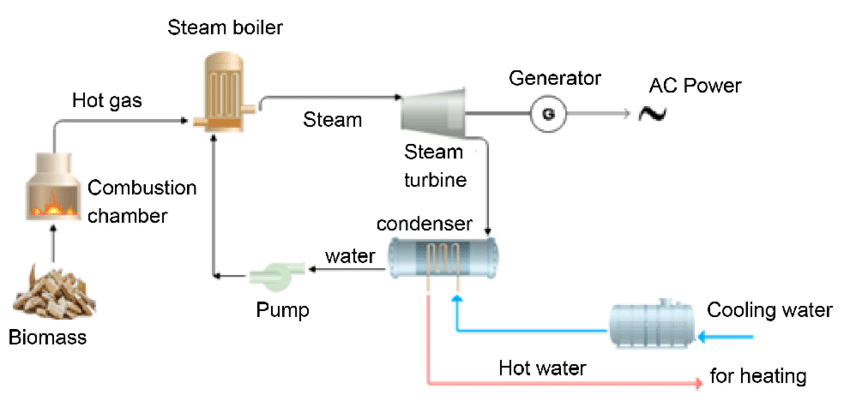
Categories
Uncategorized

Sources of Waste Heat

Sources of Waste Heat

Sources of Waste Heat: Waste Heat to Energy is a process that captures waste heat from industrial processes, power plants, and other heat-generating systems to produce useful energy, typically in the form of electricity or mechanical work. This approach improves overall efficiency, reduces fuel consumption, and lowers greenhouse gas emissions.

1. Sources of Waste Heat

Waste heat is generated in various industrial and commercial processes, including:

  • Industrial Processes: Steel mills, cement plants, glass manufacturing, and refineries.
  • Power Plants: Gas turbines, steam turbines, and diesel generators.
  • Exhaust Gases: From internal combustion engines, furnaces, and incinerators.
  • Cooling Systems: Heat rejection from air compressors, chillers, and refrigeration units.

2. Waste Heat Recovery Technologies

A. Heat-to-Power Conversion Technologies

  1. Steam Rankine Cycle (SRC)
    • Uses waste heat to generate steam, which drives a steam turbine to produce electricity.
    • Best suited for high-temperature waste heat (>300°C).
  2. Organic Rankine Cycle (ORC)
    • Uses an organic fluid with a lower boiling point than water, allowing waste heat recovery from medium- and low-temperature sources (80°C–300°C).
    • Ideal for industrial processes and geothermal applications.
  3. Kalina Cycle
    • Uses an ammonia-water mixture to enhance efficiency in recovering low- and medium-temperature waste heat.
    • More efficient than ORC in certain conditions but has higher operational complexity.
  4. Thermoelectric Generators (TEGs)
    • Convert heat directly into electricity using the Seebeck effect.
    • Suitable for small-scale applications with low-grade waste heat (below 200°C).

B. Waste Heat Recovery Systems

  1. Heat Exchangers
    • Transfer heat from exhaust gases or process fluids to another medium.
    • Used in recuperators, regenerators, economizers, and heat recovery steam generators (HRSG).
  2. Waste Heat Boilers
    • Convert exhaust heat into steam, which can be used for power generation or industrial heating.
    • Common in combined heat and power (CHP) systems.
  3. Absorption Chillers
    • Use waste heat to drive cooling processes, reducing the need for electrical cooling.
    • Suitable for district cooling and HVAC applications.
  4. Regenerative Thermal Oxidizers (RTOs)
    • Capture heat from combustion processes and reuse it to preheat incoming gases.

3. Benefits of Waste Heat Recovery

✔ Improved Energy Efficiency – Reduces fuel consumption and operational costs.
✔ Lower Greenhouse Gas Emissions – Reduces reliance on fossil fuels, helping to meet environmental regulations.
✔ Cost Savings – Reduces energy bills and increases overall process efficiency.
✔ Enhanced Sustainability – Supports circular economy principles by utilizing existing energy streams.

4. Challenges and Considerations

  • Capital Investment: Initial installation costs can be high.
  • System Complexity: Requires careful integration into existing processes.
  • Waste Heat Temperature & Quality: Not all waste heat is easily recoverable.
  • Maintenance & Reliability: Some technologies require regular upkeep.

5. Applications and Industries

✔ Manufacturing & Heavy Industry – Steel, cement, glass, and chemical plants.
✔ Power Generation – Coal, gas, and biomass power plants.
✔ Oil & Gas – Refineries and natural gas processing.
✔ Transportation – Waste heat recovery in diesel engines and ships.
✔ Data Centers – Reuse of server-generated heat for district heating.

Sources of waste heat include industrial processes such as steel mills, cement plants, glass manufacturing, and refineries; power plants utilizing gas turbines, steam turbines, and diesel generators; exhaust gases from internal combustion engines, furnaces, and incinerators; and cooling systems that reject heat from air compressors, chillers, and refrigeration units.

Waste heat is generated from various industrial, commercial, and power generation processes where energy is not fully utilized and is instead lost to the environment. One of the primary sources of waste heat is industrial processes, including steel mills, cement plants, glass manufacturing, and refineries. These industries involve high-temperature operations where significant amounts of heat are expelled through exhaust gases, cooling water, and direct radiation from hot surfaces. The steel industry, for example, releases substantial heat through blast furnace slag, hot rolling mills, and coke ovens, while cement production emits waste heat from clinker cooling and rotary kilns. Similarly, in glass manufacturing, melting and forming processes generate large quantities of excess heat that can be captured and repurposed.

Another major source of waste heat is power plants, which utilize gas turbines, steam turbines, and diesel generators. In conventional thermal power plants, a significant portion of the fuel energy is lost in exhaust gases and cooling systems. Combined cycle power plants improve efficiency by using a gas turbine’s exhaust heat to generate steam and drive a secondary steam turbine, but even these systems still produce residual waste heat. Similarly, diesel generators, commonly used in remote locations and backup power applications, release high-temperature exhaust gases that can be recovered for useful energy generation.

Transportation and internal combustion engines are also significant contributors to waste heat. Automobiles, trucks, ships, and aircraft lose a substantial portion of their fuel energy as heat through engine exhaust and cooling systems. Modern advancements, such as turbochargers and thermoelectric generators, aim to capture and repurpose some of this waste heat for improved efficiency. Marine vessels, especially large cargo ships and naval fleets, produce waste heat from massive diesel engines, which can be recovered using heat exchangers and organic Rankine cycle systems.

Industrial furnaces, boilers, and incinerators also expel high-temperature exhaust gases that carry significant energy potential. These systems are widely used in various sectors, including food processing, pulp and paper production, and waste management. In incineration plants, municipal solid waste and hazardous materials are burned to generate energy, but a considerable fraction of the heat is still lost if not properly recovered.

Cooling and refrigeration systems represent another important category of waste heat sources. Air compressors, chillers, and HVAC systems generate excess heat that is typically dissipated into the surrounding environment. Data centers, which require extensive cooling to maintain optimal operating conditions for servers, produce substantial waste heat that can be redirected for space heating or absorption cooling.

In addition to these sources, renewable energy systems such as geothermal and solar thermal plants also experience waste heat losses. Geothermal power plants extract hot fluids from beneath the Earth’s surface, but not all the heat is converted into electricity, leading to thermal discharge. Similarly, concentrated solar power (CSP) plants, which use mirrors to focus sunlight and generate steam, lose a portion of their collected heat through system inefficiencies.

Overall, waste heat is an unavoidable byproduct of energy-intensive processes, but with the right technologies and strategies, it can be captured and converted into useful energy, improving efficiency and sustainability across various industries.

Waste heat from industrial processes is one of the most significant untapped energy resources, with immense potential for recovery and utilization. Industrial facilities, including steel mills, cement plants, glass manufacturing, and oil refineries, operate at high temperatures and often release large amounts of heat into the environment through exhaust gases, cooling water, and hot surfaces. This waste heat, if properly harnessed, can be repurposed for electricity generation, process heating, or even district heating systems, significantly improving overall energy efficiency.

Steel Industry

The steel industry is one of the largest producers of waste heat due to the extreme temperatures required in smelting, refining, and shaping processes. Key sources of waste heat in steel plants include blast furnace gas, basic oxygen furnaces, electric arc furnaces, reheating furnaces, coke ovens, and hot rolling mills. Blast furnaces, which are used to reduce iron ore into molten iron, emit high-temperature off-gases that contain significant amounts of thermal energy. This heat can be recovered using heat exchangers or gas expansion turbines to produce electricity or preheat raw materials. Similarly, coke ovens release hot gases during the carbonization of coal, which can be utilized for steam generation or power production.

Hot rolling mills, used to shape steel into sheets, rods, and other forms, generate a significant amount of waste heat through the cooling of hot steel. The water or air used for cooling absorbs heat that is often dissipated without recovery. By implementing recuperative heat exchangers, this energy can be used for preheating incoming steel slabs, reducing fuel consumption.

Cement Industry

Cement manufacturing is another energy-intensive process that generates large quantities of waste heat, primarily from rotary kilns and clinker coolers. Rotary kilns operate at extremely high temperatures to convert raw materials into clinker, the key ingredient in cement. A substantial amount of heat is lost through the kiln exhaust gases and the hot clinker as it exits the kiln. Waste heat recovery (WHR) systems, such as waste heat boilers and organic Rankine cycle (ORC) systems, can capture this heat and convert it into electricity, reducing reliance on external power sources. In modern cement plants, WHR systems can recover up to 30% of the total heat input, significantly improving efficiency and lowering carbon emissions.

Glass Manufacturing

The glass industry also operates at high temperatures, primarily during the melting and forming processes. Glass furnaces require continuous heating to maintain the molten state of raw materials, and a significant portion of the heat is lost through exhaust gases and radiant heat. Recuperators and regenerators are commonly used in glass manufacturing to capture and reuse waste heat, preheating combustion air or raw materials to reduce energy consumption.

Oil Refineries

Oil refineries, which process crude oil into fuels and chemicals, generate considerable waste heat from distillation columns, cracking units, and heat exchangers. Process heaters, used for refining crude oil, produce high-temperature flue gases that often go unrecovered. Implementing heat recovery systems, such as waste heat boilers or cogeneration units, allows refineries to capture this energy and generate steam or electricity for internal use. Additionally, flare gas recovery systems can reduce heat losses by utilizing excess gas that would otherwise be burned off.

By integrating advanced heat recovery technologies in these industries, significant energy savings can be achieved, reducing operating costs and minimizing environmental impact. As industries continue to seek ways to improve energy efficiency, waste heat recovery will play a crucial role in sustainable manufacturing and energy management.

Power Plants as a Source of Waste Heat

Power plants are among the largest producers of waste heat due to the inefficiencies inherent in electricity generation. Traditional thermal power plants, including coal-fired, natural gas, and nuclear plants, operate based on the Rankine cycle, where fuel is burned to heat water, producing steam that drives a turbine. However, a significant portion of the energy is lost as waste heat, either through exhaust gases, cooling towers, or discharged water. Even in more advanced combined-cycle power plants, which improve efficiency by using a secondary steam cycle, there is still residual waste heat that can be recovered for beneficial use.

Coal and Gas-Fired Power Plants

Conventional fossil fuel power plants typically operate at efficiency levels between 30% and 45%, meaning that more than half of the energy from fuel combustion is lost as heat. The primary sources of waste heat in these plants include:

  1. Flue Gas Exhaust – High-temperature combustion gases, often exceeding 500°C, are expelled from boilers and gas turbines. Heat recovery steam generators (HRSG) can capture this energy to generate additional steam for power production.
  2. Condenser Cooling Water – After steam passes through the turbine, it is condensed back into water using cooling towers or water bodies, leading to heat dissipation into the atmosphere or surrounding environment. District heating systems and industrial heat exchangers can recover some of this waste heat for heating applications.
  3. Turbine and Boiler Surface Radiation – Equipment surfaces radiate heat into the surrounding environment, contributing to thermal losses. Insulation and heat recapture technologies can minimize these losses.

Combined-Cycle Power Plants (CCPPs)

Combined-cycle plants, which integrate a gas turbine with a steam turbine, achieve higher efficiencies (50%–60%) by using exhaust heat from the gas turbine to generate steam for an additional power cycle. However, even these plants still experience waste heat losses, particularly in the final stages of energy conversion. Waste heat from CCPPs can be further utilized in industrial cogeneration (combined heat and power, CHP) systems to provide steam for industrial processes, district heating, or desalination plants.

Nuclear Power Plants

Nuclear plants operate with similar thermodynamic limitations as fossil fuel power plants, with efficiency levels typically around 33%, meaning that nearly two-thirds of the thermal energy produced in nuclear reactions is lost as waste heat. Most of this heat is discharged through cooling towers or directly into nearby water bodies. Advanced heat recovery systems, such as high-temperature reactors and cogeneration applications, aim to harness nuclear waste heat for district heating, hydrogen production, or industrial applications.

Diesel and Gas Generators

Smaller-scale power generation units, such as diesel and natural gas generators used in remote locations, data centers, and backup power systems, also produce considerable waste heat. These engines typically convert only 30%–40% of the fuel’s energy into useful work, with the rest dissipated as exhaust gas and engine cooling losses. Waste heat recovery units (WHRUs) can be installed to capture heat from generator exhaust and engine cooling systems, converting it into electricity via an Organic Rankine Cycle (ORC) or using it for process heating.

Potential Applications for Power Plant Waste Heat

Waste heat from power plants can be effectively utilized in various ways:

  • District Heating Systems – Capturing waste heat for residential and commercial heating can significantly reduce fuel consumption and emissions.
  • Industrial Steam and Process Heating – Industries that require high-temperature steam, such as chemical plants, can benefit from power plant waste heat.
  • Desalination – Thermal desalination processes, such as multi-stage flash (MSF) and multi-effect distillation (MED), can use waste heat to produce fresh water.
  • Greenhouses and Agriculture – Waste heat can provide controlled heating for greenhouses, improving food production efficiency.
  • Absorption Cooling – Waste heat can be used in absorption refrigeration systems to provide cooling, reducing electricity demand for air conditioning.

As global energy demands increase, improving the efficiency of power generation and utilizing waste heat will play a critical role in reducing carbon emissions and enhancing sustainability.

Waste Heat from Transportation and Internal Combustion Engines

Transportation is a major source of waste heat, particularly from internal combustion engines (ICEs) used in automobiles, trucks, ships, trains, and aircraft. In conventional gasoline and diesel engines, only about 25%–40% of the fuel’s energy is converted into useful mechanical work, while the rest is lost as heat through exhaust gases, engine cooling systems, and surface radiation. Capturing and utilizing this waste heat can significantly improve fuel efficiency, reduce emissions, and enhance overall performance.

Automobiles and Trucks

Road transportation relies heavily on internal combustion engines, where substantial waste heat is generated. The primary sources of heat loss in vehicles include:

  1. Exhaust Gases – A large portion of waste heat (up to 40% of fuel energy) escapes through the exhaust system. Technologies like turbochargers and thermoelectric generators (TEGs) can recover part of this heat for improved efficiency.
  2. Engine Cooling System – The cooling system removes heat from the engine block to prevent overheating, but this heat is typically dissipated into the atmosphere through radiators. Waste heat recovery (WHR) systems can redirect some of this thermal energy for auxiliary functions like cabin heating or electricity generation.
  3. Friction and Drivetrain Losses – Heat generated from moving engine parts and friction in the drivetrain is another source of wasted energy. Advanced lubricants and materials help reduce these losses, but some energy is still lost.

To address these inefficiencies, several waste heat recovery technologies are being developed:

  • Turbochargers and Turbo-Compounding – Turbochargers use exhaust gas energy to compress incoming air, improving engine efficiency and power output. Turbo-compounding systems take this a step further by using an additional turbine to recover even more exhaust energy and convert it into mechanical or electrical power.
  • Thermoelectric Generators (TEGs) – TEGs use the Seebeck effect to convert temperature differences between hot exhaust gases and cooler surfaces into electricity. These systems can power onboard electronics, reducing the load on the alternator and improving fuel economy.
  • Rankine Cycle Waste Heat Recovery Systems – Similar to power plants, vehicles can use a small Rankine cycle system to convert waste heat into mechanical energy to assist in propulsion.

Marine and Shipping Industry

Ships and marine vessels, particularly large cargo ships and cruise liners, use massive diesel engines that operate for long periods, generating significant amounts of waste heat. Key waste heat sources in marine engines include:

  • Exhaust Gases – Large marine engines produce high-temperature exhaust gases that can be captured using waste heat boilers to generate steam for auxiliary power.
  • Cooling Water – Engine cooling systems absorb heat, which can be used for heating applications on board or converted into electricity via heat exchangers and ORC systems.
  • Lubrication System Heat – Waste heat from lubricating oil can be recovered and reused for preheating fuel or other onboard applications.

Modern marine vessels are incorporating waste heat recovery systems (WHRS) to improve efficiency. Combined with shaft generators and electrical propulsion systems, WHR can reduce fuel consumption and lower emissions in compliance with environmental regulations.

Aircraft and Aviation

Aircraft engines, particularly jet engines, generate immense amounts of waste heat through exhaust gases and high-temperature components. While aviation has limited options for traditional waste heat recovery due to weight constraints, some innovative solutions include:

  • Heat Exchangers for Cabin Heating – Waste heat from jet engines is already used for cabin pressurization and heating.
  • More Efficient Engine Design – Advanced materials and cooling techniques reduce thermal losses and improve overall efficiency.
  • Hybrid and Electric Aviation Concepts – Future aircraft designs may integrate waste heat recovery technologies to enhance battery performance or reduce fuel consumption.

Rail Transportation

Diesel-electric locomotives generate significant waste heat from their engines and electrical components. Similar to marine applications, Rankine cycle systems, thermoelectric generators, and improved cooling system designs can enhance locomotive efficiency by capturing and reusing waste heat.

Future of Waste Heat Recovery in Transportation

As fuel efficiency standards become stricter and sustainability becomes a priority, waste heat recovery will play a critical role in the future of transportation. Advancements in materials, thermoelectric technology, and hybrid powertrain integration will further enhance the ability to capture and utilize waste heat in various vehicle types. Reducing waste heat losses will not only improve fuel economy but also contribute to lower greenhouse gas emissions and reduced reliance on fossil fuels.

Waste Heat Recovery Systems (WHRS)

Waste Heat Recovery Systems (WHRS) are technologies designed to capture and utilize heat that would otherwise be lost from industrial processes, power generation, and transportation. These systems improve energy efficiency, reduce fuel consumption, lower greenhouse gas emissions, and enhance overall sustainability. The recovered heat can be used for electricity generation, process heating, space heating, or cooling applications.

Types of Waste Heat Recovery Systems

Waste Heat Utilization

1. Regenerative Heat Exchangers

Regenerative heat exchangers store heat from hot gases and transfer it to incoming cold gases. They are commonly used in high-temperature industrial processes such as steel manufacturing and glass production.

  • Examples: Regenerators in blast furnaces, thermal oxidizers, and regenerative thermal oxidizers (RTOs).

2. Recuperative Heat Exchangers

Recuperative heat exchangers directly transfer heat from hot gases to cold gases or liquids through a solid medium.

  • Examples: Economizers in boilers, air preheaters, and plate heat exchangers.

3. Waste Heat Boilers (Heat Recovery Steam Generators – HRSG)

These systems use waste heat from industrial processes or power plants to produce steam, which can be used for electricity generation or industrial heating.

  • Examples: Combined cycle power plants, cogeneration (CHP) systems, and steam-based district heating.

4. Organic Rankine Cycle (ORC) Systems

ORC systems convert low-temperature waste heat into electricity using organic fluids with lower boiling points than water.

  • Applications: Biomass plants, geothermal energy, and low-grade waste heat recovery in industries.

5. Thermoelectric Generators (TEGs)

TEGs convert waste heat directly into electricity using the Seebeck effect.

  • Applications: Automotive exhaust systems, industrial furnaces, and spacecraft power generation.

6. Kalina Cycle Systems

Kalina cycle technology uses a mixture of ammonia and water to recover heat more efficiently than traditional Rankine cycles.

  • Applications: Geothermal power plants, industrial waste heat recovery, and solar thermal power.

7. Absorption Cooling Systems

These systems use waste heat to drive cooling cycles instead of electricity.

  • Applications: Air conditioning in commercial buildings, industrial refrigeration, and data centers.

8. Flue Gas Heat Recovery

Captures heat from exhaust gases in power plants, industrial boilers, and incinerators.

  • Applications: Preheating combustion air, district heating, and steam generation.

9. Mechanical Vapor Recompression (MVR)

MVR compresses and reuses steam to improve efficiency in evaporation and drying processes.

  • Applications: Food processing, desalination, and paper manufacturing.

Benefits of Waste Heat Recovery Systems

  • Energy savings – Reduces fuel consumption and operational costs.
  • Lower emissions – Decreases CO₂ and other greenhouse gas emissions.
  • Improved efficiency – Enhances process performance and sustainability.
  • Economic benefits – Reduces energy costs and improves profitability.

Waste Heat Recovery Systems are essential for improving energy efficiency across multiple sectors, helping industries and power plants transition toward a more sustainable future.

Waste Heat Recovery Systems (WHRS) are designed to capture and repurpose heat that would otherwise be lost from industrial processes, power plants, and transportation systems. These systems enhance energy efficiency, lower fuel consumption, and reduce greenhouse gas emissions, contributing to both economic and environmental sustainability. Waste heat can be recovered using different technologies depending on temperature levels, heat sources, and the intended application. High-temperature waste heat from industrial furnaces, steel mills, and cement kilns can be used to generate steam, which can either drive turbines for electricity generation or be used directly in manufacturing processes. Medium- and low-temperature waste heat, such as that from exhaust gases, cooling systems, and hot surfaces, can be recovered using heat exchangers, economizers, or organic Rankine cycle (ORC) systems.

Thermoelectric generators (TEGs) convert heat directly into electricity using the Seebeck effect, making them useful in automotive applications and remote power generation. In the transportation sector, waste heat recovery is particularly valuable in internal combustion engines, where a significant portion of fuel energy is lost through exhaust and cooling systems. Turbochargers improve engine efficiency by using exhaust gases to compress incoming air, while turbo-compounding systems convert excess exhaust energy into mechanical or electrical power. In marine and locomotive engines, waste heat recovery boilers capture exhaust heat to produce steam for auxiliary power.

In power plants, heat recovery steam generators (HRSG) are widely used in combined-cycle plants, where gas turbines’ exhaust heat is used to generate additional steam for a secondary power cycle, improving overall efficiency. Industrial applications frequently use regenerative and recuperative heat exchangers to capture and reuse thermal energy, with applications in steel, glass, cement, and chemical industries. Absorption refrigeration systems utilize waste heat for cooling, making them ideal for data centers, commercial buildings, and process cooling in industrial facilities. Flue gas heat recovery systems extract residual heat from exhaust gases in boilers and furnaces, preheating combustion air to reduce fuel consumption.

Mechanical vapor recompression (MVR) technology captures and reuses steam in processes such as food processing, desalination, and paper manufacturing. Kalina cycle systems use a mixture of ammonia and water to recover waste heat more efficiently than conventional Rankine cycles, particularly in geothermal and industrial applications. These waste heat recovery technologies provide numerous benefits, including significant energy savings, lower operating costs, reduced reliance on fossil fuels, and decreased carbon emissions. By integrating waste heat recovery systems, industries and power plants can optimize their processes and contribute to a more sustainable energy landscape.

Waste heat recovery systems play a critical role in optimizing energy use across various industries, including power generation, manufacturing, and transportation. In power plants, where efficiency losses are significant, waste heat recovery technologies such as combined heat and power (CHP) and district heating systems help utilize excess thermal energy that would otherwise be lost through cooling towers or exhaust stacks. By capturing and repurposing this heat, power plants can provide electricity and thermal energy simultaneously, reducing fuel consumption and emissions.

In industrial settings, waste heat recovery is widely implemented in energy-intensive sectors such as steel, cement, glass, and petrochemical production, where furnaces, kilns, and boilers generate large amounts of high-temperature waste heat. This heat can be recovered using regenerative and recuperative heat exchangers, waste heat boilers, and organic Rankine cycle (ORC) systems to produce additional steam or electricity. In refineries and chemical plants, process heat from distillation, cracking, and reforming units can be reused to preheat raw materials, improving overall energy efficiency.

Waste heat recovery is also essential in the transportation sector, particularly in diesel engines used in trucks, ships, and trains, where exhaust gas heat can be converted into useful work through turbo-compounding, thermoelectric generators (TEGs), and Rankine cycle systems. Marine vessels benefit from waste heat boilers that generate steam from exhaust gases, reducing fuel consumption for auxiliary power. In aviation, research into thermoelectric and heat exchanger technologies aims to enhance engine efficiency and reduce fuel burn. On a broader scale, waste heat recovery contributes to sustainable energy solutions, including waste-to-energy plants that convert municipal and industrial waste heat into usable electricity and heat for district energy networks. Advanced absorption cooling systems further expand the utility of waste heat by converting excess thermal energy into cooling power for air conditioning and refrigeration, reducing electrical demand.

The integration of waste heat recovery with renewable energy sources, such as solar and geothermal power, enhances overall system efficiency and resilience. Digital monitoring and smart energy management systems further optimize waste heat utilization by analyzing thermal losses in real-time and adjusting recovery processes accordingly. As industries and governments prioritize decarbonization and energy efficiency, waste heat recovery systems will continue to evolve, incorporating advanced materials, improved heat exchangers, and emerging technologies like supercritical CO₂ cycles and phase-change materials. These innovations will play a crucial role in minimizing energy waste, lowering greenhouse gas emissions, and improving the sustainability of industrial and power generation processes worldwide.

The continuous advancement of waste heat recovery systems is driven by the increasing need for energy efficiency, cost reduction, and sustainability across industries. One of the most promising areas of development is the integration of artificial intelligence (AI) and machine learning in waste heat recovery optimization. AI-powered systems can analyze operational data in real time, predict heat loss patterns, and adjust recovery mechanisms dynamically to maximize efficiency. This is particularly beneficial in complex industrial settings where fluctuating process conditions require adaptive control strategies. Additionally, advancements in thermoelectric materials are making thermoelectric generators (TEGs) more efficient and viable for large-scale waste heat recovery. New materials, such as nanostructured thermoelectrics and high-performance semiconductors, are improving the conversion efficiency of heat into electricity, expanding their applications in automotive engines, power plants, and industrial furnaces.

Another innovative approach to waste heat utilization is the development of supercritical CO₂ (sCO₂) power cycles, which offer higher thermal efficiency than traditional steam-based systems. sCO₂ cycles operate at higher pressures and temperatures, allowing for more effective waste heat recovery in power generation and industrial processes. This technology is gaining traction in applications such as concentrated solar power (CSP), nuclear power plants, and waste heat recovery in heavy industries. Similarly, phase-change materials (PCMs) are being explored for thermal energy storage, allowing waste heat to be captured and stored for later use, addressing the intermittent nature of heat availability in many industrial operations. These materials absorb heat during phase transitions and release it when needed, providing a more flexible and efficient way to utilize waste heat.

Waste heat recovery is also playing an increasing role in urban energy systems, particularly in district heating and cooling networks. Many cities are integrating industrial waste heat, data center heat, and even low-grade heat from wastewater treatment plants into their heating networks, reducing reliance on fossil fuels for space heating. Combined heat and power (CHP) systems continue to be a key solution in urban energy infrastructure, simultaneously producing electricity and useful heat from a single fuel source, thereby improving overall system efficiency. Additionally, emerging technologies such as absorption heat pumps and adsorption chillers are enabling more effective use of low-temperature waste heat in commercial and residential applications, further reducing energy demand from conventional heating and cooling systems.

As industries and governments continue to focus on carbon reduction goals, waste heat recovery systems are becoming an essential component of energy policy and corporate sustainability strategies. Stricter environmental regulations and carbon pricing mechanisms are pushing industries to invest in more efficient waste heat utilization technologies. Incentives and funding for energy efficiency projects, including government grants and tax credits, are accelerating the adoption of waste heat recovery solutions across various sectors. Moreover, the transition to hydrogen-based economies is opening new possibilities for waste heat recovery, as excess heat from hydrogen production processes such as electrolysis and methane reforming can be captured and reused in industrial applications or district energy systems.

Looking ahead, the convergence of digitalization, advanced materials, and innovative thermodynamic cycles will continue to drive improvements in waste heat recovery efficiency and economic viability. Companies and researchers are exploring hybrid solutions that combine waste heat recovery with renewable energy systems to create more resilient and self-sustaining industrial and urban energy networks. The expansion of decentralized waste heat recovery, where smaller-scale industrial and commercial facilities contribute to local energy systems, is also gaining momentum, further decentralizing energy production and reducing dependence on centralized fossil fuel power generation. By embracing these advancements, industries can significantly reduce energy waste, lower operational costs, and contribute to a more sustainable and energy-efficient future.

Benefits of Waste Heat Recovery

Waste Heat to Energy

The benefits of waste heat recovery are numerous, spanning economic, environmental, and operational improvements across various industries. By capturing and repurposing heat that would otherwise be lost, waste heat recovery systems can offer significant advantages in terms of energy efficiency, cost savings, and sustainability.

  1. Energy Efficiency: Waste heat recovery significantly enhances the overall energy efficiency of industrial processes, power plants, and transportation systems. By utilizing excess thermal energy, companies can reduce their reliance on primary energy sources (such as natural gas, coal, or electricity), making processes more efficient and reducing fuel consumption. This can lead to lower energy bills and a reduction in overall energy demand.
  2. Cost Savings: One of the most immediate benefits of waste heat recovery is cost savings. By capturing waste heat and repurposing it for useful applications, industries can reduce the need to purchase additional energy, thus cutting operating costs. For example, in manufacturing or power plants, recovered heat can be used to preheat incoming air or fluids, reducing the need for additional fuel to generate the required temperatures.
  3. Reduced Greenhouse Gas Emissions: Waste heat recovery systems help reduce greenhouse gas (GHG) emissions by lowering the overall fuel consumption of industrial processes and power plants. The less fuel that needs to be burned, the fewer emissions are generated. This is particularly important for companies working toward sustainability goals or those subject to emissions regulations. By using waste heat, industries can lower their carbon footprint and contribute to the global effort to combat climate change.
  4. Improved Process Efficiency: Waste heat recovery helps to optimize processes by providing a stable and reliable source of heat or energy. In many industries, the recovered heat can be used for processes such as preheating raw materials, producing steam, or powering auxiliary equipment. This integration leads to better system optimization, smoother operation, and reduced wear on equipment, enhancing overall process reliability and performance.
  5. Increased Energy Security: By recovering waste heat, industries can reduce their dependency on external energy supplies, contributing to greater energy security. Waste heat recovery allows companies to become more self-sufficient by generating their own power or reducing the need to purchase power from the grid. This can be particularly beneficial in regions with unstable energy prices or supply disruptions.
  6. Reduced Operational Costs: By reusing waste heat within a facility, industries can reduce the overall cost of running their operations. This includes savings from fuel, maintenance costs associated with equipment wear, and reduced demand on external utilities, leading to more predictable and manageable energy costs over time.
  7. Enhanced Sustainability: Waste heat recovery plays a key role in advancing sustainability initiatives. By reducing energy waste, emissions, and overall resource consumption, companies can contribute to sustainability goals, improve their public image, and meet corporate social responsibility (CSR) targets. Additionally, many waste heat recovery technologies, such as absorption chillers and organic Rankine cycles, can contribute to renewable energy generation, further boosting a facility’s sustainability efforts.
  8. Compliance with Environmental Regulations: Many countries have strict environmental regulations that require industries to reduce emissions and improve energy efficiency. Waste heat recovery systems help industries comply with these regulations by minimizing fuel consumption and GHG emissions. In some cases, the implementation of waste heat recovery systems may qualify companies for tax credits, grants, or other incentives aimed at supporting energy-efficient technologies.
  9. Opportunities for Combined Heat and Power (CHP) and District Heating: Waste heat recovery can be integrated into combined heat and power (CHP) systems, where both electricity and useful heat are generated from a single energy source. This increases overall system efficiency and allows for the utilization of otherwise wasted energy. Additionally, waste heat can be used in district heating systems, providing residential, commercial, and industrial buildings with affordable, low-carbon heat from local sources.
  10. Energy Flexibility and Reliability: Some waste heat recovery technologies, such as heat storage and thermal energy storage systems, allow for the storage of recovered heat for later use. This can provide a more flexible and reliable energy source, especially in operations that require heat on a fluctuating basis, such as in seasonal industries or those with variable production schedules.
  11. Innovation and Technological Advancements: Waste heat recovery encourages innovation in thermal management technologies, leading to the development of advanced systems like thermoelectric generators (TEGs), Kalina cycles, and supercritical CO₂ cycles. These technologies improve the ability to recover and use low- and medium-grade waste heat, further enhancing overall energy utilization.
  12. Market Competitiveness: Companies that adopt waste heat recovery technologies can gain a competitive edge by improving their bottom line through reduced energy costs and enhanced efficiency. Additionally, demonstrating a commitment to sustainability and energy efficiency can improve a company’s reputation and brand image, making it more attractive to customers, investors, and regulatory bodies.

In summary, waste heat recovery offers a wide range of benefits, from improved energy efficiency and cost savings to environmental sustainability and compliance with regulations. It is a critical tool in creating more sustainable, cost-effective, and energy-efficient industrial and energy systems worldwide.

Waste heat recovery systems offer significant advantages that contribute to operational, economic, and environmental improvements. By capturing and repurposing heat that would otherwise be wasted, industries can enhance their energy efficiency and reduce fuel consumption, which in turn lowers operating costs. The reduction in fuel consumption also directly results in fewer emissions, including greenhouse gases, contributing to environmental sustainability and helping industries meet regulatory compliance and sustainability goals. By recovering waste heat, companies can reduce their reliance on external energy sources, which not only boosts their energy security but also makes their energy needs more predictable and stable. This reduction in energy dependence can be particularly beneficial in areas with volatile energy prices or where energy security is a concern.

Waste heat recovery also improves process efficiency by providing a reliable source of thermal energy that can be used for applications like preheating raw materials, generating steam, or powering auxiliary equipment. This integration helps optimize overall system performance, enhancing reliability and productivity while reducing wear and tear on machinery. Furthermore, the reuse of waste heat can significantly cut down on fuel expenses, reducing the overall operational costs of a facility. The economic benefits of waste heat recovery systems extend beyond the immediate savings on energy costs, as the increased efficiency and reduced environmental impact can improve a company’s public image, helping to meet corporate social responsibility (CSR) targets and attract investment.

As industries move toward more sustainable practices, waste heat recovery plays a key role in advancing these efforts by reducing the amount of energy lost in industrial processes and enhancing overall resource conservation. The implementation of waste heat recovery systems aligns with sustainability initiatives, helping companies to reduce their carbon footprint while generating savings in the process. In regions where stringent environmental regulations are in place, waste heat recovery can be an effective strategy to comply with these laws, potentially qualifying businesses for incentives such as tax credits or grants for energy-efficient technologies.

Moreover, waste heat recovery contributes to the potential for combined heat and power (CHP) systems, where both electricity and useful heat are produced from a single fuel source. This not only boosts efficiency but also allows industries to create district heating systems that can provide low-carbon heating to nearby residential, commercial, and industrial buildings. Such integration further reduces reliance on traditional energy sources and promotes local, sustainable energy solutions. The flexibility of recovered heat, which can be stored for later use, also provides a level of reliability and energy security, particularly for industries with fluctuating energy demands.

Ultimately, the adoption of waste heat recovery technologies enables companies to remain competitive in a marketplace where energy efficiency and environmental responsibility are becoming increasingly important. These systems help businesses lower their energy costs, reduce emissions, and comply with regulations, all while boosting their reputation and market position. The ongoing innovation in waste heat recovery, through new technologies such as thermoelectric generators, supercritical CO₂ cycles, and advanced thermal storage solutions, continues to enhance the efficiency and viability of these systems, opening new opportunities for industries to harness and make use of energy that would otherwise be lost.

The widespread adoption of waste heat recovery systems is increasingly recognized as an essential strategy for optimizing energy usage and achieving sustainability goals across industries. As technologies continue to evolve, industries are finding new ways to leverage low- and medium-temperature waste heat that was previously considered difficult or uneconomical to recover. Innovations in materials, such as advanced heat exchangers and high-performance thermoelectrics, are improving the efficiency of heat recovery, even in lower temperature ranges. For example, organic Rankine cycles (ORC) and Kalina cycles have become more efficient at recovering heat from lower-grade waste streams, enabling industries to recover and utilize heat that would have otherwise been wasted.

Furthermore, waste heat recovery is playing an increasingly important role in the transition toward low-carbon and renewable energy solutions. By integrating recovered heat with renewable energy sources such as solar and biomass, industries can create hybrid systems that maximize overall energy efficiency and sustainability. For instance, waste heat recovery systems can be used in combination with solar thermal energy to create more reliable and efficient renewable power systems, or even in geothermal power plants where excess heat can be used to improve energy generation processes.

The growing emphasis on decarbonization, coupled with tightening regulations on carbon emissions and energy efficiency, is driving more industries to incorporate waste heat recovery technologies into their operations. As governments around the world implement stricter environmental policies, industries that adopt waste heat recovery systems will be better positioned to meet these regulatory requirements while also reducing their operational costs. In some regions, this can provide a competitive edge as companies that implement energy-efficient practices may benefit from financial incentives, subsidies, or preferential treatment in the market.

Beyond energy savings, waste heat recovery systems also contribute to improved resource utilization, as industries become more adept at making use of by-products that were previously overlooked. For example, in manufacturing processes, where high temperatures are often required, the ability to recover and reuse waste heat reduces the need for fresh inputs of fuel or electricity. This reduces both operating costs and the overall environmental impact of production processes, supporting circular economy principles by reducing waste and maximizing the reuse of available resources.

In the context of urban energy systems, waste heat recovery is also being integrated into district heating and cooling networks, where industrial or commercial heat is transferred to local buildings for space heating or hot water. This not only makes use of waste heat but also helps reduce the need for fossil fuels in urban energy systems, lowering emissions on a larger scale. Cities can greatly benefit from integrating waste heat recovery in their energy infrastructure, particularly as urban populations continue to grow and demand for energy rises. By creating more energy-efficient districts with shared heating and cooling resources, cities can become more resilient to energy price fluctuations and contribute to achieving national or global climate targets.

As energy markets evolve and new technological solutions emerge, waste heat recovery systems will continue to play an integral role in achieving a more sustainable energy future. The combination of digitalization, advanced analytics, and smart grids will further optimize the efficiency of these systems by enabling real-time monitoring and control, ensuring that waste heat recovery is maximized across a wide range of applications. In the long run, waste heat recovery not only offers a pathway to energy savings and cost reductions but also serves as a key pillar in the transition to a more sustainable, low-carbon economy.

As industries and governments continue to prioritize sustainability and energy efficiency, waste heat recovery technologies will become even more crucial in helping meet global energy demands while reducing environmental impact. The integration of waste heat recovery with emerging technologies like smart grids, advanced automation, and artificial intelligence will enable more dynamic and efficient energy systems. Real-time monitoring and predictive analytics will allow for better decision-making and optimization of energy use, ensuring that heat recovery systems operate at their peak efficiency, even in fluctuating conditions. With the increasing availability of data and digital tools, businesses can identify areas of heat loss and adjust recovery strategies to improve both economic performance and environmental outcomes.

Moreover, the development of new materials and technologies will continue to drive the expansion of waste heat recovery into previously untapped sectors. For instance, new heat-resistant alloys and ceramic materials are making high-temperature heat exchangers more durable and efficient, allowing for the recovery of heat from even more extreme industrial processes. Similarly, advances in heat storage technologies, such as advanced phase-change materials (PCMs) and thermochemical storage, are enabling industries to capture and store excess heat for later use, further increasing system flexibility and making it possible to use recovered heat during peak demand periods.

In addition, as global economies move toward hydrogen as a clean energy source, waste heat recovery will play an important role in optimizing hydrogen production processes. Technologies like electrolysis, which are used to produce green hydrogen from water, require significant amounts of electricity and produce waste heat. By integrating waste heat recovery into these processes, the efficiency of hydrogen production can be significantly improved, making it a more viable option for decarbonizing industries such as transportation, manufacturing, and power generation. Similarly, as the use of hydrogen in industrial heating systems grows, the integration of waste heat recovery can provide additional energy savings and further reduce emissions.

The expansion of decentralized energy systems and microgrids also presents new opportunities for waste heat recovery. In remote or off-grid locations, small-scale waste heat recovery systems can be used to generate electricity or provide heat for industrial and residential use. These systems could help power critical infrastructure, such as water treatment plants, hospitals, and schools, while reducing the reliance on expensive or unreliable external energy sources. By incorporating waste heat recovery into these systems, communities can create more resilient and self-sustaining energy solutions.

Waste heat recovery’s contribution to reducing the energy intensity of industrial operations, coupled with advances in renewable energy technologies, will help move industries closer to achieving their net-zero carbon goals. By addressing both operational efficiency and emissions reductions, waste heat recovery allows businesses to take a holistic approach to energy management, reducing costs while supporting their environmental and regulatory commitments.

As waste heat recovery technologies become more widespread, industries that adopt these systems will not only benefit from direct energy savings but also enhance their competitiveness in a market that increasingly values sustainability and resource efficiency. The ability to recover and reuse waste heat can also serve as a differentiating factor, as consumers, investors, and regulators place greater emphasis on environmentally responsible practices. For industries looking to future-proof their operations, investing in waste heat recovery technology is an important step toward building long-term resilience, enhancing sustainability, and maintaining market leadership.

Ultimately, the future of waste heat recovery holds great promise, with the potential to transform how industries utilize energy and reduce their environmental impact. As new technologies emerge and the global economy moves toward more sustainable and efficient energy solutions, waste heat recovery will continue to play an essential role in shaping a greener, more energy-efficient world. With ongoing innovation, strategic integration into energy systems, and a commitment to sustainability, waste heat recovery is poised to become an integral part of the global transition to a low-carbon economy.

While waste heat recovery offers substantial benefits, there are several challenges and considerations that industries must address to fully capitalize on these technologies.

  1. Initial Capital Investment: One of the primary challenges associated with waste heat recovery systems is the initial cost. The installation of recovery equipment, such as heat exchangers, thermoelectric generators, or ORC systems, can require a significant upfront investment. This cost may be a barrier for some industries, especially those with tight budgets or low-profit margins. However, the long-term savings from reduced energy consumption and improved efficiency often justify the initial expenditure.
  2. Technological Complexity: Implementing waste heat recovery systems often requires specialized knowledge and expertise. Different industries generate waste heat at various temperatures and scales, requiring tailored solutions to recover and repurpose this energy effectively. The complexity of integrating recovery systems with existing infrastructure can also pose a challenge, especially in older or less adaptable facilities. Proper planning, engineering, and technical support are critical to ensure a smooth implementation.
  3. Economic Viability for Low-Temperature Heat: Waste heat recovery is typically most effective when the heat source is high temperature, such as exhaust gases from industrial furnaces or power plants. Low-temperature waste heat (below 100°C or 212°F), which is common in many industrial processes, can be harder to recover efficiently. Technologies like organic Rankine cycles (ORC) and thermoelectric generators (TEGs) are increasingly being used to capture low-grade heat, but these systems may still have lower efficiency compared to high-temperature heat recovery systems. In some cases, the costs of recovering low-temperature heat may not be economically viable unless paired with other technologies or applications.
  4. System Integration and Compatibility: Integrating waste heat recovery systems into existing industrial processes and infrastructure can be challenging, particularly in industries with complex or outdated systems. The process of connecting recovery equipment to existing machinery, ensuring compatibility with control systems, and adjusting operations can be time-consuming and costly. Furthermore, the operational profile of industries often changes over time, which may impact the effectiveness of waste heat recovery solutions. Continuous monitoring and system optimization are essential for ensuring long-term performance.
  5. Operational and Maintenance Challenges: Like all energy systems, waste heat recovery systems require regular maintenance to ensure they continue to operate efficiently. This can involve cleaning heat exchangers, maintaining thermoelectric generators, and replacing worn-out components. Over time, system components can degrade due to factors like corrosion, scaling, or thermal fatigue. Maintenance and operational costs can accumulate, potentially offsetting some of the financial benefits of waste heat recovery. Furthermore, integrating waste heat recovery into existing operations may introduce new operational complexities that require specialized personnel.
  6. Space and Installation Constraints: Some industries, particularly in dense urban environments or in older facilities, may face space constraints that make the installation of waste heat recovery systems difficult. The additional equipment required for heat recovery, such as heat exchangers, storage tanks, or turbines, can require significant space, which may not be readily available in existing plants or industrial setups. In such cases, companies may need to invest in new infrastructure or undergo costly facility upgrades to accommodate waste heat recovery technologies.
  7. Regulatory and Environmental Considerations: While waste heat recovery can reduce greenhouse gas emissions, it must still comply with local environmental regulations. In some cases, recovering heat from industrial processes or exhaust gases may be subject to specific regulations regarding air quality, emissions, or thermal discharge. Regulatory constraints may limit the types of heat recovery technologies that can be used or the way in which heat is released back into the environment. Companies must carefully navigate these regulatory requirements to ensure their waste heat recovery systems operate within legal and environmental boundaries.
  8. Energy Quality and Consistency: The quality and consistency of the recovered heat are important considerations. Waste heat sources can vary in temperature, flow, and availability, which can impact the efficiency of recovery systems. For example, in processes where heat is not continuously available, energy storage or backup systems may be required to maintain a consistent supply of recovered heat. The varying nature of waste heat can also make it difficult to integrate these systems into broader energy networks, such as district heating or CHP systems, which rely on stable and predictable heat sources.
  9. Financial and Market Uncertainty: The financial return on investment (ROI) for waste heat recovery systems can be influenced by external factors, such as fluctuating energy prices, government incentives, or shifts in market conditions. For example, if energy prices decrease significantly, the cost savings from waste heat recovery may become less compelling. Similarly, changes in regulations, such as the removal of tax incentives for energy efficiency projects, could impact the financial viability of these systems.
  10. Technological Advancements and Future Proofing: As new technologies continue to emerge in the field of waste heat recovery, industries must carefully assess the long-term viability of the systems they install. New and more efficient technologies, such as advanced thermoelectric materials, supercritical CO₂ cycles, or hybrid renewable energy solutions, may provide better performance and longer-term savings, making older systems obsolete. This creates a challenge for industries seeking to future-proof their energy infrastructure while ensuring that their waste heat recovery investments remain competitive and relevant.

In conclusion, while waste heat recovery offers numerous benefits, industries must address several challenges in order to fully realize these advantages. Overcoming barriers such as high initial costs, technological complexity, system integration issues, and space constraints requires careful planning, expertise, and investment. However, with ongoing advancements in technology, more efficient solutions are emerging to address these challenges, making waste heat recovery an increasingly viable and integral part of sustainable energy strategies.

Addressing the challenges associated with waste heat recovery involves careful planning, investment, and ongoing optimization. One of the key areas that need focus is the economic viability of waste heat recovery systems, particularly in industries with low-temperature heat. Low-temperature waste heat is often less energy-dense, which can make recovery technologies less efficient and economically viable. In such cases, pairing waste heat recovery with complementary technologies, such as heat pumps, or integrating recovered heat into other parts of the industrial process, can improve the overall efficiency and cost-effectiveness of these systems. Additionally, industries must evaluate the long-term savings and the reduction in operational costs, weighing them against the initial investment required for system installation and integration.

Another consideration is the integration of waste heat recovery systems into existing industrial infrastructure. In many cases, industrial plants and processes are already operating with a set infrastructure, and introducing new technologies requires thoughtful integration with the current system. This could mean modifications to existing equipment, the installation of new heat exchangers, or the introduction of additional controls to ensure that recovered heat is effectively reused. This integration process can be resource-intensive, both in terms of time and financial outlay, as it may require downtime or system upgrades to ensure compatibility with the new technologies.

Space limitations also play a critical role in the successful implementation of waste heat recovery systems. Older facilities, in particular, may not have the physical space to accommodate new heat recovery equipment. Additionally, for industries located in highly urbanized areas, space constraints may limit the scale of waste heat recovery that can be practically installed. Solutions to these challenges could include the design and implementation of compact systems, modular recovery units, or leveraging off-site storage for recovered heat. However, this may still entail significant investment in infrastructure changes or spatial reconfigurations, which can be costly and logistically challenging.

In operational terms, the maintenance of waste heat recovery systems is an ongoing concern. While these systems can be highly beneficial in terms of efficiency and cost savings, they require regular attention to remain effective. For instance, heat exchangers need to be cleaned and maintained to prevent the buildup of scale, dirt, or corrosion, which could hinder heat transfer efficiency. Similarly, thermoelectric generators or other high-tech equipment in waste heat recovery systems may need periodic calibration and repairs to ensure consistent performance. Developing a reliable maintenance strategy and ensuring that personnel are trained to manage these advanced systems are crucial for the long-term success of waste heat recovery.

Moreover, external factors, such as changes in energy prices or environmental regulations, can also influence the economic feasibility of waste heat recovery projects. Fluctuating energy costs can directly impact the financial savings that waste heat recovery provides. If energy prices drop, the economic incentive to invest in waste heat recovery may diminish, as the payback period could become longer or the energy savings less significant. Conversely, if energy prices rise or stricter emissions regulations are implemented, the value proposition for waste heat recovery may improve. Businesses must continuously assess these external factors and adjust their strategies accordingly to ensure that their investments in waste heat recovery continue to yield positive returns.

Technological advancements will continue to evolve, providing new opportunities to overcome some of the limitations associated with waste heat recovery systems. Innovations in materials, such as advanced heat-resistant alloys or more efficient thermoelectric materials, are improving the ability to recover waste heat at lower temperatures, making these technologies more viable in a broader range of industrial applications. Moreover, improvements in energy storage technologies, such as thermal storage or advanced batteries, could help mitigate the intermittent nature of waste heat and allow industries to store and use recovered energy at times of peak demand.

In addition, policy support and government incentives will play an important role in driving the adoption of waste heat recovery technologies. Many countries are offering financial incentives, tax credits, or subsidies to encourage the adoption of energy-efficient technologies. Industries can take advantage of these programs to offset some of the initial costs associated with implementing waste heat recovery systems. However, the landscape of these incentives is often subject to change based on political and economic conditions, and businesses must stay informed about regulatory changes that could impact their ability to recover investments.

To fully address these challenges, industries must approach waste heat recovery with a long-term perspective, considering not only the immediate benefits but also the potential for future technological advancements, operational adjustments, and changes in the market and regulatory environments. By carefully navigating the complexities of waste heat recovery, businesses can improve their energy efficiency, reduce their environmental impact, and achieve significant cost savings over time.

As industries look to overcome these challenges, several strategies can be employed to ensure the successful implementation and long-term benefits of waste heat recovery systems.

  1. Strategic Planning and Feasibility Studies: Before investing in waste heat recovery technologies, industries should conduct detailed feasibility studies to assess the potential energy savings, payback periods, and the impact on overall system efficiency. These studies should consider factors such as the temperature and quantity of waste heat available, the specific energy demands of the facility, and the compatibility of potential recovery technologies with existing processes. A comprehensive analysis will help identify which heat recovery systems are most appropriate for the given conditions and whether the savings in energy consumption will justify the initial investment.
  2. Energy Audits and Monitoring Systems: Implementing a robust monitoring and energy auditing system is essential for identifying and quantifying the waste heat available within an industrial process. This helps companies pinpoint areas where heat loss is most significant and determine the most effective recovery methods. By using advanced monitoring tools, industries can track the performance of waste heat recovery systems in real-time, providing actionable data that can be used to optimize recovery rates and identify maintenance needs early. Regular audits and monitoring can also reveal new opportunities for additional energy savings over time.
  3. Government Support and Incentives: Many countries offer financial incentives to encourage industries to adopt energy-efficient technologies, including waste heat recovery systems. This could include grants, tax credits, or low-interest loans that help offset the capital cost of implementing recovery technologies. Additionally, some governments are offering funding or support for the development of new technologies to make waste heat recovery more efficient and accessible. Industries should actively seek out these programs and stay informed about the evolving regulatory landscape to take full advantage of available financial support.
  4. Technology Partnerships: Collaborating with technology providers, research institutions, and energy consultants can help industries overcome technical challenges and stay ahead of innovations in waste heat recovery. Partnerships with specialized suppliers can ensure that the most advanced and efficient systems are selected and correctly integrated into existing operations. Working with experts in the field can also help address integration challenges and identify ways to optimize the recovery process based on the unique needs of each industry. In some cases, technology providers may offer ongoing support and maintenance services to ensure the system continues to function optimally over its lifespan.
  5. Modular and Scalable Solutions: To mitigate space and cost constraints, industries may consider implementing modular and scalable waste heat recovery solutions. These systems are often easier to integrate into existing infrastructure and can be expanded or upgraded over time as energy demands grow or as technology improves. By adopting modular systems, industries can make incremental investments in waste heat recovery without having to commit to a large-scale installation upfront. This also allows for more flexibility in scaling up the system as energy efficiency needs evolve.
  6. Hybrid Solutions and Energy Storage: Hybrid systems, which combine multiple energy sources or recovery methods, can be effective in overcoming some of the limitations of individual waste heat recovery technologies. For example, waste heat recovery can be combined with renewable energy sources such as solar or biomass, or even with traditional power generation, to create a more resilient and efficient system. Additionally, incorporating energy storage technologies—such as thermal storage or battery systems—can allow industries to store recovered heat for later use, smoothing out fluctuations in energy demand and ensuring that recovered heat can be utilized during peak times.
  7. Upgrading Existing Infrastructure: In some cases, older facilities may require infrastructure upgrades to make them compatible with waste heat recovery systems. These upgrades could include improvements to heat distribution networks, the installation of heat exchangers, or the addition of advanced control systems. While this can involve significant upfront costs, it may be necessary to ensure that the waste heat recovery system functions efficiently and integrates seamlessly with the existing processes. Over time, the benefits from increased energy efficiency and cost savings can offset the initial investment in infrastructure upgrades.
  8. Employee Training and Skill Development: One of the critical factors in the successful operation of waste heat recovery systems is ensuring that employees are trained to understand and manage the new technologies. Staff members should be equipped with the necessary skills to monitor system performance, identify potential issues, and carry out routine maintenance. Training can also help employees understand the benefits of waste heat recovery, encouraging a culture of energy efficiency and sustainability within the organization. Additionally, having skilled personnel can help prevent operational disruptions and minimize the risk of costly breakdowns or inefficiencies.
  9. Sustainability Goals and Public Image: Companies that adopt waste heat recovery technologies can use these systems as part of their broader sustainability initiatives. In addition to the direct benefits of energy savings and emissions reductions, implementing waste heat recovery can enhance a company’s public image, positioning it as a leader in energy efficiency and environmental responsibility. Many consumers, investors, and stakeholders are increasingly prioritizing sustainability when making decisions, and businesses that integrate waste heat recovery systems can strengthen their market position by demonstrating their commitment to sustainability. This, in turn, can attract investors, improve customer loyalty, and contribute to a positive corporate reputation.
  10. Long-term Monitoring and Optimization: Continuous monitoring of waste heat recovery systems is essential to ensure that they operate at peak efficiency over time. Through data analytics, machine learning, and AI-based systems, industries can optimize the performance of waste heat recovery equipment and identify areas for further improvement. For instance, predictive maintenance tools can detect wear and tear before it leads to system failure, minimizing downtime and extending the lifespan of recovery equipment. Regular system optimization ensures that the technologies remain cost-effective and continue to deliver energy savings, even as industrial processes evolve.

By addressing these challenges proactively and considering these strategies, industries can successfully implement waste heat recovery systems that offer long-term benefits in terms of cost savings, energy efficiency, and environmental sustainability. The evolution of technology, regulatory frameworks, and business models will continue to support the widespread adoption of waste heat recovery, helping industries move closer to their sustainability and energy efficiency goals.

Looking ahead, the future of waste heat recovery holds significant promise, with evolving technologies and an increasing global focus on sustainability, energy efficiency, and decarbonization. Several emerging trends and innovations are poised to overcome existing challenges and unlock even greater potential for waste heat recovery systems. These advancements will help industries reduce operational costs, minimize environmental impact, and further contribute to the transition toward a low-carbon economy.

  1. Integration with Renewable Energy: As the global energy landscape shifts toward renewable sources, waste heat recovery will increasingly be integrated with renewable energy technologies, such as solar, wind, and biomass. This hybrid approach can help to balance the intermittency of renewable energy by providing a steady source of heat recovery, making energy systems more stable and reliable. For example, combining waste heat recovery with solar thermal systems can create more efficient district heating networks, reducing reliance on fossil fuels while improving overall energy security. Additionally, waste heat can be used in conjunction with renewable hydrogen production, which will be a key part of decarbonizing industries like steel, cement, and chemicals.
  2. Advanced Heat Recovery Technologies: As waste heat recovery technologies continue to evolve, more efficient and specialized systems will emerge. The development of high-performance materials, such as advanced alloys and ceramics, is improving the efficiency of heat exchangers, allowing industries to recover heat from even more extreme temperatures. Meanwhile, supercritical CO₂ cycles are an emerging technology that promises significant improvements in heat recovery efficiency, particularly for high-temperature waste heat. Supercritical CO₂ systems operate at higher pressures and temperatures than traditional steam cycles, making them ideal for capturing and converting waste heat from industrial processes into electricity or usable energy. Furthermore, advancements in thermoelectric materials are enabling more efficient conversion of heat into electricity, even at low temperatures. Thermoelectric generators (TEGs) can be used to recover waste heat from sources such as exhaust gases or industrial machinery, offering industries a more flexible and scalable solution to harnessing waste heat.
  3. Digitalization and Smart Monitoring: Digital technologies, including the Internet of Things (IoT)machine learning, and big data analytics, are revolutionizing the operation and optimization of waste heat recovery systems. Smart sensors and real-time data analytics can continuously monitor system performance, identifying inefficiencies and optimizing the recovery process in real-time. Machine learning algorithms can predict equipment failures before they occur, enabling predictive maintenance and minimizing downtime. The ability to collect and analyze data from waste heat recovery systems allows industries to fine-tune their operations for maximum efficiency, reducing costs and improving energy usage. Moreover, digital platforms and cloud-based software can integrate waste heat recovery data with broader energy management systems, providing a holistic view of energy consumption and performance across a facility or entire industrial complex. This enables businesses to optimize not just heat recovery but their overall energy strategy.
  4. Energy Storage Solutions: As industries increasingly adopt waste heat recovery, the need for effective storage solutions becomes more important. Heat storage technologies, such as phase-change materials (PCMs) and molten salt storage, are gaining traction as a way to store excess recovered heat for later use. These technologies can help buffer fluctuations in energy demand and ensure that recovered heat is available when needed, especially in industries where heat is intermittently produced or when systems need to be shut down temporarily for maintenance. Additionally, integrating thermal storage with battery storage solutions could provide more versatile energy systems. Batteries could store excess electricity generated from recovered heat and provide a backup power source for industrial facilities. This combination of heat and electrical energy storage could lead to greater energy independence and cost reductions for businesses.
  5. Decentralized and Microgrid Solutions: Waste heat recovery is also playing a key role in the development of decentralized energy systems and microgrids. These systems, which provide energy locally rather than relying on a central grid, can be particularly beneficial in remote or off-grid locations. For example, microgrids powered by waste heat recovery could supply energy to industrial facilities, residential areas, or critical infrastructure, reducing dependence on fossil fuels and external energy sources. By incorporating waste heat recovery, these microgrids can provide a more stable and resilient power supply while optimizing energy efficiency. In the future, waste heat recovery integrated with microgrids could support demand response systems, where recovered heat is used in real-time to balance supply and demand. These systems could also allow for excess recovered heat to be sold to neighboring communities or businesses, creating new revenue streams for industries while contributing to local energy solutions.
  6. Circular Economy and Industrial Symbiosis: Waste heat recovery is a natural fit for the principles of the circular economy, where resources are reused and waste is minimized. By recovering waste heat and reusing it in other industrial processes, companies can reduce their reliance on external energy sources, lower their carbon footprint, and contribute to the broader goals of resource efficiency and sustainability. Industrial symbiosis, where different industries exchange waste products (including heat), is gaining momentum as companies seek ways to minimize waste and optimize resource use. For instance, one industry’s waste heat could be used to power another industry’s heating needs, creating a mutually beneficial ecosystem where energy is shared rather than wasted.
  7. Regulatory Pressure and Sustainability Goals: Governments and regulatory bodies around the world are increasingly implementing policies and regulations that encourage or mandate energy efficiency improvements. For industries aiming to meet stringent carbon reduction targets or sustainability goals, waste heat recovery provides a practical solution. These systems can significantly reduce a company’s carbon emissions by offsetting the need for traditional energy sources. Additionally, industries may be eligible for tax incentives, rebates, or carbon credits that support the implementation of waste heat recovery technologies. With continued regulatory pressure on emissions and energy efficiency, waste heat recovery will become an increasingly attractive option for companies looking to comply with environmental regulations.
  8. Expansion into New Sectors: Waste heat recovery technologies, initially concentrated in energy-intensive sectors such as manufacturing, power generation, and chemicals, are now finding applications in more diverse industries. For example, the food and beverage industry, pharmaceuticals, and even data centers produce waste heat that can be captured and repurposed. As new sectors recognize the potential benefits of waste heat recovery, the market for these technologies will expand, leading to broader adoption across industries. In particular, data centers, which are responsible for significant energy consumption and heat generation, are increasingly implementing waste heat recovery systems to reduce operational costs and environmental impact. As the digital economy grows, solutions for waste heat recovery in these facilities will become increasingly important.

In conclusion, the future of waste heat recovery is bright, with innovations in technology, digitalization, energy storage, and sustainability driving the widespread adoption of these systems. Industries that invest in waste heat recovery technologies will not only improve their operational efficiency and reduce costs but will also contribute to the global effort to combat climate change and achieve sustainability goals. As the technologies continue to evolve and become more accessible, waste heat recovery will play an even more central role in the transition to a low-carbon, energy-efficient future.

Applications and Industries

How do Steam Power Plants Work

Waste heat recovery systems have a broad range of applications across various industries, enabling businesses to recover and reuse heat that would otherwise be lost. By capturing this waste heat, industries can significantly reduce their energy consumption, lower operational costs, and contribute to sustainability efforts. Below are some of the key industries and applications where waste heat recovery plays a vital role:

  1. Power Generation: In power plants, a significant amount of energy is lost as waste heat during the process of generating electricity. Waste heat recovery technologies such as combined heat and power (CHP) systems or organic Rankine cycle (ORC) systems are used to recover this heat and convert it into useful energy. By integrating waste heat recovery into the power generation process, plants can improve their overall efficiency, reduce fuel consumption, and lower greenhouse gas emissions. Geothermal power plants and nuclear power plants also benefit from waste heat recovery, utilizing the residual heat from reactors or geothermal fluids.
  2. Manufacturing: The manufacturing industry is one of the largest sources of industrial waste heat. Various processes—such as metal production, cement production, and chemical manufacturing—release large quantities of heat. Waste heat recovery systems in these industries include heat exchangers, steam turbines, and heat recovery steam generators (HRSG). For example, in steel mills, excess heat from furnaces and ovens can be recovered and reused for preheating materials or generating electricity. Similarly, in cement production, waste heat can be used to preheat the raw materials or to drive the kilns, reducing the need for additional energy inputs.
  3. Petrochemical and Chemical Industries: Petrochemical and chemical plants are energy-intensive and produce large amounts of waste heat during chemical reactions, distillation, and other processing activities. Waste heat recovery in these industries is commonly used to recover heat from flue gases, cooling water, or hot process streams. Heat exchangers and regenerative thermal oxidizers (RTOs) are commonly used to capture and reuse this heat. This recovered energy can be utilized for steam production, heating, or even generating electricity, leading to reduced energy costs and improved operational efficiency.
  4. Food and Beverage Industry: The food processing industry is another sector with significant potential for waste heat recovery. Processes such as cooking, drying, pasteurization, and sterilization generate substantial amounts of heat. Heat recovery systems can be integrated into these processes to capture the waste heat and use it for preheating raw materials, water, or air. For example, in breweries, waste heat can be recovered from fermentation processes to preheat water for brewing. Similarly, dairy plants can capture heat from pasteurization processes to help warm water used for cleaning and other operations.
  5. Textile Industry: The textile industry involves several energy-consuming processes such as drying, dyeing, and finishing. These processes produce waste heat that can be recovered and used in other parts of the production cycle. For example, air-source heat pumps can capture low-grade waste heat from drying machines and use it to preheat the incoming air or water. Additionally, waste heat recovery systems can be used to maintain the required temperatures in the production area, reducing the need for additional heating.
  6. Oil and Gas Industry: The oil and gas sector involves extensive use of heat for refining, petrochemical production, and other operations. In refineries, significant amounts of heat are generated during the distillation and cracking processes. Waste heat recovery systems, such as heat exchangersHRSGs, and reboilers, are commonly used to capture waste heat from flue gases, cooling water, and hot streams to generate steam or preheat process fluids. This helps refineries and petrochemical plants optimize energy use, reduce operational costs, and cut down on emissions.
  7. Data Centers: Data centers, which house vast amounts of IT equipment and servers, generate considerable amounts of waste heat. Effective heat recovery in data centers is essential for reducing the cooling load and improving energy efficiency. Air-conditioning unitsliquid cooling systems, and heat exchangers can be used to capture and reuse waste heat. For instance, recovered heat can be used to warm buildings, provide hot water, or be fed into district heating networks. Some data centers are even incorporating absorption chillers, which use waste heat to provide cooling instead of traditional energy-intensive refrigeration systems.
  8. HVAC (Heating, Ventilation, and Air Conditioning): The HVAC sector is another area where waste heat recovery can be applied. In buildings, particularly commercial and industrial spaces, waste heat from exhaust air, air conditioning, or refrigeration systems can be recovered and used for space heating, hot water production, or preheating fresh incoming air. For example, heat recovery ventilators (HRVs) and energy recovery ventilators (ERVs) are commonly used in buildings to capture heat from exhaust air and use it to precondition incoming fresh air, reducing the need for additional heating or cooling.
  9. Pulp and Paper Industry: The pulp and paper industry is a major energy consumer, with significant waste heat generated during processes such as drying, cooking, and bleaching. Waste heat recovery systems in this industry typically include heat exchangers, waste heat boilers, and thermal oil systems. The recovered heat can be used to generate steam for various stages of the production process or to preheat chemicals or water. By recovering this waste heat, pulp and paper mills can reduce their overall energy consumption and improve the sustainability of their operations.
  10. Mining Industry: In mining, energy is used extensively for crushing, grinding, and processing ores, and much of this energy is lost as waste heat. Mining operations often employ waste heat recovery systems, such as heat exchangers and CHP systems, to recover heat from hot exhaust gases or process fluids. This recovered heat can be used to generate power, provide heating for onsite facilities, or reduce the need for fuel in mining processes, improving both efficiency and environmental sustainability.
  11. Transportation and Automotive Industry: The transportation sector, especially within automotive manufacturing, generates substantial waste heat through processes such as engine testing, welding, and paint drying. In addition, the transportation industry, including trucks and ships, generates heat in exhaust systems. Technologies such as thermoelectric generators (TEGs) can be applied to recover heat from vehicle exhaust systems and convert it into electricity to power auxiliary systems, improving fuel efficiency and reducing emissions. This approach is still being developed for broader applications but holds promise for improving energy efficiency in the automotive and transportation sectors.
  12. District Heating Systems: In district heating, waste heat from industrial processes or power plants is used to provide heat to nearby residential or commercial buildings. This is especially common in colder climates where heating demand is high. By capturing waste heat from large-scale industrial operations, it is possible to create highly efficient district heating networks that serve multiple buildings and reduce the reliance on fossil fuels for heating. Waste heat from facilities such as power plantsrefineries, and data centers can be fed into district heating systems, providing an environmentally friendly alternative to traditional heating methods.

In summary, the application of waste heat recovery systems spans a wide range of industries and processes. Whether it’s power generation, manufacturing, food processing, or transportation, recovering and reusing waste heat presents a significant opportunity to improve energy efficiency, reduce costs, and contribute to sustainability goals. As waste heat recovery technologies continue to evolve, their applications across industries will expand, making them an increasingly important part of the global energy landscape.

  1. Biotechnology and Pharmaceuticals: The biotechnology and pharmaceutical industries use large amounts of energy during various processes, including fermentation, distillation, and sterilization. Waste heat recovery systems are increasingly used in these sectors to capture and reuse the heat from fermentation reactors, evaporators, and dryers. For instance, in pharmaceutical manufacturing, waste heat can be captured from drying and sterilization units to provide heating for other stages of production or for air preheating. These industries also use waste heat recovery to reduce energy costs, enhance sustainability, and meet regulatory energy efficiency standards, especially in environments that require precise temperature control.
  2. Glass and Ceramics Industry: The glass and ceramics industries are highly energy-intensive, as they require high temperatures for melting and firing materials. The furnaces used in these processes are a major source of waste heat. Recovering this heat can be done using regenerative heat exchangersflue gas heat recovery systems, and air preheating systems. The captured heat can be used to preheat the incoming raw materials, improving furnace efficiency and reducing energy consumption. In ceramics, waste heat can also be used to heat drying ovens and kilns, reducing the need for additional energy inputs and improving overall energy utilization.
  3. Concrete and Asphalt Production: The concrete and asphalt industries generate a significant amount of waste heat during production processes, such as mixing, drying, and heating. Heat exchangers and waste heat recovery systems can be used to capture heat from these processes and use it for other operations like preheating aggregates, drying materials, or heating water. For example, in asphalt production, the waste heat from the drying and mixing processes can be recovered and used to warm the incoming materials or to generate steam for other parts of the plant. This helps reduce energy consumption and improve sustainability by minimizing the need for additional heating or fuel use.
  4. Cold Storage and Refrigeration: Cold storage and refrigeration units generate waste heat as they operate. This heat can be recovered and reused in various ways, such as preheating water or generating low-grade steam for cleaning and sanitation purposes. In facilities like refrigerated warehouses, waste heat recovery systems can help reduce energy consumption by reusing the heat generated by compressors, motors, or condensers. Heat pump systems can be employed to recover low-grade waste heat and upgrade it for more useful purposes, like space heating or water heating.
  5. Airlines and Aviation Industry: Aircraft engines produce substantial amounts of waste heat, especially during flight and ground operations. Waste heat recovery systems could potentially be implemented in aircraft engines to improve fuel efficiency by recovering heat from exhaust gases and converting it into useful energy. Additionally, ground facilities at airports, such as fuel storage and maintenance areas, can also benefit from waste heat recovery to power auxiliary systems or heat buildings. This application is still emerging but has significant potential to improve energy efficiency in aviation and reduce operational costs.
  6. Marine and Shipping Industry: The shipping industry, like the automotive and transportation sectors, generates waste heat through engines and exhaust systems. Some marine vessels, especially large ones, are exploring waste heat recovery systems to convert exhaust heat into useful energy. The recovered heat can be used to generate electricity or provide additional power for onboard systems, reducing fuel consumption and enhancing operational efficiency. Thermoelectric generators (TEGs) and ORC systems are being tested as promising technologies for capturing exhaust heat from ships, offering more sustainable and energy-efficient solutions for the maritime industry.
  7. Smart Cities and Urban Applications: In the context of smart cities, waste heat recovery can be integrated into urban energy systems to support residential, commercial, and public infrastructure. Heat recovered from industrial processes, power plants, or data centers can be used in district heating networks to supply heat to buildings. This reduces the reliance on fossil fuels and lowers greenhouse gas emissions in urban environments. In addition, waste heat from commercial and residential buildings could be captured using heat recovery ventilators (HRVs), which can then be reused for space heating or water heating, improving the energy efficiency of buildings and helping cities meet sustainability goals.
  8. Retail and Hospitality Industry: The retail and hospitality sectors also generate significant amounts of waste heat, particularly from HVAC systems, refrigeration units, and kitchen appliances. Waste heat recovery systems can be installed to capture and reuse this heat for various purposes, such as providing hot water for bathrooms, preheating air, or even space heating. For example, in supermarkets, waste heat from refrigeration can be captured and used to provide heating in the store, reducing the need for additional heating systems and lowering energy bills. Hotels and restaurants can similarly benefit by reusing waste heat for water heating or space conditioning.
  9. Marine and Offshore Oil Platforms: Offshore oil platforms and marine vessels involved in extraction activities are highly dependent on energy-intensive processes, including drilling, refining, and gas compression. These platforms often rely on gas turbines or diesel generators that produce substantial waste heat. Waste heat recovery systems, including heat exchangers and CHP systems, can be used to recover heat from exhaust gases and convert it into electricity or steam, helping reduce fuel consumption and emissions. This is particularly valuable in offshore platforms where fuel availability can be limited, and energy efficiency is critical for operational sustainability.
  10. Waste-to-Energy Plants: Waste-to-energy (WTE) plants, which convert municipal solid waste (MSW) into electricity or heat, are another important sector where waste heat recovery plays a key role. The incineration of waste generates large amounts of heat that can be captured and used to produce steam for electricity generation or to feed into district heating systems. In addition, the flue gas from incinerators can be processed through heat recovery steam generators (HRSGs) to extract and reuse the thermal energy, improving the overall efficiency of WTE plants and reducing the environmental impact of waste disposal.

In conclusion, waste heat recovery is a versatile and effective technology that can be applied across a wide range of industries and applications. By capturing and reusing waste heat, businesses can not only reduce their energy consumption and lower costs but also contribute to sustainability goals and decrease their environmental footprint. With ongoing technological advancements and a growing emphasis on energy efficiency, waste heat recovery will continue to play an increasingly important role in helping industries meet their energy needs in a more sustainable and cost-effective way.

  1. Agriculture and Farming Industry: In agriculture and farming, waste heat recovery can be utilized in a variety of ways to improve energy efficiency and reduce costs. For instance, greenhouses often require heat to maintain optimal growing conditions, and waste heat from nearby industrial processes, power plants, or even local farms can be harnessed to provide the necessary warmth. By capturing waste heat, greenhouses can reduce their reliance on external heating systems, leading to significant savings on energy bills. In addition, livestock farms that produce waste heat through heating systems or animal barns can recover this heat to warm water, preheat air, or even provide space heating for the facilities. Such systems also contribute to reducing the carbon footprint of agricultural operations.
  2. Air Conditioning and Cooling Systems: Air conditioning and cooling systems are another area where waste heat recovery can be highly beneficial. In large commercial buildings, data centers, and industrial facilities, the process of cooling generates excess heat. Absorption chillers and heat pump systems can capture this waste heat and upgrade it for use in heating applications. For example, in a large shopping mall, waste heat from air conditioning units can be redirected to provide heating for water or space heating in other parts of the facility. This integration reduces the overall energy consumption and enhances the efficiency of the building’s energy management system.
  3. Cooling in Power Plants: Power plants, particularly those that operate with thermal energy, such as coal or natural gas power stations, produce significant amounts of waste heat during the process of electricity generation. Cooling towers or wet cooling systems are commonly used to dissipate this heat. However, there are opportunities for improving energy recovery from these systems. Heat exchangers and thermal storage systems can capture this cooling waste heat and use it for generating steam, providing auxiliary power, or even supplying heat to nearby industrial facilities or district heating systems. This helps improve the efficiency of the power plant and reduces the need for additional fuel input.
  4. Water Treatment and Desalination Plants: Desalination and water treatment plants are often located in coastal or remote areas and require substantial amounts of energy, especially for processes like reverse osmosis or distillation. These processes generate waste heat that can be recovered and repurposed for various uses. For instance, waste heat recovery systems in desalination plants can be used to preheat incoming seawater, reducing the energy required for further desalination steps. In water treatment plants, waste heat can be captured and used for heating or even to generate electricity through ORC systems or steam turbines, improving the overall energy efficiency of the plant.
  5. Waste Management and Recycling Plants: Waste management and recycling facilities that process materials such as metals, plastics, and glass typically use high-temperature furnaces or kilns. These processes produce substantial amounts of heat that can be captured using heat recovery systems. The recovered heat can be used to preheat materials, power other parts of the plant, or provide steam for industrial use. For example, in metal recycling, waste heat from furnaces used to melt scrap metal can be used to preheat incoming materials or generate steam. Similarly, plastic recycling plants can use waste heat to power dryers or to generate heat for the reprocessing of plastics.
  6. Transportation and Electric Vehicle Charging: The growing adoption of electric vehicles (EVs) and transportation electrification presents opportunities for waste heat recovery in charging stations and battery systems. Fast-charging stations for electric vehicles generate substantial heat during the charging process. Some of this heat can be recovered and used for preheating the charging stations or other nearby facilities, reducing energy use. Additionally, battery thermal management systems in EVs can recover and repurpose heat generated by the batteries during charging and discharging, improving the vehicle’s overall efficiency. Heat recovery in electric vehicle charging systems could also be integrated into smart city grids, where recovered heat can be fed into district heating networks or used in other urban applications.
  7. Cold Chain Logistics: Cold chain logistics is vital in industries such as food distribution, pharmaceuticals, and healthcare, where temperature-sensitive goods need to be transported under specific conditions. Refrigeration and freezing processes generate waste heat, especially in large-scale cold storage warehouses and transportation vehicles. The waste heat produced during refrigeration can be captured and reused to provide heating in warehouses, preheat fresh air, or generate low-grade steam for cleaning and sterilization. In addition, heat pump technology can upgrade waste heat to useful temperatures for other applications in the cold chain, helping to reduce the overall carbon footprint and energy consumption.
  8. Residential Buildings and Homes: In residential buildings, waste heat recovery systems are becoming increasingly popular as part of efforts to increase the energy efficiency of homes. For instance, ventilation heat recovery systems (VHRs) and heat recovery ventilators (HRVs) are used to capture heat from exhaust air and use it to preheat incoming fresh air. This process reduces the need for additional heating systems, which lowers energy consumption and costs. Similarly, waste heat from appliances such as dryers, dishwashers, or water heaters can be captured and used for space heating or preheating water for other uses. The adoption of these systems in homes can contribute to reducing heating bills and lowering household energy consumption.
  9. Railway and Transportation Systems: In railway and transportation infrastructure, significant waste heat is generated, especially in train enginestraction systems, and braking systemsElectric trains and high-speed trains, in particular, produce waste heat from their electrical components, while mechanical trains generate heat in engines. This waste heat can be captured and reused in various ways, such as in regenerative braking systems, which store energy generated during braking and convert it into electricity for later use. Waste heat from transportation stations and systems can also be used to heat passenger terminals, train stations, or platforms, reducing the need for additional heating systems.
  10. Hydrogen Production: As hydrogen is considered a critical part of the energy transition and decarbonization efforts, waste heat recovery plays a key role in improving the efficiency of hydrogen production processes. In hydrogen production via electrolysis, large amounts of energy are required to split water into hydrogen and oxygen. The electrolyzers produce significant amounts of waste heat, which can be captured and used to improve the overall efficiency of the electrolysis process. Additionally, hydrogen production via steam methane reforming (SMR) generates heat that can be recovered and used in other parts of the production process or for generating steam, further reducing overall energy consumption.
  11. Heat Recovery in Building Materials: The production of building materials such as bricks, cement, and tiles is energy-intensive and generates substantial amounts of waste heat. Heat recovery systems in these industries can capture the waste heat from kiln operations, drying processes, and other high-temperature stages. The recovered heat can be used to preheat materials, reduce fuel use in kilns, or generate steam for other manufacturing processes. This not only improves energy efficiency but also contributes to reducing the environmental footprint of the construction industry.

In summary, waste heat recovery has far-reaching applications across diverse sectors, from agriculture to energy production to transportation. By recovering and reusing waste heat, industries can achieve significant cost savings, increase operational efficiency, and contribute to global sustainability efforts. As technology continues to advance and the importance of reducing energy consumption grows, waste heat recovery will increasingly be a critical component of modern industrial practices and sustainable energy management.

  1. Electricity Grid Management and Energy Storage: As renewable energy sources like solar and wind become more integrated into electricity grids, managing intermittent power and optimizing energy use becomes increasingly important. Waste heat recovery can play a role in balancing grid supply and demand. For example, concentrated solar power (CSP) plants generate waste heat during the production of electricity from solar energy. This waste heat can be stored in thermal energy storage systems, which can then be used to generate electricity when the sun isn’t shining, helping to stabilize the grid. Similarly, thermal storage can be used in combination with battery energy storage systems (BESS), where waste heat is converted into thermal energy, which can be stored and later converted back to electricity as needed, enhancing the grid’s overall resilience.
  2. Pulp and Paper Industry: In the pulp and paper industry, energy consumption is significant due to the large-scale processes of pulping, drying, and papermaking. Much of the energy used in these processes is converted into waste heat, primarily from exhaust gases, boilers, and dryers. Waste heat recovery systems, including heat exchangers and recovery boilers, can capture this heat and reuse it for generating steam, preheating raw materials, or supplying heat to other parts of the plant. The application of waste heat recovery in the pulp and paper industry helps reduce energy consumption, lowers operating costs, and minimizes environmental impact by cutting down on the need for fossil fuel-based energy.
  3. Industrial Cooling and Refrigeration: Cooling and refrigeration processes in industries such as food production, pharmaceuticals, and chemicals generate waste heat that can be recovered and reused. For example, in industrial refrigeration systems, waste heat from compressors or condenser coils can be captured and repurposed to heat water for cleaning or to warm air for temperature regulation in warehouses. Additionally, heat recovery chillers can be installed in large-scale cooling systems, which use waste heat from the refrigeration process to produce hot water or space heating. This approach reduces the demand for external heating systems and lowers energy costs while enhancing system efficiency.
  4. Data Center Cooling: Data centers are among the most energy-intensive facilities, largely due to the heat produced by servers and IT equipment. The cooling systems in data centers are designed to remove this waste heat, but it can be repurposed to serve other functions. Heat recovery systems can be employed to recover the waste heat produced by server farms and use it for building heating, preheating water, or even providing heat to nearby buildings in a district heating network. Additionally, some liquid cooling systems capture heat directly from processors, which can then be circulated to provide thermal energy for other applications. This not only improves the energy efficiency of data centers but also contributes to the reduction of their environmental impact.
  5. Industrial Gas Turbines and Engines: Industrial gas turbines and engines, commonly used in power generation and various industrial operations, produce significant amounts of waste heat in the form of hot exhaust gases. The installation of combined heat and power (CHP) systems in these facilities allows for the recovery of waste heat, which can then be used to generate steam or electricity. Additionally, systems such as the ORC (Organic Rankine Cycle) can be used to convert low-temperature waste heat into useful energy. By capturing and reusing waste heat, these systems improve the overall energy efficiency of power plants and industrial processes, reducing fuel consumption and lowering operational costs.
  6. Mining and Mineral Processing: The mining industry consumes large amounts of energy for activities such as ore extraction, crushing, grinding, and processing. Waste heat generated by crushing and grinding equipment or by heating processes in mineral processing can be captured using heat recovery systems. The recovered heat can be used to generate steam for additional processing stages, power equipment, or provide heating for drying materials. Additionally, some mining operations use geothermal energy systems to recover heat from underground reservoirs, providing an additional source of energy for the mining process while reducing dependence on external energy sources.
  7. Green Building Technologies: In the context of green buildings and sustainable architecture, waste heat recovery plays a key role in improving the energy efficiency of modern buildings. Systems such as energy recovery ventilation (ERV) and heat recovery ventilation (HRV) are designed to capture heat from the air being vented out of buildings and use it to preheat incoming fresh air, reducing the need for additional heating. Similarly, district heating systems can integrate waste heat recovery, using excess heat from industrial processes or power plants to provide heating for residential or commercial buildings. By incorporating waste heat recovery technologies, buildings can reduce their overall energy demand, lower utility bills, and decrease carbon emissions, all while contributing to environmental sustainability goals.
  8. Cooling in Hydrogen Production: Hydrogen production, particularly through methods like electrolysis or steam methane reforming (SMR), generates substantial waste heat. Recovering and reusing this heat can improve the efficiency of hydrogen production processes. In electrolyzers, waste heat can be used to preheat water or improve the efficiency of other stages in the production chain. In SMR, waste heat from the reforming reaction can be captured and used for steam generation or heat integration in other parts of the process, reducing the need for additional fuel and lowering the overall environmental impact of hydrogen production.
  9. Thermal Insulation: While not typically thought of as a form of waste heat recovery, the application of thermal insulation plays an important role in minimizing heat losses during industrial and residential operations. By improving the insulation of pipes, boilers, and storage tanks, businesses and homeowners can prevent waste heat from escaping and retain energy more effectively. This helps to reduce the overall demand for heating and cooling systems, leading to energy savings. In industrial applications, proper insulation of equipment and systems can significantly reduce energy consumption and improve process efficiency, contributing to sustainable energy practices.
  10. Agricultural Waste Heat: In addition to the heat generated from industrial processes, agricultural operations can also produce waste heat that can be recovered. For example, biomass boilers in agricultural settings generate heat from organic waste materials, such as crop residues or animal manure. This waste heat can be captured and used for heating greenhouses, drying crops, or generating electricity. Similarly, biogas production from agricultural waste can generate heat that can be captured and used to produce additional energy or provide heat for nearby facilities, further enhancing the sustainability of agricultural practices.
  11. Food and Beverage Waste Heat: In the food and beverage industry, the production and processing of food and beverages, such as brewingbaking, and canning, generate substantial amounts of waste heat. Capturing this heat using systems like heat exchangers or waste heat boilers allows the heat to be reused for other processes, such as preheating water, generating steam, or providing heating for production facilities. For example, breweries can use waste heat to preheat water for brewing, while bakeries can capture heat from ovens to reduce the need for additional heating. This reduces energy consumption and increases the sustainability of the industry.
  12. Telecommunications: In telecommunications, particularly in mobile network base stations, waste heat is generated by the operation of electrical equipment and transmission systems. Cooling is often required to maintain optimal temperatures in these facilities, and waste heat recovery can be used to capture and repurpose this heat for building heating or other processes. In some advanced telecom installations, waste heat can be integrated into district heating networks, providing an additional source of thermal energy for surrounding communities.

In conclusion, the potential for waste heat recovery is vast, spanning a diverse range of industries, applications, and sectors. From large-scale industrial processes to small-scale residential uses, capturing and reusing waste heat offers a cost-effective and sustainable solution to reducing energy consumption and mitigating environmental impact. As industries continue to innovate and prioritize sustainability, waste heat recovery will play an increasingly important role in meeting global energy efficiency goals and advancing towards a more sustainable future.

Waste-to-energy

Waste-to-Energy
Waste-to-Energy

Waste-to-Energy (WTE) is the process of generating energy, usually in the form of electricity or heat, from the combustion or conversion of waste materials. It is an important part of the waste management hierarchy, aiming to reduce the volume of waste sent to landfills and simultaneously generate useful energy. WTE technologies include a variety of processes that can extract energy from both solid waste and wastewater sludge.

Types of Waste-to-Energy Technologies

  1. Incineration: This is the most common WTE method and involves burning waste materials at high temperatures to produce energy. The heat generated from the combustion process is used to create steam, which drives turbines to generate electricity. The residual ash left from the burning process can be processed and either used for construction purposes or disposed of in landfills. While incineration is a widely used method, it has raised environmental concerns due to the emission of pollutants like carbon dioxide (CO2), dioxins, and particulate matter.
  2. Gasification: This process involves heating organic materials (e.g., biomass, municipal solid waste) in a low-oxygen environment to convert the waste into synthesis gas (syngas), primarily composed of carbon monoxide, hydrogen, and methane. The syngas can be burned to generate electricity, or it can be used as a feedstock for chemical processes. Gasification is considered cleaner than incineration because it generates fewer pollutants, and it can process a wider variety of feedstocks, including plastics and other non-biodegradable materials.
  3. Pyrolysis: Pyrolysis is similar to gasification, but it occurs in the complete absence of oxygen. This process breaks down organic materials into simpler molecules such as oils, gases, and char (a solid carbon product). The resulting products can be used for energy generation, with the liquid oils often being used as a substitute for fuel oils, while gases can be used for power generation. Pyrolysis is particularly useful for converting waste plastics into valuable fuels, which can help reduce plastic waste in landfills.
  4. Anaerobic Digestion: Unlike thermal WTE technologies, anaerobic digestion is a biological process that breaks down organic matter (like food waste, agricultural waste, and sewage sludge) in the absence of oxygen. This produces biogas, which is primarily made up of methane. The methane can be burned to produce electricity and heat. Additionally, the process results in a nutrient-rich digestate, which can be used as a fertilizer or soil conditioner. Anaerobic digestion is most commonly used for organic waste, and it is one of the cleanest WTE technologies because it produces fewer emissions compared to thermal methods.
  5. Landfill Gas Recovery: As organic waste decomposes in landfills, it produces landfill gas (mostly methane and carbon dioxide). In a landfill gas recovery system, this methane can be captured and used to generate electricity. Methane is a potent greenhouse gas, and capturing it for energy use helps reduce its release into the atmosphere, thus mitigating climate change impacts.
  6. Plasma Arc Gasification: This is a high-temperature process that uses plasma arcs (extremely hot electric discharges) to break down waste into its basic elements. The waste is converted into syngas and solid slag (a by-product), with the gas being used to generate electricity or as a feedstock for chemical production. Plasma arc gasification is highly efficient and generates minimal emissions, but it is a more expensive technology compared to other WTE methods.

Benefits of Waste-to-Energy

  1. Reduction of Landfill Use: One of the key advantages of WTE is that it helps divert waste from landfills, reducing the need for landfill space. This is especially important as landfills are rapidly filling up in many areas, and finding new landfill sites can be difficult and costly.
  2. Renewable Energy Generation: WTE processes can produce renewable energy, contributing to the overall energy mix and helping to reduce dependence on fossil fuels. By capturing and converting waste into electricity or heat, these systems provide an alternative to conventional power sources.
  3. Lower Greenhouse Gas Emissions: By capturing methane from landfills or burning waste in controlled environments, WTE technologies can reduce greenhouse gas emissions. Methane is a potent greenhouse gas, and by preventing it from escaping into the atmosphere, WTE helps mitigate climate change.
  4. Energy Recovery: WTE is a form of energy recovery, where energy that would otherwise be wasted (from organic decomposition or other processes) is captured and reused. This contributes to improving energy efficiency at a large scale.
  5. Waste Management Cost Reduction: WTE plants can reduce the costs associated with waste disposal. Waste is converted into energy, and the operational costs of managing waste can be lowered. In some cases, WTE facilities can generate income from the energy they produce, offsetting waste disposal costs.
  6. Local Economic Development: The construction and operation of WTE facilities can create jobs and contribute to local economies. These plants require skilled labor for operation, maintenance, and management, which can lead to new employment opportunities in the region.

Challenges and Environmental Concerns

  1. Air Pollution: While gasification, pyrolysis, and other advanced WTE technologies produce fewer emissions than incineration, all thermal processes still release some pollutants into the air, including particulate matter, nitrogen oxides (NOx), sulfur dioxide (SO2), and carbon dioxide (CO2). Proper air pollution control systems are needed to minimize these emissions.
  2. Toxic Ash and Residues: WTE technologies, particularly incineration and pyrolysis, produce ash and other residues that can contain hazardous materials, such as heavy metals and dioxins. These by-products must be carefully managed and disposed of in an environmentally safe manner.
  3. Cost and Efficiency: The capital cost of building WTE facilities can be high, particularly for advanced technologies like plasma arc gasification. In addition, the efficiency of energy recovery from waste can vary depending on the technology and the quality of the waste feedstock. This means that WTE may not always be the most cost-effective or energy-efficient solution compared to other renewable energy sources.
  4. Public Perception and Opposition: Some communities oppose WTE plants due to concerns about air pollution, health impacts, and the potential for creating toxic waste. Public engagement and transparent environmental assessments are essential for gaining community support for these projects.
  5. Resource Efficiency: WTE processes are generally designed to handle waste that cannot be recycled or reused. However, there are concerns about the efficiency of WTE systems compared to recycling, as recycling helps recover valuable materials like metals and plastics, which WTE technologies do not. Ideally, WTE should complement, not replace, recycling and other waste reduction strategies.
  6. Reliability of Waste Supply: The performance of WTE facilities depends heavily on a consistent supply of waste. Fluctuations in the volume and composition of waste can impact the efficiency and profitability of WTE plants, particularly in areas where recycling rates are high or where waste reduction policies are effective.

Applications of Waste-to-Energy

  • Electricity Generation: WTE plants can be connected to the grid to provide renewable electricity. The energy generated can be used locally or exported to the national grid.
  • District Heating: In many WTE systems, the heat produced during waste incineration or gasification can be used for district heating, providing warmth to nearby homes and businesses.
  • Fuel Production: Some WTE technologies, such as pyrolysis, can convert waste materials into liquid fuels, which can be used in various industries or transportation sectors.
  • Biogas Production: Anaerobic digestion processes are particularly useful for treating organic waste like food waste, agricultural residue, and sewage sludge, converting them into biogas for energy production.

In conclusion, waste-to-energy is a promising technology for managing waste while generating renewable energy. Despite its environmental challenges and costs, it can help reduce landfill use, mitigate greenhouse gas emissions, and contribute to the overall energy supply. As technology continues to improve and regulations evolve, WTE may play an increasingly important role in creating a more sustainable and circular economy.

Waste-to-Energy (WTE) is the process of generating energy, typically in the form of electricity or heat, from the combustion or conversion of waste materials. It plays a critical role in waste management by reducing the volume of waste sent to landfills while generating useful energy. WTE technologies can convert both solid waste and wastewater sludge into valuable energy resources.

One of the most common methods for WTE is incineration, where waste is burned at high temperatures to produce heat. This heat is then used to generate steam, which powers turbines that produce electricity. The leftover ash is either processed and repurposed or disposed of in landfills. While this method reduces the volume of waste, concerns about air pollution due to emissions of pollutants such as dioxins, particulate matter, and carbon dioxide are a significant drawback.

Gasification is another method used in WTE, where organic materials are heated in a low-oxygen environment to produce synthesis gas (syngas). The syngas, primarily made up of carbon monoxide, hydrogen, and methane, can be burned to generate electricity or used as a feedstock for other chemical processes. This method is considered cleaner than incineration because it produces fewer pollutants and can handle a wider variety of waste materials, including plastics and other non-biodegradable substances.

Pyrolysis is a similar process to gasification, but it occurs in the absence of oxygen. It decomposes organic materials into simpler molecules such as oils, gases, and solid carbon. These products can then be used to generate energy. Pyrolysis is particularly beneficial for converting waste plastics into usable fuels, helping reduce plastic waste that would otherwise end up in landfills.

Anaerobic digestion is a biological process that breaks down organic waste, such as food scraps and sewage sludge, in the absence of oxygen. This process generates biogas, primarily made of methane, which can be burned to produce electricity and heat. The residual digestate, rich in nutrients, can be used as a fertilizer, contributing to sustainable agricultural practices. Anaerobic digestion is considered one of the cleanest WTE technologies because it produces fewer emissions compared to thermal methods.

Landfill gas recovery captures methane produced by decomposing organic waste in landfills. Methane is a potent greenhouse gas, and capturing it for energy generation helps mitigate climate change. The recovered methane can be used to generate electricity, thus reducing its release into the atmosphere and providing an additional source of renewable energy.

Plasma arc gasification is an advanced technology that uses high-temperature plasma arcs to break down waste into its basic elements. The resulting syngas can be used for energy production, while the solid by-product, slag, can be repurposed in construction or other applications. This method is highly efficient but tends to be more expensive than other WTE technologies.

Waste-to-Energy technologies offer numerous benefits. One of the key advantages is the reduction of waste sent to landfills. By converting waste into energy, WTE reduces landfill volume and provides an environmentally friendly alternative to waste disposal. Additionally, these processes generate renewable energy, contributing to the overall energy mix and reducing reliance on fossil fuels. This makes WTE an important part of global efforts to transition toward more sustainable energy sources.

WTE also helps reduce greenhouse gas emissions. Landfills are a significant source of methane emissions, and by capturing this gas, WTE technologies can mitigate its impact on climate change. In thermal WTE processes like incineration and gasification, the heat generated can be converted into useful energy, displacing the need for fossil fuels and reducing carbon emissions.

The energy recovery aspect of WTE systems is another significant benefit. Rather than allowing waste to go to landfills, these systems capture the energy embedded in waste materials and repurpose it for electricity or heat generation. This enhances energy efficiency and helps lower overall energy consumption, particularly in regions where renewable energy sources like solar and wind may be intermittent.

WTE can also lead to cost reductions in waste management. By converting waste into energy, the operational costs of waste disposal can be lowered. In some cases, WTE facilities generate enough revenue from energy production to offset waste management costs, which can be a significant financial advantage.

However, WTE is not without its challenges. One of the primary concerns is air pollution. While modern WTE technologies like gasification and pyrolysis emit fewer pollutants than traditional incineration, the combustion of waste still produces harmful emissions, including carbon dioxide and other hazardous compounds. To minimize these impacts, advanced air pollution control systems are essential.

Another challenge is the disposal of toxic ash and residues. WTE processes, particularly incineration and pyrolysis, produce ash and other by-products that may contain harmful materials such as heavy metals and dioxins. These materials must be carefully handled and disposed of in a safe and environmentally responsible manner to avoid contamination of the environment.

The cost of building and operating WTE plants can be high, especially for advanced technologies like plasma arc gasification. The efficiency of these systems can also vary depending on the waste composition and quality, making them less predictable in terms of energy output. This variability may make WTE a less cost-effective or efficient solution compared to other renewable energy technologies, such as wind or solar.

Public perception and opposition can also be barriers to the development of WTE facilities. Communities often raise concerns about the environmental and health impacts of these plants, especially when it comes to air quality and the potential for toxic emissions. Gaining public support for WTE projects requires transparent environmental assessments and open communication about the benefits and risks associated with these technologies.

WTE systems rely on a consistent supply of waste, which can be subject to fluctuations based on factors such as recycling rates and changes in waste generation patterns. This inconsistency in feedstock supply can impact the operational efficiency of WTE plants and make them less reliable compared to other energy generation methods.

Waste-to-Energy technologies are used in a variety of applications. They are often employed for electricity generation, where WTE plants are connected to the grid to provide power. The energy produced can be used locally or exported to national grids. In district heating systems, the heat generated by WTE processes can be used to warm homes and businesses in nearby areas, contributing to local energy needs. In some cases, WTE technologies can even produce liquid fuels, such as those generated through pyrolysis, which can be used for transportation or industrial purposes.

Biogas produced by anaerobic digestion is another valuable product of WTE systems. It can be used to generate electricity or heat, or it can be upgraded to natural gas standards and injected into the gas grid for use in homes and businesses.

In conclusion, Waste-to-Energy technologies are an effective and sustainable solution for managing waste while generating renewable energy. While there are challenges related to air pollution, cost, and public opposition, these technologies offer significant environmental benefits, including reducing landfill use, producing renewable energy, and mitigating greenhouse gas emissions. As technology advances and regulatory frameworks evolve, WTE is likely to become an increasingly important part of the global energy landscape.

Waste-to-Energy technologies continue to evolve and are increasingly viewed as a way to close the loop between waste management and energy production. The integration of advanced technologies and improvements in process efficiency are helping address some of the challenges associated with earlier WTE systems. One area of development is the enhancement of energy recovery efficiency. Advanced combustion systems, such as fluidized bed combustion and circulating fluidized bed technology, have been designed to increase the efficiency of waste incineration by optimizing the burning process. These systems can better control temperatures, increase the heat output, and lower emissions, making them more environmentally friendly and cost-effective.

Another trend is the increased focus on producing higher-quality by-products. The residues from WTE processes, such as ash, slag, and char, can sometimes contain hazardous substances that require special handling. However, research is underway to explore ways to recycle these by-products or use them in construction materials, reducing their environmental impact. In some cases, the residual heat from WTE processes is also being captured and used more efficiently for district heating or even to produce hydrogen as a clean fuel.

Furthermore, the advent of decentralized waste-to-energy systems offers a promising solution to address waste management challenges at smaller scales. Smaller-scale WTE plants, such as those using anaerobic digestion or small pyrolysis systems, are being developed to cater to local energy needs. These smaller facilities can process organic waste from agricultural activities, food waste, and even municipal solid waste on a community or regional scale, offering localized energy generation and reducing the reliance on large, centralized power plants.

The growing awareness of the circular economy has also led to a shift in perspective when it comes to waste management and energy generation. Waste-to-Energy systems are increasingly seen not as a replacement for recycling but as a complementary process that can handle waste that cannot be recycled or reused. This creates a more holistic approach to waste management, where recycling, reduction, and recovery (through WTE) work together to minimize environmental impact.

With an increasing demand for renewable energy sources, WTE systems are becoming an important tool in energy diversification. By incorporating WTE into a wider energy mix that includes solar, wind, and other renewable sources, countries can reduce their dependence on fossil fuels and increase energy security. In some regions, waste-to-energy has already become a key part of national energy strategies, contributing to both waste reduction goals and renewable energy targets.

WTE can also be integrated with carbon capture technologies to further reduce the carbon footprint of the energy produced. Capturing and storing the carbon emissions from waste incineration or gasification processes can significantly reduce their environmental impact, making WTE a more sustainable and eco-friendly energy solution.

As the global population grows and urbanization continues to expand, waste management challenges will become even more pronounced. Waste-to-energy technologies, when properly implemented and managed, have the potential to play a crucial role in addressing these challenges. They offer a means to not only reduce the environmental impact of waste but also generate valuable renewable energy and contribute to a more sustainable future.

By continuously improving technology, reducing emissions, and adopting a holistic waste management approach, the role of WTE in sustainable waste management and energy production will continue to grow. It can serve as a vital piece of the puzzle in building a circular economy and a low-carbon future.

As the demand for sustainable energy solutions increases, the role of Waste-to-Energy (WTE) systems will likely expand, especially with the ongoing developments in technologies and public policies that encourage the reduction of waste and the generation of renewable energy. To improve the sustainability of WTE, integration with other energy recovery and waste management methods is essential. For example, combining WTE technologies with materials recovery facilities can ensure that valuable materials such as metals, glass, and certain plastics are recovered before the remaining waste is processed for energy generation. This approach ensures a higher rate of recycling and reduces the overall environmental footprint.

Another area of improvement in WTE systems is the development of hybrid systems, where multiple technologies are combined to maximize waste processing efficiency. For example, some systems integrate gasification with anaerobic digestion or pyrolysis to handle different waste types more efficiently. These hybrid systems can provide more flexibility in terms of waste feedstock while optimizing energy recovery and minimizing emissions. Hybrid systems are also more adaptable to different waste streams, whether dealing with organic waste, industrial waste, or municipal solid waste.

Furthermore, waste sorting and pre-treatment techniques are becoming more advanced. Effective sorting of waste before it enters the WTE process allows for better separation of recyclable materials and harmful substances, ensuring that only suitable waste is processed for energy recovery. Pre-treatment techniques like shredding, drying, and separating contaminants can make the WTE process more efficient, reducing the need for expensive or energy-intensive treatment of the waste. These improvements help reduce the environmental impact of WTE plants and make them more economically viable.

Innovations in advanced combustion technologies are also contributing to more efficient WTE systems. For example, high-efficiency incinerators and supercritical steam systems can achieve higher thermal efficiency, converting waste to energy more effectively and with fewer emissions. These systems are designed to operate at higher temperatures and pressures, extracting more energy from the waste materials while reducing the need for additional energy sources.

Moreover, digitalization and automation are increasingly being implemented in WTE plants. Advanced monitoring systems, predictive maintenance, and data analytics can optimize plant operations, enhance energy recovery, and improve safety and environmental controls. Automation of waste sorting and feedstock handling can help increase the overall efficiency of WTE systems while lowering operational costs.

One of the challenges that WTE technologies face is the public perception of their environmental impact. Many people still associate waste incineration with pollution and negative health effects. To counteract this, many WTE facilities are undergoing rigorous environmental assessments and adopting best practices in pollution control, including state-of-the-art filtration systems, scrubbers, and carbon capture technologies. Demonstrating that WTE facilities can meet or exceed environmental regulations while providing renewable energy is essential to gaining public support and promoting the wider adoption of these technologies.

Governments and policymakers are beginning to play a more prominent role in promoting WTE by offering incentives for energy recovery and waste diversion from landfills. For instance, waste diversion targetsrenewable energy incentives, and carbon pricing are encouraging the development of WTE facilities. In some regions, regulations are evolving to ensure that WTE projects are integrated into broader circular economy strategies, emphasizing waste reduction, recycling, and energy recovery. By supporting WTE technologies through favorable policies, governments can help stimulate further innovation and drive the adoption of renewable energy solutions.

Despite these improvements, one of the ongoing challenges for WTE technologies is feedstock consistency. WTE systems rely on a steady and predictable supply of waste, but the composition of waste can fluctuate due to factors such as seasonal variation, economic conditions, or changes in consumer behavior. Innovations in waste stream forecasting and feedstock management are helping address this issue, ensuring that WTE plants can maintain optimal operational levels even during periods of waste supply fluctuation.

Public-private partnerships are another potential avenue for expanding WTE systems. Collaboration between governments, private enterprises, and research institutions can help drive investment in new WTE technologies, foster innovation, and address regulatory challenges. Public-private partnerships can also help share the financial risk of building and operating WTE plants, making it easier for communities to embrace these systems as part of their waste management and renewable energy strategies.

With an increasing global focus on achieving net-zero emissions and enhancing sustainable waste management, WTE technologies are poised to play a larger role in shaping the future of energy and waste systems. As the technology improves, WTE will likely be integrated into an interconnected infrastructure of renewable energy sources, waste management systems, and recycling efforts. The goal will be to create a more sustainable and resilient system that not only helps manage waste but also generates clean energy, reduces greenhouse gas emissions, and conserves natural resources.

In conclusion, the ongoing advancements in Waste-to-Energy technologies, when coupled with improved waste management strategies, policy support, and public engagement, can help shift waste from a burden to a valuable resource. By continuing to innovate and optimize these systems, WTE can become a critical component in the transition to a circular economy, supporting sustainable development goals, reducing reliance on landfills, and making meaningful contributions to the global renewable energy supply.

As Waste-to-Energy (WTE) technologies continue to evolve, there is a growing emphasis on sustainability and environmental responsibility. As global efforts to combat climate change intensify, WTE plays an important role in reducing the environmental footprint of waste management and energy generation. By recovering energy from waste, these systems can lower reliance on fossil fuels, reduce greenhouse gas emissions, and support efforts to reduce the volume of waste that ends up in landfills.

One of the most promising developments in WTE systems is the integration of carbon capture, utilization, and storage (CCUS) technologies. This approach is designed to capture carbon dioxide (CO₂) emissions generated during the combustion or gasification of waste and store them underground or use them in various industrial processes. Carbon capture in WTE plants can help mitigate the carbon footprint of waste-to-energy processes, making them more sustainable and aligning with global carbon reduction goals. Moreover, by utilizing captured CO₂ in the production of chemicals or other products, these systems contribute to the circular economy, turning waste into a resource.

There is also a growing trend of hybrid power plants that combine WTE with other renewable energy sources, such as solar or wind. These hybrid systems can provide continuous energy production, even when solar or wind power generation is intermittent. WTE systems can act as a reliable backup source of energy, complementing other renewable technologies and enhancing the resilience and stability of the energy grid. The integration of multiple energy sources also increases the economic viability of WTE plants by diversifying revenue streams and improving the overall efficiency of energy production.

A key aspect of modern WTE technologies is the focus on minimizing waste and improving the efficiency of the recovery process. With more advanced sorting, pre-treatment, and waste segregation techniques, it is possible to separate valuable materials from waste before it enters the energy recovery process. For instance, sorting out metals, glass, and certain plastics helps reduce contamination, making the energy recovery process more efficient and cleaner. Additionally, high-efficiency waste sorting technologies, such as robotic sortingAI-based systems, and optical scanners, are being used to optimize the separation of waste materials, ensuring that only suitable feedstock is processed for energy generation.

As circular economy principles become more prominent in waste management and energy production, WTE systems are aligning with these principles by focusing on resource recovery and minimizing environmental impact. In this approach, energy recovery from waste is not just about waste disposal but about utilizing waste as a valuable resource. In fact, some WTE plants are now designed to operate in a closed-loop system, where the residual heat from energy production is used for district heating, and by-products like ash are repurposed for construction materials or other applications. By maximizing resource recovery, WTE plants can contribute to sustainable urban infrastructure, making them an integral part of the development of smart cities and low-carbon communities.

There is also a growing recognition of the potential for bio-based feedstocks to enhance WTE processes. Organic waste, such as food scraps, agricultural waste, and wastewater sludge, can be converted into energy through anaerobic digestion or pyrolysis, which are both relatively clean methods of converting organic materials into biogas or biofuels. These processes not only generate renewable energy but also help reduce the environmental burden of organic waste, which would otherwise contribute to greenhouse gas emissions in landfills. By promoting the use of bio-based feedstocks in WTE systems, we can support sustainable agriculture, reduce waste, and generate clean energy.

Community engagement and social acceptance are crucial factors in the success of WTE projects. As public awareness about environmental issues increases, communities are demanding more transparency and accountability from WTE plant developers. To gain public trust, developers must engage with local communities early in the project planning stages and ensure that concerns about health, pollution, and environmental impacts are addressed. Education campaigns about the benefits of WTE technologies—such as reduced waste volumes, energy recovery, and lower carbon emissions—can help shift public perception. Additionally, efforts to ensure that WTE plants are built in compliance with rigorous environmental standards can help mitigate concerns about air quality and toxic emissions.

In some regions, there is also an increasing trend toward zero-waste policies, where the goal is to reduce the amount of waste sent to landfills to almost zero. WTE technologies can be a crucial tool in achieving these targets, as they provide a way to recover energy from waste that cannot be recycled or composted. By diverting waste from landfills and converting it into energy, WTE systems help reduce the environmental impact of waste disposal, making them an important component of a zero-waste strategy.

At the international level, collaborations between governments, businesses, and researchers are critical to advancing WTE technologies. Multilateral initiatives and partnerships can help standardize best practices, promote the adoption of cleaner technologies, and drive investment in WTE infrastructure. International cooperation can also support the development of common standards and regulations that encourage the responsible deployment of WTE systems, ensuring that environmental and health impacts are minimized.

Overall, as technology advances and global waste management practices evolve, WTE systems will continue to play an essential role in reducing waste volumes, providing renewable energy, and mitigating climate change. While challenges remain, the growing recognition of the benefits of WTE, coupled with continued innovation, policy support, and public engagement, will help drive the broader adoption of these technologies. Waste-to-Energy is not only a solution for managing waste but also an opportunity to shift toward a more sustainable, circular, and low-carbon economy.

Waste heat to electricity

Waste Heat to Electricity

Waste Heat to Electricity refers to the process of converting excess heat, often a byproduct of industrial, commercial, or power generation activities, into usable electricity. This process is part of waste heat recovery (WHR) systems, which help improve overall energy efficiency by capturing heat that would otherwise be lost to the environment and converting it into electrical power.

There are several technologies used to recover waste heat and convert it into electricity. These systems are particularly valuable in industries like manufacturing, chemical production, steelmaking, and power plants, where a significant amount of energy is often lost as waste heat. Capturing and repurposing this heat reduces energy waste, lowers operating costs, and supports sustainability by generating additional electricity from otherwise unused energy.

Common Technologies for Converting Waste Heat to Electricity:

  1. Organic Rankine Cycle (ORC) The Organic Rankine Cycle (ORC) is one of the most common technologies used for waste heat recovery. It works similarly to the traditional Rankine cycle used in steam power plants but uses an organic fluid with a lower boiling point than water. This allows the ORC system to capture and use lower-temperature waste heat (typically between 80°C and 350°C). In the ORC system, the organic fluid is vaporized using waste heat, and the vapor drives a turbine connected to a generator to produce electricity. The system is highly efficient for low-to-medium temperature heat sources and is commonly used in industries like geothermal power, biomass energy, and industrial waste heat recovery.
  2. Kalina Cycle The Kalina Cycle is a thermodynamic process that is similar to the Rankine Cycle but uses a mixture of water and ammonia as the working fluid, instead of a single-phase fluid. This dual-fluid system allows the Kalina Cycle to have higher efficiency in capturing and converting waste heat into electricity, especially in systems with fluctuating temperatures. It is typically used in applications where there is a significant temperature gradient or variable heat sources, such as industrial plants, natural gas power plants, or even in some geothermal energy systems.
  3. Thermoelectric Generators (TEGs) Thermoelectric generators convert heat directly into electricity by exploiting the Seebeck effect, which occurs when there is a temperature difference between two materials. When one side of the material is heated, it creates a flow of charge (electricity) across the material. TEGs are ideal for low-temperature applications and have the advantage of being compact and reliable with no moving parts. They are particularly useful for small-scale applications, such as recovering heat from exhaust gases or waste heat in vehicles, remote sensing, or in industrial machinery.
  4. Stirling Engines A Stirling engine operates on the principle of converting heat into mechanical energy using a cyclic compression and expansion of gas at different temperature levels. The heat source (waste heat) causes the gas inside the engine to expand, moving pistons and generating mechanical power. This mechanical power is then converted into electricity via a generator. Stirling engines are more suitable for medium to high-temperature heat sources and are used in applications like solar thermal power plants, combined heat and power (CHP) systems, and industrial waste heat recovery.
  5. Turbine-Based Systems In some applications, waste heat is used to power a turbine directly, much like in a conventional steam power plant. The waste heat is typically transferred to water or another fluid that can be vaporized at lower temperatures, and the vapor drives a turbine connected to a generator. These systems are often used in large industrial settings or in combined heat and power (CHP) plants, where both heat and electricity are needed for industrial processes.
  6. Supercritical CO2 Cycles Supercritical CO2 cycles are an emerging technology where carbon dioxide is used as the working fluid in a thermodynamic cycle. When CO₂ is heated above its critical point, it behaves like a fluid with properties of both a gas and a liquid, making it an ideal medium for efficient heat conversion. The supercritical CO₂ system can operate at high efficiency and is particularly suited to high-temperature waste heat sources. The technology is still in development but holds promise for more efficient waste heat-to-electricity conversion, especially in industries like power generation or large-scale industrial processes.

Applications of Waste Heat to Electricity Systems:

  1. Industrial Applications Waste heat recovery is particularly valuable in heavy industries like cement production, steelmaking, petrochemicals, and glass manufacturing. These industries generate substantial amounts of waste heat that can be harnessed to produce electricity, reducing energy consumption and lowering operating costs. For instance, heat from exhaust gases or furnace operations can be captured and converted into power to run equipment or be fed back into the grid.
  2. Power Plants In conventional power plants, such as natural gas, coal, or biomass plants, a significant amount of energy is lost as heat in the cooling systems or exhaust. By using waste heat recovery systems, power plants can capture this excess heat to generate additional electricity. This increases the overall efficiency of the power plant, helping reduce fuel consumption and greenhouse gas emissions.
  3. Automotive and Transportation Waste heat recovery technologies are also being developed for use in the automotive industry, particularly in automobile exhaust systems. Thermoelectric generators, for example, can convert excess heat from the engine and exhaust gases into electricity, which can be used to power auxiliary systems like air conditioning or lighting, improving overall fuel efficiency.
  4. Geothermal Energy Geothermal plants often operate at lower temperatures than traditional steam-based power plants, which makes them an excellent candidate for waste heat-to-electricity systems. The waste heat from geothermal reservoirs can be captured and used in ORC or Kalina cycle systems to generate additional power from the same geothermal source.
  5. Waste-to-Energy Plants Waste-to-energy (WTE) plants often generate excess heat from the incineration of municipal solid waste or other feedstocks. This waste heat can be recovered and used to generate electricity or supply district heating systems. WTE plants with integrated waste heat-to-electricity systems can help improve the overall efficiency of waste management and renewable energy generation.

Benefits of Waste Heat to Electricity Conversion:

  • Energy Efficiency: Recovering waste heat increases the overall efficiency of industrial processes and power generation, reducing the amount of primary energy needed.
  • Cost Savings: By generating electricity from waste heat, industries can lower their energy bills and reduce reliance on external power sources.
  • Environmental Benefits: Waste heat recovery reduces the need for additional fuel consumption, helping lower greenhouse gas emissions and contributing to the reduction of a plant’s carbon footprint.
  • Reduced Waste: Waste heat recovery reduces the environmental impact of industrial processes, as it diverts unused heat from being released into the atmosphere or water sources.
  • Enhanced Sustainability: As industries move toward more sustainable practices, waste heat-to-electricity technologies provide a pathway to more efficient energy use, supporting environmental goals and improving resource management.

Challenges and Considerations:

  • Capital Costs: The initial investment required for waste heat recovery systems can be high, particularly for large-scale industrial applications. However, these costs are often offset by long-term savings and increased energy efficiency.
  • Heat Quality: The temperature and consistency of waste heat can vary significantly, making it challenging to design systems that are highly efficient in all applications.
  • System Integration: Integrating waste heat recovery into existing industrial processes or power plants can require significant retrofitting and engineering, which can be complex and costly.
  • Economic Viability: The economic feasibility of waste heat recovery projects is highly dependent on the availability of waste heat, the cost of energy, and the size and nature of the installation.

Overall, waste heat to electricity technologies offer significant potential for improving energy efficiency, reducing costs, and minimizing environmental impact. As industries and power plants seek to optimize energy use and transition to more sustainable practices, waste heat recovery systems will continue to play an essential role in harnessing the energy value of waste heat.

As the technology for waste heat recovery and conversion to electricity evolves, the scope of applications continues to expand. In the future, we can expect significant advancements that will further enhance the efficiency and applicability of these systems, making them even more beneficial across a wider range of industries and sectors.

Advancements in Materials and Components: The development of new materials and components, such as more efficient thermoelectric materials and advanced turbines, will help increase the efficiency of waste heat-to-electricity systems. These advancements can reduce the cost of waste heat recovery systems and make them more suitable for smaller-scale or decentralized applications. For example, the development of high-performance thermoelectric materials that work efficiently at lower temperature gradients could open up new possibilities for waste heat recovery in industries where the heat available is not as high.

Hybrid Systems and Integrated Solutions: The future of waste heat recovery may lie in hybrid systems that combine multiple waste heat recovery technologies. For instance, integrating ORC with thermoelectric generators or utilizing waste heat in tandem with solar or geothermal energy systems could create highly efficient, multi-source energy recovery systems. Such hybrid solutions would make it possible to harness heat across a broader temperature range, significantly increasing the energy recovery potential. These systems could also be integrated into existing infrastructure more easily, reducing the need for extensive retrofitting and improving the economic viability of implementing waste heat-to-electricity technology.

Smart Grid Integration: Waste heat-to-electricity systems can be integrated with smart grid technology to optimize energy distribution. By converting waste heat into electricity and feeding it into the grid, businesses and industries can contribute to the stability and sustainability of the energy grid. Smart grid systems, which use digital technology to monitor and manage electricity usage and distribution, can help integrate decentralized power sources like waste heat recovery into the broader energy infrastructure. This will create more resilient energy systems that can respond dynamically to fluctuations in supply and demand, while also encouraging energy savings and reducing the carbon footprint of industries.

Smaller-Scale Applications: While large-scale industrial and power plant applications have traditionally been the primary focus of waste heat recovery, there is growing interest in small and medium-sized systems for commercial and residential buildings. For example, waste heat recovery from HVAC systems, industrial cooking equipment, or even car engines could generate electricity for local use. Smaller, modular systems that can be integrated into existing infrastructure without significant modification could make waste heat recovery more accessible to a wider range of consumers and businesses.

Policy and Regulatory Support: Government policies and incentives are likely to play an increasingly important role in driving the growth of waste heat-to-electricity technologies. As governments around the world pursue more ambitious energy efficiency and sustainability targets, they are likely to offer incentives or subsidies to businesses and industries that invest in waste heat recovery systems. Policies that encourage the development of energy efficiency standardscarbon pricing, and renewable energy targets will incentivize industries to reduce energy waste, invest in clean technologies, and increase the adoption of waste heat recovery systems.

Decentralized Energy Solutions: As more industries and businesses look for ways to reduce their carbon footprint and increase energy independence, decentralized waste heat-to-electricity systems could become more common. For instance, a large manufacturing facility or a district of buildings could install their own waste heat recovery systems to generate electricity for their own use, reducing reliance on the grid. This approach could not only lower operating costs but also reduce the overall demand for central grid-based power, which could have positive implications for both environmental and economic sustainability.

Industry-Specific Solutions: Waste heat recovery technologies will continue to evolve to meet the specific needs of different industries. For example, in the automotive sector, there is potential for advanced thermoelectric generators to recover energy from vehicle exhaust systems to power onboard electronics or assist with hybrid vehicle efficiency. Similarly, in food processing or chemical manufacturing, systems that capture heat from industrial processes could reduce energy consumption and provide additional power for auxiliary equipment or even contribute to the local power grid.

Sustainability Goals and Carbon Footprint Reduction: As companies increasingly focus on meeting sustainability goals and reducing their carbon footprints, waste heat-to-electricity systems will be a key component of their strategies. By implementing waste heat recovery, companies can significantly reduce greenhouse gas emissions by decreasing their reliance on fossil fuels and enhancing the energy efficiency of their operations. This is particularly important for industries with high energy consumption, such as petrochemical productioncement manufacturing, and metalworking, where waste heat recovery can be a crucial tool in meeting carbon reduction targets.

Cost Reduction through Technological Maturity: As waste heat recovery technologies become more widely adopted and the market for such systems grows, the costs associated with their installation and operation are likely to decrease. Increased competition among manufacturers and the availability of more standardized components will reduce costs, making these systems more accessible to smaller companies and facilities. This will make waste heat-to-electricity systems more financially attractive to a wider range of businesses, further promoting their adoption.

Educational and Research Efforts: The continued success of waste heat recovery technologies depends on innovation driven by research and development efforts. Universities, research institutions, and private sector companies are working to advance the science behind thermoelectrics, heat exchangers, and other technologies involved in waste heat recovery. As these technologies evolve, there will be more opportunities for collaboration and sharing of knowledge across industries. Governments and organizations that promote research fundingknowledge exchange, and education will support the next generation of waste heat-to-electricity technologies.

In conclusion, waste heat recovery for electricity generation is a rapidly evolving field that offers immense potential for energy efficiency, sustainability, and economic growth. As technologies improve and industries adopt more sophisticated systems, the ability to recover waste heat and convert it into electricity will become an increasingly viable option across a wide range of applications. From large industrial plants to small-scale commercial operations, waste heat recovery will play a key role in the global transition to a more sustainable and efficient energy landscape.

Looking ahead, the future of waste heat-to-electricity technologies appears promising, with continued advancements and innovations across multiple dimensions that could revolutionize energy recovery, efficiency, and sustainability.

Integration with Advanced Energy Storage Systems: A critical area of development is the integration of waste heat-to-electricity systems with energy storage technologies, such as batteriesthermal storage, or hydrogen production. Waste heat recovery can be used to charge energy storage systems, which can then release power when demand is high or when waste heat is not available. This integration would provide a more consistent, reliable power source by storing electricity generated during times of excess heat and releasing it as needed. For example, industries could store energy produced from waste heat during peak operational hours and use it during off-hours or during energy demand peaks, reducing grid dependency and enhancing energy security.

Microgrids and Localized Energy Systems: As more industries and communities seek energy independence, microgrids—localized energy networks that can operate autonomously or in conjunction with the larger power grid—are becoming more common. Waste heat-to-electricity systems could be an integral part of these microgrids, helping to reduce overall reliance on centralized power sources. By converting excess heat into electricity and integrating this energy into microgrids, companies and communities could improve energy resilience, reduce costs, and make more sustainable use of available resources. Furthermore, this could provide an opportunity for localized energy markets where communities could trade or share the excess energy they produce from waste heat.

Global Scaling and Replication: As waste heat recovery technologies mature, scaling these systems to be applicable in a wide range of industries, especially in emerging markets, will be a key opportunity. Industries in developing regions often experience high levels of energy inefficiency, where significant amounts of energy are wasted as heat. By deploying waste heat-to-electricity systems in these regions, energy costs can be reduced, productivity improved, and environmental footprints minimized. The global scaling of such technologies will require collaborations between governments, industries, and international organizations to drive adoption, streamline processes, and reduce the costs of technology deployment.

Improved Efficiency through Artificial Intelligence (AI) and Machine Learning: The integration of AI and machine learning (ML) into waste heat-to-electricity systems could significantly improve their performance. AI can be used for predictive maintenance, optimizing the operation of waste heat recovery systems, and improving system efficiency by learning from real-time data. Additionally, AI-powered algorithms could enhance the design of systems to better capture and utilize waste heat in dynamic environments, adjusting operations in response to varying temperatures, system loads, and energy demands. For example, AI could be used to automatically adjust parameters in a waste heat-to-electricity system to achieve optimal performance based on current heat availability or grid demands.

Circular Economy and Waste Minimization: As part of the broader transition toward a circular economy, waste heat recovery systems are expected to be further integrated into waste minimization and resource efficiency strategies. For example, industries that generate large quantities of heat could implement processes that use waste heat to recycle or repurpose materials, contributing to more sustainable manufacturing practices. In this scenario, waste heat recovery not only helps reduce energy consumption but also plays a role in minimizing the environmental impacts of waste materials, supporting closed-loop production systems where waste from one process becomes a resource for another.

Decarbonization of Heavy Industries: One of the biggest opportunities for waste heat-to-electricity systems is in the decarbonization of energy-intensive heavy industries such as cement production, steelmaking, and petrochemicals. These industries are often highly reliant on fossil fuels and contribute significantly to global greenhouse gas emissions. Waste heat recovery technologies can provide a clean, alternative energy source, helping to reduce emissions and improve energy efficiency in these sectors. Over time, this could lead to a transformation in how these industries operate, making them more sustainable and aligned with global decarbonization goals.

Cost-Effective Solutions for Small and Medium Enterprises (SMEs): As technology advances and economies of scale improve, waste heat recovery systems are likely to become more affordable for small and medium-sized enterprises (SMEs). Smaller businesses, which typically have less capital to invest in energy-intensive infrastructure, may benefit from more cost-effective solutions that allow them to recover waste heat from their operations and generate electricity. This could open up waste heat-to-electricity technology to a broader market, promoting energy efficiency and sustainability across a wider array of industries.

Integration with Renewable Energy Systems: Combining waste heat recovery with renewable energy sources such as solarwind, or biomass could enhance the overall sustainability of energy production. In hybrid systems, waste heat recovery could provide a consistent power source when renewable energy production is intermittent, helping to balance the grid. Conversely, waste heat recovery could be used to supplement renewable energy systems by generating additional power when renewable energy generation is high. For example, during periods of peak sunlight or wind, the excess energy generated could be stored or used to power waste heat recovery systems, which would, in turn, reduce reliance on fossil-fuel-based energy sources.

Sustainable Urban Development: As cities continue to grow, there is increasing focus on sustainable urban development. Waste heat-to-electricity systems can play a pivotal role in powering smart cities, where energy is used efficiently and sustainably. Urban infrastructure such as district heating systemswaste management facilities, and buildings can integrate waste heat recovery technologies to reduce energy consumption and lower carbon emissions. For instance, heat recovered from industrial processes or transportation systems could be converted into electricity for the city’s power grid or used to supply heat to homes and businesses, creating an interconnected and efficient energy network.

Public Awareness and Engagement: Finally, the success of waste heat-to-electricity technologies will depend not only on technological advancements but also on public awareness and engagement. Governments and industry leaders will need to promote the benefits of waste heat recovery systems, educate the public on their importance for sustainability, and encourage broader adoption through incentives, policies, and awareness campaigns. With greater public understanding, support for waste heat recovery could increase, leading to faster implementation and wider acceptance of these technologies.

In summary, the future of waste heat-to-electricity systems is bright, with many exciting developments on the horizon. As the world focuses on energy efficiency, sustainability, and decarbonization, waste heat recovery will become an increasingly critical part of global efforts to reduce energy waste and lower greenhouse gas emissions. The integration of new technologies, improved efficiency, and the broader adoption of waste heat recovery systems will help unlock significant potential across a wide range of industries, paving the way for a more sustainable, circular economy and an energy-efficient future.

As we continue to look at the future trajectory of waste heat-to-electricity systems, there are several key trends and areas of development that could fundamentally reshape how waste heat is captured and utilized. These innovations will not only enhance the efficiency of waste heat recovery systems but also provide opportunities for new industries and sectors to harness previously untapped energy.

Advancements in Heat Exchanger Design: Efficient heat exchangers are critical components in waste heat recovery systems, as they transfer heat from the waste stream to the working fluid or other medium. Continued advancements in heat exchanger technology, including the development of compact, high-efficiency heat exchangers and microchannel heat exchangers, could improve the overall performance of waste heat-to-electricity systems. These new designs can allow for the recovery of heat from smaller, lower-flow waste streams and enable higher thermal transfer rates, which would increase the electricity generated from available waste heat. This is especially important for industries that generate waste heat in small, distributed volumes.

Advanced Computational Tools for System Optimization: The use of advanced simulation tools and computational fluid dynamics (CFD) can significantly improve the design, performance, and optimization of waste heat-to-electricity systems. These tools can model and predict the behavior of heat recovery systems, enabling engineers to design more efficient systems that can handle complex, real-world conditions. Furthermore, optimization algorithms can help adjust operational parameters in real time, ensuring that the system operates at peak efficiency. These tools will be particularly valuable in large-scale industrial settings, where multiple heat recovery systems may need to be integrated or customized for specific processes.

Development of High-Temperature Waste Heat Recovery Technologies: Although current waste heat-to-electricity technologies such as ORC and thermoelectrics are effective for low- to medium-temperature heat, high-temperature waste heat—such as heat from industrial furnaces or high-temperature power plant exhausts—remains an area for improvement. New materials and processes that can withstand extreme temperatures while maintaining efficiency will unlock additional potential for heat recovery from these high-temperature sources. Supercritical fluids, for example, can offer improved thermodynamic efficiency at higher temperatures, while advanced turbines or materials with higher heat tolerance will be key in developing next-generation systems for high-temperature waste heat recovery.

Nanotechnology and New Heat Materials: The integration of nanotechnology into waste heat recovery systems is an exciting frontier. Nanoscale materials have unique properties that can improve heat transfer efficiency, boost the performance of thermoelectric materials, and enhance heat exchanger designs. For example, nanofluids—liquid suspensions of nanoparticles—are being explored as heat transfer fluids in waste heat recovery systems. These materials can dramatically increase the thermal conductivity of fluids, improving the efficiency of heat exchangers and enabling the use of waste heat at a wider range of temperatures.

Waste Heat Recovery for Data Centers: Data centers are a significant and growing source of waste heat, as they require large amounts of energy to run servers and maintain cooling systems. As the demand for cloud computing and digital services increases, so does the need to efficiently manage the energy used in data centers. Waste heat recovery systems, integrated with renewable energy sources or advanced cooling techniques, can help offset the energy consumption of these centers. For example, excess heat from server farms could be used for district heating or even converted into electricity using thermoelectric generators or heat recovery chillers, thus reducing both operational costs and carbon footprints.

Waste Heat Recovery in Emerging Markets: In emerging markets, where industrial growth is rapid but energy infrastructure may not be fully developed, waste heat-to-electricity systems can provide a pathway to improving energy access and sustainability. Many of these regions rely heavily on fossil fuels for power generation, and industrial operations often generate significant amounts of waste heat. By deploying efficient waste heat recovery technologies, these regions can reduce fuel consumption, lower emissions, and create new opportunities for sustainable economic growth. In addition, such technologies could be integrated into decentralized energy systems, providing off-grid or mini-grid solutions that supply power to rural or remote areas.

Modular and Scalable Systems: One promising development in waste heat recovery is the shift toward modular, scalable systems. These systems can be easily customized and expanded depending on the specific needs of an industry or facility. For example, a small factory with low levels of waste heat could install a smaller system to recover and convert that heat, while a larger facility with more significant waste heat could deploy a more robust system. The modular approach allows for incremental investment in waste heat recovery systems, making it easier for businesses to adopt the technology over time and scale it as their operations grow.

Integration with Carbon Capture and Storage (CCS)Carbon capture and storage (CCS) technologies are being developed to mitigate the environmental impact of industrial emissions, especially in sectors like cement, steel, and chemical production. Waste heat recovery systems can be integrated with CCS technologies to further reduce the carbon footprint of industries. By capturing waste heat and using it to power the capture and compression of CO₂, the overall efficiency of the CCS process could be improved. Additionally, coupling waste heat recovery with CCS could make industrial operations more sustainable by reducing the amount of fossil fuel needed to capture and store carbon.

Hybrid Renewable Systems: Combining waste heat recovery with other renewable energy technologies such as solar, wind, or biomass offers the potential for hybrid systems that provide reliable and clean energy. For instance, waste heat recovery could complement solar thermal or biomass-based energy systems by capturing excess heat that is otherwise wasted. This hybrid approach could stabilize power output by leveraging multiple energy sources, reducing reliance on any single source and improving the overall resilience of the energy system.

Collaboration Across Sectors: As the technologies for waste heat-to-electricity systems continue to evolve, cross-sector collaboration will be essential. Partnerships between energy producers, manufacturers, technology developers, and policymakers will help facilitate the widespread adoption of waste heat recovery technologies. For instance, collaborations between industries such as automotiveheavy manufacturing, and renewable energy could lead to new solutions for capturing and utilizing waste heat in innovative ways. Government incentives, supportive regulations, and research funding will be crucial in driving innovation and scaling the technology for broader use.

Circular Energy Systems: Waste heat recovery could be a key enabler in the development of circular energy systems, where energy flows are optimized, and materials are reused in a closed-loop system. In these systems, the energy recovered from one process can be reused in another, or waste heat can be repurposed to generate electricity. This approach aligns with the growing focus on circular economy principles in the energy and industrial sectors, which emphasize reducing waste, conserving resources, and optimizing the use of available energy. For example, industrial parks with multiple factories could implement shared waste heat recovery systems that provide electricity and heat across multiple operations, creating a more efficient and sustainable industrial ecosystem.

International Standards and Best Practices: To facilitate the adoption of waste heat recovery systems globally, international standards and best practices will be key. Developing consistent guidelines for the design, implementation, and operation of these systems can help ensure that they are applied efficiently and safely across different regions and industries. Standards related to system performancemaintenance, and sustainability will also help companies and governments identify the most appropriate technologies for their needs and ensure that they meet environmental goals and regulatory requirements.

Social and Economic Impact: As waste heat recovery systems become more widespread, their impact extends beyond the energy and environmental sectors. These systems could create new jobs in engineeringconstruction, and maintenance, contributing to local economies. They could also help reduce the energy burden for businesses, leading to lower operational costs and improved competitiveness in global markets. This is especially relevant for countries or regions focused on energy securityindustrial growth, and job creation, where the adoption of waste heat-to-electricity technologies could play a key role in supporting sustainable economic development.

In conclusion, the future of waste heat-to-electricity technologies is bright, with advancements across material science, system design, and integration with other energy solutions. The growing focus on sustainability, decarbonization, and energy efficiency will drive the adoption of these technologies across various industries and sectors. With continuous innovation and supportive policies, waste heat recovery could become an integral part of the global energy landscape, helping to meet both economic and environmental goals while reducing the inefficiencies and carbon footprints associated with industrial processes.

Waste heat to power

Waste Heat to Power
Waste Heat to Power

Waste Heat to Power refers to the process of capturing excess heat generated by industrial processes, machinery, or systems and converting it into usable electrical energy. This practice is a key component of improving energy efficiency and reducing environmental impact in various sectors. By utilizing waste heat that would otherwise be released into the environment, industries can recover and convert it into electricity, thus reducing reliance on external power sources and lowering overall energy costs.

Technologies Used in Waste Heat to Power Systems:

  1. Organic Rankine Cycle (ORC): The Organic Rankine Cycle is one of the most common technologies used to convert low- to medium-temperature waste heat into electricity. ORC works similarly to a steam turbine but uses organic fluids with lower boiling points, making it more effective for recovering heat from lower temperature sources (generally between 80°C to 300°C). The system consists of an evaporator, a turbine, a condenser, and a pump, where the organic fluid absorbs heat, vaporizes, and drives a turbine connected to a generator to produce electricity.
  2. Turbine-Based Systems: In higher temperature applications, steam turbines can be used to convert waste heat from industries such as power plants, metal production, and chemical manufacturing into electricity. These turbines operate by using the high-pressure steam generated from waste heat to drive a turbine that is connected to an electrical generator.
  3. Thermoelectric Generators (TEGs): Thermoelectric generators directly convert heat into electricity through the Seebeck effect using materials that can conduct electricity while maintaining a temperature difference between two sides. They are ideal for small-scale applications and are used in situations where conventional systems may be too large or inefficient. Though not as efficient as ORC or turbine-based systems, TEGs are compact and can be used in diverse applications, including automotive exhaust recovery and industrial machines.
  4. Kalina Cycle: The Kalina cycle is another technology used to convert waste heat to power. It uses a mixture of water and ammonia instead of a single fluid, as in the ORC system. This allows the Kalina cycle to be more efficient at lower temperatures because it has a variable boiling point. The mixture can absorb a broader range of heat and improve the overall efficiency of heat-to-power conversion.
  5. Steam Rankine Cycle: In some high-temperature industrial applications, particularly in larger-scale operations, the Steam Rankine Cycle (SRC) is used. This is similar to the ORC, but it uses water or steam as the working fluid. The process involves capturing high-temperature waste heat, converting it into steam, and driving a turbine connected to an electrical generator.
  6. Heat Recovery Steam Generators (HRSG): In combined heat and power (CHP) systems, HRSGs are used to recover waste heat from gas turbines or industrial processes to produce steam. This steam can then be used to generate electricity in steam turbines. This method is common in industries where both heat and power are required, such as in refining, chemical plants, and large-scale manufacturing.
  7. Supercritical CO2 (sCO2) Cycles: Supercritical CO2 cycles are an emerging technology that use carbon dioxide in a supercritical state to recover waste heat. This cycle is more efficient than traditional steam cycles, especially for higher temperature heat sources. The advantage of sCO2 over steam is that it requires smaller equipment and operates at higher efficiencies, making it an attractive option for various waste heat recovery applications.

Applications of Waste Heat to Power:

  1. Industrial Manufacturing: Many industrial processes, such as cement production, steel manufacturing, and chemical processing, generate significant amounts of waste heat. Capturing and converting this heat into electricity can reduce the overall energy consumption of these facilities, improving their operational efficiency and lowering their carbon footprint.
  2. Power Plants: Power plants, especially those operating on fossil fuels, produce large amounts of waste heat in the form of exhaust gases or hot water. By implementing waste heat recovery systems, such as the Organic Rankine Cycle or steam turbines, these plants can improve their overall energy efficiency by converting some of the excess heat into additional electricity.
  3. Petroleum Refining: Refineries are another significant source of waste heat, particularly in processes like distillation, catalytic cracking, and reforming. Waste heat recovery systems can be used to generate electricity from heat that would otherwise be lost, reducing the energy needs for the refinery and increasing its overall efficiency.
  4. Geothermal Power Generation: Waste heat recovery can also play a role in geothermal energy systems. Geothermal power plants capture the Earth’s natural heat to produce electricity, but waste heat from the geothermal plant itself can be captured and used in combined heat and power (CHP) systems, thereby improving the overall energy output and efficiency.
  5. Automotive Industry: In the automotive sector, waste heat from engines and exhaust systems can be converted into electricity through thermoelectric generators or Organic Rankine Cycle systems. This can help reduce the vehicle’s fuel consumption by recovering energy from exhaust gases to power auxiliary systems, such as lights, air conditioning, and electronics, reducing the overall energy demand from the vehicle’s engine.
  6. Data Centers: Data centers are significant consumers of energy, and much of this energy is lost as waste heat due to the large amounts of heat generated by servers and cooling systems. Waste heat recovery systems in data centers can help convert this excess heat into usable electricity, reducing operational costs and improving energy efficiency.

Benefits of Waste Heat to Power:

  • Energy Efficiency: Waste heat to power systems can dramatically increase the overall energy efficiency of industrial operations by reducing the amount of energy required from external sources, such as the electrical grid.
  • Cost Savings: By generating electricity from waste heat, companies can lower their energy bills. In some cases, they may even be able to sell excess electricity back to the grid, generating additional revenue.
  • Reduced Environmental Impact: Waste heat recovery reduces the demand for energy from conventional fossil fuels, thereby decreasing greenhouse gas emissions and contributing to a cleaner environment.
  • Energy Security: Waste heat recovery can provide a more reliable, localized source of power, reducing dependence on the grid and improving energy security for industries and regions.
  • Sustainability: The use of waste heat recovery contributes to sustainability efforts by promoting the efficient use of energy and reducing waste in industrial processes.

Challenges of Waste Heat to Power:

  • Economic Viability: The initial capital investment required for the installation of waste heat to power systems can be significant. In some cases, the cost of these systems may not justify the potential savings or revenue from recovered energy, particularly for smaller-scale operations or lower-temperature waste heat sources.
  • Technical Complexity: Waste heat recovery systems can be technically complex, requiring specialized knowledge for design, installation, and maintenance. Integrating these systems into existing operations may also present challenges.
  • Temperature Requirements: Some technologies, such as the Organic Rankine Cycle or thermoelectric generators, are most effective for specific temperature ranges. High-temperature waste heat is often required for the most efficient power generation, which may limit the applicability of certain systems to specific industries or processes.
  • Space Requirements: Some waste heat to power technologies, such as turbines and heat exchangers, can take up a significant amount of space. This can be a challenge in industries with limited floor area or where space is already allocated for other essential equipment.

Conclusion:

Waste heat to power is a highly effective and increasingly viable solution for improving energy efficiency and sustainability in industrial applications. By capturing and converting excess heat that would otherwise be wasted, companies can reduce energy consumption, lower costs, and minimize their environmental footprint. The adoption of waste heat recovery systems will continue to grow as technology advances, making these systems more affordable, efficient, and accessible for a wider range of industries.

Waste heat to power systems are becoming increasingly important in the global push for energy efficiency and sustainability. The idea of harnessing excess heat and converting it into electricity is not new, but advancements in technology are making it more economically viable and applicable across various industries. For instance, industrial processes that operate at high temperatures, like those found in manufacturing, chemical production, and power plants, generate significant amounts of heat that can be captured and repurposed to reduce energy consumption and improve efficiency.

In addition to industrial applications, waste heat recovery can contribute significantly to the energy needs of other sectors. For example, in the automotive industry, technologies like thermoelectric generators or organic Rankine cycle systems are being used to convert engine and exhaust heat into electricity. This approach can help power auxiliary systems, such as air conditioning, lights, or electronic devices, within the vehicle itself, reducing the burden on the engine and improving fuel efficiency.

The benefits of waste heat to power systems extend beyond cost savings and efficiency improvements. By reducing the need for additional energy from the grid, waste heat recovery can also help lower a company’s carbon footprint. In industries where emissions are a concern, such as oil and gas or heavy manufacturing, the ability to capture waste heat and convert it into electricity can significantly decrease greenhouse gas emissions, contributing to global decarbonization efforts.

Beyond the immediate energy and financial benefits, waste heat recovery also promotes energy security by offering a localized source of power. In industries where continuous energy supply is critical, these systems can provide a reliable backup or supplement to the primary power source, reducing dependence on external energy sources. Additionally, implementing waste heat recovery systems could make certain industries more resilient to energy price fluctuations and power grid instability, which are often beyond their control.

However, the adoption of waste heat recovery systems is not without challenges. One of the primary barriers is the initial investment required for installation and the complexity of integration into existing processes. While some systems, such as thermoelectric generators, are more compact and easier to integrate, others, like steam turbines or organic Rankine cycle units, may require significant space and infrastructure modifications. The costs associated with these systems can also be prohibitive, especially for smaller or less energy-intensive operations.

In many cases, the temperature range of the available waste heat also influences the choice of technology. Low- and medium-temperature heat sources might be best suited for organic Rankine cycle systems, while high-temperature applications may require steam turbines or even emerging technologies like supercritical CO₂ cycles. Thus, the heat source and the nature of the process will dictate the most effective and efficient method for waste heat recovery.

Despite these challenges, the outlook for waste heat to power systems is optimistic. Innovations in materials science, thermodynamics, and energy conversion technologies continue to make these systems more efficient and cost-effective. For example, advances in heat exchanger design and the development of more efficient thermoelectric materials could open up new possibilities for recovering waste heat from lower-temperature sources, making these systems applicable in more sectors. Additionally, efforts to reduce capital costs and improve the scalability of systems could make waste heat recovery accessible to a wider range of businesses, including smaller and medium-sized industries.

As industries and governments alike strive to meet sustainability goals and reduce emissions, waste heat recovery is poised to play a key role in advancing energy efficiency strategies. By turning waste into a valuable resource, companies can contribute to the circular economy while improving their bottom line. The future of waste heat to power systems looks promising, with ongoing research and development paving the way for broader implementation and greater impact across various sectors.

The increasing interest in waste heat recovery systems is driven by the growing recognition of the importance of energy efficiency in the fight against climate change. One of the major advantages of these systems is their ability to reduce overall energy consumption in industries that traditionally consume large amounts of energy. By effectively harnessing waste heat, industries can improve their operational efficiency and reduce their reliance on conventional energy sources, such as fossil fuels, which helps to mitigate environmental impacts. The ability to generate power from otherwise wasted energy aligns with the growing trend toward sustainability and the adoption of greener technologies.

Waste heat recovery systems are also becoming more attractive due to their potential to reduce operational costs. Industries that generate substantial waste heat can cut energy costs significantly by converting this heat into electricity. In some cases, excess electricity can even be sold back to the grid, creating an additional revenue stream. For energy-intensive sectors, this can lead to considerable savings, which in turn make these technologies a more feasible investment. With rising energy prices and stricter emissions regulations, businesses are increasingly looking for ways to optimize energy use and reduce their environmental footprint, making waste heat-to-power systems a compelling solution.

The rise of renewable energy technologies further complements the growth of waste heat recovery. By integrating renewable energy sources, such as solar, wind, or biomass, with waste heat recovery systems, industries can create hybrid energy systems that provide reliable, low-carbon power. For example, excess heat from industrial processes can be used in conjunction with solar thermal systems to produce electricity or heat. These hybrid systems offer greater flexibility and reliability, as they can draw on multiple sources of energy to meet varying demand while minimizing waste and emissions.

Moreover, the development of new, advanced materials and heat transfer technologies is playing a significant role in enhancing the efficiency of waste heat-to-power systems. Innovations in thermoelectric materials, for instance, have the potential to increase the conversion efficiency of heat into electricity, particularly for lower temperature applications. New developments in heat exchanger design, such as the use of nanomaterials or microchannel heat exchangers, are also improving the performance of systems by increasing the rate at which heat is captured and transferred. These advances make waste heat recovery more applicable across a wide range of temperatures and industries, broadening its potential.

In industries like cementsteel, and chemical manufacturing, where high-temperature processes are common, the recovery and conversion of waste heat into electricity could significantly improve the overall energy efficiency of the operations. These sectors are traditionally some of the largest contributors to global industrial energy consumption and carbon emissions, but they also produce significant amounts of waste heat. By utilizing this waste heat, these industries can not only reduce their energy bills but also lower their carbon footprint, making them more competitive in an increasingly environmentally-conscious marketplace.

Emerging markets, where energy infrastructure may still be developing, also stand to benefit from waste heat recovery. In regions with high industrial activity but limited access to reliable power sources, capturing waste heat and converting it into electricity could help supplement the energy supply. These systems can be particularly beneficial in countries with large manufacturing sectors but limited grid access or unreliable energy distribution systems. In such areas, waste heat-to-power systems could provide a more cost-effective and sustainable energy solution, improving local energy access and contributing to broader economic development.

In addition to industrial uses, waste heat recovery is gaining traction in urban energy systems. Cities generate large amounts of waste heat from transportation systems, buildings, and infrastructure. By integrating waste heat recovery technologies into urban energy networks, cities can convert this heat into useful power or district heating, helping to reduce the need for external energy sources and supporting the transition toward smart, sustainable cities. In urban areas, where energy demand is high and space is limited, the ability to harness waste heat and convert it into usable energy is becoming an increasingly important part of the energy mix.

The continued development and adoption of waste heat-to-power technologies are also supported by policy incentives and regulatory frameworks aimed at promoting energy efficiency and reducing greenhouse gas emissions. Governments are increasingly offering financial incentives, tax credits, and subsidies to encourage industries to invest in clean energy technologies, including waste heat recovery. The expansion of international climate agreements and national energy strategies focused on decarbonization is further driving the adoption of these systems. Many industries are now required to comply with stringent emissions standards, and capturing and reusing waste heat offers a practical, cost-effective way to meet these obligations while improving profitability.

The role of public-private partnerships will also be critical in accelerating the development and deployment of waste heat recovery systems. Collaboration between government agencies, research institutions, and private enterprises can lead to the creation of new technologies, better financing mechanisms, and more efficient implementation strategies. These partnerships can also help develop the necessary infrastructure, training, and support networks needed to scale up waste heat recovery systems and bring them to market.

As technologies advance, data analytics and smart monitoring systems will play a larger role in optimizing waste heat recovery operations. Through the use of sensors, real-time data collection, and artificial intelligence, industries can monitor heat recovery processes more efficiently and make adjustments to improve system performance. By implementing predictive maintenance strategies and using data to optimize system operation, industries can maximize the effectiveness of waste heat recovery and minimize downtime, ensuring that these systems remain cost-effective over time.

The integration of waste heat-to-power systems into a broader circular economy model also holds significant potential. In a circular economy, the focus is on minimizing waste and maximizing the use of resources. Waste heat recovery fits seamlessly into this model, as it transforms what would otherwise be an energy waste stream into a valuable resource. This approach not only helps reduce energy consumption and waste generation but also fosters a more sustainable economic model, where energy and resources are continuously reused and repurposed.

In conclusion, the growing interest and development of waste heat-to-power systems offer exciting possibilities for improving energy efficiency, reducing environmental impact, and creating more sustainable energy solutions. As technology continues to evolve, and industries seek to reduce costs and comply with environmental regulations, the potential for waste heat recovery to play a pivotal role in energy production and sustainability efforts will only increase. By capturing and converting waste heat into electricity, industries can unlock new opportunities for energy savings, emissions reductions, and sustainable growth, helping to drive the global transition to a cleaner, more efficient energy future.

As the world shifts towards more sustainable practices and energy solutions, waste heat-to-power technologies continue to evolve and hold considerable potential. One key aspect of this is their scalability, which enables them to be applied across various industries, ranging from large-scale industrial operations to smaller, localized systems. The ability to scale these systems based on the temperature and amount of waste heat available is crucial for their adoption in a wide range of applications. This versatility allows industries in diverse sectors, such as automotive, food processing, pharmaceuticals, and mining, to leverage waste heat recovery to meet their energy needs more efficiently.

The integration of waste heat recovery into existing infrastructure remains one of the most critical factors for its widespread adoption. Many industries already have complex energy systems in place, and retrofitting these systems with waste heat-to-power technologies requires careful planning and design. Retrofitting existing equipment, like boilers, turbines, or heat exchangers, can be expensive and technically challenging. However, over time, the cost savings associated with reduced energy consumption and the potential revenue from excess power generation often make retrofitting a worthwhile investment. Moreover, advances in modular waste heat recovery systems are allowing for more flexible integration, reducing the need for large-scale infrastructure changes.

A significant challenge for many industries when considering waste heat-to-power systems is the fluctuating nature of waste heat. Unlike a steady supply of power from the grid or renewable energy sources like solar and wind, waste heat can vary in temperature and availability depending on operational conditions. This variability requires technologies that can adapt to changing heat loads, which is particularly true for sectors like manufacturing, where production rates can fluctuate throughout the day or across seasons. To address this, waste heat recovery systems are increasingly incorporating energy storage solutions. By integrating thermal energy storage or battery systems, these technologies can store excess electricity generated during times of high waste heat availability and release it when demand is higher, ensuring a more consistent power supply.

As waste heat-to-power systems become more widespread, collaborative research and development between industries, universities, and technology providers is essential to improve the efficiency of these systems and to expand their applicability. Industry-specific solutions are needed to address the unique challenges of different sectors. For example, high-temperature processes used in metalworking require more robust materials and advanced cooling technologies compared to lower-temperature waste heat from office buildings or data centers. Custom-designed solutions that optimize heat recovery efficiency for different types of waste heat can lead to greater overall energy savings and a more sustainable approach to power generation.

Additionally, the cost-effectiveness of waste heat-to-power systems will continue to improve as manufacturing processes for key components, such as turbines, heat exchangers, and thermoelectric generators, become more efficient. As more companies and industries invest in the development of waste heat recovery technologies, economies of scale will further drive down the costs of these systems. The competition within the market will foster innovation and the refinement of existing technologies, leading to more affordable and accessible waste heat-to-power solutions in the future.

One significant opportunity for expanding the use of waste heat-to-power systems is the increasing focus on sustainable building designs and smart cities. Buildings, whether residential or commercial, generate a substantial amount of waste heat through lighting, appliances, HVAC systems, and industrial processes. By incorporating waste heat recovery systems into buildings and integrating them with broader urban energy systems, cities can reduce their energy consumption while improving energy security. District heating systems, which supply heat to multiple buildings in a region, can also benefit from waste heat recovery. For instance, excess heat from industrial zones or power plants can be captured and distributed to neighboring residential or commercial buildings, providing them with energy without relying on external sources.

Smart grids and smart meters can also play an essential role in optimizing the use of waste heat-to-power systems in urban and industrial environments. These systems can help balance the supply and demand of energy by providing real-time data on energy consumption, allowing industries to adjust their operations accordingly. With smart grid technology, energy generated from waste heat can be seamlessly integrated into the grid, either to be used on-site or shared with other users. This integration maximizes the utilization of the recovered energy and supports the overall efficiency of the electrical grid, leading to a more resilient and sustainable energy infrastructure.

Governments around the world are increasingly recognizing the role of waste heat recovery in meeting climate targets and achieving net-zero emissions. The Paris Agreement and other global climate frameworks have spurred efforts to reduce industrial emissions and improve energy efficiency across sectors. Governments are providing incentives, subsidies, and funding for the research and development of waste heat recovery technologies. In addition, some countries have introduced carbon pricing mechanisms, such as carbon taxes or emissions trading systems, which encourage industries to adopt energy-efficient practices, including waste heat recovery, to reduce their carbon footprints. These regulatory frameworks, coupled with increasing consumer demand for sustainable products and services, are creating an environment where waste heat recovery is not just a technical solution but a strategic business move.

Furthermore, global efforts to enhance circular economy practices are closely tied to waste heat recovery. Circular economies aim to minimize waste and maximize resource use through strategies like reusing, recycling, and repurposing. Waste heat fits naturally into this model because it is an untapped resource that can be repurposed for energy generation, contributing to the overall efficiency of industrial systems. The transition to a circular economy involves improving the life cycle of products and processes, and waste heat recovery plays a central role by reducing the demand for virgin resources and decreasing the overall environmental impact of production.

Public awareness and education are also growing in importance as more industries and consumers recognize the potential of waste heat recovery systems. As stakeholders become more knowledgeable about energy efficiency, the benefits of waste heat recovery, and the technologies available, there is greater demand for sustainable solutions. Industry leaders are increasingly looking to share best practices and collaborate with others in their sector to promote the adoption of waste heat recovery. Furthermore, governments are offering incentives to businesses that adopt energy-efficient technologies, such as waste heat recovery, encouraging innovation and the adoption of these systems on a larger scale.

In the long term, waste heat recovery will likely play an essential role in a decentralized and resilient energy grid. With continued technological advancements, cost reductions, and stronger regulatory support, waste heat recovery systems will become a critical component of global energy systems. By leveraging the untapped potential of waste heat, industries and countries alike can improve energy efficiency, lower costs, reduce emissions, and contribute to the sustainable development of the global economy.

What to do with waste heat

What to do with Waste Heat

Waste heat, which is the byproduct of various industrial processes, power generation, and other activities, can be managed and utilized in several productive ways. Instead of letting this excess heat go unused, it can be harnessed for multiple applications, contributing to both energy efficiency and sustainability. Here are several ways to deal with waste heat:

  1. Heat Recovery Systems: One of the most common ways to handle waste heat is by implementing heat recovery systems. These systems capture excess heat and transfer it to a medium (such as water or air) to be reused elsewhere. This recovered heat can be used in heating applications, such as space heatingwater heating, or district heating, reducing the need for external energy sources.
  2. Electricity Generation: Waste heat can be converted into electricity using various technologies. For example, the Organic Rankine Cycle (ORC) and steam turbines are commonly used to convert heat from high-temperature processes into electricity. This can help offset energy demand and reduce dependency on the grid. Thermoelectric generators and Kalina cycles are also under development for converting waste heat into electrical power, especially from low to medium-temperature sources.
  3. Industrial Applications: In industrial sectors, such as steelcement, and chemical production, waste heat can be reused in the manufacturing process itself. For instance, recovered heat can be redirected to preheat materials or air used in furnaces, reducing energy consumption and improving process efficiency.
  4. Thermal Storage: In some cases, waste heat is stored for later use. Thermal energy storage systems can capture excess heat during periods of low demand and release it when energy is needed. This can help balance the supply and demand of energy, making the system more efficient and providing a backup power source during peak times or in case of grid failures.
  5. Powering Auxiliary Systems: In the automotive industry, waste heat can be used to power auxiliary systems like air conditioning, lighting, and other vehicle electronics, reducing the load on the engine and improving fuel efficiency. Similarly, in shipbuilding and aviation, waste heat can be utilized to power secondary systems, improving the overall energy efficiency of these modes of transport.
  6. Heat as a Raw Material: Waste heat can sometimes serve as a valuable resource for producing useful materials. In some industries, heat can be used in desalination processes, converting saltwater into freshwater using thermal distillation methods. It can also help with drying or sterilizing materials in various sectors, including agriculture and food processing.
  7. Cooling: Waste heat can also be redirected into cooling systems. Technologies such as absorption chillers use waste heat to produce cooling, which can be beneficial in applications where refrigeration or air conditioning is required, such as in data centersgreenhouses, or commercial buildings.
  8. Heat Exchange Networks: In urban environments or industrial zones, excess heat generated by one company can be transferred to another through district heating systems. These heat exchange networks capture waste heat from industrial processes and deliver it to residential or commercial buildings, providing a sustainable and efficient method for heat distribution.
  9. Biomass and Biofuels: In some cases, waste heat can be used to dry biomass or process biofuels. This can help create renewable energy sources while reducing the need for conventional energy. Waste heat can also be used in the algae cultivation process, which requires controlled temperature conditions for optimal growth.
  10. Waste Heat in the Agricultural Sector: In agriculture, waste heat can be used to enhance crop growth. Greenhouses can benefit from controlled heating, especially in colder climates, making use of excess heat to create optimal growing conditions for plants.

By efficiently utilizing waste heat, industries can reduce their overall energy consumption, decrease carbon emissions, and lower operational costs. This also aligns with broader sustainability efforts, contributing to a circular economy and supporting the transition to cleaner energy systems.

Waste heat, when properly managed, can significantly improve energy efficiency and contribute to sustainability across various sectors. Instead of being allowed to dissipate into the environment, excess heat can be harnessed for various beneficial applications. By capturing and repurposing waste heat, industries, cities, and even individual businesses can reduce reliance on external energy sources, lower operational costs, and minimize environmental impact. Waste heat recovery technologies are continually advancing, making it increasingly easier to convert this waste energy into usable forms. The potential of waste heat as a resource extends beyond just providing power or heating—it can be integrated into a wide array of industrial and environmental applications, creating a more efficient and circular energy system.

In the industrial sector, waste heat can be utilized in manufacturing processes, reducing the need for additional fuel and improving overall process efficiency. Industries like steel, cement, and chemical production can all benefit from heat recovery, where excess heat is used to preheat raw materials, reduce the energy needed for furnaces, or generate additional power for use within the facility. This kind of heat recycling can also be applied to smaller-scale industries, where recovery and reuse technologies can make the processes more sustainable and economically viable.

Furthermore, waste heat recovery systems are becoming more advanced, integrating with smart grid technologies to balance energy supply and demand in real-time. In places where energy infrastructure may not be fully developed or reliable, waste heat recovery systems can serve as a decentralized energy source, supporting local energy needs and enhancing energy security. These systems not only generate energy locally but also help to stabilize the grid by providing backup power during peak demand periods, ensuring consistent and reliable energy access. This can be particularly important for areas with unreliable energy distribution or industries that rely on continuous processes, where even minor disruptions could lead to costly downtime.

In addition to direct energy applications, waste heat can also be used in cooling systems. Absorption chillers, which operate on waste heat, are a prime example of this technology. These systems allow for the generation of cooling power using waste heat, which can be extremely valuable for maintaining the necessary temperatures in data centers, commercial buildings, or even refrigeration units in the food industry. In a similar vein, waste heat can be utilized to power systems that regulate indoor temperatures in greenhouses, helping to create an optimal environment for growing crops in a controlled, energy-efficient way.

On a broader scale, waste heat recovery aligns with the growing trend of circular economies, where the goal is to reduce waste, maximize the reuse of materials, and create closed-loop systems. By converting waste heat into usable power or thermal energy, industries contribute to the overall reduction in resource consumption, leading to a more sustainable, low-waste approach to energy production. For urban areas and larger industrial zones, heat exchange networks or district heating systems provide an efficient method for transporting excess heat to nearby consumers, such as residential or commercial buildings. This reduces the overall demand for external energy sources and creates a more interconnected, energy-efficient urban infrastructure.

The agricultural industry is another area that stands to benefit from waste heat. For example, greenhouses can harness excess heat to regulate temperature, helping to create ideal growing conditions for crops even in colder climates. Additionally, waste heat can be used to dry agricultural products like grains or wood, which is often a key step in food processing and preservation. Such systems could reduce energy consumption and make agricultural practices more environmentally friendly, especially in areas where traditional energy resources may be scarce or expensive.

Ultimately, the potential to repurpose waste heat is vast. Whether it is used for generating electricity, reducing energy consumption, powering secondary systems, or contributing to environmental goals, waste heat represents a valuable and underutilized resource. As technology advances, the ability to efficiently capture, store, and convert waste heat into usable energy will only improve, making it more accessible and cost-effective. Moving forward, continued innovation in waste heat recovery will help drive the transition to more sustainable, energy-efficient industries and urban systems, contributing to a cleaner, greener future.

As technology continues to evolve, the applications of waste heat are expanding, offering even more opportunities to reduce energy consumption and promote sustainability. For instance, new materials and systems are being developed that make it easier to capture and utilize waste heat from lower-temperature sources, where previous technologies might not have been effective. This opens the door for a wider variety of industries and even buildings to take advantage of waste heat recovery, further reducing energy demands and the environmental footprint of energy production.

Additionally, the integration of artificial intelligence and machine learning into waste heat recovery systems is helping to optimize their performance. AI and predictive analytics can continuously monitor heat sources, energy demands, and system efficiency, enabling real-time adjustments and preventing waste. This allows systems to operate more efficiently, ensure that heat recovery occurs at the most opportune times, and reduce maintenance costs by identifying issues before they lead to system failures. With more automated systems, waste heat recovery can become even more reliable and accessible for industries that may not have the resources for constant monitoring and management.

In urban environments, the adoption of smart cities is paving the way for more widespread use of waste heat recovery technologies. Smart city infrastructure often integrates energy management systems that collect and analyze data from a variety of sources, such as transportation, buildings, and industrial facilities. By incorporating waste heat recovery into these systems, cities can significantly reduce their overall energy consumption. For example, waste heat from public transportation systems (such as trains or buses) can be captured and distributed to nearby buildings, while heat from local power plants can be used for district heating networks. The synergy between waste heat recovery and smart city systems helps optimize the flow of energy, increasing both the efficiency and sustainability of urban areas.

The future of waste heat recovery will also be influenced by the growing focus on decarbonizing industries and reducing carbon emissions. As governments around the world enforce stricter environmental regulations and climate goals, industries are seeking more ways to reduce their carbon footprint. Waste heat recovery can be a key strategy in achieving these goals, particularly in high-emission sectors like steel productioncement manufacturing, and chemical processing. By reusing waste heat rather than relying on fossil fuels to generate additional power, industries can lower their carbon emissions, improve energy efficiency, and help meet sustainability targets.

Emerging technologies like thermoelectric generators (TEGs) and piezoelectric systems are making waste heat recovery possible at even smaller scales. These innovations allow for waste heat to be converted into electricity, even from low-grade heat sources. This opens the door for applications in areas that were once considered inefficient or unfeasible, such as consumer electronics, wearables, or small-scale devices that rely on small amounts of waste heat. Such systems are also being explored in applications like off-grid energy solutions, where small amounts of waste heat can generate sufficient power for basic needs.

In energy-intensive industries, like mining or oil and gas extraction, waste heat recovery is increasingly seen as a way to cut costs while simultaneously addressing sustainability concerns. For example, heat generated by equipment used in drilling or refining processes can be captured and converted into electricity or used to drive other operations, reducing the need for additional power from the grid. By tapping into these untapped energy sources, industries can improve their energy self-sufficiency, lower operational costs, and reduce their environmental impact.

Furthermore, the transportation sector is exploring innovative ways to harness waste heat from vehicles, ships, and aircraft. In electric vehicles (EVs), waste heat from motors and batteries can be captured and used to power heating, cooling, or even help charge batteries, improving overall vehicle efficiency. Similarly, marine vessels and airplanes can use heat recovery technologies to improve energy efficiency and reduce fuel consumption. This can contribute to lower emissions from transportation, a sector that is vital in the fight against climate change.

As interest in sustainable building designs grows, waste heat recovery systems are increasingly being integrated into the construction of green buildings. Modern buildings can be designed to capture and reuse waste heat generated by appliances, lighting systems, or HVAC units. By recycling this heat, these buildings can lower their heating and cooling needs, reduce their energy consumption, and meet more stringent environmental standards. Additionally, smart home technologies can enable residents to control and optimize the use of waste heat, ensuring that it is utilized efficiently and does not go to waste.

One of the most exciting developments in the field of waste heat recovery is the potential for global-scale applications. As countries and regions strive to meet energy demands while reducing emissions, the opportunity to capture and use waste heat across sectors such as power generationheavy industry, and municipal heating could transform the global energy landscape. Waste heat recovery, when integrated with renewable energy sources and efficient grid systems, can contribute to a cleaner, more sustainable energy mix, where no energy is wasted.

In conclusion, the future of waste heat recovery looks promising. As industries, cities, and nations increasingly prioritize sustainability, the efficient capture and use of waste heat will play a critical role in driving down energy consumption, reducing emissions, and achieving climate goals. With continued innovation in technology, materials, and infrastructure, waste heat recovery systems will become an integral part of the global shift toward a more energy-efficient and sustainable future. Whether on a small scale, within individual buildings or devices, or on a larger scale, integrated into industrial processes and urban systems, waste heat has the potential to significantly reduce the world’s reliance on non-renewable energy sources and help create a more sustainable, circular economy.

As the world continues to move toward more sustainable energy systems, the focus on waste heat recovery will grow in importance. Innovations in technology, system design, and materials are paving the way for more efficient and cost-effective solutions, while the increasing demand for decarbonization and energy efficiency ensures that waste heat recovery will be a key strategy across various industries.

The next frontier for waste heat recovery lies in its integration with renewable energy systems. As renewable energy sources like wind, solar, and hydropower become more prevalent, the issue of intermittency arises. Renewable energy production is often dependent on environmental factors, such as sunlight or wind speed, which can fluctuate. Waste heat recovery can complement renewable systems by providing a consistent, reliable source of energy when renewable sources are not producing at full capacity. This synergy can ensure a steady supply of energy, reduce the need for backup fossil-fuel-based power plants, and contribute to a cleaner grid.

The combination of waste heat recovery and energy storage technologies is another promising area of development. Thermal storage, such as molten salt or phase-change materials, can be used to store excess heat generated during times of low energy demand. This stored energy can then be released during peak demand, when energy prices are higher or when renewable energy production is low. This process can also contribute to the grid balancing efforts, allowing for the use of stored heat during periods of high consumption, helping to reduce the strain on the grid and stabilize energy prices.

Circular economy principles are central to many waste heat recovery projects. By treating waste heat as a resource rather than a byproduct, industries can improve the overall sustainability of their processes. For instance, waste heat can be used to generate green hydrogen, a key component in the energy transition. Hydrogen produced using renewable energy sources can be stored and used in various applications, from transportation to industrial processes. Using waste heat to power the electrolysis process that produces green hydrogen can reduce costs and improve the overall efficiency of hydrogen production, further supporting decarbonization goals.

At the same time, government policies and regulations will continue to shape the future of waste heat recovery. Many countries have implemented or are considering carbon pricingemission reduction targets, and energy efficiency standards that encourage industries to adopt waste heat recovery technologies. These regulations serve as both an incentive and a requirement for businesses to invest in waste heat recovery, making it an integral part of corporate sustainability strategies. Additionally, subsidies and tax incentives for energy-efficient technologies can help accelerate the adoption of waste heat recovery systems, especially for small and medium-sized enterprises that might otherwise be unable to afford the initial investment.

In the construction sector, waste heat recovery is also expected to play a more prominent role. As buildings and cities adopt smart building technologies, there will be more opportunities to integrate waste heat recovery into the design and operation of new buildings. Advances in building materials, such as insulated concrete forms and high-performance windows, can work alongside waste heat recovery systems to reduce energy consumption. For example, waste heat from commercial buildings or nearby industries can be redirected to provide space heating or domestic hot water, which can be a more sustainable alternative to traditional heating systems that rely on fossil fuels.

Beyond energy, there are non-energy applications for waste heat recovery that can support broader sustainability goals. Waste heat can be harnessed to create useful byproducts, such as desalinated water in areas suffering from water scarcity. Desalination processes typically require significant energy, but by using waste heat to power these systems, it’s possible to provide clean water to regions in need while reducing the environmental impact of both energy and water production. Similarly, waste heat can be used in chemical processes, such as drying or sterilization, in sectors like pharmaceuticals or food production, reducing energy costs and improving overall productivity.

One of the most exciting areas of development in waste heat recovery is its application in the transportation sector, particularly with electric vehicles (EVs). As EV adoption grows, there is a growing need to find ways to maximize the energy efficiency of these vehicles. Much like in industrial applications, waste heat generated by an EV’s battery, motor, or other systems can be recovered and used to power auxiliary functions such as cabin heating, reducing the strain on the vehicle’s battery and improving driving range. Additionally, in commercial transportation, waste heat recovery can be used to optimize fleet management and increase operational efficiency, particularly for trucksships, and aerospace industries.

Furthermore, waste heat recovery is poised to make a substantial impact on the global energy transition. As industries and power plants work to reduce their carbon footprints, waste heat can become a key enabler in achieving emission reduction targets. Power plants, for example, typically release large amounts of heat as a byproduct of generating electricity. By integrating waste heat recovery systems, these plants can capture and convert some of this excess heat into usable energy, reducing the need for additional fuel consumption and lowering overall emissions. This is especially relevant in areas where fossil fuel-based power generation is still common and where renewable energy infrastructure is still developing.

The use of waste heat is not confined to large-scale operations alone; small-scale waste heat recovery systems are also being developed to cater to individual households, small businesses, and local industries. Technologies such as thermoelectric generators and low-temperature heat pumps are increasingly accessible and cost-effective, making it possible for smaller players to benefit from waste heat recovery. This democratization of technology could lead to a significant reduction in overall energy consumption across a variety of sectors, helping to reduce demand on centralized grids and contributing to a more resilient energy system.

Looking ahead, the integration of waste heat recovery with emerging technologies such as artificial intelligence (AI)5G, and IoT (Internet of Things) could further enhance the efficiency and effectiveness of heat recovery systems. With AI-driven predictive analytics, systems can learn from historical data and adapt in real-time, ensuring that waste heat is recovered and used at optimal times. The IoT will allow for the seamless communication between devices, enabling systems to adjust based on data received from various sources. These smart systems could improve the energy management of entire cities, industrial parks, and even households, maximizing the potential of every bit of waste heat.

In summary, the future of waste heat recovery is bright. As industries, cities, and countries continue to innovate and adopt sustainable practices, the potential for waste heat to be used as a valuable resource will grow exponentially. From generating electricity and providing heating to reducing emissions and supporting the energy transition, waste heat recovery is poised to become a cornerstone of global efforts to reduce energy consumption, mitigate climate change, and build a more sustainable future. With the right investments in technology, infrastructure, and policy support, waste heat recovery can play a pivotal role in shaping the future of energy efficiency and environmental sustainability.

Waste Heat Recovery Power Plant

Waste Heat Recovery Power Plant

Waste Heat Recovery Power Plant (WHRPP) is a facility that captures and utilizes excess heat produced by industrial processes, power generation, or other activities to generate electricity. The process takes advantage of thermal energy that would otherwise be wasted, converting it into usable electrical power. This approach not only increases the overall efficiency of a system but also contributes to sustainability by reducing the need for additional fuel consumption and lowering carbon emissions.

How it Works

In a typical Waste Heat Recovery Power Plant, the waste heat is sourced from high-temperature industrial processes, such as those in cement plantssteel millschemical plants, or gas turbines. This heat is captured and used to produce steam or hot gases, which then drive a turbine connected to a generator. The basic steps are as follows:

  1. Heat Capture: Excess heat is collected from exhaust gases or cooling systems within an industrial process. Heat exchangers or specialized recovery systems (such as heat recovery steam generators or air preheaters) are used to transfer the thermal energy to a working fluid, typically water or air.
  2. Steam Generation: The recovered heat is used to produce steam. This steam can be sent to a steam turbine (in systems using Rankine cycles), where it expands and spins the turbine blades to generate mechanical energy.
  3. Power Generation: The mechanical energy from the turbine is then converted into electrical power via a generator. This power can be used on-site to meet the energy demands of the plant or be fed back into the grid.
  4. Cooling: After passing through the turbine, the steam is typically cooled and condensed back into water to be reused in the process, completing a closed-loop system.

Types of Waste Heat Recovery Power Plants

There are several types of technologies and configurations used in waste heat recovery power plants, depending on the temperature and nature of the waste heat source. Common types include:

  1. Rankine Cycle-based Systems:
    • These systems are commonly used in WHRPPs where the heat is used to generate steam, which drives a steam turbine. This is based on the Rankine cycle, which is a thermodynamic cycle used for steam turbines. It’s typically used for high-temperature waste heat sources.
  2. Organic Rankine Cycle (ORC):
    • In cases where the waste heat is of lower temperature (typically between 80°C to 350°C), Organic Rankine Cycle (ORC) technology can be applied. The ORC uses organic fluids with low boiling points, like refrigerants or oils, instead of water to generate steam. The low-temperature heat can then drive a turbine connected to a generator, producing electricity.
  3. Kalina Cycle:
    • The Kalina cycle is another technology for utilizing waste heat. It works similarly to the Rankine cycle but uses a mixture of water and ammonia as the working fluid. This allows for more efficient heat recovery at lower temperatures than a pure Rankine cycle, making it ideal for medium-temperature waste heat recovery applications.
  4. Thermoelectric Generators (TEGs):
    • Thermoelectric generators are solid-state devices that convert heat directly into electricity using the Seebeck effect. These are typically used for small-scale applications, like powering remote sensors or small systems, where waste heat can be directly converted into power without a mechanical turbine.
  5. Heat Recovery Steam Generator (HRSG):
    • In power plants with gas turbines (such as combined-cycle plants), a Heat Recovery Steam Generator (HRSG) is often used. The HRSG captures the exhaust gases from the turbine, recovers the waste heat, and generates steam, which can either be used for additional power generation or for industrial heating needs.

Applications of Waste Heat Recovery Power Plants

Waste Heat Recovery Power Plants are used in various industrial sectors where excess heat is produced, including:

  • Cement Manufacturing: Waste heat from kilns and rotary furnaces can be captured to generate steam and produce electricity, reducing the reliance on external energy sources.
  • Steel and Metal Industry: High-temperature exhaust gases from furnaces and electric arc furnaces can be used to generate steam, which is then converted into electricity for on-site use or to offset grid demand.
  • Chemical and Petrochemical Industries: Large-scale processes in these industries produce significant amounts of waste heat, especially from reactors, distillation columns, and heat exchangers. Capturing this heat can power auxiliary processes and improve overall efficiency.
  • Gas Turbine Power Plants: In combined-cycle power plants, waste heat from gas turbines can be recovered to generate steam for additional electricity production, significantly improving the efficiency of the plant.
  • Refineries: Refining processes release heat in the form of exhaust gases, which can be captured and converted into electricity, reducing the overall energy consumption of the facility.
  • Geothermal Power Plants: Geothermal plants often rely on waste heat from the Earth’s core, which can be harnessed using WHRPP technologies to produce clean, renewable electricity.

Benefits

  • Increased Efficiency: The main benefit of waste heat recovery power plants is their ability to increase the overall efficiency of an industrial process or power generation plant. By utilizing the waste heat, these systems reduce the need for additional fuel to generate the same amount of energy.
  • Cost Savings: By generating power from waste heat, plants can reduce their energy costs. They may even generate enough electricity to reduce or eliminate their need to purchase energy from the grid, leading to significant savings over time.
  • Environmental Benefits: Waste heat recovery systems reduce the carbon footprint of industrial operations by decreasing the amount of fuel required for energy generation. They help reduce greenhouse gas emissions and other pollutants associated with fossil fuel-based power generation.
  • Energy Independence: Industries can reduce their dependency on external energy sources, ensuring that their operations remain stable even during energy supply disruptions or price fluctuations.
  • Support for Renewable Energy Goals: WHRPPs can complement renewable energy systems, like solar and wind, by providing reliable and consistent power generation when renewable sources are unavailable or during peak demand times.

Challenges

  • Capital Investment: One of the main challenges to establishing a waste heat recovery power plant is the upfront cost. The installation of heat recovery systems, turbines, and related infrastructure can be expensive, though the long-term savings often offset the initial investment.
  • Heat Availability: Not all industrial processes generate sufficient heat that can be efficiently captured and converted into power. Waste heat recovery is most effective in facilities with high-temperature processes or where heat is continuously produced.
  • System Integration: Integrating waste heat recovery systems into existing facilities can be complex. It requires proper planning and design to ensure the system is efficient and does not disrupt the ongoing operations of the plant.
  • Maintenance and Operations: Waste heat recovery systems, particularly turbines and heat exchangers, require ongoing maintenance to ensure their efficiency and longevity. Proper care and periodic checks are needed to avoid downtime and system failure.

Conclusion

Waste Heat Recovery Power Plants are a promising and sustainable solution for improving energy efficiency in energy-intensive industries. By capturing and repurposing excess heat, these plants help lower fuel consumption, reduce greenhouse gas emissions, and cut operating costs. As technologies continue to improve, waste heat recovery will play a vital role in reducing global energy demand, promoting industrial decarbonization, and contributing to a more sustainable future.

Waste Heat Recovery Power Plants (WHRPPs) are playing an increasingly important role in modern industrial practices as a response to rising energy costs and the global drive for sustainability. By effectively capturing and utilizing waste heat that would otherwise be lost, these systems are enabling industries to optimize their energy use, cut costs, and reduce their environmental impact. As energy efficiency and decarbonization become key priorities for industries worldwide, WHRPPs offer a pathway to more sustainable operations.

While large-scale applications of WHRPPs, such as those in cement or steel manufacturing, dominate the landscape, smaller-scale systems are also emerging. For example, some industrial plants are implementing modular or distributed WHR systems, which allow for more tailored solutions depending on the specific waste heat sources and operational conditions. These modular systems are particularly appealing to businesses that cannot invest in large-scale infrastructure but still want to capitalize on the benefits of waste heat recovery.

Integration with Renewable and Low-Carbon Energy Systems

One of the key advantages of Waste Heat Recovery Power Plants is their potential to integrate with renewable energy systems to create a more resilient, sustainable, and low-carbon energy ecosystem. The combination of waste heat recovery and renewable energy sources can complement each other in a way that maximizes energy use and reduces overall environmental impact.

For instance, in facilities where waste heat recovery systems are generating power through a steam turbine, that recovered energy could be paired with renewable energy sources like solar panels or wind turbines. By using waste heat during periods when renewable energy sources are not producing electricity (such as at night for solar or during calm days for wind), the plant can continue operating efficiently and without interruption. In this way, WHR systems help address the issue of intermittency in renewable energy production.

Additionally, in combined heat and power (CHP) or cogeneration plants, waste heat recovery can be integrated to provide both electrical power and useful thermal energy, which can be used for heating, cooling, or other industrial processes. These systems are highly efficient, as they maximize the use of the energy being produced by capturing and using waste heat for multiple purposes, not just electricity generation.

Technological Advancements in Waste Heat Recovery

Technological advancements continue to improve the efficiency and scope of Waste Heat Recovery Power Plants, making it possible to capture heat from even low-temperature sources. Some of the key technological developments include:

  1. Heat Exchange Efficiency: Advancements in heat exchanger designs, such as plate heat exchangersshell and tube heat exchangers, and compact heat exchangers, have led to more effective and efficient recovery of waste heat. These improvements allow for the heat to be captured at various stages of the industrial process, increasing the overall energy recovery.
  2. Thermoelectric Generators (TEGs): These devices have been improved significantly over the years. Thermoelectric generators use the Seebeck effect to convert temperature differences directly into electrical energy. As these systems continue to become more efficient, they are now capable of recovering waste heat from much lower-temperature sources (such as from exhaust gases or vehicle engines), creating more potential for small-scale energy generation in industries and transportation.
  3. Advanced Turbines and Heat Recovery Systems: New, more efficient turbines are being developed that can operate in higher temperature and pressure conditions, enabling waste heat recovery systems to capture energy from a wider range of heat sources. This is especially critical for industries like cement and steel production, where waste heat temperatures are often very high. Additionally, heat recovery steam generators (HRSGs) are being optimized to handle higher flow rates and more heat, improving overall performance.
  4. Advanced Materials: The development of new materials for heat exchangers and turbines, as well as for components used in organic Rankine cycles (ORCs), has allowed waste heat recovery systems to operate more efficiently. High-temperature-resistant materials and composite materials are increasingly being used to improve heat transfer and reduce wear and tear, thereby extending the life of these systems.
  5. Digitalization and AI: The integration of artificial intelligence (AI) and machine learning is enhancing the performance and efficiency of waste heat recovery systems. These technologies enable systems to predict optimal recovery times, adjust for variations in heat flow, and automate maintenance processes. Smart sensors and IoT devices are allowing plants to continuously monitor the system’s performance, detect anomalies, and predict when maintenance is needed, which helps reduce downtime and maximize recovery efficiency.
  6. Hybrid Systems: One exciting innovation is the development of hybrid waste heat recovery systems, which combine thermal energy storage (TES) with heat recovery to store excess thermal energy for later use. This helps smooth out fluctuations in demand for electricity and heating, especially in industries where the production of waste heat is not constant. These systems can store thermal energy for hours or even days, allowing businesses to use the energy when they need it the most, thereby improving the system’s reliability.

Future Trends in Waste Heat Recovery Power Plants

  1. Expansion into Low-Temperature Heat Recovery: As more efficient technologies such as ORCs and thermoelectrics are developed, waste heat recovery is moving into the realm of low-temperature sources (below 150°C), such as cooling systems in commercial buildings or waste heat from vehicle exhausts. These types of low-temperature recovery could open up new markets and applications for waste heat recovery systems, such as in municipal energy systems or transportation.
  2. Decarbonization Efforts: With growing global pressure to reduce greenhouse gas emissions, industries will continue to adopt waste heat recovery systems as part of their efforts to decarbonize. WHR technology will be a significant contributor to these efforts, as it helps reduce the consumption of fossil fuels and can be paired with carbon capture technologies to minimize emissions.
  3. Distributed Energy Systems: Waste heat recovery is likely to become a part of more distributed energy systems, where small-scale plants or even individual buildings can generate power using waste heat. This aligns with trends in decentralized energy generation and microgrids, where local energy production and consumption are balanced in a more efficient and self-sufficient way.
  4. Circular Economy and Industrial Symbiosis: Waste heat recovery is inherently aligned with the principles of the circular economy, which emphasizes the reuse of resources and minimizing waste. As industries adopt more industrial symbiosis strategies, where waste from one process becomes a resource for another, waste heat recovery systems will become integral in creating a more interconnected and efficient industrial ecosystem. For example, industrial zones or clusters of businesses could share waste heat with one another, optimizing energy use across multiple sectors.

Conclusion

Waste Heat Recovery Power Plants offer significant benefits, including improved energy efficiency, reduced costs, and lower environmental impacts. With the continuous advancement of technology, these systems are becoming increasingly viable and efficient across a wider range of industries and applications. From capturing heat at high temperatures in industrial processes to utilizing low-temperature waste heat from cooling systems, WHR systems are key to enhancing sustainability and supporting global decarbonization efforts. Their role in the transition to renewable and low-carbon energy systems, along with their potential for integration into smart grid systems, positions waste heat recovery as an essential technology for the future of energy and industry.

As the world continues to focus on sustainability, energy efficiency, and reducing carbon footprints, Waste Heat Recovery Power Plants (WHRPPs) represent a significant opportunity for industries to transform their waste heat into a valuable resource. These systems, while still evolving, are being increasingly adopted as part of industrial strategies to enhance energy utilization and lower environmental impacts. The future of WHRPPs looks promising with many developments that could increase their role in modern energy systems.

Key Opportunities and Challenges Moving Forward

  1. Scalability and Versatility: Waste heat recovery systems, while widely used in large-scale industrial settings, are becoming more versatile and adaptable for smaller-scale operations. The ability to scale waste heat recovery systems to suit various industry sizes and needs will open up new opportunities. For instance, industries such as food processingtextiles, and electronics — all of which generate moderate waste heat — can now explore WHR systems that suit their energy demands without requiring significant investment. The integration of modular systems or distributed waste heat recovery units means that even smaller companies can begin to capture and convert waste heat, allowing for a more extensive application of these technologies across diverse sectors.
  2. Collaboration in Industrial Clusters: One of the emerging trends is the concept of industrial symbiosis, where neighboring industries or factories collaborate to share resources, including waste heat. In such arrangements, waste heat from one facility becomes the input for another, creating more efficient energy use within an industrial cluster or eco-industrial park. This not only increases the efficiency of waste heat recovery systems but also reduces the overall carbon footprint of an industrial area.
  3. Integration with Green Technologies: The ongoing trend of integrating renewable energy technologies with waste heat recovery is critical for enhancing energy sustainability. As industries move toward decarbonization goals, combining waste heat recovery systems with renewable energy sources, such as solar, wind, or biomass, can result in hybrid solutions that ensure constant energy availability even during periods of variable renewable energy production. This integration is also being supported by the growing interest in energy storage solutions, where waste heat recovery systems can be paired with thermal storage to capture and store excess energy for later use, smoothing out fluctuations in supply and demand.
  4. Role in District HeatingDistrict heating systems, where a central energy source is used to provide heating to multiple buildings or industries, can significantly benefit from waste heat recovery. The heat captured from industrial processes, power plants, or even waste incinerators can be piped into residential, commercial, or municipal heating networks, reducing the need for separate, energy-consuming heating systems. As cities and regions pursue decarbonization targets, WHR systems could help to reduce reliance on fossil fuels, replacing traditional heating methods like natural gas boilers with waste-heat-based district heating systems. This model is particularly effective in urban areas with high population densities, where district heating can serve multiple buildings from a single energy source.
  5. Advanced Data Analytics and AI for Optimization: The use of big dataAI, and machine learning is revolutionizing waste heat recovery systems by optimizing their operations. With smart sensors, real-time data analytics, and predictive algorithms, these systems can continuously monitor performance, identify inefficiencies, and adjust operations for maximum energy capture and conversion. These technologies can also predict the optimal recovery times based on various parameters like process temperature, availability of heat, and electricity demand. Furthermore, AI-driven predictive maintenance ensures that systems are proactively serviced before breakdowns occur, preventing costly downtime and extending the lifespan of components. The automation of control systems using machine learning algorithms could further optimize performance, reducing the need for manual oversight.
  6. Development of Efficient Storage Solutions: For waste heat recovery systems to be more widely adopted in a variety of industries, energy storage remains an essential piece of the puzzle. Thermal energy storage (TES) technologies, which store excess heat for later use, could increase the flexibility and efficiency of WHRPPs. Phase change materials (PCMs)molten salts, and chemical storage systems are emerging as effective methods to store waste heat for extended periods, particularly in non-continuous processes that generate waste heat intermittently. As advanced storage solutions evolve, waste heat recovery systems can operate more flexibly and efficiently, ensuring energy is available when needed, and minimizing the need for supplementary energy from the grid.

Impact on Global Sustainability and Decarbonization

  1. Support for Net-Zero Targets: Governments and businesses worldwide are setting ambitious net-zero carbon emission targets, and waste heat recovery plays an essential role in achieving those goals. By converting waste heat into usable energy, WHRPPs contribute to a reduction in the consumption of fossil fuels, thereby lowering greenhouse gas emissions. For example, in the cement industry — one of the largest industrial emitters of CO2 — waste heat recovery technologies can drastically cut emissions by reducing the amount of external energy required to run the plant. As decarbonization strategies focus more on energy efficiency, WHR systems will become integral to meeting international climate commitments.
  2. Contribution to Circular Economy: Waste heat recovery aligns with the principles of the circular economy, where resources are used, reused, and recycled efficiently. Rather than letting waste heat escape into the environment, WHR technologies allow industries to recycle this thermal energy for beneficial purposes, turning waste into a resource. This approach reduces environmental pollution and helps businesses maintain competitive advantages by utilizing energy more effectively. The industrial symbiosis model, mentioned earlier, also supports the circular economy by encouraging industries to share resources, including energy. This results in reduced waste and optimizes the use of energy across interconnected industries, forming a network of sustainable operations.
  3. Global Energy Demand and Supply: As global energy demand continues to rise — driven by both population growth and increased industrialization — Waste Heat Recovery Power Plants offer a way to supplement conventional energy supplies. By tapping into the latent energy within industrial processes and other sources of waste heat, these systems can reduce overall energy consumption and reliance on fossil fuels, helping to meet the energy needs of a growing population without further exacerbating environmental damage. In addition to supporting sustainability, WHR systems also offer energy security benefits by reducing reliance on imported fuels, especially in energy-intensive regions or countries. Capturing waste heat locally can lead to energy resilience, enabling industries to maintain stable energy prices and supply even during global energy supply disruptions.

Conclusion

The development of Waste Heat Recovery Power Plants is a crucial component of the global push toward greater energy efficiency, lower carbon emissions, and more sustainable industrial practices. With ongoing technological advancements, including improved energy storage solutions, AI-based optimization, and the integration of renewable energy, WHR systems are becoming more effective, flexible, and accessible across various industries. Their role in reducing the environmental impact of industrial processes, supporting decarbonization efforts, and contributing to a circular economy will only grow in importance as the world continues to address the challenges of energy use and climate change.

As industrial sectors face growing pressure to cut emissions and improve energy efficiency, Waste Heat Recovery Power Plants offer a practical solution that can provide both economic and environmental benefits. By harnessing the untapped energy of waste heat, industries can reduce their dependence on fossil fuels, lower operational costs, and move closer to achieving global sustainability targets. Ultimately, the adoption and advancement of WHR technologies will play a pivotal role in the transition to a more sustainable, energy-efficient global economy.

As the adoption of Waste Heat Recovery Power Plants (WHRPPs) continues to increase, there are several future directions that will likely shape the evolution of these technologies. The integration of these systems into broader energy frameworks, especially in a world increasingly focused on sustainability, offers new opportunities and challenges. Moving forward, there are specific trends, technological innovations, and economic factors that will determine the future impact and scale of waste heat recovery applications.

1. Increasing Efficiency through Advanced Materials

A significant area of research is the development of advanced materials that can improve the efficiency and lifespan of waste heat recovery systems. For example, high-temperature alloys and ceramic materials that can withstand the extreme conditions found in industries like steelglass, and cement are crucial for maximizing heat recovery. These materials can improve the performance of heat exchangersturbines, and boilers by enhancing heat transfer, minimizing corrosion, and extending the operational life of key components. Research into nanomaterials and composite materials also holds promise for creating more efficient systems that can operate at higher temperatures with greater durability.

The performance of these materials could dramatically improve the potential for waste heat recovery systems, enabling the capture of heat from a wider range of sources, including those with lower temperature gradients. By improving material capabilities, waste heat recovery systems will become more adaptable and cost-effective, even in lower-temperature environments or less demanding industrial settings.

2. Waste Heat Recovery in Non-Industrial Applications

While waste heat recovery systems have traditionally been associated with large-scale industrial facilities, their application is expanding into non-industrial sectors. For example, commercial buildingsdata centers, and transportation systems are increasingly adopting waste heat recovery strategies to enhance energy efficiency.

In data centers, where massive amounts of heat are generated by servers and computer systems, waste heat recovery systems are being used to reduce cooling demands and supply heating to nearby facilities. Data centers, which are becoming ubiquitous in the digital economy, could leverage these systems not only to improve their energy efficiency but also contribute to a more sustainable energy ecosystem by offsetting the energy requirements of nearby buildings or communities.

Similarly, the transportation sector, including trainsships, and electric vehicles, is exploring the integration of waste heat recovery technologies. In electric vehicles, for example, waste heat from the engine and battery systems could be captured and used to extend driving range or power in-car heating systems. In trains, waste heat from engines can be recovered to generate electricity or support auxiliary functions.

3. Digital Twin and Simulation Technologies

The use of digital twin technology, which creates virtual models of physical systems, is expected to revolutionize the monitoring, optimization, and maintenance of waste heat recovery systems. By integrating real-time data from sensors embedded in the system with predictive analytics, digital twins can provide insights into system performance, identify inefficiencies, and recommend adjustments.

This technology allows for the simulation of different scenarios in waste heat recovery systems, such as fluctuating temperatures or energy demands, helping operators to optimize energy recovery processes. Through predictive modeling, digital twins can also forecast maintenance needs, ensuring that WHR systems operate at peak efficiency and reducing the likelihood of costly breakdowns.

4. Enhanced Policy Support and Incentives

Governments worldwide are increasingly incorporating waste heat recovery into their energy efficiency and carbon reduction strategies. As part of the global drive to meet climate goals, governments can play a crucial role in encouraging the adoption of waste heat recovery systems by offering financial incentives, such as tax creditssubsidies, or grants, to support initial investments. These incentives can make the upfront costs of WHR systems more manageable for companies, particularly in industries where the economic justification for such systems may not be immediately clear.

In addition, emission regulations and energy performance standards are likely to tighten, pushing industries to adopt cleaner, more efficient technologies. The adoption of carbon pricing mechanisms could further incentivize companies to capture waste heat as part of their overall efforts to reduce emissions and lower operational costs.

International agreements and treaties, such as the Paris Agreement, may also drive the adoption of waste heat recovery technologies by setting global emissions reduction targets and encouraging industries to seek energy-efficient solutions. As part of a global strategy to combat climate change, industrial sectors can be incentivized to adopt technologies like WHR to contribute to national and international decarbonization goals.

5. Growth of Smart Grids and Integration with Waste Heat Recovery

As the world moves toward more decentralized energy systems, the role of smart grids will become increasingly important. Smart grids enable a more flexible and efficient distribution of energy by connecting various decentralized energy sources, including waste heat recovery systems. Waste heat, captured and converted into electricity or thermal energy, can be fed into a smart grid to support nearby communities or industries.

In microgrids, localized networks of distributed energy sources, waste heat recovery can be integrated with solar, wind, or biomass energy to create a more resilient and self-sustaining energy infrastructure. This allows areas with significant industrial activity to capture waste heat locally and use it to meet energy demands within the same region, reducing transmission losses and improving overall energy efficiency.

Demand response mechanisms, where energy consumption is adjusted based on availability, can also be paired with WHR systems to help balance supply and demand across networks. In times of high energy demand, excess waste heat can be used to generate power or provide district heating, thus reducing reliance on external power sources.

6. Circular Economy and Industrial Symbiosis Expansion

The circular economy model encourages businesses to move from a traditional linear economy, where resources are used once and disposed of, to a system where materials, energy, and waste are reused and recycled. Waste heat recovery directly supports this model by turning heat that would otherwise be lost into a useful resource. Industrial symbiosis—the concept of industries sharing resources, including energy—could take this one step further by creating energy-sharing hubs or eco-industrial parks.

These industrial clusters could be linked together to share not just waste heat but also other byproducts, such as watercarbon, and raw materials, creating a more efficient and sustainable ecosystem. By integrating waste heat recovery systems into these symbiotic relationships, industries can reduce waste, lower energy consumption, and minimize their environmental footprint.

Conclusion

Waste heat recovery is poised to become a cornerstone of the global transition to sustainability and energy efficiency. As the technology improves, the potential applications of waste heat recovery are expanding beyond traditional industrial processes into new sectors such as data centerstransportation, and smart cities. With advances in digital technologymaterial science, and policy frameworks, waste heat recovery systems will become increasingly efficient, cost-effective, and widely adopted.

By tapping into this largely untapped energy source, industries can make significant strides toward achieving net-zero emissions, reducing energy consumption, and contributing to the circular economy. The evolution of WHR technologies holds great promise for achieving global sustainability goals, optimizing energy use, and mitigating climate change, all while offering significant economic benefits for businesses that choose to invest in these systems. The future of waste heat recovery is bright, with innovations and strategic collaborations that will continue to reshape how we use and reuse energy in the coming years.

Waste Heat to Electricity Conversion Equipment

Waste Heat to Electricity Conversion Equipment

Waste Heat to Electricity Conversion Equipment refers to the technologies and systems used to convert thermal energy from waste heat into electrical energy. These systems are crucial in industrial processes where large amounts of heat are generated but often not fully utilized. Instead of letting this energy go to waste, these systems capture the excess heat and convert it into usable electricity, thus improving overall energy efficiency and helping industries reduce their carbon footprint.

The key equipment and technologies involved in waste heat to electricity conversion include:

1. Heat Exchangers

  • Function: Heat exchangers are used to capture waste heat and transfer it to a working fluid (usually a gas or liquid) that can then be used in power generation systems.
  • Types: The most common types of heat exchangers include shell and tubeplate, and air-cooled heat exchangers. These devices are critical in recovering thermal energy from hot gases, liquids, or even solid materials like molten metals.
  • Application: Heat exchangers are often integrated into systems like ORC (Organic Rankine Cycle) or Kalina Cycle to enhance their efficiency.

2. Organic Rankine Cycle (ORC)

  • Function: ORC is one of the most common methods for converting low- to medium-temperature waste heat into electricity. It works similarly to a steam turbine but uses an organic fluid with a lower boiling point than water.
  • Components: The system consists of a heat exchanger (to absorb waste heat), a turbine (to convert thermal energy into mechanical energy), a generator (to convert mechanical energy into electricity), and a condenser (to cool down the working fluid).
  • Application: ORC systems are used in industries such as cementsteelglass, and chemical plants where significant amounts of low-temperature heat are available.

3. Kalina Cycle

  • Function: The Kalina Cycle is a more advanced thermodynamic cycle that uses a mixture of water and ammonia as the working fluid, offering better efficiency than the ORC at varying temperature ranges.
  • Components: Like the ORC, the Kalina cycle also involves a heat exchanger, turbine, condenser, and generator, but the key difference is in the working fluid that allows the system to be more efficient at handling a wider range of temperatures.
  • Application: Kalina cycles are used in places where waste heat has a higher or fluctuating temperature, such as power plants and geothermal energy recovery.

4. Turbines (Steam or Gas)

  • Function: Turbines are often used to convert thermal energy into mechanical energy. Steam turbines are used in high-temperature systems, while gas turbines can operate at even higher temperatures.
  • Steam Turbines: These turbines are typically used in cogeneration systems or large power plants where high-pressure steam is available as waste heat.
  • Gas Turbines: Gas turbines can directly use hot exhaust gases from industrial processes, providing a more flexible solution for waste heat recovery.
  • Application: Gas turbines are used in industries such as oil refiningchemical production, and steel manufacturing.

5. Thermoelectric Generators (TEGs)

  • Function: Thermoelectric generators directly convert temperature differences into electrical voltage through the Seebeck effect, which generates a current when there is a difference in temperature between two sides of a thermoelectric material.
  • Components: TEGs typically consist of semiconductor materials, which are arranged in thermoelectric modules that can be coupled to waste heat sources.
  • Application: TEGs are mainly used for small-scale applications, such as remote sensorsautomotive exhaust systems, and waste heat recovery in appliances. However, they are still less efficient for large-scale power generation compared to other methods like ORC.

6. Sterling Engines

  • Function: A Stirling engine is a type of heat engine that operates by cyclic compression and expansion of air or other gases, which is heated and cooled externally. Stirling engines are often used in low-temperature waste heat recovery.
  • Components: Stirling engines consist of a piston, cylinder, displacer, and heat exchangers, which enable the engine to convert heat into mechanical power that drives a generator.
  • Application: These engines are primarily used in applications where the waste heat is available at lower temperature ranges, such as in solar power plants and residential heating systems.

7. Thermal Energy Storage Systems

  • Function: These systems are designed to store excess thermal energy (from waste heat) for later use. The energy is stored as heat in materials such as molten saltsphase-change materials, or ceramics, and is later converted into electricity using the same principles as the heat recovery systems.
  • Application: Used in systems where waste heat is intermittent or not available in large enough quantities to generate continuous electricity. For example, concentrated solar power plants (CSP) often pair thermal energy storage with waste heat recovery to maintain a consistent power output even when the sun isn’t shining.

8. Combined Heat and Power (CHP) Systems

  • Function: CHP systems, also known as cogeneration systems, simultaneously produce electricity and useful thermal energy from a single energy source. In the context of waste heat recovery, these systems capture the excess heat from power generation and use it for heating or cooling.
  • Components: A typical CHP system consists of a turbinegeneratorheat exchanger, and heat recovery steam generator (HRSG). The system recycles waste heat to increase the overall energy efficiency.
  • Application: CHP systems are widely used in manufacturing plantsdistrict heating systems, and large-scale residential buildings where there is a constant demand for both electricity and heat.

9. Heat Pipes

  • Function: Heat pipes are devices that transfer heat with minimal temperature loss through the use of a closed-loop system. They utilize the phase change of a working fluid (typically water or ammonia) to transfer heat from a heat source to a heat exchanger or other components.
  • Application: Heat pipes are typically used in smaller systems where heat recovery is needed for electronic coolingautomotive applications, or low-temperature heat recovery.

10. Vapor Absorption Refrigeration Systems (VAR)

  • Function: While primarily used for cooling, vapor absorption refrigeration systems can utilize waste heat to drive the refrigeration cycle. This system uses a working fluid (such as water or ammonia) to absorb and compress heat, which can then be used to generate electricity.
  • Application: In industrial processes, VAR systems are used in chemical plantsfood processing, and other industries with a constant need for cooling and available waste heat.

11. Advanced Fluidized Bed Boilers

  • Function: Fluidized bed boilers are used for converting waste heat from combustion processes into useful electrical energy. These systems employ a bed of particles that are fluidized by a rising stream of air, enhancing heat transfer and allowing for the more efficient combustion of waste materials.
  • Application: Common in waste-to-energy plants, these systems are often used to convert biomass or municipal solid waste into electricity.

Conclusion

Waste heat to electricity conversion equipment encompasses a variety of technologies that cater to different temperature ranges, industries, and scales of operation. The choice of equipment largely depends on factors such as the temperature of the waste heat, the scale of the operation, and the economic feasibility of the system. Technologies like the Organic Rankine CycleKalina Cycle, and turbines are common in industrial applications, while smaller-scale technologies such as thermoelectric generators and Stirling engines are more suitable for residential and small industrial use.

With the push for greater energy efficiency and sustainability, these systems offer industries an effective means of reducing energy consumption and lowering carbon footprints by turning previously wasted thermal energy into usable electricity.

Waste heat to electricity conversion equipment plays a critical role in optimizing energy use in various industrial processes, where large amounts of waste heat are generated and often lost to the environment. By harnessing this heat, these systems provide a means to not only recover and reuse energy but also reduce operational costs and contribute to overall sustainability goals. The key to effective waste heat recovery lies in selecting the appropriate technology based on the temperature and scale of the waste heat, the energy demands of the facility, and the economic viability of the system.

Heat exchangers are one of the fundamental components in many waste heat recovery systems. These devices efficiently capture heat from hot exhaust gases or fluids and transfer it to a working fluid, which can then be used in various power generation technologies. They can be found in nearly all systems that recover waste heat, whether it’s in the form of steam, gases, or liquids. Heat exchangers help maximize the energy that can be extracted from waste heat, ensuring the system operates at its most efficient levels.

The Organic Rankine Cycle (ORC) system, one of the most common and effective methods for converting waste heat into electricity, uses a working fluid with a lower boiling point than water. This system is particularly suitable for capturing heat at lower to medium temperatures, making it ideal for industries like cement, steel, and chemical production. ORC systems consist of a heat exchanger to absorb the waste heat, a turbine to convert thermal energy into mechanical energy, and a generator to produce electricity.

For higher temperature waste heat, the Kalina cycle presents a more efficient alternative to the ORC system. This technology uses a mixture of water and ammonia as the working fluid, which has the advantage of varying the vaporization temperature depending on the heat source. The Kalina cycle allows for more efficient energy extraction at higher and fluctuating temperatures, making it an attractive option for more advanced waste heat recovery applications, particularly in power plants and geothermal energy recovery systems.

Turbines, whether steam or gas, are also essential components in waste heat to electricity conversion systems. Steam turbines are typically used in high-temperature environments, where heat from industrial processes or power generation plants can be captured to produce electricity. Similarly, gas turbines, which operate at even higher temperatures, can harness hot exhaust gases from industries like oil refining and chemical production. Both types of turbines are coupled with generators to produce electricity, and they form the backbone of many combined heat and power (CHP) systems that simultaneously provide electrical and thermal energy.

In certain applications, Thermoelectric Generators (TEGs) can be used to directly convert heat into electricity using the Seebeck effect. These generators are typically employed in smaller-scale operations or applications with more moderate heat sources, such as automotive exhaust systems or remote sensors. Although their efficiency is lower compared to other technologies like ORC or Kalina cycles, they offer the advantage of being compact and capable of generating electricity from low-grade heat sources.

Stirling engines, which operate through the expansion and compression of air or gases in a closed system, are another option for converting low-temperature waste heat into usable power. These engines can be applied in both small-scale residential or commercial settings and larger industrial environments where moderate heat sources are available. Stirling engines are more versatile in terms of the temperature range they can handle compared to other technologies, and their mechanical efficiency makes them attractive for waste heat recovery in renewable energy applications like solar or biomass.

Thermal energy storage systems are also playing an increasingly important role in waste heat recovery, allowing excess heat to be stored for later use. This is particularly useful in industries where waste heat generation is intermittent or fluctuates over time. Materials like molten salts, phase-change materials, and ceramics are used to store thermal energy, which can then be converted into electricity when needed. These storage systems ensure a continuous supply of energy, even when waste heat is not consistently available, and help integrate waste heat recovery into the broader energy grid.

Combined Heat and Power (CHP) systems are designed to capture waste heat and use it for both power generation and heating. These systems are most effective in settings that require simultaneous heating and electricity, such as large industrial plants, district heating systems, and residential complexes. By capturing and reusing waste heat, CHP systems significantly improve overall energy efficiency and reduce the need for additional fuel consumption.

In addition to these primary technologies, systems like heat pipes and vapor absorption refrigeration (VAR) are also utilized in specific situations to capture waste heat and improve the efficiency of industrial processes. Heat pipes are particularly useful in small-scale or highly localized waste heat recovery, where thermal energy needs to be transported from a source to a recovery system. On the other hand, vapor absorption refrigeration systems can use waste heat to drive cooling cycles, making them valuable in industries that require both cooling and power generation.

Lastly, advanced fluidized bed boilers are often used in industries that need to convert large quantities of waste heat into electricity, particularly in waste-to-energy plants or where biomass combustion occurs. These systems utilize a bed of particles fluidized by air to enhance heat transfer and efficiency, making them ideal for environments where high temperatures are present, such as in municipal solid waste incineration or biomass-based energy generation.

The future of waste heat to electricity conversion equipment lies in improving the efficiency and adaptability of these systems. As industries continue to focus on reducing their environmental impact and improving energy efficiency, waste heat recovery technologies will become more integrated into energy grids, industrial plants, and transportation systems. With ongoing advances in material science, digital technology, and government incentives, waste heat recovery systems will continue to evolve, playing an increasingly critical role in achieving global sustainability goals.

In addition to the technologies already discussed, several emerging innovations are set to enhance the efficiency and capabilities of waste heat to electricity conversion systems.

One such advancement is advanced materials for thermoelectric generators (TEGs). Research is ongoing to develop more efficient semiconductors for TEGs that could increase the conversion efficiency from low-grade waste heat sources. By enhancing the properties of thermoelectric materials, it becomes possible to harness a broader range of temperatures, making TEGs more viable for industrial-scale applications. This would allow industries that generate waste heat at lower temperatures to benefit from thermoelectric generation, which has previously been limited by low efficiency.

Another promising area of development is in heat-to-electricity conversion via piezoelectric materials. Piezoelectric materials generate an electrical charge when subjected to mechanical stress, and this principle could potentially be applied to waste heat recovery. Research into creating flexible and durable piezoelectric materials capable of withstanding high temperatures opens up the possibility of using waste heat to directly drive piezoelectric generators. This technology is still in the early stages, but it holds great potential for creating low-cost, high-efficiency waste heat recovery systems that can be implemented in various industrial settings.

There is also a growing interest in the use of artificial intelligence (AI) and machine learning (ML) to optimize waste heat recovery systems. AI algorithms can be employed to monitor and analyze heat flow and efficiency, adjusting system parameters dynamically to maximize electricity generation. Predictive maintenance powered by AI could also improve the lifespan and performance of waste heat recovery systems by identifying potential issues before they lead to system failure. The combination of AI and sensor technologies allows for real-time monitoring and adaptation, ensuring that the systems operate at optimal conditions under varying loads and waste heat availability.

In some industries, carbon capture and waste heat recovery are being integrated into a single system. Carbon capture technologies, which are used to capture CO2 emissions from industrial processes, can also serve as a heat recovery mechanism by using the captured heat to drive power generation or other processes. By pairing waste heat recovery with carbon capture systems, industries can improve both their environmental impact and their energy efficiency, making these combined systems a strategic choice for carbon-intensive sectors like cement, steel, and chemical manufacturing.

The use of hybrid systems that combine multiple waste heat recovery technologies is another avenue being explored. For instance, pairing an ORC system with a thermoelectric generator could create a multi-stage waste heat recovery system that improves overall conversion efficiency. Hybrid systems also allow industries to optimize their waste heat recovery strategies by adapting to different heat source temperatures or types of waste heat, thereby improving their operational flexibility and energy recovery rates.

The trend toward decentralized energy systems and microgrids is also influencing the development of waste heat recovery technologies. As more industries, businesses, and residential areas adopt localized energy systems, the need for efficient waste heat recovery becomes even more critical. Microgrids can incorporate waste heat recovery systems, such as CHP units or thermal storage systems, to provide localized electricity and heating, reducing reliance on the main grid and improving energy resilience. This is particularly relevant for areas with high industrial activity, such as manufacturing districts, or communities with sustainable energy initiatives.

As industries face increasing pressure to meet sustainability goals and reduce their carbon footprints, the integration of waste heat recovery systems with renewable energy sources such as solar power and wind energy is gaining momentum. By combining renewable energy with waste heat recovery, industries can create more resilient, energy-efficient systems that reduce dependency on fossil fuels. For example, waste heat recovery systems that utilize thermal storage can be integrated with solar power plants to store energy during the day and use it to generate electricity when the sun is not shining, creating a more reliable power supply.

The future also holds significant promise for waste heat recovery in transportation. Electric vehicles (EVs) and hybrid vehicles, for example, have the potential to utilize waste heat recovery systems to improve efficiency. In these vehicles, waste heat generated by components such as the engine or battery can be recovered and used to power auxiliary systems, such as heating and cooling, further extending the vehicle’s driving range. While waste heat recovery in transportation is still emerging, advancements in battery technology and the growing push for more sustainable transportation options could accelerate its adoption in the coming years.

On a global scale, policy incentives and regulations are increasingly influencing the adoption of waste heat recovery technologies. Governments are introducing tax credits, grants, and other financial incentives to encourage industries to invest in energy-efficient systems. As global regulatory frameworks become more stringent regarding carbon emissions and energy consumption, industries will be required to adopt more sustainable practices, further driving the development and implementation of waste heat recovery systems. Additionally, international agreements such as the Paris Agreement place pressure on industries to lower their carbon emissions, making waste heat recovery an important tool in achieving climate goals.

The potential for waste heat recovery in developing economies is also substantial. Many developing nations are undergoing rapid industrialization, creating opportunities to implement waste heat recovery technologies in these emerging markets. As these countries look to increase their energy security, improve industrial efficiency, and reduce environmental impact, waste heat recovery can provide a cost-effective and sustainable energy solution. In these regions, technology transfers and knowledge sharing between developed and developing countries could lead to the widespread adoption of energy-efficient systems that address both economic and environmental challenges.

In conclusion, the evolution of waste heat to electricity conversion technologies is poised to reshape how industries and societies harness and utilize energy. With advancements in materials science, AI integration, hybrid systems, and policy support, waste heat recovery will continue to play an essential role in reducing waste, improving energy efficiency, and contributing to a more sustainable energy future. As industries adapt to new energy demands and environmental regulations, the widespread adoption of waste heat recovery technologies will become a key element in achieving both economic and environmental goals.

As we look to the future, several key trends and technological advancements are expected to shape the landscape of waste heat recovery and electricity generation. The ongoing development of these systems will unlock new potential for industries to maximize their energy efficiency, reduce environmental impacts, and contribute to sustainable energy solutions. Some of the prominent areas of focus include the following:

Integration with Smart Grids
Waste heat recovery systems are increasingly being integrated with smart grids to optimize energy distribution and improve the overall efficiency of the electrical grid. A smart grid is a network that uses digital technology to monitor and manage the flow of electricity more efficiently. By combining waste heat recovery with smart grid technologies, industries and power plants can store excess heat energy, predict energy demand, and better match the generation of electricity with consumption patterns. This integration could allow for more flexible, real-time management of energy resources, which reduces waste and increases reliability. Additionally, smart grids can help in the optimization of waste heat recovery by adjusting parameters based on real-time data, ensuring the most efficient operation of these systems.

Waste Heat Recovery in the Circular Economy
The transition toward a circular economy—where resources are reused, recycled, and minimized—has prompted industries to seek out innovative ways to recover and reuse waste materials and energy. Waste heat recovery fits perfectly into this model, as it allows industries to extract value from what would otherwise be lost energy. By utilizing waste heat, companies can lower their consumption of external energy resources, reduce operating costs, and lower carbon emissions. This also supports a more sustainable business model where energy, water, and materials are used more efficiently, which is in line with the principles of circular economy practices. Integration with processes like waste-to-energy and recycling plants could amplify the economic benefits of waste heat recovery.

Geothermal Energy Integration
Another exciting development is the integration of waste heat recovery with geothermal energy systems. Geothermal plants already generate electricity by tapping into the Earth’s natural heat, but waste heat from industrial processes could complement these systems by providing additional thermal input. For example, excess heat from nearby manufacturing facilities could be used to preheat the working fluid in a geothermal plant, improving its overall efficiency. This synergy between waste heat recovery and geothermal power generation could create more efficient, lower-cost, and sustainable energy systems, particularly in regions with abundant geothermal potential.

Advanced Sensors and IoT
The role of advanced sensors and the Internet of Things (IoT) in waste heat recovery systems cannot be overstated. Sensors can be used to continuously monitor temperatures, fluid flows, and other parameters within heat recovery systems, providing real-time data that can help optimize performance. IoT technologies enable the collection and analysis of data from these sensors, facilitating remote monitoring and predictive maintenance. By employing sensors, operators can better manage the recovery process, identify inefficiencies, and make adjustments before performance drops or failures occur. This capability will significantly reduce maintenance costs, minimize downtime, and enhance the reliability of waste heat recovery systems, leading to a more consistent generation of electricity.

Mobile and Modular Systems
In line with the growing demand for flexibility, modular and mobile waste heat recovery systems are expected to gain traction. These systems allow for the rapid deployment of waste heat recovery technologies in different industrial settings. Modular systems, which can be scaled and configured based on the specific needs of an operation, allow industries to implement waste heat recovery without significant upfront infrastructure costs. Mobile waste heat recovery units, which can be deployed and relocated as needed, could be particularly useful in industries where waste heat sources vary by season or production cycle. This flexibility will make it easier for industries to adopt waste heat recovery, especially in industries with highly variable heat outputs or temporary operations.

Waste Heat Recovery in the Food and Beverage Industry
The food and beverage industry is another sector where waste heat recovery is poised to make a significant impact. The food and beverage sector is energy-intensive, with large amounts of waste heat generated during cooking, drying, and sterilization processes. By implementing waste heat recovery systems, such as ORC or heat exchangers, companies in this industry could capture thermal energy from cooking processes or pasteurization and use it to power refrigeration, lighting, or water heating. This would not only help reduce energy costs but also improve sustainability efforts by lowering the industry’s overall carbon footprint. Moreover, there are opportunities to integrate waste heat recovery with renewable energy systems, further enhancing the sector’s energy efficiency.

Building Integration
The integration of waste heat recovery systems into buildings is another area gaining attention. Commercial buildings, factories, and even residential complexes often have untapped waste heat from HVAC systems, industrial processes, or other sources. This waste heat can be captured and reused for heating water, maintaining room temperatures, or powering small-scale electricity generation systems. With the push for net-zero energy buildings and improved energy efficiency in urban settings, waste heat recovery could contribute significantly to reducing reliance on grid power, providing a more resilient and sustainable energy supply for buildings.

Waste Heat Recovery in Data Centers
Data centers, which require significant amounts of energy for cooling and maintaining optimal temperatures for servers, are another sector that can benefit from waste heat recovery. By capturing heat from the servers and converting it into electricity, data centers can reduce their overall energy consumption and lower operating costs. Moreover, the recovered heat could potentially be used for district heating or to power cooling systems within the data center itself. Given the rising energy demands of data centers and their increasing environmental impact, the adoption of waste heat recovery solutions could significantly improve their sustainability credentials.

Energy from Wastewater Treatment
Wastewater treatment plants are another potential source of waste heat. The process of treating water generates large quantities of heat, especially from the aeration process where air is introduced into wastewater to promote biological decomposition. This heat can be recovered and used to generate electricity or heat surrounding facilities, such as the plant’s office buildings or nearby industrial operations. By capturing waste heat from wastewater treatment, municipalities and industries can reduce their energy bills while contributing to a more sustainable water management system.

Global Collaboration and Research
Lastly, as waste heat recovery technologies become more advanced and widespread, there is a growing need for global collaboration and research. International partnerships between governments, private industry, and research institutions can drive innovation, share knowledge, and accelerate the development of new waste heat recovery systems. Collaborative efforts can lead to better understanding and modeling of how heat recovery systems can be applied across diverse industries and geographical locations. Increased investment in research will also help overcome some of the technological barriers, such as efficiency limits and material constraints, to unlock the full potential of waste heat recovery.

Conclusion
The future of waste heat recovery is bright, with numerous technological, regulatory, and market developments paving the way for more efficient and sustainable systems. As industries continue to strive for greater energy efficiency and sustainability, waste heat recovery will become a cornerstone of modern energy strategies. From integration with smart grids to the adoption of innovative materials and hybrid systems, the possibilities are vast. Furthermore, the continued focus on reducing greenhouse gas emissions and energy consumption will ensure that waste heat recovery remains an essential part of the global energy transition. Through advancements in technology and the adoption of forward-thinking strategies, the global industrial landscape will be better equipped to capture and use the value of waste heat, contributing to more sustainable, energy-efficient practices in the years to come.

What is Waste Heat

Electricity from Industrial Waste Heat

Waste heat refers to thermal energy that is generated as a byproduct of various industrial, commercial, and residential processes but is not used for any productive purpose. Instead of being utilized, this heat is often released into the environment, typically through exhaust systems, cooling towers, or vents.

Examples of processes that generate waste heat include:

  • Industrial operations: Manufacturing processes such as metal production, cement production, chemical production, and glass manufacturing often generate large amounts of waste heat.
  • Power plants: In conventional power generation, especially fossil fuel-based power plants, a significant portion of energy is lost as heat during electricity production.
  • Transportation: Vehicles, especially internal combustion engine vehicles, generate substantial waste heat through the engine’s operation.
  • Building systems: HVAC systems (heating, ventilation, and air conditioning) in buildings release waste heat into the environment.
  • Data centers: The operation of servers and other electronic equipment generates substantial heat, which is typically vented out without being recovered.
  • Food processing: Cooking, drying, or pasteurization processes in the food industry also result in waste heat.

Waste heat can be recovered and repurposed to improve energy efficiency, reduce operational costs, and contribute to sustainability efforts. By harnessing this energy, industries can offset their energy consumption and reduce their environmental impact, such as lowering greenhouse gas emissions.

Waste heat is often categorized based on its temperature level:

  1. Low-temperature waste heat: Typically below 100°C (212°F), this type of waste heat is often found in industrial processes such as refrigeration, air conditioning systems, and in processes like food and beverage production. While the energy is not very high, it can still be recovered and used in applications such as space heating, water heating, or preheating incoming air or fluids.
  2. Medium-temperature waste heat: Ranging from 100°C to 300°C (212°F to 572°F), this heat is generated in processes like chemical production, steel manufacturing, and power generation. Medium-temperature waste heat can be more easily converted to electricity using technologies like the Organic Rankine Cycle (ORC) or used in combined heat and power (CHP) systems to generate both electricity and heat.
  3. High-temperature waste heat: Above 300°C (572°F), this high-energy heat is typically found in heavy industries such as cement, metal production (e.g., steel), or power generation. This temperature range allows for more efficient energy conversion, and technologies like steam turbines or advanced heat recovery systems can be employed to generate electricity.

The recovery and reuse of waste heat depend on several factors, including:

  • Temperature: Higher temperature waste heat offers more potential for generating electricity, but it often requires more advanced technology and infrastructure.
  • Heat source: The type of industry and process generating the waste heat will dictate the technologies that can be applied. For example, waste heat from a gas turbine will require different equipment than heat from a furnace.
  • Scale: Large industrial operations typically have a higher capacity for waste heat generation and may require large-scale systems to capture and convert the heat, whereas smaller operations may need more compact and flexible systems.
  • Cost-effectiveness: The economic feasibility of waste heat recovery depends on the initial investment, operating costs, and potential savings or revenue generated by reusing the energy.

Waste heat recovery is crucial for improving overall energy efficiency, reducing energy consumption, and supporting sustainability efforts. By converting waste heat into usable energy, businesses can lower their reliance on external energy sources, improve profitability, and contribute to environmental protection by reducing greenhouse gas emissions.

The recovery of waste heat has become an increasingly important strategy for improving energy efficiency across industries. Several technologies and methods are being used to capture and repurpose this waste heat, depending on its temperature and the application requirements.

Heat Recovery Technologies:

  1. Heat Exchangers: One of the simplest and most common technologies for capturing waste heat is the use of heat exchangers. These devices transfer thermal energy from the waste heat source to a secondary fluid, which can then be used for heating or other processes. Heat exchangers can be air-to-air, liquid-to-liquid, or air-to-liquid, depending on the application. In industries such as chemical processing and food manufacturing, heat exchangers can preheat fluids or air that would otherwise need to be heated by burning additional fuel.
  2. Heat Pumps: A heat pump is a device that can transfer waste heat from a lower temperature source to a higher temperature sink, making it more usable. Heat pumps work similarly to refrigeration systems but in reverse. They can capture waste heat from sources such as industrial exhaust air or cooling systems and upgrade the temperature to a level where it can be reused for heating purposes, such as space heating, water heating, or even for use in industrial processes.
  3. Organic Rankine Cycle (ORC): The ORC is a technology that allows waste heat to be converted into electricity, even from low to medium-temperature sources. ORC uses an organic working fluid, such as refrigerants or hydrocarbons, which has a lower boiling point than water. This allows the ORC system to operate at lower temperatures, making it a viable solution for recovering heat from industrial processes like cement production, steel manufacturing, or waste incineration. The organic fluid is vaporized by the waste heat, and the resulting gas drives a turbine connected to a generator, producing electricity.
  4. Combined Heat and Power (CHP)CHP systems, also known as cogeneration, are used to simultaneously produce both electricity and useful heat from the same energy source. Waste heat recovery is often integrated into CHP systems, where the heat from electricity generation (typically from a steam turbine or gas turbine) is captured and used for heating or to drive additional processes. This significantly improves the overall energy efficiency of the system, as it reduces the amount of fuel needed to produce both electricity and heat. CHP is widely used in industries such as petrochemical, steel, and pulp and paper.
  5. Steam Rankine Cycle (SRC): In high-temperature settings, the traditional Steam Rankine Cycle (SRC) is often employed to convert waste heat into electricity. The process involves using the heat to generate steam from water, which then drives a steam turbine connected to a generator. This is particularly effective for large-scale power generation, such as in power plants or heavy industrial applications, where the waste heat is substantial and at a high enough temperature to produce steam.
  6. Thermoelectric Generators (TEGs)Thermoelectric generators convert waste heat directly into electrical energy using the Seebeck effect. When a temperature difference exists across the thermoelectric material, it generates a voltage that can be used to power electronic devices. Although the efficiency of TEGs has historically been low compared to other heat recovery technologies, advancements in materials science have led to significant improvements in their performance. TEGs are especially useful in small-scale or portable applications, such as in automotive systems, remote sensors, or off-grid electrical devices.
  7. Membrane DistillationMembrane distillation is another method that can recover waste heat, particularly in desalination processes. This technology uses hydrophobic membranes to separate vapor from liquid, driven by heat from industrial waste streams. The vapor is condensed into clean water, and the waste heat is recovered in the process, making it ideal for industries in arid regions or those producing significant volumes of saline or waste water.
  8. Thermal StorageThermal energy storage (TES) is a method of storing excess heat for later use. In systems where waste heat is generated intermittently, or when demand for heat is inconsistent, TES can store this energy and release it when required. This is achieved using materials that can absorb and store thermal energy, such as water, molten salts, or phase-change materials. For example, excess heat from an industrial furnace could be stored in molten salts during off-peak hours and used to provide heat during peak demand.

Applications of Waste Heat Recovery:

  1. Industrial Processes: Industries like cement, steel, chemical, and paper manufacturing produce large amounts of waste heat that can be recovered and reused. Heat exchangers, ORC systems, and CHP units can capture this waste heat to provide energy for heating, cooling, or power generation, significantly reducing the industry’s reliance on external energy sources.
  2. District Heating: In district heating systems, waste heat from power plants, industrial processes, or incinerators is used to heat water, which is then distributed through a network of pipes to provide heating for residential and commercial buildings. By capturing waste heat and using it for district heating, cities can reduce their dependence on fossil fuels and lower energy costs for consumers.
  3. Electricity Generation: Waste heat recovery for electricity generation can be done through ORC, steam turbines, or TEGs. This is particularly valuable in industries with high-temperature waste heat sources, like cement and metal production. By converting waste heat into electricity, these industries can improve energy efficiency and reduce operational costs.
  4. Transportation: In the transportation sector, especially in vehicles with internal combustion engines, waste heat recovery can be employed to capture heat from exhaust gases and use it to power auxiliary systems like air conditioning, improve engine efficiency, or even generate electricity. This is particularly beneficial for electric vehicles (EVs), where additional power generation can help extend driving range.
  5. Buildings and HVAC Systems: Waste heat from HVAC systems or industrial processes within buildings can be repurposed for space heating or water heating. In office buildings, factories, and other large-scale facilities, the integration of waste heat recovery systems can reduce energy bills and contribute to more sustainable building operations.
  6. Data Centers: Waste heat recovery in data centers is becoming an essential part of their energy management strategy. The heat generated by servers and other equipment can be captured and used for building heating or for cooling other areas of the data center. Some companies even recycle the waste heat to nearby homes or buildings.
  7. Renewable Energy Systems: Waste heat recovery can also complement renewable energy systems. For instance, waste heat recovery combined with solar power or wind energy can increase the overall efficiency of energy systems. During periods of low renewable energy production, waste heat recovery can help balance the energy needs.

By incorporating these waste heat recovery technologies into their operations, industries can achieve significant energy savings, reduce emissions, and improve their overall sustainability profiles. Advances in technology and materials science will continue to expand the possibilities of waste heat recovery, making it a crucial component of a more sustainable energy future.

As industries, governments, and research organizations continue to explore and develop new methods for waste heat recovery, several future trends and considerations are expected to shape the landscape of waste heat utilization:

Future Trends in Waste Heat Recovery:

  1. Integration with Renewable Energy Sources: As the world transitions to cleaner energy sources, waste heat recovery systems are increasingly being integrated with renewable energy technologies. For example, combining waste heat recovery with solar thermal or geothermal energy systems can provide more consistent and reliable power generation. These hybrid systems allow for the capture of waste heat from industrial processes and use it to support renewable energy efforts, increasing the overall efficiency of the combined system. By doing so, industries can reduce their reliance on fossil fuels, lower emissions, and enhance the economic viability of renewable energy.
  2. Digitalization and Smart Systems: The advent of digital technologies like the Internet of Things (IoT), artificial intelligence (AI), and big data analytics is revolutionizing how waste heat recovery systems are monitored, optimized, and controlled. Sensors and real-time data monitoring enable operators to track the performance of heat recovery systems more precisely and make adjustments to maximize energy recovery. Machine learning algorithms can predict when heat recovery systems need maintenance or when waste heat is most abundant, further enhancing the efficiency of these systems. The integration of waste heat recovery systems with smart grids could also allow for better management and distribution of recovered energy, ensuring that it is used when and where it is needed most.
  3. High-Temperature and Advanced Materials: Innovations in materials science are opening up new possibilities for recovering and converting high-temperature waste heat. For example, advanced materials such as ceramicssuperalloys, and graphene are being developed to withstand extreme temperatures and improve the efficiency of waste heat recovery systems. These materials can be used in high-temperature processes like metal smelting or cement production to recover waste heat at temperatures that were previously not feasible. The use of these advanced materials could expand the range of applications for waste heat recovery and improve the overall energy efficiency of industrial operations.
  4. Energy Storage Systems: One challenge with waste heat recovery is that energy demand does not always align with when waste heat is available. To address this, energy storage systems (such as thermal storagebatteries, or compressed air storage) are being integrated with waste heat recovery systems. These storage technologies allow excess heat to be captured and stored for later use, ensuring that energy is available when needed, even if the waste heat source is intermittent. For example, molten salt storage systems can store thermal energy from waste heat and release it when necessary to generate electricity or provide heating.
  5. Circular Economy and Zero-Waste Manufacturing: As part of the global shift towards a circular economy, waste heat recovery systems will be increasingly integrated into industrial processes that aim for zero waste. The goal of a circular economy is to maximize resource efficiency by reusing materials and energy as much as possible. Waste heat recovery directly aligns with this concept by turning what would otherwise be discarded thermal energy into a usable resource. Industries such as plastics recyclingautomotive manufacturing, and electronics production are already incorporating waste heat recovery systems to minimize their carbon footprints and reduce waste.
  6. Policy and Regulatory Support: As global concerns about climate change and energy efficiency continue to grow, governments are expected to increase support for waste heat recovery technologies. Policies, tax incentives, and regulations encouraging the adoption of waste heat recovery systems will help offset initial capital costs and make these technologies more financially viable for businesses. Moreover, international agreements and climate action goals, such as the Paris Agreement, are pushing industries toward reducing emissions, making waste heat recovery a crucial tool in meeting global sustainability targets. Carbon pricing and stricter regulations on industrial emissions may also incentivize the adoption of waste heat recovery technologies as part of broader efforts to decarbonize industries.
  7. Distributed Energy Systems: Waste heat recovery is not only beneficial for large industrial facilities but also for smaller-scale, distributed energy systems. As energy generation becomes more decentralized, businesses and residential buildings may increasingly implement small-scale waste heat recovery technologies. This could include micro-CHP systems, small-scale ORC units, or waste heat capture for water heating in homes and buildings. The growth of smart buildings and microgrids could further enhance the adoption of waste heat recovery systems by creating localized, energy-efficient ecosystems that rely on waste heat as a key resource.
  8. Carbon Capture, Utilization, and Storage (CCUS): The integration of carbon capture, utilization, and storage (CCUS) with waste heat recovery is an emerging trend in the fight against climate change. Waste heat recovery systems can be used in combination with carbon capture technologies to reduce CO2 emissions from industrial processes. For example, waste heat could be used to power the separation and capture of CO2 from flue gases or other industrial emissions. The captured carbon could then be stored underground or utilized in various ways, such as in carbon-neutral products or for enhanced oil recovery.
  9. Advanced Waste Heat Recovery in Transportation: While waste heat recovery has traditionally been associated with industrial applications, the transportation sector is starting to explore its potential. In particular, the automotive industry is looking into waste heat recovery for improving fuel efficiency in internal combustion engine (ICE) vehicles, hybrid vehicles, and electric vehicles (EVs). Technologies like thermoelectric generators (TEGs)exhaust heat recovery systems, and combined heat and power (CHP) systems are being tested to capture heat from exhaust gases and convert it into useful energy. This could increase the energy efficiency of vehicles and extend the range of electric vehicles by recovering heat for battery charging or powering auxiliary systems.

Challenges and Limitations

Despite its many benefits, there are several challenges associated with waste heat recovery systems that need to be addressed:

  1. High Initial Capital Costs: The implementation of waste heat recovery systems can require significant upfront investment in infrastructure, equipment, and technology. While the long-term savings can be substantial, the high initial cost may be a barrier, especially for smaller businesses or facilities with lower waste heat potential.
  2. Efficiency and Return on Investment (ROI): The efficiency of waste heat recovery systems varies depending on the temperature and availability of waste heat. Low- and medium-temperature waste heat may not always provide sufficient energy savings to justify the investment. Optimizing the performance of these systems to ensure a good return on investment is critical.
  3. Space and Integration Challenges: In existing industrial facilities, retrofitting waste heat recovery systems can be difficult due to space constraints or the complexity of integrating these systems into older infrastructure. The systems need to be carefully designed to minimize disruption to ongoing operations and ensure seamless integration with existing energy generation processes.
  4. Technological Limitations: While waste heat recovery technologies have advanced significantly, there are still limitations in terms of scalability, efficiency, and application range. For example, while ORC systems can be highly effective for medium-temperature waste heat, they may not be as efficient at higher or lower temperatures. Ongoing research and development will be necessary to improve these technologies and expand their applicability across various industries.
  5. Environmental and Regulatory Considerations: While waste heat recovery can reduce environmental impacts, the equipment used in these systems may involve materials or processes that need to be carefully managed to avoid negative environmental consequences. Additionally, in some regions, regulations around energy efficiency and emissions may limit the types of technologies that can be used.

In conclusion, the future of waste heat recovery holds significant promise for improving industrial efficiency, reducing energy consumption, and supporting sustainable energy solutions. Through technological innovation, policy support, and global collaboration, waste heat recovery systems will play an increasingly important role in the transition to a more energy-efficient and carbon-neutral economy. As industries, governments, and consumers continue to prioritize sustainability, the capture and utilization of waste heat will become a critical tool in meeting global energy goals.

Waste Heat Recovery Systems

Waste Heat Recovery Systems

Waste heat recovery systems are technologies designed to capture and repurpose heat that would otherwise be lost during industrial, commercial, or residential processes. The aim is to recover this heat energy and either reuse it within the same process or convert it into useful forms of energy, such as electricity or thermal energy. These systems help improve energy efficiency, reduce greenhouse gas emissions, and lower operational costs.

Key Components of Waste Heat Recovery Systems

  1. Heat Exchangers: Heat exchangers are used to transfer thermal energy from the waste heat source to a secondary fluid (such as water or air). This allows the recovered heat to be reused for heating purposes or other industrial processes. Types of heat exchangers include shell-and-tube, plate, and finned-tube exchangers, with each suited for different temperature ranges and fluid types.
  2. Heat Pumps: Heat pumps work by transferring heat from a low-temperature source to a higher temperature, allowing for efficient heat recovery. In waste heat recovery systems, heat pumps can be used to capture low- or medium-temperature waste heat and upgrade it for useful applications, such as space heating or industrial heating.
  3. Organic Rankine Cycle (ORC): The Organic Rankine Cycle (ORC) system is used to convert low- to medium-temperature waste heat into electricity. Unlike traditional steam-based power generation systems, ORC systems use an organic working fluid that has a lower boiling point than water. This allows the ORC system to operate effectively at lower temperatures, such as those produced in industrial settings like cement, steel, and chemical manufacturing.
  4. Steam Rankine Cycle (SRC): The Steam Rankine Cycle is similar to the ORC but uses water or steam as the working fluid. In high-temperature applications, waste heat is used to generate steam, which drives a steam turbine connected to a generator, converting waste heat into electricity. The SRC is most commonly used in power plants and large industrial operations.
  5. Thermoelectric Generators (TEGs): Thermoelectric generators (TEGs) directly convert heat into electrical energy using the Seebeck effect. A temperature difference across a thermoelectric material generates a voltage, which can be used to power small devices or systems. While TEGs have lower efficiency compared to traditional methods, they are gaining popularity in niche applications, such as in automotive systems or small-scale electronics.
  6. Combined Heat and Power (CHP): Combined Heat and Power (CHP), also known as cogeneration, is a system that simultaneously generates electricity and useful heat from the same energy source. In waste heat recovery, CHP systems can capture the heat produced during electricity generation and use it for heating, reducing the need for additional fuel consumption. CHP systems are highly efficient because they utilize both electricity and heat from the same process.
  7. Energy Storage Systems: Waste heat recovery systems can be integrated with energy storage technologies to store excess heat for later use. For example, thermal energy storage systems, such as molten salt or phase-change materials, can store heat during periods of low demand and release it when needed. Energy storage helps balance the intermittent nature of waste heat and ensures that it can be used when required, even if the waste heat source is not available at all times.
  8. Membrane Distillation: Membrane distillation uses a hydrophobic membrane to separate vapor from liquid, driven by waste heat. This process can be used for desalination, water purification, or concentrating solutions, making it particularly useful in industries where water treatment is a byproduct of waste heat, such as chemical processing or food production.

Types of Waste Heat Recovery Systems

  1. Low-Temperature Heat Recovery: Low-temperature waste heat (below 100°C) can be recovered using technologies like heat exchangers and heat pumps. This recovered heat can be used for space heating, water heating, or preheating fluids in various industrial processes.
  2. Medium-Temperature Heat Recovery: Waste heat in the range of 100°C to 300°C can be captured and used more effectively in ORC systems, heat exchangers, or CHP systems. Medium-temperature heat recovery is common in industries such as food processing, paper manufacturing, and chemical production.
  3. High-Temperature Heat Recovery: High-temperature waste heat (above 300°C) can be used in more advanced systems like steam Rankine cycles or high-efficiency heat exchangers. This type of waste heat is typically found in heavy industries such as cement, steel, and metal production, where significant energy is released during production processes.

Applications of Waste Heat Recovery Systems

  1. Industrial Processes: Industries that generate large amounts of waste heat, such as cement, steel, glass, and chemical production, can benefit significantly from waste heat recovery systems. By capturing and reusing waste heat, these industries can reduce fuel consumption, lower energy costs, and minimize environmental impact.
  2. Power Plants: Power plants, especially those powered by fossil fuels, produce a significant amount of waste heat. Waste heat recovery systems, like ORC or steam Rankine cycles, can capture this heat and use it to generate additional electricity, improving overall plant efficiency.
  3. Buildings and HVAC: In buildings, particularly commercial or industrial buildings, waste heat from HVAC systems, refrigeration units, or other mechanical systems can be captured and used for space heating or water heating. This helps reduce energy bills and improve overall building energy efficiency.
  4. Data Centers: Data centers consume large amounts of energy for cooling equipment, and the heat generated by servers and electronic devices can be captured and reused for heating purposes or even for electricity generation. Waste heat recovery can improve the sustainability of data centers by reducing the demand for additional heating or cooling.
  5. Transportation: In the transportation sector, particularly in vehicles with internal combustion engines, waste heat recovery systems can capture heat from exhaust gases to power auxiliary systems or improve fuel efficiency. This can be achieved through technologies like thermoelectric generators or exhaust heat recovery systems.
  6. District Heating: Waste heat recovery can be integrated into district heating systems, where heat is captured from power plants, industrial processes, or even waste incineration plants and distributed through a network of pipes to provide space heating or hot water for residential and commercial buildings.
  7. Waste-to-Energy Plants: In waste-to-energy plants, waste heat recovery systems can capture the thermal energy produced from the combustion of waste materials. This recovered heat can be used for district heating, electricity generation, or even to power additional processes within the plant, reducing the need for external energy sources.

Benefits of Waste Heat Recovery Systems

  1. Energy Efficiency: Waste heat recovery systems improve energy efficiency by capturing and repurposing thermal energy that would otherwise be wasted. This leads to a reduction in overall energy consumption and helps industries and businesses reduce their reliance on external energy sources.
  2. Cost Savings: By recovering waste heat and using it for heating or power generation, companies can significantly reduce energy costs. This is particularly important for energy-intensive industries that rely heavily on heating or electricity for their operations.
  3. Environmental Benefits: Waste heat recovery reduces greenhouse gas emissions by minimizing the need for additional fuel consumption. By improving energy efficiency and reducing waste heat, these systems contribute to sustainability goals and help businesses meet regulatory requirements for emissions reductions.
  4. Reduced Operational Costs: Waste heat recovery systems can help companies reduce operational costs by minimizing the need for purchased energy and improving the efficiency of their processes. This can lead to a better return on investment (ROI) and lower overall operating expenses.
  5. Grid Stability and Sustainability: By integrating waste heat recovery systems into the grid or energy systems, industries can provide additional power or heat during peak demand periods, helping stabilize the grid and reduce the reliance on fossil fuels for power generation.
  6. Energy Independence: Waste heat recovery contributes to energy independence by reducing the need for external energy sources, such as natural gas or electricity from the grid. This is particularly important for industries located in remote areas or regions with unstable energy supplies.

Challenges of Waste Heat Recovery Systems

  1. High Initial Capital Investment: The installation of waste heat recovery systems can involve significant upfront costs, including the purchase and installation of equipment, system design, and integration into existing infrastructure. However, these costs can often be offset over time by the energy savings achieved.
  2. Technical Complexity: Designing and implementing a waste heat recovery system that is both effective and efficient can be technically complex. The system must be tailored to the specific needs of the industry or process, which may require specialized engineering and expertise.
  3. Space Constraints: In some industries, particularly those with limited space or older infrastructure, finding room to install waste heat recovery systems can be challenging. Retrofitting existing plants or facilities may require modifications to accommodate the necessary equipment.
  4. Efficiency Variability: The efficiency of waste heat recovery systems can vary depending on the temperature of the waste heat, the type of technology used, and the specific application. Not all waste heat can be recovered with the same level of efficiency, and some systems may not be cost-effective if the waste heat is too low in temperature.
  5. Maintenance and Reliability: Waste heat recovery systems require regular maintenance to ensure optimal performance. Components such as heat exchangers, turbines, and pumps must be regularly checked for wear and tear, and system performance should be monitored to ensure continued efficiency.

In conclusion, waste heat recovery systems play a critical role in improving energy efficiency, reducing costs, and contributing to sustainability. By capturing and reusing waste heat, businesses and industries can make significant strides toward reducing energy consumption and environmental impact while improving profitability and long-term viability.

Waste heat recovery systems are crucial for optimizing energy use and improving efficiency across various industries. They not only help in reducing energy costs but also contribute to sustainability by lowering emissions and reducing dependency on fossil fuels. By effectively utilizing waste heat, companies can minimize their environmental footprint while benefiting from the significant energy savings. However, for these systems to be successful, they must be carefully designed and tailored to meet the specific needs of the process or industry they are implemented in.

Continued Importance of Waste Heat Recovery in Industries

  1. Cost-Effectiveness: Over time, the operational cost savings from waste heat recovery can offset the initial installation expenses. For many industries, this makes it a financially attractive option, particularly in energy-intensive sectors. These savings come not just from reducing energy bills but also from enhancing the overall efficiency of operations and reducing waste disposal costs (when waste heat can be repurposed instead of released into the environment).
  2. Increased System Reliability: Waste heat recovery systems are often designed to work seamlessly with existing equipment, enhancing overall system reliability. By capturing heat that would otherwise be wasted, the systems improve the efficiency of the equipment they are integrated with, ensuring smoother operation across the board. This is especially beneficial in industries where consistent operations are critical, such as in power generation and manufacturing.
  3. Support for Green Technologies and Energy Transition: As the world transitions to greener technologies, waste heat recovery plays an essential role in helping industries meet stricter environmental regulations. With increasing pressure to reduce emissions and energy consumption, waste heat recovery offers a practical and scalable solution that complements renewable energy adoption. The integration of waste heat recovery systems with clean energy technologies, such as solar or geothermal, makes the combined systems even more efficient.
  4. Industrial Symbiosis: Waste heat recovery can contribute to the concept of industrial symbiosis, where different industries or facilities exchange resources such as energy or heat. In such setups, a company that produces excess waste heat can supply this to another facility that requires thermal energy, thus fostering a more sustainable, circular economy. Examples include district heating systems that recover waste heat from industrial plants and use it to provide heating for nearby residential or commercial buildings.
  5. Smart Monitoring and Control Systems: With the rise of smart technologies in the industrial sector, waste heat recovery systems are increasingly incorporating advanced monitoring and control systems. These systems use sensors, data analytics, and AI to continuously monitor the heat recovery process and optimize performance. They can predict when maintenance is needed, identify inefficiencies, and adjust operations in real-time, further improving energy efficiency.
  6. Hybrid Systems for Enhanced Energy Recovery: Many industries are exploring hybrid systems that combine various waste heat recovery technologies for more comprehensive energy recovery solutions. For instance, a combination of ORC systems for electricity generation and heat exchangers for process heating can help extract maximum value from waste heat. These hybrid systems offer flexibility and scalability, allowing industries to optimize energy recovery for both large-scale power generation and smaller, localized applications.
  7. Integration with Carbon Capture and Storage: The future of waste heat recovery is also being shaped by its potential integration with carbon capture and storage (CCS) technologies. As industries focus on decarbonization, waste heat recovery systems can be used to power carbon capture processes, making them more energy-efficient. In this way, both waste heat and CO2 emissions can be managed together, contributing to sustainable manufacturing and reducing overall carbon footprints.

Conclusion

Waste heat recovery systems are vital for improving industrial energy efficiency, cutting operational costs, and contributing to environmental sustainability. As technologies evolve, these systems will continue to play a significant role in helping industries adapt to the growing demand for energy efficiency and reduced emissions. From small-scale applications in buildings to large-scale industrial solutions, waste heat recovery provides a diverse range of benefits that align with the global push toward cleaner, more efficient energy use. The combination of advanced materials, smarter technologies, and integration with renewable energy sources will ensure that waste heat recovery remains a key component in the energy landscape of the future.

As industries and sectors continue to grow and innovate, waste heat recovery systems will likely evolve and adapt to meet new challenges and opportunities. Several trends and advancements are expected to influence the development of waste heat recovery technologies in the coming years:

Advancements in Waste Heat Recovery Technologies

  1. Improved Heat Exchange Materials: Research and development in heat exchange materials will continue to advance, leading to the creation of more efficient, durable, and cost-effective materials for heat exchangers. For example, advanced ceramics, metal alloys, and composites are being explored for their ability to withstand higher temperatures and corrosive environments while offering superior heat transfer properties. The use of these materials could significantly enhance the overall efficiency of waste heat recovery systems, especially in industries like steel and cement production where extremely high temperatures are common.
  2. Integration of Artificial Intelligence (AI) and Machine Learning (ML): AI and ML algorithms are becoming increasingly integrated into waste heat recovery systems. These technologies can analyze large datasets generated by heat recovery systems to predict performance, optimize operations, and identify patterns that might otherwise go unnoticed. For example, AI could help predict peak waste heat generation periods, allowing for better management of energy storage systems or improving the performance of heat recovery equipment by fine-tuning system settings in real-time. This can lead to increased operational efficiency and cost savings.
  3. Thermal Energy Storage (TES): The integration of thermal energy storage technologies with waste heat recovery systems holds promise for enhancing their effectiveness. Thermal energy storage allows recovered heat to be stored and used later when demand is higher or when the waste heat source is not available. Advances in thermal storage materials—such as molten salts, phase-change materials (PCMs), and other high-density thermal storage technologies—can provide a more efficient and cost-effective solution for storing and dispatching waste heat for later use.
  4. Waste Heat Recovery in Small-Scale and Off-Grid Systems: While large industrial applications have traditionally led the way in waste heat recovery, there is growing interest in developing solutions for smaller-scale and off-grid systems. For example, small and medium-sized businesses, remote communities, or even homes can benefit from compact waste heat recovery systems, particularly those powered by renewable energy sources like solar or biomass. Micro-ORC systems, thermoelectric generators, and small-scale heat pumps are being developed to capture and utilize waste heat in a variety of contexts, providing energy independence and lowering energy costs for smaller operations.
  5. Circular Economy Integration: As the concept of a circular economy continues to gain traction, waste heat recovery will play an important role in closing the loop on energy use within industrial processes. Industries that generate significant waste heat, such as refining, cement production, or manufacturing, will be increasingly expected to find ways to recycle not just energy but also materials. By integrating waste heat recovery systems with other circular economy principles, such as recycling heat for industrial processes or using waste heat in combined heating and power (CHP) systems, industries can improve both their energy efficiency and sustainability.
  6. Hybrid Power Generation Systems: A growing trend is the development of hybrid power generation systems that combine waste heat recovery with renewable energy technologies. For example, integrating solar or wind power with ORC systems or steam Rankine cycles can allow waste heat to complement renewable generation. These hybrid systems can be deployed in industries that need consistent energy supply, especially in regions with intermittent renewable energy sources. Hybrid systems offer greater flexibility, allowing companies to manage energy production and consumption more effectively.

Regulatory and Policy Considerations

  1. Government Incentives and Subsidies: Government policies and regulations play a critical role in accelerating the adoption of waste heat recovery technologies. Many governments offer incentives, tax breaks, or subsidies to encourage businesses to invest in energy-saving technologies. These incentives can help offset the initial high capital costs associated with installing waste heat recovery systems. Furthermore, regulations on energy efficiency and emissions reduction will continue to drive the need for waste heat recovery systems, as industries seek to comply with stringent environmental standards.
  2. Emissions Reduction Targets: Global efforts to tackle climate change will continue to place pressure on industries to reduce their carbon footprint. The implementation of waste heat recovery systems offers an efficient way to reduce emissions associated with industrial energy consumption. By reusing waste heat, businesses can cut down on the need for additional fossil fuel-based power generation, thereby lowering their overall emissions. As governments set more ambitious emissions reduction targets, industries will increasingly adopt waste heat recovery systems to meet compliance requirements.
  3. Energy Efficiency Standards: In addition to emissions reduction targets, governments are also implementing energy efficiency standards that require industries to improve their energy use. As part of these efforts, businesses may be mandated to incorporate energy-saving technologies like waste heat recovery into their operations. Such regulatory frameworks will create a more favorable environment for the deployment of waste heat recovery systems and may encourage the use of innovative technologies that can further enhance efficiency.

Global Adoption and Regional Differences

  1. Developed vs. Developing Markets: The adoption of waste heat recovery technologies is expected to follow different trajectories in developed and developing markets. In developed countries, industries are more likely to invest in cutting-edge waste heat recovery technologies due to higher energy prices, stringent environmental regulations, and greater access to capital. On the other hand, developing markets may face challenges related to initial capital investment, technological expertise, and infrastructure. However, as waste heat recovery systems become more affordable and scalable, there is potential for widespread adoption in developing countries, particularly in industries that rely on high-temperature processes, such as cement, steel, and chemicals.
  2. Energy-Intensive Industries in Emerging Economies: Emerging economies with growing industrial sectors are expected to increasingly adopt waste heat recovery systems, particularly in energy-intensive industries. Countries such as China, India, and Brazil are major players in the cement, steel, and chemical industries, all of which generate significant amounts of waste heat. As these countries modernize their industrial base and improve energy efficiency, waste heat recovery systems will play a key role in reducing energy consumption and minimizing environmental impact. Additionally, as renewable energy adoption increases in these regions, waste heat recovery can complement renewable power generation, providing a more reliable energy mix.

Future of Waste Heat Recovery Systems

The future of waste heat recovery systems is bright, with the potential to significantly reduce energy consumption and emissions across a wide range of industries. As new materials, technologies, and business models continue to emerge, the effectiveness and efficiency of these systems will improve. For businesses, adopting waste heat recovery systems can help stay competitive in a rapidly changing market where sustainability, energy efficiency, and cost reduction are key priorities.

In conclusion, the development and deployment of waste heat recovery systems will continue to play a vital role in helping industries become more energy-efficient, environmentally responsible, and economically competitive. From advancing materials and system integration to overcoming regulatory hurdles, the future of waste heat recovery will be shaped by technological innovation, market forces, and global sustainability efforts. By embracing these systems, industries can help drive the transition to a cleaner, more energy-efficient global economy.

As the need for energy efficiency and sustainability becomes more pressing, the future of waste heat recovery systems will likely see further integration with emerging technologies and new business strategies. Here are some additional developments that could shape the next phase of waste heat recovery systems:

Future Trends in Waste Heat Recovery

  1. Decentralized and Distributed Systems: The trend towards decentralization in energy systems, especially with the rise of microgrids and local energy networks, will likely extend to waste heat recovery. Decentralized systems allow for localized energy production, reducing dependence on centralized power plants. Waste heat recovery technologies will be key in enabling these systems, as they can capture and reuse heat from local industrial operations or even from buildings in urban areas. This decentralized approach could help communities and businesses lower their overall energy costs and improve resilience to power outages.
  2. Digitalization and Smart Grid Integration: As the energy grid becomes smarter, the role of waste heat recovery systems will expand. Integration with smart grids allows for dynamic control of energy distribution and storage, making it easier to use recovered heat in real-time or store it for later use. Sensors and data analytics can be used to monitor energy consumption patterns, predict heat generation times, and automatically adjust operations based on demand. This interconnectedness will optimize the efficiency of energy recovery, leading to greater economic and environmental benefits.
  3. Carbon Neutral and Zero-Emissions Systems: As global commitments to carbon neutrality and zero-emissions goals intensify, waste heat recovery will become even more important. Companies and industries will seek to reduce their reliance on fossil fuels and decrease their carbon footprints. In combination with other sustainable technologies like carbon capture and storage (CCS), renewable energy generation, and energy storage solutions, waste heat recovery could contribute significantly to achieving carbon-neutral or even net-zero operations.
  4. Integration with Other Heat Recovery Methods: The future of waste heat recovery may also see more hybrid systems that combine waste heat with other forms of energy recovery. For example, combining waste heat recovery with solar thermal collectors or geothermal heating systems could offer even more significant benefits. Such integrations would provide a reliable, renewable, and sustainable source of heat for industries that require it, reducing the need for fossil fuels and increasing the efficiency of the system overall.
  5. Waste Heat to Fuel Conversion: Advances in technologies that convert waste heat into usable fuels could dramatically expand the range of applications for waste heat recovery systems. For example, technologies like thermochemical conversion or biochemical conversion could allow waste heat to be used to produce hydrogen or synthetic fuels. These fuels could be stored and used for transportation, electricity generation, or other industrial applications, turning waste heat into a valuable and versatile energy resource.
  6. Waste Heat Recovery in Transportation: Beyond industrial applications, there is growing interest in using waste heat recovery technologies in the transportation sector, particularly in vehicles with internal combustion engines (ICE). Modern cars and trucks already generate significant amounts of waste heat, and capturing and reusing this heat could improve fuel efficiency and reduce emissions. For example, thermoelectric generators (TEGs) are being explored as a way to capture waste heat from exhaust systems and convert it into electrical energy, which could then be used to power auxiliary systems or improve the overall energy efficiency of the vehicle.
  7. Energy as a Service (EaaS) Models: The shift toward more flexible and service-based business models in the energy sector could also impact the adoption of waste heat recovery systems. Energy as a Service (EaaS) is a model where companies, especially in energy-intensive industries, can pay for energy savings rather than directly investing in infrastructure. In this scenario, waste heat recovery solutions could be offered as part of an energy efficiency service, allowing businesses to benefit from the technology without needing to make significant upfront investments. This could open up waste heat recovery to smaller businesses and industries that would otherwise be unable to afford it.
  8. Global Collaboration and Standardization: The global nature of supply chains and industries means that the adoption of waste heat recovery systems will likely involve greater international collaboration and standardization. Shared knowledge, technological advancements, and best practices will help industries around the world implement these systems more effectively. Standardizing metrics for waste heat recovery efficiency, installation procedures, and environmental impact assessments could accelerate global adoption and ensure that systems meet performance criteria across regions and sectors.

Challenges Moving Forward

While the potential for growth in waste heat recovery systems is promising, there are several challenges that must be overcome to maximize their potential:

  1. Initial Capital Investment: Despite the long-term savings and benefits, the initial investment required to install waste heat recovery systems can be a barrier, particularly for smaller businesses or industries that operate on thin profit margins. While technologies are becoming more affordable, the upfront costs for installation, integration with existing systems, and maintenance remain a concern for many.
  2. Complexity of Integration: Waste heat recovery systems are often complex to integrate with existing industrial processes. Retroactively fitting these systems into established facilities may require significant modifications to equipment and infrastructure. The process of adapting waste heat recovery technologies to specific industrial environments can be time-consuming and expensive, especially in older facilities that were not originally designed with energy recovery in mind.
  3. Heat Recovery Efficiency: The efficiency of waste heat recovery systems can be impacted by various factors, such as the temperature of the waste heat, the nature of the industrial process, and the type of equipment used. While technologies like ORC and Rankine cycles are increasingly effective, there is still room for improvement, particularly in industries with low-grade waste heat. Continued research and development will be necessary to improve the capture and conversion efficiency of these systems.
  4. Environmental and Operational Factors: Waste heat recovery systems are affected by environmental factors such as ambient temperature, humidity, and the operational conditions of the industrial processes. These variables can impact system performance and may require ongoing adjustments. In industries that experience fluctuating heat outputs, maintaining consistent heat recovery can be challenging. Additionally, regular maintenance is required to ensure systems remain efficient and effective over time.
  5. Regulatory and Policy Uncertainty: While many governments are introducing regulations that promote energy efficiency, the future of waste heat recovery may be influenced by policy changes. For example, shifts in energy policies, tax incentives, or environmental regulations could impact the economic viability of waste heat recovery systems. Businesses may be hesitant to invest in these technologies if regulatory frameworks are uncertain or if incentives fluctuate.

The Road Ahead

Despite these challenges, the road ahead for waste heat recovery systems is filled with opportunity. With advancements in technology, policy support, and the global push for energy efficiency and sustainability, waste heat recovery systems will continue to be a cornerstone of industrial energy management. The ability to capture and reuse waste heat not only helps businesses reduce energy costs but also contributes to broader efforts to mitigate climate change, conserve resources, and create a more sustainable future.

In the coming years, the implementation of waste heat recovery systems will become increasingly common across industries, fueled by innovations in materials, integration with renewable energy, and improvements in digital and AI-driven technologies. Ultimately, waste heat recovery will play a central role in building a more energy-efficient and sustainable global economy.

Waste Heat Utilization

Waste Heat Electricity Generation

Waste Heat Utilization refers to the process of capturing and reusing the heat generated as a byproduct of industrial processes, transportation, or other energy-consuming systems that would otherwise be lost to the environment. Instead of releasing this heat into the atmosphere, it can be recovered and applied to generate power, heat buildings, or support other industrial processes, improving overall energy efficiency and reducing environmental impact.

Here’s an overview of the key aspects of waste heat utilization:

Applications of Waste Heat Utilization

  1. Power Generation: Waste heat can be used to generate electricity, particularly in industries where excess heat is produced, such as in power plants, refineries, cement manufacturing, and steel production. Technologies like Organic Rankine Cycle (ORC)Kalina Cycle, and steam Rankine cycle can convert waste heat into usable electrical power, helping to reduce dependence on external energy sources.
  2. Space Heating: Waste heat is frequently used to provide heating for buildings or industrial spaces. In district heating systems, excess heat from industrial plants, power stations, or other large facilities can be transferred through a network of pipes to nearby homes or businesses. This process can significantly reduce heating costs and energy consumption for those who would otherwise rely on fossil fuels or electric heating.
  3. Industrial Processes: Many industries require a continuous supply of heat for manufacturing processes, such as in chemical, metal, or food processing. Waste heat recovery systems can provide part or all of the energy needed for these processes, making operations more energy-efficient and less reliant on external fuel sources.
  4. Water Heating: Waste heat can be used to heat water in various applications, including domestic hot water systems, industrial water processes, and district heating systems. Industries like paper mills, breweries, and laundries often use waste heat to preheat water, reducing the need for additional energy input for heating.
  5. Cooling: Interestingly, waste heat can also be used for cooling in certain applications. For instance, absorption chillers use waste heat to drive a refrigeration cycle, offering a solution for cooling in industries or buildings without consuming additional electricity or fuel. This is especially useful in environments where cooling demands are high.
  6. Desalination: In regions with limited freshwater resources, waste heat can be used in desalination processes to convert seawater into potable water. Waste heat-powered desalination technologies such as multi-effect distillation (MED) or multi-stage flash (MSF) distillation can provide cost-effective solutions for water scarcity.

Technologies for Waste Heat Utilization

  1. Heat Exchangers: Heat exchangers are key to waste heat recovery, transferring heat from one medium (such as hot exhaust gases) to another medium (like water or air) for reuse. These systems can vary from simple air-to-air heat exchangers to more complex setups that recover heat from high-temperature gases in industries like steel or glass manufacturing.
  2. Organic Rankine Cycle (ORC): The ORC is widely used for converting waste heat into electricity, especially at low to medium temperature ranges. It operates on a similar principle to the steam Rankine cycle but uses an organic fluid with a lower boiling point than water, making it suitable for lower temperature waste heat. The ORC is particularly used in industries with constant heat production, such as cement, paper, and oil refineries.
  3. Heat PumpsHeat pumps are devices that can both recover waste heat and move it from one place to another. They use mechanical work to transfer heat from low-temperature sources to high-temperature sinks. Heat pumps can be used for a variety of applications, such as space heating, water heating, or industrial processes. When used for waste heat recovery, they can make use of low-grade waste heat and concentrate it into a more useful form.
  4. Thermoelectric Generators (TEGs)TEGs are devices that convert temperature differences directly into electrical energy using the Seebeck effect. These systems are highly suited for small-scale applications where waste heat is available, such as in vehicle exhaust systems or small industrial processes. TEGs are used in scenarios where conventional heat recovery systems like ORC may not be practical due to scale or temperature constraints.
  5. Absorption ChillersAbsorption chillers use waste heat (instead of electricity) to drive the refrigeration cycle. These systems can be particularly effective in large facilities or industrial complexes where both cooling and waste heat are simultaneously required. They can help improve energy efficiency and reduce reliance on electric-powered chillers.
  6. Heat Recovery Steam Generators (HRSG): In industrial power generation, a HRSG captures waste heat from gas turbines or other high-temperature processes to generate steam, which can then be used for electricity generation or industrial applications. HRSGs are commonly used in combined cycle power plants where both gas and steam turbines work in tandem to generate electricity more efficiently.

Benefits of Waste Heat Utilization

  1. Improved Energy Efficiency: By capturing and reusing waste heat, industries and businesses can significantly improve their overall energy efficiency. This helps to reduce the need for additional energy input, lower energy costs, and maximize the use of available energy.
  2. Reduction in Greenhouse Gas Emissions: Waste heat utilization helps lower emissions by reducing the need to generate electricity or heat from fossil fuels. By repurposing waste heat, industries can lower their carbon footprint and contribute to global sustainability goals.
  3. Cost Savings: Industries that successfully implement waste heat recovery systems can achieve substantial cost savings in the long run. By reducing fuel consumption for heating, power generation, and other energy needs, these systems offer a way to offset the initial capital costs and improve profit margins.
  4. Regulatory Compliance: As governments around the world impose stricter emissions standards and energy efficiency regulations, waste heat utilization can help companies comply with these regulations by reducing emissions and improving energy use.
  5. Resource Conservation: Waste heat utilization helps conserve valuable resources by reducing the need for additional fuel, whether it’s natural gas, coal, or electricity. By reusing available energy, businesses and industries can operate more sustainably, contributing to the conservation of natural resources.

Challenges of Waste Heat Utilization

  1. Capital Investment: While waste heat utilization systems offer long-term savings, the initial capital investment required for installation can be high. The cost of equipment, retrofitting existing facilities, and integrating new technologies can be significant, which may be a barrier for smaller businesses or industries with limited budgets.
  2. Efficiency Limitations: The efficiency of waste heat recovery can depend on the temperature and quality of the waste heat. Low-temperature waste heat may be challenging to capture and reuse effectively, requiring specialized technologies like heat pumps or absorption chillers to make it viable.
  3. Operational Complexity: Integrating waste heat recovery systems into existing processes can be complex, especially in older industrial facilities that were not designed with energy recovery in mind. The process may involve significant retrofitting, downtime, or changes in operational procedures.
  4. Maintenance and Reliability: Like any other industrial system, waste heat recovery technologies require regular maintenance to operate effectively. Over time, heat exchangers, turbines, and other equipment can become less efficient due to wear and tear, requiring ongoing monitoring and servicing.
  5. Regulatory and Market Barriers: In some regions, the regulatory framework for waste heat utilization may not be fully developed, making it difficult for businesses to adopt these systems. Additionally, there may be challenges related to accessing financial incentives or navigating local policies that could support waste heat recovery.

Conclusion

Waste heat utilization represents a critical opportunity for industries and businesses to improve energy efficiency, reduce emissions, and lower operational costs. As technologies evolve and become more accessible, the potential to harness waste heat for power generation, heating, cooling, and other applications will continue to grow. By investing in waste heat recovery and repurposing this otherwise wasted resource, industries can not only save money but also contribute to a more sustainable and energy-efficient future.

As industries and businesses continue to pursue greater energy efficiency and sustainability, waste heat utilization is becoming increasingly important. The evolution of waste heat recovery technologies and their integration into diverse sectors offers several opportunities for growth and innovation. Below are some additional considerations and trends that will shape the future of waste heat utilization:

Technological Advancements

  1. Integration with Renewable Energy: Waste heat systems will likely become more integrated with renewable energy solutions. For example, the use of waste heat to support solar thermal energy systems, or coupling waste heat recovery with geothermal energy, could offer more sustainable and consistent energy solutions. Such combinations would allow industries to reduce dependence on fossil fuels while improving energy efficiency.
  2. Advanced Materials for Heat Recovery: The development of advanced materials and coatings could improve the performance and lifespan of waste heat recovery systems. High-performance heat exchangers, which are resistant to corrosion, high temperatures, and wear, could allow for more efficient heat transfer and longer operational life. New materials may also be designed to recover heat from more challenging sources, like low-grade waste heat, enabling industries to capture and reuse more waste heat.
  3. Nano-technologies: Nanotechnology has the potential to revolutionize heat recovery technologies. Nanoscale materials with high thermal conductivity or advanced thermoelectric properties could significantly improve the efficiency of waste heat recovery systems. Research is ongoing into the use of nanomaterials for enhanced heat capture, heat transfer, and even direct conversion into electricity, which could open up new applications for waste heat utilization across various industries.
  4. Artificial Intelligence and Machine Learning: AI and machine learning could play a key role in optimizing waste heat recovery systems. These technologies could analyze large datasets to predict waste heat generation patterns, adjust operational processes in real-time, and optimize the efficiency of heat recovery systems. For example, AI could help identify when waste heat is likely to be at its highest, ensuring the system is operating at maximum efficiency and directing recovered heat to where it’s most needed.

Expanding Applications of Waste Heat Utilization

  1. Energy Storage: Waste heat could potentially be stored for later use, increasing its value in applications where real-time energy use is not possible. Energy storage systems that use thermal energy, such as thermal energy storage (TES), could store recovered heat during off-peak hours and release it during periods of high demand. This could be particularly useful in industrial operations with fluctuating heat needs or for balancing the grid in renewable energy-dependent regions.
  2. Microgrids: Waste heat recovery will likely play an important role in microgrids—localized energy systems that operate independently or in conjunction with the main power grid. By capturing and reusing waste heat from local sources, microgrids could enhance their energy self-sufficiency and resilience, enabling communities or industrial complexes to function more autonomously while minimizing energy costs and emissions.
  3. Urban Heat Networks: In urban environments, the integration of waste heat recovery into district heating networks could transform the energy landscape. Excess heat from industrial processes, power plants, or even data centers could be used to heat homes, office buildings, or public infrastructure. Such systems could provide significant energy savings for cities, reduce reliance on fossil fuels, and create opportunities for decentralized, local energy solutions.

Economic and Environmental Impacts

  1. Job Creation: As demand for waste heat utilization technologies increases, so too will the need for skilled labor in sectors related to installation, operation, and maintenance of these systems. This could drive job creation in areas such as engineering, technical support, and research and development. With the right training programs, waste heat recovery systems could contribute to economic growth in both developed and developing countries.
  2. Long-Term Cost Savings: For many industries, investing in waste heat recovery can offer significant long-term cost savings. The ability to recover and reuse waste heat reduces reliance on external energy sources, which can help buffer businesses against volatile energy prices. Additionally, reduced operational costs due to more efficient energy use and lower energy bills will increase the profitability of industries that invest in waste heat utilization technologies.
  3. Reduction of Operational Costs: Industries can also reduce costs associated with waste management and emissions. For example, waste heat recovery can prevent the need for cooling systems to expel heat into the atmosphere, decreasing the environmental impact of industrial processes. In some cases, integrating waste heat recovery systems can offset the costs of system installation and operation, making the initial investment more attractive to businesses looking to reduce long-term operational costs.
  4. Contributing to Climate Goals: Waste heat recovery plays a crucial role in reducing overall carbon emissions and advancing efforts toward climate goals. By making industrial processes more energy-efficient and reducing reliance on fossil fuels, waste heat utilization contributes to global initiatives such as the Paris Agreement and corporate net-zero commitments. The widespread adoption of waste heat recovery systems is a practical and impactful step toward mitigating climate change and transitioning to a sustainable, low-carbon economy.

Conclusion

The future of waste heat utilization looks promising, driven by innovations in technology, increasing environmental awareness, and the push toward energy efficiency. As industries and governments embrace more sustainable practices, the adoption of waste heat recovery systems will continue to grow. The integration of renewable energy, advanced materials, AI, and new storage technologies will further optimize waste heat utilization, allowing businesses to recover and repurpose waste heat in innovative ways.

With a combination of technological advancement, economic incentives, and regulatory support, waste heat recovery systems will help reduce energy consumption, lower carbon emissions, and contribute to the creation of a more sustainable global energy landscape. Industries that prioritize waste heat recovery can not only save money but also play a crucial role in addressing the global challenges of energy consumption and environmental sustainability.

As the focus on sustainability and energy efficiency intensifies, waste heat utilization will continue to evolve. Here are additional factors that will shape the future of waste heat recovery and utilization:

Evolving Policy and Regulatory Landscape

  1. Government Incentives: As governments worldwide continue to focus on reducing carbon footprints and enhancing energy efficiency, many are offering incentives for businesses and industries to invest in waste heat recovery technologies. These incentives could take the form of grants, tax breaks, or subsidies, making waste heat recovery systems more affordable for companies. In some regions, policies may also encourage industries to adopt waste heat recovery as part of broader efforts to meet energy efficiency and emissions reduction targets.
  2. Stricter Emission Regulations: As global efforts to reduce greenhouse gas emissions become more stringent, industries may face increased regulatory pressure to reduce their carbon footprint. Waste heat recovery systems can help companies meet these regulations by lowering energy consumption and reducing reliance on fossil fuels. By integrating waste heat recovery technologies, industries not only lower their emissions but also contribute to national and international climate goals, such as net-zero emissions targets.
  3. International Collaboration: Many industries are operating in an increasingly interconnected global market, where collaboration between countries and businesses will be key to advancing sustainable energy solutions. International organizations, such as the United Nations and the International Energy Agency (IEA), may facilitate collaborations and sharing of best practices regarding waste heat recovery technologies. By working together, nations and industries can identify opportunities to adopt and promote innovative solutions that maximize waste heat utilization, helping to combat climate change on a global scale.

Increasing Integration with Industry 4.0

  1. Smart Manufacturing: The rise of Industry 4.0, characterized by the integration of digital technologies like the Internet of Things (IoT), AI, and automation, will bring new possibilities for waste heat recovery. Through smart sensors and predictive analytics, businesses will be able to monitor energy usage, identify waste heat sources in real time, and dynamically adjust operations to optimize heat recovery. With enhanced data collection and analysis, manufacturers can reduce energy consumption, minimize waste, and maximize efficiency.
  2. Data-Driven Optimization: As factories and industrial plants implement advanced monitoring systems, the data they generate can be used to continuously optimize waste heat recovery processes. Real-time data on temperature, flow rates, and energy use could allow for quick adjustments to heat recovery systems, ensuring that businesses are extracting and reusing heat as efficiently as possible. Machine learning algorithms could also be applied to predict waste heat generation patterns and optimize heat recovery strategies.
  3. Digital Twin TechnologyDigital twin technology involves creating virtual replicas of physical assets, systems, or processes. In the context of waste heat recovery, digital twins could be used to simulate and optimize waste heat recovery systems, identify inefficiencies, and predict future performance. By modeling waste heat recovery systems, industries could test different configurations and scenarios to find the most effective ways to capture and reuse waste heat, ultimately improving overall system performance.

Expansion of Waste Heat Recovery in Emerging Markets

  1. Adoption in Developing Countries: While waste heat recovery systems are already prevalent in industrialized nations, emerging markets are increasingly recognizing the value of waste heat utilization. In developing countries, industrial sectors such as cement, textiles, and food processing are rapidly growing. The adoption of waste heat recovery systems in these sectors could reduce their dependence on external energy sources and improve their economic sustainability. Government support and international aid could play an essential role in facilitating the widespread adoption of waste heat recovery technologies in these regions.
  2. Technological Leapfrogging: In some emerging markets, there may be an opportunity to leapfrog traditional energy systems by directly adopting advanced waste heat recovery technologies. Instead of relying on outdated infrastructure, these markets can introduce modern, efficient systems that utilize waste heat from the outset. This could not only reduce energy consumption but also limit environmental degradation, offering a cleaner path toward industrial growth.
  3. Renewable Integration in Developing Economies: Waste heat recovery technologies can also be integrated with renewable energy systems in developing economies. For example, coupling solar thermal systems with waste heat recovery could provide a cost-effective and sustainable energy solution. This integration could help these regions move toward more energy-efficient practices and reduce their reliance on fossil fuels, ultimately contributing to global sustainability efforts.

Waste Heat Recovery in the Circular Economy

  1. Waste Heat as a Resource: In the context of the circular economy, waste heat is increasingly being viewed as a resource rather than a byproduct. Companies are being encouraged to adopt circular practices by reusing materials, water, and energy within their production processes. Waste heat recovery fits well within this framework, as it allows businesses to close energy loops, where waste from one part of the process can be used to power another, reducing overall energy consumption and waste generation.
  2. Industrial Symbiosis: The concept of industrial symbiosis involves different industries sharing resources, such as energy, materials, and water, to increase efficiency and reduce waste. Waste heat recovery can be a central component of industrial symbiosis, where excess heat from one industry is provided as a resource to neighboring industries or buildings. This sharing of resources can drive both cost savings and environmental benefits.
  3. Eco-Design and Sustainability: Many industries are embracing eco-design principles that prioritize sustainability at every stage of the product lifecycle, from raw material extraction to manufacturing and end-of-life disposal. Waste heat recovery systems align with these principles, as they enable companies to reduce the environmental impact of their operations by utilizing all available resources. By incorporating waste heat recovery into eco-design strategies, businesses can contribute to a more sustainable and efficient economy.

Future Prospects and Innovations

  1. Waste Heat as a Service: In the future, it’s possible that companies could start offering “waste heat as a service,” where businesses that produce significant amounts of waste heat could partner with energy companies or other industries to supply excess heat. Such models could lower the initial capital investment for businesses looking to implement waste heat recovery systems. This could provide a new revenue stream for industries while also allowing other businesses to benefit from the recovered heat, leading to further optimization of energy resources.
  2. Carbon Capture and Waste Heat Recovery: Carbon capture, utilization, and storage (CCUS) technologies could be integrated with waste heat recovery systems to further reduce emissions from industries. For instance, the waste heat could be used to power carbon capture technologies, or heat recovery systems could be used in conjunction with CCUS to enhance the overall energy efficiency of the process. This could significantly contribute to achieving net-zero emissions in hard-to-decarbonize industries like cement, steel, and chemicals.
  3. Next-Generation Thermoelectric Materials: Advancements in thermoelectric materials could drastically improve the efficiency of waste heat-to-electricity conversion systems. Research into next-generation thermoelectric materials, such as those based on nanostructured materials or flexible, lightweight compounds, may open new possibilities for capturing low-grade waste heat and converting it into electricity. These innovations could drive down costs and expand the applicability of waste heat recovery systems across a wide range of industries.

Conclusion

The continued advancement and adoption of waste heat recovery systems will play a crucial role in reducing energy consumption, minimizing emissions, and improving the sustainability of industries worldwide. With the development of new technologies, evolving policies, and the increasing emphasis on energy efficiency, waste heat recovery is set to become a cornerstone of the global transition to a low-carbon, circular economy.

As industries invest in and innovate around waste heat recovery, they not only reduce costs and improve their environmental footprint but also contribute to the global effort to combat climate change. By recognizing waste heat as a valuable resource, industries can maximize the efficiency of their operations, support sustainable practices, and ultimately build a more resilient, energy-efficient future for all.

As we look ahead, waste heat utilization and recovery continue to present exciting opportunities for improving industrial processes, reducing energy consumption, and mitigating environmental impact. Several evolving factors suggest that the integration of waste heat recovery systems will be more widespread and sophisticated in the coming years. Below are additional aspects of this growing field:

Interdisciplinary Collaboration and Innovation

  1. Cross-Industry Collaboration: The development and implementation of waste heat recovery technologies are not limited to a single industry. Cross-industry collaboration will become increasingly important as businesses from different sectors find opportunities to share technologies and expertise. For instance, manufacturers in one industry may collaborate with tech companies or energy experts to design more efficient waste heat systems, and partnerships between different sectors can lead to the creation of shared infrastructure for energy recovery. By pooling resources and knowledge, industries can accelerate the adoption of waste heat recovery and improve its cost-effectiveness.
  2. Innovation Hubs and Research Consortia: Universities, research institutions, and private companies are coming together in innovation hubs and consortia to advance the science behind waste heat recovery systems. These collaborations often combine different fields, such as thermodynamics, materials science, and engineering, to address the unique challenges associated with recovering and utilizing waste heat. For example, innovations in nanomaterials, like thermoelectric materials and heat-resistant alloys, could make systems more efficient and applicable to a broader range of industries. The outcome of such research is expected to fuel the next generation of waste heat systems that can capture heat from lower temperature sources and at lower costs.
  3. Public-Private Partnerships: Governments and private businesses will need to work together to bring waste heat recovery systems to scale. Government policy can help by setting ambitious energy efficiency and emissions reduction targets, while businesses can provide the technological expertise and capital necessary for large-scale implementation. Public-private partnerships could also help mitigate the initial investment risks that many companies face when implementing new technologies, creating a more favorable environment for adopting waste heat recovery solutions. Additionally, public incentives and subsidies can help accelerate the adoption of these systems across industries.

Integration with Smart Grids and Energy Systems

  1. Smart Grid Interactions: As smart grids evolve to incorporate renewable energy sources, waste heat recovery systems can play a pivotal role in stabilizing the grid. For instance, when there is excess renewable energy production (e.g., from solar or wind), waste heat recovery systems could store this energy in the form of thermal energy, ready to be used when demand spikes. By combining waste heat systems with smart grid technologies, industries can help balance energy generation and consumption, reducing reliance on fossil fuel-based energy sources and enhancing the stability of the overall power grid.
  2. Demand Response Programs: Waste heat systems could also be integrated into demand response programs, where energy consumption is adjusted in response to grid demand or price signals. This could involve using recovered waste heat during peak periods to reduce the need for electricity from the grid, or storing heat for use when energy prices are lower. By dynamically adjusting energy use based on real-time grid conditions, industries can reduce energy costs, improve the resilience of the power grid, and contribute to broader energy conservation efforts.
  3. Distributed Energy Systems: In addition to large-scale waste heat recovery systems, distributed energy systems could become a key component of the energy landscape. These smaller, localized systems will allow industries, buildings, or even communities to generate, store, and utilize waste heat independently. This decentralization could empower businesses to reduce reliance on centralized energy sources, increase self-sufficiency, and provide an energy-efficient solution that could be tailored to meet specific local needs.

Expanding Across Different Sectors

  1. Food and Beverage Industry: The food and beverage sector generates significant amounts of waste heat from cooking, pasteurization, and sterilization processes. By implementing waste heat recovery systems, this industry can reduce its reliance on external energy sources, lowering operational costs and carbon footprints. Additionally, recovered heat can be used to support refrigeration and air conditioning systems, further optimizing energy use throughout the facility. As consumer demand for sustainable products grows, food manufacturers are increasingly looking for ways to enhance energy efficiency, making waste heat recovery an attractive solution.
  2. Data Centers: Data centers are one of the fastest-growing sectors in terms of energy consumption, with significant amounts of waste heat being generated from server operation. Given their constant need for cooling, data centers present a unique opportunity for waste heat recovery. By capturing the heat produced by servers, data centers can not only reduce cooling costs but also reuse the recovered heat for nearby office buildings, greenhouses, or even power generation. With increasing pressure to reduce energy consumption and emissions, data centers are looking for more sustainable ways to operate, making waste heat recovery a promising solution.
  3. Automotive Industry: In the automotive sector, waste heat recovery is also becoming a point of focus, particularly in internal combustion engines and hybrid vehicles. The development of thermoelectric materials for waste heat recovery in vehicle exhaust systems is gaining traction. These materials convert excess heat into electricity, which can be used to power vehicle systems, reducing the overall energy demand from the engine. This technology could potentially enhance fuel efficiency and reduce the environmental impact of the automotive industry.
  4. Petrochemical Industry: The petrochemical industry is another major generator of waste heat, given the heat-intensive nature of processes like distillation, cracking, and refining. Waste heat recovery in this sector is crucial, as it can improve the overall energy efficiency of the plant and reduce the consumption of natural gas or other fossil fuels. Recovered heat can also be used for preheating raw materials or driving turbines that generate electricity. With the industry under increasing pressure to reduce its carbon footprint, waste heat recovery is an essential part of achieving these sustainability goals.

Moving Towards a Circular Economy

  1. Zero-Waste Processes: As industries increasingly aim for zero-waste or zero-emission processes, waste heat recovery plays a central role in achieving these goals. Waste heat can be integrated into closed-loop systems, where it is continually reused without being released into the environment. This can dramatically reduce a company’s carbon footprint, conserve resources, and minimize waste generation. A well-designed waste heat recovery system can help create more circular industrial processes, where energy is constantly reused rather than discarded.
  2. Recycling and Upcycling of Waste Heat: Another key trend within the circular economy is the upcycling of low-value waste products into higher-value resources. In the context of waste heat, this could mean recovering heat from industrial processes and transforming it into useful electricity, steam, or heating that can be reused within the same facility or distributed for external use. This concept is gaining traction across sectors such as steel manufacturing and mining, where energy-intensive processes often result in large amounts of waste heat.

Conclusion

The future of waste heat recovery is bright, driven by technological advancements, growing environmental awareness, and the push for greater energy efficiency across industries. As waste heat recovery technologies become more sophisticated and integrated with smart grids, renewable energy, and data-driven systems, industries will be able to unlock more value from their waste heat streams.

Incorporating waste heat recovery systems into industrial operations not only leads to significant cost savings but also contributes to broader sustainability efforts. As businesses increasingly recognize the value of waste heat as a resource, industries will become more energy-efficient, reduce their environmental impact, and move closer to achieving their climate and operational goals. The evolution of waste heat recovery systems will be essential for creating a more sustainable, low-carbon economy and for ensuring a more resilient, energy-efficient future.

Waste Heat Effect on the Environment

Waste Heat Effect on the Environment

Waste heat has a significant effect on the environment, both directly and indirectly. When industrial processes, power plants, or even consumer activities release excess heat into the surroundings, it can lead to several environmental issues. Below are the primary ways in which waste heat impacts the environment:

1. Increased Energy Consumption

Waste heat is often seen as a lost resource that could otherwise be reused or recycled to improve energy efficiency. When it is not captured and utilized, industries or systems typically rely on additional energy sources to meet operational needs. This increases the overall energy demand and leads to a higher consumption of fossil fuels (e.g., coal, oil, and natural gas), which in turn raises greenhouse gas emissions. These emissions contribute to global warming and climate change, exacerbating the environmental challenges we face.

2. Thermal Pollution

One of the most direct environmental impacts of waste heat is thermal pollution, particularly in bodies of water. Many power plants and industrial facilities use water for cooling purposes, discharging heated water back into lakes, rivers, or oceans. This thermal discharge raises the temperature of the water, which can have several harmful effects:

  • Decreased oxygen levels: Warmer water holds less dissolved oxygen, which is vital for aquatic life. As oxygen levels drop, fish and other aquatic organisms may struggle to survive, disrupting ecosystems.
  • Disruption of aquatic ecosystems: Many species of aquatic organisms are sensitive to temperature changes. Warmer water can lead to the migration of species, changes in breeding patterns, and even the death of temperature-sensitive organisms.
  • Algal blooms: Higher temperatures can promote the growth of algae in water bodies. Algal blooms can block sunlight from reaching other aquatic plants, reduce oxygen levels, and lead to “dead zones,” where life cannot sustain itself.

3. Impact on Local Climate

Large-scale waste heat emissions, especially in urban and industrial areas, can contribute to the phenomenon known as the urban heat island effect. This occurs when cities or densely populated areas become significantly warmer than their surrounding rural areas due to human activities, including the release of waste heat from buildings, vehicles, and factories. This localized temperature increase can exacerbate the following problems:

  • Air quality issues: Higher temperatures can increase the concentration of ground-level ozone, which contributes to air pollution and respiratory problems in humans.
  • Energy demand: As the local climate becomes warmer, the demand for air conditioning and cooling systems rises, further increasing energy consumption and emissions.
  • Health impacts: Heat stress and heat-related illnesses become more prevalent in urban areas with higher temperatures, especially for vulnerable populations like the elderly or those with pre-existing conditions.

4. Strain on Ecosystems and Biodiversity

Excessive heat from industrial processes can negatively impact local ecosystems and biodiversity. Species that thrive in cooler environments may be forced to migrate or face local extinction due to heat stress. For example:

  • Coral reefs: Elevated temperatures caused by industrial waste heat and climate change can cause coral bleaching, where corals expel the symbiotic algae that provide them with food. This weakens the reefs and disrupts marine biodiversity.
  • Forests and vegetation: Excess heat in industrial areas or near power plants can dry out surrounding vegetation, leaving it more susceptible to disease and pests. Prolonged exposure to higher-than-normal temperatures can lead to reduced growth rates and biodiversity loss in forest ecosystems.

5. Climate Change Acceleration

The global accumulation of waste heat from industrial and energy-producing activities, when not captured and used, contributes indirectly to climate change. As industries consume more energy to compensate for the heat they produce and fail to recycle waste heat, it leads to the burning of additional fossil fuels, which in turn increases the emission of carbon dioxide (CO₂) and other greenhouse gases. These gases trap heat in the atmosphere, further accelerating global warming and contributing to extreme weather patterns, rising sea levels, and more frequent natural disasters.

6. Resource Inefficiency

Waste heat is often a byproduct of industrial processes where energy is used inefficiently. When this heat is not recovered, it represents a lost opportunity to reduce the need for additional resources. The inefficiency of not reusing waste heat means that more raw materials are required to produce the same amount of energy, leading to resource depletion, environmental degradation, and increased carbon footprints in the long term.

7. Contribution to Global Warming

Although waste heat itself does not directly contribute to global warming in the same way that carbon dioxide and methane do, its indirect role in increasing energy demand and fossil fuel consumption leads to higher emissions of greenhouse gases. This chain reaction contributes to the greenhouse effect, wherein heat from the Earth’s surface is trapped by greenhouse gases, leading to an overall rise in global temperatures.

Mitigating the Environmental Effects

To mitigate these environmental impacts, industries and governments are increasingly adopting strategies for waste heat recovery, which can dramatically reduce energy consumption, lower emissions, and minimize the environmental effects associated with waste heat. This includes:

  • Capturing and reusing waste heat to generate electricity or to provide heating for nearby industrial processes, reducing the need for additional energy consumption.
  • Advanced cooling technologies like air-cooled systems that prevent the discharge of heated water into ecosystems.
  • Waste heat-to-power systems that convert low-grade heat into usable electricity, reducing reliance on fossil fuels and the associated environmental impact.
  • Implementing stricter regulations for industries to limit thermal pollution and incentivize sustainable energy practices.

In conclusion, waste heat has far-reaching effects on the environment, contributing to thermal pollution, climate change, and resource inefficiency. By recovering and utilizing waste heat more effectively, industries can reduce their carbon footprint and mitigate the harmful environmental impacts associated with waste heat, helping create a more sustainable future.

8. Contribution to Water Scarcity

Waste heat can exacerbate water scarcity issues, especially in regions where water resources are already under stress. Power plants and industrial facilities often rely on water for cooling purposes, and the discharge of hot water into nearby water bodies can increase evaporation rates, reducing the available water supply for other uses, such as agriculture, drinking, or industrial processes. Furthermore, higher water temperatures from thermal pollution can make water less suitable for irrigation and may negatively affect freshwater sources that are crucial for local communities.

9. Impact on Air Quality

In some cases, the release of waste heat can contribute to poor air quality in urban areas. The heat produced by industrial facilities and power plants can cause air currents that affect the distribution of pollutants like nitrogen oxides (NOx)volatile organic compounds (VOCs), and particulate matter. Elevated temperatures may increase the concentration of ground-level ozone, which is a harmful air pollutant that can lead to smog, respiratory issues, and increased cardiovascular problems in populations. Moreover, higher temperatures can increase the occurrence of wildfires in some regions, which are not only direct sources of air pollution but also indirectly raise the levels of carbon dioxide in the atmosphere.

10. Effect on Local Microclimates

Waste heat from large industrial complexes, factories, and power plants can alter local microclimates, leading to temperature shifts in surrounding areas. These shifts can affect the regional climate in a way that disrupts weather patterns, precipitation rates, and even the growth of local vegetation. In urban areas, this effect is often amplified due to the large amounts of heat generated by transportation and buildings. This exacerbates the urban heat island effect, which not only contributes to rising temperatures but also reduces the ability of urban areas to maintain a stable and balanced climate.

11. Increased Carbon Footprint

Industries and facilities that generate a lot of waste heat typically rely on fossil fuels to meet their energy demands. When waste heat is not recovered or reused, the additional energy needed to make up for the lost thermal efficiency often comes from fossil fuel-based power sources. This cycle of energy consumption leads to an increase in carbon dioxide emissions, which further exacerbates the global warming crisis. Reducing waste heat through recovery and utilization can help mitigate the overall carbon footprint of these facilities and reduce their long-term environmental impact.

12. Health Impacts

Aside from environmental and ecological consequences, waste heat can have direct health impacts on local populations. Elevated temperatures in industrial zones can increase the frequency and severity of heatwaves, which can lead to heat stress, dehydration, and other heat-related illnesses, particularly in vulnerable groups such as the elderly, children, and those with pre-existing health conditions. Additionally, the urban heat island effect, amplified by waste heat, can increase mortality rates due to heat exhaustion and exacerbate cardiovascular diseases, especially in already stressed urban areas with poor access to cooling resources.

13. Pressure on Wildlife and Agriculture

Excessive heat in industrial areas not only affects aquatic ecosystems but also places pressure on local wildlife and agriculture. Species that thrive in cooler environments may struggle to adapt to changes in their habitat, particularly when their ability to find shelter or food is compromised. Similarly, heat stress can affect crop yields, as high temperatures may interfere with plant growth, reduce water availability, and increase the likelihood of pest infestations. This could undermine food security in areas where agriculture is already vulnerable to climate change.

14. Mitigation Through Technological Solutions

In light of these environmental impacts, there is growing recognition of the need for technological solutions to mitigate waste heat effects. Advances in waste heat recovery systems can significantly reduce the amount of heat that is released into the environment, turning this wasted energy into valuable resources. By implementing energy-efficient technologies such as organic Rankine cycles (ORC), thermoelectric generators, and heat exchangers, industries can reduce their energy demand, lower greenhouse gas emissions, and prevent heat from contributing to environmental degradation.

Moreover, improvements in district heating systems can further capitalize on the value of waste heat. Instead of releasing excess heat into the atmosphere or water bodies, recovered heat can be used to provide hot water or heating to nearby homes, businesses, and even entire neighborhoods. This decentralized approach to energy recovery helps promote a more sustainable and resilient energy system.

15. Policy and Regulation

Governments and regulatory bodies have an important role to play in curbing the environmental impacts of waste heat. Environmental regulations that limit thermal pollution, incentivize waste heat recovery, and promote the use of renewable energy sources are critical in reducing the negative effects associated with waste heat. Policymakers can:

  • Implement standards and regulations that require industries to capture and reuse a certain percentage of their waste heat, or provide incentives for those who invest in heat recovery systems.
  • Encourage the development of heat recovery networks that enable industries to share excess heat, promoting efficiency at a regional level.
  • Provide financial incentives for businesses that invest in technologies that reduce waste heat emissions or that integrate renewable energy solutions to decrease reliance on fossil fuels.

Through regulatory frameworks, governments can play a pivotal role in guiding industries toward more sustainable practices and reducing the harmful environmental impacts of waste heat.

Conclusion

Waste heat, when not properly managed, can have a broad range of negative effects on the environment, including increased energy consumption, thermal pollution, disruption of local ecosystems, and exacerbation of climate change. However, through advances in waste heat recovery technologies, better industrial practices, and proactive governmental policies, these environmental impacts can be significantly mitigated. Capturing and utilizing waste heat not only helps reduce energy consumption and greenhouse gas emissions but also contributes to the development of more sustainable, energy-efficient systems that are better equipped to address the challenges of global warming, resource depletion, and environmental degradation.

By adopting waste heat recovery strategies, industries can help create a more sustainable future, improving energy efficiency, reducing their carbon footprint, and minimizing the environmental risks associated with waste heat.

16. Economic and Social Impacts

While the environmental effects of waste heat are significant, its management also has important economic and social consequences. By effectively capturing and utilizing waste heat, industries can reduce their energy costs, making their operations more efficient and less reliant on external energy sources. This can be particularly beneficial in energy-intensive sectors like cement production, steel manufacturing, and chemical processing.

  • Cost savings: Waste heat recovery can lead to reduced energy bills, which can improve the financial sustainability of businesses, allowing them to reinvest savings into other areas of their operations, such as improving product quality, expanding operations, or developing innovative technologies.
  • Job creation: The implementation of waste heat recovery systems can also create jobs in the fields of technology development, installation, and maintenance of heat recovery systems. This can stimulate local economies and provide employment opportunities, particularly in regions with a high concentration of industrial activities.
  • Public health benefits: By reducing the negative impacts of thermal pollution, waste heat recovery can improve air and water quality, leading to better health outcomes for local populations. This can lower healthcare costs associated with heat-related illnesses and respiratory problems caused by pollution, as well as improve the overall quality of life for communities living near industrial zones.

17. Advancements in Waste Heat Recovery Technologies

Technological innovation plays a critical role in the effective utilization of waste heat, and recent advancements have made it more feasible and cost-effective to recover and convert waste heat into usable energy. A few notable innovations include:

  • Organic Rankine Cycle (ORC): This technology uses a low-boiling organic fluid to drive a turbine and generate electricity from low-temperature heat sources. ORC systems are especially useful in applications with moderate to low temperature waste heat, such as in industries like food processing, chemical manufacturing, and geothermal power.
  • Thermoelectric Generators (TEGs): TEGs convert heat directly into electrical energy through the Seebeck effect. While they are still in the research phase for large-scale applications, they show promise for generating power from small-scale waste heat sources and can be integrated into a variety of systems, from industrial operations to consumer electronics.
  • Heat Pumps: Industrial heat pumps can be used to recover heat at lower temperatures, compress it to higher temperatures, and then use it for industrial processes or district heating systems. Heat pumps are becoming more efficient and are increasingly used in buildings and industrial facilities to lower overall energy consumption.
  • Advanced Heat Exchangers: Innovations in heat exchanger designs, such as plate heat exchangers and finned tube exchangers, enable more efficient transfer of heat from one medium to another. This allows industries to recover more waste heat, improve process efficiency, and reduce their reliance on additional energy inputs.

18. Waste Heat Recovery in Emerging Technologies

As the global demand for cleaner, more sustainable technologies increases, waste heat recovery is finding applications in emerging fields. Some key areas include:

  • Renewable energy integration: Waste heat recovery can be integrated into renewable energy systems like solar, wind, and biomass. For instance, waste heat from industrial processes can be stored and used in conjunction with solar thermal energy or used to enhance the efficiency of biomass-to-energy conversion.
  • Energy storage systems: Waste heat recovery can be coupled with energy storage technologies, such as thermal energy storage (TES), to store excess heat for later use. This can help balance energy supply and demand, particularly in intermittent energy systems like solar and wind power.
  • Hydrogen production: Waste heat recovery is also being explored in the context of hydrogen production. High-temperature processes like electrolysis can use recovered waste heat to improve the efficiency of hydrogen production, which is a key component of the hydrogen economy.
  • Carbon capture, utilization, and storage (CCUS): Waste heat recovery can be integrated with CCUS technologies to reduce the carbon footprint of industries by capturing and storing CO2 emissions. Heat is often required for the process of capturing CO2, and recovering waste heat can make this process more energy-efficient and cost-effective.

19. Global Trends and Future Outlook

The importance of waste heat recovery is expected to grow significantly as the world transitions to more sustainable energy systems. Key trends influencing this growth include:

  • Stricter environmental regulations: Governments around the world are increasingly imposing regulations to reduce energy consumption, minimize emissions, and promote sustainability. As these regulations tighten, industries will be incentivized to adopt waste heat recovery systems to meet efficiency standards and reduce their environmental impact.
  • Decarbonization targets: Countries and regions are setting ambitious targets for carbon neutrality and decarbonization. Waste heat recovery is a critical tool in meeting these targets by reducing energy consumption, improving efficiency, and lowering carbon emissions from industrial activities.
  • Digitalization and automation: The rise of smart manufacturing and digital technologies is enabling more efficient monitoring, management, and optimization of waste heat recovery systems. Machine learning and AI can predict heat generation patterns and optimize the performance of recovery systems in real-time, improving efficiency and reducing waste.

Conclusion

Waste heat is a pervasive issue with widespread environmental, economic, and social impacts. However, through the adoption of waste heat recovery technologies, industries can reduce their carbon footprint, minimize environmental harm, and improve energy efficiency. Not only does waste heat recovery contribute to sustainability goals, but it also offers significant economic benefits in terms of cost savings, job creation, and improved public health outcomes. As the demand for cleaner, more efficient energy systems continues to rise, waste heat recovery will play an increasingly important role in achieving a low-carbon, sustainable future.

To fully realize the potential of waste heat recovery, ongoing research, technological advancements, and policy interventions are essential. These efforts will help address the challenges associated with waste heat and ensure that it becomes a valuable resource rather than a lost opportunity for industries, communities, and the planet.

20. Role of Industry Leaders and Stakeholders in Waste Heat Recovery

The responsibility of advancing waste heat recovery systems does not rest solely on governments or technology developers. Industry leaders, including manufacturers, energy providers, and corporations, also play a critical role in adopting and promoting these systems. Some key ways in which industry leaders can contribute include:

  • Investing in research and development (R&D): Industry stakeholders can invest in R&D to develop more efficient and cost-effective waste heat recovery technologies. Collaboration with universities, research institutions, and technology startups can lead to breakthroughs in system design, materials, and performance optimization.
  • Setting industry standards: Large corporations in energy-intensive sectors can lead by setting ambitious sustainability goals and implementing best practices for waste heat recovery. By doing so, they can influence industry standards and inspire others to adopt similar approaches.
  • Public-private partnerships: Collaboration between public and private sectors is crucial for scaling up waste heat recovery. Governments can incentivize businesses to invest in recovery technologies through grants, tax incentives, and regulatory frameworks. In return, businesses can share knowledge and provide the technological expertise necessary to meet global sustainability goals.
  • Supply chain collaboration: Waste heat recovery is most effective when it is integrated throughout an entire industrial process or value chain. Businesses that work in close proximity—such as steelmakers, cement producers, and power plants—can share waste heat or co-locate recovery systems. By collaborating across supply chains, industries can enhance efficiency and minimize the environmental footprint.

21. Technological Challenges and Future Innovations

While the potential for waste heat recovery is substantial, several technological challenges need to be addressed to optimize the process and expand its application:

  • Low-temperature waste heat: Much of the waste heat produced by industries is low-grade (i.e., at lower temperatures), making it more difficult to capture and convert into useful energy. Traditional technologies such as the Rankine cycle or thermoelectric generators are more suited to higher-temperature waste heat. Developing new materials and technologies that can efficiently capture low-temperature waste heat is an ongoing area of research.
  • Efficiency of heat recovery systems: Even advanced heat recovery technologies often suffer from efficiency limitations, particularly when recovering heat from small or dispersed sources. As such, further innovations in heat exchangers, turbines, and heat storage methods are required to improve energy capture and conversion rates.
  • Integration into existing systems: Integrating waste heat recovery systems into existing industrial infrastructure can be challenging due to the need for specialized equipment, infrastructure modifications, and system retrofits. However, new modular and scalable systems are being developed to simplify integration and reduce capital costs, making waste heat recovery more accessible to a broader range of industries.
  • Cost of implementation: While waste heat recovery can lead to long-term savings, the initial costs of installing and maintaining recovery systems can be a barrier for some industries, especially small and medium-sized enterprises. Technological advances that reduce upfront costs, along with financial incentives from governments, could help overcome this barrier.
  • Energy storage and grid integration: One challenge is efficiently storing recovered heat and integrating it into the broader energy grid. Solutions like thermal storage tanks, phase-change materials, and advanced heat storage technologies are critical to making recovered heat available when it is needed most, such as during peak demand periods or when renewable energy sources are not producing sufficient power.

22. Global Impact of Waste Heat Recovery: A Worldwide Perspective

The global adoption of waste heat recovery technologies varies by region, depending on factors like industrial activity, environmental regulations, and access to renewable energy sources. Several regions are leading the way in waste heat recovery:

  • Europe: Many European countries have implemented strict environmental regulations, including mandatory energy efficiency targets and carbon reduction goals. In response, numerous industries across Europe have adopted waste heat recovery technologies to comply with these regulations and reduce carbon emissions. The European Union also offers funding and incentives for projects that reduce industrial energy consumption, contributing to widespread adoption.
  • United States: While there has been progress in waste heat recovery in the U.S., its adoption is still relatively slow compared to Europe. However, with the Biden administration’s focus on clean energy and climate action, there is a growing push for industries to adopt waste heat recovery technologies to meet the country’s carbon-neutral goals by 2050. The U.S. Department of Energy has also initiated several programs to support the development and deployment of waste heat recovery technologies.
  • China: As the world’s largest emitter of carbon dioxide, China has a significant opportunity to benefit from waste heat recovery. The country is investing heavily in clean energy solutions, and some of its most energy-intensive industries, such as steel and cement production, are beginning to adopt waste heat recovery systems. In addition, China has introduced regulations that incentivize the implementation of energy-saving technologies, helping to accelerate the transition to more sustainable practices.
  • India: India is facing significant energy challenges, and waste heat recovery offers a practical solution to address both energy demand and environmental concerns. The country is exploring waste heat recovery systems in sectors such as textiles, cement, and steel, where high-temperature processes generate large amounts of excess heat. India is also working with international partners to access the latest technologies and integrate them into local industries.
  • Developing Countries: In many developing nations, waste heat recovery systems remain underutilized due to limited resources, outdated infrastructure, and a lack of access to advanced technologies. However, organizations like the United Nations Industrial Development Organization (UNIDO) are providing technical assistance and funding for energy-efficient solutions, including waste heat recovery, to help these countries meet sustainable development goals (SDGs).

23. Waste Heat Recovery and the Circular Economy

The concept of a circular economy emphasizes reducing waste, maximizing resource use, and ensuring that products and materials are reused, repaired, and recycled. Waste heat recovery fits perfectly into this paradigm by converting what would otherwise be wasted energy into usable power or heating. By adopting circular economy principles, industries can reduce their reliance on virgin resources and minimize their carbon footprint.

  • Closed-loop systems: Waste heat recovery is an essential part of closed-loop energy systems, where energy is continuously reused and recirculated. This reduces the need for fresh energy inputs, improves overall energy efficiency, and helps industries become more self-sufficient in terms of their energy needs.
  • Material and energy recovery: Alongside waste heat recovery, industries can also implement systems to recover valuable materials from waste streams, such as metals, chemicals, and water. By combining energy recovery with material recovery, industries can drastically reduce their environmental impact and move toward a fully circular production model.

24. The Road Ahead: Scaling Up Waste Heat Recovery

To achieve large-scale adoption of waste heat recovery, several key steps need to be taken:

  • Research and development: Continued investment in R&D will enable the development of more efficient, cost-effective, and scalable waste heat recovery technologies. Collaboration between academia, government, and industry is essential to driving innovation in this field.
  • Policy support: Governments must implement supportive policies that encourage the widespread adoption of waste heat recovery technologies. This can include tax incentives, grants, and regulatory frameworks that reward companies for reducing energy consumption and emissions.
  • Public awareness and education: Raising awareness about the benefits of waste heat recovery and providing education on the technologies involved can help industries and consumers understand the potential value of recovering waste heat. Awareness campaigns and training programs can empower businesses to make informed decisions about adopting sustainable practices.

Conclusion

Waste heat recovery is a critical strategy for improving energy efficiency, reducing greenhouse gas emissions, and promoting sustainable industrial practices. By investing in advanced technologies, fostering collaboration across industries, and implementing supportive policies, we can significantly reduce the environmental and economic impact of waste heat. The global shift toward cleaner, more efficient energy systems will depend on scaling up waste heat recovery efforts, making it an integral part of the transition to a low-carbon, circular economy.

Waste Heat Recovery Power Generation

Waste Heat Recovery Power Generation

Waste heat recovery power generation refers to the process of capturing excess heat generated by industrial processes, machinery, or even natural sources and converting it into usable power, typically electricity. This process is a vital part of improving energy efficiency and reducing environmental impacts, as it allows industries to make use of heat that would otherwise be lost to the environment. Waste heat recovery power generation is achieved using specialized systems that convert heat into mechanical or electrical energy. Below is an overview of how this works and the technologies involved:

Key Technologies for Waste Heat Recovery Power Generation

  1. Rankine Cycle Systems
    The most commonly used technology for converting waste heat to power is the Rankine Cycle. In a Rankine cycle system, a working fluid is heated by waste heat, causing it to vaporize. The vapor then expands through a turbine, generating mechanical energy that is converted to electrical energy. There are two main types of Rankine cycles used for waste heat recovery:
    • Organic Rankine Cycle (ORC): The ORC uses organic fluids with lower boiling points than water, which makes it suitable for lower temperature waste heat sources. This system is commonly used in industries with waste heat at temperatures below 300°C, such as in cement, chemical, and food processing industries.
    • Water/Steam Rankine Cycle: This is the traditional Rankine cycle, which uses water as the working fluid. It is generally used in applications where waste heat temperatures are higher, such as in power plants or heavy industrial processes.
  2. Thermoelectric Generators (TEGs)
    Thermoelectric generators convert temperature differences directly into electricity using the Seebeck effect, where the movement of electrons is generated by the temperature gradient. TEGs are typically used for smaller-scale applications but can be integrated into a wide range of systems where waste heat is available. TEGs can be used for recovering heat from exhaust gases, hot surfaces, and even vehicle engines. Although TEGs are less efficient than Rankine cycles, they are compact and scalable, making them useful in niche applications.
  3. Stirling Engines
    Stirling engines operate by cyclically heating and cooling a gas inside a sealed chamber. The heating causes the gas to expand and push a piston, generating mechanical power that can be used to generate electricity. Stirling engines can operate on low-temperature waste heat sources and are often seen as an efficient way to recover waste heat from systems such as solar thermal or industrial exhaust.
  4. Kalina Cycle
    The Kalina cycle is similar to the Rankine cycle but uses a mixture of water and ammonia as the working fluid, instead of pure water or organic fluids. The advantage of the Kalina cycle is its ability to operate over a wider range of temperatures and efficiencies. It is particularly effective for low-temperature waste heat sources and offers greater efficiency than the traditional Rankine cycle in certain applications.
  5. Heat Pumps for Power Generation
    Some advanced systems use heat pumps to recover waste heat and boost its temperature for use in power generation. Heat pumps can absorb heat from a low-temperature source and raise it to a higher temperature, where it can be used in a Rankine or other thermodynamic cycle to generate power. This approach is particularly useful in applications where the available waste heat is too low to be used directly.

Benefits of Waste Heat Recovery Power Generation

  • Improved Energy Efficiency: Waste heat recovery power generation systems reduce the overall energy demand of industries by utilizing waste heat that would otherwise go unused. This results in less reliance on external energy sources, leading to cost savings and reduced carbon emissions.
  • Reduced Environmental Impact: By recovering waste heat and converting it into usable power, industries can lower their carbon footprint. This is especially important in sectors like manufacturing, power generation, and transportation, where waste heat is abundant but not fully utilized.
  • Cost Savings: Although the initial investment in waste heat recovery systems can be high, the long-term cost savings from reduced energy consumption often make the investment worthwhile. Companies that adopt waste heat recovery systems can reduce their energy bills by utilizing waste heat to generate power, which can offset the cost of installing the technology.
  • Increased Sustainability: Waste heat recovery contributes to a company’s sustainability efforts by reducing the need for additional energy inputs and lowering emissions. In some industries, adopting waste heat recovery can help businesses meet regulatory requirements for energy efficiency and emissions reductions.
  • Energy Resilience: By recovering and generating power from waste heat, industries can improve their energy security. This is especially valuable in regions where access to stable and affordable electricity may be limited or where industrial energy consumption is high.

Applications of Waste Heat Recovery Power Generation

  • Power Plants: In conventional power plants, significant amounts of heat are lost in the form of exhaust gases and cooling water. Waste heat recovery power generation systems can capture this heat to either improve the efficiency of the plant or generate additional electricity. Combined Heat and Power (CHP) plants or combined cycle plants often integrate waste heat recovery to optimize their energy use.
  • Industrial Manufacturing: Many manufacturing processes, such as metal smelting, glass production, and cement manufacturing, produce large amounts of waste heat. By implementing waste heat recovery systems, these industries can lower their energy consumption and reduce environmental impacts. For example, heat recovery systems in the cement industry can capture exhaust gas heat to generate electricity.
  • Automotive Industry: Waste heat recovery has found applications in the automotive sector, particularly in capturing exhaust heat to improve fuel efficiency. Thermoelectric generators and small Rankine cycle systems can be used to convert exhaust heat into electricity, which can then power auxiliary systems in vehicles, reducing the load on the engine.
  • Shipping and Marine: Ships and other large vessels also produce substantial amounts of waste heat from engine exhaust and other onboard systems. Waste heat recovery can improve fuel efficiency on ships by converting waste heat into electricity, which can be used to power ship systems, reducing fuel consumption.
  • Commercial Buildings: Waste heat recovery systems are also used in district heating systems, where heat generated from industrial processes or power plants is captured and used for heating residential and commercial buildings. This form of waste heat recovery supports sustainable urban energy systems by making use of otherwise wasted heat.

Challenges and Considerations

  • Technological Limitations: Waste heat recovery power generation is not always suitable for all types of waste heat, particularly when the heat source is at a very low temperature. Technologies like thermoelectric generators or Stirling engines may be less efficient at recovering low-grade heat compared to systems designed for high-temperature applications.
  • Capital Cost and Return on Investment: The initial investment for waste heat recovery power generation systems can be high, and the payback period can be lengthy. Industries need to assess the potential return on investment carefully before committing to such systems.
  • Integration with Existing Systems: Integrating waste heat recovery systems with existing industrial infrastructure can be challenging. Modifying or retrofitting current systems to incorporate waste heat recovery requires careful planning and significant upfront costs, which can be a barrier for some industries.
  • Maintenance and Reliability: Like any energy generation system, waste heat recovery systems require ongoing maintenance to ensure reliability and performance. This can lead to additional operational costs, particularly in industries where waste heat sources fluctuate.

Conclusion

Waste heat recovery power generation presents a promising opportunity to improve energy efficiency, reduce environmental impacts, and lower operational costs for industries across various sectors. By utilizing waste heat that would otherwise be discarded, companies can recover valuable energy, contributing to a more sustainable future. While there are challenges related to technology selection, integration, and cost, the long-term benefits of waste heat recovery systems often outweigh the initial hurdles. As technological advancements continue and regulatory pressures on energy efficiency and carbon emissions increase, waste heat recovery will become an even more crucial component of the global transition to a sustainable, low-carbon economy.

Future Prospects and Innovations in Waste Heat Recovery Power Generation

The future of waste heat recovery power generation is poised for significant growth and technological advancements, driven by increasing demand for energy efficiency, sustainability, and environmental responsibility. Several emerging trends and innovations are likely to shape the evolution of waste heat recovery systems:

  1. Advanced Materials and Heat Transfer Fluids
    One of the key areas of development is the improvement of materials and working fluids used in waste heat recovery systems. New advanced materials, such as high-temperature superconductors and heat-resistant alloys, will allow systems to operate more efficiently at higher temperatures, thus expanding the range of applications. Similarly, innovations in heat transfer fluids—such as nanofluids, which are suspensions of nanoparticles in conventional heat transfer fluids—promise to enhance heat exchange efficiency, increasing overall system performance.
  2. Hybrid Systems for Waste Heat Recovery
    Hybrid waste heat recovery systems, which combine multiple technologies to maximize energy recovery, are becoming more common. For instance, combining Rankine cycles with thermoelectric generators or Stirling engines could allow the system to capture heat from a broader range of temperatures and offer higher overall efficiencies. Such hybrid systems are particularly useful for industries with fluctuating heat sources and where a single technology might not be sufficient.
  3. Low-Temperature Waste Heat Recovery
    While traditional waste heat recovery technologies such as Rankine cycles and steam turbines excel at recovering high-temperature waste heat, there is growing interest in recovering low-grade waste heat. Thermoelectric devices and magnetocaloric or pyroelectric materials are gaining traction in research for their potential to efficiently convert low-temperature waste heat into electricity. These technologies are particularly suitable for sectors where waste heat is typically below 150°C, such as in food processing, automotive exhausts, and refrigeration.
  4. Artificial Intelligence and IoT for Optimization
    The integration of artificial intelligence (AI) and Internet of Things (IoT) technologies is transforming the way waste heat recovery systems are monitored and optimized. AI algorithms can analyze real-time data from waste heat recovery systems to identify inefficiencies, predict maintenance needs, and optimize heat capture and conversion processes. IoT-enabled sensors and monitoring systems will allow for continuous performance tracking and remote diagnostics, reducing downtime and improving the overall reliability of these systems.
  5. Integration with Renewable Energy
    Another promising direction for waste heat recovery is its integration with renewable energy sources like solar and wind. Waste heat recovery can complement intermittent renewable sources by providing a consistent and reliable energy supply. For instance, combining solar thermal systems with waste heat recovery can create a hybrid system that offers a steady energy flow, reducing reliance on external energy sources and increasing the efficiency of renewable energy utilization.
  6. Energy Storage Solutions
    Developing effective energy storage systems to store recovered heat is a crucial aspect of advancing waste heat recovery power generation. Thermal storage technologies, such as molten saltphase change materials, and sensible heat storage, allow recovered heat to be stored and used at a later time, overcoming issues related to heat fluctuation or intermittent availability. Coupled with other energy storage solutions like batteries or pumped hydro systems, thermal storage could become an integral part of the waste heat recovery infrastructure.
  7. Decentralized Energy Production
    Decentralized energy generation using waste heat recovery is gaining popularity, especially in industries where power needs are relatively localized. For example, small-scale waste heat recovery systems could be deployed in specific industrial facilities or commercial buildings to provide power directly to the site, reducing the reliance on external grid power. This model supports the development of microgrids and offers greater energy independence, particularly in remote or off-grid locations.
  8. Government Incentives and Policies
    As governments around the world continue to push for greater energy efficiency and reductions in greenhouse gas emissions, there is likely to be an increase in financial incentives, grants, and policy support for waste heat recovery technologies. Governments may implement carbon pricing mechanisms or offer tax incentives to industries that adopt waste heat recovery systems, further accelerating the deployment of these technologies. Global frameworks like the Paris Agreement and the UN Sustainable Development Goals (SDGs) will continue to drive policy change in favor of waste heat recovery and energy efficiency.

Conclusion: A Sustainable Future Powered by Waste Heat Recovery

The field of waste heat recovery power generation is evolving rapidly, with continuous innovations making it increasingly efficient, cost-effective, and scalable. As industries, governments, and research institutions continue to invest in R&D and explore new technologies, waste heat recovery will play an even more significant role in the global energy landscape. The integration of waste heat recovery systems into industrial processes not only reduces energy consumption and operational costs but also contributes to the broader effort to combat climate change by lowering carbon emissions. As technologies mature and become more accessible, waste heat recovery is likely to become an integral part of the transition toward a more sustainable and energy-efficient world.

Economic and Environmental Impacts of Waste Heat Recovery

Waste heat recovery not only offers substantial energy benefits but also has important economic and environmental implications that contribute to the broader goals of sustainability and resource efficiency.

1. Cost Reduction for Industries

One of the most immediate economic benefits of waste heat recovery is the potential for significant cost savings. By reusing waste heat, industries can reduce the amount of energy they need to purchase from external suppliers. For example, industries with high energy demands, such as cement plants, steel mills, and petrochemical facilities, can lower their energy bills by capturing and reusing the heat that would otherwise be lost. Over time, the cost savings from reducing reliance on purchased energy can offset the initial capital investment in waste heat recovery systems. In some cases, companies may even profit from generating electricity and selling it back to the grid.

Moreover, energy efficiency improvements from waste heat recovery can lead to enhanced operational performance. By reducing energy consumption, companies can improve their competitive edge, achieve higher margins, and reinvest the savings into innovation or expansion.

2. Reduction in Greenhouse Gas Emissions

The environmental benefits of waste heat recovery are significant. By recovering and utilizing waste heat, industries can reduce the need for additional energy from fossil fuel-based sources, thus lowering their greenhouse gas (GHG) emissions. In fact, many waste heat recovery systems directly contribute to carbon footprint reduction by displacing the need for carbon-intensive electricity production.

For instance, a power plant or industrial facility that recovers waste heat and generates additional electricity can cut down on the amount of energy that needs to be generated through traditional fossil fuel-based power plants, reducing the emissions associated with electricity production. This is crucial in meeting the global targets set by the Paris Agreement and other international climate change frameworks, which emphasize the need for substantial cuts in emissions across all sectors of the economy.

3. Contribution to the Circular Economy

Waste heat recovery fits seamlessly into the concept of a circular economy, where resources are continually reused, and waste is minimized. Instead of discarding excess heat into the environment, industries can recover it and turn it into a valuable energy source. This process helps close the loop on energy consumption, making industrial processes more sustainable.

Waste heat recovery also ties into broader sustainability initiatives, such as resource efficiency and waste reduction, as it helps companies reduce the amount of raw energy needed for production. For example, instead of relying on raw energy resources like natural gas, coal, or electricity to power operations, companies can optimize their operations by using recovered heat, contributing to a more resource-efficient system.

4. Support for Renewable Energy Integration

Waste heat recovery systems complement renewable energy sources like solarwind, and biomass. By utilizing waste heat, industries can store or convert excess heat into usable power during periods when renewable energy generation is low or intermittent. This is particularly useful in addressing the variability associated with solar and wind power, helping to stabilize the grid and ensure a continuous energy supply.

For example, in areas where renewable energy is abundant but inconsistent, waste heat recovery can smooth out these fluctuations, providing a reliable backup source of power when needed. As renewable energy becomes more integrated into national energy grids, waste heat recovery will increasingly serve as a reliable partner in ensuring grid stability and reducing the reliance on conventional power sources.

5. Job Creation and Economic Growth

The widespread adoption of waste heat recovery technologies has the potential to create a variety of new jobs and boost economic growth in sectors related to energy efficiency and renewable energy. These technologies require skilled labor for the design, installation, operation, and maintenance of recovery systems. The green energy economy has already seen significant job growth, and the expansion of waste heat recovery could accelerate this trend.

New industries focused on the production of waste heat recovery systems, energy management technologies, and the recycling of heat from industrial processes are emerging. These sectors not only create jobs but also help foster new innovations and manufacturing capabilities, contributing to local and national economic development. Additionally, the widespread deployment of waste heat recovery systems will help industries become more energy self-sufficient, reducing the impact of energy price fluctuations and improving long-term economic resilience.

6. Regulatory Compliance and Corporate Social Responsibility (CSR)

As environmental regulations become stricter, companies face growing pressure to reduce their energy consumption and carbon emissions. Adopting waste heat recovery systems can help companies meet regulatory requirements, avoid fines, and improve their sustainability performance. Many governments offer incentives, tax credits, and subsidies to encourage the adoption of energy-efficient technologies, including waste heat recovery systems.

In addition to compliance, companies that embrace waste heat recovery technologies often demonstrate a strong commitment to corporate social responsibility (CSR). By reducing waste, cutting down on energy consumption, and lowering emissions, these companies improve their reputation and enhance their standing with customers, investors, and stakeholders. CSR initiatives like these can improve brand loyalty, attract environmentally-conscious consumers, and help businesses gain a competitive edge in a market that is increasingly focused on sustainability.

7. Improved Public Health Outcomes

Waste heat recovery contributes indirectly to improved public health outcomes by reducing the pollution associated with energy production. Traditional power generation, particularly from fossil fuels, emits pollutants such as sulfur dioxide (SO2), nitrogen oxides (NOx), and particulate matter, which can lead to respiratory and cardiovascular diseases, as well as contribute to environmental degradation. By reducing reliance on these polluting sources of energy, waste heat recovery systems help mitigate these health impacts.

Moreover, by improving the energy efficiency of industrial processes and reducing the need for external energy imports, waste heat recovery also minimizes the negative environmental impacts of energy production, such as habitat destruction, water contamination, and deforestation, often associated with fossil fuel extraction.

8. Global Impact on Climate Change

The adoption of waste heat recovery technologies, especially on a large scale, can contribute significantly to global climate change mitigation efforts. According to estimates, waste heat recovery could help cut global CO2 emissions by hundreds of millions of tons annually. By enabling industries to recover and use waste heat instead of relying on energy generated from fossil fuels, the combined effect of widespread adoption could help countries and regions meet their long-term carbon reduction targets.

The development of waste heat recovery technologies, alongside other clean energy solutions, offers a viable pathway toward a low-carbon future. With continued advancements in the efficiency and scalability of these technologies, waste heat recovery could become a cornerstone of global efforts to limit the rise in global temperatures and combat climate change.

Conclusion: A Holistic Approach to Energy Efficiency

Waste heat recovery power generation offers a comprehensive solution to several of the challenges facing modern industries and energy systems, including rising energy costs, environmental impacts, and the need for greater energy security. Through the continued advancement of technology and integration into various industrial processes, waste heat recovery systems will contribute to a more sustainable and efficient energy future. By reducing the waste of valuable heat resources, enhancing economic performance, and mitigating environmental impacts, waste heat recovery is emerging as a critical strategy for industries to achieve both economic and environmental sustainability. The continued evolution of this technology, alongside supportive policies and innovation, will ensure that waste heat recovery remains a vital component of the global energy transition.

Future Outlook and Innovations in Waste Heat Recovery

As waste heat recovery continues to evolve, several key developments and innovations are expected to drive its growth in the coming years. These advancements will focus on improving efficiency, expanding the range of applicable industries, and integrating new technologies. The future of waste heat recovery is shaped by a combination of emerging technologies, policy developments, and shifting market dynamics.

1. Integration with Distributed Energy Systems

One of the promising future directions for waste heat recovery is its integration into distributed energy systems. This model focuses on localized energy generation, where power is generated close to the point of consumption, reducing transmission losses and increasing energy security. Waste heat recovery systems are well-suited to this model, as industries can capture and convert waste heat into electricity or useful thermal energy for nearby facilities. In combination with other distributed energy sources like solar or wind, waste heat recovery can form an integral part of microgrids, improving grid resilience and efficiency.

As the adoption of microgrids increases, waste heat recovery systems will likely become an essential technology for both industrial and commercial facilities, allowing them to operate more independently and with greater sustainability. These systems can not only support on-site energy needs but also contribute to excess power generation that can be fed back into local grids, contributing to overall energy diversification.

2. More Efficient Conversion Technologies

The future of waste heat recovery will also be marked by the development of more efficient conversion technologies that can capture heat from a broader range of temperatures and materials. While Rankine cycles and Stirling engines have long been the go-to solutions for high-temperature waste heat, innovations in low-temperature heat recovery are beginning to take off.

Emerging technologies, such as thermoelectric generators (TEGs)magnetocaloric materials, and pyroelectric materials, are showing promise in capturing heat from lower-grade sources (below 150°C). These technologies are gaining traction in industries that traditionally generate waste heat at low temperatures, such as automotiveelectronics, and food processing industries. As the performance of these systems improves and their costs decrease, we are likely to see a broader range of applications across different sectors.

Moreover, organic Rankine cycles (ORC) are becoming more efficient, especially when paired with advanced working fluids. By improving the efficiency of heat conversion, these systems will be able to recover heat from lower temperature sources than conventional methods.

3. Automation and AI for Optimization

Automation and artificial intelligence (AI) are increasingly playing a key role in optimizing waste heat recovery systems. As industry continues to demand higher levels of energy efficiency, the integration of smart sensors and AI-driven analytics into waste heat recovery systems will help maximize their performance and reduce operational costs. AI algorithms can analyze large sets of real-time data from sensors installed in heat recovery systems to monitor performance, predict equipment failure, and optimize the recovery and conversion processes.

For instance, AI can optimize the thermodynamic efficiency of heat recovery by adjusting the flow of heat exchange fluids or controlling the temperature and pressure in real-time to adapt to changing operating conditions. AI and machine learning also offer the potential to predict when maintenance is needed, reducing downtime and increasing system lifespan.

These smart systems can also enable predictive maintenance, which can help prevent expensive breakdowns and improve the overall performance of waste heat recovery equipment. Such optimization is critical to ensuring that the systems are operating at peak efficiency and are cost-effective.

4. Advanced Thermal Storage

Another key area of innovation is thermal energy storage. As industries and power plants generate waste heat, the ability to store that heat for later use becomes increasingly valuable. Thermal storage allows waste heat to be captured during times of peak production and stored for use when energy demand is higher or when the heat source is unavailable.

Innovations in high-efficiency thermal storage materials, such as phase change materials (PCMs) and molten salts, will make it easier to store heat at higher temperatures. These materials are capable of storing significant amounts of energy in compact spaces and can release it when needed, enabling continuous power generation even when waste heat is not being produced.

For example, thermal batteries made from advanced PCMs can store heat for long periods and release it at a steady rate when needed. This could allow industries to utilize waste heat during peak demand periods or when renewable energy sources like solar and wind are unavailable, further supporting energy security and grid stability.

5. Decentralized Waste Heat Recovery Systems

In the future, waste heat recovery could become more decentralized. Industries or commercial buildings will be able to implement small-scale, on-site recovery systems, which may allow for greater energy independence. Localized waste heat recovery, paired with solar panelsbattery storage, or small wind turbines, could form microgrids that support the energy needs of a specific facility or even a neighborhood.

By decoupling energy generation from centralized power plants and increasing reliance on local energy sources, these decentralized systems will contribute to the resilience of the energy grid and reduce the environmental impact of energy transmission. The integration of waste heat recovery into local energy networks will also support the transition to a more distributed energy future.

6. Policy and Incentive-driven Growth

As environmental concerns and energy efficiency targets become more urgent, governments around the world are increasingly introducing supportive policies and incentives to encourage the deployment of waste heat recovery technologies. Subsidies, tax credits, and grants can significantly reduce the capital costs associated with the installation of waste heat recovery systems, making them more financially viable for industries.

The continued emphasis on energy efficiency, as reflected in global frameworks such as the Paris Agreement and the UN Sustainable Development Goals, will likely lead to stronger regulatory support for waste heat recovery. In addition, carbon pricing, which puts a price on carbon emissions, can further incentivize industries to reduce waste heat and capture it for reuse, as they stand to benefit economically from energy efficiency improvements and carbon emissions reductions.

7. Expansion into New Industries and Sectors

Currently, waste heat recovery technologies are most commonly applied in high-energy industries like steel, cement, and petrochemical manufacturing. However, as technologies improve, these systems are likely to find new applications in sectors like electronics manufacturingautomotive production, and food processing, where waste heat is often generated but not always effectively captured.

The automotive sector, for example, generates significant amounts of waste heat in the form of exhaust gases, which could potentially be recovered and converted into electricity or used for other processes in manufacturing. Similarly, data centers—which are energy-intensive operations—could benefit from waste heat recovery systems to manage the heat generated by servers and use it for building heating or even convert it into electricity.

8. Global Expansion of Waste Heat Recovery Technologies

As industries in developing countries grow and become more energy-intensive, there will be a tremendous opportunity to deploy waste heat recovery systems in these regions. Emerging economies in Asia, Africa, and Latin America will need to embrace waste heat recovery as a way to reduce energy consumption and address environmental challenges. By adopting efficient technologies early, these regions could leapfrog older, less efficient systems and reduce their energy footprints from the outset.

Conclusion: A Sustainable Path Forward

Waste heat recovery power generation technologies are on the cusp of a transformative period, fueled by innovation, economic pressures, and environmental imperatives. As the technology continues to evolve, industries will see greater efficiency, lower costs, and reduced environmental impacts. In the future, waste heat recovery will be a critical component of energy systems, contributing to energy security, sustainability, and climate change mitigation efforts.

With the continued development of more efficient technologies, better integration with renewable energy systems, and expanded policy support, waste heat recovery will play an increasingly central role in the global transition to a low-carbon, resource-efficient future. The next decade will likely see the widespread adoption of waste heat recovery as industries across the world look to maximize their energy efficiency and minimize their environmental footprints.

Is Waste Heat Renewable Energy

Is Waste Heat Renewable Energy

Waste heat is not considered a renewable energy source in the strictest sense, but it shares some characteristics that align it with sustainable energy practices. Here’s why:

  1. Definition of Renewable Energy: Renewable energy refers to energy derived from natural, replenishable resources like the sun, wind, water, biomass, and geothermal sources. These resources are constantly replenished through natural processes and do not deplete over time.
  2. Waste Heat and Its Nature: Waste heat is heat generated from industrial processes, power generation, or other energy-consuming activities that would otherwise be lost to the environment. It is a byproduct of energy usage rather than an inherently renewable resource. For example, in an industrial plant, the heat from the production process or exhaust gases is waste heat, and this heat is recovered and used for further energy generation or heating.
  3. Sustainability: While waste heat itself is not “renewable,” its recovery and use contribute to energy efficiency and sustainability. By capturing and repurposing heat that would otherwise be lost, waste heat recovery systems reduce the need for additional energy generation from fossil fuels, effectively improving the sustainability of energy use. This aligns with some of the same goals as renewable energy, such as reducing carbon emissions and improving overall energy efficiency.
  4. Environmental Impact: Waste heat recovery helps reduce energy consumption and greenhouse gas emissions, as it makes use of heat that would otherwise contribute to inefficiency. In this sense, it supports the broader objective of transitioning to a low-carbon energy future, much like renewable energy technologies.

In Summary:

Waste heat is not a renewable energy source by definition, but recovering and utilizing it plays a critical role in improving energy efficiency, reducing environmental impact, and supporting the overall transition toward more sustainable energy systems. It can be viewed as part of the broader push for sustainability, though it is not classified as “renewable” in the technical sense.

Waste Heat in the Context of Renewable Energy and Sustainability

While waste heat is not classified as a renewable energy source, its role in sustainable energy systems and efficiency can have a significant impact on the broader renewable energy landscape. The increasing emphasis on energy efficiency and carbon reduction places waste heat recovery in a complementary role alongside renewable energy technologies. Here’s a deeper look into how waste heat recovery fits within the sustainability framework:

1. Energy Efficiency and the Role of Waste Heat Recovery

Waste heat recovery systems are crucial for improving the overall energy efficiency of industrial processes and power generation. In industries where significant energy is used—such as cement, steel, and chemical production—waste heat is often the largest energy loss. By recovering and reusing this heat, the need for external energy consumption (which might come from fossil fuels or other non-renewable sources) is reduced. This makes industrial processes more resource-efficient.

In this way, waste heat recovery can be considered a tool to maximize the effectiveness of energy use, directly contributing to energy conservation. Though not a renewable source itself, waste heat recovery enables the more sustainable use of existing energy resources, preventing further environmental degradation.

2. Complementing Renewable Energy Systems

Waste heat recovery can also support the integration of renewable energy systems. One of the challenges with renewable energy sources like solar and wind is their intermittency—energy production is not constant, and there are times when supply exceeds demand or vice versa. Waste heat recovery systems can provide a consistent and stable energy supply during periods when renewable energy production is low or when the demand for energy is high. This helps balance out the fluctuations from renewable sources and supports grid stability.

For instance, waste heat recovery can complement solar thermal or geothermal energy systems, providing a more consistent energy flow. By incorporating waste heat recovery technologies into renewable energy networks, industries can increase their reliance on clean energy while maintaining stable supply and demand.

3. Supporting Decarbonization Goals

One of the primary motivations for using renewable energy is the drive for carbon neutrality and the reduction of greenhouse gas emissions. Waste heat recovery plays an indirect but important role in these goals. By minimizing the need for fossil fuels and improving energy efficiency, waste heat recovery reduces the carbon footprint of energy-intensive industries. This helps industries meet national and global emissions reduction targets.

For example, by recovering waste heat, industries can lower their demand for grid electricity, which may come from carbon-heavy sources like coal, oil, or natural gas. Additionally, recovered heat can be used for combined heat and power (CHP) generation, which further reduces reliance on external energy sources and optimizes energy usage in industrial operations.

4. Waste Heat as a Stepping Stone to Sustainability

While waste heat itself is not a renewable resource, its recovery represents an important stepping stone toward sustainability. By reducing waste, improving energy efficiency, and integrating heat recovery into the overall energy mix, it aligns with broader sustainability goals. Industries that effectively utilize waste heat recovery systems contribute to resource conservationlower emissions, and reduced energy costs, which are all integral parts of building a more sustainable future.

As green technologies continue to advance, waste heat recovery will likely become a more accessible and widespread solution for both large and small-scale applications. With the combination of innovative technologies, regulatory frameworks, and incentives for energy efficiency, industries can achieve significant gains in sustainability without needing entirely new renewable resources.

5. The Circular Economy and Waste Heat

The concept of the circular economy—where resources are reused, recycled, and made more efficient—has close ties with waste heat recovery. Waste heat directly supports circularity by capturing and reusing energy that would otherwise be discarded. This mirrors the core principles of the circular economy: reducing waste, conserving resources, and ensuring that products and materials are used to their fullest potential.

Industries that recover waste heat are essentially closing the loop on their energy systems. Instead of simply disposing of excess heat, companies can reuse it, creating more sustainable production cycles and reducing the environmental burden. In this context, waste heat recovery is an essential aspect of creating more sustainable, closed-loop systems within industries and energy production.

Conclusion: Waste Heat and the Future of Sustainability

Although waste heat recovery is not classified as a renewable energy source, its role in improving energy efficiency and supporting the broader goals of carbon reduction and sustainability makes it an integral part of the sustainable energy future. By recovering and reusing waste heat, industries and energy producers can significantly reduce their environmental impact, support renewable energy systems, and contribute to a more circular and energy-efficient economy.

In the context of the global push for cleaner, more sustainable energy, waste heat recovery remains a powerful tool for industries and nations alike to reduce emissions, enhance energy security, and support the transition to a low-carbon economy.

The Role of Waste Heat Recovery in a Low-Carbon Economy

The increasing global focus on mitigating climate change and achieving a low-carbon economy makes the recovery and utilization of waste heat even more critical. Although waste heat itself is not a direct renewable energy source, its potential for reducing overall carbon emissions and improving the efficiency of energy use positions it as an important enabler of carbon-neutral objectives. Here’s how waste heat recovery contributes to a low-carbon economy:

1. Reduction in Energy Demand and Emissions

By recovering waste heat, industries can reduce their dependence on fossil fuel-based energy sources, which are among the largest contributors to greenhouse gas emissions. When waste heat is captured and reused—either through combined heat and power systems (CHP) or converting heat to electricity—companies reduce the need to burn additional fuels for heating or electricity generation. This translates into a direct reduction in emissions and a decrease in the overall carbon footprint of industrial processes.

For example, waste heat recovery in sectors like steel manufacturingcement production, and petrochemical industries—which are known for their high energy consumption—can significantly cut down on fossil fuel consumption, thereby lowering emissions. It’s estimated that waste heat recovery could lead to the reduction of millions of tons of CO2 emissions annually, which supports national and international climate goals, such as those outlined in the Paris Agreement.

2. Energy Efficiency and Technological Advancements

Technologies that recover waste heat, such as Organic Rankine Cycles (ORC)Stirling engines, and thermoelectric generators, continue to evolve, becoming more efficient and cost-effective. As these technologies advance, the efficiency of converting low-grade heat into useful energy improves, and the economic viability of waste heat recovery becomes more accessible to a broader range of industries. In the future, innovations like nanomaterials and advanced heat exchangers could lead to even greater improvements in efficiency, reducing the energy required for industrial processes and minimizing waste heat generation.

These advancements also align with the broader push for energy transition, where energy systems are moving away from carbon-intensive sources and toward clean, renewable technologies. Waste heat recovery can complement renewable energy systems by making energy use more efficient, thereby reducing the need for new power plants and helping to optimize renewable energy systems’ performance.

3. Electrification and Decarbonization of Industry

As industries increasingly transition to electrification—a key strategy for decarbonizing sectors like transportationmanufacturing, and heating—waste heat recovery systems can contribute significantly to reducing the demand for fossil fuel-based electricity. When waste heat is converted into electricity, it can be used to power electrified processes or supply electric grids. This reduces the reliance on carbon-heavy electricity sources and accelerates the move toward electric-powered technologies that are more sustainable.

For example, industries can use waste heat recovery systems to power their heating needs or even supply excess electricity to the grid during peak demand times. This approach aligns with broader efforts to decarbonize the industrial sector by providing a cleaner, more sustainable alternative to fossil-fuel-based heating systems and power generation.

4. Grid Flexibility and Integration with Renewable Energy

In addition to contributing to the energy efficiency of individual industrial plants, waste heat recovery can support the integration of renewable energy into the broader electric grid. The intermittent nature of renewables like solar and wind means that electricity supply can fluctuate, requiring backup systems to stabilize the grid. Waste heat recovery systems, particularly when integrated into combined heat and power (CHP) setups or microgrids, can offer a steady, predictable source of energy.

By capturing and storing excess waste heat, these systems can help meet demand peaks or grid balancing needs, especially when renewable generation is low. This reduces the reliance on fossil fuel-based power plants, which are traditionally used for grid stability during periods of low renewable output. Waste heat recovery, in combination with energy storage and renewable energy, contributes to grid flexibility, enabling a smoother transition to a low-carbon energy system.

5. Supporting Circular Economy and Sustainability Goals

The shift toward a circular economy—an economic model focused on sustainability, reducing waste, and ensuring products and resources are reused—aligns well with waste heat recovery. In a circular economy, the focus is on making the most out of existing resources and minimizing waste. Waste heat recovery directly contributes to this model by turning an otherwise wasted resource (excess heat) into something useful—whether it’s electricityspace heating, or even cooling.

Rather than discarding waste heat into the environment, industries can use it in various applications, reducing the demand for additional raw materials and energy. This makes the recovery of waste heat a key enabler of a more sustainable and closed-loop industrial system. Waste heat recovery systems reduce the need for new energy production, minimize environmental impacts, and conserve resources—helping to move industries closer to a sustainable, zero-waste future.

Conclusion: Waste Heat Recovery as a Vital Contributor to the Low-Carbon Future

While waste heat recovery may not fall under the category of renewable energy, its contribution to energy efficiencydecarbonization, and the broader shift toward sustainable energy systems is undeniable. By capturing and repurposing heat that would otherwise be wasted, industries and energy producers can reduce their overall energy consumption, minimize emissions, and improve the sustainability of their operations.

In a world that is increasingly focused on achieving carbon neutralityresource efficiency, and sustainable energy, waste heat recovery plays a vital role in supporting these goals. It enhances the overall energy performance of industrial sectors, complements renewable energy sources, and helps reduce reliance on fossil fuels. By continuing to invest in and innovate waste heat recovery technologies, industries can significantly contribute to a low-carbon future, supporting global efforts to combat climate change and transition to a more sustainable energy economy.

The Future of Waste Heat Recovery and Its Potential for Expanding Sustainability

As the world continues to embrace sustainable practices and energy efficiency as key drivers for a greener future, the role of waste heat recovery becomes increasingly important. This technology is poised to evolve, offering a broader range of applications across various sectors. Here are some key directions in which waste heat recovery may expand its potential in the near future:

1. Technological Innovations

Waste heat recovery technologies are undergoing rapid innovation, leading to even more efficient and cost-effective solutions. New advancements in heat exchangers, thermal storage systems, and low-temperature thermoelectric materials hold significant promise for expanding the scope of waste heat recovery across different industries and environments.

For example, the development of high-efficiency thermoelectric generators—which convert heat directly into electricity—could open up new possibilities for utilizing waste heat in low-temperature settings, where traditional heat recovery systems might be inefficient. These advancements will allow for more flexiblewidespread deployment of waste heat recovery systems in industries previously unable to take advantage of waste heat due to technological limitations.

Additionally, artificial intelligence (AI) and machine learning are beginning to play a role in optimizing waste heat recovery processes. These technologies can help monitor and predict heat output, enabling dynamic adjustments to recovery systems and improving their overall efficiency. As industries continue to automate and digitalize, AI-driven systems will play an important role in reducing operational costs while maximizing energy recovery.

2. Expanding Applications Across Different Sectors

While waste heat recovery has already found applications in energy-intensive industries such as cementsteel, and chemical production, its potential can be extended to a wider range of sectors. For instance:

  • Data Centers: With the rapid growth of the digital economy and the increasing energy consumption of data centers, there is a growing opportunity to recover waste heat from these facilities. Data centers generate significant heat as servers operate continuously, and waste heat recovery technologies can be used to repurpose this excess heat for district heating systems or even power other parts of the facility.
  • Residential and Commercial Buildings: Waste heat from industrial processes, refrigeration, or air conditioning systems in buildings can be captured and repurposed for space heating or hot water systems. This offers potential for reducing energy consumption in urban areas, contributing to energy-efficient buildings and smart cities.
  • Transportation: The transportation sector, particularly in electric vehicles (EVs) and electric public transport systems, can also benefit from waste heat recovery. Heat generated from braking systems, engine components, or battery cooling can be harnessed to improve energy efficiency in vehicles, making them more sustainable. Similarly, marine vessels and aerospace industries have the potential to adopt waste heat recovery systems for propulsion and onboard energy needs.
  • Agriculture: In greenhouses and agricultural production facilities, waste heat from industrial or power plants can be captured and used to maintain optimal temperature conditions. By utilizing waste heat for heating greenhouses, agricultural facilities can significantly reduce their need for external energy inputs.

3. Integration with Renewable Energy Systems

One of the most significant opportunities for waste heat recovery is its ability to work in tandem with renewable energy technologies. As the world transitions to a more decentralizedrenewable energy-driven grid, there is potential for waste heat recovery systems to complement solar, wind, and geothermal power.

  • Solar and Wind Integration: Since renewable sources like solar and wind are intermittent, waste heat recovery systems can help stabilize energy supply and reduce grid volatility. For example, when renewable energy production is low (during cloudy or windless periods), waste heat recovery systems can supply supplemental electricity, ensuring a reliable energy mix. Additionally, thermal energy storage systems paired with waste heat recovery could store excess heat during periods of high renewable energy output for use during low generation periods.
  • Energy Storage: Waste heat can be stored in thermal storage units and used later for power generation or heating, especially when renewable energy generation is high. This improves energy resilience by providing a buffer against fluctuating energy demand and supply, aligning with the growing interest in energy storage solutions to balance renewable energy output.

4. Policy and Regulatory Support

As governments around the world push for climate goals and carbon reduction strategies, policy and regulatory frameworks will increasingly play a role in promoting waste heat recovery technologies. Several strategies can facilitate broader adoption:

  • Incentives and Subsidies: Governments can provide financial incentives, such as tax credits, grants, or low-interest loans, to companies and industries that invest in waste heat recovery systems. This can lower the initial capital costs and encourage widespread adoption.
  • Mandates and Regulations: Some countries have already implemented policies that require industries to adopt energy-efficient practices and technologies. For example, in the European Union, the Energy Efficiency Directive mandates the recovery and reuse of waste heat in industrial settings, and similar regulations are emerging globally.
  • Carbon Pricing and Emission Trading: As carbon pricing mechanisms such as carbon taxes and cap-and-trade systems become more prevalent, industries that invest in waste heat recovery can reduce their carbon tax burdens or earn carbon credits, providing an additional financial incentive to adopt these technologies.

5. Circular Economy and Waste Reduction

The push toward a circular economy will further enhance the viability of waste heat recovery systems. By reducing waste and increasing resource efficiency, waste heat recovery can directly contribute to zero-waste principles in industrial processes. Rather than allowing excess heat to escape into the environment, industries can capture, store, and reuse it, keeping energy resources within the system. This aligns with efforts to reduce material waste, decrease landfill usage, and optimize the overall lifecycle of industrial products.

Waste heat recovery also supports closed-loop systems, where energy is continuously recycled within the industrial ecosystem. This not only reduces reliance on external energy sources but also cuts costs and minimizes environmental impacts, creating a more sustainable and resilient industrial framework.

Conclusion: Waste Heat Recovery’s Expanding Role in the Energy Transition

As we move toward a low-carbon, sustainable future, waste heat recovery will play a crucial role in bridging the gap between energy supply and demand, improving energy efficiency, and reducing emissions. The continued development of new technologies and the broader integration of waste heat recovery into industrial, commercial, and residential sectors will further enhance its impact.

As part of the broader movement toward sustainability, waste heat recovery offers a powerful tool to make energy systems more efficient, complement renewable energy solutions, and contribute to the global effort to combat climate change. By recovering and reusing heat that would otherwise be wasted, we can maximize the value of energy, reduce our carbon footprint, and support a transition to a cleaner, more sustainable energy future.

Waste Heat Examples

Waste Heat Examples
Waste Heat Examples

1. Industrial Manufacturing

  • Steel Production: The steelmaking process involves high-temperature furnaces where substantial heat is released during melting and casting. This heat can be recovered through heat exchangers or waste heat boilers and repurposed for preheating materials or generating electricity.
  • Cement Production: In the production of cement, rotary kilns operate at temperatures above 1,400°C, emitting substantial waste heat. This heat can be captured and used for drying raw materialsheating air used in the process, or producing electricity using waste heat recovery systems.
  • Glass Manufacturing: Glass furnaces operate at extremely high temperatures, and the exhaust gases from these furnaces contain significant amounts of waste heat. This can be captured to generate power or preheat raw materials for the furnace.

2. Power Generation

  • Thermal Power Plants: In conventional thermal power stations (coal, natural gas, or oil), a large portion of the energy used to produce electricity is lost as waste heat in the exhaust gases from boilers, turbines, and cooling systems. Waste heat recovery systems, such as combined heat and power (CHP) plants, can capture this heat and use it for district heating or further electricity generation.
  • Geothermal Power Plants: Some geothermal plants recover waste heat from the ground to produce electricity. The geothermal fluid pumped from underground sources can lose heat during the process, and this residual heat can be recaptured and reused.

3. Refining and Chemical Processes

  • Petroleum Refining: In refineries, waste heat is generated during various distillation, cracking, and reforming processes. This waste heat can be recovered for preheating feedstocksgenerating electricity, or providing heat for other processes in the plant.
  • Chemical Production: Many chemical processes, such as those involved in the production of ammoniamethanol, and fertilizers, release large amounts of waste heat. This heat can be captured for power generation or used to drive other chemical reactions in a closed-loop system.

4. Transportation

  • Automobiles: Internal combustion engines in cars and trucks produce a significant amount of waste heat, primarily from the exhaust system and engine cooling. Technologies like thermoelectric generators can convert some of this waste heat into electricity to power vehicle electronics, reduce fuel consumption, or charge hybrid or electric vehicle batteries.
  • Ships: Large marine engines on ships produce vast amounts of waste heat. Recovery systems can be installed to capture this heat for onboard heatingdesalination, or even electric power generation.
  • Aircraft: Aircraft engines generate significant heat during flight, and while it is harder to recover this heat at cruising altitudes, advancements in waste heat recovery systems may find ways to recapture some of this heat for use in onboard systems or aircraft engines.

5. Data Centers

  • Servers and Data Storage: Data centers consume vast amounts of energy for cooling servers and other equipment, and the cooling systems themselves release a significant amount of waste heat. This heat can be recovered through heat exchangers and repurposed for heating nearby buildings or used to generate electricity via heat recovery systems.

6. Residential and Commercial Buildings

  • HVAC Systems: The heating, ventilation, and air conditioning (HVAC) systems of large buildings or industrial plants generate significant waste heat, which can be recovered and reused for space heating or hot water production in nearby buildings or even used in district heating systems.
  • Refrigeration: Refrigeration systems, especially in large commercial operations (e.g., supermarkets, cold storage facilities), release waste heat during the cooling process. This can be captured and reused to provide heating to other parts of the building or produce hot water.

7. Food and Beverage Production

  • Brewery Operations: Breweries use large amounts of energy to heat water and steam for various processes, such as mashing and boiling. The waste heat from these processes can be recovered and reused for heating water or sterilizing equipment.
  • Food Processing: The cookingdrying, and pasteurizing processes in the food industry release waste heat, which can be captured and used to preheat raw ingredients or generate electricity.

8. Waste-to-Energy Plants

  • In waste-to-energy plants, incineration of municipal solid waste produces significant amounts of waste heat, which is typically used for electricity generation or district heating systems. In these plants, waste heat recovery can make the process more efficient by turning heat into useful energy.

These are just a few examples of industries and sectors where waste heat is generated, and waste heat recovery technologies can significantly reduce energy consumption, improve efficiency, and contribute to carbon reduction goals. By capturing and reusing waste heat, industries can lower their reliance on fossil fuels, reduce greenhouse gas emissions, and make progress toward a more sustainable, low-carbon economy.

9. Mining Industry

  • Ore Processing: In mining operations, the process of extracting metals or minerals from ore often involves heating or smelting at high temperatures. Significant amounts of waste heat are generated during these operations. This heat can be recovered and used to preheat incoming materials or generate electricity. For example, the heat produced by smelting ores in furnaces can be captured and used for steam generation or electrical power generation.

10. Pulp and Paper Industry

  • The pulp and paper industry requires a substantial amount of heat for processes such as wood pulpingdrying paper, and chemical recovery. The exhaust gases from these processes often contain a large amount of waste heat, which can be captured using heat recovery systems and repurposed for heating or power generation. Additionally, biomass combustion is frequently used in this sector, where residual waste heat from burning organic matter can be recovered to improve overall energy efficiency.

11. District Heating Systems

  • Waste Heat from Power Plants: Waste heat from power plants (such as natural gas or coal-fired plants) can be used in district heating systems to supply heat to residential, commercial, or industrial buildings. This allows excess heat to be distributed through networks of insulated pipes, reducing the demand for additional energy sources for heating.
  • Incinerators and Landfills: Waste heat from waste incineration plants or even landfills can be recovered and used for district heating, powering homes, businesses, or industrial processes in nearby areas. Landfill gas recovery systems, which capture methane gas from decaying waste, can also contribute to waste-to-energy technologies.

12. Biotechnology and Pharmaceutical Manufacturing

  • In the biotech and pharmaceutical sectors, fermentation processes often release waste heat, particularly in the production of medicines, vaccines, or enzymes. Heat generated from bioreactors and sterilization processes can be recovered and reused for heating or cooling other equipment in the plant or even for generating electricity.

13. Airports and Railways

  • Large airports and train stations typically consume vast amounts of energy for lighting, heating, ventilation, and air conditioning. Many of these buildings generate waste heat, especially from air conditioning systems and heating in winter. This waste heat can be captured and reused for space heating in other areas or redirected into thermal storage for use during periods of higher energy demand.

14. Cold Storage and Refrigerated Warehouses

  • Cold storage facilities and refrigerated warehouses also generate waste heat. While their primary function is cooling, the refrigeration compressors and cooling systems often produce significant waste heat, which can be captured and used for space heating or hot water production for other parts of the facility.

15. Textile Industry

  • The textile industry consumes a considerable amount of energy for processes like dyeingdrying, and washing fabrics. These processes release large amounts of waste heat, which can be captured and used for drying fabrics more efficiently or preheating water and steam for the production process.

16. Cooling Systems in Industrial Applications

  • Many industries, such as chemical plantspower stations, and petroleum refining, utilize cooling systems that generate waste heat in the form of hot water or air. By integrating waste heat recovery technologies, this excess heat can be captured and repurposed for cooling purposes (through absorption chillers) or energy production.

17. Food Service and Catering Operations

  • Restaurantscafes, and large-scale catering operations generate waste heat from ovens, stoves, fryers, and other cooking equipment. While this heat is typically released into the environment, there are opportunities to capture and reuse this waste heat for heating water or space heating in the kitchen or other parts of the facility.

By capturing and reusing waste heat across a wide range of industries and processes, businesses and organizations can increase their energy efficiency, lower operational costs, and reduce their environmental impact. Waste heat recovery also contributes to a more sustainable, low-carbon economy by minimizing the need for additional energy generation, particularly from fossil fuel sources.

18. HVAC Systems in Industrial Plants

  • In large industrial plants, the HVAC (heating, ventilation, and air conditioning) systems generate considerable amounts of waste heat. This heat can be recovered using heat exchangers or heat recovery ventilators (HRVs), which can then be used to preheat incoming air or provide heating for industrial processes or buildings. Recovered waste heat from HVAC systems can improve energy efficiency, reducing the overall energy demand of a facility.

19. Mining and Smelting

  • Smelting furnaces in the mining industry produce significant amounts of waste heat during the extraction of metals from ores. These high temperatures can be used for power generation or preheating raw materials entering the furnace. Technologies like flue gas heat recovery systems can capture this waste heat and repurpose it for various industrial applications, making smelting processes more energy-efficient.

20. Paper and Pulp Mills

  • Pulp and paper mills consume substantial amounts of energy during the processing of wood and paper products, and much of this energy is lost as waste heat. For example, the heat generated during wood cookingdrying paper, and chemical recovery can be captured using heat exchangers or recovery boilers. This captured waste heat can be reused to reduce fuel consumptionpower auxiliary systems, or provide heat to other areas of the mill.

21. Furnaces and Kilns in Manufacturing

  • Various types of furnaces, such as those used in ceramicsglass manufacturing, and metal forging, operate at extremely high temperatures. The waste heat from these processes can be recovered through heat recovery systems and used to preheat raw materials, generate electricity, or be diverted into district heating systems.

22. Food and Beverage Processing

  • The food processing industry, including breweriesdairies, and meat production plants, generates substantial waste heat. For instance, brewing involves boiling and fermenting, both of which release waste heat. Similarly, drying processes in the food industry produce hot exhaust gases that can be captured. This waste heat can be utilized to heat watersterilize equipment, or provide additional energy for other parts of the plant.

23. Renewable Energy Systems

  • Biomass and waste-to-energy plants generate heat during the conversion of organic waste into usable energy. The heat produced can be captured and used in cogeneration systems to generate electricity or supply heat to nearby communities. Similarly, in solar thermal energy systems, some residual heat generated from solar collectors can be stored and used for hot water or space heating in homes and businesses.

24. Incineration Plants

  • Waste incineration plants burn municipal solid waste to generate electricity, but the combustion process also produces a considerable amount of waste heat in the form of hot gases and steam. This heat is often captured using boilers or turbine generators, and it can be used to produce electricity or district heating for nearby areas.

25. Marine and Cruise Industry

  • Large ships and cruise liners generate large amounts of waste heat through their engines, propulsion systems, and HVAC systems. This waste heat can be captured and used to power auxiliary systems on board, provide hot water, or contribute to desalination processes (converting seawater into freshwater) using reverse osmosis systems.

26. Commercial and Industrial Kitchens

  • In commercial kitchens, such as those in restaurants, hotels, and industrial cafeterias, cooking equipment like ovensgrills, and fryers produces waste heat. This heat can be captured using heat recovery systems to warm water or provide space heating in the facility, reducing the need for external energy sources.

27. Cold Storage and Refrigeration

  • Cold storage facilities and refrigerated warehouses generate waste heat from refrigeration compressors. The heat produced during cooling operations can be captured and used for heating or to power hot water systems in the facility. Additionally, recovering waste heat from cooling systems can help maintain temperature control while reducing overall energy consumption.

28. Air Conditioning in Large Buildings

  • Large buildings with central air conditioning systems generate substantial waste heat, especially in commercial and industrial buildings where cooling needs are high. This waste heat can be captured and reused for space heating or hot water generation, reducing the energy demand for heating in other areas of the building.

29. Power-to-Gas Systems

  • In some power plants, waste heat is captured and used in power-to-gas systems, where it helps to convert surplus electricity into hydrogen or synthetic natural gas. This technology can be integrated with renewable energy sources, providing a method of storing surplus renewable energy for later use.

30. Waste Heat in Chemical Reactors

  • Many chemical production processes release waste heat during reactions, such as ammonia production or the refining of petrochemicals. Heat generated from chemical reactors can be recovered and used for heating raw materials or for generating electricity, improving the overall efficiency of the production plant.

By capturing and repurposing waste heat, industries can reduce their reliance on conventional energy sources, lower costs, and contribute to a more sustainable and energy-efficient future. Waste heat recovery offers a unique opportunity to create value from energy that would otherwise be wasted, helping industries meet their sustainability goals and improve their energy performance.

31. Electronics Manufacturing

  • In the electronics industry, especially in semiconductor fabrication, substantial waste heat is produced during the cooling of components and manufacturing processes. This heat can be captured from clean roomsmanufacturing equipment, and cooling systems to be reused for space heating in nearby areas or to power other manufacturing processes within the facility.

32. Transportation Industry

  • In railways, the engines of trains generate large amounts of waste heat during operation. This waste heat can be recovered and repurposed for heating cabinspowering auxiliary systems (such as lighting or air conditioning), or even used to provide hot water for passengers.
  • Electric vehicles can also recover waste heat from braking systems, which is often converted into useful energy through regenerative braking technology. This energy can either be used to recharge the vehicle’s battery or power onboard systems.

33. Water Treatment Plants

  • Municipal water treatment facilities generate waste heat during various stages of water purification, especially during reverse osmosis or chemical disinfection. This waste heat can be captured and utilized to provide space heating in the facility, warm incoming water, or even assist in process heating in downstream operations.

34. Telecommunication Infrastructure

  • Data centers and telecommunication hubs generate significant waste heat due to the constant operation of servers and networking equipment. This heat can be captured and used for cooling other systems within the facility, to heat nearby buildings, or to power additional processes like hot water generation or thermal storage solutions.

35. Biogas Plants

  • In biogas plants, where organic waste is converted into methane gas through anaerobic digestion, waste heat is produced during the biogas production process. This waste heat can be utilized to maintain optimal temperature levels for the digestion process, or generate electricity through a combined heat and power (CHP) system, thus making the process more efficient and reducing external energy requirements.

36. Solar Thermal Systems

  • Solar thermal systems, which use mirrors or lenses to concentrate sunlight to generate heat, also produce waste heat during the process of electricity generation. This waste heat, which is typically in the form of steam or hot fluid, can be captured and stored for later use or used to power steam turbines for electricity generation.

37. Greenhouses

  • In greenhousesheating systems are often required to maintain optimal growing conditions for plants. Waste heat from nearby industries (such as power plantschemical production facilities, or waste incinerators) can be used to provide space heating or warmth for the greenhouse environment, reducing the need for external energy sources.

38. Cold-Chain Logistics

  • In the cold-chain logistics industry, especially in refrigerated warehouses, waste heat from the cooling systems used to maintain low temperatures for products can be captured and used to warm other parts of the facility or generate hot water for use in various other operations.

39. Agricultural Industry

  • In agriculture, waste heat is produced during the drying of crops, especially in large-scale operations where crops such as grains or fruits are dried at high temperatures. The heat produced can be captured and reused for heating greenhousessterilizing agricultural equipment, or drying additional crops more efficiently.

40. Desalination Plants

  • Desalination plants, which convert seawater into freshwater, require significant amounts of energy for the reverse osmosis or thermal distillation processes. Waste heat from these plants, often in the form of hot brine or steam, can be recovered to help power additional processes, or to provide district heating or energy recovery through waste heat-to-power conversion.

41. Hydroelectric Power Generation

  • While hydroelectric plants are primarily known for generating electricity from the kinetic energy of flowing water, the operation of mechanical systems, turbines, and generators in these plants also generates waste heat. This heat can be recovered and used for electrical power generation in auxiliary systems or for heating nearby facilities, reducing overall energy consumption.

42. Textile Dyeing and Finishing

  • The dyeing and finishing processes in the textile industry consume significant amounts of energy. These processes produce hot exhaust gases that can be captured through heat exchangers and used for drying fabrics or preheating water for the dyeing process, helping to reduce energy consumption in subsequent stages of production.

43. Air Pollution Control Systems

  • In industrial operations where air pollution control systems, such as scrubbers, are used to remove contaminants from exhaust gases, these systems often produce waste heat in the form of hot water or gases. This waste heat can be recovered and used to preheat process waterheat buildings, or even power steam turbines for electricity generation.

44. Supermarkets and Cold Storage Units

  • Large supermarkets and cold storage units often use refrigeration systems to keep food and goods cold. These refrigeration systems produce substantial waste heat, which can be recovered and used for heating the buildingwater heating, or preheating incoming air. Some supermarkets even integrate waste heat recovery systems into their overall sustainability efforts, utilizing heat pumps or other technologies to maximize energy efficiency.

45. Automated Manufacturing Systems

  • In highly automated manufacturing environments, where machinery runs continuously (such as robotic assembly lines), the motors and machinery components generate waste heat. This heat can be captured and used for cooling systemsheating the production area, or even for generating additional power to reduce overall energy consumption.

The recovery and utilization of waste heat across these diverse sectors not only enhances energy efficiency but also significantly contributes to reducing operational costs and environmental impacts. With the growing emphasis on sustainability and energy efficiency, waste heat recovery technologies are becoming an essential part of efforts to create low-carbon, resource-efficient industries.

Sources of Waste Heat

Sources of Waste Heat

Waste heat can be generated from a variety of sources across multiple industries and systems. In industrial manufacturing, large machines and equipment used in processes like metalworking, plastic production, and cement production often create significant amounts of waste heat. This can include excess heat from furnaces, kilns, cooling towers, or exhaust gases from combustion processes. Additionally, power generation plants, especially those that rely on burning fossil fuels or utilizing nuclear energy, also produce a great deal of waste heat, typically in the form of hot water or gases that are released into the environment. In chemical plants, reactions that require high temperatures, such as those involved in petrochemical processing, often release substantial heat that can be recovered for use elsewhere. Similarly, in the food and beverage industry, various processes like baking, frying, or cooking create waste heat that can be captured for reuse. Large-scale data centers that house servers also generate excess heat due to the constant operation of equipment, which can contribute to energy inefficiencies.

Transportation systems, such as internal combustion engines in vehicles or industrial engines, also produce waste heat through engine exhaust, friction, and mechanical operations. Likewise, air conditioning and refrigeration systems used in both residential and commercial buildings generate waste heat, particularly from cooling units and compressors. In the agriculture sector, waste heat is often created during processes like drying crops or heating greenhouses. Waste heat is also prevalent in the mining and smelting industries, where furnaces and processing equipment used to extract metals from ores create significant heat that is often vented into the atmosphere. Finally, waste heat can be produced in municipal waste incineration plants, where burning waste materials releases heat, often in the form of hot gases, that can be harnessed for energy production or heating purposes. All of these sources contribute to the generation of waste heat that, if properly managed and captured, can be repurposed for useful applications such as electricity generation, heating, or improving the efficiency of various processes.

In addition to the previously mentioned sources, waste heat is also generated in various other processes and systems across different industries. For instance, in the mineral processing industry, high-temperature operations such as sinteringsmelting, and roasting can generate large amounts of waste heat. This heat, often contained in the exhaust gases or hot air produced during these processes, can be recovered using heat exchangers and integrated into power generation or other applications like preheating raw materials.

In paper mills and the textile industry, processes such as paper drying and dyeing fabrics can result in excess heat. This waste heat is commonly found in drying sections of the mills or the exhaust gases from the equipment used in textile processing. The heat can be recovered and repurposed for heating waterdrying additional material, or providing space heating for the facility. Similarly, in refineries, high-temperature units used for distillation and cracking processes contribute to substantial waste heat, which can be captured and reused for power generation or to improve the efficiency of other systems within the plant.

In the automotive industryengine test benches and other machinery used for vehicle production or testing also release waste heat. This heat can be captured and used to improve energy efficiency in the manufacturing process or to preheat air or water for the plant. Heating, ventilation, and air conditioning (HVAC) systems in large industrial buildings or data centers also generate waste heat that can be recovered to warm buildings or preheat air for ventilation.

Moreover, the aircraft industry also produces waste heat, especially from engines and auxiliary power units (APUs). The heat generated from jet engines during takeoff or cruising can be captured through heat recovery systems for use in aircraft systems like preheating fuel or providing heat for cabin comfort. Even the marine industry produces waste heat from ship engines and cooling systems, which can be reused for power generation or other applications like water desalination.

The development of waste heat recovery technologies has allowed industries to reduce energy consumption, lower costs, and minimize environmental impact. By capturing waste heat and either reusing it directly in the process or converting it into useful forms of energy like electricity, industries can significantly increase their overall energy efficiency and sustainability. This has led to the increasing adoption of waste heat recovery systems as a standard practice across a wide range of sectors.

Another significant source of waste heat is found in power electronics and electric motors. In industries where electric motors are heavily used, such as in pumping stationscompressors, or conveyors, energy losses occur as heat. The constant operation of electric motors in these systems results in the dissipation of energy as heat, which can be recovered and reused to improve energy efficiency or reduce heating demands. In transportation networks, including electric trains, waste heat is often generated by the friction between wheels and tracks or through the braking systems. This waste heat can be recaptured through regenerative braking technologies and either stored in batteries or used for other purposes within the system.

Similarly, steel production is another industrial process that produces large amounts of waste heat, especially from processes like blast furnaces and electric arc furnaces. These operations generate hot gases that, if not properly managed, escape into the atmosphere. However, with the appropriate heat recovery systems, such as flue gas heat exchangers, this heat can be captured and reused to preheat air for combustion or to generate steam for power production, making the process more energy-efficient.

The chemical industry, which includes processes such as pharmaceutical manufacturingfertilizer production, and plastics processing, is another sector where waste heat is commonly produced. High-temperature reactions, distillation processes, and exothermic reactions often result in waste heat that can be recovered using heat recovery systems like shell and tube heat exchangers or absorptive refrigeration systems. This heat can be repurposed for heating other areas of the plant or even power generation, thus improving the overall energy efficiency of the facility.

In power plants, particularly combined heat and power (CHP) plants, waste heat from the steam turbines can be captured and used for district heating or industrial processes. This is particularly common in biomasswaste-to-energy, and natural gas power plants, where the efficient use of exhaust heat can significantly reduce overall fuel consumption and increase the plant’s operational efficiency. Even in geothermal power plants, the heat extracted from the earth can sometimes be considered a form of waste heat, especially if it is used for secondary purposes such as agriculture or heating nearby facilities.

In industrial refrigeration, the heat generated by compressors or cooling equipment can be recovered to reduce energy consumption. For example, waste heat from refrigeration systems in cold storage warehouses can be captured and repurposed to heat water or provide heat to the surrounding environment, helping to minimize energy costs. Similarly, in aircraft systems, the auxiliary power units (APUs) that provide energy for onboard systems during flight create waste heat that can be captured and used for aircraft cabin heating or de-icing purposes.

Furthermore, in petroleum refining operations, heat produced during the distillation, cracking, and coking processes can be a significant waste heat source. Specialized systems, such as cogeneration plants, can use this waste heat to produce both electricity and useful thermal energy for other processes, enhancing the overall energy efficiency of the refinery. Similarly, in cement production, kilns and other equipment involved in clinker production emit a large amount of waste heat. This can be harnessed through heat recovery steam generators (HRSG), which can convert it into steam to power turbines or provide heating for drying processes in the facility.

The automotive industry and vehicle manufacturing processes also generate waste heat, especially from engine testing or vehicle assembly lines. Heat recovery technologies can help capture this waste heat and utilize it for building heatingwater heating, or to power auxiliary systems within the production plant.

Lastly, wastewater treatment plants are significant contributors of waste heat. The biological and mechanical processes involved in treating water release excess heat, often in the form of hot water or air. Capturing this heat and utilizing it to preheat incoming influent water or generate electricity for the plant can reduce the overall energy consumption of the facility. Some treatment plants use the recovered heat to provide hot water for nearby facilities or districts, contributing to overall energy savings and sustainability.

By identifying and recovering waste heat from these and other industrial processes, facilities can achieve substantial improvements in energy efficiency, reduce their carbon footprint, and make better use of available energy resources, leading to lower operational costs and more sustainable industrial practices. The trend of utilizing waste heat continues to grow, as industries seek ways to improve their environmental performance and reduce reliance on external energy sources.

In addition to the sources already mentioned, there are various other sectors where waste heat can be generated and recovered to improve overall energy efficiency. In the plastics industry, processes such as extrusioninjection molding, and blow molding often release significant amounts of heat. The machinery and processes involved in shaping and molding plastic components typically use high temperatures, and the waste heat from these operations can be captured and reused to preheat raw materialswarm spaces within the facility, or even generate electricity. Similarly, in the rubber industry, large amounts of heat are generated during the vulcanization process, and this heat can also be recovered for similar uses, such as heating water or improving the efficiency of the drying processes.

The pharmaceutical industry is another significant generator of waste heat, particularly during processes such as sterilizationdistillation, and reaction steps that require elevated temperatures. The heat released from these systems can be recovered to generate steam for other parts of the plant, power absorption chillers for cooling, or even provide heating for nearby buildings or greenhouses. In textile manufacturing, processes like knitting, weaving, or dyeing also release considerable amounts of waste heat, especially in the drying phase. Waste heat from drying machinery or heat exchangers can be captured and used for preheating water or temperature control in other parts of the facility.

Similarly, in the glass industry, furnaces used for melting raw materials and producing glass products generate enormous amounts of heat. This heat, typically released through exhaust gases, can be recovered through heat recovery systems and used to preheat air or fuel, or it can be converted into steam to generate electricity. The oil and gas industry, particularly in drilling and refining operations, is another significant source of waste heat. In refineries, processes such as distillationhydrocracking, and gas processing can generate substantial heat, which can be captured and used for cogeneration or to improve the energy efficiency of other refinery processes.

Data centers are also large producers of waste heat. Servers and IT equipment used to store and process data generate excess heat that, if not properly managed, can lead to inefficiencies. By capturing the heat generated from server racks and using it to power cooling systemspreheat air, or even to warm nearby office spaces, data centers can reduce their energy consumption and environmental impact. In addition, the increasing demand for blockchain operations and cryptocurrency mining has also created more waste heat. These operations, which require significant computational power, produce large amounts of heat that can be captured and reused in similar ways.

The shipping industry also produces waste heat from engines and auxiliary power units (APUs) on large vessels. Waste heat recovery technologies, such as exhaust gas boilers or organic Rankine cycle systems, can capture this waste heat and use it to generate electricityheat water, or power auxiliary systems aboard the vessel. In biotechnology, processes such as fermentation and biochemical production also result in waste heat, which can be recovered for space heatingenergy generation, or even for maintaining the desired conditions for the bioprocessing systems.

In district heating networks, where thermal energy is distributed to residential and commercial buildings for space heating, waste heat from various sources like power plantsindustrial facilities, or even data centers can be captured and reused. This captured waste heat is then transmitted through piped networks to provide heating for nearby homes or businesses, reducing the need for traditional heating fuels like natural gas or oil and contributing to energy savings and carbon footprint reduction.

Food processing facilities, such as meatpacking plantsdairies, and grain mills, often produce waste heat as a result of high-temperature processes used for cooking, sterilizing, or drying food products. The waste heat can be recovered through heat exchangerssteam generators, or heat pumps to provide hot water or process heat for other operations, or even be used for space heating within the facility.

Lastly, in municipal waste management, where waste incinerators or waste-to-energy plants are used to convert trash into energy, significant amounts of waste heat are generated during the incineration process. This heat can be captured to generate electricityprovide district heating, or preheat other waste materials, enhancing the overall efficiency of the system. In smelting operations used to refine metals, heat is often lost through exhaust gases, but the implementation of waste heat recovery systems can capture and use this heat to power auxiliary systems or preheat materials entering the furnace.

With ongoing advancements in waste heat recovery technologies and systems, industries are increasingly able to capture and repurpose this valuable resource. By recovering and reusing waste heat, companies can reduce operational costsenhance energy efficiency, and contribute to sustainability and carbon reduction goals. As industrial processes become more efficient, waste heat recovery will continue to play a significant role in reducing energy consumption and minimizing environmental impact.

Waste Heat Utilization

Waste Heat Utilization

Waste heat utilization refers to the process of capturing and repurposing heat that would otherwise be lost during industrial processes, transportation, or energy production. Rather than releasing this heat into the environment, which contributes to inefficiencies and environmental harm, it can be redirected and used for a variety of beneficial purposes. Waste heat recovery plays a crucial role in increasing the energy efficiency of industrial operations, reducing greenhouse gas emissions, and lowering overall energy costs. The effective use of waste heat involves technologies and systems designed to capture, store, and convert this heat into useful forms of energy, such as electricity or thermal energy.

One of the most common methods of utilizing waste heat is through cogeneration or combined heat and power (CHP) systems. These systems simultaneously produce electricity and useful thermal energy from a single fuel source. For example, a steam turbine driven by high-temperature waste heat can generate electricity, while the steam produced can be used for heating or other industrial processes. Cogeneration systems are widely used in industries like chemical manufacturingrefining, and food processing, where both electricity and thermal energy are in demand.

Another effective use of waste heat is in district heating. In this system, waste heat from industrial plants, power plants, or even data centers is captured and transported through insulated pipes to residential, commercial, or public buildings for space heating and hot water needs. Waste heat can also be used in greenhouses, where the heat is transferred to maintain the ideal growing conditions for plants, improving energy efficiency in agriculture.

Waste heat can also be utilized for process heating in industries that require high temperatures for operations, such as metallurgycement production, and glass manufacturing. The heat recovered from exhaust gases, cooling fluids, or industrial equipment can be repurposed to preheat raw materials, reduce energy consumption, or enhance the efficiency of various production processes.

Thermal storage systems are also used to store waste heat for later use. This is particularly useful in situations where waste heat is generated intermittently, such as in solar thermal or geothermal power plants. The heat can be stored in materials like molten salts, which retain heat for extended periods and can be used to generate electricity or provide heat during periods of peak demand.

In power generation, waste heat can be converted into additional electricity through technologies like organic Rankine cycle (ORC) systems or Kalina cycle systems. These systems use waste heat to vaporize a working fluid, which drives a turbine connected to a generator. They are particularly useful for low-temperature waste heat sources, such as those found in biomass or geothermal energy systems.

In industrial cooling systems, waste heat can be used for absorption cooling. This method uses waste heat to drive a chemical process that cools air or water, providing an alternative to traditional refrigeration that often uses electricity or fossil fuels.

Additionally, waste heat can be used for desalination processes in coastal regions. Heat from power plants or industrial operations can be utilized to evaporate seawater, leaving salt and other impurities behind. The condensed fresh water can then be collected for drinking or irrigation, addressing water scarcity while making use of excess heat.

In transportation, waste heat from vehicle engines can be captured and used to power auxiliary systems, preheat the cabin, or provide additional energy for vehicle propulsion. Technologies like turbochargers or thermoelectric generators can convert engine waste heat into usable energy, improving vehicle efficiency and reducing fuel consumption.

The potential for waste heat utilization is vast, and as technologies improve, industries are becoming increasingly adept at capturing and using waste heat in a more efficient and cost-effective manner. By doing so, waste heat not only reduces overall energy consumption but also contributes to sustainability by lowering the environmental impact of energy-intensive industries and reducing reliance on fossil fuels.

In addition to the common applications mentioned, there are other innovative ways that waste heat can be utilized across various industries. For instance, in the chemical industry, waste heat from exothermic reactions, distillation processes, or polymerization processes can be captured and repurposed for heating or power generation. The heat recovered from these processes can be used to preheat reactants or supply thermal energy to other processes, improving energy efficiency and reducing the need for external energy sources.

In the food and beverage industry, waste heat recovery is becoming increasingly important. Brewery operations, for example, generate substantial heat during boiling and mashing processes. Capturing this heat can be used to preheat incoming water or cleaning solutions, improving energy use and reducing water consumption. Similarly, in meat processing plants, heat produced during cooking and sterilizing processes can be recovered to help heat water, power heat exchangers, or provide heat for drying and packing processes.

Waste heat recovery is also gaining traction in industrial refrigeration systems, where compressors and evaporators generate significant amounts of waste heat. This waste heat can be utilized for heat pump applications, which can raise the temperature of other fluids or gases, enabling their use in processes such as space heating or hot water production. This method is especially beneficial in industries where refrigeration is integral, such as in cold storage warehouses or supermarkets.

In pulp and paper mills, heat is generated from the drying process, the digesting of wood chips, and the evaporation of water from pulp. This heat can be recovered through heat exchangers and used to preheat water for the mill’s processes or to generate steam for other operations. By reusing the heat, the mill can reduce the consumption of energy resources like natural gas or electricity, which are typically used to generate heat and steam.

Marine vessels, such as large ships or offshore platforms, produce waste heat from their engines and power generation systems. This heat can be harnessed and used for desalination systems to produce freshwater from seawater or to provide heat for the accommodation areas on the ship. Waste heat recovery systems on ships can improve energy efficiency, reduce fuel consumption, and minimize environmental impact, especially in remote or offshore locations where resources like freshwater are scarce.

Another example is the district energy system used in urban areas, where multiple buildings share a network for space heating and hot water production. Waste heat from power plants, industrial facilities, or even data centers can be captured and transferred via a centralized system to nearby buildings, making it a sustainable solution for large-scale energy distribution. This method not only reduces energy consumption but also lowers the demand for conventional heating fuels, contributing to carbon footprint reduction.

In biotechnology, waste heat from bioreactors or fermentation systems can be recovered for space heating or used to generate power for additional bioprocessing activities. In these cases, optimizing waste heat recovery helps to improve the efficiency of biochemical production processes while reducing the environmental impact of waste heat emissions.

Advanced manufacturing technologies also present new opportunities for utilizing waste heat. For example, in additive manufacturing (3D printing), heat produced during the fusing of materials can be captured and used for cooling or to preheat new feedstock. Similarly, in the automotive manufacturing sector, large-scale operations like castingwelding, and finishing create waste heat that can be redirected to reduce the need for external energy to heat equipment or space.

Finally, in wastewater treatment plants, waste heat from aerationsludge digestion, or thermal drying processes can be captured and used for preheating influent waterspace heating, or to generate electricity through combined heat and power systems. This helps wastewater treatment plants reduce their energy consumption and can provide additional savings, particularly for facilities with large-scale operations.

The continuous development of waste heat recovery technologies, such as organic Rankine cycles (ORC)Kalina cycles, and absorption chillers, is driving new applications for utilizing waste heat across industries. As more systems are designed to efficiently capture and convert waste heat, the potential for reducing energy costs, improving sustainability, and lowering environmental impact grows significantly, making waste heat recovery a critical element of modern energy management strategies.

Expanding further on the utilization of waste heat, several emerging technologies and strategies are being developed to make the recovery process more efficient and versatile across various industries. For instance, thermoelectric generators (TEGs) are becoming increasingly popular for converting low-temperature waste heat into electricity. These devices utilize the Seebeck effect, where a temperature difference between two materials generates an electric current. TEGs can be integrated into industrial machinery, vehicle engines, and marine vessels to recover otherwise wasted heat and convert it directly into electricity. While the efficiency of TEGs is still lower compared to other systems, ongoing advancements in materials science are improving their performance, making them a more viable option for waste heat recovery.

Another exciting area of development is the use of heat pipes and heat exchangers. Heat pipes, which are highly efficient in transferring heat over long distances, can be used to move waste heat from one part of an industrial plant to another, where it can be reused in a process or converted to electricity. Heat exchangers, meanwhile, can recover thermal energy from exhaust gases, cooling systems, or industrial processes and use it to preheat incoming fluids or materials, reducing the energy required to bring them up to the necessary temperature. These technologies are particularly useful in industries like petrochemicalscement production, and metallurgy, where high temperatures are common.

In addition to the standard combined heat and power (CHP) systems mentioned earlier, trigeneration systems (also known as combined cooling, heat, and power systems, or CCHP) are emerging as an advanced solution for waste heat utilization. Trigeneration systems can not only generate electricity and useful heat but also produce cooling energy using waste heat. This is particularly beneficial for industries or facilities that require both heating and cooling, such as data centershospitals, and chemical manufacturing plants. By integrating cooling, heating, and power generation in a single system, trigeneration helps to significantly improve energy efficiency, reduce operational costs, and lower the overall carbon footprint of the facility.

Waste heat is also increasingly being used in industrial-scale desalination plants, especially in regions where water scarcity is a significant concern. Multi-effect distillation (MED) and multi-stage flash (MSF) desalination processes, which require a substantial amount of thermal energy to evaporate seawater and separate the salt, can be powered by waste heat from power plants or industrial facilities. This process not only provides fresh water but also reduces the need for additional energy inputs for desalination, offering a sustainable solution to both water and energy challenges.

Geothermal energy systems also present a unique opportunity for waste heat utilization. Geothermal plants often operate by using natural heat from the Earth’s crust, but in some cases, the heat extracted can be diverted to nearby district heating networks or used to generate electricity through binary cycle power plants. These systems use a secondary fluid with a lower boiling point than water to convert geothermal heat into electricity more efficiently. In some cases, the waste heat from nearby industrial plants can be integrated with geothermal systems to improve overall energy output and reduce the need for additional fuel sources.

In urban infrastructure, waste heat utilization is being explored through the development of smart grids and energy-sharing networks. These networks connect multiple buildings and industries to capture and redistribute excess heat. For example, excess heat from a manufacturing plant or data center could be transferred to nearby residential buildings or commercial establishments through a network of insulated pipes. This concept is already being implemented in cities like Copenhagen, where waste heat from power plants and other industrial sources is distributed to thousands of homes and businesses.

Innovations in organic Rankine cycle (ORC) systems are also improving waste heat recovery by enabling the recovery of low-temperature heat (below 300°C). ORC systems use a working fluid that evaporates at low temperatures, making it possible to generate electricity from waste heat sources that would otherwise be too low-temperature to use. This technology is being applied in a variety of industries, including biomass power plantsgeothermal energy, and industrial facilities where low-temperature waste heat is abundant but previously unused.

Additionally, waste heat from mining operations, especially in metal extraction processes like copper smelting or aluminum production, can be captured and used for electricity generationspace heating, or district heating. In these operations, electrolytic refining and high-temperature furnaces generate a large amount of waste heat. The implementation of heat recovery steam generators (HRSGs) in these contexts is a viable option for enhancing energy efficiency.

Finally, industrial symbiosis — a concept where the waste from one industry is used as an input by another — is growing in popularity as a way to maximize waste heat utilization. For example, the waste heat from a cement plant could be transferred to a nearby greenhouse to help grow crops, or heat from a refinery could be used to provide hot water for a housing development. By creating networks of industries and businesses that can share waste heat and other resources, this model not only boosts energy efficiency but also reduces environmental impacts by optimizing the use of existing resources.

With continued innovation in waste heat recovery systems, we are likely to see even more creative solutions emerge, further enhancing the efficiency of industrial processes, reducing reliance on fossil fuels, and advancing sustainability goals across industries. The future of waste heat utilization holds tremendous potential for improving energy efficiency, reducing costs, and contributing to environmental conservation worldwide.

Building on the previous discussions, further developments in the utilization of waste heat are expected to significantly enhance the performance of industries and improve environmental sustainability. Emerging technologies are making it easier to recover and repurpose waste heat across various sectors, which contributes to reducing energy consumption and carbon emissions.

Advanced thermal storage systems are becoming more efficient at storing recovered waste heat for later use, which is especially useful in industries that experience fluctuating demand. These systems often use materials with high thermal energy storage capacities, such as phase-change materials (PCMs) or molten salts, that can absorb and store heat when it is available and release it when needed. These systems are being integrated into renewable energy solutions, such as solar thermal and geothermal power plants, to store waste heat or excess heat generated during non-peak hours. In this way, excess heat can be used during times when energy demand is high or when renewable generation is low, creating a more stable energy system.

The integration of waste heat recovery technologies with artificial intelligence (AI) and machine learning (ML) is an exciting development that could revolutionize energy efficiency in industries. AI algorithms can optimize the designoperation, and maintenance of waste heat recovery systems by predicting demand, adjusting operational parameters, and identifying opportunities for waste heat capture. In real-time, AI can predict temperature variations, the flow of heat, and system performance, ensuring the heat recovery process is as efficient as possible. The combination of machine learning and waste heat recovery will allow industries to become more adaptable and responsive to changing energy needs, improving the efficiency and sustainability of their operations.

Thermal desalination processes are becoming more widespread in water-scarce regions, where waste heat from industrial processespower plants, or even wastewater treatment plants can be used to produce fresh water. By coupling waste heat recovery systems with multi-effect distillation (MED) or multi-stage flash (MSF) desalination technologies, industrial facilities can not only reduce their freshwater footprint but also lower the costs associated with water production. These systems are particularly beneficial for coastal or arid areas where seawater desalination is crucial. The use of waste heat for desalination helps make the process more energy-efficient and cost-effective, addressing both water and energy challenges simultaneously.

Microgrids are increasingly utilizing waste heat recovery systems in combination with renewable energy sources like solar, wind, or geothermal power. These decentralized energy systems, which operate independently from the main power grid, allow communities, industries, and even individual facilities to capture and reuse their waste heat. In a microgrid, the waste heat from industrial plantsdata centers, or municipal systems can be captured, stored, and used to generate electricity or provide heating and cooling, all while being supplemented with renewable energy sources. This approach significantly reduces reliance on conventional grids, enhances energy independence, and reduces the overall environmental footprint of energy generation.

The growing field of thermal energy networks and district heating systems is another example of waste heat utilization expanding to urban and residential areas. In cities, waste heat can be captured from power stations, industrial plants, or even large commercial buildings and distributed to thousands of homes and businesses through insulated pipelines. These networks enable communities to benefit from energy that would otherwise be wasted, significantly reducing heating costs for residents and businesses. In addition, large-scale systems allow for the integration of different waste heat sources, including both industrial operations and urban infrastructure, into a smart grid for more efficient energy distribution.

Combined heat and power (CHP) or trigeneration systems, which use waste heat to generate both electricity and thermal energy, are seeing greater adoption in various industrial applications. These systems are particularly useful in sectors that require significant heating, such as chemical productionpaper mills, and food processing. By generating both power and heat from a single fuel source or waste heat stream, these systems reduce the need for additional fuel consumption, cut down on emissions, and improve overall efficiency. As circular economy principles continue to shape industrial practices, the adoption of CHP systems will become more widespread, allowing industries to reduce waste and optimize energy use.

Another area of growing interest is the use of waste heat in urban agriculture. As cities increasingly embrace vertical farming and indoor agriculture, waste heat can be harnessed to create controlled environments for growing crops. For example, greenhouses can benefit from the integration of waste heat systems to regulate temperature and humidity, providing optimal growing conditions while reducing the need for external heating. The combination of waste heat recovery and urban agriculture offers a sustainable solution to feed growing urban populations while simultaneously reducing energy consumption and the carbon footprint associated with food production.

Emerging technologies such as thermoacoustic engines are also being explored for waste heat recovery. These devices use sound waves to convert thermal energy into mechanical energy, which can then be used to drive a generator. While still in the early stages of development, thermoacoustic engines offer the promise of efficiently converting waste heat into electricity, with applications in a wide range of industries.

As industries and cities continue to focus on sustainability and resource optimization, the role of waste heat recovery is becoming even more critical. By investing in new technologies, retrofitting existing infrastructure, and embracing circular economy principles, industries can significantly reduce energy costs, minimize environmental impact, and create more sustainable systems. The future of waste heat utilization looks promising, with innovations that will lead to greater energy efficiency, improved resource management, and a significant reduction in global carbon emissions.

In summary, the future of waste heat utilization holds a wealth of opportunities for industries, cities, and communities to capture and repurpose waste heat in innovative and sustainable ways. The growing combination of renewable energyenergy storagesmart systems, and industrial symbiosis will help to drive the global transition towards a more energy-efficient and environmentally conscious future.

Waste Heat Recovery Boiler Working Principle

Waste Heat to Electricity

Waste Heat Recovery Boiler (WHRB) is designed to capture and utilize the waste heat produced by industrial processes or power plants, converting it into useful thermal energy or steam. These boilers are typically employed in industries where large amounts of heat are lost to exhaust gases, such as cement plantssteel millsrefineries, and power stations. The working principle of a waste heat recovery boiler is relatively simple but efficient in recovering and reusing this lost energy.

Working Principle:

  1. Heat Capture:
    • The process begins with the capture of waste heat, typically from high-temperature exhaust gases produced during industrial operations (such as combustion in furnaces, kilns, turbines, or chemical reactors).
    • These hot gases, which would otherwise be vented to the atmosphere, pass through the WHRB where their thermal energy is absorbed.
  2. Heat Transfer:
    • As the hot gases flow through the WHRB, they pass over or through a series of heat exchange surfaces, such as fin tubes or pipe coils, inside the boiler.
    • These heat exchange surfaces are designed to maximize the surface area available for heat transfer, improving the efficiency of the system. The heat from the exhaust gases is transferred to a working fluid (usually water or a heat transfer fluid).
    • In many cases, the gases may first pass through a preheating section to elevate the temperature of the feedwater or another fluid before reaching the primary heat exchange area.
  3. Steam Generation:
    • The heat absorbed by the working fluid raises its temperature to the point where it starts to vaporize into steam. This steam can be used for various purposes, such as process heatingelectricity generation, or even space heating.
    • The heat recovery boiler operates similarly to a conventional steam boiler, except that it uses waste heat from industrial processes rather than external fuel sources.
  4. Flue Gas Exit:
    • After the exhaust gases have transferred their thermal energy to the working fluid, they exit the WHRB through the flue gas outlet.
    • The temperature of the exhaust gases is significantly reduced, thus minimizing energy loss and improving the overall energy efficiency of the facility.
  5. Control Systems:
    • Modern WHRB systems are equipped with control mechanisms to optimize performance. These systems may regulate the flow of exhaust gases, the temperature of the working fluid, and ensure that the recovered steam or heat is used effectively.
    • Economizers or air preheaters can be incorporated into the system to further capture and reuse any residual heat in the exhaust gases.

Key Components:

  • Heat Exchanger: Transfers heat from the exhaust gases to the working fluid.
  • Water/Steam Drum: Contains the water and steam that are heated to generate steam for use.
  • Superheater: In some systems, the steam is further heated to increase its temperature and pressure for more efficient use in power generation or process heating.
  • Flue Gas Stack: Releases the cooled exhaust gases back into the atmosphere.
  • Economizer/Heat Recovery System: Maximizes the heat recovery efficiency, ensuring minimal heat is lost through the exhaust.

Applications:

  • Power Generation: WHRBs can feed steam into a turbine for electricity generation, contributing to combined cycle power plants.
  • Industrial Processes: Waste heat from furnaceskilns, or incinerators is often recovered to provide steam or hot water for dryingdistillation, or other energy-intensive processes.
  • District Heating: The recovered heat can be used to provide space heating in nearby buildings or communities.

In conclusion, the waste heat recovery boiler works by capturing and converting otherwise wasted heat from exhaust gases into useful thermal energy or steam, significantly improving energy efficiency, reducing fuel consumption, and lowering emissions in industrial applications.

Continuing from the basic working principle of waste heat recovery boilers, there are several advanced features and variations of these systems designed to improve efficiency and expand their application across different industries.

Advanced Features and Variations:

  1. Multiple Heat Recovery Stages:
    • Some waste heat recovery boilers are designed with multiple stages of heat recovery. In this configuration, exhaust gases are first cooled in a primary heat exchanger, followed by secondary and tertiary stages, where the heat is recovered at progressively lower temperatures. This multi-stage process maximizes the amount of waste heat that can be captured and reused, making the system more efficient.
    • Economizers can be included in the low-temperature stages to preheat the feedwater before it enters the boiler, further enhancing the overall heat recovery.
  2. Modular Design:
    • Some waste heat recovery boilers are designed in a modular fashion, where individual components (such as heat exchangers or economizers) can be added or removed based on the specific heat recovery needs of the facility. This modularity makes the system more adaptable to varying operational conditions, allowing for better flexibility and scalability.
    • This design is particularly useful in industries where waste heat production may fluctuate, such as chemical manufacturing or refining processes.
  3. Integration with Combined Heat and Power (CHP) Systems:
    • Many waste heat recovery boilers are integrated into combined heat and power (CHP) systems, which allow both electricity generation and thermal energy recovery from the same waste heat stream. By using the recovered heat to generate steam, which drives a turbine for electricity production, and also providing hot water or steam for industrial heating, these systems optimize the energy use and reduce the overall environmental impact.
    • CHP system not only improves energy efficiency but also reduces greenhouse gas emissions by minimizing the need for separate power generation and heating systems.
  4. Heat Recovery Steam Generators (HRSG):
    • In larger industrial plants or power plants, heat recovery steam generators (HRSGs) are often used as the main waste heat recovery boiler. These systems recover heat from the exhaust gases of gas turbines, converting it into steam, which can then drive additional turbines to generate power. HRSGs play a crucial role in combined cycle power plants, where both gas and steam turbines are used to maximize efficiency.
    • HRSGs are typically designed to handle higher temperatures and pressures, as they operate in systems where exhaust gases are at extremely high temperatures due to combustion in the gas turbine.
  5. Utilizing Different Working Fluids:
    • In addition to using water as the working fluid, organic Rankine cycle (ORC) systems are sometimes employed in waste heat recovery boilers. These systems use organic fluids, such as refrigerants or other low-boiling-point liquids, which can vaporize at lower temperatures. By using ORC technology, it is possible to recover waste heat at lower temperatures (from around 100°C to 300°C), making waste heat recovery feasible even in lower-temperature industrial processes.
    • The use of ORC-based WHRBs extends the range of waste heat recovery systems, allowing industries that produce lower-temperature waste heat (such as cement production or paper manufacturing) to benefit from waste heat recovery without needing high-temperature exhaust gases.
  6. Control Systems for Optimization:
    • Modern waste heat recovery boilers are equipped with advanced control systems that help to optimize the operation of the heat recovery process. These systems can monitor and adjust various parameters like gas flow ratestemperature differentials, and pressure in real-time, ensuring the boiler operates at its peak efficiency.
    • Automated control systems can also integrate with other plant control systems to ensure that the waste heat recovery boiler works harmoniously with the rest of the facility’s operations. For example, if steam generation is temporarily not needed, the system can be adjusted to prioritize other heat recovery processes or store the heat for later use.
  7. Thermal Storage Integration:
    • To further increase the effectiveness of waste heat recovery systems, some plants use thermal storage units. These units allow for the storage of high-temperature steam or hot water generated by the waste heat recovery boiler. When the demand for steam or heat exceeds the immediate recovery capacity, stored thermal energy can be released to maintain production processes or to provide heat for other applications.
    • The integration of thermal storage helps to smooth out the fluctuations in waste heat availability, which is particularly useful in industries with irregular heat production or in power generation systems that are designed to accommodate fluctuating grid demands.
  8. Environmental and Regulatory Benefits:
    • Waste heat recovery boilers not only improve the energy efficiency of industrial facilities but also help companies comply with environmental regulations. Many countries and regions are enforcing stricter limits on emissions, especially for carbon dioxide (CO2) and nitrogen oxides (NOx), which are often produced in large quantities by industrial operations and power plants.
    • By recovering waste heat and reducing the need for additional fuel burning, waste heat recovery systems contribute to a reduction in greenhouse gas emissions, making them a valuable part of sustainability and carbon management strategies. The integration of waste heat recovery systems can also reduce the overall fuel consumption of a plant, leading to lower operating costs and fewer emissions.

Conclusion:

Waste heat recovery boilers are a crucial part of energy efficiency strategies in modern industrial operations. Through advanced heat exchange technologies, integration with other systems like CHP, and the use of innovative control and storage mechanisms, these boilers can maximize the recovery of thermal energy and provide significant cost and environmental benefits. The continued development of waste heat recovery systems is essential for industries looking to reduce their carbon footprint, lower energy costs, and meet increasingly strict environmental regulations. With the growing emphasis on sustainability and resource efficiency, waste heat recovery boilers will play an integral role in the global effort to optimize energy usage and mitigate the effects of industrial processes on the environment.

Continuing from the explanation of the working principle of waste heat recovery boilers, there are additional considerations and benefits when incorporating these systems into industrial operations. Their implementation not only drives energy efficiency but also contributes to the optimization of operational costs, reduces environmental impacts, and provides additional economic benefits.

1. Cost Savings and Economic Benefits:

  • Fuel Cost Reduction: The primary economic benefit of waste heat recovery boilers lies in their ability to reduce fuel costs. By recovering heat that would otherwise be wasted, industries can reduce the need for additional fuel for steam or power generation. This translates into direct cost savings over time.
  • Payback Period: The capital investment in a waste heat recovery boiler is often offset by the savings on fuel consumption and maintenance over a relatively short period. Depending on the scale of implementation and the amount of waste heat available, companies can see a short payback period for these systems, making them a cost-effective option in the long term.
  • Reduced Maintenance Costs: Some waste heat recovery systems can also reduce wear and tear on primary heating systems (like boilers or furnaces) since they reduce the demand on these systems for additional energy input. This can lead to lower maintenance costs and a reduction in the frequency of equipment replacements.

2. Flexibility and Scalability:

  • Waste heat recovery systems can be designed with flexibility in mind, allowing them to handle various types and volumes of waste heat. Whether the plant is producing high-temperature exhaust gases from industrial processes or lower-temperature waste heat, systems can be scaled or adjusted to meet these demands.
  • In modular systems, additional components like heat exchangers, economizers, and even energy storage solutions can be added or removed based on changing operational needs, production levels, or energy demands. This adaptability allows companies to optimize their waste heat recovery systems as their operations evolve.

3. Integration with Other Energy Systems:

  • Many industries are now looking at integrating their waste heat recovery boilers with other renewable energy systems to create a more sustainable energy ecosystem. For example, waste heat recovery can be coupled with solar thermal systemsgeothermal energy, or biomass boilers to create a hybrid energy system that maximizes efficiency and sustainability.
  • In district heating systems, waste heat recovery boilers can be used to supply hot water or steam to nearby residential and commercial buildings, contributing to a more efficient energy network. This approach not only makes use of waste heat but also allows facilities to contribute to the energy needs of surrounding communities.

4. Environmental Benefits:

  • By recovering and reusing waste heat, companies reduce their reliance on fossil fuels, thereby decreasing their overall energy consumption. This results in lower carbon emissions and helps industries move closer to sustainability goals.
  • Emission Reduction: In many sectors, waste heat recovery can help meet stringent emission regulations. Since less fuel is needed to generate the same amount of energy, there is a reduction in harmful emissions such as CO2NOx, and SOx, which are common pollutants in many industrial processes. Waste heat recovery plays a critical role in helping industries transition to cleaner energy sources and contributing to global carbon footprint reduction.
  • Energy Efficiency: Waste heat recovery is a key component of the circular economy, where waste products (in this case, waste heat) are reused rather than discarded. By converting waste heat into useful energy, facilities not only save resources but also improve their overall energy efficiency, making their operations more sustainable.

5. Applications in Various Industries:

  • Chemical Industry: Chemical manufacturing often generates significant waste heat during processes like distillationcracking, and polymerization. By installing waste heat recovery systems, the heat generated can be reused to preheat incoming feedstock or produce steam for other process requirements, thereby reducing the need for additional fuel.
  • Steel Industry: The steel industry is one of the largest producers of waste heat due to high-temperature furnaces and kilns. WHRBs can be used to recover heat from these operations and generate steam or power, reducing fuel consumption and energy costs. This waste heat can also be used to dry products or heat water for other processes.
  • Petrochemical and Refining: Refineries often deal with extremely high-temperature exhaust gases. These can be used in WHRBs to generate steam for use in distillation towers or to produce electricity via turbines. This recovered heat significantly improves the overall energy efficiency of the refining process.
  • Food Processing: In food processing plants, waste heat generated during cooking, drying, or sterilizing can be recovered and used to preheat water or generate steam, helping reduce the consumption of fossil fuels and improve process efficiency.

6. Future Trends and Technological Developments:

  • The future of waste heat recovery boilers lies in continuous advancements in heat exchange technologies, materials, and system integration. The development of advanced materials that can withstand higher temperatures and corrosive environments, as well as more efficient heat exchangers, will continue to drive the effectiveness of these systems.
  • Nanotechnology and advanced coatings are being explored to increase the heat transfer efficiency of heat exchangers, reducing the size of the systems and enhancing their performance at lower costs. This will make waste heat recovery more accessible to a wider range of industries, including those with lower-temperature waste heat.
  • The integration of waste heat recovery systems with smart grid technologies is also an emerging trend. By combining these systems with advanced control and monitoring systems, industries can optimize their energy usage, reduce waste, and make real-time adjustments to improve efficiency.
  • The adoption of carbon capture technologies in combination with waste heat recovery systems is another area of development. By capturing carbon emissions from industrial processes and utilizing the recovered heat for further processing or energy generation, industries can significantly reduce their environmental impact.

Conclusion:

Waste heat recovery boilers provide a valuable opportunity for industries to reduce energy consumption, cut costs, and meet environmental goals. By capturing and reusing waste heat, companies can improve energy efficiency, lower emissions, and generate additional steam or power for various industrial applications. With advancements in technology and growing concerns about sustainability, waste heat recovery will continue to play a critical role in optimizing industrial operations, reducing energy costs, and contributing to a more sustainable energy future. As energy demands and environmental regulations continue to evolve, the implementation and innovation surrounding waste heat recovery systems will be key to achieving greater energy efficiency and environmental responsibility across industries.

Continuing from the previous points, let’s explore further into the emerging trends, benefits, and considerations regarding waste heat recovery boilers. This includes new technologies, integration strategies, and broader impacts on energy systems.

1. Waste Heat Recovery in Emerging Markets:

  • As developing economies continue to industrialize, the implementation of waste heat recovery technologies offers a significant opportunity for these regions to enhance energy efficiency from the outset. Emerging markets, especially in countries with growing industrial sectors (such as IndiaChina, and Brazil), can benefit from adopting these systems to meet energy demands while addressing the environmental challenges associated with rapid industrialization.
  • By investing in waste heat recovery systems early, industries in these regions can take advantage of lower energy costsreduced emissions, and improved competitiveness. These systems can also help reduce the overall dependence on external energy resources, which is often a critical issue in growing economies with limited energy infrastructure.

2. Integration with Energy Storage Systems:

  • Thermal energy storage (TES) technologies are increasingly being integrated with waste heat recovery systems to improve their flexibility. These systems allow excess heat to be stored and used when demand is high or when waste heat is not available. Thermal storage systems can store heat in various forms, including molten saltsphase-change materials, or water-based storage.
  • This integration with TES allows industrial plants to maintain a consistent energy supply, even when waste heat is intermittent, ensuring that recovered energy can be used efficiently during peak demand times or for backup power. This approach is also beneficial for integrating waste heat recovery into broader smart grid systems, where energy flow can be dynamically managed.

3. Decarbonization of Heavy Industries:

  • Heavy industries such as cementsteel, and chemical manufacturing are some of the most energy-intensive sectors, with high greenhouse gas (GHG) emissions. Waste heat recovery offers a crucial method for decarbonizing these industries by improving energy efficiency and reducing the need for fossil fuels.
  • With the increasing pressure to meet climate goals and reduce carbon emissions, industries that rely on high-temperature processes can significantly cut their GHG emissions by incorporating waste heat recovery systems. This can also help them meet emission reduction targets set by governments or regulatory bodies.
  • Additionally, the integration of waste heat recovery in these sectors can help industries reduce their dependence on carbon-intensive grid electricity, which further supports decarbonization efforts.

4. Advanced Materials for Heat Recovery:

  • The effectiveness and longevity of waste heat recovery systems depend on the materials used for components like heat exchangers, pipes, and insulation. As industrial processes involve high temperatures, the materials must be able to withstand corrosive environments and thermal cycling without degrading.
  • Advanced alloys and composite materials are being developed for these applications to improve the durability and efficiency of waste heat recovery systems. Materials such as nickel-based superalloysceramics, and carbon composites are being increasingly used in heat exchangers to withstand higher temperatures and provide longer service life.
  • Nanotechnology is also being applied to enhance the performance of these materials. For example, nano-coatings can be used to reduce the buildup of deposits in heat exchangers, which improves heat transfer efficiency and reduces maintenance needs.

5. Hybrid Systems and Cross-Industry Applications:

  • One emerging trend is the development of hybrid systems that combine waste heat recovery with other renewable energy technologies. For example, combining waste heat recovery with solar thermal or biomass boilers can provide a more consistent and reliable energy supply, reduce reliance on grid electricity, and maximize the use of available energy resources.
  • In chemical plants, waste heat recovery can also be integrated with carbon capture technologies. Capturing CO2 emissions from high-temperature processes and using waste heat for further processing or energy generation creates a closed-loop system that minimizes both energy consumption and carbon emissions.
  • Additionally, the food processing industry, which produces a significant amount of waste heat, can use these systems to supply both heat and electricity to processing lines or even to nearby communities in some cases.

6. Environmental and Social Benefits Beyond Energy Efficiency:

  • In addition to reducing emissions and improving energy efficiency, waste heat recovery also offers several social and environmental benefits. These include improved air quality by reducing the need for external fuel combustion, which lowers air pollutants such as particulate matterNOx, and SOx.
  • Furthermore, waste heat recovery can help industrial plants maintain their operations in line with increasingly stringent environmental regulations. In regions with rising environmental awareness and laws, waste heat recovery systems provide industries with an effective way to future-proof their operations against potential regulatory changes.

7. Policy and Incentives:

  • Governments worldwide are beginning to recognize the importance of waste heat recovery systems in achieving energy transition goals and sustainability objectives. Many countries have introduced incentive programs and subsidies for businesses to adopt energy-efficient technologies, including waste heat recovery.
  • For example, tax credits, grants, or low-interest loans are commonly offered to companies that invest in renewable energy and energy efficiency technologies. Such incentives help offset the initial capital costs of installing waste heat recovery systems, making them more financially feasible for smaller or medium-sized enterprises that may otherwise struggle to make the investment.
  • Additionally, some jurisdictions have introduced regulations requiring companies to adopt energy efficiency practices. This may include the implementation of waste heat recovery systems or the adoption of best practices for energy management. These regulations drive further adoption of these technologies and contribute to overall energy savings.

8. Long-term Sustainability and Global Impact:

  • Looking ahead, waste heat recovery is set to play a central role in the global push toward a carbon-neutral economy. With global energy consumption and industrialization continuing to rise, the efficient use of available energy resources will be critical for minimizing environmental impacts.
  • The use of waste heat can significantly reduce the need for additional energy production, which in turn reduces the demand for raw materials like coal, natural gas, and oil, thus mitigating the environmental impact of their extraction and use.
  • Global cooperation in sharing best practices, research, and innovative technologies related to waste heat recovery will accelerate the adoption of these systems, not just in high-income countries but also in regions that are heavily reliant on traditional energy sources.

Conclusion:

Waste heat recovery systems offer a multifaceted solution to a variety of energy challenges faced by industries around the world. With advanced technologies, better integration strategies, and evolving policy frameworks, these systems are becoming more efficient, flexible, and economically viable. By recovering and reusing waste heat, industries can reduce costs, improve energy efficiency, and contribute to global sustainability efforts. As industries and governments continue to prioritize carbon reductionenergy security, and resource efficiency, waste heat recovery will play a key role in shaping a more sustainable and economically efficient future.

Type of Waste Heat Recovery

Sources of Waste Heat

Waste heat recovery systems can be classified based on the method of heat transfer, temperature range, and the type of technology used to capture and reuse the heat. Here are the primary types of waste heat recovery systems:

1. Heat Exchangers

  • Description: Heat exchangers transfer heat from the waste stream to another medium (such as water or air) without the two fluids mixing. The recovered heat is then used for different purposes, such as preheating feedwater, generating steam, or heating air in industrial processes.
  • Types:
    • Shell and Tube Heat Exchanger: Commonly used in high-temperature applications like exhaust gases.
    • Plate Heat Exchanger: Compact and efficient, used for smaller-scale operations with lower heat transfer fluid requirements.
    • Air Cooled Heat Exchanger: Uses air as the heat transfer medium, often used in industries where water is scarce.

2. Waste Heat Boilers

  • Description: Waste heat boilers capture and recover heat from hot exhaust gases to generate steam. This steam can then be used in industrial processes or for power generation. These systems are typically installed where high-temperature exhaust gases (above 300°C) are available.
  • Applications: Steel plants, refineries, cement production, and power plants.

3. Organic Rankine Cycle (ORC)

  • Description: ORC technology uses an organic fluid (such as pentane or toluene) that vaporizes at lower temperatures than water. This organic fluid absorbs heat from the waste heat source and drives a turbine or generator to produce electricity.
  • Applications: Suitable for lower-temperature waste heat sources (around 80°C-350°C). Common in industries like cement, glass, and food processing.

4. Kalina Cycle

  • Description: The Kalina Cycle is similar to the Organic Rankine Cycle but uses a mixture of water and ammonia as the working fluid. The advantage of the Kalina Cycle is its ability to operate efficiently across a wider range of temperatures, from moderate to high-temperature waste heat.
  • Applications: Used in industries with a wide variety of waste heat sources, including geothermal plants, steel plants, and natural gas power generation.

5. Thermoelectric Generators (TEG)

  • Description: Thermoelectric generators convert heat directly into electricity using the Seebeck effect. When a temperature difference exists across a material, an electrical voltage is generated. TEGs are typically used for small-scale applications and can be placed directly on exhaust systems or other heat-generating surfaces.
  • Applications: Used in automotive industries, remote power systems, and smaller industrial operations where low-power generation is required.

6. Absorption Heat Pumps

  • Description: Absorption heat pumps use waste heat to drive a refrigeration cycle. A heat-driven compressor (instead of electricity) operates the refrigerant loop, which can then be used for cooling or heating purposes.
  • Applications: Commonly used in industrial settings where both heating and cooling are required, such as chemical plants or food processing.

7. Regenerators

  • Description: A regenerator is a heat recovery system that stores heat in a thermal mass (such as ceramic bricks or stones) during one part of the cycle and then transfers the heat to the fluid in the second part of the cycle. This type of system is used for applications where the heat recovery needs to be highly variable.
  • Applications: Often used in furnaces and kilns where there are fluctuations in temperature and heat demand.

8. Combined Heat and Power (CHP) Systems

  • Description: CHP systems generate both electricity and useful heat from a single fuel source. They can be coupled with waste heat recovery systems to maximize energy efficiency by reusing waste heat for district heating or industrial processes.
  • Applications: Common in large industrial plants and district heating systems where there is a need for both electrical power and thermal energy.

9. Direct Use of Waste Heat

  • Description: In some cases, waste heat can be directly used in processes without needing to be converted into another form of energy. This could involve using hot gases to dry materials, preheating feedstock, or heating spaces within a facility.
  • Applications: Drying and heating processes in industries like textiles, paper, and ceramics.

10. Flue Gas Condensing Systems

  • Description: These systems capture heat from the condensation of flue gases. As the hot gases cool, they condense, releasing additional heat that can be captured. This system is most effective when dealing with sulfur-free fuels and low-temperature exhaust gases.
  • Applications: Primarily used in power plants and large industrial boilers to recover additional heat from exhaust gases.

11. Heat Pumps

  • Description: Heat pumps work by transferring heat from a low-temperature source (such as waste heat) to a higher-temperature sink. These systems are often used for applications requiring heating or cooling at different temperature levels.
  • Applications: Refrigeration, district heating, and processes requiring moderate-temperature heat.

Conclusion:

The choice of waste heat recovery system depends on the temperature of the waste heat, the specific industrial application, and the desired energy output. Whether through boilers, thermoelectric generators, absorption heat pumps, or more advanced systems like the Kalina cycle, waste heat recovery technologies offer a wide range of solutions for improving energy efficiency, reducing costs, and minimizing environmental impact across various industries.

Waste heat recovery systems can take many forms depending on the type of industrial process, the temperature of the waste heat, and the desired outcome. One of the most common and versatile systems involves heat exchangers, which transfer heat from one fluid to another. Heat exchangers allow industries to recover waste heat from hot exhaust gases or other high-temperature processes. These systems are effective in various applications, such as preheating water or air, which helps improve overall energy efficiency in a plant. Heat exchangers come in different configurations, like shell-and-tube or plate heat exchangers, each offering unique advantages based on the operational environment.

Another method of waste heat recovery involves using waste heat boilers. These systems are specifically designed to recover heat from hot exhaust gases, converting it into steam, which can then be used to generate power or to support industrial heating processes. Waste heat boilers are particularly suitable for high-temperature waste heat sources, such as those found in industries like steel production, refineries, or cement manufacturing. The captured steam can also be routed to other parts of the plant for heating purposes, creating a highly integrated and energy-efficient system.

Organic Rankine Cycle (ORC) technology is another popular option for converting low- to medium-temperature waste heat into electricity. ORC systems use organic fluids, which have lower boiling points than water, to efficiently capture and convert heat into mechanical power. These systems are increasingly used in industries with moderate heat levels, such as food processing, glass manufacturing, and some chemical plants. The organic fluids used in ORC systems offer several advantages, including better efficiency at lower temperatures compared to traditional Rankine cycles, making them ideal for a wide range of industrial applications.

Thermoelectric generators (TEGs) offer a direct conversion of heat into electricity by utilizing the Seebeck effect. This effect occurs when two different conductors or semiconductors are exposed to a temperature gradient, generating a voltage. TEGs are compact systems that are especially useful for smaller-scale applications or where space constraints are an issue. These systems are becoming more common in automotive industries, remote power generation systems, and in low-power applications within various industrial settings.

Heat recovery can also be achieved through absorption heat pumps, which are often used when both heating and cooling are needed. These systems use waste heat to drive a refrigeration cycle, enabling the recovery of thermal energy while simultaneously providing cooling. Industries with fluctuating thermal demands, such as chemical plants or food processing, find absorption heat pumps particularly useful, as they can effectively balance the need for cooling and heating while reducing energy consumption.

In some cases, direct utilization of waste heat is possible, where the heat is used directly in the production process without the need for further conversion. This could involve using high-temperature gases to dry materials or preheat feedstock, effectively lowering energy consumption in operations like textile drying, ceramic firing, or paper manufacturing. This method is particularly efficient when waste heat is abundant and directly applicable to process requirements.

Finally, flue gas condensing systems can recover additional heat from exhaust gases by utilizing the condensation of flue gas vapors. These systems are most effective when dealing with flue gases from sulfur-free fuels and can capture heat that would otherwise be wasted. Such systems are typically used in power plants or large industrial boilers to maximize energy recovery from exhaust gases, improving the overall efficiency of the facility.

All these waste heat recovery technologies contribute to reducing overall energy consumption, cutting costs, and minimizing the environmental impact by lowering emissions and reducing the need for additional energy production.

Waste heat recovery is a critical component in enhancing energy efficiency across various industries. By capturing and reusing energy that would otherwise be wasted, it reduces the need for additional fuel consumption, resulting in significant cost savings and environmental benefits. These systems can be applied in numerous industrial sectors, with each having its unique requirements and optimal solutions. For instance, in high-temperature industrial processes like metal smelting or cement manufacturing, waste heat recovery systems are essential in minimizing the use of fossil fuels and optimizing operational efficiency. These industries often produce large amounts of waste heat, making them ideal candidates for robust heat recovery technologies.

In the chemical industry, where temperature control is crucial for chemical reactions and processes, waste heat recovery systems can efficiently capture excess heat from reactors, furnaces, and other equipment. This recovered heat can be redirected to provide energy for other parts of the plant or used for heating raw materials before they enter the process, enhancing overall energy management.

Moreover, refining operations also benefit from waste heat recovery. In refineries, a variety of waste heat sources exist, including hot gases and fluids from distillation columns and cracking units. Heat exchangers and boilers are commonly used in these facilities to capture the waste heat and convert it into useful thermal energy or electricity. This process improves the energy efficiency of the refinery, lowering operational costs and reducing reliance on external energy sources.

Power generation plants that utilize waste heat recovery systems can improve their overall efficiency by integrating these technologies into their operations. Combined Heat and Power (CHP) systems, which recover waste heat to produce both electricity and useful thermal energy, are a great example of how industrial applications can benefit from such technologies. Waste heat recovery is particularly valuable in industries like gas turbine power plants or combined cycle power stations, where the heat from exhaust gases is reused to generate additional electricity or provide district heating.

In industries that deal with food and beverage production, waste heat recovery can also be extremely valuable. Heat from processes like cookingdrying, or pasteurization can be captured and reused to heat water, provide hot air for drying processes, or even power certain parts of the production line. This helps not only in reducing energy consumption but also in lowering operating costs, which can be significant in energy-intensive operations like breweriesdairies, or confectionery production.

In addition, waste-to-energy plants, which recover heat from waste materials like municipal solid waste (MSW) or biomass, contribute to both waste management and energy production. These facilities use combustion or gasification methods to convert waste into usable energy. The heat produced during these processes can be recovered and utilized for generating electricity or heating nearby buildings, providing a sustainable way to deal with waste while producing energy. The integration of such systems into local energy grids can reduce reliance on traditional fossil fuels.

With rising global energy demands and increasing concerns over environmental sustainability, industries worldwide are looking for effective solutions to enhance energy efficiency. Waste heat recovery plays a central role in meeting these challenges. By converting waste heat into usable energy, industries can reduce energy consumption, lower greenhouse gas emissions, and cut down on operational costs. This makes it a win-win for both businesses and the environment.

Finally, the adoption of advanced technologies like organic Rankine cycles (ORC)Kalina cycles, and thermoelectric generators (TEGs) is driving innovation in the waste heat recovery sector. These technologies are pushing the boundaries of efficiency by converting low- to medium-temperature heat into electricity or useful thermal energy, making waste heat recovery feasible even in smaller-scale applications. Such technologies are increasingly being adopted in a range of sectors, from automotive to aerospace, as part of efforts to reduce environmental impact and achieve energy sustainability goals.

Overall, waste heat recovery is an important strategy for industries seeking to improve energy efficiency, reduce environmental impact, and lower operational costs. As new technologies continue to emerge, and as policies surrounding energy use and emissions become more stringent, the implementation of waste heat recovery systems will only become more crucial in the pursuit of sustainable energy solutions.

The integration of waste heat recovery systems continues to evolve, with growing adoption in both traditional and emerging industries. As the global demand for energy efficiency and sustainability increases, businesses are increasingly recognizing the importance of capturing and repurposing waste heat to drive economic and environmental benefits. These systems not only improve industrial performance but also contribute to reducing the carbon footprint of energy-intensive sectors.

One of the significant developments in waste heat recovery technology is the rise of modular systems that can be tailored to different industrial applications. These modular units can be designed to fit existing infrastructure, making it easier for industries to retrofit their operations with waste heat recovery systems without requiring major overhauls. This flexibility is particularly useful for small- and medium-sized enterprises (SMEs) that may not have the capital or resources to invest in large-scale energy recovery systems but still wish to benefit from waste heat.

The advancement of digital technologies also plays a crucial role in optimizing waste heat recovery systems. With the help of sensors, data analytics, and automation, industries can now better monitor and control the performance of their heat recovery systems. Real-time monitoring of temperature, flow rates, and efficiency allows for more precise control of the recovery process, ensuring that heat is captured and used as efficiently as possible. Additionally, predictive maintenance technologies help in detecting issues before they lead to system failures, further minimizing downtime and maximizing the lifespan of the equipment.

District heating systems have also seen a resurgence, fueled by the ability to recover waste heat from various industries and supply it to residential or commercial buildings. In urban areas where industrial facilities are located near dense population centers, waste heat recovery systems are being linked to district heating networks. These systems use recovered heat to provide space heating, hot water, and even electricity to nearby neighborhoods, reducing the need for traditional heating methods that rely on fossil fuels. This creates a more sustainable energy infrastructure by taking advantage of surplus heat, benefiting both industrial plants and communities.

Industries that process biomassmunicipal solid waste, and other organic materials also benefit from waste heat recovery systems. Waste-to-energy (WTE) plants, in particular, can convert non-recyclable waste into thermal energy and electricity. The waste heat produced during the combustion or gasification of materials can be captured and used for district heating, electricity generation, or industrial processes. WTE plants contribute to reducing the burden on landfills and provide an alternative energy source while simultaneously addressing the global waste management challenge. By integrating waste heat recovery, these plants can boost their overall efficiency, making the conversion process more sustainable.

The renewable energy sector has also seen innovations in waste heat recovery. Technologies like solar-thermal power plants are using waste heat to complement solar energy generation. By combining solar thermal power with waste heat recovery systems, plants can maintain continuous power generation even when solar radiation is low. This synergy improves the stability and reliability of renewable energy production, making it a more viable option for large-scale electricity generation. Similarly, geothermal plants are adopting waste heat recovery technologies to maximize the energy extracted from the Earth’s natural heat and convert it more efficiently into electricity.

Industries that operate in automotive and aerospace sectors are also exploring new ways to integrate waste heat recovery. For instance, automobile manufacturers are looking into using waste heat from exhaust gases to power auxiliary systems, such as air conditioning or electronics, thereby improving fuel efficiency. In the aerospace sector, waste heat recovery technologies are being researched to enhance aircraft engine efficiency and reduce fuel consumption, making air travel more sustainable.

Finally, as governments and corporations continue to prioritize carbon-neutral goals, waste heat recovery systems become a central component of broader decarbonization strategies. These systems allow industries to reduce their reliance on fossil fuels and contribute to net-zero emissions targets by reusing otherwise wasted energy. In some countries, policy incentives and subsidies are encouraging industries to invest in waste heat recovery, further accelerating its adoption across various sectors.

Overall, the future of waste heat recovery looks promising, with continued advancements in technology, integration with renewable energy sources, and enhanced efficiency driving more widespread implementation. As global industries strive to meet energy efficiency and sustainability goals, waste heat recovery will remain a key strategy in optimizing resource use, lowering costs, and reducing environmental impacts. The ongoing innovation and adaptation of these systems will play a pivotal role in shaping the future of industrial energy management.

EMS Power Machines

EMS Power Machines
EMS Power Machines

We design, manufacture and assembly Power Machines such as – diesel generators, electric motors, vibration motors, pumps, steam engines and steam turbines

EMS Power Machines is a global power engineering company, one of the five world leaders in the industry in terms of installed equipment. The companies included in the company have been operating in the energy market for more than 60 years.

EMS Power Machines manufactures steam turbines, gas turbines, hydroelectric turbines, generators, and other power equipment for thermal, nuclear, and hydroelectric power plants, as well as for various industries, transport, and marine energy.

EMS Power Machines is a major player in the global power industry, and its equipment is used in power plants all over the world. The company has a strong track record of innovation, and it is constantly developing new and improved technologies.

Here are some examples of Power Machines’ products and services:

  • Steam turbines for thermal and nuclear power plants
  • Gas turbines for combined cycle power plants and industrial applications
  • Hydroelectric turbines for hydroelectric power plants
  • Generators for all types of power plants
  • Boilers for thermal power plants
  • Condensers for thermal power plants
  • Reheaters for thermal power plants
  • Air preheaters for thermal power plants
  • Feedwater pumps for thermal power plants
  • Control systems for power plants
  • Maintenance and repair services for power plants

EMS Power Machines is committed to providing its customers with high-quality products and services. The company has a strong reputation for reliability and innovation. Power Machines is a leading provider of power equipment and services, and it plays a vital role in the global power industry.

EMS Power Machines, which began in 1961 as a small factory of electric motors, has become a leading global supplier of electronic products for different segments. The search for excellence has resulted in the diversification of the business, adding to the electric motors products which provide from power generation to more efficient means of use.
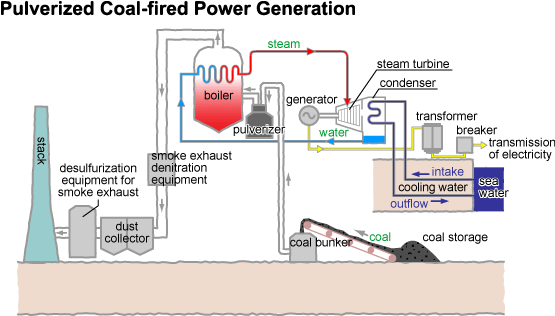
Categories
Uncategorized

Waste Heat Examples

Waste Heat Examples
Waste Heat Examples

Waste Heat Examples: Waste Heat to Energy is a process that captures waste heat from industrial processes, power plants, and other heat-generating systems to produce useful energy, typically in the form of electricity or mechanical work. This approach improves overall efficiency, reduces fuel consumption, and lowers greenhouse gas emissions.

1. Sources of Waste Heat

Waste heat is generated in various industrial and commercial processes, including:

  • Industrial Processes: Steel mills, cement plants, glass manufacturing, and refineries.
  • Power Plants: Gas turbines, steam turbines, and diesel generators.
  • Exhaust Gases: From internal combustion engines, furnaces, and incinerators.
  • Cooling Systems: Heat rejection from air compressors, chillers, and refrigeration units.

2. Waste Heat Recovery Technologies

A. Heat-to-Power Conversion Technologies

  1. Steam Rankine Cycle (SRC)
    • Uses waste heat to generate steam, which drives a steam turbine to produce electricity.
    • Best suited for high-temperature waste heat (>300°C).
  2. Organic Rankine Cycle (ORC)
    • Uses an organic fluid with a lower boiling point than water, allowing waste heat recovery from medium- and low-temperature sources (80°C–300°C).
    • Ideal for industrial processes and geothermal applications.
  3. Kalina Cycle
    • Uses an ammonia-water mixture to enhance efficiency in recovering low- and medium-temperature waste heat.
    • More efficient than ORC in certain conditions but has higher operational complexity.
  4. Thermoelectric Generators (TEGs)
    • Convert heat directly into electricity using the Seebeck effect.
    • Suitable for small-scale applications with low-grade waste heat (below 200°C).

B. Waste Heat Recovery Systems

  1. Heat Exchangers
    • Transfer heat from exhaust gases or process fluids to another medium.
    • Used in recuperators, regenerators, economizers, and heat recovery steam generators (HRSG).
  2. Waste Heat Boilers
    • Convert exhaust heat into steam, which can be used for power generation or industrial heating.
    • Common in combined heat and power (CHP) systems.
  3. Absorption Chillers
    • Use waste heat to drive cooling processes, reducing the need for electrical cooling.
    • Suitable for district cooling and HVAC applications.
  4. Regenerative Thermal Oxidizers (RTOs)
    • Capture heat from combustion processes and reuse it to preheat incoming gases.

3. Benefits of Waste Heat Recovery

✔ Improved Energy Efficiency – Reduces fuel consumption and operational costs.
✔ Lower Greenhouse Gas Emissions – Reduces reliance on fossil fuels, helping to meet environmental regulations.
✔ Cost Savings – Reduces energy bills and increases overall process efficiency.
✔ Enhanced Sustainability – Supports circular economy principles by utilizing existing energy streams.

4. Challenges and Considerations

  • Capital Investment: Initial installation costs can be high.
  • System Complexity: Requires careful integration into existing processes.
  • Waste Heat Temperature & Quality: Not all waste heat is easily recoverable.
  • Maintenance & Reliability: Some technologies require regular upkeep.

5. Applications and Industries

✔ Manufacturing & Heavy Industry – Steel, cement, glass, and chemical plants.
✔ Power Generation – Coal, gas, and biomass power plants.
✔ Oil & Gas – Refineries and natural gas processing.
✔ Transportation – Waste heat recovery in diesel engines and ships.
✔ Data Centers – Reuse of server-generated heat for district heating.

Sources of waste heat include industrial processes such as steel mills, cement plants, glass manufacturing, and refineries; power plants utilizing gas turbines, steam turbines, and diesel generators; exhaust gases from internal combustion engines, furnaces, and incinerators; and cooling systems that reject heat from air compressors, chillers, and refrigeration units.

Waste heat is generated from various industrial, commercial, and power generation processes where energy is not fully utilized and is instead lost to the environment. One of the primary sources of waste heat is industrial processes, including steel mills, cement plants, glass manufacturing, and refineries. These industries involve high-temperature operations where significant amounts of heat are expelled through exhaust gases, cooling water, and direct radiation from hot surfaces. The steel industry, for example, releases substantial heat through blast furnace slag, hot rolling mills, and coke ovens, while cement production emits waste heat from clinker cooling and rotary kilns. Similarly, in glass manufacturing, melting and forming processes generate large quantities of excess heat that can be captured and repurposed.

Another major source of waste heat is power plants, which utilize gas turbines, steam turbines, and diesel generators. In conventional thermal power plants, a significant portion of the fuel energy is lost in exhaust gases and cooling systems. Combined cycle power plants improve efficiency by using a gas turbine’s exhaust heat to generate steam and drive a secondary steam turbine, but even these systems still produce residual waste heat. Similarly, diesel generators, commonly used in remote locations and backup power applications, release high-temperature exhaust gases that can be recovered for useful energy generation.

Transportation and internal combustion engines are also significant contributors to waste heat. Automobiles, trucks, ships, and aircraft lose a substantial portion of their fuel energy as heat through engine exhaust and cooling systems. Modern advancements, such as turbochargers and thermoelectric generators, aim to capture and repurpose some of this waste heat for improved efficiency. Marine vessels, especially large cargo ships and naval fleets, produce waste heat from massive diesel engines, which can be recovered using heat exchangers and organic Rankine cycle systems.

Industrial furnaces, boilers, and incinerators also expel high-temperature exhaust gases that carry significant energy potential. These systems are widely used in various sectors, including food processing, pulp and paper production, and waste management. In incineration plants, municipal solid waste and hazardous materials are burned to generate energy, but a considerable fraction of the heat is still lost if not properly recovered.

Cooling and refrigeration systems represent another important category of waste heat sources. Air compressors, chillers, and HVAC systems generate excess heat that is typically dissipated into the surrounding environment. Data centers, which require extensive cooling to maintain optimal operating conditions for servers, produce substantial waste heat that can be redirected for space heating or absorption cooling.

In addition to these sources, renewable energy systems such as geothermal and solar thermal plants also experience waste heat losses. Geothermal power plants extract hot fluids from beneath the Earth’s surface, but not all the heat is converted into electricity, leading to thermal discharge. Similarly, concentrated solar power (CSP) plants, which use mirrors to focus sunlight and generate steam, lose a portion of their collected heat through system inefficiencies.

Overall, waste heat is an unavoidable byproduct of energy-intensive processes, but with the right technologies and strategies, it can be captured and converted into useful energy, improving efficiency and sustainability across various industries.

Waste heat from industrial processes is one of the most significant untapped energy resources, with immense potential for recovery and utilization. Industrial facilities, including steel mills, cement plants, glass manufacturing, and oil refineries, operate at high temperatures and often release large amounts of heat into the environment through exhaust gases, cooling water, and hot surfaces. This waste heat, if properly harnessed, can be repurposed for electricity generation, process heating, or even district heating systems, significantly improving overall energy efficiency.

Steel Industry

The steel industry is one of the largest producers of waste heat due to the extreme temperatures required in smelting, refining, and shaping processes. Key sources of waste heat in steel plants include blast furnace gas, basic oxygen furnaces, electric arc furnaces, reheating furnaces, coke ovens, and hot rolling mills. Blast furnaces, which are used to reduce iron ore into molten iron, emit high-temperature off-gases that contain significant amounts of thermal energy. This heat can be recovered using heat exchangers or gas expansion turbines to produce electricity or preheat raw materials. Similarly, coke ovens release hot gases during the carbonization of coal, which can be utilized for steam generation or power production.

Hot rolling mills, used to shape steel into sheets, rods, and other forms, generate a significant amount of waste heat through the cooling of hot steel. The water or air used for cooling absorbs heat that is often dissipated without recovery. By implementing recuperative heat exchangers, this energy can be used for preheating incoming steel slabs, reducing fuel consumption.

Cement Industry

Cement manufacturing is another energy-intensive process that generates large quantities of waste heat, primarily from rotary kilns and clinker coolers. Rotary kilns operate at extremely high temperatures to convert raw materials into clinker, the key ingredient in cement. A substantial amount of heat is lost through the kiln exhaust gases and the hot clinker as it exits the kiln. Waste heat recovery (WHR) systems, such as waste heat boilers and organic Rankine cycle (ORC) systems, can capture this heat and convert it into electricity, reducing reliance on external power sources. In modern cement plants, WHR systems can recover up to 30% of the total heat input, significantly improving efficiency and lowering carbon emissions.

Glass Manufacturing

The glass industry also operates at high temperatures, primarily during the melting and forming processes. Glass furnaces require continuous heating to maintain the molten state of raw materials, and a significant portion of the heat is lost through exhaust gases and radiant heat. Recuperators and regenerators are commonly used in glass manufacturing to capture and reuse waste heat, preheating combustion air or raw materials to reduce energy consumption.

Oil Refineries

Oil refineries, which process crude oil into fuels and chemicals, generate considerable waste heat from distillation columns, cracking units, and heat exchangers. Process heaters, used for refining crude oil, produce high-temperature flue gases that often go unrecovered. Implementing heat recovery systems, such as waste heat boilers or cogeneration units, allows refineries to capture this energy and generate steam or electricity for internal use. Additionally, flare gas recovery systems can reduce heat losses by utilizing excess gas that would otherwise be burned off.

By integrating advanced heat recovery technologies in these industries, significant energy savings can be achieved, reducing operating costs and minimizing environmental impact. As industries continue to seek ways to improve energy efficiency, waste heat recovery will play a crucial role in sustainable manufacturing and energy management.

Power Plants as a Source of Waste Heat

Power plants are among the largest producers of waste heat due to the inefficiencies inherent in electricity generation. Traditional thermal power plants, including coal-fired, natural gas, and nuclear plants, operate based on the Rankine cycle, where fuel is burned to heat water, producing steam that drives a turbine. However, a significant portion of the energy is lost as waste heat, either through exhaust gases, cooling towers, or discharged water. Even in more advanced combined-cycle power plants, which improve efficiency by using a secondary steam cycle, there is still residual waste heat that can be recovered for beneficial use.

Coal and Gas-Fired Power Plants

Conventional fossil fuel power plants typically operate at efficiency levels between 30% and 45%, meaning that more than half of the energy from fuel combustion is lost as heat. The primary sources of waste heat in these plants include:

  1. Flue Gas Exhaust – High-temperature combustion gases, often exceeding 500°C, are expelled from boilers and gas turbines. Heat recovery steam generators (HRSG) can capture this energy to generate additional steam for power production.
  2. Condenser Cooling Water – After steam passes through the turbine, it is condensed back into water using cooling towers or water bodies, leading to heat dissipation into the atmosphere or surrounding environment. District heating systems and industrial heat exchangers can recover some of this waste heat for heating applications.
  3. Turbine and Boiler Surface Radiation – Equipment surfaces radiate heat into the surrounding environment, contributing to thermal losses. Insulation and heat recapture technologies can minimize these losses.

Combined-Cycle Power Plants (CCPPs)

Combined-cycle plants, which integrate a gas turbine with a steam turbine, achieve higher efficiencies (50%–60%) by using exhaust heat from the gas turbine to generate steam for an additional power cycle. However, even these plants still experience waste heat losses, particularly in the final stages of energy conversion. Waste heat from CCPPs can be further utilized in industrial cogeneration (combined heat and power, CHP) systems to provide steam for industrial processes, district heating, or desalination plants.

Nuclear Power Plants

Nuclear plants operate with similar thermodynamic limitations as fossil fuel power plants, with efficiency levels typically around 33%, meaning that nearly two-thirds of the thermal energy produced in nuclear reactions is lost as waste heat. Most of this heat is discharged through cooling towers or directly into nearby water bodies. Advanced heat recovery systems, such as high-temperature reactors and cogeneration applications, aim to harness nuclear waste heat for district heating, hydrogen production, or industrial applications.

Diesel and Gas Generators

Smaller-scale power generation units, such as diesel and natural gas generators used in remote locations, data centers, and backup power systems, also produce considerable waste heat. These engines typically convert only 30%–40% of the fuel’s energy into useful work, with the rest dissipated as exhaust gas and engine cooling losses. Waste heat recovery units (WHRUs) can be installed to capture heat from generator exhaust and engine cooling systems, converting it into electricity via an Organic Rankine Cycle (ORC) or using it for process heating.

Potential Applications for Power Plant Waste Heat

Waste heat from power plants can be effectively utilized in various ways:

  • District Heating Systems – Capturing waste heat for residential and commercial heating can significantly reduce fuel consumption and emissions.
  • Industrial Steam and Process Heating – Industries that require high-temperature steam, such as chemical plants, can benefit from power plant waste heat.
  • Desalination – Thermal desalination processes, such as multi-stage flash (MSF) and multi-effect distillation (MED), can use waste heat to produce fresh water.
  • Greenhouses and Agriculture – Waste heat can provide controlled heating for greenhouses, improving food production efficiency.
  • Absorption Cooling – Waste heat can be used in absorption refrigeration systems to provide cooling, reducing electricity demand for air conditioning.

As global energy demands increase, improving the efficiency of power generation and utilizing waste heat will play a critical role in reducing carbon emissions and enhancing sustainability.

Waste Heat from Transportation and Internal Combustion Engines

Transportation is a major source of waste heat, particularly from internal combustion engines (ICEs) used in automobiles, trucks, ships, trains, and aircraft. In conventional gasoline and diesel engines, only about 25%–40% of the fuel’s energy is converted into useful mechanical work, while the rest is lost as heat through exhaust gases, engine cooling systems, and surface radiation. Capturing and utilizing this waste heat can significantly improve fuel efficiency, reduce emissions, and enhance overall performance.

Automobiles and Trucks

Road transportation relies heavily on internal combustion engines, where substantial waste heat is generated. The primary sources of heat loss in vehicles include:

  1. Exhaust Gases – A large portion of waste heat (up to 40% of fuel energy) escapes through the exhaust system. Technologies like turbochargers and thermoelectric generators (TEGs) can recover part of this heat for improved efficiency.
  2. Engine Cooling System – The cooling system removes heat from the engine block to prevent overheating, but this heat is typically dissipated into the atmosphere through radiators. Waste heat recovery (WHR) systems can redirect some of this thermal energy for auxiliary functions like cabin heating or electricity generation.
  3. Friction and Drivetrain Losses – Heat generated from moving engine parts and friction in the drivetrain is another source of wasted energy. Advanced lubricants and materials help reduce these losses, but some energy is still lost.

To address these inefficiencies, several waste heat recovery technologies are being developed:

  • Turbochargers and Turbo-Compounding – Turbochargers use exhaust gas energy to compress incoming air, improving engine efficiency and power output. Turbo-compounding systems take this a step further by using an additional turbine to recover even more exhaust energy and convert it into mechanical or electrical power.
  • Thermoelectric Generators (TEGs) – TEGs use the Seebeck effect to convert temperature differences between hot exhaust gases and cooler surfaces into electricity. These systems can power onboard electronics, reducing the load on the alternator and improving fuel economy.
  • Rankine Cycle Waste Heat Recovery Systems – Similar to power plants, vehicles can use a small Rankine cycle system to convert waste heat into mechanical energy to assist in propulsion.

Marine and Shipping Industry

Ships and marine vessels, particularly large cargo ships and cruise liners, use massive diesel engines that operate for long periods, generating significant amounts of waste heat. Key waste heat sources in marine engines include:

  • Exhaust Gases – Large marine engines produce high-temperature exhaust gases that can be captured using waste heat boilers to generate steam for auxiliary power.
  • Cooling Water – Engine cooling systems absorb heat, which can be used for heating applications on board or converted into electricity via heat exchangers and ORC systems.
  • Lubrication System Heat – Waste heat from lubricating oil can be recovered and reused for preheating fuel or other onboard applications.

Modern marine vessels are incorporating waste heat recovery systems (WHRS) to improve efficiency. Combined with shaft generators and electrical propulsion systems, WHR can reduce fuel consumption and lower emissions in compliance with environmental regulations.

Aircraft and Aviation

Aircraft engines, particularly jet engines, generate immense amounts of waste heat through exhaust gases and high-temperature components. While aviation has limited options for traditional waste heat recovery due to weight constraints, some innovative solutions include:

  • Heat Exchangers for Cabin Heating – Waste heat from jet engines is already used for cabin pressurization and heating.
  • More Efficient Engine Design – Advanced materials and cooling techniques reduce thermal losses and improve overall efficiency.
  • Hybrid and Electric Aviation Concepts – Future aircraft designs may integrate waste heat recovery technologies to enhance battery performance or reduce fuel consumption.

Rail Transportation

Diesel-electric locomotives generate significant waste heat from their engines and electrical components. Similar to marine applications, Rankine cycle systems, thermoelectric generators, and improved cooling system designs can enhance locomotive efficiency by capturing and reusing waste heat.

Future of Waste Heat Recovery in Transportation

As fuel efficiency standards become stricter and sustainability becomes a priority, waste heat recovery will play a critical role in the future of transportation. Advancements in materials, thermoelectric technology, and hybrid powertrain integration will further enhance the ability to capture and utilize waste heat in various vehicle types. Reducing waste heat losses will not only improve fuel economy but also contribute to lower greenhouse gas emissions and reduced reliance on fossil fuels.

Waste Heat Recovery Systems (WHRS)

Waste Heat Recovery Systems (WHRS) are technologies designed to capture and utilize heat that would otherwise be lost from industrial processes, power generation, and transportation. These systems improve energy efficiency, reduce fuel consumption, lower greenhouse gas emissions, and enhance overall sustainability. The recovered heat can be used for electricity generation, process heating, space heating, or cooling applications.

Types of Waste Heat Recovery Systems

Waste Heat Utilization

1. Regenerative Heat Exchangers

Regenerative heat exchangers store heat from hot gases and transfer it to incoming cold gases. They are commonly used in high-temperature industrial processes such as steel manufacturing and glass production.

  • Examples: Regenerators in blast furnaces, thermal oxidizers, and regenerative thermal oxidizers (RTOs).

2. Recuperative Heat Exchangers

Recuperative heat exchangers directly transfer heat from hot gases to cold gases or liquids through a solid medium.

  • Examples: Economizers in boilers, air preheaters, and plate heat exchangers.

3. Waste Heat Boilers (Heat Recovery Steam Generators – HRSG)

These systems use waste heat from industrial processes or power plants to produce steam, which can be used for electricity generation or industrial heating.

  • Examples: Combined cycle power plants, cogeneration (CHP) systems, and steam-based district heating.

4. Organic Rankine Cycle (ORC) Systems

ORC systems convert low-temperature waste heat into electricity using organic fluids with lower boiling points than water.

  • Applications: Biomass plants, geothermal energy, and low-grade waste heat recovery in industries.

5. Thermoelectric Generators (TEGs)

TEGs convert waste heat directly into electricity using the Seebeck effect.

  • Applications: Automotive exhaust systems, industrial furnaces, and spacecraft power generation.

6. Kalina Cycle Systems

Kalina cycle technology uses a mixture of ammonia and water to recover heat more efficiently than traditional Rankine cycles.

  • Applications: Geothermal power plants, industrial waste heat recovery, and solar thermal power.

7. Absorption Cooling Systems

These systems use waste heat to drive cooling cycles instead of electricity.

  • Applications: Air conditioning in commercial buildings, industrial refrigeration, and data centers.

8. Flue Gas Heat Recovery

Captures heat from exhaust gases in power plants, industrial boilers, and incinerators.

  • Applications: Preheating combustion air, district heating, and steam generation.

9. Mechanical Vapor Recompression (MVR)

MVR compresses and reuses steam to improve efficiency in evaporation and drying processes.

  • Applications: Food processing, desalination, and paper manufacturing.

Benefits of Waste Heat Recovery Systems

  • Energy savings – Reduces fuel consumption and operational costs.
  • Lower emissions – Decreases CO₂ and other greenhouse gas emissions.
  • Improved efficiency – Enhances process performance and sustainability.
  • Economic benefits – Reduces energy costs and improves profitability.

Waste Heat Recovery Systems are essential for improving energy efficiency across multiple sectors, helping industries and power plants transition toward a more sustainable future.

Waste Heat Recovery Systems (WHRS) are designed to capture and repurpose heat that would otherwise be lost from industrial processes, power plants, and transportation systems. These systems enhance energy efficiency, lower fuel consumption, and reduce greenhouse gas emissions, contributing to both economic and environmental sustainability. Waste heat can be recovered using different technologies depending on temperature levels, heat sources, and the intended application. High-temperature waste heat from industrial furnaces, steel mills, and cement kilns can be used to generate steam, which can either drive turbines for electricity generation or be used directly in manufacturing processes. Medium- and low-temperature waste heat, such as that from exhaust gases, cooling systems, and hot surfaces, can be recovered using heat exchangers, economizers, or organic Rankine cycle (ORC) systems.

Thermoelectric generators (TEGs) convert heat directly into electricity using the Seebeck effect, making them useful in automotive applications and remote power generation. In the transportation sector, waste heat recovery is particularly valuable in internal combustion engines, where a significant portion of fuel energy is lost through exhaust and cooling systems. Turbochargers improve engine efficiency by using exhaust gases to compress incoming air, while turbo-compounding systems convert excess exhaust energy into mechanical or electrical power. In marine and locomotive engines, waste heat recovery boilers capture exhaust heat to produce steam for auxiliary power.

In power plants, heat recovery steam generators (HRSG) are widely used in combined-cycle plants, where gas turbines’ exhaust heat is used to generate additional steam for a secondary power cycle, improving overall efficiency. Industrial applications frequently use regenerative and recuperative heat exchangers to capture and reuse thermal energy, with applications in steel, glass, cement, and chemical industries. Absorption refrigeration systems utilize waste heat for cooling, making them ideal for data centers, commercial buildings, and process cooling in industrial facilities. Flue gas heat recovery systems extract residual heat from exhaust gases in boilers and furnaces, preheating combustion air to reduce fuel consumption.

Mechanical vapor recompression (MVR) technology captures and reuses steam in processes such as food processing, desalination, and paper manufacturing. Kalina cycle systems use a mixture of ammonia and water to recover waste heat more efficiently than conventional Rankine cycles, particularly in geothermal and industrial applications. These waste heat recovery technologies provide numerous benefits, including significant energy savings, lower operating costs, reduced reliance on fossil fuels, and decreased carbon emissions. By integrating waste heat recovery systems, industries and power plants can optimize their processes and contribute to a more sustainable energy landscape.

Waste heat recovery systems play a critical role in optimizing energy use across various industries, including power generation, manufacturing, and transportation. In power plants, where efficiency losses are significant, waste heat recovery technologies such as combined heat and power (CHP) and district heating systems help utilize excess thermal energy that would otherwise be lost through cooling towers or exhaust stacks. By capturing and repurposing this heat, power plants can provide electricity and thermal energy simultaneously, reducing fuel consumption and emissions.

In industrial settings, waste heat recovery is widely implemented in energy-intensive sectors such as steel, cement, glass, and petrochemical production, where furnaces, kilns, and boilers generate large amounts of high-temperature waste heat. This heat can be recovered using regenerative and recuperative heat exchangers, waste heat boilers, and organic Rankine cycle (ORC) systems to produce additional steam or electricity. In refineries and chemical plants, process heat from distillation, cracking, and reforming units can be reused to preheat raw materials, improving overall energy efficiency.

Waste heat recovery is also essential in the transportation sector, particularly in diesel engines used in trucks, ships, and trains, where exhaust gas heat can be converted into useful work through turbo-compounding, thermoelectric generators (TEGs), and Rankine cycle systems. Marine vessels benefit from waste heat boilers that generate steam from exhaust gases, reducing fuel consumption for auxiliary power. In aviation, research into thermoelectric and heat exchanger technologies aims to enhance engine efficiency and reduce fuel burn. On a broader scale, waste heat recovery contributes to sustainable energy solutions, including waste-to-energy plants that convert municipal and industrial waste heat into usable electricity and heat for district energy networks. Advanced absorption cooling systems further expand the utility of waste heat by converting excess thermal energy into cooling power for air conditioning and refrigeration, reducing electrical demand.

The integration of waste heat recovery with renewable energy sources, such as solar and geothermal power, enhances overall system efficiency and resilience. Digital monitoring and smart energy management systems further optimize waste heat utilization by analyzing thermal losses in real-time and adjusting recovery processes accordingly. As industries and governments prioritize decarbonization and energy efficiency, waste heat recovery systems will continue to evolve, incorporating advanced materials, improved heat exchangers, and emerging technologies like supercritical CO₂ cycles and phase-change materials. These innovations will play a crucial role in minimizing energy waste, lowering greenhouse gas emissions, and improving the sustainability of industrial and power generation processes worldwide.

The continuous advancement of waste heat recovery systems is driven by the increasing need for energy efficiency, cost reduction, and sustainability across industries. One of the most promising areas of development is the integration of artificial intelligence (AI) and machine learning in waste heat recovery optimization. AI-powered systems can analyze operational data in real time, predict heat loss patterns, and adjust recovery mechanisms dynamically to maximize efficiency. This is particularly beneficial in complex industrial settings where fluctuating process conditions require adaptive control strategies. Additionally, advancements in thermoelectric materials are making thermoelectric generators (TEGs) more efficient and viable for large-scale waste heat recovery. New materials, such as nanostructured thermoelectrics and high-performance semiconductors, are improving the conversion efficiency of heat into electricity, expanding their applications in automotive engines, power plants, and industrial furnaces.

Another innovative approach to waste heat utilization is the development of supercritical CO₂ (sCO₂) power cycles, which offer higher thermal efficiency than traditional steam-based systems. sCO₂ cycles operate at higher pressures and temperatures, allowing for more effective waste heat recovery in power generation and industrial processes. This technology is gaining traction in applications such as concentrated solar power (CSP), nuclear power plants, and waste heat recovery in heavy industries. Similarly, phase-change materials (PCMs) are being explored for thermal energy storage, allowing waste heat to be captured and stored for later use, addressing the intermittent nature of heat availability in many industrial operations. These materials absorb heat during phase transitions and release it when needed, providing a more flexible and efficient way to utilize waste heat.

Waste heat recovery is also playing an increasing role in urban energy systems, particularly in district heating and cooling networks. Many cities are integrating industrial waste heat, data center heat, and even low-grade heat from wastewater treatment plants into their heating networks, reducing reliance on fossil fuels for space heating. Combined heat and power (CHP) systems continue to be a key solution in urban energy infrastructure, simultaneously producing electricity and useful heat from a single fuel source, thereby improving overall system efficiency. Additionally, emerging technologies such as absorption heat pumps and adsorption chillers are enabling more effective use of low-temperature waste heat in commercial and residential applications, further reducing energy demand from conventional heating and cooling systems.

As industries and governments continue to focus on carbon reduction goals, waste heat recovery systems are becoming an essential component of energy policy and corporate sustainability strategies. Stricter environmental regulations and carbon pricing mechanisms are pushing industries to invest in more efficient waste heat utilization technologies. Incentives and funding for energy efficiency projects, including government grants and tax credits, are accelerating the adoption of waste heat recovery solutions across various sectors. Moreover, the transition to hydrogen-based economies is opening new possibilities for waste heat recovery, as excess heat from hydrogen production processes such as electrolysis and methane reforming can be captured and reused in industrial applications or district energy systems.

Looking ahead, the convergence of digitalization, advanced materials, and innovative thermodynamic cycles will continue to drive improvements in waste heat recovery efficiency and economic viability. Companies and researchers are exploring hybrid solutions that combine waste heat recovery with renewable energy systems to create more resilient and self-sustaining industrial and urban energy networks. The expansion of decentralized waste heat recovery, where smaller-scale industrial and commercial facilities contribute to local energy systems, is also gaining momentum, further decentralizing energy production and reducing dependence on centralized fossil fuel power generation. By embracing these advancements, industries can significantly reduce energy waste, lower operational costs, and contribute to a more sustainable and energy-efficient future.

Benefits of Waste Heat Recovery

Waste Heat to Energy

The benefits of waste heat recovery are numerous, spanning economic, environmental, and operational improvements across various industries. By capturing and repurposing heat that would otherwise be lost, waste heat recovery systems can offer significant advantages in terms of energy efficiency, cost savings, and sustainability.

  1. Energy Efficiency: Waste heat recovery significantly enhances the overall energy efficiency of industrial processes, power plants, and transportation systems. By utilizing excess thermal energy, companies can reduce their reliance on primary energy sources (such as natural gas, coal, or electricity), making processes more efficient and reducing fuel consumption. This can lead to lower energy bills and a reduction in overall energy demand.
  2. Cost Savings: One of the most immediate benefits of waste heat recovery is cost savings. By capturing waste heat and repurposing it for useful applications, industries can reduce the need to purchase additional energy, thus cutting operating costs. For example, in manufacturing or power plants, recovered heat can be used to preheat incoming air or fluids, reducing the need for additional fuel to generate the required temperatures.
  3. Reduced Greenhouse Gas Emissions: Waste heat recovery systems help reduce greenhouse gas (GHG) emissions by lowering the overall fuel consumption of industrial processes and power plants. The less fuel that needs to be burned, the fewer emissions are generated. This is particularly important for companies working toward sustainability goals or those subject to emissions regulations. By using waste heat, industries can lower their carbon footprint and contribute to the global effort to combat climate change.
  4. Improved Process Efficiency: Waste heat recovery helps to optimize processes by providing a stable and reliable source of heat or energy. In many industries, the recovered heat can be used for processes such as preheating raw materials, producing steam, or powering auxiliary equipment. This integration leads to better system optimization, smoother operation, and reduced wear on equipment, enhancing overall process reliability and performance.
  5. Increased Energy Security: By recovering waste heat, industries can reduce their dependency on external energy supplies, contributing to greater energy security. Waste heat recovery allows companies to become more self-sufficient by generating their own power or reducing the need to purchase power from the grid. This can be particularly beneficial in regions with unstable energy prices or supply disruptions.
  6. Reduced Operational Costs: By reusing waste heat within a facility, industries can reduce the overall cost of running their operations. This includes savings from fuel, maintenance costs associated with equipment wear, and reduced demand on external utilities, leading to more predictable and manageable energy costs over time.
  7. Enhanced Sustainability: Waste heat recovery plays a key role in advancing sustainability initiatives. By reducing energy waste, emissions, and overall resource consumption, companies can contribute to sustainability goals, improve their public image, and meet corporate social responsibility (CSR) targets. Additionally, many waste heat recovery technologies, such as absorption chillers and organic Rankine cycles, can contribute to renewable energy generation, further boosting a facility’s sustainability efforts.
  8. Compliance with Environmental Regulations: Many countries have strict environmental regulations that require industries to reduce emissions and improve energy efficiency. Waste heat recovery systems help industries comply with these regulations by minimizing fuel consumption and GHG emissions. In some cases, the implementation of waste heat recovery systems may qualify companies for tax credits, grants, or other incentives aimed at supporting energy-efficient technologies.
  9. Opportunities for Combined Heat and Power (CHP) and District Heating: Waste heat recovery can be integrated into combined heat and power (CHP) systems, where both electricity and useful heat are generated from a single energy source. This increases overall system efficiency and allows for the utilization of otherwise wasted energy. Additionally, waste heat can be used in district heating systems, providing residential, commercial, and industrial buildings with affordable, low-carbon heat from local sources.
  10. Energy Flexibility and Reliability: Some waste heat recovery technologies, such as heat storage and thermal energy storage systems, allow for the storage of recovered heat for later use. This can provide a more flexible and reliable energy source, especially in operations that require heat on a fluctuating basis, such as in seasonal industries or those with variable production schedules.
  11. Innovation and Technological Advancements: Waste heat recovery encourages innovation in thermal management technologies, leading to the development of advanced systems like thermoelectric generators (TEGs), Kalina cycles, and supercritical CO₂ cycles. These technologies improve the ability to recover and use low- and medium-grade waste heat, further enhancing overall energy utilization.
  12. Market Competitiveness: Companies that adopt waste heat recovery technologies can gain a competitive edge by improving their bottom line through reduced energy costs and enhanced efficiency. Additionally, demonstrating a commitment to sustainability and energy efficiency can improve a company’s reputation and brand image, making it more attractive to customers, investors, and regulatory bodies.

In summary, waste heat recovery offers a wide range of benefits, from improved energy efficiency and cost savings to environmental sustainability and compliance with regulations. It is a critical tool in creating more sustainable, cost-effective, and energy-efficient industrial and energy systems worldwide.

Waste heat recovery systems offer significant advantages that contribute to operational, economic, and environmental improvements. By capturing and repurposing heat that would otherwise be wasted, industries can enhance their energy efficiency and reduce fuel consumption, which in turn lowers operating costs. The reduction in fuel consumption also directly results in fewer emissions, including greenhouse gases, contributing to environmental sustainability and helping industries meet regulatory compliance and sustainability goals. By recovering waste heat, companies can reduce their reliance on external energy sources, which not only boosts their energy security but also makes their energy needs more predictable and stable. This reduction in energy dependence can be particularly beneficial in areas with volatile energy prices or where energy security is a concern.

Waste heat recovery also improves process efficiency by providing a reliable source of thermal energy that can be used for applications like preheating raw materials, generating steam, or powering auxiliary equipment. This integration helps optimize overall system performance, enhancing reliability and productivity while reducing wear and tear on machinery. Furthermore, the reuse of waste heat can significantly cut down on fuel expenses, reducing the overall operational costs of a facility. The economic benefits of waste heat recovery systems extend beyond the immediate savings on energy costs, as the increased efficiency and reduced environmental impact can improve a company’s public image, helping to meet corporate social responsibility (CSR) targets and attract investment.

As industries move toward more sustainable practices, waste heat recovery plays a key role in advancing these efforts by reducing the amount of energy lost in industrial processes and enhancing overall resource conservation. The implementation of waste heat recovery systems aligns with sustainability initiatives, helping companies to reduce their carbon footprint while generating savings in the process. In regions where stringent environmental regulations are in place, waste heat recovery can be an effective strategy to comply with these laws, potentially qualifying businesses for incentives such as tax credits or grants for energy-efficient technologies.

Moreover, waste heat recovery contributes to the potential for combined heat and power (CHP) systems, where both electricity and useful heat are produced from a single fuel source. This not only boosts efficiency but also allows industries to create district heating systems that can provide low-carbon heating to nearby residential, commercial, and industrial buildings. Such integration further reduces reliance on traditional energy sources and promotes local, sustainable energy solutions. The flexibility of recovered heat, which can be stored for later use, also provides a level of reliability and energy security, particularly for industries with fluctuating energy demands.

Ultimately, the adoption of waste heat recovery technologies enables companies to remain competitive in a marketplace where energy efficiency and environmental responsibility are becoming increasingly important. These systems help businesses lower their energy costs, reduce emissions, and comply with regulations, all while boosting their reputation and market position. The ongoing innovation in waste heat recovery, through new technologies such as thermoelectric generators, supercritical CO₂ cycles, and advanced thermal storage solutions, continues to enhance the efficiency and viability of these systems, opening new opportunities for industries to harness and make use of energy that would otherwise be lost.

The widespread adoption of waste heat recovery systems is increasingly recognized as an essential strategy for optimizing energy usage and achieving sustainability goals across industries. As technologies continue to evolve, industries are finding new ways to leverage low- and medium-temperature waste heat that was previously considered difficult or uneconomical to recover. Innovations in materials, such as advanced heat exchangers and high-performance thermoelectrics, are improving the efficiency of heat recovery, even in lower temperature ranges. For example, organic Rankine cycles (ORC) and Kalina cycles have become more efficient at recovering heat from lower-grade waste streams, enabling industries to recover and utilize heat that would have otherwise been wasted.

Furthermore, waste heat recovery is playing an increasingly important role in the transition toward low-carbon and renewable energy solutions. By integrating recovered heat with renewable energy sources such as solar and biomass, industries can create hybrid systems that maximize overall energy efficiency and sustainability. For instance, waste heat recovery systems can be used in combination with solar thermal energy to create more reliable and efficient renewable power systems, or even in geothermal power plants where excess heat can be used to improve energy generation processes.

The growing emphasis on decarbonization, coupled with tightening regulations on carbon emissions and energy efficiency, is driving more industries to incorporate waste heat recovery technologies into their operations. As governments around the world implement stricter environmental policies, industries that adopt waste heat recovery systems will be better positioned to meet these regulatory requirements while also reducing their operational costs. In some regions, this can provide a competitive edge as companies that implement energy-efficient practices may benefit from financial incentives, subsidies, or preferential treatment in the market.

Beyond energy savings, waste heat recovery systems also contribute to improved resource utilization, as industries become more adept at making use of by-products that were previously overlooked. For example, in manufacturing processes, where high temperatures are often required, the ability to recover and reuse waste heat reduces the need for fresh inputs of fuel or electricity. This reduces both operating costs and the overall environmental impact of production processes, supporting circular economy principles by reducing waste and maximizing the reuse of available resources.

In the context of urban energy systems, waste heat recovery is also being integrated into district heating and cooling networks, where industrial or commercial heat is transferred to local buildings for space heating or hot water. This not only makes use of waste heat but also helps reduce the need for fossil fuels in urban energy systems, lowering emissions on a larger scale. Cities can greatly benefit from integrating waste heat recovery in their energy infrastructure, particularly as urban populations continue to grow and demand for energy rises. By creating more energy-efficient districts with shared heating and cooling resources, cities can become more resilient to energy price fluctuations and contribute to achieving national or global climate targets.

As energy markets evolve and new technological solutions emerge, waste heat recovery systems will continue to play an integral role in achieving a more sustainable energy future. The combination of digitalization, advanced analytics, and smart grids will further optimize the efficiency of these systems by enabling real-time monitoring and control, ensuring that waste heat recovery is maximized across a wide range of applications. In the long run, waste heat recovery not only offers a pathway to energy savings and cost reductions but also serves as a key pillar in the transition to a more sustainable, low-carbon economy.

As industries and governments continue to prioritize sustainability and energy efficiency, waste heat recovery technologies will become even more crucial in helping meet global energy demands while reducing environmental impact. The integration of waste heat recovery with emerging technologies like smart grids, advanced automation, and artificial intelligence will enable more dynamic and efficient energy systems. Real-time monitoring and predictive analytics will allow for better decision-making and optimization of energy use, ensuring that heat recovery systems operate at their peak efficiency, even in fluctuating conditions. With the increasing availability of data and digital tools, businesses can identify areas of heat loss and adjust recovery strategies to improve both economic performance and environmental outcomes.

Moreover, the development of new materials and technologies will continue to drive the expansion of waste heat recovery into previously untapped sectors. For instance, new heat-resistant alloys and ceramic materials are making high-temperature heat exchangers more durable and efficient, allowing for the recovery of heat from even more extreme industrial processes. Similarly, advances in heat storage technologies, such as advanced phase-change materials (PCMs) and thermochemical storage, are enabling industries to capture and store excess heat for later use, further increasing system flexibility and making it possible to use recovered heat during peak demand periods.

In addition, as global economies move toward hydrogen as a clean energy source, waste heat recovery will play an important role in optimizing hydrogen production processes. Technologies like electrolysis, which are used to produce green hydrogen from water, require significant amounts of electricity and produce waste heat. By integrating waste heat recovery into these processes, the efficiency of hydrogen production can be significantly improved, making it a more viable option for decarbonizing industries such as transportation, manufacturing, and power generation. Similarly, as the use of hydrogen in industrial heating systems grows, the integration of waste heat recovery can provide additional energy savings and further reduce emissions.

The expansion of decentralized energy systems and microgrids also presents new opportunities for waste heat recovery. In remote or off-grid locations, small-scale waste heat recovery systems can be used to generate electricity or provide heat for industrial and residential use. These systems could help power critical infrastructure, such as water treatment plants, hospitals, and schools, while reducing the reliance on expensive or unreliable external energy sources. By incorporating waste heat recovery into these systems, communities can create more resilient and self-sustaining energy solutions.

Waste heat recovery’s contribution to reducing the energy intensity of industrial operations, coupled with advances in renewable energy technologies, will help move industries closer to achieving their net-zero carbon goals. By addressing both operational efficiency and emissions reductions, waste heat recovery allows businesses to take a holistic approach to energy management, reducing costs while supporting their environmental and regulatory commitments.

As waste heat recovery technologies become more widespread, industries that adopt these systems will not only benefit from direct energy savings but also enhance their competitiveness in a market that increasingly values sustainability and resource efficiency. The ability to recover and reuse waste heat can also serve as a differentiating factor, as consumers, investors, and regulators place greater emphasis on environmentally responsible practices. For industries looking to future-proof their operations, investing in waste heat recovery technology is an important step toward building long-term resilience, enhancing sustainability, and maintaining market leadership.

Ultimately, the future of waste heat recovery holds great promise, with the potential to transform how industries utilize energy and reduce their environmental impact. As new technologies emerge and the global economy moves toward more sustainable and efficient energy solutions, waste heat recovery will continue to play an essential role in shaping a greener, more energy-efficient world. With ongoing innovation, strategic integration into energy systems, and a commitment to sustainability, waste heat recovery is poised to become an integral part of the global transition to a low-carbon economy.

While waste heat recovery offers substantial benefits, there are several challenges and considerations that industries must address to fully capitalize on these technologies.

  1. Initial Capital Investment: One of the primary challenges associated with waste heat recovery systems is the initial cost. The installation of recovery equipment, such as heat exchangers, thermoelectric generators, or ORC systems, can require a significant upfront investment. This cost may be a barrier for some industries, especially those with tight budgets or low-profit margins. However, the long-term savings from reduced energy consumption and improved efficiency often justify the initial expenditure.
  2. Technological Complexity: Implementing waste heat recovery systems often requires specialized knowledge and expertise. Different industries generate waste heat at various temperatures and scales, requiring tailored solutions to recover and repurpose this energy effectively. The complexity of integrating recovery systems with existing infrastructure can also pose a challenge, especially in older or less adaptable facilities. Proper planning, engineering, and technical support are critical to ensure a smooth implementation.
  3. Economic Viability for Low-Temperature Heat: Waste heat recovery is typically most effective when the heat source is high temperature, such as exhaust gases from industrial furnaces or power plants. Low-temperature waste heat (below 100°C or 212°F), which is common in many industrial processes, can be harder to recover efficiently. Technologies like organic Rankine cycles (ORC) and thermoelectric generators (TEGs) are increasingly being used to capture low-grade heat, but these systems may still have lower efficiency compared to high-temperature heat recovery systems. In some cases, the costs of recovering low-temperature heat may not be economically viable unless paired with other technologies or applications.
  4. System Integration and Compatibility: Integrating waste heat recovery systems into existing industrial processes and infrastructure can be challenging, particularly in industries with complex or outdated systems. The process of connecting recovery equipment to existing machinery, ensuring compatibility with control systems, and adjusting operations can be time-consuming and costly. Furthermore, the operational profile of industries often changes over time, which may impact the effectiveness of waste heat recovery solutions. Continuous monitoring and system optimization are essential for ensuring long-term performance.
  5. Operational and Maintenance Challenges: Like all energy systems, waste heat recovery systems require regular maintenance to ensure they continue to operate efficiently. This can involve cleaning heat exchangers, maintaining thermoelectric generators, and replacing worn-out components. Over time, system components can degrade due to factors like corrosion, scaling, or thermal fatigue. Maintenance and operational costs can accumulate, potentially offsetting some of the financial benefits of waste heat recovery. Furthermore, integrating waste heat recovery into existing operations may introduce new operational complexities that require specialized personnel.
  6. Space and Installation Constraints: Some industries, particularly in dense urban environments or in older facilities, may face space constraints that make the installation of waste heat recovery systems difficult. The additional equipment required for heat recovery, such as heat exchangers, storage tanks, or turbines, can require significant space, which may not be readily available in existing plants or industrial setups. In such cases, companies may need to invest in new infrastructure or undergo costly facility upgrades to accommodate waste heat recovery technologies.
  7. Regulatory and Environmental Considerations: While waste heat recovery can reduce greenhouse gas emissions, it must still comply with local environmental regulations. In some cases, recovering heat from industrial processes or exhaust gases may be subject to specific regulations regarding air quality, emissions, or thermal discharge. Regulatory constraints may limit the types of heat recovery technologies that can be used or the way in which heat is released back into the environment. Companies must carefully navigate these regulatory requirements to ensure their waste heat recovery systems operate within legal and environmental boundaries.
  8. Energy Quality and Consistency: The quality and consistency of the recovered heat are important considerations. Waste heat sources can vary in temperature, flow, and availability, which can impact the efficiency of recovery systems. For example, in processes where heat is not continuously available, energy storage or backup systems may be required to maintain a consistent supply of recovered heat. The varying nature of waste heat can also make it difficult to integrate these systems into broader energy networks, such as district heating or CHP systems, which rely on stable and predictable heat sources.
  9. Financial and Market Uncertainty: The financial return on investment (ROI) for waste heat recovery systems can be influenced by external factors, such as fluctuating energy prices, government incentives, or shifts in market conditions. For example, if energy prices decrease significantly, the cost savings from waste heat recovery may become less compelling. Similarly, changes in regulations, such as the removal of tax incentives for energy efficiency projects, could impact the financial viability of these systems.
  10. Technological Advancements and Future Proofing: As new technologies continue to emerge in the field of waste heat recovery, industries must carefully assess the long-term viability of the systems they install. New and more efficient technologies, such as advanced thermoelectric materials, supercritical CO₂ cycles, or hybrid renewable energy solutions, may provide better performance and longer-term savings, making older systems obsolete. This creates a challenge for industries seeking to future-proof their energy infrastructure while ensuring that their waste heat recovery investments remain competitive and relevant.

In conclusion, while waste heat recovery offers numerous benefits, industries must address several challenges in order to fully realize these advantages. Overcoming barriers such as high initial costs, technological complexity, system integration issues, and space constraints requires careful planning, expertise, and investment. However, with ongoing advancements in technology, more efficient solutions are emerging to address these challenges, making waste heat recovery an increasingly viable and integral part of sustainable energy strategies.

Addressing the challenges associated with waste heat recovery involves careful planning, investment, and ongoing optimization. One of the key areas that need focus is the economic viability of waste heat recovery systems, particularly in industries with low-temperature heat. Low-temperature waste heat is often less energy-dense, which can make recovery technologies less efficient and economically viable. In such cases, pairing waste heat recovery with complementary technologies, such as heat pumps, or integrating recovered heat into other parts of the industrial process, can improve the overall efficiency and cost-effectiveness of these systems. Additionally, industries must evaluate the long-term savings and the reduction in operational costs, weighing them against the initial investment required for system installation and integration.

Another consideration is the integration of waste heat recovery systems into existing industrial infrastructure. In many cases, industrial plants and processes are already operating with a set infrastructure, and introducing new technologies requires thoughtful integration with the current system. This could mean modifications to existing equipment, the installation of new heat exchangers, or the introduction of additional controls to ensure that recovered heat is effectively reused. This integration process can be resource-intensive, both in terms of time and financial outlay, as it may require downtime or system upgrades to ensure compatibility with the new technologies.

Space limitations also play a critical role in the successful implementation of waste heat recovery systems. Older facilities, in particular, may not have the physical space to accommodate new heat recovery equipment. Additionally, for industries located in highly urbanized areas, space constraints may limit the scale of waste heat recovery that can be practically installed. Solutions to these challenges could include the design and implementation of compact systems, modular recovery units, or leveraging off-site storage for recovered heat. However, this may still entail significant investment in infrastructure changes or spatial reconfigurations, which can be costly and logistically challenging.

In operational terms, the maintenance of waste heat recovery systems is an ongoing concern. While these systems can be highly beneficial in terms of efficiency and cost savings, they require regular attention to remain effective. For instance, heat exchangers need to be cleaned and maintained to prevent the buildup of scale, dirt, or corrosion, which could hinder heat transfer efficiency. Similarly, thermoelectric generators or other high-tech equipment in waste heat recovery systems may need periodic calibration and repairs to ensure consistent performance. Developing a reliable maintenance strategy and ensuring that personnel are trained to manage these advanced systems are crucial for the long-term success of waste heat recovery.

Moreover, external factors, such as changes in energy prices or environmental regulations, can also influence the economic feasibility of waste heat recovery projects. Fluctuating energy costs can directly impact the financial savings that waste heat recovery provides. If energy prices drop, the economic incentive to invest in waste heat recovery may diminish, as the payback period could become longer or the energy savings less significant. Conversely, if energy prices rise or stricter emissions regulations are implemented, the value proposition for waste heat recovery may improve. Businesses must continuously assess these external factors and adjust their strategies accordingly to ensure that their investments in waste heat recovery continue to yield positive returns.

Technological advancements will continue to evolve, providing new opportunities to overcome some of the limitations associated with waste heat recovery systems. Innovations in materials, such as advanced heat-resistant alloys or more efficient thermoelectric materials, are improving the ability to recover waste heat at lower temperatures, making these technologies more viable in a broader range of industrial applications. Moreover, improvements in energy storage technologies, such as thermal storage or advanced batteries, could help mitigate the intermittent nature of waste heat and allow industries to store and use recovered energy at times of peak demand.

In addition, policy support and government incentives will play an important role in driving the adoption of waste heat recovery technologies. Many countries are offering financial incentives, tax credits, or subsidies to encourage the adoption of energy-efficient technologies. Industries can take advantage of these programs to offset some of the initial costs associated with implementing waste heat recovery systems. However, the landscape of these incentives is often subject to change based on political and economic conditions, and businesses must stay informed about regulatory changes that could impact their ability to recover investments.

To fully address these challenges, industries must approach waste heat recovery with a long-term perspective, considering not only the immediate benefits but also the potential for future technological advancements, operational adjustments, and changes in the market and regulatory environments. By carefully navigating the complexities of waste heat recovery, businesses can improve their energy efficiency, reduce their environmental impact, and achieve significant cost savings over time.

As industries look to overcome these challenges, several strategies can be employed to ensure the successful implementation and long-term benefits of waste heat recovery systems.

  1. Strategic Planning and Feasibility Studies: Before investing in waste heat recovery technologies, industries should conduct detailed feasibility studies to assess the potential energy savings, payback periods, and the impact on overall system efficiency. These studies should consider factors such as the temperature and quantity of waste heat available, the specific energy demands of the facility, and the compatibility of potential recovery technologies with existing processes. A comprehensive analysis will help identify which heat recovery systems are most appropriate for the given conditions and whether the savings in energy consumption will justify the initial investment.
  2. Energy Audits and Monitoring Systems: Implementing a robust monitoring and energy auditing system is essential for identifying and quantifying the waste heat available within an industrial process. This helps companies pinpoint areas where heat loss is most significant and determine the most effective recovery methods. By using advanced monitoring tools, industries can track the performance of waste heat recovery systems in real-time, providing actionable data that can be used to optimize recovery rates and identify maintenance needs early. Regular audits and monitoring can also reveal new opportunities for additional energy savings over time.
  3. Government Support and Incentives: Many countries offer financial incentives to encourage industries to adopt energy-efficient technologies, including waste heat recovery systems. This could include grants, tax credits, or low-interest loans that help offset the capital cost of implementing recovery technologies. Additionally, some governments are offering funding or support for the development of new technologies to make waste heat recovery more efficient and accessible. Industries should actively seek out these programs and stay informed about the evolving regulatory landscape to take full advantage of available financial support.
  4. Technology Partnerships: Collaborating with technology providers, research institutions, and energy consultants can help industries overcome technical challenges and stay ahead of innovations in waste heat recovery. Partnerships with specialized suppliers can ensure that the most advanced and efficient systems are selected and correctly integrated into existing operations. Working with experts in the field can also help address integration challenges and identify ways to optimize the recovery process based on the unique needs of each industry. In some cases, technology providers may offer ongoing support and maintenance services to ensure the system continues to function optimally over its lifespan.
  5. Modular and Scalable Solutions: To mitigate space and cost constraints, industries may consider implementing modular and scalable waste heat recovery solutions. These systems are often easier to integrate into existing infrastructure and can be expanded or upgraded over time as energy demands grow or as technology improves. By adopting modular systems, industries can make incremental investments in waste heat recovery without having to commit to a large-scale installation upfront. This also allows for more flexibility in scaling up the system as energy efficiency needs evolve.
  6. Hybrid Solutions and Energy Storage: Hybrid systems, which combine multiple energy sources or recovery methods, can be effective in overcoming some of the limitations of individual waste heat recovery technologies. For example, waste heat recovery can be combined with renewable energy sources such as solar or biomass, or even with traditional power generation, to create a more resilient and efficient system. Additionally, incorporating energy storage technologies—such as thermal storage or battery systems—can allow industries to store recovered heat for later use, smoothing out fluctuations in energy demand and ensuring that recovered heat can be utilized during peak times.
  7. Upgrading Existing Infrastructure: In some cases, older facilities may require infrastructure upgrades to make them compatible with waste heat recovery systems. These upgrades could include improvements to heat distribution networks, the installation of heat exchangers, or the addition of advanced control systems. While this can involve significant upfront costs, it may be necessary to ensure that the waste heat recovery system functions efficiently and integrates seamlessly with the existing processes. Over time, the benefits from increased energy efficiency and cost savings can offset the initial investment in infrastructure upgrades.
  8. Employee Training and Skill Development: One of the critical factors in the successful operation of waste heat recovery systems is ensuring that employees are trained to understand and manage the new technologies. Staff members should be equipped with the necessary skills to monitor system performance, identify potential issues, and carry out routine maintenance. Training can also help employees understand the benefits of waste heat recovery, encouraging a culture of energy efficiency and sustainability within the organization. Additionally, having skilled personnel can help prevent operational disruptions and minimize the risk of costly breakdowns or inefficiencies.
  9. Sustainability Goals and Public Image: Companies that adopt waste heat recovery technologies can use these systems as part of their broader sustainability initiatives. In addition to the direct benefits of energy savings and emissions reductions, implementing waste heat recovery can enhance a company’s public image, positioning it as a leader in energy efficiency and environmental responsibility. Many consumers, investors, and stakeholders are increasingly prioritizing sustainability when making decisions, and businesses that integrate waste heat recovery systems can strengthen their market position by demonstrating their commitment to sustainability. This, in turn, can attract investors, improve customer loyalty, and contribute to a positive corporate reputation.
  10. Long-term Monitoring and Optimization: Continuous monitoring of waste heat recovery systems is essential to ensure that they operate at peak efficiency over time. Through data analytics, machine learning, and AI-based systems, industries can optimize the performance of waste heat recovery equipment and identify areas for further improvement. For instance, predictive maintenance tools can detect wear and tear before it leads to system failure, minimizing downtime and extending the lifespan of recovery equipment. Regular system optimization ensures that the technologies remain cost-effective and continue to deliver energy savings, even as industrial processes evolve.

By addressing these challenges proactively and considering these strategies, industries can successfully implement waste heat recovery systems that offer long-term benefits in terms of cost savings, energy efficiency, and environmental sustainability. The evolution of technology, regulatory frameworks, and business models will continue to support the widespread adoption of waste heat recovery, helping industries move closer to their sustainability and energy efficiency goals.

Looking ahead, the future of waste heat recovery holds significant promise, with evolving technologies and an increasing global focus on sustainability, energy efficiency, and decarbonization. Several emerging trends and innovations are poised to overcome existing challenges and unlock even greater potential for waste heat recovery systems. These advancements will help industries reduce operational costs, minimize environmental impact, and further contribute to the transition toward a low-carbon economy.

  1. Integration with Renewable Energy: As the global energy landscape shifts toward renewable sources, waste heat recovery will increasingly be integrated with renewable energy technologies, such as solar, wind, and biomass. This hybrid approach can help to balance the intermittency of renewable energy by providing a steady source of heat recovery, making energy systems more stable and reliable. For example, combining waste heat recovery with solar thermal systems can create more efficient district heating networks, reducing reliance on fossil fuels while improving overall energy security. Additionally, waste heat can be used in conjunction with renewable hydrogen production, which will be a key part of decarbonizing industries like steel, cement, and chemicals.
  2. Advanced Heat Recovery Technologies: As waste heat recovery technologies continue to evolve, more efficient and specialized systems will emerge. The development of high-performance materials, such as advanced alloys and ceramics, is improving the efficiency of heat exchangers, allowing industries to recover heat from even more extreme temperatures. Meanwhile, supercritical CO₂ cycles are an emerging technology that promises significant improvements in heat recovery efficiency, particularly for high-temperature waste heat. Supercritical CO₂ systems operate at higher pressures and temperatures than traditional steam cycles, making them ideal for capturing and converting waste heat from industrial processes into electricity or usable energy. Furthermore, advancements in thermoelectric materials are enabling more efficient conversion of heat into electricity, even at low temperatures. Thermoelectric generators (TEGs) can be used to recover waste heat from sources such as exhaust gases or industrial machinery, offering industries a more flexible and scalable solution to harnessing waste heat.
  3. Digitalization and Smart Monitoring: Digital technologies, including the Internet of Things (IoT)machine learning, and big data analytics, are revolutionizing the operation and optimization of waste heat recovery systems. Smart sensors and real-time data analytics can continuously monitor system performance, identifying inefficiencies and optimizing the recovery process in real-time. Machine learning algorithms can predict equipment failures before they occur, enabling predictive maintenance and minimizing downtime. The ability to collect and analyze data from waste heat recovery systems allows industries to fine-tune their operations for maximum efficiency, reducing costs and improving energy usage. Moreover, digital platforms and cloud-based software can integrate waste heat recovery data with broader energy management systems, providing a holistic view of energy consumption and performance across a facility or entire industrial complex. This enables businesses to optimize not just heat recovery but their overall energy strategy.
  4. Energy Storage Solutions: As industries increasingly adopt waste heat recovery, the need for effective storage solutions becomes more important. Heat storage technologies, such as phase-change materials (PCMs) and molten salt storage, are gaining traction as a way to store excess recovered heat for later use. These technologies can help buffer fluctuations in energy demand and ensure that recovered heat is available when needed, especially in industries where heat is intermittently produced or when systems need to be shut down temporarily for maintenance. Additionally, integrating thermal storage with battery storage solutions could provide more versatile energy systems. Batteries could store excess electricity generated from recovered heat and provide a backup power source for industrial facilities. This combination of heat and electrical energy storage could lead to greater energy independence and cost reductions for businesses.
  5. Decentralized and Microgrid Solutions: Waste heat recovery is also playing a key role in the development of decentralized energy systems and microgrids. These systems, which provide energy locally rather than relying on a central grid, can be particularly beneficial in remote or off-grid locations. For example, microgrids powered by waste heat recovery could supply energy to industrial facilities, residential areas, or critical infrastructure, reducing dependence on fossil fuels and external energy sources. By incorporating waste heat recovery, these microgrids can provide a more stable and resilient power supply while optimizing energy efficiency. In the future, waste heat recovery integrated with microgrids could support demand response systems, where recovered heat is used in real-time to balance supply and demand. These systems could also allow for excess recovered heat to be sold to neighboring communities or businesses, creating new revenue streams for industries while contributing to local energy solutions.
  6. Circular Economy and Industrial Symbiosis: Waste heat recovery is a natural fit for the principles of the circular economy, where resources are reused and waste is minimized. By recovering waste heat and reusing it in other industrial processes, companies can reduce their reliance on external energy sources, lower their carbon footprint, and contribute to the broader goals of resource efficiency and sustainability. Industrial symbiosis, where different industries exchange waste products (including heat), is gaining momentum as companies seek ways to minimize waste and optimize resource use. For instance, one industry’s waste heat could be used to power another industry’s heating needs, creating a mutually beneficial ecosystem where energy is shared rather than wasted.
  7. Regulatory Pressure and Sustainability Goals: Governments and regulatory bodies around the world are increasingly implementing policies and regulations that encourage or mandate energy efficiency improvements. For industries aiming to meet stringent carbon reduction targets or sustainability goals, waste heat recovery provides a practical solution. These systems can significantly reduce a company’s carbon emissions by offsetting the need for traditional energy sources. Additionally, industries may be eligible for tax incentives, rebates, or carbon credits that support the implementation of waste heat recovery technologies. With continued regulatory pressure on emissions and energy efficiency, waste heat recovery will become an increasingly attractive option for companies looking to comply with environmental regulations.
  8. Expansion into New Sectors: Waste heat recovery technologies, initially concentrated in energy-intensive sectors such as manufacturing, power generation, and chemicals, are now finding applications in more diverse industries. For example, the food and beverage industry, pharmaceuticals, and even data centers produce waste heat that can be captured and repurposed. As new sectors recognize the potential benefits of waste heat recovery, the market for these technologies will expand, leading to broader adoption across industries. In particular, data centers, which are responsible for significant energy consumption and heat generation, are increasingly implementing waste heat recovery systems to reduce operational costs and environmental impact. As the digital economy grows, solutions for waste heat recovery in these facilities will become increasingly important.

In conclusion, the future of waste heat recovery is bright, with innovations in technology, digitalization, energy storage, and sustainability driving the widespread adoption of these systems. Industries that invest in waste heat recovery technologies will not only improve their operational efficiency and reduce costs but will also contribute to the global effort to combat climate change and achieve sustainability goals. As the technologies continue to evolve and become more accessible, waste heat recovery will play an even more central role in the transition to a low-carbon, energy-efficient future.

Applications and Industries

How do Steam Power Plants Work

Waste heat recovery systems have a broad range of applications across various industries, enabling businesses to recover and reuse heat that would otherwise be lost. By capturing this waste heat, industries can significantly reduce their energy consumption, lower operational costs, and contribute to sustainability efforts. Below are some of the key industries and applications where waste heat recovery plays a vital role:

  1. Power Generation: In power plants, a significant amount of energy is lost as waste heat during the process of generating electricity. Waste heat recovery technologies such as combined heat and power (CHP) systems or organic Rankine cycle (ORC) systems are used to recover this heat and convert it into useful energy. By integrating waste heat recovery into the power generation process, plants can improve their overall efficiency, reduce fuel consumption, and lower greenhouse gas emissions. Geothermal power plants and nuclear power plants also benefit from waste heat recovery, utilizing the residual heat from reactors or geothermal fluids.
  2. Manufacturing: The manufacturing industry is one of the largest sources of industrial waste heat. Various processes—such as metal production, cement production, and chemical manufacturing—release large quantities of heat. Waste heat recovery systems in these industries include heat exchangers, steam turbines, and heat recovery steam generators (HRSG). For example, in steel mills, excess heat from furnaces and ovens can be recovered and reused for preheating materials or generating electricity. Similarly, in cement production, waste heat can be used to preheat the raw materials or to drive the kilns, reducing the need for additional energy inputs.
  3. Petrochemical and Chemical Industries: Petrochemical and chemical plants are energy-intensive and produce large amounts of waste heat during chemical reactions, distillation, and other processing activities. Waste heat recovery in these industries is commonly used to recover heat from flue gases, cooling water, or hot process streams. Heat exchangers and regenerative thermal oxidizers (RTOs) are commonly used to capture and reuse this heat. This recovered energy can be utilized for steam production, heating, or even generating electricity, leading to reduced energy costs and improved operational efficiency.
  4. Food and Beverage Industry: The food processing industry is another sector with significant potential for waste heat recovery. Processes such as cooking, drying, pasteurization, and sterilization generate substantial amounts of heat. Heat recovery systems can be integrated into these processes to capture the waste heat and use it for preheating raw materials, water, or air. For example, in breweries, waste heat can be recovered from fermentation processes to preheat water for brewing. Similarly, dairy plants can capture heat from pasteurization processes to help warm water used for cleaning and other operations.
  5. Textile Industry: The textile industry involves several energy-consuming processes such as drying, dyeing, and finishing. These processes produce waste heat that can be recovered and used in other parts of the production cycle. For example, air-source heat pumps can capture low-grade waste heat from drying machines and use it to preheat the incoming air or water. Additionally, waste heat recovery systems can be used to maintain the required temperatures in the production area, reducing the need for additional heating.
  6. Oil and Gas Industry: The oil and gas sector involves extensive use of heat for refining, petrochemical production, and other operations. In refineries, significant amounts of heat are generated during the distillation and cracking processes. Waste heat recovery systems, such as heat exchangersHRSGs, and reboilers, are commonly used to capture waste heat from flue gases, cooling water, and hot streams to generate steam or preheat process fluids. This helps refineries and petrochemical plants optimize energy use, reduce operational costs, and cut down on emissions.
  7. Data Centers: Data centers, which house vast amounts of IT equipment and servers, generate considerable amounts of waste heat. Effective heat recovery in data centers is essential for reducing the cooling load and improving energy efficiency. Air-conditioning unitsliquid cooling systems, and heat exchangers can be used to capture and reuse waste heat. For instance, recovered heat can be used to warm buildings, provide hot water, or be fed into district heating networks. Some data centers are even incorporating absorption chillers, which use waste heat to provide cooling instead of traditional energy-intensive refrigeration systems.
  8. HVAC (Heating, Ventilation, and Air Conditioning): The HVAC sector is another area where waste heat recovery can be applied. In buildings, particularly commercial and industrial spaces, waste heat from exhaust air, air conditioning, or refrigeration systems can be recovered and used for space heating, hot water production, or preheating fresh incoming air. For example, heat recovery ventilators (HRVs) and energy recovery ventilators (ERVs) are commonly used in buildings to capture heat from exhaust air and use it to precondition incoming fresh air, reducing the need for additional heating or cooling.
  9. Pulp and Paper Industry: The pulp and paper industry is a major energy consumer, with significant waste heat generated during processes such as drying, cooking, and bleaching. Waste heat recovery systems in this industry typically include heat exchangers, waste heat boilers, and thermal oil systems. The recovered heat can be used to generate steam for various stages of the production process or to preheat chemicals or water. By recovering this waste heat, pulp and paper mills can reduce their overall energy consumption and improve the sustainability of their operations.
  10. Mining Industry: In mining, energy is used extensively for crushing, grinding, and processing ores, and much of this energy is lost as waste heat. Mining operations often employ waste heat recovery systems, such as heat exchangers and CHP systems, to recover heat from hot exhaust gases or process fluids. This recovered heat can be used to generate power, provide heating for onsite facilities, or reduce the need for fuel in mining processes, improving both efficiency and environmental sustainability.
  11. Transportation and Automotive Industry: The transportation sector, especially within automotive manufacturing, generates substantial waste heat through processes such as engine testing, welding, and paint drying. In addition, the transportation industry, including trucks and ships, generates heat in exhaust systems. Technologies such as thermoelectric generators (TEGs) can be applied to recover heat from vehicle exhaust systems and convert it into electricity to power auxiliary systems, improving fuel efficiency and reducing emissions. This approach is still being developed for broader applications but holds promise for improving energy efficiency in the automotive and transportation sectors.
  12. District Heating Systems: In district heating, waste heat from industrial processes or power plants is used to provide heat to nearby residential or commercial buildings. This is especially common in colder climates where heating demand is high. By capturing waste heat from large-scale industrial operations, it is possible to create highly efficient district heating networks that serve multiple buildings and reduce the reliance on fossil fuels for heating. Waste heat from facilities such as power plantsrefineries, and data centers can be fed into district heating systems, providing an environmentally friendly alternative to traditional heating methods.

In summary, the application of waste heat recovery systems spans a wide range of industries and processes. Whether it’s power generation, manufacturing, food processing, or transportation, recovering and reusing waste heat presents a significant opportunity to improve energy efficiency, reduce costs, and contribute to sustainability goals. As waste heat recovery technologies continue to evolve, their applications across industries will expand, making them an increasingly important part of the global energy landscape.

  1. Biotechnology and Pharmaceuticals: The biotechnology and pharmaceutical industries use large amounts of energy during various processes, including fermentation, distillation, and sterilization. Waste heat recovery systems are increasingly used in these sectors to capture and reuse the heat from fermentation reactors, evaporators, and dryers. For instance, in pharmaceutical manufacturing, waste heat can be captured from drying and sterilization units to provide heating for other stages of production or for air preheating. These industries also use waste heat recovery to reduce energy costs, enhance sustainability, and meet regulatory energy efficiency standards, especially in environments that require precise temperature control.
  2. Glass and Ceramics Industry: The glass and ceramics industries are highly energy-intensive, as they require high temperatures for melting and firing materials. The furnaces used in these processes are a major source of waste heat. Recovering this heat can be done using regenerative heat exchangersflue gas heat recovery systems, and air preheating systems. The captured heat can be used to preheat the incoming raw materials, improving furnace efficiency and reducing energy consumption. In ceramics, waste heat can also be used to heat drying ovens and kilns, reducing the need for additional energy inputs and improving overall energy utilization.
  3. Concrete and Asphalt Production: The concrete and asphalt industries generate a significant amount of waste heat during production processes, such as mixing, drying, and heating. Heat exchangers and waste heat recovery systems can be used to capture heat from these processes and use it for other operations like preheating aggregates, drying materials, or heating water. For example, in asphalt production, the waste heat from the drying and mixing processes can be recovered and used to warm the incoming materials or to generate steam for other parts of the plant. This helps reduce energy consumption and improve sustainability by minimizing the need for additional heating or fuel use.
  4. Cold Storage and Refrigeration: Cold storage and refrigeration units generate waste heat as they operate. This heat can be recovered and reused in various ways, such as preheating water or generating low-grade steam for cleaning and sanitation purposes. In facilities like refrigerated warehouses, waste heat recovery systems can help reduce energy consumption by reusing the heat generated by compressors, motors, or condensers. Heat pump systems can be employed to recover low-grade waste heat and upgrade it for more useful purposes, like space heating or water heating.
  5. Airlines and Aviation Industry: Aircraft engines produce substantial amounts of waste heat, especially during flight and ground operations. Waste heat recovery systems could potentially be implemented in aircraft engines to improve fuel efficiency by recovering heat from exhaust gases and converting it into useful energy. Additionally, ground facilities at airports, such as fuel storage and maintenance areas, can also benefit from waste heat recovery to power auxiliary systems or heat buildings. This application is still emerging but has significant potential to improve energy efficiency in aviation and reduce operational costs.
  6. Marine and Shipping Industry: The shipping industry, like the automotive and transportation sectors, generates waste heat through engines and exhaust systems. Some marine vessels, especially large ones, are exploring waste heat recovery systems to convert exhaust heat into useful energy. The recovered heat can be used to generate electricity or provide additional power for onboard systems, reducing fuel consumption and enhancing operational efficiency. Thermoelectric generators (TEGs) and ORC systems are being tested as promising technologies for capturing exhaust heat from ships, offering more sustainable and energy-efficient solutions for the maritime industry.
  7. Smart Cities and Urban Applications: In the context of smart cities, waste heat recovery can be integrated into urban energy systems to support residential, commercial, and public infrastructure. Heat recovered from industrial processes, power plants, or data centers can be used in district heating networks to supply heat to buildings. This reduces the reliance on fossil fuels and lowers greenhouse gas emissions in urban environments. In addition, waste heat from commercial and residential buildings could be captured using heat recovery ventilators (HRVs), which can then be reused for space heating or water heating, improving the energy efficiency of buildings and helping cities meet sustainability goals.
  8. Retail and Hospitality Industry: The retail and hospitality sectors also generate significant amounts of waste heat, particularly from HVAC systems, refrigeration units, and kitchen appliances. Waste heat recovery systems can be installed to capture and reuse this heat for various purposes, such as providing hot water for bathrooms, preheating air, or even space heating. For example, in supermarkets, waste heat from refrigeration can be captured and used to provide heating in the store, reducing the need for additional heating systems and lowering energy bills. Hotels and restaurants can similarly benefit by reusing waste heat for water heating or space conditioning.
  9. Marine and Offshore Oil Platforms: Offshore oil platforms and marine vessels involved in extraction activities are highly dependent on energy-intensive processes, including drilling, refining, and gas compression. These platforms often rely on gas turbines or diesel generators that produce substantial waste heat. Waste heat recovery systems, including heat exchangers and CHP systems, can be used to recover heat from exhaust gases and convert it into electricity or steam, helping reduce fuel consumption and emissions. This is particularly valuable in offshore platforms where fuel availability can be limited, and energy efficiency is critical for operational sustainability.
  10. Waste-to-Energy Plants: Waste-to-energy (WTE) plants, which convert municipal solid waste (MSW) into electricity or heat, are another important sector where waste heat recovery plays a key role. The incineration of waste generates large amounts of heat that can be captured and used to produce steam for electricity generation or to feed into district heating systems. In addition, the flue gas from incinerators can be processed through heat recovery steam generators (HRSGs) to extract and reuse the thermal energy, improving the overall efficiency of WTE plants and reducing the environmental impact of waste disposal.

In conclusion, waste heat recovery is a versatile and effective technology that can be applied across a wide range of industries and applications. By capturing and reusing waste heat, businesses can not only reduce their energy consumption and lower costs but also contribute to sustainability goals and decrease their environmental footprint. With ongoing technological advancements and a growing emphasis on energy efficiency, waste heat recovery will continue to play an increasingly important role in helping industries meet their energy needs in a more sustainable and cost-effective way.

  1. Agriculture and Farming Industry: In agriculture and farming, waste heat recovery can be utilized in a variety of ways to improve energy efficiency and reduce costs. For instance, greenhouses often require heat to maintain optimal growing conditions, and waste heat from nearby industrial processes, power plants, or even local farms can be harnessed to provide the necessary warmth. By capturing waste heat, greenhouses can reduce their reliance on external heating systems, leading to significant savings on energy bills. In addition, livestock farms that produce waste heat through heating systems or animal barns can recover this heat to warm water, preheat air, or even provide space heating for the facilities. Such systems also contribute to reducing the carbon footprint of agricultural operations.
  2. Air Conditioning and Cooling Systems: Air conditioning and cooling systems are another area where waste heat recovery can be highly beneficial. In large commercial buildings, data centers, and industrial facilities, the process of cooling generates excess heat. Absorption chillers and heat pump systems can capture this waste heat and upgrade it for use in heating applications. For example, in a large shopping mall, waste heat from air conditioning units can be redirected to provide heating for water or space heating in other parts of the facility. This integration reduces the overall energy consumption and enhances the efficiency of the building’s energy management system.
  3. Cooling in Power Plants: Power plants, particularly those that operate with thermal energy, such as coal or natural gas power stations, produce significant amounts of waste heat during the process of electricity generation. Cooling towers or wet cooling systems are commonly used to dissipate this heat. However, there are opportunities for improving energy recovery from these systems. Heat exchangers and thermal storage systems can capture this cooling waste heat and use it for generating steam, providing auxiliary power, or even supplying heat to nearby industrial facilities or district heating systems. This helps improve the efficiency of the power plant and reduces the need for additional fuel input.
  4. Water Treatment and Desalination Plants: Desalination and water treatment plants are often located in coastal or remote areas and require substantial amounts of energy, especially for processes like reverse osmosis or distillation. These processes generate waste heat that can be recovered and repurposed for various uses. For instance, waste heat recovery systems in desalination plants can be used to preheat incoming seawater, reducing the energy required for further desalination steps. In water treatment plants, waste heat can be captured and used for heating or even to generate electricity through ORC systems or steam turbines, improving the overall energy efficiency of the plant.
  5. Waste Management and Recycling Plants: Waste management and recycling facilities that process materials such as metals, plastics, and glass typically use high-temperature furnaces or kilns. These processes produce substantial amounts of heat that can be captured using heat recovery systems. The recovered heat can be used to preheat materials, power other parts of the plant, or provide steam for industrial use. For example, in metal recycling, waste heat from furnaces used to melt scrap metal can be used to preheat incoming materials or generate steam. Similarly, plastic recycling plants can use waste heat to power dryers or to generate heat for the reprocessing of plastics.
  6. Transportation and Electric Vehicle Charging: The growing adoption of electric vehicles (EVs) and transportation electrification presents opportunities for waste heat recovery in charging stations and battery systems. Fast-charging stations for electric vehicles generate substantial heat during the charging process. Some of this heat can be recovered and used for preheating the charging stations or other nearby facilities, reducing energy use. Additionally, battery thermal management systems in EVs can recover and repurpose heat generated by the batteries during charging and discharging, improving the vehicle’s overall efficiency. Heat recovery in electric vehicle charging systems could also be integrated into smart city grids, where recovered heat can be fed into district heating networks or used in other urban applications.
  7. Cold Chain Logistics: Cold chain logistics is vital in industries such as food distribution, pharmaceuticals, and healthcare, where temperature-sensitive goods need to be transported under specific conditions. Refrigeration and freezing processes generate waste heat, especially in large-scale cold storage warehouses and transportation vehicles. The waste heat produced during refrigeration can be captured and reused to provide heating in warehouses, preheat fresh air, or generate low-grade steam for cleaning and sterilization. In addition, heat pump technology can upgrade waste heat to useful temperatures for other applications in the cold chain, helping to reduce the overall carbon footprint and energy consumption.
  8. Residential Buildings and Homes: In residential buildings, waste heat recovery systems are becoming increasingly popular as part of efforts to increase the energy efficiency of homes. For instance, ventilation heat recovery systems (VHRs) and heat recovery ventilators (HRVs) are used to capture heat from exhaust air and use it to preheat incoming fresh air. This process reduces the need for additional heating systems, which lowers energy consumption and costs. Similarly, waste heat from appliances such as dryers, dishwashers, or water heaters can be captured and used for space heating or preheating water for other uses. The adoption of these systems in homes can contribute to reducing heating bills and lowering household energy consumption.
  9. Railway and Transportation Systems: In railway and transportation infrastructure, significant waste heat is generated, especially in train enginestraction systems, and braking systemsElectric trains and high-speed trains, in particular, produce waste heat from their electrical components, while mechanical trains generate heat in engines. This waste heat can be captured and reused in various ways, such as in regenerative braking systems, which store energy generated during braking and convert it into electricity for later use. Waste heat from transportation stations and systems can also be used to heat passenger terminals, train stations, or platforms, reducing the need for additional heating systems.
  10. Hydrogen Production: As hydrogen is considered a critical part of the energy transition and decarbonization efforts, waste heat recovery plays a key role in improving the efficiency of hydrogen production processes. In hydrogen production via electrolysis, large amounts of energy are required to split water into hydrogen and oxygen. The electrolyzers produce significant amounts of waste heat, which can be captured and used to improve the overall efficiency of the electrolysis process. Additionally, hydrogen production via steam methane reforming (SMR) generates heat that can be recovered and used in other parts of the production process or for generating steam, further reducing overall energy consumption.
  11. Heat Recovery in Building Materials: The production of building materials such as bricks, cement, and tiles is energy-intensive and generates substantial amounts of waste heat. Heat recovery systems in these industries can capture the waste heat from kiln operations, drying processes, and other high-temperature stages. The recovered heat can be used to preheat materials, reduce fuel use in kilns, or generate steam for other manufacturing processes. This not only improves energy efficiency but also contributes to reducing the environmental footprint of the construction industry.

In summary, waste heat recovery has far-reaching applications across diverse sectors, from agriculture to energy production to transportation. By recovering and reusing waste heat, industries can achieve significant cost savings, increase operational efficiency, and contribute to global sustainability efforts. As technology continues to advance and the importance of reducing energy consumption grows, waste heat recovery will increasingly be a critical component of modern industrial practices and sustainable energy management.

  1. Electricity Grid Management and Energy Storage: As renewable energy sources like solar and wind become more integrated into electricity grids, managing intermittent power and optimizing energy use becomes increasingly important. Waste heat recovery can play a role in balancing grid supply and demand. For example, concentrated solar power (CSP) plants generate waste heat during the production of electricity from solar energy. This waste heat can be stored in thermal energy storage systems, which can then be used to generate electricity when the sun isn’t shining, helping to stabilize the grid. Similarly, thermal storage can be used in combination with battery energy storage systems (BESS), where waste heat is converted into thermal energy, which can be stored and later converted back to electricity as needed, enhancing the grid’s overall resilience.
  2. Pulp and Paper Industry: In the pulp and paper industry, energy consumption is significant due to the large-scale processes of pulping, drying, and papermaking. Much of the energy used in these processes is converted into waste heat, primarily from exhaust gases, boilers, and dryers. Waste heat recovery systems, including heat exchangers and recovery boilers, can capture this heat and reuse it for generating steam, preheating raw materials, or supplying heat to other parts of the plant. The application of waste heat recovery in the pulp and paper industry helps reduce energy consumption, lowers operating costs, and minimizes environmental impact by cutting down on the need for fossil fuel-based energy.
  3. Industrial Cooling and Refrigeration: Cooling and refrigeration processes in industries such as food production, pharmaceuticals, and chemicals generate waste heat that can be recovered and reused. For example, in industrial refrigeration systems, waste heat from compressors or condenser coils can be captured and repurposed to heat water for cleaning or to warm air for temperature regulation in warehouses. Additionally, heat recovery chillers can be installed in large-scale cooling systems, which use waste heat from the refrigeration process to produce hot water or space heating. This approach reduces the demand for external heating systems and lowers energy costs while enhancing system efficiency.
  4. Data Center Cooling: Data centers are among the most energy-intensive facilities, largely due to the heat produced by servers and IT equipment. The cooling systems in data centers are designed to remove this waste heat, but it can be repurposed to serve other functions. Heat recovery systems can be employed to recover the waste heat produced by server farms and use it for building heating, preheating water, or even providing heat to nearby buildings in a district heating network. Additionally, some liquid cooling systems capture heat directly from processors, which can then be circulated to provide thermal energy for other applications. This not only improves the energy efficiency of data centers but also contributes to the reduction of their environmental impact.
  5. Industrial Gas Turbines and Engines: Industrial gas turbines and engines, commonly used in power generation and various industrial operations, produce significant amounts of waste heat in the form of hot exhaust gases. The installation of combined heat and power (CHP) systems in these facilities allows for the recovery of waste heat, which can then be used to generate steam or electricity. Additionally, systems such as the ORC (Organic Rankine Cycle) can be used to convert low-temperature waste heat into useful energy. By capturing and reusing waste heat, these systems improve the overall energy efficiency of power plants and industrial processes, reducing fuel consumption and lowering operational costs.
  6. Mining and Mineral Processing: The mining industry consumes large amounts of energy for activities such as ore extraction, crushing, grinding, and processing. Waste heat generated by crushing and grinding equipment or by heating processes in mineral processing can be captured using heat recovery systems. The recovered heat can be used to generate steam for additional processing stages, power equipment, or provide heating for drying materials. Additionally, some mining operations use geothermal energy systems to recover heat from underground reservoirs, providing an additional source of energy for the mining process while reducing dependence on external energy sources.
  7. Green Building Technologies: In the context of green buildings and sustainable architecture, waste heat recovery plays a key role in improving the energy efficiency of modern buildings. Systems such as energy recovery ventilation (ERV) and heat recovery ventilation (HRV) are designed to capture heat from the air being vented out of buildings and use it to preheat incoming fresh air, reducing the need for additional heating. Similarly, district heating systems can integrate waste heat recovery, using excess heat from industrial processes or power plants to provide heating for residential or commercial buildings. By incorporating waste heat recovery technologies, buildings can reduce their overall energy demand, lower utility bills, and decrease carbon emissions, all while contributing to environmental sustainability goals.
  8. Cooling in Hydrogen Production: Hydrogen production, particularly through methods like electrolysis or steam methane reforming (SMR), generates substantial waste heat. Recovering and reusing this heat can improve the efficiency of hydrogen production processes. In electrolyzers, waste heat can be used to preheat water or improve the efficiency of other stages in the production chain. In SMR, waste heat from the reforming reaction can be captured and used for steam generation or heat integration in other parts of the process, reducing the need for additional fuel and lowering the overall environmental impact of hydrogen production.
  9. Thermal Insulation: While not typically thought of as a form of waste heat recovery, the application of thermal insulation plays an important role in minimizing heat losses during industrial and residential operations. By improving the insulation of pipes, boilers, and storage tanks, businesses and homeowners can prevent waste heat from escaping and retain energy more effectively. This helps to reduce the overall demand for heating and cooling systems, leading to energy savings. In industrial applications, proper insulation of equipment and systems can significantly reduce energy consumption and improve process efficiency, contributing to sustainable energy practices.
  10. Agricultural Waste Heat: In addition to the heat generated from industrial processes, agricultural operations can also produce waste heat that can be recovered. For example, biomass boilers in agricultural settings generate heat from organic waste materials, such as crop residues or animal manure. This waste heat can be captured and used for heating greenhouses, drying crops, or generating electricity. Similarly, biogas production from agricultural waste can generate heat that can be captured and used to produce additional energy or provide heat for nearby facilities, further enhancing the sustainability of agricultural practices.
  11. Food and Beverage Waste Heat: In the food and beverage industry, the production and processing of food and beverages, such as brewingbaking, and canning, generate substantial amounts of waste heat. Capturing this heat using systems like heat exchangers or waste heat boilers allows the heat to be reused for other processes, such as preheating water, generating steam, or providing heating for production facilities. For example, breweries can use waste heat to preheat water for brewing, while bakeries can capture heat from ovens to reduce the need for additional heating. This reduces energy consumption and increases the sustainability of the industry.
  12. Telecommunications: In telecommunications, particularly in mobile network base stations, waste heat is generated by the operation of electrical equipment and transmission systems. Cooling is often required to maintain optimal temperatures in these facilities, and waste heat recovery can be used to capture and repurpose this heat for building heating or other processes. In some advanced telecom installations, waste heat can be integrated into district heating networks, providing an additional source of thermal energy for surrounding communities.

In conclusion, the potential for waste heat recovery is vast, spanning a diverse range of industries, applications, and sectors. From large-scale industrial processes to small-scale residential uses, capturing and reusing waste heat offers a cost-effective and sustainable solution to reducing energy consumption and mitigating environmental impact. As industries continue to innovate and prioritize sustainability, waste heat recovery will play an increasingly important role in meeting global energy efficiency goals and advancing towards a more sustainable future.

Waste-to-energy

Waste-to-Energy
Waste-to-Energy

Waste-to-Energy (WTE) is the process of generating energy, usually in the form of electricity or heat, from the combustion or conversion of waste materials. It is an important part of the waste management hierarchy, aiming to reduce the volume of waste sent to landfills and simultaneously generate useful energy. WTE technologies include a variety of processes that can extract energy from both solid waste and wastewater sludge.

Types of Waste-to-Energy Technologies

  1. Incineration: This is the most common WTE method and involves burning waste materials at high temperatures to produce energy. The heat generated from the combustion process is used to create steam, which drives turbines to generate electricity. The residual ash left from the burning process can be processed and either used for construction purposes or disposed of in landfills. While incineration is a widely used method, it has raised environmental concerns due to the emission of pollutants like carbon dioxide (CO2), dioxins, and particulate matter.
  2. Gasification: This process involves heating organic materials (e.g., biomass, municipal solid waste) in a low-oxygen environment to convert the waste into synthesis gas (syngas), primarily composed of carbon monoxide, hydrogen, and methane. The syngas can be burned to generate electricity, or it can be used as a feedstock for chemical processes. Gasification is considered cleaner than incineration because it generates fewer pollutants, and it can process a wider variety of feedstocks, including plastics and other non-biodegradable materials.
  3. Pyrolysis: Pyrolysis is similar to gasification, but it occurs in the complete absence of oxygen. This process breaks down organic materials into simpler molecules such as oils, gases, and char (a solid carbon product). The resulting products can be used for energy generation, with the liquid oils often being used as a substitute for fuel oils, while gases can be used for power generation. Pyrolysis is particularly useful for converting waste plastics into valuable fuels, which can help reduce plastic waste in landfills.
  4. Anaerobic Digestion: Unlike thermal WTE technologies, anaerobic digestion is a biological process that breaks down organic matter (like food waste, agricultural waste, and sewage sludge) in the absence of oxygen. This produces biogas, which is primarily made up of methane. The methane can be burned to produce electricity and heat. Additionally, the process results in a nutrient-rich digestate, which can be used as a fertilizer or soil conditioner. Anaerobic digestion is most commonly used for organic waste, and it is one of the cleanest WTE technologies because it produces fewer emissions compared to thermal methods.
  5. Landfill Gas Recovery: As organic waste decomposes in landfills, it produces landfill gas (mostly methane and carbon dioxide). In a landfill gas recovery system, this methane can be captured and used to generate electricity. Methane is a potent greenhouse gas, and capturing it for energy use helps reduce its release into the atmosphere, thus mitigating climate change impacts.
  6. Plasma Arc Gasification: This is a high-temperature process that uses plasma arcs (extremely hot electric discharges) to break down waste into its basic elements. The waste is converted into syngas and solid slag (a by-product), with the gas being used to generate electricity or as a feedstock for chemical production. Plasma arc gasification is highly efficient and generates minimal emissions, but it is a more expensive technology compared to other WTE methods.

Benefits of Waste-to-Energy

  1. Reduction of Landfill Use: One of the key advantages of WTE is that it helps divert waste from landfills, reducing the need for landfill space. This is especially important as landfills are rapidly filling up in many areas, and finding new landfill sites can be difficult and costly.
  2. Renewable Energy Generation: WTE processes can produce renewable energy, contributing to the overall energy mix and helping to reduce dependence on fossil fuels. By capturing and converting waste into electricity or heat, these systems provide an alternative to conventional power sources.
  3. Lower Greenhouse Gas Emissions: By capturing methane from landfills or burning waste in controlled environments, WTE technologies can reduce greenhouse gas emissions. Methane is a potent greenhouse gas, and by preventing it from escaping into the atmosphere, WTE helps mitigate climate change.
  4. Energy Recovery: WTE is a form of energy recovery, where energy that would otherwise be wasted (from organic decomposition or other processes) is captured and reused. This contributes to improving energy efficiency at a large scale.
  5. Waste Management Cost Reduction: WTE plants can reduce the costs associated with waste disposal. Waste is converted into energy, and the operational costs of managing waste can be lowered. In some cases, WTE facilities can generate income from the energy they produce, offsetting waste disposal costs.
  6. Local Economic Development: The construction and operation of WTE facilities can create jobs and contribute to local economies. These plants require skilled labor for operation, maintenance, and management, which can lead to new employment opportunities in the region.

Challenges and Environmental Concerns

  1. Air Pollution: While gasification, pyrolysis, and other advanced WTE technologies produce fewer emissions than incineration, all thermal processes still release some pollutants into the air, including particulate matter, nitrogen oxides (NOx), sulfur dioxide (SO2), and carbon dioxide (CO2). Proper air pollution control systems are needed to minimize these emissions.
  2. Toxic Ash and Residues: WTE technologies, particularly incineration and pyrolysis, produce ash and other residues that can contain hazardous materials, such as heavy metals and dioxins. These by-products must be carefully managed and disposed of in an environmentally safe manner.
  3. Cost and Efficiency: The capital cost of building WTE facilities can be high, particularly for advanced technologies like plasma arc gasification. In addition, the efficiency of energy recovery from waste can vary depending on the technology and the quality of the waste feedstock. This means that WTE may not always be the most cost-effective or energy-efficient solution compared to other renewable energy sources.
  4. Public Perception and Opposition: Some communities oppose WTE plants due to concerns about air pollution, health impacts, and the potential for creating toxic waste. Public engagement and transparent environmental assessments are essential for gaining community support for these projects.
  5. Resource Efficiency: WTE processes are generally designed to handle waste that cannot be recycled or reused. However, there are concerns about the efficiency of WTE systems compared to recycling, as recycling helps recover valuable materials like metals and plastics, which WTE technologies do not. Ideally, WTE should complement, not replace, recycling and other waste reduction strategies.
  6. Reliability of Waste Supply: The performance of WTE facilities depends heavily on a consistent supply of waste. Fluctuations in the volume and composition of waste can impact the efficiency and profitability of WTE plants, particularly in areas where recycling rates are high or where waste reduction policies are effective.

Applications of Waste-to-Energy

  • Electricity Generation: WTE plants can be connected to the grid to provide renewable electricity. The energy generated can be used locally or exported to the national grid.
  • District Heating: In many WTE systems, the heat produced during waste incineration or gasification can be used for district heating, providing warmth to nearby homes and businesses.
  • Fuel Production: Some WTE technologies, such as pyrolysis, can convert waste materials into liquid fuels, which can be used in various industries or transportation sectors.
  • Biogas Production: Anaerobic digestion processes are particularly useful for treating organic waste like food waste, agricultural residue, and sewage sludge, converting them into biogas for energy production.

In conclusion, waste-to-energy is a promising technology for managing waste while generating renewable energy. Despite its environmental challenges and costs, it can help reduce landfill use, mitigate greenhouse gas emissions, and contribute to the overall energy supply. As technology continues to improve and regulations evolve, WTE may play an increasingly important role in creating a more sustainable and circular economy.

Waste-to-Energy (WTE) is the process of generating energy, typically in the form of electricity or heat, from the combustion or conversion of waste materials. It plays a critical role in waste management by reducing the volume of waste sent to landfills while generating useful energy. WTE technologies can convert both solid waste and wastewater sludge into valuable energy resources.

One of the most common methods for WTE is incineration, where waste is burned at high temperatures to produce heat. This heat is then used to generate steam, which powers turbines that produce electricity. The leftover ash is either processed and repurposed or disposed of in landfills. While this method reduces the volume of waste, concerns about air pollution due to emissions of pollutants such as dioxins, particulate matter, and carbon dioxide are a significant drawback.

Gasification is another method used in WTE, where organic materials are heated in a low-oxygen environment to produce synthesis gas (syngas). The syngas, primarily made up of carbon monoxide, hydrogen, and methane, can be burned to generate electricity or used as a feedstock for other chemical processes. This method is considered cleaner than incineration because it produces fewer pollutants and can handle a wider variety of waste materials, including plastics and other non-biodegradable substances.

Pyrolysis is a similar process to gasification, but it occurs in the absence of oxygen. It decomposes organic materials into simpler molecules such as oils, gases, and solid carbon. These products can then be used to generate energy. Pyrolysis is particularly beneficial for converting waste plastics into usable fuels, helping reduce plastic waste that would otherwise end up in landfills.

Anaerobic digestion is a biological process that breaks down organic waste, such as food scraps and sewage sludge, in the absence of oxygen. This process generates biogas, primarily made of methane, which can be burned to produce electricity and heat. The residual digestate, rich in nutrients, can be used as a fertilizer, contributing to sustainable agricultural practices. Anaerobic digestion is considered one of the cleanest WTE technologies because it produces fewer emissions compared to thermal methods.

Landfill gas recovery captures methane produced by decomposing organic waste in landfills. Methane is a potent greenhouse gas, and capturing it for energy generation helps mitigate climate change. The recovered methane can be used to generate electricity, thus reducing its release into the atmosphere and providing an additional source of renewable energy.

Plasma arc gasification is an advanced technology that uses high-temperature plasma arcs to break down waste into its basic elements. The resulting syngas can be used for energy production, while the solid by-product, slag, can be repurposed in construction or other applications. This method is highly efficient but tends to be more expensive than other WTE technologies.

Waste-to-Energy technologies offer numerous benefits. One of the key advantages is the reduction of waste sent to landfills. By converting waste into energy, WTE reduces landfill volume and provides an environmentally friendly alternative to waste disposal. Additionally, these processes generate renewable energy, contributing to the overall energy mix and reducing reliance on fossil fuels. This makes WTE an important part of global efforts to transition toward more sustainable energy sources.

WTE also helps reduce greenhouse gas emissions. Landfills are a significant source of methane emissions, and by capturing this gas, WTE technologies can mitigate its impact on climate change. In thermal WTE processes like incineration and gasification, the heat generated can be converted into useful energy, displacing the need for fossil fuels and reducing carbon emissions.

The energy recovery aspect of WTE systems is another significant benefit. Rather than allowing waste to go to landfills, these systems capture the energy embedded in waste materials and repurpose it for electricity or heat generation. This enhances energy efficiency and helps lower overall energy consumption, particularly in regions where renewable energy sources like solar and wind may be intermittent.

WTE can also lead to cost reductions in waste management. By converting waste into energy, the operational costs of waste disposal can be lowered. In some cases, WTE facilities generate enough revenue from energy production to offset waste management costs, which can be a significant financial advantage.

However, WTE is not without its challenges. One of the primary concerns is air pollution. While modern WTE technologies like gasification and pyrolysis emit fewer pollutants than traditional incineration, the combustion of waste still produces harmful emissions, including carbon dioxide and other hazardous compounds. To minimize these impacts, advanced air pollution control systems are essential.

Another challenge is the disposal of toxic ash and residues. WTE processes, particularly incineration and pyrolysis, produce ash and other by-products that may contain harmful materials such as heavy metals and dioxins. These materials must be carefully handled and disposed of in a safe and environmentally responsible manner to avoid contamination of the environment.

The cost of building and operating WTE plants can be high, especially for advanced technologies like plasma arc gasification. The efficiency of these systems can also vary depending on the waste composition and quality, making them less predictable in terms of energy output. This variability may make WTE a less cost-effective or efficient solution compared to other renewable energy technologies, such as wind or solar.

Public perception and opposition can also be barriers to the development of WTE facilities. Communities often raise concerns about the environmental and health impacts of these plants, especially when it comes to air quality and the potential for toxic emissions. Gaining public support for WTE projects requires transparent environmental assessments and open communication about the benefits and risks associated with these technologies.

WTE systems rely on a consistent supply of waste, which can be subject to fluctuations based on factors such as recycling rates and changes in waste generation patterns. This inconsistency in feedstock supply can impact the operational efficiency of WTE plants and make them less reliable compared to other energy generation methods.

Waste-to-Energy technologies are used in a variety of applications. They are often employed for electricity generation, where WTE plants are connected to the grid to provide power. The energy produced can be used locally or exported to national grids. In district heating systems, the heat generated by WTE processes can be used to warm homes and businesses in nearby areas, contributing to local energy needs. In some cases, WTE technologies can even produce liquid fuels, such as those generated through pyrolysis, which can be used for transportation or industrial purposes.

Biogas produced by anaerobic digestion is another valuable product of WTE systems. It can be used to generate electricity or heat, or it can be upgraded to natural gas standards and injected into the gas grid for use in homes and businesses.

In conclusion, Waste-to-Energy technologies are an effective and sustainable solution for managing waste while generating renewable energy. While there are challenges related to air pollution, cost, and public opposition, these technologies offer significant environmental benefits, including reducing landfill use, producing renewable energy, and mitigating greenhouse gas emissions. As technology advances and regulatory frameworks evolve, WTE is likely to become an increasingly important part of the global energy landscape.

Waste-to-Energy technologies continue to evolve and are increasingly viewed as a way to close the loop between waste management and energy production. The integration of advanced technologies and improvements in process efficiency are helping address some of the challenges associated with earlier WTE systems. One area of development is the enhancement of energy recovery efficiency. Advanced combustion systems, such as fluidized bed combustion and circulating fluidized bed technology, have been designed to increase the efficiency of waste incineration by optimizing the burning process. These systems can better control temperatures, increase the heat output, and lower emissions, making them more environmentally friendly and cost-effective.

Another trend is the increased focus on producing higher-quality by-products. The residues from WTE processes, such as ash, slag, and char, can sometimes contain hazardous substances that require special handling. However, research is underway to explore ways to recycle these by-products or use them in construction materials, reducing their environmental impact. In some cases, the residual heat from WTE processes is also being captured and used more efficiently for district heating or even to produce hydrogen as a clean fuel.

Furthermore, the advent of decentralized waste-to-energy systems offers a promising solution to address waste management challenges at smaller scales. Smaller-scale WTE plants, such as those using anaerobic digestion or small pyrolysis systems, are being developed to cater to local energy needs. These smaller facilities can process organic waste from agricultural activities, food waste, and even municipal solid waste on a community or regional scale, offering localized energy generation and reducing the reliance on large, centralized power plants.

The growing awareness of the circular economy has also led to a shift in perspective when it comes to waste management and energy generation. Waste-to-Energy systems are increasingly seen not as a replacement for recycling but as a complementary process that can handle waste that cannot be recycled or reused. This creates a more holistic approach to waste management, where recycling, reduction, and recovery (through WTE) work together to minimize environmental impact.

With an increasing demand for renewable energy sources, WTE systems are becoming an important tool in energy diversification. By incorporating WTE into a wider energy mix that includes solar, wind, and other renewable sources, countries can reduce their dependence on fossil fuels and increase energy security. In some regions, waste-to-energy has already become a key part of national energy strategies, contributing to both waste reduction goals and renewable energy targets.

WTE can also be integrated with carbon capture technologies to further reduce the carbon footprint of the energy produced. Capturing and storing the carbon emissions from waste incineration or gasification processes can significantly reduce their environmental impact, making WTE a more sustainable and eco-friendly energy solution.

As the global population grows and urbanization continues to expand, waste management challenges will become even more pronounced. Waste-to-energy technologies, when properly implemented and managed, have the potential to play a crucial role in addressing these challenges. They offer a means to not only reduce the environmental impact of waste but also generate valuable renewable energy and contribute to a more sustainable future.

By continuously improving technology, reducing emissions, and adopting a holistic waste management approach, the role of WTE in sustainable waste management and energy production will continue to grow. It can serve as a vital piece of the puzzle in building a circular economy and a low-carbon future.

As the demand for sustainable energy solutions increases, the role of Waste-to-Energy (WTE) systems will likely expand, especially with the ongoing developments in technologies and public policies that encourage the reduction of waste and the generation of renewable energy. To improve the sustainability of WTE, integration with other energy recovery and waste management methods is essential. For example, combining WTE technologies with materials recovery facilities can ensure that valuable materials such as metals, glass, and certain plastics are recovered before the remaining waste is processed for energy generation. This approach ensures a higher rate of recycling and reduces the overall environmental footprint.

Another area of improvement in WTE systems is the development of hybrid systems, where multiple technologies are combined to maximize waste processing efficiency. For example, some systems integrate gasification with anaerobic digestion or pyrolysis to handle different waste types more efficiently. These hybrid systems can provide more flexibility in terms of waste feedstock while optimizing energy recovery and minimizing emissions. Hybrid systems are also more adaptable to different waste streams, whether dealing with organic waste, industrial waste, or municipal solid waste.

Furthermore, waste sorting and pre-treatment techniques are becoming more advanced. Effective sorting of waste before it enters the WTE process allows for better separation of recyclable materials and harmful substances, ensuring that only suitable waste is processed for energy recovery. Pre-treatment techniques like shredding, drying, and separating contaminants can make the WTE process more efficient, reducing the need for expensive or energy-intensive treatment of the waste. These improvements help reduce the environmental impact of WTE plants and make them more economically viable.

Innovations in advanced combustion technologies are also contributing to more efficient WTE systems. For example, high-efficiency incinerators and supercritical steam systems can achieve higher thermal efficiency, converting waste to energy more effectively and with fewer emissions. These systems are designed to operate at higher temperatures and pressures, extracting more energy from the waste materials while reducing the need for additional energy sources.

Moreover, digitalization and automation are increasingly being implemented in WTE plants. Advanced monitoring systems, predictive maintenance, and data analytics can optimize plant operations, enhance energy recovery, and improve safety and environmental controls. Automation of waste sorting and feedstock handling can help increase the overall efficiency of WTE systems while lowering operational costs.

One of the challenges that WTE technologies face is the public perception of their environmental impact. Many people still associate waste incineration with pollution and negative health effects. To counteract this, many WTE facilities are undergoing rigorous environmental assessments and adopting best practices in pollution control, including state-of-the-art filtration systems, scrubbers, and carbon capture technologies. Demonstrating that WTE facilities can meet or exceed environmental regulations while providing renewable energy is essential to gaining public support and promoting the wider adoption of these technologies.

Governments and policymakers are beginning to play a more prominent role in promoting WTE by offering incentives for energy recovery and waste diversion from landfills. For instance, waste diversion targetsrenewable energy incentives, and carbon pricing are encouraging the development of WTE facilities. In some regions, regulations are evolving to ensure that WTE projects are integrated into broader circular economy strategies, emphasizing waste reduction, recycling, and energy recovery. By supporting WTE technologies through favorable policies, governments can help stimulate further innovation and drive the adoption of renewable energy solutions.

Despite these improvements, one of the ongoing challenges for WTE technologies is feedstock consistency. WTE systems rely on a steady and predictable supply of waste, but the composition of waste can fluctuate due to factors such as seasonal variation, economic conditions, or changes in consumer behavior. Innovations in waste stream forecasting and feedstock management are helping address this issue, ensuring that WTE plants can maintain optimal operational levels even during periods of waste supply fluctuation.

Public-private partnerships are another potential avenue for expanding WTE systems. Collaboration between governments, private enterprises, and research institutions can help drive investment in new WTE technologies, foster innovation, and address regulatory challenges. Public-private partnerships can also help share the financial risk of building and operating WTE plants, making it easier for communities to embrace these systems as part of their waste management and renewable energy strategies.

With an increasing global focus on achieving net-zero emissions and enhancing sustainable waste management, WTE technologies are poised to play a larger role in shaping the future of energy and waste systems. As the technology improves, WTE will likely be integrated into an interconnected infrastructure of renewable energy sources, waste management systems, and recycling efforts. The goal will be to create a more sustainable and resilient system that not only helps manage waste but also generates clean energy, reduces greenhouse gas emissions, and conserves natural resources.

In conclusion, the ongoing advancements in Waste-to-Energy technologies, when coupled with improved waste management strategies, policy support, and public engagement, can help shift waste from a burden to a valuable resource. By continuing to innovate and optimize these systems, WTE can become a critical component in the transition to a circular economy, supporting sustainable development goals, reducing reliance on landfills, and making meaningful contributions to the global renewable energy supply.

As Waste-to-Energy (WTE) technologies continue to evolve, there is a growing emphasis on sustainability and environmental responsibility. As global efforts to combat climate change intensify, WTE plays an important role in reducing the environmental footprint of waste management and energy generation. By recovering energy from waste, these systems can lower reliance on fossil fuels, reduce greenhouse gas emissions, and support efforts to reduce the volume of waste that ends up in landfills.

One of the most promising developments in WTE systems is the integration of carbon capture, utilization, and storage (CCUS) technologies. This approach is designed to capture carbon dioxide (CO₂) emissions generated during the combustion or gasification of waste and store them underground or use them in various industrial processes. Carbon capture in WTE plants can help mitigate the carbon footprint of waste-to-energy processes, making them more sustainable and aligning with global carbon reduction goals. Moreover, by utilizing captured CO₂ in the production of chemicals or other products, these systems contribute to the circular economy, turning waste into a resource.

There is also a growing trend of hybrid power plants that combine WTE with other renewable energy sources, such as solar or wind. These hybrid systems can provide continuous energy production, even when solar or wind power generation is intermittent. WTE systems can act as a reliable backup source of energy, complementing other renewable technologies and enhancing the resilience and stability of the energy grid. The integration of multiple energy sources also increases the economic viability of WTE plants by diversifying revenue streams and improving the overall efficiency of energy production.

A key aspect of modern WTE technologies is the focus on minimizing waste and improving the efficiency of the recovery process. With more advanced sorting, pre-treatment, and waste segregation techniques, it is possible to separate valuable materials from waste before it enters the energy recovery process. For instance, sorting out metals, glass, and certain plastics helps reduce contamination, making the energy recovery process more efficient and cleaner. Additionally, high-efficiency waste sorting technologies, such as robotic sortingAI-based systems, and optical scanners, are being used to optimize the separation of waste materials, ensuring that only suitable feedstock is processed for energy generation.

As circular economy principles become more prominent in waste management and energy production, WTE systems are aligning with these principles by focusing on resource recovery and minimizing environmental impact. In this approach, energy recovery from waste is not just about waste disposal but about utilizing waste as a valuable resource. In fact, some WTE plants are now designed to operate in a closed-loop system, where the residual heat from energy production is used for district heating, and by-products like ash are repurposed for construction materials or other applications. By maximizing resource recovery, WTE plants can contribute to sustainable urban infrastructure, making them an integral part of the development of smart cities and low-carbon communities.

There is also a growing recognition of the potential for bio-based feedstocks to enhance WTE processes. Organic waste, such as food scraps, agricultural waste, and wastewater sludge, can be converted into energy through anaerobic digestion or pyrolysis, which are both relatively clean methods of converting organic materials into biogas or biofuels. These processes not only generate renewable energy but also help reduce the environmental burden of organic waste, which would otherwise contribute to greenhouse gas emissions in landfills. By promoting the use of bio-based feedstocks in WTE systems, we can support sustainable agriculture, reduce waste, and generate clean energy.

Community engagement and social acceptance are crucial factors in the success of WTE projects. As public awareness about environmental issues increases, communities are demanding more transparency and accountability from WTE plant developers. To gain public trust, developers must engage with local communities early in the project planning stages and ensure that concerns about health, pollution, and environmental impacts are addressed. Education campaigns about the benefits of WTE technologies—such as reduced waste volumes, energy recovery, and lower carbon emissions—can help shift public perception. Additionally, efforts to ensure that WTE plants are built in compliance with rigorous environmental standards can help mitigate concerns about air quality and toxic emissions.

In some regions, there is also an increasing trend toward zero-waste policies, where the goal is to reduce the amount of waste sent to landfills to almost zero. WTE technologies can be a crucial tool in achieving these targets, as they provide a way to recover energy from waste that cannot be recycled or composted. By diverting waste from landfills and converting it into energy, WTE systems help reduce the environmental impact of waste disposal, making them an important component of a zero-waste strategy.

At the international level, collaborations between governments, businesses, and researchers are critical to advancing WTE technologies. Multilateral initiatives and partnerships can help standardize best practices, promote the adoption of cleaner technologies, and drive investment in WTE infrastructure. International cooperation can also support the development of common standards and regulations that encourage the responsible deployment of WTE systems, ensuring that environmental and health impacts are minimized.

Overall, as technology advances and global waste management practices evolve, WTE systems will continue to play an essential role in reducing waste volumes, providing renewable energy, and mitigating climate change. While challenges remain, the growing recognition of the benefits of WTE, coupled with continued innovation, policy support, and public engagement, will help drive the broader adoption of these technologies. Waste-to-Energy is not only a solution for managing waste but also an opportunity to shift toward a more sustainable, circular, and low-carbon economy.

Waste heat to electricity

Waste Heat to Electricity

Waste Heat to Electricity refers to the process of converting excess heat, often a byproduct of industrial, commercial, or power generation activities, into usable electricity. This process is part of waste heat recovery (WHR) systems, which help improve overall energy efficiency by capturing heat that would otherwise be lost to the environment and converting it into electrical power.

There are several technologies used to recover waste heat and convert it into electricity. These systems are particularly valuable in industries like manufacturing, chemical production, steelmaking, and power plants, where a significant amount of energy is often lost as waste heat. Capturing and repurposing this heat reduces energy waste, lowers operating costs, and supports sustainability by generating additional electricity from otherwise unused energy.

Common Technologies for Converting Waste Heat to Electricity:

  1. Organic Rankine Cycle (ORC) The Organic Rankine Cycle (ORC) is one of the most common technologies used for waste heat recovery. It works similarly to the traditional Rankine cycle used in steam power plants but uses an organic fluid with a lower boiling point than water. This allows the ORC system to capture and use lower-temperature waste heat (typically between 80°C and 350°C). In the ORC system, the organic fluid is vaporized using waste heat, and the vapor drives a turbine connected to a generator to produce electricity. The system is highly efficient for low-to-medium temperature heat sources and is commonly used in industries like geothermal power, biomass energy, and industrial waste heat recovery.
  2. Kalina Cycle The Kalina Cycle is a thermodynamic process that is similar to the Rankine Cycle but uses a mixture of water and ammonia as the working fluid, instead of a single-phase fluid. This dual-fluid system allows the Kalina Cycle to have higher efficiency in capturing and converting waste heat into electricity, especially in systems with fluctuating temperatures. It is typically used in applications where there is a significant temperature gradient or variable heat sources, such as industrial plants, natural gas power plants, or even in some geothermal energy systems.
  3. Thermoelectric Generators (TEGs) Thermoelectric generators convert heat directly into electricity by exploiting the Seebeck effect, which occurs when there is a temperature difference between two materials. When one side of the material is heated, it creates a flow of charge (electricity) across the material. TEGs are ideal for low-temperature applications and have the advantage of being compact and reliable with no moving parts. They are particularly useful for small-scale applications, such as recovering heat from exhaust gases or waste heat in vehicles, remote sensing, or in industrial machinery.
  4. Stirling Engines A Stirling engine operates on the principle of converting heat into mechanical energy using a cyclic compression and expansion of gas at different temperature levels. The heat source (waste heat) causes the gas inside the engine to expand, moving pistons and generating mechanical power. This mechanical power is then converted into electricity via a generator. Stirling engines are more suitable for medium to high-temperature heat sources and are used in applications like solar thermal power plants, combined heat and power (CHP) systems, and industrial waste heat recovery.
  5. Turbine-Based Systems In some applications, waste heat is used to power a turbine directly, much like in a conventional steam power plant. The waste heat is typically transferred to water or another fluid that can be vaporized at lower temperatures, and the vapor drives a turbine connected to a generator. These systems are often used in large industrial settings or in combined heat and power (CHP) plants, where both heat and electricity are needed for industrial processes.
  6. Supercritical CO2 Cycles Supercritical CO2 cycles are an emerging technology where carbon dioxide is used as the working fluid in a thermodynamic cycle. When CO₂ is heated above its critical point, it behaves like a fluid with properties of both a gas and a liquid, making it an ideal medium for efficient heat conversion. The supercritical CO₂ system can operate at high efficiency and is particularly suited to high-temperature waste heat sources. The technology is still in development but holds promise for more efficient waste heat-to-electricity conversion, especially in industries like power generation or large-scale industrial processes.

Applications of Waste Heat to Electricity Systems:

  1. Industrial Applications Waste heat recovery is particularly valuable in heavy industries like cement production, steelmaking, petrochemicals, and glass manufacturing. These industries generate substantial amounts of waste heat that can be harnessed to produce electricity, reducing energy consumption and lowering operating costs. For instance, heat from exhaust gases or furnace operations can be captured and converted into power to run equipment or be fed back into the grid.
  2. Power Plants In conventional power plants, such as natural gas, coal, or biomass plants, a significant amount of energy is lost as heat in the cooling systems or exhaust. By using waste heat recovery systems, power plants can capture this excess heat to generate additional electricity. This increases the overall efficiency of the power plant, helping reduce fuel consumption and greenhouse gas emissions.
  3. Automotive and Transportation Waste heat recovery technologies are also being developed for use in the automotive industry, particularly in automobile exhaust systems. Thermoelectric generators, for example, can convert excess heat from the engine and exhaust gases into electricity, which can be used to power auxiliary systems like air conditioning or lighting, improving overall fuel efficiency.
  4. Geothermal Energy Geothermal plants often operate at lower temperatures than traditional steam-based power plants, which makes them an excellent candidate for waste heat-to-electricity systems. The waste heat from geothermal reservoirs can be captured and used in ORC or Kalina cycle systems to generate additional power from the same geothermal source.
  5. Waste-to-Energy Plants Waste-to-energy (WTE) plants often generate excess heat from the incineration of municipal solid waste or other feedstocks. This waste heat can be recovered and used to generate electricity or supply district heating systems. WTE plants with integrated waste heat-to-electricity systems can help improve the overall efficiency of waste management and renewable energy generation.

Benefits of Waste Heat to Electricity Conversion:

  • Energy Efficiency: Recovering waste heat increases the overall efficiency of industrial processes and power generation, reducing the amount of primary energy needed.
  • Cost Savings: By generating electricity from waste heat, industries can lower their energy bills and reduce reliance on external power sources.
  • Environmental Benefits: Waste heat recovery reduces the need for additional fuel consumption, helping lower greenhouse gas emissions and contributing to the reduction of a plant’s carbon footprint.
  • Reduced Waste: Waste heat recovery reduces the environmental impact of industrial processes, as it diverts unused heat from being released into the atmosphere or water sources.
  • Enhanced Sustainability: As industries move toward more sustainable practices, waste heat-to-electricity technologies provide a pathway to more efficient energy use, supporting environmental goals and improving resource management.

Challenges and Considerations:

  • Capital Costs: The initial investment required for waste heat recovery systems can be high, particularly for large-scale industrial applications. However, these costs are often offset by long-term savings and increased energy efficiency.
  • Heat Quality: The temperature and consistency of waste heat can vary significantly, making it challenging to design systems that are highly efficient in all applications.
  • System Integration: Integrating waste heat recovery into existing industrial processes or power plants can require significant retrofitting and engineering, which can be complex and costly.
  • Economic Viability: The economic feasibility of waste heat recovery projects is highly dependent on the availability of waste heat, the cost of energy, and the size and nature of the installation.

Overall, waste heat to electricity technologies offer significant potential for improving energy efficiency, reducing costs, and minimizing environmental impact. As industries and power plants seek to optimize energy use and transition to more sustainable practices, waste heat recovery systems will continue to play an essential role in harnessing the energy value of waste heat.

As the technology for waste heat recovery and conversion to electricity evolves, the scope of applications continues to expand. In the future, we can expect significant advancements that will further enhance the efficiency and applicability of these systems, making them even more beneficial across a wider range of industries and sectors.

Advancements in Materials and Components: The development of new materials and components, such as more efficient thermoelectric materials and advanced turbines, will help increase the efficiency of waste heat-to-electricity systems. These advancements can reduce the cost of waste heat recovery systems and make them more suitable for smaller-scale or decentralized applications. For example, the development of high-performance thermoelectric materials that work efficiently at lower temperature gradients could open up new possibilities for waste heat recovery in industries where the heat available is not as high.

Hybrid Systems and Integrated Solutions: The future of waste heat recovery may lie in hybrid systems that combine multiple waste heat recovery technologies. For instance, integrating ORC with thermoelectric generators or utilizing waste heat in tandem with solar or geothermal energy systems could create highly efficient, multi-source energy recovery systems. Such hybrid solutions would make it possible to harness heat across a broader temperature range, significantly increasing the energy recovery potential. These systems could also be integrated into existing infrastructure more easily, reducing the need for extensive retrofitting and improving the economic viability of implementing waste heat-to-electricity technology.

Smart Grid Integration: Waste heat-to-electricity systems can be integrated with smart grid technology to optimize energy distribution. By converting waste heat into electricity and feeding it into the grid, businesses and industries can contribute to the stability and sustainability of the energy grid. Smart grid systems, which use digital technology to monitor and manage electricity usage and distribution, can help integrate decentralized power sources like waste heat recovery into the broader energy infrastructure. This will create more resilient energy systems that can respond dynamically to fluctuations in supply and demand, while also encouraging energy savings and reducing the carbon footprint of industries.

Smaller-Scale Applications: While large-scale industrial and power plant applications have traditionally been the primary focus of waste heat recovery, there is growing interest in small and medium-sized systems for commercial and residential buildings. For example, waste heat recovery from HVAC systems, industrial cooking equipment, or even car engines could generate electricity for local use. Smaller, modular systems that can be integrated into existing infrastructure without significant modification could make waste heat recovery more accessible to a wider range of consumers and businesses.

Policy and Regulatory Support: Government policies and incentives are likely to play an increasingly important role in driving the growth of waste heat-to-electricity technologies. As governments around the world pursue more ambitious energy efficiency and sustainability targets, they are likely to offer incentives or subsidies to businesses and industries that invest in waste heat recovery systems. Policies that encourage the development of energy efficiency standardscarbon pricing, and renewable energy targets will incentivize industries to reduce energy waste, invest in clean technologies, and increase the adoption of waste heat recovery systems.

Decentralized Energy Solutions: As more industries and businesses look for ways to reduce their carbon footprint and increase energy independence, decentralized waste heat-to-electricity systems could become more common. For instance, a large manufacturing facility or a district of buildings could install their own waste heat recovery systems to generate electricity for their own use, reducing reliance on the grid. This approach could not only lower operating costs but also reduce the overall demand for central grid-based power, which could have positive implications for both environmental and economic sustainability.

Industry-Specific Solutions: Waste heat recovery technologies will continue to evolve to meet the specific needs of different industries. For example, in the automotive sector, there is potential for advanced thermoelectric generators to recover energy from vehicle exhaust systems to power onboard electronics or assist with hybrid vehicle efficiency. Similarly, in food processing or chemical manufacturing, systems that capture heat from industrial processes could reduce energy consumption and provide additional power for auxiliary equipment or even contribute to the local power grid.

Sustainability Goals and Carbon Footprint Reduction: As companies increasingly focus on meeting sustainability goals and reducing their carbon footprints, waste heat-to-electricity systems will be a key component of their strategies. By implementing waste heat recovery, companies can significantly reduce greenhouse gas emissions by decreasing their reliance on fossil fuels and enhancing the energy efficiency of their operations. This is particularly important for industries with high energy consumption, such as petrochemical productioncement manufacturing, and metalworking, where waste heat recovery can be a crucial tool in meeting carbon reduction targets.

Cost Reduction through Technological Maturity: As waste heat recovery technologies become more widely adopted and the market for such systems grows, the costs associated with their installation and operation are likely to decrease. Increased competition among manufacturers and the availability of more standardized components will reduce costs, making these systems more accessible to smaller companies and facilities. This will make waste heat-to-electricity systems more financially attractive to a wider range of businesses, further promoting their adoption.

Educational and Research Efforts: The continued success of waste heat recovery technologies depends on innovation driven by research and development efforts. Universities, research institutions, and private sector companies are working to advance the science behind thermoelectrics, heat exchangers, and other technologies involved in waste heat recovery. As these technologies evolve, there will be more opportunities for collaboration and sharing of knowledge across industries. Governments and organizations that promote research fundingknowledge exchange, and education will support the next generation of waste heat-to-electricity technologies.

In conclusion, waste heat recovery for electricity generation is a rapidly evolving field that offers immense potential for energy efficiency, sustainability, and economic growth. As technologies improve and industries adopt more sophisticated systems, the ability to recover waste heat and convert it into electricity will become an increasingly viable option across a wide range of applications. From large industrial plants to small-scale commercial operations, waste heat recovery will play a key role in the global transition to a more sustainable and efficient energy landscape.

Looking ahead, the future of waste heat-to-electricity technologies appears promising, with continued advancements and innovations across multiple dimensions that could revolutionize energy recovery, efficiency, and sustainability.

Integration with Advanced Energy Storage Systems: A critical area of development is the integration of waste heat-to-electricity systems with energy storage technologies, such as batteriesthermal storage, or hydrogen production. Waste heat recovery can be used to charge energy storage systems, which can then release power when demand is high or when waste heat is not available. This integration would provide a more consistent, reliable power source by storing electricity generated during times of excess heat and releasing it as needed. For example, industries could store energy produced from waste heat during peak operational hours and use it during off-hours or during energy demand peaks, reducing grid dependency and enhancing energy security.

Microgrids and Localized Energy Systems: As more industries and communities seek energy independence, microgrids—localized energy networks that can operate autonomously or in conjunction with the larger power grid—are becoming more common. Waste heat-to-electricity systems could be an integral part of these microgrids, helping to reduce overall reliance on centralized power sources. By converting excess heat into electricity and integrating this energy into microgrids, companies and communities could improve energy resilience, reduce costs, and make more sustainable use of available resources. Furthermore, this could provide an opportunity for localized energy markets where communities could trade or share the excess energy they produce from waste heat.

Global Scaling and Replication: As waste heat recovery technologies mature, scaling these systems to be applicable in a wide range of industries, especially in emerging markets, will be a key opportunity. Industries in developing regions often experience high levels of energy inefficiency, where significant amounts of energy are wasted as heat. By deploying waste heat-to-electricity systems in these regions, energy costs can be reduced, productivity improved, and environmental footprints minimized. The global scaling of such technologies will require collaborations between governments, industries, and international organizations to drive adoption, streamline processes, and reduce the costs of technology deployment.

Improved Efficiency through Artificial Intelligence (AI) and Machine Learning: The integration of AI and machine learning (ML) into waste heat-to-electricity systems could significantly improve their performance. AI can be used for predictive maintenance, optimizing the operation of waste heat recovery systems, and improving system efficiency by learning from real-time data. Additionally, AI-powered algorithms could enhance the design of systems to better capture and utilize waste heat in dynamic environments, adjusting operations in response to varying temperatures, system loads, and energy demands. For example, AI could be used to automatically adjust parameters in a waste heat-to-electricity system to achieve optimal performance based on current heat availability or grid demands.

Circular Economy and Waste Minimization: As part of the broader transition toward a circular economy, waste heat recovery systems are expected to be further integrated into waste minimization and resource efficiency strategies. For example, industries that generate large quantities of heat could implement processes that use waste heat to recycle or repurpose materials, contributing to more sustainable manufacturing practices. In this scenario, waste heat recovery not only helps reduce energy consumption but also plays a role in minimizing the environmental impacts of waste materials, supporting closed-loop production systems where waste from one process becomes a resource for another.

Decarbonization of Heavy Industries: One of the biggest opportunities for waste heat-to-electricity systems is in the decarbonization of energy-intensive heavy industries such as cement production, steelmaking, and petrochemicals. These industries are often highly reliant on fossil fuels and contribute significantly to global greenhouse gas emissions. Waste heat recovery technologies can provide a clean, alternative energy source, helping to reduce emissions and improve energy efficiency in these sectors. Over time, this could lead to a transformation in how these industries operate, making them more sustainable and aligned with global decarbonization goals.

Cost-Effective Solutions for Small and Medium Enterprises (SMEs): As technology advances and economies of scale improve, waste heat recovery systems are likely to become more affordable for small and medium-sized enterprises (SMEs). Smaller businesses, which typically have less capital to invest in energy-intensive infrastructure, may benefit from more cost-effective solutions that allow them to recover waste heat from their operations and generate electricity. This could open up waste heat-to-electricity technology to a broader market, promoting energy efficiency and sustainability across a wider array of industries.

Integration with Renewable Energy Systems: Combining waste heat recovery with renewable energy sources such as solarwind, or biomass could enhance the overall sustainability of energy production. In hybrid systems, waste heat recovery could provide a consistent power source when renewable energy production is intermittent, helping to balance the grid. Conversely, waste heat recovery could be used to supplement renewable energy systems by generating additional power when renewable energy generation is high. For example, during periods of peak sunlight or wind, the excess energy generated could be stored or used to power waste heat recovery systems, which would, in turn, reduce reliance on fossil-fuel-based energy sources.

Sustainable Urban Development: As cities continue to grow, there is increasing focus on sustainable urban development. Waste heat-to-electricity systems can play a pivotal role in powering smart cities, where energy is used efficiently and sustainably. Urban infrastructure such as district heating systemswaste management facilities, and buildings can integrate waste heat recovery technologies to reduce energy consumption and lower carbon emissions. For instance, heat recovered from industrial processes or transportation systems could be converted into electricity for the city’s power grid or used to supply heat to homes and businesses, creating an interconnected and efficient energy network.

Public Awareness and Engagement: Finally, the success of waste heat-to-electricity technologies will depend not only on technological advancements but also on public awareness and engagement. Governments and industry leaders will need to promote the benefits of waste heat recovery systems, educate the public on their importance for sustainability, and encourage broader adoption through incentives, policies, and awareness campaigns. With greater public understanding, support for waste heat recovery could increase, leading to faster implementation and wider acceptance of these technologies.

In summary, the future of waste heat-to-electricity systems is bright, with many exciting developments on the horizon. As the world focuses on energy efficiency, sustainability, and decarbonization, waste heat recovery will become an increasingly critical part of global efforts to reduce energy waste and lower greenhouse gas emissions. The integration of new technologies, improved efficiency, and the broader adoption of waste heat recovery systems will help unlock significant potential across a wide range of industries, paving the way for a more sustainable, circular economy and an energy-efficient future.

As we continue to look at the future trajectory of waste heat-to-electricity systems, there are several key trends and areas of development that could fundamentally reshape how waste heat is captured and utilized. These innovations will not only enhance the efficiency of waste heat recovery systems but also provide opportunities for new industries and sectors to harness previously untapped energy.

Advancements in Heat Exchanger Design: Efficient heat exchangers are critical components in waste heat recovery systems, as they transfer heat from the waste stream to the working fluid or other medium. Continued advancements in heat exchanger technology, including the development of compact, high-efficiency heat exchangers and microchannel heat exchangers, could improve the overall performance of waste heat-to-electricity systems. These new designs can allow for the recovery of heat from smaller, lower-flow waste streams and enable higher thermal transfer rates, which would increase the electricity generated from available waste heat. This is especially important for industries that generate waste heat in small, distributed volumes.

Advanced Computational Tools for System Optimization: The use of advanced simulation tools and computational fluid dynamics (CFD) can significantly improve the design, performance, and optimization of waste heat-to-electricity systems. These tools can model and predict the behavior of heat recovery systems, enabling engineers to design more efficient systems that can handle complex, real-world conditions. Furthermore, optimization algorithms can help adjust operational parameters in real time, ensuring that the system operates at peak efficiency. These tools will be particularly valuable in large-scale industrial settings, where multiple heat recovery systems may need to be integrated or customized for specific processes.

Development of High-Temperature Waste Heat Recovery Technologies: Although current waste heat-to-electricity technologies such as ORC and thermoelectrics are effective for low- to medium-temperature heat, high-temperature waste heat—such as heat from industrial furnaces or high-temperature power plant exhausts—remains an area for improvement. New materials and processes that can withstand extreme temperatures while maintaining efficiency will unlock additional potential for heat recovery from these high-temperature sources. Supercritical fluids, for example, can offer improved thermodynamic efficiency at higher temperatures, while advanced turbines or materials with higher heat tolerance will be key in developing next-generation systems for high-temperature waste heat recovery.

Nanotechnology and New Heat Materials: The integration of nanotechnology into waste heat recovery systems is an exciting frontier. Nanoscale materials have unique properties that can improve heat transfer efficiency, boost the performance of thermoelectric materials, and enhance heat exchanger designs. For example, nanofluids—liquid suspensions of nanoparticles—are being explored as heat transfer fluids in waste heat recovery systems. These materials can dramatically increase the thermal conductivity of fluids, improving the efficiency of heat exchangers and enabling the use of waste heat at a wider range of temperatures.

Waste Heat Recovery for Data Centers: Data centers are a significant and growing source of waste heat, as they require large amounts of energy to run servers and maintain cooling systems. As the demand for cloud computing and digital services increases, so does the need to efficiently manage the energy used in data centers. Waste heat recovery systems, integrated with renewable energy sources or advanced cooling techniques, can help offset the energy consumption of these centers. For example, excess heat from server farms could be used for district heating or even converted into electricity using thermoelectric generators or heat recovery chillers, thus reducing both operational costs and carbon footprints.

Waste Heat Recovery in Emerging Markets: In emerging markets, where industrial growth is rapid but energy infrastructure may not be fully developed, waste heat-to-electricity systems can provide a pathway to improving energy access and sustainability. Many of these regions rely heavily on fossil fuels for power generation, and industrial operations often generate significant amounts of waste heat. By deploying efficient waste heat recovery technologies, these regions can reduce fuel consumption, lower emissions, and create new opportunities for sustainable economic growth. In addition, such technologies could be integrated into decentralized energy systems, providing off-grid or mini-grid solutions that supply power to rural or remote areas.

Modular and Scalable Systems: One promising development in waste heat recovery is the shift toward modular, scalable systems. These systems can be easily customized and expanded depending on the specific needs of an industry or facility. For example, a small factory with low levels of waste heat could install a smaller system to recover and convert that heat, while a larger facility with more significant waste heat could deploy a more robust system. The modular approach allows for incremental investment in waste heat recovery systems, making it easier for businesses to adopt the technology over time and scale it as their operations grow.

Integration with Carbon Capture and Storage (CCS)Carbon capture and storage (CCS) technologies are being developed to mitigate the environmental impact of industrial emissions, especially in sectors like cement, steel, and chemical production. Waste heat recovery systems can be integrated with CCS technologies to further reduce the carbon footprint of industries. By capturing waste heat and using it to power the capture and compression of CO₂, the overall efficiency of the CCS process could be improved. Additionally, coupling waste heat recovery with CCS could make industrial operations more sustainable by reducing the amount of fossil fuel needed to capture and store carbon.

Hybrid Renewable Systems: Combining waste heat recovery with other renewable energy technologies such as solar, wind, or biomass offers the potential for hybrid systems that provide reliable and clean energy. For instance, waste heat recovery could complement solar thermal or biomass-based energy systems by capturing excess heat that is otherwise wasted. This hybrid approach could stabilize power output by leveraging multiple energy sources, reducing reliance on any single source and improving the overall resilience of the energy system.

Collaboration Across Sectors: As the technologies for waste heat-to-electricity systems continue to evolve, cross-sector collaboration will be essential. Partnerships between energy producers, manufacturers, technology developers, and policymakers will help facilitate the widespread adoption of waste heat recovery technologies. For instance, collaborations between industries such as automotiveheavy manufacturing, and renewable energy could lead to new solutions for capturing and utilizing waste heat in innovative ways. Government incentives, supportive regulations, and research funding will be crucial in driving innovation and scaling the technology for broader use.

Circular Energy Systems: Waste heat recovery could be a key enabler in the development of circular energy systems, where energy flows are optimized, and materials are reused in a closed-loop system. In these systems, the energy recovered from one process can be reused in another, or waste heat can be repurposed to generate electricity. This approach aligns with the growing focus on circular economy principles in the energy and industrial sectors, which emphasize reducing waste, conserving resources, and optimizing the use of available energy. For example, industrial parks with multiple factories could implement shared waste heat recovery systems that provide electricity and heat across multiple operations, creating a more efficient and sustainable industrial ecosystem.

International Standards and Best Practices: To facilitate the adoption of waste heat recovery systems globally, international standards and best practices will be key. Developing consistent guidelines for the design, implementation, and operation of these systems can help ensure that they are applied efficiently and safely across different regions and industries. Standards related to system performancemaintenance, and sustainability will also help companies and governments identify the most appropriate technologies for their needs and ensure that they meet environmental goals and regulatory requirements.

Social and Economic Impact: As waste heat recovery systems become more widespread, their impact extends beyond the energy and environmental sectors. These systems could create new jobs in engineeringconstruction, and maintenance, contributing to local economies. They could also help reduce the energy burden for businesses, leading to lower operational costs and improved competitiveness in global markets. This is especially relevant for countries or regions focused on energy securityindustrial growth, and job creation, where the adoption of waste heat-to-electricity technologies could play a key role in supporting sustainable economic development.

In conclusion, the future of waste heat-to-electricity technologies is bright, with advancements across material science, system design, and integration with other energy solutions. The growing focus on sustainability, decarbonization, and energy efficiency will drive the adoption of these technologies across various industries and sectors. With continuous innovation and supportive policies, waste heat recovery could become an integral part of the global energy landscape, helping to meet both economic and environmental goals while reducing the inefficiencies and carbon footprints associated with industrial processes.

Waste heat to power

Waste Heat to Power
Waste Heat to Power

Waste Heat to Power refers to the process of capturing excess heat generated by industrial processes, machinery, or systems and converting it into usable electrical energy. This practice is a key component of improving energy efficiency and reducing environmental impact in various sectors. By utilizing waste heat that would otherwise be released into the environment, industries can recover and convert it into electricity, thus reducing reliance on external power sources and lowering overall energy costs.

Technologies Used in Waste Heat to Power Systems:

  1. Organic Rankine Cycle (ORC): The Organic Rankine Cycle is one of the most common technologies used to convert low- to medium-temperature waste heat into electricity. ORC works similarly to a steam turbine but uses organic fluids with lower boiling points, making it more effective for recovering heat from lower temperature sources (generally between 80°C to 300°C). The system consists of an evaporator, a turbine, a condenser, and a pump, where the organic fluid absorbs heat, vaporizes, and drives a turbine connected to a generator to produce electricity.
  2. Turbine-Based Systems: In higher temperature applications, steam turbines can be used to convert waste heat from industries such as power plants, metal production, and chemical manufacturing into electricity. These turbines operate by using the high-pressure steam generated from waste heat to drive a turbine that is connected to an electrical generator.
  3. Thermoelectric Generators (TEGs): Thermoelectric generators directly convert heat into electricity through the Seebeck effect using materials that can conduct electricity while maintaining a temperature difference between two sides. They are ideal for small-scale applications and are used in situations where conventional systems may be too large or inefficient. Though not as efficient as ORC or turbine-based systems, TEGs are compact and can be used in diverse applications, including automotive exhaust recovery and industrial machines.
  4. Kalina Cycle: The Kalina cycle is another technology used to convert waste heat to power. It uses a mixture of water and ammonia instead of a single fluid, as in the ORC system. This allows the Kalina cycle to be more efficient at lower temperatures because it has a variable boiling point. The mixture can absorb a broader range of heat and improve the overall efficiency of heat-to-power conversion.
  5. Steam Rankine Cycle: In some high-temperature industrial applications, particularly in larger-scale operations, the Steam Rankine Cycle (SRC) is used. This is similar to the ORC, but it uses water or steam as the working fluid. The process involves capturing high-temperature waste heat, converting it into steam, and driving a turbine connected to an electrical generator.
  6. Heat Recovery Steam Generators (HRSG): In combined heat and power (CHP) systems, HRSGs are used to recover waste heat from gas turbines or industrial processes to produce steam. This steam can then be used to generate electricity in steam turbines. This method is common in industries where both heat and power are required, such as in refining, chemical plants, and large-scale manufacturing.
  7. Supercritical CO2 (sCO2) Cycles: Supercritical CO2 cycles are an emerging technology that use carbon dioxide in a supercritical state to recover waste heat. This cycle is more efficient than traditional steam cycles, especially for higher temperature heat sources. The advantage of sCO2 over steam is that it requires smaller equipment and operates at higher efficiencies, making it an attractive option for various waste heat recovery applications.

Applications of Waste Heat to Power:

  1. Industrial Manufacturing: Many industrial processes, such as cement production, steel manufacturing, and chemical processing, generate significant amounts of waste heat. Capturing and converting this heat into electricity can reduce the overall energy consumption of these facilities, improving their operational efficiency and lowering their carbon footprint.
  2. Power Plants: Power plants, especially those operating on fossil fuels, produce large amounts of waste heat in the form of exhaust gases or hot water. By implementing waste heat recovery systems, such as the Organic Rankine Cycle or steam turbines, these plants can improve their overall energy efficiency by converting some of the excess heat into additional electricity.
  3. Petroleum Refining: Refineries are another significant source of waste heat, particularly in processes like distillation, catalytic cracking, and reforming. Waste heat recovery systems can be used to generate electricity from heat that would otherwise be lost, reducing the energy needs for the refinery and increasing its overall efficiency.
  4. Geothermal Power Generation: Waste heat recovery can also play a role in geothermal energy systems. Geothermal power plants capture the Earth’s natural heat to produce electricity, but waste heat from the geothermal plant itself can be captured and used in combined heat and power (CHP) systems, thereby improving the overall energy output and efficiency.
  5. Automotive Industry: In the automotive sector, waste heat from engines and exhaust systems can be converted into electricity through thermoelectric generators or Organic Rankine Cycle systems. This can help reduce the vehicle’s fuel consumption by recovering energy from exhaust gases to power auxiliary systems, such as lights, air conditioning, and electronics, reducing the overall energy demand from the vehicle’s engine.
  6. Data Centers: Data centers are significant consumers of energy, and much of this energy is lost as waste heat due to the large amounts of heat generated by servers and cooling systems. Waste heat recovery systems in data centers can help convert this excess heat into usable electricity, reducing operational costs and improving energy efficiency.

Benefits of Waste Heat to Power:

  • Energy Efficiency: Waste heat to power systems can dramatically increase the overall energy efficiency of industrial operations by reducing the amount of energy required from external sources, such as the electrical grid.
  • Cost Savings: By generating electricity from waste heat, companies can lower their energy bills. In some cases, they may even be able to sell excess electricity back to the grid, generating additional revenue.
  • Reduced Environmental Impact: Waste heat recovery reduces the demand for energy from conventional fossil fuels, thereby decreasing greenhouse gas emissions and contributing to a cleaner environment.
  • Energy Security: Waste heat recovery can provide a more reliable, localized source of power, reducing dependence on the grid and improving energy security for industries and regions.
  • Sustainability: The use of waste heat recovery contributes to sustainability efforts by promoting the efficient use of energy and reducing waste in industrial processes.

Challenges of Waste Heat to Power:

  • Economic Viability: The initial capital investment required for the installation of waste heat to power systems can be significant. In some cases, the cost of these systems may not justify the potential savings or revenue from recovered energy, particularly for smaller-scale operations or lower-temperature waste heat sources.
  • Technical Complexity: Waste heat recovery systems can be technically complex, requiring specialized knowledge for design, installation, and maintenance. Integrating these systems into existing operations may also present challenges.
  • Temperature Requirements: Some technologies, such as the Organic Rankine Cycle or thermoelectric generators, are most effective for specific temperature ranges. High-temperature waste heat is often required for the most efficient power generation, which may limit the applicability of certain systems to specific industries or processes.
  • Space Requirements: Some waste heat to power technologies, such as turbines and heat exchangers, can take up a significant amount of space. This can be a challenge in industries with limited floor area or where space is already allocated for other essential equipment.

Conclusion:

Waste heat to power is a highly effective and increasingly viable solution for improving energy efficiency and sustainability in industrial applications. By capturing and converting excess heat that would otherwise be wasted, companies can reduce energy consumption, lower costs, and minimize their environmental footprint. The adoption of waste heat recovery systems will continue to grow as technology advances, making these systems more affordable, efficient, and accessible for a wider range of industries.

Waste heat to power systems are becoming increasingly important in the global push for energy efficiency and sustainability. The idea of harnessing excess heat and converting it into electricity is not new, but advancements in technology are making it more economically viable and applicable across various industries. For instance, industrial processes that operate at high temperatures, like those found in manufacturing, chemical production, and power plants, generate significant amounts of heat that can be captured and repurposed to reduce energy consumption and improve efficiency.

In addition to industrial applications, waste heat recovery can contribute significantly to the energy needs of other sectors. For example, in the automotive industry, technologies like thermoelectric generators or organic Rankine cycle systems are being used to convert engine and exhaust heat into electricity. This approach can help power auxiliary systems, such as air conditioning, lights, or electronic devices, within the vehicle itself, reducing the burden on the engine and improving fuel efficiency.

The benefits of waste heat to power systems extend beyond cost savings and efficiency improvements. By reducing the need for additional energy from the grid, waste heat recovery can also help lower a company’s carbon footprint. In industries where emissions are a concern, such as oil and gas or heavy manufacturing, the ability to capture waste heat and convert it into electricity can significantly decrease greenhouse gas emissions, contributing to global decarbonization efforts.

Beyond the immediate energy and financial benefits, waste heat recovery also promotes energy security by offering a localized source of power. In industries where continuous energy supply is critical, these systems can provide a reliable backup or supplement to the primary power source, reducing dependence on external energy sources. Additionally, implementing waste heat recovery systems could make certain industries more resilient to energy price fluctuations and power grid instability, which are often beyond their control.

However, the adoption of waste heat recovery systems is not without challenges. One of the primary barriers is the initial investment required for installation and the complexity of integration into existing processes. While some systems, such as thermoelectric generators, are more compact and easier to integrate, others, like steam turbines or organic Rankine cycle units, may require significant space and infrastructure modifications. The costs associated with these systems can also be prohibitive, especially for smaller or less energy-intensive operations.

In many cases, the temperature range of the available waste heat also influences the choice of technology. Low- and medium-temperature heat sources might be best suited for organic Rankine cycle systems, while high-temperature applications may require steam turbines or even emerging technologies like supercritical CO₂ cycles. Thus, the heat source and the nature of the process will dictate the most effective and efficient method for waste heat recovery.

Despite these challenges, the outlook for waste heat to power systems is optimistic. Innovations in materials science, thermodynamics, and energy conversion technologies continue to make these systems more efficient and cost-effective. For example, advances in heat exchanger design and the development of more efficient thermoelectric materials could open up new possibilities for recovering waste heat from lower-temperature sources, making these systems applicable in more sectors. Additionally, efforts to reduce capital costs and improve the scalability of systems could make waste heat recovery accessible to a wider range of businesses, including smaller and medium-sized industries.

As industries and governments alike strive to meet sustainability goals and reduce emissions, waste heat recovery is poised to play a key role in advancing energy efficiency strategies. By turning waste into a valuable resource, companies can contribute to the circular economy while improving their bottom line. The future of waste heat to power systems looks promising, with ongoing research and development paving the way for broader implementation and greater impact across various sectors.

The increasing interest in waste heat recovery systems is driven by the growing recognition of the importance of energy efficiency in the fight against climate change. One of the major advantages of these systems is their ability to reduce overall energy consumption in industries that traditionally consume large amounts of energy. By effectively harnessing waste heat, industries can improve their operational efficiency and reduce their reliance on conventional energy sources, such as fossil fuels, which helps to mitigate environmental impacts. The ability to generate power from otherwise wasted energy aligns with the growing trend toward sustainability and the adoption of greener technologies.

Waste heat recovery systems are also becoming more attractive due to their potential to reduce operational costs. Industries that generate substantial waste heat can cut energy costs significantly by converting this heat into electricity. In some cases, excess electricity can even be sold back to the grid, creating an additional revenue stream. For energy-intensive sectors, this can lead to considerable savings, which in turn make these technologies a more feasible investment. With rising energy prices and stricter emissions regulations, businesses are increasingly looking for ways to optimize energy use and reduce their environmental footprint, making waste heat-to-power systems a compelling solution.

The rise of renewable energy technologies further complements the growth of waste heat recovery. By integrating renewable energy sources, such as solar, wind, or biomass, with waste heat recovery systems, industries can create hybrid energy systems that provide reliable, low-carbon power. For example, excess heat from industrial processes can be used in conjunction with solar thermal systems to produce electricity or heat. These hybrid systems offer greater flexibility and reliability, as they can draw on multiple sources of energy to meet varying demand while minimizing waste and emissions.

Moreover, the development of new, advanced materials and heat transfer technologies is playing a significant role in enhancing the efficiency of waste heat-to-power systems. Innovations in thermoelectric materials, for instance, have the potential to increase the conversion efficiency of heat into electricity, particularly for lower temperature applications. New developments in heat exchanger design, such as the use of nanomaterials or microchannel heat exchangers, are also improving the performance of systems by increasing the rate at which heat is captured and transferred. These advances make waste heat recovery more applicable across a wide range of temperatures and industries, broadening its potential.

In industries like cementsteel, and chemical manufacturing, where high-temperature processes are common, the recovery and conversion of waste heat into electricity could significantly improve the overall energy efficiency of the operations. These sectors are traditionally some of the largest contributors to global industrial energy consumption and carbon emissions, but they also produce significant amounts of waste heat. By utilizing this waste heat, these industries can not only reduce their energy bills but also lower their carbon footprint, making them more competitive in an increasingly environmentally-conscious marketplace.

Emerging markets, where energy infrastructure may still be developing, also stand to benefit from waste heat recovery. In regions with high industrial activity but limited access to reliable power sources, capturing waste heat and converting it into electricity could help supplement the energy supply. These systems can be particularly beneficial in countries with large manufacturing sectors but limited grid access or unreliable energy distribution systems. In such areas, waste heat-to-power systems could provide a more cost-effective and sustainable energy solution, improving local energy access and contributing to broader economic development.

In addition to industrial uses, waste heat recovery is gaining traction in urban energy systems. Cities generate large amounts of waste heat from transportation systems, buildings, and infrastructure. By integrating waste heat recovery technologies into urban energy networks, cities can convert this heat into useful power or district heating, helping to reduce the need for external energy sources and supporting the transition toward smart, sustainable cities. In urban areas, where energy demand is high and space is limited, the ability to harness waste heat and convert it into usable energy is becoming an increasingly important part of the energy mix.

The continued development and adoption of waste heat-to-power technologies are also supported by policy incentives and regulatory frameworks aimed at promoting energy efficiency and reducing greenhouse gas emissions. Governments are increasingly offering financial incentives, tax credits, and subsidies to encourage industries to invest in clean energy technologies, including waste heat recovery. The expansion of international climate agreements and national energy strategies focused on decarbonization is further driving the adoption of these systems. Many industries are now required to comply with stringent emissions standards, and capturing and reusing waste heat offers a practical, cost-effective way to meet these obligations while improving profitability.

The role of public-private partnerships will also be critical in accelerating the development and deployment of waste heat recovery systems. Collaboration between government agencies, research institutions, and private enterprises can lead to the creation of new technologies, better financing mechanisms, and more efficient implementation strategies. These partnerships can also help develop the necessary infrastructure, training, and support networks needed to scale up waste heat recovery systems and bring them to market.

As technologies advance, data analytics and smart monitoring systems will play a larger role in optimizing waste heat recovery operations. Through the use of sensors, real-time data collection, and artificial intelligence, industries can monitor heat recovery processes more efficiently and make adjustments to improve system performance. By implementing predictive maintenance strategies and using data to optimize system operation, industries can maximize the effectiveness of waste heat recovery and minimize downtime, ensuring that these systems remain cost-effective over time.

The integration of waste heat-to-power systems into a broader circular economy model also holds significant potential. In a circular economy, the focus is on minimizing waste and maximizing the use of resources. Waste heat recovery fits seamlessly into this model, as it transforms what would otherwise be an energy waste stream into a valuable resource. This approach not only helps reduce energy consumption and waste generation but also fosters a more sustainable economic model, where energy and resources are continuously reused and repurposed.

In conclusion, the growing interest and development of waste heat-to-power systems offer exciting possibilities for improving energy efficiency, reducing environmental impact, and creating more sustainable energy solutions. As technology continues to evolve, and industries seek to reduce costs and comply with environmental regulations, the potential for waste heat recovery to play a pivotal role in energy production and sustainability efforts will only increase. By capturing and converting waste heat into electricity, industries can unlock new opportunities for energy savings, emissions reductions, and sustainable growth, helping to drive the global transition to a cleaner, more efficient energy future.

As the world shifts towards more sustainable practices and energy solutions, waste heat-to-power technologies continue to evolve and hold considerable potential. One key aspect of this is their scalability, which enables them to be applied across various industries, ranging from large-scale industrial operations to smaller, localized systems. The ability to scale these systems based on the temperature and amount of waste heat available is crucial for their adoption in a wide range of applications. This versatility allows industries in diverse sectors, such as automotive, food processing, pharmaceuticals, and mining, to leverage waste heat recovery to meet their energy needs more efficiently.

The integration of waste heat recovery into existing infrastructure remains one of the most critical factors for its widespread adoption. Many industries already have complex energy systems in place, and retrofitting these systems with waste heat-to-power technologies requires careful planning and design. Retrofitting existing equipment, like boilers, turbines, or heat exchangers, can be expensive and technically challenging. However, over time, the cost savings associated with reduced energy consumption and the potential revenue from excess power generation often make retrofitting a worthwhile investment. Moreover, advances in modular waste heat recovery systems are allowing for more flexible integration, reducing the need for large-scale infrastructure changes.

A significant challenge for many industries when considering waste heat-to-power systems is the fluctuating nature of waste heat. Unlike a steady supply of power from the grid or renewable energy sources like solar and wind, waste heat can vary in temperature and availability depending on operational conditions. This variability requires technologies that can adapt to changing heat loads, which is particularly true for sectors like manufacturing, where production rates can fluctuate throughout the day or across seasons. To address this, waste heat recovery systems are increasingly incorporating energy storage solutions. By integrating thermal energy storage or battery systems, these technologies can store excess electricity generated during times of high waste heat availability and release it when demand is higher, ensuring a more consistent power supply.

As waste heat-to-power systems become more widespread, collaborative research and development between industries, universities, and technology providers is essential to improve the efficiency of these systems and to expand their applicability. Industry-specific solutions are needed to address the unique challenges of different sectors. For example, high-temperature processes used in metalworking require more robust materials and advanced cooling technologies compared to lower-temperature waste heat from office buildings or data centers. Custom-designed solutions that optimize heat recovery efficiency for different types of waste heat can lead to greater overall energy savings and a more sustainable approach to power generation.

Additionally, the cost-effectiveness of waste heat-to-power systems will continue to improve as manufacturing processes for key components, such as turbines, heat exchangers, and thermoelectric generators, become more efficient. As more companies and industries invest in the development of waste heat recovery technologies, economies of scale will further drive down the costs of these systems. The competition within the market will foster innovation and the refinement of existing technologies, leading to more affordable and accessible waste heat-to-power solutions in the future.

One significant opportunity for expanding the use of waste heat-to-power systems is the increasing focus on sustainable building designs and smart cities. Buildings, whether residential or commercial, generate a substantial amount of waste heat through lighting, appliances, HVAC systems, and industrial processes. By incorporating waste heat recovery systems into buildings and integrating them with broader urban energy systems, cities can reduce their energy consumption while improving energy security. District heating systems, which supply heat to multiple buildings in a region, can also benefit from waste heat recovery. For instance, excess heat from industrial zones or power plants can be captured and distributed to neighboring residential or commercial buildings, providing them with energy without relying on external sources.

Smart grids and smart meters can also play an essential role in optimizing the use of waste heat-to-power systems in urban and industrial environments. These systems can help balance the supply and demand of energy by providing real-time data on energy consumption, allowing industries to adjust their operations accordingly. With smart grid technology, energy generated from waste heat can be seamlessly integrated into the grid, either to be used on-site or shared with other users. This integration maximizes the utilization of the recovered energy and supports the overall efficiency of the electrical grid, leading to a more resilient and sustainable energy infrastructure.

Governments around the world are increasingly recognizing the role of waste heat recovery in meeting climate targets and achieving net-zero emissions. The Paris Agreement and other global climate frameworks have spurred efforts to reduce industrial emissions and improve energy efficiency across sectors. Governments are providing incentives, subsidies, and funding for the research and development of waste heat recovery technologies. In addition, some countries have introduced carbon pricing mechanisms, such as carbon taxes or emissions trading systems, which encourage industries to adopt energy-efficient practices, including waste heat recovery, to reduce their carbon footprints. These regulatory frameworks, coupled with increasing consumer demand for sustainable products and services, are creating an environment where waste heat recovery is not just a technical solution but a strategic business move.

Furthermore, global efforts to enhance circular economy practices are closely tied to waste heat recovery. Circular economies aim to minimize waste and maximize resource use through strategies like reusing, recycling, and repurposing. Waste heat fits naturally into this model because it is an untapped resource that can be repurposed for energy generation, contributing to the overall efficiency of industrial systems. The transition to a circular economy involves improving the life cycle of products and processes, and waste heat recovery plays a central role by reducing the demand for virgin resources and decreasing the overall environmental impact of production.

Public awareness and education are also growing in importance as more industries and consumers recognize the potential of waste heat recovery systems. As stakeholders become more knowledgeable about energy efficiency, the benefits of waste heat recovery, and the technologies available, there is greater demand for sustainable solutions. Industry leaders are increasingly looking to share best practices and collaborate with others in their sector to promote the adoption of waste heat recovery. Furthermore, governments are offering incentives to businesses that adopt energy-efficient technologies, such as waste heat recovery, encouraging innovation and the adoption of these systems on a larger scale.

In the long term, waste heat recovery will likely play an essential role in a decentralized and resilient energy grid. With continued technological advancements, cost reductions, and stronger regulatory support, waste heat recovery systems will become a critical component of global energy systems. By leveraging the untapped potential of waste heat, industries and countries alike can improve energy efficiency, lower costs, reduce emissions, and contribute to the sustainable development of the global economy.

What to do with waste heat

What to do with Waste Heat

Waste heat, which is the byproduct of various industrial processes, power generation, and other activities, can be managed and utilized in several productive ways. Instead of letting this excess heat go unused, it can be harnessed for multiple applications, contributing to both energy efficiency and sustainability. Here are several ways to deal with waste heat:

  1. Heat Recovery Systems: One of the most common ways to handle waste heat is by implementing heat recovery systems. These systems capture excess heat and transfer it to a medium (such as water or air) to be reused elsewhere. This recovered heat can be used in heating applications, such as space heatingwater heating, or district heating, reducing the need for external energy sources.
  2. Electricity Generation: Waste heat can be converted into electricity using various technologies. For example, the Organic Rankine Cycle (ORC) and steam turbines are commonly used to convert heat from high-temperature processes into electricity. This can help offset energy demand and reduce dependency on the grid. Thermoelectric generators and Kalina cycles are also under development for converting waste heat into electrical power, especially from low to medium-temperature sources.
  3. Industrial Applications: In industrial sectors, such as steelcement, and chemical production, waste heat can be reused in the manufacturing process itself. For instance, recovered heat can be redirected to preheat materials or air used in furnaces, reducing energy consumption and improving process efficiency.
  4. Thermal Storage: In some cases, waste heat is stored for later use. Thermal energy storage systems can capture excess heat during periods of low demand and release it when energy is needed. This can help balance the supply and demand of energy, making the system more efficient and providing a backup power source during peak times or in case of grid failures.
  5. Powering Auxiliary Systems: In the automotive industry, waste heat can be used to power auxiliary systems like air conditioning, lighting, and other vehicle electronics, reducing the load on the engine and improving fuel efficiency. Similarly, in shipbuilding and aviation, waste heat can be utilized to power secondary systems, improving the overall energy efficiency of these modes of transport.
  6. Heat as a Raw Material: Waste heat can sometimes serve as a valuable resource for producing useful materials. In some industries, heat can be used in desalination processes, converting saltwater into freshwater using thermal distillation methods. It can also help with drying or sterilizing materials in various sectors, including agriculture and food processing.
  7. Cooling: Waste heat can also be redirected into cooling systems. Technologies such as absorption chillers use waste heat to produce cooling, which can be beneficial in applications where refrigeration or air conditioning is required, such as in data centersgreenhouses, or commercial buildings.
  8. Heat Exchange Networks: In urban environments or industrial zones, excess heat generated by one company can be transferred to another through district heating systems. These heat exchange networks capture waste heat from industrial processes and deliver it to residential or commercial buildings, providing a sustainable and efficient method for heat distribution.
  9. Biomass and Biofuels: In some cases, waste heat can be used to dry biomass or process biofuels. This can help create renewable energy sources while reducing the need for conventional energy. Waste heat can also be used in the algae cultivation process, which requires controlled temperature conditions for optimal growth.
  10. Waste Heat in the Agricultural Sector: In agriculture, waste heat can be used to enhance crop growth. Greenhouses can benefit from controlled heating, especially in colder climates, making use of excess heat to create optimal growing conditions for plants.

By efficiently utilizing waste heat, industries can reduce their overall energy consumption, decrease carbon emissions, and lower operational costs. This also aligns with broader sustainability efforts, contributing to a circular economy and supporting the transition to cleaner energy systems.

Waste heat, when properly managed, can significantly improve energy efficiency and contribute to sustainability across various sectors. Instead of being allowed to dissipate into the environment, excess heat can be harnessed for various beneficial applications. By capturing and repurposing waste heat, industries, cities, and even individual businesses can reduce reliance on external energy sources, lower operational costs, and minimize environmental impact. Waste heat recovery technologies are continually advancing, making it increasingly easier to convert this waste energy into usable forms. The potential of waste heat as a resource extends beyond just providing power or heating—it can be integrated into a wide array of industrial and environmental applications, creating a more efficient and circular energy system.

In the industrial sector, waste heat can be utilized in manufacturing processes, reducing the need for additional fuel and improving overall process efficiency. Industries like steel, cement, and chemical production can all benefit from heat recovery, where excess heat is used to preheat raw materials, reduce the energy needed for furnaces, or generate additional power for use within the facility. This kind of heat recycling can also be applied to smaller-scale industries, where recovery and reuse technologies can make the processes more sustainable and economically viable.

Furthermore, waste heat recovery systems are becoming more advanced, integrating with smart grid technologies to balance energy supply and demand in real-time. In places where energy infrastructure may not be fully developed or reliable, waste heat recovery systems can serve as a decentralized energy source, supporting local energy needs and enhancing energy security. These systems not only generate energy locally but also help to stabilize the grid by providing backup power during peak demand periods, ensuring consistent and reliable energy access. This can be particularly important for areas with unreliable energy distribution or industries that rely on continuous processes, where even minor disruptions could lead to costly downtime.

In addition to direct energy applications, waste heat can also be used in cooling systems. Absorption chillers, which operate on waste heat, are a prime example of this technology. These systems allow for the generation of cooling power using waste heat, which can be extremely valuable for maintaining the necessary temperatures in data centers, commercial buildings, or even refrigeration units in the food industry. In a similar vein, waste heat can be utilized to power systems that regulate indoor temperatures in greenhouses, helping to create an optimal environment for growing crops in a controlled, energy-efficient way.

On a broader scale, waste heat recovery aligns with the growing trend of circular economies, where the goal is to reduce waste, maximize the reuse of materials, and create closed-loop systems. By converting waste heat into usable power or thermal energy, industries contribute to the overall reduction in resource consumption, leading to a more sustainable, low-waste approach to energy production. For urban areas and larger industrial zones, heat exchange networks or district heating systems provide an efficient method for transporting excess heat to nearby consumers, such as residential or commercial buildings. This reduces the overall demand for external energy sources and creates a more interconnected, energy-efficient urban infrastructure.

The agricultural industry is another area that stands to benefit from waste heat. For example, greenhouses can harness excess heat to regulate temperature, helping to create ideal growing conditions for crops even in colder climates. Additionally, waste heat can be used to dry agricultural products like grains or wood, which is often a key step in food processing and preservation. Such systems could reduce energy consumption and make agricultural practices more environmentally friendly, especially in areas where traditional energy resources may be scarce or expensive.

Ultimately, the potential to repurpose waste heat is vast. Whether it is used for generating electricity, reducing energy consumption, powering secondary systems, or contributing to environmental goals, waste heat represents a valuable and underutilized resource. As technology advances, the ability to efficiently capture, store, and convert waste heat into usable energy will only improve, making it more accessible and cost-effective. Moving forward, continued innovation in waste heat recovery will help drive the transition to more sustainable, energy-efficient industries and urban systems, contributing to a cleaner, greener future.

As technology continues to evolve, the applications of waste heat are expanding, offering even more opportunities to reduce energy consumption and promote sustainability. For instance, new materials and systems are being developed that make it easier to capture and utilize waste heat from lower-temperature sources, where previous technologies might not have been effective. This opens the door for a wider variety of industries and even buildings to take advantage of waste heat recovery, further reducing energy demands and the environmental footprint of energy production.

Additionally, the integration of artificial intelligence and machine learning into waste heat recovery systems is helping to optimize their performance. AI and predictive analytics can continuously monitor heat sources, energy demands, and system efficiency, enabling real-time adjustments and preventing waste. This allows systems to operate more efficiently, ensure that heat recovery occurs at the most opportune times, and reduce maintenance costs by identifying issues before they lead to system failures. With more automated systems, waste heat recovery can become even more reliable and accessible for industries that may not have the resources for constant monitoring and management.

In urban environments, the adoption of smart cities is paving the way for more widespread use of waste heat recovery technologies. Smart city infrastructure often integrates energy management systems that collect and analyze data from a variety of sources, such as transportation, buildings, and industrial facilities. By incorporating waste heat recovery into these systems, cities can significantly reduce their overall energy consumption. For example, waste heat from public transportation systems (such as trains or buses) can be captured and distributed to nearby buildings, while heat from local power plants can be used for district heating networks. The synergy between waste heat recovery and smart city systems helps optimize the flow of energy, increasing both the efficiency and sustainability of urban areas.

The future of waste heat recovery will also be influenced by the growing focus on decarbonizing industries and reducing carbon emissions. As governments around the world enforce stricter environmental regulations and climate goals, industries are seeking more ways to reduce their carbon footprint. Waste heat recovery can be a key strategy in achieving these goals, particularly in high-emission sectors like steel productioncement manufacturing, and chemical processing. By reusing waste heat rather than relying on fossil fuels to generate additional power, industries can lower their carbon emissions, improve energy efficiency, and help meet sustainability targets.

Emerging technologies like thermoelectric generators (TEGs) and piezoelectric systems are making waste heat recovery possible at even smaller scales. These innovations allow for waste heat to be converted into electricity, even from low-grade heat sources. This opens the door for applications in areas that were once considered inefficient or unfeasible, such as consumer electronics, wearables, or small-scale devices that rely on small amounts of waste heat. Such systems are also being explored in applications like off-grid energy solutions, where small amounts of waste heat can generate sufficient power for basic needs.

In energy-intensive industries, like mining or oil and gas extraction, waste heat recovery is increasingly seen as a way to cut costs while simultaneously addressing sustainability concerns. For example, heat generated by equipment used in drilling or refining processes can be captured and converted into electricity or used to drive other operations, reducing the need for additional power from the grid. By tapping into these untapped energy sources, industries can improve their energy self-sufficiency, lower operational costs, and reduce their environmental impact.

Furthermore, the transportation sector is exploring innovative ways to harness waste heat from vehicles, ships, and aircraft. In electric vehicles (EVs), waste heat from motors and batteries can be captured and used to power heating, cooling, or even help charge batteries, improving overall vehicle efficiency. Similarly, marine vessels and airplanes can use heat recovery technologies to improve energy efficiency and reduce fuel consumption. This can contribute to lower emissions from transportation, a sector that is vital in the fight against climate change.

As interest in sustainable building designs grows, waste heat recovery systems are increasingly being integrated into the construction of green buildings. Modern buildings can be designed to capture and reuse waste heat generated by appliances, lighting systems, or HVAC units. By recycling this heat, these buildings can lower their heating and cooling needs, reduce their energy consumption, and meet more stringent environmental standards. Additionally, smart home technologies can enable residents to control and optimize the use of waste heat, ensuring that it is utilized efficiently and does not go to waste.

One of the most exciting developments in the field of waste heat recovery is the potential for global-scale applications. As countries and regions strive to meet energy demands while reducing emissions, the opportunity to capture and use waste heat across sectors such as power generationheavy industry, and municipal heating could transform the global energy landscape. Waste heat recovery, when integrated with renewable energy sources and efficient grid systems, can contribute to a cleaner, more sustainable energy mix, where no energy is wasted.

In conclusion, the future of waste heat recovery looks promising. As industries, cities, and nations increasingly prioritize sustainability, the efficient capture and use of waste heat will play a critical role in driving down energy consumption, reducing emissions, and achieving climate goals. With continued innovation in technology, materials, and infrastructure, waste heat recovery systems will become an integral part of the global shift toward a more energy-efficient and sustainable future. Whether on a small scale, within individual buildings or devices, or on a larger scale, integrated into industrial processes and urban systems, waste heat has the potential to significantly reduce the world’s reliance on non-renewable energy sources and help create a more sustainable, circular economy.

As the world continues to move toward more sustainable energy systems, the focus on waste heat recovery will grow in importance. Innovations in technology, system design, and materials are paving the way for more efficient and cost-effective solutions, while the increasing demand for decarbonization and energy efficiency ensures that waste heat recovery will be a key strategy across various industries.

The next frontier for waste heat recovery lies in its integration with renewable energy systems. As renewable energy sources like wind, solar, and hydropower become more prevalent, the issue of intermittency arises. Renewable energy production is often dependent on environmental factors, such as sunlight or wind speed, which can fluctuate. Waste heat recovery can complement renewable systems by providing a consistent, reliable source of energy when renewable sources are not producing at full capacity. This synergy can ensure a steady supply of energy, reduce the need for backup fossil-fuel-based power plants, and contribute to a cleaner grid.

The combination of waste heat recovery and energy storage technologies is another promising area of development. Thermal storage, such as molten salt or phase-change materials, can be used to store excess heat generated during times of low energy demand. This stored energy can then be released during peak demand, when energy prices are higher or when renewable energy production is low. This process can also contribute to the grid balancing efforts, allowing for the use of stored heat during periods of high consumption, helping to reduce the strain on the grid and stabilize energy prices.

Circular economy principles are central to many waste heat recovery projects. By treating waste heat as a resource rather than a byproduct, industries can improve the overall sustainability of their processes. For instance, waste heat can be used to generate green hydrogen, a key component in the energy transition. Hydrogen produced using renewable energy sources can be stored and used in various applications, from transportation to industrial processes. Using waste heat to power the electrolysis process that produces green hydrogen can reduce costs and improve the overall efficiency of hydrogen production, further supporting decarbonization goals.

At the same time, government policies and regulations will continue to shape the future of waste heat recovery. Many countries have implemented or are considering carbon pricingemission reduction targets, and energy efficiency standards that encourage industries to adopt waste heat recovery technologies. These regulations serve as both an incentive and a requirement for businesses to invest in waste heat recovery, making it an integral part of corporate sustainability strategies. Additionally, subsidies and tax incentives for energy-efficient technologies can help accelerate the adoption of waste heat recovery systems, especially for small and medium-sized enterprises that might otherwise be unable to afford the initial investment.

In the construction sector, waste heat recovery is also expected to play a more prominent role. As buildings and cities adopt smart building technologies, there will be more opportunities to integrate waste heat recovery into the design and operation of new buildings. Advances in building materials, such as insulated concrete forms and high-performance windows, can work alongside waste heat recovery systems to reduce energy consumption. For example, waste heat from commercial buildings or nearby industries can be redirected to provide space heating or domestic hot water, which can be a more sustainable alternative to traditional heating systems that rely on fossil fuels.

Beyond energy, there are non-energy applications for waste heat recovery that can support broader sustainability goals. Waste heat can be harnessed to create useful byproducts, such as desalinated water in areas suffering from water scarcity. Desalination processes typically require significant energy, but by using waste heat to power these systems, it’s possible to provide clean water to regions in need while reducing the environmental impact of both energy and water production. Similarly, waste heat can be used in chemical processes, such as drying or sterilization, in sectors like pharmaceuticals or food production, reducing energy costs and improving overall productivity.

One of the most exciting areas of development in waste heat recovery is its application in the transportation sector, particularly with electric vehicles (EVs). As EV adoption grows, there is a growing need to find ways to maximize the energy efficiency of these vehicles. Much like in industrial applications, waste heat generated by an EV’s battery, motor, or other systems can be recovered and used to power auxiliary functions such as cabin heating, reducing the strain on the vehicle’s battery and improving driving range. Additionally, in commercial transportation, waste heat recovery can be used to optimize fleet management and increase operational efficiency, particularly for trucksships, and aerospace industries.

Furthermore, waste heat recovery is poised to make a substantial impact on the global energy transition. As industries and power plants work to reduce their carbon footprints, waste heat can become a key enabler in achieving emission reduction targets. Power plants, for example, typically release large amounts of heat as a byproduct of generating electricity. By integrating waste heat recovery systems, these plants can capture and convert some of this excess heat into usable energy, reducing the need for additional fuel consumption and lowering overall emissions. This is especially relevant in areas where fossil fuel-based power generation is still common and where renewable energy infrastructure is still developing.

The use of waste heat is not confined to large-scale operations alone; small-scale waste heat recovery systems are also being developed to cater to individual households, small businesses, and local industries. Technologies such as thermoelectric generators and low-temperature heat pumps are increasingly accessible and cost-effective, making it possible for smaller players to benefit from waste heat recovery. This democratization of technology could lead to a significant reduction in overall energy consumption across a variety of sectors, helping to reduce demand on centralized grids and contributing to a more resilient energy system.

Looking ahead, the integration of waste heat recovery with emerging technologies such as artificial intelligence (AI)5G, and IoT (Internet of Things) could further enhance the efficiency and effectiveness of heat recovery systems. With AI-driven predictive analytics, systems can learn from historical data and adapt in real-time, ensuring that waste heat is recovered and used at optimal times. The IoT will allow for the seamless communication between devices, enabling systems to adjust based on data received from various sources. These smart systems could improve the energy management of entire cities, industrial parks, and even households, maximizing the potential of every bit of waste heat.

In summary, the future of waste heat recovery is bright. As industries, cities, and countries continue to innovate and adopt sustainable practices, the potential for waste heat to be used as a valuable resource will grow exponentially. From generating electricity and providing heating to reducing emissions and supporting the energy transition, waste heat recovery is poised to become a cornerstone of global efforts to reduce energy consumption, mitigate climate change, and build a more sustainable future. With the right investments in technology, infrastructure, and policy support, waste heat recovery can play a pivotal role in shaping the future of energy efficiency and environmental sustainability.

Waste Heat Recovery Power Plant

Waste Heat Recovery Power Plant

Waste Heat Recovery Power Plant (WHRPP) is a facility that captures and utilizes excess heat produced by industrial processes, power generation, or other activities to generate electricity. The process takes advantage of thermal energy that would otherwise be wasted, converting it into usable electrical power. This approach not only increases the overall efficiency of a system but also contributes to sustainability by reducing the need for additional fuel consumption and lowering carbon emissions.

How it Works

In a typical Waste Heat Recovery Power Plant, the waste heat is sourced from high-temperature industrial processes, such as those in cement plantssteel millschemical plants, or gas turbines. This heat is captured and used to produce steam or hot gases, which then drive a turbine connected to a generator. The basic steps are as follows:

  1. Heat Capture: Excess heat is collected from exhaust gases or cooling systems within an industrial process. Heat exchangers or specialized recovery systems (such as heat recovery steam generators or air preheaters) are used to transfer the thermal energy to a working fluid, typically water or air.
  2. Steam Generation: The recovered heat is used to produce steam. This steam can be sent to a steam turbine (in systems using Rankine cycles), where it expands and spins the turbine blades to generate mechanical energy.
  3. Power Generation: The mechanical energy from the turbine is then converted into electrical power via a generator. This power can be used on-site to meet the energy demands of the plant or be fed back into the grid.
  4. Cooling: After passing through the turbine, the steam is typically cooled and condensed back into water to be reused in the process, completing a closed-loop system.

Types of Waste Heat Recovery Power Plants

There are several types of technologies and configurations used in waste heat recovery power plants, depending on the temperature and nature of the waste heat source. Common types include:

  1. Rankine Cycle-based Systems:
    • These systems are commonly used in WHRPPs where the heat is used to generate steam, which drives a steam turbine. This is based on the Rankine cycle, which is a thermodynamic cycle used for steam turbines. It’s typically used for high-temperature waste heat sources.
  2. Organic Rankine Cycle (ORC):
    • In cases where the waste heat is of lower temperature (typically between 80°C to 350°C), Organic Rankine Cycle (ORC) technology can be applied. The ORC uses organic fluids with low boiling points, like refrigerants or oils, instead of water to generate steam. The low-temperature heat can then drive a turbine connected to a generator, producing electricity.
  3. Kalina Cycle:
    • The Kalina cycle is another technology for utilizing waste heat. It works similarly to the Rankine cycle but uses a mixture of water and ammonia as the working fluid. This allows for more efficient heat recovery at lower temperatures than a pure Rankine cycle, making it ideal for medium-temperature waste heat recovery applications.
  4. Thermoelectric Generators (TEGs):
    • Thermoelectric generators are solid-state devices that convert heat directly into electricity using the Seebeck effect. These are typically used for small-scale applications, like powering remote sensors or small systems, where waste heat can be directly converted into power without a mechanical turbine.
  5. Heat Recovery Steam Generator (HRSG):
    • In power plants with gas turbines (such as combined-cycle plants), a Heat Recovery Steam Generator (HRSG) is often used. The HRSG captures the exhaust gases from the turbine, recovers the waste heat, and generates steam, which can either be used for additional power generation or for industrial heating needs.

Applications of Waste Heat Recovery Power Plants

Waste Heat Recovery Power Plants are used in various industrial sectors where excess heat is produced, including:

  • Cement Manufacturing: Waste heat from kilns and rotary furnaces can be captured to generate steam and produce electricity, reducing the reliance on external energy sources.
  • Steel and Metal Industry: High-temperature exhaust gases from furnaces and electric arc furnaces can be used to generate steam, which is then converted into electricity for on-site use or to offset grid demand.
  • Chemical and Petrochemical Industries: Large-scale processes in these industries produce significant amounts of waste heat, especially from reactors, distillation columns, and heat exchangers. Capturing this heat can power auxiliary processes and improve overall efficiency.
  • Gas Turbine Power Plants: In combined-cycle power plants, waste heat from gas turbines can be recovered to generate steam for additional electricity production, significantly improving the efficiency of the plant.
  • Refineries: Refining processes release heat in the form of exhaust gases, which can be captured and converted into electricity, reducing the overall energy consumption of the facility.
  • Geothermal Power Plants: Geothermal plants often rely on waste heat from the Earth’s core, which can be harnessed using WHRPP technologies to produce clean, renewable electricity.

Benefits

  • Increased Efficiency: The main benefit of waste heat recovery power plants is their ability to increase the overall efficiency of an industrial process or power generation plant. By utilizing the waste heat, these systems reduce the need for additional fuel to generate the same amount of energy.
  • Cost Savings: By generating power from waste heat, plants can reduce their energy costs. They may even generate enough electricity to reduce or eliminate their need to purchase energy from the grid, leading to significant savings over time.
  • Environmental Benefits: Waste heat recovery systems reduce the carbon footprint of industrial operations by decreasing the amount of fuel required for energy generation. They help reduce greenhouse gas emissions and other pollutants associated with fossil fuel-based power generation.
  • Energy Independence: Industries can reduce their dependency on external energy sources, ensuring that their operations remain stable even during energy supply disruptions or price fluctuations.
  • Support for Renewable Energy Goals: WHRPPs can complement renewable energy systems, like solar and wind, by providing reliable and consistent power generation when renewable sources are unavailable or during peak demand times.

Challenges

  • Capital Investment: One of the main challenges to establishing a waste heat recovery power plant is the upfront cost. The installation of heat recovery systems, turbines, and related infrastructure can be expensive, though the long-term savings often offset the initial investment.
  • Heat Availability: Not all industrial processes generate sufficient heat that can be efficiently captured and converted into power. Waste heat recovery is most effective in facilities with high-temperature processes or where heat is continuously produced.
  • System Integration: Integrating waste heat recovery systems into existing facilities can be complex. It requires proper planning and design to ensure the system is efficient and does not disrupt the ongoing operations of the plant.
  • Maintenance and Operations: Waste heat recovery systems, particularly turbines and heat exchangers, require ongoing maintenance to ensure their efficiency and longevity. Proper care and periodic checks are needed to avoid downtime and system failure.

Conclusion

Waste Heat Recovery Power Plants are a promising and sustainable solution for improving energy efficiency in energy-intensive industries. By capturing and repurposing excess heat, these plants help lower fuel consumption, reduce greenhouse gas emissions, and cut operating costs. As technologies continue to improve, waste heat recovery will play a vital role in reducing global energy demand, promoting industrial decarbonization, and contributing to a more sustainable future.

Waste Heat Recovery Power Plants (WHRPPs) are playing an increasingly important role in modern industrial practices as a response to rising energy costs and the global drive for sustainability. By effectively capturing and utilizing waste heat that would otherwise be lost, these systems are enabling industries to optimize their energy use, cut costs, and reduce their environmental impact. As energy efficiency and decarbonization become key priorities for industries worldwide, WHRPPs offer a pathway to more sustainable operations.

While large-scale applications of WHRPPs, such as those in cement or steel manufacturing, dominate the landscape, smaller-scale systems are also emerging. For example, some industrial plants are implementing modular or distributed WHR systems, which allow for more tailored solutions depending on the specific waste heat sources and operational conditions. These modular systems are particularly appealing to businesses that cannot invest in large-scale infrastructure but still want to capitalize on the benefits of waste heat recovery.

Integration with Renewable and Low-Carbon Energy Systems

One of the key advantages of Waste Heat Recovery Power Plants is their potential to integrate with renewable energy systems to create a more resilient, sustainable, and low-carbon energy ecosystem. The combination of waste heat recovery and renewable energy sources can complement each other in a way that maximizes energy use and reduces overall environmental impact.

For instance, in facilities where waste heat recovery systems are generating power through a steam turbine, that recovered energy could be paired with renewable energy sources like solar panels or wind turbines. By using waste heat during periods when renewable energy sources are not producing electricity (such as at night for solar or during calm days for wind), the plant can continue operating efficiently and without interruption. In this way, WHR systems help address the issue of intermittency in renewable energy production.

Additionally, in combined heat and power (CHP) or cogeneration plants, waste heat recovery can be integrated to provide both electrical power and useful thermal energy, which can be used for heating, cooling, or other industrial processes. These systems are highly efficient, as they maximize the use of the energy being produced by capturing and using waste heat for multiple purposes, not just electricity generation.

Technological Advancements in Waste Heat Recovery

Technological advancements continue to improve the efficiency and scope of Waste Heat Recovery Power Plants, making it possible to capture heat from even low-temperature sources. Some of the key technological developments include:

  1. Heat Exchange Efficiency: Advancements in heat exchanger designs, such as plate heat exchangersshell and tube heat exchangers, and compact heat exchangers, have led to more effective and efficient recovery of waste heat. These improvements allow for the heat to be captured at various stages of the industrial process, increasing the overall energy recovery.
  2. Thermoelectric Generators (TEGs): These devices have been improved significantly over the years. Thermoelectric generators use the Seebeck effect to convert temperature differences directly into electrical energy. As these systems continue to become more efficient, they are now capable of recovering waste heat from much lower-temperature sources (such as from exhaust gases or vehicle engines), creating more potential for small-scale energy generation in industries and transportation.
  3. Advanced Turbines and Heat Recovery Systems: New, more efficient turbines are being developed that can operate in higher temperature and pressure conditions, enabling waste heat recovery systems to capture energy from a wider range of heat sources. This is especially critical for industries like cement and steel production, where waste heat temperatures are often very high. Additionally, heat recovery steam generators (HRSGs) are being optimized to handle higher flow rates and more heat, improving overall performance.
  4. Advanced Materials: The development of new materials for heat exchangers and turbines, as well as for components used in organic Rankine cycles (ORCs), has allowed waste heat recovery systems to operate more efficiently. High-temperature-resistant materials and composite materials are increasingly being used to improve heat transfer and reduce wear and tear, thereby extending the life of these systems.
  5. Digitalization and AI: The integration of artificial intelligence (AI) and machine learning is enhancing the performance and efficiency of waste heat recovery systems. These technologies enable systems to predict optimal recovery times, adjust for variations in heat flow, and automate maintenance processes. Smart sensors and IoT devices are allowing plants to continuously monitor the system’s performance, detect anomalies, and predict when maintenance is needed, which helps reduce downtime and maximize recovery efficiency.
  6. Hybrid Systems: One exciting innovation is the development of hybrid waste heat recovery systems, which combine thermal energy storage (TES) with heat recovery to store excess thermal energy for later use. This helps smooth out fluctuations in demand for electricity and heating, especially in industries where the production of waste heat is not constant. These systems can store thermal energy for hours or even days, allowing businesses to use the energy when they need it the most, thereby improving the system’s reliability.

Future Trends in Waste Heat Recovery Power Plants

  1. Expansion into Low-Temperature Heat Recovery: As more efficient technologies such as ORCs and thermoelectrics are developed, waste heat recovery is moving into the realm of low-temperature sources (below 150°C), such as cooling systems in commercial buildings or waste heat from vehicle exhausts. These types of low-temperature recovery could open up new markets and applications for waste heat recovery systems, such as in municipal energy systems or transportation.
  2. Decarbonization Efforts: With growing global pressure to reduce greenhouse gas emissions, industries will continue to adopt waste heat recovery systems as part of their efforts to decarbonize. WHR technology will be a significant contributor to these efforts, as it helps reduce the consumption of fossil fuels and can be paired with carbon capture technologies to minimize emissions.
  3. Distributed Energy Systems: Waste heat recovery is likely to become a part of more distributed energy systems, where small-scale plants or even individual buildings can generate power using waste heat. This aligns with trends in decentralized energy generation and microgrids, where local energy production and consumption are balanced in a more efficient and self-sufficient way.
  4. Circular Economy and Industrial Symbiosis: Waste heat recovery is inherently aligned with the principles of the circular economy, which emphasizes the reuse of resources and minimizing waste. As industries adopt more industrial symbiosis strategies, where waste from one process becomes a resource for another, waste heat recovery systems will become integral in creating a more interconnected and efficient industrial ecosystem. For example, industrial zones or clusters of businesses could share waste heat with one another, optimizing energy use across multiple sectors.

Conclusion

Waste Heat Recovery Power Plants offer significant benefits, including improved energy efficiency, reduced costs, and lower environmental impacts. With the continuous advancement of technology, these systems are becoming increasingly viable and efficient across a wider range of industries and applications. From capturing heat at high temperatures in industrial processes to utilizing low-temperature waste heat from cooling systems, WHR systems are key to enhancing sustainability and supporting global decarbonization efforts. Their role in the transition to renewable and low-carbon energy systems, along with their potential for integration into smart grid systems, positions waste heat recovery as an essential technology for the future of energy and industry.

As the world continues to focus on sustainability, energy efficiency, and reducing carbon footprints, Waste Heat Recovery Power Plants (WHRPPs) represent a significant opportunity for industries to transform their waste heat into a valuable resource. These systems, while still evolving, are being increasingly adopted as part of industrial strategies to enhance energy utilization and lower environmental impacts. The future of WHRPPs looks promising with many developments that could increase their role in modern energy systems.

Key Opportunities and Challenges Moving Forward

  1. Scalability and Versatility: Waste heat recovery systems, while widely used in large-scale industrial settings, are becoming more versatile and adaptable for smaller-scale operations. The ability to scale waste heat recovery systems to suit various industry sizes and needs will open up new opportunities. For instance, industries such as food processingtextiles, and electronics — all of which generate moderate waste heat — can now explore WHR systems that suit their energy demands without requiring significant investment. The integration of modular systems or distributed waste heat recovery units means that even smaller companies can begin to capture and convert waste heat, allowing for a more extensive application of these technologies across diverse sectors.
  2. Collaboration in Industrial Clusters: One of the emerging trends is the concept of industrial symbiosis, where neighboring industries or factories collaborate to share resources, including waste heat. In such arrangements, waste heat from one facility becomes the input for another, creating more efficient energy use within an industrial cluster or eco-industrial park. This not only increases the efficiency of waste heat recovery systems but also reduces the overall carbon footprint of an industrial area.
  3. Integration with Green Technologies: The ongoing trend of integrating renewable energy technologies with waste heat recovery is critical for enhancing energy sustainability. As industries move toward decarbonization goals, combining waste heat recovery systems with renewable energy sources, such as solar, wind, or biomass, can result in hybrid solutions that ensure constant energy availability even during periods of variable renewable energy production. This integration is also being supported by the growing interest in energy storage solutions, where waste heat recovery systems can be paired with thermal storage to capture and store excess energy for later use, smoothing out fluctuations in supply and demand.
  4. Role in District HeatingDistrict heating systems, where a central energy source is used to provide heating to multiple buildings or industries, can significantly benefit from waste heat recovery. The heat captured from industrial processes, power plants, or even waste incinerators can be piped into residential, commercial, or municipal heating networks, reducing the need for separate, energy-consuming heating systems. As cities and regions pursue decarbonization targets, WHR systems could help to reduce reliance on fossil fuels, replacing traditional heating methods like natural gas boilers with waste-heat-based district heating systems. This model is particularly effective in urban areas with high population densities, where district heating can serve multiple buildings from a single energy source.
  5. Advanced Data Analytics and AI for Optimization: The use of big dataAI, and machine learning is revolutionizing waste heat recovery systems by optimizing their operations. With smart sensors, real-time data analytics, and predictive algorithms, these systems can continuously monitor performance, identify inefficiencies, and adjust operations for maximum energy capture and conversion. These technologies can also predict the optimal recovery times based on various parameters like process temperature, availability of heat, and electricity demand. Furthermore, AI-driven predictive maintenance ensures that systems are proactively serviced before breakdowns occur, preventing costly downtime and extending the lifespan of components. The automation of control systems using machine learning algorithms could further optimize performance, reducing the need for manual oversight.
  6. Development of Efficient Storage Solutions: For waste heat recovery systems to be more widely adopted in a variety of industries, energy storage remains an essential piece of the puzzle. Thermal energy storage (TES) technologies, which store excess heat for later use, could increase the flexibility and efficiency of WHRPPs. Phase change materials (PCMs)molten salts, and chemical storage systems are emerging as effective methods to store waste heat for extended periods, particularly in non-continuous processes that generate waste heat intermittently. As advanced storage solutions evolve, waste heat recovery systems can operate more flexibly and efficiently, ensuring energy is available when needed, and minimizing the need for supplementary energy from the grid.

Impact on Global Sustainability and Decarbonization

  1. Support for Net-Zero Targets: Governments and businesses worldwide are setting ambitious net-zero carbon emission targets, and waste heat recovery plays an essential role in achieving those goals. By converting waste heat into usable energy, WHRPPs contribute to a reduction in the consumption of fossil fuels, thereby lowering greenhouse gas emissions. For example, in the cement industry — one of the largest industrial emitters of CO2 — waste heat recovery technologies can drastically cut emissions by reducing the amount of external energy required to run the plant. As decarbonization strategies focus more on energy efficiency, WHR systems will become integral to meeting international climate commitments.
  2. Contribution to Circular Economy: Waste heat recovery aligns with the principles of the circular economy, where resources are used, reused, and recycled efficiently. Rather than letting waste heat escape into the environment, WHR technologies allow industries to recycle this thermal energy for beneficial purposes, turning waste into a resource. This approach reduces environmental pollution and helps businesses maintain competitive advantages by utilizing energy more effectively. The industrial symbiosis model, mentioned earlier, also supports the circular economy by encouraging industries to share resources, including energy. This results in reduced waste and optimizes the use of energy across interconnected industries, forming a network of sustainable operations.
  3. Global Energy Demand and Supply: As global energy demand continues to rise — driven by both population growth and increased industrialization — Waste Heat Recovery Power Plants offer a way to supplement conventional energy supplies. By tapping into the latent energy within industrial processes and other sources of waste heat, these systems can reduce overall energy consumption and reliance on fossil fuels, helping to meet the energy needs of a growing population without further exacerbating environmental damage. In addition to supporting sustainability, WHR systems also offer energy security benefits by reducing reliance on imported fuels, especially in energy-intensive regions or countries. Capturing waste heat locally can lead to energy resilience, enabling industries to maintain stable energy prices and supply even during global energy supply disruptions.

Conclusion

The development of Waste Heat Recovery Power Plants is a crucial component of the global push toward greater energy efficiency, lower carbon emissions, and more sustainable industrial practices. With ongoing technological advancements, including improved energy storage solutions, AI-based optimization, and the integration of renewable energy, WHR systems are becoming more effective, flexible, and accessible across various industries. Their role in reducing the environmental impact of industrial processes, supporting decarbonization efforts, and contributing to a circular economy will only grow in importance as the world continues to address the challenges of energy use and climate change.

As industrial sectors face growing pressure to cut emissions and improve energy efficiency, Waste Heat Recovery Power Plants offer a practical solution that can provide both economic and environmental benefits. By harnessing the untapped energy of waste heat, industries can reduce their dependence on fossil fuels, lower operational costs, and move closer to achieving global sustainability targets. Ultimately, the adoption and advancement of WHR technologies will play a pivotal role in the transition to a more sustainable, energy-efficient global economy.

As the adoption of Waste Heat Recovery Power Plants (WHRPPs) continues to increase, there are several future directions that will likely shape the evolution of these technologies. The integration of these systems into broader energy frameworks, especially in a world increasingly focused on sustainability, offers new opportunities and challenges. Moving forward, there are specific trends, technological innovations, and economic factors that will determine the future impact and scale of waste heat recovery applications.

1. Increasing Efficiency through Advanced Materials

A significant area of research is the development of advanced materials that can improve the efficiency and lifespan of waste heat recovery systems. For example, high-temperature alloys and ceramic materials that can withstand the extreme conditions found in industries like steelglass, and cement are crucial for maximizing heat recovery. These materials can improve the performance of heat exchangersturbines, and boilers by enhancing heat transfer, minimizing corrosion, and extending the operational life of key components. Research into nanomaterials and composite materials also holds promise for creating more efficient systems that can operate at higher temperatures with greater durability.

The performance of these materials could dramatically improve the potential for waste heat recovery systems, enabling the capture of heat from a wider range of sources, including those with lower temperature gradients. By improving material capabilities, waste heat recovery systems will become more adaptable and cost-effective, even in lower-temperature environments or less demanding industrial settings.

2. Waste Heat Recovery in Non-Industrial Applications

While waste heat recovery systems have traditionally been associated with large-scale industrial facilities, their application is expanding into non-industrial sectors. For example, commercial buildingsdata centers, and transportation systems are increasingly adopting waste heat recovery strategies to enhance energy efficiency.

In data centers, where massive amounts of heat are generated by servers and computer systems, waste heat recovery systems are being used to reduce cooling demands and supply heating to nearby facilities. Data centers, which are becoming ubiquitous in the digital economy, could leverage these systems not only to improve their energy efficiency but also contribute to a more sustainable energy ecosystem by offsetting the energy requirements of nearby buildings or communities.

Similarly, the transportation sector, including trainsships, and electric vehicles, is exploring the integration of waste heat recovery technologies. In electric vehicles, for example, waste heat from the engine and battery systems could be captured and used to extend driving range or power in-car heating systems. In trains, waste heat from engines can be recovered to generate electricity or support auxiliary functions.

3. Digital Twin and Simulation Technologies

The use of digital twin technology, which creates virtual models of physical systems, is expected to revolutionize the monitoring, optimization, and maintenance of waste heat recovery systems. By integrating real-time data from sensors embedded in the system with predictive analytics, digital twins can provide insights into system performance, identify inefficiencies, and recommend adjustments.

This technology allows for the simulation of different scenarios in waste heat recovery systems, such as fluctuating temperatures or energy demands, helping operators to optimize energy recovery processes. Through predictive modeling, digital twins can also forecast maintenance needs, ensuring that WHR systems operate at peak efficiency and reducing the likelihood of costly breakdowns.

4. Enhanced Policy Support and Incentives

Governments worldwide are increasingly incorporating waste heat recovery into their energy efficiency and carbon reduction strategies. As part of the global drive to meet climate goals, governments can play a crucial role in encouraging the adoption of waste heat recovery systems by offering financial incentives, such as tax creditssubsidies, or grants, to support initial investments. These incentives can make the upfront costs of WHR systems more manageable for companies, particularly in industries where the economic justification for such systems may not be immediately clear.

In addition, emission regulations and energy performance standards are likely to tighten, pushing industries to adopt cleaner, more efficient technologies. The adoption of carbon pricing mechanisms could further incentivize companies to capture waste heat as part of their overall efforts to reduce emissions and lower operational costs.

International agreements and treaties, such as the Paris Agreement, may also drive the adoption of waste heat recovery technologies by setting global emissions reduction targets and encouraging industries to seek energy-efficient solutions. As part of a global strategy to combat climate change, industrial sectors can be incentivized to adopt technologies like WHR to contribute to national and international decarbonization goals.

5. Growth of Smart Grids and Integration with Waste Heat Recovery

As the world moves toward more decentralized energy systems, the role of smart grids will become increasingly important. Smart grids enable a more flexible and efficient distribution of energy by connecting various decentralized energy sources, including waste heat recovery systems. Waste heat, captured and converted into electricity or thermal energy, can be fed into a smart grid to support nearby communities or industries.

In microgrids, localized networks of distributed energy sources, waste heat recovery can be integrated with solar, wind, or biomass energy to create a more resilient and self-sustaining energy infrastructure. This allows areas with significant industrial activity to capture waste heat locally and use it to meet energy demands within the same region, reducing transmission losses and improving overall energy efficiency.

Demand response mechanisms, where energy consumption is adjusted based on availability, can also be paired with WHR systems to help balance supply and demand across networks. In times of high energy demand, excess waste heat can be used to generate power or provide district heating, thus reducing reliance on external power sources.

6. Circular Economy and Industrial Symbiosis Expansion

The circular economy model encourages businesses to move from a traditional linear economy, where resources are used once and disposed of, to a system where materials, energy, and waste are reused and recycled. Waste heat recovery directly supports this model by turning heat that would otherwise be lost into a useful resource. Industrial symbiosis—the concept of industries sharing resources, including energy—could take this one step further by creating energy-sharing hubs or eco-industrial parks.

These industrial clusters could be linked together to share not just waste heat but also other byproducts, such as watercarbon, and raw materials, creating a more efficient and sustainable ecosystem. By integrating waste heat recovery systems into these symbiotic relationships, industries can reduce waste, lower energy consumption, and minimize their environmental footprint.

Conclusion

Waste heat recovery is poised to become a cornerstone of the global transition to sustainability and energy efficiency. As the technology improves, the potential applications of waste heat recovery are expanding beyond traditional industrial processes into new sectors such as data centerstransportation, and smart cities. With advances in digital technologymaterial science, and policy frameworks, waste heat recovery systems will become increasingly efficient, cost-effective, and widely adopted.

By tapping into this largely untapped energy source, industries can make significant strides toward achieving net-zero emissions, reducing energy consumption, and contributing to the circular economy. The evolution of WHR technologies holds great promise for achieving global sustainability goals, optimizing energy use, and mitigating climate change, all while offering significant economic benefits for businesses that choose to invest in these systems. The future of waste heat recovery is bright, with innovations and strategic collaborations that will continue to reshape how we use and reuse energy in the coming years.

Waste Heat to Electricity Conversion Equipment

Waste Heat to Electricity Conversion Equipment

Waste Heat to Electricity Conversion Equipment refers to the technologies and systems used to convert thermal energy from waste heat into electrical energy. These systems are crucial in industrial processes where large amounts of heat are generated but often not fully utilized. Instead of letting this energy go to waste, these systems capture the excess heat and convert it into usable electricity, thus improving overall energy efficiency and helping industries reduce their carbon footprint.

The key equipment and technologies involved in waste heat to electricity conversion include:

1. Heat Exchangers

  • Function: Heat exchangers are used to capture waste heat and transfer it to a working fluid (usually a gas or liquid) that can then be used in power generation systems.
  • Types: The most common types of heat exchangers include shell and tubeplate, and air-cooled heat exchangers. These devices are critical in recovering thermal energy from hot gases, liquids, or even solid materials like molten metals.
  • Application: Heat exchangers are often integrated into systems like ORC (Organic Rankine Cycle) or Kalina Cycle to enhance their efficiency.

2. Organic Rankine Cycle (ORC)

  • Function: ORC is one of the most common methods for converting low- to medium-temperature waste heat into electricity. It works similarly to a steam turbine but uses an organic fluid with a lower boiling point than water.
  • Components: The system consists of a heat exchanger (to absorb waste heat), a turbine (to convert thermal energy into mechanical energy), a generator (to convert mechanical energy into electricity), and a condenser (to cool down the working fluid).
  • Application: ORC systems are used in industries such as cementsteelglass, and chemical plants where significant amounts of low-temperature heat are available.

3. Kalina Cycle

  • Function: The Kalina Cycle is a more advanced thermodynamic cycle that uses a mixture of water and ammonia as the working fluid, offering better efficiency than the ORC at varying temperature ranges.
  • Components: Like the ORC, the Kalina cycle also involves a heat exchanger, turbine, condenser, and generator, but the key difference is in the working fluid that allows the system to be more efficient at handling a wider range of temperatures.
  • Application: Kalina cycles are used in places where waste heat has a higher or fluctuating temperature, such as power plants and geothermal energy recovery.

4. Turbines (Steam or Gas)

  • Function: Turbines are often used to convert thermal energy into mechanical energy. Steam turbines are used in high-temperature systems, while gas turbines can operate at even higher temperatures.
  • Steam Turbines: These turbines are typically used in cogeneration systems or large power plants where high-pressure steam is available as waste heat.
  • Gas Turbines: Gas turbines can directly use hot exhaust gases from industrial processes, providing a more flexible solution for waste heat recovery.
  • Application: Gas turbines are used in industries such as oil refiningchemical production, and steel manufacturing.

5. Thermoelectric Generators (TEGs)

  • Function: Thermoelectric generators directly convert temperature differences into electrical voltage through the Seebeck effect, which generates a current when there is a difference in temperature between two sides of a thermoelectric material.
  • Components: TEGs typically consist of semiconductor materials, which are arranged in thermoelectric modules that can be coupled to waste heat sources.
  • Application: TEGs are mainly used for small-scale applications, such as remote sensorsautomotive exhaust systems, and waste heat recovery in appliances. However, they are still less efficient for large-scale power generation compared to other methods like ORC.

6. Sterling Engines

  • Function: A Stirling engine is a type of heat engine that operates by cyclic compression and expansion of air or other gases, which is heated and cooled externally. Stirling engines are often used in low-temperature waste heat recovery.
  • Components: Stirling engines consist of a piston, cylinder, displacer, and heat exchangers, which enable the engine to convert heat into mechanical power that drives a generator.
  • Application: These engines are primarily used in applications where the waste heat is available at lower temperature ranges, such as in solar power plants and residential heating systems.

7. Thermal Energy Storage Systems

  • Function: These systems are designed to store excess thermal energy (from waste heat) for later use. The energy is stored as heat in materials such as molten saltsphase-change materials, or ceramics, and is later converted into electricity using the same principles as the heat recovery systems.
  • Application: Used in systems where waste heat is intermittent or not available in large enough quantities to generate continuous electricity. For example, concentrated solar power plants (CSP) often pair thermal energy storage with waste heat recovery to maintain a consistent power output even when the sun isn’t shining.

8. Combined Heat and Power (CHP) Systems

  • Function: CHP systems, also known as cogeneration systems, simultaneously produce electricity and useful thermal energy from a single energy source. In the context of waste heat recovery, these systems capture the excess heat from power generation and use it for heating or cooling.
  • Components: A typical CHP system consists of a turbinegeneratorheat exchanger, and heat recovery steam generator (HRSG). The system recycles waste heat to increase the overall energy efficiency.
  • Application: CHP systems are widely used in manufacturing plantsdistrict heating systems, and large-scale residential buildings where there is a constant demand for both electricity and heat.

9. Heat Pipes

  • Function: Heat pipes are devices that transfer heat with minimal temperature loss through the use of a closed-loop system. They utilize the phase change of a working fluid (typically water or ammonia) to transfer heat from a heat source to a heat exchanger or other components.
  • Application: Heat pipes are typically used in smaller systems where heat recovery is needed for electronic coolingautomotive applications, or low-temperature heat recovery.

10. Vapor Absorption Refrigeration Systems (VAR)

  • Function: While primarily used for cooling, vapor absorption refrigeration systems can utilize waste heat to drive the refrigeration cycle. This system uses a working fluid (such as water or ammonia) to absorb and compress heat, which can then be used to generate electricity.
  • Application: In industrial processes, VAR systems are used in chemical plantsfood processing, and other industries with a constant need for cooling and available waste heat.

11. Advanced Fluidized Bed Boilers

  • Function: Fluidized bed boilers are used for converting waste heat from combustion processes into useful electrical energy. These systems employ a bed of particles that are fluidized by a rising stream of air, enhancing heat transfer and allowing for the more efficient combustion of waste materials.
  • Application: Common in waste-to-energy plants, these systems are often used to convert biomass or municipal solid waste into electricity.

Conclusion

Waste heat to electricity conversion equipment encompasses a variety of technologies that cater to different temperature ranges, industries, and scales of operation. The choice of equipment largely depends on factors such as the temperature of the waste heat, the scale of the operation, and the economic feasibility of the system. Technologies like the Organic Rankine CycleKalina Cycle, and turbines are common in industrial applications, while smaller-scale technologies such as thermoelectric generators and Stirling engines are more suitable for residential and small industrial use.

With the push for greater energy efficiency and sustainability, these systems offer industries an effective means of reducing energy consumption and lowering carbon footprints by turning previously wasted thermal energy into usable electricity.

Waste heat to electricity conversion equipment plays a critical role in optimizing energy use in various industrial processes, where large amounts of waste heat are generated and often lost to the environment. By harnessing this heat, these systems provide a means to not only recover and reuse energy but also reduce operational costs and contribute to overall sustainability goals. The key to effective waste heat recovery lies in selecting the appropriate technology based on the temperature and scale of the waste heat, the energy demands of the facility, and the economic viability of the system.

Heat exchangers are one of the fundamental components in many waste heat recovery systems. These devices efficiently capture heat from hot exhaust gases or fluids and transfer it to a working fluid, which can then be used in various power generation technologies. They can be found in nearly all systems that recover waste heat, whether it’s in the form of steam, gases, or liquids. Heat exchangers help maximize the energy that can be extracted from waste heat, ensuring the system operates at its most efficient levels.

The Organic Rankine Cycle (ORC) system, one of the most common and effective methods for converting waste heat into electricity, uses a working fluid with a lower boiling point than water. This system is particularly suitable for capturing heat at lower to medium temperatures, making it ideal for industries like cement, steel, and chemical production. ORC systems consist of a heat exchanger to absorb the waste heat, a turbine to convert thermal energy into mechanical energy, and a generator to produce electricity.

For higher temperature waste heat, the Kalina cycle presents a more efficient alternative to the ORC system. This technology uses a mixture of water and ammonia as the working fluid, which has the advantage of varying the vaporization temperature depending on the heat source. The Kalina cycle allows for more efficient energy extraction at higher and fluctuating temperatures, making it an attractive option for more advanced waste heat recovery applications, particularly in power plants and geothermal energy recovery systems.

Turbines, whether steam or gas, are also essential components in waste heat to electricity conversion systems. Steam turbines are typically used in high-temperature environments, where heat from industrial processes or power generation plants can be captured to produce electricity. Similarly, gas turbines, which operate at even higher temperatures, can harness hot exhaust gases from industries like oil refining and chemical production. Both types of turbines are coupled with generators to produce electricity, and they form the backbone of many combined heat and power (CHP) systems that simultaneously provide electrical and thermal energy.

In certain applications, Thermoelectric Generators (TEGs) can be used to directly convert heat into electricity using the Seebeck effect. These generators are typically employed in smaller-scale operations or applications with more moderate heat sources, such as automotive exhaust systems or remote sensors. Although their efficiency is lower compared to other technologies like ORC or Kalina cycles, they offer the advantage of being compact and capable of generating electricity from low-grade heat sources.

Stirling engines, which operate through the expansion and compression of air or gases in a closed system, are another option for converting low-temperature waste heat into usable power. These engines can be applied in both small-scale residential or commercial settings and larger industrial environments where moderate heat sources are available. Stirling engines are more versatile in terms of the temperature range they can handle compared to other technologies, and their mechanical efficiency makes them attractive for waste heat recovery in renewable energy applications like solar or biomass.

Thermal energy storage systems are also playing an increasingly important role in waste heat recovery, allowing excess heat to be stored for later use. This is particularly useful in industries where waste heat generation is intermittent or fluctuates over time. Materials like molten salts, phase-change materials, and ceramics are used to store thermal energy, which can then be converted into electricity when needed. These storage systems ensure a continuous supply of energy, even when waste heat is not consistently available, and help integrate waste heat recovery into the broader energy grid.

Combined Heat and Power (CHP) systems are designed to capture waste heat and use it for both power generation and heating. These systems are most effective in settings that require simultaneous heating and electricity, such as large industrial plants, district heating systems, and residential complexes. By capturing and reusing waste heat, CHP systems significantly improve overall energy efficiency and reduce the need for additional fuel consumption.

In addition to these primary technologies, systems like heat pipes and vapor absorption refrigeration (VAR) are also utilized in specific situations to capture waste heat and improve the efficiency of industrial processes. Heat pipes are particularly useful in small-scale or highly localized waste heat recovery, where thermal energy needs to be transported from a source to a recovery system. On the other hand, vapor absorption refrigeration systems can use waste heat to drive cooling cycles, making them valuable in industries that require both cooling and power generation.

Lastly, advanced fluidized bed boilers are often used in industries that need to convert large quantities of waste heat into electricity, particularly in waste-to-energy plants or where biomass combustion occurs. These systems utilize a bed of particles fluidized by air to enhance heat transfer and efficiency, making them ideal for environments where high temperatures are present, such as in municipal solid waste incineration or biomass-based energy generation.

The future of waste heat to electricity conversion equipment lies in improving the efficiency and adaptability of these systems. As industries continue to focus on reducing their environmental impact and improving energy efficiency, waste heat recovery technologies will become more integrated into energy grids, industrial plants, and transportation systems. With ongoing advances in material science, digital technology, and government incentives, waste heat recovery systems will continue to evolve, playing an increasingly critical role in achieving global sustainability goals.

In addition to the technologies already discussed, several emerging innovations are set to enhance the efficiency and capabilities of waste heat to electricity conversion systems.

One such advancement is advanced materials for thermoelectric generators (TEGs). Research is ongoing to develop more efficient semiconductors for TEGs that could increase the conversion efficiency from low-grade waste heat sources. By enhancing the properties of thermoelectric materials, it becomes possible to harness a broader range of temperatures, making TEGs more viable for industrial-scale applications. This would allow industries that generate waste heat at lower temperatures to benefit from thermoelectric generation, which has previously been limited by low efficiency.

Another promising area of development is in heat-to-electricity conversion via piezoelectric materials. Piezoelectric materials generate an electrical charge when subjected to mechanical stress, and this principle could potentially be applied to waste heat recovery. Research into creating flexible and durable piezoelectric materials capable of withstanding high temperatures opens up the possibility of using waste heat to directly drive piezoelectric generators. This technology is still in the early stages, but it holds great potential for creating low-cost, high-efficiency waste heat recovery systems that can be implemented in various industrial settings.

There is also a growing interest in the use of artificial intelligence (AI) and machine learning (ML) to optimize waste heat recovery systems. AI algorithms can be employed to monitor and analyze heat flow and efficiency, adjusting system parameters dynamically to maximize electricity generation. Predictive maintenance powered by AI could also improve the lifespan and performance of waste heat recovery systems by identifying potential issues before they lead to system failure. The combination of AI and sensor technologies allows for real-time monitoring and adaptation, ensuring that the systems operate at optimal conditions under varying loads and waste heat availability.

In some industries, carbon capture and waste heat recovery are being integrated into a single system. Carbon capture technologies, which are used to capture CO2 emissions from industrial processes, can also serve as a heat recovery mechanism by using the captured heat to drive power generation or other processes. By pairing waste heat recovery with carbon capture systems, industries can improve both their environmental impact and their energy efficiency, making these combined systems a strategic choice for carbon-intensive sectors like cement, steel, and chemical manufacturing.

The use of hybrid systems that combine multiple waste heat recovery technologies is another avenue being explored. For instance, pairing an ORC system with a thermoelectric generator could create a multi-stage waste heat recovery system that improves overall conversion efficiency. Hybrid systems also allow industries to optimize their waste heat recovery strategies by adapting to different heat source temperatures or types of waste heat, thereby improving their operational flexibility and energy recovery rates.

The trend toward decentralized energy systems and microgrids is also influencing the development of waste heat recovery technologies. As more industries, businesses, and residential areas adopt localized energy systems, the need for efficient waste heat recovery becomes even more critical. Microgrids can incorporate waste heat recovery systems, such as CHP units or thermal storage systems, to provide localized electricity and heating, reducing reliance on the main grid and improving energy resilience. This is particularly relevant for areas with high industrial activity, such as manufacturing districts, or communities with sustainable energy initiatives.

As industries face increasing pressure to meet sustainability goals and reduce their carbon footprints, the integration of waste heat recovery systems with renewable energy sources such as solar power and wind energy is gaining momentum. By combining renewable energy with waste heat recovery, industries can create more resilient, energy-efficient systems that reduce dependency on fossil fuels. For example, waste heat recovery systems that utilize thermal storage can be integrated with solar power plants to store energy during the day and use it to generate electricity when the sun is not shining, creating a more reliable power supply.

The future also holds significant promise for waste heat recovery in transportation. Electric vehicles (EVs) and hybrid vehicles, for example, have the potential to utilize waste heat recovery systems to improve efficiency. In these vehicles, waste heat generated by components such as the engine or battery can be recovered and used to power auxiliary systems, such as heating and cooling, further extending the vehicle’s driving range. While waste heat recovery in transportation is still emerging, advancements in battery technology and the growing push for more sustainable transportation options could accelerate its adoption in the coming years.

On a global scale, policy incentives and regulations are increasingly influencing the adoption of waste heat recovery technologies. Governments are introducing tax credits, grants, and other financial incentives to encourage industries to invest in energy-efficient systems. As global regulatory frameworks become more stringent regarding carbon emissions and energy consumption, industries will be required to adopt more sustainable practices, further driving the development and implementation of waste heat recovery systems. Additionally, international agreements such as the Paris Agreement place pressure on industries to lower their carbon emissions, making waste heat recovery an important tool in achieving climate goals.

The potential for waste heat recovery in developing economies is also substantial. Many developing nations are undergoing rapid industrialization, creating opportunities to implement waste heat recovery technologies in these emerging markets. As these countries look to increase their energy security, improve industrial efficiency, and reduce environmental impact, waste heat recovery can provide a cost-effective and sustainable energy solution. In these regions, technology transfers and knowledge sharing between developed and developing countries could lead to the widespread adoption of energy-efficient systems that address both economic and environmental challenges.

In conclusion, the evolution of waste heat to electricity conversion technologies is poised to reshape how industries and societies harness and utilize energy. With advancements in materials science, AI integration, hybrid systems, and policy support, waste heat recovery will continue to play an essential role in reducing waste, improving energy efficiency, and contributing to a more sustainable energy future. As industries adapt to new energy demands and environmental regulations, the widespread adoption of waste heat recovery technologies will become a key element in achieving both economic and environmental goals.

As we look to the future, several key trends and technological advancements are expected to shape the landscape of waste heat recovery and electricity generation. The ongoing development of these systems will unlock new potential for industries to maximize their energy efficiency, reduce environmental impacts, and contribute to sustainable energy solutions. Some of the prominent areas of focus include the following:

Integration with Smart Grids
Waste heat recovery systems are increasingly being integrated with smart grids to optimize energy distribution and improve the overall efficiency of the electrical grid. A smart grid is a network that uses digital technology to monitor and manage the flow of electricity more efficiently. By combining waste heat recovery with smart grid technologies, industries and power plants can store excess heat energy, predict energy demand, and better match the generation of electricity with consumption patterns. This integration could allow for more flexible, real-time management of energy resources, which reduces waste and increases reliability. Additionally, smart grids can help in the optimization of waste heat recovery by adjusting parameters based on real-time data, ensuring the most efficient operation of these systems.

Waste Heat Recovery in the Circular Economy
The transition toward a circular economy—where resources are reused, recycled, and minimized—has prompted industries to seek out innovative ways to recover and reuse waste materials and energy. Waste heat recovery fits perfectly into this model, as it allows industries to extract value from what would otherwise be lost energy. By utilizing waste heat, companies can lower their consumption of external energy resources, reduce operating costs, and lower carbon emissions. This also supports a more sustainable business model where energy, water, and materials are used more efficiently, which is in line with the principles of circular economy practices. Integration with processes like waste-to-energy and recycling plants could amplify the economic benefits of waste heat recovery.

Geothermal Energy Integration
Another exciting development is the integration of waste heat recovery with geothermal energy systems. Geothermal plants already generate electricity by tapping into the Earth’s natural heat, but waste heat from industrial processes could complement these systems by providing additional thermal input. For example, excess heat from nearby manufacturing facilities could be used to preheat the working fluid in a geothermal plant, improving its overall efficiency. This synergy between waste heat recovery and geothermal power generation could create more efficient, lower-cost, and sustainable energy systems, particularly in regions with abundant geothermal potential.

Advanced Sensors and IoT
The role of advanced sensors and the Internet of Things (IoT) in waste heat recovery systems cannot be overstated. Sensors can be used to continuously monitor temperatures, fluid flows, and other parameters within heat recovery systems, providing real-time data that can help optimize performance. IoT technologies enable the collection and analysis of data from these sensors, facilitating remote monitoring and predictive maintenance. By employing sensors, operators can better manage the recovery process, identify inefficiencies, and make adjustments before performance drops or failures occur. This capability will significantly reduce maintenance costs, minimize downtime, and enhance the reliability of waste heat recovery systems, leading to a more consistent generation of electricity.

Mobile and Modular Systems
In line with the growing demand for flexibility, modular and mobile waste heat recovery systems are expected to gain traction. These systems allow for the rapid deployment of waste heat recovery technologies in different industrial settings. Modular systems, which can be scaled and configured based on the specific needs of an operation, allow industries to implement waste heat recovery without significant upfront infrastructure costs. Mobile waste heat recovery units, which can be deployed and relocated as needed, could be particularly useful in industries where waste heat sources vary by season or production cycle. This flexibility will make it easier for industries to adopt waste heat recovery, especially in industries with highly variable heat outputs or temporary operations.

Waste Heat Recovery in the Food and Beverage Industry
The food and beverage industry is another sector where waste heat recovery is poised to make a significant impact. The food and beverage sector is energy-intensive, with large amounts of waste heat generated during cooking, drying, and sterilization processes. By implementing waste heat recovery systems, such as ORC or heat exchangers, companies in this industry could capture thermal energy from cooking processes or pasteurization and use it to power refrigeration, lighting, or water heating. This would not only help reduce energy costs but also improve sustainability efforts by lowering the industry’s overall carbon footprint. Moreover, there are opportunities to integrate waste heat recovery with renewable energy systems, further enhancing the sector’s energy efficiency.

Building Integration
The integration of waste heat recovery systems into buildings is another area gaining attention. Commercial buildings, factories, and even residential complexes often have untapped waste heat from HVAC systems, industrial processes, or other sources. This waste heat can be captured and reused for heating water, maintaining room temperatures, or powering small-scale electricity generation systems. With the push for net-zero energy buildings and improved energy efficiency in urban settings, waste heat recovery could contribute significantly to reducing reliance on grid power, providing a more resilient and sustainable energy supply for buildings.

Waste Heat Recovery in Data Centers
Data centers, which require significant amounts of energy for cooling and maintaining optimal temperatures for servers, are another sector that can benefit from waste heat recovery. By capturing heat from the servers and converting it into electricity, data centers can reduce their overall energy consumption and lower operating costs. Moreover, the recovered heat could potentially be used for district heating or to power cooling systems within the data center itself. Given the rising energy demands of data centers and their increasing environmental impact, the adoption of waste heat recovery solutions could significantly improve their sustainability credentials.

Energy from Wastewater Treatment
Wastewater treatment plants are another potential source of waste heat. The process of treating water generates large quantities of heat, especially from the aeration process where air is introduced into wastewater to promote biological decomposition. This heat can be recovered and used to generate electricity or heat surrounding facilities, such as the plant’s office buildings or nearby industrial operations. By capturing waste heat from wastewater treatment, municipalities and industries can reduce their energy bills while contributing to a more sustainable water management system.

Global Collaboration and Research
Lastly, as waste heat recovery technologies become more advanced and widespread, there is a growing need for global collaboration and research. International partnerships between governments, private industry, and research institutions can drive innovation, share knowledge, and accelerate the development of new waste heat recovery systems. Collaborative efforts can lead to better understanding and modeling of how heat recovery systems can be applied across diverse industries and geographical locations. Increased investment in research will also help overcome some of the technological barriers, such as efficiency limits and material constraints, to unlock the full potential of waste heat recovery.

Conclusion
The future of waste heat recovery is bright, with numerous technological, regulatory, and market developments paving the way for more efficient and sustainable systems. As industries continue to strive for greater energy efficiency and sustainability, waste heat recovery will become a cornerstone of modern energy strategies. From integration with smart grids to the adoption of innovative materials and hybrid systems, the possibilities are vast. Furthermore, the continued focus on reducing greenhouse gas emissions and energy consumption will ensure that waste heat recovery remains an essential part of the global energy transition. Through advancements in technology and the adoption of forward-thinking strategies, the global industrial landscape will be better equipped to capture and use the value of waste heat, contributing to more sustainable, energy-efficient practices in the years to come.

What is Waste Heat

Electricity from Industrial Waste Heat

Waste heat refers to thermal energy that is generated as a byproduct of various industrial, commercial, and residential processes but is not used for any productive purpose. Instead of being utilized, this heat is often released into the environment, typically through exhaust systems, cooling towers, or vents.

Examples of processes that generate waste heat include:

  • Industrial operations: Manufacturing processes such as metal production, cement production, chemical production, and glass manufacturing often generate large amounts of waste heat.
  • Power plants: In conventional power generation, especially fossil fuel-based power plants, a significant portion of energy is lost as heat during electricity production.
  • Transportation: Vehicles, especially internal combustion engine vehicles, generate substantial waste heat through the engine’s operation.
  • Building systems: HVAC systems (heating, ventilation, and air conditioning) in buildings release waste heat into the environment.
  • Data centers: The operation of servers and other electronic equipment generates substantial heat, which is typically vented out without being recovered.
  • Food processing: Cooking, drying, or pasteurization processes in the food industry also result in waste heat.

Waste heat can be recovered and repurposed to improve energy efficiency, reduce operational costs, and contribute to sustainability efforts. By harnessing this energy, industries can offset their energy consumption and reduce their environmental impact, such as lowering greenhouse gas emissions.

Waste heat is often categorized based on its temperature level:

  1. Low-temperature waste heat: Typically below 100°C (212°F), this type of waste heat is often found in industrial processes such as refrigeration, air conditioning systems, and in processes like food and beverage production. While the energy is not very high, it can still be recovered and used in applications such as space heating, water heating, or preheating incoming air or fluids.
  2. Medium-temperature waste heat: Ranging from 100°C to 300°C (212°F to 572°F), this heat is generated in processes like chemical production, steel manufacturing, and power generation. Medium-temperature waste heat can be more easily converted to electricity using technologies like the Organic Rankine Cycle (ORC) or used in combined heat and power (CHP) systems to generate both electricity and heat.
  3. High-temperature waste heat: Above 300°C (572°F), this high-energy heat is typically found in heavy industries such as cement, metal production (e.g., steel), or power generation. This temperature range allows for more efficient energy conversion, and technologies like steam turbines or advanced heat recovery systems can be employed to generate electricity.

The recovery and reuse of waste heat depend on several factors, including:

  • Temperature: Higher temperature waste heat offers more potential for generating electricity, but it often requires more advanced technology and infrastructure.
  • Heat source: The type of industry and process generating the waste heat will dictate the technologies that can be applied. For example, waste heat from a gas turbine will require different equipment than heat from a furnace.
  • Scale: Large industrial operations typically have a higher capacity for waste heat generation and may require large-scale systems to capture and convert the heat, whereas smaller operations may need more compact and flexible systems.
  • Cost-effectiveness: The economic feasibility of waste heat recovery depends on the initial investment, operating costs, and potential savings or revenue generated by reusing the energy.

Waste heat recovery is crucial for improving overall energy efficiency, reducing energy consumption, and supporting sustainability efforts. By converting waste heat into usable energy, businesses can lower their reliance on external energy sources, improve profitability, and contribute to environmental protection by reducing greenhouse gas emissions.

The recovery of waste heat has become an increasingly important strategy for improving energy efficiency across industries. Several technologies and methods are being used to capture and repurpose this waste heat, depending on its temperature and the application requirements.

Heat Recovery Technologies:

  1. Heat Exchangers: One of the simplest and most common technologies for capturing waste heat is the use of heat exchangers. These devices transfer thermal energy from the waste heat source to a secondary fluid, which can then be used for heating or other processes. Heat exchangers can be air-to-air, liquid-to-liquid, or air-to-liquid, depending on the application. In industries such as chemical processing and food manufacturing, heat exchangers can preheat fluids or air that would otherwise need to be heated by burning additional fuel.
  2. Heat Pumps: A heat pump is a device that can transfer waste heat from a lower temperature source to a higher temperature sink, making it more usable. Heat pumps work similarly to refrigeration systems but in reverse. They can capture waste heat from sources such as industrial exhaust air or cooling systems and upgrade the temperature to a level where it can be reused for heating purposes, such as space heating, water heating, or even for use in industrial processes.
  3. Organic Rankine Cycle (ORC): The ORC is a technology that allows waste heat to be converted into electricity, even from low to medium-temperature sources. ORC uses an organic working fluid, such as refrigerants or hydrocarbons, which has a lower boiling point than water. This allows the ORC system to operate at lower temperatures, making it a viable solution for recovering heat from industrial processes like cement production, steel manufacturing, or waste incineration. The organic fluid is vaporized by the waste heat, and the resulting gas drives a turbine connected to a generator, producing electricity.
  4. Combined Heat and Power (CHP)CHP systems, also known as cogeneration, are used to simultaneously produce both electricity and useful heat from the same energy source. Waste heat recovery is often integrated into CHP systems, where the heat from electricity generation (typically from a steam turbine or gas turbine) is captured and used for heating or to drive additional processes. This significantly improves the overall energy efficiency of the system, as it reduces the amount of fuel needed to produce both electricity and heat. CHP is widely used in industries such as petrochemical, steel, and pulp and paper.
  5. Steam Rankine Cycle (SRC): In high-temperature settings, the traditional Steam Rankine Cycle (SRC) is often employed to convert waste heat into electricity. The process involves using the heat to generate steam from water, which then drives a steam turbine connected to a generator. This is particularly effective for large-scale power generation, such as in power plants or heavy industrial applications, where the waste heat is substantial and at a high enough temperature to produce steam.
  6. Thermoelectric Generators (TEGs)Thermoelectric generators convert waste heat directly into electrical energy using the Seebeck effect. When a temperature difference exists across the thermoelectric material, it generates a voltage that can be used to power electronic devices. Although the efficiency of TEGs has historically been low compared to other heat recovery technologies, advancements in materials science have led to significant improvements in their performance. TEGs are especially useful in small-scale or portable applications, such as in automotive systems, remote sensors, or off-grid electrical devices.
  7. Membrane DistillationMembrane distillation is another method that can recover waste heat, particularly in desalination processes. This technology uses hydrophobic membranes to separate vapor from liquid, driven by heat from industrial waste streams. The vapor is condensed into clean water, and the waste heat is recovered in the process, making it ideal for industries in arid regions or those producing significant volumes of saline or waste water.
  8. Thermal StorageThermal energy storage (TES) is a method of storing excess heat for later use. In systems where waste heat is generated intermittently, or when demand for heat is inconsistent, TES can store this energy and release it when required. This is achieved using materials that can absorb and store thermal energy, such as water, molten salts, or phase-change materials. For example, excess heat from an industrial furnace could be stored in molten salts during off-peak hours and used to provide heat during peak demand.

Applications of Waste Heat Recovery:

  1. Industrial Processes: Industries like cement, steel, chemical, and paper manufacturing produce large amounts of waste heat that can be recovered and reused. Heat exchangers, ORC systems, and CHP units can capture this waste heat to provide energy for heating, cooling, or power generation, significantly reducing the industry’s reliance on external energy sources.
  2. District Heating: In district heating systems, waste heat from power plants, industrial processes, or incinerators is used to heat water, which is then distributed through a network of pipes to provide heating for residential and commercial buildings. By capturing waste heat and using it for district heating, cities can reduce their dependence on fossil fuels and lower energy costs for consumers.
  3. Electricity Generation: Waste heat recovery for electricity generation can be done through ORC, steam turbines, or TEGs. This is particularly valuable in industries with high-temperature waste heat sources, like cement and metal production. By converting waste heat into electricity, these industries can improve energy efficiency and reduce operational costs.
  4. Transportation: In the transportation sector, especially in vehicles with internal combustion engines, waste heat recovery can be employed to capture heat from exhaust gases and use it to power auxiliary systems like air conditioning, improve engine efficiency, or even generate electricity. This is particularly beneficial for electric vehicles (EVs), where additional power generation can help extend driving range.
  5. Buildings and HVAC Systems: Waste heat from HVAC systems or industrial processes within buildings can be repurposed for space heating or water heating. In office buildings, factories, and other large-scale facilities, the integration of waste heat recovery systems can reduce energy bills and contribute to more sustainable building operations.
  6. Data Centers: Waste heat recovery in data centers is becoming an essential part of their energy management strategy. The heat generated by servers and other equipment can be captured and used for building heating or for cooling other areas of the data center. Some companies even recycle the waste heat to nearby homes or buildings.
  7. Renewable Energy Systems: Waste heat recovery can also complement renewable energy systems. For instance, waste heat recovery combined with solar power or wind energy can increase the overall efficiency of energy systems. During periods of low renewable energy production, waste heat recovery can help balance the energy needs.

By incorporating these waste heat recovery technologies into their operations, industries can achieve significant energy savings, reduce emissions, and improve their overall sustainability profiles. Advances in technology and materials science will continue to expand the possibilities of waste heat recovery, making it a crucial component of a more sustainable energy future.

As industries, governments, and research organizations continue to explore and develop new methods for waste heat recovery, several future trends and considerations are expected to shape the landscape of waste heat utilization:

Future Trends in Waste Heat Recovery:

  1. Integration with Renewable Energy Sources: As the world transitions to cleaner energy sources, waste heat recovery systems are increasingly being integrated with renewable energy technologies. For example, combining waste heat recovery with solar thermal or geothermal energy systems can provide more consistent and reliable power generation. These hybrid systems allow for the capture of waste heat from industrial processes and use it to support renewable energy efforts, increasing the overall efficiency of the combined system. By doing so, industries can reduce their reliance on fossil fuels, lower emissions, and enhance the economic viability of renewable energy.
  2. Digitalization and Smart Systems: The advent of digital technologies like the Internet of Things (IoT), artificial intelligence (AI), and big data analytics is revolutionizing how waste heat recovery systems are monitored, optimized, and controlled. Sensors and real-time data monitoring enable operators to track the performance of heat recovery systems more precisely and make adjustments to maximize energy recovery. Machine learning algorithms can predict when heat recovery systems need maintenance or when waste heat is most abundant, further enhancing the efficiency of these systems. The integration of waste heat recovery systems with smart grids could also allow for better management and distribution of recovered energy, ensuring that it is used when and where it is needed most.
  3. High-Temperature and Advanced Materials: Innovations in materials science are opening up new possibilities for recovering and converting high-temperature waste heat. For example, advanced materials such as ceramicssuperalloys, and graphene are being developed to withstand extreme temperatures and improve the efficiency of waste heat recovery systems. These materials can be used in high-temperature processes like metal smelting or cement production to recover waste heat at temperatures that were previously not feasible. The use of these advanced materials could expand the range of applications for waste heat recovery and improve the overall energy efficiency of industrial operations.
  4. Energy Storage Systems: One challenge with waste heat recovery is that energy demand does not always align with when waste heat is available. To address this, energy storage systems (such as thermal storagebatteries, or compressed air storage) are being integrated with waste heat recovery systems. These storage technologies allow excess heat to be captured and stored for later use, ensuring that energy is available when needed, even if the waste heat source is intermittent. For example, molten salt storage systems can store thermal energy from waste heat and release it when necessary to generate electricity or provide heating.
  5. Circular Economy and Zero-Waste Manufacturing: As part of the global shift towards a circular economy, waste heat recovery systems will be increasingly integrated into industrial processes that aim for zero waste. The goal of a circular economy is to maximize resource efficiency by reusing materials and energy as much as possible. Waste heat recovery directly aligns with this concept by turning what would otherwise be discarded thermal energy into a usable resource. Industries such as plastics recyclingautomotive manufacturing, and electronics production are already incorporating waste heat recovery systems to minimize their carbon footprints and reduce waste.
  6. Policy and Regulatory Support: As global concerns about climate change and energy efficiency continue to grow, governments are expected to increase support for waste heat recovery technologies. Policies, tax incentives, and regulations encouraging the adoption of waste heat recovery systems will help offset initial capital costs and make these technologies more financially viable for businesses. Moreover, international agreements and climate action goals, such as the Paris Agreement, are pushing industries toward reducing emissions, making waste heat recovery a crucial tool in meeting global sustainability targets. Carbon pricing and stricter regulations on industrial emissions may also incentivize the adoption of waste heat recovery technologies as part of broader efforts to decarbonize industries.
  7. Distributed Energy Systems: Waste heat recovery is not only beneficial for large industrial facilities but also for smaller-scale, distributed energy systems. As energy generation becomes more decentralized, businesses and residential buildings may increasingly implement small-scale waste heat recovery technologies. This could include micro-CHP systems, small-scale ORC units, or waste heat capture for water heating in homes and buildings. The growth of smart buildings and microgrids could further enhance the adoption of waste heat recovery systems by creating localized, energy-efficient ecosystems that rely on waste heat as a key resource.
  8. Carbon Capture, Utilization, and Storage (CCUS): The integration of carbon capture, utilization, and storage (CCUS) with waste heat recovery is an emerging trend in the fight against climate change. Waste heat recovery systems can be used in combination with carbon capture technologies to reduce CO2 emissions from industrial processes. For example, waste heat could be used to power the separation and capture of CO2 from flue gases or other industrial emissions. The captured carbon could then be stored underground or utilized in various ways, such as in carbon-neutral products or for enhanced oil recovery.
  9. Advanced Waste Heat Recovery in Transportation: While waste heat recovery has traditionally been associated with industrial applications, the transportation sector is starting to explore its potential. In particular, the automotive industry is looking into waste heat recovery for improving fuel efficiency in internal combustion engine (ICE) vehicles, hybrid vehicles, and electric vehicles (EVs). Technologies like thermoelectric generators (TEGs)exhaust heat recovery systems, and combined heat and power (CHP) systems are being tested to capture heat from exhaust gases and convert it into useful energy. This could increase the energy efficiency of vehicles and extend the range of electric vehicles by recovering heat for battery charging or powering auxiliary systems.

Challenges and Limitations

Despite its many benefits, there are several challenges associated with waste heat recovery systems that need to be addressed:

  1. High Initial Capital Costs: The implementation of waste heat recovery systems can require significant upfront investment in infrastructure, equipment, and technology. While the long-term savings can be substantial, the high initial cost may be a barrier, especially for smaller businesses or facilities with lower waste heat potential.
  2. Efficiency and Return on Investment (ROI): The efficiency of waste heat recovery systems varies depending on the temperature and availability of waste heat. Low- and medium-temperature waste heat may not always provide sufficient energy savings to justify the investment. Optimizing the performance of these systems to ensure a good return on investment is critical.
  3. Space and Integration Challenges: In existing industrial facilities, retrofitting waste heat recovery systems can be difficult due to space constraints or the complexity of integrating these systems into older infrastructure. The systems need to be carefully designed to minimize disruption to ongoing operations and ensure seamless integration with existing energy generation processes.
  4. Technological Limitations: While waste heat recovery technologies have advanced significantly, there are still limitations in terms of scalability, efficiency, and application range. For example, while ORC systems can be highly effective for medium-temperature waste heat, they may not be as efficient at higher or lower temperatures. Ongoing research and development will be necessary to improve these technologies and expand their applicability across various industries.
  5. Environmental and Regulatory Considerations: While waste heat recovery can reduce environmental impacts, the equipment used in these systems may involve materials or processes that need to be carefully managed to avoid negative environmental consequences. Additionally, in some regions, regulations around energy efficiency and emissions may limit the types of technologies that can be used.

In conclusion, the future of waste heat recovery holds significant promise for improving industrial efficiency, reducing energy consumption, and supporting sustainable energy solutions. Through technological innovation, policy support, and global collaboration, waste heat recovery systems will play an increasingly important role in the transition to a more energy-efficient and carbon-neutral economy. As industries, governments, and consumers continue to prioritize sustainability, the capture and utilization of waste heat will become a critical tool in meeting global energy goals.

Waste Heat Recovery Systems

Waste Heat Recovery Systems

Waste heat recovery systems are technologies designed to capture and repurpose heat that would otherwise be lost during industrial, commercial, or residential processes. The aim is to recover this heat energy and either reuse it within the same process or convert it into useful forms of energy, such as electricity or thermal energy. These systems help improve energy efficiency, reduce greenhouse gas emissions, and lower operational costs.

Key Components of Waste Heat Recovery Systems

  1. Heat Exchangers: Heat exchangers are used to transfer thermal energy from the waste heat source to a secondary fluid (such as water or air). This allows the recovered heat to be reused for heating purposes or other industrial processes. Types of heat exchangers include shell-and-tube, plate, and finned-tube exchangers, with each suited for different temperature ranges and fluid types.
  2. Heat Pumps: Heat pumps work by transferring heat from a low-temperature source to a higher temperature, allowing for efficient heat recovery. In waste heat recovery systems, heat pumps can be used to capture low- or medium-temperature waste heat and upgrade it for useful applications, such as space heating or industrial heating.
  3. Organic Rankine Cycle (ORC): The Organic Rankine Cycle (ORC) system is used to convert low- to medium-temperature waste heat into electricity. Unlike traditional steam-based power generation systems, ORC systems use an organic working fluid that has a lower boiling point than water. This allows the ORC system to operate effectively at lower temperatures, such as those produced in industrial settings like cement, steel, and chemical manufacturing.
  4. Steam Rankine Cycle (SRC): The Steam Rankine Cycle is similar to the ORC but uses water or steam as the working fluid. In high-temperature applications, waste heat is used to generate steam, which drives a steam turbine connected to a generator, converting waste heat into electricity. The SRC is most commonly used in power plants and large industrial operations.
  5. Thermoelectric Generators (TEGs): Thermoelectric generators (TEGs) directly convert heat into electrical energy using the Seebeck effect. A temperature difference across a thermoelectric material generates a voltage, which can be used to power small devices or systems. While TEGs have lower efficiency compared to traditional methods, they are gaining popularity in niche applications, such as in automotive systems or small-scale electronics.
  6. Combined Heat and Power (CHP): Combined Heat and Power (CHP), also known as cogeneration, is a system that simultaneously generates electricity and useful heat from the same energy source. In waste heat recovery, CHP systems can capture the heat produced during electricity generation and use it for heating, reducing the need for additional fuel consumption. CHP systems are highly efficient because they utilize both electricity and heat from the same process.
  7. Energy Storage Systems: Waste heat recovery systems can be integrated with energy storage technologies to store excess heat for later use. For example, thermal energy storage systems, such as molten salt or phase-change materials, can store heat during periods of low demand and release it when needed. Energy storage helps balance the intermittent nature of waste heat and ensures that it can be used when required, even if the waste heat source is not available at all times.
  8. Membrane Distillation: Membrane distillation uses a hydrophobic membrane to separate vapor from liquid, driven by waste heat. This process can be used for desalination, water purification, or concentrating solutions, making it particularly useful in industries where water treatment is a byproduct of waste heat, such as chemical processing or food production.

Types of Waste Heat Recovery Systems

  1. Low-Temperature Heat Recovery: Low-temperature waste heat (below 100°C) can be recovered using technologies like heat exchangers and heat pumps. This recovered heat can be used for space heating, water heating, or preheating fluids in various industrial processes.
  2. Medium-Temperature Heat Recovery: Waste heat in the range of 100°C to 300°C can be captured and used more effectively in ORC systems, heat exchangers, or CHP systems. Medium-temperature heat recovery is common in industries such as food processing, paper manufacturing, and chemical production.
  3. High-Temperature Heat Recovery: High-temperature waste heat (above 300°C) can be used in more advanced systems like steam Rankine cycles or high-efficiency heat exchangers. This type of waste heat is typically found in heavy industries such as cement, steel, and metal production, where significant energy is released during production processes.

Applications of Waste Heat Recovery Systems

  1. Industrial Processes: Industries that generate large amounts of waste heat, such as cement, steel, glass, and chemical production, can benefit significantly from waste heat recovery systems. By capturing and reusing waste heat, these industries can reduce fuel consumption, lower energy costs, and minimize environmental impact.
  2. Power Plants: Power plants, especially those powered by fossil fuels, produce a significant amount of waste heat. Waste heat recovery systems, like ORC or steam Rankine cycles, can capture this heat and use it to generate additional electricity, improving overall plant efficiency.
  3. Buildings and HVAC: In buildings, particularly commercial or industrial buildings, waste heat from HVAC systems, refrigeration units, or other mechanical systems can be captured and used for space heating or water heating. This helps reduce energy bills and improve overall building energy efficiency.
  4. Data Centers: Data centers consume large amounts of energy for cooling equipment, and the heat generated by servers and electronic devices can be captured and reused for heating purposes or even for electricity generation. Waste heat recovery can improve the sustainability of data centers by reducing the demand for additional heating or cooling.
  5. Transportation: In the transportation sector, particularly in vehicles with internal combustion engines, waste heat recovery systems can capture heat from exhaust gases to power auxiliary systems or improve fuel efficiency. This can be achieved through technologies like thermoelectric generators or exhaust heat recovery systems.
  6. District Heating: Waste heat recovery can be integrated into district heating systems, where heat is captured from power plants, industrial processes, or even waste incineration plants and distributed through a network of pipes to provide space heating or hot water for residential and commercial buildings.
  7. Waste-to-Energy Plants: In waste-to-energy plants, waste heat recovery systems can capture the thermal energy produced from the combustion of waste materials. This recovered heat can be used for district heating, electricity generation, or even to power additional processes within the plant, reducing the need for external energy sources.

Benefits of Waste Heat Recovery Systems

  1. Energy Efficiency: Waste heat recovery systems improve energy efficiency by capturing and repurposing thermal energy that would otherwise be wasted. This leads to a reduction in overall energy consumption and helps industries and businesses reduce their reliance on external energy sources.
  2. Cost Savings: By recovering waste heat and using it for heating or power generation, companies can significantly reduce energy costs. This is particularly important for energy-intensive industries that rely heavily on heating or electricity for their operations.
  3. Environmental Benefits: Waste heat recovery reduces greenhouse gas emissions by minimizing the need for additional fuel consumption. By improving energy efficiency and reducing waste heat, these systems contribute to sustainability goals and help businesses meet regulatory requirements for emissions reductions.
  4. Reduced Operational Costs: Waste heat recovery systems can help companies reduce operational costs by minimizing the need for purchased energy and improving the efficiency of their processes. This can lead to a better return on investment (ROI) and lower overall operating expenses.
  5. Grid Stability and Sustainability: By integrating waste heat recovery systems into the grid or energy systems, industries can provide additional power or heat during peak demand periods, helping stabilize the grid and reduce the reliance on fossil fuels for power generation.
  6. Energy Independence: Waste heat recovery contributes to energy independence by reducing the need for external energy sources, such as natural gas or electricity from the grid. This is particularly important for industries located in remote areas or regions with unstable energy supplies.

Challenges of Waste Heat Recovery Systems

  1. High Initial Capital Investment: The installation of waste heat recovery systems can involve significant upfront costs, including the purchase and installation of equipment, system design, and integration into existing infrastructure. However, these costs can often be offset over time by the energy savings achieved.
  2. Technical Complexity: Designing and implementing a waste heat recovery system that is both effective and efficient can be technically complex. The system must be tailored to the specific needs of the industry or process, which may require specialized engineering and expertise.
  3. Space Constraints: In some industries, particularly those with limited space or older infrastructure, finding room to install waste heat recovery systems can be challenging. Retrofitting existing plants or facilities may require modifications to accommodate the necessary equipment.
  4. Efficiency Variability: The efficiency of waste heat recovery systems can vary depending on the temperature of the waste heat, the type of technology used, and the specific application. Not all waste heat can be recovered with the same level of efficiency, and some systems may not be cost-effective if the waste heat is too low in temperature.
  5. Maintenance and Reliability: Waste heat recovery systems require regular maintenance to ensure optimal performance. Components such as heat exchangers, turbines, and pumps must be regularly checked for wear and tear, and system performance should be monitored to ensure continued efficiency.

In conclusion, waste heat recovery systems play a critical role in improving energy efficiency, reducing costs, and contributing to sustainability. By capturing and reusing waste heat, businesses and industries can make significant strides toward reducing energy consumption and environmental impact while improving profitability and long-term viability.

Waste heat recovery systems are crucial for optimizing energy use and improving efficiency across various industries. They not only help in reducing energy costs but also contribute to sustainability by lowering emissions and reducing dependency on fossil fuels. By effectively utilizing waste heat, companies can minimize their environmental footprint while benefiting from the significant energy savings. However, for these systems to be successful, they must be carefully designed and tailored to meet the specific needs of the process or industry they are implemented in.

Continued Importance of Waste Heat Recovery in Industries

  1. Cost-Effectiveness: Over time, the operational cost savings from waste heat recovery can offset the initial installation expenses. For many industries, this makes it a financially attractive option, particularly in energy-intensive sectors. These savings come not just from reducing energy bills but also from enhancing the overall efficiency of operations and reducing waste disposal costs (when waste heat can be repurposed instead of released into the environment).
  2. Increased System Reliability: Waste heat recovery systems are often designed to work seamlessly with existing equipment, enhancing overall system reliability. By capturing heat that would otherwise be wasted, the systems improve the efficiency of the equipment they are integrated with, ensuring smoother operation across the board. This is especially beneficial in industries where consistent operations are critical, such as in power generation and manufacturing.
  3. Support for Green Technologies and Energy Transition: As the world transitions to greener technologies, waste heat recovery plays an essential role in helping industries meet stricter environmental regulations. With increasing pressure to reduce emissions and energy consumption, waste heat recovery offers a practical and scalable solution that complements renewable energy adoption. The integration of waste heat recovery systems with clean energy technologies, such as solar or geothermal, makes the combined systems even more efficient.
  4. Industrial Symbiosis: Waste heat recovery can contribute to the concept of industrial symbiosis, where different industries or facilities exchange resources such as energy or heat. In such setups, a company that produces excess waste heat can supply this to another facility that requires thermal energy, thus fostering a more sustainable, circular economy. Examples include district heating systems that recover waste heat from industrial plants and use it to provide heating for nearby residential or commercial buildings.
  5. Smart Monitoring and Control Systems: With the rise of smart technologies in the industrial sector, waste heat recovery systems are increasingly incorporating advanced monitoring and control systems. These systems use sensors, data analytics, and AI to continuously monitor the heat recovery process and optimize performance. They can predict when maintenance is needed, identify inefficiencies, and adjust operations in real-time, further improving energy efficiency.
  6. Hybrid Systems for Enhanced Energy Recovery: Many industries are exploring hybrid systems that combine various waste heat recovery technologies for more comprehensive energy recovery solutions. For instance, a combination of ORC systems for electricity generation and heat exchangers for process heating can help extract maximum value from waste heat. These hybrid systems offer flexibility and scalability, allowing industries to optimize energy recovery for both large-scale power generation and smaller, localized applications.
  7. Integration with Carbon Capture and Storage: The future of waste heat recovery is also being shaped by its potential integration with carbon capture and storage (CCS) technologies. As industries focus on decarbonization, waste heat recovery systems can be used to power carbon capture processes, making them more energy-efficient. In this way, both waste heat and CO2 emissions can be managed together, contributing to sustainable manufacturing and reducing overall carbon footprints.

Conclusion

Waste heat recovery systems are vital for improving industrial energy efficiency, cutting operational costs, and contributing to environmental sustainability. As technologies evolve, these systems will continue to play a significant role in helping industries adapt to the growing demand for energy efficiency and reduced emissions. From small-scale applications in buildings to large-scale industrial solutions, waste heat recovery provides a diverse range of benefits that align with the global push toward cleaner, more efficient energy use. The combination of advanced materials, smarter technologies, and integration with renewable energy sources will ensure that waste heat recovery remains a key component in the energy landscape of the future.

As industries and sectors continue to grow and innovate, waste heat recovery systems will likely evolve and adapt to meet new challenges and opportunities. Several trends and advancements are expected to influence the development of waste heat recovery technologies in the coming years:

Advancements in Waste Heat Recovery Technologies

  1. Improved Heat Exchange Materials: Research and development in heat exchange materials will continue to advance, leading to the creation of more efficient, durable, and cost-effective materials for heat exchangers. For example, advanced ceramics, metal alloys, and composites are being explored for their ability to withstand higher temperatures and corrosive environments while offering superior heat transfer properties. The use of these materials could significantly enhance the overall efficiency of waste heat recovery systems, especially in industries like steel and cement production where extremely high temperatures are common.
  2. Integration of Artificial Intelligence (AI) and Machine Learning (ML): AI and ML algorithms are becoming increasingly integrated into waste heat recovery systems. These technologies can analyze large datasets generated by heat recovery systems to predict performance, optimize operations, and identify patterns that might otherwise go unnoticed. For example, AI could help predict peak waste heat generation periods, allowing for better management of energy storage systems or improving the performance of heat recovery equipment by fine-tuning system settings in real-time. This can lead to increased operational efficiency and cost savings.
  3. Thermal Energy Storage (TES): The integration of thermal energy storage technologies with waste heat recovery systems holds promise for enhancing their effectiveness. Thermal energy storage allows recovered heat to be stored and used later when demand is higher or when the waste heat source is not available. Advances in thermal storage materials—such as molten salts, phase-change materials (PCMs), and other high-density thermal storage technologies—can provide a more efficient and cost-effective solution for storing and dispatching waste heat for later use.
  4. Waste Heat Recovery in Small-Scale and Off-Grid Systems: While large industrial applications have traditionally led the way in waste heat recovery, there is growing interest in developing solutions for smaller-scale and off-grid systems. For example, small and medium-sized businesses, remote communities, or even homes can benefit from compact waste heat recovery systems, particularly those powered by renewable energy sources like solar or biomass. Micro-ORC systems, thermoelectric generators, and small-scale heat pumps are being developed to capture and utilize waste heat in a variety of contexts, providing energy independence and lowering energy costs for smaller operations.
  5. Circular Economy Integration: As the concept of a circular economy continues to gain traction, waste heat recovery will play an important role in closing the loop on energy use within industrial processes. Industries that generate significant waste heat, such as refining, cement production, or manufacturing, will be increasingly expected to find ways to recycle not just energy but also materials. By integrating waste heat recovery systems with other circular economy principles, such as recycling heat for industrial processes or using waste heat in combined heating and power (CHP) systems, industries can improve both their energy efficiency and sustainability.
  6. Hybrid Power Generation Systems: A growing trend is the development of hybrid power generation systems that combine waste heat recovery with renewable energy technologies. For example, integrating solar or wind power with ORC systems or steam Rankine cycles can allow waste heat to complement renewable generation. These hybrid systems can be deployed in industries that need consistent energy supply, especially in regions with intermittent renewable energy sources. Hybrid systems offer greater flexibility, allowing companies to manage energy production and consumption more effectively.

Regulatory and Policy Considerations

  1. Government Incentives and Subsidies: Government policies and regulations play a critical role in accelerating the adoption of waste heat recovery technologies. Many governments offer incentives, tax breaks, or subsidies to encourage businesses to invest in energy-saving technologies. These incentives can help offset the initial high capital costs associated with installing waste heat recovery systems. Furthermore, regulations on energy efficiency and emissions reduction will continue to drive the need for waste heat recovery systems, as industries seek to comply with stringent environmental standards.
  2. Emissions Reduction Targets: Global efforts to tackle climate change will continue to place pressure on industries to reduce their carbon footprint. The implementation of waste heat recovery systems offers an efficient way to reduce emissions associated with industrial energy consumption. By reusing waste heat, businesses can cut down on the need for additional fossil fuel-based power generation, thereby lowering their overall emissions. As governments set more ambitious emissions reduction targets, industries will increasingly adopt waste heat recovery systems to meet compliance requirements.
  3. Energy Efficiency Standards: In addition to emissions reduction targets, governments are also implementing energy efficiency standards that require industries to improve their energy use. As part of these efforts, businesses may be mandated to incorporate energy-saving technologies like waste heat recovery into their operations. Such regulatory frameworks will create a more favorable environment for the deployment of waste heat recovery systems and may encourage the use of innovative technologies that can further enhance efficiency.

Global Adoption and Regional Differences

  1. Developed vs. Developing Markets: The adoption of waste heat recovery technologies is expected to follow different trajectories in developed and developing markets. In developed countries, industries are more likely to invest in cutting-edge waste heat recovery technologies due to higher energy prices, stringent environmental regulations, and greater access to capital. On the other hand, developing markets may face challenges related to initial capital investment, technological expertise, and infrastructure. However, as waste heat recovery systems become more affordable and scalable, there is potential for widespread adoption in developing countries, particularly in industries that rely on high-temperature processes, such as cement, steel, and chemicals.
  2. Energy-Intensive Industries in Emerging Economies: Emerging economies with growing industrial sectors are expected to increasingly adopt waste heat recovery systems, particularly in energy-intensive industries. Countries such as China, India, and Brazil are major players in the cement, steel, and chemical industries, all of which generate significant amounts of waste heat. As these countries modernize their industrial base and improve energy efficiency, waste heat recovery systems will play a key role in reducing energy consumption and minimizing environmental impact. Additionally, as renewable energy adoption increases in these regions, waste heat recovery can complement renewable power generation, providing a more reliable energy mix.

Future of Waste Heat Recovery Systems

The future of waste heat recovery systems is bright, with the potential to significantly reduce energy consumption and emissions across a wide range of industries. As new materials, technologies, and business models continue to emerge, the effectiveness and efficiency of these systems will improve. For businesses, adopting waste heat recovery systems can help stay competitive in a rapidly changing market where sustainability, energy efficiency, and cost reduction are key priorities.

In conclusion, the development and deployment of waste heat recovery systems will continue to play a vital role in helping industries become more energy-efficient, environmentally responsible, and economically competitive. From advancing materials and system integration to overcoming regulatory hurdles, the future of waste heat recovery will be shaped by technological innovation, market forces, and global sustainability efforts. By embracing these systems, industries can help drive the transition to a cleaner, more energy-efficient global economy.

As the need for energy efficiency and sustainability becomes more pressing, the future of waste heat recovery systems will likely see further integration with emerging technologies and new business strategies. Here are some additional developments that could shape the next phase of waste heat recovery systems:

Future Trends in Waste Heat Recovery

  1. Decentralized and Distributed Systems: The trend towards decentralization in energy systems, especially with the rise of microgrids and local energy networks, will likely extend to waste heat recovery. Decentralized systems allow for localized energy production, reducing dependence on centralized power plants. Waste heat recovery technologies will be key in enabling these systems, as they can capture and reuse heat from local industrial operations or even from buildings in urban areas. This decentralized approach could help communities and businesses lower their overall energy costs and improve resilience to power outages.
  2. Digitalization and Smart Grid Integration: As the energy grid becomes smarter, the role of waste heat recovery systems will expand. Integration with smart grids allows for dynamic control of energy distribution and storage, making it easier to use recovered heat in real-time or store it for later use. Sensors and data analytics can be used to monitor energy consumption patterns, predict heat generation times, and automatically adjust operations based on demand. This interconnectedness will optimize the efficiency of energy recovery, leading to greater economic and environmental benefits.
  3. Carbon Neutral and Zero-Emissions Systems: As global commitments to carbon neutrality and zero-emissions goals intensify, waste heat recovery will become even more important. Companies and industries will seek to reduce their reliance on fossil fuels and decrease their carbon footprints. In combination with other sustainable technologies like carbon capture and storage (CCS), renewable energy generation, and energy storage solutions, waste heat recovery could contribute significantly to achieving carbon-neutral or even net-zero operations.
  4. Integration with Other Heat Recovery Methods: The future of waste heat recovery may also see more hybrid systems that combine waste heat with other forms of energy recovery. For example, combining waste heat recovery with solar thermal collectors or geothermal heating systems could offer even more significant benefits. Such integrations would provide a reliable, renewable, and sustainable source of heat for industries that require it, reducing the need for fossil fuels and increasing the efficiency of the system overall.
  5. Waste Heat to Fuel Conversion: Advances in technologies that convert waste heat into usable fuels could dramatically expand the range of applications for waste heat recovery systems. For example, technologies like thermochemical conversion or biochemical conversion could allow waste heat to be used to produce hydrogen or synthetic fuels. These fuels could be stored and used for transportation, electricity generation, or other industrial applications, turning waste heat into a valuable and versatile energy resource.
  6. Waste Heat Recovery in Transportation: Beyond industrial applications, there is growing interest in using waste heat recovery technologies in the transportation sector, particularly in vehicles with internal combustion engines (ICE). Modern cars and trucks already generate significant amounts of waste heat, and capturing and reusing this heat could improve fuel efficiency and reduce emissions. For example, thermoelectric generators (TEGs) are being explored as a way to capture waste heat from exhaust systems and convert it into electrical energy, which could then be used to power auxiliary systems or improve the overall energy efficiency of the vehicle.
  7. Energy as a Service (EaaS) Models: The shift toward more flexible and service-based business models in the energy sector could also impact the adoption of waste heat recovery systems. Energy as a Service (EaaS) is a model where companies, especially in energy-intensive industries, can pay for energy savings rather than directly investing in infrastructure. In this scenario, waste heat recovery solutions could be offered as part of an energy efficiency service, allowing businesses to benefit from the technology without needing to make significant upfront investments. This could open up waste heat recovery to smaller businesses and industries that would otherwise be unable to afford it.
  8. Global Collaboration and Standardization: The global nature of supply chains and industries means that the adoption of waste heat recovery systems will likely involve greater international collaboration and standardization. Shared knowledge, technological advancements, and best practices will help industries around the world implement these systems more effectively. Standardizing metrics for waste heat recovery efficiency, installation procedures, and environmental impact assessments could accelerate global adoption and ensure that systems meet performance criteria across regions and sectors.

Challenges Moving Forward

While the potential for growth in waste heat recovery systems is promising, there are several challenges that must be overcome to maximize their potential:

  1. Initial Capital Investment: Despite the long-term savings and benefits, the initial investment required to install waste heat recovery systems can be a barrier, particularly for smaller businesses or industries that operate on thin profit margins. While technologies are becoming more affordable, the upfront costs for installation, integration with existing systems, and maintenance remain a concern for many.
  2. Complexity of Integration: Waste heat recovery systems are often complex to integrate with existing industrial processes. Retroactively fitting these systems into established facilities may require significant modifications to equipment and infrastructure. The process of adapting waste heat recovery technologies to specific industrial environments can be time-consuming and expensive, especially in older facilities that were not originally designed with energy recovery in mind.
  3. Heat Recovery Efficiency: The efficiency of waste heat recovery systems can be impacted by various factors, such as the temperature of the waste heat, the nature of the industrial process, and the type of equipment used. While technologies like ORC and Rankine cycles are increasingly effective, there is still room for improvement, particularly in industries with low-grade waste heat. Continued research and development will be necessary to improve the capture and conversion efficiency of these systems.
  4. Environmental and Operational Factors: Waste heat recovery systems are affected by environmental factors such as ambient temperature, humidity, and the operational conditions of the industrial processes. These variables can impact system performance and may require ongoing adjustments. In industries that experience fluctuating heat outputs, maintaining consistent heat recovery can be challenging. Additionally, regular maintenance is required to ensure systems remain efficient and effective over time.
  5. Regulatory and Policy Uncertainty: While many governments are introducing regulations that promote energy efficiency, the future of waste heat recovery may be influenced by policy changes. For example, shifts in energy policies, tax incentives, or environmental regulations could impact the economic viability of waste heat recovery systems. Businesses may be hesitant to invest in these technologies if regulatory frameworks are uncertain or if incentives fluctuate.

The Road Ahead

Despite these challenges, the road ahead for waste heat recovery systems is filled with opportunity. With advancements in technology, policy support, and the global push for energy efficiency and sustainability, waste heat recovery systems will continue to be a cornerstone of industrial energy management. The ability to capture and reuse waste heat not only helps businesses reduce energy costs but also contributes to broader efforts to mitigate climate change, conserve resources, and create a more sustainable future.

In the coming years, the implementation of waste heat recovery systems will become increasingly common across industries, fueled by innovations in materials, integration with renewable energy, and improvements in digital and AI-driven technologies. Ultimately, waste heat recovery will play a central role in building a more energy-efficient and sustainable global economy.

Waste Heat Utilization

Waste Heat Electricity Generation

Waste Heat Utilization refers to the process of capturing and reusing the heat generated as a byproduct of industrial processes, transportation, or other energy-consuming systems that would otherwise be lost to the environment. Instead of releasing this heat into the atmosphere, it can be recovered and applied to generate power, heat buildings, or support other industrial processes, improving overall energy efficiency and reducing environmental impact.

Here’s an overview of the key aspects of waste heat utilization:

Applications of Waste Heat Utilization

  1. Power Generation: Waste heat can be used to generate electricity, particularly in industries where excess heat is produced, such as in power plants, refineries, cement manufacturing, and steel production. Technologies like Organic Rankine Cycle (ORC)Kalina Cycle, and steam Rankine cycle can convert waste heat into usable electrical power, helping to reduce dependence on external energy sources.
  2. Space Heating: Waste heat is frequently used to provide heating for buildings or industrial spaces. In district heating systems, excess heat from industrial plants, power stations, or other large facilities can be transferred through a network of pipes to nearby homes or businesses. This process can significantly reduce heating costs and energy consumption for those who would otherwise rely on fossil fuels or electric heating.
  3. Industrial Processes: Many industries require a continuous supply of heat for manufacturing processes, such as in chemical, metal, or food processing. Waste heat recovery systems can provide part or all of the energy needed for these processes, making operations more energy-efficient and less reliant on external fuel sources.
  4. Water Heating: Waste heat can be used to heat water in various applications, including domestic hot water systems, industrial water processes, and district heating systems. Industries like paper mills, breweries, and laundries often use waste heat to preheat water, reducing the need for additional energy input for heating.
  5. Cooling: Interestingly, waste heat can also be used for cooling in certain applications. For instance, absorption chillers use waste heat to drive a refrigeration cycle, offering a solution for cooling in industries or buildings without consuming additional electricity or fuel. This is especially useful in environments where cooling demands are high.
  6. Desalination: In regions with limited freshwater resources, waste heat can be used in desalination processes to convert seawater into potable water. Waste heat-powered desalination technologies such as multi-effect distillation (MED) or multi-stage flash (MSF) distillation can provide cost-effective solutions for water scarcity.

Technologies for Waste Heat Utilization

  1. Heat Exchangers: Heat exchangers are key to waste heat recovery, transferring heat from one medium (such as hot exhaust gases) to another medium (like water or air) for reuse. These systems can vary from simple air-to-air heat exchangers to more complex setups that recover heat from high-temperature gases in industries like steel or glass manufacturing.
  2. Organic Rankine Cycle (ORC): The ORC is widely used for converting waste heat into electricity, especially at low to medium temperature ranges. It operates on a similar principle to the steam Rankine cycle but uses an organic fluid with a lower boiling point than water, making it suitable for lower temperature waste heat. The ORC is particularly used in industries with constant heat production, such as cement, paper, and oil refineries.
  3. Heat PumpsHeat pumps are devices that can both recover waste heat and move it from one place to another. They use mechanical work to transfer heat from low-temperature sources to high-temperature sinks. Heat pumps can be used for a variety of applications, such as space heating, water heating, or industrial processes. When used for waste heat recovery, they can make use of low-grade waste heat and concentrate it into a more useful form.
  4. Thermoelectric Generators (TEGs)TEGs are devices that convert temperature differences directly into electrical energy using the Seebeck effect. These systems are highly suited for small-scale applications where waste heat is available, such as in vehicle exhaust systems or small industrial processes. TEGs are used in scenarios where conventional heat recovery systems like ORC may not be practical due to scale or temperature constraints.
  5. Absorption ChillersAbsorption chillers use waste heat (instead of electricity) to drive the refrigeration cycle. These systems can be particularly effective in large facilities or industrial complexes where both cooling and waste heat are simultaneously required. They can help improve energy efficiency and reduce reliance on electric-powered chillers.
  6. Heat Recovery Steam Generators (HRSG): In industrial power generation, a HRSG captures waste heat from gas turbines or other high-temperature processes to generate steam, which can then be used for electricity generation or industrial applications. HRSGs are commonly used in combined cycle power plants where both gas and steam turbines work in tandem to generate electricity more efficiently.

Benefits of Waste Heat Utilization

  1. Improved Energy Efficiency: By capturing and reusing waste heat, industries and businesses can significantly improve their overall energy efficiency. This helps to reduce the need for additional energy input, lower energy costs, and maximize the use of available energy.
  2. Reduction in Greenhouse Gas Emissions: Waste heat utilization helps lower emissions by reducing the need to generate electricity or heat from fossil fuels. By repurposing waste heat, industries can lower their carbon footprint and contribute to global sustainability goals.
  3. Cost Savings: Industries that successfully implement waste heat recovery systems can achieve substantial cost savings in the long run. By reducing fuel consumption for heating, power generation, and other energy needs, these systems offer a way to offset the initial capital costs and improve profit margins.
  4. Regulatory Compliance: As governments around the world impose stricter emissions standards and energy efficiency regulations, waste heat utilization can help companies comply with these regulations by reducing emissions and improving energy use.
  5. Resource Conservation: Waste heat utilization helps conserve valuable resources by reducing the need for additional fuel, whether it’s natural gas, coal, or electricity. By reusing available energy, businesses and industries can operate more sustainably, contributing to the conservation of natural resources.

Challenges of Waste Heat Utilization

  1. Capital Investment: While waste heat utilization systems offer long-term savings, the initial capital investment required for installation can be high. The cost of equipment, retrofitting existing facilities, and integrating new technologies can be significant, which may be a barrier for smaller businesses or industries with limited budgets.
  2. Efficiency Limitations: The efficiency of waste heat recovery can depend on the temperature and quality of the waste heat. Low-temperature waste heat may be challenging to capture and reuse effectively, requiring specialized technologies like heat pumps or absorption chillers to make it viable.
  3. Operational Complexity: Integrating waste heat recovery systems into existing processes can be complex, especially in older industrial facilities that were not designed with energy recovery in mind. The process may involve significant retrofitting, downtime, or changes in operational procedures.
  4. Maintenance and Reliability: Like any other industrial system, waste heat recovery technologies require regular maintenance to operate effectively. Over time, heat exchangers, turbines, and other equipment can become less efficient due to wear and tear, requiring ongoing monitoring and servicing.
  5. Regulatory and Market Barriers: In some regions, the regulatory framework for waste heat utilization may not be fully developed, making it difficult for businesses to adopt these systems. Additionally, there may be challenges related to accessing financial incentives or navigating local policies that could support waste heat recovery.

Conclusion

Waste heat utilization represents a critical opportunity for industries and businesses to improve energy efficiency, reduce emissions, and lower operational costs. As technologies evolve and become more accessible, the potential to harness waste heat for power generation, heating, cooling, and other applications will continue to grow. By investing in waste heat recovery and repurposing this otherwise wasted resource, industries can not only save money but also contribute to a more sustainable and energy-efficient future.

As industries and businesses continue to pursue greater energy efficiency and sustainability, waste heat utilization is becoming increasingly important. The evolution of waste heat recovery technologies and their integration into diverse sectors offers several opportunities for growth and innovation. Below are some additional considerations and trends that will shape the future of waste heat utilization:

Technological Advancements

  1. Integration with Renewable Energy: Waste heat systems will likely become more integrated with renewable energy solutions. For example, the use of waste heat to support solar thermal energy systems, or coupling waste heat recovery with geothermal energy, could offer more sustainable and consistent energy solutions. Such combinations would allow industries to reduce dependence on fossil fuels while improving energy efficiency.
  2. Advanced Materials for Heat Recovery: The development of advanced materials and coatings could improve the performance and lifespan of waste heat recovery systems. High-performance heat exchangers, which are resistant to corrosion, high temperatures, and wear, could allow for more efficient heat transfer and longer operational life. New materials may also be designed to recover heat from more challenging sources, like low-grade waste heat, enabling industries to capture and reuse more waste heat.
  3. Nano-technologies: Nanotechnology has the potential to revolutionize heat recovery technologies. Nanoscale materials with high thermal conductivity or advanced thermoelectric properties could significantly improve the efficiency of waste heat recovery systems. Research is ongoing into the use of nanomaterials for enhanced heat capture, heat transfer, and even direct conversion into electricity, which could open up new applications for waste heat utilization across various industries.
  4. Artificial Intelligence and Machine Learning: AI and machine learning could play a key role in optimizing waste heat recovery systems. These technologies could analyze large datasets to predict waste heat generation patterns, adjust operational processes in real-time, and optimize the efficiency of heat recovery systems. For example, AI could help identify when waste heat is likely to be at its highest, ensuring the system is operating at maximum efficiency and directing recovered heat to where it’s most needed.

Expanding Applications of Waste Heat Utilization

  1. Energy Storage: Waste heat could potentially be stored for later use, increasing its value in applications where real-time energy use is not possible. Energy storage systems that use thermal energy, such as thermal energy storage (TES), could store recovered heat during off-peak hours and release it during periods of high demand. This could be particularly useful in industrial operations with fluctuating heat needs or for balancing the grid in renewable energy-dependent regions.
  2. Microgrids: Waste heat recovery will likely play an important role in microgrids—localized energy systems that operate independently or in conjunction with the main power grid. By capturing and reusing waste heat from local sources, microgrids could enhance their energy self-sufficiency and resilience, enabling communities or industrial complexes to function more autonomously while minimizing energy costs and emissions.
  3. Urban Heat Networks: In urban environments, the integration of waste heat recovery into district heating networks could transform the energy landscape. Excess heat from industrial processes, power plants, or even data centers could be used to heat homes, office buildings, or public infrastructure. Such systems could provide significant energy savings for cities, reduce reliance on fossil fuels, and create opportunities for decentralized, local energy solutions.

Economic and Environmental Impacts

  1. Job Creation: As demand for waste heat utilization technologies increases, so too will the need for skilled labor in sectors related to installation, operation, and maintenance of these systems. This could drive job creation in areas such as engineering, technical support, and research and development. With the right training programs, waste heat recovery systems could contribute to economic growth in both developed and developing countries.
  2. Long-Term Cost Savings: For many industries, investing in waste heat recovery can offer significant long-term cost savings. The ability to recover and reuse waste heat reduces reliance on external energy sources, which can help buffer businesses against volatile energy prices. Additionally, reduced operational costs due to more efficient energy use and lower energy bills will increase the profitability of industries that invest in waste heat utilization technologies.
  3. Reduction of Operational Costs: Industries can also reduce costs associated with waste management and emissions. For example, waste heat recovery can prevent the need for cooling systems to expel heat into the atmosphere, decreasing the environmental impact of industrial processes. In some cases, integrating waste heat recovery systems can offset the costs of system installation and operation, making the initial investment more attractive to businesses looking to reduce long-term operational costs.
  4. Contributing to Climate Goals: Waste heat recovery plays a crucial role in reducing overall carbon emissions and advancing efforts toward climate goals. By making industrial processes more energy-efficient and reducing reliance on fossil fuels, waste heat utilization contributes to global initiatives such as the Paris Agreement and corporate net-zero commitments. The widespread adoption of waste heat recovery systems is a practical and impactful step toward mitigating climate change and transitioning to a sustainable, low-carbon economy.

Conclusion

The future of waste heat utilization looks promising, driven by innovations in technology, increasing environmental awareness, and the push toward energy efficiency. As industries and governments embrace more sustainable practices, the adoption of waste heat recovery systems will continue to grow. The integration of renewable energy, advanced materials, AI, and new storage technologies will further optimize waste heat utilization, allowing businesses to recover and repurpose waste heat in innovative ways.

With a combination of technological advancement, economic incentives, and regulatory support, waste heat recovery systems will help reduce energy consumption, lower carbon emissions, and contribute to the creation of a more sustainable global energy landscape. Industries that prioritize waste heat recovery can not only save money but also play a crucial role in addressing the global challenges of energy consumption and environmental sustainability.

As the focus on sustainability and energy efficiency intensifies, waste heat utilization will continue to evolve. Here are additional factors that will shape the future of waste heat recovery and utilization:

Evolving Policy and Regulatory Landscape

  1. Government Incentives: As governments worldwide continue to focus on reducing carbon footprints and enhancing energy efficiency, many are offering incentives for businesses and industries to invest in waste heat recovery technologies. These incentives could take the form of grants, tax breaks, or subsidies, making waste heat recovery systems more affordable for companies. In some regions, policies may also encourage industries to adopt waste heat recovery as part of broader efforts to meet energy efficiency and emissions reduction targets.
  2. Stricter Emission Regulations: As global efforts to reduce greenhouse gas emissions become more stringent, industries may face increased regulatory pressure to reduce their carbon footprint. Waste heat recovery systems can help companies meet these regulations by lowering energy consumption and reducing reliance on fossil fuels. By integrating waste heat recovery technologies, industries not only lower their emissions but also contribute to national and international climate goals, such as net-zero emissions targets.
  3. International Collaboration: Many industries are operating in an increasingly interconnected global market, where collaboration between countries and businesses will be key to advancing sustainable energy solutions. International organizations, such as the United Nations and the International Energy Agency (IEA), may facilitate collaborations and sharing of best practices regarding waste heat recovery technologies. By working together, nations and industries can identify opportunities to adopt and promote innovative solutions that maximize waste heat utilization, helping to combat climate change on a global scale.

Increasing Integration with Industry 4.0

  1. Smart Manufacturing: The rise of Industry 4.0, characterized by the integration of digital technologies like the Internet of Things (IoT), AI, and automation, will bring new possibilities for waste heat recovery. Through smart sensors and predictive analytics, businesses will be able to monitor energy usage, identify waste heat sources in real time, and dynamically adjust operations to optimize heat recovery. With enhanced data collection and analysis, manufacturers can reduce energy consumption, minimize waste, and maximize efficiency.
  2. Data-Driven Optimization: As factories and industrial plants implement advanced monitoring systems, the data they generate can be used to continuously optimize waste heat recovery processes. Real-time data on temperature, flow rates, and energy use could allow for quick adjustments to heat recovery systems, ensuring that businesses are extracting and reusing heat as efficiently as possible. Machine learning algorithms could also be applied to predict waste heat generation patterns and optimize heat recovery strategies.
  3. Digital Twin TechnologyDigital twin technology involves creating virtual replicas of physical assets, systems, or processes. In the context of waste heat recovery, digital twins could be used to simulate and optimize waste heat recovery systems, identify inefficiencies, and predict future performance. By modeling waste heat recovery systems, industries could test different configurations and scenarios to find the most effective ways to capture and reuse waste heat, ultimately improving overall system performance.

Expansion of Waste Heat Recovery in Emerging Markets

  1. Adoption in Developing Countries: While waste heat recovery systems are already prevalent in industrialized nations, emerging markets are increasingly recognizing the value of waste heat utilization. In developing countries, industrial sectors such as cement, textiles, and food processing are rapidly growing. The adoption of waste heat recovery systems in these sectors could reduce their dependence on external energy sources and improve their economic sustainability. Government support and international aid could play an essential role in facilitating the widespread adoption of waste heat recovery technologies in these regions.
  2. Technological Leapfrogging: In some emerging markets, there may be an opportunity to leapfrog traditional energy systems by directly adopting advanced waste heat recovery technologies. Instead of relying on outdated infrastructure, these markets can introduce modern, efficient systems that utilize waste heat from the outset. This could not only reduce energy consumption but also limit environmental degradation, offering a cleaner path toward industrial growth.
  3. Renewable Integration in Developing Economies: Waste heat recovery technologies can also be integrated with renewable energy systems in developing economies. For example, coupling solar thermal systems with waste heat recovery could provide a cost-effective and sustainable energy solution. This integration could help these regions move toward more energy-efficient practices and reduce their reliance on fossil fuels, ultimately contributing to global sustainability efforts.

Waste Heat Recovery in the Circular Economy

  1. Waste Heat as a Resource: In the context of the circular economy, waste heat is increasingly being viewed as a resource rather than a byproduct. Companies are being encouraged to adopt circular practices by reusing materials, water, and energy within their production processes. Waste heat recovery fits well within this framework, as it allows businesses to close energy loops, where waste from one part of the process can be used to power another, reducing overall energy consumption and waste generation.
  2. Industrial Symbiosis: The concept of industrial symbiosis involves different industries sharing resources, such as energy, materials, and water, to increase efficiency and reduce waste. Waste heat recovery can be a central component of industrial symbiosis, where excess heat from one industry is provided as a resource to neighboring industries or buildings. This sharing of resources can drive both cost savings and environmental benefits.
  3. Eco-Design and Sustainability: Many industries are embracing eco-design principles that prioritize sustainability at every stage of the product lifecycle, from raw material extraction to manufacturing and end-of-life disposal. Waste heat recovery systems align with these principles, as they enable companies to reduce the environmental impact of their operations by utilizing all available resources. By incorporating waste heat recovery into eco-design strategies, businesses can contribute to a more sustainable and efficient economy.

Future Prospects and Innovations

  1. Waste Heat as a Service: In the future, it’s possible that companies could start offering “waste heat as a service,” where businesses that produce significant amounts of waste heat could partner with energy companies or other industries to supply excess heat. Such models could lower the initial capital investment for businesses looking to implement waste heat recovery systems. This could provide a new revenue stream for industries while also allowing other businesses to benefit from the recovered heat, leading to further optimization of energy resources.
  2. Carbon Capture and Waste Heat Recovery: Carbon capture, utilization, and storage (CCUS) technologies could be integrated with waste heat recovery systems to further reduce emissions from industries. For instance, the waste heat could be used to power carbon capture technologies, or heat recovery systems could be used in conjunction with CCUS to enhance the overall energy efficiency of the process. This could significantly contribute to achieving net-zero emissions in hard-to-decarbonize industries like cement, steel, and chemicals.
  3. Next-Generation Thermoelectric Materials: Advancements in thermoelectric materials could drastically improve the efficiency of waste heat-to-electricity conversion systems. Research into next-generation thermoelectric materials, such as those based on nanostructured materials or flexible, lightweight compounds, may open new possibilities for capturing low-grade waste heat and converting it into electricity. These innovations could drive down costs and expand the applicability of waste heat recovery systems across a wide range of industries.

Conclusion

The continued advancement and adoption of waste heat recovery systems will play a crucial role in reducing energy consumption, minimizing emissions, and improving the sustainability of industries worldwide. With the development of new technologies, evolving policies, and the increasing emphasis on energy efficiency, waste heat recovery is set to become a cornerstone of the global transition to a low-carbon, circular economy.

As industries invest in and innovate around waste heat recovery, they not only reduce costs and improve their environmental footprint but also contribute to the global effort to combat climate change. By recognizing waste heat as a valuable resource, industries can maximize the efficiency of their operations, support sustainable practices, and ultimately build a more resilient, energy-efficient future for all.

As we look ahead, waste heat utilization and recovery continue to present exciting opportunities for improving industrial processes, reducing energy consumption, and mitigating environmental impact. Several evolving factors suggest that the integration of waste heat recovery systems will be more widespread and sophisticated in the coming years. Below are additional aspects of this growing field:

Interdisciplinary Collaboration and Innovation

  1. Cross-Industry Collaboration: The development and implementation of waste heat recovery technologies are not limited to a single industry. Cross-industry collaboration will become increasingly important as businesses from different sectors find opportunities to share technologies and expertise. For instance, manufacturers in one industry may collaborate with tech companies or energy experts to design more efficient waste heat systems, and partnerships between different sectors can lead to the creation of shared infrastructure for energy recovery. By pooling resources and knowledge, industries can accelerate the adoption of waste heat recovery and improve its cost-effectiveness.
  2. Innovation Hubs and Research Consortia: Universities, research institutions, and private companies are coming together in innovation hubs and consortia to advance the science behind waste heat recovery systems. These collaborations often combine different fields, such as thermodynamics, materials science, and engineering, to address the unique challenges associated with recovering and utilizing waste heat. For example, innovations in nanomaterials, like thermoelectric materials and heat-resistant alloys, could make systems more efficient and applicable to a broader range of industries. The outcome of such research is expected to fuel the next generation of waste heat systems that can capture heat from lower temperature sources and at lower costs.
  3. Public-Private Partnerships: Governments and private businesses will need to work together to bring waste heat recovery systems to scale. Government policy can help by setting ambitious energy efficiency and emissions reduction targets, while businesses can provide the technological expertise and capital necessary for large-scale implementation. Public-private partnerships could also help mitigate the initial investment risks that many companies face when implementing new technologies, creating a more favorable environment for adopting waste heat recovery solutions. Additionally, public incentives and subsidies can help accelerate the adoption of these systems across industries.

Integration with Smart Grids and Energy Systems

  1. Smart Grid Interactions: As smart grids evolve to incorporate renewable energy sources, waste heat recovery systems can play a pivotal role in stabilizing the grid. For instance, when there is excess renewable energy production (e.g., from solar or wind), waste heat recovery systems could store this energy in the form of thermal energy, ready to be used when demand spikes. By combining waste heat systems with smart grid technologies, industries can help balance energy generation and consumption, reducing reliance on fossil fuel-based energy sources and enhancing the stability of the overall power grid.
  2. Demand Response Programs: Waste heat systems could also be integrated into demand response programs, where energy consumption is adjusted in response to grid demand or price signals. This could involve using recovered waste heat during peak periods to reduce the need for electricity from the grid, or storing heat for use when energy prices are lower. By dynamically adjusting energy use based on real-time grid conditions, industries can reduce energy costs, improve the resilience of the power grid, and contribute to broader energy conservation efforts.
  3. Distributed Energy Systems: In addition to large-scale waste heat recovery systems, distributed energy systems could become a key component of the energy landscape. These smaller, localized systems will allow industries, buildings, or even communities to generate, store, and utilize waste heat independently. This decentralization could empower businesses to reduce reliance on centralized energy sources, increase self-sufficiency, and provide an energy-efficient solution that could be tailored to meet specific local needs.

Expanding Across Different Sectors

  1. Food and Beverage Industry: The food and beverage sector generates significant amounts of waste heat from cooking, pasteurization, and sterilization processes. By implementing waste heat recovery systems, this industry can reduce its reliance on external energy sources, lowering operational costs and carbon footprints. Additionally, recovered heat can be used to support refrigeration and air conditioning systems, further optimizing energy use throughout the facility. As consumer demand for sustainable products grows, food manufacturers are increasingly looking for ways to enhance energy efficiency, making waste heat recovery an attractive solution.
  2. Data Centers: Data centers are one of the fastest-growing sectors in terms of energy consumption, with significant amounts of waste heat being generated from server operation. Given their constant need for cooling, data centers present a unique opportunity for waste heat recovery. By capturing the heat produced by servers, data centers can not only reduce cooling costs but also reuse the recovered heat for nearby office buildings, greenhouses, or even power generation. With increasing pressure to reduce energy consumption and emissions, data centers are looking for more sustainable ways to operate, making waste heat recovery a promising solution.
  3. Automotive Industry: In the automotive sector, waste heat recovery is also becoming a point of focus, particularly in internal combustion engines and hybrid vehicles. The development of thermoelectric materials for waste heat recovery in vehicle exhaust systems is gaining traction. These materials convert excess heat into electricity, which can be used to power vehicle systems, reducing the overall energy demand from the engine. This technology could potentially enhance fuel efficiency and reduce the environmental impact of the automotive industry.
  4. Petrochemical Industry: The petrochemical industry is another major generator of waste heat, given the heat-intensive nature of processes like distillation, cracking, and refining. Waste heat recovery in this sector is crucial, as it can improve the overall energy efficiency of the plant and reduce the consumption of natural gas or other fossil fuels. Recovered heat can also be used for preheating raw materials or driving turbines that generate electricity. With the industry under increasing pressure to reduce its carbon footprint, waste heat recovery is an essential part of achieving these sustainability goals.

Moving Towards a Circular Economy

  1. Zero-Waste Processes: As industries increasingly aim for zero-waste or zero-emission processes, waste heat recovery plays a central role in achieving these goals. Waste heat can be integrated into closed-loop systems, where it is continually reused without being released into the environment. This can dramatically reduce a company’s carbon footprint, conserve resources, and minimize waste generation. A well-designed waste heat recovery system can help create more circular industrial processes, where energy is constantly reused rather than discarded.
  2. Recycling and Upcycling of Waste Heat: Another key trend within the circular economy is the upcycling of low-value waste products into higher-value resources. In the context of waste heat, this could mean recovering heat from industrial processes and transforming it into useful electricity, steam, or heating that can be reused within the same facility or distributed for external use. This concept is gaining traction across sectors such as steel manufacturing and mining, where energy-intensive processes often result in large amounts of waste heat.

Conclusion

The future of waste heat recovery is bright, driven by technological advancements, growing environmental awareness, and the push for greater energy efficiency across industries. As waste heat recovery technologies become more sophisticated and integrated with smart grids, renewable energy, and data-driven systems, industries will be able to unlock more value from their waste heat streams.

Incorporating waste heat recovery systems into industrial operations not only leads to significant cost savings but also contributes to broader sustainability efforts. As businesses increasingly recognize the value of waste heat as a resource, industries will become more energy-efficient, reduce their environmental impact, and move closer to achieving their climate and operational goals. The evolution of waste heat recovery systems will be essential for creating a more sustainable, low-carbon economy and for ensuring a more resilient, energy-efficient future.

Waste Heat Effect on the Environment

Waste Heat Effect on the Environment

Waste heat has a significant effect on the environment, both directly and indirectly. When industrial processes, power plants, or even consumer activities release excess heat into the surroundings, it can lead to several environmental issues. Below are the primary ways in which waste heat impacts the environment:

1. Increased Energy Consumption

Waste heat is often seen as a lost resource that could otherwise be reused or recycled to improve energy efficiency. When it is not captured and utilized, industries or systems typically rely on additional energy sources to meet operational needs. This increases the overall energy demand and leads to a higher consumption of fossil fuels (e.g., coal, oil, and natural gas), which in turn raises greenhouse gas emissions. These emissions contribute to global warming and climate change, exacerbating the environmental challenges we face.

2. Thermal Pollution

One of the most direct environmental impacts of waste heat is thermal pollution, particularly in bodies of water. Many power plants and industrial facilities use water for cooling purposes, discharging heated water back into lakes, rivers, or oceans. This thermal discharge raises the temperature of the water, which can have several harmful effects:

  • Decreased oxygen levels: Warmer water holds less dissolved oxygen, which is vital for aquatic life. As oxygen levels drop, fish and other aquatic organisms may struggle to survive, disrupting ecosystems.
  • Disruption of aquatic ecosystems: Many species of aquatic organisms are sensitive to temperature changes. Warmer water can lead to the migration of species, changes in breeding patterns, and even the death of temperature-sensitive organisms.
  • Algal blooms: Higher temperatures can promote the growth of algae in water bodies. Algal blooms can block sunlight from reaching other aquatic plants, reduce oxygen levels, and lead to “dead zones,” where life cannot sustain itself.

3. Impact on Local Climate

Large-scale waste heat emissions, especially in urban and industrial areas, can contribute to the phenomenon known as the urban heat island effect. This occurs when cities or densely populated areas become significantly warmer than their surrounding rural areas due to human activities, including the release of waste heat from buildings, vehicles, and factories. This localized temperature increase can exacerbate the following problems:

  • Air quality issues: Higher temperatures can increase the concentration of ground-level ozone, which contributes to air pollution and respiratory problems in humans.
  • Energy demand: As the local climate becomes warmer, the demand for air conditioning and cooling systems rises, further increasing energy consumption and emissions.
  • Health impacts: Heat stress and heat-related illnesses become more prevalent in urban areas with higher temperatures, especially for vulnerable populations like the elderly or those with pre-existing conditions.

4. Strain on Ecosystems and Biodiversity

Excessive heat from industrial processes can negatively impact local ecosystems and biodiversity. Species that thrive in cooler environments may be forced to migrate or face local extinction due to heat stress. For example:

  • Coral reefs: Elevated temperatures caused by industrial waste heat and climate change can cause coral bleaching, where corals expel the symbiotic algae that provide them with food. This weakens the reefs and disrupts marine biodiversity.
  • Forests and vegetation: Excess heat in industrial areas or near power plants can dry out surrounding vegetation, leaving it more susceptible to disease and pests. Prolonged exposure to higher-than-normal temperatures can lead to reduced growth rates and biodiversity loss in forest ecosystems.

5. Climate Change Acceleration

The global accumulation of waste heat from industrial and energy-producing activities, when not captured and used, contributes indirectly to climate change. As industries consume more energy to compensate for the heat they produce and fail to recycle waste heat, it leads to the burning of additional fossil fuels, which in turn increases the emission of carbon dioxide (CO₂) and other greenhouse gases. These gases trap heat in the atmosphere, further accelerating global warming and contributing to extreme weather patterns, rising sea levels, and more frequent natural disasters.

6. Resource Inefficiency

Waste heat is often a byproduct of industrial processes where energy is used inefficiently. When this heat is not recovered, it represents a lost opportunity to reduce the need for additional resources. The inefficiency of not reusing waste heat means that more raw materials are required to produce the same amount of energy, leading to resource depletion, environmental degradation, and increased carbon footprints in the long term.

7. Contribution to Global Warming

Although waste heat itself does not directly contribute to global warming in the same way that carbon dioxide and methane do, its indirect role in increasing energy demand and fossil fuel consumption leads to higher emissions of greenhouse gases. This chain reaction contributes to the greenhouse effect, wherein heat from the Earth’s surface is trapped by greenhouse gases, leading to an overall rise in global temperatures.

Mitigating the Environmental Effects

To mitigate these environmental impacts, industries and governments are increasingly adopting strategies for waste heat recovery, which can dramatically reduce energy consumption, lower emissions, and minimize the environmental effects associated with waste heat. This includes:

  • Capturing and reusing waste heat to generate electricity or to provide heating for nearby industrial processes, reducing the need for additional energy consumption.
  • Advanced cooling technologies like air-cooled systems that prevent the discharge of heated water into ecosystems.
  • Waste heat-to-power systems that convert low-grade heat into usable electricity, reducing reliance on fossil fuels and the associated environmental impact.
  • Implementing stricter regulations for industries to limit thermal pollution and incentivize sustainable energy practices.

In conclusion, waste heat has far-reaching effects on the environment, contributing to thermal pollution, climate change, and resource inefficiency. By recovering and utilizing waste heat more effectively, industries can reduce their carbon footprint and mitigate the harmful environmental impacts associated with waste heat, helping create a more sustainable future.

8. Contribution to Water Scarcity

Waste heat can exacerbate water scarcity issues, especially in regions where water resources are already under stress. Power plants and industrial facilities often rely on water for cooling purposes, and the discharge of hot water into nearby water bodies can increase evaporation rates, reducing the available water supply for other uses, such as agriculture, drinking, or industrial processes. Furthermore, higher water temperatures from thermal pollution can make water less suitable for irrigation and may negatively affect freshwater sources that are crucial for local communities.

9. Impact on Air Quality

In some cases, the release of waste heat can contribute to poor air quality in urban areas. The heat produced by industrial facilities and power plants can cause air currents that affect the distribution of pollutants like nitrogen oxides (NOx)volatile organic compounds (VOCs), and particulate matter. Elevated temperatures may increase the concentration of ground-level ozone, which is a harmful air pollutant that can lead to smog, respiratory issues, and increased cardiovascular problems in populations. Moreover, higher temperatures can increase the occurrence of wildfires in some regions, which are not only direct sources of air pollution but also indirectly raise the levels of carbon dioxide in the atmosphere.

10. Effect on Local Microclimates

Waste heat from large industrial complexes, factories, and power plants can alter local microclimates, leading to temperature shifts in surrounding areas. These shifts can affect the regional climate in a way that disrupts weather patterns, precipitation rates, and even the growth of local vegetation. In urban areas, this effect is often amplified due to the large amounts of heat generated by transportation and buildings. This exacerbates the urban heat island effect, which not only contributes to rising temperatures but also reduces the ability of urban areas to maintain a stable and balanced climate.

11. Increased Carbon Footprint

Industries and facilities that generate a lot of waste heat typically rely on fossil fuels to meet their energy demands. When waste heat is not recovered or reused, the additional energy needed to make up for the lost thermal efficiency often comes from fossil fuel-based power sources. This cycle of energy consumption leads to an increase in carbon dioxide emissions, which further exacerbates the global warming crisis. Reducing waste heat through recovery and utilization can help mitigate the overall carbon footprint of these facilities and reduce their long-term environmental impact.

12. Health Impacts

Aside from environmental and ecological consequences, waste heat can have direct health impacts on local populations. Elevated temperatures in industrial zones can increase the frequency and severity of heatwaves, which can lead to heat stress, dehydration, and other heat-related illnesses, particularly in vulnerable groups such as the elderly, children, and those with pre-existing health conditions. Additionally, the urban heat island effect, amplified by waste heat, can increase mortality rates due to heat exhaustion and exacerbate cardiovascular diseases, especially in already stressed urban areas with poor access to cooling resources.

13. Pressure on Wildlife and Agriculture

Excessive heat in industrial areas not only affects aquatic ecosystems but also places pressure on local wildlife and agriculture. Species that thrive in cooler environments may struggle to adapt to changes in their habitat, particularly when their ability to find shelter or food is compromised. Similarly, heat stress can affect crop yields, as high temperatures may interfere with plant growth, reduce water availability, and increase the likelihood of pest infestations. This could undermine food security in areas where agriculture is already vulnerable to climate change.

14. Mitigation Through Technological Solutions

In light of these environmental impacts, there is growing recognition of the need for technological solutions to mitigate waste heat effects. Advances in waste heat recovery systems can significantly reduce the amount of heat that is released into the environment, turning this wasted energy into valuable resources. By implementing energy-efficient technologies such as organic Rankine cycles (ORC), thermoelectric generators, and heat exchangers, industries can reduce their energy demand, lower greenhouse gas emissions, and prevent heat from contributing to environmental degradation.

Moreover, improvements in district heating systems can further capitalize on the value of waste heat. Instead of releasing excess heat into the atmosphere or water bodies, recovered heat can be used to provide hot water or heating to nearby homes, businesses, and even entire neighborhoods. This decentralized approach to energy recovery helps promote a more sustainable and resilient energy system.

15. Policy and Regulation

Governments and regulatory bodies have an important role to play in curbing the environmental impacts of waste heat. Environmental regulations that limit thermal pollution, incentivize waste heat recovery, and promote the use of renewable energy sources are critical in reducing the negative effects associated with waste heat. Policymakers can:

  • Implement standards and regulations that require industries to capture and reuse a certain percentage of their waste heat, or provide incentives for those who invest in heat recovery systems.
  • Encourage the development of heat recovery networks that enable industries to share excess heat, promoting efficiency at a regional level.
  • Provide financial incentives for businesses that invest in technologies that reduce waste heat emissions or that integrate renewable energy solutions to decrease reliance on fossil fuels.

Through regulatory frameworks, governments can play a pivotal role in guiding industries toward more sustainable practices and reducing the harmful environmental impacts of waste heat.

Conclusion

Waste heat, when not properly managed, can have a broad range of negative effects on the environment, including increased energy consumption, thermal pollution, disruption of local ecosystems, and exacerbation of climate change. However, through advances in waste heat recovery technologies, better industrial practices, and proactive governmental policies, these environmental impacts can be significantly mitigated. Capturing and utilizing waste heat not only helps reduce energy consumption and greenhouse gas emissions but also contributes to the development of more sustainable, energy-efficient systems that are better equipped to address the challenges of global warming, resource depletion, and environmental degradation.

By adopting waste heat recovery strategies, industries can help create a more sustainable future, improving energy efficiency, reducing their carbon footprint, and minimizing the environmental risks associated with waste heat.

16. Economic and Social Impacts

While the environmental effects of waste heat are significant, its management also has important economic and social consequences. By effectively capturing and utilizing waste heat, industries can reduce their energy costs, making their operations more efficient and less reliant on external energy sources. This can be particularly beneficial in energy-intensive sectors like cement production, steel manufacturing, and chemical processing.

  • Cost savings: Waste heat recovery can lead to reduced energy bills, which can improve the financial sustainability of businesses, allowing them to reinvest savings into other areas of their operations, such as improving product quality, expanding operations, or developing innovative technologies.
  • Job creation: The implementation of waste heat recovery systems can also create jobs in the fields of technology development, installation, and maintenance of heat recovery systems. This can stimulate local economies and provide employment opportunities, particularly in regions with a high concentration of industrial activities.
  • Public health benefits: By reducing the negative impacts of thermal pollution, waste heat recovery can improve air and water quality, leading to better health outcomes for local populations. This can lower healthcare costs associated with heat-related illnesses and respiratory problems caused by pollution, as well as improve the overall quality of life for communities living near industrial zones.

17. Advancements in Waste Heat Recovery Technologies

Technological innovation plays a critical role in the effective utilization of waste heat, and recent advancements have made it more feasible and cost-effective to recover and convert waste heat into usable energy. A few notable innovations include:

  • Organic Rankine Cycle (ORC): This technology uses a low-boiling organic fluid to drive a turbine and generate electricity from low-temperature heat sources. ORC systems are especially useful in applications with moderate to low temperature waste heat, such as in industries like food processing, chemical manufacturing, and geothermal power.
  • Thermoelectric Generators (TEGs): TEGs convert heat directly into electrical energy through the Seebeck effect. While they are still in the research phase for large-scale applications, they show promise for generating power from small-scale waste heat sources and can be integrated into a variety of systems, from industrial operations to consumer electronics.
  • Heat Pumps: Industrial heat pumps can be used to recover heat at lower temperatures, compress it to higher temperatures, and then use it for industrial processes or district heating systems. Heat pumps are becoming more efficient and are increasingly used in buildings and industrial facilities to lower overall energy consumption.
  • Advanced Heat Exchangers: Innovations in heat exchanger designs, such as plate heat exchangers and finned tube exchangers, enable more efficient transfer of heat from one medium to another. This allows industries to recover more waste heat, improve process efficiency, and reduce their reliance on additional energy inputs.

18. Waste Heat Recovery in Emerging Technologies

As the global demand for cleaner, more sustainable technologies increases, waste heat recovery is finding applications in emerging fields. Some key areas include:

  • Renewable energy integration: Waste heat recovery can be integrated into renewable energy systems like solar, wind, and biomass. For instance, waste heat from industrial processes can be stored and used in conjunction with solar thermal energy or used to enhance the efficiency of biomass-to-energy conversion.
  • Energy storage systems: Waste heat recovery can be coupled with energy storage technologies, such as thermal energy storage (TES), to store excess heat for later use. This can help balance energy supply and demand, particularly in intermittent energy systems like solar and wind power.
  • Hydrogen production: Waste heat recovery is also being explored in the context of hydrogen production. High-temperature processes like electrolysis can use recovered waste heat to improve the efficiency of hydrogen production, which is a key component of the hydrogen economy.
  • Carbon capture, utilization, and storage (CCUS): Waste heat recovery can be integrated with CCUS technologies to reduce the carbon footprint of industries by capturing and storing CO2 emissions. Heat is often required for the process of capturing CO2, and recovering waste heat can make this process more energy-efficient and cost-effective.

19. Global Trends and Future Outlook

The importance of waste heat recovery is expected to grow significantly as the world transitions to more sustainable energy systems. Key trends influencing this growth include:

  • Stricter environmental regulations: Governments around the world are increasingly imposing regulations to reduce energy consumption, minimize emissions, and promote sustainability. As these regulations tighten, industries will be incentivized to adopt waste heat recovery systems to meet efficiency standards and reduce their environmental impact.
  • Decarbonization targets: Countries and regions are setting ambitious targets for carbon neutrality and decarbonization. Waste heat recovery is a critical tool in meeting these targets by reducing energy consumption, improving efficiency, and lowering carbon emissions from industrial activities.
  • Digitalization and automation: The rise of smart manufacturing and digital technologies is enabling more efficient monitoring, management, and optimization of waste heat recovery systems. Machine learning and AI can predict heat generation patterns and optimize the performance of recovery systems in real-time, improving efficiency and reducing waste.

Conclusion

Waste heat is a pervasive issue with widespread environmental, economic, and social impacts. However, through the adoption of waste heat recovery technologies, industries can reduce their carbon footprint, minimize environmental harm, and improve energy efficiency. Not only does waste heat recovery contribute to sustainability goals, but it also offers significant economic benefits in terms of cost savings, job creation, and improved public health outcomes. As the demand for cleaner, more efficient energy systems continues to rise, waste heat recovery will play an increasingly important role in achieving a low-carbon, sustainable future.

To fully realize the potential of waste heat recovery, ongoing research, technological advancements, and policy interventions are essential. These efforts will help address the challenges associated with waste heat and ensure that it becomes a valuable resource rather than a lost opportunity for industries, communities, and the planet.

20. Role of Industry Leaders and Stakeholders in Waste Heat Recovery

The responsibility of advancing waste heat recovery systems does not rest solely on governments or technology developers. Industry leaders, including manufacturers, energy providers, and corporations, also play a critical role in adopting and promoting these systems. Some key ways in which industry leaders can contribute include:

  • Investing in research and development (R&D): Industry stakeholders can invest in R&D to develop more efficient and cost-effective waste heat recovery technologies. Collaboration with universities, research institutions, and technology startups can lead to breakthroughs in system design, materials, and performance optimization.
  • Setting industry standards: Large corporations in energy-intensive sectors can lead by setting ambitious sustainability goals and implementing best practices for waste heat recovery. By doing so, they can influence industry standards and inspire others to adopt similar approaches.
  • Public-private partnerships: Collaboration between public and private sectors is crucial for scaling up waste heat recovery. Governments can incentivize businesses to invest in recovery technologies through grants, tax incentives, and regulatory frameworks. In return, businesses can share knowledge and provide the technological expertise necessary to meet global sustainability goals.
  • Supply chain collaboration: Waste heat recovery is most effective when it is integrated throughout an entire industrial process or value chain. Businesses that work in close proximity—such as steelmakers, cement producers, and power plants—can share waste heat or co-locate recovery systems. By collaborating across supply chains, industries can enhance efficiency and minimize the environmental footprint.

21. Technological Challenges and Future Innovations

While the potential for waste heat recovery is substantial, several technological challenges need to be addressed to optimize the process and expand its application:

  • Low-temperature waste heat: Much of the waste heat produced by industries is low-grade (i.e., at lower temperatures), making it more difficult to capture and convert into useful energy. Traditional technologies such as the Rankine cycle or thermoelectric generators are more suited to higher-temperature waste heat. Developing new materials and technologies that can efficiently capture low-temperature waste heat is an ongoing area of research.
  • Efficiency of heat recovery systems: Even advanced heat recovery technologies often suffer from efficiency limitations, particularly when recovering heat from small or dispersed sources. As such, further innovations in heat exchangers, turbines, and heat storage methods are required to improve energy capture and conversion rates.
  • Integration into existing systems: Integrating waste heat recovery systems into existing industrial infrastructure can be challenging due to the need for specialized equipment, infrastructure modifications, and system retrofits. However, new modular and scalable systems are being developed to simplify integration and reduce capital costs, making waste heat recovery more accessible to a broader range of industries.
  • Cost of implementation: While waste heat recovery can lead to long-term savings, the initial costs of installing and maintaining recovery systems can be a barrier for some industries, especially small and medium-sized enterprises. Technological advances that reduce upfront costs, along with financial incentives from governments, could help overcome this barrier.
  • Energy storage and grid integration: One challenge is efficiently storing recovered heat and integrating it into the broader energy grid. Solutions like thermal storage tanks, phase-change materials, and advanced heat storage technologies are critical to making recovered heat available when it is needed most, such as during peak demand periods or when renewable energy sources are not producing sufficient power.

22. Global Impact of Waste Heat Recovery: A Worldwide Perspective

The global adoption of waste heat recovery technologies varies by region, depending on factors like industrial activity, environmental regulations, and access to renewable energy sources. Several regions are leading the way in waste heat recovery:

  • Europe: Many European countries have implemented strict environmental regulations, including mandatory energy efficiency targets and carbon reduction goals. In response, numerous industries across Europe have adopted waste heat recovery technologies to comply with these regulations and reduce carbon emissions. The European Union also offers funding and incentives for projects that reduce industrial energy consumption, contributing to widespread adoption.
  • United States: While there has been progress in waste heat recovery in the U.S., its adoption is still relatively slow compared to Europe. However, with the Biden administration’s focus on clean energy and climate action, there is a growing push for industries to adopt waste heat recovery technologies to meet the country’s carbon-neutral goals by 2050. The U.S. Department of Energy has also initiated several programs to support the development and deployment of waste heat recovery technologies.
  • China: As the world’s largest emitter of carbon dioxide, China has a significant opportunity to benefit from waste heat recovery. The country is investing heavily in clean energy solutions, and some of its most energy-intensive industries, such as steel and cement production, are beginning to adopt waste heat recovery systems. In addition, China has introduced regulations that incentivize the implementation of energy-saving technologies, helping to accelerate the transition to more sustainable practices.
  • India: India is facing significant energy challenges, and waste heat recovery offers a practical solution to address both energy demand and environmental concerns. The country is exploring waste heat recovery systems in sectors such as textiles, cement, and steel, where high-temperature processes generate large amounts of excess heat. India is also working with international partners to access the latest technologies and integrate them into local industries.
  • Developing Countries: In many developing nations, waste heat recovery systems remain underutilized due to limited resources, outdated infrastructure, and a lack of access to advanced technologies. However, organizations like the United Nations Industrial Development Organization (UNIDO) are providing technical assistance and funding for energy-efficient solutions, including waste heat recovery, to help these countries meet sustainable development goals (SDGs).

23. Waste Heat Recovery and the Circular Economy

The concept of a circular economy emphasizes reducing waste, maximizing resource use, and ensuring that products and materials are reused, repaired, and recycled. Waste heat recovery fits perfectly into this paradigm by converting what would otherwise be wasted energy into usable power or heating. By adopting circular economy principles, industries can reduce their reliance on virgin resources and minimize their carbon footprint.

  • Closed-loop systems: Waste heat recovery is an essential part of closed-loop energy systems, where energy is continuously reused and recirculated. This reduces the need for fresh energy inputs, improves overall energy efficiency, and helps industries become more self-sufficient in terms of their energy needs.
  • Material and energy recovery: Alongside waste heat recovery, industries can also implement systems to recover valuable materials from waste streams, such as metals, chemicals, and water. By combining energy recovery with material recovery, industries can drastically reduce their environmental impact and move toward a fully circular production model.

24. The Road Ahead: Scaling Up Waste Heat Recovery

To achieve large-scale adoption of waste heat recovery, several key steps need to be taken:

  • Research and development: Continued investment in R&D will enable the development of more efficient, cost-effective, and scalable waste heat recovery technologies. Collaboration between academia, government, and industry is essential to driving innovation in this field.
  • Policy support: Governments must implement supportive policies that encourage the widespread adoption of waste heat recovery technologies. This can include tax incentives, grants, and regulatory frameworks that reward companies for reducing energy consumption and emissions.
  • Public awareness and education: Raising awareness about the benefits of waste heat recovery and providing education on the technologies involved can help industries and consumers understand the potential value of recovering waste heat. Awareness campaigns and training programs can empower businesses to make informed decisions about adopting sustainable practices.

Conclusion

Waste heat recovery is a critical strategy for improving energy efficiency, reducing greenhouse gas emissions, and promoting sustainable industrial practices. By investing in advanced technologies, fostering collaboration across industries, and implementing supportive policies, we can significantly reduce the environmental and economic impact of waste heat. The global shift toward cleaner, more efficient energy systems will depend on scaling up waste heat recovery efforts, making it an integral part of the transition to a low-carbon, circular economy.

Waste Heat Recovery Power Generation

Waste Heat Recovery Power Generation

Waste heat recovery power generation refers to the process of capturing excess heat generated by industrial processes, machinery, or even natural sources and converting it into usable power, typically electricity. This process is a vital part of improving energy efficiency and reducing environmental impacts, as it allows industries to make use of heat that would otherwise be lost to the environment. Waste heat recovery power generation is achieved using specialized systems that convert heat into mechanical or electrical energy. Below is an overview of how this works and the technologies involved:

Key Technologies for Waste Heat Recovery Power Generation

  1. Rankine Cycle Systems
    The most commonly used technology for converting waste heat to power is the Rankine Cycle. In a Rankine cycle system, a working fluid is heated by waste heat, causing it to vaporize. The vapor then expands through a turbine, generating mechanical energy that is converted to electrical energy. There are two main types of Rankine cycles used for waste heat recovery:
    • Organic Rankine Cycle (ORC): The ORC uses organic fluids with lower boiling points than water, which makes it suitable for lower temperature waste heat sources. This system is commonly used in industries with waste heat at temperatures below 300°C, such as in cement, chemical, and food processing industries.
    • Water/Steam Rankine Cycle: This is the traditional Rankine cycle, which uses water as the working fluid. It is generally used in applications where waste heat temperatures are higher, such as in power plants or heavy industrial processes.
  2. Thermoelectric Generators (TEGs)
    Thermoelectric generators convert temperature differences directly into electricity using the Seebeck effect, where the movement of electrons is generated by the temperature gradient. TEGs are typically used for smaller-scale applications but can be integrated into a wide range of systems where waste heat is available. TEGs can be used for recovering heat from exhaust gases, hot surfaces, and even vehicle engines. Although TEGs are less efficient than Rankine cycles, they are compact and scalable, making them useful in niche applications.
  3. Stirling Engines
    Stirling engines operate by cyclically heating and cooling a gas inside a sealed chamber. The heating causes the gas to expand and push a piston, generating mechanical power that can be used to generate electricity. Stirling engines can operate on low-temperature waste heat sources and are often seen as an efficient way to recover waste heat from systems such as solar thermal or industrial exhaust.
  4. Kalina Cycle
    The Kalina cycle is similar to the Rankine cycle but uses a mixture of water and ammonia as the working fluid, instead of pure water or organic fluids. The advantage of the Kalina cycle is its ability to operate over a wider range of temperatures and efficiencies. It is particularly effective for low-temperature waste heat sources and offers greater efficiency than the traditional Rankine cycle in certain applications.
  5. Heat Pumps for Power Generation
    Some advanced systems use heat pumps to recover waste heat and boost its temperature for use in power generation. Heat pumps can absorb heat from a low-temperature source and raise it to a higher temperature, where it can be used in a Rankine or other thermodynamic cycle to generate power. This approach is particularly useful in applications where the available waste heat is too low to be used directly.

Benefits of Waste Heat Recovery Power Generation

  • Improved Energy Efficiency: Waste heat recovery power generation systems reduce the overall energy demand of industries by utilizing waste heat that would otherwise go unused. This results in less reliance on external energy sources, leading to cost savings and reduced carbon emissions.
  • Reduced Environmental Impact: By recovering waste heat and converting it into usable power, industries can lower their carbon footprint. This is especially important in sectors like manufacturing, power generation, and transportation, where waste heat is abundant but not fully utilized.
  • Cost Savings: Although the initial investment in waste heat recovery systems can be high, the long-term cost savings from reduced energy consumption often make the investment worthwhile. Companies that adopt waste heat recovery systems can reduce their energy bills by utilizing waste heat to generate power, which can offset the cost of installing the technology.
  • Increased Sustainability: Waste heat recovery contributes to a company’s sustainability efforts by reducing the need for additional energy inputs and lowering emissions. In some industries, adopting waste heat recovery can help businesses meet regulatory requirements for energy efficiency and emissions reductions.
  • Energy Resilience: By recovering and generating power from waste heat, industries can improve their energy security. This is especially valuable in regions where access to stable and affordable electricity may be limited or where industrial energy consumption is high.

Applications of Waste Heat Recovery Power Generation

  • Power Plants: In conventional power plants, significant amounts of heat are lost in the form of exhaust gases and cooling water. Waste heat recovery power generation systems can capture this heat to either improve the efficiency of the plant or generate additional electricity. Combined Heat and Power (CHP) plants or combined cycle plants often integrate waste heat recovery to optimize their energy use.
  • Industrial Manufacturing: Many manufacturing processes, such as metal smelting, glass production, and cement manufacturing, produce large amounts of waste heat. By implementing waste heat recovery systems, these industries can lower their energy consumption and reduce environmental impacts. For example, heat recovery systems in the cement industry can capture exhaust gas heat to generate electricity.
  • Automotive Industry: Waste heat recovery has found applications in the automotive sector, particularly in capturing exhaust heat to improve fuel efficiency. Thermoelectric generators and small Rankine cycle systems can be used to convert exhaust heat into electricity, which can then power auxiliary systems in vehicles, reducing the load on the engine.
  • Shipping and Marine: Ships and other large vessels also produce substantial amounts of waste heat from engine exhaust and other onboard systems. Waste heat recovery can improve fuel efficiency on ships by converting waste heat into electricity, which can be used to power ship systems, reducing fuel consumption.
  • Commercial Buildings: Waste heat recovery systems are also used in district heating systems, where heat generated from industrial processes or power plants is captured and used for heating residential and commercial buildings. This form of waste heat recovery supports sustainable urban energy systems by making use of otherwise wasted heat.

Challenges and Considerations

  • Technological Limitations: Waste heat recovery power generation is not always suitable for all types of waste heat, particularly when the heat source is at a very low temperature. Technologies like thermoelectric generators or Stirling engines may be less efficient at recovering low-grade heat compared to systems designed for high-temperature applications.
  • Capital Cost and Return on Investment: The initial investment for waste heat recovery power generation systems can be high, and the payback period can be lengthy. Industries need to assess the potential return on investment carefully before committing to such systems.
  • Integration with Existing Systems: Integrating waste heat recovery systems with existing industrial infrastructure can be challenging. Modifying or retrofitting current systems to incorporate waste heat recovery requires careful planning and significant upfront costs, which can be a barrier for some industries.
  • Maintenance and Reliability: Like any energy generation system, waste heat recovery systems require ongoing maintenance to ensure reliability and performance. This can lead to additional operational costs, particularly in industries where waste heat sources fluctuate.

Conclusion

Waste heat recovery power generation presents a promising opportunity to improve energy efficiency, reduce environmental impacts, and lower operational costs for industries across various sectors. By utilizing waste heat that would otherwise be discarded, companies can recover valuable energy, contributing to a more sustainable future. While there are challenges related to technology selection, integration, and cost, the long-term benefits of waste heat recovery systems often outweigh the initial hurdles. As technological advancements continue and regulatory pressures on energy efficiency and carbon emissions increase, waste heat recovery will become an even more crucial component of the global transition to a sustainable, low-carbon economy.

Future Prospects and Innovations in Waste Heat Recovery Power Generation

The future of waste heat recovery power generation is poised for significant growth and technological advancements, driven by increasing demand for energy efficiency, sustainability, and environmental responsibility. Several emerging trends and innovations are likely to shape the evolution of waste heat recovery systems:

  1. Advanced Materials and Heat Transfer Fluids
    One of the key areas of development is the improvement of materials and working fluids used in waste heat recovery systems. New advanced materials, such as high-temperature superconductors and heat-resistant alloys, will allow systems to operate more efficiently at higher temperatures, thus expanding the range of applications. Similarly, innovations in heat transfer fluids—such as nanofluids, which are suspensions of nanoparticles in conventional heat transfer fluids—promise to enhance heat exchange efficiency, increasing overall system performance.
  2. Hybrid Systems for Waste Heat Recovery
    Hybrid waste heat recovery systems, which combine multiple technologies to maximize energy recovery, are becoming more common. For instance, combining Rankine cycles with thermoelectric generators or Stirling engines could allow the system to capture heat from a broader range of temperatures and offer higher overall efficiencies. Such hybrid systems are particularly useful for industries with fluctuating heat sources and where a single technology might not be sufficient.
  3. Low-Temperature Waste Heat Recovery
    While traditional waste heat recovery technologies such as Rankine cycles and steam turbines excel at recovering high-temperature waste heat, there is growing interest in recovering low-grade waste heat. Thermoelectric devices and magnetocaloric or pyroelectric materials are gaining traction in research for their potential to efficiently convert low-temperature waste heat into electricity. These technologies are particularly suitable for sectors where waste heat is typically below 150°C, such as in food processing, automotive exhausts, and refrigeration.
  4. Artificial Intelligence and IoT for Optimization
    The integration of artificial intelligence (AI) and Internet of Things (IoT) technologies is transforming the way waste heat recovery systems are monitored and optimized. AI algorithms can analyze real-time data from waste heat recovery systems to identify inefficiencies, predict maintenance needs, and optimize heat capture and conversion processes. IoT-enabled sensors and monitoring systems will allow for continuous performance tracking and remote diagnostics, reducing downtime and improving the overall reliability of these systems.
  5. Integration with Renewable Energy
    Another promising direction for waste heat recovery is its integration with renewable energy sources like solar and wind. Waste heat recovery can complement intermittent renewable sources by providing a consistent and reliable energy supply. For instance, combining solar thermal systems with waste heat recovery can create a hybrid system that offers a steady energy flow, reducing reliance on external energy sources and increasing the efficiency of renewable energy utilization.
  6. Energy Storage Solutions
    Developing effective energy storage systems to store recovered heat is a crucial aspect of advancing waste heat recovery power generation. Thermal storage technologies, such as molten saltphase change materials, and sensible heat storage, allow recovered heat to be stored and used at a later time, overcoming issues related to heat fluctuation or intermittent availability. Coupled with other energy storage solutions like batteries or pumped hydro systems, thermal storage could become an integral part of the waste heat recovery infrastructure.
  7. Decentralized Energy Production
    Decentralized energy generation using waste heat recovery is gaining popularity, especially in industries where power needs are relatively localized. For example, small-scale waste heat recovery systems could be deployed in specific industrial facilities or commercial buildings to provide power directly to the site, reducing the reliance on external grid power. This model supports the development of microgrids and offers greater energy independence, particularly in remote or off-grid locations.
  8. Government Incentives and Policies
    As governments around the world continue to push for greater energy efficiency and reductions in greenhouse gas emissions, there is likely to be an increase in financial incentives, grants, and policy support for waste heat recovery technologies. Governments may implement carbon pricing mechanisms or offer tax incentives to industries that adopt waste heat recovery systems, further accelerating the deployment of these technologies. Global frameworks like the Paris Agreement and the UN Sustainable Development Goals (SDGs) will continue to drive policy change in favor of waste heat recovery and energy efficiency.

Conclusion: A Sustainable Future Powered by Waste Heat Recovery

The field of waste heat recovery power generation is evolving rapidly, with continuous innovations making it increasingly efficient, cost-effective, and scalable. As industries, governments, and research institutions continue to invest in R&D and explore new technologies, waste heat recovery will play an even more significant role in the global energy landscape. The integration of waste heat recovery systems into industrial processes not only reduces energy consumption and operational costs but also contributes to the broader effort to combat climate change by lowering carbon emissions. As technologies mature and become more accessible, waste heat recovery is likely to become an integral part of the transition toward a more sustainable and energy-efficient world.

Economic and Environmental Impacts of Waste Heat Recovery

Waste heat recovery not only offers substantial energy benefits but also has important economic and environmental implications that contribute to the broader goals of sustainability and resource efficiency.

1. Cost Reduction for Industries

One of the most immediate economic benefits of waste heat recovery is the potential for significant cost savings. By reusing waste heat, industries can reduce the amount of energy they need to purchase from external suppliers. For example, industries with high energy demands, such as cement plants, steel mills, and petrochemical facilities, can lower their energy bills by capturing and reusing the heat that would otherwise be lost. Over time, the cost savings from reducing reliance on purchased energy can offset the initial capital investment in waste heat recovery systems. In some cases, companies may even profit from generating electricity and selling it back to the grid.

Moreover, energy efficiency improvements from waste heat recovery can lead to enhanced operational performance. By reducing energy consumption, companies can improve their competitive edge, achieve higher margins, and reinvest the savings into innovation or expansion.

2. Reduction in Greenhouse Gas Emissions

The environmental benefits of waste heat recovery are significant. By recovering and utilizing waste heat, industries can reduce the need for additional energy from fossil fuel-based sources, thus lowering their greenhouse gas (GHG) emissions. In fact, many waste heat recovery systems directly contribute to carbon footprint reduction by displacing the need for carbon-intensive electricity production.

For instance, a power plant or industrial facility that recovers waste heat and generates additional electricity can cut down on the amount of energy that needs to be generated through traditional fossil fuel-based power plants, reducing the emissions associated with electricity production. This is crucial in meeting the global targets set by the Paris Agreement and other international climate change frameworks, which emphasize the need for substantial cuts in emissions across all sectors of the economy.

3. Contribution to the Circular Economy

Waste heat recovery fits seamlessly into the concept of a circular economy, where resources are continually reused, and waste is minimized. Instead of discarding excess heat into the environment, industries can recover it and turn it into a valuable energy source. This process helps close the loop on energy consumption, making industrial processes more sustainable.

Waste heat recovery also ties into broader sustainability initiatives, such as resource efficiency and waste reduction, as it helps companies reduce the amount of raw energy needed for production. For example, instead of relying on raw energy resources like natural gas, coal, or electricity to power operations, companies can optimize their operations by using recovered heat, contributing to a more resource-efficient system.

4. Support for Renewable Energy Integration

Waste heat recovery systems complement renewable energy sources like solarwind, and biomass. By utilizing waste heat, industries can store or convert excess heat into usable power during periods when renewable energy generation is low or intermittent. This is particularly useful in addressing the variability associated with solar and wind power, helping to stabilize the grid and ensure a continuous energy supply.

For example, in areas where renewable energy is abundant but inconsistent, waste heat recovery can smooth out these fluctuations, providing a reliable backup source of power when needed. As renewable energy becomes more integrated into national energy grids, waste heat recovery will increasingly serve as a reliable partner in ensuring grid stability and reducing the reliance on conventional power sources.

5. Job Creation and Economic Growth

The widespread adoption of waste heat recovery technologies has the potential to create a variety of new jobs and boost economic growth in sectors related to energy efficiency and renewable energy. These technologies require skilled labor for the design, installation, operation, and maintenance of recovery systems. The green energy economy has already seen significant job growth, and the expansion of waste heat recovery could accelerate this trend.

New industries focused on the production of waste heat recovery systems, energy management technologies, and the recycling of heat from industrial processes are emerging. These sectors not only create jobs but also help foster new innovations and manufacturing capabilities, contributing to local and national economic development. Additionally, the widespread deployment of waste heat recovery systems will help industries become more energy self-sufficient, reducing the impact of energy price fluctuations and improving long-term economic resilience.

6. Regulatory Compliance and Corporate Social Responsibility (CSR)

As environmental regulations become stricter, companies face growing pressure to reduce their energy consumption and carbon emissions. Adopting waste heat recovery systems can help companies meet regulatory requirements, avoid fines, and improve their sustainability performance. Many governments offer incentives, tax credits, and subsidies to encourage the adoption of energy-efficient technologies, including waste heat recovery systems.

In addition to compliance, companies that embrace waste heat recovery technologies often demonstrate a strong commitment to corporate social responsibility (CSR). By reducing waste, cutting down on energy consumption, and lowering emissions, these companies improve their reputation and enhance their standing with customers, investors, and stakeholders. CSR initiatives like these can improve brand loyalty, attract environmentally-conscious consumers, and help businesses gain a competitive edge in a market that is increasingly focused on sustainability.

7. Improved Public Health Outcomes

Waste heat recovery contributes indirectly to improved public health outcomes by reducing the pollution associated with energy production. Traditional power generation, particularly from fossil fuels, emits pollutants such as sulfur dioxide (SO2), nitrogen oxides (NOx), and particulate matter, which can lead to respiratory and cardiovascular diseases, as well as contribute to environmental degradation. By reducing reliance on these polluting sources of energy, waste heat recovery systems help mitigate these health impacts.

Moreover, by improving the energy efficiency of industrial processes and reducing the need for external energy imports, waste heat recovery also minimizes the negative environmental impacts of energy production, such as habitat destruction, water contamination, and deforestation, often associated with fossil fuel extraction.

8. Global Impact on Climate Change

The adoption of waste heat recovery technologies, especially on a large scale, can contribute significantly to global climate change mitigation efforts. According to estimates, waste heat recovery could help cut global CO2 emissions by hundreds of millions of tons annually. By enabling industries to recover and use waste heat instead of relying on energy generated from fossil fuels, the combined effect of widespread adoption could help countries and regions meet their long-term carbon reduction targets.

The development of waste heat recovery technologies, alongside other clean energy solutions, offers a viable pathway toward a low-carbon future. With continued advancements in the efficiency and scalability of these technologies, waste heat recovery could become a cornerstone of global efforts to limit the rise in global temperatures and combat climate change.

Conclusion: A Holistic Approach to Energy Efficiency

Waste heat recovery power generation offers a comprehensive solution to several of the challenges facing modern industries and energy systems, including rising energy costs, environmental impacts, and the need for greater energy security. Through the continued advancement of technology and integration into various industrial processes, waste heat recovery systems will contribute to a more sustainable and efficient energy future. By reducing the waste of valuable heat resources, enhancing economic performance, and mitigating environmental impacts, waste heat recovery is emerging as a critical strategy for industries to achieve both economic and environmental sustainability. The continued evolution of this technology, alongside supportive policies and innovation, will ensure that waste heat recovery remains a vital component of the global energy transition.

Future Outlook and Innovations in Waste Heat Recovery

As waste heat recovery continues to evolve, several key developments and innovations are expected to drive its growth in the coming years. These advancements will focus on improving efficiency, expanding the range of applicable industries, and integrating new technologies. The future of waste heat recovery is shaped by a combination of emerging technologies, policy developments, and shifting market dynamics.

1. Integration with Distributed Energy Systems

One of the promising future directions for waste heat recovery is its integration into distributed energy systems. This model focuses on localized energy generation, where power is generated close to the point of consumption, reducing transmission losses and increasing energy security. Waste heat recovery systems are well-suited to this model, as industries can capture and convert waste heat into electricity or useful thermal energy for nearby facilities. In combination with other distributed energy sources like solar or wind, waste heat recovery can form an integral part of microgrids, improving grid resilience and efficiency.

As the adoption of microgrids increases, waste heat recovery systems will likely become an essential technology for both industrial and commercial facilities, allowing them to operate more independently and with greater sustainability. These systems can not only support on-site energy needs but also contribute to excess power generation that can be fed back into local grids, contributing to overall energy diversification.

2. More Efficient Conversion Technologies

The future of waste heat recovery will also be marked by the development of more efficient conversion technologies that can capture heat from a broader range of temperatures and materials. While Rankine cycles and Stirling engines have long been the go-to solutions for high-temperature waste heat, innovations in low-temperature heat recovery are beginning to take off.

Emerging technologies, such as thermoelectric generators (TEGs)magnetocaloric materials, and pyroelectric materials, are showing promise in capturing heat from lower-grade sources (below 150°C). These technologies are gaining traction in industries that traditionally generate waste heat at low temperatures, such as automotiveelectronics, and food processing industries. As the performance of these systems improves and their costs decrease, we are likely to see a broader range of applications across different sectors.

Moreover, organic Rankine cycles (ORC) are becoming more efficient, especially when paired with advanced working fluids. By improving the efficiency of heat conversion, these systems will be able to recover heat from lower temperature sources than conventional methods.

3. Automation and AI for Optimization

Automation and artificial intelligence (AI) are increasingly playing a key role in optimizing waste heat recovery systems. As industry continues to demand higher levels of energy efficiency, the integration of smart sensors and AI-driven analytics into waste heat recovery systems will help maximize their performance and reduce operational costs. AI algorithms can analyze large sets of real-time data from sensors installed in heat recovery systems to monitor performance, predict equipment failure, and optimize the recovery and conversion processes.

For instance, AI can optimize the thermodynamic efficiency of heat recovery by adjusting the flow of heat exchange fluids or controlling the temperature and pressure in real-time to adapt to changing operating conditions. AI and machine learning also offer the potential to predict when maintenance is needed, reducing downtime and increasing system lifespan.

These smart systems can also enable predictive maintenance, which can help prevent expensive breakdowns and improve the overall performance of waste heat recovery equipment. Such optimization is critical to ensuring that the systems are operating at peak efficiency and are cost-effective.

4. Advanced Thermal Storage

Another key area of innovation is thermal energy storage. As industries and power plants generate waste heat, the ability to store that heat for later use becomes increasingly valuable. Thermal storage allows waste heat to be captured during times of peak production and stored for use when energy demand is higher or when the heat source is unavailable.

Innovations in high-efficiency thermal storage materials, such as phase change materials (PCMs) and molten salts, will make it easier to store heat at higher temperatures. These materials are capable of storing significant amounts of energy in compact spaces and can release it when needed, enabling continuous power generation even when waste heat is not being produced.

For example, thermal batteries made from advanced PCMs can store heat for long periods and release it at a steady rate when needed. This could allow industries to utilize waste heat during peak demand periods or when renewable energy sources like solar and wind are unavailable, further supporting energy security and grid stability.

5. Decentralized Waste Heat Recovery Systems

In the future, waste heat recovery could become more decentralized. Industries or commercial buildings will be able to implement small-scale, on-site recovery systems, which may allow for greater energy independence. Localized waste heat recovery, paired with solar panelsbattery storage, or small wind turbines, could form microgrids that support the energy needs of a specific facility or even a neighborhood.

By decoupling energy generation from centralized power plants and increasing reliance on local energy sources, these decentralized systems will contribute to the resilience of the energy grid and reduce the environmental impact of energy transmission. The integration of waste heat recovery into local energy networks will also support the transition to a more distributed energy future.

6. Policy and Incentive-driven Growth

As environmental concerns and energy efficiency targets become more urgent, governments around the world are increasingly introducing supportive policies and incentives to encourage the deployment of waste heat recovery technologies. Subsidies, tax credits, and grants can significantly reduce the capital costs associated with the installation of waste heat recovery systems, making them more financially viable for industries.

The continued emphasis on energy efficiency, as reflected in global frameworks such as the Paris Agreement and the UN Sustainable Development Goals, will likely lead to stronger regulatory support for waste heat recovery. In addition, carbon pricing, which puts a price on carbon emissions, can further incentivize industries to reduce waste heat and capture it for reuse, as they stand to benefit economically from energy efficiency improvements and carbon emissions reductions.

7. Expansion into New Industries and Sectors

Currently, waste heat recovery technologies are most commonly applied in high-energy industries like steel, cement, and petrochemical manufacturing. However, as technologies improve, these systems are likely to find new applications in sectors like electronics manufacturingautomotive production, and food processing, where waste heat is often generated but not always effectively captured.

The automotive sector, for example, generates significant amounts of waste heat in the form of exhaust gases, which could potentially be recovered and converted into electricity or used for other processes in manufacturing. Similarly, data centers—which are energy-intensive operations—could benefit from waste heat recovery systems to manage the heat generated by servers and use it for building heating or even convert it into electricity.

8. Global Expansion of Waste Heat Recovery Technologies

As industries in developing countries grow and become more energy-intensive, there will be a tremendous opportunity to deploy waste heat recovery systems in these regions. Emerging economies in Asia, Africa, and Latin America will need to embrace waste heat recovery as a way to reduce energy consumption and address environmental challenges. By adopting efficient technologies early, these regions could leapfrog older, less efficient systems and reduce their energy footprints from the outset.

Conclusion: A Sustainable Path Forward

Waste heat recovery power generation technologies are on the cusp of a transformative period, fueled by innovation, economic pressures, and environmental imperatives. As the technology continues to evolve, industries will see greater efficiency, lower costs, and reduced environmental impacts. In the future, waste heat recovery will be a critical component of energy systems, contributing to energy security, sustainability, and climate change mitigation efforts.

With the continued development of more efficient technologies, better integration with renewable energy systems, and expanded policy support, waste heat recovery will play an increasingly central role in the global transition to a low-carbon, resource-efficient future. The next decade will likely see the widespread adoption of waste heat recovery as industries across the world look to maximize their energy efficiency and minimize their environmental footprints.

Is Waste Heat Renewable Energy

Is Waste Heat Renewable Energy

Waste heat is not considered a renewable energy source in the strictest sense, but it shares some characteristics that align it with sustainable energy practices. Here’s why:

  1. Definition of Renewable Energy: Renewable energy refers to energy derived from natural, replenishable resources like the sun, wind, water, biomass, and geothermal sources. These resources are constantly replenished through natural processes and do not deplete over time.
  2. Waste Heat and Its Nature: Waste heat is heat generated from industrial processes, power generation, or other energy-consuming activities that would otherwise be lost to the environment. It is a byproduct of energy usage rather than an inherently renewable resource. For example, in an industrial plant, the heat from the production process or exhaust gases is waste heat, and this heat is recovered and used for further energy generation or heating.
  3. Sustainability: While waste heat itself is not “renewable,” its recovery and use contribute to energy efficiency and sustainability. By capturing and repurposing heat that would otherwise be lost, waste heat recovery systems reduce the need for additional energy generation from fossil fuels, effectively improving the sustainability of energy use. This aligns with some of the same goals as renewable energy, such as reducing carbon emissions and improving overall energy efficiency.
  4. Environmental Impact: Waste heat recovery helps reduce energy consumption and greenhouse gas emissions, as it makes use of heat that would otherwise contribute to inefficiency. In this sense, it supports the broader objective of transitioning to a low-carbon energy future, much like renewable energy technologies.

In Summary:

Waste heat is not a renewable energy source by definition, but recovering and utilizing it plays a critical role in improving energy efficiency, reducing environmental impact, and supporting the overall transition toward more sustainable energy systems. It can be viewed as part of the broader push for sustainability, though it is not classified as “renewable” in the technical sense.

Waste Heat in the Context of Renewable Energy and Sustainability

While waste heat is not classified as a renewable energy source, its role in sustainable energy systems and efficiency can have a significant impact on the broader renewable energy landscape. The increasing emphasis on energy efficiency and carbon reduction places waste heat recovery in a complementary role alongside renewable energy technologies. Here’s a deeper look into how waste heat recovery fits within the sustainability framework:

1. Energy Efficiency and the Role of Waste Heat Recovery

Waste heat recovery systems are crucial for improving the overall energy efficiency of industrial processes and power generation. In industries where significant energy is used—such as cement, steel, and chemical production—waste heat is often the largest energy loss. By recovering and reusing this heat, the need for external energy consumption (which might come from fossil fuels or other non-renewable sources) is reduced. This makes industrial processes more resource-efficient.

In this way, waste heat recovery can be considered a tool to maximize the effectiveness of energy use, directly contributing to energy conservation. Though not a renewable source itself, waste heat recovery enables the more sustainable use of existing energy resources, preventing further environmental degradation.

2. Complementing Renewable Energy Systems

Waste heat recovery can also support the integration of renewable energy systems. One of the challenges with renewable energy sources like solar and wind is their intermittency—energy production is not constant, and there are times when supply exceeds demand or vice versa. Waste heat recovery systems can provide a consistent and stable energy supply during periods when renewable energy production is low or when the demand for energy is high. This helps balance out the fluctuations from renewable sources and supports grid stability.

For instance, waste heat recovery can complement solar thermal or geothermal energy systems, providing a more consistent energy flow. By incorporating waste heat recovery technologies into renewable energy networks, industries can increase their reliance on clean energy while maintaining stable supply and demand.

3. Supporting Decarbonization Goals

One of the primary motivations for using renewable energy is the drive for carbon neutrality and the reduction of greenhouse gas emissions. Waste heat recovery plays an indirect but important role in these goals. By minimizing the need for fossil fuels and improving energy efficiency, waste heat recovery reduces the carbon footprint of energy-intensive industries. This helps industries meet national and global emissions reduction targets.

For example, by recovering waste heat, industries can lower their demand for grid electricity, which may come from carbon-heavy sources like coal, oil, or natural gas. Additionally, recovered heat can be used for combined heat and power (CHP) generation, which further reduces reliance on external energy sources and optimizes energy usage in industrial operations.

4. Waste Heat as a Stepping Stone to Sustainability

While waste heat itself is not a renewable resource, its recovery represents an important stepping stone toward sustainability. By reducing waste, improving energy efficiency, and integrating heat recovery into the overall energy mix, it aligns with broader sustainability goals. Industries that effectively utilize waste heat recovery systems contribute to resource conservationlower emissions, and reduced energy costs, which are all integral parts of building a more sustainable future.

As green technologies continue to advance, waste heat recovery will likely become a more accessible and widespread solution for both large and small-scale applications. With the combination of innovative technologies, regulatory frameworks, and incentives for energy efficiency, industries can achieve significant gains in sustainability without needing entirely new renewable resources.

5. The Circular Economy and Waste Heat

The concept of the circular economy—where resources are reused, recycled, and made more efficient—has close ties with waste heat recovery. Waste heat directly supports circularity by capturing and reusing energy that would otherwise be discarded. This mirrors the core principles of the circular economy: reducing waste, conserving resources, and ensuring that products and materials are used to their fullest potential.

Industries that recover waste heat are essentially closing the loop on their energy systems. Instead of simply disposing of excess heat, companies can reuse it, creating more sustainable production cycles and reducing the environmental burden. In this context, waste heat recovery is an essential aspect of creating more sustainable, closed-loop systems within industries and energy production.

Conclusion: Waste Heat and the Future of Sustainability

Although waste heat recovery is not classified as a renewable energy source, its role in improving energy efficiency and supporting the broader goals of carbon reduction and sustainability makes it an integral part of the sustainable energy future. By recovering and reusing waste heat, industries and energy producers can significantly reduce their environmental impact, support renewable energy systems, and contribute to a more circular and energy-efficient economy.

In the context of the global push for cleaner, more sustainable energy, waste heat recovery remains a powerful tool for industries and nations alike to reduce emissions, enhance energy security, and support the transition to a low-carbon economy.

The Role of Waste Heat Recovery in a Low-Carbon Economy

The increasing global focus on mitigating climate change and achieving a low-carbon economy makes the recovery and utilization of waste heat even more critical. Although waste heat itself is not a direct renewable energy source, its potential for reducing overall carbon emissions and improving the efficiency of energy use positions it as an important enabler of carbon-neutral objectives. Here’s how waste heat recovery contributes to a low-carbon economy:

1. Reduction in Energy Demand and Emissions

By recovering waste heat, industries can reduce their dependence on fossil fuel-based energy sources, which are among the largest contributors to greenhouse gas emissions. When waste heat is captured and reused—either through combined heat and power systems (CHP) or converting heat to electricity—companies reduce the need to burn additional fuels for heating or electricity generation. This translates into a direct reduction in emissions and a decrease in the overall carbon footprint of industrial processes.

For example, waste heat recovery in sectors like steel manufacturingcement production, and petrochemical industries—which are known for their high energy consumption—can significantly cut down on fossil fuel consumption, thereby lowering emissions. It’s estimated that waste heat recovery could lead to the reduction of millions of tons of CO2 emissions annually, which supports national and international climate goals, such as those outlined in the Paris Agreement.

2. Energy Efficiency and Technological Advancements

Technologies that recover waste heat, such as Organic Rankine Cycles (ORC)Stirling engines, and thermoelectric generators, continue to evolve, becoming more efficient and cost-effective. As these technologies advance, the efficiency of converting low-grade heat into useful energy improves, and the economic viability of waste heat recovery becomes more accessible to a broader range of industries. In the future, innovations like nanomaterials and advanced heat exchangers could lead to even greater improvements in efficiency, reducing the energy required for industrial processes and minimizing waste heat generation.

These advancements also align with the broader push for energy transition, where energy systems are moving away from carbon-intensive sources and toward clean, renewable technologies. Waste heat recovery can complement renewable energy systems by making energy use more efficient, thereby reducing the need for new power plants and helping to optimize renewable energy systems’ performance.

3. Electrification and Decarbonization of Industry

As industries increasingly transition to electrification—a key strategy for decarbonizing sectors like transportationmanufacturing, and heating—waste heat recovery systems can contribute significantly to reducing the demand for fossil fuel-based electricity. When waste heat is converted into electricity, it can be used to power electrified processes or supply electric grids. This reduces the reliance on carbon-heavy electricity sources and accelerates the move toward electric-powered technologies that are more sustainable.

For example, industries can use waste heat recovery systems to power their heating needs or even supply excess electricity to the grid during peak demand times. This approach aligns with broader efforts to decarbonize the industrial sector by providing a cleaner, more sustainable alternative to fossil-fuel-based heating systems and power generation.

4. Grid Flexibility and Integration with Renewable Energy

In addition to contributing to the energy efficiency of individual industrial plants, waste heat recovery can support the integration of renewable energy into the broader electric grid. The intermittent nature of renewables like solar and wind means that electricity supply can fluctuate, requiring backup systems to stabilize the grid. Waste heat recovery systems, particularly when integrated into combined heat and power (CHP) setups or microgrids, can offer a steady, predictable source of energy.

By capturing and storing excess waste heat, these systems can help meet demand peaks or grid balancing needs, especially when renewable generation is low. This reduces the reliance on fossil fuel-based power plants, which are traditionally used for grid stability during periods of low renewable output. Waste heat recovery, in combination with energy storage and renewable energy, contributes to grid flexibility, enabling a smoother transition to a low-carbon energy system.

5. Supporting Circular Economy and Sustainability Goals

The shift toward a circular economy—an economic model focused on sustainability, reducing waste, and ensuring products and resources are reused—aligns well with waste heat recovery. In a circular economy, the focus is on making the most out of existing resources and minimizing waste. Waste heat recovery directly contributes to this model by turning an otherwise wasted resource (excess heat) into something useful—whether it’s electricityspace heating, or even cooling.

Rather than discarding waste heat into the environment, industries can use it in various applications, reducing the demand for additional raw materials and energy. This makes the recovery of waste heat a key enabler of a more sustainable and closed-loop industrial system. Waste heat recovery systems reduce the need for new energy production, minimize environmental impacts, and conserve resources—helping to move industries closer to a sustainable, zero-waste future.

Conclusion: Waste Heat Recovery as a Vital Contributor to the Low-Carbon Future

While waste heat recovery may not fall under the category of renewable energy, its contribution to energy efficiencydecarbonization, and the broader shift toward sustainable energy systems is undeniable. By capturing and repurposing heat that would otherwise be wasted, industries and energy producers can reduce their overall energy consumption, minimize emissions, and improve the sustainability of their operations.

In a world that is increasingly focused on achieving carbon neutralityresource efficiency, and sustainable energy, waste heat recovery plays a vital role in supporting these goals. It enhances the overall energy performance of industrial sectors, complements renewable energy sources, and helps reduce reliance on fossil fuels. By continuing to invest in and innovate waste heat recovery technologies, industries can significantly contribute to a low-carbon future, supporting global efforts to combat climate change and transition to a more sustainable energy economy.

The Future of Waste Heat Recovery and Its Potential for Expanding Sustainability

As the world continues to embrace sustainable practices and energy efficiency as key drivers for a greener future, the role of waste heat recovery becomes increasingly important. This technology is poised to evolve, offering a broader range of applications across various sectors. Here are some key directions in which waste heat recovery may expand its potential in the near future:

1. Technological Innovations

Waste heat recovery technologies are undergoing rapid innovation, leading to even more efficient and cost-effective solutions. New advancements in heat exchangers, thermal storage systems, and low-temperature thermoelectric materials hold significant promise for expanding the scope of waste heat recovery across different industries and environments.

For example, the development of high-efficiency thermoelectric generators—which convert heat directly into electricity—could open up new possibilities for utilizing waste heat in low-temperature settings, where traditional heat recovery systems might be inefficient. These advancements will allow for more flexiblewidespread deployment of waste heat recovery systems in industries previously unable to take advantage of waste heat due to technological limitations.

Additionally, artificial intelligence (AI) and machine learning are beginning to play a role in optimizing waste heat recovery processes. These technologies can help monitor and predict heat output, enabling dynamic adjustments to recovery systems and improving their overall efficiency. As industries continue to automate and digitalize, AI-driven systems will play an important role in reducing operational costs while maximizing energy recovery.

2. Expanding Applications Across Different Sectors

While waste heat recovery has already found applications in energy-intensive industries such as cementsteel, and chemical production, its potential can be extended to a wider range of sectors. For instance:

  • Data Centers: With the rapid growth of the digital economy and the increasing energy consumption of data centers, there is a growing opportunity to recover waste heat from these facilities. Data centers generate significant heat as servers operate continuously, and waste heat recovery technologies can be used to repurpose this excess heat for district heating systems or even power other parts of the facility.
  • Residential and Commercial Buildings: Waste heat from industrial processes, refrigeration, or air conditioning systems in buildings can be captured and repurposed for space heating or hot water systems. This offers potential for reducing energy consumption in urban areas, contributing to energy-efficient buildings and smart cities.
  • Transportation: The transportation sector, particularly in electric vehicles (EVs) and electric public transport systems, can also benefit from waste heat recovery. Heat generated from braking systems, engine components, or battery cooling can be harnessed to improve energy efficiency in vehicles, making them more sustainable. Similarly, marine vessels and aerospace industries have the potential to adopt waste heat recovery systems for propulsion and onboard energy needs.
  • Agriculture: In greenhouses and agricultural production facilities, waste heat from industrial or power plants can be captured and used to maintain optimal temperature conditions. By utilizing waste heat for heating greenhouses, agricultural facilities can significantly reduce their need for external energy inputs.

3. Integration with Renewable Energy Systems

One of the most significant opportunities for waste heat recovery is its ability to work in tandem with renewable energy technologies. As the world transitions to a more decentralizedrenewable energy-driven grid, there is potential for waste heat recovery systems to complement solar, wind, and geothermal power.

  • Solar and Wind Integration: Since renewable sources like solar and wind are intermittent, waste heat recovery systems can help stabilize energy supply and reduce grid volatility. For example, when renewable energy production is low (during cloudy or windless periods), waste heat recovery systems can supply supplemental electricity, ensuring a reliable energy mix. Additionally, thermal energy storage systems paired with waste heat recovery could store excess heat during periods of high renewable energy output for use during low generation periods.
  • Energy Storage: Waste heat can be stored in thermal storage units and used later for power generation or heating, especially when renewable energy generation is high. This improves energy resilience by providing a buffer against fluctuating energy demand and supply, aligning with the growing interest in energy storage solutions to balance renewable energy output.

4. Policy and Regulatory Support

As governments around the world push for climate goals and carbon reduction strategies, policy and regulatory frameworks will increasingly play a role in promoting waste heat recovery technologies. Several strategies can facilitate broader adoption:

  • Incentives and Subsidies: Governments can provide financial incentives, such as tax credits, grants, or low-interest loans, to companies and industries that invest in waste heat recovery systems. This can lower the initial capital costs and encourage widespread adoption.
  • Mandates and Regulations: Some countries have already implemented policies that require industries to adopt energy-efficient practices and technologies. For example, in the European Union, the Energy Efficiency Directive mandates the recovery and reuse of waste heat in industrial settings, and similar regulations are emerging globally.
  • Carbon Pricing and Emission Trading: As carbon pricing mechanisms such as carbon taxes and cap-and-trade systems become more prevalent, industries that invest in waste heat recovery can reduce their carbon tax burdens or earn carbon credits, providing an additional financial incentive to adopt these technologies.

5. Circular Economy and Waste Reduction

The push toward a circular economy will further enhance the viability of waste heat recovery systems. By reducing waste and increasing resource efficiency, waste heat recovery can directly contribute to zero-waste principles in industrial processes. Rather than allowing excess heat to escape into the environment, industries can capture, store, and reuse it, keeping energy resources within the system. This aligns with efforts to reduce material waste, decrease landfill usage, and optimize the overall lifecycle of industrial products.

Waste heat recovery also supports closed-loop systems, where energy is continuously recycled within the industrial ecosystem. This not only reduces reliance on external energy sources but also cuts costs and minimizes environmental impacts, creating a more sustainable and resilient industrial framework.

Conclusion: Waste Heat Recovery’s Expanding Role in the Energy Transition

As we move toward a low-carbon, sustainable future, waste heat recovery will play a crucial role in bridging the gap between energy supply and demand, improving energy efficiency, and reducing emissions. The continued development of new technologies and the broader integration of waste heat recovery into industrial, commercial, and residential sectors will further enhance its impact.

As part of the broader movement toward sustainability, waste heat recovery offers a powerful tool to make energy systems more efficient, complement renewable energy solutions, and contribute to the global effort to combat climate change. By recovering and reusing heat that would otherwise be wasted, we can maximize the value of energy, reduce our carbon footprint, and support a transition to a cleaner, more sustainable energy future.

Waste Heat Examples

Waste Heat Examples
Waste Heat Examples

1. Industrial Manufacturing

  • Steel Production: The steelmaking process involves high-temperature furnaces where substantial heat is released during melting and casting. This heat can be recovered through heat exchangers or waste heat boilers and repurposed for preheating materials or generating electricity.
  • Cement Production: In the production of cement, rotary kilns operate at temperatures above 1,400°C, emitting substantial waste heat. This heat can be captured and used for drying raw materialsheating air used in the process, or producing electricity using waste heat recovery systems.
  • Glass Manufacturing: Glass furnaces operate at extremely high temperatures, and the exhaust gases from these furnaces contain significant amounts of waste heat. This can be captured to generate power or preheat raw materials for the furnace.

2. Power Generation

  • Thermal Power Plants: In conventional thermal power stations (coal, natural gas, or oil), a large portion of the energy used to produce electricity is lost as waste heat in the exhaust gases from boilers, turbines, and cooling systems. Waste heat recovery systems, such as combined heat and power (CHP) plants, can capture this heat and use it for district heating or further electricity generation.
  • Geothermal Power Plants: Some geothermal plants recover waste heat from the ground to produce electricity. The geothermal fluid pumped from underground sources can lose heat during the process, and this residual heat can be recaptured and reused.

3. Refining and Chemical Processes

  • Petroleum Refining: In refineries, waste heat is generated during various distillation, cracking, and reforming processes. This waste heat can be recovered for preheating feedstocksgenerating electricity, or providing heat for other processes in the plant.
  • Chemical Production: Many chemical processes, such as those involved in the production of ammoniamethanol, and fertilizers, release large amounts of waste heat. This heat can be captured for power generation or used to drive other chemical reactions in a closed-loop system.

4. Transportation

  • Automobiles: Internal combustion engines in cars and trucks produce a significant amount of waste heat, primarily from the exhaust system and engine cooling. Technologies like thermoelectric generators can convert some of this waste heat into electricity to power vehicle electronics, reduce fuel consumption, or charge hybrid or electric vehicle batteries.
  • Ships: Large marine engines on ships produce vast amounts of waste heat. Recovery systems can be installed to capture this heat for onboard heatingdesalination, or even electric power generation.
  • Aircraft: Aircraft engines generate significant heat during flight, and while it is harder to recover this heat at cruising altitudes, advancements in waste heat recovery systems may find ways to recapture some of this heat for use in onboard systems or aircraft engines.

5. Data Centers

  • Servers and Data Storage: Data centers consume vast amounts of energy for cooling servers and other equipment, and the cooling systems themselves release a significant amount of waste heat. This heat can be recovered through heat exchangers and repurposed for heating nearby buildings or used to generate electricity via heat recovery systems.

6. Residential and Commercial Buildings

  • HVAC Systems: The heating, ventilation, and air conditioning (HVAC) systems of large buildings or industrial plants generate significant waste heat, which can be recovered and reused for space heating or hot water production in nearby buildings or even used in district heating systems.
  • Refrigeration: Refrigeration systems, especially in large commercial operations (e.g., supermarkets, cold storage facilities), release waste heat during the cooling process. This can be captured and reused to provide heating to other parts of the building or produce hot water.

7. Food and Beverage Production

  • Brewery Operations: Breweries use large amounts of energy to heat water and steam for various processes, such as mashing and boiling. The waste heat from these processes can be recovered and reused for heating water or sterilizing equipment.
  • Food Processing: The cookingdrying, and pasteurizing processes in the food industry release waste heat, which can be captured and used to preheat raw ingredients or generate electricity.

8. Waste-to-Energy Plants

  • In waste-to-energy plants, incineration of municipal solid waste produces significant amounts of waste heat, which is typically used for electricity generation or district heating systems. In these plants, waste heat recovery can make the process more efficient by turning heat into useful energy.

These are just a few examples of industries and sectors where waste heat is generated, and waste heat recovery technologies can significantly reduce energy consumption, improve efficiency, and contribute to carbon reduction goals. By capturing and reusing waste heat, industries can lower their reliance on fossil fuels, reduce greenhouse gas emissions, and make progress toward a more sustainable, low-carbon economy.

9. Mining Industry

  • Ore Processing: In mining operations, the process of extracting metals or minerals from ore often involves heating or smelting at high temperatures. Significant amounts of waste heat are generated during these operations. This heat can be recovered and used to preheat incoming materials or generate electricity. For example, the heat produced by smelting ores in furnaces can be captured and used for steam generation or electrical power generation.

10. Pulp and Paper Industry

  • The pulp and paper industry requires a substantial amount of heat for processes such as wood pulpingdrying paper, and chemical recovery. The exhaust gases from these processes often contain a large amount of waste heat, which can be captured using heat recovery systems and repurposed for heating or power generation. Additionally, biomass combustion is frequently used in this sector, where residual waste heat from burning organic matter can be recovered to improve overall energy efficiency.

11. District Heating Systems

  • Waste Heat from Power Plants: Waste heat from power plants (such as natural gas or coal-fired plants) can be used in district heating systems to supply heat to residential, commercial, or industrial buildings. This allows excess heat to be distributed through networks of insulated pipes, reducing the demand for additional energy sources for heating.
  • Incinerators and Landfills: Waste heat from waste incineration plants or even landfills can be recovered and used for district heating, powering homes, businesses, or industrial processes in nearby areas. Landfill gas recovery systems, which capture methane gas from decaying waste, can also contribute to waste-to-energy technologies.

12. Biotechnology and Pharmaceutical Manufacturing

  • In the biotech and pharmaceutical sectors, fermentation processes often release waste heat, particularly in the production of medicines, vaccines, or enzymes. Heat generated from bioreactors and sterilization processes can be recovered and reused for heating or cooling other equipment in the plant or even for generating electricity.

13. Airports and Railways

  • Large airports and train stations typically consume vast amounts of energy for lighting, heating, ventilation, and air conditioning. Many of these buildings generate waste heat, especially from air conditioning systems and heating in winter. This waste heat can be captured and reused for space heating in other areas or redirected into thermal storage for use during periods of higher energy demand.

14. Cold Storage and Refrigerated Warehouses

  • Cold storage facilities and refrigerated warehouses also generate waste heat. While their primary function is cooling, the refrigeration compressors and cooling systems often produce significant waste heat, which can be captured and used for space heating or hot water production for other parts of the facility.

15. Textile Industry

  • The textile industry consumes a considerable amount of energy for processes like dyeingdrying, and washing fabrics. These processes release large amounts of waste heat, which can be captured and used for drying fabrics more efficiently or preheating water and steam for the production process.

16. Cooling Systems in Industrial Applications

  • Many industries, such as chemical plantspower stations, and petroleum refining, utilize cooling systems that generate waste heat in the form of hot water or air. By integrating waste heat recovery technologies, this excess heat can be captured and repurposed for cooling purposes (through absorption chillers) or energy production.

17. Food Service and Catering Operations

  • Restaurantscafes, and large-scale catering operations generate waste heat from ovens, stoves, fryers, and other cooking equipment. While this heat is typically released into the environment, there are opportunities to capture and reuse this waste heat for heating water or space heating in the kitchen or other parts of the facility.

By capturing and reusing waste heat across a wide range of industries and processes, businesses and organizations can increase their energy efficiency, lower operational costs, and reduce their environmental impact. Waste heat recovery also contributes to a more sustainable, low-carbon economy by minimizing the need for additional energy generation, particularly from fossil fuel sources.

18. HVAC Systems in Industrial Plants

  • In large industrial plants, the HVAC (heating, ventilation, and air conditioning) systems generate considerable amounts of waste heat. This heat can be recovered using heat exchangers or heat recovery ventilators (HRVs), which can then be used to preheat incoming air or provide heating for industrial processes or buildings. Recovered waste heat from HVAC systems can improve energy efficiency, reducing the overall energy demand of a facility.

19. Mining and Smelting

  • Smelting furnaces in the mining industry produce significant amounts of waste heat during the extraction of metals from ores. These high temperatures can be used for power generation or preheating raw materials entering the furnace. Technologies like flue gas heat recovery systems can capture this waste heat and repurpose it for various industrial applications, making smelting processes more energy-efficient.

20. Paper and Pulp Mills

  • Pulp and paper mills consume substantial amounts of energy during the processing of wood and paper products, and much of this energy is lost as waste heat. For example, the heat generated during wood cookingdrying paper, and chemical recovery can be captured using heat exchangers or recovery boilers. This captured waste heat can be reused to reduce fuel consumptionpower auxiliary systems, or provide heat to other areas of the mill.

21. Furnaces and Kilns in Manufacturing

  • Various types of furnaces, such as those used in ceramicsglass manufacturing, and metal forging, operate at extremely high temperatures. The waste heat from these processes can be recovered through heat recovery systems and used to preheat raw materials, generate electricity, or be diverted into district heating systems.

22. Food and Beverage Processing

  • The food processing industry, including breweriesdairies, and meat production plants, generates substantial waste heat. For instance, brewing involves boiling and fermenting, both of which release waste heat. Similarly, drying processes in the food industry produce hot exhaust gases that can be captured. This waste heat can be utilized to heat watersterilize equipment, or provide additional energy for other parts of the plant.

23. Renewable Energy Systems

  • Biomass and waste-to-energy plants generate heat during the conversion of organic waste into usable energy. The heat produced can be captured and used in cogeneration systems to generate electricity or supply heat to nearby communities. Similarly, in solar thermal energy systems, some residual heat generated from solar collectors can be stored and used for hot water or space heating in homes and businesses.

24. Incineration Plants

  • Waste incineration plants burn municipal solid waste to generate electricity, but the combustion process also produces a considerable amount of waste heat in the form of hot gases and steam. This heat is often captured using boilers or turbine generators, and it can be used to produce electricity or district heating for nearby areas.

25. Marine and Cruise Industry

  • Large ships and cruise liners generate large amounts of waste heat through their engines, propulsion systems, and HVAC systems. This waste heat can be captured and used to power auxiliary systems on board, provide hot water, or contribute to desalination processes (converting seawater into freshwater) using reverse osmosis systems.

26. Commercial and Industrial Kitchens

  • In commercial kitchens, such as those in restaurants, hotels, and industrial cafeterias, cooking equipment like ovensgrills, and fryers produces waste heat. This heat can be captured using heat recovery systems to warm water or provide space heating in the facility, reducing the need for external energy sources.

27. Cold Storage and Refrigeration

  • Cold storage facilities and refrigerated warehouses generate waste heat from refrigeration compressors. The heat produced during cooling operations can be captured and used for heating or to power hot water systems in the facility. Additionally, recovering waste heat from cooling systems can help maintain temperature control while reducing overall energy consumption.

28. Air Conditioning in Large Buildings

  • Large buildings with central air conditioning systems generate substantial waste heat, especially in commercial and industrial buildings where cooling needs are high. This waste heat can be captured and reused for space heating or hot water generation, reducing the energy demand for heating in other areas of the building.

29. Power-to-Gas Systems

  • In some power plants, waste heat is captured and used in power-to-gas systems, where it helps to convert surplus electricity into hydrogen or synthetic natural gas. This technology can be integrated with renewable energy sources, providing a method of storing surplus renewable energy for later use.

30. Waste Heat in Chemical Reactors

  • Many chemical production processes release waste heat during reactions, such as ammonia production or the refining of petrochemicals. Heat generated from chemical reactors can be recovered and used for heating raw materials or for generating electricity, improving the overall efficiency of the production plant.

By capturing and repurposing waste heat, industries can reduce their reliance on conventional energy sources, lower costs, and contribute to a more sustainable and energy-efficient future. Waste heat recovery offers a unique opportunity to create value from energy that would otherwise be wasted, helping industries meet their sustainability goals and improve their energy performance.

31. Electronics Manufacturing

  • In the electronics industry, especially in semiconductor fabrication, substantial waste heat is produced during the cooling of components and manufacturing processes. This heat can be captured from clean roomsmanufacturing equipment, and cooling systems to be reused for space heating in nearby areas or to power other manufacturing processes within the facility.

32. Transportation Industry

  • In railways, the engines of trains generate large amounts of waste heat during operation. This waste heat can be recovered and repurposed for heating cabinspowering auxiliary systems (such as lighting or air conditioning), or even used to provide hot water for passengers.
  • Electric vehicles can also recover waste heat from braking systems, which is often converted into useful energy through regenerative braking technology. This energy can either be used to recharge the vehicle’s battery or power onboard systems.

33. Water Treatment Plants

  • Municipal water treatment facilities generate waste heat during various stages of water purification, especially during reverse osmosis or chemical disinfection. This waste heat can be captured and utilized to provide space heating in the facility, warm incoming water, or even assist in process heating in downstream operations.

34. Telecommunication Infrastructure

  • Data centers and telecommunication hubs generate significant waste heat due to the constant operation of servers and networking equipment. This heat can be captured and used for cooling other systems within the facility, to heat nearby buildings, or to power additional processes like hot water generation or thermal storage solutions.

35. Biogas Plants

  • In biogas plants, where organic waste is converted into methane gas through anaerobic digestion, waste heat is produced during the biogas production process. This waste heat can be utilized to maintain optimal temperature levels for the digestion process, or generate electricity through a combined heat and power (CHP) system, thus making the process more efficient and reducing external energy requirements.

36. Solar Thermal Systems

  • Solar thermal systems, which use mirrors or lenses to concentrate sunlight to generate heat, also produce waste heat during the process of electricity generation. This waste heat, which is typically in the form of steam or hot fluid, can be captured and stored for later use or used to power steam turbines for electricity generation.

37. Greenhouses

  • In greenhousesheating systems are often required to maintain optimal growing conditions for plants. Waste heat from nearby industries (such as power plantschemical production facilities, or waste incinerators) can be used to provide space heating or warmth for the greenhouse environment, reducing the need for external energy sources.

38. Cold-Chain Logistics

  • In the cold-chain logistics industry, especially in refrigerated warehouses, waste heat from the cooling systems used to maintain low temperatures for products can be captured and used to warm other parts of the facility or generate hot water for use in various other operations.

39. Agricultural Industry

  • In agriculture, waste heat is produced during the drying of crops, especially in large-scale operations where crops such as grains or fruits are dried at high temperatures. The heat produced can be captured and reused for heating greenhousessterilizing agricultural equipment, or drying additional crops more efficiently.

40. Desalination Plants

  • Desalination plants, which convert seawater into freshwater, require significant amounts of energy for the reverse osmosis or thermal distillation processes. Waste heat from these plants, often in the form of hot brine or steam, can be recovered to help power additional processes, or to provide district heating or energy recovery through waste heat-to-power conversion.

41. Hydroelectric Power Generation

  • While hydroelectric plants are primarily known for generating electricity from the kinetic energy of flowing water, the operation of mechanical systems, turbines, and generators in these plants also generates waste heat. This heat can be recovered and used for electrical power generation in auxiliary systems or for heating nearby facilities, reducing overall energy consumption.

42. Textile Dyeing and Finishing

  • The dyeing and finishing processes in the textile industry consume significant amounts of energy. These processes produce hot exhaust gases that can be captured through heat exchangers and used for drying fabrics or preheating water for the dyeing process, helping to reduce energy consumption in subsequent stages of production.

43. Air Pollution Control Systems

  • In industrial operations where air pollution control systems, such as scrubbers, are used to remove contaminants from exhaust gases, these systems often produce waste heat in the form of hot water or gases. This waste heat can be recovered and used to preheat process waterheat buildings, or even power steam turbines for electricity generation.

44. Supermarkets and Cold Storage Units

  • Large supermarkets and cold storage units often use refrigeration systems to keep food and goods cold. These refrigeration systems produce substantial waste heat, which can be recovered and used for heating the buildingwater heating, or preheating incoming air. Some supermarkets even integrate waste heat recovery systems into their overall sustainability efforts, utilizing heat pumps or other technologies to maximize energy efficiency.

45. Automated Manufacturing Systems

  • In highly automated manufacturing environments, where machinery runs continuously (such as robotic assembly lines), the motors and machinery components generate waste heat. This heat can be captured and used for cooling systemsheating the production area, or even for generating additional power to reduce overall energy consumption.

The recovery and utilization of waste heat across these diverse sectors not only enhances energy efficiency but also significantly contributes to reducing operational costs and environmental impacts. With the growing emphasis on sustainability and energy efficiency, waste heat recovery technologies are becoming an essential part of efforts to create low-carbon, resource-efficient industries.

Sources of Waste Heat

Sources of Waste Heat

Waste heat can be generated from a variety of sources across multiple industries and systems. In industrial manufacturing, large machines and equipment used in processes like metalworking, plastic production, and cement production often create significant amounts of waste heat. This can include excess heat from furnaces, kilns, cooling towers, or exhaust gases from combustion processes. Additionally, power generation plants, especially those that rely on burning fossil fuels or utilizing nuclear energy, also produce a great deal of waste heat, typically in the form of hot water or gases that are released into the environment. In chemical plants, reactions that require high temperatures, such as those involved in petrochemical processing, often release substantial heat that can be recovered for use elsewhere. Similarly, in the food and beverage industry, various processes like baking, frying, or cooking create waste heat that can be captured for reuse. Large-scale data centers that house servers also generate excess heat due to the constant operation of equipment, which can contribute to energy inefficiencies.

Transportation systems, such as internal combustion engines in vehicles or industrial engines, also produce waste heat through engine exhaust, friction, and mechanical operations. Likewise, air conditioning and refrigeration systems used in both residential and commercial buildings generate waste heat, particularly from cooling units and compressors. In the agriculture sector, waste heat is often created during processes like drying crops or heating greenhouses. Waste heat is also prevalent in the mining and smelting industries, where furnaces and processing equipment used to extract metals from ores create significant heat that is often vented into the atmosphere. Finally, waste heat can be produced in municipal waste incineration plants, where burning waste materials releases heat, often in the form of hot gases, that can be harnessed for energy production or heating purposes. All of these sources contribute to the generation of waste heat that, if properly managed and captured, can be repurposed for useful applications such as electricity generation, heating, or improving the efficiency of various processes.

In addition to the previously mentioned sources, waste heat is also generated in various other processes and systems across different industries. For instance, in the mineral processing industry, high-temperature operations such as sinteringsmelting, and roasting can generate large amounts of waste heat. This heat, often contained in the exhaust gases or hot air produced during these processes, can be recovered using heat exchangers and integrated into power generation or other applications like preheating raw materials.

In paper mills and the textile industry, processes such as paper drying and dyeing fabrics can result in excess heat. This waste heat is commonly found in drying sections of the mills or the exhaust gases from the equipment used in textile processing. The heat can be recovered and repurposed for heating waterdrying additional material, or providing space heating for the facility. Similarly, in refineries, high-temperature units used for distillation and cracking processes contribute to substantial waste heat, which can be captured and reused for power generation or to improve the efficiency of other systems within the plant.

In the automotive industryengine test benches and other machinery used for vehicle production or testing also release waste heat. This heat can be captured and used to improve energy efficiency in the manufacturing process or to preheat air or water for the plant. Heating, ventilation, and air conditioning (HVAC) systems in large industrial buildings or data centers also generate waste heat that can be recovered to warm buildings or preheat air for ventilation.

Moreover, the aircraft industry also produces waste heat, especially from engines and auxiliary power units (APUs). The heat generated from jet engines during takeoff or cruising can be captured through heat recovery systems for use in aircraft systems like preheating fuel or providing heat for cabin comfort. Even the marine industry produces waste heat from ship engines and cooling systems, which can be reused for power generation or other applications like water desalination.

The development of waste heat recovery technologies has allowed industries to reduce energy consumption, lower costs, and minimize environmental impact. By capturing waste heat and either reusing it directly in the process or converting it into useful forms of energy like electricity, industries can significantly increase their overall energy efficiency and sustainability. This has led to the increasing adoption of waste heat recovery systems as a standard practice across a wide range of sectors.

Another significant source of waste heat is found in power electronics and electric motors. In industries where electric motors are heavily used, such as in pumping stationscompressors, or conveyors, energy losses occur as heat. The constant operation of electric motors in these systems results in the dissipation of energy as heat, which can be recovered and reused to improve energy efficiency or reduce heating demands. In transportation networks, including electric trains, waste heat is often generated by the friction between wheels and tracks or through the braking systems. This waste heat can be recaptured through regenerative braking technologies and either stored in batteries or used for other purposes within the system.

Similarly, steel production is another industrial process that produces large amounts of waste heat, especially from processes like blast furnaces and electric arc furnaces. These operations generate hot gases that, if not properly managed, escape into the atmosphere. However, with the appropriate heat recovery systems, such as flue gas heat exchangers, this heat can be captured and reused to preheat air for combustion or to generate steam for power production, making the process more energy-efficient.

The chemical industry, which includes processes such as pharmaceutical manufacturingfertilizer production, and plastics processing, is another sector where waste heat is commonly produced. High-temperature reactions, distillation processes, and exothermic reactions often result in waste heat that can be recovered using heat recovery systems like shell and tube heat exchangers or absorptive refrigeration systems. This heat can be repurposed for heating other areas of the plant or even power generation, thus improving the overall energy efficiency of the facility.

In power plants, particularly combined heat and power (CHP) plants, waste heat from the steam turbines can be captured and used for district heating or industrial processes. This is particularly common in biomasswaste-to-energy, and natural gas power plants, where the efficient use of exhaust heat can significantly reduce overall fuel consumption and increase the plant’s operational efficiency. Even in geothermal power plants, the heat extracted from the earth can sometimes be considered a form of waste heat, especially if it is used for secondary purposes such as agriculture or heating nearby facilities.

In industrial refrigeration, the heat generated by compressors or cooling equipment can be recovered to reduce energy consumption. For example, waste heat from refrigeration systems in cold storage warehouses can be captured and repurposed to heat water or provide heat to the surrounding environment, helping to minimize energy costs. Similarly, in aircraft systems, the auxiliary power units (APUs) that provide energy for onboard systems during flight create waste heat that can be captured and used for aircraft cabin heating or de-icing purposes.

Furthermore, in petroleum refining operations, heat produced during the distillation, cracking, and coking processes can be a significant waste heat source. Specialized systems, such as cogeneration plants, can use this waste heat to produce both electricity and useful thermal energy for other processes, enhancing the overall energy efficiency of the refinery. Similarly, in cement production, kilns and other equipment involved in clinker production emit a large amount of waste heat. This can be harnessed through heat recovery steam generators (HRSG), which can convert it into steam to power turbines or provide heating for drying processes in the facility.

The automotive industry and vehicle manufacturing processes also generate waste heat, especially from engine testing or vehicle assembly lines. Heat recovery technologies can help capture this waste heat and utilize it for building heatingwater heating, or to power auxiliary systems within the production plant.

Lastly, wastewater treatment plants are significant contributors of waste heat. The biological and mechanical processes involved in treating water release excess heat, often in the form of hot water or air. Capturing this heat and utilizing it to preheat incoming influent water or generate electricity for the plant can reduce the overall energy consumption of the facility. Some treatment plants use the recovered heat to provide hot water for nearby facilities or districts, contributing to overall energy savings and sustainability.

By identifying and recovering waste heat from these and other industrial processes, facilities can achieve substantial improvements in energy efficiency, reduce their carbon footprint, and make better use of available energy resources, leading to lower operational costs and more sustainable industrial practices. The trend of utilizing waste heat continues to grow, as industries seek ways to improve their environmental performance and reduce reliance on external energy sources.

In addition to the sources already mentioned, there are various other sectors where waste heat can be generated and recovered to improve overall energy efficiency. In the plastics industry, processes such as extrusioninjection molding, and blow molding often release significant amounts of heat. The machinery and processes involved in shaping and molding plastic components typically use high temperatures, and the waste heat from these operations can be captured and reused to preheat raw materialswarm spaces within the facility, or even generate electricity. Similarly, in the rubber industry, large amounts of heat are generated during the vulcanization process, and this heat can also be recovered for similar uses, such as heating water or improving the efficiency of the drying processes.

The pharmaceutical industry is another significant generator of waste heat, particularly during processes such as sterilizationdistillation, and reaction steps that require elevated temperatures. The heat released from these systems can be recovered to generate steam for other parts of the plant, power absorption chillers for cooling, or even provide heating for nearby buildings or greenhouses. In textile manufacturing, processes like knitting, weaving, or dyeing also release considerable amounts of waste heat, especially in the drying phase. Waste heat from drying machinery or heat exchangers can be captured and used for preheating water or temperature control in other parts of the facility.

Similarly, in the glass industry, furnaces used for melting raw materials and producing glass products generate enormous amounts of heat. This heat, typically released through exhaust gases, can be recovered through heat recovery systems and used to preheat air or fuel, or it can be converted into steam to generate electricity. The oil and gas industry, particularly in drilling and refining operations, is another significant source of waste heat. In refineries, processes such as distillationhydrocracking, and gas processing can generate substantial heat, which can be captured and used for cogeneration or to improve the energy efficiency of other refinery processes.

Data centers are also large producers of waste heat. Servers and IT equipment used to store and process data generate excess heat that, if not properly managed, can lead to inefficiencies. By capturing the heat generated from server racks and using it to power cooling systemspreheat air, or even to warm nearby office spaces, data centers can reduce their energy consumption and environmental impact. In addition, the increasing demand for blockchain operations and cryptocurrency mining has also created more waste heat. These operations, which require significant computational power, produce large amounts of heat that can be captured and reused in similar ways.

The shipping industry also produces waste heat from engines and auxiliary power units (APUs) on large vessels. Waste heat recovery technologies, such as exhaust gas boilers or organic Rankine cycle systems, can capture this waste heat and use it to generate electricityheat water, or power auxiliary systems aboard the vessel. In biotechnology, processes such as fermentation and biochemical production also result in waste heat, which can be recovered for space heatingenergy generation, or even for maintaining the desired conditions for the bioprocessing systems.

In district heating networks, where thermal energy is distributed to residential and commercial buildings for space heating, waste heat from various sources like power plantsindustrial facilities, or even data centers can be captured and reused. This captured waste heat is then transmitted through piped networks to provide heating for nearby homes or businesses, reducing the need for traditional heating fuels like natural gas or oil and contributing to energy savings and carbon footprint reduction.

Food processing facilities, such as meatpacking plantsdairies, and grain mills, often produce waste heat as a result of high-temperature processes used for cooking, sterilizing, or drying food products. The waste heat can be recovered through heat exchangerssteam generators, or heat pumps to provide hot water or process heat for other operations, or even be used for space heating within the facility.

Lastly, in municipal waste management, where waste incinerators or waste-to-energy plants are used to convert trash into energy, significant amounts of waste heat are generated during the incineration process. This heat can be captured to generate electricityprovide district heating, or preheat other waste materials, enhancing the overall efficiency of the system. In smelting operations used to refine metals, heat is often lost through exhaust gases, but the implementation of waste heat recovery systems can capture and use this heat to power auxiliary systems or preheat materials entering the furnace.

With ongoing advancements in waste heat recovery technologies and systems, industries are increasingly able to capture and repurpose this valuable resource. By recovering and reusing waste heat, companies can reduce operational costsenhance energy efficiency, and contribute to sustainability and carbon reduction goals. As industrial processes become more efficient, waste heat recovery will continue to play a significant role in reducing energy consumption and minimizing environmental impact.

Waste Heat Utilization

Waste Heat Utilization

Waste heat utilization refers to the process of capturing and repurposing heat that would otherwise be lost during industrial processes, transportation, or energy production. Rather than releasing this heat into the environment, which contributes to inefficiencies and environmental harm, it can be redirected and used for a variety of beneficial purposes. Waste heat recovery plays a crucial role in increasing the energy efficiency of industrial operations, reducing greenhouse gas emissions, and lowering overall energy costs. The effective use of waste heat involves technologies and systems designed to capture, store, and convert this heat into useful forms of energy, such as electricity or thermal energy.

One of the most common methods of utilizing waste heat is through cogeneration or combined heat and power (CHP) systems. These systems simultaneously produce electricity and useful thermal energy from a single fuel source. For example, a steam turbine driven by high-temperature waste heat can generate electricity, while the steam produced can be used for heating or other industrial processes. Cogeneration systems are widely used in industries like chemical manufacturingrefining, and food processing, where both electricity and thermal energy are in demand.

Another effective use of waste heat is in district heating. In this system, waste heat from industrial plants, power plants, or even data centers is captured and transported through insulated pipes to residential, commercial, or public buildings for space heating and hot water needs. Waste heat can also be used in greenhouses, where the heat is transferred to maintain the ideal growing conditions for plants, improving energy efficiency in agriculture.

Waste heat can also be utilized for process heating in industries that require high temperatures for operations, such as metallurgycement production, and glass manufacturing. The heat recovered from exhaust gases, cooling fluids, or industrial equipment can be repurposed to preheat raw materials, reduce energy consumption, or enhance the efficiency of various production processes.

Thermal storage systems are also used to store waste heat for later use. This is particularly useful in situations where waste heat is generated intermittently, such as in solar thermal or geothermal power plants. The heat can be stored in materials like molten salts, which retain heat for extended periods and can be used to generate electricity or provide heat during periods of peak demand.

In power generation, waste heat can be converted into additional electricity through technologies like organic Rankine cycle (ORC) systems or Kalina cycle systems. These systems use waste heat to vaporize a working fluid, which drives a turbine connected to a generator. They are particularly useful for low-temperature waste heat sources, such as those found in biomass or geothermal energy systems.

In industrial cooling systems, waste heat can be used for absorption cooling. This method uses waste heat to drive a chemical process that cools air or water, providing an alternative to traditional refrigeration that often uses electricity or fossil fuels.

Additionally, waste heat can be used for desalination processes in coastal regions. Heat from power plants or industrial operations can be utilized to evaporate seawater, leaving salt and other impurities behind. The condensed fresh water can then be collected for drinking or irrigation, addressing water scarcity while making use of excess heat.

In transportation, waste heat from vehicle engines can be captured and used to power auxiliary systems, preheat the cabin, or provide additional energy for vehicle propulsion. Technologies like turbochargers or thermoelectric generators can convert engine waste heat into usable energy, improving vehicle efficiency and reducing fuel consumption.

The potential for waste heat utilization is vast, and as technologies improve, industries are becoming increasingly adept at capturing and using waste heat in a more efficient and cost-effective manner. By doing so, waste heat not only reduces overall energy consumption but also contributes to sustainability by lowering the environmental impact of energy-intensive industries and reducing reliance on fossil fuels.

In addition to the common applications mentioned, there are other innovative ways that waste heat can be utilized across various industries. For instance, in the chemical industry, waste heat from exothermic reactions, distillation processes, or polymerization processes can be captured and repurposed for heating or power generation. The heat recovered from these processes can be used to preheat reactants or supply thermal energy to other processes, improving energy efficiency and reducing the need for external energy sources.

In the food and beverage industry, waste heat recovery is becoming increasingly important. Brewery operations, for example, generate substantial heat during boiling and mashing processes. Capturing this heat can be used to preheat incoming water or cleaning solutions, improving energy use and reducing water consumption. Similarly, in meat processing plants, heat produced during cooking and sterilizing processes can be recovered to help heat water, power heat exchangers, or provide heat for drying and packing processes.

Waste heat recovery is also gaining traction in industrial refrigeration systems, where compressors and evaporators generate significant amounts of waste heat. This waste heat can be utilized for heat pump applications, which can raise the temperature of other fluids or gases, enabling their use in processes such as space heating or hot water production. This method is especially beneficial in industries where refrigeration is integral, such as in cold storage warehouses or supermarkets.

In pulp and paper mills, heat is generated from the drying process, the digesting of wood chips, and the evaporation of water from pulp. This heat can be recovered through heat exchangers and used to preheat water for the mill’s processes or to generate steam for other operations. By reusing the heat, the mill can reduce the consumption of energy resources like natural gas or electricity, which are typically used to generate heat and steam.

Marine vessels, such as large ships or offshore platforms, produce waste heat from their engines and power generation systems. This heat can be harnessed and used for desalination systems to produce freshwater from seawater or to provide heat for the accommodation areas on the ship. Waste heat recovery systems on ships can improve energy efficiency, reduce fuel consumption, and minimize environmental impact, especially in remote or offshore locations where resources like freshwater are scarce.

Another example is the district energy system used in urban areas, where multiple buildings share a network for space heating and hot water production. Waste heat from power plants, industrial facilities, or even data centers can be captured and transferred via a centralized system to nearby buildings, making it a sustainable solution for large-scale energy distribution. This method not only reduces energy consumption but also lowers the demand for conventional heating fuels, contributing to carbon footprint reduction.

In biotechnology, waste heat from bioreactors or fermentation systems can be recovered for space heating or used to generate power for additional bioprocessing activities. In these cases, optimizing waste heat recovery helps to improve the efficiency of biochemical production processes while reducing the environmental impact of waste heat emissions.

Advanced manufacturing technologies also present new opportunities for utilizing waste heat. For example, in additive manufacturing (3D printing), heat produced during the fusing of materials can be captured and used for cooling or to preheat new feedstock. Similarly, in the automotive manufacturing sector, large-scale operations like castingwelding, and finishing create waste heat that can be redirected to reduce the need for external energy to heat equipment or space.

Finally, in wastewater treatment plants, waste heat from aerationsludge digestion, or thermal drying processes can be captured and used for preheating influent waterspace heating, or to generate electricity through combined heat and power systems. This helps wastewater treatment plants reduce their energy consumption and can provide additional savings, particularly for facilities with large-scale operations.

The continuous development of waste heat recovery technologies, such as organic Rankine cycles (ORC)Kalina cycles, and absorption chillers, is driving new applications for utilizing waste heat across industries. As more systems are designed to efficiently capture and convert waste heat, the potential for reducing energy costs, improving sustainability, and lowering environmental impact grows significantly, making waste heat recovery a critical element of modern energy management strategies.

Expanding further on the utilization of waste heat, several emerging technologies and strategies are being developed to make the recovery process more efficient and versatile across various industries. For instance, thermoelectric generators (TEGs) are becoming increasingly popular for converting low-temperature waste heat into electricity. These devices utilize the Seebeck effect, where a temperature difference between two materials generates an electric current. TEGs can be integrated into industrial machinery, vehicle engines, and marine vessels to recover otherwise wasted heat and convert it directly into electricity. While the efficiency of TEGs is still lower compared to other systems, ongoing advancements in materials science are improving their performance, making them a more viable option for waste heat recovery.

Another exciting area of development is the use of heat pipes and heat exchangers. Heat pipes, which are highly efficient in transferring heat over long distances, can be used to move waste heat from one part of an industrial plant to another, where it can be reused in a process or converted to electricity. Heat exchangers, meanwhile, can recover thermal energy from exhaust gases, cooling systems, or industrial processes and use it to preheat incoming fluids or materials, reducing the energy required to bring them up to the necessary temperature. These technologies are particularly useful in industries like petrochemicalscement production, and metallurgy, where high temperatures are common.

In addition to the standard combined heat and power (CHP) systems mentioned earlier, trigeneration systems (also known as combined cooling, heat, and power systems, or CCHP) are emerging as an advanced solution for waste heat utilization. Trigeneration systems can not only generate electricity and useful heat but also produce cooling energy using waste heat. This is particularly beneficial for industries or facilities that require both heating and cooling, such as data centershospitals, and chemical manufacturing plants. By integrating cooling, heating, and power generation in a single system, trigeneration helps to significantly improve energy efficiency, reduce operational costs, and lower the overall carbon footprint of the facility.

Waste heat is also increasingly being used in industrial-scale desalination plants, especially in regions where water scarcity is a significant concern. Multi-effect distillation (MED) and multi-stage flash (MSF) desalination processes, which require a substantial amount of thermal energy to evaporate seawater and separate the salt, can be powered by waste heat from power plants or industrial facilities. This process not only provides fresh water but also reduces the need for additional energy inputs for desalination, offering a sustainable solution to both water and energy challenges.

Geothermal energy systems also present a unique opportunity for waste heat utilization. Geothermal plants often operate by using natural heat from the Earth’s crust, but in some cases, the heat extracted can be diverted to nearby district heating networks or used to generate electricity through binary cycle power plants. These systems use a secondary fluid with a lower boiling point than water to convert geothermal heat into electricity more efficiently. In some cases, the waste heat from nearby industrial plants can be integrated with geothermal systems to improve overall energy output and reduce the need for additional fuel sources.

In urban infrastructure, waste heat utilization is being explored through the development of smart grids and energy-sharing networks. These networks connect multiple buildings and industries to capture and redistribute excess heat. For example, excess heat from a manufacturing plant or data center could be transferred to nearby residential buildings or commercial establishments through a network of insulated pipes. This concept is already being implemented in cities like Copenhagen, where waste heat from power plants and other industrial sources is distributed to thousands of homes and businesses.

Innovations in organic Rankine cycle (ORC) systems are also improving waste heat recovery by enabling the recovery of low-temperature heat (below 300°C). ORC systems use a working fluid that evaporates at low temperatures, making it possible to generate electricity from waste heat sources that would otherwise be too low-temperature to use. This technology is being applied in a variety of industries, including biomass power plantsgeothermal energy, and industrial facilities where low-temperature waste heat is abundant but previously unused.

Additionally, waste heat from mining operations, especially in metal extraction processes like copper smelting or aluminum production, can be captured and used for electricity generationspace heating, or district heating. In these operations, electrolytic refining and high-temperature furnaces generate a large amount of waste heat. The implementation of heat recovery steam generators (HRSGs) in these contexts is a viable option for enhancing energy efficiency.

Finally, industrial symbiosis — a concept where the waste from one industry is used as an input by another — is growing in popularity as a way to maximize waste heat utilization. For example, the waste heat from a cement plant could be transferred to a nearby greenhouse to help grow crops, or heat from a refinery could be used to provide hot water for a housing development. By creating networks of industries and businesses that can share waste heat and other resources, this model not only boosts energy efficiency but also reduces environmental impacts by optimizing the use of existing resources.

With continued innovation in waste heat recovery systems, we are likely to see even more creative solutions emerge, further enhancing the efficiency of industrial processes, reducing reliance on fossil fuels, and advancing sustainability goals across industries. The future of waste heat utilization holds tremendous potential for improving energy efficiency, reducing costs, and contributing to environmental conservation worldwide.

Building on the previous discussions, further developments in the utilization of waste heat are expected to significantly enhance the performance of industries and improve environmental sustainability. Emerging technologies are making it easier to recover and repurpose waste heat across various sectors, which contributes to reducing energy consumption and carbon emissions.

Advanced thermal storage systems are becoming more efficient at storing recovered waste heat for later use, which is especially useful in industries that experience fluctuating demand. These systems often use materials with high thermal energy storage capacities, such as phase-change materials (PCMs) or molten salts, that can absorb and store heat when it is available and release it when needed. These systems are being integrated into renewable energy solutions, such as solar thermal and geothermal power plants, to store waste heat or excess heat generated during non-peak hours. In this way, excess heat can be used during times when energy demand is high or when renewable generation is low, creating a more stable energy system.

The integration of waste heat recovery technologies with artificial intelligence (AI) and machine learning (ML) is an exciting development that could revolutionize energy efficiency in industries. AI algorithms can optimize the designoperation, and maintenance of waste heat recovery systems by predicting demand, adjusting operational parameters, and identifying opportunities for waste heat capture. In real-time, AI can predict temperature variations, the flow of heat, and system performance, ensuring the heat recovery process is as efficient as possible. The combination of machine learning and waste heat recovery will allow industries to become more adaptable and responsive to changing energy needs, improving the efficiency and sustainability of their operations.

Thermal desalination processes are becoming more widespread in water-scarce regions, where waste heat from industrial processespower plants, or even wastewater treatment plants can be used to produce fresh water. By coupling waste heat recovery systems with multi-effect distillation (MED) or multi-stage flash (MSF) desalination technologies, industrial facilities can not only reduce their freshwater footprint but also lower the costs associated with water production. These systems are particularly beneficial for coastal or arid areas where seawater desalination is crucial. The use of waste heat for desalination helps make the process more energy-efficient and cost-effective, addressing both water and energy challenges simultaneously.

Microgrids are increasingly utilizing waste heat recovery systems in combination with renewable energy sources like solar, wind, or geothermal power. These decentralized energy systems, which operate independently from the main power grid, allow communities, industries, and even individual facilities to capture and reuse their waste heat. In a microgrid, the waste heat from industrial plantsdata centers, or municipal systems can be captured, stored, and used to generate electricity or provide heating and cooling, all while being supplemented with renewable energy sources. This approach significantly reduces reliance on conventional grids, enhances energy independence, and reduces the overall environmental footprint of energy generation.

The growing field of thermal energy networks and district heating systems is another example of waste heat utilization expanding to urban and residential areas. In cities, waste heat can be captured from power stations, industrial plants, or even large commercial buildings and distributed to thousands of homes and businesses through insulated pipelines. These networks enable communities to benefit from energy that would otherwise be wasted, significantly reducing heating costs for residents and businesses. In addition, large-scale systems allow for the integration of different waste heat sources, including both industrial operations and urban infrastructure, into a smart grid for more efficient energy distribution.

Combined heat and power (CHP) or trigeneration systems, which use waste heat to generate both electricity and thermal energy, are seeing greater adoption in various industrial applications. These systems are particularly useful in sectors that require significant heating, such as chemical productionpaper mills, and food processing. By generating both power and heat from a single fuel source or waste heat stream, these systems reduce the need for additional fuel consumption, cut down on emissions, and improve overall efficiency. As circular economy principles continue to shape industrial practices, the adoption of CHP systems will become more widespread, allowing industries to reduce waste and optimize energy use.

Another area of growing interest is the use of waste heat in urban agriculture. As cities increasingly embrace vertical farming and indoor agriculture, waste heat can be harnessed to create controlled environments for growing crops. For example, greenhouses can benefit from the integration of waste heat systems to regulate temperature and humidity, providing optimal growing conditions while reducing the need for external heating. The combination of waste heat recovery and urban agriculture offers a sustainable solution to feed growing urban populations while simultaneously reducing energy consumption and the carbon footprint associated with food production.

Emerging technologies such as thermoacoustic engines are also being explored for waste heat recovery. These devices use sound waves to convert thermal energy into mechanical energy, which can then be used to drive a generator. While still in the early stages of development, thermoacoustic engines offer the promise of efficiently converting waste heat into electricity, with applications in a wide range of industries.

As industries and cities continue to focus on sustainability and resource optimization, the role of waste heat recovery is becoming even more critical. By investing in new technologies, retrofitting existing infrastructure, and embracing circular economy principles, industries can significantly reduce energy costs, minimize environmental impact, and create more sustainable systems. The future of waste heat utilization looks promising, with innovations that will lead to greater energy efficiency, improved resource management, and a significant reduction in global carbon emissions.

In summary, the future of waste heat utilization holds a wealth of opportunities for industries, cities, and communities to capture and repurpose waste heat in innovative and sustainable ways. The growing combination of renewable energyenergy storagesmart systems, and industrial symbiosis will help to drive the global transition towards a more energy-efficient and environmentally conscious future.

Waste Heat Recovery Boiler Working Principle

Waste Heat to Electricity

Waste Heat Recovery Boiler (WHRB) is designed to capture and utilize the waste heat produced by industrial processes or power plants, converting it into useful thermal energy or steam. These boilers are typically employed in industries where large amounts of heat are lost to exhaust gases, such as cement plantssteel millsrefineries, and power stations. The working principle of a waste heat recovery boiler is relatively simple but efficient in recovering and reusing this lost energy.

Working Principle:

  1. Heat Capture:
    • The process begins with the capture of waste heat, typically from high-temperature exhaust gases produced during industrial operations (such as combustion in furnaces, kilns, turbines, or chemical reactors).
    • These hot gases, which would otherwise be vented to the atmosphere, pass through the WHRB where their thermal energy is absorbed.
  2. Heat Transfer:
    • As the hot gases flow through the WHRB, they pass over or through a series of heat exchange surfaces, such as fin tubes or pipe coils, inside the boiler.
    • These heat exchange surfaces are designed to maximize the surface area available for heat transfer, improving the efficiency of the system. The heat from the exhaust gases is transferred to a working fluid (usually water or a heat transfer fluid).
    • In many cases, the gases may first pass through a preheating section to elevate the temperature of the feedwater or another fluid before reaching the primary heat exchange area.
  3. Steam Generation:
    • The heat absorbed by the working fluid raises its temperature to the point where it starts to vaporize into steam. This steam can be used for various purposes, such as process heatingelectricity generation, or even space heating.
    • The heat recovery boiler operates similarly to a conventional steam boiler, except that it uses waste heat from industrial processes rather than external fuel sources.
  4. Flue Gas Exit:
    • After the exhaust gases have transferred their thermal energy to the working fluid, they exit the WHRB through the flue gas outlet.
    • The temperature of the exhaust gases is significantly reduced, thus minimizing energy loss and improving the overall energy efficiency of the facility.
  5. Control Systems:
    • Modern WHRB systems are equipped with control mechanisms to optimize performance. These systems may regulate the flow of exhaust gases, the temperature of the working fluid, and ensure that the recovered steam or heat is used effectively.
    • Economizers or air preheaters can be incorporated into the system to further capture and reuse any residual heat in the exhaust gases.

Key Components:

  • Heat Exchanger: Transfers heat from the exhaust gases to the working fluid.
  • Water/Steam Drum: Contains the water and steam that are heated to generate steam for use.
  • Superheater: In some systems, the steam is further heated to increase its temperature and pressure for more efficient use in power generation or process heating.
  • Flue Gas Stack: Releases the cooled exhaust gases back into the atmosphere.
  • Economizer/Heat Recovery System: Maximizes the heat recovery efficiency, ensuring minimal heat is lost through the exhaust.

Applications:

  • Power Generation: WHRBs can feed steam into a turbine for electricity generation, contributing to combined cycle power plants.
  • Industrial Processes: Waste heat from furnaceskilns, or incinerators is often recovered to provide steam or hot water for dryingdistillation, or other energy-intensive processes.
  • District Heating: The recovered heat can be used to provide space heating in nearby buildings or communities.

In conclusion, the waste heat recovery boiler works by capturing and converting otherwise wasted heat from exhaust gases into useful thermal energy or steam, significantly improving energy efficiency, reducing fuel consumption, and lowering emissions in industrial applications.

Continuing from the basic working principle of waste heat recovery boilers, there are several advanced features and variations of these systems designed to improve efficiency and expand their application across different industries.

Advanced Features and Variations:

  1. Multiple Heat Recovery Stages:
    • Some waste heat recovery boilers are designed with multiple stages of heat recovery. In this configuration, exhaust gases are first cooled in a primary heat exchanger, followed by secondary and tertiary stages, where the heat is recovered at progressively lower temperatures. This multi-stage process maximizes the amount of waste heat that can be captured and reused, making the system more efficient.
    • Economizers can be included in the low-temperature stages to preheat the feedwater before it enters the boiler, further enhancing the overall heat recovery.
  2. Modular Design:
    • Some waste heat recovery boilers are designed in a modular fashion, where individual components (such as heat exchangers or economizers) can be added or removed based on the specific heat recovery needs of the facility. This modularity makes the system more adaptable to varying operational conditions, allowing for better flexibility and scalability.
    • This design is particularly useful in industries where waste heat production may fluctuate, such as chemical manufacturing or refining processes.
  3. Integration with Combined Heat and Power (CHP) Systems:
    • Many waste heat recovery boilers are integrated into combined heat and power (CHP) systems, which allow both electricity generation and thermal energy recovery from the same waste heat stream. By using the recovered heat to generate steam, which drives a turbine for electricity production, and also providing hot water or steam for industrial heating, these systems optimize the energy use and reduce the overall environmental impact.
    • CHP system not only improves energy efficiency but also reduces greenhouse gas emissions by minimizing the need for separate power generation and heating systems.
  4. Heat Recovery Steam Generators (HRSG):
    • In larger industrial plants or power plants, heat recovery steam generators (HRSGs) are often used as the main waste heat recovery boiler. These systems recover heat from the exhaust gases of gas turbines, converting it into steam, which can then drive additional turbines to generate power. HRSGs play a crucial role in combined cycle power plants, where both gas and steam turbines are used to maximize efficiency.
    • HRSGs are typically designed to handle higher temperatures and pressures, as they operate in systems where exhaust gases are at extremely high temperatures due to combustion in the gas turbine.
  5. Utilizing Different Working Fluids:
    • In addition to using water as the working fluid, organic Rankine cycle (ORC) systems are sometimes employed in waste heat recovery boilers. These systems use organic fluids, such as refrigerants or other low-boiling-point liquids, which can vaporize at lower temperatures. By using ORC technology, it is possible to recover waste heat at lower temperatures (from around 100°C to 300°C), making waste heat recovery feasible even in lower-temperature industrial processes.
    • The use of ORC-based WHRBs extends the range of waste heat recovery systems, allowing industries that produce lower-temperature waste heat (such as cement production or paper manufacturing) to benefit from waste heat recovery without needing high-temperature exhaust gases.
  6. Control Systems for Optimization:
    • Modern waste heat recovery boilers are equipped with advanced control systems that help to optimize the operation of the heat recovery process. These systems can monitor and adjust various parameters like gas flow ratestemperature differentials, and pressure in real-time, ensuring the boiler operates at its peak efficiency.
    • Automated control systems can also integrate with other plant control systems to ensure that the waste heat recovery boiler works harmoniously with the rest of the facility’s operations. For example, if steam generation is temporarily not needed, the system can be adjusted to prioritize other heat recovery processes or store the heat for later use.
  7. Thermal Storage Integration:
    • To further increase the effectiveness of waste heat recovery systems, some plants use thermal storage units. These units allow for the storage of high-temperature steam or hot water generated by the waste heat recovery boiler. When the demand for steam or heat exceeds the immediate recovery capacity, stored thermal energy can be released to maintain production processes or to provide heat for other applications.
    • The integration of thermal storage helps to smooth out the fluctuations in waste heat availability, which is particularly useful in industries with irregular heat production or in power generation systems that are designed to accommodate fluctuating grid demands.
  8. Environmental and Regulatory Benefits:
    • Waste heat recovery boilers not only improve the energy efficiency of industrial facilities but also help companies comply with environmental regulations. Many countries and regions are enforcing stricter limits on emissions, especially for carbon dioxide (CO2) and nitrogen oxides (NOx), which are often produced in large quantities by industrial operations and power plants.
    • By recovering waste heat and reducing the need for additional fuel burning, waste heat recovery systems contribute to a reduction in greenhouse gas emissions, making them a valuable part of sustainability and carbon management strategies. The integration of waste heat recovery systems can also reduce the overall fuel consumption of a plant, leading to lower operating costs and fewer emissions.

Conclusion:

Waste heat recovery boilers are a crucial part of energy efficiency strategies in modern industrial operations. Through advanced heat exchange technologies, integration with other systems like CHP, and the use of innovative control and storage mechanisms, these boilers can maximize the recovery of thermal energy and provide significant cost and environmental benefits. The continued development of waste heat recovery systems is essential for industries looking to reduce their carbon footprint, lower energy costs, and meet increasingly strict environmental regulations. With the growing emphasis on sustainability and resource efficiency, waste heat recovery boilers will play an integral role in the global effort to optimize energy usage and mitigate the effects of industrial processes on the environment.

Continuing from the explanation of the working principle of waste heat recovery boilers, there are additional considerations and benefits when incorporating these systems into industrial operations. Their implementation not only drives energy efficiency but also contributes to the optimization of operational costs, reduces environmental impacts, and provides additional economic benefits.

1. Cost Savings and Economic Benefits:

  • Fuel Cost Reduction: The primary economic benefit of waste heat recovery boilers lies in their ability to reduce fuel costs. By recovering heat that would otherwise be wasted, industries can reduce the need for additional fuel for steam or power generation. This translates into direct cost savings over time.
  • Payback Period: The capital investment in a waste heat recovery boiler is often offset by the savings on fuel consumption and maintenance over a relatively short period. Depending on the scale of implementation and the amount of waste heat available, companies can see a short payback period for these systems, making them a cost-effective option in the long term.
  • Reduced Maintenance Costs: Some waste heat recovery systems can also reduce wear and tear on primary heating systems (like boilers or furnaces) since they reduce the demand on these systems for additional energy input. This can lead to lower maintenance costs and a reduction in the frequency of equipment replacements.

2. Flexibility and Scalability:

  • Waste heat recovery systems can be designed with flexibility in mind, allowing them to handle various types and volumes of waste heat. Whether the plant is producing high-temperature exhaust gases from industrial processes or lower-temperature waste heat, systems can be scaled or adjusted to meet these demands.
  • In modular systems, additional components like heat exchangers, economizers, and even energy storage solutions can be added or removed based on changing operational needs, production levels, or energy demands. This adaptability allows companies to optimize their waste heat recovery systems as their operations evolve.

3. Integration with Other Energy Systems:

  • Many industries are now looking at integrating their waste heat recovery boilers with other renewable energy systems to create a more sustainable energy ecosystem. For example, waste heat recovery can be coupled with solar thermal systemsgeothermal energy, or biomass boilers to create a hybrid energy system that maximizes efficiency and sustainability.
  • In district heating systems, waste heat recovery boilers can be used to supply hot water or steam to nearby residential and commercial buildings, contributing to a more efficient energy network. This approach not only makes use of waste heat but also allows facilities to contribute to the energy needs of surrounding communities.

4. Environmental Benefits:

  • By recovering and reusing waste heat, companies reduce their reliance on fossil fuels, thereby decreasing their overall energy consumption. This results in lower carbon emissions and helps industries move closer to sustainability goals.
  • Emission Reduction: In many sectors, waste heat recovery can help meet stringent emission regulations. Since less fuel is needed to generate the same amount of energy, there is a reduction in harmful emissions such as CO2NOx, and SOx, which are common pollutants in many industrial processes. Waste heat recovery plays a critical role in helping industries transition to cleaner energy sources and contributing to global carbon footprint reduction.
  • Energy Efficiency: Waste heat recovery is a key component of the circular economy, where waste products (in this case, waste heat) are reused rather than discarded. By converting waste heat into useful energy, facilities not only save resources but also improve their overall energy efficiency, making their operations more sustainable.

5. Applications in Various Industries:

  • Chemical Industry: Chemical manufacturing often generates significant waste heat during processes like distillationcracking, and polymerization. By installing waste heat recovery systems, the heat generated can be reused to preheat incoming feedstock or produce steam for other process requirements, thereby reducing the need for additional fuel.
  • Steel Industry: The steel industry is one of the largest producers of waste heat due to high-temperature furnaces and kilns. WHRBs can be used to recover heat from these operations and generate steam or power, reducing fuel consumption and energy costs. This waste heat can also be used to dry products or heat water for other processes.
  • Petrochemical and Refining: Refineries often deal with extremely high-temperature exhaust gases. These can be used in WHRBs to generate steam for use in distillation towers or to produce electricity via turbines. This recovered heat significantly improves the overall energy efficiency of the refining process.
  • Food Processing: In food processing plants, waste heat generated during cooking, drying, or sterilizing can be recovered and used to preheat water or generate steam, helping reduce the consumption of fossil fuels and improve process efficiency.

6. Future Trends and Technological Developments:

  • The future of waste heat recovery boilers lies in continuous advancements in heat exchange technologies, materials, and system integration. The development of advanced materials that can withstand higher temperatures and corrosive environments, as well as more efficient heat exchangers, will continue to drive the effectiveness of these systems.
  • Nanotechnology and advanced coatings are being explored to increase the heat transfer efficiency of heat exchangers, reducing the size of the systems and enhancing their performance at lower costs. This will make waste heat recovery more accessible to a wider range of industries, including those with lower-temperature waste heat.
  • The integration of waste heat recovery systems with smart grid technologies is also an emerging trend. By combining these systems with advanced control and monitoring systems, industries can optimize their energy usage, reduce waste, and make real-time adjustments to improve efficiency.
  • The adoption of carbon capture technologies in combination with waste heat recovery systems is another area of development. By capturing carbon emissions from industrial processes and utilizing the recovered heat for further processing or energy generation, industries can significantly reduce their environmental impact.

Conclusion:

Waste heat recovery boilers provide a valuable opportunity for industries to reduce energy consumption, cut costs, and meet environmental goals. By capturing and reusing waste heat, companies can improve energy efficiency, lower emissions, and generate additional steam or power for various industrial applications. With advancements in technology and growing concerns about sustainability, waste heat recovery will continue to play a critical role in optimizing industrial operations, reducing energy costs, and contributing to a more sustainable energy future. As energy demands and environmental regulations continue to evolve, the implementation and innovation surrounding waste heat recovery systems will be key to achieving greater energy efficiency and environmental responsibility across industries.

Continuing from the previous points, let’s explore further into the emerging trends, benefits, and considerations regarding waste heat recovery boilers. This includes new technologies, integration strategies, and broader impacts on energy systems.

1. Waste Heat Recovery in Emerging Markets:

  • As developing economies continue to industrialize, the implementation of waste heat recovery technologies offers a significant opportunity for these regions to enhance energy efficiency from the outset. Emerging markets, especially in countries with growing industrial sectors (such as IndiaChina, and Brazil), can benefit from adopting these systems to meet energy demands while addressing the environmental challenges associated with rapid industrialization.
  • By investing in waste heat recovery systems early, industries in these regions can take advantage of lower energy costsreduced emissions, and improved competitiveness. These systems can also help reduce the overall dependence on external energy resources, which is often a critical issue in growing economies with limited energy infrastructure.

2. Integration with Energy Storage Systems:

  • Thermal energy storage (TES) technologies are increasingly being integrated with waste heat recovery systems to improve their flexibility. These systems allow excess heat to be stored and used when demand is high or when waste heat is not available. Thermal storage systems can store heat in various forms, including molten saltsphase-change materials, or water-based storage.
  • This integration with TES allows industrial plants to maintain a consistent energy supply, even when waste heat is intermittent, ensuring that recovered energy can be used efficiently during peak demand times or for backup power. This approach is also beneficial for integrating waste heat recovery into broader smart grid systems, where energy flow can be dynamically managed.

3. Decarbonization of Heavy Industries:

  • Heavy industries such as cementsteel, and chemical manufacturing are some of the most energy-intensive sectors, with high greenhouse gas (GHG) emissions. Waste heat recovery offers a crucial method for decarbonizing these industries by improving energy efficiency and reducing the need for fossil fuels.
  • With the increasing pressure to meet climate goals and reduce carbon emissions, industries that rely on high-temperature processes can significantly cut their GHG emissions by incorporating waste heat recovery systems. This can also help them meet emission reduction targets set by governments or regulatory bodies.
  • Additionally, the integration of waste heat recovery in these sectors can help industries reduce their dependence on carbon-intensive grid electricity, which further supports decarbonization efforts.

4. Advanced Materials for Heat Recovery:

  • The effectiveness and longevity of waste heat recovery systems depend on the materials used for components like heat exchangers, pipes, and insulation. As industrial processes involve high temperatures, the materials must be able to withstand corrosive environments and thermal cycling without degrading.
  • Advanced alloys and composite materials are being developed for these applications to improve the durability and efficiency of waste heat recovery systems. Materials such as nickel-based superalloysceramics, and carbon composites are being increasingly used in heat exchangers to withstand higher temperatures and provide longer service life.
  • Nanotechnology is also being applied to enhance the performance of these materials. For example, nano-coatings can be used to reduce the buildup of deposits in heat exchangers, which improves heat transfer efficiency and reduces maintenance needs.

5. Hybrid Systems and Cross-Industry Applications:

  • One emerging trend is the development of hybrid systems that combine waste heat recovery with other renewable energy technologies. For example, combining waste heat recovery with solar thermal or biomass boilers can provide a more consistent and reliable energy supply, reduce reliance on grid electricity, and maximize the use of available energy resources.
  • In chemical plants, waste heat recovery can also be integrated with carbon capture technologies. Capturing CO2 emissions from high-temperature processes and using waste heat for further processing or energy generation creates a closed-loop system that minimizes both energy consumption and carbon emissions.
  • Additionally, the food processing industry, which produces a significant amount of waste heat, can use these systems to supply both heat and electricity to processing lines or even to nearby communities in some cases.

6. Environmental and Social Benefits Beyond Energy Efficiency:

  • In addition to reducing emissions and improving energy efficiency, waste heat recovery also offers several social and environmental benefits. These include improved air quality by reducing the need for external fuel combustion, which lowers air pollutants such as particulate matterNOx, and SOx.
  • Furthermore, waste heat recovery can help industrial plants maintain their operations in line with increasingly stringent environmental regulations. In regions with rising environmental awareness and laws, waste heat recovery systems provide industries with an effective way to future-proof their operations against potential regulatory changes.

7. Policy and Incentives:

  • Governments worldwide are beginning to recognize the importance of waste heat recovery systems in achieving energy transition goals and sustainability objectives. Many countries have introduced incentive programs and subsidies for businesses to adopt energy-efficient technologies, including waste heat recovery.
  • For example, tax credits, grants, or low-interest loans are commonly offered to companies that invest in renewable energy and energy efficiency technologies. Such incentives help offset the initial capital costs of installing waste heat recovery systems, making them more financially feasible for smaller or medium-sized enterprises that may otherwise struggle to make the investment.
  • Additionally, some jurisdictions have introduced regulations requiring companies to adopt energy efficiency practices. This may include the implementation of waste heat recovery systems or the adoption of best practices for energy management. These regulations drive further adoption of these technologies and contribute to overall energy savings.

8. Long-term Sustainability and Global Impact:

  • Looking ahead, waste heat recovery is set to play a central role in the global push toward a carbon-neutral economy. With global energy consumption and industrialization continuing to rise, the efficient use of available energy resources will be critical for minimizing environmental impacts.
  • The use of waste heat can significantly reduce the need for additional energy production, which in turn reduces the demand for raw materials like coal, natural gas, and oil, thus mitigating the environmental impact of their extraction and use.
  • Global cooperation in sharing best practices, research, and innovative technologies related to waste heat recovery will accelerate the adoption of these systems, not just in high-income countries but also in regions that are heavily reliant on traditional energy sources.

Conclusion:

Waste heat recovery systems offer a multifaceted solution to a variety of energy challenges faced by industries around the world. With advanced technologies, better integration strategies, and evolving policy frameworks, these systems are becoming more efficient, flexible, and economically viable. By recovering and reusing waste heat, industries can reduce costs, improve energy efficiency, and contribute to global sustainability efforts. As industries and governments continue to prioritize carbon reductionenergy security, and resource efficiency, waste heat recovery will play a key role in shaping a more sustainable and economically efficient future.

Type of Waste Heat Recovery

Sources of Waste Heat

Waste heat recovery systems can be classified based on the method of heat transfer, temperature range, and the type of technology used to capture and reuse the heat. Here are the primary types of waste heat recovery systems:

1. Heat Exchangers

  • Description: Heat exchangers transfer heat from the waste stream to another medium (such as water or air) without the two fluids mixing. The recovered heat is then used for different purposes, such as preheating feedwater, generating steam, or heating air in industrial processes.
  • Types:
    • Shell and Tube Heat Exchanger: Commonly used in high-temperature applications like exhaust gases.
    • Plate Heat Exchanger: Compact and efficient, used for smaller-scale operations with lower heat transfer fluid requirements.
    • Air Cooled Heat Exchanger: Uses air as the heat transfer medium, often used in industries where water is scarce.

2. Waste Heat Boilers

  • Description: Waste heat boilers capture and recover heat from hot exhaust gases to generate steam. This steam can then be used in industrial processes or for power generation. These systems are typically installed where high-temperature exhaust gases (above 300°C) are available.
  • Applications: Steel plants, refineries, cement production, and power plants.

3. Organic Rankine Cycle (ORC)

  • Description: ORC technology uses an organic fluid (such as pentane or toluene) that vaporizes at lower temperatures than water. This organic fluid absorbs heat from the waste heat source and drives a turbine or generator to produce electricity.
  • Applications: Suitable for lower-temperature waste heat sources (around 80°C-350°C). Common in industries like cement, glass, and food processing.

4. Kalina Cycle

  • Description: The Kalina Cycle is similar to the Organic Rankine Cycle but uses a mixture of water and ammonia as the working fluid. The advantage of the Kalina Cycle is its ability to operate efficiently across a wider range of temperatures, from moderate to high-temperature waste heat.
  • Applications: Used in industries with a wide variety of waste heat sources, including geothermal plants, steel plants, and natural gas power generation.

5. Thermoelectric Generators (TEG)

  • Description: Thermoelectric generators convert heat directly into electricity using the Seebeck effect. When a temperature difference exists across a material, an electrical voltage is generated. TEGs are typically used for small-scale applications and can be placed directly on exhaust systems or other heat-generating surfaces.
  • Applications: Used in automotive industries, remote power systems, and smaller industrial operations where low-power generation is required.

6. Absorption Heat Pumps

  • Description: Absorption heat pumps use waste heat to drive a refrigeration cycle. A heat-driven compressor (instead of electricity) operates the refrigerant loop, which can then be used for cooling or heating purposes.
  • Applications: Commonly used in industrial settings where both heating and cooling are required, such as chemical plants or food processing.

7. Regenerators

  • Description: A regenerator is a heat recovery system that stores heat in a thermal mass (such as ceramic bricks or stones) during one part of the cycle and then transfers the heat to the fluid in the second part of the cycle. This type of system is used for applications where the heat recovery needs to be highly variable.
  • Applications: Often used in furnaces and kilns where there are fluctuations in temperature and heat demand.

8. Combined Heat and Power (CHP) Systems

  • Description: CHP systems generate both electricity and useful heat from a single fuel source. They can be coupled with waste heat recovery systems to maximize energy efficiency by reusing waste heat for district heating or industrial processes.
  • Applications: Common in large industrial plants and district heating systems where there is a need for both electrical power and thermal energy.

9. Direct Use of Waste Heat

  • Description: In some cases, waste heat can be directly used in processes without needing to be converted into another form of energy. This could involve using hot gases to dry materials, preheating feedstock, or heating spaces within a facility.
  • Applications: Drying and heating processes in industries like textiles, paper, and ceramics.

10. Flue Gas Condensing Systems

  • Description: These systems capture heat from the condensation of flue gases. As the hot gases cool, they condense, releasing additional heat that can be captured. This system is most effective when dealing with sulfur-free fuels and low-temperature exhaust gases.
  • Applications: Primarily used in power plants and large industrial boilers to recover additional heat from exhaust gases.

11. Heat Pumps

  • Description: Heat pumps work by transferring heat from a low-temperature source (such as waste heat) to a higher-temperature sink. These systems are often used for applications requiring heating or cooling at different temperature levels.
  • Applications: Refrigeration, district heating, and processes requiring moderate-temperature heat.

Conclusion:

The choice of waste heat recovery system depends on the temperature of the waste heat, the specific industrial application, and the desired energy output. Whether through boilers, thermoelectric generators, absorption heat pumps, or more advanced systems like the Kalina cycle, waste heat recovery technologies offer a wide range of solutions for improving energy efficiency, reducing costs, and minimizing environmental impact across various industries.

Waste heat recovery systems can take many forms depending on the type of industrial process, the temperature of the waste heat, and the desired outcome. One of the most common and versatile systems involves heat exchangers, which transfer heat from one fluid to another. Heat exchangers allow industries to recover waste heat from hot exhaust gases or other high-temperature processes. These systems are effective in various applications, such as preheating water or air, which helps improve overall energy efficiency in a plant. Heat exchangers come in different configurations, like shell-and-tube or plate heat exchangers, each offering unique advantages based on the operational environment.

Another method of waste heat recovery involves using waste heat boilers. These systems are specifically designed to recover heat from hot exhaust gases, converting it into steam, which can then be used to generate power or to support industrial heating processes. Waste heat boilers are particularly suitable for high-temperature waste heat sources, such as those found in industries like steel production, refineries, or cement manufacturing. The captured steam can also be routed to other parts of the plant for heating purposes, creating a highly integrated and energy-efficient system.

Organic Rankine Cycle (ORC) technology is another popular option for converting low- to medium-temperature waste heat into electricity. ORC systems use organic fluids, which have lower boiling points than water, to efficiently capture and convert heat into mechanical power. These systems are increasingly used in industries with moderate heat levels, such as food processing, glass manufacturing, and some chemical plants. The organic fluids used in ORC systems offer several advantages, including better efficiency at lower temperatures compared to traditional Rankine cycles, making them ideal for a wide range of industrial applications.

Thermoelectric generators (TEGs) offer a direct conversion of heat into electricity by utilizing the Seebeck effect. This effect occurs when two different conductors or semiconductors are exposed to a temperature gradient, generating a voltage. TEGs are compact systems that are especially useful for smaller-scale applications or where space constraints are an issue. These systems are becoming more common in automotive industries, remote power generation systems, and in low-power applications within various industrial settings.

Heat recovery can also be achieved through absorption heat pumps, which are often used when both heating and cooling are needed. These systems use waste heat to drive a refrigeration cycle, enabling the recovery of thermal energy while simultaneously providing cooling. Industries with fluctuating thermal demands, such as chemical plants or food processing, find absorption heat pumps particularly useful, as they can effectively balance the need for cooling and heating while reducing energy consumption.

In some cases, direct utilization of waste heat is possible, where the heat is used directly in the production process without the need for further conversion. This could involve using high-temperature gases to dry materials or preheat feedstock, effectively lowering energy consumption in operations like textile drying, ceramic firing, or paper manufacturing. This method is particularly efficient when waste heat is abundant and directly applicable to process requirements.

Finally, flue gas condensing systems can recover additional heat from exhaust gases by utilizing the condensation of flue gas vapors. These systems are most effective when dealing with flue gases from sulfur-free fuels and can capture heat that would otherwise be wasted. Such systems are typically used in power plants or large industrial boilers to maximize energy recovery from exhaust gases, improving the overall efficiency of the facility.

All these waste heat recovery technologies contribute to reducing overall energy consumption, cutting costs, and minimizing the environmental impact by lowering emissions and reducing the need for additional energy production.

Waste heat recovery is a critical component in enhancing energy efficiency across various industries. By capturing and reusing energy that would otherwise be wasted, it reduces the need for additional fuel consumption, resulting in significant cost savings and environmental benefits. These systems can be applied in numerous industrial sectors, with each having its unique requirements and optimal solutions. For instance, in high-temperature industrial processes like metal smelting or cement manufacturing, waste heat recovery systems are essential in minimizing the use of fossil fuels and optimizing operational efficiency. These industries often produce large amounts of waste heat, making them ideal candidates for robust heat recovery technologies.

In the chemical industry, where temperature control is crucial for chemical reactions and processes, waste heat recovery systems can efficiently capture excess heat from reactors, furnaces, and other equipment. This recovered heat can be redirected to provide energy for other parts of the plant or used for heating raw materials before they enter the process, enhancing overall energy management.

Moreover, refining operations also benefit from waste heat recovery. In refineries, a variety of waste heat sources exist, including hot gases and fluids from distillation columns and cracking units. Heat exchangers and boilers are commonly used in these facilities to capture the waste heat and convert it into useful thermal energy or electricity. This process improves the energy efficiency of the refinery, lowering operational costs and reducing reliance on external energy sources.

Power generation plants that utilize waste heat recovery systems can improve their overall efficiency by integrating these technologies into their operations. Combined Heat and Power (CHP) systems, which recover waste heat to produce both electricity and useful thermal energy, are a great example of how industrial applications can benefit from such technologies. Waste heat recovery is particularly valuable in industries like gas turbine power plants or combined cycle power stations, where the heat from exhaust gases is reused to generate additional electricity or provide district heating.

In industries that deal with food and beverage production, waste heat recovery can also be extremely valuable. Heat from processes like cookingdrying, or pasteurization can be captured and reused to heat water, provide hot air for drying processes, or even power certain parts of the production line. This helps not only in reducing energy consumption but also in lowering operating costs, which can be significant in energy-intensive operations like breweriesdairies, or confectionery production.

In addition, waste-to-energy plants, which recover heat from waste materials like municipal solid waste (MSW) or biomass, contribute to both waste management and energy production. These facilities use combustion or gasification methods to convert waste into usable energy. The heat produced during these processes can be recovered and utilized for generating electricity or heating nearby buildings, providing a sustainable way to deal with waste while producing energy. The integration of such systems into local energy grids can reduce reliance on traditional fossil fuels.

With rising global energy demands and increasing concerns over environmental sustainability, industries worldwide are looking for effective solutions to enhance energy efficiency. Waste heat recovery plays a central role in meeting these challenges. By converting waste heat into usable energy, industries can reduce energy consumption, lower greenhouse gas emissions, and cut down on operational costs. This makes it a win-win for both businesses and the environment.

Finally, the adoption of advanced technologies like organic Rankine cycles (ORC)Kalina cycles, and thermoelectric generators (TEGs) is driving innovation in the waste heat recovery sector. These technologies are pushing the boundaries of efficiency by converting low- to medium-temperature heat into electricity or useful thermal energy, making waste heat recovery feasible even in smaller-scale applications. Such technologies are increasingly being adopted in a range of sectors, from automotive to aerospace, as part of efforts to reduce environmental impact and achieve energy sustainability goals.

Overall, waste heat recovery is an important strategy for industries seeking to improve energy efficiency, reduce environmental impact, and lower operational costs. As new technologies continue to emerge, and as policies surrounding energy use and emissions become more stringent, the implementation of waste heat recovery systems will only become more crucial in the pursuit of sustainable energy solutions.

The integration of waste heat recovery systems continues to evolve, with growing adoption in both traditional and emerging industries. As the global demand for energy efficiency and sustainability increases, businesses are increasingly recognizing the importance of capturing and repurposing waste heat to drive economic and environmental benefits. These systems not only improve industrial performance but also contribute to reducing the carbon footprint of energy-intensive sectors.

One of the significant developments in waste heat recovery technology is the rise of modular systems that can be tailored to different industrial applications. These modular units can be designed to fit existing infrastructure, making it easier for industries to retrofit their operations with waste heat recovery systems without requiring major overhauls. This flexibility is particularly useful for small- and medium-sized enterprises (SMEs) that may not have the capital or resources to invest in large-scale energy recovery systems but still wish to benefit from waste heat.

The advancement of digital technologies also plays a crucial role in optimizing waste heat recovery systems. With the help of sensors, data analytics, and automation, industries can now better monitor and control the performance of their heat recovery systems. Real-time monitoring of temperature, flow rates, and efficiency allows for more precise control of the recovery process, ensuring that heat is captured and used as efficiently as possible. Additionally, predictive maintenance technologies help in detecting issues before they lead to system failures, further minimizing downtime and maximizing the lifespan of the equipment.

District heating systems have also seen a resurgence, fueled by the ability to recover waste heat from various industries and supply it to residential or commercial buildings. In urban areas where industrial facilities are located near dense population centers, waste heat recovery systems are being linked to district heating networks. These systems use recovered heat to provide space heating, hot water, and even electricity to nearby neighborhoods, reducing the need for traditional heating methods that rely on fossil fuels. This creates a more sustainable energy infrastructure by taking advantage of surplus heat, benefiting both industrial plants and communities.

Industries that process biomassmunicipal solid waste, and other organic materials also benefit from waste heat recovery systems. Waste-to-energy (WTE) plants, in particular, can convert non-recyclable waste into thermal energy and electricity. The waste heat produced during the combustion or gasification of materials can be captured and used for district heating, electricity generation, or industrial processes. WTE plants contribute to reducing the burden on landfills and provide an alternative energy source while simultaneously addressing the global waste management challenge. By integrating waste heat recovery, these plants can boost their overall efficiency, making the conversion process more sustainable.

The renewable energy sector has also seen innovations in waste heat recovery. Technologies like solar-thermal power plants are using waste heat to complement solar energy generation. By combining solar thermal power with waste heat recovery systems, plants can maintain continuous power generation even when solar radiation is low. This synergy improves the stability and reliability of renewable energy production, making it a more viable option for large-scale electricity generation. Similarly, geothermal plants are adopting waste heat recovery technologies to maximize the energy extracted from the Earth’s natural heat and convert it more efficiently into electricity.

Industries that operate in automotive and aerospace sectors are also exploring new ways to integrate waste heat recovery. For instance, automobile manufacturers are looking into using waste heat from exhaust gases to power auxiliary systems, such as air conditioning or electronics, thereby improving fuel efficiency. In the aerospace sector, waste heat recovery technologies are being researched to enhance aircraft engine efficiency and reduce fuel consumption, making air travel more sustainable.

Finally, as governments and corporations continue to prioritize carbon-neutral goals, waste heat recovery systems become a central component of broader decarbonization strategies. These systems allow industries to reduce their reliance on fossil fuels and contribute to net-zero emissions targets by reusing otherwise wasted energy. In some countries, policy incentives and subsidies are encouraging industries to invest in waste heat recovery, further accelerating its adoption across various sectors.

Overall, the future of waste heat recovery looks promising, with continued advancements in technology, integration with renewable energy sources, and enhanced efficiency driving more widespread implementation. As global industries strive to meet energy efficiency and sustainability goals, waste heat recovery will remain a key strategy in optimizing resource use, lowering costs, and reducing environmental impacts. The ongoing innovation and adaptation of these systems will play a pivotal role in shaping the future of industrial energy management.

EMS Power Machines

EMS Power Machines
EMS Power Machines

We design, manufacture and assembly Power Machines such as – diesel generators, electric motors, vibration motors, pumps, steam engines and steam turbines

EMS Power Machines is a global power engineering company, one of the five world leaders in the industry in terms of installed equipment. The companies included in the company have been operating in the energy market for more than 60 years.

EMS Power Machines manufactures steam turbines, gas turbines, hydroelectric turbines, generators, and other power equipment for thermal, nuclear, and hydroelectric power plants, as well as for various industries, transport, and marine energy.

EMS Power Machines is a major player in the global power industry, and its equipment is used in power plants all over the world. The company has a strong track record of innovation, and it is constantly developing new and improved technologies.

Here are some examples of Power Machines’ products and services:

  • Steam turbines for thermal and nuclear power plants
  • Gas turbines for combined cycle power plants and industrial applications
  • Hydroelectric turbines for hydroelectric power plants
  • Generators for all types of power plants
  • Boilers for thermal power plants
  • Condensers for thermal power plants
  • Reheaters for thermal power plants
  • Air preheaters for thermal power plants
  • Feedwater pumps for thermal power plants
  • Control systems for power plants
  • Maintenance and repair services for power plants

EMS Power Machines is committed to providing its customers with high-quality products and services. The company has a strong reputation for reliability and innovation. Power Machines is a leading provider of power equipment and services, and it plays a vital role in the global power industry.

EMS Power Machines, which began in 1961 as a small factory of electric motors, has become a leading global supplier of electronic products for different segments. The search for excellence has resulted in the diversification of the business, adding to the electric motors products which provide from power generation to more efficient means of use.
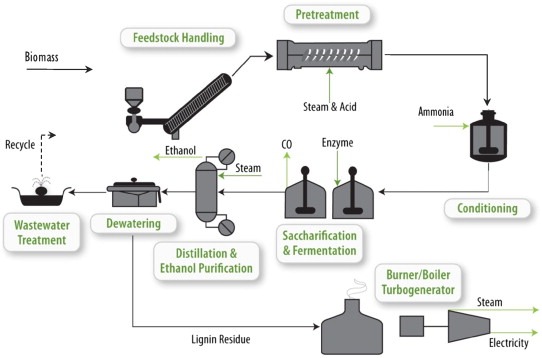
Categories
Uncategorized

Is Waste Heat Renewable Energy

Is Waste Heat Renewable Energy

Is Waste Heat Renewable Energy: Waste Heat to Energy is a process that captures waste heat from industrial processes, power plants, and other heat-generating systems to produce useful energy, typically in the form of electricity or mechanical work. This approach improves overall efficiency, reduces fuel consumption, and lowers greenhouse gas emissions.

1. Sources of Waste Heat

Waste heat is generated in various industrial and commercial processes, including:

  • Industrial Processes: Steel mills, cement plants, glass manufacturing, and refineries.
  • Power Plants: Gas turbines, steam turbines, and diesel generators.
  • Exhaust Gases: From internal combustion engines, furnaces, and incinerators.
  • Cooling Systems: Heat rejection from air compressors, chillers, and refrigeration units.

2. Waste Heat Recovery Technologies

A. Heat-to-Power Conversion Technologies

  1. Steam Rankine Cycle (SRC)
    • Uses waste heat to generate steam, which drives a steam turbine to produce electricity.
    • Best suited for high-temperature waste heat (>300°C).
  2. Organic Rankine Cycle (ORC)
    • Uses an organic fluid with a lower boiling point than water, allowing waste heat recovery from medium- and low-temperature sources (80°C–300°C).
    • Ideal for industrial processes and geothermal applications.
  3. Kalina Cycle
    • Uses an ammonia-water mixture to enhance efficiency in recovering low- and medium-temperature waste heat.
    • More efficient than ORC in certain conditions but has higher operational complexity.
  4. Thermoelectric Generators (TEGs)
    • Convert heat directly into electricity using the Seebeck effect.
    • Suitable for small-scale applications with low-grade waste heat (below 200°C).

B. Waste Heat Recovery Systems

  1. Heat Exchangers
    • Transfer heat from exhaust gases or process fluids to another medium.
    • Used in recuperators, regenerators, economizers, and heat recovery steam generators (HRSG).
  2. Waste Heat Boilers
    • Convert exhaust heat into steam, which can be used for power generation or industrial heating.
    • Common in combined heat and power (CHP) systems.
  3. Absorption Chillers
    • Use waste heat to drive cooling processes, reducing the need for electrical cooling.
    • Suitable for district cooling and HVAC applications.
  4. Regenerative Thermal Oxidizers (RTOs)
    • Capture heat from combustion processes and reuse it to preheat incoming gases.

3. Benefits of Waste Heat Recovery

✔ Improved Energy Efficiency – Reduces fuel consumption and operational costs.
✔ Lower Greenhouse Gas Emissions – Reduces reliance on fossil fuels, helping to meet environmental regulations.
✔ Cost Savings – Reduces energy bills and increases overall process efficiency.
✔ Enhanced Sustainability – Supports circular economy principles by utilizing existing energy streams.

4. Challenges and Considerations

  • Capital Investment: Initial installation costs can be high.
  • System Complexity: Requires careful integration into existing processes.
  • Waste Heat Temperature & Quality: Not all waste heat is easily recoverable.
  • Maintenance & Reliability: Some technologies require regular upkeep.

5. Applications and Industries

✔ Manufacturing & Heavy Industry – Steel, cement, glass, and chemical plants.
✔ Power Generation – Coal, gas, and biomass power plants.
✔ Oil & Gas – Refineries and natural gas processing.
✔ Transportation – Waste heat recovery in diesel engines and ships.
✔ Data Centers – Reuse of server-generated heat for district heating.

Sources of waste heat include industrial processes such as steel mills, cement plants, glass manufacturing, and refineries; power plants utilizing gas turbines, steam turbines, and diesel generators; exhaust gases from internal combustion engines, furnaces, and incinerators; and cooling systems that reject heat from air compressors, chillers, and refrigeration units.

Waste heat is generated from various industrial, commercial, and power generation processes where energy is not fully utilized and is instead lost to the environment. One of the primary sources of waste heat is industrial processes, including steel mills, cement plants, glass manufacturing, and refineries. These industries involve high-temperature operations where significant amounts of heat are expelled through exhaust gases, cooling water, and direct radiation from hot surfaces. The steel industry, for example, releases substantial heat through blast furnace slag, hot rolling mills, and coke ovens, while cement production emits waste heat from clinker cooling and rotary kilns. Similarly, in glass manufacturing, melting and forming processes generate large quantities of excess heat that can be captured and repurposed.

Another major source of waste heat is power plants, which utilize gas turbines, steam turbines, and diesel generators. In conventional thermal power plants, a significant portion of the fuel energy is lost in exhaust gases and cooling systems. Combined cycle power plants improve efficiency by using a gas turbine’s exhaust heat to generate steam and drive a secondary steam turbine, but even these systems still produce residual waste heat. Similarly, diesel generators, commonly used in remote locations and backup power applications, release high-temperature exhaust gases that can be recovered for useful energy generation.

Transportation and internal combustion engines are also significant contributors to waste heat. Automobiles, trucks, ships, and aircraft lose a substantial portion of their fuel energy as heat through engine exhaust and cooling systems. Modern advancements, such as turbochargers and thermoelectric generators, aim to capture and repurpose some of this waste heat for improved efficiency. Marine vessels, especially large cargo ships and naval fleets, produce waste heat from massive diesel engines, which can be recovered using heat exchangers and organic Rankine cycle systems.

Industrial furnaces, boilers, and incinerators also expel high-temperature exhaust gases that carry significant energy potential. These systems are widely used in various sectors, including food processing, pulp and paper production, and waste management. In incineration plants, municipal solid waste and hazardous materials are burned to generate energy, but a considerable fraction of the heat is still lost if not properly recovered.

Cooling and refrigeration systems represent another important category of waste heat sources. Air compressors, chillers, and HVAC systems generate excess heat that is typically dissipated into the surrounding environment. Data centers, which require extensive cooling to maintain optimal operating conditions for servers, produce substantial waste heat that can be redirected for space heating or absorption cooling.

In addition to these sources, renewable energy systems such as geothermal and solar thermal plants also experience waste heat losses. Geothermal power plants extract hot fluids from beneath the Earth’s surface, but not all the heat is converted into electricity, leading to thermal discharge. Similarly, concentrated solar power (CSP) plants, which use mirrors to focus sunlight and generate steam, lose a portion of their collected heat through system inefficiencies.

Overall, waste heat is an unavoidable byproduct of energy-intensive processes, but with the right technologies and strategies, it can be captured and converted into useful energy, improving efficiency and sustainability across various industries.

Waste heat from industrial processes is one of the most significant untapped energy resources, with immense potential for recovery and utilization. Industrial facilities, including steel mills, cement plants, glass manufacturing, and oil refineries, operate at high temperatures and often release large amounts of heat into the environment through exhaust gases, cooling water, and hot surfaces. This waste heat, if properly harnessed, can be repurposed for electricity generation, process heating, or even district heating systems, significantly improving overall energy efficiency.

Steel Industry

The steel industry is one of the largest producers of waste heat due to the extreme temperatures required in smelting, refining, and shaping processes. Key sources of waste heat in steel plants include blast furnace gas, basic oxygen furnaces, electric arc furnaces, reheating furnaces, coke ovens, and hot rolling mills. Blast furnaces, which are used to reduce iron ore into molten iron, emit high-temperature off-gases that contain significant amounts of thermal energy. This heat can be recovered using heat exchangers or gas expansion turbines to produce electricity or preheat raw materials. Similarly, coke ovens release hot gases during the carbonization of coal, which can be utilized for steam generation or power production.

Hot rolling mills, used to shape steel into sheets, rods, and other forms, generate a significant amount of waste heat through the cooling of hot steel. The water or air used for cooling absorbs heat that is often dissipated without recovery. By implementing recuperative heat exchangers, this energy can be used for preheating incoming steel slabs, reducing fuel consumption.

Cement Industry

Cement manufacturing is another energy-intensive process that generates large quantities of waste heat, primarily from rotary kilns and clinker coolers. Rotary kilns operate at extremely high temperatures to convert raw materials into clinker, the key ingredient in cement. A substantial amount of heat is lost through the kiln exhaust gases and the hot clinker as it exits the kiln. Waste heat recovery (WHR) systems, such as waste heat boilers and organic Rankine cycle (ORC) systems, can capture this heat and convert it into electricity, reducing reliance on external power sources. In modern cement plants, WHR systems can recover up to 30% of the total heat input, significantly improving efficiency and lowering carbon emissions.

Glass Manufacturing

The glass industry also operates at high temperatures, primarily during the melting and forming processes. Glass furnaces require continuous heating to maintain the molten state of raw materials, and a significant portion of the heat is lost through exhaust gases and radiant heat. Recuperators and regenerators are commonly used in glass manufacturing to capture and reuse waste heat, preheating combustion air or raw materials to reduce energy consumption.

Oil Refineries

Oil refineries, which process crude oil into fuels and chemicals, generate considerable waste heat from distillation columns, cracking units, and heat exchangers. Process heaters, used for refining crude oil, produce high-temperature flue gases that often go unrecovered. Implementing heat recovery systems, such as waste heat boilers or cogeneration units, allows refineries to capture this energy and generate steam or electricity for internal use. Additionally, flare gas recovery systems can reduce heat losses by utilizing excess gas that would otherwise be burned off.

By integrating advanced heat recovery technologies in these industries, significant energy savings can be achieved, reducing operating costs and minimizing environmental impact. As industries continue to seek ways to improve energy efficiency, waste heat recovery will play a crucial role in sustainable manufacturing and energy management.

Power Plants as a Source of Waste Heat

Power plants are among the largest producers of waste heat due to the inefficiencies inherent in electricity generation. Traditional thermal power plants, including coal-fired, natural gas, and nuclear plants, operate based on the Rankine cycle, where fuel is burned to heat water, producing steam that drives a turbine. However, a significant portion of the energy is lost as waste heat, either through exhaust gases, cooling towers, or discharged water. Even in more advanced combined-cycle power plants, which improve efficiency by using a secondary steam cycle, there is still residual waste heat that can be recovered for beneficial use.

Coal and Gas-Fired Power Plants

Conventional fossil fuel power plants typically operate at efficiency levels between 30% and 45%, meaning that more than half of the energy from fuel combustion is lost as heat. The primary sources of waste heat in these plants include:

  1. Flue Gas Exhaust – High-temperature combustion gases, often exceeding 500°C, are expelled from boilers and gas turbines. Heat recovery steam generators (HRSG) can capture this energy to generate additional steam for power production.
  2. Condenser Cooling Water – After steam passes through the turbine, it is condensed back into water using cooling towers or water bodies, leading to heat dissipation into the atmosphere or surrounding environment. District heating systems and industrial heat exchangers can recover some of this waste heat for heating applications.
  3. Turbine and Boiler Surface Radiation – Equipment surfaces radiate heat into the surrounding environment, contributing to thermal losses. Insulation and heat recapture technologies can minimize these losses.

Combined-Cycle Power Plants (CCPPs)

Combined-cycle plants, which integrate a gas turbine with a steam turbine, achieve higher efficiencies (50%–60%) by using exhaust heat from the gas turbine to generate steam for an additional power cycle. However, even these plants still experience waste heat losses, particularly in the final stages of energy conversion. Waste heat from CCPPs can be further utilized in industrial cogeneration (combined heat and power, CHP) systems to provide steam for industrial processes, district heating, or desalination plants.

Nuclear Power Plants

Nuclear plants operate with similar thermodynamic limitations as fossil fuel power plants, with efficiency levels typically around 33%, meaning that nearly two-thirds of the thermal energy produced in nuclear reactions is lost as waste heat. Most of this heat is discharged through cooling towers or directly into nearby water bodies. Advanced heat recovery systems, such as high-temperature reactors and cogeneration applications, aim to harness nuclear waste heat for district heating, hydrogen production, or industrial applications.

Diesel and Gas Generators

Smaller-scale power generation units, such as diesel and natural gas generators used in remote locations, data centers, and backup power systems, also produce considerable waste heat. These engines typically convert only 30%–40% of the fuel’s energy into useful work, with the rest dissipated as exhaust gas and engine cooling losses. Waste heat recovery units (WHRUs) can be installed to capture heat from generator exhaust and engine cooling systems, converting it into electricity via an Organic Rankine Cycle (ORC) or using it for process heating.

Potential Applications for Power Plant Waste Heat

Waste heat from power plants can be effectively utilized in various ways:

  • District Heating Systems – Capturing waste heat for residential and commercial heating can significantly reduce fuel consumption and emissions.
  • Industrial Steam and Process Heating – Industries that require high-temperature steam, such as chemical plants, can benefit from power plant waste heat.
  • Desalination – Thermal desalination processes, such as multi-stage flash (MSF) and multi-effect distillation (MED), can use waste heat to produce fresh water.
  • Greenhouses and Agriculture – Waste heat can provide controlled heating for greenhouses, improving food production efficiency.
  • Absorption Cooling – Waste heat can be used in absorption refrigeration systems to provide cooling, reducing electricity demand for air conditioning.

As global energy demands increase, improving the efficiency of power generation and utilizing waste heat will play a critical role in reducing carbon emissions and enhancing sustainability.

Waste Heat from Transportation and Internal Combustion Engines

Transportation is a major source of waste heat, particularly from internal combustion engines (ICEs) used in automobiles, trucks, ships, trains, and aircraft. In conventional gasoline and diesel engines, only about 25%–40% of the fuel’s energy is converted into useful mechanical work, while the rest is lost as heat through exhaust gases, engine cooling systems, and surface radiation. Capturing and utilizing this waste heat can significantly improve fuel efficiency, reduce emissions, and enhance overall performance.

Automobiles and Trucks

Road transportation relies heavily on internal combustion engines, where substantial waste heat is generated. The primary sources of heat loss in vehicles include:

  1. Exhaust Gases – A large portion of waste heat (up to 40% of fuel energy) escapes through the exhaust system. Technologies like turbochargers and thermoelectric generators (TEGs) can recover part of this heat for improved efficiency.
  2. Engine Cooling System – The cooling system removes heat from the engine block to prevent overheating, but this heat is typically dissipated into the atmosphere through radiators. Waste heat recovery (WHR) systems can redirect some of this thermal energy for auxiliary functions like cabin heating or electricity generation.
  3. Friction and Drivetrain Losses – Heat generated from moving engine parts and friction in the drivetrain is another source of wasted energy. Advanced lubricants and materials help reduce these losses, but some energy is still lost.

To address these inefficiencies, several waste heat recovery technologies are being developed:

  • Turbochargers and Turbo-Compounding – Turbochargers use exhaust gas energy to compress incoming air, improving engine efficiency and power output. Turbo-compounding systems take this a step further by using an additional turbine to recover even more exhaust energy and convert it into mechanical or electrical power.
  • Thermoelectric Generators (TEGs) – TEGs use the Seebeck effect to convert temperature differences between hot exhaust gases and cooler surfaces into electricity. These systems can power onboard electronics, reducing the load on the alternator and improving fuel economy.
  • Rankine Cycle Waste Heat Recovery Systems – Similar to power plants, vehicles can use a small Rankine cycle system to convert waste heat into mechanical energy to assist in propulsion.

Marine and Shipping Industry

Ships and marine vessels, particularly large cargo ships and cruise liners, use massive diesel engines that operate for long periods, generating significant amounts of waste heat. Key waste heat sources in marine engines include:

  • Exhaust Gases – Large marine engines produce high-temperature exhaust gases that can be captured using waste heat boilers to generate steam for auxiliary power.
  • Cooling Water – Engine cooling systems absorb heat, which can be used for heating applications on board or converted into electricity via heat exchangers and ORC systems.
  • Lubrication System Heat – Waste heat from lubricating oil can be recovered and reused for preheating fuel or other onboard applications.

Modern marine vessels are incorporating waste heat recovery systems (WHRS) to improve efficiency. Combined with shaft generators and electrical propulsion systems, WHR can reduce fuel consumption and lower emissions in compliance with environmental regulations.

Aircraft and Aviation

Aircraft engines, particularly jet engines, generate immense amounts of waste heat through exhaust gases and high-temperature components. While aviation has limited options for traditional waste heat recovery due to weight constraints, some innovative solutions include:

  • Heat Exchangers for Cabin Heating – Waste heat from jet engines is already used for cabin pressurization and heating.
  • More Efficient Engine Design – Advanced materials and cooling techniques reduce thermal losses and improve overall efficiency.
  • Hybrid and Electric Aviation Concepts – Future aircraft designs may integrate waste heat recovery technologies to enhance battery performance or reduce fuel consumption.

Rail Transportation

Diesel-electric locomotives generate significant waste heat from their engines and electrical components. Similar to marine applications, Rankine cycle systems, thermoelectric generators, and improved cooling system designs can enhance locomotive efficiency by capturing and reusing waste heat.

Future of Waste Heat Recovery in Transportation

As fuel efficiency standards become stricter and sustainability becomes a priority, waste heat recovery will play a critical role in the future of transportation. Advancements in materials, thermoelectric technology, and hybrid powertrain integration will further enhance the ability to capture and utilize waste heat in various vehicle types. Reducing waste heat losses will not only improve fuel economy but also contribute to lower greenhouse gas emissions and reduced reliance on fossil fuels.

Waste Heat Recovery Systems (WHRS)

Waste Heat Recovery Systems (WHRS) are technologies designed to capture and utilize heat that would otherwise be lost from industrial processes, power generation, and transportation. These systems improve energy efficiency, reduce fuel consumption, lower greenhouse gas emissions, and enhance overall sustainability. The recovered heat can be used for electricity generation, process heating, space heating, or cooling applications.

Types of Waste Heat Recovery Systems

Waste Heat Utilization

1. Regenerative Heat Exchangers

Regenerative heat exchangers store heat from hot gases and transfer it to incoming cold gases. They are commonly used in high-temperature industrial processes such as steel manufacturing and glass production.

  • Examples: Regenerators in blast furnaces, thermal oxidizers, and regenerative thermal oxidizers (RTOs).

2. Recuperative Heat Exchangers

Recuperative heat exchangers directly transfer heat from hot gases to cold gases or liquids through a solid medium.

  • Examples: Economizers in boilers, air preheaters, and plate heat exchangers.

3. Waste Heat Boilers (Heat Recovery Steam Generators – HRSG)

These systems use waste heat from industrial processes or power plants to produce steam, which can be used for electricity generation or industrial heating.

  • Examples: Combined cycle power plants, cogeneration (CHP) systems, and steam-based district heating.

4. Organic Rankine Cycle (ORC) Systems

ORC systems convert low-temperature waste heat into electricity using organic fluids with lower boiling points than water.

  • Applications: Biomass plants, geothermal energy, and low-grade waste heat recovery in industries.

5. Thermoelectric Generators (TEGs)

TEGs convert waste heat directly into electricity using the Seebeck effect.

  • Applications: Automotive exhaust systems, industrial furnaces, and spacecraft power generation.

6. Kalina Cycle Systems

Kalina cycle technology uses a mixture of ammonia and water to recover heat more efficiently than traditional Rankine cycles.

  • Applications: Geothermal power plants, industrial waste heat recovery, and solar thermal power.

7. Absorption Cooling Systems

These systems use waste heat to drive cooling cycles instead of electricity.

  • Applications: Air conditioning in commercial buildings, industrial refrigeration, and data centers.

8. Flue Gas Heat Recovery

Captures heat from exhaust gases in power plants, industrial boilers, and incinerators.

  • Applications: Preheating combustion air, district heating, and steam generation.

9. Mechanical Vapor Recompression (MVR)

MVR compresses and reuses steam to improve efficiency in evaporation and drying processes.

  • Applications: Food processing, desalination, and paper manufacturing.

Benefits of Waste Heat Recovery Systems

  • Energy savings – Reduces fuel consumption and operational costs.
  • Lower emissions – Decreases CO₂ and other greenhouse gas emissions.
  • Improved efficiency – Enhances process performance and sustainability.
  • Economic benefits – Reduces energy costs and improves profitability.

Waste Heat Recovery Systems are essential for improving energy efficiency across multiple sectors, helping industries and power plants transition toward a more sustainable future.

Waste Heat Recovery Systems (WHRS) are designed to capture and repurpose heat that would otherwise be lost from industrial processes, power plants, and transportation systems. These systems enhance energy efficiency, lower fuel consumption, and reduce greenhouse gas emissions, contributing to both economic and environmental sustainability. Waste heat can be recovered using different technologies depending on temperature levels, heat sources, and the intended application. High-temperature waste heat from industrial furnaces, steel mills, and cement kilns can be used to generate steam, which can either drive turbines for electricity generation or be used directly in manufacturing processes. Medium- and low-temperature waste heat, such as that from exhaust gases, cooling systems, and hot surfaces, can be recovered using heat exchangers, economizers, or organic Rankine cycle (ORC) systems.

Thermoelectric generators (TEGs) convert heat directly into electricity using the Seebeck effect, making them useful in automotive applications and remote power generation. In the transportation sector, waste heat recovery is particularly valuable in internal combustion engines, where a significant portion of fuel energy is lost through exhaust and cooling systems. Turbochargers improve engine efficiency by using exhaust gases to compress incoming air, while turbo-compounding systems convert excess exhaust energy into mechanical or electrical power. In marine and locomotive engines, waste heat recovery boilers capture exhaust heat to produce steam for auxiliary power.

In power plants, heat recovery steam generators (HRSG) are widely used in combined-cycle plants, where gas turbines’ exhaust heat is used to generate additional steam for a secondary power cycle, improving overall efficiency. Industrial applications frequently use regenerative and recuperative heat exchangers to capture and reuse thermal energy, with applications in steel, glass, cement, and chemical industries. Absorption refrigeration systems utilize waste heat for cooling, making them ideal for data centers, commercial buildings, and process cooling in industrial facilities. Flue gas heat recovery systems extract residual heat from exhaust gases in boilers and furnaces, preheating combustion air to reduce fuel consumption.

Mechanical vapor recompression (MVR) technology captures and reuses steam in processes such as food processing, desalination, and paper manufacturing. Kalina cycle systems use a mixture of ammonia and water to recover waste heat more efficiently than conventional Rankine cycles, particularly in geothermal and industrial applications. These waste heat recovery technologies provide numerous benefits, including significant energy savings, lower operating costs, reduced reliance on fossil fuels, and decreased carbon emissions. By integrating waste heat recovery systems, industries and power plants can optimize their processes and contribute to a more sustainable energy landscape.

Waste heat recovery systems play a critical role in optimizing energy use across various industries, including power generation, manufacturing, and transportation. In power plants, where efficiency losses are significant, waste heat recovery technologies such as combined heat and power (CHP) and district heating systems help utilize excess thermal energy that would otherwise be lost through cooling towers or exhaust stacks. By capturing and repurposing this heat, power plants can provide electricity and thermal energy simultaneously, reducing fuel consumption and emissions.

In industrial settings, waste heat recovery is widely implemented in energy-intensive sectors such as steel, cement, glass, and petrochemical production, where furnaces, kilns, and boilers generate large amounts of high-temperature waste heat. This heat can be recovered using regenerative and recuperative heat exchangers, waste heat boilers, and organic Rankine cycle (ORC) systems to produce additional steam or electricity. In refineries and chemical plants, process heat from distillation, cracking, and reforming units can be reused to preheat raw materials, improving overall energy efficiency.

Waste heat recovery is also essential in the transportation sector, particularly in diesel engines used in trucks, ships, and trains, where exhaust gas heat can be converted into useful work through turbo-compounding, thermoelectric generators (TEGs), and Rankine cycle systems. Marine vessels benefit from waste heat boilers that generate steam from exhaust gases, reducing fuel consumption for auxiliary power. In aviation, research into thermoelectric and heat exchanger technologies aims to enhance engine efficiency and reduce fuel burn. On a broader scale, waste heat recovery contributes to sustainable energy solutions, including waste-to-energy plants that convert municipal and industrial waste heat into usable electricity and heat for district energy networks. Advanced absorption cooling systems further expand the utility of waste heat by converting excess thermal energy into cooling power for air conditioning and refrigeration, reducing electrical demand.

The integration of waste heat recovery with renewable energy sources, such as solar and geothermal power, enhances overall system efficiency and resilience. Digital monitoring and smart energy management systems further optimize waste heat utilization by analyzing thermal losses in real-time and adjusting recovery processes accordingly. As industries and governments prioritize decarbonization and energy efficiency, waste heat recovery systems will continue to evolve, incorporating advanced materials, improved heat exchangers, and emerging technologies like supercritical CO₂ cycles and phase-change materials. These innovations will play a crucial role in minimizing energy waste, lowering greenhouse gas emissions, and improving the sustainability of industrial and power generation processes worldwide.

The continuous advancement of waste heat recovery systems is driven by the increasing need for energy efficiency, cost reduction, and sustainability across industries. One of the most promising areas of development is the integration of artificial intelligence (AI) and machine learning in waste heat recovery optimization. AI-powered systems can analyze operational data in real time, predict heat loss patterns, and adjust recovery mechanisms dynamically to maximize efficiency. This is particularly beneficial in complex industrial settings where fluctuating process conditions require adaptive control strategies. Additionally, advancements in thermoelectric materials are making thermoelectric generators (TEGs) more efficient and viable for large-scale waste heat recovery. New materials, such as nanostructured thermoelectrics and high-performance semiconductors, are improving the conversion efficiency of heat into electricity, expanding their applications in automotive engines, power plants, and industrial furnaces.

Another innovative approach to waste heat utilization is the development of supercritical CO₂ (sCO₂) power cycles, which offer higher thermal efficiency than traditional steam-based systems. sCO₂ cycles operate at higher pressures and temperatures, allowing for more effective waste heat recovery in power generation and industrial processes. This technology is gaining traction in applications such as concentrated solar power (CSP), nuclear power plants, and waste heat recovery in heavy industries. Similarly, phase-change materials (PCMs) are being explored for thermal energy storage, allowing waste heat to be captured and stored for later use, addressing the intermittent nature of heat availability in many industrial operations. These materials absorb heat during phase transitions and release it when needed, providing a more flexible and efficient way to utilize waste heat.

Waste heat recovery is also playing an increasing role in urban energy systems, particularly in district heating and cooling networks. Many cities are integrating industrial waste heat, data center heat, and even low-grade heat from wastewater treatment plants into their heating networks, reducing reliance on fossil fuels for space heating. Combined heat and power (CHP) systems continue to be a key solution in urban energy infrastructure, simultaneously producing electricity and useful heat from a single fuel source, thereby improving overall system efficiency. Additionally, emerging technologies such as absorption heat pumps and adsorption chillers are enabling more effective use of low-temperature waste heat in commercial and residential applications, further reducing energy demand from conventional heating and cooling systems.

As industries and governments continue to focus on carbon reduction goals, waste heat recovery systems are becoming an essential component of energy policy and corporate sustainability strategies. Stricter environmental regulations and carbon pricing mechanisms are pushing industries to invest in more efficient waste heat utilization technologies. Incentives and funding for energy efficiency projects, including government grants and tax credits, are accelerating the adoption of waste heat recovery solutions across various sectors. Moreover, the transition to hydrogen-based economies is opening new possibilities for waste heat recovery, as excess heat from hydrogen production processes such as electrolysis and methane reforming can be captured and reused in industrial applications or district energy systems.

Looking ahead, the convergence of digitalization, advanced materials, and innovative thermodynamic cycles will continue to drive improvements in waste heat recovery efficiency and economic viability. Companies and researchers are exploring hybrid solutions that combine waste heat recovery with renewable energy systems to create more resilient and self-sustaining industrial and urban energy networks. The expansion of decentralized waste heat recovery, where smaller-scale industrial and commercial facilities contribute to local energy systems, is also gaining momentum, further decentralizing energy production and reducing dependence on centralized fossil fuel power generation. By embracing these advancements, industries can significantly reduce energy waste, lower operational costs, and contribute to a more sustainable and energy-efficient future.

Benefits of Waste Heat Recovery

Waste Heat to Energy

The benefits of waste heat recovery are numerous, spanning economic, environmental, and operational improvements across various industries. By capturing and repurposing heat that would otherwise be lost, waste heat recovery systems can offer significant advantages in terms of energy efficiency, cost savings, and sustainability.

  1. Energy Efficiency: Waste heat recovery significantly enhances the overall energy efficiency of industrial processes, power plants, and transportation systems. By utilizing excess thermal energy, companies can reduce their reliance on primary energy sources (such as natural gas, coal, or electricity), making processes more efficient and reducing fuel consumption. This can lead to lower energy bills and a reduction in overall energy demand.
  2. Cost Savings: One of the most immediate benefits of waste heat recovery is cost savings. By capturing waste heat and repurposing it for useful applications, industries can reduce the need to purchase additional energy, thus cutting operating costs. For example, in manufacturing or power plants, recovered heat can be used to preheat incoming air or fluids, reducing the need for additional fuel to generate the required temperatures.
  3. Reduced Greenhouse Gas Emissions: Waste heat recovery systems help reduce greenhouse gas (GHG) emissions by lowering the overall fuel consumption of industrial processes and power plants. The less fuel that needs to be burned, the fewer emissions are generated. This is particularly important for companies working toward sustainability goals or those subject to emissions regulations. By using waste heat, industries can lower their carbon footprint and contribute to the global effort to combat climate change.
  4. Improved Process Efficiency: Waste heat recovery helps to optimize processes by providing a stable and reliable source of heat or energy. In many industries, the recovered heat can be used for processes such as preheating raw materials, producing steam, or powering auxiliary equipment. This integration leads to better system optimization, smoother operation, and reduced wear on equipment, enhancing overall process reliability and performance.
  5. Increased Energy Security: By recovering waste heat, industries can reduce their dependency on external energy supplies, contributing to greater energy security. Waste heat recovery allows companies to become more self-sufficient by generating their own power or reducing the need to purchase power from the grid. This can be particularly beneficial in regions with unstable energy prices or supply disruptions.
  6. Reduced Operational Costs: By reusing waste heat within a facility, industries can reduce the overall cost of running their operations. This includes savings from fuel, maintenance costs associated with equipment wear, and reduced demand on external utilities, leading to more predictable and manageable energy costs over time.
  7. Enhanced Sustainability: Waste heat recovery plays a key role in advancing sustainability initiatives. By reducing energy waste, emissions, and overall resource consumption, companies can contribute to sustainability goals, improve their public image, and meet corporate social responsibility (CSR) targets. Additionally, many waste heat recovery technologies, such as absorption chillers and organic Rankine cycles, can contribute to renewable energy generation, further boosting a facility’s sustainability efforts.
  8. Compliance with Environmental Regulations: Many countries have strict environmental regulations that require industries to reduce emissions and improve energy efficiency. Waste heat recovery systems help industries comply with these regulations by minimizing fuel consumption and GHG emissions. In some cases, the implementation of waste heat recovery systems may qualify companies for tax credits, grants, or other incentives aimed at supporting energy-efficient technologies.
  9. Opportunities for Combined Heat and Power (CHP) and District Heating: Waste heat recovery can be integrated into combined heat and power (CHP) systems, where both electricity and useful heat are generated from a single energy source. This increases overall system efficiency and allows for the utilization of otherwise wasted energy. Additionally, waste heat can be used in district heating systems, providing residential, commercial, and industrial buildings with affordable, low-carbon heat from local sources.
  10. Energy Flexibility and Reliability: Some waste heat recovery technologies, such as heat storage and thermal energy storage systems, allow for the storage of recovered heat for later use. This can provide a more flexible and reliable energy source, especially in operations that require heat on a fluctuating basis, such as in seasonal industries or those with variable production schedules.
  11. Innovation and Technological Advancements: Waste heat recovery encourages innovation in thermal management technologies, leading to the development of advanced systems like thermoelectric generators (TEGs), Kalina cycles, and supercritical CO₂ cycles. These technologies improve the ability to recover and use low- and medium-grade waste heat, further enhancing overall energy utilization.
  12. Market Competitiveness: Companies that adopt waste heat recovery technologies can gain a competitive edge by improving their bottom line through reduced energy costs and enhanced efficiency. Additionally, demonstrating a commitment to sustainability and energy efficiency can improve a company’s reputation and brand image, making it more attractive to customers, investors, and regulatory bodies.

In summary, waste heat recovery offers a wide range of benefits, from improved energy efficiency and cost savings to environmental sustainability and compliance with regulations. It is a critical tool in creating more sustainable, cost-effective, and energy-efficient industrial and energy systems worldwide.

Waste heat recovery systems offer significant advantages that contribute to operational, economic, and environmental improvements. By capturing and repurposing heat that would otherwise be wasted, industries can enhance their energy efficiency and reduce fuel consumption, which in turn lowers operating costs. The reduction in fuel consumption also directly results in fewer emissions, including greenhouse gases, contributing to environmental sustainability and helping industries meet regulatory compliance and sustainability goals. By recovering waste heat, companies can reduce their reliance on external energy sources, which not only boosts their energy security but also makes their energy needs more predictable and stable. This reduction in energy dependence can be particularly beneficial in areas with volatile energy prices or where energy security is a concern.

Waste heat recovery also improves process efficiency by providing a reliable source of thermal energy that can be used for applications like preheating raw materials, generating steam, or powering auxiliary equipment. This integration helps optimize overall system performance, enhancing reliability and productivity while reducing wear and tear on machinery. Furthermore, the reuse of waste heat can significantly cut down on fuel expenses, reducing the overall operational costs of a facility. The economic benefits of waste heat recovery systems extend beyond the immediate savings on energy costs, as the increased efficiency and reduced environmental impact can improve a company’s public image, helping to meet corporate social responsibility (CSR) targets and attract investment.

As industries move toward more sustainable practices, waste heat recovery plays a key role in advancing these efforts by reducing the amount of energy lost in industrial processes and enhancing overall resource conservation. The implementation of waste heat recovery systems aligns with sustainability initiatives, helping companies to reduce their carbon footprint while generating savings in the process. In regions where stringent environmental regulations are in place, waste heat recovery can be an effective strategy to comply with these laws, potentially qualifying businesses for incentives such as tax credits or grants for energy-efficient technologies.

Moreover, waste heat recovery contributes to the potential for combined heat and power (CHP) systems, where both electricity and useful heat are produced from a single fuel source. This not only boosts efficiency but also allows industries to create district heating systems that can provide low-carbon heating to nearby residential, commercial, and industrial buildings. Such integration further reduces reliance on traditional energy sources and promotes local, sustainable energy solutions. The flexibility of recovered heat, which can be stored for later use, also provides a level of reliability and energy security, particularly for industries with fluctuating energy demands.

Ultimately, the adoption of waste heat recovery technologies enables companies to remain competitive in a marketplace where energy efficiency and environmental responsibility are becoming increasingly important. These systems help businesses lower their energy costs, reduce emissions, and comply with regulations, all while boosting their reputation and market position. The ongoing innovation in waste heat recovery, through new technologies such as thermoelectric generators, supercritical CO₂ cycles, and advanced thermal storage solutions, continues to enhance the efficiency and viability of these systems, opening new opportunities for industries to harness and make use of energy that would otherwise be lost.

The widespread adoption of waste heat recovery systems is increasingly recognized as an essential strategy for optimizing energy usage and achieving sustainability goals across industries. As technologies continue to evolve, industries are finding new ways to leverage low- and medium-temperature waste heat that was previously considered difficult or uneconomical to recover. Innovations in materials, such as advanced heat exchangers and high-performance thermoelectrics, are improving the efficiency of heat recovery, even in lower temperature ranges. For example, organic Rankine cycles (ORC) and Kalina cycles have become more efficient at recovering heat from lower-grade waste streams, enabling industries to recover and utilize heat that would have otherwise been wasted.

Furthermore, waste heat recovery is playing an increasingly important role in the transition toward low-carbon and renewable energy solutions. By integrating recovered heat with renewable energy sources such as solar and biomass, industries can create hybrid systems that maximize overall energy efficiency and sustainability. For instance, waste heat recovery systems can be used in combination with solar thermal energy to create more reliable and efficient renewable power systems, or even in geothermal power plants where excess heat can be used to improve energy generation processes.

The growing emphasis on decarbonization, coupled with tightening regulations on carbon emissions and energy efficiency, is driving more industries to incorporate waste heat recovery technologies into their operations. As governments around the world implement stricter environmental policies, industries that adopt waste heat recovery systems will be better positioned to meet these regulatory requirements while also reducing their operational costs. In some regions, this can provide a competitive edge as companies that implement energy-efficient practices may benefit from financial incentives, subsidies, or preferential treatment in the market.

Beyond energy savings, waste heat recovery systems also contribute to improved resource utilization, as industries become more adept at making use of by-products that were previously overlooked. For example, in manufacturing processes, where high temperatures are often required, the ability to recover and reuse waste heat reduces the need for fresh inputs of fuel or electricity. This reduces both operating costs and the overall environmental impact of production processes, supporting circular economy principles by reducing waste and maximizing the reuse of available resources.

In the context of urban energy systems, waste heat recovery is also being integrated into district heating and cooling networks, where industrial or commercial heat is transferred to local buildings for space heating or hot water. This not only makes use of waste heat but also helps reduce the need for fossil fuels in urban energy systems, lowering emissions on a larger scale. Cities can greatly benefit from integrating waste heat recovery in their energy infrastructure, particularly as urban populations continue to grow and demand for energy rises. By creating more energy-efficient districts with shared heating and cooling resources, cities can become more resilient to energy price fluctuations and contribute to achieving national or global climate targets.

As energy markets evolve and new technological solutions emerge, waste heat recovery systems will continue to play an integral role in achieving a more sustainable energy future. The combination of digitalization, advanced analytics, and smart grids will further optimize the efficiency of these systems by enabling real-time monitoring and control, ensuring that waste heat recovery is maximized across a wide range of applications. In the long run, waste heat recovery not only offers a pathway to energy savings and cost reductions but also serves as a key pillar in the transition to a more sustainable, low-carbon economy.

As industries and governments continue to prioritize sustainability and energy efficiency, waste heat recovery technologies will become even more crucial in helping meet global energy demands while reducing environmental impact. The integration of waste heat recovery with emerging technologies like smart grids, advanced automation, and artificial intelligence will enable more dynamic and efficient energy systems. Real-time monitoring and predictive analytics will allow for better decision-making and optimization of energy use, ensuring that heat recovery systems operate at their peak efficiency, even in fluctuating conditions. With the increasing availability of data and digital tools, businesses can identify areas of heat loss and adjust recovery strategies to improve both economic performance and environmental outcomes.

Moreover, the development of new materials and technologies will continue to drive the expansion of waste heat recovery into previously untapped sectors. For instance, new heat-resistant alloys and ceramic materials are making high-temperature heat exchangers more durable and efficient, allowing for the recovery of heat from even more extreme industrial processes. Similarly, advances in heat storage technologies, such as advanced phase-change materials (PCMs) and thermochemical storage, are enabling industries to capture and store excess heat for later use, further increasing system flexibility and making it possible to use recovered heat during peak demand periods.

In addition, as global economies move toward hydrogen as a clean energy source, waste heat recovery will play an important role in optimizing hydrogen production processes. Technologies like electrolysis, which are used to produce green hydrogen from water, require significant amounts of electricity and produce waste heat. By integrating waste heat recovery into these processes, the efficiency of hydrogen production can be significantly improved, making it a more viable option for decarbonizing industries such as transportation, manufacturing, and power generation. Similarly, as the use of hydrogen in industrial heating systems grows, the integration of waste heat recovery can provide additional energy savings and further reduce emissions.

The expansion of decentralized energy systems and microgrids also presents new opportunities for waste heat recovery. In remote or off-grid locations, small-scale waste heat recovery systems can be used to generate electricity or provide heat for industrial and residential use. These systems could help power critical infrastructure, such as water treatment plants, hospitals, and schools, while reducing the reliance on expensive or unreliable external energy sources. By incorporating waste heat recovery into these systems, communities can create more resilient and self-sustaining energy solutions.

Waste heat recovery’s contribution to reducing the energy intensity of industrial operations, coupled with advances in renewable energy technologies, will help move industries closer to achieving their net-zero carbon goals. By addressing both operational efficiency and emissions reductions, waste heat recovery allows businesses to take a holistic approach to energy management, reducing costs while supporting their environmental and regulatory commitments.

As waste heat recovery technologies become more widespread, industries that adopt these systems will not only benefit from direct energy savings but also enhance their competitiveness in a market that increasingly values sustainability and resource efficiency. The ability to recover and reuse waste heat can also serve as a differentiating factor, as consumers, investors, and regulators place greater emphasis on environmentally responsible practices. For industries looking to future-proof their operations, investing in waste heat recovery technology is an important step toward building long-term resilience, enhancing sustainability, and maintaining market leadership.

Ultimately, the future of waste heat recovery holds great promise, with the potential to transform how industries utilize energy and reduce their environmental impact. As new technologies emerge and the global economy moves toward more sustainable and efficient energy solutions, waste heat recovery will continue to play an essential role in shaping a greener, more energy-efficient world. With ongoing innovation, strategic integration into energy systems, and a commitment to sustainability, waste heat recovery is poised to become an integral part of the global transition to a low-carbon economy.

While waste heat recovery offers substantial benefits, there are several challenges and considerations that industries must address to fully capitalize on these technologies.

  1. Initial Capital Investment: One of the primary challenges associated with waste heat recovery systems is the initial cost. The installation of recovery equipment, such as heat exchangers, thermoelectric generators, or ORC systems, can require a significant upfront investment. This cost may be a barrier for some industries, especially those with tight budgets or low-profit margins. However, the long-term savings from reduced energy consumption and improved efficiency often justify the initial expenditure.
  2. Technological Complexity: Implementing waste heat recovery systems often requires specialized knowledge and expertise. Different industries generate waste heat at various temperatures and scales, requiring tailored solutions to recover and repurpose this energy effectively. The complexity of integrating recovery systems with existing infrastructure can also pose a challenge, especially in older or less adaptable facilities. Proper planning, engineering, and technical support are critical to ensure a smooth implementation.
  3. Economic Viability for Low-Temperature Heat: Waste heat recovery is typically most effective when the heat source is high temperature, such as exhaust gases from industrial furnaces or power plants. Low-temperature waste heat (below 100°C or 212°F), which is common in many industrial processes, can be harder to recover efficiently. Technologies like organic Rankine cycles (ORC) and thermoelectric generators (TEGs) are increasingly being used to capture low-grade heat, but these systems may still have lower efficiency compared to high-temperature heat recovery systems. In some cases, the costs of recovering low-temperature heat may not be economically viable unless paired with other technologies or applications.
  4. System Integration and Compatibility: Integrating waste heat recovery systems into existing industrial processes and infrastructure can be challenging, particularly in industries with complex or outdated systems. The process of connecting recovery equipment to existing machinery, ensuring compatibility with control systems, and adjusting operations can be time-consuming and costly. Furthermore, the operational profile of industries often changes over time, which may impact the effectiveness of waste heat recovery solutions. Continuous monitoring and system optimization are essential for ensuring long-term performance.
  5. Operational and Maintenance Challenges: Like all energy systems, waste heat recovery systems require regular maintenance to ensure they continue to operate efficiently. This can involve cleaning heat exchangers, maintaining thermoelectric generators, and replacing worn-out components. Over time, system components can degrade due to factors like corrosion, scaling, or thermal fatigue. Maintenance and operational costs can accumulate, potentially offsetting some of the financial benefits of waste heat recovery. Furthermore, integrating waste heat recovery into existing operations may introduce new operational complexities that require specialized personnel.
  6. Space and Installation Constraints: Some industries, particularly in dense urban environments or in older facilities, may face space constraints that make the installation of waste heat recovery systems difficult. The additional equipment required for heat recovery, such as heat exchangers, storage tanks, or turbines, can require significant space, which may not be readily available in existing plants or industrial setups. In such cases, companies may need to invest in new infrastructure or undergo costly facility upgrades to accommodate waste heat recovery technologies.
  7. Regulatory and Environmental Considerations: While waste heat recovery can reduce greenhouse gas emissions, it must still comply with local environmental regulations. In some cases, recovering heat from industrial processes or exhaust gases may be subject to specific regulations regarding air quality, emissions, or thermal discharge. Regulatory constraints may limit the types of heat recovery technologies that can be used or the way in which heat is released back into the environment. Companies must carefully navigate these regulatory requirements to ensure their waste heat recovery systems operate within legal and environmental boundaries.
  8. Energy Quality and Consistency: The quality and consistency of the recovered heat are important considerations. Waste heat sources can vary in temperature, flow, and availability, which can impact the efficiency of recovery systems. For example, in processes where heat is not continuously available, energy storage or backup systems may be required to maintain a consistent supply of recovered heat. The varying nature of waste heat can also make it difficult to integrate these systems into broader energy networks, such as district heating or CHP systems, which rely on stable and predictable heat sources.
  9. Financial and Market Uncertainty: The financial return on investment (ROI) for waste heat recovery systems can be influenced by external factors, such as fluctuating energy prices, government incentives, or shifts in market conditions. For example, if energy prices decrease significantly, the cost savings from waste heat recovery may become less compelling. Similarly, changes in regulations, such as the removal of tax incentives for energy efficiency projects, could impact the financial viability of these systems.
  10. Technological Advancements and Future Proofing: As new technologies continue to emerge in the field of waste heat recovery, industries must carefully assess the long-term viability of the systems they install. New and more efficient technologies, such as advanced thermoelectric materials, supercritical CO₂ cycles, or hybrid renewable energy solutions, may provide better performance and longer-term savings, making older systems obsolete. This creates a challenge for industries seeking to future-proof their energy infrastructure while ensuring that their waste heat recovery investments remain competitive and relevant.

In conclusion, while waste heat recovery offers numerous benefits, industries must address several challenges in order to fully realize these advantages. Overcoming barriers such as high initial costs, technological complexity, system integration issues, and space constraints requires careful planning, expertise, and investment. However, with ongoing advancements in technology, more efficient solutions are emerging to address these challenges, making waste heat recovery an increasingly viable and integral part of sustainable energy strategies.

Addressing the challenges associated with waste heat recovery involves careful planning, investment, and ongoing optimization. One of the key areas that need focus is the economic viability of waste heat recovery systems, particularly in industries with low-temperature heat. Low-temperature waste heat is often less energy-dense, which can make recovery technologies less efficient and economically viable. In such cases, pairing waste heat recovery with complementary technologies, such as heat pumps, or integrating recovered heat into other parts of the industrial process, can improve the overall efficiency and cost-effectiveness of these systems. Additionally, industries must evaluate the long-term savings and the reduction in operational costs, weighing them against the initial investment required for system installation and integration.

Another consideration is the integration of waste heat recovery systems into existing industrial infrastructure. In many cases, industrial plants and processes are already operating with a set infrastructure, and introducing new technologies requires thoughtful integration with the current system. This could mean modifications to existing equipment, the installation of new heat exchangers, or the introduction of additional controls to ensure that recovered heat is effectively reused. This integration process can be resource-intensive, both in terms of time and financial outlay, as it may require downtime or system upgrades to ensure compatibility with the new technologies.

Space limitations also play a critical role in the successful implementation of waste heat recovery systems. Older facilities, in particular, may not have the physical space to accommodate new heat recovery equipment. Additionally, for industries located in highly urbanized areas, space constraints may limit the scale of waste heat recovery that can be practically installed. Solutions to these challenges could include the design and implementation of compact systems, modular recovery units, or leveraging off-site storage for recovered heat. However, this may still entail significant investment in infrastructure changes or spatial reconfigurations, which can be costly and logistically challenging.

In operational terms, the maintenance of waste heat recovery systems is an ongoing concern. While these systems can be highly beneficial in terms of efficiency and cost savings, they require regular attention to remain effective. For instance, heat exchangers need to be cleaned and maintained to prevent the buildup of scale, dirt, or corrosion, which could hinder heat transfer efficiency. Similarly, thermoelectric generators or other high-tech equipment in waste heat recovery systems may need periodic calibration and repairs to ensure consistent performance. Developing a reliable maintenance strategy and ensuring that personnel are trained to manage these advanced systems are crucial for the long-term success of waste heat recovery.

Moreover, external factors, such as changes in energy prices or environmental regulations, can also influence the economic feasibility of waste heat recovery projects. Fluctuating energy costs can directly impact the financial savings that waste heat recovery provides. If energy prices drop, the economic incentive to invest in waste heat recovery may diminish, as the payback period could become longer or the energy savings less significant. Conversely, if energy prices rise or stricter emissions regulations are implemented, the value proposition for waste heat recovery may improve. Businesses must continuously assess these external factors and adjust their strategies accordingly to ensure that their investments in waste heat recovery continue to yield positive returns.

Technological advancements will continue to evolve, providing new opportunities to overcome some of the limitations associated with waste heat recovery systems. Innovations in materials, such as advanced heat-resistant alloys or more efficient thermoelectric materials, are improving the ability to recover waste heat at lower temperatures, making these technologies more viable in a broader range of industrial applications. Moreover, improvements in energy storage technologies, such as thermal storage or advanced batteries, could help mitigate the intermittent nature of waste heat and allow industries to store and use recovered energy at times of peak demand.

In addition, policy support and government incentives will play an important role in driving the adoption of waste heat recovery technologies. Many countries are offering financial incentives, tax credits, or subsidies to encourage the adoption of energy-efficient technologies. Industries can take advantage of these programs to offset some of the initial costs associated with implementing waste heat recovery systems. However, the landscape of these incentives is often subject to change based on political and economic conditions, and businesses must stay informed about regulatory changes that could impact their ability to recover investments.

To fully address these challenges, industries must approach waste heat recovery with a long-term perspective, considering not only the immediate benefits but also the potential for future technological advancements, operational adjustments, and changes in the market and regulatory environments. By carefully navigating the complexities of waste heat recovery, businesses can improve their energy efficiency, reduce their environmental impact, and achieve significant cost savings over time.

As industries look to overcome these challenges, several strategies can be employed to ensure the successful implementation and long-term benefits of waste heat recovery systems.

  1. Strategic Planning and Feasibility Studies: Before investing in waste heat recovery technologies, industries should conduct detailed feasibility studies to assess the potential energy savings, payback periods, and the impact on overall system efficiency. These studies should consider factors such as the temperature and quantity of waste heat available, the specific energy demands of the facility, and the compatibility of potential recovery technologies with existing processes. A comprehensive analysis will help identify which heat recovery systems are most appropriate for the given conditions and whether the savings in energy consumption will justify the initial investment.
  2. Energy Audits and Monitoring Systems: Implementing a robust monitoring and energy auditing system is essential for identifying and quantifying the waste heat available within an industrial process. This helps companies pinpoint areas where heat loss is most significant and determine the most effective recovery methods. By using advanced monitoring tools, industries can track the performance of waste heat recovery systems in real-time, providing actionable data that can be used to optimize recovery rates and identify maintenance needs early. Regular audits and monitoring can also reveal new opportunities for additional energy savings over time.
  3. Government Support and Incentives: Many countries offer financial incentives to encourage industries to adopt energy-efficient technologies, including waste heat recovery systems. This could include grants, tax credits, or low-interest loans that help offset the capital cost of implementing recovery technologies. Additionally, some governments are offering funding or support for the development of new technologies to make waste heat recovery more efficient and accessible. Industries should actively seek out these programs and stay informed about the evolving regulatory landscape to take full advantage of available financial support.
  4. Technology Partnerships: Collaborating with technology providers, research institutions, and energy consultants can help industries overcome technical challenges and stay ahead of innovations in waste heat recovery. Partnerships with specialized suppliers can ensure that the most advanced and efficient systems are selected and correctly integrated into existing operations. Working with experts in the field can also help address integration challenges and identify ways to optimize the recovery process based on the unique needs of each industry. In some cases, technology providers may offer ongoing support and maintenance services to ensure the system continues to function optimally over its lifespan.
  5. Modular and Scalable Solutions: To mitigate space and cost constraints, industries may consider implementing modular and scalable waste heat recovery solutions. These systems are often easier to integrate into existing infrastructure and can be expanded or upgraded over time as energy demands grow or as technology improves. By adopting modular systems, industries can make incremental investments in waste heat recovery without having to commit to a large-scale installation upfront. This also allows for more flexibility in scaling up the system as energy efficiency needs evolve.
  6. Hybrid Solutions and Energy Storage: Hybrid systems, which combine multiple energy sources or recovery methods, can be effective in overcoming some of the limitations of individual waste heat recovery technologies. For example, waste heat recovery can be combined with renewable energy sources such as solar or biomass, or even with traditional power generation, to create a more resilient and efficient system. Additionally, incorporating energy storage technologies—such as thermal storage or battery systems—can allow industries to store recovered heat for later use, smoothing out fluctuations in energy demand and ensuring that recovered heat can be utilized during peak times.
  7. Upgrading Existing Infrastructure: In some cases, older facilities may require infrastructure upgrades to make them compatible with waste heat recovery systems. These upgrades could include improvements to heat distribution networks, the installation of heat exchangers, or the addition of advanced control systems. While this can involve significant upfront costs, it may be necessary to ensure that the waste heat recovery system functions efficiently and integrates seamlessly with the existing processes. Over time, the benefits from increased energy efficiency and cost savings can offset the initial investment in infrastructure upgrades.
  8. Employee Training and Skill Development: One of the critical factors in the successful operation of waste heat recovery systems is ensuring that employees are trained to understand and manage the new technologies. Staff members should be equipped with the necessary skills to monitor system performance, identify potential issues, and carry out routine maintenance. Training can also help employees understand the benefits of waste heat recovery, encouraging a culture of energy efficiency and sustainability within the organization. Additionally, having skilled personnel can help prevent operational disruptions and minimize the risk of costly breakdowns or inefficiencies.
  9. Sustainability Goals and Public Image: Companies that adopt waste heat recovery technologies can use these systems as part of their broader sustainability initiatives. In addition to the direct benefits of energy savings and emissions reductions, implementing waste heat recovery can enhance a company’s public image, positioning it as a leader in energy efficiency and environmental responsibility. Many consumers, investors, and stakeholders are increasingly prioritizing sustainability when making decisions, and businesses that integrate waste heat recovery systems can strengthen their market position by demonstrating their commitment to sustainability. This, in turn, can attract investors, improve customer loyalty, and contribute to a positive corporate reputation.
  10. Long-term Monitoring and Optimization: Continuous monitoring of waste heat recovery systems is essential to ensure that they operate at peak efficiency over time. Through data analytics, machine learning, and AI-based systems, industries can optimize the performance of waste heat recovery equipment and identify areas for further improvement. For instance, predictive maintenance tools can detect wear and tear before it leads to system failure, minimizing downtime and extending the lifespan of recovery equipment. Regular system optimization ensures that the technologies remain cost-effective and continue to deliver energy savings, even as industrial processes evolve.

By addressing these challenges proactively and considering these strategies, industries can successfully implement waste heat recovery systems that offer long-term benefits in terms of cost savings, energy efficiency, and environmental sustainability. The evolution of technology, regulatory frameworks, and business models will continue to support the widespread adoption of waste heat recovery, helping industries move closer to their sustainability and energy efficiency goals.

Looking ahead, the future of waste heat recovery holds significant promise, with evolving technologies and an increasing global focus on sustainability, energy efficiency, and decarbonization. Several emerging trends and innovations are poised to overcome existing challenges and unlock even greater potential for waste heat recovery systems. These advancements will help industries reduce operational costs, minimize environmental impact, and further contribute to the transition toward a low-carbon economy.

  1. Integration with Renewable Energy: As the global energy landscape shifts toward renewable sources, waste heat recovery will increasingly be integrated with renewable energy technologies, such as solar, wind, and biomass. This hybrid approach can help to balance the intermittency of renewable energy by providing a steady source of heat recovery, making energy systems more stable and reliable. For example, combining waste heat recovery with solar thermal systems can create more efficient district heating networks, reducing reliance on fossil fuels while improving overall energy security. Additionally, waste heat can be used in conjunction with renewable hydrogen production, which will be a key part of decarbonizing industries like steel, cement, and chemicals.
  2. Advanced Heat Recovery Technologies: As waste heat recovery technologies continue to evolve, more efficient and specialized systems will emerge. The development of high-performance materials, such as advanced alloys and ceramics, is improving the efficiency of heat exchangers, allowing industries to recover heat from even more extreme temperatures. Meanwhile, supercritical CO₂ cycles are an emerging technology that promises significant improvements in heat recovery efficiency, particularly for high-temperature waste heat. Supercritical CO₂ systems operate at higher pressures and temperatures than traditional steam cycles, making them ideal for capturing and converting waste heat from industrial processes into electricity or usable energy. Furthermore, advancements in thermoelectric materials are enabling more efficient conversion of heat into electricity, even at low temperatures. Thermoelectric generators (TEGs) can be used to recover waste heat from sources such as exhaust gases or industrial machinery, offering industries a more flexible and scalable solution to harnessing waste heat.
  3. Digitalization and Smart Monitoring: Digital technologies, including the Internet of Things (IoT)machine learning, and big data analytics, are revolutionizing the operation and optimization of waste heat recovery systems. Smart sensors and real-time data analytics can continuously monitor system performance, identifying inefficiencies and optimizing the recovery process in real-time. Machine learning algorithms can predict equipment failures before they occur, enabling predictive maintenance and minimizing downtime. The ability to collect and analyze data from waste heat recovery systems allows industries to fine-tune their operations for maximum efficiency, reducing costs and improving energy usage. Moreover, digital platforms and cloud-based software can integrate waste heat recovery data with broader energy management systems, providing a holistic view of energy consumption and performance across a facility or entire industrial complex. This enables businesses to optimize not just heat recovery but their overall energy strategy.
  4. Energy Storage Solutions: As industries increasingly adopt waste heat recovery, the need for effective storage solutions becomes more important. Heat storage technologies, such as phase-change materials (PCMs) and molten salt storage, are gaining traction as a way to store excess recovered heat for later use. These technologies can help buffer fluctuations in energy demand and ensure that recovered heat is available when needed, especially in industries where heat is intermittently produced or when systems need to be shut down temporarily for maintenance. Additionally, integrating thermal storage with battery storage solutions could provide more versatile energy systems. Batteries could store excess electricity generated from recovered heat and provide a backup power source for industrial facilities. This combination of heat and electrical energy storage could lead to greater energy independence and cost reductions for businesses.
  5. Decentralized and Microgrid Solutions: Waste heat recovery is also playing a key role in the development of decentralized energy systems and microgrids. These systems, which provide energy locally rather than relying on a central grid, can be particularly beneficial in remote or off-grid locations. For example, microgrids powered by waste heat recovery could supply energy to industrial facilities, residential areas, or critical infrastructure, reducing dependence on fossil fuels and external energy sources. By incorporating waste heat recovery, these microgrids can provide a more stable and resilient power supply while optimizing energy efficiency. In the future, waste heat recovery integrated with microgrids could support demand response systems, where recovered heat is used in real-time to balance supply and demand. These systems could also allow for excess recovered heat to be sold to neighboring communities or businesses, creating new revenue streams for industries while contributing to local energy solutions.
  6. Circular Economy and Industrial Symbiosis: Waste heat recovery is a natural fit for the principles of the circular economy, where resources are reused and waste is minimized. By recovering waste heat and reusing it in other industrial processes, companies can reduce their reliance on external energy sources, lower their carbon footprint, and contribute to the broader goals of resource efficiency and sustainability. Industrial symbiosis, where different industries exchange waste products (including heat), is gaining momentum as companies seek ways to minimize waste and optimize resource use. For instance, one industry’s waste heat could be used to power another industry’s heating needs, creating a mutually beneficial ecosystem where energy is shared rather than wasted.
  7. Regulatory Pressure and Sustainability Goals: Governments and regulatory bodies around the world are increasingly implementing policies and regulations that encourage or mandate energy efficiency improvements. For industries aiming to meet stringent carbon reduction targets or sustainability goals, waste heat recovery provides a practical solution. These systems can significantly reduce a company’s carbon emissions by offsetting the need for traditional energy sources. Additionally, industries may be eligible for tax incentives, rebates, or carbon credits that support the implementation of waste heat recovery technologies. With continued regulatory pressure on emissions and energy efficiency, waste heat recovery will become an increasingly attractive option for companies looking to comply with environmental regulations.
  8. Expansion into New Sectors: Waste heat recovery technologies, initially concentrated in energy-intensive sectors such as manufacturing, power generation, and chemicals, are now finding applications in more diverse industries. For example, the food and beverage industry, pharmaceuticals, and even data centers produce waste heat that can be captured and repurposed. As new sectors recognize the potential benefits of waste heat recovery, the market for these technologies will expand, leading to broader adoption across industries. In particular, data centers, which are responsible for significant energy consumption and heat generation, are increasingly implementing waste heat recovery systems to reduce operational costs and environmental impact. As the digital economy grows, solutions for waste heat recovery in these facilities will become increasingly important.

In conclusion, the future of waste heat recovery is bright, with innovations in technology, digitalization, energy storage, and sustainability driving the widespread adoption of these systems. Industries that invest in waste heat recovery technologies will not only improve their operational efficiency and reduce costs but will also contribute to the global effort to combat climate change and achieve sustainability goals. As the technologies continue to evolve and become more accessible, waste heat recovery will play an even more central role in the transition to a low-carbon, energy-efficient future.

Applications and Industries

How do Steam Power Plants Work

Waste heat recovery systems have a broad range of applications across various industries, enabling businesses to recover and reuse heat that would otherwise be lost. By capturing this waste heat, industries can significantly reduce their energy consumption, lower operational costs, and contribute to sustainability efforts. Below are some of the key industries and applications where waste heat recovery plays a vital role:

  1. Power Generation: In power plants, a significant amount of energy is lost as waste heat during the process of generating electricity. Waste heat recovery technologies such as combined heat and power (CHP) systems or organic Rankine cycle (ORC) systems are used to recover this heat and convert it into useful energy. By integrating waste heat recovery into the power generation process, plants can improve their overall efficiency, reduce fuel consumption, and lower greenhouse gas emissions. Geothermal power plants and nuclear power plants also benefit from waste heat recovery, utilizing the residual heat from reactors or geothermal fluids.
  2. Manufacturing: The manufacturing industry is one of the largest sources of industrial waste heat. Various processes—such as metal production, cement production, and chemical manufacturing—release large quantities of heat. Waste heat recovery systems in these industries include heat exchangers, steam turbines, and heat recovery steam generators (HRSG). For example, in steel mills, excess heat from furnaces and ovens can be recovered and reused for preheating materials or generating electricity. Similarly, in cement production, waste heat can be used to preheat the raw materials or to drive the kilns, reducing the need for additional energy inputs.
  3. Petrochemical and Chemical Industries: Petrochemical and chemical plants are energy-intensive and produce large amounts of waste heat during chemical reactions, distillation, and other processing activities. Waste heat recovery in these industries is commonly used to recover heat from flue gases, cooling water, or hot process streams. Heat exchangers and regenerative thermal oxidizers (RTOs) are commonly used to capture and reuse this heat. This recovered energy can be utilized for steam production, heating, or even generating electricity, leading to reduced energy costs and improved operational efficiency.
  4. Food and Beverage Industry: The food processing industry is another sector with significant potential for waste heat recovery. Processes such as cooking, drying, pasteurization, and sterilization generate substantial amounts of heat. Heat recovery systems can be integrated into these processes to capture the waste heat and use it for preheating raw materials, water, or air. For example, in breweries, waste heat can be recovered from fermentation processes to preheat water for brewing. Similarly, dairy plants can capture heat from pasteurization processes to help warm water used for cleaning and other operations.
  5. Textile Industry: The textile industry involves several energy-consuming processes such as drying, dyeing, and finishing. These processes produce waste heat that can be recovered and used in other parts of the production cycle. For example, air-source heat pumps can capture low-grade waste heat from drying machines and use it to preheat the incoming air or water. Additionally, waste heat recovery systems can be used to maintain the required temperatures in the production area, reducing the need for additional heating.
  6. Oil and Gas Industry: The oil and gas sector involves extensive use of heat for refining, petrochemical production, and other operations. In refineries, significant amounts of heat are generated during the distillation and cracking processes. Waste heat recovery systems, such as heat exchangersHRSGs, and reboilers, are commonly used to capture waste heat from flue gases, cooling water, and hot streams to generate steam or preheat process fluids. This helps refineries and petrochemical plants optimize energy use, reduce operational costs, and cut down on emissions.
  7. Data Centers: Data centers, which house vast amounts of IT equipment and servers, generate considerable amounts of waste heat. Effective heat recovery in data centers is essential for reducing the cooling load and improving energy efficiency. Air-conditioning unitsliquid cooling systems, and heat exchangers can be used to capture and reuse waste heat. For instance, recovered heat can be used to warm buildings, provide hot water, or be fed into district heating networks. Some data centers are even incorporating absorption chillers, which use waste heat to provide cooling instead of traditional energy-intensive refrigeration systems.
  8. HVAC (Heating, Ventilation, and Air Conditioning): The HVAC sector is another area where waste heat recovery can be applied. In buildings, particularly commercial and industrial spaces, waste heat from exhaust air, air conditioning, or refrigeration systems can be recovered and used for space heating, hot water production, or preheating fresh incoming air. For example, heat recovery ventilators (HRVs) and energy recovery ventilators (ERVs) are commonly used in buildings to capture heat from exhaust air and use it to precondition incoming fresh air, reducing the need for additional heating or cooling.
  9. Pulp and Paper Industry: The pulp and paper industry is a major energy consumer, with significant waste heat generated during processes such as drying, cooking, and bleaching. Waste heat recovery systems in this industry typically include heat exchangers, waste heat boilers, and thermal oil systems. The recovered heat can be used to generate steam for various stages of the production process or to preheat chemicals or water. By recovering this waste heat, pulp and paper mills can reduce their overall energy consumption and improve the sustainability of their operations.
  10. Mining Industry: In mining, energy is used extensively for crushing, grinding, and processing ores, and much of this energy is lost as waste heat. Mining operations often employ waste heat recovery systems, such as heat exchangers and CHP systems, to recover heat from hot exhaust gases or process fluids. This recovered heat can be used to generate power, provide heating for onsite facilities, or reduce the need for fuel in mining processes, improving both efficiency and environmental sustainability.
  11. Transportation and Automotive Industry: The transportation sector, especially within automotive manufacturing, generates substantial waste heat through processes such as engine testing, welding, and paint drying. In addition, the transportation industry, including trucks and ships, generates heat in exhaust systems. Technologies such as thermoelectric generators (TEGs) can be applied to recover heat from vehicle exhaust systems and convert it into electricity to power auxiliary systems, improving fuel efficiency and reducing emissions. This approach is still being developed for broader applications but holds promise for improving energy efficiency in the automotive and transportation sectors.
  12. District Heating Systems: In district heating, waste heat from industrial processes or power plants is used to provide heat to nearby residential or commercial buildings. This is especially common in colder climates where heating demand is high. By capturing waste heat from large-scale industrial operations, it is possible to create highly efficient district heating networks that serve multiple buildings and reduce the reliance on fossil fuels for heating. Waste heat from facilities such as power plantsrefineries, and data centers can be fed into district heating systems, providing an environmentally friendly alternative to traditional heating methods.

In summary, the application of waste heat recovery systems spans a wide range of industries and processes. Whether it’s power generation, manufacturing, food processing, or transportation, recovering and reusing waste heat presents a significant opportunity to improve energy efficiency, reduce costs, and contribute to sustainability goals. As waste heat recovery technologies continue to evolve, their applications across industries will expand, making them an increasingly important part of the global energy landscape.

  1. Biotechnology and Pharmaceuticals: The biotechnology and pharmaceutical industries use large amounts of energy during various processes, including fermentation, distillation, and sterilization. Waste heat recovery systems are increasingly used in these sectors to capture and reuse the heat from fermentation reactors, evaporators, and dryers. For instance, in pharmaceutical manufacturing, waste heat can be captured from drying and sterilization units to provide heating for other stages of production or for air preheating. These industries also use waste heat recovery to reduce energy costs, enhance sustainability, and meet regulatory energy efficiency standards, especially in environments that require precise temperature control.
  2. Glass and Ceramics Industry: The glass and ceramics industries are highly energy-intensive, as they require high temperatures for melting and firing materials. The furnaces used in these processes are a major source of waste heat. Recovering this heat can be done using regenerative heat exchangersflue gas heat recovery systems, and air preheating systems. The captured heat can be used to preheat the incoming raw materials, improving furnace efficiency and reducing energy consumption. In ceramics, waste heat can also be used to heat drying ovens and kilns, reducing the need for additional energy inputs and improving overall energy utilization.
  3. Concrete and Asphalt Production: The concrete and asphalt industries generate a significant amount of waste heat during production processes, such as mixing, drying, and heating. Heat exchangers and waste heat recovery systems can be used to capture heat from these processes and use it for other operations like preheating aggregates, drying materials, or heating water. For example, in asphalt production, the waste heat from the drying and mixing processes can be recovered and used to warm the incoming materials or to generate steam for other parts of the plant. This helps reduce energy consumption and improve sustainability by minimizing the need for additional heating or fuel use.
  4. Cold Storage and Refrigeration: Cold storage and refrigeration units generate waste heat as they operate. This heat can be recovered and reused in various ways, such as preheating water or generating low-grade steam for cleaning and sanitation purposes. In facilities like refrigerated warehouses, waste heat recovery systems can help reduce energy consumption by reusing the heat generated by compressors, motors, or condensers. Heat pump systems can be employed to recover low-grade waste heat and upgrade it for more useful purposes, like space heating or water heating.
  5. Airlines and Aviation Industry: Aircraft engines produce substantial amounts of waste heat, especially during flight and ground operations. Waste heat recovery systems could potentially be implemented in aircraft engines to improve fuel efficiency by recovering heat from exhaust gases and converting it into useful energy. Additionally, ground facilities at airports, such as fuel storage and maintenance areas, can also benefit from waste heat recovery to power auxiliary systems or heat buildings. This application is still emerging but has significant potential to improve energy efficiency in aviation and reduce operational costs.
  6. Marine and Shipping Industry: The shipping industry, like the automotive and transportation sectors, generates waste heat through engines and exhaust systems. Some marine vessels, especially large ones, are exploring waste heat recovery systems to convert exhaust heat into useful energy. The recovered heat can be used to generate electricity or provide additional power for onboard systems, reducing fuel consumption and enhancing operational efficiency. Thermoelectric generators (TEGs) and ORC systems are being tested as promising technologies for capturing exhaust heat from ships, offering more sustainable and energy-efficient solutions for the maritime industry.
  7. Smart Cities and Urban Applications: In the context of smart cities, waste heat recovery can be integrated into urban energy systems to support residential, commercial, and public infrastructure. Heat recovered from industrial processes, power plants, or data centers can be used in district heating networks to supply heat to buildings. This reduces the reliance on fossil fuels and lowers greenhouse gas emissions in urban environments. In addition, waste heat from commercial and residential buildings could be captured using heat recovery ventilators (HRVs), which can then be reused for space heating or water heating, improving the energy efficiency of buildings and helping cities meet sustainability goals.
  8. Retail and Hospitality Industry: The retail and hospitality sectors also generate significant amounts of waste heat, particularly from HVAC systems, refrigeration units, and kitchen appliances. Waste heat recovery systems can be installed to capture and reuse this heat for various purposes, such as providing hot water for bathrooms, preheating air, or even space heating. For example, in supermarkets, waste heat from refrigeration can be captured and used to provide heating in the store, reducing the need for additional heating systems and lowering energy bills. Hotels and restaurants can similarly benefit by reusing waste heat for water heating or space conditioning.
  9. Marine and Offshore Oil Platforms: Offshore oil platforms and marine vessels involved in extraction activities are highly dependent on energy-intensive processes, including drilling, refining, and gas compression. These platforms often rely on gas turbines or diesel generators that produce substantial waste heat. Waste heat recovery systems, including heat exchangers and CHP systems, can be used to recover heat from exhaust gases and convert it into electricity or steam, helping reduce fuel consumption and emissions. This is particularly valuable in offshore platforms where fuel availability can be limited, and energy efficiency is critical for operational sustainability.
  10. Waste-to-Energy Plants: Waste-to-energy (WTE) plants, which convert municipal solid waste (MSW) into electricity or heat, are another important sector where waste heat recovery plays a key role. The incineration of waste generates large amounts of heat that can be captured and used to produce steam for electricity generation or to feed into district heating systems. In addition, the flue gas from incinerators can be processed through heat recovery steam generators (HRSGs) to extract and reuse the thermal energy, improving the overall efficiency of WTE plants and reducing the environmental impact of waste disposal.

In conclusion, waste heat recovery is a versatile and effective technology that can be applied across a wide range of industries and applications. By capturing and reusing waste heat, businesses can not only reduce their energy consumption and lower costs but also contribute to sustainability goals and decrease their environmental footprint. With ongoing technological advancements and a growing emphasis on energy efficiency, waste heat recovery will continue to play an increasingly important role in helping industries meet their energy needs in a more sustainable and cost-effective way.

  1. Agriculture and Farming Industry: In agriculture and farming, waste heat recovery can be utilized in a variety of ways to improve energy efficiency and reduce costs. For instance, greenhouses often require heat to maintain optimal growing conditions, and waste heat from nearby industrial processes, power plants, or even local farms can be harnessed to provide the necessary warmth. By capturing waste heat, greenhouses can reduce their reliance on external heating systems, leading to significant savings on energy bills. In addition, livestock farms that produce waste heat through heating systems or animal barns can recover this heat to warm water, preheat air, or even provide space heating for the facilities. Such systems also contribute to reducing the carbon footprint of agricultural operations.
  2. Air Conditioning and Cooling Systems: Air conditioning and cooling systems are another area where waste heat recovery can be highly beneficial. In large commercial buildings, data centers, and industrial facilities, the process of cooling generates excess heat. Absorption chillers and heat pump systems can capture this waste heat and upgrade it for use in heating applications. For example, in a large shopping mall, waste heat from air conditioning units can be redirected to provide heating for water or space heating in other parts of the facility. This integration reduces the overall energy consumption and enhances the efficiency of the building’s energy management system.
  3. Cooling in Power Plants: Power plants, particularly those that operate with thermal energy, such as coal or natural gas power stations, produce significant amounts of waste heat during the process of electricity generation. Cooling towers or wet cooling systems are commonly used to dissipate this heat. However, there are opportunities for improving energy recovery from these systems. Heat exchangers and thermal storage systems can capture this cooling waste heat and use it for generating steam, providing auxiliary power, or even supplying heat to nearby industrial facilities or district heating systems. This helps improve the efficiency of the power plant and reduces the need for additional fuel input.
  4. Water Treatment and Desalination Plants: Desalination and water treatment plants are often located in coastal or remote areas and require substantial amounts of energy, especially for processes like reverse osmosis or distillation. These processes generate waste heat that can be recovered and repurposed for various uses. For instance, waste heat recovery systems in desalination plants can be used to preheat incoming seawater, reducing the energy required for further desalination steps. In water treatment plants, waste heat can be captured and used for heating or even to generate electricity through ORC systems or steam turbines, improving the overall energy efficiency of the plant.
  5. Waste Management and Recycling Plants: Waste management and recycling facilities that process materials such as metals, plastics, and glass typically use high-temperature furnaces or kilns. These processes produce substantial amounts of heat that can be captured using heat recovery systems. The recovered heat can be used to preheat materials, power other parts of the plant, or provide steam for industrial use. For example, in metal recycling, waste heat from furnaces used to melt scrap metal can be used to preheat incoming materials or generate steam. Similarly, plastic recycling plants can use waste heat to power dryers or to generate heat for the reprocessing of plastics.
  6. Transportation and Electric Vehicle Charging: The growing adoption of electric vehicles (EVs) and transportation electrification presents opportunities for waste heat recovery in charging stations and battery systems. Fast-charging stations for electric vehicles generate substantial heat during the charging process. Some of this heat can be recovered and used for preheating the charging stations or other nearby facilities, reducing energy use. Additionally, battery thermal management systems in EVs can recover and repurpose heat generated by the batteries during charging and discharging, improving the vehicle’s overall efficiency. Heat recovery in electric vehicle charging systems could also be integrated into smart city grids, where recovered heat can be fed into district heating networks or used in other urban applications.
  7. Cold Chain Logistics: Cold chain logistics is vital in industries such as food distribution, pharmaceuticals, and healthcare, where temperature-sensitive goods need to be transported under specific conditions. Refrigeration and freezing processes generate waste heat, especially in large-scale cold storage warehouses and transportation vehicles. The waste heat produced during refrigeration can be captured and reused to provide heating in warehouses, preheat fresh air, or generate low-grade steam for cleaning and sterilization. In addition, heat pump technology can upgrade waste heat to useful temperatures for other applications in the cold chain, helping to reduce the overall carbon footprint and energy consumption.
  8. Residential Buildings and Homes: In residential buildings, waste heat recovery systems are becoming increasingly popular as part of efforts to increase the energy efficiency of homes. For instance, ventilation heat recovery systems (VHRs) and heat recovery ventilators (HRVs) are used to capture heat from exhaust air and use it to preheat incoming fresh air. This process reduces the need for additional heating systems, which lowers energy consumption and costs. Similarly, waste heat from appliances such as dryers, dishwashers, or water heaters can be captured and used for space heating or preheating water for other uses. The adoption of these systems in homes can contribute to reducing heating bills and lowering household energy consumption.
  9. Railway and Transportation Systems: In railway and transportation infrastructure, significant waste heat is generated, especially in train enginestraction systems, and braking systemsElectric trains and high-speed trains, in particular, produce waste heat from their electrical components, while mechanical trains generate heat in engines. This waste heat can be captured and reused in various ways, such as in regenerative braking systems, which store energy generated during braking and convert it into electricity for later use. Waste heat from transportation stations and systems can also be used to heat passenger terminals, train stations, or platforms, reducing the need for additional heating systems.
  10. Hydrogen Production: As hydrogen is considered a critical part of the energy transition and decarbonization efforts, waste heat recovery plays a key role in improving the efficiency of hydrogen production processes. In hydrogen production via electrolysis, large amounts of energy are required to split water into hydrogen and oxygen. The electrolyzers produce significant amounts of waste heat, which can be captured and used to improve the overall efficiency of the electrolysis process. Additionally, hydrogen production via steam methane reforming (SMR) generates heat that can be recovered and used in other parts of the production process or for generating steam, further reducing overall energy consumption.
  11. Heat Recovery in Building Materials: The production of building materials such as bricks, cement, and tiles is energy-intensive and generates substantial amounts of waste heat. Heat recovery systems in these industries can capture the waste heat from kiln operations, drying processes, and other high-temperature stages. The recovered heat can be used to preheat materials, reduce fuel use in kilns, or generate steam for other manufacturing processes. This not only improves energy efficiency but also contributes to reducing the environmental footprint of the construction industry.

In summary, waste heat recovery has far-reaching applications across diverse sectors, from agriculture to energy production to transportation. By recovering and reusing waste heat, industries can achieve significant cost savings, increase operational efficiency, and contribute to global sustainability efforts. As technology continues to advance and the importance of reducing energy consumption grows, waste heat recovery will increasingly be a critical component of modern industrial practices and sustainable energy management.

  1. Electricity Grid Management and Energy Storage: As renewable energy sources like solar and wind become more integrated into electricity grids, managing intermittent power and optimizing energy use becomes increasingly important. Waste heat recovery can play a role in balancing grid supply and demand. For example, concentrated solar power (CSP) plants generate waste heat during the production of electricity from solar energy. This waste heat can be stored in thermal energy storage systems, which can then be used to generate electricity when the sun isn’t shining, helping to stabilize the grid. Similarly, thermal storage can be used in combination with battery energy storage systems (BESS), where waste heat is converted into thermal energy, which can be stored and later converted back to electricity as needed, enhancing the grid’s overall resilience.
  2. Pulp and Paper Industry: In the pulp and paper industry, energy consumption is significant due to the large-scale processes of pulping, drying, and papermaking. Much of the energy used in these processes is converted into waste heat, primarily from exhaust gases, boilers, and dryers. Waste heat recovery systems, including heat exchangers and recovery boilers, can capture this heat and reuse it for generating steam, preheating raw materials, or supplying heat to other parts of the plant. The application of waste heat recovery in the pulp and paper industry helps reduce energy consumption, lowers operating costs, and minimizes environmental impact by cutting down on the need for fossil fuel-based energy.
  3. Industrial Cooling and Refrigeration: Cooling and refrigeration processes in industries such as food production, pharmaceuticals, and chemicals generate waste heat that can be recovered and reused. For example, in industrial refrigeration systems, waste heat from compressors or condenser coils can be captured and repurposed to heat water for cleaning or to warm air for temperature regulation in warehouses. Additionally, heat recovery chillers can be installed in large-scale cooling systems, which use waste heat from the refrigeration process to produce hot water or space heating. This approach reduces the demand for external heating systems and lowers energy costs while enhancing system efficiency.
  4. Data Center Cooling: Data centers are among the most energy-intensive facilities, largely due to the heat produced by servers and IT equipment. The cooling systems in data centers are designed to remove this waste heat, but it can be repurposed to serve other functions. Heat recovery systems can be employed to recover the waste heat produced by server farms and use it for building heating, preheating water, or even providing heat to nearby buildings in a district heating network. Additionally, some liquid cooling systems capture heat directly from processors, which can then be circulated to provide thermal energy for other applications. This not only improves the energy efficiency of data centers but also contributes to the reduction of their environmental impact.
  5. Industrial Gas Turbines and Engines: Industrial gas turbines and engines, commonly used in power generation and various industrial operations, produce significant amounts of waste heat in the form of hot exhaust gases. The installation of combined heat and power (CHP) systems in these facilities allows for the recovery of waste heat, which can then be used to generate steam or electricity. Additionally, systems such as the ORC (Organic Rankine Cycle) can be used to convert low-temperature waste heat into useful energy. By capturing and reusing waste heat, these systems improve the overall energy efficiency of power plants and industrial processes, reducing fuel consumption and lowering operational costs.
  6. Mining and Mineral Processing: The mining industry consumes large amounts of energy for activities such as ore extraction, crushing, grinding, and processing. Waste heat generated by crushing and grinding equipment or by heating processes in mineral processing can be captured using heat recovery systems. The recovered heat can be used to generate steam for additional processing stages, power equipment, or provide heating for drying materials. Additionally, some mining operations use geothermal energy systems to recover heat from underground reservoirs, providing an additional source of energy for the mining process while reducing dependence on external energy sources.
  7. Green Building Technologies: In the context of green buildings and sustainable architecture, waste heat recovery plays a key role in improving the energy efficiency of modern buildings. Systems such as energy recovery ventilation (ERV) and heat recovery ventilation (HRV) are designed to capture heat from the air being vented out of buildings and use it to preheat incoming fresh air, reducing the need for additional heating. Similarly, district heating systems can integrate waste heat recovery, using excess heat from industrial processes or power plants to provide heating for residential or commercial buildings. By incorporating waste heat recovery technologies, buildings can reduce their overall energy demand, lower utility bills, and decrease carbon emissions, all while contributing to environmental sustainability goals.
  8. Cooling in Hydrogen Production: Hydrogen production, particularly through methods like electrolysis or steam methane reforming (SMR), generates substantial waste heat. Recovering and reusing this heat can improve the efficiency of hydrogen production processes. In electrolyzers, waste heat can be used to preheat water or improve the efficiency of other stages in the production chain. In SMR, waste heat from the reforming reaction can be captured and used for steam generation or heat integration in other parts of the process, reducing the need for additional fuel and lowering the overall environmental impact of hydrogen production.
  9. Thermal Insulation: While not typically thought of as a form of waste heat recovery, the application of thermal insulation plays an important role in minimizing heat losses during industrial and residential operations. By improving the insulation of pipes, boilers, and storage tanks, businesses and homeowners can prevent waste heat from escaping and retain energy more effectively. This helps to reduce the overall demand for heating and cooling systems, leading to energy savings. In industrial applications, proper insulation of equipment and systems can significantly reduce energy consumption and improve process efficiency, contributing to sustainable energy practices.
  10. Agricultural Waste Heat: In addition to the heat generated from industrial processes, agricultural operations can also produce waste heat that can be recovered. For example, biomass boilers in agricultural settings generate heat from organic waste materials, such as crop residues or animal manure. This waste heat can be captured and used for heating greenhouses, drying crops, or generating electricity. Similarly, biogas production from agricultural waste can generate heat that can be captured and used to produce additional energy or provide heat for nearby facilities, further enhancing the sustainability of agricultural practices.
  11. Food and Beverage Waste Heat: In the food and beverage industry, the production and processing of food and beverages, such as brewingbaking, and canning, generate substantial amounts of waste heat. Capturing this heat using systems like heat exchangers or waste heat boilers allows the heat to be reused for other processes, such as preheating water, generating steam, or providing heating for production facilities. For example, breweries can use waste heat to preheat water for brewing, while bakeries can capture heat from ovens to reduce the need for additional heating. This reduces energy consumption and increases the sustainability of the industry.
  12. Telecommunications: In telecommunications, particularly in mobile network base stations, waste heat is generated by the operation of electrical equipment and transmission systems. Cooling is often required to maintain optimal temperatures in these facilities, and waste heat recovery can be used to capture and repurpose this heat for building heating or other processes. In some advanced telecom installations, waste heat can be integrated into district heating networks, providing an additional source of thermal energy for surrounding communities.

In conclusion, the potential for waste heat recovery is vast, spanning a diverse range of industries, applications, and sectors. From large-scale industrial processes to small-scale residential uses, capturing and reusing waste heat offers a cost-effective and sustainable solution to reducing energy consumption and mitigating environmental impact. As industries continue to innovate and prioritize sustainability, waste heat recovery will play an increasingly important role in meeting global energy efficiency goals and advancing towards a more sustainable future.

Waste-to-energy

Waste-to-Energy
Waste-to-Energy

Waste-to-Energy (WTE) is the process of generating energy, usually in the form of electricity or heat, from the combustion or conversion of waste materials. It is an important part of the waste management hierarchy, aiming to reduce the volume of waste sent to landfills and simultaneously generate useful energy. WTE technologies include a variety of processes that can extract energy from both solid waste and wastewater sludge.

Types of Waste-to-Energy Technologies

  1. Incineration: This is the most common WTE method and involves burning waste materials at high temperatures to produce energy. The heat generated from the combustion process is used to create steam, which drives turbines to generate electricity. The residual ash left from the burning process can be processed and either used for construction purposes or disposed of in landfills. While incineration is a widely used method, it has raised environmental concerns due to the emission of pollutants like carbon dioxide (CO2), dioxins, and particulate matter.
  2. Gasification: This process involves heating organic materials (e.g., biomass, municipal solid waste) in a low-oxygen environment to convert the waste into synthesis gas (syngas), primarily composed of carbon monoxide, hydrogen, and methane. The syngas can be burned to generate electricity, or it can be used as a feedstock for chemical processes. Gasification is considered cleaner than incineration because it generates fewer pollutants, and it can process a wider variety of feedstocks, including plastics and other non-biodegradable materials.
  3. Pyrolysis: Pyrolysis is similar to gasification, but it occurs in the complete absence of oxygen. This process breaks down organic materials into simpler molecules such as oils, gases, and char (a solid carbon product). The resulting products can be used for energy generation, with the liquid oils often being used as a substitute for fuel oils, while gases can be used for power generation. Pyrolysis is particularly useful for converting waste plastics into valuable fuels, which can help reduce plastic waste in landfills.
  4. Anaerobic Digestion: Unlike thermal WTE technologies, anaerobic digestion is a biological process that breaks down organic matter (like food waste, agricultural waste, and sewage sludge) in the absence of oxygen. This produces biogas, which is primarily made up of methane. The methane can be burned to produce electricity and heat. Additionally, the process results in a nutrient-rich digestate, which can be used as a fertilizer or soil conditioner. Anaerobic digestion is most commonly used for organic waste, and it is one of the cleanest WTE technologies because it produces fewer emissions compared to thermal methods.
  5. Landfill Gas Recovery: As organic waste decomposes in landfills, it produces landfill gas (mostly methane and carbon dioxide). In a landfill gas recovery system, this methane can be captured and used to generate electricity. Methane is a potent greenhouse gas, and capturing it for energy use helps reduce its release into the atmosphere, thus mitigating climate change impacts.
  6. Plasma Arc Gasification: This is a high-temperature process that uses plasma arcs (extremely hot electric discharges) to break down waste into its basic elements. The waste is converted into syngas and solid slag (a by-product), with the gas being used to generate electricity or as a feedstock for chemical production. Plasma arc gasification is highly efficient and generates minimal emissions, but it is a more expensive technology compared to other WTE methods.

Benefits of Waste-to-Energy

  1. Reduction of Landfill Use: One of the key advantages of WTE is that it helps divert waste from landfills, reducing the need for landfill space. This is especially important as landfills are rapidly filling up in many areas, and finding new landfill sites can be difficult and costly.
  2. Renewable Energy Generation: WTE processes can produce renewable energy, contributing to the overall energy mix and helping to reduce dependence on fossil fuels. By capturing and converting waste into electricity or heat, these systems provide an alternative to conventional power sources.
  3. Lower Greenhouse Gas Emissions: By capturing methane from landfills or burning waste in controlled environments, WTE technologies can reduce greenhouse gas emissions. Methane is a potent greenhouse gas, and by preventing it from escaping into the atmosphere, WTE helps mitigate climate change.
  4. Energy Recovery: WTE is a form of energy recovery, where energy that would otherwise be wasted (from organic decomposition or other processes) is captured and reused. This contributes to improving energy efficiency at a large scale.
  5. Waste Management Cost Reduction: WTE plants can reduce the costs associated with waste disposal. Waste is converted into energy, and the operational costs of managing waste can be lowered. In some cases, WTE facilities can generate income from the energy they produce, offsetting waste disposal costs.
  6. Local Economic Development: The construction and operation of WTE facilities can create jobs and contribute to local economies. These plants require skilled labor for operation, maintenance, and management, which can lead to new employment opportunities in the region.

Challenges and Environmental Concerns

  1. Air Pollution: While gasification, pyrolysis, and other advanced WTE technologies produce fewer emissions than incineration, all thermal processes still release some pollutants into the air, including particulate matter, nitrogen oxides (NOx), sulfur dioxide (SO2), and carbon dioxide (CO2). Proper air pollution control systems are needed to minimize these emissions.
  2. Toxic Ash and Residues: WTE technologies, particularly incineration and pyrolysis, produce ash and other residues that can contain hazardous materials, such as heavy metals and dioxins. These by-products must be carefully managed and disposed of in an environmentally safe manner.
  3. Cost and Efficiency: The capital cost of building WTE facilities can be high, particularly for advanced technologies like plasma arc gasification. In addition, the efficiency of energy recovery from waste can vary depending on the technology and the quality of the waste feedstock. This means that WTE may not always be the most cost-effective or energy-efficient solution compared to other renewable energy sources.
  4. Public Perception and Opposition: Some communities oppose WTE plants due to concerns about air pollution, health impacts, and the potential for creating toxic waste. Public engagement and transparent environmental assessments are essential for gaining community support for these projects.
  5. Resource Efficiency: WTE processes are generally designed to handle waste that cannot be recycled or reused. However, there are concerns about the efficiency of WTE systems compared to recycling, as recycling helps recover valuable materials like metals and plastics, which WTE technologies do not. Ideally, WTE should complement, not replace, recycling and other waste reduction strategies.
  6. Reliability of Waste Supply: The performance of WTE facilities depends heavily on a consistent supply of waste. Fluctuations in the volume and composition of waste can impact the efficiency and profitability of WTE plants, particularly in areas where recycling rates are high or where waste reduction policies are effective.

Applications of Waste-to-Energy

  • Electricity Generation: WTE plants can be connected to the grid to provide renewable electricity. The energy generated can be used locally or exported to the national grid.
  • District Heating: In many WTE systems, the heat produced during waste incineration or gasification can be used for district heating, providing warmth to nearby homes and businesses.
  • Fuel Production: Some WTE technologies, such as pyrolysis, can convert waste materials into liquid fuels, which can be used in various industries or transportation sectors.
  • Biogas Production: Anaerobic digestion processes are particularly useful for treating organic waste like food waste, agricultural residue, and sewage sludge, converting them into biogas for energy production.

In conclusion, waste-to-energy is a promising technology for managing waste while generating renewable energy. Despite its environmental challenges and costs, it can help reduce landfill use, mitigate greenhouse gas emissions, and contribute to the overall energy supply. As technology continues to improve and regulations evolve, WTE may play an increasingly important role in creating a more sustainable and circular economy.

Waste-to-Energy (WTE) is the process of generating energy, typically in the form of electricity or heat, from the combustion or conversion of waste materials. It plays a critical role in waste management by reducing the volume of waste sent to landfills while generating useful energy. WTE technologies can convert both solid waste and wastewater sludge into valuable energy resources.

One of the most common methods for WTE is incineration, where waste is burned at high temperatures to produce heat. This heat is then used to generate steam, which powers turbines that produce electricity. The leftover ash is either processed and repurposed or disposed of in landfills. While this method reduces the volume of waste, concerns about air pollution due to emissions of pollutants such as dioxins, particulate matter, and carbon dioxide are a significant drawback.

Gasification is another method used in WTE, where organic materials are heated in a low-oxygen environment to produce synthesis gas (syngas). The syngas, primarily made up of carbon monoxide, hydrogen, and methane, can be burned to generate electricity or used as a feedstock for other chemical processes. This method is considered cleaner than incineration because it produces fewer pollutants and can handle a wider variety of waste materials, including plastics and other non-biodegradable substances.

Pyrolysis is a similar process to gasification, but it occurs in the absence of oxygen. It decomposes organic materials into simpler molecules such as oils, gases, and solid carbon. These products can then be used to generate energy. Pyrolysis is particularly beneficial for converting waste plastics into usable fuels, helping reduce plastic waste that would otherwise end up in landfills.

Anaerobic digestion is a biological process that breaks down organic waste, such as food scraps and sewage sludge, in the absence of oxygen. This process generates biogas, primarily made of methane, which can be burned to produce electricity and heat. The residual digestate, rich in nutrients, can be used as a fertilizer, contributing to sustainable agricultural practices. Anaerobic digestion is considered one of the cleanest WTE technologies because it produces fewer emissions compared to thermal methods.

Landfill gas recovery captures methane produced by decomposing organic waste in landfills. Methane is a potent greenhouse gas, and capturing it for energy generation helps mitigate climate change. The recovered methane can be used to generate electricity, thus reducing its release into the atmosphere and providing an additional source of renewable energy.

Plasma arc gasification is an advanced technology that uses high-temperature plasma arcs to break down waste into its basic elements. The resulting syngas can be used for energy production, while the solid by-product, slag, can be repurposed in construction or other applications. This method is highly efficient but tends to be more expensive than other WTE technologies.

Waste-to-Energy technologies offer numerous benefits. One of the key advantages is the reduction of waste sent to landfills. By converting waste into energy, WTE reduces landfill volume and provides an environmentally friendly alternative to waste disposal. Additionally, these processes generate renewable energy, contributing to the overall energy mix and reducing reliance on fossil fuels. This makes WTE an important part of global efforts to transition toward more sustainable energy sources.

WTE also helps reduce greenhouse gas emissions. Landfills are a significant source of methane emissions, and by capturing this gas, WTE technologies can mitigate its impact on climate change. In thermal WTE processes like incineration and gasification, the heat generated can be converted into useful energy, displacing the need for fossil fuels and reducing carbon emissions.

The energy recovery aspect of WTE systems is another significant benefit. Rather than allowing waste to go to landfills, these systems capture the energy embedded in waste materials and repurpose it for electricity or heat generation. This enhances energy efficiency and helps lower overall energy consumption, particularly in regions where renewable energy sources like solar and wind may be intermittent.

WTE can also lead to cost reductions in waste management. By converting waste into energy, the operational costs of waste disposal can be lowered. In some cases, WTE facilities generate enough revenue from energy production to offset waste management costs, which can be a significant financial advantage.

However, WTE is not without its challenges. One of the primary concerns is air pollution. While modern WTE technologies like gasification and pyrolysis emit fewer pollutants than traditional incineration, the combustion of waste still produces harmful emissions, including carbon dioxide and other hazardous compounds. To minimize these impacts, advanced air pollution control systems are essential.

Another challenge is the disposal of toxic ash and residues. WTE processes, particularly incineration and pyrolysis, produce ash and other by-products that may contain harmful materials such as heavy metals and dioxins. These materials must be carefully handled and disposed of in a safe and environmentally responsible manner to avoid contamination of the environment.

The cost of building and operating WTE plants can be high, especially for advanced technologies like plasma arc gasification. The efficiency of these systems can also vary depending on the waste composition and quality, making them less predictable in terms of energy output. This variability may make WTE a less cost-effective or efficient solution compared to other renewable energy technologies, such as wind or solar.

Public perception and opposition can also be barriers to the development of WTE facilities. Communities often raise concerns about the environmental and health impacts of these plants, especially when it comes to air quality and the potential for toxic emissions. Gaining public support for WTE projects requires transparent environmental assessments and open communication about the benefits and risks associated with these technologies.

WTE systems rely on a consistent supply of waste, which can be subject to fluctuations based on factors such as recycling rates and changes in waste generation patterns. This inconsistency in feedstock supply can impact the operational efficiency of WTE plants and make them less reliable compared to other energy generation methods.

Waste-to-Energy technologies are used in a variety of applications. They are often employed for electricity generation, where WTE plants are connected to the grid to provide power. The energy produced can be used locally or exported to national grids. In district heating systems, the heat generated by WTE processes can be used to warm homes and businesses in nearby areas, contributing to local energy needs. In some cases, WTE technologies can even produce liquid fuels, such as those generated through pyrolysis, which can be used for transportation or industrial purposes.

Biogas produced by anaerobic digestion is another valuable product of WTE systems. It can be used to generate electricity or heat, or it can be upgraded to natural gas standards and injected into the gas grid for use in homes and businesses.

In conclusion, Waste-to-Energy technologies are an effective and sustainable solution for managing waste while generating renewable energy. While there are challenges related to air pollution, cost, and public opposition, these technologies offer significant environmental benefits, including reducing landfill use, producing renewable energy, and mitigating greenhouse gas emissions. As technology advances and regulatory frameworks evolve, WTE is likely to become an increasingly important part of the global energy landscape.

Waste-to-Energy technologies continue to evolve and are increasingly viewed as a way to close the loop between waste management and energy production. The integration of advanced technologies and improvements in process efficiency are helping address some of the challenges associated with earlier WTE systems. One area of development is the enhancement of energy recovery efficiency. Advanced combustion systems, such as fluidized bed combustion and circulating fluidized bed technology, have been designed to increase the efficiency of waste incineration by optimizing the burning process. These systems can better control temperatures, increase the heat output, and lower emissions, making them more environmentally friendly and cost-effective.

Another trend is the increased focus on producing higher-quality by-products. The residues from WTE processes, such as ash, slag, and char, can sometimes contain hazardous substances that require special handling. However, research is underway to explore ways to recycle these by-products or use them in construction materials, reducing their environmental impact. In some cases, the residual heat from WTE processes is also being captured and used more efficiently for district heating or even to produce hydrogen as a clean fuel.

Furthermore, the advent of decentralized waste-to-energy systems offers a promising solution to address waste management challenges at smaller scales. Smaller-scale WTE plants, such as those using anaerobic digestion or small pyrolysis systems, are being developed to cater to local energy needs. These smaller facilities can process organic waste from agricultural activities, food waste, and even municipal solid waste on a community or regional scale, offering localized energy generation and reducing the reliance on large, centralized power plants.

The growing awareness of the circular economy has also led to a shift in perspective when it comes to waste management and energy generation. Waste-to-Energy systems are increasingly seen not as a replacement for recycling but as a complementary process that can handle waste that cannot be recycled or reused. This creates a more holistic approach to waste management, where recycling, reduction, and recovery (through WTE) work together to minimize environmental impact.

With an increasing demand for renewable energy sources, WTE systems are becoming an important tool in energy diversification. By incorporating WTE into a wider energy mix that includes solar, wind, and other renewable sources, countries can reduce their dependence on fossil fuels and increase energy security. In some regions, waste-to-energy has already become a key part of national energy strategies, contributing to both waste reduction goals and renewable energy targets.

WTE can also be integrated with carbon capture technologies to further reduce the carbon footprint of the energy produced. Capturing and storing the carbon emissions from waste incineration or gasification processes can significantly reduce their environmental impact, making WTE a more sustainable and eco-friendly energy solution.

As the global population grows and urbanization continues to expand, waste management challenges will become even more pronounced. Waste-to-energy technologies, when properly implemented and managed, have the potential to play a crucial role in addressing these challenges. They offer a means to not only reduce the environmental impact of waste but also generate valuable renewable energy and contribute to a more sustainable future.

By continuously improving technology, reducing emissions, and adopting a holistic waste management approach, the role of WTE in sustainable waste management and energy production will continue to grow. It can serve as a vital piece of the puzzle in building a circular economy and a low-carbon future.

As the demand for sustainable energy solutions increases, the role of Waste-to-Energy (WTE) systems will likely expand, especially with the ongoing developments in technologies and public policies that encourage the reduction of waste and the generation of renewable energy. To improve the sustainability of WTE, integration with other energy recovery and waste management methods is essential. For example, combining WTE technologies with materials recovery facilities can ensure that valuable materials such as metals, glass, and certain plastics are recovered before the remaining waste is processed for energy generation. This approach ensures a higher rate of recycling and reduces the overall environmental footprint.

Another area of improvement in WTE systems is the development of hybrid systems, where multiple technologies are combined to maximize waste processing efficiency. For example, some systems integrate gasification with anaerobic digestion or pyrolysis to handle different waste types more efficiently. These hybrid systems can provide more flexibility in terms of waste feedstock while optimizing energy recovery and minimizing emissions. Hybrid systems are also more adaptable to different waste streams, whether dealing with organic waste, industrial waste, or municipal solid waste.

Furthermore, waste sorting and pre-treatment techniques are becoming more advanced. Effective sorting of waste before it enters the WTE process allows for better separation of recyclable materials and harmful substances, ensuring that only suitable waste is processed for energy recovery. Pre-treatment techniques like shredding, drying, and separating contaminants can make the WTE process more efficient, reducing the need for expensive or energy-intensive treatment of the waste. These improvements help reduce the environmental impact of WTE plants and make them more economically viable.

Innovations in advanced combustion technologies are also contributing to more efficient WTE systems. For example, high-efficiency incinerators and supercritical steam systems can achieve higher thermal efficiency, converting waste to energy more effectively and with fewer emissions. These systems are designed to operate at higher temperatures and pressures, extracting more energy from the waste materials while reducing the need for additional energy sources.

Moreover, digitalization and automation are increasingly being implemented in WTE plants. Advanced monitoring systems, predictive maintenance, and data analytics can optimize plant operations, enhance energy recovery, and improve safety and environmental controls. Automation of waste sorting and feedstock handling can help increase the overall efficiency of WTE systems while lowering operational costs.

One of the challenges that WTE technologies face is the public perception of their environmental impact. Many people still associate waste incineration with pollution and negative health effects. To counteract this, many WTE facilities are undergoing rigorous environmental assessments and adopting best practices in pollution control, including state-of-the-art filtration systems, scrubbers, and carbon capture technologies. Demonstrating that WTE facilities can meet or exceed environmental regulations while providing renewable energy is essential to gaining public support and promoting the wider adoption of these technologies.

Governments and policymakers are beginning to play a more prominent role in promoting WTE by offering incentives for energy recovery and waste diversion from landfills. For instance, waste diversion targetsrenewable energy incentives, and carbon pricing are encouraging the development of WTE facilities. In some regions, regulations are evolving to ensure that WTE projects are integrated into broader circular economy strategies, emphasizing waste reduction, recycling, and energy recovery. By supporting WTE technologies through favorable policies, governments can help stimulate further innovation and drive the adoption of renewable energy solutions.

Despite these improvements, one of the ongoing challenges for WTE technologies is feedstock consistency. WTE systems rely on a steady and predictable supply of waste, but the composition of waste can fluctuate due to factors such as seasonal variation, economic conditions, or changes in consumer behavior. Innovations in waste stream forecasting and feedstock management are helping address this issue, ensuring that WTE plants can maintain optimal operational levels even during periods of waste supply fluctuation.

Public-private partnerships are another potential avenue for expanding WTE systems. Collaboration between governments, private enterprises, and research institutions can help drive investment in new WTE technologies, foster innovation, and address regulatory challenges. Public-private partnerships can also help share the financial risk of building and operating WTE plants, making it easier for communities to embrace these systems as part of their waste management and renewable energy strategies.

With an increasing global focus on achieving net-zero emissions and enhancing sustainable waste management, WTE technologies are poised to play a larger role in shaping the future of energy and waste systems. As the technology improves, WTE will likely be integrated into an interconnected infrastructure of renewable energy sources, waste management systems, and recycling efforts. The goal will be to create a more sustainable and resilient system that not only helps manage waste but also generates clean energy, reduces greenhouse gas emissions, and conserves natural resources.

In conclusion, the ongoing advancements in Waste-to-Energy technologies, when coupled with improved waste management strategies, policy support, and public engagement, can help shift waste from a burden to a valuable resource. By continuing to innovate and optimize these systems, WTE can become a critical component in the transition to a circular economy, supporting sustainable development goals, reducing reliance on landfills, and making meaningful contributions to the global renewable energy supply.

As Waste-to-Energy (WTE) technologies continue to evolve, there is a growing emphasis on sustainability and environmental responsibility. As global efforts to combat climate change intensify, WTE plays an important role in reducing the environmental footprint of waste management and energy generation. By recovering energy from waste, these systems can lower reliance on fossil fuels, reduce greenhouse gas emissions, and support efforts to reduce the volume of waste that ends up in landfills.

One of the most promising developments in WTE systems is the integration of carbon capture, utilization, and storage (CCUS) technologies. This approach is designed to capture carbon dioxide (CO₂) emissions generated during the combustion or gasification of waste and store them underground or use them in various industrial processes. Carbon capture in WTE plants can help mitigate the carbon footprint of waste-to-energy processes, making them more sustainable and aligning with global carbon reduction goals. Moreover, by utilizing captured CO₂ in the production of chemicals or other products, these systems contribute to the circular economy, turning waste into a resource.

There is also a growing trend of hybrid power plants that combine WTE with other renewable energy sources, such as solar or wind. These hybrid systems can provide continuous energy production, even when solar or wind power generation is intermittent. WTE systems can act as a reliable backup source of energy, complementing other renewable technologies and enhancing the resilience and stability of the energy grid. The integration of multiple energy sources also increases the economic viability of WTE plants by diversifying revenue streams and improving the overall efficiency of energy production.

A key aspect of modern WTE technologies is the focus on minimizing waste and improving the efficiency of the recovery process. With more advanced sorting, pre-treatment, and waste segregation techniques, it is possible to separate valuable materials from waste before it enters the energy recovery process. For instance, sorting out metals, glass, and certain plastics helps reduce contamination, making the energy recovery process more efficient and cleaner. Additionally, high-efficiency waste sorting technologies, such as robotic sortingAI-based systems, and optical scanners, are being used to optimize the separation of waste materials, ensuring that only suitable feedstock is processed for energy generation.

As circular economy principles become more prominent in waste management and energy production, WTE systems are aligning with these principles by focusing on resource recovery and minimizing environmental impact. In this approach, energy recovery from waste is not just about waste disposal but about utilizing waste as a valuable resource. In fact, some WTE plants are now designed to operate in a closed-loop system, where the residual heat from energy production is used for district heating, and by-products like ash are repurposed for construction materials or other applications. By maximizing resource recovery, WTE plants can contribute to sustainable urban infrastructure, making them an integral part of the development of smart cities and low-carbon communities.

There is also a growing recognition of the potential for bio-based feedstocks to enhance WTE processes. Organic waste, such as food scraps, agricultural waste, and wastewater sludge, can be converted into energy through anaerobic digestion or pyrolysis, which are both relatively clean methods of converting organic materials into biogas or biofuels. These processes not only generate renewable energy but also help reduce the environmental burden of organic waste, which would otherwise contribute to greenhouse gas emissions in landfills. By promoting the use of bio-based feedstocks in WTE systems, we can support sustainable agriculture, reduce waste, and generate clean energy.

Community engagement and social acceptance are crucial factors in the success of WTE projects. As public awareness about environmental issues increases, communities are demanding more transparency and accountability from WTE plant developers. To gain public trust, developers must engage with local communities early in the project planning stages and ensure that concerns about health, pollution, and environmental impacts are addressed. Education campaigns about the benefits of WTE technologies—such as reduced waste volumes, energy recovery, and lower carbon emissions—can help shift public perception. Additionally, efforts to ensure that WTE plants are built in compliance with rigorous environmental standards can help mitigate concerns about air quality and toxic emissions.

In some regions, there is also an increasing trend toward zero-waste policies, where the goal is to reduce the amount of waste sent to landfills to almost zero. WTE technologies can be a crucial tool in achieving these targets, as they provide a way to recover energy from waste that cannot be recycled or composted. By diverting waste from landfills and converting it into energy, WTE systems help reduce the environmental impact of waste disposal, making them an important component of a zero-waste strategy.

At the international level, collaborations between governments, businesses, and researchers are critical to advancing WTE technologies. Multilateral initiatives and partnerships can help standardize best practices, promote the adoption of cleaner technologies, and drive investment in WTE infrastructure. International cooperation can also support the development of common standards and regulations that encourage the responsible deployment of WTE systems, ensuring that environmental and health impacts are minimized.

Overall, as technology advances and global waste management practices evolve, WTE systems will continue to play an essential role in reducing waste volumes, providing renewable energy, and mitigating climate change. While challenges remain, the growing recognition of the benefits of WTE, coupled with continued innovation, policy support, and public engagement, will help drive the broader adoption of these technologies. Waste-to-Energy is not only a solution for managing waste but also an opportunity to shift toward a more sustainable, circular, and low-carbon economy.

Waste heat to electricity

Waste Heat to Electricity

Waste Heat to Electricity refers to the process of converting excess heat, often a byproduct of industrial, commercial, or power generation activities, into usable electricity. This process is part of waste heat recovery (WHR) systems, which help improve overall energy efficiency by capturing heat that would otherwise be lost to the environment and converting it into electrical power.

There are several technologies used to recover waste heat and convert it into electricity. These systems are particularly valuable in industries like manufacturing, chemical production, steelmaking, and power plants, where a significant amount of energy is often lost as waste heat. Capturing and repurposing this heat reduces energy waste, lowers operating costs, and supports sustainability by generating additional electricity from otherwise unused energy.

Common Technologies for Converting Waste Heat to Electricity:

  1. Organic Rankine Cycle (ORC) The Organic Rankine Cycle (ORC) is one of the most common technologies used for waste heat recovery. It works similarly to the traditional Rankine cycle used in steam power plants but uses an organic fluid with a lower boiling point than water. This allows the ORC system to capture and use lower-temperature waste heat (typically between 80°C and 350°C). In the ORC system, the organic fluid is vaporized using waste heat, and the vapor drives a turbine connected to a generator to produce electricity. The system is highly efficient for low-to-medium temperature heat sources and is commonly used in industries like geothermal power, biomass energy, and industrial waste heat recovery.
  2. Kalina Cycle The Kalina Cycle is a thermodynamic process that is similar to the Rankine Cycle but uses a mixture of water and ammonia as the working fluid, instead of a single-phase fluid. This dual-fluid system allows the Kalina Cycle to have higher efficiency in capturing and converting waste heat into electricity, especially in systems with fluctuating temperatures. It is typically used in applications where there is a significant temperature gradient or variable heat sources, such as industrial plants, natural gas power plants, or even in some geothermal energy systems.
  3. Thermoelectric Generators (TEGs) Thermoelectric generators convert heat directly into electricity by exploiting the Seebeck effect, which occurs when there is a temperature difference between two materials. When one side of the material is heated, it creates a flow of charge (electricity) across the material. TEGs are ideal for low-temperature applications and have the advantage of being compact and reliable with no moving parts. They are particularly useful for small-scale applications, such as recovering heat from exhaust gases or waste heat in vehicles, remote sensing, or in industrial machinery.
  4. Stirling Engines A Stirling engine operates on the principle of converting heat into mechanical energy using a cyclic compression and expansion of gas at different temperature levels. The heat source (waste heat) causes the gas inside the engine to expand, moving pistons and generating mechanical power. This mechanical power is then converted into electricity via a generator. Stirling engines are more suitable for medium to high-temperature heat sources and are used in applications like solar thermal power plants, combined heat and power (CHP) systems, and industrial waste heat recovery.
  5. Turbine-Based Systems In some applications, waste heat is used to power a turbine directly, much like in a conventional steam power plant. The waste heat is typically transferred to water or another fluid that can be vaporized at lower temperatures, and the vapor drives a turbine connected to a generator. These systems are often used in large industrial settings or in combined heat and power (CHP) plants, where both heat and electricity are needed for industrial processes.
  6. Supercritical CO2 Cycles Supercritical CO2 cycles are an emerging technology where carbon dioxide is used as the working fluid in a thermodynamic cycle. When CO₂ is heated above its critical point, it behaves like a fluid with properties of both a gas and a liquid, making it an ideal medium for efficient heat conversion. The supercritical CO₂ system can operate at high efficiency and is particularly suited to high-temperature waste heat sources. The technology is still in development but holds promise for more efficient waste heat-to-electricity conversion, especially in industries like power generation or large-scale industrial processes.

Applications of Waste Heat to Electricity Systems:

  1. Industrial Applications Waste heat recovery is particularly valuable in heavy industries like cement production, steelmaking, petrochemicals, and glass manufacturing. These industries generate substantial amounts of waste heat that can be harnessed to produce electricity, reducing energy consumption and lowering operating costs. For instance, heat from exhaust gases or furnace operations can be captured and converted into power to run equipment or be fed back into the grid.
  2. Power Plants In conventional power plants, such as natural gas, coal, or biomass plants, a significant amount of energy is lost as heat in the cooling systems or exhaust. By using waste heat recovery systems, power plants can capture this excess heat to generate additional electricity. This increases the overall efficiency of the power plant, helping reduce fuel consumption and greenhouse gas emissions.
  3. Automotive and Transportation Waste heat recovery technologies are also being developed for use in the automotive industry, particularly in automobile exhaust systems. Thermoelectric generators, for example, can convert excess heat from the engine and exhaust gases into electricity, which can be used to power auxiliary systems like air conditioning or lighting, improving overall fuel efficiency.
  4. Geothermal Energy Geothermal plants often operate at lower temperatures than traditional steam-based power plants, which makes them an excellent candidate for waste heat-to-electricity systems. The waste heat from geothermal reservoirs can be captured and used in ORC or Kalina cycle systems to generate additional power from the same geothermal source.
  5. Waste-to-Energy Plants Waste-to-energy (WTE) plants often generate excess heat from the incineration of municipal solid waste or other feedstocks. This waste heat can be recovered and used to generate electricity or supply district heating systems. WTE plants with integrated waste heat-to-electricity systems can help improve the overall efficiency of waste management and renewable energy generation.

Benefits of Waste Heat to Electricity Conversion:

  • Energy Efficiency: Recovering waste heat increases the overall efficiency of industrial processes and power generation, reducing the amount of primary energy needed.
  • Cost Savings: By generating electricity from waste heat, industries can lower their energy bills and reduce reliance on external power sources.
  • Environmental Benefits: Waste heat recovery reduces the need for additional fuel consumption, helping lower greenhouse gas emissions and contributing to the reduction of a plant’s carbon footprint.
  • Reduced Waste: Waste heat recovery reduces the environmental impact of industrial processes, as it diverts unused heat from being released into the atmosphere or water sources.
  • Enhanced Sustainability: As industries move toward more sustainable practices, waste heat-to-electricity technologies provide a pathway to more efficient energy use, supporting environmental goals and improving resource management.

Challenges and Considerations:

  • Capital Costs: The initial investment required for waste heat recovery systems can be high, particularly for large-scale industrial applications. However, these costs are often offset by long-term savings and increased energy efficiency.
  • Heat Quality: The temperature and consistency of waste heat can vary significantly, making it challenging to design systems that are highly efficient in all applications.
  • System Integration: Integrating waste heat recovery into existing industrial processes or power plants can require significant retrofitting and engineering, which can be complex and costly.
  • Economic Viability: The economic feasibility of waste heat recovery projects is highly dependent on the availability of waste heat, the cost of energy, and the size and nature of the installation.

Overall, waste heat to electricity technologies offer significant potential for improving energy efficiency, reducing costs, and minimizing environmental impact. As industries and power plants seek to optimize energy use and transition to more sustainable practices, waste heat recovery systems will continue to play an essential role in harnessing the energy value of waste heat.

As the technology for waste heat recovery and conversion to electricity evolves, the scope of applications continues to expand. In the future, we can expect significant advancements that will further enhance the efficiency and applicability of these systems, making them even more beneficial across a wider range of industries and sectors.

Advancements in Materials and Components: The development of new materials and components, such as more efficient thermoelectric materials and advanced turbines, will help increase the efficiency of waste heat-to-electricity systems. These advancements can reduce the cost of waste heat recovery systems and make them more suitable for smaller-scale or decentralized applications. For example, the development of high-performance thermoelectric materials that work efficiently at lower temperature gradients could open up new possibilities for waste heat recovery in industries where the heat available is not as high.

Hybrid Systems and Integrated Solutions: The future of waste heat recovery may lie in hybrid systems that combine multiple waste heat recovery technologies. For instance, integrating ORC with thermoelectric generators or utilizing waste heat in tandem with solar or geothermal energy systems could create highly efficient, multi-source energy recovery systems. Such hybrid solutions would make it possible to harness heat across a broader temperature range, significantly increasing the energy recovery potential. These systems could also be integrated into existing infrastructure more easily, reducing the need for extensive retrofitting and improving the economic viability of implementing waste heat-to-electricity technology.

Smart Grid Integration: Waste heat-to-electricity systems can be integrated with smart grid technology to optimize energy distribution. By converting waste heat into electricity and feeding it into the grid, businesses and industries can contribute to the stability and sustainability of the energy grid. Smart grid systems, which use digital technology to monitor and manage electricity usage and distribution, can help integrate decentralized power sources like waste heat recovery into the broader energy infrastructure. This will create more resilient energy systems that can respond dynamically to fluctuations in supply and demand, while also encouraging energy savings and reducing the carbon footprint of industries.

Smaller-Scale Applications: While large-scale industrial and power plant applications have traditionally been the primary focus of waste heat recovery, there is growing interest in small and medium-sized systems for commercial and residential buildings. For example, waste heat recovery from HVAC systems, industrial cooking equipment, or even car engines could generate electricity for local use. Smaller, modular systems that can be integrated into existing infrastructure without significant modification could make waste heat recovery more accessible to a wider range of consumers and businesses.

Policy and Regulatory Support: Government policies and incentives are likely to play an increasingly important role in driving the growth of waste heat-to-electricity technologies. As governments around the world pursue more ambitious energy efficiency and sustainability targets, they are likely to offer incentives or subsidies to businesses and industries that invest in waste heat recovery systems. Policies that encourage the development of energy efficiency standardscarbon pricing, and renewable energy targets will incentivize industries to reduce energy waste, invest in clean technologies, and increase the adoption of waste heat recovery systems.

Decentralized Energy Solutions: As more industries and businesses look for ways to reduce their carbon footprint and increase energy independence, decentralized waste heat-to-electricity systems could become more common. For instance, a large manufacturing facility or a district of buildings could install their own waste heat recovery systems to generate electricity for their own use, reducing reliance on the grid. This approach could not only lower operating costs but also reduce the overall demand for central grid-based power, which could have positive implications for both environmental and economic sustainability.

Industry-Specific Solutions: Waste heat recovery technologies will continue to evolve to meet the specific needs of different industries. For example, in the automotive sector, there is potential for advanced thermoelectric generators to recover energy from vehicle exhaust systems to power onboard electronics or assist with hybrid vehicle efficiency. Similarly, in food processing or chemical manufacturing, systems that capture heat from industrial processes could reduce energy consumption and provide additional power for auxiliary equipment or even contribute to the local power grid.

Sustainability Goals and Carbon Footprint Reduction: As companies increasingly focus on meeting sustainability goals and reducing their carbon footprints, waste heat-to-electricity systems will be a key component of their strategies. By implementing waste heat recovery, companies can significantly reduce greenhouse gas emissions by decreasing their reliance on fossil fuels and enhancing the energy efficiency of their operations. This is particularly important for industries with high energy consumption, such as petrochemical productioncement manufacturing, and metalworking, where waste heat recovery can be a crucial tool in meeting carbon reduction targets.

Cost Reduction through Technological Maturity: As waste heat recovery technologies become more widely adopted and the market for such systems grows, the costs associated with their installation and operation are likely to decrease. Increased competition among manufacturers and the availability of more standardized components will reduce costs, making these systems more accessible to smaller companies and facilities. This will make waste heat-to-electricity systems more financially attractive to a wider range of businesses, further promoting their adoption.

Educational and Research Efforts: The continued success of waste heat recovery technologies depends on innovation driven by research and development efforts. Universities, research institutions, and private sector companies are working to advance the science behind thermoelectrics, heat exchangers, and other technologies involved in waste heat recovery. As these technologies evolve, there will be more opportunities for collaboration and sharing of knowledge across industries. Governments and organizations that promote research fundingknowledge exchange, and education will support the next generation of waste heat-to-electricity technologies.

In conclusion, waste heat recovery for electricity generation is a rapidly evolving field that offers immense potential for energy efficiency, sustainability, and economic growth. As technologies improve and industries adopt more sophisticated systems, the ability to recover waste heat and convert it into electricity will become an increasingly viable option across a wide range of applications. From large industrial plants to small-scale commercial operations, waste heat recovery will play a key role in the global transition to a more sustainable and efficient energy landscape.

Looking ahead, the future of waste heat-to-electricity technologies appears promising, with continued advancements and innovations across multiple dimensions that could revolutionize energy recovery, efficiency, and sustainability.

Integration with Advanced Energy Storage Systems: A critical area of development is the integration of waste heat-to-electricity systems with energy storage technologies, such as batteriesthermal storage, or hydrogen production. Waste heat recovery can be used to charge energy storage systems, which can then release power when demand is high or when waste heat is not available. This integration would provide a more consistent, reliable power source by storing electricity generated during times of excess heat and releasing it as needed. For example, industries could store energy produced from waste heat during peak operational hours and use it during off-hours or during energy demand peaks, reducing grid dependency and enhancing energy security.

Microgrids and Localized Energy Systems: As more industries and communities seek energy independence, microgrids—localized energy networks that can operate autonomously or in conjunction with the larger power grid—are becoming more common. Waste heat-to-electricity systems could be an integral part of these microgrids, helping to reduce overall reliance on centralized power sources. By converting excess heat into electricity and integrating this energy into microgrids, companies and communities could improve energy resilience, reduce costs, and make more sustainable use of available resources. Furthermore, this could provide an opportunity for localized energy markets where communities could trade or share the excess energy they produce from waste heat.

Global Scaling and Replication: As waste heat recovery technologies mature, scaling these systems to be applicable in a wide range of industries, especially in emerging markets, will be a key opportunity. Industries in developing regions often experience high levels of energy inefficiency, where significant amounts of energy are wasted as heat. By deploying waste heat-to-electricity systems in these regions, energy costs can be reduced, productivity improved, and environmental footprints minimized. The global scaling of such technologies will require collaborations between governments, industries, and international organizations to drive adoption, streamline processes, and reduce the costs of technology deployment.

Improved Efficiency through Artificial Intelligence (AI) and Machine Learning: The integration of AI and machine learning (ML) into waste heat-to-electricity systems could significantly improve their performance. AI can be used for predictive maintenance, optimizing the operation of waste heat recovery systems, and improving system efficiency by learning from real-time data. Additionally, AI-powered algorithms could enhance the design of systems to better capture and utilize waste heat in dynamic environments, adjusting operations in response to varying temperatures, system loads, and energy demands. For example, AI could be used to automatically adjust parameters in a waste heat-to-electricity system to achieve optimal performance based on current heat availability or grid demands.

Circular Economy and Waste Minimization: As part of the broader transition toward a circular economy, waste heat recovery systems are expected to be further integrated into waste minimization and resource efficiency strategies. For example, industries that generate large quantities of heat could implement processes that use waste heat to recycle or repurpose materials, contributing to more sustainable manufacturing practices. In this scenario, waste heat recovery not only helps reduce energy consumption but also plays a role in minimizing the environmental impacts of waste materials, supporting closed-loop production systems where waste from one process becomes a resource for another.

Decarbonization of Heavy Industries: One of the biggest opportunities for waste heat-to-electricity systems is in the decarbonization of energy-intensive heavy industries such as cement production, steelmaking, and petrochemicals. These industries are often highly reliant on fossil fuels and contribute significantly to global greenhouse gas emissions. Waste heat recovery technologies can provide a clean, alternative energy source, helping to reduce emissions and improve energy efficiency in these sectors. Over time, this could lead to a transformation in how these industries operate, making them more sustainable and aligned with global decarbonization goals.

Cost-Effective Solutions for Small and Medium Enterprises (SMEs): As technology advances and economies of scale improve, waste heat recovery systems are likely to become more affordable for small and medium-sized enterprises (SMEs). Smaller businesses, which typically have less capital to invest in energy-intensive infrastructure, may benefit from more cost-effective solutions that allow them to recover waste heat from their operations and generate electricity. This could open up waste heat-to-electricity technology to a broader market, promoting energy efficiency and sustainability across a wider array of industries.

Integration with Renewable Energy Systems: Combining waste heat recovery with renewable energy sources such as solarwind, or biomass could enhance the overall sustainability of energy production. In hybrid systems, waste heat recovery could provide a consistent power source when renewable energy production is intermittent, helping to balance the grid. Conversely, waste heat recovery could be used to supplement renewable energy systems by generating additional power when renewable energy generation is high. For example, during periods of peak sunlight or wind, the excess energy generated could be stored or used to power waste heat recovery systems, which would, in turn, reduce reliance on fossil-fuel-based energy sources.

Sustainable Urban Development: As cities continue to grow, there is increasing focus on sustainable urban development. Waste heat-to-electricity systems can play a pivotal role in powering smart cities, where energy is used efficiently and sustainably. Urban infrastructure such as district heating systemswaste management facilities, and buildings can integrate waste heat recovery technologies to reduce energy consumption and lower carbon emissions. For instance, heat recovered from industrial processes or transportation systems could be converted into electricity for the city’s power grid or used to supply heat to homes and businesses, creating an interconnected and efficient energy network.

Public Awareness and Engagement: Finally, the success of waste heat-to-electricity technologies will depend not only on technological advancements but also on public awareness and engagement. Governments and industry leaders will need to promote the benefits of waste heat recovery systems, educate the public on their importance for sustainability, and encourage broader adoption through incentives, policies, and awareness campaigns. With greater public understanding, support for waste heat recovery could increase, leading to faster implementation and wider acceptance of these technologies.

In summary, the future of waste heat-to-electricity systems is bright, with many exciting developments on the horizon. As the world focuses on energy efficiency, sustainability, and decarbonization, waste heat recovery will become an increasingly critical part of global efforts to reduce energy waste and lower greenhouse gas emissions. The integration of new technologies, improved efficiency, and the broader adoption of waste heat recovery systems will help unlock significant potential across a wide range of industries, paving the way for a more sustainable, circular economy and an energy-efficient future.

As we continue to look at the future trajectory of waste heat-to-electricity systems, there are several key trends and areas of development that could fundamentally reshape how waste heat is captured and utilized. These innovations will not only enhance the efficiency of waste heat recovery systems but also provide opportunities for new industries and sectors to harness previously untapped energy.

Advancements in Heat Exchanger Design: Efficient heat exchangers are critical components in waste heat recovery systems, as they transfer heat from the waste stream to the working fluid or other medium. Continued advancements in heat exchanger technology, including the development of compact, high-efficiency heat exchangers and microchannel heat exchangers, could improve the overall performance of waste heat-to-electricity systems. These new designs can allow for the recovery of heat from smaller, lower-flow waste streams and enable higher thermal transfer rates, which would increase the electricity generated from available waste heat. This is especially important for industries that generate waste heat in small, distributed volumes.

Advanced Computational Tools for System Optimization: The use of advanced simulation tools and computational fluid dynamics (CFD) can significantly improve the design, performance, and optimization of waste heat-to-electricity systems. These tools can model and predict the behavior of heat recovery systems, enabling engineers to design more efficient systems that can handle complex, real-world conditions. Furthermore, optimization algorithms can help adjust operational parameters in real time, ensuring that the system operates at peak efficiency. These tools will be particularly valuable in large-scale industrial settings, where multiple heat recovery systems may need to be integrated or customized for specific processes.

Development of High-Temperature Waste Heat Recovery Technologies: Although current waste heat-to-electricity technologies such as ORC and thermoelectrics are effective for low- to medium-temperature heat, high-temperature waste heat—such as heat from industrial furnaces or high-temperature power plant exhausts—remains an area for improvement. New materials and processes that can withstand extreme temperatures while maintaining efficiency will unlock additional potential for heat recovery from these high-temperature sources. Supercritical fluids, for example, can offer improved thermodynamic efficiency at higher temperatures, while advanced turbines or materials with higher heat tolerance will be key in developing next-generation systems for high-temperature waste heat recovery.

Nanotechnology and New Heat Materials: The integration of nanotechnology into waste heat recovery systems is an exciting frontier. Nanoscale materials have unique properties that can improve heat transfer efficiency, boost the performance of thermoelectric materials, and enhance heat exchanger designs. For example, nanofluids—liquid suspensions of nanoparticles—are being explored as heat transfer fluids in waste heat recovery systems. These materials can dramatically increase the thermal conductivity of fluids, improving the efficiency of heat exchangers and enabling the use of waste heat at a wider range of temperatures.

Waste Heat Recovery for Data Centers: Data centers are a significant and growing source of waste heat, as they require large amounts of energy to run servers and maintain cooling systems. As the demand for cloud computing and digital services increases, so does the need to efficiently manage the energy used in data centers. Waste heat recovery systems, integrated with renewable energy sources or advanced cooling techniques, can help offset the energy consumption of these centers. For example, excess heat from server farms could be used for district heating or even converted into electricity using thermoelectric generators or heat recovery chillers, thus reducing both operational costs and carbon footprints.

Waste Heat Recovery in Emerging Markets: In emerging markets, where industrial growth is rapid but energy infrastructure may not be fully developed, waste heat-to-electricity systems can provide a pathway to improving energy access and sustainability. Many of these regions rely heavily on fossil fuels for power generation, and industrial operations often generate significant amounts of waste heat. By deploying efficient waste heat recovery technologies, these regions can reduce fuel consumption, lower emissions, and create new opportunities for sustainable economic growth. In addition, such technologies could be integrated into decentralized energy systems, providing off-grid or mini-grid solutions that supply power to rural or remote areas.

Modular and Scalable Systems: One promising development in waste heat recovery is the shift toward modular, scalable systems. These systems can be easily customized and expanded depending on the specific needs of an industry or facility. For example, a small factory with low levels of waste heat could install a smaller system to recover and convert that heat, while a larger facility with more significant waste heat could deploy a more robust system. The modular approach allows for incremental investment in waste heat recovery systems, making it easier for businesses to adopt the technology over time and scale it as their operations grow.

Integration with Carbon Capture and Storage (CCS)Carbon capture and storage (CCS) technologies are being developed to mitigate the environmental impact of industrial emissions, especially in sectors like cement, steel, and chemical production. Waste heat recovery systems can be integrated with CCS technologies to further reduce the carbon footprint of industries. By capturing waste heat and using it to power the capture and compression of CO₂, the overall efficiency of the CCS process could be improved. Additionally, coupling waste heat recovery with CCS could make industrial operations more sustainable by reducing the amount of fossil fuel needed to capture and store carbon.

Hybrid Renewable Systems: Combining waste heat recovery with other renewable energy technologies such as solar, wind, or biomass offers the potential for hybrid systems that provide reliable and clean energy. For instance, waste heat recovery could complement solar thermal or biomass-based energy systems by capturing excess heat that is otherwise wasted. This hybrid approach could stabilize power output by leveraging multiple energy sources, reducing reliance on any single source and improving the overall resilience of the energy system.

Collaboration Across Sectors: As the technologies for waste heat-to-electricity systems continue to evolve, cross-sector collaboration will be essential. Partnerships between energy producers, manufacturers, technology developers, and policymakers will help facilitate the widespread adoption of waste heat recovery technologies. For instance, collaborations between industries such as automotiveheavy manufacturing, and renewable energy could lead to new solutions for capturing and utilizing waste heat in innovative ways. Government incentives, supportive regulations, and research funding will be crucial in driving innovation and scaling the technology for broader use.

Circular Energy Systems: Waste heat recovery could be a key enabler in the development of circular energy systems, where energy flows are optimized, and materials are reused in a closed-loop system. In these systems, the energy recovered from one process can be reused in another, or waste heat can be repurposed to generate electricity. This approach aligns with the growing focus on circular economy principles in the energy and industrial sectors, which emphasize reducing waste, conserving resources, and optimizing the use of available energy. For example, industrial parks with multiple factories could implement shared waste heat recovery systems that provide electricity and heat across multiple operations, creating a more efficient and sustainable industrial ecosystem.

International Standards and Best Practices: To facilitate the adoption of waste heat recovery systems globally, international standards and best practices will be key. Developing consistent guidelines for the design, implementation, and operation of these systems can help ensure that they are applied efficiently and safely across different regions and industries. Standards related to system performancemaintenance, and sustainability will also help companies and governments identify the most appropriate technologies for their needs and ensure that they meet environmental goals and regulatory requirements.

Social and Economic Impact: As waste heat recovery systems become more widespread, their impact extends beyond the energy and environmental sectors. These systems could create new jobs in engineeringconstruction, and maintenance, contributing to local economies. They could also help reduce the energy burden for businesses, leading to lower operational costs and improved competitiveness in global markets. This is especially relevant for countries or regions focused on energy securityindustrial growth, and job creation, where the adoption of waste heat-to-electricity technologies could play a key role in supporting sustainable economic development.

In conclusion, the future of waste heat-to-electricity technologies is bright, with advancements across material science, system design, and integration with other energy solutions. The growing focus on sustainability, decarbonization, and energy efficiency will drive the adoption of these technologies across various industries and sectors. With continuous innovation and supportive policies, waste heat recovery could become an integral part of the global energy landscape, helping to meet both economic and environmental goals while reducing the inefficiencies and carbon footprints associated with industrial processes.

Waste heat to power

Waste Heat to Power
Waste Heat to Power

Waste Heat to Power refers to the process of capturing excess heat generated by industrial processes, machinery, or systems and converting it into usable electrical energy. This practice is a key component of improving energy efficiency and reducing environmental impact in various sectors. By utilizing waste heat that would otherwise be released into the environment, industries can recover and convert it into electricity, thus reducing reliance on external power sources and lowering overall energy costs.

Technologies Used in Waste Heat to Power Systems:

  1. Organic Rankine Cycle (ORC): The Organic Rankine Cycle is one of the most common technologies used to convert low- to medium-temperature waste heat into electricity. ORC works similarly to a steam turbine but uses organic fluids with lower boiling points, making it more effective for recovering heat from lower temperature sources (generally between 80°C to 300°C). The system consists of an evaporator, a turbine, a condenser, and a pump, where the organic fluid absorbs heat, vaporizes, and drives a turbine connected to a generator to produce electricity.
  2. Turbine-Based Systems: In higher temperature applications, steam turbines can be used to convert waste heat from industries such as power plants, metal production, and chemical manufacturing into electricity. These turbines operate by using the high-pressure steam generated from waste heat to drive a turbine that is connected to an electrical generator.
  3. Thermoelectric Generators (TEGs): Thermoelectric generators directly convert heat into electricity through the Seebeck effect using materials that can conduct electricity while maintaining a temperature difference between two sides. They are ideal for small-scale applications and are used in situations where conventional systems may be too large or inefficient. Though not as efficient as ORC or turbine-based systems, TEGs are compact and can be used in diverse applications, including automotive exhaust recovery and industrial machines.
  4. Kalina Cycle: The Kalina cycle is another technology used to convert waste heat to power. It uses a mixture of water and ammonia instead of a single fluid, as in the ORC system. This allows the Kalina cycle to be more efficient at lower temperatures because it has a variable boiling point. The mixture can absorb a broader range of heat and improve the overall efficiency of heat-to-power conversion.
  5. Steam Rankine Cycle: In some high-temperature industrial applications, particularly in larger-scale operations, the Steam Rankine Cycle (SRC) is used. This is similar to the ORC, but it uses water or steam as the working fluid. The process involves capturing high-temperature waste heat, converting it into steam, and driving a turbine connected to an electrical generator.
  6. Heat Recovery Steam Generators (HRSG): In combined heat and power (CHP) systems, HRSGs are used to recover waste heat from gas turbines or industrial processes to produce steam. This steam can then be used to generate electricity in steam turbines. This method is common in industries where both heat and power are required, such as in refining, chemical plants, and large-scale manufacturing.
  7. Supercritical CO2 (sCO2) Cycles: Supercritical CO2 cycles are an emerging technology that use carbon dioxide in a supercritical state to recover waste heat. This cycle is more efficient than traditional steam cycles, especially for higher temperature heat sources. The advantage of sCO2 over steam is that it requires smaller equipment and operates at higher efficiencies, making it an attractive option for various waste heat recovery applications.

Applications of Waste Heat to Power:

  1. Industrial Manufacturing: Many industrial processes, such as cement production, steel manufacturing, and chemical processing, generate significant amounts of waste heat. Capturing and converting this heat into electricity can reduce the overall energy consumption of these facilities, improving their operational efficiency and lowering their carbon footprint.
  2. Power Plants: Power plants, especially those operating on fossil fuels, produce large amounts of waste heat in the form of exhaust gases or hot water. By implementing waste heat recovery systems, such as the Organic Rankine Cycle or steam turbines, these plants can improve their overall energy efficiency by converting some of the excess heat into additional electricity.
  3. Petroleum Refining: Refineries are another significant source of waste heat, particularly in processes like distillation, catalytic cracking, and reforming. Waste heat recovery systems can be used to generate electricity from heat that would otherwise be lost, reducing the energy needs for the refinery and increasing its overall efficiency.
  4. Geothermal Power Generation: Waste heat recovery can also play a role in geothermal energy systems. Geothermal power plants capture the Earth’s natural heat to produce electricity, but waste heat from the geothermal plant itself can be captured and used in combined heat and power (CHP) systems, thereby improving the overall energy output and efficiency.
  5. Automotive Industry: In the automotive sector, waste heat from engines and exhaust systems can be converted into electricity through thermoelectric generators or Organic Rankine Cycle systems. This can help reduce the vehicle’s fuel consumption by recovering energy from exhaust gases to power auxiliary systems, such as lights, air conditioning, and electronics, reducing the overall energy demand from the vehicle’s engine.
  6. Data Centers: Data centers are significant consumers of energy, and much of this energy is lost as waste heat due to the large amounts of heat generated by servers and cooling systems. Waste heat recovery systems in data centers can help convert this excess heat into usable electricity, reducing operational costs and improving energy efficiency.

Benefits of Waste Heat to Power:

  • Energy Efficiency: Waste heat to power systems can dramatically increase the overall energy efficiency of industrial operations by reducing the amount of energy required from external sources, such as the electrical grid.
  • Cost Savings: By generating electricity from waste heat, companies can lower their energy bills. In some cases, they may even be able to sell excess electricity back to the grid, generating additional revenue.
  • Reduced Environmental Impact: Waste heat recovery reduces the demand for energy from conventional fossil fuels, thereby decreasing greenhouse gas emissions and contributing to a cleaner environment.
  • Energy Security: Waste heat recovery can provide a more reliable, localized source of power, reducing dependence on the grid and improving energy security for industries and regions.
  • Sustainability: The use of waste heat recovery contributes to sustainability efforts by promoting the efficient use of energy and reducing waste in industrial processes.

Challenges of Waste Heat to Power:

  • Economic Viability: The initial capital investment required for the installation of waste heat to power systems can be significant. In some cases, the cost of these systems may not justify the potential savings or revenue from recovered energy, particularly for smaller-scale operations or lower-temperature waste heat sources.
  • Technical Complexity: Waste heat recovery systems can be technically complex, requiring specialized knowledge for design, installation, and maintenance. Integrating these systems into existing operations may also present challenges.
  • Temperature Requirements: Some technologies, such as the Organic Rankine Cycle or thermoelectric generators, are most effective for specific temperature ranges. High-temperature waste heat is often required for the most efficient power generation, which may limit the applicability of certain systems to specific industries or processes.
  • Space Requirements: Some waste heat to power technologies, such as turbines and heat exchangers, can take up a significant amount of space. This can be a challenge in industries with limited floor area or where space is already allocated for other essential equipment.

Conclusion:

Waste heat to power is a highly effective and increasingly viable solution for improving energy efficiency and sustainability in industrial applications. By capturing and converting excess heat that would otherwise be wasted, companies can reduce energy consumption, lower costs, and minimize their environmental footprint. The adoption of waste heat recovery systems will continue to grow as technology advances, making these systems more affordable, efficient, and accessible for a wider range of industries.

Waste heat to power systems are becoming increasingly important in the global push for energy efficiency and sustainability. The idea of harnessing excess heat and converting it into electricity is not new, but advancements in technology are making it more economically viable and applicable across various industries. For instance, industrial processes that operate at high temperatures, like those found in manufacturing, chemical production, and power plants, generate significant amounts of heat that can be captured and repurposed to reduce energy consumption and improve efficiency.

In addition to industrial applications, waste heat recovery can contribute significantly to the energy needs of other sectors. For example, in the automotive industry, technologies like thermoelectric generators or organic Rankine cycle systems are being used to convert engine and exhaust heat into electricity. This approach can help power auxiliary systems, such as air conditioning, lights, or electronic devices, within the vehicle itself, reducing the burden on the engine and improving fuel efficiency.

The benefits of waste heat to power systems extend beyond cost savings and efficiency improvements. By reducing the need for additional energy from the grid, waste heat recovery can also help lower a company’s carbon footprint. In industries where emissions are a concern, such as oil and gas or heavy manufacturing, the ability to capture waste heat and convert it into electricity can significantly decrease greenhouse gas emissions, contributing to global decarbonization efforts.

Beyond the immediate energy and financial benefits, waste heat recovery also promotes energy security by offering a localized source of power. In industries where continuous energy supply is critical, these systems can provide a reliable backup or supplement to the primary power source, reducing dependence on external energy sources. Additionally, implementing waste heat recovery systems could make certain industries more resilient to energy price fluctuations and power grid instability, which are often beyond their control.

However, the adoption of waste heat recovery systems is not without challenges. One of the primary barriers is the initial investment required for installation and the complexity of integration into existing processes. While some systems, such as thermoelectric generators, are more compact and easier to integrate, others, like steam turbines or organic Rankine cycle units, may require significant space and infrastructure modifications. The costs associated with these systems can also be prohibitive, especially for smaller or less energy-intensive operations.

In many cases, the temperature range of the available waste heat also influences the choice of technology. Low- and medium-temperature heat sources might be best suited for organic Rankine cycle systems, while high-temperature applications may require steam turbines or even emerging technologies like supercritical CO₂ cycles. Thus, the heat source and the nature of the process will dictate the most effective and efficient method for waste heat recovery.

Despite these challenges, the outlook for waste heat to power systems is optimistic. Innovations in materials science, thermodynamics, and energy conversion technologies continue to make these systems more efficient and cost-effective. For example, advances in heat exchanger design and the development of more efficient thermoelectric materials could open up new possibilities for recovering waste heat from lower-temperature sources, making these systems applicable in more sectors. Additionally, efforts to reduce capital costs and improve the scalability of systems could make waste heat recovery accessible to a wider range of businesses, including smaller and medium-sized industries.

As industries and governments alike strive to meet sustainability goals and reduce emissions, waste heat recovery is poised to play a key role in advancing energy efficiency strategies. By turning waste into a valuable resource, companies can contribute to the circular economy while improving their bottom line. The future of waste heat to power systems looks promising, with ongoing research and development paving the way for broader implementation and greater impact across various sectors.

The increasing interest in waste heat recovery systems is driven by the growing recognition of the importance of energy efficiency in the fight against climate change. One of the major advantages of these systems is their ability to reduce overall energy consumption in industries that traditionally consume large amounts of energy. By effectively harnessing waste heat, industries can improve their operational efficiency and reduce their reliance on conventional energy sources, such as fossil fuels, which helps to mitigate environmental impacts. The ability to generate power from otherwise wasted energy aligns with the growing trend toward sustainability and the adoption of greener technologies.

Waste heat recovery systems are also becoming more attractive due to their potential to reduce operational costs. Industries that generate substantial waste heat can cut energy costs significantly by converting this heat into electricity. In some cases, excess electricity can even be sold back to the grid, creating an additional revenue stream. For energy-intensive sectors, this can lead to considerable savings, which in turn make these technologies a more feasible investment. With rising energy prices and stricter emissions regulations, businesses are increasingly looking for ways to optimize energy use and reduce their environmental footprint, making waste heat-to-power systems a compelling solution.

The rise of renewable energy technologies further complements the growth of waste heat recovery. By integrating renewable energy sources, such as solar, wind, or biomass, with waste heat recovery systems, industries can create hybrid energy systems that provide reliable, low-carbon power. For example, excess heat from industrial processes can be used in conjunction with solar thermal systems to produce electricity or heat. These hybrid systems offer greater flexibility and reliability, as they can draw on multiple sources of energy to meet varying demand while minimizing waste and emissions.

Moreover, the development of new, advanced materials and heat transfer technologies is playing a significant role in enhancing the efficiency of waste heat-to-power systems. Innovations in thermoelectric materials, for instance, have the potential to increase the conversion efficiency of heat into electricity, particularly for lower temperature applications. New developments in heat exchanger design, such as the use of nanomaterials or microchannel heat exchangers, are also improving the performance of systems by increasing the rate at which heat is captured and transferred. These advances make waste heat recovery more applicable across a wide range of temperatures and industries, broadening its potential.

In industries like cementsteel, and chemical manufacturing, where high-temperature processes are common, the recovery and conversion of waste heat into electricity could significantly improve the overall energy efficiency of the operations. These sectors are traditionally some of the largest contributors to global industrial energy consumption and carbon emissions, but they also produce significant amounts of waste heat. By utilizing this waste heat, these industries can not only reduce their energy bills but also lower their carbon footprint, making them more competitive in an increasingly environmentally-conscious marketplace.

Emerging markets, where energy infrastructure may still be developing, also stand to benefit from waste heat recovery. In regions with high industrial activity but limited access to reliable power sources, capturing waste heat and converting it into electricity could help supplement the energy supply. These systems can be particularly beneficial in countries with large manufacturing sectors but limited grid access or unreliable energy distribution systems. In such areas, waste heat-to-power systems could provide a more cost-effective and sustainable energy solution, improving local energy access and contributing to broader economic development.

In addition to industrial uses, waste heat recovery is gaining traction in urban energy systems. Cities generate large amounts of waste heat from transportation systems, buildings, and infrastructure. By integrating waste heat recovery technologies into urban energy networks, cities can convert this heat into useful power or district heating, helping to reduce the need for external energy sources and supporting the transition toward smart, sustainable cities. In urban areas, where energy demand is high and space is limited, the ability to harness waste heat and convert it into usable energy is becoming an increasingly important part of the energy mix.

The continued development and adoption of waste heat-to-power technologies are also supported by policy incentives and regulatory frameworks aimed at promoting energy efficiency and reducing greenhouse gas emissions. Governments are increasingly offering financial incentives, tax credits, and subsidies to encourage industries to invest in clean energy technologies, including waste heat recovery. The expansion of international climate agreements and national energy strategies focused on decarbonization is further driving the adoption of these systems. Many industries are now required to comply with stringent emissions standards, and capturing and reusing waste heat offers a practical, cost-effective way to meet these obligations while improving profitability.

The role of public-private partnerships will also be critical in accelerating the development and deployment of waste heat recovery systems. Collaboration between government agencies, research institutions, and private enterprises can lead to the creation of new technologies, better financing mechanisms, and more efficient implementation strategies. These partnerships can also help develop the necessary infrastructure, training, and support networks needed to scale up waste heat recovery systems and bring them to market.

As technologies advance, data analytics and smart monitoring systems will play a larger role in optimizing waste heat recovery operations. Through the use of sensors, real-time data collection, and artificial intelligence, industries can monitor heat recovery processes more efficiently and make adjustments to improve system performance. By implementing predictive maintenance strategies and using data to optimize system operation, industries can maximize the effectiveness of waste heat recovery and minimize downtime, ensuring that these systems remain cost-effective over time.

The integration of waste heat-to-power systems into a broader circular economy model also holds significant potential. In a circular economy, the focus is on minimizing waste and maximizing the use of resources. Waste heat recovery fits seamlessly into this model, as it transforms what would otherwise be an energy waste stream into a valuable resource. This approach not only helps reduce energy consumption and waste generation but also fosters a more sustainable economic model, where energy and resources are continuously reused and repurposed.

In conclusion, the growing interest and development of waste heat-to-power systems offer exciting possibilities for improving energy efficiency, reducing environmental impact, and creating more sustainable energy solutions. As technology continues to evolve, and industries seek to reduce costs and comply with environmental regulations, the potential for waste heat recovery to play a pivotal role in energy production and sustainability efforts will only increase. By capturing and converting waste heat into electricity, industries can unlock new opportunities for energy savings, emissions reductions, and sustainable growth, helping to drive the global transition to a cleaner, more efficient energy future.

As the world shifts towards more sustainable practices and energy solutions, waste heat-to-power technologies continue to evolve and hold considerable potential. One key aspect of this is their scalability, which enables them to be applied across various industries, ranging from large-scale industrial operations to smaller, localized systems. The ability to scale these systems based on the temperature and amount of waste heat available is crucial for their adoption in a wide range of applications. This versatility allows industries in diverse sectors, such as automotive, food processing, pharmaceuticals, and mining, to leverage waste heat recovery to meet their energy needs more efficiently.

The integration of waste heat recovery into existing infrastructure remains one of the most critical factors for its widespread adoption. Many industries already have complex energy systems in place, and retrofitting these systems with waste heat-to-power technologies requires careful planning and design. Retrofitting existing equipment, like boilers, turbines, or heat exchangers, can be expensive and technically challenging. However, over time, the cost savings associated with reduced energy consumption and the potential revenue from excess power generation often make retrofitting a worthwhile investment. Moreover, advances in modular waste heat recovery systems are allowing for more flexible integration, reducing the need for large-scale infrastructure changes.

A significant challenge for many industries when considering waste heat-to-power systems is the fluctuating nature of waste heat. Unlike a steady supply of power from the grid or renewable energy sources like solar and wind, waste heat can vary in temperature and availability depending on operational conditions. This variability requires technologies that can adapt to changing heat loads, which is particularly true for sectors like manufacturing, where production rates can fluctuate throughout the day or across seasons. To address this, waste heat recovery systems are increasingly incorporating energy storage solutions. By integrating thermal energy storage or battery systems, these technologies can store excess electricity generated during times of high waste heat availability and release it when demand is higher, ensuring a more consistent power supply.

As waste heat-to-power systems become more widespread, collaborative research and development between industries, universities, and technology providers is essential to improve the efficiency of these systems and to expand their applicability. Industry-specific solutions are needed to address the unique challenges of different sectors. For example, high-temperature processes used in metalworking require more robust materials and advanced cooling technologies compared to lower-temperature waste heat from office buildings or data centers. Custom-designed solutions that optimize heat recovery efficiency for different types of waste heat can lead to greater overall energy savings and a more sustainable approach to power generation.

Additionally, the cost-effectiveness of waste heat-to-power systems will continue to improve as manufacturing processes for key components, such as turbines, heat exchangers, and thermoelectric generators, become more efficient. As more companies and industries invest in the development of waste heat recovery technologies, economies of scale will further drive down the costs of these systems. The competition within the market will foster innovation and the refinement of existing technologies, leading to more affordable and accessible waste heat-to-power solutions in the future.

One significant opportunity for expanding the use of waste heat-to-power systems is the increasing focus on sustainable building designs and smart cities. Buildings, whether residential or commercial, generate a substantial amount of waste heat through lighting, appliances, HVAC systems, and industrial processes. By incorporating waste heat recovery systems into buildings and integrating them with broader urban energy systems, cities can reduce their energy consumption while improving energy security. District heating systems, which supply heat to multiple buildings in a region, can also benefit from waste heat recovery. For instance, excess heat from industrial zones or power plants can be captured and distributed to neighboring residential or commercial buildings, providing them with energy without relying on external sources.

Smart grids and smart meters can also play an essential role in optimizing the use of waste heat-to-power systems in urban and industrial environments. These systems can help balance the supply and demand of energy by providing real-time data on energy consumption, allowing industries to adjust their operations accordingly. With smart grid technology, energy generated from waste heat can be seamlessly integrated into the grid, either to be used on-site or shared with other users. This integration maximizes the utilization of the recovered energy and supports the overall efficiency of the electrical grid, leading to a more resilient and sustainable energy infrastructure.

Governments around the world are increasingly recognizing the role of waste heat recovery in meeting climate targets and achieving net-zero emissions. The Paris Agreement and other global climate frameworks have spurred efforts to reduce industrial emissions and improve energy efficiency across sectors. Governments are providing incentives, subsidies, and funding for the research and development of waste heat recovery technologies. In addition, some countries have introduced carbon pricing mechanisms, such as carbon taxes or emissions trading systems, which encourage industries to adopt energy-efficient practices, including waste heat recovery, to reduce their carbon footprints. These regulatory frameworks, coupled with increasing consumer demand for sustainable products and services, are creating an environment where waste heat recovery is not just a technical solution but a strategic business move.

Furthermore, global efforts to enhance circular economy practices are closely tied to waste heat recovery. Circular economies aim to minimize waste and maximize resource use through strategies like reusing, recycling, and repurposing. Waste heat fits naturally into this model because it is an untapped resource that can be repurposed for energy generation, contributing to the overall efficiency of industrial systems. The transition to a circular economy involves improving the life cycle of products and processes, and waste heat recovery plays a central role by reducing the demand for virgin resources and decreasing the overall environmental impact of production.

Public awareness and education are also growing in importance as more industries and consumers recognize the potential of waste heat recovery systems. As stakeholders become more knowledgeable about energy efficiency, the benefits of waste heat recovery, and the technologies available, there is greater demand for sustainable solutions. Industry leaders are increasingly looking to share best practices and collaborate with others in their sector to promote the adoption of waste heat recovery. Furthermore, governments are offering incentives to businesses that adopt energy-efficient technologies, such as waste heat recovery, encouraging innovation and the adoption of these systems on a larger scale.

In the long term, waste heat recovery will likely play an essential role in a decentralized and resilient energy grid. With continued technological advancements, cost reductions, and stronger regulatory support, waste heat recovery systems will become a critical component of global energy systems. By leveraging the untapped potential of waste heat, industries and countries alike can improve energy efficiency, lower costs, reduce emissions, and contribute to the sustainable development of the global economy.

What to do with waste heat

What to do with Waste Heat

Waste heat, which is the byproduct of various industrial processes, power generation, and other activities, can be managed and utilized in several productive ways. Instead of letting this excess heat go unused, it can be harnessed for multiple applications, contributing to both energy efficiency and sustainability. Here are several ways to deal with waste heat:

  1. Heat Recovery Systems: One of the most common ways to handle waste heat is by implementing heat recovery systems. These systems capture excess heat and transfer it to a medium (such as water or air) to be reused elsewhere. This recovered heat can be used in heating applications, such as space heatingwater heating, or district heating, reducing the need for external energy sources.
  2. Electricity Generation: Waste heat can be converted into electricity using various technologies. For example, the Organic Rankine Cycle (ORC) and steam turbines are commonly used to convert heat from high-temperature processes into electricity. This can help offset energy demand and reduce dependency on the grid. Thermoelectric generators and Kalina cycles are also under development for converting waste heat into electrical power, especially from low to medium-temperature sources.
  3. Industrial Applications: In industrial sectors, such as steelcement, and chemical production, waste heat can be reused in the manufacturing process itself. For instance, recovered heat can be redirected to preheat materials or air used in furnaces, reducing energy consumption and improving process efficiency.
  4. Thermal Storage: In some cases, waste heat is stored for later use. Thermal energy storage systems can capture excess heat during periods of low demand and release it when energy is needed. This can help balance the supply and demand of energy, making the system more efficient and providing a backup power source during peak times or in case of grid failures.
  5. Powering Auxiliary Systems: In the automotive industry, waste heat can be used to power auxiliary systems like air conditioning, lighting, and other vehicle electronics, reducing the load on the engine and improving fuel efficiency. Similarly, in shipbuilding and aviation, waste heat can be utilized to power secondary systems, improving the overall energy efficiency of these modes of transport.
  6. Heat as a Raw Material: Waste heat can sometimes serve as a valuable resource for producing useful materials. In some industries, heat can be used in desalination processes, converting saltwater into freshwater using thermal distillation methods. It can also help with drying or sterilizing materials in various sectors, including agriculture and food processing.
  7. Cooling: Waste heat can also be redirected into cooling systems. Technologies such as absorption chillers use waste heat to produce cooling, which can be beneficial in applications where refrigeration or air conditioning is required, such as in data centersgreenhouses, or commercial buildings.
  8. Heat Exchange Networks: In urban environments or industrial zones, excess heat generated by one company can be transferred to another through district heating systems. These heat exchange networks capture waste heat from industrial processes and deliver it to residential or commercial buildings, providing a sustainable and efficient method for heat distribution.
  9. Biomass and Biofuels: In some cases, waste heat can be used to dry biomass or process biofuels. This can help create renewable energy sources while reducing the need for conventional energy. Waste heat can also be used in the algae cultivation process, which requires controlled temperature conditions for optimal growth.
  10. Waste Heat in the Agricultural Sector: In agriculture, waste heat can be used to enhance crop growth. Greenhouses can benefit from controlled heating, especially in colder climates, making use of excess heat to create optimal growing conditions for plants.

By efficiently utilizing waste heat, industries can reduce their overall energy consumption, decrease carbon emissions, and lower operational costs. This also aligns with broader sustainability efforts, contributing to a circular economy and supporting the transition to cleaner energy systems.

Waste heat, when properly managed, can significantly improve energy efficiency and contribute to sustainability across various sectors. Instead of being allowed to dissipate into the environment, excess heat can be harnessed for various beneficial applications. By capturing and repurposing waste heat, industries, cities, and even individual businesses can reduce reliance on external energy sources, lower operational costs, and minimize environmental impact. Waste heat recovery technologies are continually advancing, making it increasingly easier to convert this waste energy into usable forms. The potential of waste heat as a resource extends beyond just providing power or heating—it can be integrated into a wide array of industrial and environmental applications, creating a more efficient and circular energy system.

In the industrial sector, waste heat can be utilized in manufacturing processes, reducing the need for additional fuel and improving overall process efficiency. Industries like steel, cement, and chemical production can all benefit from heat recovery, where excess heat is used to preheat raw materials, reduce the energy needed for furnaces, or generate additional power for use within the facility. This kind of heat recycling can also be applied to smaller-scale industries, where recovery and reuse technologies can make the processes more sustainable and economically viable.

Furthermore, waste heat recovery systems are becoming more advanced, integrating with smart grid technologies to balance energy supply and demand in real-time. In places where energy infrastructure may not be fully developed or reliable, waste heat recovery systems can serve as a decentralized energy source, supporting local energy needs and enhancing energy security. These systems not only generate energy locally but also help to stabilize the grid by providing backup power during peak demand periods, ensuring consistent and reliable energy access. This can be particularly important for areas with unreliable energy distribution or industries that rely on continuous processes, where even minor disruptions could lead to costly downtime.

In addition to direct energy applications, waste heat can also be used in cooling systems. Absorption chillers, which operate on waste heat, are a prime example of this technology. These systems allow for the generation of cooling power using waste heat, which can be extremely valuable for maintaining the necessary temperatures in data centers, commercial buildings, or even refrigeration units in the food industry. In a similar vein, waste heat can be utilized to power systems that regulate indoor temperatures in greenhouses, helping to create an optimal environment for growing crops in a controlled, energy-efficient way.

On a broader scale, waste heat recovery aligns with the growing trend of circular economies, where the goal is to reduce waste, maximize the reuse of materials, and create closed-loop systems. By converting waste heat into usable power or thermal energy, industries contribute to the overall reduction in resource consumption, leading to a more sustainable, low-waste approach to energy production. For urban areas and larger industrial zones, heat exchange networks or district heating systems provide an efficient method for transporting excess heat to nearby consumers, such as residential or commercial buildings. This reduces the overall demand for external energy sources and creates a more interconnected, energy-efficient urban infrastructure.

The agricultural industry is another area that stands to benefit from waste heat. For example, greenhouses can harness excess heat to regulate temperature, helping to create ideal growing conditions for crops even in colder climates. Additionally, waste heat can be used to dry agricultural products like grains or wood, which is often a key step in food processing and preservation. Such systems could reduce energy consumption and make agricultural practices more environmentally friendly, especially in areas where traditional energy resources may be scarce or expensive.

Ultimately, the potential to repurpose waste heat is vast. Whether it is used for generating electricity, reducing energy consumption, powering secondary systems, or contributing to environmental goals, waste heat represents a valuable and underutilized resource. As technology advances, the ability to efficiently capture, store, and convert waste heat into usable energy will only improve, making it more accessible and cost-effective. Moving forward, continued innovation in waste heat recovery will help drive the transition to more sustainable, energy-efficient industries and urban systems, contributing to a cleaner, greener future.

As technology continues to evolve, the applications of waste heat are expanding, offering even more opportunities to reduce energy consumption and promote sustainability. For instance, new materials and systems are being developed that make it easier to capture and utilize waste heat from lower-temperature sources, where previous technologies might not have been effective. This opens the door for a wider variety of industries and even buildings to take advantage of waste heat recovery, further reducing energy demands and the environmental footprint of energy production.

Additionally, the integration of artificial intelligence and machine learning into waste heat recovery systems is helping to optimize their performance. AI and predictive analytics can continuously monitor heat sources, energy demands, and system efficiency, enabling real-time adjustments and preventing waste. This allows systems to operate more efficiently, ensure that heat recovery occurs at the most opportune times, and reduce maintenance costs by identifying issues before they lead to system failures. With more automated systems, waste heat recovery can become even more reliable and accessible for industries that may not have the resources for constant monitoring and management.

In urban environments, the adoption of smart cities is paving the way for more widespread use of waste heat recovery technologies. Smart city infrastructure often integrates energy management systems that collect and analyze data from a variety of sources, such as transportation, buildings, and industrial facilities. By incorporating waste heat recovery into these systems, cities can significantly reduce their overall energy consumption. For example, waste heat from public transportation systems (such as trains or buses) can be captured and distributed to nearby buildings, while heat from local power plants can be used for district heating networks. The synergy between waste heat recovery and smart city systems helps optimize the flow of energy, increasing both the efficiency and sustainability of urban areas.

The future of waste heat recovery will also be influenced by the growing focus on decarbonizing industries and reducing carbon emissions. As governments around the world enforce stricter environmental regulations and climate goals, industries are seeking more ways to reduce their carbon footprint. Waste heat recovery can be a key strategy in achieving these goals, particularly in high-emission sectors like steel productioncement manufacturing, and chemical processing. By reusing waste heat rather than relying on fossil fuels to generate additional power, industries can lower their carbon emissions, improve energy efficiency, and help meet sustainability targets.

Emerging technologies like thermoelectric generators (TEGs) and piezoelectric systems are making waste heat recovery possible at even smaller scales. These innovations allow for waste heat to be converted into electricity, even from low-grade heat sources. This opens the door for applications in areas that were once considered inefficient or unfeasible, such as consumer electronics, wearables, or small-scale devices that rely on small amounts of waste heat. Such systems are also being explored in applications like off-grid energy solutions, where small amounts of waste heat can generate sufficient power for basic needs.

In energy-intensive industries, like mining or oil and gas extraction, waste heat recovery is increasingly seen as a way to cut costs while simultaneously addressing sustainability concerns. For example, heat generated by equipment used in drilling or refining processes can be captured and converted into electricity or used to drive other operations, reducing the need for additional power from the grid. By tapping into these untapped energy sources, industries can improve their energy self-sufficiency, lower operational costs, and reduce their environmental impact.

Furthermore, the transportation sector is exploring innovative ways to harness waste heat from vehicles, ships, and aircraft. In electric vehicles (EVs), waste heat from motors and batteries can be captured and used to power heating, cooling, or even help charge batteries, improving overall vehicle efficiency. Similarly, marine vessels and airplanes can use heat recovery technologies to improve energy efficiency and reduce fuel consumption. This can contribute to lower emissions from transportation, a sector that is vital in the fight against climate change.

As interest in sustainable building designs grows, waste heat recovery systems are increasingly being integrated into the construction of green buildings. Modern buildings can be designed to capture and reuse waste heat generated by appliances, lighting systems, or HVAC units. By recycling this heat, these buildings can lower their heating and cooling needs, reduce their energy consumption, and meet more stringent environmental standards. Additionally, smart home technologies can enable residents to control and optimize the use of waste heat, ensuring that it is utilized efficiently and does not go to waste.

One of the most exciting developments in the field of waste heat recovery is the potential for global-scale applications. As countries and regions strive to meet energy demands while reducing emissions, the opportunity to capture and use waste heat across sectors such as power generationheavy industry, and municipal heating could transform the global energy landscape. Waste heat recovery, when integrated with renewable energy sources and efficient grid systems, can contribute to a cleaner, more sustainable energy mix, where no energy is wasted.

In conclusion, the future of waste heat recovery looks promising. As industries, cities, and nations increasingly prioritize sustainability, the efficient capture and use of waste heat will play a critical role in driving down energy consumption, reducing emissions, and achieving climate goals. With continued innovation in technology, materials, and infrastructure, waste heat recovery systems will become an integral part of the global shift toward a more energy-efficient and sustainable future. Whether on a small scale, within individual buildings or devices, or on a larger scale, integrated into industrial processes and urban systems, waste heat has the potential to significantly reduce the world’s reliance on non-renewable energy sources and help create a more sustainable, circular economy.

As the world continues to move toward more sustainable energy systems, the focus on waste heat recovery will grow in importance. Innovations in technology, system design, and materials are paving the way for more efficient and cost-effective solutions, while the increasing demand for decarbonization and energy efficiency ensures that waste heat recovery will be a key strategy across various industries.

The next frontier for waste heat recovery lies in its integration with renewable energy systems. As renewable energy sources like wind, solar, and hydropower become more prevalent, the issue of intermittency arises. Renewable energy production is often dependent on environmental factors, such as sunlight or wind speed, which can fluctuate. Waste heat recovery can complement renewable systems by providing a consistent, reliable source of energy when renewable sources are not producing at full capacity. This synergy can ensure a steady supply of energy, reduce the need for backup fossil-fuel-based power plants, and contribute to a cleaner grid.

The combination of waste heat recovery and energy storage technologies is another promising area of development. Thermal storage, such as molten salt or phase-change materials, can be used to store excess heat generated during times of low energy demand. This stored energy can then be released during peak demand, when energy prices are higher or when renewable energy production is low. This process can also contribute to the grid balancing efforts, allowing for the use of stored heat during periods of high consumption, helping to reduce the strain on the grid and stabilize energy prices.

Circular economy principles are central to many waste heat recovery projects. By treating waste heat as a resource rather than a byproduct, industries can improve the overall sustainability of their processes. For instance, waste heat can be used to generate green hydrogen, a key component in the energy transition. Hydrogen produced using renewable energy sources can be stored and used in various applications, from transportation to industrial processes. Using waste heat to power the electrolysis process that produces green hydrogen can reduce costs and improve the overall efficiency of hydrogen production, further supporting decarbonization goals.

At the same time, government policies and regulations will continue to shape the future of waste heat recovery. Many countries have implemented or are considering carbon pricingemission reduction targets, and energy efficiency standards that encourage industries to adopt waste heat recovery technologies. These regulations serve as both an incentive and a requirement for businesses to invest in waste heat recovery, making it an integral part of corporate sustainability strategies. Additionally, subsidies and tax incentives for energy-efficient technologies can help accelerate the adoption of waste heat recovery systems, especially for small and medium-sized enterprises that might otherwise be unable to afford the initial investment.

In the construction sector, waste heat recovery is also expected to play a more prominent role. As buildings and cities adopt smart building technologies, there will be more opportunities to integrate waste heat recovery into the design and operation of new buildings. Advances in building materials, such as insulated concrete forms and high-performance windows, can work alongside waste heat recovery systems to reduce energy consumption. For example, waste heat from commercial buildings or nearby industries can be redirected to provide space heating or domestic hot water, which can be a more sustainable alternative to traditional heating systems that rely on fossil fuels.

Beyond energy, there are non-energy applications for waste heat recovery that can support broader sustainability goals. Waste heat can be harnessed to create useful byproducts, such as desalinated water in areas suffering from water scarcity. Desalination processes typically require significant energy, but by using waste heat to power these systems, it’s possible to provide clean water to regions in need while reducing the environmental impact of both energy and water production. Similarly, waste heat can be used in chemical processes, such as drying or sterilization, in sectors like pharmaceuticals or food production, reducing energy costs and improving overall productivity.

One of the most exciting areas of development in waste heat recovery is its application in the transportation sector, particularly with electric vehicles (EVs). As EV adoption grows, there is a growing need to find ways to maximize the energy efficiency of these vehicles. Much like in industrial applications, waste heat generated by an EV’s battery, motor, or other systems can be recovered and used to power auxiliary functions such as cabin heating, reducing the strain on the vehicle’s battery and improving driving range. Additionally, in commercial transportation, waste heat recovery can be used to optimize fleet management and increase operational efficiency, particularly for trucksships, and aerospace industries.

Furthermore, waste heat recovery is poised to make a substantial impact on the global energy transition. As industries and power plants work to reduce their carbon footprints, waste heat can become a key enabler in achieving emission reduction targets. Power plants, for example, typically release large amounts of heat as a byproduct of generating electricity. By integrating waste heat recovery systems, these plants can capture and convert some of this excess heat into usable energy, reducing the need for additional fuel consumption and lowering overall emissions. This is especially relevant in areas where fossil fuel-based power generation is still common and where renewable energy infrastructure is still developing.

The use of waste heat is not confined to large-scale operations alone; small-scale waste heat recovery systems are also being developed to cater to individual households, small businesses, and local industries. Technologies such as thermoelectric generators and low-temperature heat pumps are increasingly accessible and cost-effective, making it possible for smaller players to benefit from waste heat recovery. This democratization of technology could lead to a significant reduction in overall energy consumption across a variety of sectors, helping to reduce demand on centralized grids and contributing to a more resilient energy system.

Looking ahead, the integration of waste heat recovery with emerging technologies such as artificial intelligence (AI)5G, and IoT (Internet of Things) could further enhance the efficiency and effectiveness of heat recovery systems. With AI-driven predictive analytics, systems can learn from historical data and adapt in real-time, ensuring that waste heat is recovered and used at optimal times. The IoT will allow for the seamless communication between devices, enabling systems to adjust based on data received from various sources. These smart systems could improve the energy management of entire cities, industrial parks, and even households, maximizing the potential of every bit of waste heat.

In summary, the future of waste heat recovery is bright. As industries, cities, and countries continue to innovate and adopt sustainable practices, the potential for waste heat to be used as a valuable resource will grow exponentially. From generating electricity and providing heating to reducing emissions and supporting the energy transition, waste heat recovery is poised to become a cornerstone of global efforts to reduce energy consumption, mitigate climate change, and build a more sustainable future. With the right investments in technology, infrastructure, and policy support, waste heat recovery can play a pivotal role in shaping the future of energy efficiency and environmental sustainability.

Waste Heat Recovery Power Plant

Waste Heat Recovery Power Plant

Waste Heat Recovery Power Plant (WHRPP) is a facility that captures and utilizes excess heat produced by industrial processes, power generation, or other activities to generate electricity. The process takes advantage of thermal energy that would otherwise be wasted, converting it into usable electrical power. This approach not only increases the overall efficiency of a system but also contributes to sustainability by reducing the need for additional fuel consumption and lowering carbon emissions.

How it Works

In a typical Waste Heat Recovery Power Plant, the waste heat is sourced from high-temperature industrial processes, such as those in cement plantssteel millschemical plants, or gas turbines. This heat is captured and used to produce steam or hot gases, which then drive a turbine connected to a generator. The basic steps are as follows:

  1. Heat Capture: Excess heat is collected from exhaust gases or cooling systems within an industrial process. Heat exchangers or specialized recovery systems (such as heat recovery steam generators or air preheaters) are used to transfer the thermal energy to a working fluid, typically water or air.
  2. Steam Generation: The recovered heat is used to produce steam. This steam can be sent to a steam turbine (in systems using Rankine cycles), where it expands and spins the turbine blades to generate mechanical energy.
  3. Power Generation: The mechanical energy from the turbine is then converted into electrical power via a generator. This power can be used on-site to meet the energy demands of the plant or be fed back into the grid.
  4. Cooling: After passing through the turbine, the steam is typically cooled and condensed back into water to be reused in the process, completing a closed-loop system.

Types of Waste Heat Recovery Power Plants

There are several types of technologies and configurations used in waste heat recovery power plants, depending on the temperature and nature of the waste heat source. Common types include:

  1. Rankine Cycle-based Systems:
    • These systems are commonly used in WHRPPs where the heat is used to generate steam, which drives a steam turbine. This is based on the Rankine cycle, which is a thermodynamic cycle used for steam turbines. It’s typically used for high-temperature waste heat sources.
  2. Organic Rankine Cycle (ORC):
    • In cases where the waste heat is of lower temperature (typically between 80°C to 350°C), Organic Rankine Cycle (ORC) technology can be applied. The ORC uses organic fluids with low boiling points, like refrigerants or oils, instead of water to generate steam. The low-temperature heat can then drive a turbine connected to a generator, producing electricity.
  3. Kalina Cycle:
    • The Kalina cycle is another technology for utilizing waste heat. It works similarly to the Rankine cycle but uses a mixture of water and ammonia as the working fluid. This allows for more efficient heat recovery at lower temperatures than a pure Rankine cycle, making it ideal for medium-temperature waste heat recovery applications.
  4. Thermoelectric Generators (TEGs):
    • Thermoelectric generators are solid-state devices that convert heat directly into electricity using the Seebeck effect. These are typically used for small-scale applications, like powering remote sensors or small systems, where waste heat can be directly converted into power without a mechanical turbine.
  5. Heat Recovery Steam Generator (HRSG):
    • In power plants with gas turbines (such as combined-cycle plants), a Heat Recovery Steam Generator (HRSG) is often used. The HRSG captures the exhaust gases from the turbine, recovers the waste heat, and generates steam, which can either be used for additional power generation or for industrial heating needs.

Applications of Waste Heat Recovery Power Plants

Waste Heat Recovery Power Plants are used in various industrial sectors where excess heat is produced, including:

  • Cement Manufacturing: Waste heat from kilns and rotary furnaces can be captured to generate steam and produce electricity, reducing the reliance on external energy sources.
  • Steel and Metal Industry: High-temperature exhaust gases from furnaces and electric arc furnaces can be used to generate steam, which is then converted into electricity for on-site use or to offset grid demand.
  • Chemical and Petrochemical Industries: Large-scale processes in these industries produce significant amounts of waste heat, especially from reactors, distillation columns, and heat exchangers. Capturing this heat can power auxiliary processes and improve overall efficiency.
  • Gas Turbine Power Plants: In combined-cycle power plants, waste heat from gas turbines can be recovered to generate steam for additional electricity production, significantly improving the efficiency of the plant.
  • Refineries: Refining processes release heat in the form of exhaust gases, which can be captured and converted into electricity, reducing the overall energy consumption of the facility.
  • Geothermal Power Plants: Geothermal plants often rely on waste heat from the Earth’s core, which can be harnessed using WHRPP technologies to produce clean, renewable electricity.

Benefits

  • Increased Efficiency: The main benefit of waste heat recovery power plants is their ability to increase the overall efficiency of an industrial process or power generation plant. By utilizing the waste heat, these systems reduce the need for additional fuel to generate the same amount of energy.
  • Cost Savings: By generating power from waste heat, plants can reduce their energy costs. They may even generate enough electricity to reduce or eliminate their need to purchase energy from the grid, leading to significant savings over time.
  • Environmental Benefits: Waste heat recovery systems reduce the carbon footprint of industrial operations by decreasing the amount of fuel required for energy generation. They help reduce greenhouse gas emissions and other pollutants associated with fossil fuel-based power generation.
  • Energy Independence: Industries can reduce their dependency on external energy sources, ensuring that their operations remain stable even during energy supply disruptions or price fluctuations.
  • Support for Renewable Energy Goals: WHRPPs can complement renewable energy systems, like solar and wind, by providing reliable and consistent power generation when renewable sources are unavailable or during peak demand times.

Challenges

  • Capital Investment: One of the main challenges to establishing a waste heat recovery power plant is the upfront cost. The installation of heat recovery systems, turbines, and related infrastructure can be expensive, though the long-term savings often offset the initial investment.
  • Heat Availability: Not all industrial processes generate sufficient heat that can be efficiently captured and converted into power. Waste heat recovery is most effective in facilities with high-temperature processes or where heat is continuously produced.
  • System Integration: Integrating waste heat recovery systems into existing facilities can be complex. It requires proper planning and design to ensure the system is efficient and does not disrupt the ongoing operations of the plant.
  • Maintenance and Operations: Waste heat recovery systems, particularly turbines and heat exchangers, require ongoing maintenance to ensure their efficiency and longevity. Proper care and periodic checks are needed to avoid downtime and system failure.

Conclusion

Waste Heat Recovery Power Plants are a promising and sustainable solution for improving energy efficiency in energy-intensive industries. By capturing and repurposing excess heat, these plants help lower fuel consumption, reduce greenhouse gas emissions, and cut operating costs. As technologies continue to improve, waste heat recovery will play a vital role in reducing global energy demand, promoting industrial decarbonization, and contributing to a more sustainable future.

Waste Heat Recovery Power Plants (WHRPPs) are playing an increasingly important role in modern industrial practices as a response to rising energy costs and the global drive for sustainability. By effectively capturing and utilizing waste heat that would otherwise be lost, these systems are enabling industries to optimize their energy use, cut costs, and reduce their environmental impact. As energy efficiency and decarbonization become key priorities for industries worldwide, WHRPPs offer a pathway to more sustainable operations.

While large-scale applications of WHRPPs, such as those in cement or steel manufacturing, dominate the landscape, smaller-scale systems are also emerging. For example, some industrial plants are implementing modular or distributed WHR systems, which allow for more tailored solutions depending on the specific waste heat sources and operational conditions. These modular systems are particularly appealing to businesses that cannot invest in large-scale infrastructure but still want to capitalize on the benefits of waste heat recovery.

Integration with Renewable and Low-Carbon Energy Systems

One of the key advantages of Waste Heat Recovery Power Plants is their potential to integrate with renewable energy systems to create a more resilient, sustainable, and low-carbon energy ecosystem. The combination of waste heat recovery and renewable energy sources can complement each other in a way that maximizes energy use and reduces overall environmental impact.

For instance, in facilities where waste heat recovery systems are generating power through a steam turbine, that recovered energy could be paired with renewable energy sources like solar panels or wind turbines. By using waste heat during periods when renewable energy sources are not producing electricity (such as at night for solar or during calm days for wind), the plant can continue operating efficiently and without interruption. In this way, WHR systems help address the issue of intermittency in renewable energy production.

Additionally, in combined heat and power (CHP) or cogeneration plants, waste heat recovery can be integrated to provide both electrical power and useful thermal energy, which can be used for heating, cooling, or other industrial processes. These systems are highly efficient, as they maximize the use of the energy being produced by capturing and using waste heat for multiple purposes, not just electricity generation.

Technological Advancements in Waste Heat Recovery

Technological advancements continue to improve the efficiency and scope of Waste Heat Recovery Power Plants, making it possible to capture heat from even low-temperature sources. Some of the key technological developments include:

  1. Heat Exchange Efficiency: Advancements in heat exchanger designs, such as plate heat exchangersshell and tube heat exchangers, and compact heat exchangers, have led to more effective and efficient recovery of waste heat. These improvements allow for the heat to be captured at various stages of the industrial process, increasing the overall energy recovery.
  2. Thermoelectric Generators (TEGs): These devices have been improved significantly over the years. Thermoelectric generators use the Seebeck effect to convert temperature differences directly into electrical energy. As these systems continue to become more efficient, they are now capable of recovering waste heat from much lower-temperature sources (such as from exhaust gases or vehicle engines), creating more potential for small-scale energy generation in industries and transportation.
  3. Advanced Turbines and Heat Recovery Systems: New, more efficient turbines are being developed that can operate in higher temperature and pressure conditions, enabling waste heat recovery systems to capture energy from a wider range of heat sources. This is especially critical for industries like cement and steel production, where waste heat temperatures are often very high. Additionally, heat recovery steam generators (HRSGs) are being optimized to handle higher flow rates and more heat, improving overall performance.
  4. Advanced Materials: The development of new materials for heat exchangers and turbines, as well as for components used in organic Rankine cycles (ORCs), has allowed waste heat recovery systems to operate more efficiently. High-temperature-resistant materials and composite materials are increasingly being used to improve heat transfer and reduce wear and tear, thereby extending the life of these systems.
  5. Digitalization and AI: The integration of artificial intelligence (AI) and machine learning is enhancing the performance and efficiency of waste heat recovery systems. These technologies enable systems to predict optimal recovery times, adjust for variations in heat flow, and automate maintenance processes. Smart sensors and IoT devices are allowing plants to continuously monitor the system’s performance, detect anomalies, and predict when maintenance is needed, which helps reduce downtime and maximize recovery efficiency.
  6. Hybrid Systems: One exciting innovation is the development of hybrid waste heat recovery systems, which combine thermal energy storage (TES) with heat recovery to store excess thermal energy for later use. This helps smooth out fluctuations in demand for electricity and heating, especially in industries where the production of waste heat is not constant. These systems can store thermal energy for hours or even days, allowing businesses to use the energy when they need it the most, thereby improving the system’s reliability.

Future Trends in Waste Heat Recovery Power Plants

  1. Expansion into Low-Temperature Heat Recovery: As more efficient technologies such as ORCs and thermoelectrics are developed, waste heat recovery is moving into the realm of low-temperature sources (below 150°C), such as cooling systems in commercial buildings or waste heat from vehicle exhausts. These types of low-temperature recovery could open up new markets and applications for waste heat recovery systems, such as in municipal energy systems or transportation.
  2. Decarbonization Efforts: With growing global pressure to reduce greenhouse gas emissions, industries will continue to adopt waste heat recovery systems as part of their efforts to decarbonize. WHR technology will be a significant contributor to these efforts, as it helps reduce the consumption of fossil fuels and can be paired with carbon capture technologies to minimize emissions.
  3. Distributed Energy Systems: Waste heat recovery is likely to become a part of more distributed energy systems, where small-scale plants or even individual buildings can generate power using waste heat. This aligns with trends in decentralized energy generation and microgrids, where local energy production and consumption are balanced in a more efficient and self-sufficient way.
  4. Circular Economy and Industrial Symbiosis: Waste heat recovery is inherently aligned with the principles of the circular economy, which emphasizes the reuse of resources and minimizing waste. As industries adopt more industrial symbiosis strategies, where waste from one process becomes a resource for another, waste heat recovery systems will become integral in creating a more interconnected and efficient industrial ecosystem. For example, industrial zones or clusters of businesses could share waste heat with one another, optimizing energy use across multiple sectors.

Conclusion

Waste Heat Recovery Power Plants offer significant benefits, including improved energy efficiency, reduced costs, and lower environmental impacts. With the continuous advancement of technology, these systems are becoming increasingly viable and efficient across a wider range of industries and applications. From capturing heat at high temperatures in industrial processes to utilizing low-temperature waste heat from cooling systems, WHR systems are key to enhancing sustainability and supporting global decarbonization efforts. Their role in the transition to renewable and low-carbon energy systems, along with their potential for integration into smart grid systems, positions waste heat recovery as an essential technology for the future of energy and industry.

As the world continues to focus on sustainability, energy efficiency, and reducing carbon footprints, Waste Heat Recovery Power Plants (WHRPPs) represent a significant opportunity for industries to transform their waste heat into a valuable resource. These systems, while still evolving, are being increasingly adopted as part of industrial strategies to enhance energy utilization and lower environmental impacts. The future of WHRPPs looks promising with many developments that could increase their role in modern energy systems.

Key Opportunities and Challenges Moving Forward

  1. Scalability and Versatility: Waste heat recovery systems, while widely used in large-scale industrial settings, are becoming more versatile and adaptable for smaller-scale operations. The ability to scale waste heat recovery systems to suit various industry sizes and needs will open up new opportunities. For instance, industries such as food processingtextiles, and electronics — all of which generate moderate waste heat — can now explore WHR systems that suit their energy demands without requiring significant investment. The integration of modular systems or distributed waste heat recovery units means that even smaller companies can begin to capture and convert waste heat, allowing for a more extensive application of these technologies across diverse sectors.
  2. Collaboration in Industrial Clusters: One of the emerging trends is the concept of industrial symbiosis, where neighboring industries or factories collaborate to share resources, including waste heat. In such arrangements, waste heat from one facility becomes the input for another, creating more efficient energy use within an industrial cluster or eco-industrial park. This not only increases the efficiency of waste heat recovery systems but also reduces the overall carbon footprint of an industrial area.
  3. Integration with Green Technologies: The ongoing trend of integrating renewable energy technologies with waste heat recovery is critical for enhancing energy sustainability. As industries move toward decarbonization goals, combining waste heat recovery systems with renewable energy sources, such as solar, wind, or biomass, can result in hybrid solutions that ensure constant energy availability even during periods of variable renewable energy production. This integration is also being supported by the growing interest in energy storage solutions, where waste heat recovery systems can be paired with thermal storage to capture and store excess energy for later use, smoothing out fluctuations in supply and demand.
  4. Role in District HeatingDistrict heating systems, where a central energy source is used to provide heating to multiple buildings or industries, can significantly benefit from waste heat recovery. The heat captured from industrial processes, power plants, or even waste incinerators can be piped into residential, commercial, or municipal heating networks, reducing the need for separate, energy-consuming heating systems. As cities and regions pursue decarbonization targets, WHR systems could help to reduce reliance on fossil fuels, replacing traditional heating methods like natural gas boilers with waste-heat-based district heating systems. This model is particularly effective in urban areas with high population densities, where district heating can serve multiple buildings from a single energy source.
  5. Advanced Data Analytics and AI for Optimization: The use of big dataAI, and machine learning is revolutionizing waste heat recovery systems by optimizing their operations. With smart sensors, real-time data analytics, and predictive algorithms, these systems can continuously monitor performance, identify inefficiencies, and adjust operations for maximum energy capture and conversion. These technologies can also predict the optimal recovery times based on various parameters like process temperature, availability of heat, and electricity demand. Furthermore, AI-driven predictive maintenance ensures that systems are proactively serviced before breakdowns occur, preventing costly downtime and extending the lifespan of components. The automation of control systems using machine learning algorithms could further optimize performance, reducing the need for manual oversight.
  6. Development of Efficient Storage Solutions: For waste heat recovery systems to be more widely adopted in a variety of industries, energy storage remains an essential piece of the puzzle. Thermal energy storage (TES) technologies, which store excess heat for later use, could increase the flexibility and efficiency of WHRPPs. Phase change materials (PCMs)molten salts, and chemical storage systems are emerging as effective methods to store waste heat for extended periods, particularly in non-continuous processes that generate waste heat intermittently. As advanced storage solutions evolve, waste heat recovery systems can operate more flexibly and efficiently, ensuring energy is available when needed, and minimizing the need for supplementary energy from the grid.

Impact on Global Sustainability and Decarbonization

  1. Support for Net-Zero Targets: Governments and businesses worldwide are setting ambitious net-zero carbon emission targets, and waste heat recovery plays an essential role in achieving those goals. By converting waste heat into usable energy, WHRPPs contribute to a reduction in the consumption of fossil fuels, thereby lowering greenhouse gas emissions. For example, in the cement industry — one of the largest industrial emitters of CO2 — waste heat recovery technologies can drastically cut emissions by reducing the amount of external energy required to run the plant. As decarbonization strategies focus more on energy efficiency, WHR systems will become integral to meeting international climate commitments.
  2. Contribution to Circular Economy: Waste heat recovery aligns with the principles of the circular economy, where resources are used, reused, and recycled efficiently. Rather than letting waste heat escape into the environment, WHR technologies allow industries to recycle this thermal energy for beneficial purposes, turning waste into a resource. This approach reduces environmental pollution and helps businesses maintain competitive advantages by utilizing energy more effectively. The industrial symbiosis model, mentioned earlier, also supports the circular economy by encouraging industries to share resources, including energy. This results in reduced waste and optimizes the use of energy across interconnected industries, forming a network of sustainable operations.
  3. Global Energy Demand and Supply: As global energy demand continues to rise — driven by both population growth and increased industrialization — Waste Heat Recovery Power Plants offer a way to supplement conventional energy supplies. By tapping into the latent energy within industrial processes and other sources of waste heat, these systems can reduce overall energy consumption and reliance on fossil fuels, helping to meet the energy needs of a growing population without further exacerbating environmental damage. In addition to supporting sustainability, WHR systems also offer energy security benefits by reducing reliance on imported fuels, especially in energy-intensive regions or countries. Capturing waste heat locally can lead to energy resilience, enabling industries to maintain stable energy prices and supply even during global energy supply disruptions.

Conclusion

The development of Waste Heat Recovery Power Plants is a crucial component of the global push toward greater energy efficiency, lower carbon emissions, and more sustainable industrial practices. With ongoing technological advancements, including improved energy storage solutions, AI-based optimization, and the integration of renewable energy, WHR systems are becoming more effective, flexible, and accessible across various industries. Their role in reducing the environmental impact of industrial processes, supporting decarbonization efforts, and contributing to a circular economy will only grow in importance as the world continues to address the challenges of energy use and climate change.

As industrial sectors face growing pressure to cut emissions and improve energy efficiency, Waste Heat Recovery Power Plants offer a practical solution that can provide both economic and environmental benefits. By harnessing the untapped energy of waste heat, industries can reduce their dependence on fossil fuels, lower operational costs, and move closer to achieving global sustainability targets. Ultimately, the adoption and advancement of WHR technologies will play a pivotal role in the transition to a more sustainable, energy-efficient global economy.

As the adoption of Waste Heat Recovery Power Plants (WHRPPs) continues to increase, there are several future directions that will likely shape the evolution of these technologies. The integration of these systems into broader energy frameworks, especially in a world increasingly focused on sustainability, offers new opportunities and challenges. Moving forward, there are specific trends, technological innovations, and economic factors that will determine the future impact and scale of waste heat recovery applications.

1. Increasing Efficiency through Advanced Materials

A significant area of research is the development of advanced materials that can improve the efficiency and lifespan of waste heat recovery systems. For example, high-temperature alloys and ceramic materials that can withstand the extreme conditions found in industries like steelglass, and cement are crucial for maximizing heat recovery. These materials can improve the performance of heat exchangersturbines, and boilers by enhancing heat transfer, minimizing corrosion, and extending the operational life of key components. Research into nanomaterials and composite materials also holds promise for creating more efficient systems that can operate at higher temperatures with greater durability.

The performance of these materials could dramatically improve the potential for waste heat recovery systems, enabling the capture of heat from a wider range of sources, including those with lower temperature gradients. By improving material capabilities, waste heat recovery systems will become more adaptable and cost-effective, even in lower-temperature environments or less demanding industrial settings.

2. Waste Heat Recovery in Non-Industrial Applications

While waste heat recovery systems have traditionally been associated with large-scale industrial facilities, their application is expanding into non-industrial sectors. For example, commercial buildingsdata centers, and transportation systems are increasingly adopting waste heat recovery strategies to enhance energy efficiency.

In data centers, where massive amounts of heat are generated by servers and computer systems, waste heat recovery systems are being used to reduce cooling demands and supply heating to nearby facilities. Data centers, which are becoming ubiquitous in the digital economy, could leverage these systems not only to improve their energy efficiency but also contribute to a more sustainable energy ecosystem by offsetting the energy requirements of nearby buildings or communities.

Similarly, the transportation sector, including trainsships, and electric vehicles, is exploring the integration of waste heat recovery technologies. In electric vehicles, for example, waste heat from the engine and battery systems could be captured and used to extend driving range or power in-car heating systems. In trains, waste heat from engines can be recovered to generate electricity or support auxiliary functions.

3. Digital Twin and Simulation Technologies

The use of digital twin technology, which creates virtual models of physical systems, is expected to revolutionize the monitoring, optimization, and maintenance of waste heat recovery systems. By integrating real-time data from sensors embedded in the system with predictive analytics, digital twins can provide insights into system performance, identify inefficiencies, and recommend adjustments.

This technology allows for the simulation of different scenarios in waste heat recovery systems, such as fluctuating temperatures or energy demands, helping operators to optimize energy recovery processes. Through predictive modeling, digital twins can also forecast maintenance needs, ensuring that WHR systems operate at peak efficiency and reducing the likelihood of costly breakdowns.

4. Enhanced Policy Support and Incentives

Governments worldwide are increasingly incorporating waste heat recovery into their energy efficiency and carbon reduction strategies. As part of the global drive to meet climate goals, governments can play a crucial role in encouraging the adoption of waste heat recovery systems by offering financial incentives, such as tax creditssubsidies, or grants, to support initial investments. These incentives can make the upfront costs of WHR systems more manageable for companies, particularly in industries where the economic justification for such systems may not be immediately clear.

In addition, emission regulations and energy performance standards are likely to tighten, pushing industries to adopt cleaner, more efficient technologies. The adoption of carbon pricing mechanisms could further incentivize companies to capture waste heat as part of their overall efforts to reduce emissions and lower operational costs.

International agreements and treaties, such as the Paris Agreement, may also drive the adoption of waste heat recovery technologies by setting global emissions reduction targets and encouraging industries to seek energy-efficient solutions. As part of a global strategy to combat climate change, industrial sectors can be incentivized to adopt technologies like WHR to contribute to national and international decarbonization goals.

5. Growth of Smart Grids and Integration with Waste Heat Recovery

As the world moves toward more decentralized energy systems, the role of smart grids will become increasingly important. Smart grids enable a more flexible and efficient distribution of energy by connecting various decentralized energy sources, including waste heat recovery systems. Waste heat, captured and converted into electricity or thermal energy, can be fed into a smart grid to support nearby communities or industries.

In microgrids, localized networks of distributed energy sources, waste heat recovery can be integrated with solar, wind, or biomass energy to create a more resilient and self-sustaining energy infrastructure. This allows areas with significant industrial activity to capture waste heat locally and use it to meet energy demands within the same region, reducing transmission losses and improving overall energy efficiency.

Demand response mechanisms, where energy consumption is adjusted based on availability, can also be paired with WHR systems to help balance supply and demand across networks. In times of high energy demand, excess waste heat can be used to generate power or provide district heating, thus reducing reliance on external power sources.

6. Circular Economy and Industrial Symbiosis Expansion

The circular economy model encourages businesses to move from a traditional linear economy, where resources are used once and disposed of, to a system where materials, energy, and waste are reused and recycled. Waste heat recovery directly supports this model by turning heat that would otherwise be lost into a useful resource. Industrial symbiosis—the concept of industries sharing resources, including energy—could take this one step further by creating energy-sharing hubs or eco-industrial parks.

These industrial clusters could be linked together to share not just waste heat but also other byproducts, such as watercarbon, and raw materials, creating a more efficient and sustainable ecosystem. By integrating waste heat recovery systems into these symbiotic relationships, industries can reduce waste, lower energy consumption, and minimize their environmental footprint.

Conclusion

Waste heat recovery is poised to become a cornerstone of the global transition to sustainability and energy efficiency. As the technology improves, the potential applications of waste heat recovery are expanding beyond traditional industrial processes into new sectors such as data centerstransportation, and smart cities. With advances in digital technologymaterial science, and policy frameworks, waste heat recovery systems will become increasingly efficient, cost-effective, and widely adopted.

By tapping into this largely untapped energy source, industries can make significant strides toward achieving net-zero emissions, reducing energy consumption, and contributing to the circular economy. The evolution of WHR technologies holds great promise for achieving global sustainability goals, optimizing energy use, and mitigating climate change, all while offering significant economic benefits for businesses that choose to invest in these systems. The future of waste heat recovery is bright, with innovations and strategic collaborations that will continue to reshape how we use and reuse energy in the coming years.

Waste Heat to Electricity Conversion Equipment

Waste Heat to Electricity Conversion Equipment

Waste Heat to Electricity Conversion Equipment refers to the technologies and systems used to convert thermal energy from waste heat into electrical energy. These systems are crucial in industrial processes where large amounts of heat are generated but often not fully utilized. Instead of letting this energy go to waste, these systems capture the excess heat and convert it into usable electricity, thus improving overall energy efficiency and helping industries reduce their carbon footprint.

The key equipment and technologies involved in waste heat to electricity conversion include:

1. Heat Exchangers

  • Function: Heat exchangers are used to capture waste heat and transfer it to a working fluid (usually a gas or liquid) that can then be used in power generation systems.
  • Types: The most common types of heat exchangers include shell and tubeplate, and air-cooled heat exchangers. These devices are critical in recovering thermal energy from hot gases, liquids, or even solid materials like molten metals.
  • Application: Heat exchangers are often integrated into systems like ORC (Organic Rankine Cycle) or Kalina Cycle to enhance their efficiency.

2. Organic Rankine Cycle (ORC)

  • Function: ORC is one of the most common methods for converting low- to medium-temperature waste heat into electricity. It works similarly to a steam turbine but uses an organic fluid with a lower boiling point than water.
  • Components: The system consists of a heat exchanger (to absorb waste heat), a turbine (to convert thermal energy into mechanical energy), a generator (to convert mechanical energy into electricity), and a condenser (to cool down the working fluid).
  • Application: ORC systems are used in industries such as cementsteelglass, and chemical plants where significant amounts of low-temperature heat are available.

3. Kalina Cycle

  • Function: The Kalina Cycle is a more advanced thermodynamic cycle that uses a mixture of water and ammonia as the working fluid, offering better efficiency than the ORC at varying temperature ranges.
  • Components: Like the ORC, the Kalina cycle also involves a heat exchanger, turbine, condenser, and generator, but the key difference is in the working fluid that allows the system to be more efficient at handling a wider range of temperatures.
  • Application: Kalina cycles are used in places where waste heat has a higher or fluctuating temperature, such as power plants and geothermal energy recovery.

4. Turbines (Steam or Gas)

  • Function: Turbines are often used to convert thermal energy into mechanical energy. Steam turbines are used in high-temperature systems, while gas turbines can operate at even higher temperatures.
  • Steam Turbines: These turbines are typically used in cogeneration systems or large power plants where high-pressure steam is available as waste heat.
  • Gas Turbines: Gas turbines can directly use hot exhaust gases from industrial processes, providing a more flexible solution for waste heat recovery.
  • Application: Gas turbines are used in industries such as oil refiningchemical production, and steel manufacturing.

5. Thermoelectric Generators (TEGs)

  • Function: Thermoelectric generators directly convert temperature differences into electrical voltage through the Seebeck effect, which generates a current when there is a difference in temperature between two sides of a thermoelectric material.
  • Components: TEGs typically consist of semiconductor materials, which are arranged in thermoelectric modules that can be coupled to waste heat sources.
  • Application: TEGs are mainly used for small-scale applications, such as remote sensorsautomotive exhaust systems, and waste heat recovery in appliances. However, they are still less efficient for large-scale power generation compared to other methods like ORC.

6. Sterling Engines

  • Function: A Stirling engine is a type of heat engine that operates by cyclic compression and expansion of air or other gases, which is heated and cooled externally. Stirling engines are often used in low-temperature waste heat recovery.
  • Components: Stirling engines consist of a piston, cylinder, displacer, and heat exchangers, which enable the engine to convert heat into mechanical power that drives a generator.
  • Application: These engines are primarily used in applications where the waste heat is available at lower temperature ranges, such as in solar power plants and residential heating systems.

7. Thermal Energy Storage Systems

  • Function: These systems are designed to store excess thermal energy (from waste heat) for later use. The energy is stored as heat in materials such as molten saltsphase-change materials, or ceramics, and is later converted into electricity using the same principles as the heat recovery systems.
  • Application: Used in systems where waste heat is intermittent or not available in large enough quantities to generate continuous electricity. For example, concentrated solar power plants (CSP) often pair thermal energy storage with waste heat recovery to maintain a consistent power output even when the sun isn’t shining.

8. Combined Heat and Power (CHP) Systems

  • Function: CHP systems, also known as cogeneration systems, simultaneously produce electricity and useful thermal energy from a single energy source. In the context of waste heat recovery, these systems capture the excess heat from power generation and use it for heating or cooling.
  • Components: A typical CHP system consists of a turbinegeneratorheat exchanger, and heat recovery steam generator (HRSG). The system recycles waste heat to increase the overall energy efficiency.
  • Application: CHP systems are widely used in manufacturing plantsdistrict heating systems, and large-scale residential buildings where there is a constant demand for both electricity and heat.

9. Heat Pipes

  • Function: Heat pipes are devices that transfer heat with minimal temperature loss through the use of a closed-loop system. They utilize the phase change of a working fluid (typically water or ammonia) to transfer heat from a heat source to a heat exchanger or other components.
  • Application: Heat pipes are typically used in smaller systems where heat recovery is needed for electronic coolingautomotive applications, or low-temperature heat recovery.

10. Vapor Absorption Refrigeration Systems (VAR)

  • Function: While primarily used for cooling, vapor absorption refrigeration systems can utilize waste heat to drive the refrigeration cycle. This system uses a working fluid (such as water or ammonia) to absorb and compress heat, which can then be used to generate electricity.
  • Application: In industrial processes, VAR systems are used in chemical plantsfood processing, and other industries with a constant need for cooling and available waste heat.

11. Advanced Fluidized Bed Boilers

  • Function: Fluidized bed boilers are used for converting waste heat from combustion processes into useful electrical energy. These systems employ a bed of particles that are fluidized by a rising stream of air, enhancing heat transfer and allowing for the more efficient combustion of waste materials.
  • Application: Common in waste-to-energy plants, these systems are often used to convert biomass or municipal solid waste into electricity.

Conclusion

Waste heat to electricity conversion equipment encompasses a variety of technologies that cater to different temperature ranges, industries, and scales of operation. The choice of equipment largely depends on factors such as the temperature of the waste heat, the scale of the operation, and the economic feasibility of the system. Technologies like the Organic Rankine CycleKalina Cycle, and turbines are common in industrial applications, while smaller-scale technologies such as thermoelectric generators and Stirling engines are more suitable for residential and small industrial use.

With the push for greater energy efficiency and sustainability, these systems offer industries an effective means of reducing energy consumption and lowering carbon footprints by turning previously wasted thermal energy into usable electricity.

Waste heat to electricity conversion equipment plays a critical role in optimizing energy use in various industrial processes, where large amounts of waste heat are generated and often lost to the environment. By harnessing this heat, these systems provide a means to not only recover and reuse energy but also reduce operational costs and contribute to overall sustainability goals. The key to effective waste heat recovery lies in selecting the appropriate technology based on the temperature and scale of the waste heat, the energy demands of the facility, and the economic viability of the system.

Heat exchangers are one of the fundamental components in many waste heat recovery systems. These devices efficiently capture heat from hot exhaust gases or fluids and transfer it to a working fluid, which can then be used in various power generation technologies. They can be found in nearly all systems that recover waste heat, whether it’s in the form of steam, gases, or liquids. Heat exchangers help maximize the energy that can be extracted from waste heat, ensuring the system operates at its most efficient levels.

The Organic Rankine Cycle (ORC) system, one of the most common and effective methods for converting waste heat into electricity, uses a working fluid with a lower boiling point than water. This system is particularly suitable for capturing heat at lower to medium temperatures, making it ideal for industries like cement, steel, and chemical production. ORC systems consist of a heat exchanger to absorb the waste heat, a turbine to convert thermal energy into mechanical energy, and a generator to produce electricity.

For higher temperature waste heat, the Kalina cycle presents a more efficient alternative to the ORC system. This technology uses a mixture of water and ammonia as the working fluid, which has the advantage of varying the vaporization temperature depending on the heat source. The Kalina cycle allows for more efficient energy extraction at higher and fluctuating temperatures, making it an attractive option for more advanced waste heat recovery applications, particularly in power plants and geothermal energy recovery systems.

Turbines, whether steam or gas, are also essential components in waste heat to electricity conversion systems. Steam turbines are typically used in high-temperature environments, where heat from industrial processes or power generation plants can be captured to produce electricity. Similarly, gas turbines, which operate at even higher temperatures, can harness hot exhaust gases from industries like oil refining and chemical production. Both types of turbines are coupled with generators to produce electricity, and they form the backbone of many combined heat and power (CHP) systems that simultaneously provide electrical and thermal energy.

In certain applications, Thermoelectric Generators (TEGs) can be used to directly convert heat into electricity using the Seebeck effect. These generators are typically employed in smaller-scale operations or applications with more moderate heat sources, such as automotive exhaust systems or remote sensors. Although their efficiency is lower compared to other technologies like ORC or Kalina cycles, they offer the advantage of being compact and capable of generating electricity from low-grade heat sources.

Stirling engines, which operate through the expansion and compression of air or gases in a closed system, are another option for converting low-temperature waste heat into usable power. These engines can be applied in both small-scale residential or commercial settings and larger industrial environments where moderate heat sources are available. Stirling engines are more versatile in terms of the temperature range they can handle compared to other technologies, and their mechanical efficiency makes them attractive for waste heat recovery in renewable energy applications like solar or biomass.

Thermal energy storage systems are also playing an increasingly important role in waste heat recovery, allowing excess heat to be stored for later use. This is particularly useful in industries where waste heat generation is intermittent or fluctuates over time. Materials like molten salts, phase-change materials, and ceramics are used to store thermal energy, which can then be converted into electricity when needed. These storage systems ensure a continuous supply of energy, even when waste heat is not consistently available, and help integrate waste heat recovery into the broader energy grid.

Combined Heat and Power (CHP) systems are designed to capture waste heat and use it for both power generation and heating. These systems are most effective in settings that require simultaneous heating and electricity, such as large industrial plants, district heating systems, and residential complexes. By capturing and reusing waste heat, CHP systems significantly improve overall energy efficiency and reduce the need for additional fuel consumption.

In addition to these primary technologies, systems like heat pipes and vapor absorption refrigeration (VAR) are also utilized in specific situations to capture waste heat and improve the efficiency of industrial processes. Heat pipes are particularly useful in small-scale or highly localized waste heat recovery, where thermal energy needs to be transported from a source to a recovery system. On the other hand, vapor absorption refrigeration systems can use waste heat to drive cooling cycles, making them valuable in industries that require both cooling and power generation.

Lastly, advanced fluidized bed boilers are often used in industries that need to convert large quantities of waste heat into electricity, particularly in waste-to-energy plants or where biomass combustion occurs. These systems utilize a bed of particles fluidized by air to enhance heat transfer and efficiency, making them ideal for environments where high temperatures are present, such as in municipal solid waste incineration or biomass-based energy generation.

The future of waste heat to electricity conversion equipment lies in improving the efficiency and adaptability of these systems. As industries continue to focus on reducing their environmental impact and improving energy efficiency, waste heat recovery technologies will become more integrated into energy grids, industrial plants, and transportation systems. With ongoing advances in material science, digital technology, and government incentives, waste heat recovery systems will continue to evolve, playing an increasingly critical role in achieving global sustainability goals.

In addition to the technologies already discussed, several emerging innovations are set to enhance the efficiency and capabilities of waste heat to electricity conversion systems.

One such advancement is advanced materials for thermoelectric generators (TEGs). Research is ongoing to develop more efficient semiconductors for TEGs that could increase the conversion efficiency from low-grade waste heat sources. By enhancing the properties of thermoelectric materials, it becomes possible to harness a broader range of temperatures, making TEGs more viable for industrial-scale applications. This would allow industries that generate waste heat at lower temperatures to benefit from thermoelectric generation, which has previously been limited by low efficiency.

Another promising area of development is in heat-to-electricity conversion via piezoelectric materials. Piezoelectric materials generate an electrical charge when subjected to mechanical stress, and this principle could potentially be applied to waste heat recovery. Research into creating flexible and durable piezoelectric materials capable of withstanding high temperatures opens up the possibility of using waste heat to directly drive piezoelectric generators. This technology is still in the early stages, but it holds great potential for creating low-cost, high-efficiency waste heat recovery systems that can be implemented in various industrial settings.

There is also a growing interest in the use of artificial intelligence (AI) and machine learning (ML) to optimize waste heat recovery systems. AI algorithms can be employed to monitor and analyze heat flow and efficiency, adjusting system parameters dynamically to maximize electricity generation. Predictive maintenance powered by AI could also improve the lifespan and performance of waste heat recovery systems by identifying potential issues before they lead to system failure. The combination of AI and sensor technologies allows for real-time monitoring and adaptation, ensuring that the systems operate at optimal conditions under varying loads and waste heat availability.

In some industries, carbon capture and waste heat recovery are being integrated into a single system. Carbon capture technologies, which are used to capture CO2 emissions from industrial processes, can also serve as a heat recovery mechanism by using the captured heat to drive power generation or other processes. By pairing waste heat recovery with carbon capture systems, industries can improve both their environmental impact and their energy efficiency, making these combined systems a strategic choice for carbon-intensive sectors like cement, steel, and chemical manufacturing.

The use of hybrid systems that combine multiple waste heat recovery technologies is another avenue being explored. For instance, pairing an ORC system with a thermoelectric generator could create a multi-stage waste heat recovery system that improves overall conversion efficiency. Hybrid systems also allow industries to optimize their waste heat recovery strategies by adapting to different heat source temperatures or types of waste heat, thereby improving their operational flexibility and energy recovery rates.

The trend toward decentralized energy systems and microgrids is also influencing the development of waste heat recovery technologies. As more industries, businesses, and residential areas adopt localized energy systems, the need for efficient waste heat recovery becomes even more critical. Microgrids can incorporate waste heat recovery systems, such as CHP units or thermal storage systems, to provide localized electricity and heating, reducing reliance on the main grid and improving energy resilience. This is particularly relevant for areas with high industrial activity, such as manufacturing districts, or communities with sustainable energy initiatives.

As industries face increasing pressure to meet sustainability goals and reduce their carbon footprints, the integration of waste heat recovery systems with renewable energy sources such as solar power and wind energy is gaining momentum. By combining renewable energy with waste heat recovery, industries can create more resilient, energy-efficient systems that reduce dependency on fossil fuels. For example, waste heat recovery systems that utilize thermal storage can be integrated with solar power plants to store energy during the day and use it to generate electricity when the sun is not shining, creating a more reliable power supply.

The future also holds significant promise for waste heat recovery in transportation. Electric vehicles (EVs) and hybrid vehicles, for example, have the potential to utilize waste heat recovery systems to improve efficiency. In these vehicles, waste heat generated by components such as the engine or battery can be recovered and used to power auxiliary systems, such as heating and cooling, further extending the vehicle’s driving range. While waste heat recovery in transportation is still emerging, advancements in battery technology and the growing push for more sustainable transportation options could accelerate its adoption in the coming years.

On a global scale, policy incentives and regulations are increasingly influencing the adoption of waste heat recovery technologies. Governments are introducing tax credits, grants, and other financial incentives to encourage industries to invest in energy-efficient systems. As global regulatory frameworks become more stringent regarding carbon emissions and energy consumption, industries will be required to adopt more sustainable practices, further driving the development and implementation of waste heat recovery systems. Additionally, international agreements such as the Paris Agreement place pressure on industries to lower their carbon emissions, making waste heat recovery an important tool in achieving climate goals.

The potential for waste heat recovery in developing economies is also substantial. Many developing nations are undergoing rapid industrialization, creating opportunities to implement waste heat recovery technologies in these emerging markets. As these countries look to increase their energy security, improve industrial efficiency, and reduce environmental impact, waste heat recovery can provide a cost-effective and sustainable energy solution. In these regions, technology transfers and knowledge sharing between developed and developing countries could lead to the widespread adoption of energy-efficient systems that address both economic and environmental challenges.

In conclusion, the evolution of waste heat to electricity conversion technologies is poised to reshape how industries and societies harness and utilize energy. With advancements in materials science, AI integration, hybrid systems, and policy support, waste heat recovery will continue to play an essential role in reducing waste, improving energy efficiency, and contributing to a more sustainable energy future. As industries adapt to new energy demands and environmental regulations, the widespread adoption of waste heat recovery technologies will become a key element in achieving both economic and environmental goals.

As we look to the future, several key trends and technological advancements are expected to shape the landscape of waste heat recovery and electricity generation. The ongoing development of these systems will unlock new potential for industries to maximize their energy efficiency, reduce environmental impacts, and contribute to sustainable energy solutions. Some of the prominent areas of focus include the following:

Integration with Smart Grids
Waste heat recovery systems are increasingly being integrated with smart grids to optimize energy distribution and improve the overall efficiency of the electrical grid. A smart grid is a network that uses digital technology to monitor and manage the flow of electricity more efficiently. By combining waste heat recovery with smart grid technologies, industries and power plants can store excess heat energy, predict energy demand, and better match the generation of electricity with consumption patterns. This integration could allow for more flexible, real-time management of energy resources, which reduces waste and increases reliability. Additionally, smart grids can help in the optimization of waste heat recovery by adjusting parameters based on real-time data, ensuring the most efficient operation of these systems.

Waste Heat Recovery in the Circular Economy
The transition toward a circular economy—where resources are reused, recycled, and minimized—has prompted industries to seek out innovative ways to recover and reuse waste materials and energy. Waste heat recovery fits perfectly into this model, as it allows industries to extract value from what would otherwise be lost energy. By utilizing waste heat, companies can lower their consumption of external energy resources, reduce operating costs, and lower carbon emissions. This also supports a more sustainable business model where energy, water, and materials are used more efficiently, which is in line with the principles of circular economy practices. Integration with processes like waste-to-energy and recycling plants could amplify the economic benefits of waste heat recovery.

Geothermal Energy Integration
Another exciting development is the integration of waste heat recovery with geothermal energy systems. Geothermal plants already generate electricity by tapping into the Earth’s natural heat, but waste heat from industrial processes could complement these systems by providing additional thermal input. For example, excess heat from nearby manufacturing facilities could be used to preheat the working fluid in a geothermal plant, improving its overall efficiency. This synergy between waste heat recovery and geothermal power generation could create more efficient, lower-cost, and sustainable energy systems, particularly in regions with abundant geothermal potential.

Advanced Sensors and IoT
The role of advanced sensors and the Internet of Things (IoT) in waste heat recovery systems cannot be overstated. Sensors can be used to continuously monitor temperatures, fluid flows, and other parameters within heat recovery systems, providing real-time data that can help optimize performance. IoT technologies enable the collection and analysis of data from these sensors, facilitating remote monitoring and predictive maintenance. By employing sensors, operators can better manage the recovery process, identify inefficiencies, and make adjustments before performance drops or failures occur. This capability will significantly reduce maintenance costs, minimize downtime, and enhance the reliability of waste heat recovery systems, leading to a more consistent generation of electricity.

Mobile and Modular Systems
In line with the growing demand for flexibility, modular and mobile waste heat recovery systems are expected to gain traction. These systems allow for the rapid deployment of waste heat recovery technologies in different industrial settings. Modular systems, which can be scaled and configured based on the specific needs of an operation, allow industries to implement waste heat recovery without significant upfront infrastructure costs. Mobile waste heat recovery units, which can be deployed and relocated as needed, could be particularly useful in industries where waste heat sources vary by season or production cycle. This flexibility will make it easier for industries to adopt waste heat recovery, especially in industries with highly variable heat outputs or temporary operations.

Waste Heat Recovery in the Food and Beverage Industry
The food and beverage industry is another sector where waste heat recovery is poised to make a significant impact. The food and beverage sector is energy-intensive, with large amounts of waste heat generated during cooking, drying, and sterilization processes. By implementing waste heat recovery systems, such as ORC or heat exchangers, companies in this industry could capture thermal energy from cooking processes or pasteurization and use it to power refrigeration, lighting, or water heating. This would not only help reduce energy costs but also improve sustainability efforts by lowering the industry’s overall carbon footprint. Moreover, there are opportunities to integrate waste heat recovery with renewable energy systems, further enhancing the sector’s energy efficiency.

Building Integration
The integration of waste heat recovery systems into buildings is another area gaining attention. Commercial buildings, factories, and even residential complexes often have untapped waste heat from HVAC systems, industrial processes, or other sources. This waste heat can be captured and reused for heating water, maintaining room temperatures, or powering small-scale electricity generation systems. With the push for net-zero energy buildings and improved energy efficiency in urban settings, waste heat recovery could contribute significantly to reducing reliance on grid power, providing a more resilient and sustainable energy supply for buildings.

Waste Heat Recovery in Data Centers
Data centers, which require significant amounts of energy for cooling and maintaining optimal temperatures for servers, are another sector that can benefit from waste heat recovery. By capturing heat from the servers and converting it into electricity, data centers can reduce their overall energy consumption and lower operating costs. Moreover, the recovered heat could potentially be used for district heating or to power cooling systems within the data center itself. Given the rising energy demands of data centers and their increasing environmental impact, the adoption of waste heat recovery solutions could significantly improve their sustainability credentials.

Energy from Wastewater Treatment
Wastewater treatment plants are another potential source of waste heat. The process of treating water generates large quantities of heat, especially from the aeration process where air is introduced into wastewater to promote biological decomposition. This heat can be recovered and used to generate electricity or heat surrounding facilities, such as the plant’s office buildings or nearby industrial operations. By capturing waste heat from wastewater treatment, municipalities and industries can reduce their energy bills while contributing to a more sustainable water management system.

Global Collaboration and Research
Lastly, as waste heat recovery technologies become more advanced and widespread, there is a growing need for global collaboration and research. International partnerships between governments, private industry, and research institutions can drive innovation, share knowledge, and accelerate the development of new waste heat recovery systems. Collaborative efforts can lead to better understanding and modeling of how heat recovery systems can be applied across diverse industries and geographical locations. Increased investment in research will also help overcome some of the technological barriers, such as efficiency limits and material constraints, to unlock the full potential of waste heat recovery.

Conclusion
The future of waste heat recovery is bright, with numerous technological, regulatory, and market developments paving the way for more efficient and sustainable systems. As industries continue to strive for greater energy efficiency and sustainability, waste heat recovery will become a cornerstone of modern energy strategies. From integration with smart grids to the adoption of innovative materials and hybrid systems, the possibilities are vast. Furthermore, the continued focus on reducing greenhouse gas emissions and energy consumption will ensure that waste heat recovery remains an essential part of the global energy transition. Through advancements in technology and the adoption of forward-thinking strategies, the global industrial landscape will be better equipped to capture and use the value of waste heat, contributing to more sustainable, energy-efficient practices in the years to come.

What is Waste Heat

Electricity from Industrial Waste Heat

Waste heat refers to thermal energy that is generated as a byproduct of various industrial, commercial, and residential processes but is not used for any productive purpose. Instead of being utilized, this heat is often released into the environment, typically through exhaust systems, cooling towers, or vents.

Examples of processes that generate waste heat include:

  • Industrial operations: Manufacturing processes such as metal production, cement production, chemical production, and glass manufacturing often generate large amounts of waste heat.
  • Power plants: In conventional power generation, especially fossil fuel-based power plants, a significant portion of energy is lost as heat during electricity production.
  • Transportation: Vehicles, especially internal combustion engine vehicles, generate substantial waste heat through the engine’s operation.
  • Building systems: HVAC systems (heating, ventilation, and air conditioning) in buildings release waste heat into the environment.
  • Data centers: The operation of servers and other electronic equipment generates substantial heat, which is typically vented out without being recovered.
  • Food processing: Cooking, drying, or pasteurization processes in the food industry also result in waste heat.

Waste heat can be recovered and repurposed to improve energy efficiency, reduce operational costs, and contribute to sustainability efforts. By harnessing this energy, industries can offset their energy consumption and reduce their environmental impact, such as lowering greenhouse gas emissions.

Waste heat is often categorized based on its temperature level:

  1. Low-temperature waste heat: Typically below 100°C (212°F), this type of waste heat is often found in industrial processes such as refrigeration, air conditioning systems, and in processes like food and beverage production. While the energy is not very high, it can still be recovered and used in applications such as space heating, water heating, or preheating incoming air or fluids.
  2. Medium-temperature waste heat: Ranging from 100°C to 300°C (212°F to 572°F), this heat is generated in processes like chemical production, steel manufacturing, and power generation. Medium-temperature waste heat can be more easily converted to electricity using technologies like the Organic Rankine Cycle (ORC) or used in combined heat and power (CHP) systems to generate both electricity and heat.
  3. High-temperature waste heat: Above 300°C (572°F), this high-energy heat is typically found in heavy industries such as cement, metal production (e.g., steel), or power generation. This temperature range allows for more efficient energy conversion, and technologies like steam turbines or advanced heat recovery systems can be employed to generate electricity.

The recovery and reuse of waste heat depend on several factors, including:

  • Temperature: Higher temperature waste heat offers more potential for generating electricity, but it often requires more advanced technology and infrastructure.
  • Heat source: The type of industry and process generating the waste heat will dictate the technologies that can be applied. For example, waste heat from a gas turbine will require different equipment than heat from a furnace.
  • Scale: Large industrial operations typically have a higher capacity for waste heat generation and may require large-scale systems to capture and convert the heat, whereas smaller operations may need more compact and flexible systems.
  • Cost-effectiveness: The economic feasibility of waste heat recovery depends on the initial investment, operating costs, and potential savings or revenue generated by reusing the energy.

Waste heat recovery is crucial for improving overall energy efficiency, reducing energy consumption, and supporting sustainability efforts. By converting waste heat into usable energy, businesses can lower their reliance on external energy sources, improve profitability, and contribute to environmental protection by reducing greenhouse gas emissions.

The recovery of waste heat has become an increasingly important strategy for improving energy efficiency across industries. Several technologies and methods are being used to capture and repurpose this waste heat, depending on its temperature and the application requirements.

Heat Recovery Technologies:

  1. Heat Exchangers: One of the simplest and most common technologies for capturing waste heat is the use of heat exchangers. These devices transfer thermal energy from the waste heat source to a secondary fluid, which can then be used for heating or other processes. Heat exchangers can be air-to-air, liquid-to-liquid, or air-to-liquid, depending on the application. In industries such as chemical processing and food manufacturing, heat exchangers can preheat fluids or air that would otherwise need to be heated by burning additional fuel.
  2. Heat Pumps: A heat pump is a device that can transfer waste heat from a lower temperature source to a higher temperature sink, making it more usable. Heat pumps work similarly to refrigeration systems but in reverse. They can capture waste heat from sources such as industrial exhaust air or cooling systems and upgrade the temperature to a level where it can be reused for heating purposes, such as space heating, water heating, or even for use in industrial processes.
  3. Organic Rankine Cycle (ORC): The ORC is a technology that allows waste heat to be converted into electricity, even from low to medium-temperature sources. ORC uses an organic working fluid, such as refrigerants or hydrocarbons, which has a lower boiling point than water. This allows the ORC system to operate at lower temperatures, making it a viable solution for recovering heat from industrial processes like cement production, steel manufacturing, or waste incineration. The organic fluid is vaporized by the waste heat, and the resulting gas drives a turbine connected to a generator, producing electricity.
  4. Combined Heat and Power (CHP)CHP systems, also known as cogeneration, are used to simultaneously produce both electricity and useful heat from the same energy source. Waste heat recovery is often integrated into CHP systems, where the heat from electricity generation (typically from a steam turbine or gas turbine) is captured and used for heating or to drive additional processes. This significantly improves the overall energy efficiency of the system, as it reduces the amount of fuel needed to produce both electricity and heat. CHP is widely used in industries such as petrochemical, steel, and pulp and paper.
  5. Steam Rankine Cycle (SRC): In high-temperature settings, the traditional Steam Rankine Cycle (SRC) is often employed to convert waste heat into electricity. The process involves using the heat to generate steam from water, which then drives a steam turbine connected to a generator. This is particularly effective for large-scale power generation, such as in power plants or heavy industrial applications, where the waste heat is substantial and at a high enough temperature to produce steam.
  6. Thermoelectric Generators (TEGs)Thermoelectric generators convert waste heat directly into electrical energy using the Seebeck effect. When a temperature difference exists across the thermoelectric material, it generates a voltage that can be used to power electronic devices. Although the efficiency of TEGs has historically been low compared to other heat recovery technologies, advancements in materials science have led to significant improvements in their performance. TEGs are especially useful in small-scale or portable applications, such as in automotive systems, remote sensors, or off-grid electrical devices.
  7. Membrane DistillationMembrane distillation is another method that can recover waste heat, particularly in desalination processes. This technology uses hydrophobic membranes to separate vapor from liquid, driven by heat from industrial waste streams. The vapor is condensed into clean water, and the waste heat is recovered in the process, making it ideal for industries in arid regions or those producing significant volumes of saline or waste water.
  8. Thermal StorageThermal energy storage (TES) is a method of storing excess heat for later use. In systems where waste heat is generated intermittently, or when demand for heat is inconsistent, TES can store this energy and release it when required. This is achieved using materials that can absorb and store thermal energy, such as water, molten salts, or phase-change materials. For example, excess heat from an industrial furnace could be stored in molten salts during off-peak hours and used to provide heat during peak demand.

Applications of Waste Heat Recovery:

  1. Industrial Processes: Industries like cement, steel, chemical, and paper manufacturing produce large amounts of waste heat that can be recovered and reused. Heat exchangers, ORC systems, and CHP units can capture this waste heat to provide energy for heating, cooling, or power generation, significantly reducing the industry’s reliance on external energy sources.
  2. District Heating: In district heating systems, waste heat from power plants, industrial processes, or incinerators is used to heat water, which is then distributed through a network of pipes to provide heating for residential and commercial buildings. By capturing waste heat and using it for district heating, cities can reduce their dependence on fossil fuels and lower energy costs for consumers.
  3. Electricity Generation: Waste heat recovery for electricity generation can be done through ORC, steam turbines, or TEGs. This is particularly valuable in industries with high-temperature waste heat sources, like cement and metal production. By converting waste heat into electricity, these industries can improve energy efficiency and reduce operational costs.
  4. Transportation: In the transportation sector, especially in vehicles with internal combustion engines, waste heat recovery can be employed to capture heat from exhaust gases and use it to power auxiliary systems like air conditioning, improve engine efficiency, or even generate electricity. This is particularly beneficial for electric vehicles (EVs), where additional power generation can help extend driving range.
  5. Buildings and HVAC Systems: Waste heat from HVAC systems or industrial processes within buildings can be repurposed for space heating or water heating. In office buildings, factories, and other large-scale facilities, the integration of waste heat recovery systems can reduce energy bills and contribute to more sustainable building operations.
  6. Data Centers: Waste heat recovery in data centers is becoming an essential part of their energy management strategy. The heat generated by servers and other equipment can be captured and used for building heating or for cooling other areas of the data center. Some companies even recycle the waste heat to nearby homes or buildings.
  7. Renewable Energy Systems: Waste heat recovery can also complement renewable energy systems. For instance, waste heat recovery combined with solar power or wind energy can increase the overall efficiency of energy systems. During periods of low renewable energy production, waste heat recovery can help balance the energy needs.

By incorporating these waste heat recovery technologies into their operations, industries can achieve significant energy savings, reduce emissions, and improve their overall sustainability profiles. Advances in technology and materials science will continue to expand the possibilities of waste heat recovery, making it a crucial component of a more sustainable energy future.

As industries, governments, and research organizations continue to explore and develop new methods for waste heat recovery, several future trends and considerations are expected to shape the landscape of waste heat utilization:

Future Trends in Waste Heat Recovery:

  1. Integration with Renewable Energy Sources: As the world transitions to cleaner energy sources, waste heat recovery systems are increasingly being integrated with renewable energy technologies. For example, combining waste heat recovery with solar thermal or geothermal energy systems can provide more consistent and reliable power generation. These hybrid systems allow for the capture of waste heat from industrial processes and use it to support renewable energy efforts, increasing the overall efficiency of the combined system. By doing so, industries can reduce their reliance on fossil fuels, lower emissions, and enhance the economic viability of renewable energy.
  2. Digitalization and Smart Systems: The advent of digital technologies like the Internet of Things (IoT), artificial intelligence (AI), and big data analytics is revolutionizing how waste heat recovery systems are monitored, optimized, and controlled. Sensors and real-time data monitoring enable operators to track the performance of heat recovery systems more precisely and make adjustments to maximize energy recovery. Machine learning algorithms can predict when heat recovery systems need maintenance or when waste heat is most abundant, further enhancing the efficiency of these systems. The integration of waste heat recovery systems with smart grids could also allow for better management and distribution of recovered energy, ensuring that it is used when and where it is needed most.
  3. High-Temperature and Advanced Materials: Innovations in materials science are opening up new possibilities for recovering and converting high-temperature waste heat. For example, advanced materials such as ceramicssuperalloys, and graphene are being developed to withstand extreme temperatures and improve the efficiency of waste heat recovery systems. These materials can be used in high-temperature processes like metal smelting or cement production to recover waste heat at temperatures that were previously not feasible. The use of these advanced materials could expand the range of applications for waste heat recovery and improve the overall energy efficiency of industrial operations.
  4. Energy Storage Systems: One challenge with waste heat recovery is that energy demand does not always align with when waste heat is available. To address this, energy storage systems (such as thermal storagebatteries, or compressed air storage) are being integrated with waste heat recovery systems. These storage technologies allow excess heat to be captured and stored for later use, ensuring that energy is available when needed, even if the waste heat source is intermittent. For example, molten salt storage systems can store thermal energy from waste heat and release it when necessary to generate electricity or provide heating.
  5. Circular Economy and Zero-Waste Manufacturing: As part of the global shift towards a circular economy, waste heat recovery systems will be increasingly integrated into industrial processes that aim for zero waste. The goal of a circular economy is to maximize resource efficiency by reusing materials and energy as much as possible. Waste heat recovery directly aligns with this concept by turning what would otherwise be discarded thermal energy into a usable resource. Industries such as plastics recyclingautomotive manufacturing, and electronics production are already incorporating waste heat recovery systems to minimize their carbon footprints and reduce waste.
  6. Policy and Regulatory Support: As global concerns about climate change and energy efficiency continue to grow, governments are expected to increase support for waste heat recovery technologies. Policies, tax incentives, and regulations encouraging the adoption of waste heat recovery systems will help offset initial capital costs and make these technologies more financially viable for businesses. Moreover, international agreements and climate action goals, such as the Paris Agreement, are pushing industries toward reducing emissions, making waste heat recovery a crucial tool in meeting global sustainability targets. Carbon pricing and stricter regulations on industrial emissions may also incentivize the adoption of waste heat recovery technologies as part of broader efforts to decarbonize industries.
  7. Distributed Energy Systems: Waste heat recovery is not only beneficial for large industrial facilities but also for smaller-scale, distributed energy systems. As energy generation becomes more decentralized, businesses and residential buildings may increasingly implement small-scale waste heat recovery technologies. This could include micro-CHP systems, small-scale ORC units, or waste heat capture for water heating in homes and buildings. The growth of smart buildings and microgrids could further enhance the adoption of waste heat recovery systems by creating localized, energy-efficient ecosystems that rely on waste heat as a key resource.
  8. Carbon Capture, Utilization, and Storage (CCUS): The integration of carbon capture, utilization, and storage (CCUS) with waste heat recovery is an emerging trend in the fight against climate change. Waste heat recovery systems can be used in combination with carbon capture technologies to reduce CO2 emissions from industrial processes. For example, waste heat could be used to power the separation and capture of CO2 from flue gases or other industrial emissions. The captured carbon could then be stored underground or utilized in various ways, such as in carbon-neutral products or for enhanced oil recovery.
  9. Advanced Waste Heat Recovery in Transportation: While waste heat recovery has traditionally been associated with industrial applications, the transportation sector is starting to explore its potential. In particular, the automotive industry is looking into waste heat recovery for improving fuel efficiency in internal combustion engine (ICE) vehicles, hybrid vehicles, and electric vehicles (EVs). Technologies like thermoelectric generators (TEGs)exhaust heat recovery systems, and combined heat and power (CHP) systems are being tested to capture heat from exhaust gases and convert it into useful energy. This could increase the energy efficiency of vehicles and extend the range of electric vehicles by recovering heat for battery charging or powering auxiliary systems.

Challenges and Limitations

Despite its many benefits, there are several challenges associated with waste heat recovery systems that need to be addressed:

  1. High Initial Capital Costs: The implementation of waste heat recovery systems can require significant upfront investment in infrastructure, equipment, and technology. While the long-term savings can be substantial, the high initial cost may be a barrier, especially for smaller businesses or facilities with lower waste heat potential.
  2. Efficiency and Return on Investment (ROI): The efficiency of waste heat recovery systems varies depending on the temperature and availability of waste heat. Low- and medium-temperature waste heat may not always provide sufficient energy savings to justify the investment. Optimizing the performance of these systems to ensure a good return on investment is critical.
  3. Space and Integration Challenges: In existing industrial facilities, retrofitting waste heat recovery systems can be difficult due to space constraints or the complexity of integrating these systems into older infrastructure. The systems need to be carefully designed to minimize disruption to ongoing operations and ensure seamless integration with existing energy generation processes.
  4. Technological Limitations: While waste heat recovery technologies have advanced significantly, there are still limitations in terms of scalability, efficiency, and application range. For example, while ORC systems can be highly effective for medium-temperature waste heat, they may not be as efficient at higher or lower temperatures. Ongoing research and development will be necessary to improve these technologies and expand their applicability across various industries.
  5. Environmental and Regulatory Considerations: While waste heat recovery can reduce environmental impacts, the equipment used in these systems may involve materials or processes that need to be carefully managed to avoid negative environmental consequences. Additionally, in some regions, regulations around energy efficiency and emissions may limit the types of technologies that can be used.

In conclusion, the future of waste heat recovery holds significant promise for improving industrial efficiency, reducing energy consumption, and supporting sustainable energy solutions. Through technological innovation, policy support, and global collaboration, waste heat recovery systems will play an increasingly important role in the transition to a more energy-efficient and carbon-neutral economy. As industries, governments, and consumers continue to prioritize sustainability, the capture and utilization of waste heat will become a critical tool in meeting global energy goals.

Waste Heat Recovery Systems

Waste Heat Recovery Systems

Waste heat recovery systems are technologies designed to capture and repurpose heat that would otherwise be lost during industrial, commercial, or residential processes. The aim is to recover this heat energy and either reuse it within the same process or convert it into useful forms of energy, such as electricity or thermal energy. These systems help improve energy efficiency, reduce greenhouse gas emissions, and lower operational costs.

Key Components of Waste Heat Recovery Systems

  1. Heat Exchangers: Heat exchangers are used to transfer thermal energy from the waste heat source to a secondary fluid (such as water or air). This allows the recovered heat to be reused for heating purposes or other industrial processes. Types of heat exchangers include shell-and-tube, plate, and finned-tube exchangers, with each suited for different temperature ranges and fluid types.
  2. Heat Pumps: Heat pumps work by transferring heat from a low-temperature source to a higher temperature, allowing for efficient heat recovery. In waste heat recovery systems, heat pumps can be used to capture low- or medium-temperature waste heat and upgrade it for useful applications, such as space heating or industrial heating.
  3. Organic Rankine Cycle (ORC): The Organic Rankine Cycle (ORC) system is used to convert low- to medium-temperature waste heat into electricity. Unlike traditional steam-based power generation systems, ORC systems use an organic working fluid that has a lower boiling point than water. This allows the ORC system to operate effectively at lower temperatures, such as those produced in industrial settings like cement, steel, and chemical manufacturing.
  4. Steam Rankine Cycle (SRC): The Steam Rankine Cycle is similar to the ORC but uses water or steam as the working fluid. In high-temperature applications, waste heat is used to generate steam, which drives a steam turbine connected to a generator, converting waste heat into electricity. The SRC is most commonly used in power plants and large industrial operations.
  5. Thermoelectric Generators (TEGs): Thermoelectric generators (TEGs) directly convert heat into electrical energy using the Seebeck effect. A temperature difference across a thermoelectric material generates a voltage, which can be used to power small devices or systems. While TEGs have lower efficiency compared to traditional methods, they are gaining popularity in niche applications, such as in automotive systems or small-scale electronics.
  6. Combined Heat and Power (CHP): Combined Heat and Power (CHP), also known as cogeneration, is a system that simultaneously generates electricity and useful heat from the same energy source. In waste heat recovery, CHP systems can capture the heat produced during electricity generation and use it for heating, reducing the need for additional fuel consumption. CHP systems are highly efficient because they utilize both electricity and heat from the same process.
  7. Energy Storage Systems: Waste heat recovery systems can be integrated with energy storage technologies to store excess heat for later use. For example, thermal energy storage systems, such as molten salt or phase-change materials, can store heat during periods of low demand and release it when needed. Energy storage helps balance the intermittent nature of waste heat and ensures that it can be used when required, even if the waste heat source is not available at all times.
  8. Membrane Distillation: Membrane distillation uses a hydrophobic membrane to separate vapor from liquid, driven by waste heat. This process can be used for desalination, water purification, or concentrating solutions, making it particularly useful in industries where water treatment is a byproduct of waste heat, such as chemical processing or food production.

Types of Waste Heat Recovery Systems

  1. Low-Temperature Heat Recovery: Low-temperature waste heat (below 100°C) can be recovered using technologies like heat exchangers and heat pumps. This recovered heat can be used for space heating, water heating, or preheating fluids in various industrial processes.
  2. Medium-Temperature Heat Recovery: Waste heat in the range of 100°C to 300°C can be captured and used more effectively in ORC systems, heat exchangers, or CHP systems. Medium-temperature heat recovery is common in industries such as food processing, paper manufacturing, and chemical production.
  3. High-Temperature Heat Recovery: High-temperature waste heat (above 300°C) can be used in more advanced systems like steam Rankine cycles or high-efficiency heat exchangers. This type of waste heat is typically found in heavy industries such as cement, steel, and metal production, where significant energy is released during production processes.

Applications of Waste Heat Recovery Systems

  1. Industrial Processes: Industries that generate large amounts of waste heat, such as cement, steel, glass, and chemical production, can benefit significantly from waste heat recovery systems. By capturing and reusing waste heat, these industries can reduce fuel consumption, lower energy costs, and minimize environmental impact.
  2. Power Plants: Power plants, especially those powered by fossil fuels, produce a significant amount of waste heat. Waste heat recovery systems, like ORC or steam Rankine cycles, can capture this heat and use it to generate additional electricity, improving overall plant efficiency.
  3. Buildings and HVAC: In buildings, particularly commercial or industrial buildings, waste heat from HVAC systems, refrigeration units, or other mechanical systems can be captured and used for space heating or water heating. This helps reduce energy bills and improve overall building energy efficiency.
  4. Data Centers: Data centers consume large amounts of energy for cooling equipment, and the heat generated by servers and electronic devices can be captured and reused for heating purposes or even for electricity generation. Waste heat recovery can improve the sustainability of data centers by reducing the demand for additional heating or cooling.
  5. Transportation: In the transportation sector, particularly in vehicles with internal combustion engines, waste heat recovery systems can capture heat from exhaust gases to power auxiliary systems or improve fuel efficiency. This can be achieved through technologies like thermoelectric generators or exhaust heat recovery systems.
  6. District Heating: Waste heat recovery can be integrated into district heating systems, where heat is captured from power plants, industrial processes, or even waste incineration plants and distributed through a network of pipes to provide space heating or hot water for residential and commercial buildings.
  7. Waste-to-Energy Plants: In waste-to-energy plants, waste heat recovery systems can capture the thermal energy produced from the combustion of waste materials. This recovered heat can be used for district heating, electricity generation, or even to power additional processes within the plant, reducing the need for external energy sources.

Benefits of Waste Heat Recovery Systems

  1. Energy Efficiency: Waste heat recovery systems improve energy efficiency by capturing and repurposing thermal energy that would otherwise be wasted. This leads to a reduction in overall energy consumption and helps industries and businesses reduce their reliance on external energy sources.
  2. Cost Savings: By recovering waste heat and using it for heating or power generation, companies can significantly reduce energy costs. This is particularly important for energy-intensive industries that rely heavily on heating or electricity for their operations.
  3. Environmental Benefits: Waste heat recovery reduces greenhouse gas emissions by minimizing the need for additional fuel consumption. By improving energy efficiency and reducing waste heat, these systems contribute to sustainability goals and help businesses meet regulatory requirements for emissions reductions.
  4. Reduced Operational Costs: Waste heat recovery systems can help companies reduce operational costs by minimizing the need for purchased energy and improving the efficiency of their processes. This can lead to a better return on investment (ROI) and lower overall operating expenses.
  5. Grid Stability and Sustainability: By integrating waste heat recovery systems into the grid or energy systems, industries can provide additional power or heat during peak demand periods, helping stabilize the grid and reduce the reliance on fossil fuels for power generation.
  6. Energy Independence: Waste heat recovery contributes to energy independence by reducing the need for external energy sources, such as natural gas or electricity from the grid. This is particularly important for industries located in remote areas or regions with unstable energy supplies.

Challenges of Waste Heat Recovery Systems

  1. High Initial Capital Investment: The installation of waste heat recovery systems can involve significant upfront costs, including the purchase and installation of equipment, system design, and integration into existing infrastructure. However, these costs can often be offset over time by the energy savings achieved.
  2. Technical Complexity: Designing and implementing a waste heat recovery system that is both effective and efficient can be technically complex. The system must be tailored to the specific needs of the industry or process, which may require specialized engineering and expertise.
  3. Space Constraints: In some industries, particularly those with limited space or older infrastructure, finding room to install waste heat recovery systems can be challenging. Retrofitting existing plants or facilities may require modifications to accommodate the necessary equipment.
  4. Efficiency Variability: The efficiency of waste heat recovery systems can vary depending on the temperature of the waste heat, the type of technology used, and the specific application. Not all waste heat can be recovered with the same level of efficiency, and some systems may not be cost-effective if the waste heat is too low in temperature.
  5. Maintenance and Reliability: Waste heat recovery systems require regular maintenance to ensure optimal performance. Components such as heat exchangers, turbines, and pumps must be regularly checked for wear and tear, and system performance should be monitored to ensure continued efficiency.

In conclusion, waste heat recovery systems play a critical role in improving energy efficiency, reducing costs, and contributing to sustainability. By capturing and reusing waste heat, businesses and industries can make significant strides toward reducing energy consumption and environmental impact while improving profitability and long-term viability.

Waste heat recovery systems are crucial for optimizing energy use and improving efficiency across various industries. They not only help in reducing energy costs but also contribute to sustainability by lowering emissions and reducing dependency on fossil fuels. By effectively utilizing waste heat, companies can minimize their environmental footprint while benefiting from the significant energy savings. However, for these systems to be successful, they must be carefully designed and tailored to meet the specific needs of the process or industry they are implemented in.

Continued Importance of Waste Heat Recovery in Industries

  1. Cost-Effectiveness: Over time, the operational cost savings from waste heat recovery can offset the initial installation expenses. For many industries, this makes it a financially attractive option, particularly in energy-intensive sectors. These savings come not just from reducing energy bills but also from enhancing the overall efficiency of operations and reducing waste disposal costs (when waste heat can be repurposed instead of released into the environment).
  2. Increased System Reliability: Waste heat recovery systems are often designed to work seamlessly with existing equipment, enhancing overall system reliability. By capturing heat that would otherwise be wasted, the systems improve the efficiency of the equipment they are integrated with, ensuring smoother operation across the board. This is especially beneficial in industries where consistent operations are critical, such as in power generation and manufacturing.
  3. Support for Green Technologies and Energy Transition: As the world transitions to greener technologies, waste heat recovery plays an essential role in helping industries meet stricter environmental regulations. With increasing pressure to reduce emissions and energy consumption, waste heat recovery offers a practical and scalable solution that complements renewable energy adoption. The integration of waste heat recovery systems with clean energy technologies, such as solar or geothermal, makes the combined systems even more efficient.
  4. Industrial Symbiosis: Waste heat recovery can contribute to the concept of industrial symbiosis, where different industries or facilities exchange resources such as energy or heat. In such setups, a company that produces excess waste heat can supply this to another facility that requires thermal energy, thus fostering a more sustainable, circular economy. Examples include district heating systems that recover waste heat from industrial plants and use it to provide heating for nearby residential or commercial buildings.
  5. Smart Monitoring and Control Systems: With the rise of smart technologies in the industrial sector, waste heat recovery systems are increasingly incorporating advanced monitoring and control systems. These systems use sensors, data analytics, and AI to continuously monitor the heat recovery process and optimize performance. They can predict when maintenance is needed, identify inefficiencies, and adjust operations in real-time, further improving energy efficiency.
  6. Hybrid Systems for Enhanced Energy Recovery: Many industries are exploring hybrid systems that combine various waste heat recovery technologies for more comprehensive energy recovery solutions. For instance, a combination of ORC systems for electricity generation and heat exchangers for process heating can help extract maximum value from waste heat. These hybrid systems offer flexibility and scalability, allowing industries to optimize energy recovery for both large-scale power generation and smaller, localized applications.
  7. Integration with Carbon Capture and Storage: The future of waste heat recovery is also being shaped by its potential integration with carbon capture and storage (CCS) technologies. As industries focus on decarbonization, waste heat recovery systems can be used to power carbon capture processes, making them more energy-efficient. In this way, both waste heat and CO2 emissions can be managed together, contributing to sustainable manufacturing and reducing overall carbon footprints.

Conclusion

Waste heat recovery systems are vital for improving industrial energy efficiency, cutting operational costs, and contributing to environmental sustainability. As technologies evolve, these systems will continue to play a significant role in helping industries adapt to the growing demand for energy efficiency and reduced emissions. From small-scale applications in buildings to large-scale industrial solutions, waste heat recovery provides a diverse range of benefits that align with the global push toward cleaner, more efficient energy use. The combination of advanced materials, smarter technologies, and integration with renewable energy sources will ensure that waste heat recovery remains a key component in the energy landscape of the future.

As industries and sectors continue to grow and innovate, waste heat recovery systems will likely evolve and adapt to meet new challenges and opportunities. Several trends and advancements are expected to influence the development of waste heat recovery technologies in the coming years:

Advancements in Waste Heat Recovery Technologies

  1. Improved Heat Exchange Materials: Research and development in heat exchange materials will continue to advance, leading to the creation of more efficient, durable, and cost-effective materials for heat exchangers. For example, advanced ceramics, metal alloys, and composites are being explored for their ability to withstand higher temperatures and corrosive environments while offering superior heat transfer properties. The use of these materials could significantly enhance the overall efficiency of waste heat recovery systems, especially in industries like steel and cement production where extremely high temperatures are common.
  2. Integration of Artificial Intelligence (AI) and Machine Learning (ML): AI and ML algorithms are becoming increasingly integrated into waste heat recovery systems. These technologies can analyze large datasets generated by heat recovery systems to predict performance, optimize operations, and identify patterns that might otherwise go unnoticed. For example, AI could help predict peak waste heat generation periods, allowing for better management of energy storage systems or improving the performance of heat recovery equipment by fine-tuning system settings in real-time. This can lead to increased operational efficiency and cost savings.
  3. Thermal Energy Storage (TES): The integration of thermal energy storage technologies with waste heat recovery systems holds promise for enhancing their effectiveness. Thermal energy storage allows recovered heat to be stored and used later when demand is higher or when the waste heat source is not available. Advances in thermal storage materials—such as molten salts, phase-change materials (PCMs), and other high-density thermal storage technologies—can provide a more efficient and cost-effective solution for storing and dispatching waste heat for later use.
  4. Waste Heat Recovery in Small-Scale and Off-Grid Systems: While large industrial applications have traditionally led the way in waste heat recovery, there is growing interest in developing solutions for smaller-scale and off-grid systems. For example, small and medium-sized businesses, remote communities, or even homes can benefit from compact waste heat recovery systems, particularly those powered by renewable energy sources like solar or biomass. Micro-ORC systems, thermoelectric generators, and small-scale heat pumps are being developed to capture and utilize waste heat in a variety of contexts, providing energy independence and lowering energy costs for smaller operations.
  5. Circular Economy Integration: As the concept of a circular economy continues to gain traction, waste heat recovery will play an important role in closing the loop on energy use within industrial processes. Industries that generate significant waste heat, such as refining, cement production, or manufacturing, will be increasingly expected to find ways to recycle not just energy but also materials. By integrating waste heat recovery systems with other circular economy principles, such as recycling heat for industrial processes or using waste heat in combined heating and power (CHP) systems, industries can improve both their energy efficiency and sustainability.
  6. Hybrid Power Generation Systems: A growing trend is the development of hybrid power generation systems that combine waste heat recovery with renewable energy technologies. For example, integrating solar or wind power with ORC systems or steam Rankine cycles can allow waste heat to complement renewable generation. These hybrid systems can be deployed in industries that need consistent energy supply, especially in regions with intermittent renewable energy sources. Hybrid systems offer greater flexibility, allowing companies to manage energy production and consumption more effectively.

Regulatory and Policy Considerations

  1. Government Incentives and Subsidies: Government policies and regulations play a critical role in accelerating the adoption of waste heat recovery technologies. Many governments offer incentives, tax breaks, or subsidies to encourage businesses to invest in energy-saving technologies. These incentives can help offset the initial high capital costs associated with installing waste heat recovery systems. Furthermore, regulations on energy efficiency and emissions reduction will continue to drive the need for waste heat recovery systems, as industries seek to comply with stringent environmental standards.
  2. Emissions Reduction Targets: Global efforts to tackle climate change will continue to place pressure on industries to reduce their carbon footprint. The implementation of waste heat recovery systems offers an efficient way to reduce emissions associated with industrial energy consumption. By reusing waste heat, businesses can cut down on the need for additional fossil fuel-based power generation, thereby lowering their overall emissions. As governments set more ambitious emissions reduction targets, industries will increasingly adopt waste heat recovery systems to meet compliance requirements.
  3. Energy Efficiency Standards: In addition to emissions reduction targets, governments are also implementing energy efficiency standards that require industries to improve their energy use. As part of these efforts, businesses may be mandated to incorporate energy-saving technologies like waste heat recovery into their operations. Such regulatory frameworks will create a more favorable environment for the deployment of waste heat recovery systems and may encourage the use of innovative technologies that can further enhance efficiency.

Global Adoption and Regional Differences

  1. Developed vs. Developing Markets: The adoption of waste heat recovery technologies is expected to follow different trajectories in developed and developing markets. In developed countries, industries are more likely to invest in cutting-edge waste heat recovery technologies due to higher energy prices, stringent environmental regulations, and greater access to capital. On the other hand, developing markets may face challenges related to initial capital investment, technological expertise, and infrastructure. However, as waste heat recovery systems become more affordable and scalable, there is potential for widespread adoption in developing countries, particularly in industries that rely on high-temperature processes, such as cement, steel, and chemicals.
  2. Energy-Intensive Industries in Emerging Economies: Emerging economies with growing industrial sectors are expected to increasingly adopt waste heat recovery systems, particularly in energy-intensive industries. Countries such as China, India, and Brazil are major players in the cement, steel, and chemical industries, all of which generate significant amounts of waste heat. As these countries modernize their industrial base and improve energy efficiency, waste heat recovery systems will play a key role in reducing energy consumption and minimizing environmental impact. Additionally, as renewable energy adoption increases in these regions, waste heat recovery can complement renewable power generation, providing a more reliable energy mix.

Future of Waste Heat Recovery Systems

The future of waste heat recovery systems is bright, with the potential to significantly reduce energy consumption and emissions across a wide range of industries. As new materials, technologies, and business models continue to emerge, the effectiveness and efficiency of these systems will improve. For businesses, adopting waste heat recovery systems can help stay competitive in a rapidly changing market where sustainability, energy efficiency, and cost reduction are key priorities.

In conclusion, the development and deployment of waste heat recovery systems will continue to play a vital role in helping industries become more energy-efficient, environmentally responsible, and economically competitive. From advancing materials and system integration to overcoming regulatory hurdles, the future of waste heat recovery will be shaped by technological innovation, market forces, and global sustainability efforts. By embracing these systems, industries can help drive the transition to a cleaner, more energy-efficient global economy.

As the need for energy efficiency and sustainability becomes more pressing, the future of waste heat recovery systems will likely see further integration with emerging technologies and new business strategies. Here are some additional developments that could shape the next phase of waste heat recovery systems:

Future Trends in Waste Heat Recovery

  1. Decentralized and Distributed Systems: The trend towards decentralization in energy systems, especially with the rise of microgrids and local energy networks, will likely extend to waste heat recovery. Decentralized systems allow for localized energy production, reducing dependence on centralized power plants. Waste heat recovery technologies will be key in enabling these systems, as they can capture and reuse heat from local industrial operations or even from buildings in urban areas. This decentralized approach could help communities and businesses lower their overall energy costs and improve resilience to power outages.
  2. Digitalization and Smart Grid Integration: As the energy grid becomes smarter, the role of waste heat recovery systems will expand. Integration with smart grids allows for dynamic control of energy distribution and storage, making it easier to use recovered heat in real-time or store it for later use. Sensors and data analytics can be used to monitor energy consumption patterns, predict heat generation times, and automatically adjust operations based on demand. This interconnectedness will optimize the efficiency of energy recovery, leading to greater economic and environmental benefits.
  3. Carbon Neutral and Zero-Emissions Systems: As global commitments to carbon neutrality and zero-emissions goals intensify, waste heat recovery will become even more important. Companies and industries will seek to reduce their reliance on fossil fuels and decrease their carbon footprints. In combination with other sustainable technologies like carbon capture and storage (CCS), renewable energy generation, and energy storage solutions, waste heat recovery could contribute significantly to achieving carbon-neutral or even net-zero operations.
  4. Integration with Other Heat Recovery Methods: The future of waste heat recovery may also see more hybrid systems that combine waste heat with other forms of energy recovery. For example, combining waste heat recovery with solar thermal collectors or geothermal heating systems could offer even more significant benefits. Such integrations would provide a reliable, renewable, and sustainable source of heat for industries that require it, reducing the need for fossil fuels and increasing the efficiency of the system overall.
  5. Waste Heat to Fuel Conversion: Advances in technologies that convert waste heat into usable fuels could dramatically expand the range of applications for waste heat recovery systems. For example, technologies like thermochemical conversion or biochemical conversion could allow waste heat to be used to produce hydrogen or synthetic fuels. These fuels could be stored and used for transportation, electricity generation, or other industrial applications, turning waste heat into a valuable and versatile energy resource.
  6. Waste Heat Recovery in Transportation: Beyond industrial applications, there is growing interest in using waste heat recovery technologies in the transportation sector, particularly in vehicles with internal combustion engines (ICE). Modern cars and trucks already generate significant amounts of waste heat, and capturing and reusing this heat could improve fuel efficiency and reduce emissions. For example, thermoelectric generators (TEGs) are being explored as a way to capture waste heat from exhaust systems and convert it into electrical energy, which could then be used to power auxiliary systems or improve the overall energy efficiency of the vehicle.
  7. Energy as a Service (EaaS) Models: The shift toward more flexible and service-based business models in the energy sector could also impact the adoption of waste heat recovery systems. Energy as a Service (EaaS) is a model where companies, especially in energy-intensive industries, can pay for energy savings rather than directly investing in infrastructure. In this scenario, waste heat recovery solutions could be offered as part of an energy efficiency service, allowing businesses to benefit from the technology without needing to make significant upfront investments. This could open up waste heat recovery to smaller businesses and industries that would otherwise be unable to afford it.
  8. Global Collaboration and Standardization: The global nature of supply chains and industries means that the adoption of waste heat recovery systems will likely involve greater international collaboration and standardization. Shared knowledge, technological advancements, and best practices will help industries around the world implement these systems more effectively. Standardizing metrics for waste heat recovery efficiency, installation procedures, and environmental impact assessments could accelerate global adoption and ensure that systems meet performance criteria across regions and sectors.

Challenges Moving Forward

While the potential for growth in waste heat recovery systems is promising, there are several challenges that must be overcome to maximize their potential:

  1. Initial Capital Investment: Despite the long-term savings and benefits, the initial investment required to install waste heat recovery systems can be a barrier, particularly for smaller businesses or industries that operate on thin profit margins. While technologies are becoming more affordable, the upfront costs for installation, integration with existing systems, and maintenance remain a concern for many.
  2. Complexity of Integration: Waste heat recovery systems are often complex to integrate with existing industrial processes. Retroactively fitting these systems into established facilities may require significant modifications to equipment and infrastructure. The process of adapting waste heat recovery technologies to specific industrial environments can be time-consuming and expensive, especially in older facilities that were not originally designed with energy recovery in mind.
  3. Heat Recovery Efficiency: The efficiency of waste heat recovery systems can be impacted by various factors, such as the temperature of the waste heat, the nature of the industrial process, and the type of equipment used. While technologies like ORC and Rankine cycles are increasingly effective, there is still room for improvement, particularly in industries with low-grade waste heat. Continued research and development will be necessary to improve the capture and conversion efficiency of these systems.
  4. Environmental and Operational Factors: Waste heat recovery systems are affected by environmental factors such as ambient temperature, humidity, and the operational conditions of the industrial processes. These variables can impact system performance and may require ongoing adjustments. In industries that experience fluctuating heat outputs, maintaining consistent heat recovery can be challenging. Additionally, regular maintenance is required to ensure systems remain efficient and effective over time.
  5. Regulatory and Policy Uncertainty: While many governments are introducing regulations that promote energy efficiency, the future of waste heat recovery may be influenced by policy changes. For example, shifts in energy policies, tax incentives, or environmental regulations could impact the economic viability of waste heat recovery systems. Businesses may be hesitant to invest in these technologies if regulatory frameworks are uncertain or if incentives fluctuate.

The Road Ahead

Despite these challenges, the road ahead for waste heat recovery systems is filled with opportunity. With advancements in technology, policy support, and the global push for energy efficiency and sustainability, waste heat recovery systems will continue to be a cornerstone of industrial energy management. The ability to capture and reuse waste heat not only helps businesses reduce energy costs but also contributes to broader efforts to mitigate climate change, conserve resources, and create a more sustainable future.

In the coming years, the implementation of waste heat recovery systems will become increasingly common across industries, fueled by innovations in materials, integration with renewable energy, and improvements in digital and AI-driven technologies. Ultimately, waste heat recovery will play a central role in building a more energy-efficient and sustainable global economy.

Waste Heat Utilization

Waste Heat Electricity Generation

Waste Heat Utilization refers to the process of capturing and reusing the heat generated as a byproduct of industrial processes, transportation, or other energy-consuming systems that would otherwise be lost to the environment. Instead of releasing this heat into the atmosphere, it can be recovered and applied to generate power, heat buildings, or support other industrial processes, improving overall energy efficiency and reducing environmental impact.

Here’s an overview of the key aspects of waste heat utilization:

Applications of Waste Heat Utilization

  1. Power Generation: Waste heat can be used to generate electricity, particularly in industries where excess heat is produced, such as in power plants, refineries, cement manufacturing, and steel production. Technologies like Organic Rankine Cycle (ORC)Kalina Cycle, and steam Rankine cycle can convert waste heat into usable electrical power, helping to reduce dependence on external energy sources.
  2. Space Heating: Waste heat is frequently used to provide heating for buildings or industrial spaces. In district heating systems, excess heat from industrial plants, power stations, or other large facilities can be transferred through a network of pipes to nearby homes or businesses. This process can significantly reduce heating costs and energy consumption for those who would otherwise rely on fossil fuels or electric heating.
  3. Industrial Processes: Many industries require a continuous supply of heat for manufacturing processes, such as in chemical, metal, or food processing. Waste heat recovery systems can provide part or all of the energy needed for these processes, making operations more energy-efficient and less reliant on external fuel sources.
  4. Water Heating: Waste heat can be used to heat water in various applications, including domestic hot water systems, industrial water processes, and district heating systems. Industries like paper mills, breweries, and laundries often use waste heat to preheat water, reducing the need for additional energy input for heating.
  5. Cooling: Interestingly, waste heat can also be used for cooling in certain applications. For instance, absorption chillers use waste heat to drive a refrigeration cycle, offering a solution for cooling in industries or buildings without consuming additional electricity or fuel. This is especially useful in environments where cooling demands are high.
  6. Desalination: In regions with limited freshwater resources, waste heat can be used in desalination processes to convert seawater into potable water. Waste heat-powered desalination technologies such as multi-effect distillation (MED) or multi-stage flash (MSF) distillation can provide cost-effective solutions for water scarcity.

Technologies for Waste Heat Utilization

  1. Heat Exchangers: Heat exchangers are key to waste heat recovery, transferring heat from one medium (such as hot exhaust gases) to another medium (like water or air) for reuse. These systems can vary from simple air-to-air heat exchangers to more complex setups that recover heat from high-temperature gases in industries like steel or glass manufacturing.
  2. Organic Rankine Cycle (ORC): The ORC is widely used for converting waste heat into electricity, especially at low to medium temperature ranges. It operates on a similar principle to the steam Rankine cycle but uses an organic fluid with a lower boiling point than water, making it suitable for lower temperature waste heat. The ORC is particularly used in industries with constant heat production, such as cement, paper, and oil refineries.
  3. Heat PumpsHeat pumps are devices that can both recover waste heat and move it from one place to another. They use mechanical work to transfer heat from low-temperature sources to high-temperature sinks. Heat pumps can be used for a variety of applications, such as space heating, water heating, or industrial processes. When used for waste heat recovery, they can make use of low-grade waste heat and concentrate it into a more useful form.
  4. Thermoelectric Generators (TEGs)TEGs are devices that convert temperature differences directly into electrical energy using the Seebeck effect. These systems are highly suited for small-scale applications where waste heat is available, such as in vehicle exhaust systems or small industrial processes. TEGs are used in scenarios where conventional heat recovery systems like ORC may not be practical due to scale or temperature constraints.
  5. Absorption ChillersAbsorption chillers use waste heat (instead of electricity) to drive the refrigeration cycle. These systems can be particularly effective in large facilities or industrial complexes where both cooling and waste heat are simultaneously required. They can help improve energy efficiency and reduce reliance on electric-powered chillers.
  6. Heat Recovery Steam Generators (HRSG): In industrial power generation, a HRSG captures waste heat from gas turbines or other high-temperature processes to generate steam, which can then be used for electricity generation or industrial applications. HRSGs are commonly used in combined cycle power plants where both gas and steam turbines work in tandem to generate electricity more efficiently.

Benefits of Waste Heat Utilization

  1. Improved Energy Efficiency: By capturing and reusing waste heat, industries and businesses can significantly improve their overall energy efficiency. This helps to reduce the need for additional energy input, lower energy costs, and maximize the use of available energy.
  2. Reduction in Greenhouse Gas Emissions: Waste heat utilization helps lower emissions by reducing the need to generate electricity or heat from fossil fuels. By repurposing waste heat, industries can lower their carbon footprint and contribute to global sustainability goals.
  3. Cost Savings: Industries that successfully implement waste heat recovery systems can achieve substantial cost savings in the long run. By reducing fuel consumption for heating, power generation, and other energy needs, these systems offer a way to offset the initial capital costs and improve profit margins.
  4. Regulatory Compliance: As governments around the world impose stricter emissions standards and energy efficiency regulations, waste heat utilization can help companies comply with these regulations by reducing emissions and improving energy use.
  5. Resource Conservation: Waste heat utilization helps conserve valuable resources by reducing the need for additional fuel, whether it’s natural gas, coal, or electricity. By reusing available energy, businesses and industries can operate more sustainably, contributing to the conservation of natural resources.

Challenges of Waste Heat Utilization

  1. Capital Investment: While waste heat utilization systems offer long-term savings, the initial capital investment required for installation can be high. The cost of equipment, retrofitting existing facilities, and integrating new technologies can be significant, which may be a barrier for smaller businesses or industries with limited budgets.
  2. Efficiency Limitations: The efficiency of waste heat recovery can depend on the temperature and quality of the waste heat. Low-temperature waste heat may be challenging to capture and reuse effectively, requiring specialized technologies like heat pumps or absorption chillers to make it viable.
  3. Operational Complexity: Integrating waste heat recovery systems into existing processes can be complex, especially in older industrial facilities that were not designed with energy recovery in mind. The process may involve significant retrofitting, downtime, or changes in operational procedures.
  4. Maintenance and Reliability: Like any other industrial system, waste heat recovery technologies require regular maintenance to operate effectively. Over time, heat exchangers, turbines, and other equipment can become less efficient due to wear and tear, requiring ongoing monitoring and servicing.
  5. Regulatory and Market Barriers: In some regions, the regulatory framework for waste heat utilization may not be fully developed, making it difficult for businesses to adopt these systems. Additionally, there may be challenges related to accessing financial incentives or navigating local policies that could support waste heat recovery.

Conclusion

Waste heat utilization represents a critical opportunity for industries and businesses to improve energy efficiency, reduce emissions, and lower operational costs. As technologies evolve and become more accessible, the potential to harness waste heat for power generation, heating, cooling, and other applications will continue to grow. By investing in waste heat recovery and repurposing this otherwise wasted resource, industries can not only save money but also contribute to a more sustainable and energy-efficient future.

As industries and businesses continue to pursue greater energy efficiency and sustainability, waste heat utilization is becoming increasingly important. The evolution of waste heat recovery technologies and their integration into diverse sectors offers several opportunities for growth and innovation. Below are some additional considerations and trends that will shape the future of waste heat utilization:

Technological Advancements

  1. Integration with Renewable Energy: Waste heat systems will likely become more integrated with renewable energy solutions. For example, the use of waste heat to support solar thermal energy systems, or coupling waste heat recovery with geothermal energy, could offer more sustainable and consistent energy solutions. Such combinations would allow industries to reduce dependence on fossil fuels while improving energy efficiency.
  2. Advanced Materials for Heat Recovery: The development of advanced materials and coatings could improve the performance and lifespan of waste heat recovery systems. High-performance heat exchangers, which are resistant to corrosion, high temperatures, and wear, could allow for more efficient heat transfer and longer operational life. New materials may also be designed to recover heat from more challenging sources, like low-grade waste heat, enabling industries to capture and reuse more waste heat.
  3. Nano-technologies: Nanotechnology has the potential to revolutionize heat recovery technologies. Nanoscale materials with high thermal conductivity or advanced thermoelectric properties could significantly improve the efficiency of waste heat recovery systems. Research is ongoing into the use of nanomaterials for enhanced heat capture, heat transfer, and even direct conversion into electricity, which could open up new applications for waste heat utilization across various industries.
  4. Artificial Intelligence and Machine Learning: AI and machine learning could play a key role in optimizing waste heat recovery systems. These technologies could analyze large datasets to predict waste heat generation patterns, adjust operational processes in real-time, and optimize the efficiency of heat recovery systems. For example, AI could help identify when waste heat is likely to be at its highest, ensuring the system is operating at maximum efficiency and directing recovered heat to where it’s most needed.

Expanding Applications of Waste Heat Utilization

  1. Energy Storage: Waste heat could potentially be stored for later use, increasing its value in applications where real-time energy use is not possible. Energy storage systems that use thermal energy, such as thermal energy storage (TES), could store recovered heat during off-peak hours and release it during periods of high demand. This could be particularly useful in industrial operations with fluctuating heat needs or for balancing the grid in renewable energy-dependent regions.
  2. Microgrids: Waste heat recovery will likely play an important role in microgrids—localized energy systems that operate independently or in conjunction with the main power grid. By capturing and reusing waste heat from local sources, microgrids could enhance their energy self-sufficiency and resilience, enabling communities or industrial complexes to function more autonomously while minimizing energy costs and emissions.
  3. Urban Heat Networks: In urban environments, the integration of waste heat recovery into district heating networks could transform the energy landscape. Excess heat from industrial processes, power plants, or even data centers could be used to heat homes, office buildings, or public infrastructure. Such systems could provide significant energy savings for cities, reduce reliance on fossil fuels, and create opportunities for decentralized, local energy solutions.

Economic and Environmental Impacts

  1. Job Creation: As demand for waste heat utilization technologies increases, so too will the need for skilled labor in sectors related to installation, operation, and maintenance of these systems. This could drive job creation in areas such as engineering, technical support, and research and development. With the right training programs, waste heat recovery systems could contribute to economic growth in both developed and developing countries.
  2. Long-Term Cost Savings: For many industries, investing in waste heat recovery can offer significant long-term cost savings. The ability to recover and reuse waste heat reduces reliance on external energy sources, which can help buffer businesses against volatile energy prices. Additionally, reduced operational costs due to more efficient energy use and lower energy bills will increase the profitability of industries that invest in waste heat utilization technologies.
  3. Reduction of Operational Costs: Industries can also reduce costs associated with waste management and emissions. For example, waste heat recovery can prevent the need for cooling systems to expel heat into the atmosphere, decreasing the environmental impact of industrial processes. In some cases, integrating waste heat recovery systems can offset the costs of system installation and operation, making the initial investment more attractive to businesses looking to reduce long-term operational costs.
  4. Contributing to Climate Goals: Waste heat recovery plays a crucial role in reducing overall carbon emissions and advancing efforts toward climate goals. By making industrial processes more energy-efficient and reducing reliance on fossil fuels, waste heat utilization contributes to global initiatives such as the Paris Agreement and corporate net-zero commitments. The widespread adoption of waste heat recovery systems is a practical and impactful step toward mitigating climate change and transitioning to a sustainable, low-carbon economy.

Conclusion

The future of waste heat utilization looks promising, driven by innovations in technology, increasing environmental awareness, and the push toward energy efficiency. As industries and governments embrace more sustainable practices, the adoption of waste heat recovery systems will continue to grow. The integration of renewable energy, advanced materials, AI, and new storage technologies will further optimize waste heat utilization, allowing businesses to recover and repurpose waste heat in innovative ways.

With a combination of technological advancement, economic incentives, and regulatory support, waste heat recovery systems will help reduce energy consumption, lower carbon emissions, and contribute to the creation of a more sustainable global energy landscape. Industries that prioritize waste heat recovery can not only save money but also play a crucial role in addressing the global challenges of energy consumption and environmental sustainability.

As the focus on sustainability and energy efficiency intensifies, waste heat utilization will continue to evolve. Here are additional factors that will shape the future of waste heat recovery and utilization:

Evolving Policy and Regulatory Landscape

  1. Government Incentives: As governments worldwide continue to focus on reducing carbon footprints and enhancing energy efficiency, many are offering incentives for businesses and industries to invest in waste heat recovery technologies. These incentives could take the form of grants, tax breaks, or subsidies, making waste heat recovery systems more affordable for companies. In some regions, policies may also encourage industries to adopt waste heat recovery as part of broader efforts to meet energy efficiency and emissions reduction targets.
  2. Stricter Emission Regulations: As global efforts to reduce greenhouse gas emissions become more stringent, industries may face increased regulatory pressure to reduce their carbon footprint. Waste heat recovery systems can help companies meet these regulations by lowering energy consumption and reducing reliance on fossil fuels. By integrating waste heat recovery technologies, industries not only lower their emissions but also contribute to national and international climate goals, such as net-zero emissions targets.
  3. International Collaboration: Many industries are operating in an increasingly interconnected global market, where collaboration between countries and businesses will be key to advancing sustainable energy solutions. International organizations, such as the United Nations and the International Energy Agency (IEA), may facilitate collaborations and sharing of best practices regarding waste heat recovery technologies. By working together, nations and industries can identify opportunities to adopt and promote innovative solutions that maximize waste heat utilization, helping to combat climate change on a global scale.

Increasing Integration with Industry 4.0

  1. Smart Manufacturing: The rise of Industry 4.0, characterized by the integration of digital technologies like the Internet of Things (IoT), AI, and automation, will bring new possibilities for waste heat recovery. Through smart sensors and predictive analytics, businesses will be able to monitor energy usage, identify waste heat sources in real time, and dynamically adjust operations to optimize heat recovery. With enhanced data collection and analysis, manufacturers can reduce energy consumption, minimize waste, and maximize efficiency.
  2. Data-Driven Optimization: As factories and industrial plants implement advanced monitoring systems, the data they generate can be used to continuously optimize waste heat recovery processes. Real-time data on temperature, flow rates, and energy use could allow for quick adjustments to heat recovery systems, ensuring that businesses are extracting and reusing heat as efficiently as possible. Machine learning algorithms could also be applied to predict waste heat generation patterns and optimize heat recovery strategies.
  3. Digital Twin TechnologyDigital twin technology involves creating virtual replicas of physical assets, systems, or processes. In the context of waste heat recovery, digital twins could be used to simulate and optimize waste heat recovery systems, identify inefficiencies, and predict future performance. By modeling waste heat recovery systems, industries could test different configurations and scenarios to find the most effective ways to capture and reuse waste heat, ultimately improving overall system performance.

Expansion of Waste Heat Recovery in Emerging Markets

  1. Adoption in Developing Countries: While waste heat recovery systems are already prevalent in industrialized nations, emerging markets are increasingly recognizing the value of waste heat utilization. In developing countries, industrial sectors such as cement, textiles, and food processing are rapidly growing. The adoption of waste heat recovery systems in these sectors could reduce their dependence on external energy sources and improve their economic sustainability. Government support and international aid could play an essential role in facilitating the widespread adoption of waste heat recovery technologies in these regions.
  2. Technological Leapfrogging: In some emerging markets, there may be an opportunity to leapfrog traditional energy systems by directly adopting advanced waste heat recovery technologies. Instead of relying on outdated infrastructure, these markets can introduce modern, efficient systems that utilize waste heat from the outset. This could not only reduce energy consumption but also limit environmental degradation, offering a cleaner path toward industrial growth.
  3. Renewable Integration in Developing Economies: Waste heat recovery technologies can also be integrated with renewable energy systems in developing economies. For example, coupling solar thermal systems with waste heat recovery could provide a cost-effective and sustainable energy solution. This integration could help these regions move toward more energy-efficient practices and reduce their reliance on fossil fuels, ultimately contributing to global sustainability efforts.

Waste Heat Recovery in the Circular Economy

  1. Waste Heat as a Resource: In the context of the circular economy, waste heat is increasingly being viewed as a resource rather than a byproduct. Companies are being encouraged to adopt circular practices by reusing materials, water, and energy within their production processes. Waste heat recovery fits well within this framework, as it allows businesses to close energy loops, where waste from one part of the process can be used to power another, reducing overall energy consumption and waste generation.
  2. Industrial Symbiosis: The concept of industrial symbiosis involves different industries sharing resources, such as energy, materials, and water, to increase efficiency and reduce waste. Waste heat recovery can be a central component of industrial symbiosis, where excess heat from one industry is provided as a resource to neighboring industries or buildings. This sharing of resources can drive both cost savings and environmental benefits.
  3. Eco-Design and Sustainability: Many industries are embracing eco-design principles that prioritize sustainability at every stage of the product lifecycle, from raw material extraction to manufacturing and end-of-life disposal. Waste heat recovery systems align with these principles, as they enable companies to reduce the environmental impact of their operations by utilizing all available resources. By incorporating waste heat recovery into eco-design strategies, businesses can contribute to a more sustainable and efficient economy.

Future Prospects and Innovations

  1. Waste Heat as a Service: In the future, it’s possible that companies could start offering “waste heat as a service,” where businesses that produce significant amounts of waste heat could partner with energy companies or other industries to supply excess heat. Such models could lower the initial capital investment for businesses looking to implement waste heat recovery systems. This could provide a new revenue stream for industries while also allowing other businesses to benefit from the recovered heat, leading to further optimization of energy resources.
  2. Carbon Capture and Waste Heat Recovery: Carbon capture, utilization, and storage (CCUS) technologies could be integrated with waste heat recovery systems to further reduce emissions from industries. For instance, the waste heat could be used to power carbon capture technologies, or heat recovery systems could be used in conjunction with CCUS to enhance the overall energy efficiency of the process. This could significantly contribute to achieving net-zero emissions in hard-to-decarbonize industries like cement, steel, and chemicals.
  3. Next-Generation Thermoelectric Materials: Advancements in thermoelectric materials could drastically improve the efficiency of waste heat-to-electricity conversion systems. Research into next-generation thermoelectric materials, such as those based on nanostructured materials or flexible, lightweight compounds, may open new possibilities for capturing low-grade waste heat and converting it into electricity. These innovations could drive down costs and expand the applicability of waste heat recovery systems across a wide range of industries.

Conclusion

The continued advancement and adoption of waste heat recovery systems will play a crucial role in reducing energy consumption, minimizing emissions, and improving the sustainability of industries worldwide. With the development of new technologies, evolving policies, and the increasing emphasis on energy efficiency, waste heat recovery is set to become a cornerstone of the global transition to a low-carbon, circular economy.

As industries invest in and innovate around waste heat recovery, they not only reduce costs and improve their environmental footprint but also contribute to the global effort to combat climate change. By recognizing waste heat as a valuable resource, industries can maximize the efficiency of their operations, support sustainable practices, and ultimately build a more resilient, energy-efficient future for all.

As we look ahead, waste heat utilization and recovery continue to present exciting opportunities for improving industrial processes, reducing energy consumption, and mitigating environmental impact. Several evolving factors suggest that the integration of waste heat recovery systems will be more widespread and sophisticated in the coming years. Below are additional aspects of this growing field:

Interdisciplinary Collaboration and Innovation

  1. Cross-Industry Collaboration: The development and implementation of waste heat recovery technologies are not limited to a single industry. Cross-industry collaboration will become increasingly important as businesses from different sectors find opportunities to share technologies and expertise. For instance, manufacturers in one industry may collaborate with tech companies or energy experts to design more efficient waste heat systems, and partnerships between different sectors can lead to the creation of shared infrastructure for energy recovery. By pooling resources and knowledge, industries can accelerate the adoption of waste heat recovery and improve its cost-effectiveness.
  2. Innovation Hubs and Research Consortia: Universities, research institutions, and private companies are coming together in innovation hubs and consortia to advance the science behind waste heat recovery systems. These collaborations often combine different fields, such as thermodynamics, materials science, and engineering, to address the unique challenges associated with recovering and utilizing waste heat. For example, innovations in nanomaterials, like thermoelectric materials and heat-resistant alloys, could make systems more efficient and applicable to a broader range of industries. The outcome of such research is expected to fuel the next generation of waste heat systems that can capture heat from lower temperature sources and at lower costs.
  3. Public-Private Partnerships: Governments and private businesses will need to work together to bring waste heat recovery systems to scale. Government policy can help by setting ambitious energy efficiency and emissions reduction targets, while businesses can provide the technological expertise and capital necessary for large-scale implementation. Public-private partnerships could also help mitigate the initial investment risks that many companies face when implementing new technologies, creating a more favorable environment for adopting waste heat recovery solutions. Additionally, public incentives and subsidies can help accelerate the adoption of these systems across industries.

Integration with Smart Grids and Energy Systems

  1. Smart Grid Interactions: As smart grids evolve to incorporate renewable energy sources, waste heat recovery systems can play a pivotal role in stabilizing the grid. For instance, when there is excess renewable energy production (e.g., from solar or wind), waste heat recovery systems could store this energy in the form of thermal energy, ready to be used when demand spikes. By combining waste heat systems with smart grid technologies, industries can help balance energy generation and consumption, reducing reliance on fossil fuel-based energy sources and enhancing the stability of the overall power grid.
  2. Demand Response Programs: Waste heat systems could also be integrated into demand response programs, where energy consumption is adjusted in response to grid demand or price signals. This could involve using recovered waste heat during peak periods to reduce the need for electricity from the grid, or storing heat for use when energy prices are lower. By dynamically adjusting energy use based on real-time grid conditions, industries can reduce energy costs, improve the resilience of the power grid, and contribute to broader energy conservation efforts.
  3. Distributed Energy Systems: In addition to large-scale waste heat recovery systems, distributed energy systems could become a key component of the energy landscape. These smaller, localized systems will allow industries, buildings, or even communities to generate, store, and utilize waste heat independently. This decentralization could empower businesses to reduce reliance on centralized energy sources, increase self-sufficiency, and provide an energy-efficient solution that could be tailored to meet specific local needs.

Expanding Across Different Sectors

  1. Food and Beverage Industry: The food and beverage sector generates significant amounts of waste heat from cooking, pasteurization, and sterilization processes. By implementing waste heat recovery systems, this industry can reduce its reliance on external energy sources, lowering operational costs and carbon footprints. Additionally, recovered heat can be used to support refrigeration and air conditioning systems, further optimizing energy use throughout the facility. As consumer demand for sustainable products grows, food manufacturers are increasingly looking for ways to enhance energy efficiency, making waste heat recovery an attractive solution.
  2. Data Centers: Data centers are one of the fastest-growing sectors in terms of energy consumption, with significant amounts of waste heat being generated from server operation. Given their constant need for cooling, data centers present a unique opportunity for waste heat recovery. By capturing the heat produced by servers, data centers can not only reduce cooling costs but also reuse the recovered heat for nearby office buildings, greenhouses, or even power generation. With increasing pressure to reduce energy consumption and emissions, data centers are looking for more sustainable ways to operate, making waste heat recovery a promising solution.
  3. Automotive Industry: In the automotive sector, waste heat recovery is also becoming a point of focus, particularly in internal combustion engines and hybrid vehicles. The development of thermoelectric materials for waste heat recovery in vehicle exhaust systems is gaining traction. These materials convert excess heat into electricity, which can be used to power vehicle systems, reducing the overall energy demand from the engine. This technology could potentially enhance fuel efficiency and reduce the environmental impact of the automotive industry.
  4. Petrochemical Industry: The petrochemical industry is another major generator of waste heat, given the heat-intensive nature of processes like distillation, cracking, and refining. Waste heat recovery in this sector is crucial, as it can improve the overall energy efficiency of the plant and reduce the consumption of natural gas or other fossil fuels. Recovered heat can also be used for preheating raw materials or driving turbines that generate electricity. With the industry under increasing pressure to reduce its carbon footprint, waste heat recovery is an essential part of achieving these sustainability goals.

Moving Towards a Circular Economy

  1. Zero-Waste Processes: As industries increasingly aim for zero-waste or zero-emission processes, waste heat recovery plays a central role in achieving these goals. Waste heat can be integrated into closed-loop systems, where it is continually reused without being released into the environment. This can dramatically reduce a company’s carbon footprint, conserve resources, and minimize waste generation. A well-designed waste heat recovery system can help create more circular industrial processes, where energy is constantly reused rather than discarded.
  2. Recycling and Upcycling of Waste Heat: Another key trend within the circular economy is the upcycling of low-value waste products into higher-value resources. In the context of waste heat, this could mean recovering heat from industrial processes and transforming it into useful electricity, steam, or heating that can be reused within the same facility or distributed for external use. This concept is gaining traction across sectors such as steel manufacturing and mining, where energy-intensive processes often result in large amounts of waste heat.

Conclusion

The future of waste heat recovery is bright, driven by technological advancements, growing environmental awareness, and the push for greater energy efficiency across industries. As waste heat recovery technologies become more sophisticated and integrated with smart grids, renewable energy, and data-driven systems, industries will be able to unlock more value from their waste heat streams.

Incorporating waste heat recovery systems into industrial operations not only leads to significant cost savings but also contributes to broader sustainability efforts. As businesses increasingly recognize the value of waste heat as a resource, industries will become more energy-efficient, reduce their environmental impact, and move closer to achieving their climate and operational goals. The evolution of waste heat recovery systems will be essential for creating a more sustainable, low-carbon economy and for ensuring a more resilient, energy-efficient future.

Waste Heat Effect on the Environment

Waste Heat Effect on the Environment

Waste heat has a significant effect on the environment, both directly and indirectly. When industrial processes, power plants, or even consumer activities release excess heat into the surroundings, it can lead to several environmental issues. Below are the primary ways in which waste heat impacts the environment:

1. Increased Energy Consumption

Waste heat is often seen as a lost resource that could otherwise be reused or recycled to improve energy efficiency. When it is not captured and utilized, industries or systems typically rely on additional energy sources to meet operational needs. This increases the overall energy demand and leads to a higher consumption of fossil fuels (e.g., coal, oil, and natural gas), which in turn raises greenhouse gas emissions. These emissions contribute to global warming and climate change, exacerbating the environmental challenges we face.

2. Thermal Pollution

One of the most direct environmental impacts of waste heat is thermal pollution, particularly in bodies of water. Many power plants and industrial facilities use water for cooling purposes, discharging heated water back into lakes, rivers, or oceans. This thermal discharge raises the temperature of the water, which can have several harmful effects:

  • Decreased oxygen levels: Warmer water holds less dissolved oxygen, which is vital for aquatic life. As oxygen levels drop, fish and other aquatic organisms may struggle to survive, disrupting ecosystems.
  • Disruption of aquatic ecosystems: Many species of aquatic organisms are sensitive to temperature changes. Warmer water can lead to the migration of species, changes in breeding patterns, and even the death of temperature-sensitive organisms.
  • Algal blooms: Higher temperatures can promote the growth of algae in water bodies. Algal blooms can block sunlight from reaching other aquatic plants, reduce oxygen levels, and lead to “dead zones,” where life cannot sustain itself.

3. Impact on Local Climate

Large-scale waste heat emissions, especially in urban and industrial areas, can contribute to the phenomenon known as the urban heat island effect. This occurs when cities or densely populated areas become significantly warmer than their surrounding rural areas due to human activities, including the release of waste heat from buildings, vehicles, and factories. This localized temperature increase can exacerbate the following problems:

  • Air quality issues: Higher temperatures can increase the concentration of ground-level ozone, which contributes to air pollution and respiratory problems in humans.
  • Energy demand: As the local climate becomes warmer, the demand for air conditioning and cooling systems rises, further increasing energy consumption and emissions.
  • Health impacts: Heat stress and heat-related illnesses become more prevalent in urban areas with higher temperatures, especially for vulnerable populations like the elderly or those with pre-existing conditions.

4. Strain on Ecosystems and Biodiversity

Excessive heat from industrial processes can negatively impact local ecosystems and biodiversity. Species that thrive in cooler environments may be forced to migrate or face local extinction due to heat stress. For example:

  • Coral reefs: Elevated temperatures caused by industrial waste heat and climate change can cause coral bleaching, where corals expel the symbiotic algae that provide them with food. This weakens the reefs and disrupts marine biodiversity.
  • Forests and vegetation: Excess heat in industrial areas or near power plants can dry out surrounding vegetation, leaving it more susceptible to disease and pests. Prolonged exposure to higher-than-normal temperatures can lead to reduced growth rates and biodiversity loss in forest ecosystems.

5. Climate Change Acceleration

The global accumulation of waste heat from industrial and energy-producing activities, when not captured and used, contributes indirectly to climate change. As industries consume more energy to compensate for the heat they produce and fail to recycle waste heat, it leads to the burning of additional fossil fuels, which in turn increases the emission of carbon dioxide (CO₂) and other greenhouse gases. These gases trap heat in the atmosphere, further accelerating global warming and contributing to extreme weather patterns, rising sea levels, and more frequent natural disasters.

6. Resource Inefficiency

Waste heat is often a byproduct of industrial processes where energy is used inefficiently. When this heat is not recovered, it represents a lost opportunity to reduce the need for additional resources. The inefficiency of not reusing waste heat means that more raw materials are required to produce the same amount of energy, leading to resource depletion, environmental degradation, and increased carbon footprints in the long term.

7. Contribution to Global Warming

Although waste heat itself does not directly contribute to global warming in the same way that carbon dioxide and methane do, its indirect role in increasing energy demand and fossil fuel consumption leads to higher emissions of greenhouse gases. This chain reaction contributes to the greenhouse effect, wherein heat from the Earth’s surface is trapped by greenhouse gases, leading to an overall rise in global temperatures.

Mitigating the Environmental Effects

To mitigate these environmental impacts, industries and governments are increasingly adopting strategies for waste heat recovery, which can dramatically reduce energy consumption, lower emissions, and minimize the environmental effects associated with waste heat. This includes:

  • Capturing and reusing waste heat to generate electricity or to provide heating for nearby industrial processes, reducing the need for additional energy consumption.
  • Advanced cooling technologies like air-cooled systems that prevent the discharge of heated water into ecosystems.
  • Waste heat-to-power systems that convert low-grade heat into usable electricity, reducing reliance on fossil fuels and the associated environmental impact.
  • Implementing stricter regulations for industries to limit thermal pollution and incentivize sustainable energy practices.

In conclusion, waste heat has far-reaching effects on the environment, contributing to thermal pollution, climate change, and resource inefficiency. By recovering and utilizing waste heat more effectively, industries can reduce their carbon footprint and mitigate the harmful environmental impacts associated with waste heat, helping create a more sustainable future.

8. Contribution to Water Scarcity

Waste heat can exacerbate water scarcity issues, especially in regions where water resources are already under stress. Power plants and industrial facilities often rely on water for cooling purposes, and the discharge of hot water into nearby water bodies can increase evaporation rates, reducing the available water supply for other uses, such as agriculture, drinking, or industrial processes. Furthermore, higher water temperatures from thermal pollution can make water less suitable for irrigation and may negatively affect freshwater sources that are crucial for local communities.

9. Impact on Air Quality

In some cases, the release of waste heat can contribute to poor air quality in urban areas. The heat produced by industrial facilities and power plants can cause air currents that affect the distribution of pollutants like nitrogen oxides (NOx)volatile organic compounds (VOCs), and particulate matter. Elevated temperatures may increase the concentration of ground-level ozone, which is a harmful air pollutant that can lead to smog, respiratory issues, and increased cardiovascular problems in populations. Moreover, higher temperatures can increase the occurrence of wildfires in some regions, which are not only direct sources of air pollution but also indirectly raise the levels of carbon dioxide in the atmosphere.

10. Effect on Local Microclimates

Waste heat from large industrial complexes, factories, and power plants can alter local microclimates, leading to temperature shifts in surrounding areas. These shifts can affect the regional climate in a way that disrupts weather patterns, precipitation rates, and even the growth of local vegetation. In urban areas, this effect is often amplified due to the large amounts of heat generated by transportation and buildings. This exacerbates the urban heat island effect, which not only contributes to rising temperatures but also reduces the ability of urban areas to maintain a stable and balanced climate.

11. Increased Carbon Footprint

Industries and facilities that generate a lot of waste heat typically rely on fossil fuels to meet their energy demands. When waste heat is not recovered or reused, the additional energy needed to make up for the lost thermal efficiency often comes from fossil fuel-based power sources. This cycle of energy consumption leads to an increase in carbon dioxide emissions, which further exacerbates the global warming crisis. Reducing waste heat through recovery and utilization can help mitigate the overall carbon footprint of these facilities and reduce their long-term environmental impact.

12. Health Impacts

Aside from environmental and ecological consequences, waste heat can have direct health impacts on local populations. Elevated temperatures in industrial zones can increase the frequency and severity of heatwaves, which can lead to heat stress, dehydration, and other heat-related illnesses, particularly in vulnerable groups such as the elderly, children, and those with pre-existing health conditions. Additionally, the urban heat island effect, amplified by waste heat, can increase mortality rates due to heat exhaustion and exacerbate cardiovascular diseases, especially in already stressed urban areas with poor access to cooling resources.

13. Pressure on Wildlife and Agriculture

Excessive heat in industrial areas not only affects aquatic ecosystems but also places pressure on local wildlife and agriculture. Species that thrive in cooler environments may struggle to adapt to changes in their habitat, particularly when their ability to find shelter or food is compromised. Similarly, heat stress can affect crop yields, as high temperatures may interfere with plant growth, reduce water availability, and increase the likelihood of pest infestations. This could undermine food security in areas where agriculture is already vulnerable to climate change.

14. Mitigation Through Technological Solutions

In light of these environmental impacts, there is growing recognition of the need for technological solutions to mitigate waste heat effects. Advances in waste heat recovery systems can significantly reduce the amount of heat that is released into the environment, turning this wasted energy into valuable resources. By implementing energy-efficient technologies such as organic Rankine cycles (ORC), thermoelectric generators, and heat exchangers, industries can reduce their energy demand, lower greenhouse gas emissions, and prevent heat from contributing to environmental degradation.

Moreover, improvements in district heating systems can further capitalize on the value of waste heat. Instead of releasing excess heat into the atmosphere or water bodies, recovered heat can be used to provide hot water or heating to nearby homes, businesses, and even entire neighborhoods. This decentralized approach to energy recovery helps promote a more sustainable and resilient energy system.

15. Policy and Regulation

Governments and regulatory bodies have an important role to play in curbing the environmental impacts of waste heat. Environmental regulations that limit thermal pollution, incentivize waste heat recovery, and promote the use of renewable energy sources are critical in reducing the negative effects associated with waste heat. Policymakers can:

  • Implement standards and regulations that require industries to capture and reuse a certain percentage of their waste heat, or provide incentives for those who invest in heat recovery systems.
  • Encourage the development of heat recovery networks that enable industries to share excess heat, promoting efficiency at a regional level.
  • Provide financial incentives for businesses that invest in technologies that reduce waste heat emissions or that integrate renewable energy solutions to decrease reliance on fossil fuels.

Through regulatory frameworks, governments can play a pivotal role in guiding industries toward more sustainable practices and reducing the harmful environmental impacts of waste heat.

Conclusion

Waste heat, when not properly managed, can have a broad range of negative effects on the environment, including increased energy consumption, thermal pollution, disruption of local ecosystems, and exacerbation of climate change. However, through advances in waste heat recovery technologies, better industrial practices, and proactive governmental policies, these environmental impacts can be significantly mitigated. Capturing and utilizing waste heat not only helps reduce energy consumption and greenhouse gas emissions but also contributes to the development of more sustainable, energy-efficient systems that are better equipped to address the challenges of global warming, resource depletion, and environmental degradation.

By adopting waste heat recovery strategies, industries can help create a more sustainable future, improving energy efficiency, reducing their carbon footprint, and minimizing the environmental risks associated with waste heat.

16. Economic and Social Impacts

While the environmental effects of waste heat are significant, its management also has important economic and social consequences. By effectively capturing and utilizing waste heat, industries can reduce their energy costs, making their operations more efficient and less reliant on external energy sources. This can be particularly beneficial in energy-intensive sectors like cement production, steel manufacturing, and chemical processing.

  • Cost savings: Waste heat recovery can lead to reduced energy bills, which can improve the financial sustainability of businesses, allowing them to reinvest savings into other areas of their operations, such as improving product quality, expanding operations, or developing innovative technologies.
  • Job creation: The implementation of waste heat recovery systems can also create jobs in the fields of technology development, installation, and maintenance of heat recovery systems. This can stimulate local economies and provide employment opportunities, particularly in regions with a high concentration of industrial activities.
  • Public health benefits: By reducing the negative impacts of thermal pollution, waste heat recovery can improve air and water quality, leading to better health outcomes for local populations. This can lower healthcare costs associated with heat-related illnesses and respiratory problems caused by pollution, as well as improve the overall quality of life for communities living near industrial zones.

17. Advancements in Waste Heat Recovery Technologies

Technological innovation plays a critical role in the effective utilization of waste heat, and recent advancements have made it more feasible and cost-effective to recover and convert waste heat into usable energy. A few notable innovations include:

  • Organic Rankine Cycle (ORC): This technology uses a low-boiling organic fluid to drive a turbine and generate electricity from low-temperature heat sources. ORC systems are especially useful in applications with moderate to low temperature waste heat, such as in industries like food processing, chemical manufacturing, and geothermal power.
  • Thermoelectric Generators (TEGs): TEGs convert heat directly into electrical energy through the Seebeck effect. While they are still in the research phase for large-scale applications, they show promise for generating power from small-scale waste heat sources and can be integrated into a variety of systems, from industrial operations to consumer electronics.
  • Heat Pumps: Industrial heat pumps can be used to recover heat at lower temperatures, compress it to higher temperatures, and then use it for industrial processes or district heating systems. Heat pumps are becoming more efficient and are increasingly used in buildings and industrial facilities to lower overall energy consumption.
  • Advanced Heat Exchangers: Innovations in heat exchanger designs, such as plate heat exchangers and finned tube exchangers, enable more efficient transfer of heat from one medium to another. This allows industries to recover more waste heat, improve process efficiency, and reduce their reliance on additional energy inputs.

18. Waste Heat Recovery in Emerging Technologies

As the global demand for cleaner, more sustainable technologies increases, waste heat recovery is finding applications in emerging fields. Some key areas include:

  • Renewable energy integration: Waste heat recovery can be integrated into renewable energy systems like solar, wind, and biomass. For instance, waste heat from industrial processes can be stored and used in conjunction with solar thermal energy or used to enhance the efficiency of biomass-to-energy conversion.
  • Energy storage systems: Waste heat recovery can be coupled with energy storage technologies, such as thermal energy storage (TES), to store excess heat for later use. This can help balance energy supply and demand, particularly in intermittent energy systems like solar and wind power.
  • Hydrogen production: Waste heat recovery is also being explored in the context of hydrogen production. High-temperature processes like electrolysis can use recovered waste heat to improve the efficiency of hydrogen production, which is a key component of the hydrogen economy.
  • Carbon capture, utilization, and storage (CCUS): Waste heat recovery can be integrated with CCUS technologies to reduce the carbon footprint of industries by capturing and storing CO2 emissions. Heat is often required for the process of capturing CO2, and recovering waste heat can make this process more energy-efficient and cost-effective.

19. Global Trends and Future Outlook

The importance of waste heat recovery is expected to grow significantly as the world transitions to more sustainable energy systems. Key trends influencing this growth include:

  • Stricter environmental regulations: Governments around the world are increasingly imposing regulations to reduce energy consumption, minimize emissions, and promote sustainability. As these regulations tighten, industries will be incentivized to adopt waste heat recovery systems to meet efficiency standards and reduce their environmental impact.
  • Decarbonization targets: Countries and regions are setting ambitious targets for carbon neutrality and decarbonization. Waste heat recovery is a critical tool in meeting these targets by reducing energy consumption, improving efficiency, and lowering carbon emissions from industrial activities.
  • Digitalization and automation: The rise of smart manufacturing and digital technologies is enabling more efficient monitoring, management, and optimization of waste heat recovery systems. Machine learning and AI can predict heat generation patterns and optimize the performance of recovery systems in real-time, improving efficiency and reducing waste.

Conclusion

Waste heat is a pervasive issue with widespread environmental, economic, and social impacts. However, through the adoption of waste heat recovery technologies, industries can reduce their carbon footprint, minimize environmental harm, and improve energy efficiency. Not only does waste heat recovery contribute to sustainability goals, but it also offers significant economic benefits in terms of cost savings, job creation, and improved public health outcomes. As the demand for cleaner, more efficient energy systems continues to rise, waste heat recovery will play an increasingly important role in achieving a low-carbon, sustainable future.

To fully realize the potential of waste heat recovery, ongoing research, technological advancements, and policy interventions are essential. These efforts will help address the challenges associated with waste heat and ensure that it becomes a valuable resource rather than a lost opportunity for industries, communities, and the planet.

20. Role of Industry Leaders and Stakeholders in Waste Heat Recovery

The responsibility of advancing waste heat recovery systems does not rest solely on governments or technology developers. Industry leaders, including manufacturers, energy providers, and corporations, also play a critical role in adopting and promoting these systems. Some key ways in which industry leaders can contribute include:

  • Investing in research and development (R&D): Industry stakeholders can invest in R&D to develop more efficient and cost-effective waste heat recovery technologies. Collaboration with universities, research institutions, and technology startups can lead to breakthroughs in system design, materials, and performance optimization.
  • Setting industry standards: Large corporations in energy-intensive sectors can lead by setting ambitious sustainability goals and implementing best practices for waste heat recovery. By doing so, they can influence industry standards and inspire others to adopt similar approaches.
  • Public-private partnerships: Collaboration between public and private sectors is crucial for scaling up waste heat recovery. Governments can incentivize businesses to invest in recovery technologies through grants, tax incentives, and regulatory frameworks. In return, businesses can share knowledge and provide the technological expertise necessary to meet global sustainability goals.
  • Supply chain collaboration: Waste heat recovery is most effective when it is integrated throughout an entire industrial process or value chain. Businesses that work in close proximity—such as steelmakers, cement producers, and power plants—can share waste heat or co-locate recovery systems. By collaborating across supply chains, industries can enhance efficiency and minimize the environmental footprint.

21. Technological Challenges and Future Innovations

While the potential for waste heat recovery is substantial, several technological challenges need to be addressed to optimize the process and expand its application:

  • Low-temperature waste heat: Much of the waste heat produced by industries is low-grade (i.e., at lower temperatures), making it more difficult to capture and convert into useful energy. Traditional technologies such as the Rankine cycle or thermoelectric generators are more suited to higher-temperature waste heat. Developing new materials and technologies that can efficiently capture low-temperature waste heat is an ongoing area of research.
  • Efficiency of heat recovery systems: Even advanced heat recovery technologies often suffer from efficiency limitations, particularly when recovering heat from small or dispersed sources. As such, further innovations in heat exchangers, turbines, and heat storage methods are required to improve energy capture and conversion rates.
  • Integration into existing systems: Integrating waste heat recovery systems into existing industrial infrastructure can be challenging due to the need for specialized equipment, infrastructure modifications, and system retrofits. However, new modular and scalable systems are being developed to simplify integration and reduce capital costs, making waste heat recovery more accessible to a broader range of industries.
  • Cost of implementation: While waste heat recovery can lead to long-term savings, the initial costs of installing and maintaining recovery systems can be a barrier for some industries, especially small and medium-sized enterprises. Technological advances that reduce upfront costs, along with financial incentives from governments, could help overcome this barrier.
  • Energy storage and grid integration: One challenge is efficiently storing recovered heat and integrating it into the broader energy grid. Solutions like thermal storage tanks, phase-change materials, and advanced heat storage technologies are critical to making recovered heat available when it is needed most, such as during peak demand periods or when renewable energy sources are not producing sufficient power.

22. Global Impact of Waste Heat Recovery: A Worldwide Perspective

The global adoption of waste heat recovery technologies varies by region, depending on factors like industrial activity, environmental regulations, and access to renewable energy sources. Several regions are leading the way in waste heat recovery:

  • Europe: Many European countries have implemented strict environmental regulations, including mandatory energy efficiency targets and carbon reduction goals. In response, numerous industries across Europe have adopted waste heat recovery technologies to comply with these regulations and reduce carbon emissions. The European Union also offers funding and incentives for projects that reduce industrial energy consumption, contributing to widespread adoption.
  • United States: While there has been progress in waste heat recovery in the U.S., its adoption is still relatively slow compared to Europe. However, with the Biden administration’s focus on clean energy and climate action, there is a growing push for industries to adopt waste heat recovery technologies to meet the country’s carbon-neutral goals by 2050. The U.S. Department of Energy has also initiated several programs to support the development and deployment of waste heat recovery technologies.
  • China: As the world’s largest emitter of carbon dioxide, China has a significant opportunity to benefit from waste heat recovery. The country is investing heavily in clean energy solutions, and some of its most energy-intensive industries, such as steel and cement production, are beginning to adopt waste heat recovery systems. In addition, China has introduced regulations that incentivize the implementation of energy-saving technologies, helping to accelerate the transition to more sustainable practices.
  • India: India is facing significant energy challenges, and waste heat recovery offers a practical solution to address both energy demand and environmental concerns. The country is exploring waste heat recovery systems in sectors such as textiles, cement, and steel, where high-temperature processes generate large amounts of excess heat. India is also working with international partners to access the latest technologies and integrate them into local industries.
  • Developing Countries: In many developing nations, waste heat recovery systems remain underutilized due to limited resources, outdated infrastructure, and a lack of access to advanced technologies. However, organizations like the United Nations Industrial Development Organization (UNIDO) are providing technical assistance and funding for energy-efficient solutions, including waste heat recovery, to help these countries meet sustainable development goals (SDGs).

23. Waste Heat Recovery and the Circular Economy

The concept of a circular economy emphasizes reducing waste, maximizing resource use, and ensuring that products and materials are reused, repaired, and recycled. Waste heat recovery fits perfectly into this paradigm by converting what would otherwise be wasted energy into usable power or heating. By adopting circular economy principles, industries can reduce their reliance on virgin resources and minimize their carbon footprint.

  • Closed-loop systems: Waste heat recovery is an essential part of closed-loop energy systems, where energy is continuously reused and recirculated. This reduces the need for fresh energy inputs, improves overall energy efficiency, and helps industries become more self-sufficient in terms of their energy needs.
  • Material and energy recovery: Alongside waste heat recovery, industries can also implement systems to recover valuable materials from waste streams, such as metals, chemicals, and water. By combining energy recovery with material recovery, industries can drastically reduce their environmental impact and move toward a fully circular production model.

24. The Road Ahead: Scaling Up Waste Heat Recovery

To achieve large-scale adoption of waste heat recovery, several key steps need to be taken:

  • Research and development: Continued investment in R&D will enable the development of more efficient, cost-effective, and scalable waste heat recovery technologies. Collaboration between academia, government, and industry is essential to driving innovation in this field.
  • Policy support: Governments must implement supportive policies that encourage the widespread adoption of waste heat recovery technologies. This can include tax incentives, grants, and regulatory frameworks that reward companies for reducing energy consumption and emissions.
  • Public awareness and education: Raising awareness about the benefits of waste heat recovery and providing education on the technologies involved can help industries and consumers understand the potential value of recovering waste heat. Awareness campaigns and training programs can empower businesses to make informed decisions about adopting sustainable practices.

Conclusion

Waste heat recovery is a critical strategy for improving energy efficiency, reducing greenhouse gas emissions, and promoting sustainable industrial practices. By investing in advanced technologies, fostering collaboration across industries, and implementing supportive policies, we can significantly reduce the environmental and economic impact of waste heat. The global shift toward cleaner, more efficient energy systems will depend on scaling up waste heat recovery efforts, making it an integral part of the transition to a low-carbon, circular economy.

Waste Heat Recovery Power Generation

Waste Heat Recovery Power Generation

Waste heat recovery power generation refers to the process of capturing excess heat generated by industrial processes, machinery, or even natural sources and converting it into usable power, typically electricity. This process is a vital part of improving energy efficiency and reducing environmental impacts, as it allows industries to make use of heat that would otherwise be lost to the environment. Waste heat recovery power generation is achieved using specialized systems that convert heat into mechanical or electrical energy. Below is an overview of how this works and the technologies involved:

Key Technologies for Waste Heat Recovery Power Generation

  1. Rankine Cycle Systems
    The most commonly used technology for converting waste heat to power is the Rankine Cycle. In a Rankine cycle system, a working fluid is heated by waste heat, causing it to vaporize. The vapor then expands through a turbine, generating mechanical energy that is converted to electrical energy. There are two main types of Rankine cycles used for waste heat recovery:
    • Organic Rankine Cycle (ORC): The ORC uses organic fluids with lower boiling points than water, which makes it suitable for lower temperature waste heat sources. This system is commonly used in industries with waste heat at temperatures below 300°C, such as in cement, chemical, and food processing industries.
    • Water/Steam Rankine Cycle: This is the traditional Rankine cycle, which uses water as the working fluid. It is generally used in applications where waste heat temperatures are higher, such as in power plants or heavy industrial processes.
  2. Thermoelectric Generators (TEGs)
    Thermoelectric generators convert temperature differences directly into electricity using the Seebeck effect, where the movement of electrons is generated by the temperature gradient. TEGs are typically used for smaller-scale applications but can be integrated into a wide range of systems where waste heat is available. TEGs can be used for recovering heat from exhaust gases, hot surfaces, and even vehicle engines. Although TEGs are less efficient than Rankine cycles, they are compact and scalable, making them useful in niche applications.
  3. Stirling Engines
    Stirling engines operate by cyclically heating and cooling a gas inside a sealed chamber. The heating causes the gas to expand and push a piston, generating mechanical power that can be used to generate electricity. Stirling engines can operate on low-temperature waste heat sources and are often seen as an efficient way to recover waste heat from systems such as solar thermal or industrial exhaust.
  4. Kalina Cycle
    The Kalina cycle is similar to the Rankine cycle but uses a mixture of water and ammonia as the working fluid, instead of pure water or organic fluids. The advantage of the Kalina cycle is its ability to operate over a wider range of temperatures and efficiencies. It is particularly effective for low-temperature waste heat sources and offers greater efficiency than the traditional Rankine cycle in certain applications.
  5. Heat Pumps for Power Generation
    Some advanced systems use heat pumps to recover waste heat and boost its temperature for use in power generation. Heat pumps can absorb heat from a low-temperature source and raise it to a higher temperature, where it can be used in a Rankine or other thermodynamic cycle to generate power. This approach is particularly useful in applications where the available waste heat is too low to be used directly.

Benefits of Waste Heat Recovery Power Generation

  • Improved Energy Efficiency: Waste heat recovery power generation systems reduce the overall energy demand of industries by utilizing waste heat that would otherwise go unused. This results in less reliance on external energy sources, leading to cost savings and reduced carbon emissions.
  • Reduced Environmental Impact: By recovering waste heat and converting it into usable power, industries can lower their carbon footprint. This is especially important in sectors like manufacturing, power generation, and transportation, where waste heat is abundant but not fully utilized.
  • Cost Savings: Although the initial investment in waste heat recovery systems can be high, the long-term cost savings from reduced energy consumption often make the investment worthwhile. Companies that adopt waste heat recovery systems can reduce their energy bills by utilizing waste heat to generate power, which can offset the cost of installing the technology.
  • Increased Sustainability: Waste heat recovery contributes to a company’s sustainability efforts by reducing the need for additional energy inputs and lowering emissions. In some industries, adopting waste heat recovery can help businesses meet regulatory requirements for energy efficiency and emissions reductions.
  • Energy Resilience: By recovering and generating power from waste heat, industries can improve their energy security. This is especially valuable in regions where access to stable and affordable electricity may be limited or where industrial energy consumption is high.

Applications of Waste Heat Recovery Power Generation

  • Power Plants: In conventional power plants, significant amounts of heat are lost in the form of exhaust gases and cooling water. Waste heat recovery power generation systems can capture this heat to either improve the efficiency of the plant or generate additional electricity. Combined Heat and Power (CHP) plants or combined cycle plants often integrate waste heat recovery to optimize their energy use.
  • Industrial Manufacturing: Many manufacturing processes, such as metal smelting, glass production, and cement manufacturing, produce large amounts of waste heat. By implementing waste heat recovery systems, these industries can lower their energy consumption and reduce environmental impacts. For example, heat recovery systems in the cement industry can capture exhaust gas heat to generate electricity.
  • Automotive Industry: Waste heat recovery has found applications in the automotive sector, particularly in capturing exhaust heat to improve fuel efficiency. Thermoelectric generators and small Rankine cycle systems can be used to convert exhaust heat into electricity, which can then power auxiliary systems in vehicles, reducing the load on the engine.
  • Shipping and Marine: Ships and other large vessels also produce substantial amounts of waste heat from engine exhaust and other onboard systems. Waste heat recovery can improve fuel efficiency on ships by converting waste heat into electricity, which can be used to power ship systems, reducing fuel consumption.
  • Commercial Buildings: Waste heat recovery systems are also used in district heating systems, where heat generated from industrial processes or power plants is captured and used for heating residential and commercial buildings. This form of waste heat recovery supports sustainable urban energy systems by making use of otherwise wasted heat.

Challenges and Considerations

  • Technological Limitations: Waste heat recovery power generation is not always suitable for all types of waste heat, particularly when the heat source is at a very low temperature. Technologies like thermoelectric generators or Stirling engines may be less efficient at recovering low-grade heat compared to systems designed for high-temperature applications.
  • Capital Cost and Return on Investment: The initial investment for waste heat recovery power generation systems can be high, and the payback period can be lengthy. Industries need to assess the potential return on investment carefully before committing to such systems.
  • Integration with Existing Systems: Integrating waste heat recovery systems with existing industrial infrastructure can be challenging. Modifying or retrofitting current systems to incorporate waste heat recovery requires careful planning and significant upfront costs, which can be a barrier for some industries.
  • Maintenance and Reliability: Like any energy generation system, waste heat recovery systems require ongoing maintenance to ensure reliability and performance. This can lead to additional operational costs, particularly in industries where waste heat sources fluctuate.

Conclusion

Waste heat recovery power generation presents a promising opportunity to improve energy efficiency, reduce environmental impacts, and lower operational costs for industries across various sectors. By utilizing waste heat that would otherwise be discarded, companies can recover valuable energy, contributing to a more sustainable future. While there are challenges related to technology selection, integration, and cost, the long-term benefits of waste heat recovery systems often outweigh the initial hurdles. As technological advancements continue and regulatory pressures on energy efficiency and carbon emissions increase, waste heat recovery will become an even more crucial component of the global transition to a sustainable, low-carbon economy.

Future Prospects and Innovations in Waste Heat Recovery Power Generation

The future of waste heat recovery power generation is poised for significant growth and technological advancements, driven by increasing demand for energy efficiency, sustainability, and environmental responsibility. Several emerging trends and innovations are likely to shape the evolution of waste heat recovery systems:

  1. Advanced Materials and Heat Transfer Fluids
    One of the key areas of development is the improvement of materials and working fluids used in waste heat recovery systems. New advanced materials, such as high-temperature superconductors and heat-resistant alloys, will allow systems to operate more efficiently at higher temperatures, thus expanding the range of applications. Similarly, innovations in heat transfer fluids—such as nanofluids, which are suspensions of nanoparticles in conventional heat transfer fluids—promise to enhance heat exchange efficiency, increasing overall system performance.
  2. Hybrid Systems for Waste Heat Recovery
    Hybrid waste heat recovery systems, which combine multiple technologies to maximize energy recovery, are becoming more common. For instance, combining Rankine cycles with thermoelectric generators or Stirling engines could allow the system to capture heat from a broader range of temperatures and offer higher overall efficiencies. Such hybrid systems are particularly useful for industries with fluctuating heat sources and where a single technology might not be sufficient.
  3. Low-Temperature Waste Heat Recovery
    While traditional waste heat recovery technologies such as Rankine cycles and steam turbines excel at recovering high-temperature waste heat, there is growing interest in recovering low-grade waste heat. Thermoelectric devices and magnetocaloric or pyroelectric materials are gaining traction in research for their potential to efficiently convert low-temperature waste heat into electricity. These technologies are particularly suitable for sectors where waste heat is typically below 150°C, such as in food processing, automotive exhausts, and refrigeration.
  4. Artificial Intelligence and IoT for Optimization
    The integration of artificial intelligence (AI) and Internet of Things (IoT) technologies is transforming the way waste heat recovery systems are monitored and optimized. AI algorithms can analyze real-time data from waste heat recovery systems to identify inefficiencies, predict maintenance needs, and optimize heat capture and conversion processes. IoT-enabled sensors and monitoring systems will allow for continuous performance tracking and remote diagnostics, reducing downtime and improving the overall reliability of these systems.
  5. Integration with Renewable Energy
    Another promising direction for waste heat recovery is its integration with renewable energy sources like solar and wind. Waste heat recovery can complement intermittent renewable sources by providing a consistent and reliable energy supply. For instance, combining solar thermal systems with waste heat recovery can create a hybrid system that offers a steady energy flow, reducing reliance on external energy sources and increasing the efficiency of renewable energy utilization.
  6. Energy Storage Solutions
    Developing effective energy storage systems to store recovered heat is a crucial aspect of advancing waste heat recovery power generation. Thermal storage technologies, such as molten saltphase change materials, and sensible heat storage, allow recovered heat to be stored and used at a later time, overcoming issues related to heat fluctuation or intermittent availability. Coupled with other energy storage solutions like batteries or pumped hydro systems, thermal storage could become an integral part of the waste heat recovery infrastructure.
  7. Decentralized Energy Production
    Decentralized energy generation using waste heat recovery is gaining popularity, especially in industries where power needs are relatively localized. For example, small-scale waste heat recovery systems could be deployed in specific industrial facilities or commercial buildings to provide power directly to the site, reducing the reliance on external grid power. This model supports the development of microgrids and offers greater energy independence, particularly in remote or off-grid locations.
  8. Government Incentives and Policies
    As governments around the world continue to push for greater energy efficiency and reductions in greenhouse gas emissions, there is likely to be an increase in financial incentives, grants, and policy support for waste heat recovery technologies. Governments may implement carbon pricing mechanisms or offer tax incentives to industries that adopt waste heat recovery systems, further accelerating the deployment of these technologies. Global frameworks like the Paris Agreement and the UN Sustainable Development Goals (SDGs) will continue to drive policy change in favor of waste heat recovery and energy efficiency.

Conclusion: A Sustainable Future Powered by Waste Heat Recovery

The field of waste heat recovery power generation is evolving rapidly, with continuous innovations making it increasingly efficient, cost-effective, and scalable. As industries, governments, and research institutions continue to invest in R&D and explore new technologies, waste heat recovery will play an even more significant role in the global energy landscape. The integration of waste heat recovery systems into industrial processes not only reduces energy consumption and operational costs but also contributes to the broader effort to combat climate change by lowering carbon emissions. As technologies mature and become more accessible, waste heat recovery is likely to become an integral part of the transition toward a more sustainable and energy-efficient world.

Economic and Environmental Impacts of Waste Heat Recovery

Waste heat recovery not only offers substantial energy benefits but also has important economic and environmental implications that contribute to the broader goals of sustainability and resource efficiency.

1. Cost Reduction for Industries

One of the most immediate economic benefits of waste heat recovery is the potential for significant cost savings. By reusing waste heat, industries can reduce the amount of energy they need to purchase from external suppliers. For example, industries with high energy demands, such as cement plants, steel mills, and petrochemical facilities, can lower their energy bills by capturing and reusing the heat that would otherwise be lost. Over time, the cost savings from reducing reliance on purchased energy can offset the initial capital investment in waste heat recovery systems. In some cases, companies may even profit from generating electricity and selling it back to the grid.

Moreover, energy efficiency improvements from waste heat recovery can lead to enhanced operational performance. By reducing energy consumption, companies can improve their competitive edge, achieve higher margins, and reinvest the savings into innovation or expansion.

2. Reduction in Greenhouse Gas Emissions

The environmental benefits of waste heat recovery are significant. By recovering and utilizing waste heat, industries can reduce the need for additional energy from fossil fuel-based sources, thus lowering their greenhouse gas (GHG) emissions. In fact, many waste heat recovery systems directly contribute to carbon footprint reduction by displacing the need for carbon-intensive electricity production.

For instance, a power plant or industrial facility that recovers waste heat and generates additional electricity can cut down on the amount of energy that needs to be generated through traditional fossil fuel-based power plants, reducing the emissions associated with electricity production. This is crucial in meeting the global targets set by the Paris Agreement and other international climate change frameworks, which emphasize the need for substantial cuts in emissions across all sectors of the economy.

3. Contribution to the Circular Economy

Waste heat recovery fits seamlessly into the concept of a circular economy, where resources are continually reused, and waste is minimized. Instead of discarding excess heat into the environment, industries can recover it and turn it into a valuable energy source. This process helps close the loop on energy consumption, making industrial processes more sustainable.

Waste heat recovery also ties into broader sustainability initiatives, such as resource efficiency and waste reduction, as it helps companies reduce the amount of raw energy needed for production. For example, instead of relying on raw energy resources like natural gas, coal, or electricity to power operations, companies can optimize their operations by using recovered heat, contributing to a more resource-efficient system.

4. Support for Renewable Energy Integration

Waste heat recovery systems complement renewable energy sources like solarwind, and biomass. By utilizing waste heat, industries can store or convert excess heat into usable power during periods when renewable energy generation is low or intermittent. This is particularly useful in addressing the variability associated with solar and wind power, helping to stabilize the grid and ensure a continuous energy supply.

For example, in areas where renewable energy is abundant but inconsistent, waste heat recovery can smooth out these fluctuations, providing a reliable backup source of power when needed. As renewable energy becomes more integrated into national energy grids, waste heat recovery will increasingly serve as a reliable partner in ensuring grid stability and reducing the reliance on conventional power sources.

5. Job Creation and Economic Growth

The widespread adoption of waste heat recovery technologies has the potential to create a variety of new jobs and boost economic growth in sectors related to energy efficiency and renewable energy. These technologies require skilled labor for the design, installation, operation, and maintenance of recovery systems. The green energy economy has already seen significant job growth, and the expansion of waste heat recovery could accelerate this trend.

New industries focused on the production of waste heat recovery systems, energy management technologies, and the recycling of heat from industrial processes are emerging. These sectors not only create jobs but also help foster new innovations and manufacturing capabilities, contributing to local and national economic development. Additionally, the widespread deployment of waste heat recovery systems will help industries become more energy self-sufficient, reducing the impact of energy price fluctuations and improving long-term economic resilience.

6. Regulatory Compliance and Corporate Social Responsibility (CSR)

As environmental regulations become stricter, companies face growing pressure to reduce their energy consumption and carbon emissions. Adopting waste heat recovery systems can help companies meet regulatory requirements, avoid fines, and improve their sustainability performance. Many governments offer incentives, tax credits, and subsidies to encourage the adoption of energy-efficient technologies, including waste heat recovery systems.

In addition to compliance, companies that embrace waste heat recovery technologies often demonstrate a strong commitment to corporate social responsibility (CSR). By reducing waste, cutting down on energy consumption, and lowering emissions, these companies improve their reputation and enhance their standing with customers, investors, and stakeholders. CSR initiatives like these can improve brand loyalty, attract environmentally-conscious consumers, and help businesses gain a competitive edge in a market that is increasingly focused on sustainability.

7. Improved Public Health Outcomes

Waste heat recovery contributes indirectly to improved public health outcomes by reducing the pollution associated with energy production. Traditional power generation, particularly from fossil fuels, emits pollutants such as sulfur dioxide (SO2), nitrogen oxides (NOx), and particulate matter, which can lead to respiratory and cardiovascular diseases, as well as contribute to environmental degradation. By reducing reliance on these polluting sources of energy, waste heat recovery systems help mitigate these health impacts.

Moreover, by improving the energy efficiency of industrial processes and reducing the need for external energy imports, waste heat recovery also minimizes the negative environmental impacts of energy production, such as habitat destruction, water contamination, and deforestation, often associated with fossil fuel extraction.

8. Global Impact on Climate Change

The adoption of waste heat recovery technologies, especially on a large scale, can contribute significantly to global climate change mitigation efforts. According to estimates, waste heat recovery could help cut global CO2 emissions by hundreds of millions of tons annually. By enabling industries to recover and use waste heat instead of relying on energy generated from fossil fuels, the combined effect of widespread adoption could help countries and regions meet their long-term carbon reduction targets.

The development of waste heat recovery technologies, alongside other clean energy solutions, offers a viable pathway toward a low-carbon future. With continued advancements in the efficiency and scalability of these technologies, waste heat recovery could become a cornerstone of global efforts to limit the rise in global temperatures and combat climate change.

Conclusion: A Holistic Approach to Energy Efficiency

Waste heat recovery power generation offers a comprehensive solution to several of the challenges facing modern industries and energy systems, including rising energy costs, environmental impacts, and the need for greater energy security. Through the continued advancement of technology and integration into various industrial processes, waste heat recovery systems will contribute to a more sustainable and efficient energy future. By reducing the waste of valuable heat resources, enhancing economic performance, and mitigating environmental impacts, waste heat recovery is emerging as a critical strategy for industries to achieve both economic and environmental sustainability. The continued evolution of this technology, alongside supportive policies and innovation, will ensure that waste heat recovery remains a vital component of the global energy transition.

Future Outlook and Innovations in Waste Heat Recovery

As waste heat recovery continues to evolve, several key developments and innovations are expected to drive its growth in the coming years. These advancements will focus on improving efficiency, expanding the range of applicable industries, and integrating new technologies. The future of waste heat recovery is shaped by a combination of emerging technologies, policy developments, and shifting market dynamics.

1. Integration with Distributed Energy Systems

One of the promising future directions for waste heat recovery is its integration into distributed energy systems. This model focuses on localized energy generation, where power is generated close to the point of consumption, reducing transmission losses and increasing energy security. Waste heat recovery systems are well-suited to this model, as industries can capture and convert waste heat into electricity or useful thermal energy for nearby facilities. In combination with other distributed energy sources like solar or wind, waste heat recovery can form an integral part of microgrids, improving grid resilience and efficiency.

As the adoption of microgrids increases, waste heat recovery systems will likely become an essential technology for both industrial and commercial facilities, allowing them to operate more independently and with greater sustainability. These systems can not only support on-site energy needs but also contribute to excess power generation that can be fed back into local grids, contributing to overall energy diversification.

2. More Efficient Conversion Technologies

The future of waste heat recovery will also be marked by the development of more efficient conversion technologies that can capture heat from a broader range of temperatures and materials. While Rankine cycles and Stirling engines have long been the go-to solutions for high-temperature waste heat, innovations in low-temperature heat recovery are beginning to take off.

Emerging technologies, such as thermoelectric generators (TEGs)magnetocaloric materials, and pyroelectric materials, are showing promise in capturing heat from lower-grade sources (below 150°C). These technologies are gaining traction in industries that traditionally generate waste heat at low temperatures, such as automotiveelectronics, and food processing industries. As the performance of these systems improves and their costs decrease, we are likely to see a broader range of applications across different sectors.

Moreover, organic Rankine cycles (ORC) are becoming more efficient, especially when paired with advanced working fluids. By improving the efficiency of heat conversion, these systems will be able to recover heat from lower temperature sources than conventional methods.

3. Automation and AI for Optimization

Automation and artificial intelligence (AI) are increasingly playing a key role in optimizing waste heat recovery systems. As industry continues to demand higher levels of energy efficiency, the integration of smart sensors and AI-driven analytics into waste heat recovery systems will help maximize their performance and reduce operational costs. AI algorithms can analyze large sets of real-time data from sensors installed in heat recovery systems to monitor performance, predict equipment failure, and optimize the recovery and conversion processes.

For instance, AI can optimize the thermodynamic efficiency of heat recovery by adjusting the flow of heat exchange fluids or controlling the temperature and pressure in real-time to adapt to changing operating conditions. AI and machine learning also offer the potential to predict when maintenance is needed, reducing downtime and increasing system lifespan.

These smart systems can also enable predictive maintenance, which can help prevent expensive breakdowns and improve the overall performance of waste heat recovery equipment. Such optimization is critical to ensuring that the systems are operating at peak efficiency and are cost-effective.

4. Advanced Thermal Storage

Another key area of innovation is thermal energy storage. As industries and power plants generate waste heat, the ability to store that heat for later use becomes increasingly valuable. Thermal storage allows waste heat to be captured during times of peak production and stored for use when energy demand is higher or when the heat source is unavailable.

Innovations in high-efficiency thermal storage materials, such as phase change materials (PCMs) and molten salts, will make it easier to store heat at higher temperatures. These materials are capable of storing significant amounts of energy in compact spaces and can release it when needed, enabling continuous power generation even when waste heat is not being produced.

For example, thermal batteries made from advanced PCMs can store heat for long periods and release it at a steady rate when needed. This could allow industries to utilize waste heat during peak demand periods or when renewable energy sources like solar and wind are unavailable, further supporting energy security and grid stability.

5. Decentralized Waste Heat Recovery Systems

In the future, waste heat recovery could become more decentralized. Industries or commercial buildings will be able to implement small-scale, on-site recovery systems, which may allow for greater energy independence. Localized waste heat recovery, paired with solar panelsbattery storage, or small wind turbines, could form microgrids that support the energy needs of a specific facility or even a neighborhood.

By decoupling energy generation from centralized power plants and increasing reliance on local energy sources, these decentralized systems will contribute to the resilience of the energy grid and reduce the environmental impact of energy transmission. The integration of waste heat recovery into local energy networks will also support the transition to a more distributed energy future.

6. Policy and Incentive-driven Growth

As environmental concerns and energy efficiency targets become more urgent, governments around the world are increasingly introducing supportive policies and incentives to encourage the deployment of waste heat recovery technologies. Subsidies, tax credits, and grants can significantly reduce the capital costs associated with the installation of waste heat recovery systems, making them more financially viable for industries.

The continued emphasis on energy efficiency, as reflected in global frameworks such as the Paris Agreement and the UN Sustainable Development Goals, will likely lead to stronger regulatory support for waste heat recovery. In addition, carbon pricing, which puts a price on carbon emissions, can further incentivize industries to reduce waste heat and capture it for reuse, as they stand to benefit economically from energy efficiency improvements and carbon emissions reductions.

7. Expansion into New Industries and Sectors

Currently, waste heat recovery technologies are most commonly applied in high-energy industries like steel, cement, and petrochemical manufacturing. However, as technologies improve, these systems are likely to find new applications in sectors like electronics manufacturingautomotive production, and food processing, where waste heat is often generated but not always effectively captured.

The automotive sector, for example, generates significant amounts of waste heat in the form of exhaust gases, which could potentially be recovered and converted into electricity or used for other processes in manufacturing. Similarly, data centers—which are energy-intensive operations—could benefit from waste heat recovery systems to manage the heat generated by servers and use it for building heating or even convert it into electricity.

8. Global Expansion of Waste Heat Recovery Technologies

As industries in developing countries grow and become more energy-intensive, there will be a tremendous opportunity to deploy waste heat recovery systems in these regions. Emerging economies in Asia, Africa, and Latin America will need to embrace waste heat recovery as a way to reduce energy consumption and address environmental challenges. By adopting efficient technologies early, these regions could leapfrog older, less efficient systems and reduce their energy footprints from the outset.

Conclusion: A Sustainable Path Forward

Waste heat recovery power generation technologies are on the cusp of a transformative period, fueled by innovation, economic pressures, and environmental imperatives. As the technology continues to evolve, industries will see greater efficiency, lower costs, and reduced environmental impacts. In the future, waste heat recovery will be a critical component of energy systems, contributing to energy security, sustainability, and climate change mitigation efforts.

With the continued development of more efficient technologies, better integration with renewable energy systems, and expanded policy support, waste heat recovery will play an increasingly central role in the global transition to a low-carbon, resource-efficient future. The next decade will likely see the widespread adoption of waste heat recovery as industries across the world look to maximize their energy efficiency and minimize their environmental footprints.

Is Waste Heat Renewable Energy

Is Waste Heat Renewable Energy

Waste heat is not considered a renewable energy source in the strictest sense, but it shares some characteristics that align it with sustainable energy practices. Here’s why:

  1. Definition of Renewable Energy: Renewable energy refers to energy derived from natural, replenishable resources like the sun, wind, water, biomass, and geothermal sources. These resources are constantly replenished through natural processes and do not deplete over time.
  2. Waste Heat and Its Nature: Waste heat is heat generated from industrial processes, power generation, or other energy-consuming activities that would otherwise be lost to the environment. It is a byproduct of energy usage rather than an inherently renewable resource. For example, in an industrial plant, the heat from the production process or exhaust gases is waste heat, and this heat is recovered and used for further energy generation or heating.
  3. Sustainability: While waste heat itself is not “renewable,” its recovery and use contribute to energy efficiency and sustainability. By capturing and repurposing heat that would otherwise be lost, waste heat recovery systems reduce the need for additional energy generation from fossil fuels, effectively improving the sustainability of energy use. This aligns with some of the same goals as renewable energy, such as reducing carbon emissions and improving overall energy efficiency.
  4. Environmental Impact: Waste heat recovery helps reduce energy consumption and greenhouse gas emissions, as it makes use of heat that would otherwise contribute to inefficiency. In this sense, it supports the broader objective of transitioning to a low-carbon energy future, much like renewable energy technologies.

In Summary:

Waste heat is not a renewable energy source by definition, but recovering and utilizing it plays a critical role in improving energy efficiency, reducing environmental impact, and supporting the overall transition toward more sustainable energy systems. It can be viewed as part of the broader push for sustainability, though it is not classified as “renewable” in the technical sense.

Waste Heat in the Context of Renewable Energy and Sustainability

While waste heat is not classified as a renewable energy source, its role in sustainable energy systems and efficiency can have a significant impact on the broader renewable energy landscape. The increasing emphasis on energy efficiency and carbon reduction places waste heat recovery in a complementary role alongside renewable energy technologies. Here’s a deeper look into how waste heat recovery fits within the sustainability framework:

1. Energy Efficiency and the Role of Waste Heat Recovery

Waste heat recovery systems are crucial for improving the overall energy efficiency of industrial processes and power generation. In industries where significant energy is used—such as cement, steel, and chemical production—waste heat is often the largest energy loss. By recovering and reusing this heat, the need for external energy consumption (which might come from fossil fuels or other non-renewable sources) is reduced. This makes industrial processes more resource-efficient.

In this way, waste heat recovery can be considered a tool to maximize the effectiveness of energy use, directly contributing to energy conservation. Though not a renewable source itself, waste heat recovery enables the more sustainable use of existing energy resources, preventing further environmental degradation.

2. Complementing Renewable Energy Systems

Waste heat recovery can also support the integration of renewable energy systems. One of the challenges with renewable energy sources like solar and wind is their intermittency—energy production is not constant, and there are times when supply exceeds demand or vice versa. Waste heat recovery systems can provide a consistent and stable energy supply during periods when renewable energy production is low or when the demand for energy is high. This helps balance out the fluctuations from renewable sources and supports grid stability.

For instance, waste heat recovery can complement solar thermal or geothermal energy systems, providing a more consistent energy flow. By incorporating waste heat recovery technologies into renewable energy networks, industries can increase their reliance on clean energy while maintaining stable supply and demand.

3. Supporting Decarbonization Goals

One of the primary motivations for using renewable energy is the drive for carbon neutrality and the reduction of greenhouse gas emissions. Waste heat recovery plays an indirect but important role in these goals. By minimizing the need for fossil fuels and improving energy efficiency, waste heat recovery reduces the carbon footprint of energy-intensive industries. This helps industries meet national and global emissions reduction targets.

For example, by recovering waste heat, industries can lower their demand for grid electricity, which may come from carbon-heavy sources like coal, oil, or natural gas. Additionally, recovered heat can be used for combined heat and power (CHP) generation, which further reduces reliance on external energy sources and optimizes energy usage in industrial operations.

4. Waste Heat as a Stepping Stone to Sustainability

While waste heat itself is not a renewable resource, its recovery represents an important stepping stone toward sustainability. By reducing waste, improving energy efficiency, and integrating heat recovery into the overall energy mix, it aligns with broader sustainability goals. Industries that effectively utilize waste heat recovery systems contribute to resource conservationlower emissions, and reduced energy costs, which are all integral parts of building a more sustainable future.

As green technologies continue to advance, waste heat recovery will likely become a more accessible and widespread solution for both large and small-scale applications. With the combination of innovative technologies, regulatory frameworks, and incentives for energy efficiency, industries can achieve significant gains in sustainability without needing entirely new renewable resources.

5. The Circular Economy and Waste Heat

The concept of the circular economy—where resources are reused, recycled, and made more efficient—has close ties with waste heat recovery. Waste heat directly supports circularity by capturing and reusing energy that would otherwise be discarded. This mirrors the core principles of the circular economy: reducing waste, conserving resources, and ensuring that products and materials are used to their fullest potential.

Industries that recover waste heat are essentially closing the loop on their energy systems. Instead of simply disposing of excess heat, companies can reuse it, creating more sustainable production cycles and reducing the environmental burden. In this context, waste heat recovery is an essential aspect of creating more sustainable, closed-loop systems within industries and energy production.

Conclusion: Waste Heat and the Future of Sustainability

Although waste heat recovery is not classified as a renewable energy source, its role in improving energy efficiency and supporting the broader goals of carbon reduction and sustainability makes it an integral part of the sustainable energy future. By recovering and reusing waste heat, industries and energy producers can significantly reduce their environmental impact, support renewable energy systems, and contribute to a more circular and energy-efficient economy.

In the context of the global push for cleaner, more sustainable energy, waste heat recovery remains a powerful tool for industries and nations alike to reduce emissions, enhance energy security, and support the transition to a low-carbon economy.

The Role of Waste Heat Recovery in a Low-Carbon Economy

The increasing global focus on mitigating climate change and achieving a low-carbon economy makes the recovery and utilization of waste heat even more critical. Although waste heat itself is not a direct renewable energy source, its potential for reducing overall carbon emissions and improving the efficiency of energy use positions it as an important enabler of carbon-neutral objectives. Here’s how waste heat recovery contributes to a low-carbon economy:

1. Reduction in Energy Demand and Emissions

By recovering waste heat, industries can reduce their dependence on fossil fuel-based energy sources, which are among the largest contributors to greenhouse gas emissions. When waste heat is captured and reused—either through combined heat and power systems (CHP) or converting heat to electricity—companies reduce the need to burn additional fuels for heating or electricity generation. This translates into a direct reduction in emissions and a decrease in the overall carbon footprint of industrial processes.

For example, waste heat recovery in sectors like steel manufacturingcement production, and petrochemical industries—which are known for their high energy consumption—can significantly cut down on fossil fuel consumption, thereby lowering emissions. It’s estimated that waste heat recovery could lead to the reduction of millions of tons of CO2 emissions annually, which supports national and international climate goals, such as those outlined in the Paris Agreement.

2. Energy Efficiency and Technological Advancements

Technologies that recover waste heat, such as Organic Rankine Cycles (ORC)Stirling engines, and thermoelectric generators, continue to evolve, becoming more efficient and cost-effective. As these technologies advance, the efficiency of converting low-grade heat into useful energy improves, and the economic viability of waste heat recovery becomes more accessible to a broader range of industries. In the future, innovations like nanomaterials and advanced heat exchangers could lead to even greater improvements in efficiency, reducing the energy required for industrial processes and minimizing waste heat generation.

These advancements also align with the broader push for energy transition, where energy systems are moving away from carbon-intensive sources and toward clean, renewable technologies. Waste heat recovery can complement renewable energy systems by making energy use more efficient, thereby reducing the need for new power plants and helping to optimize renewable energy systems’ performance.

3. Electrification and Decarbonization of Industry

As industries increasingly transition to electrification—a key strategy for decarbonizing sectors like transportationmanufacturing, and heating—waste heat recovery systems can contribute significantly to reducing the demand for fossil fuel-based electricity. When waste heat is converted into electricity, it can be used to power electrified processes or supply electric grids. This reduces the reliance on carbon-heavy electricity sources and accelerates the move toward electric-powered technologies that are more sustainable.

For example, industries can use waste heat recovery systems to power their heating needs or even supply excess electricity to the grid during peak demand times. This approach aligns with broader efforts to decarbonize the industrial sector by providing a cleaner, more sustainable alternative to fossil-fuel-based heating systems and power generation.

4. Grid Flexibility and Integration with Renewable Energy

In addition to contributing to the energy efficiency of individual industrial plants, waste heat recovery can support the integration of renewable energy into the broader electric grid. The intermittent nature of renewables like solar and wind means that electricity supply can fluctuate, requiring backup systems to stabilize the grid. Waste heat recovery systems, particularly when integrated into combined heat and power (CHP) setups or microgrids, can offer a steady, predictable source of energy.

By capturing and storing excess waste heat, these systems can help meet demand peaks or grid balancing needs, especially when renewable generation is low. This reduces the reliance on fossil fuel-based power plants, which are traditionally used for grid stability during periods of low renewable output. Waste heat recovery, in combination with energy storage and renewable energy, contributes to grid flexibility, enabling a smoother transition to a low-carbon energy system.

5. Supporting Circular Economy and Sustainability Goals

The shift toward a circular economy—an economic model focused on sustainability, reducing waste, and ensuring products and resources are reused—aligns well with waste heat recovery. In a circular economy, the focus is on making the most out of existing resources and minimizing waste. Waste heat recovery directly contributes to this model by turning an otherwise wasted resource (excess heat) into something useful—whether it’s electricityspace heating, or even cooling.

Rather than discarding waste heat into the environment, industries can use it in various applications, reducing the demand for additional raw materials and energy. This makes the recovery of waste heat a key enabler of a more sustainable and closed-loop industrial system. Waste heat recovery systems reduce the need for new energy production, minimize environmental impacts, and conserve resources—helping to move industries closer to a sustainable, zero-waste future.

Conclusion: Waste Heat Recovery as a Vital Contributor to the Low-Carbon Future

While waste heat recovery may not fall under the category of renewable energy, its contribution to energy efficiencydecarbonization, and the broader shift toward sustainable energy systems is undeniable. By capturing and repurposing heat that would otherwise be wasted, industries and energy producers can reduce their overall energy consumption, minimize emissions, and improve the sustainability of their operations.

In a world that is increasingly focused on achieving carbon neutralityresource efficiency, and sustainable energy, waste heat recovery plays a vital role in supporting these goals. It enhances the overall energy performance of industrial sectors, complements renewable energy sources, and helps reduce reliance on fossil fuels. By continuing to invest in and innovate waste heat recovery technologies, industries can significantly contribute to a low-carbon future, supporting global efforts to combat climate change and transition to a more sustainable energy economy.

The Future of Waste Heat Recovery and Its Potential for Expanding Sustainability

As the world continues to embrace sustainable practices and energy efficiency as key drivers for a greener future, the role of waste heat recovery becomes increasingly important. This technology is poised to evolve, offering a broader range of applications across various sectors. Here are some key directions in which waste heat recovery may expand its potential in the near future:

1. Technological Innovations

Waste heat recovery technologies are undergoing rapid innovation, leading to even more efficient and cost-effective solutions. New advancements in heat exchangers, thermal storage systems, and low-temperature thermoelectric materials hold significant promise for expanding the scope of waste heat recovery across different industries and environments.

For example, the development of high-efficiency thermoelectric generators—which convert heat directly into electricity—could open up new possibilities for utilizing waste heat in low-temperature settings, where traditional heat recovery systems might be inefficient. These advancements will allow for more flexiblewidespread deployment of waste heat recovery systems in industries previously unable to take advantage of waste heat due to technological limitations.

Additionally, artificial intelligence (AI) and machine learning are beginning to play a role in optimizing waste heat recovery processes. These technologies can help monitor and predict heat output, enabling dynamic adjustments to recovery systems and improving their overall efficiency. As industries continue to automate and digitalize, AI-driven systems will play an important role in reducing operational costs while maximizing energy recovery.

2. Expanding Applications Across Different Sectors

While waste heat recovery has already found applications in energy-intensive industries such as cementsteel, and chemical production, its potential can be extended to a wider range of sectors. For instance:

  • Data Centers: With the rapid growth of the digital economy and the increasing energy consumption of data centers, there is a growing opportunity to recover waste heat from these facilities. Data centers generate significant heat as servers operate continuously, and waste heat recovery technologies can be used to repurpose this excess heat for district heating systems or even power other parts of the facility.
  • Residential and Commercial Buildings: Waste heat from industrial processes, refrigeration, or air conditioning systems in buildings can be captured and repurposed for space heating or hot water systems. This offers potential for reducing energy consumption in urban areas, contributing to energy-efficient buildings and smart cities.
  • Transportation: The transportation sector, particularly in electric vehicles (EVs) and electric public transport systems, can also benefit from waste heat recovery. Heat generated from braking systems, engine components, or battery cooling can be harnessed to improve energy efficiency in vehicles, making them more sustainable. Similarly, marine vessels and aerospace industries have the potential to adopt waste heat recovery systems for propulsion and onboard energy needs.
  • Agriculture: In greenhouses and agricultural production facilities, waste heat from industrial or power plants can be captured and used to maintain optimal temperature conditions. By utilizing waste heat for heating greenhouses, agricultural facilities can significantly reduce their need for external energy inputs.

3. Integration with Renewable Energy Systems

One of the most significant opportunities for waste heat recovery is its ability to work in tandem with renewable energy technologies. As the world transitions to a more decentralizedrenewable energy-driven grid, there is potential for waste heat recovery systems to complement solar, wind, and geothermal power.

  • Solar and Wind Integration: Since renewable sources like solar and wind are intermittent, waste heat recovery systems can help stabilize energy supply and reduce grid volatility. For example, when renewable energy production is low (during cloudy or windless periods), waste heat recovery systems can supply supplemental electricity, ensuring a reliable energy mix. Additionally, thermal energy storage systems paired with waste heat recovery could store excess heat during periods of high renewable energy output for use during low generation periods.
  • Energy Storage: Waste heat can be stored in thermal storage units and used later for power generation or heating, especially when renewable energy generation is high. This improves energy resilience by providing a buffer against fluctuating energy demand and supply, aligning with the growing interest in energy storage solutions to balance renewable energy output.

4. Policy and Regulatory Support

As governments around the world push for climate goals and carbon reduction strategies, policy and regulatory frameworks will increasingly play a role in promoting waste heat recovery technologies. Several strategies can facilitate broader adoption:

  • Incentives and Subsidies: Governments can provide financial incentives, such as tax credits, grants, or low-interest loans, to companies and industries that invest in waste heat recovery systems. This can lower the initial capital costs and encourage widespread adoption.
  • Mandates and Regulations: Some countries have already implemented policies that require industries to adopt energy-efficient practices and technologies. For example, in the European Union, the Energy Efficiency Directive mandates the recovery and reuse of waste heat in industrial settings, and similar regulations are emerging globally.
  • Carbon Pricing and Emission Trading: As carbon pricing mechanisms such as carbon taxes and cap-and-trade systems become more prevalent, industries that invest in waste heat recovery can reduce their carbon tax burdens or earn carbon credits, providing an additional financial incentive to adopt these technologies.

5. Circular Economy and Waste Reduction

The push toward a circular economy will further enhance the viability of waste heat recovery systems. By reducing waste and increasing resource efficiency, waste heat recovery can directly contribute to zero-waste principles in industrial processes. Rather than allowing excess heat to escape into the environment, industries can capture, store, and reuse it, keeping energy resources within the system. This aligns with efforts to reduce material waste, decrease landfill usage, and optimize the overall lifecycle of industrial products.

Waste heat recovery also supports closed-loop systems, where energy is continuously recycled within the industrial ecosystem. This not only reduces reliance on external energy sources but also cuts costs and minimizes environmental impacts, creating a more sustainable and resilient industrial framework.

Conclusion: Waste Heat Recovery’s Expanding Role in the Energy Transition

As we move toward a low-carbon, sustainable future, waste heat recovery will play a crucial role in bridging the gap between energy supply and demand, improving energy efficiency, and reducing emissions. The continued development of new technologies and the broader integration of waste heat recovery into industrial, commercial, and residential sectors will further enhance its impact.

As part of the broader movement toward sustainability, waste heat recovery offers a powerful tool to make energy systems more efficient, complement renewable energy solutions, and contribute to the global effort to combat climate change. By recovering and reusing heat that would otherwise be wasted, we can maximize the value of energy, reduce our carbon footprint, and support a transition to a cleaner, more sustainable energy future.

Waste Heat Examples

Waste Heat Examples
Waste Heat Examples

1. Industrial Manufacturing

  • Steel Production: The steelmaking process involves high-temperature furnaces where substantial heat is released during melting and casting. This heat can be recovered through heat exchangers or waste heat boilers and repurposed for preheating materials or generating electricity.
  • Cement Production: In the production of cement, rotary kilns operate at temperatures above 1,400°C, emitting substantial waste heat. This heat can be captured and used for drying raw materialsheating air used in the process, or producing electricity using waste heat recovery systems.
  • Glass Manufacturing: Glass furnaces operate at extremely high temperatures, and the exhaust gases from these furnaces contain significant amounts of waste heat. This can be captured to generate power or preheat raw materials for the furnace.

2. Power Generation

  • Thermal Power Plants: In conventional thermal power stations (coal, natural gas, or oil), a large portion of the energy used to produce electricity is lost as waste heat in the exhaust gases from boilers, turbines, and cooling systems. Waste heat recovery systems, such as combined heat and power (CHP) plants, can capture this heat and use it for district heating or further electricity generation.
  • Geothermal Power Plants: Some geothermal plants recover waste heat from the ground to produce electricity. The geothermal fluid pumped from underground sources can lose heat during the process, and this residual heat can be recaptured and reused.

3. Refining and Chemical Processes

  • Petroleum Refining: In refineries, waste heat is generated during various distillation, cracking, and reforming processes. This waste heat can be recovered for preheating feedstocksgenerating electricity, or providing heat for other processes in the plant.
  • Chemical Production: Many chemical processes, such as those involved in the production of ammoniamethanol, and fertilizers, release large amounts of waste heat. This heat can be captured for power generation or used to drive other chemical reactions in a closed-loop system.

4. Transportation

  • Automobiles: Internal combustion engines in cars and trucks produce a significant amount of waste heat, primarily from the exhaust system and engine cooling. Technologies like thermoelectric generators can convert some of this waste heat into electricity to power vehicle electronics, reduce fuel consumption, or charge hybrid or electric vehicle batteries.
  • Ships: Large marine engines on ships produce vast amounts of waste heat. Recovery systems can be installed to capture this heat for onboard heatingdesalination, or even electric power generation.
  • Aircraft: Aircraft engines generate significant heat during flight, and while it is harder to recover this heat at cruising altitudes, advancements in waste heat recovery systems may find ways to recapture some of this heat for use in onboard systems or aircraft engines.

5. Data Centers

  • Servers and Data Storage: Data centers consume vast amounts of energy for cooling servers and other equipment, and the cooling systems themselves release a significant amount of waste heat. This heat can be recovered through heat exchangers and repurposed for heating nearby buildings or used to generate electricity via heat recovery systems.

6. Residential and Commercial Buildings

  • HVAC Systems: The heating, ventilation, and air conditioning (HVAC) systems of large buildings or industrial plants generate significant waste heat, which can be recovered and reused for space heating or hot water production in nearby buildings or even used in district heating systems.
  • Refrigeration: Refrigeration systems, especially in large commercial operations (e.g., supermarkets, cold storage facilities), release waste heat during the cooling process. This can be captured and reused to provide heating to other parts of the building or produce hot water.

7. Food and Beverage Production

  • Brewery Operations: Breweries use large amounts of energy to heat water and steam for various processes, such as mashing and boiling. The waste heat from these processes can be recovered and reused for heating water or sterilizing equipment.
  • Food Processing: The cookingdrying, and pasteurizing processes in the food industry release waste heat, which can be captured and used to preheat raw ingredients or generate electricity.

8. Waste-to-Energy Plants

  • In waste-to-energy plants, incineration of municipal solid waste produces significant amounts of waste heat, which is typically used for electricity generation or district heating systems. In these plants, waste heat recovery can make the process more efficient by turning heat into useful energy.

These are just a few examples of industries and sectors where waste heat is generated, and waste heat recovery technologies can significantly reduce energy consumption, improve efficiency, and contribute to carbon reduction goals. By capturing and reusing waste heat, industries can lower their reliance on fossil fuels, reduce greenhouse gas emissions, and make progress toward a more sustainable, low-carbon economy.

9. Mining Industry

  • Ore Processing: In mining operations, the process of extracting metals or minerals from ore often involves heating or smelting at high temperatures. Significant amounts of waste heat are generated during these operations. This heat can be recovered and used to preheat incoming materials or generate electricity. For example, the heat produced by smelting ores in furnaces can be captured and used for steam generation or electrical power generation.

10. Pulp and Paper Industry

  • The pulp and paper industry requires a substantial amount of heat for processes such as wood pulpingdrying paper, and chemical recovery. The exhaust gases from these processes often contain a large amount of waste heat, which can be captured using heat recovery systems and repurposed for heating or power generation. Additionally, biomass combustion is frequently used in this sector, where residual waste heat from burning organic matter can be recovered to improve overall energy efficiency.

11. District Heating Systems

  • Waste Heat from Power Plants: Waste heat from power plants (such as natural gas or coal-fired plants) can be used in district heating systems to supply heat to residential, commercial, or industrial buildings. This allows excess heat to be distributed through networks of insulated pipes, reducing the demand for additional energy sources for heating.
  • Incinerators and Landfills: Waste heat from waste incineration plants or even landfills can be recovered and used for district heating, powering homes, businesses, or industrial processes in nearby areas. Landfill gas recovery systems, which capture methane gas from decaying waste, can also contribute to waste-to-energy technologies.

12. Biotechnology and Pharmaceutical Manufacturing

  • In the biotech and pharmaceutical sectors, fermentation processes often release waste heat, particularly in the production of medicines, vaccines, or enzymes. Heat generated from bioreactors and sterilization processes can be recovered and reused for heating or cooling other equipment in the plant or even for generating electricity.

13. Airports and Railways

  • Large airports and train stations typically consume vast amounts of energy for lighting, heating, ventilation, and air conditioning. Many of these buildings generate waste heat, especially from air conditioning systems and heating in winter. This waste heat can be captured and reused for space heating in other areas or redirected into thermal storage for use during periods of higher energy demand.

14. Cold Storage and Refrigerated Warehouses

  • Cold storage facilities and refrigerated warehouses also generate waste heat. While their primary function is cooling, the refrigeration compressors and cooling systems often produce significant waste heat, which can be captured and used for space heating or hot water production for other parts of the facility.

15. Textile Industry

  • The textile industry consumes a considerable amount of energy for processes like dyeingdrying, and washing fabrics. These processes release large amounts of waste heat, which can be captured and used for drying fabrics more efficiently or preheating water and steam for the production process.

16. Cooling Systems in Industrial Applications

  • Many industries, such as chemical plantspower stations, and petroleum refining, utilize cooling systems that generate waste heat in the form of hot water or air. By integrating waste heat recovery technologies, this excess heat can be captured and repurposed for cooling purposes (through absorption chillers) or energy production.

17. Food Service and Catering Operations

  • Restaurantscafes, and large-scale catering operations generate waste heat from ovens, stoves, fryers, and other cooking equipment. While this heat is typically released into the environment, there are opportunities to capture and reuse this waste heat for heating water or space heating in the kitchen or other parts of the facility.

By capturing and reusing waste heat across a wide range of industries and processes, businesses and organizations can increase their energy efficiency, lower operational costs, and reduce their environmental impact. Waste heat recovery also contributes to a more sustainable, low-carbon economy by minimizing the need for additional energy generation, particularly from fossil fuel sources.

18. HVAC Systems in Industrial Plants

  • In large industrial plants, the HVAC (heating, ventilation, and air conditioning) systems generate considerable amounts of waste heat. This heat can be recovered using heat exchangers or heat recovery ventilators (HRVs), which can then be used to preheat incoming air or provide heating for industrial processes or buildings. Recovered waste heat from HVAC systems can improve energy efficiency, reducing the overall energy demand of a facility.

19. Mining and Smelting

  • Smelting furnaces in the mining industry produce significant amounts of waste heat during the extraction of metals from ores. These high temperatures can be used for power generation or preheating raw materials entering the furnace. Technologies like flue gas heat recovery systems can capture this waste heat and repurpose it for various industrial applications, making smelting processes more energy-efficient.

20. Paper and Pulp Mills

  • Pulp and paper mills consume substantial amounts of energy during the processing of wood and paper products, and much of this energy is lost as waste heat. For example, the heat generated during wood cookingdrying paper, and chemical recovery can be captured using heat exchangers or recovery boilers. This captured waste heat can be reused to reduce fuel consumptionpower auxiliary systems, or provide heat to other areas of the mill.

21. Furnaces and Kilns in Manufacturing

  • Various types of furnaces, such as those used in ceramicsglass manufacturing, and metal forging, operate at extremely high temperatures. The waste heat from these processes can be recovered through heat recovery systems and used to preheat raw materials, generate electricity, or be diverted into district heating systems.

22. Food and Beverage Processing

  • The food processing industry, including breweriesdairies, and meat production plants, generates substantial waste heat. For instance, brewing involves boiling and fermenting, both of which release waste heat. Similarly, drying processes in the food industry produce hot exhaust gases that can be captured. This waste heat can be utilized to heat watersterilize equipment, or provide additional energy for other parts of the plant.

23. Renewable Energy Systems

  • Biomass and waste-to-energy plants generate heat during the conversion of organic waste into usable energy. The heat produced can be captured and used in cogeneration systems to generate electricity or supply heat to nearby communities. Similarly, in solar thermal energy systems, some residual heat generated from solar collectors can be stored and used for hot water or space heating in homes and businesses.

24. Incineration Plants

  • Waste incineration plants burn municipal solid waste to generate electricity, but the combustion process also produces a considerable amount of waste heat in the form of hot gases and steam. This heat is often captured using boilers or turbine generators, and it can be used to produce electricity or district heating for nearby areas.

25. Marine and Cruise Industry

  • Large ships and cruise liners generate large amounts of waste heat through their engines, propulsion systems, and HVAC systems. This waste heat can be captured and used to power auxiliary systems on board, provide hot water, or contribute to desalination processes (converting seawater into freshwater) using reverse osmosis systems.

26. Commercial and Industrial Kitchens

  • In commercial kitchens, such as those in restaurants, hotels, and industrial cafeterias, cooking equipment like ovensgrills, and fryers produces waste heat. This heat can be captured using heat recovery systems to warm water or provide space heating in the facility, reducing the need for external energy sources.

27. Cold Storage and Refrigeration

  • Cold storage facilities and refrigerated warehouses generate waste heat from refrigeration compressors. The heat produced during cooling operations can be captured and used for heating or to power hot water systems in the facility. Additionally, recovering waste heat from cooling systems can help maintain temperature control while reducing overall energy consumption.

28. Air Conditioning in Large Buildings

  • Large buildings with central air conditioning systems generate substantial waste heat, especially in commercial and industrial buildings where cooling needs are high. This waste heat can be captured and reused for space heating or hot water generation, reducing the energy demand for heating in other areas of the building.

29. Power-to-Gas Systems

  • In some power plants, waste heat is captured and used in power-to-gas systems, where it helps to convert surplus electricity into hydrogen or synthetic natural gas. This technology can be integrated with renewable energy sources, providing a method of storing surplus renewable energy for later use.

30. Waste Heat in Chemical Reactors

  • Many chemical production processes release waste heat during reactions, such as ammonia production or the refining of petrochemicals. Heat generated from chemical reactors can be recovered and used for heating raw materials or for generating electricity, improving the overall efficiency of the production plant.

By capturing and repurposing waste heat, industries can reduce their reliance on conventional energy sources, lower costs, and contribute to a more sustainable and energy-efficient future. Waste heat recovery offers a unique opportunity to create value from energy that would otherwise be wasted, helping industries meet their sustainability goals and improve their energy performance.

31. Electronics Manufacturing

  • In the electronics industry, especially in semiconductor fabrication, substantial waste heat is produced during the cooling of components and manufacturing processes. This heat can be captured from clean roomsmanufacturing equipment, and cooling systems to be reused for space heating in nearby areas or to power other manufacturing processes within the facility.

32. Transportation Industry

  • In railways, the engines of trains generate large amounts of waste heat during operation. This waste heat can be recovered and repurposed for heating cabinspowering auxiliary systems (such as lighting or air conditioning), or even used to provide hot water for passengers.
  • Electric vehicles can also recover waste heat from braking systems, which is often converted into useful energy through regenerative braking technology. This energy can either be used to recharge the vehicle’s battery or power onboard systems.

33. Water Treatment Plants

  • Municipal water treatment facilities generate waste heat during various stages of water purification, especially during reverse osmosis or chemical disinfection. This waste heat can be captured and utilized to provide space heating in the facility, warm incoming water, or even assist in process heating in downstream operations.

34. Telecommunication Infrastructure

  • Data centers and telecommunication hubs generate significant waste heat due to the constant operation of servers and networking equipment. This heat can be captured and used for cooling other systems within the facility, to heat nearby buildings, or to power additional processes like hot water generation or thermal storage solutions.

35. Biogas Plants

  • In biogas plants, where organic waste is converted into methane gas through anaerobic digestion, waste heat is produced during the biogas production process. This waste heat can be utilized to maintain optimal temperature levels for the digestion process, or generate electricity through a combined heat and power (CHP) system, thus making the process more efficient and reducing external energy requirements.

36. Solar Thermal Systems

  • Solar thermal systems, which use mirrors or lenses to concentrate sunlight to generate heat, also produce waste heat during the process of electricity generation. This waste heat, which is typically in the form of steam or hot fluid, can be captured and stored for later use or used to power steam turbines for electricity generation.

37. Greenhouses

  • In greenhousesheating systems are often required to maintain optimal growing conditions for plants. Waste heat from nearby industries (such as power plantschemical production facilities, or waste incinerators) can be used to provide space heating or warmth for the greenhouse environment, reducing the need for external energy sources.

38. Cold-Chain Logistics

  • In the cold-chain logistics industry, especially in refrigerated warehouses, waste heat from the cooling systems used to maintain low temperatures for products can be captured and used to warm other parts of the facility or generate hot water for use in various other operations.

39. Agricultural Industry

  • In agriculture, waste heat is produced during the drying of crops, especially in large-scale operations where crops such as grains or fruits are dried at high temperatures. The heat produced can be captured and reused for heating greenhousessterilizing agricultural equipment, or drying additional crops more efficiently.

40. Desalination Plants

  • Desalination plants, which convert seawater into freshwater, require significant amounts of energy for the reverse osmosis or thermal distillation processes. Waste heat from these plants, often in the form of hot brine or steam, can be recovered to help power additional processes, or to provide district heating or energy recovery through waste heat-to-power conversion.

41. Hydroelectric Power Generation

  • While hydroelectric plants are primarily known for generating electricity from the kinetic energy of flowing water, the operation of mechanical systems, turbines, and generators in these plants also generates waste heat. This heat can be recovered and used for electrical power generation in auxiliary systems or for heating nearby facilities, reducing overall energy consumption.

42. Textile Dyeing and Finishing

  • The dyeing and finishing processes in the textile industry consume significant amounts of energy. These processes produce hot exhaust gases that can be captured through heat exchangers and used for drying fabrics or preheating water for the dyeing process, helping to reduce energy consumption in subsequent stages of production.

43. Air Pollution Control Systems

  • In industrial operations where air pollution control systems, such as scrubbers, are used to remove contaminants from exhaust gases, these systems often produce waste heat in the form of hot water or gases. This waste heat can be recovered and used to preheat process waterheat buildings, or even power steam turbines for electricity generation.

44. Supermarkets and Cold Storage Units

  • Large supermarkets and cold storage units often use refrigeration systems to keep food and goods cold. These refrigeration systems produce substantial waste heat, which can be recovered and used for heating the buildingwater heating, or preheating incoming air. Some supermarkets even integrate waste heat recovery systems into their overall sustainability efforts, utilizing heat pumps or other technologies to maximize energy efficiency.

45. Automated Manufacturing Systems

  • In highly automated manufacturing environments, where machinery runs continuously (such as robotic assembly lines), the motors and machinery components generate waste heat. This heat can be captured and used for cooling systemsheating the production area, or even for generating additional power to reduce overall energy consumption.

The recovery and utilization of waste heat across these diverse sectors not only enhances energy efficiency but also significantly contributes to reducing operational costs and environmental impacts. With the growing emphasis on sustainability and energy efficiency, waste heat recovery technologies are becoming an essential part of efforts to create low-carbon, resource-efficient industries.

Sources of Waste Heat

Sources of Waste Heat

Waste heat can be generated from a variety of sources across multiple industries and systems. In industrial manufacturing, large machines and equipment used in processes like metalworking, plastic production, and cement production often create significant amounts of waste heat. This can include excess heat from furnaces, kilns, cooling towers, or exhaust gases from combustion processes. Additionally, power generation plants, especially those that rely on burning fossil fuels or utilizing nuclear energy, also produce a great deal of waste heat, typically in the form of hot water or gases that are released into the environment. In chemical plants, reactions that require high temperatures, such as those involved in petrochemical processing, often release substantial heat that can be recovered for use elsewhere. Similarly, in the food and beverage industry, various processes like baking, frying, or cooking create waste heat that can be captured for reuse. Large-scale data centers that house servers also generate excess heat due to the constant operation of equipment, which can contribute to energy inefficiencies.

Transportation systems, such as internal combustion engines in vehicles or industrial engines, also produce waste heat through engine exhaust, friction, and mechanical operations. Likewise, air conditioning and refrigeration systems used in both residential and commercial buildings generate waste heat, particularly from cooling units and compressors. In the agriculture sector, waste heat is often created during processes like drying crops or heating greenhouses. Waste heat is also prevalent in the mining and smelting industries, where furnaces and processing equipment used to extract metals from ores create significant heat that is often vented into the atmosphere. Finally, waste heat can be produced in municipal waste incineration plants, where burning waste materials releases heat, often in the form of hot gases, that can be harnessed for energy production or heating purposes. All of these sources contribute to the generation of waste heat that, if properly managed and captured, can be repurposed for useful applications such as electricity generation, heating, or improving the efficiency of various processes.

In addition to the previously mentioned sources, waste heat is also generated in various other processes and systems across different industries. For instance, in the mineral processing industry, high-temperature operations such as sinteringsmelting, and roasting can generate large amounts of waste heat. This heat, often contained in the exhaust gases or hot air produced during these processes, can be recovered using heat exchangers and integrated into power generation or other applications like preheating raw materials.

In paper mills and the textile industry, processes such as paper drying and dyeing fabrics can result in excess heat. This waste heat is commonly found in drying sections of the mills or the exhaust gases from the equipment used in textile processing. The heat can be recovered and repurposed for heating waterdrying additional material, or providing space heating for the facility. Similarly, in refineries, high-temperature units used for distillation and cracking processes contribute to substantial waste heat, which can be captured and reused for power generation or to improve the efficiency of other systems within the plant.

In the automotive industryengine test benches and other machinery used for vehicle production or testing also release waste heat. This heat can be captured and used to improve energy efficiency in the manufacturing process or to preheat air or water for the plant. Heating, ventilation, and air conditioning (HVAC) systems in large industrial buildings or data centers also generate waste heat that can be recovered to warm buildings or preheat air for ventilation.

Moreover, the aircraft industry also produces waste heat, especially from engines and auxiliary power units (APUs). The heat generated from jet engines during takeoff or cruising can be captured through heat recovery systems for use in aircraft systems like preheating fuel or providing heat for cabin comfort. Even the marine industry produces waste heat from ship engines and cooling systems, which can be reused for power generation or other applications like water desalination.

The development of waste heat recovery technologies has allowed industries to reduce energy consumption, lower costs, and minimize environmental impact. By capturing waste heat and either reusing it directly in the process or converting it into useful forms of energy like electricity, industries can significantly increase their overall energy efficiency and sustainability. This has led to the increasing adoption of waste heat recovery systems as a standard practice across a wide range of sectors.

Another significant source of waste heat is found in power electronics and electric motors. In industries where electric motors are heavily used, such as in pumping stationscompressors, or conveyors, energy losses occur as heat. The constant operation of electric motors in these systems results in the dissipation of energy as heat, which can be recovered and reused to improve energy efficiency or reduce heating demands. In transportation networks, including electric trains, waste heat is often generated by the friction between wheels and tracks or through the braking systems. This waste heat can be recaptured through regenerative braking technologies and either stored in batteries or used for other purposes within the system.

Similarly, steel production is another industrial process that produces large amounts of waste heat, especially from processes like blast furnaces and electric arc furnaces. These operations generate hot gases that, if not properly managed, escape into the atmosphere. However, with the appropriate heat recovery systems, such as flue gas heat exchangers, this heat can be captured and reused to preheat air for combustion or to generate steam for power production, making the process more energy-efficient.

The chemical industry, which includes processes such as pharmaceutical manufacturingfertilizer production, and plastics processing, is another sector where waste heat is commonly produced. High-temperature reactions, distillation processes, and exothermic reactions often result in waste heat that can be recovered using heat recovery systems like shell and tube heat exchangers or absorptive refrigeration systems. This heat can be repurposed for heating other areas of the plant or even power generation, thus improving the overall energy efficiency of the facility.

In power plants, particularly combined heat and power (CHP) plants, waste heat from the steam turbines can be captured and used for district heating or industrial processes. This is particularly common in biomasswaste-to-energy, and natural gas power plants, where the efficient use of exhaust heat can significantly reduce overall fuel consumption and increase the plant’s operational efficiency. Even in geothermal power plants, the heat extracted from the earth can sometimes be considered a form of waste heat, especially if it is used for secondary purposes such as agriculture or heating nearby facilities.

In industrial refrigeration, the heat generated by compressors or cooling equipment can be recovered to reduce energy consumption. For example, waste heat from refrigeration systems in cold storage warehouses can be captured and repurposed to heat water or provide heat to the surrounding environment, helping to minimize energy costs. Similarly, in aircraft systems, the auxiliary power units (APUs) that provide energy for onboard systems during flight create waste heat that can be captured and used for aircraft cabin heating or de-icing purposes.

Furthermore, in petroleum refining operations, heat produced during the distillation, cracking, and coking processes can be a significant waste heat source. Specialized systems, such as cogeneration plants, can use this waste heat to produce both electricity and useful thermal energy for other processes, enhancing the overall energy efficiency of the refinery. Similarly, in cement production, kilns and other equipment involved in clinker production emit a large amount of waste heat. This can be harnessed through heat recovery steam generators (HRSG), which can convert it into steam to power turbines or provide heating for drying processes in the facility.

The automotive industry and vehicle manufacturing processes also generate waste heat, especially from engine testing or vehicle assembly lines. Heat recovery technologies can help capture this waste heat and utilize it for building heatingwater heating, or to power auxiliary systems within the production plant.

Lastly, wastewater treatment plants are significant contributors of waste heat. The biological and mechanical processes involved in treating water release excess heat, often in the form of hot water or air. Capturing this heat and utilizing it to preheat incoming influent water or generate electricity for the plant can reduce the overall energy consumption of the facility. Some treatment plants use the recovered heat to provide hot water for nearby facilities or districts, contributing to overall energy savings and sustainability.

By identifying and recovering waste heat from these and other industrial processes, facilities can achieve substantial improvements in energy efficiency, reduce their carbon footprint, and make better use of available energy resources, leading to lower operational costs and more sustainable industrial practices. The trend of utilizing waste heat continues to grow, as industries seek ways to improve their environmental performance and reduce reliance on external energy sources.

In addition to the sources already mentioned, there are various other sectors where waste heat can be generated and recovered to improve overall energy efficiency. In the plastics industry, processes such as extrusioninjection molding, and blow molding often release significant amounts of heat. The machinery and processes involved in shaping and molding plastic components typically use high temperatures, and the waste heat from these operations can be captured and reused to preheat raw materialswarm spaces within the facility, or even generate electricity. Similarly, in the rubber industry, large amounts of heat are generated during the vulcanization process, and this heat can also be recovered for similar uses, such as heating water or improving the efficiency of the drying processes.

The pharmaceutical industry is another significant generator of waste heat, particularly during processes such as sterilizationdistillation, and reaction steps that require elevated temperatures. The heat released from these systems can be recovered to generate steam for other parts of the plant, power absorption chillers for cooling, or even provide heating for nearby buildings or greenhouses. In textile manufacturing, processes like knitting, weaving, or dyeing also release considerable amounts of waste heat, especially in the drying phase. Waste heat from drying machinery or heat exchangers can be captured and used for preheating water or temperature control in other parts of the facility.

Similarly, in the glass industry, furnaces used for melting raw materials and producing glass products generate enormous amounts of heat. This heat, typically released through exhaust gases, can be recovered through heat recovery systems and used to preheat air or fuel, or it can be converted into steam to generate electricity. The oil and gas industry, particularly in drilling and refining operations, is another significant source of waste heat. In refineries, processes such as distillationhydrocracking, and gas processing can generate substantial heat, which can be captured and used for cogeneration or to improve the energy efficiency of other refinery processes.

Data centers are also large producers of waste heat. Servers and IT equipment used to store and process data generate excess heat that, if not properly managed, can lead to inefficiencies. By capturing the heat generated from server racks and using it to power cooling systemspreheat air, or even to warm nearby office spaces, data centers can reduce their energy consumption and environmental impact. In addition, the increasing demand for blockchain operations and cryptocurrency mining has also created more waste heat. These operations, which require significant computational power, produce large amounts of heat that can be captured and reused in similar ways.

The shipping industry also produces waste heat from engines and auxiliary power units (APUs) on large vessels. Waste heat recovery technologies, such as exhaust gas boilers or organic Rankine cycle systems, can capture this waste heat and use it to generate electricityheat water, or power auxiliary systems aboard the vessel. In biotechnology, processes such as fermentation and biochemical production also result in waste heat, which can be recovered for space heatingenergy generation, or even for maintaining the desired conditions for the bioprocessing systems.

In district heating networks, where thermal energy is distributed to residential and commercial buildings for space heating, waste heat from various sources like power plantsindustrial facilities, or even data centers can be captured and reused. This captured waste heat is then transmitted through piped networks to provide heating for nearby homes or businesses, reducing the need for traditional heating fuels like natural gas or oil and contributing to energy savings and carbon footprint reduction.

Food processing facilities, such as meatpacking plantsdairies, and grain mills, often produce waste heat as a result of high-temperature processes used for cooking, sterilizing, or drying food products. The waste heat can be recovered through heat exchangerssteam generators, or heat pumps to provide hot water or process heat for other operations, or even be used for space heating within the facility.

Lastly, in municipal waste management, where waste incinerators or waste-to-energy plants are used to convert trash into energy, significant amounts of waste heat are generated during the incineration process. This heat can be captured to generate electricityprovide district heating, or preheat other waste materials, enhancing the overall efficiency of the system. In smelting operations used to refine metals, heat is often lost through exhaust gases, but the implementation of waste heat recovery systems can capture and use this heat to power auxiliary systems or preheat materials entering the furnace.

With ongoing advancements in waste heat recovery technologies and systems, industries are increasingly able to capture and repurpose this valuable resource. By recovering and reusing waste heat, companies can reduce operational costsenhance energy efficiency, and contribute to sustainability and carbon reduction goals. As industrial processes become more efficient, waste heat recovery will continue to play a significant role in reducing energy consumption and minimizing environmental impact.

Waste Heat Utilization

Waste Heat Utilization

Waste heat utilization refers to the process of capturing and repurposing heat that would otherwise be lost during industrial processes, transportation, or energy production. Rather than releasing this heat into the environment, which contributes to inefficiencies and environmental harm, it can be redirected and used for a variety of beneficial purposes. Waste heat recovery plays a crucial role in increasing the energy efficiency of industrial operations, reducing greenhouse gas emissions, and lowering overall energy costs. The effective use of waste heat involves technologies and systems designed to capture, store, and convert this heat into useful forms of energy, such as electricity or thermal energy.

One of the most common methods of utilizing waste heat is through cogeneration or combined heat and power (CHP) systems. These systems simultaneously produce electricity and useful thermal energy from a single fuel source. For example, a steam turbine driven by high-temperature waste heat can generate electricity, while the steam produced can be used for heating or other industrial processes. Cogeneration systems are widely used in industries like chemical manufacturingrefining, and food processing, where both electricity and thermal energy are in demand.

Another effective use of waste heat is in district heating. In this system, waste heat from industrial plants, power plants, or even data centers is captured and transported through insulated pipes to residential, commercial, or public buildings for space heating and hot water needs. Waste heat can also be used in greenhouses, where the heat is transferred to maintain the ideal growing conditions for plants, improving energy efficiency in agriculture.

Waste heat can also be utilized for process heating in industries that require high temperatures for operations, such as metallurgycement production, and glass manufacturing. The heat recovered from exhaust gases, cooling fluids, or industrial equipment can be repurposed to preheat raw materials, reduce energy consumption, or enhance the efficiency of various production processes.

Thermal storage systems are also used to store waste heat for later use. This is particularly useful in situations where waste heat is generated intermittently, such as in solar thermal or geothermal power plants. The heat can be stored in materials like molten salts, which retain heat for extended periods and can be used to generate electricity or provide heat during periods of peak demand.

In power generation, waste heat can be converted into additional electricity through technologies like organic Rankine cycle (ORC) systems or Kalina cycle systems. These systems use waste heat to vaporize a working fluid, which drives a turbine connected to a generator. They are particularly useful for low-temperature waste heat sources, such as those found in biomass or geothermal energy systems.

In industrial cooling systems, waste heat can be used for absorption cooling. This method uses waste heat to drive a chemical process that cools air or water, providing an alternative to traditional refrigeration that often uses electricity or fossil fuels.

Additionally, waste heat can be used for desalination processes in coastal regions. Heat from power plants or industrial operations can be utilized to evaporate seawater, leaving salt and other impurities behind. The condensed fresh water can then be collected for drinking or irrigation, addressing water scarcity while making use of excess heat.

In transportation, waste heat from vehicle engines can be captured and used to power auxiliary systems, preheat the cabin, or provide additional energy for vehicle propulsion. Technologies like turbochargers or thermoelectric generators can convert engine waste heat into usable energy, improving vehicle efficiency and reducing fuel consumption.

The potential for waste heat utilization is vast, and as technologies improve, industries are becoming increasingly adept at capturing and using waste heat in a more efficient and cost-effective manner. By doing so, waste heat not only reduces overall energy consumption but also contributes to sustainability by lowering the environmental impact of energy-intensive industries and reducing reliance on fossil fuels.

In addition to the common applications mentioned, there are other innovative ways that waste heat can be utilized across various industries. For instance, in the chemical industry, waste heat from exothermic reactions, distillation processes, or polymerization processes can be captured and repurposed for heating or power generation. The heat recovered from these processes can be used to preheat reactants or supply thermal energy to other processes, improving energy efficiency and reducing the need for external energy sources.

In the food and beverage industry, waste heat recovery is becoming increasingly important. Brewery operations, for example, generate substantial heat during boiling and mashing processes. Capturing this heat can be used to preheat incoming water or cleaning solutions, improving energy use and reducing water consumption. Similarly, in meat processing plants, heat produced during cooking and sterilizing processes can be recovered to help heat water, power heat exchangers, or provide heat for drying and packing processes.

Waste heat recovery is also gaining traction in industrial refrigeration systems, where compressors and evaporators generate significant amounts of waste heat. This waste heat can be utilized for heat pump applications, which can raise the temperature of other fluids or gases, enabling their use in processes such as space heating or hot water production. This method is especially beneficial in industries where refrigeration is integral, such as in cold storage warehouses or supermarkets.

In pulp and paper mills, heat is generated from the drying process, the digesting of wood chips, and the evaporation of water from pulp. This heat can be recovered through heat exchangers and used to preheat water for the mill’s processes or to generate steam for other operations. By reusing the heat, the mill can reduce the consumption of energy resources like natural gas or electricity, which are typically used to generate heat and steam.

Marine vessels, such as large ships or offshore platforms, produce waste heat from their engines and power generation systems. This heat can be harnessed and used for desalination systems to produce freshwater from seawater or to provide heat for the accommodation areas on the ship. Waste heat recovery systems on ships can improve energy efficiency, reduce fuel consumption, and minimize environmental impact, especially in remote or offshore locations where resources like freshwater are scarce.

Another example is the district energy system used in urban areas, where multiple buildings share a network for space heating and hot water production. Waste heat from power plants, industrial facilities, or even data centers can be captured and transferred via a centralized system to nearby buildings, making it a sustainable solution for large-scale energy distribution. This method not only reduces energy consumption but also lowers the demand for conventional heating fuels, contributing to carbon footprint reduction.

In biotechnology, waste heat from bioreactors or fermentation systems can be recovered for space heating or used to generate power for additional bioprocessing activities. In these cases, optimizing waste heat recovery helps to improve the efficiency of biochemical production processes while reducing the environmental impact of waste heat emissions.

Advanced manufacturing technologies also present new opportunities for utilizing waste heat. For example, in additive manufacturing (3D printing), heat produced during the fusing of materials can be captured and used for cooling or to preheat new feedstock. Similarly, in the automotive manufacturing sector, large-scale operations like castingwelding, and finishing create waste heat that can be redirected to reduce the need for external energy to heat equipment or space.

Finally, in wastewater treatment plants, waste heat from aerationsludge digestion, or thermal drying processes can be captured and used for preheating influent waterspace heating, or to generate electricity through combined heat and power systems. This helps wastewater treatment plants reduce their energy consumption and can provide additional savings, particularly for facilities with large-scale operations.

The continuous development of waste heat recovery technologies, such as organic Rankine cycles (ORC)Kalina cycles, and absorption chillers, is driving new applications for utilizing waste heat across industries. As more systems are designed to efficiently capture and convert waste heat, the potential for reducing energy costs, improving sustainability, and lowering environmental impact grows significantly, making waste heat recovery a critical element of modern energy management strategies.

Expanding further on the utilization of waste heat, several emerging technologies and strategies are being developed to make the recovery process more efficient and versatile across various industries. For instance, thermoelectric generators (TEGs) are becoming increasingly popular for converting low-temperature waste heat into electricity. These devices utilize the Seebeck effect, where a temperature difference between two materials generates an electric current. TEGs can be integrated into industrial machinery, vehicle engines, and marine vessels to recover otherwise wasted heat and convert it directly into electricity. While the efficiency of TEGs is still lower compared to other systems, ongoing advancements in materials science are improving their performance, making them a more viable option for waste heat recovery.

Another exciting area of development is the use of heat pipes and heat exchangers. Heat pipes, which are highly efficient in transferring heat over long distances, can be used to move waste heat from one part of an industrial plant to another, where it can be reused in a process or converted to electricity. Heat exchangers, meanwhile, can recover thermal energy from exhaust gases, cooling systems, or industrial processes and use it to preheat incoming fluids or materials, reducing the energy required to bring them up to the necessary temperature. These technologies are particularly useful in industries like petrochemicalscement production, and metallurgy, where high temperatures are common.

In addition to the standard combined heat and power (CHP) systems mentioned earlier, trigeneration systems (also known as combined cooling, heat, and power systems, or CCHP) are emerging as an advanced solution for waste heat utilization. Trigeneration systems can not only generate electricity and useful heat but also produce cooling energy using waste heat. This is particularly beneficial for industries or facilities that require both heating and cooling, such as data centershospitals, and chemical manufacturing plants. By integrating cooling, heating, and power generation in a single system, trigeneration helps to significantly improve energy efficiency, reduce operational costs, and lower the overall carbon footprint of the facility.

Waste heat is also increasingly being used in industrial-scale desalination plants, especially in regions where water scarcity is a significant concern. Multi-effect distillation (MED) and multi-stage flash (MSF) desalination processes, which require a substantial amount of thermal energy to evaporate seawater and separate the salt, can be powered by waste heat from power plants or industrial facilities. This process not only provides fresh water but also reduces the need for additional energy inputs for desalination, offering a sustainable solution to both water and energy challenges.

Geothermal energy systems also present a unique opportunity for waste heat utilization. Geothermal plants often operate by using natural heat from the Earth’s crust, but in some cases, the heat extracted can be diverted to nearby district heating networks or used to generate electricity through binary cycle power plants. These systems use a secondary fluid with a lower boiling point than water to convert geothermal heat into electricity more efficiently. In some cases, the waste heat from nearby industrial plants can be integrated with geothermal systems to improve overall energy output and reduce the need for additional fuel sources.

In urban infrastructure, waste heat utilization is being explored through the development of smart grids and energy-sharing networks. These networks connect multiple buildings and industries to capture and redistribute excess heat. For example, excess heat from a manufacturing plant or data center could be transferred to nearby residential buildings or commercial establishments through a network of insulated pipes. This concept is already being implemented in cities like Copenhagen, where waste heat from power plants and other industrial sources is distributed to thousands of homes and businesses.

Innovations in organic Rankine cycle (ORC) systems are also improving waste heat recovery by enabling the recovery of low-temperature heat (below 300°C). ORC systems use a working fluid that evaporates at low temperatures, making it possible to generate electricity from waste heat sources that would otherwise be too low-temperature to use. This technology is being applied in a variety of industries, including biomass power plantsgeothermal energy, and industrial facilities where low-temperature waste heat is abundant but previously unused.

Additionally, waste heat from mining operations, especially in metal extraction processes like copper smelting or aluminum production, can be captured and used for electricity generationspace heating, or district heating. In these operations, electrolytic refining and high-temperature furnaces generate a large amount of waste heat. The implementation of heat recovery steam generators (HRSGs) in these contexts is a viable option for enhancing energy efficiency.

Finally, industrial symbiosis — a concept where the waste from one industry is used as an input by another — is growing in popularity as a way to maximize waste heat utilization. For example, the waste heat from a cement plant could be transferred to a nearby greenhouse to help grow crops, or heat from a refinery could be used to provide hot water for a housing development. By creating networks of industries and businesses that can share waste heat and other resources, this model not only boosts energy efficiency but also reduces environmental impacts by optimizing the use of existing resources.

With continued innovation in waste heat recovery systems, we are likely to see even more creative solutions emerge, further enhancing the efficiency of industrial processes, reducing reliance on fossil fuels, and advancing sustainability goals across industries. The future of waste heat utilization holds tremendous potential for improving energy efficiency, reducing costs, and contributing to environmental conservation worldwide.

Building on the previous discussions, further developments in the utilization of waste heat are expected to significantly enhance the performance of industries and improve environmental sustainability. Emerging technologies are making it easier to recover and repurpose waste heat across various sectors, which contributes to reducing energy consumption and carbon emissions.

Advanced thermal storage systems are becoming more efficient at storing recovered waste heat for later use, which is especially useful in industries that experience fluctuating demand. These systems often use materials with high thermal energy storage capacities, such as phase-change materials (PCMs) or molten salts, that can absorb and store heat when it is available and release it when needed. These systems are being integrated into renewable energy solutions, such as solar thermal and geothermal power plants, to store waste heat or excess heat generated during non-peak hours. In this way, excess heat can be used during times when energy demand is high or when renewable generation is low, creating a more stable energy system.

The integration of waste heat recovery technologies with artificial intelligence (AI) and machine learning (ML) is an exciting development that could revolutionize energy efficiency in industries. AI algorithms can optimize the designoperation, and maintenance of waste heat recovery systems by predicting demand, adjusting operational parameters, and identifying opportunities for waste heat capture. In real-time, AI can predict temperature variations, the flow of heat, and system performance, ensuring the heat recovery process is as efficient as possible. The combination of machine learning and waste heat recovery will allow industries to become more adaptable and responsive to changing energy needs, improving the efficiency and sustainability of their operations.

Thermal desalination processes are becoming more widespread in water-scarce regions, where waste heat from industrial processespower plants, or even wastewater treatment plants can be used to produce fresh water. By coupling waste heat recovery systems with multi-effect distillation (MED) or multi-stage flash (MSF) desalination technologies, industrial facilities can not only reduce their freshwater footprint but also lower the costs associated with water production. These systems are particularly beneficial for coastal or arid areas where seawater desalination is crucial. The use of waste heat for desalination helps make the process more energy-efficient and cost-effective, addressing both water and energy challenges simultaneously.

Microgrids are increasingly utilizing waste heat recovery systems in combination with renewable energy sources like solar, wind, or geothermal power. These decentralized energy systems, which operate independently from the main power grid, allow communities, industries, and even individual facilities to capture and reuse their waste heat. In a microgrid, the waste heat from industrial plantsdata centers, or municipal systems can be captured, stored, and used to generate electricity or provide heating and cooling, all while being supplemented with renewable energy sources. This approach significantly reduces reliance on conventional grids, enhances energy independence, and reduces the overall environmental footprint of energy generation.

The growing field of thermal energy networks and district heating systems is another example of waste heat utilization expanding to urban and residential areas. In cities, waste heat can be captured from power stations, industrial plants, or even large commercial buildings and distributed to thousands of homes and businesses through insulated pipelines. These networks enable communities to benefit from energy that would otherwise be wasted, significantly reducing heating costs for residents and businesses. In addition, large-scale systems allow for the integration of different waste heat sources, including both industrial operations and urban infrastructure, into a smart grid for more efficient energy distribution.

Combined heat and power (CHP) or trigeneration systems, which use waste heat to generate both electricity and thermal energy, are seeing greater adoption in various industrial applications. These systems are particularly useful in sectors that require significant heating, such as chemical productionpaper mills, and food processing. By generating both power and heat from a single fuel source or waste heat stream, these systems reduce the need for additional fuel consumption, cut down on emissions, and improve overall efficiency. As circular economy principles continue to shape industrial practices, the adoption of CHP systems will become more widespread, allowing industries to reduce waste and optimize energy use.

Another area of growing interest is the use of waste heat in urban agriculture. As cities increasingly embrace vertical farming and indoor agriculture, waste heat can be harnessed to create controlled environments for growing crops. For example, greenhouses can benefit from the integration of waste heat systems to regulate temperature and humidity, providing optimal growing conditions while reducing the need for external heating. The combination of waste heat recovery and urban agriculture offers a sustainable solution to feed growing urban populations while simultaneously reducing energy consumption and the carbon footprint associated with food production.

Emerging technologies such as thermoacoustic engines are also being explored for waste heat recovery. These devices use sound waves to convert thermal energy into mechanical energy, which can then be used to drive a generator. While still in the early stages of development, thermoacoustic engines offer the promise of efficiently converting waste heat into electricity, with applications in a wide range of industries.

As industries and cities continue to focus on sustainability and resource optimization, the role of waste heat recovery is becoming even more critical. By investing in new technologies, retrofitting existing infrastructure, and embracing circular economy principles, industries can significantly reduce energy costs, minimize environmental impact, and create more sustainable systems. The future of waste heat utilization looks promising, with innovations that will lead to greater energy efficiency, improved resource management, and a significant reduction in global carbon emissions.

In summary, the future of waste heat utilization holds a wealth of opportunities for industries, cities, and communities to capture and repurpose waste heat in innovative and sustainable ways. The growing combination of renewable energyenergy storagesmart systems, and industrial symbiosis will help to drive the global transition towards a more energy-efficient and environmentally conscious future.

Waste Heat Recovery Boiler Working Principle

Waste Heat to Electricity

Waste Heat Recovery Boiler (WHRB) is designed to capture and utilize the waste heat produced by industrial processes or power plants, converting it into useful thermal energy or steam. These boilers are typically employed in industries where large amounts of heat are lost to exhaust gases, such as cement plantssteel millsrefineries, and power stations. The working principle of a waste heat recovery boiler is relatively simple but efficient in recovering and reusing this lost energy.

Working Principle:

  1. Heat Capture:
    • The process begins with the capture of waste heat, typically from high-temperature exhaust gases produced during industrial operations (such as combustion in furnaces, kilns, turbines, or chemical reactors).
    • These hot gases, which would otherwise be vented to the atmosphere, pass through the WHRB where their thermal energy is absorbed.
  2. Heat Transfer:
    • As the hot gases flow through the WHRB, they pass over or through a series of heat exchange surfaces, such as fin tubes or pipe coils, inside the boiler.
    • These heat exchange surfaces are designed to maximize the surface area available for heat transfer, improving the efficiency of the system. The heat from the exhaust gases is transferred to a working fluid (usually water or a heat transfer fluid).
    • In many cases, the gases may first pass through a preheating section to elevate the temperature of the feedwater or another fluid before reaching the primary heat exchange area.
  3. Steam Generation:
    • The heat absorbed by the working fluid raises its temperature to the point where it starts to vaporize into steam. This steam can be used for various purposes, such as process heatingelectricity generation, or even space heating.
    • The heat recovery boiler operates similarly to a conventional steam boiler, except that it uses waste heat from industrial processes rather than external fuel sources.
  4. Flue Gas Exit:
    • After the exhaust gases have transferred their thermal energy to the working fluid, they exit the WHRB through the flue gas outlet.
    • The temperature of the exhaust gases is significantly reduced, thus minimizing energy loss and improving the overall energy efficiency of the facility.
  5. Control Systems:
    • Modern WHRB systems are equipped with control mechanisms to optimize performance. These systems may regulate the flow of exhaust gases, the temperature of the working fluid, and ensure that the recovered steam or heat is used effectively.
    • Economizers or air preheaters can be incorporated into the system to further capture and reuse any residual heat in the exhaust gases.

Key Components:

  • Heat Exchanger: Transfers heat from the exhaust gases to the working fluid.
  • Water/Steam Drum: Contains the water and steam that are heated to generate steam for use.
  • Superheater: In some systems, the steam is further heated to increase its temperature and pressure for more efficient use in power generation or process heating.
  • Flue Gas Stack: Releases the cooled exhaust gases back into the atmosphere.
  • Economizer/Heat Recovery System: Maximizes the heat recovery efficiency, ensuring minimal heat is lost through the exhaust.

Applications:

  • Power Generation: WHRBs can feed steam into a turbine for electricity generation, contributing to combined cycle power plants.
  • Industrial Processes: Waste heat from furnaceskilns, or incinerators is often recovered to provide steam or hot water for dryingdistillation, or other energy-intensive processes.
  • District Heating: The recovered heat can be used to provide space heating in nearby buildings or communities.

In conclusion, the waste heat recovery boiler works by capturing and converting otherwise wasted heat from exhaust gases into useful thermal energy or steam, significantly improving energy efficiency, reducing fuel consumption, and lowering emissions in industrial applications.

Continuing from the basic working principle of waste heat recovery boilers, there are several advanced features and variations of these systems designed to improve efficiency and expand their application across different industries.

Advanced Features and Variations:

  1. Multiple Heat Recovery Stages:
    • Some waste heat recovery boilers are designed with multiple stages of heat recovery. In this configuration, exhaust gases are first cooled in a primary heat exchanger, followed by secondary and tertiary stages, where the heat is recovered at progressively lower temperatures. This multi-stage process maximizes the amount of waste heat that can be captured and reused, making the system more efficient.
    • Economizers can be included in the low-temperature stages to preheat the feedwater before it enters the boiler, further enhancing the overall heat recovery.
  2. Modular Design:
    • Some waste heat recovery boilers are designed in a modular fashion, where individual components (such as heat exchangers or economizers) can be added or removed based on the specific heat recovery needs of the facility. This modularity makes the system more adaptable to varying operational conditions, allowing for better flexibility and scalability.
    • This design is particularly useful in industries where waste heat production may fluctuate, such as chemical manufacturing or refining processes.
  3. Integration with Combined Heat and Power (CHP) Systems:
    • Many waste heat recovery boilers are integrated into combined heat and power (CHP) systems, which allow both electricity generation and thermal energy recovery from the same waste heat stream. By using the recovered heat to generate steam, which drives a turbine for electricity production, and also providing hot water or steam for industrial heating, these systems optimize the energy use and reduce the overall environmental impact.
    • CHP system not only improves energy efficiency but also reduces greenhouse gas emissions by minimizing the need for separate power generation and heating systems.
  4. Heat Recovery Steam Generators (HRSG):
    • In larger industrial plants or power plants, heat recovery steam generators (HRSGs) are often used as the main waste heat recovery boiler. These systems recover heat from the exhaust gases of gas turbines, converting it into steam, which can then drive additional turbines to generate power. HRSGs play a crucial role in combined cycle power plants, where both gas and steam turbines are used to maximize efficiency.
    • HRSGs are typically designed to handle higher temperatures and pressures, as they operate in systems where exhaust gases are at extremely high temperatures due to combustion in the gas turbine.
  5. Utilizing Different Working Fluids:
    • In addition to using water as the working fluid, organic Rankine cycle (ORC) systems are sometimes employed in waste heat recovery boilers. These systems use organic fluids, such as refrigerants or other low-boiling-point liquids, which can vaporize at lower temperatures. By using ORC technology, it is possible to recover waste heat at lower temperatures (from around 100°C to 300°C), making waste heat recovery feasible even in lower-temperature industrial processes.
    • The use of ORC-based WHRBs extends the range of waste heat recovery systems, allowing industries that produce lower-temperature waste heat (such as cement production or paper manufacturing) to benefit from waste heat recovery without needing high-temperature exhaust gases.
  6. Control Systems for Optimization:
    • Modern waste heat recovery boilers are equipped with advanced control systems that help to optimize the operation of the heat recovery process. These systems can monitor and adjust various parameters like gas flow ratestemperature differentials, and pressure in real-time, ensuring the boiler operates at its peak efficiency.
    • Automated control systems can also integrate with other plant control systems to ensure that the waste heat recovery boiler works harmoniously with the rest of the facility’s operations. For example, if steam generation is temporarily not needed, the system can be adjusted to prioritize other heat recovery processes or store the heat for later use.
  7. Thermal Storage Integration:
    • To further increase the effectiveness of waste heat recovery systems, some plants use thermal storage units. These units allow for the storage of high-temperature steam or hot water generated by the waste heat recovery boiler. When the demand for steam or heat exceeds the immediate recovery capacity, stored thermal energy can be released to maintain production processes or to provide heat for other applications.
    • The integration of thermal storage helps to smooth out the fluctuations in waste heat availability, which is particularly useful in industries with irregular heat production or in power generation systems that are designed to accommodate fluctuating grid demands.
  8. Environmental and Regulatory Benefits:
    • Waste heat recovery boilers not only improve the energy efficiency of industrial facilities but also help companies comply with environmental regulations. Many countries and regions are enforcing stricter limits on emissions, especially for carbon dioxide (CO2) and nitrogen oxides (NOx), which are often produced in large quantities by industrial operations and power plants.
    • By recovering waste heat and reducing the need for additional fuel burning, waste heat recovery systems contribute to a reduction in greenhouse gas emissions, making them a valuable part of sustainability and carbon management strategies. The integration of waste heat recovery systems can also reduce the overall fuel consumption of a plant, leading to lower operating costs and fewer emissions.

Conclusion:

Waste heat recovery boilers are a crucial part of energy efficiency strategies in modern industrial operations. Through advanced heat exchange technologies, integration with other systems like CHP, and the use of innovative control and storage mechanisms, these boilers can maximize the recovery of thermal energy and provide significant cost and environmental benefits. The continued development of waste heat recovery systems is essential for industries looking to reduce their carbon footprint, lower energy costs, and meet increasingly strict environmental regulations. With the growing emphasis on sustainability and resource efficiency, waste heat recovery boilers will play an integral role in the global effort to optimize energy usage and mitigate the effects of industrial processes on the environment.

Continuing from the explanation of the working principle of waste heat recovery boilers, there are additional considerations and benefits when incorporating these systems into industrial operations. Their implementation not only drives energy efficiency but also contributes to the optimization of operational costs, reduces environmental impacts, and provides additional economic benefits.

1. Cost Savings and Economic Benefits:

  • Fuel Cost Reduction: The primary economic benefit of waste heat recovery boilers lies in their ability to reduce fuel costs. By recovering heat that would otherwise be wasted, industries can reduce the need for additional fuel for steam or power generation. This translates into direct cost savings over time.
  • Payback Period: The capital investment in a waste heat recovery boiler is often offset by the savings on fuel consumption and maintenance over a relatively short period. Depending on the scale of implementation and the amount of waste heat available, companies can see a short payback period for these systems, making them a cost-effective option in the long term.
  • Reduced Maintenance Costs: Some waste heat recovery systems can also reduce wear and tear on primary heating systems (like boilers or furnaces) since they reduce the demand on these systems for additional energy input. This can lead to lower maintenance costs and a reduction in the frequency of equipment replacements.

2. Flexibility and Scalability:

  • Waste heat recovery systems can be designed with flexibility in mind, allowing them to handle various types and volumes of waste heat. Whether the plant is producing high-temperature exhaust gases from industrial processes or lower-temperature waste heat, systems can be scaled or adjusted to meet these demands.
  • In modular systems, additional components like heat exchangers, economizers, and even energy storage solutions can be added or removed based on changing operational needs, production levels, or energy demands. This adaptability allows companies to optimize their waste heat recovery systems as their operations evolve.

3. Integration with Other Energy Systems:

  • Many industries are now looking at integrating their waste heat recovery boilers with other renewable energy systems to create a more sustainable energy ecosystem. For example, waste heat recovery can be coupled with solar thermal systemsgeothermal energy, or biomass boilers to create a hybrid energy system that maximizes efficiency and sustainability.
  • In district heating systems, waste heat recovery boilers can be used to supply hot water or steam to nearby residential and commercial buildings, contributing to a more efficient energy network. This approach not only makes use of waste heat but also allows facilities to contribute to the energy needs of surrounding communities.

4. Environmental Benefits:

  • By recovering and reusing waste heat, companies reduce their reliance on fossil fuels, thereby decreasing their overall energy consumption. This results in lower carbon emissions and helps industries move closer to sustainability goals.
  • Emission Reduction: In many sectors, waste heat recovery can help meet stringent emission regulations. Since less fuel is needed to generate the same amount of energy, there is a reduction in harmful emissions such as CO2NOx, and SOx, which are common pollutants in many industrial processes. Waste heat recovery plays a critical role in helping industries transition to cleaner energy sources and contributing to global carbon footprint reduction.
  • Energy Efficiency: Waste heat recovery is a key component of the circular economy, where waste products (in this case, waste heat) are reused rather than discarded. By converting waste heat into useful energy, facilities not only save resources but also improve their overall energy efficiency, making their operations more sustainable.

5. Applications in Various Industries:

  • Chemical Industry: Chemical manufacturing often generates significant waste heat during processes like distillationcracking, and polymerization. By installing waste heat recovery systems, the heat generated can be reused to preheat incoming feedstock or produce steam for other process requirements, thereby reducing the need for additional fuel.
  • Steel Industry: The steel industry is one of the largest producers of waste heat due to high-temperature furnaces and kilns. WHRBs can be used to recover heat from these operations and generate steam or power, reducing fuel consumption and energy costs. This waste heat can also be used to dry products or heat water for other processes.
  • Petrochemical and Refining: Refineries often deal with extremely high-temperature exhaust gases. These can be used in WHRBs to generate steam for use in distillation towers or to produce electricity via turbines. This recovered heat significantly improves the overall energy efficiency of the refining process.
  • Food Processing: In food processing plants, waste heat generated during cooking, drying, or sterilizing can be recovered and used to preheat water or generate steam, helping reduce the consumption of fossil fuels and improve process efficiency.

6. Future Trends and Technological Developments:

  • The future of waste heat recovery boilers lies in continuous advancements in heat exchange technologies, materials, and system integration. The development of advanced materials that can withstand higher temperatures and corrosive environments, as well as more efficient heat exchangers, will continue to drive the effectiveness of these systems.
  • Nanotechnology and advanced coatings are being explored to increase the heat transfer efficiency of heat exchangers, reducing the size of the systems and enhancing their performance at lower costs. This will make waste heat recovery more accessible to a wider range of industries, including those with lower-temperature waste heat.
  • The integration of waste heat recovery systems with smart grid technologies is also an emerging trend. By combining these systems with advanced control and monitoring systems, industries can optimize their energy usage, reduce waste, and make real-time adjustments to improve efficiency.
  • The adoption of carbon capture technologies in combination with waste heat recovery systems is another area of development. By capturing carbon emissions from industrial processes and utilizing the recovered heat for further processing or energy generation, industries can significantly reduce their environmental impact.

Conclusion:

Waste heat recovery boilers provide a valuable opportunity for industries to reduce energy consumption, cut costs, and meet environmental goals. By capturing and reusing waste heat, companies can improve energy efficiency, lower emissions, and generate additional steam or power for various industrial applications. With advancements in technology and growing concerns about sustainability, waste heat recovery will continue to play a critical role in optimizing industrial operations, reducing energy costs, and contributing to a more sustainable energy future. As energy demands and environmental regulations continue to evolve, the implementation and innovation surrounding waste heat recovery systems will be key to achieving greater energy efficiency and environmental responsibility across industries.

Continuing from the previous points, let’s explore further into the emerging trends, benefits, and considerations regarding waste heat recovery boilers. This includes new technologies, integration strategies, and broader impacts on energy systems.

1. Waste Heat Recovery in Emerging Markets:

  • As developing economies continue to industrialize, the implementation of waste heat recovery technologies offers a significant opportunity for these regions to enhance energy efficiency from the outset. Emerging markets, especially in countries with growing industrial sectors (such as IndiaChina, and Brazil), can benefit from adopting these systems to meet energy demands while addressing the environmental challenges associated with rapid industrialization.
  • By investing in waste heat recovery systems early, industries in these regions can take advantage of lower energy costsreduced emissions, and improved competitiveness. These systems can also help reduce the overall dependence on external energy resources, which is often a critical issue in growing economies with limited energy infrastructure.

2. Integration with Energy Storage Systems:

  • Thermal energy storage (TES) technologies are increasingly being integrated with waste heat recovery systems to improve their flexibility. These systems allow excess heat to be stored and used when demand is high or when waste heat is not available. Thermal storage systems can store heat in various forms, including molten saltsphase-change materials, or water-based storage.
  • This integration with TES allows industrial plants to maintain a consistent energy supply, even when waste heat is intermittent, ensuring that recovered energy can be used efficiently during peak demand times or for backup power. This approach is also beneficial for integrating waste heat recovery into broader smart grid systems, where energy flow can be dynamically managed.

3. Decarbonization of Heavy Industries:

  • Heavy industries such as cementsteel, and chemical manufacturing are some of the most energy-intensive sectors, with high greenhouse gas (GHG) emissions. Waste heat recovery offers a crucial method for decarbonizing these industries by improving energy efficiency and reducing the need for fossil fuels.
  • With the increasing pressure to meet climate goals and reduce carbon emissions, industries that rely on high-temperature processes can significantly cut their GHG emissions by incorporating waste heat recovery systems. This can also help them meet emission reduction targets set by governments or regulatory bodies.
  • Additionally, the integration of waste heat recovery in these sectors can help industries reduce their dependence on carbon-intensive grid electricity, which further supports decarbonization efforts.

4. Advanced Materials for Heat Recovery:

  • The effectiveness and longevity of waste heat recovery systems depend on the materials used for components like heat exchangers, pipes, and insulation. As industrial processes involve high temperatures, the materials must be able to withstand corrosive environments and thermal cycling without degrading.
  • Advanced alloys and composite materials are being developed for these applications to improve the durability and efficiency of waste heat recovery systems. Materials such as nickel-based superalloysceramics, and carbon composites are being increasingly used in heat exchangers to withstand higher temperatures and provide longer service life.
  • Nanotechnology is also being applied to enhance the performance of these materials. For example, nano-coatings can be used to reduce the buildup of deposits in heat exchangers, which improves heat transfer efficiency and reduces maintenance needs.

5. Hybrid Systems and Cross-Industry Applications:

  • One emerging trend is the development of hybrid systems that combine waste heat recovery with other renewable energy technologies. For example, combining waste heat recovery with solar thermal or biomass boilers can provide a more consistent and reliable energy supply, reduce reliance on grid electricity, and maximize the use of available energy resources.
  • In chemical plants, waste heat recovery can also be integrated with carbon capture technologies. Capturing CO2 emissions from high-temperature processes and using waste heat for further processing or energy generation creates a closed-loop system that minimizes both energy consumption and carbon emissions.
  • Additionally, the food processing industry, which produces a significant amount of waste heat, can use these systems to supply both heat and electricity to processing lines or even to nearby communities in some cases.

6. Environmental and Social Benefits Beyond Energy Efficiency:

  • In addition to reducing emissions and improving energy efficiency, waste heat recovery also offers several social and environmental benefits. These include improved air quality by reducing the need for external fuel combustion, which lowers air pollutants such as particulate matterNOx, and SOx.
  • Furthermore, waste heat recovery can help industrial plants maintain their operations in line with increasingly stringent environmental regulations. In regions with rising environmental awareness and laws, waste heat recovery systems provide industries with an effective way to future-proof their operations against potential regulatory changes.

7. Policy and Incentives:

  • Governments worldwide are beginning to recognize the importance of waste heat recovery systems in achieving energy transition goals and sustainability objectives. Many countries have introduced incentive programs and subsidies for businesses to adopt energy-efficient technologies, including waste heat recovery.
  • For example, tax credits, grants, or low-interest loans are commonly offered to companies that invest in renewable energy and energy efficiency technologies. Such incentives help offset the initial capital costs of installing waste heat recovery systems, making them more financially feasible for smaller or medium-sized enterprises that may otherwise struggle to make the investment.
  • Additionally, some jurisdictions have introduced regulations requiring companies to adopt energy efficiency practices. This may include the implementation of waste heat recovery systems or the adoption of best practices for energy management. These regulations drive further adoption of these technologies and contribute to overall energy savings.

8. Long-term Sustainability and Global Impact:

  • Looking ahead, waste heat recovery is set to play a central role in the global push toward a carbon-neutral economy. With global energy consumption and industrialization continuing to rise, the efficient use of available energy resources will be critical for minimizing environmental impacts.
  • The use of waste heat can significantly reduce the need for additional energy production, which in turn reduces the demand for raw materials like coal, natural gas, and oil, thus mitigating the environmental impact of their extraction and use.
  • Global cooperation in sharing best practices, research, and innovative technologies related to waste heat recovery will accelerate the adoption of these systems, not just in high-income countries but also in regions that are heavily reliant on traditional energy sources.

Conclusion:

Waste heat recovery systems offer a multifaceted solution to a variety of energy challenges faced by industries around the world. With advanced technologies, better integration strategies, and evolving policy frameworks, these systems are becoming more efficient, flexible, and economically viable. By recovering and reusing waste heat, industries can reduce costs, improve energy efficiency, and contribute to global sustainability efforts. As industries and governments continue to prioritize carbon reductionenergy security, and resource efficiency, waste heat recovery will play a key role in shaping a more sustainable and economically efficient future.

Type of Waste Heat Recovery

Sources of Waste Heat

Waste heat recovery systems can be classified based on the method of heat transfer, temperature range, and the type of technology used to capture and reuse the heat. Here are the primary types of waste heat recovery systems:

1. Heat Exchangers

  • Description: Heat exchangers transfer heat from the waste stream to another medium (such as water or air) without the two fluids mixing. The recovered heat is then used for different purposes, such as preheating feedwater, generating steam, or heating air in industrial processes.
  • Types:
    • Shell and Tube Heat Exchanger: Commonly used in high-temperature applications like exhaust gases.
    • Plate Heat Exchanger: Compact and efficient, used for smaller-scale operations with lower heat transfer fluid requirements.
    • Air Cooled Heat Exchanger: Uses air as the heat transfer medium, often used in industries where water is scarce.

2. Waste Heat Boilers

  • Description: Waste heat boilers capture and recover heat from hot exhaust gases to generate steam. This steam can then be used in industrial processes or for power generation. These systems are typically installed where high-temperature exhaust gases (above 300°C) are available.
  • Applications: Steel plants, refineries, cement production, and power plants.

3. Organic Rankine Cycle (ORC)

  • Description: ORC technology uses an organic fluid (such as pentane or toluene) that vaporizes at lower temperatures than water. This organic fluid absorbs heat from the waste heat source and drives a turbine or generator to produce electricity.
  • Applications: Suitable for lower-temperature waste heat sources (around 80°C-350°C). Common in industries like cement, glass, and food processing.

4. Kalina Cycle

  • Description: The Kalina Cycle is similar to the Organic Rankine Cycle but uses a mixture of water and ammonia as the working fluid. The advantage of the Kalina Cycle is its ability to operate efficiently across a wider range of temperatures, from moderate to high-temperature waste heat.
  • Applications: Used in industries with a wide variety of waste heat sources, including geothermal plants, steel plants, and natural gas power generation.

5. Thermoelectric Generators (TEG)

  • Description: Thermoelectric generators convert heat directly into electricity using the Seebeck effect. When a temperature difference exists across a material, an electrical voltage is generated. TEGs are typically used for small-scale applications and can be placed directly on exhaust systems or other heat-generating surfaces.
  • Applications: Used in automotive industries, remote power systems, and smaller industrial operations where low-power generation is required.

6. Absorption Heat Pumps

  • Description: Absorption heat pumps use waste heat to drive a refrigeration cycle. A heat-driven compressor (instead of electricity) operates the refrigerant loop, which can then be used for cooling or heating purposes.
  • Applications: Commonly used in industrial settings where both heating and cooling are required, such as chemical plants or food processing.

7. Regenerators

  • Description: A regenerator is a heat recovery system that stores heat in a thermal mass (such as ceramic bricks or stones) during one part of the cycle and then transfers the heat to the fluid in the second part of the cycle. This type of system is used for applications where the heat recovery needs to be highly variable.
  • Applications: Often used in furnaces and kilns where there are fluctuations in temperature and heat demand.

8. Combined Heat and Power (CHP) Systems

  • Description: CHP systems generate both electricity and useful heat from a single fuel source. They can be coupled with waste heat recovery systems to maximize energy efficiency by reusing waste heat for district heating or industrial processes.
  • Applications: Common in large industrial plants and district heating systems where there is a need for both electrical power and thermal energy.

9. Direct Use of Waste Heat

  • Description: In some cases, waste heat can be directly used in processes without needing to be converted into another form of energy. This could involve using hot gases to dry materials, preheating feedstock, or heating spaces within a facility.
  • Applications: Drying and heating processes in industries like textiles, paper, and ceramics.

10. Flue Gas Condensing Systems

  • Description: These systems capture heat from the condensation of flue gases. As the hot gases cool, they condense, releasing additional heat that can be captured. This system is most effective when dealing with sulfur-free fuels and low-temperature exhaust gases.
  • Applications: Primarily used in power plants and large industrial boilers to recover additional heat from exhaust gases.

11. Heat Pumps

  • Description: Heat pumps work by transferring heat from a low-temperature source (such as waste heat) to a higher-temperature sink. These systems are often used for applications requiring heating or cooling at different temperature levels.
  • Applications: Refrigeration, district heating, and processes requiring moderate-temperature heat.

Conclusion:

The choice of waste heat recovery system depends on the temperature of the waste heat, the specific industrial application, and the desired energy output. Whether through boilers, thermoelectric generators, absorption heat pumps, or more advanced systems like the Kalina cycle, waste heat recovery technologies offer a wide range of solutions for improving energy efficiency, reducing costs, and minimizing environmental impact across various industries.

Waste heat recovery systems can take many forms depending on the type of industrial process, the temperature of the waste heat, and the desired outcome. One of the most common and versatile systems involves heat exchangers, which transfer heat from one fluid to another. Heat exchangers allow industries to recover waste heat from hot exhaust gases or other high-temperature processes. These systems are effective in various applications, such as preheating water or air, which helps improve overall energy efficiency in a plant. Heat exchangers come in different configurations, like shell-and-tube or plate heat exchangers, each offering unique advantages based on the operational environment.

Another method of waste heat recovery involves using waste heat boilers. These systems are specifically designed to recover heat from hot exhaust gases, converting it into steam, which can then be used to generate power or to support industrial heating processes. Waste heat boilers are particularly suitable for high-temperature waste heat sources, such as those found in industries like steel production, refineries, or cement manufacturing. The captured steam can also be routed to other parts of the plant for heating purposes, creating a highly integrated and energy-efficient system.

Organic Rankine Cycle (ORC) technology is another popular option for converting low- to medium-temperature waste heat into electricity. ORC systems use organic fluids, which have lower boiling points than water, to efficiently capture and convert heat into mechanical power. These systems are increasingly used in industries with moderate heat levels, such as food processing, glass manufacturing, and some chemical plants. The organic fluids used in ORC systems offer several advantages, including better efficiency at lower temperatures compared to traditional Rankine cycles, making them ideal for a wide range of industrial applications.

Thermoelectric generators (TEGs) offer a direct conversion of heat into electricity by utilizing the Seebeck effect. This effect occurs when two different conductors or semiconductors are exposed to a temperature gradient, generating a voltage. TEGs are compact systems that are especially useful for smaller-scale applications or where space constraints are an issue. These systems are becoming more common in automotive industries, remote power generation systems, and in low-power applications within various industrial settings.

Heat recovery can also be achieved through absorption heat pumps, which are often used when both heating and cooling are needed. These systems use waste heat to drive a refrigeration cycle, enabling the recovery of thermal energy while simultaneously providing cooling. Industries with fluctuating thermal demands, such as chemical plants or food processing, find absorption heat pumps particularly useful, as they can effectively balance the need for cooling and heating while reducing energy consumption.

In some cases, direct utilization of waste heat is possible, where the heat is used directly in the production process without the need for further conversion. This could involve using high-temperature gases to dry materials or preheat feedstock, effectively lowering energy consumption in operations like textile drying, ceramic firing, or paper manufacturing. This method is particularly efficient when waste heat is abundant and directly applicable to process requirements.

Finally, flue gas condensing systems can recover additional heat from exhaust gases by utilizing the condensation of flue gas vapors. These systems are most effective when dealing with flue gases from sulfur-free fuels and can capture heat that would otherwise be wasted. Such systems are typically used in power plants or large industrial boilers to maximize energy recovery from exhaust gases, improving the overall efficiency of the facility.

All these waste heat recovery technologies contribute to reducing overall energy consumption, cutting costs, and minimizing the environmental impact by lowering emissions and reducing the need for additional energy production.

Waste heat recovery is a critical component in enhancing energy efficiency across various industries. By capturing and reusing energy that would otherwise be wasted, it reduces the need for additional fuel consumption, resulting in significant cost savings and environmental benefits. These systems can be applied in numerous industrial sectors, with each having its unique requirements and optimal solutions. For instance, in high-temperature industrial processes like metal smelting or cement manufacturing, waste heat recovery systems are essential in minimizing the use of fossil fuels and optimizing operational efficiency. These industries often produce large amounts of waste heat, making them ideal candidates for robust heat recovery technologies.

In the chemical industry, where temperature control is crucial for chemical reactions and processes, waste heat recovery systems can efficiently capture excess heat from reactors, furnaces, and other equipment. This recovered heat can be redirected to provide energy for other parts of the plant or used for heating raw materials before they enter the process, enhancing overall energy management.

Moreover, refining operations also benefit from waste heat recovery. In refineries, a variety of waste heat sources exist, including hot gases and fluids from distillation columns and cracking units. Heat exchangers and boilers are commonly used in these facilities to capture the waste heat and convert it into useful thermal energy or electricity. This process improves the energy efficiency of the refinery, lowering operational costs and reducing reliance on external energy sources.

Power generation plants that utilize waste heat recovery systems can improve their overall efficiency by integrating these technologies into their operations. Combined Heat and Power (CHP) systems, which recover waste heat to produce both electricity and useful thermal energy, are a great example of how industrial applications can benefit from such technologies. Waste heat recovery is particularly valuable in industries like gas turbine power plants or combined cycle power stations, where the heat from exhaust gases is reused to generate additional electricity or provide district heating.

In industries that deal with food and beverage production, waste heat recovery can also be extremely valuable. Heat from processes like cookingdrying, or pasteurization can be captured and reused to heat water, provide hot air for drying processes, or even power certain parts of the production line. This helps not only in reducing energy consumption but also in lowering operating costs, which can be significant in energy-intensive operations like breweriesdairies, or confectionery production.

In addition, waste-to-energy plants, which recover heat from waste materials like municipal solid waste (MSW) or biomass, contribute to both waste management and energy production. These facilities use combustion or gasification methods to convert waste into usable energy. The heat produced during these processes can be recovered and utilized for generating electricity or heating nearby buildings, providing a sustainable way to deal with waste while producing energy. The integration of such systems into local energy grids can reduce reliance on traditional fossil fuels.

With rising global energy demands and increasing concerns over environmental sustainability, industries worldwide are looking for effective solutions to enhance energy efficiency. Waste heat recovery plays a central role in meeting these challenges. By converting waste heat into usable energy, industries can reduce energy consumption, lower greenhouse gas emissions, and cut down on operational costs. This makes it a win-win for both businesses and the environment.

Finally, the adoption of advanced technologies like organic Rankine cycles (ORC)Kalina cycles, and thermoelectric generators (TEGs) is driving innovation in the waste heat recovery sector. These technologies are pushing the boundaries of efficiency by converting low- to medium-temperature heat into electricity or useful thermal energy, making waste heat recovery feasible even in smaller-scale applications. Such technologies are increasingly being adopted in a range of sectors, from automotive to aerospace, as part of efforts to reduce environmental impact and achieve energy sustainability goals.

Overall, waste heat recovery is an important strategy for industries seeking to improve energy efficiency, reduce environmental impact, and lower operational costs. As new technologies continue to emerge, and as policies surrounding energy use and emissions become more stringent, the implementation of waste heat recovery systems will only become more crucial in the pursuit of sustainable energy solutions.

The integration of waste heat recovery systems continues to evolve, with growing adoption in both traditional and emerging industries. As the global demand for energy efficiency and sustainability increases, businesses are increasingly recognizing the importance of capturing and repurposing waste heat to drive economic and environmental benefits. These systems not only improve industrial performance but also contribute to reducing the carbon footprint of energy-intensive sectors.

One of the significant developments in waste heat recovery technology is the rise of modular systems that can be tailored to different industrial applications. These modular units can be designed to fit existing infrastructure, making it easier for industries to retrofit their operations with waste heat recovery systems without requiring major overhauls. This flexibility is particularly useful for small- and medium-sized enterprises (SMEs) that may not have the capital or resources to invest in large-scale energy recovery systems but still wish to benefit from waste heat.

The advancement of digital technologies also plays a crucial role in optimizing waste heat recovery systems. With the help of sensors, data analytics, and automation, industries can now better monitor and control the performance of their heat recovery systems. Real-time monitoring of temperature, flow rates, and efficiency allows for more precise control of the recovery process, ensuring that heat is captured and used as efficiently as possible. Additionally, predictive maintenance technologies help in detecting issues before they lead to system failures, further minimizing downtime and maximizing the lifespan of the equipment.

District heating systems have also seen a resurgence, fueled by the ability to recover waste heat from various industries and supply it to residential or commercial buildings. In urban areas where industrial facilities are located near dense population centers, waste heat recovery systems are being linked to district heating networks. These systems use recovered heat to provide space heating, hot water, and even electricity to nearby neighborhoods, reducing the need for traditional heating methods that rely on fossil fuels. This creates a more sustainable energy infrastructure by taking advantage of surplus heat, benefiting both industrial plants and communities.

Industries that process biomassmunicipal solid waste, and other organic materials also benefit from waste heat recovery systems. Waste-to-energy (WTE) plants, in particular, can convert non-recyclable waste into thermal energy and electricity. The waste heat produced during the combustion or gasification of materials can be captured and used for district heating, electricity generation, or industrial processes. WTE plants contribute to reducing the burden on landfills and provide an alternative energy source while simultaneously addressing the global waste management challenge. By integrating waste heat recovery, these plants can boost their overall efficiency, making the conversion process more sustainable.

The renewable energy sector has also seen innovations in waste heat recovery. Technologies like solar-thermal power plants are using waste heat to complement solar energy generation. By combining solar thermal power with waste heat recovery systems, plants can maintain continuous power generation even when solar radiation is low. This synergy improves the stability and reliability of renewable energy production, making it a more viable option for large-scale electricity generation. Similarly, geothermal plants are adopting waste heat recovery technologies to maximize the energy extracted from the Earth’s natural heat and convert it more efficiently into electricity.

Industries that operate in automotive and aerospace sectors are also exploring new ways to integrate waste heat recovery. For instance, automobile manufacturers are looking into using waste heat from exhaust gases to power auxiliary systems, such as air conditioning or electronics, thereby improving fuel efficiency. In the aerospace sector, waste heat recovery technologies are being researched to enhance aircraft engine efficiency and reduce fuel consumption, making air travel more sustainable.

Finally, as governments and corporations continue to prioritize carbon-neutral goals, waste heat recovery systems become a central component of broader decarbonization strategies. These systems allow industries to reduce their reliance on fossil fuels and contribute to net-zero emissions targets by reusing otherwise wasted energy. In some countries, policy incentives and subsidies are encouraging industries to invest in waste heat recovery, further accelerating its adoption across various sectors.

Overall, the future of waste heat recovery looks promising, with continued advancements in technology, integration with renewable energy sources, and enhanced efficiency driving more widespread implementation. As global industries strive to meet energy efficiency and sustainability goals, waste heat recovery will remain a key strategy in optimizing resource use, lowering costs, and reducing environmental impacts. The ongoing innovation and adaptation of these systems will play a pivotal role in shaping the future of industrial energy management.

EMS Power Machines

EMS Power Machines
EMS Power Machines

We design, manufacture and assembly Power Machines such as – diesel generators, electric motors, vibration motors, pumps, steam engines and steam turbines

EMS Power Machines is a global power engineering company, one of the five world leaders in the industry in terms of installed equipment. The companies included in the company have been operating in the energy market for more than 60 years.

EMS Power Machines manufactures steam turbines, gas turbines, hydroelectric turbines, generators, and other power equipment for thermal, nuclear, and hydroelectric power plants, as well as for various industries, transport, and marine energy.

EMS Power Machines is a major player in the global power industry, and its equipment is used in power plants all over the world. The company has a strong track record of innovation, and it is constantly developing new and improved technologies.

Here are some examples of Power Machines’ products and services:

  • Steam turbines for thermal and nuclear power plants
  • Gas turbines for combined cycle power plants and industrial applications
  • Hydroelectric turbines for hydroelectric power plants
  • Generators for all types of power plants
  • Boilers for thermal power plants
  • Condensers for thermal power plants
  • Reheaters for thermal power plants
  • Air preheaters for thermal power plants
  • Feedwater pumps for thermal power plants
  • Control systems for power plants
  • Maintenance and repair services for power plants

EMS Power Machines is committed to providing its customers with high-quality products and services. The company has a strong reputation for reliability and innovation. Power Machines is a leading provider of power equipment and services, and it plays a vital role in the global power industry.

EMS Power Machines, which began in 1961 as a small factory of electric motors, has become a leading global supplier of electronic products for different segments. The search for excellence has resulted in the diversification of the business, adding to the electric motors products which provide from power generation to more efficient means of use.
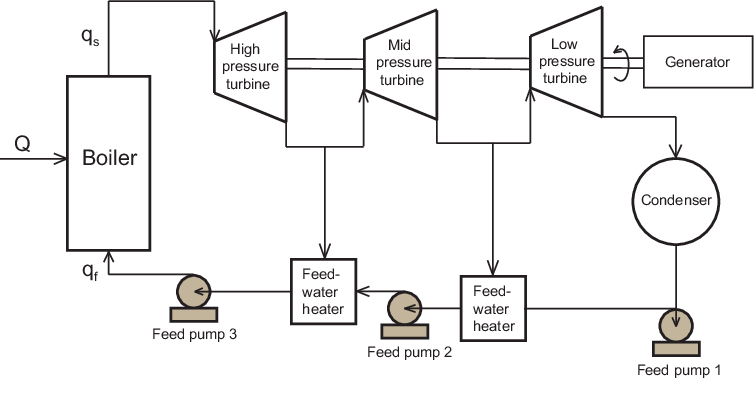
Categories
Uncategorized

Waste Heat Recovery Power Generation

Waste Heat Recovery Power Generation

Waste Heat Recovery Power Generation: Waste Heat to Energy is a process that captures waste heat from industrial processes, power plants, and other heat-generating systems to produce useful energy, typically in the form of electricity or mechanical work. This approach improves overall efficiency, reduces fuel consumption, and lowers greenhouse gas emissions.

1. Sources of Waste Heat

Waste heat is generated in various industrial and commercial processes, including:

  • Industrial Processes: Steel mills, cement plants, glass manufacturing, and refineries.
  • Power Plants: Gas turbines, steam turbines, and diesel generators.
  • Exhaust Gases: From internal combustion engines, furnaces, and incinerators.
  • Cooling Systems: Heat rejection from air compressors, chillers, and refrigeration units.

2. Waste Heat Recovery Technologies

A. Heat-to-Power Conversion Technologies

  1. Steam Rankine Cycle (SRC)
    • Uses waste heat to generate steam, which drives a steam turbine to produce electricity.
    • Best suited for high-temperature waste heat (>300°C).
  2. Organic Rankine Cycle (ORC)
    • Uses an organic fluid with a lower boiling point than water, allowing waste heat recovery from medium- and low-temperature sources (80°C–300°C).
    • Ideal for industrial processes and geothermal applications.
  3. Kalina Cycle
    • Uses an ammonia-water mixture to enhance efficiency in recovering low- and medium-temperature waste heat.
    • More efficient than ORC in certain conditions but has higher operational complexity.
  4. Thermoelectric Generators (TEGs)
    • Convert heat directly into electricity using the Seebeck effect.
    • Suitable for small-scale applications with low-grade waste heat (below 200°C).

B. Waste Heat Recovery Systems

  1. Heat Exchangers
    • Transfer heat from exhaust gases or process fluids to another medium.
    • Used in recuperators, regenerators, economizers, and heat recovery steam generators (HRSG).
  2. Waste Heat Boilers
    • Convert exhaust heat into steam, which can be used for power generation or industrial heating.
    • Common in combined heat and power (CHP) systems.
  3. Absorption Chillers
    • Use waste heat to drive cooling processes, reducing the need for electrical cooling.
    • Suitable for district cooling and HVAC applications.
  4. Regenerative Thermal Oxidizers (RTOs)
    • Capture heat from combustion processes and reuse it to preheat incoming gases.

3. Benefits of Waste Heat Recovery

✔ Improved Energy Efficiency – Reduces fuel consumption and operational costs.
✔ Lower Greenhouse Gas Emissions – Reduces reliance on fossil fuels, helping to meet environmental regulations.
✔ Cost Savings – Reduces energy bills and increases overall process efficiency.
✔ Enhanced Sustainability – Supports circular economy principles by utilizing existing energy streams.

4. Challenges and Considerations

  • Capital Investment: Initial installation costs can be high.
  • System Complexity: Requires careful integration into existing processes.
  • Waste Heat Temperature & Quality: Not all waste heat is easily recoverable.
  • Maintenance & Reliability: Some technologies require regular upkeep.

5. Applications and Industries

✔ Manufacturing & Heavy Industry – Steel, cement, glass, and chemical plants.
✔ Power Generation – Coal, gas, and biomass power plants.
✔ Oil & Gas – Refineries and natural gas processing.
✔ Transportation – Waste heat recovery in diesel engines and ships.
✔ Data Centers – Reuse of server-generated heat for district heating.

Sources of waste heat include industrial processes such as steel mills, cement plants, glass manufacturing, and refineries; power plants utilizing gas turbines, steam turbines, and diesel generators; exhaust gases from internal combustion engines, furnaces, and incinerators; and cooling systems that reject heat from air compressors, chillers, and refrigeration units.

Waste heat is generated from various industrial, commercial, and power generation processes where energy is not fully utilized and is instead lost to the environment. One of the primary sources of waste heat is industrial processes, including steel mills, cement plants, glass manufacturing, and refineries. These industries involve high-temperature operations where significant amounts of heat are expelled through exhaust gases, cooling water, and direct radiation from hot surfaces. The steel industry, for example, releases substantial heat through blast furnace slag, hot rolling mills, and coke ovens, while cement production emits waste heat from clinker cooling and rotary kilns. Similarly, in glass manufacturing, melting and forming processes generate large quantities of excess heat that can be captured and repurposed.

Another major source of waste heat is power plants, which utilize gas turbines, steam turbines, and diesel generators. In conventional thermal power plants, a significant portion of the fuel energy is lost in exhaust gases and cooling systems. Combined cycle power plants improve efficiency by using a gas turbine’s exhaust heat to generate steam and drive a secondary steam turbine, but even these systems still produce residual waste heat. Similarly, diesel generators, commonly used in remote locations and backup power applications, release high-temperature exhaust gases that can be recovered for useful energy generation.

Transportation and internal combustion engines are also significant contributors to waste heat. Automobiles, trucks, ships, and aircraft lose a substantial portion of their fuel energy as heat through engine exhaust and cooling systems. Modern advancements, such as turbochargers and thermoelectric generators, aim to capture and repurpose some of this waste heat for improved efficiency. Marine vessels, especially large cargo ships and naval fleets, produce waste heat from massive diesel engines, which can be recovered using heat exchangers and organic Rankine cycle systems.

Industrial furnaces, boilers, and incinerators also expel high-temperature exhaust gases that carry significant energy potential. These systems are widely used in various sectors, including food processing, pulp and paper production, and waste management. In incineration plants, municipal solid waste and hazardous materials are burned to generate energy, but a considerable fraction of the heat is still lost if not properly recovered.

Cooling and refrigeration systems represent another important category of waste heat sources. Air compressors, chillers, and HVAC systems generate excess heat that is typically dissipated into the surrounding environment. Data centers, which require extensive cooling to maintain optimal operating conditions for servers, produce substantial waste heat that can be redirected for space heating or absorption cooling.

In addition to these sources, renewable energy systems such as geothermal and solar thermal plants also experience waste heat losses. Geothermal power plants extract hot fluids from beneath the Earth’s surface, but not all the heat is converted into electricity, leading to thermal discharge. Similarly, concentrated solar power (CSP) plants, which use mirrors to focus sunlight and generate steam, lose a portion of their collected heat through system inefficiencies.

Overall, waste heat is an unavoidable byproduct of energy-intensive processes, but with the right technologies and strategies, it can be captured and converted into useful energy, improving efficiency and sustainability across various industries.

Waste heat from industrial processes is one of the most significant untapped energy resources, with immense potential for recovery and utilization. Industrial facilities, including steel mills, cement plants, glass manufacturing, and oil refineries, operate at high temperatures and often release large amounts of heat into the environment through exhaust gases, cooling water, and hot surfaces. This waste heat, if properly harnessed, can be repurposed for electricity generation, process heating, or even district heating systems, significantly improving overall energy efficiency.

Steel Industry

The steel industry is one of the largest producers of waste heat due to the extreme temperatures required in smelting, refining, and shaping processes. Key sources of waste heat in steel plants include blast furnace gas, basic oxygen furnaces, electric arc furnaces, reheating furnaces, coke ovens, and hot rolling mills. Blast furnaces, which are used to reduce iron ore into molten iron, emit high-temperature off-gases that contain significant amounts of thermal energy. This heat can be recovered using heat exchangers or gas expansion turbines to produce electricity or preheat raw materials. Similarly, coke ovens release hot gases during the carbonization of coal, which can be utilized for steam generation or power production.

Hot rolling mills, used to shape steel into sheets, rods, and other forms, generate a significant amount of waste heat through the cooling of hot steel. The water or air used for cooling absorbs heat that is often dissipated without recovery. By implementing recuperative heat exchangers, this energy can be used for preheating incoming steel slabs, reducing fuel consumption.

Cement Industry

Cement manufacturing is another energy-intensive process that generates large quantities of waste heat, primarily from rotary kilns and clinker coolers. Rotary kilns operate at extremely high temperatures to convert raw materials into clinker, the key ingredient in cement. A substantial amount of heat is lost through the kiln exhaust gases and the hot clinker as it exits the kiln. Waste heat recovery (WHR) systems, such as waste heat boilers and organic Rankine cycle (ORC) systems, can capture this heat and convert it into electricity, reducing reliance on external power sources. In modern cement plants, WHR systems can recover up to 30% of the total heat input, significantly improving efficiency and lowering carbon emissions.

Glass Manufacturing

The glass industry also operates at high temperatures, primarily during the melting and forming processes. Glass furnaces require continuous heating to maintain the molten state of raw materials, and a significant portion of the heat is lost through exhaust gases and radiant heat. Recuperators and regenerators are commonly used in glass manufacturing to capture and reuse waste heat, preheating combustion air or raw materials to reduce energy consumption.

Oil Refineries

Oil refineries, which process crude oil into fuels and chemicals, generate considerable waste heat from distillation columns, cracking units, and heat exchangers. Process heaters, used for refining crude oil, produce high-temperature flue gases that often go unrecovered. Implementing heat recovery systems, such as waste heat boilers or cogeneration units, allows refineries to capture this energy and generate steam or electricity for internal use. Additionally, flare gas recovery systems can reduce heat losses by utilizing excess gas that would otherwise be burned off.

By integrating advanced heat recovery technologies in these industries, significant energy savings can be achieved, reducing operating costs and minimizing environmental impact. As industries continue to seek ways to improve energy efficiency, waste heat recovery will play a crucial role in sustainable manufacturing and energy management.

Power Plants as a Source of Waste Heat

Power plants are among the largest producers of waste heat due to the inefficiencies inherent in electricity generation. Traditional thermal power plants, including coal-fired, natural gas, and nuclear plants, operate based on the Rankine cycle, where fuel is burned to heat water, producing steam that drives a turbine. However, a significant portion of the energy is lost as waste heat, either through exhaust gases, cooling towers, or discharged water. Even in more advanced combined-cycle power plants, which improve efficiency by using a secondary steam cycle, there is still residual waste heat that can be recovered for beneficial use.

Coal and Gas-Fired Power Plants

Conventional fossil fuel power plants typically operate at efficiency levels between 30% and 45%, meaning that more than half of the energy from fuel combustion is lost as heat. The primary sources of waste heat in these plants include:

  1. Flue Gas Exhaust – High-temperature combustion gases, often exceeding 500°C, are expelled from boilers and gas turbines. Heat recovery steam generators (HRSG) can capture this energy to generate additional steam for power production.
  2. Condenser Cooling Water – After steam passes through the turbine, it is condensed back into water using cooling towers or water bodies, leading to heat dissipation into the atmosphere or surrounding environment. District heating systems and industrial heat exchangers can recover some of this waste heat for heating applications.
  3. Turbine and Boiler Surface Radiation – Equipment surfaces radiate heat into the surrounding environment, contributing to thermal losses. Insulation and heat recapture technologies can minimize these losses.

Combined-Cycle Power Plants (CCPPs)

Combined-cycle plants, which integrate a gas turbine with a steam turbine, achieve higher efficiencies (50%–60%) by using exhaust heat from the gas turbine to generate steam for an additional power cycle. However, even these plants still experience waste heat losses, particularly in the final stages of energy conversion. Waste heat from CCPPs can be further utilized in industrial cogeneration (combined heat and power, CHP) systems to provide steam for industrial processes, district heating, or desalination plants.

Nuclear Power Plants

Nuclear plants operate with similar thermodynamic limitations as fossil fuel power plants, with efficiency levels typically around 33%, meaning that nearly two-thirds of the thermal energy produced in nuclear reactions is lost as waste heat. Most of this heat is discharged through cooling towers or directly into nearby water bodies. Advanced heat recovery systems, such as high-temperature reactors and cogeneration applications, aim to harness nuclear waste heat for district heating, hydrogen production, or industrial applications.

Diesel and Gas Generators

Smaller-scale power generation units, such as diesel and natural gas generators used in remote locations, data centers, and backup power systems, also produce considerable waste heat. These engines typically convert only 30%–40% of the fuel’s energy into useful work, with the rest dissipated as exhaust gas and engine cooling losses. Waste heat recovery units (WHRUs) can be installed to capture heat from generator exhaust and engine cooling systems, converting it into electricity via an Organic Rankine Cycle (ORC) or using it for process heating.

Potential Applications for Power Plant Waste Heat

Waste heat from power plants can be effectively utilized in various ways:

  • District Heating Systems – Capturing waste heat for residential and commercial heating can significantly reduce fuel consumption and emissions.
  • Industrial Steam and Process Heating – Industries that require high-temperature steam, such as chemical plants, can benefit from power plant waste heat.
  • Desalination – Thermal desalination processes, such as multi-stage flash (MSF) and multi-effect distillation (MED), can use waste heat to produce fresh water.
  • Greenhouses and Agriculture – Waste heat can provide controlled heating for greenhouses, improving food production efficiency.
  • Absorption Cooling – Waste heat can be used in absorption refrigeration systems to provide cooling, reducing electricity demand for air conditioning.

As global energy demands increase, improving the efficiency of power generation and utilizing waste heat will play a critical role in reducing carbon emissions and enhancing sustainability.

Waste Heat from Transportation and Internal Combustion Engines

Transportation is a major source of waste heat, particularly from internal combustion engines (ICEs) used in automobiles, trucks, ships, trains, and aircraft. In conventional gasoline and diesel engines, only about 25%–40% of the fuel’s energy is converted into useful mechanical work, while the rest is lost as heat through exhaust gases, engine cooling systems, and surface radiation. Capturing and utilizing this waste heat can significantly improve fuel efficiency, reduce emissions, and enhance overall performance.

Automobiles and Trucks

Road transportation relies heavily on internal combustion engines, where substantial waste heat is generated. The primary sources of heat loss in vehicles include:

  1. Exhaust Gases – A large portion of waste heat (up to 40% of fuel energy) escapes through the exhaust system. Technologies like turbochargers and thermoelectric generators (TEGs) can recover part of this heat for improved efficiency.
  2. Engine Cooling System – The cooling system removes heat from the engine block to prevent overheating, but this heat is typically dissipated into the atmosphere through radiators. Waste heat recovery (WHR) systems can redirect some of this thermal energy for auxiliary functions like cabin heating or electricity generation.
  3. Friction and Drivetrain Losses – Heat generated from moving engine parts and friction in the drivetrain is another source of wasted energy. Advanced lubricants and materials help reduce these losses, but some energy is still lost.

To address these inefficiencies, several waste heat recovery technologies are being developed:

  • Turbochargers and Turbo-Compounding – Turbochargers use exhaust gas energy to compress incoming air, improving engine efficiency and power output. Turbo-compounding systems take this a step further by using an additional turbine to recover even more exhaust energy and convert it into mechanical or electrical power.
  • Thermoelectric Generators (TEGs) – TEGs use the Seebeck effect to convert temperature differences between hot exhaust gases and cooler surfaces into electricity. These systems can power onboard electronics, reducing the load on the alternator and improving fuel economy.
  • Rankine Cycle Waste Heat Recovery Systems – Similar to power plants, vehicles can use a small Rankine cycle system to convert waste heat into mechanical energy to assist in propulsion.

Marine and Shipping Industry

Ships and marine vessels, particularly large cargo ships and cruise liners, use massive diesel engines that operate for long periods, generating significant amounts of waste heat. Key waste heat sources in marine engines include:

  • Exhaust Gases – Large marine engines produce high-temperature exhaust gases that can be captured using waste heat boilers to generate steam for auxiliary power.
  • Cooling Water – Engine cooling systems absorb heat, which can be used for heating applications on board or converted into electricity via heat exchangers and ORC systems.
  • Lubrication System Heat – Waste heat from lubricating oil can be recovered and reused for preheating fuel or other onboard applications.

Modern marine vessels are incorporating waste heat recovery systems (WHRS) to improve efficiency. Combined with shaft generators and electrical propulsion systems, WHR can reduce fuel consumption and lower emissions in compliance with environmental regulations.

Aircraft and Aviation

Aircraft engines, particularly jet engines, generate immense amounts of waste heat through exhaust gases and high-temperature components. While aviation has limited options for traditional waste heat recovery due to weight constraints, some innovative solutions include:

  • Heat Exchangers for Cabin Heating – Waste heat from jet engines is already used for cabin pressurization and heating.
  • More Efficient Engine Design – Advanced materials and cooling techniques reduce thermal losses and improve overall efficiency.
  • Hybrid and Electric Aviation Concepts – Future aircraft designs may integrate waste heat recovery technologies to enhance battery performance or reduce fuel consumption.

Rail Transportation

Diesel-electric locomotives generate significant waste heat from their engines and electrical components. Similar to marine applications, Rankine cycle systems, thermoelectric generators, and improved cooling system designs can enhance locomotive efficiency by capturing and reusing waste heat.

Future of Waste Heat Recovery in Transportation

As fuel efficiency standards become stricter and sustainability becomes a priority, waste heat recovery will play a critical role in the future of transportation. Advancements in materials, thermoelectric technology, and hybrid powertrain integration will further enhance the ability to capture and utilize waste heat in various vehicle types. Reducing waste heat losses will not only improve fuel economy but also contribute to lower greenhouse gas emissions and reduced reliance on fossil fuels.

Waste Heat Recovery Systems (WHRS)

Waste Heat Recovery Systems (WHRS) are technologies designed to capture and utilize heat that would otherwise be lost from industrial processes, power generation, and transportation. These systems improve energy efficiency, reduce fuel consumption, lower greenhouse gas emissions, and enhance overall sustainability. The recovered heat can be used for electricity generation, process heating, space heating, or cooling applications.

Types of Waste Heat Recovery Systems

Waste Heat Utilization

1. Regenerative Heat Exchangers

Regenerative heat exchangers store heat from hot gases and transfer it to incoming cold gases. They are commonly used in high-temperature industrial processes such as steel manufacturing and glass production.

  • Examples: Regenerators in blast furnaces, thermal oxidizers, and regenerative thermal oxidizers (RTOs).

2. Recuperative Heat Exchangers

Recuperative heat exchangers directly transfer heat from hot gases to cold gases or liquids through a solid medium.

  • Examples: Economizers in boilers, air preheaters, and plate heat exchangers.

3. Waste Heat Boilers (Heat Recovery Steam Generators – HRSG)

These systems use waste heat from industrial processes or power plants to produce steam, which can be used for electricity generation or industrial heating.

  • Examples: Combined cycle power plants, cogeneration (CHP) systems, and steam-based district heating.

4. Organic Rankine Cycle (ORC) Systems

ORC systems convert low-temperature waste heat into electricity using organic fluids with lower boiling points than water.

  • Applications: Biomass plants, geothermal energy, and low-grade waste heat recovery in industries.

5. Thermoelectric Generators (TEGs)

TEGs convert waste heat directly into electricity using the Seebeck effect.

  • Applications: Automotive exhaust systems, industrial furnaces, and spacecraft power generation.

6. Kalina Cycle Systems

Kalina cycle technology uses a mixture of ammonia and water to recover heat more efficiently than traditional Rankine cycles.

  • Applications: Geothermal power plants, industrial waste heat recovery, and solar thermal power.

7. Absorption Cooling Systems

These systems use waste heat to drive cooling cycles instead of electricity.

  • Applications: Air conditioning in commercial buildings, industrial refrigeration, and data centers.

8. Flue Gas Heat Recovery

Captures heat from exhaust gases in power plants, industrial boilers, and incinerators.

  • Applications: Preheating combustion air, district heating, and steam generation.

9. Mechanical Vapor Recompression (MVR)

MVR compresses and reuses steam to improve efficiency in evaporation and drying processes.

  • Applications: Food processing, desalination, and paper manufacturing.

Benefits of Waste Heat Recovery Systems

  • Energy savings – Reduces fuel consumption and operational costs.
  • Lower emissions – Decreases CO₂ and other greenhouse gas emissions.
  • Improved efficiency – Enhances process performance and sustainability.
  • Economic benefits – Reduces energy costs and improves profitability.

Waste Heat Recovery Systems are essential for improving energy efficiency across multiple sectors, helping industries and power plants transition toward a more sustainable future.

Waste Heat Recovery Systems (WHRS) are designed to capture and repurpose heat that would otherwise be lost from industrial processes, power plants, and transportation systems. These systems enhance energy efficiency, lower fuel consumption, and reduce greenhouse gas emissions, contributing to both economic and environmental sustainability. Waste heat can be recovered using different technologies depending on temperature levels, heat sources, and the intended application. High-temperature waste heat from industrial furnaces, steel mills, and cement kilns can be used to generate steam, which can either drive turbines for electricity generation or be used directly in manufacturing processes. Medium- and low-temperature waste heat, such as that from exhaust gases, cooling systems, and hot surfaces, can be recovered using heat exchangers, economizers, or organic Rankine cycle (ORC) systems.

Thermoelectric generators (TEGs) convert heat directly into electricity using the Seebeck effect, making them useful in automotive applications and remote power generation. In the transportation sector, waste heat recovery is particularly valuable in internal combustion engines, where a significant portion of fuel energy is lost through exhaust and cooling systems. Turbochargers improve engine efficiency by using exhaust gases to compress incoming air, while turbo-compounding systems convert excess exhaust energy into mechanical or electrical power. In marine and locomotive engines, waste heat recovery boilers capture exhaust heat to produce steam for auxiliary power.

In power plants, heat recovery steam generators (HRSG) are widely used in combined-cycle plants, where gas turbines’ exhaust heat is used to generate additional steam for a secondary power cycle, improving overall efficiency. Industrial applications frequently use regenerative and recuperative heat exchangers to capture and reuse thermal energy, with applications in steel, glass, cement, and chemical industries. Absorption refrigeration systems utilize waste heat for cooling, making them ideal for data centers, commercial buildings, and process cooling in industrial facilities. Flue gas heat recovery systems extract residual heat from exhaust gases in boilers and furnaces, preheating combustion air to reduce fuel consumption.

Mechanical vapor recompression (MVR) technology captures and reuses steam in processes such as food processing, desalination, and paper manufacturing. Kalina cycle systems use a mixture of ammonia and water to recover waste heat more efficiently than conventional Rankine cycles, particularly in geothermal and industrial applications. These waste heat recovery technologies provide numerous benefits, including significant energy savings, lower operating costs, reduced reliance on fossil fuels, and decreased carbon emissions. By integrating waste heat recovery systems, industries and power plants can optimize their processes and contribute to a more sustainable energy landscape.

Waste heat recovery systems play a critical role in optimizing energy use across various industries, including power generation, manufacturing, and transportation. In power plants, where efficiency losses are significant, waste heat recovery technologies such as combined heat and power (CHP) and district heating systems help utilize excess thermal energy that would otherwise be lost through cooling towers or exhaust stacks. By capturing and repurposing this heat, power plants can provide electricity and thermal energy simultaneously, reducing fuel consumption and emissions.

In industrial settings, waste heat recovery is widely implemented in energy-intensive sectors such as steel, cement, glass, and petrochemical production, where furnaces, kilns, and boilers generate large amounts of high-temperature waste heat. This heat can be recovered using regenerative and recuperative heat exchangers, waste heat boilers, and organic Rankine cycle (ORC) systems to produce additional steam or electricity. In refineries and chemical plants, process heat from distillation, cracking, and reforming units can be reused to preheat raw materials, improving overall energy efficiency.

Waste heat recovery is also essential in the transportation sector, particularly in diesel engines used in trucks, ships, and trains, where exhaust gas heat can be converted into useful work through turbo-compounding, thermoelectric generators (TEGs), and Rankine cycle systems. Marine vessels benefit from waste heat boilers that generate steam from exhaust gases, reducing fuel consumption for auxiliary power. In aviation, research into thermoelectric and heat exchanger technologies aims to enhance engine efficiency and reduce fuel burn. On a broader scale, waste heat recovery contributes to sustainable energy solutions, including waste-to-energy plants that convert municipal and industrial waste heat into usable electricity and heat for district energy networks. Advanced absorption cooling systems further expand the utility of waste heat by converting excess thermal energy into cooling power for air conditioning and refrigeration, reducing electrical demand.

The integration of waste heat recovery with renewable energy sources, such as solar and geothermal power, enhances overall system efficiency and resilience. Digital monitoring and smart energy management systems further optimize waste heat utilization by analyzing thermal losses in real-time and adjusting recovery processes accordingly. As industries and governments prioritize decarbonization and energy efficiency, waste heat recovery systems will continue to evolve, incorporating advanced materials, improved heat exchangers, and emerging technologies like supercritical CO₂ cycles and phase-change materials. These innovations will play a crucial role in minimizing energy waste, lowering greenhouse gas emissions, and improving the sustainability of industrial and power generation processes worldwide.

The continuous advancement of waste heat recovery systems is driven by the increasing need for energy efficiency, cost reduction, and sustainability across industries. One of the most promising areas of development is the integration of artificial intelligence (AI) and machine learning in waste heat recovery optimization. AI-powered systems can analyze operational data in real time, predict heat loss patterns, and adjust recovery mechanisms dynamically to maximize efficiency. This is particularly beneficial in complex industrial settings where fluctuating process conditions require adaptive control strategies. Additionally, advancements in thermoelectric materials are making thermoelectric generators (TEGs) more efficient and viable for large-scale waste heat recovery. New materials, such as nanostructured thermoelectrics and high-performance semiconductors, are improving the conversion efficiency of heat into electricity, expanding their applications in automotive engines, power plants, and industrial furnaces.

Another innovative approach to waste heat utilization is the development of supercritical CO₂ (sCO₂) power cycles, which offer higher thermal efficiency than traditional steam-based systems. sCO₂ cycles operate at higher pressures and temperatures, allowing for more effective waste heat recovery in power generation and industrial processes. This technology is gaining traction in applications such as concentrated solar power (CSP), nuclear power plants, and waste heat recovery in heavy industries. Similarly, phase-change materials (PCMs) are being explored for thermal energy storage, allowing waste heat to be captured and stored for later use, addressing the intermittent nature of heat availability in many industrial operations. These materials absorb heat during phase transitions and release it when needed, providing a more flexible and efficient way to utilize waste heat.

Waste heat recovery is also playing an increasing role in urban energy systems, particularly in district heating and cooling networks. Many cities are integrating industrial waste heat, data center heat, and even low-grade heat from wastewater treatment plants into their heating networks, reducing reliance on fossil fuels for space heating. Combined heat and power (CHP) systems continue to be a key solution in urban energy infrastructure, simultaneously producing electricity and useful heat from a single fuel source, thereby improving overall system efficiency. Additionally, emerging technologies such as absorption heat pumps and adsorption chillers are enabling more effective use of low-temperature waste heat in commercial and residential applications, further reducing energy demand from conventional heating and cooling systems.

As industries and governments continue to focus on carbon reduction goals, waste heat recovery systems are becoming an essential component of energy policy and corporate sustainability strategies. Stricter environmental regulations and carbon pricing mechanisms are pushing industries to invest in more efficient waste heat utilization technologies. Incentives and funding for energy efficiency projects, including government grants and tax credits, are accelerating the adoption of waste heat recovery solutions across various sectors. Moreover, the transition to hydrogen-based economies is opening new possibilities for waste heat recovery, as excess heat from hydrogen production processes such as electrolysis and methane reforming can be captured and reused in industrial applications or district energy systems.

Looking ahead, the convergence of digitalization, advanced materials, and innovative thermodynamic cycles will continue to drive improvements in waste heat recovery efficiency and economic viability. Companies and researchers are exploring hybrid solutions that combine waste heat recovery with renewable energy systems to create more resilient and self-sustaining industrial and urban energy networks. The expansion of decentralized waste heat recovery, where smaller-scale industrial and commercial facilities contribute to local energy systems, is also gaining momentum, further decentralizing energy production and reducing dependence on centralized fossil fuel power generation. By embracing these advancements, industries can significantly reduce energy waste, lower operational costs, and contribute to a more sustainable and energy-efficient future.

Benefits of Waste Heat Recovery

Waste Heat to Energy

The benefits of waste heat recovery are numerous, spanning economic, environmental, and operational improvements across various industries. By capturing and repurposing heat that would otherwise be lost, waste heat recovery systems can offer significant advantages in terms of energy efficiency, cost savings, and sustainability.

  1. Energy Efficiency: Waste heat recovery significantly enhances the overall energy efficiency of industrial processes, power plants, and transportation systems. By utilizing excess thermal energy, companies can reduce their reliance on primary energy sources (such as natural gas, coal, or electricity), making processes more efficient and reducing fuel consumption. This can lead to lower energy bills and a reduction in overall energy demand.
  2. Cost Savings: One of the most immediate benefits of waste heat recovery is cost savings. By capturing waste heat and repurposing it for useful applications, industries can reduce the need to purchase additional energy, thus cutting operating costs. For example, in manufacturing or power plants, recovered heat can be used to preheat incoming air or fluids, reducing the need for additional fuel to generate the required temperatures.
  3. Reduced Greenhouse Gas Emissions: Waste heat recovery systems help reduce greenhouse gas (GHG) emissions by lowering the overall fuel consumption of industrial processes and power plants. The less fuel that needs to be burned, the fewer emissions are generated. This is particularly important for companies working toward sustainability goals or those subject to emissions regulations. By using waste heat, industries can lower their carbon footprint and contribute to the global effort to combat climate change.
  4. Improved Process Efficiency: Waste heat recovery helps to optimize processes by providing a stable and reliable source of heat or energy. In many industries, the recovered heat can be used for processes such as preheating raw materials, producing steam, or powering auxiliary equipment. This integration leads to better system optimization, smoother operation, and reduced wear on equipment, enhancing overall process reliability and performance.
  5. Increased Energy Security: By recovering waste heat, industries can reduce their dependency on external energy supplies, contributing to greater energy security. Waste heat recovery allows companies to become more self-sufficient by generating their own power or reducing the need to purchase power from the grid. This can be particularly beneficial in regions with unstable energy prices or supply disruptions.
  6. Reduced Operational Costs: By reusing waste heat within a facility, industries can reduce the overall cost of running their operations. This includes savings from fuel, maintenance costs associated with equipment wear, and reduced demand on external utilities, leading to more predictable and manageable energy costs over time.
  7. Enhanced Sustainability: Waste heat recovery plays a key role in advancing sustainability initiatives. By reducing energy waste, emissions, and overall resource consumption, companies can contribute to sustainability goals, improve their public image, and meet corporate social responsibility (CSR) targets. Additionally, many waste heat recovery technologies, such as absorption chillers and organic Rankine cycles, can contribute to renewable energy generation, further boosting a facility’s sustainability efforts.
  8. Compliance with Environmental Regulations: Many countries have strict environmental regulations that require industries to reduce emissions and improve energy efficiency. Waste heat recovery systems help industries comply with these regulations by minimizing fuel consumption and GHG emissions. In some cases, the implementation of waste heat recovery systems may qualify companies for tax credits, grants, or other incentives aimed at supporting energy-efficient technologies.
  9. Opportunities for Combined Heat and Power (CHP) and District Heating: Waste heat recovery can be integrated into combined heat and power (CHP) systems, where both electricity and useful heat are generated from a single energy source. This increases overall system efficiency and allows for the utilization of otherwise wasted energy. Additionally, waste heat can be used in district heating systems, providing residential, commercial, and industrial buildings with affordable, low-carbon heat from local sources.
  10. Energy Flexibility and Reliability: Some waste heat recovery technologies, such as heat storage and thermal energy storage systems, allow for the storage of recovered heat for later use. This can provide a more flexible and reliable energy source, especially in operations that require heat on a fluctuating basis, such as in seasonal industries or those with variable production schedules.
  11. Innovation and Technological Advancements: Waste heat recovery encourages innovation in thermal management technologies, leading to the development of advanced systems like thermoelectric generators (TEGs), Kalina cycles, and supercritical CO₂ cycles. These technologies improve the ability to recover and use low- and medium-grade waste heat, further enhancing overall energy utilization.
  12. Market Competitiveness: Companies that adopt waste heat recovery technologies can gain a competitive edge by improving their bottom line through reduced energy costs and enhanced efficiency. Additionally, demonstrating a commitment to sustainability and energy efficiency can improve a company’s reputation and brand image, making it more attractive to customers, investors, and regulatory bodies.

In summary, waste heat recovery offers a wide range of benefits, from improved energy efficiency and cost savings to environmental sustainability and compliance with regulations. It is a critical tool in creating more sustainable, cost-effective, and energy-efficient industrial and energy systems worldwide.

Waste heat recovery systems offer significant advantages that contribute to operational, economic, and environmental improvements. By capturing and repurposing heat that would otherwise be wasted, industries can enhance their energy efficiency and reduce fuel consumption, which in turn lowers operating costs. The reduction in fuel consumption also directly results in fewer emissions, including greenhouse gases, contributing to environmental sustainability and helping industries meet regulatory compliance and sustainability goals. By recovering waste heat, companies can reduce their reliance on external energy sources, which not only boosts their energy security but also makes their energy needs more predictable and stable. This reduction in energy dependence can be particularly beneficial in areas with volatile energy prices or where energy security is a concern.

Waste heat recovery also improves process efficiency by providing a reliable source of thermal energy that can be used for applications like preheating raw materials, generating steam, or powering auxiliary equipment. This integration helps optimize overall system performance, enhancing reliability and productivity while reducing wear and tear on machinery. Furthermore, the reuse of waste heat can significantly cut down on fuel expenses, reducing the overall operational costs of a facility. The economic benefits of waste heat recovery systems extend beyond the immediate savings on energy costs, as the increased efficiency and reduced environmental impact can improve a company’s public image, helping to meet corporate social responsibility (CSR) targets and attract investment.

As industries move toward more sustainable practices, waste heat recovery plays a key role in advancing these efforts by reducing the amount of energy lost in industrial processes and enhancing overall resource conservation. The implementation of waste heat recovery systems aligns with sustainability initiatives, helping companies to reduce their carbon footprint while generating savings in the process. In regions where stringent environmental regulations are in place, waste heat recovery can be an effective strategy to comply with these laws, potentially qualifying businesses for incentives such as tax credits or grants for energy-efficient technologies.

Moreover, waste heat recovery contributes to the potential for combined heat and power (CHP) systems, where both electricity and useful heat are produced from a single fuel source. This not only boosts efficiency but also allows industries to create district heating systems that can provide low-carbon heating to nearby residential, commercial, and industrial buildings. Such integration further reduces reliance on traditional energy sources and promotes local, sustainable energy solutions. The flexibility of recovered heat, which can be stored for later use, also provides a level of reliability and energy security, particularly for industries with fluctuating energy demands.

Ultimately, the adoption of waste heat recovery technologies enables companies to remain competitive in a marketplace where energy efficiency and environmental responsibility are becoming increasingly important. These systems help businesses lower their energy costs, reduce emissions, and comply with regulations, all while boosting their reputation and market position. The ongoing innovation in waste heat recovery, through new technologies such as thermoelectric generators, supercritical CO₂ cycles, and advanced thermal storage solutions, continues to enhance the efficiency and viability of these systems, opening new opportunities for industries to harness and make use of energy that would otherwise be lost.

The widespread adoption of waste heat recovery systems is increasingly recognized as an essential strategy for optimizing energy usage and achieving sustainability goals across industries. As technologies continue to evolve, industries are finding new ways to leverage low- and medium-temperature waste heat that was previously considered difficult or uneconomical to recover. Innovations in materials, such as advanced heat exchangers and high-performance thermoelectrics, are improving the efficiency of heat recovery, even in lower temperature ranges. For example, organic Rankine cycles (ORC) and Kalina cycles have become more efficient at recovering heat from lower-grade waste streams, enabling industries to recover and utilize heat that would have otherwise been wasted.

Furthermore, waste heat recovery is playing an increasingly important role in the transition toward low-carbon and renewable energy solutions. By integrating recovered heat with renewable energy sources such as solar and biomass, industries can create hybrid systems that maximize overall energy efficiency and sustainability. For instance, waste heat recovery systems can be used in combination with solar thermal energy to create more reliable and efficient renewable power systems, or even in geothermal power plants where excess heat can be used to improve energy generation processes.

The growing emphasis on decarbonization, coupled with tightening regulations on carbon emissions and energy efficiency, is driving more industries to incorporate waste heat recovery technologies into their operations. As governments around the world implement stricter environmental policies, industries that adopt waste heat recovery systems will be better positioned to meet these regulatory requirements while also reducing their operational costs. In some regions, this can provide a competitive edge as companies that implement energy-efficient practices may benefit from financial incentives, subsidies, or preferential treatment in the market.

Beyond energy savings, waste heat recovery systems also contribute to improved resource utilization, as industries become more adept at making use of by-products that were previously overlooked. For example, in manufacturing processes, where high temperatures are often required, the ability to recover and reuse waste heat reduces the need for fresh inputs of fuel or electricity. This reduces both operating costs and the overall environmental impact of production processes, supporting circular economy principles by reducing waste and maximizing the reuse of available resources.

In the context of urban energy systems, waste heat recovery is also being integrated into district heating and cooling networks, where industrial or commercial heat is transferred to local buildings for space heating or hot water. This not only makes use of waste heat but also helps reduce the need for fossil fuels in urban energy systems, lowering emissions on a larger scale. Cities can greatly benefit from integrating waste heat recovery in their energy infrastructure, particularly as urban populations continue to grow and demand for energy rises. By creating more energy-efficient districts with shared heating and cooling resources, cities can become more resilient to energy price fluctuations and contribute to achieving national or global climate targets.

As energy markets evolve and new technological solutions emerge, waste heat recovery systems will continue to play an integral role in achieving a more sustainable energy future. The combination of digitalization, advanced analytics, and smart grids will further optimize the efficiency of these systems by enabling real-time monitoring and control, ensuring that waste heat recovery is maximized across a wide range of applications. In the long run, waste heat recovery not only offers a pathway to energy savings and cost reductions but also serves as a key pillar in the transition to a more sustainable, low-carbon economy.

As industries and governments continue to prioritize sustainability and energy efficiency, waste heat recovery technologies will become even more crucial in helping meet global energy demands while reducing environmental impact. The integration of waste heat recovery with emerging technologies like smart grids, advanced automation, and artificial intelligence will enable more dynamic and efficient energy systems. Real-time monitoring and predictive analytics will allow for better decision-making and optimization of energy use, ensuring that heat recovery systems operate at their peak efficiency, even in fluctuating conditions. With the increasing availability of data and digital tools, businesses can identify areas of heat loss and adjust recovery strategies to improve both economic performance and environmental outcomes.

Moreover, the development of new materials and technologies will continue to drive the expansion of waste heat recovery into previously untapped sectors. For instance, new heat-resistant alloys and ceramic materials are making high-temperature heat exchangers more durable and efficient, allowing for the recovery of heat from even more extreme industrial processes. Similarly, advances in heat storage technologies, such as advanced phase-change materials (PCMs) and thermochemical storage, are enabling industries to capture and store excess heat for later use, further increasing system flexibility and making it possible to use recovered heat during peak demand periods.

In addition, as global economies move toward hydrogen as a clean energy source, waste heat recovery will play an important role in optimizing hydrogen production processes. Technologies like electrolysis, which are used to produce green hydrogen from water, require significant amounts of electricity and produce waste heat. By integrating waste heat recovery into these processes, the efficiency of hydrogen production can be significantly improved, making it a more viable option for decarbonizing industries such as transportation, manufacturing, and power generation. Similarly, as the use of hydrogen in industrial heating systems grows, the integration of waste heat recovery can provide additional energy savings and further reduce emissions.

The expansion of decentralized energy systems and microgrids also presents new opportunities for waste heat recovery. In remote or off-grid locations, small-scale waste heat recovery systems can be used to generate electricity or provide heat for industrial and residential use. These systems could help power critical infrastructure, such as water treatment plants, hospitals, and schools, while reducing the reliance on expensive or unreliable external energy sources. By incorporating waste heat recovery into these systems, communities can create more resilient and self-sustaining energy solutions.

Waste heat recovery’s contribution to reducing the energy intensity of industrial operations, coupled with advances in renewable energy technologies, will help move industries closer to achieving their net-zero carbon goals. By addressing both operational efficiency and emissions reductions, waste heat recovery allows businesses to take a holistic approach to energy management, reducing costs while supporting their environmental and regulatory commitments.

As waste heat recovery technologies become more widespread, industries that adopt these systems will not only benefit from direct energy savings but also enhance their competitiveness in a market that increasingly values sustainability and resource efficiency. The ability to recover and reuse waste heat can also serve as a differentiating factor, as consumers, investors, and regulators place greater emphasis on environmentally responsible practices. For industries looking to future-proof their operations, investing in waste heat recovery technology is an important step toward building long-term resilience, enhancing sustainability, and maintaining market leadership.

Ultimately, the future of waste heat recovery holds great promise, with the potential to transform how industries utilize energy and reduce their environmental impact. As new technologies emerge and the global economy moves toward more sustainable and efficient energy solutions, waste heat recovery will continue to play an essential role in shaping a greener, more energy-efficient world. With ongoing innovation, strategic integration into energy systems, and a commitment to sustainability, waste heat recovery is poised to become an integral part of the global transition to a low-carbon economy.

While waste heat recovery offers substantial benefits, there are several challenges and considerations that industries must address to fully capitalize on these technologies.

  1. Initial Capital Investment: One of the primary challenges associated with waste heat recovery systems is the initial cost. The installation of recovery equipment, such as heat exchangers, thermoelectric generators, or ORC systems, can require a significant upfront investment. This cost may be a barrier for some industries, especially those with tight budgets or low-profit margins. However, the long-term savings from reduced energy consumption and improved efficiency often justify the initial expenditure.
  2. Technological Complexity: Implementing waste heat recovery systems often requires specialized knowledge and expertise. Different industries generate waste heat at various temperatures and scales, requiring tailored solutions to recover and repurpose this energy effectively. The complexity of integrating recovery systems with existing infrastructure can also pose a challenge, especially in older or less adaptable facilities. Proper planning, engineering, and technical support are critical to ensure a smooth implementation.
  3. Economic Viability for Low-Temperature Heat: Waste heat recovery is typically most effective when the heat source is high temperature, such as exhaust gases from industrial furnaces or power plants. Low-temperature waste heat (below 100°C or 212°F), which is common in many industrial processes, can be harder to recover efficiently. Technologies like organic Rankine cycles (ORC) and thermoelectric generators (TEGs) are increasingly being used to capture low-grade heat, but these systems may still have lower efficiency compared to high-temperature heat recovery systems. In some cases, the costs of recovering low-temperature heat may not be economically viable unless paired with other technologies or applications.
  4. System Integration and Compatibility: Integrating waste heat recovery systems into existing industrial processes and infrastructure can be challenging, particularly in industries with complex or outdated systems. The process of connecting recovery equipment to existing machinery, ensuring compatibility with control systems, and adjusting operations can be time-consuming and costly. Furthermore, the operational profile of industries often changes over time, which may impact the effectiveness of waste heat recovery solutions. Continuous monitoring and system optimization are essential for ensuring long-term performance.
  5. Operational and Maintenance Challenges: Like all energy systems, waste heat recovery systems require regular maintenance to ensure they continue to operate efficiently. This can involve cleaning heat exchangers, maintaining thermoelectric generators, and replacing worn-out components. Over time, system components can degrade due to factors like corrosion, scaling, or thermal fatigue. Maintenance and operational costs can accumulate, potentially offsetting some of the financial benefits of waste heat recovery. Furthermore, integrating waste heat recovery into existing operations may introduce new operational complexities that require specialized personnel.
  6. Space and Installation Constraints: Some industries, particularly in dense urban environments or in older facilities, may face space constraints that make the installation of waste heat recovery systems difficult. The additional equipment required for heat recovery, such as heat exchangers, storage tanks, or turbines, can require significant space, which may not be readily available in existing plants or industrial setups. In such cases, companies may need to invest in new infrastructure or undergo costly facility upgrades to accommodate waste heat recovery technologies.
  7. Regulatory and Environmental Considerations: While waste heat recovery can reduce greenhouse gas emissions, it must still comply with local environmental regulations. In some cases, recovering heat from industrial processes or exhaust gases may be subject to specific regulations regarding air quality, emissions, or thermal discharge. Regulatory constraints may limit the types of heat recovery technologies that can be used or the way in which heat is released back into the environment. Companies must carefully navigate these regulatory requirements to ensure their waste heat recovery systems operate within legal and environmental boundaries.
  8. Energy Quality and Consistency: The quality and consistency of the recovered heat are important considerations. Waste heat sources can vary in temperature, flow, and availability, which can impact the efficiency of recovery systems. For example, in processes where heat is not continuously available, energy storage or backup systems may be required to maintain a consistent supply of recovered heat. The varying nature of waste heat can also make it difficult to integrate these systems into broader energy networks, such as district heating or CHP systems, which rely on stable and predictable heat sources.
  9. Financial and Market Uncertainty: The financial return on investment (ROI) for waste heat recovery systems can be influenced by external factors, such as fluctuating energy prices, government incentives, or shifts in market conditions. For example, if energy prices decrease significantly, the cost savings from waste heat recovery may become less compelling. Similarly, changes in regulations, such as the removal of tax incentives for energy efficiency projects, could impact the financial viability of these systems.
  10. Technological Advancements and Future Proofing: As new technologies continue to emerge in the field of waste heat recovery, industries must carefully assess the long-term viability of the systems they install. New and more efficient technologies, such as advanced thermoelectric materials, supercritical CO₂ cycles, or hybrid renewable energy solutions, may provide better performance and longer-term savings, making older systems obsolete. This creates a challenge for industries seeking to future-proof their energy infrastructure while ensuring that their waste heat recovery investments remain competitive and relevant.

In conclusion, while waste heat recovery offers numerous benefits, industries must address several challenges in order to fully realize these advantages. Overcoming barriers such as high initial costs, technological complexity, system integration issues, and space constraints requires careful planning, expertise, and investment. However, with ongoing advancements in technology, more efficient solutions are emerging to address these challenges, making waste heat recovery an increasingly viable and integral part of sustainable energy strategies.

Addressing the challenges associated with waste heat recovery involves careful planning, investment, and ongoing optimization. One of the key areas that need focus is the economic viability of waste heat recovery systems, particularly in industries with low-temperature heat. Low-temperature waste heat is often less energy-dense, which can make recovery technologies less efficient and economically viable. In such cases, pairing waste heat recovery with complementary technologies, such as heat pumps, or integrating recovered heat into other parts of the industrial process, can improve the overall efficiency and cost-effectiveness of these systems. Additionally, industries must evaluate the long-term savings and the reduction in operational costs, weighing them against the initial investment required for system installation and integration.

Another consideration is the integration of waste heat recovery systems into existing industrial infrastructure. In many cases, industrial plants and processes are already operating with a set infrastructure, and introducing new technologies requires thoughtful integration with the current system. This could mean modifications to existing equipment, the installation of new heat exchangers, or the introduction of additional controls to ensure that recovered heat is effectively reused. This integration process can be resource-intensive, both in terms of time and financial outlay, as it may require downtime or system upgrades to ensure compatibility with the new technologies.

Space limitations also play a critical role in the successful implementation of waste heat recovery systems. Older facilities, in particular, may not have the physical space to accommodate new heat recovery equipment. Additionally, for industries located in highly urbanized areas, space constraints may limit the scale of waste heat recovery that can be practically installed. Solutions to these challenges could include the design and implementation of compact systems, modular recovery units, or leveraging off-site storage for recovered heat. However, this may still entail significant investment in infrastructure changes or spatial reconfigurations, which can be costly and logistically challenging.

In operational terms, the maintenance of waste heat recovery systems is an ongoing concern. While these systems can be highly beneficial in terms of efficiency and cost savings, they require regular attention to remain effective. For instance, heat exchangers need to be cleaned and maintained to prevent the buildup of scale, dirt, or corrosion, which could hinder heat transfer efficiency. Similarly, thermoelectric generators or other high-tech equipment in waste heat recovery systems may need periodic calibration and repairs to ensure consistent performance. Developing a reliable maintenance strategy and ensuring that personnel are trained to manage these advanced systems are crucial for the long-term success of waste heat recovery.

Moreover, external factors, such as changes in energy prices or environmental regulations, can also influence the economic feasibility of waste heat recovery projects. Fluctuating energy costs can directly impact the financial savings that waste heat recovery provides. If energy prices drop, the economic incentive to invest in waste heat recovery may diminish, as the payback period could become longer or the energy savings less significant. Conversely, if energy prices rise or stricter emissions regulations are implemented, the value proposition for waste heat recovery may improve. Businesses must continuously assess these external factors and adjust their strategies accordingly to ensure that their investments in waste heat recovery continue to yield positive returns.

Technological advancements will continue to evolve, providing new opportunities to overcome some of the limitations associated with waste heat recovery systems. Innovations in materials, such as advanced heat-resistant alloys or more efficient thermoelectric materials, are improving the ability to recover waste heat at lower temperatures, making these technologies more viable in a broader range of industrial applications. Moreover, improvements in energy storage technologies, such as thermal storage or advanced batteries, could help mitigate the intermittent nature of waste heat and allow industries to store and use recovered energy at times of peak demand.

In addition, policy support and government incentives will play an important role in driving the adoption of waste heat recovery technologies. Many countries are offering financial incentives, tax credits, or subsidies to encourage the adoption of energy-efficient technologies. Industries can take advantage of these programs to offset some of the initial costs associated with implementing waste heat recovery systems. However, the landscape of these incentives is often subject to change based on political and economic conditions, and businesses must stay informed about regulatory changes that could impact their ability to recover investments.

To fully address these challenges, industries must approach waste heat recovery with a long-term perspective, considering not only the immediate benefits but also the potential for future technological advancements, operational adjustments, and changes in the market and regulatory environments. By carefully navigating the complexities of waste heat recovery, businesses can improve their energy efficiency, reduce their environmental impact, and achieve significant cost savings over time.

As industries look to overcome these challenges, several strategies can be employed to ensure the successful implementation and long-term benefits of waste heat recovery systems.

  1. Strategic Planning and Feasibility Studies: Before investing in waste heat recovery technologies, industries should conduct detailed feasibility studies to assess the potential energy savings, payback periods, and the impact on overall system efficiency. These studies should consider factors such as the temperature and quantity of waste heat available, the specific energy demands of the facility, and the compatibility of potential recovery technologies with existing processes. A comprehensive analysis will help identify which heat recovery systems are most appropriate for the given conditions and whether the savings in energy consumption will justify the initial investment.
  2. Energy Audits and Monitoring Systems: Implementing a robust monitoring and energy auditing system is essential for identifying and quantifying the waste heat available within an industrial process. This helps companies pinpoint areas where heat loss is most significant and determine the most effective recovery methods. By using advanced monitoring tools, industries can track the performance of waste heat recovery systems in real-time, providing actionable data that can be used to optimize recovery rates and identify maintenance needs early. Regular audits and monitoring can also reveal new opportunities for additional energy savings over time.
  3. Government Support and Incentives: Many countries offer financial incentives to encourage industries to adopt energy-efficient technologies, including waste heat recovery systems. This could include grants, tax credits, or low-interest loans that help offset the capital cost of implementing recovery technologies. Additionally, some governments are offering funding or support for the development of new technologies to make waste heat recovery more efficient and accessible. Industries should actively seek out these programs and stay informed about the evolving regulatory landscape to take full advantage of available financial support.
  4. Technology Partnerships: Collaborating with technology providers, research institutions, and energy consultants can help industries overcome technical challenges and stay ahead of innovations in waste heat recovery. Partnerships with specialized suppliers can ensure that the most advanced and efficient systems are selected and correctly integrated into existing operations. Working with experts in the field can also help address integration challenges and identify ways to optimize the recovery process based on the unique needs of each industry. In some cases, technology providers may offer ongoing support and maintenance services to ensure the system continues to function optimally over its lifespan.
  5. Modular and Scalable Solutions: To mitigate space and cost constraints, industries may consider implementing modular and scalable waste heat recovery solutions. These systems are often easier to integrate into existing infrastructure and can be expanded or upgraded over time as energy demands grow or as technology improves. By adopting modular systems, industries can make incremental investments in waste heat recovery without having to commit to a large-scale installation upfront. This also allows for more flexibility in scaling up the system as energy efficiency needs evolve.
  6. Hybrid Solutions and Energy Storage: Hybrid systems, which combine multiple energy sources or recovery methods, can be effective in overcoming some of the limitations of individual waste heat recovery technologies. For example, waste heat recovery can be combined with renewable energy sources such as solar or biomass, or even with traditional power generation, to create a more resilient and efficient system. Additionally, incorporating energy storage technologies—such as thermal storage or battery systems—can allow industries to store recovered heat for later use, smoothing out fluctuations in energy demand and ensuring that recovered heat can be utilized during peak times.
  7. Upgrading Existing Infrastructure: In some cases, older facilities may require infrastructure upgrades to make them compatible with waste heat recovery systems. These upgrades could include improvements to heat distribution networks, the installation of heat exchangers, or the addition of advanced control systems. While this can involve significant upfront costs, it may be necessary to ensure that the waste heat recovery system functions efficiently and integrates seamlessly with the existing processes. Over time, the benefits from increased energy efficiency and cost savings can offset the initial investment in infrastructure upgrades.
  8. Employee Training and Skill Development: One of the critical factors in the successful operation of waste heat recovery systems is ensuring that employees are trained to understand and manage the new technologies. Staff members should be equipped with the necessary skills to monitor system performance, identify potential issues, and carry out routine maintenance. Training can also help employees understand the benefits of waste heat recovery, encouraging a culture of energy efficiency and sustainability within the organization. Additionally, having skilled personnel can help prevent operational disruptions and minimize the risk of costly breakdowns or inefficiencies.
  9. Sustainability Goals and Public Image: Companies that adopt waste heat recovery technologies can use these systems as part of their broader sustainability initiatives. In addition to the direct benefits of energy savings and emissions reductions, implementing waste heat recovery can enhance a company’s public image, positioning it as a leader in energy efficiency and environmental responsibility. Many consumers, investors, and stakeholders are increasingly prioritizing sustainability when making decisions, and businesses that integrate waste heat recovery systems can strengthen their market position by demonstrating their commitment to sustainability. This, in turn, can attract investors, improve customer loyalty, and contribute to a positive corporate reputation.
  10. Long-term Monitoring and Optimization: Continuous monitoring of waste heat recovery systems is essential to ensure that they operate at peak efficiency over time. Through data analytics, machine learning, and AI-based systems, industries can optimize the performance of waste heat recovery equipment and identify areas for further improvement. For instance, predictive maintenance tools can detect wear and tear before it leads to system failure, minimizing downtime and extending the lifespan of recovery equipment. Regular system optimization ensures that the technologies remain cost-effective and continue to deliver energy savings, even as industrial processes evolve.

By addressing these challenges proactively and considering these strategies, industries can successfully implement waste heat recovery systems that offer long-term benefits in terms of cost savings, energy efficiency, and environmental sustainability. The evolution of technology, regulatory frameworks, and business models will continue to support the widespread adoption of waste heat recovery, helping industries move closer to their sustainability and energy efficiency goals.

Looking ahead, the future of waste heat recovery holds significant promise, with evolving technologies and an increasing global focus on sustainability, energy efficiency, and decarbonization. Several emerging trends and innovations are poised to overcome existing challenges and unlock even greater potential for waste heat recovery systems. These advancements will help industries reduce operational costs, minimize environmental impact, and further contribute to the transition toward a low-carbon economy.

  1. Integration with Renewable Energy: As the global energy landscape shifts toward renewable sources, waste heat recovery will increasingly be integrated with renewable energy technologies, such as solar, wind, and biomass. This hybrid approach can help to balance the intermittency of renewable energy by providing a steady source of heat recovery, making energy systems more stable and reliable. For example, combining waste heat recovery with solar thermal systems can create more efficient district heating networks, reducing reliance on fossil fuels while improving overall energy security. Additionally, waste heat can be used in conjunction with renewable hydrogen production, which will be a key part of decarbonizing industries like steel, cement, and chemicals.
  2. Advanced Heat Recovery Technologies: As waste heat recovery technologies continue to evolve, more efficient and specialized systems will emerge. The development of high-performance materials, such as advanced alloys and ceramics, is improving the efficiency of heat exchangers, allowing industries to recover heat from even more extreme temperatures. Meanwhile, supercritical CO₂ cycles are an emerging technology that promises significant improvements in heat recovery efficiency, particularly for high-temperature waste heat. Supercritical CO₂ systems operate at higher pressures and temperatures than traditional steam cycles, making them ideal for capturing and converting waste heat from industrial processes into electricity or usable energy. Furthermore, advancements in thermoelectric materials are enabling more efficient conversion of heat into electricity, even at low temperatures. Thermoelectric generators (TEGs) can be used to recover waste heat from sources such as exhaust gases or industrial machinery, offering industries a more flexible and scalable solution to harnessing waste heat.
  3. Digitalization and Smart Monitoring: Digital technologies, including the Internet of Things (IoT)machine learning, and big data analytics, are revolutionizing the operation and optimization of waste heat recovery systems. Smart sensors and real-time data analytics can continuously monitor system performance, identifying inefficiencies and optimizing the recovery process in real-time. Machine learning algorithms can predict equipment failures before they occur, enabling predictive maintenance and minimizing downtime. The ability to collect and analyze data from waste heat recovery systems allows industries to fine-tune their operations for maximum efficiency, reducing costs and improving energy usage. Moreover, digital platforms and cloud-based software can integrate waste heat recovery data with broader energy management systems, providing a holistic view of energy consumption and performance across a facility or entire industrial complex. This enables businesses to optimize not just heat recovery but their overall energy strategy.
  4. Energy Storage Solutions: As industries increasingly adopt waste heat recovery, the need for effective storage solutions becomes more important. Heat storage technologies, such as phase-change materials (PCMs) and molten salt storage, are gaining traction as a way to store excess recovered heat for later use. These technologies can help buffer fluctuations in energy demand and ensure that recovered heat is available when needed, especially in industries where heat is intermittently produced or when systems need to be shut down temporarily for maintenance. Additionally, integrating thermal storage with battery storage solutions could provide more versatile energy systems. Batteries could store excess electricity generated from recovered heat and provide a backup power source for industrial facilities. This combination of heat and electrical energy storage could lead to greater energy independence and cost reductions for businesses.
  5. Decentralized and Microgrid Solutions: Waste heat recovery is also playing a key role in the development of decentralized energy systems and microgrids. These systems, which provide energy locally rather than relying on a central grid, can be particularly beneficial in remote or off-grid locations. For example, microgrids powered by waste heat recovery could supply energy to industrial facilities, residential areas, or critical infrastructure, reducing dependence on fossil fuels and external energy sources. By incorporating waste heat recovery, these microgrids can provide a more stable and resilient power supply while optimizing energy efficiency. In the future, waste heat recovery integrated with microgrids could support demand response systems, where recovered heat is used in real-time to balance supply and demand. These systems could also allow for excess recovered heat to be sold to neighboring communities or businesses, creating new revenue streams for industries while contributing to local energy solutions.
  6. Circular Economy and Industrial Symbiosis: Waste heat recovery is a natural fit for the principles of the circular economy, where resources are reused and waste is minimized. By recovering waste heat and reusing it in other industrial processes, companies can reduce their reliance on external energy sources, lower their carbon footprint, and contribute to the broader goals of resource efficiency and sustainability. Industrial symbiosis, where different industries exchange waste products (including heat), is gaining momentum as companies seek ways to minimize waste and optimize resource use. For instance, one industry’s waste heat could be used to power another industry’s heating needs, creating a mutually beneficial ecosystem where energy is shared rather than wasted.
  7. Regulatory Pressure and Sustainability Goals: Governments and regulatory bodies around the world are increasingly implementing policies and regulations that encourage or mandate energy efficiency improvements. For industries aiming to meet stringent carbon reduction targets or sustainability goals, waste heat recovery provides a practical solution. These systems can significantly reduce a company’s carbon emissions by offsetting the need for traditional energy sources. Additionally, industries may be eligible for tax incentives, rebates, or carbon credits that support the implementation of waste heat recovery technologies. With continued regulatory pressure on emissions and energy efficiency, waste heat recovery will become an increasingly attractive option for companies looking to comply with environmental regulations.
  8. Expansion into New Sectors: Waste heat recovery technologies, initially concentrated in energy-intensive sectors such as manufacturing, power generation, and chemicals, are now finding applications in more diverse industries. For example, the food and beverage industry, pharmaceuticals, and even data centers produce waste heat that can be captured and repurposed. As new sectors recognize the potential benefits of waste heat recovery, the market for these technologies will expand, leading to broader adoption across industries. In particular, data centers, which are responsible for significant energy consumption and heat generation, are increasingly implementing waste heat recovery systems to reduce operational costs and environmental impact. As the digital economy grows, solutions for waste heat recovery in these facilities will become increasingly important.

In conclusion, the future of waste heat recovery is bright, with innovations in technology, digitalization, energy storage, and sustainability driving the widespread adoption of these systems. Industries that invest in waste heat recovery technologies will not only improve their operational efficiency and reduce costs but will also contribute to the global effort to combat climate change and achieve sustainability goals. As the technologies continue to evolve and become more accessible, waste heat recovery will play an even more central role in the transition to a low-carbon, energy-efficient future.

Applications and Industries

How do Steam Power Plants Work

Waste heat recovery systems have a broad range of applications across various industries, enabling businesses to recover and reuse heat that would otherwise be lost. By capturing this waste heat, industries can significantly reduce their energy consumption, lower operational costs, and contribute to sustainability efforts. Below are some of the key industries and applications where waste heat recovery plays a vital role:

  1. Power Generation: In power plants, a significant amount of energy is lost as waste heat during the process of generating electricity. Waste heat recovery technologies such as combined heat and power (CHP) systems or organic Rankine cycle (ORC) systems are used to recover this heat and convert it into useful energy. By integrating waste heat recovery into the power generation process, plants can improve their overall efficiency, reduce fuel consumption, and lower greenhouse gas emissions. Geothermal power plants and nuclear power plants also benefit from waste heat recovery, utilizing the residual heat from reactors or geothermal fluids.
  2. Manufacturing: The manufacturing industry is one of the largest sources of industrial waste heat. Various processes—such as metal production, cement production, and chemical manufacturing—release large quantities of heat. Waste heat recovery systems in these industries include heat exchangers, steam turbines, and heat recovery steam generators (HRSG). For example, in steel mills, excess heat from furnaces and ovens can be recovered and reused for preheating materials or generating electricity. Similarly, in cement production, waste heat can be used to preheat the raw materials or to drive the kilns, reducing the need for additional energy inputs.
  3. Petrochemical and Chemical Industries: Petrochemical and chemical plants are energy-intensive and produce large amounts of waste heat during chemical reactions, distillation, and other processing activities. Waste heat recovery in these industries is commonly used to recover heat from flue gases, cooling water, or hot process streams. Heat exchangers and regenerative thermal oxidizers (RTOs) are commonly used to capture and reuse this heat. This recovered energy can be utilized for steam production, heating, or even generating electricity, leading to reduced energy costs and improved operational efficiency.
  4. Food and Beverage Industry: The food processing industry is another sector with significant potential for waste heat recovery. Processes such as cooking, drying, pasteurization, and sterilization generate substantial amounts of heat. Heat recovery systems can be integrated into these processes to capture the waste heat and use it for preheating raw materials, water, or air. For example, in breweries, waste heat can be recovered from fermentation processes to preheat water for brewing. Similarly, dairy plants can capture heat from pasteurization processes to help warm water used for cleaning and other operations.
  5. Textile Industry: The textile industry involves several energy-consuming processes such as drying, dyeing, and finishing. These processes produce waste heat that can be recovered and used in other parts of the production cycle. For example, air-source heat pumps can capture low-grade waste heat from drying machines and use it to preheat the incoming air or water. Additionally, waste heat recovery systems can be used to maintain the required temperatures in the production area, reducing the need for additional heating.
  6. Oil and Gas Industry: The oil and gas sector involves extensive use of heat for refining, petrochemical production, and other operations. In refineries, significant amounts of heat are generated during the distillation and cracking processes. Waste heat recovery systems, such as heat exchangersHRSGs, and reboilers, are commonly used to capture waste heat from flue gases, cooling water, and hot streams to generate steam or preheat process fluids. This helps refineries and petrochemical plants optimize energy use, reduce operational costs, and cut down on emissions.
  7. Data Centers: Data centers, which house vast amounts of IT equipment and servers, generate considerable amounts of waste heat. Effective heat recovery in data centers is essential for reducing the cooling load and improving energy efficiency. Air-conditioning unitsliquid cooling systems, and heat exchangers can be used to capture and reuse waste heat. For instance, recovered heat can be used to warm buildings, provide hot water, or be fed into district heating networks. Some data centers are even incorporating absorption chillers, which use waste heat to provide cooling instead of traditional energy-intensive refrigeration systems.
  8. HVAC (Heating, Ventilation, and Air Conditioning): The HVAC sector is another area where waste heat recovery can be applied. In buildings, particularly commercial and industrial spaces, waste heat from exhaust air, air conditioning, or refrigeration systems can be recovered and used for space heating, hot water production, or preheating fresh incoming air. For example, heat recovery ventilators (HRVs) and energy recovery ventilators (ERVs) are commonly used in buildings to capture heat from exhaust air and use it to precondition incoming fresh air, reducing the need for additional heating or cooling.
  9. Pulp and Paper Industry: The pulp and paper industry is a major energy consumer, with significant waste heat generated during processes such as drying, cooking, and bleaching. Waste heat recovery systems in this industry typically include heat exchangers, waste heat boilers, and thermal oil systems. The recovered heat can be used to generate steam for various stages of the production process or to preheat chemicals or water. By recovering this waste heat, pulp and paper mills can reduce their overall energy consumption and improve the sustainability of their operations.
  10. Mining Industry: In mining, energy is used extensively for crushing, grinding, and processing ores, and much of this energy is lost as waste heat. Mining operations often employ waste heat recovery systems, such as heat exchangers and CHP systems, to recover heat from hot exhaust gases or process fluids. This recovered heat can be used to generate power, provide heating for onsite facilities, or reduce the need for fuel in mining processes, improving both efficiency and environmental sustainability.
  11. Transportation and Automotive Industry: The transportation sector, especially within automotive manufacturing, generates substantial waste heat through processes such as engine testing, welding, and paint drying. In addition, the transportation industry, including trucks and ships, generates heat in exhaust systems. Technologies such as thermoelectric generators (TEGs) can be applied to recover heat from vehicle exhaust systems and convert it into electricity to power auxiliary systems, improving fuel efficiency and reducing emissions. This approach is still being developed for broader applications but holds promise for improving energy efficiency in the automotive and transportation sectors.
  12. District Heating Systems: In district heating, waste heat from industrial processes or power plants is used to provide heat to nearby residential or commercial buildings. This is especially common in colder climates where heating demand is high. By capturing waste heat from large-scale industrial operations, it is possible to create highly efficient district heating networks that serve multiple buildings and reduce the reliance on fossil fuels for heating. Waste heat from facilities such as power plantsrefineries, and data centers can be fed into district heating systems, providing an environmentally friendly alternative to traditional heating methods.

In summary, the application of waste heat recovery systems spans a wide range of industries and processes. Whether it’s power generation, manufacturing, food processing, or transportation, recovering and reusing waste heat presents a significant opportunity to improve energy efficiency, reduce costs, and contribute to sustainability goals. As waste heat recovery technologies continue to evolve, their applications across industries will expand, making them an increasingly important part of the global energy landscape.

  1. Biotechnology and Pharmaceuticals: The biotechnology and pharmaceutical industries use large amounts of energy during various processes, including fermentation, distillation, and sterilization. Waste heat recovery systems are increasingly used in these sectors to capture and reuse the heat from fermentation reactors, evaporators, and dryers. For instance, in pharmaceutical manufacturing, waste heat can be captured from drying and sterilization units to provide heating for other stages of production or for air preheating. These industries also use waste heat recovery to reduce energy costs, enhance sustainability, and meet regulatory energy efficiency standards, especially in environments that require precise temperature control.
  2. Glass and Ceramics Industry: The glass and ceramics industries are highly energy-intensive, as they require high temperatures for melting and firing materials. The furnaces used in these processes are a major source of waste heat. Recovering this heat can be done using regenerative heat exchangersflue gas heat recovery systems, and air preheating systems. The captured heat can be used to preheat the incoming raw materials, improving furnace efficiency and reducing energy consumption. In ceramics, waste heat can also be used to heat drying ovens and kilns, reducing the need for additional energy inputs and improving overall energy utilization.
  3. Concrete and Asphalt Production: The concrete and asphalt industries generate a significant amount of waste heat during production processes, such as mixing, drying, and heating. Heat exchangers and waste heat recovery systems can be used to capture heat from these processes and use it for other operations like preheating aggregates, drying materials, or heating water. For example, in asphalt production, the waste heat from the drying and mixing processes can be recovered and used to warm the incoming materials or to generate steam for other parts of the plant. This helps reduce energy consumption and improve sustainability by minimizing the need for additional heating or fuel use.
  4. Cold Storage and Refrigeration: Cold storage and refrigeration units generate waste heat as they operate. This heat can be recovered and reused in various ways, such as preheating water or generating low-grade steam for cleaning and sanitation purposes. In facilities like refrigerated warehouses, waste heat recovery systems can help reduce energy consumption by reusing the heat generated by compressors, motors, or condensers. Heat pump systems can be employed to recover low-grade waste heat and upgrade it for more useful purposes, like space heating or water heating.
  5. Airlines and Aviation Industry: Aircraft engines produce substantial amounts of waste heat, especially during flight and ground operations. Waste heat recovery systems could potentially be implemented in aircraft engines to improve fuel efficiency by recovering heat from exhaust gases and converting it into useful energy. Additionally, ground facilities at airports, such as fuel storage and maintenance areas, can also benefit from waste heat recovery to power auxiliary systems or heat buildings. This application is still emerging but has significant potential to improve energy efficiency in aviation and reduce operational costs.
  6. Marine and Shipping Industry: The shipping industry, like the automotive and transportation sectors, generates waste heat through engines and exhaust systems. Some marine vessels, especially large ones, are exploring waste heat recovery systems to convert exhaust heat into useful energy. The recovered heat can be used to generate electricity or provide additional power for onboard systems, reducing fuel consumption and enhancing operational efficiency. Thermoelectric generators (TEGs) and ORC systems are being tested as promising technologies for capturing exhaust heat from ships, offering more sustainable and energy-efficient solutions for the maritime industry.
  7. Smart Cities and Urban Applications: In the context of smart cities, waste heat recovery can be integrated into urban energy systems to support residential, commercial, and public infrastructure. Heat recovered from industrial processes, power plants, or data centers can be used in district heating networks to supply heat to buildings. This reduces the reliance on fossil fuels and lowers greenhouse gas emissions in urban environments. In addition, waste heat from commercial and residential buildings could be captured using heat recovery ventilators (HRVs), which can then be reused for space heating or water heating, improving the energy efficiency of buildings and helping cities meet sustainability goals.
  8. Retail and Hospitality Industry: The retail and hospitality sectors also generate significant amounts of waste heat, particularly from HVAC systems, refrigeration units, and kitchen appliances. Waste heat recovery systems can be installed to capture and reuse this heat for various purposes, such as providing hot water for bathrooms, preheating air, or even space heating. For example, in supermarkets, waste heat from refrigeration can be captured and used to provide heating in the store, reducing the need for additional heating systems and lowering energy bills. Hotels and restaurants can similarly benefit by reusing waste heat for water heating or space conditioning.
  9. Marine and Offshore Oil Platforms: Offshore oil platforms and marine vessels involved in extraction activities are highly dependent on energy-intensive processes, including drilling, refining, and gas compression. These platforms often rely on gas turbines or diesel generators that produce substantial waste heat. Waste heat recovery systems, including heat exchangers and CHP systems, can be used to recover heat from exhaust gases and convert it into electricity or steam, helping reduce fuel consumption and emissions. This is particularly valuable in offshore platforms where fuel availability can be limited, and energy efficiency is critical for operational sustainability.
  10. Waste-to-Energy Plants: Waste-to-energy (WTE) plants, which convert municipal solid waste (MSW) into electricity or heat, are another important sector where waste heat recovery plays a key role. The incineration of waste generates large amounts of heat that can be captured and used to produce steam for electricity generation or to feed into district heating systems. In addition, the flue gas from incinerators can be processed through heat recovery steam generators (HRSGs) to extract and reuse the thermal energy, improving the overall efficiency of WTE plants and reducing the environmental impact of waste disposal.

In conclusion, waste heat recovery is a versatile and effective technology that can be applied across a wide range of industries and applications. By capturing and reusing waste heat, businesses can not only reduce their energy consumption and lower costs but also contribute to sustainability goals and decrease their environmental footprint. With ongoing technological advancements and a growing emphasis on energy efficiency, waste heat recovery will continue to play an increasingly important role in helping industries meet their energy needs in a more sustainable and cost-effective way.

  1. Agriculture and Farming Industry: In agriculture and farming, waste heat recovery can be utilized in a variety of ways to improve energy efficiency and reduce costs. For instance, greenhouses often require heat to maintain optimal growing conditions, and waste heat from nearby industrial processes, power plants, or even local farms can be harnessed to provide the necessary warmth. By capturing waste heat, greenhouses can reduce their reliance on external heating systems, leading to significant savings on energy bills. In addition, livestock farms that produce waste heat through heating systems or animal barns can recover this heat to warm water, preheat air, or even provide space heating for the facilities. Such systems also contribute to reducing the carbon footprint of agricultural operations.
  2. Air Conditioning and Cooling Systems: Air conditioning and cooling systems are another area where waste heat recovery can be highly beneficial. In large commercial buildings, data centers, and industrial facilities, the process of cooling generates excess heat. Absorption chillers and heat pump systems can capture this waste heat and upgrade it for use in heating applications. For example, in a large shopping mall, waste heat from air conditioning units can be redirected to provide heating for water or space heating in other parts of the facility. This integration reduces the overall energy consumption and enhances the efficiency of the building’s energy management system.
  3. Cooling in Power Plants: Power plants, particularly those that operate with thermal energy, such as coal or natural gas power stations, produce significant amounts of waste heat during the process of electricity generation. Cooling towers or wet cooling systems are commonly used to dissipate this heat. However, there are opportunities for improving energy recovery from these systems. Heat exchangers and thermal storage systems can capture this cooling waste heat and use it for generating steam, providing auxiliary power, or even supplying heat to nearby industrial facilities or district heating systems. This helps improve the efficiency of the power plant and reduces the need for additional fuel input.
  4. Water Treatment and Desalination Plants: Desalination and water treatment plants are often located in coastal or remote areas and require substantial amounts of energy, especially for processes like reverse osmosis or distillation. These processes generate waste heat that can be recovered and repurposed for various uses. For instance, waste heat recovery systems in desalination plants can be used to preheat incoming seawater, reducing the energy required for further desalination steps. In water treatment plants, waste heat can be captured and used for heating or even to generate electricity through ORC systems or steam turbines, improving the overall energy efficiency of the plant.
  5. Waste Management and Recycling Plants: Waste management and recycling facilities that process materials such as metals, plastics, and glass typically use high-temperature furnaces or kilns. These processes produce substantial amounts of heat that can be captured using heat recovery systems. The recovered heat can be used to preheat materials, power other parts of the plant, or provide steam for industrial use. For example, in metal recycling, waste heat from furnaces used to melt scrap metal can be used to preheat incoming materials or generate steam. Similarly, plastic recycling plants can use waste heat to power dryers or to generate heat for the reprocessing of plastics.
  6. Transportation and Electric Vehicle Charging: The growing adoption of electric vehicles (EVs) and transportation electrification presents opportunities for waste heat recovery in charging stations and battery systems. Fast-charging stations for electric vehicles generate substantial heat during the charging process. Some of this heat can be recovered and used for preheating the charging stations or other nearby facilities, reducing energy use. Additionally, battery thermal management systems in EVs can recover and repurpose heat generated by the batteries during charging and discharging, improving the vehicle’s overall efficiency. Heat recovery in electric vehicle charging systems could also be integrated into smart city grids, where recovered heat can be fed into district heating networks or used in other urban applications.
  7. Cold Chain Logistics: Cold chain logistics is vital in industries such as food distribution, pharmaceuticals, and healthcare, where temperature-sensitive goods need to be transported under specific conditions. Refrigeration and freezing processes generate waste heat, especially in large-scale cold storage warehouses and transportation vehicles. The waste heat produced during refrigeration can be captured and reused to provide heating in warehouses, preheat fresh air, or generate low-grade steam for cleaning and sterilization. In addition, heat pump technology can upgrade waste heat to useful temperatures for other applications in the cold chain, helping to reduce the overall carbon footprint and energy consumption.
  8. Residential Buildings and Homes: In residential buildings, waste heat recovery systems are becoming increasingly popular as part of efforts to increase the energy efficiency of homes. For instance, ventilation heat recovery systems (VHRs) and heat recovery ventilators (HRVs) are used to capture heat from exhaust air and use it to preheat incoming fresh air. This process reduces the need for additional heating systems, which lowers energy consumption and costs. Similarly, waste heat from appliances such as dryers, dishwashers, or water heaters can be captured and used for space heating or preheating water for other uses. The adoption of these systems in homes can contribute to reducing heating bills and lowering household energy consumption.
  9. Railway and Transportation Systems: In railway and transportation infrastructure, significant waste heat is generated, especially in train enginestraction systems, and braking systemsElectric trains and high-speed trains, in particular, produce waste heat from their electrical components, while mechanical trains generate heat in engines. This waste heat can be captured and reused in various ways, such as in regenerative braking systems, which store energy generated during braking and convert it into electricity for later use. Waste heat from transportation stations and systems can also be used to heat passenger terminals, train stations, or platforms, reducing the need for additional heating systems.
  10. Hydrogen Production: As hydrogen is considered a critical part of the energy transition and decarbonization efforts, waste heat recovery plays a key role in improving the efficiency of hydrogen production processes. In hydrogen production via electrolysis, large amounts of energy are required to split water into hydrogen and oxygen. The electrolyzers produce significant amounts of waste heat, which can be captured and used to improve the overall efficiency of the electrolysis process. Additionally, hydrogen production via steam methane reforming (SMR) generates heat that can be recovered and used in other parts of the production process or for generating steam, further reducing overall energy consumption.
  11. Heat Recovery in Building Materials: The production of building materials such as bricks, cement, and tiles is energy-intensive and generates substantial amounts of waste heat. Heat recovery systems in these industries can capture the waste heat from kiln operations, drying processes, and other high-temperature stages. The recovered heat can be used to preheat materials, reduce fuel use in kilns, or generate steam for other manufacturing processes. This not only improves energy efficiency but also contributes to reducing the environmental footprint of the construction industry.

In summary, waste heat recovery has far-reaching applications across diverse sectors, from agriculture to energy production to transportation. By recovering and reusing waste heat, industries can achieve significant cost savings, increase operational efficiency, and contribute to global sustainability efforts. As technology continues to advance and the importance of reducing energy consumption grows, waste heat recovery will increasingly be a critical component of modern industrial practices and sustainable energy management.

  1. Electricity Grid Management and Energy Storage: As renewable energy sources like solar and wind become more integrated into electricity grids, managing intermittent power and optimizing energy use becomes increasingly important. Waste heat recovery can play a role in balancing grid supply and demand. For example, concentrated solar power (CSP) plants generate waste heat during the production of electricity from solar energy. This waste heat can be stored in thermal energy storage systems, which can then be used to generate electricity when the sun isn’t shining, helping to stabilize the grid. Similarly, thermal storage can be used in combination with battery energy storage systems (BESS), where waste heat is converted into thermal energy, which can be stored and later converted back to electricity as needed, enhancing the grid’s overall resilience.
  2. Pulp and Paper Industry: In the pulp and paper industry, energy consumption is significant due to the large-scale processes of pulping, drying, and papermaking. Much of the energy used in these processes is converted into waste heat, primarily from exhaust gases, boilers, and dryers. Waste heat recovery systems, including heat exchangers and recovery boilers, can capture this heat and reuse it for generating steam, preheating raw materials, or supplying heat to other parts of the plant. The application of waste heat recovery in the pulp and paper industry helps reduce energy consumption, lowers operating costs, and minimizes environmental impact by cutting down on the need for fossil fuel-based energy.
  3. Industrial Cooling and Refrigeration: Cooling and refrigeration processes in industries such as food production, pharmaceuticals, and chemicals generate waste heat that can be recovered and reused. For example, in industrial refrigeration systems, waste heat from compressors or condenser coils can be captured and repurposed to heat water for cleaning or to warm air for temperature regulation in warehouses. Additionally, heat recovery chillers can be installed in large-scale cooling systems, which use waste heat from the refrigeration process to produce hot water or space heating. This approach reduces the demand for external heating systems and lowers energy costs while enhancing system efficiency.
  4. Data Center Cooling: Data centers are among the most energy-intensive facilities, largely due to the heat produced by servers and IT equipment. The cooling systems in data centers are designed to remove this waste heat, but it can be repurposed to serve other functions. Heat recovery systems can be employed to recover the waste heat produced by server farms and use it for building heating, preheating water, or even providing heat to nearby buildings in a district heating network. Additionally, some liquid cooling systems capture heat directly from processors, which can then be circulated to provide thermal energy for other applications. This not only improves the energy efficiency of data centers but also contributes to the reduction of their environmental impact.
  5. Industrial Gas Turbines and Engines: Industrial gas turbines and engines, commonly used in power generation and various industrial operations, produce significant amounts of waste heat in the form of hot exhaust gases. The installation of combined heat and power (CHP) systems in these facilities allows for the recovery of waste heat, which can then be used to generate steam or electricity. Additionally, systems such as the ORC (Organic Rankine Cycle) can be used to convert low-temperature waste heat into useful energy. By capturing and reusing waste heat, these systems improve the overall energy efficiency of power plants and industrial processes, reducing fuel consumption and lowering operational costs.
  6. Mining and Mineral Processing: The mining industry consumes large amounts of energy for activities such as ore extraction, crushing, grinding, and processing. Waste heat generated by crushing and grinding equipment or by heating processes in mineral processing can be captured using heat recovery systems. The recovered heat can be used to generate steam for additional processing stages, power equipment, or provide heating for drying materials. Additionally, some mining operations use geothermal energy systems to recover heat from underground reservoirs, providing an additional source of energy for the mining process while reducing dependence on external energy sources.
  7. Green Building Technologies: In the context of green buildings and sustainable architecture, waste heat recovery plays a key role in improving the energy efficiency of modern buildings. Systems such as energy recovery ventilation (ERV) and heat recovery ventilation (HRV) are designed to capture heat from the air being vented out of buildings and use it to preheat incoming fresh air, reducing the need for additional heating. Similarly, district heating systems can integrate waste heat recovery, using excess heat from industrial processes or power plants to provide heating for residential or commercial buildings. By incorporating waste heat recovery technologies, buildings can reduce their overall energy demand, lower utility bills, and decrease carbon emissions, all while contributing to environmental sustainability goals.
  8. Cooling in Hydrogen Production: Hydrogen production, particularly through methods like electrolysis or steam methane reforming (SMR), generates substantial waste heat. Recovering and reusing this heat can improve the efficiency of hydrogen production processes. In electrolyzers, waste heat can be used to preheat water or improve the efficiency of other stages in the production chain. In SMR, waste heat from the reforming reaction can be captured and used for steam generation or heat integration in other parts of the process, reducing the need for additional fuel and lowering the overall environmental impact of hydrogen production.
  9. Thermal Insulation: While not typically thought of as a form of waste heat recovery, the application of thermal insulation plays an important role in minimizing heat losses during industrial and residential operations. By improving the insulation of pipes, boilers, and storage tanks, businesses and homeowners can prevent waste heat from escaping and retain energy more effectively. This helps to reduce the overall demand for heating and cooling systems, leading to energy savings. In industrial applications, proper insulation of equipment and systems can significantly reduce energy consumption and improve process efficiency, contributing to sustainable energy practices.
  10. Agricultural Waste Heat: In addition to the heat generated from industrial processes, agricultural operations can also produce waste heat that can be recovered. For example, biomass boilers in agricultural settings generate heat from organic waste materials, such as crop residues or animal manure. This waste heat can be captured and used for heating greenhouses, drying crops, or generating electricity. Similarly, biogas production from agricultural waste can generate heat that can be captured and used to produce additional energy or provide heat for nearby facilities, further enhancing the sustainability of agricultural practices.
  11. Food and Beverage Waste Heat: In the food and beverage industry, the production and processing of food and beverages, such as brewingbaking, and canning, generate substantial amounts of waste heat. Capturing this heat using systems like heat exchangers or waste heat boilers allows the heat to be reused for other processes, such as preheating water, generating steam, or providing heating for production facilities. For example, breweries can use waste heat to preheat water for brewing, while bakeries can capture heat from ovens to reduce the need for additional heating. This reduces energy consumption and increases the sustainability of the industry.
  12. Telecommunications: In telecommunications, particularly in mobile network base stations, waste heat is generated by the operation of electrical equipment and transmission systems. Cooling is often required to maintain optimal temperatures in these facilities, and waste heat recovery can be used to capture and repurpose this heat for building heating or other processes. In some advanced telecom installations, waste heat can be integrated into district heating networks, providing an additional source of thermal energy for surrounding communities.

In conclusion, the potential for waste heat recovery is vast, spanning a diverse range of industries, applications, and sectors. From large-scale industrial processes to small-scale residential uses, capturing and reusing waste heat offers a cost-effective and sustainable solution to reducing energy consumption and mitigating environmental impact. As industries continue to innovate and prioritize sustainability, waste heat recovery will play an increasingly important role in meeting global energy efficiency goals and advancing towards a more sustainable future.

Waste-to-energy

Waste-to-Energy
Waste-to-Energy

Waste-to-Energy (WTE) is the process of generating energy, usually in the form of electricity or heat, from the combustion or conversion of waste materials. It is an important part of the waste management hierarchy, aiming to reduce the volume of waste sent to landfills and simultaneously generate useful energy. WTE technologies include a variety of processes that can extract energy from both solid waste and wastewater sludge.

Types of Waste-to-Energy Technologies

  1. Incineration: This is the most common WTE method and involves burning waste materials at high temperatures to produce energy. The heat generated from the combustion process is used to create steam, which drives turbines to generate electricity. The residual ash left from the burning process can be processed and either used for construction purposes or disposed of in landfills. While incineration is a widely used method, it has raised environmental concerns due to the emission of pollutants like carbon dioxide (CO2), dioxins, and particulate matter.
  2. Gasification: This process involves heating organic materials (e.g., biomass, municipal solid waste) in a low-oxygen environment to convert the waste into synthesis gas (syngas), primarily composed of carbon monoxide, hydrogen, and methane. The syngas can be burned to generate electricity, or it can be used as a feedstock for chemical processes. Gasification is considered cleaner than incineration because it generates fewer pollutants, and it can process a wider variety of feedstocks, including plastics and other non-biodegradable materials.
  3. Pyrolysis: Pyrolysis is similar to gasification, but it occurs in the complete absence of oxygen. This process breaks down organic materials into simpler molecules such as oils, gases, and char (a solid carbon product). The resulting products can be used for energy generation, with the liquid oils often being used as a substitute for fuel oils, while gases can be used for power generation. Pyrolysis is particularly useful for converting waste plastics into valuable fuels, which can help reduce plastic waste in landfills.
  4. Anaerobic Digestion: Unlike thermal WTE technologies, anaerobic digestion is a biological process that breaks down organic matter (like food waste, agricultural waste, and sewage sludge) in the absence of oxygen. This produces biogas, which is primarily made up of methane. The methane can be burned to produce electricity and heat. Additionally, the process results in a nutrient-rich digestate, which can be used as a fertilizer or soil conditioner. Anaerobic digestion is most commonly used for organic waste, and it is one of the cleanest WTE technologies because it produces fewer emissions compared to thermal methods.
  5. Landfill Gas Recovery: As organic waste decomposes in landfills, it produces landfill gas (mostly methane and carbon dioxide). In a landfill gas recovery system, this methane can be captured and used to generate electricity. Methane is a potent greenhouse gas, and capturing it for energy use helps reduce its release into the atmosphere, thus mitigating climate change impacts.
  6. Plasma Arc Gasification: This is a high-temperature process that uses plasma arcs (extremely hot electric discharges) to break down waste into its basic elements. The waste is converted into syngas and solid slag (a by-product), with the gas being used to generate electricity or as a feedstock for chemical production. Plasma arc gasification is highly efficient and generates minimal emissions, but it is a more expensive technology compared to other WTE methods.

Benefits of Waste-to-Energy

  1. Reduction of Landfill Use: One of the key advantages of WTE is that it helps divert waste from landfills, reducing the need for landfill space. This is especially important as landfills are rapidly filling up in many areas, and finding new landfill sites can be difficult and costly.
  2. Renewable Energy Generation: WTE processes can produce renewable energy, contributing to the overall energy mix and helping to reduce dependence on fossil fuels. By capturing and converting waste into electricity or heat, these systems provide an alternative to conventional power sources.
  3. Lower Greenhouse Gas Emissions: By capturing methane from landfills or burning waste in controlled environments, WTE technologies can reduce greenhouse gas emissions. Methane is a potent greenhouse gas, and by preventing it from escaping into the atmosphere, WTE helps mitigate climate change.
  4. Energy Recovery: WTE is a form of energy recovery, where energy that would otherwise be wasted (from organic decomposition or other processes) is captured and reused. This contributes to improving energy efficiency at a large scale.
  5. Waste Management Cost Reduction: WTE plants can reduce the costs associated with waste disposal. Waste is converted into energy, and the operational costs of managing waste can be lowered. In some cases, WTE facilities can generate income from the energy they produce, offsetting waste disposal costs.
  6. Local Economic Development: The construction and operation of WTE facilities can create jobs and contribute to local economies. These plants require skilled labor for operation, maintenance, and management, which can lead to new employment opportunities in the region.

Challenges and Environmental Concerns

  1. Air Pollution: While gasification, pyrolysis, and other advanced WTE technologies produce fewer emissions than incineration, all thermal processes still release some pollutants into the air, including particulate matter, nitrogen oxides (NOx), sulfur dioxide (SO2), and carbon dioxide (CO2). Proper air pollution control systems are needed to minimize these emissions.
  2. Toxic Ash and Residues: WTE technologies, particularly incineration and pyrolysis, produce ash and other residues that can contain hazardous materials, such as heavy metals and dioxins. These by-products must be carefully managed and disposed of in an environmentally safe manner.
  3. Cost and Efficiency: The capital cost of building WTE facilities can be high, particularly for advanced technologies like plasma arc gasification. In addition, the efficiency of energy recovery from waste can vary depending on the technology and the quality of the waste feedstock. This means that WTE may not always be the most cost-effective or energy-efficient solution compared to other renewable energy sources.
  4. Public Perception and Opposition: Some communities oppose WTE plants due to concerns about air pollution, health impacts, and the potential for creating toxic waste. Public engagement and transparent environmental assessments are essential for gaining community support for these projects.
  5. Resource Efficiency: WTE processes are generally designed to handle waste that cannot be recycled or reused. However, there are concerns about the efficiency of WTE systems compared to recycling, as recycling helps recover valuable materials like metals and plastics, which WTE technologies do not. Ideally, WTE should complement, not replace, recycling and other waste reduction strategies.
  6. Reliability of Waste Supply: The performance of WTE facilities depends heavily on a consistent supply of waste. Fluctuations in the volume and composition of waste can impact the efficiency and profitability of WTE plants, particularly in areas where recycling rates are high or where waste reduction policies are effective.

Applications of Waste-to-Energy

  • Electricity Generation: WTE plants can be connected to the grid to provide renewable electricity. The energy generated can be used locally or exported to the national grid.
  • District Heating: In many WTE systems, the heat produced during waste incineration or gasification can be used for district heating, providing warmth to nearby homes and businesses.
  • Fuel Production: Some WTE technologies, such as pyrolysis, can convert waste materials into liquid fuels, which can be used in various industries or transportation sectors.
  • Biogas Production: Anaerobic digestion processes are particularly useful for treating organic waste like food waste, agricultural residue, and sewage sludge, converting them into biogas for energy production.

In conclusion, waste-to-energy is a promising technology for managing waste while generating renewable energy. Despite its environmental challenges and costs, it can help reduce landfill use, mitigate greenhouse gas emissions, and contribute to the overall energy supply. As technology continues to improve and regulations evolve, WTE may play an increasingly important role in creating a more sustainable and circular economy.

Waste-to-Energy (WTE) is the process of generating energy, typically in the form of electricity or heat, from the combustion or conversion of waste materials. It plays a critical role in waste management by reducing the volume of waste sent to landfills while generating useful energy. WTE technologies can convert both solid waste and wastewater sludge into valuable energy resources.

One of the most common methods for WTE is incineration, where waste is burned at high temperatures to produce heat. This heat is then used to generate steam, which powers turbines that produce electricity. The leftover ash is either processed and repurposed or disposed of in landfills. While this method reduces the volume of waste, concerns about air pollution due to emissions of pollutants such as dioxins, particulate matter, and carbon dioxide are a significant drawback.

Gasification is another method used in WTE, where organic materials are heated in a low-oxygen environment to produce synthesis gas (syngas). The syngas, primarily made up of carbon monoxide, hydrogen, and methane, can be burned to generate electricity or used as a feedstock for other chemical processes. This method is considered cleaner than incineration because it produces fewer pollutants and can handle a wider variety of waste materials, including plastics and other non-biodegradable substances.

Pyrolysis is a similar process to gasification, but it occurs in the absence of oxygen. It decomposes organic materials into simpler molecules such as oils, gases, and solid carbon. These products can then be used to generate energy. Pyrolysis is particularly beneficial for converting waste plastics into usable fuels, helping reduce plastic waste that would otherwise end up in landfills.

Anaerobic digestion is a biological process that breaks down organic waste, such as food scraps and sewage sludge, in the absence of oxygen. This process generates biogas, primarily made of methane, which can be burned to produce electricity and heat. The residual digestate, rich in nutrients, can be used as a fertilizer, contributing to sustainable agricultural practices. Anaerobic digestion is considered one of the cleanest WTE technologies because it produces fewer emissions compared to thermal methods.

Landfill gas recovery captures methane produced by decomposing organic waste in landfills. Methane is a potent greenhouse gas, and capturing it for energy generation helps mitigate climate change. The recovered methane can be used to generate electricity, thus reducing its release into the atmosphere and providing an additional source of renewable energy.

Plasma arc gasification is an advanced technology that uses high-temperature plasma arcs to break down waste into its basic elements. The resulting syngas can be used for energy production, while the solid by-product, slag, can be repurposed in construction or other applications. This method is highly efficient but tends to be more expensive than other WTE technologies.

Waste-to-Energy technologies offer numerous benefits. One of the key advantages is the reduction of waste sent to landfills. By converting waste into energy, WTE reduces landfill volume and provides an environmentally friendly alternative to waste disposal. Additionally, these processes generate renewable energy, contributing to the overall energy mix and reducing reliance on fossil fuels. This makes WTE an important part of global efforts to transition toward more sustainable energy sources.

WTE also helps reduce greenhouse gas emissions. Landfills are a significant source of methane emissions, and by capturing this gas, WTE technologies can mitigate its impact on climate change. In thermal WTE processes like incineration and gasification, the heat generated can be converted into useful energy, displacing the need for fossil fuels and reducing carbon emissions.

The energy recovery aspect of WTE systems is another significant benefit. Rather than allowing waste to go to landfills, these systems capture the energy embedded in waste materials and repurpose it for electricity or heat generation. This enhances energy efficiency and helps lower overall energy consumption, particularly in regions where renewable energy sources like solar and wind may be intermittent.

WTE can also lead to cost reductions in waste management. By converting waste into energy, the operational costs of waste disposal can be lowered. In some cases, WTE facilities generate enough revenue from energy production to offset waste management costs, which can be a significant financial advantage.

However, WTE is not without its challenges. One of the primary concerns is air pollution. While modern WTE technologies like gasification and pyrolysis emit fewer pollutants than traditional incineration, the combustion of waste still produces harmful emissions, including carbon dioxide and other hazardous compounds. To minimize these impacts, advanced air pollution control systems are essential.

Another challenge is the disposal of toxic ash and residues. WTE processes, particularly incineration and pyrolysis, produce ash and other by-products that may contain harmful materials such as heavy metals and dioxins. These materials must be carefully handled and disposed of in a safe and environmentally responsible manner to avoid contamination of the environment.

The cost of building and operating WTE plants can be high, especially for advanced technologies like plasma arc gasification. The efficiency of these systems can also vary depending on the waste composition and quality, making them less predictable in terms of energy output. This variability may make WTE a less cost-effective or efficient solution compared to other renewable energy technologies, such as wind or solar.

Public perception and opposition can also be barriers to the development of WTE facilities. Communities often raise concerns about the environmental and health impacts of these plants, especially when it comes to air quality and the potential for toxic emissions. Gaining public support for WTE projects requires transparent environmental assessments and open communication about the benefits and risks associated with these technologies.

WTE systems rely on a consistent supply of waste, which can be subject to fluctuations based on factors such as recycling rates and changes in waste generation patterns. This inconsistency in feedstock supply can impact the operational efficiency of WTE plants and make them less reliable compared to other energy generation methods.

Waste-to-Energy technologies are used in a variety of applications. They are often employed for electricity generation, where WTE plants are connected to the grid to provide power. The energy produced can be used locally or exported to national grids. In district heating systems, the heat generated by WTE processes can be used to warm homes and businesses in nearby areas, contributing to local energy needs. In some cases, WTE technologies can even produce liquid fuels, such as those generated through pyrolysis, which can be used for transportation or industrial purposes.

Biogas produced by anaerobic digestion is another valuable product of WTE systems. It can be used to generate electricity or heat, or it can be upgraded to natural gas standards and injected into the gas grid for use in homes and businesses.

In conclusion, Waste-to-Energy technologies are an effective and sustainable solution for managing waste while generating renewable energy. While there are challenges related to air pollution, cost, and public opposition, these technologies offer significant environmental benefits, including reducing landfill use, producing renewable energy, and mitigating greenhouse gas emissions. As technology advances and regulatory frameworks evolve, WTE is likely to become an increasingly important part of the global energy landscape.

Waste-to-Energy technologies continue to evolve and are increasingly viewed as a way to close the loop between waste management and energy production. The integration of advanced technologies and improvements in process efficiency are helping address some of the challenges associated with earlier WTE systems. One area of development is the enhancement of energy recovery efficiency. Advanced combustion systems, such as fluidized bed combustion and circulating fluidized bed technology, have been designed to increase the efficiency of waste incineration by optimizing the burning process. These systems can better control temperatures, increase the heat output, and lower emissions, making them more environmentally friendly and cost-effective.

Another trend is the increased focus on producing higher-quality by-products. The residues from WTE processes, such as ash, slag, and char, can sometimes contain hazardous substances that require special handling. However, research is underway to explore ways to recycle these by-products or use them in construction materials, reducing their environmental impact. In some cases, the residual heat from WTE processes is also being captured and used more efficiently for district heating or even to produce hydrogen as a clean fuel.

Furthermore, the advent of decentralized waste-to-energy systems offers a promising solution to address waste management challenges at smaller scales. Smaller-scale WTE plants, such as those using anaerobic digestion or small pyrolysis systems, are being developed to cater to local energy needs. These smaller facilities can process organic waste from agricultural activities, food waste, and even municipal solid waste on a community or regional scale, offering localized energy generation and reducing the reliance on large, centralized power plants.

The growing awareness of the circular economy has also led to a shift in perspective when it comes to waste management and energy generation. Waste-to-Energy systems are increasingly seen not as a replacement for recycling but as a complementary process that can handle waste that cannot be recycled or reused. This creates a more holistic approach to waste management, where recycling, reduction, and recovery (through WTE) work together to minimize environmental impact.

With an increasing demand for renewable energy sources, WTE systems are becoming an important tool in energy diversification. By incorporating WTE into a wider energy mix that includes solar, wind, and other renewable sources, countries can reduce their dependence on fossil fuels and increase energy security. In some regions, waste-to-energy has already become a key part of national energy strategies, contributing to both waste reduction goals and renewable energy targets.

WTE can also be integrated with carbon capture technologies to further reduce the carbon footprint of the energy produced. Capturing and storing the carbon emissions from waste incineration or gasification processes can significantly reduce their environmental impact, making WTE a more sustainable and eco-friendly energy solution.

As the global population grows and urbanization continues to expand, waste management challenges will become even more pronounced. Waste-to-energy technologies, when properly implemented and managed, have the potential to play a crucial role in addressing these challenges. They offer a means to not only reduce the environmental impact of waste but also generate valuable renewable energy and contribute to a more sustainable future.

By continuously improving technology, reducing emissions, and adopting a holistic waste management approach, the role of WTE in sustainable waste management and energy production will continue to grow. It can serve as a vital piece of the puzzle in building a circular economy and a low-carbon future.

As the demand for sustainable energy solutions increases, the role of Waste-to-Energy (WTE) systems will likely expand, especially with the ongoing developments in technologies and public policies that encourage the reduction of waste and the generation of renewable energy. To improve the sustainability of WTE, integration with other energy recovery and waste management methods is essential. For example, combining WTE technologies with materials recovery facilities can ensure that valuable materials such as metals, glass, and certain plastics are recovered before the remaining waste is processed for energy generation. This approach ensures a higher rate of recycling and reduces the overall environmental footprint.

Another area of improvement in WTE systems is the development of hybrid systems, where multiple technologies are combined to maximize waste processing efficiency. For example, some systems integrate gasification with anaerobic digestion or pyrolysis to handle different waste types more efficiently. These hybrid systems can provide more flexibility in terms of waste feedstock while optimizing energy recovery and minimizing emissions. Hybrid systems are also more adaptable to different waste streams, whether dealing with organic waste, industrial waste, or municipal solid waste.

Furthermore, waste sorting and pre-treatment techniques are becoming more advanced. Effective sorting of waste before it enters the WTE process allows for better separation of recyclable materials and harmful substances, ensuring that only suitable waste is processed for energy recovery. Pre-treatment techniques like shredding, drying, and separating contaminants can make the WTE process more efficient, reducing the need for expensive or energy-intensive treatment of the waste. These improvements help reduce the environmental impact of WTE plants and make them more economically viable.

Innovations in advanced combustion technologies are also contributing to more efficient WTE systems. For example, high-efficiency incinerators and supercritical steam systems can achieve higher thermal efficiency, converting waste to energy more effectively and with fewer emissions. These systems are designed to operate at higher temperatures and pressures, extracting more energy from the waste materials while reducing the need for additional energy sources.

Moreover, digitalization and automation are increasingly being implemented in WTE plants. Advanced monitoring systems, predictive maintenance, and data analytics can optimize plant operations, enhance energy recovery, and improve safety and environmental controls. Automation of waste sorting and feedstock handling can help increase the overall efficiency of WTE systems while lowering operational costs.

One of the challenges that WTE technologies face is the public perception of their environmental impact. Many people still associate waste incineration with pollution and negative health effects. To counteract this, many WTE facilities are undergoing rigorous environmental assessments and adopting best practices in pollution control, including state-of-the-art filtration systems, scrubbers, and carbon capture technologies. Demonstrating that WTE facilities can meet or exceed environmental regulations while providing renewable energy is essential to gaining public support and promoting the wider adoption of these technologies.

Governments and policymakers are beginning to play a more prominent role in promoting WTE by offering incentives for energy recovery and waste diversion from landfills. For instance, waste diversion targetsrenewable energy incentives, and carbon pricing are encouraging the development of WTE facilities. In some regions, regulations are evolving to ensure that WTE projects are integrated into broader circular economy strategies, emphasizing waste reduction, recycling, and energy recovery. By supporting WTE technologies through favorable policies, governments can help stimulate further innovation and drive the adoption of renewable energy solutions.

Despite these improvements, one of the ongoing challenges for WTE technologies is feedstock consistency. WTE systems rely on a steady and predictable supply of waste, but the composition of waste can fluctuate due to factors such as seasonal variation, economic conditions, or changes in consumer behavior. Innovations in waste stream forecasting and feedstock management are helping address this issue, ensuring that WTE plants can maintain optimal operational levels even during periods of waste supply fluctuation.

Public-private partnerships are another potential avenue for expanding WTE systems. Collaboration between governments, private enterprises, and research institutions can help drive investment in new WTE technologies, foster innovation, and address regulatory challenges. Public-private partnerships can also help share the financial risk of building and operating WTE plants, making it easier for communities to embrace these systems as part of their waste management and renewable energy strategies.

With an increasing global focus on achieving net-zero emissions and enhancing sustainable waste management, WTE technologies are poised to play a larger role in shaping the future of energy and waste systems. As the technology improves, WTE will likely be integrated into an interconnected infrastructure of renewable energy sources, waste management systems, and recycling efforts. The goal will be to create a more sustainable and resilient system that not only helps manage waste but also generates clean energy, reduces greenhouse gas emissions, and conserves natural resources.

In conclusion, the ongoing advancements in Waste-to-Energy technologies, when coupled with improved waste management strategies, policy support, and public engagement, can help shift waste from a burden to a valuable resource. By continuing to innovate and optimize these systems, WTE can become a critical component in the transition to a circular economy, supporting sustainable development goals, reducing reliance on landfills, and making meaningful contributions to the global renewable energy supply.

As Waste-to-Energy (WTE) technologies continue to evolve, there is a growing emphasis on sustainability and environmental responsibility. As global efforts to combat climate change intensify, WTE plays an important role in reducing the environmental footprint of waste management and energy generation. By recovering energy from waste, these systems can lower reliance on fossil fuels, reduce greenhouse gas emissions, and support efforts to reduce the volume of waste that ends up in landfills.

One of the most promising developments in WTE systems is the integration of carbon capture, utilization, and storage (CCUS) technologies. This approach is designed to capture carbon dioxide (CO₂) emissions generated during the combustion or gasification of waste and store them underground or use them in various industrial processes. Carbon capture in WTE plants can help mitigate the carbon footprint of waste-to-energy processes, making them more sustainable and aligning with global carbon reduction goals. Moreover, by utilizing captured CO₂ in the production of chemicals or other products, these systems contribute to the circular economy, turning waste into a resource.

There is also a growing trend of hybrid power plants that combine WTE with other renewable energy sources, such as solar or wind. These hybrid systems can provide continuous energy production, even when solar or wind power generation is intermittent. WTE systems can act as a reliable backup source of energy, complementing other renewable technologies and enhancing the resilience and stability of the energy grid. The integration of multiple energy sources also increases the economic viability of WTE plants by diversifying revenue streams and improving the overall efficiency of energy production.

A key aspect of modern WTE technologies is the focus on minimizing waste and improving the efficiency of the recovery process. With more advanced sorting, pre-treatment, and waste segregation techniques, it is possible to separate valuable materials from waste before it enters the energy recovery process. For instance, sorting out metals, glass, and certain plastics helps reduce contamination, making the energy recovery process more efficient and cleaner. Additionally, high-efficiency waste sorting technologies, such as robotic sortingAI-based systems, and optical scanners, are being used to optimize the separation of waste materials, ensuring that only suitable feedstock is processed for energy generation.

As circular economy principles become more prominent in waste management and energy production, WTE systems are aligning with these principles by focusing on resource recovery and minimizing environmental impact. In this approach, energy recovery from waste is not just about waste disposal but about utilizing waste as a valuable resource. In fact, some WTE plants are now designed to operate in a closed-loop system, where the residual heat from energy production is used for district heating, and by-products like ash are repurposed for construction materials or other applications. By maximizing resource recovery, WTE plants can contribute to sustainable urban infrastructure, making them an integral part of the development of smart cities and low-carbon communities.

There is also a growing recognition of the potential for bio-based feedstocks to enhance WTE processes. Organic waste, such as food scraps, agricultural waste, and wastewater sludge, can be converted into energy through anaerobic digestion or pyrolysis, which are both relatively clean methods of converting organic materials into biogas or biofuels. These processes not only generate renewable energy but also help reduce the environmental burden of organic waste, which would otherwise contribute to greenhouse gas emissions in landfills. By promoting the use of bio-based feedstocks in WTE systems, we can support sustainable agriculture, reduce waste, and generate clean energy.

Community engagement and social acceptance are crucial factors in the success of WTE projects. As public awareness about environmental issues increases, communities are demanding more transparency and accountability from WTE plant developers. To gain public trust, developers must engage with local communities early in the project planning stages and ensure that concerns about health, pollution, and environmental impacts are addressed. Education campaigns about the benefits of WTE technologies—such as reduced waste volumes, energy recovery, and lower carbon emissions—can help shift public perception. Additionally, efforts to ensure that WTE plants are built in compliance with rigorous environmental standards can help mitigate concerns about air quality and toxic emissions.

In some regions, there is also an increasing trend toward zero-waste policies, where the goal is to reduce the amount of waste sent to landfills to almost zero. WTE technologies can be a crucial tool in achieving these targets, as they provide a way to recover energy from waste that cannot be recycled or composted. By diverting waste from landfills and converting it into energy, WTE systems help reduce the environmental impact of waste disposal, making them an important component of a zero-waste strategy.

At the international level, collaborations between governments, businesses, and researchers are critical to advancing WTE technologies. Multilateral initiatives and partnerships can help standardize best practices, promote the adoption of cleaner technologies, and drive investment in WTE infrastructure. International cooperation can also support the development of common standards and regulations that encourage the responsible deployment of WTE systems, ensuring that environmental and health impacts are minimized.

Overall, as technology advances and global waste management practices evolve, WTE systems will continue to play an essential role in reducing waste volumes, providing renewable energy, and mitigating climate change. While challenges remain, the growing recognition of the benefits of WTE, coupled with continued innovation, policy support, and public engagement, will help drive the broader adoption of these technologies. Waste-to-Energy is not only a solution for managing waste but also an opportunity to shift toward a more sustainable, circular, and low-carbon economy.

Waste heat to electricity

Waste Heat to Electricity

Waste Heat to Electricity refers to the process of converting excess heat, often a byproduct of industrial, commercial, or power generation activities, into usable electricity. This process is part of waste heat recovery (WHR) systems, which help improve overall energy efficiency by capturing heat that would otherwise be lost to the environment and converting it into electrical power.

There are several technologies used to recover waste heat and convert it into electricity. These systems are particularly valuable in industries like manufacturing, chemical production, steelmaking, and power plants, where a significant amount of energy is often lost as waste heat. Capturing and repurposing this heat reduces energy waste, lowers operating costs, and supports sustainability by generating additional electricity from otherwise unused energy.

Common Technologies for Converting Waste Heat to Electricity:

  1. Organic Rankine Cycle (ORC) The Organic Rankine Cycle (ORC) is one of the most common technologies used for waste heat recovery. It works similarly to the traditional Rankine cycle used in steam power plants but uses an organic fluid with a lower boiling point than water. This allows the ORC system to capture and use lower-temperature waste heat (typically between 80°C and 350°C). In the ORC system, the organic fluid is vaporized using waste heat, and the vapor drives a turbine connected to a generator to produce electricity. The system is highly efficient for low-to-medium temperature heat sources and is commonly used in industries like geothermal power, biomass energy, and industrial waste heat recovery.
  2. Kalina Cycle The Kalina Cycle is a thermodynamic process that is similar to the Rankine Cycle but uses a mixture of water and ammonia as the working fluid, instead of a single-phase fluid. This dual-fluid system allows the Kalina Cycle to have higher efficiency in capturing and converting waste heat into electricity, especially in systems with fluctuating temperatures. It is typically used in applications where there is a significant temperature gradient or variable heat sources, such as industrial plants, natural gas power plants, or even in some geothermal energy systems.
  3. Thermoelectric Generators (TEGs) Thermoelectric generators convert heat directly into electricity by exploiting the Seebeck effect, which occurs when there is a temperature difference between two materials. When one side of the material is heated, it creates a flow of charge (electricity) across the material. TEGs are ideal for low-temperature applications and have the advantage of being compact and reliable with no moving parts. They are particularly useful for small-scale applications, such as recovering heat from exhaust gases or waste heat in vehicles, remote sensing, or in industrial machinery.
  4. Stirling Engines A Stirling engine operates on the principle of converting heat into mechanical energy using a cyclic compression and expansion of gas at different temperature levels. The heat source (waste heat) causes the gas inside the engine to expand, moving pistons and generating mechanical power. This mechanical power is then converted into electricity via a generator. Stirling engines are more suitable for medium to high-temperature heat sources and are used in applications like solar thermal power plants, combined heat and power (CHP) systems, and industrial waste heat recovery.
  5. Turbine-Based Systems In some applications, waste heat is used to power a turbine directly, much like in a conventional steam power plant. The waste heat is typically transferred to water or another fluid that can be vaporized at lower temperatures, and the vapor drives a turbine connected to a generator. These systems are often used in large industrial settings or in combined heat and power (CHP) plants, where both heat and electricity are needed for industrial processes.
  6. Supercritical CO2 Cycles Supercritical CO2 cycles are an emerging technology where carbon dioxide is used as the working fluid in a thermodynamic cycle. When CO₂ is heated above its critical point, it behaves like a fluid with properties of both a gas and a liquid, making it an ideal medium for efficient heat conversion. The supercritical CO₂ system can operate at high efficiency and is particularly suited to high-temperature waste heat sources. The technology is still in development but holds promise for more efficient waste heat-to-electricity conversion, especially in industries like power generation or large-scale industrial processes.

Applications of Waste Heat to Electricity Systems:

  1. Industrial Applications Waste heat recovery is particularly valuable in heavy industries like cement production, steelmaking, petrochemicals, and glass manufacturing. These industries generate substantial amounts of waste heat that can be harnessed to produce electricity, reducing energy consumption and lowering operating costs. For instance, heat from exhaust gases or furnace operations can be captured and converted into power to run equipment or be fed back into the grid.
  2. Power Plants In conventional power plants, such as natural gas, coal, or biomass plants, a significant amount of energy is lost as heat in the cooling systems or exhaust. By using waste heat recovery systems, power plants can capture this excess heat to generate additional electricity. This increases the overall efficiency of the power plant, helping reduce fuel consumption and greenhouse gas emissions.
  3. Automotive and Transportation Waste heat recovery technologies are also being developed for use in the automotive industry, particularly in automobile exhaust systems. Thermoelectric generators, for example, can convert excess heat from the engine and exhaust gases into electricity, which can be used to power auxiliary systems like air conditioning or lighting, improving overall fuel efficiency.
  4. Geothermal Energy Geothermal plants often operate at lower temperatures than traditional steam-based power plants, which makes them an excellent candidate for waste heat-to-electricity systems. The waste heat from geothermal reservoirs can be captured and used in ORC or Kalina cycle systems to generate additional power from the same geothermal source.
  5. Waste-to-Energy Plants Waste-to-energy (WTE) plants often generate excess heat from the incineration of municipal solid waste or other feedstocks. This waste heat can be recovered and used to generate electricity or supply district heating systems. WTE plants with integrated waste heat-to-electricity systems can help improve the overall efficiency of waste management and renewable energy generation.

Benefits of Waste Heat to Electricity Conversion:

  • Energy Efficiency: Recovering waste heat increases the overall efficiency of industrial processes and power generation, reducing the amount of primary energy needed.
  • Cost Savings: By generating electricity from waste heat, industries can lower their energy bills and reduce reliance on external power sources.
  • Environmental Benefits: Waste heat recovery reduces the need for additional fuel consumption, helping lower greenhouse gas emissions and contributing to the reduction of a plant’s carbon footprint.
  • Reduced Waste: Waste heat recovery reduces the environmental impact of industrial processes, as it diverts unused heat from being released into the atmosphere or water sources.
  • Enhanced Sustainability: As industries move toward more sustainable practices, waste heat-to-electricity technologies provide a pathway to more efficient energy use, supporting environmental goals and improving resource management.

Challenges and Considerations:

  • Capital Costs: The initial investment required for waste heat recovery systems can be high, particularly for large-scale industrial applications. However, these costs are often offset by long-term savings and increased energy efficiency.
  • Heat Quality: The temperature and consistency of waste heat can vary significantly, making it challenging to design systems that are highly efficient in all applications.
  • System Integration: Integrating waste heat recovery into existing industrial processes or power plants can require significant retrofitting and engineering, which can be complex and costly.
  • Economic Viability: The economic feasibility of waste heat recovery projects is highly dependent on the availability of waste heat, the cost of energy, and the size and nature of the installation.

Overall, waste heat to electricity technologies offer significant potential for improving energy efficiency, reducing costs, and minimizing environmental impact. As industries and power plants seek to optimize energy use and transition to more sustainable practices, waste heat recovery systems will continue to play an essential role in harnessing the energy value of waste heat.

As the technology for waste heat recovery and conversion to electricity evolves, the scope of applications continues to expand. In the future, we can expect significant advancements that will further enhance the efficiency and applicability of these systems, making them even more beneficial across a wider range of industries and sectors.

Advancements in Materials and Components: The development of new materials and components, such as more efficient thermoelectric materials and advanced turbines, will help increase the efficiency of waste heat-to-electricity systems. These advancements can reduce the cost of waste heat recovery systems and make them more suitable for smaller-scale or decentralized applications. For example, the development of high-performance thermoelectric materials that work efficiently at lower temperature gradients could open up new possibilities for waste heat recovery in industries where the heat available is not as high.

Hybrid Systems and Integrated Solutions: The future of waste heat recovery may lie in hybrid systems that combine multiple waste heat recovery technologies. For instance, integrating ORC with thermoelectric generators or utilizing waste heat in tandem with solar or geothermal energy systems could create highly efficient, multi-source energy recovery systems. Such hybrid solutions would make it possible to harness heat across a broader temperature range, significantly increasing the energy recovery potential. These systems could also be integrated into existing infrastructure more easily, reducing the need for extensive retrofitting and improving the economic viability of implementing waste heat-to-electricity technology.

Smart Grid Integration: Waste heat-to-electricity systems can be integrated with smart grid technology to optimize energy distribution. By converting waste heat into electricity and feeding it into the grid, businesses and industries can contribute to the stability and sustainability of the energy grid. Smart grid systems, which use digital technology to monitor and manage electricity usage and distribution, can help integrate decentralized power sources like waste heat recovery into the broader energy infrastructure. This will create more resilient energy systems that can respond dynamically to fluctuations in supply and demand, while also encouraging energy savings and reducing the carbon footprint of industries.

Smaller-Scale Applications: While large-scale industrial and power plant applications have traditionally been the primary focus of waste heat recovery, there is growing interest in small and medium-sized systems for commercial and residential buildings. For example, waste heat recovery from HVAC systems, industrial cooking equipment, or even car engines could generate electricity for local use. Smaller, modular systems that can be integrated into existing infrastructure without significant modification could make waste heat recovery more accessible to a wider range of consumers and businesses.

Policy and Regulatory Support: Government policies and incentives are likely to play an increasingly important role in driving the growth of waste heat-to-electricity technologies. As governments around the world pursue more ambitious energy efficiency and sustainability targets, they are likely to offer incentives or subsidies to businesses and industries that invest in waste heat recovery systems. Policies that encourage the development of energy efficiency standardscarbon pricing, and renewable energy targets will incentivize industries to reduce energy waste, invest in clean technologies, and increase the adoption of waste heat recovery systems.

Decentralized Energy Solutions: As more industries and businesses look for ways to reduce their carbon footprint and increase energy independence, decentralized waste heat-to-electricity systems could become more common. For instance, a large manufacturing facility or a district of buildings could install their own waste heat recovery systems to generate electricity for their own use, reducing reliance on the grid. This approach could not only lower operating costs but also reduce the overall demand for central grid-based power, which could have positive implications for both environmental and economic sustainability.

Industry-Specific Solutions: Waste heat recovery technologies will continue to evolve to meet the specific needs of different industries. For example, in the automotive sector, there is potential for advanced thermoelectric generators to recover energy from vehicle exhaust systems to power onboard electronics or assist with hybrid vehicle efficiency. Similarly, in food processing or chemical manufacturing, systems that capture heat from industrial processes could reduce energy consumption and provide additional power for auxiliary equipment or even contribute to the local power grid.

Sustainability Goals and Carbon Footprint Reduction: As companies increasingly focus on meeting sustainability goals and reducing their carbon footprints, waste heat-to-electricity systems will be a key component of their strategies. By implementing waste heat recovery, companies can significantly reduce greenhouse gas emissions by decreasing their reliance on fossil fuels and enhancing the energy efficiency of their operations. This is particularly important for industries with high energy consumption, such as petrochemical productioncement manufacturing, and metalworking, where waste heat recovery can be a crucial tool in meeting carbon reduction targets.

Cost Reduction through Technological Maturity: As waste heat recovery technologies become more widely adopted and the market for such systems grows, the costs associated with their installation and operation are likely to decrease. Increased competition among manufacturers and the availability of more standardized components will reduce costs, making these systems more accessible to smaller companies and facilities. This will make waste heat-to-electricity systems more financially attractive to a wider range of businesses, further promoting their adoption.

Educational and Research Efforts: The continued success of waste heat recovery technologies depends on innovation driven by research and development efforts. Universities, research institutions, and private sector companies are working to advance the science behind thermoelectrics, heat exchangers, and other technologies involved in waste heat recovery. As these technologies evolve, there will be more opportunities for collaboration and sharing of knowledge across industries. Governments and organizations that promote research fundingknowledge exchange, and education will support the next generation of waste heat-to-electricity technologies.

In conclusion, waste heat recovery for electricity generation is a rapidly evolving field that offers immense potential for energy efficiency, sustainability, and economic growth. As technologies improve and industries adopt more sophisticated systems, the ability to recover waste heat and convert it into electricity will become an increasingly viable option across a wide range of applications. From large industrial plants to small-scale commercial operations, waste heat recovery will play a key role in the global transition to a more sustainable and efficient energy landscape.

Looking ahead, the future of waste heat-to-electricity technologies appears promising, with continued advancements and innovations across multiple dimensions that could revolutionize energy recovery, efficiency, and sustainability.

Integration with Advanced Energy Storage Systems: A critical area of development is the integration of waste heat-to-electricity systems with energy storage technologies, such as batteriesthermal storage, or hydrogen production. Waste heat recovery can be used to charge energy storage systems, which can then release power when demand is high or when waste heat is not available. This integration would provide a more consistent, reliable power source by storing electricity generated during times of excess heat and releasing it as needed. For example, industries could store energy produced from waste heat during peak operational hours and use it during off-hours or during energy demand peaks, reducing grid dependency and enhancing energy security.

Microgrids and Localized Energy Systems: As more industries and communities seek energy independence, microgrids—localized energy networks that can operate autonomously or in conjunction with the larger power grid—are becoming more common. Waste heat-to-electricity systems could be an integral part of these microgrids, helping to reduce overall reliance on centralized power sources. By converting excess heat into electricity and integrating this energy into microgrids, companies and communities could improve energy resilience, reduce costs, and make more sustainable use of available resources. Furthermore, this could provide an opportunity for localized energy markets where communities could trade or share the excess energy they produce from waste heat.

Global Scaling and Replication: As waste heat recovery technologies mature, scaling these systems to be applicable in a wide range of industries, especially in emerging markets, will be a key opportunity. Industries in developing regions often experience high levels of energy inefficiency, where significant amounts of energy are wasted as heat. By deploying waste heat-to-electricity systems in these regions, energy costs can be reduced, productivity improved, and environmental footprints minimized. The global scaling of such technologies will require collaborations between governments, industries, and international organizations to drive adoption, streamline processes, and reduce the costs of technology deployment.

Improved Efficiency through Artificial Intelligence (AI) and Machine Learning: The integration of AI and machine learning (ML) into waste heat-to-electricity systems could significantly improve their performance. AI can be used for predictive maintenance, optimizing the operation of waste heat recovery systems, and improving system efficiency by learning from real-time data. Additionally, AI-powered algorithms could enhance the design of systems to better capture and utilize waste heat in dynamic environments, adjusting operations in response to varying temperatures, system loads, and energy demands. For example, AI could be used to automatically adjust parameters in a waste heat-to-electricity system to achieve optimal performance based on current heat availability or grid demands.

Circular Economy and Waste Minimization: As part of the broader transition toward a circular economy, waste heat recovery systems are expected to be further integrated into waste minimization and resource efficiency strategies. For example, industries that generate large quantities of heat could implement processes that use waste heat to recycle or repurpose materials, contributing to more sustainable manufacturing practices. In this scenario, waste heat recovery not only helps reduce energy consumption but also plays a role in minimizing the environmental impacts of waste materials, supporting closed-loop production systems where waste from one process becomes a resource for another.

Decarbonization of Heavy Industries: One of the biggest opportunities for waste heat-to-electricity systems is in the decarbonization of energy-intensive heavy industries such as cement production, steelmaking, and petrochemicals. These industries are often highly reliant on fossil fuels and contribute significantly to global greenhouse gas emissions. Waste heat recovery technologies can provide a clean, alternative energy source, helping to reduce emissions and improve energy efficiency in these sectors. Over time, this could lead to a transformation in how these industries operate, making them more sustainable and aligned with global decarbonization goals.

Cost-Effective Solutions for Small and Medium Enterprises (SMEs): As technology advances and economies of scale improve, waste heat recovery systems are likely to become more affordable for small and medium-sized enterprises (SMEs). Smaller businesses, which typically have less capital to invest in energy-intensive infrastructure, may benefit from more cost-effective solutions that allow them to recover waste heat from their operations and generate electricity. This could open up waste heat-to-electricity technology to a broader market, promoting energy efficiency and sustainability across a wider array of industries.

Integration with Renewable Energy Systems: Combining waste heat recovery with renewable energy sources such as solarwind, or biomass could enhance the overall sustainability of energy production. In hybrid systems, waste heat recovery could provide a consistent power source when renewable energy production is intermittent, helping to balance the grid. Conversely, waste heat recovery could be used to supplement renewable energy systems by generating additional power when renewable energy generation is high. For example, during periods of peak sunlight or wind, the excess energy generated could be stored or used to power waste heat recovery systems, which would, in turn, reduce reliance on fossil-fuel-based energy sources.

Sustainable Urban Development: As cities continue to grow, there is increasing focus on sustainable urban development. Waste heat-to-electricity systems can play a pivotal role in powering smart cities, where energy is used efficiently and sustainably. Urban infrastructure such as district heating systemswaste management facilities, and buildings can integrate waste heat recovery technologies to reduce energy consumption and lower carbon emissions. For instance, heat recovered from industrial processes or transportation systems could be converted into electricity for the city’s power grid or used to supply heat to homes and businesses, creating an interconnected and efficient energy network.

Public Awareness and Engagement: Finally, the success of waste heat-to-electricity technologies will depend not only on technological advancements but also on public awareness and engagement. Governments and industry leaders will need to promote the benefits of waste heat recovery systems, educate the public on their importance for sustainability, and encourage broader adoption through incentives, policies, and awareness campaigns. With greater public understanding, support for waste heat recovery could increase, leading to faster implementation and wider acceptance of these technologies.

In summary, the future of waste heat-to-electricity systems is bright, with many exciting developments on the horizon. As the world focuses on energy efficiency, sustainability, and decarbonization, waste heat recovery will become an increasingly critical part of global efforts to reduce energy waste and lower greenhouse gas emissions. The integration of new technologies, improved efficiency, and the broader adoption of waste heat recovery systems will help unlock significant potential across a wide range of industries, paving the way for a more sustainable, circular economy and an energy-efficient future.

As we continue to look at the future trajectory of waste heat-to-electricity systems, there are several key trends and areas of development that could fundamentally reshape how waste heat is captured and utilized. These innovations will not only enhance the efficiency of waste heat recovery systems but also provide opportunities for new industries and sectors to harness previously untapped energy.

Advancements in Heat Exchanger Design: Efficient heat exchangers are critical components in waste heat recovery systems, as they transfer heat from the waste stream to the working fluid or other medium. Continued advancements in heat exchanger technology, including the development of compact, high-efficiency heat exchangers and microchannel heat exchangers, could improve the overall performance of waste heat-to-electricity systems. These new designs can allow for the recovery of heat from smaller, lower-flow waste streams and enable higher thermal transfer rates, which would increase the electricity generated from available waste heat. This is especially important for industries that generate waste heat in small, distributed volumes.

Advanced Computational Tools for System Optimization: The use of advanced simulation tools and computational fluid dynamics (CFD) can significantly improve the design, performance, and optimization of waste heat-to-electricity systems. These tools can model and predict the behavior of heat recovery systems, enabling engineers to design more efficient systems that can handle complex, real-world conditions. Furthermore, optimization algorithms can help adjust operational parameters in real time, ensuring that the system operates at peak efficiency. These tools will be particularly valuable in large-scale industrial settings, where multiple heat recovery systems may need to be integrated or customized for specific processes.

Development of High-Temperature Waste Heat Recovery Technologies: Although current waste heat-to-electricity technologies such as ORC and thermoelectrics are effective for low- to medium-temperature heat, high-temperature waste heat—such as heat from industrial furnaces or high-temperature power plant exhausts—remains an area for improvement. New materials and processes that can withstand extreme temperatures while maintaining efficiency will unlock additional potential for heat recovery from these high-temperature sources. Supercritical fluids, for example, can offer improved thermodynamic efficiency at higher temperatures, while advanced turbines or materials with higher heat tolerance will be key in developing next-generation systems for high-temperature waste heat recovery.

Nanotechnology and New Heat Materials: The integration of nanotechnology into waste heat recovery systems is an exciting frontier. Nanoscale materials have unique properties that can improve heat transfer efficiency, boost the performance of thermoelectric materials, and enhance heat exchanger designs. For example, nanofluids—liquid suspensions of nanoparticles—are being explored as heat transfer fluids in waste heat recovery systems. These materials can dramatically increase the thermal conductivity of fluids, improving the efficiency of heat exchangers and enabling the use of waste heat at a wider range of temperatures.

Waste Heat Recovery for Data Centers: Data centers are a significant and growing source of waste heat, as they require large amounts of energy to run servers and maintain cooling systems. As the demand for cloud computing and digital services increases, so does the need to efficiently manage the energy used in data centers. Waste heat recovery systems, integrated with renewable energy sources or advanced cooling techniques, can help offset the energy consumption of these centers. For example, excess heat from server farms could be used for district heating or even converted into electricity using thermoelectric generators or heat recovery chillers, thus reducing both operational costs and carbon footprints.

Waste Heat Recovery in Emerging Markets: In emerging markets, where industrial growth is rapid but energy infrastructure may not be fully developed, waste heat-to-electricity systems can provide a pathway to improving energy access and sustainability. Many of these regions rely heavily on fossil fuels for power generation, and industrial operations often generate significant amounts of waste heat. By deploying efficient waste heat recovery technologies, these regions can reduce fuel consumption, lower emissions, and create new opportunities for sustainable economic growth. In addition, such technologies could be integrated into decentralized energy systems, providing off-grid or mini-grid solutions that supply power to rural or remote areas.

Modular and Scalable Systems: One promising development in waste heat recovery is the shift toward modular, scalable systems. These systems can be easily customized and expanded depending on the specific needs of an industry or facility. For example, a small factory with low levels of waste heat could install a smaller system to recover and convert that heat, while a larger facility with more significant waste heat could deploy a more robust system. The modular approach allows for incremental investment in waste heat recovery systems, making it easier for businesses to adopt the technology over time and scale it as their operations grow.

Integration with Carbon Capture and Storage (CCS)Carbon capture and storage (CCS) technologies are being developed to mitigate the environmental impact of industrial emissions, especially in sectors like cement, steel, and chemical production. Waste heat recovery systems can be integrated with CCS technologies to further reduce the carbon footprint of industries. By capturing waste heat and using it to power the capture and compression of CO₂, the overall efficiency of the CCS process could be improved. Additionally, coupling waste heat recovery with CCS could make industrial operations more sustainable by reducing the amount of fossil fuel needed to capture and store carbon.

Hybrid Renewable Systems: Combining waste heat recovery with other renewable energy technologies such as solar, wind, or biomass offers the potential for hybrid systems that provide reliable and clean energy. For instance, waste heat recovery could complement solar thermal or biomass-based energy systems by capturing excess heat that is otherwise wasted. This hybrid approach could stabilize power output by leveraging multiple energy sources, reducing reliance on any single source and improving the overall resilience of the energy system.

Collaboration Across Sectors: As the technologies for waste heat-to-electricity systems continue to evolve, cross-sector collaboration will be essential. Partnerships between energy producers, manufacturers, technology developers, and policymakers will help facilitate the widespread adoption of waste heat recovery technologies. For instance, collaborations between industries such as automotiveheavy manufacturing, and renewable energy could lead to new solutions for capturing and utilizing waste heat in innovative ways. Government incentives, supportive regulations, and research funding will be crucial in driving innovation and scaling the technology for broader use.

Circular Energy Systems: Waste heat recovery could be a key enabler in the development of circular energy systems, where energy flows are optimized, and materials are reused in a closed-loop system. In these systems, the energy recovered from one process can be reused in another, or waste heat can be repurposed to generate electricity. This approach aligns with the growing focus on circular economy principles in the energy and industrial sectors, which emphasize reducing waste, conserving resources, and optimizing the use of available energy. For example, industrial parks with multiple factories could implement shared waste heat recovery systems that provide electricity and heat across multiple operations, creating a more efficient and sustainable industrial ecosystem.

International Standards and Best Practices: To facilitate the adoption of waste heat recovery systems globally, international standards and best practices will be key. Developing consistent guidelines for the design, implementation, and operation of these systems can help ensure that they are applied efficiently and safely across different regions and industries. Standards related to system performancemaintenance, and sustainability will also help companies and governments identify the most appropriate technologies for their needs and ensure that they meet environmental goals and regulatory requirements.

Social and Economic Impact: As waste heat recovery systems become more widespread, their impact extends beyond the energy and environmental sectors. These systems could create new jobs in engineeringconstruction, and maintenance, contributing to local economies. They could also help reduce the energy burden for businesses, leading to lower operational costs and improved competitiveness in global markets. This is especially relevant for countries or regions focused on energy securityindustrial growth, and job creation, where the adoption of waste heat-to-electricity technologies could play a key role in supporting sustainable economic development.

In conclusion, the future of waste heat-to-electricity technologies is bright, with advancements across material science, system design, and integration with other energy solutions. The growing focus on sustainability, decarbonization, and energy efficiency will drive the adoption of these technologies across various industries and sectors. With continuous innovation and supportive policies, waste heat recovery could become an integral part of the global energy landscape, helping to meet both economic and environmental goals while reducing the inefficiencies and carbon footprints associated with industrial processes.

Waste heat to power

Waste Heat to Power
Waste Heat to Power

Waste Heat to Power refers to the process of capturing excess heat generated by industrial processes, machinery, or systems and converting it into usable electrical energy. This practice is a key component of improving energy efficiency and reducing environmental impact in various sectors. By utilizing waste heat that would otherwise be released into the environment, industries can recover and convert it into electricity, thus reducing reliance on external power sources and lowering overall energy costs.

Technologies Used in Waste Heat to Power Systems:

  1. Organic Rankine Cycle (ORC): The Organic Rankine Cycle is one of the most common technologies used to convert low- to medium-temperature waste heat into electricity. ORC works similarly to a steam turbine but uses organic fluids with lower boiling points, making it more effective for recovering heat from lower temperature sources (generally between 80°C to 300°C). The system consists of an evaporator, a turbine, a condenser, and a pump, where the organic fluid absorbs heat, vaporizes, and drives a turbine connected to a generator to produce electricity.
  2. Turbine-Based Systems: In higher temperature applications, steam turbines can be used to convert waste heat from industries such as power plants, metal production, and chemical manufacturing into electricity. These turbines operate by using the high-pressure steam generated from waste heat to drive a turbine that is connected to an electrical generator.
  3. Thermoelectric Generators (TEGs): Thermoelectric generators directly convert heat into electricity through the Seebeck effect using materials that can conduct electricity while maintaining a temperature difference between two sides. They are ideal for small-scale applications and are used in situations where conventional systems may be too large or inefficient. Though not as efficient as ORC or turbine-based systems, TEGs are compact and can be used in diverse applications, including automotive exhaust recovery and industrial machines.
  4. Kalina Cycle: The Kalina cycle is another technology used to convert waste heat to power. It uses a mixture of water and ammonia instead of a single fluid, as in the ORC system. This allows the Kalina cycle to be more efficient at lower temperatures because it has a variable boiling point. The mixture can absorb a broader range of heat and improve the overall efficiency of heat-to-power conversion.
  5. Steam Rankine Cycle: In some high-temperature industrial applications, particularly in larger-scale operations, the Steam Rankine Cycle (SRC) is used. This is similar to the ORC, but it uses water or steam as the working fluid. The process involves capturing high-temperature waste heat, converting it into steam, and driving a turbine connected to an electrical generator.
  6. Heat Recovery Steam Generators (HRSG): In combined heat and power (CHP) systems, HRSGs are used to recover waste heat from gas turbines or industrial processes to produce steam. This steam can then be used to generate electricity in steam turbines. This method is common in industries where both heat and power are required, such as in refining, chemical plants, and large-scale manufacturing.
  7. Supercritical CO2 (sCO2) Cycles: Supercritical CO2 cycles are an emerging technology that use carbon dioxide in a supercritical state to recover waste heat. This cycle is more efficient than traditional steam cycles, especially for higher temperature heat sources. The advantage of sCO2 over steam is that it requires smaller equipment and operates at higher efficiencies, making it an attractive option for various waste heat recovery applications.

Applications of Waste Heat to Power:

  1. Industrial Manufacturing: Many industrial processes, such as cement production, steel manufacturing, and chemical processing, generate significant amounts of waste heat. Capturing and converting this heat into electricity can reduce the overall energy consumption of these facilities, improving their operational efficiency and lowering their carbon footprint.
  2. Power Plants: Power plants, especially those operating on fossil fuels, produce large amounts of waste heat in the form of exhaust gases or hot water. By implementing waste heat recovery systems, such as the Organic Rankine Cycle or steam turbines, these plants can improve their overall energy efficiency by converting some of the excess heat into additional electricity.
  3. Petroleum Refining: Refineries are another significant source of waste heat, particularly in processes like distillation, catalytic cracking, and reforming. Waste heat recovery systems can be used to generate electricity from heat that would otherwise be lost, reducing the energy needs for the refinery and increasing its overall efficiency.
  4. Geothermal Power Generation: Waste heat recovery can also play a role in geothermal energy systems. Geothermal power plants capture the Earth’s natural heat to produce electricity, but waste heat from the geothermal plant itself can be captured and used in combined heat and power (CHP) systems, thereby improving the overall energy output and efficiency.
  5. Automotive Industry: In the automotive sector, waste heat from engines and exhaust systems can be converted into electricity through thermoelectric generators or Organic Rankine Cycle systems. This can help reduce the vehicle’s fuel consumption by recovering energy from exhaust gases to power auxiliary systems, such as lights, air conditioning, and electronics, reducing the overall energy demand from the vehicle’s engine.
  6. Data Centers: Data centers are significant consumers of energy, and much of this energy is lost as waste heat due to the large amounts of heat generated by servers and cooling systems. Waste heat recovery systems in data centers can help convert this excess heat into usable electricity, reducing operational costs and improving energy efficiency.

Benefits of Waste Heat to Power:

  • Energy Efficiency: Waste heat to power systems can dramatically increase the overall energy efficiency of industrial operations by reducing the amount of energy required from external sources, such as the electrical grid.
  • Cost Savings: By generating electricity from waste heat, companies can lower their energy bills. In some cases, they may even be able to sell excess electricity back to the grid, generating additional revenue.
  • Reduced Environmental Impact: Waste heat recovery reduces the demand for energy from conventional fossil fuels, thereby decreasing greenhouse gas emissions and contributing to a cleaner environment.
  • Energy Security: Waste heat recovery can provide a more reliable, localized source of power, reducing dependence on the grid and improving energy security for industries and regions.
  • Sustainability: The use of waste heat recovery contributes to sustainability efforts by promoting the efficient use of energy and reducing waste in industrial processes.

Challenges of Waste Heat to Power:

  • Economic Viability: The initial capital investment required for the installation of waste heat to power systems can be significant. In some cases, the cost of these systems may not justify the potential savings or revenue from recovered energy, particularly for smaller-scale operations or lower-temperature waste heat sources.
  • Technical Complexity: Waste heat recovery systems can be technically complex, requiring specialized knowledge for design, installation, and maintenance. Integrating these systems into existing operations may also present challenges.
  • Temperature Requirements: Some technologies, such as the Organic Rankine Cycle or thermoelectric generators, are most effective for specific temperature ranges. High-temperature waste heat is often required for the most efficient power generation, which may limit the applicability of certain systems to specific industries or processes.
  • Space Requirements: Some waste heat to power technologies, such as turbines and heat exchangers, can take up a significant amount of space. This can be a challenge in industries with limited floor area or where space is already allocated for other essential equipment.

Conclusion:

Waste heat to power is a highly effective and increasingly viable solution for improving energy efficiency and sustainability in industrial applications. By capturing and converting excess heat that would otherwise be wasted, companies can reduce energy consumption, lower costs, and minimize their environmental footprint. The adoption of waste heat recovery systems will continue to grow as technology advances, making these systems more affordable, efficient, and accessible for a wider range of industries.

Waste heat to power systems are becoming increasingly important in the global push for energy efficiency and sustainability. The idea of harnessing excess heat and converting it into electricity is not new, but advancements in technology are making it more economically viable and applicable across various industries. For instance, industrial processes that operate at high temperatures, like those found in manufacturing, chemical production, and power plants, generate significant amounts of heat that can be captured and repurposed to reduce energy consumption and improve efficiency.

In addition to industrial applications, waste heat recovery can contribute significantly to the energy needs of other sectors. For example, in the automotive industry, technologies like thermoelectric generators or organic Rankine cycle systems are being used to convert engine and exhaust heat into electricity. This approach can help power auxiliary systems, such as air conditioning, lights, or electronic devices, within the vehicle itself, reducing the burden on the engine and improving fuel efficiency.

The benefits of waste heat to power systems extend beyond cost savings and efficiency improvements. By reducing the need for additional energy from the grid, waste heat recovery can also help lower a company’s carbon footprint. In industries where emissions are a concern, such as oil and gas or heavy manufacturing, the ability to capture waste heat and convert it into electricity can significantly decrease greenhouse gas emissions, contributing to global decarbonization efforts.

Beyond the immediate energy and financial benefits, waste heat recovery also promotes energy security by offering a localized source of power. In industries where continuous energy supply is critical, these systems can provide a reliable backup or supplement to the primary power source, reducing dependence on external energy sources. Additionally, implementing waste heat recovery systems could make certain industries more resilient to energy price fluctuations and power grid instability, which are often beyond their control.

However, the adoption of waste heat recovery systems is not without challenges. One of the primary barriers is the initial investment required for installation and the complexity of integration into existing processes. While some systems, such as thermoelectric generators, are more compact and easier to integrate, others, like steam turbines or organic Rankine cycle units, may require significant space and infrastructure modifications. The costs associated with these systems can also be prohibitive, especially for smaller or less energy-intensive operations.

In many cases, the temperature range of the available waste heat also influences the choice of technology. Low- and medium-temperature heat sources might be best suited for organic Rankine cycle systems, while high-temperature applications may require steam turbines or even emerging technologies like supercritical CO₂ cycles. Thus, the heat source and the nature of the process will dictate the most effective and efficient method for waste heat recovery.

Despite these challenges, the outlook for waste heat to power systems is optimistic. Innovations in materials science, thermodynamics, and energy conversion technologies continue to make these systems more efficient and cost-effective. For example, advances in heat exchanger design and the development of more efficient thermoelectric materials could open up new possibilities for recovering waste heat from lower-temperature sources, making these systems applicable in more sectors. Additionally, efforts to reduce capital costs and improve the scalability of systems could make waste heat recovery accessible to a wider range of businesses, including smaller and medium-sized industries.

As industries and governments alike strive to meet sustainability goals and reduce emissions, waste heat recovery is poised to play a key role in advancing energy efficiency strategies. By turning waste into a valuable resource, companies can contribute to the circular economy while improving their bottom line. The future of waste heat to power systems looks promising, with ongoing research and development paving the way for broader implementation and greater impact across various sectors.

The increasing interest in waste heat recovery systems is driven by the growing recognition of the importance of energy efficiency in the fight against climate change. One of the major advantages of these systems is their ability to reduce overall energy consumption in industries that traditionally consume large amounts of energy. By effectively harnessing waste heat, industries can improve their operational efficiency and reduce their reliance on conventional energy sources, such as fossil fuels, which helps to mitigate environmental impacts. The ability to generate power from otherwise wasted energy aligns with the growing trend toward sustainability and the adoption of greener technologies.

Waste heat recovery systems are also becoming more attractive due to their potential to reduce operational costs. Industries that generate substantial waste heat can cut energy costs significantly by converting this heat into electricity. In some cases, excess electricity can even be sold back to the grid, creating an additional revenue stream. For energy-intensive sectors, this can lead to considerable savings, which in turn make these technologies a more feasible investment. With rising energy prices and stricter emissions regulations, businesses are increasingly looking for ways to optimize energy use and reduce their environmental footprint, making waste heat-to-power systems a compelling solution.

The rise of renewable energy technologies further complements the growth of waste heat recovery. By integrating renewable energy sources, such as solar, wind, or biomass, with waste heat recovery systems, industries can create hybrid energy systems that provide reliable, low-carbon power. For example, excess heat from industrial processes can be used in conjunction with solar thermal systems to produce electricity or heat. These hybrid systems offer greater flexibility and reliability, as they can draw on multiple sources of energy to meet varying demand while minimizing waste and emissions.

Moreover, the development of new, advanced materials and heat transfer technologies is playing a significant role in enhancing the efficiency of waste heat-to-power systems. Innovations in thermoelectric materials, for instance, have the potential to increase the conversion efficiency of heat into electricity, particularly for lower temperature applications. New developments in heat exchanger design, such as the use of nanomaterials or microchannel heat exchangers, are also improving the performance of systems by increasing the rate at which heat is captured and transferred. These advances make waste heat recovery more applicable across a wide range of temperatures and industries, broadening its potential.

In industries like cementsteel, and chemical manufacturing, where high-temperature processes are common, the recovery and conversion of waste heat into electricity could significantly improve the overall energy efficiency of the operations. These sectors are traditionally some of the largest contributors to global industrial energy consumption and carbon emissions, but they also produce significant amounts of waste heat. By utilizing this waste heat, these industries can not only reduce their energy bills but also lower their carbon footprint, making them more competitive in an increasingly environmentally-conscious marketplace.

Emerging markets, where energy infrastructure may still be developing, also stand to benefit from waste heat recovery. In regions with high industrial activity but limited access to reliable power sources, capturing waste heat and converting it into electricity could help supplement the energy supply. These systems can be particularly beneficial in countries with large manufacturing sectors but limited grid access or unreliable energy distribution systems. In such areas, waste heat-to-power systems could provide a more cost-effective and sustainable energy solution, improving local energy access and contributing to broader economic development.

In addition to industrial uses, waste heat recovery is gaining traction in urban energy systems. Cities generate large amounts of waste heat from transportation systems, buildings, and infrastructure. By integrating waste heat recovery technologies into urban energy networks, cities can convert this heat into useful power or district heating, helping to reduce the need for external energy sources and supporting the transition toward smart, sustainable cities. In urban areas, where energy demand is high and space is limited, the ability to harness waste heat and convert it into usable energy is becoming an increasingly important part of the energy mix.

The continued development and adoption of waste heat-to-power technologies are also supported by policy incentives and regulatory frameworks aimed at promoting energy efficiency and reducing greenhouse gas emissions. Governments are increasingly offering financial incentives, tax credits, and subsidies to encourage industries to invest in clean energy technologies, including waste heat recovery. The expansion of international climate agreements and national energy strategies focused on decarbonization is further driving the adoption of these systems. Many industries are now required to comply with stringent emissions standards, and capturing and reusing waste heat offers a practical, cost-effective way to meet these obligations while improving profitability.

The role of public-private partnerships will also be critical in accelerating the development and deployment of waste heat recovery systems. Collaboration between government agencies, research institutions, and private enterprises can lead to the creation of new technologies, better financing mechanisms, and more efficient implementation strategies. These partnerships can also help develop the necessary infrastructure, training, and support networks needed to scale up waste heat recovery systems and bring them to market.

As technologies advance, data analytics and smart monitoring systems will play a larger role in optimizing waste heat recovery operations. Through the use of sensors, real-time data collection, and artificial intelligence, industries can monitor heat recovery processes more efficiently and make adjustments to improve system performance. By implementing predictive maintenance strategies and using data to optimize system operation, industries can maximize the effectiveness of waste heat recovery and minimize downtime, ensuring that these systems remain cost-effective over time.

The integration of waste heat-to-power systems into a broader circular economy model also holds significant potential. In a circular economy, the focus is on minimizing waste and maximizing the use of resources. Waste heat recovery fits seamlessly into this model, as it transforms what would otherwise be an energy waste stream into a valuable resource. This approach not only helps reduce energy consumption and waste generation but also fosters a more sustainable economic model, where energy and resources are continuously reused and repurposed.

In conclusion, the growing interest and development of waste heat-to-power systems offer exciting possibilities for improving energy efficiency, reducing environmental impact, and creating more sustainable energy solutions. As technology continues to evolve, and industries seek to reduce costs and comply with environmental regulations, the potential for waste heat recovery to play a pivotal role in energy production and sustainability efforts will only increase. By capturing and converting waste heat into electricity, industries can unlock new opportunities for energy savings, emissions reductions, and sustainable growth, helping to drive the global transition to a cleaner, more efficient energy future.

As the world shifts towards more sustainable practices and energy solutions, waste heat-to-power technologies continue to evolve and hold considerable potential. One key aspect of this is their scalability, which enables them to be applied across various industries, ranging from large-scale industrial operations to smaller, localized systems. The ability to scale these systems based on the temperature and amount of waste heat available is crucial for their adoption in a wide range of applications. This versatility allows industries in diverse sectors, such as automotive, food processing, pharmaceuticals, and mining, to leverage waste heat recovery to meet their energy needs more efficiently.

The integration of waste heat recovery into existing infrastructure remains one of the most critical factors for its widespread adoption. Many industries already have complex energy systems in place, and retrofitting these systems with waste heat-to-power technologies requires careful planning and design. Retrofitting existing equipment, like boilers, turbines, or heat exchangers, can be expensive and technically challenging. However, over time, the cost savings associated with reduced energy consumption and the potential revenue from excess power generation often make retrofitting a worthwhile investment. Moreover, advances in modular waste heat recovery systems are allowing for more flexible integration, reducing the need for large-scale infrastructure changes.

A significant challenge for many industries when considering waste heat-to-power systems is the fluctuating nature of waste heat. Unlike a steady supply of power from the grid or renewable energy sources like solar and wind, waste heat can vary in temperature and availability depending on operational conditions. This variability requires technologies that can adapt to changing heat loads, which is particularly true for sectors like manufacturing, where production rates can fluctuate throughout the day or across seasons. To address this, waste heat recovery systems are increasingly incorporating energy storage solutions. By integrating thermal energy storage or battery systems, these technologies can store excess electricity generated during times of high waste heat availability and release it when demand is higher, ensuring a more consistent power supply.

As waste heat-to-power systems become more widespread, collaborative research and development between industries, universities, and technology providers is essential to improve the efficiency of these systems and to expand their applicability. Industry-specific solutions are needed to address the unique challenges of different sectors. For example, high-temperature processes used in metalworking require more robust materials and advanced cooling technologies compared to lower-temperature waste heat from office buildings or data centers. Custom-designed solutions that optimize heat recovery efficiency for different types of waste heat can lead to greater overall energy savings and a more sustainable approach to power generation.

Additionally, the cost-effectiveness of waste heat-to-power systems will continue to improve as manufacturing processes for key components, such as turbines, heat exchangers, and thermoelectric generators, become more efficient. As more companies and industries invest in the development of waste heat recovery technologies, economies of scale will further drive down the costs of these systems. The competition within the market will foster innovation and the refinement of existing technologies, leading to more affordable and accessible waste heat-to-power solutions in the future.

One significant opportunity for expanding the use of waste heat-to-power systems is the increasing focus on sustainable building designs and smart cities. Buildings, whether residential or commercial, generate a substantial amount of waste heat through lighting, appliances, HVAC systems, and industrial processes. By incorporating waste heat recovery systems into buildings and integrating them with broader urban energy systems, cities can reduce their energy consumption while improving energy security. District heating systems, which supply heat to multiple buildings in a region, can also benefit from waste heat recovery. For instance, excess heat from industrial zones or power plants can be captured and distributed to neighboring residential or commercial buildings, providing them with energy without relying on external sources.

Smart grids and smart meters can also play an essential role in optimizing the use of waste heat-to-power systems in urban and industrial environments. These systems can help balance the supply and demand of energy by providing real-time data on energy consumption, allowing industries to adjust their operations accordingly. With smart grid technology, energy generated from waste heat can be seamlessly integrated into the grid, either to be used on-site or shared with other users. This integration maximizes the utilization of the recovered energy and supports the overall efficiency of the electrical grid, leading to a more resilient and sustainable energy infrastructure.

Governments around the world are increasingly recognizing the role of waste heat recovery in meeting climate targets and achieving net-zero emissions. The Paris Agreement and other global climate frameworks have spurred efforts to reduce industrial emissions and improve energy efficiency across sectors. Governments are providing incentives, subsidies, and funding for the research and development of waste heat recovery technologies. In addition, some countries have introduced carbon pricing mechanisms, such as carbon taxes or emissions trading systems, which encourage industries to adopt energy-efficient practices, including waste heat recovery, to reduce their carbon footprints. These regulatory frameworks, coupled with increasing consumer demand for sustainable products and services, are creating an environment where waste heat recovery is not just a technical solution but a strategic business move.

Furthermore, global efforts to enhance circular economy practices are closely tied to waste heat recovery. Circular economies aim to minimize waste and maximize resource use through strategies like reusing, recycling, and repurposing. Waste heat fits naturally into this model because it is an untapped resource that can be repurposed for energy generation, contributing to the overall efficiency of industrial systems. The transition to a circular economy involves improving the life cycle of products and processes, and waste heat recovery plays a central role by reducing the demand for virgin resources and decreasing the overall environmental impact of production.

Public awareness and education are also growing in importance as more industries and consumers recognize the potential of waste heat recovery systems. As stakeholders become more knowledgeable about energy efficiency, the benefits of waste heat recovery, and the technologies available, there is greater demand for sustainable solutions. Industry leaders are increasingly looking to share best practices and collaborate with others in their sector to promote the adoption of waste heat recovery. Furthermore, governments are offering incentives to businesses that adopt energy-efficient technologies, such as waste heat recovery, encouraging innovation and the adoption of these systems on a larger scale.

In the long term, waste heat recovery will likely play an essential role in a decentralized and resilient energy grid. With continued technological advancements, cost reductions, and stronger regulatory support, waste heat recovery systems will become a critical component of global energy systems. By leveraging the untapped potential of waste heat, industries and countries alike can improve energy efficiency, lower costs, reduce emissions, and contribute to the sustainable development of the global economy.

What to do with waste heat

What to do with Waste Heat

Waste heat, which is the byproduct of various industrial processes, power generation, and other activities, can be managed and utilized in several productive ways. Instead of letting this excess heat go unused, it can be harnessed for multiple applications, contributing to both energy efficiency and sustainability. Here are several ways to deal with waste heat:

  1. Heat Recovery Systems: One of the most common ways to handle waste heat is by implementing heat recovery systems. These systems capture excess heat and transfer it to a medium (such as water or air) to be reused elsewhere. This recovered heat can be used in heating applications, such as space heatingwater heating, or district heating, reducing the need for external energy sources.
  2. Electricity Generation: Waste heat can be converted into electricity using various technologies. For example, the Organic Rankine Cycle (ORC) and steam turbines are commonly used to convert heat from high-temperature processes into electricity. This can help offset energy demand and reduce dependency on the grid. Thermoelectric generators and Kalina cycles are also under development for converting waste heat into electrical power, especially from low to medium-temperature sources.
  3. Industrial Applications: In industrial sectors, such as steelcement, and chemical production, waste heat can be reused in the manufacturing process itself. For instance, recovered heat can be redirected to preheat materials or air used in furnaces, reducing energy consumption and improving process efficiency.
  4. Thermal Storage: In some cases, waste heat is stored for later use. Thermal energy storage systems can capture excess heat during periods of low demand and release it when energy is needed. This can help balance the supply and demand of energy, making the system more efficient and providing a backup power source during peak times or in case of grid failures.
  5. Powering Auxiliary Systems: In the automotive industry, waste heat can be used to power auxiliary systems like air conditioning, lighting, and other vehicle electronics, reducing the load on the engine and improving fuel efficiency. Similarly, in shipbuilding and aviation, waste heat can be utilized to power secondary systems, improving the overall energy efficiency of these modes of transport.
  6. Heat as a Raw Material: Waste heat can sometimes serve as a valuable resource for producing useful materials. In some industries, heat can be used in desalination processes, converting saltwater into freshwater using thermal distillation methods. It can also help with drying or sterilizing materials in various sectors, including agriculture and food processing.
  7. Cooling: Waste heat can also be redirected into cooling systems. Technologies such as absorption chillers use waste heat to produce cooling, which can be beneficial in applications where refrigeration or air conditioning is required, such as in data centersgreenhouses, or commercial buildings.
  8. Heat Exchange Networks: In urban environments or industrial zones, excess heat generated by one company can be transferred to another through district heating systems. These heat exchange networks capture waste heat from industrial processes and deliver it to residential or commercial buildings, providing a sustainable and efficient method for heat distribution.
  9. Biomass and Biofuels: In some cases, waste heat can be used to dry biomass or process biofuels. This can help create renewable energy sources while reducing the need for conventional energy. Waste heat can also be used in the algae cultivation process, which requires controlled temperature conditions for optimal growth.
  10. Waste Heat in the Agricultural Sector: In agriculture, waste heat can be used to enhance crop growth. Greenhouses can benefit from controlled heating, especially in colder climates, making use of excess heat to create optimal growing conditions for plants.

By efficiently utilizing waste heat, industries can reduce their overall energy consumption, decrease carbon emissions, and lower operational costs. This also aligns with broader sustainability efforts, contributing to a circular economy and supporting the transition to cleaner energy systems.

Waste heat, when properly managed, can significantly improve energy efficiency and contribute to sustainability across various sectors. Instead of being allowed to dissipate into the environment, excess heat can be harnessed for various beneficial applications. By capturing and repurposing waste heat, industries, cities, and even individual businesses can reduce reliance on external energy sources, lower operational costs, and minimize environmental impact. Waste heat recovery technologies are continually advancing, making it increasingly easier to convert this waste energy into usable forms. The potential of waste heat as a resource extends beyond just providing power or heating—it can be integrated into a wide array of industrial and environmental applications, creating a more efficient and circular energy system.

In the industrial sector, waste heat can be utilized in manufacturing processes, reducing the need for additional fuel and improving overall process efficiency. Industries like steel, cement, and chemical production can all benefit from heat recovery, where excess heat is used to preheat raw materials, reduce the energy needed for furnaces, or generate additional power for use within the facility. This kind of heat recycling can also be applied to smaller-scale industries, where recovery and reuse technologies can make the processes more sustainable and economically viable.

Furthermore, waste heat recovery systems are becoming more advanced, integrating with smart grid technologies to balance energy supply and demand in real-time. In places where energy infrastructure may not be fully developed or reliable, waste heat recovery systems can serve as a decentralized energy source, supporting local energy needs and enhancing energy security. These systems not only generate energy locally but also help to stabilize the grid by providing backup power during peak demand periods, ensuring consistent and reliable energy access. This can be particularly important for areas with unreliable energy distribution or industries that rely on continuous processes, where even minor disruptions could lead to costly downtime.

In addition to direct energy applications, waste heat can also be used in cooling systems. Absorption chillers, which operate on waste heat, are a prime example of this technology. These systems allow for the generation of cooling power using waste heat, which can be extremely valuable for maintaining the necessary temperatures in data centers, commercial buildings, or even refrigeration units in the food industry. In a similar vein, waste heat can be utilized to power systems that regulate indoor temperatures in greenhouses, helping to create an optimal environment for growing crops in a controlled, energy-efficient way.

On a broader scale, waste heat recovery aligns with the growing trend of circular economies, where the goal is to reduce waste, maximize the reuse of materials, and create closed-loop systems. By converting waste heat into usable power or thermal energy, industries contribute to the overall reduction in resource consumption, leading to a more sustainable, low-waste approach to energy production. For urban areas and larger industrial zones, heat exchange networks or district heating systems provide an efficient method for transporting excess heat to nearby consumers, such as residential or commercial buildings. This reduces the overall demand for external energy sources and creates a more interconnected, energy-efficient urban infrastructure.

The agricultural industry is another area that stands to benefit from waste heat. For example, greenhouses can harness excess heat to regulate temperature, helping to create ideal growing conditions for crops even in colder climates. Additionally, waste heat can be used to dry agricultural products like grains or wood, which is often a key step in food processing and preservation. Such systems could reduce energy consumption and make agricultural practices more environmentally friendly, especially in areas where traditional energy resources may be scarce or expensive.

Ultimately, the potential to repurpose waste heat is vast. Whether it is used for generating electricity, reducing energy consumption, powering secondary systems, or contributing to environmental goals, waste heat represents a valuable and underutilized resource. As technology advances, the ability to efficiently capture, store, and convert waste heat into usable energy will only improve, making it more accessible and cost-effective. Moving forward, continued innovation in waste heat recovery will help drive the transition to more sustainable, energy-efficient industries and urban systems, contributing to a cleaner, greener future.

As technology continues to evolve, the applications of waste heat are expanding, offering even more opportunities to reduce energy consumption and promote sustainability. For instance, new materials and systems are being developed that make it easier to capture and utilize waste heat from lower-temperature sources, where previous technologies might not have been effective. This opens the door for a wider variety of industries and even buildings to take advantage of waste heat recovery, further reducing energy demands and the environmental footprint of energy production.

Additionally, the integration of artificial intelligence and machine learning into waste heat recovery systems is helping to optimize their performance. AI and predictive analytics can continuously monitor heat sources, energy demands, and system efficiency, enabling real-time adjustments and preventing waste. This allows systems to operate more efficiently, ensure that heat recovery occurs at the most opportune times, and reduce maintenance costs by identifying issues before they lead to system failures. With more automated systems, waste heat recovery can become even more reliable and accessible for industries that may not have the resources for constant monitoring and management.

In urban environments, the adoption of smart cities is paving the way for more widespread use of waste heat recovery technologies. Smart city infrastructure often integrates energy management systems that collect and analyze data from a variety of sources, such as transportation, buildings, and industrial facilities. By incorporating waste heat recovery into these systems, cities can significantly reduce their overall energy consumption. For example, waste heat from public transportation systems (such as trains or buses) can be captured and distributed to nearby buildings, while heat from local power plants can be used for district heating networks. The synergy between waste heat recovery and smart city systems helps optimize the flow of energy, increasing both the efficiency and sustainability of urban areas.

The future of waste heat recovery will also be influenced by the growing focus on decarbonizing industries and reducing carbon emissions. As governments around the world enforce stricter environmental regulations and climate goals, industries are seeking more ways to reduce their carbon footprint. Waste heat recovery can be a key strategy in achieving these goals, particularly in high-emission sectors like steel productioncement manufacturing, and chemical processing. By reusing waste heat rather than relying on fossil fuels to generate additional power, industries can lower their carbon emissions, improve energy efficiency, and help meet sustainability targets.

Emerging technologies like thermoelectric generators (TEGs) and piezoelectric systems are making waste heat recovery possible at even smaller scales. These innovations allow for waste heat to be converted into electricity, even from low-grade heat sources. This opens the door for applications in areas that were once considered inefficient or unfeasible, such as consumer electronics, wearables, or small-scale devices that rely on small amounts of waste heat. Such systems are also being explored in applications like off-grid energy solutions, where small amounts of waste heat can generate sufficient power for basic needs.

In energy-intensive industries, like mining or oil and gas extraction, waste heat recovery is increasingly seen as a way to cut costs while simultaneously addressing sustainability concerns. For example, heat generated by equipment used in drilling or refining processes can be captured and converted into electricity or used to drive other operations, reducing the need for additional power from the grid. By tapping into these untapped energy sources, industries can improve their energy self-sufficiency, lower operational costs, and reduce their environmental impact.

Furthermore, the transportation sector is exploring innovative ways to harness waste heat from vehicles, ships, and aircraft. In electric vehicles (EVs), waste heat from motors and batteries can be captured and used to power heating, cooling, or even help charge batteries, improving overall vehicle efficiency. Similarly, marine vessels and airplanes can use heat recovery technologies to improve energy efficiency and reduce fuel consumption. This can contribute to lower emissions from transportation, a sector that is vital in the fight against climate change.

As interest in sustainable building designs grows, waste heat recovery systems are increasingly being integrated into the construction of green buildings. Modern buildings can be designed to capture and reuse waste heat generated by appliances, lighting systems, or HVAC units. By recycling this heat, these buildings can lower their heating and cooling needs, reduce their energy consumption, and meet more stringent environmental standards. Additionally, smart home technologies can enable residents to control and optimize the use of waste heat, ensuring that it is utilized efficiently and does not go to waste.

One of the most exciting developments in the field of waste heat recovery is the potential for global-scale applications. As countries and regions strive to meet energy demands while reducing emissions, the opportunity to capture and use waste heat across sectors such as power generationheavy industry, and municipal heating could transform the global energy landscape. Waste heat recovery, when integrated with renewable energy sources and efficient grid systems, can contribute to a cleaner, more sustainable energy mix, where no energy is wasted.

In conclusion, the future of waste heat recovery looks promising. As industries, cities, and nations increasingly prioritize sustainability, the efficient capture and use of waste heat will play a critical role in driving down energy consumption, reducing emissions, and achieving climate goals. With continued innovation in technology, materials, and infrastructure, waste heat recovery systems will become an integral part of the global shift toward a more energy-efficient and sustainable future. Whether on a small scale, within individual buildings or devices, or on a larger scale, integrated into industrial processes and urban systems, waste heat has the potential to significantly reduce the world’s reliance on non-renewable energy sources and help create a more sustainable, circular economy.

As the world continues to move toward more sustainable energy systems, the focus on waste heat recovery will grow in importance. Innovations in technology, system design, and materials are paving the way for more efficient and cost-effective solutions, while the increasing demand for decarbonization and energy efficiency ensures that waste heat recovery will be a key strategy across various industries.

The next frontier for waste heat recovery lies in its integration with renewable energy systems. As renewable energy sources like wind, solar, and hydropower become more prevalent, the issue of intermittency arises. Renewable energy production is often dependent on environmental factors, such as sunlight or wind speed, which can fluctuate. Waste heat recovery can complement renewable systems by providing a consistent, reliable source of energy when renewable sources are not producing at full capacity. This synergy can ensure a steady supply of energy, reduce the need for backup fossil-fuel-based power plants, and contribute to a cleaner grid.

The combination of waste heat recovery and energy storage technologies is another promising area of development. Thermal storage, such as molten salt or phase-change materials, can be used to store excess heat generated during times of low energy demand. This stored energy can then be released during peak demand, when energy prices are higher or when renewable energy production is low. This process can also contribute to the grid balancing efforts, allowing for the use of stored heat during periods of high consumption, helping to reduce the strain on the grid and stabilize energy prices.

Circular economy principles are central to many waste heat recovery projects. By treating waste heat as a resource rather than a byproduct, industries can improve the overall sustainability of their processes. For instance, waste heat can be used to generate green hydrogen, a key component in the energy transition. Hydrogen produced using renewable energy sources can be stored and used in various applications, from transportation to industrial processes. Using waste heat to power the electrolysis process that produces green hydrogen can reduce costs and improve the overall efficiency of hydrogen production, further supporting decarbonization goals.

At the same time, government policies and regulations will continue to shape the future of waste heat recovery. Many countries have implemented or are considering carbon pricingemission reduction targets, and energy efficiency standards that encourage industries to adopt waste heat recovery technologies. These regulations serve as both an incentive and a requirement for businesses to invest in waste heat recovery, making it an integral part of corporate sustainability strategies. Additionally, subsidies and tax incentives for energy-efficient technologies can help accelerate the adoption of waste heat recovery systems, especially for small and medium-sized enterprises that might otherwise be unable to afford the initial investment.

In the construction sector, waste heat recovery is also expected to play a more prominent role. As buildings and cities adopt smart building technologies, there will be more opportunities to integrate waste heat recovery into the design and operation of new buildings. Advances in building materials, such as insulated concrete forms and high-performance windows, can work alongside waste heat recovery systems to reduce energy consumption. For example, waste heat from commercial buildings or nearby industries can be redirected to provide space heating or domestic hot water, which can be a more sustainable alternative to traditional heating systems that rely on fossil fuels.

Beyond energy, there are non-energy applications for waste heat recovery that can support broader sustainability goals. Waste heat can be harnessed to create useful byproducts, such as desalinated water in areas suffering from water scarcity. Desalination processes typically require significant energy, but by using waste heat to power these systems, it’s possible to provide clean water to regions in need while reducing the environmental impact of both energy and water production. Similarly, waste heat can be used in chemical processes, such as drying or sterilization, in sectors like pharmaceuticals or food production, reducing energy costs and improving overall productivity.

One of the most exciting areas of development in waste heat recovery is its application in the transportation sector, particularly with electric vehicles (EVs). As EV adoption grows, there is a growing need to find ways to maximize the energy efficiency of these vehicles. Much like in industrial applications, waste heat generated by an EV’s battery, motor, or other systems can be recovered and used to power auxiliary functions such as cabin heating, reducing the strain on the vehicle’s battery and improving driving range. Additionally, in commercial transportation, waste heat recovery can be used to optimize fleet management and increase operational efficiency, particularly for trucksships, and aerospace industries.

Furthermore, waste heat recovery is poised to make a substantial impact on the global energy transition. As industries and power plants work to reduce their carbon footprints, waste heat can become a key enabler in achieving emission reduction targets. Power plants, for example, typically release large amounts of heat as a byproduct of generating electricity. By integrating waste heat recovery systems, these plants can capture and convert some of this excess heat into usable energy, reducing the need for additional fuel consumption and lowering overall emissions. This is especially relevant in areas where fossil fuel-based power generation is still common and where renewable energy infrastructure is still developing.

The use of waste heat is not confined to large-scale operations alone; small-scale waste heat recovery systems are also being developed to cater to individual households, small businesses, and local industries. Technologies such as thermoelectric generators and low-temperature heat pumps are increasingly accessible and cost-effective, making it possible for smaller players to benefit from waste heat recovery. This democratization of technology could lead to a significant reduction in overall energy consumption across a variety of sectors, helping to reduce demand on centralized grids and contributing to a more resilient energy system.

Looking ahead, the integration of waste heat recovery with emerging technologies such as artificial intelligence (AI)5G, and IoT (Internet of Things) could further enhance the efficiency and effectiveness of heat recovery systems. With AI-driven predictive analytics, systems can learn from historical data and adapt in real-time, ensuring that waste heat is recovered and used at optimal times. The IoT will allow for the seamless communication between devices, enabling systems to adjust based on data received from various sources. These smart systems could improve the energy management of entire cities, industrial parks, and even households, maximizing the potential of every bit of waste heat.

In summary, the future of waste heat recovery is bright. As industries, cities, and countries continue to innovate and adopt sustainable practices, the potential for waste heat to be used as a valuable resource will grow exponentially. From generating electricity and providing heating to reducing emissions and supporting the energy transition, waste heat recovery is poised to become a cornerstone of global efforts to reduce energy consumption, mitigate climate change, and build a more sustainable future. With the right investments in technology, infrastructure, and policy support, waste heat recovery can play a pivotal role in shaping the future of energy efficiency and environmental sustainability.

Waste Heat Recovery Power Plant

Waste Heat Recovery Power Plant

Waste Heat Recovery Power Plant (WHRPP) is a facility that captures and utilizes excess heat produced by industrial processes, power generation, or other activities to generate electricity. The process takes advantage of thermal energy that would otherwise be wasted, converting it into usable electrical power. This approach not only increases the overall efficiency of a system but also contributes to sustainability by reducing the need for additional fuel consumption and lowering carbon emissions.

How it Works

In a typical Waste Heat Recovery Power Plant, the waste heat is sourced from high-temperature industrial processes, such as those in cement plantssteel millschemical plants, or gas turbines. This heat is captured and used to produce steam or hot gases, which then drive a turbine connected to a generator. The basic steps are as follows:

  1. Heat Capture: Excess heat is collected from exhaust gases or cooling systems within an industrial process. Heat exchangers or specialized recovery systems (such as heat recovery steam generators or air preheaters) are used to transfer the thermal energy to a working fluid, typically water or air.
  2. Steam Generation: The recovered heat is used to produce steam. This steam can be sent to a steam turbine (in systems using Rankine cycles), where it expands and spins the turbine blades to generate mechanical energy.
  3. Power Generation: The mechanical energy from the turbine is then converted into electrical power via a generator. This power can be used on-site to meet the energy demands of the plant or be fed back into the grid.
  4. Cooling: After passing through the turbine, the steam is typically cooled and condensed back into water to be reused in the process, completing a closed-loop system.

Types of Waste Heat Recovery Power Plants

There are several types of technologies and configurations used in waste heat recovery power plants, depending on the temperature and nature of the waste heat source. Common types include:

  1. Rankine Cycle-based Systems:
    • These systems are commonly used in WHRPPs where the heat is used to generate steam, which drives a steam turbine. This is based on the Rankine cycle, which is a thermodynamic cycle used for steam turbines. It’s typically used for high-temperature waste heat sources.
  2. Organic Rankine Cycle (ORC):
    • In cases where the waste heat is of lower temperature (typically between 80°C to 350°C), Organic Rankine Cycle (ORC) technology can be applied. The ORC uses organic fluids with low boiling points, like refrigerants or oils, instead of water to generate steam. The low-temperature heat can then drive a turbine connected to a generator, producing electricity.
  3. Kalina Cycle:
    • The Kalina cycle is another technology for utilizing waste heat. It works similarly to the Rankine cycle but uses a mixture of water and ammonia as the working fluid. This allows for more efficient heat recovery at lower temperatures than a pure Rankine cycle, making it ideal for medium-temperature waste heat recovery applications.
  4. Thermoelectric Generators (TEGs):
    • Thermoelectric generators are solid-state devices that convert heat directly into electricity using the Seebeck effect. These are typically used for small-scale applications, like powering remote sensors or small systems, where waste heat can be directly converted into power without a mechanical turbine.
  5. Heat Recovery Steam Generator (HRSG):
    • In power plants with gas turbines (such as combined-cycle plants), a Heat Recovery Steam Generator (HRSG) is often used. The HRSG captures the exhaust gases from the turbine, recovers the waste heat, and generates steam, which can either be used for additional power generation or for industrial heating needs.

Applications of Waste Heat Recovery Power Plants

Waste Heat Recovery Power Plants are used in various industrial sectors where excess heat is produced, including:

  • Cement Manufacturing: Waste heat from kilns and rotary furnaces can be captured to generate steam and produce electricity, reducing the reliance on external energy sources.
  • Steel and Metal Industry: High-temperature exhaust gases from furnaces and electric arc furnaces can be used to generate steam, which is then converted into electricity for on-site use or to offset grid demand.
  • Chemical and Petrochemical Industries: Large-scale processes in these industries produce significant amounts of waste heat, especially from reactors, distillation columns, and heat exchangers. Capturing this heat can power auxiliary processes and improve overall efficiency.
  • Gas Turbine Power Plants: In combined-cycle power plants, waste heat from gas turbines can be recovered to generate steam for additional electricity production, significantly improving the efficiency of the plant.
  • Refineries: Refining processes release heat in the form of exhaust gases, which can be captured and converted into electricity, reducing the overall energy consumption of the facility.
  • Geothermal Power Plants: Geothermal plants often rely on waste heat from the Earth’s core, which can be harnessed using WHRPP technologies to produce clean, renewable electricity.

Benefits

  • Increased Efficiency: The main benefit of waste heat recovery power plants is their ability to increase the overall efficiency of an industrial process or power generation plant. By utilizing the waste heat, these systems reduce the need for additional fuel to generate the same amount of energy.
  • Cost Savings: By generating power from waste heat, plants can reduce their energy costs. They may even generate enough electricity to reduce or eliminate their need to purchase energy from the grid, leading to significant savings over time.
  • Environmental Benefits: Waste heat recovery systems reduce the carbon footprint of industrial operations by decreasing the amount of fuel required for energy generation. They help reduce greenhouse gas emissions and other pollutants associated with fossil fuel-based power generation.
  • Energy Independence: Industries can reduce their dependency on external energy sources, ensuring that their operations remain stable even during energy supply disruptions or price fluctuations.
  • Support for Renewable Energy Goals: WHRPPs can complement renewable energy systems, like solar and wind, by providing reliable and consistent power generation when renewable sources are unavailable or during peak demand times.

Challenges

  • Capital Investment: One of the main challenges to establishing a waste heat recovery power plant is the upfront cost. The installation of heat recovery systems, turbines, and related infrastructure can be expensive, though the long-term savings often offset the initial investment.
  • Heat Availability: Not all industrial processes generate sufficient heat that can be efficiently captured and converted into power. Waste heat recovery is most effective in facilities with high-temperature processes or where heat is continuously produced.
  • System Integration: Integrating waste heat recovery systems into existing facilities can be complex. It requires proper planning and design to ensure the system is efficient and does not disrupt the ongoing operations of the plant.
  • Maintenance and Operations: Waste heat recovery systems, particularly turbines and heat exchangers, require ongoing maintenance to ensure their efficiency and longevity. Proper care and periodic checks are needed to avoid downtime and system failure.

Conclusion

Waste Heat Recovery Power Plants are a promising and sustainable solution for improving energy efficiency in energy-intensive industries. By capturing and repurposing excess heat, these plants help lower fuel consumption, reduce greenhouse gas emissions, and cut operating costs. As technologies continue to improve, waste heat recovery will play a vital role in reducing global energy demand, promoting industrial decarbonization, and contributing to a more sustainable future.

Waste Heat Recovery Power Plants (WHRPPs) are playing an increasingly important role in modern industrial practices as a response to rising energy costs and the global drive for sustainability. By effectively capturing and utilizing waste heat that would otherwise be lost, these systems are enabling industries to optimize their energy use, cut costs, and reduce their environmental impact. As energy efficiency and decarbonization become key priorities for industries worldwide, WHRPPs offer a pathway to more sustainable operations.

While large-scale applications of WHRPPs, such as those in cement or steel manufacturing, dominate the landscape, smaller-scale systems are also emerging. For example, some industrial plants are implementing modular or distributed WHR systems, which allow for more tailored solutions depending on the specific waste heat sources and operational conditions. These modular systems are particularly appealing to businesses that cannot invest in large-scale infrastructure but still want to capitalize on the benefits of waste heat recovery.

Integration with Renewable and Low-Carbon Energy Systems

One of the key advantages of Waste Heat Recovery Power Plants is their potential to integrate with renewable energy systems to create a more resilient, sustainable, and low-carbon energy ecosystem. The combination of waste heat recovery and renewable energy sources can complement each other in a way that maximizes energy use and reduces overall environmental impact.

For instance, in facilities where waste heat recovery systems are generating power through a steam turbine, that recovered energy could be paired with renewable energy sources like solar panels or wind turbines. By using waste heat during periods when renewable energy sources are not producing electricity (such as at night for solar or during calm days for wind), the plant can continue operating efficiently and without interruption. In this way, WHR systems help address the issue of intermittency in renewable energy production.

Additionally, in combined heat and power (CHP) or cogeneration plants, waste heat recovery can be integrated to provide both electrical power and useful thermal energy, which can be used for heating, cooling, or other industrial processes. These systems are highly efficient, as they maximize the use of the energy being produced by capturing and using waste heat for multiple purposes, not just electricity generation.

Technological Advancements in Waste Heat Recovery

Technological advancements continue to improve the efficiency and scope of Waste Heat Recovery Power Plants, making it possible to capture heat from even low-temperature sources. Some of the key technological developments include:

  1. Heat Exchange Efficiency: Advancements in heat exchanger designs, such as plate heat exchangersshell and tube heat exchangers, and compact heat exchangers, have led to more effective and efficient recovery of waste heat. These improvements allow for the heat to be captured at various stages of the industrial process, increasing the overall energy recovery.
  2. Thermoelectric Generators (TEGs): These devices have been improved significantly over the years. Thermoelectric generators use the Seebeck effect to convert temperature differences directly into electrical energy. As these systems continue to become more efficient, they are now capable of recovering waste heat from much lower-temperature sources (such as from exhaust gases or vehicle engines), creating more potential for small-scale energy generation in industries and transportation.
  3. Advanced Turbines and Heat Recovery Systems: New, more efficient turbines are being developed that can operate in higher temperature and pressure conditions, enabling waste heat recovery systems to capture energy from a wider range of heat sources. This is especially critical for industries like cement and steel production, where waste heat temperatures are often very high. Additionally, heat recovery steam generators (HRSGs) are being optimized to handle higher flow rates and more heat, improving overall performance.
  4. Advanced Materials: The development of new materials for heat exchangers and turbines, as well as for components used in organic Rankine cycles (ORCs), has allowed waste heat recovery systems to operate more efficiently. High-temperature-resistant materials and composite materials are increasingly being used to improve heat transfer and reduce wear and tear, thereby extending the life of these systems.
  5. Digitalization and AI: The integration of artificial intelligence (AI) and machine learning is enhancing the performance and efficiency of waste heat recovery systems. These technologies enable systems to predict optimal recovery times, adjust for variations in heat flow, and automate maintenance processes. Smart sensors and IoT devices are allowing plants to continuously monitor the system’s performance, detect anomalies, and predict when maintenance is needed, which helps reduce downtime and maximize recovery efficiency.
  6. Hybrid Systems: One exciting innovation is the development of hybrid waste heat recovery systems, which combine thermal energy storage (TES) with heat recovery to store excess thermal energy for later use. This helps smooth out fluctuations in demand for electricity and heating, especially in industries where the production of waste heat is not constant. These systems can store thermal energy for hours or even days, allowing businesses to use the energy when they need it the most, thereby improving the system’s reliability.

Future Trends in Waste Heat Recovery Power Plants

  1. Expansion into Low-Temperature Heat Recovery: As more efficient technologies such as ORCs and thermoelectrics are developed, waste heat recovery is moving into the realm of low-temperature sources (below 150°C), such as cooling systems in commercial buildings or waste heat from vehicle exhausts. These types of low-temperature recovery could open up new markets and applications for waste heat recovery systems, such as in municipal energy systems or transportation.
  2. Decarbonization Efforts: With growing global pressure to reduce greenhouse gas emissions, industries will continue to adopt waste heat recovery systems as part of their efforts to decarbonize. WHR technology will be a significant contributor to these efforts, as it helps reduce the consumption of fossil fuels and can be paired with carbon capture technologies to minimize emissions.
  3. Distributed Energy Systems: Waste heat recovery is likely to become a part of more distributed energy systems, where small-scale plants or even individual buildings can generate power using waste heat. This aligns with trends in decentralized energy generation and microgrids, where local energy production and consumption are balanced in a more efficient and self-sufficient way.
  4. Circular Economy and Industrial Symbiosis: Waste heat recovery is inherently aligned with the principles of the circular economy, which emphasizes the reuse of resources and minimizing waste. As industries adopt more industrial symbiosis strategies, where waste from one process becomes a resource for another, waste heat recovery systems will become integral in creating a more interconnected and efficient industrial ecosystem. For example, industrial zones or clusters of businesses could share waste heat with one another, optimizing energy use across multiple sectors.

Conclusion

Waste Heat Recovery Power Plants offer significant benefits, including improved energy efficiency, reduced costs, and lower environmental impacts. With the continuous advancement of technology, these systems are becoming increasingly viable and efficient across a wider range of industries and applications. From capturing heat at high temperatures in industrial processes to utilizing low-temperature waste heat from cooling systems, WHR systems are key to enhancing sustainability and supporting global decarbonization efforts. Their role in the transition to renewable and low-carbon energy systems, along with their potential for integration into smart grid systems, positions waste heat recovery as an essential technology for the future of energy and industry.

As the world continues to focus on sustainability, energy efficiency, and reducing carbon footprints, Waste Heat Recovery Power Plants (WHRPPs) represent a significant opportunity for industries to transform their waste heat into a valuable resource. These systems, while still evolving, are being increasingly adopted as part of industrial strategies to enhance energy utilization and lower environmental impacts. The future of WHRPPs looks promising with many developments that could increase their role in modern energy systems.

Key Opportunities and Challenges Moving Forward

  1. Scalability and Versatility: Waste heat recovery systems, while widely used in large-scale industrial settings, are becoming more versatile and adaptable for smaller-scale operations. The ability to scale waste heat recovery systems to suit various industry sizes and needs will open up new opportunities. For instance, industries such as food processingtextiles, and electronics — all of which generate moderate waste heat — can now explore WHR systems that suit their energy demands without requiring significant investment. The integration of modular systems or distributed waste heat recovery units means that even smaller companies can begin to capture and convert waste heat, allowing for a more extensive application of these technologies across diverse sectors.
  2. Collaboration in Industrial Clusters: One of the emerging trends is the concept of industrial symbiosis, where neighboring industries or factories collaborate to share resources, including waste heat. In such arrangements, waste heat from one facility becomes the input for another, creating more efficient energy use within an industrial cluster or eco-industrial park. This not only increases the efficiency of waste heat recovery systems but also reduces the overall carbon footprint of an industrial area.
  3. Integration with Green Technologies: The ongoing trend of integrating renewable energy technologies with waste heat recovery is critical for enhancing energy sustainability. As industries move toward decarbonization goals, combining waste heat recovery systems with renewable energy sources, such as solar, wind, or biomass, can result in hybrid solutions that ensure constant energy availability even during periods of variable renewable energy production. This integration is also being supported by the growing interest in energy storage solutions, where waste heat recovery systems can be paired with thermal storage to capture and store excess energy for later use, smoothing out fluctuations in supply and demand.
  4. Role in District HeatingDistrict heating systems, where a central energy source is used to provide heating to multiple buildings or industries, can significantly benefit from waste heat recovery. The heat captured from industrial processes, power plants, or even waste incinerators can be piped into residential, commercial, or municipal heating networks, reducing the need for separate, energy-consuming heating systems. As cities and regions pursue decarbonization targets, WHR systems could help to reduce reliance on fossil fuels, replacing traditional heating methods like natural gas boilers with waste-heat-based district heating systems. This model is particularly effective in urban areas with high population densities, where district heating can serve multiple buildings from a single energy source.
  5. Advanced Data Analytics and AI for Optimization: The use of big dataAI, and machine learning is revolutionizing waste heat recovery systems by optimizing their operations. With smart sensors, real-time data analytics, and predictive algorithms, these systems can continuously monitor performance, identify inefficiencies, and adjust operations for maximum energy capture and conversion. These technologies can also predict the optimal recovery times based on various parameters like process temperature, availability of heat, and electricity demand. Furthermore, AI-driven predictive maintenance ensures that systems are proactively serviced before breakdowns occur, preventing costly downtime and extending the lifespan of components. The automation of control systems using machine learning algorithms could further optimize performance, reducing the need for manual oversight.
  6. Development of Efficient Storage Solutions: For waste heat recovery systems to be more widely adopted in a variety of industries, energy storage remains an essential piece of the puzzle. Thermal energy storage (TES) technologies, which store excess heat for later use, could increase the flexibility and efficiency of WHRPPs. Phase change materials (PCMs)molten salts, and chemical storage systems are emerging as effective methods to store waste heat for extended periods, particularly in non-continuous processes that generate waste heat intermittently. As advanced storage solutions evolve, waste heat recovery systems can operate more flexibly and efficiently, ensuring energy is available when needed, and minimizing the need for supplementary energy from the grid.

Impact on Global Sustainability and Decarbonization

  1. Support for Net-Zero Targets: Governments and businesses worldwide are setting ambitious net-zero carbon emission targets, and waste heat recovery plays an essential role in achieving those goals. By converting waste heat into usable energy, WHRPPs contribute to a reduction in the consumption of fossil fuels, thereby lowering greenhouse gas emissions. For example, in the cement industry — one of the largest industrial emitters of CO2 — waste heat recovery technologies can drastically cut emissions by reducing the amount of external energy required to run the plant. As decarbonization strategies focus more on energy efficiency, WHR systems will become integral to meeting international climate commitments.
  2. Contribution to Circular Economy: Waste heat recovery aligns with the principles of the circular economy, where resources are used, reused, and recycled efficiently. Rather than letting waste heat escape into the environment, WHR technologies allow industries to recycle this thermal energy for beneficial purposes, turning waste into a resource. This approach reduces environmental pollution and helps businesses maintain competitive advantages by utilizing energy more effectively. The industrial symbiosis model, mentioned earlier, also supports the circular economy by encouraging industries to share resources, including energy. This results in reduced waste and optimizes the use of energy across interconnected industries, forming a network of sustainable operations.
  3. Global Energy Demand and Supply: As global energy demand continues to rise — driven by both population growth and increased industrialization — Waste Heat Recovery Power Plants offer a way to supplement conventional energy supplies. By tapping into the latent energy within industrial processes and other sources of waste heat, these systems can reduce overall energy consumption and reliance on fossil fuels, helping to meet the energy needs of a growing population without further exacerbating environmental damage. In addition to supporting sustainability, WHR systems also offer energy security benefits by reducing reliance on imported fuels, especially in energy-intensive regions or countries. Capturing waste heat locally can lead to energy resilience, enabling industries to maintain stable energy prices and supply even during global energy supply disruptions.

Conclusion

The development of Waste Heat Recovery Power Plants is a crucial component of the global push toward greater energy efficiency, lower carbon emissions, and more sustainable industrial practices. With ongoing technological advancements, including improved energy storage solutions, AI-based optimization, and the integration of renewable energy, WHR systems are becoming more effective, flexible, and accessible across various industries. Their role in reducing the environmental impact of industrial processes, supporting decarbonization efforts, and contributing to a circular economy will only grow in importance as the world continues to address the challenges of energy use and climate change.

As industrial sectors face growing pressure to cut emissions and improve energy efficiency, Waste Heat Recovery Power Plants offer a practical solution that can provide both economic and environmental benefits. By harnessing the untapped energy of waste heat, industries can reduce their dependence on fossil fuels, lower operational costs, and move closer to achieving global sustainability targets. Ultimately, the adoption and advancement of WHR technologies will play a pivotal role in the transition to a more sustainable, energy-efficient global economy.

As the adoption of Waste Heat Recovery Power Plants (WHRPPs) continues to increase, there are several future directions that will likely shape the evolution of these technologies. The integration of these systems into broader energy frameworks, especially in a world increasingly focused on sustainability, offers new opportunities and challenges. Moving forward, there are specific trends, technological innovations, and economic factors that will determine the future impact and scale of waste heat recovery applications.

1. Increasing Efficiency through Advanced Materials

A significant area of research is the development of advanced materials that can improve the efficiency and lifespan of waste heat recovery systems. For example, high-temperature alloys and ceramic materials that can withstand the extreme conditions found in industries like steelglass, and cement are crucial for maximizing heat recovery. These materials can improve the performance of heat exchangersturbines, and boilers by enhancing heat transfer, minimizing corrosion, and extending the operational life of key components. Research into nanomaterials and composite materials also holds promise for creating more efficient systems that can operate at higher temperatures with greater durability.

The performance of these materials could dramatically improve the potential for waste heat recovery systems, enabling the capture of heat from a wider range of sources, including those with lower temperature gradients. By improving material capabilities, waste heat recovery systems will become more adaptable and cost-effective, even in lower-temperature environments or less demanding industrial settings.

2. Waste Heat Recovery in Non-Industrial Applications

While waste heat recovery systems have traditionally been associated with large-scale industrial facilities, their application is expanding into non-industrial sectors. For example, commercial buildingsdata centers, and transportation systems are increasingly adopting waste heat recovery strategies to enhance energy efficiency.

In data centers, where massive amounts of heat are generated by servers and computer systems, waste heat recovery systems are being used to reduce cooling demands and supply heating to nearby facilities. Data centers, which are becoming ubiquitous in the digital economy, could leverage these systems not only to improve their energy efficiency but also contribute to a more sustainable energy ecosystem by offsetting the energy requirements of nearby buildings or communities.

Similarly, the transportation sector, including trainsships, and electric vehicles, is exploring the integration of waste heat recovery technologies. In electric vehicles, for example, waste heat from the engine and battery systems could be captured and used to extend driving range or power in-car heating systems. In trains, waste heat from engines can be recovered to generate electricity or support auxiliary functions.

3. Digital Twin and Simulation Technologies

The use of digital twin technology, which creates virtual models of physical systems, is expected to revolutionize the monitoring, optimization, and maintenance of waste heat recovery systems. By integrating real-time data from sensors embedded in the system with predictive analytics, digital twins can provide insights into system performance, identify inefficiencies, and recommend adjustments.

This technology allows for the simulation of different scenarios in waste heat recovery systems, such as fluctuating temperatures or energy demands, helping operators to optimize energy recovery processes. Through predictive modeling, digital twins can also forecast maintenance needs, ensuring that WHR systems operate at peak efficiency and reducing the likelihood of costly breakdowns.

4. Enhanced Policy Support and Incentives

Governments worldwide are increasingly incorporating waste heat recovery into their energy efficiency and carbon reduction strategies. As part of the global drive to meet climate goals, governments can play a crucial role in encouraging the adoption of waste heat recovery systems by offering financial incentives, such as tax creditssubsidies, or grants, to support initial investments. These incentives can make the upfront costs of WHR systems more manageable for companies, particularly in industries where the economic justification for such systems may not be immediately clear.

In addition, emission regulations and energy performance standards are likely to tighten, pushing industries to adopt cleaner, more efficient technologies. The adoption of carbon pricing mechanisms could further incentivize companies to capture waste heat as part of their overall efforts to reduce emissions and lower operational costs.

International agreements and treaties, such as the Paris Agreement, may also drive the adoption of waste heat recovery technologies by setting global emissions reduction targets and encouraging industries to seek energy-efficient solutions. As part of a global strategy to combat climate change, industrial sectors can be incentivized to adopt technologies like WHR to contribute to national and international decarbonization goals.

5. Growth of Smart Grids and Integration with Waste Heat Recovery

As the world moves toward more decentralized energy systems, the role of smart grids will become increasingly important. Smart grids enable a more flexible and efficient distribution of energy by connecting various decentralized energy sources, including waste heat recovery systems. Waste heat, captured and converted into electricity or thermal energy, can be fed into a smart grid to support nearby communities or industries.

In microgrids, localized networks of distributed energy sources, waste heat recovery can be integrated with solar, wind, or biomass energy to create a more resilient and self-sustaining energy infrastructure. This allows areas with significant industrial activity to capture waste heat locally and use it to meet energy demands within the same region, reducing transmission losses and improving overall energy efficiency.

Demand response mechanisms, where energy consumption is adjusted based on availability, can also be paired with WHR systems to help balance supply and demand across networks. In times of high energy demand, excess waste heat can be used to generate power or provide district heating, thus reducing reliance on external power sources.

6. Circular Economy and Industrial Symbiosis Expansion

The circular economy model encourages businesses to move from a traditional linear economy, where resources are used once and disposed of, to a system where materials, energy, and waste are reused and recycled. Waste heat recovery directly supports this model by turning heat that would otherwise be lost into a useful resource. Industrial symbiosis—the concept of industries sharing resources, including energy—could take this one step further by creating energy-sharing hubs or eco-industrial parks.

These industrial clusters could be linked together to share not just waste heat but also other byproducts, such as watercarbon, and raw materials, creating a more efficient and sustainable ecosystem. By integrating waste heat recovery systems into these symbiotic relationships, industries can reduce waste, lower energy consumption, and minimize their environmental footprint.

Conclusion

Waste heat recovery is poised to become a cornerstone of the global transition to sustainability and energy efficiency. As the technology improves, the potential applications of waste heat recovery are expanding beyond traditional industrial processes into new sectors such as data centerstransportation, and smart cities. With advances in digital technologymaterial science, and policy frameworks, waste heat recovery systems will become increasingly efficient, cost-effective, and widely adopted.

By tapping into this largely untapped energy source, industries can make significant strides toward achieving net-zero emissions, reducing energy consumption, and contributing to the circular economy. The evolution of WHR technologies holds great promise for achieving global sustainability goals, optimizing energy use, and mitigating climate change, all while offering significant economic benefits for businesses that choose to invest in these systems. The future of waste heat recovery is bright, with innovations and strategic collaborations that will continue to reshape how we use and reuse energy in the coming years.

Waste Heat to Electricity Conversion Equipment

Waste Heat to Electricity Conversion Equipment

Waste Heat to Electricity Conversion Equipment refers to the technologies and systems used to convert thermal energy from waste heat into electrical energy. These systems are crucial in industrial processes where large amounts of heat are generated but often not fully utilized. Instead of letting this energy go to waste, these systems capture the excess heat and convert it into usable electricity, thus improving overall energy efficiency and helping industries reduce their carbon footprint.

The key equipment and technologies involved in waste heat to electricity conversion include:

1. Heat Exchangers

  • Function: Heat exchangers are used to capture waste heat and transfer it to a working fluid (usually a gas or liquid) that can then be used in power generation systems.
  • Types: The most common types of heat exchangers include shell and tubeplate, and air-cooled heat exchangers. These devices are critical in recovering thermal energy from hot gases, liquids, or even solid materials like molten metals.
  • Application: Heat exchangers are often integrated into systems like ORC (Organic Rankine Cycle) or Kalina Cycle to enhance their efficiency.

2. Organic Rankine Cycle (ORC)

  • Function: ORC is one of the most common methods for converting low- to medium-temperature waste heat into electricity. It works similarly to a steam turbine but uses an organic fluid with a lower boiling point than water.
  • Components: The system consists of a heat exchanger (to absorb waste heat), a turbine (to convert thermal energy into mechanical energy), a generator (to convert mechanical energy into electricity), and a condenser (to cool down the working fluid).
  • Application: ORC systems are used in industries such as cementsteelglass, and chemical plants where significant amounts of low-temperature heat are available.

3. Kalina Cycle

  • Function: The Kalina Cycle is a more advanced thermodynamic cycle that uses a mixture of water and ammonia as the working fluid, offering better efficiency than the ORC at varying temperature ranges.
  • Components: Like the ORC, the Kalina cycle also involves a heat exchanger, turbine, condenser, and generator, but the key difference is in the working fluid that allows the system to be more efficient at handling a wider range of temperatures.
  • Application: Kalina cycles are used in places where waste heat has a higher or fluctuating temperature, such as power plants and geothermal energy recovery.

4. Turbines (Steam or Gas)

  • Function: Turbines are often used to convert thermal energy into mechanical energy. Steam turbines are used in high-temperature systems, while gas turbines can operate at even higher temperatures.
  • Steam Turbines: These turbines are typically used in cogeneration systems or large power plants where high-pressure steam is available as waste heat.
  • Gas Turbines: Gas turbines can directly use hot exhaust gases from industrial processes, providing a more flexible solution for waste heat recovery.
  • Application: Gas turbines are used in industries such as oil refiningchemical production, and steel manufacturing.

5. Thermoelectric Generators (TEGs)

  • Function: Thermoelectric generators directly convert temperature differences into electrical voltage through the Seebeck effect, which generates a current when there is a difference in temperature between two sides of a thermoelectric material.
  • Components: TEGs typically consist of semiconductor materials, which are arranged in thermoelectric modules that can be coupled to waste heat sources.
  • Application: TEGs are mainly used for small-scale applications, such as remote sensorsautomotive exhaust systems, and waste heat recovery in appliances. However, they are still less efficient for large-scale power generation compared to other methods like ORC.

6. Sterling Engines

  • Function: A Stirling engine is a type of heat engine that operates by cyclic compression and expansion of air or other gases, which is heated and cooled externally. Stirling engines are often used in low-temperature waste heat recovery.
  • Components: Stirling engines consist of a piston, cylinder, displacer, and heat exchangers, which enable the engine to convert heat into mechanical power that drives a generator.
  • Application: These engines are primarily used in applications where the waste heat is available at lower temperature ranges, such as in solar power plants and residential heating systems.

7. Thermal Energy Storage Systems

  • Function: These systems are designed to store excess thermal energy (from waste heat) for later use. The energy is stored as heat in materials such as molten saltsphase-change materials, or ceramics, and is later converted into electricity using the same principles as the heat recovery systems.
  • Application: Used in systems where waste heat is intermittent or not available in large enough quantities to generate continuous electricity. For example, concentrated solar power plants (CSP) often pair thermal energy storage with waste heat recovery to maintain a consistent power output even when the sun isn’t shining.

8. Combined Heat and Power (CHP) Systems

  • Function: CHP systems, also known as cogeneration systems, simultaneously produce electricity and useful thermal energy from a single energy source. In the context of waste heat recovery, these systems capture the excess heat from power generation and use it for heating or cooling.
  • Components: A typical CHP system consists of a turbinegeneratorheat exchanger, and heat recovery steam generator (HRSG). The system recycles waste heat to increase the overall energy efficiency.
  • Application: CHP systems are widely used in manufacturing plantsdistrict heating systems, and large-scale residential buildings where there is a constant demand for both electricity and heat.

9. Heat Pipes

  • Function: Heat pipes are devices that transfer heat with minimal temperature loss through the use of a closed-loop system. They utilize the phase change of a working fluid (typically water or ammonia) to transfer heat from a heat source to a heat exchanger or other components.
  • Application: Heat pipes are typically used in smaller systems where heat recovery is needed for electronic coolingautomotive applications, or low-temperature heat recovery.

10. Vapor Absorption Refrigeration Systems (VAR)

  • Function: While primarily used for cooling, vapor absorption refrigeration systems can utilize waste heat to drive the refrigeration cycle. This system uses a working fluid (such as water or ammonia) to absorb and compress heat, which can then be used to generate electricity.
  • Application: In industrial processes, VAR systems are used in chemical plantsfood processing, and other industries with a constant need for cooling and available waste heat.

11. Advanced Fluidized Bed Boilers

  • Function: Fluidized bed boilers are used for converting waste heat from combustion processes into useful electrical energy. These systems employ a bed of particles that are fluidized by a rising stream of air, enhancing heat transfer and allowing for the more efficient combustion of waste materials.
  • Application: Common in waste-to-energy plants, these systems are often used to convert biomass or municipal solid waste into electricity.

Conclusion

Waste heat to electricity conversion equipment encompasses a variety of technologies that cater to different temperature ranges, industries, and scales of operation. The choice of equipment largely depends on factors such as the temperature of the waste heat, the scale of the operation, and the economic feasibility of the system. Technologies like the Organic Rankine CycleKalina Cycle, and turbines are common in industrial applications, while smaller-scale technologies such as thermoelectric generators and Stirling engines are more suitable for residential and small industrial use.

With the push for greater energy efficiency and sustainability, these systems offer industries an effective means of reducing energy consumption and lowering carbon footprints by turning previously wasted thermal energy into usable electricity.

Waste heat to electricity conversion equipment plays a critical role in optimizing energy use in various industrial processes, where large amounts of waste heat are generated and often lost to the environment. By harnessing this heat, these systems provide a means to not only recover and reuse energy but also reduce operational costs and contribute to overall sustainability goals. The key to effective waste heat recovery lies in selecting the appropriate technology based on the temperature and scale of the waste heat, the energy demands of the facility, and the economic viability of the system.

Heat exchangers are one of the fundamental components in many waste heat recovery systems. These devices efficiently capture heat from hot exhaust gases or fluids and transfer it to a working fluid, which can then be used in various power generation technologies. They can be found in nearly all systems that recover waste heat, whether it’s in the form of steam, gases, or liquids. Heat exchangers help maximize the energy that can be extracted from waste heat, ensuring the system operates at its most efficient levels.

The Organic Rankine Cycle (ORC) system, one of the most common and effective methods for converting waste heat into electricity, uses a working fluid with a lower boiling point than water. This system is particularly suitable for capturing heat at lower to medium temperatures, making it ideal for industries like cement, steel, and chemical production. ORC systems consist of a heat exchanger to absorb the waste heat, a turbine to convert thermal energy into mechanical energy, and a generator to produce electricity.

For higher temperature waste heat, the Kalina cycle presents a more efficient alternative to the ORC system. This technology uses a mixture of water and ammonia as the working fluid, which has the advantage of varying the vaporization temperature depending on the heat source. The Kalina cycle allows for more efficient energy extraction at higher and fluctuating temperatures, making it an attractive option for more advanced waste heat recovery applications, particularly in power plants and geothermal energy recovery systems.

Turbines, whether steam or gas, are also essential components in waste heat to electricity conversion systems. Steam turbines are typically used in high-temperature environments, where heat from industrial processes or power generation plants can be captured to produce electricity. Similarly, gas turbines, which operate at even higher temperatures, can harness hot exhaust gases from industries like oil refining and chemical production. Both types of turbines are coupled with generators to produce electricity, and they form the backbone of many combined heat and power (CHP) systems that simultaneously provide electrical and thermal energy.

In certain applications, Thermoelectric Generators (TEGs) can be used to directly convert heat into electricity using the Seebeck effect. These generators are typically employed in smaller-scale operations or applications with more moderate heat sources, such as automotive exhaust systems or remote sensors. Although their efficiency is lower compared to other technologies like ORC or Kalina cycles, they offer the advantage of being compact and capable of generating electricity from low-grade heat sources.

Stirling engines, which operate through the expansion and compression of air or gases in a closed system, are another option for converting low-temperature waste heat into usable power. These engines can be applied in both small-scale residential or commercial settings and larger industrial environments where moderate heat sources are available. Stirling engines are more versatile in terms of the temperature range they can handle compared to other technologies, and their mechanical efficiency makes them attractive for waste heat recovery in renewable energy applications like solar or biomass.

Thermal energy storage systems are also playing an increasingly important role in waste heat recovery, allowing excess heat to be stored for later use. This is particularly useful in industries where waste heat generation is intermittent or fluctuates over time. Materials like molten salts, phase-change materials, and ceramics are used to store thermal energy, which can then be converted into electricity when needed. These storage systems ensure a continuous supply of energy, even when waste heat is not consistently available, and help integrate waste heat recovery into the broader energy grid.

Combined Heat and Power (CHP) systems are designed to capture waste heat and use it for both power generation and heating. These systems are most effective in settings that require simultaneous heating and electricity, such as large industrial plants, district heating systems, and residential complexes. By capturing and reusing waste heat, CHP systems significantly improve overall energy efficiency and reduce the need for additional fuel consumption.

In addition to these primary technologies, systems like heat pipes and vapor absorption refrigeration (VAR) are also utilized in specific situations to capture waste heat and improve the efficiency of industrial processes. Heat pipes are particularly useful in small-scale or highly localized waste heat recovery, where thermal energy needs to be transported from a source to a recovery system. On the other hand, vapor absorption refrigeration systems can use waste heat to drive cooling cycles, making them valuable in industries that require both cooling and power generation.

Lastly, advanced fluidized bed boilers are often used in industries that need to convert large quantities of waste heat into electricity, particularly in waste-to-energy plants or where biomass combustion occurs. These systems utilize a bed of particles fluidized by air to enhance heat transfer and efficiency, making them ideal for environments where high temperatures are present, such as in municipal solid waste incineration or biomass-based energy generation.

The future of waste heat to electricity conversion equipment lies in improving the efficiency and adaptability of these systems. As industries continue to focus on reducing their environmental impact and improving energy efficiency, waste heat recovery technologies will become more integrated into energy grids, industrial plants, and transportation systems. With ongoing advances in material science, digital technology, and government incentives, waste heat recovery systems will continue to evolve, playing an increasingly critical role in achieving global sustainability goals.

In addition to the technologies already discussed, several emerging innovations are set to enhance the efficiency and capabilities of waste heat to electricity conversion systems.

One such advancement is advanced materials for thermoelectric generators (TEGs). Research is ongoing to develop more efficient semiconductors for TEGs that could increase the conversion efficiency from low-grade waste heat sources. By enhancing the properties of thermoelectric materials, it becomes possible to harness a broader range of temperatures, making TEGs more viable for industrial-scale applications. This would allow industries that generate waste heat at lower temperatures to benefit from thermoelectric generation, which has previously been limited by low efficiency.

Another promising area of development is in heat-to-electricity conversion via piezoelectric materials. Piezoelectric materials generate an electrical charge when subjected to mechanical stress, and this principle could potentially be applied to waste heat recovery. Research into creating flexible and durable piezoelectric materials capable of withstanding high temperatures opens up the possibility of using waste heat to directly drive piezoelectric generators. This technology is still in the early stages, but it holds great potential for creating low-cost, high-efficiency waste heat recovery systems that can be implemented in various industrial settings.

There is also a growing interest in the use of artificial intelligence (AI) and machine learning (ML) to optimize waste heat recovery systems. AI algorithms can be employed to monitor and analyze heat flow and efficiency, adjusting system parameters dynamically to maximize electricity generation. Predictive maintenance powered by AI could also improve the lifespan and performance of waste heat recovery systems by identifying potential issues before they lead to system failure. The combination of AI and sensor technologies allows for real-time monitoring and adaptation, ensuring that the systems operate at optimal conditions under varying loads and waste heat availability.

In some industries, carbon capture and waste heat recovery are being integrated into a single system. Carbon capture technologies, which are used to capture CO2 emissions from industrial processes, can also serve as a heat recovery mechanism by using the captured heat to drive power generation or other processes. By pairing waste heat recovery with carbon capture systems, industries can improve both their environmental impact and their energy efficiency, making these combined systems a strategic choice for carbon-intensive sectors like cement, steel, and chemical manufacturing.

The use of hybrid systems that combine multiple waste heat recovery technologies is another avenue being explored. For instance, pairing an ORC system with a thermoelectric generator could create a multi-stage waste heat recovery system that improves overall conversion efficiency. Hybrid systems also allow industries to optimize their waste heat recovery strategies by adapting to different heat source temperatures or types of waste heat, thereby improving their operational flexibility and energy recovery rates.

The trend toward decentralized energy systems and microgrids is also influencing the development of waste heat recovery technologies. As more industries, businesses, and residential areas adopt localized energy systems, the need for efficient waste heat recovery becomes even more critical. Microgrids can incorporate waste heat recovery systems, such as CHP units or thermal storage systems, to provide localized electricity and heating, reducing reliance on the main grid and improving energy resilience. This is particularly relevant for areas with high industrial activity, such as manufacturing districts, or communities with sustainable energy initiatives.

As industries face increasing pressure to meet sustainability goals and reduce their carbon footprints, the integration of waste heat recovery systems with renewable energy sources such as solar power and wind energy is gaining momentum. By combining renewable energy with waste heat recovery, industries can create more resilient, energy-efficient systems that reduce dependency on fossil fuels. For example, waste heat recovery systems that utilize thermal storage can be integrated with solar power plants to store energy during the day and use it to generate electricity when the sun is not shining, creating a more reliable power supply.

The future also holds significant promise for waste heat recovery in transportation. Electric vehicles (EVs) and hybrid vehicles, for example, have the potential to utilize waste heat recovery systems to improve efficiency. In these vehicles, waste heat generated by components such as the engine or battery can be recovered and used to power auxiliary systems, such as heating and cooling, further extending the vehicle’s driving range. While waste heat recovery in transportation is still emerging, advancements in battery technology and the growing push for more sustainable transportation options could accelerate its adoption in the coming years.

On a global scale, policy incentives and regulations are increasingly influencing the adoption of waste heat recovery technologies. Governments are introducing tax credits, grants, and other financial incentives to encourage industries to invest in energy-efficient systems. As global regulatory frameworks become more stringent regarding carbon emissions and energy consumption, industries will be required to adopt more sustainable practices, further driving the development and implementation of waste heat recovery systems. Additionally, international agreements such as the Paris Agreement place pressure on industries to lower their carbon emissions, making waste heat recovery an important tool in achieving climate goals.

The potential for waste heat recovery in developing economies is also substantial. Many developing nations are undergoing rapid industrialization, creating opportunities to implement waste heat recovery technologies in these emerging markets. As these countries look to increase their energy security, improve industrial efficiency, and reduce environmental impact, waste heat recovery can provide a cost-effective and sustainable energy solution. In these regions, technology transfers and knowledge sharing between developed and developing countries could lead to the widespread adoption of energy-efficient systems that address both economic and environmental challenges.

In conclusion, the evolution of waste heat to electricity conversion technologies is poised to reshape how industries and societies harness and utilize energy. With advancements in materials science, AI integration, hybrid systems, and policy support, waste heat recovery will continue to play an essential role in reducing waste, improving energy efficiency, and contributing to a more sustainable energy future. As industries adapt to new energy demands and environmental regulations, the widespread adoption of waste heat recovery technologies will become a key element in achieving both economic and environmental goals.

As we look to the future, several key trends and technological advancements are expected to shape the landscape of waste heat recovery and electricity generation. The ongoing development of these systems will unlock new potential for industries to maximize their energy efficiency, reduce environmental impacts, and contribute to sustainable energy solutions. Some of the prominent areas of focus include the following:

Integration with Smart Grids
Waste heat recovery systems are increasingly being integrated with smart grids to optimize energy distribution and improve the overall efficiency of the electrical grid. A smart grid is a network that uses digital technology to monitor and manage the flow of electricity more efficiently. By combining waste heat recovery with smart grid technologies, industries and power plants can store excess heat energy, predict energy demand, and better match the generation of electricity with consumption patterns. This integration could allow for more flexible, real-time management of energy resources, which reduces waste and increases reliability. Additionally, smart grids can help in the optimization of waste heat recovery by adjusting parameters based on real-time data, ensuring the most efficient operation of these systems.

Waste Heat Recovery in the Circular Economy
The transition toward a circular economy—where resources are reused, recycled, and minimized—has prompted industries to seek out innovative ways to recover and reuse waste materials and energy. Waste heat recovery fits perfectly into this model, as it allows industries to extract value from what would otherwise be lost energy. By utilizing waste heat, companies can lower their consumption of external energy resources, reduce operating costs, and lower carbon emissions. This also supports a more sustainable business model where energy, water, and materials are used more efficiently, which is in line with the principles of circular economy practices. Integration with processes like waste-to-energy and recycling plants could amplify the economic benefits of waste heat recovery.

Geothermal Energy Integration
Another exciting development is the integration of waste heat recovery with geothermal energy systems. Geothermal plants already generate electricity by tapping into the Earth’s natural heat, but waste heat from industrial processes could complement these systems by providing additional thermal input. For example, excess heat from nearby manufacturing facilities could be used to preheat the working fluid in a geothermal plant, improving its overall efficiency. This synergy between waste heat recovery and geothermal power generation could create more efficient, lower-cost, and sustainable energy systems, particularly in regions with abundant geothermal potential.

Advanced Sensors and IoT
The role of advanced sensors and the Internet of Things (IoT) in waste heat recovery systems cannot be overstated. Sensors can be used to continuously monitor temperatures, fluid flows, and other parameters within heat recovery systems, providing real-time data that can help optimize performance. IoT technologies enable the collection and analysis of data from these sensors, facilitating remote monitoring and predictive maintenance. By employing sensors, operators can better manage the recovery process, identify inefficiencies, and make adjustments before performance drops or failures occur. This capability will significantly reduce maintenance costs, minimize downtime, and enhance the reliability of waste heat recovery systems, leading to a more consistent generation of electricity.

Mobile and Modular Systems
In line with the growing demand for flexibility, modular and mobile waste heat recovery systems are expected to gain traction. These systems allow for the rapid deployment of waste heat recovery technologies in different industrial settings. Modular systems, which can be scaled and configured based on the specific needs of an operation, allow industries to implement waste heat recovery without significant upfront infrastructure costs. Mobile waste heat recovery units, which can be deployed and relocated as needed, could be particularly useful in industries where waste heat sources vary by season or production cycle. This flexibility will make it easier for industries to adopt waste heat recovery, especially in industries with highly variable heat outputs or temporary operations.

Waste Heat Recovery in the Food and Beverage Industry
The food and beverage industry is another sector where waste heat recovery is poised to make a significant impact. The food and beverage sector is energy-intensive, with large amounts of waste heat generated during cooking, drying, and sterilization processes. By implementing waste heat recovery systems, such as ORC or heat exchangers, companies in this industry could capture thermal energy from cooking processes or pasteurization and use it to power refrigeration, lighting, or water heating. This would not only help reduce energy costs but also improve sustainability efforts by lowering the industry’s overall carbon footprint. Moreover, there are opportunities to integrate waste heat recovery with renewable energy systems, further enhancing the sector’s energy efficiency.

Building Integration
The integration of waste heat recovery systems into buildings is another area gaining attention. Commercial buildings, factories, and even residential complexes often have untapped waste heat from HVAC systems, industrial processes, or other sources. This waste heat can be captured and reused for heating water, maintaining room temperatures, or powering small-scale electricity generation systems. With the push for net-zero energy buildings and improved energy efficiency in urban settings, waste heat recovery could contribute significantly to reducing reliance on grid power, providing a more resilient and sustainable energy supply for buildings.

Waste Heat Recovery in Data Centers
Data centers, which require significant amounts of energy for cooling and maintaining optimal temperatures for servers, are another sector that can benefit from waste heat recovery. By capturing heat from the servers and converting it into electricity, data centers can reduce their overall energy consumption and lower operating costs. Moreover, the recovered heat could potentially be used for district heating or to power cooling systems within the data center itself. Given the rising energy demands of data centers and their increasing environmental impact, the adoption of waste heat recovery solutions could significantly improve their sustainability credentials.

Energy from Wastewater Treatment
Wastewater treatment plants are another potential source of waste heat. The process of treating water generates large quantities of heat, especially from the aeration process where air is introduced into wastewater to promote biological decomposition. This heat can be recovered and used to generate electricity or heat surrounding facilities, such as the plant’s office buildings or nearby industrial operations. By capturing waste heat from wastewater treatment, municipalities and industries can reduce their energy bills while contributing to a more sustainable water management system.

Global Collaboration and Research
Lastly, as waste heat recovery technologies become more advanced and widespread, there is a growing need for global collaboration and research. International partnerships between governments, private industry, and research institutions can drive innovation, share knowledge, and accelerate the development of new waste heat recovery systems. Collaborative efforts can lead to better understanding and modeling of how heat recovery systems can be applied across diverse industries and geographical locations. Increased investment in research will also help overcome some of the technological barriers, such as efficiency limits and material constraints, to unlock the full potential of waste heat recovery.

Conclusion
The future of waste heat recovery is bright, with numerous technological, regulatory, and market developments paving the way for more efficient and sustainable systems. As industries continue to strive for greater energy efficiency and sustainability, waste heat recovery will become a cornerstone of modern energy strategies. From integration with smart grids to the adoption of innovative materials and hybrid systems, the possibilities are vast. Furthermore, the continued focus on reducing greenhouse gas emissions and energy consumption will ensure that waste heat recovery remains an essential part of the global energy transition. Through advancements in technology and the adoption of forward-thinking strategies, the global industrial landscape will be better equipped to capture and use the value of waste heat, contributing to more sustainable, energy-efficient practices in the years to come.

What is Waste Heat

Electricity from Industrial Waste Heat

Waste heat refers to thermal energy that is generated as a byproduct of various industrial, commercial, and residential processes but is not used for any productive purpose. Instead of being utilized, this heat is often released into the environment, typically through exhaust systems, cooling towers, or vents.

Examples of processes that generate waste heat include:

  • Industrial operations: Manufacturing processes such as metal production, cement production, chemical production, and glass manufacturing often generate large amounts of waste heat.
  • Power plants: In conventional power generation, especially fossil fuel-based power plants, a significant portion of energy is lost as heat during electricity production.
  • Transportation: Vehicles, especially internal combustion engine vehicles, generate substantial waste heat through the engine’s operation.
  • Building systems: HVAC systems (heating, ventilation, and air conditioning) in buildings release waste heat into the environment.
  • Data centers: The operation of servers and other electronic equipment generates substantial heat, which is typically vented out without being recovered.
  • Food processing: Cooking, drying, or pasteurization processes in the food industry also result in waste heat.

Waste heat can be recovered and repurposed to improve energy efficiency, reduce operational costs, and contribute to sustainability efforts. By harnessing this energy, industries can offset their energy consumption and reduce their environmental impact, such as lowering greenhouse gas emissions.

Waste heat is often categorized based on its temperature level:

  1. Low-temperature waste heat: Typically below 100°C (212°F), this type of waste heat is often found in industrial processes such as refrigeration, air conditioning systems, and in processes like food and beverage production. While the energy is not very high, it can still be recovered and used in applications such as space heating, water heating, or preheating incoming air or fluids.
  2. Medium-temperature waste heat: Ranging from 100°C to 300°C (212°F to 572°F), this heat is generated in processes like chemical production, steel manufacturing, and power generation. Medium-temperature waste heat can be more easily converted to electricity using technologies like the Organic Rankine Cycle (ORC) or used in combined heat and power (CHP) systems to generate both electricity and heat.
  3. High-temperature waste heat: Above 300°C (572°F), this high-energy heat is typically found in heavy industries such as cement, metal production (e.g., steel), or power generation. This temperature range allows for more efficient energy conversion, and technologies like steam turbines or advanced heat recovery systems can be employed to generate electricity.

The recovery and reuse of waste heat depend on several factors, including:

  • Temperature: Higher temperature waste heat offers more potential for generating electricity, but it often requires more advanced technology and infrastructure.
  • Heat source: The type of industry and process generating the waste heat will dictate the technologies that can be applied. For example, waste heat from a gas turbine will require different equipment than heat from a furnace.
  • Scale: Large industrial operations typically have a higher capacity for waste heat generation and may require large-scale systems to capture and convert the heat, whereas smaller operations may need more compact and flexible systems.
  • Cost-effectiveness: The economic feasibility of waste heat recovery depends on the initial investment, operating costs, and potential savings or revenue generated by reusing the energy.

Waste heat recovery is crucial for improving overall energy efficiency, reducing energy consumption, and supporting sustainability efforts. By converting waste heat into usable energy, businesses can lower their reliance on external energy sources, improve profitability, and contribute to environmental protection by reducing greenhouse gas emissions.

The recovery of waste heat has become an increasingly important strategy for improving energy efficiency across industries. Several technologies and methods are being used to capture and repurpose this waste heat, depending on its temperature and the application requirements.

Heat Recovery Technologies:

  1. Heat Exchangers: One of the simplest and most common technologies for capturing waste heat is the use of heat exchangers. These devices transfer thermal energy from the waste heat source to a secondary fluid, which can then be used for heating or other processes. Heat exchangers can be air-to-air, liquid-to-liquid, or air-to-liquid, depending on the application. In industries such as chemical processing and food manufacturing, heat exchangers can preheat fluids or air that would otherwise need to be heated by burning additional fuel.
  2. Heat Pumps: A heat pump is a device that can transfer waste heat from a lower temperature source to a higher temperature sink, making it more usable. Heat pumps work similarly to refrigeration systems but in reverse. They can capture waste heat from sources such as industrial exhaust air or cooling systems and upgrade the temperature to a level where it can be reused for heating purposes, such as space heating, water heating, or even for use in industrial processes.
  3. Organic Rankine Cycle (ORC): The ORC is a technology that allows waste heat to be converted into electricity, even from low to medium-temperature sources. ORC uses an organic working fluid, such as refrigerants or hydrocarbons, which has a lower boiling point than water. This allows the ORC system to operate at lower temperatures, making it a viable solution for recovering heat from industrial processes like cement production, steel manufacturing, or waste incineration. The organic fluid is vaporized by the waste heat, and the resulting gas drives a turbine connected to a generator, producing electricity.
  4. Combined Heat and Power (CHP)CHP systems, also known as cogeneration, are used to simultaneously produce both electricity and useful heat from the same energy source. Waste heat recovery is often integrated into CHP systems, where the heat from electricity generation (typically from a steam turbine or gas turbine) is captured and used for heating or to drive additional processes. This significantly improves the overall energy efficiency of the system, as it reduces the amount of fuel needed to produce both electricity and heat. CHP is widely used in industries such as petrochemical, steel, and pulp and paper.
  5. Steam Rankine Cycle (SRC): In high-temperature settings, the traditional Steam Rankine Cycle (SRC) is often employed to convert waste heat into electricity. The process involves using the heat to generate steam from water, which then drives a steam turbine connected to a generator. This is particularly effective for large-scale power generation, such as in power plants or heavy industrial applications, where the waste heat is substantial and at a high enough temperature to produce steam.
  6. Thermoelectric Generators (TEGs)Thermoelectric generators convert waste heat directly into electrical energy using the Seebeck effect. When a temperature difference exists across the thermoelectric material, it generates a voltage that can be used to power electronic devices. Although the efficiency of TEGs has historically been low compared to other heat recovery technologies, advancements in materials science have led to significant improvements in their performance. TEGs are especially useful in small-scale or portable applications, such as in automotive systems, remote sensors, or off-grid electrical devices.
  7. Membrane DistillationMembrane distillation is another method that can recover waste heat, particularly in desalination processes. This technology uses hydrophobic membranes to separate vapor from liquid, driven by heat from industrial waste streams. The vapor is condensed into clean water, and the waste heat is recovered in the process, making it ideal for industries in arid regions or those producing significant volumes of saline or waste water.
  8. Thermal StorageThermal energy storage (TES) is a method of storing excess heat for later use. In systems where waste heat is generated intermittently, or when demand for heat is inconsistent, TES can store this energy and release it when required. This is achieved using materials that can absorb and store thermal energy, such as water, molten salts, or phase-change materials. For example, excess heat from an industrial furnace could be stored in molten salts during off-peak hours and used to provide heat during peak demand.

Applications of Waste Heat Recovery:

  1. Industrial Processes: Industries like cement, steel, chemical, and paper manufacturing produce large amounts of waste heat that can be recovered and reused. Heat exchangers, ORC systems, and CHP units can capture this waste heat to provide energy for heating, cooling, or power generation, significantly reducing the industry’s reliance on external energy sources.
  2. District Heating: In district heating systems, waste heat from power plants, industrial processes, or incinerators is used to heat water, which is then distributed through a network of pipes to provide heating for residential and commercial buildings. By capturing waste heat and using it for district heating, cities can reduce their dependence on fossil fuels and lower energy costs for consumers.
  3. Electricity Generation: Waste heat recovery for electricity generation can be done through ORC, steam turbines, or TEGs. This is particularly valuable in industries with high-temperature waste heat sources, like cement and metal production. By converting waste heat into electricity, these industries can improve energy efficiency and reduce operational costs.
  4. Transportation: In the transportation sector, especially in vehicles with internal combustion engines, waste heat recovery can be employed to capture heat from exhaust gases and use it to power auxiliary systems like air conditioning, improve engine efficiency, or even generate electricity. This is particularly beneficial for electric vehicles (EVs), where additional power generation can help extend driving range.
  5. Buildings and HVAC Systems: Waste heat from HVAC systems or industrial processes within buildings can be repurposed for space heating or water heating. In office buildings, factories, and other large-scale facilities, the integration of waste heat recovery systems can reduce energy bills and contribute to more sustainable building operations.
  6. Data Centers: Waste heat recovery in data centers is becoming an essential part of their energy management strategy. The heat generated by servers and other equipment can be captured and used for building heating or for cooling other areas of the data center. Some companies even recycle the waste heat to nearby homes or buildings.
  7. Renewable Energy Systems: Waste heat recovery can also complement renewable energy systems. For instance, waste heat recovery combined with solar power or wind energy can increase the overall efficiency of energy systems. During periods of low renewable energy production, waste heat recovery can help balance the energy needs.

By incorporating these waste heat recovery technologies into their operations, industries can achieve significant energy savings, reduce emissions, and improve their overall sustainability profiles. Advances in technology and materials science will continue to expand the possibilities of waste heat recovery, making it a crucial component of a more sustainable energy future.

As industries, governments, and research organizations continue to explore and develop new methods for waste heat recovery, several future trends and considerations are expected to shape the landscape of waste heat utilization:

Future Trends in Waste Heat Recovery:

  1. Integration with Renewable Energy Sources: As the world transitions to cleaner energy sources, waste heat recovery systems are increasingly being integrated with renewable energy technologies. For example, combining waste heat recovery with solar thermal or geothermal energy systems can provide more consistent and reliable power generation. These hybrid systems allow for the capture of waste heat from industrial processes and use it to support renewable energy efforts, increasing the overall efficiency of the combined system. By doing so, industries can reduce their reliance on fossil fuels, lower emissions, and enhance the economic viability of renewable energy.
  2. Digitalization and Smart Systems: The advent of digital technologies like the Internet of Things (IoT), artificial intelligence (AI), and big data analytics is revolutionizing how waste heat recovery systems are monitored, optimized, and controlled. Sensors and real-time data monitoring enable operators to track the performance of heat recovery systems more precisely and make adjustments to maximize energy recovery. Machine learning algorithms can predict when heat recovery systems need maintenance or when waste heat is most abundant, further enhancing the efficiency of these systems. The integration of waste heat recovery systems with smart grids could also allow for better management and distribution of recovered energy, ensuring that it is used when and where it is needed most.
  3. High-Temperature and Advanced Materials: Innovations in materials science are opening up new possibilities for recovering and converting high-temperature waste heat. For example, advanced materials such as ceramicssuperalloys, and graphene are being developed to withstand extreme temperatures and improve the efficiency of waste heat recovery systems. These materials can be used in high-temperature processes like metal smelting or cement production to recover waste heat at temperatures that were previously not feasible. The use of these advanced materials could expand the range of applications for waste heat recovery and improve the overall energy efficiency of industrial operations.
  4. Energy Storage Systems: One challenge with waste heat recovery is that energy demand does not always align with when waste heat is available. To address this, energy storage systems (such as thermal storagebatteries, or compressed air storage) are being integrated with waste heat recovery systems. These storage technologies allow excess heat to be captured and stored for later use, ensuring that energy is available when needed, even if the waste heat source is intermittent. For example, molten salt storage systems can store thermal energy from waste heat and release it when necessary to generate electricity or provide heating.
  5. Circular Economy and Zero-Waste Manufacturing: As part of the global shift towards a circular economy, waste heat recovery systems will be increasingly integrated into industrial processes that aim for zero waste. The goal of a circular economy is to maximize resource efficiency by reusing materials and energy as much as possible. Waste heat recovery directly aligns with this concept by turning what would otherwise be discarded thermal energy into a usable resource. Industries such as plastics recyclingautomotive manufacturing, and electronics production are already incorporating waste heat recovery systems to minimize their carbon footprints and reduce waste.
  6. Policy and Regulatory Support: As global concerns about climate change and energy efficiency continue to grow, governments are expected to increase support for waste heat recovery technologies. Policies, tax incentives, and regulations encouraging the adoption of waste heat recovery systems will help offset initial capital costs and make these technologies more financially viable for businesses. Moreover, international agreements and climate action goals, such as the Paris Agreement, are pushing industries toward reducing emissions, making waste heat recovery a crucial tool in meeting global sustainability targets. Carbon pricing and stricter regulations on industrial emissions may also incentivize the adoption of waste heat recovery technologies as part of broader efforts to decarbonize industries.
  7. Distributed Energy Systems: Waste heat recovery is not only beneficial for large industrial facilities but also for smaller-scale, distributed energy systems. As energy generation becomes more decentralized, businesses and residential buildings may increasingly implement small-scale waste heat recovery technologies. This could include micro-CHP systems, small-scale ORC units, or waste heat capture for water heating in homes and buildings. The growth of smart buildings and microgrids could further enhance the adoption of waste heat recovery systems by creating localized, energy-efficient ecosystems that rely on waste heat as a key resource.
  8. Carbon Capture, Utilization, and Storage (CCUS): The integration of carbon capture, utilization, and storage (CCUS) with waste heat recovery is an emerging trend in the fight against climate change. Waste heat recovery systems can be used in combination with carbon capture technologies to reduce CO2 emissions from industrial processes. For example, waste heat could be used to power the separation and capture of CO2 from flue gases or other industrial emissions. The captured carbon could then be stored underground or utilized in various ways, such as in carbon-neutral products or for enhanced oil recovery.
  9. Advanced Waste Heat Recovery in Transportation: While waste heat recovery has traditionally been associated with industrial applications, the transportation sector is starting to explore its potential. In particular, the automotive industry is looking into waste heat recovery for improving fuel efficiency in internal combustion engine (ICE) vehicles, hybrid vehicles, and electric vehicles (EVs). Technologies like thermoelectric generators (TEGs)exhaust heat recovery systems, and combined heat and power (CHP) systems are being tested to capture heat from exhaust gases and convert it into useful energy. This could increase the energy efficiency of vehicles and extend the range of electric vehicles by recovering heat for battery charging or powering auxiliary systems.

Challenges and Limitations

Despite its many benefits, there are several challenges associated with waste heat recovery systems that need to be addressed:

  1. High Initial Capital Costs: The implementation of waste heat recovery systems can require significant upfront investment in infrastructure, equipment, and technology. While the long-term savings can be substantial, the high initial cost may be a barrier, especially for smaller businesses or facilities with lower waste heat potential.
  2. Efficiency and Return on Investment (ROI): The efficiency of waste heat recovery systems varies depending on the temperature and availability of waste heat. Low- and medium-temperature waste heat may not always provide sufficient energy savings to justify the investment. Optimizing the performance of these systems to ensure a good return on investment is critical.
  3. Space and Integration Challenges: In existing industrial facilities, retrofitting waste heat recovery systems can be difficult due to space constraints or the complexity of integrating these systems into older infrastructure. The systems need to be carefully designed to minimize disruption to ongoing operations and ensure seamless integration with existing energy generation processes.
  4. Technological Limitations: While waste heat recovery technologies have advanced significantly, there are still limitations in terms of scalability, efficiency, and application range. For example, while ORC systems can be highly effective for medium-temperature waste heat, they may not be as efficient at higher or lower temperatures. Ongoing research and development will be necessary to improve these technologies and expand their applicability across various industries.
  5. Environmental and Regulatory Considerations: While waste heat recovery can reduce environmental impacts, the equipment used in these systems may involve materials or processes that need to be carefully managed to avoid negative environmental consequences. Additionally, in some regions, regulations around energy efficiency and emissions may limit the types of technologies that can be used.

In conclusion, the future of waste heat recovery holds significant promise for improving industrial efficiency, reducing energy consumption, and supporting sustainable energy solutions. Through technological innovation, policy support, and global collaboration, waste heat recovery systems will play an increasingly important role in the transition to a more energy-efficient and carbon-neutral economy. As industries, governments, and consumers continue to prioritize sustainability, the capture and utilization of waste heat will become a critical tool in meeting global energy goals.

Waste Heat Recovery Systems

Waste Heat Recovery Systems

Waste heat recovery systems are technologies designed to capture and repurpose heat that would otherwise be lost during industrial, commercial, or residential processes. The aim is to recover this heat energy and either reuse it within the same process or convert it into useful forms of energy, such as electricity or thermal energy. These systems help improve energy efficiency, reduce greenhouse gas emissions, and lower operational costs.

Key Components of Waste Heat Recovery Systems

  1. Heat Exchangers: Heat exchangers are used to transfer thermal energy from the waste heat source to a secondary fluid (such as water or air). This allows the recovered heat to be reused for heating purposes or other industrial processes. Types of heat exchangers include shell-and-tube, plate, and finned-tube exchangers, with each suited for different temperature ranges and fluid types.
  2. Heat Pumps: Heat pumps work by transferring heat from a low-temperature source to a higher temperature, allowing for efficient heat recovery. In waste heat recovery systems, heat pumps can be used to capture low- or medium-temperature waste heat and upgrade it for useful applications, such as space heating or industrial heating.
  3. Organic Rankine Cycle (ORC): The Organic Rankine Cycle (ORC) system is used to convert low- to medium-temperature waste heat into electricity. Unlike traditional steam-based power generation systems, ORC systems use an organic working fluid that has a lower boiling point than water. This allows the ORC system to operate effectively at lower temperatures, such as those produced in industrial settings like cement, steel, and chemical manufacturing.
  4. Steam Rankine Cycle (SRC): The Steam Rankine Cycle is similar to the ORC but uses water or steam as the working fluid. In high-temperature applications, waste heat is used to generate steam, which drives a steam turbine connected to a generator, converting waste heat into electricity. The SRC is most commonly used in power plants and large industrial operations.
  5. Thermoelectric Generators (TEGs): Thermoelectric generators (TEGs) directly convert heat into electrical energy using the Seebeck effect. A temperature difference across a thermoelectric material generates a voltage, which can be used to power small devices or systems. While TEGs have lower efficiency compared to traditional methods, they are gaining popularity in niche applications, such as in automotive systems or small-scale electronics.
  6. Combined Heat and Power (CHP): Combined Heat and Power (CHP), also known as cogeneration, is a system that simultaneously generates electricity and useful heat from the same energy source. In waste heat recovery, CHP systems can capture the heat produced during electricity generation and use it for heating, reducing the need for additional fuel consumption. CHP systems are highly efficient because they utilize both electricity and heat from the same process.
  7. Energy Storage Systems: Waste heat recovery systems can be integrated with energy storage technologies to store excess heat for later use. For example, thermal energy storage systems, such as molten salt or phase-change materials, can store heat during periods of low demand and release it when needed. Energy storage helps balance the intermittent nature of waste heat and ensures that it can be used when required, even if the waste heat source is not available at all times.
  8. Membrane Distillation: Membrane distillation uses a hydrophobic membrane to separate vapor from liquid, driven by waste heat. This process can be used for desalination, water purification, or concentrating solutions, making it particularly useful in industries where water treatment is a byproduct of waste heat, such as chemical processing or food production.

Types of Waste Heat Recovery Systems

  1. Low-Temperature Heat Recovery: Low-temperature waste heat (below 100°C) can be recovered using technologies like heat exchangers and heat pumps. This recovered heat can be used for space heating, water heating, or preheating fluids in various industrial processes.
  2. Medium-Temperature Heat Recovery: Waste heat in the range of 100°C to 300°C can be captured and used more effectively in ORC systems, heat exchangers, or CHP systems. Medium-temperature heat recovery is common in industries such as food processing, paper manufacturing, and chemical production.
  3. High-Temperature Heat Recovery: High-temperature waste heat (above 300°C) can be used in more advanced systems like steam Rankine cycles or high-efficiency heat exchangers. This type of waste heat is typically found in heavy industries such as cement, steel, and metal production, where significant energy is released during production processes.

Applications of Waste Heat Recovery Systems

  1. Industrial Processes: Industries that generate large amounts of waste heat, such as cement, steel, glass, and chemical production, can benefit significantly from waste heat recovery systems. By capturing and reusing waste heat, these industries can reduce fuel consumption, lower energy costs, and minimize environmental impact.
  2. Power Plants: Power plants, especially those powered by fossil fuels, produce a significant amount of waste heat. Waste heat recovery systems, like ORC or steam Rankine cycles, can capture this heat and use it to generate additional electricity, improving overall plant efficiency.
  3. Buildings and HVAC: In buildings, particularly commercial or industrial buildings, waste heat from HVAC systems, refrigeration units, or other mechanical systems can be captured and used for space heating or water heating. This helps reduce energy bills and improve overall building energy efficiency.
  4. Data Centers: Data centers consume large amounts of energy for cooling equipment, and the heat generated by servers and electronic devices can be captured and reused for heating purposes or even for electricity generation. Waste heat recovery can improve the sustainability of data centers by reducing the demand for additional heating or cooling.
  5. Transportation: In the transportation sector, particularly in vehicles with internal combustion engines, waste heat recovery systems can capture heat from exhaust gases to power auxiliary systems or improve fuel efficiency. This can be achieved through technologies like thermoelectric generators or exhaust heat recovery systems.
  6. District Heating: Waste heat recovery can be integrated into district heating systems, where heat is captured from power plants, industrial processes, or even waste incineration plants and distributed through a network of pipes to provide space heating or hot water for residential and commercial buildings.
  7. Waste-to-Energy Plants: In waste-to-energy plants, waste heat recovery systems can capture the thermal energy produced from the combustion of waste materials. This recovered heat can be used for district heating, electricity generation, or even to power additional processes within the plant, reducing the need for external energy sources.

Benefits of Waste Heat Recovery Systems

  1. Energy Efficiency: Waste heat recovery systems improve energy efficiency by capturing and repurposing thermal energy that would otherwise be wasted. This leads to a reduction in overall energy consumption and helps industries and businesses reduce their reliance on external energy sources.
  2. Cost Savings: By recovering waste heat and using it for heating or power generation, companies can significantly reduce energy costs. This is particularly important for energy-intensive industries that rely heavily on heating or electricity for their operations.
  3. Environmental Benefits: Waste heat recovery reduces greenhouse gas emissions by minimizing the need for additional fuel consumption. By improving energy efficiency and reducing waste heat, these systems contribute to sustainability goals and help businesses meet regulatory requirements for emissions reductions.
  4. Reduced Operational Costs: Waste heat recovery systems can help companies reduce operational costs by minimizing the need for purchased energy and improving the efficiency of their processes. This can lead to a better return on investment (ROI) and lower overall operating expenses.
  5. Grid Stability and Sustainability: By integrating waste heat recovery systems into the grid or energy systems, industries can provide additional power or heat during peak demand periods, helping stabilize the grid and reduce the reliance on fossil fuels for power generation.
  6. Energy Independence: Waste heat recovery contributes to energy independence by reducing the need for external energy sources, such as natural gas or electricity from the grid. This is particularly important for industries located in remote areas or regions with unstable energy supplies.

Challenges of Waste Heat Recovery Systems

  1. High Initial Capital Investment: The installation of waste heat recovery systems can involve significant upfront costs, including the purchase and installation of equipment, system design, and integration into existing infrastructure. However, these costs can often be offset over time by the energy savings achieved.
  2. Technical Complexity: Designing and implementing a waste heat recovery system that is both effective and efficient can be technically complex. The system must be tailored to the specific needs of the industry or process, which may require specialized engineering and expertise.
  3. Space Constraints: In some industries, particularly those with limited space or older infrastructure, finding room to install waste heat recovery systems can be challenging. Retrofitting existing plants or facilities may require modifications to accommodate the necessary equipment.
  4. Efficiency Variability: The efficiency of waste heat recovery systems can vary depending on the temperature of the waste heat, the type of technology used, and the specific application. Not all waste heat can be recovered with the same level of efficiency, and some systems may not be cost-effective if the waste heat is too low in temperature.
  5. Maintenance and Reliability: Waste heat recovery systems require regular maintenance to ensure optimal performance. Components such as heat exchangers, turbines, and pumps must be regularly checked for wear and tear, and system performance should be monitored to ensure continued efficiency.

In conclusion, waste heat recovery systems play a critical role in improving energy efficiency, reducing costs, and contributing to sustainability. By capturing and reusing waste heat, businesses and industries can make significant strides toward reducing energy consumption and environmental impact while improving profitability and long-term viability.

Waste heat recovery systems are crucial for optimizing energy use and improving efficiency across various industries. They not only help in reducing energy costs but also contribute to sustainability by lowering emissions and reducing dependency on fossil fuels. By effectively utilizing waste heat, companies can minimize their environmental footprint while benefiting from the significant energy savings. However, for these systems to be successful, they must be carefully designed and tailored to meet the specific needs of the process or industry they are implemented in.

Continued Importance of Waste Heat Recovery in Industries

  1. Cost-Effectiveness: Over time, the operational cost savings from waste heat recovery can offset the initial installation expenses. For many industries, this makes it a financially attractive option, particularly in energy-intensive sectors. These savings come not just from reducing energy bills but also from enhancing the overall efficiency of operations and reducing waste disposal costs (when waste heat can be repurposed instead of released into the environment).
  2. Increased System Reliability: Waste heat recovery systems are often designed to work seamlessly with existing equipment, enhancing overall system reliability. By capturing heat that would otherwise be wasted, the systems improve the efficiency of the equipment they are integrated with, ensuring smoother operation across the board. This is especially beneficial in industries where consistent operations are critical, such as in power generation and manufacturing.
  3. Support for Green Technologies and Energy Transition: As the world transitions to greener technologies, waste heat recovery plays an essential role in helping industries meet stricter environmental regulations. With increasing pressure to reduce emissions and energy consumption, waste heat recovery offers a practical and scalable solution that complements renewable energy adoption. The integration of waste heat recovery systems with clean energy technologies, such as solar or geothermal, makes the combined systems even more efficient.
  4. Industrial Symbiosis: Waste heat recovery can contribute to the concept of industrial symbiosis, where different industries or facilities exchange resources such as energy or heat. In such setups, a company that produces excess waste heat can supply this to another facility that requires thermal energy, thus fostering a more sustainable, circular economy. Examples include district heating systems that recover waste heat from industrial plants and use it to provide heating for nearby residential or commercial buildings.
  5. Smart Monitoring and Control Systems: With the rise of smart technologies in the industrial sector, waste heat recovery systems are increasingly incorporating advanced monitoring and control systems. These systems use sensors, data analytics, and AI to continuously monitor the heat recovery process and optimize performance. They can predict when maintenance is needed, identify inefficiencies, and adjust operations in real-time, further improving energy efficiency.
  6. Hybrid Systems for Enhanced Energy Recovery: Many industries are exploring hybrid systems that combine various waste heat recovery technologies for more comprehensive energy recovery solutions. For instance, a combination of ORC systems for electricity generation and heat exchangers for process heating can help extract maximum value from waste heat. These hybrid systems offer flexibility and scalability, allowing industries to optimize energy recovery for both large-scale power generation and smaller, localized applications.
  7. Integration with Carbon Capture and Storage: The future of waste heat recovery is also being shaped by its potential integration with carbon capture and storage (CCS) technologies. As industries focus on decarbonization, waste heat recovery systems can be used to power carbon capture processes, making them more energy-efficient. In this way, both waste heat and CO2 emissions can be managed together, contributing to sustainable manufacturing and reducing overall carbon footprints.

Conclusion

Waste heat recovery systems are vital for improving industrial energy efficiency, cutting operational costs, and contributing to environmental sustainability. As technologies evolve, these systems will continue to play a significant role in helping industries adapt to the growing demand for energy efficiency and reduced emissions. From small-scale applications in buildings to large-scale industrial solutions, waste heat recovery provides a diverse range of benefits that align with the global push toward cleaner, more efficient energy use. The combination of advanced materials, smarter technologies, and integration with renewable energy sources will ensure that waste heat recovery remains a key component in the energy landscape of the future.

As industries and sectors continue to grow and innovate, waste heat recovery systems will likely evolve and adapt to meet new challenges and opportunities. Several trends and advancements are expected to influence the development of waste heat recovery technologies in the coming years:

Advancements in Waste Heat Recovery Technologies

  1. Improved Heat Exchange Materials: Research and development in heat exchange materials will continue to advance, leading to the creation of more efficient, durable, and cost-effective materials for heat exchangers. For example, advanced ceramics, metal alloys, and composites are being explored for their ability to withstand higher temperatures and corrosive environments while offering superior heat transfer properties. The use of these materials could significantly enhance the overall efficiency of waste heat recovery systems, especially in industries like steel and cement production where extremely high temperatures are common.
  2. Integration of Artificial Intelligence (AI) and Machine Learning (ML): AI and ML algorithms are becoming increasingly integrated into waste heat recovery systems. These technologies can analyze large datasets generated by heat recovery systems to predict performance, optimize operations, and identify patterns that might otherwise go unnoticed. For example, AI could help predict peak waste heat generation periods, allowing for better management of energy storage systems or improving the performance of heat recovery equipment by fine-tuning system settings in real-time. This can lead to increased operational efficiency and cost savings.
  3. Thermal Energy Storage (TES): The integration of thermal energy storage technologies with waste heat recovery systems holds promise for enhancing their effectiveness. Thermal energy storage allows recovered heat to be stored and used later when demand is higher or when the waste heat source is not available. Advances in thermal storage materials—such as molten salts, phase-change materials (PCMs), and other high-density thermal storage technologies—can provide a more efficient and cost-effective solution for storing and dispatching waste heat for later use.
  4. Waste Heat Recovery in Small-Scale and Off-Grid Systems: While large industrial applications have traditionally led the way in waste heat recovery, there is growing interest in developing solutions for smaller-scale and off-grid systems. For example, small and medium-sized businesses, remote communities, or even homes can benefit from compact waste heat recovery systems, particularly those powered by renewable energy sources like solar or biomass. Micro-ORC systems, thermoelectric generators, and small-scale heat pumps are being developed to capture and utilize waste heat in a variety of contexts, providing energy independence and lowering energy costs for smaller operations.
  5. Circular Economy Integration: As the concept of a circular economy continues to gain traction, waste heat recovery will play an important role in closing the loop on energy use within industrial processes. Industries that generate significant waste heat, such as refining, cement production, or manufacturing, will be increasingly expected to find ways to recycle not just energy but also materials. By integrating waste heat recovery systems with other circular economy principles, such as recycling heat for industrial processes or using waste heat in combined heating and power (CHP) systems, industries can improve both their energy efficiency and sustainability.
  6. Hybrid Power Generation Systems: A growing trend is the development of hybrid power generation systems that combine waste heat recovery with renewable energy technologies. For example, integrating solar or wind power with ORC systems or steam Rankine cycles can allow waste heat to complement renewable generation. These hybrid systems can be deployed in industries that need consistent energy supply, especially in regions with intermittent renewable energy sources. Hybrid systems offer greater flexibility, allowing companies to manage energy production and consumption more effectively.

Regulatory and Policy Considerations

  1. Government Incentives and Subsidies: Government policies and regulations play a critical role in accelerating the adoption of waste heat recovery technologies. Many governments offer incentives, tax breaks, or subsidies to encourage businesses to invest in energy-saving technologies. These incentives can help offset the initial high capital costs associated with installing waste heat recovery systems. Furthermore, regulations on energy efficiency and emissions reduction will continue to drive the need for waste heat recovery systems, as industries seek to comply with stringent environmental standards.
  2. Emissions Reduction Targets: Global efforts to tackle climate change will continue to place pressure on industries to reduce their carbon footprint. The implementation of waste heat recovery systems offers an efficient way to reduce emissions associated with industrial energy consumption. By reusing waste heat, businesses can cut down on the need for additional fossil fuel-based power generation, thereby lowering their overall emissions. As governments set more ambitious emissions reduction targets, industries will increasingly adopt waste heat recovery systems to meet compliance requirements.
  3. Energy Efficiency Standards: In addition to emissions reduction targets, governments are also implementing energy efficiency standards that require industries to improve their energy use. As part of these efforts, businesses may be mandated to incorporate energy-saving technologies like waste heat recovery into their operations. Such regulatory frameworks will create a more favorable environment for the deployment of waste heat recovery systems and may encourage the use of innovative technologies that can further enhance efficiency.

Global Adoption and Regional Differences

  1. Developed vs. Developing Markets: The adoption of waste heat recovery technologies is expected to follow different trajectories in developed and developing markets. In developed countries, industries are more likely to invest in cutting-edge waste heat recovery technologies due to higher energy prices, stringent environmental regulations, and greater access to capital. On the other hand, developing markets may face challenges related to initial capital investment, technological expertise, and infrastructure. However, as waste heat recovery systems become more affordable and scalable, there is potential for widespread adoption in developing countries, particularly in industries that rely on high-temperature processes, such as cement, steel, and chemicals.
  2. Energy-Intensive Industries in Emerging Economies: Emerging economies with growing industrial sectors are expected to increasingly adopt waste heat recovery systems, particularly in energy-intensive industries. Countries such as China, India, and Brazil are major players in the cement, steel, and chemical industries, all of which generate significant amounts of waste heat. As these countries modernize their industrial base and improve energy efficiency, waste heat recovery systems will play a key role in reducing energy consumption and minimizing environmental impact. Additionally, as renewable energy adoption increases in these regions, waste heat recovery can complement renewable power generation, providing a more reliable energy mix.

Future of Waste Heat Recovery Systems

The future of waste heat recovery systems is bright, with the potential to significantly reduce energy consumption and emissions across a wide range of industries. As new materials, technologies, and business models continue to emerge, the effectiveness and efficiency of these systems will improve. For businesses, adopting waste heat recovery systems can help stay competitive in a rapidly changing market where sustainability, energy efficiency, and cost reduction are key priorities.

In conclusion, the development and deployment of waste heat recovery systems will continue to play a vital role in helping industries become more energy-efficient, environmentally responsible, and economically competitive. From advancing materials and system integration to overcoming regulatory hurdles, the future of waste heat recovery will be shaped by technological innovation, market forces, and global sustainability efforts. By embracing these systems, industries can help drive the transition to a cleaner, more energy-efficient global economy.

As the need for energy efficiency and sustainability becomes more pressing, the future of waste heat recovery systems will likely see further integration with emerging technologies and new business strategies. Here are some additional developments that could shape the next phase of waste heat recovery systems:

Future Trends in Waste Heat Recovery

  1. Decentralized and Distributed Systems: The trend towards decentralization in energy systems, especially with the rise of microgrids and local energy networks, will likely extend to waste heat recovery. Decentralized systems allow for localized energy production, reducing dependence on centralized power plants. Waste heat recovery technologies will be key in enabling these systems, as they can capture and reuse heat from local industrial operations or even from buildings in urban areas. This decentralized approach could help communities and businesses lower their overall energy costs and improve resilience to power outages.
  2. Digitalization and Smart Grid Integration: As the energy grid becomes smarter, the role of waste heat recovery systems will expand. Integration with smart grids allows for dynamic control of energy distribution and storage, making it easier to use recovered heat in real-time or store it for later use. Sensors and data analytics can be used to monitor energy consumption patterns, predict heat generation times, and automatically adjust operations based on demand. This interconnectedness will optimize the efficiency of energy recovery, leading to greater economic and environmental benefits.
  3. Carbon Neutral and Zero-Emissions Systems: As global commitments to carbon neutrality and zero-emissions goals intensify, waste heat recovery will become even more important. Companies and industries will seek to reduce their reliance on fossil fuels and decrease their carbon footprints. In combination with other sustainable technologies like carbon capture and storage (CCS), renewable energy generation, and energy storage solutions, waste heat recovery could contribute significantly to achieving carbon-neutral or even net-zero operations.
  4. Integration with Other Heat Recovery Methods: The future of waste heat recovery may also see more hybrid systems that combine waste heat with other forms of energy recovery. For example, combining waste heat recovery with solar thermal collectors or geothermal heating systems could offer even more significant benefits. Such integrations would provide a reliable, renewable, and sustainable source of heat for industries that require it, reducing the need for fossil fuels and increasing the efficiency of the system overall.
  5. Waste Heat to Fuel Conversion: Advances in technologies that convert waste heat into usable fuels could dramatically expand the range of applications for waste heat recovery systems. For example, technologies like thermochemical conversion or biochemical conversion could allow waste heat to be used to produce hydrogen or synthetic fuels. These fuels could be stored and used for transportation, electricity generation, or other industrial applications, turning waste heat into a valuable and versatile energy resource.
  6. Waste Heat Recovery in Transportation: Beyond industrial applications, there is growing interest in using waste heat recovery technologies in the transportation sector, particularly in vehicles with internal combustion engines (ICE). Modern cars and trucks already generate significant amounts of waste heat, and capturing and reusing this heat could improve fuel efficiency and reduce emissions. For example, thermoelectric generators (TEGs) are being explored as a way to capture waste heat from exhaust systems and convert it into electrical energy, which could then be used to power auxiliary systems or improve the overall energy efficiency of the vehicle.
  7. Energy as a Service (EaaS) Models: The shift toward more flexible and service-based business models in the energy sector could also impact the adoption of waste heat recovery systems. Energy as a Service (EaaS) is a model where companies, especially in energy-intensive industries, can pay for energy savings rather than directly investing in infrastructure. In this scenario, waste heat recovery solutions could be offered as part of an energy efficiency service, allowing businesses to benefit from the technology without needing to make significant upfront investments. This could open up waste heat recovery to smaller businesses and industries that would otherwise be unable to afford it.
  8. Global Collaboration and Standardization: The global nature of supply chains and industries means that the adoption of waste heat recovery systems will likely involve greater international collaboration and standardization. Shared knowledge, technological advancements, and best practices will help industries around the world implement these systems more effectively. Standardizing metrics for waste heat recovery efficiency, installation procedures, and environmental impact assessments could accelerate global adoption and ensure that systems meet performance criteria across regions and sectors.

Challenges Moving Forward

While the potential for growth in waste heat recovery systems is promising, there are several challenges that must be overcome to maximize their potential:

  1. Initial Capital Investment: Despite the long-term savings and benefits, the initial investment required to install waste heat recovery systems can be a barrier, particularly for smaller businesses or industries that operate on thin profit margins. While technologies are becoming more affordable, the upfront costs for installation, integration with existing systems, and maintenance remain a concern for many.
  2. Complexity of Integration: Waste heat recovery systems are often complex to integrate with existing industrial processes. Retroactively fitting these systems into established facilities may require significant modifications to equipment and infrastructure. The process of adapting waste heat recovery technologies to specific industrial environments can be time-consuming and expensive, especially in older facilities that were not originally designed with energy recovery in mind.
  3. Heat Recovery Efficiency: The efficiency of waste heat recovery systems can be impacted by various factors, such as the temperature of the waste heat, the nature of the industrial process, and the type of equipment used. While technologies like ORC and Rankine cycles are increasingly effective, there is still room for improvement, particularly in industries with low-grade waste heat. Continued research and development will be necessary to improve the capture and conversion efficiency of these systems.
  4. Environmental and Operational Factors: Waste heat recovery systems are affected by environmental factors such as ambient temperature, humidity, and the operational conditions of the industrial processes. These variables can impact system performance and may require ongoing adjustments. In industries that experience fluctuating heat outputs, maintaining consistent heat recovery can be challenging. Additionally, regular maintenance is required to ensure systems remain efficient and effective over time.
  5. Regulatory and Policy Uncertainty: While many governments are introducing regulations that promote energy efficiency, the future of waste heat recovery may be influenced by policy changes. For example, shifts in energy policies, tax incentives, or environmental regulations could impact the economic viability of waste heat recovery systems. Businesses may be hesitant to invest in these technologies if regulatory frameworks are uncertain or if incentives fluctuate.

The Road Ahead

Despite these challenges, the road ahead for waste heat recovery systems is filled with opportunity. With advancements in technology, policy support, and the global push for energy efficiency and sustainability, waste heat recovery systems will continue to be a cornerstone of industrial energy management. The ability to capture and reuse waste heat not only helps businesses reduce energy costs but also contributes to broader efforts to mitigate climate change, conserve resources, and create a more sustainable future.

In the coming years, the implementation of waste heat recovery systems will become increasingly common across industries, fueled by innovations in materials, integration with renewable energy, and improvements in digital and AI-driven technologies. Ultimately, waste heat recovery will play a central role in building a more energy-efficient and sustainable global economy.

Waste Heat Utilization

Waste Heat Electricity Generation

Waste Heat Utilization refers to the process of capturing and reusing the heat generated as a byproduct of industrial processes, transportation, or other energy-consuming systems that would otherwise be lost to the environment. Instead of releasing this heat into the atmosphere, it can be recovered and applied to generate power, heat buildings, or support other industrial processes, improving overall energy efficiency and reducing environmental impact.

Here’s an overview of the key aspects of waste heat utilization:

Applications of Waste Heat Utilization

  1. Power Generation: Waste heat can be used to generate electricity, particularly in industries where excess heat is produced, such as in power plants, refineries, cement manufacturing, and steel production. Technologies like Organic Rankine Cycle (ORC)Kalina Cycle, and steam Rankine cycle can convert waste heat into usable electrical power, helping to reduce dependence on external energy sources.
  2. Space Heating: Waste heat is frequently used to provide heating for buildings or industrial spaces. In district heating systems, excess heat from industrial plants, power stations, or other large facilities can be transferred through a network of pipes to nearby homes or businesses. This process can significantly reduce heating costs and energy consumption for those who would otherwise rely on fossil fuels or electric heating.
  3. Industrial Processes: Many industries require a continuous supply of heat for manufacturing processes, such as in chemical, metal, or food processing. Waste heat recovery systems can provide part or all of the energy needed for these processes, making operations more energy-efficient and less reliant on external fuel sources.
  4. Water Heating: Waste heat can be used to heat water in various applications, including domestic hot water systems, industrial water processes, and district heating systems. Industries like paper mills, breweries, and laundries often use waste heat to preheat water, reducing the need for additional energy input for heating.
  5. Cooling: Interestingly, waste heat can also be used for cooling in certain applications. For instance, absorption chillers use waste heat to drive a refrigeration cycle, offering a solution for cooling in industries or buildings without consuming additional electricity or fuel. This is especially useful in environments where cooling demands are high.
  6. Desalination: In regions with limited freshwater resources, waste heat can be used in desalination processes to convert seawater into potable water. Waste heat-powered desalination technologies such as multi-effect distillation (MED) or multi-stage flash (MSF) distillation can provide cost-effective solutions for water scarcity.

Technologies for Waste Heat Utilization

  1. Heat Exchangers: Heat exchangers are key to waste heat recovery, transferring heat from one medium (such as hot exhaust gases) to another medium (like water or air) for reuse. These systems can vary from simple air-to-air heat exchangers to more complex setups that recover heat from high-temperature gases in industries like steel or glass manufacturing.
  2. Organic Rankine Cycle (ORC): The ORC is widely used for converting waste heat into electricity, especially at low to medium temperature ranges. It operates on a similar principle to the steam Rankine cycle but uses an organic fluid with a lower boiling point than water, making it suitable for lower temperature waste heat. The ORC is particularly used in industries with constant heat production, such as cement, paper, and oil refineries.
  3. Heat PumpsHeat pumps are devices that can both recover waste heat and move it from one place to another. They use mechanical work to transfer heat from low-temperature sources to high-temperature sinks. Heat pumps can be used for a variety of applications, such as space heating, water heating, or industrial processes. When used for waste heat recovery, they can make use of low-grade waste heat and concentrate it into a more useful form.
  4. Thermoelectric Generators (TEGs)TEGs are devices that convert temperature differences directly into electrical energy using the Seebeck effect. These systems are highly suited for small-scale applications where waste heat is available, such as in vehicle exhaust systems or small industrial processes. TEGs are used in scenarios where conventional heat recovery systems like ORC may not be practical due to scale or temperature constraints.
  5. Absorption ChillersAbsorption chillers use waste heat (instead of electricity) to drive the refrigeration cycle. These systems can be particularly effective in large facilities or industrial complexes where both cooling and waste heat are simultaneously required. They can help improve energy efficiency and reduce reliance on electric-powered chillers.
  6. Heat Recovery Steam Generators (HRSG): In industrial power generation, a HRSG captures waste heat from gas turbines or other high-temperature processes to generate steam, which can then be used for electricity generation or industrial applications. HRSGs are commonly used in combined cycle power plants where both gas and steam turbines work in tandem to generate electricity more efficiently.

Benefits of Waste Heat Utilization

  1. Improved Energy Efficiency: By capturing and reusing waste heat, industries and businesses can significantly improve their overall energy efficiency. This helps to reduce the need for additional energy input, lower energy costs, and maximize the use of available energy.
  2. Reduction in Greenhouse Gas Emissions: Waste heat utilization helps lower emissions by reducing the need to generate electricity or heat from fossil fuels. By repurposing waste heat, industries can lower their carbon footprint and contribute to global sustainability goals.
  3. Cost Savings: Industries that successfully implement waste heat recovery systems can achieve substantial cost savings in the long run. By reducing fuel consumption for heating, power generation, and other energy needs, these systems offer a way to offset the initial capital costs and improve profit margins.
  4. Regulatory Compliance: As governments around the world impose stricter emissions standards and energy efficiency regulations, waste heat utilization can help companies comply with these regulations by reducing emissions and improving energy use.
  5. Resource Conservation: Waste heat utilization helps conserve valuable resources by reducing the need for additional fuel, whether it’s natural gas, coal, or electricity. By reusing available energy, businesses and industries can operate more sustainably, contributing to the conservation of natural resources.

Challenges of Waste Heat Utilization

  1. Capital Investment: While waste heat utilization systems offer long-term savings, the initial capital investment required for installation can be high. The cost of equipment, retrofitting existing facilities, and integrating new technologies can be significant, which may be a barrier for smaller businesses or industries with limited budgets.
  2. Efficiency Limitations: The efficiency of waste heat recovery can depend on the temperature and quality of the waste heat. Low-temperature waste heat may be challenging to capture and reuse effectively, requiring specialized technologies like heat pumps or absorption chillers to make it viable.
  3. Operational Complexity: Integrating waste heat recovery systems into existing processes can be complex, especially in older industrial facilities that were not designed with energy recovery in mind. The process may involve significant retrofitting, downtime, or changes in operational procedures.
  4. Maintenance and Reliability: Like any other industrial system, waste heat recovery technologies require regular maintenance to operate effectively. Over time, heat exchangers, turbines, and other equipment can become less efficient due to wear and tear, requiring ongoing monitoring and servicing.
  5. Regulatory and Market Barriers: In some regions, the regulatory framework for waste heat utilization may not be fully developed, making it difficult for businesses to adopt these systems. Additionally, there may be challenges related to accessing financial incentives or navigating local policies that could support waste heat recovery.

Conclusion

Waste heat utilization represents a critical opportunity for industries and businesses to improve energy efficiency, reduce emissions, and lower operational costs. As technologies evolve and become more accessible, the potential to harness waste heat for power generation, heating, cooling, and other applications will continue to grow. By investing in waste heat recovery and repurposing this otherwise wasted resource, industries can not only save money but also contribute to a more sustainable and energy-efficient future.

As industries and businesses continue to pursue greater energy efficiency and sustainability, waste heat utilization is becoming increasingly important. The evolution of waste heat recovery technologies and their integration into diverse sectors offers several opportunities for growth and innovation. Below are some additional considerations and trends that will shape the future of waste heat utilization:

Technological Advancements

  1. Integration with Renewable Energy: Waste heat systems will likely become more integrated with renewable energy solutions. For example, the use of waste heat to support solar thermal energy systems, or coupling waste heat recovery with geothermal energy, could offer more sustainable and consistent energy solutions. Such combinations would allow industries to reduce dependence on fossil fuels while improving energy efficiency.
  2. Advanced Materials for Heat Recovery: The development of advanced materials and coatings could improve the performance and lifespan of waste heat recovery systems. High-performance heat exchangers, which are resistant to corrosion, high temperatures, and wear, could allow for more efficient heat transfer and longer operational life. New materials may also be designed to recover heat from more challenging sources, like low-grade waste heat, enabling industries to capture and reuse more waste heat.
  3. Nano-technologies: Nanotechnology has the potential to revolutionize heat recovery technologies. Nanoscale materials with high thermal conductivity or advanced thermoelectric properties could significantly improve the efficiency of waste heat recovery systems. Research is ongoing into the use of nanomaterials for enhanced heat capture, heat transfer, and even direct conversion into electricity, which could open up new applications for waste heat utilization across various industries.
  4. Artificial Intelligence and Machine Learning: AI and machine learning could play a key role in optimizing waste heat recovery systems. These technologies could analyze large datasets to predict waste heat generation patterns, adjust operational processes in real-time, and optimize the efficiency of heat recovery systems. For example, AI could help identify when waste heat is likely to be at its highest, ensuring the system is operating at maximum efficiency and directing recovered heat to where it’s most needed.

Expanding Applications of Waste Heat Utilization

  1. Energy Storage: Waste heat could potentially be stored for later use, increasing its value in applications where real-time energy use is not possible. Energy storage systems that use thermal energy, such as thermal energy storage (TES), could store recovered heat during off-peak hours and release it during periods of high demand. This could be particularly useful in industrial operations with fluctuating heat needs or for balancing the grid in renewable energy-dependent regions.
  2. Microgrids: Waste heat recovery will likely play an important role in microgrids—localized energy systems that operate independently or in conjunction with the main power grid. By capturing and reusing waste heat from local sources, microgrids could enhance their energy self-sufficiency and resilience, enabling communities or industrial complexes to function more autonomously while minimizing energy costs and emissions.
  3. Urban Heat Networks: In urban environments, the integration of waste heat recovery into district heating networks could transform the energy landscape. Excess heat from industrial processes, power plants, or even data centers could be used to heat homes, office buildings, or public infrastructure. Such systems could provide significant energy savings for cities, reduce reliance on fossil fuels, and create opportunities for decentralized, local energy solutions.

Economic and Environmental Impacts

  1. Job Creation: As demand for waste heat utilization technologies increases, so too will the need for skilled labor in sectors related to installation, operation, and maintenance of these systems. This could drive job creation in areas such as engineering, technical support, and research and development. With the right training programs, waste heat recovery systems could contribute to economic growth in both developed and developing countries.
  2. Long-Term Cost Savings: For many industries, investing in waste heat recovery can offer significant long-term cost savings. The ability to recover and reuse waste heat reduces reliance on external energy sources, which can help buffer businesses against volatile energy prices. Additionally, reduced operational costs due to more efficient energy use and lower energy bills will increase the profitability of industries that invest in waste heat utilization technologies.
  3. Reduction of Operational Costs: Industries can also reduce costs associated with waste management and emissions. For example, waste heat recovery can prevent the need for cooling systems to expel heat into the atmosphere, decreasing the environmental impact of industrial processes. In some cases, integrating waste heat recovery systems can offset the costs of system installation and operation, making the initial investment more attractive to businesses looking to reduce long-term operational costs.
  4. Contributing to Climate Goals: Waste heat recovery plays a crucial role in reducing overall carbon emissions and advancing efforts toward climate goals. By making industrial processes more energy-efficient and reducing reliance on fossil fuels, waste heat utilization contributes to global initiatives such as the Paris Agreement and corporate net-zero commitments. The widespread adoption of waste heat recovery systems is a practical and impactful step toward mitigating climate change and transitioning to a sustainable, low-carbon economy.

Conclusion

The future of waste heat utilization looks promising, driven by innovations in technology, increasing environmental awareness, and the push toward energy efficiency. As industries and governments embrace more sustainable practices, the adoption of waste heat recovery systems will continue to grow. The integration of renewable energy, advanced materials, AI, and new storage technologies will further optimize waste heat utilization, allowing businesses to recover and repurpose waste heat in innovative ways.

With a combination of technological advancement, economic incentives, and regulatory support, waste heat recovery systems will help reduce energy consumption, lower carbon emissions, and contribute to the creation of a more sustainable global energy landscape. Industries that prioritize waste heat recovery can not only save money but also play a crucial role in addressing the global challenges of energy consumption and environmental sustainability.

As the focus on sustainability and energy efficiency intensifies, waste heat utilization will continue to evolve. Here are additional factors that will shape the future of waste heat recovery and utilization:

Evolving Policy and Regulatory Landscape

  1. Government Incentives: As governments worldwide continue to focus on reducing carbon footprints and enhancing energy efficiency, many are offering incentives for businesses and industries to invest in waste heat recovery technologies. These incentives could take the form of grants, tax breaks, or subsidies, making waste heat recovery systems more affordable for companies. In some regions, policies may also encourage industries to adopt waste heat recovery as part of broader efforts to meet energy efficiency and emissions reduction targets.
  2. Stricter Emission Regulations: As global efforts to reduce greenhouse gas emissions become more stringent, industries may face increased regulatory pressure to reduce their carbon footprint. Waste heat recovery systems can help companies meet these regulations by lowering energy consumption and reducing reliance on fossil fuels. By integrating waste heat recovery technologies, industries not only lower their emissions but also contribute to national and international climate goals, such as net-zero emissions targets.
  3. International Collaboration: Many industries are operating in an increasingly interconnected global market, where collaboration between countries and businesses will be key to advancing sustainable energy solutions. International organizations, such as the United Nations and the International Energy Agency (IEA), may facilitate collaborations and sharing of best practices regarding waste heat recovery technologies. By working together, nations and industries can identify opportunities to adopt and promote innovative solutions that maximize waste heat utilization, helping to combat climate change on a global scale.

Increasing Integration with Industry 4.0

  1. Smart Manufacturing: The rise of Industry 4.0, characterized by the integration of digital technologies like the Internet of Things (IoT), AI, and automation, will bring new possibilities for waste heat recovery. Through smart sensors and predictive analytics, businesses will be able to monitor energy usage, identify waste heat sources in real time, and dynamically adjust operations to optimize heat recovery. With enhanced data collection and analysis, manufacturers can reduce energy consumption, minimize waste, and maximize efficiency.
  2. Data-Driven Optimization: As factories and industrial plants implement advanced monitoring systems, the data they generate can be used to continuously optimize waste heat recovery processes. Real-time data on temperature, flow rates, and energy use could allow for quick adjustments to heat recovery systems, ensuring that businesses are extracting and reusing heat as efficiently as possible. Machine learning algorithms could also be applied to predict waste heat generation patterns and optimize heat recovery strategies.
  3. Digital Twin TechnologyDigital twin technology involves creating virtual replicas of physical assets, systems, or processes. In the context of waste heat recovery, digital twins could be used to simulate and optimize waste heat recovery systems, identify inefficiencies, and predict future performance. By modeling waste heat recovery systems, industries could test different configurations and scenarios to find the most effective ways to capture and reuse waste heat, ultimately improving overall system performance.

Expansion of Waste Heat Recovery in Emerging Markets

  1. Adoption in Developing Countries: While waste heat recovery systems are already prevalent in industrialized nations, emerging markets are increasingly recognizing the value of waste heat utilization. In developing countries, industrial sectors such as cement, textiles, and food processing are rapidly growing. The adoption of waste heat recovery systems in these sectors could reduce their dependence on external energy sources and improve their economic sustainability. Government support and international aid could play an essential role in facilitating the widespread adoption of waste heat recovery technologies in these regions.
  2. Technological Leapfrogging: In some emerging markets, there may be an opportunity to leapfrog traditional energy systems by directly adopting advanced waste heat recovery technologies. Instead of relying on outdated infrastructure, these markets can introduce modern, efficient systems that utilize waste heat from the outset. This could not only reduce energy consumption but also limit environmental degradation, offering a cleaner path toward industrial growth.
  3. Renewable Integration in Developing Economies: Waste heat recovery technologies can also be integrated with renewable energy systems in developing economies. For example, coupling solar thermal systems with waste heat recovery could provide a cost-effective and sustainable energy solution. This integration could help these regions move toward more energy-efficient practices and reduce their reliance on fossil fuels, ultimately contributing to global sustainability efforts.

Waste Heat Recovery in the Circular Economy

  1. Waste Heat as a Resource: In the context of the circular economy, waste heat is increasingly being viewed as a resource rather than a byproduct. Companies are being encouraged to adopt circular practices by reusing materials, water, and energy within their production processes. Waste heat recovery fits well within this framework, as it allows businesses to close energy loops, where waste from one part of the process can be used to power another, reducing overall energy consumption and waste generation.
  2. Industrial Symbiosis: The concept of industrial symbiosis involves different industries sharing resources, such as energy, materials, and water, to increase efficiency and reduce waste. Waste heat recovery can be a central component of industrial symbiosis, where excess heat from one industry is provided as a resource to neighboring industries or buildings. This sharing of resources can drive both cost savings and environmental benefits.
  3. Eco-Design and Sustainability: Many industries are embracing eco-design principles that prioritize sustainability at every stage of the product lifecycle, from raw material extraction to manufacturing and end-of-life disposal. Waste heat recovery systems align with these principles, as they enable companies to reduce the environmental impact of their operations by utilizing all available resources. By incorporating waste heat recovery into eco-design strategies, businesses can contribute to a more sustainable and efficient economy.

Future Prospects and Innovations

  1. Waste Heat as a Service: In the future, it’s possible that companies could start offering “waste heat as a service,” where businesses that produce significant amounts of waste heat could partner with energy companies or other industries to supply excess heat. Such models could lower the initial capital investment for businesses looking to implement waste heat recovery systems. This could provide a new revenue stream for industries while also allowing other businesses to benefit from the recovered heat, leading to further optimization of energy resources.
  2. Carbon Capture and Waste Heat Recovery: Carbon capture, utilization, and storage (CCUS) technologies could be integrated with waste heat recovery systems to further reduce emissions from industries. For instance, the waste heat could be used to power carbon capture technologies, or heat recovery systems could be used in conjunction with CCUS to enhance the overall energy efficiency of the process. This could significantly contribute to achieving net-zero emissions in hard-to-decarbonize industries like cement, steel, and chemicals.
  3. Next-Generation Thermoelectric Materials: Advancements in thermoelectric materials could drastically improve the efficiency of waste heat-to-electricity conversion systems. Research into next-generation thermoelectric materials, such as those based on nanostructured materials or flexible, lightweight compounds, may open new possibilities for capturing low-grade waste heat and converting it into electricity. These innovations could drive down costs and expand the applicability of waste heat recovery systems across a wide range of industries.

Conclusion

The continued advancement and adoption of waste heat recovery systems will play a crucial role in reducing energy consumption, minimizing emissions, and improving the sustainability of industries worldwide. With the development of new technologies, evolving policies, and the increasing emphasis on energy efficiency, waste heat recovery is set to become a cornerstone of the global transition to a low-carbon, circular economy.

As industries invest in and innovate around waste heat recovery, they not only reduce costs and improve their environmental footprint but also contribute to the global effort to combat climate change. By recognizing waste heat as a valuable resource, industries can maximize the efficiency of their operations, support sustainable practices, and ultimately build a more resilient, energy-efficient future for all.

As we look ahead, waste heat utilization and recovery continue to present exciting opportunities for improving industrial processes, reducing energy consumption, and mitigating environmental impact. Several evolving factors suggest that the integration of waste heat recovery systems will be more widespread and sophisticated in the coming years. Below are additional aspects of this growing field:

Interdisciplinary Collaboration and Innovation

  1. Cross-Industry Collaboration: The development and implementation of waste heat recovery technologies are not limited to a single industry. Cross-industry collaboration will become increasingly important as businesses from different sectors find opportunities to share technologies and expertise. For instance, manufacturers in one industry may collaborate with tech companies or energy experts to design more efficient waste heat systems, and partnerships between different sectors can lead to the creation of shared infrastructure for energy recovery. By pooling resources and knowledge, industries can accelerate the adoption of waste heat recovery and improve its cost-effectiveness.
  2. Innovation Hubs and Research Consortia: Universities, research institutions, and private companies are coming together in innovation hubs and consortia to advance the science behind waste heat recovery systems. These collaborations often combine different fields, such as thermodynamics, materials science, and engineering, to address the unique challenges associated with recovering and utilizing waste heat. For example, innovations in nanomaterials, like thermoelectric materials and heat-resistant alloys, could make systems more efficient and applicable to a broader range of industries. The outcome of such research is expected to fuel the next generation of waste heat systems that can capture heat from lower temperature sources and at lower costs.
  3. Public-Private Partnerships: Governments and private businesses will need to work together to bring waste heat recovery systems to scale. Government policy can help by setting ambitious energy efficiency and emissions reduction targets, while businesses can provide the technological expertise and capital necessary for large-scale implementation. Public-private partnerships could also help mitigate the initial investment risks that many companies face when implementing new technologies, creating a more favorable environment for adopting waste heat recovery solutions. Additionally, public incentives and subsidies can help accelerate the adoption of these systems across industries.

Integration with Smart Grids and Energy Systems

  1. Smart Grid Interactions: As smart grids evolve to incorporate renewable energy sources, waste heat recovery systems can play a pivotal role in stabilizing the grid. For instance, when there is excess renewable energy production (e.g., from solar or wind), waste heat recovery systems could store this energy in the form of thermal energy, ready to be used when demand spikes. By combining waste heat systems with smart grid technologies, industries can help balance energy generation and consumption, reducing reliance on fossil fuel-based energy sources and enhancing the stability of the overall power grid.
  2. Demand Response Programs: Waste heat systems could also be integrated into demand response programs, where energy consumption is adjusted in response to grid demand or price signals. This could involve using recovered waste heat during peak periods to reduce the need for electricity from the grid, or storing heat for use when energy prices are lower. By dynamically adjusting energy use based on real-time grid conditions, industries can reduce energy costs, improve the resilience of the power grid, and contribute to broader energy conservation efforts.
  3. Distributed Energy Systems: In addition to large-scale waste heat recovery systems, distributed energy systems could become a key component of the energy landscape. These smaller, localized systems will allow industries, buildings, or even communities to generate, store, and utilize waste heat independently. This decentralization could empower businesses to reduce reliance on centralized energy sources, increase self-sufficiency, and provide an energy-efficient solution that could be tailored to meet specific local needs.

Expanding Across Different Sectors

  1. Food and Beverage Industry: The food and beverage sector generates significant amounts of waste heat from cooking, pasteurization, and sterilization processes. By implementing waste heat recovery systems, this industry can reduce its reliance on external energy sources, lowering operational costs and carbon footprints. Additionally, recovered heat can be used to support refrigeration and air conditioning systems, further optimizing energy use throughout the facility. As consumer demand for sustainable products grows, food manufacturers are increasingly looking for ways to enhance energy efficiency, making waste heat recovery an attractive solution.
  2. Data Centers: Data centers are one of the fastest-growing sectors in terms of energy consumption, with significant amounts of waste heat being generated from server operation. Given their constant need for cooling, data centers present a unique opportunity for waste heat recovery. By capturing the heat produced by servers, data centers can not only reduce cooling costs but also reuse the recovered heat for nearby office buildings, greenhouses, or even power generation. With increasing pressure to reduce energy consumption and emissions, data centers are looking for more sustainable ways to operate, making waste heat recovery a promising solution.
  3. Automotive Industry: In the automotive sector, waste heat recovery is also becoming a point of focus, particularly in internal combustion engines and hybrid vehicles. The development of thermoelectric materials for waste heat recovery in vehicle exhaust systems is gaining traction. These materials convert excess heat into electricity, which can be used to power vehicle systems, reducing the overall energy demand from the engine. This technology could potentially enhance fuel efficiency and reduce the environmental impact of the automotive industry.
  4. Petrochemical Industry: The petrochemical industry is another major generator of waste heat, given the heat-intensive nature of processes like distillation, cracking, and refining. Waste heat recovery in this sector is crucial, as it can improve the overall energy efficiency of the plant and reduce the consumption of natural gas or other fossil fuels. Recovered heat can also be used for preheating raw materials or driving turbines that generate electricity. With the industry under increasing pressure to reduce its carbon footprint, waste heat recovery is an essential part of achieving these sustainability goals.

Moving Towards a Circular Economy

  1. Zero-Waste Processes: As industries increasingly aim for zero-waste or zero-emission processes, waste heat recovery plays a central role in achieving these goals. Waste heat can be integrated into closed-loop systems, where it is continually reused without being released into the environment. This can dramatically reduce a company’s carbon footprint, conserve resources, and minimize waste generation. A well-designed waste heat recovery system can help create more circular industrial processes, where energy is constantly reused rather than discarded.
  2. Recycling and Upcycling of Waste Heat: Another key trend within the circular economy is the upcycling of low-value waste products into higher-value resources. In the context of waste heat, this could mean recovering heat from industrial processes and transforming it into useful electricity, steam, or heating that can be reused within the same facility or distributed for external use. This concept is gaining traction across sectors such as steel manufacturing and mining, where energy-intensive processes often result in large amounts of waste heat.

Conclusion

The future of waste heat recovery is bright, driven by technological advancements, growing environmental awareness, and the push for greater energy efficiency across industries. As waste heat recovery technologies become more sophisticated and integrated with smart grids, renewable energy, and data-driven systems, industries will be able to unlock more value from their waste heat streams.

Incorporating waste heat recovery systems into industrial operations not only leads to significant cost savings but also contributes to broader sustainability efforts. As businesses increasingly recognize the value of waste heat as a resource, industries will become more energy-efficient, reduce their environmental impact, and move closer to achieving their climate and operational goals. The evolution of waste heat recovery systems will be essential for creating a more sustainable, low-carbon economy and for ensuring a more resilient, energy-efficient future.

Waste Heat Effect on the Environment

Waste Heat Effect on the Environment

Waste heat has a significant effect on the environment, both directly and indirectly. When industrial processes, power plants, or even consumer activities release excess heat into the surroundings, it can lead to several environmental issues. Below are the primary ways in which waste heat impacts the environment:

1. Increased Energy Consumption

Waste heat is often seen as a lost resource that could otherwise be reused or recycled to improve energy efficiency. When it is not captured and utilized, industries or systems typically rely on additional energy sources to meet operational needs. This increases the overall energy demand and leads to a higher consumption of fossil fuels (e.g., coal, oil, and natural gas), which in turn raises greenhouse gas emissions. These emissions contribute to global warming and climate change, exacerbating the environmental challenges we face.

2. Thermal Pollution

One of the most direct environmental impacts of waste heat is thermal pollution, particularly in bodies of water. Many power plants and industrial facilities use water for cooling purposes, discharging heated water back into lakes, rivers, or oceans. This thermal discharge raises the temperature of the water, which can have several harmful effects:

  • Decreased oxygen levels: Warmer water holds less dissolved oxygen, which is vital for aquatic life. As oxygen levels drop, fish and other aquatic organisms may struggle to survive, disrupting ecosystems.
  • Disruption of aquatic ecosystems: Many species of aquatic organisms are sensitive to temperature changes. Warmer water can lead to the migration of species, changes in breeding patterns, and even the death of temperature-sensitive organisms.
  • Algal blooms: Higher temperatures can promote the growth of algae in water bodies. Algal blooms can block sunlight from reaching other aquatic plants, reduce oxygen levels, and lead to “dead zones,” where life cannot sustain itself.

3. Impact on Local Climate

Large-scale waste heat emissions, especially in urban and industrial areas, can contribute to the phenomenon known as the urban heat island effect. This occurs when cities or densely populated areas become significantly warmer than their surrounding rural areas due to human activities, including the release of waste heat from buildings, vehicles, and factories. This localized temperature increase can exacerbate the following problems:

  • Air quality issues: Higher temperatures can increase the concentration of ground-level ozone, which contributes to air pollution and respiratory problems in humans.
  • Energy demand: As the local climate becomes warmer, the demand for air conditioning and cooling systems rises, further increasing energy consumption and emissions.
  • Health impacts: Heat stress and heat-related illnesses become more prevalent in urban areas with higher temperatures, especially for vulnerable populations like the elderly or those with pre-existing conditions.

4. Strain on Ecosystems and Biodiversity

Excessive heat from industrial processes can negatively impact local ecosystems and biodiversity. Species that thrive in cooler environments may be forced to migrate or face local extinction due to heat stress. For example:

  • Coral reefs: Elevated temperatures caused by industrial waste heat and climate change can cause coral bleaching, where corals expel the symbiotic algae that provide them with food. This weakens the reefs and disrupts marine biodiversity.
  • Forests and vegetation: Excess heat in industrial areas or near power plants can dry out surrounding vegetation, leaving it more susceptible to disease and pests. Prolonged exposure to higher-than-normal temperatures can lead to reduced growth rates and biodiversity loss in forest ecosystems.

5. Climate Change Acceleration

The global accumulation of waste heat from industrial and energy-producing activities, when not captured and used, contributes indirectly to climate change. As industries consume more energy to compensate for the heat they produce and fail to recycle waste heat, it leads to the burning of additional fossil fuels, which in turn increases the emission of carbon dioxide (CO₂) and other greenhouse gases. These gases trap heat in the atmosphere, further accelerating global warming and contributing to extreme weather patterns, rising sea levels, and more frequent natural disasters.

6. Resource Inefficiency

Waste heat is often a byproduct of industrial processes where energy is used inefficiently. When this heat is not recovered, it represents a lost opportunity to reduce the need for additional resources. The inefficiency of not reusing waste heat means that more raw materials are required to produce the same amount of energy, leading to resource depletion, environmental degradation, and increased carbon footprints in the long term.

7. Contribution to Global Warming

Although waste heat itself does not directly contribute to global warming in the same way that carbon dioxide and methane do, its indirect role in increasing energy demand and fossil fuel consumption leads to higher emissions of greenhouse gases. This chain reaction contributes to the greenhouse effect, wherein heat from the Earth’s surface is trapped by greenhouse gases, leading to an overall rise in global temperatures.

Mitigating the Environmental Effects

To mitigate these environmental impacts, industries and governments are increasingly adopting strategies for waste heat recovery, which can dramatically reduce energy consumption, lower emissions, and minimize the environmental effects associated with waste heat. This includes:

  • Capturing and reusing waste heat to generate electricity or to provide heating for nearby industrial processes, reducing the need for additional energy consumption.
  • Advanced cooling technologies like air-cooled systems that prevent the discharge of heated water into ecosystems.
  • Waste heat-to-power systems that convert low-grade heat into usable electricity, reducing reliance on fossil fuels and the associated environmental impact.
  • Implementing stricter regulations for industries to limit thermal pollution and incentivize sustainable energy practices.

In conclusion, waste heat has far-reaching effects on the environment, contributing to thermal pollution, climate change, and resource inefficiency. By recovering and utilizing waste heat more effectively, industries can reduce their carbon footprint and mitigate the harmful environmental impacts associated with waste heat, helping create a more sustainable future.

8. Contribution to Water Scarcity

Waste heat can exacerbate water scarcity issues, especially in regions where water resources are already under stress. Power plants and industrial facilities often rely on water for cooling purposes, and the discharge of hot water into nearby water bodies can increase evaporation rates, reducing the available water supply for other uses, such as agriculture, drinking, or industrial processes. Furthermore, higher water temperatures from thermal pollution can make water less suitable for irrigation and may negatively affect freshwater sources that are crucial for local communities.

9. Impact on Air Quality

In some cases, the release of waste heat can contribute to poor air quality in urban areas. The heat produced by industrial facilities and power plants can cause air currents that affect the distribution of pollutants like nitrogen oxides (NOx)volatile organic compounds (VOCs), and particulate matter. Elevated temperatures may increase the concentration of ground-level ozone, which is a harmful air pollutant that can lead to smog, respiratory issues, and increased cardiovascular problems in populations. Moreover, higher temperatures can increase the occurrence of wildfires in some regions, which are not only direct sources of air pollution but also indirectly raise the levels of carbon dioxide in the atmosphere.

10. Effect on Local Microclimates

Waste heat from large industrial complexes, factories, and power plants can alter local microclimates, leading to temperature shifts in surrounding areas. These shifts can affect the regional climate in a way that disrupts weather patterns, precipitation rates, and even the growth of local vegetation. In urban areas, this effect is often amplified due to the large amounts of heat generated by transportation and buildings. This exacerbates the urban heat island effect, which not only contributes to rising temperatures but also reduces the ability of urban areas to maintain a stable and balanced climate.

11. Increased Carbon Footprint

Industries and facilities that generate a lot of waste heat typically rely on fossil fuels to meet their energy demands. When waste heat is not recovered or reused, the additional energy needed to make up for the lost thermal efficiency often comes from fossil fuel-based power sources. This cycle of energy consumption leads to an increase in carbon dioxide emissions, which further exacerbates the global warming crisis. Reducing waste heat through recovery and utilization can help mitigate the overall carbon footprint of these facilities and reduce their long-term environmental impact.

12. Health Impacts

Aside from environmental and ecological consequences, waste heat can have direct health impacts on local populations. Elevated temperatures in industrial zones can increase the frequency and severity of heatwaves, which can lead to heat stress, dehydration, and other heat-related illnesses, particularly in vulnerable groups such as the elderly, children, and those with pre-existing health conditions. Additionally, the urban heat island effect, amplified by waste heat, can increase mortality rates due to heat exhaustion and exacerbate cardiovascular diseases, especially in already stressed urban areas with poor access to cooling resources.

13. Pressure on Wildlife and Agriculture

Excessive heat in industrial areas not only affects aquatic ecosystems but also places pressure on local wildlife and agriculture. Species that thrive in cooler environments may struggle to adapt to changes in their habitat, particularly when their ability to find shelter or food is compromised. Similarly, heat stress can affect crop yields, as high temperatures may interfere with plant growth, reduce water availability, and increase the likelihood of pest infestations. This could undermine food security in areas where agriculture is already vulnerable to climate change.

14. Mitigation Through Technological Solutions

In light of these environmental impacts, there is growing recognition of the need for technological solutions to mitigate waste heat effects. Advances in waste heat recovery systems can significantly reduce the amount of heat that is released into the environment, turning this wasted energy into valuable resources. By implementing energy-efficient technologies such as organic Rankine cycles (ORC), thermoelectric generators, and heat exchangers, industries can reduce their energy demand, lower greenhouse gas emissions, and prevent heat from contributing to environmental degradation.

Moreover, improvements in district heating systems can further capitalize on the value of waste heat. Instead of releasing excess heat into the atmosphere or water bodies, recovered heat can be used to provide hot water or heating to nearby homes, businesses, and even entire neighborhoods. This decentralized approach to energy recovery helps promote a more sustainable and resilient energy system.

15. Policy and Regulation

Governments and regulatory bodies have an important role to play in curbing the environmental impacts of waste heat. Environmental regulations that limit thermal pollution, incentivize waste heat recovery, and promote the use of renewable energy sources are critical in reducing the negative effects associated with waste heat. Policymakers can:

  • Implement standards and regulations that require industries to capture and reuse a certain percentage of their waste heat, or provide incentives for those who invest in heat recovery systems.
  • Encourage the development of heat recovery networks that enable industries to share excess heat, promoting efficiency at a regional level.
  • Provide financial incentives for businesses that invest in technologies that reduce waste heat emissions or that integrate renewable energy solutions to decrease reliance on fossil fuels.

Through regulatory frameworks, governments can play a pivotal role in guiding industries toward more sustainable practices and reducing the harmful environmental impacts of waste heat.

Conclusion

Waste heat, when not properly managed, can have a broad range of negative effects on the environment, including increased energy consumption, thermal pollution, disruption of local ecosystems, and exacerbation of climate change. However, through advances in waste heat recovery technologies, better industrial practices, and proactive governmental policies, these environmental impacts can be significantly mitigated. Capturing and utilizing waste heat not only helps reduce energy consumption and greenhouse gas emissions but also contributes to the development of more sustainable, energy-efficient systems that are better equipped to address the challenges of global warming, resource depletion, and environmental degradation.

By adopting waste heat recovery strategies, industries can help create a more sustainable future, improving energy efficiency, reducing their carbon footprint, and minimizing the environmental risks associated with waste heat.

16. Economic and Social Impacts

While the environmental effects of waste heat are significant, its management also has important economic and social consequences. By effectively capturing and utilizing waste heat, industries can reduce their energy costs, making their operations more efficient and less reliant on external energy sources. This can be particularly beneficial in energy-intensive sectors like cement production, steel manufacturing, and chemical processing.

  • Cost savings: Waste heat recovery can lead to reduced energy bills, which can improve the financial sustainability of businesses, allowing them to reinvest savings into other areas of their operations, such as improving product quality, expanding operations, or developing innovative technologies.
  • Job creation: The implementation of waste heat recovery systems can also create jobs in the fields of technology development, installation, and maintenance of heat recovery systems. This can stimulate local economies and provide employment opportunities, particularly in regions with a high concentration of industrial activities.
  • Public health benefits: By reducing the negative impacts of thermal pollution, waste heat recovery can improve air and water quality, leading to better health outcomes for local populations. This can lower healthcare costs associated with heat-related illnesses and respiratory problems caused by pollution, as well as improve the overall quality of life for communities living near industrial zones.

17. Advancements in Waste Heat Recovery Technologies

Technological innovation plays a critical role in the effective utilization of waste heat, and recent advancements have made it more feasible and cost-effective to recover and convert waste heat into usable energy. A few notable innovations include:

  • Organic Rankine Cycle (ORC): This technology uses a low-boiling organic fluid to drive a turbine and generate electricity from low-temperature heat sources. ORC systems are especially useful in applications with moderate to low temperature waste heat, such as in industries like food processing, chemical manufacturing, and geothermal power.
  • Thermoelectric Generators (TEGs): TEGs convert heat directly into electrical energy through the Seebeck effect. While they are still in the research phase for large-scale applications, they show promise for generating power from small-scale waste heat sources and can be integrated into a variety of systems, from industrial operations to consumer electronics.
  • Heat Pumps: Industrial heat pumps can be used to recover heat at lower temperatures, compress it to higher temperatures, and then use it for industrial processes or district heating systems. Heat pumps are becoming more efficient and are increasingly used in buildings and industrial facilities to lower overall energy consumption.
  • Advanced Heat Exchangers: Innovations in heat exchanger designs, such as plate heat exchangers and finned tube exchangers, enable more efficient transfer of heat from one medium to another. This allows industries to recover more waste heat, improve process efficiency, and reduce their reliance on additional energy inputs.

18. Waste Heat Recovery in Emerging Technologies

As the global demand for cleaner, more sustainable technologies increases, waste heat recovery is finding applications in emerging fields. Some key areas include:

  • Renewable energy integration: Waste heat recovery can be integrated into renewable energy systems like solar, wind, and biomass. For instance, waste heat from industrial processes can be stored and used in conjunction with solar thermal energy or used to enhance the efficiency of biomass-to-energy conversion.
  • Energy storage systems: Waste heat recovery can be coupled with energy storage technologies, such as thermal energy storage (TES), to store excess heat for later use. This can help balance energy supply and demand, particularly in intermittent energy systems like solar and wind power.
  • Hydrogen production: Waste heat recovery is also being explored in the context of hydrogen production. High-temperature processes like electrolysis can use recovered waste heat to improve the efficiency of hydrogen production, which is a key component of the hydrogen economy.
  • Carbon capture, utilization, and storage (CCUS): Waste heat recovery can be integrated with CCUS technologies to reduce the carbon footprint of industries by capturing and storing CO2 emissions. Heat is often required for the process of capturing CO2, and recovering waste heat can make this process more energy-efficient and cost-effective.

19. Global Trends and Future Outlook

The importance of waste heat recovery is expected to grow significantly as the world transitions to more sustainable energy systems. Key trends influencing this growth include:

  • Stricter environmental regulations: Governments around the world are increasingly imposing regulations to reduce energy consumption, minimize emissions, and promote sustainability. As these regulations tighten, industries will be incentivized to adopt waste heat recovery systems to meet efficiency standards and reduce their environmental impact.
  • Decarbonization targets: Countries and regions are setting ambitious targets for carbon neutrality and decarbonization. Waste heat recovery is a critical tool in meeting these targets by reducing energy consumption, improving efficiency, and lowering carbon emissions from industrial activities.
  • Digitalization and automation: The rise of smart manufacturing and digital technologies is enabling more efficient monitoring, management, and optimization of waste heat recovery systems. Machine learning and AI can predict heat generation patterns and optimize the performance of recovery systems in real-time, improving efficiency and reducing waste.

Conclusion

Waste heat is a pervasive issue with widespread environmental, economic, and social impacts. However, through the adoption of waste heat recovery technologies, industries can reduce their carbon footprint, minimize environmental harm, and improve energy efficiency. Not only does waste heat recovery contribute to sustainability goals, but it also offers significant economic benefits in terms of cost savings, job creation, and improved public health outcomes. As the demand for cleaner, more efficient energy systems continues to rise, waste heat recovery will play an increasingly important role in achieving a low-carbon, sustainable future.

To fully realize the potential of waste heat recovery, ongoing research, technological advancements, and policy interventions are essential. These efforts will help address the challenges associated with waste heat and ensure that it becomes a valuable resource rather than a lost opportunity for industries, communities, and the planet.

20. Role of Industry Leaders and Stakeholders in Waste Heat Recovery

The responsibility of advancing waste heat recovery systems does not rest solely on governments or technology developers. Industry leaders, including manufacturers, energy providers, and corporations, also play a critical role in adopting and promoting these systems. Some key ways in which industry leaders can contribute include:

  • Investing in research and development (R&D): Industry stakeholders can invest in R&D to develop more efficient and cost-effective waste heat recovery technologies. Collaboration with universities, research institutions, and technology startups can lead to breakthroughs in system design, materials, and performance optimization.
  • Setting industry standards: Large corporations in energy-intensive sectors can lead by setting ambitious sustainability goals and implementing best practices for waste heat recovery. By doing so, they can influence industry standards and inspire others to adopt similar approaches.
  • Public-private partnerships: Collaboration between public and private sectors is crucial for scaling up waste heat recovery. Governments can incentivize businesses to invest in recovery technologies through grants, tax incentives, and regulatory frameworks. In return, businesses can share knowledge and provide the technological expertise necessary to meet global sustainability goals.
  • Supply chain collaboration: Waste heat recovery is most effective when it is integrated throughout an entire industrial process or value chain. Businesses that work in close proximity—such as steelmakers, cement producers, and power plants—can share waste heat or co-locate recovery systems. By collaborating across supply chains, industries can enhance efficiency and minimize the environmental footprint.

21. Technological Challenges and Future Innovations

While the potential for waste heat recovery is substantial, several technological challenges need to be addressed to optimize the process and expand its application:

  • Low-temperature waste heat: Much of the waste heat produced by industries is low-grade (i.e., at lower temperatures), making it more difficult to capture and convert into useful energy. Traditional technologies such as the Rankine cycle or thermoelectric generators are more suited to higher-temperature waste heat. Developing new materials and technologies that can efficiently capture low-temperature waste heat is an ongoing area of research.
  • Efficiency of heat recovery systems: Even advanced heat recovery technologies often suffer from efficiency limitations, particularly when recovering heat from small or dispersed sources. As such, further innovations in heat exchangers, turbines, and heat storage methods are required to improve energy capture and conversion rates.
  • Integration into existing systems: Integrating waste heat recovery systems into existing industrial infrastructure can be challenging due to the need for specialized equipment, infrastructure modifications, and system retrofits. However, new modular and scalable systems are being developed to simplify integration and reduce capital costs, making waste heat recovery more accessible to a broader range of industries.
  • Cost of implementation: While waste heat recovery can lead to long-term savings, the initial costs of installing and maintaining recovery systems can be a barrier for some industries, especially small and medium-sized enterprises. Technological advances that reduce upfront costs, along with financial incentives from governments, could help overcome this barrier.
  • Energy storage and grid integration: One challenge is efficiently storing recovered heat and integrating it into the broader energy grid. Solutions like thermal storage tanks, phase-change materials, and advanced heat storage technologies are critical to making recovered heat available when it is needed most, such as during peak demand periods or when renewable energy sources are not producing sufficient power.

22. Global Impact of Waste Heat Recovery: A Worldwide Perspective

The global adoption of waste heat recovery technologies varies by region, depending on factors like industrial activity, environmental regulations, and access to renewable energy sources. Several regions are leading the way in waste heat recovery:

  • Europe: Many European countries have implemented strict environmental regulations, including mandatory energy efficiency targets and carbon reduction goals. In response, numerous industries across Europe have adopted waste heat recovery technologies to comply with these regulations and reduce carbon emissions. The European Union also offers funding and incentives for projects that reduce industrial energy consumption, contributing to widespread adoption.
  • United States: While there has been progress in waste heat recovery in the U.S., its adoption is still relatively slow compared to Europe. However, with the Biden administration’s focus on clean energy and climate action, there is a growing push for industries to adopt waste heat recovery technologies to meet the country’s carbon-neutral goals by 2050. The U.S. Department of Energy has also initiated several programs to support the development and deployment of waste heat recovery technologies.
  • China: As the world’s largest emitter of carbon dioxide, China has a significant opportunity to benefit from waste heat recovery. The country is investing heavily in clean energy solutions, and some of its most energy-intensive industries, such as steel and cement production, are beginning to adopt waste heat recovery systems. In addition, China has introduced regulations that incentivize the implementation of energy-saving technologies, helping to accelerate the transition to more sustainable practices.
  • India: India is facing significant energy challenges, and waste heat recovery offers a practical solution to address both energy demand and environmental concerns. The country is exploring waste heat recovery systems in sectors such as textiles, cement, and steel, where high-temperature processes generate large amounts of excess heat. India is also working with international partners to access the latest technologies and integrate them into local industries.
  • Developing Countries: In many developing nations, waste heat recovery systems remain underutilized due to limited resources, outdated infrastructure, and a lack of access to advanced technologies. However, organizations like the United Nations Industrial Development Organization (UNIDO) are providing technical assistance and funding for energy-efficient solutions, including waste heat recovery, to help these countries meet sustainable development goals (SDGs).

23. Waste Heat Recovery and the Circular Economy

The concept of a circular economy emphasizes reducing waste, maximizing resource use, and ensuring that products and materials are reused, repaired, and recycled. Waste heat recovery fits perfectly into this paradigm by converting what would otherwise be wasted energy into usable power or heating. By adopting circular economy principles, industries can reduce their reliance on virgin resources and minimize their carbon footprint.

  • Closed-loop systems: Waste heat recovery is an essential part of closed-loop energy systems, where energy is continuously reused and recirculated. This reduces the need for fresh energy inputs, improves overall energy efficiency, and helps industries become more self-sufficient in terms of their energy needs.
  • Material and energy recovery: Alongside waste heat recovery, industries can also implement systems to recover valuable materials from waste streams, such as metals, chemicals, and water. By combining energy recovery with material recovery, industries can drastically reduce their environmental impact and move toward a fully circular production model.

24. The Road Ahead: Scaling Up Waste Heat Recovery

To achieve large-scale adoption of waste heat recovery, several key steps need to be taken:

  • Research and development: Continued investment in R&D will enable the development of more efficient, cost-effective, and scalable waste heat recovery technologies. Collaboration between academia, government, and industry is essential to driving innovation in this field.
  • Policy support: Governments must implement supportive policies that encourage the widespread adoption of waste heat recovery technologies. This can include tax incentives, grants, and regulatory frameworks that reward companies for reducing energy consumption and emissions.
  • Public awareness and education: Raising awareness about the benefits of waste heat recovery and providing education on the technologies involved can help industries and consumers understand the potential value of recovering waste heat. Awareness campaigns and training programs can empower businesses to make informed decisions about adopting sustainable practices.

Conclusion

Waste heat recovery is a critical strategy for improving energy efficiency, reducing greenhouse gas emissions, and promoting sustainable industrial practices. By investing in advanced technologies, fostering collaboration across industries, and implementing supportive policies, we can significantly reduce the environmental and economic impact of waste heat. The global shift toward cleaner, more efficient energy systems will depend on scaling up waste heat recovery efforts, making it an integral part of the transition to a low-carbon, circular economy.

Waste Heat Recovery Power Generation

Waste Heat Recovery Power Generation

Waste heat recovery power generation refers to the process of capturing excess heat generated by industrial processes, machinery, or even natural sources and converting it into usable power, typically electricity. This process is a vital part of improving energy efficiency and reducing environmental impacts, as it allows industries to make use of heat that would otherwise be lost to the environment. Waste heat recovery power generation is achieved using specialized systems that convert heat into mechanical or electrical energy. Below is an overview of how this works and the technologies involved:

Key Technologies for Waste Heat Recovery Power Generation

  1. Rankine Cycle Systems
    The most commonly used technology for converting waste heat to power is the Rankine Cycle. In a Rankine cycle system, a working fluid is heated by waste heat, causing it to vaporize. The vapor then expands through a turbine, generating mechanical energy that is converted to electrical energy. There are two main types of Rankine cycles used for waste heat recovery:
    • Organic Rankine Cycle (ORC): The ORC uses organic fluids with lower boiling points than water, which makes it suitable for lower temperature waste heat sources. This system is commonly used in industries with waste heat at temperatures below 300°C, such as in cement, chemical, and food processing industries.
    • Water/Steam Rankine Cycle: This is the traditional Rankine cycle, which uses water as the working fluid. It is generally used in applications where waste heat temperatures are higher, such as in power plants or heavy industrial processes.
  2. Thermoelectric Generators (TEGs)
    Thermoelectric generators convert temperature differences directly into electricity using the Seebeck effect, where the movement of electrons is generated by the temperature gradient. TEGs are typically used for smaller-scale applications but can be integrated into a wide range of systems where waste heat is available. TEGs can be used for recovering heat from exhaust gases, hot surfaces, and even vehicle engines. Although TEGs are less efficient than Rankine cycles, they are compact and scalable, making them useful in niche applications.
  3. Stirling Engines
    Stirling engines operate by cyclically heating and cooling a gas inside a sealed chamber. The heating causes the gas to expand and push a piston, generating mechanical power that can be used to generate electricity. Stirling engines can operate on low-temperature waste heat sources and are often seen as an efficient way to recover waste heat from systems such as solar thermal or industrial exhaust.
  4. Kalina Cycle
    The Kalina cycle is similar to the Rankine cycle but uses a mixture of water and ammonia as the working fluid, instead of pure water or organic fluids. The advantage of the Kalina cycle is its ability to operate over a wider range of temperatures and efficiencies. It is particularly effective for low-temperature waste heat sources and offers greater efficiency than the traditional Rankine cycle in certain applications.
  5. Heat Pumps for Power Generation
    Some advanced systems use heat pumps to recover waste heat and boost its temperature for use in power generation. Heat pumps can absorb heat from a low-temperature source and raise it to a higher temperature, where it can be used in a Rankine or other thermodynamic cycle to generate power. This approach is particularly useful in applications where the available waste heat is too low to be used directly.

Benefits of Waste Heat Recovery Power Generation

  • Improved Energy Efficiency: Waste heat recovery power generation systems reduce the overall energy demand of industries by utilizing waste heat that would otherwise go unused. This results in less reliance on external energy sources, leading to cost savings and reduced carbon emissions.
  • Reduced Environmental Impact: By recovering waste heat and converting it into usable power, industries can lower their carbon footprint. This is especially important in sectors like manufacturing, power generation, and transportation, where waste heat is abundant but not fully utilized.
  • Cost Savings: Although the initial investment in waste heat recovery systems can be high, the long-term cost savings from reduced energy consumption often make the investment worthwhile. Companies that adopt waste heat recovery systems can reduce their energy bills by utilizing waste heat to generate power, which can offset the cost of installing the technology.
  • Increased Sustainability: Waste heat recovery contributes to a company’s sustainability efforts by reducing the need for additional energy inputs and lowering emissions. In some industries, adopting waste heat recovery can help businesses meet regulatory requirements for energy efficiency and emissions reductions.
  • Energy Resilience: By recovering and generating power from waste heat, industries can improve their energy security. This is especially valuable in regions where access to stable and affordable electricity may be limited or where industrial energy consumption is high.

Applications of Waste Heat Recovery Power Generation

  • Power Plants: In conventional power plants, significant amounts of heat are lost in the form of exhaust gases and cooling water. Waste heat recovery power generation systems can capture this heat to either improve the efficiency of the plant or generate additional electricity. Combined Heat and Power (CHP) plants or combined cycle plants often integrate waste heat recovery to optimize their energy use.
  • Industrial Manufacturing: Many manufacturing processes, such as metal smelting, glass production, and cement manufacturing, produce large amounts of waste heat. By implementing waste heat recovery systems, these industries can lower their energy consumption and reduce environmental impacts. For example, heat recovery systems in the cement industry can capture exhaust gas heat to generate electricity.
  • Automotive Industry: Waste heat recovery has found applications in the automotive sector, particularly in capturing exhaust heat to improve fuel efficiency. Thermoelectric generators and small Rankine cycle systems can be used to convert exhaust heat into electricity, which can then power auxiliary systems in vehicles, reducing the load on the engine.
  • Shipping and Marine: Ships and other large vessels also produce substantial amounts of waste heat from engine exhaust and other onboard systems. Waste heat recovery can improve fuel efficiency on ships by converting waste heat into electricity, which can be used to power ship systems, reducing fuel consumption.
  • Commercial Buildings: Waste heat recovery systems are also used in district heating systems, where heat generated from industrial processes or power plants is captured and used for heating residential and commercial buildings. This form of waste heat recovery supports sustainable urban energy systems by making use of otherwise wasted heat.

Challenges and Considerations

  • Technological Limitations: Waste heat recovery power generation is not always suitable for all types of waste heat, particularly when the heat source is at a very low temperature. Technologies like thermoelectric generators or Stirling engines may be less efficient at recovering low-grade heat compared to systems designed for high-temperature applications.
  • Capital Cost and Return on Investment: The initial investment for waste heat recovery power generation systems can be high, and the payback period can be lengthy. Industries need to assess the potential return on investment carefully before committing to such systems.
  • Integration with Existing Systems: Integrating waste heat recovery systems with existing industrial infrastructure can be challenging. Modifying or retrofitting current systems to incorporate waste heat recovery requires careful planning and significant upfront costs, which can be a barrier for some industries.
  • Maintenance and Reliability: Like any energy generation system, waste heat recovery systems require ongoing maintenance to ensure reliability and performance. This can lead to additional operational costs, particularly in industries where waste heat sources fluctuate.

Conclusion

Waste heat recovery power generation presents a promising opportunity to improve energy efficiency, reduce environmental impacts, and lower operational costs for industries across various sectors. By utilizing waste heat that would otherwise be discarded, companies can recover valuable energy, contributing to a more sustainable future. While there are challenges related to technology selection, integration, and cost, the long-term benefits of waste heat recovery systems often outweigh the initial hurdles. As technological advancements continue and regulatory pressures on energy efficiency and carbon emissions increase, waste heat recovery will become an even more crucial component of the global transition to a sustainable, low-carbon economy.

Future Prospects and Innovations in Waste Heat Recovery Power Generation

The future of waste heat recovery power generation is poised for significant growth and technological advancements, driven by increasing demand for energy efficiency, sustainability, and environmental responsibility. Several emerging trends and innovations are likely to shape the evolution of waste heat recovery systems:

  1. Advanced Materials and Heat Transfer Fluids
    One of the key areas of development is the improvement of materials and working fluids used in waste heat recovery systems. New advanced materials, such as high-temperature superconductors and heat-resistant alloys, will allow systems to operate more efficiently at higher temperatures, thus expanding the range of applications. Similarly, innovations in heat transfer fluids—such as nanofluids, which are suspensions of nanoparticles in conventional heat transfer fluids—promise to enhance heat exchange efficiency, increasing overall system performance.
  2. Hybrid Systems for Waste Heat Recovery
    Hybrid waste heat recovery systems, which combine multiple technologies to maximize energy recovery, are becoming more common. For instance, combining Rankine cycles with thermoelectric generators or Stirling engines could allow the system to capture heat from a broader range of temperatures and offer higher overall efficiencies. Such hybrid systems are particularly useful for industries with fluctuating heat sources and where a single technology might not be sufficient.
  3. Low-Temperature Waste Heat Recovery
    While traditional waste heat recovery technologies such as Rankine cycles and steam turbines excel at recovering high-temperature waste heat, there is growing interest in recovering low-grade waste heat. Thermoelectric devices and magnetocaloric or pyroelectric materials are gaining traction in research for their potential to efficiently convert low-temperature waste heat into electricity. These technologies are particularly suitable for sectors where waste heat is typically below 150°C, such as in food processing, automotive exhausts, and refrigeration.
  4. Artificial Intelligence and IoT for Optimization
    The integration of artificial intelligence (AI) and Internet of Things (IoT) technologies is transforming the way waste heat recovery systems are monitored and optimized. AI algorithms can analyze real-time data from waste heat recovery systems to identify inefficiencies, predict maintenance needs, and optimize heat capture and conversion processes. IoT-enabled sensors and monitoring systems will allow for continuous performance tracking and remote diagnostics, reducing downtime and improving the overall reliability of these systems.
  5. Integration with Renewable Energy
    Another promising direction for waste heat recovery is its integration with renewable energy sources like solar and wind. Waste heat recovery can complement intermittent renewable sources by providing a consistent and reliable energy supply. For instance, combining solar thermal systems with waste heat recovery can create a hybrid system that offers a steady energy flow, reducing reliance on external energy sources and increasing the efficiency of renewable energy utilization.
  6. Energy Storage Solutions
    Developing effective energy storage systems to store recovered heat is a crucial aspect of advancing waste heat recovery power generation. Thermal storage technologies, such as molten saltphase change materials, and sensible heat storage, allow recovered heat to be stored and used at a later time, overcoming issues related to heat fluctuation or intermittent availability. Coupled with other energy storage solutions like batteries or pumped hydro systems, thermal storage could become an integral part of the waste heat recovery infrastructure.
  7. Decentralized Energy Production
    Decentralized energy generation using waste heat recovery is gaining popularity, especially in industries where power needs are relatively localized. For example, small-scale waste heat recovery systems could be deployed in specific industrial facilities or commercial buildings to provide power directly to the site, reducing the reliance on external grid power. This model supports the development of microgrids and offers greater energy independence, particularly in remote or off-grid locations.
  8. Government Incentives and Policies
    As governments around the world continue to push for greater energy efficiency and reductions in greenhouse gas emissions, there is likely to be an increase in financial incentives, grants, and policy support for waste heat recovery technologies. Governments may implement carbon pricing mechanisms or offer tax incentives to industries that adopt waste heat recovery systems, further accelerating the deployment of these technologies. Global frameworks like the Paris Agreement and the UN Sustainable Development Goals (SDGs) will continue to drive policy change in favor of waste heat recovery and energy efficiency.

Conclusion: A Sustainable Future Powered by Waste Heat Recovery

The field of waste heat recovery power generation is evolving rapidly, with continuous innovations making it increasingly efficient, cost-effective, and scalable. As industries, governments, and research institutions continue to invest in R&D and explore new technologies, waste heat recovery will play an even more significant role in the global energy landscape. The integration of waste heat recovery systems into industrial processes not only reduces energy consumption and operational costs but also contributes to the broader effort to combat climate change by lowering carbon emissions. As technologies mature and become more accessible, waste heat recovery is likely to become an integral part of the transition toward a more sustainable and energy-efficient world.

Economic and Environmental Impacts of Waste Heat Recovery

Waste heat recovery not only offers substantial energy benefits but also has important economic and environmental implications that contribute to the broader goals of sustainability and resource efficiency.

1. Cost Reduction for Industries

One of the most immediate economic benefits of waste heat recovery is the potential for significant cost savings. By reusing waste heat, industries can reduce the amount of energy they need to purchase from external suppliers. For example, industries with high energy demands, such as cement plants, steel mills, and petrochemical facilities, can lower their energy bills by capturing and reusing the heat that would otherwise be lost. Over time, the cost savings from reducing reliance on purchased energy can offset the initial capital investment in waste heat recovery systems. In some cases, companies may even profit from generating electricity and selling it back to the grid.

Moreover, energy efficiency improvements from waste heat recovery can lead to enhanced operational performance. By reducing energy consumption, companies can improve their competitive edge, achieve higher margins, and reinvest the savings into innovation or expansion.

2. Reduction in Greenhouse Gas Emissions

The environmental benefits of waste heat recovery are significant. By recovering and utilizing waste heat, industries can reduce the need for additional energy from fossil fuel-based sources, thus lowering their greenhouse gas (GHG) emissions. In fact, many waste heat recovery systems directly contribute to carbon footprint reduction by displacing the need for carbon-intensive electricity production.

For instance, a power plant or industrial facility that recovers waste heat and generates additional electricity can cut down on the amount of energy that needs to be generated through traditional fossil fuel-based power plants, reducing the emissions associated with electricity production. This is crucial in meeting the global targets set by the Paris Agreement and other international climate change frameworks, which emphasize the need for substantial cuts in emissions across all sectors of the economy.

3. Contribution to the Circular Economy

Waste heat recovery fits seamlessly into the concept of a circular economy, where resources are continually reused, and waste is minimized. Instead of discarding excess heat into the environment, industries can recover it and turn it into a valuable energy source. This process helps close the loop on energy consumption, making industrial processes more sustainable.

Waste heat recovery also ties into broader sustainability initiatives, such as resource efficiency and waste reduction, as it helps companies reduce the amount of raw energy needed for production. For example, instead of relying on raw energy resources like natural gas, coal, or electricity to power operations, companies can optimize their operations by using recovered heat, contributing to a more resource-efficient system.

4. Support for Renewable Energy Integration

Waste heat recovery systems complement renewable energy sources like solarwind, and biomass. By utilizing waste heat, industries can store or convert excess heat into usable power during periods when renewable energy generation is low or intermittent. This is particularly useful in addressing the variability associated with solar and wind power, helping to stabilize the grid and ensure a continuous energy supply.

For example, in areas where renewable energy is abundant but inconsistent, waste heat recovery can smooth out these fluctuations, providing a reliable backup source of power when needed. As renewable energy becomes more integrated into national energy grids, waste heat recovery will increasingly serve as a reliable partner in ensuring grid stability and reducing the reliance on conventional power sources.

5. Job Creation and Economic Growth

The widespread adoption of waste heat recovery technologies has the potential to create a variety of new jobs and boost economic growth in sectors related to energy efficiency and renewable energy. These technologies require skilled labor for the design, installation, operation, and maintenance of recovery systems. The green energy economy has already seen significant job growth, and the expansion of waste heat recovery could accelerate this trend.

New industries focused on the production of waste heat recovery systems, energy management technologies, and the recycling of heat from industrial processes are emerging. These sectors not only create jobs but also help foster new innovations and manufacturing capabilities, contributing to local and national economic development. Additionally, the widespread deployment of waste heat recovery systems will help industries become more energy self-sufficient, reducing the impact of energy price fluctuations and improving long-term economic resilience.

6. Regulatory Compliance and Corporate Social Responsibility (CSR)

As environmental regulations become stricter, companies face growing pressure to reduce their energy consumption and carbon emissions. Adopting waste heat recovery systems can help companies meet regulatory requirements, avoid fines, and improve their sustainability performance. Many governments offer incentives, tax credits, and subsidies to encourage the adoption of energy-efficient technologies, including waste heat recovery systems.

In addition to compliance, companies that embrace waste heat recovery technologies often demonstrate a strong commitment to corporate social responsibility (CSR). By reducing waste, cutting down on energy consumption, and lowering emissions, these companies improve their reputation and enhance their standing with customers, investors, and stakeholders. CSR initiatives like these can improve brand loyalty, attract environmentally-conscious consumers, and help businesses gain a competitive edge in a market that is increasingly focused on sustainability.

7. Improved Public Health Outcomes

Waste heat recovery contributes indirectly to improved public health outcomes by reducing the pollution associated with energy production. Traditional power generation, particularly from fossil fuels, emits pollutants such as sulfur dioxide (SO2), nitrogen oxides (NOx), and particulate matter, which can lead to respiratory and cardiovascular diseases, as well as contribute to environmental degradation. By reducing reliance on these polluting sources of energy, waste heat recovery systems help mitigate these health impacts.

Moreover, by improving the energy efficiency of industrial processes and reducing the need for external energy imports, waste heat recovery also minimizes the negative environmental impacts of energy production, such as habitat destruction, water contamination, and deforestation, often associated with fossil fuel extraction.

8. Global Impact on Climate Change

The adoption of waste heat recovery technologies, especially on a large scale, can contribute significantly to global climate change mitigation efforts. According to estimates, waste heat recovery could help cut global CO2 emissions by hundreds of millions of tons annually. By enabling industries to recover and use waste heat instead of relying on energy generated from fossil fuels, the combined effect of widespread adoption could help countries and regions meet their long-term carbon reduction targets.

The development of waste heat recovery technologies, alongside other clean energy solutions, offers a viable pathway toward a low-carbon future. With continued advancements in the efficiency and scalability of these technologies, waste heat recovery could become a cornerstone of global efforts to limit the rise in global temperatures and combat climate change.

Conclusion: A Holistic Approach to Energy Efficiency

Waste heat recovery power generation offers a comprehensive solution to several of the challenges facing modern industries and energy systems, including rising energy costs, environmental impacts, and the need for greater energy security. Through the continued advancement of technology and integration into various industrial processes, waste heat recovery systems will contribute to a more sustainable and efficient energy future. By reducing the waste of valuable heat resources, enhancing economic performance, and mitigating environmental impacts, waste heat recovery is emerging as a critical strategy for industries to achieve both economic and environmental sustainability. The continued evolution of this technology, alongside supportive policies and innovation, will ensure that waste heat recovery remains a vital component of the global energy transition.

Future Outlook and Innovations in Waste Heat Recovery

As waste heat recovery continues to evolve, several key developments and innovations are expected to drive its growth in the coming years. These advancements will focus on improving efficiency, expanding the range of applicable industries, and integrating new technologies. The future of waste heat recovery is shaped by a combination of emerging technologies, policy developments, and shifting market dynamics.

1. Integration with Distributed Energy Systems

One of the promising future directions for waste heat recovery is its integration into distributed energy systems. This model focuses on localized energy generation, where power is generated close to the point of consumption, reducing transmission losses and increasing energy security. Waste heat recovery systems are well-suited to this model, as industries can capture and convert waste heat into electricity or useful thermal energy for nearby facilities. In combination with other distributed energy sources like solar or wind, waste heat recovery can form an integral part of microgrids, improving grid resilience and efficiency.

As the adoption of microgrids increases, waste heat recovery systems will likely become an essential technology for both industrial and commercial facilities, allowing them to operate more independently and with greater sustainability. These systems can not only support on-site energy needs but also contribute to excess power generation that can be fed back into local grids, contributing to overall energy diversification.

2. More Efficient Conversion Technologies

The future of waste heat recovery will also be marked by the development of more efficient conversion technologies that can capture heat from a broader range of temperatures and materials. While Rankine cycles and Stirling engines have long been the go-to solutions for high-temperature waste heat, innovations in low-temperature heat recovery are beginning to take off.

Emerging technologies, such as thermoelectric generators (TEGs)magnetocaloric materials, and pyroelectric materials, are showing promise in capturing heat from lower-grade sources (below 150°C). These technologies are gaining traction in industries that traditionally generate waste heat at low temperatures, such as automotiveelectronics, and food processing industries. As the performance of these systems improves and their costs decrease, we are likely to see a broader range of applications across different sectors.

Moreover, organic Rankine cycles (ORC) are becoming more efficient, especially when paired with advanced working fluids. By improving the efficiency of heat conversion, these systems will be able to recover heat from lower temperature sources than conventional methods.

3. Automation and AI for Optimization

Automation and artificial intelligence (AI) are increasingly playing a key role in optimizing waste heat recovery systems. As industry continues to demand higher levels of energy efficiency, the integration of smart sensors and AI-driven analytics into waste heat recovery systems will help maximize their performance and reduce operational costs. AI algorithms can analyze large sets of real-time data from sensors installed in heat recovery systems to monitor performance, predict equipment failure, and optimize the recovery and conversion processes.

For instance, AI can optimize the thermodynamic efficiency of heat recovery by adjusting the flow of heat exchange fluids or controlling the temperature and pressure in real-time to adapt to changing operating conditions. AI and machine learning also offer the potential to predict when maintenance is needed, reducing downtime and increasing system lifespan.

These smart systems can also enable predictive maintenance, which can help prevent expensive breakdowns and improve the overall performance of waste heat recovery equipment. Such optimization is critical to ensuring that the systems are operating at peak efficiency and are cost-effective.

4. Advanced Thermal Storage

Another key area of innovation is thermal energy storage. As industries and power plants generate waste heat, the ability to store that heat for later use becomes increasingly valuable. Thermal storage allows waste heat to be captured during times of peak production and stored for use when energy demand is higher or when the heat source is unavailable.

Innovations in high-efficiency thermal storage materials, such as phase change materials (PCMs) and molten salts, will make it easier to store heat at higher temperatures. These materials are capable of storing significant amounts of energy in compact spaces and can release it when needed, enabling continuous power generation even when waste heat is not being produced.

For example, thermal batteries made from advanced PCMs can store heat for long periods and release it at a steady rate when needed. This could allow industries to utilize waste heat during peak demand periods or when renewable energy sources like solar and wind are unavailable, further supporting energy security and grid stability.

5. Decentralized Waste Heat Recovery Systems

In the future, waste heat recovery could become more decentralized. Industries or commercial buildings will be able to implement small-scale, on-site recovery systems, which may allow for greater energy independence. Localized waste heat recovery, paired with solar panelsbattery storage, or small wind turbines, could form microgrids that support the energy needs of a specific facility or even a neighborhood.

By decoupling energy generation from centralized power plants and increasing reliance on local energy sources, these decentralized systems will contribute to the resilience of the energy grid and reduce the environmental impact of energy transmission. The integration of waste heat recovery into local energy networks will also support the transition to a more distributed energy future.

6. Policy and Incentive-driven Growth

As environmental concerns and energy efficiency targets become more urgent, governments around the world are increasingly introducing supportive policies and incentives to encourage the deployment of waste heat recovery technologies. Subsidies, tax credits, and grants can significantly reduce the capital costs associated with the installation of waste heat recovery systems, making them more financially viable for industries.

The continued emphasis on energy efficiency, as reflected in global frameworks such as the Paris Agreement and the UN Sustainable Development Goals, will likely lead to stronger regulatory support for waste heat recovery. In addition, carbon pricing, which puts a price on carbon emissions, can further incentivize industries to reduce waste heat and capture it for reuse, as they stand to benefit economically from energy efficiency improvements and carbon emissions reductions.

7. Expansion into New Industries and Sectors

Currently, waste heat recovery technologies are most commonly applied in high-energy industries like steel, cement, and petrochemical manufacturing. However, as technologies improve, these systems are likely to find new applications in sectors like electronics manufacturingautomotive production, and food processing, where waste heat is often generated but not always effectively captured.

The automotive sector, for example, generates significant amounts of waste heat in the form of exhaust gases, which could potentially be recovered and converted into electricity or used for other processes in manufacturing. Similarly, data centers—which are energy-intensive operations—could benefit from waste heat recovery systems to manage the heat generated by servers and use it for building heating or even convert it into electricity.

8. Global Expansion of Waste Heat Recovery Technologies

As industries in developing countries grow and become more energy-intensive, there will be a tremendous opportunity to deploy waste heat recovery systems in these regions. Emerging economies in Asia, Africa, and Latin America will need to embrace waste heat recovery as a way to reduce energy consumption and address environmental challenges. By adopting efficient technologies early, these regions could leapfrog older, less efficient systems and reduce their energy footprints from the outset.

Conclusion: A Sustainable Path Forward

Waste heat recovery power generation technologies are on the cusp of a transformative period, fueled by innovation, economic pressures, and environmental imperatives. As the technology continues to evolve, industries will see greater efficiency, lower costs, and reduced environmental impacts. In the future, waste heat recovery will be a critical component of energy systems, contributing to energy security, sustainability, and climate change mitigation efforts.

With the continued development of more efficient technologies, better integration with renewable energy systems, and expanded policy support, waste heat recovery will play an increasingly central role in the global transition to a low-carbon, resource-efficient future. The next decade will likely see the widespread adoption of waste heat recovery as industries across the world look to maximize their energy efficiency and minimize their environmental footprints.

Is Waste Heat Renewable Energy

Is Waste Heat Renewable Energy

Waste heat is not considered a renewable energy source in the strictest sense, but it shares some characteristics that align it with sustainable energy practices. Here’s why:

  1. Definition of Renewable Energy: Renewable energy refers to energy derived from natural, replenishable resources like the sun, wind, water, biomass, and geothermal sources. These resources are constantly replenished through natural processes and do not deplete over time.
  2. Waste Heat and Its Nature: Waste heat is heat generated from industrial processes, power generation, or other energy-consuming activities that would otherwise be lost to the environment. It is a byproduct of energy usage rather than an inherently renewable resource. For example, in an industrial plant, the heat from the production process or exhaust gases is waste heat, and this heat is recovered and used for further energy generation or heating.
  3. Sustainability: While waste heat itself is not “renewable,” its recovery and use contribute to energy efficiency and sustainability. By capturing and repurposing heat that would otherwise be lost, waste heat recovery systems reduce the need for additional energy generation from fossil fuels, effectively improving the sustainability of energy use. This aligns with some of the same goals as renewable energy, such as reducing carbon emissions and improving overall energy efficiency.
  4. Environmental Impact: Waste heat recovery helps reduce energy consumption and greenhouse gas emissions, as it makes use of heat that would otherwise contribute to inefficiency. In this sense, it supports the broader objective of transitioning to a low-carbon energy future, much like renewable energy technologies.

In Summary:

Waste heat is not a renewable energy source by definition, but recovering and utilizing it plays a critical role in improving energy efficiency, reducing environmental impact, and supporting the overall transition toward more sustainable energy systems. It can be viewed as part of the broader push for sustainability, though it is not classified as “renewable” in the technical sense.

Waste Heat in the Context of Renewable Energy and Sustainability

While waste heat is not classified as a renewable energy source, its role in sustainable energy systems and efficiency can have a significant impact on the broader renewable energy landscape. The increasing emphasis on energy efficiency and carbon reduction places waste heat recovery in a complementary role alongside renewable energy technologies. Here’s a deeper look into how waste heat recovery fits within the sustainability framework:

1. Energy Efficiency and the Role of Waste Heat Recovery

Waste heat recovery systems are crucial for improving the overall energy efficiency of industrial processes and power generation. In industries where significant energy is used—such as cement, steel, and chemical production—waste heat is often the largest energy loss. By recovering and reusing this heat, the need for external energy consumption (which might come from fossil fuels or other non-renewable sources) is reduced. This makes industrial processes more resource-efficient.

In this way, waste heat recovery can be considered a tool to maximize the effectiveness of energy use, directly contributing to energy conservation. Though not a renewable source itself, waste heat recovery enables the more sustainable use of existing energy resources, preventing further environmental degradation.

2. Complementing Renewable Energy Systems

Waste heat recovery can also support the integration of renewable energy systems. One of the challenges with renewable energy sources like solar and wind is their intermittency—energy production is not constant, and there are times when supply exceeds demand or vice versa. Waste heat recovery systems can provide a consistent and stable energy supply during periods when renewable energy production is low or when the demand for energy is high. This helps balance out the fluctuations from renewable sources and supports grid stability.

For instance, waste heat recovery can complement solar thermal or geothermal energy systems, providing a more consistent energy flow. By incorporating waste heat recovery technologies into renewable energy networks, industries can increase their reliance on clean energy while maintaining stable supply and demand.

3. Supporting Decarbonization Goals

One of the primary motivations for using renewable energy is the drive for carbon neutrality and the reduction of greenhouse gas emissions. Waste heat recovery plays an indirect but important role in these goals. By minimizing the need for fossil fuels and improving energy efficiency, waste heat recovery reduces the carbon footprint of energy-intensive industries. This helps industries meet national and global emissions reduction targets.

For example, by recovering waste heat, industries can lower their demand for grid electricity, which may come from carbon-heavy sources like coal, oil, or natural gas. Additionally, recovered heat can be used for combined heat and power (CHP) generation, which further reduces reliance on external energy sources and optimizes energy usage in industrial operations.

4. Waste Heat as a Stepping Stone to Sustainability

While waste heat itself is not a renewable resource, its recovery represents an important stepping stone toward sustainability. By reducing waste, improving energy efficiency, and integrating heat recovery into the overall energy mix, it aligns with broader sustainability goals. Industries that effectively utilize waste heat recovery systems contribute to resource conservationlower emissions, and reduced energy costs, which are all integral parts of building a more sustainable future.

As green technologies continue to advance, waste heat recovery will likely become a more accessible and widespread solution for both large and small-scale applications. With the combination of innovative technologies, regulatory frameworks, and incentives for energy efficiency, industries can achieve significant gains in sustainability without needing entirely new renewable resources.

5. The Circular Economy and Waste Heat

The concept of the circular economy—where resources are reused, recycled, and made more efficient—has close ties with waste heat recovery. Waste heat directly supports circularity by capturing and reusing energy that would otherwise be discarded. This mirrors the core principles of the circular economy: reducing waste, conserving resources, and ensuring that products and materials are used to their fullest potential.

Industries that recover waste heat are essentially closing the loop on their energy systems. Instead of simply disposing of excess heat, companies can reuse it, creating more sustainable production cycles and reducing the environmental burden. In this context, waste heat recovery is an essential aspect of creating more sustainable, closed-loop systems within industries and energy production.

Conclusion: Waste Heat and the Future of Sustainability

Although waste heat recovery is not classified as a renewable energy source, its role in improving energy efficiency and supporting the broader goals of carbon reduction and sustainability makes it an integral part of the sustainable energy future. By recovering and reusing waste heat, industries and energy producers can significantly reduce their environmental impact, support renewable energy systems, and contribute to a more circular and energy-efficient economy.

In the context of the global push for cleaner, more sustainable energy, waste heat recovery remains a powerful tool for industries and nations alike to reduce emissions, enhance energy security, and support the transition to a low-carbon economy.

The Role of Waste Heat Recovery in a Low-Carbon Economy

The increasing global focus on mitigating climate change and achieving a low-carbon economy makes the recovery and utilization of waste heat even more critical. Although waste heat itself is not a direct renewable energy source, its potential for reducing overall carbon emissions and improving the efficiency of energy use positions it as an important enabler of carbon-neutral objectives. Here’s how waste heat recovery contributes to a low-carbon economy:

1. Reduction in Energy Demand and Emissions

By recovering waste heat, industries can reduce their dependence on fossil fuel-based energy sources, which are among the largest contributors to greenhouse gas emissions. When waste heat is captured and reused—either through combined heat and power systems (CHP) or converting heat to electricity—companies reduce the need to burn additional fuels for heating or electricity generation. This translates into a direct reduction in emissions and a decrease in the overall carbon footprint of industrial processes.

For example, waste heat recovery in sectors like steel manufacturingcement production, and petrochemical industries—which are known for their high energy consumption—can significantly cut down on fossil fuel consumption, thereby lowering emissions. It’s estimated that waste heat recovery could lead to the reduction of millions of tons of CO2 emissions annually, which supports national and international climate goals, such as those outlined in the Paris Agreement.

2. Energy Efficiency and Technological Advancements

Technologies that recover waste heat, such as Organic Rankine Cycles (ORC)Stirling engines, and thermoelectric generators, continue to evolve, becoming more efficient and cost-effective. As these technologies advance, the efficiency of converting low-grade heat into useful energy improves, and the economic viability of waste heat recovery becomes more accessible to a broader range of industries. In the future, innovations like nanomaterials and advanced heat exchangers could lead to even greater improvements in efficiency, reducing the energy required for industrial processes and minimizing waste heat generation.

These advancements also align with the broader push for energy transition, where energy systems are moving away from carbon-intensive sources and toward clean, renewable technologies. Waste heat recovery can complement renewable energy systems by making energy use more efficient, thereby reducing the need for new power plants and helping to optimize renewable energy systems’ performance.

3. Electrification and Decarbonization of Industry

As industries increasingly transition to electrification—a key strategy for decarbonizing sectors like transportationmanufacturing, and heating—waste heat recovery systems can contribute significantly to reducing the demand for fossil fuel-based electricity. When waste heat is converted into electricity, it can be used to power electrified processes or supply electric grids. This reduces the reliance on carbon-heavy electricity sources and accelerates the move toward electric-powered technologies that are more sustainable.

For example, industries can use waste heat recovery systems to power their heating needs or even supply excess electricity to the grid during peak demand times. This approach aligns with broader efforts to decarbonize the industrial sector by providing a cleaner, more sustainable alternative to fossil-fuel-based heating systems and power generation.

4. Grid Flexibility and Integration with Renewable Energy

In addition to contributing to the energy efficiency of individual industrial plants, waste heat recovery can support the integration of renewable energy into the broader electric grid. The intermittent nature of renewables like solar and wind means that electricity supply can fluctuate, requiring backup systems to stabilize the grid. Waste heat recovery systems, particularly when integrated into combined heat and power (CHP) setups or microgrids, can offer a steady, predictable source of energy.

By capturing and storing excess waste heat, these systems can help meet demand peaks or grid balancing needs, especially when renewable generation is low. This reduces the reliance on fossil fuel-based power plants, which are traditionally used for grid stability during periods of low renewable output. Waste heat recovery, in combination with energy storage and renewable energy, contributes to grid flexibility, enabling a smoother transition to a low-carbon energy system.

5. Supporting Circular Economy and Sustainability Goals

The shift toward a circular economy—an economic model focused on sustainability, reducing waste, and ensuring products and resources are reused—aligns well with waste heat recovery. In a circular economy, the focus is on making the most out of existing resources and minimizing waste. Waste heat recovery directly contributes to this model by turning an otherwise wasted resource (excess heat) into something useful—whether it’s electricityspace heating, or even cooling.

Rather than discarding waste heat into the environment, industries can use it in various applications, reducing the demand for additional raw materials and energy. This makes the recovery of waste heat a key enabler of a more sustainable and closed-loop industrial system. Waste heat recovery systems reduce the need for new energy production, minimize environmental impacts, and conserve resources—helping to move industries closer to a sustainable, zero-waste future.

Conclusion: Waste Heat Recovery as a Vital Contributor to the Low-Carbon Future

While waste heat recovery may not fall under the category of renewable energy, its contribution to energy efficiencydecarbonization, and the broader shift toward sustainable energy systems is undeniable. By capturing and repurposing heat that would otherwise be wasted, industries and energy producers can reduce their overall energy consumption, minimize emissions, and improve the sustainability of their operations.

In a world that is increasingly focused on achieving carbon neutralityresource efficiency, and sustainable energy, waste heat recovery plays a vital role in supporting these goals. It enhances the overall energy performance of industrial sectors, complements renewable energy sources, and helps reduce reliance on fossil fuels. By continuing to invest in and innovate waste heat recovery technologies, industries can significantly contribute to a low-carbon future, supporting global efforts to combat climate change and transition to a more sustainable energy economy.

The Future of Waste Heat Recovery and Its Potential for Expanding Sustainability

As the world continues to embrace sustainable practices and energy efficiency as key drivers for a greener future, the role of waste heat recovery becomes increasingly important. This technology is poised to evolve, offering a broader range of applications across various sectors. Here are some key directions in which waste heat recovery may expand its potential in the near future:

1. Technological Innovations

Waste heat recovery technologies are undergoing rapid innovation, leading to even more efficient and cost-effective solutions. New advancements in heat exchangers, thermal storage systems, and low-temperature thermoelectric materials hold significant promise for expanding the scope of waste heat recovery across different industries and environments.

For example, the development of high-efficiency thermoelectric generators—which convert heat directly into electricity—could open up new possibilities for utilizing waste heat in low-temperature settings, where traditional heat recovery systems might be inefficient. These advancements will allow for more flexiblewidespread deployment of waste heat recovery systems in industries previously unable to take advantage of waste heat due to technological limitations.

Additionally, artificial intelligence (AI) and machine learning are beginning to play a role in optimizing waste heat recovery processes. These technologies can help monitor and predict heat output, enabling dynamic adjustments to recovery systems and improving their overall efficiency. As industries continue to automate and digitalize, AI-driven systems will play an important role in reducing operational costs while maximizing energy recovery.

2. Expanding Applications Across Different Sectors

While waste heat recovery has already found applications in energy-intensive industries such as cementsteel, and chemical production, its potential can be extended to a wider range of sectors. For instance:

  • Data Centers: With the rapid growth of the digital economy and the increasing energy consumption of data centers, there is a growing opportunity to recover waste heat from these facilities. Data centers generate significant heat as servers operate continuously, and waste heat recovery technologies can be used to repurpose this excess heat for district heating systems or even power other parts of the facility.
  • Residential and Commercial Buildings: Waste heat from industrial processes, refrigeration, or air conditioning systems in buildings can be captured and repurposed for space heating or hot water systems. This offers potential for reducing energy consumption in urban areas, contributing to energy-efficient buildings and smart cities.
  • Transportation: The transportation sector, particularly in electric vehicles (EVs) and electric public transport systems, can also benefit from waste heat recovery. Heat generated from braking systems, engine components, or battery cooling can be harnessed to improve energy efficiency in vehicles, making them more sustainable. Similarly, marine vessels and aerospace industries have the potential to adopt waste heat recovery systems for propulsion and onboard energy needs.
  • Agriculture: In greenhouses and agricultural production facilities, waste heat from industrial or power plants can be captured and used to maintain optimal temperature conditions. By utilizing waste heat for heating greenhouses, agricultural facilities can significantly reduce their need for external energy inputs.

3. Integration with Renewable Energy Systems

One of the most significant opportunities for waste heat recovery is its ability to work in tandem with renewable energy technologies. As the world transitions to a more decentralizedrenewable energy-driven grid, there is potential for waste heat recovery systems to complement solar, wind, and geothermal power.

  • Solar and Wind Integration: Since renewable sources like solar and wind are intermittent, waste heat recovery systems can help stabilize energy supply and reduce grid volatility. For example, when renewable energy production is low (during cloudy or windless periods), waste heat recovery systems can supply supplemental electricity, ensuring a reliable energy mix. Additionally, thermal energy storage systems paired with waste heat recovery could store excess heat during periods of high renewable energy output for use during low generation periods.
  • Energy Storage: Waste heat can be stored in thermal storage units and used later for power generation or heating, especially when renewable energy generation is high. This improves energy resilience by providing a buffer against fluctuating energy demand and supply, aligning with the growing interest in energy storage solutions to balance renewable energy output.

4. Policy and Regulatory Support

As governments around the world push for climate goals and carbon reduction strategies, policy and regulatory frameworks will increasingly play a role in promoting waste heat recovery technologies. Several strategies can facilitate broader adoption:

  • Incentives and Subsidies: Governments can provide financial incentives, such as tax credits, grants, or low-interest loans, to companies and industries that invest in waste heat recovery systems. This can lower the initial capital costs and encourage widespread adoption.
  • Mandates and Regulations: Some countries have already implemented policies that require industries to adopt energy-efficient practices and technologies. For example, in the European Union, the Energy Efficiency Directive mandates the recovery and reuse of waste heat in industrial settings, and similar regulations are emerging globally.
  • Carbon Pricing and Emission Trading: As carbon pricing mechanisms such as carbon taxes and cap-and-trade systems become more prevalent, industries that invest in waste heat recovery can reduce their carbon tax burdens or earn carbon credits, providing an additional financial incentive to adopt these technologies.

5. Circular Economy and Waste Reduction

The push toward a circular economy will further enhance the viability of waste heat recovery systems. By reducing waste and increasing resource efficiency, waste heat recovery can directly contribute to zero-waste principles in industrial processes. Rather than allowing excess heat to escape into the environment, industries can capture, store, and reuse it, keeping energy resources within the system. This aligns with efforts to reduce material waste, decrease landfill usage, and optimize the overall lifecycle of industrial products.

Waste heat recovery also supports closed-loop systems, where energy is continuously recycled within the industrial ecosystem. This not only reduces reliance on external energy sources but also cuts costs and minimizes environmental impacts, creating a more sustainable and resilient industrial framework.

Conclusion: Waste Heat Recovery’s Expanding Role in the Energy Transition

As we move toward a low-carbon, sustainable future, waste heat recovery will play a crucial role in bridging the gap between energy supply and demand, improving energy efficiency, and reducing emissions. The continued development of new technologies and the broader integration of waste heat recovery into industrial, commercial, and residential sectors will further enhance its impact.

As part of the broader movement toward sustainability, waste heat recovery offers a powerful tool to make energy systems more efficient, complement renewable energy solutions, and contribute to the global effort to combat climate change. By recovering and reusing heat that would otherwise be wasted, we can maximize the value of energy, reduce our carbon footprint, and support a transition to a cleaner, more sustainable energy future.

Waste Heat Examples

Waste Heat Examples
Waste Heat Examples

1. Industrial Manufacturing

  • Steel Production: The steelmaking process involves high-temperature furnaces where substantial heat is released during melting and casting. This heat can be recovered through heat exchangers or waste heat boilers and repurposed for preheating materials or generating electricity.
  • Cement Production: In the production of cement, rotary kilns operate at temperatures above 1,400°C, emitting substantial waste heat. This heat can be captured and used for drying raw materialsheating air used in the process, or producing electricity using waste heat recovery systems.
  • Glass Manufacturing: Glass furnaces operate at extremely high temperatures, and the exhaust gases from these furnaces contain significant amounts of waste heat. This can be captured to generate power or preheat raw materials for the furnace.

2. Power Generation

  • Thermal Power Plants: In conventional thermal power stations (coal, natural gas, or oil), a large portion of the energy used to produce electricity is lost as waste heat in the exhaust gases from boilers, turbines, and cooling systems. Waste heat recovery systems, such as combined heat and power (CHP) plants, can capture this heat and use it for district heating or further electricity generation.
  • Geothermal Power Plants: Some geothermal plants recover waste heat from the ground to produce electricity. The geothermal fluid pumped from underground sources can lose heat during the process, and this residual heat can be recaptured and reused.

3. Refining and Chemical Processes

  • Petroleum Refining: In refineries, waste heat is generated during various distillation, cracking, and reforming processes. This waste heat can be recovered for preheating feedstocksgenerating electricity, or providing heat for other processes in the plant.
  • Chemical Production: Many chemical processes, such as those involved in the production of ammoniamethanol, and fertilizers, release large amounts of waste heat. This heat can be captured for power generation or used to drive other chemical reactions in a closed-loop system.

4. Transportation

  • Automobiles: Internal combustion engines in cars and trucks produce a significant amount of waste heat, primarily from the exhaust system and engine cooling. Technologies like thermoelectric generators can convert some of this waste heat into electricity to power vehicle electronics, reduce fuel consumption, or charge hybrid or electric vehicle batteries.
  • Ships: Large marine engines on ships produce vast amounts of waste heat. Recovery systems can be installed to capture this heat for onboard heatingdesalination, or even electric power generation.
  • Aircraft: Aircraft engines generate significant heat during flight, and while it is harder to recover this heat at cruising altitudes, advancements in waste heat recovery systems may find ways to recapture some of this heat for use in onboard systems or aircraft engines.

5. Data Centers

  • Servers and Data Storage: Data centers consume vast amounts of energy for cooling servers and other equipment, and the cooling systems themselves release a significant amount of waste heat. This heat can be recovered through heat exchangers and repurposed for heating nearby buildings or used to generate electricity via heat recovery systems.

6. Residential and Commercial Buildings

  • HVAC Systems: The heating, ventilation, and air conditioning (HVAC) systems of large buildings or industrial plants generate significant waste heat, which can be recovered and reused for space heating or hot water production in nearby buildings or even used in district heating systems.
  • Refrigeration: Refrigeration systems, especially in large commercial operations (e.g., supermarkets, cold storage facilities), release waste heat during the cooling process. This can be captured and reused to provide heating to other parts of the building or produce hot water.

7. Food and Beverage Production

  • Brewery Operations: Breweries use large amounts of energy to heat water and steam for various processes, such as mashing and boiling. The waste heat from these processes can be recovered and reused for heating water or sterilizing equipment.
  • Food Processing: The cookingdrying, and pasteurizing processes in the food industry release waste heat, which can be captured and used to preheat raw ingredients or generate electricity.

8. Waste-to-Energy Plants

  • In waste-to-energy plants, incineration of municipal solid waste produces significant amounts of waste heat, which is typically used for electricity generation or district heating systems. In these plants, waste heat recovery can make the process more efficient by turning heat into useful energy.

These are just a few examples of industries and sectors where waste heat is generated, and waste heat recovery technologies can significantly reduce energy consumption, improve efficiency, and contribute to carbon reduction goals. By capturing and reusing waste heat, industries can lower their reliance on fossil fuels, reduce greenhouse gas emissions, and make progress toward a more sustainable, low-carbon economy.

9. Mining Industry

  • Ore Processing: In mining operations, the process of extracting metals or minerals from ore often involves heating or smelting at high temperatures. Significant amounts of waste heat are generated during these operations. This heat can be recovered and used to preheat incoming materials or generate electricity. For example, the heat produced by smelting ores in furnaces can be captured and used for steam generation or electrical power generation.

10. Pulp and Paper Industry

  • The pulp and paper industry requires a substantial amount of heat for processes such as wood pulpingdrying paper, and chemical recovery. The exhaust gases from these processes often contain a large amount of waste heat, which can be captured using heat recovery systems and repurposed for heating or power generation. Additionally, biomass combustion is frequently used in this sector, where residual waste heat from burning organic matter can be recovered to improve overall energy efficiency.

11. District Heating Systems

  • Waste Heat from Power Plants: Waste heat from power plants (such as natural gas or coal-fired plants) can be used in district heating systems to supply heat to residential, commercial, or industrial buildings. This allows excess heat to be distributed through networks of insulated pipes, reducing the demand for additional energy sources for heating.
  • Incinerators and Landfills: Waste heat from waste incineration plants or even landfills can be recovered and used for district heating, powering homes, businesses, or industrial processes in nearby areas. Landfill gas recovery systems, which capture methane gas from decaying waste, can also contribute to waste-to-energy technologies.

12. Biotechnology and Pharmaceutical Manufacturing

  • In the biotech and pharmaceutical sectors, fermentation processes often release waste heat, particularly in the production of medicines, vaccines, or enzymes. Heat generated from bioreactors and sterilization processes can be recovered and reused for heating or cooling other equipment in the plant or even for generating electricity.

13. Airports and Railways

  • Large airports and train stations typically consume vast amounts of energy for lighting, heating, ventilation, and air conditioning. Many of these buildings generate waste heat, especially from air conditioning systems and heating in winter. This waste heat can be captured and reused for space heating in other areas or redirected into thermal storage for use during periods of higher energy demand.

14. Cold Storage and Refrigerated Warehouses

  • Cold storage facilities and refrigerated warehouses also generate waste heat. While their primary function is cooling, the refrigeration compressors and cooling systems often produce significant waste heat, which can be captured and used for space heating or hot water production for other parts of the facility.

15. Textile Industry

  • The textile industry consumes a considerable amount of energy for processes like dyeingdrying, and washing fabrics. These processes release large amounts of waste heat, which can be captured and used for drying fabrics more efficiently or preheating water and steam for the production process.

16. Cooling Systems in Industrial Applications

  • Many industries, such as chemical plantspower stations, and petroleum refining, utilize cooling systems that generate waste heat in the form of hot water or air. By integrating waste heat recovery technologies, this excess heat can be captured and repurposed for cooling purposes (through absorption chillers) or energy production.

17. Food Service and Catering Operations

  • Restaurantscafes, and large-scale catering operations generate waste heat from ovens, stoves, fryers, and other cooking equipment. While this heat is typically released into the environment, there are opportunities to capture and reuse this waste heat for heating water or space heating in the kitchen or other parts of the facility.

By capturing and reusing waste heat across a wide range of industries and processes, businesses and organizations can increase their energy efficiency, lower operational costs, and reduce their environmental impact. Waste heat recovery also contributes to a more sustainable, low-carbon economy by minimizing the need for additional energy generation, particularly from fossil fuel sources.

18. HVAC Systems in Industrial Plants

  • In large industrial plants, the HVAC (heating, ventilation, and air conditioning) systems generate considerable amounts of waste heat. This heat can be recovered using heat exchangers or heat recovery ventilators (HRVs), which can then be used to preheat incoming air or provide heating for industrial processes or buildings. Recovered waste heat from HVAC systems can improve energy efficiency, reducing the overall energy demand of a facility.

19. Mining and Smelting

  • Smelting furnaces in the mining industry produce significant amounts of waste heat during the extraction of metals from ores. These high temperatures can be used for power generation or preheating raw materials entering the furnace. Technologies like flue gas heat recovery systems can capture this waste heat and repurpose it for various industrial applications, making smelting processes more energy-efficient.

20. Paper and Pulp Mills

  • Pulp and paper mills consume substantial amounts of energy during the processing of wood and paper products, and much of this energy is lost as waste heat. For example, the heat generated during wood cookingdrying paper, and chemical recovery can be captured using heat exchangers or recovery boilers. This captured waste heat can be reused to reduce fuel consumptionpower auxiliary systems, or provide heat to other areas of the mill.

21. Furnaces and Kilns in Manufacturing

  • Various types of furnaces, such as those used in ceramicsglass manufacturing, and metal forging, operate at extremely high temperatures. The waste heat from these processes can be recovered through heat recovery systems and used to preheat raw materials, generate electricity, or be diverted into district heating systems.

22. Food and Beverage Processing

  • The food processing industry, including breweriesdairies, and meat production plants, generates substantial waste heat. For instance, brewing involves boiling and fermenting, both of which release waste heat. Similarly, drying processes in the food industry produce hot exhaust gases that can be captured. This waste heat can be utilized to heat watersterilize equipment, or provide additional energy for other parts of the plant.

23. Renewable Energy Systems

  • Biomass and waste-to-energy plants generate heat during the conversion of organic waste into usable energy. The heat produced can be captured and used in cogeneration systems to generate electricity or supply heat to nearby communities. Similarly, in solar thermal energy systems, some residual heat generated from solar collectors can be stored and used for hot water or space heating in homes and businesses.

24. Incineration Plants

  • Waste incineration plants burn municipal solid waste to generate electricity, but the combustion process also produces a considerable amount of waste heat in the form of hot gases and steam. This heat is often captured using boilers or turbine generators, and it can be used to produce electricity or district heating for nearby areas.

25. Marine and Cruise Industry

  • Large ships and cruise liners generate large amounts of waste heat through their engines, propulsion systems, and HVAC systems. This waste heat can be captured and used to power auxiliary systems on board, provide hot water, or contribute to desalination processes (converting seawater into freshwater) using reverse osmosis systems.

26. Commercial and Industrial Kitchens

  • In commercial kitchens, such as those in restaurants, hotels, and industrial cafeterias, cooking equipment like ovensgrills, and fryers produces waste heat. This heat can be captured using heat recovery systems to warm water or provide space heating in the facility, reducing the need for external energy sources.

27. Cold Storage and Refrigeration

  • Cold storage facilities and refrigerated warehouses generate waste heat from refrigeration compressors. The heat produced during cooling operations can be captured and used for heating or to power hot water systems in the facility. Additionally, recovering waste heat from cooling systems can help maintain temperature control while reducing overall energy consumption.

28. Air Conditioning in Large Buildings

  • Large buildings with central air conditioning systems generate substantial waste heat, especially in commercial and industrial buildings where cooling needs are high. This waste heat can be captured and reused for space heating or hot water generation, reducing the energy demand for heating in other areas of the building.

29. Power-to-Gas Systems

  • In some power plants, waste heat is captured and used in power-to-gas systems, where it helps to convert surplus electricity into hydrogen or synthetic natural gas. This technology can be integrated with renewable energy sources, providing a method of storing surplus renewable energy for later use.

30. Waste Heat in Chemical Reactors

  • Many chemical production processes release waste heat during reactions, such as ammonia production or the refining of petrochemicals. Heat generated from chemical reactors can be recovered and used for heating raw materials or for generating electricity, improving the overall efficiency of the production plant.

By capturing and repurposing waste heat, industries can reduce their reliance on conventional energy sources, lower costs, and contribute to a more sustainable and energy-efficient future. Waste heat recovery offers a unique opportunity to create value from energy that would otherwise be wasted, helping industries meet their sustainability goals and improve their energy performance.

31. Electronics Manufacturing

  • In the electronics industry, especially in semiconductor fabrication, substantial waste heat is produced during the cooling of components and manufacturing processes. This heat can be captured from clean roomsmanufacturing equipment, and cooling systems to be reused for space heating in nearby areas or to power other manufacturing processes within the facility.

32. Transportation Industry

  • In railways, the engines of trains generate large amounts of waste heat during operation. This waste heat can be recovered and repurposed for heating cabinspowering auxiliary systems (such as lighting or air conditioning), or even used to provide hot water for passengers.
  • Electric vehicles can also recover waste heat from braking systems, which is often converted into useful energy through regenerative braking technology. This energy can either be used to recharge the vehicle’s battery or power onboard systems.

33. Water Treatment Plants

  • Municipal water treatment facilities generate waste heat during various stages of water purification, especially during reverse osmosis or chemical disinfection. This waste heat can be captured and utilized to provide space heating in the facility, warm incoming water, or even assist in process heating in downstream operations.

34. Telecommunication Infrastructure

  • Data centers and telecommunication hubs generate significant waste heat due to the constant operation of servers and networking equipment. This heat can be captured and used for cooling other systems within the facility, to heat nearby buildings, or to power additional processes like hot water generation or thermal storage solutions.

35. Biogas Plants

  • In biogas plants, where organic waste is converted into methane gas through anaerobic digestion, waste heat is produced during the biogas production process. This waste heat can be utilized to maintain optimal temperature levels for the digestion process, or generate electricity through a combined heat and power (CHP) system, thus making the process more efficient and reducing external energy requirements.

36. Solar Thermal Systems

  • Solar thermal systems, which use mirrors or lenses to concentrate sunlight to generate heat, also produce waste heat during the process of electricity generation. This waste heat, which is typically in the form of steam or hot fluid, can be captured and stored for later use or used to power steam turbines for electricity generation.

37. Greenhouses

  • In greenhousesheating systems are often required to maintain optimal growing conditions for plants. Waste heat from nearby industries (such as power plantschemical production facilities, or waste incinerators) can be used to provide space heating or warmth for the greenhouse environment, reducing the need for external energy sources.

38. Cold-Chain Logistics

  • In the cold-chain logistics industry, especially in refrigerated warehouses, waste heat from the cooling systems used to maintain low temperatures for products can be captured and used to warm other parts of the facility or generate hot water for use in various other operations.

39. Agricultural Industry

  • In agriculture, waste heat is produced during the drying of crops, especially in large-scale operations where crops such as grains or fruits are dried at high temperatures. The heat produced can be captured and reused for heating greenhousessterilizing agricultural equipment, or drying additional crops more efficiently.

40. Desalination Plants

  • Desalination plants, which convert seawater into freshwater, require significant amounts of energy for the reverse osmosis or thermal distillation processes. Waste heat from these plants, often in the form of hot brine or steam, can be recovered to help power additional processes, or to provide district heating or energy recovery through waste heat-to-power conversion.

41. Hydroelectric Power Generation

  • While hydroelectric plants are primarily known for generating electricity from the kinetic energy of flowing water, the operation of mechanical systems, turbines, and generators in these plants also generates waste heat. This heat can be recovered and used for electrical power generation in auxiliary systems or for heating nearby facilities, reducing overall energy consumption.

42. Textile Dyeing and Finishing

  • The dyeing and finishing processes in the textile industry consume significant amounts of energy. These processes produce hot exhaust gases that can be captured through heat exchangers and used for drying fabrics or preheating water for the dyeing process, helping to reduce energy consumption in subsequent stages of production.

43. Air Pollution Control Systems

  • In industrial operations where air pollution control systems, such as scrubbers, are used to remove contaminants from exhaust gases, these systems often produce waste heat in the form of hot water or gases. This waste heat can be recovered and used to preheat process waterheat buildings, or even power steam turbines for electricity generation.

44. Supermarkets and Cold Storage Units

  • Large supermarkets and cold storage units often use refrigeration systems to keep food and goods cold. These refrigeration systems produce substantial waste heat, which can be recovered and used for heating the buildingwater heating, or preheating incoming air. Some supermarkets even integrate waste heat recovery systems into their overall sustainability efforts, utilizing heat pumps or other technologies to maximize energy efficiency.

45. Automated Manufacturing Systems

  • In highly automated manufacturing environments, where machinery runs continuously (such as robotic assembly lines), the motors and machinery components generate waste heat. This heat can be captured and used for cooling systemsheating the production area, or even for generating additional power to reduce overall energy consumption.

The recovery and utilization of waste heat across these diverse sectors not only enhances energy efficiency but also significantly contributes to reducing operational costs and environmental impacts. With the growing emphasis on sustainability and energy efficiency, waste heat recovery technologies are becoming an essential part of efforts to create low-carbon, resource-efficient industries.

Sources of Waste Heat

Sources of Waste Heat

Waste heat can be generated from a variety of sources across multiple industries and systems. In industrial manufacturing, large machines and equipment used in processes like metalworking, plastic production, and cement production often create significant amounts of waste heat. This can include excess heat from furnaces, kilns, cooling towers, or exhaust gases from combustion processes. Additionally, power generation plants, especially those that rely on burning fossil fuels or utilizing nuclear energy, also produce a great deal of waste heat, typically in the form of hot water or gases that are released into the environment. In chemical plants, reactions that require high temperatures, such as those involved in petrochemical processing, often release substantial heat that can be recovered for use elsewhere. Similarly, in the food and beverage industry, various processes like baking, frying, or cooking create waste heat that can be captured for reuse. Large-scale data centers that house servers also generate excess heat due to the constant operation of equipment, which can contribute to energy inefficiencies.

Transportation systems, such as internal combustion engines in vehicles or industrial engines, also produce waste heat through engine exhaust, friction, and mechanical operations. Likewise, air conditioning and refrigeration systems used in both residential and commercial buildings generate waste heat, particularly from cooling units and compressors. In the agriculture sector, waste heat is often created during processes like drying crops or heating greenhouses. Waste heat is also prevalent in the mining and smelting industries, where furnaces and processing equipment used to extract metals from ores create significant heat that is often vented into the atmosphere. Finally, waste heat can be produced in municipal waste incineration plants, where burning waste materials releases heat, often in the form of hot gases, that can be harnessed for energy production or heating purposes. All of these sources contribute to the generation of waste heat that, if properly managed and captured, can be repurposed for useful applications such as electricity generation, heating, or improving the efficiency of various processes.

In addition to the previously mentioned sources, waste heat is also generated in various other processes and systems across different industries. For instance, in the mineral processing industry, high-temperature operations such as sinteringsmelting, and roasting can generate large amounts of waste heat. This heat, often contained in the exhaust gases or hot air produced during these processes, can be recovered using heat exchangers and integrated into power generation or other applications like preheating raw materials.

In paper mills and the textile industry, processes such as paper drying and dyeing fabrics can result in excess heat. This waste heat is commonly found in drying sections of the mills or the exhaust gases from the equipment used in textile processing. The heat can be recovered and repurposed for heating waterdrying additional material, or providing space heating for the facility. Similarly, in refineries, high-temperature units used for distillation and cracking processes contribute to substantial waste heat, which can be captured and reused for power generation or to improve the efficiency of other systems within the plant.

In the automotive industryengine test benches and other machinery used for vehicle production or testing also release waste heat. This heat can be captured and used to improve energy efficiency in the manufacturing process or to preheat air or water for the plant. Heating, ventilation, and air conditioning (HVAC) systems in large industrial buildings or data centers also generate waste heat that can be recovered to warm buildings or preheat air for ventilation.

Moreover, the aircraft industry also produces waste heat, especially from engines and auxiliary power units (APUs). The heat generated from jet engines during takeoff or cruising can be captured through heat recovery systems for use in aircraft systems like preheating fuel or providing heat for cabin comfort. Even the marine industry produces waste heat from ship engines and cooling systems, which can be reused for power generation or other applications like water desalination.

The development of waste heat recovery technologies has allowed industries to reduce energy consumption, lower costs, and minimize environmental impact. By capturing waste heat and either reusing it directly in the process or converting it into useful forms of energy like electricity, industries can significantly increase their overall energy efficiency and sustainability. This has led to the increasing adoption of waste heat recovery systems as a standard practice across a wide range of sectors.

Another significant source of waste heat is found in power electronics and electric motors. In industries where electric motors are heavily used, such as in pumping stationscompressors, or conveyors, energy losses occur as heat. The constant operation of electric motors in these systems results in the dissipation of energy as heat, which can be recovered and reused to improve energy efficiency or reduce heating demands. In transportation networks, including electric trains, waste heat is often generated by the friction between wheels and tracks or through the braking systems. This waste heat can be recaptured through regenerative braking technologies and either stored in batteries or used for other purposes within the system.

Similarly, steel production is another industrial process that produces large amounts of waste heat, especially from processes like blast furnaces and electric arc furnaces. These operations generate hot gases that, if not properly managed, escape into the atmosphere. However, with the appropriate heat recovery systems, such as flue gas heat exchangers, this heat can be captured and reused to preheat air for combustion or to generate steam for power production, making the process more energy-efficient.

The chemical industry, which includes processes such as pharmaceutical manufacturingfertilizer production, and plastics processing, is another sector where waste heat is commonly produced. High-temperature reactions, distillation processes, and exothermic reactions often result in waste heat that can be recovered using heat recovery systems like shell and tube heat exchangers or absorptive refrigeration systems. This heat can be repurposed for heating other areas of the plant or even power generation, thus improving the overall energy efficiency of the facility.

In power plants, particularly combined heat and power (CHP) plants, waste heat from the steam turbines can be captured and used for district heating or industrial processes. This is particularly common in biomasswaste-to-energy, and natural gas power plants, where the efficient use of exhaust heat can significantly reduce overall fuel consumption and increase the plant’s operational efficiency. Even in geothermal power plants, the heat extracted from the earth can sometimes be considered a form of waste heat, especially if it is used for secondary purposes such as agriculture or heating nearby facilities.

In industrial refrigeration, the heat generated by compressors or cooling equipment can be recovered to reduce energy consumption. For example, waste heat from refrigeration systems in cold storage warehouses can be captured and repurposed to heat water or provide heat to the surrounding environment, helping to minimize energy costs. Similarly, in aircraft systems, the auxiliary power units (APUs) that provide energy for onboard systems during flight create waste heat that can be captured and used for aircraft cabin heating or de-icing purposes.

Furthermore, in petroleum refining operations, heat produced during the distillation, cracking, and coking processes can be a significant waste heat source. Specialized systems, such as cogeneration plants, can use this waste heat to produce both electricity and useful thermal energy for other processes, enhancing the overall energy efficiency of the refinery. Similarly, in cement production, kilns and other equipment involved in clinker production emit a large amount of waste heat. This can be harnessed through heat recovery steam generators (HRSG), which can convert it into steam to power turbines or provide heating for drying processes in the facility.

The automotive industry and vehicle manufacturing processes also generate waste heat, especially from engine testing or vehicle assembly lines. Heat recovery technologies can help capture this waste heat and utilize it for building heatingwater heating, or to power auxiliary systems within the production plant.

Lastly, wastewater treatment plants are significant contributors of waste heat. The biological and mechanical processes involved in treating water release excess heat, often in the form of hot water or air. Capturing this heat and utilizing it to preheat incoming influent water or generate electricity for the plant can reduce the overall energy consumption of the facility. Some treatment plants use the recovered heat to provide hot water for nearby facilities or districts, contributing to overall energy savings and sustainability.

By identifying and recovering waste heat from these and other industrial processes, facilities can achieve substantial improvements in energy efficiency, reduce their carbon footprint, and make better use of available energy resources, leading to lower operational costs and more sustainable industrial practices. The trend of utilizing waste heat continues to grow, as industries seek ways to improve their environmental performance and reduce reliance on external energy sources.

In addition to the sources already mentioned, there are various other sectors where waste heat can be generated and recovered to improve overall energy efficiency. In the plastics industry, processes such as extrusioninjection molding, and blow molding often release significant amounts of heat. The machinery and processes involved in shaping and molding plastic components typically use high temperatures, and the waste heat from these operations can be captured and reused to preheat raw materialswarm spaces within the facility, or even generate electricity. Similarly, in the rubber industry, large amounts of heat are generated during the vulcanization process, and this heat can also be recovered for similar uses, such as heating water or improving the efficiency of the drying processes.

The pharmaceutical industry is another significant generator of waste heat, particularly during processes such as sterilizationdistillation, and reaction steps that require elevated temperatures. The heat released from these systems can be recovered to generate steam for other parts of the plant, power absorption chillers for cooling, or even provide heating for nearby buildings or greenhouses. In textile manufacturing, processes like knitting, weaving, or dyeing also release considerable amounts of waste heat, especially in the drying phase. Waste heat from drying machinery or heat exchangers can be captured and used for preheating water or temperature control in other parts of the facility.

Similarly, in the glass industry, furnaces used for melting raw materials and producing glass products generate enormous amounts of heat. This heat, typically released through exhaust gases, can be recovered through heat recovery systems and used to preheat air or fuel, or it can be converted into steam to generate electricity. The oil and gas industry, particularly in drilling and refining operations, is another significant source of waste heat. In refineries, processes such as distillationhydrocracking, and gas processing can generate substantial heat, which can be captured and used for cogeneration or to improve the energy efficiency of other refinery processes.

Data centers are also large producers of waste heat. Servers and IT equipment used to store and process data generate excess heat that, if not properly managed, can lead to inefficiencies. By capturing the heat generated from server racks and using it to power cooling systemspreheat air, or even to warm nearby office spaces, data centers can reduce their energy consumption and environmental impact. In addition, the increasing demand for blockchain operations and cryptocurrency mining has also created more waste heat. These operations, which require significant computational power, produce large amounts of heat that can be captured and reused in similar ways.

The shipping industry also produces waste heat from engines and auxiliary power units (APUs) on large vessels. Waste heat recovery technologies, such as exhaust gas boilers or organic Rankine cycle systems, can capture this waste heat and use it to generate electricityheat water, or power auxiliary systems aboard the vessel. In biotechnology, processes such as fermentation and biochemical production also result in waste heat, which can be recovered for space heatingenergy generation, or even for maintaining the desired conditions for the bioprocessing systems.

In district heating networks, where thermal energy is distributed to residential and commercial buildings for space heating, waste heat from various sources like power plantsindustrial facilities, or even data centers can be captured and reused. This captured waste heat is then transmitted through piped networks to provide heating for nearby homes or businesses, reducing the need for traditional heating fuels like natural gas or oil and contributing to energy savings and carbon footprint reduction.

Food processing facilities, such as meatpacking plantsdairies, and grain mills, often produce waste heat as a result of high-temperature processes used for cooking, sterilizing, or drying food products. The waste heat can be recovered through heat exchangerssteam generators, or heat pumps to provide hot water or process heat for other operations, or even be used for space heating within the facility.

Lastly, in municipal waste management, where waste incinerators or waste-to-energy plants are used to convert trash into energy, significant amounts of waste heat are generated during the incineration process. This heat can be captured to generate electricityprovide district heating, or preheat other waste materials, enhancing the overall efficiency of the system. In smelting operations used to refine metals, heat is often lost through exhaust gases, but the implementation of waste heat recovery systems can capture and use this heat to power auxiliary systems or preheat materials entering the furnace.

With ongoing advancements in waste heat recovery technologies and systems, industries are increasingly able to capture and repurpose this valuable resource. By recovering and reusing waste heat, companies can reduce operational costsenhance energy efficiency, and contribute to sustainability and carbon reduction goals. As industrial processes become more efficient, waste heat recovery will continue to play a significant role in reducing energy consumption and minimizing environmental impact.

Waste Heat Utilization

Waste Heat Utilization

Waste heat utilization refers to the process of capturing and repurposing heat that would otherwise be lost during industrial processes, transportation, or energy production. Rather than releasing this heat into the environment, which contributes to inefficiencies and environmental harm, it can be redirected and used for a variety of beneficial purposes. Waste heat recovery plays a crucial role in increasing the energy efficiency of industrial operations, reducing greenhouse gas emissions, and lowering overall energy costs. The effective use of waste heat involves technologies and systems designed to capture, store, and convert this heat into useful forms of energy, such as electricity or thermal energy.

One of the most common methods of utilizing waste heat is through cogeneration or combined heat and power (CHP) systems. These systems simultaneously produce electricity and useful thermal energy from a single fuel source. For example, a steam turbine driven by high-temperature waste heat can generate electricity, while the steam produced can be used for heating or other industrial processes. Cogeneration systems are widely used in industries like chemical manufacturingrefining, and food processing, where both electricity and thermal energy are in demand.

Another effective use of waste heat is in district heating. In this system, waste heat from industrial plants, power plants, or even data centers is captured and transported through insulated pipes to residential, commercial, or public buildings for space heating and hot water needs. Waste heat can also be used in greenhouses, where the heat is transferred to maintain the ideal growing conditions for plants, improving energy efficiency in agriculture.

Waste heat can also be utilized for process heating in industries that require high temperatures for operations, such as metallurgycement production, and glass manufacturing. The heat recovered from exhaust gases, cooling fluids, or industrial equipment can be repurposed to preheat raw materials, reduce energy consumption, or enhance the efficiency of various production processes.

Thermal storage systems are also used to store waste heat for later use. This is particularly useful in situations where waste heat is generated intermittently, such as in solar thermal or geothermal power plants. The heat can be stored in materials like molten salts, which retain heat for extended periods and can be used to generate electricity or provide heat during periods of peak demand.

In power generation, waste heat can be converted into additional electricity through technologies like organic Rankine cycle (ORC) systems or Kalina cycle systems. These systems use waste heat to vaporize a working fluid, which drives a turbine connected to a generator. They are particularly useful for low-temperature waste heat sources, such as those found in biomass or geothermal energy systems.

In industrial cooling systems, waste heat can be used for absorption cooling. This method uses waste heat to drive a chemical process that cools air or water, providing an alternative to traditional refrigeration that often uses electricity or fossil fuels.

Additionally, waste heat can be used for desalination processes in coastal regions. Heat from power plants or industrial operations can be utilized to evaporate seawater, leaving salt and other impurities behind. The condensed fresh water can then be collected for drinking or irrigation, addressing water scarcity while making use of excess heat.

In transportation, waste heat from vehicle engines can be captured and used to power auxiliary systems, preheat the cabin, or provide additional energy for vehicle propulsion. Technologies like turbochargers or thermoelectric generators can convert engine waste heat into usable energy, improving vehicle efficiency and reducing fuel consumption.

The potential for waste heat utilization is vast, and as technologies improve, industries are becoming increasingly adept at capturing and using waste heat in a more efficient and cost-effective manner. By doing so, waste heat not only reduces overall energy consumption but also contributes to sustainability by lowering the environmental impact of energy-intensive industries and reducing reliance on fossil fuels.

In addition to the common applications mentioned, there are other innovative ways that waste heat can be utilized across various industries. For instance, in the chemical industry, waste heat from exothermic reactions, distillation processes, or polymerization processes can be captured and repurposed for heating or power generation. The heat recovered from these processes can be used to preheat reactants or supply thermal energy to other processes, improving energy efficiency and reducing the need for external energy sources.

In the food and beverage industry, waste heat recovery is becoming increasingly important. Brewery operations, for example, generate substantial heat during boiling and mashing processes. Capturing this heat can be used to preheat incoming water or cleaning solutions, improving energy use and reducing water consumption. Similarly, in meat processing plants, heat produced during cooking and sterilizing processes can be recovered to help heat water, power heat exchangers, or provide heat for drying and packing processes.

Waste heat recovery is also gaining traction in industrial refrigeration systems, where compressors and evaporators generate significant amounts of waste heat. This waste heat can be utilized for heat pump applications, which can raise the temperature of other fluids or gases, enabling their use in processes such as space heating or hot water production. This method is especially beneficial in industries where refrigeration is integral, such as in cold storage warehouses or supermarkets.

In pulp and paper mills, heat is generated from the drying process, the digesting of wood chips, and the evaporation of water from pulp. This heat can be recovered through heat exchangers and used to preheat water for the mill’s processes or to generate steam for other operations. By reusing the heat, the mill can reduce the consumption of energy resources like natural gas or electricity, which are typically used to generate heat and steam.

Marine vessels, such as large ships or offshore platforms, produce waste heat from their engines and power generation systems. This heat can be harnessed and used for desalination systems to produce freshwater from seawater or to provide heat for the accommodation areas on the ship. Waste heat recovery systems on ships can improve energy efficiency, reduce fuel consumption, and minimize environmental impact, especially in remote or offshore locations where resources like freshwater are scarce.

Another example is the district energy system used in urban areas, where multiple buildings share a network for space heating and hot water production. Waste heat from power plants, industrial facilities, or even data centers can be captured and transferred via a centralized system to nearby buildings, making it a sustainable solution for large-scale energy distribution. This method not only reduces energy consumption but also lowers the demand for conventional heating fuels, contributing to carbon footprint reduction.

In biotechnology, waste heat from bioreactors or fermentation systems can be recovered for space heating or used to generate power for additional bioprocessing activities. In these cases, optimizing waste heat recovery helps to improve the efficiency of biochemical production processes while reducing the environmental impact of waste heat emissions.

Advanced manufacturing technologies also present new opportunities for utilizing waste heat. For example, in additive manufacturing (3D printing), heat produced during the fusing of materials can be captured and used for cooling or to preheat new feedstock. Similarly, in the automotive manufacturing sector, large-scale operations like castingwelding, and finishing create waste heat that can be redirected to reduce the need for external energy to heat equipment or space.

Finally, in wastewater treatment plants, waste heat from aerationsludge digestion, or thermal drying processes can be captured and used for preheating influent waterspace heating, or to generate electricity through combined heat and power systems. This helps wastewater treatment plants reduce their energy consumption and can provide additional savings, particularly for facilities with large-scale operations.

The continuous development of waste heat recovery technologies, such as organic Rankine cycles (ORC)Kalina cycles, and absorption chillers, is driving new applications for utilizing waste heat across industries. As more systems are designed to efficiently capture and convert waste heat, the potential for reducing energy costs, improving sustainability, and lowering environmental impact grows significantly, making waste heat recovery a critical element of modern energy management strategies.

Expanding further on the utilization of waste heat, several emerging technologies and strategies are being developed to make the recovery process more efficient and versatile across various industries. For instance, thermoelectric generators (TEGs) are becoming increasingly popular for converting low-temperature waste heat into electricity. These devices utilize the Seebeck effect, where a temperature difference between two materials generates an electric current. TEGs can be integrated into industrial machinery, vehicle engines, and marine vessels to recover otherwise wasted heat and convert it directly into electricity. While the efficiency of TEGs is still lower compared to other systems, ongoing advancements in materials science are improving their performance, making them a more viable option for waste heat recovery.

Another exciting area of development is the use of heat pipes and heat exchangers. Heat pipes, which are highly efficient in transferring heat over long distances, can be used to move waste heat from one part of an industrial plant to another, where it can be reused in a process or converted to electricity. Heat exchangers, meanwhile, can recover thermal energy from exhaust gases, cooling systems, or industrial processes and use it to preheat incoming fluids or materials, reducing the energy required to bring them up to the necessary temperature. These technologies are particularly useful in industries like petrochemicalscement production, and metallurgy, where high temperatures are common.

In addition to the standard combined heat and power (CHP) systems mentioned earlier, trigeneration systems (also known as combined cooling, heat, and power systems, or CCHP) are emerging as an advanced solution for waste heat utilization. Trigeneration systems can not only generate electricity and useful heat but also produce cooling energy using waste heat. This is particularly beneficial for industries or facilities that require both heating and cooling, such as data centershospitals, and chemical manufacturing plants. By integrating cooling, heating, and power generation in a single system, trigeneration helps to significantly improve energy efficiency, reduce operational costs, and lower the overall carbon footprint of the facility.

Waste heat is also increasingly being used in industrial-scale desalination plants, especially in regions where water scarcity is a significant concern. Multi-effect distillation (MED) and multi-stage flash (MSF) desalination processes, which require a substantial amount of thermal energy to evaporate seawater and separate the salt, can be powered by waste heat from power plants or industrial facilities. This process not only provides fresh water but also reduces the need for additional energy inputs for desalination, offering a sustainable solution to both water and energy challenges.

Geothermal energy systems also present a unique opportunity for waste heat utilization. Geothermal plants often operate by using natural heat from the Earth’s crust, but in some cases, the heat extracted can be diverted to nearby district heating networks or used to generate electricity through binary cycle power plants. These systems use a secondary fluid with a lower boiling point than water to convert geothermal heat into electricity more efficiently. In some cases, the waste heat from nearby industrial plants can be integrated with geothermal systems to improve overall energy output and reduce the need for additional fuel sources.

In urban infrastructure, waste heat utilization is being explored through the development of smart grids and energy-sharing networks. These networks connect multiple buildings and industries to capture and redistribute excess heat. For example, excess heat from a manufacturing plant or data center could be transferred to nearby residential buildings or commercial establishments through a network of insulated pipes. This concept is already being implemented in cities like Copenhagen, where waste heat from power plants and other industrial sources is distributed to thousands of homes and businesses.

Innovations in organic Rankine cycle (ORC) systems are also improving waste heat recovery by enabling the recovery of low-temperature heat (below 300°C). ORC systems use a working fluid that evaporates at low temperatures, making it possible to generate electricity from waste heat sources that would otherwise be too low-temperature to use. This technology is being applied in a variety of industries, including biomass power plantsgeothermal energy, and industrial facilities where low-temperature waste heat is abundant but previously unused.

Additionally, waste heat from mining operations, especially in metal extraction processes like copper smelting or aluminum production, can be captured and used for electricity generationspace heating, or district heating. In these operations, electrolytic refining and high-temperature furnaces generate a large amount of waste heat. The implementation of heat recovery steam generators (HRSGs) in these contexts is a viable option for enhancing energy efficiency.

Finally, industrial symbiosis — a concept where the waste from one industry is used as an input by another — is growing in popularity as a way to maximize waste heat utilization. For example, the waste heat from a cement plant could be transferred to a nearby greenhouse to help grow crops, or heat from a refinery could be used to provide hot water for a housing development. By creating networks of industries and businesses that can share waste heat and other resources, this model not only boosts energy efficiency but also reduces environmental impacts by optimizing the use of existing resources.

With continued innovation in waste heat recovery systems, we are likely to see even more creative solutions emerge, further enhancing the efficiency of industrial processes, reducing reliance on fossil fuels, and advancing sustainability goals across industries. The future of waste heat utilization holds tremendous potential for improving energy efficiency, reducing costs, and contributing to environmental conservation worldwide.

Building on the previous discussions, further developments in the utilization of waste heat are expected to significantly enhance the performance of industries and improve environmental sustainability. Emerging technologies are making it easier to recover and repurpose waste heat across various sectors, which contributes to reducing energy consumption and carbon emissions.

Advanced thermal storage systems are becoming more efficient at storing recovered waste heat for later use, which is especially useful in industries that experience fluctuating demand. These systems often use materials with high thermal energy storage capacities, such as phase-change materials (PCMs) or molten salts, that can absorb and store heat when it is available and release it when needed. These systems are being integrated into renewable energy solutions, such as solar thermal and geothermal power plants, to store waste heat or excess heat generated during non-peak hours. In this way, excess heat can be used during times when energy demand is high or when renewable generation is low, creating a more stable energy system.

The integration of waste heat recovery technologies with artificial intelligence (AI) and machine learning (ML) is an exciting development that could revolutionize energy efficiency in industries. AI algorithms can optimize the designoperation, and maintenance of waste heat recovery systems by predicting demand, adjusting operational parameters, and identifying opportunities for waste heat capture. In real-time, AI can predict temperature variations, the flow of heat, and system performance, ensuring the heat recovery process is as efficient as possible. The combination of machine learning and waste heat recovery will allow industries to become more adaptable and responsive to changing energy needs, improving the efficiency and sustainability of their operations.

Thermal desalination processes are becoming more widespread in water-scarce regions, where waste heat from industrial processespower plants, or even wastewater treatment plants can be used to produce fresh water. By coupling waste heat recovery systems with multi-effect distillation (MED) or multi-stage flash (MSF) desalination technologies, industrial facilities can not only reduce their freshwater footprint but also lower the costs associated with water production. These systems are particularly beneficial for coastal or arid areas where seawater desalination is crucial. The use of waste heat for desalination helps make the process more energy-efficient and cost-effective, addressing both water and energy challenges simultaneously.

Microgrids are increasingly utilizing waste heat recovery systems in combination with renewable energy sources like solar, wind, or geothermal power. These decentralized energy systems, which operate independently from the main power grid, allow communities, industries, and even individual facilities to capture and reuse their waste heat. In a microgrid, the waste heat from industrial plantsdata centers, or municipal systems can be captured, stored, and used to generate electricity or provide heating and cooling, all while being supplemented with renewable energy sources. This approach significantly reduces reliance on conventional grids, enhances energy independence, and reduces the overall environmental footprint of energy generation.

The growing field of thermal energy networks and district heating systems is another example of waste heat utilization expanding to urban and residential areas. In cities, waste heat can be captured from power stations, industrial plants, or even large commercial buildings and distributed to thousands of homes and businesses through insulated pipelines. These networks enable communities to benefit from energy that would otherwise be wasted, significantly reducing heating costs for residents and businesses. In addition, large-scale systems allow for the integration of different waste heat sources, including both industrial operations and urban infrastructure, into a smart grid for more efficient energy distribution.

Combined heat and power (CHP) or trigeneration systems, which use waste heat to generate both electricity and thermal energy, are seeing greater adoption in various industrial applications. These systems are particularly useful in sectors that require significant heating, such as chemical productionpaper mills, and food processing. By generating both power and heat from a single fuel source or waste heat stream, these systems reduce the need for additional fuel consumption, cut down on emissions, and improve overall efficiency. As circular economy principles continue to shape industrial practices, the adoption of CHP systems will become more widespread, allowing industries to reduce waste and optimize energy use.

Another area of growing interest is the use of waste heat in urban agriculture. As cities increasingly embrace vertical farming and indoor agriculture, waste heat can be harnessed to create controlled environments for growing crops. For example, greenhouses can benefit from the integration of waste heat systems to regulate temperature and humidity, providing optimal growing conditions while reducing the need for external heating. The combination of waste heat recovery and urban agriculture offers a sustainable solution to feed growing urban populations while simultaneously reducing energy consumption and the carbon footprint associated with food production.

Emerging technologies such as thermoacoustic engines are also being explored for waste heat recovery. These devices use sound waves to convert thermal energy into mechanical energy, which can then be used to drive a generator. While still in the early stages of development, thermoacoustic engines offer the promise of efficiently converting waste heat into electricity, with applications in a wide range of industries.

As industries and cities continue to focus on sustainability and resource optimization, the role of waste heat recovery is becoming even more critical. By investing in new technologies, retrofitting existing infrastructure, and embracing circular economy principles, industries can significantly reduce energy costs, minimize environmental impact, and create more sustainable systems. The future of waste heat utilization looks promising, with innovations that will lead to greater energy efficiency, improved resource management, and a significant reduction in global carbon emissions.

In summary, the future of waste heat utilization holds a wealth of opportunities for industries, cities, and communities to capture and repurpose waste heat in innovative and sustainable ways. The growing combination of renewable energyenergy storagesmart systems, and industrial symbiosis will help to drive the global transition towards a more energy-efficient and environmentally conscious future.

Waste Heat Recovery Boiler Working Principle

Waste Heat to Electricity

Waste Heat Recovery Boiler (WHRB) is designed to capture and utilize the waste heat produced by industrial processes or power plants, converting it into useful thermal energy or steam. These boilers are typically employed in industries where large amounts of heat are lost to exhaust gases, such as cement plantssteel millsrefineries, and power stations. The working principle of a waste heat recovery boiler is relatively simple but efficient in recovering and reusing this lost energy.

Working Principle:

  1. Heat Capture:
    • The process begins with the capture of waste heat, typically from high-temperature exhaust gases produced during industrial operations (such as combustion in furnaces, kilns, turbines, or chemical reactors).
    • These hot gases, which would otherwise be vented to the atmosphere, pass through the WHRB where their thermal energy is absorbed.
  2. Heat Transfer:
    • As the hot gases flow through the WHRB, they pass over or through a series of heat exchange surfaces, such as fin tubes or pipe coils, inside the boiler.
    • These heat exchange surfaces are designed to maximize the surface area available for heat transfer, improving the efficiency of the system. The heat from the exhaust gases is transferred to a working fluid (usually water or a heat transfer fluid).
    • In many cases, the gases may first pass through a preheating section to elevate the temperature of the feedwater or another fluid before reaching the primary heat exchange area.
  3. Steam Generation:
    • The heat absorbed by the working fluid raises its temperature to the point where it starts to vaporize into steam. This steam can be used for various purposes, such as process heatingelectricity generation, or even space heating.
    • The heat recovery boiler operates similarly to a conventional steam boiler, except that it uses waste heat from industrial processes rather than external fuel sources.
  4. Flue Gas Exit:
    • After the exhaust gases have transferred their thermal energy to the working fluid, they exit the WHRB through the flue gas outlet.
    • The temperature of the exhaust gases is significantly reduced, thus minimizing energy loss and improving the overall energy efficiency of the facility.
  5. Control Systems:
    • Modern WHRB systems are equipped with control mechanisms to optimize performance. These systems may regulate the flow of exhaust gases, the temperature of the working fluid, and ensure that the recovered steam or heat is used effectively.
    • Economizers or air preheaters can be incorporated into the system to further capture and reuse any residual heat in the exhaust gases.

Key Components:

  • Heat Exchanger: Transfers heat from the exhaust gases to the working fluid.
  • Water/Steam Drum: Contains the water and steam that are heated to generate steam for use.
  • Superheater: In some systems, the steam is further heated to increase its temperature and pressure for more efficient use in power generation or process heating.
  • Flue Gas Stack: Releases the cooled exhaust gases back into the atmosphere.
  • Economizer/Heat Recovery System: Maximizes the heat recovery efficiency, ensuring minimal heat is lost through the exhaust.

Applications:

  • Power Generation: WHRBs can feed steam into a turbine for electricity generation, contributing to combined cycle power plants.
  • Industrial Processes: Waste heat from furnaceskilns, or incinerators is often recovered to provide steam or hot water for dryingdistillation, or other energy-intensive processes.
  • District Heating: The recovered heat can be used to provide space heating in nearby buildings or communities.

In conclusion, the waste heat recovery boiler works by capturing and converting otherwise wasted heat from exhaust gases into useful thermal energy or steam, significantly improving energy efficiency, reducing fuel consumption, and lowering emissions in industrial applications.

Continuing from the basic working principle of waste heat recovery boilers, there are several advanced features and variations of these systems designed to improve efficiency and expand their application across different industries.

Advanced Features and Variations:

  1. Multiple Heat Recovery Stages:
    • Some waste heat recovery boilers are designed with multiple stages of heat recovery. In this configuration, exhaust gases are first cooled in a primary heat exchanger, followed by secondary and tertiary stages, where the heat is recovered at progressively lower temperatures. This multi-stage process maximizes the amount of waste heat that can be captured and reused, making the system more efficient.
    • Economizers can be included in the low-temperature stages to preheat the feedwater before it enters the boiler, further enhancing the overall heat recovery.
  2. Modular Design:
    • Some waste heat recovery boilers are designed in a modular fashion, where individual components (such as heat exchangers or economizers) can be added or removed based on the specific heat recovery needs of the facility. This modularity makes the system more adaptable to varying operational conditions, allowing for better flexibility and scalability.
    • This design is particularly useful in industries where waste heat production may fluctuate, such as chemical manufacturing or refining processes.
  3. Integration with Combined Heat and Power (CHP) Systems:
    • Many waste heat recovery boilers are integrated into combined heat and power (CHP) systems, which allow both electricity generation and thermal energy recovery from the same waste heat stream. By using the recovered heat to generate steam, which drives a turbine for electricity production, and also providing hot water or steam for industrial heating, these systems optimize the energy use and reduce the overall environmental impact.
    • CHP system not only improves energy efficiency but also reduces greenhouse gas emissions by minimizing the need for separate power generation and heating systems.
  4. Heat Recovery Steam Generators (HRSG):
    • In larger industrial plants or power plants, heat recovery steam generators (HRSGs) are often used as the main waste heat recovery boiler. These systems recover heat from the exhaust gases of gas turbines, converting it into steam, which can then drive additional turbines to generate power. HRSGs play a crucial role in combined cycle power plants, where both gas and steam turbines are used to maximize efficiency.
    • HRSGs are typically designed to handle higher temperatures and pressures, as they operate in systems where exhaust gases are at extremely high temperatures due to combustion in the gas turbine.
  5. Utilizing Different Working Fluids:
    • In addition to using water as the working fluid, organic Rankine cycle (ORC) systems are sometimes employed in waste heat recovery boilers. These systems use organic fluids, such as refrigerants or other low-boiling-point liquids, which can vaporize at lower temperatures. By using ORC technology, it is possible to recover waste heat at lower temperatures (from around 100°C to 300°C), making waste heat recovery feasible even in lower-temperature industrial processes.
    • The use of ORC-based WHRBs extends the range of waste heat recovery systems, allowing industries that produce lower-temperature waste heat (such as cement production or paper manufacturing) to benefit from waste heat recovery without needing high-temperature exhaust gases.
  6. Control Systems for Optimization:
    • Modern waste heat recovery boilers are equipped with advanced control systems that help to optimize the operation of the heat recovery process. These systems can monitor and adjust various parameters like gas flow ratestemperature differentials, and pressure in real-time, ensuring the boiler operates at its peak efficiency.
    • Automated control systems can also integrate with other plant control systems to ensure that the waste heat recovery boiler works harmoniously with the rest of the facility’s operations. For example, if steam generation is temporarily not needed, the system can be adjusted to prioritize other heat recovery processes or store the heat for later use.
  7. Thermal Storage Integration:
    • To further increase the effectiveness of waste heat recovery systems, some plants use thermal storage units. These units allow for the storage of high-temperature steam or hot water generated by the waste heat recovery boiler. When the demand for steam or heat exceeds the immediate recovery capacity, stored thermal energy can be released to maintain production processes or to provide heat for other applications.
    • The integration of thermal storage helps to smooth out the fluctuations in waste heat availability, which is particularly useful in industries with irregular heat production or in power generation systems that are designed to accommodate fluctuating grid demands.
  8. Environmental and Regulatory Benefits:
    • Waste heat recovery boilers not only improve the energy efficiency of industrial facilities but also help companies comply with environmental regulations. Many countries and regions are enforcing stricter limits on emissions, especially for carbon dioxide (CO2) and nitrogen oxides (NOx), which are often produced in large quantities by industrial operations and power plants.
    • By recovering waste heat and reducing the need for additional fuel burning, waste heat recovery systems contribute to a reduction in greenhouse gas emissions, making them a valuable part of sustainability and carbon management strategies. The integration of waste heat recovery systems can also reduce the overall fuel consumption of a plant, leading to lower operating costs and fewer emissions.

Conclusion:

Waste heat recovery boilers are a crucial part of energy efficiency strategies in modern industrial operations. Through advanced heat exchange technologies, integration with other systems like CHP, and the use of innovative control and storage mechanisms, these boilers can maximize the recovery of thermal energy and provide significant cost and environmental benefits. The continued development of waste heat recovery systems is essential for industries looking to reduce their carbon footprint, lower energy costs, and meet increasingly strict environmental regulations. With the growing emphasis on sustainability and resource efficiency, waste heat recovery boilers will play an integral role in the global effort to optimize energy usage and mitigate the effects of industrial processes on the environment.

Continuing from the explanation of the working principle of waste heat recovery boilers, there are additional considerations and benefits when incorporating these systems into industrial operations. Their implementation not only drives energy efficiency but also contributes to the optimization of operational costs, reduces environmental impacts, and provides additional economic benefits.

1. Cost Savings and Economic Benefits:

  • Fuel Cost Reduction: The primary economic benefit of waste heat recovery boilers lies in their ability to reduce fuel costs. By recovering heat that would otherwise be wasted, industries can reduce the need for additional fuel for steam or power generation. This translates into direct cost savings over time.
  • Payback Period: The capital investment in a waste heat recovery boiler is often offset by the savings on fuel consumption and maintenance over a relatively short period. Depending on the scale of implementation and the amount of waste heat available, companies can see a short payback period for these systems, making them a cost-effective option in the long term.
  • Reduced Maintenance Costs: Some waste heat recovery systems can also reduce wear and tear on primary heating systems (like boilers or furnaces) since they reduce the demand on these systems for additional energy input. This can lead to lower maintenance costs and a reduction in the frequency of equipment replacements.

2. Flexibility and Scalability:

  • Waste heat recovery systems can be designed with flexibility in mind, allowing them to handle various types and volumes of waste heat. Whether the plant is producing high-temperature exhaust gases from industrial processes or lower-temperature waste heat, systems can be scaled or adjusted to meet these demands.
  • In modular systems, additional components like heat exchangers, economizers, and even energy storage solutions can be added or removed based on changing operational needs, production levels, or energy demands. This adaptability allows companies to optimize their waste heat recovery systems as their operations evolve.

3. Integration with Other Energy Systems:

  • Many industries are now looking at integrating their waste heat recovery boilers with other renewable energy systems to create a more sustainable energy ecosystem. For example, waste heat recovery can be coupled with solar thermal systemsgeothermal energy, or biomass boilers to create a hybrid energy system that maximizes efficiency and sustainability.
  • In district heating systems, waste heat recovery boilers can be used to supply hot water or steam to nearby residential and commercial buildings, contributing to a more efficient energy network. This approach not only makes use of waste heat but also allows facilities to contribute to the energy needs of surrounding communities.

4. Environmental Benefits:

  • By recovering and reusing waste heat, companies reduce their reliance on fossil fuels, thereby decreasing their overall energy consumption. This results in lower carbon emissions and helps industries move closer to sustainability goals.
  • Emission Reduction: In many sectors, waste heat recovery can help meet stringent emission regulations. Since less fuel is needed to generate the same amount of energy, there is a reduction in harmful emissions such as CO2NOx, and SOx, which are common pollutants in many industrial processes. Waste heat recovery plays a critical role in helping industries transition to cleaner energy sources and contributing to global carbon footprint reduction.
  • Energy Efficiency: Waste heat recovery is a key component of the circular economy, where waste products (in this case, waste heat) are reused rather than discarded. By converting waste heat into useful energy, facilities not only save resources but also improve their overall energy efficiency, making their operations more sustainable.

5. Applications in Various Industries:

  • Chemical Industry: Chemical manufacturing often generates significant waste heat during processes like distillationcracking, and polymerization. By installing waste heat recovery systems, the heat generated can be reused to preheat incoming feedstock or produce steam for other process requirements, thereby reducing the need for additional fuel.
  • Steel Industry: The steel industry is one of the largest producers of waste heat due to high-temperature furnaces and kilns. WHRBs can be used to recover heat from these operations and generate steam or power, reducing fuel consumption and energy costs. This waste heat can also be used to dry products or heat water for other processes.
  • Petrochemical and Refining: Refineries often deal with extremely high-temperature exhaust gases. These can be used in WHRBs to generate steam for use in distillation towers or to produce electricity via turbines. This recovered heat significantly improves the overall energy efficiency of the refining process.
  • Food Processing: In food processing plants, waste heat generated during cooking, drying, or sterilizing can be recovered and used to preheat water or generate steam, helping reduce the consumption of fossil fuels and improve process efficiency.

6. Future Trends and Technological Developments:

  • The future of waste heat recovery boilers lies in continuous advancements in heat exchange technologies, materials, and system integration. The development of advanced materials that can withstand higher temperatures and corrosive environments, as well as more efficient heat exchangers, will continue to drive the effectiveness of these systems.
  • Nanotechnology and advanced coatings are being explored to increase the heat transfer efficiency of heat exchangers, reducing the size of the systems and enhancing their performance at lower costs. This will make waste heat recovery more accessible to a wider range of industries, including those with lower-temperature waste heat.
  • The integration of waste heat recovery systems with smart grid technologies is also an emerging trend. By combining these systems with advanced control and monitoring systems, industries can optimize their energy usage, reduce waste, and make real-time adjustments to improve efficiency.
  • The adoption of carbon capture technologies in combination with waste heat recovery systems is another area of development. By capturing carbon emissions from industrial processes and utilizing the recovered heat for further processing or energy generation, industries can significantly reduce their environmental impact.

Conclusion:

Waste heat recovery boilers provide a valuable opportunity for industries to reduce energy consumption, cut costs, and meet environmental goals. By capturing and reusing waste heat, companies can improve energy efficiency, lower emissions, and generate additional steam or power for various industrial applications. With advancements in technology and growing concerns about sustainability, waste heat recovery will continue to play a critical role in optimizing industrial operations, reducing energy costs, and contributing to a more sustainable energy future. As energy demands and environmental regulations continue to evolve, the implementation and innovation surrounding waste heat recovery systems will be key to achieving greater energy efficiency and environmental responsibility across industries.

Continuing from the previous points, let’s explore further into the emerging trends, benefits, and considerations regarding waste heat recovery boilers. This includes new technologies, integration strategies, and broader impacts on energy systems.

1. Waste Heat Recovery in Emerging Markets:

  • As developing economies continue to industrialize, the implementation of waste heat recovery technologies offers a significant opportunity for these regions to enhance energy efficiency from the outset. Emerging markets, especially in countries with growing industrial sectors (such as IndiaChina, and Brazil), can benefit from adopting these systems to meet energy demands while addressing the environmental challenges associated with rapid industrialization.
  • By investing in waste heat recovery systems early, industries in these regions can take advantage of lower energy costsreduced emissions, and improved competitiveness. These systems can also help reduce the overall dependence on external energy resources, which is often a critical issue in growing economies with limited energy infrastructure.

2. Integration with Energy Storage Systems:

  • Thermal energy storage (TES) technologies are increasingly being integrated with waste heat recovery systems to improve their flexibility. These systems allow excess heat to be stored and used when demand is high or when waste heat is not available. Thermal storage systems can store heat in various forms, including molten saltsphase-change materials, or water-based storage.
  • This integration with TES allows industrial plants to maintain a consistent energy supply, even when waste heat is intermittent, ensuring that recovered energy can be used efficiently during peak demand times or for backup power. This approach is also beneficial for integrating waste heat recovery into broader smart grid systems, where energy flow can be dynamically managed.

3. Decarbonization of Heavy Industries:

  • Heavy industries such as cementsteel, and chemical manufacturing are some of the most energy-intensive sectors, with high greenhouse gas (GHG) emissions. Waste heat recovery offers a crucial method for decarbonizing these industries by improving energy efficiency and reducing the need for fossil fuels.
  • With the increasing pressure to meet climate goals and reduce carbon emissions, industries that rely on high-temperature processes can significantly cut their GHG emissions by incorporating waste heat recovery systems. This can also help them meet emission reduction targets set by governments or regulatory bodies.
  • Additionally, the integration of waste heat recovery in these sectors can help industries reduce their dependence on carbon-intensive grid electricity, which further supports decarbonization efforts.

4. Advanced Materials for Heat Recovery:

  • The effectiveness and longevity of waste heat recovery systems depend on the materials used for components like heat exchangers, pipes, and insulation. As industrial processes involve high temperatures, the materials must be able to withstand corrosive environments and thermal cycling without degrading.
  • Advanced alloys and composite materials are being developed for these applications to improve the durability and efficiency of waste heat recovery systems. Materials such as nickel-based superalloysceramics, and carbon composites are being increasingly used in heat exchangers to withstand higher temperatures and provide longer service life.
  • Nanotechnology is also being applied to enhance the performance of these materials. For example, nano-coatings can be used to reduce the buildup of deposits in heat exchangers, which improves heat transfer efficiency and reduces maintenance needs.

5. Hybrid Systems and Cross-Industry Applications:

  • One emerging trend is the development of hybrid systems that combine waste heat recovery with other renewable energy technologies. For example, combining waste heat recovery with solar thermal or biomass boilers can provide a more consistent and reliable energy supply, reduce reliance on grid electricity, and maximize the use of available energy resources.
  • In chemical plants, waste heat recovery can also be integrated with carbon capture technologies. Capturing CO2 emissions from high-temperature processes and using waste heat for further processing or energy generation creates a closed-loop system that minimizes both energy consumption and carbon emissions.
  • Additionally, the food processing industry, which produces a significant amount of waste heat, can use these systems to supply both heat and electricity to processing lines or even to nearby communities in some cases.

6. Environmental and Social Benefits Beyond Energy Efficiency:

  • In addition to reducing emissions and improving energy efficiency, waste heat recovery also offers several social and environmental benefits. These include improved air quality by reducing the need for external fuel combustion, which lowers air pollutants such as particulate matterNOx, and SOx.
  • Furthermore, waste heat recovery can help industrial plants maintain their operations in line with increasingly stringent environmental regulations. In regions with rising environmental awareness and laws, waste heat recovery systems provide industries with an effective way to future-proof their operations against potential regulatory changes.

7. Policy and Incentives:

  • Governments worldwide are beginning to recognize the importance of waste heat recovery systems in achieving energy transition goals and sustainability objectives. Many countries have introduced incentive programs and subsidies for businesses to adopt energy-efficient technologies, including waste heat recovery.
  • For example, tax credits, grants, or low-interest loans are commonly offered to companies that invest in renewable energy and energy efficiency technologies. Such incentives help offset the initial capital costs of installing waste heat recovery systems, making them more financially feasible for smaller or medium-sized enterprises that may otherwise struggle to make the investment.
  • Additionally, some jurisdictions have introduced regulations requiring companies to adopt energy efficiency practices. This may include the implementation of waste heat recovery systems or the adoption of best practices for energy management. These regulations drive further adoption of these technologies and contribute to overall energy savings.

8. Long-term Sustainability and Global Impact:

  • Looking ahead, waste heat recovery is set to play a central role in the global push toward a carbon-neutral economy. With global energy consumption and industrialization continuing to rise, the efficient use of available energy resources will be critical for minimizing environmental impacts.
  • The use of waste heat can significantly reduce the need for additional energy production, which in turn reduces the demand for raw materials like coal, natural gas, and oil, thus mitigating the environmental impact of their extraction and use.
  • Global cooperation in sharing best practices, research, and innovative technologies related to waste heat recovery will accelerate the adoption of these systems, not just in high-income countries but also in regions that are heavily reliant on traditional energy sources.

Conclusion:

Waste heat recovery systems offer a multifaceted solution to a variety of energy challenges faced by industries around the world. With advanced technologies, better integration strategies, and evolving policy frameworks, these systems are becoming more efficient, flexible, and economically viable. By recovering and reusing waste heat, industries can reduce costs, improve energy efficiency, and contribute to global sustainability efforts. As industries and governments continue to prioritize carbon reductionenergy security, and resource efficiency, waste heat recovery will play a key role in shaping a more sustainable and economically efficient future.

Type of Waste Heat Recovery

Sources of Waste Heat

Waste heat recovery systems can be classified based on the method of heat transfer, temperature range, and the type of technology used to capture and reuse the heat. Here are the primary types of waste heat recovery systems:

1. Heat Exchangers

  • Description: Heat exchangers transfer heat from the waste stream to another medium (such as water or air) without the two fluids mixing. The recovered heat is then used for different purposes, such as preheating feedwater, generating steam, or heating air in industrial processes.
  • Types:
    • Shell and Tube Heat Exchanger: Commonly used in high-temperature applications like exhaust gases.
    • Plate Heat Exchanger: Compact and efficient, used for smaller-scale operations with lower heat transfer fluid requirements.
    • Air Cooled Heat Exchanger: Uses air as the heat transfer medium, often used in industries where water is scarce.

2. Waste Heat Boilers

  • Description: Waste heat boilers capture and recover heat from hot exhaust gases to generate steam. This steam can then be used in industrial processes or for power generation. These systems are typically installed where high-temperature exhaust gases (above 300°C) are available.
  • Applications: Steel plants, refineries, cement production, and power plants.

3. Organic Rankine Cycle (ORC)

  • Description: ORC technology uses an organic fluid (such as pentane or toluene) that vaporizes at lower temperatures than water. This organic fluid absorbs heat from the waste heat source and drives a turbine or generator to produce electricity.
  • Applications: Suitable for lower-temperature waste heat sources (around 80°C-350°C). Common in industries like cement, glass, and food processing.

4. Kalina Cycle

  • Description: The Kalina Cycle is similar to the Organic Rankine Cycle but uses a mixture of water and ammonia as the working fluid. The advantage of the Kalina Cycle is its ability to operate efficiently across a wider range of temperatures, from moderate to high-temperature waste heat.
  • Applications: Used in industries with a wide variety of waste heat sources, including geothermal plants, steel plants, and natural gas power generation.

5. Thermoelectric Generators (TEG)

  • Description: Thermoelectric generators convert heat directly into electricity using the Seebeck effect. When a temperature difference exists across a material, an electrical voltage is generated. TEGs are typically used for small-scale applications and can be placed directly on exhaust systems or other heat-generating surfaces.
  • Applications: Used in automotive industries, remote power systems, and smaller industrial operations where low-power generation is required.

6. Absorption Heat Pumps

  • Description: Absorption heat pumps use waste heat to drive a refrigeration cycle. A heat-driven compressor (instead of electricity) operates the refrigerant loop, which can then be used for cooling or heating purposes.
  • Applications: Commonly used in industrial settings where both heating and cooling are required, such as chemical plants or food processing.

7. Regenerators

  • Description: A regenerator is a heat recovery system that stores heat in a thermal mass (such as ceramic bricks or stones) during one part of the cycle and then transfers the heat to the fluid in the second part of the cycle. This type of system is used for applications where the heat recovery needs to be highly variable.
  • Applications: Often used in furnaces and kilns where there are fluctuations in temperature and heat demand.

8. Combined Heat and Power (CHP) Systems

  • Description: CHP systems generate both electricity and useful heat from a single fuel source. They can be coupled with waste heat recovery systems to maximize energy efficiency by reusing waste heat for district heating or industrial processes.
  • Applications: Common in large industrial plants and district heating systems where there is a need for both electrical power and thermal energy.

9. Direct Use of Waste Heat

  • Description: In some cases, waste heat can be directly used in processes without needing to be converted into another form of energy. This could involve using hot gases to dry materials, preheating feedstock, or heating spaces within a facility.
  • Applications: Drying and heating processes in industries like textiles, paper, and ceramics.

10. Flue Gas Condensing Systems

  • Description: These systems capture heat from the condensation of flue gases. As the hot gases cool, they condense, releasing additional heat that can be captured. This system is most effective when dealing with sulfur-free fuels and low-temperature exhaust gases.
  • Applications: Primarily used in power plants and large industrial boilers to recover additional heat from exhaust gases.

11. Heat Pumps

  • Description: Heat pumps work by transferring heat from a low-temperature source (such as waste heat) to a higher-temperature sink. These systems are often used for applications requiring heating or cooling at different temperature levels.
  • Applications: Refrigeration, district heating, and processes requiring moderate-temperature heat.

Conclusion:

The choice of waste heat recovery system depends on the temperature of the waste heat, the specific industrial application, and the desired energy output. Whether through boilers, thermoelectric generators, absorption heat pumps, or more advanced systems like the Kalina cycle, waste heat recovery technologies offer a wide range of solutions for improving energy efficiency, reducing costs, and minimizing environmental impact across various industries.

Waste heat recovery systems can take many forms depending on the type of industrial process, the temperature of the waste heat, and the desired outcome. One of the most common and versatile systems involves heat exchangers, which transfer heat from one fluid to another. Heat exchangers allow industries to recover waste heat from hot exhaust gases or other high-temperature processes. These systems are effective in various applications, such as preheating water or air, which helps improve overall energy efficiency in a plant. Heat exchangers come in different configurations, like shell-and-tube or plate heat exchangers, each offering unique advantages based on the operational environment.

Another method of waste heat recovery involves using waste heat boilers. These systems are specifically designed to recover heat from hot exhaust gases, converting it into steam, which can then be used to generate power or to support industrial heating processes. Waste heat boilers are particularly suitable for high-temperature waste heat sources, such as those found in industries like steel production, refineries, or cement manufacturing. The captured steam can also be routed to other parts of the plant for heating purposes, creating a highly integrated and energy-efficient system.

Organic Rankine Cycle (ORC) technology is another popular option for converting low- to medium-temperature waste heat into electricity. ORC systems use organic fluids, which have lower boiling points than water, to efficiently capture and convert heat into mechanical power. These systems are increasingly used in industries with moderate heat levels, such as food processing, glass manufacturing, and some chemical plants. The organic fluids used in ORC systems offer several advantages, including better efficiency at lower temperatures compared to traditional Rankine cycles, making them ideal for a wide range of industrial applications.

Thermoelectric generators (TEGs) offer a direct conversion of heat into electricity by utilizing the Seebeck effect. This effect occurs when two different conductors or semiconductors are exposed to a temperature gradient, generating a voltage. TEGs are compact systems that are especially useful for smaller-scale applications or where space constraints are an issue. These systems are becoming more common in automotive industries, remote power generation systems, and in low-power applications within various industrial settings.

Heat recovery can also be achieved through absorption heat pumps, which are often used when both heating and cooling are needed. These systems use waste heat to drive a refrigeration cycle, enabling the recovery of thermal energy while simultaneously providing cooling. Industries with fluctuating thermal demands, such as chemical plants or food processing, find absorption heat pumps particularly useful, as they can effectively balance the need for cooling and heating while reducing energy consumption.

In some cases, direct utilization of waste heat is possible, where the heat is used directly in the production process without the need for further conversion. This could involve using high-temperature gases to dry materials or preheat feedstock, effectively lowering energy consumption in operations like textile drying, ceramic firing, or paper manufacturing. This method is particularly efficient when waste heat is abundant and directly applicable to process requirements.

Finally, flue gas condensing systems can recover additional heat from exhaust gases by utilizing the condensation of flue gas vapors. These systems are most effective when dealing with flue gases from sulfur-free fuels and can capture heat that would otherwise be wasted. Such systems are typically used in power plants or large industrial boilers to maximize energy recovery from exhaust gases, improving the overall efficiency of the facility.

All these waste heat recovery technologies contribute to reducing overall energy consumption, cutting costs, and minimizing the environmental impact by lowering emissions and reducing the need for additional energy production.

Waste heat recovery is a critical component in enhancing energy efficiency across various industries. By capturing and reusing energy that would otherwise be wasted, it reduces the need for additional fuel consumption, resulting in significant cost savings and environmental benefits. These systems can be applied in numerous industrial sectors, with each having its unique requirements and optimal solutions. For instance, in high-temperature industrial processes like metal smelting or cement manufacturing, waste heat recovery systems are essential in minimizing the use of fossil fuels and optimizing operational efficiency. These industries often produce large amounts of waste heat, making them ideal candidates for robust heat recovery technologies.

In the chemical industry, where temperature control is crucial for chemical reactions and processes, waste heat recovery systems can efficiently capture excess heat from reactors, furnaces, and other equipment. This recovered heat can be redirected to provide energy for other parts of the plant or used for heating raw materials before they enter the process, enhancing overall energy management.

Moreover, refining operations also benefit from waste heat recovery. In refineries, a variety of waste heat sources exist, including hot gases and fluids from distillation columns and cracking units. Heat exchangers and boilers are commonly used in these facilities to capture the waste heat and convert it into useful thermal energy or electricity. This process improves the energy efficiency of the refinery, lowering operational costs and reducing reliance on external energy sources.

Power generation plants that utilize waste heat recovery systems can improve their overall efficiency by integrating these technologies into their operations. Combined Heat and Power (CHP) systems, which recover waste heat to produce both electricity and useful thermal energy, are a great example of how industrial applications can benefit from such technologies. Waste heat recovery is particularly valuable in industries like gas turbine power plants or combined cycle power stations, where the heat from exhaust gases is reused to generate additional electricity or provide district heating.

In industries that deal with food and beverage production, waste heat recovery can also be extremely valuable. Heat from processes like cookingdrying, or pasteurization can be captured and reused to heat water, provide hot air for drying processes, or even power certain parts of the production line. This helps not only in reducing energy consumption but also in lowering operating costs, which can be significant in energy-intensive operations like breweriesdairies, or confectionery production.

In addition, waste-to-energy plants, which recover heat from waste materials like municipal solid waste (MSW) or biomass, contribute to both waste management and energy production. These facilities use combustion or gasification methods to convert waste into usable energy. The heat produced during these processes can be recovered and utilized for generating electricity or heating nearby buildings, providing a sustainable way to deal with waste while producing energy. The integration of such systems into local energy grids can reduce reliance on traditional fossil fuels.

With rising global energy demands and increasing concerns over environmental sustainability, industries worldwide are looking for effective solutions to enhance energy efficiency. Waste heat recovery plays a central role in meeting these challenges. By converting waste heat into usable energy, industries can reduce energy consumption, lower greenhouse gas emissions, and cut down on operational costs. This makes it a win-win for both businesses and the environment.

Finally, the adoption of advanced technologies like organic Rankine cycles (ORC)Kalina cycles, and thermoelectric generators (TEGs) is driving innovation in the waste heat recovery sector. These technologies are pushing the boundaries of efficiency by converting low- to medium-temperature heat into electricity or useful thermal energy, making waste heat recovery feasible even in smaller-scale applications. Such technologies are increasingly being adopted in a range of sectors, from automotive to aerospace, as part of efforts to reduce environmental impact and achieve energy sustainability goals.

Overall, waste heat recovery is an important strategy for industries seeking to improve energy efficiency, reduce environmental impact, and lower operational costs. As new technologies continue to emerge, and as policies surrounding energy use and emissions become more stringent, the implementation of waste heat recovery systems will only become more crucial in the pursuit of sustainable energy solutions.

The integration of waste heat recovery systems continues to evolve, with growing adoption in both traditional and emerging industries. As the global demand for energy efficiency and sustainability increases, businesses are increasingly recognizing the importance of capturing and repurposing waste heat to drive economic and environmental benefits. These systems not only improve industrial performance but also contribute to reducing the carbon footprint of energy-intensive sectors.

One of the significant developments in waste heat recovery technology is the rise of modular systems that can be tailored to different industrial applications. These modular units can be designed to fit existing infrastructure, making it easier for industries to retrofit their operations with waste heat recovery systems without requiring major overhauls. This flexibility is particularly useful for small- and medium-sized enterprises (SMEs) that may not have the capital or resources to invest in large-scale energy recovery systems but still wish to benefit from waste heat.

The advancement of digital technologies also plays a crucial role in optimizing waste heat recovery systems. With the help of sensors, data analytics, and automation, industries can now better monitor and control the performance of their heat recovery systems. Real-time monitoring of temperature, flow rates, and efficiency allows for more precise control of the recovery process, ensuring that heat is captured and used as efficiently as possible. Additionally, predictive maintenance technologies help in detecting issues before they lead to system failures, further minimizing downtime and maximizing the lifespan of the equipment.

District heating systems have also seen a resurgence, fueled by the ability to recover waste heat from various industries and supply it to residential or commercial buildings. In urban areas where industrial facilities are located near dense population centers, waste heat recovery systems are being linked to district heating networks. These systems use recovered heat to provide space heating, hot water, and even electricity to nearby neighborhoods, reducing the need for traditional heating methods that rely on fossil fuels. This creates a more sustainable energy infrastructure by taking advantage of surplus heat, benefiting both industrial plants and communities.

Industries that process biomassmunicipal solid waste, and other organic materials also benefit from waste heat recovery systems. Waste-to-energy (WTE) plants, in particular, can convert non-recyclable waste into thermal energy and electricity. The waste heat produced during the combustion or gasification of materials can be captured and used for district heating, electricity generation, or industrial processes. WTE plants contribute to reducing the burden on landfills and provide an alternative energy source while simultaneously addressing the global waste management challenge. By integrating waste heat recovery, these plants can boost their overall efficiency, making the conversion process more sustainable.

The renewable energy sector has also seen innovations in waste heat recovery. Technologies like solar-thermal power plants are using waste heat to complement solar energy generation. By combining solar thermal power with waste heat recovery systems, plants can maintain continuous power generation even when solar radiation is low. This synergy improves the stability and reliability of renewable energy production, making it a more viable option for large-scale electricity generation. Similarly, geothermal plants are adopting waste heat recovery technologies to maximize the energy extracted from the Earth’s natural heat and convert it more efficiently into electricity.

Industries that operate in automotive and aerospace sectors are also exploring new ways to integrate waste heat recovery. For instance, automobile manufacturers are looking into using waste heat from exhaust gases to power auxiliary systems, such as air conditioning or electronics, thereby improving fuel efficiency. In the aerospace sector, waste heat recovery technologies are being researched to enhance aircraft engine efficiency and reduce fuel consumption, making air travel more sustainable.

Finally, as governments and corporations continue to prioritize carbon-neutral goals, waste heat recovery systems become a central component of broader decarbonization strategies. These systems allow industries to reduce their reliance on fossil fuels and contribute to net-zero emissions targets by reusing otherwise wasted energy. In some countries, policy incentives and subsidies are encouraging industries to invest in waste heat recovery, further accelerating its adoption across various sectors.

Overall, the future of waste heat recovery looks promising, with continued advancements in technology, integration with renewable energy sources, and enhanced efficiency driving more widespread implementation. As global industries strive to meet energy efficiency and sustainability goals, waste heat recovery will remain a key strategy in optimizing resource use, lowering costs, and reducing environmental impacts. The ongoing innovation and adaptation of these systems will play a pivotal role in shaping the future of industrial energy management.

EMS Power Machines

EMS Power Machines
EMS Power Machines

We design, manufacture and assembly Power Machines such as – diesel generators, electric motors, vibration motors, pumps, steam engines and steam turbines

EMS Power Machines is a global power engineering company, one of the five world leaders in the industry in terms of installed equipment. The companies included in the company have been operating in the energy market for more than 60 years.

EMS Power Machines manufactures steam turbines, gas turbines, hydroelectric turbines, generators, and other power equipment for thermal, nuclear, and hydroelectric power plants, as well as for various industries, transport, and marine energy.

EMS Power Machines is a major player in the global power industry, and its equipment is used in power plants all over the world. The company has a strong track record of innovation, and it is constantly developing new and improved technologies.

Here are some examples of Power Machines’ products and services:

  • Steam turbines for thermal and nuclear power plants
  • Gas turbines for combined cycle power plants and industrial applications
  • Hydroelectric turbines for hydroelectric power plants
  • Generators for all types of power plants
  • Boilers for thermal power plants
  • Condensers for thermal power plants
  • Reheaters for thermal power plants
  • Air preheaters for thermal power plants
  • Feedwater pumps for thermal power plants
  • Control systems for power plants
  • Maintenance and repair services for power plants

EMS Power Machines is committed to providing its customers with high-quality products and services. The company has a strong reputation for reliability and innovation. Power Machines is a leading provider of power equipment and services, and it plays a vital role in the global power industry.

EMS Power Machines, which began in 1961 as a small factory of electric motors, has become a leading global supplier of electronic products for different segments. The search for excellence has resulted in the diversification of the business, adding to the electric motors products which provide from power generation to more efficient means of use.
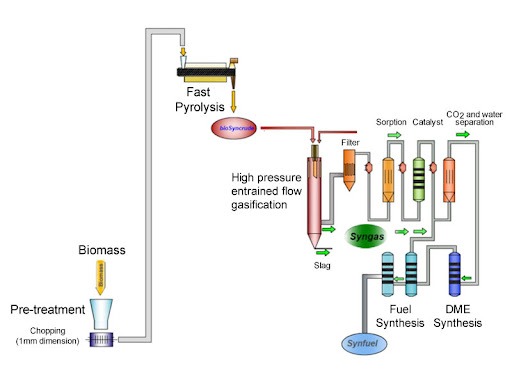
Categories
Uncategorized

Waste Heat Effect on the Environment

Waste Heat Effect on the Environment

Waste Heat Effect on the Environment: Waste Heat to Energy is a process that captures waste heat from industrial processes, power plants, and other heat-generating systems to produce useful energy, typically in the form of electricity or mechanical work. This approach improves overall efficiency, reduces fuel consumption, and lowers greenhouse gas emissions.

1. Sources of Waste Heat

Waste heat is generated in various industrial and commercial processes, including:

  • Industrial Processes: Steel mills, cement plants, glass manufacturing, and refineries.
  • Power Plants: Gas turbines, steam turbines, and diesel generators.
  • Exhaust Gases: From internal combustion engines, furnaces, and incinerators.
  • Cooling Systems: Heat rejection from air compressors, chillers, and refrigeration units.

2. Waste Heat Recovery Technologies

A. Heat-to-Power Conversion Technologies

  1. Steam Rankine Cycle (SRC)
    • Uses waste heat to generate steam, which drives a steam turbine to produce electricity.
    • Best suited for high-temperature waste heat (>300°C).
  2. Organic Rankine Cycle (ORC)
    • Uses an organic fluid with a lower boiling point than water, allowing waste heat recovery from medium- and low-temperature sources (80°C–300°C).
    • Ideal for industrial processes and geothermal applications.
  3. Kalina Cycle
    • Uses an ammonia-water mixture to enhance efficiency in recovering low- and medium-temperature waste heat.
    • More efficient than ORC in certain conditions but has higher operational complexity.
  4. Thermoelectric Generators (TEGs)
    • Convert heat directly into electricity using the Seebeck effect.
    • Suitable for small-scale applications with low-grade waste heat (below 200°C).

B. Waste Heat Recovery Systems

  1. Heat Exchangers
    • Transfer heat from exhaust gases or process fluids to another medium.
    • Used in recuperators, regenerators, economizers, and heat recovery steam generators (HRSG).
  2. Waste Heat Boilers
    • Convert exhaust heat into steam, which can be used for power generation or industrial heating.
    • Common in combined heat and power (CHP) systems.
  3. Absorption Chillers
    • Use waste heat to drive cooling processes, reducing the need for electrical cooling.
    • Suitable for district cooling and HVAC applications.
  4. Regenerative Thermal Oxidizers (RTOs)
    • Capture heat from combustion processes and reuse it to preheat incoming gases.

3. Benefits of Waste Heat Recovery

✔ Improved Energy Efficiency – Reduces fuel consumption and operational costs.
✔ Lower Greenhouse Gas Emissions – Reduces reliance on fossil fuels, helping to meet environmental regulations.
✔ Cost Savings – Reduces energy bills and increases overall process efficiency.
✔ Enhanced Sustainability – Supports circular economy principles by utilizing existing energy streams.

4. Challenges and Considerations

  • Capital Investment: Initial installation costs can be high.
  • System Complexity: Requires careful integration into existing processes.
  • Waste Heat Temperature & Quality: Not all waste heat is easily recoverable.
  • Maintenance & Reliability: Some technologies require regular upkeep.

5. Applications and Industries

✔ Manufacturing & Heavy Industry – Steel, cement, glass, and chemical plants.
✔ Power Generation – Coal, gas, and biomass power plants.
✔ Oil & Gas – Refineries and natural gas processing.
✔ Transportation – Waste heat recovery in diesel engines and ships.
✔ Data Centers – Reuse of server-generated heat for district heating.

Sources of waste heat include industrial processes such as steel mills, cement plants, glass manufacturing, and refineries; power plants utilizing gas turbines, steam turbines, and diesel generators; exhaust gases from internal combustion engines, furnaces, and incinerators; and cooling systems that reject heat from air compressors, chillers, and refrigeration units.

Waste heat is generated from various industrial, commercial, and power generation processes where energy is not fully utilized and is instead lost to the environment. One of the primary sources of waste heat is industrial processes, including steel mills, cement plants, glass manufacturing, and refineries. These industries involve high-temperature operations where significant amounts of heat are expelled through exhaust gases, cooling water, and direct radiation from hot surfaces. The steel industry, for example, releases substantial heat through blast furnace slag, hot rolling mills, and coke ovens, while cement production emits waste heat from clinker cooling and rotary kilns. Similarly, in glass manufacturing, melting and forming processes generate large quantities of excess heat that can be captured and repurposed.

Another major source of waste heat is power plants, which utilize gas turbines, steam turbines, and diesel generators. In conventional thermal power plants, a significant portion of the fuel energy is lost in exhaust gases and cooling systems. Combined cycle power plants improve efficiency by using a gas turbine’s exhaust heat to generate steam and drive a secondary steam turbine, but even these systems still produce residual waste heat. Similarly, diesel generators, commonly used in remote locations and backup power applications, release high-temperature exhaust gases that can be recovered for useful energy generation.

Transportation and internal combustion engines are also significant contributors to waste heat. Automobiles, trucks, ships, and aircraft lose a substantial portion of their fuel energy as heat through engine exhaust and cooling systems. Modern advancements, such as turbochargers and thermoelectric generators, aim to capture and repurpose some of this waste heat for improved efficiency. Marine vessels, especially large cargo ships and naval fleets, produce waste heat from massive diesel engines, which can be recovered using heat exchangers and organic Rankine cycle systems.

Industrial furnaces, boilers, and incinerators also expel high-temperature exhaust gases that carry significant energy potential. These systems are widely used in various sectors, including food processing, pulp and paper production, and waste management. In incineration plants, municipal solid waste and hazardous materials are burned to generate energy, but a considerable fraction of the heat is still lost if not properly recovered.

Cooling and refrigeration systems represent another important category of waste heat sources. Air compressors, chillers, and HVAC systems generate excess heat that is typically dissipated into the surrounding environment. Data centers, which require extensive cooling to maintain optimal operating conditions for servers, produce substantial waste heat that can be redirected for space heating or absorption cooling.

In addition to these sources, renewable energy systems such as geothermal and solar thermal plants also experience waste heat losses. Geothermal power plants extract hot fluids from beneath the Earth’s surface, but not all the heat is converted into electricity, leading to thermal discharge. Similarly, concentrated solar power (CSP) plants, which use mirrors to focus sunlight and generate steam, lose a portion of their collected heat through system inefficiencies.

Overall, waste heat is an unavoidable byproduct of energy-intensive processes, but with the right technologies and strategies, it can be captured and converted into useful energy, improving efficiency and sustainability across various industries.

Waste heat from industrial processes is one of the most significant untapped energy resources, with immense potential for recovery and utilization. Industrial facilities, including steel mills, cement plants, glass manufacturing, and oil refineries, operate at high temperatures and often release large amounts of heat into the environment through exhaust gases, cooling water, and hot surfaces. This waste heat, if properly harnessed, can be repurposed for electricity generation, process heating, or even district heating systems, significantly improving overall energy efficiency.

Steel Industry

The steel industry is one of the largest producers of waste heat due to the extreme temperatures required in smelting, refining, and shaping processes. Key sources of waste heat in steel plants include blast furnace gas, basic oxygen furnaces, electric arc furnaces, reheating furnaces, coke ovens, and hot rolling mills. Blast furnaces, which are used to reduce iron ore into molten iron, emit high-temperature off-gases that contain significant amounts of thermal energy. This heat can be recovered using heat exchangers or gas expansion turbines to produce electricity or preheat raw materials. Similarly, coke ovens release hot gases during the carbonization of coal, which can be utilized for steam generation or power production.

Hot rolling mills, used to shape steel into sheets, rods, and other forms, generate a significant amount of waste heat through the cooling of hot steel. The water or air used for cooling absorbs heat that is often dissipated without recovery. By implementing recuperative heat exchangers, this energy can be used for preheating incoming steel slabs, reducing fuel consumption.

Cement Industry

Cement manufacturing is another energy-intensive process that generates large quantities of waste heat, primarily from rotary kilns and clinker coolers. Rotary kilns operate at extremely high temperatures to convert raw materials into clinker, the key ingredient in cement. A substantial amount of heat is lost through the kiln exhaust gases and the hot clinker as it exits the kiln. Waste heat recovery (WHR) systems, such as waste heat boilers and organic Rankine cycle (ORC) systems, can capture this heat and convert it into electricity, reducing reliance on external power sources. In modern cement plants, WHR systems can recover up to 30% of the total heat input, significantly improving efficiency and lowering carbon emissions.

Glass Manufacturing

The glass industry also operates at high temperatures, primarily during the melting and forming processes. Glass furnaces require continuous heating to maintain the molten state of raw materials, and a significant portion of the heat is lost through exhaust gases and radiant heat. Recuperators and regenerators are commonly used in glass manufacturing to capture and reuse waste heat, preheating combustion air or raw materials to reduce energy consumption.

Oil Refineries

Oil refineries, which process crude oil into fuels and chemicals, generate considerable waste heat from distillation columns, cracking units, and heat exchangers. Process heaters, used for refining crude oil, produce high-temperature flue gases that often go unrecovered. Implementing heat recovery systems, such as waste heat boilers or cogeneration units, allows refineries to capture this energy and generate steam or electricity for internal use. Additionally, flare gas recovery systems can reduce heat losses by utilizing excess gas that would otherwise be burned off.

By integrating advanced heat recovery technologies in these industries, significant energy savings can be achieved, reducing operating costs and minimizing environmental impact. As industries continue to seek ways to improve energy efficiency, waste heat recovery will play a crucial role in sustainable manufacturing and energy management.

Power Plants as a Source of Waste Heat

Power plants are among the largest producers of waste heat due to the inefficiencies inherent in electricity generation. Traditional thermal power plants, including coal-fired, natural gas, and nuclear plants, operate based on the Rankine cycle, where fuel is burned to heat water, producing steam that drives a turbine. However, a significant portion of the energy is lost as waste heat, either through exhaust gases, cooling towers, or discharged water. Even in more advanced combined-cycle power plants, which improve efficiency by using a secondary steam cycle, there is still residual waste heat that can be recovered for beneficial use.

Coal and Gas-Fired Power Plants

Conventional fossil fuel power plants typically operate at efficiency levels between 30% and 45%, meaning that more than half of the energy from fuel combustion is lost as heat. The primary sources of waste heat in these plants include:

  1. Flue Gas Exhaust – High-temperature combustion gases, often exceeding 500°C, are expelled from boilers and gas turbines. Heat recovery steam generators (HRSG) can capture this energy to generate additional steam for power production.
  2. Condenser Cooling Water – After steam passes through the turbine, it is condensed back into water using cooling towers or water bodies, leading to heat dissipation into the atmosphere or surrounding environment. District heating systems and industrial heat exchangers can recover some of this waste heat for heating applications.
  3. Turbine and Boiler Surface Radiation – Equipment surfaces radiate heat into the surrounding environment, contributing to thermal losses. Insulation and heat recapture technologies can minimize these losses.

Combined-Cycle Power Plants (CCPPs)

Combined-cycle plants, which integrate a gas turbine with a steam turbine, achieve higher efficiencies (50%–60%) by using exhaust heat from the gas turbine to generate steam for an additional power cycle. However, even these plants still experience waste heat losses, particularly in the final stages of energy conversion. Waste heat from CCPPs can be further utilized in industrial cogeneration (combined heat and power, CHP) systems to provide steam for industrial processes, district heating, or desalination plants.

Nuclear Power Plants

Nuclear plants operate with similar thermodynamic limitations as fossil fuel power plants, with efficiency levels typically around 33%, meaning that nearly two-thirds of the thermal energy produced in nuclear reactions is lost as waste heat. Most of this heat is discharged through cooling towers or directly into nearby water bodies. Advanced heat recovery systems, such as high-temperature reactors and cogeneration applications, aim to harness nuclear waste heat for district heating, hydrogen production, or industrial applications.

Diesel and Gas Generators

Smaller-scale power generation units, such as diesel and natural gas generators used in remote locations, data centers, and backup power systems, also produce considerable waste heat. These engines typically convert only 30%–40% of the fuel’s energy into useful work, with the rest dissipated as exhaust gas and engine cooling losses. Waste heat recovery units (WHRUs) can be installed to capture heat from generator exhaust and engine cooling systems, converting it into electricity via an Organic Rankine Cycle (ORC) or using it for process heating.

Potential Applications for Power Plant Waste Heat

Waste heat from power plants can be effectively utilized in various ways:

  • District Heating Systems – Capturing waste heat for residential and commercial heating can significantly reduce fuel consumption and emissions.
  • Industrial Steam and Process Heating – Industries that require high-temperature steam, such as chemical plants, can benefit from power plant waste heat.
  • Desalination – Thermal desalination processes, such as multi-stage flash (MSF) and multi-effect distillation (MED), can use waste heat to produce fresh water.
  • Greenhouses and Agriculture – Waste heat can provide controlled heating for greenhouses, improving food production efficiency.
  • Absorption Cooling – Waste heat can be used in absorption refrigeration systems to provide cooling, reducing electricity demand for air conditioning.

As global energy demands increase, improving the efficiency of power generation and utilizing waste heat will play a critical role in reducing carbon emissions and enhancing sustainability.

Waste Heat from Transportation and Internal Combustion Engines

Transportation is a major source of waste heat, particularly from internal combustion engines (ICEs) used in automobiles, trucks, ships, trains, and aircraft. In conventional gasoline and diesel engines, only about 25%–40% of the fuel’s energy is converted into useful mechanical work, while the rest is lost as heat through exhaust gases, engine cooling systems, and surface radiation. Capturing and utilizing this waste heat can significantly improve fuel efficiency, reduce emissions, and enhance overall performance.

Automobiles and Trucks

Road transportation relies heavily on internal combustion engines, where substantial waste heat is generated. The primary sources of heat loss in vehicles include:

  1. Exhaust Gases – A large portion of waste heat (up to 40% of fuel energy) escapes through the exhaust system. Technologies like turbochargers and thermoelectric generators (TEGs) can recover part of this heat for improved efficiency.
  2. Engine Cooling System – The cooling system removes heat from the engine block to prevent overheating, but this heat is typically dissipated into the atmosphere through radiators. Waste heat recovery (WHR) systems can redirect some of this thermal energy for auxiliary functions like cabin heating or electricity generation.
  3. Friction and Drivetrain Losses – Heat generated from moving engine parts and friction in the drivetrain is another source of wasted energy. Advanced lubricants and materials help reduce these losses, but some energy is still lost.

To address these inefficiencies, several waste heat recovery technologies are being developed:

  • Turbochargers and Turbo-Compounding – Turbochargers use exhaust gas energy to compress incoming air, improving engine efficiency and power output. Turbo-compounding systems take this a step further by using an additional turbine to recover even more exhaust energy and convert it into mechanical or electrical power.
  • Thermoelectric Generators (TEGs) – TEGs use the Seebeck effect to convert temperature differences between hot exhaust gases and cooler surfaces into electricity. These systems can power onboard electronics, reducing the load on the alternator and improving fuel economy.
  • Rankine Cycle Waste Heat Recovery Systems – Similar to power plants, vehicles can use a small Rankine cycle system to convert waste heat into mechanical energy to assist in propulsion.

Marine and Shipping Industry

Ships and marine vessels, particularly large cargo ships and cruise liners, use massive diesel engines that operate for long periods, generating significant amounts of waste heat. Key waste heat sources in marine engines include:

  • Exhaust Gases – Large marine engines produce high-temperature exhaust gases that can be captured using waste heat boilers to generate steam for auxiliary power.
  • Cooling Water – Engine cooling systems absorb heat, which can be used for heating applications on board or converted into electricity via heat exchangers and ORC systems.
  • Lubrication System Heat – Waste heat from lubricating oil can be recovered and reused for preheating fuel or other onboard applications.

Modern marine vessels are incorporating waste heat recovery systems (WHRS) to improve efficiency. Combined with shaft generators and electrical propulsion systems, WHR can reduce fuel consumption and lower emissions in compliance with environmental regulations.

Aircraft and Aviation

Aircraft engines, particularly jet engines, generate immense amounts of waste heat through exhaust gases and high-temperature components. While aviation has limited options for traditional waste heat recovery due to weight constraints, some innovative solutions include:

  • Heat Exchangers for Cabin Heating – Waste heat from jet engines is already used for cabin pressurization and heating.
  • More Efficient Engine Design – Advanced materials and cooling techniques reduce thermal losses and improve overall efficiency.
  • Hybrid and Electric Aviation Concepts – Future aircraft designs may integrate waste heat recovery technologies to enhance battery performance or reduce fuel consumption.

Rail Transportation

Diesel-electric locomotives generate significant waste heat from their engines and electrical components. Similar to marine applications, Rankine cycle systems, thermoelectric generators, and improved cooling system designs can enhance locomotive efficiency by capturing and reusing waste heat.

Future of Waste Heat Recovery in Transportation

As fuel efficiency standards become stricter and sustainability becomes a priority, waste heat recovery will play a critical role in the future of transportation. Advancements in materials, thermoelectric technology, and hybrid powertrain integration will further enhance the ability to capture and utilize waste heat in various vehicle types. Reducing waste heat losses will not only improve fuel economy but also contribute to lower greenhouse gas emissions and reduced reliance on fossil fuels.

Waste Heat Recovery Systems (WHRS)

Waste Heat Recovery Systems (WHRS) are technologies designed to capture and utilize heat that would otherwise be lost from industrial processes, power generation, and transportation. These systems improve energy efficiency, reduce fuel consumption, lower greenhouse gas emissions, and enhance overall sustainability. The recovered heat can be used for electricity generation, process heating, space heating, or cooling applications.

Types of Waste Heat Recovery Systems

Waste Heat Utilization

1. Regenerative Heat Exchangers

Regenerative heat exchangers store heat from hot gases and transfer it to incoming cold gases. They are commonly used in high-temperature industrial processes such as steel manufacturing and glass production.

  • Examples: Regenerators in blast furnaces, thermal oxidizers, and regenerative thermal oxidizers (RTOs).

2. Recuperative Heat Exchangers

Recuperative heat exchangers directly transfer heat from hot gases to cold gases or liquids through a solid medium.

  • Examples: Economizers in boilers, air preheaters, and plate heat exchangers.

3. Waste Heat Boilers (Heat Recovery Steam Generators – HRSG)

These systems use waste heat from industrial processes or power plants to produce steam, which can be used for electricity generation or industrial heating.

  • Examples: Combined cycle power plants, cogeneration (CHP) systems, and steam-based district heating.

4. Organic Rankine Cycle (ORC) Systems

ORC systems convert low-temperature waste heat into electricity using organic fluids with lower boiling points than water.

  • Applications: Biomass plants, geothermal energy, and low-grade waste heat recovery in industries.

5. Thermoelectric Generators (TEGs)

TEGs convert waste heat directly into electricity using the Seebeck effect.

  • Applications: Automotive exhaust systems, industrial furnaces, and spacecraft power generation.

6. Kalina Cycle Systems

Kalina cycle technology uses a mixture of ammonia and water to recover heat more efficiently than traditional Rankine cycles.

  • Applications: Geothermal power plants, industrial waste heat recovery, and solar thermal power.

7. Absorption Cooling Systems

These systems use waste heat to drive cooling cycles instead of electricity.

  • Applications: Air conditioning in commercial buildings, industrial refrigeration, and data centers.

8. Flue Gas Heat Recovery

Captures heat from exhaust gases in power plants, industrial boilers, and incinerators.

  • Applications: Preheating combustion air, district heating, and steam generation.

9. Mechanical Vapor Recompression (MVR)

MVR compresses and reuses steam to improve efficiency in evaporation and drying processes.

  • Applications: Food processing, desalination, and paper manufacturing.

Benefits of Waste Heat Recovery Systems

  • Energy savings – Reduces fuel consumption and operational costs.
  • Lower emissions – Decreases CO₂ and other greenhouse gas emissions.
  • Improved efficiency – Enhances process performance and sustainability.
  • Economic benefits – Reduces energy costs and improves profitability.

Waste Heat Recovery Systems are essential for improving energy efficiency across multiple sectors, helping industries and power plants transition toward a more sustainable future.

Waste Heat Recovery Systems (WHRS) are designed to capture and repurpose heat that would otherwise be lost from industrial processes, power plants, and transportation systems. These systems enhance energy efficiency, lower fuel consumption, and reduce greenhouse gas emissions, contributing to both economic and environmental sustainability. Waste heat can be recovered using different technologies depending on temperature levels, heat sources, and the intended application. High-temperature waste heat from industrial furnaces, steel mills, and cement kilns can be used to generate steam, which can either drive turbines for electricity generation or be used directly in manufacturing processes. Medium- and low-temperature waste heat, such as that from exhaust gases, cooling systems, and hot surfaces, can be recovered using heat exchangers, economizers, or organic Rankine cycle (ORC) systems.

Thermoelectric generators (TEGs) convert heat directly into electricity using the Seebeck effect, making them useful in automotive applications and remote power generation. In the transportation sector, waste heat recovery is particularly valuable in internal combustion engines, where a significant portion of fuel energy is lost through exhaust and cooling systems. Turbochargers improve engine efficiency by using exhaust gases to compress incoming air, while turbo-compounding systems convert excess exhaust energy into mechanical or electrical power. In marine and locomotive engines, waste heat recovery boilers capture exhaust heat to produce steam for auxiliary power.

In power plants, heat recovery steam generators (HRSG) are widely used in combined-cycle plants, where gas turbines’ exhaust heat is used to generate additional steam for a secondary power cycle, improving overall efficiency. Industrial applications frequently use regenerative and recuperative heat exchangers to capture and reuse thermal energy, with applications in steel, glass, cement, and chemical industries. Absorption refrigeration systems utilize waste heat for cooling, making them ideal for data centers, commercial buildings, and process cooling in industrial facilities. Flue gas heat recovery systems extract residual heat from exhaust gases in boilers and furnaces, preheating combustion air to reduce fuel consumption.

Mechanical vapor recompression (MVR) technology captures and reuses steam in processes such as food processing, desalination, and paper manufacturing. Kalina cycle systems use a mixture of ammonia and water to recover waste heat more efficiently than conventional Rankine cycles, particularly in geothermal and industrial applications. These waste heat recovery technologies provide numerous benefits, including significant energy savings, lower operating costs, reduced reliance on fossil fuels, and decreased carbon emissions. By integrating waste heat recovery systems, industries and power plants can optimize their processes and contribute to a more sustainable energy landscape.

Waste heat recovery systems play a critical role in optimizing energy use across various industries, including power generation, manufacturing, and transportation. In power plants, where efficiency losses are significant, waste heat recovery technologies such as combined heat and power (CHP) and district heating systems help utilize excess thermal energy that would otherwise be lost through cooling towers or exhaust stacks. By capturing and repurposing this heat, power plants can provide electricity and thermal energy simultaneously, reducing fuel consumption and emissions.

In industrial settings, waste heat recovery is widely implemented in energy-intensive sectors such as steel, cement, glass, and petrochemical production, where furnaces, kilns, and boilers generate large amounts of high-temperature waste heat. This heat can be recovered using regenerative and recuperative heat exchangers, waste heat boilers, and organic Rankine cycle (ORC) systems to produce additional steam or electricity. In refineries and chemical plants, process heat from distillation, cracking, and reforming units can be reused to preheat raw materials, improving overall energy efficiency.

Waste heat recovery is also essential in the transportation sector, particularly in diesel engines used in trucks, ships, and trains, where exhaust gas heat can be converted into useful work through turbo-compounding, thermoelectric generators (TEGs), and Rankine cycle systems. Marine vessels benefit from waste heat boilers that generate steam from exhaust gases, reducing fuel consumption for auxiliary power. In aviation, research into thermoelectric and heat exchanger technologies aims to enhance engine efficiency and reduce fuel burn. On a broader scale, waste heat recovery contributes to sustainable energy solutions, including waste-to-energy plants that convert municipal and industrial waste heat into usable electricity and heat for district energy networks. Advanced absorption cooling systems further expand the utility of waste heat by converting excess thermal energy into cooling power for air conditioning and refrigeration, reducing electrical demand.

The integration of waste heat recovery with renewable energy sources, such as solar and geothermal power, enhances overall system efficiency and resilience. Digital monitoring and smart energy management systems further optimize waste heat utilization by analyzing thermal losses in real-time and adjusting recovery processes accordingly. As industries and governments prioritize decarbonization and energy efficiency, waste heat recovery systems will continue to evolve, incorporating advanced materials, improved heat exchangers, and emerging technologies like supercritical CO₂ cycles and phase-change materials. These innovations will play a crucial role in minimizing energy waste, lowering greenhouse gas emissions, and improving the sustainability of industrial and power generation processes worldwide.

The continuous advancement of waste heat recovery systems is driven by the increasing need for energy efficiency, cost reduction, and sustainability across industries. One of the most promising areas of development is the integration of artificial intelligence (AI) and machine learning in waste heat recovery optimization. AI-powered systems can analyze operational data in real time, predict heat loss patterns, and adjust recovery mechanisms dynamically to maximize efficiency. This is particularly beneficial in complex industrial settings where fluctuating process conditions require adaptive control strategies. Additionally, advancements in thermoelectric materials are making thermoelectric generators (TEGs) more efficient and viable for large-scale waste heat recovery. New materials, such as nanostructured thermoelectrics and high-performance semiconductors, are improving the conversion efficiency of heat into electricity, expanding their applications in automotive engines, power plants, and industrial furnaces.

Another innovative approach to waste heat utilization is the development of supercritical CO₂ (sCO₂) power cycles, which offer higher thermal efficiency than traditional steam-based systems. sCO₂ cycles operate at higher pressures and temperatures, allowing for more effective waste heat recovery in power generation and industrial processes. This technology is gaining traction in applications such as concentrated solar power (CSP), nuclear power plants, and waste heat recovery in heavy industries. Similarly, phase-change materials (PCMs) are being explored for thermal energy storage, allowing waste heat to be captured and stored for later use, addressing the intermittent nature of heat availability in many industrial operations. These materials absorb heat during phase transitions and release it when needed, providing a more flexible and efficient way to utilize waste heat.

Waste heat recovery is also playing an increasing role in urban energy systems, particularly in district heating and cooling networks. Many cities are integrating industrial waste heat, data center heat, and even low-grade heat from wastewater treatment plants into their heating networks, reducing reliance on fossil fuels for space heating. Combined heat and power (CHP) systems continue to be a key solution in urban energy infrastructure, simultaneously producing electricity and useful heat from a single fuel source, thereby improving overall system efficiency. Additionally, emerging technologies such as absorption heat pumps and adsorption chillers are enabling more effective use of low-temperature waste heat in commercial and residential applications, further reducing energy demand from conventional heating and cooling systems.

As industries and governments continue to focus on carbon reduction goals, waste heat recovery systems are becoming an essential component of energy policy and corporate sustainability strategies. Stricter environmental regulations and carbon pricing mechanisms are pushing industries to invest in more efficient waste heat utilization technologies. Incentives and funding for energy efficiency projects, including government grants and tax credits, are accelerating the adoption of waste heat recovery solutions across various sectors. Moreover, the transition to hydrogen-based economies is opening new possibilities for waste heat recovery, as excess heat from hydrogen production processes such as electrolysis and methane reforming can be captured and reused in industrial applications or district energy systems.

Looking ahead, the convergence of digitalization, advanced materials, and innovative thermodynamic cycles will continue to drive improvements in waste heat recovery efficiency and economic viability. Companies and researchers are exploring hybrid solutions that combine waste heat recovery with renewable energy systems to create more resilient and self-sustaining industrial and urban energy networks. The expansion of decentralized waste heat recovery, where smaller-scale industrial and commercial facilities contribute to local energy systems, is also gaining momentum, further decentralizing energy production and reducing dependence on centralized fossil fuel power generation. By embracing these advancements, industries can significantly reduce energy waste, lower operational costs, and contribute to a more sustainable and energy-efficient future.

Benefits of Waste Heat Recovery

Waste Heat to Energy

The benefits of waste heat recovery are numerous, spanning economic, environmental, and operational improvements across various industries. By capturing and repurposing heat that would otherwise be lost, waste heat recovery systems can offer significant advantages in terms of energy efficiency, cost savings, and sustainability.

  1. Energy Efficiency: Waste heat recovery significantly enhances the overall energy efficiency of industrial processes, power plants, and transportation systems. By utilizing excess thermal energy, companies can reduce their reliance on primary energy sources (such as natural gas, coal, or electricity), making processes more efficient and reducing fuel consumption. This can lead to lower energy bills and a reduction in overall energy demand.
  2. Cost Savings: One of the most immediate benefits of waste heat recovery is cost savings. By capturing waste heat and repurposing it for useful applications, industries can reduce the need to purchase additional energy, thus cutting operating costs. For example, in manufacturing or power plants, recovered heat can be used to preheat incoming air or fluids, reducing the need for additional fuel to generate the required temperatures.
  3. Reduced Greenhouse Gas Emissions: Waste heat recovery systems help reduce greenhouse gas (GHG) emissions by lowering the overall fuel consumption of industrial processes and power plants. The less fuel that needs to be burned, the fewer emissions are generated. This is particularly important for companies working toward sustainability goals or those subject to emissions regulations. By using waste heat, industries can lower their carbon footprint and contribute to the global effort to combat climate change.
  4. Improved Process Efficiency: Waste heat recovery helps to optimize processes by providing a stable and reliable source of heat or energy. In many industries, the recovered heat can be used for processes such as preheating raw materials, producing steam, or powering auxiliary equipment. This integration leads to better system optimization, smoother operation, and reduced wear on equipment, enhancing overall process reliability and performance.
  5. Increased Energy Security: By recovering waste heat, industries can reduce their dependency on external energy supplies, contributing to greater energy security. Waste heat recovery allows companies to become more self-sufficient by generating their own power or reducing the need to purchase power from the grid. This can be particularly beneficial in regions with unstable energy prices or supply disruptions.
  6. Reduced Operational Costs: By reusing waste heat within a facility, industries can reduce the overall cost of running their operations. This includes savings from fuel, maintenance costs associated with equipment wear, and reduced demand on external utilities, leading to more predictable and manageable energy costs over time.
  7. Enhanced Sustainability: Waste heat recovery plays a key role in advancing sustainability initiatives. By reducing energy waste, emissions, and overall resource consumption, companies can contribute to sustainability goals, improve their public image, and meet corporate social responsibility (CSR) targets. Additionally, many waste heat recovery technologies, such as absorption chillers and organic Rankine cycles, can contribute to renewable energy generation, further boosting a facility’s sustainability efforts.
  8. Compliance with Environmental Regulations: Many countries have strict environmental regulations that require industries to reduce emissions and improve energy efficiency. Waste heat recovery systems help industries comply with these regulations by minimizing fuel consumption and GHG emissions. In some cases, the implementation of waste heat recovery systems may qualify companies for tax credits, grants, or other incentives aimed at supporting energy-efficient technologies.
  9. Opportunities for Combined Heat and Power (CHP) and District Heating: Waste heat recovery can be integrated into combined heat and power (CHP) systems, where both electricity and useful heat are generated from a single energy source. This increases overall system efficiency and allows for the utilization of otherwise wasted energy. Additionally, waste heat can be used in district heating systems, providing residential, commercial, and industrial buildings with affordable, low-carbon heat from local sources.
  10. Energy Flexibility and Reliability: Some waste heat recovery technologies, such as heat storage and thermal energy storage systems, allow for the storage of recovered heat for later use. This can provide a more flexible and reliable energy source, especially in operations that require heat on a fluctuating basis, such as in seasonal industries or those with variable production schedules.
  11. Innovation and Technological Advancements: Waste heat recovery encourages innovation in thermal management technologies, leading to the development of advanced systems like thermoelectric generators (TEGs), Kalina cycles, and supercritical CO₂ cycles. These technologies improve the ability to recover and use low- and medium-grade waste heat, further enhancing overall energy utilization.
  12. Market Competitiveness: Companies that adopt waste heat recovery technologies can gain a competitive edge by improving their bottom line through reduced energy costs and enhanced efficiency. Additionally, demonstrating a commitment to sustainability and energy efficiency can improve a company’s reputation and brand image, making it more attractive to customers, investors, and regulatory bodies.

In summary, waste heat recovery offers a wide range of benefits, from improved energy efficiency and cost savings to environmental sustainability and compliance with regulations. It is a critical tool in creating more sustainable, cost-effective, and energy-efficient industrial and energy systems worldwide.

Waste heat recovery systems offer significant advantages that contribute to operational, economic, and environmental improvements. By capturing and repurposing heat that would otherwise be wasted, industries can enhance their energy efficiency and reduce fuel consumption, which in turn lowers operating costs. The reduction in fuel consumption also directly results in fewer emissions, including greenhouse gases, contributing to environmental sustainability and helping industries meet regulatory compliance and sustainability goals. By recovering waste heat, companies can reduce their reliance on external energy sources, which not only boosts their energy security but also makes their energy needs more predictable and stable. This reduction in energy dependence can be particularly beneficial in areas with volatile energy prices or where energy security is a concern.

Waste heat recovery also improves process efficiency by providing a reliable source of thermal energy that can be used for applications like preheating raw materials, generating steam, or powering auxiliary equipment. This integration helps optimize overall system performance, enhancing reliability and productivity while reducing wear and tear on machinery. Furthermore, the reuse of waste heat can significantly cut down on fuel expenses, reducing the overall operational costs of a facility. The economic benefits of waste heat recovery systems extend beyond the immediate savings on energy costs, as the increased efficiency and reduced environmental impact can improve a company’s public image, helping to meet corporate social responsibility (CSR) targets and attract investment.

As industries move toward more sustainable practices, waste heat recovery plays a key role in advancing these efforts by reducing the amount of energy lost in industrial processes and enhancing overall resource conservation. The implementation of waste heat recovery systems aligns with sustainability initiatives, helping companies to reduce their carbon footprint while generating savings in the process. In regions where stringent environmental regulations are in place, waste heat recovery can be an effective strategy to comply with these laws, potentially qualifying businesses for incentives such as tax credits or grants for energy-efficient technologies.

Moreover, waste heat recovery contributes to the potential for combined heat and power (CHP) systems, where both electricity and useful heat are produced from a single fuel source. This not only boosts efficiency but also allows industries to create district heating systems that can provide low-carbon heating to nearby residential, commercial, and industrial buildings. Such integration further reduces reliance on traditional energy sources and promotes local, sustainable energy solutions. The flexibility of recovered heat, which can be stored for later use, also provides a level of reliability and energy security, particularly for industries with fluctuating energy demands.

Ultimately, the adoption of waste heat recovery technologies enables companies to remain competitive in a marketplace where energy efficiency and environmental responsibility are becoming increasingly important. These systems help businesses lower their energy costs, reduce emissions, and comply with regulations, all while boosting their reputation and market position. The ongoing innovation in waste heat recovery, through new technologies such as thermoelectric generators, supercritical CO₂ cycles, and advanced thermal storage solutions, continues to enhance the efficiency and viability of these systems, opening new opportunities for industries to harness and make use of energy that would otherwise be lost.

The widespread adoption of waste heat recovery systems is increasingly recognized as an essential strategy for optimizing energy usage and achieving sustainability goals across industries. As technologies continue to evolve, industries are finding new ways to leverage low- and medium-temperature waste heat that was previously considered difficult or uneconomical to recover. Innovations in materials, such as advanced heat exchangers and high-performance thermoelectrics, are improving the efficiency of heat recovery, even in lower temperature ranges. For example, organic Rankine cycles (ORC) and Kalina cycles have become more efficient at recovering heat from lower-grade waste streams, enabling industries to recover and utilize heat that would have otherwise been wasted.

Furthermore, waste heat recovery is playing an increasingly important role in the transition toward low-carbon and renewable energy solutions. By integrating recovered heat with renewable energy sources such as solar and biomass, industries can create hybrid systems that maximize overall energy efficiency and sustainability. For instance, waste heat recovery systems can be used in combination with solar thermal energy to create more reliable and efficient renewable power systems, or even in geothermal power plants where excess heat can be used to improve energy generation processes.

The growing emphasis on decarbonization, coupled with tightening regulations on carbon emissions and energy efficiency, is driving more industries to incorporate waste heat recovery technologies into their operations. As governments around the world implement stricter environmental policies, industries that adopt waste heat recovery systems will be better positioned to meet these regulatory requirements while also reducing their operational costs. In some regions, this can provide a competitive edge as companies that implement energy-efficient practices may benefit from financial incentives, subsidies, or preferential treatment in the market.

Beyond energy savings, waste heat recovery systems also contribute to improved resource utilization, as industries become more adept at making use of by-products that were previously overlooked. For example, in manufacturing processes, where high temperatures are often required, the ability to recover and reuse waste heat reduces the need for fresh inputs of fuel or electricity. This reduces both operating costs and the overall environmental impact of production processes, supporting circular economy principles by reducing waste and maximizing the reuse of available resources.

In the context of urban energy systems, waste heat recovery is also being integrated into district heating and cooling networks, where industrial or commercial heat is transferred to local buildings for space heating or hot water. This not only makes use of waste heat but also helps reduce the need for fossil fuels in urban energy systems, lowering emissions on a larger scale. Cities can greatly benefit from integrating waste heat recovery in their energy infrastructure, particularly as urban populations continue to grow and demand for energy rises. By creating more energy-efficient districts with shared heating and cooling resources, cities can become more resilient to energy price fluctuations and contribute to achieving national or global climate targets.

As energy markets evolve and new technological solutions emerge, waste heat recovery systems will continue to play an integral role in achieving a more sustainable energy future. The combination of digitalization, advanced analytics, and smart grids will further optimize the efficiency of these systems by enabling real-time monitoring and control, ensuring that waste heat recovery is maximized across a wide range of applications. In the long run, waste heat recovery not only offers a pathway to energy savings and cost reductions but also serves as a key pillar in the transition to a more sustainable, low-carbon economy.

As industries and governments continue to prioritize sustainability and energy efficiency, waste heat recovery technologies will become even more crucial in helping meet global energy demands while reducing environmental impact. The integration of waste heat recovery with emerging technologies like smart grids, advanced automation, and artificial intelligence will enable more dynamic and efficient energy systems. Real-time monitoring and predictive analytics will allow for better decision-making and optimization of energy use, ensuring that heat recovery systems operate at their peak efficiency, even in fluctuating conditions. With the increasing availability of data and digital tools, businesses can identify areas of heat loss and adjust recovery strategies to improve both economic performance and environmental outcomes.

Moreover, the development of new materials and technologies will continue to drive the expansion of waste heat recovery into previously untapped sectors. For instance, new heat-resistant alloys and ceramic materials are making high-temperature heat exchangers more durable and efficient, allowing for the recovery of heat from even more extreme industrial processes. Similarly, advances in heat storage technologies, such as advanced phase-change materials (PCMs) and thermochemical storage, are enabling industries to capture and store excess heat for later use, further increasing system flexibility and making it possible to use recovered heat during peak demand periods.

In addition, as global economies move toward hydrogen as a clean energy source, waste heat recovery will play an important role in optimizing hydrogen production processes. Technologies like electrolysis, which are used to produce green hydrogen from water, require significant amounts of electricity and produce waste heat. By integrating waste heat recovery into these processes, the efficiency of hydrogen production can be significantly improved, making it a more viable option for decarbonizing industries such as transportation, manufacturing, and power generation. Similarly, as the use of hydrogen in industrial heating systems grows, the integration of waste heat recovery can provide additional energy savings and further reduce emissions.

The expansion of decentralized energy systems and microgrids also presents new opportunities for waste heat recovery. In remote or off-grid locations, small-scale waste heat recovery systems can be used to generate electricity or provide heat for industrial and residential use. These systems could help power critical infrastructure, such as water treatment plants, hospitals, and schools, while reducing the reliance on expensive or unreliable external energy sources. By incorporating waste heat recovery into these systems, communities can create more resilient and self-sustaining energy solutions.

Waste heat recovery’s contribution to reducing the energy intensity of industrial operations, coupled with advances in renewable energy technologies, will help move industries closer to achieving their net-zero carbon goals. By addressing both operational efficiency and emissions reductions, waste heat recovery allows businesses to take a holistic approach to energy management, reducing costs while supporting their environmental and regulatory commitments.

As waste heat recovery technologies become more widespread, industries that adopt these systems will not only benefit from direct energy savings but also enhance their competitiveness in a market that increasingly values sustainability and resource efficiency. The ability to recover and reuse waste heat can also serve as a differentiating factor, as consumers, investors, and regulators place greater emphasis on environmentally responsible practices. For industries looking to future-proof their operations, investing in waste heat recovery technology is an important step toward building long-term resilience, enhancing sustainability, and maintaining market leadership.

Ultimately, the future of waste heat recovery holds great promise, with the potential to transform how industries utilize energy and reduce their environmental impact. As new technologies emerge and the global economy moves toward more sustainable and efficient energy solutions, waste heat recovery will continue to play an essential role in shaping a greener, more energy-efficient world. With ongoing innovation, strategic integration into energy systems, and a commitment to sustainability, waste heat recovery is poised to become an integral part of the global transition to a low-carbon economy.

While waste heat recovery offers substantial benefits, there are several challenges and considerations that industries must address to fully capitalize on these technologies.

  1. Initial Capital Investment: One of the primary challenges associated with waste heat recovery systems is the initial cost. The installation of recovery equipment, such as heat exchangers, thermoelectric generators, or ORC systems, can require a significant upfront investment. This cost may be a barrier for some industries, especially those with tight budgets or low-profit margins. However, the long-term savings from reduced energy consumption and improved efficiency often justify the initial expenditure.
  2. Technological Complexity: Implementing waste heat recovery systems often requires specialized knowledge and expertise. Different industries generate waste heat at various temperatures and scales, requiring tailored solutions to recover and repurpose this energy effectively. The complexity of integrating recovery systems with existing infrastructure can also pose a challenge, especially in older or less adaptable facilities. Proper planning, engineering, and technical support are critical to ensure a smooth implementation.
  3. Economic Viability for Low-Temperature Heat: Waste heat recovery is typically most effective when the heat source is high temperature, such as exhaust gases from industrial furnaces or power plants. Low-temperature waste heat (below 100°C or 212°F), which is common in many industrial processes, can be harder to recover efficiently. Technologies like organic Rankine cycles (ORC) and thermoelectric generators (TEGs) are increasingly being used to capture low-grade heat, but these systems may still have lower efficiency compared to high-temperature heat recovery systems. In some cases, the costs of recovering low-temperature heat may not be economically viable unless paired with other technologies or applications.
  4. System Integration and Compatibility: Integrating waste heat recovery systems into existing industrial processes and infrastructure can be challenging, particularly in industries with complex or outdated systems. The process of connecting recovery equipment to existing machinery, ensuring compatibility with control systems, and adjusting operations can be time-consuming and costly. Furthermore, the operational profile of industries often changes over time, which may impact the effectiveness of waste heat recovery solutions. Continuous monitoring and system optimization are essential for ensuring long-term performance.
  5. Operational and Maintenance Challenges: Like all energy systems, waste heat recovery systems require regular maintenance to ensure they continue to operate efficiently. This can involve cleaning heat exchangers, maintaining thermoelectric generators, and replacing worn-out components. Over time, system components can degrade due to factors like corrosion, scaling, or thermal fatigue. Maintenance and operational costs can accumulate, potentially offsetting some of the financial benefits of waste heat recovery. Furthermore, integrating waste heat recovery into existing operations may introduce new operational complexities that require specialized personnel.
  6. Space and Installation Constraints: Some industries, particularly in dense urban environments or in older facilities, may face space constraints that make the installation of waste heat recovery systems difficult. The additional equipment required for heat recovery, such as heat exchangers, storage tanks, or turbines, can require significant space, which may not be readily available in existing plants or industrial setups. In such cases, companies may need to invest in new infrastructure or undergo costly facility upgrades to accommodate waste heat recovery technologies.
  7. Regulatory and Environmental Considerations: While waste heat recovery can reduce greenhouse gas emissions, it must still comply with local environmental regulations. In some cases, recovering heat from industrial processes or exhaust gases may be subject to specific regulations regarding air quality, emissions, or thermal discharge. Regulatory constraints may limit the types of heat recovery technologies that can be used or the way in which heat is released back into the environment. Companies must carefully navigate these regulatory requirements to ensure their waste heat recovery systems operate within legal and environmental boundaries.
  8. Energy Quality and Consistency: The quality and consistency of the recovered heat are important considerations. Waste heat sources can vary in temperature, flow, and availability, which can impact the efficiency of recovery systems. For example, in processes where heat is not continuously available, energy storage or backup systems may be required to maintain a consistent supply of recovered heat. The varying nature of waste heat can also make it difficult to integrate these systems into broader energy networks, such as district heating or CHP systems, which rely on stable and predictable heat sources.
  9. Financial and Market Uncertainty: The financial return on investment (ROI) for waste heat recovery systems can be influenced by external factors, such as fluctuating energy prices, government incentives, or shifts in market conditions. For example, if energy prices decrease significantly, the cost savings from waste heat recovery may become less compelling. Similarly, changes in regulations, such as the removal of tax incentives for energy efficiency projects, could impact the financial viability of these systems.
  10. Technological Advancements and Future Proofing: As new technologies continue to emerge in the field of waste heat recovery, industries must carefully assess the long-term viability of the systems they install. New and more efficient technologies, such as advanced thermoelectric materials, supercritical CO₂ cycles, or hybrid renewable energy solutions, may provide better performance and longer-term savings, making older systems obsolete. This creates a challenge for industries seeking to future-proof their energy infrastructure while ensuring that their waste heat recovery investments remain competitive and relevant.

In conclusion, while waste heat recovery offers numerous benefits, industries must address several challenges in order to fully realize these advantages. Overcoming barriers such as high initial costs, technological complexity, system integration issues, and space constraints requires careful planning, expertise, and investment. However, with ongoing advancements in technology, more efficient solutions are emerging to address these challenges, making waste heat recovery an increasingly viable and integral part of sustainable energy strategies.

Addressing the challenges associated with waste heat recovery involves careful planning, investment, and ongoing optimization. One of the key areas that need focus is the economic viability of waste heat recovery systems, particularly in industries with low-temperature heat. Low-temperature waste heat is often less energy-dense, which can make recovery technologies less efficient and economically viable. In such cases, pairing waste heat recovery with complementary technologies, such as heat pumps, or integrating recovered heat into other parts of the industrial process, can improve the overall efficiency and cost-effectiveness of these systems. Additionally, industries must evaluate the long-term savings and the reduction in operational costs, weighing them against the initial investment required for system installation and integration.

Another consideration is the integration of waste heat recovery systems into existing industrial infrastructure. In many cases, industrial plants and processes are already operating with a set infrastructure, and introducing new technologies requires thoughtful integration with the current system. This could mean modifications to existing equipment, the installation of new heat exchangers, or the introduction of additional controls to ensure that recovered heat is effectively reused. This integration process can be resource-intensive, both in terms of time and financial outlay, as it may require downtime or system upgrades to ensure compatibility with the new technologies.

Space limitations also play a critical role in the successful implementation of waste heat recovery systems. Older facilities, in particular, may not have the physical space to accommodate new heat recovery equipment. Additionally, for industries located in highly urbanized areas, space constraints may limit the scale of waste heat recovery that can be practically installed. Solutions to these challenges could include the design and implementation of compact systems, modular recovery units, or leveraging off-site storage for recovered heat. However, this may still entail significant investment in infrastructure changes or spatial reconfigurations, which can be costly and logistically challenging.

In operational terms, the maintenance of waste heat recovery systems is an ongoing concern. While these systems can be highly beneficial in terms of efficiency and cost savings, they require regular attention to remain effective. For instance, heat exchangers need to be cleaned and maintained to prevent the buildup of scale, dirt, or corrosion, which could hinder heat transfer efficiency. Similarly, thermoelectric generators or other high-tech equipment in waste heat recovery systems may need periodic calibration and repairs to ensure consistent performance. Developing a reliable maintenance strategy and ensuring that personnel are trained to manage these advanced systems are crucial for the long-term success of waste heat recovery.

Moreover, external factors, such as changes in energy prices or environmental regulations, can also influence the economic feasibility of waste heat recovery projects. Fluctuating energy costs can directly impact the financial savings that waste heat recovery provides. If energy prices drop, the economic incentive to invest in waste heat recovery may diminish, as the payback period could become longer or the energy savings less significant. Conversely, if energy prices rise or stricter emissions regulations are implemented, the value proposition for waste heat recovery may improve. Businesses must continuously assess these external factors and adjust their strategies accordingly to ensure that their investments in waste heat recovery continue to yield positive returns.

Technological advancements will continue to evolve, providing new opportunities to overcome some of the limitations associated with waste heat recovery systems. Innovations in materials, such as advanced heat-resistant alloys or more efficient thermoelectric materials, are improving the ability to recover waste heat at lower temperatures, making these technologies more viable in a broader range of industrial applications. Moreover, improvements in energy storage technologies, such as thermal storage or advanced batteries, could help mitigate the intermittent nature of waste heat and allow industries to store and use recovered energy at times of peak demand.

In addition, policy support and government incentives will play an important role in driving the adoption of waste heat recovery technologies. Many countries are offering financial incentives, tax credits, or subsidies to encourage the adoption of energy-efficient technologies. Industries can take advantage of these programs to offset some of the initial costs associated with implementing waste heat recovery systems. However, the landscape of these incentives is often subject to change based on political and economic conditions, and businesses must stay informed about regulatory changes that could impact their ability to recover investments.

To fully address these challenges, industries must approach waste heat recovery with a long-term perspective, considering not only the immediate benefits but also the potential for future technological advancements, operational adjustments, and changes in the market and regulatory environments. By carefully navigating the complexities of waste heat recovery, businesses can improve their energy efficiency, reduce their environmental impact, and achieve significant cost savings over time.

As industries look to overcome these challenges, several strategies can be employed to ensure the successful implementation and long-term benefits of waste heat recovery systems.

  1. Strategic Planning and Feasibility Studies: Before investing in waste heat recovery technologies, industries should conduct detailed feasibility studies to assess the potential energy savings, payback periods, and the impact on overall system efficiency. These studies should consider factors such as the temperature and quantity of waste heat available, the specific energy demands of the facility, and the compatibility of potential recovery technologies with existing processes. A comprehensive analysis will help identify which heat recovery systems are most appropriate for the given conditions and whether the savings in energy consumption will justify the initial investment.
  2. Energy Audits and Monitoring Systems: Implementing a robust monitoring and energy auditing system is essential for identifying and quantifying the waste heat available within an industrial process. This helps companies pinpoint areas where heat loss is most significant and determine the most effective recovery methods. By using advanced monitoring tools, industries can track the performance of waste heat recovery systems in real-time, providing actionable data that can be used to optimize recovery rates and identify maintenance needs early. Regular audits and monitoring can also reveal new opportunities for additional energy savings over time.
  3. Government Support and Incentives: Many countries offer financial incentives to encourage industries to adopt energy-efficient technologies, including waste heat recovery systems. This could include grants, tax credits, or low-interest loans that help offset the capital cost of implementing recovery technologies. Additionally, some governments are offering funding or support for the development of new technologies to make waste heat recovery more efficient and accessible. Industries should actively seek out these programs and stay informed about the evolving regulatory landscape to take full advantage of available financial support.
  4. Technology Partnerships: Collaborating with technology providers, research institutions, and energy consultants can help industries overcome technical challenges and stay ahead of innovations in waste heat recovery. Partnerships with specialized suppliers can ensure that the most advanced and efficient systems are selected and correctly integrated into existing operations. Working with experts in the field can also help address integration challenges and identify ways to optimize the recovery process based on the unique needs of each industry. In some cases, technology providers may offer ongoing support and maintenance services to ensure the system continues to function optimally over its lifespan.
  5. Modular and Scalable Solutions: To mitigate space and cost constraints, industries may consider implementing modular and scalable waste heat recovery solutions. These systems are often easier to integrate into existing infrastructure and can be expanded or upgraded over time as energy demands grow or as technology improves. By adopting modular systems, industries can make incremental investments in waste heat recovery without having to commit to a large-scale installation upfront. This also allows for more flexibility in scaling up the system as energy efficiency needs evolve.
  6. Hybrid Solutions and Energy Storage: Hybrid systems, which combine multiple energy sources or recovery methods, can be effective in overcoming some of the limitations of individual waste heat recovery technologies. For example, waste heat recovery can be combined with renewable energy sources such as solar or biomass, or even with traditional power generation, to create a more resilient and efficient system. Additionally, incorporating energy storage technologies—such as thermal storage or battery systems—can allow industries to store recovered heat for later use, smoothing out fluctuations in energy demand and ensuring that recovered heat can be utilized during peak times.
  7. Upgrading Existing Infrastructure: In some cases, older facilities may require infrastructure upgrades to make them compatible with waste heat recovery systems. These upgrades could include improvements to heat distribution networks, the installation of heat exchangers, or the addition of advanced control systems. While this can involve significant upfront costs, it may be necessary to ensure that the waste heat recovery system functions efficiently and integrates seamlessly with the existing processes. Over time, the benefits from increased energy efficiency and cost savings can offset the initial investment in infrastructure upgrades.
  8. Employee Training and Skill Development: One of the critical factors in the successful operation of waste heat recovery systems is ensuring that employees are trained to understand and manage the new technologies. Staff members should be equipped with the necessary skills to monitor system performance, identify potential issues, and carry out routine maintenance. Training can also help employees understand the benefits of waste heat recovery, encouraging a culture of energy efficiency and sustainability within the organization. Additionally, having skilled personnel can help prevent operational disruptions and minimize the risk of costly breakdowns or inefficiencies.
  9. Sustainability Goals and Public Image: Companies that adopt waste heat recovery technologies can use these systems as part of their broader sustainability initiatives. In addition to the direct benefits of energy savings and emissions reductions, implementing waste heat recovery can enhance a company’s public image, positioning it as a leader in energy efficiency and environmental responsibility. Many consumers, investors, and stakeholders are increasingly prioritizing sustainability when making decisions, and businesses that integrate waste heat recovery systems can strengthen their market position by demonstrating their commitment to sustainability. This, in turn, can attract investors, improve customer loyalty, and contribute to a positive corporate reputation.
  10. Long-term Monitoring and Optimization: Continuous monitoring of waste heat recovery systems is essential to ensure that they operate at peak efficiency over time. Through data analytics, machine learning, and AI-based systems, industries can optimize the performance of waste heat recovery equipment and identify areas for further improvement. For instance, predictive maintenance tools can detect wear and tear before it leads to system failure, minimizing downtime and extending the lifespan of recovery equipment. Regular system optimization ensures that the technologies remain cost-effective and continue to deliver energy savings, even as industrial processes evolve.

By addressing these challenges proactively and considering these strategies, industries can successfully implement waste heat recovery systems that offer long-term benefits in terms of cost savings, energy efficiency, and environmental sustainability. The evolution of technology, regulatory frameworks, and business models will continue to support the widespread adoption of waste heat recovery, helping industries move closer to their sustainability and energy efficiency goals.

Looking ahead, the future of waste heat recovery holds significant promise, with evolving technologies and an increasing global focus on sustainability, energy efficiency, and decarbonization. Several emerging trends and innovations are poised to overcome existing challenges and unlock even greater potential for waste heat recovery systems. These advancements will help industries reduce operational costs, minimize environmental impact, and further contribute to the transition toward a low-carbon economy.

  1. Integration with Renewable Energy: As the global energy landscape shifts toward renewable sources, waste heat recovery will increasingly be integrated with renewable energy technologies, such as solar, wind, and biomass. This hybrid approach can help to balance the intermittency of renewable energy by providing a steady source of heat recovery, making energy systems more stable and reliable. For example, combining waste heat recovery with solar thermal systems can create more efficient district heating networks, reducing reliance on fossil fuels while improving overall energy security. Additionally, waste heat can be used in conjunction with renewable hydrogen production, which will be a key part of decarbonizing industries like steel, cement, and chemicals.
  2. Advanced Heat Recovery Technologies: As waste heat recovery technologies continue to evolve, more efficient and specialized systems will emerge. The development of high-performance materials, such as advanced alloys and ceramics, is improving the efficiency of heat exchangers, allowing industries to recover heat from even more extreme temperatures. Meanwhile, supercritical CO₂ cycles are an emerging technology that promises significant improvements in heat recovery efficiency, particularly for high-temperature waste heat. Supercritical CO₂ systems operate at higher pressures and temperatures than traditional steam cycles, making them ideal for capturing and converting waste heat from industrial processes into electricity or usable energy. Furthermore, advancements in thermoelectric materials are enabling more efficient conversion of heat into electricity, even at low temperatures. Thermoelectric generators (TEGs) can be used to recover waste heat from sources such as exhaust gases or industrial machinery, offering industries a more flexible and scalable solution to harnessing waste heat.
  3. Digitalization and Smart Monitoring: Digital technologies, including the Internet of Things (IoT)machine learning, and big data analytics, are revolutionizing the operation and optimization of waste heat recovery systems. Smart sensors and real-time data analytics can continuously monitor system performance, identifying inefficiencies and optimizing the recovery process in real-time. Machine learning algorithms can predict equipment failures before they occur, enabling predictive maintenance and minimizing downtime. The ability to collect and analyze data from waste heat recovery systems allows industries to fine-tune their operations for maximum efficiency, reducing costs and improving energy usage. Moreover, digital platforms and cloud-based software can integrate waste heat recovery data with broader energy management systems, providing a holistic view of energy consumption and performance across a facility or entire industrial complex. This enables businesses to optimize not just heat recovery but their overall energy strategy.
  4. Energy Storage Solutions: As industries increasingly adopt waste heat recovery, the need for effective storage solutions becomes more important. Heat storage technologies, such as phase-change materials (PCMs) and molten salt storage, are gaining traction as a way to store excess recovered heat for later use. These technologies can help buffer fluctuations in energy demand and ensure that recovered heat is available when needed, especially in industries where heat is intermittently produced or when systems need to be shut down temporarily for maintenance. Additionally, integrating thermal storage with battery storage solutions could provide more versatile energy systems. Batteries could store excess electricity generated from recovered heat and provide a backup power source for industrial facilities. This combination of heat and electrical energy storage could lead to greater energy independence and cost reductions for businesses.
  5. Decentralized and Microgrid Solutions: Waste heat recovery is also playing a key role in the development of decentralized energy systems and microgrids. These systems, which provide energy locally rather than relying on a central grid, can be particularly beneficial in remote or off-grid locations. For example, microgrids powered by waste heat recovery could supply energy to industrial facilities, residential areas, or critical infrastructure, reducing dependence on fossil fuels and external energy sources. By incorporating waste heat recovery, these microgrids can provide a more stable and resilient power supply while optimizing energy efficiency. In the future, waste heat recovery integrated with microgrids could support demand response systems, where recovered heat is used in real-time to balance supply and demand. These systems could also allow for excess recovered heat to be sold to neighboring communities or businesses, creating new revenue streams for industries while contributing to local energy solutions.
  6. Circular Economy and Industrial Symbiosis: Waste heat recovery is a natural fit for the principles of the circular economy, where resources are reused and waste is minimized. By recovering waste heat and reusing it in other industrial processes, companies can reduce their reliance on external energy sources, lower their carbon footprint, and contribute to the broader goals of resource efficiency and sustainability. Industrial symbiosis, where different industries exchange waste products (including heat), is gaining momentum as companies seek ways to minimize waste and optimize resource use. For instance, one industry’s waste heat could be used to power another industry’s heating needs, creating a mutually beneficial ecosystem where energy is shared rather than wasted.
  7. Regulatory Pressure and Sustainability Goals: Governments and regulatory bodies around the world are increasingly implementing policies and regulations that encourage or mandate energy efficiency improvements. For industries aiming to meet stringent carbon reduction targets or sustainability goals, waste heat recovery provides a practical solution. These systems can significantly reduce a company’s carbon emissions by offsetting the need for traditional energy sources. Additionally, industries may be eligible for tax incentives, rebates, or carbon credits that support the implementation of waste heat recovery technologies. With continued regulatory pressure on emissions and energy efficiency, waste heat recovery will become an increasingly attractive option for companies looking to comply with environmental regulations.
  8. Expansion into New Sectors: Waste heat recovery technologies, initially concentrated in energy-intensive sectors such as manufacturing, power generation, and chemicals, are now finding applications in more diverse industries. For example, the food and beverage industry, pharmaceuticals, and even data centers produce waste heat that can be captured and repurposed. As new sectors recognize the potential benefits of waste heat recovery, the market for these technologies will expand, leading to broader adoption across industries. In particular, data centers, which are responsible for significant energy consumption and heat generation, are increasingly implementing waste heat recovery systems to reduce operational costs and environmental impact. As the digital economy grows, solutions for waste heat recovery in these facilities will become increasingly important.

In conclusion, the future of waste heat recovery is bright, with innovations in technology, digitalization, energy storage, and sustainability driving the widespread adoption of these systems. Industries that invest in waste heat recovery technologies will not only improve their operational efficiency and reduce costs but will also contribute to the global effort to combat climate change and achieve sustainability goals. As the technologies continue to evolve and become more accessible, waste heat recovery will play an even more central role in the transition to a low-carbon, energy-efficient future.

Applications and Industries

How do Steam Power Plants Work

Waste heat recovery systems have a broad range of applications across various industries, enabling businesses to recover and reuse heat that would otherwise be lost. By capturing this waste heat, industries can significantly reduce their energy consumption, lower operational costs, and contribute to sustainability efforts. Below are some of the key industries and applications where waste heat recovery plays a vital role:

  1. Power Generation: In power plants, a significant amount of energy is lost as waste heat during the process of generating electricity. Waste heat recovery technologies such as combined heat and power (CHP) systems or organic Rankine cycle (ORC) systems are used to recover this heat and convert it into useful energy. By integrating waste heat recovery into the power generation process, plants can improve their overall efficiency, reduce fuel consumption, and lower greenhouse gas emissions. Geothermal power plants and nuclear power plants also benefit from waste heat recovery, utilizing the residual heat from reactors or geothermal fluids.
  2. Manufacturing: The manufacturing industry is one of the largest sources of industrial waste heat. Various processes—such as metal production, cement production, and chemical manufacturing—release large quantities of heat. Waste heat recovery systems in these industries include heat exchangers, steam turbines, and heat recovery steam generators (HRSG). For example, in steel mills, excess heat from furnaces and ovens can be recovered and reused for preheating materials or generating electricity. Similarly, in cement production, waste heat can be used to preheat the raw materials or to drive the kilns, reducing the need for additional energy inputs.
  3. Petrochemical and Chemical Industries: Petrochemical and chemical plants are energy-intensive and produce large amounts of waste heat during chemical reactions, distillation, and other processing activities. Waste heat recovery in these industries is commonly used to recover heat from flue gases, cooling water, or hot process streams. Heat exchangers and regenerative thermal oxidizers (RTOs) are commonly used to capture and reuse this heat. This recovered energy can be utilized for steam production, heating, or even generating electricity, leading to reduced energy costs and improved operational efficiency.
  4. Food and Beverage Industry: The food processing industry is another sector with significant potential for waste heat recovery. Processes such as cooking, drying, pasteurization, and sterilization generate substantial amounts of heat. Heat recovery systems can be integrated into these processes to capture the waste heat and use it for preheating raw materials, water, or air. For example, in breweries, waste heat can be recovered from fermentation processes to preheat water for brewing. Similarly, dairy plants can capture heat from pasteurization processes to help warm water used for cleaning and other operations.
  5. Textile Industry: The textile industry involves several energy-consuming processes such as drying, dyeing, and finishing. These processes produce waste heat that can be recovered and used in other parts of the production cycle. For example, air-source heat pumps can capture low-grade waste heat from drying machines and use it to preheat the incoming air or water. Additionally, waste heat recovery systems can be used to maintain the required temperatures in the production area, reducing the need for additional heating.
  6. Oil and Gas Industry: The oil and gas sector involves extensive use of heat for refining, petrochemical production, and other operations. In refineries, significant amounts of heat are generated during the distillation and cracking processes. Waste heat recovery systems, such as heat exchangersHRSGs, and reboilers, are commonly used to capture waste heat from flue gases, cooling water, and hot streams to generate steam or preheat process fluids. This helps refineries and petrochemical plants optimize energy use, reduce operational costs, and cut down on emissions.
  7. Data Centers: Data centers, which house vast amounts of IT equipment and servers, generate considerable amounts of waste heat. Effective heat recovery in data centers is essential for reducing the cooling load and improving energy efficiency. Air-conditioning unitsliquid cooling systems, and heat exchangers can be used to capture and reuse waste heat. For instance, recovered heat can be used to warm buildings, provide hot water, or be fed into district heating networks. Some data centers are even incorporating absorption chillers, which use waste heat to provide cooling instead of traditional energy-intensive refrigeration systems.
  8. HVAC (Heating, Ventilation, and Air Conditioning): The HVAC sector is another area where waste heat recovery can be applied. In buildings, particularly commercial and industrial spaces, waste heat from exhaust air, air conditioning, or refrigeration systems can be recovered and used for space heating, hot water production, or preheating fresh incoming air. For example, heat recovery ventilators (HRVs) and energy recovery ventilators (ERVs) are commonly used in buildings to capture heat from exhaust air and use it to precondition incoming fresh air, reducing the need for additional heating or cooling.
  9. Pulp and Paper Industry: The pulp and paper industry is a major energy consumer, with significant waste heat generated during processes such as drying, cooking, and bleaching. Waste heat recovery systems in this industry typically include heat exchangers, waste heat boilers, and thermal oil systems. The recovered heat can be used to generate steam for various stages of the production process or to preheat chemicals or water. By recovering this waste heat, pulp and paper mills can reduce their overall energy consumption and improve the sustainability of their operations.
  10. Mining Industry: In mining, energy is used extensively for crushing, grinding, and processing ores, and much of this energy is lost as waste heat. Mining operations often employ waste heat recovery systems, such as heat exchangers and CHP systems, to recover heat from hot exhaust gases or process fluids. This recovered heat can be used to generate power, provide heating for onsite facilities, or reduce the need for fuel in mining processes, improving both efficiency and environmental sustainability.
  11. Transportation and Automotive Industry: The transportation sector, especially within automotive manufacturing, generates substantial waste heat through processes such as engine testing, welding, and paint drying. In addition, the transportation industry, including trucks and ships, generates heat in exhaust systems. Technologies such as thermoelectric generators (TEGs) can be applied to recover heat from vehicle exhaust systems and convert it into electricity to power auxiliary systems, improving fuel efficiency and reducing emissions. This approach is still being developed for broader applications but holds promise for improving energy efficiency in the automotive and transportation sectors.
  12. District Heating Systems: In district heating, waste heat from industrial processes or power plants is used to provide heat to nearby residential or commercial buildings. This is especially common in colder climates where heating demand is high. By capturing waste heat from large-scale industrial operations, it is possible to create highly efficient district heating networks that serve multiple buildings and reduce the reliance on fossil fuels for heating. Waste heat from facilities such as power plantsrefineries, and data centers can be fed into district heating systems, providing an environmentally friendly alternative to traditional heating methods.

In summary, the application of waste heat recovery systems spans a wide range of industries and processes. Whether it’s power generation, manufacturing, food processing, or transportation, recovering and reusing waste heat presents a significant opportunity to improve energy efficiency, reduce costs, and contribute to sustainability goals. As waste heat recovery technologies continue to evolve, their applications across industries will expand, making them an increasingly important part of the global energy landscape.

  1. Biotechnology and Pharmaceuticals: The biotechnology and pharmaceutical industries use large amounts of energy during various processes, including fermentation, distillation, and sterilization. Waste heat recovery systems are increasingly used in these sectors to capture and reuse the heat from fermentation reactors, evaporators, and dryers. For instance, in pharmaceutical manufacturing, waste heat can be captured from drying and sterilization units to provide heating for other stages of production or for air preheating. These industries also use waste heat recovery to reduce energy costs, enhance sustainability, and meet regulatory energy efficiency standards, especially in environments that require precise temperature control.
  2. Glass and Ceramics Industry: The glass and ceramics industries are highly energy-intensive, as they require high temperatures for melting and firing materials. The furnaces used in these processes are a major source of waste heat. Recovering this heat can be done using regenerative heat exchangersflue gas heat recovery systems, and air preheating systems. The captured heat can be used to preheat the incoming raw materials, improving furnace efficiency and reducing energy consumption. In ceramics, waste heat can also be used to heat drying ovens and kilns, reducing the need for additional energy inputs and improving overall energy utilization.
  3. Concrete and Asphalt Production: The concrete and asphalt industries generate a significant amount of waste heat during production processes, such as mixing, drying, and heating. Heat exchangers and waste heat recovery systems can be used to capture heat from these processes and use it for other operations like preheating aggregates, drying materials, or heating water. For example, in asphalt production, the waste heat from the drying and mixing processes can be recovered and used to warm the incoming materials or to generate steam for other parts of the plant. This helps reduce energy consumption and improve sustainability by minimizing the need for additional heating or fuel use.
  4. Cold Storage and Refrigeration: Cold storage and refrigeration units generate waste heat as they operate. This heat can be recovered and reused in various ways, such as preheating water or generating low-grade steam for cleaning and sanitation purposes. In facilities like refrigerated warehouses, waste heat recovery systems can help reduce energy consumption by reusing the heat generated by compressors, motors, or condensers. Heat pump systems can be employed to recover low-grade waste heat and upgrade it for more useful purposes, like space heating or water heating.
  5. Airlines and Aviation Industry: Aircraft engines produce substantial amounts of waste heat, especially during flight and ground operations. Waste heat recovery systems could potentially be implemented in aircraft engines to improve fuel efficiency by recovering heat from exhaust gases and converting it into useful energy. Additionally, ground facilities at airports, such as fuel storage and maintenance areas, can also benefit from waste heat recovery to power auxiliary systems or heat buildings. This application is still emerging but has significant potential to improve energy efficiency in aviation and reduce operational costs.
  6. Marine and Shipping Industry: The shipping industry, like the automotive and transportation sectors, generates waste heat through engines and exhaust systems. Some marine vessels, especially large ones, are exploring waste heat recovery systems to convert exhaust heat into useful energy. The recovered heat can be used to generate electricity or provide additional power for onboard systems, reducing fuel consumption and enhancing operational efficiency. Thermoelectric generators (TEGs) and ORC systems are being tested as promising technologies for capturing exhaust heat from ships, offering more sustainable and energy-efficient solutions for the maritime industry.
  7. Smart Cities and Urban Applications: In the context of smart cities, waste heat recovery can be integrated into urban energy systems to support residential, commercial, and public infrastructure. Heat recovered from industrial processes, power plants, or data centers can be used in district heating networks to supply heat to buildings. This reduces the reliance on fossil fuels and lowers greenhouse gas emissions in urban environments. In addition, waste heat from commercial and residential buildings could be captured using heat recovery ventilators (HRVs), which can then be reused for space heating or water heating, improving the energy efficiency of buildings and helping cities meet sustainability goals.
  8. Retail and Hospitality Industry: The retail and hospitality sectors also generate significant amounts of waste heat, particularly from HVAC systems, refrigeration units, and kitchen appliances. Waste heat recovery systems can be installed to capture and reuse this heat for various purposes, such as providing hot water for bathrooms, preheating air, or even space heating. For example, in supermarkets, waste heat from refrigeration can be captured and used to provide heating in the store, reducing the need for additional heating systems and lowering energy bills. Hotels and restaurants can similarly benefit by reusing waste heat for water heating or space conditioning.
  9. Marine and Offshore Oil Platforms: Offshore oil platforms and marine vessels involved in extraction activities are highly dependent on energy-intensive processes, including drilling, refining, and gas compression. These platforms often rely on gas turbines or diesel generators that produce substantial waste heat. Waste heat recovery systems, including heat exchangers and CHP systems, can be used to recover heat from exhaust gases and convert it into electricity or steam, helping reduce fuel consumption and emissions. This is particularly valuable in offshore platforms where fuel availability can be limited, and energy efficiency is critical for operational sustainability.
  10. Waste-to-Energy Plants: Waste-to-energy (WTE) plants, which convert municipal solid waste (MSW) into electricity or heat, are another important sector where waste heat recovery plays a key role. The incineration of waste generates large amounts of heat that can be captured and used to produce steam for electricity generation or to feed into district heating systems. In addition, the flue gas from incinerators can be processed through heat recovery steam generators (HRSGs) to extract and reuse the thermal energy, improving the overall efficiency of WTE plants and reducing the environmental impact of waste disposal.

In conclusion, waste heat recovery is a versatile and effective technology that can be applied across a wide range of industries and applications. By capturing and reusing waste heat, businesses can not only reduce their energy consumption and lower costs but also contribute to sustainability goals and decrease their environmental footprint. With ongoing technological advancements and a growing emphasis on energy efficiency, waste heat recovery will continue to play an increasingly important role in helping industries meet their energy needs in a more sustainable and cost-effective way.

  1. Agriculture and Farming Industry: In agriculture and farming, waste heat recovery can be utilized in a variety of ways to improve energy efficiency and reduce costs. For instance, greenhouses often require heat to maintain optimal growing conditions, and waste heat from nearby industrial processes, power plants, or even local farms can be harnessed to provide the necessary warmth. By capturing waste heat, greenhouses can reduce their reliance on external heating systems, leading to significant savings on energy bills. In addition, livestock farms that produce waste heat through heating systems or animal barns can recover this heat to warm water, preheat air, or even provide space heating for the facilities. Such systems also contribute to reducing the carbon footprint of agricultural operations.
  2. Air Conditioning and Cooling Systems: Air conditioning and cooling systems are another area where waste heat recovery can be highly beneficial. In large commercial buildings, data centers, and industrial facilities, the process of cooling generates excess heat. Absorption chillers and heat pump systems can capture this waste heat and upgrade it for use in heating applications. For example, in a large shopping mall, waste heat from air conditioning units can be redirected to provide heating for water or space heating in other parts of the facility. This integration reduces the overall energy consumption and enhances the efficiency of the building’s energy management system.
  3. Cooling in Power Plants: Power plants, particularly those that operate with thermal energy, such as coal or natural gas power stations, produce significant amounts of waste heat during the process of electricity generation. Cooling towers or wet cooling systems are commonly used to dissipate this heat. However, there are opportunities for improving energy recovery from these systems. Heat exchangers and thermal storage systems can capture this cooling waste heat and use it for generating steam, providing auxiliary power, or even supplying heat to nearby industrial facilities or district heating systems. This helps improve the efficiency of the power plant and reduces the need for additional fuel input.
  4. Water Treatment and Desalination Plants: Desalination and water treatment plants are often located in coastal or remote areas and require substantial amounts of energy, especially for processes like reverse osmosis or distillation. These processes generate waste heat that can be recovered and repurposed for various uses. For instance, waste heat recovery systems in desalination plants can be used to preheat incoming seawater, reducing the energy required for further desalination steps. In water treatment plants, waste heat can be captured and used for heating or even to generate electricity through ORC systems or steam turbines, improving the overall energy efficiency of the plant.
  5. Waste Management and Recycling Plants: Waste management and recycling facilities that process materials such as metals, plastics, and glass typically use high-temperature furnaces or kilns. These processes produce substantial amounts of heat that can be captured using heat recovery systems. The recovered heat can be used to preheat materials, power other parts of the plant, or provide steam for industrial use. For example, in metal recycling, waste heat from furnaces used to melt scrap metal can be used to preheat incoming materials or generate steam. Similarly, plastic recycling plants can use waste heat to power dryers or to generate heat for the reprocessing of plastics.
  6. Transportation and Electric Vehicle Charging: The growing adoption of electric vehicles (EVs) and transportation electrification presents opportunities for waste heat recovery in charging stations and battery systems. Fast-charging stations for electric vehicles generate substantial heat during the charging process. Some of this heat can be recovered and used for preheating the charging stations or other nearby facilities, reducing energy use. Additionally, battery thermal management systems in EVs can recover and repurpose heat generated by the batteries during charging and discharging, improving the vehicle’s overall efficiency. Heat recovery in electric vehicle charging systems could also be integrated into smart city grids, where recovered heat can be fed into district heating networks or used in other urban applications.
  7. Cold Chain Logistics: Cold chain logistics is vital in industries such as food distribution, pharmaceuticals, and healthcare, where temperature-sensitive goods need to be transported under specific conditions. Refrigeration and freezing processes generate waste heat, especially in large-scale cold storage warehouses and transportation vehicles. The waste heat produced during refrigeration can be captured and reused to provide heating in warehouses, preheat fresh air, or generate low-grade steam for cleaning and sterilization. In addition, heat pump technology can upgrade waste heat to useful temperatures for other applications in the cold chain, helping to reduce the overall carbon footprint and energy consumption.
  8. Residential Buildings and Homes: In residential buildings, waste heat recovery systems are becoming increasingly popular as part of efforts to increase the energy efficiency of homes. For instance, ventilation heat recovery systems (VHRs) and heat recovery ventilators (HRVs) are used to capture heat from exhaust air and use it to preheat incoming fresh air. This process reduces the need for additional heating systems, which lowers energy consumption and costs. Similarly, waste heat from appliances such as dryers, dishwashers, or water heaters can be captured and used for space heating or preheating water for other uses. The adoption of these systems in homes can contribute to reducing heating bills and lowering household energy consumption.
  9. Railway and Transportation Systems: In railway and transportation infrastructure, significant waste heat is generated, especially in train enginestraction systems, and braking systemsElectric trains and high-speed trains, in particular, produce waste heat from their electrical components, while mechanical trains generate heat in engines. This waste heat can be captured and reused in various ways, such as in regenerative braking systems, which store energy generated during braking and convert it into electricity for later use. Waste heat from transportation stations and systems can also be used to heat passenger terminals, train stations, or platforms, reducing the need for additional heating systems.
  10. Hydrogen Production: As hydrogen is considered a critical part of the energy transition and decarbonization efforts, waste heat recovery plays a key role in improving the efficiency of hydrogen production processes. In hydrogen production via electrolysis, large amounts of energy are required to split water into hydrogen and oxygen. The electrolyzers produce significant amounts of waste heat, which can be captured and used to improve the overall efficiency of the electrolysis process. Additionally, hydrogen production via steam methane reforming (SMR) generates heat that can be recovered and used in other parts of the production process or for generating steam, further reducing overall energy consumption.
  11. Heat Recovery in Building Materials: The production of building materials such as bricks, cement, and tiles is energy-intensive and generates substantial amounts of waste heat. Heat recovery systems in these industries can capture the waste heat from kiln operations, drying processes, and other high-temperature stages. The recovered heat can be used to preheat materials, reduce fuel use in kilns, or generate steam for other manufacturing processes. This not only improves energy efficiency but also contributes to reducing the environmental footprint of the construction industry.

In summary, waste heat recovery has far-reaching applications across diverse sectors, from agriculture to energy production to transportation. By recovering and reusing waste heat, industries can achieve significant cost savings, increase operational efficiency, and contribute to global sustainability efforts. As technology continues to advance and the importance of reducing energy consumption grows, waste heat recovery will increasingly be a critical component of modern industrial practices and sustainable energy management.

  1. Electricity Grid Management and Energy Storage: As renewable energy sources like solar and wind become more integrated into electricity grids, managing intermittent power and optimizing energy use becomes increasingly important. Waste heat recovery can play a role in balancing grid supply and demand. For example, concentrated solar power (CSP) plants generate waste heat during the production of electricity from solar energy. This waste heat can be stored in thermal energy storage systems, which can then be used to generate electricity when the sun isn’t shining, helping to stabilize the grid. Similarly, thermal storage can be used in combination with battery energy storage systems (BESS), where waste heat is converted into thermal energy, which can be stored and later converted back to electricity as needed, enhancing the grid’s overall resilience.
  2. Pulp and Paper Industry: In the pulp and paper industry, energy consumption is significant due to the large-scale processes of pulping, drying, and papermaking. Much of the energy used in these processes is converted into waste heat, primarily from exhaust gases, boilers, and dryers. Waste heat recovery systems, including heat exchangers and recovery boilers, can capture this heat and reuse it for generating steam, preheating raw materials, or supplying heat to other parts of the plant. The application of waste heat recovery in the pulp and paper industry helps reduce energy consumption, lowers operating costs, and minimizes environmental impact by cutting down on the need for fossil fuel-based energy.
  3. Industrial Cooling and Refrigeration: Cooling and refrigeration processes in industries such as food production, pharmaceuticals, and chemicals generate waste heat that can be recovered and reused. For example, in industrial refrigeration systems, waste heat from compressors or condenser coils can be captured and repurposed to heat water for cleaning or to warm air for temperature regulation in warehouses. Additionally, heat recovery chillers can be installed in large-scale cooling systems, which use waste heat from the refrigeration process to produce hot water or space heating. This approach reduces the demand for external heating systems and lowers energy costs while enhancing system efficiency.
  4. Data Center Cooling: Data centers are among the most energy-intensive facilities, largely due to the heat produced by servers and IT equipment. The cooling systems in data centers are designed to remove this waste heat, but it can be repurposed to serve other functions. Heat recovery systems can be employed to recover the waste heat produced by server farms and use it for building heating, preheating water, or even providing heat to nearby buildings in a district heating network. Additionally, some liquid cooling systems capture heat directly from processors, which can then be circulated to provide thermal energy for other applications. This not only improves the energy efficiency of data centers but also contributes to the reduction of their environmental impact.
  5. Industrial Gas Turbines and Engines: Industrial gas turbines and engines, commonly used in power generation and various industrial operations, produce significant amounts of waste heat in the form of hot exhaust gases. The installation of combined heat and power (CHP) systems in these facilities allows for the recovery of waste heat, which can then be used to generate steam or electricity. Additionally, systems such as the ORC (Organic Rankine Cycle) can be used to convert low-temperature waste heat into useful energy. By capturing and reusing waste heat, these systems improve the overall energy efficiency of power plants and industrial processes, reducing fuel consumption and lowering operational costs.
  6. Mining and Mineral Processing: The mining industry consumes large amounts of energy for activities such as ore extraction, crushing, grinding, and processing. Waste heat generated by crushing and grinding equipment or by heating processes in mineral processing can be captured using heat recovery systems. The recovered heat can be used to generate steam for additional processing stages, power equipment, or provide heating for drying materials. Additionally, some mining operations use geothermal energy systems to recover heat from underground reservoirs, providing an additional source of energy for the mining process while reducing dependence on external energy sources.
  7. Green Building Technologies: In the context of green buildings and sustainable architecture, waste heat recovery plays a key role in improving the energy efficiency of modern buildings. Systems such as energy recovery ventilation (ERV) and heat recovery ventilation (HRV) are designed to capture heat from the air being vented out of buildings and use it to preheat incoming fresh air, reducing the need for additional heating. Similarly, district heating systems can integrate waste heat recovery, using excess heat from industrial processes or power plants to provide heating for residential or commercial buildings. By incorporating waste heat recovery technologies, buildings can reduce their overall energy demand, lower utility bills, and decrease carbon emissions, all while contributing to environmental sustainability goals.
  8. Cooling in Hydrogen Production: Hydrogen production, particularly through methods like electrolysis or steam methane reforming (SMR), generates substantial waste heat. Recovering and reusing this heat can improve the efficiency of hydrogen production processes. In electrolyzers, waste heat can be used to preheat water or improve the efficiency of other stages in the production chain. In SMR, waste heat from the reforming reaction can be captured and used for steam generation or heat integration in other parts of the process, reducing the need for additional fuel and lowering the overall environmental impact of hydrogen production.
  9. Thermal Insulation: While not typically thought of as a form of waste heat recovery, the application of thermal insulation plays an important role in minimizing heat losses during industrial and residential operations. By improving the insulation of pipes, boilers, and storage tanks, businesses and homeowners can prevent waste heat from escaping and retain energy more effectively. This helps to reduce the overall demand for heating and cooling systems, leading to energy savings. In industrial applications, proper insulation of equipment and systems can significantly reduce energy consumption and improve process efficiency, contributing to sustainable energy practices.
  10. Agricultural Waste Heat: In addition to the heat generated from industrial processes, agricultural operations can also produce waste heat that can be recovered. For example, biomass boilers in agricultural settings generate heat from organic waste materials, such as crop residues or animal manure. This waste heat can be captured and used for heating greenhouses, drying crops, or generating electricity. Similarly, biogas production from agricultural waste can generate heat that can be captured and used to produce additional energy or provide heat for nearby facilities, further enhancing the sustainability of agricultural practices.
  11. Food and Beverage Waste Heat: In the food and beverage industry, the production and processing of food and beverages, such as brewingbaking, and canning, generate substantial amounts of waste heat. Capturing this heat using systems like heat exchangers or waste heat boilers allows the heat to be reused for other processes, such as preheating water, generating steam, or providing heating for production facilities. For example, breweries can use waste heat to preheat water for brewing, while bakeries can capture heat from ovens to reduce the need for additional heating. This reduces energy consumption and increases the sustainability of the industry.
  12. Telecommunications: In telecommunications, particularly in mobile network base stations, waste heat is generated by the operation of electrical equipment and transmission systems. Cooling is often required to maintain optimal temperatures in these facilities, and waste heat recovery can be used to capture and repurpose this heat for building heating or other processes. In some advanced telecom installations, waste heat can be integrated into district heating networks, providing an additional source of thermal energy for surrounding communities.

In conclusion, the potential for waste heat recovery is vast, spanning a diverse range of industries, applications, and sectors. From large-scale industrial processes to small-scale residential uses, capturing and reusing waste heat offers a cost-effective and sustainable solution to reducing energy consumption and mitigating environmental impact. As industries continue to innovate and prioritize sustainability, waste heat recovery will play an increasingly important role in meeting global energy efficiency goals and advancing towards a more sustainable future.

Waste-to-energy

Waste-to-Energy
Waste-to-Energy

Waste-to-Energy (WTE) is the process of generating energy, usually in the form of electricity or heat, from the combustion or conversion of waste materials. It is an important part of the waste management hierarchy, aiming to reduce the volume of waste sent to landfills and simultaneously generate useful energy. WTE technologies include a variety of processes that can extract energy from both solid waste and wastewater sludge.

Types of Waste-to-Energy Technologies

  1. Incineration: This is the most common WTE method and involves burning waste materials at high temperatures to produce energy. The heat generated from the combustion process is used to create steam, which drives turbines to generate electricity. The residual ash left from the burning process can be processed and either used for construction purposes or disposed of in landfills. While incineration is a widely used method, it has raised environmental concerns due to the emission of pollutants like carbon dioxide (CO2), dioxins, and particulate matter.
  2. Gasification: This process involves heating organic materials (e.g., biomass, municipal solid waste) in a low-oxygen environment to convert the waste into synthesis gas (syngas), primarily composed of carbon monoxide, hydrogen, and methane. The syngas can be burned to generate electricity, or it can be used as a feedstock for chemical processes. Gasification is considered cleaner than incineration because it generates fewer pollutants, and it can process a wider variety of feedstocks, including plastics and other non-biodegradable materials.
  3. Pyrolysis: Pyrolysis is similar to gasification, but it occurs in the complete absence of oxygen. This process breaks down organic materials into simpler molecules such as oils, gases, and char (a solid carbon product). The resulting products can be used for energy generation, with the liquid oils often being used as a substitute for fuel oils, while gases can be used for power generation. Pyrolysis is particularly useful for converting waste plastics into valuable fuels, which can help reduce plastic waste in landfills.
  4. Anaerobic Digestion: Unlike thermal WTE technologies, anaerobic digestion is a biological process that breaks down organic matter (like food waste, agricultural waste, and sewage sludge) in the absence of oxygen. This produces biogas, which is primarily made up of methane. The methane can be burned to produce electricity and heat. Additionally, the process results in a nutrient-rich digestate, which can be used as a fertilizer or soil conditioner. Anaerobic digestion is most commonly used for organic waste, and it is one of the cleanest WTE technologies because it produces fewer emissions compared to thermal methods.
  5. Landfill Gas Recovery: As organic waste decomposes in landfills, it produces landfill gas (mostly methane and carbon dioxide). In a landfill gas recovery system, this methane can be captured and used to generate electricity. Methane is a potent greenhouse gas, and capturing it for energy use helps reduce its release into the atmosphere, thus mitigating climate change impacts.
  6. Plasma Arc Gasification: This is a high-temperature process that uses plasma arcs (extremely hot electric discharges) to break down waste into its basic elements. The waste is converted into syngas and solid slag (a by-product), with the gas being used to generate electricity or as a feedstock for chemical production. Plasma arc gasification is highly efficient and generates minimal emissions, but it is a more expensive technology compared to other WTE methods.

Benefits of Waste-to-Energy

  1. Reduction of Landfill Use: One of the key advantages of WTE is that it helps divert waste from landfills, reducing the need for landfill space. This is especially important as landfills are rapidly filling up in many areas, and finding new landfill sites can be difficult and costly.
  2. Renewable Energy Generation: WTE processes can produce renewable energy, contributing to the overall energy mix and helping to reduce dependence on fossil fuels. By capturing and converting waste into electricity or heat, these systems provide an alternative to conventional power sources.
  3. Lower Greenhouse Gas Emissions: By capturing methane from landfills or burning waste in controlled environments, WTE technologies can reduce greenhouse gas emissions. Methane is a potent greenhouse gas, and by preventing it from escaping into the atmosphere, WTE helps mitigate climate change.
  4. Energy Recovery: WTE is a form of energy recovery, where energy that would otherwise be wasted (from organic decomposition or other processes) is captured and reused. This contributes to improving energy efficiency at a large scale.
  5. Waste Management Cost Reduction: WTE plants can reduce the costs associated with waste disposal. Waste is converted into energy, and the operational costs of managing waste can be lowered. In some cases, WTE facilities can generate income from the energy they produce, offsetting waste disposal costs.
  6. Local Economic Development: The construction and operation of WTE facilities can create jobs and contribute to local economies. These plants require skilled labor for operation, maintenance, and management, which can lead to new employment opportunities in the region.

Challenges and Environmental Concerns

  1. Air Pollution: While gasification, pyrolysis, and other advanced WTE technologies produce fewer emissions than incineration, all thermal processes still release some pollutants into the air, including particulate matter, nitrogen oxides (NOx), sulfur dioxide (SO2), and carbon dioxide (CO2). Proper air pollution control systems are needed to minimize these emissions.
  2. Toxic Ash and Residues: WTE technologies, particularly incineration and pyrolysis, produce ash and other residues that can contain hazardous materials, such as heavy metals and dioxins. These by-products must be carefully managed and disposed of in an environmentally safe manner.
  3. Cost and Efficiency: The capital cost of building WTE facilities can be high, particularly for advanced technologies like plasma arc gasification. In addition, the efficiency of energy recovery from waste can vary depending on the technology and the quality of the waste feedstock. This means that WTE may not always be the most cost-effective or energy-efficient solution compared to other renewable energy sources.
  4. Public Perception and Opposition: Some communities oppose WTE plants due to concerns about air pollution, health impacts, and the potential for creating toxic waste. Public engagement and transparent environmental assessments are essential for gaining community support for these projects.
  5. Resource Efficiency: WTE processes are generally designed to handle waste that cannot be recycled or reused. However, there are concerns about the efficiency of WTE systems compared to recycling, as recycling helps recover valuable materials like metals and plastics, which WTE technologies do not. Ideally, WTE should complement, not replace, recycling and other waste reduction strategies.
  6. Reliability of Waste Supply: The performance of WTE facilities depends heavily on a consistent supply of waste. Fluctuations in the volume and composition of waste can impact the efficiency and profitability of WTE plants, particularly in areas where recycling rates are high or where waste reduction policies are effective.

Applications of Waste-to-Energy

  • Electricity Generation: WTE plants can be connected to the grid to provide renewable electricity. The energy generated can be used locally or exported to the national grid.
  • District Heating: In many WTE systems, the heat produced during waste incineration or gasification can be used for district heating, providing warmth to nearby homes and businesses.
  • Fuel Production: Some WTE technologies, such as pyrolysis, can convert waste materials into liquid fuels, which can be used in various industries or transportation sectors.
  • Biogas Production: Anaerobic digestion processes are particularly useful for treating organic waste like food waste, agricultural residue, and sewage sludge, converting them into biogas for energy production.

In conclusion, waste-to-energy is a promising technology for managing waste while generating renewable energy. Despite its environmental challenges and costs, it can help reduce landfill use, mitigate greenhouse gas emissions, and contribute to the overall energy supply. As technology continues to improve and regulations evolve, WTE may play an increasingly important role in creating a more sustainable and circular economy.

Waste-to-Energy (WTE) is the process of generating energy, typically in the form of electricity or heat, from the combustion or conversion of waste materials. It plays a critical role in waste management by reducing the volume of waste sent to landfills while generating useful energy. WTE technologies can convert both solid waste and wastewater sludge into valuable energy resources.

One of the most common methods for WTE is incineration, where waste is burned at high temperatures to produce heat. This heat is then used to generate steam, which powers turbines that produce electricity. The leftover ash is either processed and repurposed or disposed of in landfills. While this method reduces the volume of waste, concerns about air pollution due to emissions of pollutants such as dioxins, particulate matter, and carbon dioxide are a significant drawback.

Gasification is another method used in WTE, where organic materials are heated in a low-oxygen environment to produce synthesis gas (syngas). The syngas, primarily made up of carbon monoxide, hydrogen, and methane, can be burned to generate electricity or used as a feedstock for other chemical processes. This method is considered cleaner than incineration because it produces fewer pollutants and can handle a wider variety of waste materials, including plastics and other non-biodegradable substances.

Pyrolysis is a similar process to gasification, but it occurs in the absence of oxygen. It decomposes organic materials into simpler molecules such as oils, gases, and solid carbon. These products can then be used to generate energy. Pyrolysis is particularly beneficial for converting waste plastics into usable fuels, helping reduce plastic waste that would otherwise end up in landfills.

Anaerobic digestion is a biological process that breaks down organic waste, such as food scraps and sewage sludge, in the absence of oxygen. This process generates biogas, primarily made of methane, which can be burned to produce electricity and heat. The residual digestate, rich in nutrients, can be used as a fertilizer, contributing to sustainable agricultural practices. Anaerobic digestion is considered one of the cleanest WTE technologies because it produces fewer emissions compared to thermal methods.

Landfill gas recovery captures methane produced by decomposing organic waste in landfills. Methane is a potent greenhouse gas, and capturing it for energy generation helps mitigate climate change. The recovered methane can be used to generate electricity, thus reducing its release into the atmosphere and providing an additional source of renewable energy.

Plasma arc gasification is an advanced technology that uses high-temperature plasma arcs to break down waste into its basic elements. The resulting syngas can be used for energy production, while the solid by-product, slag, can be repurposed in construction or other applications. This method is highly efficient but tends to be more expensive than other WTE technologies.

Waste-to-Energy technologies offer numerous benefits. One of the key advantages is the reduction of waste sent to landfills. By converting waste into energy, WTE reduces landfill volume and provides an environmentally friendly alternative to waste disposal. Additionally, these processes generate renewable energy, contributing to the overall energy mix and reducing reliance on fossil fuels. This makes WTE an important part of global efforts to transition toward more sustainable energy sources.

WTE also helps reduce greenhouse gas emissions. Landfills are a significant source of methane emissions, and by capturing this gas, WTE technologies can mitigate its impact on climate change. In thermal WTE processes like incineration and gasification, the heat generated can be converted into useful energy, displacing the need for fossil fuels and reducing carbon emissions.

The energy recovery aspect of WTE systems is another significant benefit. Rather than allowing waste to go to landfills, these systems capture the energy embedded in waste materials and repurpose it for electricity or heat generation. This enhances energy efficiency and helps lower overall energy consumption, particularly in regions where renewable energy sources like solar and wind may be intermittent.

WTE can also lead to cost reductions in waste management. By converting waste into energy, the operational costs of waste disposal can be lowered. In some cases, WTE facilities generate enough revenue from energy production to offset waste management costs, which can be a significant financial advantage.

However, WTE is not without its challenges. One of the primary concerns is air pollution. While modern WTE technologies like gasification and pyrolysis emit fewer pollutants than traditional incineration, the combustion of waste still produces harmful emissions, including carbon dioxide and other hazardous compounds. To minimize these impacts, advanced air pollution control systems are essential.

Another challenge is the disposal of toxic ash and residues. WTE processes, particularly incineration and pyrolysis, produce ash and other by-products that may contain harmful materials such as heavy metals and dioxins. These materials must be carefully handled and disposed of in a safe and environmentally responsible manner to avoid contamination of the environment.

The cost of building and operating WTE plants can be high, especially for advanced technologies like plasma arc gasification. The efficiency of these systems can also vary depending on the waste composition and quality, making them less predictable in terms of energy output. This variability may make WTE a less cost-effective or efficient solution compared to other renewable energy technologies, such as wind or solar.

Public perception and opposition can also be barriers to the development of WTE facilities. Communities often raise concerns about the environmental and health impacts of these plants, especially when it comes to air quality and the potential for toxic emissions. Gaining public support for WTE projects requires transparent environmental assessments and open communication about the benefits and risks associated with these technologies.

WTE systems rely on a consistent supply of waste, which can be subject to fluctuations based on factors such as recycling rates and changes in waste generation patterns. This inconsistency in feedstock supply can impact the operational efficiency of WTE plants and make them less reliable compared to other energy generation methods.

Waste-to-Energy technologies are used in a variety of applications. They are often employed for electricity generation, where WTE plants are connected to the grid to provide power. The energy produced can be used locally or exported to national grids. In district heating systems, the heat generated by WTE processes can be used to warm homes and businesses in nearby areas, contributing to local energy needs. In some cases, WTE technologies can even produce liquid fuels, such as those generated through pyrolysis, which can be used for transportation or industrial purposes.

Biogas produced by anaerobic digestion is another valuable product of WTE systems. It can be used to generate electricity or heat, or it can be upgraded to natural gas standards and injected into the gas grid for use in homes and businesses.

In conclusion, Waste-to-Energy technologies are an effective and sustainable solution for managing waste while generating renewable energy. While there are challenges related to air pollution, cost, and public opposition, these technologies offer significant environmental benefits, including reducing landfill use, producing renewable energy, and mitigating greenhouse gas emissions. As technology advances and regulatory frameworks evolve, WTE is likely to become an increasingly important part of the global energy landscape.

Waste-to-Energy technologies continue to evolve and are increasingly viewed as a way to close the loop between waste management and energy production. The integration of advanced technologies and improvements in process efficiency are helping address some of the challenges associated with earlier WTE systems. One area of development is the enhancement of energy recovery efficiency. Advanced combustion systems, such as fluidized bed combustion and circulating fluidized bed technology, have been designed to increase the efficiency of waste incineration by optimizing the burning process. These systems can better control temperatures, increase the heat output, and lower emissions, making them more environmentally friendly and cost-effective.

Another trend is the increased focus on producing higher-quality by-products. The residues from WTE processes, such as ash, slag, and char, can sometimes contain hazardous substances that require special handling. However, research is underway to explore ways to recycle these by-products or use them in construction materials, reducing their environmental impact. In some cases, the residual heat from WTE processes is also being captured and used more efficiently for district heating or even to produce hydrogen as a clean fuel.

Furthermore, the advent of decentralized waste-to-energy systems offers a promising solution to address waste management challenges at smaller scales. Smaller-scale WTE plants, such as those using anaerobic digestion or small pyrolysis systems, are being developed to cater to local energy needs. These smaller facilities can process organic waste from agricultural activities, food waste, and even municipal solid waste on a community or regional scale, offering localized energy generation and reducing the reliance on large, centralized power plants.

The growing awareness of the circular economy has also led to a shift in perspective when it comes to waste management and energy generation. Waste-to-Energy systems are increasingly seen not as a replacement for recycling but as a complementary process that can handle waste that cannot be recycled or reused. This creates a more holistic approach to waste management, where recycling, reduction, and recovery (through WTE) work together to minimize environmental impact.

With an increasing demand for renewable energy sources, WTE systems are becoming an important tool in energy diversification. By incorporating WTE into a wider energy mix that includes solar, wind, and other renewable sources, countries can reduce their dependence on fossil fuels and increase energy security. In some regions, waste-to-energy has already become a key part of national energy strategies, contributing to both waste reduction goals and renewable energy targets.

WTE can also be integrated with carbon capture technologies to further reduce the carbon footprint of the energy produced. Capturing and storing the carbon emissions from waste incineration or gasification processes can significantly reduce their environmental impact, making WTE a more sustainable and eco-friendly energy solution.

As the global population grows and urbanization continues to expand, waste management challenges will become even more pronounced. Waste-to-energy technologies, when properly implemented and managed, have the potential to play a crucial role in addressing these challenges. They offer a means to not only reduce the environmental impact of waste but also generate valuable renewable energy and contribute to a more sustainable future.

By continuously improving technology, reducing emissions, and adopting a holistic waste management approach, the role of WTE in sustainable waste management and energy production will continue to grow. It can serve as a vital piece of the puzzle in building a circular economy and a low-carbon future.

As the demand for sustainable energy solutions increases, the role of Waste-to-Energy (WTE) systems will likely expand, especially with the ongoing developments in technologies and public policies that encourage the reduction of waste and the generation of renewable energy. To improve the sustainability of WTE, integration with other energy recovery and waste management methods is essential. For example, combining WTE technologies with materials recovery facilities can ensure that valuable materials such as metals, glass, and certain plastics are recovered before the remaining waste is processed for energy generation. This approach ensures a higher rate of recycling and reduces the overall environmental footprint.

Another area of improvement in WTE systems is the development of hybrid systems, where multiple technologies are combined to maximize waste processing efficiency. For example, some systems integrate gasification with anaerobic digestion or pyrolysis to handle different waste types more efficiently. These hybrid systems can provide more flexibility in terms of waste feedstock while optimizing energy recovery and minimizing emissions. Hybrid systems are also more adaptable to different waste streams, whether dealing with organic waste, industrial waste, or municipal solid waste.

Furthermore, waste sorting and pre-treatment techniques are becoming more advanced. Effective sorting of waste before it enters the WTE process allows for better separation of recyclable materials and harmful substances, ensuring that only suitable waste is processed for energy recovery. Pre-treatment techniques like shredding, drying, and separating contaminants can make the WTE process more efficient, reducing the need for expensive or energy-intensive treatment of the waste. These improvements help reduce the environmental impact of WTE plants and make them more economically viable.

Innovations in advanced combustion technologies are also contributing to more efficient WTE systems. For example, high-efficiency incinerators and supercritical steam systems can achieve higher thermal efficiency, converting waste to energy more effectively and with fewer emissions. These systems are designed to operate at higher temperatures and pressures, extracting more energy from the waste materials while reducing the need for additional energy sources.

Moreover, digitalization and automation are increasingly being implemented in WTE plants. Advanced monitoring systems, predictive maintenance, and data analytics can optimize plant operations, enhance energy recovery, and improve safety and environmental controls. Automation of waste sorting and feedstock handling can help increase the overall efficiency of WTE systems while lowering operational costs.

One of the challenges that WTE technologies face is the public perception of their environmental impact. Many people still associate waste incineration with pollution and negative health effects. To counteract this, many WTE facilities are undergoing rigorous environmental assessments and adopting best practices in pollution control, including state-of-the-art filtration systems, scrubbers, and carbon capture technologies. Demonstrating that WTE facilities can meet or exceed environmental regulations while providing renewable energy is essential to gaining public support and promoting the wider adoption of these technologies.

Governments and policymakers are beginning to play a more prominent role in promoting WTE by offering incentives for energy recovery and waste diversion from landfills. For instance, waste diversion targetsrenewable energy incentives, and carbon pricing are encouraging the development of WTE facilities. In some regions, regulations are evolving to ensure that WTE projects are integrated into broader circular economy strategies, emphasizing waste reduction, recycling, and energy recovery. By supporting WTE technologies through favorable policies, governments can help stimulate further innovation and drive the adoption of renewable energy solutions.

Despite these improvements, one of the ongoing challenges for WTE technologies is feedstock consistency. WTE systems rely on a steady and predictable supply of waste, but the composition of waste can fluctuate due to factors such as seasonal variation, economic conditions, or changes in consumer behavior. Innovations in waste stream forecasting and feedstock management are helping address this issue, ensuring that WTE plants can maintain optimal operational levels even during periods of waste supply fluctuation.

Public-private partnerships are another potential avenue for expanding WTE systems. Collaboration between governments, private enterprises, and research institutions can help drive investment in new WTE technologies, foster innovation, and address regulatory challenges. Public-private partnerships can also help share the financial risk of building and operating WTE plants, making it easier for communities to embrace these systems as part of their waste management and renewable energy strategies.

With an increasing global focus on achieving net-zero emissions and enhancing sustainable waste management, WTE technologies are poised to play a larger role in shaping the future of energy and waste systems. As the technology improves, WTE will likely be integrated into an interconnected infrastructure of renewable energy sources, waste management systems, and recycling efforts. The goal will be to create a more sustainable and resilient system that not only helps manage waste but also generates clean energy, reduces greenhouse gas emissions, and conserves natural resources.

In conclusion, the ongoing advancements in Waste-to-Energy technologies, when coupled with improved waste management strategies, policy support, and public engagement, can help shift waste from a burden to a valuable resource. By continuing to innovate and optimize these systems, WTE can become a critical component in the transition to a circular economy, supporting sustainable development goals, reducing reliance on landfills, and making meaningful contributions to the global renewable energy supply.

As Waste-to-Energy (WTE) technologies continue to evolve, there is a growing emphasis on sustainability and environmental responsibility. As global efforts to combat climate change intensify, WTE plays an important role in reducing the environmental footprint of waste management and energy generation. By recovering energy from waste, these systems can lower reliance on fossil fuels, reduce greenhouse gas emissions, and support efforts to reduce the volume of waste that ends up in landfills.

One of the most promising developments in WTE systems is the integration of carbon capture, utilization, and storage (CCUS) technologies. This approach is designed to capture carbon dioxide (CO₂) emissions generated during the combustion or gasification of waste and store them underground or use them in various industrial processes. Carbon capture in WTE plants can help mitigate the carbon footprint of waste-to-energy processes, making them more sustainable and aligning with global carbon reduction goals. Moreover, by utilizing captured CO₂ in the production of chemicals or other products, these systems contribute to the circular economy, turning waste into a resource.

There is also a growing trend of hybrid power plants that combine WTE with other renewable energy sources, such as solar or wind. These hybrid systems can provide continuous energy production, even when solar or wind power generation is intermittent. WTE systems can act as a reliable backup source of energy, complementing other renewable technologies and enhancing the resilience and stability of the energy grid. The integration of multiple energy sources also increases the economic viability of WTE plants by diversifying revenue streams and improving the overall efficiency of energy production.

A key aspect of modern WTE technologies is the focus on minimizing waste and improving the efficiency of the recovery process. With more advanced sorting, pre-treatment, and waste segregation techniques, it is possible to separate valuable materials from waste before it enters the energy recovery process. For instance, sorting out metals, glass, and certain plastics helps reduce contamination, making the energy recovery process more efficient and cleaner. Additionally, high-efficiency waste sorting technologies, such as robotic sortingAI-based systems, and optical scanners, are being used to optimize the separation of waste materials, ensuring that only suitable feedstock is processed for energy generation.

As circular economy principles become more prominent in waste management and energy production, WTE systems are aligning with these principles by focusing on resource recovery and minimizing environmental impact. In this approach, energy recovery from waste is not just about waste disposal but about utilizing waste as a valuable resource. In fact, some WTE plants are now designed to operate in a closed-loop system, where the residual heat from energy production is used for district heating, and by-products like ash are repurposed for construction materials or other applications. By maximizing resource recovery, WTE plants can contribute to sustainable urban infrastructure, making them an integral part of the development of smart cities and low-carbon communities.

There is also a growing recognition of the potential for bio-based feedstocks to enhance WTE processes. Organic waste, such as food scraps, agricultural waste, and wastewater sludge, can be converted into energy through anaerobic digestion or pyrolysis, which are both relatively clean methods of converting organic materials into biogas or biofuels. These processes not only generate renewable energy but also help reduce the environmental burden of organic waste, which would otherwise contribute to greenhouse gas emissions in landfills. By promoting the use of bio-based feedstocks in WTE systems, we can support sustainable agriculture, reduce waste, and generate clean energy.

Community engagement and social acceptance are crucial factors in the success of WTE projects. As public awareness about environmental issues increases, communities are demanding more transparency and accountability from WTE plant developers. To gain public trust, developers must engage with local communities early in the project planning stages and ensure that concerns about health, pollution, and environmental impacts are addressed. Education campaigns about the benefits of WTE technologies—such as reduced waste volumes, energy recovery, and lower carbon emissions—can help shift public perception. Additionally, efforts to ensure that WTE plants are built in compliance with rigorous environmental standards can help mitigate concerns about air quality and toxic emissions.

In some regions, there is also an increasing trend toward zero-waste policies, where the goal is to reduce the amount of waste sent to landfills to almost zero. WTE technologies can be a crucial tool in achieving these targets, as they provide a way to recover energy from waste that cannot be recycled or composted. By diverting waste from landfills and converting it into energy, WTE systems help reduce the environmental impact of waste disposal, making them an important component of a zero-waste strategy.

At the international level, collaborations between governments, businesses, and researchers are critical to advancing WTE technologies. Multilateral initiatives and partnerships can help standardize best practices, promote the adoption of cleaner technologies, and drive investment in WTE infrastructure. International cooperation can also support the development of common standards and regulations that encourage the responsible deployment of WTE systems, ensuring that environmental and health impacts are minimized.

Overall, as technology advances and global waste management practices evolve, WTE systems will continue to play an essential role in reducing waste volumes, providing renewable energy, and mitigating climate change. While challenges remain, the growing recognition of the benefits of WTE, coupled with continued innovation, policy support, and public engagement, will help drive the broader adoption of these technologies. Waste-to-Energy is not only a solution for managing waste but also an opportunity to shift toward a more sustainable, circular, and low-carbon economy.

Waste heat to electricity

Waste Heat to Electricity

Waste Heat to Electricity refers to the process of converting excess heat, often a byproduct of industrial, commercial, or power generation activities, into usable electricity. This process is part of waste heat recovery (WHR) systems, which help improve overall energy efficiency by capturing heat that would otherwise be lost to the environment and converting it into electrical power.

There are several technologies used to recover waste heat and convert it into electricity. These systems are particularly valuable in industries like manufacturing, chemical production, steelmaking, and power plants, where a significant amount of energy is often lost as waste heat. Capturing and repurposing this heat reduces energy waste, lowers operating costs, and supports sustainability by generating additional electricity from otherwise unused energy.

Common Technologies for Converting Waste Heat to Electricity:

  1. Organic Rankine Cycle (ORC) The Organic Rankine Cycle (ORC) is one of the most common technologies used for waste heat recovery. It works similarly to the traditional Rankine cycle used in steam power plants but uses an organic fluid with a lower boiling point than water. This allows the ORC system to capture and use lower-temperature waste heat (typically between 80°C and 350°C). In the ORC system, the organic fluid is vaporized using waste heat, and the vapor drives a turbine connected to a generator to produce electricity. The system is highly efficient for low-to-medium temperature heat sources and is commonly used in industries like geothermal power, biomass energy, and industrial waste heat recovery.
  2. Kalina Cycle The Kalina Cycle is a thermodynamic process that is similar to the Rankine Cycle but uses a mixture of water and ammonia as the working fluid, instead of a single-phase fluid. This dual-fluid system allows the Kalina Cycle to have higher efficiency in capturing and converting waste heat into electricity, especially in systems with fluctuating temperatures. It is typically used in applications where there is a significant temperature gradient or variable heat sources, such as industrial plants, natural gas power plants, or even in some geothermal energy systems.
  3. Thermoelectric Generators (TEGs) Thermoelectric generators convert heat directly into electricity by exploiting the Seebeck effect, which occurs when there is a temperature difference between two materials. When one side of the material is heated, it creates a flow of charge (electricity) across the material. TEGs are ideal for low-temperature applications and have the advantage of being compact and reliable with no moving parts. They are particularly useful for small-scale applications, such as recovering heat from exhaust gases or waste heat in vehicles, remote sensing, or in industrial machinery.
  4. Stirling Engines A Stirling engine operates on the principle of converting heat into mechanical energy using a cyclic compression and expansion of gas at different temperature levels. The heat source (waste heat) causes the gas inside the engine to expand, moving pistons and generating mechanical power. This mechanical power is then converted into electricity via a generator. Stirling engines are more suitable for medium to high-temperature heat sources and are used in applications like solar thermal power plants, combined heat and power (CHP) systems, and industrial waste heat recovery.
  5. Turbine-Based Systems In some applications, waste heat is used to power a turbine directly, much like in a conventional steam power plant. The waste heat is typically transferred to water or another fluid that can be vaporized at lower temperatures, and the vapor drives a turbine connected to a generator. These systems are often used in large industrial settings or in combined heat and power (CHP) plants, where both heat and electricity are needed for industrial processes.
  6. Supercritical CO2 Cycles Supercritical CO2 cycles are an emerging technology where carbon dioxide is used as the working fluid in a thermodynamic cycle. When CO₂ is heated above its critical point, it behaves like a fluid with properties of both a gas and a liquid, making it an ideal medium for efficient heat conversion. The supercritical CO₂ system can operate at high efficiency and is particularly suited to high-temperature waste heat sources. The technology is still in development but holds promise for more efficient waste heat-to-electricity conversion, especially in industries like power generation or large-scale industrial processes.

Applications of Waste Heat to Electricity Systems:

  1. Industrial Applications Waste heat recovery is particularly valuable in heavy industries like cement production, steelmaking, petrochemicals, and glass manufacturing. These industries generate substantial amounts of waste heat that can be harnessed to produce electricity, reducing energy consumption and lowering operating costs. For instance, heat from exhaust gases or furnace operations can be captured and converted into power to run equipment or be fed back into the grid.
  2. Power Plants In conventional power plants, such as natural gas, coal, or biomass plants, a significant amount of energy is lost as heat in the cooling systems or exhaust. By using waste heat recovery systems, power plants can capture this excess heat to generate additional electricity. This increases the overall efficiency of the power plant, helping reduce fuel consumption and greenhouse gas emissions.
  3. Automotive and Transportation Waste heat recovery technologies are also being developed for use in the automotive industry, particularly in automobile exhaust systems. Thermoelectric generators, for example, can convert excess heat from the engine and exhaust gases into electricity, which can be used to power auxiliary systems like air conditioning or lighting, improving overall fuel efficiency.
  4. Geothermal Energy Geothermal plants often operate at lower temperatures than traditional steam-based power plants, which makes them an excellent candidate for waste heat-to-electricity systems. The waste heat from geothermal reservoirs can be captured and used in ORC or Kalina cycle systems to generate additional power from the same geothermal source.
  5. Waste-to-Energy Plants Waste-to-energy (WTE) plants often generate excess heat from the incineration of municipal solid waste or other feedstocks. This waste heat can be recovered and used to generate electricity or supply district heating systems. WTE plants with integrated waste heat-to-electricity systems can help improve the overall efficiency of waste management and renewable energy generation.

Benefits of Waste Heat to Electricity Conversion:

  • Energy Efficiency: Recovering waste heat increases the overall efficiency of industrial processes and power generation, reducing the amount of primary energy needed.
  • Cost Savings: By generating electricity from waste heat, industries can lower their energy bills and reduce reliance on external power sources.
  • Environmental Benefits: Waste heat recovery reduces the need for additional fuel consumption, helping lower greenhouse gas emissions and contributing to the reduction of a plant’s carbon footprint.
  • Reduced Waste: Waste heat recovery reduces the environmental impact of industrial processes, as it diverts unused heat from being released into the atmosphere or water sources.
  • Enhanced Sustainability: As industries move toward more sustainable practices, waste heat-to-electricity technologies provide a pathway to more efficient energy use, supporting environmental goals and improving resource management.

Challenges and Considerations:

  • Capital Costs: The initial investment required for waste heat recovery systems can be high, particularly for large-scale industrial applications. However, these costs are often offset by long-term savings and increased energy efficiency.
  • Heat Quality: The temperature and consistency of waste heat can vary significantly, making it challenging to design systems that are highly efficient in all applications.
  • System Integration: Integrating waste heat recovery into existing industrial processes or power plants can require significant retrofitting and engineering, which can be complex and costly.
  • Economic Viability: The economic feasibility of waste heat recovery projects is highly dependent on the availability of waste heat, the cost of energy, and the size and nature of the installation.

Overall, waste heat to electricity technologies offer significant potential for improving energy efficiency, reducing costs, and minimizing environmental impact. As industries and power plants seek to optimize energy use and transition to more sustainable practices, waste heat recovery systems will continue to play an essential role in harnessing the energy value of waste heat.

As the technology for waste heat recovery and conversion to electricity evolves, the scope of applications continues to expand. In the future, we can expect significant advancements that will further enhance the efficiency and applicability of these systems, making them even more beneficial across a wider range of industries and sectors.

Advancements in Materials and Components: The development of new materials and components, such as more efficient thermoelectric materials and advanced turbines, will help increase the efficiency of waste heat-to-electricity systems. These advancements can reduce the cost of waste heat recovery systems and make them more suitable for smaller-scale or decentralized applications. For example, the development of high-performance thermoelectric materials that work efficiently at lower temperature gradients could open up new possibilities for waste heat recovery in industries where the heat available is not as high.

Hybrid Systems and Integrated Solutions: The future of waste heat recovery may lie in hybrid systems that combine multiple waste heat recovery technologies. For instance, integrating ORC with thermoelectric generators or utilizing waste heat in tandem with solar or geothermal energy systems could create highly efficient, multi-source energy recovery systems. Such hybrid solutions would make it possible to harness heat across a broader temperature range, significantly increasing the energy recovery potential. These systems could also be integrated into existing infrastructure more easily, reducing the need for extensive retrofitting and improving the economic viability of implementing waste heat-to-electricity technology.

Smart Grid Integration: Waste heat-to-electricity systems can be integrated with smart grid technology to optimize energy distribution. By converting waste heat into electricity and feeding it into the grid, businesses and industries can contribute to the stability and sustainability of the energy grid. Smart grid systems, which use digital technology to monitor and manage electricity usage and distribution, can help integrate decentralized power sources like waste heat recovery into the broader energy infrastructure. This will create more resilient energy systems that can respond dynamically to fluctuations in supply and demand, while also encouraging energy savings and reducing the carbon footprint of industries.

Smaller-Scale Applications: While large-scale industrial and power plant applications have traditionally been the primary focus of waste heat recovery, there is growing interest in small and medium-sized systems for commercial and residential buildings. For example, waste heat recovery from HVAC systems, industrial cooking equipment, or even car engines could generate electricity for local use. Smaller, modular systems that can be integrated into existing infrastructure without significant modification could make waste heat recovery more accessible to a wider range of consumers and businesses.

Policy and Regulatory Support: Government policies and incentives are likely to play an increasingly important role in driving the growth of waste heat-to-electricity technologies. As governments around the world pursue more ambitious energy efficiency and sustainability targets, they are likely to offer incentives or subsidies to businesses and industries that invest in waste heat recovery systems. Policies that encourage the development of energy efficiency standardscarbon pricing, and renewable energy targets will incentivize industries to reduce energy waste, invest in clean technologies, and increase the adoption of waste heat recovery systems.

Decentralized Energy Solutions: As more industries and businesses look for ways to reduce their carbon footprint and increase energy independence, decentralized waste heat-to-electricity systems could become more common. For instance, a large manufacturing facility or a district of buildings could install their own waste heat recovery systems to generate electricity for their own use, reducing reliance on the grid. This approach could not only lower operating costs but also reduce the overall demand for central grid-based power, which could have positive implications for both environmental and economic sustainability.

Industry-Specific Solutions: Waste heat recovery technologies will continue to evolve to meet the specific needs of different industries. For example, in the automotive sector, there is potential for advanced thermoelectric generators to recover energy from vehicle exhaust systems to power onboard electronics or assist with hybrid vehicle efficiency. Similarly, in food processing or chemical manufacturing, systems that capture heat from industrial processes could reduce energy consumption and provide additional power for auxiliary equipment or even contribute to the local power grid.

Sustainability Goals and Carbon Footprint Reduction: As companies increasingly focus on meeting sustainability goals and reducing their carbon footprints, waste heat-to-electricity systems will be a key component of their strategies. By implementing waste heat recovery, companies can significantly reduce greenhouse gas emissions by decreasing their reliance on fossil fuels and enhancing the energy efficiency of their operations. This is particularly important for industries with high energy consumption, such as petrochemical productioncement manufacturing, and metalworking, where waste heat recovery can be a crucial tool in meeting carbon reduction targets.

Cost Reduction through Technological Maturity: As waste heat recovery technologies become more widely adopted and the market for such systems grows, the costs associated with their installation and operation are likely to decrease. Increased competition among manufacturers and the availability of more standardized components will reduce costs, making these systems more accessible to smaller companies and facilities. This will make waste heat-to-electricity systems more financially attractive to a wider range of businesses, further promoting their adoption.

Educational and Research Efforts: The continued success of waste heat recovery technologies depends on innovation driven by research and development efforts. Universities, research institutions, and private sector companies are working to advance the science behind thermoelectrics, heat exchangers, and other technologies involved in waste heat recovery. As these technologies evolve, there will be more opportunities for collaboration and sharing of knowledge across industries. Governments and organizations that promote research fundingknowledge exchange, and education will support the next generation of waste heat-to-electricity technologies.

In conclusion, waste heat recovery for electricity generation is a rapidly evolving field that offers immense potential for energy efficiency, sustainability, and economic growth. As technologies improve and industries adopt more sophisticated systems, the ability to recover waste heat and convert it into electricity will become an increasingly viable option across a wide range of applications. From large industrial plants to small-scale commercial operations, waste heat recovery will play a key role in the global transition to a more sustainable and efficient energy landscape.

Looking ahead, the future of waste heat-to-electricity technologies appears promising, with continued advancements and innovations across multiple dimensions that could revolutionize energy recovery, efficiency, and sustainability.

Integration with Advanced Energy Storage Systems: A critical area of development is the integration of waste heat-to-electricity systems with energy storage technologies, such as batteriesthermal storage, or hydrogen production. Waste heat recovery can be used to charge energy storage systems, which can then release power when demand is high or when waste heat is not available. This integration would provide a more consistent, reliable power source by storing electricity generated during times of excess heat and releasing it as needed. For example, industries could store energy produced from waste heat during peak operational hours and use it during off-hours or during energy demand peaks, reducing grid dependency and enhancing energy security.

Microgrids and Localized Energy Systems: As more industries and communities seek energy independence, microgrids—localized energy networks that can operate autonomously or in conjunction with the larger power grid—are becoming more common. Waste heat-to-electricity systems could be an integral part of these microgrids, helping to reduce overall reliance on centralized power sources. By converting excess heat into electricity and integrating this energy into microgrids, companies and communities could improve energy resilience, reduce costs, and make more sustainable use of available resources. Furthermore, this could provide an opportunity for localized energy markets where communities could trade or share the excess energy they produce from waste heat.

Global Scaling and Replication: As waste heat recovery technologies mature, scaling these systems to be applicable in a wide range of industries, especially in emerging markets, will be a key opportunity. Industries in developing regions often experience high levels of energy inefficiency, where significant amounts of energy are wasted as heat. By deploying waste heat-to-electricity systems in these regions, energy costs can be reduced, productivity improved, and environmental footprints minimized. The global scaling of such technologies will require collaborations between governments, industries, and international organizations to drive adoption, streamline processes, and reduce the costs of technology deployment.

Improved Efficiency through Artificial Intelligence (AI) and Machine Learning: The integration of AI and machine learning (ML) into waste heat-to-electricity systems could significantly improve their performance. AI can be used for predictive maintenance, optimizing the operation of waste heat recovery systems, and improving system efficiency by learning from real-time data. Additionally, AI-powered algorithms could enhance the design of systems to better capture and utilize waste heat in dynamic environments, adjusting operations in response to varying temperatures, system loads, and energy demands. For example, AI could be used to automatically adjust parameters in a waste heat-to-electricity system to achieve optimal performance based on current heat availability or grid demands.

Circular Economy and Waste Minimization: As part of the broader transition toward a circular economy, waste heat recovery systems are expected to be further integrated into waste minimization and resource efficiency strategies. For example, industries that generate large quantities of heat could implement processes that use waste heat to recycle or repurpose materials, contributing to more sustainable manufacturing practices. In this scenario, waste heat recovery not only helps reduce energy consumption but also plays a role in minimizing the environmental impacts of waste materials, supporting closed-loop production systems where waste from one process becomes a resource for another.

Decarbonization of Heavy Industries: One of the biggest opportunities for waste heat-to-electricity systems is in the decarbonization of energy-intensive heavy industries such as cement production, steelmaking, and petrochemicals. These industries are often highly reliant on fossil fuels and contribute significantly to global greenhouse gas emissions. Waste heat recovery technologies can provide a clean, alternative energy source, helping to reduce emissions and improve energy efficiency in these sectors. Over time, this could lead to a transformation in how these industries operate, making them more sustainable and aligned with global decarbonization goals.

Cost-Effective Solutions for Small and Medium Enterprises (SMEs): As technology advances and economies of scale improve, waste heat recovery systems are likely to become more affordable for small and medium-sized enterprises (SMEs). Smaller businesses, which typically have less capital to invest in energy-intensive infrastructure, may benefit from more cost-effective solutions that allow them to recover waste heat from their operations and generate electricity. This could open up waste heat-to-electricity technology to a broader market, promoting energy efficiency and sustainability across a wider array of industries.

Integration with Renewable Energy Systems: Combining waste heat recovery with renewable energy sources such as solarwind, or biomass could enhance the overall sustainability of energy production. In hybrid systems, waste heat recovery could provide a consistent power source when renewable energy production is intermittent, helping to balance the grid. Conversely, waste heat recovery could be used to supplement renewable energy systems by generating additional power when renewable energy generation is high. For example, during periods of peak sunlight or wind, the excess energy generated could be stored or used to power waste heat recovery systems, which would, in turn, reduce reliance on fossil-fuel-based energy sources.

Sustainable Urban Development: As cities continue to grow, there is increasing focus on sustainable urban development. Waste heat-to-electricity systems can play a pivotal role in powering smart cities, where energy is used efficiently and sustainably. Urban infrastructure such as district heating systemswaste management facilities, and buildings can integrate waste heat recovery technologies to reduce energy consumption and lower carbon emissions. For instance, heat recovered from industrial processes or transportation systems could be converted into electricity for the city’s power grid or used to supply heat to homes and businesses, creating an interconnected and efficient energy network.

Public Awareness and Engagement: Finally, the success of waste heat-to-electricity technologies will depend not only on technological advancements but also on public awareness and engagement. Governments and industry leaders will need to promote the benefits of waste heat recovery systems, educate the public on their importance for sustainability, and encourage broader adoption through incentives, policies, and awareness campaigns. With greater public understanding, support for waste heat recovery could increase, leading to faster implementation and wider acceptance of these technologies.

In summary, the future of waste heat-to-electricity systems is bright, with many exciting developments on the horizon. As the world focuses on energy efficiency, sustainability, and decarbonization, waste heat recovery will become an increasingly critical part of global efforts to reduce energy waste and lower greenhouse gas emissions. The integration of new technologies, improved efficiency, and the broader adoption of waste heat recovery systems will help unlock significant potential across a wide range of industries, paving the way for a more sustainable, circular economy and an energy-efficient future.

As we continue to look at the future trajectory of waste heat-to-electricity systems, there are several key trends and areas of development that could fundamentally reshape how waste heat is captured and utilized. These innovations will not only enhance the efficiency of waste heat recovery systems but also provide opportunities for new industries and sectors to harness previously untapped energy.

Advancements in Heat Exchanger Design: Efficient heat exchangers are critical components in waste heat recovery systems, as they transfer heat from the waste stream to the working fluid or other medium. Continued advancements in heat exchanger technology, including the development of compact, high-efficiency heat exchangers and microchannel heat exchangers, could improve the overall performance of waste heat-to-electricity systems. These new designs can allow for the recovery of heat from smaller, lower-flow waste streams and enable higher thermal transfer rates, which would increase the electricity generated from available waste heat. This is especially important for industries that generate waste heat in small, distributed volumes.

Advanced Computational Tools for System Optimization: The use of advanced simulation tools and computational fluid dynamics (CFD) can significantly improve the design, performance, and optimization of waste heat-to-electricity systems. These tools can model and predict the behavior of heat recovery systems, enabling engineers to design more efficient systems that can handle complex, real-world conditions. Furthermore, optimization algorithms can help adjust operational parameters in real time, ensuring that the system operates at peak efficiency. These tools will be particularly valuable in large-scale industrial settings, where multiple heat recovery systems may need to be integrated or customized for specific processes.

Development of High-Temperature Waste Heat Recovery Technologies: Although current waste heat-to-electricity technologies such as ORC and thermoelectrics are effective for low- to medium-temperature heat, high-temperature waste heat—such as heat from industrial furnaces or high-temperature power plant exhausts—remains an area for improvement. New materials and processes that can withstand extreme temperatures while maintaining efficiency will unlock additional potential for heat recovery from these high-temperature sources. Supercritical fluids, for example, can offer improved thermodynamic efficiency at higher temperatures, while advanced turbines or materials with higher heat tolerance will be key in developing next-generation systems for high-temperature waste heat recovery.

Nanotechnology and New Heat Materials: The integration of nanotechnology into waste heat recovery systems is an exciting frontier. Nanoscale materials have unique properties that can improve heat transfer efficiency, boost the performance of thermoelectric materials, and enhance heat exchanger designs. For example, nanofluids—liquid suspensions of nanoparticles—are being explored as heat transfer fluids in waste heat recovery systems. These materials can dramatically increase the thermal conductivity of fluids, improving the efficiency of heat exchangers and enabling the use of waste heat at a wider range of temperatures.

Waste Heat Recovery for Data Centers: Data centers are a significant and growing source of waste heat, as they require large amounts of energy to run servers and maintain cooling systems. As the demand for cloud computing and digital services increases, so does the need to efficiently manage the energy used in data centers. Waste heat recovery systems, integrated with renewable energy sources or advanced cooling techniques, can help offset the energy consumption of these centers. For example, excess heat from server farms could be used for district heating or even converted into electricity using thermoelectric generators or heat recovery chillers, thus reducing both operational costs and carbon footprints.

Waste Heat Recovery in Emerging Markets: In emerging markets, where industrial growth is rapid but energy infrastructure may not be fully developed, waste heat-to-electricity systems can provide a pathway to improving energy access and sustainability. Many of these regions rely heavily on fossil fuels for power generation, and industrial operations often generate significant amounts of waste heat. By deploying efficient waste heat recovery technologies, these regions can reduce fuel consumption, lower emissions, and create new opportunities for sustainable economic growth. In addition, such technologies could be integrated into decentralized energy systems, providing off-grid or mini-grid solutions that supply power to rural or remote areas.

Modular and Scalable Systems: One promising development in waste heat recovery is the shift toward modular, scalable systems. These systems can be easily customized and expanded depending on the specific needs of an industry or facility. For example, a small factory with low levels of waste heat could install a smaller system to recover and convert that heat, while a larger facility with more significant waste heat could deploy a more robust system. The modular approach allows for incremental investment in waste heat recovery systems, making it easier for businesses to adopt the technology over time and scale it as their operations grow.

Integration with Carbon Capture and Storage (CCS)Carbon capture and storage (CCS) technologies are being developed to mitigate the environmental impact of industrial emissions, especially in sectors like cement, steel, and chemical production. Waste heat recovery systems can be integrated with CCS technologies to further reduce the carbon footprint of industries. By capturing waste heat and using it to power the capture and compression of CO₂, the overall efficiency of the CCS process could be improved. Additionally, coupling waste heat recovery with CCS could make industrial operations more sustainable by reducing the amount of fossil fuel needed to capture and store carbon.

Hybrid Renewable Systems: Combining waste heat recovery with other renewable energy technologies such as solar, wind, or biomass offers the potential for hybrid systems that provide reliable and clean energy. For instance, waste heat recovery could complement solar thermal or biomass-based energy systems by capturing excess heat that is otherwise wasted. This hybrid approach could stabilize power output by leveraging multiple energy sources, reducing reliance on any single source and improving the overall resilience of the energy system.

Collaboration Across Sectors: As the technologies for waste heat-to-electricity systems continue to evolve, cross-sector collaboration will be essential. Partnerships between energy producers, manufacturers, technology developers, and policymakers will help facilitate the widespread adoption of waste heat recovery technologies. For instance, collaborations between industries such as automotiveheavy manufacturing, and renewable energy could lead to new solutions for capturing and utilizing waste heat in innovative ways. Government incentives, supportive regulations, and research funding will be crucial in driving innovation and scaling the technology for broader use.

Circular Energy Systems: Waste heat recovery could be a key enabler in the development of circular energy systems, where energy flows are optimized, and materials are reused in a closed-loop system. In these systems, the energy recovered from one process can be reused in another, or waste heat can be repurposed to generate electricity. This approach aligns with the growing focus on circular economy principles in the energy and industrial sectors, which emphasize reducing waste, conserving resources, and optimizing the use of available energy. For example, industrial parks with multiple factories could implement shared waste heat recovery systems that provide electricity and heat across multiple operations, creating a more efficient and sustainable industrial ecosystem.

International Standards and Best Practices: To facilitate the adoption of waste heat recovery systems globally, international standards and best practices will be key. Developing consistent guidelines for the design, implementation, and operation of these systems can help ensure that they are applied efficiently and safely across different regions and industries. Standards related to system performancemaintenance, and sustainability will also help companies and governments identify the most appropriate technologies for their needs and ensure that they meet environmental goals and regulatory requirements.

Social and Economic Impact: As waste heat recovery systems become more widespread, their impact extends beyond the energy and environmental sectors. These systems could create new jobs in engineeringconstruction, and maintenance, contributing to local economies. They could also help reduce the energy burden for businesses, leading to lower operational costs and improved competitiveness in global markets. This is especially relevant for countries or regions focused on energy securityindustrial growth, and job creation, where the adoption of waste heat-to-electricity technologies could play a key role in supporting sustainable economic development.

In conclusion, the future of waste heat-to-electricity technologies is bright, with advancements across material science, system design, and integration with other energy solutions. The growing focus on sustainability, decarbonization, and energy efficiency will drive the adoption of these technologies across various industries and sectors. With continuous innovation and supportive policies, waste heat recovery could become an integral part of the global energy landscape, helping to meet both economic and environmental goals while reducing the inefficiencies and carbon footprints associated with industrial processes.

Waste heat to power

Waste Heat to Power
Waste Heat to Power

Waste Heat to Power refers to the process of capturing excess heat generated by industrial processes, machinery, or systems and converting it into usable electrical energy. This practice is a key component of improving energy efficiency and reducing environmental impact in various sectors. By utilizing waste heat that would otherwise be released into the environment, industries can recover and convert it into electricity, thus reducing reliance on external power sources and lowering overall energy costs.

Technologies Used in Waste Heat to Power Systems:

  1. Organic Rankine Cycle (ORC): The Organic Rankine Cycle is one of the most common technologies used to convert low- to medium-temperature waste heat into electricity. ORC works similarly to a steam turbine but uses organic fluids with lower boiling points, making it more effective for recovering heat from lower temperature sources (generally between 80°C to 300°C). The system consists of an evaporator, a turbine, a condenser, and a pump, where the organic fluid absorbs heat, vaporizes, and drives a turbine connected to a generator to produce electricity.
  2. Turbine-Based Systems: In higher temperature applications, steam turbines can be used to convert waste heat from industries such as power plants, metal production, and chemical manufacturing into electricity. These turbines operate by using the high-pressure steam generated from waste heat to drive a turbine that is connected to an electrical generator.
  3. Thermoelectric Generators (TEGs): Thermoelectric generators directly convert heat into electricity through the Seebeck effect using materials that can conduct electricity while maintaining a temperature difference between two sides. They are ideal for small-scale applications and are used in situations where conventional systems may be too large or inefficient. Though not as efficient as ORC or turbine-based systems, TEGs are compact and can be used in diverse applications, including automotive exhaust recovery and industrial machines.
  4. Kalina Cycle: The Kalina cycle is another technology used to convert waste heat to power. It uses a mixture of water and ammonia instead of a single fluid, as in the ORC system. This allows the Kalina cycle to be more efficient at lower temperatures because it has a variable boiling point. The mixture can absorb a broader range of heat and improve the overall efficiency of heat-to-power conversion.
  5. Steam Rankine Cycle: In some high-temperature industrial applications, particularly in larger-scale operations, the Steam Rankine Cycle (SRC) is used. This is similar to the ORC, but it uses water or steam as the working fluid. The process involves capturing high-temperature waste heat, converting it into steam, and driving a turbine connected to an electrical generator.
  6. Heat Recovery Steam Generators (HRSG): In combined heat and power (CHP) systems, HRSGs are used to recover waste heat from gas turbines or industrial processes to produce steam. This steam can then be used to generate electricity in steam turbines. This method is common in industries where both heat and power are required, such as in refining, chemical plants, and large-scale manufacturing.
  7. Supercritical CO2 (sCO2) Cycles: Supercritical CO2 cycles are an emerging technology that use carbon dioxide in a supercritical state to recover waste heat. This cycle is more efficient than traditional steam cycles, especially for higher temperature heat sources. The advantage of sCO2 over steam is that it requires smaller equipment and operates at higher efficiencies, making it an attractive option for various waste heat recovery applications.

Applications of Waste Heat to Power:

  1. Industrial Manufacturing: Many industrial processes, such as cement production, steel manufacturing, and chemical processing, generate significant amounts of waste heat. Capturing and converting this heat into electricity can reduce the overall energy consumption of these facilities, improving their operational efficiency and lowering their carbon footprint.
  2. Power Plants: Power plants, especially those operating on fossil fuels, produce large amounts of waste heat in the form of exhaust gases or hot water. By implementing waste heat recovery systems, such as the Organic Rankine Cycle or steam turbines, these plants can improve their overall energy efficiency by converting some of the excess heat into additional electricity.
  3. Petroleum Refining: Refineries are another significant source of waste heat, particularly in processes like distillation, catalytic cracking, and reforming. Waste heat recovery systems can be used to generate electricity from heat that would otherwise be lost, reducing the energy needs for the refinery and increasing its overall efficiency.
  4. Geothermal Power Generation: Waste heat recovery can also play a role in geothermal energy systems. Geothermal power plants capture the Earth’s natural heat to produce electricity, but waste heat from the geothermal plant itself can be captured and used in combined heat and power (CHP) systems, thereby improving the overall energy output and efficiency.
  5. Automotive Industry: In the automotive sector, waste heat from engines and exhaust systems can be converted into electricity through thermoelectric generators or Organic Rankine Cycle systems. This can help reduce the vehicle’s fuel consumption by recovering energy from exhaust gases to power auxiliary systems, such as lights, air conditioning, and electronics, reducing the overall energy demand from the vehicle’s engine.
  6. Data Centers: Data centers are significant consumers of energy, and much of this energy is lost as waste heat due to the large amounts of heat generated by servers and cooling systems. Waste heat recovery systems in data centers can help convert this excess heat into usable electricity, reducing operational costs and improving energy efficiency.

Benefits of Waste Heat to Power:

  • Energy Efficiency: Waste heat to power systems can dramatically increase the overall energy efficiency of industrial operations by reducing the amount of energy required from external sources, such as the electrical grid.
  • Cost Savings: By generating electricity from waste heat, companies can lower their energy bills. In some cases, they may even be able to sell excess electricity back to the grid, generating additional revenue.
  • Reduced Environmental Impact: Waste heat recovery reduces the demand for energy from conventional fossil fuels, thereby decreasing greenhouse gas emissions and contributing to a cleaner environment.
  • Energy Security: Waste heat recovery can provide a more reliable, localized source of power, reducing dependence on the grid and improving energy security for industries and regions.
  • Sustainability: The use of waste heat recovery contributes to sustainability efforts by promoting the efficient use of energy and reducing waste in industrial processes.

Challenges of Waste Heat to Power:

  • Economic Viability: The initial capital investment required for the installation of waste heat to power systems can be significant. In some cases, the cost of these systems may not justify the potential savings or revenue from recovered energy, particularly for smaller-scale operations or lower-temperature waste heat sources.
  • Technical Complexity: Waste heat recovery systems can be technically complex, requiring specialized knowledge for design, installation, and maintenance. Integrating these systems into existing operations may also present challenges.
  • Temperature Requirements: Some technologies, such as the Organic Rankine Cycle or thermoelectric generators, are most effective for specific temperature ranges. High-temperature waste heat is often required for the most efficient power generation, which may limit the applicability of certain systems to specific industries or processes.
  • Space Requirements: Some waste heat to power technologies, such as turbines and heat exchangers, can take up a significant amount of space. This can be a challenge in industries with limited floor area or where space is already allocated for other essential equipment.

Conclusion:

Waste heat to power is a highly effective and increasingly viable solution for improving energy efficiency and sustainability in industrial applications. By capturing and converting excess heat that would otherwise be wasted, companies can reduce energy consumption, lower costs, and minimize their environmental footprint. The adoption of waste heat recovery systems will continue to grow as technology advances, making these systems more affordable, efficient, and accessible for a wider range of industries.

Waste heat to power systems are becoming increasingly important in the global push for energy efficiency and sustainability. The idea of harnessing excess heat and converting it into electricity is not new, but advancements in technology are making it more economically viable and applicable across various industries. For instance, industrial processes that operate at high temperatures, like those found in manufacturing, chemical production, and power plants, generate significant amounts of heat that can be captured and repurposed to reduce energy consumption and improve efficiency.

In addition to industrial applications, waste heat recovery can contribute significantly to the energy needs of other sectors. For example, in the automotive industry, technologies like thermoelectric generators or organic Rankine cycle systems are being used to convert engine and exhaust heat into electricity. This approach can help power auxiliary systems, such as air conditioning, lights, or electronic devices, within the vehicle itself, reducing the burden on the engine and improving fuel efficiency.

The benefits of waste heat to power systems extend beyond cost savings and efficiency improvements. By reducing the need for additional energy from the grid, waste heat recovery can also help lower a company’s carbon footprint. In industries where emissions are a concern, such as oil and gas or heavy manufacturing, the ability to capture waste heat and convert it into electricity can significantly decrease greenhouse gas emissions, contributing to global decarbonization efforts.

Beyond the immediate energy and financial benefits, waste heat recovery also promotes energy security by offering a localized source of power. In industries where continuous energy supply is critical, these systems can provide a reliable backup or supplement to the primary power source, reducing dependence on external energy sources. Additionally, implementing waste heat recovery systems could make certain industries more resilient to energy price fluctuations and power grid instability, which are often beyond their control.

However, the adoption of waste heat recovery systems is not without challenges. One of the primary barriers is the initial investment required for installation and the complexity of integration into existing processes. While some systems, such as thermoelectric generators, are more compact and easier to integrate, others, like steam turbines or organic Rankine cycle units, may require significant space and infrastructure modifications. The costs associated with these systems can also be prohibitive, especially for smaller or less energy-intensive operations.

In many cases, the temperature range of the available waste heat also influences the choice of technology. Low- and medium-temperature heat sources might be best suited for organic Rankine cycle systems, while high-temperature applications may require steam turbines or even emerging technologies like supercritical CO₂ cycles. Thus, the heat source and the nature of the process will dictate the most effective and efficient method for waste heat recovery.

Despite these challenges, the outlook for waste heat to power systems is optimistic. Innovations in materials science, thermodynamics, and energy conversion technologies continue to make these systems more efficient and cost-effective. For example, advances in heat exchanger design and the development of more efficient thermoelectric materials could open up new possibilities for recovering waste heat from lower-temperature sources, making these systems applicable in more sectors. Additionally, efforts to reduce capital costs and improve the scalability of systems could make waste heat recovery accessible to a wider range of businesses, including smaller and medium-sized industries.

As industries and governments alike strive to meet sustainability goals and reduce emissions, waste heat recovery is poised to play a key role in advancing energy efficiency strategies. By turning waste into a valuable resource, companies can contribute to the circular economy while improving their bottom line. The future of waste heat to power systems looks promising, with ongoing research and development paving the way for broader implementation and greater impact across various sectors.

The increasing interest in waste heat recovery systems is driven by the growing recognition of the importance of energy efficiency in the fight against climate change. One of the major advantages of these systems is their ability to reduce overall energy consumption in industries that traditionally consume large amounts of energy. By effectively harnessing waste heat, industries can improve their operational efficiency and reduce their reliance on conventional energy sources, such as fossil fuels, which helps to mitigate environmental impacts. The ability to generate power from otherwise wasted energy aligns with the growing trend toward sustainability and the adoption of greener technologies.

Waste heat recovery systems are also becoming more attractive due to their potential to reduce operational costs. Industries that generate substantial waste heat can cut energy costs significantly by converting this heat into electricity. In some cases, excess electricity can even be sold back to the grid, creating an additional revenue stream. For energy-intensive sectors, this can lead to considerable savings, which in turn make these technologies a more feasible investment. With rising energy prices and stricter emissions regulations, businesses are increasingly looking for ways to optimize energy use and reduce their environmental footprint, making waste heat-to-power systems a compelling solution.

The rise of renewable energy technologies further complements the growth of waste heat recovery. By integrating renewable energy sources, such as solar, wind, or biomass, with waste heat recovery systems, industries can create hybrid energy systems that provide reliable, low-carbon power. For example, excess heat from industrial processes can be used in conjunction with solar thermal systems to produce electricity or heat. These hybrid systems offer greater flexibility and reliability, as they can draw on multiple sources of energy to meet varying demand while minimizing waste and emissions.

Moreover, the development of new, advanced materials and heat transfer technologies is playing a significant role in enhancing the efficiency of waste heat-to-power systems. Innovations in thermoelectric materials, for instance, have the potential to increase the conversion efficiency of heat into electricity, particularly for lower temperature applications. New developments in heat exchanger design, such as the use of nanomaterials or microchannel heat exchangers, are also improving the performance of systems by increasing the rate at which heat is captured and transferred. These advances make waste heat recovery more applicable across a wide range of temperatures and industries, broadening its potential.

In industries like cementsteel, and chemical manufacturing, where high-temperature processes are common, the recovery and conversion of waste heat into electricity could significantly improve the overall energy efficiency of the operations. These sectors are traditionally some of the largest contributors to global industrial energy consumption and carbon emissions, but they also produce significant amounts of waste heat. By utilizing this waste heat, these industries can not only reduce their energy bills but also lower their carbon footprint, making them more competitive in an increasingly environmentally-conscious marketplace.

Emerging markets, where energy infrastructure may still be developing, also stand to benefit from waste heat recovery. In regions with high industrial activity but limited access to reliable power sources, capturing waste heat and converting it into electricity could help supplement the energy supply. These systems can be particularly beneficial in countries with large manufacturing sectors but limited grid access or unreliable energy distribution systems. In such areas, waste heat-to-power systems could provide a more cost-effective and sustainable energy solution, improving local energy access and contributing to broader economic development.

In addition to industrial uses, waste heat recovery is gaining traction in urban energy systems. Cities generate large amounts of waste heat from transportation systems, buildings, and infrastructure. By integrating waste heat recovery technologies into urban energy networks, cities can convert this heat into useful power or district heating, helping to reduce the need for external energy sources and supporting the transition toward smart, sustainable cities. In urban areas, where energy demand is high and space is limited, the ability to harness waste heat and convert it into usable energy is becoming an increasingly important part of the energy mix.

The continued development and adoption of waste heat-to-power technologies are also supported by policy incentives and regulatory frameworks aimed at promoting energy efficiency and reducing greenhouse gas emissions. Governments are increasingly offering financial incentives, tax credits, and subsidies to encourage industries to invest in clean energy technologies, including waste heat recovery. The expansion of international climate agreements and national energy strategies focused on decarbonization is further driving the adoption of these systems. Many industries are now required to comply with stringent emissions standards, and capturing and reusing waste heat offers a practical, cost-effective way to meet these obligations while improving profitability.

The role of public-private partnerships will also be critical in accelerating the development and deployment of waste heat recovery systems. Collaboration between government agencies, research institutions, and private enterprises can lead to the creation of new technologies, better financing mechanisms, and more efficient implementation strategies. These partnerships can also help develop the necessary infrastructure, training, and support networks needed to scale up waste heat recovery systems and bring them to market.

As technologies advance, data analytics and smart monitoring systems will play a larger role in optimizing waste heat recovery operations. Through the use of sensors, real-time data collection, and artificial intelligence, industries can monitor heat recovery processes more efficiently and make adjustments to improve system performance. By implementing predictive maintenance strategies and using data to optimize system operation, industries can maximize the effectiveness of waste heat recovery and minimize downtime, ensuring that these systems remain cost-effective over time.

The integration of waste heat-to-power systems into a broader circular economy model also holds significant potential. In a circular economy, the focus is on minimizing waste and maximizing the use of resources. Waste heat recovery fits seamlessly into this model, as it transforms what would otherwise be an energy waste stream into a valuable resource. This approach not only helps reduce energy consumption and waste generation but also fosters a more sustainable economic model, where energy and resources are continuously reused and repurposed.

In conclusion, the growing interest and development of waste heat-to-power systems offer exciting possibilities for improving energy efficiency, reducing environmental impact, and creating more sustainable energy solutions. As technology continues to evolve, and industries seek to reduce costs and comply with environmental regulations, the potential for waste heat recovery to play a pivotal role in energy production and sustainability efforts will only increase. By capturing and converting waste heat into electricity, industries can unlock new opportunities for energy savings, emissions reductions, and sustainable growth, helping to drive the global transition to a cleaner, more efficient energy future.

As the world shifts towards more sustainable practices and energy solutions, waste heat-to-power technologies continue to evolve and hold considerable potential. One key aspect of this is their scalability, which enables them to be applied across various industries, ranging from large-scale industrial operations to smaller, localized systems. The ability to scale these systems based on the temperature and amount of waste heat available is crucial for their adoption in a wide range of applications. This versatility allows industries in diverse sectors, such as automotive, food processing, pharmaceuticals, and mining, to leverage waste heat recovery to meet their energy needs more efficiently.

The integration of waste heat recovery into existing infrastructure remains one of the most critical factors for its widespread adoption. Many industries already have complex energy systems in place, and retrofitting these systems with waste heat-to-power technologies requires careful planning and design. Retrofitting existing equipment, like boilers, turbines, or heat exchangers, can be expensive and technically challenging. However, over time, the cost savings associated with reduced energy consumption and the potential revenue from excess power generation often make retrofitting a worthwhile investment. Moreover, advances in modular waste heat recovery systems are allowing for more flexible integration, reducing the need for large-scale infrastructure changes.

A significant challenge for many industries when considering waste heat-to-power systems is the fluctuating nature of waste heat. Unlike a steady supply of power from the grid or renewable energy sources like solar and wind, waste heat can vary in temperature and availability depending on operational conditions. This variability requires technologies that can adapt to changing heat loads, which is particularly true for sectors like manufacturing, where production rates can fluctuate throughout the day or across seasons. To address this, waste heat recovery systems are increasingly incorporating energy storage solutions. By integrating thermal energy storage or battery systems, these technologies can store excess electricity generated during times of high waste heat availability and release it when demand is higher, ensuring a more consistent power supply.

As waste heat-to-power systems become more widespread, collaborative research and development between industries, universities, and technology providers is essential to improve the efficiency of these systems and to expand their applicability. Industry-specific solutions are needed to address the unique challenges of different sectors. For example, high-temperature processes used in metalworking require more robust materials and advanced cooling technologies compared to lower-temperature waste heat from office buildings or data centers. Custom-designed solutions that optimize heat recovery efficiency for different types of waste heat can lead to greater overall energy savings and a more sustainable approach to power generation.

Additionally, the cost-effectiveness of waste heat-to-power systems will continue to improve as manufacturing processes for key components, such as turbines, heat exchangers, and thermoelectric generators, become more efficient. As more companies and industries invest in the development of waste heat recovery technologies, economies of scale will further drive down the costs of these systems. The competition within the market will foster innovation and the refinement of existing technologies, leading to more affordable and accessible waste heat-to-power solutions in the future.

One significant opportunity for expanding the use of waste heat-to-power systems is the increasing focus on sustainable building designs and smart cities. Buildings, whether residential or commercial, generate a substantial amount of waste heat through lighting, appliances, HVAC systems, and industrial processes. By incorporating waste heat recovery systems into buildings and integrating them with broader urban energy systems, cities can reduce their energy consumption while improving energy security. District heating systems, which supply heat to multiple buildings in a region, can also benefit from waste heat recovery. For instance, excess heat from industrial zones or power plants can be captured and distributed to neighboring residential or commercial buildings, providing them with energy without relying on external sources.

Smart grids and smart meters can also play an essential role in optimizing the use of waste heat-to-power systems in urban and industrial environments. These systems can help balance the supply and demand of energy by providing real-time data on energy consumption, allowing industries to adjust their operations accordingly. With smart grid technology, energy generated from waste heat can be seamlessly integrated into the grid, either to be used on-site or shared with other users. This integration maximizes the utilization of the recovered energy and supports the overall efficiency of the electrical grid, leading to a more resilient and sustainable energy infrastructure.

Governments around the world are increasingly recognizing the role of waste heat recovery in meeting climate targets and achieving net-zero emissions. The Paris Agreement and other global climate frameworks have spurred efforts to reduce industrial emissions and improve energy efficiency across sectors. Governments are providing incentives, subsidies, and funding for the research and development of waste heat recovery technologies. In addition, some countries have introduced carbon pricing mechanisms, such as carbon taxes or emissions trading systems, which encourage industries to adopt energy-efficient practices, including waste heat recovery, to reduce their carbon footprints. These regulatory frameworks, coupled with increasing consumer demand for sustainable products and services, are creating an environment where waste heat recovery is not just a technical solution but a strategic business move.

Furthermore, global efforts to enhance circular economy practices are closely tied to waste heat recovery. Circular economies aim to minimize waste and maximize resource use through strategies like reusing, recycling, and repurposing. Waste heat fits naturally into this model because it is an untapped resource that can be repurposed for energy generation, contributing to the overall efficiency of industrial systems. The transition to a circular economy involves improving the life cycle of products and processes, and waste heat recovery plays a central role by reducing the demand for virgin resources and decreasing the overall environmental impact of production.

Public awareness and education are also growing in importance as more industries and consumers recognize the potential of waste heat recovery systems. As stakeholders become more knowledgeable about energy efficiency, the benefits of waste heat recovery, and the technologies available, there is greater demand for sustainable solutions. Industry leaders are increasingly looking to share best practices and collaborate with others in their sector to promote the adoption of waste heat recovery. Furthermore, governments are offering incentives to businesses that adopt energy-efficient technologies, such as waste heat recovery, encouraging innovation and the adoption of these systems on a larger scale.

In the long term, waste heat recovery will likely play an essential role in a decentralized and resilient energy grid. With continued technological advancements, cost reductions, and stronger regulatory support, waste heat recovery systems will become a critical component of global energy systems. By leveraging the untapped potential of waste heat, industries and countries alike can improve energy efficiency, lower costs, reduce emissions, and contribute to the sustainable development of the global economy.

What to do with waste heat

What to do with Waste Heat

Waste heat, which is the byproduct of various industrial processes, power generation, and other activities, can be managed and utilized in several productive ways. Instead of letting this excess heat go unused, it can be harnessed for multiple applications, contributing to both energy efficiency and sustainability. Here are several ways to deal with waste heat:

  1. Heat Recovery Systems: One of the most common ways to handle waste heat is by implementing heat recovery systems. These systems capture excess heat and transfer it to a medium (such as water or air) to be reused elsewhere. This recovered heat can be used in heating applications, such as space heatingwater heating, or district heating, reducing the need for external energy sources.
  2. Electricity Generation: Waste heat can be converted into electricity using various technologies. For example, the Organic Rankine Cycle (ORC) and steam turbines are commonly used to convert heat from high-temperature processes into electricity. This can help offset energy demand and reduce dependency on the grid. Thermoelectric generators and Kalina cycles are also under development for converting waste heat into electrical power, especially from low to medium-temperature sources.
  3. Industrial Applications: In industrial sectors, such as steelcement, and chemical production, waste heat can be reused in the manufacturing process itself. For instance, recovered heat can be redirected to preheat materials or air used in furnaces, reducing energy consumption and improving process efficiency.
  4. Thermal Storage: In some cases, waste heat is stored for later use. Thermal energy storage systems can capture excess heat during periods of low demand and release it when energy is needed. This can help balance the supply and demand of energy, making the system more efficient and providing a backup power source during peak times or in case of grid failures.
  5. Powering Auxiliary Systems: In the automotive industry, waste heat can be used to power auxiliary systems like air conditioning, lighting, and other vehicle electronics, reducing the load on the engine and improving fuel efficiency. Similarly, in shipbuilding and aviation, waste heat can be utilized to power secondary systems, improving the overall energy efficiency of these modes of transport.
  6. Heat as a Raw Material: Waste heat can sometimes serve as a valuable resource for producing useful materials. In some industries, heat can be used in desalination processes, converting saltwater into freshwater using thermal distillation methods. It can also help with drying or sterilizing materials in various sectors, including agriculture and food processing.
  7. Cooling: Waste heat can also be redirected into cooling systems. Technologies such as absorption chillers use waste heat to produce cooling, which can be beneficial in applications where refrigeration or air conditioning is required, such as in data centersgreenhouses, or commercial buildings.
  8. Heat Exchange Networks: In urban environments or industrial zones, excess heat generated by one company can be transferred to another through district heating systems. These heat exchange networks capture waste heat from industrial processes and deliver it to residential or commercial buildings, providing a sustainable and efficient method for heat distribution.
  9. Biomass and Biofuels: In some cases, waste heat can be used to dry biomass or process biofuels. This can help create renewable energy sources while reducing the need for conventional energy. Waste heat can also be used in the algae cultivation process, which requires controlled temperature conditions for optimal growth.
  10. Waste Heat in the Agricultural Sector: In agriculture, waste heat can be used to enhance crop growth. Greenhouses can benefit from controlled heating, especially in colder climates, making use of excess heat to create optimal growing conditions for plants.

By efficiently utilizing waste heat, industries can reduce their overall energy consumption, decrease carbon emissions, and lower operational costs. This also aligns with broader sustainability efforts, contributing to a circular economy and supporting the transition to cleaner energy systems.

Waste heat, when properly managed, can significantly improve energy efficiency and contribute to sustainability across various sectors. Instead of being allowed to dissipate into the environment, excess heat can be harnessed for various beneficial applications. By capturing and repurposing waste heat, industries, cities, and even individual businesses can reduce reliance on external energy sources, lower operational costs, and minimize environmental impact. Waste heat recovery technologies are continually advancing, making it increasingly easier to convert this waste energy into usable forms. The potential of waste heat as a resource extends beyond just providing power or heating—it can be integrated into a wide array of industrial and environmental applications, creating a more efficient and circular energy system.

In the industrial sector, waste heat can be utilized in manufacturing processes, reducing the need for additional fuel and improving overall process efficiency. Industries like steel, cement, and chemical production can all benefit from heat recovery, where excess heat is used to preheat raw materials, reduce the energy needed for furnaces, or generate additional power for use within the facility. This kind of heat recycling can also be applied to smaller-scale industries, where recovery and reuse technologies can make the processes more sustainable and economically viable.

Furthermore, waste heat recovery systems are becoming more advanced, integrating with smart grid technologies to balance energy supply and demand in real-time. In places where energy infrastructure may not be fully developed or reliable, waste heat recovery systems can serve as a decentralized energy source, supporting local energy needs and enhancing energy security. These systems not only generate energy locally but also help to stabilize the grid by providing backup power during peak demand periods, ensuring consistent and reliable energy access. This can be particularly important for areas with unreliable energy distribution or industries that rely on continuous processes, where even minor disruptions could lead to costly downtime.

In addition to direct energy applications, waste heat can also be used in cooling systems. Absorption chillers, which operate on waste heat, are a prime example of this technology. These systems allow for the generation of cooling power using waste heat, which can be extremely valuable for maintaining the necessary temperatures in data centers, commercial buildings, or even refrigeration units in the food industry. In a similar vein, waste heat can be utilized to power systems that regulate indoor temperatures in greenhouses, helping to create an optimal environment for growing crops in a controlled, energy-efficient way.

On a broader scale, waste heat recovery aligns with the growing trend of circular economies, where the goal is to reduce waste, maximize the reuse of materials, and create closed-loop systems. By converting waste heat into usable power or thermal energy, industries contribute to the overall reduction in resource consumption, leading to a more sustainable, low-waste approach to energy production. For urban areas and larger industrial zones, heat exchange networks or district heating systems provide an efficient method for transporting excess heat to nearby consumers, such as residential or commercial buildings. This reduces the overall demand for external energy sources and creates a more interconnected, energy-efficient urban infrastructure.

The agricultural industry is another area that stands to benefit from waste heat. For example, greenhouses can harness excess heat to regulate temperature, helping to create ideal growing conditions for crops even in colder climates. Additionally, waste heat can be used to dry agricultural products like grains or wood, which is often a key step in food processing and preservation. Such systems could reduce energy consumption and make agricultural practices more environmentally friendly, especially in areas where traditional energy resources may be scarce or expensive.

Ultimately, the potential to repurpose waste heat is vast. Whether it is used for generating electricity, reducing energy consumption, powering secondary systems, or contributing to environmental goals, waste heat represents a valuable and underutilized resource. As technology advances, the ability to efficiently capture, store, and convert waste heat into usable energy will only improve, making it more accessible and cost-effective. Moving forward, continued innovation in waste heat recovery will help drive the transition to more sustainable, energy-efficient industries and urban systems, contributing to a cleaner, greener future.

As technology continues to evolve, the applications of waste heat are expanding, offering even more opportunities to reduce energy consumption and promote sustainability. For instance, new materials and systems are being developed that make it easier to capture and utilize waste heat from lower-temperature sources, where previous technologies might not have been effective. This opens the door for a wider variety of industries and even buildings to take advantage of waste heat recovery, further reducing energy demands and the environmental footprint of energy production.

Additionally, the integration of artificial intelligence and machine learning into waste heat recovery systems is helping to optimize their performance. AI and predictive analytics can continuously monitor heat sources, energy demands, and system efficiency, enabling real-time adjustments and preventing waste. This allows systems to operate more efficiently, ensure that heat recovery occurs at the most opportune times, and reduce maintenance costs by identifying issues before they lead to system failures. With more automated systems, waste heat recovery can become even more reliable and accessible for industries that may not have the resources for constant monitoring and management.

In urban environments, the adoption of smart cities is paving the way for more widespread use of waste heat recovery technologies. Smart city infrastructure often integrates energy management systems that collect and analyze data from a variety of sources, such as transportation, buildings, and industrial facilities. By incorporating waste heat recovery into these systems, cities can significantly reduce their overall energy consumption. For example, waste heat from public transportation systems (such as trains or buses) can be captured and distributed to nearby buildings, while heat from local power plants can be used for district heating networks. The synergy between waste heat recovery and smart city systems helps optimize the flow of energy, increasing both the efficiency and sustainability of urban areas.

The future of waste heat recovery will also be influenced by the growing focus on decarbonizing industries and reducing carbon emissions. As governments around the world enforce stricter environmental regulations and climate goals, industries are seeking more ways to reduce their carbon footprint. Waste heat recovery can be a key strategy in achieving these goals, particularly in high-emission sectors like steel productioncement manufacturing, and chemical processing. By reusing waste heat rather than relying on fossil fuels to generate additional power, industries can lower their carbon emissions, improve energy efficiency, and help meet sustainability targets.

Emerging technologies like thermoelectric generators (TEGs) and piezoelectric systems are making waste heat recovery possible at even smaller scales. These innovations allow for waste heat to be converted into electricity, even from low-grade heat sources. This opens the door for applications in areas that were once considered inefficient or unfeasible, such as consumer electronics, wearables, or small-scale devices that rely on small amounts of waste heat. Such systems are also being explored in applications like off-grid energy solutions, where small amounts of waste heat can generate sufficient power for basic needs.

In energy-intensive industries, like mining or oil and gas extraction, waste heat recovery is increasingly seen as a way to cut costs while simultaneously addressing sustainability concerns. For example, heat generated by equipment used in drilling or refining processes can be captured and converted into electricity or used to drive other operations, reducing the need for additional power from the grid. By tapping into these untapped energy sources, industries can improve their energy self-sufficiency, lower operational costs, and reduce their environmental impact.

Furthermore, the transportation sector is exploring innovative ways to harness waste heat from vehicles, ships, and aircraft. In electric vehicles (EVs), waste heat from motors and batteries can be captured and used to power heating, cooling, or even help charge batteries, improving overall vehicle efficiency. Similarly, marine vessels and airplanes can use heat recovery technologies to improve energy efficiency and reduce fuel consumption. This can contribute to lower emissions from transportation, a sector that is vital in the fight against climate change.

As interest in sustainable building designs grows, waste heat recovery systems are increasingly being integrated into the construction of green buildings. Modern buildings can be designed to capture and reuse waste heat generated by appliances, lighting systems, or HVAC units. By recycling this heat, these buildings can lower their heating and cooling needs, reduce their energy consumption, and meet more stringent environmental standards. Additionally, smart home technologies can enable residents to control and optimize the use of waste heat, ensuring that it is utilized efficiently and does not go to waste.

One of the most exciting developments in the field of waste heat recovery is the potential for global-scale applications. As countries and regions strive to meet energy demands while reducing emissions, the opportunity to capture and use waste heat across sectors such as power generationheavy industry, and municipal heating could transform the global energy landscape. Waste heat recovery, when integrated with renewable energy sources and efficient grid systems, can contribute to a cleaner, more sustainable energy mix, where no energy is wasted.

In conclusion, the future of waste heat recovery looks promising. As industries, cities, and nations increasingly prioritize sustainability, the efficient capture and use of waste heat will play a critical role in driving down energy consumption, reducing emissions, and achieving climate goals. With continued innovation in technology, materials, and infrastructure, waste heat recovery systems will become an integral part of the global shift toward a more energy-efficient and sustainable future. Whether on a small scale, within individual buildings or devices, or on a larger scale, integrated into industrial processes and urban systems, waste heat has the potential to significantly reduce the world’s reliance on non-renewable energy sources and help create a more sustainable, circular economy.

As the world continues to move toward more sustainable energy systems, the focus on waste heat recovery will grow in importance. Innovations in technology, system design, and materials are paving the way for more efficient and cost-effective solutions, while the increasing demand for decarbonization and energy efficiency ensures that waste heat recovery will be a key strategy across various industries.

The next frontier for waste heat recovery lies in its integration with renewable energy systems. As renewable energy sources like wind, solar, and hydropower become more prevalent, the issue of intermittency arises. Renewable energy production is often dependent on environmental factors, such as sunlight or wind speed, which can fluctuate. Waste heat recovery can complement renewable systems by providing a consistent, reliable source of energy when renewable sources are not producing at full capacity. This synergy can ensure a steady supply of energy, reduce the need for backup fossil-fuel-based power plants, and contribute to a cleaner grid.

The combination of waste heat recovery and energy storage technologies is another promising area of development. Thermal storage, such as molten salt or phase-change materials, can be used to store excess heat generated during times of low energy demand. This stored energy can then be released during peak demand, when energy prices are higher or when renewable energy production is low. This process can also contribute to the grid balancing efforts, allowing for the use of stored heat during periods of high consumption, helping to reduce the strain on the grid and stabilize energy prices.

Circular economy principles are central to many waste heat recovery projects. By treating waste heat as a resource rather than a byproduct, industries can improve the overall sustainability of their processes. For instance, waste heat can be used to generate green hydrogen, a key component in the energy transition. Hydrogen produced using renewable energy sources can be stored and used in various applications, from transportation to industrial processes. Using waste heat to power the electrolysis process that produces green hydrogen can reduce costs and improve the overall efficiency of hydrogen production, further supporting decarbonization goals.

At the same time, government policies and regulations will continue to shape the future of waste heat recovery. Many countries have implemented or are considering carbon pricingemission reduction targets, and energy efficiency standards that encourage industries to adopt waste heat recovery technologies. These regulations serve as both an incentive and a requirement for businesses to invest in waste heat recovery, making it an integral part of corporate sustainability strategies. Additionally, subsidies and tax incentives for energy-efficient technologies can help accelerate the adoption of waste heat recovery systems, especially for small and medium-sized enterprises that might otherwise be unable to afford the initial investment.

In the construction sector, waste heat recovery is also expected to play a more prominent role. As buildings and cities adopt smart building technologies, there will be more opportunities to integrate waste heat recovery into the design and operation of new buildings. Advances in building materials, such as insulated concrete forms and high-performance windows, can work alongside waste heat recovery systems to reduce energy consumption. For example, waste heat from commercial buildings or nearby industries can be redirected to provide space heating or domestic hot water, which can be a more sustainable alternative to traditional heating systems that rely on fossil fuels.

Beyond energy, there are non-energy applications for waste heat recovery that can support broader sustainability goals. Waste heat can be harnessed to create useful byproducts, such as desalinated water in areas suffering from water scarcity. Desalination processes typically require significant energy, but by using waste heat to power these systems, it’s possible to provide clean water to regions in need while reducing the environmental impact of both energy and water production. Similarly, waste heat can be used in chemical processes, such as drying or sterilization, in sectors like pharmaceuticals or food production, reducing energy costs and improving overall productivity.

One of the most exciting areas of development in waste heat recovery is its application in the transportation sector, particularly with electric vehicles (EVs). As EV adoption grows, there is a growing need to find ways to maximize the energy efficiency of these vehicles. Much like in industrial applications, waste heat generated by an EV’s battery, motor, or other systems can be recovered and used to power auxiliary functions such as cabin heating, reducing the strain on the vehicle’s battery and improving driving range. Additionally, in commercial transportation, waste heat recovery can be used to optimize fleet management and increase operational efficiency, particularly for trucksships, and aerospace industries.

Furthermore, waste heat recovery is poised to make a substantial impact on the global energy transition. As industries and power plants work to reduce their carbon footprints, waste heat can become a key enabler in achieving emission reduction targets. Power plants, for example, typically release large amounts of heat as a byproduct of generating electricity. By integrating waste heat recovery systems, these plants can capture and convert some of this excess heat into usable energy, reducing the need for additional fuel consumption and lowering overall emissions. This is especially relevant in areas where fossil fuel-based power generation is still common and where renewable energy infrastructure is still developing.

The use of waste heat is not confined to large-scale operations alone; small-scale waste heat recovery systems are also being developed to cater to individual households, small businesses, and local industries. Technologies such as thermoelectric generators and low-temperature heat pumps are increasingly accessible and cost-effective, making it possible for smaller players to benefit from waste heat recovery. This democratization of technology could lead to a significant reduction in overall energy consumption across a variety of sectors, helping to reduce demand on centralized grids and contributing to a more resilient energy system.

Looking ahead, the integration of waste heat recovery with emerging technologies such as artificial intelligence (AI)5G, and IoT (Internet of Things) could further enhance the efficiency and effectiveness of heat recovery systems. With AI-driven predictive analytics, systems can learn from historical data and adapt in real-time, ensuring that waste heat is recovered and used at optimal times. The IoT will allow for the seamless communication between devices, enabling systems to adjust based on data received from various sources. These smart systems could improve the energy management of entire cities, industrial parks, and even households, maximizing the potential of every bit of waste heat.

In summary, the future of waste heat recovery is bright. As industries, cities, and countries continue to innovate and adopt sustainable practices, the potential for waste heat to be used as a valuable resource will grow exponentially. From generating electricity and providing heating to reducing emissions and supporting the energy transition, waste heat recovery is poised to become a cornerstone of global efforts to reduce energy consumption, mitigate climate change, and build a more sustainable future. With the right investments in technology, infrastructure, and policy support, waste heat recovery can play a pivotal role in shaping the future of energy efficiency and environmental sustainability.

Waste Heat Recovery Power Plant

Waste Heat Recovery Power Plant

Waste Heat Recovery Power Plant (WHRPP) is a facility that captures and utilizes excess heat produced by industrial processes, power generation, or other activities to generate electricity. The process takes advantage of thermal energy that would otherwise be wasted, converting it into usable electrical power. This approach not only increases the overall efficiency of a system but also contributes to sustainability by reducing the need for additional fuel consumption and lowering carbon emissions.

How it Works

In a typical Waste Heat Recovery Power Plant, the waste heat is sourced from high-temperature industrial processes, such as those in cement plantssteel millschemical plants, or gas turbines. This heat is captured and used to produce steam or hot gases, which then drive a turbine connected to a generator. The basic steps are as follows:

  1. Heat Capture: Excess heat is collected from exhaust gases or cooling systems within an industrial process. Heat exchangers or specialized recovery systems (such as heat recovery steam generators or air preheaters) are used to transfer the thermal energy to a working fluid, typically water or air.
  2. Steam Generation: The recovered heat is used to produce steam. This steam can be sent to a steam turbine (in systems using Rankine cycles), where it expands and spins the turbine blades to generate mechanical energy.
  3. Power Generation: The mechanical energy from the turbine is then converted into electrical power via a generator. This power can be used on-site to meet the energy demands of the plant or be fed back into the grid.
  4. Cooling: After passing through the turbine, the steam is typically cooled and condensed back into water to be reused in the process, completing a closed-loop system.

Types of Waste Heat Recovery Power Plants

There are several types of technologies and configurations used in waste heat recovery power plants, depending on the temperature and nature of the waste heat source. Common types include:

  1. Rankine Cycle-based Systems:
    • These systems are commonly used in WHRPPs where the heat is used to generate steam, which drives a steam turbine. This is based on the Rankine cycle, which is a thermodynamic cycle used for steam turbines. It’s typically used for high-temperature waste heat sources.
  2. Organic Rankine Cycle (ORC):
    • In cases where the waste heat is of lower temperature (typically between 80°C to 350°C), Organic Rankine Cycle (ORC) technology can be applied. The ORC uses organic fluids with low boiling points, like refrigerants or oils, instead of water to generate steam. The low-temperature heat can then drive a turbine connected to a generator, producing electricity.
  3. Kalina Cycle:
    • The Kalina cycle is another technology for utilizing waste heat. It works similarly to the Rankine cycle but uses a mixture of water and ammonia as the working fluid. This allows for more efficient heat recovery at lower temperatures than a pure Rankine cycle, making it ideal for medium-temperature waste heat recovery applications.
  4. Thermoelectric Generators (TEGs):
    • Thermoelectric generators are solid-state devices that convert heat directly into electricity using the Seebeck effect. These are typically used for small-scale applications, like powering remote sensors or small systems, where waste heat can be directly converted into power without a mechanical turbine.
  5. Heat Recovery Steam Generator (HRSG):
    • In power plants with gas turbines (such as combined-cycle plants), a Heat Recovery Steam Generator (HRSG) is often used. The HRSG captures the exhaust gases from the turbine, recovers the waste heat, and generates steam, which can either be used for additional power generation or for industrial heating needs.

Applications of Waste Heat Recovery Power Plants

Waste Heat Recovery Power Plants are used in various industrial sectors where excess heat is produced, including:

  • Cement Manufacturing: Waste heat from kilns and rotary furnaces can be captured to generate steam and produce electricity, reducing the reliance on external energy sources.
  • Steel and Metal Industry: High-temperature exhaust gases from furnaces and electric arc furnaces can be used to generate steam, which is then converted into electricity for on-site use or to offset grid demand.
  • Chemical and Petrochemical Industries: Large-scale processes in these industries produce significant amounts of waste heat, especially from reactors, distillation columns, and heat exchangers. Capturing this heat can power auxiliary processes and improve overall efficiency.
  • Gas Turbine Power Plants: In combined-cycle power plants, waste heat from gas turbines can be recovered to generate steam for additional electricity production, significantly improving the efficiency of the plant.
  • Refineries: Refining processes release heat in the form of exhaust gases, which can be captured and converted into electricity, reducing the overall energy consumption of the facility.
  • Geothermal Power Plants: Geothermal plants often rely on waste heat from the Earth’s core, which can be harnessed using WHRPP technologies to produce clean, renewable electricity.

Benefits

  • Increased Efficiency: The main benefit of waste heat recovery power plants is their ability to increase the overall efficiency of an industrial process or power generation plant. By utilizing the waste heat, these systems reduce the need for additional fuel to generate the same amount of energy.
  • Cost Savings: By generating power from waste heat, plants can reduce their energy costs. They may even generate enough electricity to reduce or eliminate their need to purchase energy from the grid, leading to significant savings over time.
  • Environmental Benefits: Waste heat recovery systems reduce the carbon footprint of industrial operations by decreasing the amount of fuel required for energy generation. They help reduce greenhouse gas emissions and other pollutants associated with fossil fuel-based power generation.
  • Energy Independence: Industries can reduce their dependency on external energy sources, ensuring that their operations remain stable even during energy supply disruptions or price fluctuations.
  • Support for Renewable Energy Goals: WHRPPs can complement renewable energy systems, like solar and wind, by providing reliable and consistent power generation when renewable sources are unavailable or during peak demand times.

Challenges

  • Capital Investment: One of the main challenges to establishing a waste heat recovery power plant is the upfront cost. The installation of heat recovery systems, turbines, and related infrastructure can be expensive, though the long-term savings often offset the initial investment.
  • Heat Availability: Not all industrial processes generate sufficient heat that can be efficiently captured and converted into power. Waste heat recovery is most effective in facilities with high-temperature processes or where heat is continuously produced.
  • System Integration: Integrating waste heat recovery systems into existing facilities can be complex. It requires proper planning and design to ensure the system is efficient and does not disrupt the ongoing operations of the plant.
  • Maintenance and Operations: Waste heat recovery systems, particularly turbines and heat exchangers, require ongoing maintenance to ensure their efficiency and longevity. Proper care and periodic checks are needed to avoid downtime and system failure.

Conclusion

Waste Heat Recovery Power Plants are a promising and sustainable solution for improving energy efficiency in energy-intensive industries. By capturing and repurposing excess heat, these plants help lower fuel consumption, reduce greenhouse gas emissions, and cut operating costs. As technologies continue to improve, waste heat recovery will play a vital role in reducing global energy demand, promoting industrial decarbonization, and contributing to a more sustainable future.

Waste Heat Recovery Power Plants (WHRPPs) are playing an increasingly important role in modern industrial practices as a response to rising energy costs and the global drive for sustainability. By effectively capturing and utilizing waste heat that would otherwise be lost, these systems are enabling industries to optimize their energy use, cut costs, and reduce their environmental impact. As energy efficiency and decarbonization become key priorities for industries worldwide, WHRPPs offer a pathway to more sustainable operations.

While large-scale applications of WHRPPs, such as those in cement or steel manufacturing, dominate the landscape, smaller-scale systems are also emerging. For example, some industrial plants are implementing modular or distributed WHR systems, which allow for more tailored solutions depending on the specific waste heat sources and operational conditions. These modular systems are particularly appealing to businesses that cannot invest in large-scale infrastructure but still want to capitalize on the benefits of waste heat recovery.

Integration with Renewable and Low-Carbon Energy Systems

One of the key advantages of Waste Heat Recovery Power Plants is their potential to integrate with renewable energy systems to create a more resilient, sustainable, and low-carbon energy ecosystem. The combination of waste heat recovery and renewable energy sources can complement each other in a way that maximizes energy use and reduces overall environmental impact.

For instance, in facilities where waste heat recovery systems are generating power through a steam turbine, that recovered energy could be paired with renewable energy sources like solar panels or wind turbines. By using waste heat during periods when renewable energy sources are not producing electricity (such as at night for solar or during calm days for wind), the plant can continue operating efficiently and without interruption. In this way, WHR systems help address the issue of intermittency in renewable energy production.

Additionally, in combined heat and power (CHP) or cogeneration plants, waste heat recovery can be integrated to provide both electrical power and useful thermal energy, which can be used for heating, cooling, or other industrial processes. These systems are highly efficient, as they maximize the use of the energy being produced by capturing and using waste heat for multiple purposes, not just electricity generation.

Technological Advancements in Waste Heat Recovery

Technological advancements continue to improve the efficiency and scope of Waste Heat Recovery Power Plants, making it possible to capture heat from even low-temperature sources. Some of the key technological developments include:

  1. Heat Exchange Efficiency: Advancements in heat exchanger designs, such as plate heat exchangersshell and tube heat exchangers, and compact heat exchangers, have led to more effective and efficient recovery of waste heat. These improvements allow for the heat to be captured at various stages of the industrial process, increasing the overall energy recovery.
  2. Thermoelectric Generators (TEGs): These devices have been improved significantly over the years. Thermoelectric generators use the Seebeck effect to convert temperature differences directly into electrical energy. As these systems continue to become more efficient, they are now capable of recovering waste heat from much lower-temperature sources (such as from exhaust gases or vehicle engines), creating more potential for small-scale energy generation in industries and transportation.
  3. Advanced Turbines and Heat Recovery Systems: New, more efficient turbines are being developed that can operate in higher temperature and pressure conditions, enabling waste heat recovery systems to capture energy from a wider range of heat sources. This is especially critical for industries like cement and steel production, where waste heat temperatures are often very high. Additionally, heat recovery steam generators (HRSGs) are being optimized to handle higher flow rates and more heat, improving overall performance.
  4. Advanced Materials: The development of new materials for heat exchangers and turbines, as well as for components used in organic Rankine cycles (ORCs), has allowed waste heat recovery systems to operate more efficiently. High-temperature-resistant materials and composite materials are increasingly being used to improve heat transfer and reduce wear and tear, thereby extending the life of these systems.
  5. Digitalization and AI: The integration of artificial intelligence (AI) and machine learning is enhancing the performance and efficiency of waste heat recovery systems. These technologies enable systems to predict optimal recovery times, adjust for variations in heat flow, and automate maintenance processes. Smart sensors and IoT devices are allowing plants to continuously monitor the system’s performance, detect anomalies, and predict when maintenance is needed, which helps reduce downtime and maximize recovery efficiency.
  6. Hybrid Systems: One exciting innovation is the development of hybrid waste heat recovery systems, which combine thermal energy storage (TES) with heat recovery to store excess thermal energy for later use. This helps smooth out fluctuations in demand for electricity and heating, especially in industries where the production of waste heat is not constant. These systems can store thermal energy for hours or even days, allowing businesses to use the energy when they need it the most, thereby improving the system’s reliability.

Future Trends in Waste Heat Recovery Power Plants

  1. Expansion into Low-Temperature Heat Recovery: As more efficient technologies such as ORCs and thermoelectrics are developed, waste heat recovery is moving into the realm of low-temperature sources (below 150°C), such as cooling systems in commercial buildings or waste heat from vehicle exhausts. These types of low-temperature recovery could open up new markets and applications for waste heat recovery systems, such as in municipal energy systems or transportation.
  2. Decarbonization Efforts: With growing global pressure to reduce greenhouse gas emissions, industries will continue to adopt waste heat recovery systems as part of their efforts to decarbonize. WHR technology will be a significant contributor to these efforts, as it helps reduce the consumption of fossil fuels and can be paired with carbon capture technologies to minimize emissions.
  3. Distributed Energy Systems: Waste heat recovery is likely to become a part of more distributed energy systems, where small-scale plants or even individual buildings can generate power using waste heat. This aligns with trends in decentralized energy generation and microgrids, where local energy production and consumption are balanced in a more efficient and self-sufficient way.
  4. Circular Economy and Industrial Symbiosis: Waste heat recovery is inherently aligned with the principles of the circular economy, which emphasizes the reuse of resources and minimizing waste. As industries adopt more industrial symbiosis strategies, where waste from one process becomes a resource for another, waste heat recovery systems will become integral in creating a more interconnected and efficient industrial ecosystem. For example, industrial zones or clusters of businesses could share waste heat with one another, optimizing energy use across multiple sectors.

Conclusion

Waste Heat Recovery Power Plants offer significant benefits, including improved energy efficiency, reduced costs, and lower environmental impacts. With the continuous advancement of technology, these systems are becoming increasingly viable and efficient across a wider range of industries and applications. From capturing heat at high temperatures in industrial processes to utilizing low-temperature waste heat from cooling systems, WHR systems are key to enhancing sustainability and supporting global decarbonization efforts. Their role in the transition to renewable and low-carbon energy systems, along with their potential for integration into smart grid systems, positions waste heat recovery as an essential technology for the future of energy and industry.

As the world continues to focus on sustainability, energy efficiency, and reducing carbon footprints, Waste Heat Recovery Power Plants (WHRPPs) represent a significant opportunity for industries to transform their waste heat into a valuable resource. These systems, while still evolving, are being increasingly adopted as part of industrial strategies to enhance energy utilization and lower environmental impacts. The future of WHRPPs looks promising with many developments that could increase their role in modern energy systems.

Key Opportunities and Challenges Moving Forward

  1. Scalability and Versatility: Waste heat recovery systems, while widely used in large-scale industrial settings, are becoming more versatile and adaptable for smaller-scale operations. The ability to scale waste heat recovery systems to suit various industry sizes and needs will open up new opportunities. For instance, industries such as food processingtextiles, and electronics — all of which generate moderate waste heat — can now explore WHR systems that suit their energy demands without requiring significant investment. The integration of modular systems or distributed waste heat recovery units means that even smaller companies can begin to capture and convert waste heat, allowing for a more extensive application of these technologies across diverse sectors.
  2. Collaboration in Industrial Clusters: One of the emerging trends is the concept of industrial symbiosis, where neighboring industries or factories collaborate to share resources, including waste heat. In such arrangements, waste heat from one facility becomes the input for another, creating more efficient energy use within an industrial cluster or eco-industrial park. This not only increases the efficiency of waste heat recovery systems but also reduces the overall carbon footprint of an industrial area.
  3. Integration with Green Technologies: The ongoing trend of integrating renewable energy technologies with waste heat recovery is critical for enhancing energy sustainability. As industries move toward decarbonization goals, combining waste heat recovery systems with renewable energy sources, such as solar, wind, or biomass, can result in hybrid solutions that ensure constant energy availability even during periods of variable renewable energy production. This integration is also being supported by the growing interest in energy storage solutions, where waste heat recovery systems can be paired with thermal storage to capture and store excess energy for later use, smoothing out fluctuations in supply and demand.
  4. Role in District HeatingDistrict heating systems, where a central energy source is used to provide heating to multiple buildings or industries, can significantly benefit from waste heat recovery. The heat captured from industrial processes, power plants, or even waste incinerators can be piped into residential, commercial, or municipal heating networks, reducing the need for separate, energy-consuming heating systems. As cities and regions pursue decarbonization targets, WHR systems could help to reduce reliance on fossil fuels, replacing traditional heating methods like natural gas boilers with waste-heat-based district heating systems. This model is particularly effective in urban areas with high population densities, where district heating can serve multiple buildings from a single energy source.
  5. Advanced Data Analytics and AI for Optimization: The use of big dataAI, and machine learning is revolutionizing waste heat recovery systems by optimizing their operations. With smart sensors, real-time data analytics, and predictive algorithms, these systems can continuously monitor performance, identify inefficiencies, and adjust operations for maximum energy capture and conversion. These technologies can also predict the optimal recovery times based on various parameters like process temperature, availability of heat, and electricity demand. Furthermore, AI-driven predictive maintenance ensures that systems are proactively serviced before breakdowns occur, preventing costly downtime and extending the lifespan of components. The automation of control systems using machine learning algorithms could further optimize performance, reducing the need for manual oversight.
  6. Development of Efficient Storage Solutions: For waste heat recovery systems to be more widely adopted in a variety of industries, energy storage remains an essential piece of the puzzle. Thermal energy storage (TES) technologies, which store excess heat for later use, could increase the flexibility and efficiency of WHRPPs. Phase change materials (PCMs)molten salts, and chemical storage systems are emerging as effective methods to store waste heat for extended periods, particularly in non-continuous processes that generate waste heat intermittently. As advanced storage solutions evolve, waste heat recovery systems can operate more flexibly and efficiently, ensuring energy is available when needed, and minimizing the need for supplementary energy from the grid.

Impact on Global Sustainability and Decarbonization

  1. Support for Net-Zero Targets: Governments and businesses worldwide are setting ambitious net-zero carbon emission targets, and waste heat recovery plays an essential role in achieving those goals. By converting waste heat into usable energy, WHRPPs contribute to a reduction in the consumption of fossil fuels, thereby lowering greenhouse gas emissions. For example, in the cement industry — one of the largest industrial emitters of CO2 — waste heat recovery technologies can drastically cut emissions by reducing the amount of external energy required to run the plant. As decarbonization strategies focus more on energy efficiency, WHR systems will become integral to meeting international climate commitments.
  2. Contribution to Circular Economy: Waste heat recovery aligns with the principles of the circular economy, where resources are used, reused, and recycled efficiently. Rather than letting waste heat escape into the environment, WHR technologies allow industries to recycle this thermal energy for beneficial purposes, turning waste into a resource. This approach reduces environmental pollution and helps businesses maintain competitive advantages by utilizing energy more effectively. The industrial symbiosis model, mentioned earlier, also supports the circular economy by encouraging industries to share resources, including energy. This results in reduced waste and optimizes the use of energy across interconnected industries, forming a network of sustainable operations.
  3. Global Energy Demand and Supply: As global energy demand continues to rise — driven by both population growth and increased industrialization — Waste Heat Recovery Power Plants offer a way to supplement conventional energy supplies. By tapping into the latent energy within industrial processes and other sources of waste heat, these systems can reduce overall energy consumption and reliance on fossil fuels, helping to meet the energy needs of a growing population without further exacerbating environmental damage. In addition to supporting sustainability, WHR systems also offer energy security benefits by reducing reliance on imported fuels, especially in energy-intensive regions or countries. Capturing waste heat locally can lead to energy resilience, enabling industries to maintain stable energy prices and supply even during global energy supply disruptions.

Conclusion

The development of Waste Heat Recovery Power Plants is a crucial component of the global push toward greater energy efficiency, lower carbon emissions, and more sustainable industrial practices. With ongoing technological advancements, including improved energy storage solutions, AI-based optimization, and the integration of renewable energy, WHR systems are becoming more effective, flexible, and accessible across various industries. Their role in reducing the environmental impact of industrial processes, supporting decarbonization efforts, and contributing to a circular economy will only grow in importance as the world continues to address the challenges of energy use and climate change.

As industrial sectors face growing pressure to cut emissions and improve energy efficiency, Waste Heat Recovery Power Plants offer a practical solution that can provide both economic and environmental benefits. By harnessing the untapped energy of waste heat, industries can reduce their dependence on fossil fuels, lower operational costs, and move closer to achieving global sustainability targets. Ultimately, the adoption and advancement of WHR technologies will play a pivotal role in the transition to a more sustainable, energy-efficient global economy.

As the adoption of Waste Heat Recovery Power Plants (WHRPPs) continues to increase, there are several future directions that will likely shape the evolution of these technologies. The integration of these systems into broader energy frameworks, especially in a world increasingly focused on sustainability, offers new opportunities and challenges. Moving forward, there are specific trends, technological innovations, and economic factors that will determine the future impact and scale of waste heat recovery applications.

1. Increasing Efficiency through Advanced Materials

A significant area of research is the development of advanced materials that can improve the efficiency and lifespan of waste heat recovery systems. For example, high-temperature alloys and ceramic materials that can withstand the extreme conditions found in industries like steelglass, and cement are crucial for maximizing heat recovery. These materials can improve the performance of heat exchangersturbines, and boilers by enhancing heat transfer, minimizing corrosion, and extending the operational life of key components. Research into nanomaterials and composite materials also holds promise for creating more efficient systems that can operate at higher temperatures with greater durability.

The performance of these materials could dramatically improve the potential for waste heat recovery systems, enabling the capture of heat from a wider range of sources, including those with lower temperature gradients. By improving material capabilities, waste heat recovery systems will become more adaptable and cost-effective, even in lower-temperature environments or less demanding industrial settings.

2. Waste Heat Recovery in Non-Industrial Applications

While waste heat recovery systems have traditionally been associated with large-scale industrial facilities, their application is expanding into non-industrial sectors. For example, commercial buildingsdata centers, and transportation systems are increasingly adopting waste heat recovery strategies to enhance energy efficiency.

In data centers, where massive amounts of heat are generated by servers and computer systems, waste heat recovery systems are being used to reduce cooling demands and supply heating to nearby facilities. Data centers, which are becoming ubiquitous in the digital economy, could leverage these systems not only to improve their energy efficiency but also contribute to a more sustainable energy ecosystem by offsetting the energy requirements of nearby buildings or communities.

Similarly, the transportation sector, including trainsships, and electric vehicles, is exploring the integration of waste heat recovery technologies. In electric vehicles, for example, waste heat from the engine and battery systems could be captured and used to extend driving range or power in-car heating systems. In trains, waste heat from engines can be recovered to generate electricity or support auxiliary functions.

3. Digital Twin and Simulation Technologies

The use of digital twin technology, which creates virtual models of physical systems, is expected to revolutionize the monitoring, optimization, and maintenance of waste heat recovery systems. By integrating real-time data from sensors embedded in the system with predictive analytics, digital twins can provide insights into system performance, identify inefficiencies, and recommend adjustments.

This technology allows for the simulation of different scenarios in waste heat recovery systems, such as fluctuating temperatures or energy demands, helping operators to optimize energy recovery processes. Through predictive modeling, digital twins can also forecast maintenance needs, ensuring that WHR systems operate at peak efficiency and reducing the likelihood of costly breakdowns.

4. Enhanced Policy Support and Incentives

Governments worldwide are increasingly incorporating waste heat recovery into their energy efficiency and carbon reduction strategies. As part of the global drive to meet climate goals, governments can play a crucial role in encouraging the adoption of waste heat recovery systems by offering financial incentives, such as tax creditssubsidies, or grants, to support initial investments. These incentives can make the upfront costs of WHR systems more manageable for companies, particularly in industries where the economic justification for such systems may not be immediately clear.

In addition, emission regulations and energy performance standards are likely to tighten, pushing industries to adopt cleaner, more efficient technologies. The adoption of carbon pricing mechanisms could further incentivize companies to capture waste heat as part of their overall efforts to reduce emissions and lower operational costs.

International agreements and treaties, such as the Paris Agreement, may also drive the adoption of waste heat recovery technologies by setting global emissions reduction targets and encouraging industries to seek energy-efficient solutions. As part of a global strategy to combat climate change, industrial sectors can be incentivized to adopt technologies like WHR to contribute to national and international decarbonization goals.

5. Growth of Smart Grids and Integration with Waste Heat Recovery

As the world moves toward more decentralized energy systems, the role of smart grids will become increasingly important. Smart grids enable a more flexible and efficient distribution of energy by connecting various decentralized energy sources, including waste heat recovery systems. Waste heat, captured and converted into electricity or thermal energy, can be fed into a smart grid to support nearby communities or industries.

In microgrids, localized networks of distributed energy sources, waste heat recovery can be integrated with solar, wind, or biomass energy to create a more resilient and self-sustaining energy infrastructure. This allows areas with significant industrial activity to capture waste heat locally and use it to meet energy demands within the same region, reducing transmission losses and improving overall energy efficiency.

Demand response mechanisms, where energy consumption is adjusted based on availability, can also be paired with WHR systems to help balance supply and demand across networks. In times of high energy demand, excess waste heat can be used to generate power or provide district heating, thus reducing reliance on external power sources.

6. Circular Economy and Industrial Symbiosis Expansion

The circular economy model encourages businesses to move from a traditional linear economy, where resources are used once and disposed of, to a system where materials, energy, and waste are reused and recycled. Waste heat recovery directly supports this model by turning heat that would otherwise be lost into a useful resource. Industrial symbiosis—the concept of industries sharing resources, including energy—could take this one step further by creating energy-sharing hubs or eco-industrial parks.

These industrial clusters could be linked together to share not just waste heat but also other byproducts, such as watercarbon, and raw materials, creating a more efficient and sustainable ecosystem. By integrating waste heat recovery systems into these symbiotic relationships, industries can reduce waste, lower energy consumption, and minimize their environmental footprint.

Conclusion

Waste heat recovery is poised to become a cornerstone of the global transition to sustainability and energy efficiency. As the technology improves, the potential applications of waste heat recovery are expanding beyond traditional industrial processes into new sectors such as data centerstransportation, and smart cities. With advances in digital technologymaterial science, and policy frameworks, waste heat recovery systems will become increasingly efficient, cost-effective, and widely adopted.

By tapping into this largely untapped energy source, industries can make significant strides toward achieving net-zero emissions, reducing energy consumption, and contributing to the circular economy. The evolution of WHR technologies holds great promise for achieving global sustainability goals, optimizing energy use, and mitigating climate change, all while offering significant economic benefits for businesses that choose to invest in these systems. The future of waste heat recovery is bright, with innovations and strategic collaborations that will continue to reshape how we use and reuse energy in the coming years.

Waste Heat to Electricity Conversion Equipment

Waste Heat to Electricity Conversion Equipment

Waste Heat to Electricity Conversion Equipment refers to the technologies and systems used to convert thermal energy from waste heat into electrical energy. These systems are crucial in industrial processes where large amounts of heat are generated but often not fully utilized. Instead of letting this energy go to waste, these systems capture the excess heat and convert it into usable electricity, thus improving overall energy efficiency and helping industries reduce their carbon footprint.

The key equipment and technologies involved in waste heat to electricity conversion include:

1. Heat Exchangers

  • Function: Heat exchangers are used to capture waste heat and transfer it to a working fluid (usually a gas or liquid) that can then be used in power generation systems.
  • Types: The most common types of heat exchangers include shell and tubeplate, and air-cooled heat exchangers. These devices are critical in recovering thermal energy from hot gases, liquids, or even solid materials like molten metals.
  • Application: Heat exchangers are often integrated into systems like ORC (Organic Rankine Cycle) or Kalina Cycle to enhance their efficiency.

2. Organic Rankine Cycle (ORC)

  • Function: ORC is one of the most common methods for converting low- to medium-temperature waste heat into electricity. It works similarly to a steam turbine but uses an organic fluid with a lower boiling point than water.
  • Components: The system consists of a heat exchanger (to absorb waste heat), a turbine (to convert thermal energy into mechanical energy), a generator (to convert mechanical energy into electricity), and a condenser (to cool down the working fluid).
  • Application: ORC systems are used in industries such as cementsteelglass, and chemical plants where significant amounts of low-temperature heat are available.

3. Kalina Cycle

  • Function: The Kalina Cycle is a more advanced thermodynamic cycle that uses a mixture of water and ammonia as the working fluid, offering better efficiency than the ORC at varying temperature ranges.
  • Components: Like the ORC, the Kalina cycle also involves a heat exchanger, turbine, condenser, and generator, but the key difference is in the working fluid that allows the system to be more efficient at handling a wider range of temperatures.
  • Application: Kalina cycles are used in places where waste heat has a higher or fluctuating temperature, such as power plants and geothermal energy recovery.

4. Turbines (Steam or Gas)

  • Function: Turbines are often used to convert thermal energy into mechanical energy. Steam turbines are used in high-temperature systems, while gas turbines can operate at even higher temperatures.
  • Steam Turbines: These turbines are typically used in cogeneration systems or large power plants where high-pressure steam is available as waste heat.
  • Gas Turbines: Gas turbines can directly use hot exhaust gases from industrial processes, providing a more flexible solution for waste heat recovery.
  • Application: Gas turbines are used in industries such as oil refiningchemical production, and steel manufacturing.

5. Thermoelectric Generators (TEGs)

  • Function: Thermoelectric generators directly convert temperature differences into electrical voltage through the Seebeck effect, which generates a current when there is a difference in temperature between two sides of a thermoelectric material.
  • Components: TEGs typically consist of semiconductor materials, which are arranged in thermoelectric modules that can be coupled to waste heat sources.
  • Application: TEGs are mainly used for small-scale applications, such as remote sensorsautomotive exhaust systems, and waste heat recovery in appliances. However, they are still less efficient for large-scale power generation compared to other methods like ORC.

6. Sterling Engines

  • Function: A Stirling engine is a type of heat engine that operates by cyclic compression and expansion of air or other gases, which is heated and cooled externally. Stirling engines are often used in low-temperature waste heat recovery.
  • Components: Stirling engines consist of a piston, cylinder, displacer, and heat exchangers, which enable the engine to convert heat into mechanical power that drives a generator.
  • Application: These engines are primarily used in applications where the waste heat is available at lower temperature ranges, such as in solar power plants and residential heating systems.

7. Thermal Energy Storage Systems

  • Function: These systems are designed to store excess thermal energy (from waste heat) for later use. The energy is stored as heat in materials such as molten saltsphase-change materials, or ceramics, and is later converted into electricity using the same principles as the heat recovery systems.
  • Application: Used in systems where waste heat is intermittent or not available in large enough quantities to generate continuous electricity. For example, concentrated solar power plants (CSP) often pair thermal energy storage with waste heat recovery to maintain a consistent power output even when the sun isn’t shining.

8. Combined Heat and Power (CHP) Systems

  • Function: CHP systems, also known as cogeneration systems, simultaneously produce electricity and useful thermal energy from a single energy source. In the context of waste heat recovery, these systems capture the excess heat from power generation and use it for heating or cooling.
  • Components: A typical CHP system consists of a turbinegeneratorheat exchanger, and heat recovery steam generator (HRSG). The system recycles waste heat to increase the overall energy efficiency.
  • Application: CHP systems are widely used in manufacturing plantsdistrict heating systems, and large-scale residential buildings where there is a constant demand for both electricity and heat.

9. Heat Pipes

  • Function: Heat pipes are devices that transfer heat with minimal temperature loss through the use of a closed-loop system. They utilize the phase change of a working fluid (typically water or ammonia) to transfer heat from a heat source to a heat exchanger or other components.
  • Application: Heat pipes are typically used in smaller systems where heat recovery is needed for electronic coolingautomotive applications, or low-temperature heat recovery.

10. Vapor Absorption Refrigeration Systems (VAR)

  • Function: While primarily used for cooling, vapor absorption refrigeration systems can utilize waste heat to drive the refrigeration cycle. This system uses a working fluid (such as water or ammonia) to absorb and compress heat, which can then be used to generate electricity.
  • Application: In industrial processes, VAR systems are used in chemical plantsfood processing, and other industries with a constant need for cooling and available waste heat.

11. Advanced Fluidized Bed Boilers

  • Function: Fluidized bed boilers are used for converting waste heat from combustion processes into useful electrical energy. These systems employ a bed of particles that are fluidized by a rising stream of air, enhancing heat transfer and allowing for the more efficient combustion of waste materials.
  • Application: Common in waste-to-energy plants, these systems are often used to convert biomass or municipal solid waste into electricity.

Conclusion

Waste heat to electricity conversion equipment encompasses a variety of technologies that cater to different temperature ranges, industries, and scales of operation. The choice of equipment largely depends on factors such as the temperature of the waste heat, the scale of the operation, and the economic feasibility of the system. Technologies like the Organic Rankine CycleKalina Cycle, and turbines are common in industrial applications, while smaller-scale technologies such as thermoelectric generators and Stirling engines are more suitable for residential and small industrial use.

With the push for greater energy efficiency and sustainability, these systems offer industries an effective means of reducing energy consumption and lowering carbon footprints by turning previously wasted thermal energy into usable electricity.

Waste heat to electricity conversion equipment plays a critical role in optimizing energy use in various industrial processes, where large amounts of waste heat are generated and often lost to the environment. By harnessing this heat, these systems provide a means to not only recover and reuse energy but also reduce operational costs and contribute to overall sustainability goals. The key to effective waste heat recovery lies in selecting the appropriate technology based on the temperature and scale of the waste heat, the energy demands of the facility, and the economic viability of the system.

Heat exchangers are one of the fundamental components in many waste heat recovery systems. These devices efficiently capture heat from hot exhaust gases or fluids and transfer it to a working fluid, which can then be used in various power generation technologies. They can be found in nearly all systems that recover waste heat, whether it’s in the form of steam, gases, or liquids. Heat exchangers help maximize the energy that can be extracted from waste heat, ensuring the system operates at its most efficient levels.

The Organic Rankine Cycle (ORC) system, one of the most common and effective methods for converting waste heat into electricity, uses a working fluid with a lower boiling point than water. This system is particularly suitable for capturing heat at lower to medium temperatures, making it ideal for industries like cement, steel, and chemical production. ORC systems consist of a heat exchanger to absorb the waste heat, a turbine to convert thermal energy into mechanical energy, and a generator to produce electricity.

For higher temperature waste heat, the Kalina cycle presents a more efficient alternative to the ORC system. This technology uses a mixture of water and ammonia as the working fluid, which has the advantage of varying the vaporization temperature depending on the heat source. The Kalina cycle allows for more efficient energy extraction at higher and fluctuating temperatures, making it an attractive option for more advanced waste heat recovery applications, particularly in power plants and geothermal energy recovery systems.

Turbines, whether steam or gas, are also essential components in waste heat to electricity conversion systems. Steam turbines are typically used in high-temperature environments, where heat from industrial processes or power generation plants can be captured to produce electricity. Similarly, gas turbines, which operate at even higher temperatures, can harness hot exhaust gases from industries like oil refining and chemical production. Both types of turbines are coupled with generators to produce electricity, and they form the backbone of many combined heat and power (CHP) systems that simultaneously provide electrical and thermal energy.

In certain applications, Thermoelectric Generators (TEGs) can be used to directly convert heat into electricity using the Seebeck effect. These generators are typically employed in smaller-scale operations or applications with more moderate heat sources, such as automotive exhaust systems or remote sensors. Although their efficiency is lower compared to other technologies like ORC or Kalina cycles, they offer the advantage of being compact and capable of generating electricity from low-grade heat sources.

Stirling engines, which operate through the expansion and compression of air or gases in a closed system, are another option for converting low-temperature waste heat into usable power. These engines can be applied in both small-scale residential or commercial settings and larger industrial environments where moderate heat sources are available. Stirling engines are more versatile in terms of the temperature range they can handle compared to other technologies, and their mechanical efficiency makes them attractive for waste heat recovery in renewable energy applications like solar or biomass.

Thermal energy storage systems are also playing an increasingly important role in waste heat recovery, allowing excess heat to be stored for later use. This is particularly useful in industries where waste heat generation is intermittent or fluctuates over time. Materials like molten salts, phase-change materials, and ceramics are used to store thermal energy, which can then be converted into electricity when needed. These storage systems ensure a continuous supply of energy, even when waste heat is not consistently available, and help integrate waste heat recovery into the broader energy grid.

Combined Heat and Power (CHP) systems are designed to capture waste heat and use it for both power generation and heating. These systems are most effective in settings that require simultaneous heating and electricity, such as large industrial plants, district heating systems, and residential complexes. By capturing and reusing waste heat, CHP systems significantly improve overall energy efficiency and reduce the need for additional fuel consumption.

In addition to these primary technologies, systems like heat pipes and vapor absorption refrigeration (VAR) are also utilized in specific situations to capture waste heat and improve the efficiency of industrial processes. Heat pipes are particularly useful in small-scale or highly localized waste heat recovery, where thermal energy needs to be transported from a source to a recovery system. On the other hand, vapor absorption refrigeration systems can use waste heat to drive cooling cycles, making them valuable in industries that require both cooling and power generation.

Lastly, advanced fluidized bed boilers are often used in industries that need to convert large quantities of waste heat into electricity, particularly in waste-to-energy plants or where biomass combustion occurs. These systems utilize a bed of particles fluidized by air to enhance heat transfer and efficiency, making them ideal for environments where high temperatures are present, such as in municipal solid waste incineration or biomass-based energy generation.

The future of waste heat to electricity conversion equipment lies in improving the efficiency and adaptability of these systems. As industries continue to focus on reducing their environmental impact and improving energy efficiency, waste heat recovery technologies will become more integrated into energy grids, industrial plants, and transportation systems. With ongoing advances in material science, digital technology, and government incentives, waste heat recovery systems will continue to evolve, playing an increasingly critical role in achieving global sustainability goals.

In addition to the technologies already discussed, several emerging innovations are set to enhance the efficiency and capabilities of waste heat to electricity conversion systems.

One such advancement is advanced materials for thermoelectric generators (TEGs). Research is ongoing to develop more efficient semiconductors for TEGs that could increase the conversion efficiency from low-grade waste heat sources. By enhancing the properties of thermoelectric materials, it becomes possible to harness a broader range of temperatures, making TEGs more viable for industrial-scale applications. This would allow industries that generate waste heat at lower temperatures to benefit from thermoelectric generation, which has previously been limited by low efficiency.

Another promising area of development is in heat-to-electricity conversion via piezoelectric materials. Piezoelectric materials generate an electrical charge when subjected to mechanical stress, and this principle could potentially be applied to waste heat recovery. Research into creating flexible and durable piezoelectric materials capable of withstanding high temperatures opens up the possibility of using waste heat to directly drive piezoelectric generators. This technology is still in the early stages, but it holds great potential for creating low-cost, high-efficiency waste heat recovery systems that can be implemented in various industrial settings.

There is also a growing interest in the use of artificial intelligence (AI) and machine learning (ML) to optimize waste heat recovery systems. AI algorithms can be employed to monitor and analyze heat flow and efficiency, adjusting system parameters dynamically to maximize electricity generation. Predictive maintenance powered by AI could also improve the lifespan and performance of waste heat recovery systems by identifying potential issues before they lead to system failure. The combination of AI and sensor technologies allows for real-time monitoring and adaptation, ensuring that the systems operate at optimal conditions under varying loads and waste heat availability.

In some industries, carbon capture and waste heat recovery are being integrated into a single system. Carbon capture technologies, which are used to capture CO2 emissions from industrial processes, can also serve as a heat recovery mechanism by using the captured heat to drive power generation or other processes. By pairing waste heat recovery with carbon capture systems, industries can improve both their environmental impact and their energy efficiency, making these combined systems a strategic choice for carbon-intensive sectors like cement, steel, and chemical manufacturing.

The use of hybrid systems that combine multiple waste heat recovery technologies is another avenue being explored. For instance, pairing an ORC system with a thermoelectric generator could create a multi-stage waste heat recovery system that improves overall conversion efficiency. Hybrid systems also allow industries to optimize their waste heat recovery strategies by adapting to different heat source temperatures or types of waste heat, thereby improving their operational flexibility and energy recovery rates.

The trend toward decentralized energy systems and microgrids is also influencing the development of waste heat recovery technologies. As more industries, businesses, and residential areas adopt localized energy systems, the need for efficient waste heat recovery becomes even more critical. Microgrids can incorporate waste heat recovery systems, such as CHP units or thermal storage systems, to provide localized electricity and heating, reducing reliance on the main grid and improving energy resilience. This is particularly relevant for areas with high industrial activity, such as manufacturing districts, or communities with sustainable energy initiatives.

As industries face increasing pressure to meet sustainability goals and reduce their carbon footprints, the integration of waste heat recovery systems with renewable energy sources such as solar power and wind energy is gaining momentum. By combining renewable energy with waste heat recovery, industries can create more resilient, energy-efficient systems that reduce dependency on fossil fuels. For example, waste heat recovery systems that utilize thermal storage can be integrated with solar power plants to store energy during the day and use it to generate electricity when the sun is not shining, creating a more reliable power supply.

The future also holds significant promise for waste heat recovery in transportation. Electric vehicles (EVs) and hybrid vehicles, for example, have the potential to utilize waste heat recovery systems to improve efficiency. In these vehicles, waste heat generated by components such as the engine or battery can be recovered and used to power auxiliary systems, such as heating and cooling, further extending the vehicle’s driving range. While waste heat recovery in transportation is still emerging, advancements in battery technology and the growing push for more sustainable transportation options could accelerate its adoption in the coming years.

On a global scale, policy incentives and regulations are increasingly influencing the adoption of waste heat recovery technologies. Governments are introducing tax credits, grants, and other financial incentives to encourage industries to invest in energy-efficient systems. As global regulatory frameworks become more stringent regarding carbon emissions and energy consumption, industries will be required to adopt more sustainable practices, further driving the development and implementation of waste heat recovery systems. Additionally, international agreements such as the Paris Agreement place pressure on industries to lower their carbon emissions, making waste heat recovery an important tool in achieving climate goals.

The potential for waste heat recovery in developing economies is also substantial. Many developing nations are undergoing rapid industrialization, creating opportunities to implement waste heat recovery technologies in these emerging markets. As these countries look to increase their energy security, improve industrial efficiency, and reduce environmental impact, waste heat recovery can provide a cost-effective and sustainable energy solution. In these regions, technology transfers and knowledge sharing between developed and developing countries could lead to the widespread adoption of energy-efficient systems that address both economic and environmental challenges.

In conclusion, the evolution of waste heat to electricity conversion technologies is poised to reshape how industries and societies harness and utilize energy. With advancements in materials science, AI integration, hybrid systems, and policy support, waste heat recovery will continue to play an essential role in reducing waste, improving energy efficiency, and contributing to a more sustainable energy future. As industries adapt to new energy demands and environmental regulations, the widespread adoption of waste heat recovery technologies will become a key element in achieving both economic and environmental goals.

As we look to the future, several key trends and technological advancements are expected to shape the landscape of waste heat recovery and electricity generation. The ongoing development of these systems will unlock new potential for industries to maximize their energy efficiency, reduce environmental impacts, and contribute to sustainable energy solutions. Some of the prominent areas of focus include the following:

Integration with Smart Grids
Waste heat recovery systems are increasingly being integrated with smart grids to optimize energy distribution and improve the overall efficiency of the electrical grid. A smart grid is a network that uses digital technology to monitor and manage the flow of electricity more efficiently. By combining waste heat recovery with smart grid technologies, industries and power plants can store excess heat energy, predict energy demand, and better match the generation of electricity with consumption patterns. This integration could allow for more flexible, real-time management of energy resources, which reduces waste and increases reliability. Additionally, smart grids can help in the optimization of waste heat recovery by adjusting parameters based on real-time data, ensuring the most efficient operation of these systems.

Waste Heat Recovery in the Circular Economy
The transition toward a circular economy—where resources are reused, recycled, and minimized—has prompted industries to seek out innovative ways to recover and reuse waste materials and energy. Waste heat recovery fits perfectly into this model, as it allows industries to extract value from what would otherwise be lost energy. By utilizing waste heat, companies can lower their consumption of external energy resources, reduce operating costs, and lower carbon emissions. This also supports a more sustainable business model where energy, water, and materials are used more efficiently, which is in line with the principles of circular economy practices. Integration with processes like waste-to-energy and recycling plants could amplify the economic benefits of waste heat recovery.

Geothermal Energy Integration
Another exciting development is the integration of waste heat recovery with geothermal energy systems. Geothermal plants already generate electricity by tapping into the Earth’s natural heat, but waste heat from industrial processes could complement these systems by providing additional thermal input. For example, excess heat from nearby manufacturing facilities could be used to preheat the working fluid in a geothermal plant, improving its overall efficiency. This synergy between waste heat recovery and geothermal power generation could create more efficient, lower-cost, and sustainable energy systems, particularly in regions with abundant geothermal potential.

Advanced Sensors and IoT
The role of advanced sensors and the Internet of Things (IoT) in waste heat recovery systems cannot be overstated. Sensors can be used to continuously monitor temperatures, fluid flows, and other parameters within heat recovery systems, providing real-time data that can help optimize performance. IoT technologies enable the collection and analysis of data from these sensors, facilitating remote monitoring and predictive maintenance. By employing sensors, operators can better manage the recovery process, identify inefficiencies, and make adjustments before performance drops or failures occur. This capability will significantly reduce maintenance costs, minimize downtime, and enhance the reliability of waste heat recovery systems, leading to a more consistent generation of electricity.

Mobile and Modular Systems
In line with the growing demand for flexibility, modular and mobile waste heat recovery systems are expected to gain traction. These systems allow for the rapid deployment of waste heat recovery technologies in different industrial settings. Modular systems, which can be scaled and configured based on the specific needs of an operation, allow industries to implement waste heat recovery without significant upfront infrastructure costs. Mobile waste heat recovery units, which can be deployed and relocated as needed, could be particularly useful in industries where waste heat sources vary by season or production cycle. This flexibility will make it easier for industries to adopt waste heat recovery, especially in industries with highly variable heat outputs or temporary operations.

Waste Heat Recovery in the Food and Beverage Industry
The food and beverage industry is another sector where waste heat recovery is poised to make a significant impact. The food and beverage sector is energy-intensive, with large amounts of waste heat generated during cooking, drying, and sterilization processes. By implementing waste heat recovery systems, such as ORC or heat exchangers, companies in this industry could capture thermal energy from cooking processes or pasteurization and use it to power refrigeration, lighting, or water heating. This would not only help reduce energy costs but also improve sustainability efforts by lowering the industry’s overall carbon footprint. Moreover, there are opportunities to integrate waste heat recovery with renewable energy systems, further enhancing the sector’s energy efficiency.

Building Integration
The integration of waste heat recovery systems into buildings is another area gaining attention. Commercial buildings, factories, and even residential complexes often have untapped waste heat from HVAC systems, industrial processes, or other sources. This waste heat can be captured and reused for heating water, maintaining room temperatures, or powering small-scale electricity generation systems. With the push for net-zero energy buildings and improved energy efficiency in urban settings, waste heat recovery could contribute significantly to reducing reliance on grid power, providing a more resilient and sustainable energy supply for buildings.

Waste Heat Recovery in Data Centers
Data centers, which require significant amounts of energy for cooling and maintaining optimal temperatures for servers, are another sector that can benefit from waste heat recovery. By capturing heat from the servers and converting it into electricity, data centers can reduce their overall energy consumption and lower operating costs. Moreover, the recovered heat could potentially be used for district heating or to power cooling systems within the data center itself. Given the rising energy demands of data centers and their increasing environmental impact, the adoption of waste heat recovery solutions could significantly improve their sustainability credentials.

Energy from Wastewater Treatment
Wastewater treatment plants are another potential source of waste heat. The process of treating water generates large quantities of heat, especially from the aeration process where air is introduced into wastewater to promote biological decomposition. This heat can be recovered and used to generate electricity or heat surrounding facilities, such as the plant’s office buildings or nearby industrial operations. By capturing waste heat from wastewater treatment, municipalities and industries can reduce their energy bills while contributing to a more sustainable water management system.

Global Collaboration and Research
Lastly, as waste heat recovery technologies become more advanced and widespread, there is a growing need for global collaboration and research. International partnerships between governments, private industry, and research institutions can drive innovation, share knowledge, and accelerate the development of new waste heat recovery systems. Collaborative efforts can lead to better understanding and modeling of how heat recovery systems can be applied across diverse industries and geographical locations. Increased investment in research will also help overcome some of the technological barriers, such as efficiency limits and material constraints, to unlock the full potential of waste heat recovery.

Conclusion
The future of waste heat recovery is bright, with numerous technological, regulatory, and market developments paving the way for more efficient and sustainable systems. As industries continue to strive for greater energy efficiency and sustainability, waste heat recovery will become a cornerstone of modern energy strategies. From integration with smart grids to the adoption of innovative materials and hybrid systems, the possibilities are vast. Furthermore, the continued focus on reducing greenhouse gas emissions and energy consumption will ensure that waste heat recovery remains an essential part of the global energy transition. Through advancements in technology and the adoption of forward-thinking strategies, the global industrial landscape will be better equipped to capture and use the value of waste heat, contributing to more sustainable, energy-efficient practices in the years to come.

What is Waste Heat

Electricity from Industrial Waste Heat

Waste heat refers to thermal energy that is generated as a byproduct of various industrial, commercial, and residential processes but is not used for any productive purpose. Instead of being utilized, this heat is often released into the environment, typically through exhaust systems, cooling towers, or vents.

Examples of processes that generate waste heat include:

  • Industrial operations: Manufacturing processes such as metal production, cement production, chemical production, and glass manufacturing often generate large amounts of waste heat.
  • Power plants: In conventional power generation, especially fossil fuel-based power plants, a significant portion of energy is lost as heat during electricity production.
  • Transportation: Vehicles, especially internal combustion engine vehicles, generate substantial waste heat through the engine’s operation.
  • Building systems: HVAC systems (heating, ventilation, and air conditioning) in buildings release waste heat into the environment.
  • Data centers: The operation of servers and other electronic equipment generates substantial heat, which is typically vented out without being recovered.
  • Food processing: Cooking, drying, or pasteurization processes in the food industry also result in waste heat.

Waste heat can be recovered and repurposed to improve energy efficiency, reduce operational costs, and contribute to sustainability efforts. By harnessing this energy, industries can offset their energy consumption and reduce their environmental impact, such as lowering greenhouse gas emissions.

Waste heat is often categorized based on its temperature level:

  1. Low-temperature waste heat: Typically below 100°C (212°F), this type of waste heat is often found in industrial processes such as refrigeration, air conditioning systems, and in processes like food and beverage production. While the energy is not very high, it can still be recovered and used in applications such as space heating, water heating, or preheating incoming air or fluids.
  2. Medium-temperature waste heat: Ranging from 100°C to 300°C (212°F to 572°F), this heat is generated in processes like chemical production, steel manufacturing, and power generation. Medium-temperature waste heat can be more easily converted to electricity using technologies like the Organic Rankine Cycle (ORC) or used in combined heat and power (CHP) systems to generate both electricity and heat.
  3. High-temperature waste heat: Above 300°C (572°F), this high-energy heat is typically found in heavy industries such as cement, metal production (e.g., steel), or power generation. This temperature range allows for more efficient energy conversion, and technologies like steam turbines or advanced heat recovery systems can be employed to generate electricity.

The recovery and reuse of waste heat depend on several factors, including:

  • Temperature: Higher temperature waste heat offers more potential for generating electricity, but it often requires more advanced technology and infrastructure.
  • Heat source: The type of industry and process generating the waste heat will dictate the technologies that can be applied. For example, waste heat from a gas turbine will require different equipment than heat from a furnace.
  • Scale: Large industrial operations typically have a higher capacity for waste heat generation and may require large-scale systems to capture and convert the heat, whereas smaller operations may need more compact and flexible systems.
  • Cost-effectiveness: The economic feasibility of waste heat recovery depends on the initial investment, operating costs, and potential savings or revenue generated by reusing the energy.

Waste heat recovery is crucial for improving overall energy efficiency, reducing energy consumption, and supporting sustainability efforts. By converting waste heat into usable energy, businesses can lower their reliance on external energy sources, improve profitability, and contribute to environmental protection by reducing greenhouse gas emissions.

The recovery of waste heat has become an increasingly important strategy for improving energy efficiency across industries. Several technologies and methods are being used to capture and repurpose this waste heat, depending on its temperature and the application requirements.

Heat Recovery Technologies:

  1. Heat Exchangers: One of the simplest and most common technologies for capturing waste heat is the use of heat exchangers. These devices transfer thermal energy from the waste heat source to a secondary fluid, which can then be used for heating or other processes. Heat exchangers can be air-to-air, liquid-to-liquid, or air-to-liquid, depending on the application. In industries such as chemical processing and food manufacturing, heat exchangers can preheat fluids or air that would otherwise need to be heated by burning additional fuel.
  2. Heat Pumps: A heat pump is a device that can transfer waste heat from a lower temperature source to a higher temperature sink, making it more usable. Heat pumps work similarly to refrigeration systems but in reverse. They can capture waste heat from sources such as industrial exhaust air or cooling systems and upgrade the temperature to a level where it can be reused for heating purposes, such as space heating, water heating, or even for use in industrial processes.
  3. Organic Rankine Cycle (ORC): The ORC is a technology that allows waste heat to be converted into electricity, even from low to medium-temperature sources. ORC uses an organic working fluid, such as refrigerants or hydrocarbons, which has a lower boiling point than water. This allows the ORC system to operate at lower temperatures, making it a viable solution for recovering heat from industrial processes like cement production, steel manufacturing, or waste incineration. The organic fluid is vaporized by the waste heat, and the resulting gas drives a turbine connected to a generator, producing electricity.
  4. Combined Heat and Power (CHP)CHP systems, also known as cogeneration, are used to simultaneously produce both electricity and useful heat from the same energy source. Waste heat recovery is often integrated into CHP systems, where the heat from electricity generation (typically from a steam turbine or gas turbine) is captured and used for heating or to drive additional processes. This significantly improves the overall energy efficiency of the system, as it reduces the amount of fuel needed to produce both electricity and heat. CHP is widely used in industries such as petrochemical, steel, and pulp and paper.
  5. Steam Rankine Cycle (SRC): In high-temperature settings, the traditional Steam Rankine Cycle (SRC) is often employed to convert waste heat into electricity. The process involves using the heat to generate steam from water, which then drives a steam turbine connected to a generator. This is particularly effective for large-scale power generation, such as in power plants or heavy industrial applications, where the waste heat is substantial and at a high enough temperature to produce steam.
  6. Thermoelectric Generators (TEGs)Thermoelectric generators convert waste heat directly into electrical energy using the Seebeck effect. When a temperature difference exists across the thermoelectric material, it generates a voltage that can be used to power electronic devices. Although the efficiency of TEGs has historically been low compared to other heat recovery technologies, advancements in materials science have led to significant improvements in their performance. TEGs are especially useful in small-scale or portable applications, such as in automotive systems, remote sensors, or off-grid electrical devices.
  7. Membrane DistillationMembrane distillation is another method that can recover waste heat, particularly in desalination processes. This technology uses hydrophobic membranes to separate vapor from liquid, driven by heat from industrial waste streams. The vapor is condensed into clean water, and the waste heat is recovered in the process, making it ideal for industries in arid regions or those producing significant volumes of saline or waste water.
  8. Thermal StorageThermal energy storage (TES) is a method of storing excess heat for later use. In systems where waste heat is generated intermittently, or when demand for heat is inconsistent, TES can store this energy and release it when required. This is achieved using materials that can absorb and store thermal energy, such as water, molten salts, or phase-change materials. For example, excess heat from an industrial furnace could be stored in molten salts during off-peak hours and used to provide heat during peak demand.

Applications of Waste Heat Recovery:

  1. Industrial Processes: Industries like cement, steel, chemical, and paper manufacturing produce large amounts of waste heat that can be recovered and reused. Heat exchangers, ORC systems, and CHP units can capture this waste heat to provide energy for heating, cooling, or power generation, significantly reducing the industry’s reliance on external energy sources.
  2. District Heating: In district heating systems, waste heat from power plants, industrial processes, or incinerators is used to heat water, which is then distributed through a network of pipes to provide heating for residential and commercial buildings. By capturing waste heat and using it for district heating, cities can reduce their dependence on fossil fuels and lower energy costs for consumers.
  3. Electricity Generation: Waste heat recovery for electricity generation can be done through ORC, steam turbines, or TEGs. This is particularly valuable in industries with high-temperature waste heat sources, like cement and metal production. By converting waste heat into electricity, these industries can improve energy efficiency and reduce operational costs.
  4. Transportation: In the transportation sector, especially in vehicles with internal combustion engines, waste heat recovery can be employed to capture heat from exhaust gases and use it to power auxiliary systems like air conditioning, improve engine efficiency, or even generate electricity. This is particularly beneficial for electric vehicles (EVs), where additional power generation can help extend driving range.
  5. Buildings and HVAC Systems: Waste heat from HVAC systems or industrial processes within buildings can be repurposed for space heating or water heating. In office buildings, factories, and other large-scale facilities, the integration of waste heat recovery systems can reduce energy bills and contribute to more sustainable building operations.
  6. Data Centers: Waste heat recovery in data centers is becoming an essential part of their energy management strategy. The heat generated by servers and other equipment can be captured and used for building heating or for cooling other areas of the data center. Some companies even recycle the waste heat to nearby homes or buildings.
  7. Renewable Energy Systems: Waste heat recovery can also complement renewable energy systems. For instance, waste heat recovery combined with solar power or wind energy can increase the overall efficiency of energy systems. During periods of low renewable energy production, waste heat recovery can help balance the energy needs.

By incorporating these waste heat recovery technologies into their operations, industries can achieve significant energy savings, reduce emissions, and improve their overall sustainability profiles. Advances in technology and materials science will continue to expand the possibilities of waste heat recovery, making it a crucial component of a more sustainable energy future.

As industries, governments, and research organizations continue to explore and develop new methods for waste heat recovery, several future trends and considerations are expected to shape the landscape of waste heat utilization:

Future Trends in Waste Heat Recovery:

  1. Integration with Renewable Energy Sources: As the world transitions to cleaner energy sources, waste heat recovery systems are increasingly being integrated with renewable energy technologies. For example, combining waste heat recovery with solar thermal or geothermal energy systems can provide more consistent and reliable power generation. These hybrid systems allow for the capture of waste heat from industrial processes and use it to support renewable energy efforts, increasing the overall efficiency of the combined system. By doing so, industries can reduce their reliance on fossil fuels, lower emissions, and enhance the economic viability of renewable energy.
  2. Digitalization and Smart Systems: The advent of digital technologies like the Internet of Things (IoT), artificial intelligence (AI), and big data analytics is revolutionizing how waste heat recovery systems are monitored, optimized, and controlled. Sensors and real-time data monitoring enable operators to track the performance of heat recovery systems more precisely and make adjustments to maximize energy recovery. Machine learning algorithms can predict when heat recovery systems need maintenance or when waste heat is most abundant, further enhancing the efficiency of these systems. The integration of waste heat recovery systems with smart grids could also allow for better management and distribution of recovered energy, ensuring that it is used when and where it is needed most.
  3. High-Temperature and Advanced Materials: Innovations in materials science are opening up new possibilities for recovering and converting high-temperature waste heat. For example, advanced materials such as ceramicssuperalloys, and graphene are being developed to withstand extreme temperatures and improve the efficiency of waste heat recovery systems. These materials can be used in high-temperature processes like metal smelting or cement production to recover waste heat at temperatures that were previously not feasible. The use of these advanced materials could expand the range of applications for waste heat recovery and improve the overall energy efficiency of industrial operations.
  4. Energy Storage Systems: One challenge with waste heat recovery is that energy demand does not always align with when waste heat is available. To address this, energy storage systems (such as thermal storagebatteries, or compressed air storage) are being integrated with waste heat recovery systems. These storage technologies allow excess heat to be captured and stored for later use, ensuring that energy is available when needed, even if the waste heat source is intermittent. For example, molten salt storage systems can store thermal energy from waste heat and release it when necessary to generate electricity or provide heating.
  5. Circular Economy and Zero-Waste Manufacturing: As part of the global shift towards a circular economy, waste heat recovery systems will be increasingly integrated into industrial processes that aim for zero waste. The goal of a circular economy is to maximize resource efficiency by reusing materials and energy as much as possible. Waste heat recovery directly aligns with this concept by turning what would otherwise be discarded thermal energy into a usable resource. Industries such as plastics recyclingautomotive manufacturing, and electronics production are already incorporating waste heat recovery systems to minimize their carbon footprints and reduce waste.
  6. Policy and Regulatory Support: As global concerns about climate change and energy efficiency continue to grow, governments are expected to increase support for waste heat recovery technologies. Policies, tax incentives, and regulations encouraging the adoption of waste heat recovery systems will help offset initial capital costs and make these technologies more financially viable for businesses. Moreover, international agreements and climate action goals, such as the Paris Agreement, are pushing industries toward reducing emissions, making waste heat recovery a crucial tool in meeting global sustainability targets. Carbon pricing and stricter regulations on industrial emissions may also incentivize the adoption of waste heat recovery technologies as part of broader efforts to decarbonize industries.
  7. Distributed Energy Systems: Waste heat recovery is not only beneficial for large industrial facilities but also for smaller-scale, distributed energy systems. As energy generation becomes more decentralized, businesses and residential buildings may increasingly implement small-scale waste heat recovery technologies. This could include micro-CHP systems, small-scale ORC units, or waste heat capture for water heating in homes and buildings. The growth of smart buildings and microgrids could further enhance the adoption of waste heat recovery systems by creating localized, energy-efficient ecosystems that rely on waste heat as a key resource.
  8. Carbon Capture, Utilization, and Storage (CCUS): The integration of carbon capture, utilization, and storage (CCUS) with waste heat recovery is an emerging trend in the fight against climate change. Waste heat recovery systems can be used in combination with carbon capture technologies to reduce CO2 emissions from industrial processes. For example, waste heat could be used to power the separation and capture of CO2 from flue gases or other industrial emissions. The captured carbon could then be stored underground or utilized in various ways, such as in carbon-neutral products or for enhanced oil recovery.
  9. Advanced Waste Heat Recovery in Transportation: While waste heat recovery has traditionally been associated with industrial applications, the transportation sector is starting to explore its potential. In particular, the automotive industry is looking into waste heat recovery for improving fuel efficiency in internal combustion engine (ICE) vehicles, hybrid vehicles, and electric vehicles (EVs). Technologies like thermoelectric generators (TEGs)exhaust heat recovery systems, and combined heat and power (CHP) systems are being tested to capture heat from exhaust gases and convert it into useful energy. This could increase the energy efficiency of vehicles and extend the range of electric vehicles by recovering heat for battery charging or powering auxiliary systems.

Challenges and Limitations

Despite its many benefits, there are several challenges associated with waste heat recovery systems that need to be addressed:

  1. High Initial Capital Costs: The implementation of waste heat recovery systems can require significant upfront investment in infrastructure, equipment, and technology. While the long-term savings can be substantial, the high initial cost may be a barrier, especially for smaller businesses or facilities with lower waste heat potential.
  2. Efficiency and Return on Investment (ROI): The efficiency of waste heat recovery systems varies depending on the temperature and availability of waste heat. Low- and medium-temperature waste heat may not always provide sufficient energy savings to justify the investment. Optimizing the performance of these systems to ensure a good return on investment is critical.
  3. Space and Integration Challenges: In existing industrial facilities, retrofitting waste heat recovery systems can be difficult due to space constraints or the complexity of integrating these systems into older infrastructure. The systems need to be carefully designed to minimize disruption to ongoing operations and ensure seamless integration with existing energy generation processes.
  4. Technological Limitations: While waste heat recovery technologies have advanced significantly, there are still limitations in terms of scalability, efficiency, and application range. For example, while ORC systems can be highly effective for medium-temperature waste heat, they may not be as efficient at higher or lower temperatures. Ongoing research and development will be necessary to improve these technologies and expand their applicability across various industries.
  5. Environmental and Regulatory Considerations: While waste heat recovery can reduce environmental impacts, the equipment used in these systems may involve materials or processes that need to be carefully managed to avoid negative environmental consequences. Additionally, in some regions, regulations around energy efficiency and emissions may limit the types of technologies that can be used.

In conclusion, the future of waste heat recovery holds significant promise for improving industrial efficiency, reducing energy consumption, and supporting sustainable energy solutions. Through technological innovation, policy support, and global collaboration, waste heat recovery systems will play an increasingly important role in the transition to a more energy-efficient and carbon-neutral economy. As industries, governments, and consumers continue to prioritize sustainability, the capture and utilization of waste heat will become a critical tool in meeting global energy goals.

Waste Heat Recovery Systems

Waste Heat Recovery Systems

Waste heat recovery systems are technologies designed to capture and repurpose heat that would otherwise be lost during industrial, commercial, or residential processes. The aim is to recover this heat energy and either reuse it within the same process or convert it into useful forms of energy, such as electricity or thermal energy. These systems help improve energy efficiency, reduce greenhouse gas emissions, and lower operational costs.

Key Components of Waste Heat Recovery Systems

  1. Heat Exchangers: Heat exchangers are used to transfer thermal energy from the waste heat source to a secondary fluid (such as water or air). This allows the recovered heat to be reused for heating purposes or other industrial processes. Types of heat exchangers include shell-and-tube, plate, and finned-tube exchangers, with each suited for different temperature ranges and fluid types.
  2. Heat Pumps: Heat pumps work by transferring heat from a low-temperature source to a higher temperature, allowing for efficient heat recovery. In waste heat recovery systems, heat pumps can be used to capture low- or medium-temperature waste heat and upgrade it for useful applications, such as space heating or industrial heating.
  3. Organic Rankine Cycle (ORC): The Organic Rankine Cycle (ORC) system is used to convert low- to medium-temperature waste heat into electricity. Unlike traditional steam-based power generation systems, ORC systems use an organic working fluid that has a lower boiling point than water. This allows the ORC system to operate effectively at lower temperatures, such as those produced in industrial settings like cement, steel, and chemical manufacturing.
  4. Steam Rankine Cycle (SRC): The Steam Rankine Cycle is similar to the ORC but uses water or steam as the working fluid. In high-temperature applications, waste heat is used to generate steam, which drives a steam turbine connected to a generator, converting waste heat into electricity. The SRC is most commonly used in power plants and large industrial operations.
  5. Thermoelectric Generators (TEGs): Thermoelectric generators (TEGs) directly convert heat into electrical energy using the Seebeck effect. A temperature difference across a thermoelectric material generates a voltage, which can be used to power small devices or systems. While TEGs have lower efficiency compared to traditional methods, they are gaining popularity in niche applications, such as in automotive systems or small-scale electronics.
  6. Combined Heat and Power (CHP): Combined Heat and Power (CHP), also known as cogeneration, is a system that simultaneously generates electricity and useful heat from the same energy source. In waste heat recovery, CHP systems can capture the heat produced during electricity generation and use it for heating, reducing the need for additional fuel consumption. CHP systems are highly efficient because they utilize both electricity and heat from the same process.
  7. Energy Storage Systems: Waste heat recovery systems can be integrated with energy storage technologies to store excess heat for later use. For example, thermal energy storage systems, such as molten salt or phase-change materials, can store heat during periods of low demand and release it when needed. Energy storage helps balance the intermittent nature of waste heat and ensures that it can be used when required, even if the waste heat source is not available at all times.
  8. Membrane Distillation: Membrane distillation uses a hydrophobic membrane to separate vapor from liquid, driven by waste heat. This process can be used for desalination, water purification, or concentrating solutions, making it particularly useful in industries where water treatment is a byproduct of waste heat, such as chemical processing or food production.

Types of Waste Heat Recovery Systems

  1. Low-Temperature Heat Recovery: Low-temperature waste heat (below 100°C) can be recovered using technologies like heat exchangers and heat pumps. This recovered heat can be used for space heating, water heating, or preheating fluids in various industrial processes.
  2. Medium-Temperature Heat Recovery: Waste heat in the range of 100°C to 300°C can be captured and used more effectively in ORC systems, heat exchangers, or CHP systems. Medium-temperature heat recovery is common in industries such as food processing, paper manufacturing, and chemical production.
  3. High-Temperature Heat Recovery: High-temperature waste heat (above 300°C) can be used in more advanced systems like steam Rankine cycles or high-efficiency heat exchangers. This type of waste heat is typically found in heavy industries such as cement, steel, and metal production, where significant energy is released during production processes.

Applications of Waste Heat Recovery Systems

  1. Industrial Processes: Industries that generate large amounts of waste heat, such as cement, steel, glass, and chemical production, can benefit significantly from waste heat recovery systems. By capturing and reusing waste heat, these industries can reduce fuel consumption, lower energy costs, and minimize environmental impact.
  2. Power Plants: Power plants, especially those powered by fossil fuels, produce a significant amount of waste heat. Waste heat recovery systems, like ORC or steam Rankine cycles, can capture this heat and use it to generate additional electricity, improving overall plant efficiency.
  3. Buildings and HVAC: In buildings, particularly commercial or industrial buildings, waste heat from HVAC systems, refrigeration units, or other mechanical systems can be captured and used for space heating or water heating. This helps reduce energy bills and improve overall building energy efficiency.
  4. Data Centers: Data centers consume large amounts of energy for cooling equipment, and the heat generated by servers and electronic devices can be captured and reused for heating purposes or even for electricity generation. Waste heat recovery can improve the sustainability of data centers by reducing the demand for additional heating or cooling.
  5. Transportation: In the transportation sector, particularly in vehicles with internal combustion engines, waste heat recovery systems can capture heat from exhaust gases to power auxiliary systems or improve fuel efficiency. This can be achieved through technologies like thermoelectric generators or exhaust heat recovery systems.
  6. District Heating: Waste heat recovery can be integrated into district heating systems, where heat is captured from power plants, industrial processes, or even waste incineration plants and distributed through a network of pipes to provide space heating or hot water for residential and commercial buildings.
  7. Waste-to-Energy Plants: In waste-to-energy plants, waste heat recovery systems can capture the thermal energy produced from the combustion of waste materials. This recovered heat can be used for district heating, electricity generation, or even to power additional processes within the plant, reducing the need for external energy sources.

Benefits of Waste Heat Recovery Systems

  1. Energy Efficiency: Waste heat recovery systems improve energy efficiency by capturing and repurposing thermal energy that would otherwise be wasted. This leads to a reduction in overall energy consumption and helps industries and businesses reduce their reliance on external energy sources.
  2. Cost Savings: By recovering waste heat and using it for heating or power generation, companies can significantly reduce energy costs. This is particularly important for energy-intensive industries that rely heavily on heating or electricity for their operations.
  3. Environmental Benefits: Waste heat recovery reduces greenhouse gas emissions by minimizing the need for additional fuel consumption. By improving energy efficiency and reducing waste heat, these systems contribute to sustainability goals and help businesses meet regulatory requirements for emissions reductions.
  4. Reduced Operational Costs: Waste heat recovery systems can help companies reduce operational costs by minimizing the need for purchased energy and improving the efficiency of their processes. This can lead to a better return on investment (ROI) and lower overall operating expenses.
  5. Grid Stability and Sustainability: By integrating waste heat recovery systems into the grid or energy systems, industries can provide additional power or heat during peak demand periods, helping stabilize the grid and reduce the reliance on fossil fuels for power generation.
  6. Energy Independence: Waste heat recovery contributes to energy independence by reducing the need for external energy sources, such as natural gas or electricity from the grid. This is particularly important for industries located in remote areas or regions with unstable energy supplies.

Challenges of Waste Heat Recovery Systems

  1. High Initial Capital Investment: The installation of waste heat recovery systems can involve significant upfront costs, including the purchase and installation of equipment, system design, and integration into existing infrastructure. However, these costs can often be offset over time by the energy savings achieved.
  2. Technical Complexity: Designing and implementing a waste heat recovery system that is both effective and efficient can be technically complex. The system must be tailored to the specific needs of the industry or process, which may require specialized engineering and expertise.
  3. Space Constraints: In some industries, particularly those with limited space or older infrastructure, finding room to install waste heat recovery systems can be challenging. Retrofitting existing plants or facilities may require modifications to accommodate the necessary equipment.
  4. Efficiency Variability: The efficiency of waste heat recovery systems can vary depending on the temperature of the waste heat, the type of technology used, and the specific application. Not all waste heat can be recovered with the same level of efficiency, and some systems may not be cost-effective if the waste heat is too low in temperature.
  5. Maintenance and Reliability: Waste heat recovery systems require regular maintenance to ensure optimal performance. Components such as heat exchangers, turbines, and pumps must be regularly checked for wear and tear, and system performance should be monitored to ensure continued efficiency.

In conclusion, waste heat recovery systems play a critical role in improving energy efficiency, reducing costs, and contributing to sustainability. By capturing and reusing waste heat, businesses and industries can make significant strides toward reducing energy consumption and environmental impact while improving profitability and long-term viability.

Waste heat recovery systems are crucial for optimizing energy use and improving efficiency across various industries. They not only help in reducing energy costs but also contribute to sustainability by lowering emissions and reducing dependency on fossil fuels. By effectively utilizing waste heat, companies can minimize their environmental footprint while benefiting from the significant energy savings. However, for these systems to be successful, they must be carefully designed and tailored to meet the specific needs of the process or industry they are implemented in.

Continued Importance of Waste Heat Recovery in Industries

  1. Cost-Effectiveness: Over time, the operational cost savings from waste heat recovery can offset the initial installation expenses. For many industries, this makes it a financially attractive option, particularly in energy-intensive sectors. These savings come not just from reducing energy bills but also from enhancing the overall efficiency of operations and reducing waste disposal costs (when waste heat can be repurposed instead of released into the environment).
  2. Increased System Reliability: Waste heat recovery systems are often designed to work seamlessly with existing equipment, enhancing overall system reliability. By capturing heat that would otherwise be wasted, the systems improve the efficiency of the equipment they are integrated with, ensuring smoother operation across the board. This is especially beneficial in industries where consistent operations are critical, such as in power generation and manufacturing.
  3. Support for Green Technologies and Energy Transition: As the world transitions to greener technologies, waste heat recovery plays an essential role in helping industries meet stricter environmental regulations. With increasing pressure to reduce emissions and energy consumption, waste heat recovery offers a practical and scalable solution that complements renewable energy adoption. The integration of waste heat recovery systems with clean energy technologies, such as solar or geothermal, makes the combined systems even more efficient.
  4. Industrial Symbiosis: Waste heat recovery can contribute to the concept of industrial symbiosis, where different industries or facilities exchange resources such as energy or heat. In such setups, a company that produces excess waste heat can supply this to another facility that requires thermal energy, thus fostering a more sustainable, circular economy. Examples include district heating systems that recover waste heat from industrial plants and use it to provide heating for nearby residential or commercial buildings.
  5. Smart Monitoring and Control Systems: With the rise of smart technologies in the industrial sector, waste heat recovery systems are increasingly incorporating advanced monitoring and control systems. These systems use sensors, data analytics, and AI to continuously monitor the heat recovery process and optimize performance. They can predict when maintenance is needed, identify inefficiencies, and adjust operations in real-time, further improving energy efficiency.
  6. Hybrid Systems for Enhanced Energy Recovery: Many industries are exploring hybrid systems that combine various waste heat recovery technologies for more comprehensive energy recovery solutions. For instance, a combination of ORC systems for electricity generation and heat exchangers for process heating can help extract maximum value from waste heat. These hybrid systems offer flexibility and scalability, allowing industries to optimize energy recovery for both large-scale power generation and smaller, localized applications.
  7. Integration with Carbon Capture and Storage: The future of waste heat recovery is also being shaped by its potential integration with carbon capture and storage (CCS) technologies. As industries focus on decarbonization, waste heat recovery systems can be used to power carbon capture processes, making them more energy-efficient. In this way, both waste heat and CO2 emissions can be managed together, contributing to sustainable manufacturing and reducing overall carbon footprints.

Conclusion

Waste heat recovery systems are vital for improving industrial energy efficiency, cutting operational costs, and contributing to environmental sustainability. As technologies evolve, these systems will continue to play a significant role in helping industries adapt to the growing demand for energy efficiency and reduced emissions. From small-scale applications in buildings to large-scale industrial solutions, waste heat recovery provides a diverse range of benefits that align with the global push toward cleaner, more efficient energy use. The combination of advanced materials, smarter technologies, and integration with renewable energy sources will ensure that waste heat recovery remains a key component in the energy landscape of the future.

As industries and sectors continue to grow and innovate, waste heat recovery systems will likely evolve and adapt to meet new challenges and opportunities. Several trends and advancements are expected to influence the development of waste heat recovery technologies in the coming years:

Advancements in Waste Heat Recovery Technologies

  1. Improved Heat Exchange Materials: Research and development in heat exchange materials will continue to advance, leading to the creation of more efficient, durable, and cost-effective materials for heat exchangers. For example, advanced ceramics, metal alloys, and composites are being explored for their ability to withstand higher temperatures and corrosive environments while offering superior heat transfer properties. The use of these materials could significantly enhance the overall efficiency of waste heat recovery systems, especially in industries like steel and cement production where extremely high temperatures are common.
  2. Integration of Artificial Intelligence (AI) and Machine Learning (ML): AI and ML algorithms are becoming increasingly integrated into waste heat recovery systems. These technologies can analyze large datasets generated by heat recovery systems to predict performance, optimize operations, and identify patterns that might otherwise go unnoticed. For example, AI could help predict peak waste heat generation periods, allowing for better management of energy storage systems or improving the performance of heat recovery equipment by fine-tuning system settings in real-time. This can lead to increased operational efficiency and cost savings.
  3. Thermal Energy Storage (TES): The integration of thermal energy storage technologies with waste heat recovery systems holds promise for enhancing their effectiveness. Thermal energy storage allows recovered heat to be stored and used later when demand is higher or when the waste heat source is not available. Advances in thermal storage materials—such as molten salts, phase-change materials (PCMs), and other high-density thermal storage technologies—can provide a more efficient and cost-effective solution for storing and dispatching waste heat for later use.
  4. Waste Heat Recovery in Small-Scale and Off-Grid Systems: While large industrial applications have traditionally led the way in waste heat recovery, there is growing interest in developing solutions for smaller-scale and off-grid systems. For example, small and medium-sized businesses, remote communities, or even homes can benefit from compact waste heat recovery systems, particularly those powered by renewable energy sources like solar or biomass. Micro-ORC systems, thermoelectric generators, and small-scale heat pumps are being developed to capture and utilize waste heat in a variety of contexts, providing energy independence and lowering energy costs for smaller operations.
  5. Circular Economy Integration: As the concept of a circular economy continues to gain traction, waste heat recovery will play an important role in closing the loop on energy use within industrial processes. Industries that generate significant waste heat, such as refining, cement production, or manufacturing, will be increasingly expected to find ways to recycle not just energy but also materials. By integrating waste heat recovery systems with other circular economy principles, such as recycling heat for industrial processes or using waste heat in combined heating and power (CHP) systems, industries can improve both their energy efficiency and sustainability.
  6. Hybrid Power Generation Systems: A growing trend is the development of hybrid power generation systems that combine waste heat recovery with renewable energy technologies. For example, integrating solar or wind power with ORC systems or steam Rankine cycles can allow waste heat to complement renewable generation. These hybrid systems can be deployed in industries that need consistent energy supply, especially in regions with intermittent renewable energy sources. Hybrid systems offer greater flexibility, allowing companies to manage energy production and consumption more effectively.

Regulatory and Policy Considerations

  1. Government Incentives and Subsidies: Government policies and regulations play a critical role in accelerating the adoption of waste heat recovery technologies. Many governments offer incentives, tax breaks, or subsidies to encourage businesses to invest in energy-saving technologies. These incentives can help offset the initial high capital costs associated with installing waste heat recovery systems. Furthermore, regulations on energy efficiency and emissions reduction will continue to drive the need for waste heat recovery systems, as industries seek to comply with stringent environmental standards.
  2. Emissions Reduction Targets: Global efforts to tackle climate change will continue to place pressure on industries to reduce their carbon footprint. The implementation of waste heat recovery systems offers an efficient way to reduce emissions associated with industrial energy consumption. By reusing waste heat, businesses can cut down on the need for additional fossil fuel-based power generation, thereby lowering their overall emissions. As governments set more ambitious emissions reduction targets, industries will increasingly adopt waste heat recovery systems to meet compliance requirements.
  3. Energy Efficiency Standards: In addition to emissions reduction targets, governments are also implementing energy efficiency standards that require industries to improve their energy use. As part of these efforts, businesses may be mandated to incorporate energy-saving technologies like waste heat recovery into their operations. Such regulatory frameworks will create a more favorable environment for the deployment of waste heat recovery systems and may encourage the use of innovative technologies that can further enhance efficiency.

Global Adoption and Regional Differences

  1. Developed vs. Developing Markets: The adoption of waste heat recovery technologies is expected to follow different trajectories in developed and developing markets. In developed countries, industries are more likely to invest in cutting-edge waste heat recovery technologies due to higher energy prices, stringent environmental regulations, and greater access to capital. On the other hand, developing markets may face challenges related to initial capital investment, technological expertise, and infrastructure. However, as waste heat recovery systems become more affordable and scalable, there is potential for widespread adoption in developing countries, particularly in industries that rely on high-temperature processes, such as cement, steel, and chemicals.
  2. Energy-Intensive Industries in Emerging Economies: Emerging economies with growing industrial sectors are expected to increasingly adopt waste heat recovery systems, particularly in energy-intensive industries. Countries such as China, India, and Brazil are major players in the cement, steel, and chemical industries, all of which generate significant amounts of waste heat. As these countries modernize their industrial base and improve energy efficiency, waste heat recovery systems will play a key role in reducing energy consumption and minimizing environmental impact. Additionally, as renewable energy adoption increases in these regions, waste heat recovery can complement renewable power generation, providing a more reliable energy mix.

Future of Waste Heat Recovery Systems

The future of waste heat recovery systems is bright, with the potential to significantly reduce energy consumption and emissions across a wide range of industries. As new materials, technologies, and business models continue to emerge, the effectiveness and efficiency of these systems will improve. For businesses, adopting waste heat recovery systems can help stay competitive in a rapidly changing market where sustainability, energy efficiency, and cost reduction are key priorities.

In conclusion, the development and deployment of waste heat recovery systems will continue to play a vital role in helping industries become more energy-efficient, environmentally responsible, and economically competitive. From advancing materials and system integration to overcoming regulatory hurdles, the future of waste heat recovery will be shaped by technological innovation, market forces, and global sustainability efforts. By embracing these systems, industries can help drive the transition to a cleaner, more energy-efficient global economy.

As the need for energy efficiency and sustainability becomes more pressing, the future of waste heat recovery systems will likely see further integration with emerging technologies and new business strategies. Here are some additional developments that could shape the next phase of waste heat recovery systems:

Future Trends in Waste Heat Recovery

  1. Decentralized and Distributed Systems: The trend towards decentralization in energy systems, especially with the rise of microgrids and local energy networks, will likely extend to waste heat recovery. Decentralized systems allow for localized energy production, reducing dependence on centralized power plants. Waste heat recovery technologies will be key in enabling these systems, as they can capture and reuse heat from local industrial operations or even from buildings in urban areas. This decentralized approach could help communities and businesses lower their overall energy costs and improve resilience to power outages.
  2. Digitalization and Smart Grid Integration: As the energy grid becomes smarter, the role of waste heat recovery systems will expand. Integration with smart grids allows for dynamic control of energy distribution and storage, making it easier to use recovered heat in real-time or store it for later use. Sensors and data analytics can be used to monitor energy consumption patterns, predict heat generation times, and automatically adjust operations based on demand. This interconnectedness will optimize the efficiency of energy recovery, leading to greater economic and environmental benefits.
  3. Carbon Neutral and Zero-Emissions Systems: As global commitments to carbon neutrality and zero-emissions goals intensify, waste heat recovery will become even more important. Companies and industries will seek to reduce their reliance on fossil fuels and decrease their carbon footprints. In combination with other sustainable technologies like carbon capture and storage (CCS), renewable energy generation, and energy storage solutions, waste heat recovery could contribute significantly to achieving carbon-neutral or even net-zero operations.
  4. Integration with Other Heat Recovery Methods: The future of waste heat recovery may also see more hybrid systems that combine waste heat with other forms of energy recovery. For example, combining waste heat recovery with solar thermal collectors or geothermal heating systems could offer even more significant benefits. Such integrations would provide a reliable, renewable, and sustainable source of heat for industries that require it, reducing the need for fossil fuels and increasing the efficiency of the system overall.
  5. Waste Heat to Fuel Conversion: Advances in technologies that convert waste heat into usable fuels could dramatically expand the range of applications for waste heat recovery systems. For example, technologies like thermochemical conversion or biochemical conversion could allow waste heat to be used to produce hydrogen or synthetic fuels. These fuels could be stored and used for transportation, electricity generation, or other industrial applications, turning waste heat into a valuable and versatile energy resource.
  6. Waste Heat Recovery in Transportation: Beyond industrial applications, there is growing interest in using waste heat recovery technologies in the transportation sector, particularly in vehicles with internal combustion engines (ICE). Modern cars and trucks already generate significant amounts of waste heat, and capturing and reusing this heat could improve fuel efficiency and reduce emissions. For example, thermoelectric generators (TEGs) are being explored as a way to capture waste heat from exhaust systems and convert it into electrical energy, which could then be used to power auxiliary systems or improve the overall energy efficiency of the vehicle.
  7. Energy as a Service (EaaS) Models: The shift toward more flexible and service-based business models in the energy sector could also impact the adoption of waste heat recovery systems. Energy as a Service (EaaS) is a model where companies, especially in energy-intensive industries, can pay for energy savings rather than directly investing in infrastructure. In this scenario, waste heat recovery solutions could be offered as part of an energy efficiency service, allowing businesses to benefit from the technology without needing to make significant upfront investments. This could open up waste heat recovery to smaller businesses and industries that would otherwise be unable to afford it.
  8. Global Collaboration and Standardization: The global nature of supply chains and industries means that the adoption of waste heat recovery systems will likely involve greater international collaboration and standardization. Shared knowledge, technological advancements, and best practices will help industries around the world implement these systems more effectively. Standardizing metrics for waste heat recovery efficiency, installation procedures, and environmental impact assessments could accelerate global adoption and ensure that systems meet performance criteria across regions and sectors.

Challenges Moving Forward

While the potential for growth in waste heat recovery systems is promising, there are several challenges that must be overcome to maximize their potential:

  1. Initial Capital Investment: Despite the long-term savings and benefits, the initial investment required to install waste heat recovery systems can be a barrier, particularly for smaller businesses or industries that operate on thin profit margins. While technologies are becoming more affordable, the upfront costs for installation, integration with existing systems, and maintenance remain a concern for many.
  2. Complexity of Integration: Waste heat recovery systems are often complex to integrate with existing industrial processes. Retroactively fitting these systems into established facilities may require significant modifications to equipment and infrastructure. The process of adapting waste heat recovery technologies to specific industrial environments can be time-consuming and expensive, especially in older facilities that were not originally designed with energy recovery in mind.
  3. Heat Recovery Efficiency: The efficiency of waste heat recovery systems can be impacted by various factors, such as the temperature of the waste heat, the nature of the industrial process, and the type of equipment used. While technologies like ORC and Rankine cycles are increasingly effective, there is still room for improvement, particularly in industries with low-grade waste heat. Continued research and development will be necessary to improve the capture and conversion efficiency of these systems.
  4. Environmental and Operational Factors: Waste heat recovery systems are affected by environmental factors such as ambient temperature, humidity, and the operational conditions of the industrial processes. These variables can impact system performance and may require ongoing adjustments. In industries that experience fluctuating heat outputs, maintaining consistent heat recovery can be challenging. Additionally, regular maintenance is required to ensure systems remain efficient and effective over time.
  5. Regulatory and Policy Uncertainty: While many governments are introducing regulations that promote energy efficiency, the future of waste heat recovery may be influenced by policy changes. For example, shifts in energy policies, tax incentives, or environmental regulations could impact the economic viability of waste heat recovery systems. Businesses may be hesitant to invest in these technologies if regulatory frameworks are uncertain or if incentives fluctuate.

The Road Ahead

Despite these challenges, the road ahead for waste heat recovery systems is filled with opportunity. With advancements in technology, policy support, and the global push for energy efficiency and sustainability, waste heat recovery systems will continue to be a cornerstone of industrial energy management. The ability to capture and reuse waste heat not only helps businesses reduce energy costs but also contributes to broader efforts to mitigate climate change, conserve resources, and create a more sustainable future.

In the coming years, the implementation of waste heat recovery systems will become increasingly common across industries, fueled by innovations in materials, integration with renewable energy, and improvements in digital and AI-driven technologies. Ultimately, waste heat recovery will play a central role in building a more energy-efficient and sustainable global economy.

Waste Heat Utilization

Waste Heat Electricity Generation

Waste Heat Utilization refers to the process of capturing and reusing the heat generated as a byproduct of industrial processes, transportation, or other energy-consuming systems that would otherwise be lost to the environment. Instead of releasing this heat into the atmosphere, it can be recovered and applied to generate power, heat buildings, or support other industrial processes, improving overall energy efficiency and reducing environmental impact.

Here’s an overview of the key aspects of waste heat utilization:

Applications of Waste Heat Utilization

  1. Power Generation: Waste heat can be used to generate electricity, particularly in industries where excess heat is produced, such as in power plants, refineries, cement manufacturing, and steel production. Technologies like Organic Rankine Cycle (ORC)Kalina Cycle, and steam Rankine cycle can convert waste heat into usable electrical power, helping to reduce dependence on external energy sources.
  2. Space Heating: Waste heat is frequently used to provide heating for buildings or industrial spaces. In district heating systems, excess heat from industrial plants, power stations, or other large facilities can be transferred through a network of pipes to nearby homes or businesses. This process can significantly reduce heating costs and energy consumption for those who would otherwise rely on fossil fuels or electric heating.
  3. Industrial Processes: Many industries require a continuous supply of heat for manufacturing processes, such as in chemical, metal, or food processing. Waste heat recovery systems can provide part or all of the energy needed for these processes, making operations more energy-efficient and less reliant on external fuel sources.
  4. Water Heating: Waste heat can be used to heat water in various applications, including domestic hot water systems, industrial water processes, and district heating systems. Industries like paper mills, breweries, and laundries often use waste heat to preheat water, reducing the need for additional energy input for heating.
  5. Cooling: Interestingly, waste heat can also be used for cooling in certain applications. For instance, absorption chillers use waste heat to drive a refrigeration cycle, offering a solution for cooling in industries or buildings without consuming additional electricity or fuel. This is especially useful in environments where cooling demands are high.
  6. Desalination: In regions with limited freshwater resources, waste heat can be used in desalination processes to convert seawater into potable water. Waste heat-powered desalination technologies such as multi-effect distillation (MED) or multi-stage flash (MSF) distillation can provide cost-effective solutions for water scarcity.

Technologies for Waste Heat Utilization

  1. Heat Exchangers: Heat exchangers are key to waste heat recovery, transferring heat from one medium (such as hot exhaust gases) to another medium (like water or air) for reuse. These systems can vary from simple air-to-air heat exchangers to more complex setups that recover heat from high-temperature gases in industries like steel or glass manufacturing.
  2. Organic Rankine Cycle (ORC): The ORC is widely used for converting waste heat into electricity, especially at low to medium temperature ranges. It operates on a similar principle to the steam Rankine cycle but uses an organic fluid with a lower boiling point than water, making it suitable for lower temperature waste heat. The ORC is particularly used in industries with constant heat production, such as cement, paper, and oil refineries.
  3. Heat PumpsHeat pumps are devices that can both recover waste heat and move it from one place to another. They use mechanical work to transfer heat from low-temperature sources to high-temperature sinks. Heat pumps can be used for a variety of applications, such as space heating, water heating, or industrial processes. When used for waste heat recovery, they can make use of low-grade waste heat and concentrate it into a more useful form.
  4. Thermoelectric Generators (TEGs)TEGs are devices that convert temperature differences directly into electrical energy using the Seebeck effect. These systems are highly suited for small-scale applications where waste heat is available, such as in vehicle exhaust systems or small industrial processes. TEGs are used in scenarios where conventional heat recovery systems like ORC may not be practical due to scale or temperature constraints.
  5. Absorption ChillersAbsorption chillers use waste heat (instead of electricity) to drive the refrigeration cycle. These systems can be particularly effective in large facilities or industrial complexes where both cooling and waste heat are simultaneously required. They can help improve energy efficiency and reduce reliance on electric-powered chillers.
  6. Heat Recovery Steam Generators (HRSG): In industrial power generation, a HRSG captures waste heat from gas turbines or other high-temperature processes to generate steam, which can then be used for electricity generation or industrial applications. HRSGs are commonly used in combined cycle power plants where both gas and steam turbines work in tandem to generate electricity more efficiently.

Benefits of Waste Heat Utilization

  1. Improved Energy Efficiency: By capturing and reusing waste heat, industries and businesses can significantly improve their overall energy efficiency. This helps to reduce the need for additional energy input, lower energy costs, and maximize the use of available energy.
  2. Reduction in Greenhouse Gas Emissions: Waste heat utilization helps lower emissions by reducing the need to generate electricity or heat from fossil fuels. By repurposing waste heat, industries can lower their carbon footprint and contribute to global sustainability goals.
  3. Cost Savings: Industries that successfully implement waste heat recovery systems can achieve substantial cost savings in the long run. By reducing fuel consumption for heating, power generation, and other energy needs, these systems offer a way to offset the initial capital costs and improve profit margins.
  4. Regulatory Compliance: As governments around the world impose stricter emissions standards and energy efficiency regulations, waste heat utilization can help companies comply with these regulations by reducing emissions and improving energy use.
  5. Resource Conservation: Waste heat utilization helps conserve valuable resources by reducing the need for additional fuel, whether it’s natural gas, coal, or electricity. By reusing available energy, businesses and industries can operate more sustainably, contributing to the conservation of natural resources.

Challenges of Waste Heat Utilization

  1. Capital Investment: While waste heat utilization systems offer long-term savings, the initial capital investment required for installation can be high. The cost of equipment, retrofitting existing facilities, and integrating new technologies can be significant, which may be a barrier for smaller businesses or industries with limited budgets.
  2. Efficiency Limitations: The efficiency of waste heat recovery can depend on the temperature and quality of the waste heat. Low-temperature waste heat may be challenging to capture and reuse effectively, requiring specialized technologies like heat pumps or absorption chillers to make it viable.
  3. Operational Complexity: Integrating waste heat recovery systems into existing processes can be complex, especially in older industrial facilities that were not designed with energy recovery in mind. The process may involve significant retrofitting, downtime, or changes in operational procedures.
  4. Maintenance and Reliability: Like any other industrial system, waste heat recovery technologies require regular maintenance to operate effectively. Over time, heat exchangers, turbines, and other equipment can become less efficient due to wear and tear, requiring ongoing monitoring and servicing.
  5. Regulatory and Market Barriers: In some regions, the regulatory framework for waste heat utilization may not be fully developed, making it difficult for businesses to adopt these systems. Additionally, there may be challenges related to accessing financial incentives or navigating local policies that could support waste heat recovery.

Conclusion

Waste heat utilization represents a critical opportunity for industries and businesses to improve energy efficiency, reduce emissions, and lower operational costs. As technologies evolve and become more accessible, the potential to harness waste heat for power generation, heating, cooling, and other applications will continue to grow. By investing in waste heat recovery and repurposing this otherwise wasted resource, industries can not only save money but also contribute to a more sustainable and energy-efficient future.

As industries and businesses continue to pursue greater energy efficiency and sustainability, waste heat utilization is becoming increasingly important. The evolution of waste heat recovery technologies and their integration into diverse sectors offers several opportunities for growth and innovation. Below are some additional considerations and trends that will shape the future of waste heat utilization:

Technological Advancements

  1. Integration with Renewable Energy: Waste heat systems will likely become more integrated with renewable energy solutions. For example, the use of waste heat to support solar thermal energy systems, or coupling waste heat recovery with geothermal energy, could offer more sustainable and consistent energy solutions. Such combinations would allow industries to reduce dependence on fossil fuels while improving energy efficiency.
  2. Advanced Materials for Heat Recovery: The development of advanced materials and coatings could improve the performance and lifespan of waste heat recovery systems. High-performance heat exchangers, which are resistant to corrosion, high temperatures, and wear, could allow for more efficient heat transfer and longer operational life. New materials may also be designed to recover heat from more challenging sources, like low-grade waste heat, enabling industries to capture and reuse more waste heat.
  3. Nano-technologies: Nanotechnology has the potential to revolutionize heat recovery technologies. Nanoscale materials with high thermal conductivity or advanced thermoelectric properties could significantly improve the efficiency of waste heat recovery systems. Research is ongoing into the use of nanomaterials for enhanced heat capture, heat transfer, and even direct conversion into electricity, which could open up new applications for waste heat utilization across various industries.
  4. Artificial Intelligence and Machine Learning: AI and machine learning could play a key role in optimizing waste heat recovery systems. These technologies could analyze large datasets to predict waste heat generation patterns, adjust operational processes in real-time, and optimize the efficiency of heat recovery systems. For example, AI could help identify when waste heat is likely to be at its highest, ensuring the system is operating at maximum efficiency and directing recovered heat to where it’s most needed.

Expanding Applications of Waste Heat Utilization

  1. Energy Storage: Waste heat could potentially be stored for later use, increasing its value in applications where real-time energy use is not possible. Energy storage systems that use thermal energy, such as thermal energy storage (TES), could store recovered heat during off-peak hours and release it during periods of high demand. This could be particularly useful in industrial operations with fluctuating heat needs or for balancing the grid in renewable energy-dependent regions.
  2. Microgrids: Waste heat recovery will likely play an important role in microgrids—localized energy systems that operate independently or in conjunction with the main power grid. By capturing and reusing waste heat from local sources, microgrids could enhance their energy self-sufficiency and resilience, enabling communities or industrial complexes to function more autonomously while minimizing energy costs and emissions.
  3. Urban Heat Networks: In urban environments, the integration of waste heat recovery into district heating networks could transform the energy landscape. Excess heat from industrial processes, power plants, or even data centers could be used to heat homes, office buildings, or public infrastructure. Such systems could provide significant energy savings for cities, reduce reliance on fossil fuels, and create opportunities for decentralized, local energy solutions.

Economic and Environmental Impacts

  1. Job Creation: As demand for waste heat utilization technologies increases, so too will the need for skilled labor in sectors related to installation, operation, and maintenance of these systems. This could drive job creation in areas such as engineering, technical support, and research and development. With the right training programs, waste heat recovery systems could contribute to economic growth in both developed and developing countries.
  2. Long-Term Cost Savings: For many industries, investing in waste heat recovery can offer significant long-term cost savings. The ability to recover and reuse waste heat reduces reliance on external energy sources, which can help buffer businesses against volatile energy prices. Additionally, reduced operational costs due to more efficient energy use and lower energy bills will increase the profitability of industries that invest in waste heat utilization technologies.
  3. Reduction of Operational Costs: Industries can also reduce costs associated with waste management and emissions. For example, waste heat recovery can prevent the need for cooling systems to expel heat into the atmosphere, decreasing the environmental impact of industrial processes. In some cases, integrating waste heat recovery systems can offset the costs of system installation and operation, making the initial investment more attractive to businesses looking to reduce long-term operational costs.
  4. Contributing to Climate Goals: Waste heat recovery plays a crucial role in reducing overall carbon emissions and advancing efforts toward climate goals. By making industrial processes more energy-efficient and reducing reliance on fossil fuels, waste heat utilization contributes to global initiatives such as the Paris Agreement and corporate net-zero commitments. The widespread adoption of waste heat recovery systems is a practical and impactful step toward mitigating climate change and transitioning to a sustainable, low-carbon economy.

Conclusion

The future of waste heat utilization looks promising, driven by innovations in technology, increasing environmental awareness, and the push toward energy efficiency. As industries and governments embrace more sustainable practices, the adoption of waste heat recovery systems will continue to grow. The integration of renewable energy, advanced materials, AI, and new storage technologies will further optimize waste heat utilization, allowing businesses to recover and repurpose waste heat in innovative ways.

With a combination of technological advancement, economic incentives, and regulatory support, waste heat recovery systems will help reduce energy consumption, lower carbon emissions, and contribute to the creation of a more sustainable global energy landscape. Industries that prioritize waste heat recovery can not only save money but also play a crucial role in addressing the global challenges of energy consumption and environmental sustainability.

As the focus on sustainability and energy efficiency intensifies, waste heat utilization will continue to evolve. Here are additional factors that will shape the future of waste heat recovery and utilization:

Evolving Policy and Regulatory Landscape

  1. Government Incentives: As governments worldwide continue to focus on reducing carbon footprints and enhancing energy efficiency, many are offering incentives for businesses and industries to invest in waste heat recovery technologies. These incentives could take the form of grants, tax breaks, or subsidies, making waste heat recovery systems more affordable for companies. In some regions, policies may also encourage industries to adopt waste heat recovery as part of broader efforts to meet energy efficiency and emissions reduction targets.
  2. Stricter Emission Regulations: As global efforts to reduce greenhouse gas emissions become more stringent, industries may face increased regulatory pressure to reduce their carbon footprint. Waste heat recovery systems can help companies meet these regulations by lowering energy consumption and reducing reliance on fossil fuels. By integrating waste heat recovery technologies, industries not only lower their emissions but also contribute to national and international climate goals, such as net-zero emissions targets.
  3. International Collaboration: Many industries are operating in an increasingly interconnected global market, where collaboration between countries and businesses will be key to advancing sustainable energy solutions. International organizations, such as the United Nations and the International Energy Agency (IEA), may facilitate collaborations and sharing of best practices regarding waste heat recovery technologies. By working together, nations and industries can identify opportunities to adopt and promote innovative solutions that maximize waste heat utilization, helping to combat climate change on a global scale.

Increasing Integration with Industry 4.0

  1. Smart Manufacturing: The rise of Industry 4.0, characterized by the integration of digital technologies like the Internet of Things (IoT), AI, and automation, will bring new possibilities for waste heat recovery. Through smart sensors and predictive analytics, businesses will be able to monitor energy usage, identify waste heat sources in real time, and dynamically adjust operations to optimize heat recovery. With enhanced data collection and analysis, manufacturers can reduce energy consumption, minimize waste, and maximize efficiency.
  2. Data-Driven Optimization: As factories and industrial plants implement advanced monitoring systems, the data they generate can be used to continuously optimize waste heat recovery processes. Real-time data on temperature, flow rates, and energy use could allow for quick adjustments to heat recovery systems, ensuring that businesses are extracting and reusing heat as efficiently as possible. Machine learning algorithms could also be applied to predict waste heat generation patterns and optimize heat recovery strategies.
  3. Digital Twin TechnologyDigital twin technology involves creating virtual replicas of physical assets, systems, or processes. In the context of waste heat recovery, digital twins could be used to simulate and optimize waste heat recovery systems, identify inefficiencies, and predict future performance. By modeling waste heat recovery systems, industries could test different configurations and scenarios to find the most effective ways to capture and reuse waste heat, ultimately improving overall system performance.

Expansion of Waste Heat Recovery in Emerging Markets

  1. Adoption in Developing Countries: While waste heat recovery systems are already prevalent in industrialized nations, emerging markets are increasingly recognizing the value of waste heat utilization. In developing countries, industrial sectors such as cement, textiles, and food processing are rapidly growing. The adoption of waste heat recovery systems in these sectors could reduce their dependence on external energy sources and improve their economic sustainability. Government support and international aid could play an essential role in facilitating the widespread adoption of waste heat recovery technologies in these regions.
  2. Technological Leapfrogging: In some emerging markets, there may be an opportunity to leapfrog traditional energy systems by directly adopting advanced waste heat recovery technologies. Instead of relying on outdated infrastructure, these markets can introduce modern, efficient systems that utilize waste heat from the outset. This could not only reduce energy consumption but also limit environmental degradation, offering a cleaner path toward industrial growth.
  3. Renewable Integration in Developing Economies: Waste heat recovery technologies can also be integrated with renewable energy systems in developing economies. For example, coupling solar thermal systems with waste heat recovery could provide a cost-effective and sustainable energy solution. This integration could help these regions move toward more energy-efficient practices and reduce their reliance on fossil fuels, ultimately contributing to global sustainability efforts.

Waste Heat Recovery in the Circular Economy

  1. Waste Heat as a Resource: In the context of the circular economy, waste heat is increasingly being viewed as a resource rather than a byproduct. Companies are being encouraged to adopt circular practices by reusing materials, water, and energy within their production processes. Waste heat recovery fits well within this framework, as it allows businesses to close energy loops, where waste from one part of the process can be used to power another, reducing overall energy consumption and waste generation.
  2. Industrial Symbiosis: The concept of industrial symbiosis involves different industries sharing resources, such as energy, materials, and water, to increase efficiency and reduce waste. Waste heat recovery can be a central component of industrial symbiosis, where excess heat from one industry is provided as a resource to neighboring industries or buildings. This sharing of resources can drive both cost savings and environmental benefits.
  3. Eco-Design and Sustainability: Many industries are embracing eco-design principles that prioritize sustainability at every stage of the product lifecycle, from raw material extraction to manufacturing and end-of-life disposal. Waste heat recovery systems align with these principles, as they enable companies to reduce the environmental impact of their operations by utilizing all available resources. By incorporating waste heat recovery into eco-design strategies, businesses can contribute to a more sustainable and efficient economy.

Future Prospects and Innovations

  1. Waste Heat as a Service: In the future, it’s possible that companies could start offering “waste heat as a service,” where businesses that produce significant amounts of waste heat could partner with energy companies or other industries to supply excess heat. Such models could lower the initial capital investment for businesses looking to implement waste heat recovery systems. This could provide a new revenue stream for industries while also allowing other businesses to benefit from the recovered heat, leading to further optimization of energy resources.
  2. Carbon Capture and Waste Heat Recovery: Carbon capture, utilization, and storage (CCUS) technologies could be integrated with waste heat recovery systems to further reduce emissions from industries. For instance, the waste heat could be used to power carbon capture technologies, or heat recovery systems could be used in conjunction with CCUS to enhance the overall energy efficiency of the process. This could significantly contribute to achieving net-zero emissions in hard-to-decarbonize industries like cement, steel, and chemicals.
  3. Next-Generation Thermoelectric Materials: Advancements in thermoelectric materials could drastically improve the efficiency of waste heat-to-electricity conversion systems. Research into next-generation thermoelectric materials, such as those based on nanostructured materials or flexible, lightweight compounds, may open new possibilities for capturing low-grade waste heat and converting it into electricity. These innovations could drive down costs and expand the applicability of waste heat recovery systems across a wide range of industries.

Conclusion

The continued advancement and adoption of waste heat recovery systems will play a crucial role in reducing energy consumption, minimizing emissions, and improving the sustainability of industries worldwide. With the development of new technologies, evolving policies, and the increasing emphasis on energy efficiency, waste heat recovery is set to become a cornerstone of the global transition to a low-carbon, circular economy.

As industries invest in and innovate around waste heat recovery, they not only reduce costs and improve their environmental footprint but also contribute to the global effort to combat climate change. By recognizing waste heat as a valuable resource, industries can maximize the efficiency of their operations, support sustainable practices, and ultimately build a more resilient, energy-efficient future for all.

As we look ahead, waste heat utilization and recovery continue to present exciting opportunities for improving industrial processes, reducing energy consumption, and mitigating environmental impact. Several evolving factors suggest that the integration of waste heat recovery systems will be more widespread and sophisticated in the coming years. Below are additional aspects of this growing field:

Interdisciplinary Collaboration and Innovation

  1. Cross-Industry Collaboration: The development and implementation of waste heat recovery technologies are not limited to a single industry. Cross-industry collaboration will become increasingly important as businesses from different sectors find opportunities to share technologies and expertise. For instance, manufacturers in one industry may collaborate with tech companies or energy experts to design more efficient waste heat systems, and partnerships between different sectors can lead to the creation of shared infrastructure for energy recovery. By pooling resources and knowledge, industries can accelerate the adoption of waste heat recovery and improve its cost-effectiveness.
  2. Innovation Hubs and Research Consortia: Universities, research institutions, and private companies are coming together in innovation hubs and consortia to advance the science behind waste heat recovery systems. These collaborations often combine different fields, such as thermodynamics, materials science, and engineering, to address the unique challenges associated with recovering and utilizing waste heat. For example, innovations in nanomaterials, like thermoelectric materials and heat-resistant alloys, could make systems more efficient and applicable to a broader range of industries. The outcome of such research is expected to fuel the next generation of waste heat systems that can capture heat from lower temperature sources and at lower costs.
  3. Public-Private Partnerships: Governments and private businesses will need to work together to bring waste heat recovery systems to scale. Government policy can help by setting ambitious energy efficiency and emissions reduction targets, while businesses can provide the technological expertise and capital necessary for large-scale implementation. Public-private partnerships could also help mitigate the initial investment risks that many companies face when implementing new technologies, creating a more favorable environment for adopting waste heat recovery solutions. Additionally, public incentives and subsidies can help accelerate the adoption of these systems across industries.

Integration with Smart Grids and Energy Systems

  1. Smart Grid Interactions: As smart grids evolve to incorporate renewable energy sources, waste heat recovery systems can play a pivotal role in stabilizing the grid. For instance, when there is excess renewable energy production (e.g., from solar or wind), waste heat recovery systems could store this energy in the form of thermal energy, ready to be used when demand spikes. By combining waste heat systems with smart grid technologies, industries can help balance energy generation and consumption, reducing reliance on fossil fuel-based energy sources and enhancing the stability of the overall power grid.
  2. Demand Response Programs: Waste heat systems could also be integrated into demand response programs, where energy consumption is adjusted in response to grid demand or price signals. This could involve using recovered waste heat during peak periods to reduce the need for electricity from the grid, or storing heat for use when energy prices are lower. By dynamically adjusting energy use based on real-time grid conditions, industries can reduce energy costs, improve the resilience of the power grid, and contribute to broader energy conservation efforts.
  3. Distributed Energy Systems: In addition to large-scale waste heat recovery systems, distributed energy systems could become a key component of the energy landscape. These smaller, localized systems will allow industries, buildings, or even communities to generate, store, and utilize waste heat independently. This decentralization could empower businesses to reduce reliance on centralized energy sources, increase self-sufficiency, and provide an energy-efficient solution that could be tailored to meet specific local needs.

Expanding Across Different Sectors

  1. Food and Beverage Industry: The food and beverage sector generates significant amounts of waste heat from cooking, pasteurization, and sterilization processes. By implementing waste heat recovery systems, this industry can reduce its reliance on external energy sources, lowering operational costs and carbon footprints. Additionally, recovered heat can be used to support refrigeration and air conditioning systems, further optimizing energy use throughout the facility. As consumer demand for sustainable products grows, food manufacturers are increasingly looking for ways to enhance energy efficiency, making waste heat recovery an attractive solution.
  2. Data Centers: Data centers are one of the fastest-growing sectors in terms of energy consumption, with significant amounts of waste heat being generated from server operation. Given their constant need for cooling, data centers present a unique opportunity for waste heat recovery. By capturing the heat produced by servers, data centers can not only reduce cooling costs but also reuse the recovered heat for nearby office buildings, greenhouses, or even power generation. With increasing pressure to reduce energy consumption and emissions, data centers are looking for more sustainable ways to operate, making waste heat recovery a promising solution.
  3. Automotive Industry: In the automotive sector, waste heat recovery is also becoming a point of focus, particularly in internal combustion engines and hybrid vehicles. The development of thermoelectric materials for waste heat recovery in vehicle exhaust systems is gaining traction. These materials convert excess heat into electricity, which can be used to power vehicle systems, reducing the overall energy demand from the engine. This technology could potentially enhance fuel efficiency and reduce the environmental impact of the automotive industry.
  4. Petrochemical Industry: The petrochemical industry is another major generator of waste heat, given the heat-intensive nature of processes like distillation, cracking, and refining. Waste heat recovery in this sector is crucial, as it can improve the overall energy efficiency of the plant and reduce the consumption of natural gas or other fossil fuels. Recovered heat can also be used for preheating raw materials or driving turbines that generate electricity. With the industry under increasing pressure to reduce its carbon footprint, waste heat recovery is an essential part of achieving these sustainability goals.

Moving Towards a Circular Economy

  1. Zero-Waste Processes: As industries increasingly aim for zero-waste or zero-emission processes, waste heat recovery plays a central role in achieving these goals. Waste heat can be integrated into closed-loop systems, where it is continually reused without being released into the environment. This can dramatically reduce a company’s carbon footprint, conserve resources, and minimize waste generation. A well-designed waste heat recovery system can help create more circular industrial processes, where energy is constantly reused rather than discarded.
  2. Recycling and Upcycling of Waste Heat: Another key trend within the circular economy is the upcycling of low-value waste products into higher-value resources. In the context of waste heat, this could mean recovering heat from industrial processes and transforming it into useful electricity, steam, or heating that can be reused within the same facility or distributed for external use. This concept is gaining traction across sectors such as steel manufacturing and mining, where energy-intensive processes often result in large amounts of waste heat.

Conclusion

The future of waste heat recovery is bright, driven by technological advancements, growing environmental awareness, and the push for greater energy efficiency across industries. As waste heat recovery technologies become more sophisticated and integrated with smart grids, renewable energy, and data-driven systems, industries will be able to unlock more value from their waste heat streams.

Incorporating waste heat recovery systems into industrial operations not only leads to significant cost savings but also contributes to broader sustainability efforts. As businesses increasingly recognize the value of waste heat as a resource, industries will become more energy-efficient, reduce their environmental impact, and move closer to achieving their climate and operational goals. The evolution of waste heat recovery systems will be essential for creating a more sustainable, low-carbon economy and for ensuring a more resilient, energy-efficient future.

Waste Heat Effect on the Environment

Waste Heat Effect on the Environment

Waste heat has a significant effect on the environment, both directly and indirectly. When industrial processes, power plants, or even consumer activities release excess heat into the surroundings, it can lead to several environmental issues. Below are the primary ways in which waste heat impacts the environment:

1. Increased Energy Consumption

Waste heat is often seen as a lost resource that could otherwise be reused or recycled to improve energy efficiency. When it is not captured and utilized, industries or systems typically rely on additional energy sources to meet operational needs. This increases the overall energy demand and leads to a higher consumption of fossil fuels (e.g., coal, oil, and natural gas), which in turn raises greenhouse gas emissions. These emissions contribute to global warming and climate change, exacerbating the environmental challenges we face.

2. Thermal Pollution

One of the most direct environmental impacts of waste heat is thermal pollution, particularly in bodies of water. Many power plants and industrial facilities use water for cooling purposes, discharging heated water back into lakes, rivers, or oceans. This thermal discharge raises the temperature of the water, which can have several harmful effects:

  • Decreased oxygen levels: Warmer water holds less dissolved oxygen, which is vital for aquatic life. As oxygen levels drop, fish and other aquatic organisms may struggle to survive, disrupting ecosystems.
  • Disruption of aquatic ecosystems: Many species of aquatic organisms are sensitive to temperature changes. Warmer water can lead to the migration of species, changes in breeding patterns, and even the death of temperature-sensitive organisms.
  • Algal blooms: Higher temperatures can promote the growth of algae in water bodies. Algal blooms can block sunlight from reaching other aquatic plants, reduce oxygen levels, and lead to “dead zones,” where life cannot sustain itself.

3. Impact on Local Climate

Large-scale waste heat emissions, especially in urban and industrial areas, can contribute to the phenomenon known as the urban heat island effect. This occurs when cities or densely populated areas become significantly warmer than their surrounding rural areas due to human activities, including the release of waste heat from buildings, vehicles, and factories. This localized temperature increase can exacerbate the following problems:

  • Air quality issues: Higher temperatures can increase the concentration of ground-level ozone, which contributes to air pollution and respiratory problems in humans.
  • Energy demand: As the local climate becomes warmer, the demand for air conditioning and cooling systems rises, further increasing energy consumption and emissions.
  • Health impacts: Heat stress and heat-related illnesses become more prevalent in urban areas with higher temperatures, especially for vulnerable populations like the elderly or those with pre-existing conditions.

4. Strain on Ecosystems and Biodiversity

Excessive heat from industrial processes can negatively impact local ecosystems and biodiversity. Species that thrive in cooler environments may be forced to migrate or face local extinction due to heat stress. For example:

  • Coral reefs: Elevated temperatures caused by industrial waste heat and climate change can cause coral bleaching, where corals expel the symbiotic algae that provide them with food. This weakens the reefs and disrupts marine biodiversity.
  • Forests and vegetation: Excess heat in industrial areas or near power plants can dry out surrounding vegetation, leaving it more susceptible to disease and pests. Prolonged exposure to higher-than-normal temperatures can lead to reduced growth rates and biodiversity loss in forest ecosystems.

5. Climate Change Acceleration

The global accumulation of waste heat from industrial and energy-producing activities, when not captured and used, contributes indirectly to climate change. As industries consume more energy to compensate for the heat they produce and fail to recycle waste heat, it leads to the burning of additional fossil fuels, which in turn increases the emission of carbon dioxide (CO₂) and other greenhouse gases. These gases trap heat in the atmosphere, further accelerating global warming and contributing to extreme weather patterns, rising sea levels, and more frequent natural disasters.

6. Resource Inefficiency

Waste heat is often a byproduct of industrial processes where energy is used inefficiently. When this heat is not recovered, it represents a lost opportunity to reduce the need for additional resources. The inefficiency of not reusing waste heat means that more raw materials are required to produce the same amount of energy, leading to resource depletion, environmental degradation, and increased carbon footprints in the long term.

7. Contribution to Global Warming

Although waste heat itself does not directly contribute to global warming in the same way that carbon dioxide and methane do, its indirect role in increasing energy demand and fossil fuel consumption leads to higher emissions of greenhouse gases. This chain reaction contributes to the greenhouse effect, wherein heat from the Earth’s surface is trapped by greenhouse gases, leading to an overall rise in global temperatures.

Mitigating the Environmental Effects

To mitigate these environmental impacts, industries and governments are increasingly adopting strategies for waste heat recovery, which can dramatically reduce energy consumption, lower emissions, and minimize the environmental effects associated with waste heat. This includes:

  • Capturing and reusing waste heat to generate electricity or to provide heating for nearby industrial processes, reducing the need for additional energy consumption.
  • Advanced cooling technologies like air-cooled systems that prevent the discharge of heated water into ecosystems.
  • Waste heat-to-power systems that convert low-grade heat into usable electricity, reducing reliance on fossil fuels and the associated environmental impact.
  • Implementing stricter regulations for industries to limit thermal pollution and incentivize sustainable energy practices.

In conclusion, waste heat has far-reaching effects on the environment, contributing to thermal pollution, climate change, and resource inefficiency. By recovering and utilizing waste heat more effectively, industries can reduce their carbon footprint and mitigate the harmful environmental impacts associated with waste heat, helping create a more sustainable future.

8. Contribution to Water Scarcity

Waste heat can exacerbate water scarcity issues, especially in regions where water resources are already under stress. Power plants and industrial facilities often rely on water for cooling purposes, and the discharge of hot water into nearby water bodies can increase evaporation rates, reducing the available water supply for other uses, such as agriculture, drinking, or industrial processes. Furthermore, higher water temperatures from thermal pollution can make water less suitable for irrigation and may negatively affect freshwater sources that are crucial for local communities.

9. Impact on Air Quality

In some cases, the release of waste heat can contribute to poor air quality in urban areas. The heat produced by industrial facilities and power plants can cause air currents that affect the distribution of pollutants like nitrogen oxides (NOx)volatile organic compounds (VOCs), and particulate matter. Elevated temperatures may increase the concentration of ground-level ozone, which is a harmful air pollutant that can lead to smog, respiratory issues, and increased cardiovascular problems in populations. Moreover, higher temperatures can increase the occurrence of wildfires in some regions, which are not only direct sources of air pollution but also indirectly raise the levels of carbon dioxide in the atmosphere.

10. Effect on Local Microclimates

Waste heat from large industrial complexes, factories, and power plants can alter local microclimates, leading to temperature shifts in surrounding areas. These shifts can affect the regional climate in a way that disrupts weather patterns, precipitation rates, and even the growth of local vegetation. In urban areas, this effect is often amplified due to the large amounts of heat generated by transportation and buildings. This exacerbates the urban heat island effect, which not only contributes to rising temperatures but also reduces the ability of urban areas to maintain a stable and balanced climate.

11. Increased Carbon Footprint

Industries and facilities that generate a lot of waste heat typically rely on fossil fuels to meet their energy demands. When waste heat is not recovered or reused, the additional energy needed to make up for the lost thermal efficiency often comes from fossil fuel-based power sources. This cycle of energy consumption leads to an increase in carbon dioxide emissions, which further exacerbates the global warming crisis. Reducing waste heat through recovery and utilization can help mitigate the overall carbon footprint of these facilities and reduce their long-term environmental impact.

12. Health Impacts

Aside from environmental and ecological consequences, waste heat can have direct health impacts on local populations. Elevated temperatures in industrial zones can increase the frequency and severity of heatwaves, which can lead to heat stress, dehydration, and other heat-related illnesses, particularly in vulnerable groups such as the elderly, children, and those with pre-existing health conditions. Additionally, the urban heat island effect, amplified by waste heat, can increase mortality rates due to heat exhaustion and exacerbate cardiovascular diseases, especially in already stressed urban areas with poor access to cooling resources.

13. Pressure on Wildlife and Agriculture

Excessive heat in industrial areas not only affects aquatic ecosystems but also places pressure on local wildlife and agriculture. Species that thrive in cooler environments may struggle to adapt to changes in their habitat, particularly when their ability to find shelter or food is compromised. Similarly, heat stress can affect crop yields, as high temperatures may interfere with plant growth, reduce water availability, and increase the likelihood of pest infestations. This could undermine food security in areas where agriculture is already vulnerable to climate change.

14. Mitigation Through Technological Solutions

In light of these environmental impacts, there is growing recognition of the need for technological solutions to mitigate waste heat effects. Advances in waste heat recovery systems can significantly reduce the amount of heat that is released into the environment, turning this wasted energy into valuable resources. By implementing energy-efficient technologies such as organic Rankine cycles (ORC), thermoelectric generators, and heat exchangers, industries can reduce their energy demand, lower greenhouse gas emissions, and prevent heat from contributing to environmental degradation.

Moreover, improvements in district heating systems can further capitalize on the value of waste heat. Instead of releasing excess heat into the atmosphere or water bodies, recovered heat can be used to provide hot water or heating to nearby homes, businesses, and even entire neighborhoods. This decentralized approach to energy recovery helps promote a more sustainable and resilient energy system.

15. Policy and Regulation

Governments and regulatory bodies have an important role to play in curbing the environmental impacts of waste heat. Environmental regulations that limit thermal pollution, incentivize waste heat recovery, and promote the use of renewable energy sources are critical in reducing the negative effects associated with waste heat. Policymakers can:

  • Implement standards and regulations that require industries to capture and reuse a certain percentage of their waste heat, or provide incentives for those who invest in heat recovery systems.
  • Encourage the development of heat recovery networks that enable industries to share excess heat, promoting efficiency at a regional level.
  • Provide financial incentives for businesses that invest in technologies that reduce waste heat emissions or that integrate renewable energy solutions to decrease reliance on fossil fuels.

Through regulatory frameworks, governments can play a pivotal role in guiding industries toward more sustainable practices and reducing the harmful environmental impacts of waste heat.

Conclusion

Waste heat, when not properly managed, can have a broad range of negative effects on the environment, including increased energy consumption, thermal pollution, disruption of local ecosystems, and exacerbation of climate change. However, through advances in waste heat recovery technologies, better industrial practices, and proactive governmental policies, these environmental impacts can be significantly mitigated. Capturing and utilizing waste heat not only helps reduce energy consumption and greenhouse gas emissions but also contributes to the development of more sustainable, energy-efficient systems that are better equipped to address the challenges of global warming, resource depletion, and environmental degradation.

By adopting waste heat recovery strategies, industries can help create a more sustainable future, improving energy efficiency, reducing their carbon footprint, and minimizing the environmental risks associated with waste heat.

16. Economic and Social Impacts

While the environmental effects of waste heat are significant, its management also has important economic and social consequences. By effectively capturing and utilizing waste heat, industries can reduce their energy costs, making their operations more efficient and less reliant on external energy sources. This can be particularly beneficial in energy-intensive sectors like cement production, steel manufacturing, and chemical processing.

  • Cost savings: Waste heat recovery can lead to reduced energy bills, which can improve the financial sustainability of businesses, allowing them to reinvest savings into other areas of their operations, such as improving product quality, expanding operations, or developing innovative technologies.
  • Job creation: The implementation of waste heat recovery systems can also create jobs in the fields of technology development, installation, and maintenance of heat recovery systems. This can stimulate local economies and provide employment opportunities, particularly in regions with a high concentration of industrial activities.
  • Public health benefits: By reducing the negative impacts of thermal pollution, waste heat recovery can improve air and water quality, leading to better health outcomes for local populations. This can lower healthcare costs associated with heat-related illnesses and respiratory problems caused by pollution, as well as improve the overall quality of life for communities living near industrial zones.

17. Advancements in Waste Heat Recovery Technologies

Technological innovation plays a critical role in the effective utilization of waste heat, and recent advancements have made it more feasible and cost-effective to recover and convert waste heat into usable energy. A few notable innovations include:

  • Organic Rankine Cycle (ORC): This technology uses a low-boiling organic fluid to drive a turbine and generate electricity from low-temperature heat sources. ORC systems are especially useful in applications with moderate to low temperature waste heat, such as in industries like food processing, chemical manufacturing, and geothermal power.
  • Thermoelectric Generators (TEGs): TEGs convert heat directly into electrical energy through the Seebeck effect. While they are still in the research phase for large-scale applications, they show promise for generating power from small-scale waste heat sources and can be integrated into a variety of systems, from industrial operations to consumer electronics.
  • Heat Pumps: Industrial heat pumps can be used to recover heat at lower temperatures, compress it to higher temperatures, and then use it for industrial processes or district heating systems. Heat pumps are becoming more efficient and are increasingly used in buildings and industrial facilities to lower overall energy consumption.
  • Advanced Heat Exchangers: Innovations in heat exchanger designs, such as plate heat exchangers and finned tube exchangers, enable more efficient transfer of heat from one medium to another. This allows industries to recover more waste heat, improve process efficiency, and reduce their reliance on additional energy inputs.

18. Waste Heat Recovery in Emerging Technologies

As the global demand for cleaner, more sustainable technologies increases, waste heat recovery is finding applications in emerging fields. Some key areas include:

  • Renewable energy integration: Waste heat recovery can be integrated into renewable energy systems like solar, wind, and biomass. For instance, waste heat from industrial processes can be stored and used in conjunction with solar thermal energy or used to enhance the efficiency of biomass-to-energy conversion.
  • Energy storage systems: Waste heat recovery can be coupled with energy storage technologies, such as thermal energy storage (TES), to store excess heat for later use. This can help balance energy supply and demand, particularly in intermittent energy systems like solar and wind power.
  • Hydrogen production: Waste heat recovery is also being explored in the context of hydrogen production. High-temperature processes like electrolysis can use recovered waste heat to improve the efficiency of hydrogen production, which is a key component of the hydrogen economy.
  • Carbon capture, utilization, and storage (CCUS): Waste heat recovery can be integrated with CCUS technologies to reduce the carbon footprint of industries by capturing and storing CO2 emissions. Heat is often required for the process of capturing CO2, and recovering waste heat can make this process more energy-efficient and cost-effective.

19. Global Trends and Future Outlook

The importance of waste heat recovery is expected to grow significantly as the world transitions to more sustainable energy systems. Key trends influencing this growth include:

  • Stricter environmental regulations: Governments around the world are increasingly imposing regulations to reduce energy consumption, minimize emissions, and promote sustainability. As these regulations tighten, industries will be incentivized to adopt waste heat recovery systems to meet efficiency standards and reduce their environmental impact.
  • Decarbonization targets: Countries and regions are setting ambitious targets for carbon neutrality and decarbonization. Waste heat recovery is a critical tool in meeting these targets by reducing energy consumption, improving efficiency, and lowering carbon emissions from industrial activities.
  • Digitalization and automation: The rise of smart manufacturing and digital technologies is enabling more efficient monitoring, management, and optimization of waste heat recovery systems. Machine learning and AI can predict heat generation patterns and optimize the performance of recovery systems in real-time, improving efficiency and reducing waste.

Conclusion

Waste heat is a pervasive issue with widespread environmental, economic, and social impacts. However, through the adoption of waste heat recovery technologies, industries can reduce their carbon footprint, minimize environmental harm, and improve energy efficiency. Not only does waste heat recovery contribute to sustainability goals, but it also offers significant economic benefits in terms of cost savings, job creation, and improved public health outcomes. As the demand for cleaner, more efficient energy systems continues to rise, waste heat recovery will play an increasingly important role in achieving a low-carbon, sustainable future.

To fully realize the potential of waste heat recovery, ongoing research, technological advancements, and policy interventions are essential. These efforts will help address the challenges associated with waste heat and ensure that it becomes a valuable resource rather than a lost opportunity for industries, communities, and the planet.

20. Role of Industry Leaders and Stakeholders in Waste Heat Recovery

The responsibility of advancing waste heat recovery systems does not rest solely on governments or technology developers. Industry leaders, including manufacturers, energy providers, and corporations, also play a critical role in adopting and promoting these systems. Some key ways in which industry leaders can contribute include:

  • Investing in research and development (R&D): Industry stakeholders can invest in R&D to develop more efficient and cost-effective waste heat recovery technologies. Collaboration with universities, research institutions, and technology startups can lead to breakthroughs in system design, materials, and performance optimization.
  • Setting industry standards: Large corporations in energy-intensive sectors can lead by setting ambitious sustainability goals and implementing best practices for waste heat recovery. By doing so, they can influence industry standards and inspire others to adopt similar approaches.
  • Public-private partnerships: Collaboration between public and private sectors is crucial for scaling up waste heat recovery. Governments can incentivize businesses to invest in recovery technologies through grants, tax incentives, and regulatory frameworks. In return, businesses can share knowledge and provide the technological expertise necessary to meet global sustainability goals.
  • Supply chain collaboration: Waste heat recovery is most effective when it is integrated throughout an entire industrial process or value chain. Businesses that work in close proximity—such as steelmakers, cement producers, and power plants—can share waste heat or co-locate recovery systems. By collaborating across supply chains, industries can enhance efficiency and minimize the environmental footprint.

21. Technological Challenges and Future Innovations

While the potential for waste heat recovery is substantial, several technological challenges need to be addressed to optimize the process and expand its application:

  • Low-temperature waste heat: Much of the waste heat produced by industries is low-grade (i.e., at lower temperatures), making it more difficult to capture and convert into useful energy. Traditional technologies such as the Rankine cycle or thermoelectric generators are more suited to higher-temperature waste heat. Developing new materials and technologies that can efficiently capture low-temperature waste heat is an ongoing area of research.
  • Efficiency of heat recovery systems: Even advanced heat recovery technologies often suffer from efficiency limitations, particularly when recovering heat from small or dispersed sources. As such, further innovations in heat exchangers, turbines, and heat storage methods are required to improve energy capture and conversion rates.
  • Integration into existing systems: Integrating waste heat recovery systems into existing industrial infrastructure can be challenging due to the need for specialized equipment, infrastructure modifications, and system retrofits. However, new modular and scalable systems are being developed to simplify integration and reduce capital costs, making waste heat recovery more accessible to a broader range of industries.
  • Cost of implementation: While waste heat recovery can lead to long-term savings, the initial costs of installing and maintaining recovery systems can be a barrier for some industries, especially small and medium-sized enterprises. Technological advances that reduce upfront costs, along with financial incentives from governments, could help overcome this barrier.
  • Energy storage and grid integration: One challenge is efficiently storing recovered heat and integrating it into the broader energy grid. Solutions like thermal storage tanks, phase-change materials, and advanced heat storage technologies are critical to making recovered heat available when it is needed most, such as during peak demand periods or when renewable energy sources are not producing sufficient power.

22. Global Impact of Waste Heat Recovery: A Worldwide Perspective

The global adoption of waste heat recovery technologies varies by region, depending on factors like industrial activity, environmental regulations, and access to renewable energy sources. Several regions are leading the way in waste heat recovery:

  • Europe: Many European countries have implemented strict environmental regulations, including mandatory energy efficiency targets and carbon reduction goals. In response, numerous industries across Europe have adopted waste heat recovery technologies to comply with these regulations and reduce carbon emissions. The European Union also offers funding and incentives for projects that reduce industrial energy consumption, contributing to widespread adoption.
  • United States: While there has been progress in waste heat recovery in the U.S., its adoption is still relatively slow compared to Europe. However, with the Biden administration’s focus on clean energy and climate action, there is a growing push for industries to adopt waste heat recovery technologies to meet the country’s carbon-neutral goals by 2050. The U.S. Department of Energy has also initiated several programs to support the development and deployment of waste heat recovery technologies.
  • China: As the world’s largest emitter of carbon dioxide, China has a significant opportunity to benefit from waste heat recovery. The country is investing heavily in clean energy solutions, and some of its most energy-intensive industries, such as steel and cement production, are beginning to adopt waste heat recovery systems. In addition, China has introduced regulations that incentivize the implementation of energy-saving technologies, helping to accelerate the transition to more sustainable practices.
  • India: India is facing significant energy challenges, and waste heat recovery offers a practical solution to address both energy demand and environmental concerns. The country is exploring waste heat recovery systems in sectors such as textiles, cement, and steel, where high-temperature processes generate large amounts of excess heat. India is also working with international partners to access the latest technologies and integrate them into local industries.
  • Developing Countries: In many developing nations, waste heat recovery systems remain underutilized due to limited resources, outdated infrastructure, and a lack of access to advanced technologies. However, organizations like the United Nations Industrial Development Organization (UNIDO) are providing technical assistance and funding for energy-efficient solutions, including waste heat recovery, to help these countries meet sustainable development goals (SDGs).

23. Waste Heat Recovery and the Circular Economy

The concept of a circular economy emphasizes reducing waste, maximizing resource use, and ensuring that products and materials are reused, repaired, and recycled. Waste heat recovery fits perfectly into this paradigm by converting what would otherwise be wasted energy into usable power or heating. By adopting circular economy principles, industries can reduce their reliance on virgin resources and minimize their carbon footprint.

  • Closed-loop systems: Waste heat recovery is an essential part of closed-loop energy systems, where energy is continuously reused and recirculated. This reduces the need for fresh energy inputs, improves overall energy efficiency, and helps industries become more self-sufficient in terms of their energy needs.
  • Material and energy recovery: Alongside waste heat recovery, industries can also implement systems to recover valuable materials from waste streams, such as metals, chemicals, and water. By combining energy recovery with material recovery, industries can drastically reduce their environmental impact and move toward a fully circular production model.

24. The Road Ahead: Scaling Up Waste Heat Recovery

To achieve large-scale adoption of waste heat recovery, several key steps need to be taken:

  • Research and development: Continued investment in R&D will enable the development of more efficient, cost-effective, and scalable waste heat recovery technologies. Collaboration between academia, government, and industry is essential to driving innovation in this field.
  • Policy support: Governments must implement supportive policies that encourage the widespread adoption of waste heat recovery technologies. This can include tax incentives, grants, and regulatory frameworks that reward companies for reducing energy consumption and emissions.
  • Public awareness and education: Raising awareness about the benefits of waste heat recovery and providing education on the technologies involved can help industries and consumers understand the potential value of recovering waste heat. Awareness campaigns and training programs can empower businesses to make informed decisions about adopting sustainable practices.

Conclusion

Waste heat recovery is a critical strategy for improving energy efficiency, reducing greenhouse gas emissions, and promoting sustainable industrial practices. By investing in advanced technologies, fostering collaboration across industries, and implementing supportive policies, we can significantly reduce the environmental and economic impact of waste heat. The global shift toward cleaner, more efficient energy systems will depend on scaling up waste heat recovery efforts, making it an integral part of the transition to a low-carbon, circular economy.

Waste Heat Recovery Power Generation

Waste Heat Recovery Power Generation

Waste heat recovery power generation refers to the process of capturing excess heat generated by industrial processes, machinery, or even natural sources and converting it into usable power, typically electricity. This process is a vital part of improving energy efficiency and reducing environmental impacts, as it allows industries to make use of heat that would otherwise be lost to the environment. Waste heat recovery power generation is achieved using specialized systems that convert heat into mechanical or electrical energy. Below is an overview of how this works and the technologies involved:

Key Technologies for Waste Heat Recovery Power Generation

  1. Rankine Cycle Systems
    The most commonly used technology for converting waste heat to power is the Rankine Cycle. In a Rankine cycle system, a working fluid is heated by waste heat, causing it to vaporize. The vapor then expands through a turbine, generating mechanical energy that is converted to electrical energy. There are two main types of Rankine cycles used for waste heat recovery:
    • Organic Rankine Cycle (ORC): The ORC uses organic fluids with lower boiling points than water, which makes it suitable for lower temperature waste heat sources. This system is commonly used in industries with waste heat at temperatures below 300°C, such as in cement, chemical, and food processing industries.
    • Water/Steam Rankine Cycle: This is the traditional Rankine cycle, which uses water as the working fluid. It is generally used in applications where waste heat temperatures are higher, such as in power plants or heavy industrial processes.
  2. Thermoelectric Generators (TEGs)
    Thermoelectric generators convert temperature differences directly into electricity using the Seebeck effect, where the movement of electrons is generated by the temperature gradient. TEGs are typically used for smaller-scale applications but can be integrated into a wide range of systems where waste heat is available. TEGs can be used for recovering heat from exhaust gases, hot surfaces, and even vehicle engines. Although TEGs are less efficient than Rankine cycles, they are compact and scalable, making them useful in niche applications.
  3. Stirling Engines
    Stirling engines operate by cyclically heating and cooling a gas inside a sealed chamber. The heating causes the gas to expand and push a piston, generating mechanical power that can be used to generate electricity. Stirling engines can operate on low-temperature waste heat sources and are often seen as an efficient way to recover waste heat from systems such as solar thermal or industrial exhaust.
  4. Kalina Cycle
    The Kalina cycle is similar to the Rankine cycle but uses a mixture of water and ammonia as the working fluid, instead of pure water or organic fluids. The advantage of the Kalina cycle is its ability to operate over a wider range of temperatures and efficiencies. It is particularly effective for low-temperature waste heat sources and offers greater efficiency than the traditional Rankine cycle in certain applications.
  5. Heat Pumps for Power Generation
    Some advanced systems use heat pumps to recover waste heat and boost its temperature for use in power generation. Heat pumps can absorb heat from a low-temperature source and raise it to a higher temperature, where it can be used in a Rankine or other thermodynamic cycle to generate power. This approach is particularly useful in applications where the available waste heat is too low to be used directly.

Benefits of Waste Heat Recovery Power Generation

  • Improved Energy Efficiency: Waste heat recovery power generation systems reduce the overall energy demand of industries by utilizing waste heat that would otherwise go unused. This results in less reliance on external energy sources, leading to cost savings and reduced carbon emissions.
  • Reduced Environmental Impact: By recovering waste heat and converting it into usable power, industries can lower their carbon footprint. This is especially important in sectors like manufacturing, power generation, and transportation, where waste heat is abundant but not fully utilized.
  • Cost Savings: Although the initial investment in waste heat recovery systems can be high, the long-term cost savings from reduced energy consumption often make the investment worthwhile. Companies that adopt waste heat recovery systems can reduce their energy bills by utilizing waste heat to generate power, which can offset the cost of installing the technology.
  • Increased Sustainability: Waste heat recovery contributes to a company’s sustainability efforts by reducing the need for additional energy inputs and lowering emissions. In some industries, adopting waste heat recovery can help businesses meet regulatory requirements for energy efficiency and emissions reductions.
  • Energy Resilience: By recovering and generating power from waste heat, industries can improve their energy security. This is especially valuable in regions where access to stable and affordable electricity may be limited or where industrial energy consumption is high.

Applications of Waste Heat Recovery Power Generation

  • Power Plants: In conventional power plants, significant amounts of heat are lost in the form of exhaust gases and cooling water. Waste heat recovery power generation systems can capture this heat to either improve the efficiency of the plant or generate additional electricity. Combined Heat and Power (CHP) plants or combined cycle plants often integrate waste heat recovery to optimize their energy use.
  • Industrial Manufacturing: Many manufacturing processes, such as metal smelting, glass production, and cement manufacturing, produce large amounts of waste heat. By implementing waste heat recovery systems, these industries can lower their energy consumption and reduce environmental impacts. For example, heat recovery systems in the cement industry can capture exhaust gas heat to generate electricity.
  • Automotive Industry: Waste heat recovery has found applications in the automotive sector, particularly in capturing exhaust heat to improve fuel efficiency. Thermoelectric generators and small Rankine cycle systems can be used to convert exhaust heat into electricity, which can then power auxiliary systems in vehicles, reducing the load on the engine.
  • Shipping and Marine: Ships and other large vessels also produce substantial amounts of waste heat from engine exhaust and other onboard systems. Waste heat recovery can improve fuel efficiency on ships by converting waste heat into electricity, which can be used to power ship systems, reducing fuel consumption.
  • Commercial Buildings: Waste heat recovery systems are also used in district heating systems, where heat generated from industrial processes or power plants is captured and used for heating residential and commercial buildings. This form of waste heat recovery supports sustainable urban energy systems by making use of otherwise wasted heat.

Challenges and Considerations

  • Technological Limitations: Waste heat recovery power generation is not always suitable for all types of waste heat, particularly when the heat source is at a very low temperature. Technologies like thermoelectric generators or Stirling engines may be less efficient at recovering low-grade heat compared to systems designed for high-temperature applications.
  • Capital Cost and Return on Investment: The initial investment for waste heat recovery power generation systems can be high, and the payback period can be lengthy. Industries need to assess the potential return on investment carefully before committing to such systems.
  • Integration with Existing Systems: Integrating waste heat recovery systems with existing industrial infrastructure can be challenging. Modifying or retrofitting current systems to incorporate waste heat recovery requires careful planning and significant upfront costs, which can be a barrier for some industries.
  • Maintenance and Reliability: Like any energy generation system, waste heat recovery systems require ongoing maintenance to ensure reliability and performance. This can lead to additional operational costs, particularly in industries where waste heat sources fluctuate.

Conclusion

Waste heat recovery power generation presents a promising opportunity to improve energy efficiency, reduce environmental impacts, and lower operational costs for industries across various sectors. By utilizing waste heat that would otherwise be discarded, companies can recover valuable energy, contributing to a more sustainable future. While there are challenges related to technology selection, integration, and cost, the long-term benefits of waste heat recovery systems often outweigh the initial hurdles. As technological advancements continue and regulatory pressures on energy efficiency and carbon emissions increase, waste heat recovery will become an even more crucial component of the global transition to a sustainable, low-carbon economy.

Future Prospects and Innovations in Waste Heat Recovery Power Generation

The future of waste heat recovery power generation is poised for significant growth and technological advancements, driven by increasing demand for energy efficiency, sustainability, and environmental responsibility. Several emerging trends and innovations are likely to shape the evolution of waste heat recovery systems:

  1. Advanced Materials and Heat Transfer Fluids
    One of the key areas of development is the improvement of materials and working fluids used in waste heat recovery systems. New advanced materials, such as high-temperature superconductors and heat-resistant alloys, will allow systems to operate more efficiently at higher temperatures, thus expanding the range of applications. Similarly, innovations in heat transfer fluids—such as nanofluids, which are suspensions of nanoparticles in conventional heat transfer fluids—promise to enhance heat exchange efficiency, increasing overall system performance.
  2. Hybrid Systems for Waste Heat Recovery
    Hybrid waste heat recovery systems, which combine multiple technologies to maximize energy recovery, are becoming more common. For instance, combining Rankine cycles with thermoelectric generators or Stirling engines could allow the system to capture heat from a broader range of temperatures and offer higher overall efficiencies. Such hybrid systems are particularly useful for industries with fluctuating heat sources and where a single technology might not be sufficient.
  3. Low-Temperature Waste Heat Recovery
    While traditional waste heat recovery technologies such as Rankine cycles and steam turbines excel at recovering high-temperature waste heat, there is growing interest in recovering low-grade waste heat. Thermoelectric devices and magnetocaloric or pyroelectric materials are gaining traction in research for their potential to efficiently convert low-temperature waste heat into electricity. These technologies are particularly suitable for sectors where waste heat is typically below 150°C, such as in food processing, automotive exhausts, and refrigeration.
  4. Artificial Intelligence and IoT for Optimization
    The integration of artificial intelligence (AI) and Internet of Things (IoT) technologies is transforming the way waste heat recovery systems are monitored and optimized. AI algorithms can analyze real-time data from waste heat recovery systems to identify inefficiencies, predict maintenance needs, and optimize heat capture and conversion processes. IoT-enabled sensors and monitoring systems will allow for continuous performance tracking and remote diagnostics, reducing downtime and improving the overall reliability of these systems.
  5. Integration with Renewable Energy
    Another promising direction for waste heat recovery is its integration with renewable energy sources like solar and wind. Waste heat recovery can complement intermittent renewable sources by providing a consistent and reliable energy supply. For instance, combining solar thermal systems with waste heat recovery can create a hybrid system that offers a steady energy flow, reducing reliance on external energy sources and increasing the efficiency of renewable energy utilization.
  6. Energy Storage Solutions
    Developing effective energy storage systems to store recovered heat is a crucial aspect of advancing waste heat recovery power generation. Thermal storage technologies, such as molten saltphase change materials, and sensible heat storage, allow recovered heat to be stored and used at a later time, overcoming issues related to heat fluctuation or intermittent availability. Coupled with other energy storage solutions like batteries or pumped hydro systems, thermal storage could become an integral part of the waste heat recovery infrastructure.
  7. Decentralized Energy Production
    Decentralized energy generation using waste heat recovery is gaining popularity, especially in industries where power needs are relatively localized. For example, small-scale waste heat recovery systems could be deployed in specific industrial facilities or commercial buildings to provide power directly to the site, reducing the reliance on external grid power. This model supports the development of microgrids and offers greater energy independence, particularly in remote or off-grid locations.
  8. Government Incentives and Policies
    As governments around the world continue to push for greater energy efficiency and reductions in greenhouse gas emissions, there is likely to be an increase in financial incentives, grants, and policy support for waste heat recovery technologies. Governments may implement carbon pricing mechanisms or offer tax incentives to industries that adopt waste heat recovery systems, further accelerating the deployment of these technologies. Global frameworks like the Paris Agreement and the UN Sustainable Development Goals (SDGs) will continue to drive policy change in favor of waste heat recovery and energy efficiency.

Conclusion: A Sustainable Future Powered by Waste Heat Recovery

The field of waste heat recovery power generation is evolving rapidly, with continuous innovations making it increasingly efficient, cost-effective, and scalable. As industries, governments, and research institutions continue to invest in R&D and explore new technologies, waste heat recovery will play an even more significant role in the global energy landscape. The integration of waste heat recovery systems into industrial processes not only reduces energy consumption and operational costs but also contributes to the broader effort to combat climate change by lowering carbon emissions. As technologies mature and become more accessible, waste heat recovery is likely to become an integral part of the transition toward a more sustainable and energy-efficient world.

Economic and Environmental Impacts of Waste Heat Recovery

Waste heat recovery not only offers substantial energy benefits but also has important economic and environmental implications that contribute to the broader goals of sustainability and resource efficiency.

1. Cost Reduction for Industries

One of the most immediate economic benefits of waste heat recovery is the potential for significant cost savings. By reusing waste heat, industries can reduce the amount of energy they need to purchase from external suppliers. For example, industries with high energy demands, such as cement plants, steel mills, and petrochemical facilities, can lower their energy bills by capturing and reusing the heat that would otherwise be lost. Over time, the cost savings from reducing reliance on purchased energy can offset the initial capital investment in waste heat recovery systems. In some cases, companies may even profit from generating electricity and selling it back to the grid.

Moreover, energy efficiency improvements from waste heat recovery can lead to enhanced operational performance. By reducing energy consumption, companies can improve their competitive edge, achieve higher margins, and reinvest the savings into innovation or expansion.

2. Reduction in Greenhouse Gas Emissions

The environmental benefits of waste heat recovery are significant. By recovering and utilizing waste heat, industries can reduce the need for additional energy from fossil fuel-based sources, thus lowering their greenhouse gas (GHG) emissions. In fact, many waste heat recovery systems directly contribute to carbon footprint reduction by displacing the need for carbon-intensive electricity production.

For instance, a power plant or industrial facility that recovers waste heat and generates additional electricity can cut down on the amount of energy that needs to be generated through traditional fossil fuel-based power plants, reducing the emissions associated with electricity production. This is crucial in meeting the global targets set by the Paris Agreement and other international climate change frameworks, which emphasize the need for substantial cuts in emissions across all sectors of the economy.

3. Contribution to the Circular Economy

Waste heat recovery fits seamlessly into the concept of a circular economy, where resources are continually reused, and waste is minimized. Instead of discarding excess heat into the environment, industries can recover it and turn it into a valuable energy source. This process helps close the loop on energy consumption, making industrial processes more sustainable.

Waste heat recovery also ties into broader sustainability initiatives, such as resource efficiency and waste reduction, as it helps companies reduce the amount of raw energy needed for production. For example, instead of relying on raw energy resources like natural gas, coal, or electricity to power operations, companies can optimize their operations by using recovered heat, contributing to a more resource-efficient system.

4. Support for Renewable Energy Integration

Waste heat recovery systems complement renewable energy sources like solarwind, and biomass. By utilizing waste heat, industries can store or convert excess heat into usable power during periods when renewable energy generation is low or intermittent. This is particularly useful in addressing the variability associated with solar and wind power, helping to stabilize the grid and ensure a continuous energy supply.

For example, in areas where renewable energy is abundant but inconsistent, waste heat recovery can smooth out these fluctuations, providing a reliable backup source of power when needed. As renewable energy becomes more integrated into national energy grids, waste heat recovery will increasingly serve as a reliable partner in ensuring grid stability and reducing the reliance on conventional power sources.

5. Job Creation and Economic Growth

The widespread adoption of waste heat recovery technologies has the potential to create a variety of new jobs and boost economic growth in sectors related to energy efficiency and renewable energy. These technologies require skilled labor for the design, installation, operation, and maintenance of recovery systems. The green energy economy has already seen significant job growth, and the expansion of waste heat recovery could accelerate this trend.

New industries focused on the production of waste heat recovery systems, energy management technologies, and the recycling of heat from industrial processes are emerging. These sectors not only create jobs but also help foster new innovations and manufacturing capabilities, contributing to local and national economic development. Additionally, the widespread deployment of waste heat recovery systems will help industries become more energy self-sufficient, reducing the impact of energy price fluctuations and improving long-term economic resilience.

6. Regulatory Compliance and Corporate Social Responsibility (CSR)

As environmental regulations become stricter, companies face growing pressure to reduce their energy consumption and carbon emissions. Adopting waste heat recovery systems can help companies meet regulatory requirements, avoid fines, and improve their sustainability performance. Many governments offer incentives, tax credits, and subsidies to encourage the adoption of energy-efficient technologies, including waste heat recovery systems.

In addition to compliance, companies that embrace waste heat recovery technologies often demonstrate a strong commitment to corporate social responsibility (CSR). By reducing waste, cutting down on energy consumption, and lowering emissions, these companies improve their reputation and enhance their standing with customers, investors, and stakeholders. CSR initiatives like these can improve brand loyalty, attract environmentally-conscious consumers, and help businesses gain a competitive edge in a market that is increasingly focused on sustainability.

7. Improved Public Health Outcomes

Waste heat recovery contributes indirectly to improved public health outcomes by reducing the pollution associated with energy production. Traditional power generation, particularly from fossil fuels, emits pollutants such as sulfur dioxide (SO2), nitrogen oxides (NOx), and particulate matter, which can lead to respiratory and cardiovascular diseases, as well as contribute to environmental degradation. By reducing reliance on these polluting sources of energy, waste heat recovery systems help mitigate these health impacts.

Moreover, by improving the energy efficiency of industrial processes and reducing the need for external energy imports, waste heat recovery also minimizes the negative environmental impacts of energy production, such as habitat destruction, water contamination, and deforestation, often associated with fossil fuel extraction.

8. Global Impact on Climate Change

The adoption of waste heat recovery technologies, especially on a large scale, can contribute significantly to global climate change mitigation efforts. According to estimates, waste heat recovery could help cut global CO2 emissions by hundreds of millions of tons annually. By enabling industries to recover and use waste heat instead of relying on energy generated from fossil fuels, the combined effect of widespread adoption could help countries and regions meet their long-term carbon reduction targets.

The development of waste heat recovery technologies, alongside other clean energy solutions, offers a viable pathway toward a low-carbon future. With continued advancements in the efficiency and scalability of these technologies, waste heat recovery could become a cornerstone of global efforts to limit the rise in global temperatures and combat climate change.

Conclusion: A Holistic Approach to Energy Efficiency

Waste heat recovery power generation offers a comprehensive solution to several of the challenges facing modern industries and energy systems, including rising energy costs, environmental impacts, and the need for greater energy security. Through the continued advancement of technology and integration into various industrial processes, waste heat recovery systems will contribute to a more sustainable and efficient energy future. By reducing the waste of valuable heat resources, enhancing economic performance, and mitigating environmental impacts, waste heat recovery is emerging as a critical strategy for industries to achieve both economic and environmental sustainability. The continued evolution of this technology, alongside supportive policies and innovation, will ensure that waste heat recovery remains a vital component of the global energy transition.

Future Outlook and Innovations in Waste Heat Recovery

As waste heat recovery continues to evolve, several key developments and innovations are expected to drive its growth in the coming years. These advancements will focus on improving efficiency, expanding the range of applicable industries, and integrating new technologies. The future of waste heat recovery is shaped by a combination of emerging technologies, policy developments, and shifting market dynamics.

1. Integration with Distributed Energy Systems

One of the promising future directions for waste heat recovery is its integration into distributed energy systems. This model focuses on localized energy generation, where power is generated close to the point of consumption, reducing transmission losses and increasing energy security. Waste heat recovery systems are well-suited to this model, as industries can capture and convert waste heat into electricity or useful thermal energy for nearby facilities. In combination with other distributed energy sources like solar or wind, waste heat recovery can form an integral part of microgrids, improving grid resilience and efficiency.

As the adoption of microgrids increases, waste heat recovery systems will likely become an essential technology for both industrial and commercial facilities, allowing them to operate more independently and with greater sustainability. These systems can not only support on-site energy needs but also contribute to excess power generation that can be fed back into local grids, contributing to overall energy diversification.

2. More Efficient Conversion Technologies

The future of waste heat recovery will also be marked by the development of more efficient conversion technologies that can capture heat from a broader range of temperatures and materials. While Rankine cycles and Stirling engines have long been the go-to solutions for high-temperature waste heat, innovations in low-temperature heat recovery are beginning to take off.

Emerging technologies, such as thermoelectric generators (TEGs)magnetocaloric materials, and pyroelectric materials, are showing promise in capturing heat from lower-grade sources (below 150°C). These technologies are gaining traction in industries that traditionally generate waste heat at low temperatures, such as automotiveelectronics, and food processing industries. As the performance of these systems improves and their costs decrease, we are likely to see a broader range of applications across different sectors.

Moreover, organic Rankine cycles (ORC) are becoming more efficient, especially when paired with advanced working fluids. By improving the efficiency of heat conversion, these systems will be able to recover heat from lower temperature sources than conventional methods.

3. Automation and AI for Optimization

Automation and artificial intelligence (AI) are increasingly playing a key role in optimizing waste heat recovery systems. As industry continues to demand higher levels of energy efficiency, the integration of smart sensors and AI-driven analytics into waste heat recovery systems will help maximize their performance and reduce operational costs. AI algorithms can analyze large sets of real-time data from sensors installed in heat recovery systems to monitor performance, predict equipment failure, and optimize the recovery and conversion processes.

For instance, AI can optimize the thermodynamic efficiency of heat recovery by adjusting the flow of heat exchange fluids or controlling the temperature and pressure in real-time to adapt to changing operating conditions. AI and machine learning also offer the potential to predict when maintenance is needed, reducing downtime and increasing system lifespan.

These smart systems can also enable predictive maintenance, which can help prevent expensive breakdowns and improve the overall performance of waste heat recovery equipment. Such optimization is critical to ensuring that the systems are operating at peak efficiency and are cost-effective.

4. Advanced Thermal Storage

Another key area of innovation is thermal energy storage. As industries and power plants generate waste heat, the ability to store that heat for later use becomes increasingly valuable. Thermal storage allows waste heat to be captured during times of peak production and stored for use when energy demand is higher or when the heat source is unavailable.

Innovations in high-efficiency thermal storage materials, such as phase change materials (PCMs) and molten salts, will make it easier to store heat at higher temperatures. These materials are capable of storing significant amounts of energy in compact spaces and can release it when needed, enabling continuous power generation even when waste heat is not being produced.

For example, thermal batteries made from advanced PCMs can store heat for long periods and release it at a steady rate when needed. This could allow industries to utilize waste heat during peak demand periods or when renewable energy sources like solar and wind are unavailable, further supporting energy security and grid stability.

5. Decentralized Waste Heat Recovery Systems

In the future, waste heat recovery could become more decentralized. Industries or commercial buildings will be able to implement small-scale, on-site recovery systems, which may allow for greater energy independence. Localized waste heat recovery, paired with solar panelsbattery storage, or small wind turbines, could form microgrids that support the energy needs of a specific facility or even a neighborhood.

By decoupling energy generation from centralized power plants and increasing reliance on local energy sources, these decentralized systems will contribute to the resilience of the energy grid and reduce the environmental impact of energy transmission. The integration of waste heat recovery into local energy networks will also support the transition to a more distributed energy future.

6. Policy and Incentive-driven Growth

As environmental concerns and energy efficiency targets become more urgent, governments around the world are increasingly introducing supportive policies and incentives to encourage the deployment of waste heat recovery technologies. Subsidies, tax credits, and grants can significantly reduce the capital costs associated with the installation of waste heat recovery systems, making them more financially viable for industries.

The continued emphasis on energy efficiency, as reflected in global frameworks such as the Paris Agreement and the UN Sustainable Development Goals, will likely lead to stronger regulatory support for waste heat recovery. In addition, carbon pricing, which puts a price on carbon emissions, can further incentivize industries to reduce waste heat and capture it for reuse, as they stand to benefit economically from energy efficiency improvements and carbon emissions reductions.

7. Expansion into New Industries and Sectors

Currently, waste heat recovery technologies are most commonly applied in high-energy industries like steel, cement, and petrochemical manufacturing. However, as technologies improve, these systems are likely to find new applications in sectors like electronics manufacturingautomotive production, and food processing, where waste heat is often generated but not always effectively captured.

The automotive sector, for example, generates significant amounts of waste heat in the form of exhaust gases, which could potentially be recovered and converted into electricity or used for other processes in manufacturing. Similarly, data centers—which are energy-intensive operations—could benefit from waste heat recovery systems to manage the heat generated by servers and use it for building heating or even convert it into electricity.

8. Global Expansion of Waste Heat Recovery Technologies

As industries in developing countries grow and become more energy-intensive, there will be a tremendous opportunity to deploy waste heat recovery systems in these regions. Emerging economies in Asia, Africa, and Latin America will need to embrace waste heat recovery as a way to reduce energy consumption and address environmental challenges. By adopting efficient technologies early, these regions could leapfrog older, less efficient systems and reduce their energy footprints from the outset.

Conclusion: A Sustainable Path Forward

Waste heat recovery power generation technologies are on the cusp of a transformative period, fueled by innovation, economic pressures, and environmental imperatives. As the technology continues to evolve, industries will see greater efficiency, lower costs, and reduced environmental impacts. In the future, waste heat recovery will be a critical component of energy systems, contributing to energy security, sustainability, and climate change mitigation efforts.

With the continued development of more efficient technologies, better integration with renewable energy systems, and expanded policy support, waste heat recovery will play an increasingly central role in the global transition to a low-carbon, resource-efficient future. The next decade will likely see the widespread adoption of waste heat recovery as industries across the world look to maximize their energy efficiency and minimize their environmental footprints.

Is Waste Heat Renewable Energy

Is Waste Heat Renewable Energy

Waste heat is not considered a renewable energy source in the strictest sense, but it shares some characteristics that align it with sustainable energy practices. Here’s why:

  1. Definition of Renewable Energy: Renewable energy refers to energy derived from natural, replenishable resources like the sun, wind, water, biomass, and geothermal sources. These resources are constantly replenished through natural processes and do not deplete over time.
  2. Waste Heat and Its Nature: Waste heat is heat generated from industrial processes, power generation, or other energy-consuming activities that would otherwise be lost to the environment. It is a byproduct of energy usage rather than an inherently renewable resource. For example, in an industrial plant, the heat from the production process or exhaust gases is waste heat, and this heat is recovered and used for further energy generation or heating.
  3. Sustainability: While waste heat itself is not “renewable,” its recovery and use contribute to energy efficiency and sustainability. By capturing and repurposing heat that would otherwise be lost, waste heat recovery systems reduce the need for additional energy generation from fossil fuels, effectively improving the sustainability of energy use. This aligns with some of the same goals as renewable energy, such as reducing carbon emissions and improving overall energy efficiency.
  4. Environmental Impact: Waste heat recovery helps reduce energy consumption and greenhouse gas emissions, as it makes use of heat that would otherwise contribute to inefficiency. In this sense, it supports the broader objective of transitioning to a low-carbon energy future, much like renewable energy technologies.

In Summary:

Waste heat is not a renewable energy source by definition, but recovering and utilizing it plays a critical role in improving energy efficiency, reducing environmental impact, and supporting the overall transition toward more sustainable energy systems. It can be viewed as part of the broader push for sustainability, though it is not classified as “renewable” in the technical sense.

Waste Heat in the Context of Renewable Energy and Sustainability

While waste heat is not classified as a renewable energy source, its role in sustainable energy systems and efficiency can have a significant impact on the broader renewable energy landscape. The increasing emphasis on energy efficiency and carbon reduction places waste heat recovery in a complementary role alongside renewable energy technologies. Here’s a deeper look into how waste heat recovery fits within the sustainability framework:

1. Energy Efficiency and the Role of Waste Heat Recovery

Waste heat recovery systems are crucial for improving the overall energy efficiency of industrial processes and power generation. In industries where significant energy is used—such as cement, steel, and chemical production—waste heat is often the largest energy loss. By recovering and reusing this heat, the need for external energy consumption (which might come from fossil fuels or other non-renewable sources) is reduced. This makes industrial processes more resource-efficient.

In this way, waste heat recovery can be considered a tool to maximize the effectiveness of energy use, directly contributing to energy conservation. Though not a renewable source itself, waste heat recovery enables the more sustainable use of existing energy resources, preventing further environmental degradation.

2. Complementing Renewable Energy Systems

Waste heat recovery can also support the integration of renewable energy systems. One of the challenges with renewable energy sources like solar and wind is their intermittency—energy production is not constant, and there are times when supply exceeds demand or vice versa. Waste heat recovery systems can provide a consistent and stable energy supply during periods when renewable energy production is low or when the demand for energy is high. This helps balance out the fluctuations from renewable sources and supports grid stability.

For instance, waste heat recovery can complement solar thermal or geothermal energy systems, providing a more consistent energy flow. By incorporating waste heat recovery technologies into renewable energy networks, industries can increase their reliance on clean energy while maintaining stable supply and demand.

3. Supporting Decarbonization Goals

One of the primary motivations for using renewable energy is the drive for carbon neutrality and the reduction of greenhouse gas emissions. Waste heat recovery plays an indirect but important role in these goals. By minimizing the need for fossil fuels and improving energy efficiency, waste heat recovery reduces the carbon footprint of energy-intensive industries. This helps industries meet national and global emissions reduction targets.

For example, by recovering waste heat, industries can lower their demand for grid electricity, which may come from carbon-heavy sources like coal, oil, or natural gas. Additionally, recovered heat can be used for combined heat and power (CHP) generation, which further reduces reliance on external energy sources and optimizes energy usage in industrial operations.

4. Waste Heat as a Stepping Stone to Sustainability

While waste heat itself is not a renewable resource, its recovery represents an important stepping stone toward sustainability. By reducing waste, improving energy efficiency, and integrating heat recovery into the overall energy mix, it aligns with broader sustainability goals. Industries that effectively utilize waste heat recovery systems contribute to resource conservationlower emissions, and reduced energy costs, which are all integral parts of building a more sustainable future.

As green technologies continue to advance, waste heat recovery will likely become a more accessible and widespread solution for both large and small-scale applications. With the combination of innovative technologies, regulatory frameworks, and incentives for energy efficiency, industries can achieve significant gains in sustainability without needing entirely new renewable resources.

5. The Circular Economy and Waste Heat

The concept of the circular economy—where resources are reused, recycled, and made more efficient—has close ties with waste heat recovery. Waste heat directly supports circularity by capturing and reusing energy that would otherwise be discarded. This mirrors the core principles of the circular economy: reducing waste, conserving resources, and ensuring that products and materials are used to their fullest potential.

Industries that recover waste heat are essentially closing the loop on their energy systems. Instead of simply disposing of excess heat, companies can reuse it, creating more sustainable production cycles and reducing the environmental burden. In this context, waste heat recovery is an essential aspect of creating more sustainable, closed-loop systems within industries and energy production.

Conclusion: Waste Heat and the Future of Sustainability

Although waste heat recovery is not classified as a renewable energy source, its role in improving energy efficiency and supporting the broader goals of carbon reduction and sustainability makes it an integral part of the sustainable energy future. By recovering and reusing waste heat, industries and energy producers can significantly reduce their environmental impact, support renewable energy systems, and contribute to a more circular and energy-efficient economy.

In the context of the global push for cleaner, more sustainable energy, waste heat recovery remains a powerful tool for industries and nations alike to reduce emissions, enhance energy security, and support the transition to a low-carbon economy.

The Role of Waste Heat Recovery in a Low-Carbon Economy

The increasing global focus on mitigating climate change and achieving a low-carbon economy makes the recovery and utilization of waste heat even more critical. Although waste heat itself is not a direct renewable energy source, its potential for reducing overall carbon emissions and improving the efficiency of energy use positions it as an important enabler of carbon-neutral objectives. Here’s how waste heat recovery contributes to a low-carbon economy:

1. Reduction in Energy Demand and Emissions

By recovering waste heat, industries can reduce their dependence on fossil fuel-based energy sources, which are among the largest contributors to greenhouse gas emissions. When waste heat is captured and reused—either through combined heat and power systems (CHP) or converting heat to electricity—companies reduce the need to burn additional fuels for heating or electricity generation. This translates into a direct reduction in emissions and a decrease in the overall carbon footprint of industrial processes.

For example, waste heat recovery in sectors like steel manufacturingcement production, and petrochemical industries—which are known for their high energy consumption—can significantly cut down on fossil fuel consumption, thereby lowering emissions. It’s estimated that waste heat recovery could lead to the reduction of millions of tons of CO2 emissions annually, which supports national and international climate goals, such as those outlined in the Paris Agreement.

2. Energy Efficiency and Technological Advancements

Technologies that recover waste heat, such as Organic Rankine Cycles (ORC)Stirling engines, and thermoelectric generators, continue to evolve, becoming more efficient and cost-effective. As these technologies advance, the efficiency of converting low-grade heat into useful energy improves, and the economic viability of waste heat recovery becomes more accessible to a broader range of industries. In the future, innovations like nanomaterials and advanced heat exchangers could lead to even greater improvements in efficiency, reducing the energy required for industrial processes and minimizing waste heat generation.

These advancements also align with the broader push for energy transition, where energy systems are moving away from carbon-intensive sources and toward clean, renewable technologies. Waste heat recovery can complement renewable energy systems by making energy use more efficient, thereby reducing the need for new power plants and helping to optimize renewable energy systems’ performance.

3. Electrification and Decarbonization of Industry

As industries increasingly transition to electrification—a key strategy for decarbonizing sectors like transportationmanufacturing, and heating—waste heat recovery systems can contribute significantly to reducing the demand for fossil fuel-based electricity. When waste heat is converted into electricity, it can be used to power electrified processes or supply electric grids. This reduces the reliance on carbon-heavy electricity sources and accelerates the move toward electric-powered technologies that are more sustainable.

For example, industries can use waste heat recovery systems to power their heating needs or even supply excess electricity to the grid during peak demand times. This approach aligns with broader efforts to decarbonize the industrial sector by providing a cleaner, more sustainable alternative to fossil-fuel-based heating systems and power generation.

4. Grid Flexibility and Integration with Renewable Energy

In addition to contributing to the energy efficiency of individual industrial plants, waste heat recovery can support the integration of renewable energy into the broader electric grid. The intermittent nature of renewables like solar and wind means that electricity supply can fluctuate, requiring backup systems to stabilize the grid. Waste heat recovery systems, particularly when integrated into combined heat and power (CHP) setups or microgrids, can offer a steady, predictable source of energy.

By capturing and storing excess waste heat, these systems can help meet demand peaks or grid balancing needs, especially when renewable generation is low. This reduces the reliance on fossil fuel-based power plants, which are traditionally used for grid stability during periods of low renewable output. Waste heat recovery, in combination with energy storage and renewable energy, contributes to grid flexibility, enabling a smoother transition to a low-carbon energy system.

5. Supporting Circular Economy and Sustainability Goals

The shift toward a circular economy—an economic model focused on sustainability, reducing waste, and ensuring products and resources are reused—aligns well with waste heat recovery. In a circular economy, the focus is on making the most out of existing resources and minimizing waste. Waste heat recovery directly contributes to this model by turning an otherwise wasted resource (excess heat) into something useful—whether it’s electricityspace heating, or even cooling.

Rather than discarding waste heat into the environment, industries can use it in various applications, reducing the demand for additional raw materials and energy. This makes the recovery of waste heat a key enabler of a more sustainable and closed-loop industrial system. Waste heat recovery systems reduce the need for new energy production, minimize environmental impacts, and conserve resources—helping to move industries closer to a sustainable, zero-waste future.

Conclusion: Waste Heat Recovery as a Vital Contributor to the Low-Carbon Future

While waste heat recovery may not fall under the category of renewable energy, its contribution to energy efficiencydecarbonization, and the broader shift toward sustainable energy systems is undeniable. By capturing and repurposing heat that would otherwise be wasted, industries and energy producers can reduce their overall energy consumption, minimize emissions, and improve the sustainability of their operations.

In a world that is increasingly focused on achieving carbon neutralityresource efficiency, and sustainable energy, waste heat recovery plays a vital role in supporting these goals. It enhances the overall energy performance of industrial sectors, complements renewable energy sources, and helps reduce reliance on fossil fuels. By continuing to invest in and innovate waste heat recovery technologies, industries can significantly contribute to a low-carbon future, supporting global efforts to combat climate change and transition to a more sustainable energy economy.

The Future of Waste Heat Recovery and Its Potential for Expanding Sustainability

As the world continues to embrace sustainable practices and energy efficiency as key drivers for a greener future, the role of waste heat recovery becomes increasingly important. This technology is poised to evolve, offering a broader range of applications across various sectors. Here are some key directions in which waste heat recovery may expand its potential in the near future:

1. Technological Innovations

Waste heat recovery technologies are undergoing rapid innovation, leading to even more efficient and cost-effective solutions. New advancements in heat exchangers, thermal storage systems, and low-temperature thermoelectric materials hold significant promise for expanding the scope of waste heat recovery across different industries and environments.

For example, the development of high-efficiency thermoelectric generators—which convert heat directly into electricity—could open up new possibilities for utilizing waste heat in low-temperature settings, where traditional heat recovery systems might be inefficient. These advancements will allow for more flexiblewidespread deployment of waste heat recovery systems in industries previously unable to take advantage of waste heat due to technological limitations.

Additionally, artificial intelligence (AI) and machine learning are beginning to play a role in optimizing waste heat recovery processes. These technologies can help monitor and predict heat output, enabling dynamic adjustments to recovery systems and improving their overall efficiency. As industries continue to automate and digitalize, AI-driven systems will play an important role in reducing operational costs while maximizing energy recovery.

2. Expanding Applications Across Different Sectors

While waste heat recovery has already found applications in energy-intensive industries such as cementsteel, and chemical production, its potential can be extended to a wider range of sectors. For instance:

  • Data Centers: With the rapid growth of the digital economy and the increasing energy consumption of data centers, there is a growing opportunity to recover waste heat from these facilities. Data centers generate significant heat as servers operate continuously, and waste heat recovery technologies can be used to repurpose this excess heat for district heating systems or even power other parts of the facility.
  • Residential and Commercial Buildings: Waste heat from industrial processes, refrigeration, or air conditioning systems in buildings can be captured and repurposed for space heating or hot water systems. This offers potential for reducing energy consumption in urban areas, contributing to energy-efficient buildings and smart cities.
  • Transportation: The transportation sector, particularly in electric vehicles (EVs) and electric public transport systems, can also benefit from waste heat recovery. Heat generated from braking systems, engine components, or battery cooling can be harnessed to improve energy efficiency in vehicles, making them more sustainable. Similarly, marine vessels and aerospace industries have the potential to adopt waste heat recovery systems for propulsion and onboard energy needs.
  • Agriculture: In greenhouses and agricultural production facilities, waste heat from industrial or power plants can be captured and used to maintain optimal temperature conditions. By utilizing waste heat for heating greenhouses, agricultural facilities can significantly reduce their need for external energy inputs.

3. Integration with Renewable Energy Systems

One of the most significant opportunities for waste heat recovery is its ability to work in tandem with renewable energy technologies. As the world transitions to a more decentralizedrenewable energy-driven grid, there is potential for waste heat recovery systems to complement solar, wind, and geothermal power.

  • Solar and Wind Integration: Since renewable sources like solar and wind are intermittent, waste heat recovery systems can help stabilize energy supply and reduce grid volatility. For example, when renewable energy production is low (during cloudy or windless periods), waste heat recovery systems can supply supplemental electricity, ensuring a reliable energy mix. Additionally, thermal energy storage systems paired with waste heat recovery could store excess heat during periods of high renewable energy output for use during low generation periods.
  • Energy Storage: Waste heat can be stored in thermal storage units and used later for power generation or heating, especially when renewable energy generation is high. This improves energy resilience by providing a buffer against fluctuating energy demand and supply, aligning with the growing interest in energy storage solutions to balance renewable energy output.

4. Policy and Regulatory Support

As governments around the world push for climate goals and carbon reduction strategies, policy and regulatory frameworks will increasingly play a role in promoting waste heat recovery technologies. Several strategies can facilitate broader adoption:

  • Incentives and Subsidies: Governments can provide financial incentives, such as tax credits, grants, or low-interest loans, to companies and industries that invest in waste heat recovery systems. This can lower the initial capital costs and encourage widespread adoption.
  • Mandates and Regulations: Some countries have already implemented policies that require industries to adopt energy-efficient practices and technologies. For example, in the European Union, the Energy Efficiency Directive mandates the recovery and reuse of waste heat in industrial settings, and similar regulations are emerging globally.
  • Carbon Pricing and Emission Trading: As carbon pricing mechanisms such as carbon taxes and cap-and-trade systems become more prevalent, industries that invest in waste heat recovery can reduce their carbon tax burdens or earn carbon credits, providing an additional financial incentive to adopt these technologies.

5. Circular Economy and Waste Reduction

The push toward a circular economy will further enhance the viability of waste heat recovery systems. By reducing waste and increasing resource efficiency, waste heat recovery can directly contribute to zero-waste principles in industrial processes. Rather than allowing excess heat to escape into the environment, industries can capture, store, and reuse it, keeping energy resources within the system. This aligns with efforts to reduce material waste, decrease landfill usage, and optimize the overall lifecycle of industrial products.

Waste heat recovery also supports closed-loop systems, where energy is continuously recycled within the industrial ecosystem. This not only reduces reliance on external energy sources but also cuts costs and minimizes environmental impacts, creating a more sustainable and resilient industrial framework.

Conclusion: Waste Heat Recovery’s Expanding Role in the Energy Transition

As we move toward a low-carbon, sustainable future, waste heat recovery will play a crucial role in bridging the gap between energy supply and demand, improving energy efficiency, and reducing emissions. The continued development of new technologies and the broader integration of waste heat recovery into industrial, commercial, and residential sectors will further enhance its impact.

As part of the broader movement toward sustainability, waste heat recovery offers a powerful tool to make energy systems more efficient, complement renewable energy solutions, and contribute to the global effort to combat climate change. By recovering and reusing heat that would otherwise be wasted, we can maximize the value of energy, reduce our carbon footprint, and support a transition to a cleaner, more sustainable energy future.

Waste Heat Examples

Waste Heat Examples
Waste Heat Examples

1. Industrial Manufacturing

  • Steel Production: The steelmaking process involves high-temperature furnaces where substantial heat is released during melting and casting. This heat can be recovered through heat exchangers or waste heat boilers and repurposed for preheating materials or generating electricity.
  • Cement Production: In the production of cement, rotary kilns operate at temperatures above 1,400°C, emitting substantial waste heat. This heat can be captured and used for drying raw materialsheating air used in the process, or producing electricity using waste heat recovery systems.
  • Glass Manufacturing: Glass furnaces operate at extremely high temperatures, and the exhaust gases from these furnaces contain significant amounts of waste heat. This can be captured to generate power or preheat raw materials for the furnace.

2. Power Generation

  • Thermal Power Plants: In conventional thermal power stations (coal, natural gas, or oil), a large portion of the energy used to produce electricity is lost as waste heat in the exhaust gases from boilers, turbines, and cooling systems. Waste heat recovery systems, such as combined heat and power (CHP) plants, can capture this heat and use it for district heating or further electricity generation.
  • Geothermal Power Plants: Some geothermal plants recover waste heat from the ground to produce electricity. The geothermal fluid pumped from underground sources can lose heat during the process, and this residual heat can be recaptured and reused.

3. Refining and Chemical Processes

  • Petroleum Refining: In refineries, waste heat is generated during various distillation, cracking, and reforming processes. This waste heat can be recovered for preheating feedstocksgenerating electricity, or providing heat for other processes in the plant.
  • Chemical Production: Many chemical processes, such as those involved in the production of ammoniamethanol, and fertilizers, release large amounts of waste heat. This heat can be captured for power generation or used to drive other chemical reactions in a closed-loop system.

4. Transportation

  • Automobiles: Internal combustion engines in cars and trucks produce a significant amount of waste heat, primarily from the exhaust system and engine cooling. Technologies like thermoelectric generators can convert some of this waste heat into electricity to power vehicle electronics, reduce fuel consumption, or charge hybrid or electric vehicle batteries.
  • Ships: Large marine engines on ships produce vast amounts of waste heat. Recovery systems can be installed to capture this heat for onboard heatingdesalination, or even electric power generation.
  • Aircraft: Aircraft engines generate significant heat during flight, and while it is harder to recover this heat at cruising altitudes, advancements in waste heat recovery systems may find ways to recapture some of this heat for use in onboard systems or aircraft engines.

5. Data Centers

  • Servers and Data Storage: Data centers consume vast amounts of energy for cooling servers and other equipment, and the cooling systems themselves release a significant amount of waste heat. This heat can be recovered through heat exchangers and repurposed for heating nearby buildings or used to generate electricity via heat recovery systems.

6. Residential and Commercial Buildings

  • HVAC Systems: The heating, ventilation, and air conditioning (HVAC) systems of large buildings or industrial plants generate significant waste heat, which can be recovered and reused for space heating or hot water production in nearby buildings or even used in district heating systems.
  • Refrigeration: Refrigeration systems, especially in large commercial operations (e.g., supermarkets, cold storage facilities), release waste heat during the cooling process. This can be captured and reused to provide heating to other parts of the building or produce hot water.

7. Food and Beverage Production

  • Brewery Operations: Breweries use large amounts of energy to heat water and steam for various processes, such as mashing and boiling. The waste heat from these processes can be recovered and reused for heating water or sterilizing equipment.
  • Food Processing: The cookingdrying, and pasteurizing processes in the food industry release waste heat, which can be captured and used to preheat raw ingredients or generate electricity.

8. Waste-to-Energy Plants

  • In waste-to-energy plants, incineration of municipal solid waste produces significant amounts of waste heat, which is typically used for electricity generation or district heating systems. In these plants, waste heat recovery can make the process more efficient by turning heat into useful energy.

These are just a few examples of industries and sectors where waste heat is generated, and waste heat recovery technologies can significantly reduce energy consumption, improve efficiency, and contribute to carbon reduction goals. By capturing and reusing waste heat, industries can lower their reliance on fossil fuels, reduce greenhouse gas emissions, and make progress toward a more sustainable, low-carbon economy.

9. Mining Industry

  • Ore Processing: In mining operations, the process of extracting metals or minerals from ore often involves heating or smelting at high temperatures. Significant amounts of waste heat are generated during these operations. This heat can be recovered and used to preheat incoming materials or generate electricity. For example, the heat produced by smelting ores in furnaces can be captured and used for steam generation or electrical power generation.

10. Pulp and Paper Industry

  • The pulp and paper industry requires a substantial amount of heat for processes such as wood pulpingdrying paper, and chemical recovery. The exhaust gases from these processes often contain a large amount of waste heat, which can be captured using heat recovery systems and repurposed for heating or power generation. Additionally, biomass combustion is frequently used in this sector, where residual waste heat from burning organic matter can be recovered to improve overall energy efficiency.

11. District Heating Systems

  • Waste Heat from Power Plants: Waste heat from power plants (such as natural gas or coal-fired plants) can be used in district heating systems to supply heat to residential, commercial, or industrial buildings. This allows excess heat to be distributed through networks of insulated pipes, reducing the demand for additional energy sources for heating.
  • Incinerators and Landfills: Waste heat from waste incineration plants or even landfills can be recovered and used for district heating, powering homes, businesses, or industrial processes in nearby areas. Landfill gas recovery systems, which capture methane gas from decaying waste, can also contribute to waste-to-energy technologies.

12. Biotechnology and Pharmaceutical Manufacturing

  • In the biotech and pharmaceutical sectors, fermentation processes often release waste heat, particularly in the production of medicines, vaccines, or enzymes. Heat generated from bioreactors and sterilization processes can be recovered and reused for heating or cooling other equipment in the plant or even for generating electricity.

13. Airports and Railways

  • Large airports and train stations typically consume vast amounts of energy for lighting, heating, ventilation, and air conditioning. Many of these buildings generate waste heat, especially from air conditioning systems and heating in winter. This waste heat can be captured and reused for space heating in other areas or redirected into thermal storage for use during periods of higher energy demand.

14. Cold Storage and Refrigerated Warehouses

  • Cold storage facilities and refrigerated warehouses also generate waste heat. While their primary function is cooling, the refrigeration compressors and cooling systems often produce significant waste heat, which can be captured and used for space heating or hot water production for other parts of the facility.

15. Textile Industry

  • The textile industry consumes a considerable amount of energy for processes like dyeingdrying, and washing fabrics. These processes release large amounts of waste heat, which can be captured and used for drying fabrics more efficiently or preheating water and steam for the production process.

16. Cooling Systems in Industrial Applications

  • Many industries, such as chemical plantspower stations, and petroleum refining, utilize cooling systems that generate waste heat in the form of hot water or air. By integrating waste heat recovery technologies, this excess heat can be captured and repurposed for cooling purposes (through absorption chillers) or energy production.

17. Food Service and Catering Operations

  • Restaurantscafes, and large-scale catering operations generate waste heat from ovens, stoves, fryers, and other cooking equipment. While this heat is typically released into the environment, there are opportunities to capture and reuse this waste heat for heating water or space heating in the kitchen or other parts of the facility.

By capturing and reusing waste heat across a wide range of industries and processes, businesses and organizations can increase their energy efficiency, lower operational costs, and reduce their environmental impact. Waste heat recovery also contributes to a more sustainable, low-carbon economy by minimizing the need for additional energy generation, particularly from fossil fuel sources.

18. HVAC Systems in Industrial Plants

  • In large industrial plants, the HVAC (heating, ventilation, and air conditioning) systems generate considerable amounts of waste heat. This heat can be recovered using heat exchangers or heat recovery ventilators (HRVs), which can then be used to preheat incoming air or provide heating for industrial processes or buildings. Recovered waste heat from HVAC systems can improve energy efficiency, reducing the overall energy demand of a facility.

19. Mining and Smelting

  • Smelting furnaces in the mining industry produce significant amounts of waste heat during the extraction of metals from ores. These high temperatures can be used for power generation or preheating raw materials entering the furnace. Technologies like flue gas heat recovery systems can capture this waste heat and repurpose it for various industrial applications, making smelting processes more energy-efficient.

20. Paper and Pulp Mills

  • Pulp and paper mills consume substantial amounts of energy during the processing of wood and paper products, and much of this energy is lost as waste heat. For example, the heat generated during wood cookingdrying paper, and chemical recovery can be captured using heat exchangers or recovery boilers. This captured waste heat can be reused to reduce fuel consumptionpower auxiliary systems, or provide heat to other areas of the mill.

21. Furnaces and Kilns in Manufacturing

  • Various types of furnaces, such as those used in ceramicsglass manufacturing, and metal forging, operate at extremely high temperatures. The waste heat from these processes can be recovered through heat recovery systems and used to preheat raw materials, generate electricity, or be diverted into district heating systems.

22. Food and Beverage Processing

  • The food processing industry, including breweriesdairies, and meat production plants, generates substantial waste heat. For instance, brewing involves boiling and fermenting, both of which release waste heat. Similarly, drying processes in the food industry produce hot exhaust gases that can be captured. This waste heat can be utilized to heat watersterilize equipment, or provide additional energy for other parts of the plant.

23. Renewable Energy Systems

  • Biomass and waste-to-energy plants generate heat during the conversion of organic waste into usable energy. The heat produced can be captured and used in cogeneration systems to generate electricity or supply heat to nearby communities. Similarly, in solar thermal energy systems, some residual heat generated from solar collectors can be stored and used for hot water or space heating in homes and businesses.

24. Incineration Plants

  • Waste incineration plants burn municipal solid waste to generate electricity, but the combustion process also produces a considerable amount of waste heat in the form of hot gases and steam. This heat is often captured using boilers or turbine generators, and it can be used to produce electricity or district heating for nearby areas.

25. Marine and Cruise Industry

  • Large ships and cruise liners generate large amounts of waste heat through their engines, propulsion systems, and HVAC systems. This waste heat can be captured and used to power auxiliary systems on board, provide hot water, or contribute to desalination processes (converting seawater into freshwater) using reverse osmosis systems.

26. Commercial and Industrial Kitchens

  • In commercial kitchens, such as those in restaurants, hotels, and industrial cafeterias, cooking equipment like ovensgrills, and fryers produces waste heat. This heat can be captured using heat recovery systems to warm water or provide space heating in the facility, reducing the need for external energy sources.

27. Cold Storage and Refrigeration

  • Cold storage facilities and refrigerated warehouses generate waste heat from refrigeration compressors. The heat produced during cooling operations can be captured and used for heating or to power hot water systems in the facility. Additionally, recovering waste heat from cooling systems can help maintain temperature control while reducing overall energy consumption.

28. Air Conditioning in Large Buildings

  • Large buildings with central air conditioning systems generate substantial waste heat, especially in commercial and industrial buildings where cooling needs are high. This waste heat can be captured and reused for space heating or hot water generation, reducing the energy demand for heating in other areas of the building.

29. Power-to-Gas Systems

  • In some power plants, waste heat is captured and used in power-to-gas systems, where it helps to convert surplus electricity into hydrogen or synthetic natural gas. This technology can be integrated with renewable energy sources, providing a method of storing surplus renewable energy for later use.

30. Waste Heat in Chemical Reactors

  • Many chemical production processes release waste heat during reactions, such as ammonia production or the refining of petrochemicals. Heat generated from chemical reactors can be recovered and used for heating raw materials or for generating electricity, improving the overall efficiency of the production plant.

By capturing and repurposing waste heat, industries can reduce their reliance on conventional energy sources, lower costs, and contribute to a more sustainable and energy-efficient future. Waste heat recovery offers a unique opportunity to create value from energy that would otherwise be wasted, helping industries meet their sustainability goals and improve their energy performance.

31. Electronics Manufacturing

  • In the electronics industry, especially in semiconductor fabrication, substantial waste heat is produced during the cooling of components and manufacturing processes. This heat can be captured from clean roomsmanufacturing equipment, and cooling systems to be reused for space heating in nearby areas or to power other manufacturing processes within the facility.

32. Transportation Industry

  • In railways, the engines of trains generate large amounts of waste heat during operation. This waste heat can be recovered and repurposed for heating cabinspowering auxiliary systems (such as lighting or air conditioning), or even used to provide hot water for passengers.
  • Electric vehicles can also recover waste heat from braking systems, which is often converted into useful energy through regenerative braking technology. This energy can either be used to recharge the vehicle’s battery or power onboard systems.

33. Water Treatment Plants

  • Municipal water treatment facilities generate waste heat during various stages of water purification, especially during reverse osmosis or chemical disinfection. This waste heat can be captured and utilized to provide space heating in the facility, warm incoming water, or even assist in process heating in downstream operations.

34. Telecommunication Infrastructure

  • Data centers and telecommunication hubs generate significant waste heat due to the constant operation of servers and networking equipment. This heat can be captured and used for cooling other systems within the facility, to heat nearby buildings, or to power additional processes like hot water generation or thermal storage solutions.

35. Biogas Plants

  • In biogas plants, where organic waste is converted into methane gas through anaerobic digestion, waste heat is produced during the biogas production process. This waste heat can be utilized to maintain optimal temperature levels for the digestion process, or generate electricity through a combined heat and power (CHP) system, thus making the process more efficient and reducing external energy requirements.

36. Solar Thermal Systems

  • Solar thermal systems, which use mirrors or lenses to concentrate sunlight to generate heat, also produce waste heat during the process of electricity generation. This waste heat, which is typically in the form of steam or hot fluid, can be captured and stored for later use or used to power steam turbines for electricity generation.

37. Greenhouses

  • In greenhousesheating systems are often required to maintain optimal growing conditions for plants. Waste heat from nearby industries (such as power plantschemical production facilities, or waste incinerators) can be used to provide space heating or warmth for the greenhouse environment, reducing the need for external energy sources.

38. Cold-Chain Logistics

  • In the cold-chain logistics industry, especially in refrigerated warehouses, waste heat from the cooling systems used to maintain low temperatures for products can be captured and used to warm other parts of the facility or generate hot water for use in various other operations.

39. Agricultural Industry

  • In agriculture, waste heat is produced during the drying of crops, especially in large-scale operations where crops such as grains or fruits are dried at high temperatures. The heat produced can be captured and reused for heating greenhousessterilizing agricultural equipment, or drying additional crops more efficiently.

40. Desalination Plants

  • Desalination plants, which convert seawater into freshwater, require significant amounts of energy for the reverse osmosis or thermal distillation processes. Waste heat from these plants, often in the form of hot brine or steam, can be recovered to help power additional processes, or to provide district heating or energy recovery through waste heat-to-power conversion.

41. Hydroelectric Power Generation

  • While hydroelectric plants are primarily known for generating electricity from the kinetic energy of flowing water, the operation of mechanical systems, turbines, and generators in these plants also generates waste heat. This heat can be recovered and used for electrical power generation in auxiliary systems or for heating nearby facilities, reducing overall energy consumption.

42. Textile Dyeing and Finishing

  • The dyeing and finishing processes in the textile industry consume significant amounts of energy. These processes produce hot exhaust gases that can be captured through heat exchangers and used for drying fabrics or preheating water for the dyeing process, helping to reduce energy consumption in subsequent stages of production.

43. Air Pollution Control Systems

  • In industrial operations where air pollution control systems, such as scrubbers, are used to remove contaminants from exhaust gases, these systems often produce waste heat in the form of hot water or gases. This waste heat can be recovered and used to preheat process waterheat buildings, or even power steam turbines for electricity generation.

44. Supermarkets and Cold Storage Units

  • Large supermarkets and cold storage units often use refrigeration systems to keep food and goods cold. These refrigeration systems produce substantial waste heat, which can be recovered and used for heating the buildingwater heating, or preheating incoming air. Some supermarkets even integrate waste heat recovery systems into their overall sustainability efforts, utilizing heat pumps or other technologies to maximize energy efficiency.

45. Automated Manufacturing Systems

  • In highly automated manufacturing environments, where machinery runs continuously (such as robotic assembly lines), the motors and machinery components generate waste heat. This heat can be captured and used for cooling systemsheating the production area, or even for generating additional power to reduce overall energy consumption.

The recovery and utilization of waste heat across these diverse sectors not only enhances energy efficiency but also significantly contributes to reducing operational costs and environmental impacts. With the growing emphasis on sustainability and energy efficiency, waste heat recovery technologies are becoming an essential part of efforts to create low-carbon, resource-efficient industries.

Sources of Waste Heat

Sources of Waste Heat

Waste heat can be generated from a variety of sources across multiple industries and systems. In industrial manufacturing, large machines and equipment used in processes like metalworking, plastic production, and cement production often create significant amounts of waste heat. This can include excess heat from furnaces, kilns, cooling towers, or exhaust gases from combustion processes. Additionally, power generation plants, especially those that rely on burning fossil fuels or utilizing nuclear energy, also produce a great deal of waste heat, typically in the form of hot water or gases that are released into the environment. In chemical plants, reactions that require high temperatures, such as those involved in petrochemical processing, often release substantial heat that can be recovered for use elsewhere. Similarly, in the food and beverage industry, various processes like baking, frying, or cooking create waste heat that can be captured for reuse. Large-scale data centers that house servers also generate excess heat due to the constant operation of equipment, which can contribute to energy inefficiencies.

Transportation systems, such as internal combustion engines in vehicles or industrial engines, also produce waste heat through engine exhaust, friction, and mechanical operations. Likewise, air conditioning and refrigeration systems used in both residential and commercial buildings generate waste heat, particularly from cooling units and compressors. In the agriculture sector, waste heat is often created during processes like drying crops or heating greenhouses. Waste heat is also prevalent in the mining and smelting industries, where furnaces and processing equipment used to extract metals from ores create significant heat that is often vented into the atmosphere. Finally, waste heat can be produced in municipal waste incineration plants, where burning waste materials releases heat, often in the form of hot gases, that can be harnessed for energy production or heating purposes. All of these sources contribute to the generation of waste heat that, if properly managed and captured, can be repurposed for useful applications such as electricity generation, heating, or improving the efficiency of various processes.

In addition to the previously mentioned sources, waste heat is also generated in various other processes and systems across different industries. For instance, in the mineral processing industry, high-temperature operations such as sinteringsmelting, and roasting can generate large amounts of waste heat. This heat, often contained in the exhaust gases or hot air produced during these processes, can be recovered using heat exchangers and integrated into power generation or other applications like preheating raw materials.

In paper mills and the textile industry, processes such as paper drying and dyeing fabrics can result in excess heat. This waste heat is commonly found in drying sections of the mills or the exhaust gases from the equipment used in textile processing. The heat can be recovered and repurposed for heating waterdrying additional material, or providing space heating for the facility. Similarly, in refineries, high-temperature units used for distillation and cracking processes contribute to substantial waste heat, which can be captured and reused for power generation or to improve the efficiency of other systems within the plant.

In the automotive industryengine test benches and other machinery used for vehicle production or testing also release waste heat. This heat can be captured and used to improve energy efficiency in the manufacturing process or to preheat air or water for the plant. Heating, ventilation, and air conditioning (HVAC) systems in large industrial buildings or data centers also generate waste heat that can be recovered to warm buildings or preheat air for ventilation.

Moreover, the aircraft industry also produces waste heat, especially from engines and auxiliary power units (APUs). The heat generated from jet engines during takeoff or cruising can be captured through heat recovery systems for use in aircraft systems like preheating fuel or providing heat for cabin comfort. Even the marine industry produces waste heat from ship engines and cooling systems, which can be reused for power generation or other applications like water desalination.

The development of waste heat recovery technologies has allowed industries to reduce energy consumption, lower costs, and minimize environmental impact. By capturing waste heat and either reusing it directly in the process or converting it into useful forms of energy like electricity, industries can significantly increase their overall energy efficiency and sustainability. This has led to the increasing adoption of waste heat recovery systems as a standard practice across a wide range of sectors.

Another significant source of waste heat is found in power electronics and electric motors. In industries where electric motors are heavily used, such as in pumping stationscompressors, or conveyors, energy losses occur as heat. The constant operation of electric motors in these systems results in the dissipation of energy as heat, which can be recovered and reused to improve energy efficiency or reduce heating demands. In transportation networks, including electric trains, waste heat is often generated by the friction between wheels and tracks or through the braking systems. This waste heat can be recaptured through regenerative braking technologies and either stored in batteries or used for other purposes within the system.

Similarly, steel production is another industrial process that produces large amounts of waste heat, especially from processes like blast furnaces and electric arc furnaces. These operations generate hot gases that, if not properly managed, escape into the atmosphere. However, with the appropriate heat recovery systems, such as flue gas heat exchangers, this heat can be captured and reused to preheat air for combustion or to generate steam for power production, making the process more energy-efficient.

The chemical industry, which includes processes such as pharmaceutical manufacturingfertilizer production, and plastics processing, is another sector where waste heat is commonly produced. High-temperature reactions, distillation processes, and exothermic reactions often result in waste heat that can be recovered using heat recovery systems like shell and tube heat exchangers or absorptive refrigeration systems. This heat can be repurposed for heating other areas of the plant or even power generation, thus improving the overall energy efficiency of the facility.

In power plants, particularly combined heat and power (CHP) plants, waste heat from the steam turbines can be captured and used for district heating or industrial processes. This is particularly common in biomasswaste-to-energy, and natural gas power plants, where the efficient use of exhaust heat can significantly reduce overall fuel consumption and increase the plant’s operational efficiency. Even in geothermal power plants, the heat extracted from the earth can sometimes be considered a form of waste heat, especially if it is used for secondary purposes such as agriculture or heating nearby facilities.

In industrial refrigeration, the heat generated by compressors or cooling equipment can be recovered to reduce energy consumption. For example, waste heat from refrigeration systems in cold storage warehouses can be captured and repurposed to heat water or provide heat to the surrounding environment, helping to minimize energy costs. Similarly, in aircraft systems, the auxiliary power units (APUs) that provide energy for onboard systems during flight create waste heat that can be captured and used for aircraft cabin heating or de-icing purposes.

Furthermore, in petroleum refining operations, heat produced during the distillation, cracking, and coking processes can be a significant waste heat source. Specialized systems, such as cogeneration plants, can use this waste heat to produce both electricity and useful thermal energy for other processes, enhancing the overall energy efficiency of the refinery. Similarly, in cement production, kilns and other equipment involved in clinker production emit a large amount of waste heat. This can be harnessed through heat recovery steam generators (HRSG), which can convert it into steam to power turbines or provide heating for drying processes in the facility.

The automotive industry and vehicle manufacturing processes also generate waste heat, especially from engine testing or vehicle assembly lines. Heat recovery technologies can help capture this waste heat and utilize it for building heatingwater heating, or to power auxiliary systems within the production plant.

Lastly, wastewater treatment plants are significant contributors of waste heat. The biological and mechanical processes involved in treating water release excess heat, often in the form of hot water or air. Capturing this heat and utilizing it to preheat incoming influent water or generate electricity for the plant can reduce the overall energy consumption of the facility. Some treatment plants use the recovered heat to provide hot water for nearby facilities or districts, contributing to overall energy savings and sustainability.

By identifying and recovering waste heat from these and other industrial processes, facilities can achieve substantial improvements in energy efficiency, reduce their carbon footprint, and make better use of available energy resources, leading to lower operational costs and more sustainable industrial practices. The trend of utilizing waste heat continues to grow, as industries seek ways to improve their environmental performance and reduce reliance on external energy sources.

In addition to the sources already mentioned, there are various other sectors where waste heat can be generated and recovered to improve overall energy efficiency. In the plastics industry, processes such as extrusioninjection molding, and blow molding often release significant amounts of heat. The machinery and processes involved in shaping and molding plastic components typically use high temperatures, and the waste heat from these operations can be captured and reused to preheat raw materialswarm spaces within the facility, or even generate electricity. Similarly, in the rubber industry, large amounts of heat are generated during the vulcanization process, and this heat can also be recovered for similar uses, such as heating water or improving the efficiency of the drying processes.

The pharmaceutical industry is another significant generator of waste heat, particularly during processes such as sterilizationdistillation, and reaction steps that require elevated temperatures. The heat released from these systems can be recovered to generate steam for other parts of the plant, power absorption chillers for cooling, or even provide heating for nearby buildings or greenhouses. In textile manufacturing, processes like knitting, weaving, or dyeing also release considerable amounts of waste heat, especially in the drying phase. Waste heat from drying machinery or heat exchangers can be captured and used for preheating water or temperature control in other parts of the facility.

Similarly, in the glass industry, furnaces used for melting raw materials and producing glass products generate enormous amounts of heat. This heat, typically released through exhaust gases, can be recovered through heat recovery systems and used to preheat air or fuel, or it can be converted into steam to generate electricity. The oil and gas industry, particularly in drilling and refining operations, is another significant source of waste heat. In refineries, processes such as distillationhydrocracking, and gas processing can generate substantial heat, which can be captured and used for cogeneration or to improve the energy efficiency of other refinery processes.

Data centers are also large producers of waste heat. Servers and IT equipment used to store and process data generate excess heat that, if not properly managed, can lead to inefficiencies. By capturing the heat generated from server racks and using it to power cooling systemspreheat air, or even to warm nearby office spaces, data centers can reduce their energy consumption and environmental impact. In addition, the increasing demand for blockchain operations and cryptocurrency mining has also created more waste heat. These operations, which require significant computational power, produce large amounts of heat that can be captured and reused in similar ways.

The shipping industry also produces waste heat from engines and auxiliary power units (APUs) on large vessels. Waste heat recovery technologies, such as exhaust gas boilers or organic Rankine cycle systems, can capture this waste heat and use it to generate electricityheat water, or power auxiliary systems aboard the vessel. In biotechnology, processes such as fermentation and biochemical production also result in waste heat, which can be recovered for space heatingenergy generation, or even for maintaining the desired conditions for the bioprocessing systems.

In district heating networks, where thermal energy is distributed to residential and commercial buildings for space heating, waste heat from various sources like power plantsindustrial facilities, or even data centers can be captured and reused. This captured waste heat is then transmitted through piped networks to provide heating for nearby homes or businesses, reducing the need for traditional heating fuels like natural gas or oil and contributing to energy savings and carbon footprint reduction.

Food processing facilities, such as meatpacking plantsdairies, and grain mills, often produce waste heat as a result of high-temperature processes used for cooking, sterilizing, or drying food products. The waste heat can be recovered through heat exchangerssteam generators, or heat pumps to provide hot water or process heat for other operations, or even be used for space heating within the facility.

Lastly, in municipal waste management, where waste incinerators or waste-to-energy plants are used to convert trash into energy, significant amounts of waste heat are generated during the incineration process. This heat can be captured to generate electricityprovide district heating, or preheat other waste materials, enhancing the overall efficiency of the system. In smelting operations used to refine metals, heat is often lost through exhaust gases, but the implementation of waste heat recovery systems can capture and use this heat to power auxiliary systems or preheat materials entering the furnace.

With ongoing advancements in waste heat recovery technologies and systems, industries are increasingly able to capture and repurpose this valuable resource. By recovering and reusing waste heat, companies can reduce operational costsenhance energy efficiency, and contribute to sustainability and carbon reduction goals. As industrial processes become more efficient, waste heat recovery will continue to play a significant role in reducing energy consumption and minimizing environmental impact.

Waste Heat Utilization

Waste Heat Utilization

Waste heat utilization refers to the process of capturing and repurposing heat that would otherwise be lost during industrial processes, transportation, or energy production. Rather than releasing this heat into the environment, which contributes to inefficiencies and environmental harm, it can be redirected and used for a variety of beneficial purposes. Waste heat recovery plays a crucial role in increasing the energy efficiency of industrial operations, reducing greenhouse gas emissions, and lowering overall energy costs. The effective use of waste heat involves technologies and systems designed to capture, store, and convert this heat into useful forms of energy, such as electricity or thermal energy.

One of the most common methods of utilizing waste heat is through cogeneration or combined heat and power (CHP) systems. These systems simultaneously produce electricity and useful thermal energy from a single fuel source. For example, a steam turbine driven by high-temperature waste heat can generate electricity, while the steam produced can be used for heating or other industrial processes. Cogeneration systems are widely used in industries like chemical manufacturingrefining, and food processing, where both electricity and thermal energy are in demand.

Another effective use of waste heat is in district heating. In this system, waste heat from industrial plants, power plants, or even data centers is captured and transported through insulated pipes to residential, commercial, or public buildings for space heating and hot water needs. Waste heat can also be used in greenhouses, where the heat is transferred to maintain the ideal growing conditions for plants, improving energy efficiency in agriculture.

Waste heat can also be utilized for process heating in industries that require high temperatures for operations, such as metallurgycement production, and glass manufacturing. The heat recovered from exhaust gases, cooling fluids, or industrial equipment can be repurposed to preheat raw materials, reduce energy consumption, or enhance the efficiency of various production processes.

Thermal storage systems are also used to store waste heat for later use. This is particularly useful in situations where waste heat is generated intermittently, such as in solar thermal or geothermal power plants. The heat can be stored in materials like molten salts, which retain heat for extended periods and can be used to generate electricity or provide heat during periods of peak demand.

In power generation, waste heat can be converted into additional electricity through technologies like organic Rankine cycle (ORC) systems or Kalina cycle systems. These systems use waste heat to vaporize a working fluid, which drives a turbine connected to a generator. They are particularly useful for low-temperature waste heat sources, such as those found in biomass or geothermal energy systems.

In industrial cooling systems, waste heat can be used for absorption cooling. This method uses waste heat to drive a chemical process that cools air or water, providing an alternative to traditional refrigeration that often uses electricity or fossil fuels.

Additionally, waste heat can be used for desalination processes in coastal regions. Heat from power plants or industrial operations can be utilized to evaporate seawater, leaving salt and other impurities behind. The condensed fresh water can then be collected for drinking or irrigation, addressing water scarcity while making use of excess heat.

In transportation, waste heat from vehicle engines can be captured and used to power auxiliary systems, preheat the cabin, or provide additional energy for vehicle propulsion. Technologies like turbochargers or thermoelectric generators can convert engine waste heat into usable energy, improving vehicle efficiency and reducing fuel consumption.

The potential for waste heat utilization is vast, and as technologies improve, industries are becoming increasingly adept at capturing and using waste heat in a more efficient and cost-effective manner. By doing so, waste heat not only reduces overall energy consumption but also contributes to sustainability by lowering the environmental impact of energy-intensive industries and reducing reliance on fossil fuels.

In addition to the common applications mentioned, there are other innovative ways that waste heat can be utilized across various industries. For instance, in the chemical industry, waste heat from exothermic reactions, distillation processes, or polymerization processes can be captured and repurposed for heating or power generation. The heat recovered from these processes can be used to preheat reactants or supply thermal energy to other processes, improving energy efficiency and reducing the need for external energy sources.

In the food and beverage industry, waste heat recovery is becoming increasingly important. Brewery operations, for example, generate substantial heat during boiling and mashing processes. Capturing this heat can be used to preheat incoming water or cleaning solutions, improving energy use and reducing water consumption. Similarly, in meat processing plants, heat produced during cooking and sterilizing processes can be recovered to help heat water, power heat exchangers, or provide heat for drying and packing processes.

Waste heat recovery is also gaining traction in industrial refrigeration systems, where compressors and evaporators generate significant amounts of waste heat. This waste heat can be utilized for heat pump applications, which can raise the temperature of other fluids or gases, enabling their use in processes such as space heating or hot water production. This method is especially beneficial in industries where refrigeration is integral, such as in cold storage warehouses or supermarkets.

In pulp and paper mills, heat is generated from the drying process, the digesting of wood chips, and the evaporation of water from pulp. This heat can be recovered through heat exchangers and used to preheat water for the mill’s processes or to generate steam for other operations. By reusing the heat, the mill can reduce the consumption of energy resources like natural gas or electricity, which are typically used to generate heat and steam.

Marine vessels, such as large ships or offshore platforms, produce waste heat from their engines and power generation systems. This heat can be harnessed and used for desalination systems to produce freshwater from seawater or to provide heat for the accommodation areas on the ship. Waste heat recovery systems on ships can improve energy efficiency, reduce fuel consumption, and minimize environmental impact, especially in remote or offshore locations where resources like freshwater are scarce.

Another example is the district energy system used in urban areas, where multiple buildings share a network for space heating and hot water production. Waste heat from power plants, industrial facilities, or even data centers can be captured and transferred via a centralized system to nearby buildings, making it a sustainable solution for large-scale energy distribution. This method not only reduces energy consumption but also lowers the demand for conventional heating fuels, contributing to carbon footprint reduction.

In biotechnology, waste heat from bioreactors or fermentation systems can be recovered for space heating or used to generate power for additional bioprocessing activities. In these cases, optimizing waste heat recovery helps to improve the efficiency of biochemical production processes while reducing the environmental impact of waste heat emissions.

Advanced manufacturing technologies also present new opportunities for utilizing waste heat. For example, in additive manufacturing (3D printing), heat produced during the fusing of materials can be captured and used for cooling or to preheat new feedstock. Similarly, in the automotive manufacturing sector, large-scale operations like castingwelding, and finishing create waste heat that can be redirected to reduce the need for external energy to heat equipment or space.

Finally, in wastewater treatment plants, waste heat from aerationsludge digestion, or thermal drying processes can be captured and used for preheating influent waterspace heating, or to generate electricity through combined heat and power systems. This helps wastewater treatment plants reduce their energy consumption and can provide additional savings, particularly for facilities with large-scale operations.

The continuous development of waste heat recovery technologies, such as organic Rankine cycles (ORC)Kalina cycles, and absorption chillers, is driving new applications for utilizing waste heat across industries. As more systems are designed to efficiently capture and convert waste heat, the potential for reducing energy costs, improving sustainability, and lowering environmental impact grows significantly, making waste heat recovery a critical element of modern energy management strategies.

Expanding further on the utilization of waste heat, several emerging technologies and strategies are being developed to make the recovery process more efficient and versatile across various industries. For instance, thermoelectric generators (TEGs) are becoming increasingly popular for converting low-temperature waste heat into electricity. These devices utilize the Seebeck effect, where a temperature difference between two materials generates an electric current. TEGs can be integrated into industrial machinery, vehicle engines, and marine vessels to recover otherwise wasted heat and convert it directly into electricity. While the efficiency of TEGs is still lower compared to other systems, ongoing advancements in materials science are improving their performance, making them a more viable option for waste heat recovery.

Another exciting area of development is the use of heat pipes and heat exchangers. Heat pipes, which are highly efficient in transferring heat over long distances, can be used to move waste heat from one part of an industrial plant to another, where it can be reused in a process or converted to electricity. Heat exchangers, meanwhile, can recover thermal energy from exhaust gases, cooling systems, or industrial processes and use it to preheat incoming fluids or materials, reducing the energy required to bring them up to the necessary temperature. These technologies are particularly useful in industries like petrochemicalscement production, and metallurgy, where high temperatures are common.

In addition to the standard combined heat and power (CHP) systems mentioned earlier, trigeneration systems (also known as combined cooling, heat, and power systems, or CCHP) are emerging as an advanced solution for waste heat utilization. Trigeneration systems can not only generate electricity and useful heat but also produce cooling energy using waste heat. This is particularly beneficial for industries or facilities that require both heating and cooling, such as data centershospitals, and chemical manufacturing plants. By integrating cooling, heating, and power generation in a single system, trigeneration helps to significantly improve energy efficiency, reduce operational costs, and lower the overall carbon footprint of the facility.

Waste heat is also increasingly being used in industrial-scale desalination plants, especially in regions where water scarcity is a significant concern. Multi-effect distillation (MED) and multi-stage flash (MSF) desalination processes, which require a substantial amount of thermal energy to evaporate seawater and separate the salt, can be powered by waste heat from power plants or industrial facilities. This process not only provides fresh water but also reduces the need for additional energy inputs for desalination, offering a sustainable solution to both water and energy challenges.

Geothermal energy systems also present a unique opportunity for waste heat utilization. Geothermal plants often operate by using natural heat from the Earth’s crust, but in some cases, the heat extracted can be diverted to nearby district heating networks or used to generate electricity through binary cycle power plants. These systems use a secondary fluid with a lower boiling point than water to convert geothermal heat into electricity more efficiently. In some cases, the waste heat from nearby industrial plants can be integrated with geothermal systems to improve overall energy output and reduce the need for additional fuel sources.

In urban infrastructure, waste heat utilization is being explored through the development of smart grids and energy-sharing networks. These networks connect multiple buildings and industries to capture and redistribute excess heat. For example, excess heat from a manufacturing plant or data center could be transferred to nearby residential buildings or commercial establishments through a network of insulated pipes. This concept is already being implemented in cities like Copenhagen, where waste heat from power plants and other industrial sources is distributed to thousands of homes and businesses.

Innovations in organic Rankine cycle (ORC) systems are also improving waste heat recovery by enabling the recovery of low-temperature heat (below 300°C). ORC systems use a working fluid that evaporates at low temperatures, making it possible to generate electricity from waste heat sources that would otherwise be too low-temperature to use. This technology is being applied in a variety of industries, including biomass power plantsgeothermal energy, and industrial facilities where low-temperature waste heat is abundant but previously unused.

Additionally, waste heat from mining operations, especially in metal extraction processes like copper smelting or aluminum production, can be captured and used for electricity generationspace heating, or district heating. In these operations, electrolytic refining and high-temperature furnaces generate a large amount of waste heat. The implementation of heat recovery steam generators (HRSGs) in these contexts is a viable option for enhancing energy efficiency.

Finally, industrial symbiosis — a concept where the waste from one industry is used as an input by another — is growing in popularity as a way to maximize waste heat utilization. For example, the waste heat from a cement plant could be transferred to a nearby greenhouse to help grow crops, or heat from a refinery could be used to provide hot water for a housing development. By creating networks of industries and businesses that can share waste heat and other resources, this model not only boosts energy efficiency but also reduces environmental impacts by optimizing the use of existing resources.

With continued innovation in waste heat recovery systems, we are likely to see even more creative solutions emerge, further enhancing the efficiency of industrial processes, reducing reliance on fossil fuels, and advancing sustainability goals across industries. The future of waste heat utilization holds tremendous potential for improving energy efficiency, reducing costs, and contributing to environmental conservation worldwide.

Building on the previous discussions, further developments in the utilization of waste heat are expected to significantly enhance the performance of industries and improve environmental sustainability. Emerging technologies are making it easier to recover and repurpose waste heat across various sectors, which contributes to reducing energy consumption and carbon emissions.

Advanced thermal storage systems are becoming more efficient at storing recovered waste heat for later use, which is especially useful in industries that experience fluctuating demand. These systems often use materials with high thermal energy storage capacities, such as phase-change materials (PCMs) or molten salts, that can absorb and store heat when it is available and release it when needed. These systems are being integrated into renewable energy solutions, such as solar thermal and geothermal power plants, to store waste heat or excess heat generated during non-peak hours. In this way, excess heat can be used during times when energy demand is high or when renewable generation is low, creating a more stable energy system.

The integration of waste heat recovery technologies with artificial intelligence (AI) and machine learning (ML) is an exciting development that could revolutionize energy efficiency in industries. AI algorithms can optimize the designoperation, and maintenance of waste heat recovery systems by predicting demand, adjusting operational parameters, and identifying opportunities for waste heat capture. In real-time, AI can predict temperature variations, the flow of heat, and system performance, ensuring the heat recovery process is as efficient as possible. The combination of machine learning and waste heat recovery will allow industries to become more adaptable and responsive to changing energy needs, improving the efficiency and sustainability of their operations.

Thermal desalination processes are becoming more widespread in water-scarce regions, where waste heat from industrial processespower plants, or even wastewater treatment plants can be used to produce fresh water. By coupling waste heat recovery systems with multi-effect distillation (MED) or multi-stage flash (MSF) desalination technologies, industrial facilities can not only reduce their freshwater footprint but also lower the costs associated with water production. These systems are particularly beneficial for coastal or arid areas where seawater desalination is crucial. The use of waste heat for desalination helps make the process more energy-efficient and cost-effective, addressing both water and energy challenges simultaneously.

Microgrids are increasingly utilizing waste heat recovery systems in combination with renewable energy sources like solar, wind, or geothermal power. These decentralized energy systems, which operate independently from the main power grid, allow communities, industries, and even individual facilities to capture and reuse their waste heat. In a microgrid, the waste heat from industrial plantsdata centers, or municipal systems can be captured, stored, and used to generate electricity or provide heating and cooling, all while being supplemented with renewable energy sources. This approach significantly reduces reliance on conventional grids, enhances energy independence, and reduces the overall environmental footprint of energy generation.

The growing field of thermal energy networks and district heating systems is another example of waste heat utilization expanding to urban and residential areas. In cities, waste heat can be captured from power stations, industrial plants, or even large commercial buildings and distributed to thousands of homes and businesses through insulated pipelines. These networks enable communities to benefit from energy that would otherwise be wasted, significantly reducing heating costs for residents and businesses. In addition, large-scale systems allow for the integration of different waste heat sources, including both industrial operations and urban infrastructure, into a smart grid for more efficient energy distribution.

Combined heat and power (CHP) or trigeneration systems, which use waste heat to generate both electricity and thermal energy, are seeing greater adoption in various industrial applications. These systems are particularly useful in sectors that require significant heating, such as chemical productionpaper mills, and food processing. By generating both power and heat from a single fuel source or waste heat stream, these systems reduce the need for additional fuel consumption, cut down on emissions, and improve overall efficiency. As circular economy principles continue to shape industrial practices, the adoption of CHP systems will become more widespread, allowing industries to reduce waste and optimize energy use.

Another area of growing interest is the use of waste heat in urban agriculture. As cities increasingly embrace vertical farming and indoor agriculture, waste heat can be harnessed to create controlled environments for growing crops. For example, greenhouses can benefit from the integration of waste heat systems to regulate temperature and humidity, providing optimal growing conditions while reducing the need for external heating. The combination of waste heat recovery and urban agriculture offers a sustainable solution to feed growing urban populations while simultaneously reducing energy consumption and the carbon footprint associated with food production.

Emerging technologies such as thermoacoustic engines are also being explored for waste heat recovery. These devices use sound waves to convert thermal energy into mechanical energy, which can then be used to drive a generator. While still in the early stages of development, thermoacoustic engines offer the promise of efficiently converting waste heat into electricity, with applications in a wide range of industries.

As industries and cities continue to focus on sustainability and resource optimization, the role of waste heat recovery is becoming even more critical. By investing in new technologies, retrofitting existing infrastructure, and embracing circular economy principles, industries can significantly reduce energy costs, minimize environmental impact, and create more sustainable systems. The future of waste heat utilization looks promising, with innovations that will lead to greater energy efficiency, improved resource management, and a significant reduction in global carbon emissions.

In summary, the future of waste heat utilization holds a wealth of opportunities for industries, cities, and communities to capture and repurpose waste heat in innovative and sustainable ways. The growing combination of renewable energyenergy storagesmart systems, and industrial symbiosis will help to drive the global transition towards a more energy-efficient and environmentally conscious future.

Waste Heat Recovery Boiler Working Principle

Waste Heat to Electricity

Waste Heat Recovery Boiler (WHRB) is designed to capture and utilize the waste heat produced by industrial processes or power plants, converting it into useful thermal energy or steam. These boilers are typically employed in industries where large amounts of heat are lost to exhaust gases, such as cement plantssteel millsrefineries, and power stations. The working principle of a waste heat recovery boiler is relatively simple but efficient in recovering and reusing this lost energy.

Working Principle:

  1. Heat Capture:
    • The process begins with the capture of waste heat, typically from high-temperature exhaust gases produced during industrial operations (such as combustion in furnaces, kilns, turbines, or chemical reactors).
    • These hot gases, which would otherwise be vented to the atmosphere, pass through the WHRB where their thermal energy is absorbed.
  2. Heat Transfer:
    • As the hot gases flow through the WHRB, they pass over or through a series of heat exchange surfaces, such as fin tubes or pipe coils, inside the boiler.
    • These heat exchange surfaces are designed to maximize the surface area available for heat transfer, improving the efficiency of the system. The heat from the exhaust gases is transferred to a working fluid (usually water or a heat transfer fluid).
    • In many cases, the gases may first pass through a preheating section to elevate the temperature of the feedwater or another fluid before reaching the primary heat exchange area.
  3. Steam Generation:
    • The heat absorbed by the working fluid raises its temperature to the point where it starts to vaporize into steam. This steam can be used for various purposes, such as process heatingelectricity generation, or even space heating.
    • The heat recovery boiler operates similarly to a conventional steam boiler, except that it uses waste heat from industrial processes rather than external fuel sources.
  4. Flue Gas Exit:
    • After the exhaust gases have transferred their thermal energy to the working fluid, they exit the WHRB through the flue gas outlet.
    • The temperature of the exhaust gases is significantly reduced, thus minimizing energy loss and improving the overall energy efficiency of the facility.
  5. Control Systems:
    • Modern WHRB systems are equipped with control mechanisms to optimize performance. These systems may regulate the flow of exhaust gases, the temperature of the working fluid, and ensure that the recovered steam or heat is used effectively.
    • Economizers or air preheaters can be incorporated into the system to further capture and reuse any residual heat in the exhaust gases.

Key Components:

  • Heat Exchanger: Transfers heat from the exhaust gases to the working fluid.
  • Water/Steam Drum: Contains the water and steam that are heated to generate steam for use.
  • Superheater: In some systems, the steam is further heated to increase its temperature and pressure for more efficient use in power generation or process heating.
  • Flue Gas Stack: Releases the cooled exhaust gases back into the atmosphere.
  • Economizer/Heat Recovery System: Maximizes the heat recovery efficiency, ensuring minimal heat is lost through the exhaust.

Applications:

  • Power Generation: WHRBs can feed steam into a turbine for electricity generation, contributing to combined cycle power plants.
  • Industrial Processes: Waste heat from furnaceskilns, or incinerators is often recovered to provide steam or hot water for dryingdistillation, or other energy-intensive processes.
  • District Heating: The recovered heat can be used to provide space heating in nearby buildings or communities.

In conclusion, the waste heat recovery boiler works by capturing and converting otherwise wasted heat from exhaust gases into useful thermal energy or steam, significantly improving energy efficiency, reducing fuel consumption, and lowering emissions in industrial applications.

Continuing from the basic working principle of waste heat recovery boilers, there are several advanced features and variations of these systems designed to improve efficiency and expand their application across different industries.

Advanced Features and Variations:

  1. Multiple Heat Recovery Stages:
    • Some waste heat recovery boilers are designed with multiple stages of heat recovery. In this configuration, exhaust gases are first cooled in a primary heat exchanger, followed by secondary and tertiary stages, where the heat is recovered at progressively lower temperatures. This multi-stage process maximizes the amount of waste heat that can be captured and reused, making the system more efficient.
    • Economizers can be included in the low-temperature stages to preheat the feedwater before it enters the boiler, further enhancing the overall heat recovery.
  2. Modular Design:
    • Some waste heat recovery boilers are designed in a modular fashion, where individual components (such as heat exchangers or economizers) can be added or removed based on the specific heat recovery needs of the facility. This modularity makes the system more adaptable to varying operational conditions, allowing for better flexibility and scalability.
    • This design is particularly useful in industries where waste heat production may fluctuate, such as chemical manufacturing or refining processes.
  3. Integration with Combined Heat and Power (CHP) Systems:
    • Many waste heat recovery boilers are integrated into combined heat and power (CHP) systems, which allow both electricity generation and thermal energy recovery from the same waste heat stream. By using the recovered heat to generate steam, which drives a turbine for electricity production, and also providing hot water or steam for industrial heating, these systems optimize the energy use and reduce the overall environmental impact.
    • CHP system not only improves energy efficiency but also reduces greenhouse gas emissions by minimizing the need for separate power generation and heating systems.
  4. Heat Recovery Steam Generators (HRSG):
    • In larger industrial plants or power plants, heat recovery steam generators (HRSGs) are often used as the main waste heat recovery boiler. These systems recover heat from the exhaust gases of gas turbines, converting it into steam, which can then drive additional turbines to generate power. HRSGs play a crucial role in combined cycle power plants, where both gas and steam turbines are used to maximize efficiency.
    • HRSGs are typically designed to handle higher temperatures and pressures, as they operate in systems where exhaust gases are at extremely high temperatures due to combustion in the gas turbine.
  5. Utilizing Different Working Fluids:
    • In addition to using water as the working fluid, organic Rankine cycle (ORC) systems are sometimes employed in waste heat recovery boilers. These systems use organic fluids, such as refrigerants or other low-boiling-point liquids, which can vaporize at lower temperatures. By using ORC technology, it is possible to recover waste heat at lower temperatures (from around 100°C to 300°C), making waste heat recovery feasible even in lower-temperature industrial processes.
    • The use of ORC-based WHRBs extends the range of waste heat recovery systems, allowing industries that produce lower-temperature waste heat (such as cement production or paper manufacturing) to benefit from waste heat recovery without needing high-temperature exhaust gases.
  6. Control Systems for Optimization:
    • Modern waste heat recovery boilers are equipped with advanced control systems that help to optimize the operation of the heat recovery process. These systems can monitor and adjust various parameters like gas flow ratestemperature differentials, and pressure in real-time, ensuring the boiler operates at its peak efficiency.
    • Automated control systems can also integrate with other plant control systems to ensure that the waste heat recovery boiler works harmoniously with the rest of the facility’s operations. For example, if steam generation is temporarily not needed, the system can be adjusted to prioritize other heat recovery processes or store the heat for later use.
  7. Thermal Storage Integration:
    • To further increase the effectiveness of waste heat recovery systems, some plants use thermal storage units. These units allow for the storage of high-temperature steam or hot water generated by the waste heat recovery boiler. When the demand for steam or heat exceeds the immediate recovery capacity, stored thermal energy can be released to maintain production processes or to provide heat for other applications.
    • The integration of thermal storage helps to smooth out the fluctuations in waste heat availability, which is particularly useful in industries with irregular heat production or in power generation systems that are designed to accommodate fluctuating grid demands.
  8. Environmental and Regulatory Benefits:
    • Waste heat recovery boilers not only improve the energy efficiency of industrial facilities but also help companies comply with environmental regulations. Many countries and regions are enforcing stricter limits on emissions, especially for carbon dioxide (CO2) and nitrogen oxides (NOx), which are often produced in large quantities by industrial operations and power plants.
    • By recovering waste heat and reducing the need for additional fuel burning, waste heat recovery systems contribute to a reduction in greenhouse gas emissions, making them a valuable part of sustainability and carbon management strategies. The integration of waste heat recovery systems can also reduce the overall fuel consumption of a plant, leading to lower operating costs and fewer emissions.

Conclusion:

Waste heat recovery boilers are a crucial part of energy efficiency strategies in modern industrial operations. Through advanced heat exchange technologies, integration with other systems like CHP, and the use of innovative control and storage mechanisms, these boilers can maximize the recovery of thermal energy and provide significant cost and environmental benefits. The continued development of waste heat recovery systems is essential for industries looking to reduce their carbon footprint, lower energy costs, and meet increasingly strict environmental regulations. With the growing emphasis on sustainability and resource efficiency, waste heat recovery boilers will play an integral role in the global effort to optimize energy usage and mitigate the effects of industrial processes on the environment.

Continuing from the explanation of the working principle of waste heat recovery boilers, there are additional considerations and benefits when incorporating these systems into industrial operations. Their implementation not only drives energy efficiency but also contributes to the optimization of operational costs, reduces environmental impacts, and provides additional economic benefits.

1. Cost Savings and Economic Benefits:

  • Fuel Cost Reduction: The primary economic benefit of waste heat recovery boilers lies in their ability to reduce fuel costs. By recovering heat that would otherwise be wasted, industries can reduce the need for additional fuel for steam or power generation. This translates into direct cost savings over time.
  • Payback Period: The capital investment in a waste heat recovery boiler is often offset by the savings on fuel consumption and maintenance over a relatively short period. Depending on the scale of implementation and the amount of waste heat available, companies can see a short payback period for these systems, making them a cost-effective option in the long term.
  • Reduced Maintenance Costs: Some waste heat recovery systems can also reduce wear and tear on primary heating systems (like boilers or furnaces) since they reduce the demand on these systems for additional energy input. This can lead to lower maintenance costs and a reduction in the frequency of equipment replacements.

2. Flexibility and Scalability:

  • Waste heat recovery systems can be designed with flexibility in mind, allowing them to handle various types and volumes of waste heat. Whether the plant is producing high-temperature exhaust gases from industrial processes or lower-temperature waste heat, systems can be scaled or adjusted to meet these demands.
  • In modular systems, additional components like heat exchangers, economizers, and even energy storage solutions can be added or removed based on changing operational needs, production levels, or energy demands. This adaptability allows companies to optimize their waste heat recovery systems as their operations evolve.

3. Integration with Other Energy Systems:

  • Many industries are now looking at integrating their waste heat recovery boilers with other renewable energy systems to create a more sustainable energy ecosystem. For example, waste heat recovery can be coupled with solar thermal systemsgeothermal energy, or biomass boilers to create a hybrid energy system that maximizes efficiency and sustainability.
  • In district heating systems, waste heat recovery boilers can be used to supply hot water or steam to nearby residential and commercial buildings, contributing to a more efficient energy network. This approach not only makes use of waste heat but also allows facilities to contribute to the energy needs of surrounding communities.

4. Environmental Benefits:

  • By recovering and reusing waste heat, companies reduce their reliance on fossil fuels, thereby decreasing their overall energy consumption. This results in lower carbon emissions and helps industries move closer to sustainability goals.
  • Emission Reduction: In many sectors, waste heat recovery can help meet stringent emission regulations. Since less fuel is needed to generate the same amount of energy, there is a reduction in harmful emissions such as CO2NOx, and SOx, which are common pollutants in many industrial processes. Waste heat recovery plays a critical role in helping industries transition to cleaner energy sources and contributing to global carbon footprint reduction.
  • Energy Efficiency: Waste heat recovery is a key component of the circular economy, where waste products (in this case, waste heat) are reused rather than discarded. By converting waste heat into useful energy, facilities not only save resources but also improve their overall energy efficiency, making their operations more sustainable.

5. Applications in Various Industries:

  • Chemical Industry: Chemical manufacturing often generates significant waste heat during processes like distillationcracking, and polymerization. By installing waste heat recovery systems, the heat generated can be reused to preheat incoming feedstock or produce steam for other process requirements, thereby reducing the need for additional fuel.
  • Steel Industry: The steel industry is one of the largest producers of waste heat due to high-temperature furnaces and kilns. WHRBs can be used to recover heat from these operations and generate steam or power, reducing fuel consumption and energy costs. This waste heat can also be used to dry products or heat water for other processes.
  • Petrochemical and Refining: Refineries often deal with extremely high-temperature exhaust gases. These can be used in WHRBs to generate steam for use in distillation towers or to produce electricity via turbines. This recovered heat significantly improves the overall energy efficiency of the refining process.
  • Food Processing: In food processing plants, waste heat generated during cooking, drying, or sterilizing can be recovered and used to preheat water or generate steam, helping reduce the consumption of fossil fuels and improve process efficiency.

6. Future Trends and Technological Developments:

  • The future of waste heat recovery boilers lies in continuous advancements in heat exchange technologies, materials, and system integration. The development of advanced materials that can withstand higher temperatures and corrosive environments, as well as more efficient heat exchangers, will continue to drive the effectiveness of these systems.
  • Nanotechnology and advanced coatings are being explored to increase the heat transfer efficiency of heat exchangers, reducing the size of the systems and enhancing their performance at lower costs. This will make waste heat recovery more accessible to a wider range of industries, including those with lower-temperature waste heat.
  • The integration of waste heat recovery systems with smart grid technologies is also an emerging trend. By combining these systems with advanced control and monitoring systems, industries can optimize their energy usage, reduce waste, and make real-time adjustments to improve efficiency.
  • The adoption of carbon capture technologies in combination with waste heat recovery systems is another area of development. By capturing carbon emissions from industrial processes and utilizing the recovered heat for further processing or energy generation, industries can significantly reduce their environmental impact.

Conclusion:

Waste heat recovery boilers provide a valuable opportunity for industries to reduce energy consumption, cut costs, and meet environmental goals. By capturing and reusing waste heat, companies can improve energy efficiency, lower emissions, and generate additional steam or power for various industrial applications. With advancements in technology and growing concerns about sustainability, waste heat recovery will continue to play a critical role in optimizing industrial operations, reducing energy costs, and contributing to a more sustainable energy future. As energy demands and environmental regulations continue to evolve, the implementation and innovation surrounding waste heat recovery systems will be key to achieving greater energy efficiency and environmental responsibility across industries.

Continuing from the previous points, let’s explore further into the emerging trends, benefits, and considerations regarding waste heat recovery boilers. This includes new technologies, integration strategies, and broader impacts on energy systems.

1. Waste Heat Recovery in Emerging Markets:

  • As developing economies continue to industrialize, the implementation of waste heat recovery technologies offers a significant opportunity for these regions to enhance energy efficiency from the outset. Emerging markets, especially in countries with growing industrial sectors (such as IndiaChina, and Brazil), can benefit from adopting these systems to meet energy demands while addressing the environmental challenges associated with rapid industrialization.
  • By investing in waste heat recovery systems early, industries in these regions can take advantage of lower energy costsreduced emissions, and improved competitiveness. These systems can also help reduce the overall dependence on external energy resources, which is often a critical issue in growing economies with limited energy infrastructure.

2. Integration with Energy Storage Systems:

  • Thermal energy storage (TES) technologies are increasingly being integrated with waste heat recovery systems to improve their flexibility. These systems allow excess heat to be stored and used when demand is high or when waste heat is not available. Thermal storage systems can store heat in various forms, including molten saltsphase-change materials, or water-based storage.
  • This integration with TES allows industrial plants to maintain a consistent energy supply, even when waste heat is intermittent, ensuring that recovered energy can be used efficiently during peak demand times or for backup power. This approach is also beneficial for integrating waste heat recovery into broader smart grid systems, where energy flow can be dynamically managed.

3. Decarbonization of Heavy Industries:

  • Heavy industries such as cementsteel, and chemical manufacturing are some of the most energy-intensive sectors, with high greenhouse gas (GHG) emissions. Waste heat recovery offers a crucial method for decarbonizing these industries by improving energy efficiency and reducing the need for fossil fuels.
  • With the increasing pressure to meet climate goals and reduce carbon emissions, industries that rely on high-temperature processes can significantly cut their GHG emissions by incorporating waste heat recovery systems. This can also help them meet emission reduction targets set by governments or regulatory bodies.
  • Additionally, the integration of waste heat recovery in these sectors can help industries reduce their dependence on carbon-intensive grid electricity, which further supports decarbonization efforts.

4. Advanced Materials for Heat Recovery:

  • The effectiveness and longevity of waste heat recovery systems depend on the materials used for components like heat exchangers, pipes, and insulation. As industrial processes involve high temperatures, the materials must be able to withstand corrosive environments and thermal cycling without degrading.
  • Advanced alloys and composite materials are being developed for these applications to improve the durability and efficiency of waste heat recovery systems. Materials such as nickel-based superalloysceramics, and carbon composites are being increasingly used in heat exchangers to withstand higher temperatures and provide longer service life.
  • Nanotechnology is also being applied to enhance the performance of these materials. For example, nano-coatings can be used to reduce the buildup of deposits in heat exchangers, which improves heat transfer efficiency and reduces maintenance needs.

5. Hybrid Systems and Cross-Industry Applications:

  • One emerging trend is the development of hybrid systems that combine waste heat recovery with other renewable energy technologies. For example, combining waste heat recovery with solar thermal or biomass boilers can provide a more consistent and reliable energy supply, reduce reliance on grid electricity, and maximize the use of available energy resources.
  • In chemical plants, waste heat recovery can also be integrated with carbon capture technologies. Capturing CO2 emissions from high-temperature processes and using waste heat for further processing or energy generation creates a closed-loop system that minimizes both energy consumption and carbon emissions.
  • Additionally, the food processing industry, which produces a significant amount of waste heat, can use these systems to supply both heat and electricity to processing lines or even to nearby communities in some cases.

6. Environmental and Social Benefits Beyond Energy Efficiency:

  • In addition to reducing emissions and improving energy efficiency, waste heat recovery also offers several social and environmental benefits. These include improved air quality by reducing the need for external fuel combustion, which lowers air pollutants such as particulate matterNOx, and SOx.
  • Furthermore, waste heat recovery can help industrial plants maintain their operations in line with increasingly stringent environmental regulations. In regions with rising environmental awareness and laws, waste heat recovery systems provide industries with an effective way to future-proof their operations against potential regulatory changes.

7. Policy and Incentives:

  • Governments worldwide are beginning to recognize the importance of waste heat recovery systems in achieving energy transition goals and sustainability objectives. Many countries have introduced incentive programs and subsidies for businesses to adopt energy-efficient technologies, including waste heat recovery.
  • For example, tax credits, grants, or low-interest loans are commonly offered to companies that invest in renewable energy and energy efficiency technologies. Such incentives help offset the initial capital costs of installing waste heat recovery systems, making them more financially feasible for smaller or medium-sized enterprises that may otherwise struggle to make the investment.
  • Additionally, some jurisdictions have introduced regulations requiring companies to adopt energy efficiency practices. This may include the implementation of waste heat recovery systems or the adoption of best practices for energy management. These regulations drive further adoption of these technologies and contribute to overall energy savings.

8. Long-term Sustainability and Global Impact:

  • Looking ahead, waste heat recovery is set to play a central role in the global push toward a carbon-neutral economy. With global energy consumption and industrialization continuing to rise, the efficient use of available energy resources will be critical for minimizing environmental impacts.
  • The use of waste heat can significantly reduce the need for additional energy production, which in turn reduces the demand for raw materials like coal, natural gas, and oil, thus mitigating the environmental impact of their extraction and use.
  • Global cooperation in sharing best practices, research, and innovative technologies related to waste heat recovery will accelerate the adoption of these systems, not just in high-income countries but also in regions that are heavily reliant on traditional energy sources.

Conclusion:

Waste heat recovery systems offer a multifaceted solution to a variety of energy challenges faced by industries around the world. With advanced technologies, better integration strategies, and evolving policy frameworks, these systems are becoming more efficient, flexible, and economically viable. By recovering and reusing waste heat, industries can reduce costs, improve energy efficiency, and contribute to global sustainability efforts. As industries and governments continue to prioritize carbon reductionenergy security, and resource efficiency, waste heat recovery will play a key role in shaping a more sustainable and economically efficient future.

Type of Waste Heat Recovery

Sources of Waste Heat

Waste heat recovery systems can be classified based on the method of heat transfer, temperature range, and the type of technology used to capture and reuse the heat. Here are the primary types of waste heat recovery systems:

1. Heat Exchangers

  • Description: Heat exchangers transfer heat from the waste stream to another medium (such as water or air) without the two fluids mixing. The recovered heat is then used for different purposes, such as preheating feedwater, generating steam, or heating air in industrial processes.
  • Types:
    • Shell and Tube Heat Exchanger: Commonly used in high-temperature applications like exhaust gases.
    • Plate Heat Exchanger: Compact and efficient, used for smaller-scale operations with lower heat transfer fluid requirements.
    • Air Cooled Heat Exchanger: Uses air as the heat transfer medium, often used in industries where water is scarce.

2. Waste Heat Boilers

  • Description: Waste heat boilers capture and recover heat from hot exhaust gases to generate steam. This steam can then be used in industrial processes or for power generation. These systems are typically installed where high-temperature exhaust gases (above 300°C) are available.
  • Applications: Steel plants, refineries, cement production, and power plants.

3. Organic Rankine Cycle (ORC)

  • Description: ORC technology uses an organic fluid (such as pentane or toluene) that vaporizes at lower temperatures than water. This organic fluid absorbs heat from the waste heat source and drives a turbine or generator to produce electricity.
  • Applications: Suitable for lower-temperature waste heat sources (around 80°C-350°C). Common in industries like cement, glass, and food processing.

4. Kalina Cycle

  • Description: The Kalina Cycle is similar to the Organic Rankine Cycle but uses a mixture of water and ammonia as the working fluid. The advantage of the Kalina Cycle is its ability to operate efficiently across a wider range of temperatures, from moderate to high-temperature waste heat.
  • Applications: Used in industries with a wide variety of waste heat sources, including geothermal plants, steel plants, and natural gas power generation.

5. Thermoelectric Generators (TEG)

  • Description: Thermoelectric generators convert heat directly into electricity using the Seebeck effect. When a temperature difference exists across a material, an electrical voltage is generated. TEGs are typically used for small-scale applications and can be placed directly on exhaust systems or other heat-generating surfaces.
  • Applications: Used in automotive industries, remote power systems, and smaller industrial operations where low-power generation is required.

6. Absorption Heat Pumps

  • Description: Absorption heat pumps use waste heat to drive a refrigeration cycle. A heat-driven compressor (instead of electricity) operates the refrigerant loop, which can then be used for cooling or heating purposes.
  • Applications: Commonly used in industrial settings where both heating and cooling are required, such as chemical plants or food processing.

7. Regenerators

  • Description: A regenerator is a heat recovery system that stores heat in a thermal mass (such as ceramic bricks or stones) during one part of the cycle and then transfers the heat to the fluid in the second part of the cycle. This type of system is used for applications where the heat recovery needs to be highly variable.
  • Applications: Often used in furnaces and kilns where there are fluctuations in temperature and heat demand.

8. Combined Heat and Power (CHP) Systems

  • Description: CHP systems generate both electricity and useful heat from a single fuel source. They can be coupled with waste heat recovery systems to maximize energy efficiency by reusing waste heat for district heating or industrial processes.
  • Applications: Common in large industrial plants and district heating systems where there is a need for both electrical power and thermal energy.

9. Direct Use of Waste Heat

  • Description: In some cases, waste heat can be directly used in processes without needing to be converted into another form of energy. This could involve using hot gases to dry materials, preheating feedstock, or heating spaces within a facility.
  • Applications: Drying and heating processes in industries like textiles, paper, and ceramics.

10. Flue Gas Condensing Systems

  • Description: These systems capture heat from the condensation of flue gases. As the hot gases cool, they condense, releasing additional heat that can be captured. This system is most effective when dealing with sulfur-free fuels and low-temperature exhaust gases.
  • Applications: Primarily used in power plants and large industrial boilers to recover additional heat from exhaust gases.

11. Heat Pumps

  • Description: Heat pumps work by transferring heat from a low-temperature source (such as waste heat) to a higher-temperature sink. These systems are often used for applications requiring heating or cooling at different temperature levels.
  • Applications: Refrigeration, district heating, and processes requiring moderate-temperature heat.

Conclusion:

The choice of waste heat recovery system depends on the temperature of the waste heat, the specific industrial application, and the desired energy output. Whether through boilers, thermoelectric generators, absorption heat pumps, or more advanced systems like the Kalina cycle, waste heat recovery technologies offer a wide range of solutions for improving energy efficiency, reducing costs, and minimizing environmental impact across various industries.

Waste heat recovery systems can take many forms depending on the type of industrial process, the temperature of the waste heat, and the desired outcome. One of the most common and versatile systems involves heat exchangers, which transfer heat from one fluid to another. Heat exchangers allow industries to recover waste heat from hot exhaust gases or other high-temperature processes. These systems are effective in various applications, such as preheating water or air, which helps improve overall energy efficiency in a plant. Heat exchangers come in different configurations, like shell-and-tube or plate heat exchangers, each offering unique advantages based on the operational environment.

Another method of waste heat recovery involves using waste heat boilers. These systems are specifically designed to recover heat from hot exhaust gases, converting it into steam, which can then be used to generate power or to support industrial heating processes. Waste heat boilers are particularly suitable for high-temperature waste heat sources, such as those found in industries like steel production, refineries, or cement manufacturing. The captured steam can also be routed to other parts of the plant for heating purposes, creating a highly integrated and energy-efficient system.

Organic Rankine Cycle (ORC) technology is another popular option for converting low- to medium-temperature waste heat into electricity. ORC systems use organic fluids, which have lower boiling points than water, to efficiently capture and convert heat into mechanical power. These systems are increasingly used in industries with moderate heat levels, such as food processing, glass manufacturing, and some chemical plants. The organic fluids used in ORC systems offer several advantages, including better efficiency at lower temperatures compared to traditional Rankine cycles, making them ideal for a wide range of industrial applications.

Thermoelectric generators (TEGs) offer a direct conversion of heat into electricity by utilizing the Seebeck effect. This effect occurs when two different conductors or semiconductors are exposed to a temperature gradient, generating a voltage. TEGs are compact systems that are especially useful for smaller-scale applications or where space constraints are an issue. These systems are becoming more common in automotive industries, remote power generation systems, and in low-power applications within various industrial settings.

Heat recovery can also be achieved through absorption heat pumps, which are often used when both heating and cooling are needed. These systems use waste heat to drive a refrigeration cycle, enabling the recovery of thermal energy while simultaneously providing cooling. Industries with fluctuating thermal demands, such as chemical plants or food processing, find absorption heat pumps particularly useful, as they can effectively balance the need for cooling and heating while reducing energy consumption.

In some cases, direct utilization of waste heat is possible, where the heat is used directly in the production process without the need for further conversion. This could involve using high-temperature gases to dry materials or preheat feedstock, effectively lowering energy consumption in operations like textile drying, ceramic firing, or paper manufacturing. This method is particularly efficient when waste heat is abundant and directly applicable to process requirements.

Finally, flue gas condensing systems can recover additional heat from exhaust gases by utilizing the condensation of flue gas vapors. These systems are most effective when dealing with flue gases from sulfur-free fuels and can capture heat that would otherwise be wasted. Such systems are typically used in power plants or large industrial boilers to maximize energy recovery from exhaust gases, improving the overall efficiency of the facility.

All these waste heat recovery technologies contribute to reducing overall energy consumption, cutting costs, and minimizing the environmental impact by lowering emissions and reducing the need for additional energy production.

Waste heat recovery is a critical component in enhancing energy efficiency across various industries. By capturing and reusing energy that would otherwise be wasted, it reduces the need for additional fuel consumption, resulting in significant cost savings and environmental benefits. These systems can be applied in numerous industrial sectors, with each having its unique requirements and optimal solutions. For instance, in high-temperature industrial processes like metal smelting or cement manufacturing, waste heat recovery systems are essential in minimizing the use of fossil fuels and optimizing operational efficiency. These industries often produce large amounts of waste heat, making them ideal candidates for robust heat recovery technologies.

In the chemical industry, where temperature control is crucial for chemical reactions and processes, waste heat recovery systems can efficiently capture excess heat from reactors, furnaces, and other equipment. This recovered heat can be redirected to provide energy for other parts of the plant or used for heating raw materials before they enter the process, enhancing overall energy management.

Moreover, refining operations also benefit from waste heat recovery. In refineries, a variety of waste heat sources exist, including hot gases and fluids from distillation columns and cracking units. Heat exchangers and boilers are commonly used in these facilities to capture the waste heat and convert it into useful thermal energy or electricity. This process improves the energy efficiency of the refinery, lowering operational costs and reducing reliance on external energy sources.

Power generation plants that utilize waste heat recovery systems can improve their overall efficiency by integrating these technologies into their operations. Combined Heat and Power (CHP) systems, which recover waste heat to produce both electricity and useful thermal energy, are a great example of how industrial applications can benefit from such technologies. Waste heat recovery is particularly valuable in industries like gas turbine power plants or combined cycle power stations, where the heat from exhaust gases is reused to generate additional electricity or provide district heating.

In industries that deal with food and beverage production, waste heat recovery can also be extremely valuable. Heat from processes like cookingdrying, or pasteurization can be captured and reused to heat water, provide hot air for drying processes, or even power certain parts of the production line. This helps not only in reducing energy consumption but also in lowering operating costs, which can be significant in energy-intensive operations like breweriesdairies, or confectionery production.

In addition, waste-to-energy plants, which recover heat from waste materials like municipal solid waste (MSW) or biomass, contribute to both waste management and energy production. These facilities use combustion or gasification methods to convert waste into usable energy. The heat produced during these processes can be recovered and utilized for generating electricity or heating nearby buildings, providing a sustainable way to deal with waste while producing energy. The integration of such systems into local energy grids can reduce reliance on traditional fossil fuels.

With rising global energy demands and increasing concerns over environmental sustainability, industries worldwide are looking for effective solutions to enhance energy efficiency. Waste heat recovery plays a central role in meeting these challenges. By converting waste heat into usable energy, industries can reduce energy consumption, lower greenhouse gas emissions, and cut down on operational costs. This makes it a win-win for both businesses and the environment.

Finally, the adoption of advanced technologies like organic Rankine cycles (ORC)Kalina cycles, and thermoelectric generators (TEGs) is driving innovation in the waste heat recovery sector. These technologies are pushing the boundaries of efficiency by converting low- to medium-temperature heat into electricity or useful thermal energy, making waste heat recovery feasible even in smaller-scale applications. Such technologies are increasingly being adopted in a range of sectors, from automotive to aerospace, as part of efforts to reduce environmental impact and achieve energy sustainability goals.

Overall, waste heat recovery is an important strategy for industries seeking to improve energy efficiency, reduce environmental impact, and lower operational costs. As new technologies continue to emerge, and as policies surrounding energy use and emissions become more stringent, the implementation of waste heat recovery systems will only become more crucial in the pursuit of sustainable energy solutions.

The integration of waste heat recovery systems continues to evolve, with growing adoption in both traditional and emerging industries. As the global demand for energy efficiency and sustainability increases, businesses are increasingly recognizing the importance of capturing and repurposing waste heat to drive economic and environmental benefits. These systems not only improve industrial performance but also contribute to reducing the carbon footprint of energy-intensive sectors.

One of the significant developments in waste heat recovery technology is the rise of modular systems that can be tailored to different industrial applications. These modular units can be designed to fit existing infrastructure, making it easier for industries to retrofit their operations with waste heat recovery systems without requiring major overhauls. This flexibility is particularly useful for small- and medium-sized enterprises (SMEs) that may not have the capital or resources to invest in large-scale energy recovery systems but still wish to benefit from waste heat.

The advancement of digital technologies also plays a crucial role in optimizing waste heat recovery systems. With the help of sensors, data analytics, and automation, industries can now better monitor and control the performance of their heat recovery systems. Real-time monitoring of temperature, flow rates, and efficiency allows for more precise control of the recovery process, ensuring that heat is captured and used as efficiently as possible. Additionally, predictive maintenance technologies help in detecting issues before they lead to system failures, further minimizing downtime and maximizing the lifespan of the equipment.

District heating systems have also seen a resurgence, fueled by the ability to recover waste heat from various industries and supply it to residential or commercial buildings. In urban areas where industrial facilities are located near dense population centers, waste heat recovery systems are being linked to district heating networks. These systems use recovered heat to provide space heating, hot water, and even electricity to nearby neighborhoods, reducing the need for traditional heating methods that rely on fossil fuels. This creates a more sustainable energy infrastructure by taking advantage of surplus heat, benefiting both industrial plants and communities.

Industries that process biomassmunicipal solid waste, and other organic materials also benefit from waste heat recovery systems. Waste-to-energy (WTE) plants, in particular, can convert non-recyclable waste into thermal energy and electricity. The waste heat produced during the combustion or gasification of materials can be captured and used for district heating, electricity generation, or industrial processes. WTE plants contribute to reducing the burden on landfills and provide an alternative energy source while simultaneously addressing the global waste management challenge. By integrating waste heat recovery, these plants can boost their overall efficiency, making the conversion process more sustainable.

The renewable energy sector has also seen innovations in waste heat recovery. Technologies like solar-thermal power plants are using waste heat to complement solar energy generation. By combining solar thermal power with waste heat recovery systems, plants can maintain continuous power generation even when solar radiation is low. This synergy improves the stability and reliability of renewable energy production, making it a more viable option for large-scale electricity generation. Similarly, geothermal plants are adopting waste heat recovery technologies to maximize the energy extracted from the Earth’s natural heat and convert it more efficiently into electricity.

Industries that operate in automotive and aerospace sectors are also exploring new ways to integrate waste heat recovery. For instance, automobile manufacturers are looking into using waste heat from exhaust gases to power auxiliary systems, such as air conditioning or electronics, thereby improving fuel efficiency. In the aerospace sector, waste heat recovery technologies are being researched to enhance aircraft engine efficiency and reduce fuel consumption, making air travel more sustainable.

Finally, as governments and corporations continue to prioritize carbon-neutral goals, waste heat recovery systems become a central component of broader decarbonization strategies. These systems allow industries to reduce their reliance on fossil fuels and contribute to net-zero emissions targets by reusing otherwise wasted energy. In some countries, policy incentives and subsidies are encouraging industries to invest in waste heat recovery, further accelerating its adoption across various sectors.

Overall, the future of waste heat recovery looks promising, with continued advancements in technology, integration with renewable energy sources, and enhanced efficiency driving more widespread implementation. As global industries strive to meet energy efficiency and sustainability goals, waste heat recovery will remain a key strategy in optimizing resource use, lowering costs, and reducing environmental impacts. The ongoing innovation and adaptation of these systems will play a pivotal role in shaping the future of industrial energy management.

EMS Power Machines

EMS Power Machines
EMS Power Machines

We design, manufacture and assembly Power Machines such as – diesel generators, electric motors, vibration motors, pumps, steam engines and steam turbines

EMS Power Machines is a global power engineering company, one of the five world leaders in the industry in terms of installed equipment. The companies included in the company have been operating in the energy market for more than 60 years.

EMS Power Machines manufactures steam turbines, gas turbines, hydroelectric turbines, generators, and other power equipment for thermal, nuclear, and hydroelectric power plants, as well as for various industries, transport, and marine energy.

EMS Power Machines is a major player in the global power industry, and its equipment is used in power plants all over the world. The company has a strong track record of innovation, and it is constantly developing new and improved technologies.

Here are some examples of Power Machines’ products and services:

  • Steam turbines for thermal and nuclear power plants
  • Gas turbines for combined cycle power plants and industrial applications
  • Hydroelectric turbines for hydroelectric power plants
  • Generators for all types of power plants
  • Boilers for thermal power plants
  • Condensers for thermal power plants
  • Reheaters for thermal power plants
  • Air preheaters for thermal power plants
  • Feedwater pumps for thermal power plants
  • Control systems for power plants
  • Maintenance and repair services for power plants

EMS Power Machines is committed to providing its customers with high-quality products and services. The company has a strong reputation for reliability and innovation. Power Machines is a leading provider of power equipment and services, and it plays a vital role in the global power industry.

EMS Power Machines, which began in 1961 as a small factory of electric motors, has become a leading global supplier of electronic products for different segments. The search for excellence has resulted in the diversification of the business, adding to the electric motors products which provide from power generation to more efficient means of use.