
Categories
Uncategorized

10 Unusual Ways to Produce Electricity

10 Unusual Ways to Produce Electricity

Electricity generation using steam power involves the conversion of heat energy into mechanical energy and, ultimately, electrical energy. This process typically involves the use of a steam turbine coupled to a generator. Here’s a general overview of how electricity is generated using steam power:

  1. Boiler:
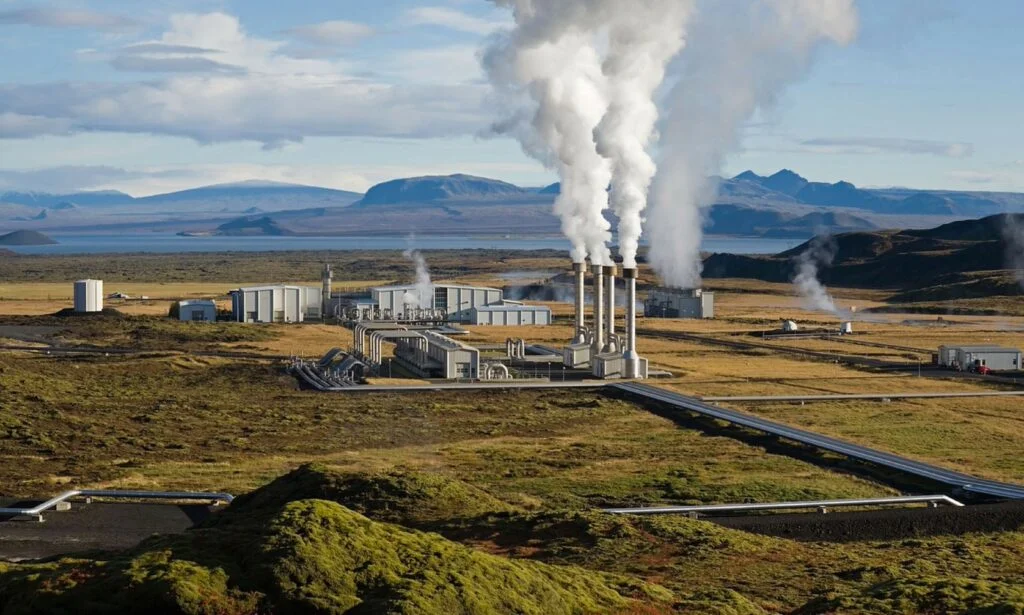
    • Water is heated to generate steam in a boiler. This can be achieved by burning fossil fuels (coal, natural gas, or oil), using nuclear reactions, or harnessing renewable energy sources like biomass, solar, or geothermal heat.
  2. Steam Generation:
    • The generated steam carries thermal energy. The higher the pressure and temperature of the steam, the more energy it contains.
  3. Steam Turbine:
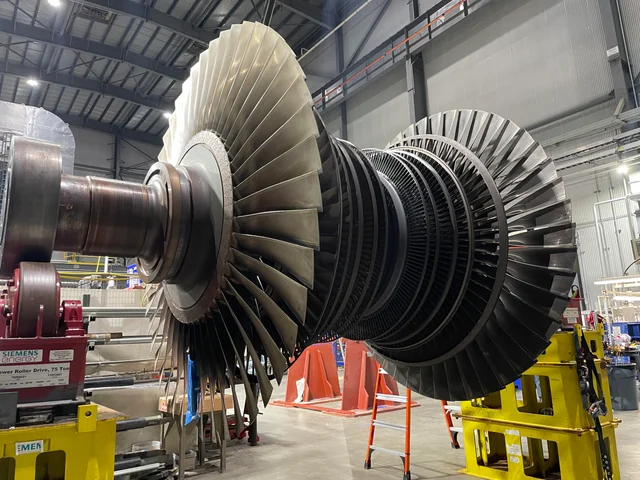
    • The steam is directed towards a turbine. Steam turbines are devices that convert the kinetic energy of the moving steam into mechanical energy by making the turbine blades rotate.
  4. Generator:
    • The rotating shaft of the turbine is connected to a generator. As the turbine spins, it drives the generator, converting the mechanical energy into electrical energy.
  5. Power Generation:
    • The generator produces electrical power, typically in the form of alternating current (AC). This electricity can then be stepped up in voltage through transformers for efficient long-distance transmission.
  6. Condenser:
    • After passing through the turbine, the steam is condensed back into water in a condenser. This releases latent heat, which is usually transferred to a cooling medium (like water or air) to complete the cycle.
  7. Cooling System:
    • The cooling medium absorbs the heat from the condensing steam, converting it back into liquid water. This cooled water is then returned to the boiler to be reheated and reused in the steam generation process.
  8. Control Systems:
    • Various control systems, sensors, and monitoring devices are employed to optimize the efficiency and safety of the power plant. These systems regulate steam pressure, temperature, and other parameters to ensure smooth operation.

This process is known as a Rankine cycle, and it’s a common method for electricity generation in many power plants worldwide. The heat source can vary depending on the type of power plant, ranging from fossil fuels to renewable energy sources. The efficiency of the overall system is influenced by factors such as the temperature and pressure levels, the design of the turbine and generator, and the choice of cooling system.

10 Unusual Ways to Produce Electricity: Steam Power
10 Unusual Ways to Produce Electricity: Steam Power

1. Boiler:

The boiler is a critical component in a steam power generation system. Its primary function is to convert water into steam by using heat from a combustion process or another heat source. The steam produced in the boiler is then directed to a steam turbine, where it expands and performs mechanical work to drive a generator and produce electricity. Here are more details about boilers:

  • Function: The boiler is a critical component that produces high-pressure steam by heating water. The heat source can vary:
    • Fossil Fuels: Combustion of coal, natural gas, or oil.
    • Nuclear: Nuclear reactions produce heat to generate steam.
    • Renewable Energy: Biomass, solar, or geothermal sources can also be used.

Types of Boilers:

  1. Fire-Tube Boilers:
    • Construction: Water surrounds tubes through which hot combustion gases pass.
    • Advantages: Simple design, relatively compact, suitable for small to medium-sized applications.
    • Applications: Commonly used in industrial processes and smaller power plants.
  2. Water-Tube Boilers:
    • Construction: Water circulates in tubes that are heated externally by combustion gases.
    • Advantages: Higher efficiency, ability to handle higher pressures and capacities.
    • Applications: Often used in large power plants and industrial settings.
  3. Once-Through Boilers:
    • Operation: Water passes through the boiler only once, with no recirculation.
    • Advantages: Rapid startup, efficient operation at variable loads.
    • Applications: Common in some modern power plants, particularly in combination with supercritical and ultra-supercritical steam conditions.

Boiler Components:

  1. Furnace:
    • Function: The combustion of fuel (coal, natural gas, oil, biomass) takes place in the furnace, releasing heat.
    • Combustion Chamber: Area where fuel is burned, and combustion gases are generated.
  2. Water Walls:
    • Location: In water-tube boilers, these are tubes containing water that surround the furnace.
    • Purpose: Absorb heat from the furnace and generate steam.
  3. Steam Drum:
    • Function: Collects and separates steam from water. It also serves as a reservoir for water to be converted into steam.
    • Circulation: Helps maintain proper water circulation through the boiler.
  4. Superheater:
    • Location: Typically placed after the steam drum.
    • Function: Raises the temperature of steam to a higher level (superheated steam), increasing energy content and efficiency.
  5. Economizer:
    • Location: Typically located in the flue gas path.
    • Function: Preheats the feedwater using residual heat from the flue gases, improving overall efficiency.
  6. Boiler Burners:
    • Function: Combustion of fuel occurs in burners.
    • Types: Can be oil burners, gas burners, or solid fuel burners, depending on the type of fuel used.

Boiler Operation:

  1. Fuel Input:
    • Combustion Process: Fossil fuels or other combustible materials are burned in the furnace.
    • Control Systems: Control the fuel and air supply to maintain proper combustion conditions.
  2. Water Circulation:
    • Natural Circulation: Relies on density differences to circulate water.
    • Forced Circulation: In larger boilers, pumps are used to ensure proper water circulation.
  3. Steam Generation:
    • Heat Transfer: Heat from the combustion process is transferred to water, producing steam.
    • Pressure and Temperature Control: Systems regulate steam pressure and temperature.

Boiler Safety:

  1. Pressure Relief Devices:
    • Safety Valves: Release excess pressure to prevent overpressurization.
    • Safety Interlocks: Automated systems for emergency shutdown.
  2. Water Level Control:
    • Preventing Dry Firing: Ensures an adequate water level to prevent damage to the boiler.
  3. Combustion Control:
    • Fuel-Air Ratio: Maintained for efficient and safe combustion.
    • Emission Control: Monitoring and controlling emissions for environmental compliance.

Understanding the different types of boilers, their components, and their operation is crucial for ensuring the safe and efficient generation of steam for power production. Regular maintenance, monitoring, and adherence to safety protocols are essential for the reliable operation of a boiler system.

2. Steam Generation:

Steam generation is a fundamental process in power plants that involves the conversion of water into steam, which is then used to drive turbines connected to generators for electricity production. Here are the key aspects of steam generation:

1. Boiler:

  • Function: The boiler is the primary component responsible for steam generation.
  • Process: Water is heated within the boiler using various heat sources such as combustion of fossil fuels, nuclear reactions, or renewable energy sources like biomass, solar, or geothermal heat.

2. Steam Drum:

  • Collection and Separation: The steam generated in the boiler is collected and separated from water in the steam drum.

3. Water Circulation:

  • Natural Circulation: Relies on the difference in density between hot water and steam, causing natural circulation in the boiler.
  • Forced Circulation: Pumps are used to circulate water through the boiler, particularly in large systems.

4. Superheating:

  • Superheater: Steam may pass through a superheater to increase its temperature beyond the boiling point, producing superheated steam.
  • Advantages: Superheated steam has higher energy content and specific enthalpy.

5. Quality of Steam:

  • Dry Steam: Steam with minimal moisture content.
  • Wet Steam: Steam with entrained water droplets.

6. Steam Parameters:

  • Pressure: The pressure of the steam is a crucial parameter, as it affects the energy content and temperature.
  • Temperature: Higher temperatures result in higher energy content and efficiency.

7. Heat Transfer:

  • Convection: Transfer of heat through the movement of fluid (water/steam) within the boiler.
  • Radiation: Transfer of heat through electromagnetic waves.
  • Conduction: Transfer of heat through direct contact between materials.

8. Steam Quality Control:

  • Separators: Used to remove any remaining water droplets from steam before it enters the turbine.
  • Control Systems: Monitor and regulate steam parameters for efficient and safe operation.

9. Heat Recovery:

  • Economizer: Recovers heat from flue gases to preheat the feedwater before it enters the boiler.
  • Recuperator: Another type of heat exchanger that recovers heat from the flue gases.

10. Cogeneration:

  • Combined Heat and Power (CHP): Some systems are designed for cogeneration, where steam not only produces electricity but also provides heat for industrial or residential purposes.

11. Steam Turbine:

  • Expansion: Steam is directed from the boiler to the steam turbine, where it expands and performs mechanical work by rotating the turbine blades.

12. Efficiency Considerations:

  • Thermal Efficiency: The efficiency of the steam generation process is a crucial factor in overall power plant efficiency.
  • Irreversibilities: Losses due to irreversibilities in the system affect efficiency.

13. Environmental Impact:

  • Emission Control: Fossil fuel-based systems may incorporate technologies to control emissions and minimize environmental impact.

14. Start-Up and Shut-Down Procedures:

  • Warm-Up Period: Boilers go through a warm-up period to reach operational conditions.
  • Cool-Down Period: Proper procedures are followed during shut-down to avoid thermal stress on components.

Understanding the nuances of steam generation is essential for optimizing power plant efficiency, ensuring reliable operation, and minimizing environmental impact. Advances in technology continue to improve the efficiency of steam generation processes in power plants.

  • Process: Water is pumped into the boiler and heated to produce high-pressure steam.
  • Parameters: Steam pressure and temperature are crucial factors in determining the efficiency of the system.

3. Steam Turbine:

A steam turbine is a mechanical device that harnesses the energy of high-pressure steam to produce mechanical work, subsequently converted into electricity. This process is fundamental to power generation in many plants.

High-pressure steam is introduced into the turbine, where it flows over blades mounted on a rotor. These blades are designed to efficiently capture the energy of the steam, causing the rotor to rotate. The rotational motion of the rotor constitutes the mechanical work produced by the steam turbine. This rotary motion is then used to turn a generator connected to the turbine shaft. The generator converts the mechanical energy into electrical energy through electromagnetic induction.

The steam, having imparted its energy to the blades, exits the turbine at a lower pressure and temperature. In some cases, the steam may be condensed back into water for reuse in the boiler.

Steam turbines come in various designs. Impulse turbines involve the expansion of steam in nozzles, generating high-velocity jets that impact turbine blades. Reaction turbines, on the other hand, have steam expanded in both nozzles and over turbine blades, producing a combination of kinetic and pressure energy.

These turbines find applications in a range of power plants, from small-scale industrial facilities to large utility-scale power stations. They are valued for their efficiency, reliability, and adaptability to diverse steam conditions.

Ongoing advancements in turbine design and technology aim to enhance efficiency and overall performance, contributing to the continual improvement of power generation systems. The versatility of steam turbines positions them as pivotal components in the global energy landscape.

  • Function: The steam is directed onto turbine blades, causing the turbine to rotate.
  • Types: There are various types of steam turbines, including impulse turbines and reaction turbines.

What is a Steam Turbine?
What is a Steam Turbine?

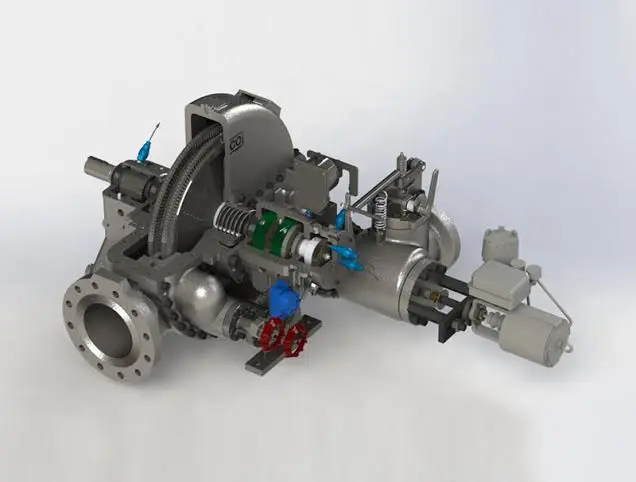
Steam turbines have been a cornerstone of industrial power generation for over a century, providing a reliable and efficient means of converting thermal energy into mechanical energy. As a critical component in electricity generation and various industrial processes, steam turbines play a pivotal role in the global energy landscape. Their ability to operate at high efficiencies and adapt to a wide range of applications has made them indispensable in sectors ranging from power plants to petrochemical industries.

The purpose of this article is to provide an in-depth exploration of steam turbines, focusing on their design, operation, and applications, as well as the latest technological advancements shaping their development. Targeted towards professionals in the field, this comprehensive guide aims to enhance understanding and facilitate informed decision-making in the deployment and management of steam turbine technology.

This article will delve into the historical evolution of steam turbines, examining the key milestones that have defined their progress. It will discuss the fundamental principles underlying their operation, including the thermodynamic processes and mechanical components that drive their performance. The article will also categorize different types of steam turbines, highlighting their specific applications and advantages.

Furthermore, this guide will address the benefits and drawbacks of steam turbines, providing a balanced perspective on their environmental and economic impacts. Recent innovations and future trends in steam turbine technology will be explored, offering insights into the direction of ongoing research and development.

In addition to technical aspects, the article will discuss the operational challenges and maintenance requirements associated with steam turbines, underscoring the importance of proper upkeep in ensuring their longevity and efficiency. By examining case studies of turbine failures and recoveries, readers will gain valuable insights into best practices and strategies for overcoming common obstacles.

Overall, this article aims to serve as a valuable resource for professionals seeking to deepen their knowledge of steam turbines and their role in modern power generation and industrial processes.

History of Steam Turbines
History of Steam Turbines

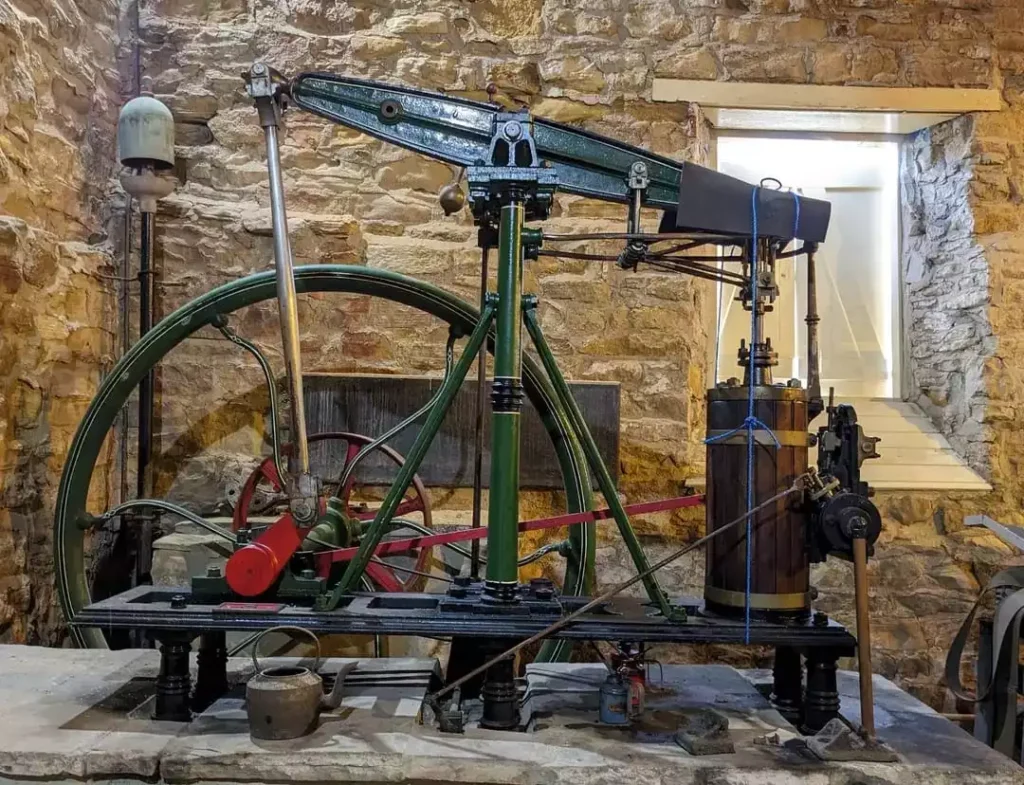
The history of steam turbines dates back to the late 19th century, a period marked by significant innovation and industrial growth. The development of steam turbines was driven by the need for more efficient power generation methods, as traditional steam engines were limited in their efficiency and capacity. This section will explore the historical milestones and key figures that have shaped the evolution of steam turbines over the years.

Early Development and Pioneers

The concept of using steam to perform mechanical work has ancient roots, with early devices such as the Aeolipile, invented by Hero of Alexandria in the 1st century AD, demonstrating the potential of steam power. However, it wasn’t until the 19th century that steam technology began to advance rapidly, leading to the development of the steam turbine.

Sir Charles Parsons is credited with the invention of the modern steam turbine in 1884. Parsons’ design utilized a series of rotating blades to convert steam energy into rotational motion, a significant improvement over the reciprocating steam engines of the time. His invention revolutionized power generation, offering greater efficiency and higher power output. Parsons’ steam turbine was first demonstrated in 1897 aboard the Turbinia, a steam-powered ship that showcased the potential of this new technology.

In parallel, Swedish engineer Gustaf de Laval developed an impulse steam turbine in 1883, which used a high-velocity steam jet to strike blades attached to a rotor. De Laval’s design was particularly suited for applications requiring high rotational speeds, such as in centrifugal pumps and small-scale power generation.

Evolution Over the 20th Century

The early 20th century saw rapid advancements in steam turbine technology, driven by the increasing demand for electricity and the expansion of industrial activities. Steam turbines quickly became the preferred choice for power generation due to their superior efficiency and ability to operate continuously under high loads.

One of the key developments during this period was the introduction of the reaction turbine by Sir Charles Parsons. Unlike impulse turbines, which rely on steam jets to impart momentum to the blades, reaction turbines utilize the pressure difference across the blades to produce rotational motion. This design allowed for more efficient energy conversion and became widely adopted in large power plants.

The expansion of the electricity grid and the growth of industries such as steel production, chemical manufacturing, and transportation further fueled the demand for steam turbines. Advances in materials science, such as the development of high-strength alloys, enabled turbines to operate at higher temperatures and pressures, enhancing their performance and reliability.

Key Technological Milestones

Several key technological milestones have marked the evolution of steam turbines over the decades:

  1. Supercritical Steam Conditions: The introduction of supercritical steam conditions in the mid-20th century represented a significant leap in turbine efficiency. By operating at pressures and temperatures above the critical point of water, supercritical turbines achieved higher thermal efficiencies and reduced fuel consumption.
  2. Combined Cycle Power Plants: The integration of steam turbines into combined cycle power plants, where waste heat from gas turbines is used to produce steam, further improved overall plant efficiency. This approach maximized energy extraction from fuel and minimized environmental impact.
  3. Nuclear Power Generation: The advent of nuclear power in the mid-20th century presented new opportunities for steam turbine technology. Nuclear reactors produce large quantities of steam, making steam turbines an ideal choice for electricity generation in nuclear power plants.
  4. Digital Control Systems: The incorporation of digital control systems in the late 20th century enhanced the operational efficiency and reliability of steam turbines. Advanced monitoring and control technologies allowed for precise regulation of turbine parameters, optimizing performance and reducing downtime.

Basic Principles of Operation
Basic Principles of Operation

Steam turbines operate on the principles of thermodynamics, converting thermal energy from steam into mechanical energy through a series of carefully designed processes. This section will explore the fundamental principles underlying steam turbine operation, including the thermodynamic cycles and the types of turbines commonly used in various applications.

Thermodynamics of Steam Turbines

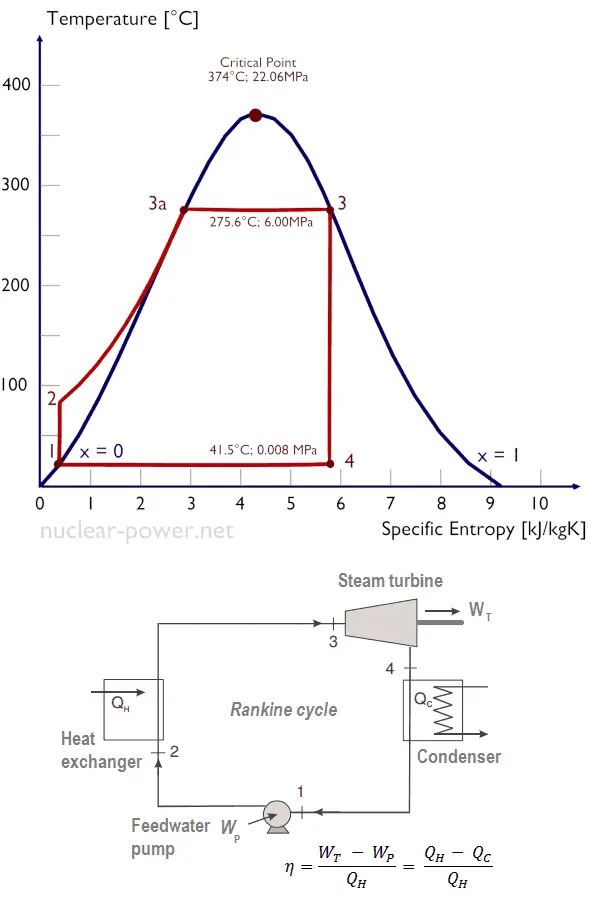
At the core of steam turbine operation lies the conversion of thermal energy into mechanical work. This process is governed by the laws of thermodynamics, which describe the relationships between heat, work, and energy. Steam turbines primarily operate based on the Rankine cycle, a thermodynamic cycle that involves the following key processes:

  1. Boiler (Heat Addition): In the boiler, water is heated to produce high-pressure steam. This steam is the primary energy source for the turbine and is typically superheated to increase efficiency.
  2. Turbine (Expansion and Work Extraction): The high-pressure steam is directed into the turbine, where it expands and imparts its energy to the turbine blades. As the steam expands, it undergoes a decrease in pressure and temperature, causing the turbine rotor to spin and produce mechanical work.
  3. Condenser (Heat Rejection): After passing through the turbine, the low-pressure steam is condensed back into water in the condenser. This process removes excess heat from the system and allows the water to be reused in the cycle.
  4. Pump (Pressurization): The condensed water is pumped back to high pressure and returned to the boiler, completing the cycle.

The efficiency of a steam turbine is influenced by factors such as steam pressure, temperature, and the effectiveness of the condensation process. By optimizing these parameters, engineers can maximize the energy conversion efficiency and minimize losses.

Types of Steam Turbines
Types of Steam Turbines

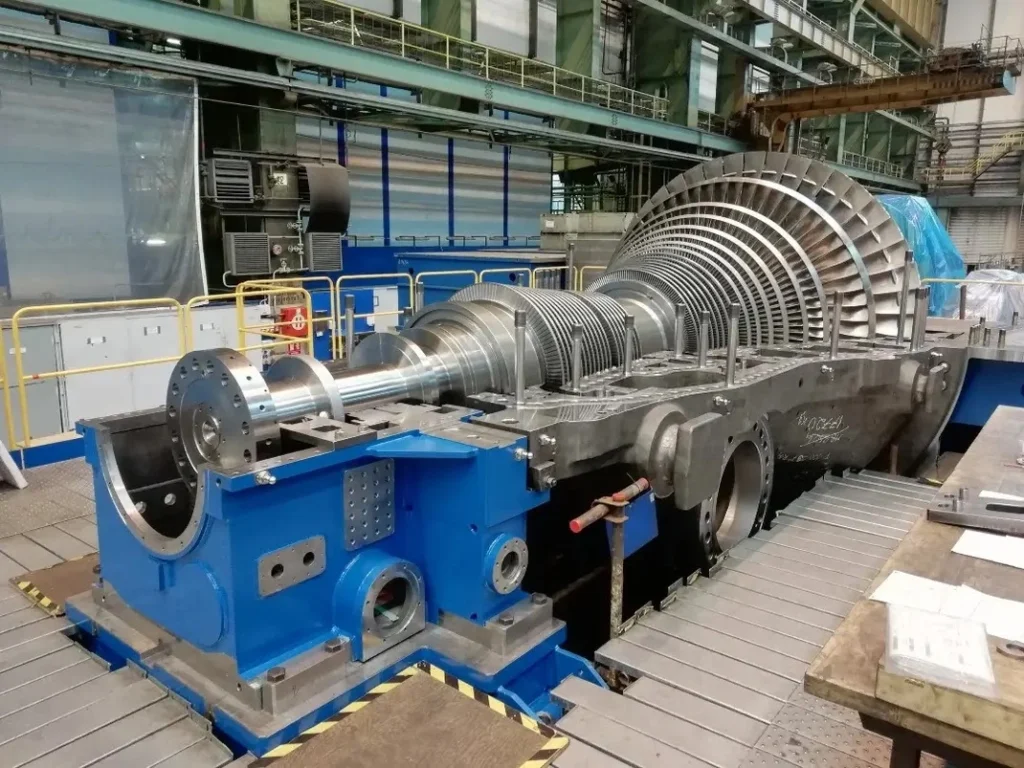
Steam turbines are broadly categorized into two main types: impulse turbines and reaction turbines. Each type operates on distinct principles and is suited to specific applications.

  1. Impulse Turbines: In an impulse turbine, high-velocity steam jets are directed onto the turbine blades, causing them to rotate. The steam pressure remains constant across the blades, and energy is transferred primarily through the change in steam velocity. Impulse turbines are often used in applications requiring high rotational speeds, such as small-scale power generation and marine propulsion.
  2. Reaction Turbines: Reaction turbines, on the other hand, utilize the pressure drop across the blades to produce rotational motion. As steam flows through the blades, it experiences a change in both pressure and velocity, resulting in a more continuous energy transfer. Reaction turbines are commonly used in large power plants and industrial applications due to their higher efficiency and ability to handle large steam volumes.

The Rankine Cycle
The Rankine Cycle
The Rankine Cycle

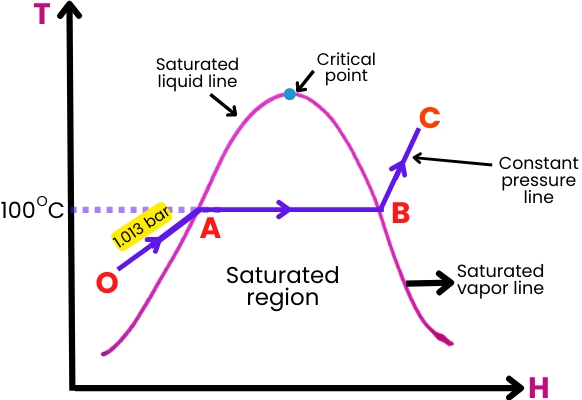
The Rankine cycle is the thermodynamic cycle that underpins the operation of steam turbines. It consists of a series of processes that convert thermal energy into mechanical work, and its efficiency is a key determinant of overall turbine performance. The Rankine cycle is characterized by four main stages:

  1. Isentropic Expansion: In the turbine, high-pressure steam undergoes isentropic expansion, where its energy is converted into mechanical work. This process is adiabatic, meaning no heat is transferred to or from the system.
  2. Isobaric Heat Rejection: After expansion, the low-pressure steam enters the condenser, where it undergoes isobaric heat rejection. The steam is cooled and condensed into liquid water, releasing heat to the surroundings.
  3. Isentropic Compression: The condensed water is then pumped back to high pressure in the feed pump, undergoing isentropic compression. This process is also adiabatic and increases the pressure of the water without adding heat.
  4. Isobaric Heat Addition: Finally, the high-pressure water is returned to the boiler, where it undergoes isobaric heat addition. The water is heated and converted into high-pressure steam, completing the cycle.

The efficiency of the Rankine cycle is influenced by factors such as the temperature and pressure of the steam, the effectiveness of the condenser, and the degree of superheating. Engineers strive to optimize these parameters to maximize the efficiency of steam turbines and minimize fuel consumption.

Design and Components

The design of steam turbines is a complex engineering endeavor that involves the integration of various components and materials to achieve optimal performance and reliability. This section will explore the key design elements and components of steam turbines, highlighting the challenges and considerations involved in their construction.

Major Components
Major Components
Major Components

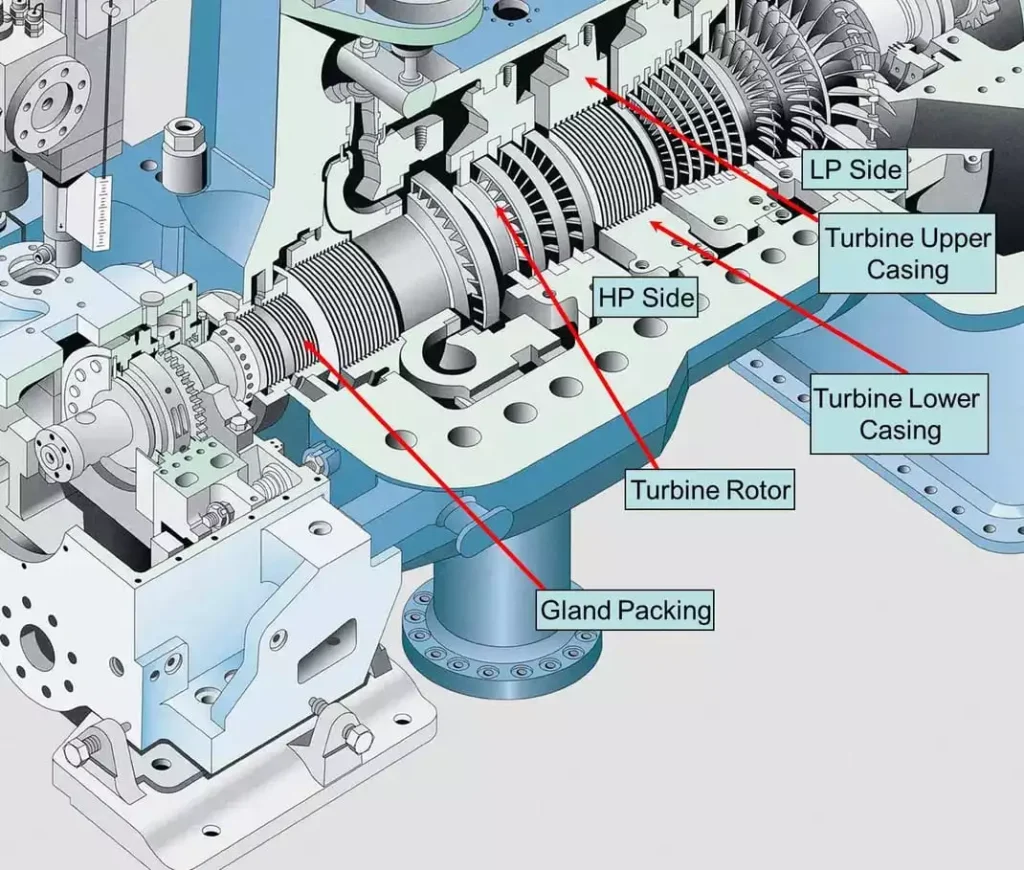
Steam turbines are comprised of several critical components, each playing a vital role in the conversion of thermal energy into mechanical work. The major components of a steam turbine include:

  1. Rotor: The rotor is the central shaft that supports the turbine blades and transmits the mechanical energy generated by the steam. It is typically made of high-strength materials, such as forged steel, to withstand the stresses and temperatures encountered during operation.
  2. Blades: The blades, also known as buckets or vanes, are the airfoil-shaped components that interact with the steam flow to produce rotational motion. Blades are carefully designed to maximize energy extraction while minimizing losses due to friction and turbulence.
  3. Casing: The casing, or housing, encloses the turbine and directs the flow of steam through the blades. It provides structural support and helps maintain the desired pressure and temperature conditions within the turbine.
  4. Nozzles: In impulse turbines, nozzles are used to direct high-velocity steam jets onto the turbine blades. The design of nozzles is critical to achieving the desired steam velocity and flow characteristics.
  5. Bearings: Bearings support the rotor and allow it to rotate smoothly with minimal friction. They are typically designed to handle both radial and axial loads and are lubricated to reduce wear and heat generation.
  6. Governor: The governor is a control mechanism that regulates the turbine’s speed and output by adjusting the steam flow. It ensures that the turbine operates within safe and efficient parameters, responding to changes in load demand and system conditions.

Materials Used in Construction

The materials used in the construction of steam turbines are chosen based on their ability to withstand high temperatures, pressures, and mechanical stresses. Key material considerations include:

  • High-Temperature Alloys: Turbine components exposed to high temperatures, such as blades and rotors, are often made from nickel-based or cobalt-based superalloys. These materials exhibit excellent strength and resistance to creep, oxidation, and corrosion at elevated temperatures.
  • Stainless Steel: Stainless steel is commonly used for turbine casings and other structural components due to its corrosion resistance and durability.
  • Titanium: Titanium alloys are sometimes used in turbine blades for their high strength-to-weight ratio and resistance to fatigue and corrosion.
  • Ceramics and Composites: Advanced ceramics and composite materials are being explored for use in steam turbines to improve efficiency and reduce weight. These materials offer potential benefits in terms of thermal insulation and resistance to wear.

Design Considerations and Challenges

The design of steam turbines involves several complex considerations and challenges that must be addressed to achieve optimal performance and reliability. Key design factors include:

  • Thermal Efficiency: Maximizing thermal efficiency is a primary goal in turbine design. This involves optimizing the thermodynamic cycle, minimizing losses due to friction and turbulence, and maximizing energy extraction from the steam.
  • Mechanical Stress and Fatigue: Turbine components are subjected to high mechanical stresses and cyclic loading during operation. Engineers must carefully analyze stress distributions and fatigue life to ensure the durability and reliability of the turbine.
  • Vibration and Noise: Vibration and noise can impact the performance and lifespan of steam turbines. Design strategies such as balancing, damping, and noise reduction measures are employed to mitigate these effects.
  • Cooling and Heat Management: Effective cooling and heat management are essential to prevent overheating and ensure the safe operation of the turbine. This involves the design of cooling systems, such as steam or air cooling, and the selection of materials with appropriate thermal properties.
  • Environmental Impact: Minimizing the environmental impact of steam turbines is an important consideration. This includes reducing emissions, improving efficiency, and designing for recyclability and sustainability.

Types of Steam Turbines
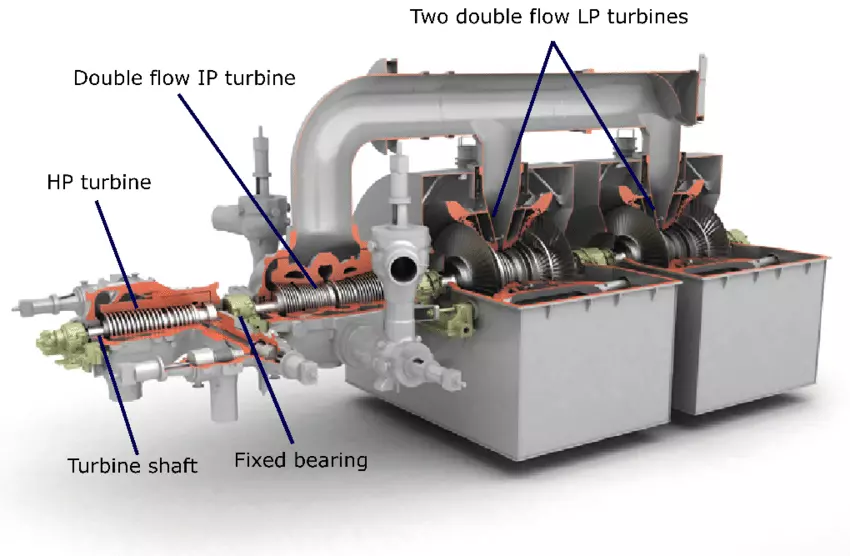
Types of Steam Turbines

Steam turbines are classified into various types based on factors such as size, application, and design characteristics. This section will explore the different types of steam turbines, highlighting their specific features and applications.

Classification by Size and Application

Steam turbines are broadly categorized into three main types based on their size and application:

  1. Industrial Steam Turbines: Industrial steam turbines are typically used in manufacturing and process industries for power generation and mechanical drive applications. They range in size from small units producing a few kilowatts to large turbines generating several megawatts. Industrial turbines are often designed for flexibility, allowing them to operate efficiently under varying load conditions.
  2. Utility Steam Turbines: Utility steam turbines are large-scale turbines used in power plants to generate electricity for the grid. They are designed for high efficiency and reliability, with capacities ranging from hundreds of megawatts to over a gigawatt. Utility turbines are often part of combined cycle power plants, where they work in conjunction with gas turbines to maximize energy output.
  3. Specialized Steam Turbines: Specialized steam turbines are designed for specific applications, such as geothermal, nuclear, and marine propulsion. These turbines are tailored to the unique conditions and requirements of their respective industries, such as handling corrosive steam in geothermal plants or operating in a compact space on a ship.

Industrial Steam Turbines
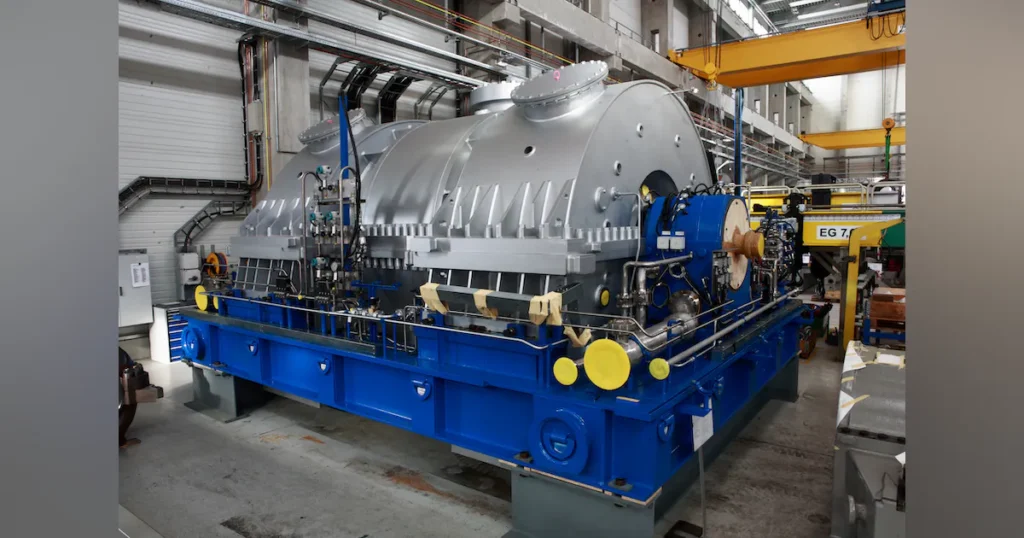
Industrial Steam Turbines

Industrial steam turbines are versatile machines used in a wide range of applications, including:

  • Cogeneration and Combined Heat and Power (CHP) Systems: Industrial turbines are often used in cogeneration and CHP systems, where they generate electricity and provide process heat for industrial facilities. This approach improves energy efficiency and reduces waste.
  • Mechanical Drives: Steam turbines are used as mechanical drives for equipment such as compressors, pumps, and fans in industries such as oil and gas, petrochemicals, and pulp and paper.
  • District Heating: In district heating systems, industrial turbines generate electricity and provide steam for heating residential and commercial buildings. This integrated approach enhances energy utilization and reduces emissions.

Utility Steam Turbines

Utility steam turbines are the backbone of power generation in many countries, providing reliable and efficient electricity to the grid. Key features of utility turbines include:

  • High Efficiency: Utility turbines are designed for maximum efficiency, with advanced blade designs and optimized thermodynamic cycles. This allows them to extract the maximum amount of energy from the steam and reduce fuel consumption.
  • Load Flexibility: Utility turbines are capable of operating under varying load conditions, allowing them to respond to fluctuations in electricity demand. This flexibility is essential for maintaining grid stability and reliability.
  • Combined Cycle Operation: Many utility turbines are part of combined cycle power plants, where they work in tandem with gas turbines to maximize energy output and minimize emissions. In this configuration, waste heat from the gas turbine is used to produce steam for the steam turbine, enhancing overall plant efficiency.

Specialized Steam Turbines

Specialized steam turbines are designed to meet the unique requirements of specific industries and applications. Examples include:

  • Geothermal Steam Turbines: Geothermal turbines are designed to operate with steam extracted from geothermal reservoirs, which often contains corrosive impurities. These turbines are built with materials and coatings that resist corrosion and scaling.
  • Nuclear Steam Turbines: Nuclear turbines are used in nuclear power plants to convert steam produced by nuclear reactors into electricity. They are designed to handle the high pressures and temperatures associated with nuclear steam and are subject to stringent safety and regulatory requirements.
  • Marine Steam Turbines: Marine turbines are used for propulsion in ships and submarines. They are designed for compactness and reliability, with features such as gear reduction systems to optimize performance in marine environments.

Applications of Steam Turbines

Applications of Steam Turbines

Steam turbines are employed in a wide range of applications across various industries, owing to their versatility and efficiency. This section will explore the diverse applications of steam turbines, highlighting their role in power generation, industrial processes, and other sectors.

Power Generation in Different Sectors

Steam turbines are a cornerstone of power generation, providing reliable and efficient electricity for residential, commercial, and industrial use. Key applications in power generation include:

  • Fossil Fuel Power Plants: Steam turbines are widely used in fossil fuel power plants, where they convert heat energy from burning coal, oil, or natural gas into electricity. These plants are a major source of electricity in many countries and are equipped with advanced turbines designed for high efficiency and low emissions.
  • Nuclear Power Plants: In nuclear power plants, steam turbines convert heat generated by nuclear fission into electricity. The turbines used in these plants are designed to withstand the high temperatures and pressures associated with nuclear steam and are subject to rigorous safety and regulatory standards.
  • Renewable Energy Sources: Steam turbines are also used in renewable energy applications, such as geothermal and biomass power plants. In geothermal plants, steam extracted from underground reservoirs is used to drive turbines and generate electricity. In biomass plants, steam produced from burning organic materials powers turbines for electricity generation.

Use in Combined Heat and Power (CHP) Systems

Combined Heat and Power (CHP) systems, also known as cogeneration, are an efficient method of generating electricity and useful heat simultaneously. Steam turbines play a crucial role in CHP systems by providing the mechanical energy needed for electricity generation while also supplying steam for heating and industrial processes. Applications of CHP systems include:

  • Industrial Facilities: CHP systems are commonly used in industrial facilities, where they provide electricity and process steam for manufacturing operations. This integrated approach enhances energy efficiency and reduces waste, leading to cost savings and environmental benefits.
  • District Heating: In district heating systems, steam turbines generate electricity and provide steam for heating residential and commercial buildings. This approach improves energy utilization and reduces emissions, contributing to sustainable urban development.
  • Hospitals and Universities: CHP systems are used in hospitals and universities to provide reliable electricity and heating. The ability to generate both power and heat from a single fuel source enhances energy security and reduces operational costs.

Role in Industrial Processes

Steam turbines are integral to a variety of industrial processes, where they provide mechanical power and heat for manufacturing and processing operations. Key applications in industrial processes include:

  • Petrochemical Industry: In the petrochemical industry, steam turbines drive compressors, pumps, and other equipment used in the production and refining of chemicals and fuels. The high efficiency and reliability of steam turbines make them well-suited for demanding industrial applications.
  • Pulp and Paper Industry: Steam turbines are used in the pulp and paper industry to generate electricity and provide steam for the pulping and drying processes. The use of steam turbines in these operations enhances energy efficiency and reduces environmental impact.
  • Food and Beverage Industry: Steam turbines are employed in the food and beverage industry to provide power and steam for cooking, sterilization, and other processes. The ability to integrate steam turbines into cogeneration systems allows for efficient energy utilization and cost savings.

Advantages and Disadvantages

Steam turbines offer numerous advantages in terms of efficiency, reliability, and versatility, but they also have certain disadvantages and limitations. This section will provide a balanced perspective on the advantages and disadvantages of steam turbines, comparing them with other power generation technologies.

Advantages of Steam Turbines

  • High Efficiency: Steam turbines are known for their high efficiency in converting thermal energy into mechanical work. Advanced designs and materials have enabled turbines to achieve thermal efficiencies exceeding 40% in modern power plants.
  • Reliability and Durability: Steam turbines are highly reliable and durable, with the ability to operate continuously under high loads for extended periods. Their robust construction and materials ensure long service life and minimal maintenance requirements.
  • Versatility: Steam turbines are versatile machines that can be used in a wide range of applications, from power generation to industrial processes. Their ability to operate with various fuel sources, including fossil fuels, nuclear, and renewable energy, makes them adaptable to different energy landscapes.
  • Low Emissions: Steam turbines can achieve low emissions when used in combination with advanced combustion and emission control technologies. Combined cycle power plants, for example, utilize steam turbines to reduce greenhouse gas emissions and improve overall plant efficiency.
  • Scalability: Steam turbines are available in a wide range of sizes and capacities, making them suitable for both small-scale and large-scale applications. This scalability allows for flexible deployment in diverse industries and settings.

Disadvantages of Steam Turbines

  • Complexity and Cost: The design and construction of steam turbines involve complex engineering and high costs. The need for specialized materials, precision manufacturing, and advanced control systems contributes to the overall expense of turbine installation and maintenance.
  • Start-up Time: Steam turbines require a relatively long start-up time compared to other power generation technologies, such as gas turbines. The need to heat up the boiler and reach operational temperatures can delay the response to changes in electricity demand.
  • Water Consumption: Steam turbines rely on water for steam generation and cooling, making them dependent on water availability. This can pose challenges in regions with limited water resources or during periods of drought.
  • Environmental Impact: While steam turbines can achieve low emissions, their environmental impact is influenced by the type of fuel used and the efficiency of the overall system. Fossil fuel-based steam turbines contribute to greenhouse gas emissions and air pollution.
  • Maintenance Requirements: Steam turbines require regular maintenance to ensure optimal performance and prevent issues such as corrosion, fouling, and wear. The complexity of turbine systems necessitates skilled personnel and specialized equipment for maintenance and repair.

Comparison with Other Power Generation Technologies

Steam turbines are often compared with other power generation technologies, such as gas turbines, internal combustion engines, and renewable energy systems. Key comparisons include:

  • Gas Turbines: Gas turbines offer faster start-up times and greater flexibility compared to steam turbines, making them well-suited for peaking power plants and rapid response to changes in electricity demand. However, steam turbines typically achieve higher thermal efficiencies and are more suitable for base-load power generation.
  • Internal Combustion Engines: Internal combustion engines are compact and suitable for small-scale power generation, but they are less efficient and have higher emissions compared to steam turbines. Steam turbines are preferred for large-scale applications where efficiency and reliability are paramount.
  • Renewable Energy Systems: Renewable energy systems, such as wind and solar, offer the advantage of zero emissions and sustainability. However, steam turbines remain a critical component of the energy mix due to their ability to provide reliable base-load power and support the integration of intermittent renewable sources.

Recent Technological Advancements
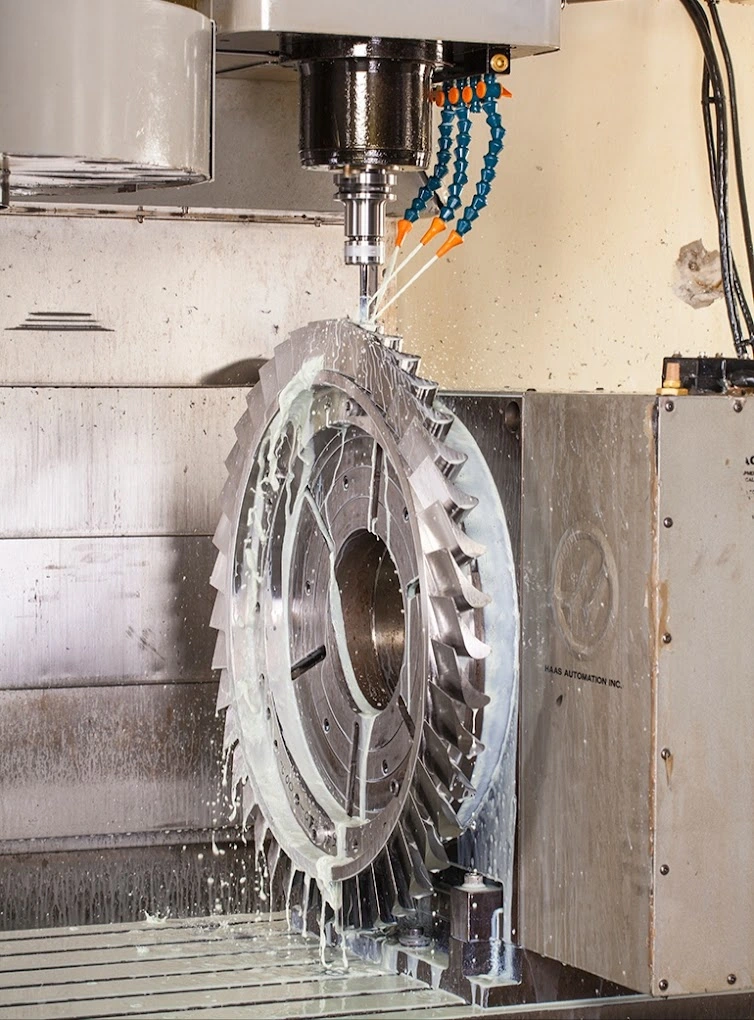
Recent Technological Advancements

The field of steam turbine technology has witnessed significant advancements in recent years, driven by the need for improved efficiency, reliability, and environmental performance. This section will explore recent technological advancements in steam turbine design, materials, and control systems, highlighting the trends shaping the future of steam turbine technology.

Innovations in Design and Materials

Advancements in steam turbine design and materials have focused on enhancing efficiency and performance while reducing environmental impact. Key innovations include:

  • Advanced Blade Designs: Modern steam turbines feature advanced blade designs optimized for aerodynamic performance and reduced losses. Computational fluid dynamics (CFD) and computer-aided design (CAD) tools are used to model and refine blade geometries, improving energy extraction and reducing turbulence.
  • High-Temperature Materials: The development of high-temperature materials, such as nickel-based superalloys and ceramics, has enabled turbines to operate at higher temperatures and pressures, improving thermal efficiency and reducing fuel consumption. These materials exhibit excellent resistance to creep, oxidation, and corrosion, ensuring long-term durability.
  • 3D Printing and Additive Manufacturing: Additive manufacturing techniques, such as 3D printing, are being used to produce complex turbine components with high precision and reduced lead times. This technology enables the production of lightweight and intricate designs that enhance performance and reduce manufacturing costs.
  • Cooling Technologies: Advanced cooling technologies, such as steam-cooled and air-cooled designs, have been developed to manage heat and improve efficiency. These cooling systems optimize temperature distribution and reduce the risk of overheating, enhancing turbine reliability.

Digitalization and Control Systems

Digitalization and advanced control systems are transforming the operation and maintenance of steam turbines, offering new opportunities for optimization and efficiency. Key developments in this area include:

  • Digital Twins: Digital twin technology involves creating a virtual replica of a physical turbine, allowing for real-time monitoring, simulation, and analysis. Digital twins enable predictive maintenance, performance optimization, and troubleshooting, reducing downtime and operational costs.
  • Advanced Monitoring and Diagnostics: Modern steam turbines are equipped with advanced sensors and monitoring systems that provide real-time data on key parameters such as temperature, pressure, and vibration. These systems enable early detection of issues and facilitate proactive maintenance and decision-making.
  • Automated Control Systems: Automated control systems, powered by artificial intelligence and machine learning algorithms, optimize turbine operation by adjusting parameters in response to changing conditions. These systems enhance efficiency, reduce emissions, and improve overall performance.
  • Remote Monitoring and Control: Remote monitoring and control capabilities allow operators to oversee turbine performance from centralized locations, enabling quick responses to issues and enhancing operational efficiency. This technology is particularly valuable for managing large fleets of turbines across multiple sites.

Future Trends in Steam Turbine Technology

The future of steam turbine technology is shaped by ongoing research and development efforts aimed at improving efficiency, sustainability, and integration with emerging energy systems. Key trends include:

  • Integration with Renewable Energy: Steam turbines are increasingly being integrated with renewable energy systems, such as solar thermal and geothermal, to enhance efficiency and provide reliable base-load power. Hybrid systems that combine renewable sources with steam turbines are expected to play a significant role in the future energy landscape.
  • Decarbonization and Emissions Reduction: Efforts to reduce carbon emissions and environmental impact are driving innovations in steam turbine technology. Carbon capture and storage (CCS) systems, advanced combustion technologies, and improved efficiency are key areas of focus in reducing the carbon footprint of steam turbines.
  • Energy Storage and Grid Integration: The integration of steam turbines with energy storage systems, such as batteries and thermal storage, is being explored to enhance grid stability and support the integration of intermittent renewable sources. These systems enable flexible and reliable power generation, contributing to a more resilient energy grid.
  • Micro and Small-Scale Turbines: The development of micro and small-scale steam turbines is gaining attention for decentralized power generation and off-grid applications. These turbines offer the potential for localized energy solutions and enhanced energy security, particularly in remote and underserved areas.

Maintenance and Operational Challenges
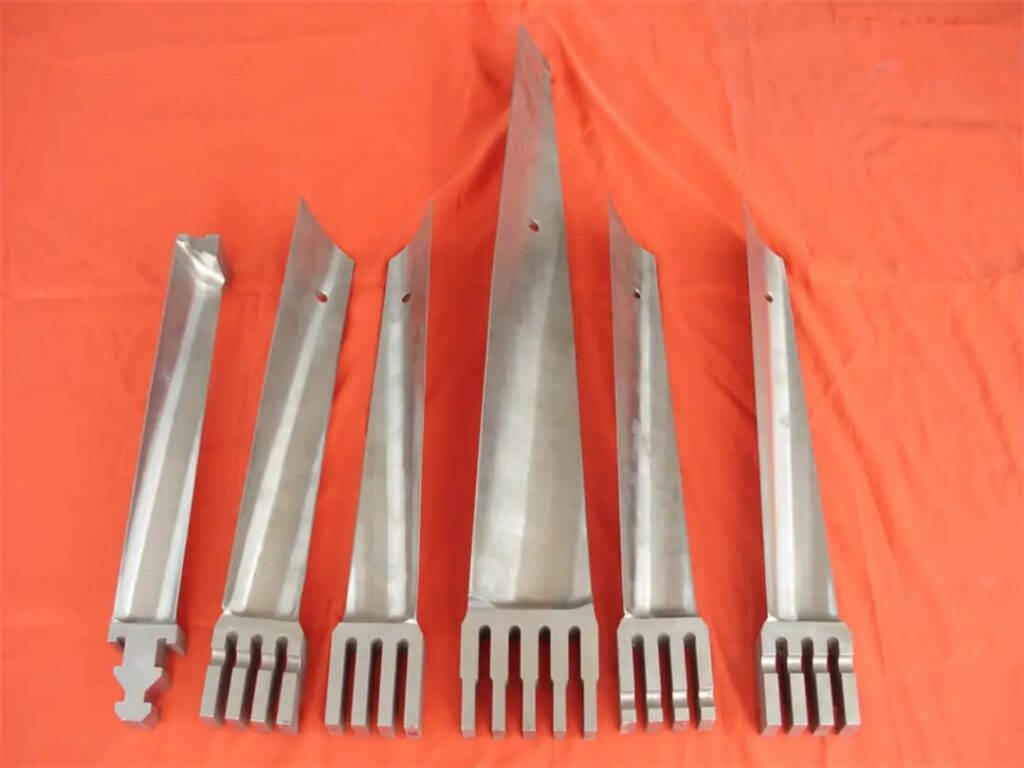
Maintenance and Operational Challenges

The operation and maintenance of steam turbines present various challenges that must be addressed to ensure optimal performance, reliability, and longevity. This section will explore common maintenance and operational challenges associated with steam turbines, highlighting best practices and strategies for overcoming these issues.

Common Issues and Solutions

Steam turbines are complex machines subject to a range of operational challenges that can impact performance and efficiency. Common issues include:

  • Corrosion and Erosion: Corrosion and erosion are significant challenges in steam turbines, particularly in components exposed to high temperatures and aggressive environments. These issues can lead to reduced efficiency, increased maintenance costs, and shortened component lifespans. Solutions include using corrosion-resistant materials, implementing protective coatings, and optimizing steam chemistry to minimize corrosive agents.
  • Fouling and Deposits: Fouling and deposits can accumulate on turbine components, reducing heat transfer efficiency and impairing performance. Regular cleaning and maintenance, as well as the use of advanced filtration and water treatment systems, can help mitigate fouling and deposits.
  • Vibration and Noise: Vibration and noise can affect the performance and lifespan of steam turbines, potentially leading to mechanical failures and operational disruptions. Engineers use techniques such as balancing, damping, and vibration analysis to identify and address the sources of vibration and noise.
  • Thermal Stress and Fatigue: Steam turbines are subjected to thermal stress and fatigue due to cyclic loading and temperature fluctuations. These conditions can lead to cracking, deformation, and other structural issues. Engineers use advanced materials, design optimization, and thermal management strategies to mitigate thermal stress and fatigue.
  • Seal and Gasket Failures: Seals and gaskets are critical components that prevent leaks and maintain pressure differentials within the turbine. Failures can lead to reduced efficiency and increased maintenance requirements. Proper selection, installation, and maintenance of seals and gaskets are essential to ensure reliable operation.

Importance of Regular Maintenance

Regular maintenance is crucial to the reliable and efficient operation of steam turbines. Key maintenance practices include:

  • Scheduled Inspections: Regular inspections are essential to identify potential issues and ensure that turbine components are in good condition. Inspections may involve visual examinations, non-destructive testing, and performance evaluations.
  • Predictive Maintenance: Predictive maintenance techniques, such as vibration analysis and thermal imaging, are used to monitor turbine performance and identify potential issues before they become critical. This proactive approach minimizes downtime and reduces maintenance costs.
  • Lubrication Management: Proper lubrication is essential to minimize friction and wear in turbine components. Regular monitoring and maintenance of lubrication systems ensure optimal performance and extend component lifespans.
  • Cleaning and Servicing: Cleaning and servicing of turbine components are necessary to remove fouling, deposits, and other contaminants that can impair performance. Regular cleaning improves heat transfer efficiency and reduces the risk of mechanical failures.
  • Calibration and Adjustment: Calibration and adjustment of control systems, sensors, and actuators are necessary to maintain accurate and reliable operation. Regular calibration ensures that turbines operate within safe and efficient parameters.

Case Studies of Failure and Recovery

Case studies of steam turbine failures and recoveries provide valuable insights into best practices and strategies for overcoming operational challenges. Examples include:

  • Turbine Blade Failure: A power plant experienced a sudden loss of power due to a turbine blade failure caused by fatigue cracking. An investigation revealed that inadequate maintenance and inspection had contributed to the failure. The plant implemented a comprehensive maintenance program, including regular inspections and predictive maintenance techniques, to prevent future issues.
  • Corrosion-Induced Shutdown: A chemical processing facility faced a prolonged shutdown due to corrosion in the turbine’s steam path. The facility adopted advanced materials and coatings to enhance corrosion resistance and implemented a steam chemistry optimization program to reduce corrosive agents.
  • Vibration-Related Performance Issues: A paper mill experienced reduced efficiency and increased maintenance costs due to excessive vibration in its steam turbines. Engineers conducted a detailed vibration analysis and implemented balancing and damping solutions to address the issue, resulting in improved performance and reliability.

Conclusion

Steam turbines remain a vital component of the global energy landscape, offering reliable and efficient power generation across various industries and applications. This article has provided a comprehensive overview of steam turbines, exploring their history, design, operation, and applications, as well as recent technological advancements and maintenance challenges.

Summary of Key Points

  • Historical Evolution: Steam turbines have evolved significantly since their invention in the late 19th century, with advancements in design, materials, and technology driving improvements in efficiency and performance.
  • Principles of Operation: Steam turbines operate based on the principles of thermodynamics, converting thermal energy from steam into mechanical work through the Rankine cycle. The efficiency and performance of steam turbines are influenced by factors such as steam pressure, temperature, and the effectiveness of the condensation process.
  • Design and Components: The design of steam turbines involves the integration of various components, including rotors, blades, casings, and nozzles. Advances in materials and manufacturing techniques have enhanced turbine performance and reliability.
  • Applications: Steam turbines are employed in a wide range of applications, including power generation, industrial processes, and combined heat and power (CHP) systems. Their versatility and efficiency make them a preferred choice for many industries.
  • Advantages and Disadvantages: Steam turbines offer numerous advantages, such as high efficiency, reliability, and scalability, but they also have certain disadvantages, including complexity, cost, and environmental impact.
  • Technological Advancements: Recent advancements in steam turbine technology, including innovations in design, materials, and digitalization, are shaping the future of the industry and enhancing efficiency and sustainability.
  • Maintenance and Operational Challenges: The operation and maintenance of steam turbines present various challenges, including corrosion, fouling, vibration, and thermal stress. Regular maintenance and best practices are essential to ensure optimal performance and reliability.

Future Outlook for Steam Turbines

The future of steam turbines is shaped by ongoing research and development efforts aimed at improving efficiency, sustainability, and integration with emerging energy systems. As the energy landscape continues to evolve, steam turbines are expected to play a key role in supporting the transition to a more sustainable and resilient energy future. Key areas of focus include:

  • Decarbonization: Efforts to reduce carbon emissions and environmental impact will drive innovations in steam turbine technology, including carbon capture and storage (CCS) systems and advanced combustion technologies.
  • Integration with Renewables: The integration of steam turbines with renewable energy systems, such as solar thermal and geothermal, will enhance efficiency and provide reliable base-load power, contributing to a more sustainable energy mix.
  • Digitalization and Automation: Advances in digitalization and automation will enable more efficient and reliable operation of steam turbines, reducing maintenance costs and enhancing performance.
  • Energy Storage and Grid Integration: The integration of steam turbines with energy storage systems and advanced grid technologies will support the transition to a more flexible and resilient energy grid.

In conclusion, steam turbines continue to be a cornerstone of the global energy industry, offering reliable and efficient power generation solutions for a wide range of applications. As technology advances and the energy landscape evolves, steam turbines will remain an essential component of the energy mix, contributing to a more sustainable and resilient energy future.

New Materials in Steam Turbine Construction
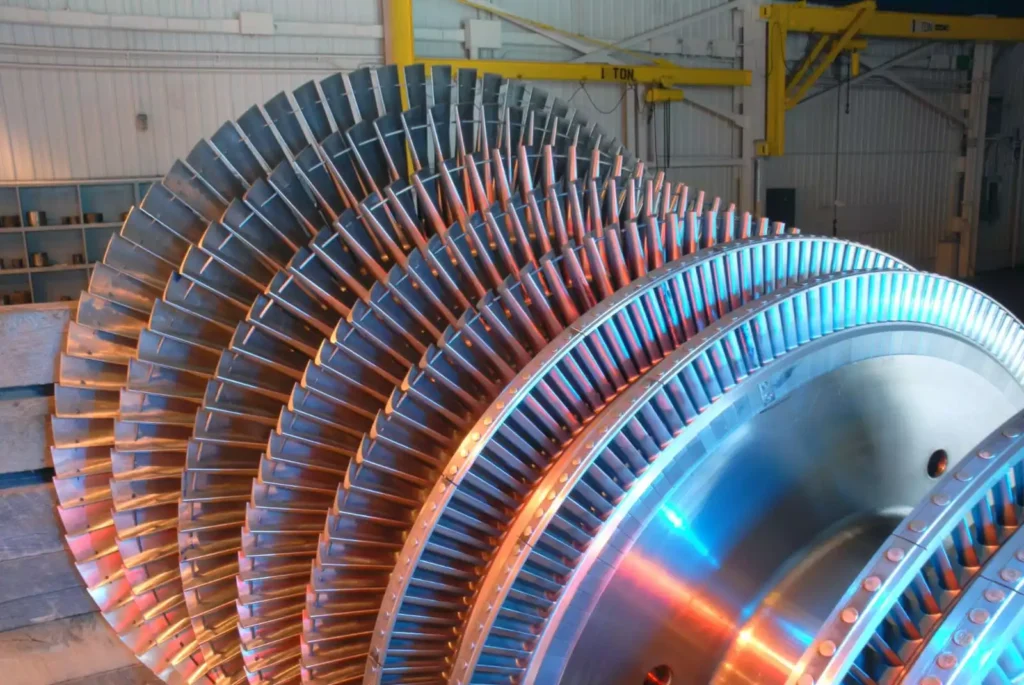
New Materials in Steam Turbine Construction

The development of new materials for steam turbines is crucial for improving their efficiency, reliability, and durability. These advancements in materials science have enabled steam turbines to operate at higher temperatures and pressures, enhancing their overall performance and reducing maintenance requirements. This section explores the latest innovations in turbine materials, their benefits, and the challenges associated with their implementation.

High-Temperature Alloys

High-temperature alloys are essential for steam turbine components exposed to extreme conditions. These materials must withstand high temperatures, pressures, and corrosive environments while maintaining mechanical strength and resistance to degradation.

  • Nickel-Based Superalloys: Nickel-based superalloys are widely used in steam turbine blades and rotors due to their exceptional high-temperature strength and resistance to creep, oxidation, and corrosion. These alloys can operate at temperatures exceeding 700°C (1292°F), allowing for more efficient energy conversion. Recent advancements have focused on optimizing the microstructure and composition of these alloys to further enhance their performance. Examples of nickel-based superalloys include Inconel 718, René 80, and Nimonic 263.
  • Cobalt-Based Superalloys: Cobalt-based superalloys are known for their excellent thermal fatigue resistance and are used in components where thermal cycling is a concern. They also offer good corrosion resistance and are often used in environments with high sulfur content. Cobalt-based alloys such as Haynes 188 and FSX-414 are common in specific turbine applications.
  • Titanium Alloys: Titanium alloys are valued for their high strength-to-weight ratio, making them suitable for low-pressure turbine blades and components where weight reduction is essential. Titanium alloys such as Ti-6Al-4V are used in applications where both corrosion resistance and mechanical strength are required. Advances in processing techniques, such as powder metallurgy, have improved the properties of titanium alloys, making them more competitive with traditional materials.

Ceramic and Composite Materials

Ceramic and composite materials are being explored for use in steam turbines due to their unique properties, such as high-temperature resistance, low density, and excellent thermal insulation. These materials offer potential benefits in terms of efficiency and environmental impact.

  • Ceramic Matrix Composites (CMCs): CMCs are lightweight materials that can withstand extremely high temperatures, making them suitable for turbine blades and other hot-section components. They offer superior thermal stability, corrosion resistance, and reduced weight compared to traditional metal alloys. CMCs, such as silicon carbide (SiC) and alumina-based composites, are being used to improve the efficiency of steam turbines by allowing for higher operating temperatures.
  • Silicon Carbide (SiC) Ceramics: SiC ceramics are known for their high thermal conductivity, low thermal expansion, and excellent wear resistance. They are used in turbine components such as nozzles and seals, where durability and thermal stability are critical. Advances in manufacturing techniques, such as chemical vapor infiltration, have enabled the production of complex SiC ceramic components with improved properties.
  • Glass and Carbon Fiber Composites: Glass and carbon fiber composites are used in non-load-bearing components, such as casings and covers, to reduce weight and improve thermal insulation. These materials offer high strength-to-weight ratios and can be tailored to specific applications through variations in fiber orientation and resin matrices.

Coatings and Surface Treatments

Coatings and surface treatments play a vital role in enhancing the performance and lifespan of steam turbine components. They provide protection against corrosion, erosion, and thermal degradation, improving overall reliability and efficiency.

  • Thermal Barrier Coatings (TBCs): TBCs are applied to turbine blades and vanes to insulate the underlying metal from high temperatures, allowing for higher operating temperatures and improved efficiency. These coatings typically consist of a ceramic layer, such as yttria-stabilized zirconia (YSZ), which provides thermal insulation, and a metallic bond coat that enhances adhesion and protects against oxidation. Recent developments in TBC technology have focused on increasing the thermal stability and durability of these coatings, enabling turbines to operate at even higher temperatures.
  • Erosion and Corrosion-Resistant Coatings: Erosion and corrosion-resistant coatings protect turbine components from wear and chemical attack, extending their service life and reducing maintenance requirements. These coatings are typically applied using techniques such as thermal spraying, physical vapor deposition (PVD), or chemical vapor deposition (CVD). Advances in nanostructured coatings have improved their effectiveness, offering enhanced protection against aggressive environments.
  • Oxidation-Resistant Coatings: Oxidation-resistant coatings are used to protect metal components from high-temperature oxidation, which can lead to material degradation and failure. These coatings are often composed of aluminide or platinum-aluminide layers, which form a protective oxide scale on the surface. Researchers are exploring new coating compositions and application methods to further improve oxidation resistance and extend component lifespans.

Challenges and Considerations

While new materials offer significant advantages for steam turbines, their implementation also presents several challenges and considerations:

  • Cost and Availability: Advanced materials, such as superalloys and CMCs, can be expensive and may require specialized manufacturing processes. Balancing material performance with cost-effectiveness is a critical consideration in turbine design and production.
  • Manufacturing and Fabrication: The fabrication of complex turbine components using new materials requires advanced manufacturing techniques, such as additive manufacturing and precision casting. Ensuring consistency and quality in material properties and component dimensions is essential for reliable turbine operation.
  • Compatibility and Integration: Integrating new materials into existing turbine designs may require modifications to component geometries and assembly methods. Compatibility with other materials and systems, such as cooling and lubrication, must be carefully evaluated to avoid issues such as thermal expansion mismatch and galvanic corrosion.
  • Testing and Validation: Extensive testing and validation are necessary to ensure that new materials meet the performance and reliability requirements of steam turbines. This includes evaluating material properties under simulated operating conditions, such as high temperatures, pressures, and cyclic loading.

Conclusion

The development of new materials for steam turbines is driving significant advancements in their performance, efficiency, and reliability. High-temperature alloys, ceramics, composites, and advanced coatings are enabling turbines to operate at higher temperatures and pressures, improving energy conversion efficiency and reducing environmental impact. As research and development continue, these materials will play a crucial role in shaping the future of steam turbine technology, contributing to a more sustainable and efficient energy landscape.

Improvements in Steam Turbine Lifespan
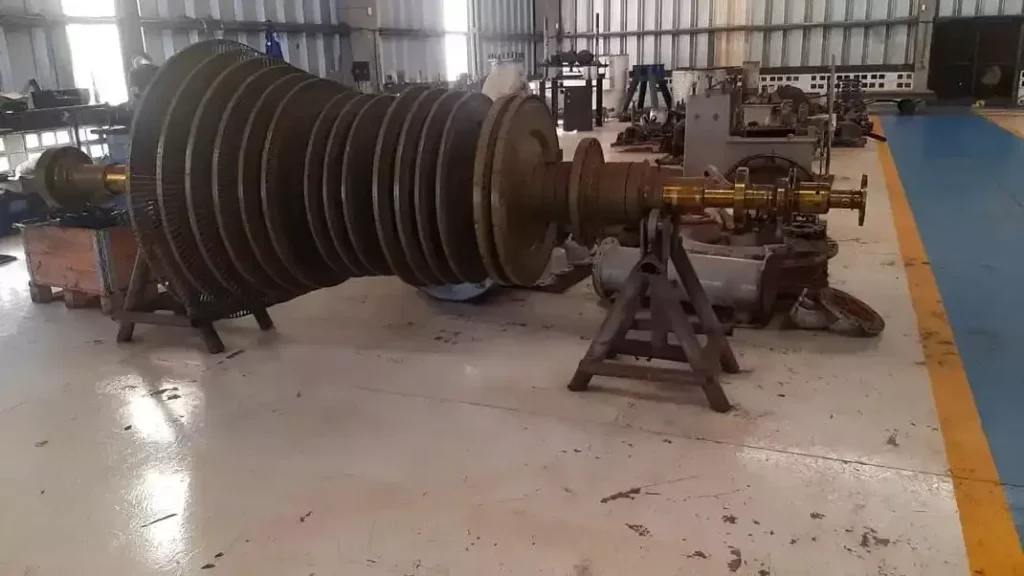
Improvements in Steam Turbine Lifespan

Improving the lifespan of steam turbines is a critical aspect of modern engineering, as it directly impacts the reliability, efficiency, and overall cost-effectiveness of power generation systems. Enhancements in materials, design, maintenance practices, and technological innovations have all contributed to extending the operational life of steam turbines. This section explores these improvements in detail, focusing on key factors that contribute to longer turbine lifespans.

Extending the lifespan of steam turbines is essential for optimizing the economic and operational performance of power generation systems. Advances in materials, design, maintenance practices, and technology have all contributed to enhancing the longevity and reliability of steam turbines. This section explores key strategies and innovations that improve turbine lifespan.

Advanced Materials and Coatings

The use of advanced materials and coatings plays a vital role in increasing the lifespan of steam turbines by enhancing their resistance to high temperatures, corrosion, erosion, and mechanical stresses.

  • High-Temperature Alloys: The development of high-temperature alloys, such as nickel-based superalloys and titanium alloys, has significantly improved the durability of turbine components. These materials offer excellent mechanical strength, creep resistance, and corrosion resistance at elevated temperatures, allowing turbines to operate more efficiently and reliably over extended periods.
  • Ceramic Matrix Composites (CMCs): CMCs are increasingly used in turbine blades and hot-section components due to their superior thermal stability and resistance to wear and corrosion. By reducing the thermal stresses experienced by metal components, CMCs help extend the life of critical turbine parts.
  • Advanced Coatings: Protective coatings, such as thermal barrier coatings (TBCs), erosion-resistant coatings, and anti-corrosion coatings, are applied to turbine components to protect them from environmental damage and mechanical wear. These coatings reduce material degradation and extend component lifespans, leading to longer turbine operation and reduced maintenance costs.

Design Optimization

Innovations in turbine design have focused on reducing mechanical stresses, improving thermal efficiency, and enhancing the overall reliability of turbines, contributing to longer lifespans.

  • Optimized Blade Design: Advances in computational fluid dynamics (CFD) and computer-aided design (CAD) have enabled engineers to optimize blade geometries for improved aerodynamic performance and reduced mechanical stresses. Optimized blades experience less fatigue and wear, resulting in extended service life.
  • Cooling Technologies: Effective cooling systems, such as steam-cooled and air-cooled designs, help manage the heat load on turbine components, reducing thermal stress and extending the lifespan of critical parts. These cooling technologies ensure that components operate within safe temperature limits, preventing overheating and material degradation.
  • Vibration Control: Vibration and resonance can lead to mechanical fatigue and failure in turbine components. Design strategies that minimize vibration, such as improved balancing and damping systems, contribute to the longevity and reliability of steam turbines.
  • Stress-Relief Techniques: Design modifications that reduce stress concentrations, such as smooth transitions and rounded corners in component geometries, help prevent crack initiation and propagation. These stress-relief techniques improve the durability of turbine components and extend their operational life.

Enhanced Maintenance Practices

Regular maintenance and monitoring are critical to ensuring the long-term performance and reliability of steam turbines. Advances in maintenance practices have contributed to improved turbine lifespans.

  • Predictive Maintenance: Predictive maintenance techniques, such as condition monitoring, vibration analysis, and thermal imaging, allow operators to detect potential issues before they become critical. By identifying signs of wear, corrosion, or mechanical stress early, predictive maintenance enables timely interventions and prevents costly failures.
  • Regular Inspections and Servicing: Scheduled inspections and servicing ensure that turbine components are in good condition and operating within specified parameters. Routine maintenance tasks, such as cleaning, lubrication, and calibration, help maintain optimal performance and extend the life of turbine components.
  • Component Refurbishment and Replacement: Refurbishment and replacement of worn or damaged components are essential to extending turbine lifespan. By renewing key parts, such as blades, rotors, and bearings, operators can restore turbine performance and prevent further degradation.
  • Operator Training and Expertise: Well-trained operators and maintenance personnel are critical to the effective management of steam turbines. Comprehensive training programs and access to technical expertise ensure that turbines are operated and maintained correctly, reducing the risk of failures and extending lifespan.

Technological Innovations

Recent technological innovations have contributed to the improved lifespan of steam turbines by enhancing performance, efficiency, and reliability.

  • Digital Twin Technology: Digital twins are virtual models of physical turbines that enable real-time monitoring, simulation, and analysis. By providing detailed insights into turbine performance and health, digital twins facilitate predictive maintenance and optimization strategies, extending turbine lifespan.
  • Advanced Control Systems: Automated control systems, powered by artificial intelligence and machine learning algorithms, optimize turbine operation by adjusting parameters in response to changing conditions. These systems enhance efficiency, reduce emissions, and improve overall performance, contributing to longer turbine lifespans.
  • Remote Monitoring and Diagnostics: Remote monitoring and diagnostics capabilities allow operators to oversee turbine performance from centralized locations, enabling quick responses to issues and enhancing operational efficiency. This technology is particularly valuable for managing large fleets of turbines across multiple sites.
  • Energy Management Systems: Advanced energy management systems optimize the operation of steam turbines in conjunction with other power generation assets, such as gas turbines and renewable energy sources. By coordinating energy production and consumption, these systems improve overall efficiency and reduce wear on turbine components, extending their lifespan.

Case Studies and Success Stories

Examining real-world examples of turbine lifespan improvements can provide valuable insights into best practices and strategies for extending the life of steam turbines.

  • Combined Cycle Power Plant Optimization: A combined cycle power plant implemented a comprehensive maintenance and optimization program, including predictive maintenance techniques, advanced coatings, and digital twin technology. As a result, the plant extended the lifespan of its steam turbines by 30%, reducing maintenance costs and improving overall efficiency.
  • Geothermal Plant Erosion Mitigation: A geothermal power plant faced challenges with erosion and corrosion due to the presence of abrasive particles and corrosive impurities in the steam. By implementing erosion-resistant coatings and optimizing steam chemistry, the plant significantly extended the life of its turbine components, enhancing reliability and performance.
  • Nuclear Power Plant Component Refurbishment: A nuclear power plant conducted a detailed analysis of its steam turbine components and identified key areas for refurbishment and replacement. By renewing critical parts and implementing advanced materials and coatings, the plant extended the lifespan of its turbines and improved safety and efficiency.

Conclusion

Enhancing the lifespan of steam turbines is a multifaceted challenge that requires advancements in materials, design, maintenance practices, and technology. By leveraging high-temperature alloys, ceramic composites, advanced coatings, and digital technologies, engineers can significantly extend the operational life of steam turbines, improving reliability, efficiency, and cost-effectiveness. As research and development continue, further innovations in turbine materials and technology will play a crucial role in achieving a more sustainable and efficient energy future.

Turbine Efficiency Gains
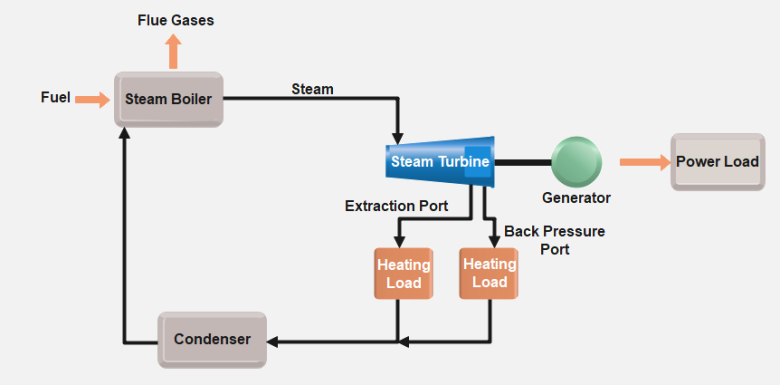
Turbine Efficiency Gains

Improving the efficiency of steam turbines is a major focus in power generation, as even small gains can lead to significant reductions in fuel consumption and greenhouse gas emissions. Over the years, advancements in materials, design, and technology have contributed to notable improvements in steam turbine efficiency. This section explores the various factors and innovations that have driven efficiency gains in steam turbines.

The efficiency of steam turbines is crucial for optimizing power generation and reducing environmental impact. Advances in design, materials, technology, and operational practices have all contributed to significant efficiency gains in steam turbines. This section examines the key factors and innovations driving these improvements.

Thermodynamic Principles and Efficiency

The efficiency of steam turbines is governed by thermodynamic principles, primarily focusing on the conversion of thermal energy into mechanical work. The Rankine cycle, which is the basis for steam turbine operation, involves several stages: heat addition, expansion, heat rejection, and compression. The efficiency of a steam turbine can be enhanced by optimizing these stages.

  • Higher Steam Temperatures and Pressures: One of the most effective ways to increase turbine efficiency is to operate at higher steam temperatures and pressures. By increasing the thermal energy available for conversion, higher steam conditions enable greater energy extraction. Modern supercritical and ultra-supercritical turbines operate at pressures above the critical point of water (22.1 MPa) and temperatures above 600°C, achieving efficiencies of over 45%.
  • Reheat and Regenerative Cycles: The use of reheat and regenerative cycles can improve turbine efficiency by minimizing energy losses. In a reheat cycle, steam is partially expanded in the turbine, reheated in a boiler, and then expanded further in another turbine stage. This process increases the average temperature at which heat is added, improving efficiency. Regenerative cycles use feedwater heaters to preheat the water entering the boiler, recovering waste heat and reducing fuel consumption.
  • Advanced Thermodynamic Cycles: Innovations in thermodynamic cycles, such as the combined cycle and organic Rankine cycle (ORC), have also contributed to efficiency gains. Combined cycle power plants integrate gas turbines with steam turbines, using waste heat from the gas turbine to generate steam and improve overall efficiency. ORC systems utilize organic fluids with lower boiling points than water, enabling efficient energy conversion from low-temperature heat sources.

Advanced Materials and Blade Design
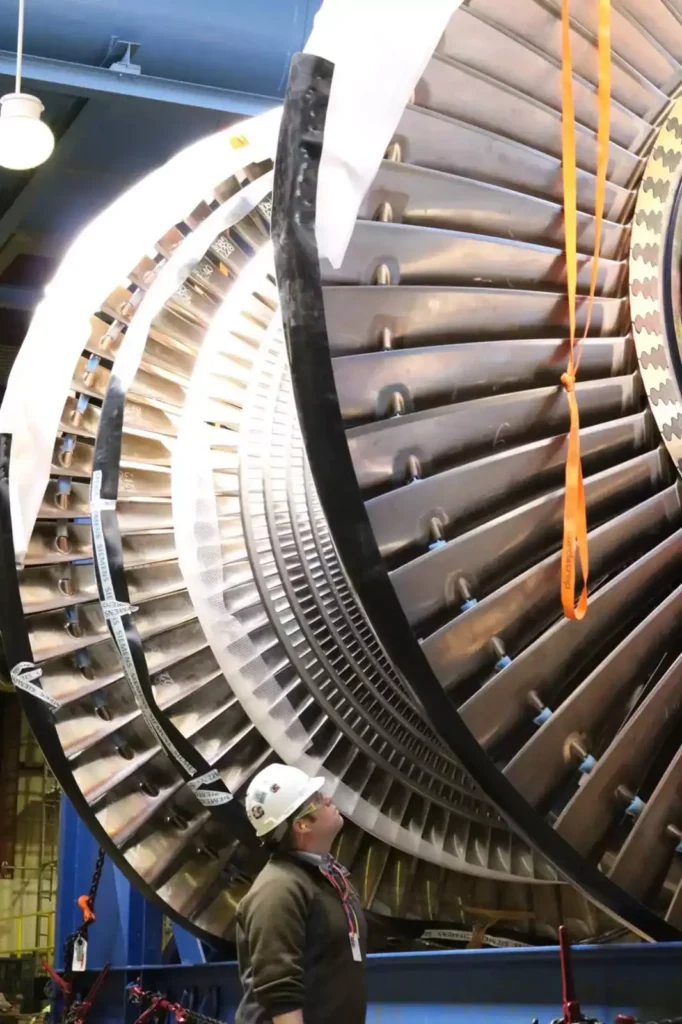
Advanced Materials and Blade Design

The development of advanced materials and optimized blade designs has played a significant role in enhancing steam turbine efficiency.

  • High-Temperature Materials: The use of high-temperature materials, such as nickel-based superalloys and ceramic matrix composites (CMCs), allows turbines to operate at higher temperatures and pressures, improving thermal efficiency. These materials offer excellent strength, corrosion resistance, and thermal stability, enabling more efficient energy conversion.
  • Aerodynamic Blade Design: Advances in computational fluid dynamics (CFD) and computer-aided design (CAD) have enabled the optimization of blade geometries for improved aerodynamic performance. Modern turbine blades are designed to minimize aerodynamic losses and maximize energy extraction, reducing turbulence and increasing efficiency. Techniques such as 3D blading and contoured endwalls further enhance aerodynamic performance.
  • Tip Clearance Control: Minimizing tip clearance between turbine blades and the casing reduces aerodynamic losses and improves efficiency. Advanced tip clearance control systems, such as active clearance control and abradable coatings, help maintain optimal clearances and reduce leakage losses.
  • Blade Coatings and Surface Treatments: The application of advanced coatings and surface treatments to turbine blades enhances their resistance to erosion, corrosion, and thermal degradation, improving efficiency and extending lifespan. Thermal barrier coatings (TBCs) and erosion-resistant coatings help maintain blade integrity and performance.

Digitalization and Control Systems

Digitalization and advanced control systems have transformed the operation and efficiency of steam turbines.

  • Real-Time Monitoring and Diagnostics: Advanced sensors and monitoring systems provide real-time data on key turbine parameters, such as temperature, pressure, and vibration. This data enables operators to optimize turbine performance and efficiency, detect potential issues early, and implement corrective actions.
  • Automated Control Systems: Automated control systems, powered by artificial intelligence and machine learning algorithms, optimize turbine operation by adjusting parameters in response to changing conditions. These systems enhance efficiency, reduce emissions, and improve overall performance.
  • Digital Twins: Digital twin technology creates virtual models of physical turbines, allowing for real-time simulation and analysis. Digital twins enable predictive maintenance and optimization strategies, improving efficiency and reliability.
  • Predictive Maintenance: Predictive maintenance techniques, such as condition monitoring and vibration analysis, help identify potential issues before they become critical. By enabling timely interventions and optimizing maintenance schedules, predictive maintenance contributes to improved turbine efficiency and reduced downtime.

Operational Strategies and Best Practices

Operational strategies and best practices play a crucial role in maximizing steam turbine efficiency.

  • Load Optimization: Operating turbines at optimal load levels ensures maximum efficiency and minimizes energy losses. Advanced control systems and real-time monitoring enable operators to adjust turbine output based on demand, optimizing efficiency.
  • Startup and Shutdown Procedures: Efficient startup and shutdown procedures minimize energy losses and thermal stress, reducing wear on turbine components and improving efficiency. Advanced control systems automate these procedures, ensuring consistent and optimal performance.
  • Fuel Quality and Steam Purity: Maintaining high fuel quality and steam purity is essential for efficient turbine operation. Impurities in fuel and steam can cause fouling, corrosion, and erosion, reducing efficiency and increasing maintenance requirements. Regular monitoring and treatment of fuel and steam ensure optimal performance.
  • Waste Heat Recovery: Implementing waste heat recovery systems, such as heat exchangers and economizers, recovers energy from exhaust gases and other heat sources, improving overall plant efficiency. Combined cycle power plants and cogeneration systems are examples of effective waste heat recovery.

Case Studies and Success Stories

Real-world examples of efficiency improvements provide valuable insights into best practices and strategies for enhancing steam turbine efficiency.

  • Ultra-Supercritical Power Plant Efficiency Gains: An ultra-supercritical power plant implemented advanced materials, optimized blade designs, and digital control systems to achieve efficiencies of over 47%. By operating at high temperatures and pressures, the plant reduced fuel consumption and emissions while maximizing energy output.
  • Combined Cycle Plant Optimization: A combined cycle power plant integrated advanced monitoring and control systems, along with waste heat recovery techniques, to improve efficiency. The plant achieved overall efficiencies of over 60%, demonstrating the potential of combined cycle technology for efficient power generation.
  • Geothermal Plant Efficiency Enhancement: A geothermal power plant implemented organic Rankine cycle (ORC) technology and advanced blade coatings to improve efficiency. By utilizing low-temperature heat sources and minimizing energy losses, the plant increased energy output and reduced operational costs.

Conclusion

Enhancing the efficiency of steam turbines is a multifaceted challenge that requires advancements in materials, design, technology, and operational practices. By leveraging high-temperature materials, optimized blade designs, digitalization, and advanced control systems, engineers have achieved significant efficiency gains in steam turbines, reducing fuel consumption and environmental impact. As research and development continue, further innovations in turbine technology will play a crucial role in achieving a more sustainable and efficient energy future.

Components of a Steam Turbine and Their Manufacturing
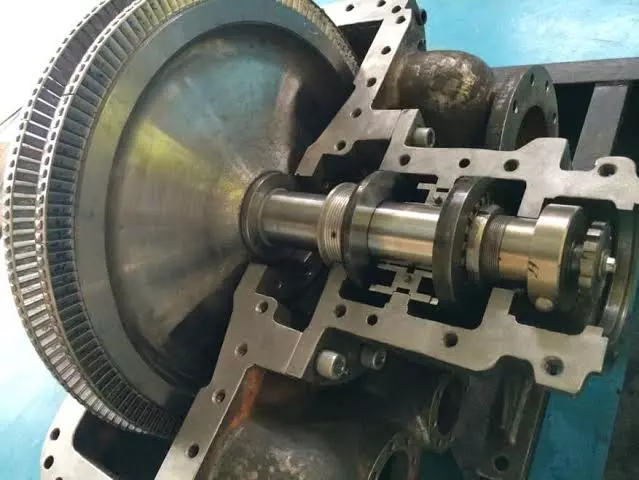
Components of a Steam Turbine and Their Manufacturing

Steam turbines are complex machines comprised of various components, each playing a crucial role in the conversion of steam energy into mechanical work. Understanding the components and their manufacturing processes provides insights into the engineering and technology involved in steam turbine construction.

1. Rotor

Description

The rotor is the central shaft of the steam turbine to which the turbine blades are attached. It is a critical component that converts steam energy into mechanical energy and transmits the rotational motion to the generator or mechanical load.

Manufacturing Process

  1. Material Selection: Rotors are typically made from high-strength, low-alloy steels, such as chromium-molybdenum-vanadium (CrMoV) alloys, which offer excellent mechanical properties and resistance to thermal stresses.
  2. Forging: The rotor is usually manufactured through a hot forging process, where a large billet of steel is heated to high temperatures and shaped into a rough form using a hydraulic press or hammer. This process aligns the grain structure and enhances the strength and toughness of the material.
  3. Machining: After forging, the rotor undergoes precision machining to achieve the desired dimensions and surface finish. Computer numerical control (CNC) machines are used to mill, turn, and grind the rotor to exact specifications. Machining operations ensure tight tolerances and balance, which are crucial for minimizing vibration and maximizing efficiency.
  4. Heat Treatment: The rotor is subjected to heat treatment processes, such as quenching and tempering, to enhance its mechanical properties. Heat treatment improves the rotor’s strength, toughness, and resistance to creep and fatigue.
  5. Balancing: Dynamic balancing is performed to ensure that the rotor operates smoothly at high speeds without causing excessive vibration. Balancing involves adding or removing material from the rotor to achieve even weight distribution.
  6. Inspection and Testing: The rotor undergoes rigorous inspection and testing, including non-destructive testing (NDT) techniques such as ultrasonic testing and magnetic particle inspection, to detect any defects or inconsistencies.

2. Blades

Description

Turbine blades are airfoil-shaped components that extract energy from the steam and convert it into rotational motion. They are critical for the efficiency and performance of the steam turbine.

Manufacturing Process

  1. Material Selection: Blades are typically made from high-performance materials such as nickel-based superalloys or titanium alloys. These materials offer excellent resistance to high temperatures, corrosion, and mechanical stresses.
  2. Precision Casting: Investment casting, also known as lost-wax casting, is commonly used to manufacture turbine blades. This process involves creating a wax model of the blade, coating it with ceramic material to form a mold, and then melting away the wax. Molten metal is poured into the mold to form the blade.
  3. Directional Solidification: Advanced casting techniques, such as directional solidification and single-crystal growth, are used to enhance the mechanical properties of turbine blades. These techniques control the grain structure of the material, improving resistance to creep and fatigue.
  4. Machining and Finishing: After casting, blades undergo precision machining and finishing processes to achieve the desired shape and surface quality. CNC machines are used to mill and grind the blades to exact specifications.
  5. Coating Application: Blades are coated with protective coatings, such as thermal barrier coatings (TBCs) and erosion-resistant coatings, to enhance their durability and performance. Coatings are applied using techniques such as thermal spraying or chemical vapor deposition (CVD).
  6. Inspection and Testing: Blades undergo rigorous inspection and testing, including non-destructive testing methods, to ensure they meet quality and performance standards. High-resolution imaging and ultrasonic testing are commonly used to detect defects.

3. Casing

Description

The casing, or housing, encloses the steam turbine and provides structural support. It directs the flow of steam through the turbine stages and helps maintain pressure and temperature conditions.

Manufacturing Process

  1. Material Selection: Casings are typically made from cast steel or ductile iron, offering a good balance of strength, toughness, and thermal resistance.
  2. Casting: The casing is usually manufactured through sand casting, where a pattern of the casing is made from wood or metal, and sand is packed around it to form a mold. Molten metal is poured into the mold to create the casing.
  3. Machining: After casting, the casing undergoes machining to achieve the required dimensions and tolerances. CNC machines are used to machine flanges, openings, and mounting surfaces.
  4. Heat Treatment: Heat treatment processes, such as annealing, are used to relieve internal stresses and improve the mechanical properties of the casing.
  5. Assembly and Welding: Large casings may consist of multiple sections that are assembled and welded together. Welds are inspected using non-destructive testing methods to ensure quality and integrity.
  6. Inspection and Testing: Casings undergo inspection and testing, including pressure testing and dimensional checks, to ensure they meet performance and safety standards.

4. Bearings

Description

Bearings support the rotor and allow it to rotate smoothly with minimal friction. They are critical for maintaining the alignment and stability of the turbine shaft.

Manufacturing Process

  1. Material Selection: Bearings are typically made from materials such as high-strength steel, babbitt (a soft metal alloy), or ceramics. Material selection depends on the specific application and operating conditions.
  2. Precision Machining: Bearings are manufactured using precision machining techniques to achieve tight tolerances and smooth surfaces. CNC machines are used to machine the bearing races and rolling elements.
  3. Heat Treatment: Heat treatment processes, such as case hardening, are used to enhance the wear resistance and fatigue strength of bearing components.
  4. Assembly and Inspection: Bearings are assembled with rolling elements, such as balls or rollers, and subjected to inspection and testing to ensure proper fit and function.
  5. Lubrication System Integration: Bearings are integrated with lubrication systems to reduce friction and wear. Lubrication systems are designed to deliver a consistent supply of lubricant to the bearing surfaces.

5. Governor

Description

The governor is a control mechanism that regulates the speed and output of the steam turbine by adjusting the steam flow. It ensures that the turbine operates within safe and efficient parameters.

Manufacturing Process

  1. Component Fabrication: The governor consists of various components, such as valves, linkages, and actuators, which are manufactured using precision machining and fabrication techniques.
  2. Assembly: The components are assembled to create the governor mechanism, which is designed to respond to changes in turbine speed and load.
  3. Calibration and Testing: The governor is calibrated to ensure accurate and reliable control of the turbine speed and output. Testing involves simulating operating conditions to verify the governor’s performance.
  4. Integration with Control Systems: The governor is integrated with the turbine’s control systems, which may include digital controllers and sensors, to optimize performance and efficiency.

6. Nozzles

Description

Nozzles are used in impulse turbines to direct high-velocity steam jets onto the turbine blades, imparting momentum and causing rotation.

Manufacturing Process

  1. Material Selection: Nozzles are typically made from high-strength alloys that can withstand high temperatures and pressures, such as stainless steel or nickel-based superalloys.
  2. Precision Machining: Nozzles are manufactured using precision machining techniques to achieve the desired shape and flow characteristics. CNC machines are used to drill, mill, and shape the nozzle passages.
  3. Heat Treatment: Heat treatment processes, such as annealing or quenching, are used to enhance the mechanical properties of the nozzles.
  4. Coating Application: Nozzles may be coated with protective coatings to enhance their resistance to erosion and corrosion.
  5. Inspection and Testing: Nozzles undergo inspection and testing, including flow testing and dimensional checks, to ensure they meet performance standards.

7. Seals and Gaskets

Description

Seals and gaskets prevent steam leaks and maintain pressure differentials within the turbine. They are critical for efficient operation and preventing losses.

Manufacturing Process

  1. Material Selection: Seals and gaskets are made from materials that offer good sealing properties and resistance to high temperatures and pressures. Common materials include elastomers, graphite, and metal alloys.
  2. Molding and Cutting: Seals and gaskets are manufactured using molding or cutting processes, depending on the material and design. Rubber and elastomeric seals are typically molded, while metal gaskets are cut from sheets.
  3. Coating and Treatment: Seals and gaskets may undergo surface treatments, such as coatings or impregnations, to enhance their sealing properties and durability.
  4. Inspection and Testing: Seals and gaskets are inspected and tested for dimensional accuracy and sealing performance to ensure they meet quality standards.

Conclusion

The manufacturing of steam turbine components involves advanced materials, precision engineering, and rigorous quality control to ensure optimal performance, efficiency, and reliability. Each component plays a critical role in the overall operation of the turbine, and advancements in materials and manufacturing processes continue to drive improvements in turbine technology. As research and development progress, further innovations in turbine component manufacturing will contribute to a more sustainable and efficient energy future.

4. Generator:

A generator is a device that converts mechanical energy into electrical energy through the process of electromagnetic induction. In the context of power generation, generators play a crucial role in transforming the rotational motion produced by various prime movers into electrical power.

In a generator, a rotor, often connected to a turbine or an engine, rotates within a magnetic field. This rotational motion induces an electromotive force (EMF) in the conductors of the rotor through the principles of electromagnetic induction. The resulting electrical current is then conducted out of the generator through an external circuit.

Generators are essential components in power plants, ranging from small-scale applications to large-scale utility plants. They are commonly coupled with steam turbines, gas turbines, water turbines, or internal combustion engines to produce electricity. The type of generator used can vary, with common types including synchronous generators and asynchronous generators (induction generators).

Synchronous generators maintain synchrony with the frequency of the electrical grid, ensuring stable and synchronized power output. Asynchronous generators, also known as induction generators, do not need to be synchronized with the grid and are often used in renewable energy systems.

Generators are critical in providing a stable and reliable source of electrical power for various applications, including industrial processes, residential electricity supply, and the broader electric grid. Ongoing advancements in generator technology aim to improve efficiency, reliability, and the integration of generators with emerging energy sources, contributing to the overall evolution of power generation systems.

  • Coupling: The rotating shaft of the steam turbine is connected to the rotor of a generator.
  • Principle: The rotating motion is converted into electrical energy through electromagnetic induction.

5. Power Generation:

Power generation is the process of converting various forms of energy into electrical power. This essential activity provides the electricity needed for residential, commercial, and industrial purposes. Power generation methods can vary, utilizing diverse energy sources and technologies. Here’s an overview without numbering:

Power generation involves the transformation of energy into electricity. Various methods are employed, each relying on different energy sources and technologies. The key components and processes in power generation include:

Energy Sources:

  • Fossil Fuels: Combustion of coal, natural gas, and oil in thermal power plants.
  • Nuclear: Utilization of nuclear reactions to generate heat for steam turbines.
  • Renewable Energy: Harnessing energy from sources like sunlight (solar), wind, water (hydroelectric and tidal), and biomass.

Power Plants:

  • Thermal Power Plants: Use heat generated by burning fossil fuels or nuclear reactions to produce steam that drives turbines.
  • Hydroelectric Power Plants: Exploit the kinetic energy of flowing water to turn turbines.
  • Wind Power Plants: Convert the kinetic energy of wind into mechanical energy through wind turbines.
  • Solar Power Plants: Capture sunlight using photovoltaic cells or concentrate solar power systems.
  • Biomass Power Plants: Burn organic materials or use biological processes to generate energy.

Turbines:

  • Steam Turbines: Driven by high-pressure steam produced in boilers.
  • Gas Turbines: Utilize combustion gases to turn a turbine directly.
  • Water Turbines: Turned by the flow of water in hydroelectric power plants.
  • Wind Turbines: Convert wind energy into rotational motion.

Generators:

  • Transform mechanical energy into electrical energy through electromagnetic induction.
  • Types include synchronous generators and asynchronous generators.

Transmission and Distribution:

  • Transmit electricity from power plants to end-users through a network of power lines.
  • Transformers adjust voltage for efficient transmission and distribution.

Control Systems and Automation:

  • Monitor and control various parameters for safe and efficient operation.
  • Implement automation for optimal energy production and grid stability.

Environmental Considerations:

  • Emission Control: Employ technologies to minimize environmental impact, especially in fossil fuel-based power plants.
  • Renewable Integration: Increase the share of renewable energy to reduce carbon footprint.

Grid Connection:

  • Integrate power plants into the electrical grid for reliable and continuous energy supply.
  • Balance electricity supply and demand to maintain grid stability.

Power generation is a dynamic field with ongoing advancements in technology and a growing emphasis on sustainability. The evolution of power generation methods aims to enhance efficiency, reduce environmental impact, and ensure a reliable energy supply for the future.

  • Output: The generator produces electrical power in the form of alternating current (AC).
  • Frequency: The frequency of the AC power is typically 50 or 60 Hz, depending on the region.

6. Condenser:

A condenser is a vital component in a power plant’s steam cycle, playing a crucial role in converting steam back into liquid water after it passes through a steam turbine. This process is essential for maintaining the efficiency of the power generation system.

The primary function of a condenser is to transform the steam from the turbine into liquid water by releasing latent heat. The condenser is typically located at the exhaust end of the steam turbine. After the steam has passed through the turbine blades, it enters the condenser, where it comes into contact with tubes or surfaces cooled by a separate medium. This cooling medium can be water from a cooling tower, a river, or the sea, or it may be air in the case of air-cooled condensers.

During the heat exchange process, the steam releases its latent heat, causing it to condense into water. The cooling medium absorbs this heat and carries it away from the condenser. The choice of cooling medium depends on the power plant’s design and location. Water is a common cooling medium, and the condensed water is often returned to the steam cycle as feedwater.

Maintaining a vacuum inside the condenser is crucial for enhancing the efficiency of the steam turbine, allowing the steam to expand further and extract more work.

There are different types of condensers, including surface condensers, where steam is condensed on the surface of tubes, and jet condensers, where steam is condensed by direct contact with a jet of cooling water.

Regular maintenance is essential to ensure proper condenser functioning. Cleaning of tubes, monitoring for leaks, and addressing corrosion are common maintenance activities.

Efforts are made to minimize the environmental impact of condenser discharges, particularly when using water as a cooling medium. Technologies such as cooling towers and environmental regulations aim to address these concerns.

In summary, a condenser is a critical component in the steam cycle of a power plant, facilitating the efficient operation of the steam turbine by converting spent steam back into liquid water for reuse in the boiler.

  • Function: Steam exiting the turbine is condensed back into water.
  • Heat Transfer: The latent heat released during condensation is transferred to a cooling medium.
  • Cooling Medium: Commonly water or air, depending on the type of power plant.

7. Cooling System:

  • Cooling Tower: In some cases, a cooling tower is used to dissipate excess heat to the atmosphere through the evaporation of water.
  • Water Source: The cooling water may be sourced from rivers, lakes, or the sea.

8. Control Systems:

  • Automation: Modern power plants use advanced control systems to regulate various parameters.
  • Safety Measures: Systems are in place to ensure safe operation and respond to emergency situations.

9. Efficiency Considerations:

  • Thermal Efficiency: The overall efficiency of the system is influenced by factors such as turbine design, steam parameters, and heat exchanger efficiency.
  • Cogeneration: Some power plants use cogeneration to maximize efficiency by utilizing waste heat for other purposes, such as district heating.

10. Environmental Impact:

  • Emissions Control: Fossil fuel-based power plants often incorporate emissions control systems to reduce environmental impact.
  • Renewable Integration: The use of renewable energy sources contributes to lower carbon emissions.

11. Maintenance and Upkeep:

  • Regular Maintenance: Scheduled maintenance is crucial to ensure the longevity and reliability of the equipment.
  • Upgrades: Power plants may undergo upgrades to incorporate more efficient technologies or address environmental concerns.

Understanding these details provides insight into the complex interplay of components and processes involved in electricity generation using steam power. The continual advancement of technology aims to enhance efficiency, reduce environmental impact, and explore innovative approaches to power generation.

Steam Turbines

Steam Turbines
Steam Turbines

Steam turbines are a fundamental component of modern power generation and various industrial processes. They convert thermal energy from steam into mechanical energy, which can then be used to generate electricity or drive machinery. The concept of harnessing steam power dates back to ancient times, with early attempts to use steam for mechanical purposes seen in the aeolipile, a simple steam-powered device invented by Hero of Alexandria in the 1st century AD. However, it wasn’t until the 19th century that steam turbines, as we know them today, began to take shape.

The breakthrough in steam turbine technology came in the late 19th century with the work of Sir Charles Parsons and Gustaf de Laval. Sir Charles Parsons is often credited with inventing the modern steam turbine in 1884, when he developed a prototype capable of driving an electrical generator. This invention marked a significant leap in efficiency compared to earlier steam engines. Parsons’ steam turbine quickly became the preferred method for generating electricity, and its design principles are still used in modern turbines.

Gustaf de Laval, a Swedish engineer, made significant contributions to the development of steam turbines, particularly in high-speed turbines. His work in the 1880s and 1890s led to the creation of impulse turbines, which use the kinetic energy of steam to drive the turbine blades. These developments laid the foundation for the widespread adoption of steam turbines in various industries.

Importance in Modern Industry

Today, steam turbines play a crucial role in the global energy landscape. They are used in thermal power plants to generate a significant portion of the world’s electricity. In a typical thermal power plant, steam is produced by burning fossil fuels such as coal, natural gas, or oil, or by utilizing nuclear energy. The steam is then directed into the turbine, where it expands and drives the turbine blades, converting thermal energy into mechanical energy. This mechanical energy is then used to rotate an electrical generator, producing electricity.

Steam turbines are also integral to various industrial processes. They are used in the petrochemical industry to drive compressors and pumps, in the steel industry for mechanical drives, and in the paper industry to generate electricity and drive machinery. Additionally, steam turbines are employed in marine propulsion systems, particularly in large vessels like aircraft carriers and submarines, where their reliability and efficiency are highly valued.

The versatility and efficiency of steam turbines make them indispensable in both traditional and modern energy systems. They are compatible with a wide range of energy sources, including fossil fuels, nuclear power, and renewable sources such as biomass, geothermal, and concentrated solar power. This adaptability ensures that steam turbines will continue to play a vital role in the global energy mix as the world transitions towards more sustainable energy solutions.

Fundamentals of Steam Turbines

Basic Principles of Operation

Basic Principles

At the core of a steam turbine’s operation is the conversion of thermal energy from steam into mechanical energy. This process is grounded in the principles of thermodynamics, specifically the Rankine cycle, which is the fundamental thermodynamic cycle used in steam turbine operations.

In simple terms, the Rankine cycle involves four main processes:

  1. Heat Addition: In a boiler, water is heated at constant pressure, transforming it into steam. This high-pressure steam contains a significant amount of thermal energy.
  2. Expansion: The high-energy steam is directed into the turbine, where it expands. As the steam expands, its pressure and temperature drop, and it imparts kinetic energy to the turbine blades, causing them to rotate. This rotational energy is then transferred to a shaft connected to an electrical generator or mechanical equipment.
  3. Condensation: After passing through the turbine, the steam is exhausted into a condenser, where it is cooled and condensed back into water.
  4. Pumping: The condensed water is then pumped back to the boiler to begin the cycle again.

The efficiency of a steam turbine is determined by how effectively it converts the thermal energy in the steam into mechanical energy. Factors such as steam pressure, temperature, and the design of the turbine blades play crucial roles in determining this efficiency.

Key Components

Steam turbines consist of several critical components, each playing a specific role in the turbine’s operation:

  • Rotor: The rotor is the rotating part of the turbine and consists of a shaft and attached blades. As steam passes through the turbine, it causes the rotor to spin, converting thermal energy into mechanical energy.
  • Stator: The stator is the stationary part of the turbine that surrounds the rotor. It contains fixed blades that direct the flow of steam onto the rotor blades in an efficient manner.
  • Casing: The casing encases the entire turbine, providing structural support and containing the steam within the turbine. It also protects the internal components from external elements.
  • Blades: The turbine blades are crucial for the conversion of energy. There are two main types of blades: fixed blades (attached to the stator) and moving blades (attached to the rotor). The design and arrangement of these blades are critical for the efficient operation of the turbine.
  • Steam Supply System: This system includes the pipes, valves, and other components that deliver steam to the turbine at the required pressure and temperature. It also controls the flow of steam into the turbine.
  • Condenser: The condenser cools the exhaust steam from the turbine, converting it back into water to be reused in the cycle. It is typically a heat exchanger that removes the latent heat of vaporization from the steam.
  • Governor: The governor is a control mechanism that regulates the turbine’s speed by adjusting the steam flow. It ensures that the turbine operates at the desired speed and can respond to changes in load demand.

Types of Steam Turbines

Steam turbines are classified based on their design, method of steam expansion, and application. The main types include:

  1. Impulse Turbines: In impulse turbines, high-pressure steam is directed onto the turbine blades through nozzles. The steam jets strike the blades, causing them to move, but the steam pressure remains constant as it passes over the blades. The rotor’s motion is purely due to the impulse force from the steam. Impulse turbines are often used in high-speed applications and are suitable for driving generators in power plants.
  2. Reaction Turbines: Unlike impulse turbines, reaction turbines utilize both the impulse of steam and the reaction force generated as steam expands and accelerates through the moving blades. The steam pressure drops as it passes through the blades, and this pressure drop is what drives the rotor. Reaction turbines are commonly used in lower-speed applications and are often found in industrial settings.
  3. Condensing Turbines: These turbines are designed to exhaust steam at a lower pressure, usually into a condenser, where the steam is condensed into water. Condensing turbines are widely used in power generation, where maximum efficiency is required.
  4. Non-Condensing Turbines: Also known as back-pressure turbines, these turbines exhaust steam at a pressure higher than atmospheric pressure. The exhaust steam can be used for heating or other industrial processes. Non-condensing turbines are commonly used in cogeneration systems where both electricity and process steam are needed.
  5. Extraction Turbines: Extraction turbines are designed to extract steam at one or more points along the turbine for industrial processes or heating. The remaining steam continues through the turbine for power generation. These turbines provide flexibility in applications where steam at different pressures is required.
  6. Reheat Turbines: In reheat turbines, steam is expanded through a high-pressure stage of the turbine, reheated in the boiler, and then expanded further in a lower-pressure stage. Reheating improves the efficiency of the cycle and reduces the moisture content of the steam, which can help to reduce blade erosion.
  7. Industrial Turbines: These are designed for specific industrial applications, such as driving compressors, pumps, or fans. Industrial turbines can be either impulse or reaction types, depending on the specific application requirements.
  8. Marine Turbines: Used in naval vessels and large commercial ships, marine turbines are designed to be highly reliable and capable of operating under the challenging conditions at sea. They are typically reaction turbines and are designed to drive propellers or generators for propulsion.

Thermodynamics and Fluid Mechanics

Challenges and Limitations

Thermodynamic Cycles

The operation of steam turbines is fundamentally based on thermodynamic cycles, with the Rankine cycle being the most important for understanding how these machines work. The Rankine cycle, named after William John Macquorn Rankine, is a closed-loop cycle that converts heat into work, making it the backbone of steam turbine operations in power plants and industrial settings.

  1. The Rankine Cycle: The Rankine cycle consists of four main processes:
    • Isentropic Compression: The working fluid (water) is pumped from a low pressure to a high pressure. This process requires work input, typically provided by a pump.
    • Isobaric Heat Addition: The high-pressure water is heated in a boiler at constant pressure, turning it into high-pressure steam.
    • Isentropic Expansion: The high-pressure steam is expanded in the turbine, doing work by turning the turbine’s rotor. As the steam expands, its pressure and temperature drop.
    • Isobaric Heat Rejection: The expanded steam is condensed at constant pressure back into water, completing the cycle.
    The efficiency of the Rankine cycle can be improved by various methods, including reheating and regenerative feedwater heating.
  2. Reheat Cycle: In a reheat cycle, steam is expanded in a high-pressure turbine, reheated in the boiler, and then expanded again in a low-pressure turbine. This process increases the thermal efficiency of the cycle by allowing the steam to expand through a greater pressure range, reducing the moisture content at the turbine’s exhaust, which in turn minimizes turbine blade erosion.
  3. Regenerative Cycle: The regenerative cycle improves efficiency by preheating the feedwater entering the boiler using steam extracted from various stages of the turbine. This reduces the amount of fuel needed to heat the water to the desired temperature, thereby improving overall efficiency.
  4. Combined Cycle: The combined cycle is a modern approach that combines a gas turbine cycle with a steam turbine cycle. The exhaust gases from the gas turbine are used to generate steam in a heat recovery steam generator (HRSG), which then powers a steam turbine. This setup allows for very high overall efficiency, often exceeding 60%.

Fluid Dynamics in Steam Turbines

Fluid dynamics plays a crucial role in the operation of steam turbines, as the efficient conversion of steam energy into mechanical work depends on the controlled flow of steam through the turbine.

  1. Steam Flow and Velocity Triangles: The flow of steam through a turbine is characterized by velocity triangles, which are geometric representations of the velocity of steam relative to the blades of the turbine. These triangles help in analyzing the energy conversion process as the steam flows through both the stationary (stator) and moving (rotor) blades.
    • Absolute Velocity: This is the velocity of the steam relative to the stationary components of the turbine.
    • Relative Velocity: This is the velocity of the steam relative to the moving blades of the rotor.
    • Blade Velocity: The velocity at which the turbine blades move.
    The efficiency of the turbine depends on how well these velocities are optimized to maximize energy transfer from the steam to the rotor.
  2. Impulse and Reaction Principles: Steam turbines operate on either impulse or reaction principles, or a combination of both.
    • Impulse Turbines: In impulse turbines, steam is expanded through nozzles, converting its pressure energy into kinetic energy before it hits the rotor blades. The rotor blades are designed to absorb this kinetic energy, causing the rotor to spin.
    • Reaction Turbines: In reaction turbines, the steam undergoes a pressure drop as it passes through the rotor blades, which are shaped to act as nozzles. The pressure drop results in a reactive force that turns the rotor. This principle is similar to how a jet engine works.
    The choice between impulse and reaction designs depends on the specific application, with many turbines incorporating both principles in different stages.
  3. Expansion and Losses: As steam expands through the turbine, it loses energy due to several factors, including friction, heat losses, and mechanical losses. These losses reduce the overall efficiency of the turbine. Understanding and minimizing these losses is crucial for optimizing turbine performance.
    • Frictional Losses: Occur due to the friction between steam and the turbine blades and internal surfaces.
    • Heat Losses: Result from the heat exchange between steam and the turbine casing or the environment.
    • Mechanical Losses: Include losses in bearings, seals, and other mechanical components of the turbine.
    Advanced materials and coatings, as well as precise manufacturing techniques, are used to minimize these losses.

Heat Transfer Mechanisms

Heat transfer is a critical aspect of steam turbine operation, influencing both efficiency and performance. The primary heat transfer mechanisms involved are conduction, convection, and radiation.

  1. Conduction: Conduction is the transfer of heat through a solid material, such as the turbine casing or blades. In steam turbines, conduction occurs when heat flows through the metal components from the high-temperature steam to cooler regions. The thermal conductivity of the materials used in turbine construction is an important factor, as it affects the rate of heat transfer and the temperature distribution within the turbine.
  2. Convection: Convection is the transfer of heat between a solid surface and a fluid, in this case, steam. It occurs when steam flows over the turbine blades and heat is transferred from the steam to the blade material. The efficiency of this process is influenced by factors such as steam velocity, turbulence, and the surface roughness of the blades.
    • Forced Convection: In steam turbines, forced convection occurs as steam is forced through the turbine at high velocities. The design of the turbine blades and the flow paths are optimized to enhance heat transfer through forced convection.
    • Natural Convection: Natural convection plays a lesser role in steam turbines but can occur in areas where steam or air is stagnant. Managing natural convection is important in turbine cooling and in maintaining structural integrity.
  3. Radiation: Radiation is the transfer of heat through electromagnetic waves. In steam turbines, radiation heat transfer is typically less significant than conduction and convection but can become important at very high temperatures, such as those found in the superheater sections of a boiler or in high-temperature turbines.
    • Thermal Radiation: The turbine components emit thermal radiation based on their temperature. This radiation can contribute to heat losses if not properly managed through insulation and other thermal management techniques.
    Effective thermal management in steam turbines involves a careful balance of these heat transfer mechanisms to maintain optimal operating temperatures and to prevent overheating of components, which can lead to reduced efficiency or even failure.

Design and Manufacturing of Steam Turbines

Recent Technological Advancements

Design Process

Designing a steam turbine is a complex process that requires a deep understanding of thermodynamics, fluid mechanics, materials science, and mechanical engineering. The primary goals in designing a steam turbine are to maximize efficiency, ensure reliability, and meet the specific operational requirements of the application.

  1. Thermodynamic Efficiency: The design begins with thermodynamic calculations to determine the optimal operating conditions, such as steam pressure, temperature, and flow rate. Engineers use these calculations to design the turbine stages, ensuring that each stage extracts the maximum possible energy from the steam.
  2. Blade Design: The design of the turbine blades is crucial for efficiency and reliability. Blades must be aerodynamically optimized to maximize energy extraction while minimizing losses due to friction, turbulence, and separation. The shape, angle, and length of the blades are carefully calculated, often using computational fluid dynamics (CFD) simulations to model the flow of steam through the turbine.
  3. Material Selection: The materials used in turbine construction must withstand high temperatures, pressures, and mechanical stresses. Material selection is driven by the need for strength, durability, resistance to corrosion and erosion, and the ability to maintain performance under thermal cycling. Common materials include high-strength alloys, stainless steel, and nickel-based superalloys.
  4. Cooling and Heat Management: In high-temperature turbines, especially those used in power generation, cooling is a critical design consideration. Blades and other components are often internally cooled using air or steam to prevent overheating and maintain structural integrity. Advanced cooling designs, such as film cooling or transpiration cooling, may be used in particularly demanding applications.
  5. Rotor Dynamics and Balancing: The rotor is a critical component that must be carefully designed to ensure smooth and reliable operation. Engineers must account for rotor dynamics, including the natural frequencies of the rotor, to avoid resonance that could lead to mechanical failure. Additionally, the rotor must be precisely balanced to prevent excessive vibrations, which can cause wear and tear on bearings and other components.
  6. Sealing and Clearance Control: Minimizing steam leakage between different stages of the turbine is essential for maintaining efficiency. Engineers design precise seals and control clearances between rotating and stationary parts to reduce losses. Advanced sealing techniques, such as labyrinth seals and brush seals, are often used.
  7. Mechanical Integrity and Safety: The design must ensure that the turbine can operate safely under all expected conditions, including start-up, shutdown, and emergency situations. This involves designing for mechanical integrity, with components capable of withstanding high mechanical loads, thermal stresses, and the effects of transient conditions such as pressure surges or steam hammer.
  8. Modularity and Scalability: Modern steam turbines are often designed with modularity in mind, allowing for scalability and customization to meet different power outputs or industrial requirements. This modular approach also facilitates maintenance and component replacement.

Materials Used

The materials used in the construction of steam turbines are chosen for their ability to withstand the extreme conditions present during operation, such as high temperatures, pressures, and mechanical stresses. The selection of materials is crucial for ensuring the turbine’s performance, longevity, and safety.

  1. High-Strength Alloys: High-strength alloys, such as chromium-molybdenum steel, are commonly used for turbine rotors, casings, and other critical components. These alloys offer a good balance of strength, toughness, and resistance to thermal fatigue.
  2. Nickel-Based Superalloys: Nickel-based superalloys are frequently used in high-temperature sections of the turbine, such as the blades and vanes in the high-pressure stages. These superalloys are specifically designed to maintain their mechanical properties at elevated temperatures, making them ideal for use in environments where temperatures can exceed 1000°C.
  3. Stainless Steel: Stainless steel is used for components that require excellent corrosion resistance, such as parts exposed to wet steam or aggressive industrial environments. Austenitic stainless steels, in particular, are favored for their high-temperature performance and resistance to oxidation.
  4. Ceramic Coatings: To further enhance the high-temperature performance of turbine blades, ceramic coatings are often applied. These coatings provide a thermal barrier, reducing the amount of heat transferred to the underlying metal, which helps to protect against thermal degradation and extends the life of the blades.
  5. Titanium Alloys: Titanium alloys are sometimes used in low-pressure turbine blades due to their high strength-to-weight ratio and resistance to corrosion. Their lower density compared to steel or nickel-based alloys makes them advantageous in applications where weight savings are critical.
  6. Creep-Resistant Materials: Creep, the tendency of materials to deform permanently under constant stress at high temperatures, is a significant concern in steam turbines. Creep-resistant materials, such as advanced ferritic steels, are used

Manufacturing Techniques
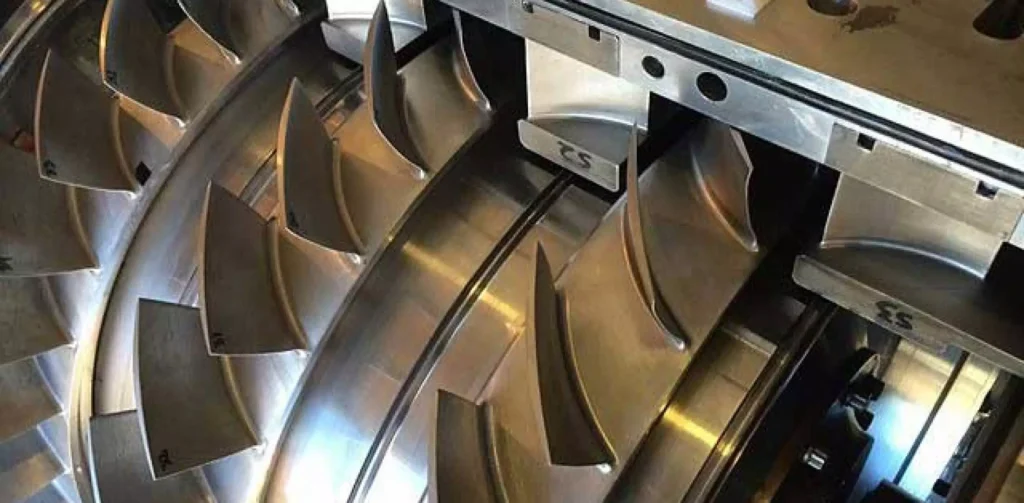
Steam Turbine Bearings

The manufacturing of steam turbines involves a series of highly specialized processes that ensure the precise fabrication and assembly of components capable of withstanding extreme operational conditions. The techniques used vary depending on the size, complexity, and specific requirements of the turbine.

  1. Casting: Many components of steam turbines, particularly the rotor and casing, are produced using casting techniques. Casting involves pouring molten metal into a mold shaped like the final part. Once the metal solidifies, the mold is removed, leaving behind a rough component that is further refined. Investment casting and sand casting are common methods used for creating intricate parts like blades, where precision and material integrity are crucial.
  2. Forging: Forging is another critical manufacturing process used to create strong, high-integrity components such as rotors and discs. In forging, a metal workpiece is heated and then shaped under high pressure, which aligns the metal’s grain structure, resulting in enhanced mechanical properties. Forged components are typically stronger and more resistant to fatigue and creep than cast parts, making them ideal for high-stress areas of the turbine.
  3. Machining: After casting or forging, most turbine components undergo machining to achieve the necessary dimensions, surface finishes, and tolerances. Machining processes include milling, turning, drilling, and grinding. Computer numerical control (CNC) machines are often used to ensure high precision and repeatability, especially for components like blades, where aerodynamic properties are critical.
  4. Heat Treatment: Heat treatment processes, such as annealing, quenching, and tempering, are used to enhance the mechanical properties of turbine components. These processes alter the microstructure of the metal, improving its strength, toughness, and resistance to wear and thermal fatigue. For instance, heat treatment is crucial for blades that must maintain their integrity at high operating temperatures.
  5. Surface Treatments and Coatings: To protect against corrosion, erosion, and high-temperature oxidation, turbine components often undergo surface treatments and coatings. Techniques such as thermal spraying, chemical vapor deposition (CVD), and physical vapor deposition (PVD) are used to apply protective coatings. Ceramic coatings, as mentioned earlier, are commonly applied to blades to provide thermal insulation and reduce heat transfer.
  6. Welding and Joining: Welding is a critical process in the assembly of steam turbines, particularly for joining large sections of the casing or connecting blades to the rotor. Advanced welding techniques, such as electron beam welding and laser welding, are used to create high-strength joints with minimal defects. These techniques are especially important for maintaining the structural integrity of the turbine under high-pressure and high-temperature conditions.
  7. Balancing and Assembly: Once all the components are manufactured, they are carefully assembled. The rotor, which is one of the most critical components, must be precisely balanced to ensure smooth operation at high speeds. Balancing involves adjusting the distribution of mass around the rotor’s axis to minimize vibrations. This is typically done using specialized balancing machines that measure and correct any imbalance.
  8. Quality Control and Testing: Quality control is paramount in steam turbine manufacturing. Each component undergoes rigorous inspection and testing to ensure it meets the required specifications. Non-destructive testing (NDT) methods, such as ultrasonic testing, radiography, and dye penetrant inspection, are used to detect any internal or surface defects. The assembled turbine is also subjected to performance testing, where it is run under controlled conditions to verify its efficiency, output, and operational stability.
  9. Final Assembly and Installation: After passing all tests, the turbine is finally assembled and prepared for shipment to its installation site. Installation requires precise alignment and calibration to ensure that the turbine operates correctly within its intended system, whether it’s a power plant, industrial facility, or marine vessel. The installation process includes integrating the turbine with the steam supply, electrical systems, and other necessary infrastructure.

Operation and Maintenance

Steam Turbine Technology for Electricity Generation

Operating Conditions

Steam turbines operate under demanding conditions, where factors such as temperature, pressure, steam quality, and load variations can significantly impact their performance and longevity. Understanding these conditions is essential for optimizing turbine operation and ensuring reliable performance.

  1. Temperature and Pressure: Steam turbines are designed to operate at high temperatures and pressures. In typical power generation applications, steam enters the turbine at temperatures ranging from 500°C to 600°C and pressures up to 30 MPa (megapascals). These extreme conditions enable the turbine to extract maximum energy from the steam, but they also impose significant thermal and mechanical stresses on the components.
  2. Steam Quality: The quality of the steam entering the turbine is critical for efficient operation. Ideally, the steam should be dry and superheated to prevent condensation inside the turbine, which can lead to erosion of the blades and reduced efficiency. However, in some applications, such as nuclear power plants, saturated steam may be used, requiring careful design and operation to manage the associated risks.
  3. Load Variations: Steam turbines often operate under varying loads, depending on the demand for electricity or the specific requirements of the industrial process they are powering. The ability to quickly and efficiently respond to load changes is crucial for maintaining stable operation. Turbines must be capable of ramping up or down without excessive wear or risk of damage.
  4. Startup and Shutdown Procedures: The processes of starting up and shutting down a steam turbine are critical periods that require careful control. During startup, the turbine components must be gradually brought up to operating temperature to avoid thermal shocks, which can cause cracking or deformation. Similarly, shutdown procedures involve slowly cooling the turbine to prevent damage.
  5. Control Systems: Modern steam turbines are equipped with sophisticated control systems that manage various operational parameters, such as steam flow, temperature, pressure, and rotational speed. These systems ensure that the turbine operates within its design limits and responds appropriately to changes in load or other operating conditions.

Maintenance Practices

Regular maintenance is essential to ensure the long-term reliability and efficiency of steam turbines. Maintenance practices are typically divided into preventive, predictive, and corrective maintenance.

  1. Preventive Maintenance: Preventive maintenance involves routine inspections and servicing of the turbine to prevent potential issues from arising. This includes tasks such as:
    • Lubrication: Regular lubrication of bearings and other moving parts to reduce friction and wear.
    • Inspection of Blades and Seals: Checking for signs of wear, erosion, or corrosion on turbine blades and seals.
    • Cleaning: Removing deposits or scale from turbine components to maintain optimal performance.
    • Calibration: Ensuring that control systems and sensors are accurately calibrated to prevent operational errors.
  2. Predictive Maintenance: Predictive maintenance uses condition monitoring techniques to predict when maintenance is needed before a failure occurs. This approach allows for maintenance to be scheduled based on the actual condition of the turbine rather than on a fixed schedule. Key techniques include:
    • Vibration Analysis: Monitoring the vibrations of the turbine to detect imbalances, misalignment, or bearing issues.
    • Thermography: Using infrared cameras to detect hotspots or uneven temperature distributions that may indicate a problem.
    • Oil Analysis: Analyzing the lubrication oil for signs of contamination, wear particles, or chemical degradation.
  3. Corrective Maintenance: When a component fails or a problem is detected, corrective maintenance is performed to repair or replace the affected parts. This type of maintenance can involve:
    • Blade Replacement: Replacing damaged or worn blades to restore turbine efficiency and prevent further damage.
    • Seal Repair or Replacement: Addressing issues with seals that may cause steam leakage or reduced efficiency.
    • Bearing Replacement: Replacing worn or damaged bearings to prevent rotor imbalance and excessive vibrations.
  4. Outage Planning: Steam turbines typically undergo scheduled outages for extensive inspections, repairs, and overhauls. These outages are carefully planned to minimize downtime and ensure that the turbine is returned to service in optimal condition. During an outage, the turbine may be disassembled, with major components like the rotor, blades, and casing inspected and refurbished as necessary.

Common Issues and Solutions

Steam turbines, despite their robust design, can encounter various issues during operation. Identifying and addressing these issues promptly is key to maintaining reliable performance.

  1. Blade Fouling and Erosion: Fouling occurs when deposits form on the turbine blades, often as a result of impurities in the steam. Erosion, on the other hand, is caused by high-velocity steam or water droplets impinging on the blades, gradually wearing away the material. These issues can lead to reduced efficiency and, if left unchecked, can cause serious damage.
    • Solution: Regular cleaning and maintenance can prevent fouling, while erosion-resistant coatings can extend blade life. Additionally, improving the quality of the steam entering the turbine can reduce the risk of these problems.
  2. Vibration and Rotor Imbalance: Excessive vibration is a common issue in steam turbines and can be caused by rotor imbalance, misalignment, bearing wear, or other mechanical problems. Vibration can lead to accelerated wear of components and, in severe cases, catastrophic failure.
    • Solution: Vibration analysis and regular balancing of the rotor can help detect and correct these issues before they cause significant damage. Proper alignment during installation and routine bearing inspections are also critical.
  3. Steam Leakage: Steam leakage can occur due to worn seals, poor sealing surfaces, or cracks in the casing. This leads to a loss of efficiency and can also cause damage to surrounding components.
    • Solution: Regular inspection of seals and replacement when necessary can mitigate steam leakage. In some cases, upgrading to more advanced sealing technologies, such as brush seals, can provide a better seal and longer service life.
  4. Thermal Fatigue and Creep: Thermal fatigue occurs when turbine components are subjected to repeated cycles of heating and cooling, leading to the formation of cracks. Creep is a gradual deformation of materials under constant high temperature and stress. Both issues can significantly impact the structural integrity of the turbine.
    • Solution: Using materials specifically designed to resist thermal fatigue and creep, along with careful control of operating conditions, can minimize these risks. Regular inspection and monitoring for signs of fatigue or creep are also essential.
  5. Control System Failures: The control systems of steam turbines are vital for safe and efficient operation. Failures in these systems can lead to incorrect steam flow, pressure surges, or even turbine trips.
    • Solution: Regular testing and calibration of control systems, along with the use of redundant systems, can help prevent control system failures. Upgrading older systems to modern, digital control systems can also enhance reliability.

Applications of Steam Turbines

Steam Engine Electric Generator for Sale

Power Generation

Steam turbines are central to power generation and are used in a variety of settings, from large-scale thermal power plants to smaller, decentralized energy systems. The following subsections outline the main applications of steam turbines in power generation:

  1. Coal-Fired Power Plants:
    • Overview: Coal-fired power plants have historically been one of the most common applications of steam turbines. In these plants, coal is burned in a boiler to produce high-pressure steam, which is then directed into a steam turbine to generate electricity.
    • Role of Steam Turbines: Steam turbines in coal-fired plants are designed to handle the high temperatures and pressures associated with coal combustion. They convert the thermal energy from the steam into mechanical energy, which drives an electrical generator.
    • Environmental Considerations: While coal-fired power plants are efficient, they are also a significant source of greenhouse gas emissions. Many modern plants incorporate emission control technologies and are transitioning to cleaner coal technologies, such as supercritical and ultra-supercritical steam cycles, to improve efficiency and reduce emissions.
  2. Nuclear Power Plants:
    • Overview: In nuclear power plants, steam turbines are used to convert the thermal energy generated by nuclear fission into electricity. These plants use nuclear reactors to heat water and produce steam.
    • Role of Steam Turbines: The steam produced in a nuclear reactor is typically at a lower temperature and pressure compared to that in fossil-fuel plants. However, the turbines must be extremely reliable and durable due to the safety-critical nature of nuclear power generation. The turbines in nuclear plants are often large, with high power outputs to match the continuous energy production of the reactor.
    • Special Considerations: The design of steam turbines for nuclear power includes considerations for safety, such as the ability to operate reliably under potential emergency conditions and withstand the corrosive effects of certain types of steam.
  3. Gas-Fired Power Plants (Combined Cycle):
    • Overview: Combined cycle power plants use both gas and steam turbines to generate electricity. In these plants, a gas turbine generates electricity and its exhaust heat is used to produce steam, which then powers a steam turbine.
    • Role of Steam Turbines: The steam turbine in a combined cycle plant enhances the overall efficiency of the plant by utilizing the waste heat from the gas turbine. This process significantly increases the plant’s thermal efficiency, often reaching levels above 60%.
    • Advantages: Combined cycle plants are known for their high efficiency, flexibility, and lower carbon emissions compared to traditional coal-fired plants. Steam turbines in these plants are integral to achieving these benefits.
  4. Geothermal Power Plants:
    • Overview: Geothermal power plants use steam turbines to generate electricity from geothermal energy, which is the heat stored within the Earth.
    • Role of Steam Turbines: In geothermal plants, steam is extracted from underground reservoirs and used to drive turbines. These turbines must be designed to handle steam with varying temperatures and pressures, as well as the potential presence of corrosive gases and minerals.
    • Challenges and Solutions: The main challenges in geothermal power generation include scaling, corrosion, and the management of non-condensable gases. Turbine designs that include corrosion-resistant materials and advanced sealing technologies are essential for long-term operation in these environments.
  5. Solar Thermal Power Plants:
    • Overview: Solar thermal power plants, also known as concentrating solar power (CSP) plants, use steam turbines to generate electricity from solar energy.
    • Role of Steam Turbines: In CSP plants, mirrors or lenses concentrate sunlight to heat a fluid, which is then used to produce steam. The steam drives a turbine, converting thermal energy into mechanical energy for electricity generation.
    • Innovations: Some CSP plants incorporate thermal storage systems, allowing them to generate electricity even when the sun is not shining. The steam turbines in these plants must be adaptable to varying steam inputs and capable of operating efficiently with the thermal storage systems.

Industrial Applications

Beyond power generation, steam turbines are widely used in various industrial processes where they provide mechanical power for a range of applications.

  1. Petrochemical Industry:
    • Overview: Steam turbines are essential in the petrochemical industry, where they are used to drive compressors, pumps, and other machinery involved in the processing of chemicals and petroleum products.
    • Role of Steam Turbines: The turbines in this industry are often designed for continuous operation, high efficiency, and reliability under harsh conditions, including high temperatures and corrosive environments.
    • Advantages: Using steam turbines in petrochemical plants helps improve overall energy efficiency by recovering waste heat and converting it into useful mechanical or electrical energy.
  2. Pulp and Paper Industry:
    • Overview: The pulp and paper industry relies on steam turbines for both electricity generation and mechanical drives in processes such as pulping, drying, and paper making.
    • Role of Steam Turbines: Steam turbines in this industry often operate in cogeneration setups, where they simultaneously produce electricity and steam for the manufacturing process. This combined heat and power (CHP) approach enhances energy efficiency.
    • Challenges: The main challenges include handling fluctuating loads and ensuring reliable operation in environments with high moisture content and potential corrosive chemicals.
  3. Steel Manufacturing:
    • Overview: In steel manufacturing, steam turbines are used to drive blowers, compressors, and rolling mills. The steam used often comes from waste heat recovery systems, making the process more energy-efficient.
    • Role of Steam Turbines: Steam turbines help reduce the overall energy consumption of steel mills by utilizing waste heat to generate power for various processes.
    • Benefits: Integrating steam turbines into steel manufacturing processes not only reduces energy costs but also helps in meeting environmental regulations by lowering emissions.
  4. Sugar Industry:
    • Overview: The sugar industry uses steam turbines extensively in the production of sugar and ethanol. The turbines are part of the cogeneration systems that use bagasse (the fibrous residue left after extracting sugar juice) as fuel.
    • Role of Steam Turbines: In this industry, steam turbines generate electricity and provide mechanical power for the crushing and refining processes. The use of biomass like bagasse makes the process more sustainable and reduces dependence on fossil fuels.
    • Sustainability: The integration of steam turbines into sugar production highlights the potential for renewable energy sources in industrial applications.

Marine Propulsion

Steam turbines have a long history of use in marine propulsion, particularly in naval vessels and large commercial ships. Their reliability, efficiency, and power output make them ideal for this demanding application.

  1. Naval Vessels:
    • Overview: Steam turbines have been a mainstay in naval propulsion, especially in large vessels such as aircraft carriers, destroyers, and submarines.
    • Role of Steam Turbines: Naval turbines are designed for high power output, reliability, and efficiency. They must operate under extreme conditions, including rapid speed changes and prolonged high-speed operation.
    • Advancements: Modern naval steam turbines often incorporate advanced materials and cooling technologies to withstand the harsh marine environment and to operate quietly, which is crucial for stealth in military operations.
  2. Commercial Shipping:
    • Overview: In commercial shipping, steam turbines are used in large vessels such as tankers and bulk carriers. Although diesel engines have become more common, steam turbines are still used in certain applications, particularly where high power and long-range operation are required.
    • Advantages: Steam turbines offer smooth operation, reduced vibration, and lower maintenance requirements compared to other propulsion systems, making them suitable for large ships.
    • Trends: The use of steam turbines in commercial shipping has declined with the rise of more fuel-efficient diesel engines. However, they remain in use in specific scenarios where their benefits outweigh those of alternative technologies.

Renewable Energy Integration

Steam turbines are also finding applications in renewable energy systems, contributing to the generation of clean and sustainable energy.

  1. Biomass Power Plants:
    • Overview: Biomass power plants use organic materials, such as wood, agricultural residues, and waste, to produce steam, which then drives turbines to generate electricity.
    • Role of Steam Turbines: In biomass plants, steam turbines must handle steam generated from a variety of biomass sources, which can vary in quality and consistency. The turbines are designed to be flexible and efficient, maximizing the energy extracted from biomass.
    • Environmental Benefits: Biomass power generation is considered carbon-neutral, as the CO2 released during combustion is offset by the CO2 absorbed during the growth of the biomass. Steam turbines play a key role in making this a viable and sustainable energy source.
  2. Concentrated Solar Power (CSP):
    • Overview: In CSP plants, steam turbines are used to convert solar energy into electricity. The plants use mirrors or lenses to concentrate sunlight onto a receiver, where it heats a fluid to produce steam.
    • Role of Steam Turbines: The turbines in CSP plants must be designed to operate efficiently with steam generated from fluctuating solar input, as well as to integrate with thermal storage systems that allow for power generation even when the sun is not shining.
    • Innovation and Future Potential: As CSP technology advances, steam turbines are expected to play an increasingly important role in providing renewable, dispatchable power, helping to stabilize grids with high penetration of intermittent renewable sources like wind and solar PV.

Efficiency and Performance Optimization
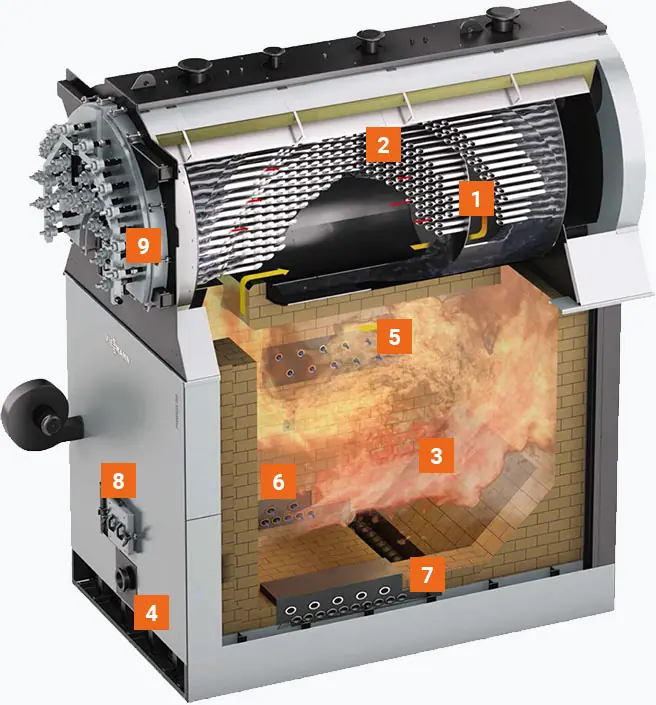
Understanding Waste Heat in Factories

Factors Affecting Efficiency

The efficiency of a steam turbine is a critical aspect of its performance, influencing the overall energy conversion process and the economic viability of power plants and industrial applications. Several factors can impact the efficiency of a steam turbine:

  1. Steam Conditions:
    • Temperature and Pressure: The higher the steam temperature and pressure at the turbine inlet, the greater the potential for energy extraction. Superheated steam, with higher energy content, allows the turbine to produce more work, thereby increasing efficiency. However, materials and design must be capable of withstanding these extreme conditions.
    • Steam Quality: The quality of steam, particularly its dryness fraction, affects turbine performance. Wet steam can cause erosion of turbine blades and reduce efficiency due to the presence of water droplets. Maintaining a high dryness fraction or superheating the steam minimizes these losses.
  2. Design and Aerodynamics:
    • Blade Design: The design of turbine blades, including their shape, angle, and surface finish, plays a significant role in efficiency. Aerodynamically optimized blades reduce losses due to friction and turbulence, allowing for more effective energy conversion from steam to mechanical work.
    • Stage Efficiency: Steam turbines are often divided into multiple stages, each designed to extract energy from steam at progressively lower pressures. The efficiency of each stage contributes to the overall turbine efficiency. Proper staging, with carefully calculated blade profiles and angles, is essential for maximizing efficiency.
  3. Mechanical Losses:
    • Friction and Wear: Mechanical losses due to friction in bearings, seals, and other moving parts can reduce overall turbine efficiency. Regular maintenance, proper lubrication, and the use of advanced materials can help minimize these losses.
    • Vibration and Imbalance: Imbalances in the rotor or excessive vibrations can lead to mechanical inefficiencies, as energy is lost in the form of unwanted movements. Ensuring that the turbine is properly balanced and that vibrations are controlled through effective damping mechanisms is crucial.
  4. Thermodynamic Losses:
    • Heat Losses: Heat losses occur when steam or other components transfer heat to the surrounding environment. Proper insulation of the turbine casing and piping, as well as minimizing the temperature gradient within the turbine, can help reduce these losses.
    • Entropy Generation: Inefficiencies in the expansion process within the turbine stages can lead to increased entropy, reducing the available work output. Reducing these losses involves optimizing the expansion process and minimizing irreversible losses within the turbine.

Optimization Techniques

Improving the efficiency of steam turbines involves a combination of design optimization, operational strategies, and technological innovations. The following techniques are commonly used to enhance turbine performance:

  1. Advanced Blade Design:
    • Computational Fluid Dynamics (CFD): CFD is widely used in the design and optimization of turbine blades. By simulating the flow of steam through the turbine, engineers can identify areas where losses occur and adjust blade shapes and angles to improve efficiency. CFD allows for the testing of multiple design iterations in a virtual environment, reducing the need for physical prototypes.
    • 3D Blade Profiling: Advanced manufacturing techniques, such as 3D printing and precision machining, enable the production of complex blade profiles that are tailored to specific operating conditions. 3D blade profiling can result in blades that offer better aerodynamic performance and reduced losses.
  2. Steam Temperature and Pressure Control:
    • Superheating and Reheating: Increasing the temperature of steam before it enters the turbine (superheating) or reheating steam between turbine stages can significantly improve efficiency. Reheating, in particular, allows for more energy extraction by reducing the moisture content in the later stages of the turbine.
    • Pressure Optimization: Operating the turbine at the optimal steam pressure for each stage can maximize efficiency. This involves careful control of steam pressure throughout the turbine, ensuring that each stage operates at its most efficient point on the pressure-enthalpy curve.
  3. Energy Recovery Systems:
    • Regenerative Feedwater Heating: Regenerative feedwater heating is a technique where steam is extracted from intermediate stages of the turbine and used to preheat the feedwater before it enters the boiler. This reduces the amount of fuel needed to reach the desired steam temperature, thereby improving the overall efficiency of the Rankine cycle.
    • Condensate Recovery: Efficient recovery and reuse of condensate (water) from the turbine exhaust can reduce the energy required to heat and pressurize water for subsequent cycles. This also minimizes the need for additional water treatment, contributing to overall efficiency improvements.
  4. Load Optimization:
    • Variable Load Operation: Modern steam turbines are designed to operate efficiently across a range of loads, not just at full capacity. By optimizing turbine performance under partial loads, power plants can improve overall efficiency, especially in applications where demand fluctuates throughout the day.
    • Load Matching: Load matching involves adjusting the turbine’s operation to match the specific energy demand at any given time. This can involve varying the steam flow rate, adjusting the number of active turbine stages, or modulating the turbine’s output to match real-time load requirements.
  5. Monitoring and Control Systems:
    • Real-Time Performance Monitoring: Advanced sensors and control systems allow for real-time monitoring of turbine performance, including temperature, pressure, vibration, and efficiency metrics. By continuously monitoring these parameters, operators can make adjustments to optimize performance and prevent issues before they lead to inefficiencies or failures.
    • Predictive Maintenance: Using data analytics and machine learning, predictive maintenance systems can forecast potential issues based on historical performance data. This allows for maintenance to be performed proactively, reducing downtime and improving overall turbine efficiency.

Monitoring and Performance Analysis

Maintaining optimal efficiency in steam turbines requires ongoing monitoring and analysis of performance data. The following approaches are commonly used to assess and enhance turbine efficiency:

  1. Key Performance Indicators (KPIs):
    • Heat Rate: The heat rate is a measure of the amount of energy used by the turbine to generate electricity. It is typically expressed as the amount of fuel energy required per unit of electrical output (e.g., BTU/kWh). Monitoring the heat rate helps identify inefficiencies in fuel use and overall turbine performance.
    • Thermal Efficiency: Thermal efficiency measures the ratio of useful work output to the total heat input. It is a key indicator of how effectively the turbine converts thermal energy into mechanical energy. Higher thermal efficiency indicates better performance.
    • Capacity Factor: The capacity factor is the ratio of the actual output of the turbine over a period of time to its maximum possible output. It reflects how well the turbine is being utilized relative to its full capacity.
  2. Performance Testing:
    • Acceptance Testing: Acceptance testing is conducted when a turbine is first installed or after a major overhaul to ensure it meets the specified performance criteria. These tests typically measure parameters such as output power, efficiency, and steam consumption under controlled conditions.
    • Routine Testing: Periodic performance testing is conducted to monitor the ongoing efficiency of the turbine. Routine tests help detect gradual declines in performance, allowing for timely interventions to restore efficiency.
  3. Data Analytics and Optimization:
    • Data Logging and Trend Analysis: Continuous data logging allows for the collection of vast amounts of performance data, which can be analyzed to identify trends, detect anomalies, and assess the impact of operational changes on efficiency.
    • Digital Twins: A digital twin is a virtual model of the steam turbine that simulates its real-world counterpart in real time. By comparing the digital twin’s performance with actual operational data, operators can identify inefficiencies and test potential optimizations without risking the physical turbine.
  4. Diagnostic Tools:
    • Vibration Monitoring: Vibration analysis is a critical diagnostic tool for detecting mechanical issues such as rotor imbalance, misalignment, or bearing wear. By identifying and correcting these issues early, operators can prevent efficiency losses and extend the life of the turbine.
    • Thermal Imaging: Thermal imaging is used to detect hotspots and assess the distribution of temperature across the turbine components. This helps identify areas where heat losses are occurring and where insulation or cooling might be needed.

Environmental Impact and Sustainability
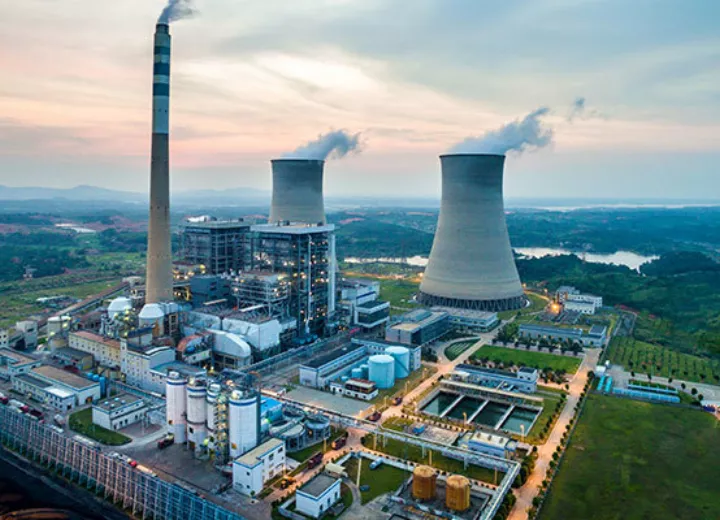
Waste Heat Recovery Systems

Environmental Concerns

Steam turbines, while crucial to power generation and industrial processes, are associated with several environmental concerns. These issues stem primarily from the energy sources used to produce steam and the byproducts of turbine operation.

  1. Greenhouse Gas Emissions:
    • Fossil Fuel Combustion: Steam turbines used in coal, oil, and natural gas-fired power plants contribute significantly to greenhouse gas emissions, particularly carbon dioxide (CO2). The combustion of fossil fuels releases CO2, which is a major contributor to global warming and climate change.
    • Mitigation Strategies: Efforts to reduce greenhouse gas emissions include improving the efficiency of steam turbines, transitioning to cleaner fuels, and integrating carbon capture and storage (CCS) technologies. Higher efficiency means that less fuel is required to produce the same amount of electricity, thereby reducing emissions per unit of energy generated.
  2. Air Pollutants:
    • Sulfur Dioxide (SO2) and Nitrogen Oxides (NOx): Fossil fuel combustion in power plants can release harmful air pollutants, including SO2 and NOx, which contribute to acid rain and respiratory problems in humans. These pollutants are particularly prevalent in coal-fired power plants, where sulfur content in the fuel is higher.
    • Control Technologies: Technologies such as flue gas desulfurization (FGD) and selective catalytic reduction (SCR) are used to reduce SO2 and NOx emissions from power plants. Additionally, low-NOx burners and other combustion optimization techniques help minimize the formation of these pollutants at the source.
  3. Water Usage and Thermal Pollution:
    • Cooling Water Requirements: Steam turbines, particularly in large power plants, require substantial amounts of water for cooling. The withdrawal of water from natural sources can impact local ecosystems, especially if not managed sustainably. Furthermore, the discharge of heated water back into the environment can cause thermal pollution, which negatively affects aquatic life.
    • Mitigation Strategies: To mitigate these impacts, power plants can adopt closed-loop cooling systems that minimize water withdrawal and reduce thermal discharge. Additionally, dry cooling systems, which use air instead of water, are increasingly being implemented, particularly in water-scarce regions.
  4. Solid Waste and Byproducts:
    • Coal Ash and Slag: The combustion of coal in power plants produces solid byproducts such as ash and slag, which can contain heavy metals and other toxic substances. These byproducts must be managed carefully to prevent soil and water contamination.
    • Disposal and Reuse: Modern waste management practices include the safe disposal of ash in lined landfills and the beneficial reuse of ash in construction materials, such as cement and concrete. By converting waste into valuable products, the environmental impact of coal ash can be minimized.

Sustainability Initiatives

In response to environmental concerns, the steam turbine industry is increasingly adopting sustainability initiatives aimed at reducing its environmental footprint and supporting the transition to a low-carbon economy.

  1. Integration with Renewable Energy:
    • Biomass and Waste-to-Energy: Steam turbines are being integrated with renewable energy sources such as biomass and waste-to-energy plants. These systems use organic waste materials to produce steam, which is then converted into electricity by steam turbines. Biomass is considered carbon-neutral, as the CO2 released during combustion is offset by the CO2 absorbed during the growth of the biomass.
    • Geothermal and Solar Thermal: Geothermal and concentrated solar power (CSP) plants also utilize steam turbines to generate electricity. These renewable energy sources produce little to no greenhouse gas emissions, making them attractive options for sustainable power generation. The use of steam turbines in these settings supports the broader adoption of renewable energy technologies.
  2. Efficiency Improvements:
    • Supercritical and Ultra-Supercritical Steam Cycles: Advancements in turbine technology have led to the development of supercritical and ultra-supercritical steam cycles, which operate at higher temperatures and pressures than conventional steam cycles. These cycles achieve higher efficiencies, meaning that less fuel is needed to produce the same amount of electricity, resulting in lower emissions.
    • Cogeneration and Combined Heat and Power (CHP): Cogeneration, or CHP, systems simultaneously produce electricity and useful heat from the same energy source. By capturing and utilizing the waste heat from steam turbines, CHP systems significantly improve overall energy efficiency, reducing fuel consumption and emissions.
  3. Carbon Capture and Storage (CCS):
    • CCS Technology: Carbon capture and storage is a technology designed to capture CO2 emissions from power plants and industrial processes, preventing them from entering the atmosphere. The captured CO2 is then transported and stored underground in geological formations. When integrated with steam turbines, CCS can greatly reduce the carbon footprint of fossil fuel-based power generation.
    • Challenges and Opportunities: While CCS has the potential to mitigate climate change, it faces challenges such as high costs, energy requirements, and the need for suitable storage sites. However, ongoing research and development efforts aim to overcome these barriers, making CCS a viable option for large-scale emission reductions.
  4. Material and Resource Efficiency:
    • Recycling and Waste Minimization: The steam turbine industry is adopting practices to minimize waste and improve resource efficiency. This includes the recycling of metals and other materials used in turbine manufacturing, as well as the reduction of material waste through precision manufacturing techniques.
    • Life Cycle Assessment (LCA): Life cycle assessment is a tool used to evaluate the environmental impacts of a product throughout its entire life cycle, from raw material extraction to disposal. By conducting LCAs, manufacturers can identify areas where environmental impacts can be reduced, leading to more sustainable turbine production and operation.

Regulatory Framework

The operation of steam turbines, particularly in power generation, is subject to a range of environmental regulations aimed at minimizing their impact on the environment. These regulations vary by region but generally focus on emissions control, water usage, and waste management.

  1. Emissions Regulations:
    • Clean Air Act (U.S.): In the United States, the Clean Air Act (CAA) regulates air emissions from power plants and industrial sources, including those using steam turbines. The CAA establishes limits for pollutants such as SO2, NOx, and particulate matter, and mandates the use of best available control technologies (BACT) to reduce emissions.
    • European Union Emissions Trading System (EU ETS): The EU ETS is a cap-and-trade system that sets a limit on the total amount of greenhouse gases that can be emitted by certain industries, including power generation. Steam turbine operators in the EU must comply with emission allowances or purchase additional allowances if they exceed their limits.
  2. Water Usage and Discharge Regulations:
    • Clean Water Act (U.S.): The Clean Water Act (CWA) regulates the discharge of pollutants into U.S. waters and sets standards for water quality. Power plants using steam turbines must obtain permits for water withdrawal and discharge, ensuring that their operations do not harm aquatic ecosystems.
    • EU Water Framework Directive: In the European Union, the Water Framework Directive establishes a framework for protecting water resources, including the regulation of water usage and thermal discharges from power plants. Compliance with these regulations is essential for the sustainable operation of steam turbines.
  3. Waste Management and Disposal:
    • Resource Conservation and Recovery Act (RCRA): In the U.S., the RCRA governs the management of hazardous and non-hazardous waste, including coal ash from power plants. The act requires safe disposal practices and encourages the recycling and reuse of industrial byproducts.
    • EU Waste Framework Directive: The EU Waste Framework Directive sets guidelines for waste management across member states, promoting recycling and the reduction of waste generation. Steam turbine operators must comply with these regulations to minimize their environmental impact.
  4. International Standards and Guidelines:
    • ISO 14001 Environmental Management Systems: The ISO 14001 standard provides a framework for organizations to manage their environmental responsibilities in a systematic manner. Compliance with ISO 14001 helps steam turbine operators reduce their environmental footprint and improve sustainability.
    • World Bank Environmental and Social Standards: The World Bank’s Environmental and Social Standards (ESS) provide guidelines for managing environmental and social risks in projects financed by the World Bank. These standards are often used in the development of power plants and other large-scale projects involving steam turbines.

Future Trends and Innovations

Technological Advances

The steam turbine industry is continuously evolving, driven by the need for greater efficiency, reliability, and environmental performance. Several technological advances are shaping the future of steam turbines:

  1. Advanced Materials:
    • Superalloys: The development of advanced nickel-based superalloys is enabling steam turbines to operate at higher temperatures and pressures, which improves efficiency. These materials are designed to resist creep, corrosion, and thermal fatigue, making them ideal for use in the most demanding sections of the turbine.
    • Ceramic Matrix Composites (CMCs): CMCs are gaining attention for their potential to replace traditional metal alloys in high-temperature turbine components. These materials offer excellent thermal stability, low density, and resistance to oxidation, allowing turbines to operate at even higher temperatures without compromising structural integrity.
    • Additive Manufacturing: Also known as 3D printing, additive manufacturing is revolutionizing the production of turbine components. This technology allows for the creation of complex, optimized geometries that are difficult or impossible to achieve with traditional manufacturing methods. Additive manufacturing also reduces material waste and shortens production times.
  2. Advanced Blade Design:
    • 3D-Aerodynamic Blades: Innovations in blade design, particularly through the use of 3D aerodynamic modeling, are improving the efficiency and performance of steam turbines. These blades are designed to optimize the flow of steam, reducing losses due to turbulence and friction. The use of computational fluid dynamics (CFD) simulations allows engineers to refine blade shapes for maximum efficiency.
    • Shrouded and Shroudless Blades: Shrouded blades, which include a cover on the blade tips to reduce leakage, are being optimized to further improve efficiency. At the same time, advancements in shroudless blade designs are being explored to reduce weight and mechanical complexity while maintaining aerodynamic performance.
  3. Digitalization and Smart Turbines:
    • Digital Twins: The concept of a digital twin, a virtual model of the steam turbine that runs in parallel with the physical machine, is becoming a critical tool in the industry. Digital twins allow operators to monitor turbine performance in real-time, predict maintenance needs, and optimize operations. By simulating different scenarios, digital twins can help identify potential issues before they occur and suggest the best course of action for maintenance or operational adjustments.
    • Artificial Intelligence (AI) and Machine Learning: AI and machine learning are being increasingly used to enhance turbine control systems. These technologies enable more precise control of operating parameters, such as steam flow, pressure, and temperature, optimizing turbine efficiency under varying load conditions. AI-driven analytics can also predict equipment failures, reducing downtime and extending the life of turbine components.
  4. Modular and Scalable Designs:
    • Modularity: The development of modular steam turbines is a trend aimed at improving flexibility and reducing costs. Modular turbines can be easily scaled up or down depending on the power generation requirements, making them suitable for both large-scale power plants and smaller, decentralized energy systems. Modularity also facilitates easier maintenance and component replacement, reducing downtime.
    • Scalability for Microgrids: Steam turbines are being adapted for use in microgrids and distributed energy systems. These scalable turbines are designed to provide reliable power in remote locations or as part of a hybrid energy system that integrates renewable energy sources with traditional power generation.

Integration with Smart Grids

As the energy landscape evolves, steam turbines are being integrated into smart grid systems, which offer enhanced flexibility, reliability, and efficiency in power generation and distribution.

  1. Role of Steam Turbines in Smart Grids:
    • Load Balancing: Steam turbines are essential in smart grids for load balancing, especially during peak demand periods. They can be ramped up or down to match the demand, helping to maintain grid stability and prevent blackouts. The ability to quickly respond to changes in demand makes steam turbines a valuable component of smart grids.
    • Integration with Renewable Energy: Smart grids are increasingly incorporating renewable energy sources such as solar and wind. Steam turbines, particularly those in combined heat and power (CHP) plants, can provide backup power when renewable sources are intermittent, ensuring a continuous and reliable energy supply. By integrating with smart grid technologies, steam turbines can optimize their operation based on real-time data from the grid.
  2. Advanced Control Systems:
    • Real-Time Monitoring and Control: Advanced control systems are being developed to allow steam turbines to operate more efficiently within a smart grid. These systems use real-time data to adjust operating parameters, such as steam pressure and temperature, to optimize performance. Real-time monitoring also helps detect potential issues before they lead to failures, reducing downtime and maintenance costs.
    • Grid Synchronization: Steam turbines are being equipped with advanced synchronization technologies that allow them to seamlessly integrate with smart grids. These technologies ensure that the turbines can synchronize their output with the grid’s frequency and voltage, maintaining power quality and reliability.
  3. Demand Response and Energy Storage:
    • Demand Response Programs: Steam turbines are playing a role in demand response programs, where power generation is adjusted based on real-time demand. In these programs, steam turbines can reduce their output during periods of low demand or increase it during peak times, helping to balance the grid and reduce the need for additional peaking power plants.
    • Integration with Energy Storage: Steam turbines are being integrated with energy storage systems, such as batteries and thermal storage, to enhance their flexibility and efficiency. Energy storage allows turbines to store excess energy produced during periods of low demand and release it when needed, improving overall grid stability and efficiency.

Research and Development

Ongoing research and development (R&D) efforts are focused on advancing steam turbine technology to meet the evolving demands of the energy industry and address environmental challenges.

  1. High-Efficiency Steam Cycles:
    • Supercritical and Ultra-Supercritical Cycles: R&D is driving the development of supercritical and ultra-supercritical steam cycles, which operate at higher temperatures and pressures than conventional cycles. These advanced cycles offer higher thermal efficiencies, reducing fuel consumption and emissions. Researchers are exploring new materials and designs that can withstand the extreme conditions of these cycles.
    • Thermodynamic Cycle Innovations: Innovative thermodynamic cycles, such as the Kalina cycle and the Organic Rankine Cycle (ORC), are being explored for their potential to improve efficiency in specific applications. These cycles use different working fluids or configurations to optimize energy conversion, particularly in low-temperature or waste heat recovery applications.
  2. Low-Carbon and Carbon-Neutral Technologies:
    • Hydrogen-Fueled Steam Turbines: Research is underway to develop steam turbines that can operate on hydrogen, a carbon-free fuel that can be produced using renewable energy. Hydrogen-fueled turbines have the potential to provide reliable, low-carbon power generation, particularly in conjunction with renewable energy sources.
    • Carbon Capture Integration: Integrating carbon capture and storage (CCS) technologies with steam turbines is a key area of research aimed at reducing CO2 emissions from fossil fuel-based power generation. Ongoing R&D efforts are focused on improving the efficiency and cost-effectiveness of CCS, making it a viable option for large-scale deployment.
  3. Enhanced Durability and Reliability:
    • Advanced Coatings and Surface Treatments: R&D is focused on developing advanced coatings and surface treatments that can extend the life of turbine components by protecting them from corrosion, erosion, and high-temperature oxidation. These coatings are essential for improving the durability and reliability of turbines operating under harsh conditions.
    • Predictive Maintenance and AI: Research into predictive maintenance technologies, powered by AI and machine learning, is helping to improve the reliability of steam turbines. By analyzing historical performance data and identifying patterns that precede failures, these technologies enable more accurate predictions of maintenance needs, reducing unexpected downtime and extending the lifespan of turbine components.

Challenges and Opportunities

As the steam turbine industry evolves, it faces a range of challenges and opportunities that will shape its future.

  1. Challenges:
    • Environmental Regulations: Increasingly stringent environmental regulations, particularly those related to greenhouse gas emissions and water usage, pose a challenge for the steam turbine industry. Meeting these regulations requires ongoing innovation in turbine design, materials, and operational strategies.
    • Competition from Alternative Technologies: The rise of alternative power generation technologies, such as wind, solar, and energy storage, presents a challenge to the steam turbine industry. These technologies are becoming more cost-competitive and are often favored in policies aimed at reducing carbon emissions.
    • Aging Infrastructure: Many existing steam turbines, particularly those in older power plants, are reaching the end of their operational life. Upgrading or replacing these turbines with more efficient, modern designs presents a significant challenge, particularly in terms of cost and downtime.
  2. Opportunities:
    • Decarbonization Initiatives: The global push for decarbonization presents an opportunity for the steam turbine industry to develop low-carbon and carbon-neutral technologies. This includes the integration of steam turbines with renewable energy sources, hydrogen, and CCS technologies.
    • Energy Transition: As the energy industry transitions towards more sustainable sources, steam turbines have the opportunity to play a key role in hybrid systems that combine renewable energy with traditional power generation. These hybrid systems can provide reliable, continuous power while reducing overall carbon emissions.
    • Emerging Markets: Emerging markets, particularly in Asia and Africa, present significant growth opportunities for the steam turbine industry. As these regions continue to industrialize and expand their energy infrastructure, the demand for reliable and efficient power generation technologies, including steam turbines, is expected to increase.

Case Studies and Industry Examples
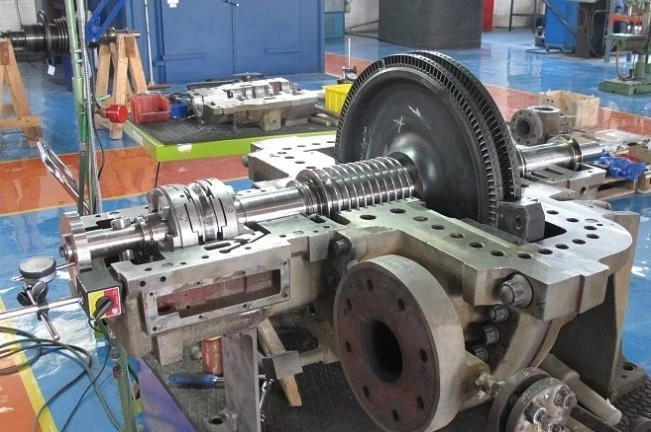
Steam Turbine Power Plant

Notable Projects

Real-world applications of steam turbines showcase their versatility and efficiency across various industries. The following case studies highlight significant installations and the impact of steam turbines in different settings:

  1. The Taichung Power Plant, Taiwan:
    • Overview: The Taichung Power Plant is one of the largest coal-fired power plants in the world, located in Taiwan. With an installed capacity of 5,500 MW, it plays a critical role in meeting the energy demands of Taiwan’s population and industry.
    • Role of Steam Turbines: The plant uses a series of large-scale steam turbines to convert the thermal energy from coal combustion into electricity. These turbines are designed to operate at high efficiency, utilizing supercritical steam conditions to maximize energy extraction.
    • Environmental Impact: Despite being a coal-fired plant, Taichung has implemented advanced emission control technologies, including flue gas desulfurization and selective catalytic reduction, to minimize its environmental footprint. The plant also serves as a benchmark for efficiency improvements in large-scale fossil fuel power generation.
  2. The Olkaria Geothermal Plant, Kenya:
    • Overview: The Olkaria Geothermal Plant is the largest geothermal power plant in Africa, located in Kenya’s Great Rift Valley. It has a capacity of over 800 MW and contributes significantly to Kenya’s renewable energy mix.
    • Role of Steam Turbines: The plant utilizes steam turbines specifically designed to handle the unique challenges of geothermal steam, such as the presence of corrosive gases and minerals. The turbines efficiently convert geothermal energy into electricity, providing a reliable source of power with low carbon emissions.
    • Sustainability: The success of the Olkaria Geothermal Plant demonstrates the potential of geothermal energy in providing sustainable, baseload power in regions with geothermal resources. The plant’s expansion over the years highlights the scalability of geothermal projects and the crucial role of steam turbines in this renewable energy sector.
  3. The Ivanpah Solar Electric Generating System, United States:
    • Overview: Ivanpah is one of the largest concentrated solar power (CSP) plants in the world, located in California’s Mojave Desert. It has a capacity of 392 MW and uses mirrors to concentrate sunlight onto boilers, generating steam to drive turbines.
    • Role of Steam Turbines: The steam turbines at Ivanpah are designed to operate with the variable steam input characteristic of CSP plants. They play a crucial role in converting solar energy into electricity, with the ability to start and stop quickly in response to solar conditions.
    • Innovation: Ivanpah is an example of how steam turbines can be effectively integrated into renewable energy systems. The project demonstrates the potential for CSP technology to provide utility-scale renewable energy, supported by advanced steam turbine technology.

Industry Leaders

Several companies and institutions have made significant contributions to the development and deployment of steam turbines. These industry leaders have pioneered technological advancements and set benchmarks for efficiency and reliability.

  1. Siemens Energy:
    • Overview: Siemens Energy is a global leader in the design and manufacture of steam turbines, with a portfolio that includes turbines for power generation, industrial applications, and marine propulsion. The company is known for its focus on innovation and efficiency.
    • Key Contributions: Siemens has been at the forefront of developing high-efficiency steam turbines, including those for supercritical and ultra-supercritical applications. Their turbines are widely used in power plants around the world, contributing to both fossil fuel and renewable energy projects. Siemens is also a leader in digitalization, offering advanced monitoring and control systems that enhance turbine performance and reliability.
  2. General Electric (GE):
    • Overview: General Electric is another major player in the steam turbine industry, with a long history of innovation and engineering excellence. GE’s steam turbines are used in a variety of applications, including power generation, industrial processes, and marine propulsion.
    • Key Contributions: GE has been instrumental in advancing turbine efficiency through the development of high-performance blades, advanced materials, and integrated control systems. The company has also been a pioneer in the use of digital twins and predictive maintenance technologies, helping operators optimize turbine performance and reduce operational costs.
  3. Mitsubishi Power:
    • Overview: Mitsubishi Power, a subsidiary of Mitsubishi Heavy Industries, is a leading manufacturer of steam turbines, particularly in Asia. The company offers a wide range of turbines for power generation, including those for coal, nuclear, and gas-fired plants, as well as renewable energy projects.
    • Key Contributions: Mitsubishi Power is known for its advanced steam turbine designs, which prioritize efficiency and reliability. The company has made significant strides in the development of ultra-supercritical turbines and has played a key role in the deployment of large-scale geothermal and biomass projects. Mitsubishi Power is also actively involved in R&D efforts focused on hydrogen-powered turbines and carbon capture integration.

Lessons Learned

The deployment of steam turbines across various industries provides valuable insights into the challenges and best practices associated with these technologies. Key lessons learned from these projects include:

  1. The Importance of Customization:
    • Project-Specific Design: One of the most important lessons from successful steam turbine projects is the need for customization. Each project has unique requirements based on the type of fuel, operating conditions, and environmental regulations. Tailoring the design of the steam turbine to these specific conditions is crucial for achieving optimal performance and reliability.
    • Adaptation to Local Conditions: In projects like the Olkaria Geothermal Plant, adapting the turbine design to handle the specific characteristics of geothermal steam, such as high moisture content and corrosive gases, was essential for long-term success. This highlights the importance of understanding local conditions and incorporating them into the turbine design process.
  2. Efficiency as a Key Driver:
    • Focus on Efficiency: Efficiency improvements have been a central focus in the development of steam turbines, driven by the need to reduce fuel consumption and emissions. Projects like the Taichung Power Plant demonstrate how supercritical and ultra-supercritical steam conditions can significantly enhance efficiency, leading to lower operational costs and reduced environmental impact.
    • Innovation in Blade Design: Advances in blade design, such as 3D-aerodynamic blades and the use of advanced materials, have been critical in improving turbine efficiency. Lessons from industry leaders like Siemens and GE show that continuous innovation in turbine components is necessary to maintain competitiveness in the market.
  3. The Role of Digitalization:
    • Embracing Digital Technologies: The integration of digital technologies, such as digital twins, AI, and real-time monitoring systems, has emerged as a best practice in the steam turbine industry. These technologies enable operators to optimize performance, predict maintenance needs, and reduce downtime, leading to improved overall efficiency and reliability.
    • Data-Driven Decision Making: The use of data analytics to monitor turbine performance and predict potential issues is becoming increasingly important. Industry leaders have demonstrated that data-driven decision-making can significantly enhance the operational efficiency and lifespan of steam turbines.
  4. Sustainability and Environmental Compliance:
    • Sustainability Initiatives: The growing emphasis on sustainability has led to the adoption of cleaner energy sources, such as biomass, geothermal, and solar thermal, in steam turbine projects. Lessons from projects like Ivanpah show that steam turbines can play a key role in the transition to renewable energy, provided they are integrated with the appropriate technologies.
    • Regulatory Compliance: Ensuring compliance with environmental regulations is a critical aspect of steam turbine projects. The successful implementation of emission control technologies, as seen in the Taichung Power Plant, highlights the importance of adhering to regulatory standards to minimize environmental impact and ensure project viability.

Conclusion

Summary of Key Points

Steam turbines have been a cornerstone of power generation and industrial applications for over a century, demonstrating remarkable adaptability and efficiency across various settings. This comprehensive exploration of steam turbines has covered their historical development, fundamental principles, design and manufacturing processes, and the wide range of applications in which they are employed.

  • Fundamentals: At their core, steam turbines operate by converting thermal energy from steam into mechanical energy, which can then be used to generate electricity or drive machinery. The efficiency of this process depends on factors such as steam conditions, blade design, and the thermodynamic cycles employed, with the Rankine cycle being the most common.
  • Design and Manufacturing: The design of steam turbines is a complex process that requires careful consideration of thermodynamics, materials science, and mechanical engineering. Advances in materials, such as superalloys and ceramic matrix composites, along with innovations in blade design and digitalization, are driving improvements in turbine efficiency and reliability. The manufacturing process, which includes casting, forging, machining, and heat treatment, ensures that turbines can withstand the extreme conditions under which they operate.
  • Operation and Maintenance: Steam turbines require careful operation and regular maintenance to ensure their longevity and performance. Maintenance practices such as preventive and predictive maintenance, along with the use of advanced diagnostic tools, help prevent issues like blade erosion, rotor imbalance, and steam leakage. Proper operation, including control of steam quality and adherence to startup and shutdown procedures, is essential for maximizing efficiency and minimizing wear.
  • Applications: Steam turbines are used in a wide variety of applications, from power generation in coal, nuclear, and geothermal plants to industrial processes in the petrochemical, pulp and paper, and steel industries. They also play a critical role in marine propulsion and are increasingly being integrated into renewable energy systems, such as concentrated solar power and biomass plants.
  • Efficiency and Optimization: The efficiency of steam turbines is a key driver of their performance, with advancements in blade design, steam conditions, and energy recovery systems contributing to ongoing improvements. The use of digital twins, AI, and real-time monitoring systems is enhancing the ability to optimize turbine performance, reduce downtime, and extend the lifespan of turbine components.
  • Environmental Impact and Sustainability: The environmental impact of steam turbines, particularly those powered by fossil fuels, is a significant concern. However, sustainability initiatives, such as the integration of renewable energy sources, the development of supercritical and ultra-supercritical steam cycles, and the adoption of carbon capture technologies, are helping to mitigate these impacts and support the transition to a low-carbon future.
  • Future Trends and Innovations: The steam turbine industry is poised for continued innovation, with advances in materials, digitalization, and integration with smart grids driving the future of the technology. Research into low-carbon and carbon-neutral technologies, such as hydrogen-fueled turbines and enhanced carbon capture systems, will play a critical role in the industry’s evolution. The challenges posed by environmental regulations, competition from alternative technologies, and aging infrastructure present both obstacles and opportunities for the industry.

The Future of Steam Turbines

As the global energy landscape continues to evolve, steam turbines will remain a vital component of power generation and industrial processes. Their ability to adapt to changing technologies, integrate with renewable energy systems, and improve efficiency will ensure their continued relevance in the coming decades.

The push for decarbonization and the need for more sustainable energy solutions will drive further innovation in steam turbine technology. The development of ultra-efficient steam cycles, the integration of digital technologies, and the exploration of new materials and designs will be essential for meeting the growing demand for clean, reliable, and efficient power.

Moreover, the role of steam turbines in emerging markets and in hybrid energy systems that combine traditional power generation with renewable sources presents significant growth opportunities. As these regions continue to industrialize and expand their energy infrastructure, the demand for steam turbines that can deliver high efficiency, reliability, and sustainability will increase.

In conclusion, steam turbines have a rich history of innovation and adaptation, and their future looks promising as they continue to evolve in response to the challenges and opportunities of the 21st century. The ongoing commitment to improving efficiency, reducing environmental impact, and integrating with advanced energy systems will ensure that steam turbines remain a cornerstone of global energy production for years to come.

Introduction to Power Generation with Steam Turbines

Basic Principles of Operation

Steam turbines have been at the heart of power generation for over a century. Invented by Sir Charles Parsons in 1884, steam turbines quickly became the dominant technology for converting thermal energy into mechanical energy and, subsequently, into electrical energy. Their versatility and efficiency have made them the backbone of electricity generation worldwide.

In modern power generation, steam turbines are used in a variety of settings, from large-scale fossil fuel plants to renewable energy installations. They operate on the principle of converting the energy from high-pressure steam into mechanical energy by driving a rotor connected to a generator. The flexibility of steam turbines allows them to be integrated into diverse energy systems, including coal, nuclear, natural gas, geothermal, and solar thermal power plants.

The importance of steam turbines lies in their ability to efficiently produce large amounts of electricity. With advancements in technology, steam turbines have evolved to operate at higher temperatures and pressures, increasing their efficiency and reducing fuel consumption. These improvements have also led to a reduction in greenhouse gas emissions per unit of electricity generated, making steam turbines a critical component in the transition to more sustainable energy systems.

Types of Power Plants Using Steam Turbines

Components of Impulse Turbine

Coal-Fired Power Plants

Coal-fired power plants are among the most common applications of steam turbines. In these plants, coal is burned in a boiler to produce high-pressure steam, which is then directed into a steam turbine to generate electricity. Despite the environmental challenges associated with coal, such as CO2 emissions and air pollution, it remains a significant energy source, particularly in developing countries.

The efficiency of coal-fired power plants has improved over the years, thanks to advancements in steam turbine technology. Supercritical and ultra-supercritical steam conditions, where steam is generated at temperatures and pressures above the critical point, allow for higher thermal efficiency. This means that more electricity can be generated from the same amount of coal, reducing the overall environmental impact.

Emission control technologies, such as flue gas desulfurization (FGD) and selective catalytic reduction (SCR), are employed to reduce the emission of pollutants like SO2 and NOx. Additionally, carbon capture and storage (CCS) technologies are being developed to capture CO2 emissions from coal plants, although these are still in the early stages of adoption.

Nuclear Power Plants

Understanding Waste Heat in Factories

In nuclear power plants, steam turbines play a crucial role in converting the heat generated by nuclear fission into electricity. Nuclear reactors heat water to produce steam, which then drives a steam turbine connected to a generator. The steam turbines used in nuclear power plants are typically large and must be highly reliable, given the safety-critical nature of nuclear energy.

One of the key challenges in nuclear power generation is managing the steam conditions, which differ from those in fossil fuel plants. The steam produced in nuclear reactors is often at a lower temperature and pressure, which requires specific turbine designs to operate efficiently under these conditions. Additionally, the turbines must be capable of withstanding radiation and operating in a highly controlled environment.

The efficiency of nuclear power plants is influenced by the design of the steam cycle, with some plants employing reheat cycles to improve thermal efficiency. Advances in materials and turbine design continue to enhance the performance of steam turbines in nuclear applications, contributing to the overall reliability and safety of nuclear power generation.

Gas-Fired Power Plants (Combined Cycle)

Combined cycle power plants represent a significant advancement in the use of steam turbines. These plants combine a gas turbine with a steam turbine to maximize efficiency. In a combined cycle setup, a gas turbine generates electricity, and the waste heat from the gas turbine’s exhaust is used to produce steam, which then drives a steam turbine to generate additional electricity.

The efficiency of combined cycle power plants is among the highest of any power generation technology, often exceeding 60%. This is because the steam turbine effectively captures and utilizes energy that would otherwise be lost as waste heat. Combined cycle plants are also more flexible than traditional power plants, as they can be ramped up or down quickly in response to changes in electricity demand.

The integration of steam turbines in combined cycle plants has made natural gas a more attractive option for power generation, particularly in countries looking to reduce their reliance on coal and lower their carbon emissions. The ability to combine gas and steam turbines in a single plant allows for greater efficiency and lower environmental impact, making combined cycle plants a key component of the modern energy mix.

Geothermal Power Plants

Geothermal power plants harness the Earth’s natural heat to generate electricity, and steam turbines are central to this process. In these plants, steam is extracted from underground reservoirs and used to drive turbines. Geothermal steam often contains corrosive gases and minerals, which presents unique challenges for turbine design and operation.

The efficiency of geothermal power plants depends on the temperature and pressure of the geothermal steam. Higher temperature resources allow for the use of more efficient steam cycles, similar to those used in fossil fuel plants. However, geothermal plants typically operate at lower pressures, requiring turbines that can handle a wider range of steam qualities.

One of the key advantages of geothermal energy is its ability to provide baseload power, as geothermal resources are available 24/7. Steam turbines in geothermal plants must be robust and reliable, capable of operating continuously with minimal downtime. Innovations in turbine materials and designs are helping to improve the longevity and efficiency of geothermal turbines, making geothermal energy an increasingly important part of the renewable energy landscape.

Concentrated Solar Power (CSP) Plants

Concentrated Solar Power (CSP) plants use mirrors or lenses to concentrate sunlight onto a receiver, where it heats a fluid to produce steam. This steam then drives a turbine to generate electricity. CSP is unique among renewable energy technologies in that it can produce electricity even when the sun is not shining, thanks to thermal storage systems that store heat for later use.

Steam turbines used in CSP plants are designed to operate with variable steam inputs, as the intensity of sunlight can fluctuate throughout the day. The turbines must be capable of starting and stopping quickly and efficiently to match the availability of solar energy. CSP plants often use steam turbines with advanced blade designs and materials that can withstand the thermal cycling associated with intermittent solar input.

One of the key innovations in CSP is the integration of molten salt thermal storage, which allows the plant to store heat during the day and use it to generate steam at night or during cloudy periods. This ability to provide dispatchable power makes CSP with steam turbines a valuable addition to the renewable energy mix, particularly in regions with high solar irradiance.

Efficiency Considerations in Steam Turbine Power Generation

Efficiency is a critical factor in steam turbine power generation, as it determines how effectively fuel or energy resources are converted into electricity. Several factors influence the efficiency of steam turbines, including thermodynamic principles, technological advancements, and operational strategies.

Thermodynamic Efficiency

The efficiency of a steam turbine is largely governed by the principles of thermodynamics, particularly the Rankine cycle, which is the basic cycle used in steam power plants. The Rankine cycle involves four main processes: isentropic compression, isobaric heat addition, isentropic expansion, and isobaric heat rejection. The efficiency of this cycle can be improved through several methods:

  • Superheating and Reheating: Increasing the temperature of steam (superheating) before it enters the turbine, or reheating the steam between turbine stages, can significantly improve efficiency by reducing the moisture content in the steam and allowing more energy to be extracted.
  • Higher Pressure Ratios: Operating the turbine at higher pressures increases the amount of energy that can be extracted from the steam, improving overall cycle efficiency. Supercritical and ultra-supercritical steam conditions, where steam is generated at pressures above the critical point, represent the highest efficiency levels in modern power plants.
  • Regenerative Feedwater Heating: Extracting steam from intermediate stages of the turbine to preheat the feedwater before it enters the boiler reduces the amount of fuel needed to produce steam, thereby improving the overall efficiency of the power plant.

Technological Advances

Advances in steam turbine technology have played a significant role in improving efficiency. Innovations in blade design, materials, and manufacturing techniques have allowed turbines to operate at higher temperatures and pressures, leading to greater energy conversion efficiency.

  • Advanced Blade Designs: The design of turbine blades has a significant impact on efficiency. Modern blades are aerodynamically optimized to reduce losses due to turbulence and friction. The use of computational fluid dynamics (CFD) allows engineers to design blades that maximize the energy extracted from steam.
  • High-Performance Materials: The development of advanced materials, such as nickel-based superalloys and ceramic matrix composites, has enabled steam turbines to operate at higher temperatures without compromising structural integrity. These materials resist creep, corrosion, and thermal fatigue, allowing for more efficient and durable turbine operation.
  • 3D Printing and Precision Manufacturing: Additive manufacturing technologies, such as 3D printing, have enabled the production of turbine components with complex geometries that are optimized for efficiency. Precision manufacturing techniques also reduce material waste and improve the consistency and reliability of turbine components.

Operational Strategies

Operational strategies also play a crucial role in optimizing the efficiency of steam turbines. By carefully managing the operating conditions and load profiles, power plant operators can maximize the performance of steam turbines.

  • Load Optimization: Steam turbines are most efficient when operating at or near their design capacity. However, power plants often experience varying demand throughout the day. By optimizing the load on the turbine, operators can maintain high efficiency even during periods of lower demand. Techniques such as load matching and peak shaving help ensure that turbines operate within their optimal range.
  • Real-Time Monitoring and Control: Modern steam turbines are equipped with advanced monitoring and control systems that allow operators to adjust operating parameters in real-time. These systems use sensors and data analytics to monitor performance metrics such as steam temperature, pressure, and flow rate. By continuously optimizing these parameters, operators can improve efficiency and prevent issues before they lead to performance losses.
  • Maintenance and Reliability: Regular maintenance is essential for maintaining the efficiency of steam turbines. Predictive maintenance, which uses data analytics to predict when components are likely to fail, helps minimize downtime and ensures that turbines continue to operate at peak efficiency. Proper lubrication, vibration analysis, and blade inspection are all critical components of an effective maintenance strategy.

Environmental Impact and Mitigation Strategies
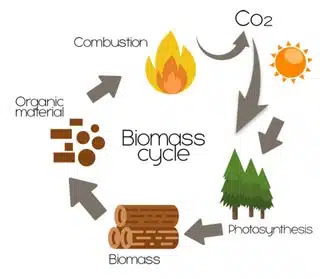
Environmental and Economic Benefits

Steam turbines play a central role in power generation, but they also contribute to environmental challenges, particularly when powered by fossil fuels. Understanding and mitigating these impacts is crucial for the sustainable operation of steam turbines.

Greenhouse Gas Emissions

The combustion of fossil fuels in steam turbines, particularly in coal and gas-fired power plants, is a significant source of CO2 emissions. These greenhouse gas emissions contribute to global warming and climate change, making it imperative to reduce the carbon footprint of steam turbine power generation.

  • Carbon Capture and Storage (CCS): CCS is a technology that captures CO2 emissions from power plants and stores them underground in geological formations. When integrated with steam turbines, CCS can significantly reduce the carbon emissions of fossil fuel-based power generation. While CCS is still in the early stages of adoption, ongoing research and development are focused on making it more cost-effective and scalable.
  • Transition to Low-Carbon Fuels: Another strategy for reducing greenhouse gas emissions is transitioning from coal to lower-carbon fuels, such as natural gas, or even carbon-neutral fuels like biomass. Combined cycle power plants, which use both gas and steam turbines, offer higher efficiency and lower emissions compared to traditional coal-fired plants.

Air and Water Pollution

In addition to CO2, fossil fuel combustion in steam turbines also produces other air pollutants, such as sulfur dioxide (SO2), nitrogen oxides (NOx), and particulate matter. These pollutants contribute to acid rain, smog, and respiratory problems in humans.

  • Emission Control Technologies: Technologies such as flue gas desulfurization (FGD) and selective catalytic reduction (SCR) are used to reduce SO2 and NOx emissions from power plants. Particulate matter can be controlled using electrostatic precipitators and baghouse filters. These technologies help mitigate the environmental impact of air pollution from steam turbines.
  • Water Usage and Thermal Pollution: Steam turbines require significant amounts of water for cooling, which can impact local water resources. Additionally, the discharge of heated water back into the environment can cause thermal pollution, affecting aquatic ecosystems. To address these issues, power plants are increasingly adopting closed-loop cooling systems that minimize water withdrawal and reduce thermal discharge. Dry cooling systems, which use air instead of water, are also being implemented, particularly in water-scarce regions.

Renewable Energy Integration

The integration of steam turbines with renewable energy sources presents an opportunity to reduce the environmental impact of power generation. By leveraging steam turbines in conjunction with renewable energy technologies, such as biomass, geothermal, and concentrated solar power (CSP), it is possible to produce electricity with a lower carbon footprint.

  • Biomass Power Generation: Biomass power plants use organic materials, such as wood, agricultural residues, and waste, to produce steam that drives turbines. Biomass is considered carbon-neutral, as the CO2 released during combustion is offset by the CO2 absorbed during the growth of the biomass. Steam turbines play a critical role in converting biomass energy into electricity, providing a sustainable alternative to fossil fuels.
  • Geothermal and Solar Thermal: Geothermal power plants harness the Earth’s natural heat to produce steam, while CSP plants use concentrated sunlight to generate steam. Both technologies rely on steam turbines to convert thermal energy into electricity. These renewable energy sources produce little to no greenhouse gas emissions, making them attractive options for sustainable power generation.

Future Trends and Innovations in Steam Turbine Power Generation

The steam turbine industry is continuously evolving, with new technologies and trends shaping the future of power generation. These innovations are focused on improving efficiency, reducing environmental impact, and enhancing the flexibility of steam turbines in a changing energy landscape.

Decarbonization Initiatives

As the world moves toward decarbonization, steam turbines are being adapted to operate with low-carbon and carbon-neutral fuels. Hydrogen, in particular, is emerging as a promising fuel for steam turbines.

  • Hydrogen-Fueled Steam Turbines: Hydrogen can be produced using renewable energy through electrolysis, resulting in a carbon-free fuel. Research is underway to develop steam turbines that can operate on hydrogen, either alone or in combination with other fuels. Hydrogen-fueled turbines have the potential to provide reliable, low-carbon power generation, especially in conjunction with renewable energy sources.
  • Hybrid Energy Systems: Steam turbines are increasingly being integrated into hybrid energy systems that combine traditional power generation with renewable energy. These systems can provide continuous power while reducing carbon emissions. For example, a hybrid system might use a natural gas-fired steam turbine in combination with solar or wind power, with the turbine providing backup power when renewable sources are intermittent.

Digitalization and Smart Grids

Digital technologies are transforming the operation of steam turbines, making them more efficient, reliable, and responsive to grid demands.

  • Artificial Intelligence and Machine Learning: AI and machine learning are being used to optimize turbine operations by analyzing data from sensors and control systems. These technologies can predict maintenance needs, optimize load distribution, and improve efficiency by adjusting operating parameters in real-time. AI-driven analytics are also helping to identify patterns and trends that can lead to better decision-making and improved turbine performance.
  • Digital Twins: The concept of a digital twin, a virtual model of the steam turbine that runs in parallel with the physical machine, is becoming increasingly important in the industry. Digital twins allow operators to monitor turbine performance in real-time, simulate different scenarios, and optimize operations without risking the physical turbine. This technology is particularly valuable for predicting and preventing issues before they occur, reducing downtime and maintenance costs.
  • Smart Grid Integration: Steam turbines are being integrated into smart grid systems, which offer enhanced flexibility and efficiency in power generation and distribution. Advanced control systems and real-time monitoring enable steam turbines to respond quickly to changes in electricity demand, helping to balance the grid and prevent blackouts. The integration of steam turbines with energy storage systems, such as batteries, also enhances grid stability and allows for more efficient use of renewable energy.

Research and Development

Ongoing research and development (R&D) efforts are focused on advancing steam turbine technology to meet the evolving demands of the energy industry and address environmental challenges.

  • High-Efficiency Steam Cycles: R&D is driving the development of supercritical and ultra-supercritical steam cycles, which operate at higher temperatures and pressures than conventional cycles. These advanced cycles offer higher thermal efficiencies, reducing fuel consumption and emissions. Researchers are exploring new materials and designs that can withstand the extreme conditions of these cycles, making them more viable for widespread adoption.
  • Carbon Capture Integration: Integrating carbon capture and storage (CCS) technologies with steam turbines is a key area of research aimed at reducing CO2 emissions from fossil fuel-based power generation. Ongoing R&D efforts are focused on improving the efficiency and cost-effectiveness of CCS, making it a viable option for large-scale deployment.
  • Advanced Materials and Coatings: The development of new materials and coatings that can withstand high temperatures and corrosive environments is essential for improving the durability and efficiency of steam turbines. Research into advanced coatings, such as thermal barrier coatings and anti-corrosion treatments, is helping to extend the life of turbine components and reduce maintenance costs.

Conclusion

Steam turbines have been a cornerstone of power generation for over a century, and their role continues to evolve in response to changing energy needs and environmental challenges. This comprehensive overview of steam turbine power generation has highlighted the versatility, efficiency, and sustainability of steam turbines across a range of applications.

From coal-fired and nuclear power plants to renewable energy systems like geothermal and concentrated solar power, steam turbines are critical to producing reliable and efficient electricity. Technological advancements, including supercritical steam cycles, advanced blade designs, and digitalization, have significantly improved the performance of steam turbines, making them more efficient and environmentally friendly.

As the world transitions to a low-carbon economy, steam turbines will play an essential role in decarbonization efforts. The integration of hydrogen as a fuel, the adoption of carbon capture technologies, and the development of hybrid energy systems are just a few of the ways steam turbines are being adapted to meet the demands of a more sustainable energy future.

The future of steam turbines is bright, with ongoing research and innovation driving continued improvements in efficiency, reliability, and environmental performance. As digital technologies like AI and digital twins become more prevalent, steam turbines will become even more integrated with smart grid systems, enhancing their flexibility and responsiveness to changing energy demands.

In conclusion, steam turbines will remain a vital component of global power generation for years to come. Their ability to adapt to new technologies and integrate with renewable energy sources ensures that they will continue to play a key role in the transition to a more sustainable and resilient energy system.

EMS Power Machines
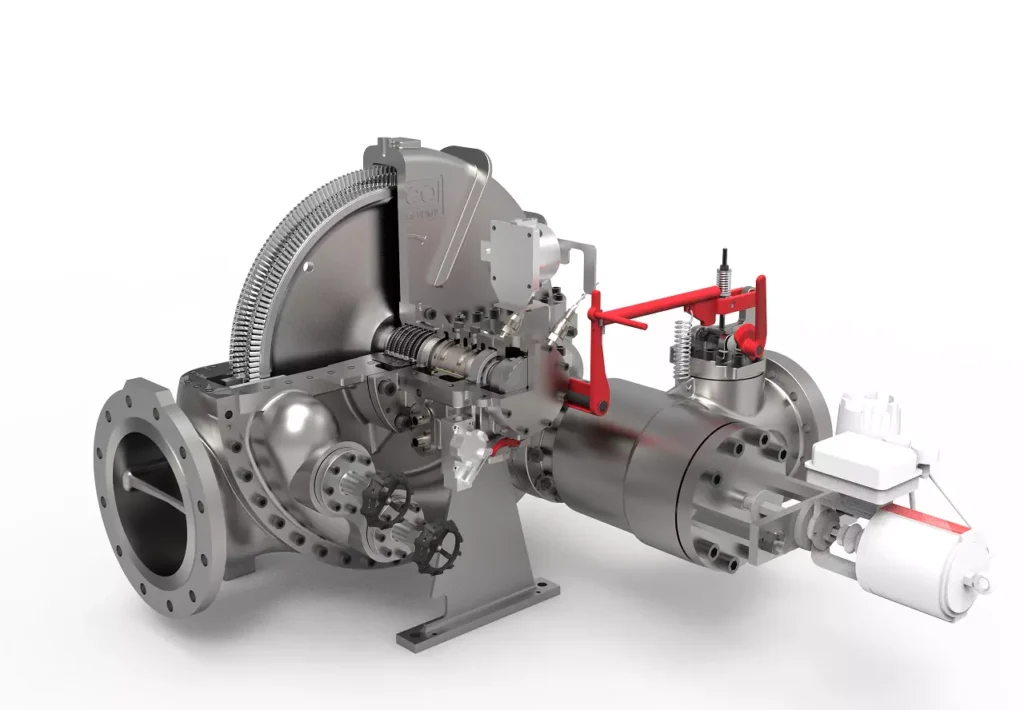
EMS Power Machines
EMS Power Machines

We design, manufacture and assembly Power Machines such as – diesel generators, electric motors, vibration motors, pumps, steam engines and steam turbines

EMS Power Machines is a global power engineering company, one of the five world leaders in the industry in terms of installed equipment. The companies included in the company have been operating in the energy market for more than 60 years.

EMS Power Machines manufactures steam turbines, gas turbines, hydroelectric turbines, generators, and other power equipment for thermal, nuclear, and hydroelectric power plants, as well as for various industries, transport, and marine energy.

EMS Power Machines is a major player in the global power industry, and its equipment is used in power plants all over the world. The company has a strong track record of innovation, and it is constantly developing new and improved technologies.

Here are some examples of Power Machines’ products and services:

  • Steam turbines for thermal and nuclear power plants
  • Gas turbines for combined cycle power plants and industrial applications
  • Hydroelectric turbines for hydroelectric power plants
  • Generators for all types of power plants
  • Boilers for thermal power plants
  • Condensers for thermal power plants
  • Reheaters for thermal power plants
  • Air preheaters for thermal power plants
  • Feedwater pumps for thermal power plants
  • Control systems for power plants
  • Maintenance and repair services for power plants

EMS Power Machines is committed to providing its customers with high-quality products and services. The company has a strong reputation for reliability and innovation. Power Machines is a leading provider of power equipment and services, and it plays a vital role in the global power industry.

EMS Power Machines, which began in 1961 as a small factory of electric motors, has become a leading global supplier of electronic products for different segments. The search for excellence has resulted in the diversification of the business, adding to the electric motors products which provide from power generation to more efficient means of use.
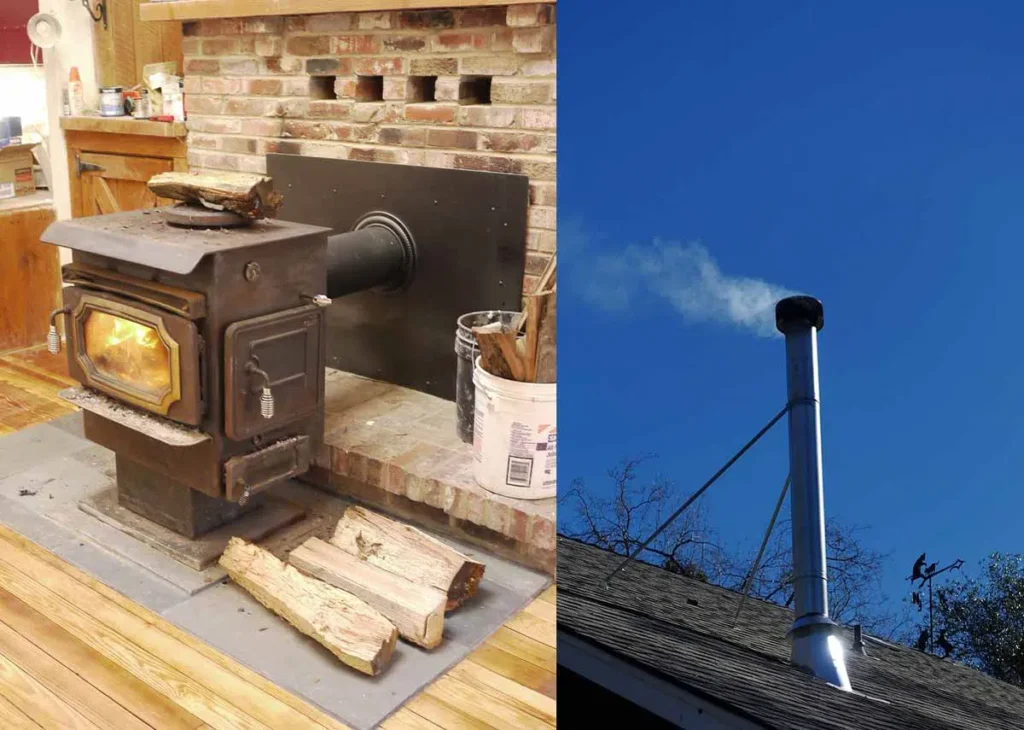
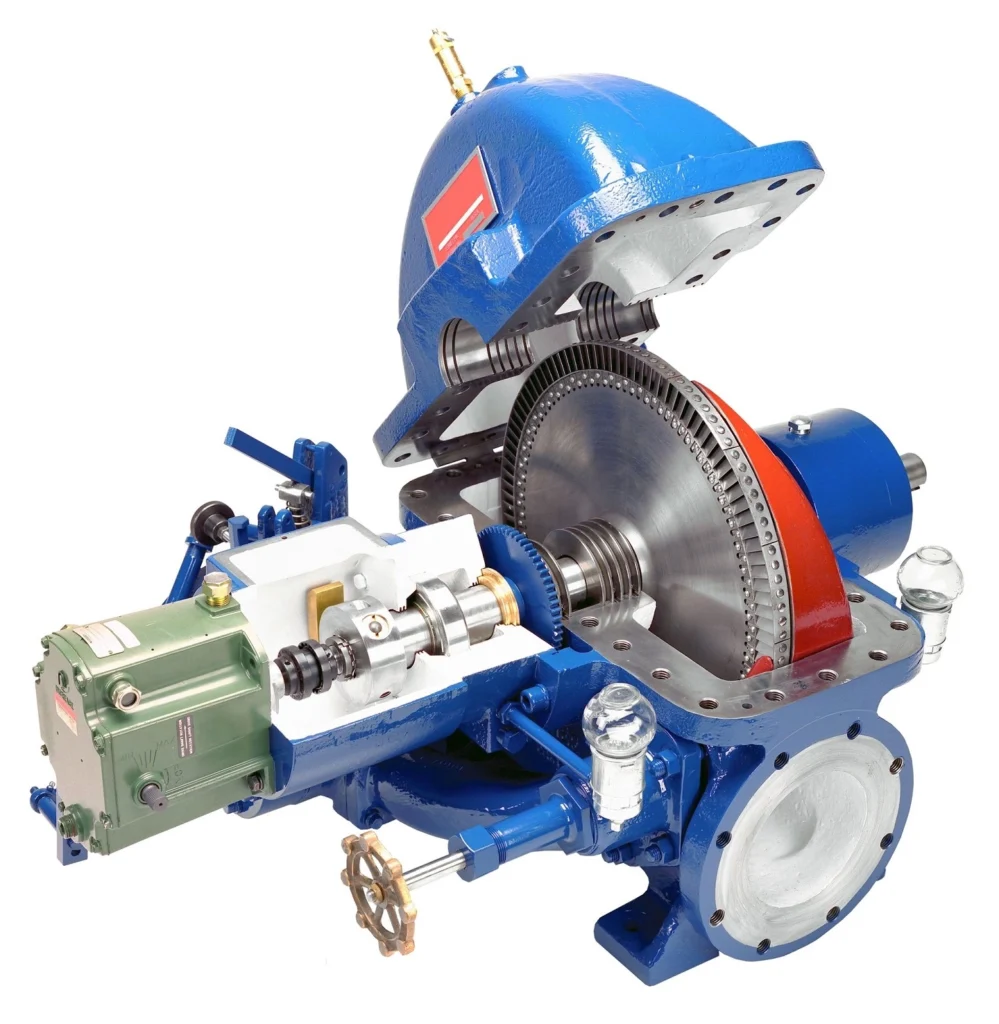
Categories
Uncategorized

Eco friendly Self Sustainable Homes

Eco friendly Self Sustainable Homes

Embarking on a revolutionary journey toward eco friendly and self-sustainable homes, the first ten keywords unveil the foundational pillars that define the ethos of these innovative abodes, where cutting-edge technology converges with environmental consciousness.

Eco friendly Self Sustainable Homes

1. Renewable Energy Integration: At the core of eco-friendly, self-sustainable homes is a profound commitment to harnessing renewable energy sources. These homes seamlessly integrate solar panels, wind turbines, and innovative biomass systems to generate steam, propelling them towards a future where sustainable power is not just an aspiration but a tangible reality.

2. Solar Steam Generation: The marriage of solar power and steam generation exemplifies the forward-thinking nature of these homes. Utilizing concentrated solar power (CSP) systems, they harness the sun’s radiance to produce steam, turning sunlight into a potent force that propels steam turbines and generates clean electricity.

3. Biomass Steam Generator: These homes redefine the paradigm of energy generation by incorporating biomass into the mix. Sustainable organic waste and carefully cultivated crops become the fuel for steam generators, turning what was once considered refuse into a valuable resource for generating steam and, consequently, power.

4. Cogeneration Systems: The integration of cogeneration systems elevates the self-sustainable home to new heights. Beyond merely generating electricity, these systems capture and repurpose waste heat, utilizing it for heating purposes or other energy-intensive activities. It’s an embodiment of efficiency and a testament to the holistic approach these homes adopt.

5. Steam-driven Appliances: In the world of eco-friendly, self-sustainable homes, every aspect of daily life is touched by the power of steam. From cooking appliances to water heaters, these homes boast a suite of steam-driven technologies that showcase the versatility of steam beyond electricity generation, seamlessly integrating sustainability into daily living.

6. Waste Heat Recovery: Maximizing efficiency becomes an art form in these homes. Waste heat, often a byproduct in traditional energy systems, is viewed as a valuable resource. Through advanced waste heat recovery systems, these homes capture and repurpose excess heat, transforming it into an additional source of energy for various heating needs or other applications.

7. Micro Steam Turbine: Downsizing the grandeur of traditional steam turbine systems, these homes introduce micro steam turbines. These scaled-down marvels bring the power of steam to smaller residential applications, democratizing the benefits of sustainable energy generation and making them accessible to a broader range of homeowners.

8. Closed-loop Steam Systems: The homes of the future are designed with precision, minimizing energy losses and maximizing efficiency. Closed-loop steam systems, where steam circulates in a controlled environment, become the hallmark of intelligent design. They not only enhance efficiency but also minimize the environmental impact of steam utilization.

9. Steam-driven HVAC: Climate control takes on a sustainable hue in these homes. Embracing steam-driven heating, ventilation, and air conditioning (HVAC) systems, they redefine the concept of home comfort. Steam, harnessed through innovative technologies, becomes the driving force behind temperature regulation, reducing reliance on traditional energy-intensive HVAC systems.

10. Geothermal Steam Integration: These homes go beneath the surface to tap into the Earth’s natural warmth. By integrating geothermal steam sources, they unlock a consistent and renewable reservoir of thermal energy, further diversifying their energy portfolio and enhancing the reliability of steam-driven power generation.

In essence, the first ten keywords lay the groundwork for a paradigm shift in residential living—a shift where homes not only consume energy responsibly but actively contribute to its generation through the transformative power of steam. It’s a glimpse into a future where sustainability is not a compromise but a seamless and integral part of the modern lifestyle.

Continuing our exploration into the realm of eco-friendly, self-sustainable homes, the second set of ten keywords delves deeper into the innovative technologies and sustainable practices that define the blueprint of these forward-thinking abodes.

11. Steam Power Plant: Within the framework of eco-friendly homes, the incorporation of a steam power plant takes center stage. This represents a holistic approach to energy production, where the home transforms into a miniature power station. The synergy of steam and sustainable sources converges to generate electricity, marking a departure from conventional power generation methods.

12. Steam Turbine Design: Precision and innovation define the design principles of the steam turbines at the heart of these homes. Meticulously engineered for optimal efficiency, durability, and compatibility with diverse energy sources, these turbines represent the cutting edge of steam technology. The design is a testament to the commitment to extracting maximum energy from renewable sources.

13. Steam Accumulator: Addressing the ebb and flow of energy demand, these homes employ steam accumulators. These storage systems allow excess steam generated during periods of low demand to be stored for later use. It’s a strategic solution that ensures a consistent and stable energy supply, even when renewable sources may experience fluctuations.

14. Steam-powered Lighting: Infusing a touch of nostalgia into modern living, steam-powered lighting systems illuminate these eco-friendly homes. A fusion of aesthetics and sustainability, these fixtures draw power from steam-driven generators, adding a unique and enchanting ambiance to the living spaces.

15. High-efficiency Steam Systems: Efficiency is paramount in the design of these homes. High-efficiency steam systems, from boilers to distribution networks, are meticulously implemented to ensure the seamless conversion of thermal energy into mechanical power. This dedication to efficiency extends the overall sustainability of the energy generation process.

16. Steam-driven Cooking: The kitchen, often considered the heart of a home, undergoes a sustainable transformation with steam-driven cooking appliances. These innovative devices harness the power of steam for culinary tasks, revolutionizing the way food is prepared while minimizing energy consumption and embracing eco-friendly practices.

17. Steam Expansion Technology: At the forefront of technological innovation lies steam expansion technology. This sophisticated approach optimizes the expansion of steam, extracting maximum work from this versatile energy source. It represents a continuous quest for efficiency and a commitment to pushing the boundaries of sustainable energy utilization.

18. Steam-driven Water Heaters: Hot water becomes a sustainable luxury with the integration of steam-driven water heaters. These systems leverage steam to efficiently heat water for domestic use, offering a green alternative to conventional water heating methods and contributing to the overall energy self-sufficiency of the home.

19. Steam Turbine Efficiency: Efficiency is the linchpin of sustainable energy generation, and these homes prioritize the continuous improvement of steam turbine efficiency. Advances in materials, design, and control systems are relentlessly pursued to enhance the overall performance of the turbines, ensuring they operate at peak efficiency levels.

20. Steam Storage Solutions: Addressing the intermittent nature of renewable energy sources, innovative steam storage solutions come to the forefront. These systems allow homes to store excess steam during periods of high generation, providing a reservoir that can be tapped into during peak demand, thereby enhancing the reliability and resilience of the energy supply.

In essence, the second set of ten keywords unveils the intricate tapestry of innovation woven into the fabric of eco-friendly, self-sustainable homes. From precision steam turbine design to the enchantment of steam-powered lighting, these elements collectively portray a vision where sustainability meets sophistication, forging a path towards a more responsible and harmonious way of living.

Continuing our exploration into the realm of eco-friendly, self-sustainable homes, the third set of ten keywords unravels additional layers of innovation and sustainability that define the blueprint of these forward-thinking residences.

21. Steam-driven HVAC: Revolutionizing the conventional approach to home climate control, eco-friendly homes embrace steam-driven Heating, Ventilation, and Air Conditioning (HVAC) systems. These systems utilize steam as a primary medium for regulating temperature, offering an energy-efficient and sustainable alternative to traditional HVAC methods. The result is a home environment that is not only comfortable but also aligned with eco-conscious principles.

22. Steam Condensation: In the pursuit of maximizing energy efficiency, these homes employ steam condensation technology. This process involves capturing and converting steam back into water after it has performed its work in the turbines. The condensed water can then be recycled within the system, reducing water consumption and minimizing environmental impact.

23. Steam Expansion Technology: A cornerstone of sustainable energy within these homes is advanced steam expansion technology. This innovative approach optimizes the expansion of steam, ensuring that the maximum amount of work is extracted from this versatile energy source. Through continuous refinement, these systems exemplify a commitment to pushing the boundaries of efficiency in steam-driven energy generation.

24. Steam-driven Pumps: Extending the applications of steam, these homes incorporate steam-driven pumps for various purposes, including water circulation, irrigation, and other fluid management systems. By utilizing steam to power pumps, these homes showcase a multifaceted integration of steam technology across different aspects of daily life.

25. Steam-driven Air Conditioning: Innovative approaches to cooling the home take center stage with steam-driven air conditioning systems. These systems leverage the power of steam to regulate indoor temperatures, offering a sustainable alternative to traditional air conditioning methods. This integration marks a departure from energy-intensive cooling practices, contributing to a more environmentally conscious lifestyle.

26. Steam Turbine Efficiency: Efficiency is paramount in the design and operation of steam turbines within these homes. Constant efforts are made to enhance the efficiency of steam turbines through advancements in materials, precision engineering, and sophisticated control systems. This commitment ensures that the energy generated is utilized optimally, minimizing waste and maximizing sustainability.

27. Closed-loop Steam Systems: The adoption of closed-loop steam systems is a testament to the meticulous planning and design inherent in these homes. Closed-loop systems minimize heat losses by keeping the steam within a controlled environment, maximizing energy efficiency and reducing the ecological footprint associated with steam utilization.

28. Biomass-fired Steam Turbine: Expanding the scope of renewable energy sources, eco-friendly homes incorporate biomass-fired steam turbines. Biomass, derived from organic materials, serves as a sustainable fuel for steam generation, showcasing the versatility of these homes in integrating various renewable resources into their energy mix.

29. Steam-driven Water Heaters: Eco-friendly living extends to the realm of water heating with the adoption of steam-driven water heaters. By leveraging steam to heat water, these systems offer an energy-efficient and sustainable solution for meeting domestic hot water needs. This integration reflects a holistic approach to energy consumption within the home.

30. Steam Power Plant: The embodiment of self-sufficiency and sustainability is realized with the incorporation of a steam power plant within these homes. Functioning as a miniature power station, the steam power plant transforms diverse energy sources into electricity, providing a continuous and reliable power supply. This marks a significant departure from conventional grid-dependent energy models.

In essence, the third set of ten keywords unveils the intricacies of eco-friendly, self-sustainable homes, where steam technology is not just a means of energy generation but a versatile and integral component of various systems. From heating and cooling to water circulation and power generation, these homes exemplify a harmonious fusion of innovation and sustainability, paving the way for a greener and more responsible way of living.

As we delve deeper into the realm of eco-friendly, self-sustainable homes, the fourth set of ten keywords reveals additional layers of ingenuity and sustainability that define the blueprint of these forward-thinking residences.

31. Steam Turbine Design: At the heart of these cutting-edge homes lies a dedication to precision and innovation in steam turbine design. Engineers and designers meticulously craft turbines optimized for efficiency, durability, and compatibility with diverse energy sources. This commitment ensures that every revolution of the turbine translates into maximum electrical output, contributing to the overall sustainability of the home.

32. Steam-driven Agriculture: The integration of steam technology extends beyond the confines of the home, reaching into the fields with steam-driven agriculture. Sustainable farming practices harness the power of steam for irrigation, soil sterilization, and other agricultural processes. These homes, thus, contribute to environmentally conscious and resource-efficient farming, promoting a holistic approach to sustainability.

33. Steam-driven Appliances: Expanding the array of steam-driven appliances, these homes redefine domestic convenience. From laundry machines to dishwashers, a suite of steam-powered appliances showcases the versatility and efficiency of steam technology in daily living. This integration seamlessly weaves sustainability into the fabric of everyday household activities.

34. Steam Turbine Conversion: In the pursuit of sustainable living, these homes explore the conversion of existing energy systems to incorporate steam turbines. This retrofitting approach allows homes to transition from conventional power sources to cleaner, more sustainable alternatives, aligning with a broader movement towards reducing dependence on non-renewable resources.

35. Steam-driven Transportation: Pushing the boundaries of sustainable mobility, these homes pioneer steam-driven transportation options. From vehicles to bicycles, steam power becomes a viable and eco-friendly means of transportation. This visionary approach extends the impact of self-sustainable living beyond the confines of the home, contributing to a more sustainable and eco-conscious lifestyle.

36. Steam Turbine Maintenance: Ensuring the longevity and efficiency of steam turbines requires a dedicated focus on maintenance. These homes establish regular maintenance protocols to monitor and sustain the health of their steam turbine systems. This commitment to ongoing care ensures that the turbines operate at peak performance, maximizing their lifespan and overall sustainability.

37. Steam Turbine Integration: Seamless integration of steam turbines into the overall energy infrastructure is a hallmark of these homes. The turbines become an integral part of a unified and efficient system, working in harmony with other renewable energy sources and storage solutions. This integrated approach optimizes the utilization of steam for power generation.

38. Clean Steam Technology: In the pursuit of environmental responsibility, these homes adopt clean steam technologies. These technologies minimize emissions and pollutants associated with steam generation, ensuring that the environmental impact of energy production is kept to a minimum. Clean steam technology reflects a commitment to sustainability beyond just electricity generation.

39. Small-scale Steam Turbines: Tailoring steam turbine systems for smaller residential scales, these homes democratize the benefits of sustainable energy generation. Small-scale steam turbines make this technology accessible to a wider range of homeowners, fostering a community of environmentally conscious individuals contributing to a more sustainable future.

40. Steam-driven Cooking: The culinary experience within these homes is elevated through steam-driven cooking appliances. Harnessing the power of steam for culinary tasks not only revolutionizes the kitchen but also contributes to energy-efficient cooking practices. Steam-driven cooking appliances showcase how sustainability can be seamlessly integrated into daily routines.

In summary, the fourth set of ten keywords paints a comprehensive picture of eco-friendly, self-sustainable homes that extend their influence beyond power generation. From agricultural practices and transportation to daily household activities, these homes embody a holistic and visionary approach to sustainability, redefining the way we live and interact with our environment.

Continuing our exploration into the realm of eco-friendly, self-sustainable homes, the fifth set of ten keywords reveals the intricate details that further define the blueprint of these visionary residences.

41. Steam Turbine Components: The anatomy of steam turbines within these homes is a testament to meticulous engineering. Each component is finely crafted for optimal performance and longevity. From rotors and blades to condensers and governors, every element is designed with precision to ensure seamless operation and reliability in the conversion of steam into electricity.

42. Steam Turbine Energy Storage: Acknowledging the intermittent nature of renewable energy sources, these homes implement innovative steam turbine energy storage solutions. Excess energy generated during peak production periods is stored in various forms, such as compressed air or heated substances. This stored energy can then be released during periods of high demand, providing a consistent and reliable power supply.

43. Steam Turbine Controls: The orchestration of steam turbines is a delicate dance directed by advanced control systems. These homes employ sophisticated controls that regulate steam flow, pressure, and turbine speed with precision. Smart and adaptive controls ensure the efficient performance of steam turbines under varying conditions, optimizing energy generation and consumption.

44. Steam-driven Irrigation: Extending the reach of sustainable practices, these homes incorporate steam-driven irrigation systems for gardens and agricultural plots. Steam, harnessed from on-site generators, is utilized to efficiently water crops. This integration ensures water conservation, promotes eco-friendly agriculture, and aligns with the overarching goal of self-sufficiency.

45. Steam Turbine Economics: An in-depth understanding of the economic aspects of steam turbines is crucial in these homes. Factors such as initial investment, operational costs, and long-term benefits are carefully analyzed to ensure the economic viability of integrating steam turbine technology. This pragmatic approach ensures that sustainability is not only ecological but also economically sound.

46. Steam Turbine Reliability: Reliability is paramount in the pursuit of self-sufficiency. These homes prioritize the reliability of their steam turbines through robust design, regular maintenance, and continuous monitoring. This focus on reliability ensures uninterrupted energy production, reinforcing the resilience of these homes in the face of varying environmental conditions.

47. Steam-driven Manufacturing: Innovating beyond energy production, these homes extend the application of steam to on-site manufacturing processes. Steam-driven manufacturing systems contribute to a closed-loop approach, where raw materials are sourced sustainably, and the entire production cycle is powered by renewable energy, reducing the ecological footprint of manufactured goods.

48. Steam-driven Desalination: Addressing water scarcity concerns, these homes integrate steam-driven desalination processes. By utilizing steam to distill saltwater into freshwater, these homes provide a sustainable solution to water supply challenges. This application showcases the versatility of steam technology in meeting diverse environmental needs.

49. Steam Turbine Upgrades: Staying at the forefront of technological advancements, these homes regularly explore and implement upgrades to their steam turbine systems. Upgrades may include improvements in materials, enhanced efficiency through design modifications, or the incorporation of new technologies. This commitment to continuous improvement ensures that these homes evolve with the latest innovations in sustainable energy.

50. Steam Turbine Off-grid Systems: A defining feature of these homes is their ability to operate off the grid, thanks to steam turbine systems. By generating their own electricity through steam, they achieve a level of energy independence that frees them from reliance on traditional power grids. Off-grid systems empower these homes to thrive in remote locations or during grid outages, embodying the true essence of self-sufficiency.

In conclusion, the fifth set of ten keywords paints a comprehensive picture of eco-friendly, self-sustainable homes as hubs of innovation and resilience. From advanced turbine controls to off-grid capabilities and sustainable manufacturing, these homes showcase a holistic approach to sustainability, demonstrating how cutting-edge technology can be harnessed to create a harmonious and self-sufficient living environment.

How to Generate Electricity

Electricity generation using steam power involves the conversion of heat energy into mechanical energy and, ultimately, electrical energy. This process typically involves the use of a steam turbine coupled to a generator. Here’s a general overview of how electricity is generated using steam power:

  1. Boiler:
    • Water is heated to generate steam in a boiler. This can be achieved by burning fossil fuels (coal, natural gas, or oil), using nuclear reactions, or harnessing renewable energy sources like biomass, solar, or geothermal heat.
  2. Steam Generation:
    • The generated steam carries thermal energy. The higher the pressure and temperature of the steam, the more energy it contains.
  3. Steam Turbine:
    • The steam is directed towards a turbine. Steam turbines are devices that convert the kinetic energy of the moving steam into mechanical energy by making the turbine blades rotate.
  4. Generator:
    • The rotating shaft of the turbine is connected to a generator. As the turbine spins, it drives the generator, converting the mechanical energy into electrical energy.
  5. Power Generation:
    • The generator produces electrical power, typically in the form of alternating current (AC). This electricity can then be stepped up in voltage through transformers for efficient long-distance transmission.
  6. Condenser:
    • After passing through the turbine, the steam is condensed back into water in a condenser. This releases latent heat, which is usually transferred to a cooling medium (like water or air) to complete the cycle.
  7. Cooling System:
    • The cooling medium absorbs the heat from the condensing steam, converting it back into liquid water. This cooled water is then returned to the boiler to be reheated and reused in the steam generation process.
  8. Control Systems:
    • Various control systems, sensors, and monitoring devices are employed to optimize the efficiency and safety of the power plant. These systems regulate steam pressure, temperature, and other parameters to ensure smooth operation.

This process is known as a Rankine cycle, and it’s a common method for electricity generation in many power plants worldwide. The heat source can vary depending on the type of power plant, ranging from fossil fuels to renewable energy sources. The efficiency of the overall system is influenced by factors such as the temperature and pressure levels, the design of the turbine and generator, and the choice of cooling system.

1. Boiler:

  • Function: The boiler is a critical component that produces high-pressure steam by heating water. The heat source can vary:
    • Fossil Fuels: Combustion of coal, natural gas, or oil.
    • Nuclear: Nuclear reactions produce heat to generate steam.
    • Renewable Energy: Biomass, solar, or geothermal sources can also be used.

2. Steam Generation:

  • Process: Water is pumped into the boiler and heated to produce high-pressure steam.
  • Parameters: Steam pressure and temperature are crucial factors in determining the efficiency of the system.

3. Steam Turbine:

  • Function: The steam is directed onto turbine blades, causing the turbine to rotate.
  • Types: There are various types of steam turbines, including impulse turbines and reaction turbines.

4. Generator:

  • Coupling: The rotating shaft of the steam turbine is connected to the rotor of a generator.
  • Principle: The rotating motion is converted into electrical energy through electromagnetic induction.

5. Power Generation:

  • Output: The generator produces electrical power in the form of alternating current (AC).
  • Frequency: The frequency of the AC power is typically 50 or 60 Hz, depending on the region.

6. Condenser:

  • Function: Steam exiting the turbine is condensed back into water.
  • Heat Transfer: The latent heat released during condensation is transferred to a cooling medium.
  • Cooling Medium: Commonly water or air, depending on the type of power plant.

7. Cooling System:

  • Cooling Tower: In some cases, a cooling tower is used to dissipate excess heat to the atmosphere through the evaporation of water.
  • Water Source: The cooling water may be sourced from rivers, lakes, or the sea.

8. Control Systems:

  • Automation: Modern power plants use advanced control systems to regulate various parameters.
  • Safety Measures: Systems are in place to ensure safe operation and respond to emergency situations.

9. Efficiency Considerations:

  • Thermal Efficiency: The overall efficiency of the system is influenced by factors such as turbine design, steam parameters, and heat exchanger efficiency.
  • Cogeneration: Some power plants use cogeneration to maximize efficiency by utilizing waste heat for other purposes, such as district heating.

10. Environmental Impact:

  • Emissions Control: Fossil fuel-based power plants often incorporate emissions control systems to reduce environmental impact.
  • Renewable Integration: The use of renewable energy sources contributes to lower carbon emissions.

11. Maintenance and Upkeep:

  • Regular Maintenance: Scheduled maintenance is crucial to ensure the longevity and reliability of the equipment.
  • Upgrades: Power plants may undergo upgrades to incorporate more efficient technologies or address environmental concerns.

Understanding these details provides insight into the complex interplay of components and processes involved in electricity generation using steam power. The continual advancement of technology aims to enhance efficiency, reduce environmental impact, and explore innovative approaches to power generation.

The boiler is a critical component in a steam power generation system. Its primary function is to convert water into steam by using heat from a combustion process or another heat source. The steam produced in the boiler is then directed to a steam turbine, where it expands and performs mechanical work to drive a generator and produce electricity. Here are more details about boilers:

Types of Boilers:

  1. Fire-Tube Boilers:
    • Construction: Water surrounds tubes through which hot combustion gases pass.
    • Advantages: Simple design, relatively compact, suitable for small to medium-sized applications.
    • Applications: Commonly used in industrial processes and smaller power plants.
  2. Water-Tube Boilers:
    • Construction: Water circulates in tubes that are heated externally by combustion gases.
    • Advantages: Higher efficiency, ability to handle higher pressures and capacities.
    • Applications: Often used in large power plants and industrial settings.
  3. Once-Through Boilers:
    • Operation: Water passes through the boiler only once, with no recirculation.
    • Advantages: Rapid startup, efficient operation at variable loads.
    • Applications: Common in some modern power plants, particularly in combination with supercritical and ultra-supercritical steam conditions.

Boiler Components:

  1. Furnace:
    • Function: The combustion of fuel (coal, natural gas, oil, biomass) takes place in the furnace, releasing heat.
    • Combustion Chamber: Area where fuel is burned, and combustion gases are generated.
  2. Water Walls:
    • Location: In water-tube boilers, these are tubes containing water that surround the furnace.
    • Purpose: Absorb heat from the furnace and generate steam.
  3. Steam Drum:
    • Function: Collects and separates steam from water. It also serves as a reservoir for water to be converted into steam.
    • Circulation: Helps maintain proper water circulation through the boiler.
  4. Superheater:
    • Location: Typically placed after the steam drum.
    • Function: Raises the temperature of steam to a higher level (superheated steam), increasing energy content and efficiency.
  5. Economizer:
    • Location: Typically located in the flue gas path.
    • Function: Preheats the feedwater using residual heat from the flue gases, improving overall efficiency.
  6. Boiler Burners:
    • Function: Combustion of fuel occurs in burners.
    • Types: Can be oil burners, gas burners, or solid fuel burners, depending on the type of fuel used.

Boiler Operation:

  1. Fuel Input:
    • Combustion Process: Fossil fuels or other combustible materials are burned in the furnace.
    • Control Systems: Control the fuel and air supply to maintain proper combustion conditions.
  2. Water Circulation:
    • Natural Circulation: Relies on density differences to circulate water.
    • Forced Circulation: In larger boilers, pumps are used to ensure proper water circulation.
  3. Steam Generation:
    • Heat Transfer: Heat from the combustion process is transferred to water, producing steam.
    • Pressure and Temperature Control: Systems regulate steam pressure and temperature.

Boiler Safety:

  1. Pressure Relief Devices:
    • Safety Valves: Release excess pressure to prevent overpressurization.
    • Safety Interlocks: Automated systems for emergency shutdown.
  2. Water Level Control:
    • Preventing Dry Firing: Ensures an adequate water level to prevent damage to the boiler.
  3. Combustion Control:
    • Fuel-Air Ratio: Maintained for efficient and safe combustion.
    • Emission Control: Monitoring and controlling emissions for environmental compliance.

Understanding the different types of boilers, their components, and their operation is crucial for ensuring the safe and efficient generation of steam for power production. Regular maintenance, monitoring, and adherence to safety protocols are essential for the reliable operation of a boiler system.

Types of Boilers:

  1. Fire-Tube Boilers:
    • Construction: Water surrounds tubes through which hot combustion gases pass.
    • Advantages: Simple design, relatively compact, suitable for small to medium-sized applications.
    • Applications: Commonly used in industrial processes and smaller power plants.
  2. Water-Tube Boilers:
    • Construction: Water circulates in tubes that are heated externally by combustion gases.
    • Advantages: Higher efficiency, ability to handle higher pressures and capacities.
    • Applications: Often used in large power plants and industrial settings.
  3. Once-Through Boilers:
    • Operation: Water passes through the boiler only once, with no recirculation.
    • Advantages: Rapid startup, efficient operation at variable loads.
    • Applications: Common in some modern power plants, particularly in combination with supercritical and ultra-supercritical steam conditions.

Boiler Components:

  1. Furnace:
    • Function: The combustion of fuel (coal, natural gas, oil, biomass) takes place in the furnace, releasing heat.
    • Combustion Chamber: Area where fuel is burned, and combustion gases are generated.
  2. Water Walls:
    • Location: In water-tube boilers, these are tubes containing water that surround the furnace.
    • Purpose: Absorb heat from the furnace and generate steam.
  3. Steam Drum:
    • Function: Collects and separates steam from water. It also serves as a reservoir for water to be converted into steam.
    • Circulation: Helps maintain proper water circulation through the boiler.
  4. Superheater:
    • Location: Typically placed after the steam drum.
    • Function: Raises the temperature of steam to a higher level (superheated steam), increasing energy content and efficiency.
  5. Economizer:
    • Location: Typically located in the flue gas path.
    • Function: Preheats the feedwater using residual heat from the flue gases, improving overall efficiency.
  6. Boiler Burners:
    • Function: Combustion of fuel occurs in burners.
    • Types: Can be oil burners, gas burners, or solid fuel burners, depending on the type of fuel used.

Boiler Operation:

  1. Fuel Input:
    • Combustion Process: Fossil fuels or other combustible materials are burned in the furnace.
    • Control Systems: Control the fuel and air supply to maintain proper combustion conditions.
  2. Water Circulation:
    • Natural Circulation: Relies on density differences to circulate water.
    • Forced Circulation: In larger boilers, pumps are used to ensure proper water circulation.
  3. Steam Generation:
    • Heat Transfer: Heat from the combustion process is transferred to water, producing steam.
    • Pressure and Temperature Control: Systems regulate steam pressure and temperature.

Boiler Safety:

  1. Pressure Relief Devices:
    • Safety Valves: Release excess pressure to prevent overpressurization.
    • Safety Interlocks: Automated systems for emergency shutdown.
  2. Water Level Control:
    • Preventing Dry Firing: Ensures an adequate water level to prevent damage to the boiler.
  3. Combustion Control:
    • Fuel-Air Ratio: Maintained for efficient and safe combustion.
    • Emission Control: Monitoring and controlling emissions for environmental compliance.

Understanding the different types of boilers, their components, and their operation is crucial for ensuring the safe and efficient generation of steam for power production. Regular maintenance, monitoring, and adherence to safety protocols are essential for the reliable operation of a boiler system.

Steam generation is a fundamental process in power plants that involves the conversion of water into steam, which is then used to drive turbines connected to generators for electricity production. Here are the key aspects of steam generation:

1. Boiler:

  • Function: The boiler is the primary component responsible for steam generation.
  • Process: Water is heated within the boiler using various heat sources such as combustion of fossil fuels, nuclear reactions, or renewable energy sources like biomass, solar, or geothermal heat.

2. Steam Drum:

  • Collection and Separation: The steam generated in the boiler is collected and separated from water in the steam drum.

3. Water Circulation:

  • Natural Circulation: Relies on the difference in density between hot water and steam, causing natural circulation in the boiler.
  • Forced Circulation: Pumps are used to circulate water through the boiler, particularly in large systems.

4. Superheating:

  • Superheater: Steam may pass through a superheater to increase its temperature beyond the boiling point, producing superheated steam.
  • Advantages: Superheated steam has higher energy content and specific enthalpy.

5. Quality of Steam:

  • Dry Steam: Steam with minimal moisture content.
  • Wet Steam: Steam with entrained water droplets.

6. Steam Parameters:

  • Pressure: The pressure of the steam is a crucial parameter, as it affects the energy content and temperature.
  • Temperature: Higher temperatures result in higher energy content and efficiency.

7. Heat Transfer:

  • Convection: Transfer of heat through the movement of fluid (water/steam) within the boiler.
  • Radiation: Transfer of heat through electromagnetic waves.
  • Conduction: Transfer of heat through direct contact between materials.

8. Steam Quality Control:

  • Separators: Used to remove any remaining water droplets from steam before it enters the turbine.
  • Control Systems: Monitor and regulate steam parameters for efficient and safe operation.

9. Heat Recovery:

  • Economizer: Recovers heat from flue gases to preheat the feedwater before it enters the boiler.
  • Recuperator: Another type of heat exchanger that recovers heat from the flue gases.

10. Cogeneration:

  • Combined Heat and Power (CHP): Some systems are designed for cogeneration, where steam not only produces electricity but also provides heat for industrial or residential purposes.

11. Steam Turbine:

  • Expansion: Steam is directed from the boiler to the steam turbine, where it expands and performs mechanical work by rotating the turbine blades.

12. Efficiency Considerations:

  • Thermal Efficiency: The efficiency of the steam generation process is a crucial factor in overall power plant efficiency.
  • Irreversibilities: Losses due to irreversibilities in the system affect efficiency.

13. Environmental Impact:

  • Emission Control: Fossil fuel-based systems may incorporate technologies to control emissions and minimize environmental impact.

14. Start-Up and Shut-Down Procedures:

  • Warm-Up Period: Boilers go through a warm-up period to reach operational conditions.
  • Cool-Down Period: Proper procedures are followed during shut-down to avoid thermal stress on components.

Understanding the nuances of steam generation is essential for optimizing power plant efficiency, ensuring reliable operation, and minimizing environmental impact. Advances in technology continue to improve the efficiency of steam generation processes in power plants.

A steam turbine is a mechanical device that extracts energy from high-pressure steam and converts it into mechanical work, which is then used to generate electricity. Here’s a plain-text overview of steam turbines:

A steam turbine operates on the principle of converting the kinetic energy of steam into mechanical energy. This process is integral to many power plants for electricity generation. The key components and processes involved in a steam turbine system include:

  1. Steam Inlet:
    • High-pressure steam is directed into the steam turbine.
  2. Blades:
    • The steam flows over blades mounted on a rotor. These blades are designed to efficiently capture the energy of the high-velocity steam.
  3. Rotor:
    • The rotor is connected to the turbine shaft. As the steam flows over the blades, it imparts rotational motion to the rotor.
  4. Rotational Motion:
    • The rotational motion of the rotor is the mechanical work produced by the steam turbine. This rotary motion is utilized to turn a generator.
  5. Generator:
    • The rotating shaft of the steam turbine is coupled to a generator. The generator converts the mechanical energy into electrical energy through electromagnetic induction.
  6. Exhaust:
    • After passing through the blades, the steam exits the turbine at a lower pressure and temperature. In some cases, the steam may be condensed back into water for re-use in the boiler.

Steam turbines can be categorized based on their design and the direction of steam flow:

  • Impulse Turbines:
    • Steam is expanded in nozzles, producing high-velocity jets that impact turbine blades, causing them to rotate.
  • Reaction Turbines:
    • Steam is expanded in both nozzles and over turbine blades, generating a combination of kinetic and pressure energy.

Steam turbines are commonly used in power plants, ranging from small-scale industrial facilities to large utility-scale power stations. They play a vital role in various applications due to their efficiency, reliability, and ability to handle a wide range of steam conditions.

Advancements in turbine design and technology continue to improve efficiency and overall performance, contributing to the optimization of power generation systems. The versatility of steam turbines makes them a key component in the global energy landscape.

A steam turbine is a mechanical device that harnesses the energy of high-pressure steam to produce mechanical work, subsequently converted into electricity. This process is fundamental to power generation in many plants.

High-pressure steam is introduced into the turbine, where it flows over blades mounted on a rotor. These blades are designed to efficiently capture the energy of the steam, causing the rotor to rotate. The rotational motion of the rotor constitutes the mechanical work produced by the steam turbine. This rotary motion is then used to turn a generator connected to the turbine shaft. The generator converts the mechanical energy into electrical energy through electromagnetic induction.

The steam, having imparted its energy to the blades, exits the turbine at a lower pressure and temperature. In some cases, the steam may be condensed back into water for reuse in the boiler.

Steam turbines come in various designs. Impulse turbines involve the expansion of steam in nozzles, generating high-velocity jets that impact turbine blades. Reaction turbines, on the other hand, have steam expanded in both nozzles and over turbine blades, producing a combination of kinetic and pressure energy.

These turbines find applications in a range of power plants, from small-scale industrial facilities to large utility-scale power stations. They are valued for their efficiency, reliability, and adaptability to diverse steam conditions.

Ongoing advancements in turbine design and technology aim to enhance efficiency and overall performance, contributing to the continual improvement of power generation systems. The versatility of steam turbines positions them as pivotal components in the global energy landscape.

A generator is a device that converts mechanical energy into electrical energy through the process of electromagnetic induction. In the context of power generation, generators play a crucial role in transforming the rotational motion produced by various prime movers into electrical power.

In a generator, a rotor, often connected to a turbine or an engine, rotates within a magnetic field. This rotational motion induces an electromotive force (EMF) in the conductors of the rotor through the principles of electromagnetic induction. The resulting electrical current is then conducted out of the generator through an external circuit.

Generators are essential components in power plants, ranging from small-scale applications to large-scale utility plants. They are commonly coupled with steam turbines, gas turbines, water turbines, or internal combustion engines to produce electricity. The type of generator used can vary, with common types including synchronous generators and asynchronous generators (induction generators).

Synchronous generators maintain synchrony with the frequency of the electrical grid, ensuring stable and synchronized power output. Asynchronous generators, also known as induction generators, do not need to be synchronized with the grid and are often used in renewable energy systems.

Generators are critical in providing a stable and reliable source of electrical power for various applications, including industrial processes, residential electricity supply, and the broader electric grid. Ongoing advancements in generator technology aim to improve efficiency, reliability, and the integration of generators with emerging energy sources, contributing to the overall evolution of power generation systems.

Power generation is the process of converting various forms of energy into electrical power. This essential activity provides the electricity needed for residential, commercial, and industrial purposes. Power generation methods can vary, utilizing diverse energy sources and technologies. Here’s an overview without numbering:

Power generation involves the transformation of energy into electricity. Various methods are employed, each relying on different energy sources and technologies. The key components and processes in power generation include:

Energy Sources:

  • Fossil Fuels: Combustion of coal, natural gas, and oil in thermal power plants.
  • Nuclear: Utilization of nuclear reactions to generate heat for steam turbines.
  • Renewable Energy: Harnessing energy from sources like sunlight (solar), wind, water (hydroelectric and tidal), and biomass.

Power Plants:

  • Thermal Power Plants: Use heat generated by burning fossil fuels or nuclear reactions to produce steam that drives turbines.
  • Hydroelectric Power Plants: Exploit the kinetic energy of flowing water to turn turbines.
  • Wind Power Plants: Convert the kinetic energy of wind into mechanical energy through wind turbines.
  • Solar Power Plants: Capture sunlight using photovoltaic cells or concentrate solar power systems.
  • Biomass Power Plants: Burn organic materials or use biological processes to generate energy.

Turbines:

  • Steam Turbines: Driven by high-pressure steam produced in boilers.
  • Gas Turbines: Utilize combustion gases to turn a turbine directly.
  • Water Turbines: Turned by the flow of water in hydroelectric power plants.
  • Wind Turbines: Convert wind energy into rotational motion.

Generators:

  • Transform mechanical energy into electrical energy through electromagnetic induction.
  • Types include synchronous generators and asynchronous generators.

Transmission and Distribution:

  • Transmit electricity from power plants to end-users through a network of power lines.
  • Transformers adjust voltage for efficient transmission and distribution.

Control Systems and Automation:

  • Monitor and control various parameters for safe and efficient operation.
  • Implement automation for optimal energy production and grid stability.

Environmental Considerations:

  • Emission Control: Employ technologies to minimize environmental impact, especially in fossil fuel-based power plants.
  • Renewable Integration: Increase the share of renewable energy to reduce carbon footprint.

Grid Connection:

  • Integrate power plants into the electrical grid for reliable and continuous energy supply.
  • Balance electricity supply and demand to maintain grid stability.

Power generation is a dynamic field with ongoing advancements in technology and a growing emphasis on sustainability. The evolution of power generation methods aims to enhance efficiency, reduce environmental impact, and ensure a reliable energy supply for the future.

A condenser is a crucial component in a power plant’s steam cycle, responsible for converting steam back into liquid water after it has passed through a steam turbine. This process is essential for maintaining the efficiency of the power generation system. Here’s an overview:

Function: The primary function of a condenser is to condense or transform the steam exiting the steam turbine into liquid water. This phase change from steam to water releases latent heat, which is then transferred to a cooling medium.

Location: Condensers are typically located at the exhaust end of a steam turbine.

Process: After the high-pressure steam has passed through the turbine blades, it enters the condenser, where it comes into contact with tubes or surfaces that are cooled by a separate cooling medium. This cooling medium can be water from a cooling tower, a river, or the sea, or it may be air in the case of air-cooled condensers.

Heat Exchange: During the heat exchange process, the steam releases its latent heat, causing it to condense into water. The cooling medium absorbs this heat and carries it away from the condenser.

Cooling Medium: The choice of cooling medium depends on the specific design and location of the power plant. Water is a common cooling medium, and the condensed water is often returned to the steam cycle as feedwater.

Vacuum: Maintaining a vacuum inside the condenser is essential for enhancing the efficiency of the steam turbine. A lower pressure within the condenser allows the steam to expand further in the turbine, extracting more work.

Types of Condensers:

  1. Surface Condensers:
    • Steam is condensed on the surface of tubes, and the cooling medium circulates around the tubes.
  2. Jet Condensers:
    • Steam is condensed by direct contact with a jet of cooling water, and the mixture is then separated.

Advantages:

  • Efficient heat transfer and energy recovery.
  • Maintains low pressure in the turbine, optimizing its performance.

Maintenance: Regular maintenance is essential to ensure the proper functioning of condensers. Cleaning of tubes or surfaces, monitoring for leaks, and addressing corrosion are common maintenance activities.

Environmental Impact: Efforts are made to minimize the environmental impact of condenser discharges, especially when using water as a cooling medium. Technologies like cooling towers and environmental regulations aim to address these concerns.

In summary, a condenser is a critical component in the steam cycle of a power plant, facilitating the efficient operation of the steam turbine by converting spent steam back into liquid water for reuse in the boiler.

A condenser is a vital component in a power plant’s steam cycle, playing a crucial role in converting steam back into liquid water after it passes through a steam turbine. This process is essential for maintaining the efficiency of the power generation system.

The primary function of a condenser is to transform the steam from the turbine into liquid water by releasing latent heat. The condenser is typically located at the exhaust end of the steam turbine. After the steam has passed through the turbine blades, it enters the condenser, where it comes into contact with tubes or surfaces cooled by a separate medium. This cooling medium can be water from a cooling tower, a river, or the sea, or it may be air in the case of air-cooled condensers.

During the heat exchange process, the steam releases its latent heat, causing it to condense into water. The cooling medium absorbs this heat and carries it away from the condenser. The choice of cooling medium depends on the power plant’s design and location. Water is a common cooling medium, and the condensed water is often returned to the steam cycle as feedwater.

Maintaining a vacuum inside the condenser is crucial for enhancing the efficiency of the steam turbine, allowing the steam to expand further and extract more work.

There are different types of condensers, including surface condensers, where steam is condensed on the surface of tubes, and jet condensers, where steam is condensed by direct contact with a jet of cooling water.

Regular maintenance is essential to ensure proper condenser functioning. Cleaning of tubes, monitoring for leaks, and addressing corrosion are common maintenance activities.

Efforts are made to minimize the environmental impact of condenser discharges, particularly when using water as a cooling medium. Technologies such as cooling towers and environmental regulations aim to address these concerns.

In summary, a condenser is a critical component in the steam cycle of a power plant, facilitating the efficient operation of the steam turbine by converting spent steam back into liquid water for reuse in the boiler.

Steam Turbines

Steam Turbines
Steam Turbines

Steam turbines are a fundamental component of modern power generation and various industrial processes. They convert thermal energy from steam into mechanical energy, which can then be used to generate electricity or drive machinery. The concept of harnessing steam power dates back to ancient times, with early attempts to use steam for mechanical purposes seen in the aeolipile, a simple steam-powered device invented by Hero of Alexandria in the 1st century AD. However, it wasn’t until the 19th century that steam turbines, as we know them today, began to take shape.

The breakthrough in steam turbine technology came in the late 19th century with the work of Sir Charles Parsons and Gustaf de Laval. Sir Charles Parsons is often credited with inventing the modern steam turbine in 1884, when he developed a prototype capable of driving an electrical generator. This invention marked a significant leap in efficiency compared to earlier steam engines. Parsons’ steam turbine quickly became the preferred method for generating electricity, and its design principles are still used in modern turbines.

Gustaf de Laval, a Swedish engineer, made significant contributions to the development of steam turbines, particularly in high-speed turbines. His work in the 1880s and 1890s led to the creation of impulse turbines, which use the kinetic energy of steam to drive the turbine blades. These developments laid the foundation for the widespread adoption of steam turbines in various industries.

Importance in Modern Industry

Today, steam turbines play a crucial role in the global energy landscape. They are used in thermal power plants to generate a significant portion of the world’s electricity. In a typical thermal power plant, steam is produced by burning fossil fuels such as coal, natural gas, or oil, or by utilizing nuclear energy. The steam is then directed into the turbine, where it expands and drives the turbine blades, converting thermal energy into mechanical energy. This mechanical energy is then used to rotate an electrical generator, producing electricity.

Steam turbines are also integral to various industrial processes. They are used in the petrochemical industry to drive compressors and pumps, in the steel industry for mechanical drives, and in the paper industry to generate electricity and drive machinery. Additionally, steam turbines are employed in marine propulsion systems, particularly in large vessels like aircraft carriers and submarines, where their reliability and efficiency are highly valued.

The versatility and efficiency of steam turbines make them indispensable in both traditional and modern energy systems. They are compatible with a wide range of energy sources, including fossil fuels, nuclear power, and renewable sources such as biomass, geothermal, and concentrated solar power. This adaptability ensures that steam turbines will continue to play a vital role in the global energy mix as the world transitions towards more sustainable energy solutions.

Fundamentals of Steam Turbines

Basic Principles of Operation

Basic Principles

At the core of a steam turbine’s operation is the conversion of thermal energy from steam into mechanical energy. This process is grounded in the principles of thermodynamics, specifically the Rankine cycle, which is the fundamental thermodynamic cycle used in steam turbine operations.

In simple terms, the Rankine cycle involves four main processes:

  1. Heat Addition: In a boiler, water is heated at constant pressure, transforming it into steam. This high-pressure steam contains a significant amount of thermal energy.
  2. Expansion: The high-energy steam is directed into the turbine, where it expands. As the steam expands, its pressure and temperature drop, and it imparts kinetic energy to the turbine blades, causing them to rotate. This rotational energy is then transferred to a shaft connected to an electrical generator or mechanical equipment.
  3. Condensation: After passing through the turbine, the steam is exhausted into a condenser, where it is cooled and condensed back into water.
  4. Pumping: The condensed water is then pumped back to the boiler to begin the cycle again.

The efficiency of a steam turbine is determined by how effectively it converts the thermal energy in the steam into mechanical energy. Factors such as steam pressure, temperature, and the design of the turbine blades play crucial roles in determining this efficiency.

Key Components

Steam turbines consist of several critical components, each playing a specific role in the turbine’s operation:

  • Rotor: The rotor is the rotating part of the turbine and consists of a shaft and attached blades. As steam passes through the turbine, it causes the rotor to spin, converting thermal energy into mechanical energy.
  • Stator: The stator is the stationary part of the turbine that surrounds the rotor. It contains fixed blades that direct the flow of steam onto the rotor blades in an efficient manner.
  • Casing: The casing encases the entire turbine, providing structural support and containing the steam within the turbine. It also protects the internal components from external elements.
  • Blades: The turbine blades are crucial for the conversion of energy. There are two main types of blades: fixed blades (attached to the stator) and moving blades (attached to the rotor). The design and arrangement of these blades are critical for the efficient operation of the turbine.
  • Steam Supply System: This system includes the pipes, valves, and other components that deliver steam to the turbine at the required pressure and temperature. It also controls the flow of steam into the turbine.
  • Condenser: The condenser cools the exhaust steam from the turbine, converting it back into water to be reused in the cycle. It is typically a heat exchanger that removes the latent heat of vaporization from the steam.
  • Governor: The governor is a control mechanism that regulates the turbine’s speed by adjusting the steam flow. It ensures that the turbine operates at the desired speed and can respond to changes in load demand.

Types of Steam Turbines

Steam turbines are classified based on their design, method of steam expansion, and application. The main types include:

  1. Impulse Turbines: In impulse turbines, high-pressure steam is directed onto the turbine blades through nozzles. The steam jets strike the blades, causing them to move, but the steam pressure remains constant as it passes over the blades. The rotor’s motion is purely due to the impulse force from the steam. Impulse turbines are often used in high-speed applications and are suitable for driving generators in power plants.
  2. Reaction Turbines: Unlike impulse turbines, reaction turbines utilize both the impulse of steam and the reaction force generated as steam expands and accelerates through the moving blades. The steam pressure drops as it passes through the blades, and this pressure drop is what drives the rotor. Reaction turbines are commonly used in lower-speed applications and are often found in industrial settings.
  3. Condensing Turbines: These turbines are designed to exhaust steam at a lower pressure, usually into a condenser, where the steam is condensed into water. Condensing turbines are widely used in power generation, where maximum efficiency is required.
  4. Non-Condensing Turbines: Also known as back-pressure turbines, these turbines exhaust steam at a pressure higher than atmospheric pressure. The exhaust steam can be used for heating or other industrial processes. Non-condensing turbines are commonly used in cogeneration systems where both electricity and process steam are needed.
  5. Extraction Turbines: Extraction turbines are designed to extract steam at one or more points along the turbine for industrial processes or heating. The remaining steam continues through the turbine for power generation. These turbines provide flexibility in applications where steam at different pressures is required.
  6. Reheat Turbines: In reheat turbines, steam is expanded through a high-pressure stage of the turbine, reheated in the boiler, and then expanded further in a lower-pressure stage. Reheating improves the efficiency of the cycle and reduces the moisture content of the steam, which can help to reduce blade erosion.
  7. Industrial Turbines: These are designed for specific industrial applications, such as driving compressors, pumps, or fans. Industrial turbines can be either impulse or reaction types, depending on the specific application requirements.
  8. Marine Turbines: Used in naval vessels and large commercial ships, marine turbines are designed to be highly reliable and capable of operating under the challenging conditions at sea. They are typically reaction turbines and are designed to drive propellers or generators for propulsion.

Thermodynamics and Fluid Mechanics

Challenges and Limitations

Thermodynamic Cycles

The operation of steam turbines is fundamentally based on thermodynamic cycles, with the Rankine cycle being the most important for understanding how these machines work. The Rankine cycle, named after William John Macquorn Rankine, is a closed-loop cycle that converts heat into work, making it the backbone of steam turbine operations in power plants and industrial settings.

  1. The Rankine Cycle: The Rankine cycle consists of four main processes:
    • Isentropic Compression: The working fluid (water) is pumped from a low pressure to a high pressure. This process requires work input, typically provided by a pump.
    • Isobaric Heat Addition: The high-pressure water is heated in a boiler at constant pressure, turning it into high-pressure steam.
    • Isentropic Expansion: The high-pressure steam is expanded in the turbine, doing work by turning the turbine’s rotor. As the steam expands, its pressure and temperature drop.
    • Isobaric Heat Rejection: The expanded steam is condensed at constant pressure back into water, completing the cycle.
    The efficiency of the Rankine cycle can be improved by various methods, including reheating and regenerative feedwater heating.
  2. Reheat Cycle: In a reheat cycle, steam is expanded in a high-pressure turbine, reheated in the boiler, and then expanded again in a low-pressure turbine. This process increases the thermal efficiency of the cycle by allowing the steam to expand through a greater pressure range, reducing the moisture content at the turbine’s exhaust, which in turn minimizes turbine blade erosion.
  3. Regenerative Cycle: The regenerative cycle improves efficiency by preheating the feedwater entering the boiler using steam extracted from various stages of the turbine. This reduces the amount of fuel needed to heat the water to the desired temperature, thereby improving overall efficiency.
  4. Combined Cycle: The combined cycle is a modern approach that combines a gas turbine cycle with a steam turbine cycle. The exhaust gases from the gas turbine are used to generate steam in a heat recovery steam generator (HRSG), which then powers a steam turbine. This setup allows for very high overall efficiency, often exceeding 60%.

Fluid Dynamics in Steam Turbines

Fluid dynamics plays a crucial role in the operation of steam turbines, as the efficient conversion of steam energy into mechanical work depends on the controlled flow of steam through the turbine.

  1. Steam Flow and Velocity Triangles: The flow of steam through a turbine is characterized by velocity triangles, which are geometric representations of the velocity of steam relative to the blades of the turbine. These triangles help in analyzing the energy conversion process as the steam flows through both the stationary (stator) and moving (rotor) blades.
    • Absolute Velocity: This is the velocity of the steam relative to the stationary components of the turbine.
    • Relative Velocity: This is the velocity of the steam relative to the moving blades of the rotor.
    • Blade Velocity: The velocity at which the turbine blades move.
    The efficiency of the turbine depends on how well these velocities are optimized to maximize energy transfer from the steam to the rotor.
  2. Impulse and Reaction Principles: Steam turbines operate on either impulse or reaction principles, or a combination of both.
    • Impulse Turbines: In impulse turbines, steam is expanded through nozzles, converting its pressure energy into kinetic energy before it hits the rotor blades. The rotor blades are designed to absorb this kinetic energy, causing the rotor to spin.
    • Reaction Turbines: In reaction turbines, the steam undergoes a pressure drop as it passes through the rotor blades, which are shaped to act as nozzles. The pressure drop results in a reactive force that turns the rotor. This principle is similar to how a jet engine works.
    The choice between impulse and reaction designs depends on the specific application, with many turbines incorporating both principles in different stages.
  3. Expansion and Losses: As steam expands through the turbine, it loses energy due to several factors, including friction, heat losses, and mechanical losses. These losses reduce the overall efficiency of the turbine. Understanding and minimizing these losses is crucial for optimizing turbine performance.
    • Frictional Losses: Occur due to the friction between steam and the turbine blades and internal surfaces.
    • Heat Losses: Result from the heat exchange between steam and the turbine casing or the environment.
    • Mechanical Losses: Include losses in bearings, seals, and other mechanical components of the turbine.
    Advanced materials and coatings, as well as precise manufacturing techniques, are used to minimize these losses.

Heat Transfer Mechanisms

Heat transfer is a critical aspect of steam turbine operation, influencing both efficiency and performance. The primary heat transfer mechanisms involved are conduction, convection, and radiation.

  1. Conduction: Conduction is the transfer of heat through a solid material, such as the turbine casing or blades. In steam turbines, conduction occurs when heat flows through the metal components from the high-temperature steam to cooler regions. The thermal conductivity of the materials used in turbine construction is an important factor, as it affects the rate of heat transfer and the temperature distribution within the turbine.
  2. Convection: Convection is the transfer of heat between a solid surface and a fluid, in this case, steam. It occurs when steam flows over the turbine blades and heat is transferred from the steam to the blade material. The efficiency of this process is influenced by factors such as steam velocity, turbulence, and the surface roughness of the blades.
    • Forced Convection: In steam turbines, forced convection occurs as steam is forced through the turbine at high velocities. The design of the turbine blades and the flow paths are optimized to enhance heat transfer through forced convection.
    • Natural Convection: Natural convection plays a lesser role in steam turbines but can occur in areas where steam or air is stagnant. Managing natural convection is important in turbine cooling and in maintaining structural integrity.
  3. Radiation: Radiation is the transfer of heat through electromagnetic waves. In steam turbines, radiation heat transfer is typically less significant than conduction and convection but can become important at very high temperatures, such as those found in the superheater sections of a boiler or in high-temperature turbines.
    • Thermal Radiation: The turbine components emit thermal radiation based on their temperature. This radiation can contribute to heat losses if not properly managed through insulation and other thermal management techniques.
    Effective thermal management in steam turbines involves a careful balance of these heat transfer mechanisms to maintain optimal operating temperatures and to prevent overheating of components, which can lead to reduced efficiency or even failure.

Design and Manufacturing of Steam Turbines

Recent Technological Advancements

Design Process

Designing a steam turbine is a complex process that requires a deep understanding of thermodynamics, fluid mechanics, materials science, and mechanical engineering. The primary goals in designing a steam turbine are to maximize efficiency, ensure reliability, and meet the specific operational requirements of the application.

  1. Thermodynamic Efficiency: The design begins with thermodynamic calculations to determine the optimal operating conditions, such as steam pressure, temperature, and flow rate. Engineers use these calculations to design the turbine stages, ensuring that each stage extracts the maximum possible energy from the steam.
  2. Blade Design: The design of the turbine blades is crucial for efficiency and reliability. Blades must be aerodynamically optimized to maximize energy extraction while minimizing losses due to friction, turbulence, and separation. The shape, angle, and length of the blades are carefully calculated, often using computational fluid dynamics (CFD) simulations to model the flow of steam through the turbine.
  3. Material Selection: The materials used in turbine construction must withstand high temperatures, pressures, and mechanical stresses. Material selection is driven by the need for strength, durability, resistance to corrosion and erosion, and the ability to maintain performance under thermal cycling. Common materials include high-strength alloys, stainless steel, and nickel-based superalloys.
  4. Cooling and Heat Management: In high-temperature turbines, especially those used in power generation, cooling is a critical design consideration. Blades and other components are often internally cooled using air or steam to prevent overheating and maintain structural integrity. Advanced cooling designs, such as film cooling or transpiration cooling, may be used in particularly demanding applications.
  5. Rotor Dynamics and Balancing: The rotor is a critical component that must be carefully designed to ensure smooth and reliable operation. Engineers must account for rotor dynamics, including the natural frequencies of the rotor, to avoid resonance that could lead to mechanical failure. Additionally, the rotor must be precisely balanced to prevent excessive vibrations, which can cause wear and tear on bearings and other components.
  6. Sealing and Clearance Control: Minimizing steam leakage between different stages of the turbine is essential for maintaining efficiency. Engineers design precise seals and control clearances between rotating and stationary parts to reduce losses. Advanced sealing techniques, such as labyrinth seals and brush seals, are often used.
  7. Mechanical Integrity and Safety: The design must ensure that the turbine can operate safely under all expected conditions, including start-up, shutdown, and emergency situations. This involves designing for mechanical integrity, with components capable of withstanding high mechanical loads, thermal stresses, and the effects of transient conditions such as pressure surges or steam hammer.
  8. Modularity and Scalability: Modern steam turbines are often designed with modularity in mind, allowing for scalability and customization to meet different power outputs or industrial requirements. This modular approach also facilitates maintenance and component replacement.

Materials Used

The materials used in the construction of steam turbines are chosen for their ability to withstand the extreme conditions present during operation, such as high temperatures, pressures, and mechanical stresses. The selection of materials is crucial for ensuring the turbine’s performance, longevity, and safety.

  1. High-Strength Alloys: High-strength alloys, such as chromium-molybdenum steel, are commonly used for turbine rotors, casings, and other critical components. These alloys offer a good balance of strength, toughness, and resistance to thermal fatigue.
  2. Nickel-Based Superalloys: Nickel-based superalloys are frequently used in high-temperature sections of the turbine, such as the blades and vanes in the high-pressure stages. These superalloys are specifically designed to maintain their mechanical properties at elevated temperatures, making them ideal for use in environments where temperatures can exceed 1000°C.
  3. Stainless Steel: Stainless steel is used for components that require excellent corrosion resistance, such as parts exposed to wet steam or aggressive industrial environments. Austenitic stainless steels, in particular, are favored for their high-temperature performance and resistance to oxidation.
  4. Ceramic Coatings: To further enhance the high-temperature performance of turbine blades, ceramic coatings are often applied. These coatings provide a thermal barrier, reducing the amount of heat transferred to the underlying metal, which helps to protect against thermal degradation and extends the life of the blades.
  5. Titanium Alloys: Titanium alloys are sometimes used in low-pressure turbine blades due to their high strength-to-weight ratio and resistance to corrosion. Their lower density compared to steel or nickel-based alloys makes them advantageous in applications where weight savings are critical.
  6. Creep-Resistant Materials: Creep, the tendency of materials to deform permanently under constant stress at high temperatures, is a significant concern in steam turbines. Creep-resistant materials, such as advanced ferritic steels, are used

Manufacturing Techniques

Steam Turbine Bearings

The manufacturing of steam turbines involves a series of highly specialized processes that ensure the precise fabrication and assembly of components capable of withstanding extreme operational conditions. The techniques used vary depending on the size, complexity, and specific requirements of the turbine.

  1. Casting: Many components of steam turbines, particularly the rotor and casing, are produced using casting techniques. Casting involves pouring molten metal into a mold shaped like the final part. Once the metal solidifies, the mold is removed, leaving behind a rough component that is further refined. Investment casting and sand casting are common methods used for creating intricate parts like blades, where precision and material integrity are crucial.
  2. Forging: Forging is another critical manufacturing process used to create strong, high-integrity components such as rotors and discs. In forging, a metal workpiece is heated and then shaped under high pressure, which aligns the metal’s grain structure, resulting in enhanced mechanical properties. Forged components are typically stronger and more resistant to fatigue and creep than cast parts, making them ideal for high-stress areas of the turbine.
  3. Machining: After casting or forging, most turbine components undergo machining to achieve the necessary dimensions, surface finishes, and tolerances. Machining processes include milling, turning, drilling, and grinding. Computer numerical control (CNC) machines are often used to ensure high precision and repeatability, especially for components like blades, where aerodynamic properties are critical.
  4. Heat Treatment: Heat treatment processes, such as annealing, quenching, and tempering, are used to enhance the mechanical properties of turbine components. These processes alter the microstructure of the metal, improving its strength, toughness, and resistance to wear and thermal fatigue. For instance, heat treatment is crucial for blades that must maintain their integrity at high operating temperatures.
  5. Surface Treatments and Coatings: To protect against corrosion, erosion, and high-temperature oxidation, turbine components often undergo surface treatments and coatings. Techniques such as thermal spraying, chemical vapor deposition (CVD), and physical vapor deposition (PVD) are used to apply protective coatings. Ceramic coatings, as mentioned earlier, are commonly applied to blades to provide thermal insulation and reduce heat transfer.
  6. Welding and Joining: Welding is a critical process in the assembly of steam turbines, particularly for joining large sections of the casing or connecting blades to the rotor. Advanced welding techniques, such as electron beam welding and laser welding, are used to create high-strength joints with minimal defects. These techniques are especially important for maintaining the structural integrity of the turbine under high-pressure and high-temperature conditions.
  7. Balancing and Assembly: Once all the components are manufactured, they are carefully assembled. The rotor, which is one of the most critical components, must be precisely balanced to ensure smooth operation at high speeds. Balancing involves adjusting the distribution of mass around the rotor’s axis to minimize vibrations. This is typically done using specialized balancing machines that measure and correct any imbalance.
  8. Quality Control and Testing: Quality control is paramount in steam turbine manufacturing. Each component undergoes rigorous inspection and testing to ensure it meets the required specifications. Non-destructive testing (NDT) methods, such as ultrasonic testing, radiography, and dye penetrant inspection, are used to detect any internal or surface defects. The assembled turbine is also subjected to performance testing, where it is run under controlled conditions to verify its efficiency, output, and operational stability.
  9. Final Assembly and Installation: After passing all tests, the turbine is finally assembled and prepared for shipment to its installation site. Installation requires precise alignment and calibration to ensure that the turbine operates correctly within its intended system, whether it’s a power plant, industrial facility, or marine vessel. The installation process includes integrating the turbine with the steam supply, electrical systems, and other necessary infrastructure.

Operation and Maintenance

Steam Turbine Technology for Electricity Generation

Operating Conditions

Steam turbines operate under demanding conditions, where factors such as temperature, pressure, steam quality, and load variations can significantly impact their performance and longevity. Understanding these conditions is essential for optimizing turbine operation and ensuring reliable performance.

  1. Temperature and Pressure: Steam turbines are designed to operate at high temperatures and pressures. In typical power generation applications, steam enters the turbine at temperatures ranging from 500°C to 600°C and pressures up to 30 MPa (megapascals). These extreme conditions enable the turbine to extract maximum energy from the steam, but they also impose significant thermal and mechanical stresses on the components.
  2. Steam Quality: The quality of the steam entering the turbine is critical for efficient operation. Ideally, the steam should be dry and superheated to prevent condensation inside the turbine, which can lead to erosion of the blades and reduced efficiency. However, in some applications, such as nuclear power plants, saturated steam may be used, requiring careful design and operation to manage the associated risks.
  3. Load Variations: Steam turbines often operate under varying loads, depending on the demand for electricity or the specific requirements of the industrial process they are powering. The ability to quickly and efficiently respond to load changes is crucial for maintaining stable operation. Turbines must be capable of ramping up or down without excessive wear or risk of damage.
  4. Startup and Shutdown Procedures: The processes of starting up and shutting down a steam turbine are critical periods that require careful control. During startup, the turbine components must be gradually brought up to operating temperature to avoid thermal shocks, which can cause cracking or deformation. Similarly, shutdown procedures involve slowly cooling the turbine to prevent damage.
  5. Control Systems: Modern steam turbines are equipped with sophisticated control systems that manage various operational parameters, such as steam flow, temperature, pressure, and rotational speed. These systems ensure that the turbine operates within its design limits and responds appropriately to changes in load or other operating conditions.

Maintenance Practices

Regular maintenance is essential to ensure the long-term reliability and efficiency of steam turbines. Maintenance practices are typically divided into preventive, predictive, and corrective maintenance.

  1. Preventive Maintenance: Preventive maintenance involves routine inspections and servicing of the turbine to prevent potential issues from arising. This includes tasks such as:
    • Lubrication: Regular lubrication of bearings and other moving parts to reduce friction and wear.
    • Inspection of Blades and Seals: Checking for signs of wear, erosion, or corrosion on turbine blades and seals.
    • Cleaning: Removing deposits or scale from turbine components to maintain optimal performance.
    • Calibration: Ensuring that control systems and sensors are accurately calibrated to prevent operational errors.
  2. Predictive Maintenance: Predictive maintenance uses condition monitoring techniques to predict when maintenance is needed before a failure occurs. This approach allows for maintenance to be scheduled based on the actual condition of the turbine rather than on a fixed schedule. Key techniques include:
    • Vibration Analysis: Monitoring the vibrations of the turbine to detect imbalances, misalignment, or bearing issues.
    • Thermography: Using infrared cameras to detect hotspots or uneven temperature distributions that may indicate a problem.
    • Oil Analysis: Analyzing the lubrication oil for signs of contamination, wear particles, or chemical degradation.
  3. Corrective Maintenance: When a component fails or a problem is detected, corrective maintenance is performed to repair or replace the affected parts. This type of maintenance can involve:
    • Blade Replacement: Replacing damaged or worn blades to restore turbine efficiency and prevent further damage.
    • Seal Repair or Replacement: Addressing issues with seals that may cause steam leakage or reduced efficiency.
    • Bearing Replacement: Replacing worn or damaged bearings to prevent rotor imbalance and excessive vibrations.
  4. Outage Planning: Steam turbines typically undergo scheduled outages for extensive inspections, repairs, and overhauls. These outages are carefully planned to minimize downtime and ensure that the turbine is returned to service in optimal condition. During an outage, the turbine may be disassembled, with major components like the rotor, blades, and casing inspected and refurbished as necessary.

Common Issues and Solutions

Steam turbines, despite their robust design, can encounter various issues during operation. Identifying and addressing these issues promptly is key to maintaining reliable performance.

  1. Blade Fouling and Erosion: Fouling occurs when deposits form on the turbine blades, often as a result of impurities in the steam. Erosion, on the other hand, is caused by high-velocity steam or water droplets impinging on the blades, gradually wearing away the material. These issues can lead to reduced efficiency and, if left unchecked, can cause serious damage.
    • Solution: Regular cleaning and maintenance can prevent fouling, while erosion-resistant coatings can extend blade life. Additionally, improving the quality of the steam entering the turbine can reduce the risk of these problems.
  2. Vibration and Rotor Imbalance: Excessive vibration is a common issue in steam turbines and can be caused by rotor imbalance, misalignment, bearing wear, or other mechanical problems. Vibration can lead to accelerated wear of components and, in severe cases, catastrophic failure.
    • Solution: Vibration analysis and regular balancing of the rotor can help detect and correct these issues before they cause significant damage. Proper alignment during installation and routine bearing inspections are also critical.
  3. Steam Leakage: Steam leakage can occur due to worn seals, poor sealing surfaces, or cracks in the casing. This leads to a loss of efficiency and can also cause damage to surrounding components.
    • Solution: Regular inspection of seals and replacement when necessary can mitigate steam leakage. In some cases, upgrading to more advanced sealing technologies, such as brush seals, can provide a better seal and longer service life.
  4. Thermal Fatigue and Creep: Thermal fatigue occurs when turbine components are subjected to repeated cycles of heating and cooling, leading to the formation of cracks. Creep is a gradual deformation of materials under constant high temperature and stress. Both issues can significantly impact the structural integrity of the turbine.
    • Solution: Using materials specifically designed to resist thermal fatigue and creep, along with careful control of operating conditions, can minimize these risks. Regular inspection and monitoring for signs of fatigue or creep are also essential.
  5. Control System Failures: The control systems of steam turbines are vital for safe and efficient operation. Failures in these systems can lead to incorrect steam flow, pressure surges, or even turbine trips.
    • Solution: Regular testing and calibration of control systems, along with the use of redundant systems, can help prevent control system failures. Upgrading older systems to modern, digital control systems can also enhance reliability.

Applications of Steam Turbines

Steam Engine Electric Generator for Sale

Power Generation

Steam turbines are central to power generation and are used in a variety of settings, from large-scale thermal power plants to smaller, decentralized energy systems. The following subsections outline the main applications of steam turbines in power generation:

  1. Coal-Fired Power Plants:
    • Overview: Coal-fired power plants have historically been one of the most common applications of steam turbines. In these plants, coal is burned in a boiler to produce high-pressure steam, which is then directed into a steam turbine to generate electricity.
    • Role of Steam Turbines: Steam turbines in coal-fired plants are designed to handle the high temperatures and pressures associated with coal combustion. They convert the thermal energy from the steam into mechanical energy, which drives an electrical generator.
    • Environmental Considerations: While coal-fired power plants are efficient, they are also a significant source of greenhouse gas emissions. Many modern plants incorporate emission control technologies and are transitioning to cleaner coal technologies, such as supercritical and ultra-supercritical steam cycles, to improve efficiency and reduce emissions.
  2. Nuclear Power Plants:
    • Overview: In nuclear power plants, steam turbines are used to convert the thermal energy generated by nuclear fission into electricity. These plants use nuclear reactors to heat water and produce steam.
    • Role of Steam Turbines: The steam produced in a nuclear reactor is typically at a lower temperature and pressure compared to that in fossil-fuel plants. However, the turbines must be extremely reliable and durable due to the safety-critical nature of nuclear power generation. The turbines in nuclear plants are often large, with high power outputs to match the continuous energy production of the reactor.
    • Special Considerations: The design of steam turbines for nuclear power includes considerations for safety, such as the ability to operate reliably under potential emergency conditions and withstand the corrosive effects of certain types of steam.
  3. Gas-Fired Power Plants (Combined Cycle):
    • Overview: Combined cycle power plants use both gas and steam turbines to generate electricity. In these plants, a gas turbine generates electricity and its exhaust heat is used to produce steam, which then powers a steam turbine.
    • Role of Steam Turbines: The steam turbine in a combined cycle plant enhances the overall efficiency of the plant by utilizing the waste heat from the gas turbine. This process significantly increases the plant’s thermal efficiency, often reaching levels above 60%.
    • Advantages: Combined cycle plants are known for their high efficiency, flexibility, and lower carbon emissions compared to traditional coal-fired plants. Steam turbines in these plants are integral to achieving these benefits.
  4. Geothermal Power Plants:
    • Overview: Geothermal power plants use steam turbines to generate electricity from geothermal energy, which is the heat stored within the Earth.
    • Role of Steam Turbines: In geothermal plants, steam is extracted from underground reservoirs and used to drive turbines. These turbines must be designed to handle steam with varying temperatures and pressures, as well as the potential presence of corrosive gases and minerals.
    • Challenges and Solutions: The main challenges in geothermal power generation include scaling, corrosion, and the management of non-condensable gases. Turbine designs that include corrosion-resistant materials and advanced sealing technologies are essential for long-term operation in these environments.
  5. Solar Thermal Power Plants:
    • Overview: Solar thermal power plants, also known as concentrating solar power (CSP) plants, use steam turbines to generate electricity from solar energy.
    • Role of Steam Turbines: In CSP plants, mirrors or lenses concentrate sunlight to heat a fluid, which is then used to produce steam. The steam drives a turbine, converting thermal energy into mechanical energy for electricity generation.
    • Innovations: Some CSP plants incorporate thermal storage systems, allowing them to generate electricity even when the sun is not shining. The steam turbines in these plants must be adaptable to varying steam inputs and capable of operating efficiently with the thermal storage systems.

Industrial Applications

Beyond power generation, steam turbines are widely used in various industrial processes where they provide mechanical power for a range of applications.

  1. Petrochemical Industry:
    • Overview: Steam turbines are essential in the petrochemical industry, where they are used to drive compressors, pumps, and other machinery involved in the processing of chemicals and petroleum products.
    • Role of Steam Turbines: The turbines in this industry are often designed for continuous operation, high efficiency, and reliability under harsh conditions, including high temperatures and corrosive environments.
    • Advantages: Using steam turbines in petrochemical plants helps improve overall energy efficiency by recovering waste heat and converting it into useful mechanical or electrical energy.
  2. Pulp and Paper Industry:
    • Overview: The pulp and paper industry relies on steam turbines for both electricity generation and mechanical drives in processes such as pulping, drying, and paper making.
    • Role of Steam Turbines: Steam turbines in this industry often operate in cogeneration setups, where they simultaneously produce electricity and steam for the manufacturing process. This combined heat and power (CHP) approach enhances energy efficiency.
    • Challenges: The main challenges include handling fluctuating loads and ensuring reliable operation in environments with high moisture content and potential corrosive chemicals.
  3. Steel Manufacturing:
    • Overview: In steel manufacturing, steam turbines are used to drive blowers, compressors, and rolling mills. The steam used often comes from waste heat recovery systems, making the process more energy-efficient.
    • Role of Steam Turbines: Steam turbines help reduce the overall energy consumption of steel mills by utilizing waste heat to generate power for various processes.
    • Benefits: Integrating steam turbines into steel manufacturing processes not only reduces energy costs but also helps in meeting environmental regulations by lowering emissions.
  4. Sugar Industry:
    • Overview: The sugar industry uses steam turbines extensively in the production of sugar and ethanol. The turbines are part of the cogeneration systems that use bagasse (the fibrous residue left after extracting sugar juice) as fuel.
    • Role of Steam Turbines: In this industry, steam turbines generate electricity and provide mechanical power for the crushing and refining processes. The use of biomass like bagasse makes the process more sustainable and reduces dependence on fossil fuels.
    • Sustainability: The integration of steam turbines into sugar production highlights the potential for renewable energy sources in industrial applications.

Marine Propulsion

Steam turbines have a long history of use in marine propulsion, particularly in naval vessels and large commercial ships. Their reliability, efficiency, and power output make them ideal for this demanding application.

  1. Naval Vessels:
    • Overview: Steam turbines have been a mainstay in naval propulsion, especially in large vessels such as aircraft carriers, destroyers, and submarines.
    • Role of Steam Turbines: Naval turbines are designed for high power output, reliability, and efficiency. They must operate under extreme conditions, including rapid speed changes and prolonged high-speed operation.
    • Advancements: Modern naval steam turbines often incorporate advanced materials and cooling technologies to withstand the harsh marine environment and to operate quietly, which is crucial for stealth in military operations.
  2. Commercial Shipping:
    • Overview: In commercial shipping, steam turbines are used in large vessels such as tankers and bulk carriers. Although diesel engines have become more common, steam turbines are still used in certain applications, particularly where high power and long-range operation are required.
    • Advantages: Steam turbines offer smooth operation, reduced vibration, and lower maintenance requirements compared to other propulsion systems, making them suitable for large ships.
    • Trends: The use of steam turbines in commercial shipping has declined with the rise of more fuel-efficient diesel engines. However, they remain in use in specific scenarios where their benefits outweigh those of alternative technologies.

Renewable Energy Integration

Steam turbines are also finding applications in renewable energy systems, contributing to the generation of clean and sustainable energy.

  1. Biomass Power Plants:
    • Overview: Biomass power plants use organic materials, such as wood, agricultural residues, and waste, to produce steam, which then drives turbines to generate electricity.
    • Role of Steam Turbines: In biomass plants, steam turbines must handle steam generated from a variety of biomass sources, which can vary in quality and consistency. The turbines are designed to be flexible and efficient, maximizing the energy extracted from biomass.
    • Environmental Benefits: Biomass power generation is considered carbon-neutral, as the CO2 released during combustion is offset by the CO2 absorbed during the growth of the biomass. Steam turbines play a key role in making this a viable and sustainable energy source.
  2. Concentrated Solar Power (CSP):
    • Overview: In CSP plants, steam turbines are used to convert solar energy into electricity. The plants use mirrors or lenses to concentrate sunlight onto a receiver, where it heats a fluid to produce steam.
    • Role of Steam Turbines: The turbines in CSP plants must be designed to operate efficiently with steam generated from fluctuating solar input, as well as to integrate with thermal storage systems that allow for power generation even when the sun is not shining.
    • Innovation and Future Potential: As CSP technology advances, steam turbines are expected to play an increasingly important role in providing renewable, dispatchable power, helping to stabilize grids with high penetration of intermittent renewable sources like wind and solar PV.

Efficiency and Performance Optimization

Understanding Waste Heat in Factories

Factors Affecting Efficiency

The efficiency of a steam turbine is a critical aspect of its performance, influencing the overall energy conversion process and the economic viability of power plants and industrial applications. Several factors can impact the efficiency of a steam turbine:

  1. Steam Conditions:
    • Temperature and Pressure: The higher the steam temperature and pressure at the turbine inlet, the greater the potential for energy extraction. Superheated steam, with higher energy content, allows the turbine to produce more work, thereby increasing efficiency. However, materials and design must be capable of withstanding these extreme conditions.
    • Steam Quality: The quality of steam, particularly its dryness fraction, affects turbine performance. Wet steam can cause erosion of turbine blades and reduce efficiency due to the presence of water droplets. Maintaining a high dryness fraction or superheating the steam minimizes these losses.
  2. Design and Aerodynamics:
    • Blade Design: The design of turbine blades, including their shape, angle, and surface finish, plays a significant role in efficiency. Aerodynamically optimized blades reduce losses due to friction and turbulence, allowing for more effective energy conversion from steam to mechanical work.
    • Stage Efficiency: Steam turbines are often divided into multiple stages, each designed to extract energy from steam at progressively lower pressures. The efficiency of each stage contributes to the overall turbine efficiency. Proper staging, with carefully calculated blade profiles and angles, is essential for maximizing efficiency.
  3. Mechanical Losses:
    • Friction and Wear: Mechanical losses due to friction in bearings, seals, and other moving parts can reduce overall turbine efficiency. Regular maintenance, proper lubrication, and the use of advanced materials can help minimize these losses.
    • Vibration and Imbalance: Imbalances in the rotor or excessive vibrations can lead to mechanical inefficiencies, as energy is lost in the form of unwanted movements. Ensuring that the turbine is properly balanced and that vibrations are controlled through effective damping mechanisms is crucial.
  4. Thermodynamic Losses:
    • Heat Losses: Heat losses occur when steam or other components transfer heat to the surrounding environment. Proper insulation of the turbine casing and piping, as well as minimizing the temperature gradient within the turbine, can help reduce these losses.
    • Entropy Generation: Inefficiencies in the expansion process within the turbine stages can lead to increased entropy, reducing the available work output. Reducing these losses involves optimizing the expansion process and minimizing irreversible losses within the turbine.

Optimization Techniques

Improving the efficiency of steam turbines involves a combination of design optimization, operational strategies, and technological innovations. The following techniques are commonly used to enhance turbine performance:

  1. Advanced Blade Design:
    • Computational Fluid Dynamics (CFD): CFD is widely used in the design and optimization of turbine blades. By simulating the flow of steam through the turbine, engineers can identify areas where losses occur and adjust blade shapes and angles to improve efficiency. CFD allows for the testing of multiple design iterations in a virtual environment, reducing the need for physical prototypes.
    • 3D Blade Profiling: Advanced manufacturing techniques, such as 3D printing and precision machining, enable the production of complex blade profiles that are tailored to specific operating conditions. 3D blade profiling can result in blades that offer better aerodynamic performance and reduced losses.
  2. Steam Temperature and Pressure Control:
    • Superheating and Reheating: Increasing the temperature of steam before it enters the turbine (superheating) or reheating steam between turbine stages can significantly improve efficiency. Reheating, in particular, allows for more energy extraction by reducing the moisture content in the later stages of the turbine.
    • Pressure Optimization: Operating the turbine at the optimal steam pressure for each stage can maximize efficiency. This involves careful control of steam pressure throughout the turbine, ensuring that each stage operates at its most efficient point on the pressure-enthalpy curve.
  3. Energy Recovery Systems:
    • Regenerative Feedwater Heating: Regenerative feedwater heating is a technique where steam is extracted from intermediate stages of the turbine and used to preheat the feedwater before it enters the boiler. This reduces the amount of fuel needed to reach the desired steam temperature, thereby improving the overall efficiency of the Rankine cycle.
    • Condensate Recovery: Efficient recovery and reuse of condensate (water) from the turbine exhaust can reduce the energy required to heat and pressurize water for subsequent cycles. This also minimizes the need for additional water treatment, contributing to overall efficiency improvements.
  4. Load Optimization:
    • Variable Load Operation: Modern steam turbines are designed to operate efficiently across a range of loads, not just at full capacity. By optimizing turbine performance under partial loads, power plants can improve overall efficiency, especially in applications where demand fluctuates throughout the day.
    • Load Matching: Load matching involves adjusting the turbine’s operation to match the specific energy demand at any given time. This can involve varying the steam flow rate, adjusting the number of active turbine stages, or modulating the turbine’s output to match real-time load requirements.
  5. Monitoring and Control Systems:
    • Real-Time Performance Monitoring: Advanced sensors and control systems allow for real-time monitoring of turbine performance, including temperature, pressure, vibration, and efficiency metrics. By continuously monitoring these parameters, operators can make adjustments to optimize performance and prevent issues before they lead to inefficiencies or failures.
    • Predictive Maintenance: Using data analytics and machine learning, predictive maintenance systems can forecast potential issues based on historical performance data. This allows for maintenance to be performed proactively, reducing downtime and improving overall turbine efficiency.

Monitoring and Performance Analysis

Maintaining optimal efficiency in steam turbines requires ongoing monitoring and analysis of performance data. The following approaches are commonly used to assess and enhance turbine efficiency:

  1. Key Performance Indicators (KPIs):
    • Heat Rate: The heat rate is a measure of the amount of energy used by the turbine to generate electricity. It is typically expressed as the amount of fuel energy required per unit of electrical output (e.g., BTU/kWh). Monitoring the heat rate helps identify inefficiencies in fuel use and overall turbine performance.
    • Thermal Efficiency: Thermal efficiency measures the ratio of useful work output to the total heat input. It is a key indicator of how effectively the turbine converts thermal energy into mechanical energy. Higher thermal efficiency indicates better performance.
    • Capacity Factor: The capacity factor is the ratio of the actual output of the turbine over a period of time to its maximum possible output. It reflects how well the turbine is being utilized relative to its full capacity.
  2. Performance Testing:
    • Acceptance Testing: Acceptance testing is conducted when a turbine is first installed or after a major overhaul to ensure it meets the specified performance criteria. These tests typically measure parameters such as output power, efficiency, and steam consumption under controlled conditions.
    • Routine Testing: Periodic performance testing is conducted to monitor the ongoing efficiency of the turbine. Routine tests help detect gradual declines in performance, allowing for timely interventions to restore efficiency.
  3. Data Analytics and Optimization:
    • Data Logging and Trend Analysis: Continuous data logging allows for the collection of vast amounts of performance data, which can be analyzed to identify trends, detect anomalies, and assess the impact of operational changes on efficiency.
    • Digital Twins: A digital twin is a virtual model of the steam turbine that simulates its real-world counterpart in real time. By comparing the digital twin’s performance with actual operational data, operators can identify inefficiencies and test potential optimizations without risking the physical turbine.
  4. Diagnostic Tools:
    • Vibration Monitoring: Vibration analysis is a critical diagnostic tool for detecting mechanical issues such as rotor imbalance, misalignment, or bearing wear. By identifying and correcting these issues early, operators can prevent efficiency losses and extend the life of the turbine.
    • Thermal Imaging: Thermal imaging is used to detect hotspots and assess the distribution of temperature across the turbine components. This helps identify areas where heat losses are occurring and where insulation or cooling might be needed.

Environmental Impact and Sustainability

Waste Heat Recovery Systems

Environmental Concerns

Steam turbines, while crucial to power generation and industrial processes, are associated with several environmental concerns. These issues stem primarily from the energy sources used to produce steam and the byproducts of turbine operation.

  1. Greenhouse Gas Emissions:
    • Fossil Fuel Combustion: Steam turbines used in coal, oil, and natural gas-fired power plants contribute significantly to greenhouse gas emissions, particularly carbon dioxide (CO2). The combustion of fossil fuels releases CO2, which is a major contributor to global warming and climate change.
    • Mitigation Strategies: Efforts to reduce greenhouse gas emissions include improving the efficiency of steam turbines, transitioning to cleaner fuels, and integrating carbon capture and storage (CCS) technologies. Higher efficiency means that less fuel is required to produce the same amount of electricity, thereby reducing emissions per unit of energy generated.
  2. Air Pollutants:
    • Sulfur Dioxide (SO2) and Nitrogen Oxides (NOx): Fossil fuel combustion in power plants can release harmful air pollutants, including SO2 and NOx, which contribute to acid rain and respiratory problems in humans. These pollutants are particularly prevalent in coal-fired power plants, where sulfur content in the fuel is higher.
    • Control Technologies: Technologies such as flue gas desulfurization (FGD) and selective catalytic reduction (SCR) are used to reduce SO2 and NOx emissions from power plants. Additionally, low-NOx burners and other combustion optimization techniques help minimize the formation of these pollutants at the source.
  3. Water Usage and Thermal Pollution:
    • Cooling Water Requirements: Steam turbines, particularly in large power plants, require substantial amounts of water for cooling. The withdrawal of water from natural sources can impact local ecosystems, especially if not managed sustainably. Furthermore, the discharge of heated water back into the environment can cause thermal pollution, which negatively affects aquatic life.
    • Mitigation Strategies: To mitigate these impacts, power plants can adopt closed-loop cooling systems that minimize water withdrawal and reduce thermal discharge. Additionally, dry cooling systems, which use air instead of water, are increasingly being implemented, particularly in water-scarce regions.
  4. Solid Waste and Byproducts:
    • Coal Ash and Slag: The combustion of coal in power plants produces solid byproducts such as ash and slag, which can contain heavy metals and other toxic substances. These byproducts must be managed carefully to prevent soil and water contamination.
    • Disposal and Reuse: Modern waste management practices include the safe disposal of ash in lined landfills and the beneficial reuse of ash in construction materials, such as cement and concrete. By converting waste into valuable products, the environmental impact of coal ash can be minimized.

Sustainability Initiatives

In response to environmental concerns, the steam turbine industry is increasingly adopting sustainability initiatives aimed at reducing its environmental footprint and supporting the transition to a low-carbon economy.

  1. Integration with Renewable Energy:
    • Biomass and Waste-to-Energy: Steam turbines are being integrated with renewable energy sources such as biomass and waste-to-energy plants. These systems use organic waste materials to produce steam, which is then converted into electricity by steam turbines. Biomass is considered carbon-neutral, as the CO2 released during combustion is offset by the CO2 absorbed during the growth of the biomass.
    • Geothermal and Solar Thermal: Geothermal and concentrated solar power (CSP) plants also utilize steam turbines to generate electricity. These renewable energy sources produce little to no greenhouse gas emissions, making them attractive options for sustainable power generation. The use of steam turbines in these settings supports the broader adoption of renewable energy technologies.
  2. Efficiency Improvements:
    • Supercritical and Ultra-Supercritical Steam Cycles: Advancements in turbine technology have led to the development of supercritical and ultra-supercritical steam cycles, which operate at higher temperatures and pressures than conventional steam cycles. These cycles achieve higher efficiencies, meaning that less fuel is needed to produce the same amount of electricity, resulting in lower emissions.
    • Cogeneration and Combined Heat and Power (CHP): Cogeneration, or CHP, systems simultaneously produce electricity and useful heat from the same energy source. By capturing and utilizing the waste heat from steam turbines, CHP systems significantly improve overall energy efficiency, reducing fuel consumption and emissions.
  3. Carbon Capture and Storage (CCS):
    • CCS Technology: Carbon capture and storage is a technology designed to capture CO2 emissions from power plants and industrial processes, preventing them from entering the atmosphere. The captured CO2 is then transported and stored underground in geological formations. When integrated with steam turbines, CCS can greatly reduce the carbon footprint of fossil fuel-based power generation.
    • Challenges and Opportunities: While CCS has the potential to mitigate climate change, it faces challenges such as high costs, energy requirements, and the need for suitable storage sites. However, ongoing research and development efforts aim to overcome these barriers, making CCS a viable option for large-scale emission reductions.
  4. Material and Resource Efficiency:
    • Recycling and Waste Minimization: The steam turbine industry is adopting practices to minimize waste and improve resource efficiency. This includes the recycling of metals and other materials used in turbine manufacturing, as well as the reduction of material waste through precision manufacturing techniques.
    • Life Cycle Assessment (LCA): Life cycle assessment is a tool used to evaluate the environmental impacts of a product throughout its entire life cycle, from raw material extraction to disposal. By conducting LCAs, manufacturers can identify areas where environmental impacts can be reduced, leading to more sustainable turbine production and operation.

Regulatory Framework

The operation of steam turbines, particularly in power generation, is subject to a range of environmental regulations aimed at minimizing their impact on the environment. These regulations vary by region but generally focus on emissions control, water usage, and waste management.

  1. Emissions Regulations:
    • Clean Air Act (U.S.): In the United States, the Clean Air Act (CAA) regulates air emissions from power plants and industrial sources, including those using steam turbines. The CAA establishes limits for pollutants such as SO2, NOx, and particulate matter, and mandates the use of best available control technologies (BACT) to reduce emissions.
    • European Union Emissions Trading System (EU ETS): The EU ETS is a cap-and-trade system that sets a limit on the total amount of greenhouse gases that can be emitted by certain industries, including power generation. Steam turbine operators in the EU must comply with emission allowances or purchase additional allowances if they exceed their limits.
  2. Water Usage and Discharge Regulations:
    • Clean Water Act (U.S.): The Clean Water Act (CWA) regulates the discharge of pollutants into U.S. waters and sets standards for water quality. Power plants using steam turbines must obtain permits for water withdrawal and discharge, ensuring that their operations do not harm aquatic ecosystems.
    • EU Water Framework Directive: In the European Union, the Water Framework Directive establishes a framework for protecting water resources, including the regulation of water usage and thermal discharges from power plants. Compliance with these regulations is essential for the sustainable operation of steam turbines.
  3. Waste Management and Disposal:
    • Resource Conservation and Recovery Act (RCRA): In the U.S., the RCRA governs the management of hazardous and non-hazardous waste, including coal ash from power plants. The act requires safe disposal practices and encourages the recycling and reuse of industrial byproducts.
    • EU Waste Framework Directive: The EU Waste Framework Directive sets guidelines for waste management across member states, promoting recycling and the reduction of waste generation. Steam turbine operators must comply with these regulations to minimize their environmental impact.
  4. International Standards and Guidelines:
    • ISO 14001 Environmental Management Systems: The ISO 14001 standard provides a framework for organizations to manage their environmental responsibilities in a systematic manner. Compliance with ISO 14001 helps steam turbine operators reduce their environmental footprint and improve sustainability.
    • World Bank Environmental and Social Standards: The World Bank’s Environmental and Social Standards (ESS) provide guidelines for managing environmental and social risks in projects financed by the World Bank. These standards are often used in the development of power plants and other large-scale projects involving steam turbines.

Future Trends and Innovations

Technological Advances

The steam turbine industry is continuously evolving, driven by the need for greater efficiency, reliability, and environmental performance. Several technological advances are shaping the future of steam turbines:

  1. Advanced Materials:
    • Superalloys: The development of advanced nickel-based superalloys is enabling steam turbines to operate at higher temperatures and pressures, which improves efficiency. These materials are designed to resist creep, corrosion, and thermal fatigue, making them ideal for use in the most demanding sections of the turbine.
    • Ceramic Matrix Composites (CMCs): CMCs are gaining attention for their potential to replace traditional metal alloys in high-temperature turbine components. These materials offer excellent thermal stability, low density, and resistance to oxidation, allowing turbines to operate at even higher temperatures without compromising structural integrity.
    • Additive Manufacturing: Also known as 3D printing, additive manufacturing is revolutionizing the production of turbine components. This technology allows for the creation of complex, optimized geometries that are difficult or impossible to achieve with traditional manufacturing methods. Additive manufacturing also reduces material waste and shortens production times.
  2. Advanced Blade Design:
    • 3D-Aerodynamic Blades: Innovations in blade design, particularly through the use of 3D aerodynamic modeling, are improving the efficiency and performance of steam turbines. These blades are designed to optimize the flow of steam, reducing losses due to turbulence and friction. The use of computational fluid dynamics (CFD) simulations allows engineers to refine blade shapes for maximum efficiency.
    • Shrouded and Shroudless Blades: Shrouded blades, which include a cover on the blade tips to reduce leakage, are being optimized to further improve efficiency. At the same time, advancements in shroudless blade designs are being explored to reduce weight and mechanical complexity while maintaining aerodynamic performance.
  3. Digitalization and Smart Turbines:
    • Digital Twins: The concept of a digital twin, a virtual model of the steam turbine that runs in parallel with the physical machine, is becoming a critical tool in the industry. Digital twins allow operators to monitor turbine performance in real-time, predict maintenance needs, and optimize operations. By simulating different scenarios, digital twins can help identify potential issues before they occur and suggest the best course of action for maintenance or operational adjustments.
    • Artificial Intelligence (AI) and Machine Learning: AI and machine learning are being increasingly used to enhance turbine control systems. These technologies enable more precise control of operating parameters, such as steam flow, pressure, and temperature, optimizing turbine efficiency under varying load conditions. AI-driven analytics can also predict equipment failures, reducing downtime and extending the life of turbine components.
  4. Modular and Scalable Designs:
    • Modularity: The development of modular steam turbines is a trend aimed at improving flexibility and reducing costs. Modular turbines can be easily scaled up or down depending on the power generation requirements, making them suitable for both large-scale power plants and smaller, decentralized energy systems. Modularity also facilitates easier maintenance and component replacement, reducing downtime.
    • Scalability for Microgrids: Steam turbines are being adapted for use in microgrids and distributed energy systems. These scalable turbines are designed to provide reliable power in remote locations or as part of a hybrid energy system that integrates renewable energy sources with traditional power generation.

Integration with Smart Grids

As the energy landscape evolves, steam turbines are being integrated into smart grid systems, which offer enhanced flexibility, reliability, and efficiency in power generation and distribution.

  1. Role of Steam Turbines in Smart Grids:
    • Load Balancing: Steam turbines are essential in smart grids for load balancing, especially during peak demand periods. They can be ramped up or down to match the demand, helping to maintain grid stability and prevent blackouts. The ability to quickly respond to changes in demand makes steam turbines a valuable component of smart grids.
    • Integration with Renewable Energy: Smart grids are increasingly incorporating renewable energy sources such as solar and wind. Steam turbines, particularly those in combined heat and power (CHP) plants, can provide backup power when renewable sources are intermittent, ensuring a continuous and reliable energy supply. By integrating with smart grid technologies, steam turbines can optimize their operation based on real-time data from the grid.
  2. Advanced Control Systems:
    • Real-Time Monitoring and Control: Advanced control systems are being developed to allow steam turbines to operate more efficiently within a smart grid. These systems use real-time data to adjust operating parameters, such as steam pressure and temperature, to optimize performance. Real-time monitoring also helps detect potential issues before they lead to failures, reducing downtime and maintenance costs.
    • Grid Synchronization: Steam turbines are being equipped with advanced synchronization technologies that allow them to seamlessly integrate with smart grids. These technologies ensure that the turbines can synchronize their output with the grid’s frequency and voltage, maintaining power quality and reliability.
  3. Demand Response and Energy Storage:
    • Demand Response Programs: Steam turbines are playing a role in demand response programs, where power generation is adjusted based on real-time demand. In these programs, steam turbines can reduce their output during periods of low demand or increase it during peak times, helping to balance the grid and reduce the need for additional peaking power plants.
    • Integration with Energy Storage: Steam turbines are being integrated with energy storage systems, such as batteries and thermal storage, to enhance their flexibility and efficiency. Energy storage allows turbines to store excess energy produced during periods of low demand and release it when needed, improving overall grid stability and efficiency.

Research and Development

Ongoing research and development (R&D) efforts are focused on advancing steam turbine technology to meet the evolving demands of the energy industry and address environmental challenges.

  1. High-Efficiency Steam Cycles:
    • Supercritical and Ultra-Supercritical Cycles: R&D is driving the development of supercritical and ultra-supercritical steam cycles, which operate at higher temperatures and pressures than conventional cycles. These advanced cycles offer higher thermal efficiencies, reducing fuel consumption and emissions. Researchers are exploring new materials and designs that can withstand the extreme conditions of these cycles.
    • Thermodynamic Cycle Innovations: Innovative thermodynamic cycles, such as the Kalina cycle and the Organic Rankine Cycle (ORC), are being explored for their potential to improve efficiency in specific applications. These cycles use different working fluids or configurations to optimize energy conversion, particularly in low-temperature or waste heat recovery applications.
  2. Low-Carbon and Carbon-Neutral Technologies:
    • Hydrogen-Fueled Steam Turbines: Research is underway to develop steam turbines that can operate on hydrogen, a carbon-free fuel that can be produced using renewable energy. Hydrogen-fueled turbines have the potential to provide reliable, low-carbon power generation, particularly in conjunction with renewable energy sources.
    • Carbon Capture Integration: Integrating carbon capture and storage (CCS) technologies with steam turbines is a key area of research aimed at reducing CO2 emissions from fossil fuel-based power generation. Ongoing R&D efforts are focused on improving the efficiency and cost-effectiveness of CCS, making it a viable option for large-scale deployment.
  3. Enhanced Durability and Reliability:
    • Advanced Coatings and Surface Treatments: R&D is focused on developing advanced coatings and surface treatments that can extend the life of turbine components by protecting them from corrosion, erosion, and high-temperature oxidation. These coatings are essential for improving the durability and reliability of turbines operating under harsh conditions.
    • Predictive Maintenance and AI: Research into predictive maintenance technologies, powered by AI and machine learning, is helping to improve the reliability of steam turbines. By analyzing historical performance data and identifying patterns that precede failures, these technologies enable more accurate predictions of maintenance needs, reducing unexpected downtime and extending the lifespan of turbine components.

Challenges and Opportunities

As the steam turbine industry evolves, it faces a range of challenges and opportunities that will shape its future.

  1. Challenges:
    • Environmental Regulations: Increasingly stringent environmental regulations, particularly those related to greenhouse gas emissions and water usage, pose a challenge for the steam turbine industry. Meeting these regulations requires ongoing innovation in turbine design, materials, and operational strategies.
    • Competition from Alternative Technologies: The rise of alternative power generation technologies, such as wind, solar, and energy storage, presents a challenge to the steam turbine industry. These technologies are becoming more cost-competitive and are often favored in policies aimed at reducing carbon emissions.
    • Aging Infrastructure: Many existing steam turbines, particularly those in older power plants, are reaching the end of their operational life. Upgrading or replacing these turbines with more efficient, modern designs presents a significant challenge, particularly in terms of cost and downtime.
  2. Opportunities:
    • Decarbonization Initiatives: The global push for decarbonization presents an opportunity for the steam turbine industry to develop low-carbon and carbon-neutral technologies. This includes the integration of steam turbines with renewable energy sources, hydrogen, and CCS technologies.
    • Energy Transition: As the energy industry transitions towards more sustainable sources, steam turbines have the opportunity to play a key role in hybrid systems that combine renewable energy with traditional power generation. These hybrid systems can provide reliable, continuous power while reducing overall carbon emissions.
    • Emerging Markets: Emerging markets, particularly in Asia and Africa, present significant growth opportunities for the steam turbine industry. As these regions continue to industrialize and expand their energy infrastructure, the demand for reliable and efficient power generation technologies, including steam turbines, is expected to increase.

Case Studies and Industry Examples

Steam Turbine Power Plant

Notable Projects

Real-world applications of steam turbines showcase their versatility and efficiency across various industries. The following case studies highlight significant installations and the impact of steam turbines in different settings:

  1. The Taichung Power Plant, Taiwan:
    • Overview: The Taichung Power Plant is one of the largest coal-fired power plants in the world, located in Taiwan. With an installed capacity of 5,500 MW, it plays a critical role in meeting the energy demands of Taiwan’s population and industry.
    • Role of Steam Turbines: The plant uses a series of large-scale steam turbines to convert the thermal energy from coal combustion into electricity. These turbines are designed to operate at high efficiency, utilizing supercritical steam conditions to maximize energy extraction.
    • Environmental Impact: Despite being a coal-fired plant, Taichung has implemented advanced emission control technologies, including flue gas desulfurization and selective catalytic reduction, to minimize its environmental footprint. The plant also serves as a benchmark for efficiency improvements in large-scale fossil fuel power generation.
  2. The Olkaria Geothermal Plant, Kenya:
    • Overview: The Olkaria Geothermal Plant is the largest geothermal power plant in Africa, located in Kenya’s Great Rift Valley. It has a capacity of over 800 MW and contributes significantly to Kenya’s renewable energy mix.
    • Role of Steam Turbines: The plant utilizes steam turbines specifically designed to handle the unique challenges of geothermal steam, such as the presence of corrosive gases and minerals. The turbines efficiently convert geothermal energy into electricity, providing a reliable source of power with low carbon emissions.
    • Sustainability: The success of the Olkaria Geothermal Plant demonstrates the potential of geothermal energy in providing sustainable, baseload power in regions with geothermal resources. The plant’s expansion over the years highlights the scalability of geothermal projects and the crucial role of steam turbines in this renewable energy sector.
  3. The Ivanpah Solar Electric Generating System, United States:
    • Overview: Ivanpah is one of the largest concentrated solar power (CSP) plants in the world, located in California’s Mojave Desert. It has a capacity of 392 MW and uses mirrors to concentrate sunlight onto boilers, generating steam to drive turbines.
    • Role of Steam Turbines: The steam turbines at Ivanpah are designed to operate with the variable steam input characteristic of CSP plants. They play a crucial role in converting solar energy into electricity, with the ability to start and stop quickly in response to solar conditions.
    • Innovation: Ivanpah is an example of how steam turbines can be effectively integrated into renewable energy systems. The project demonstrates the potential for CSP technology to provide utility-scale renewable energy, supported by advanced steam turbine technology.

Industry Leaders

Several companies and institutions have made significant contributions to the development and deployment of steam turbines. These industry leaders have pioneered technological advancements and set benchmarks for efficiency and reliability.

  1. Siemens Energy:
    • Overview: Siemens Energy is a global leader in the design and manufacture of steam turbines, with a portfolio that includes turbines for power generation, industrial applications, and marine propulsion. The company is known for its focus on innovation and efficiency.
    • Key Contributions: Siemens has been at the forefront of developing high-efficiency steam turbines, including those for supercritical and ultra-supercritical applications. Their turbines are widely used in power plants around the world, contributing to both fossil fuel and renewable energy projects. Siemens is also a leader in digitalization, offering advanced monitoring and control systems that enhance turbine performance and reliability.
  2. General Electric (GE):
    • Overview: General Electric is another major player in the steam turbine industry, with a long history of innovation and engineering excellence. GE’s steam turbines are used in a variety of applications, including power generation, industrial processes, and marine propulsion.
    • Key Contributions: GE has been instrumental in advancing turbine efficiency through the development of high-performance blades, advanced materials, and integrated control systems. The company has also been a pioneer in the use of digital twins and predictive maintenance technologies, helping operators optimize turbine performance and reduce operational costs.
  3. Mitsubishi Power:
    • Overview: Mitsubishi Power, a subsidiary of Mitsubishi Heavy Industries, is a leading manufacturer of steam turbines, particularly in Asia. The company offers a wide range of turbines for power generation, including those for coal, nuclear, and gas-fired plants, as well as renewable energy projects.
    • Key Contributions: Mitsubishi Power is known for its advanced steam turbine designs, which prioritize efficiency and reliability. The company has made significant strides in the development of ultra-supercritical turbines and has played a key role in the deployment of large-scale geothermal and biomass projects. Mitsubishi Power is also actively involved in R&D efforts focused on hydrogen-powered turbines and carbon capture integration.

Lessons Learned

The deployment of steam turbines across various industries provides valuable insights into the challenges and best practices associated with these technologies. Key lessons learned from these projects include:

  1. The Importance of Customization:
    • Project-Specific Design: One of the most important lessons from successful steam turbine projects is the need for customization. Each project has unique requirements based on the type of fuel, operating conditions, and environmental regulations. Tailoring the design of the steam turbine to these specific conditions is crucial for achieving optimal performance and reliability.
    • Adaptation to Local Conditions: In projects like the Olkaria Geothermal Plant, adapting the turbine design to handle the specific characteristics of geothermal steam, such as high moisture content and corrosive gases, was essential for long-term success. This highlights the importance of understanding local conditions and incorporating them into the turbine design process.
  2. Efficiency as a Key Driver:
    • Focus on Efficiency: Efficiency improvements have been a central focus in the development of steam turbines, driven by the need to reduce fuel consumption and emissions. Projects like the Taichung Power Plant demonstrate how supercritical and ultra-supercritical steam conditions can significantly enhance efficiency, leading to lower operational costs and reduced environmental impact.
    • Innovation in Blade Design: Advances in blade design, such as 3D-aerodynamic blades and the use of advanced materials, have been critical in improving turbine efficiency. Lessons from industry leaders like Siemens and GE show that continuous innovation in turbine components is necessary to maintain competitiveness in the market.
  3. The Role of Digitalization:
    • Embracing Digital Technologies: The integration of digital technologies, such as digital twins, AI, and real-time monitoring systems, has emerged as a best practice in the steam turbine industry. These technologies enable operators to optimize performance, predict maintenance needs, and reduce downtime, leading to improved overall efficiency and reliability.
    • Data-Driven Decision Making: The use of data analytics to monitor turbine performance and predict potential issues is becoming increasingly important. Industry leaders have demonstrated that data-driven decision-making can significantly enhance the operational efficiency and lifespan of steam turbines.
  4. Sustainability and Environmental Compliance:
    • Sustainability Initiatives: The growing emphasis on sustainability has led to the adoption of cleaner energy sources, such as biomass, geothermal, and solar thermal, in steam turbine projects. Lessons from projects like Ivanpah show that steam turbines can play a key role in the transition to renewable energy, provided they are integrated with the appropriate technologies.
    • Regulatory Compliance: Ensuring compliance with environmental regulations is a critical aspect of steam turbine projects. The successful implementation of emission control technologies, as seen in the Taichung Power Plant, highlights the importance of adhering to regulatory standards to minimize environmental impact and ensure project viability.

Conclusion

Summary of Key Points

Steam turbines have been a cornerstone of power generation and industrial applications for over a century, demonstrating remarkable adaptability and efficiency across various settings. This comprehensive exploration of steam turbines has covered their historical development, fundamental principles, design and manufacturing processes, and the wide range of applications in which they are employed.

  • Fundamentals: At their core, steam turbines operate by converting thermal energy from steam into mechanical energy, which can then be used to generate electricity or drive machinery. The efficiency of this process depends on factors such as steam conditions, blade design, and the thermodynamic cycles employed, with the Rankine cycle being the most common.
  • Design and Manufacturing: The design of steam turbines is a complex process that requires careful consideration of thermodynamics, materials science, and mechanical engineering. Advances in materials, such as superalloys and ceramic matrix composites, along with innovations in blade design and digitalization, are driving improvements in turbine efficiency and reliability. The manufacturing process, which includes casting, forging, machining, and heat treatment, ensures that turbines can withstand the extreme conditions under which they operate.
  • Operation and Maintenance: Steam turbines require careful operation and regular maintenance to ensure their longevity and performance. Maintenance practices such as preventive and predictive maintenance, along with the use of advanced diagnostic tools, help prevent issues like blade erosion, rotor imbalance, and steam leakage. Proper operation, including control of steam quality and adherence to startup and shutdown procedures, is essential for maximizing efficiency and minimizing wear.
  • Applications: Steam turbines are used in a wide variety of applications, from power generation in coal, nuclear, and geothermal plants to industrial processes in the petrochemical, pulp and paper, and steel industries. They also play a critical role in marine propulsion and are increasingly being integrated into renewable energy systems, such as concentrated solar power and biomass plants.
  • Efficiency and Optimization: The efficiency of steam turbines is a key driver of their performance, with advancements in blade design, steam conditions, and energy recovery systems contributing to ongoing improvements. The use of digital twins, AI, and real-time monitoring systems is enhancing the ability to optimize turbine performance, reduce downtime, and extend the lifespan of turbine components.
  • Environmental Impact and Sustainability: The environmental impact of steam turbines, particularly those powered by fossil fuels, is a significant concern. However, sustainability initiatives, such as the integration of renewable energy sources, the development of supercritical and ultra-supercritical steam cycles, and the adoption of carbon capture technologies, are helping to mitigate these impacts and support the transition to a low-carbon future.
  • Future Trends and Innovations: The steam turbine industry is poised for continued innovation, with advances in materials, digitalization, and integration with smart grids driving the future of the technology. Research into low-carbon and carbon-neutral technologies, such as hydrogen-fueled turbines and enhanced carbon capture systems, will play a critical role in the industry’s evolution. The challenges posed by environmental regulations, competition from alternative technologies, and aging infrastructure present both obstacles and opportunities for the industry.

The Future of Steam Turbines

As the global energy landscape continues to evolve, steam turbines will remain a vital component of power generation and industrial processes. Their ability to adapt to changing technologies, integrate with renewable energy systems, and improve efficiency will ensure their continued relevance in the coming decades.

The push for decarbonization and the need for more sustainable energy solutions will drive further innovation in steam turbine technology. The development of ultra-efficient steam cycles, the integration of digital technologies, and the exploration of new materials and designs will be essential for meeting the growing demand for clean, reliable, and efficient power.

Moreover, the role of steam turbines in emerging markets and in hybrid energy systems that combine traditional power generation with renewable sources presents significant growth opportunities. As these regions continue to industrialize and expand their energy infrastructure, the demand for steam turbines that can deliver high efficiency, reliability, and sustainability will increase.

In conclusion, steam turbines have a rich history of innovation and adaptation, and their future looks promising as they continue to evolve in response to the challenges and opportunities of the 21st century. The ongoing commitment to improving efficiency, reducing environmental impact, and integrating with advanced energy systems will ensure that steam turbines remain a cornerstone of global energy production for years to come.

Introduction to Power Generation with Steam Turbines

Basic Principles of Operation

Steam turbines have been at the heart of power generation for over a century. Invented by Sir Charles Parsons in 1884, steam turbines quickly became the dominant technology for converting thermal energy into mechanical energy and, subsequently, into electrical energy. Their versatility and efficiency have made them the backbone of electricity generation worldwide.

In modern power generation, steam turbines are used in a variety of settings, from large-scale fossil fuel plants to renewable energy installations. They operate on the principle of converting the energy from high-pressure steam into mechanical energy by driving a rotor connected to a generator. The flexibility of steam turbines allows them to be integrated into diverse energy systems, including coal, nuclear, natural gas, geothermal, and solar thermal power plants.

The importance of steam turbines lies in their ability to efficiently produce large amounts of electricity. With advancements in technology, steam turbines have evolved to operate at higher temperatures and pressures, increasing their efficiency and reducing fuel consumption. These improvements have also led to a reduction in greenhouse gas emissions per unit of electricity generated, making steam turbines a critical component in the transition to more sustainable energy systems.

Types of Power Plants Using Steam Turbines

Components of Impulse Turbine

Coal-Fired Power Plants

Coal-fired power plants are among the most common applications of steam turbines. In these plants, coal is burned in a boiler to produce high-pressure steam, which is then directed into a steam turbine to generate electricity. Despite the environmental challenges associated with coal, such as CO2 emissions and air pollution, it remains a significant energy source, particularly in developing countries.

The efficiency of coal-fired power plants has improved over the years, thanks to advancements in steam turbine technology. Supercritical and ultra-supercritical steam conditions, where steam is generated at temperatures and pressures above the critical point, allow for higher thermal efficiency. This means that more electricity can be generated from the same amount of coal, reducing the overall environmental impact.

Emission control technologies, such as flue gas desulfurization (FGD) and selective catalytic reduction (SCR), are employed to reduce the emission of pollutants like SO2 and NOx. Additionally, carbon capture and storage (CCS) technologies are being developed to capture CO2 emissions from coal plants, although these are still in the early stages of adoption.

Nuclear Power Plants

Understanding Waste Heat in Factories

In nuclear power plants, steam turbines play a crucial role in converting the heat generated by nuclear fission into electricity. Nuclear reactors heat water to produce steam, which then drives a steam turbine connected to a generator. The steam turbines used in nuclear power plants are typically large and must be highly reliable, given the safety-critical nature of nuclear energy.

One of the key challenges in nuclear power generation is managing the steam conditions, which differ from those in fossil fuel plants. The steam produced in nuclear reactors is often at a lower temperature and pressure, which requires specific turbine designs to operate efficiently under these conditions. Additionally, the turbines must be capable of withstanding radiation and operating in a highly controlled environment.

The efficiency of nuclear power plants is influenced by the design of the steam cycle, with some plants employing reheat cycles to improve thermal efficiency. Advances in materials and turbine design continue to enhance the performance of steam turbines in nuclear applications, contributing to the overall reliability and safety of nuclear power generation.

Gas-Fired Power Plants (Combined Cycle)

Combined cycle power plants represent a significant advancement in the use of steam turbines. These plants combine a gas turbine with a steam turbine to maximize efficiency. In a combined cycle setup, a gas turbine generates electricity, and the waste heat from the gas turbine’s exhaust is used to produce steam, which then drives a steam turbine to generate additional electricity.

The efficiency of combined cycle power plants is among the highest of any power generation technology, often exceeding 60%. This is because the steam turbine effectively captures and utilizes energy that would otherwise be lost as waste heat. Combined cycle plants are also more flexible than traditional power plants, as they can be ramped up or down quickly in response to changes in electricity demand.

The integration of steam turbines in combined cycle plants has made natural gas a more attractive option for power generation, particularly in countries looking to reduce their reliance on coal and lower their carbon emissions. The ability to combine gas and steam turbines in a single plant allows for greater efficiency and lower environmental impact, making combined cycle plants a key component of the modern energy mix.

Geothermal Power Plants

Geothermal power plants harness the Earth’s natural heat to generate electricity, and steam turbines are central to this process. In these plants, steam is extracted from underground reservoirs and used to drive turbines. Geothermal steam often contains corrosive gases and minerals, which presents unique challenges for turbine design and operation.

The efficiency of geothermal power plants depends on the temperature and pressure of the geothermal steam. Higher temperature resources allow for the use of more efficient steam cycles, similar to those used in fossil fuel plants. However, geothermal plants typically operate at lower pressures, requiring turbines that can handle a wider range of steam qualities.

One of the key advantages of geothermal energy is its ability to provide baseload power, as geothermal resources are available 24/7. Steam turbines in geothermal plants must be robust and reliable, capable of operating continuously with minimal downtime. Innovations in turbine materials and designs are helping to improve the longevity and efficiency of geothermal turbines, making geothermal energy an increasingly important part of the renewable energy landscape.

Concentrated Solar Power (CSP) Plants

Concentrated Solar Power (CSP) plants use mirrors or lenses to concentrate sunlight onto a receiver, where it heats a fluid to produce steam. This steam then drives a turbine to generate electricity. CSP is unique among renewable energy technologies in that it can produce electricity even when the sun is not shining, thanks to thermal storage systems that store heat for later use.

Steam turbines used in CSP plants are designed to operate with variable steam inputs, as the intensity of sunlight can fluctuate throughout the day. The turbines must be capable of starting and stopping quickly and efficiently to match the availability of solar energy. CSP plants often use steam turbines with advanced blade designs and materials that can withstand the thermal cycling associated with intermittent solar input.

One of the key innovations in CSP is the integration of molten salt thermal storage, which allows the plant to store heat during the day and use it to generate steam at night or during cloudy periods. This ability to provide dispatchable power makes CSP with steam turbines a valuable addition to the renewable energy mix, particularly in regions with high solar irradiance.

Efficiency Considerations in Steam Turbine Power Generation

Efficiency is a critical factor in steam turbine power generation, as it determines how effectively fuel or energy resources are converted into electricity. Several factors influence the efficiency of steam turbines, including thermodynamic principles, technological advancements, and operational strategies.

Thermodynamic Efficiency

The efficiency of a steam turbine is largely governed by the principles of thermodynamics, particularly the Rankine cycle, which is the basic cycle used in steam power plants. The Rankine cycle involves four main processes: isentropic compression, isobaric heat addition, isentropic expansion, and isobaric heat rejection. The efficiency of this cycle can be improved through several methods:

  • Superheating and Reheating: Increasing the temperature of steam (superheating) before it enters the turbine, or reheating the steam between turbine stages, can significantly improve efficiency by reducing the moisture content in the steam and allowing more energy to be extracted.
  • Higher Pressure Ratios: Operating the turbine at higher pressures increases the amount of energy that can be extracted from the steam, improving overall cycle efficiency. Supercritical and ultra-supercritical steam conditions, where steam is generated at pressures above the critical point, represent the highest efficiency levels in modern power plants.
  • Regenerative Feedwater Heating: Extracting steam from intermediate stages of the turbine to preheat the feedwater before it enters the boiler reduces the amount of fuel needed to produce steam, thereby improving the overall efficiency of the power plant.

Technological Advances

Advances in steam turbine technology have played a significant role in improving efficiency. Innovations in blade design, materials, and manufacturing techniques have allowed turbines to operate at higher temperatures and pressures, leading to greater energy conversion efficiency.

  • Advanced Blade Designs: The design of turbine blades has a significant impact on efficiency. Modern blades are aerodynamically optimized to reduce losses due to turbulence and friction. The use of computational fluid dynamics (CFD) allows engineers to design blades that maximize the energy extracted from steam.
  • High-Performance Materials: The development of advanced materials, such as nickel-based superalloys and ceramic matrix composites, has enabled steam turbines to operate at higher temperatures without compromising structural integrity. These materials resist creep, corrosion, and thermal fatigue, allowing for more efficient and durable turbine operation.
  • 3D Printing and Precision Manufacturing: Additive manufacturing technologies, such as 3D printing, have enabled the production of turbine components with complex geometries that are optimized for efficiency. Precision manufacturing techniques also reduce material waste and improve the consistency and reliability of turbine components.

Operational Strategies

Operational strategies also play a crucial role in optimizing the efficiency of steam turbines. By carefully managing the operating conditions and load profiles, power plant operators can maximize the performance of steam turbines.

  • Load Optimization: Steam turbines are most efficient when operating at or near their design capacity. However, power plants often experience varying demand throughout the day. By optimizing the load on the turbine, operators can maintain high efficiency even during periods of lower demand. Techniques such as load matching and peak shaving help ensure that turbines operate within their optimal range.
  • Real-Time Monitoring and Control: Modern steam turbines are equipped with advanced monitoring and control systems that allow operators to adjust operating parameters in real-time. These systems use sensors and data analytics to monitor performance metrics such as steam temperature, pressure, and flow rate. By continuously optimizing these parameters, operators can improve efficiency and prevent issues before they lead to performance losses.
  • Maintenance and Reliability: Regular maintenance is essential for maintaining the efficiency of steam turbines. Predictive maintenance, which uses data analytics to predict when components are likely to fail, helps minimize downtime and ensures that turbines continue to operate at peak efficiency. Proper lubrication, vibration analysis, and blade inspection are all critical components of an effective maintenance strategy.

Environmental Impact and Mitigation Strategies

Environmental and Economic Benefits

Steam turbines play a central role in power generation, but they also contribute to environmental challenges, particularly when powered by fossil fuels. Understanding and mitigating these impacts is crucial for the sustainable operation of steam turbines.

Greenhouse Gas Emissions

The combustion of fossil fuels in steam turbines, particularly in coal and gas-fired power plants, is a significant source of CO2 emissions. These greenhouse gas emissions contribute to global warming and climate change, making it imperative to reduce the carbon footprint of steam turbine power generation.

  • Carbon Capture and Storage (CCS): CCS is a technology that captures CO2 emissions from power plants and stores them underground in geological formations. When integrated with steam turbines, CCS can significantly reduce the carbon emissions of fossil fuel-based power generation. While CCS is still in the early stages of adoption, ongoing research and development are focused on making it more cost-effective and scalable.
  • Transition to Low-Carbon Fuels: Another strategy for reducing greenhouse gas emissions is transitioning from coal to lower-carbon fuels, such as natural gas, or even carbon-neutral fuels like biomass. Combined cycle power plants, which use both gas and steam turbines, offer higher efficiency and lower emissions compared to traditional coal-fired plants.

Air and Water Pollution

In addition to CO2, fossil fuel combustion in steam turbines also produces other air pollutants, such as sulfur dioxide (SO2), nitrogen oxides (NOx), and particulate matter. These pollutants contribute to acid rain, smog, and respiratory problems in humans.

  • Emission Control Technologies: Technologies such as flue gas desulfurization (FGD) and selective catalytic reduction (SCR) are used to reduce SO2 and NOx emissions from power plants. Particulate matter can be controlled using electrostatic precipitators and baghouse filters. These technologies help mitigate the environmental impact of air pollution from steam turbines.
  • Water Usage and Thermal Pollution: Steam turbines require significant amounts of water for cooling, which can impact local water resources. Additionally, the discharge of heated water back into the environment can cause thermal pollution, affecting aquatic ecosystems. To address these issues, power plants are increasingly adopting closed-loop cooling systems that minimize water withdrawal and reduce thermal discharge. Dry cooling systems, which use air instead of water, are also being implemented, particularly in water-scarce regions.

Renewable Energy Integration

The integration of steam turbines with renewable energy sources presents an opportunity to reduce the environmental impact of power generation. By leveraging steam turbines in conjunction with renewable energy technologies, such as biomass, geothermal, and concentrated solar power (CSP), it is possible to produce electricity with a lower carbon footprint.

  • Biomass Power Generation: Biomass power plants use organic materials, such as wood, agricultural residues, and waste, to produce steam that drives turbines. Biomass is considered carbon-neutral, as the CO2 released during combustion is offset by the CO2 absorbed during the growth of the biomass. Steam turbines play a critical role in converting biomass energy into electricity, providing a sustainable alternative to fossil fuels.
  • Geothermal and Solar Thermal: Geothermal power plants harness the Earth’s natural heat to produce steam, while CSP plants use concentrated sunlight to generate steam. Both technologies rely on steam turbines to convert thermal energy into electricity. These renewable energy sources produce little to no greenhouse gas emissions, making them attractive options for sustainable power generation.

Future Trends and Innovations in Steam Turbine Power Generation

The steam turbine industry is continuously evolving, with new technologies and trends shaping the future of power generation. These innovations are focused on improving efficiency, reducing environmental impact, and enhancing the flexibility of steam turbines in a changing energy landscape.

Decarbonization Initiatives

As the world moves toward decarbonization, steam turbines are being adapted to operate with low-carbon and carbon-neutral fuels. Hydrogen, in particular, is emerging as a promising fuel for steam turbines.

  • Hydrogen-Fueled Steam Turbines: Hydrogen can be produced using renewable energy through electrolysis, resulting in a carbon-free fuel. Research is underway to develop steam turbines that can operate on hydrogen, either alone or in combination with other fuels. Hydrogen-fueled turbines have the potential to provide reliable, low-carbon power generation, especially in conjunction with renewable energy sources.
  • Hybrid Energy Systems: Steam turbines are increasingly being integrated into hybrid energy systems that combine traditional power generation with renewable energy. These systems can provide continuous power while reducing carbon emissions. For example, a hybrid system might use a natural gas-fired steam turbine in combination with solar or wind power, with the turbine providing backup power when renewable sources are intermittent.

Digitalization and Smart Grids

Digital technologies are transforming the operation of steam turbines, making them more efficient, reliable, and responsive to grid demands.

  • Artificial Intelligence and Machine Learning: AI and machine learning are being used to optimize turbine operations by analyzing data from sensors and control systems. These technologies can predict maintenance needs, optimize load distribution, and improve efficiency by adjusting operating parameters in real-time. AI-driven analytics are also helping to identify patterns and trends that can lead to better decision-making and improved turbine performance.
  • Digital Twins: The concept of a digital twin, a virtual model of the steam turbine that runs in parallel with the physical machine, is becoming increasingly important in the industry. Digital twins allow operators to monitor turbine performance in real-time, simulate different scenarios, and optimize operations without risking the physical turbine. This technology is particularly valuable for predicting and preventing issues before they occur, reducing downtime and maintenance costs.
  • Smart Grid Integration: Steam turbines are being integrated into smart grid systems, which offer enhanced flexibility and efficiency in power generation and distribution. Advanced control systems and real-time monitoring enable steam turbines to respond quickly to changes in electricity demand, helping to balance the grid and prevent blackouts. The integration of steam turbines with energy storage systems, such as batteries, also enhances grid stability and allows for more efficient use of renewable energy.

Research and Development

Ongoing research and development (R&D) efforts are focused on advancing steam turbine technology to meet the evolving demands of the energy industry and address environmental challenges.

  • High-Efficiency Steam Cycles: R&D is driving the development of supercritical and ultra-supercritical steam cycles, which operate at higher temperatures and pressures than conventional cycles. These advanced cycles offer higher thermal efficiencies, reducing fuel consumption and emissions. Researchers are exploring new materials and designs that can withstand the extreme conditions of these cycles, making them more viable for widespread adoption.
  • Carbon Capture Integration: Integrating carbon capture and storage (CCS) technologies with steam turbines is a key area of research aimed at reducing CO2 emissions from fossil fuel-based power generation. Ongoing R&D efforts are focused on improving the efficiency and cost-effectiveness of CCS, making it a viable option for large-scale deployment.
  • Advanced Materials and Coatings: The development of new materials and coatings that can withstand high temperatures and corrosive environments is essential for improving the durability and efficiency of steam turbines. Research into advanced coatings, such as thermal barrier coatings and anti-corrosion treatments, is helping to extend the life of turbine components and reduce maintenance costs.

Conclusion

Steam turbines have been a cornerstone of power generation for over a century, and their role continues to evolve in response to changing energy needs and environmental challenges. This comprehensive overview of steam turbine power generation has highlighted the versatility, efficiency, and sustainability of steam turbines across a range of applications.

From coal-fired and nuclear power plants to renewable energy systems like geothermal and concentrated solar power, steam turbines are critical to producing reliable and efficient electricity. Technological advancements, including supercritical steam cycles, advanced blade designs, and digitalization, have significantly improved the performance of steam turbines, making them more efficient and environmentally friendly.

As the world transitions to a low-carbon economy, steam turbines will play an essential role in decarbonization efforts. The integration of hydrogen as a fuel, the adoption of carbon capture technologies, and the development of hybrid energy systems are just a few of the ways steam turbines are being adapted to meet the demands of a more sustainable energy future.

The future of steam turbines is bright, with ongoing research and innovation driving continued improvements in efficiency, reliability, and environmental performance. As digital technologies like AI and digital twins become more prevalent, steam turbines will become even more integrated with smart grid systems, enhancing their flexibility and responsiveness to changing energy demands.

In conclusion, steam turbines will remain a vital component of global power generation for years to come. Their ability to adapt to new technologies and integrate with renewable energy sources ensures that they will continue to play a key role in the transition to a more sustainable and resilient energy system.

EMS Power Machines

EMS Power Machines
EMS Power Machines

We design, manufacture and assembly Power Machines such as – diesel generators, electric motors, vibration motors, pumps, steam engines and steam turbines

EMS Power Machines is a global power engineering company, one of the five world leaders in the industry in terms of installed equipment. The companies included in the company have been operating in the energy market for more than 60 years.

EMS Power Machines manufactures steam turbines, gas turbines, hydroelectric turbines, generators, and other power equipment for thermal, nuclear, and hydroelectric power plants, as well as for various industries, transport, and marine energy.

EMS Power Machines is a major player in the global power industry, and its equipment is used in power plants all over the world. The company has a strong track record of innovation, and it is constantly developing new and improved technologies.

Here are some examples of Power Machines’ products and services:

  • Steam turbines for thermal and nuclear power plants
  • Gas turbines for combined cycle power plants and industrial applications
  • Hydroelectric turbines for hydroelectric power plants
  • Generators for all types of power plants
  • Boilers for thermal power plants
  • Condensers for thermal power plants
  • Reheaters for thermal power plants
  • Air preheaters for thermal power plants
  • Feedwater pumps for thermal power plants
  • Control systems for power plants
  • Maintenance and repair services for power plants

EMS Power Machines is committed to providing its customers with high-quality products and services. The company has a strong reputation for reliability and innovation. Power Machines is a leading provider of power equipment and services, and it plays a vital role in the global power industry.

EMS Power Machines, which began in 1961 as a small factory of electric motors, has become a leading global supplier of electronic products for different segments. The search for excellence has resulted in the diversification of the business, adding to the electric motors products which provide from power generation to more efficient means of use.
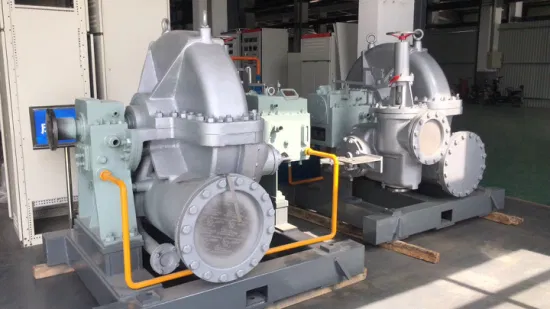
Categories
Uncategorized

Self Sustaining Farm House

Self Sustaining Farm House

Embarking on the journey towards a self sustaining farmhouse is a commitment to living off the grid, harmonizing with nature, and embracing innovative technologies that prioritize sustainability. At the heart of this endeavor lies the concept of “Off-grid living,” the first keyword that sets the tone for a lifestyle unbound by conventional energy grids and deeply rooted in self-reliance.

Self Sustaining Farm House

Renewable energy, our second keyword, becomes the cornerstone of the self-sustaining farmhouse. Harnessing the power of nature, solar panels stand as sentinels, converting sunlight into electricity. These sleek arrays, often adorning rooftops or open fields, symbolize a shift towards cleaner, more sustainable energy sources. The third keyword, Solar panels, transforms sunlight into a tangible resource, powering not only lights and appliances but the very essence of an independent lifestyle.

As the sun’s rays may sometimes be elusive, the fourth keyword, Wind turbine, unfurls its majestic blades. This emblem of ingenuity transforms the kinetic energy of the wind into a potent force, generating electricity even when the sun takes a temporary respite. The synergy between solar and wind power epitomizes the resilience of the self-sustaining farmhouse, capturing energy from diverse sources to weather the fluctuations of nature.

Water, the elixir of life, takes center stage with the fifth keyword, Rainwater harvesting. A well-designed rainwater harvesting system becomes the lifeblood of the farmhouse, collecting and storing precious raindrops for consumption, irrigation, and sustaining the vitality of the surrounding ecosystem. This practice not only conserves water but also aligns with the ethos of responsible resource management.

Sustainable agriculture, the sixth keyword, transforms the very land upon which the farmhouse stands into a thriving ecosystem. Embracing principles of permaculture design, the seventh keyword, ensures that every inch of the property serves a purpose, fostering biodiversity, minimizing waste, and maximizing the symbiotic relationships between flora and fauna.

Composting, the eighth keyword, becomes a ritual, turning kitchen scraps and organic waste into nutrient-rich soil. This natural alchemy not only reduces the ecological footprint but also enriches the earth, laying the foundation for bountiful harvests. Meanwhile, the ninth keyword, Greenhouse gardening, extends the growing season, allowing for a continuous harvest of fresh produce even in the coldest months.

The tenth keyword, Aquaponics system, introduces a harmonious dance between fish and plants. In this closed-loop system, fish waste fertilizes plants, and the plants purify the water for the fish. This symbiotic relationship exemplifies the interconnectedness inherent in the self-sustaining farmhouse, where every component contributes to the overall health and productivity of the ecosystem.

As we navigate through these initial keywords, the self-sustaining farmhouse emerges not just as a shelter but as a living, breathing entity deeply interwoven with the natural world. Off-grid living becomes a philosophy, and renewable energy, the life force that powers this sustainable haven. Solar panels and wind turbines stand tall as technological guardians, converting elemental forces into tangible, usable power. Rainwater harvesting and aquaponics exemplify the farmhouse’s resourcefulness, turning even the elements themselves into allies on the journey towards self-sufficiency. Sustainable agriculture, permaculture design, and composting showcase the commitment to nurturing the land, ensuring that every footprint is one of regeneration rather than depletion. Greenhouse gardening extends the growing season, creating a year-round cornucopia that whispers of resilience and abundance.

In this ecosystem of sustainable living, each keyword plays a vital role, a thread in the tapestry of a lifestyle that doesn’t just exist but thrives, rooted in the principles of balance, stewardship, and a profound connection to the land.

In the symphony of self-sustaining living, the second set of keywords amplifies the harmonious chords that resonate through the self-sufficient farmhouse, building upon the foundational principles established by the initial 10 keywords.

Bio-digesters, the eleventh keyword, introduces a transformative technology that encapsulates the ethos of resourcefulness. This ingenious system harnesses organic waste, from kitchen scraps to agricultural residues, and orchestrates a microbial symphony that produces biogas. This biogas, rich in methane, becomes a versatile energy source for cooking, heating, or even generating electricity, marking a poignant step towards closed-loop sustainability.

Greywater recycling, the twelfth keyword, steps into the limelight as a champion of water conservation. In the self-sustaining farmhouse, every drop of water is treated with reverence. Greywater, the gently used water from household activities such as bathing and washing dishes, is collected, filtered, and redirected to nourish the landscape. This practice not only minimizes water wastage but also transforms domestic activities into a cyclical dance of conservation.

Power Generation

Micro-hydro power, the thirteenth keyword, harnesses the dynamic force of flowing water to generate electricity. Particularly relevant for farmhouses situated near water sources like streams or rivers, micro-hydro power provides a constant and reliable energy stream. Its unobtrusive nature and minimal environmental impact make it a key player in the diverse ensemble of renewable energy sources powering the self-sustaining farmhouse.

The fourteenth keyword, Passive solar design, emerges as an architectural maestro, orchestrating the layout of the farmhouse to maximize natural light and heat. Large south-facing windows invite the sun’s warmth during winter, while thoughtful shading prevents overheating in the summer. This dance with the sun not only reduces the need for artificial heating and cooling but also creates a living space intimately connected with the changing seasons.

Energy-efficient appliances, the fifteenth keyword, form the backbone of a low-impact lifestyle. From LED lighting to ENERGY STAR-rated devices, these appliances minimize electricity consumption without sacrificing functionality. Each energy-efficient choice becomes a conscious step towards reducing the farmhouse’s ecological footprint, embodying the principle that sustainable living need not compromise convenience or comfort.

Energy storage systems, our sixteenth keyword, step into the spotlight as the guardians of surplus energy. In a self-sustaining farmhouse, where energy production may fluctuate based on weather conditions, having an effective means of storing excess energy is paramount. Battery systems, like lithium-ion or advanced lead-acid batteries, become the reservoirs that store the sun and wind’s bounty for use during periods of low energy production.

Eco-friendly construction, the seventeenth keyword, extends sustainability beyond energy considerations to the very fabric of the farmhouse. From the choice of materials to construction techniques, eco-friendly construction prioritizes low environmental impact. This may involve using recycled or locally sourced materials, employing energy-efficient insulation, or adopting innovative building methods like straw bale construction.

Straw bale construction, the eighteenth keyword, emerges as a star performer in the realm of sustainable building practices. This technique utilizes straw bales as a natural and highly efficient insulator, contributing to superior energy efficiency. The result is not just a shelter but a living space that breathes with the environment, embracing the principles of thermal comfort and eco-conscious design.

Earthship design, the nineteenth keyword, ventures into avant-garde architectural solutions. Earthships are sustainable, off-grid homes that integrate natural and recycled materials, passive solar design, and on-site energy generation. With walls made from recycled tires and other earth-friendly components, Earthship design exemplifies the marriage of innovation and ecological sensitivity.

Organic farming, the twentieth keyword, grounds the self-sustaining farmhouse in a commitment to cultivating the land in harmony with nature. Eschewing synthetic pesticides and fertilizers, organic farming practices prioritize soil health, biodiversity, and ecological balance. The farmhouse becomes not just a residence but a steward of the land, nurturing it for generations to come.

In this unfolding narrative, the second set of keywords builds upon the foundational principles, introducing advanced technologies and innovative design concepts that amplify the self-sustaining farmhouse’s capacity to exist in synergy with the natural world. From the transformative potential of bio-digesters to the elegance of passive solar design, each keyword contributes to the tapestry of a lifestyle that is not just sustainable but regenerative—a living testament to the harmonious coexistence of human habitation and the environment.

The third installment of keywords delves deeper into the intricacies of self-sustaining farmhouses, uncovering technologies, methodologies, and design principles that elevate these homes into veritable havens of ecological harmony.

Cogeneration, the twenty-first keyword, assumes a pivotal role in the orchestration of energy within the self-sustaining farmhouse. This sophisticated approach involves the simultaneous generation of electricity and useful thermal energy from a single energy source, often maximizing the efficiency of fuel utilization. Cogeneration aligns seamlessly with the ethos of a self-sustaining farmhouse, embodying the concept of producing more with less and minimizing waste in the energy generation process.

Electrical Efficiency, the twenty-second keyword, becomes a guiding metric in the pursuit of energy optimization. In a self-sustaining farmhouse equipped with cogeneration systems, the focus on electrical efficiency ensures that every unit of fuel expended translates into a higher output of usable electricity. This efficiency not only contributes to cost savings but also aligns with the broader goal of reducing the environmental footprint associated with energy production.

Thermal Efficiency, the twenty-third keyword, complements electrical efficiency by emphasizing the effective utilization of thermal energy within the cogeneration process. This dual efficiency approach ensures that waste heat, a byproduct of electricity generation, is harnessed for heating purposes, further enhancing the overall energy efficiency of the self-sustaining farmhouse. From powering radiant heating systems to supporting agricultural processes, thermal efficiency becomes a cornerstone of sustainable energy utilization.

Heat-to-Power Ratio, our twenty-fourth keyword, takes center stage as a parameter that defines the balance between the produced electricity and the recovered thermal energy within cogeneration systems. Tailoring the heat-to-power ratio allows for a nuanced adaptation of the farmhouse’s energy output to meet specific demands. Systems with a high heat-to-power ratio may excel in applications requiring substantial heating, illustrating the versatility of cogeneration in catering to diverse energy needs.

As we delve into the twenty-fifth keyword, District Heating, the scope of the self-sustaining farmhouse expands beyond individual energy needs. District heating systems leverage the thermal energy produced by cogeneration to provide warmth to entire communities or agricultural facilities. This communal approach not only maximizes the efficiency of the cogeneration system but also fosters a spirit of shared energy resources within the broader community.

Industrial Processes, our twenty-sixth keyword, underscores the adaptability of cogeneration systems to the multifaceted energy requirements of agricultural and processing activities. In a self-sustaining farmhouse, where farming and agro-industrial processes coexist, cogeneration becomes a linchpin in optimizing operational costs and enhancing the efficiency of manufacturing processes. From powering machinery to providing thermal energy for industrial applications, cogeneration proves its versatility in the agricultural landscape.

Gas Turbines, the twenty-seventh keyword, emerges as a key technology within cogeneration systems. These turbines play a central role in converting fuel into mechanical energy, which, in turn, drives generators to produce electricity. Gas turbines, with their high efficiency and responsiveness, become integral components in the cogeneration playbook, allowing for dynamic adjustments to varying energy demands within the self-sustaining farmhouse.

Heat Exchangers, our twenty-eighth keyword, step onto the stage as unsung heroes within cogeneration systems. These devices facilitate the transfer of thermal energy between different fluids or gases, ensuring that waste heat is captured and utilized effectively. The design and efficiency of heat exchangers become critical factors in enhancing the overall performance of cogeneration plants, ensuring that every iota of thermal energy is harnessed for productive use.

Absorption Chillers, the twenty-ninth keyword, introduces a cooling dimension to the cogeneration symphony. In tri-generation systems, where electricity, heating, and cooling are produced simultaneously, absorption chillers leverage the thermal energy from cogeneration to provide efficient air conditioning or refrigeration. This integration not only enhances the overall utility of cogeneration in environments where cooling is critical but also exemplifies the interconnectedness of energy needs within the self-sustaining farmhouse.

Combined Cooling, Heating, and Power (CCHP), our thirtieth keyword, represents the apex of cogeneration sophistication. This advanced form integrates cooling into the cogeneration trifecta, allowing for the simultaneous production of electricity, heating, and cooling. In the context of a self-sustaining farmhouse, CCHP systems become comprehensive energy solutions, addressing the diverse and dynamic energy requirements inherent in agricultural, residential, and industrial activities.

In essence, these third 10 keywords paint a portrait of the self-sustaining farmhouse as an energy ecosystem, where cogeneration technologies play a central role in orchestrating a harmonious balance between electricity and thermal energy. From optimizing efficiency to serving the needs of entire communities, cogeneration emerges not merely as a technological innovation but as a linchpin in the holistic sustainability of the farmhouse, embodying the principles of resource efficiency and environmental stewardship.

In the ongoing saga of self-sustaining farmhouses, the exploration of the fourth set of keywords delves into the intricate tapestry of technology, design, and practices that shape these sanctuaries of sustainable living.

Biomass Energy, the thirty-first keyword, introduces a renewable dimension to the self-sustaining farmhouse’s energy portfolio. Biomass, derived from organic materials such as wood, agricultural residues, or dedicated energy crops, becomes a versatile fuel source. Biomass energy systems, whether in the form of stoves, boilers, or gasifiers, harness the stored solar energy within plant matter, offering a carbon-neutral alternative and amplifying the diversity of energy sources within the farmhouse.

Steam Turbine, the thirty-second keyword, emerges as a powerhouse in the conversion of thermal energy into mechanical power. In the context of the self-sustaining farmhouse, steam turbines play a transformative role when integrated with cogeneration systems. These turbines efficiently convert steam produced from various heat sources, such as biomass combustion or solar thermal collectors, into rotational energy that drives generators, contributing to on-site electricity generation.

Steam-driven Appliances, our thirty-third keyword, become icons of sustainability within the self-sustaining farmhouse. From steam-driven cooking devices to steam-powered water heaters, appliances that leverage steam as an energy source embody efficiency and versatility. In this realm, the transformative potential of steam extends beyond electricity generation to everyday tasks, illustrating the integration of innovative technologies into the fabric of sustainable living.

Geothermal Steam, the thirty-fourth keyword, taps into the Earth’s internal heat reservoirs. Geothermal energy, harnessed through steam-driven processes, offers a constant and reliable source of power. Geothermal steam becomes a stalwart contributor to the self-sustaining farmhouse’s energy mix, providing both electricity and thermal energy for heating or other applications. This utilization of Earth’s natural heat aligns with the ethos of harnessing indigenous, renewable resources.

Solar Steam Generation, our thirty-fifth keyword, basks in the glow of the sun’s abundant energy. Solar steam generation technologies, such as concentrating solar power (CSP) systems, capture and focus sunlight to produce high-temperature steam. This steam, in turn, can drive turbines for electricity generation or serve as a direct heat source for various applications within the self-sustaining farmhouse. The synergy between solar power and steam amplifies the resilience of the farmhouse’s energy infrastructure.

Steam-based Heating, the thirty-sixth keyword, assumes a central role in the provision of warmth within the self-sustaining farmhouse. Whether utilized for space heating or agricultural processes, steam becomes a conduit for transferring thermal energy with precision and efficiency. Steam-based heating systems, often integrated with cogeneration or solar thermal setups, exemplify the farmhouse’s commitment to utilizing energy in the most effective and sustainable manner.

High-efficiency Steam Systems, the thirty-seventh keyword, represent a commitment to optimizing the performance of steam-driven processes. From boilers to distribution systems, ensuring that every component operates at peak efficiency becomes paramount. High-efficiency steam systems not only enhance the overall performance of energy generation but also contribute to minimizing waste and maximizing resource utilization within the self-sustaining farmhouse.

Steam Accumulator, our thirty-eighth keyword, steps into the limelight as a reservoir of energy within the farmhouse’s infrastructure. This ingenious device stores excess steam generated during periods of low demand and releases it when demand peaks. The steam accumulator thus acts as a buffer, ensuring a continuous and stable supply of thermal energy, enhancing the overall reliability and efficiency of the steam-driven systems.

Sustainable Steam Technology, the thirty-ninth keyword, encapsulates an overarching philosophy within the self-sustaining farmhouse. This philosophy revolves around the adoption of steam-driven technologies that not only fulfill immediate energy needs but also align with long-term sustainability goals. Sustainable steam technology emphasizes innovation, efficiency, and environmental responsibility in the pursuit of a resilient and eco-friendly energy ecosystem.

Steam-powered Cooling, our fortieth keyword, introduces a refreshing breeze into the self-sustaining farmhouse. In applications where cooling is essential, steam-driven systems can be adapted to provide air conditioning or refrigeration. This expands the scope of steam utilization, showcasing its versatility in meeting diverse energy demands, from heating to cooling, within the confines of the farmhouse.

In weaving together these fourth 10 keywords, the narrative of the self-sustaining farmhouse deepens. From the transformative potential of biomass and geothermal energy to the elegance of steam-driven technologies, each keyword contributes to a narrative of innovation, efficiency, and holistic sustainability. The self-sustaining farmhouse becomes not merely a residence but a testament to the intricate dance between natural resources, cutting-edge technologies, and a commitment to responsible living.

The fifth set of keywords unveils the next layer of intricacies within the self-sustaining farmhouse, spotlighting technologies, design elements, and practices that continue to shape a lifestyle harmonized with nature and driven by renewable energy.

Steam Storage, the forty-first keyword, introduces a pivotal element in the orchestration of steam-driven energy systems. In the dynamic ebb and flow of energy demand, efficient storage becomes paramount. Steam storage systems, whether in the form of pressure vessels or other innovative designs, act as reservoirs, holding excess steam during periods of low demand and releasing it when energy needs surge. This buffering capability enhances the flexibility and reliability of the self-sustaining farmhouse’s energy infrastructure.

Steam-driven HVAC, our forty-second keyword, signifies a paradigm shift in the regulation of indoor climates. Traditional Heating, Ventilation, and Air Conditioning (HVAC) systems often rely on electricity or fossil fuels. In contrast, steam-driven HVAC leverages the power of steam for space heating and cooling, aligning seamlessly with the farmhouse’s commitment to sustainable and efficient energy utilization.

Turbine Generator, the forty-third keyword, represents the technological backbone of many self-sustaining farmhouses. Turbine generators, often paired with steam-driven systems, convert mechanical energy into electricity. Whether powered by steam, wind, or other sources, turbine generators exemplify the transformation of natural forces into a tangible, usable form—electricity. This keyword underscores the role of turbines as the workhorses that energize the self-sustaining farmhouse.

Steam-powered Lighting, our forty-fourth keyword, illuminates the living spaces of the self-sustaining farmhouse with an eco-friendly glow. From traditional incandescent bulbs to modern LED fixtures, steam-driven energy sources power lighting systems. This not only reduces the reliance on conventional electricity grids but also adds a nostalgic touch, harking back to an era when steam played a central role in both industry and everyday life.

Steam Condensation, the forty-fifth keyword, introduces an ingenious method for recovering and reusing steam. As steam cools and condenses back into water, the latent heat released during this process can be captured and recycled. This cycle of steam condensation becomes a resource-efficient practice within the self-sustaining farmhouse, contributing to the maximization of energy utilization and minimizing waste.

Steam Expansion Technology, our forty-sixth keyword, delves into the intricacies of extracting maximum work from steam. Expansion technology involves the controlled release of steam through turbines, where the pressure differential propels the turbine blades, converting thermal energy into mechanical power. This advanced process exemplifies the commitment to efficiency and optimization within the self-sustaining farmhouse’s energy systems.

Steam-driven Pumps, the forty-seventh keyword, herald a shift in agricultural practices within the self-sustaining farmhouse. From irrigation to water circulation within the greenhouse, steam-driven pumps become versatile tools in harnessing the power of steam for fluid dynamics. This application not only bolsters the efficiency of water management but also underscores the integration of steam technology into various facets of agricultural activities.

Steam-driven Air Conditioning, our forty-eighth keyword, introduces a cooling solution that aligns with the principles of sustainability. Steam-driven air conditioning systems utilize the power of steam to generate chilled water, providing a comfortable indoor environment without the environmental impact associated with conventional cooling methods. This synergy of steam and cooling technologies showcases the self-sustaining farmhouse’s commitment to eco-friendly living.

Steam Turbine Efficiency, the forty-ninth keyword, underscores the pursuit of optimal performance in energy conversion. As a central component of steam-driven systems, the efficiency of steam turbines becomes a focal point. From materials selection to design intricacies, every detail is meticulously considered to ensure that the conversion of thermal energy into mechanical power is as efficient as possible within the self-sustaining farmhouse.

Closed-loop Steam Systems, our fiftieth keyword, encapsulate the holistic approach to steam utilization within the self-sustaining farmhouse. Closed-loop systems, where steam circulates in a controlled environment, minimize heat losses and enhance efficiency. This emphasis on closed-loop configurations underscores the commitment to maximizing the utility of steam while minimizing its environmental impact.

In the narrative of the self-sustaining farmhouse, the fifth set of keywords unfolds as a symphony of steam-driven technologies, lighting up spaces, cooling interiors, powering agricultural processes, and energizing the entire infrastructure. From the efficient storage of steam to the precision of steam turbine efficiency, each keyword contributes to a tale of ingenuity, sustainability, and a profound connection to the natural forces that drive the farmhouse into an era of self-sufficiency.

How to Generate Electricity

Electricity generation using steam power involves the conversion of heat energy into mechanical energy and, ultimately, electrical energy. This process typically involves the use of a steam turbine coupled to a generator. Here’s a general overview of how electricity is generated using steam power:

  1. Boiler:
    • Water is heated to generate steam in a boiler. This can be achieved by burning fossil fuels (coal, natural gas, or oil), using nuclear reactions, or harnessing renewable energy sources like biomass, solar, or geothermal heat.
  2. Steam Generation:
    • The generated steam carries thermal energy. The higher the pressure and temperature of the steam, the more energy it contains.
  3. Steam Turbine:
    • The steam is directed towards a turbine. Steam turbines are devices that convert the kinetic energy of the moving steam into mechanical energy by making the turbine blades rotate.
  4. Generator:
    • The rotating shaft of the turbine is connected to a generator. As the turbine spins, it drives the generator, converting the mechanical energy into electrical energy.
  5. Power Generation:
    • The generator produces electrical power, typically in the form of alternating current (AC). This electricity can then be stepped up in voltage through transformers for efficient long-distance transmission.
  6. Condenser:
    • After passing through the turbine, the steam is condensed back into water in a condenser. This releases latent heat, which is usually transferred to a cooling medium (like water or air) to complete the cycle.
  7. Cooling System:
    • The cooling medium absorbs the heat from the condensing steam, converting it back into liquid water. This cooled water is then returned to the boiler to be reheated and reused in the steam generation process.
  8. Control Systems:
    • Various control systems, sensors, and monitoring devices are employed to optimize the efficiency and safety of the power plant. These systems regulate steam pressure, temperature, and other parameters to ensure smooth operation.

This process is known as a Rankine cycle, and it’s a common method for electricity generation in many power plants worldwide. The heat source can vary depending on the type of power plant, ranging from fossil fuels to renewable energy sources. The efficiency of the overall system is influenced by factors such as the temperature and pressure levels, the design of the turbine and generator, and the choice of cooling system.

1. Boiler:

  • Function: The boiler is a critical component that produces high-pressure steam by heating water. The heat source can vary:
    • Fossil Fuels: Combustion of coal, natural gas, or oil.
    • Nuclear: Nuclear reactions produce heat to generate steam.
    • Renewable Energy: Biomass, solar, or geothermal sources can also be used.

2. Steam Generation:

  • Process: Water is pumped into the boiler and heated to produce high-pressure steam.
  • Parameters: Steam pressure and temperature are crucial factors in determining the efficiency of the system.

3. Steam Turbine:

  • Function: The steam is directed onto turbine blades, causing the turbine to rotate.
  • Types: There are various types of steam turbines, including impulse turbines and reaction turbines.

4. Generator:

  • Coupling: The rotating shaft of the steam turbine is connected to the rotor of a generator.
  • Principle: The rotating motion is converted into electrical energy through electromagnetic induction.

5. Power Generation:

  • Output: The generator produces electrical power in the form of alternating current (AC).
  • Frequency: The frequency of the AC power is typically 50 or 60 Hz, depending on the region.

6. Condenser:

  • Function: Steam exiting the turbine is condensed back into water.
  • Heat Transfer: The latent heat released during condensation is transferred to a cooling medium.
  • Cooling Medium: Commonly water or air, depending on the type of power plant.

7. Cooling System:

  • Cooling Tower: In some cases, a cooling tower is used to dissipate excess heat to the atmosphere through the evaporation of water.
  • Water Source: The cooling water may be sourced from rivers, lakes, or the sea.

8. Control Systems:

  • Automation: Modern power plants use advanced control systems to regulate various parameters.
  • Safety Measures: Systems are in place to ensure safe operation and respond to emergency situations.

9. Efficiency Considerations:

  • Thermal Efficiency: The overall efficiency of the system is influenced by factors such as turbine design, steam parameters, and heat exchanger efficiency.
  • Cogeneration: Some power plants use cogeneration to maximize efficiency by utilizing waste heat for other purposes, such as district heating.

10. Environmental Impact:

  • Emissions Control: Fossil fuel-based power plants often incorporate emissions control systems to reduce environmental impact.
  • Renewable Integration: The use of renewable energy sources contributes to lower carbon emissions.

11. Maintenance and Upkeep:

  • Regular Maintenance: Scheduled maintenance is crucial to ensure the longevity and reliability of the equipment.
  • Upgrades: Power plants may undergo upgrades to incorporate more efficient technologies or address environmental concerns.

Understanding these details provides insight into the complex interplay of components and processes involved in electricity generation using steam power. The continual advancement of technology aims to enhance efficiency, reduce environmental impact, and explore innovative approaches to power generation.

The boiler is a critical component in a steam power generation system. Its primary function is to convert water into steam by using heat from a combustion process or another heat source. The steam produced in the boiler is then directed to a steam turbine, where it expands and performs mechanical work to drive a generator and produce electricity. Here are more details about boilers:

Types of Boilers:

  1. Fire-Tube Boilers:
    • Construction: Water surrounds tubes through which hot combustion gases pass.
    • Advantages: Simple design, relatively compact, suitable for small to medium-sized applications.
    • Applications: Commonly used in industrial processes and smaller power plants.
  2. Water-Tube Boilers:
    • Construction: Water circulates in tubes that are heated externally by combustion gases.
    • Advantages: Higher efficiency, ability to handle higher pressures and capacities.
    • Applications: Often used in large power plants and industrial settings.
  3. Once-Through Boilers:
    • Operation: Water passes through the boiler only once, with no recirculation.
    • Advantages: Rapid startup, efficient operation at variable loads.
    • Applications: Common in some modern power plants, particularly in combination with supercritical and ultra-supercritical steam conditions.

Boiler Components:

  1. Furnace:
    • Function: The combustion of fuel (coal, natural gas, oil, biomass) takes place in the furnace, releasing heat.
    • Combustion Chamber: Area where fuel is burned, and combustion gases are generated.
  2. Water Walls:
    • Location: In water-tube boilers, these are tubes containing water that surround the furnace.
    • Purpose: Absorb heat from the furnace and generate steam.
  3. Steam Drum:
    • Function: Collects and separates steam from water. It also serves as a reservoir for water to be converted into steam.
    • Circulation: Helps maintain proper water circulation through the boiler.
  4. Superheater:
    • Location: Typically placed after the steam drum.
    • Function: Raises the temperature of steam to a higher level (superheated steam), increasing energy content and efficiency.
  5. Economizer:
    • Location: Typically located in the flue gas path.
    • Function: Preheats the feedwater using residual heat from the flue gases, improving overall efficiency.
  6. Boiler Burners:
    • Function: Combustion of fuel occurs in burners.
    • Types: Can be oil burners, gas burners, or solid fuel burners, depending on the type of fuel used.

Boiler Operation:

  1. Fuel Input:
    • Combustion Process: Fossil fuels or other combustible materials are burned in the furnace.
    • Control Systems: Control the fuel and air supply to maintain proper combustion conditions.
  2. Water Circulation:
    • Natural Circulation: Relies on density differences to circulate water.
    • Forced Circulation: In larger boilers, pumps are used to ensure proper water circulation.
  3. Steam Generation:
    • Heat Transfer: Heat from the combustion process is transferred to water, producing steam.
    • Pressure and Temperature Control: Systems regulate steam pressure and temperature.

Boiler Safety:

  1. Pressure Relief Devices:
    • Safety Valves: Release excess pressure to prevent overpressurization.
    • Safety Interlocks: Automated systems for emergency shutdown.
  2. Water Level Control:
    • Preventing Dry Firing: Ensures an adequate water level to prevent damage to the boiler.
  3. Combustion Control:
    • Fuel-Air Ratio: Maintained for efficient and safe combustion.
    • Emission Control: Monitoring and controlling emissions for environmental compliance.

Understanding the different types of boilers, their components, and their operation is crucial for ensuring the safe and efficient generation of steam for power production. Regular maintenance, monitoring, and adherence to safety protocols are essential for the reliable operation of a boiler system.

Types of Boilers:

  1. Fire-Tube Boilers:
    • Construction: Water surrounds tubes through which hot combustion gases pass.
    • Advantages: Simple design, relatively compact, suitable for small to medium-sized applications.
    • Applications: Commonly used in industrial processes and smaller power plants.
  2. Water-Tube Boilers:
    • Construction: Water circulates in tubes that are heated externally by combustion gases.
    • Advantages: Higher efficiency, ability to handle higher pressures and capacities.
    • Applications: Often used in large power plants and industrial settings.
  3. Once-Through Boilers:
    • Operation: Water passes through the boiler only once, with no recirculation.
    • Advantages: Rapid startup, efficient operation at variable loads.
    • Applications: Common in some modern power plants, particularly in combination with supercritical and ultra-supercritical steam conditions.

Boiler Components:

  1. Furnace:
    • Function: The combustion of fuel (coal, natural gas, oil, biomass) takes place in the furnace, releasing heat.
    • Combustion Chamber: Area where fuel is burned, and combustion gases are generated.
  2. Water Walls:
    • Location: In water-tube boilers, these are tubes containing water that surround the furnace.
    • Purpose: Absorb heat from the furnace and generate steam.
  3. Steam Drum:
    • Function: Collects and separates steam from water. It also serves as a reservoir for water to be converted into steam.
    • Circulation: Helps maintain proper water circulation through the boiler.
  4. Superheater:
    • Location: Typically placed after the steam drum.
    • Function: Raises the temperature of steam to a higher level (superheated steam), increasing energy content and efficiency.
  5. Economizer:
    • Location: Typically located in the flue gas path.
    • Function: Preheats the feedwater using residual heat from the flue gases, improving overall efficiency.
  6. Boiler Burners:
    • Function: Combustion of fuel occurs in burners.
    • Types: Can be oil burners, gas burners, or solid fuel burners, depending on the type of fuel used.

Boiler Operation:

  1. Fuel Input:
    • Combustion Process: Fossil fuels or other combustible materials are burned in the furnace.
    • Control Systems: Control the fuel and air supply to maintain proper combustion conditions.
  2. Water Circulation:
    • Natural Circulation: Relies on density differences to circulate water.
    • Forced Circulation: In larger boilers, pumps are used to ensure proper water circulation.
  3. Steam Generation:
    • Heat Transfer: Heat from the combustion process is transferred to water, producing steam.
    • Pressure and Temperature Control: Systems regulate steam pressure and temperature.

Boiler Safety:

  1. Pressure Relief Devices:
    • Safety Valves: Release excess pressure to prevent overpressurization.
    • Safety Interlocks: Automated systems for emergency shutdown.
  2. Water Level Control:
    • Preventing Dry Firing: Ensures an adequate water level to prevent damage to the boiler.
  3. Combustion Control:
    • Fuel-Air Ratio: Maintained for efficient and safe combustion.
    • Emission Control: Monitoring and controlling emissions for environmental compliance.

Understanding the different types of boilers, their components, and their operation is crucial for ensuring the safe and efficient generation of steam for power production. Regular maintenance, monitoring, and adherence to safety protocols are essential for the reliable operation of a boiler system.

Steam generation is a fundamental process in power plants that involves the conversion of water into steam, which is then used to drive turbines connected to generators for electricity production. Here are the key aspects of steam generation:

1. Boiler:

  • Function: The boiler is the primary component responsible for steam generation.
  • Process: Water is heated within the boiler using various heat sources such as combustion of fossil fuels, nuclear reactions, or renewable energy sources like biomass, solar, or geothermal heat.

2. Steam Drum:

  • Collection and Separation: The steam generated in the boiler is collected and separated from water in the steam drum.

3. Water Circulation:

  • Natural Circulation: Relies on the difference in density between hot water and steam, causing natural circulation in the boiler.
  • Forced Circulation: Pumps are used to circulate water through the boiler, particularly in large systems.

4. Superheating:

  • Superheater: Steam may pass through a superheater to increase its temperature beyond the boiling point, producing superheated steam.
  • Advantages: Superheated steam has higher energy content and specific enthalpy.

5. Quality of Steam:

  • Dry Steam: Steam with minimal moisture content.
  • Wet Steam: Steam with entrained water droplets.

6. Steam Parameters:

  • Pressure: The pressure of the steam is a crucial parameter, as it affects the energy content and temperature.
  • Temperature: Higher temperatures result in higher energy content and efficiency.

7. Heat Transfer:

  • Convection: Transfer of heat through the movement of fluid (water/steam) within the boiler.
  • Radiation: Transfer of heat through electromagnetic waves.
  • Conduction: Transfer of heat through direct contact between materials.

8. Steam Quality Control:

  • Separators: Used to remove any remaining water droplets from steam before it enters the turbine.
  • Control Systems: Monitor and regulate steam parameters for efficient and safe operation.

9. Heat Recovery:

  • Economizer: Recovers heat from flue gases to preheat the feedwater before it enters the boiler.
  • Recuperator: Another type of heat exchanger that recovers heat from the flue gases.

10. Cogeneration:

  • Combined Heat and Power (CHP): Some systems are designed for cogeneration, where steam not only produces electricity but also provides heat for industrial or residential purposes.

11. Steam Turbine:

  • Expansion: Steam is directed from the boiler to the steam turbine, where it expands and performs mechanical work by rotating the turbine blades.

12. Efficiency Considerations:

  • Thermal Efficiency: The efficiency of the steam generation process is a crucial factor in overall power plant efficiency.
  • Irreversibilities: Losses due to irreversibilities in the system affect efficiency.

13. Environmental Impact:

  • Emission Control: Fossil fuel-based systems may incorporate technologies to control emissions and minimize environmental impact.

14. Start-Up and Shut-Down Procedures:

  • Warm-Up Period: Boilers go through a warm-up period to reach operational conditions.
  • Cool-Down Period: Proper procedures are followed during shut-down to avoid thermal stress on components.

Understanding the nuances of steam generation is essential for optimizing power plant efficiency, ensuring reliable operation, and minimizing environmental impact. Advances in technology continue to improve the efficiency of steam generation processes in power plants.

A steam turbine is a mechanical device that extracts energy from high-pressure steam and converts it into mechanical work, which is then used to generate electricity. Here’s a plain-text overview of steam turbines:

A steam turbine operates on the principle of converting the kinetic energy of steam into mechanical energy. This process is integral to many power plants for electricity generation. The key components and processes involved in a steam turbine system include:

  1. Steam Inlet:
    • High-pressure steam is directed into the steam turbine.
  2. Blades:
    • The steam flows over blades mounted on a rotor. These blades are designed to efficiently capture the energy of the high-velocity steam.
  3. Rotor:
    • The rotor is connected to the turbine shaft. As the steam flows over the blades, it imparts rotational motion to the rotor.
  4. Rotational Motion:
    • The rotational motion of the rotor is the mechanical work produced by the steam turbine. This rotary motion is utilized to turn a generator.
  5. Generator:
    • The rotating shaft of the steam turbine is coupled to a generator. The generator converts the mechanical energy into electrical energy through electromagnetic induction.
  6. Exhaust:
    • After passing through the blades, the steam exits the turbine at a lower pressure and temperature. In some cases, the steam may be condensed back into water for re-use in the boiler.

Steam turbines can be categorized based on their design and the direction of steam flow:

  • Impulse Turbines:
    • Steam is expanded in nozzles, producing high-velocity jets that impact turbine blades, causing them to rotate.
  • Reaction Turbines:
    • Steam is expanded in both nozzles and over turbine blades, generating a combination of kinetic and pressure energy.

Steam turbines are commonly used in power plants, ranging from small-scale industrial facilities to large utility-scale power stations. They play a vital role in various applications due to their efficiency, reliability, and ability to handle a wide range of steam conditions.

Advancements in turbine design and technology continue to improve efficiency and overall performance, contributing to the optimization of power generation systems. The versatility of steam turbines makes them a key component in the global energy landscape.

A steam turbine is a mechanical device that harnesses the energy of high-pressure steam to produce mechanical work, subsequently converted into electricity. This process is fundamental to power generation in many plants.

High-pressure steam is introduced into the turbine, where it flows over blades mounted on a rotor. These blades are designed to efficiently capture the energy of the steam, causing the rotor to rotate. The rotational motion of the rotor constitutes the mechanical work produced by the steam turbine. This rotary motion is then used to turn a generator connected to the turbine shaft. The generator converts the mechanical energy into electrical energy through electromagnetic induction.

The steam, having imparted its energy to the blades, exits the turbine at a lower pressure and temperature. In some cases, the steam may be condensed back into water for reuse in the boiler.

Steam turbines come in various designs. Impulse turbines involve the expansion of steam in nozzles, generating high-velocity jets that impact turbine blades. Reaction turbines, on the other hand, have steam expanded in both nozzles and over turbine blades, producing a combination of kinetic and pressure energy.

These turbines find applications in a range of power plants, from small-scale industrial facilities to large utility-scale power stations. They are valued for their efficiency, reliability, and adaptability to diverse steam conditions.

Ongoing advancements in turbine design and technology aim to enhance efficiency and overall performance, contributing to the continual improvement of power generation systems. The versatility of steam turbines positions them as pivotal components in the global energy landscape.

A generator is a device that converts mechanical energy into electrical energy through the process of electromagnetic induction. In the context of power generation, generators play a crucial role in transforming the rotational motion produced by various prime movers into electrical power.

In a generator, a rotor, often connected to a turbine or an engine, rotates within a magnetic field. This rotational motion induces an electromotive force (EMF) in the conductors of the rotor through the principles of electromagnetic induction. The resulting electrical current is then conducted out of the generator through an external circuit.

Generators are essential components in power plants, ranging from small-scale applications to large-scale utility plants. They are commonly coupled with steam turbines, gas turbines, water turbines, or internal combustion engines to produce electricity. The type of generator used can vary, with common types including synchronous generators and asynchronous generators (induction generators).

Synchronous generators maintain synchrony with the frequency of the electrical grid, ensuring stable and synchronized power output. Asynchronous generators, also known as induction generators, do not need to be synchronized with the grid and are often used in renewable energy systems.

Generators are critical in providing a stable and reliable source of electrical power for various applications, including industrial processes, residential electricity supply, and the broader electric grid. Ongoing advancements in generator technology aim to improve efficiency, reliability, and the integration of generators with emerging energy sources, contributing to the overall evolution of power generation systems.

Power generation is the process of converting various forms of energy into electrical power. This essential activity provides the electricity needed for residential, commercial, and industrial purposes. Power generation methods can vary, utilizing diverse energy sources and technologies. Here’s an overview without numbering:

Power generation involves the transformation of energy into electricity. Various methods are employed, each relying on different energy sources and technologies. The key components and processes in power generation include:

Energy Sources:

  • Fossil Fuels: Combustion of coal, natural gas, and oil in thermal power plants.
  • Nuclear: Utilization of nuclear reactions to generate heat for steam turbines.
  • Renewable Energy: Harnessing energy from sources like sunlight (solar), wind, water (hydroelectric and tidal), and biomass.

Power Plants:

  • Thermal Power Plants: Use heat generated by burning fossil fuels or nuclear reactions to produce steam that drives turbines.
  • Hydroelectric Power Plants: Exploit the kinetic energy of flowing water to turn turbines.
  • Wind Power Plants: Convert the kinetic energy of wind into mechanical energy through wind turbines.
  • Solar Power Plants: Capture sunlight using photovoltaic cells or concentrate solar power systems.
  • Biomass Power Plants: Burn organic materials or use biological processes to generate energy.

Turbines:

  • Steam Turbines: Driven by high-pressure steam produced in boilers.
  • Gas Turbines: Utilize combustion gases to turn a turbine directly.
  • Water Turbines: Turned by the flow of water in hydroelectric power plants.
  • Wind Turbines: Convert wind energy into rotational motion.

Generators:

  • Transform mechanical energy into electrical energy through electromagnetic induction.
  • Types include synchronous generators and asynchronous generators.

Transmission and Distribution:

  • Transmit electricity from power plants to end-users through a network of power lines.
  • Transformers adjust voltage for efficient transmission and distribution.

Control Systems and Automation:

  • Monitor and control various parameters for safe and efficient operation.
  • Implement automation for optimal energy production and grid stability.

Environmental Considerations:

  • Emission Control: Employ technologies to minimize environmental impact, especially in fossil fuel-based power plants.
  • Renewable Integration: Increase the share of renewable energy to reduce carbon footprint.

Grid Connection:

  • Integrate power plants into the electrical grid for reliable and continuous energy supply.
  • Balance electricity supply and demand to maintain grid stability.

Power generation is a dynamic field with ongoing advancements in technology and a growing emphasis on sustainability. The evolution of power generation methods aims to enhance efficiency, reduce environmental impact, and ensure a reliable energy supply for the future.

A condenser is a crucial component in a power plant’s steam cycle, responsible for converting steam back into liquid water after it has passed through a steam turbine. This process is essential for maintaining the efficiency of the power generation system. Here’s an overview:

Function: The primary function of a condenser is to condense or transform the steam exiting the steam turbine into liquid water. This phase change from steam to water releases latent heat, which is then transferred to a cooling medium.

Location: Condensers are typically located at the exhaust end of a steam turbine.

Process: After the high-pressure steam has passed through the turbine blades, it enters the condenser, where it comes into contact with tubes or surfaces that are cooled by a separate cooling medium. This cooling medium can be water from a cooling tower, a river, or the sea, or it may be air in the case of air-cooled condensers.

Heat Exchange: During the heat exchange process, the steam releases its latent heat, causing it to condense into water. The cooling medium absorbs this heat and carries it away from the condenser.

Cooling Medium: The choice of cooling medium depends on the specific design and location of the power plant. Water is a common cooling medium, and the condensed water is often returned to the steam cycle as feedwater.

Vacuum: Maintaining a vacuum inside the condenser is essential for enhancing the efficiency of the steam turbine. A lower pressure within the condenser allows the steam to expand further in the turbine, extracting more work.

Types of Condensers:

  1. Surface Condensers:
    • Steam is condensed on the surface of tubes, and the cooling medium circulates around the tubes.
  2. Jet Condensers:
    • Steam is condensed by direct contact with a jet of cooling water, and the mixture is then separated.

Advantages:

  • Efficient heat transfer and energy recovery.
  • Maintains low pressure in the turbine, optimizing its performance.

Maintenance: Regular maintenance is essential to ensure the proper functioning of condensers. Cleaning of tubes or surfaces, monitoring for leaks, and addressing corrosion are common maintenance activities.

Environmental Impact: Efforts are made to minimize the environmental impact of condenser discharges, especially when using water as a cooling medium. Technologies like cooling towers and environmental regulations aim to address these concerns.

In summary, a condenser is a critical component in the steam cycle of a power plant, facilitating the efficient operation of the steam turbine by converting spent steam back into liquid water for reuse in the boiler.

A condenser is a vital component in a power plant’s steam cycle, playing a crucial role in converting steam back into liquid water after it passes through a steam turbine. This process is essential for maintaining the efficiency of the power generation system.

The primary function of a condenser is to transform the steam from the turbine into liquid water by releasing latent heat. The condenser is typically located at the exhaust end of the steam turbine. After the steam has passed through the turbine blades, it enters the condenser, where it comes into contact with tubes or surfaces cooled by a separate medium. This cooling medium can be water from a cooling tower, a river, or the sea, or it may be air in the case of air-cooled condensers.

During the heat exchange process, the steam releases its latent heat, causing it to condense into water. The cooling medium absorbs this heat and carries it away from the condenser. The choice of cooling medium depends on the power plant’s design and location. Water is a common cooling medium, and the condensed water is often returned to the steam cycle as feedwater.

Maintaining a vacuum inside the condenser is crucial for enhancing the efficiency of the steam turbine, allowing the steam to expand further and extract more work.

There are different types of condensers, including surface condensers, where steam is condensed on the surface of tubes, and jet condensers, where steam is condensed by direct contact with a jet of cooling water.

Regular maintenance is essential to ensure proper condenser functioning. Cleaning of tubes, monitoring for leaks, and addressing corrosion are common maintenance activities.

Efforts are made to minimize the environmental impact of condenser discharges, particularly when using water as a cooling medium. Technologies such as cooling towers and environmental regulations aim to address these concerns.

In summary, a condenser is a critical component in the steam cycle of a power plant, facilitating the efficient operation of the steam turbine by converting spent steam back into liquid water for reuse in the boiler.

Steam Turbines

Steam Turbines
Steam Turbines

Steam turbines are a fundamental component of modern power generation and various industrial processes. They convert thermal energy from steam into mechanical energy, which can then be used to generate electricity or drive machinery. The concept of harnessing steam power dates back to ancient times, with early attempts to use steam for mechanical purposes seen in the aeolipile, a simple steam-powered device invented by Hero of Alexandria in the 1st century AD. However, it wasn’t until the 19th century that steam turbines, as we know them today, began to take shape.

The breakthrough in steam turbine technology came in the late 19th century with the work of Sir Charles Parsons and Gustaf de Laval. Sir Charles Parsons is often credited with inventing the modern steam turbine in 1884, when he developed a prototype capable of driving an electrical generator. This invention marked a significant leap in efficiency compared to earlier steam engines. Parsons’ steam turbine quickly became the preferred method for generating electricity, and its design principles are still used in modern turbines.

Gustaf de Laval, a Swedish engineer, made significant contributions to the development of steam turbines, particularly in high-speed turbines. His work in the 1880s and 1890s led to the creation of impulse turbines, which use the kinetic energy of steam to drive the turbine blades. These developments laid the foundation for the widespread adoption of steam turbines in various industries.

Importance in Modern Industry

Today, steam turbines play a crucial role in the global energy landscape. They are used in thermal power plants to generate a significant portion of the world’s electricity. In a typical thermal power plant, steam is produced by burning fossil fuels such as coal, natural gas, or oil, or by utilizing nuclear energy. The steam is then directed into the turbine, where it expands and drives the turbine blades, converting thermal energy into mechanical energy. This mechanical energy is then used to rotate an electrical generator, producing electricity.

Steam turbines are also integral to various industrial processes. They are used in the petrochemical industry to drive compressors and pumps, in the steel industry for mechanical drives, and in the paper industry to generate electricity and drive machinery. Additionally, steam turbines are employed in marine propulsion systems, particularly in large vessels like aircraft carriers and submarines, where their reliability and efficiency are highly valued.

The versatility and efficiency of steam turbines make them indispensable in both traditional and modern energy systems. They are compatible with a wide range of energy sources, including fossil fuels, nuclear power, and renewable sources such as biomass, geothermal, and concentrated solar power. This adaptability ensures that steam turbines will continue to play a vital role in the global energy mix as the world transitions towards more sustainable energy solutions.

Fundamentals of Steam Turbines

Basic Principles of Operation

Basic Principles

At the core of a steam turbine’s operation is the conversion of thermal energy from steam into mechanical energy. This process is grounded in the principles of thermodynamics, specifically the Rankine cycle, which is the fundamental thermodynamic cycle used in steam turbine operations.

In simple terms, the Rankine cycle involves four main processes:

  1. Heat Addition: In a boiler, water is heated at constant pressure, transforming it into steam. This high-pressure steam contains a significant amount of thermal energy.
  2. Expansion: The high-energy steam is directed into the turbine, where it expands. As the steam expands, its pressure and temperature drop, and it imparts kinetic energy to the turbine blades, causing them to rotate. This rotational energy is then transferred to a shaft connected to an electrical generator or mechanical equipment.
  3. Condensation: After passing through the turbine, the steam is exhausted into a condenser, where it is cooled and condensed back into water.
  4. Pumping: The condensed water is then pumped back to the boiler to begin the cycle again.

The efficiency of a steam turbine is determined by how effectively it converts the thermal energy in the steam into mechanical energy. Factors such as steam pressure, temperature, and the design of the turbine blades play crucial roles in determining this efficiency.

Key Components

Steam turbines consist of several critical components, each playing a specific role in the turbine’s operation:

  • Rotor: The rotor is the rotating part of the turbine and consists of a shaft and attached blades. As steam passes through the turbine, it causes the rotor to spin, converting thermal energy into mechanical energy.
  • Stator: The stator is the stationary part of the turbine that surrounds the rotor. It contains fixed blades that direct the flow of steam onto the rotor blades in an efficient manner.
  • Casing: The casing encases the entire turbine, providing structural support and containing the steam within the turbine. It also protects the internal components from external elements.
  • Blades: The turbine blades are crucial for the conversion of energy. There are two main types of blades: fixed blades (attached to the stator) and moving blades (attached to the rotor). The design and arrangement of these blades are critical for the efficient operation of the turbine.
  • Steam Supply System: This system includes the pipes, valves, and other components that deliver steam to the turbine at the required pressure and temperature. It also controls the flow of steam into the turbine.
  • Condenser: The condenser cools the exhaust steam from the turbine, converting it back into water to be reused in the cycle. It is typically a heat exchanger that removes the latent heat of vaporization from the steam.
  • Governor: The governor is a control mechanism that regulates the turbine’s speed by adjusting the steam flow. It ensures that the turbine operates at the desired speed and can respond to changes in load demand.

Types of Steam Turbines

Steam turbines are classified based on their design, method of steam expansion, and application. The main types include:

  1. Impulse Turbines: In impulse turbines, high-pressure steam is directed onto the turbine blades through nozzles. The steam jets strike the blades, causing them to move, but the steam pressure remains constant as it passes over the blades. The rotor’s motion is purely due to the impulse force from the steam. Impulse turbines are often used in high-speed applications and are suitable for driving generators in power plants.
  2. Reaction Turbines: Unlike impulse turbines, reaction turbines utilize both the impulse of steam and the reaction force generated as steam expands and accelerates through the moving blades. The steam pressure drops as it passes through the blades, and this pressure drop is what drives the rotor. Reaction turbines are commonly used in lower-speed applications and are often found in industrial settings.
  3. Condensing Turbines: These turbines are designed to exhaust steam at a lower pressure, usually into a condenser, where the steam is condensed into water. Condensing turbines are widely used in power generation, where maximum efficiency is required.
  4. Non-Condensing Turbines: Also known as back-pressure turbines, these turbines exhaust steam at a pressure higher than atmospheric pressure. The exhaust steam can be used for heating or other industrial processes. Non-condensing turbines are commonly used in cogeneration systems where both electricity and process steam are needed.
  5. Extraction Turbines: Extraction turbines are designed to extract steam at one or more points along the turbine for industrial processes or heating. The remaining steam continues through the turbine for power generation. These turbines provide flexibility in applications where steam at different pressures is required.
  6. Reheat Turbines: In reheat turbines, steam is expanded through a high-pressure stage of the turbine, reheated in the boiler, and then expanded further in a lower-pressure stage. Reheating improves the efficiency of the cycle and reduces the moisture content of the steam, which can help to reduce blade erosion.
  7. Industrial Turbines: These are designed for specific industrial applications, such as driving compressors, pumps, or fans. Industrial turbines can be either impulse or reaction types, depending on the specific application requirements.
  8. Marine Turbines: Used in naval vessels and large commercial ships, marine turbines are designed to be highly reliable and capable of operating under the challenging conditions at sea. They are typically reaction turbines and are designed to drive propellers or generators for propulsion.

Thermodynamics and Fluid Mechanics

Challenges and Limitations

Thermodynamic Cycles

The operation of steam turbines is fundamentally based on thermodynamic cycles, with the Rankine cycle being the most important for understanding how these machines work. The Rankine cycle, named after William John Macquorn Rankine, is a closed-loop cycle that converts heat into work, making it the backbone of steam turbine operations in power plants and industrial settings.

  1. The Rankine Cycle: The Rankine cycle consists of four main processes:
    • Isentropic Compression: The working fluid (water) is pumped from a low pressure to a high pressure. This process requires work input, typically provided by a pump.
    • Isobaric Heat Addition: The high-pressure water is heated in a boiler at constant pressure, turning it into high-pressure steam.
    • Isentropic Expansion: The high-pressure steam is expanded in the turbine, doing work by turning the turbine’s rotor. As the steam expands, its pressure and temperature drop.
    • Isobaric Heat Rejection: The expanded steam is condensed at constant pressure back into water, completing the cycle.
    The efficiency of the Rankine cycle can be improved by various methods, including reheating and regenerative feedwater heating.
  2. Reheat Cycle: In a reheat cycle, steam is expanded in a high-pressure turbine, reheated in the boiler, and then expanded again in a low-pressure turbine. This process increases the thermal efficiency of the cycle by allowing the steam to expand through a greater pressure range, reducing the moisture content at the turbine’s exhaust, which in turn minimizes turbine blade erosion.
  3. Regenerative Cycle: The regenerative cycle improves efficiency by preheating the feedwater entering the boiler using steam extracted from various stages of the turbine. This reduces the amount of fuel needed to heat the water to the desired temperature, thereby improving overall efficiency.
  4. Combined Cycle: The combined cycle is a modern approach that combines a gas turbine cycle with a steam turbine cycle. The exhaust gases from the gas turbine are used to generate steam in a heat recovery steam generator (HRSG), which then powers a steam turbine. This setup allows for very high overall efficiency, often exceeding 60%.

Fluid Dynamics in Steam Turbines

Fluid dynamics plays a crucial role in the operation of steam turbines, as the efficient conversion of steam energy into mechanical work depends on the controlled flow of steam through the turbine.

  1. Steam Flow and Velocity Triangles: The flow of steam through a turbine is characterized by velocity triangles, which are geometric representations of the velocity of steam relative to the blades of the turbine. These triangles help in analyzing the energy conversion process as the steam flows through both the stationary (stator) and moving (rotor) blades.
    • Absolute Velocity: This is the velocity of the steam relative to the stationary components of the turbine.
    • Relative Velocity: This is the velocity of the steam relative to the moving blades of the rotor.
    • Blade Velocity: The velocity at which the turbine blades move.
    The efficiency of the turbine depends on how well these velocities are optimized to maximize energy transfer from the steam to the rotor.
  2. Impulse and Reaction Principles: Steam turbines operate on either impulse or reaction principles, or a combination of both.
    • Impulse Turbines: In impulse turbines, steam is expanded through nozzles, converting its pressure energy into kinetic energy before it hits the rotor blades. The rotor blades are designed to absorb this kinetic energy, causing the rotor to spin.
    • Reaction Turbines: In reaction turbines, the steam undergoes a pressure drop as it passes through the rotor blades, which are shaped to act as nozzles. The pressure drop results in a reactive force that turns the rotor. This principle is similar to how a jet engine works.
    The choice between impulse and reaction designs depends on the specific application, with many turbines incorporating both principles in different stages.
  3. Expansion and Losses: As steam expands through the turbine, it loses energy due to several factors, including friction, heat losses, and mechanical losses. These losses reduce the overall efficiency of the turbine. Understanding and minimizing these losses is crucial for optimizing turbine performance.
    • Frictional Losses: Occur due to the friction between steam and the turbine blades and internal surfaces.
    • Heat Losses: Result from the heat exchange between steam and the turbine casing or the environment.
    • Mechanical Losses: Include losses in bearings, seals, and other mechanical components of the turbine.
    Advanced materials and coatings, as well as precise manufacturing techniques, are used to minimize these losses.

Heat Transfer Mechanisms

Heat transfer is a critical aspect of steam turbine operation, influencing both efficiency and performance. The primary heat transfer mechanisms involved are conduction, convection, and radiation.

  1. Conduction: Conduction is the transfer of heat through a solid material, such as the turbine casing or blades. In steam turbines, conduction occurs when heat flows through the metal components from the high-temperature steam to cooler regions. The thermal conductivity of the materials used in turbine construction is an important factor, as it affects the rate of heat transfer and the temperature distribution within the turbine.
  2. Convection: Convection is the transfer of heat between a solid surface and a fluid, in this case, steam. It occurs when steam flows over the turbine blades and heat is transferred from the steam to the blade material. The efficiency of this process is influenced by factors such as steam velocity, turbulence, and the surface roughness of the blades.
    • Forced Convection: In steam turbines, forced convection occurs as steam is forced through the turbine at high velocities. The design of the turbine blades and the flow paths are optimized to enhance heat transfer through forced convection.
    • Natural Convection: Natural convection plays a lesser role in steam turbines but can occur in areas where steam or air is stagnant. Managing natural convection is important in turbine cooling and in maintaining structural integrity.
  3. Radiation: Radiation is the transfer of heat through electromagnetic waves. In steam turbines, radiation heat transfer is typically less significant than conduction and convection but can become important at very high temperatures, such as those found in the superheater sections of a boiler or in high-temperature turbines.
    • Thermal Radiation: The turbine components emit thermal radiation based on their temperature. This radiation can contribute to heat losses if not properly managed through insulation and other thermal management techniques.
    Effective thermal management in steam turbines involves a careful balance of these heat transfer mechanisms to maintain optimal operating temperatures and to prevent overheating of components, which can lead to reduced efficiency or even failure.

Design and Manufacturing of Steam Turbines

Recent Technological Advancements

Design Process

Designing a steam turbine is a complex process that requires a deep understanding of thermodynamics, fluid mechanics, materials science, and mechanical engineering. The primary goals in designing a steam turbine are to maximize efficiency, ensure reliability, and meet the specific operational requirements of the application.

  1. Thermodynamic Efficiency: The design begins with thermodynamic calculations to determine the optimal operating conditions, such as steam pressure, temperature, and flow rate. Engineers use these calculations to design the turbine stages, ensuring that each stage extracts the maximum possible energy from the steam.
  2. Blade Design: The design of the turbine blades is crucial for efficiency and reliability. Blades must be aerodynamically optimized to maximize energy extraction while minimizing losses due to friction, turbulence, and separation. The shape, angle, and length of the blades are carefully calculated, often using computational fluid dynamics (CFD) simulations to model the flow of steam through the turbine.
  3. Material Selection: The materials used in turbine construction must withstand high temperatures, pressures, and mechanical stresses. Material selection is driven by the need for strength, durability, resistance to corrosion and erosion, and the ability to maintain performance under thermal cycling. Common materials include high-strength alloys, stainless steel, and nickel-based superalloys.
  4. Cooling and Heat Management: In high-temperature turbines, especially those used in power generation, cooling is a critical design consideration. Blades and other components are often internally cooled using air or steam to prevent overheating and maintain structural integrity. Advanced cooling designs, such as film cooling or transpiration cooling, may be used in particularly demanding applications.
  5. Rotor Dynamics and Balancing: The rotor is a critical component that must be carefully designed to ensure smooth and reliable operation. Engineers must account for rotor dynamics, including the natural frequencies of the rotor, to avoid resonance that could lead to mechanical failure. Additionally, the rotor must be precisely balanced to prevent excessive vibrations, which can cause wear and tear on bearings and other components.
  6. Sealing and Clearance Control: Minimizing steam leakage between different stages of the turbine is essential for maintaining efficiency. Engineers design precise seals and control clearances between rotating and stationary parts to reduce losses. Advanced sealing techniques, such as labyrinth seals and brush seals, are often used.
  7. Mechanical Integrity and Safety: The design must ensure that the turbine can operate safely under all expected conditions, including start-up, shutdown, and emergency situations. This involves designing for mechanical integrity, with components capable of withstanding high mechanical loads, thermal stresses, and the effects of transient conditions such as pressure surges or steam hammer.
  8. Modularity and Scalability: Modern steam turbines are often designed with modularity in mind, allowing for scalability and customization to meet different power outputs or industrial requirements. This modular approach also facilitates maintenance and component replacement.

Materials Used

The materials used in the construction of steam turbines are chosen for their ability to withstand the extreme conditions present during operation, such as high temperatures, pressures, and mechanical stresses. The selection of materials is crucial for ensuring the turbine’s performance, longevity, and safety.

  1. High-Strength Alloys: High-strength alloys, such as chromium-molybdenum steel, are commonly used for turbine rotors, casings, and other critical components. These alloys offer a good balance of strength, toughness, and resistance to thermal fatigue.
  2. Nickel-Based Superalloys: Nickel-based superalloys are frequently used in high-temperature sections of the turbine, such as the blades and vanes in the high-pressure stages. These superalloys are specifically designed to maintain their mechanical properties at elevated temperatures, making them ideal for use in environments where temperatures can exceed 1000°C.
  3. Stainless Steel: Stainless steel is used for components that require excellent corrosion resistance, such as parts exposed to wet steam or aggressive industrial environments. Austenitic stainless steels, in particular, are favored for their high-temperature performance and resistance to oxidation.
  4. Ceramic Coatings: To further enhance the high-temperature performance of turbine blades, ceramic coatings are often applied. These coatings provide a thermal barrier, reducing the amount of heat transferred to the underlying metal, which helps to protect against thermal degradation and extends the life of the blades.
  5. Titanium Alloys: Titanium alloys are sometimes used in low-pressure turbine blades due to their high strength-to-weight ratio and resistance to corrosion. Their lower density compared to steel or nickel-based alloys makes them advantageous in applications where weight savings are critical.
  6. Creep-Resistant Materials: Creep, the tendency of materials to deform permanently under constant stress at high temperatures, is a significant concern in steam turbines. Creep-resistant materials, such as advanced ferritic steels, are used

Manufacturing Techniques

Steam Turbine Bearings

The manufacturing of steam turbines involves a series of highly specialized processes that ensure the precise fabrication and assembly of components capable of withstanding extreme operational conditions. The techniques used vary depending on the size, complexity, and specific requirements of the turbine.

  1. Casting: Many components of steam turbines, particularly the rotor and casing, are produced using casting techniques. Casting involves pouring molten metal into a mold shaped like the final part. Once the metal solidifies, the mold is removed, leaving behind a rough component that is further refined. Investment casting and sand casting are common methods used for creating intricate parts like blades, where precision and material integrity are crucial.
  2. Forging: Forging is another critical manufacturing process used to create strong, high-integrity components such as rotors and discs. In forging, a metal workpiece is heated and then shaped under high pressure, which aligns the metal’s grain structure, resulting in enhanced mechanical properties. Forged components are typically stronger and more resistant to fatigue and creep than cast parts, making them ideal for high-stress areas of the turbine.
  3. Machining: After casting or forging, most turbine components undergo machining to achieve the necessary dimensions, surface finishes, and tolerances. Machining processes include milling, turning, drilling, and grinding. Computer numerical control (CNC) machines are often used to ensure high precision and repeatability, especially for components like blades, where aerodynamic properties are critical.
  4. Heat Treatment: Heat treatment processes, such as annealing, quenching, and tempering, are used to enhance the mechanical properties of turbine components. These processes alter the microstructure of the metal, improving its strength, toughness, and resistance to wear and thermal fatigue. For instance, heat treatment is crucial for blades that must maintain their integrity at high operating temperatures.
  5. Surface Treatments and Coatings: To protect against corrosion, erosion, and high-temperature oxidation, turbine components often undergo surface treatments and coatings. Techniques such as thermal spraying, chemical vapor deposition (CVD), and physical vapor deposition (PVD) are used to apply protective coatings. Ceramic coatings, as mentioned earlier, are commonly applied to blades to provide thermal insulation and reduce heat transfer.
  6. Welding and Joining: Welding is a critical process in the assembly of steam turbines, particularly for joining large sections of the casing or connecting blades to the rotor. Advanced welding techniques, such as electron beam welding and laser welding, are used to create high-strength joints with minimal defects. These techniques are especially important for maintaining the structural integrity of the turbine under high-pressure and high-temperature conditions.
  7. Balancing and Assembly: Once all the components are manufactured, they are carefully assembled. The rotor, which is one of the most critical components, must be precisely balanced to ensure smooth operation at high speeds. Balancing involves adjusting the distribution of mass around the rotor’s axis to minimize vibrations. This is typically done using specialized balancing machines that measure and correct any imbalance.
  8. Quality Control and Testing: Quality control is paramount in steam turbine manufacturing. Each component undergoes rigorous inspection and testing to ensure it meets the required specifications. Non-destructive testing (NDT) methods, such as ultrasonic testing, radiography, and dye penetrant inspection, are used to detect any internal or surface defects. The assembled turbine is also subjected to performance testing, where it is run under controlled conditions to verify its efficiency, output, and operational stability.
  9. Final Assembly and Installation: After passing all tests, the turbine is finally assembled and prepared for shipment to its installation site. Installation requires precise alignment and calibration to ensure that the turbine operates correctly within its intended system, whether it’s a power plant, industrial facility, or marine vessel. The installation process includes integrating the turbine with the steam supply, electrical systems, and other necessary infrastructure.

Operation and Maintenance

Steam Turbine Technology for Electricity Generation

Operating Conditions

Steam turbines operate under demanding conditions, where factors such as temperature, pressure, steam quality, and load variations can significantly impact their performance and longevity. Understanding these conditions is essential for optimizing turbine operation and ensuring reliable performance.

  1. Temperature and Pressure: Steam turbines are designed to operate at high temperatures and pressures. In typical power generation applications, steam enters the turbine at temperatures ranging from 500°C to 600°C and pressures up to 30 MPa (megapascals). These extreme conditions enable the turbine to extract maximum energy from the steam, but they also impose significant thermal and mechanical stresses on the components.
  2. Steam Quality: The quality of the steam entering the turbine is critical for efficient operation. Ideally, the steam should be dry and superheated to prevent condensation inside the turbine, which can lead to erosion of the blades and reduced efficiency. However, in some applications, such as nuclear power plants, saturated steam may be used, requiring careful design and operation to manage the associated risks.
  3. Load Variations: Steam turbines often operate under varying loads, depending on the demand for electricity or the specific requirements of the industrial process they are powering. The ability to quickly and efficiently respond to load changes is crucial for maintaining stable operation. Turbines must be capable of ramping up or down without excessive wear or risk of damage.
  4. Startup and Shutdown Procedures: The processes of starting up and shutting down a steam turbine are critical periods that require careful control. During startup, the turbine components must be gradually brought up to operating temperature to avoid thermal shocks, which can cause cracking or deformation. Similarly, shutdown procedures involve slowly cooling the turbine to prevent damage.
  5. Control Systems: Modern steam turbines are equipped with sophisticated control systems that manage various operational parameters, such as steam flow, temperature, pressure, and rotational speed. These systems ensure that the turbine operates within its design limits and responds appropriately to changes in load or other operating conditions.

Maintenance Practices

Regular maintenance is essential to ensure the long-term reliability and efficiency of steam turbines. Maintenance practices are typically divided into preventive, predictive, and corrective maintenance.

  1. Preventive Maintenance: Preventive maintenance involves routine inspections and servicing of the turbine to prevent potential issues from arising. This includes tasks such as:
    • Lubrication: Regular lubrication of bearings and other moving parts to reduce friction and wear.
    • Inspection of Blades and Seals: Checking for signs of wear, erosion, or corrosion on turbine blades and seals.
    • Cleaning: Removing deposits or scale from turbine components to maintain optimal performance.
    • Calibration: Ensuring that control systems and sensors are accurately calibrated to prevent operational errors.
  2. Predictive Maintenance: Predictive maintenance uses condition monitoring techniques to predict when maintenance is needed before a failure occurs. This approach allows for maintenance to be scheduled based on the actual condition of the turbine rather than on a fixed schedule. Key techniques include:
    • Vibration Analysis: Monitoring the vibrations of the turbine to detect imbalances, misalignment, or bearing issues.
    • Thermography: Using infrared cameras to detect hotspots or uneven temperature distributions that may indicate a problem.
    • Oil Analysis: Analyzing the lubrication oil for signs of contamination, wear particles, or chemical degradation.
  3. Corrective Maintenance: When a component fails or a problem is detected, corrective maintenance is performed to repair or replace the affected parts. This type of maintenance can involve:
    • Blade Replacement: Replacing damaged or worn blades to restore turbine efficiency and prevent further damage.
    • Seal Repair or Replacement: Addressing issues with seals that may cause steam leakage or reduced efficiency.
    • Bearing Replacement: Replacing worn or damaged bearings to prevent rotor imbalance and excessive vibrations.
  4. Outage Planning: Steam turbines typically undergo scheduled outages for extensive inspections, repairs, and overhauls. These outages are carefully planned to minimize downtime and ensure that the turbine is returned to service in optimal condition. During an outage, the turbine may be disassembled, with major components like the rotor, blades, and casing inspected and refurbished as necessary.

Common Issues and Solutions

Steam turbines, despite their robust design, can encounter various issues during operation. Identifying and addressing these issues promptly is key to maintaining reliable performance.

  1. Blade Fouling and Erosion: Fouling occurs when deposits form on the turbine blades, often as a result of impurities in the steam. Erosion, on the other hand, is caused by high-velocity steam or water droplets impinging on the blades, gradually wearing away the material. These issues can lead to reduced efficiency and, if left unchecked, can cause serious damage.
    • Solution: Regular cleaning and maintenance can prevent fouling, while erosion-resistant coatings can extend blade life. Additionally, improving the quality of the steam entering the turbine can reduce the risk of these problems.
  2. Vibration and Rotor Imbalance: Excessive vibration is a common issue in steam turbines and can be caused by rotor imbalance, misalignment, bearing wear, or other mechanical problems. Vibration can lead to accelerated wear of components and, in severe cases, catastrophic failure.
    • Solution: Vibration analysis and regular balancing of the rotor can help detect and correct these issues before they cause significant damage. Proper alignment during installation and routine bearing inspections are also critical.
  3. Steam Leakage: Steam leakage can occur due to worn seals, poor sealing surfaces, or cracks in the casing. This leads to a loss of efficiency and can also cause damage to surrounding components.
    • Solution: Regular inspection of seals and replacement when necessary can mitigate steam leakage. In some cases, upgrading to more advanced sealing technologies, such as brush seals, can provide a better seal and longer service life.
  4. Thermal Fatigue and Creep: Thermal fatigue occurs when turbine components are subjected to repeated cycles of heating and cooling, leading to the formation of cracks. Creep is a gradual deformation of materials under constant high temperature and stress. Both issues can significantly impact the structural integrity of the turbine.
    • Solution: Using materials specifically designed to resist thermal fatigue and creep, along with careful control of operating conditions, can minimize these risks. Regular inspection and monitoring for signs of fatigue or creep are also essential.
  5. Control System Failures: The control systems of steam turbines are vital for safe and efficient operation. Failures in these systems can lead to incorrect steam flow, pressure surges, or even turbine trips.
    • Solution: Regular testing and calibration of control systems, along with the use of redundant systems, can help prevent control system failures. Upgrading older systems to modern, digital control systems can also enhance reliability.

Applications of Steam Turbines

Steam Engine Electric Generator for Sale

Power Generation

Steam turbines are central to power generation and are used in a variety of settings, from large-scale thermal power plants to smaller, decentralized energy systems. The following subsections outline the main applications of steam turbines in power generation:

  1. Coal-Fired Power Plants:
    • Overview: Coal-fired power plants have historically been one of the most common applications of steam turbines. In these plants, coal is burned in a boiler to produce high-pressure steam, which is then directed into a steam turbine to generate electricity.
    • Role of Steam Turbines: Steam turbines in coal-fired plants are designed to handle the high temperatures and pressures associated with coal combustion. They convert the thermal energy from the steam into mechanical energy, which drives an electrical generator.
    • Environmental Considerations: While coal-fired power plants are efficient, they are also a significant source of greenhouse gas emissions. Many modern plants incorporate emission control technologies and are transitioning to cleaner coal technologies, such as supercritical and ultra-supercritical steam cycles, to improve efficiency and reduce emissions.
  2. Nuclear Power Plants:
    • Overview: In nuclear power plants, steam turbines are used to convert the thermal energy generated by nuclear fission into electricity. These plants use nuclear reactors to heat water and produce steam.
    • Role of Steam Turbines: The steam produced in a nuclear reactor is typically at a lower temperature and pressure compared to that in fossil-fuel plants. However, the turbines must be extremely reliable and durable due to the safety-critical nature of nuclear power generation. The turbines in nuclear plants are often large, with high power outputs to match the continuous energy production of the reactor.
    • Special Considerations: The design of steam turbines for nuclear power includes considerations for safety, such as the ability to operate reliably under potential emergency conditions and withstand the corrosive effects of certain types of steam.
  3. Gas-Fired Power Plants (Combined Cycle):
    • Overview: Combined cycle power plants use both gas and steam turbines to generate electricity. In these plants, a gas turbine generates electricity and its exhaust heat is used to produce steam, which then powers a steam turbine.
    • Role of Steam Turbines: The steam turbine in a combined cycle plant enhances the overall efficiency of the plant by utilizing the waste heat from the gas turbine. This process significantly increases the plant’s thermal efficiency, often reaching levels above 60%.
    • Advantages: Combined cycle plants are known for their high efficiency, flexibility, and lower carbon emissions compared to traditional coal-fired plants. Steam turbines in these plants are integral to achieving these benefits.
  4. Geothermal Power Plants:
    • Overview: Geothermal power plants use steam turbines to generate electricity from geothermal energy, which is the heat stored within the Earth.
    • Role of Steam Turbines: In geothermal plants, steam is extracted from underground reservoirs and used to drive turbines. These turbines must be designed to handle steam with varying temperatures and pressures, as well as the potential presence of corrosive gases and minerals.
    • Challenges and Solutions: The main challenges in geothermal power generation include scaling, corrosion, and the management of non-condensable gases. Turbine designs that include corrosion-resistant materials and advanced sealing technologies are essential for long-term operation in these environments.
  5. Solar Thermal Power Plants:
    • Overview: Solar thermal power plants, also known as concentrating solar power (CSP) plants, use steam turbines to generate electricity from solar energy.
    • Role of Steam Turbines: In CSP plants, mirrors or lenses concentrate sunlight to heat a fluid, which is then used to produce steam. The steam drives a turbine, converting thermal energy into mechanical energy for electricity generation.
    • Innovations: Some CSP plants incorporate thermal storage systems, allowing them to generate electricity even when the sun is not shining. The steam turbines in these plants must be adaptable to varying steam inputs and capable of operating efficiently with the thermal storage systems.

Industrial Applications

Beyond power generation, steam turbines are widely used in various industrial processes where they provide mechanical power for a range of applications.

  1. Petrochemical Industry:
    • Overview: Steam turbines are essential in the petrochemical industry, where they are used to drive compressors, pumps, and other machinery involved in the processing of chemicals and petroleum products.
    • Role of Steam Turbines: The turbines in this industry are often designed for continuous operation, high efficiency, and reliability under harsh conditions, including high temperatures and corrosive environments.
    • Advantages: Using steam turbines in petrochemical plants helps improve overall energy efficiency by recovering waste heat and converting it into useful mechanical or electrical energy.
  2. Pulp and Paper Industry:
    • Overview: The pulp and paper industry relies on steam turbines for both electricity generation and mechanical drives in processes such as pulping, drying, and paper making.
    • Role of Steam Turbines: Steam turbines in this industry often operate in cogeneration setups, where they simultaneously produce electricity and steam for the manufacturing process. This combined heat and power (CHP) approach enhances energy efficiency.
    • Challenges: The main challenges include handling fluctuating loads and ensuring reliable operation in environments with high moisture content and potential corrosive chemicals.
  3. Steel Manufacturing:
    • Overview: In steel manufacturing, steam turbines are used to drive blowers, compressors, and rolling mills. The steam used often comes from waste heat recovery systems, making the process more energy-efficient.
    • Role of Steam Turbines: Steam turbines help reduce the overall energy consumption of steel mills by utilizing waste heat to generate power for various processes.
    • Benefits: Integrating steam turbines into steel manufacturing processes not only reduces energy costs but also helps in meeting environmental regulations by lowering emissions.
  4. Sugar Industry:
    • Overview: The sugar industry uses steam turbines extensively in the production of sugar and ethanol. The turbines are part of the cogeneration systems that use bagasse (the fibrous residue left after extracting sugar juice) as fuel.
    • Role of Steam Turbines: In this industry, steam turbines generate electricity and provide mechanical power for the crushing and refining processes. The use of biomass like bagasse makes the process more sustainable and reduces dependence on fossil fuels.
    • Sustainability: The integration of steam turbines into sugar production highlights the potential for renewable energy sources in industrial applications.

Marine Propulsion

Steam turbines have a long history of use in marine propulsion, particularly in naval vessels and large commercial ships. Their reliability, efficiency, and power output make them ideal for this demanding application.

  1. Naval Vessels:
    • Overview: Steam turbines have been a mainstay in naval propulsion, especially in large vessels such as aircraft carriers, destroyers, and submarines.
    • Role of Steam Turbines: Naval turbines are designed for high power output, reliability, and efficiency. They must operate under extreme conditions, including rapid speed changes and prolonged high-speed operation.
    • Advancements: Modern naval steam turbines often incorporate advanced materials and cooling technologies to withstand the harsh marine environment and to operate quietly, which is crucial for stealth in military operations.
  2. Commercial Shipping:
    • Overview: In commercial shipping, steam turbines are used in large vessels such as tankers and bulk carriers. Although diesel engines have become more common, steam turbines are still used in certain applications, particularly where high power and long-range operation are required.
    • Advantages: Steam turbines offer smooth operation, reduced vibration, and lower maintenance requirements compared to other propulsion systems, making them suitable for large ships.
    • Trends: The use of steam turbines in commercial shipping has declined with the rise of more fuel-efficient diesel engines. However, they remain in use in specific scenarios where their benefits outweigh those of alternative technologies.

Renewable Energy Integration

Steam turbines are also finding applications in renewable energy systems, contributing to the generation of clean and sustainable energy.

  1. Biomass Power Plants:
    • Overview: Biomass power plants use organic materials, such as wood, agricultural residues, and waste, to produce steam, which then drives turbines to generate electricity.
    • Role of Steam Turbines: In biomass plants, steam turbines must handle steam generated from a variety of biomass sources, which can vary in quality and consistency. The turbines are designed to be flexible and efficient, maximizing the energy extracted from biomass.
    • Environmental Benefits: Biomass power generation is considered carbon-neutral, as the CO2 released during combustion is offset by the CO2 absorbed during the growth of the biomass. Steam turbines play a key role in making this a viable and sustainable energy source.
  2. Concentrated Solar Power (CSP):
    • Overview: In CSP plants, steam turbines are used to convert solar energy into electricity. The plants use mirrors or lenses to concentrate sunlight onto a receiver, where it heats a fluid to produce steam.
    • Role of Steam Turbines: The turbines in CSP plants must be designed to operate efficiently with steam generated from fluctuating solar input, as well as to integrate with thermal storage systems that allow for power generation even when the sun is not shining.
    • Innovation and Future Potential: As CSP technology advances, steam turbines are expected to play an increasingly important role in providing renewable, dispatchable power, helping to stabilize grids with high penetration of intermittent renewable sources like wind and solar PV.

Efficiency and Performance Optimization

Understanding Waste Heat in Factories

Factors Affecting Efficiency

The efficiency of a steam turbine is a critical aspect of its performance, influencing the overall energy conversion process and the economic viability of power plants and industrial applications. Several factors can impact the efficiency of a steam turbine:

  1. Steam Conditions:
    • Temperature and Pressure: The higher the steam temperature and pressure at the turbine inlet, the greater the potential for energy extraction. Superheated steam, with higher energy content, allows the turbine to produce more work, thereby increasing efficiency. However, materials and design must be capable of withstanding these extreme conditions.
    • Steam Quality: The quality of steam, particularly its dryness fraction, affects turbine performance. Wet steam can cause erosion of turbine blades and reduce efficiency due to the presence of water droplets. Maintaining a high dryness fraction or superheating the steam minimizes these losses.
  2. Design and Aerodynamics:
    • Blade Design: The design of turbine blades, including their shape, angle, and surface finish, plays a significant role in efficiency. Aerodynamically optimized blades reduce losses due to friction and turbulence, allowing for more effective energy conversion from steam to mechanical work.
    • Stage Efficiency: Steam turbines are often divided into multiple stages, each designed to extract energy from steam at progressively lower pressures. The efficiency of each stage contributes to the overall turbine efficiency. Proper staging, with carefully calculated blade profiles and angles, is essential for maximizing efficiency.
  3. Mechanical Losses:
    • Friction and Wear: Mechanical losses due to friction in bearings, seals, and other moving parts can reduce overall turbine efficiency. Regular maintenance, proper lubrication, and the use of advanced materials can help minimize these losses.
    • Vibration and Imbalance: Imbalances in the rotor or excessive vibrations can lead to mechanical inefficiencies, as energy is lost in the form of unwanted movements. Ensuring that the turbine is properly balanced and that vibrations are controlled through effective damping mechanisms is crucial.
  4. Thermodynamic Losses:
    • Heat Losses: Heat losses occur when steam or other components transfer heat to the surrounding environment. Proper insulation of the turbine casing and piping, as well as minimizing the temperature gradient within the turbine, can help reduce these losses.
    • Entropy Generation: Inefficiencies in the expansion process within the turbine stages can lead to increased entropy, reducing the available work output. Reducing these losses involves optimizing the expansion process and minimizing irreversible losses within the turbine.

Optimization Techniques

Improving the efficiency of steam turbines involves a combination of design optimization, operational strategies, and technological innovations. The following techniques are commonly used to enhance turbine performance:

  1. Advanced Blade Design:
    • Computational Fluid Dynamics (CFD): CFD is widely used in the design and optimization of turbine blades. By simulating the flow of steam through the turbine, engineers can identify areas where losses occur and adjust blade shapes and angles to improve efficiency. CFD allows for the testing of multiple design iterations in a virtual environment, reducing the need for physical prototypes.
    • 3D Blade Profiling: Advanced manufacturing techniques, such as 3D printing and precision machining, enable the production of complex blade profiles that are tailored to specific operating conditions. 3D blade profiling can result in blades that offer better aerodynamic performance and reduced losses.
  2. Steam Temperature and Pressure Control:
    • Superheating and Reheating: Increasing the temperature of steam before it enters the turbine (superheating) or reheating steam between turbine stages can significantly improve efficiency. Reheating, in particular, allows for more energy extraction by reducing the moisture content in the later stages of the turbine.
    • Pressure Optimization: Operating the turbine at the optimal steam pressure for each stage can maximize efficiency. This involves careful control of steam pressure throughout the turbine, ensuring that each stage operates at its most efficient point on the pressure-enthalpy curve.
  3. Energy Recovery Systems:
    • Regenerative Feedwater Heating: Regenerative feedwater heating is a technique where steam is extracted from intermediate stages of the turbine and used to preheat the feedwater before it enters the boiler. This reduces the amount of fuel needed to reach the desired steam temperature, thereby improving the overall efficiency of the Rankine cycle.
    • Condensate Recovery: Efficient recovery and reuse of condensate (water) from the turbine exhaust can reduce the energy required to heat and pressurize water for subsequent cycles. This also minimizes the need for additional water treatment, contributing to overall efficiency improvements.
  4. Load Optimization:
    • Variable Load Operation: Modern steam turbines are designed to operate efficiently across a range of loads, not just at full capacity. By optimizing turbine performance under partial loads, power plants can improve overall efficiency, especially in applications where demand fluctuates throughout the day.
    • Load Matching: Load matching involves adjusting the turbine’s operation to match the specific energy demand at any given time. This can involve varying the steam flow rate, adjusting the number of active turbine stages, or modulating the turbine’s output to match real-time load requirements.
  5. Monitoring and Control Systems:
    • Real-Time Performance Monitoring: Advanced sensors and control systems allow for real-time monitoring of turbine performance, including temperature, pressure, vibration, and efficiency metrics. By continuously monitoring these parameters, operators can make adjustments to optimize performance and prevent issues before they lead to inefficiencies or failures.
    • Predictive Maintenance: Using data analytics and machine learning, predictive maintenance systems can forecast potential issues based on historical performance data. This allows for maintenance to be performed proactively, reducing downtime and improving overall turbine efficiency.

Monitoring and Performance Analysis

Maintaining optimal efficiency in steam turbines requires ongoing monitoring and analysis of performance data. The following approaches are commonly used to assess and enhance turbine efficiency:

  1. Key Performance Indicators (KPIs):
    • Heat Rate: The heat rate is a measure of the amount of energy used by the turbine to generate electricity. It is typically expressed as the amount of fuel energy required per unit of electrical output (e.g., BTU/kWh). Monitoring the heat rate helps identify inefficiencies in fuel use and overall turbine performance.
    • Thermal Efficiency: Thermal efficiency measures the ratio of useful work output to the total heat input. It is a key indicator of how effectively the turbine converts thermal energy into mechanical energy. Higher thermal efficiency indicates better performance.
    • Capacity Factor: The capacity factor is the ratio of the actual output of the turbine over a period of time to its maximum possible output. It reflects how well the turbine is being utilized relative to its full capacity.
  2. Performance Testing:
    • Acceptance Testing: Acceptance testing is conducted when a turbine is first installed or after a major overhaul to ensure it meets the specified performance criteria. These tests typically measure parameters such as output power, efficiency, and steam consumption under controlled conditions.
    • Routine Testing: Periodic performance testing is conducted to monitor the ongoing efficiency of the turbine. Routine tests help detect gradual declines in performance, allowing for timely interventions to restore efficiency.
  3. Data Analytics and Optimization:
    • Data Logging and Trend Analysis: Continuous data logging allows for the collection of vast amounts of performance data, which can be analyzed to identify trends, detect anomalies, and assess the impact of operational changes on efficiency.
    • Digital Twins: A digital twin is a virtual model of the steam turbine that simulates its real-world counterpart in real time. By comparing the digital twin’s performance with actual operational data, operators can identify inefficiencies and test potential optimizations without risking the physical turbine.
  4. Diagnostic Tools:
    • Vibration Monitoring: Vibration analysis is a critical diagnostic tool for detecting mechanical issues such as rotor imbalance, misalignment, or bearing wear. By identifying and correcting these issues early, operators can prevent efficiency losses and extend the life of the turbine.
    • Thermal Imaging: Thermal imaging is used to detect hotspots and assess the distribution of temperature across the turbine components. This helps identify areas where heat losses are occurring and where insulation or cooling might be needed.

Environmental Impact and Sustainability

Waste Heat Recovery Systems

Environmental Concerns

Steam turbines, while crucial to power generation and industrial processes, are associated with several environmental concerns. These issues stem primarily from the energy sources used to produce steam and the byproducts of turbine operation.

  1. Greenhouse Gas Emissions:
    • Fossil Fuel Combustion: Steam turbines used in coal, oil, and natural gas-fired power plants contribute significantly to greenhouse gas emissions, particularly carbon dioxide (CO2). The combustion of fossil fuels releases CO2, which is a major contributor to global warming and climate change.
    • Mitigation Strategies: Efforts to reduce greenhouse gas emissions include improving the efficiency of steam turbines, transitioning to cleaner fuels, and integrating carbon capture and storage (CCS) technologies. Higher efficiency means that less fuel is required to produce the same amount of electricity, thereby reducing emissions per unit of energy generated.
  2. Air Pollutants:
    • Sulfur Dioxide (SO2) and Nitrogen Oxides (NOx): Fossil fuel combustion in power plants can release harmful air pollutants, including SO2 and NOx, which contribute to acid rain and respiratory problems in humans. These pollutants are particularly prevalent in coal-fired power plants, where sulfur content in the fuel is higher.
    • Control Technologies: Technologies such as flue gas desulfurization (FGD) and selective catalytic reduction (SCR) are used to reduce SO2 and NOx emissions from power plants. Additionally, low-NOx burners and other combustion optimization techniques help minimize the formation of these pollutants at the source.
  3. Water Usage and Thermal Pollution:
    • Cooling Water Requirements: Steam turbines, particularly in large power plants, require substantial amounts of water for cooling. The withdrawal of water from natural sources can impact local ecosystems, especially if not managed sustainably. Furthermore, the discharge of heated water back into the environment can cause thermal pollution, which negatively affects aquatic life.
    • Mitigation Strategies: To mitigate these impacts, power plants can adopt closed-loop cooling systems that minimize water withdrawal and reduce thermal discharge. Additionally, dry cooling systems, which use air instead of water, are increasingly being implemented, particularly in water-scarce regions.
  4. Solid Waste and Byproducts:
    • Coal Ash and Slag: The combustion of coal in power plants produces solid byproducts such as ash and slag, which can contain heavy metals and other toxic substances. These byproducts must be managed carefully to prevent soil and water contamination.
    • Disposal and Reuse: Modern waste management practices include the safe disposal of ash in lined landfills and the beneficial reuse of ash in construction materials, such as cement and concrete. By converting waste into valuable products, the environmental impact of coal ash can be minimized.

Sustainability Initiatives

In response to environmental concerns, the steam turbine industry is increasingly adopting sustainability initiatives aimed at reducing its environmental footprint and supporting the transition to a low-carbon economy.

  1. Integration with Renewable Energy:
    • Biomass and Waste-to-Energy: Steam turbines are being integrated with renewable energy sources such as biomass and waste-to-energy plants. These systems use organic waste materials to produce steam, which is then converted into electricity by steam turbines. Biomass is considered carbon-neutral, as the CO2 released during combustion is offset by the CO2 absorbed during the growth of the biomass.
    • Geothermal and Solar Thermal: Geothermal and concentrated solar power (CSP) plants also utilize steam turbines to generate electricity. These renewable energy sources produce little to no greenhouse gas emissions, making them attractive options for sustainable power generation. The use of steam turbines in these settings supports the broader adoption of renewable energy technologies.
  2. Efficiency Improvements:
    • Supercritical and Ultra-Supercritical Steam Cycles: Advancements in turbine technology have led to the development of supercritical and ultra-supercritical steam cycles, which operate at higher temperatures and pressures than conventional steam cycles. These cycles achieve higher efficiencies, meaning that less fuel is needed to produce the same amount of electricity, resulting in lower emissions.
    • Cogeneration and Combined Heat and Power (CHP): Cogeneration, or CHP, systems simultaneously produce electricity and useful heat from the same energy source. By capturing and utilizing the waste heat from steam turbines, CHP systems significantly improve overall energy efficiency, reducing fuel consumption and emissions.
  3. Carbon Capture and Storage (CCS):
    • CCS Technology: Carbon capture and storage is a technology designed to capture CO2 emissions from power plants and industrial processes, preventing them from entering the atmosphere. The captured CO2 is then transported and stored underground in geological formations. When integrated with steam turbines, CCS can greatly reduce the carbon footprint of fossil fuel-based power generation.
    • Challenges and Opportunities: While CCS has the potential to mitigate climate change, it faces challenges such as high costs, energy requirements, and the need for suitable storage sites. However, ongoing research and development efforts aim to overcome these barriers, making CCS a viable option for large-scale emission reductions.
  4. Material and Resource Efficiency:
    • Recycling and Waste Minimization: The steam turbine industry is adopting practices to minimize waste and improve resource efficiency. This includes the recycling of metals and other materials used in turbine manufacturing, as well as the reduction of material waste through precision manufacturing techniques.
    • Life Cycle Assessment (LCA): Life cycle assessment is a tool used to evaluate the environmental impacts of a product throughout its entire life cycle, from raw material extraction to disposal. By conducting LCAs, manufacturers can identify areas where environmental impacts can be reduced, leading to more sustainable turbine production and operation.

Regulatory Framework

The operation of steam turbines, particularly in power generation, is subject to a range of environmental regulations aimed at minimizing their impact on the environment. These regulations vary by region but generally focus on emissions control, water usage, and waste management.

  1. Emissions Regulations:
    • Clean Air Act (U.S.): In the United States, the Clean Air Act (CAA) regulates air emissions from power plants and industrial sources, including those using steam turbines. The CAA establishes limits for pollutants such as SO2, NOx, and particulate matter, and mandates the use of best available control technologies (BACT) to reduce emissions.
    • European Union Emissions Trading System (EU ETS): The EU ETS is a cap-and-trade system that sets a limit on the total amount of greenhouse gases that can be emitted by certain industries, including power generation. Steam turbine operators in the EU must comply with emission allowances or purchase additional allowances if they exceed their limits.
  2. Water Usage and Discharge Regulations:
    • Clean Water Act (U.S.): The Clean Water Act (CWA) regulates the discharge of pollutants into U.S. waters and sets standards for water quality. Power plants using steam turbines must obtain permits for water withdrawal and discharge, ensuring that their operations do not harm aquatic ecosystems.
    • EU Water Framework Directive: In the European Union, the Water Framework Directive establishes a framework for protecting water resources, including the regulation of water usage and thermal discharges from power plants. Compliance with these regulations is essential for the sustainable operation of steam turbines.
  3. Waste Management and Disposal:
    • Resource Conservation and Recovery Act (RCRA): In the U.S., the RCRA governs the management of hazardous and non-hazardous waste, including coal ash from power plants. The act requires safe disposal practices and encourages the recycling and reuse of industrial byproducts.
    • EU Waste Framework Directive: The EU Waste Framework Directive sets guidelines for waste management across member states, promoting recycling and the reduction of waste generation. Steam turbine operators must comply with these regulations to minimize their environmental impact.
  4. International Standards and Guidelines:
    • ISO 14001 Environmental Management Systems: The ISO 14001 standard provides a framework for organizations to manage their environmental responsibilities in a systematic manner. Compliance with ISO 14001 helps steam turbine operators reduce their environmental footprint and improve sustainability.
    • World Bank Environmental and Social Standards: The World Bank’s Environmental and Social Standards (ESS) provide guidelines for managing environmental and social risks in projects financed by the World Bank. These standards are often used in the development of power plants and other large-scale projects involving steam turbines.

Future Trends and Innovations

Technological Advances

The steam turbine industry is continuously evolving, driven by the need for greater efficiency, reliability, and environmental performance. Several technological advances are shaping the future of steam turbines:

  1. Advanced Materials:
    • Superalloys: The development of advanced nickel-based superalloys is enabling steam turbines to operate at higher temperatures and pressures, which improves efficiency. These materials are designed to resist creep, corrosion, and thermal fatigue, making them ideal for use in the most demanding sections of the turbine.
    • Ceramic Matrix Composites (CMCs): CMCs are gaining attention for their potential to replace traditional metal alloys in high-temperature turbine components. These materials offer excellent thermal stability, low density, and resistance to oxidation, allowing turbines to operate at even higher temperatures without compromising structural integrity.
    • Additive Manufacturing: Also known as 3D printing, additive manufacturing is revolutionizing the production of turbine components. This technology allows for the creation of complex, optimized geometries that are difficult or impossible to achieve with traditional manufacturing methods. Additive manufacturing also reduces material waste and shortens production times.
  2. Advanced Blade Design:
    • 3D-Aerodynamic Blades: Innovations in blade design, particularly through the use of 3D aerodynamic modeling, are improving the efficiency and performance of steam turbines. These blades are designed to optimize the flow of steam, reducing losses due to turbulence and friction. The use of computational fluid dynamics (CFD) simulations allows engineers to refine blade shapes for maximum efficiency.
    • Shrouded and Shroudless Blades: Shrouded blades, which include a cover on the blade tips to reduce leakage, are being optimized to further improve efficiency. At the same time, advancements in shroudless blade designs are being explored to reduce weight and mechanical complexity while maintaining aerodynamic performance.
  3. Digitalization and Smart Turbines:
    • Digital Twins: The concept of a digital twin, a virtual model of the steam turbine that runs in parallel with the physical machine, is becoming a critical tool in the industry. Digital twins allow operators to monitor turbine performance in real-time, predict maintenance needs, and optimize operations. By simulating different scenarios, digital twins can help identify potential issues before they occur and suggest the best course of action for maintenance or operational adjustments.
    • Artificial Intelligence (AI) and Machine Learning: AI and machine learning are being increasingly used to enhance turbine control systems. These technologies enable more precise control of operating parameters, such as steam flow, pressure, and temperature, optimizing turbine efficiency under varying load conditions. AI-driven analytics can also predict equipment failures, reducing downtime and extending the life of turbine components.
  4. Modular and Scalable Designs:
    • Modularity: The development of modular steam turbines is a trend aimed at improving flexibility and reducing costs. Modular turbines can be easily scaled up or down depending on the power generation requirements, making them suitable for both large-scale power plants and smaller, decentralized energy systems. Modularity also facilitates easier maintenance and component replacement, reducing downtime.
    • Scalability for Microgrids: Steam turbines are being adapted for use in microgrids and distributed energy systems. These scalable turbines are designed to provide reliable power in remote locations or as part of a hybrid energy system that integrates renewable energy sources with traditional power generation.

Integration with Smart Grids

As the energy landscape evolves, steam turbines are being integrated into smart grid systems, which offer enhanced flexibility, reliability, and efficiency in power generation and distribution.

  1. Role of Steam Turbines in Smart Grids:
    • Load Balancing: Steam turbines are essential in smart grids for load balancing, especially during peak demand periods. They can be ramped up or down to match the demand, helping to maintain grid stability and prevent blackouts. The ability to quickly respond to changes in demand makes steam turbines a valuable component of smart grids.
    • Integration with Renewable Energy: Smart grids are increasingly incorporating renewable energy sources such as solar and wind. Steam turbines, particularly those in combined heat and power (CHP) plants, can provide backup power when renewable sources are intermittent, ensuring a continuous and reliable energy supply. By integrating with smart grid technologies, steam turbines can optimize their operation based on real-time data from the grid.
  2. Advanced Control Systems:
    • Real-Time Monitoring and Control: Advanced control systems are being developed to allow steam turbines to operate more efficiently within a smart grid. These systems use real-time data to adjust operating parameters, such as steam pressure and temperature, to optimize performance. Real-time monitoring also helps detect potential issues before they lead to failures, reducing downtime and maintenance costs.
    • Grid Synchronization: Steam turbines are being equipped with advanced synchronization technologies that allow them to seamlessly integrate with smart grids. These technologies ensure that the turbines can synchronize their output with the grid’s frequency and voltage, maintaining power quality and reliability.
  3. Demand Response and Energy Storage:
    • Demand Response Programs: Steam turbines are playing a role in demand response programs, where power generation is adjusted based on real-time demand. In these programs, steam turbines can reduce their output during periods of low demand or increase it during peak times, helping to balance the grid and reduce the need for additional peaking power plants.
    • Integration with Energy Storage: Steam turbines are being integrated with energy storage systems, such as batteries and thermal storage, to enhance their flexibility and efficiency. Energy storage allows turbines to store excess energy produced during periods of low demand and release it when needed, improving overall grid stability and efficiency.

Research and Development

Ongoing research and development (R&D) efforts are focused on advancing steam turbine technology to meet the evolving demands of the energy industry and address environmental challenges.

  1. High-Efficiency Steam Cycles:
    • Supercritical and Ultra-Supercritical Cycles: R&D is driving the development of supercritical and ultra-supercritical steam cycles, which operate at higher temperatures and pressures than conventional cycles. These advanced cycles offer higher thermal efficiencies, reducing fuel consumption and emissions. Researchers are exploring new materials and designs that can withstand the extreme conditions of these cycles.
    • Thermodynamic Cycle Innovations: Innovative thermodynamic cycles, such as the Kalina cycle and the Organic Rankine Cycle (ORC), are being explored for their potential to improve efficiency in specific applications. These cycles use different working fluids or configurations to optimize energy conversion, particularly in low-temperature or waste heat recovery applications.
  2. Low-Carbon and Carbon-Neutral Technologies:
    • Hydrogen-Fueled Steam Turbines: Research is underway to develop steam turbines that can operate on hydrogen, a carbon-free fuel that can be produced using renewable energy. Hydrogen-fueled turbines have the potential to provide reliable, low-carbon power generation, particularly in conjunction with renewable energy sources.
    • Carbon Capture Integration: Integrating carbon capture and storage (CCS) technologies with steam turbines is a key area of research aimed at reducing CO2 emissions from fossil fuel-based power generation. Ongoing R&D efforts are focused on improving the efficiency and cost-effectiveness of CCS, making it a viable option for large-scale deployment.
  3. Enhanced Durability and Reliability:
    • Advanced Coatings and Surface Treatments: R&D is focused on developing advanced coatings and surface treatments that can extend the life of turbine components by protecting them from corrosion, erosion, and high-temperature oxidation. These coatings are essential for improving the durability and reliability of turbines operating under harsh conditions.
    • Predictive Maintenance and AI: Research into predictive maintenance technologies, powered by AI and machine learning, is helping to improve the reliability of steam turbines. By analyzing historical performance data and identifying patterns that precede failures, these technologies enable more accurate predictions of maintenance needs, reducing unexpected downtime and extending the lifespan of turbine components.

Challenges and Opportunities

As the steam turbine industry evolves, it faces a range of challenges and opportunities that will shape its future.

  1. Challenges:
    • Environmental Regulations: Increasingly stringent environmental regulations, particularly those related to greenhouse gas emissions and water usage, pose a challenge for the steam turbine industry. Meeting these regulations requires ongoing innovation in turbine design, materials, and operational strategies.
    • Competition from Alternative Technologies: The rise of alternative power generation technologies, such as wind, solar, and energy storage, presents a challenge to the steam turbine industry. These technologies are becoming more cost-competitive and are often favored in policies aimed at reducing carbon emissions.
    • Aging Infrastructure: Many existing steam turbines, particularly those in older power plants, are reaching the end of their operational life. Upgrading or replacing these turbines with more efficient, modern designs presents a significant challenge, particularly in terms of cost and downtime.
  2. Opportunities:
    • Decarbonization Initiatives: The global push for decarbonization presents an opportunity for the steam turbine industry to develop low-carbon and carbon-neutral technologies. This includes the integration of steam turbines with renewable energy sources, hydrogen, and CCS technologies.
    • Energy Transition: As the energy industry transitions towards more sustainable sources, steam turbines have the opportunity to play a key role in hybrid systems that combine renewable energy with traditional power generation. These hybrid systems can provide reliable, continuous power while reducing overall carbon emissions.
    • Emerging Markets: Emerging markets, particularly in Asia and Africa, present significant growth opportunities for the steam turbine industry. As these regions continue to industrialize and expand their energy infrastructure, the demand for reliable and efficient power generation technologies, including steam turbines, is expected to increase.

Case Studies and Industry Examples

Steam Turbine Power Plant

Notable Projects

Real-world applications of steam turbines showcase their versatility and efficiency across various industries. The following case studies highlight significant installations and the impact of steam turbines in different settings:

  1. The Taichung Power Plant, Taiwan:
    • Overview: The Taichung Power Plant is one of the largest coal-fired power plants in the world, located in Taiwan. With an installed capacity of 5,500 MW, it plays a critical role in meeting the energy demands of Taiwan’s population and industry.
    • Role of Steam Turbines: The plant uses a series of large-scale steam turbines to convert the thermal energy from coal combustion into electricity. These turbines are designed to operate at high efficiency, utilizing supercritical steam conditions to maximize energy extraction.
    • Environmental Impact: Despite being a coal-fired plant, Taichung has implemented advanced emission control technologies, including flue gas desulfurization and selective catalytic reduction, to minimize its environmental footprint. The plant also serves as a benchmark for efficiency improvements in large-scale fossil fuel power generation.
  2. The Olkaria Geothermal Plant, Kenya:
    • Overview: The Olkaria Geothermal Plant is the largest geothermal power plant in Africa, located in Kenya’s Great Rift Valley. It has a capacity of over 800 MW and contributes significantly to Kenya’s renewable energy mix.
    • Role of Steam Turbines: The plant utilizes steam turbines specifically designed to handle the unique challenges of geothermal steam, such as the presence of corrosive gases and minerals. The turbines efficiently convert geothermal energy into electricity, providing a reliable source of power with low carbon emissions.
    • Sustainability: The success of the Olkaria Geothermal Plant demonstrates the potential of geothermal energy in providing sustainable, baseload power in regions with geothermal resources. The plant’s expansion over the years highlights the scalability of geothermal projects and the crucial role of steam turbines in this renewable energy sector.
  3. The Ivanpah Solar Electric Generating System, United States:
    • Overview: Ivanpah is one of the largest concentrated solar power (CSP) plants in the world, located in California’s Mojave Desert. It has a capacity of 392 MW and uses mirrors to concentrate sunlight onto boilers, generating steam to drive turbines.
    • Role of Steam Turbines: The steam turbines at Ivanpah are designed to operate with the variable steam input characteristic of CSP plants. They play a crucial role in converting solar energy into electricity, with the ability to start and stop quickly in response to solar conditions.
    • Innovation: Ivanpah is an example of how steam turbines can be effectively integrated into renewable energy systems. The project demonstrates the potential for CSP technology to provide utility-scale renewable energy, supported by advanced steam turbine technology.

Industry Leaders

Several companies and institutions have made significant contributions to the development and deployment of steam turbines. These industry leaders have pioneered technological advancements and set benchmarks for efficiency and reliability.

  1. Siemens Energy:
    • Overview: Siemens Energy is a global leader in the design and manufacture of steam turbines, with a portfolio that includes turbines for power generation, industrial applications, and marine propulsion. The company is known for its focus on innovation and efficiency.
    • Key Contributions: Siemens has been at the forefront of developing high-efficiency steam turbines, including those for supercritical and ultra-supercritical applications. Their turbines are widely used in power plants around the world, contributing to both fossil fuel and renewable energy projects. Siemens is also a leader in digitalization, offering advanced monitoring and control systems that enhance turbine performance and reliability.
  2. General Electric (GE):
    • Overview: General Electric is another major player in the steam turbine industry, with a long history of innovation and engineering excellence. GE’s steam turbines are used in a variety of applications, including power generation, industrial processes, and marine propulsion.
    • Key Contributions: GE has been instrumental in advancing turbine efficiency through the development of high-performance blades, advanced materials, and integrated control systems. The company has also been a pioneer in the use of digital twins and predictive maintenance technologies, helping operators optimize turbine performance and reduce operational costs.
  3. Mitsubishi Power:
    • Overview: Mitsubishi Power, a subsidiary of Mitsubishi Heavy Industries, is a leading manufacturer of steam turbines, particularly in Asia. The company offers a wide range of turbines for power generation, including those for coal, nuclear, and gas-fired plants, as well as renewable energy projects.
    • Key Contributions: Mitsubishi Power is known for its advanced steam turbine designs, which prioritize efficiency and reliability. The company has made significant strides in the development of ultra-supercritical turbines and has played a key role in the deployment of large-scale geothermal and biomass projects. Mitsubishi Power is also actively involved in R&D efforts focused on hydrogen-powered turbines and carbon capture integration.

Lessons Learned

The deployment of steam turbines across various industries provides valuable insights into the challenges and best practices associated with these technologies. Key lessons learned from these projects include:

  1. The Importance of Customization:
    • Project-Specific Design: One of the most important lessons from successful steam turbine projects is the need for customization. Each project has unique requirements based on the type of fuel, operating conditions, and environmental regulations. Tailoring the design of the steam turbine to these specific conditions is crucial for achieving optimal performance and reliability.
    • Adaptation to Local Conditions: In projects like the Olkaria Geothermal Plant, adapting the turbine design to handle the specific characteristics of geothermal steam, such as high moisture content and corrosive gases, was essential for long-term success. This highlights the importance of understanding local conditions and incorporating them into the turbine design process.
  2. Efficiency as a Key Driver:
    • Focus on Efficiency: Efficiency improvements have been a central focus in the development of steam turbines, driven by the need to reduce fuel consumption and emissions. Projects like the Taichung Power Plant demonstrate how supercritical and ultra-supercritical steam conditions can significantly enhance efficiency, leading to lower operational costs and reduced environmental impact.
    • Innovation in Blade Design: Advances in blade design, such as 3D-aerodynamic blades and the use of advanced materials, have been critical in improving turbine efficiency. Lessons from industry leaders like Siemens and GE show that continuous innovation in turbine components is necessary to maintain competitiveness in the market.
  3. The Role of Digitalization:
    • Embracing Digital Technologies: The integration of digital technologies, such as digital twins, AI, and real-time monitoring systems, has emerged as a best practice in the steam turbine industry. These technologies enable operators to optimize performance, predict maintenance needs, and reduce downtime, leading to improved overall efficiency and reliability.
    • Data-Driven Decision Making: The use of data analytics to monitor turbine performance and predict potential issues is becoming increasingly important. Industry leaders have demonstrated that data-driven decision-making can significantly enhance the operational efficiency and lifespan of steam turbines.
  4. Sustainability and Environmental Compliance:
    • Sustainability Initiatives: The growing emphasis on sustainability has led to the adoption of cleaner energy sources, such as biomass, geothermal, and solar thermal, in steam turbine projects. Lessons from projects like Ivanpah show that steam turbines can play a key role in the transition to renewable energy, provided they are integrated with the appropriate technologies.
    • Regulatory Compliance: Ensuring compliance with environmental regulations is a critical aspect of steam turbine projects. The successful implementation of emission control technologies, as seen in the Taichung Power Plant, highlights the importance of adhering to regulatory standards to minimize environmental impact and ensure project viability.

Conclusion

Summary of Key Points

Steam turbines have been a cornerstone of power generation and industrial applications for over a century, demonstrating remarkable adaptability and efficiency across various settings. This comprehensive exploration of steam turbines has covered their historical development, fundamental principles, design and manufacturing processes, and the wide range of applications in which they are employed.

  • Fundamentals: At their core, steam turbines operate by converting thermal energy from steam into mechanical energy, which can then be used to generate electricity or drive machinery. The efficiency of this process depends on factors such as steam conditions, blade design, and the thermodynamic cycles employed, with the Rankine cycle being the most common.
  • Design and Manufacturing: The design of steam turbines is a complex process that requires careful consideration of thermodynamics, materials science, and mechanical engineering. Advances in materials, such as superalloys and ceramic matrix composites, along with innovations in blade design and digitalization, are driving improvements in turbine efficiency and reliability. The manufacturing process, which includes casting, forging, machining, and heat treatment, ensures that turbines can withstand the extreme conditions under which they operate.
  • Operation and Maintenance: Steam turbines require careful operation and regular maintenance to ensure their longevity and performance. Maintenance practices such as preventive and predictive maintenance, along with the use of advanced diagnostic tools, help prevent issues like blade erosion, rotor imbalance, and steam leakage. Proper operation, including control of steam quality and adherence to startup and shutdown procedures, is essential for maximizing efficiency and minimizing wear.
  • Applications: Steam turbines are used in a wide variety of applications, from power generation in coal, nuclear, and geothermal plants to industrial processes in the petrochemical, pulp and paper, and steel industries. They also play a critical role in marine propulsion and are increasingly being integrated into renewable energy systems, such as concentrated solar power and biomass plants.
  • Efficiency and Optimization: The efficiency of steam turbines is a key driver of their performance, with advancements in blade design, steam conditions, and energy recovery systems contributing to ongoing improvements. The use of digital twins, AI, and real-time monitoring systems is enhancing the ability to optimize turbine performance, reduce downtime, and extend the lifespan of turbine components.
  • Environmental Impact and Sustainability: The environmental impact of steam turbines, particularly those powered by fossil fuels, is a significant concern. However, sustainability initiatives, such as the integration of renewable energy sources, the development of supercritical and ultra-supercritical steam cycles, and the adoption of carbon capture technologies, are helping to mitigate these impacts and support the transition to a low-carbon future.
  • Future Trends and Innovations: The steam turbine industry is poised for continued innovation, with advances in materials, digitalization, and integration with smart grids driving the future of the technology. Research into low-carbon and carbon-neutral technologies, such as hydrogen-fueled turbines and enhanced carbon capture systems, will play a critical role in the industry’s evolution. The challenges posed by environmental regulations, competition from alternative technologies, and aging infrastructure present both obstacles and opportunities for the industry.

The Future of Steam Turbines

As the global energy landscape continues to evolve, steam turbines will remain a vital component of power generation and industrial processes. Their ability to adapt to changing technologies, integrate with renewable energy systems, and improve efficiency will ensure their continued relevance in the coming decades.

The push for decarbonization and the need for more sustainable energy solutions will drive further innovation in steam turbine technology. The development of ultra-efficient steam cycles, the integration of digital technologies, and the exploration of new materials and designs will be essential for meeting the growing demand for clean, reliable, and efficient power.

Moreover, the role of steam turbines in emerging markets and in hybrid energy systems that combine traditional power generation with renewable sources presents significant growth opportunities. As these regions continue to industrialize and expand their energy infrastructure, the demand for steam turbines that can deliver high efficiency, reliability, and sustainability will increase.

In conclusion, steam turbines have a rich history of innovation and adaptation, and their future looks promising as they continue to evolve in response to the challenges and opportunities of the 21st century. The ongoing commitment to improving efficiency, reducing environmental impact, and integrating with advanced energy systems will ensure that steam turbines remain a cornerstone of global energy production for years to come.

Introduction to Power Generation with Steam Turbines

Basic Principles of Operation

Steam turbines have been at the heart of power generation for over a century. Invented by Sir Charles Parsons in 1884, steam turbines quickly became the dominant technology for converting thermal energy into mechanical energy and, subsequently, into electrical energy. Their versatility and efficiency have made them the backbone of electricity generation worldwide.

In modern power generation, steam turbines are used in a variety of settings, from large-scale fossil fuel plants to renewable energy installations. They operate on the principle of converting the energy from high-pressure steam into mechanical energy by driving a rotor connected to a generator. The flexibility of steam turbines allows them to be integrated into diverse energy systems, including coal, nuclear, natural gas, geothermal, and solar thermal power plants.

The importance of steam turbines lies in their ability to efficiently produce large amounts of electricity. With advancements in technology, steam turbines have evolved to operate at higher temperatures and pressures, increasing their efficiency and reducing fuel consumption. These improvements have also led to a reduction in greenhouse gas emissions per unit of electricity generated, making steam turbines a critical component in the transition to more sustainable energy systems.

Types of Power Plants Using Steam Turbines

Components of Impulse Turbine

Coal-Fired Power Plants

Coal-fired power plants are among the most common applications of steam turbines. In these plants, coal is burned in a boiler to produce high-pressure steam, which is then directed into a steam turbine to generate electricity. Despite the environmental challenges associated with coal, such as CO2 emissions and air pollution, it remains a significant energy source, particularly in developing countries.

The efficiency of coal-fired power plants has improved over the years, thanks to advancements in steam turbine technology. Supercritical and ultra-supercritical steam conditions, where steam is generated at temperatures and pressures above the critical point, allow for higher thermal efficiency. This means that more electricity can be generated from the same amount of coal, reducing the overall environmental impact.

Emission control technologies, such as flue gas desulfurization (FGD) and selective catalytic reduction (SCR), are employed to reduce the emission of pollutants like SO2 and NOx. Additionally, carbon capture and storage (CCS) technologies are being developed to capture CO2 emissions from coal plants, although these are still in the early stages of adoption.

Nuclear Power Plants

Understanding Waste Heat in Factories

In nuclear power plants, steam turbines play a crucial role in converting the heat generated by nuclear fission into electricity. Nuclear reactors heat water to produce steam, which then drives a steam turbine connected to a generator. The steam turbines used in nuclear power plants are typically large and must be highly reliable, given the safety-critical nature of nuclear energy.

One of the key challenges in nuclear power generation is managing the steam conditions, which differ from those in fossil fuel plants. The steam produced in nuclear reactors is often at a lower temperature and pressure, which requires specific turbine designs to operate efficiently under these conditions. Additionally, the turbines must be capable of withstanding radiation and operating in a highly controlled environment.

The efficiency of nuclear power plants is influenced by the design of the steam cycle, with some plants employing reheat cycles to improve thermal efficiency. Advances in materials and turbine design continue to enhance the performance of steam turbines in nuclear applications, contributing to the overall reliability and safety of nuclear power generation.

Gas-Fired Power Plants (Combined Cycle)

Combined cycle power plants represent a significant advancement in the use of steam turbines. These plants combine a gas turbine with a steam turbine to maximize efficiency. In a combined cycle setup, a gas turbine generates electricity, and the waste heat from the gas turbine’s exhaust is used to produce steam, which then drives a steam turbine to generate additional electricity.

The efficiency of combined cycle power plants is among the highest of any power generation technology, often exceeding 60%. This is because the steam turbine effectively captures and utilizes energy that would otherwise be lost as waste heat. Combined cycle plants are also more flexible than traditional power plants, as they can be ramped up or down quickly in response to changes in electricity demand.

The integration of steam turbines in combined cycle plants has made natural gas a more attractive option for power generation, particularly in countries looking to reduce their reliance on coal and lower their carbon emissions. The ability to combine gas and steam turbines in a single plant allows for greater efficiency and lower environmental impact, making combined cycle plants a key component of the modern energy mix.

Geothermal Power Plants

Geothermal power plants harness the Earth’s natural heat to generate electricity, and steam turbines are central to this process. In these plants, steam is extracted from underground reservoirs and used to drive turbines. Geothermal steam often contains corrosive gases and minerals, which presents unique challenges for turbine design and operation.

The efficiency of geothermal power plants depends on the temperature and pressure of the geothermal steam. Higher temperature resources allow for the use of more efficient steam cycles, similar to those used in fossil fuel plants. However, geothermal plants typically operate at lower pressures, requiring turbines that can handle a wider range of steam qualities.

One of the key advantages of geothermal energy is its ability to provide baseload power, as geothermal resources are available 24/7. Steam turbines in geothermal plants must be robust and reliable, capable of operating continuously with minimal downtime. Innovations in turbine materials and designs are helping to improve the longevity and efficiency of geothermal turbines, making geothermal energy an increasingly important part of the renewable energy landscape.

Concentrated Solar Power (CSP) Plants

Concentrated Solar Power (CSP) plants use mirrors or lenses to concentrate sunlight onto a receiver, where it heats a fluid to produce steam. This steam then drives a turbine to generate electricity. CSP is unique among renewable energy technologies in that it can produce electricity even when the sun is not shining, thanks to thermal storage systems that store heat for later use.

Steam turbines used in CSP plants are designed to operate with variable steam inputs, as the intensity of sunlight can fluctuate throughout the day. The turbines must be capable of starting and stopping quickly and efficiently to match the availability of solar energy. CSP plants often use steam turbines with advanced blade designs and materials that can withstand the thermal cycling associated with intermittent solar input.

One of the key innovations in CSP is the integration of molten salt thermal storage, which allows the plant to store heat during the day and use it to generate steam at night or during cloudy periods. This ability to provide dispatchable power makes CSP with steam turbines a valuable addition to the renewable energy mix, particularly in regions with high solar irradiance.

Efficiency Considerations in Steam Turbine Power Generation

Efficiency is a critical factor in steam turbine power generation, as it determines how effectively fuel or energy resources are converted into electricity. Several factors influence the efficiency of steam turbines, including thermodynamic principles, technological advancements, and operational strategies.

Thermodynamic Efficiency

The efficiency of a steam turbine is largely governed by the principles of thermodynamics, particularly the Rankine cycle, which is the basic cycle used in steam power plants. The Rankine cycle involves four main processes: isentropic compression, isobaric heat addition, isentropic expansion, and isobaric heat rejection. The efficiency of this cycle can be improved through several methods:

  • Superheating and Reheating: Increasing the temperature of steam (superheating) before it enters the turbine, or reheating the steam between turbine stages, can significantly improve efficiency by reducing the moisture content in the steam and allowing more energy to be extracted.
  • Higher Pressure Ratios: Operating the turbine at higher pressures increases the amount of energy that can be extracted from the steam, improving overall cycle efficiency. Supercritical and ultra-supercritical steam conditions, where steam is generated at pressures above the critical point, represent the highest efficiency levels in modern power plants.
  • Regenerative Feedwater Heating: Extracting steam from intermediate stages of the turbine to preheat the feedwater before it enters the boiler reduces the amount of fuel needed to produce steam, thereby improving the overall efficiency of the power plant.

Technological Advances

Advances in steam turbine technology have played a significant role in improving efficiency. Innovations in blade design, materials, and manufacturing techniques have allowed turbines to operate at higher temperatures and pressures, leading to greater energy conversion efficiency.

  • Advanced Blade Designs: The design of turbine blades has a significant impact on efficiency. Modern blades are aerodynamically optimized to reduce losses due to turbulence and friction. The use of computational fluid dynamics (CFD) allows engineers to design blades that maximize the energy extracted from steam.
  • High-Performance Materials: The development of advanced materials, such as nickel-based superalloys and ceramic matrix composites, has enabled steam turbines to operate at higher temperatures without compromising structural integrity. These materials resist creep, corrosion, and thermal fatigue, allowing for more efficient and durable turbine operation.
  • 3D Printing and Precision Manufacturing: Additive manufacturing technologies, such as 3D printing, have enabled the production of turbine components with complex geometries that are optimized for efficiency. Precision manufacturing techniques also reduce material waste and improve the consistency and reliability of turbine components.

Operational Strategies

Operational strategies also play a crucial role in optimizing the efficiency of steam turbines. By carefully managing the operating conditions and load profiles, power plant operators can maximize the performance of steam turbines.

  • Load Optimization: Steam turbines are most efficient when operating at or near their design capacity. However, power plants often experience varying demand throughout the day. By optimizing the load on the turbine, operators can maintain high efficiency even during periods of lower demand. Techniques such as load matching and peak shaving help ensure that turbines operate within their optimal range.
  • Real-Time Monitoring and Control: Modern steam turbines are equipped with advanced monitoring and control systems that allow operators to adjust operating parameters in real-time. These systems use sensors and data analytics to monitor performance metrics such as steam temperature, pressure, and flow rate. By continuously optimizing these parameters, operators can improve efficiency and prevent issues before they lead to performance losses.
  • Maintenance and Reliability: Regular maintenance is essential for maintaining the efficiency of steam turbines. Predictive maintenance, which uses data analytics to predict when components are likely to fail, helps minimize downtime and ensures that turbines continue to operate at peak efficiency. Proper lubrication, vibration analysis, and blade inspection are all critical components of an effective maintenance strategy.

Environmental Impact and Mitigation Strategies

Environmental and Economic Benefits

Steam turbines play a central role in power generation, but they also contribute to environmental challenges, particularly when powered by fossil fuels. Understanding and mitigating these impacts is crucial for the sustainable operation of steam turbines.

Greenhouse Gas Emissions

The combustion of fossil fuels in steam turbines, particularly in coal and gas-fired power plants, is a significant source of CO2 emissions. These greenhouse gas emissions contribute to global warming and climate change, making it imperative to reduce the carbon footprint of steam turbine power generation.

  • Carbon Capture and Storage (CCS): CCS is a technology that captures CO2 emissions from power plants and stores them underground in geological formations. When integrated with steam turbines, CCS can significantly reduce the carbon emissions of fossil fuel-based power generation. While CCS is still in the early stages of adoption, ongoing research and development are focused on making it more cost-effective and scalable.
  • Transition to Low-Carbon Fuels: Another strategy for reducing greenhouse gas emissions is transitioning from coal to lower-carbon fuels, such as natural gas, or even carbon-neutral fuels like biomass. Combined cycle power plants, which use both gas and steam turbines, offer higher efficiency and lower emissions compared to traditional coal-fired plants.

Air and Water Pollution

In addition to CO2, fossil fuel combustion in steam turbines also produces other air pollutants, such as sulfur dioxide (SO2), nitrogen oxides (NOx), and particulate matter. These pollutants contribute to acid rain, smog, and respiratory problems in humans.

  • Emission Control Technologies: Technologies such as flue gas desulfurization (FGD) and selective catalytic reduction (SCR) are used to reduce SO2 and NOx emissions from power plants. Particulate matter can be controlled using electrostatic precipitators and baghouse filters. These technologies help mitigate the environmental impact of air pollution from steam turbines.
  • Water Usage and Thermal Pollution: Steam turbines require significant amounts of water for cooling, which can impact local water resources. Additionally, the discharge of heated water back into the environment can cause thermal pollution, affecting aquatic ecosystems. To address these issues, power plants are increasingly adopting closed-loop cooling systems that minimize water withdrawal and reduce thermal discharge. Dry cooling systems, which use air instead of water, are also being implemented, particularly in water-scarce regions.

Renewable Energy Integration

The integration of steam turbines with renewable energy sources presents an opportunity to reduce the environmental impact of power generation. By leveraging steam turbines in conjunction with renewable energy technologies, such as biomass, geothermal, and concentrated solar power (CSP), it is possible to produce electricity with a lower carbon footprint.

  • Biomass Power Generation: Biomass power plants use organic materials, such as wood, agricultural residues, and waste, to produce steam that drives turbines. Biomass is considered carbon-neutral, as the CO2 released during combustion is offset by the CO2 absorbed during the growth of the biomass. Steam turbines play a critical role in converting biomass energy into electricity, providing a sustainable alternative to fossil fuels.
  • Geothermal and Solar Thermal: Geothermal power plants harness the Earth’s natural heat to produce steam, while CSP plants use concentrated sunlight to generate steam. Both technologies rely on steam turbines to convert thermal energy into electricity. These renewable energy sources produce little to no greenhouse gas emissions, making them attractive options for sustainable power generation.

Future Trends and Innovations in Steam Turbine Power Generation

The steam turbine industry is continuously evolving, with new technologies and trends shaping the future of power generation. These innovations are focused on improving efficiency, reducing environmental impact, and enhancing the flexibility of steam turbines in a changing energy landscape.

Decarbonization Initiatives

As the world moves toward decarbonization, steam turbines are being adapted to operate with low-carbon and carbon-neutral fuels. Hydrogen, in particular, is emerging as a promising fuel for steam turbines.

  • Hydrogen-Fueled Steam Turbines: Hydrogen can be produced using renewable energy through electrolysis, resulting in a carbon-free fuel. Research is underway to develop steam turbines that can operate on hydrogen, either alone or in combination with other fuels. Hydrogen-fueled turbines have the potential to provide reliable, low-carbon power generation, especially in conjunction with renewable energy sources.
  • Hybrid Energy Systems: Steam turbines are increasingly being integrated into hybrid energy systems that combine traditional power generation with renewable energy. These systems can provide continuous power while reducing carbon emissions. For example, a hybrid system might use a natural gas-fired steam turbine in combination with solar or wind power, with the turbine providing backup power when renewable sources are intermittent.

Digitalization and Smart Grids

Digital technologies are transforming the operation of steam turbines, making them more efficient, reliable, and responsive to grid demands.

  • Artificial Intelligence and Machine Learning: AI and machine learning are being used to optimize turbine operations by analyzing data from sensors and control systems. These technologies can predict maintenance needs, optimize load distribution, and improve efficiency by adjusting operating parameters in real-time. AI-driven analytics are also helping to identify patterns and trends that can lead to better decision-making and improved turbine performance.
  • Digital Twins: The concept of a digital twin, a virtual model of the steam turbine that runs in parallel with the physical machine, is becoming increasingly important in the industry. Digital twins allow operators to monitor turbine performance in real-time, simulate different scenarios, and optimize operations without risking the physical turbine. This technology is particularly valuable for predicting and preventing issues before they occur, reducing downtime and maintenance costs.
  • Smart Grid Integration: Steam turbines are being integrated into smart grid systems, which offer enhanced flexibility and efficiency in power generation and distribution. Advanced control systems and real-time monitoring enable steam turbines to respond quickly to changes in electricity demand, helping to balance the grid and prevent blackouts. The integration of steam turbines with energy storage systems, such as batteries, also enhances grid stability and allows for more efficient use of renewable energy.

Research and Development

Ongoing research and development (R&D) efforts are focused on advancing steam turbine technology to meet the evolving demands of the energy industry and address environmental challenges.

  • High-Efficiency Steam Cycles: R&D is driving the development of supercritical and ultra-supercritical steam cycles, which operate at higher temperatures and pressures than conventional cycles. These advanced cycles offer higher thermal efficiencies, reducing fuel consumption and emissions. Researchers are exploring new materials and designs that can withstand the extreme conditions of these cycles, making them more viable for widespread adoption.
  • Carbon Capture Integration: Integrating carbon capture and storage (CCS) technologies with steam turbines is a key area of research aimed at reducing CO2 emissions from fossil fuel-based power generation. Ongoing R&D efforts are focused on improving the efficiency and cost-effectiveness of CCS, making it a viable option for large-scale deployment.
  • Advanced Materials and Coatings: The development of new materials and coatings that can withstand high temperatures and corrosive environments is essential for improving the durability and efficiency of steam turbines. Research into advanced coatings, such as thermal barrier coatings and anti-corrosion treatments, is helping to extend the life of turbine components and reduce maintenance costs.

Conclusion

Steam turbines have been a cornerstone of power generation for over a century, and their role continues to evolve in response to changing energy needs and environmental challenges. This comprehensive overview of steam turbine power generation has highlighted the versatility, efficiency, and sustainability of steam turbines across a range of applications.

From coal-fired and nuclear power plants to renewable energy systems like geothermal and concentrated solar power, steam turbines are critical to producing reliable and efficient electricity. Technological advancements, including supercritical steam cycles, advanced blade designs, and digitalization, have significantly improved the performance of steam turbines, making them more efficient and environmentally friendly.

As the world transitions to a low-carbon economy, steam turbines will play an essential role in decarbonization efforts. The integration of hydrogen as a fuel, the adoption of carbon capture technologies, and the development of hybrid energy systems are just a few of the ways steam turbines are being adapted to meet the demands of a more sustainable energy future.

The future of steam turbines is bright, with ongoing research and innovation driving continued improvements in efficiency, reliability, and environmental performance. As digital technologies like AI and digital twins become more prevalent, steam turbines will become even more integrated with smart grid systems, enhancing their flexibility and responsiveness to changing energy demands.

In conclusion, steam turbines will remain a vital component of global power generation for years to come. Their ability to adapt to new technologies and integrate with renewable energy sources ensures that they will continue to play a key role in the transition to a more sustainable and resilient energy system.

EMS Power Machines

EMS Power Machines
EMS Power Machines

We design, manufacture and assembly Power Machines such as – diesel generators, electric motors, vibration motors, pumps, steam engines and steam turbines

EMS Power Machines is a global power engineering company, one of the five world leaders in the industry in terms of installed equipment. The companies included in the company have been operating in the energy market for more than 60 years.

EMS Power Machines manufactures steam turbines, gas turbines, hydroelectric turbines, generators, and other power equipment for thermal, nuclear, and hydroelectric power plants, as well as for various industries, transport, and marine energy.

EMS Power Machines is a major player in the global power industry, and its equipment is used in power plants all over the world. The company has a strong track record of innovation, and it is constantly developing new and improved technologies.

Here are some examples of Power Machines’ products and services:

  • Steam turbines for thermal and nuclear power plants
  • Gas turbines for combined cycle power plants and industrial applications
  • Hydroelectric turbines for hydroelectric power plants
  • Generators for all types of power plants
  • Boilers for thermal power plants
  • Condensers for thermal power plants
  • Reheaters for thermal power plants
  • Air preheaters for thermal power plants
  • Feedwater pumps for thermal power plants
  • Control systems for power plants
  • Maintenance and repair services for power plants

EMS Power Machines is committed to providing its customers with high-quality products and services. The company has a strong reputation for reliability and innovation. Power Machines is a leading provider of power equipment and services, and it plays a vital role in the global power industry.

EMS Power Machines, which began in 1961 as a small factory of electric motors, has become a leading global supplier of electronic products for different segments. The search for excellence has resulted in the diversification of the business, adding to the electric motors products which provide from power generation to more efficient means of use.
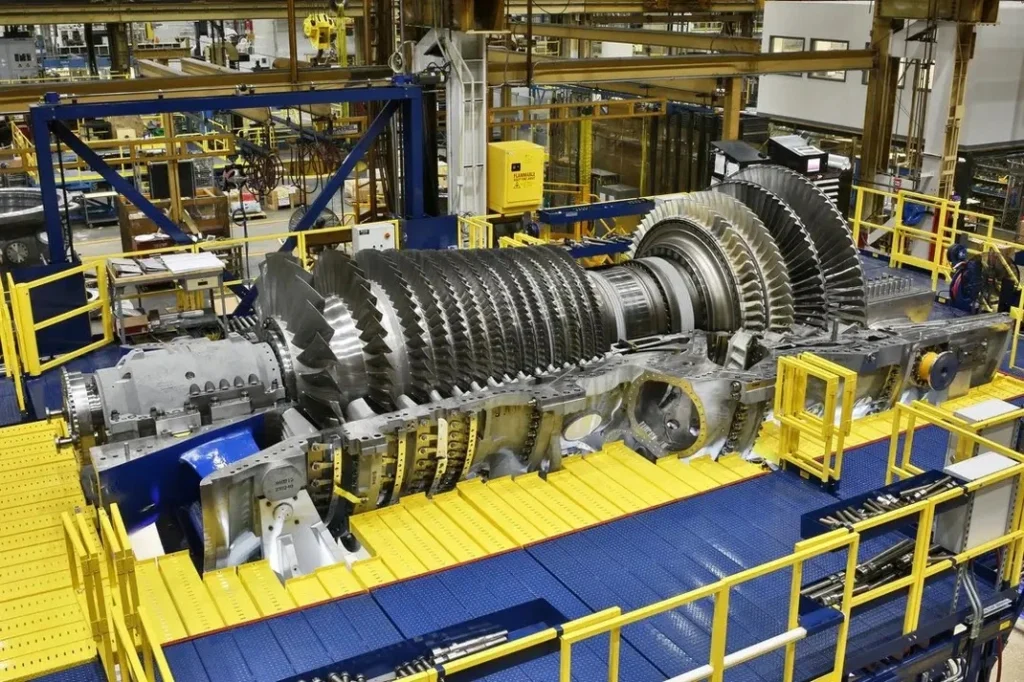
Categories
Uncategorized

Self-sustaining Energy Generator

Steam Turbines - Self-sustaining Energy Generator
Steam Turbines – Self-sustaining Energy Generator

Embarking on the journey of creating a self-sustaining energy generator with a focus on a steam turbine heralds a paradigm shift in the way we perceive and harness power within the confines of our homes. At the core of this ambitious venture lies the concept of self-sustaining energy, a vision where households not only consume electricity but actively generate it in a manner that aligns with ecological sustainability.

Steam Turbine – A Self-sustaining Energy Generator

The cornerstone of this innovative approach is the steam turbine generator, a marvel of engineering that transforms the latent energy within steam into a continuous and reliable source of electricity. This generator becomes the beating heart of the self-sustaining energy ecosystem, providing a foundation for sustainable power generation that transcends traditional grid dependencies.

In the realm of energy independence, the self-sustaining energy generator marks a departure from conventional power sources, embodying the essence of renewable steam power. By leveraging the power of steam, a resource that can be replenished through various sustainable means, homeowners can create an eco-friendly haven where electricity generation harmonizes with environmental stewardship.

The notion of off-grid steam systems comes to the forefront as the self-sustaining energy generator operates autonomously, untethered from centralized power grids. This off-grid approach empowers individuals to forge a path towards independence, free from external energy dependencies, and resilient in the face of disruptions. It represents a bold step towards decentralized power, where each home becomes a self-sufficient energy producer.

As the steam turbine gracefully converts steam into electricity, the entire system embraces the ethos of sustainable energy generation. This goes beyond mere functionality, delving into a holistic approach that considers the environmental impact, efficiency, and longevity of the energy generation process. The self-sustaining energy generator becomes a beacon of sustainable living, embodying a commitment to responsible resource usage.

Micro Steam Turbine
Micro Steam Turbine

In the realm of scale, the integration of a micro steam turbine underscores the adaptability of this self-sustaining energy model for small-scale power generation. The micro steam turbine caters to localized energy needs, making it suitable for individual homes or communities seeking a compact yet potent solution. It epitomizes the democratization of energy production, allowing individuals to actively contribute to their energy landscape.

The allure of decentralized power becomes evident as homeowners embrace the self-sustaining energy generator. By decentralizing power generation, the dependence on large-scale infrastructure diminishes, and communities gain the flexibility to tailor their energy solutions to their specific needs. This decentralized model not only fosters resilience but also fosters a sense of ownership and empowerment within communities.

Stepping into the realm of daily living, the concept of steam-driven electricity brings a transformative touch to households. Beyond being a source of power, the electricity generated through the self-sustaining energy generator becomes emblematic of a lifestyle where innovation meets everyday convenience. Steam-driven electricity powers lighting, appliances, and all facets of modern living, seamlessly integrating sustainability into the daily rhythm of homes.

Within the cocoon of the home, the self-sustaining energy generator ushers in the era of eco-friendly power. The utilization of steam as the primary driver for electricity aligns with environmental consciousness, minimizing the carbon footprint associated with conventional power generation methods. This commitment to eco-friendly power resonates with individuals seeking to reduce their environmental impact and transition towards a more sustainable way of life.

The realization of an independent energy source takes shape as the self-sustaining energy generator matures into a reliable and self-reliant powerhouse. Homes equipped with this innovative system become islands of energy independence, able to weather fluctuations in external energy supply and contributing to a future where each dwelling is a sovereign entity in terms of power generation.

In summary, the first ten keywords weave a narrative of pioneering energy solutions, where self-sustaining energy, driven by a steam turbine generator, becomes the cornerstone of a sustainable and resilient future. From the intricacies of renewable steam power to the practicality of off-grid steam systems, each keyword contributes to a narrative that envisions homes not just as consumers but as active contributors to the energy landscape.


In the symphony of self-sustaining energy homes with a spotlight on steam turbine generators, the second set of ten keywords unravels a narrative where ingenuity, efficiency, and conscious design converge to shape a future where electricity generation is not only a technical process but an art form in sustainable living.

At the heart of this narrative is the transformative concept of the steam turbine generator. As the engineering marvel orchestrating the conversion of steam into electricity, the steam turbine generator is akin to a maestro guiding the harmonious flow of energy. This essential component of the self-sustaining energy ecosystem stands as a testament to human ingenuity, harnessing the power of steam to create a continuous, reliable source of electricity within the confines of our homes.

Transitioning from the macro to the micro, the concept of renewable steam power takes center stage. Within the context of self-sustaining energy homes, the emphasis on renewable steam power signifies a departure from finite and environmentally taxing energy sources. Instead, it embraces a cyclical and sustainable approach, utilizing steam in a manner that aligns with the regenerative capacity of natural processes.

The idea of off-grid steam systems becomes a beacon of independence in the narrative of self-sustaining energy. As homes detach from conventional power grids, they embark on a journey toward autonomy. Off-grid steam systems redefine the relationship between households and power, allowing them to navigate fluctuations in the broader energy landscape with resilience. This off-grid approach marks a departure from the traditional model of centralized energy distribution, putting the power, quite literally, back into the hands of the homeowners.

Embracing the philosophy of sustainable living, the concept of sustainable energy generation transcends the mere act of producing electricity. It encompasses a holistic approach that considers the long-term impact, efficiency, and ecological harmony of the entire energy generation process. The self-sustaining energy generator becomes not just a means of powering homes but a statement of commitment to responsible resource usage, resonating with individuals who seek to tread lightly on the planet.

As the narrative expands, the integration of a micro steam turbine into the self-sustaining energy home highlights the adaptability of this technology to varying scales of energy needs. The micro steam turbine represents a shift toward decentralized energy production, making it accessible for individual homes or smaller communities. This democratization of energy generation aligns with the broader trend of empowering individuals to actively contribute to their energy needs and environmental impact.

The allure of decentralized power extends beyond technicalities to embody a paradigm shift in energy dynamics. By distributing power generation capabilities, communities gain flexibility in tailoring their energy solutions. The self-sustaining energy home equipped with decentralized power becomes not just a consumer but an active participant in the energy landscape, fostering resilience and a sense of community ownership.

In the intimacy of daily living, the concept of steam-driven electricity transforms the mundane into the extraordinary. Beyond being a source of power, steam-driven electricity introduces a touch of innovation and sustainability into the rhythm of everyday life. Lighting, appliances, and electronic devices come to life with the magic of steam, weaving sustainability seamlessly into the fabric of homes.

Within the cocoon of eco-conscious living, the realization of eco-friendly power emerges as a guiding principle. The steam-driven electricity produced by the self-sustaining energy generator aligns with a commitment to reducing the carbon footprint associated with traditional power generation. This eco-friendly power becomes a choice that resonates with individuals seeking to align their lifestyle with a more sustainable and environmentally friendly ethos.

As the self-sustaining energy home evolves, it becomes an independent energy source unto itself. No longer reliant on external grids, these homes stand as islands of energy independence, capable of weathering disruptions and contributing to a collective vision of a more resilient and self-reliant energy landscape.

In summary, the second set of ten keywords continues the narrative of a transformative journey toward self-sustaining energy homes. From the orchestration of steam turbine generators to the embrace of renewable steam power and decentralized energy, each keyword weaves a story of innovation, resilience, and a conscious shift towards sustainable living.

Venturing deeper into the realm of self-sustaining energy homes, the third set of ten keywords unfurls a narrative where the design, innovation, and practical application of steam turbine systems intertwine to shape a sustainable and efficient future.

At the forefront of this narrative is the pivotal concept of steam turbine design. As DIY enthusiasts and engineers delve into the creation of self-sustaining energy homes, the design of a steam turbine takes center stage. It becomes a canvas for creativity and engineering prowess, where builders not only craft a functional turbine but also seek optimal efficiency and performance. The nuances of steam turbine design reflect the delicate balance between artistry and precision, where each curve and component contributes to the overall efficiency of the system.

Transitioning from design to application, the integration of steam-driven appliances becomes a testament to the versatility of steam power within a household. Beyond electricity generation, steam-driven appliances offer a myriad of applications, from efficient heating systems to eco-friendly cooking solutions. The integration of these appliances becomes integral to a holistic steam-powered home, where functionality meets sustainability in various facets of daily life.

The concept of steam turbine conversion adds another layer to the narrative, emphasizing the adaptability of existing systems to embrace steam power economically. Retrofitting conventional setups with steam turbines enables the repurposing of established technologies, showcasing a sustainable approach to energy generation without the need for extensive overhauls. This conversion process often involves integrating steam turbines with existing heating systems, turning them into dual-purpose setups that provide both warmth and electricity.

In the realm of transportation, the vision of steam-driven transportation materializes as an eco-friendly alternative. Steam-driven vehicles, whether for personal or public use, represent a fusion of traditional and cutting-edge technologies. This concept aligns with the broader vision of sustainable mobility, where steam power becomes a viable option for reducing dependence on non-renewable energy sources.

Ensuring the longevity and optimal performance of steam turbines demands a focus on steam turbine maintenance. Regular upkeep, inspections, and preventive measures are crucial for sustaining the efficiency of these systems over time. From monitoring pressure levels to lubricating components, meticulous maintenance practices contribute to the reliability and durability of steam turbines in the context of self-sufficient energy homes.

The seamless integration of steam turbine controls is pivotal for fine-tuning and regulating the performance of these systems. Advanced control mechanisms not only optimize energy output but also contribute to the overall stability and responsiveness of steam-driven setups. This level of control enhances the suitability of steam turbines for self-sufficient living, allowing homeowners to manage their energy production with precision.

The convergence of steam technology with steam-driven manufacturing processes illustrates its potential in industrial applications. From powering machinery to contributing to cleaner and more sustainable production methods, steam plays a transformative role in reshaping manufacturing practices towards eco-conscious alternatives. The integration of steam-driven manufacturing within a self-sufficient home ecosystem contributes to a closed-loop approach, where energy production aligns seamlessly with daily needs.

In addressing water scarcity, steam-driven desalination emerges as a solution for sustainable water production. Harnessing steam power to desalinate seawater provides a reliable and energy-efficient method of addressing freshwater shortages. This application aligns with the broader goal of creating self-sufficient homes that manage resources responsibly, extending the impact of steam power beyond electricity generation.

Consideration for the economic aspects of self-sufficient energy homes leads to the exploration of steam turbine economics. Understanding the cost-benefit dynamics, including initial investments, operational costs, and long-term savings, is crucial for homeowners and businesses alike. This economic perspective provides insights into the feasibility and sustainability of incorporating steam technology into energy infrastructures, guiding informed decision-making.

The pursuit of continuous improvement and innovation in the realm of self-sufficient energy homes is reflected in the concept of steam turbine upgrades. Adapting to evolving technologies and enhancing the capabilities of existing steam systems ensures that homeowners can stay at the forefront of sustainable living practices. Whether through improved materials, enhanced efficiency, or expanded capacity, the pursuit of upgrades contributes to a dynamic and future-ready approach to steam-powered living.

In summary, the third set of ten keywords unravels the complexities of steam turbine design, its applications in manufacturing and desalination, the importance of maintenance and control mechanisms, economic considerations, and the perpetual drive for upgrades and advancements. Together, these keywords portray a comprehensive picture of a future where steam technology continues to be a driving force in reshaping the landscape of self-sufficient and sustainable living.

As we delve deeper into the narrative of self-sustaining energy homes, the fourth set of ten keywords unfolds a story of intricate details and advanced applications that shape a landscape where steam turbine systems become not just components but integral elements in the orchestration of sustainable living.

At the core of this narrative lies the artistry and functionality of steam-driven heating. Beyond the conventional methods of heating, steam-driven systems bring forth an innovative approach where the power of steam is harnessed for efficient and eco-friendly warmth. This application extends beyond electricity generation, transforming homes into havens of comfort where steam not only produces power but also becomes the gentle touch that warms living spaces with sustainability in mind.

The concept of high-efficiency steam systems becomes a linchpin in the pursuit of optimal performance. In the intricate dance of steam turbines, efficiency is paramount. High-efficiency steam systems leverage advanced engineering to minimize energy losses, ensuring that the conversion of steam into electricity is not just a process but an art of precision. This commitment to efficiency aligns with the overarching goal of creating homes where every unit of energy generated serves a purpose with minimal waste.

Within the tapestry of self-sufficient energy homes, the steam accumulator emerges as a strategic component. This reservoir of steam acts as a buffer, storing excess energy generated during peak times for later use. The steam accumulator becomes a guardian of consistency, ensuring a stable power supply even when renewable sources experience fluctuations. This application contributes to the reliability and resilience of self-sufficient homes, offering a solution to the intermittent nature of certain renewable energy sources.

The integration of sustainable steam technology becomes a beacon of responsible resource usage. This concept transcends the immediate applications of steam power, emphasizing the importance of adopting eco-friendly materials, practices, and methodologies in the design and implementation of steam turbine systems. Sustainable steam technology reflects a holistic approach where environmental consciousness permeates every stage of the system’s lifecycle, from production to operation.

In the pursuit of a self-sufficient lifestyle, the application of steam-powered cooling introduces a paradigm shift in climate control. Steam-driven cooling systems leverage the principles of absorption or desiccant cooling, providing an energy-efficient alternative to traditional air conditioning. This not only reduces the overall energy footprint but also aligns with the vision of creating homes that maintain optimal temperatures while prioritizing sustainability.

Optimal utilization of steam’s latent energy takes form in the concept of steam expansion technology. This technology harnesses the expansive force of steam to perform mechanical work, showcasing the versatility of steam power beyond electricity generation. From steam-driven pumps to steam-powered appliances, this expansion technology becomes a cornerstone in creating a self-sustaining ecosystem where every manifestation of energy contributes to the overall efficiency of the system.

In the context of agricultural practices, the application of steam-driven agriculture signifies a departure from traditional methods. Steam-powered solutions for farming, including soil sterilization, weed control, and pest management, offer eco-friendly alternatives to chemical-intensive approaches. Steam-driven agriculture becomes a harmonious blend of innovation and environmental stewardship, contributing to the vision of holistic self-sufficiency.

The concept of steam-driven appliances takes on a multifaceted role within the self-sufficient home. Beyond electricity generation, these appliances become integral to various aspects of daily life. From steam-driven water heaters to cooking devices, they illustrate the adaptability of steam power to meet diverse needs. This integration aligns with the vision of creating homes where sustainability extends seamlessly into the fabric of routine activities.

The pursuit of energy autonomy within the home extends to steam-driven water heaters. These devices leverage steam power for efficient water heating, providing a sustainable alternative to conventional water heaters. Steam-driven water heaters contribute to the reduction of energy consumption and align with the broader goal of creating homes that not only generate electricity sustainably but also address the energy needs of other essential functions.

As we explore the possibilities of a steam-driven future, the integration of steam-driven lighting showcases the versatility of steam power in everyday applications. From innovative steam-powered lamps to efficient lighting systems, this concept transforms illumination into an art form powered by sustainability. Steam-driven lighting becomes a beacon in the narrative of self-sufficient energy homes, illuminating spaces with the brilliance of eco-conscious technology.

In summary, the fourth set of ten keywords paints a rich tapestry where steam-driven heating, high-efficiency systems, steam accumulators, sustainable technology, steam-powered cooling, expansion technology, agricultural practices, versatile appliances, water heaters, and lighting converge to create a vision of self-sustaining energy homes. Each keyword adds a layer to the narrative, showcasing the depth and diversity of applications where steam power becomes a driving force in reshaping the way we envision and live in our homes.

Embarking on the exploration of the fifth set of ten keywords, we unveil a chapter in the narrative of self-sustaining energy homes where the integration of steam turbine technologies seamlessly extends into diverse aspects of life, demonstrating a comprehensive vision for sustainable living.

At the forefront of this narrative is the intricate concept of steam condensation. As steam turbines exert their transformative influence, the phase of condensation emerges as a crucial element in the energy cycle. Steam, having fulfilled its duty in driving turbines, undergoes condensation, releasing latent heat that can be harnessed for various applications. This utilization of steam condensation contributes not only to the efficiency of energy conversion but also underscores the principle of extracting every available resource from the energy-producing process.

Zooming into the broader spectrum of energy storage solutions, the inclusion of steam storage becomes a cornerstone for self-sufficient homes. This innovative approach involves storing excess steam during periods of peak production for later use, addressing the intermittent nature of renewable energy sources. Steam storage transforms homes into resilient energy hubs, capable of maintaining a continuous power supply even when external conditions are less favorable for immediate electricity generation.

In the context of heating, ventilation, and air conditioning (HVAC) systems, the vision of steam-driven HVAC takes center stage. The integration of steam-driven technologies in HVAC systems revolutionizes climate control, offering an efficient and eco-friendly alternative. Steam-driven HVAC not only provides optimal temperature regulation but also aligns with the overarching goal of creating homes where every aspect of energy consumption is infused with sustainability.

As we navigate the expansive landscape of renewable energy, the utilization of geothermal steam introduces an element of environmental harmony. Geothermal steam, harnessed from the Earth’s internal heat, complements the self-sustaining energy home by providing a consistent and renewable energy source. This integration aligns with the principles of harnessing natural forces in a way that minimizes environmental impact and contributes to a holistic vision of sustainable energy generation.

In the pursuit of harnessing the sun’s energy, the concept of solar steam generation emerges as a powerful ally. Solar steam generation systems utilize sunlight to produce steam, which can then be channeled into steam turbines for electricity generation. This synergy between solar and steam technologies epitomizes the integration of renewable sources, creating homes that draw energy from both the sun and steam to meet their power needs.

The notion of steam-based heating extends beyond conventional applications, finding innovative use in processes such as steam curing for construction materials. This multifaceted application of steam-based heating illustrates its adaptability to various industries, promoting sustainable practices in sectors beyond electricity generation. It exemplifies a holistic approach where the benefits of steam technology extend into diverse realms of human activity.

In the pursuit of efficiency, the integration of closed-loop steam systems becomes a defining characteristic of self-sustaining energy homes. Closed-loop systems minimize heat loss by containing and reusing steam within a controlled environment. This closed-loop approach contributes not only to energy efficiency but also aligns with the broader goal of creating homes that operate with a mindful and resource-conscious ethos.

The utilization of biomass steam generator signifies a marriage of renewable resources and steam technology. Biomass, derived from organic materials, can be used to produce steam for electricity generation in a sustainable and carbon-neutral manner. This application represents a harmonious relationship between technology and nature, contributing to the vision of homes powered by diverse and environmentally friendly energy sources.

As the narrative extends to the realm of cooling, the concept of steam-powered cooling unfolds with a focus on efficient and environmentally conscious climate control. Steam-driven cooling systems, whether utilizing absorption or desiccant technology, provide an alternative to traditional air conditioning methods. This not only reduces energy consumption but also aligns with the broader vision of creating homes that prioritize comfort without compromising on sustainability.

In the context of transportation, the vision of steam-driven transportation comes full circle. Steam-powered vehicles, whether trains or other modes of transit, offer an alternative to traditional combustion engines. This application embodies the integration of steam technology into broader societal frameworks, showcasing its potential to redefine transportation in a way that minimizes environmental impact.

In summary, the fifth set of ten keywords unveils a panorama of self-sustaining energy homes where steam condensation, storage solutions, steam-driven HVAC, geothermal steam, solar steam generation, steam-based heating, closed-loop systems, biomass steam generators, steam-powered cooling, and steam-driven transportation converge to create a vision of homes that not only generate electricity sustainably but also integrate steam technologies into various facets of daily life and industry. Each keyword adds a layer to the narrative, showcasing the versatility and adaptability of steam power in shaping a future where energy is not just consumed but conscientiously crafted.

How to Generate Electricity

Electricity generation using steam power involves the conversion of heat energy into mechanical energy and, ultimately, electrical energy. This process typically involves the use of a steam turbine coupled to a generator. Here’s a general overview of how electricity is generated using steam power:

  1. Boiler:
    • Water is heated to generate steam in a boiler. This can be achieved by burning fossil fuels (coal, natural gas, or oil), using nuclear reactions, or harnessing renewable energy sources like biomass, solar, or geothermal heat.
  2. Steam Generation:
    • The generated steam carries thermal energy. The higher the pressure and temperature of the steam, the more energy it contains.
  3. Steam Turbine:
    • The steam is directed towards a turbine. Steam turbines are devices that convert the kinetic energy of the moving steam into mechanical energy by making the turbine blades rotate.
  4. Generator:
    • The rotating shaft of the turbine is connected to a generator. As the turbine spins, it drives the generator, converting the mechanical energy into electrical energy.
  5. Power Generation:
    • The generator produces electrical power, typically in the form of alternating current (AC). This electricity can then be stepped up in voltage through transformers for efficient long-distance transmission.
  6. Condenser:
    • After passing through the turbine, the steam is condensed back into water in a condenser. This releases latent heat, which is usually transferred to a cooling medium (like water or air) to complete the cycle.
  7. Cooling System:
    • The cooling medium absorbs the heat from the condensing steam, converting it back into liquid water. This cooled water is then returned to the boiler to be reheated and reused in the steam generation process.
  8. Control Systems:
    • Various control systems, sensors, and monitoring devices are employed to optimize the efficiency and safety of the power plant. These systems regulate steam pressure, temperature, and other parameters to ensure smooth operation.

This process is known as a Rankine cycle, and it’s a common method for electricity generation in many power plants worldwide. The heat source can vary depending on the type of power plant, ranging from fossil fuels to renewable energy sources. The efficiency of the overall system is influenced by factors such as the temperature and pressure levels, the design of the turbine and generator, and the choice of cooling system.

1. Boiler:

  • Function: The boiler is a critical component that produces high-pressure steam by heating water. The heat source can vary:
    • Fossil Fuels: Combustion of coal, natural gas, or oil.
    • Nuclear: Nuclear reactions produce heat to generate steam.
    • Renewable Energy: Biomass, solar, or geothermal sources can also be used.

2. Steam Generation:

  • Process: Water is pumped into the boiler and heated to produce high-pressure steam.
  • Parameters: Steam pressure and temperature are crucial factors in determining the efficiency of the system.

3. Steam Turbine:

  • Function: The steam is directed onto turbine blades, causing the turbine to rotate.
  • Types: There are various types of steam turbines, including impulse turbines and reaction turbines.

4. Generator:

  • Coupling: The rotating shaft of the steam turbine is connected to the rotor of a generator.
  • Principle: The rotating motion is converted into electrical energy through electromagnetic induction.

5. Power Generation:

  • Output: The generator produces electrical power in the form of alternating current (AC).
  • Frequency: The frequency of the AC power is typically 50 or 60 Hz, depending on the region.

6. Condenser:

  • Function: Steam exiting the turbine is condensed back into water.
  • Heat Transfer: The latent heat released during condensation is transferred to a cooling medium.
  • Cooling Medium: Commonly water or air, depending on the type of power plant.

7. Cooling System:

  • Cooling Tower: In some cases, a cooling tower is used to dissipate excess heat to the atmosphere through the evaporation of water.
  • Water Source: The cooling water may be sourced from rivers, lakes, or the sea.

8. Control Systems:

  • Automation: Modern power plants use advanced control systems to regulate various parameters.
  • Safety Measures: Systems are in place to ensure safe operation and respond to emergency situations.

9. Efficiency Considerations:

  • Thermal Efficiency: The overall efficiency of the system is influenced by factors such as turbine design, steam parameters, and heat exchanger efficiency.
  • Cogeneration: Some power plants use cogeneration to maximize efficiency by utilizing waste heat for other purposes, such as district heating.

10. Environmental Impact:

  • Emissions Control: Fossil fuel-based power plants often incorporate emissions control systems to reduce environmental impact.
  • Renewable Integration: The use of renewable energy sources contributes to lower carbon emissions.

11. Maintenance and Upkeep:

  • Regular Maintenance: Scheduled maintenance is crucial to ensure the longevity and reliability of the equipment.
  • Upgrades: Power plants may undergo upgrades to incorporate more efficient technologies or address environmental concerns.

Understanding these details provides insight into the complex interplay of components and processes involved in electricity generation using steam power. The continual advancement of technology aims to enhance efficiency, reduce environmental impact, and explore innovative approaches to power generation.

The boiler is a critical component in a steam power generation system. Its primary function is to convert water into steam by using heat from a combustion process or another heat source. The steam produced in the boiler is then directed to a steam turbine, where it expands and performs mechanical work to drive a generator and produce electricity. Here are more details about boilers:

Types of Boilers:

  1. Fire-Tube Boilers:
    • Construction: Water surrounds tubes through which hot combustion gases pass.
    • Advantages: Simple design, relatively compact, suitable for small to medium-sized applications.
    • Applications: Commonly used in industrial processes and smaller power plants.
  2. Water-Tube Boilers:
    • Construction: Water circulates in tubes that are heated externally by combustion gases.
    • Advantages: Higher efficiency, ability to handle higher pressures and capacities.
    • Applications: Often used in large power plants and industrial settings.
  3. Once-Through Boilers:
    • Operation: Water passes through the boiler only once, with no recirculation.
    • Advantages: Rapid startup, efficient operation at variable loads.
    • Applications: Common in some modern power plants, particularly in combination with supercritical and ultra-supercritical steam conditions.

Boiler Components:

  1. Furnace:
    • Function: The combustion of fuel (coal, natural gas, oil, biomass) takes place in the furnace, releasing heat.
    • Combustion Chamber: Area where fuel is burned, and combustion gases are generated.
  2. Water Walls:
    • Location: In water-tube boilers, these are tubes containing water that surround the furnace.
    • Purpose: Absorb heat from the furnace and generate steam.
  3. Steam Drum:
    • Function: Collects and separates steam from water. It also serves as a reservoir for water to be converted into steam.
    • Circulation: Helps maintain proper water circulation through the boiler.
  4. Superheater:
    • Location: Typically placed after the steam drum.
    • Function: Raises the temperature of steam to a higher level (superheated steam), increasing energy content and efficiency.
  5. Economizer:
    • Location: Typically located in the flue gas path.
    • Function: Preheats the feedwater using residual heat from the flue gases, improving overall efficiency.
  6. Boiler Burners:
    • Function: Combustion of fuel occurs in burners.
    • Types: Can be oil burners, gas burners, or solid fuel burners, depending on the type of fuel used.

Boiler Operation:

  1. Fuel Input:
    • Combustion Process: Fossil fuels or other combustible materials are burned in the furnace.
    • Control Systems: Control the fuel and air supply to maintain proper combustion conditions.
  2. Water Circulation:
    • Natural Circulation: Relies on density differences to circulate water.
    • Forced Circulation: In larger boilers, pumps are used to ensure proper water circulation.
  3. Steam Generation:
    • Heat Transfer: Heat from the combustion process is transferred to water, producing steam.
    • Pressure and Temperature Control: Systems regulate steam pressure and temperature.

Boiler Safety:

  1. Pressure Relief Devices:
    • Safety Valves: Release excess pressure to prevent overpressurization.
    • Safety Interlocks: Automated systems for emergency shutdown.
  2. Water Level Control:
    • Preventing Dry Firing: Ensures an adequate water level to prevent damage to the boiler.
  3. Combustion Control:
    • Fuel-Air Ratio: Maintained for efficient and safe combustion.
    • Emission Control: Monitoring and controlling emissions for environmental compliance.

Understanding the different types of boilers, their components, and their operation is crucial for ensuring the safe and efficient generation of steam for power production. Regular maintenance, monitoring, and adherence to safety protocols are essential for the reliable operation of a boiler system.

Types of Boilers:

  1. Fire-Tube Boilers:
    • Construction: Water surrounds tubes through which hot combustion gases pass.
    • Advantages: Simple design, relatively compact, suitable for small to medium-sized applications.
    • Applications: Commonly used in industrial processes and smaller power plants.
  2. Water-Tube Boilers:
    • Construction: Water circulates in tubes that are heated externally by combustion gases.
    • Advantages: Higher efficiency, ability to handle higher pressures and capacities.
    • Applications: Often used in large power plants and industrial settings.
  3. Once-Through Boilers:
    • Operation: Water passes through the boiler only once, with no recirculation.
    • Advantages: Rapid startup, efficient operation at variable loads.
    • Applications: Common in some modern power plants, particularly in combination with supercritical and ultra-supercritical steam conditions.

Boiler Components:

  1. Furnace:
    • Function: The combustion of fuel (coal, natural gas, oil, biomass) takes place in the furnace, releasing heat.
    • Combustion Chamber: Area where fuel is burned, and combustion gases are generated.
  2. Water Walls:
    • Location: In water-tube boilers, these are tubes containing water that surround the furnace.
    • Purpose: Absorb heat from the furnace and generate steam.
  3. Steam Drum:
    • Function: Collects and separates steam from water. It also serves as a reservoir for water to be converted into steam.
    • Circulation: Helps maintain proper water circulation through the boiler.
  4. Superheater:
    • Location: Typically placed after the steam drum.
    • Function: Raises the temperature of steam to a higher level (superheated steam), increasing energy content and efficiency.
  5. Economizer:
    • Location: Typically located in the flue gas path.
    • Function: Preheats the feedwater using residual heat from the flue gases, improving overall efficiency.
  6. Boiler Burners:
    • Function: Combustion of fuel occurs in burners.
    • Types: Can be oil burners, gas burners, or solid fuel burners, depending on the type of fuel used.

Boiler Operation:

  1. Fuel Input:
    • Combustion Process: Fossil fuels or other combustible materials are burned in the furnace.
    • Control Systems: Control the fuel and air supply to maintain proper combustion conditions.
  2. Water Circulation:
    • Natural Circulation: Relies on density differences to circulate water.
    • Forced Circulation: In larger boilers, pumps are used to ensure proper water circulation.
  3. Steam Generation:
    • Heat Transfer: Heat from the combustion process is transferred to water, producing steam.
    • Pressure and Temperature Control: Systems regulate steam pressure and temperature.

Boiler Safety:

  1. Pressure Relief Devices:
    • Safety Valves: Release excess pressure to prevent overpressurization.
    • Safety Interlocks: Automated systems for emergency shutdown.
  2. Water Level Control:
    • Preventing Dry Firing: Ensures an adequate water level to prevent damage to the boiler.
  3. Combustion Control:
    • Fuel-Air Ratio: Maintained for efficient and safe combustion.
    • Emission Control: Monitoring and controlling emissions for environmental compliance.

Understanding the different types of boilers, their components, and their operation is crucial for ensuring the safe and efficient generation of steam for power production. Regular maintenance, monitoring, and adherence to safety protocols are essential for the reliable operation of a boiler system.

Steam generation is a fundamental process in power plants that involves the conversion of water into steam, which is then used to drive turbines connected to generators for electricity production. Here are the key aspects of steam generation:

1. Boiler:

  • Function: The boiler is the primary component responsible for steam generation.
  • Process: Water is heated within the boiler using various heat sources such as combustion of fossil fuels, nuclear reactions, or renewable energy sources like biomass, solar, or geothermal heat.

2. Steam Drum:

  • Collection and Separation: The steam generated in the boiler is collected and separated from water in the steam drum.

3. Water Circulation:

  • Natural Circulation: Relies on the difference in density between hot water and steam, causing natural circulation in the boiler.
  • Forced Circulation: Pumps are used to circulate water through the boiler, particularly in large systems.

4. Superheating:

  • Superheater: Steam may pass through a superheater to increase its temperature beyond the boiling point, producing superheated steam.
  • Advantages: Superheated steam has higher energy content and specific enthalpy.

5. Quality of Steam:

  • Dry Steam: Steam with minimal moisture content.
  • Wet Steam: Steam with entrained water droplets.

6. Steam Parameters:

  • Pressure: The pressure of the steam is a crucial parameter, as it affects the energy content and temperature.
  • Temperature: Higher temperatures result in higher energy content and efficiency.

7. Heat Transfer:

  • Convection: Transfer of heat through the movement of fluid (water/steam) within the boiler.
  • Radiation: Transfer of heat through electromagnetic waves.
  • Conduction: Transfer of heat through direct contact between materials.

8. Steam Quality Control:

  • Separators: Used to remove any remaining water droplets from steam before it enters the turbine.
  • Control Systems: Monitor and regulate steam parameters for efficient and safe operation.

9. Heat Recovery:

  • Economizer: Recovers heat from flue gases to preheat the feedwater before it enters the boiler.
  • Recuperator: Another type of heat exchanger that recovers heat from the flue gases.

10. Cogeneration:

  • Combined Heat and Power (CHP): Some systems are designed for cogeneration, where steam not only produces electricity but also provides heat for industrial or residential purposes.

11. Steam Turbine:

  • Expansion: Steam is directed from the boiler to the steam turbine, where it expands and performs mechanical work by rotating the turbine blades.

12. Efficiency Considerations:

  • Thermal Efficiency: The efficiency of the steam generation process is a crucial factor in overall power plant efficiency.
  • Irreversibilities: Losses due to irreversibilities in the system affect efficiency.

13. Environmental Impact:

  • Emission Control: Fossil fuel-based systems may incorporate technologies to control emissions and minimize environmental impact.

14. Start-Up and Shut-Down Procedures:

  • Warm-Up Period: Boilers go through a warm-up period to reach operational conditions.
  • Cool-Down Period: Proper procedures are followed during shut-down to avoid thermal stress on components.

Understanding the nuances of steam generation is essential for optimizing power plant efficiency, ensuring reliable operation, and minimizing environmental impact. Advances in technology continue to improve the efficiency of steam generation processes in power plants.

A steam turbine is a mechanical device that extracts energy from high-pressure steam and converts it into mechanical work, which is then used to generate electricity. Here’s a plain-text overview of steam turbines:

A steam turbine operates on the principle of converting the kinetic energy of steam into mechanical energy. This process is integral to many power plants for electricity generation. The key components and processes involved in a steam turbine system include:

  1. Steam Inlet:
    • High-pressure steam is directed into the steam turbine.
  2. Blades:
    • The steam flows over blades mounted on a rotor. These blades are designed to efficiently capture the energy of the high-velocity steam.
  3. Rotor:
    • The rotor is connected to the turbine shaft. As the steam flows over the blades, it imparts rotational motion to the rotor.
  4. Rotational Motion:
    • The rotational motion of the rotor is the mechanical work produced by the steam turbine. This rotary motion is utilized to turn a generator.
  5. Generator:
    • The rotating shaft of the steam turbine is coupled to a generator. The generator converts the mechanical energy into electrical energy through electromagnetic induction.
  6. Exhaust:
    • After passing through the blades, the steam exits the turbine at a lower pressure and temperature. In some cases, the steam may be condensed back into water for re-use in the boiler.

Steam turbines can be categorized based on their design and the direction of steam flow:

  • Impulse Turbines:
    • Steam is expanded in nozzles, producing high-velocity jets that impact turbine blades, causing them to rotate.
  • Reaction Turbines:
    • Steam is expanded in both nozzles and over turbine blades, generating a combination of kinetic and pressure energy.

Steam turbines are commonly used in power plants, ranging from small-scale industrial facilities to large utility-scale power stations. They play a vital role in various applications due to their efficiency, reliability, and ability to handle a wide range of steam conditions.

Advancements in turbine design and technology continue to improve efficiency and overall performance, contributing to the optimization of power generation systems. The versatility of steam turbines makes them a key component in the global energy landscape.

A steam turbine is a mechanical device that harnesses the energy of high-pressure steam to produce mechanical work, subsequently converted into electricity. This process is fundamental to power generation in many plants.

High-pressure steam is introduced into the turbine, where it flows over blades mounted on a rotor. These blades are designed to efficiently capture the energy of the steam, causing the rotor to rotate. The rotational motion of the rotor constitutes the mechanical work produced by the steam turbine. This rotary motion is then used to turn a generator connected to the turbine shaft. The generator converts the mechanical energy into electrical energy through electromagnetic induction.

The steam, having imparted its energy to the blades, exits the turbine at a lower pressure and temperature. In some cases, the steam may be condensed back into water for reuse in the boiler.

Steam turbines come in various designs. Impulse turbines involve the expansion of steam in nozzles, generating high-velocity jets that impact turbine blades. Reaction turbines, on the other hand, have steam expanded in both nozzles and over turbine blades, producing a combination of kinetic and pressure energy.

These turbines find applications in a range of power plants, from small-scale industrial facilities to large utility-scale power stations. They are valued for their efficiency, reliability, and adaptability to diverse steam conditions.

Ongoing advancements in turbine design and technology aim to enhance efficiency and overall performance, contributing to the continual improvement of power generation systems. The versatility of steam turbines positions them as pivotal components in the global energy landscape.

A generator is a device that converts mechanical energy into electrical energy through the process of electromagnetic induction. In the context of power generation, generators play a crucial role in transforming the rotational motion produced by various prime movers into electrical power.

In a generator, a rotor, often connected to a turbine or an engine, rotates within a magnetic field. This rotational motion induces an electromotive force (EMF) in the conductors of the rotor through the principles of electromagnetic induction. The resulting electrical current is then conducted out of the generator through an external circuit.

Generators are essential components in power plants, ranging from small-scale applications to large-scale utility plants. They are commonly coupled with steam turbines, gas turbines, water turbines, or internal combustion engines to produce electricity. The type of generator used can vary, with common types including synchronous generators and asynchronous generators (induction generators).

Synchronous generators maintain synchrony with the frequency of the electrical grid, ensuring stable and synchronized power output. Asynchronous generators, also known as induction generators, do not need to be synchronized with the grid and are often used in renewable energy systems.

Generators are critical in providing a stable and reliable source of electrical power for various applications, including industrial processes, residential electricity supply, and the broader electric grid. Ongoing advancements in generator technology aim to improve efficiency, reliability, and the integration of generators with emerging energy sources, contributing to the overall evolution of power generation systems.

Power generation is the process of converting various forms of energy into electrical power. This essential activity provides the electricity needed for residential, commercial, and industrial purposes. Power generation methods can vary, utilizing diverse energy sources and technologies. Here’s an overview without numbering:

Power generation involves the transformation of energy into electricity. Various methods are employed, each relying on different energy sources and technologies. The key components and processes in power generation include:

Energy Sources:

  • Fossil Fuels: Combustion of coal, natural gas, and oil in thermal power plants.
  • Nuclear: Utilization of nuclear reactions to generate heat for steam turbines.
  • Renewable Energy: Harnessing energy from sources like sunlight (solar), wind, water (hydroelectric and tidal), and biomass.

Power Plants:

  • Thermal Power Plants: Use heat generated by burning fossil fuels or nuclear reactions to produce steam that drives turbines.
  • Hydroelectric Power Plants: Exploit the kinetic energy of flowing water to turn turbines.
  • Wind Power Plants: Convert the kinetic energy of wind into mechanical energy through wind turbines.
  • Solar Power Plants: Capture sunlight using photovoltaic cells or concentrate solar power systems.
  • Biomass Power Plants: Burn organic materials or use biological processes to generate energy.

Turbines:

  • Steam Turbines: Driven by high-pressure steam produced in boilers.
  • Gas Turbines: Utilize combustion gases to turn a turbine directly.
  • Water Turbines: Turned by the flow of water in hydroelectric power plants.
  • Wind Turbines: Convert wind energy into rotational motion.

Generators:

  • Transform mechanical energy into electrical energy through electromagnetic induction.
  • Types include synchronous generators and asynchronous generators.

Transmission and Distribution:

  • Transmit electricity from power plants to end-users through a network of power lines.
  • Transformers adjust voltage for efficient transmission and distribution.

Control Systems and Automation:

  • Monitor and control various parameters for safe and efficient operation.
  • Implement automation for optimal energy production and grid stability.

Environmental Considerations:

  • Emission Control: Employ technologies to minimize environmental impact, especially in fossil fuel-based power plants.
  • Renewable Integration: Increase the share of renewable energy to reduce carbon footprint.

Grid Connection:

  • Integrate power plants into the electrical grid for reliable and continuous energy supply.
  • Balance electricity supply and demand to maintain grid stability.

Power generation is a dynamic field with ongoing advancements in technology and a growing emphasis on sustainability. The evolution of power generation methods aims to enhance efficiency, reduce environmental impact, and ensure a reliable energy supply for the future.

A condenser is a crucial component in a power plant’s steam cycle, responsible for converting steam back into liquid water after it has passed through a steam turbine. This process is essential for maintaining the efficiency of the power generation system. Here’s an overview:

Function: The primary function of a condenser is to condense or transform the steam exiting the steam turbine into liquid water. This phase change from steam to water releases latent heat, which is then transferred to a cooling medium.

Location: Condensers are typically located at the exhaust end of a steam turbine.

Process: After the high-pressure steam has passed through the turbine blades, it enters the condenser, where it comes into contact with tubes or surfaces that are cooled by a separate cooling medium. This cooling medium can be water from a cooling tower, a river, or the sea, or it may be air in the case of air-cooled condensers.

Heat Exchange: During the heat exchange process, the steam releases its latent heat, causing it to condense into water. The cooling medium absorbs this heat and carries it away from the condenser.

Cooling Medium: The choice of cooling medium depends on the specific design and location of the power plant. Water is a common cooling medium, and the condensed water is often returned to the steam cycle as feedwater.

Vacuum: Maintaining a vacuum inside the condenser is essential for enhancing the efficiency of the steam turbine. A lower pressure within the condenser allows the steam to expand further in the turbine, extracting more work.

Types of Condensers:

  1. Surface Condensers:
    • Steam is condensed on the surface of tubes, and the cooling medium circulates around the tubes.
  2. Jet Condensers:
    • Steam is condensed by direct contact with a jet of cooling water, and the mixture is then separated.

Advantages:

  • Efficient heat transfer and energy recovery.
  • Maintains low pressure in the turbine, optimizing its performance.

Maintenance: Regular maintenance is essential to ensure the proper functioning of condensers. Cleaning of tubes or surfaces, monitoring for leaks, and addressing corrosion are common maintenance activities.

Environmental Impact: Efforts are made to minimize the environmental impact of condenser discharges, especially when using water as a cooling medium. Technologies like cooling towers and environmental regulations aim to address these concerns.

In summary, a condenser is a critical component in the steam cycle of a power plant, facilitating the efficient operation of the steam turbine by converting spent steam back into liquid water for reuse in the boiler.

A condenser is a vital component in a power plant’s steam cycle, playing a crucial role in converting steam back into liquid water after it passes through a steam turbine. This process is essential for maintaining the efficiency of the power generation system.

The primary function of a condenser is to transform the steam from the turbine into liquid water by releasing latent heat. The condenser is typically located at the exhaust end of the steam turbine. After the steam has passed through the turbine blades, it enters the condenser, where it comes into contact with tubes or surfaces cooled by a separate medium. This cooling medium can be water from a cooling tower, a river, or the sea, or it may be air in the case of air-cooled condensers.

During the heat exchange process, the steam releases its latent heat, causing it to condense into water. The cooling medium absorbs this heat and carries it away from the condenser. The choice of cooling medium depends on the power plant’s design and location. Water is a common cooling medium, and the condensed water is often returned to the steam cycle as feedwater.

Maintaining a vacuum inside the condenser is crucial for enhancing the efficiency of the steam turbine, allowing the steam to expand further and extract more work.

There are different types of condensers, including surface condensers, where steam is condensed on the surface of tubes, and jet condensers, where steam is condensed by direct contact with a jet of cooling water.

Regular maintenance is essential to ensure proper condenser functioning. Cleaning of tubes, monitoring for leaks, and addressing corrosion are common maintenance activities.

Efforts are made to minimize the environmental impact of condenser discharges, particularly when using water as a cooling medium. Technologies such as cooling towers and environmental regulations aim to address these concerns.

In summary, a condenser is a critical component in the steam cycle of a power plant, facilitating the efficient operation of the steam turbine by converting spent steam back into liquid water for reuse in the boiler.

Steam Turbines

Steam Turbines
Steam Turbines

Steam turbines are a fundamental component of modern power generation and various industrial processes. They convert thermal energy from steam into mechanical energy, which can then be used to generate electricity or drive machinery. The concept of harnessing steam power dates back to ancient times, with early attempts to use steam for mechanical purposes seen in the aeolipile, a simple steam-powered device invented by Hero of Alexandria in the 1st century AD. However, it wasn’t until the 19th century that steam turbines, as we know them today, began to take shape.

The breakthrough in steam turbine technology came in the late 19th century with the work of Sir Charles Parsons and Gustaf de Laval. Sir Charles Parsons is often credited with inventing the modern steam turbine in 1884, when he developed a prototype capable of driving an electrical generator. This invention marked a significant leap in efficiency compared to earlier steam engines. Parsons’ steam turbine quickly became the preferred method for generating electricity, and its design principles are still used in modern turbines.

Gustaf de Laval, a Swedish engineer, made significant contributions to the development of steam turbines, particularly in high-speed turbines. His work in the 1880s and 1890s led to the creation of impulse turbines, which use the kinetic energy of steam to drive the turbine blades. These developments laid the foundation for the widespread adoption of steam turbines in various industries.

Importance in Modern Industry

Today, steam turbines play a crucial role in the global energy landscape. They are used in thermal power plants to generate a significant portion of the world’s electricity. In a typical thermal power plant, steam is produced by burning fossil fuels such as coal, natural gas, or oil, or by utilizing nuclear energy. The steam is then directed into the turbine, where it expands and drives the turbine blades, converting thermal energy into mechanical energy. This mechanical energy is then used to rotate an electrical generator, producing electricity.

Steam turbines are also integral to various industrial processes. They are used in the petrochemical industry to drive compressors and pumps, in the steel industry for mechanical drives, and in the paper industry to generate electricity and drive machinery. Additionally, steam turbines are employed in marine propulsion systems, particularly in large vessels like aircraft carriers and submarines, where their reliability and efficiency are highly valued.

The versatility and efficiency of steam turbines make them indispensable in both traditional and modern energy systems. They are compatible with a wide range of energy sources, including fossil fuels, nuclear power, and renewable sources such as biomass, geothermal, and concentrated solar power. This adaptability ensures that steam turbines will continue to play a vital role in the global energy mix as the world transitions towards more sustainable energy solutions.

Fundamentals of Steam Turbines

Basic Principles of Operation

Basic Principles

At the core of a steam turbine’s operation is the conversion of thermal energy from steam into mechanical energy. This process is grounded in the principles of thermodynamics, specifically the Rankine cycle, which is the fundamental thermodynamic cycle used in steam turbine operations.

In simple terms, the Rankine cycle involves four main processes:

  1. Heat Addition: In a boiler, water is heated at constant pressure, transforming it into steam. This high-pressure steam contains a significant amount of thermal energy.
  2. Expansion: The high-energy steam is directed into the turbine, where it expands. As the steam expands, its pressure and temperature drop, and it imparts kinetic energy to the turbine blades, causing them to rotate. This rotational energy is then transferred to a shaft connected to an electrical generator or mechanical equipment.
  3. Condensation: After passing through the turbine, the steam is exhausted into a condenser, where it is cooled and condensed back into water.
  4. Pumping: The condensed water is then pumped back to the boiler to begin the cycle again.

The efficiency of a steam turbine is determined by how effectively it converts the thermal energy in the steam into mechanical energy. Factors such as steam pressure, temperature, and the design of the turbine blades play crucial roles in determining this efficiency.

Key Components

Steam turbines consist of several critical components, each playing a specific role in the turbine’s operation:

  • Rotor: The rotor is the rotating part of the turbine and consists of a shaft and attached blades. As steam passes through the turbine, it causes the rotor to spin, converting thermal energy into mechanical energy.
  • Stator: The stator is the stationary part of the turbine that surrounds the rotor. It contains fixed blades that direct the flow of steam onto the rotor blades in an efficient manner.
  • Casing: The casing encases the entire turbine, providing structural support and containing the steam within the turbine. It also protects the internal components from external elements.
  • Blades: The turbine blades are crucial for the conversion of energy. There are two main types of blades: fixed blades (attached to the stator) and moving blades (attached to the rotor). The design and arrangement of these blades are critical for the efficient operation of the turbine.
  • Steam Supply System: This system includes the pipes, valves, and other components that deliver steam to the turbine at the required pressure and temperature. It also controls the flow of steam into the turbine.
  • Condenser: The condenser cools the exhaust steam from the turbine, converting it back into water to be reused in the cycle. It is typically a heat exchanger that removes the latent heat of vaporization from the steam.
  • Governor: The governor is a control mechanism that regulates the turbine’s speed by adjusting the steam flow. It ensures that the turbine operates at the desired speed and can respond to changes in load demand.

Types of Steam Turbines

Steam turbines are classified based on their design, method of steam expansion, and application. The main types include:

  1. Impulse Turbines: In impulse turbines, high-pressure steam is directed onto the turbine blades through nozzles. The steam jets strike the blades, causing them to move, but the steam pressure remains constant as it passes over the blades. The rotor’s motion is purely due to the impulse force from the steam. Impulse turbines are often used in high-speed applications and are suitable for driving generators in power plants.
  2. Reaction Turbines: Unlike impulse turbines, reaction turbines utilize both the impulse of steam and the reaction force generated as steam expands and accelerates through the moving blades. The steam pressure drops as it passes through the blades, and this pressure drop is what drives the rotor. Reaction turbines are commonly used in lower-speed applications and are often found in industrial settings.
  3. Condensing Turbines: These turbines are designed to exhaust steam at a lower pressure, usually into a condenser, where the steam is condensed into water. Condensing turbines are widely used in power generation, where maximum efficiency is required.
  4. Non-Condensing Turbines: Also known as back-pressure turbines, these turbines exhaust steam at a pressure higher than atmospheric pressure. The exhaust steam can be used for heating or other industrial processes. Non-condensing turbines are commonly used in cogeneration systems where both electricity and process steam are needed.
  5. Extraction Turbines: Extraction turbines are designed to extract steam at one or more points along the turbine for industrial processes or heating. The remaining steam continues through the turbine for power generation. These turbines provide flexibility in applications where steam at different pressures is required.
  6. Reheat Turbines: In reheat turbines, steam is expanded through a high-pressure stage of the turbine, reheated in the boiler, and then expanded further in a lower-pressure stage. Reheating improves the efficiency of the cycle and reduces the moisture content of the steam, which can help to reduce blade erosion.
  7. Industrial Turbines: These are designed for specific industrial applications, such as driving compressors, pumps, or fans. Industrial turbines can be either impulse or reaction types, depending on the specific application requirements.
  8. Marine Turbines: Used in naval vessels and large commercial ships, marine turbines are designed to be highly reliable and capable of operating under the challenging conditions at sea. They are typically reaction turbines and are designed to drive propellers or generators for propulsion.

Thermodynamics and Fluid Mechanics

Challenges and Limitations

Thermodynamic Cycles

The operation of steam turbines is fundamentally based on thermodynamic cycles, with the Rankine cycle being the most important for understanding how these machines work. The Rankine cycle, named after William John Macquorn Rankine, is a closed-loop cycle that converts heat into work, making it the backbone of steam turbine operations in power plants and industrial settings.

  1. The Rankine Cycle: The Rankine cycle consists of four main processes:
    • Isentropic Compression: The working fluid (water) is pumped from a low pressure to a high pressure. This process requires work input, typically provided by a pump.
    • Isobaric Heat Addition: The high-pressure water is heated in a boiler at constant pressure, turning it into high-pressure steam.
    • Isentropic Expansion: The high-pressure steam is expanded in the turbine, doing work by turning the turbine’s rotor. As the steam expands, its pressure and temperature drop.
    • Isobaric Heat Rejection: The expanded steam is condensed at constant pressure back into water, completing the cycle.
    The efficiency of the Rankine cycle can be improved by various methods, including reheating and regenerative feedwater heating.
  2. Reheat Cycle: In a reheat cycle, steam is expanded in a high-pressure turbine, reheated in the boiler, and then expanded again in a low-pressure turbine. This process increases the thermal efficiency of the cycle by allowing the steam to expand through a greater pressure range, reducing the moisture content at the turbine’s exhaust, which in turn minimizes turbine blade erosion.
  3. Regenerative Cycle: The regenerative cycle improves efficiency by preheating the feedwater entering the boiler using steam extracted from various stages of the turbine. This reduces the amount of fuel needed to heat the water to the desired temperature, thereby improving overall efficiency.
  4. Combined Cycle: The combined cycle is a modern approach that combines a gas turbine cycle with a steam turbine cycle. The exhaust gases from the gas turbine are used to generate steam in a heat recovery steam generator (HRSG), which then powers a steam turbine. This setup allows for very high overall efficiency, often exceeding 60%.

Fluid Dynamics in Steam Turbines

Fluid dynamics plays a crucial role in the operation of steam turbines, as the efficient conversion of steam energy into mechanical work depends on the controlled flow of steam through the turbine.

  1. Steam Flow and Velocity Triangles: The flow of steam through a turbine is characterized by velocity triangles, which are geometric representations of the velocity of steam relative to the blades of the turbine. These triangles help in analyzing the energy conversion process as the steam flows through both the stationary (stator) and moving (rotor) blades.
    • Absolute Velocity: This is the velocity of the steam relative to the stationary components of the turbine.
    • Relative Velocity: This is the velocity of the steam relative to the moving blades of the rotor.
    • Blade Velocity: The velocity at which the turbine blades move.
    The efficiency of the turbine depends on how well these velocities are optimized to maximize energy transfer from the steam to the rotor.
  2. Impulse and Reaction Principles: Steam turbines operate on either impulse or reaction principles, or a combination of both.
    • Impulse Turbines: In impulse turbines, steam is expanded through nozzles, converting its pressure energy into kinetic energy before it hits the rotor blades. The rotor blades are designed to absorb this kinetic energy, causing the rotor to spin.
    • Reaction Turbines: In reaction turbines, the steam undergoes a pressure drop as it passes through the rotor blades, which are shaped to act as nozzles. The pressure drop results in a reactive force that turns the rotor. This principle is similar to how a jet engine works.
    The choice between impulse and reaction designs depends on the specific application, with many turbines incorporating both principles in different stages.
  3. Expansion and Losses: As steam expands through the turbine, it loses energy due to several factors, including friction, heat losses, and mechanical losses. These losses reduce the overall efficiency of the turbine. Understanding and minimizing these losses is crucial for optimizing turbine performance.
    • Frictional Losses: Occur due to the friction between steam and the turbine blades and internal surfaces.
    • Heat Losses: Result from the heat exchange between steam and the turbine casing or the environment.
    • Mechanical Losses: Include losses in bearings, seals, and other mechanical components of the turbine.
    Advanced materials and coatings, as well as precise manufacturing techniques, are used to minimize these losses.

Heat Transfer Mechanisms

Heat transfer is a critical aspect of steam turbine operation, influencing both efficiency and performance. The primary heat transfer mechanisms involved are conduction, convection, and radiation.

  1. Conduction: Conduction is the transfer of heat through a solid material, such as the turbine casing or blades. In steam turbines, conduction occurs when heat flows through the metal components from the high-temperature steam to cooler regions. The thermal conductivity of the materials used in turbine construction is an important factor, as it affects the rate of heat transfer and the temperature distribution within the turbine.
  2. Convection: Convection is the transfer of heat between a solid surface and a fluid, in this case, steam. It occurs when steam flows over the turbine blades and heat is transferred from the steam to the blade material. The efficiency of this process is influenced by factors such as steam velocity, turbulence, and the surface roughness of the blades.
    • Forced Convection: In steam turbines, forced convection occurs as steam is forced through the turbine at high velocities. The design of the turbine blades and the flow paths are optimized to enhance heat transfer through forced convection.
    • Natural Convection: Natural convection plays a lesser role in steam turbines but can occur in areas where steam or air is stagnant. Managing natural convection is important in turbine cooling and in maintaining structural integrity.
  3. Radiation: Radiation is the transfer of heat through electromagnetic waves. In steam turbines, radiation heat transfer is typically less significant than conduction and convection but can become important at very high temperatures, such as those found in the superheater sections of a boiler or in high-temperature turbines.
    • Thermal Radiation: The turbine components emit thermal radiation based on their temperature. This radiation can contribute to heat losses if not properly managed through insulation and other thermal management techniques.
    Effective thermal management in steam turbines involves a careful balance of these heat transfer mechanisms to maintain optimal operating temperatures and to prevent overheating of components, which can lead to reduced efficiency or even failure.

Design and Manufacturing of Steam Turbines

Recent Technological Advancements

Design Process

Designing a steam turbine is a complex process that requires a deep understanding of thermodynamics, fluid mechanics, materials science, and mechanical engineering. The primary goals in designing a steam turbine are to maximize efficiency, ensure reliability, and meet the specific operational requirements of the application.

  1. Thermodynamic Efficiency: The design begins with thermodynamic calculations to determine the optimal operating conditions, such as steam pressure, temperature, and flow rate. Engineers use these calculations to design the turbine stages, ensuring that each stage extracts the maximum possible energy from the steam.
  2. Blade Design: The design of the turbine blades is crucial for efficiency and reliability. Blades must be aerodynamically optimized to maximize energy extraction while minimizing losses due to friction, turbulence, and separation. The shape, angle, and length of the blades are carefully calculated, often using computational fluid dynamics (CFD) simulations to model the flow of steam through the turbine.
  3. Material Selection: The materials used in turbine construction must withstand high temperatures, pressures, and mechanical stresses. Material selection is driven by the need for strength, durability, resistance to corrosion and erosion, and the ability to maintain performance under thermal cycling. Common materials include high-strength alloys, stainless steel, and nickel-based superalloys.
  4. Cooling and Heat Management: In high-temperature turbines, especially those used in power generation, cooling is a critical design consideration. Blades and other components are often internally cooled using air or steam to prevent overheating and maintain structural integrity. Advanced cooling designs, such as film cooling or transpiration cooling, may be used in particularly demanding applications.
  5. Rotor Dynamics and Balancing: The rotor is a critical component that must be carefully designed to ensure smooth and reliable operation. Engineers must account for rotor dynamics, including the natural frequencies of the rotor, to avoid resonance that could lead to mechanical failure. Additionally, the rotor must be precisely balanced to prevent excessive vibrations, which can cause wear and tear on bearings and other components.
  6. Sealing and Clearance Control: Minimizing steam leakage between different stages of the turbine is essential for maintaining efficiency. Engineers design precise seals and control clearances between rotating and stationary parts to reduce losses. Advanced sealing techniques, such as labyrinth seals and brush seals, are often used.
  7. Mechanical Integrity and Safety: The design must ensure that the turbine can operate safely under all expected conditions, including start-up, shutdown, and emergency situations. This involves designing for mechanical integrity, with components capable of withstanding high mechanical loads, thermal stresses, and the effects of transient conditions such as pressure surges or steam hammer.
  8. Modularity and Scalability: Modern steam turbines are often designed with modularity in mind, allowing for scalability and customization to meet different power outputs or industrial requirements. This modular approach also facilitates maintenance and component replacement.

Materials Used

The materials used in the construction of steam turbines are chosen for their ability to withstand the extreme conditions present during operation, such as high temperatures, pressures, and mechanical stresses. The selection of materials is crucial for ensuring the turbine’s performance, longevity, and safety.

  1. High-Strength Alloys: High-strength alloys, such as chromium-molybdenum steel, are commonly used for turbine rotors, casings, and other critical components. These alloys offer a good balance of strength, toughness, and resistance to thermal fatigue.
  2. Nickel-Based Superalloys: Nickel-based superalloys are frequently used in high-temperature sections of the turbine, such as the blades and vanes in the high-pressure stages. These superalloys are specifically designed to maintain their mechanical properties at elevated temperatures, making them ideal for use in environments where temperatures can exceed 1000°C.
  3. Stainless Steel: Stainless steel is used for components that require excellent corrosion resistance, such as parts exposed to wet steam or aggressive industrial environments. Austenitic stainless steels, in particular, are favored for their high-temperature performance and resistance to oxidation.
  4. Ceramic Coatings: To further enhance the high-temperature performance of turbine blades, ceramic coatings are often applied. These coatings provide a thermal barrier, reducing the amount of heat transferred to the underlying metal, which helps to protect against thermal degradation and extends the life of the blades.
  5. Titanium Alloys: Titanium alloys are sometimes used in low-pressure turbine blades due to their high strength-to-weight ratio and resistance to corrosion. Their lower density compared to steel or nickel-based alloys makes them advantageous in applications where weight savings are critical.
  6. Creep-Resistant Materials: Creep, the tendency of materials to deform permanently under constant stress at high temperatures, is a significant concern in steam turbines. Creep-resistant materials, such as advanced ferritic steels, are used

Manufacturing Techniques

Steam Turbine Bearings

The manufacturing of steam turbines involves a series of highly specialized processes that ensure the precise fabrication and assembly of components capable of withstanding extreme operational conditions. The techniques used vary depending on the size, complexity, and specific requirements of the turbine.

  1. Casting: Many components of steam turbines, particularly the rotor and casing, are produced using casting techniques. Casting involves pouring molten metal into a mold shaped like the final part. Once the metal solidifies, the mold is removed, leaving behind a rough component that is further refined. Investment casting and sand casting are common methods used for creating intricate parts like blades, where precision and material integrity are crucial.
  2. Forging: Forging is another critical manufacturing process used to create strong, high-integrity components such as rotors and discs. In forging, a metal workpiece is heated and then shaped under high pressure, which aligns the metal’s grain structure, resulting in enhanced mechanical properties. Forged components are typically stronger and more resistant to fatigue and creep than cast parts, making them ideal for high-stress areas of the turbine.
  3. Machining: After casting or forging, most turbine components undergo machining to achieve the necessary dimensions, surface finishes, and tolerances. Machining processes include milling, turning, drilling, and grinding. Computer numerical control (CNC) machines are often used to ensure high precision and repeatability, especially for components like blades, where aerodynamic properties are critical.
  4. Heat Treatment: Heat treatment processes, such as annealing, quenching, and tempering, are used to enhance the mechanical properties of turbine components. These processes alter the microstructure of the metal, improving its strength, toughness, and resistance to wear and thermal fatigue. For instance, heat treatment is crucial for blades that must maintain their integrity at high operating temperatures.
  5. Surface Treatments and Coatings: To protect against corrosion, erosion, and high-temperature oxidation, turbine components often undergo surface treatments and coatings. Techniques such as thermal spraying, chemical vapor deposition (CVD), and physical vapor deposition (PVD) are used to apply protective coatings. Ceramic coatings, as mentioned earlier, are commonly applied to blades to provide thermal insulation and reduce heat transfer.
  6. Welding and Joining: Welding is a critical process in the assembly of steam turbines, particularly for joining large sections of the casing or connecting blades to the rotor. Advanced welding techniques, such as electron beam welding and laser welding, are used to create high-strength joints with minimal defects. These techniques are especially important for maintaining the structural integrity of the turbine under high-pressure and high-temperature conditions.
  7. Balancing and Assembly: Once all the components are manufactured, they are carefully assembled. The rotor, which is one of the most critical components, must be precisely balanced to ensure smooth operation at high speeds. Balancing involves adjusting the distribution of mass around the rotor’s axis to minimize vibrations. This is typically done using specialized balancing machines that measure and correct any imbalance.
  8. Quality Control and Testing: Quality control is paramount in steam turbine manufacturing. Each component undergoes rigorous inspection and testing to ensure it meets the required specifications. Non-destructive testing (NDT) methods, such as ultrasonic testing, radiography, and dye penetrant inspection, are used to detect any internal or surface defects. The assembled turbine is also subjected to performance testing, where it is run under controlled conditions to verify its efficiency, output, and operational stability.
  9. Final Assembly and Installation: After passing all tests, the turbine is finally assembled and prepared for shipment to its installation site. Installation requires precise alignment and calibration to ensure that the turbine operates correctly within its intended system, whether it’s a power plant, industrial facility, or marine vessel. The installation process includes integrating the turbine with the steam supply, electrical systems, and other necessary infrastructure.

Operation and Maintenance

Steam Turbine Technology for Electricity Generation

Operating Conditions

Steam turbines operate under demanding conditions, where factors such as temperature, pressure, steam quality, and load variations can significantly impact their performance and longevity. Understanding these conditions is essential for optimizing turbine operation and ensuring reliable performance.

  1. Temperature and Pressure: Steam turbines are designed to operate at high temperatures and pressures. In typical power generation applications, steam enters the turbine at temperatures ranging from 500°C to 600°C and pressures up to 30 MPa (megapascals). These extreme conditions enable the turbine to extract maximum energy from the steam, but they also impose significant thermal and mechanical stresses on the components.
  2. Steam Quality: The quality of the steam entering the turbine is critical for efficient operation. Ideally, the steam should be dry and superheated to prevent condensation inside the turbine, which can lead to erosion of the blades and reduced efficiency. However, in some applications, such as nuclear power plants, saturated steam may be used, requiring careful design and operation to manage the associated risks.
  3. Load Variations: Steam turbines often operate under varying loads, depending on the demand for electricity or the specific requirements of the industrial process they are powering. The ability to quickly and efficiently respond to load changes is crucial for maintaining stable operation. Turbines must be capable of ramping up or down without excessive wear or risk of damage.
  4. Startup and Shutdown Procedures: The processes of starting up and shutting down a steam turbine are critical periods that require careful control. During startup, the turbine components must be gradually brought up to operating temperature to avoid thermal shocks, which can cause cracking or deformation. Similarly, shutdown procedures involve slowly cooling the turbine to prevent damage.
  5. Control Systems: Modern steam turbines are equipped with sophisticated control systems that manage various operational parameters, such as steam flow, temperature, pressure, and rotational speed. These systems ensure that the turbine operates within its design limits and responds appropriately to changes in load or other operating conditions.

Maintenance Practices

Regular maintenance is essential to ensure the long-term reliability and efficiency of steam turbines. Maintenance practices are typically divided into preventive, predictive, and corrective maintenance.

  1. Preventive Maintenance: Preventive maintenance involves routine inspections and servicing of the turbine to prevent potential issues from arising. This includes tasks such as:
    • Lubrication: Regular lubrication of bearings and other moving parts to reduce friction and wear.
    • Inspection of Blades and Seals: Checking for signs of wear, erosion, or corrosion on turbine blades and seals.
    • Cleaning: Removing deposits or scale from turbine components to maintain optimal performance.
    • Calibration: Ensuring that control systems and sensors are accurately calibrated to prevent operational errors.
  2. Predictive Maintenance: Predictive maintenance uses condition monitoring techniques to predict when maintenance is needed before a failure occurs. This approach allows for maintenance to be scheduled based on the actual condition of the turbine rather than on a fixed schedule. Key techniques include:
    • Vibration Analysis: Monitoring the vibrations of the turbine to detect imbalances, misalignment, or bearing issues.
    • Thermography: Using infrared cameras to detect hotspots or uneven temperature distributions that may indicate a problem.
    • Oil Analysis: Analyzing the lubrication oil for signs of contamination, wear particles, or chemical degradation.
  3. Corrective Maintenance: When a component fails or a problem is detected, corrective maintenance is performed to repair or replace the affected parts. This type of maintenance can involve:
    • Blade Replacement: Replacing damaged or worn blades to restore turbine efficiency and prevent further damage.
    • Seal Repair or Replacement: Addressing issues with seals that may cause steam leakage or reduced efficiency.
    • Bearing Replacement: Replacing worn or damaged bearings to prevent rotor imbalance and excessive vibrations.
  4. Outage Planning: Steam turbines typically undergo scheduled outages for extensive inspections, repairs, and overhauls. These outages are carefully planned to minimize downtime and ensure that the turbine is returned to service in optimal condition. During an outage, the turbine may be disassembled, with major components like the rotor, blades, and casing inspected and refurbished as necessary.

Common Issues and Solutions

Steam turbines, despite their robust design, can encounter various issues during operation. Identifying and addressing these issues promptly is key to maintaining reliable performance.

  1. Blade Fouling and Erosion: Fouling occurs when deposits form on the turbine blades, often as a result of impurities in the steam. Erosion, on the other hand, is caused by high-velocity steam or water droplets impinging on the blades, gradually wearing away the material. These issues can lead to reduced efficiency and, if left unchecked, can cause serious damage.
    • Solution: Regular cleaning and maintenance can prevent fouling, while erosion-resistant coatings can extend blade life. Additionally, improving the quality of the steam entering the turbine can reduce the risk of these problems.
  2. Vibration and Rotor Imbalance: Excessive vibration is a common issue in steam turbines and can be caused by rotor imbalance, misalignment, bearing wear, or other mechanical problems. Vibration can lead to accelerated wear of components and, in severe cases, catastrophic failure.
    • Solution: Vibration analysis and regular balancing of the rotor can help detect and correct these issues before they cause significant damage. Proper alignment during installation and routine bearing inspections are also critical.
  3. Steam Leakage: Steam leakage can occur due to worn seals, poor sealing surfaces, or cracks in the casing. This leads to a loss of efficiency and can also cause damage to surrounding components.
    • Solution: Regular inspection of seals and replacement when necessary can mitigate steam leakage. In some cases, upgrading to more advanced sealing technologies, such as brush seals, can provide a better seal and longer service life.
  4. Thermal Fatigue and Creep: Thermal fatigue occurs when turbine components are subjected to repeated cycles of heating and cooling, leading to the formation of cracks. Creep is a gradual deformation of materials under constant high temperature and stress. Both issues can significantly impact the structural integrity of the turbine.
    • Solution: Using materials specifically designed to resist thermal fatigue and creep, along with careful control of operating conditions, can minimize these risks. Regular inspection and monitoring for signs of fatigue or creep are also essential.
  5. Control System Failures: The control systems of steam turbines are vital for safe and efficient operation. Failures in these systems can lead to incorrect steam flow, pressure surges, or even turbine trips.
    • Solution: Regular testing and calibration of control systems, along with the use of redundant systems, can help prevent control system failures. Upgrading older systems to modern, digital control systems can also enhance reliability.

Applications of Steam Turbines

Steam Engine Electric Generator for Sale

Power Generation

Steam turbines are central to power generation and are used in a variety of settings, from large-scale thermal power plants to smaller, decentralized energy systems. The following subsections outline the main applications of steam turbines in power generation:

  1. Coal-Fired Power Plants:
    • Overview: Coal-fired power plants have historically been one of the most common applications of steam turbines. In these plants, coal is burned in a boiler to produce high-pressure steam, which is then directed into a steam turbine to generate electricity.
    • Role of Steam Turbines: Steam turbines in coal-fired plants are designed to handle the high temperatures and pressures associated with coal combustion. They convert the thermal energy from the steam into mechanical energy, which drives an electrical generator.
    • Environmental Considerations: While coal-fired power plants are efficient, they are also a significant source of greenhouse gas emissions. Many modern plants incorporate emission control technologies and are transitioning to cleaner coal technologies, such as supercritical and ultra-supercritical steam cycles, to improve efficiency and reduce emissions.
  2. Nuclear Power Plants:
    • Overview: In nuclear power plants, steam turbines are used to convert the thermal energy generated by nuclear fission into electricity. These plants use nuclear reactors to heat water and produce steam.
    • Role of Steam Turbines: The steam produced in a nuclear reactor is typically at a lower temperature and pressure compared to that in fossil-fuel plants. However, the turbines must be extremely reliable and durable due to the safety-critical nature of nuclear power generation. The turbines in nuclear plants are often large, with high power outputs to match the continuous energy production of the reactor.
    • Special Considerations: The design of steam turbines for nuclear power includes considerations for safety, such as the ability to operate reliably under potential emergency conditions and withstand the corrosive effects of certain types of steam.
  3. Gas-Fired Power Plants (Combined Cycle):
    • Overview: Combined cycle power plants use both gas and steam turbines to generate electricity. In these plants, a gas turbine generates electricity and its exhaust heat is used to produce steam, which then powers a steam turbine.
    • Role of Steam Turbines: The steam turbine in a combined cycle plant enhances the overall efficiency of the plant by utilizing the waste heat from the gas turbine. This process significantly increases the plant’s thermal efficiency, often reaching levels above 60%.
    • Advantages: Combined cycle plants are known for their high efficiency, flexibility, and lower carbon emissions compared to traditional coal-fired plants. Steam turbines in these plants are integral to achieving these benefits.
  4. Geothermal Power Plants:
    • Overview: Geothermal power plants use steam turbines to generate electricity from geothermal energy, which is the heat stored within the Earth.
    • Role of Steam Turbines: In geothermal plants, steam is extracted from underground reservoirs and used to drive turbines. These turbines must be designed to handle steam with varying temperatures and pressures, as well as the potential presence of corrosive gases and minerals.
    • Challenges and Solutions: The main challenges in geothermal power generation include scaling, corrosion, and the management of non-condensable gases. Turbine designs that include corrosion-resistant materials and advanced sealing technologies are essential for long-term operation in these environments.
  5. Solar Thermal Power Plants:
    • Overview: Solar thermal power plants, also known as concentrating solar power (CSP) plants, use steam turbines to generate electricity from solar energy.
    • Role of Steam Turbines: In CSP plants, mirrors or lenses concentrate sunlight to heat a fluid, which is then used to produce steam. The steam drives a turbine, converting thermal energy into mechanical energy for electricity generation.
    • Innovations: Some CSP plants incorporate thermal storage systems, allowing them to generate electricity even when the sun is not shining. The steam turbines in these plants must be adaptable to varying steam inputs and capable of operating efficiently with the thermal storage systems.

Industrial Applications

Beyond power generation, steam turbines are widely used in various industrial processes where they provide mechanical power for a range of applications.

  1. Petrochemical Industry:
    • Overview: Steam turbines are essential in the petrochemical industry, where they are used to drive compressors, pumps, and other machinery involved in the processing of chemicals and petroleum products.
    • Role of Steam Turbines: The turbines in this industry are often designed for continuous operation, high efficiency, and reliability under harsh conditions, including high temperatures and corrosive environments.
    • Advantages: Using steam turbines in petrochemical plants helps improve overall energy efficiency by recovering waste heat and converting it into useful mechanical or electrical energy.
  2. Pulp and Paper Industry:
    • Overview: The pulp and paper industry relies on steam turbines for both electricity generation and mechanical drives in processes such as pulping, drying, and paper making.
    • Role of Steam Turbines: Steam turbines in this industry often operate in cogeneration setups, where they simultaneously produce electricity and steam for the manufacturing process. This combined heat and power (CHP) approach enhances energy efficiency.
    • Challenges: The main challenges include handling fluctuating loads and ensuring reliable operation in environments with high moisture content and potential corrosive chemicals.
  3. Steel Manufacturing:
    • Overview: In steel manufacturing, steam turbines are used to drive blowers, compressors, and rolling mills. The steam used often comes from waste heat recovery systems, making the process more energy-efficient.
    • Role of Steam Turbines: Steam turbines help reduce the overall energy consumption of steel mills by utilizing waste heat to generate power for various processes.
    • Benefits: Integrating steam turbines into steel manufacturing processes not only reduces energy costs but also helps in meeting environmental regulations by lowering emissions.
  4. Sugar Industry:
    • Overview: The sugar industry uses steam turbines extensively in the production of sugar and ethanol. The turbines are part of the cogeneration systems that use bagasse (the fibrous residue left after extracting sugar juice) as fuel.
    • Role of Steam Turbines: In this industry, steam turbines generate electricity and provide mechanical power for the crushing and refining processes. The use of biomass like bagasse makes the process more sustainable and reduces dependence on fossil fuels.
    • Sustainability: The integration of steam turbines into sugar production highlights the potential for renewable energy sources in industrial applications.

Marine Propulsion

Steam turbines have a long history of use in marine propulsion, particularly in naval vessels and large commercial ships. Their reliability, efficiency, and power output make them ideal for this demanding application.

  1. Naval Vessels:
    • Overview: Steam turbines have been a mainstay in naval propulsion, especially in large vessels such as aircraft carriers, destroyers, and submarines.
    • Role of Steam Turbines: Naval turbines are designed for high power output, reliability, and efficiency. They must operate under extreme conditions, including rapid speed changes and prolonged high-speed operation.
    • Advancements: Modern naval steam turbines often incorporate advanced materials and cooling technologies to withstand the harsh marine environment and to operate quietly, which is crucial for stealth in military operations.
  2. Commercial Shipping:
    • Overview: In commercial shipping, steam turbines are used in large vessels such as tankers and bulk carriers. Although diesel engines have become more common, steam turbines are still used in certain applications, particularly where high power and long-range operation are required.
    • Advantages: Steam turbines offer smooth operation, reduced vibration, and lower maintenance requirements compared to other propulsion systems, making them suitable for large ships.
    • Trends: The use of steam turbines in commercial shipping has declined with the rise of more fuel-efficient diesel engines. However, they remain in use in specific scenarios where their benefits outweigh those of alternative technologies.

Renewable Energy Integration

Steam turbines are also finding applications in renewable energy systems, contributing to the generation of clean and sustainable energy.

  1. Biomass Power Plants:
    • Overview: Biomass power plants use organic materials, such as wood, agricultural residues, and waste, to produce steam, which then drives turbines to generate electricity.
    • Role of Steam Turbines: In biomass plants, steam turbines must handle steam generated from a variety of biomass sources, which can vary in quality and consistency. The turbines are designed to be flexible and efficient, maximizing the energy extracted from biomass.
    • Environmental Benefits: Biomass power generation is considered carbon-neutral, as the CO2 released during combustion is offset by the CO2 absorbed during the growth of the biomass. Steam turbines play a key role in making this a viable and sustainable energy source.
  2. Concentrated Solar Power (CSP):
    • Overview: In CSP plants, steam turbines are used to convert solar energy into electricity. The plants use mirrors or lenses to concentrate sunlight onto a receiver, where it heats a fluid to produce steam.
    • Role of Steam Turbines: The turbines in CSP plants must be designed to operate efficiently with steam generated from fluctuating solar input, as well as to integrate with thermal storage systems that allow for power generation even when the sun is not shining.
    • Innovation and Future Potential: As CSP technology advances, steam turbines are expected to play an increasingly important role in providing renewable, dispatchable power, helping to stabilize grids with high penetration of intermittent renewable sources like wind and solar PV.

Efficiency and Performance Optimization

Understanding Waste Heat in Factories

Factors Affecting Efficiency

The efficiency of a steam turbine is a critical aspect of its performance, influencing the overall energy conversion process and the economic viability of power plants and industrial applications. Several factors can impact the efficiency of a steam turbine:

  1. Steam Conditions:
    • Temperature and Pressure: The higher the steam temperature and pressure at the turbine inlet, the greater the potential for energy extraction. Superheated steam, with higher energy content, allows the turbine to produce more work, thereby increasing efficiency. However, materials and design must be capable of withstanding these extreme conditions.
    • Steam Quality: The quality of steam, particularly its dryness fraction, affects turbine performance. Wet steam can cause erosion of turbine blades and reduce efficiency due to the presence of water droplets. Maintaining a high dryness fraction or superheating the steam minimizes these losses.
  2. Design and Aerodynamics:
    • Blade Design: The design of turbine blades, including their shape, angle, and surface finish, plays a significant role in efficiency. Aerodynamically optimized blades reduce losses due to friction and turbulence, allowing for more effective energy conversion from steam to mechanical work.
    • Stage Efficiency: Steam turbines are often divided into multiple stages, each designed to extract energy from steam at progressively lower pressures. The efficiency of each stage contributes to the overall turbine efficiency. Proper staging, with carefully calculated blade profiles and angles, is essential for maximizing efficiency.
  3. Mechanical Losses:
    • Friction and Wear: Mechanical losses due to friction in bearings, seals, and other moving parts can reduce overall turbine efficiency. Regular maintenance, proper lubrication, and the use of advanced materials can help minimize these losses.
    • Vibration and Imbalance: Imbalances in the rotor or excessive vibrations can lead to mechanical inefficiencies, as energy is lost in the form of unwanted movements. Ensuring that the turbine is properly balanced and that vibrations are controlled through effective damping mechanisms is crucial.
  4. Thermodynamic Losses:
    • Heat Losses: Heat losses occur when steam or other components transfer heat to the surrounding environment. Proper insulation of the turbine casing and piping, as well as minimizing the temperature gradient within the turbine, can help reduce these losses.
    • Entropy Generation: Inefficiencies in the expansion process within the turbine stages can lead to increased entropy, reducing the available work output. Reducing these losses involves optimizing the expansion process and minimizing irreversible losses within the turbine.

Optimization Techniques

Improving the efficiency of steam turbines involves a combination of design optimization, operational strategies, and technological innovations. The following techniques are commonly used to enhance turbine performance:

  1. Advanced Blade Design:
    • Computational Fluid Dynamics (CFD): CFD is widely used in the design and optimization of turbine blades. By simulating the flow of steam through the turbine, engineers can identify areas where losses occur and adjust blade shapes and angles to improve efficiency. CFD allows for the testing of multiple design iterations in a virtual environment, reducing the need for physical prototypes.
    • 3D Blade Profiling: Advanced manufacturing techniques, such as 3D printing and precision machining, enable the production of complex blade profiles that are tailored to specific operating conditions. 3D blade profiling can result in blades that offer better aerodynamic performance and reduced losses.
  2. Steam Temperature and Pressure Control:
    • Superheating and Reheating: Increasing the temperature of steam before it enters the turbine (superheating) or reheating steam between turbine stages can significantly improve efficiency. Reheating, in particular, allows for more energy extraction by reducing the moisture content in the later stages of the turbine.
    • Pressure Optimization: Operating the turbine at the optimal steam pressure for each stage can maximize efficiency. This involves careful control of steam pressure throughout the turbine, ensuring that each stage operates at its most efficient point on the pressure-enthalpy curve.
  3. Energy Recovery Systems:
    • Regenerative Feedwater Heating: Regenerative feedwater heating is a technique where steam is extracted from intermediate stages of the turbine and used to preheat the feedwater before it enters the boiler. This reduces the amount of fuel needed to reach the desired steam temperature, thereby improving the overall efficiency of the Rankine cycle.
    • Condensate Recovery: Efficient recovery and reuse of condensate (water) from the turbine exhaust can reduce the energy required to heat and pressurize water for subsequent cycles. This also minimizes the need for additional water treatment, contributing to overall efficiency improvements.
  4. Load Optimization:
    • Variable Load Operation: Modern steam turbines are designed to operate efficiently across a range of loads, not just at full capacity. By optimizing turbine performance under partial loads, power plants can improve overall efficiency, especially in applications where demand fluctuates throughout the day.
    • Load Matching: Load matching involves adjusting the turbine’s operation to match the specific energy demand at any given time. This can involve varying the steam flow rate, adjusting the number of active turbine stages, or modulating the turbine’s output to match real-time load requirements.
  5. Monitoring and Control Systems:
    • Real-Time Performance Monitoring: Advanced sensors and control systems allow for real-time monitoring of turbine performance, including temperature, pressure, vibration, and efficiency metrics. By continuously monitoring these parameters, operators can make adjustments to optimize performance and prevent issues before they lead to inefficiencies or failures.
    • Predictive Maintenance: Using data analytics and machine learning, predictive maintenance systems can forecast potential issues based on historical performance data. This allows for maintenance to be performed proactively, reducing downtime and improving overall turbine efficiency.

Monitoring and Performance Analysis

Maintaining optimal efficiency in steam turbines requires ongoing monitoring and analysis of performance data. The following approaches are commonly used to assess and enhance turbine efficiency:

  1. Key Performance Indicators (KPIs):
    • Heat Rate: The heat rate is a measure of the amount of energy used by the turbine to generate electricity. It is typically expressed as the amount of fuel energy required per unit of electrical output (e.g., BTU/kWh). Monitoring the heat rate helps identify inefficiencies in fuel use and overall turbine performance.
    • Thermal Efficiency: Thermal efficiency measures the ratio of useful work output to the total heat input. It is a key indicator of how effectively the turbine converts thermal energy into mechanical energy. Higher thermal efficiency indicates better performance.
    • Capacity Factor: The capacity factor is the ratio of the actual output of the turbine over a period of time to its maximum possible output. It reflects how well the turbine is being utilized relative to its full capacity.
  2. Performance Testing:
    • Acceptance Testing: Acceptance testing is conducted when a turbine is first installed or after a major overhaul to ensure it meets the specified performance criteria. These tests typically measure parameters such as output power, efficiency, and steam consumption under controlled conditions.
    • Routine Testing: Periodic performance testing is conducted to monitor the ongoing efficiency of the turbine. Routine tests help detect gradual declines in performance, allowing for timely interventions to restore efficiency.
  3. Data Analytics and Optimization:
    • Data Logging and Trend Analysis: Continuous data logging allows for the collection of vast amounts of performance data, which can be analyzed to identify trends, detect anomalies, and assess the impact of operational changes on efficiency.
    • Digital Twins: A digital twin is a virtual model of the steam turbine that simulates its real-world counterpart in real time. By comparing the digital twin’s performance with actual operational data, operators can identify inefficiencies and test potential optimizations without risking the physical turbine.
  4. Diagnostic Tools:
    • Vibration Monitoring: Vibration analysis is a critical diagnostic tool for detecting mechanical issues such as rotor imbalance, misalignment, or bearing wear. By identifying and correcting these issues early, operators can prevent efficiency losses and extend the life of the turbine.
    • Thermal Imaging: Thermal imaging is used to detect hotspots and assess the distribution of temperature across the turbine components. This helps identify areas where heat losses are occurring and where insulation or cooling might be needed.

Environmental Impact and Sustainability

Waste Heat Recovery Systems

Environmental Concerns

Steam turbines, while crucial to power generation and industrial processes, are associated with several environmental concerns. These issues stem primarily from the energy sources used to produce steam and the byproducts of turbine operation.

  1. Greenhouse Gas Emissions:
    • Fossil Fuel Combustion: Steam turbines used in coal, oil, and natural gas-fired power plants contribute significantly to greenhouse gas emissions, particularly carbon dioxide (CO2). The combustion of fossil fuels releases CO2, which is a major contributor to global warming and climate change.
    • Mitigation Strategies: Efforts to reduce greenhouse gas emissions include improving the efficiency of steam turbines, transitioning to cleaner fuels, and integrating carbon capture and storage (CCS) technologies. Higher efficiency means that less fuel is required to produce the same amount of electricity, thereby reducing emissions per unit of energy generated.
  2. Air Pollutants:
    • Sulfur Dioxide (SO2) and Nitrogen Oxides (NOx): Fossil fuel combustion in power plants can release harmful air pollutants, including SO2 and NOx, which contribute to acid rain and respiratory problems in humans. These pollutants are particularly prevalent in coal-fired power plants, where sulfur content in the fuel is higher.
    • Control Technologies: Technologies such as flue gas desulfurization (FGD) and selective catalytic reduction (SCR) are used to reduce SO2 and NOx emissions from power plants. Additionally, low-NOx burners and other combustion optimization techniques help minimize the formation of these pollutants at the source.
  3. Water Usage and Thermal Pollution:
    • Cooling Water Requirements: Steam turbines, particularly in large power plants, require substantial amounts of water for cooling. The withdrawal of water from natural sources can impact local ecosystems, especially if not managed sustainably. Furthermore, the discharge of heated water back into the environment can cause thermal pollution, which negatively affects aquatic life.
    • Mitigation Strategies: To mitigate these impacts, power plants can adopt closed-loop cooling systems that minimize water withdrawal and reduce thermal discharge. Additionally, dry cooling systems, which use air instead of water, are increasingly being implemented, particularly in water-scarce regions.
  4. Solid Waste and Byproducts:
    • Coal Ash and Slag: The combustion of coal in power plants produces solid byproducts such as ash and slag, which can contain heavy metals and other toxic substances. These byproducts must be managed carefully to prevent soil and water contamination.
    • Disposal and Reuse: Modern waste management practices include the safe disposal of ash in lined landfills and the beneficial reuse of ash in construction materials, such as cement and concrete. By converting waste into valuable products, the environmental impact of coal ash can be minimized.

Sustainability Initiatives

In response to environmental concerns, the steam turbine industry is increasingly adopting sustainability initiatives aimed at reducing its environmental footprint and supporting the transition to a low-carbon economy.

  1. Integration with Renewable Energy:
    • Biomass and Waste-to-Energy: Steam turbines are being integrated with renewable energy sources such as biomass and waste-to-energy plants. These systems use organic waste materials to produce steam, which is then converted into electricity by steam turbines. Biomass is considered carbon-neutral, as the CO2 released during combustion is offset by the CO2 absorbed during the growth of the biomass.
    • Geothermal and Solar Thermal: Geothermal and concentrated solar power (CSP) plants also utilize steam turbines to generate electricity. These renewable energy sources produce little to no greenhouse gas emissions, making them attractive options for sustainable power generation. The use of steam turbines in these settings supports the broader adoption of renewable energy technologies.
  2. Efficiency Improvements:
    • Supercritical and Ultra-Supercritical Steam Cycles: Advancements in turbine technology have led to the development of supercritical and ultra-supercritical steam cycles, which operate at higher temperatures and pressures than conventional steam cycles. These cycles achieve higher efficiencies, meaning that less fuel is needed to produce the same amount of electricity, resulting in lower emissions.
    • Cogeneration and Combined Heat and Power (CHP): Cogeneration, or CHP, systems simultaneously produce electricity and useful heat from the same energy source. By capturing and utilizing the waste heat from steam turbines, CHP systems significantly improve overall energy efficiency, reducing fuel consumption and emissions.
  3. Carbon Capture and Storage (CCS):
    • CCS Technology: Carbon capture and storage is a technology designed to capture CO2 emissions from power plants and industrial processes, preventing them from entering the atmosphere. The captured CO2 is then transported and stored underground in geological formations. When integrated with steam turbines, CCS can greatly reduce the carbon footprint of fossil fuel-based power generation.
    • Challenges and Opportunities: While CCS has the potential to mitigate climate change, it faces challenges such as high costs, energy requirements, and the need for suitable storage sites. However, ongoing research and development efforts aim to overcome these barriers, making CCS a viable option for large-scale emission reductions.
  4. Material and Resource Efficiency:
    • Recycling and Waste Minimization: The steam turbine industry is adopting practices to minimize waste and improve resource efficiency. This includes the recycling of metals and other materials used in turbine manufacturing, as well as the reduction of material waste through precision manufacturing techniques.
    • Life Cycle Assessment (LCA): Life cycle assessment is a tool used to evaluate the environmental impacts of a product throughout its entire life cycle, from raw material extraction to disposal. By conducting LCAs, manufacturers can identify areas where environmental impacts can be reduced, leading to more sustainable turbine production and operation.

Regulatory Framework

The operation of steam turbines, particularly in power generation, is subject to a range of environmental regulations aimed at minimizing their impact on the environment. These regulations vary by region but generally focus on emissions control, water usage, and waste management.

  1. Emissions Regulations:
    • Clean Air Act (U.S.): In the United States, the Clean Air Act (CAA) regulates air emissions from power plants and industrial sources, including those using steam turbines. The CAA establishes limits for pollutants such as SO2, NOx, and particulate matter, and mandates the use of best available control technologies (BACT) to reduce emissions.
    • European Union Emissions Trading System (EU ETS): The EU ETS is a cap-and-trade system that sets a limit on the total amount of greenhouse gases that can be emitted by certain industries, including power generation. Steam turbine operators in the EU must comply with emission allowances or purchase additional allowances if they exceed their limits.
  2. Water Usage and Discharge Regulations:
    • Clean Water Act (U.S.): The Clean Water Act (CWA) regulates the discharge of pollutants into U.S. waters and sets standards for water quality. Power plants using steam turbines must obtain permits for water withdrawal and discharge, ensuring that their operations do not harm aquatic ecosystems.
    • EU Water Framework Directive: In the European Union, the Water Framework Directive establishes a framework for protecting water resources, including the regulation of water usage and thermal discharges from power plants. Compliance with these regulations is essential for the sustainable operation of steam turbines.
  3. Waste Management and Disposal:
    • Resource Conservation and Recovery Act (RCRA): In the U.S., the RCRA governs the management of hazardous and non-hazardous waste, including coal ash from power plants. The act requires safe disposal practices and encourages the recycling and reuse of industrial byproducts.
    • EU Waste Framework Directive: The EU Waste Framework Directive sets guidelines for waste management across member states, promoting recycling and the reduction of waste generation. Steam turbine operators must comply with these regulations to minimize their environmental impact.
  4. International Standards and Guidelines:
    • ISO 14001 Environmental Management Systems: The ISO 14001 standard provides a framework for organizations to manage their environmental responsibilities in a systematic manner. Compliance with ISO 14001 helps steam turbine operators reduce their environmental footprint and improve sustainability.
    • World Bank Environmental and Social Standards: The World Bank’s Environmental and Social Standards (ESS) provide guidelines for managing environmental and social risks in projects financed by the World Bank. These standards are often used in the development of power plants and other large-scale projects involving steam turbines.

Future Trends and Innovations

Technological Advances

The steam turbine industry is continuously evolving, driven by the need for greater efficiency, reliability, and environmental performance. Several technological advances are shaping the future of steam turbines:

  1. Advanced Materials:
    • Superalloys: The development of advanced nickel-based superalloys is enabling steam turbines to operate at higher temperatures and pressures, which improves efficiency. These materials are designed to resist creep, corrosion, and thermal fatigue, making them ideal for use in the most demanding sections of the turbine.
    • Ceramic Matrix Composites (CMCs): CMCs are gaining attention for their potential to replace traditional metal alloys in high-temperature turbine components. These materials offer excellent thermal stability, low density, and resistance to oxidation, allowing turbines to operate at even higher temperatures without compromising structural integrity.
    • Additive Manufacturing: Also known as 3D printing, additive manufacturing is revolutionizing the production of turbine components. This technology allows for the creation of complex, optimized geometries that are difficult or impossible to achieve with traditional manufacturing methods. Additive manufacturing also reduces material waste and shortens production times.
  2. Advanced Blade Design:
    • 3D-Aerodynamic Blades: Innovations in blade design, particularly through the use of 3D aerodynamic modeling, are improving the efficiency and performance of steam turbines. These blades are designed to optimize the flow of steam, reducing losses due to turbulence and friction. The use of computational fluid dynamics (CFD) simulations allows engineers to refine blade shapes for maximum efficiency.
    • Shrouded and Shroudless Blades: Shrouded blades, which include a cover on the blade tips to reduce leakage, are being optimized to further improve efficiency. At the same time, advancements in shroudless blade designs are being explored to reduce weight and mechanical complexity while maintaining aerodynamic performance.
  3. Digitalization and Smart Turbines:
    • Digital Twins: The concept of a digital twin, a virtual model of the steam turbine that runs in parallel with the physical machine, is becoming a critical tool in the industry. Digital twins allow operators to monitor turbine performance in real-time, predict maintenance needs, and optimize operations. By simulating different scenarios, digital twins can help identify potential issues before they occur and suggest the best course of action for maintenance or operational adjustments.
    • Artificial Intelligence (AI) and Machine Learning: AI and machine learning are being increasingly used to enhance turbine control systems. These technologies enable more precise control of operating parameters, such as steam flow, pressure, and temperature, optimizing turbine efficiency under varying load conditions. AI-driven analytics can also predict equipment failures, reducing downtime and extending the life of turbine components.
  4. Modular and Scalable Designs:
    • Modularity: The development of modular steam turbines is a trend aimed at improving flexibility and reducing costs. Modular turbines can be easily scaled up or down depending on the power generation requirements, making them suitable for both large-scale power plants and smaller, decentralized energy systems. Modularity also facilitates easier maintenance and component replacement, reducing downtime.
    • Scalability for Microgrids: Steam turbines are being adapted for use in microgrids and distributed energy systems. These scalable turbines are designed to provide reliable power in remote locations or as part of a hybrid energy system that integrates renewable energy sources with traditional power generation.

Integration with Smart Grids

As the energy landscape evolves, steam turbines are being integrated into smart grid systems, which offer enhanced flexibility, reliability, and efficiency in power generation and distribution.

  1. Role of Steam Turbines in Smart Grids:
    • Load Balancing: Steam turbines are essential in smart grids for load balancing, especially during peak demand periods. They can be ramped up or down to match the demand, helping to maintain grid stability and prevent blackouts. The ability to quickly respond to changes in demand makes steam turbines a valuable component of smart grids.
    • Integration with Renewable Energy: Smart grids are increasingly incorporating renewable energy sources such as solar and wind. Steam turbines, particularly those in combined heat and power (CHP) plants, can provide backup power when renewable sources are intermittent, ensuring a continuous and reliable energy supply. By integrating with smart grid technologies, steam turbines can optimize their operation based on real-time data from the grid.
  2. Advanced Control Systems:
    • Real-Time Monitoring and Control: Advanced control systems are being developed to allow steam turbines to operate more efficiently within a smart grid. These systems use real-time data to adjust operating parameters, such as steam pressure and temperature, to optimize performance. Real-time monitoring also helps detect potential issues before they lead to failures, reducing downtime and maintenance costs.
    • Grid Synchronization: Steam turbines are being equipped with advanced synchronization technologies that allow them to seamlessly integrate with smart grids. These technologies ensure that the turbines can synchronize their output with the grid’s frequency and voltage, maintaining power quality and reliability.
  3. Demand Response and Energy Storage:
    • Demand Response Programs: Steam turbines are playing a role in demand response programs, where power generation is adjusted based on real-time demand. In these programs, steam turbines can reduce their output during periods of low demand or increase it during peak times, helping to balance the grid and reduce the need for additional peaking power plants.
    • Integration with Energy Storage: Steam turbines are being integrated with energy storage systems, such as batteries and thermal storage, to enhance their flexibility and efficiency. Energy storage allows turbines to store excess energy produced during periods of low demand and release it when needed, improving overall grid stability and efficiency.

Research and Development

Ongoing research and development (R&D) efforts are focused on advancing steam turbine technology to meet the evolving demands of the energy industry and address environmental challenges.

  1. High-Efficiency Steam Cycles:
    • Supercritical and Ultra-Supercritical Cycles: R&D is driving the development of supercritical and ultra-supercritical steam cycles, which operate at higher temperatures and pressures than conventional cycles. These advanced cycles offer higher thermal efficiencies, reducing fuel consumption and emissions. Researchers are exploring new materials and designs that can withstand the extreme conditions of these cycles.
    • Thermodynamic Cycle Innovations: Innovative thermodynamic cycles, such as the Kalina cycle and the Organic Rankine Cycle (ORC), are being explored for their potential to improve efficiency in specific applications. These cycles use different working fluids or configurations to optimize energy conversion, particularly in low-temperature or waste heat recovery applications.
  2. Low-Carbon and Carbon-Neutral Technologies:
    • Hydrogen-Fueled Steam Turbines: Research is underway to develop steam turbines that can operate on hydrogen, a carbon-free fuel that can be produced using renewable energy. Hydrogen-fueled turbines have the potential to provide reliable, low-carbon power generation, particularly in conjunction with renewable energy sources.
    • Carbon Capture Integration: Integrating carbon capture and storage (CCS) technologies with steam turbines is a key area of research aimed at reducing CO2 emissions from fossil fuel-based power generation. Ongoing R&D efforts are focused on improving the efficiency and cost-effectiveness of CCS, making it a viable option for large-scale deployment.
  3. Enhanced Durability and Reliability:
    • Advanced Coatings and Surface Treatments: R&D is focused on developing advanced coatings and surface treatments that can extend the life of turbine components by protecting them from corrosion, erosion, and high-temperature oxidation. These coatings are essential for improving the durability and reliability of turbines operating under harsh conditions.
    • Predictive Maintenance and AI: Research into predictive maintenance technologies, powered by AI and machine learning, is helping to improve the reliability of steam turbines. By analyzing historical performance data and identifying patterns that precede failures, these technologies enable more accurate predictions of maintenance needs, reducing unexpected downtime and extending the lifespan of turbine components.

Challenges and Opportunities

As the steam turbine industry evolves, it faces a range of challenges and opportunities that will shape its future.

  1. Challenges:
    • Environmental Regulations: Increasingly stringent environmental regulations, particularly those related to greenhouse gas emissions and water usage, pose a challenge for the steam turbine industry. Meeting these regulations requires ongoing innovation in turbine design, materials, and operational strategies.
    • Competition from Alternative Technologies: The rise of alternative power generation technologies, such as wind, solar, and energy storage, presents a challenge to the steam turbine industry. These technologies are becoming more cost-competitive and are often favored in policies aimed at reducing carbon emissions.
    • Aging Infrastructure: Many existing steam turbines, particularly those in older power plants, are reaching the end of their operational life. Upgrading or replacing these turbines with more efficient, modern designs presents a significant challenge, particularly in terms of cost and downtime.
  2. Opportunities:
    • Decarbonization Initiatives: The global push for decarbonization presents an opportunity for the steam turbine industry to develop low-carbon and carbon-neutral technologies. This includes the integration of steam turbines with renewable energy sources, hydrogen, and CCS technologies.
    • Energy Transition: As the energy industry transitions towards more sustainable sources, steam turbines have the opportunity to play a key role in hybrid systems that combine renewable energy with traditional power generation. These hybrid systems can provide reliable, continuous power while reducing overall carbon emissions.
    • Emerging Markets: Emerging markets, particularly in Asia and Africa, present significant growth opportunities for the steam turbine industry. As these regions continue to industrialize and expand their energy infrastructure, the demand for reliable and efficient power generation technologies, including steam turbines, is expected to increase.

Case Studies and Industry Examples

Steam Turbine Power Plant

Notable Projects

Real-world applications of steam turbines showcase their versatility and efficiency across various industries. The following case studies highlight significant installations and the impact of steam turbines in different settings:

  1. The Taichung Power Plant, Taiwan:
    • Overview: The Taichung Power Plant is one of the largest coal-fired power plants in the world, located in Taiwan. With an installed capacity of 5,500 MW, it plays a critical role in meeting the energy demands of Taiwan’s population and industry.
    • Role of Steam Turbines: The plant uses a series of large-scale steam turbines to convert the thermal energy from coal combustion into electricity. These turbines are designed to operate at high efficiency, utilizing supercritical steam conditions to maximize energy extraction.
    • Environmental Impact: Despite being a coal-fired plant, Taichung has implemented advanced emission control technologies, including flue gas desulfurization and selective catalytic reduction, to minimize its environmental footprint. The plant also serves as a benchmark for efficiency improvements in large-scale fossil fuel power generation.
  2. The Olkaria Geothermal Plant, Kenya:
    • Overview: The Olkaria Geothermal Plant is the largest geothermal power plant in Africa, located in Kenya’s Great Rift Valley. It has a capacity of over 800 MW and contributes significantly to Kenya’s renewable energy mix.
    • Role of Steam Turbines: The plant utilizes steam turbines specifically designed to handle the unique challenges of geothermal steam, such as the presence of corrosive gases and minerals. The turbines efficiently convert geothermal energy into electricity, providing a reliable source of power with low carbon emissions.
    • Sustainability: The success of the Olkaria Geothermal Plant demonstrates the potential of geothermal energy in providing sustainable, baseload power in regions with geothermal resources. The plant’s expansion over the years highlights the scalability of geothermal projects and the crucial role of steam turbines in this renewable energy sector.
  3. The Ivanpah Solar Electric Generating System, United States:
    • Overview: Ivanpah is one of the largest concentrated solar power (CSP) plants in the world, located in California’s Mojave Desert. It has a capacity of 392 MW and uses mirrors to concentrate sunlight onto boilers, generating steam to drive turbines.
    • Role of Steam Turbines: The steam turbines at Ivanpah are designed to operate with the variable steam input characteristic of CSP plants. They play a crucial role in converting solar energy into electricity, with the ability to start and stop quickly in response to solar conditions.
    • Innovation: Ivanpah is an example of how steam turbines can be effectively integrated into renewable energy systems. The project demonstrates the potential for CSP technology to provide utility-scale renewable energy, supported by advanced steam turbine technology.

Industry Leaders

Several companies and institutions have made significant contributions to the development and deployment of steam turbines. These industry leaders have pioneered technological advancements and set benchmarks for efficiency and reliability.

  1. Siemens Energy:
    • Overview: Siemens Energy is a global leader in the design and manufacture of steam turbines, with a portfolio that includes turbines for power generation, industrial applications, and marine propulsion. The company is known for its focus on innovation and efficiency.
    • Key Contributions: Siemens has been at the forefront of developing high-efficiency steam turbines, including those for supercritical and ultra-supercritical applications. Their turbines are widely used in power plants around the world, contributing to both fossil fuel and renewable energy projects. Siemens is also a leader in digitalization, offering advanced monitoring and control systems that enhance turbine performance and reliability.
  2. General Electric (GE):
    • Overview: General Electric is another major player in the steam turbine industry, with a long history of innovation and engineering excellence. GE’s steam turbines are used in a variety of applications, including power generation, industrial processes, and marine propulsion.
    • Key Contributions: GE has been instrumental in advancing turbine efficiency through the development of high-performance blades, advanced materials, and integrated control systems. The company has also been a pioneer in the use of digital twins and predictive maintenance technologies, helping operators optimize turbine performance and reduce operational costs.
  3. Mitsubishi Power:
    • Overview: Mitsubishi Power, a subsidiary of Mitsubishi Heavy Industries, is a leading manufacturer of steam turbines, particularly in Asia. The company offers a wide range of turbines for power generation, including those for coal, nuclear, and gas-fired plants, as well as renewable energy projects.
    • Key Contributions: Mitsubishi Power is known for its advanced steam turbine designs, which prioritize efficiency and reliability. The company has made significant strides in the development of ultra-supercritical turbines and has played a key role in the deployment of large-scale geothermal and biomass projects. Mitsubishi Power is also actively involved in R&D efforts focused on hydrogen-powered turbines and carbon capture integration.

Lessons Learned

The deployment of steam turbines across various industries provides valuable insights into the challenges and best practices associated with these technologies. Key lessons learned from these projects include:

  1. The Importance of Customization:
    • Project-Specific Design: One of the most important lessons from successful steam turbine projects is the need for customization. Each project has unique requirements based on the type of fuel, operating conditions, and environmental regulations. Tailoring the design of the steam turbine to these specific conditions is crucial for achieving optimal performance and reliability.
    • Adaptation to Local Conditions: In projects like the Olkaria Geothermal Plant, adapting the turbine design to handle the specific characteristics of geothermal steam, such as high moisture content and corrosive gases, was essential for long-term success. This highlights the importance of understanding local conditions and incorporating them into the turbine design process.
  2. Efficiency as a Key Driver:
    • Focus on Efficiency: Efficiency improvements have been a central focus in the development of steam turbines, driven by the need to reduce fuel consumption and emissions. Projects like the Taichung Power Plant demonstrate how supercritical and ultra-supercritical steam conditions can significantly enhance efficiency, leading to lower operational costs and reduced environmental impact.
    • Innovation in Blade Design: Advances in blade design, such as 3D-aerodynamic blades and the use of advanced materials, have been critical in improving turbine efficiency. Lessons from industry leaders like Siemens and GE show that continuous innovation in turbine components is necessary to maintain competitiveness in the market.
  3. The Role of Digitalization:
    • Embracing Digital Technologies: The integration of digital technologies, such as digital twins, AI, and real-time monitoring systems, has emerged as a best practice in the steam turbine industry. These technologies enable operators to optimize performance, predict maintenance needs, and reduce downtime, leading to improved overall efficiency and reliability.
    • Data-Driven Decision Making: The use of data analytics to monitor turbine performance and predict potential issues is becoming increasingly important. Industry leaders have demonstrated that data-driven decision-making can significantly enhance the operational efficiency and lifespan of steam turbines.
  4. Sustainability and Environmental Compliance:
    • Sustainability Initiatives: The growing emphasis on sustainability has led to the adoption of cleaner energy sources, such as biomass, geothermal, and solar thermal, in steam turbine projects. Lessons from projects like Ivanpah show that steam turbines can play a key role in the transition to renewable energy, provided they are integrated with the appropriate technologies.
    • Regulatory Compliance: Ensuring compliance with environmental regulations is a critical aspect of steam turbine projects. The successful implementation of emission control technologies, as seen in the Taichung Power Plant, highlights the importance of adhering to regulatory standards to minimize environmental impact and ensure project viability.

Conclusion

Summary of Key Points

Steam turbines have been a cornerstone of power generation and industrial applications for over a century, demonstrating remarkable adaptability and efficiency across various settings. This comprehensive exploration of steam turbines has covered their historical development, fundamental principles, design and manufacturing processes, and the wide range of applications in which they are employed.

  • Fundamentals: At their core, steam turbines operate by converting thermal energy from steam into mechanical energy, which can then be used to generate electricity or drive machinery. The efficiency of this process depends on factors such as steam conditions, blade design, and the thermodynamic cycles employed, with the Rankine cycle being the most common.
  • Design and Manufacturing: The design of steam turbines is a complex process that requires careful consideration of thermodynamics, materials science, and mechanical engineering. Advances in materials, such as superalloys and ceramic matrix composites, along with innovations in blade design and digitalization, are driving improvements in turbine efficiency and reliability. The manufacturing process, which includes casting, forging, machining, and heat treatment, ensures that turbines can withstand the extreme conditions under which they operate.
  • Operation and Maintenance: Steam turbines require careful operation and regular maintenance to ensure their longevity and performance. Maintenance practices such as preventive and predictive maintenance, along with the use of advanced diagnostic tools, help prevent issues like blade erosion, rotor imbalance, and steam leakage. Proper operation, including control of steam quality and adherence to startup and shutdown procedures, is essential for maximizing efficiency and minimizing wear.
  • Applications: Steam turbines are used in a wide variety of applications, from power generation in coal, nuclear, and geothermal plants to industrial processes in the petrochemical, pulp and paper, and steel industries. They also play a critical role in marine propulsion and are increasingly being integrated into renewable energy systems, such as concentrated solar power and biomass plants.
  • Efficiency and Optimization: The efficiency of steam turbines is a key driver of their performance, with advancements in blade design, steam conditions, and energy recovery systems contributing to ongoing improvements. The use of digital twins, AI, and real-time monitoring systems is enhancing the ability to optimize turbine performance, reduce downtime, and extend the lifespan of turbine components.
  • Environmental Impact and Sustainability: The environmental impact of steam turbines, particularly those powered by fossil fuels, is a significant concern. However, sustainability initiatives, such as the integration of renewable energy sources, the development of supercritical and ultra-supercritical steam cycles, and the adoption of carbon capture technologies, are helping to mitigate these impacts and support the transition to a low-carbon future.
  • Future Trends and Innovations: The steam turbine industry is poised for continued innovation, with advances in materials, digitalization, and integration with smart grids driving the future of the technology. Research into low-carbon and carbon-neutral technologies, such as hydrogen-fueled turbines and enhanced carbon capture systems, will play a critical role in the industry’s evolution. The challenges posed by environmental regulations, competition from alternative technologies, and aging infrastructure present both obstacles and opportunities for the industry.

The Future of Steam Turbines

As the global energy landscape continues to evolve, steam turbines will remain a vital component of power generation and industrial processes. Their ability to adapt to changing technologies, integrate with renewable energy systems, and improve efficiency will ensure their continued relevance in the coming decades.

The push for decarbonization and the need for more sustainable energy solutions will drive further innovation in steam turbine technology. The development of ultra-efficient steam cycles, the integration of digital technologies, and the exploration of new materials and designs will be essential for meeting the growing demand for clean, reliable, and efficient power.

Moreover, the role of steam turbines in emerging markets and in hybrid energy systems that combine traditional power generation with renewable sources presents significant growth opportunities. As these regions continue to industrialize and expand their energy infrastructure, the demand for steam turbines that can deliver high efficiency, reliability, and sustainability will increase.

In conclusion, steam turbines have a rich history of innovation and adaptation, and their future looks promising as they continue to evolve in response to the challenges and opportunities of the 21st century. The ongoing commitment to improving efficiency, reducing environmental impact, and integrating with advanced energy systems will ensure that steam turbines remain a cornerstone of global energy production for years to come.

Introduction to Power Generation with Steam Turbines

Basic Principles of Operation

Steam turbines have been at the heart of power generation for over a century. Invented by Sir Charles Parsons in 1884, steam turbines quickly became the dominant technology for converting thermal energy into mechanical energy and, subsequently, into electrical energy. Their versatility and efficiency have made them the backbone of electricity generation worldwide.

In modern power generation, steam turbines are used in a variety of settings, from large-scale fossil fuel plants to renewable energy installations. They operate on the principle of converting the energy from high-pressure steam into mechanical energy by driving a rotor connected to a generator. The flexibility of steam turbines allows them to be integrated into diverse energy systems, including coal, nuclear, natural gas, geothermal, and solar thermal power plants.

The importance of steam turbines lies in their ability to efficiently produce large amounts of electricity. With advancements in technology, steam turbines have evolved to operate at higher temperatures and pressures, increasing their efficiency and reducing fuel consumption. These improvements have also led to a reduction in greenhouse gas emissions per unit of electricity generated, making steam turbines a critical component in the transition to more sustainable energy systems.

Types of Power Plants Using Steam Turbines

Components of Impulse Turbine

Coal-Fired Power Plants

Coal-fired power plants are among the most common applications of steam turbines. In these plants, coal is burned in a boiler to produce high-pressure steam, which is then directed into a steam turbine to generate electricity. Despite the environmental challenges associated with coal, such as CO2 emissions and air pollution, it remains a significant energy source, particularly in developing countries.

The efficiency of coal-fired power plants has improved over the years, thanks to advancements in steam turbine technology. Supercritical and ultra-supercritical steam conditions, where steam is generated at temperatures and pressures above the critical point, allow for higher thermal efficiency. This means that more electricity can be generated from the same amount of coal, reducing the overall environmental impact.

Emission control technologies, such as flue gas desulfurization (FGD) and selective catalytic reduction (SCR), are employed to reduce the emission of pollutants like SO2 and NOx. Additionally, carbon capture and storage (CCS) technologies are being developed to capture CO2 emissions from coal plants, although these are still in the early stages of adoption.

Nuclear Power Plants

Understanding Waste Heat in Factories

In nuclear power plants, steam turbines play a crucial role in converting the heat generated by nuclear fission into electricity. Nuclear reactors heat water to produce steam, which then drives a steam turbine connected to a generator. The steam turbines used in nuclear power plants are typically large and must be highly reliable, given the safety-critical nature of nuclear energy.

One of the key challenges in nuclear power generation is managing the steam conditions, which differ from those in fossil fuel plants. The steam produced in nuclear reactors is often at a lower temperature and pressure, which requires specific turbine designs to operate efficiently under these conditions. Additionally, the turbines must be capable of withstanding radiation and operating in a highly controlled environment.

The efficiency of nuclear power plants is influenced by the design of the steam cycle, with some plants employing reheat cycles to improve thermal efficiency. Advances in materials and turbine design continue to enhance the performance of steam turbines in nuclear applications, contributing to the overall reliability and safety of nuclear power generation.

Gas-Fired Power Plants (Combined Cycle)

Combined cycle power plants represent a significant advancement in the use of steam turbines. These plants combine a gas turbine with a steam turbine to maximize efficiency. In a combined cycle setup, a gas turbine generates electricity, and the waste heat from the gas turbine’s exhaust is used to produce steam, which then drives a steam turbine to generate additional electricity.

The efficiency of combined cycle power plants is among the highest of any power generation technology, often exceeding 60%. This is because the steam turbine effectively captures and utilizes energy that would otherwise be lost as waste heat. Combined cycle plants are also more flexible than traditional power plants, as they can be ramped up or down quickly in response to changes in electricity demand.

The integration of steam turbines in combined cycle plants has made natural gas a more attractive option for power generation, particularly in countries looking to reduce their reliance on coal and lower their carbon emissions. The ability to combine gas and steam turbines in a single plant allows for greater efficiency and lower environmental impact, making combined cycle plants a key component of the modern energy mix.

Geothermal Power Plants

Geothermal power plants harness the Earth’s natural heat to generate electricity, and steam turbines are central to this process. In these plants, steam is extracted from underground reservoirs and used to drive turbines. Geothermal steam often contains corrosive gases and minerals, which presents unique challenges for turbine design and operation.

The efficiency of geothermal power plants depends on the temperature and pressure of the geothermal steam. Higher temperature resources allow for the use of more efficient steam cycles, similar to those used in fossil fuel plants. However, geothermal plants typically operate at lower pressures, requiring turbines that can handle a wider range of steam qualities.

One of the key advantages of geothermal energy is its ability to provide baseload power, as geothermal resources are available 24/7. Steam turbines in geothermal plants must be robust and reliable, capable of operating continuously with minimal downtime. Innovations in turbine materials and designs are helping to improve the longevity and efficiency of geothermal turbines, making geothermal energy an increasingly important part of the renewable energy landscape.

Concentrated Solar Power (CSP) Plants

Concentrated Solar Power (CSP) plants use mirrors or lenses to concentrate sunlight onto a receiver, where it heats a fluid to produce steam. This steam then drives a turbine to generate electricity. CSP is unique among renewable energy technologies in that it can produce electricity even when the sun is not shining, thanks to thermal storage systems that store heat for later use.

Steam turbines used in CSP plants are designed to operate with variable steam inputs, as the intensity of sunlight can fluctuate throughout the day. The turbines must be capable of starting and stopping quickly and efficiently to match the availability of solar energy. CSP plants often use steam turbines with advanced blade designs and materials that can withstand the thermal cycling associated with intermittent solar input.

One of the key innovations in CSP is the integration of molten salt thermal storage, which allows the plant to store heat during the day and use it to generate steam at night or during cloudy periods. This ability to provide dispatchable power makes CSP with steam turbines a valuable addition to the renewable energy mix, particularly in regions with high solar irradiance.

Efficiency Considerations in Steam Turbine Power Generation

Efficiency is a critical factor in steam turbine power generation, as it determines how effectively fuel or energy resources are converted into electricity. Several factors influence the efficiency of steam turbines, including thermodynamic principles, technological advancements, and operational strategies.

Thermodynamic Efficiency

The efficiency of a steam turbine is largely governed by the principles of thermodynamics, particularly the Rankine cycle, which is the basic cycle used in steam power plants. The Rankine cycle involves four main processes: isentropic compression, isobaric heat addition, isentropic expansion, and isobaric heat rejection. The efficiency of this cycle can be improved through several methods:

  • Superheating and Reheating: Increasing the temperature of steam (superheating) before it enters the turbine, or reheating the steam between turbine stages, can significantly improve efficiency by reducing the moisture content in the steam and allowing more energy to be extracted.
  • Higher Pressure Ratios: Operating the turbine at higher pressures increases the amount of energy that can be extracted from the steam, improving overall cycle efficiency. Supercritical and ultra-supercritical steam conditions, where steam is generated at pressures above the critical point, represent the highest efficiency levels in modern power plants.
  • Regenerative Feedwater Heating: Extracting steam from intermediate stages of the turbine to preheat the feedwater before it enters the boiler reduces the amount of fuel needed to produce steam, thereby improving the overall efficiency of the power plant.

Technological Advances

Advances in steam turbine technology have played a significant role in improving efficiency. Innovations in blade design, materials, and manufacturing techniques have allowed turbines to operate at higher temperatures and pressures, leading to greater energy conversion efficiency.

  • Advanced Blade Designs: The design of turbine blades has a significant impact on efficiency. Modern blades are aerodynamically optimized to reduce losses due to turbulence and friction. The use of computational fluid dynamics (CFD) allows engineers to design blades that maximize the energy extracted from steam.
  • High-Performance Materials: The development of advanced materials, such as nickel-based superalloys and ceramic matrix composites, has enabled steam turbines to operate at higher temperatures without compromising structural integrity. These materials resist creep, corrosion, and thermal fatigue, allowing for more efficient and durable turbine operation.
  • 3D Printing and Precision Manufacturing: Additive manufacturing technologies, such as 3D printing, have enabled the production of turbine components with complex geometries that are optimized for efficiency. Precision manufacturing techniques also reduce material waste and improve the consistency and reliability of turbine components.

Operational Strategies

Operational strategies also play a crucial role in optimizing the efficiency of steam turbines. By carefully managing the operating conditions and load profiles, power plant operators can maximize the performance of steam turbines.

  • Load Optimization: Steam turbines are most efficient when operating at or near their design capacity. However, power plants often experience varying demand throughout the day. By optimizing the load on the turbine, operators can maintain high efficiency even during periods of lower demand. Techniques such as load matching and peak shaving help ensure that turbines operate within their optimal range.
  • Real-Time Monitoring and Control: Modern steam turbines are equipped with advanced monitoring and control systems that allow operators to adjust operating parameters in real-time. These systems use sensors and data analytics to monitor performance metrics such as steam temperature, pressure, and flow rate. By continuously optimizing these parameters, operators can improve efficiency and prevent issues before they lead to performance losses.
  • Maintenance and Reliability: Regular maintenance is essential for maintaining the efficiency of steam turbines. Predictive maintenance, which uses data analytics to predict when components are likely to fail, helps minimize downtime and ensures that turbines continue to operate at peak efficiency. Proper lubrication, vibration analysis, and blade inspection are all critical components of an effective maintenance strategy.

Environmental Impact and Mitigation Strategies

Environmental and Economic Benefits

Steam turbines play a central role in power generation, but they also contribute to environmental challenges, particularly when powered by fossil fuels. Understanding and mitigating these impacts is crucial for the sustainable operation of steam turbines.

Greenhouse Gas Emissions

The combustion of fossil fuels in steam turbines, particularly in coal and gas-fired power plants, is a significant source of CO2 emissions. These greenhouse gas emissions contribute to global warming and climate change, making it imperative to reduce the carbon footprint of steam turbine power generation.

  • Carbon Capture and Storage (CCS): CCS is a technology that captures CO2 emissions from power plants and stores them underground in geological formations. When integrated with steam turbines, CCS can significantly reduce the carbon emissions of fossil fuel-based power generation. While CCS is still in the early stages of adoption, ongoing research and development are focused on making it more cost-effective and scalable.
  • Transition to Low-Carbon Fuels: Another strategy for reducing greenhouse gas emissions is transitioning from coal to lower-carbon fuels, such as natural gas, or even carbon-neutral fuels like biomass. Combined cycle power plants, which use both gas and steam turbines, offer higher efficiency and lower emissions compared to traditional coal-fired plants.

Air and Water Pollution

In addition to CO2, fossil fuel combustion in steam turbines also produces other air pollutants, such as sulfur dioxide (SO2), nitrogen oxides (NOx), and particulate matter. These pollutants contribute to acid rain, smog, and respiratory problems in humans.

  • Emission Control Technologies: Technologies such as flue gas desulfurization (FGD) and selective catalytic reduction (SCR) are used to reduce SO2 and NOx emissions from power plants. Particulate matter can be controlled using electrostatic precipitators and baghouse filters. These technologies help mitigate the environmental impact of air pollution from steam turbines.
  • Water Usage and Thermal Pollution: Steam turbines require significant amounts of water for cooling, which can impact local water resources. Additionally, the discharge of heated water back into the environment can cause thermal pollution, affecting aquatic ecosystems. To address these issues, power plants are increasingly adopting closed-loop cooling systems that minimize water withdrawal and reduce thermal discharge. Dry cooling systems, which use air instead of water, are also being implemented, particularly in water-scarce regions.

Renewable Energy Integration

The integration of steam turbines with renewable energy sources presents an opportunity to reduce the environmental impact of power generation. By leveraging steam turbines in conjunction with renewable energy technologies, such as biomass, geothermal, and concentrated solar power (CSP), it is possible to produce electricity with a lower carbon footprint.

  • Biomass Power Generation: Biomass power plants use organic materials, such as wood, agricultural residues, and waste, to produce steam that drives turbines. Biomass is considered carbon-neutral, as the CO2 released during combustion is offset by the CO2 absorbed during the growth of the biomass. Steam turbines play a critical role in converting biomass energy into electricity, providing a sustainable alternative to fossil fuels.
  • Geothermal and Solar Thermal: Geothermal power plants harness the Earth’s natural heat to produce steam, while CSP plants use concentrated sunlight to generate steam. Both technologies rely on steam turbines to convert thermal energy into electricity. These renewable energy sources produce little to no greenhouse gas emissions, making them attractive options for sustainable power generation.

Future Trends and Innovations in Steam Turbine Power Generation

The steam turbine industry is continuously evolving, with new technologies and trends shaping the future of power generation. These innovations are focused on improving efficiency, reducing environmental impact, and enhancing the flexibility of steam turbines in a changing energy landscape.

Decarbonization Initiatives

As the world moves toward decarbonization, steam turbines are being adapted to operate with low-carbon and carbon-neutral fuels. Hydrogen, in particular, is emerging as a promising fuel for steam turbines.

  • Hydrogen-Fueled Steam Turbines: Hydrogen can be produced using renewable energy through electrolysis, resulting in a carbon-free fuel. Research is underway to develop steam turbines that can operate on hydrogen, either alone or in combination with other fuels. Hydrogen-fueled turbines have the potential to provide reliable, low-carbon power generation, especially in conjunction with renewable energy sources.
  • Hybrid Energy Systems: Steam turbines are increasingly being integrated into hybrid energy systems that combine traditional power generation with renewable energy. These systems can provide continuous power while reducing carbon emissions. For example, a hybrid system might use a natural gas-fired steam turbine in combination with solar or wind power, with the turbine providing backup power when renewable sources are intermittent.

Digitalization and Smart Grids

Digital technologies are transforming the operation of steam turbines, making them more efficient, reliable, and responsive to grid demands.

  • Artificial Intelligence and Machine Learning: AI and machine learning are being used to optimize turbine operations by analyzing data from sensors and control systems. These technologies can predict maintenance needs, optimize load distribution, and improve efficiency by adjusting operating parameters in real-time. AI-driven analytics are also helping to identify patterns and trends that can lead to better decision-making and improved turbine performance.
  • Digital Twins: The concept of a digital twin, a virtual model of the steam turbine that runs in parallel with the physical machine, is becoming increasingly important in the industry. Digital twins allow operators to monitor turbine performance in real-time, simulate different scenarios, and optimize operations without risking the physical turbine. This technology is particularly valuable for predicting and preventing issues before they occur, reducing downtime and maintenance costs.
  • Smart Grid Integration: Steam turbines are being integrated into smart grid systems, which offer enhanced flexibility and efficiency in power generation and distribution. Advanced control systems and real-time monitoring enable steam turbines to respond quickly to changes in electricity demand, helping to balance the grid and prevent blackouts. The integration of steam turbines with energy storage systems, such as batteries, also enhances grid stability and allows for more efficient use of renewable energy.

Research and Development

Ongoing research and development (R&D) efforts are focused on advancing steam turbine technology to meet the evolving demands of the energy industry and address environmental challenges.

  • High-Efficiency Steam Cycles: R&D is driving the development of supercritical and ultra-supercritical steam cycles, which operate at higher temperatures and pressures than conventional cycles. These advanced cycles offer higher thermal efficiencies, reducing fuel consumption and emissions. Researchers are exploring new materials and designs that can withstand the extreme conditions of these cycles, making them more viable for widespread adoption.
  • Carbon Capture Integration: Integrating carbon capture and storage (CCS) technologies with steam turbines is a key area of research aimed at reducing CO2 emissions from fossil fuel-based power generation. Ongoing R&D efforts are focused on improving the efficiency and cost-effectiveness of CCS, making it a viable option for large-scale deployment.
  • Advanced Materials and Coatings: The development of new materials and coatings that can withstand high temperatures and corrosive environments is essential for improving the durability and efficiency of steam turbines. Research into advanced coatings, such as thermal barrier coatings and anti-corrosion treatments, is helping to extend the life of turbine components and reduce maintenance costs.

Conclusion

Steam turbines have been a cornerstone of power generation for over a century, and their role continues to evolve in response to changing energy needs and environmental challenges. This comprehensive overview of steam turbine power generation has highlighted the versatility, efficiency, and sustainability of steam turbines across a range of applications.

From coal-fired and nuclear power plants to renewable energy systems like geothermal and concentrated solar power, steam turbines are critical to producing reliable and efficient electricity. Technological advancements, including supercritical steam cycles, advanced blade designs, and digitalization, have significantly improved the performance of steam turbines, making them more efficient and environmentally friendly.

As the world transitions to a low-carbon economy, steam turbines will play an essential role in decarbonization efforts. The integration of hydrogen as a fuel, the adoption of carbon capture technologies, and the development of hybrid energy systems are just a few of the ways steam turbines are being adapted to meet the demands of a more sustainable energy future.

The future of steam turbines is bright, with ongoing research and innovation driving continued improvements in efficiency, reliability, and environmental performance. As digital technologies like AI and digital twins become more prevalent, steam turbines will become even more integrated with smart grid systems, enhancing their flexibility and responsiveness to changing energy demands.

In conclusion, steam turbines will remain a vital component of global power generation for years to come. Their ability to adapt to new technologies and integrate with renewable energy sources ensures that they will continue to play a key role in the transition to a more sustainable and resilient energy system.

EMS Power Machines

EMS Power Machines
EMS Power Machines

We design, manufacture and assembly Power Machines such as – diesel generators, electric motors, vibration motors, pumps, steam engines and steam turbines

EMS Power Machines is a global power engineering company, one of the five world leaders in the industry in terms of installed equipment. The companies included in the company have been operating in the energy market for more than 60 years.

EMS Power Machines manufactures steam turbines, gas turbines, hydroelectric turbines, generators, and other power equipment for thermal, nuclear, and hydroelectric power plants, as well as for various industries, transport, and marine energy.

EMS Power Machines is a major player in the global power industry, and its equipment is used in power plants all over the world. The company has a strong track record of innovation, and it is constantly developing new and improved technologies.

Here are some examples of Power Machines’ products and services:

  • Steam turbines for thermal and nuclear power plants
  • Gas turbines for combined cycle power plants and industrial applications
  • Hydroelectric turbines for hydroelectric power plants
  • Generators for all types of power plants
  • Boilers for thermal power plants
  • Condensers for thermal power plants
  • Reheaters for thermal power plants
  • Air preheaters for thermal power plants
  • Feedwater pumps for thermal power plants
  • Control systems for power plants
  • Maintenance and repair services for power plants

EMS Power Machines is committed to providing its customers with high-quality products and services. The company has a strong reputation for reliability and innovation. Power Machines is a leading provider of power equipment and services, and it plays a vital role in the global power industry.

EMS Power Machines, which began in 1961 as a small factory of electric motors, has become a leading global supplier of electronic products for different segments. The search for excellence has resulted in the diversification of the business, adding to the electric motors products which provide from power generation to more efficient means of use.

Categories
Uncategorized

Build Your Own Power Plant

Build Your Own Power Plant

Embarking on the exhilarating journey of crafting your own power plant with a focus on steam turbines opens a realm of possibilities fo enthusiasts, innovators, and those seeking self-sufficiency in energy generation. At the heart of this ambitious endeavor lies the concept of a power plant—a testament to the visionaries who aspire to take control of their electricity generation.

Build Your Own Power Plant

The core of this project is the creation of a homemade steam turbine, an intricate blend of engineering, creativity, and sustainability. Assembling the components necessary for a steam turbine from scratch embodies the spirit of self-reliance, where individuals venture into uncharted territories, armed with blueprints and a passion for generating electricity in their own homes.

In the realm of self-built electricity generation, the idea of a self-built electricity generation system takes center stage. This comprehensive approach involves not only the construction of a steam turbine but also the integration of a complete power generation system tailored to the unique needs of the individual or household. It’s a holistic venture that encompasses design, implementation, and optimization for maximum efficiency.

As the vision of a steam turbine project takes shape, it draws individuals into a world where ingenuity meets practicality. Crafting a steam turbine project from the ground up involves meticulous planning, sourcing of materials, and a hands-on approach that empowers builders to grasp the intricacies of steam-driven electricity generation.

The allure of off-grid power generation becomes evident as the power plant comes to life. The prospect of operating independently from traditional utility grids symbolizes a move towards energy independence. Off-grid power generation, fueled by a home-built steam turbine, empowers individuals to forge their path towards a more resilient and self-sufficient energy landscape.

Venturing into the domain of small-scale power generation, the concept of a small-scale power plant becomes a reality. This miniature powerhouse, driven by a steam turbine, is designed to cater to localized energy needs. It represents a departure from conventional large-scale power plants, embodying the principles of efficiency, sustainability, and decentralized energy production.

The synergy of a steam-driven generator becomes the heartbeat of the power plant. This critical component transforms steam energy into electrical power, marking the culmination of ingenuity and engineering prowess. The generator, carefully integrated into the system, is a testament to the builder’s ability to harness the potential of steam for practical applications.

At the core of this endeavor lies the ambition to achieve home energy independence. This overarching goal extends beyond the construction of the power plant itself. It encapsulates a lifestyle shift, where individuals strive to reduce dependence on external energy sources, embracing a self-sufficient model that aligns with both environmental consciousness and the desire for autonomy.

The endeavor to create a personal power station encapsulates the spirit of individual empowerment. A personal power station, driven by a steam turbine, becomes a symbol of control over one’s energy destiny. It is a tangible expression of the idea that power generation is not confined to remote facilities but can thrive within the confines of a backyard or a dedicated space within a residence.

Navigating the landscape of steam-driven projects, the concept of a steam turbine blueprint becomes an invaluable guide. Blueprints serve as roadmaps, offering a step-by-step trajectory for builders to follow in their quest to construct a functional steam turbine. These blueprints embody a collective knowledge base, empowering enthusiasts to embark on their power generation odyssey with confidence and precision.

In conclusion, the first ten keywords weave a narrative of ambition, creativity, and a pioneering spirit as individuals embark on the journey to build their power plant with a homemade steam turbine. From the conceptualization of a power plant to the incorporation of a steam-driven generator, each keyword represents a milestone in the quest for energy independence and sustainable living.

As the tapestry of self-sufficient energy homes continues to unfurl, the second set of ten keywords unveils a narrative woven with the threads of resourcefulness, affordability, and the intricate dance between design and practical application.

The heartbeat of this narrative is the transformative concept of homemade steam turbines. In the world of energy generation, crafting a homemade steam turbine becomes both an art and a science. Enthusiasts embark on a journey of discovery, blending their creativity with technical know-how to fashion a turbine that harnesses the power of steam in an efficient and cost-effective manner.

The quest for self-sufficiency expands beyond individual projects to embrace the broader concept of self-built electricity generation systems. This comprehensive approach involves not only the construction of homemade steam turbines but also the integration of an entire electricity generation ecosystem tailored to the specific needs of the user. It’s a symphony of innovation and practicality, where each component harmonizes to produce a sustainable and reliable energy source.

At the core of this self-sufficiency endeavor lies the concept of steam-driven generators. These generators, intricately connected to homemade steam turbines, epitomize the transformative power of steam into electrical energy. As builders assemble their steam-driven generators, they witness the convergence of design precision and hands-on craftsmanship, creating a synergy that breathes life into their vision of a self-sufficient home.

The allure of home power generation systems takes center stage as enthusiasts delve into the intricacies of constructing their energy ecosystems. Beyond the individual components, the integration of a complete home power generation system requires careful planning and execution. It’s a meticulous dance between the intricacies of homemade steam turbines, steam-driven generators, and the broader infrastructure needed for a seamless and reliable power supply.

In the landscape of self-sufficient living, the term steam turbine blueprint becomes an invaluable guide for those venturing into the realm of power generation. Blueprints serve as a roadmap, a treasure map of sorts, guiding builders through the intricacies of constructing their homemade steam turbines. These blueprints encapsulate the collective wisdom of those who have walked this path before, offering a pathway to success for those with the ambition to craft their energy destiny.

The vision of energy independence takes root as builders aspire not just to generate power but to break free from external energy dependencies. enthusiasts, armed with homemade steam turbines and a holistic approach to energy generation, set the stage for a lifestyle that is not bound by the constraints of traditional utility grids. Energy independence becomes a declaration of autonomy, a statement that individuals can shape their energy destiny on their terms.

As the power plant takes shape, the term sustainable power at home encapsulates the ethos of this transformative journey. Beyond the immediate goal of electricity generation, builders strive for sustainability in every facet of their energy systems. From the efficient utilization of steam to the overall eco-conscious design, the power plant becomes a testament to the commitment to minimizing environmental impact while maximizing self-sufficiency.

The concept of a personal power station comes to life as builders witness the culmination of their efforts. A personal power station, fueled by homemade steam turbines and meticulous planning, is not just a functional entity but a symbol of individual empowerment. It embodies the idea that power generation is not confined to external facilities but can thrive within the confines of one’s residence, becoming an integral part of daily life.

Navigating the realm of self-sufficient power generation, the notion of micro power plants emerges. These compact yet potent entities, often centered around homemade steam turbines, showcase the scalability of energy solutions. Micro power plants cater to localized energy needs, providing a glimpse into a future where individuals can be active contributors to their energy landscape on a small and meaningful scale.

The allure of backyard steam turbines becomes evident as practitioners explore the possibilities of utilizing available space for energy generation. Backyards transform into arenas of innovation, where homemade steam turbines not only generate electricity but also become a focal point of sustainable living. This integration aligns with the vision of creating self-sufficient ecosystems within the comfort of one’s home.

In summary, the second set of ten keywords paints a rich tapestry of ingenuity, self-sufficiency, and the meticulous dance between design and practical application. From the crafting of homemade steam turbines to the integration of a complete home power generation system, each keyword represents a milestone in the journey toward sustainable and self-sufficient energy living.

As our exploration into the realm of self-sufficient energy homes unfolds, the third set of ten keywords invites us into a landscape where innovation meets application, and the intricate dance between design and practicality continues to shape the narrative.

At the heart of this unfolding story is the pivotal concept of steam turbine design. As enthusiasts venture into the creation of homemade energy systems, the design of a steam turbine takes center stage. It becomes a canvas for creativity, where builders not only engineer a functional turbine but also seek optimal efficiency and performance. The nuances of steam turbine design reflect the delicate balance between artistry and engineering precision.

Transitioning from design to practical application, the integration of steam-driven appliances becomes a testament to the versatility of steam power within a household. Beyond electricity generation, steam-driven appliances offer a myriad of applications, from efficient heating systems to eco-friendly cooking solutions. The integration of these appliances becomes integral to a holistic steam-powered home, where functionality meets sustainability in various facets of daily life.

The concept of steam turbine conversion adds another layer to the narrative, emphasizing the adaptability of existing systems to embrace steam power economically. Retrofitting conventional setups with steam turbines enables the repurposing of established technologies, showcasing a sustainable approach to energy generation without the need for extensive overhauls. This conversion process often involves integrating steam turbines with existing heating systems, turning them into dual-purpose setups that provide both warmth and electricity.

In the realm of transportation, the vision of steam-driven transportation materializes as an eco-friendly alternative. Steam-driven vehicles, whether for personal or public use, represent a fusion of traditional and cutting-edge technologies. This concept aligns with the broader vision of sustainable mobility, where steam power becomes a viable option for reducing dependence on non-renewable energy sources.

Ensuring the longevity and optimal performance of steam turbines demands a focus on steam turbine maintenance. Regular upkeep, inspections, and preventive measures are crucial for sustaining the efficiency of these systems over time. From monitoring pressure levels to lubricating components, meticulous maintenance practices contribute to the reliability and durability of steam turbines in the context of self-sufficient energy homes.

The seamless integration of steam turbine controls is pivotal for fine-tuning and regulating the performance of these systems. Advanced control mechanisms not only optimize energy output but also contribute to the overall stability and responsiveness of steam-driven setups. This level of control enhances the suitability of steam turbines for self-sufficient living, allowing homeowners to manage their energy production with precision.

The convergence of steam technology with steam-driven manufacturing processes illustrates its potential in industrial applications. From powering machinery to contributing to cleaner and more sustainable production methods, steam plays a transformative role in reshaping manufacturing practices towards eco-conscious alternatives. The integration of steam-driven manufacturing within a self-sufficient home ecosystem contributes to a closed-loop approach, where energy production aligns seamlessly with daily needs.

In addressing water scarcity, steam-driven desalination emerges as a solution for sustainable water production. Harnessing steam power to desalinate seawater provides a reliable and energy-efficient method of addressing freshwater shortages. This application aligns with the broader goal of creating self-sufficient homes that manage resources responsibly, extending the impact of steam power beyond electricity generation.

Consideration for the economic aspects of self-sufficient energy homes leads to the exploration of steam turbine economics. Understanding the cost-benefit dynamics, including initial investments, operational costs, and long-term savings, is crucial for homeowners and businesses alike. This economic perspective provides insights into the feasibility and sustainability of incorporating steam technology into energy infrastructures, guiding informed decision-making.

The pursuit of continuous improvement and innovation in the realm of self-sufficient energy homes is reflected in the concept of steam turbine upgrades. Adapting to evolving technologies and enhancing the capabilities of existing steam systems ensures that homeowners can stay at the forefront of sustainable living practices. Whether through improved materials, enhanced efficiency, or expanded capacity, the pursuit of upgrades contributes to a dynamic and future-ready approach to steam-powered living.

In summary, the third set of ten keywords unravels the complexities of steam turbine design, its applications in manufacturing and desalination, the importance of maintenance and control mechanisms, economic considerations, and the perpetual drive for upgrades and advancements. Together, these keywords portray a comprehensive picture of a future where steam technology continues to be a driving force in reshaping the landscape of self-sufficient and sustainable living.

As we delve deeper into the intricate tapestry of self-sufficient energy homes, the fourth set of ten keywords unfurls a narrative where innovation converges with sustainability, shaping the contours of a future where energy generation is not just a necessity but a conscious choice.

At the forefront of this narrative is the transformative concept of steam turbine off-grid systems. This visionary approach envisions a departure from traditional power grids, offering a glimpse into a world where homes operate independently, liberated from the constraints of centralized energy distribution. Steam turbine off-grid systems become the architects of resilience, providing individuals with the ability to navigate through disruptions and fluctuations in the broader energy landscape.

Transitioning from the broader concept to the micro-level, the emphasis on smart meters becomes crucial. These devices act as vigilant guardians of energy efficiency in a self-sufficient home. Smart meters provide real-time insights into energy consumption, enabling homeowners to make informed decisions, optimize their steam turbine-powered systems, and ensure the most efficient use of electricity. The integration of smart meters becomes a cornerstone in the quest for precision and efficiency within the realm of off-grid steam power.

Opting for heat pumps in the context of a self-sufficient home signifies a commitment to energy-efficient space heating and cooling. Steam-driven heat pumps leverage the principles of heat transfer, providing an eco-friendly solution for regulating indoor temperatures. This integration aligns with the overall energy efficiency strategy of a self-sufficient home, contributing to a comfortable and sustainable living environment. The harmonious coupling of steam turbines and heat pumps exemplifies the synergy achievable in the pursuit of a holistic energy solution.

The symbiosis of aquaponics and steam-driven systems ushers in a new era of sustainable farming within the household. Aquaponics integrates aquaculture and hydroponics, creating a closed-loop system where fish waste provides nutrients for plants, and steam-driven technologies maintain optimal conditions for both. This holistic approach to food production aligns with the ethos of self-sufficiency and responsible resource usage. In the backdrop of off-grid steam power, aquaponics becomes not just a farming method but a living testament to the harmonious coexistence of technology and nature.

In addressing the critical issue of water conservation, the inclusion of greywater filtration systems becomes pivotal. These systems, enhanced by steam-driven technology, allow for the recycling and reuse of wastewater from various household sources. This not only reduces water consumption but also contributes to a responsible and efficient approach to water management, aligning with the overarching theme of sustainability.

The incorporation of sustainable flooring materials underscores a commitment to environmentally friendly construction practices. Whether it’s bamboo or recycled wood, these materials align with the ethos of sustainable living, creating homes that prioritize energy efficiency alongside responsible resourcing. The integration of sustainable flooring within the context of off-grid steam power reflects a holistic approach to construction and design, where every element contributes to the broader goal of eco-conscious living.

Transitioning to the realm of transportation, the integration of electric vehicles into the self-sufficient lifestyle takes shape. Steam turbine-powered charging infrastructure for electric vehicles not only minimizes reliance on non-renewable energy sources but also aligns with a holistic vision of sustainable and eco-friendly mobility. The integration of electric vehicles into a steam-powered home ecosystem adds another layer to the comprehensive approach to energy sustainability.

The integration of permaculture design principles extends beyond landscaping to encompass sustainable agriculture. Steam-driven irrigation systems play a vital role in maintaining permaculture gardens, fostering regenerative practices that prioritize biodiversity, soil health, and water conservation. This integration showcases the interconnectedness of various elements within a self-sufficient home, where energy, food production, and environmental considerations harmoniously coexist.

Addressing the crucial aspect of energy-efficient illumination, the concept of daylighting comes to the forefront. By maximizing the use of natural light, facilitated by steam-driven light redirection systems, homes can reduce their dependence on artificial lighting. This not only contributes to energy efficiency but also enhances the overall well-being of residents, creating naturally lit and inviting living spaces. In the context of off-grid steam power, daylighting becomes a beacon of sustainable living, illuminating spaces with the power of the sun harnessed through innovative technologies.

Optimal thermal insulation becomes paramount in ensuring energy efficiency within a self-sufficient home. The integration of energy-efficient windows complements this effort by minimizing heat transfer. Steam-driven technologies can enhance the efficiency of window-based heating and cooling systems, contributing to a comfortable and energy-conscious living environment. Energy-efficient windows play a dual role by providing insulation while harnessing the power of natural light, further enhancing the sustainability of the home.

In the broader context of sustainable water management, the incorporation of permeable surfaces becomes a strategic choice. Whether in landscaping or construction, these surfaces allow for efficient rainwater absorption, contributing to responsible resource utilization and reducing the environmental impact of runoff. Permeable surfaces align with the broader goals of a self-sufficient home, promoting sustainability in both energy and water management.

In summary, the fourth set of ten keywords paints a vivid picture of a self-sufficient home where off-grid systems, smart meters, heat pumps, aquaponics, greywater filtration, sustainable flooring, electric vehicles, permaculture design, daylighting, and permeable surfaces converge with steam-driven technologies. Together, they form a cohesive narrative of a holistic approach to sustainable living, where the integration of various elements harmonizes to create an eco-conscious and self-sufficient lifestyle.

As we delve deeper into the narrative of self-electrification for homes with a focus on steam turbines, the fifth set of ten keywords unravels a tapestry where ingenuity, efficiency, and sustainability intertwine to shape the contours of a future where electricity is not merely consumed but consciously crafted.

At the forefront of this unfolding story is the transformative concept of electric water heaters. In the realm of self-sufficient living powered by steam turbines, electric water heaters become not just a means of obtaining hot water but a testament to the synergy of steam-driven technology with everyday household needs. These devices optimize the utilization of steam energy, providing homes with an efficient and eco-friendly solution for water heating. The integration of electric water heaters underscores the adaptability of steam power beyond electricity generation, permeating essential aspects of daily life.

Zooming out from the micro-level application, the narrative expands to encompass the broader vision of energy independence. Beyond the desire for free electricity, energy independence becomes a guiding principle—a commitment to breaking free from traditional utility grids. The integration of diverse technologies, including steam turbines, contributes to reducing dependence on external energy sources, fostering resilience in the face of external disruptions, and promoting a more self-reliant lifestyle.

In the quest for a resilient energy system, the inclusion of energy storage solutions becomes pivotal. Steam-driven technology enhances energy storage, allowing homeowners to store excess energy generated during peak times and utilize it during periods of lower renewable energy production. This ensures a consistent and reliable power supply, addressing one of the challenges posed by intermittent renewable energy sources. Energy storage, coupled with steam turbines, becomes a dynamic duo, enabling homes to navigate fluctuations in energy production and demand seamlessly.

The concept of microgeneration marks a paradigm shift towards small-scale, decentralized power generation. In the context of steam turbines, microgeneration technologies enable local production of energy, reducing transmission losses and promoting the efficiency and sustainability of energy generation within individual homes or communities. This decentralized model aligns with the broader trend of empowering individuals to become active contributors to the energy landscape, transforming homes into micro-powerhouses of sustainable energy.

As we venture into sustainable landscaping practices, the integration of rain gardens becomes a harmonious blend of technology and environmental consciousness. Steam-driven irrigation systems facilitate the maintenance of rain gardens, allowing for natural filtration of rainwater. This not only reduces runoff but also contributes to groundwater recharge, aligning with the principles of responsible water management within a self-sufficient home. Rain gardens, nourished by the gentle touch of steam-powered irrigation, exemplify the symbiotic relationship between technological innovation and ecological stewardship.

The incorporation of solar cookers into the self-sufficient home underscores the integration of renewable energy into daily living. Steam-driven solar cooking systems harness the power of the sun to prepare meals, offering an eco-friendly alternative to traditional cooking methods. This not only contributes to sustainability but also enhances the overall self-sufficiency of the household. The marriage of steam power and solar technology in the realm of cooking showcases the versatility and adaptability of self-sufficient energy systems.

In the pursuit of comprehensive sustainability, the concept of net-zero energy design becomes a guiding principle. A net-zero energy home, facilitated by technologies such as steam turbines and efficient energy systems, aims to generate as much energy as it consumes. This achieves a delicate balance that minimizes environmental impact and positions the home as a net contributor to the energy grid. Net-zero energy design reflects a commitment to not just consuming but actively contributing to the broader energy landscape.

Optimal thermal insulation emerges as a critical component in ensuring energy efficiency within a self-sufficient home. By incorporating steam-driven heating systems and advanced insulation materials, homeowners can create well-insulated environments that minimize heat loss, optimizing energy usage throughout the year. Thermal insulation, when coupled with steam-driven technology, transforms homes into energy-efficient sanctuaries, where warmth is retained, and energy is utilized with precision.

The integration of energy-efficient windows complements thermal insulation efforts by minimizing heat transfer between indoor and outdoor spaces. Steam-driven technologies can enhance the efficiency of window-based heating and cooling systems, contributing to a comfortable and energy-conscious living environment. Energy-efficient windows play a dual role by providing insulation while harnessing the power of natural light, further enhancing the sustainability of the home.

In the context of water conservation, the integration of permeable surfaces becomes a strategic choice. Whether in landscaping or construction, these surfaces allow for efficient rainwater absorption, contributing to responsible resource utilization and reducing the environmental impact of runoff. Permeable surfaces align with the broader goals of a self-sufficient home, promoting sustainability in both energy and water management.

In summary, the fifth set of ten keywords paints a comprehensive picture of a self-sufficient home where electric water heaters, energy independence, storage solutions, microgeneration, rain gardens, solar cookers, net-zero energy design, thermal insulation, energy-efficient windows, and permeable surfaces converge with steam-driven technologies. Together, they form a harmonious narrative of a home that not only generates its electricity sustainably but also prioritizes responsible resource management and efficient energy usage across various facets of daily life.

How to Generate Electricity

Electricity generation using steam power involves the conversion of heat energy into mechanical energy and, ultimately, electrical energy. This process typically involves the use of a steam turbine coupled to a generator. Here’s a general overview of how electricity is generated using steam power:

  1. Boiler:
    • Water is heated to generate steam in a boiler. This can be achieved by burning fossil fuels (coal, natural gas, or oil), using nuclear reactions, or harnessing renewable energy sources like biomass, solar, or geothermal heat.
  2. Steam Generation:
    • The generated steam carries thermal energy. The higher the pressure and temperature of the steam, the more energy it contains.
  3. Steam Turbine:
    • The steam is directed towards a turbine. Steam turbines are devices that convert the kinetic energy of the moving steam into mechanical energy by making the turbine blades rotate.
  4. Generator:
    • The rotating shaft of the turbine is connected to a generator. As the turbine spins, it drives the generator, converting the mechanical energy into electrical energy.
  5. Power Generation:
    • The generator produces electrical power, typically in the form of alternating current (AC). This electricity can then be stepped up in voltage through transformers for efficient long-distance transmission.
  6. Condenser:
    • After passing through the turbine, the steam is condensed back into water in a condenser. This releases latent heat, which is usually transferred to a cooling medium (like water or air) to complete the cycle.
  7. Cooling System:
    • The cooling medium absorbs the heat from the condensing steam, converting it back into liquid water. This cooled water is then returned to the boiler to be reheated and reused in the steam generation process.
  8. Control Systems:
    • Various control systems, sensors, and monitoring devices are employed to optimize the efficiency and safety of the power plant. These systems regulate steam pressure, temperature, and other parameters to ensure smooth operation.

This process is known as a Rankine cycle, and it’s a common method for electricity generation in many power plants worldwide. The heat source can vary depending on the type of power plant, ranging from fossil fuels to renewable energy sources. The efficiency of the overall system is influenced by factors such as the temperature and pressure levels, the design of the turbine and generator, and the choice of cooling system.

1. Boiler:

  • Function: The boiler is a critical component that produces high-pressure steam by heating water. The heat source can vary:
    • Fossil Fuels: Combustion of coal, natural gas, or oil.
    • Nuclear: Nuclear reactions produce heat to generate steam.
    • Renewable Energy: Biomass, solar, or geothermal sources can also be used.

2. Steam Generation:

  • Process: Water is pumped into the boiler and heated to produce high-pressure steam.
  • Parameters: Steam pressure and temperature are crucial factors in determining the efficiency of the system.

3. Steam Turbine:

  • Function: The steam is directed onto turbine blades, causing the turbine to rotate.
  • Types: There are various types of steam turbines, including impulse turbines and reaction turbines.

4. Generator:

  • Coupling: The rotating shaft of the steam turbine is connected to the rotor of a generator.
  • Principle: The rotating motion is converted into electrical energy through electromagnetic induction.

5. Power Generation:

  • Output: The generator produces electrical power in the form of alternating current (AC).
  • Frequency: The frequency of the AC power is typically 50 or 60 Hz, depending on the region.

6. Condenser:

  • Function: Steam exiting the turbine is condensed back into water.
  • Heat Transfer: The latent heat released during condensation is transferred to a cooling medium.
  • Cooling Medium: Commonly water or air, depending on the type of power plant.

7. Cooling System:

  • Cooling Tower: In some cases, a cooling tower is used to dissipate excess heat to the atmosphere through the evaporation of water.
  • Water Source: The cooling water may be sourced from rivers, lakes, or the sea.

8. Control Systems:

  • Automation: Modern power plants use advanced control systems to regulate various parameters.
  • Safety Measures: Systems are in place to ensure safe operation and respond to emergency situations.

9. Efficiency Considerations:

  • Thermal Efficiency: The overall efficiency of the system is influenced by factors such as turbine design, steam parameters, and heat exchanger efficiency.
  • Cogeneration: Some power plants use cogeneration to maximize efficiency by utilizing waste heat for other purposes, such as district heating.

10. Environmental Impact:

  • Emissions Control: Fossil fuel-based power plants often incorporate emissions control systems to reduce environmental impact.
  • Renewable Integration: The use of renewable energy sources contributes to lower carbon emissions.

11. Maintenance and Upkeep:

  • Regular Maintenance: Scheduled maintenance is crucial to ensure the longevity and reliability of the equipment.
  • Upgrades: Power plants may undergo upgrades to incorporate more efficient technologies or address environmental concerns.

Understanding these details provides insight into the complex interplay of components and processes involved in electricity generation using steam power. The continual advancement of technology aims to enhance efficiency, reduce environmental impact, and explore innovative approaches to power generation.

The boiler is a critical component in a steam power generation system. Its primary function is to convert water into steam by using heat from a combustion process or another heat source. The steam produced in the boiler is then directed to a steam turbine, where it expands and performs mechanical work to drive a generator and produce electricity. Here are more details about boilers:

Types of Boilers:

  1. Fire-Tube Boilers:
    • Construction: Water surrounds tubes through which hot combustion gases pass.
    • Advantages: Simple design, relatively compact, suitable for small to medium-sized applications.
    • Applications: Commonly used in industrial processes and smaller power plants.
  2. Water-Tube Boilers:
    • Construction: Water circulates in tubes that are heated externally by combustion gases.
    • Advantages: Higher efficiency, ability to handle higher pressures and capacities.
    • Applications: Often used in large power plants and industrial settings.
  3. Once-Through Boilers:
    • Operation: Water passes through the boiler only once, with no recirculation.
    • Advantages: Rapid startup, efficient operation at variable loads.
    • Applications: Common in some modern power plants, particularly in combination with supercritical and ultra-supercritical steam conditions.

Boiler Components:

  1. Furnace:
    • Function: The combustion of fuel (coal, natural gas, oil, biomass) takes place in the furnace, releasing heat.
    • Combustion Chamber: Area where fuel is burned, and combustion gases are generated.
  2. Water Walls:
    • Location: In water-tube boilers, these are tubes containing water that surround the furnace.
    • Purpose: Absorb heat from the furnace and generate steam.
  3. Steam Drum:
    • Function: Collects and separates steam from water. It also serves as a reservoir for water to be converted into steam.
    • Circulation: Helps maintain proper water circulation through the boiler.
  4. Superheater:
    • Location: Typically placed after the steam drum.
    • Function: Raises the temperature of steam to a higher level (superheated steam), increasing energy content and efficiency.
  5. Economizer:
    • Location: Typically located in the flue gas path.
    • Function: Preheats the feedwater using residual heat from the flue gases, improving overall efficiency.
  6. Boiler Burners:
    • Function: Combustion of fuel occurs in burners.
    • Types: Can be oil burners, gas burners, or solid fuel burners, depending on the type of fuel used.

Boiler Operation:

  1. Fuel Input:
    • Combustion Process: Fossil fuels or other combustible materials are burned in the furnace.
    • Control Systems: Control the fuel and air supply to maintain proper combustion conditions.
  2. Water Circulation:
    • Natural Circulation: Relies on density differences to circulate water.
    • Forced Circulation: In larger boilers, pumps are used to ensure proper water circulation.
  3. Steam Generation:
    • Heat Transfer: Heat from the combustion process is transferred to water, producing steam.
    • Pressure and Temperature Control: Systems regulate steam pressure and temperature.

Boiler Safety:

  1. Pressure Relief Devices:
    • Safety Valves: Release excess pressure to prevent overpressurization.
    • Safety Interlocks: Automated systems for emergency shutdown.
  2. Water Level Control:
    • Preventing Dry Firing: Ensures an adequate water level to prevent damage to the boiler.
  3. Combustion Control:
    • Fuel-Air Ratio: Maintained for efficient and safe combustion.
    • Emission Control: Monitoring and controlling emissions for environmental compliance.

Understanding the different types of boilers, their components, and their operation is crucial for ensuring the safe and efficient generation of steam for power production. Regular maintenance, monitoring, and adherence to safety protocols are essential for the reliable operation of a boiler system.

Types of Boilers:

  1. Fire-Tube Boilers:
    • Construction: Water surrounds tubes through which hot combustion gases pass.
    • Advantages: Simple design, relatively compact, suitable for small to medium-sized applications.
    • Applications: Commonly used in industrial processes and smaller power plants.
  2. Water-Tube Boilers:
    • Construction: Water circulates in tubes that are heated externally by combustion gases.
    • Advantages: Higher efficiency, ability to handle higher pressures and capacities.
    • Applications: Often used in large power plants and industrial settings.
  3. Once-Through Boilers:
    • Operation: Water passes through the boiler only once, with no recirculation.
    • Advantages: Rapid startup, efficient operation at variable loads.
    • Applications: Common in some modern power plants, particularly in combination with supercritical and ultra-supercritical steam conditions.

Boiler Components:

  1. Furnace:
    • Function: The combustion of fuel (coal, natural gas, oil, biomass) takes place in the furnace, releasing heat.
    • Combustion Chamber: Area where fuel is burned, and combustion gases are generated.
  2. Water Walls:
    • Location: In water-tube boilers, these are tubes containing water that surround the furnace.
    • Purpose: Absorb heat from the furnace and generate steam.
  3. Steam Drum:
    • Function: Collects and separates steam from water. It also serves as a reservoir for water to be converted into steam.
    • Circulation: Helps maintain proper water circulation through the boiler.
  4. Superheater:
    • Location: Typically placed after the steam drum.
    • Function: Raises the temperature of steam to a higher level (superheated steam), increasing energy content and efficiency.
  5. Economizer:
    • Location: Typically located in the flue gas path.
    • Function: Preheats the feedwater using residual heat from the flue gases, improving overall efficiency.
  6. Boiler Burners:
    • Function: Combustion of fuel occurs in burners.
    • Types: Can be oil burners, gas burners, or solid fuel burners, depending on the type of fuel used.

Boiler Operation:

  1. Fuel Input:
    • Combustion Process: Fossil fuels or other combustible materials are burned in the furnace.
    • Control Systems: Control the fuel and air supply to maintain proper combustion conditions.
  2. Water Circulation:
    • Natural Circulation: Relies on density differences to circulate water.
    • Forced Circulation: In larger boilers, pumps are used to ensure proper water circulation.
  3. Steam Generation:
    • Heat Transfer: Heat from the combustion process is transferred to water, producing steam.
    • Pressure and Temperature Control: Systems regulate steam pressure and temperature.

Boiler Safety:

  1. Pressure Relief Devices:
    • Safety Valves: Release excess pressure to prevent overpressurization.
    • Safety Interlocks: Automated systems for emergency shutdown.
  2. Water Level Control:
    • Preventing Dry Firing: Ensures an adequate water level to prevent damage to the boiler.
  3. Combustion Control:
    • Fuel-Air Ratio: Maintained for efficient and safe combustion.
    • Emission Control: Monitoring and controlling emissions for environmental compliance.

Understanding the different types of boilers, their components, and their operation is crucial for ensuring the safe and efficient generation of steam for power production. Regular maintenance, monitoring, and adherence to safety protocols are essential for the reliable operation of a boiler system.

Steam generation is a fundamental process in power plants that involves the conversion of water into steam, which is then used to drive turbines connected to generators for electricity production. Here are the key aspects of steam generation:

1. Boiler:

  • Function: The boiler is the primary component responsible for steam generation.
  • Process: Water is heated within the boiler using various heat sources such as combustion of fossil fuels, nuclear reactions, or renewable energy sources like biomass, solar, or geothermal heat.

2. Steam Drum:

  • Collection and Separation: The steam generated in the boiler is collected and separated from water in the steam drum.

3. Water Circulation:

  • Natural Circulation: Relies on the difference in density between hot water and steam, causing natural circulation in the boiler.
  • Forced Circulation: Pumps are used to circulate water through the boiler, particularly in large systems.

4. Superheating:

  • Superheater: Steam may pass through a superheater to increase its temperature beyond the boiling point, producing superheated steam.
  • Advantages: Superheated steam has higher energy content and specific enthalpy.

5. Quality of Steam:

  • Dry Steam: Steam with minimal moisture content.
  • Wet Steam: Steam with entrained water droplets.

6. Steam Parameters:

  • Pressure: The pressure of the steam is a crucial parameter, as it affects the energy content and temperature.
  • Temperature: Higher temperatures result in higher energy content and efficiency.

7. Heat Transfer:

  • Convection: Transfer of heat through the movement of fluid (water/steam) within the boiler.
  • Radiation: Transfer of heat through electromagnetic waves.
  • Conduction: Transfer of heat through direct contact between materials.

8. Steam Quality Control:

  • Separators: Used to remove any remaining water droplets from steam before it enters the turbine.
  • Control Systems: Monitor and regulate steam parameters for efficient and safe operation.

9. Heat Recovery:

  • Economizer: Recovers heat from flue gases to preheat the feedwater before it enters the boiler.
  • Recuperator: Another type of heat exchanger that recovers heat from the flue gases.

10. Cogeneration:

  • Combined Heat and Power (CHP): Some systems are designed for cogeneration, where steam not only produces electricity but also provides heat for industrial or residential purposes.

11. Steam Turbine:

  • Expansion: Steam is directed from the boiler to the steam turbine, where it expands and performs mechanical work by rotating the turbine blades.

12. Efficiency Considerations:

  • Thermal Efficiency: The efficiency of the steam generation process is a crucial factor in overall power plant efficiency.
  • Irreversibilities: Losses due to irreversibilities in the system affect efficiency.

13. Environmental Impact:

  • Emission Control: Fossil fuel-based systems may incorporate technologies to control emissions and minimize environmental impact.

14. Start-Up and Shut-Down Procedures:

  • Warm-Up Period: Boilers go through a warm-up period to reach operational conditions.
  • Cool-Down Period: Proper procedures are followed during shut-down to avoid thermal stress on components.

Understanding the nuances of steam generation is essential for optimizing power plant efficiency, ensuring reliable operation, and minimizing environmental impact. Advances in technology continue to improve the efficiency of steam generation processes in power plants.

A steam turbine is a mechanical device that extracts energy from high-pressure steam and converts it into mechanical work, which is then used to generate electricity. Here’s a plain-text overview of steam turbines:

A steam turbine operates on the principle of converting the kinetic energy of steam into mechanical energy. This process is integral to many power plants for electricity generation. The key components and processes involved in a steam turbine system include:

  1. Steam Inlet:
    • High-pressure steam is directed into the steam turbine.
  2. Blades:
    • The steam flows over blades mounted on a rotor. These blades are designed to efficiently capture the energy of the high-velocity steam.
  3. Rotor:
    • The rotor is connected to the turbine shaft. As the steam flows over the blades, it imparts rotational motion to the rotor.
  4. Rotational Motion:
    • The rotational motion of the rotor is the mechanical work produced by the steam turbine. This rotary motion is utilized to turn a generator.
  5. Generator:
    • The rotating shaft of the steam turbine is coupled to a generator. The generator converts the mechanical energy into electrical energy through electromagnetic induction.
  6. Exhaust:
    • After passing through the blades, the steam exits the turbine at a lower pressure and temperature. In some cases, the steam may be condensed back into water for re-use in the boiler.

Steam turbines can be categorized based on their design and the direction of steam flow:

  • Impulse Turbines:
    • Steam is expanded in nozzles, producing high-velocity jets that impact turbine blades, causing them to rotate.
  • Reaction Turbines:
    • Steam is expanded in both nozzles and over turbine blades, generating a combination of kinetic and pressure energy.

Steam turbines are commonly used in power plants, ranging from small-scale industrial facilities to large utility-scale power stations. They play a vital role in various applications due to their efficiency, reliability, and ability to handle a wide range of steam conditions.

Advancements in turbine design and technology continue to improve efficiency and overall performance, contributing to the optimization of power generation systems. The versatility of steam turbines makes them a key component in the global energy landscape.

A steam turbine is a mechanical device that harnesses the energy of high-pressure steam to produce mechanical work, subsequently converted into electricity. This process is fundamental to power generation in many plants.

High-pressure steam is introduced into the turbine, where it flows over blades mounted on a rotor. These blades are designed to efficiently capture the energy of the steam, causing the rotor to rotate. The rotational motion of the rotor constitutes the mechanical work produced by the steam turbine. This rotary motion is then used to turn a generator connected to the turbine shaft. The generator converts the mechanical energy into electrical energy through electromagnetic induction.

The steam, having imparted its energy to the blades, exits the turbine at a lower pressure and temperature. In some cases, the steam may be condensed back into water for reuse in the boiler.

Steam turbines come in various designs. Impulse turbines involve the expansion of steam in nozzles, generating high-velocity jets that impact turbine blades. Reaction turbines, on the other hand, have steam expanded in both nozzles and over turbine blades, producing a combination of kinetic and pressure energy.

These turbines find applications in a range of power plants, from small-scale industrial facilities to large utility-scale power stations. They are valued for their efficiency, reliability, and adaptability to diverse steam conditions.

Ongoing advancements in turbine design and technology aim to enhance efficiency and overall performance, contributing to the continual improvement of power generation systems. The versatility of steam turbines positions them as pivotal components in the global energy landscape.

A generator is a device that converts mechanical energy into electrical energy through the process of electromagnetic induction. In the context of power generation, generators play a crucial role in transforming the rotational motion produced by various prime movers into electrical power.

In a generator, a rotor, often connected to a turbine or an engine, rotates within a magnetic field. This rotational motion induces an electromotive force (EMF) in the conductors of the rotor through the principles of electromagnetic induction. The resulting electrical current is then conducted out of the generator through an external circuit.

Generators are essential components in power plants, ranging from small-scale applications to large-scale utility plants. They are commonly coupled with steam turbines, gas turbines, water turbines, or internal combustion engines to produce electricity. The type of generator used can vary, with common types including synchronous generators and asynchronous generators (induction generators).

Synchronous generators maintain synchrony with the frequency of the electrical grid, ensuring stable and synchronized power output. Asynchronous generators, also known as induction generators, do not need to be synchronized with the grid and are often used in renewable energy systems.

Generators are critical in providing a stable and reliable source of electrical power for various applications, including industrial processes, residential electricity supply, and the broader electric grid. Ongoing advancements in generator technology aim to improve efficiency, reliability, and the integration of generators with emerging energy sources, contributing to the overall evolution of power generation systems.

Power generation is the process of converting various forms of energy into electrical power. This essential activity provides the electricity needed for residential, commercial, and industrial purposes. Power generation methods can vary, utilizing diverse energy sources and technologies. Here’s an overview without numbering:

Power generation involves the transformation of energy into electricity. Various methods are employed, each relying on different energy sources and technologies. The key components and processes in power generation include:

Energy Sources:

  • Fossil Fuels: Combustion of coal, natural gas, and oil in thermal power plants.
  • Nuclear: Utilization of nuclear reactions to generate heat for steam turbines.
  • Renewable Energy: Harnessing energy from sources like sunlight (solar), wind, water (hydroelectric and tidal), and biomass.

Power Plants:

  • Thermal Power Plants: Use heat generated by burning fossil fuels or nuclear reactions to produce steam that drives turbines.
  • Hydroelectric Power Plants: Exploit the kinetic energy of flowing water to turn turbines.
  • Wind Power Plants: Convert the kinetic energy of wind into mechanical energy through wind turbines.
  • Solar Power Plants: Capture sunlight using photovoltaic cells or concentrate solar power systems.
  • Biomass Power Plants: Burn organic materials or use biological processes to generate energy.

Turbines:

  • Steam Turbines: Driven by high-pressure steam produced in boilers.
  • Gas Turbines: Utilize combustion gases to turn a turbine directly.
  • Water Turbines: Turned by the flow of water in hydroelectric power plants.
  • Wind Turbines: Convert wind energy into rotational motion.

Generators:

  • Transform mechanical energy into electrical energy through electromagnetic induction.
  • Types include synchronous generators and asynchronous generators.

Transmission and Distribution:

  • Transmit electricity from power plants to end-users through a network of power lines.
  • Transformers adjust voltage for efficient transmission and distribution.

Control Systems and Automation:

  • Monitor and control various parameters for safe and efficient operation.
  • Implement automation for optimal energy production and grid stability.

Environmental Considerations:

  • Emission Control: Employ technologies to minimize environmental impact, especially in fossil fuel-based power plants.
  • Renewable Integration: Increase the share of renewable energy to reduce carbon footprint.

Grid Connection:

  • Integrate power plants into the electrical grid for reliable and continuous energy supply.
  • Balance electricity supply and demand to maintain grid stability.

Power generation is a dynamic field with ongoing advancements in technology and a growing emphasis on sustainability. The evolution of power generation methods aims to enhance efficiency, reduce environmental impact, and ensure a reliable energy supply for the future.

A condenser is a crucial component in a power plant’s steam cycle, responsible for converting steam back into liquid water after it has passed through a steam turbine. This process is essential for maintaining the efficiency of the power generation system. Here’s an overview:

Function: The primary function of a condenser is to condense or transform the steam exiting the steam turbine into liquid water. This phase change from steam to water releases latent heat, which is then transferred to a cooling medium.

Location: Condensers are typically located at the exhaust end of a steam turbine.

Process: After the high-pressure steam has passed through the turbine blades, it enters the condenser, where it comes into contact with tubes or surfaces that are cooled by a separate cooling medium. This cooling medium can be water from a cooling tower, a river, or the sea, or it may be air in the case of air-cooled condensers.

Heat Exchange: During the heat exchange process, the steam releases its latent heat, causing it to condense into water. The cooling medium absorbs this heat and carries it away from the condenser.

Cooling Medium: The choice of cooling medium depends on the specific design and location of the power plant. Water is a common cooling medium, and the condensed water is often returned to the steam cycle as feedwater.

Vacuum: Maintaining a vacuum inside the condenser is essential for enhancing the efficiency of the steam turbine. A lower pressure within the condenser allows the steam to expand further in the turbine, extracting more work.

Types of Condensers:

  1. Surface Condensers:
    • Steam is condensed on the surface of tubes, and the cooling medium circulates around the tubes.
  2. Jet Condensers:
    • Steam is condensed by direct contact with a jet of cooling water, and the mixture is then separated.

Advantages:

  • Efficient heat transfer and energy recovery.
  • Maintains low pressure in the turbine, optimizing its performance.

Maintenance: Regular maintenance is essential to ensure the proper functioning of condensers. Cleaning of tubes or surfaces, monitoring for leaks, and addressing corrosion are common maintenance activities.

Environmental Impact: Efforts are made to minimize the environmental impact of condenser discharges, especially when using water as a cooling medium. Technologies like cooling towers and environmental regulations aim to address these concerns.

In summary, a condenser is a critical component in the steam cycle of a power plant, facilitating the efficient operation of the steam turbine by converting spent steam back into liquid water for reuse in the boiler.

A condenser is a vital component in a power plant’s steam cycle, playing a crucial role in converting steam back into liquid water after it passes through a steam turbine. This process is essential for maintaining the efficiency of the power generation system.

The primary function of a condenser is to transform the steam from the turbine into liquid water by releasing latent heat. The condenser is typically located at the exhaust end of the steam turbine. After the steam has passed through the turbine blades, it enters the condenser, where it comes into contact with tubes or surfaces cooled by a separate medium. This cooling medium can be water from a cooling tower, a river, or the sea, or it may be air in the case of air-cooled condensers.

During the heat exchange process, the steam releases its latent heat, causing it to condense into water. The cooling medium absorbs this heat and carries it away from the condenser. The choice of cooling medium depends on the power plant’s design and location. Water is a common cooling medium, and the condensed water is often returned to the steam cycle as feedwater.

Maintaining a vacuum inside the condenser is crucial for enhancing the efficiency of the steam turbine, allowing the steam to expand further and extract more work.

There are different types of condensers, including surface condensers, where steam is condensed on the surface of tubes, and jet condensers, where steam is condensed by direct contact with a jet of cooling water.

Regular maintenance is essential to ensure proper condenser functioning. Cleaning of tubes, monitoring for leaks, and addressing corrosion are common maintenance activities.

Efforts are made to minimize the environmental impact of condenser discharges, particularly when using water as a cooling medium. Technologies such as cooling towers and environmental regulations aim to address these concerns.

In summary, a condenser is a critical component in the steam cycle of a power plant, facilitating the efficient operation of the steam turbine by converting spent steam back into liquid water for reuse in the boiler.

Steam Turbines

Steam Turbines
Steam Turbines

Steam turbines are a fundamental component of modern power generation and various industrial processes. They convert thermal energy from steam into mechanical energy, which can then be used to generate electricity or drive machinery. The concept of harnessing steam power dates back to ancient times, with early attempts to use steam for mechanical purposes seen in the aeolipile, a simple steam-powered device invented by Hero of Alexandria in the 1st century AD. However, it wasn’t until the 19th century that steam turbines, as we know them today, began to take shape.

The breakthrough in steam turbine technology came in the late 19th century with the work of Sir Charles Parsons and Gustaf de Laval. Sir Charles Parsons is often credited with inventing the modern steam turbine in 1884, when he developed a prototype capable of driving an electrical generator. This invention marked a significant leap in efficiency compared to earlier steam engines. Parsons’ steam turbine quickly became the preferred method for generating electricity, and its design principles are still used in modern turbines.

Gustaf de Laval, a Swedish engineer, made significant contributions to the development of steam turbines, particularly in high-speed turbines. His work in the 1880s and 1890s led to the creation of impulse turbines, which use the kinetic energy of steam to drive the turbine blades. These developments laid the foundation for the widespread adoption of steam turbines in various industries.

Importance in Modern Industry

Today, steam turbines play a crucial role in the global energy landscape. They are used in thermal power plants to generate a significant portion of the world’s electricity. In a typical thermal power plant, steam is produced by burning fossil fuels such as coal, natural gas, or oil, or by utilizing nuclear energy. The steam is then directed into the turbine, where it expands and drives the turbine blades, converting thermal energy into mechanical energy. This mechanical energy is then used to rotate an electrical generator, producing electricity.

Steam turbines are also integral to various industrial processes. They are used in the petrochemical industry to drive compressors and pumps, in the steel industry for mechanical drives, and in the paper industry to generate electricity and drive machinery. Additionally, steam turbines are employed in marine propulsion systems, particularly in large vessels like aircraft carriers and submarines, where their reliability and efficiency are highly valued.

The versatility and efficiency of steam turbines make them indispensable in both traditional and modern energy systems. They are compatible with a wide range of energy sources, including fossil fuels, nuclear power, and renewable sources such as biomass, geothermal, and concentrated solar power. This adaptability ensures that steam turbines will continue to play a vital role in the global energy mix as the world transitions towards more sustainable energy solutions.

Fundamentals of Steam Turbines

Basic Principles of Operation

Basic Principles

At the core of a steam turbine’s operation is the conversion of thermal energy from steam into mechanical energy. This process is grounded in the principles of thermodynamics, specifically the Rankine cycle, which is the fundamental thermodynamic cycle used in steam turbine operations.

In simple terms, the Rankine cycle involves four main processes:

  1. Heat Addition: In a boiler, water is heated at constant pressure, transforming it into steam. This high-pressure steam contains a significant amount of thermal energy.
  2. Expansion: The high-energy steam is directed into the turbine, where it expands. As the steam expands, its pressure and temperature drop, and it imparts kinetic energy to the turbine blades, causing them to rotate. This rotational energy is then transferred to a shaft connected to an electrical generator or mechanical equipment.
  3. Condensation: After passing through the turbine, the steam is exhausted into a condenser, where it is cooled and condensed back into water.
  4. Pumping: The condensed water is then pumped back to the boiler to begin the cycle again.

The efficiency of a steam turbine is determined by how effectively it converts the thermal energy in the steam into mechanical energy. Factors such as steam pressure, temperature, and the design of the turbine blades play crucial roles in determining this efficiency.

Key Components

Steam turbines consist of several critical components, each playing a specific role in the turbine’s operation:

  • Rotor: The rotor is the rotating part of the turbine and consists of a shaft and attached blades. As steam passes through the turbine, it causes the rotor to spin, converting thermal energy into mechanical energy.
  • Stator: The stator is the stationary part of the turbine that surrounds the rotor. It contains fixed blades that direct the flow of steam onto the rotor blades in an efficient manner.
  • Casing: The casing encases the entire turbine, providing structural support and containing the steam within the turbine. It also protects the internal components from external elements.
  • Blades: The turbine blades are crucial for the conversion of energy. There are two main types of blades: fixed blades (attached to the stator) and moving blades (attached to the rotor). The design and arrangement of these blades are critical for the efficient operation of the turbine.
  • Steam Supply System: This system includes the pipes, valves, and other components that deliver steam to the turbine at the required pressure and temperature. It also controls the flow of steam into the turbine.
  • Condenser: The condenser cools the exhaust steam from the turbine, converting it back into water to be reused in the cycle. It is typically a heat exchanger that removes the latent heat of vaporization from the steam.
  • Governor: The governor is a control mechanism that regulates the turbine’s speed by adjusting the steam flow. It ensures that the turbine operates at the desired speed and can respond to changes in load demand.

Types of Steam Turbines

Steam turbines are classified based on their design, method of steam expansion, and application. The main types include:

  1. Impulse Turbines: In impulse turbines, high-pressure steam is directed onto the turbine blades through nozzles. The steam jets strike the blades, causing them to move, but the steam pressure remains constant as it passes over the blades. The rotor’s motion is purely due to the impulse force from the steam. Impulse turbines are often used in high-speed applications and are suitable for driving generators in power plants.
  2. Reaction Turbines: Unlike impulse turbines, reaction turbines utilize both the impulse of steam and the reaction force generated as steam expands and accelerates through the moving blades. The steam pressure drops as it passes through the blades, and this pressure drop is what drives the rotor. Reaction turbines are commonly used in lower-speed applications and are often found in industrial settings.
  3. Condensing Turbines: These turbines are designed to exhaust steam at a lower pressure, usually into a condenser, where the steam is condensed into water. Condensing turbines are widely used in power generation, where maximum efficiency is required.
  4. Non-Condensing Turbines: Also known as back-pressure turbines, these turbines exhaust steam at a pressure higher than atmospheric pressure. The exhaust steam can be used for heating or other industrial processes. Non-condensing turbines are commonly used in cogeneration systems where both electricity and process steam are needed.
  5. Extraction Turbines: Extraction turbines are designed to extract steam at one or more points along the turbine for industrial processes or heating. The remaining steam continues through the turbine for power generation. These turbines provide flexibility in applications where steam at different pressures is required.
  6. Reheat Turbines: In reheat turbines, steam is expanded through a high-pressure stage of the turbine, reheated in the boiler, and then expanded further in a lower-pressure stage. Reheating improves the efficiency of the cycle and reduces the moisture content of the steam, which can help to reduce blade erosion.
  7. Industrial Turbines: These are designed for specific industrial applications, such as driving compressors, pumps, or fans. Industrial turbines can be either impulse or reaction types, depending on the specific application requirements.
  8. Marine Turbines: Used in naval vessels and large commercial ships, marine turbines are designed to be highly reliable and capable of operating under the challenging conditions at sea. They are typically reaction turbines and are designed to drive propellers or generators for propulsion.

Thermodynamics and Fluid Mechanics

Challenges and Limitations

Thermodynamic Cycles

The operation of steam turbines is fundamentally based on thermodynamic cycles, with the Rankine cycle being the most important for understanding how these machines work. The Rankine cycle, named after William John Macquorn Rankine, is a closed-loop cycle that converts heat into work, making it the backbone of steam turbine operations in power plants and industrial settings.

  1. The Rankine Cycle: The Rankine cycle consists of four main processes:
    • Isentropic Compression: The working fluid (water) is pumped from a low pressure to a high pressure. This process requires work input, typically provided by a pump.
    • Isobaric Heat Addition: The high-pressure water is heated in a boiler at constant pressure, turning it into high-pressure steam.
    • Isentropic Expansion: The high-pressure steam is expanded in the turbine, doing work by turning the turbine’s rotor. As the steam expands, its pressure and temperature drop.
    • Isobaric Heat Rejection: The expanded steam is condensed at constant pressure back into water, completing the cycle.
    The efficiency of the Rankine cycle can be improved by various methods, including reheating and regenerative feedwater heating.
  2. Reheat Cycle: In a reheat cycle, steam is expanded in a high-pressure turbine, reheated in the boiler, and then expanded again in a low-pressure turbine. This process increases the thermal efficiency of the cycle by allowing the steam to expand through a greater pressure range, reducing the moisture content at the turbine’s exhaust, which in turn minimizes turbine blade erosion.
  3. Regenerative Cycle: The regenerative cycle improves efficiency by preheating the feedwater entering the boiler using steam extracted from various stages of the turbine. This reduces the amount of fuel needed to heat the water to the desired temperature, thereby improving overall efficiency.
  4. Combined Cycle: The combined cycle is a modern approach that combines a gas turbine cycle with a steam turbine cycle. The exhaust gases from the gas turbine are used to generate steam in a heat recovery steam generator (HRSG), which then powers a steam turbine. This setup allows for very high overall efficiency, often exceeding 60%.

Fluid Dynamics in Steam Turbines

Fluid dynamics plays a crucial role in the operation of steam turbines, as the efficient conversion of steam energy into mechanical work depends on the controlled flow of steam through the turbine.

  1. Steam Flow and Velocity Triangles: The flow of steam through a turbine is characterized by velocity triangles, which are geometric representations of the velocity of steam relative to the blades of the turbine. These triangles help in analyzing the energy conversion process as the steam flows through both the stationary (stator) and moving (rotor) blades.
    • Absolute Velocity: This is the velocity of the steam relative to the stationary components of the turbine.
    • Relative Velocity: This is the velocity of the steam relative to the moving blades of the rotor.
    • Blade Velocity: The velocity at which the turbine blades move.
    The efficiency of the turbine depends on how well these velocities are optimized to maximize energy transfer from the steam to the rotor.
  2. Impulse and Reaction Principles: Steam turbines operate on either impulse or reaction principles, or a combination of both.
    • Impulse Turbines: In impulse turbines, steam is expanded through nozzles, converting its pressure energy into kinetic energy before it hits the rotor blades. The rotor blades are designed to absorb this kinetic energy, causing the rotor to spin.
    • Reaction Turbines: In reaction turbines, the steam undergoes a pressure drop as it passes through the rotor blades, which are shaped to act as nozzles. The pressure drop results in a reactive force that turns the rotor. This principle is similar to how a jet engine works.
    The choice between impulse and reaction designs depends on the specific application, with many turbines incorporating both principles in different stages.
  3. Expansion and Losses: As steam expands through the turbine, it loses energy due to several factors, including friction, heat losses, and mechanical losses. These losses reduce the overall efficiency of the turbine. Understanding and minimizing these losses is crucial for optimizing turbine performance.
    • Frictional Losses: Occur due to the friction between steam and the turbine blades and internal surfaces.
    • Heat Losses: Result from the heat exchange between steam and the turbine casing or the environment.
    • Mechanical Losses: Include losses in bearings, seals, and other mechanical components of the turbine.
    Advanced materials and coatings, as well as precise manufacturing techniques, are used to minimize these losses.

Heat Transfer Mechanisms

Heat transfer is a critical aspect of steam turbine operation, influencing both efficiency and performance. The primary heat transfer mechanisms involved are conduction, convection, and radiation.

  1. Conduction: Conduction is the transfer of heat through a solid material, such as the turbine casing or blades. In steam turbines, conduction occurs when heat flows through the metal components from the high-temperature steam to cooler regions. The thermal conductivity of the materials used in turbine construction is an important factor, as it affects the rate of heat transfer and the temperature distribution within the turbine.
  2. Convection: Convection is the transfer of heat between a solid surface and a fluid, in this case, steam. It occurs when steam flows over the turbine blades and heat is transferred from the steam to the blade material. The efficiency of this process is influenced by factors such as steam velocity, turbulence, and the surface roughness of the blades.
    • Forced Convection: In steam turbines, forced convection occurs as steam is forced through the turbine at high velocities. The design of the turbine blades and the flow paths are optimized to enhance heat transfer through forced convection.
    • Natural Convection: Natural convection plays a lesser role in steam turbines but can occur in areas where steam or air is stagnant. Managing natural convection is important in turbine cooling and in maintaining structural integrity.
  3. Radiation: Radiation is the transfer of heat through electromagnetic waves. In steam turbines, radiation heat transfer is typically less significant than conduction and convection but can become important at very high temperatures, such as those found in the superheater sections of a boiler or in high-temperature turbines.
    • Thermal Radiation: The turbine components emit thermal radiation based on their temperature. This radiation can contribute to heat losses if not properly managed through insulation and other thermal management techniques.
    Effective thermal management in steam turbines involves a careful balance of these heat transfer mechanisms to maintain optimal operating temperatures and to prevent overheating of components, which can lead to reduced efficiency or even failure.

Design and Manufacturing of Steam Turbines

Recent Technological Advancements

Design Process

Designing a steam turbine is a complex process that requires a deep understanding of thermodynamics, fluid mechanics, materials science, and mechanical engineering. The primary goals in designing a steam turbine are to maximize efficiency, ensure reliability, and meet the specific operational requirements of the application.

  1. Thermodynamic Efficiency: The design begins with thermodynamic calculations to determine the optimal operating conditions, such as steam pressure, temperature, and flow rate. Engineers use these calculations to design the turbine stages, ensuring that each stage extracts the maximum possible energy from the steam.
  2. Blade Design: The design of the turbine blades is crucial for efficiency and reliability. Blades must be aerodynamically optimized to maximize energy extraction while minimizing losses due to friction, turbulence, and separation. The shape, angle, and length of the blades are carefully calculated, often using computational fluid dynamics (CFD) simulations to model the flow of steam through the turbine.
  3. Material Selection: The materials used in turbine construction must withstand high temperatures, pressures, and mechanical stresses. Material selection is driven by the need for strength, durability, resistance to corrosion and erosion, and the ability to maintain performance under thermal cycling. Common materials include high-strength alloys, stainless steel, and nickel-based superalloys.
  4. Cooling and Heat Management: In high-temperature turbines, especially those used in power generation, cooling is a critical design consideration. Blades and other components are often internally cooled using air or steam to prevent overheating and maintain structural integrity. Advanced cooling designs, such as film cooling or transpiration cooling, may be used in particularly demanding applications.
  5. Rotor Dynamics and Balancing: The rotor is a critical component that must be carefully designed to ensure smooth and reliable operation. Engineers must account for rotor dynamics, including the natural frequencies of the rotor, to avoid resonance that could lead to mechanical failure. Additionally, the rotor must be precisely balanced to prevent excessive vibrations, which can cause wear and tear on bearings and other components.
  6. Sealing and Clearance Control: Minimizing steam leakage between different stages of the turbine is essential for maintaining efficiency. Engineers design precise seals and control clearances between rotating and stationary parts to reduce losses. Advanced sealing techniques, such as labyrinth seals and brush seals, are often used.
  7. Mechanical Integrity and Safety: The design must ensure that the turbine can operate safely under all expected conditions, including start-up, shutdown, and emergency situations. This involves designing for mechanical integrity, with components capable of withstanding high mechanical loads, thermal stresses, and the effects of transient conditions such as pressure surges or steam hammer.
  8. Modularity and Scalability: Modern steam turbines are often designed with modularity in mind, allowing for scalability and customization to meet different power outputs or industrial requirements. This modular approach also facilitates maintenance and component replacement.

Materials Used

The materials used in the construction of steam turbines are chosen for their ability to withstand the extreme conditions present during operation, such as high temperatures, pressures, and mechanical stresses. The selection of materials is crucial for ensuring the turbine’s performance, longevity, and safety.

  1. High-Strength Alloys: High-strength alloys, such as chromium-molybdenum steel, are commonly used for turbine rotors, casings, and other critical components. These alloys offer a good balance of strength, toughness, and resistance to thermal fatigue.
  2. Nickel-Based Superalloys: Nickel-based superalloys are frequently used in high-temperature sections of the turbine, such as the blades and vanes in the high-pressure stages. These superalloys are specifically designed to maintain their mechanical properties at elevated temperatures, making them ideal for use in environments where temperatures can exceed 1000°C.
  3. Stainless Steel: Stainless steel is used for components that require excellent corrosion resistance, such as parts exposed to wet steam or aggressive industrial environments. Austenitic stainless steels, in particular, are favored for their high-temperature performance and resistance to oxidation.
  4. Ceramic Coatings: To further enhance the high-temperature performance of turbine blades, ceramic coatings are often applied. These coatings provide a thermal barrier, reducing the amount of heat transferred to the underlying metal, which helps to protect against thermal degradation and extends the life of the blades.
  5. Titanium Alloys: Titanium alloys are sometimes used in low-pressure turbine blades due to their high strength-to-weight ratio and resistance to corrosion. Their lower density compared to steel or nickel-based alloys makes them advantageous in applications where weight savings are critical.
  6. Creep-Resistant Materials: Creep, the tendency of materials to deform permanently under constant stress at high temperatures, is a significant concern in steam turbines. Creep-resistant materials, such as advanced ferritic steels, are used

Manufacturing Techniques

Steam Turbine Bearings

The manufacturing of steam turbines involves a series of highly specialized processes that ensure the precise fabrication and assembly of components capable of withstanding extreme operational conditions. The techniques used vary depending on the size, complexity, and specific requirements of the turbine.

  1. Casting: Many components of steam turbines, particularly the rotor and casing, are produced using casting techniques. Casting involves pouring molten metal into a mold shaped like the final part. Once the metal solidifies, the mold is removed, leaving behind a rough component that is further refined. Investment casting and sand casting are common methods used for creating intricate parts like blades, where precision and material integrity are crucial.
  2. Forging: Forging is another critical manufacturing process used to create strong, high-integrity components such as rotors and discs. In forging, a metal workpiece is heated and then shaped under high pressure, which aligns the metal’s grain structure, resulting in enhanced mechanical properties. Forged components are typically stronger and more resistant to fatigue and creep than cast parts, making them ideal for high-stress areas of the turbine.
  3. Machining: After casting or forging, most turbine components undergo machining to achieve the necessary dimensions, surface finishes, and tolerances. Machining processes include milling, turning, drilling, and grinding. Computer numerical control (CNC) machines are often used to ensure high precision and repeatability, especially for components like blades, where aerodynamic properties are critical.
  4. Heat Treatment: Heat treatment processes, such as annealing, quenching, and tempering, are used to enhance the mechanical properties of turbine components. These processes alter the microstructure of the metal, improving its strength, toughness, and resistance to wear and thermal fatigue. For instance, heat treatment is crucial for blades that must maintain their integrity at high operating temperatures.
  5. Surface Treatments and Coatings: To protect against corrosion, erosion, and high-temperature oxidation, turbine components often undergo surface treatments and coatings. Techniques such as thermal spraying, chemical vapor deposition (CVD), and physical vapor deposition (PVD) are used to apply protective coatings. Ceramic coatings, as mentioned earlier, are commonly applied to blades to provide thermal insulation and reduce heat transfer.
  6. Welding and Joining: Welding is a critical process in the assembly of steam turbines, particularly for joining large sections of the casing or connecting blades to the rotor. Advanced welding techniques, such as electron beam welding and laser welding, are used to create high-strength joints with minimal defects. These techniques are especially important for maintaining the structural integrity of the turbine under high-pressure and high-temperature conditions.
  7. Balancing and Assembly: Once all the components are manufactured, they are carefully assembled. The rotor, which is one of the most critical components, must be precisely balanced to ensure smooth operation at high speeds. Balancing involves adjusting the distribution of mass around the rotor’s axis to minimize vibrations. This is typically done using specialized balancing machines that measure and correct any imbalance.
  8. Quality Control and Testing: Quality control is paramount in steam turbine manufacturing. Each component undergoes rigorous inspection and testing to ensure it meets the required specifications. Non-destructive testing (NDT) methods, such as ultrasonic testing, radiography, and dye penetrant inspection, are used to detect any internal or surface defects. The assembled turbine is also subjected to performance testing, where it is run under controlled conditions to verify its efficiency, output, and operational stability.
  9. Final Assembly and Installation: After passing all tests, the turbine is finally assembled and prepared for shipment to its installation site. Installation requires precise alignment and calibration to ensure that the turbine operates correctly within its intended system, whether it’s a power plant, industrial facility, or marine vessel. The installation process includes integrating the turbine with the steam supply, electrical systems, and other necessary infrastructure.

Operation and Maintenance

Steam Turbine Technology for Electricity Generation

Operating Conditions

Steam turbines operate under demanding conditions, where factors such as temperature, pressure, steam quality, and load variations can significantly impact their performance and longevity. Understanding these conditions is essential for optimizing turbine operation and ensuring reliable performance.

  1. Temperature and Pressure: Steam turbines are designed to operate at high temperatures and pressures. In typical power generation applications, steam enters the turbine at temperatures ranging from 500°C to 600°C and pressures up to 30 MPa (megapascals). These extreme conditions enable the turbine to extract maximum energy from the steam, but they also impose significant thermal and mechanical stresses on the components.
  2. Steam Quality: The quality of the steam entering the turbine is critical for efficient operation. Ideally, the steam should be dry and superheated to prevent condensation inside the turbine, which can lead to erosion of the blades and reduced efficiency. However, in some applications, such as nuclear power plants, saturated steam may be used, requiring careful design and operation to manage the associated risks.
  3. Load Variations: Steam turbines often operate under varying loads, depending on the demand for electricity or the specific requirements of the industrial process they are powering. The ability to quickly and efficiently respond to load changes is crucial for maintaining stable operation. Turbines must be capable of ramping up or down without excessive wear or risk of damage.
  4. Startup and Shutdown Procedures: The processes of starting up and shutting down a steam turbine are critical periods that require careful control. During startup, the turbine components must be gradually brought up to operating temperature to avoid thermal shocks, which can cause cracking or deformation. Similarly, shutdown procedures involve slowly cooling the turbine to prevent damage.
  5. Control Systems: Modern steam turbines are equipped with sophisticated control systems that manage various operational parameters, such as steam flow, temperature, pressure, and rotational speed. These systems ensure that the turbine operates within its design limits and responds appropriately to changes in load or other operating conditions.

Maintenance Practices

Regular maintenance is essential to ensure the long-term reliability and efficiency of steam turbines. Maintenance practices are typically divided into preventive, predictive, and corrective maintenance.

  1. Preventive Maintenance: Preventive maintenance involves routine inspections and servicing of the turbine to prevent potential issues from arising. This includes tasks such as:
    • Lubrication: Regular lubrication of bearings and other moving parts to reduce friction and wear.
    • Inspection of Blades and Seals: Checking for signs of wear, erosion, or corrosion on turbine blades and seals.
    • Cleaning: Removing deposits or scale from turbine components to maintain optimal performance.
    • Calibration: Ensuring that control systems and sensors are accurately calibrated to prevent operational errors.
  2. Predictive Maintenance: Predictive maintenance uses condition monitoring techniques to predict when maintenance is needed before a failure occurs. This approach allows for maintenance to be scheduled based on the actual condition of the turbine rather than on a fixed schedule. Key techniques include:
    • Vibration Analysis: Monitoring the vibrations of the turbine to detect imbalances, misalignment, or bearing issues.
    • Thermography: Using infrared cameras to detect hotspots or uneven temperature distributions that may indicate a problem.
    • Oil Analysis: Analyzing the lubrication oil for signs of contamination, wear particles, or chemical degradation.
  3. Corrective Maintenance: When a component fails or a problem is detected, corrective maintenance is performed to repair or replace the affected parts. This type of maintenance can involve:
    • Blade Replacement: Replacing damaged or worn blades to restore turbine efficiency and prevent further damage.
    • Seal Repair or Replacement: Addressing issues with seals that may cause steam leakage or reduced efficiency.
    • Bearing Replacement: Replacing worn or damaged bearings to prevent rotor imbalance and excessive vibrations.
  4. Outage Planning: Steam turbines typically undergo scheduled outages for extensive inspections, repairs, and overhauls. These outages are carefully planned to minimize downtime and ensure that the turbine is returned to service in optimal condition. During an outage, the turbine may be disassembled, with major components like the rotor, blades, and casing inspected and refurbished as necessary.

Common Issues and Solutions

Steam turbines, despite their robust design, can encounter various issues during operation. Identifying and addressing these issues promptly is key to maintaining reliable performance.

  1. Blade Fouling and Erosion: Fouling occurs when deposits form on the turbine blades, often as a result of impurities in the steam. Erosion, on the other hand, is caused by high-velocity steam or water droplets impinging on the blades, gradually wearing away the material. These issues can lead to reduced efficiency and, if left unchecked, can cause serious damage.
    • Solution: Regular cleaning and maintenance can prevent fouling, while erosion-resistant coatings can extend blade life. Additionally, improving the quality of the steam entering the turbine can reduce the risk of these problems.
  2. Vibration and Rotor Imbalance: Excessive vibration is a common issue in steam turbines and can be caused by rotor imbalance, misalignment, bearing wear, or other mechanical problems. Vibration can lead to accelerated wear of components and, in severe cases, catastrophic failure.
    • Solution: Vibration analysis and regular balancing of the rotor can help detect and correct these issues before they cause significant damage. Proper alignment during installation and routine bearing inspections are also critical.
  3. Steam Leakage: Steam leakage can occur due to worn seals, poor sealing surfaces, or cracks in the casing. This leads to a loss of efficiency and can also cause damage to surrounding components.
    • Solution: Regular inspection of seals and replacement when necessary can mitigate steam leakage. In some cases, upgrading to more advanced sealing technologies, such as brush seals, can provide a better seal and longer service life.
  4. Thermal Fatigue and Creep: Thermal fatigue occurs when turbine components are subjected to repeated cycles of heating and cooling, leading to the formation of cracks. Creep is a gradual deformation of materials under constant high temperature and stress. Both issues can significantly impact the structural integrity of the turbine.
    • Solution: Using materials specifically designed to resist thermal fatigue and creep, along with careful control of operating conditions, can minimize these risks. Regular inspection and monitoring for signs of fatigue or creep are also essential.
  5. Control System Failures: The control systems of steam turbines are vital for safe and efficient operation. Failures in these systems can lead to incorrect steam flow, pressure surges, or even turbine trips.
    • Solution: Regular testing and calibration of control systems, along with the use of redundant systems, can help prevent control system failures. Upgrading older systems to modern, digital control systems can also enhance reliability.

Applications of Steam Turbines

Steam Engine Electric Generator for Sale

Power Generation

Steam turbines are central to power generation and are used in a variety of settings, from large-scale thermal power plants to smaller, decentralized energy systems. The following subsections outline the main applications of steam turbines in power generation:

  1. Coal-Fired Power Plants:
    • Overview: Coal-fired power plants have historically been one of the most common applications of steam turbines. In these plants, coal is burned in a boiler to produce high-pressure steam, which is then directed into a steam turbine to generate electricity.
    • Role of Steam Turbines: Steam turbines in coal-fired plants are designed to handle the high temperatures and pressures associated with coal combustion. They convert the thermal energy from the steam into mechanical energy, which drives an electrical generator.
    • Environmental Considerations: While coal-fired power plants are efficient, they are also a significant source of greenhouse gas emissions. Many modern plants incorporate emission control technologies and are transitioning to cleaner coal technologies, such as supercritical and ultra-supercritical steam cycles, to improve efficiency and reduce emissions.
  2. Nuclear Power Plants:
    • Overview: In nuclear power plants, steam turbines are used to convert the thermal energy generated by nuclear fission into electricity. These plants use nuclear reactors to heat water and produce steam.
    • Role of Steam Turbines: The steam produced in a nuclear reactor is typically at a lower temperature and pressure compared to that in fossil-fuel plants. However, the turbines must be extremely reliable and durable due to the safety-critical nature of nuclear power generation. The turbines in nuclear plants are often large, with high power outputs to match the continuous energy production of the reactor.
    • Special Considerations: The design of steam turbines for nuclear power includes considerations for safety, such as the ability to operate reliably under potential emergency conditions and withstand the corrosive effects of certain types of steam.
  3. Gas-Fired Power Plants (Combined Cycle):
    • Overview: Combined cycle power plants use both gas and steam turbines to generate electricity. In these plants, a gas turbine generates electricity and its exhaust heat is used to produce steam, which then powers a steam turbine.
    • Role of Steam Turbines: The steam turbine in a combined cycle plant enhances the overall efficiency of the plant by utilizing the waste heat from the gas turbine. This process significantly increases the plant’s thermal efficiency, often reaching levels above 60%.
    • Advantages: Combined cycle plants are known for their high efficiency, flexibility, and lower carbon emissions compared to traditional coal-fired plants. Steam turbines in these plants are integral to achieving these benefits.
  4. Geothermal Power Plants:
    • Overview: Geothermal power plants use steam turbines to generate electricity from geothermal energy, which is the heat stored within the Earth.
    • Role of Steam Turbines: In geothermal plants, steam is extracted from underground reservoirs and used to drive turbines. These turbines must be designed to handle steam with varying temperatures and pressures, as well as the potential presence of corrosive gases and minerals.
    • Challenges and Solutions: The main challenges in geothermal power generation include scaling, corrosion, and the management of non-condensable gases. Turbine designs that include corrosion-resistant materials and advanced sealing technologies are essential for long-term operation in these environments.
  5. Solar Thermal Power Plants:
    • Overview: Solar thermal power plants, also known as concentrating solar power (CSP) plants, use steam turbines to generate electricity from solar energy.
    • Role of Steam Turbines: In CSP plants, mirrors or lenses concentrate sunlight to heat a fluid, which is then used to produce steam. The steam drives a turbine, converting thermal energy into mechanical energy for electricity generation.
    • Innovations: Some CSP plants incorporate thermal storage systems, allowing them to generate electricity even when the sun is not shining. The steam turbines in these plants must be adaptable to varying steam inputs and capable of operating efficiently with the thermal storage systems.

Industrial Applications

Beyond power generation, steam turbines are widely used in various industrial processes where they provide mechanical power for a range of applications.

  1. Petrochemical Industry:
    • Overview: Steam turbines are essential in the petrochemical industry, where they are used to drive compressors, pumps, and other machinery involved in the processing of chemicals and petroleum products.
    • Role of Steam Turbines: The turbines in this industry are often designed for continuous operation, high efficiency, and reliability under harsh conditions, including high temperatures and corrosive environments.
    • Advantages: Using steam turbines in petrochemical plants helps improve overall energy efficiency by recovering waste heat and converting it into useful mechanical or electrical energy.
  2. Pulp and Paper Industry:
    • Overview: The pulp and paper industry relies on steam turbines for both electricity generation and mechanical drives in processes such as pulping, drying, and paper making.
    • Role of Steam Turbines: Steam turbines in this industry often operate in cogeneration setups, where they simultaneously produce electricity and steam for the manufacturing process. This combined heat and power (CHP) approach enhances energy efficiency.
    • Challenges: The main challenges include handling fluctuating loads and ensuring reliable operation in environments with high moisture content and potential corrosive chemicals.
  3. Steel Manufacturing:
    • Overview: In steel manufacturing, steam turbines are used to drive blowers, compressors, and rolling mills. The steam used often comes from waste heat recovery systems, making the process more energy-efficient.
    • Role of Steam Turbines: Steam turbines help reduce the overall energy consumption of steel mills by utilizing waste heat to generate power for various processes.
    • Benefits: Integrating steam turbines into steel manufacturing processes not only reduces energy costs but also helps in meeting environmental regulations by lowering emissions.
  4. Sugar Industry:
    • Overview: The sugar industry uses steam turbines extensively in the production of sugar and ethanol. The turbines are part of the cogeneration systems that use bagasse (the fibrous residue left after extracting sugar juice) as fuel.
    • Role of Steam Turbines: In this industry, steam turbines generate electricity and provide mechanical power for the crushing and refining processes. The use of biomass like bagasse makes the process more sustainable and reduces dependence on fossil fuels.
    • Sustainability: The integration of steam turbines into sugar production highlights the potential for renewable energy sources in industrial applications.

Marine Propulsion

Steam turbines have a long history of use in marine propulsion, particularly in naval vessels and large commercial ships. Their reliability, efficiency, and power output make them ideal for this demanding application.

  1. Naval Vessels:
    • Overview: Steam turbines have been a mainstay in naval propulsion, especially in large vessels such as aircraft carriers, destroyers, and submarines.
    • Role of Steam Turbines: Naval turbines are designed for high power output, reliability, and efficiency. They must operate under extreme conditions, including rapid speed changes and prolonged high-speed operation.
    • Advancements: Modern naval steam turbines often incorporate advanced materials and cooling technologies to withstand the harsh marine environment and to operate quietly, which is crucial for stealth in military operations.
  2. Commercial Shipping:
    • Overview: In commercial shipping, steam turbines are used in large vessels such as tankers and bulk carriers. Although diesel engines have become more common, steam turbines are still used in certain applications, particularly where high power and long-range operation are required.
    • Advantages: Steam turbines offer smooth operation, reduced vibration, and lower maintenance requirements compared to other propulsion systems, making them suitable for large ships.
    • Trends: The use of steam turbines in commercial shipping has declined with the rise of more fuel-efficient diesel engines. However, they remain in use in specific scenarios where their benefits outweigh those of alternative technologies.

Renewable Energy Integration

Steam turbines are also finding applications in renewable energy systems, contributing to the generation of clean and sustainable energy.

  1. Biomass Power Plants:
    • Overview: Biomass power plants use organic materials, such as wood, agricultural residues, and waste, to produce steam, which then drives turbines to generate electricity.
    • Role of Steam Turbines: In biomass plants, steam turbines must handle steam generated from a variety of biomass sources, which can vary in quality and consistency. The turbines are designed to be flexible and efficient, maximizing the energy extracted from biomass.
    • Environmental Benefits: Biomass power generation is considered carbon-neutral, as the CO2 released during combustion is offset by the CO2 absorbed during the growth of the biomass. Steam turbines play a key role in making this a viable and sustainable energy source.
  2. Concentrated Solar Power (CSP):
    • Overview: In CSP plants, steam turbines are used to convert solar energy into electricity. The plants use mirrors or lenses to concentrate sunlight onto a receiver, where it heats a fluid to produce steam.
    • Role of Steam Turbines: The turbines in CSP plants must be designed to operate efficiently with steam generated from fluctuating solar input, as well as to integrate with thermal storage systems that allow for power generation even when the sun is not shining.
    • Innovation and Future Potential: As CSP technology advances, steam turbines are expected to play an increasingly important role in providing renewable, dispatchable power, helping to stabilize grids with high penetration of intermittent renewable sources like wind and solar PV.

Efficiency and Performance Optimization

Understanding Waste Heat in Factories

Factors Affecting Efficiency

The efficiency of a steam turbine is a critical aspect of its performance, influencing the overall energy conversion process and the economic viability of power plants and industrial applications. Several factors can impact the efficiency of a steam turbine:

  1. Steam Conditions:
    • Temperature and Pressure: The higher the steam temperature and pressure at the turbine inlet, the greater the potential for energy extraction. Superheated steam, with higher energy content, allows the turbine to produce more work, thereby increasing efficiency. However, materials and design must be capable of withstanding these extreme conditions.
    • Steam Quality: The quality of steam, particularly its dryness fraction, affects turbine performance. Wet steam can cause erosion of turbine blades and reduce efficiency due to the presence of water droplets. Maintaining a high dryness fraction or superheating the steam minimizes these losses.
  2. Design and Aerodynamics:
    • Blade Design: The design of turbine blades, including their shape, angle, and surface finish, plays a significant role in efficiency. Aerodynamically optimized blades reduce losses due to friction and turbulence, allowing for more effective energy conversion from steam to mechanical work.
    • Stage Efficiency: Steam turbines are often divided into multiple stages, each designed to extract energy from steam at progressively lower pressures. The efficiency of each stage contributes to the overall turbine efficiency. Proper staging, with carefully calculated blade profiles and angles, is essential for maximizing efficiency.
  3. Mechanical Losses:
    • Friction and Wear: Mechanical losses due to friction in bearings, seals, and other moving parts can reduce overall turbine efficiency. Regular maintenance, proper lubrication, and the use of advanced materials can help minimize these losses.
    • Vibration and Imbalance: Imbalances in the rotor or excessive vibrations can lead to mechanical inefficiencies, as energy is lost in the form of unwanted movements. Ensuring that the turbine is properly balanced and that vibrations are controlled through effective damping mechanisms is crucial.
  4. Thermodynamic Losses:
    • Heat Losses: Heat losses occur when steam or other components transfer heat to the surrounding environment. Proper insulation of the turbine casing and piping, as well as minimizing the temperature gradient within the turbine, can help reduce these losses.
    • Entropy Generation: Inefficiencies in the expansion process within the turbine stages can lead to increased entropy, reducing the available work output. Reducing these losses involves optimizing the expansion process and minimizing irreversible losses within the turbine.

Optimization Techniques

Improving the efficiency of steam turbines involves a combination of design optimization, operational strategies, and technological innovations. The following techniques are commonly used to enhance turbine performance:

  1. Advanced Blade Design:
    • Computational Fluid Dynamics (CFD): CFD is widely used in the design and optimization of turbine blades. By simulating the flow of steam through the turbine, engineers can identify areas where losses occur and adjust blade shapes and angles to improve efficiency. CFD allows for the testing of multiple design iterations in a virtual environment, reducing the need for physical prototypes.
    • 3D Blade Profiling: Advanced manufacturing techniques, such as 3D printing and precision machining, enable the production of complex blade profiles that are tailored to specific operating conditions. 3D blade profiling can result in blades that offer better aerodynamic performance and reduced losses.
  2. Steam Temperature and Pressure Control:
    • Superheating and Reheating: Increasing the temperature of steam before it enters the turbine (superheating) or reheating steam between turbine stages can significantly improve efficiency. Reheating, in particular, allows for more energy extraction by reducing the moisture content in the later stages of the turbine.
    • Pressure Optimization: Operating the turbine at the optimal steam pressure for each stage can maximize efficiency. This involves careful control of steam pressure throughout the turbine, ensuring that each stage operates at its most efficient point on the pressure-enthalpy curve.
  3. Energy Recovery Systems:
    • Regenerative Feedwater Heating: Regenerative feedwater heating is a technique where steam is extracted from intermediate stages of the turbine and used to preheat the feedwater before it enters the boiler. This reduces the amount of fuel needed to reach the desired steam temperature, thereby improving the overall efficiency of the Rankine cycle.
    • Condensate Recovery: Efficient recovery and reuse of condensate (water) from the turbine exhaust can reduce the energy required to heat and pressurize water for subsequent cycles. This also minimizes the need for additional water treatment, contributing to overall efficiency improvements.
  4. Load Optimization:
    • Variable Load Operation: Modern steam turbines are designed to operate efficiently across a range of loads, not just at full capacity. By optimizing turbine performance under partial loads, power plants can improve overall efficiency, especially in applications where demand fluctuates throughout the day.
    • Load Matching: Load matching involves adjusting the turbine’s operation to match the specific energy demand at any given time. This can involve varying the steam flow rate, adjusting the number of active turbine stages, or modulating the turbine’s output to match real-time load requirements.
  5. Monitoring and Control Systems:
    • Real-Time Performance Monitoring: Advanced sensors and control systems allow for real-time monitoring of turbine performance, including temperature, pressure, vibration, and efficiency metrics. By continuously monitoring these parameters, operators can make adjustments to optimize performance and prevent issues before they lead to inefficiencies or failures.
    • Predictive Maintenance: Using data analytics and machine learning, predictive maintenance systems can forecast potential issues based on historical performance data. This allows for maintenance to be performed proactively, reducing downtime and improving overall turbine efficiency.

Monitoring and Performance Analysis

Maintaining optimal efficiency in steam turbines requires ongoing monitoring and analysis of performance data. The following approaches are commonly used to assess and enhance turbine efficiency:

  1. Key Performance Indicators (KPIs):
    • Heat Rate: The heat rate is a measure of the amount of energy used by the turbine to generate electricity. It is typically expressed as the amount of fuel energy required per unit of electrical output (e.g., BTU/kWh). Monitoring the heat rate helps identify inefficiencies in fuel use and overall turbine performance.
    • Thermal Efficiency: Thermal efficiency measures the ratio of useful work output to the total heat input. It is a key indicator of how effectively the turbine converts thermal energy into mechanical energy. Higher thermal efficiency indicates better performance.
    • Capacity Factor: The capacity factor is the ratio of the actual output of the turbine over a period of time to its maximum possible output. It reflects how well the turbine is being utilized relative to its full capacity.
  2. Performance Testing:
    • Acceptance Testing: Acceptance testing is conducted when a turbine is first installed or after a major overhaul to ensure it meets the specified performance criteria. These tests typically measure parameters such as output power, efficiency, and steam consumption under controlled conditions.
    • Routine Testing: Periodic performance testing is conducted to monitor the ongoing efficiency of the turbine. Routine tests help detect gradual declines in performance, allowing for timely interventions to restore efficiency.
  3. Data Analytics and Optimization:
    • Data Logging and Trend Analysis: Continuous data logging allows for the collection of vast amounts of performance data, which can be analyzed to identify trends, detect anomalies, and assess the impact of operational changes on efficiency.
    • Digital Twins: A digital twin is a virtual model of the steam turbine that simulates its real-world counterpart in real time. By comparing the digital twin’s performance with actual operational data, operators can identify inefficiencies and test potential optimizations without risking the physical turbine.
  4. Diagnostic Tools:
    • Vibration Monitoring: Vibration analysis is a critical diagnostic tool for detecting mechanical issues such as rotor imbalance, misalignment, or bearing wear. By identifying and correcting these issues early, operators can prevent efficiency losses and extend the life of the turbine.
    • Thermal Imaging: Thermal imaging is used to detect hotspots and assess the distribution of temperature across the turbine components. This helps identify areas where heat losses are occurring and where insulation or cooling might be needed.

Environmental Impact and Sustainability

Waste Heat Recovery Systems

Environmental Concerns

Steam turbines, while crucial to power generation and industrial processes, are associated with several environmental concerns. These issues stem primarily from the energy sources used to produce steam and the byproducts of turbine operation.

  1. Greenhouse Gas Emissions:
    • Fossil Fuel Combustion: Steam turbines used in coal, oil, and natural gas-fired power plants contribute significantly to greenhouse gas emissions, particularly carbon dioxide (CO2). The combustion of fossil fuels releases CO2, which is a major contributor to global warming and climate change.
    • Mitigation Strategies: Efforts to reduce greenhouse gas emissions include improving the efficiency of steam turbines, transitioning to cleaner fuels, and integrating carbon capture and storage (CCS) technologies. Higher efficiency means that less fuel is required to produce the same amount of electricity, thereby reducing emissions per unit of energy generated.
  2. Air Pollutants:
    • Sulfur Dioxide (SO2) and Nitrogen Oxides (NOx): Fossil fuel combustion in power plants can release harmful air pollutants, including SO2 and NOx, which contribute to acid rain and respiratory problems in humans. These pollutants are particularly prevalent in coal-fired power plants, where sulfur content in the fuel is higher.
    • Control Technologies: Technologies such as flue gas desulfurization (FGD) and selective catalytic reduction (SCR) are used to reduce SO2 and NOx emissions from power plants. Additionally, low-NOx burners and other combustion optimization techniques help minimize the formation of these pollutants at the source.
  3. Water Usage and Thermal Pollution:
    • Cooling Water Requirements: Steam turbines, particularly in large power plants, require substantial amounts of water for cooling. The withdrawal of water from natural sources can impact local ecosystems, especially if not managed sustainably. Furthermore, the discharge of heated water back into the environment can cause thermal pollution, which negatively affects aquatic life.
    • Mitigation Strategies: To mitigate these impacts, power plants can adopt closed-loop cooling systems that minimize water withdrawal and reduce thermal discharge. Additionally, dry cooling systems, which use air instead of water, are increasingly being implemented, particularly in water-scarce regions.
  4. Solid Waste and Byproducts:
    • Coal Ash and Slag: The combustion of coal in power plants produces solid byproducts such as ash and slag, which can contain heavy metals and other toxic substances. These byproducts must be managed carefully to prevent soil and water contamination.
    • Disposal and Reuse: Modern waste management practices include the safe disposal of ash in lined landfills and the beneficial reuse of ash in construction materials, such as cement and concrete. By converting waste into valuable products, the environmental impact of coal ash can be minimized.

Sustainability Initiatives

In response to environmental concerns, the steam turbine industry is increasingly adopting sustainability initiatives aimed at reducing its environmental footprint and supporting the transition to a low-carbon economy.

  1. Integration with Renewable Energy:
    • Biomass and Waste-to-Energy: Steam turbines are being integrated with renewable energy sources such as biomass and waste-to-energy plants. These systems use organic waste materials to produce steam, which is then converted into electricity by steam turbines. Biomass is considered carbon-neutral, as the CO2 released during combustion is offset by the CO2 absorbed during the growth of the biomass.
    • Geothermal and Solar Thermal: Geothermal and concentrated solar power (CSP) plants also utilize steam turbines to generate electricity. These renewable energy sources produce little to no greenhouse gas emissions, making them attractive options for sustainable power generation. The use of steam turbines in these settings supports the broader adoption of renewable energy technologies.
  2. Efficiency Improvements:
    • Supercritical and Ultra-Supercritical Steam Cycles: Advancements in turbine technology have led to the development of supercritical and ultra-supercritical steam cycles, which operate at higher temperatures and pressures than conventional steam cycles. These cycles achieve higher efficiencies, meaning that less fuel is needed to produce the same amount of electricity, resulting in lower emissions.
    • Cogeneration and Combined Heat and Power (CHP): Cogeneration, or CHP, systems simultaneously produce electricity and useful heat from the same energy source. By capturing and utilizing the waste heat from steam turbines, CHP systems significantly improve overall energy efficiency, reducing fuel consumption and emissions.
  3. Carbon Capture and Storage (CCS):
    • CCS Technology: Carbon capture and storage is a technology designed to capture CO2 emissions from power plants and industrial processes, preventing them from entering the atmosphere. The captured CO2 is then transported and stored underground in geological formations. When integrated with steam turbines, CCS can greatly reduce the carbon footprint of fossil fuel-based power generation.
    • Challenges and Opportunities: While CCS has the potential to mitigate climate change, it faces challenges such as high costs, energy requirements, and the need for suitable storage sites. However, ongoing research and development efforts aim to overcome these barriers, making CCS a viable option for large-scale emission reductions.
  4. Material and Resource Efficiency:
    • Recycling and Waste Minimization: The steam turbine industry is adopting practices to minimize waste and improve resource efficiency. This includes the recycling of metals and other materials used in turbine manufacturing, as well as the reduction of material waste through precision manufacturing techniques.
    • Life Cycle Assessment (LCA): Life cycle assessment is a tool used to evaluate the environmental impacts of a product throughout its entire life cycle, from raw material extraction to disposal. By conducting LCAs, manufacturers can identify areas where environmental impacts can be reduced, leading to more sustainable turbine production and operation.

Regulatory Framework

The operation of steam turbines, particularly in power generation, is subject to a range of environmental regulations aimed at minimizing their impact on the environment. These regulations vary by region but generally focus on emissions control, water usage, and waste management.

  1. Emissions Regulations:
    • Clean Air Act (U.S.): In the United States, the Clean Air Act (CAA) regulates air emissions from power plants and industrial sources, including those using steam turbines. The CAA establishes limits for pollutants such as SO2, NOx, and particulate matter, and mandates the use of best available control technologies (BACT) to reduce emissions.
    • European Union Emissions Trading System (EU ETS): The EU ETS is a cap-and-trade system that sets a limit on the total amount of greenhouse gases that can be emitted by certain industries, including power generation. Steam turbine operators in the EU must comply with emission allowances or purchase additional allowances if they exceed their limits.
  2. Water Usage and Discharge Regulations:
    • Clean Water Act (U.S.): The Clean Water Act (CWA) regulates the discharge of pollutants into U.S. waters and sets standards for water quality. Power plants using steam turbines must obtain permits for water withdrawal and discharge, ensuring that their operations do not harm aquatic ecosystems.
    • EU Water Framework Directive: In the European Union, the Water Framework Directive establishes a framework for protecting water resources, including the regulation of water usage and thermal discharges from power plants. Compliance with these regulations is essential for the sustainable operation of steam turbines.
  3. Waste Management and Disposal:
    • Resource Conservation and Recovery Act (RCRA): In the U.S., the RCRA governs the management of hazardous and non-hazardous waste, including coal ash from power plants. The act requires safe disposal practices and encourages the recycling and reuse of industrial byproducts.
    • EU Waste Framework Directive: The EU Waste Framework Directive sets guidelines for waste management across member states, promoting recycling and the reduction of waste generation. Steam turbine operators must comply with these regulations to minimize their environmental impact.
  4. International Standards and Guidelines:
    • ISO 14001 Environmental Management Systems: The ISO 14001 standard provides a framework for organizations to manage their environmental responsibilities in a systematic manner. Compliance with ISO 14001 helps steam turbine operators reduce their environmental footprint and improve sustainability.
    • World Bank Environmental and Social Standards: The World Bank’s Environmental and Social Standards (ESS) provide guidelines for managing environmental and social risks in projects financed by the World Bank. These standards are often used in the development of power plants and other large-scale projects involving steam turbines.

Future Trends and Innovations

Technological Advances

The steam turbine industry is continuously evolving, driven by the need for greater efficiency, reliability, and environmental performance. Several technological advances are shaping the future of steam turbines:

  1. Advanced Materials:
    • Superalloys: The development of advanced nickel-based superalloys is enabling steam turbines to operate at higher temperatures and pressures, which improves efficiency. These materials are designed to resist creep, corrosion, and thermal fatigue, making them ideal for use in the most demanding sections of the turbine.
    • Ceramic Matrix Composites (CMCs): CMCs are gaining attention for their potential to replace traditional metal alloys in high-temperature turbine components. These materials offer excellent thermal stability, low density, and resistance to oxidation, allowing turbines to operate at even higher temperatures without compromising structural integrity.
    • Additive Manufacturing: Also known as 3D printing, additive manufacturing is revolutionizing the production of turbine components. This technology allows for the creation of complex, optimized geometries that are difficult or impossible to achieve with traditional manufacturing methods. Additive manufacturing also reduces material waste and shortens production times.
  2. Advanced Blade Design:
    • 3D-Aerodynamic Blades: Innovations in blade design, particularly through the use of 3D aerodynamic modeling, are improving the efficiency and performance of steam turbines. These blades are designed to optimize the flow of steam, reducing losses due to turbulence and friction. The use of computational fluid dynamics (CFD) simulations allows engineers to refine blade shapes for maximum efficiency.
    • Shrouded and Shroudless Blades: Shrouded blades, which include a cover on the blade tips to reduce leakage, are being optimized to further improve efficiency. At the same time, advancements in shroudless blade designs are being explored to reduce weight and mechanical complexity while maintaining aerodynamic performance.
  3. Digitalization and Smart Turbines:
    • Digital Twins: The concept of a digital twin, a virtual model of the steam turbine that runs in parallel with the physical machine, is becoming a critical tool in the industry. Digital twins allow operators to monitor turbine performance in real-time, predict maintenance needs, and optimize operations. By simulating different scenarios, digital twins can help identify potential issues before they occur and suggest the best course of action for maintenance or operational adjustments.
    • Artificial Intelligence (AI) and Machine Learning: AI and machine learning are being increasingly used to enhance turbine control systems. These technologies enable more precise control of operating parameters, such as steam flow, pressure, and temperature, optimizing turbine efficiency under varying load conditions. AI-driven analytics can also predict equipment failures, reducing downtime and extending the life of turbine components.
  4. Modular and Scalable Designs:
    • Modularity: The development of modular steam turbines is a trend aimed at improving flexibility and reducing costs. Modular turbines can be easily scaled up or down depending on the power generation requirements, making them suitable for both large-scale power plants and smaller, decentralized energy systems. Modularity also facilitates easier maintenance and component replacement, reducing downtime.
    • Scalability for Microgrids: Steam turbines are being adapted for use in microgrids and distributed energy systems. These scalable turbines are designed to provide reliable power in remote locations or as part of a hybrid energy system that integrates renewable energy sources with traditional power generation.

Integration with Smart Grids

As the energy landscape evolves, steam turbines are being integrated into smart grid systems, which offer enhanced flexibility, reliability, and efficiency in power generation and distribution.

  1. Role of Steam Turbines in Smart Grids:
    • Load Balancing: Steam turbines are essential in smart grids for load balancing, especially during peak demand periods. They can be ramped up or down to match the demand, helping to maintain grid stability and prevent blackouts. The ability to quickly respond to changes in demand makes steam turbines a valuable component of smart grids.
    • Integration with Renewable Energy: Smart grids are increasingly incorporating renewable energy sources such as solar and wind. Steam turbines, particularly those in combined heat and power (CHP) plants, can provide backup power when renewable sources are intermittent, ensuring a continuous and reliable energy supply. By integrating with smart grid technologies, steam turbines can optimize their operation based on real-time data from the grid.
  2. Advanced Control Systems:
    • Real-Time Monitoring and Control: Advanced control systems are being developed to allow steam turbines to operate more efficiently within a smart grid. These systems use real-time data to adjust operating parameters, such as steam pressure and temperature, to optimize performance. Real-time monitoring also helps detect potential issues before they lead to failures, reducing downtime and maintenance costs.
    • Grid Synchronization: Steam turbines are being equipped with advanced synchronization technologies that allow them to seamlessly integrate with smart grids. These technologies ensure that the turbines can synchronize their output with the grid’s frequency and voltage, maintaining power quality and reliability.
  3. Demand Response and Energy Storage:
    • Demand Response Programs: Steam turbines are playing a role in demand response programs, where power generation is adjusted based on real-time demand. In these programs, steam turbines can reduce their output during periods of low demand or increase it during peak times, helping to balance the grid and reduce the need for additional peaking power plants.
    • Integration with Energy Storage: Steam turbines are being integrated with energy storage systems, such as batteries and thermal storage, to enhance their flexibility and efficiency. Energy storage allows turbines to store excess energy produced during periods of low demand and release it when needed, improving overall grid stability and efficiency.

Research and Development

Ongoing research and development (R&D) efforts are focused on advancing steam turbine technology to meet the evolving demands of the energy industry and address environmental challenges.

  1. High-Efficiency Steam Cycles:
    • Supercritical and Ultra-Supercritical Cycles: R&D is driving the development of supercritical and ultra-supercritical steam cycles, which operate at higher temperatures and pressures than conventional cycles. These advanced cycles offer higher thermal efficiencies, reducing fuel consumption and emissions. Researchers are exploring new materials and designs that can withstand the extreme conditions of these cycles.
    • Thermodynamic Cycle Innovations: Innovative thermodynamic cycles, such as the Kalina cycle and the Organic Rankine Cycle (ORC), are being explored for their potential to improve efficiency in specific applications. These cycles use different working fluids or configurations to optimize energy conversion, particularly in low-temperature or waste heat recovery applications.
  2. Low-Carbon and Carbon-Neutral Technologies:
    • Hydrogen-Fueled Steam Turbines: Research is underway to develop steam turbines that can operate on hydrogen, a carbon-free fuel that can be produced using renewable energy. Hydrogen-fueled turbines have the potential to provide reliable, low-carbon power generation, particularly in conjunction with renewable energy sources.
    • Carbon Capture Integration: Integrating carbon capture and storage (CCS) technologies with steam turbines is a key area of research aimed at reducing CO2 emissions from fossil fuel-based power generation. Ongoing R&D efforts are focused on improving the efficiency and cost-effectiveness of CCS, making it a viable option for large-scale deployment.
  3. Enhanced Durability and Reliability:
    • Advanced Coatings and Surface Treatments: R&D is focused on developing advanced coatings and surface treatments that can extend the life of turbine components by protecting them from corrosion, erosion, and high-temperature oxidation. These coatings are essential for improving the durability and reliability of turbines operating under harsh conditions.
    • Predictive Maintenance and AI: Research into predictive maintenance technologies, powered by AI and machine learning, is helping to improve the reliability of steam turbines. By analyzing historical performance data and identifying patterns that precede failures, these technologies enable more accurate predictions of maintenance needs, reducing unexpected downtime and extending the lifespan of turbine components.

Challenges and Opportunities

As the steam turbine industry evolves, it faces a range of challenges and opportunities that will shape its future.

  1. Challenges:
    • Environmental Regulations: Increasingly stringent environmental regulations, particularly those related to greenhouse gas emissions and water usage, pose a challenge for the steam turbine industry. Meeting these regulations requires ongoing innovation in turbine design, materials, and operational strategies.
    • Competition from Alternative Technologies: The rise of alternative power generation technologies, such as wind, solar, and energy storage, presents a challenge to the steam turbine industry. These technologies are becoming more cost-competitive and are often favored in policies aimed at reducing carbon emissions.
    • Aging Infrastructure: Many existing steam turbines, particularly those in older power plants, are reaching the end of their operational life. Upgrading or replacing these turbines with more efficient, modern designs presents a significant challenge, particularly in terms of cost and downtime.
  2. Opportunities:
    • Decarbonization Initiatives: The global push for decarbonization presents an opportunity for the steam turbine industry to develop low-carbon and carbon-neutral technologies. This includes the integration of steam turbines with renewable energy sources, hydrogen, and CCS technologies.
    • Energy Transition: As the energy industry transitions towards more sustainable sources, steam turbines have the opportunity to play a key role in hybrid systems that combine renewable energy with traditional power generation. These hybrid systems can provide reliable, continuous power while reducing overall carbon emissions.
    • Emerging Markets: Emerging markets, particularly in Asia and Africa, present significant growth opportunities for the steam turbine industry. As these regions continue to industrialize and expand their energy infrastructure, the demand for reliable and efficient power generation technologies, including steam turbines, is expected to increase.

Case Studies and Industry Examples

Steam Turbine Power Plant

Notable Projects

Real-world applications of steam turbines showcase their versatility and efficiency across various industries. The following case studies highlight significant installations and the impact of steam turbines in different settings:

  1. The Taichung Power Plant, Taiwan:
    • Overview: The Taichung Power Plant is one of the largest coal-fired power plants in the world, located in Taiwan. With an installed capacity of 5,500 MW, it plays a critical role in meeting the energy demands of Taiwan’s population and industry.
    • Role of Steam Turbines: The plant uses a series of large-scale steam turbines to convert the thermal energy from coal combustion into electricity. These turbines are designed to operate at high efficiency, utilizing supercritical steam conditions to maximize energy extraction.
    • Environmental Impact: Despite being a coal-fired plant, Taichung has implemented advanced emission control technologies, including flue gas desulfurization and selective catalytic reduction, to minimize its environmental footprint. The plant also serves as a benchmark for efficiency improvements in large-scale fossil fuel power generation.
  2. The Olkaria Geothermal Plant, Kenya:
    • Overview: The Olkaria Geothermal Plant is the largest geothermal power plant in Africa, located in Kenya’s Great Rift Valley. It has a capacity of over 800 MW and contributes significantly to Kenya’s renewable energy mix.
    • Role of Steam Turbines: The plant utilizes steam turbines specifically designed to handle the unique challenges of geothermal steam, such as the presence of corrosive gases and minerals. The turbines efficiently convert geothermal energy into electricity, providing a reliable source of power with low carbon emissions.
    • Sustainability: The success of the Olkaria Geothermal Plant demonstrates the potential of geothermal energy in providing sustainable, baseload power in regions with geothermal resources. The plant’s expansion over the years highlights the scalability of geothermal projects and the crucial role of steam turbines in this renewable energy sector.
  3. The Ivanpah Solar Electric Generating System, United States:
    • Overview: Ivanpah is one of the largest concentrated solar power (CSP) plants in the world, located in California’s Mojave Desert. It has a capacity of 392 MW and uses mirrors to concentrate sunlight onto boilers, generating steam to drive turbines.
    • Role of Steam Turbines: The steam turbines at Ivanpah are designed to operate with the variable steam input characteristic of CSP plants. They play a crucial role in converting solar energy into electricity, with the ability to start and stop quickly in response to solar conditions.
    • Innovation: Ivanpah is an example of how steam turbines can be effectively integrated into renewable energy systems. The project demonstrates the potential for CSP technology to provide utility-scale renewable energy, supported by advanced steam turbine technology.

Industry Leaders

Several companies and institutions have made significant contributions to the development and deployment of steam turbines. These industry leaders have pioneered technological advancements and set benchmarks for efficiency and reliability.

  1. Siemens Energy:
    • Overview: Siemens Energy is a global leader in the design and manufacture of steam turbines, with a portfolio that includes turbines for power generation, industrial applications, and marine propulsion. The company is known for its focus on innovation and efficiency.
    • Key Contributions: Siemens has been at the forefront of developing high-efficiency steam turbines, including those for supercritical and ultra-supercritical applications. Their turbines are widely used in power plants around the world, contributing to both fossil fuel and renewable energy projects. Siemens is also a leader in digitalization, offering advanced monitoring and control systems that enhance turbine performance and reliability.
  2. General Electric (GE):
    • Overview: General Electric is another major player in the steam turbine industry, with a long history of innovation and engineering excellence. GE’s steam turbines are used in a variety of applications, including power generation, industrial processes, and marine propulsion.
    • Key Contributions: GE has been instrumental in advancing turbine efficiency through the development of high-performance blades, advanced materials, and integrated control systems. The company has also been a pioneer in the use of digital twins and predictive maintenance technologies, helping operators optimize turbine performance and reduce operational costs.
  3. Mitsubishi Power:
    • Overview: Mitsubishi Power, a subsidiary of Mitsubishi Heavy Industries, is a leading manufacturer of steam turbines, particularly in Asia. The company offers a wide range of turbines for power generation, including those for coal, nuclear, and gas-fired plants, as well as renewable energy projects.
    • Key Contributions: Mitsubishi Power is known for its advanced steam turbine designs, which prioritize efficiency and reliability. The company has made significant strides in the development of ultra-supercritical turbines and has played a key role in the deployment of large-scale geothermal and biomass projects. Mitsubishi Power is also actively involved in R&D efforts focused on hydrogen-powered turbines and carbon capture integration.

Lessons Learned

The deployment of steam turbines across various industries provides valuable insights into the challenges and best practices associated with these technologies. Key lessons learned from these projects include:

  1. The Importance of Customization:
    • Project-Specific Design: One of the most important lessons from successful steam turbine projects is the need for customization. Each project has unique requirements based on the type of fuel, operating conditions, and environmental regulations. Tailoring the design of the steam turbine to these specific conditions is crucial for achieving optimal performance and reliability.
    • Adaptation to Local Conditions: In projects like the Olkaria Geothermal Plant, adapting the turbine design to handle the specific characteristics of geothermal steam, such as high moisture content and corrosive gases, was essential for long-term success. This highlights the importance of understanding local conditions and incorporating them into the turbine design process.
  2. Efficiency as a Key Driver:
    • Focus on Efficiency: Efficiency improvements have been a central focus in the development of steam turbines, driven by the need to reduce fuel consumption and emissions. Projects like the Taichung Power Plant demonstrate how supercritical and ultra-supercritical steam conditions can significantly enhance efficiency, leading to lower operational costs and reduced environmental impact.
    • Innovation in Blade Design: Advances in blade design, such as 3D-aerodynamic blades and the use of advanced materials, have been critical in improving turbine efficiency. Lessons from industry leaders like Siemens and GE show that continuous innovation in turbine components is necessary to maintain competitiveness in the market.
  3. The Role of Digitalization:
    • Embracing Digital Technologies: The integration of digital technologies, such as digital twins, AI, and real-time monitoring systems, has emerged as a best practice in the steam turbine industry. These technologies enable operators to optimize performance, predict maintenance needs, and reduce downtime, leading to improved overall efficiency and reliability.
    • Data-Driven Decision Making: The use of data analytics to monitor turbine performance and predict potential issues is becoming increasingly important. Industry leaders have demonstrated that data-driven decision-making can significantly enhance the operational efficiency and lifespan of steam turbines.
  4. Sustainability and Environmental Compliance:
    • Sustainability Initiatives: The growing emphasis on sustainability has led to the adoption of cleaner energy sources, such as biomass, geothermal, and solar thermal, in steam turbine projects. Lessons from projects like Ivanpah show that steam turbines can play a key role in the transition to renewable energy, provided they are integrated with the appropriate technologies.
    • Regulatory Compliance: Ensuring compliance with environmental regulations is a critical aspect of steam turbine projects. The successful implementation of emission control technologies, as seen in the Taichung Power Plant, highlights the importance of adhering to regulatory standards to minimize environmental impact and ensure project viability.

Conclusion

Summary of Key Points

Steam turbines have been a cornerstone of power generation and industrial applications for over a century, demonstrating remarkable adaptability and efficiency across various settings. This comprehensive exploration of steam turbines has covered their historical development, fundamental principles, design and manufacturing processes, and the wide range of applications in which they are employed.

  • Fundamentals: At their core, steam turbines operate by converting thermal energy from steam into mechanical energy, which can then be used to generate electricity or drive machinery. The efficiency of this process depends on factors such as steam conditions, blade design, and the thermodynamic cycles employed, with the Rankine cycle being the most common.
  • Design and Manufacturing: The design of steam turbines is a complex process that requires careful consideration of thermodynamics, materials science, and mechanical engineering. Advances in materials, such as superalloys and ceramic matrix composites, along with innovations in blade design and digitalization, are driving improvements in turbine efficiency and reliability. The manufacturing process, which includes casting, forging, machining, and heat treatment, ensures that turbines can withstand the extreme conditions under which they operate.
  • Operation and Maintenance: Steam turbines require careful operation and regular maintenance to ensure their longevity and performance. Maintenance practices such as preventive and predictive maintenance, along with the use of advanced diagnostic tools, help prevent issues like blade erosion, rotor imbalance, and steam leakage. Proper operation, including control of steam quality and adherence to startup and shutdown procedures, is essential for maximizing efficiency and minimizing wear.
  • Applications: Steam turbines are used in a wide variety of applications, from power generation in coal, nuclear, and geothermal plants to industrial processes in the petrochemical, pulp and paper, and steel industries. They also play a critical role in marine propulsion and are increasingly being integrated into renewable energy systems, such as concentrated solar power and biomass plants.
  • Efficiency and Optimization: The efficiency of steam turbines is a key driver of their performance, with advancements in blade design, steam conditions, and energy recovery systems contributing to ongoing improvements. The use of digital twins, AI, and real-time monitoring systems is enhancing the ability to optimize turbine performance, reduce downtime, and extend the lifespan of turbine components.
  • Environmental Impact and Sustainability: The environmental impact of steam turbines, particularly those powered by fossil fuels, is a significant concern. However, sustainability initiatives, such as the integration of renewable energy sources, the development of supercritical and ultra-supercritical steam cycles, and the adoption of carbon capture technologies, are helping to mitigate these impacts and support the transition to a low-carbon future.
  • Future Trends and Innovations: The steam turbine industry is poised for continued innovation, with advances in materials, digitalization, and integration with smart grids driving the future of the technology. Research into low-carbon and carbon-neutral technologies, such as hydrogen-fueled turbines and enhanced carbon capture systems, will play a critical role in the industry’s evolution. The challenges posed by environmental regulations, competition from alternative technologies, and aging infrastructure present both obstacles and opportunities for the industry.

The Future of Steam Turbines

As the global energy landscape continues to evolve, steam turbines will remain a vital component of power generation and industrial processes. Their ability to adapt to changing technologies, integrate with renewable energy systems, and improve efficiency will ensure their continued relevance in the coming decades.

The push for decarbonization and the need for more sustainable energy solutions will drive further innovation in steam turbine technology. The development of ultra-efficient steam cycles, the integration of digital technologies, and the exploration of new materials and designs will be essential for meeting the growing demand for clean, reliable, and efficient power.

Moreover, the role of steam turbines in emerging markets and in hybrid energy systems that combine traditional power generation with renewable sources presents significant growth opportunities. As these regions continue to industrialize and expand their energy infrastructure, the demand for steam turbines that can deliver high efficiency, reliability, and sustainability will increase.

In conclusion, steam turbines have a rich history of innovation and adaptation, and their future looks promising as they continue to evolve in response to the challenges and opportunities of the 21st century. The ongoing commitment to improving efficiency, reducing environmental impact, and integrating with advanced energy systems will ensure that steam turbines remain a cornerstone of global energy production for years to come.

Introduction to Power Generation with Steam Turbines

Basic Principles of Operation

Steam turbines have been at the heart of power generation for over a century. Invented by Sir Charles Parsons in 1884, steam turbines quickly became the dominant technology for converting thermal energy into mechanical energy and, subsequently, into electrical energy. Their versatility and efficiency have made them the backbone of electricity generation worldwide.

In modern power generation, steam turbines are used in a variety of settings, from large-scale fossil fuel plants to renewable energy installations. They operate on the principle of converting the energy from high-pressure steam into mechanical energy by driving a rotor connected to a generator. The flexibility of steam turbines allows them to be integrated into diverse energy systems, including coal, nuclear, natural gas, geothermal, and solar thermal power plants.

The importance of steam turbines lies in their ability to efficiently produce large amounts of electricity. With advancements in technology, steam turbines have evolved to operate at higher temperatures and pressures, increasing their efficiency and reducing fuel consumption. These improvements have also led to a reduction in greenhouse gas emissions per unit of electricity generated, making steam turbines a critical component in the transition to more sustainable energy systems.

Types of Power Plants Using Steam Turbines

Components of Impulse Turbine

Coal-Fired Power Plants

Coal-fired power plants are among the most common applications of steam turbines. In these plants, coal is burned in a boiler to produce high-pressure steam, which is then directed into a steam turbine to generate electricity. Despite the environmental challenges associated with coal, such as CO2 emissions and air pollution, it remains a significant energy source, particularly in developing countries.

The efficiency of coal-fired power plants has improved over the years, thanks to advancements in steam turbine technology. Supercritical and ultra-supercritical steam conditions, where steam is generated at temperatures and pressures above the critical point, allow for higher thermal efficiency. This means that more electricity can be generated from the same amount of coal, reducing the overall environmental impact.

Emission control technologies, such as flue gas desulfurization (FGD) and selective catalytic reduction (SCR), are employed to reduce the emission of pollutants like SO2 and NOx. Additionally, carbon capture and storage (CCS) technologies are being developed to capture CO2 emissions from coal plants, although these are still in the early stages of adoption.

Nuclear Power Plants

Understanding Waste Heat in Factories

In nuclear power plants, steam turbines play a crucial role in converting the heat generated by nuclear fission into electricity. Nuclear reactors heat water to produce steam, which then drives a steam turbine connected to a generator. The steam turbines used in nuclear power plants are typically large and must be highly reliable, given the safety-critical nature of nuclear energy.

One of the key challenges in nuclear power generation is managing the steam conditions, which differ from those in fossil fuel plants. The steam produced in nuclear reactors is often at a lower temperature and pressure, which requires specific turbine designs to operate efficiently under these conditions. Additionally, the turbines must be capable of withstanding radiation and operating in a highly controlled environment.

The efficiency of nuclear power plants is influenced by the design of the steam cycle, with some plants employing reheat cycles to improve thermal efficiency. Advances in materials and turbine design continue to enhance the performance of steam turbines in nuclear applications, contributing to the overall reliability and safety of nuclear power generation.

Gas-Fired Power Plants (Combined Cycle)

Combined cycle power plants represent a significant advancement in the use of steam turbines. These plants combine a gas turbine with a steam turbine to maximize efficiency. In a combined cycle setup, a gas turbine generates electricity, and the waste heat from the gas turbine’s exhaust is used to produce steam, which then drives a steam turbine to generate additional electricity.

The efficiency of combined cycle power plants is among the highest of any power generation technology, often exceeding 60%. This is because the steam turbine effectively captures and utilizes energy that would otherwise be lost as waste heat. Combined cycle plants are also more flexible than traditional power plants, as they can be ramped up or down quickly in response to changes in electricity demand.

The integration of steam turbines in combined cycle plants has made natural gas a more attractive option for power generation, particularly in countries looking to reduce their reliance on coal and lower their carbon emissions. The ability to combine gas and steam turbines in a single plant allows for greater efficiency and lower environmental impact, making combined cycle plants a key component of the modern energy mix.

Geothermal Power Plants

Geothermal power plants harness the Earth’s natural heat to generate electricity, and steam turbines are central to this process. In these plants, steam is extracted from underground reservoirs and used to drive turbines. Geothermal steam often contains corrosive gases and minerals, which presents unique challenges for turbine design and operation.

The efficiency of geothermal power plants depends on the temperature and pressure of the geothermal steam. Higher temperature resources allow for the use of more efficient steam cycles, similar to those used in fossil fuel plants. However, geothermal plants typically operate at lower pressures, requiring turbines that can handle a wider range of steam qualities.

One of the key advantages of geothermal energy is its ability to provide baseload power, as geothermal resources are available 24/7. Steam turbines in geothermal plants must be robust and reliable, capable of operating continuously with minimal downtime. Innovations in turbine materials and designs are helping to improve the longevity and efficiency of geothermal turbines, making geothermal energy an increasingly important part of the renewable energy landscape.

Concentrated Solar Power (CSP) Plants

Concentrated Solar Power (CSP) plants use mirrors or lenses to concentrate sunlight onto a receiver, where it heats a fluid to produce steam. This steam then drives a turbine to generate electricity. CSP is unique among renewable energy technologies in that it can produce electricity even when the sun is not shining, thanks to thermal storage systems that store heat for later use.

Steam turbines used in CSP plants are designed to operate with variable steam inputs, as the intensity of sunlight can fluctuate throughout the day. The turbines must be capable of starting and stopping quickly and efficiently to match the availability of solar energy. CSP plants often use steam turbines with advanced blade designs and materials that can withstand the thermal cycling associated with intermittent solar input.

One of the key innovations in CSP is the integration of molten salt thermal storage, which allows the plant to store heat during the day and use it to generate steam at night or during cloudy periods. This ability to provide dispatchable power makes CSP with steam turbines a valuable addition to the renewable energy mix, particularly in regions with high solar irradiance.

Efficiency Considerations in Steam Turbine Power Generation

Efficiency is a critical factor in steam turbine power generation, as it determines how effectively fuel or energy resources are converted into electricity. Several factors influence the efficiency of steam turbines, including thermodynamic principles, technological advancements, and operational strategies.

Thermodynamic Efficiency

The efficiency of a steam turbine is largely governed by the principles of thermodynamics, particularly the Rankine cycle, which is the basic cycle used in steam power plants. The Rankine cycle involves four main processes: isentropic compression, isobaric heat addition, isentropic expansion, and isobaric heat rejection. The efficiency of this cycle can be improved through several methods:

  • Superheating and Reheating: Increasing the temperature of steam (superheating) before it enters the turbine, or reheating the steam between turbine stages, can significantly improve efficiency by reducing the moisture content in the steam and allowing more energy to be extracted.
  • Higher Pressure Ratios: Operating the turbine at higher pressures increases the amount of energy that can be extracted from the steam, improving overall cycle efficiency. Supercritical and ultra-supercritical steam conditions, where steam is generated at pressures above the critical point, represent the highest efficiency levels in modern power plants.
  • Regenerative Feedwater Heating: Extracting steam from intermediate stages of the turbine to preheat the feedwater before it enters the boiler reduces the amount of fuel needed to produce steam, thereby improving the overall efficiency of the power plant.

Technological Advances

Advances in steam turbine technology have played a significant role in improving efficiency. Innovations in blade design, materials, and manufacturing techniques have allowed turbines to operate at higher temperatures and pressures, leading to greater energy conversion efficiency.

  • Advanced Blade Designs: The design of turbine blades has a significant impact on efficiency. Modern blades are aerodynamically optimized to reduce losses due to turbulence and friction. The use of computational fluid dynamics (CFD) allows engineers to design blades that maximize the energy extracted from steam.
  • High-Performance Materials: The development of advanced materials, such as nickel-based superalloys and ceramic matrix composites, has enabled steam turbines to operate at higher temperatures without compromising structural integrity. These materials resist creep, corrosion, and thermal fatigue, allowing for more efficient and durable turbine operation.
  • 3D Printing and Precision Manufacturing: Additive manufacturing technologies, such as 3D printing, have enabled the production of turbine components with complex geometries that are optimized for efficiency. Precision manufacturing techniques also reduce material waste and improve the consistency and reliability of turbine components.

Operational Strategies

Operational strategies also play a crucial role in optimizing the efficiency of steam turbines. By carefully managing the operating conditions and load profiles, power plant operators can maximize the performance of steam turbines.

  • Load Optimization: Steam turbines are most efficient when operating at or near their design capacity. However, power plants often experience varying demand throughout the day. By optimizing the load on the turbine, operators can maintain high efficiency even during periods of lower demand. Techniques such as load matching and peak shaving help ensure that turbines operate within their optimal range.
  • Real-Time Monitoring and Control: Modern steam turbines are equipped with advanced monitoring and control systems that allow operators to adjust operating parameters in real-time. These systems use sensors and data analytics to monitor performance metrics such as steam temperature, pressure, and flow rate. By continuously optimizing these parameters, operators can improve efficiency and prevent issues before they lead to performance losses.
  • Maintenance and Reliability: Regular maintenance is essential for maintaining the efficiency of steam turbines. Predictive maintenance, which uses data analytics to predict when components are likely to fail, helps minimize downtime and ensures that turbines continue to operate at peak efficiency. Proper lubrication, vibration analysis, and blade inspection are all critical components of an effective maintenance strategy.

Environmental Impact and Mitigation Strategies

Environmental and Economic Benefits

Steam turbines play a central role in power generation, but they also contribute to environmental challenges, particularly when powered by fossil fuels. Understanding and mitigating these impacts is crucial for the sustainable operation of steam turbines.

Greenhouse Gas Emissions

The combustion of fossil fuels in steam turbines, particularly in coal and gas-fired power plants, is a significant source of CO2 emissions. These greenhouse gas emissions contribute to global warming and climate change, making it imperative to reduce the carbon footprint of steam turbine power generation.

  • Carbon Capture and Storage (CCS): CCS is a technology that captures CO2 emissions from power plants and stores them underground in geological formations. When integrated with steam turbines, CCS can significantly reduce the carbon emissions of fossil fuel-based power generation. While CCS is still in the early stages of adoption, ongoing research and development are focused on making it more cost-effective and scalable.
  • Transition to Low-Carbon Fuels: Another strategy for reducing greenhouse gas emissions is transitioning from coal to lower-carbon fuels, such as natural gas, or even carbon-neutral fuels like biomass. Combined cycle power plants, which use both gas and steam turbines, offer higher efficiency and lower emissions compared to traditional coal-fired plants.

Air and Water Pollution

In addition to CO2, fossil fuel combustion in steam turbines also produces other air pollutants, such as sulfur dioxide (SO2), nitrogen oxides (NOx), and particulate matter. These pollutants contribute to acid rain, smog, and respiratory problems in humans.

  • Emission Control Technologies: Technologies such as flue gas desulfurization (FGD) and selective catalytic reduction (SCR) are used to reduce SO2 and NOx emissions from power plants. Particulate matter can be controlled using electrostatic precipitators and baghouse filters. These technologies help mitigate the environmental impact of air pollution from steam turbines.
  • Water Usage and Thermal Pollution: Steam turbines require significant amounts of water for cooling, which can impact local water resources. Additionally, the discharge of heated water back into the environment can cause thermal pollution, affecting aquatic ecosystems. To address these issues, power plants are increasingly adopting closed-loop cooling systems that minimize water withdrawal and reduce thermal discharge. Dry cooling systems, which use air instead of water, are also being implemented, particularly in water-scarce regions.

Renewable Energy Integration

The integration of steam turbines with renewable energy sources presents an opportunity to reduce the environmental impact of power generation. By leveraging steam turbines in conjunction with renewable energy technologies, such as biomass, geothermal, and concentrated solar power (CSP), it is possible to produce electricity with a lower carbon footprint.

  • Biomass Power Generation: Biomass power plants use organic materials, such as wood, agricultural residues, and waste, to produce steam that drives turbines. Biomass is considered carbon-neutral, as the CO2 released during combustion is offset by the CO2 absorbed during the growth of the biomass. Steam turbines play a critical role in converting biomass energy into electricity, providing a sustainable alternative to fossil fuels.
  • Geothermal and Solar Thermal: Geothermal power plants harness the Earth’s natural heat to produce steam, while CSP plants use concentrated sunlight to generate steam. Both technologies rely on steam turbines to convert thermal energy into electricity. These renewable energy sources produce little to no greenhouse gas emissions, making them attractive options for sustainable power generation.

Future Trends and Innovations in Steam Turbine Power Generation

The steam turbine industry is continuously evolving, with new technologies and trends shaping the future of power generation. These innovations are focused on improving efficiency, reducing environmental impact, and enhancing the flexibility of steam turbines in a changing energy landscape.

Decarbonization Initiatives

As the world moves toward decarbonization, steam turbines are being adapted to operate with low-carbon and carbon-neutral fuels. Hydrogen, in particular, is emerging as a promising fuel for steam turbines.

  • Hydrogen-Fueled Steam Turbines: Hydrogen can be produced using renewable energy through electrolysis, resulting in a carbon-free fuel. Research is underway to develop steam turbines that can operate on hydrogen, either alone or in combination with other fuels. Hydrogen-fueled turbines have the potential to provide reliable, low-carbon power generation, especially in conjunction with renewable energy sources.
  • Hybrid Energy Systems: Steam turbines are increasingly being integrated into hybrid energy systems that combine traditional power generation with renewable energy. These systems can provide continuous power while reducing carbon emissions. For example, a hybrid system might use a natural gas-fired steam turbine in combination with solar or wind power, with the turbine providing backup power when renewable sources are intermittent.

Digitalization and Smart Grids

Digital technologies are transforming the operation of steam turbines, making them more efficient, reliable, and responsive to grid demands.

  • Artificial Intelligence and Machine Learning: AI and machine learning are being used to optimize turbine operations by analyzing data from sensors and control systems. These technologies can predict maintenance needs, optimize load distribution, and improve efficiency by adjusting operating parameters in real-time. AI-driven analytics are also helping to identify patterns and trends that can lead to better decision-making and improved turbine performance.
  • Digital Twins: The concept of a digital twin, a virtual model of the steam turbine that runs in parallel with the physical machine, is becoming increasingly important in the industry. Digital twins allow operators to monitor turbine performance in real-time, simulate different scenarios, and optimize operations without risking the physical turbine. This technology is particularly valuable for predicting and preventing issues before they occur, reducing downtime and maintenance costs.
  • Smart Grid Integration: Steam turbines are being integrated into smart grid systems, which offer enhanced flexibility and efficiency in power generation and distribution. Advanced control systems and real-time monitoring enable steam turbines to respond quickly to changes in electricity demand, helping to balance the grid and prevent blackouts. The integration of steam turbines with energy storage systems, such as batteries, also enhances grid stability and allows for more efficient use of renewable energy.

Research and Development

Ongoing research and development (R&D) efforts are focused on advancing steam turbine technology to meet the evolving demands of the energy industry and address environmental challenges.

  • High-Efficiency Steam Cycles: R&D is driving the development of supercritical and ultra-supercritical steam cycles, which operate at higher temperatures and pressures than conventional cycles. These advanced cycles offer higher thermal efficiencies, reducing fuel consumption and emissions. Researchers are exploring new materials and designs that can withstand the extreme conditions of these cycles, making them more viable for widespread adoption.
  • Carbon Capture Integration: Integrating carbon capture and storage (CCS) technologies with steam turbines is a key area of research aimed at reducing CO2 emissions from fossil fuel-based power generation. Ongoing R&D efforts are focused on improving the efficiency and cost-effectiveness of CCS, making it a viable option for large-scale deployment.
  • Advanced Materials and Coatings: The development of new materials and coatings that can withstand high temperatures and corrosive environments is essential for improving the durability and efficiency of steam turbines. Research into advanced coatings, such as thermal barrier coatings and anti-corrosion treatments, is helping to extend the life of turbine components and reduce maintenance costs.

Conclusion

Steam turbines have been a cornerstone of power generation for over a century, and their role continues to evolve in response to changing energy needs and environmental challenges. This comprehensive overview of steam turbine power generation has highlighted the versatility, efficiency, and sustainability of steam turbines across a range of applications.

From coal-fired and nuclear power plants to renewable energy systems like geothermal and concentrated solar power, steam turbines are critical to producing reliable and efficient electricity. Technological advancements, including supercritical steam cycles, advanced blade designs, and digitalization, have significantly improved the performance of steam turbines, making them more efficient and environmentally friendly.

As the world transitions to a low-carbon economy, steam turbines will play an essential role in decarbonization efforts. The integration of hydrogen as a fuel, the adoption of carbon capture technologies, and the development of hybrid energy systems are just a few of the ways steam turbines are being adapted to meet the demands of a more sustainable energy future.

The future of steam turbines is bright, with ongoing research and innovation driving continued improvements in efficiency, reliability, and environmental performance. As digital technologies like AI and digital twins become more prevalent, steam turbines will become even more integrated with smart grid systems, enhancing their flexibility and responsiveness to changing energy demands.

In conclusion, steam turbines will remain a vital component of global power generation for years to come. Their ability to adapt to new technologies and integrate with renewable energy sources ensures that they will continue to play a key role in the transition to a more sustainable and resilient energy system.

EMS Power Machines

EMS Power Machines
EMS Power Machines

We design, manufacture and assembly Power Machines such as – diesel generators, electric motors, vibration motors, pumps, steam engines and steam turbines

EMS Power Machines is a global power engineering company, one of the five world leaders in the industry in terms of installed equipment. The companies included in the company have been operating in the energy market for more than 60 years.

EMS Power Machines manufactures steam turbines, gas turbines, hydroelectric turbines, generators, and other power equipment for thermal, nuclear, and hydroelectric power plants, as well as for various industries, transport, and marine energy.

EMS Power Machines is a major player in the global power industry, and its equipment is used in power plants all over the world. The company has a strong track record of innovation, and it is constantly developing new and improved technologies.

Here are some examples of Power Machines’ products and services:

  • Steam turbines for thermal and nuclear power plants
  • Gas turbines for combined cycle power plants and industrial applications
  • Hydroelectric turbines for hydroelectric power plants
  • Generators for all types of power plants
  • Boilers for thermal power plants
  • Condensers for thermal power plants
  • Reheaters for thermal power plants
  • Air preheaters for thermal power plants
  • Feedwater pumps for thermal power plants
  • Control systems for power plants
  • Maintenance and repair services for power plants

EMS Power Machines is committed to providing its customers with high-quality products and services. The company has a strong reputation for reliability and innovation. Power Machines is a leading provider of power equipment and services, and it plays a vital role in the global power industry.

EMS Power Machines, which began in 1961 as a small factory of electric motors, has become a leading global supplier of electronic products for different segments. The search for excellence has resulted in the diversification of the business, adding to the electric motors products which provide from power generation to more efficient means of use.

Categories
Uncategorized

Cheapest Way to Make Your Own Electricity

Mini Steam Turbine - Cheapest Way to Make Your Own Electricity
Mini Steam Turbine – Cheapest Way to Make Your Own Electricity

Embarking on the journey to create your own electricity with a steam turbine involves delving into the intricacies of ingenuity, budget considerations, and the desire for self-sufficiency. At the heart of this exploration is the foundational concept of a steam turbine—an endeavor that sparks the imagination of those who seek to generate their electricity in a cost-effective manner.

Creating homemade electricity through a steam turbine project epitomizes the spirit of self-reliance. Enthusiasts and innovators, armed with a vision of sustainability, embark on crafting their power source. This journey unfolds against the backdrop of affordability, as the overarching goal is to generate electricity without breaking the bank.

Cheapest Way to Make Your Own Electricity with Steam

Cheapest Way to Make Your Own Electricity with Steam

The pursuit of affordable steam power is a testament to the ingenuity of those who recognize the potential of steam-driven systems. With a focus on cost-effectiveness, practitioners seek ways to design and build steam turbines that harness the power of steam efficiently, translating it into a viable and inexpensive energy source.

Navigating the landscape of low-cost energy solutions, the concept of a low-cost steam generator becomes pivotal. The affordability of the generator is crucial in ensuring that the overall investment in the steam turbine project remains within budget constraints, making sustainable energy accessible to a broader audience.

For those on a quest for budget-friendly energy solutions, the allure of a budget-friendly steam turbine plan is undeniable. These plans serve as blueprints, guiding enthusiasts through the process of constructing a steam turbine without hefty expenses. A low-cost steam turbine design lays the groundwork for a cost-effective yet efficient energy-generating system.

The vision of achieving inexpensive off-grid power takes shape as practitioners explore ways to detach from conventional utility grids economically. Off-grid living, empowered by a budget-friendly steam turbine, resonates with individuals seeking energy independence without substantial financial investment.

In the realm of frugal energy solutions, the integration of affordable microgeneration technologies showcases a commitment to small-scale, decentralized power generation. This approach enables individuals to generate electricity locally, minimizing costs and aligning with the principles of sustainability and budget-conscious living.

The concept of a low-cost steam power system underscores the practicality of implementing steam-driven solutions without a significant financial burden. enthusiasts meticulously explore ways to create steam power systems that are both economical and effective, laying the groundwork for accessible and affordable energy generation.

Within the realm of budget-conscious innovation, the pursuit of a frugal steam turbine design becomes a focal point. practitioners, fueled by creativity and resourcefulness, seek to design steam turbines that strike a balance between efficiency and cost-effectiveness. This approach ensures that the benefits of steam power remain within reach for those with modest budgets.

Embarking on a journey of low-budget energy, enthusiasts explore the integration of economical steam-driven appliances. From heating systems to cooking appliances, these steam-driven solutions promise functionality without straining the budget. The economical aspect of these appliances aligns with the overarching goal of creating a sustainable and affordable energy ecosystem.

In summary, the first ten keywords weave a narrative of innovation, affordability, and self-sufficiency in the context of creating electricity with a steam turbine. From steam turbine projects to budget-friendly energy solutions, these keywords lay the foundation for a journey where sustainable living meets practical and cost-effective energy generation.

As we continue our exploration into the realm of self-sufficient energy homes fueled by steam turbines, the second set of ten keywords unveils a narrative that intertwines the artistry of ingenuity with the precision of smart energy solutions.

At the forefront of this tapestry is the transformative concept of homemade electricity. In a world where traditional energy sources often come with a hefty price tag, the allure of creating one’s electricity at home becomes a beacon of independence and sustainability. enthusiasts, driven by the vision of a self-powered lifestyle, delve into projects that center around crafting homemade electricity through innovative means such as steam turbines.

This pursuit transcends the desire for mere power generation; it embodies a commitment to crafting an energy solution that is not only effective but also budget-friendly. The practicality of budget considerations becomes pivotal as individuals navigate the landscape of projects. The goal is clear: to create affordable energy solutions that can be embraced by a diverse range of individuals, irrespective of financial constraints.

In the endeavor to harness the potential of steam power on a budget, the concept of affordable steam power takes center stage. Here, the synergy of ingenuity and cost-consciousness becomes apparent. practitioners explore ways to design and build steam turbines that not only capture the essence of sustainable energy but also do so without imposing a significant financial burden.

The journey toward realizing affordable steam power is guided by meticulous planning encapsulated in low-cost steam generator projects. The emphasis on low-cost solutions underscores the democratization of sustainable energy, making it accessible to a broader audience. steam generator projects become blueprints for those who seek not only efficiency but also frugality in their pursuit of self-sufficient energy solutions.

In the realm of strategic planning, the allure of budget-friendly steam turbine plans becomes evident. These plans serve as roadmaps for enthusiasts, offering step-by-step guidance on constructing efficient and cost-effective steam turbines. The accessibility of these plans fosters a community of innovators who share a common goal: to harness the power of steam within budget constraints.

The vision of achieving inexpensive off-grid power gains momentum as individuals explore ways to liberate themselves from traditional utility grids without incurring substantial expenses. The allure of off-grid living, empowered by a budget-friendly steam turbine, embodies a sense of independence and resilience in the face of external energy dependencies.

In the quest for frugal energy solutions, the integration of affordable microgeneration technologies emerges as a cornerstone. The focus on small-scale, decentralized power generation aligns with the ethos of sustainability and cost-effectiveness. practitioners, driven by the desire to generate electricity locally without breaking the bank, delve into the intricacies of microgeneration.

The concept of a low-cost steam power system resonates with those who seek to implement steam-driven solutions without a prohibitive financial investment. Whether for primary electricity generation or as a supplementary power source, the development of low-cost steam power systems becomes a testament to the versatility and accessibility of steam technology.

Within the landscape of frugal innovation, the pursuit of a frugal steam turbine design becomes an art form. practitioners, fueled by creativity and resourcefulness, embark on the challenge of designing steam turbines that strike an optimal balance between efficiency and cost-effectiveness. The result is a synthesis of ingenuity and affordability, ensuring that the benefits of steam power remain within reach for a diverse range of enthusiasts.

Embarking on a journey of low-budget energy, enthusiasts explore the integration of economical steam-driven appliances. From heating systems to cooking appliances, these steam-driven solutions promise functionality without straining the budget. The economical aspect of these appliances aligns with the overarching goal of creating a sustainable and affordable energy ecosystem.

In conclusion, the second set of ten keywords illuminates a narrative where homemade electricity, budget-friendly solutions, affordable steam power, low-cost steam generators, and frugal steam turbine designs converge with the practicality of ingenuity. These keywords paint a picture of a future where sustainable living is not only environmentally conscious but also financially accessible, as individuals weave a tapestry of self-sufficiency through the art and science of steam-driven innovation.

As our exploration into the realm of self-sufficient energy homes with steam turbines unfolds, the third set of ten keywords takes us deeper into the intricate facets of design, application, and maintenance, all within the context of achieving economical and sustainable electricity generation.

Steam turbine design emerges as a pivotal aspect in the endeavor to create a self-sufficient energy home with cost-effective steam power. Enthusiasts and innovators delve into the intricacies of turbine design, seeking to optimize efficiency while keeping the costs in check. practitioners, driven by a passion for sustainable energy, immerse themselves in the art and science of creating designs that balance functionality with frugality.

Transitioning from design to practical application, the integration of steam-driven appliances becomes a testament to the versatility of steam power within a household. Beyond electricity generation, steam-driven appliances offer a myriad of applications, from efficient heating systems to eco-friendly cooking solutions. The integration of these appliances becomes integral to a holistic steam-powered home, where functionality meets sustainability in various facets of daily life.

The concept of steam turbine conversion adds another layer to the narrative, emphasizing the adaptability of existing systems to embrace steam power economically. Retrofitting conventional setups with steam turbines enables the repurposing of established technologies, showcasing a sustainable approach to energy generation without the need for extensive overhauls. This conversion process often involves integrating steam turbines with existing heating systems, turning them into dual-purpose setups that provide both warmth and electricity.

In the realm of transportation, the vision of steam-driven transportation materializes as an eco-friendly alternative. Steam-driven vehicles, whether for personal or public use, represent a fusion of traditional and cutting-edge technologies. This concept aligns with the broader vision of sustainable mobility, where steam power becomes a viable option for reducing dependence on non-renewable energy sources.

Ensuring the longevity and optimal performance of steam turbines demands a focus on steam turbine maintenance. Regular upkeep, inspections, and preventive measures are crucial for sustaining the efficiency of these systems over time. From monitoring pressure levels to lubricating components, meticulous maintenance practices contribute to the reliability and durability of steam turbines in the context of self-sufficient energy homes.

The seamless integration of steam turbine controls is pivotal for fine-tuning and regulating the performance of these systems. Advanced control mechanisms not only optimize energy output but also contribute to the overall stability and responsiveness of steam-driven setups. This level of control enhances the suitability of steam turbines for self-sufficient living, allowing homeowners to manage their energy production with precision.

The convergence of steam technology with steam-driven manufacturing processes illustrates its potential in industrial applications. From powering machinery to contributing to cleaner and more sustainable production methods, steam plays a transformative role in reshaping manufacturing practices towards eco-conscious alternatives. The integration of steam-driven manufacturing within a self-sufficient home ecosystem contributes to a closed-loop approach, where energy production aligns seamlessly with daily needs.

In addressing water scarcity, steam-driven desalination emerges as a solution for sustainable water production. Harnessing steam power to desalinate seawater provides a reliable and energy-efficient method of addressing freshwater shortages. This application aligns with the broader goal of creating self-sufficient homes that manage resources responsibly, extending the impact of steam power beyond electricity generation.

Consideration for the economic aspects of self-sufficient energy homes leads to the exploration of steam turbine economics. Understanding the cost-benefit dynamics, including initial investments, operational costs, and long-term savings, is crucial for homeowners and businesses alike. This economic perspective provides insights into the feasibility and sustainability of incorporating steam technology into energy infrastructures, guiding informed decision-making.

The pursuit of continuous improvement and innovation in the realm of self-sufficient energy homes is reflected in the concept of steam turbine upgrades. Adapting to evolving technologies and enhancing the capabilities of existing steam systems ensures that homeowners can stay at the forefront of sustainable living practices. Whether through improved materials, enhanced efficiency, or expanded capacity, the pursuit of upgrades contributes to a dynamic and future-ready approach to steam-powered living.

In summary, the third set of ten keywords unravels the complexities of steam turbine design, its applications in manufacturing and desalination, the importance of maintenance and control mechanisms, economic considerations, and the perpetual drive for upgrades and advancements. Together, these keywords portray a comprehensive picture of a future where steam technology continues to be a driving force in reshaping the landscape of self-sufficient and sustainable living.

Embarking on the next chapter of our exploration into self-sufficient energy homes driven by steam turbines, the fourth set of ten keywords unfurls a narrative that intertwines innovation with practicality, eco-conscious landscaping, and seamless integration of steam power into everyday living.

At the forefront of this narrative is the transformative concept of steam turbine off-grid systems. This innovative approach represents a paradigm shift, empowering homes to operate independently from conventional power grids. Off-grid living, enhanced by steam turbines, marks a transformative step toward self-sufficiency. Individuals adopting off-grid steam power systems find themselves untethered from external energy dependencies, forging a path toward a more resilient and sustainable lifestyle.

Transitioning from the broader concept to the micro-level, the emphasis on smart meters becomes crucial. These devices act as vigilant guardians of energy efficiency in a self-sufficient home. Smart meters provide real-time insights into energy consumption, enabling homeowners to make informed decisions, optimize their steam turbine-powered systems, and ensure the most efficient use of electricity.

Opting for heat pumps in the context of a self-sufficient home signifies a commitment to energy-efficient space heating and cooling. Steam-driven heat pumps leverage the principles of heat transfer, providing an eco-friendly solution for regulating indoor temperatures. This integration aligns with the overall energy efficiency strategy of a self-sufficient home, contributing to a comfortable and sustainable living environment.

The symbiosis of aquaponics and steam-driven systems ushers in a new era of sustainable farming within the household. Aquaponics integrates aquaculture and hydroponics, creating a closed-loop system where fish waste provides nutrients for plants, and steam-driven technologies maintain optimal conditions for both. This holistic approach to food production aligns with the ethos of self-sufficiency and responsible resource usage.

In addressing the critical issue of water conservation, the inclusion of greywater filtration systems becomes pivotal. These systems, enhanced by steam-driven technology, allow for the recycling and reuse of wastewater from various household sources. This not only reduces water consumption but also contributes to a responsible and efficient approach to water management, aligning with the overarching theme of sustainability.

The incorporation of sustainable flooring materials underscores a commitment to environmentally friendly construction practices. Whether it’s bamboo or recycled wood, these materials align with the ethos of sustainable living, creating homes that prioritize energy efficiency alongside responsible resourcing.

Transitioning to the realm of transportation, the integration of electric vehicles into the self-sufficient lifestyle takes shape. Steam turbine-powered charging infrastructure for electric vehicles not only minimizes reliance on non-renewable energy sources but also aligns with a holistic vision of sustainable and eco-friendly mobility. The integration of electric vehicles into a steam-powered home ecosystem adds another layer to the comprehensive approach to energy sustainability.

The integration of permaculture design principles extends beyond landscaping to encompass sustainable agriculture. Steam-driven irrigation systems play a vital role in maintaining permaculture gardens, fostering regenerative practices that prioritize biodiversity, soil health, and water conservation. This integration showcases the interconnectedness of various elements within a self-sufficient home, where energy, food production, and environmental considerations harmoniously coexist.

Addressing the crucial aspect of energy-efficient illumination, the concept of daylighting comes to the forefront. By maximizing the use of natural light, facilitated by steam-driven light redirection systems, homes can reduce their dependence on artificial lighting. This not only contributes to energy efficiency but also enhances the overall well-being of residents, creating naturally lit and inviting living spaces.

Optimal thermal insulation becomes paramount in ensuring energy efficiency within a self-sufficient home. The integration of energy-efficient windows complements this effort by minimizing heat transfer. Steam-driven technologies can enhance the efficiency of window-based heating and cooling systems, contributing to a comfortable and energy-conscious living environment.

In the broader context of sustainable water management, the incorporation of permeable surfaces becomes a strategic choice. Whether in landscaping or construction, these surfaces allow for efficient rainwater absorption, contributing to responsible resource utilization and reducing the environmental impact of runoff. Permeable surfaces align with the broader goals of a self-sufficient home, promoting sustainability in both energy and water management.

In summary, the fourth set of ten keywords paints a vivid picture of a self-sufficient home where off-grid systems, smart meters, heat pumps, aquaponics, greywater filtration, sustainable flooring, electric vehicles, permaculture design, daylighting, and permeable surfaces converge with steam-driven technologies. Together, they form a cohesive narrative of a holistic approach to sustainable living, where the integration of various elements harmonizes to create an eco-conscious and self-sufficient lifestyle.

Embarking on the next phase of our journey into the landscape of self-electrification for homes with a focus on steam turbines, the fifth set of ten keywords unveils a tapestry woven with the threads of innovation, efficiency, and sustainability.

At the forefront of this tapestry is the transformative concept of electric water heaters. These devices stand as a cornerstone in the transition towards energy-efficient water heating solutions within self-sufficient homes. In a dwelling powered by steam turbines, electric water heaters leverage the capabilities of steam-driven systems to provide households with hot water. This integration minimizes energy consumption, aligning seamlessly with the overarching vision of sustainable living.

Zooming out to capture the essence of a home pursuing energy independence, the narrative transcends the mere desire for free electricity. It encapsulates a comprehensive approach where homes seek to break free from traditional utility grids. The integration of diverse technologies, including steam turbines, contributes to reducing dependence on external energy sources, fostering resilience in the face of external disruptions, and promoting a more self-reliant lifestyle.

In the quest for a resilient energy system, the inclusion of energy storage solutions becomes pivotal. Steam-driven technology enhances energy storage, allowing homeowners to store excess energy generated during peak times and utilize it during periods of lower renewable energy production. This ensures a consistent and reliable power supply, addressing one of the challenges posed by intermittent renewable energy sources.

The concept of microgeneration marks a paradigm shift towards small-scale, decentralized power generation. In the context of steam turbines, microgeneration technologies enable local production of energy, reducing transmission losses and promoting the efficiency and sustainability of energy generation within individual homes or communities. This decentralized model aligns with the broader trend of empowering individuals to become active contributors to the energy landscape.

As we venture into sustainable landscaping practices, the integration of rain gardens becomes a harmonious blend of technology and environmental consciousness. Steam-driven irrigation systems facilitate the maintenance of rain gardens, allowing for natural filtration of rainwater. This not only reduces runoff but also contributes to groundwater recharge, aligning with the principles of responsible water management within a self-sufficient home.

The incorporation of solar cookers into the self-sufficient home underscores the integration of renewable energy into daily living. Steam-driven solar cooking systems harness the power of the sun to prepare meals, offering an eco-friendly alternative to traditional cooking methods. This not only contributes to sustainability but also enhances the overall self-sufficiency of the household.

In the pursuit of comprehensive sustainability, the concept of net-zero energy design becomes a guiding principle. A net-zero energy home, facilitated by technologies such as steam turbines and efficient energy systems, aims to generate as much energy as it consumes. This achieves a delicate balance that minimizes environmental impact and positions the home as a net contributor to the energy grid.

Optimal thermal insulation emerges as a critical component in ensuring energy efficiency within a self-sufficient home. By incorporating steam-driven heating systems and advanced insulation materials, homeowners can create well-insulated environments that minimize heat loss, optimizing energy usage throughout the year.

The integration of energy-efficient windows complements thermal insulation efforts by minimizing heat transfer between indoor and outdoor spaces. Steam-driven technologies can enhance the efficiency of window-based heating and cooling systems, contributing to a comfortable and energy-conscious living environment. Energy-efficient windows play a dual role by providing insulation while harnessing the power of natural light, further enhancing the sustainability of the home.

In the context of water conservation, the integration of permeable surfaces becomes a strategic choice. Whether in landscaping or construction, these surfaces allow for efficient rainwater absorption, contributing to responsible resource utilization and reducing the environmental impact of runoff. Permeable surfaces align with the broader goals of a self-sufficient home, promoting sustainability in both energy and water management.

In summary, the fifth set of ten keywords unravels a narrative where electric water heaters, energy independence, storage solutions, microgeneration, rain gardens, solar cookers, net-zero energy design, thermal insulation, energy-efficient windows, and permeable surfaces converge with steam-driven technologies. Together, they paint a vivid picture of a self-sufficient home that not only generates its electricity sustainably but also prioritizes responsible resource management and efficient energy usage across various facets of daily life.

How to Generate Electricity

Electricity generation using steam power involves the conversion of heat energy into mechanical energy and, ultimately, electrical energy. This process typically involves the use of a steam turbine coupled to a generator. Here’s a general overview of how electricity is generated using steam power:

  1. Boiler:
    • Water is heated to generate steam in a boiler. This can be achieved by burning fossil fuels (coal, natural gas, or oil), using nuclear reactions, or harnessing renewable energy sources like biomass, solar, or geothermal heat.
  2. Steam Generation:
    • The generated steam carries thermal energy. The higher the pressure and temperature of the steam, the more energy it contains.
  3. Steam Turbine:
    • The steam is directed towards a turbine. Steam turbines are devices that convert the kinetic energy of the moving steam into mechanical energy by making the turbine blades rotate.
  4. Generator:
    • The rotating shaft of the turbine is connected to a generator. As the turbine spins, it drives the generator, converting the mechanical energy into electrical energy.
  5. Power Generation:
    • The generator produces electrical power, typically in the form of alternating current (AC). This electricity can then be stepped up in voltage through transformers for efficient long-distance transmission.
  6. Condenser:
    • After passing through the turbine, the steam is condensed back into water in a condenser. This releases latent heat, which is usually transferred to a cooling medium (like water or air) to complete the cycle.
  7. Cooling System:
    • The cooling medium absorbs the heat from the condensing steam, converting it back into liquid water. This cooled water is then returned to the boiler to be reheated and reused in the steam generation process.
  8. Control Systems:
    • Various control systems, sensors, and monitoring devices are employed to optimize the efficiency and safety of the power plant. These systems regulate steam pressure, temperature, and other parameters to ensure smooth operation.

This process is known as a Rankine cycle, and it’s a common method for electricity generation in many power plants worldwide. The heat source can vary depending on the type of power plant, ranging from fossil fuels to renewable energy sources. The efficiency of the overall system is influenced by factors such as the temperature and pressure levels, the design of the turbine and generator, and the choice of cooling system.

1. Boiler:

  • Function: The boiler is a critical component that produces high-pressure steam by heating water. The heat source can vary:
    • Fossil Fuels: Combustion of coal, natural gas, or oil.
    • Nuclear: Nuclear reactions produce heat to generate steam.
    • Renewable Energy: Biomass, solar, or geothermal sources can also be used.

2. Steam Generation:

  • Process: Water is pumped into the boiler and heated to produce high-pressure steam.
  • Parameters: Steam pressure and temperature are crucial factors in determining the efficiency of the system.

3. Steam Turbine:

  • Function: The steam is directed onto turbine blades, causing the turbine to rotate.
  • Types: There are various types of steam turbines, including impulse turbines and reaction turbines.

4. Generator:

  • Coupling: The rotating shaft of the steam turbine is connected to the rotor of a generator.
  • Principle: The rotating motion is converted into electrical energy through electromagnetic induction.

5. Power Generation:

  • Output: The generator produces electrical power in the form of alternating current (AC).
  • Frequency: The frequency of the AC power is typically 50 or 60 Hz, depending on the region.

6. Condenser:

  • Function: Steam exiting the turbine is condensed back into water.
  • Heat Transfer: The latent heat released during condensation is transferred to a cooling medium.
  • Cooling Medium: Commonly water or air, depending on the type of power plant.

7. Cooling System:

  • Cooling Tower: In some cases, a cooling tower is used to dissipate excess heat to the atmosphere through the evaporation of water.
  • Water Source: The cooling water may be sourced from rivers, lakes, or the sea.

8. Control Systems:

  • Automation: Modern power plants use advanced control systems to regulate various parameters.
  • Safety Measures: Systems are in place to ensure safe operation and respond to emergency situations.

9. Efficiency Considerations:

  • Thermal Efficiency: The overall efficiency of the system is influenced by factors such as turbine design, steam parameters, and heat exchanger efficiency.
  • Cogeneration: Some power plants use cogeneration to maximize efficiency by utilizing waste heat for other purposes, such as district heating.

10. Environmental Impact:

  • Emissions Control: Fossil fuel-based power plants often incorporate emissions control systems to reduce environmental impact.
  • Renewable Integration: The use of renewable energy sources contributes to lower carbon emissions.

11. Maintenance and Upkeep:

  • Regular Maintenance: Scheduled maintenance is crucial to ensure the longevity and reliability of the equipment.
  • Upgrades: Power plants may undergo upgrades to incorporate more efficient technologies or address environmental concerns.

Understanding these details provides insight into the complex interplay of components and processes involved in electricity generation using steam power. The continual advancement of technology aims to enhance efficiency, reduce environmental impact, and explore innovative approaches to power generation.

The boiler is a critical component in a steam power generation system. Its primary function is to convert water into steam by using heat from a combustion process or another heat source. The steam produced in the boiler is then directed to a steam turbine, where it expands and performs mechanical work to drive a generator and produce electricity. Here are more details about boilers:

Types of Boilers:

  1. Fire-Tube Boilers:
    • Construction: Water surrounds tubes through which hot combustion gases pass.
    • Advantages: Simple design, relatively compact, suitable for small to medium-sized applications.
    • Applications: Commonly used in industrial processes and smaller power plants.
  2. Water-Tube Boilers:
    • Construction: Water circulates in tubes that are heated externally by combustion gases.
    • Advantages: Higher efficiency, ability to handle higher pressures and capacities.
    • Applications: Often used in large power plants and industrial settings.
  3. Once-Through Boilers:
    • Operation: Water passes through the boiler only once, with no recirculation.
    • Advantages: Rapid startup, efficient operation at variable loads.
    • Applications: Common in some modern power plants, particularly in combination with supercritical and ultra-supercritical steam conditions.

Boiler Components:

  1. Furnace:
    • Function: The combustion of fuel (coal, natural gas, oil, biomass) takes place in the furnace, releasing heat.
    • Combustion Chamber: Area where fuel is burned, and combustion gases are generated.
  2. Water Walls:
    • Location: In water-tube boilers, these are tubes containing water that surround the furnace.
    • Purpose: Absorb heat from the furnace and generate steam.
  3. Steam Drum:
    • Function: Collects and separates steam from water. It also serves as a reservoir for water to be converted into steam.
    • Circulation: Helps maintain proper water circulation through the boiler.
  4. Superheater:
    • Location: Typically placed after the steam drum.
    • Function: Raises the temperature of steam to a higher level (superheated steam), increasing energy content and efficiency.
  5. Economizer:
    • Location: Typically located in the flue gas path.
    • Function: Preheats the feedwater using residual heat from the flue gases, improving overall efficiency.
  6. Boiler Burners:
    • Function: Combustion of fuel occurs in burners.
    • Types: Can be oil burners, gas burners, or solid fuel burners, depending on the type of fuel used.

Boiler Operation:

  1. Fuel Input:
    • Combustion Process: Fossil fuels or other combustible materials are burned in the furnace.
    • Control Systems: Control the fuel and air supply to maintain proper combustion conditions.
  2. Water Circulation:
    • Natural Circulation: Relies on density differences to circulate water.
    • Forced Circulation: In larger boilers, pumps are used to ensure proper water circulation.
  3. Steam Generation:
    • Heat Transfer: Heat from the combustion process is transferred to water, producing steam.
    • Pressure and Temperature Control: Systems regulate steam pressure and temperature.

Boiler Safety:

  1. Pressure Relief Devices:
    • Safety Valves: Release excess pressure to prevent overpressurization.
    • Safety Interlocks: Automated systems for emergency shutdown.
  2. Water Level Control:
    • Preventing Dry Firing: Ensures an adequate water level to prevent damage to the boiler.
  3. Combustion Control:
    • Fuel-Air Ratio: Maintained for efficient and safe combustion.
    • Emission Control: Monitoring and controlling emissions for environmental compliance.

Understanding the different types of boilers, their components, and their operation is crucial for ensuring the safe and efficient generation of steam for power production. Regular maintenance, monitoring, and adherence to safety protocols are essential for the reliable operation of a boiler system.

Types of Boilers:

  1. Fire-Tube Boilers:
    • Construction: Water surrounds tubes through which hot combustion gases pass.
    • Advantages: Simple design, relatively compact, suitable for small to medium-sized applications.
    • Applications: Commonly used in industrial processes and smaller power plants.
  2. Water-Tube Boilers:
    • Construction: Water circulates in tubes that are heated externally by combustion gases.
    • Advantages: Higher efficiency, ability to handle higher pressures and capacities.
    • Applications: Often used in large power plants and industrial settings.
  3. Once-Through Boilers:
    • Operation: Water passes through the boiler only once, with no recirculation.
    • Advantages: Rapid startup, efficient operation at variable loads.
    • Applications: Common in some modern power plants, particularly in combination with supercritical and ultra-supercritical steam conditions.

Boiler Components:

  1. Furnace:
    • Function: The combustion of fuel (coal, natural gas, oil, biomass) takes place in the furnace, releasing heat.
    • Combustion Chamber: Area where fuel is burned, and combustion gases are generated.
  2. Water Walls:
    • Location: In water-tube boilers, these are tubes containing water that surround the furnace.
    • Purpose: Absorb heat from the furnace and generate steam.
  3. Steam Drum:
    • Function: Collects and separates steam from water. It also serves as a reservoir for water to be converted into steam.
    • Circulation: Helps maintain proper water circulation through the boiler.
  4. Superheater:
    • Location: Typically placed after the steam drum.
    • Function: Raises the temperature of steam to a higher level (superheated steam), increasing energy content and efficiency.
  5. Economizer:
    • Location: Typically located in the flue gas path.
    • Function: Preheats the feedwater using residual heat from the flue gases, improving overall efficiency.
  6. Boiler Burners:
    • Function: Combustion of fuel occurs in burners.
    • Types: Can be oil burners, gas burners, or solid fuel burners, depending on the type of fuel used.

Boiler Operation:

  1. Fuel Input:
    • Combustion Process: Fossil fuels or other combustible materials are burned in the furnace.
    • Control Systems: Control the fuel and air supply to maintain proper combustion conditions.
  2. Water Circulation:
    • Natural Circulation: Relies on density differences to circulate water.
    • Forced Circulation: In larger boilers, pumps are used to ensure proper water circulation.
  3. Steam Generation:
    • Heat Transfer: Heat from the combustion process is transferred to water, producing steam.
    • Pressure and Temperature Control: Systems regulate steam pressure and temperature.

Boiler Safety:

  1. Pressure Relief Devices:
    • Safety Valves: Release excess pressure to prevent overpressurization.
    • Safety Interlocks: Automated systems for emergency shutdown.
  2. Water Level Control:
    • Preventing Dry Firing: Ensures an adequate water level to prevent damage to the boiler.
  3. Combustion Control:
    • Fuel-Air Ratio: Maintained for efficient and safe combustion.
    • Emission Control: Monitoring and controlling emissions for environmental compliance.

Understanding the different types of boilers, their components, and their operation is crucial for ensuring the safe and efficient generation of steam for power production. Regular maintenance, monitoring, and adherence to safety protocols are essential for the reliable operation of a boiler system.

Steam generation is a fundamental process in power plants that involves the conversion of water into steam, which is then used to drive turbines connected to generators for electricity production. Here are the key aspects of steam generation:

1. Boiler:

  • Function: The boiler is the primary component responsible for steam generation.
  • Process: Water is heated within the boiler using various heat sources such as combustion of fossil fuels, nuclear reactions, or renewable energy sources like biomass, solar, or geothermal heat.

2. Steam Drum:

  • Collection and Separation: The steam generated in the boiler is collected and separated from water in the steam drum.

3. Water Circulation:

  • Natural Circulation: Relies on the difference in density between hot water and steam, causing natural circulation in the boiler.
  • Forced Circulation: Pumps are used to circulate water through the boiler, particularly in large systems.

4. Superheating:

  • Superheater: Steam may pass through a superheater to increase its temperature beyond the boiling point, producing superheated steam.
  • Advantages: Superheated steam has higher energy content and specific enthalpy.

5. Quality of Steam:

  • Dry Steam: Steam with minimal moisture content.
  • Wet Steam: Steam with entrained water droplets.

6. Steam Parameters:

  • Pressure: The pressure of the steam is a crucial parameter, as it affects the energy content and temperature.
  • Temperature: Higher temperatures result in higher energy content and efficiency.

7. Heat Transfer:

  • Convection: Transfer of heat through the movement of fluid (water/steam) within the boiler.
  • Radiation: Transfer of heat through electromagnetic waves.
  • Conduction: Transfer of heat through direct contact between materials.

8. Steam Quality Control:

  • Separators: Used to remove any remaining water droplets from steam before it enters the turbine.
  • Control Systems: Monitor and regulate steam parameters for efficient and safe operation.

9. Heat Recovery:

  • Economizer: Recovers heat from flue gases to preheat the feedwater before it enters the boiler.
  • Recuperator: Another type of heat exchanger that recovers heat from the flue gases.

10. Cogeneration:

  • Combined Heat and Power (CHP): Some systems are designed for cogeneration, where steam not only produces electricity but also provides heat for industrial or residential purposes.

11. Steam Turbine:

  • Expansion: Steam is directed from the boiler to the steam turbine, where it expands and performs mechanical work by rotating the turbine blades.

12. Efficiency Considerations:

  • Thermal Efficiency: The efficiency of the steam generation process is a crucial factor in overall power plant efficiency.
  • Irreversibilities: Losses due to irreversibilities in the system affect efficiency.

13. Environmental Impact:

  • Emission Control: Fossil fuel-based systems may incorporate technologies to control emissions and minimize environmental impact.

14. Start-Up and Shut-Down Procedures:

  • Warm-Up Period: Boilers go through a warm-up period to reach operational conditions.
  • Cool-Down Period: Proper procedures are followed during shut-down to avoid thermal stress on components.

Understanding the nuances of steam generation is essential for optimizing power plant efficiency, ensuring reliable operation, and minimizing environmental impact. Advances in technology continue to improve the efficiency of steam generation processes in power plants.

A steam turbine is a mechanical device that extracts energy from high-pressure steam and converts it into mechanical work, which is then used to generate electricity. Here’s a plain-text overview of steam turbines:

A steam turbine operates on the principle of converting the kinetic energy of steam into mechanical energy. This process is integral to many power plants for electricity generation. The key components and processes involved in a steam turbine system include:

  1. Steam Inlet:
    • High-pressure steam is directed into the steam turbine.
  2. Blades:
    • The steam flows over blades mounted on a rotor. These blades are designed to efficiently capture the energy of the high-velocity steam.
  3. Rotor:
    • The rotor is connected to the turbine shaft. As the steam flows over the blades, it imparts rotational motion to the rotor.
  4. Rotational Motion:
    • The rotational motion of the rotor is the mechanical work produced by the steam turbine. This rotary motion is utilized to turn a generator.
  5. Generator:
    • The rotating shaft of the steam turbine is coupled to a generator. The generator converts the mechanical energy into electrical energy through electromagnetic induction.
  6. Exhaust:
    • After passing through the blades, the steam exits the turbine at a lower pressure and temperature. In some cases, the steam may be condensed back into water for re-use in the boiler.

Steam turbines can be categorized based on their design and the direction of steam flow:

  • Impulse Turbines:
    • Steam is expanded in nozzles, producing high-velocity jets that impact turbine blades, causing them to rotate.
  • Reaction Turbines:
    • Steam is expanded in both nozzles and over turbine blades, generating a combination of kinetic and pressure energy.

Steam turbines are commonly used in power plants, ranging from small-scale industrial facilities to large utility-scale power stations. They play a vital role in various applications due to their efficiency, reliability, and ability to handle a wide range of steam conditions.

Advancements in turbine design and technology continue to improve efficiency and overall performance, contributing to the optimization of power generation systems. The versatility of steam turbines makes them a key component in the global energy landscape.

A steam turbine is a mechanical device that harnesses the energy of high-pressure steam to produce mechanical work, subsequently converted into electricity. This process is fundamental to power generation in many plants.

High-pressure steam is introduced into the turbine, where it flows over blades mounted on a rotor. These blades are designed to efficiently capture the energy of the steam, causing the rotor to rotate. The rotational motion of the rotor constitutes the mechanical work produced by the steam turbine. This rotary motion is then used to turn a generator connected to the turbine shaft. The generator converts the mechanical energy into electrical energy through electromagnetic induction.

The steam, having imparted its energy to the blades, exits the turbine at a lower pressure and temperature. In some cases, the steam may be condensed back into water for reuse in the boiler.

Steam turbines come in various designs. Impulse turbines involve the expansion of steam in nozzles, generating high-velocity jets that impact turbine blades. Reaction turbines, on the other hand, have steam expanded in both nozzles and over turbine blades, producing a combination of kinetic and pressure energy.

These turbines find applications in a range of power plants, from small-scale industrial facilities to large utility-scale power stations. They are valued for their efficiency, reliability, and adaptability to diverse steam conditions.

Ongoing advancements in turbine design and technology aim to enhance efficiency and overall performance, contributing to the continual improvement of power generation systems. The versatility of steam turbines positions them as pivotal components in the global energy landscape.

A generator is a device that converts mechanical energy into electrical energy through the process of electromagnetic induction. In the context of power generation, generators play a crucial role in transforming the rotational motion produced by various prime movers into electrical power.

In a generator, a rotor, often connected to a turbine or an engine, rotates within a magnetic field. This rotational motion induces an electromotive force (EMF) in the conductors of the rotor through the principles of electromagnetic induction. The resulting electrical current is then conducted out of the generator through an external circuit.

Generators are essential components in power plants, ranging from small-scale applications to large-scale utility plants. They are commonly coupled with steam turbines, gas turbines, water turbines, or internal combustion engines to produce electricity. The type of generator used can vary, with common types including synchronous generators and asynchronous generators (induction generators).

Synchronous generators maintain synchrony with the frequency of the electrical grid, ensuring stable and synchronized power output. Asynchronous generators, also known as induction generators, do not need to be synchronized with the grid and are often used in renewable energy systems.

Generators are critical in providing a stable and reliable source of electrical power for various applications, including industrial processes, residential electricity supply, and the broader electric grid. Ongoing advancements in generator technology aim to improve efficiency, reliability, and the integration of generators with emerging energy sources, contributing to the overall evolution of power generation systems.

Power generation is the process of converting various forms of energy into electrical power. This essential activity provides the electricity needed for residential, commercial, and industrial purposes. Power generation methods can vary, utilizing diverse energy sources and technologies. Here’s an overview without numbering:

Power generation involves the transformation of energy into electricity. Various methods are employed, each relying on different energy sources and technologies. The key components and processes in power generation include:

Energy Sources:

  • Fossil Fuels: Combustion of coal, natural gas, and oil in thermal power plants.
  • Nuclear: Utilization of nuclear reactions to generate heat for steam turbines.
  • Renewable Energy: Harnessing energy from sources like sunlight (solar), wind, water (hydroelectric and tidal), and biomass.

Power Plants:

  • Thermal Power Plants: Use heat generated by burning fossil fuels or nuclear reactions to produce steam that drives turbines.
  • Hydroelectric Power Plants: Exploit the kinetic energy of flowing water to turn turbines.
  • Wind Power Plants: Convert the kinetic energy of wind into mechanical energy through wind turbines.
  • Solar Power Plants: Capture sunlight using photovoltaic cells or concentrate solar power systems.
  • Biomass Power Plants: Burn organic materials or use biological processes to generate energy.

Turbines:

  • Steam Turbines: Driven by high-pressure steam produced in boilers.
  • Gas Turbines: Utilize combustion gases to turn a turbine directly.
  • Water Turbines: Turned by the flow of water in hydroelectric power plants.
  • Wind Turbines: Convert wind energy into rotational motion.

Generators:

  • Transform mechanical energy into electrical energy through electromagnetic induction.
  • Types include synchronous generators and asynchronous generators.

Transmission and Distribution:

  • Transmit electricity from power plants to end-users through a network of power lines.
  • Transformers adjust voltage for efficient transmission and distribution.

Control Systems and Automation:

  • Monitor and control various parameters for safe and efficient operation.
  • Implement automation for optimal energy production and grid stability.

Environmental Considerations:

  • Emission Control: Employ technologies to minimize environmental impact, especially in fossil fuel-based power plants.
  • Renewable Integration: Increase the share of renewable energy to reduce carbon footprint.

Grid Connection:

  • Integrate power plants into the electrical grid for reliable and continuous energy supply.
  • Balance electricity supply and demand to maintain grid stability.

Power generation is a dynamic field with ongoing advancements in technology and a growing emphasis on sustainability. The evolution of power generation methods aims to enhance efficiency, reduce environmental impact, and ensure a reliable energy supply for the future.

A condenser is a crucial component in a power plant’s steam cycle, responsible for converting steam back into liquid water after it has passed through a steam turbine. This process is essential for maintaining the efficiency of the power generation system. Here’s an overview:

Function: The primary function of a condenser is to condense or transform the steam exiting the steam turbine into liquid water. This phase change from steam to water releases latent heat, which is then transferred to a cooling medium.

Location: Condensers are typically located at the exhaust end of a steam turbine.

Process: After the high-pressure steam has passed through the turbine blades, it enters the condenser, where it comes into contact with tubes or surfaces that are cooled by a separate cooling medium. This cooling medium can be water from a cooling tower, a river, or the sea, or it may be air in the case of air-cooled condensers.

Heat Exchange: During the heat exchange process, the steam releases its latent heat, causing it to condense into water. The cooling medium absorbs this heat and carries it away from the condenser.

Cooling Medium: The choice of cooling medium depends on the specific design and location of the power plant. Water is a common cooling medium, and the condensed water is often returned to the steam cycle as feedwater.

Vacuum: Maintaining a vacuum inside the condenser is essential for enhancing the efficiency of the steam turbine. A lower pressure within the condenser allows the steam to expand further in the turbine, extracting more work.

Types of Condensers:

  1. Surface Condensers:
    • Steam is condensed on the surface of tubes, and the cooling medium circulates around the tubes.
  2. Jet Condensers:
    • Steam is condensed by direct contact with a jet of cooling water, and the mixture is then separated.

Advantages:

  • Efficient heat transfer and energy recovery.
  • Maintains low pressure in the turbine, optimizing its performance.

Maintenance: Regular maintenance is essential to ensure the proper functioning of condensers. Cleaning of tubes or surfaces, monitoring for leaks, and addressing corrosion are common maintenance activities.

Environmental Impact: Efforts are made to minimize the environmental impact of condenser discharges, especially when using water as a cooling medium. Technologies like cooling towers and environmental regulations aim to address these concerns.

In summary, a condenser is a critical component in the steam cycle of a power plant, facilitating the efficient operation of the steam turbine by converting spent steam back into liquid water for reuse in the boiler.

A condenser is a vital component in a power plant’s steam cycle, playing a crucial role in converting steam back into liquid water after it passes through a steam turbine. This process is essential for maintaining the efficiency of the power generation system.

The primary function of a condenser is to transform the steam from the turbine into liquid water by releasing latent heat. The condenser is typically located at the exhaust end of the steam turbine. After the steam has passed through the turbine blades, it enters the condenser, where it comes into contact with tubes or surfaces cooled by a separate medium. This cooling medium can be water from a cooling tower, a river, or the sea, or it may be air in the case of air-cooled condensers.

During the heat exchange process, the steam releases its latent heat, causing it to condense into water. The cooling medium absorbs this heat and carries it away from the condenser. The choice of cooling medium depends on the power plant’s design and location. Water is a common cooling medium, and the condensed water is often returned to the steam cycle as feedwater.

Maintaining a vacuum inside the condenser is crucial for enhancing the efficiency of the steam turbine, allowing the steam to expand further and extract more work.

There are different types of condensers, including surface condensers, where steam is condensed on the surface of tubes, and jet condensers, where steam is condensed by direct contact with a jet of cooling water.

Regular maintenance is essential to ensure proper condenser functioning. Cleaning of tubes, monitoring for leaks, and addressing corrosion are common maintenance activities.

Efforts are made to minimize the environmental impact of condenser discharges, particularly when using water as a cooling medium. Technologies such as cooling towers and environmental regulations aim to address these concerns.

In summary, a condenser is a critical component in the steam cycle of a power plant, facilitating the efficient operation of the steam turbine by converting spent steam back into liquid water for reuse in the boiler.

Steam Turbines

Steam Turbines
Steam Turbines

Steam turbines are a fundamental component of modern power generation and various industrial processes. They convert thermal energy from steam into mechanical energy, which can then be used to generate electricity or drive machinery. The concept of harnessing steam power dates back to ancient times, with early attempts to use steam for mechanical purposes seen in the aeolipile, a simple steam-powered device invented by Hero of Alexandria in the 1st century AD. However, it wasn’t until the 19th century that steam turbines, as we know them today, began to take shape.

The breakthrough in steam turbine technology came in the late 19th century with the work of Sir Charles Parsons and Gustaf de Laval. Sir Charles Parsons is often credited with inventing the modern steam turbine in 1884, when he developed a prototype capable of driving an electrical generator. This invention marked a significant leap in efficiency compared to earlier steam engines. Parsons’ steam turbine quickly became the preferred method for generating electricity, and its design principles are still used in modern turbines.

Gustaf de Laval, a Swedish engineer, made significant contributions to the development of steam turbines, particularly in high-speed turbines. His work in the 1880s and 1890s led to the creation of impulse turbines, which use the kinetic energy of steam to drive the turbine blades. These developments laid the foundation for the widespread adoption of steam turbines in various industries.

Importance in Modern Industry

Today, steam turbines play a crucial role in the global energy landscape. They are used in thermal power plants to generate a significant portion of the world’s electricity. In a typical thermal power plant, steam is produced by burning fossil fuels such as coal, natural gas, or oil, or by utilizing nuclear energy. The steam is then directed into the turbine, where it expands and drives the turbine blades, converting thermal energy into mechanical energy. This mechanical energy is then used to rotate an electrical generator, producing electricity.

Steam turbines are also integral to various industrial processes. They are used in the petrochemical industry to drive compressors and pumps, in the steel industry for mechanical drives, and in the paper industry to generate electricity and drive machinery. Additionally, steam turbines are employed in marine propulsion systems, particularly in large vessels like aircraft carriers and submarines, where their reliability and efficiency are highly valued.

The versatility and efficiency of steam turbines make them indispensable in both traditional and modern energy systems. They are compatible with a wide range of energy sources, including fossil fuels, nuclear power, and renewable sources such as biomass, geothermal, and concentrated solar power. This adaptability ensures that steam turbines will continue to play a vital role in the global energy mix as the world transitions towards more sustainable energy solutions.

Fundamentals of Steam Turbines

Basic Principles of Operation

Basic Principles

At the core of a steam turbine’s operation is the conversion of thermal energy from steam into mechanical energy. This process is grounded in the principles of thermodynamics, specifically the Rankine cycle, which is the fundamental thermodynamic cycle used in steam turbine operations.

In simple terms, the Rankine cycle involves four main processes:

  1. Heat Addition: In a boiler, water is heated at constant pressure, transforming it into steam. This high-pressure steam contains a significant amount of thermal energy.
  2. Expansion: The high-energy steam is directed into the turbine, where it expands. As the steam expands, its pressure and temperature drop, and it imparts kinetic energy to the turbine blades, causing them to rotate. This rotational energy is then transferred to a shaft connected to an electrical generator or mechanical equipment.
  3. Condensation: After passing through the turbine, the steam is exhausted into a condenser, where it is cooled and condensed back into water.
  4. Pumping: The condensed water is then pumped back to the boiler to begin the cycle again.

The efficiency of a steam turbine is determined by how effectively it converts the thermal energy in the steam into mechanical energy. Factors such as steam pressure, temperature, and the design of the turbine blades play crucial roles in determining this efficiency.

Key Components

Steam turbines consist of several critical components, each playing a specific role in the turbine’s operation:

  • Rotor: The rotor is the rotating part of the turbine and consists of a shaft and attached blades. As steam passes through the turbine, it causes the rotor to spin, converting thermal energy into mechanical energy.
  • Stator: The stator is the stationary part of the turbine that surrounds the rotor. It contains fixed blades that direct the flow of steam onto the rotor blades in an efficient manner.
  • Casing: The casing encases the entire turbine, providing structural support and containing the steam within the turbine. It also protects the internal components from external elements.
  • Blades: The turbine blades are crucial for the conversion of energy. There are two main types of blades: fixed blades (attached to the stator) and moving blades (attached to the rotor). The design and arrangement of these blades are critical for the efficient operation of the turbine.
  • Steam Supply System: This system includes the pipes, valves, and other components that deliver steam to the turbine at the required pressure and temperature. It also controls the flow of steam into the turbine.
  • Condenser: The condenser cools the exhaust steam from the turbine, converting it back into water to be reused in the cycle. It is typically a heat exchanger that removes the latent heat of vaporization from the steam.
  • Governor: The governor is a control mechanism that regulates the turbine’s speed by adjusting the steam flow. It ensures that the turbine operates at the desired speed and can respond to changes in load demand.

Types of Steam Turbines

Steam turbines are classified based on their design, method of steam expansion, and application. The main types include:

  1. Impulse Turbines: In impulse turbines, high-pressure steam is directed onto the turbine blades through nozzles. The steam jets strike the blades, causing them to move, but the steam pressure remains constant as it passes over the blades. The rotor’s motion is purely due to the impulse force from the steam. Impulse turbines are often used in high-speed applications and are suitable for driving generators in power plants.
  2. Reaction Turbines: Unlike impulse turbines, reaction turbines utilize both the impulse of steam and the reaction force generated as steam expands and accelerates through the moving blades. The steam pressure drops as it passes through the blades, and this pressure drop is what drives the rotor. Reaction turbines are commonly used in lower-speed applications and are often found in industrial settings.
  3. Condensing Turbines: These turbines are designed to exhaust steam at a lower pressure, usually into a condenser, where the steam is condensed into water. Condensing turbines are widely used in power generation, where maximum efficiency is required.
  4. Non-Condensing Turbines: Also known as back-pressure turbines, these turbines exhaust steam at a pressure higher than atmospheric pressure. The exhaust steam can be used for heating or other industrial processes. Non-condensing turbines are commonly used in cogeneration systems where both electricity and process steam are needed.
  5. Extraction Turbines: Extraction turbines are designed to extract steam at one or more points along the turbine for industrial processes or heating. The remaining steam continues through the turbine for power generation. These turbines provide flexibility in applications where steam at different pressures is required.
  6. Reheat Turbines: In reheat turbines, steam is expanded through a high-pressure stage of the turbine, reheated in the boiler, and then expanded further in a lower-pressure stage. Reheating improves the efficiency of the cycle and reduces the moisture content of the steam, which can help to reduce blade erosion.
  7. Industrial Turbines: These are designed for specific industrial applications, such as driving compressors, pumps, or fans. Industrial turbines can be either impulse or reaction types, depending on the specific application requirements.
  8. Marine Turbines: Used in naval vessels and large commercial ships, marine turbines are designed to be highly reliable and capable of operating under the challenging conditions at sea. They are typically reaction turbines and are designed to drive propellers or generators for propulsion.

Thermodynamics and Fluid Mechanics

Challenges and Limitations

Thermodynamic Cycles

The operation of steam turbines is fundamentally based on thermodynamic cycles, with the Rankine cycle being the most important for understanding how these machines work. The Rankine cycle, named after William John Macquorn Rankine, is a closed-loop cycle that converts heat into work, making it the backbone of steam turbine operations in power plants and industrial settings.

  1. The Rankine Cycle: The Rankine cycle consists of four main processes:
    • Isentropic Compression: The working fluid (water) is pumped from a low pressure to a high pressure. This process requires work input, typically provided by a pump.
    • Isobaric Heat Addition: The high-pressure water is heated in a boiler at constant pressure, turning it into high-pressure steam.
    • Isentropic Expansion: The high-pressure steam is expanded in the turbine, doing work by turning the turbine’s rotor. As the steam expands, its pressure and temperature drop.
    • Isobaric Heat Rejection: The expanded steam is condensed at constant pressure back into water, completing the cycle.
    The efficiency of the Rankine cycle can be improved by various methods, including reheating and regenerative feedwater heating.
  2. Reheat Cycle: In a reheat cycle, steam is expanded in a high-pressure turbine, reheated in the boiler, and then expanded again in a low-pressure turbine. This process increases the thermal efficiency of the cycle by allowing the steam to expand through a greater pressure range, reducing the moisture content at the turbine’s exhaust, which in turn minimizes turbine blade erosion.
  3. Regenerative Cycle: The regenerative cycle improves efficiency by preheating the feedwater entering the boiler using steam extracted from various stages of the turbine. This reduces the amount of fuel needed to heat the water to the desired temperature, thereby improving overall efficiency.
  4. Combined Cycle: The combined cycle is a modern approach that combines a gas turbine cycle with a steam turbine cycle. The exhaust gases from the gas turbine are used to generate steam in a heat recovery steam generator (HRSG), which then powers a steam turbine. This setup allows for very high overall efficiency, often exceeding 60%.

Fluid Dynamics in Steam Turbines

Fluid dynamics plays a crucial role in the operation of steam turbines, as the efficient conversion of steam energy into mechanical work depends on the controlled flow of steam through the turbine.

  1. Steam Flow and Velocity Triangles: The flow of steam through a turbine is characterized by velocity triangles, which are geometric representations of the velocity of steam relative to the blades of the turbine. These triangles help in analyzing the energy conversion process as the steam flows through both the stationary (stator) and moving (rotor) blades.
    • Absolute Velocity: This is the velocity of the steam relative to the stationary components of the turbine.
    • Relative Velocity: This is the velocity of the steam relative to the moving blades of the rotor.
    • Blade Velocity: The velocity at which the turbine blades move.
    The efficiency of the turbine depends on how well these velocities are optimized to maximize energy transfer from the steam to the rotor.
  2. Impulse and Reaction Principles: Steam turbines operate on either impulse or reaction principles, or a combination of both.
    • Impulse Turbines: In impulse turbines, steam is expanded through nozzles, converting its pressure energy into kinetic energy before it hits the rotor blades. The rotor blades are designed to absorb this kinetic energy, causing the rotor to spin.
    • Reaction Turbines: In reaction turbines, the steam undergoes a pressure drop as it passes through the rotor blades, which are shaped to act as nozzles. The pressure drop results in a reactive force that turns the rotor. This principle is similar to how a jet engine works.
    The choice between impulse and reaction designs depends on the specific application, with many turbines incorporating both principles in different stages.
  3. Expansion and Losses: As steam expands through the turbine, it loses energy due to several factors, including friction, heat losses, and mechanical losses. These losses reduce the overall efficiency of the turbine. Understanding and minimizing these losses is crucial for optimizing turbine performance.
    • Frictional Losses: Occur due to the friction between steam and the turbine blades and internal surfaces.
    • Heat Losses: Result from the heat exchange between steam and the turbine casing or the environment.
    • Mechanical Losses: Include losses in bearings, seals, and other mechanical components of the turbine.
    Advanced materials and coatings, as well as precise manufacturing techniques, are used to minimize these losses.

Heat Transfer Mechanisms

Heat transfer is a critical aspect of steam turbine operation, influencing both efficiency and performance. The primary heat transfer mechanisms involved are conduction, convection, and radiation.

  1. Conduction: Conduction is the transfer of heat through a solid material, such as the turbine casing or blades. In steam turbines, conduction occurs when heat flows through the metal components from the high-temperature steam to cooler regions. The thermal conductivity of the materials used in turbine construction is an important factor, as it affects the rate of heat transfer and the temperature distribution within the turbine.
  2. Convection: Convection is the transfer of heat between a solid surface and a fluid, in this case, steam. It occurs when steam flows over the turbine blades and heat is transferred from the steam to the blade material. The efficiency of this process is influenced by factors such as steam velocity, turbulence, and the surface roughness of the blades.
    • Forced Convection: In steam turbines, forced convection occurs as steam is forced through the turbine at high velocities. The design of the turbine blades and the flow paths are optimized to enhance heat transfer through forced convection.
    • Natural Convection: Natural convection plays a lesser role in steam turbines but can occur in areas where steam or air is stagnant. Managing natural convection is important in turbine cooling and in maintaining structural integrity.
  3. Radiation: Radiation is the transfer of heat through electromagnetic waves. In steam turbines, radiation heat transfer is typically less significant than conduction and convection but can become important at very high temperatures, such as those found in the superheater sections of a boiler or in high-temperature turbines.
    • Thermal Radiation: The turbine components emit thermal radiation based on their temperature. This radiation can contribute to heat losses if not properly managed through insulation and other thermal management techniques.
    Effective thermal management in steam turbines involves a careful balance of these heat transfer mechanisms to maintain optimal operating temperatures and to prevent overheating of components, which can lead to reduced efficiency or even failure.

Design and Manufacturing of Steam Turbines

Recent Technological Advancements

Design Process

Designing a steam turbine is a complex process that requires a deep understanding of thermodynamics, fluid mechanics, materials science, and mechanical engineering. The primary goals in designing a steam turbine are to maximize efficiency, ensure reliability, and meet the specific operational requirements of the application.

  1. Thermodynamic Efficiency: The design begins with thermodynamic calculations to determine the optimal operating conditions, such as steam pressure, temperature, and flow rate. Engineers use these calculations to design the turbine stages, ensuring that each stage extracts the maximum possible energy from the steam.
  2. Blade Design: The design of the turbine blades is crucial for efficiency and reliability. Blades must be aerodynamically optimized to maximize energy extraction while minimizing losses due to friction, turbulence, and separation. The shape, angle, and length of the blades are carefully calculated, often using computational fluid dynamics (CFD) simulations to model the flow of steam through the turbine.
  3. Material Selection: The materials used in turbine construction must withstand high temperatures, pressures, and mechanical stresses. Material selection is driven by the need for strength, durability, resistance to corrosion and erosion, and the ability to maintain performance under thermal cycling. Common materials include high-strength alloys, stainless steel, and nickel-based superalloys.
  4. Cooling and Heat Management: In high-temperature turbines, especially those used in power generation, cooling is a critical design consideration. Blades and other components are often internally cooled using air or steam to prevent overheating and maintain structural integrity. Advanced cooling designs, such as film cooling or transpiration cooling, may be used in particularly demanding applications.
  5. Rotor Dynamics and Balancing: The rotor is a critical component that must be carefully designed to ensure smooth and reliable operation. Engineers must account for rotor dynamics, including the natural frequencies of the rotor, to avoid resonance that could lead to mechanical failure. Additionally, the rotor must be precisely balanced to prevent excessive vibrations, which can cause wear and tear on bearings and other components.
  6. Sealing and Clearance Control: Minimizing steam leakage between different stages of the turbine is essential for maintaining efficiency. Engineers design precise seals and control clearances between rotating and stationary parts to reduce losses. Advanced sealing techniques, such as labyrinth seals and brush seals, are often used.
  7. Mechanical Integrity and Safety: The design must ensure that the turbine can operate safely under all expected conditions, including start-up, shutdown, and emergency situations. This involves designing for mechanical integrity, with components capable of withstanding high mechanical loads, thermal stresses, and the effects of transient conditions such as pressure surges or steam hammer.
  8. Modularity and Scalability: Modern steam turbines are often designed with modularity in mind, allowing for scalability and customization to meet different power outputs or industrial requirements. This modular approach also facilitates maintenance and component replacement.

Materials Used

The materials used in the construction of steam turbines are chosen for their ability to withstand the extreme conditions present during operation, such as high temperatures, pressures, and mechanical stresses. The selection of materials is crucial for ensuring the turbine’s performance, longevity, and safety.

  1. High-Strength Alloys: High-strength alloys, such as chromium-molybdenum steel, are commonly used for turbine rotors, casings, and other critical components. These alloys offer a good balance of strength, toughness, and resistance to thermal fatigue.
  2. Nickel-Based Superalloys: Nickel-based superalloys are frequently used in high-temperature sections of the turbine, such as the blades and vanes in the high-pressure stages. These superalloys are specifically designed to maintain their mechanical properties at elevated temperatures, making them ideal for use in environments where temperatures can exceed 1000°C.
  3. Stainless Steel: Stainless steel is used for components that require excellent corrosion resistance, such as parts exposed to wet steam or aggressive industrial environments. Austenitic stainless steels, in particular, are favored for their high-temperature performance and resistance to oxidation.
  4. Ceramic Coatings: To further enhance the high-temperature performance of turbine blades, ceramic coatings are often applied. These coatings provide a thermal barrier, reducing the amount of heat transferred to the underlying metal, which helps to protect against thermal degradation and extends the life of the blades.
  5. Titanium Alloys: Titanium alloys are sometimes used in low-pressure turbine blades due to their high strength-to-weight ratio and resistance to corrosion. Their lower density compared to steel or nickel-based alloys makes them advantageous in applications where weight savings are critical.
  6. Creep-Resistant Materials: Creep, the tendency of materials to deform permanently under constant stress at high temperatures, is a significant concern in steam turbines. Creep-resistant materials, such as advanced ferritic steels, are used

Manufacturing Techniques

Steam Turbine Bearings

The manufacturing of steam turbines involves a series of highly specialized processes that ensure the precise fabrication and assembly of components capable of withstanding extreme operational conditions. The techniques used vary depending on the size, complexity, and specific requirements of the turbine.

  1. Casting: Many components of steam turbines, particularly the rotor and casing, are produced using casting techniques. Casting involves pouring molten metal into a mold shaped like the final part. Once the metal solidifies, the mold is removed, leaving behind a rough component that is further refined. Investment casting and sand casting are common methods used for creating intricate parts like blades, where precision and material integrity are crucial.
  2. Forging: Forging is another critical manufacturing process used to create strong, high-integrity components such as rotors and discs. In forging, a metal workpiece is heated and then shaped under high pressure, which aligns the metal’s grain structure, resulting in enhanced mechanical properties. Forged components are typically stronger and more resistant to fatigue and creep than cast parts, making them ideal for high-stress areas of the turbine.
  3. Machining: After casting or forging, most turbine components undergo machining to achieve the necessary dimensions, surface finishes, and tolerances. Machining processes include milling, turning, drilling, and grinding. Computer numerical control (CNC) machines are often used to ensure high precision and repeatability, especially for components like blades, where aerodynamic properties are critical.
  4. Heat Treatment: Heat treatment processes, such as annealing, quenching, and tempering, are used to enhance the mechanical properties of turbine components. These processes alter the microstructure of the metal, improving its strength, toughness, and resistance to wear and thermal fatigue. For instance, heat treatment is crucial for blades that must maintain their integrity at high operating temperatures.
  5. Surface Treatments and Coatings: To protect against corrosion, erosion, and high-temperature oxidation, turbine components often undergo surface treatments and coatings. Techniques such as thermal spraying, chemical vapor deposition (CVD), and physical vapor deposition (PVD) are used to apply protective coatings. Ceramic coatings, as mentioned earlier, are commonly applied to blades to provide thermal insulation and reduce heat transfer.
  6. Welding and Joining: Welding is a critical process in the assembly of steam turbines, particularly for joining large sections of the casing or connecting blades to the rotor. Advanced welding techniques, such as electron beam welding and laser welding, are used to create high-strength joints with minimal defects. These techniques are especially important for maintaining the structural integrity of the turbine under high-pressure and high-temperature conditions.
  7. Balancing and Assembly: Once all the components are manufactured, they are carefully assembled. The rotor, which is one of the most critical components, must be precisely balanced to ensure smooth operation at high speeds. Balancing involves adjusting the distribution of mass around the rotor’s axis to minimize vibrations. This is typically done using specialized balancing machines that measure and correct any imbalance.
  8. Quality Control and Testing: Quality control is paramount in steam turbine manufacturing. Each component undergoes rigorous inspection and testing to ensure it meets the required specifications. Non-destructive testing (NDT) methods, such as ultrasonic testing, radiography, and dye penetrant inspection, are used to detect any internal or surface defects. The assembled turbine is also subjected to performance testing, where it is run under controlled conditions to verify its efficiency, output, and operational stability.
  9. Final Assembly and Installation: After passing all tests, the turbine is finally assembled and prepared for shipment to its installation site. Installation requires precise alignment and calibration to ensure that the turbine operates correctly within its intended system, whether it’s a power plant, industrial facility, or marine vessel. The installation process includes integrating the turbine with the steam supply, electrical systems, and other necessary infrastructure.

Operation and Maintenance

Steam Turbine Technology for Electricity Generation

Operating Conditions

Steam turbines operate under demanding conditions, where factors such as temperature, pressure, steam quality, and load variations can significantly impact their performance and longevity. Understanding these conditions is essential for optimizing turbine operation and ensuring reliable performance.

  1. Temperature and Pressure: Steam turbines are designed to operate at high temperatures and pressures. In typical power generation applications, steam enters the turbine at temperatures ranging from 500°C to 600°C and pressures up to 30 MPa (megapascals). These extreme conditions enable the turbine to extract maximum energy from the steam, but they also impose significant thermal and mechanical stresses on the components.
  2. Steam Quality: The quality of the steam entering the turbine is critical for efficient operation. Ideally, the steam should be dry and superheated to prevent condensation inside the turbine, which can lead to erosion of the blades and reduced efficiency. However, in some applications, such as nuclear power plants, saturated steam may be used, requiring careful design and operation to manage the associated risks.
  3. Load Variations: Steam turbines often operate under varying loads, depending on the demand for electricity or the specific requirements of the industrial process they are powering. The ability to quickly and efficiently respond to load changes is crucial for maintaining stable operation. Turbines must be capable of ramping up or down without excessive wear or risk of damage.
  4. Startup and Shutdown Procedures: The processes of starting up and shutting down a steam turbine are critical periods that require careful control. During startup, the turbine components must be gradually brought up to operating temperature to avoid thermal shocks, which can cause cracking or deformation. Similarly, shutdown procedures involve slowly cooling the turbine to prevent damage.
  5. Control Systems: Modern steam turbines are equipped with sophisticated control systems that manage various operational parameters, such as steam flow, temperature, pressure, and rotational speed. These systems ensure that the turbine operates within its design limits and responds appropriately to changes in load or other operating conditions.

Maintenance Practices

Regular maintenance is essential to ensure the long-term reliability and efficiency of steam turbines. Maintenance practices are typically divided into preventive, predictive, and corrective maintenance.

  1. Preventive Maintenance: Preventive maintenance involves routine inspections and servicing of the turbine to prevent potential issues from arising. This includes tasks such as:
    • Lubrication: Regular lubrication of bearings and other moving parts to reduce friction and wear.
    • Inspection of Blades and Seals: Checking for signs of wear, erosion, or corrosion on turbine blades and seals.
    • Cleaning: Removing deposits or scale from turbine components to maintain optimal performance.
    • Calibration: Ensuring that control systems and sensors are accurately calibrated to prevent operational errors.
  2. Predictive Maintenance: Predictive maintenance uses condition monitoring techniques to predict when maintenance is needed before a failure occurs. This approach allows for maintenance to be scheduled based on the actual condition of the turbine rather than on a fixed schedule. Key techniques include:
    • Vibration Analysis: Monitoring the vibrations of the turbine to detect imbalances, misalignment, or bearing issues.
    • Thermography: Using infrared cameras to detect hotspots or uneven temperature distributions that may indicate a problem.
    • Oil Analysis: Analyzing the lubrication oil for signs of contamination, wear particles, or chemical degradation.
  3. Corrective Maintenance: When a component fails or a problem is detected, corrective maintenance is performed to repair or replace the affected parts. This type of maintenance can involve:
    • Blade Replacement: Replacing damaged or worn blades to restore turbine efficiency and prevent further damage.
    • Seal Repair or Replacement: Addressing issues with seals that may cause steam leakage or reduced efficiency.
    • Bearing Replacement: Replacing worn or damaged bearings to prevent rotor imbalance and excessive vibrations.
  4. Outage Planning: Steam turbines typically undergo scheduled outages for extensive inspections, repairs, and overhauls. These outages are carefully planned to minimize downtime and ensure that the turbine is returned to service in optimal condition. During an outage, the turbine may be disassembled, with major components like the rotor, blades, and casing inspected and refurbished as necessary.

Common Issues and Solutions

Steam turbines, despite their robust design, can encounter various issues during operation. Identifying and addressing these issues promptly is key to maintaining reliable performance.

  1. Blade Fouling and Erosion: Fouling occurs when deposits form on the turbine blades, often as a result of impurities in the steam. Erosion, on the other hand, is caused by high-velocity steam or water droplets impinging on the blades, gradually wearing away the material. These issues can lead to reduced efficiency and, if left unchecked, can cause serious damage.
    • Solution: Regular cleaning and maintenance can prevent fouling, while erosion-resistant coatings can extend blade life. Additionally, improving the quality of the steam entering the turbine can reduce the risk of these problems.
  2. Vibration and Rotor Imbalance: Excessive vibration is a common issue in steam turbines and can be caused by rotor imbalance, misalignment, bearing wear, or other mechanical problems. Vibration can lead to accelerated wear of components and, in severe cases, catastrophic failure.
    • Solution: Vibration analysis and regular balancing of the rotor can help detect and correct these issues before they cause significant damage. Proper alignment during installation and routine bearing inspections are also critical.
  3. Steam Leakage: Steam leakage can occur due to worn seals, poor sealing surfaces, or cracks in the casing. This leads to a loss of efficiency and can also cause damage to surrounding components.
    • Solution: Regular inspection of seals and replacement when necessary can mitigate steam leakage. In some cases, upgrading to more advanced sealing technologies, such as brush seals, can provide a better seal and longer service life.
  4. Thermal Fatigue and Creep: Thermal fatigue occurs when turbine components are subjected to repeated cycles of heating and cooling, leading to the formation of cracks. Creep is a gradual deformation of materials under constant high temperature and stress. Both issues can significantly impact the structural integrity of the turbine.
    • Solution: Using materials specifically designed to resist thermal fatigue and creep, along with careful control of operating conditions, can minimize these risks. Regular inspection and monitoring for signs of fatigue or creep are also essential.
  5. Control System Failures: The control systems of steam turbines are vital for safe and efficient operation. Failures in these systems can lead to incorrect steam flow, pressure surges, or even turbine trips.
    • Solution: Regular testing and calibration of control systems, along with the use of redundant systems, can help prevent control system failures. Upgrading older systems to modern, digital control systems can also enhance reliability.

Applications of Steam Turbines

Steam Engine Electric Generator for Sale

Power Generation

Steam turbines are central to power generation and are used in a variety of settings, from large-scale thermal power plants to smaller, decentralized energy systems. The following subsections outline the main applications of steam turbines in power generation:

  1. Coal-Fired Power Plants:
    • Overview: Coal-fired power plants have historically been one of the most common applications of steam turbines. In these plants, coal is burned in a boiler to produce high-pressure steam, which is then directed into a steam turbine to generate electricity.
    • Role of Steam Turbines: Steam turbines in coal-fired plants are designed to handle the high temperatures and pressures associated with coal combustion. They convert the thermal energy from the steam into mechanical energy, which drives an electrical generator.
    • Environmental Considerations: While coal-fired power plants are efficient, they are also a significant source of greenhouse gas emissions. Many modern plants incorporate emission control technologies and are transitioning to cleaner coal technologies, such as supercritical and ultra-supercritical steam cycles, to improve efficiency and reduce emissions.
  2. Nuclear Power Plants:
    • Overview: In nuclear power plants, steam turbines are used to convert the thermal energy generated by nuclear fission into electricity. These plants use nuclear reactors to heat water and produce steam.
    • Role of Steam Turbines: The steam produced in a nuclear reactor is typically at a lower temperature and pressure compared to that in fossil-fuel plants. However, the turbines must be extremely reliable and durable due to the safety-critical nature of nuclear power generation. The turbines in nuclear plants are often large, with high power outputs to match the continuous energy production of the reactor.
    • Special Considerations: The design of steam turbines for nuclear power includes considerations for safety, such as the ability to operate reliably under potential emergency conditions and withstand the corrosive effects of certain types of steam.
  3. Gas-Fired Power Plants (Combined Cycle):
    • Overview: Combined cycle power plants use both gas and steam turbines to generate electricity. In these plants, a gas turbine generates electricity and its exhaust heat is used to produce steam, which then powers a steam turbine.
    • Role of Steam Turbines: The steam turbine in a combined cycle plant enhances the overall efficiency of the plant by utilizing the waste heat from the gas turbine. This process significantly increases the plant’s thermal efficiency, often reaching levels above 60%.
    • Advantages: Combined cycle plants are known for their high efficiency, flexibility, and lower carbon emissions compared to traditional coal-fired plants. Steam turbines in these plants are integral to achieving these benefits.
  4. Geothermal Power Plants:
    • Overview: Geothermal power plants use steam turbines to generate electricity from geothermal energy, which is the heat stored within the Earth.
    • Role of Steam Turbines: In geothermal plants, steam is extracted from underground reservoirs and used to drive turbines. These turbines must be designed to handle steam with varying temperatures and pressures, as well as the potential presence of corrosive gases and minerals.
    • Challenges and Solutions: The main challenges in geothermal power generation include scaling, corrosion, and the management of non-condensable gases. Turbine designs that include corrosion-resistant materials and advanced sealing technologies are essential for long-term operation in these environments.
  5. Solar Thermal Power Plants:
    • Overview: Solar thermal power plants, also known as concentrating solar power (CSP) plants, use steam turbines to generate electricity from solar energy.
    • Role of Steam Turbines: In CSP plants, mirrors or lenses concentrate sunlight to heat a fluid, which is then used to produce steam. The steam drives a turbine, converting thermal energy into mechanical energy for electricity generation.
    • Innovations: Some CSP plants incorporate thermal storage systems, allowing them to generate electricity even when the sun is not shining. The steam turbines in these plants must be adaptable to varying steam inputs and capable of operating efficiently with the thermal storage systems.

Industrial Applications

Beyond power generation, steam turbines are widely used in various industrial processes where they provide mechanical power for a range of applications.

  1. Petrochemical Industry:
    • Overview: Steam turbines are essential in the petrochemical industry, where they are used to drive compressors, pumps, and other machinery involved in the processing of chemicals and petroleum products.
    • Role of Steam Turbines: The turbines in this industry are often designed for continuous operation, high efficiency, and reliability under harsh conditions, including high temperatures and corrosive environments.
    • Advantages: Using steam turbines in petrochemical plants helps improve overall energy efficiency by recovering waste heat and converting it into useful mechanical or electrical energy.
  2. Pulp and Paper Industry:
    • Overview: The pulp and paper industry relies on steam turbines for both electricity generation and mechanical drives in processes such as pulping, drying, and paper making.
    • Role of Steam Turbines: Steam turbines in this industry often operate in cogeneration setups, where they simultaneously produce electricity and steam for the manufacturing process. This combined heat and power (CHP) approach enhances energy efficiency.
    • Challenges: The main challenges include handling fluctuating loads and ensuring reliable operation in environments with high moisture content and potential corrosive chemicals.
  3. Steel Manufacturing:
    • Overview: In steel manufacturing, steam turbines are used to drive blowers, compressors, and rolling mills. The steam used often comes from waste heat recovery systems, making the process more energy-efficient.
    • Role of Steam Turbines: Steam turbines help reduce the overall energy consumption of steel mills by utilizing waste heat to generate power for various processes.
    • Benefits: Integrating steam turbines into steel manufacturing processes not only reduces energy costs but also helps in meeting environmental regulations by lowering emissions.
  4. Sugar Industry:
    • Overview: The sugar industry uses steam turbines extensively in the production of sugar and ethanol. The turbines are part of the cogeneration systems that use bagasse (the fibrous residue left after extracting sugar juice) as fuel.
    • Role of Steam Turbines: In this industry, steam turbines generate electricity and provide mechanical power for the crushing and refining processes. The use of biomass like bagasse makes the process more sustainable and reduces dependence on fossil fuels.
    • Sustainability: The integration of steam turbines into sugar production highlights the potential for renewable energy sources in industrial applications.

Marine Propulsion

Steam turbines have a long history of use in marine propulsion, particularly in naval vessels and large commercial ships. Their reliability, efficiency, and power output make them ideal for this demanding application.

  1. Naval Vessels:
    • Overview: Steam turbines have been a mainstay in naval propulsion, especially in large vessels such as aircraft carriers, destroyers, and submarines.
    • Role of Steam Turbines: Naval turbines are designed for high power output, reliability, and efficiency. They must operate under extreme conditions, including rapid speed changes and prolonged high-speed operation.
    • Advancements: Modern naval steam turbines often incorporate advanced materials and cooling technologies to withstand the harsh marine environment and to operate quietly, which is crucial for stealth in military operations.
  2. Commercial Shipping:
    • Overview: In commercial shipping, steam turbines are used in large vessels such as tankers and bulk carriers. Although diesel engines have become more common, steam turbines are still used in certain applications, particularly where high power and long-range operation are required.
    • Advantages: Steam turbines offer smooth operation, reduced vibration, and lower maintenance requirements compared to other propulsion systems, making them suitable for large ships.
    • Trends: The use of steam turbines in commercial shipping has declined with the rise of more fuel-efficient diesel engines. However, they remain in use in specific scenarios where their benefits outweigh those of alternative technologies.

Renewable Energy Integration

Steam turbines are also finding applications in renewable energy systems, contributing to the generation of clean and sustainable energy.

  1. Biomass Power Plants:
    • Overview: Biomass power plants use organic materials, such as wood, agricultural residues, and waste, to produce steam, which then drives turbines to generate electricity.
    • Role of Steam Turbines: In biomass plants, steam turbines must handle steam generated from a variety of biomass sources, which can vary in quality and consistency. The turbines are designed to be flexible and efficient, maximizing the energy extracted from biomass.
    • Environmental Benefits: Biomass power generation is considered carbon-neutral, as the CO2 released during combustion is offset by the CO2 absorbed during the growth of the biomass. Steam turbines play a key role in making this a viable and sustainable energy source.
  2. Concentrated Solar Power (CSP):
    • Overview: In CSP plants, steam turbines are used to convert solar energy into electricity. The plants use mirrors or lenses to concentrate sunlight onto a receiver, where it heats a fluid to produce steam.
    • Role of Steam Turbines: The turbines in CSP plants must be designed to operate efficiently with steam generated from fluctuating solar input, as well as to integrate with thermal storage systems that allow for power generation even when the sun is not shining.
    • Innovation and Future Potential: As CSP technology advances, steam turbines are expected to play an increasingly important role in providing renewable, dispatchable power, helping to stabilize grids with high penetration of intermittent renewable sources like wind and solar PV.

Efficiency and Performance Optimization

Understanding Waste Heat in Factories

Factors Affecting Efficiency

The efficiency of a steam turbine is a critical aspect of its performance, influencing the overall energy conversion process and the economic viability of power plants and industrial applications. Several factors can impact the efficiency of a steam turbine:

  1. Steam Conditions:
    • Temperature and Pressure: The higher the steam temperature and pressure at the turbine inlet, the greater the potential for energy extraction. Superheated steam, with higher energy content, allows the turbine to produce more work, thereby increasing efficiency. However, materials and design must be capable of withstanding these extreme conditions.
    • Steam Quality: The quality of steam, particularly its dryness fraction, affects turbine performance. Wet steam can cause erosion of turbine blades and reduce efficiency due to the presence of water droplets. Maintaining a high dryness fraction or superheating the steam minimizes these losses.
  2. Design and Aerodynamics:
    • Blade Design: The design of turbine blades, including their shape, angle, and surface finish, plays a significant role in efficiency. Aerodynamically optimized blades reduce losses due to friction and turbulence, allowing for more effective energy conversion from steam to mechanical work.
    • Stage Efficiency: Steam turbines are often divided into multiple stages, each designed to extract energy from steam at progressively lower pressures. The efficiency of each stage contributes to the overall turbine efficiency. Proper staging, with carefully calculated blade profiles and angles, is essential for maximizing efficiency.
  3. Mechanical Losses:
    • Friction and Wear: Mechanical losses due to friction in bearings, seals, and other moving parts can reduce overall turbine efficiency. Regular maintenance, proper lubrication, and the use of advanced materials can help minimize these losses.
    • Vibration and Imbalance: Imbalances in the rotor or excessive vibrations can lead to mechanical inefficiencies, as energy is lost in the form of unwanted movements. Ensuring that the turbine is properly balanced and that vibrations are controlled through effective damping mechanisms is crucial.
  4. Thermodynamic Losses:
    • Heat Losses: Heat losses occur when steam or other components transfer heat to the surrounding environment. Proper insulation of the turbine casing and piping, as well as minimizing the temperature gradient within the turbine, can help reduce these losses.
    • Entropy Generation: Inefficiencies in the expansion process within the turbine stages can lead to increased entropy, reducing the available work output. Reducing these losses involves optimizing the expansion process and minimizing irreversible losses within the turbine.

Optimization Techniques

Improving the efficiency of steam turbines involves a combination of design optimization, operational strategies, and technological innovations. The following techniques are commonly used to enhance turbine performance:

  1. Advanced Blade Design:
    • Computational Fluid Dynamics (CFD): CFD is widely used in the design and optimization of turbine blades. By simulating the flow of steam through the turbine, engineers can identify areas where losses occur and adjust blade shapes and angles to improve efficiency. CFD allows for the testing of multiple design iterations in a virtual environment, reducing the need for physical prototypes.
    • 3D Blade Profiling: Advanced manufacturing techniques, such as 3D printing and precision machining, enable the production of complex blade profiles that are tailored to specific operating conditions. 3D blade profiling can result in blades that offer better aerodynamic performance and reduced losses.
  2. Steam Temperature and Pressure Control:
    • Superheating and Reheating: Increasing the temperature of steam before it enters the turbine (superheating) or reheating steam between turbine stages can significantly improve efficiency. Reheating, in particular, allows for more energy extraction by reducing the moisture content in the later stages of the turbine.
    • Pressure Optimization: Operating the turbine at the optimal steam pressure for each stage can maximize efficiency. This involves careful control of steam pressure throughout the turbine, ensuring that each stage operates at its most efficient point on the pressure-enthalpy curve.
  3. Energy Recovery Systems:
    • Regenerative Feedwater Heating: Regenerative feedwater heating is a technique where steam is extracted from intermediate stages of the turbine and used to preheat the feedwater before it enters the boiler. This reduces the amount of fuel needed to reach the desired steam temperature, thereby improving the overall efficiency of the Rankine cycle.
    • Condensate Recovery: Efficient recovery and reuse of condensate (water) from the turbine exhaust can reduce the energy required to heat and pressurize water for subsequent cycles. This also minimizes the need for additional water treatment, contributing to overall efficiency improvements.
  4. Load Optimization:
    • Variable Load Operation: Modern steam turbines are designed to operate efficiently across a range of loads, not just at full capacity. By optimizing turbine performance under partial loads, power plants can improve overall efficiency, especially in applications where demand fluctuates throughout the day.
    • Load Matching: Load matching involves adjusting the turbine’s operation to match the specific energy demand at any given time. This can involve varying the steam flow rate, adjusting the number of active turbine stages, or modulating the turbine’s output to match real-time load requirements.
  5. Monitoring and Control Systems:
    • Real-Time Performance Monitoring: Advanced sensors and control systems allow for real-time monitoring of turbine performance, including temperature, pressure, vibration, and efficiency metrics. By continuously monitoring these parameters, operators can make adjustments to optimize performance and prevent issues before they lead to inefficiencies or failures.
    • Predictive Maintenance: Using data analytics and machine learning, predictive maintenance systems can forecast potential issues based on historical performance data. This allows for maintenance to be performed proactively, reducing downtime and improving overall turbine efficiency.

Monitoring and Performance Analysis

Maintaining optimal efficiency in steam turbines requires ongoing monitoring and analysis of performance data. The following approaches are commonly used to assess and enhance turbine efficiency:

  1. Key Performance Indicators (KPIs):
    • Heat Rate: The heat rate is a measure of the amount of energy used by the turbine to generate electricity. It is typically expressed as the amount of fuel energy required per unit of electrical output (e.g., BTU/kWh). Monitoring the heat rate helps identify inefficiencies in fuel use and overall turbine performance.
    • Thermal Efficiency: Thermal efficiency measures the ratio of useful work output to the total heat input. It is a key indicator of how effectively the turbine converts thermal energy into mechanical energy. Higher thermal efficiency indicates better performance.
    • Capacity Factor: The capacity factor is the ratio of the actual output of the turbine over a period of time to its maximum possible output. It reflects how well the turbine is being utilized relative to its full capacity.
  2. Performance Testing:
    • Acceptance Testing: Acceptance testing is conducted when a turbine is first installed or after a major overhaul to ensure it meets the specified performance criteria. These tests typically measure parameters such as output power, efficiency, and steam consumption under controlled conditions.
    • Routine Testing: Periodic performance testing is conducted to monitor the ongoing efficiency of the turbine. Routine tests help detect gradual declines in performance, allowing for timely interventions to restore efficiency.
  3. Data Analytics and Optimization:
    • Data Logging and Trend Analysis: Continuous data logging allows for the collection of vast amounts of performance data, which can be analyzed to identify trends, detect anomalies, and assess the impact of operational changes on efficiency.
    • Digital Twins: A digital twin is a virtual model of the steam turbine that simulates its real-world counterpart in real time. By comparing the digital twin’s performance with actual operational data, operators can identify inefficiencies and test potential optimizations without risking the physical turbine.
  4. Diagnostic Tools:
    • Vibration Monitoring: Vibration analysis is a critical diagnostic tool for detecting mechanical issues such as rotor imbalance, misalignment, or bearing wear. By identifying and correcting these issues early, operators can prevent efficiency losses and extend the life of the turbine.
    • Thermal Imaging: Thermal imaging is used to detect hotspots and assess the distribution of temperature across the turbine components. This helps identify areas where heat losses are occurring and where insulation or cooling might be needed.

Environmental Impact and Sustainability

Waste Heat Recovery Systems

Environmental Concerns

Steam turbines, while crucial to power generation and industrial processes, are associated with several environmental concerns. These issues stem primarily from the energy sources used to produce steam and the byproducts of turbine operation.

  1. Greenhouse Gas Emissions:
    • Fossil Fuel Combustion: Steam turbines used in coal, oil, and natural gas-fired power plants contribute significantly to greenhouse gas emissions, particularly carbon dioxide (CO2). The combustion of fossil fuels releases CO2, which is a major contributor to global warming and climate change.
    • Mitigation Strategies: Efforts to reduce greenhouse gas emissions include improving the efficiency of steam turbines, transitioning to cleaner fuels, and integrating carbon capture and storage (CCS) technologies. Higher efficiency means that less fuel is required to produce the same amount of electricity, thereby reducing emissions per unit of energy generated.
  2. Air Pollutants:
    • Sulfur Dioxide (SO2) and Nitrogen Oxides (NOx): Fossil fuel combustion in power plants can release harmful air pollutants, including SO2 and NOx, which contribute to acid rain and respiratory problems in humans. These pollutants are particularly prevalent in coal-fired power plants, where sulfur content in the fuel is higher.
    • Control Technologies: Technologies such as flue gas desulfurization (FGD) and selective catalytic reduction (SCR) are used to reduce SO2 and NOx emissions from power plants. Additionally, low-NOx burners and other combustion optimization techniques help minimize the formation of these pollutants at the source.
  3. Water Usage and Thermal Pollution:
    • Cooling Water Requirements: Steam turbines, particularly in large power plants, require substantial amounts of water for cooling. The withdrawal of water from natural sources can impact local ecosystems, especially if not managed sustainably. Furthermore, the discharge of heated water back into the environment can cause thermal pollution, which negatively affects aquatic life.
    • Mitigation Strategies: To mitigate these impacts, power plants can adopt closed-loop cooling systems that minimize water withdrawal and reduce thermal discharge. Additionally, dry cooling systems, which use air instead of water, are increasingly being implemented, particularly in water-scarce regions.
  4. Solid Waste and Byproducts:
    • Coal Ash and Slag: The combustion of coal in power plants produces solid byproducts such as ash and slag, which can contain heavy metals and other toxic substances. These byproducts must be managed carefully to prevent soil and water contamination.
    • Disposal and Reuse: Modern waste management practices include the safe disposal of ash in lined landfills and the beneficial reuse of ash in construction materials, such as cement and concrete. By converting waste into valuable products, the environmental impact of coal ash can be minimized.

Sustainability Initiatives

In response to environmental concerns, the steam turbine industry is increasingly adopting sustainability initiatives aimed at reducing its environmental footprint and supporting the transition to a low-carbon economy.

  1. Integration with Renewable Energy:
    • Biomass and Waste-to-Energy: Steam turbines are being integrated with renewable energy sources such as biomass and waste-to-energy plants. These systems use organic waste materials to produce steam, which is then converted into electricity by steam turbines. Biomass is considered carbon-neutral, as the CO2 released during combustion is offset by the CO2 absorbed during the growth of the biomass.
    • Geothermal and Solar Thermal: Geothermal and concentrated solar power (CSP) plants also utilize steam turbines to generate electricity. These renewable energy sources produce little to no greenhouse gas emissions, making them attractive options for sustainable power generation. The use of steam turbines in these settings supports the broader adoption of renewable energy technologies.
  2. Efficiency Improvements:
    • Supercritical and Ultra-Supercritical Steam Cycles: Advancements in turbine technology have led to the development of supercritical and ultra-supercritical steam cycles, which operate at higher temperatures and pressures than conventional steam cycles. These cycles achieve higher efficiencies, meaning that less fuel is needed to produce the same amount of electricity, resulting in lower emissions.
    • Cogeneration and Combined Heat and Power (CHP): Cogeneration, or CHP, systems simultaneously produce electricity and useful heat from the same energy source. By capturing and utilizing the waste heat from steam turbines, CHP systems significantly improve overall energy efficiency, reducing fuel consumption and emissions.
  3. Carbon Capture and Storage (CCS):
    • CCS Technology: Carbon capture and storage is a technology designed to capture CO2 emissions from power plants and industrial processes, preventing them from entering the atmosphere. The captured CO2 is then transported and stored underground in geological formations. When integrated with steam turbines, CCS can greatly reduce the carbon footprint of fossil fuel-based power generation.
    • Challenges and Opportunities: While CCS has the potential to mitigate climate change, it faces challenges such as high costs, energy requirements, and the need for suitable storage sites. However, ongoing research and development efforts aim to overcome these barriers, making CCS a viable option for large-scale emission reductions.
  4. Material and Resource Efficiency:
    • Recycling and Waste Minimization: The steam turbine industry is adopting practices to minimize waste and improve resource efficiency. This includes the recycling of metals and other materials used in turbine manufacturing, as well as the reduction of material waste through precision manufacturing techniques.
    • Life Cycle Assessment (LCA): Life cycle assessment is a tool used to evaluate the environmental impacts of a product throughout its entire life cycle, from raw material extraction to disposal. By conducting LCAs, manufacturers can identify areas where environmental impacts can be reduced, leading to more sustainable turbine production and operation.

Regulatory Framework

The operation of steam turbines, particularly in power generation, is subject to a range of environmental regulations aimed at minimizing their impact on the environment. These regulations vary by region but generally focus on emissions control, water usage, and waste management.

  1. Emissions Regulations:
    • Clean Air Act (U.S.): In the United States, the Clean Air Act (CAA) regulates air emissions from power plants and industrial sources, including those using steam turbines. The CAA establishes limits for pollutants such as SO2, NOx, and particulate matter, and mandates the use of best available control technologies (BACT) to reduce emissions.
    • European Union Emissions Trading System (EU ETS): The EU ETS is a cap-and-trade system that sets a limit on the total amount of greenhouse gases that can be emitted by certain industries, including power generation. Steam turbine operators in the EU must comply with emission allowances or purchase additional allowances if they exceed their limits.
  2. Water Usage and Discharge Regulations:
    • Clean Water Act (U.S.): The Clean Water Act (CWA) regulates the discharge of pollutants into U.S. waters and sets standards for water quality. Power plants using steam turbines must obtain permits for water withdrawal and discharge, ensuring that their operations do not harm aquatic ecosystems.
    • EU Water Framework Directive: In the European Union, the Water Framework Directive establishes a framework for protecting water resources, including the regulation of water usage and thermal discharges from power plants. Compliance with these regulations is essential for the sustainable operation of steam turbines.
  3. Waste Management and Disposal:
    • Resource Conservation and Recovery Act (RCRA): In the U.S., the RCRA governs the management of hazardous and non-hazardous waste, including coal ash from power plants. The act requires safe disposal practices and encourages the recycling and reuse of industrial byproducts.
    • EU Waste Framework Directive: The EU Waste Framework Directive sets guidelines for waste management across member states, promoting recycling and the reduction of waste generation. Steam turbine operators must comply with these regulations to minimize their environmental impact.
  4. International Standards and Guidelines:
    • ISO 14001 Environmental Management Systems: The ISO 14001 standard provides a framework for organizations to manage their environmental responsibilities in a systematic manner. Compliance with ISO 14001 helps steam turbine operators reduce their environmental footprint and improve sustainability.
    • World Bank Environmental and Social Standards: The World Bank’s Environmental and Social Standards (ESS) provide guidelines for managing environmental and social risks in projects financed by the World Bank. These standards are often used in the development of power plants and other large-scale projects involving steam turbines.

Future Trends and Innovations

Technological Advances

The steam turbine industry is continuously evolving, driven by the need for greater efficiency, reliability, and environmental performance. Several technological advances are shaping the future of steam turbines:

  1. Advanced Materials:
    • Superalloys: The development of advanced nickel-based superalloys is enabling steam turbines to operate at higher temperatures and pressures, which improves efficiency. These materials are designed to resist creep, corrosion, and thermal fatigue, making them ideal for use in the most demanding sections of the turbine.
    • Ceramic Matrix Composites (CMCs): CMCs are gaining attention for their potential to replace traditional metal alloys in high-temperature turbine components. These materials offer excellent thermal stability, low density, and resistance to oxidation, allowing turbines to operate at even higher temperatures without compromising structural integrity.
    • Additive Manufacturing: Also known as 3D printing, additive manufacturing is revolutionizing the production of turbine components. This technology allows for the creation of complex, optimized geometries that are difficult or impossible to achieve with traditional manufacturing methods. Additive manufacturing also reduces material waste and shortens production times.
  2. Advanced Blade Design:
    • 3D-Aerodynamic Blades: Innovations in blade design, particularly through the use of 3D aerodynamic modeling, are improving the efficiency and performance of steam turbines. These blades are designed to optimize the flow of steam, reducing losses due to turbulence and friction. The use of computational fluid dynamics (CFD) simulations allows engineers to refine blade shapes for maximum efficiency.
    • Shrouded and Shroudless Blades: Shrouded blades, which include a cover on the blade tips to reduce leakage, are being optimized to further improve efficiency. At the same time, advancements in shroudless blade designs are being explored to reduce weight and mechanical complexity while maintaining aerodynamic performance.
  3. Digitalization and Smart Turbines:
    • Digital Twins: The concept of a digital twin, a virtual model of the steam turbine that runs in parallel with the physical machine, is becoming a critical tool in the industry. Digital twins allow operators to monitor turbine performance in real-time, predict maintenance needs, and optimize operations. By simulating different scenarios, digital twins can help identify potential issues before they occur and suggest the best course of action for maintenance or operational adjustments.
    • Artificial Intelligence (AI) and Machine Learning: AI and machine learning are being increasingly used to enhance turbine control systems. These technologies enable more precise control of operating parameters, such as steam flow, pressure, and temperature, optimizing turbine efficiency under varying load conditions. AI-driven analytics can also predict equipment failures, reducing downtime and extending the life of turbine components.
  4. Modular and Scalable Designs:
    • Modularity: The development of modular steam turbines is a trend aimed at improving flexibility and reducing costs. Modular turbines can be easily scaled up or down depending on the power generation requirements, making them suitable for both large-scale power plants and smaller, decentralized energy systems. Modularity also facilitates easier maintenance and component replacement, reducing downtime.
    • Scalability for Microgrids: Steam turbines are being adapted for use in microgrids and distributed energy systems. These scalable turbines are designed to provide reliable power in remote locations or as part of a hybrid energy system that integrates renewable energy sources with traditional power generation.

Integration with Smart Grids

As the energy landscape evolves, steam turbines are being integrated into smart grid systems, which offer enhanced flexibility, reliability, and efficiency in power generation and distribution.

  1. Role of Steam Turbines in Smart Grids:
    • Load Balancing: Steam turbines are essential in smart grids for load balancing, especially during peak demand periods. They can be ramped up or down to match the demand, helping to maintain grid stability and prevent blackouts. The ability to quickly respond to changes in demand makes steam turbines a valuable component of smart grids.
    • Integration with Renewable Energy: Smart grids are increasingly incorporating renewable energy sources such as solar and wind. Steam turbines, particularly those in combined heat and power (CHP) plants, can provide backup power when renewable sources are intermittent, ensuring a continuous and reliable energy supply. By integrating with smart grid technologies, steam turbines can optimize their operation based on real-time data from the grid.
  2. Advanced Control Systems:
    • Real-Time Monitoring and Control: Advanced control systems are being developed to allow steam turbines to operate more efficiently within a smart grid. These systems use real-time data to adjust operating parameters, such as steam pressure and temperature, to optimize performance. Real-time monitoring also helps detect potential issues before they lead to failures, reducing downtime and maintenance costs.
    • Grid Synchronization: Steam turbines are being equipped with advanced synchronization technologies that allow them to seamlessly integrate with smart grids. These technologies ensure that the turbines can synchronize their output with the grid’s frequency and voltage, maintaining power quality and reliability.
  3. Demand Response and Energy Storage:
    • Demand Response Programs: Steam turbines are playing a role in demand response programs, where power generation is adjusted based on real-time demand. In these programs, steam turbines can reduce their output during periods of low demand or increase it during peak times, helping to balance the grid and reduce the need for additional peaking power plants.
    • Integration with Energy Storage: Steam turbines are being integrated with energy storage systems, such as batteries and thermal storage, to enhance their flexibility and efficiency. Energy storage allows turbines to store excess energy produced during periods of low demand and release it when needed, improving overall grid stability and efficiency.

Research and Development

Ongoing research and development (R&D) efforts are focused on advancing steam turbine technology to meet the evolving demands of the energy industry and address environmental challenges.

  1. High-Efficiency Steam Cycles:
    • Supercritical and Ultra-Supercritical Cycles: R&D is driving the development of supercritical and ultra-supercritical steam cycles, which operate at higher temperatures and pressures than conventional cycles. These advanced cycles offer higher thermal efficiencies, reducing fuel consumption and emissions. Researchers are exploring new materials and designs that can withstand the extreme conditions of these cycles.
    • Thermodynamic Cycle Innovations: Innovative thermodynamic cycles, such as the Kalina cycle and the Organic Rankine Cycle (ORC), are being explored for their potential to improve efficiency in specific applications. These cycles use different working fluids or configurations to optimize energy conversion, particularly in low-temperature or waste heat recovery applications.
  2. Low-Carbon and Carbon-Neutral Technologies:
    • Hydrogen-Fueled Steam Turbines: Research is underway to develop steam turbines that can operate on hydrogen, a carbon-free fuel that can be produced using renewable energy. Hydrogen-fueled turbines have the potential to provide reliable, low-carbon power generation, particularly in conjunction with renewable energy sources.
    • Carbon Capture Integration: Integrating carbon capture and storage (CCS) technologies with steam turbines is a key area of research aimed at reducing CO2 emissions from fossil fuel-based power generation. Ongoing R&D efforts are focused on improving the efficiency and cost-effectiveness of CCS, making it a viable option for large-scale deployment.
  3. Enhanced Durability and Reliability:
    • Advanced Coatings and Surface Treatments: R&D is focused on developing advanced coatings and surface treatments that can extend the life of turbine components by protecting them from corrosion, erosion, and high-temperature oxidation. These coatings are essential for improving the durability and reliability of turbines operating under harsh conditions.
    • Predictive Maintenance and AI: Research into predictive maintenance technologies, powered by AI and machine learning, is helping to improve the reliability of steam turbines. By analyzing historical performance data and identifying patterns that precede failures, these technologies enable more accurate predictions of maintenance needs, reducing unexpected downtime and extending the lifespan of turbine components.

Challenges and Opportunities

As the steam turbine industry evolves, it faces a range of challenges and opportunities that will shape its future.

  1. Challenges:
    • Environmental Regulations: Increasingly stringent environmental regulations, particularly those related to greenhouse gas emissions and water usage, pose a challenge for the steam turbine industry. Meeting these regulations requires ongoing innovation in turbine design, materials, and operational strategies.
    • Competition from Alternative Technologies: The rise of alternative power generation technologies, such as wind, solar, and energy storage, presents a challenge to the steam turbine industry. These technologies are becoming more cost-competitive and are often favored in policies aimed at reducing carbon emissions.
    • Aging Infrastructure: Many existing steam turbines, particularly those in older power plants, are reaching the end of their operational life. Upgrading or replacing these turbines with more efficient, modern designs presents a significant challenge, particularly in terms of cost and downtime.
  2. Opportunities:
    • Decarbonization Initiatives: The global push for decarbonization presents an opportunity for the steam turbine industry to develop low-carbon and carbon-neutral technologies. This includes the integration of steam turbines with renewable energy sources, hydrogen, and CCS technologies.
    • Energy Transition: As the energy industry transitions towards more sustainable sources, steam turbines have the opportunity to play a key role in hybrid systems that combine renewable energy with traditional power generation. These hybrid systems can provide reliable, continuous power while reducing overall carbon emissions.
    • Emerging Markets: Emerging markets, particularly in Asia and Africa, present significant growth opportunities for the steam turbine industry. As these regions continue to industrialize and expand their energy infrastructure, the demand for reliable and efficient power generation technologies, including steam turbines, is expected to increase.

Case Studies and Industry Examples

Steam Turbine Power Plant

Notable Projects

Real-world applications of steam turbines showcase their versatility and efficiency across various industries. The following case studies highlight significant installations and the impact of steam turbines in different settings:

  1. The Taichung Power Plant, Taiwan:
    • Overview: The Taichung Power Plant is one of the largest coal-fired power plants in the world, located in Taiwan. With an installed capacity of 5,500 MW, it plays a critical role in meeting the energy demands of Taiwan’s population and industry.
    • Role of Steam Turbines: The plant uses a series of large-scale steam turbines to convert the thermal energy from coal combustion into electricity. These turbines are designed to operate at high efficiency, utilizing supercritical steam conditions to maximize energy extraction.
    • Environmental Impact: Despite being a coal-fired plant, Taichung has implemented advanced emission control technologies, including flue gas desulfurization and selective catalytic reduction, to minimize its environmental footprint. The plant also serves as a benchmark for efficiency improvements in large-scale fossil fuel power generation.
  2. The Olkaria Geothermal Plant, Kenya:
    • Overview: The Olkaria Geothermal Plant is the largest geothermal power plant in Africa, located in Kenya’s Great Rift Valley. It has a capacity of over 800 MW and contributes significantly to Kenya’s renewable energy mix.
    • Role of Steam Turbines: The plant utilizes steam turbines specifically designed to handle the unique challenges of geothermal steam, such as the presence of corrosive gases and minerals. The turbines efficiently convert geothermal energy into electricity, providing a reliable source of power with low carbon emissions.
    • Sustainability: The success of the Olkaria Geothermal Plant demonstrates the potential of geothermal energy in providing sustainable, baseload power in regions with geothermal resources. The plant’s expansion over the years highlights the scalability of geothermal projects and the crucial role of steam turbines in this renewable energy sector.
  3. The Ivanpah Solar Electric Generating System, United States:
    • Overview: Ivanpah is one of the largest concentrated solar power (CSP) plants in the world, located in California’s Mojave Desert. It has a capacity of 392 MW and uses mirrors to concentrate sunlight onto boilers, generating steam to drive turbines.
    • Role of Steam Turbines: The steam turbines at Ivanpah are designed to operate with the variable steam input characteristic of CSP plants. They play a crucial role in converting solar energy into electricity, with the ability to start and stop quickly in response to solar conditions.
    • Innovation: Ivanpah is an example of how steam turbines can be effectively integrated into renewable energy systems. The project demonstrates the potential for CSP technology to provide utility-scale renewable energy, supported by advanced steam turbine technology.

Industry Leaders

Several companies and institutions have made significant contributions to the development and deployment of steam turbines. These industry leaders have pioneered technological advancements and set benchmarks for efficiency and reliability.

  1. Siemens Energy:
    • Overview: Siemens Energy is a global leader in the design and manufacture of steam turbines, with a portfolio that includes turbines for power generation, industrial applications, and marine propulsion. The company is known for its focus on innovation and efficiency.
    • Key Contributions: Siemens has been at the forefront of developing high-efficiency steam turbines, including those for supercritical and ultra-supercritical applications. Their turbines are widely used in power plants around the world, contributing to both fossil fuel and renewable energy projects. Siemens is also a leader in digitalization, offering advanced monitoring and control systems that enhance turbine performance and reliability.
  2. General Electric (GE):
    • Overview: General Electric is another major player in the steam turbine industry, with a long history of innovation and engineering excellence. GE’s steam turbines are used in a variety of applications, including power generation, industrial processes, and marine propulsion.
    • Key Contributions: GE has been instrumental in advancing turbine efficiency through the development of high-performance blades, advanced materials, and integrated control systems. The company has also been a pioneer in the use of digital twins and predictive maintenance technologies, helping operators optimize turbine performance and reduce operational costs.
  3. Mitsubishi Power:
    • Overview: Mitsubishi Power, a subsidiary of Mitsubishi Heavy Industries, is a leading manufacturer of steam turbines, particularly in Asia. The company offers a wide range of turbines for power generation, including those for coal, nuclear, and gas-fired plants, as well as renewable energy projects.
    • Key Contributions: Mitsubishi Power is known for its advanced steam turbine designs, which prioritize efficiency and reliability. The company has made significant strides in the development of ultra-supercritical turbines and has played a key role in the deployment of large-scale geothermal and biomass projects. Mitsubishi Power is also actively involved in R&D efforts focused on hydrogen-powered turbines and carbon capture integration.

Lessons Learned

The deployment of steam turbines across various industries provides valuable insights into the challenges and best practices associated with these technologies. Key lessons learned from these projects include:

  1. The Importance of Customization:
    • Project-Specific Design: One of the most important lessons from successful steam turbine projects is the need for customization. Each project has unique requirements based on the type of fuel, operating conditions, and environmental regulations. Tailoring the design of the steam turbine to these specific conditions is crucial for achieving optimal performance and reliability.
    • Adaptation to Local Conditions: In projects like the Olkaria Geothermal Plant, adapting the turbine design to handle the specific characteristics of geothermal steam, such as high moisture content and corrosive gases, was essential for long-term success. This highlights the importance of understanding local conditions and incorporating them into the turbine design process.
  2. Efficiency as a Key Driver:
    • Focus on Efficiency: Efficiency improvements have been a central focus in the development of steam turbines, driven by the need to reduce fuel consumption and emissions. Projects like the Taichung Power Plant demonstrate how supercritical and ultra-supercritical steam conditions can significantly enhance efficiency, leading to lower operational costs and reduced environmental impact.
    • Innovation in Blade Design: Advances in blade design, such as 3D-aerodynamic blades and the use of advanced materials, have been critical in improving turbine efficiency. Lessons from industry leaders like Siemens and GE show that continuous innovation in turbine components is necessary to maintain competitiveness in the market.
  3. The Role of Digitalization:
    • Embracing Digital Technologies: The integration of digital technologies, such as digital twins, AI, and real-time monitoring systems, has emerged as a best practice in the steam turbine industry. These technologies enable operators to optimize performance, predict maintenance needs, and reduce downtime, leading to improved overall efficiency and reliability.
    • Data-Driven Decision Making: The use of data analytics to monitor turbine performance and predict potential issues is becoming increasingly important. Industry leaders have demonstrated that data-driven decision-making can significantly enhance the operational efficiency and lifespan of steam turbines.
  4. Sustainability and Environmental Compliance:
    • Sustainability Initiatives: The growing emphasis on sustainability has led to the adoption of cleaner energy sources, such as biomass, geothermal, and solar thermal, in steam turbine projects. Lessons from projects like Ivanpah show that steam turbines can play a key role in the transition to renewable energy, provided they are integrated with the appropriate technologies.
    • Regulatory Compliance: Ensuring compliance with environmental regulations is a critical aspect of steam turbine projects. The successful implementation of emission control technologies, as seen in the Taichung Power Plant, highlights the importance of adhering to regulatory standards to minimize environmental impact and ensure project viability.

Conclusion

Summary of Key Points

Steam turbines have been a cornerstone of power generation and industrial applications for over a century, demonstrating remarkable adaptability and efficiency across various settings. This comprehensive exploration of steam turbines has covered their historical development, fundamental principles, design and manufacturing processes, and the wide range of applications in which they are employed.

  • Fundamentals: At their core, steam turbines operate by converting thermal energy from steam into mechanical energy, which can then be used to generate electricity or drive machinery. The efficiency of this process depends on factors such as steam conditions, blade design, and the thermodynamic cycles employed, with the Rankine cycle being the most common.
  • Design and Manufacturing: The design of steam turbines is a complex process that requires careful consideration of thermodynamics, materials science, and mechanical engineering. Advances in materials, such as superalloys and ceramic matrix composites, along with innovations in blade design and digitalization, are driving improvements in turbine efficiency and reliability. The manufacturing process, which includes casting, forging, machining, and heat treatment, ensures that turbines can withstand the extreme conditions under which they operate.
  • Operation and Maintenance: Steam turbines require careful operation and regular maintenance to ensure their longevity and performance. Maintenance practices such as preventive and predictive maintenance, along with the use of advanced diagnostic tools, help prevent issues like blade erosion, rotor imbalance, and steam leakage. Proper operation, including control of steam quality and adherence to startup and shutdown procedures, is essential for maximizing efficiency and minimizing wear.
  • Applications: Steam turbines are used in a wide variety of applications, from power generation in coal, nuclear, and geothermal plants to industrial processes in the petrochemical, pulp and paper, and steel industries. They also play a critical role in marine propulsion and are increasingly being integrated into renewable energy systems, such as concentrated solar power and biomass plants.
  • Efficiency and Optimization: The efficiency of steam turbines is a key driver of their performance, with advancements in blade design, steam conditions, and energy recovery systems contributing to ongoing improvements. The use of digital twins, AI, and real-time monitoring systems is enhancing the ability to optimize turbine performance, reduce downtime, and extend the lifespan of turbine components.
  • Environmental Impact and Sustainability: The environmental impact of steam turbines, particularly those powered by fossil fuels, is a significant concern. However, sustainability initiatives, such as the integration of renewable energy sources, the development of supercritical and ultra-supercritical steam cycles, and the adoption of carbon capture technologies, are helping to mitigate these impacts and support the transition to a low-carbon future.
  • Future Trends and Innovations: The steam turbine industry is poised for continued innovation, with advances in materials, digitalization, and integration with smart grids driving the future of the technology. Research into low-carbon and carbon-neutral technologies, such as hydrogen-fueled turbines and enhanced carbon capture systems, will play a critical role in the industry’s evolution. The challenges posed by environmental regulations, competition from alternative technologies, and aging infrastructure present both obstacles and opportunities for the industry.

The Future of Steam Turbines

As the global energy landscape continues to evolve, steam turbines will remain a vital component of power generation and industrial processes. Their ability to adapt to changing technologies, integrate with renewable energy systems, and improve efficiency will ensure their continued relevance in the coming decades.

The push for decarbonization and the need for more sustainable energy solutions will drive further innovation in steam turbine technology. The development of ultra-efficient steam cycles, the integration of digital technologies, and the exploration of new materials and designs will be essential for meeting the growing demand for clean, reliable, and efficient power.

Moreover, the role of steam turbines in emerging markets and in hybrid energy systems that combine traditional power generation with renewable sources presents significant growth opportunities. As these regions continue to industrialize and expand their energy infrastructure, the demand for steam turbines that can deliver high efficiency, reliability, and sustainability will increase.

In conclusion, steam turbines have a rich history of innovation and adaptation, and their future looks promising as they continue to evolve in response to the challenges and opportunities of the 21st century. The ongoing commitment to improving efficiency, reducing environmental impact, and integrating with advanced energy systems will ensure that steam turbines remain a cornerstone of global energy production for years to come.

Introduction to Power Generation with Steam Turbines

Basic Principles of Operation

Steam turbines have been at the heart of power generation for over a century. Invented by Sir Charles Parsons in 1884, steam turbines quickly became the dominant technology for converting thermal energy into mechanical energy and, subsequently, into electrical energy. Their versatility and efficiency have made them the backbone of electricity generation worldwide.

In modern power generation, steam turbines are used in a variety of settings, from large-scale fossil fuel plants to renewable energy installations. They operate on the principle of converting the energy from high-pressure steam into mechanical energy by driving a rotor connected to a generator. The flexibility of steam turbines allows them to be integrated into diverse energy systems, including coal, nuclear, natural gas, geothermal, and solar thermal power plants.

The importance of steam turbines lies in their ability to efficiently produce large amounts of electricity. With advancements in technology, steam turbines have evolved to operate at higher temperatures and pressures, increasing their efficiency and reducing fuel consumption. These improvements have also led to a reduction in greenhouse gas emissions per unit of electricity generated, making steam turbines a critical component in the transition to more sustainable energy systems.

Types of Power Plants Using Steam Turbines

Components of Impulse Turbine

Coal-Fired Power Plants

Coal-fired power plants are among the most common applications of steam turbines. In these plants, coal is burned in a boiler to produce high-pressure steam, which is then directed into a steam turbine to generate electricity. Despite the environmental challenges associated with coal, such as CO2 emissions and air pollution, it remains a significant energy source, particularly in developing countries.

The efficiency of coal-fired power plants has improved over the years, thanks to advancements in steam turbine technology. Supercritical and ultra-supercritical steam conditions, where steam is generated at temperatures and pressures above the critical point, allow for higher thermal efficiency. This means that more electricity can be generated from the same amount of coal, reducing the overall environmental impact.

Emission control technologies, such as flue gas desulfurization (FGD) and selective catalytic reduction (SCR), are employed to reduce the emission of pollutants like SO2 and NOx. Additionally, carbon capture and storage (CCS) technologies are being developed to capture CO2 emissions from coal plants, although these are still in the early stages of adoption.

Nuclear Power Plants

Understanding Waste Heat in Factories

In nuclear power plants, steam turbines play a crucial role in converting the heat generated by nuclear fission into electricity. Nuclear reactors heat water to produce steam, which then drives a steam turbine connected to a generator. The steam turbines used in nuclear power plants are typically large and must be highly reliable, given the safety-critical nature of nuclear energy.

One of the key challenges in nuclear power generation is managing the steam conditions, which differ from those in fossil fuel plants. The steam produced in nuclear reactors is often at a lower temperature and pressure, which requires specific turbine designs to operate efficiently under these conditions. Additionally, the turbines must be capable of withstanding radiation and operating in a highly controlled environment.

The efficiency of nuclear power plants is influenced by the design of the steam cycle, with some plants employing reheat cycles to improve thermal efficiency. Advances in materials and turbine design continue to enhance the performance of steam turbines in nuclear applications, contributing to the overall reliability and safety of nuclear power generation.

Gas-Fired Power Plants (Combined Cycle)

Combined cycle power plants represent a significant advancement in the use of steam turbines. These plants combine a gas turbine with a steam turbine to maximize efficiency. In a combined cycle setup, a gas turbine generates electricity, and the waste heat from the gas turbine’s exhaust is used to produce steam, which then drives a steam turbine to generate additional electricity.

The efficiency of combined cycle power plants is among the highest of any power generation technology, often exceeding 60%. This is because the steam turbine effectively captures and utilizes energy that would otherwise be lost as waste heat. Combined cycle plants are also more flexible than traditional power plants, as they can be ramped up or down quickly in response to changes in electricity demand.

The integration of steam turbines in combined cycle plants has made natural gas a more attractive option for power generation, particularly in countries looking to reduce their reliance on coal and lower their carbon emissions. The ability to combine gas and steam turbines in a single plant allows for greater efficiency and lower environmental impact, making combined cycle plants a key component of the modern energy mix.

Geothermal Power Plants

Geothermal power plants harness the Earth’s natural heat to generate electricity, and steam turbines are central to this process. In these plants, steam is extracted from underground reservoirs and used to drive turbines. Geothermal steam often contains corrosive gases and minerals, which presents unique challenges for turbine design and operation.

The efficiency of geothermal power plants depends on the temperature and pressure of the geothermal steam. Higher temperature resources allow for the use of more efficient steam cycles, similar to those used in fossil fuel plants. However, geothermal plants typically operate at lower pressures, requiring turbines that can handle a wider range of steam qualities.

One of the key advantages of geothermal energy is its ability to provide baseload power, as geothermal resources are available 24/7. Steam turbines in geothermal plants must be robust and reliable, capable of operating continuously with minimal downtime. Innovations in turbine materials and designs are helping to improve the longevity and efficiency of geothermal turbines, making geothermal energy an increasingly important part of the renewable energy landscape.

Concentrated Solar Power (CSP) Plants

Concentrated Solar Power (CSP) plants use mirrors or lenses to concentrate sunlight onto a receiver, where it heats a fluid to produce steam. This steam then drives a turbine to generate electricity. CSP is unique among renewable energy technologies in that it can produce electricity even when the sun is not shining, thanks to thermal storage systems that store heat for later use.

Steam turbines used in CSP plants are designed to operate with variable steam inputs, as the intensity of sunlight can fluctuate throughout the day. The turbines must be capable of starting and stopping quickly and efficiently to match the availability of solar energy. CSP plants often use steam turbines with advanced blade designs and materials that can withstand the thermal cycling associated with intermittent solar input.

One of the key innovations in CSP is the integration of molten salt thermal storage, which allows the plant to store heat during the day and use it to generate steam at night or during cloudy periods. This ability to provide dispatchable power makes CSP with steam turbines a valuable addition to the renewable energy mix, particularly in regions with high solar irradiance.

Efficiency Considerations in Steam Turbine Power Generation

Efficiency is a critical factor in steam turbine power generation, as it determines how effectively fuel or energy resources are converted into electricity. Several factors influence the efficiency of steam turbines, including thermodynamic principles, technological advancements, and operational strategies.

Thermodynamic Efficiency

The efficiency of a steam turbine is largely governed by the principles of thermodynamics, particularly the Rankine cycle, which is the basic cycle used in steam power plants. The Rankine cycle involves four main processes: isentropic compression, isobaric heat addition, isentropic expansion, and isobaric heat rejection. The efficiency of this cycle can be improved through several methods:

  • Superheating and Reheating: Increasing the temperature of steam (superheating) before it enters the turbine, or reheating the steam between turbine stages, can significantly improve efficiency by reducing the moisture content in the steam and allowing more energy to be extracted.
  • Higher Pressure Ratios: Operating the turbine at higher pressures increases the amount of energy that can be extracted from the steam, improving overall cycle efficiency. Supercritical and ultra-supercritical steam conditions, where steam is generated at pressures above the critical point, represent the highest efficiency levels in modern power plants.
  • Regenerative Feedwater Heating: Extracting steam from intermediate stages of the turbine to preheat the feedwater before it enters the boiler reduces the amount of fuel needed to produce steam, thereby improving the overall efficiency of the power plant.

Technological Advances

Advances in steam turbine technology have played a significant role in improving efficiency. Innovations in blade design, materials, and manufacturing techniques have allowed turbines to operate at higher temperatures and pressures, leading to greater energy conversion efficiency.

  • Advanced Blade Designs: The design of turbine blades has a significant impact on efficiency. Modern blades are aerodynamically optimized to reduce losses due to turbulence and friction. The use of computational fluid dynamics (CFD) allows engineers to design blades that maximize the energy extracted from steam.
  • High-Performance Materials: The development of advanced materials, such as nickel-based superalloys and ceramic matrix composites, has enabled steam turbines to operate at higher temperatures without compromising structural integrity. These materials resist creep, corrosion, and thermal fatigue, allowing for more efficient and durable turbine operation.
  • 3D Printing and Precision Manufacturing: Additive manufacturing technologies, such as 3D printing, have enabled the production of turbine components with complex geometries that are optimized for efficiency. Precision manufacturing techniques also reduce material waste and improve the consistency and reliability of turbine components.

Operational Strategies

Operational strategies also play a crucial role in optimizing the efficiency of steam turbines. By carefully managing the operating conditions and load profiles, power plant operators can maximize the performance of steam turbines.

  • Load Optimization: Steam turbines are most efficient when operating at or near their design capacity. However, power plants often experience varying demand throughout the day. By optimizing the load on the turbine, operators can maintain high efficiency even during periods of lower demand. Techniques such as load matching and peak shaving help ensure that turbines operate within their optimal range.
  • Real-Time Monitoring and Control: Modern steam turbines are equipped with advanced monitoring and control systems that allow operators to adjust operating parameters in real-time. These systems use sensors and data analytics to monitor performance metrics such as steam temperature, pressure, and flow rate. By continuously optimizing these parameters, operators can improve efficiency and prevent issues before they lead to performance losses.
  • Maintenance and Reliability: Regular maintenance is essential for maintaining the efficiency of steam turbines. Predictive maintenance, which uses data analytics to predict when components are likely to fail, helps minimize downtime and ensures that turbines continue to operate at peak efficiency. Proper lubrication, vibration analysis, and blade inspection are all critical components of an effective maintenance strategy.

Environmental Impact and Mitigation Strategies

Environmental and Economic Benefits

Steam turbines play a central role in power generation, but they also contribute to environmental challenges, particularly when powered by fossil fuels. Understanding and mitigating these impacts is crucial for the sustainable operation of steam turbines.

Greenhouse Gas Emissions

The combustion of fossil fuels in steam turbines, particularly in coal and gas-fired power plants, is a significant source of CO2 emissions. These greenhouse gas emissions contribute to global warming and climate change, making it imperative to reduce the carbon footprint of steam turbine power generation.

  • Carbon Capture and Storage (CCS): CCS is a technology that captures CO2 emissions from power plants and stores them underground in geological formations. When integrated with steam turbines, CCS can significantly reduce the carbon emissions of fossil fuel-based power generation. While CCS is still in the early stages of adoption, ongoing research and development are focused on making it more cost-effective and scalable.
  • Transition to Low-Carbon Fuels: Another strategy for reducing greenhouse gas emissions is transitioning from coal to lower-carbon fuels, such as natural gas, or even carbon-neutral fuels like biomass. Combined cycle power plants, which use both gas and steam turbines, offer higher efficiency and lower emissions compared to traditional coal-fired plants.

Air and Water Pollution

In addition to CO2, fossil fuel combustion in steam turbines also produces other air pollutants, such as sulfur dioxide (SO2), nitrogen oxides (NOx), and particulate matter. These pollutants contribute to acid rain, smog, and respiratory problems in humans.

  • Emission Control Technologies: Technologies such as flue gas desulfurization (FGD) and selective catalytic reduction (SCR) are used to reduce SO2 and NOx emissions from power plants. Particulate matter can be controlled using electrostatic precipitators and baghouse filters. These technologies help mitigate the environmental impact of air pollution from steam turbines.
  • Water Usage and Thermal Pollution: Steam turbines require significant amounts of water for cooling, which can impact local water resources. Additionally, the discharge of heated water back into the environment can cause thermal pollution, affecting aquatic ecosystems. To address these issues, power plants are increasingly adopting closed-loop cooling systems that minimize water withdrawal and reduce thermal discharge. Dry cooling systems, which use air instead of water, are also being implemented, particularly in water-scarce regions.

Renewable Energy Integration

The integration of steam turbines with renewable energy sources presents an opportunity to reduce the environmental impact of power generation. By leveraging steam turbines in conjunction with renewable energy technologies, such as biomass, geothermal, and concentrated solar power (CSP), it is possible to produce electricity with a lower carbon footprint.

  • Biomass Power Generation: Biomass power plants use organic materials, such as wood, agricultural residues, and waste, to produce steam that drives turbines. Biomass is considered carbon-neutral, as the CO2 released during combustion is offset by the CO2 absorbed during the growth of the biomass. Steam turbines play a critical role in converting biomass energy into electricity, providing a sustainable alternative to fossil fuels.
  • Geothermal and Solar Thermal: Geothermal power plants harness the Earth’s natural heat to produce steam, while CSP plants use concentrated sunlight to generate steam. Both technologies rely on steam turbines to convert thermal energy into electricity. These renewable energy sources produce little to no greenhouse gas emissions, making them attractive options for sustainable power generation.

Future Trends and Innovations in Steam Turbine Power Generation

The steam turbine industry is continuously evolving, with new technologies and trends shaping the future of power generation. These innovations are focused on improving efficiency, reducing environmental impact, and enhancing the flexibility of steam turbines in a changing energy landscape.

Decarbonization Initiatives

As the world moves toward decarbonization, steam turbines are being adapted to operate with low-carbon and carbon-neutral fuels. Hydrogen, in particular, is emerging as a promising fuel for steam turbines.

  • Hydrogen-Fueled Steam Turbines: Hydrogen can be produced using renewable energy through electrolysis, resulting in a carbon-free fuel. Research is underway to develop steam turbines that can operate on hydrogen, either alone or in combination with other fuels. Hydrogen-fueled turbines have the potential to provide reliable, low-carbon power generation, especially in conjunction with renewable energy sources.
  • Hybrid Energy Systems: Steam turbines are increasingly being integrated into hybrid energy systems that combine traditional power generation with renewable energy. These systems can provide continuous power while reducing carbon emissions. For example, a hybrid system might use a natural gas-fired steam turbine in combination with solar or wind power, with the turbine providing backup power when renewable sources are intermittent.

Digitalization and Smart Grids

Digital technologies are transforming the operation of steam turbines, making them more efficient, reliable, and responsive to grid demands.

  • Artificial Intelligence and Machine Learning: AI and machine learning are being used to optimize turbine operations by analyzing data from sensors and control systems. These technologies can predict maintenance needs, optimize load distribution, and improve efficiency by adjusting operating parameters in real-time. AI-driven analytics are also helping to identify patterns and trends that can lead to better decision-making and improved turbine performance.
  • Digital Twins: The concept of a digital twin, a virtual model of the steam turbine that runs in parallel with the physical machine, is becoming increasingly important in the industry. Digital twins allow operators to monitor turbine performance in real-time, simulate different scenarios, and optimize operations without risking the physical turbine. This technology is particularly valuable for predicting and preventing issues before they occur, reducing downtime and maintenance costs.
  • Smart Grid Integration: Steam turbines are being integrated into smart grid systems, which offer enhanced flexibility and efficiency in power generation and distribution. Advanced control systems and real-time monitoring enable steam turbines to respond quickly to changes in electricity demand, helping to balance the grid and prevent blackouts. The integration of steam turbines with energy storage systems, such as batteries, also enhances grid stability and allows for more efficient use of renewable energy.

Research and Development

Ongoing research and development (R&D) efforts are focused on advancing steam turbine technology to meet the evolving demands of the energy industry and address environmental challenges.

  • High-Efficiency Steam Cycles: R&D is driving the development of supercritical and ultra-supercritical steam cycles, which operate at higher temperatures and pressures than conventional cycles. These advanced cycles offer higher thermal efficiencies, reducing fuel consumption and emissions. Researchers are exploring new materials and designs that can withstand the extreme conditions of these cycles, making them more viable for widespread adoption.
  • Carbon Capture Integration: Integrating carbon capture and storage (CCS) technologies with steam turbines is a key area of research aimed at reducing CO2 emissions from fossil fuel-based power generation. Ongoing R&D efforts are focused on improving the efficiency and cost-effectiveness of CCS, making it a viable option for large-scale deployment.
  • Advanced Materials and Coatings: The development of new materials and coatings that can withstand high temperatures and corrosive environments is essential for improving the durability and efficiency of steam turbines. Research into advanced coatings, such as thermal barrier coatings and anti-corrosion treatments, is helping to extend the life of turbine components and reduce maintenance costs.

Conclusion

Steam turbines have been a cornerstone of power generation for over a century, and their role continues to evolve in response to changing energy needs and environmental challenges. This comprehensive overview of steam turbine power generation has highlighted the versatility, efficiency, and sustainability of steam turbines across a range of applications.

From coal-fired and nuclear power plants to renewable energy systems like geothermal and concentrated solar power, steam turbines are critical to producing reliable and efficient electricity. Technological advancements, including supercritical steam cycles, advanced blade designs, and digitalization, have significantly improved the performance of steam turbines, making them more efficient and environmentally friendly.

As the world transitions to a low-carbon economy, steam turbines will play an essential role in decarbonization efforts. The integration of hydrogen as a fuel, the adoption of carbon capture technologies, and the development of hybrid energy systems are just a few of the ways steam turbines are being adapted to meet the demands of a more sustainable energy future.

The future of steam turbines is bright, with ongoing research and innovation driving continued improvements in efficiency, reliability, and environmental performance. As digital technologies like AI and digital twins become more prevalent, steam turbines will become even more integrated with smart grid systems, enhancing their flexibility and responsiveness to changing energy demands.

In conclusion, steam turbines will remain a vital component of global power generation for years to come. Their ability to adapt to new technologies and integrate with renewable energy sources ensures that they will continue to play a key role in the transition to a more sustainable and resilient energy system.

EMS Power Machines

EMS Power Machines
EMS Power Machines

We design, manufacture and assembly Power Machines such as – diesel generators, electric motors, vibration motors, pumps, steam engines and steam turbines

EMS Power Machines is a global power engineering company, one of the five world leaders in the industry in terms of installed equipment. The companies included in the company have been operating in the energy market for more than 60 years.

EMS Power Machines manufactures steam turbines, gas turbines, hydroelectric turbines, generators, and other power equipment for thermal, nuclear, and hydroelectric power plants, as well as for various industries, transport, and marine energy.

EMS Power Machines is a major player in the global power industry, and its equipment is used in power plants all over the world. The company has a strong track record of innovation, and it is constantly developing new and improved technologies.

Here are some examples of Power Machines’ products and services:

  • Steam turbines for thermal and nuclear power plants
  • Gas turbines for combined cycle power plants and industrial applications
  • Hydroelectric turbines for hydroelectric power plants
  • Generators for all types of power plants
  • Boilers for thermal power plants
  • Condensers for thermal power plants
  • Reheaters for thermal power plants
  • Air preheaters for thermal power plants
  • Feedwater pumps for thermal power plants
  • Control systems for power plants
  • Maintenance and repair services for power plants

EMS Power Machines is committed to providing its customers with high-quality products and services. The company has a strong reputation for reliability and innovation. Power Machines is a leading provider of power equipment and services, and it plays a vital role in the global power industry.

EMS Power Machines, which began in 1961 as a small factory of electric motors, has become a leading global supplier of electronic products for different segments. The search for excellence has resulted in the diversification of the business, adding to the electric motors products which provide from power generation to more efficient means of use.

Categories
Uncategorized

How to Make Free Electricity to Run Your Home

How to Make Free Electricity to Run Your Home

Embarking on the journey to generate free electricity for your home using a steam turbine is a fascinating exploration into sustainable and off-grid living. The cornerstone of this endeavor lies in understanding the intricacies of steam turbine power generation. By delving into the principles of thermal energy conversion, you can harness the potential of steam turbines to produce a continuous and reliable source of electricity.

For those eager to embrace a hands-on approach, the prospect of purchasing a steam turbine becomes an exciting venture.

Free Electricity

At the heart of this initiative is the concept of home steam power, where individuals seek to take control of their energy production. Homemade steam generators become pivotal in this pursuit, as they enable homeowners to generate steam efficiently, laying the foundation for a self-sufficient and eco-friendly energy solution.

Venturing into the realm of small-scale energy generation, the concept of a micro steam turbine comes to the forefront. These compact turbines, designed for residential use, offer the potential to generate significant electricity while maintaining a manageable scale suitable for home applications.

Aspiring to implement a steam turbine for your home involves exploring comprehensive steam turbine plans. These plans guide the construction and integration process, providing a roadmap for individuals keen on adopting steam power as a sustainable energy source for their households.

The vision of achieving off-grid steam power amplifies the sense of self-reliance. By disconnecting from traditional utility grids and embracing off-grid solutions powered by steam turbines, homeowners gain the ability to generate and manage their electricity independently, fostering a greater sense of energy autonomy.

Considering the application of steam turbines for residential use, the idea of a steam turbine for home use encapsulates the adaptability of this technology to meet the energy needs of individual households. Whether for primary electricity generation or as a supplementary power source, steam turbines offer versatility in addressing varying requirements.

Steam Power

Steam Power
Steam Power

The allure of a steam power system beckons to those who seek to control their energy destiny. Crafting a system that integrates steam turbines with home appliances becomes a tangible and rewarding endeavor, showcasing the feasibility of adopting steam power

Envisioning a home powered by residential steam energy paints a picture of sustainability and innovation. Steam turbines, seamlessly integrated into the energy infrastructure of a residence, contribute to a holistic approach where energy production aligns with environmental responsibility.

In the pursuit of a holistic steam-powered home, the incorporation of small-scale steam turbines becomes paramount. These turbines, designed with a focus on residential applications, offer an efficient means of converting steam into electricity, presenting an eco-friendly alternative to traditional power sources.

In summary, the first ten keywords form the foundation of a narrative where steam turbines, microgeneration, and off-grid solutions converge. They pave the way for individuals to embark on a journey of self-sufficiency, where the hum of a homemade steam turbine becomes synonymous with the generation of free and sustainable electricity for the modern home.

Continuing the journey towards achieving free electricity for your home through steam turbine innovation, the exploration of the second set of ten keywords unveils a broader canvas of possibilities, combining the artistry of ingenuity with the precision of smart energy solutions.

In the realm of steam turbine ingenuity, the concept of a steam turbine takes center stage. Enthusiasts and tinkerers, driven by a desire to create their sustainable energy source, can embark on the exciting journey of crafting a steam turbine from scratch. Guides and projects provide invaluable insights into the intricacies of turbine design, empowering individuals to personalize their energy solutions.

Home Steam Power

Home Steam Power
Home Steam Power

As the quest for sustainable living evolves, the integration of home steam power becomes a transformative concept. This vision sees homes not merely as energy consumers but as active producers, with steam turbines at the helm of this shift. Homeowners, armed with the knowledge of steam power dynamics, can implement systems that generate electricity while maintaining a harmonious balance with the environment.

For those inclined towards a hands-on approach, the notion of a homemade steam generator becomes a focal point. Constructing a steam generator at home offers a tangible means to tap into the potential of steam power.

Scaling down the grandeur of industrial turbines, the concept of a micro steam turbine brings forth a vision of compact yet powerful energy generators tailored for residential spaces. These micro turbines, designed for smaller applications, showcase the adaptability of steam power to meet the needs of individual households, offering a glimpse into a future where every home could be a self-sufficient power station.

Navigating the landscape of sustainable energy solutions, the idea of steam turbine plans becomes a valuable resource. These plans serve as blueprints for constructing efficient and effective steam turbines.

The allure of off-grid steam power embodies the desire for complete energy autonomy. Off-grid solutions, driven by steam turbines, enable homes to sever ties with traditional utility grids, paving the way for independence and resilience. Individuals opting for off-grid steam power systems chart a course toward a self-sufficient lifestyle, unburdened by external energy dependencies.

Envisioning a steam turbine for home use encapsulates the idea of a personalized energy source within the confines of a residence. These turbines, customized for home applications, empower individuals to harness steam power for their electricity needs, fostering a sense of control and sustainability.

Embarking on the journey of a steam power system signifies a commitment to hands-on energy generation. Enthusiasts can integrate steam turbines into their existing home systems, creating a seamless blend of innovation and sustainability. From heating to powering appliances, a steam power system offers a comprehensive approach to residential energy solutions.

The allure of residential steam energy transforms the very fabric of household power dynamics. Homes, once tethered to external power sources, become self-sufficient hubs where steam turbines contribute to the generation of electricity for daily needs. This vision transcends the conventional notion of residential energy, paving the way for a greener and more sustainable future.

In the pursuit of holistic energy solutions, the concept of small-scale steam turbines comes to the forefront. These turbines, tailored for residential applications, emphasize efficiency and sustainability. By scaling down industrial counterparts, small-scale steam turbines offer homeowners a practical means to embrace steam power and contribute to a cleaner and more eco-conscious energy landscape.

In conclusion, the second set of ten keywords illuminates a narrative where, microgeneration, and off-grid solutions seamlessly intertwine with the potential of steam power. From constructing steam turbines to envisioning homes powered by sustainable steam energy, these keywords inspire individuals to embark on a journey where innovation and self-sufficiency converge in the pursuit of free and sustainable electricity.

Embarking on the next phase of our exploration into the realm of self-electrification with steam turbines, the third set of ten keywords introduces us to the intricacies of design, application, and maintenance in the pursuit of free electricity for our homes.

Steam turbine design emerges as a foundational element in the quest for efficient and effective energy generation. Understanding the nuances of turbine design is crucial for optimizing performance and ensuring that the generated steam translates into a reliable source of electricity for residential use. Enthusiasts and engineers alike delve into the intricacies of turbine design, exploring innovations that maximize energy output and enhance overall efficiency.

As we transition from theory to application, the integration of steam-driven appliances showcases the versatility of steam power within a household. Beyond electricity generation, steam-driven appliances offer a range of applications, from efficient heating systems to eco-friendly cooking solutions. These appliances become integral components of a holistic steam-powered home, contributing to energy efficiency and sustainability across various daily activities.

The concept of steam turbine conversion underscores the adaptability of existing systems to embrace steam power. Retrofitting conventional setups with steam turbines allows for the repurposing of established technologies, showcasing a sustainable approach to energy generation. This conversion process often involves integrating steam turbines with existing heating systems, converting them into dual-purpose setups that provide both warmth and electricity.

In the realm of transportation, the vision of steam-driven transportation materializes as an eco-friendly alternative. Steam-driven vehicles, whether for personal or public use, represent a fusion of traditional and cutting-edge technologies. This concept aligns with the broader vision of sustainable mobility, where steam power becomes a viable option for reducing dependence on non-renewable energy sources.

Ensuring the longevity and optimal performance of steam turbines demands a focus on steam turbine maintenance. Regular upkeep, inspections, and preventive measures are crucial for sustaining the efficiency of these systems over time. From monitoring pressure levels to lubricating components, meticulous maintenance practices contribute to the reliability and durability of steam turbines in the context of self-sufficient energy homes.

The seamless integration of steam turbine controls is pivotal for fine-tuning and regulating the performance of these systems. Advanced control mechanisms not only optimize energy output but also contribute to the overall stability and responsiveness of steam-driven setups. This level of control enhances the suitability of steam turbines for self-sufficient living, allowing homeowners to manage their energy production with precision.

The convergence of steam technology with steam-driven manufacturing processes illustrates its potential in industrial applications. From powering machinery to contributing to cleaner and more sustainable production methods, steam plays a transformative role in reshaping manufacturing practices towards eco-conscious alternatives. The integration of steam-driven manufacturing within a self-sufficient home ecosystem contributes to a closed-loop approach, where energy production aligns seamlessly with daily needs.

In addressing water scarcity, steam-driven desalination emerges as a solution for sustainable water production. Harnessing steam power to desalinate seawater provides a reliable and energy-efficient method of addressing freshwater shortages. This application aligns with the broader goal of creating self-sufficient homes that manage resources responsibly, extending the impact of steam power beyond electricity generation.

Consideration for the economic aspects of self-sufficient energy homes leads to the exploration of steam turbine economics. Understanding the cost-benefit dynamics, including initial investments, operational costs, and long-term savings, is crucial for homeowners and businesses alike. This economic perspective provides insights into the feasibility and sustainability of incorporating steam technology into energy infrastructures, guiding informed decision-making.

The pursuit of continuous improvement and innovation in the realm of self-sufficient energy homes is reflected in the concept of steam turbine upgrades. Adapting to evolving technologies and enhancing the capabilities of existing steam systems ensures that homeowners can stay at the forefront of sustainable living practices. Whether through improved materials, enhanced efficiency, or expanded capacity, the pursuit of upgrades contributes to a dynamic and future-ready approach to steam-powered living.

In summary, the third set of ten keywords unravels the complexities of steam turbine design, its applications in agriculture and transportation, the importance of maintenance and control mechanisms, its role in manufacturing and desalination, economic considerations, and the perpetual drive for upgrades and advancements. Together, these keywords portray a comprehensive picture of a future where steam technology continues to be a driving force in reshaping the landscape of self-sufficient and sustainable living.

As our exploration into the world of self-sufficient energy homes fueled by steam turbines deepens, the fourth set of ten keywords delves into the practical aspects of implementation, eco-conscious landscaping, and the seamless integration of steam power into everyday living.

At the heart of this journey lies the concept of steam turbine off-grid systems. This innovative approach represents a paradigm shift, empowering homes to operate independently from conventional power grids. Off-grid living, enhanced by steam turbines, marks a transformative step towards self-sufficiency. Individuals adopting off-grid steam power systems find themselves untethered from external energy dependencies, forging a path toward a more resilient and sustainable lifestyle.

Transitioning from the broader concept to the micro-level, the emphasis on smart meters becomes crucial. These devices act as vigilant guardians of energy efficiency in a self-sufficient home. Smart meters provide real-time insights into energy consumption, enabling homeowners to make informed decisions, optimize their steam turbine-powered systems, and ensure the most efficient use of electricity.

Opting for heat pumps in the context of a self-sufficient home signifies a commitment to energy-efficient space heating and cooling. Steam-driven heat pumps leverage the principles of heat transfer, providing an eco-friendly solution for regulating indoor temperatures. This integration aligns with the overall energy efficiency strategy of a self-sufficient home, contributing to a comfortable and sustainable living environment.

The symbiosis of aquaponics and steam-driven systems ushers in a new era of sustainable farming within the household. Aquaponics integrates aquaculture and hydroponics, creating a closed-loop system where fish waste provides nutrients for plants, and steam-driven technologies maintain optimal conditions for both. This holistic approach to food production aligns with the ethos of self-sufficiency and responsible resource usage.

In addressing the critical issue of water conservation, the inclusion of greywater filtration systems becomes pivotal. These systems, enhanced by steam-driven technology, allow for the recycling and reuse of wastewater from various household sources. This not only reduces water consumption but also contributes to a responsible and efficient approach to water management, aligning with the overarching theme of sustainability.

The incorporation of sustainable flooring materials underscores a commitment to environmentally friendly construction practices. Whether it’s bamboo or recycled wood, these materials align with the ethos of sustainable living, creating homes that prioritize energy efficiency alongside responsible resourcing.

Transitioning to the realm of transportation, the integration of electric vehicles into the self-sufficient lifestyle takes shape. Steam turbine-powered charging infrastructure for electric vehicles not only minimizes reliance on non-renewable energy sources but also aligns with a holistic vision of sustainable and eco-friendly mobility. The integration of electric vehicles into a steam-powered home ecosystem adds another layer to the comprehensive approach to energy sustainability.

The integration of permaculture design principles extends beyond landscaping to encompass sustainable agriculture. Steam-driven irrigation systems play a vital role in maintaining permaculture gardens, fostering regenerative practices that prioritize biodiversity, soil health, and water conservation. This integration showcases the interconnectedness of various elements within a self-sufficient home, where energy, food production, and environmental considerations harmoniously coexist.

Addressing the crucial aspect of energy-efficient illumination, the concept of daylighting comes to the forefront. By maximizing the use of natural light, facilitated by steam-driven light redirection systems, homes can reduce their dependence on artificial lighting. This not only contributes to energy efficiency but also enhances the overall well-being of residents, creating naturally lit and inviting living spaces.

Optimal thermal insulation becomes paramount in ensuring energy efficiency within a self-sufficient home. The integration of energy-efficient windows complements this effort by minimizing heat transfer. Steam-driven technologies can enhance the efficiency of window-based heating and cooling systems, contributing to a comfortable and energy-conscious living environment.

In the broader context of sustainable water management, the incorporation of permeable surfaces becomes a strategic choice. Whether in landscaping or construction, these surfaces allow for efficient rainwater absorption, contributing to responsible resource utilization and reducing the environmental impact of runoff. Permeable surfaces align with the broader goals of a self-sufficient home, promoting sustainability in both energy and water management.

In summary, the fourth set of ten keywords paints a vivid picture of a self-sufficient home where off-grid systems, smart meters, heat pumps, aquaponics, greywater filtration, sustainable flooring, electric vehicles, permaculture design, daylighting, and permeable surfaces converge with steam-driven technologies. Together, they form a cohesive narrative of a holistic approach to sustainable living, where the integration of various elements harmonizes to create an eco-conscious and self-sufficient lifestyle.

Embarking on the next chapter of our exploration into the landscape of self-electrification for homes with a focus on steam turbines, the fifth set of ten keywords unveils a tapestry woven with the threads of innovation, efficiency, and sustainability.

At the forefront of this tapestry is the transformative concept of electric water heaters. These devices stand as a cornerstone in the transition towards energy-efficient water heating solutions within self-sufficient homes. In a dwelling powered by steam turbines, electric water heaters leverage the capabilities of steam-driven systems to provide households with hot water. This integration minimizes energy consumption, aligning seamlessly with the overarching vision of sustainable living.

Zooming out to capture the essence of a home pursuing energy independence, the narrative transcends the mere desire for free electricity. It encapsulates a comprehensive approach where homes seek to break free from traditional utility grids. The integration of diverse technologies, including steam turbines, contributes to reducing dependence on external energy sources, fostering resilience in the face of external disruptions, and promoting a more self-reliant lifestyle.

In the quest for a resilient energy system, the inclusion of energy storage solutions becomes pivotal. Steam-driven technology enhances energy storage, allowing homeowners to store excess energy generated during peak times and utilize it during periods of lower renewable energy production. This ensures a consistent and reliable power supply, addressing one of the challenges posed by intermittent renewable energy sources.

The concept of microgeneration marks a paradigm shift towards small-scale, decentralized power generation. In the context of steam turbines, microgeneration technologies enable local production of energy, reducing transmission losses and promoting the efficiency and sustainability of energy generation within individual homes or communities. This decentralized model aligns with the broader trend of empowering individuals to become active contributors to the energy landscape.

As we venture into sustainable landscaping practices, the integration of rain gardens becomes a harmonious blend of technology and environmental consciousness. Steam-driven irrigation systems facilitate the maintenance of rain gardens, allowing for natural filtration of rainwater. This not only reduces runoff but also contributes to groundwater recharge, aligning with the principles of responsible water management within a self-sufficient home.

The incorporation of solar cookers into the self-sufficient home underscores the integration of renewable energy into daily living. Steam-driven solar cooking systems harness the power of the sun to prepare meals, offering an eco-friendly alternative to traditional cooking methods. This not only contributes to sustainability but also enhances the overall self-sufficiency of the household.

In the pursuit of comprehensive sustainability, the concept of net-zero energy design becomes a guiding principle. A net-zero energy home, facilitated by technologies such as steam turbines and efficient energy systems, aims to generate as much energy as it consumes. This achieves a delicate balance that minimizes environmental impact and positions the home as a net contributor to the energy grid.

Optimal thermal insulation emerges as a critical component in ensuring energy efficiency within a self-sufficient home. By incorporating steam-driven heating systems and advanced insulation materials, homeowners can create well-insulated environments that minimize heat loss, optimizing energy usage throughout the year.

The integration of energy-efficient windows complements thermal insulation efforts by minimizing heat transfer between indoor and outdoor spaces. Steam-driven technologies can enhance the efficiency of window-based heating and cooling systems, contributing to a comfortable and energy-conscious living environment. Energy-efficient windows play a dual role by providing insulation while harnessing the power of natural light, further enhancing the sustainability of the home.

The incorporation of permaculture design principles extends beyond landscaping to encompass sustainable agriculture practices. Steam-driven irrigation systems play a vital role in maintaining permaculture gardens, fostering regenerative practices that prioritize biodiversity, soil health, and water conservation. This integration showcases the holistic nature of self-sufficiency, where energy, food production, and environmental considerations harmoniously coexist.

In conclusion, the fifth set of ten keywords unravels a narrative where electric water heaters, energy independence, storage solutions, microgeneration, rain gardens, solar cookers, net-zero energy design, thermal insulation, energy-efficient windows, and permaculture design converge with steam-driven technologies. Together, they paint a vivid picture of a self-sufficient home that not only generates its electricity sustainably but also prioritizes responsible resource management and efficient energy usage across various facets of daily life.

How to Generate Electricity

Electricity generation using steam power involves the conversion of heat energy into mechanical energy and, ultimately, electrical energy. This process typically involves the use of a steam turbine coupled to a generator. Here’s a general overview of how electricity is generated using steam power:

  1. Boiler:
    • Water is heated to generate steam in a boiler. This can be achieved by burning fossil fuels (coal, natural gas, or oil), using nuclear reactions, or harnessing renewable energy sources like biomass, solar, or geothermal heat.
  2. Steam Generation:
    • The generated steam carries thermal energy. The higher the pressure and temperature of the steam, the more energy it contains.
  3. Steam Turbine:
    • The steam is directed towards a turbine. Steam turbines are devices that convert the kinetic energy of the moving steam into mechanical energy by making the turbine blades rotate.
  4. Generator:
    • The rotating shaft of the turbine is connected to a generator. As the turbine spins, it drives the generator, converting the mechanical energy into electrical energy.
  5. Power Generation:
    • The generator produces electrical power, typically in the form of alternating current (AC). This electricity can then be stepped up in voltage through transformers for efficient long-distance transmission.
  6. Condenser:
    • After passing through the turbine, the steam is condensed back into water in a condenser. This releases latent heat, which is usually transferred to a cooling medium (like water or air) to complete the cycle.
  7. Cooling System:
    • The cooling medium absorbs the heat from the condensing steam, converting it back into liquid water. This cooled water is then returned to the boiler to be reheated and reused in the steam generation process.
  8. Control Systems:
    • Various control systems, sensors, and monitoring devices are employed to optimize the efficiency and safety of the power plant. These systems regulate steam pressure, temperature, and other parameters to ensure smooth operation.

This process is known as a Rankine cycle, and it’s a common method for electricity generation in many power plants worldwide. The heat source can vary depending on the type of power plant, ranging from fossil fuels to renewable energy sources. The efficiency of the overall system is influenced by factors such as the temperature and pressure levels, the design of the turbine and generator, and the choice of cooling system.

1. Boiler:

  • Function: The boiler is a critical component that produces high-pressure steam by heating water. The heat source can vary:
    • Fossil Fuels: Combustion of coal, natural gas, or oil.
    • Nuclear: Nuclear reactions produce heat to generate steam.
    • Renewable Energy: Biomass, solar, or geothermal sources can also be used.

2. Steam Generation:

  • Process: Water is pumped into the boiler and heated to produce high-pressure steam.
  • Parameters: Steam pressure and temperature are crucial factors in determining the efficiency of the system.

3. Steam Turbine:

  • Function: The steam is directed onto turbine blades, causing the turbine to rotate.
  • Types: There are various types of steam turbines, including impulse turbines and reaction turbines.

4. Generator:

  • Coupling: The rotating shaft of the steam turbine is connected to the rotor of a generator.
  • Principle: The rotating motion is converted into electrical energy through electromagnetic induction.

5. Power Generation:

  • Output: The generator produces electrical power in the form of alternating current (AC).
  • Frequency: The frequency of the AC power is typically 50 or 60 Hz, depending on the region.

6. Condenser:

  • Function: Steam exiting the turbine is condensed back into water.
  • Heat Transfer: The latent heat released during condensation is transferred to a cooling medium.
  • Cooling Medium: Commonly water or air, depending on the type of power plant.

7. Cooling System:

  • Cooling Tower: In some cases, a cooling tower is used to dissipate excess heat to the atmosphere through the evaporation of water.
  • Water Source: The cooling water may be sourced from rivers, lakes, or the sea.

8. Control Systems:

  • Automation: Modern power plants use advanced control systems to regulate various parameters.
  • Safety Measures: Systems are in place to ensure safe operation and respond to emergency situations.

9. Efficiency Considerations:

  • Thermal Efficiency: The overall efficiency of the system is influenced by factors such as turbine design, steam parameters, and heat exchanger efficiency.
  • Cogeneration: Some power plants use cogeneration to maximize efficiency by utilizing waste heat for other purposes, such as district heating.

10. Environmental Impact:

  • Emissions Control: Fossil fuel-based power plants often incorporate emissions control systems to reduce environmental impact.
  • Renewable Integration: The use of renewable energy sources contributes to lower carbon emissions.

11. Maintenance and Upkeep:

  • Regular Maintenance: Scheduled maintenance is crucial to ensure the longevity and reliability of the equipment.
  • Upgrades: Power plants may undergo upgrades to incorporate more efficient technologies or address environmental concerns.

Understanding these details provides insight into the complex interplay of components and processes involved in electricity generation using steam power. The continual advancement of technology aims to enhance efficiency, reduce environmental impact, and explore innovative approaches to power generation.

The boiler is a critical component in a steam power generation system. Its primary function is to convert water into steam by using heat from a combustion process or another heat source. The steam produced in the boiler is then directed to a steam turbine, where it expands and performs mechanical work to drive a generator and produce electricity. Here are more details about boilers:

Types of Boilers:

  1. Fire-Tube Boilers:
    • Construction: Water surrounds tubes through which hot combustion gases pass.
    • Advantages: Simple design, relatively compact, suitable for small to medium-sized applications.
    • Applications: Commonly used in industrial processes and smaller power plants.
  2. Water-Tube Boilers:
    • Construction: Water circulates in tubes that are heated externally by combustion gases.
    • Advantages: Higher efficiency, ability to handle higher pressures and capacities.
    • Applications: Often used in large power plants and industrial settings.
  3. Once-Through Boilers:
    • Operation: Water passes through the boiler only once, with no recirculation.
    • Advantages: Rapid startup, efficient operation at variable loads.
    • Applications: Common in some modern power plants, particularly in combination with supercritical and ultra-supercritical steam conditions.

Boiler Components:

  1. Furnace:
    • Function: The combustion of fuel (coal, natural gas, oil, biomass) takes place in the furnace, releasing heat.
    • Combustion Chamber: Area where fuel is burned, and combustion gases are generated.
  2. Water Walls:
    • Location: In water-tube boilers, these are tubes containing water that surround the furnace.
    • Purpose: Absorb heat from the furnace and generate steam.
  3. Steam Drum:
    • Function: Collects and separates steam from water. It also serves as a reservoir for water to be converted into steam.
    • Circulation: Helps maintain proper water circulation through the boiler.
  4. Superheater:
    • Location: Typically placed after the steam drum.
    • Function: Raises the temperature of steam to a higher level (superheated steam), increasing energy content and efficiency.
  5. Economizer:
    • Location: Typically located in the flue gas path.
    • Function: Preheats the feedwater using residual heat from the flue gases, improving overall efficiency.
  6. Boiler Burners:
    • Function: Combustion of fuel occurs in burners.
    • Types: Can be oil burners, gas burners, or solid fuel burners, depending on the type of fuel used.

Boiler Operation:

  1. Fuel Input:
    • Combustion Process: Fossil fuels or other combustible materials are burned in the furnace.
    • Control Systems: Control the fuel and air supply to maintain proper combustion conditions.
  2. Water Circulation:
    • Natural Circulation: Relies on density differences to circulate water.
    • Forced Circulation: In larger boilers, pumps are used to ensure proper water circulation.
  3. Steam Generation:
    • Heat Transfer: Heat from the combustion process is transferred to water, producing steam.
    • Pressure and Temperature Control: Systems regulate steam pressure and temperature.

Boiler Safety:

  1. Pressure Relief Devices:
    • Safety Valves: Release excess pressure to prevent overpressurization.
    • Safety Interlocks: Automated systems for emergency shutdown.
  2. Water Level Control:
    • Preventing Dry Firing: Ensures an adequate water level to prevent damage to the boiler.
  3. Combustion Control:
    • Fuel-Air Ratio: Maintained for efficient and safe combustion.
    • Emission Control: Monitoring and controlling emissions for environmental compliance.

Understanding the different types of boilers, their components, and their operation is crucial for ensuring the safe and efficient generation of steam for power production. Regular maintenance, monitoring, and adherence to safety protocols are essential for the reliable operation of a boiler system.

Types of Boilers:

  1. Fire-Tube Boilers:
    • Construction: Water surrounds tubes through which hot combustion gases pass.
    • Advantages: Simple design, relatively compact, suitable for small to medium-sized applications.
    • Applications: Commonly used in industrial processes and smaller power plants.
  2. Water-Tube Boilers:
    • Construction: Water circulates in tubes that are heated externally by combustion gases.
    • Advantages: Higher efficiency, ability to handle higher pressures and capacities.
    • Applications: Often used in large power plants and industrial settings.
  3. Once-Through Boilers:
    • Operation: Water passes through the boiler only once, with no recirculation.
    • Advantages: Rapid startup, efficient operation at variable loads.
    • Applications: Common in some modern power plants, particularly in combination with supercritical and ultra-supercritical steam conditions.

Boiler Components:

  1. Furnace:
    • Function: The combustion of fuel (coal, natural gas, oil, biomass) takes place in the furnace, releasing heat.
    • Combustion Chamber: Area where fuel is burned, and combustion gases are generated.
  2. Water Walls:
    • Location: In water-tube boilers, these are tubes containing water that surround the furnace.
    • Purpose: Absorb heat from the furnace and generate steam.
  3. Steam Drum:
    • Function: Collects and separates steam from water. It also serves as a reservoir for water to be converted into steam.
    • Circulation: Helps maintain proper water circulation through the boiler.
  4. Superheater:
    • Location: Typically placed after the steam drum.
    • Function: Raises the temperature of steam to a higher level (superheated steam), increasing energy content and efficiency.
  5. Economizer:
    • Location: Typically located in the flue gas path.
    • Function: Preheats the feedwater using residual heat from the flue gases, improving overall efficiency.
  6. Boiler Burners:
    • Function: Combustion of fuel occurs in burners.
    • Types: Can be oil burners, gas burners, or solid fuel burners, depending on the type of fuel used.

Boiler Operation:

  1. Fuel Input:
    • Combustion Process: Fossil fuels or other combustible materials are burned in the furnace.
    • Control Systems: Control the fuel and air supply to maintain proper combustion conditions.
  2. Water Circulation:
    • Natural Circulation: Relies on density differences to circulate water.
    • Forced Circulation: In larger boilers, pumps are used to ensure proper water circulation.
  3. Steam Generation:
    • Heat Transfer: Heat from the combustion process is transferred to water, producing steam.
    • Pressure and Temperature Control: Systems regulate steam pressure and temperature.

Boiler Safety:

  1. Pressure Relief Devices:
    • Safety Valves: Release excess pressure to prevent overpressurization.
    • Safety Interlocks: Automated systems for emergency shutdown.
  2. Water Level Control:
    • Preventing Dry Firing: Ensures an adequate water level to prevent damage to the boiler.
  3. Combustion Control:
    • Fuel-Air Ratio: Maintained for efficient and safe combustion.
    • Emission Control: Monitoring and controlling emissions for environmental compliance.

Understanding the different types of boilers, their components, and their operation is crucial for ensuring the safe and efficient generation of steam for power production. Regular maintenance, monitoring, and adherence to safety protocols are essential for the reliable operation of a boiler system.

Steam generation is a fundamental process in power plants that involves the conversion of water into steam, which is then used to drive turbines connected to generators for electricity production. Here are the key aspects of steam generation:

1. Boiler:

  • Function: The boiler is the primary component responsible for steam generation.
  • Process: Water is heated within the boiler using various heat sources such as combustion of fossil fuels, nuclear reactions, or renewable energy sources like biomass, solar, or geothermal heat.

2. Steam Drum:

  • Collection and Separation: The steam generated in the boiler is collected and separated from water in the steam drum.

3. Water Circulation:

  • Natural Circulation: Relies on the difference in density between hot water and steam, causing natural circulation in the boiler.
  • Forced Circulation: Pumps are used to circulate water through the boiler, particularly in large systems.

4. Superheating:

  • Superheater: Steam may pass through a superheater to increase its temperature beyond the boiling point, producing superheated steam.
  • Advantages: Superheated steam has higher energy content and specific enthalpy.

5. Quality of Steam:

  • Dry Steam: Steam with minimal moisture content.
  • Wet Steam: Steam with entrained water droplets.

6. Steam Parameters:

  • Pressure: The pressure of the steam is a crucial parameter, as it affects the energy content and temperature.
  • Temperature: Higher temperatures result in higher energy content and efficiency.

7. Heat Transfer:

  • Convection: Transfer of heat through the movement of fluid (water/steam) within the boiler.
  • Radiation: Transfer of heat through electromagnetic waves.
  • Conduction: Transfer of heat through direct contact between materials.

8. Steam Quality Control:

  • Separators: Used to remove any remaining water droplets from steam before it enters the turbine.
  • Control Systems: Monitor and regulate steam parameters for efficient and safe operation.

9. Heat Recovery:

  • Economizer: Recovers heat from flue gases to preheat the feedwater before it enters the boiler.
  • Recuperator: Another type of heat exchanger that recovers heat from the flue gases.

10. Cogeneration:

  • Combined Heat and Power (CHP): Some systems are designed for cogeneration, where steam not only produces electricity but also provides heat for industrial or residential purposes.

11. Steam Turbine:

  • Expansion: Steam is directed from the boiler to the steam turbine, where it expands and performs mechanical work by rotating the turbine blades.

12. Efficiency Considerations:

  • Thermal Efficiency: The efficiency of the steam generation process is a crucial factor in overall power plant efficiency.
  • Irreversibilities: Losses due to irreversibilities in the system affect efficiency.

13. Environmental Impact:

  • Emission Control: Fossil fuel-based systems may incorporate technologies to control emissions and minimize environmental impact.

14. Start-Up and Shut-Down Procedures:

  • Warm-Up Period: Boilers go through a warm-up period to reach operational conditions.
  • Cool-Down Period: Proper procedures are followed during shut-down to avoid thermal stress on components.

Understanding the nuances of steam generation is essential for optimizing power plant efficiency, ensuring reliable operation, and minimizing environmental impact. Advances in technology continue to improve the efficiency of steam generation processes in power plants.

A steam turbine is a mechanical device that extracts energy from high-pressure steam and converts it into mechanical work, which is then used to generate electricity. Here’s a plain-text overview of steam turbines:

A steam turbine operates on the principle of converting the kinetic energy of steam into mechanical energy. This process is integral to many power plants for electricity generation. The key components and processes involved in a steam turbine system include:

  1. Steam Inlet:
    • High-pressure steam is directed into the steam turbine.
  2. Blades:
    • The steam flows over blades mounted on a rotor. These blades are designed to efficiently capture the energy of the high-velocity steam.
  3. Rotor:
    • The rotor is connected to the turbine shaft. As the steam flows over the blades, it imparts rotational motion to the rotor.
  4. Rotational Motion:
    • The rotational motion of the rotor is the mechanical work produced by the steam turbine. This rotary motion is utilized to turn a generator.
  5. Generator:
    • The rotating shaft of the steam turbine is coupled to a generator. The generator converts the mechanical energy into electrical energy through electromagnetic induction.
  6. Exhaust:
    • After passing through the blades, the steam exits the turbine at a lower pressure and temperature. In some cases, the steam may be condensed back into water for re-use in the boiler.

Steam turbines can be categorized based on their design and the direction of steam flow:

  • Impulse Turbines:
    • Steam is expanded in nozzles, producing high-velocity jets that impact turbine blades, causing them to rotate.
  • Reaction Turbines:
    • Steam is expanded in both nozzles and over turbine blades, generating a combination of kinetic and pressure energy.

Steam turbines are commonly used in power plants, ranging from small-scale industrial facilities to large utility-scale power stations. They play a vital role in various applications due to their efficiency, reliability, and ability to handle a wide range of steam conditions.

Advancements in turbine design and technology continue to improve efficiency and overall performance, contributing to the optimization of power generation systems. The versatility of steam turbines makes them a key component in the global energy landscape.

A steam turbine is a mechanical device that harnesses the energy of high-pressure steam to produce mechanical work, subsequently converted into electricity. This process is fundamental to power generation in many plants.

High-pressure steam is introduced into the turbine, where it flows over blades mounted on a rotor. These blades are designed to efficiently capture the energy of the steam, causing the rotor to rotate. The rotational motion of the rotor constitutes the mechanical work produced by the steam turbine. This rotary motion is then used to turn a generator connected to the turbine shaft. The generator converts the mechanical energy into electrical energy through electromagnetic induction.

The steam, having imparted its energy to the blades, exits the turbine at a lower pressure and temperature. In some cases, the steam may be condensed back into water for reuse in the boiler.

Steam turbines come in various designs. Impulse turbines involve the expansion of steam in nozzles, generating high-velocity jets that impact turbine blades. Reaction turbines, on the other hand, have steam expanded in both nozzles and over turbine blades, producing a combination of kinetic and pressure energy.

These turbines find applications in a range of power plants, from small-scale industrial facilities to large utility-scale power stations. They are valued for their efficiency, reliability, and adaptability to diverse steam conditions.

Ongoing advancements in turbine design and technology aim to enhance efficiency and overall performance, contributing to the continual improvement of power generation systems. The versatility of steam turbines positions them as pivotal components in the global energy landscape.

A generator is a device that converts mechanical energy into electrical energy through the process of electromagnetic induction. In the context of power generation, generators play a crucial role in transforming the rotational motion produced by various prime movers into electrical power.

In a generator, a rotor, often connected to a turbine or an engine, rotates within a magnetic field. This rotational motion induces an electromotive force (EMF) in the conductors of the rotor through the principles of electromagnetic induction. The resulting electrical current is then conducted out of the generator through an external circuit.

Generators are essential components in power plants, ranging from small-scale applications to large-scale utility plants. They are commonly coupled with steam turbines, gas turbines, water turbines, or internal combustion engines to produce electricity. The type of generator used can vary, with common types including synchronous generators and asynchronous generators (induction generators).

Synchronous generators maintain synchrony with the frequency of the electrical grid, ensuring stable and synchronized power output. Asynchronous generators, also known as induction generators, do not need to be synchronized with the grid and are often used in renewable energy systems.

Generators are critical in providing a stable and reliable source of electrical power for various applications, including industrial processes, residential electricity supply, and the broader electric grid. Ongoing advancements in generator technology aim to improve efficiency, reliability, and the integration of generators with emerging energy sources, contributing to the overall evolution of power generation systems.

Power generation is the process of converting various forms of energy into electrical power. This essential activity provides the electricity needed for residential, commercial, and industrial purposes. Power generation methods can vary, utilizing diverse energy sources and technologies. Here’s an overview without numbering:

Power generation involves the transformation of energy into electricity. Various methods are employed, each relying on different energy sources and technologies. The key components and processes in power generation include:

Energy Sources:

  • Fossil Fuels: Combustion of coal, natural gas, and oil in thermal power plants.
  • Nuclear: Utilization of nuclear reactions to generate heat for steam turbines.
  • Renewable Energy: Harnessing energy from sources like sunlight (solar), wind, water (hydroelectric and tidal), and biomass.

Power Plants:

  • Thermal Power Plants: Use heat generated by burning fossil fuels or nuclear reactions to produce steam that drives turbines.
  • Hydroelectric Power Plants: Exploit the kinetic energy of flowing water to turn turbines.
  • Wind Power Plants: Convert the kinetic energy of wind into mechanical energy through wind turbines.
  • Solar Power Plants: Capture sunlight using photovoltaic cells or concentrate solar power systems.
  • Biomass Power Plants: Burn organic materials or use biological processes to generate energy.

Turbines:

  • Steam Turbines: Driven by high-pressure steam produced in boilers.
  • Gas Turbines: Utilize combustion gases to turn a turbine directly.
  • Water Turbines: Turned by the flow of water in hydroelectric power plants.
  • Wind Turbines: Convert wind energy into rotational motion.

Generators:

  • Transform mechanical energy into electrical energy through electromagnetic induction.
  • Types include synchronous generators and asynchronous generators.

Transmission and Distribution:

  • Transmit electricity from power plants to end-users through a network of power lines.
  • Transformers adjust voltage for efficient transmission and distribution.

Control Systems and Automation:

  • Monitor and control various parameters for safe and efficient operation.
  • Implement automation for optimal energy production and grid stability.

Environmental Considerations:

  • Emission Control: Employ technologies to minimize environmental impact, especially in fossil fuel-based power plants.
  • Renewable Integration: Increase the share of renewable energy to reduce carbon footprint.

Grid Connection:

  • Integrate power plants into the electrical grid for reliable and continuous energy supply.
  • Balance electricity supply and demand to maintain grid stability.

Power generation is a dynamic field with ongoing advancements in technology and a growing emphasis on sustainability. The evolution of power generation methods aims to enhance efficiency, reduce environmental impact, and ensure a reliable energy supply for the future.

A condenser is a crucial component in a power plant’s steam cycle, responsible for converting steam back into liquid water after it has passed through a steam turbine. This process is essential for maintaining the efficiency of the power generation system. Here’s an overview:

Function: The primary function of a condenser is to condense or transform the steam exiting the steam turbine into liquid water. This phase change from steam to water releases latent heat, which is then transferred to a cooling medium.

Location: Condensers are typically located at the exhaust end of a steam turbine.

Process: After the high-pressure steam has passed through the turbine blades, it enters the condenser, where it comes into contact with tubes or surfaces that are cooled by a separate cooling medium. This cooling medium can be water from a cooling tower, a river, or the sea, or it may be air in the case of air-cooled condensers.

Heat Exchange: During the heat exchange process, the steam releases its latent heat, causing it to condense into water. The cooling medium absorbs this heat and carries it away from the condenser.

Cooling Medium: The choice of cooling medium depends on the specific design and location of the power plant. Water is a common cooling medium, and the condensed water is often returned to the steam cycle as feedwater.

Vacuum: Maintaining a vacuum inside the condenser is essential for enhancing the efficiency of the steam turbine. A lower pressure within the condenser allows the steam to expand further in the turbine, extracting more work.

Types of Condensers:

  1. Surface Condensers:
    • Steam is condensed on the surface of tubes, and the cooling medium circulates around the tubes.
  2. Jet Condensers:
    • Steam is condensed by direct contact with a jet of cooling water, and the mixture is then separated.

Advantages:

  • Efficient heat transfer and energy recovery.
  • Maintains low pressure in the turbine, optimizing its performance.

Maintenance: Regular maintenance is essential to ensure the proper functioning of condensers. Cleaning of tubes or surfaces, monitoring for leaks, and addressing corrosion are common maintenance activities.

Environmental Impact: Efforts are made to minimize the environmental impact of condenser discharges, especially when using water as a cooling medium. Technologies like cooling towers and environmental regulations aim to address these concerns.

In summary, a condenser is a critical component in the steam cycle of a power plant, facilitating the efficient operation of the steam turbine by converting spent steam back into liquid water for reuse in the boiler.

A condenser is a vital component in a power plant’s steam cycle, playing a crucial role in converting steam back into liquid water after it passes through a steam turbine. This process is essential for maintaining the efficiency of the power generation system.

The primary function of a condenser is to transform the steam from the turbine into liquid water by releasing latent heat. The condenser is typically located at the exhaust end of the steam turbine. After the steam has passed through the turbine blades, it enters the condenser, where it comes into contact with tubes or surfaces cooled by a separate medium. This cooling medium can be water from a cooling tower, a river, or the sea, or it may be air in the case of air-cooled condensers.

During the heat exchange process, the steam releases its latent heat, causing it to condense into water. The cooling medium absorbs this heat and carries it away from the condenser. The choice of cooling medium depends on the power plant’s design and location. Water is a common cooling medium, and the condensed water is often returned to the steam cycle as feedwater.

Maintaining a vacuum inside the condenser is crucial for enhancing the efficiency of the steam turbine, allowing the steam to expand further and extract more work.

There are different types of condensers, including surface condensers, where steam is condensed on the surface of tubes, and jet condensers, where steam is condensed by direct contact with a jet of cooling water.

Regular maintenance is essential to ensure proper condenser functioning. Cleaning of tubes, monitoring for leaks, and addressing corrosion are common maintenance activities.

Efforts are made to minimize the environmental impact of condenser discharges, particularly when using water as a cooling medium. Technologies such as cooling towers and environmental regulations aim to address these concerns.

In summary, a condenser is a critical component in the steam cycle of a power plant, facilitating the efficient operation of the steam turbine by converting spent steam back into liquid water for reuse in the boiler.

Steam Turbines

Steam Turbines
Steam Turbines

Steam turbines are a fundamental component of modern power generation and various industrial processes. They convert thermal energy from steam into mechanical energy, which can then be used to generate electricity or drive machinery. The concept of harnessing steam power dates back to ancient times, with early attempts to use steam for mechanical purposes seen in the aeolipile, a simple steam-powered device invented by Hero of Alexandria in the 1st century AD. However, it wasn’t until the 19th century that steam turbines, as we know them today, began to take shape.

The breakthrough in steam turbine technology came in the late 19th century with the work of Sir Charles Parsons and Gustaf de Laval. Sir Charles Parsons is often credited with inventing the modern steam turbine in 1884, when he developed a prototype capable of driving an electrical generator. This invention marked a significant leap in efficiency compared to earlier steam engines. Parsons’ steam turbine quickly became the preferred method for generating electricity, and its design principles are still used in modern turbines.

Gustaf de Laval, a Swedish engineer, made significant contributions to the development of steam turbines, particularly in high-speed turbines. His work in the 1880s and 1890s led to the creation of impulse turbines, which use the kinetic energy of steam to drive the turbine blades. These developments laid the foundation for the widespread adoption of steam turbines in various industries.

Importance in Modern Industry

Today, steam turbines play a crucial role in the global energy landscape. They are used in thermal power plants to generate a significant portion of the world’s electricity. In a typical thermal power plant, steam is produced by burning fossil fuels such as coal, natural gas, or oil, or by utilizing nuclear energy. The steam is then directed into the turbine, where it expands and drives the turbine blades, converting thermal energy into mechanical energy. This mechanical energy is then used to rotate an electrical generator, producing electricity.

Steam turbines are also integral to various industrial processes. They are used in the petrochemical industry to drive compressors and pumps, in the steel industry for mechanical drives, and in the paper industry to generate electricity and drive machinery. Additionally, steam turbines are employed in marine propulsion systems, particularly in large vessels like aircraft carriers and submarines, where their reliability and efficiency are highly valued.

The versatility and efficiency of steam turbines make them indispensable in both traditional and modern energy systems. They are compatible with a wide range of energy sources, including fossil fuels, nuclear power, and renewable sources such as biomass, geothermal, and concentrated solar power. This adaptability ensures that steam turbines will continue to play a vital role in the global energy mix as the world transitions towards more sustainable energy solutions.

Fundamentals of Steam Turbines

Basic Principles of Operation

Basic Principles

At the core of a steam turbine’s operation is the conversion of thermal energy from steam into mechanical energy. This process is grounded in the principles of thermodynamics, specifically the Rankine cycle, which is the fundamental thermodynamic cycle used in steam turbine operations.

In simple terms, the Rankine cycle involves four main processes:

  1. Heat Addition: In a boiler, water is heated at constant pressure, transforming it into steam. This high-pressure steam contains a significant amount of thermal energy.
  2. Expansion: The high-energy steam is directed into the turbine, where it expands. As the steam expands, its pressure and temperature drop, and it imparts kinetic energy to the turbine blades, causing them to rotate. This rotational energy is then transferred to a shaft connected to an electrical generator or mechanical equipment.
  3. Condensation: After passing through the turbine, the steam is exhausted into a condenser, where it is cooled and condensed back into water.
  4. Pumping: The condensed water is then pumped back to the boiler to begin the cycle again.

The efficiency of a steam turbine is determined by how effectively it converts the thermal energy in the steam into mechanical energy. Factors such as steam pressure, temperature, and the design of the turbine blades play crucial roles in determining this efficiency.

Key Components

Steam turbines consist of several critical components, each playing a specific role in the turbine’s operation:

  • Rotor: The rotor is the rotating part of the turbine and consists of a shaft and attached blades. As steam passes through the turbine, it causes the rotor to spin, converting thermal energy into mechanical energy.
  • Stator: The stator is the stationary part of the turbine that surrounds the rotor. It contains fixed blades that direct the flow of steam onto the rotor blades in an efficient manner.
  • Casing: The casing encases the entire turbine, providing structural support and containing the steam within the turbine. It also protects the internal components from external elements.
  • Blades: The turbine blades are crucial for the conversion of energy. There are two main types of blades: fixed blades (attached to the stator) and moving blades (attached to the rotor). The design and arrangement of these blades are critical for the efficient operation of the turbine.
  • Steam Supply System: This system includes the pipes, valves, and other components that deliver steam to the turbine at the required pressure and temperature. It also controls the flow of steam into the turbine.
  • Condenser: The condenser cools the exhaust steam from the turbine, converting it back into water to be reused in the cycle. It is typically a heat exchanger that removes the latent heat of vaporization from the steam.
  • Governor: The governor is a control mechanism that regulates the turbine’s speed by adjusting the steam flow. It ensures that the turbine operates at the desired speed and can respond to changes in load demand.

Types of Steam Turbines

Steam turbines are classified based on their design, method of steam expansion, and application. The main types include:

  1. Impulse Turbines: In impulse turbines, high-pressure steam is directed onto the turbine blades through nozzles. The steam jets strike the blades, causing them to move, but the steam pressure remains constant as it passes over the blades. The rotor’s motion is purely due to the impulse force from the steam. Impulse turbines are often used in high-speed applications and are suitable for driving generators in power plants.
  2. Reaction Turbines: Unlike impulse turbines, reaction turbines utilize both the impulse of steam and the reaction force generated as steam expands and accelerates through the moving blades. The steam pressure drops as it passes through the blades, and this pressure drop is what drives the rotor. Reaction turbines are commonly used in lower-speed applications and are often found in industrial settings.
  3. Condensing Turbines: These turbines are designed to exhaust steam at a lower pressure, usually into a condenser, where the steam is condensed into water. Condensing turbines are widely used in power generation, where maximum efficiency is required.
  4. Non-Condensing Turbines: Also known as back-pressure turbines, these turbines exhaust steam at a pressure higher than atmospheric pressure. The exhaust steam can be used for heating or other industrial processes. Non-condensing turbines are commonly used in cogeneration systems where both electricity and process steam are needed.
  5. Extraction Turbines: Extraction turbines are designed to extract steam at one or more points along the turbine for industrial processes or heating. The remaining steam continues through the turbine for power generation. These turbines provide flexibility in applications where steam at different pressures is required.
  6. Reheat Turbines: In reheat turbines, steam is expanded through a high-pressure stage of the turbine, reheated in the boiler, and then expanded further in a lower-pressure stage. Reheating improves the efficiency of the cycle and reduces the moisture content of the steam, which can help to reduce blade erosion.
  7. Industrial Turbines: These are designed for specific industrial applications, such as driving compressors, pumps, or fans. Industrial turbines can be either impulse or reaction types, depending on the specific application requirements.
  8. Marine Turbines: Used in naval vessels and large commercial ships, marine turbines are designed to be highly reliable and capable of operating under the challenging conditions at sea. They are typically reaction turbines and are designed to drive propellers or generators for propulsion.

Thermodynamics and Fluid Mechanics

Challenges and Limitations

Thermodynamic Cycles

The operation of steam turbines is fundamentally based on thermodynamic cycles, with the Rankine cycle being the most important for understanding how these machines work. The Rankine cycle, named after William John Macquorn Rankine, is a closed-loop cycle that converts heat into work, making it the backbone of steam turbine operations in power plants and industrial settings.

  1. The Rankine Cycle: The Rankine cycle consists of four main processes:
    • Isentropic Compression: The working fluid (water) is pumped from a low pressure to a high pressure. This process requires work input, typically provided by a pump.
    • Isobaric Heat Addition: The high-pressure water is heated in a boiler at constant pressure, turning it into high-pressure steam.
    • Isentropic Expansion: The high-pressure steam is expanded in the turbine, doing work by turning the turbine’s rotor. As the steam expands, its pressure and temperature drop.
    • Isobaric Heat Rejection: The expanded steam is condensed at constant pressure back into water, completing the cycle.
    The efficiency of the Rankine cycle can be improved by various methods, including reheating and regenerative feedwater heating.
  2. Reheat Cycle: In a reheat cycle, steam is expanded in a high-pressure turbine, reheated in the boiler, and then expanded again in a low-pressure turbine. This process increases the thermal efficiency of the cycle by allowing the steam to expand through a greater pressure range, reducing the moisture content at the turbine’s exhaust, which in turn minimizes turbine blade erosion.
  3. Regenerative Cycle: The regenerative cycle improves efficiency by preheating the feedwater entering the boiler using steam extracted from various stages of the turbine. This reduces the amount of fuel needed to heat the water to the desired temperature, thereby improving overall efficiency.
  4. Combined Cycle: The combined cycle is a modern approach that combines a gas turbine cycle with a steam turbine cycle. The exhaust gases from the gas turbine are used to generate steam in a heat recovery steam generator (HRSG), which then powers a steam turbine. This setup allows for very high overall efficiency, often exceeding 60%.

Fluid Dynamics in Steam Turbines

Fluid dynamics plays a crucial role in the operation of steam turbines, as the efficient conversion of steam energy into mechanical work depends on the controlled flow of steam through the turbine.

  1. Steam Flow and Velocity Triangles: The flow of steam through a turbine is characterized by velocity triangles, which are geometric representations of the velocity of steam relative to the blades of the turbine. These triangles help in analyzing the energy conversion process as the steam flows through both the stationary (stator) and moving (rotor) blades.
    • Absolute Velocity: This is the velocity of the steam relative to the stationary components of the turbine.
    • Relative Velocity: This is the velocity of the steam relative to the moving blades of the rotor.
    • Blade Velocity: The velocity at which the turbine blades move.
    The efficiency of the turbine depends on how well these velocities are optimized to maximize energy transfer from the steam to the rotor.
  2. Impulse and Reaction Principles: Steam turbines operate on either impulse or reaction principles, or a combination of both.
    • Impulse Turbines: In impulse turbines, steam is expanded through nozzles, converting its pressure energy into kinetic energy before it hits the rotor blades. The rotor blades are designed to absorb this kinetic energy, causing the rotor to spin.
    • Reaction Turbines: In reaction turbines, the steam undergoes a pressure drop as it passes through the rotor blades, which are shaped to act as nozzles. The pressure drop results in a reactive force that turns the rotor. This principle is similar to how a jet engine works.
    The choice between impulse and reaction designs depends on the specific application, with many turbines incorporating both principles in different stages.
  3. Expansion and Losses: As steam expands through the turbine, it loses energy due to several factors, including friction, heat losses, and mechanical losses. These losses reduce the overall efficiency of the turbine. Understanding and minimizing these losses is crucial for optimizing turbine performance.
    • Frictional Losses: Occur due to the friction between steam and the turbine blades and internal surfaces.
    • Heat Losses: Result from the heat exchange between steam and the turbine casing or the environment.
    • Mechanical Losses: Include losses in bearings, seals, and other mechanical components of the turbine.
    Advanced materials and coatings, as well as precise manufacturing techniques, are used to minimize these losses.

Heat Transfer Mechanisms

Heat transfer is a critical aspect of steam turbine operation, influencing both efficiency and performance. The primary heat transfer mechanisms involved are conduction, convection, and radiation.

  1. Conduction: Conduction is the transfer of heat through a solid material, such as the turbine casing or blades. In steam turbines, conduction occurs when heat flows through the metal components from the high-temperature steam to cooler regions. The thermal conductivity of the materials used in turbine construction is an important factor, as it affects the rate of heat transfer and the temperature distribution within the turbine.
  2. Convection: Convection is the transfer of heat between a solid surface and a fluid, in this case, steam. It occurs when steam flows over the turbine blades and heat is transferred from the steam to the blade material. The efficiency of this process is influenced by factors such as steam velocity, turbulence, and the surface roughness of the blades.
    • Forced Convection: In steam turbines, forced convection occurs as steam is forced through the turbine at high velocities. The design of the turbine blades and the flow paths are optimized to enhance heat transfer through forced convection.
    • Natural Convection: Natural convection plays a lesser role in steam turbines but can occur in areas where steam or air is stagnant. Managing natural convection is important in turbine cooling and in maintaining structural integrity.
  3. Radiation: Radiation is the transfer of heat through electromagnetic waves. In steam turbines, radiation heat transfer is typically less significant than conduction and convection but can become important at very high temperatures, such as those found in the superheater sections of a boiler or in high-temperature turbines.
    • Thermal Radiation: The turbine components emit thermal radiation based on their temperature. This radiation can contribute to heat losses if not properly managed through insulation and other thermal management techniques.
    Effective thermal management in steam turbines involves a careful balance of these heat transfer mechanisms to maintain optimal operating temperatures and to prevent overheating of components, which can lead to reduced efficiency or even failure.

Design and Manufacturing of Steam Turbines

Recent Technological Advancements

Design Process

Designing a steam turbine is a complex process that requires a deep understanding of thermodynamics, fluid mechanics, materials science, and mechanical engineering. The primary goals in designing a steam turbine are to maximize efficiency, ensure reliability, and meet the specific operational requirements of the application.

  1. Thermodynamic Efficiency: The design begins with thermodynamic calculations to determine the optimal operating conditions, such as steam pressure, temperature, and flow rate. Engineers use these calculations to design the turbine stages, ensuring that each stage extracts the maximum possible energy from the steam.
  2. Blade Design: The design of the turbine blades is crucial for efficiency and reliability. Blades must be aerodynamically optimized to maximize energy extraction while minimizing losses due to friction, turbulence, and separation. The shape, angle, and length of the blades are carefully calculated, often using computational fluid dynamics (CFD) simulations to model the flow of steam through the turbine.
  3. Material Selection: The materials used in turbine construction must withstand high temperatures, pressures, and mechanical stresses. Material selection is driven by the need for strength, durability, resistance to corrosion and erosion, and the ability to maintain performance under thermal cycling. Common materials include high-strength alloys, stainless steel, and nickel-based superalloys.
  4. Cooling and Heat Management: In high-temperature turbines, especially those used in power generation, cooling is a critical design consideration. Blades and other components are often internally cooled using air or steam to prevent overheating and maintain structural integrity. Advanced cooling designs, such as film cooling or transpiration cooling, may be used in particularly demanding applications.
  5. Rotor Dynamics and Balancing: The rotor is a critical component that must be carefully designed to ensure smooth and reliable operation. Engineers must account for rotor dynamics, including the natural frequencies of the rotor, to avoid resonance that could lead to mechanical failure. Additionally, the rotor must be precisely balanced to prevent excessive vibrations, which can cause wear and tear on bearings and other components.
  6. Sealing and Clearance Control: Minimizing steam leakage between different stages of the turbine is essential for maintaining efficiency. Engineers design precise seals and control clearances between rotating and stationary parts to reduce losses. Advanced sealing techniques, such as labyrinth seals and brush seals, are often used.
  7. Mechanical Integrity and Safety: The design must ensure that the turbine can operate safely under all expected conditions, including start-up, shutdown, and emergency situations. This involves designing for mechanical integrity, with components capable of withstanding high mechanical loads, thermal stresses, and the effects of transient conditions such as pressure surges or steam hammer.
  8. Modularity and Scalability: Modern steam turbines are often designed with modularity in mind, allowing for scalability and customization to meet different power outputs or industrial requirements. This modular approach also facilitates maintenance and component replacement.

Materials Used

The materials used in the construction of steam turbines are chosen for their ability to withstand the extreme conditions present during operation, such as high temperatures, pressures, and mechanical stresses. The selection of materials is crucial for ensuring the turbine’s performance, longevity, and safety.

  1. High-Strength Alloys: High-strength alloys, such as chromium-molybdenum steel, are commonly used for turbine rotors, casings, and other critical components. These alloys offer a good balance of strength, toughness, and resistance to thermal fatigue.
  2. Nickel-Based Superalloys: Nickel-based superalloys are frequently used in high-temperature sections of the turbine, such as the blades and vanes in the high-pressure stages. These superalloys are specifically designed to maintain their mechanical properties at elevated temperatures, making them ideal for use in environments where temperatures can exceed 1000°C.
  3. Stainless Steel: Stainless steel is used for components that require excellent corrosion resistance, such as parts exposed to wet steam or aggressive industrial environments. Austenitic stainless steels, in particular, are favored for their high-temperature performance and resistance to oxidation.
  4. Ceramic Coatings: To further enhance the high-temperature performance of turbine blades, ceramic coatings are often applied. These coatings provide a thermal barrier, reducing the amount of heat transferred to the underlying metal, which helps to protect against thermal degradation and extends the life of the blades.
  5. Titanium Alloys: Titanium alloys are sometimes used in low-pressure turbine blades due to their high strength-to-weight ratio and resistance to corrosion. Their lower density compared to steel or nickel-based alloys makes them advantageous in applications where weight savings are critical.
  6. Creep-Resistant Materials: Creep, the tendency of materials to deform permanently under constant stress at high temperatures, is a significant concern in steam turbines. Creep-resistant materials, such as advanced ferritic steels, are used

Manufacturing Techniques

Steam Turbine Bearings

The manufacturing of steam turbines involves a series of highly specialized processes that ensure the precise fabrication and assembly of components capable of withstanding extreme operational conditions. The techniques used vary depending on the size, complexity, and specific requirements of the turbine.

  1. Casting: Many components of steam turbines, particularly the rotor and casing, are produced using casting techniques. Casting involves pouring molten metal into a mold shaped like the final part. Once the metal solidifies, the mold is removed, leaving behind a rough component that is further refined. Investment casting and sand casting are common methods used for creating intricate parts like blades, where precision and material integrity are crucial.
  2. Forging: Forging is another critical manufacturing process used to create strong, high-integrity components such as rotors and discs. In forging, a metal workpiece is heated and then shaped under high pressure, which aligns the metal’s grain structure, resulting in enhanced mechanical properties. Forged components are typically stronger and more resistant to fatigue and creep than cast parts, making them ideal for high-stress areas of the turbine.
  3. Machining: After casting or forging, most turbine components undergo machining to achieve the necessary dimensions, surface finishes, and tolerances. Machining processes include milling, turning, drilling, and grinding. Computer numerical control (CNC) machines are often used to ensure high precision and repeatability, especially for components like blades, where aerodynamic properties are critical.
  4. Heat Treatment: Heat treatment processes, such as annealing, quenching, and tempering, are used to enhance the mechanical properties of turbine components. These processes alter the microstructure of the metal, improving its strength, toughness, and resistance to wear and thermal fatigue. For instance, heat treatment is crucial for blades that must maintain their integrity at high operating temperatures.
  5. Surface Treatments and Coatings: To protect against corrosion, erosion, and high-temperature oxidation, turbine components often undergo surface treatments and coatings. Techniques such as thermal spraying, chemical vapor deposition (CVD), and physical vapor deposition (PVD) are used to apply protective coatings. Ceramic coatings, as mentioned earlier, are commonly applied to blades to provide thermal insulation and reduce heat transfer.
  6. Welding and Joining: Welding is a critical process in the assembly of steam turbines, particularly for joining large sections of the casing or connecting blades to the rotor. Advanced welding techniques, such as electron beam welding and laser welding, are used to create high-strength joints with minimal defects. These techniques are especially important for maintaining the structural integrity of the turbine under high-pressure and high-temperature conditions.
  7. Balancing and Assembly: Once all the components are manufactured, they are carefully assembled. The rotor, which is one of the most critical components, must be precisely balanced to ensure smooth operation at high speeds. Balancing involves adjusting the distribution of mass around the rotor’s axis to minimize vibrations. This is typically done using specialized balancing machines that measure and correct any imbalance.
  8. Quality Control and Testing: Quality control is paramount in steam turbine manufacturing. Each component undergoes rigorous inspection and testing to ensure it meets the required specifications. Non-destructive testing (NDT) methods, such as ultrasonic testing, radiography, and dye penetrant inspection, are used to detect any internal or surface defects. The assembled turbine is also subjected to performance testing, where it is run under controlled conditions to verify its efficiency, output, and operational stability.
  9. Final Assembly and Installation: After passing all tests, the turbine is finally assembled and prepared for shipment to its installation site. Installation requires precise alignment and calibration to ensure that the turbine operates correctly within its intended system, whether it’s a power plant, industrial facility, or marine vessel. The installation process includes integrating the turbine with the steam supply, electrical systems, and other necessary infrastructure.

Operation and Maintenance

Steam Turbine Technology for Electricity Generation

Operating Conditions

Steam turbines operate under demanding conditions, where factors such as temperature, pressure, steam quality, and load variations can significantly impact their performance and longevity. Understanding these conditions is essential for optimizing turbine operation and ensuring reliable performance.

  1. Temperature and Pressure: Steam turbines are designed to operate at high temperatures and pressures. In typical power generation applications, steam enters the turbine at temperatures ranging from 500°C to 600°C and pressures up to 30 MPa (megapascals). These extreme conditions enable the turbine to extract maximum energy from the steam, but they also impose significant thermal and mechanical stresses on the components.
  2. Steam Quality: The quality of the steam entering the turbine is critical for efficient operation. Ideally, the steam should be dry and superheated to prevent condensation inside the turbine, which can lead to erosion of the blades and reduced efficiency. However, in some applications, such as nuclear power plants, saturated steam may be used, requiring careful design and operation to manage the associated risks.
  3. Load Variations: Steam turbines often operate under varying loads, depending on the demand for electricity or the specific requirements of the industrial process they are powering. The ability to quickly and efficiently respond to load changes is crucial for maintaining stable operation. Turbines must be capable of ramping up or down without excessive wear or risk of damage.
  4. Startup and Shutdown Procedures: The processes of starting up and shutting down a steam turbine are critical periods that require careful control. During startup, the turbine components must be gradually brought up to operating temperature to avoid thermal shocks, which can cause cracking or deformation. Similarly, shutdown procedures involve slowly cooling the turbine to prevent damage.
  5. Control Systems: Modern steam turbines are equipped with sophisticated control systems that manage various operational parameters, such as steam flow, temperature, pressure, and rotational speed. These systems ensure that the turbine operates within its design limits and responds appropriately to changes in load or other operating conditions.

Maintenance Practices

Regular maintenance is essential to ensure the long-term reliability and efficiency of steam turbines. Maintenance practices are typically divided into preventive, predictive, and corrective maintenance.

  1. Preventive Maintenance: Preventive maintenance involves routine inspections and servicing of the turbine to prevent potential issues from arising. This includes tasks such as:
    • Lubrication: Regular lubrication of bearings and other moving parts to reduce friction and wear.
    • Inspection of Blades and Seals: Checking for signs of wear, erosion, or corrosion on turbine blades and seals.
    • Cleaning: Removing deposits or scale from turbine components to maintain optimal performance.
    • Calibration: Ensuring that control systems and sensors are accurately calibrated to prevent operational errors.
  2. Predictive Maintenance: Predictive maintenance uses condition monitoring techniques to predict when maintenance is needed before a failure occurs. This approach allows for maintenance to be scheduled based on the actual condition of the turbine rather than on a fixed schedule. Key techniques include:
    • Vibration Analysis: Monitoring the vibrations of the turbine to detect imbalances, misalignment, or bearing issues.
    • Thermography: Using infrared cameras to detect hotspots or uneven temperature distributions that may indicate a problem.
    • Oil Analysis: Analyzing the lubrication oil for signs of contamination, wear particles, or chemical degradation.
  3. Corrective Maintenance: When a component fails or a problem is detected, corrective maintenance is performed to repair or replace the affected parts. This type of maintenance can involve:
    • Blade Replacement: Replacing damaged or worn blades to restore turbine efficiency and prevent further damage.
    • Seal Repair or Replacement: Addressing issues with seals that may cause steam leakage or reduced efficiency.
    • Bearing Replacement: Replacing worn or damaged bearings to prevent rotor imbalance and excessive vibrations.
  4. Outage Planning: Steam turbines typically undergo scheduled outages for extensive inspections, repairs, and overhauls. These outages are carefully planned to minimize downtime and ensure that the turbine is returned to service in optimal condition. During an outage, the turbine may be disassembled, with major components like the rotor, blades, and casing inspected and refurbished as necessary.

Common Issues and Solutions

Steam turbines, despite their robust design, can encounter various issues during operation. Identifying and addressing these issues promptly is key to maintaining reliable performance.

  1. Blade Fouling and Erosion: Fouling occurs when deposits form on the turbine blades, often as a result of impurities in the steam. Erosion, on the other hand, is caused by high-velocity steam or water droplets impinging on the blades, gradually wearing away the material. These issues can lead to reduced efficiency and, if left unchecked, can cause serious damage.
    • Solution: Regular cleaning and maintenance can prevent fouling, while erosion-resistant coatings can extend blade life. Additionally, improving the quality of the steam entering the turbine can reduce the risk of these problems.
  2. Vibration and Rotor Imbalance: Excessive vibration is a common issue in steam turbines and can be caused by rotor imbalance, misalignment, bearing wear, or other mechanical problems. Vibration can lead to accelerated wear of components and, in severe cases, catastrophic failure.
    • Solution: Vibration analysis and regular balancing of the rotor can help detect and correct these issues before they cause significant damage. Proper alignment during installation and routine bearing inspections are also critical.
  3. Steam Leakage: Steam leakage can occur due to worn seals, poor sealing surfaces, or cracks in the casing. This leads to a loss of efficiency and can also cause damage to surrounding components.
    • Solution: Regular inspection of seals and replacement when necessary can mitigate steam leakage. In some cases, upgrading to more advanced sealing technologies, such as brush seals, can provide a better seal and longer service life.
  4. Thermal Fatigue and Creep: Thermal fatigue occurs when turbine components are subjected to repeated cycles of heating and cooling, leading to the formation of cracks. Creep is a gradual deformation of materials under constant high temperature and stress. Both issues can significantly impact the structural integrity of the turbine.
    • Solution: Using materials specifically designed to resist thermal fatigue and creep, along with careful control of operating conditions, can minimize these risks. Regular inspection and monitoring for signs of fatigue or creep are also essential.
  5. Control System Failures: The control systems of steam turbines are vital for safe and efficient operation. Failures in these systems can lead to incorrect steam flow, pressure surges, or even turbine trips.
    • Solution: Regular testing and calibration of control systems, along with the use of redundant systems, can help prevent control system failures. Upgrading older systems to modern, digital control systems can also enhance reliability.

Applications of Steam Turbines

Steam Engine Electric Generator for Sale

Power Generation

Steam turbines are central to power generation and are used in a variety of settings, from large-scale thermal power plants to smaller, decentralized energy systems. The following subsections outline the main applications of steam turbines in power generation:

  1. Coal-Fired Power Plants:
    • Overview: Coal-fired power plants have historically been one of the most common applications of steam turbines. In these plants, coal is burned in a boiler to produce high-pressure steam, which is then directed into a steam turbine to generate electricity.
    • Role of Steam Turbines: Steam turbines in coal-fired plants are designed to handle the high temperatures and pressures associated with coal combustion. They convert the thermal energy from the steam into mechanical energy, which drives an electrical generator.
    • Environmental Considerations: While coal-fired power plants are efficient, they are also a significant source of greenhouse gas emissions. Many modern plants incorporate emission control technologies and are transitioning to cleaner coal technologies, such as supercritical and ultra-supercritical steam cycles, to improve efficiency and reduce emissions.
  2. Nuclear Power Plants:
    • Overview: In nuclear power plants, steam turbines are used to convert the thermal energy generated by nuclear fission into electricity. These plants use nuclear reactors to heat water and produce steam.
    • Role of Steam Turbines: The steam produced in a nuclear reactor is typically at a lower temperature and pressure compared to that in fossil-fuel plants. However, the turbines must be extremely reliable and durable due to the safety-critical nature of nuclear power generation. The turbines in nuclear plants are often large, with high power outputs to match the continuous energy production of the reactor.
    • Special Considerations: The design of steam turbines for nuclear power includes considerations for safety, such as the ability to operate reliably under potential emergency conditions and withstand the corrosive effects of certain types of steam.
  3. Gas-Fired Power Plants (Combined Cycle):
    • Overview: Combined cycle power plants use both gas and steam turbines to generate electricity. In these plants, a gas turbine generates electricity and its exhaust heat is used to produce steam, which then powers a steam turbine.
    • Role of Steam Turbines: The steam turbine in a combined cycle plant enhances the overall efficiency of the plant by utilizing the waste heat from the gas turbine. This process significantly increases the plant’s thermal efficiency, often reaching levels above 60%.
    • Advantages: Combined cycle plants are known for their high efficiency, flexibility, and lower carbon emissions compared to traditional coal-fired plants. Steam turbines in these plants are integral to achieving these benefits.
  4. Geothermal Power Plants:
    • Overview: Geothermal power plants use steam turbines to generate electricity from geothermal energy, which is the heat stored within the Earth.
    • Role of Steam Turbines: In geothermal plants, steam is extracted from underground reservoirs and used to drive turbines. These turbines must be designed to handle steam with varying temperatures and pressures, as well as the potential presence of corrosive gases and minerals.
    • Challenges and Solutions: The main challenges in geothermal power generation include scaling, corrosion, and the management of non-condensable gases. Turbine designs that include corrosion-resistant materials and advanced sealing technologies are essential for long-term operation in these environments.
  5. Solar Thermal Power Plants:
    • Overview: Solar thermal power plants, also known as concentrating solar power (CSP) plants, use steam turbines to generate electricity from solar energy.
    • Role of Steam Turbines: In CSP plants, mirrors or lenses concentrate sunlight to heat a fluid, which is then used to produce steam. The steam drives a turbine, converting thermal energy into mechanical energy for electricity generation.
    • Innovations: Some CSP plants incorporate thermal storage systems, allowing them to generate electricity even when the sun is not shining. The steam turbines in these plants must be adaptable to varying steam inputs and capable of operating efficiently with the thermal storage systems.

Industrial Applications

Beyond power generation, steam turbines are widely used in various industrial processes where they provide mechanical power for a range of applications.

  1. Petrochemical Industry:
    • Overview: Steam turbines are essential in the petrochemical industry, where they are used to drive compressors, pumps, and other machinery involved in the processing of chemicals and petroleum products.
    • Role of Steam Turbines: The turbines in this industry are often designed for continuous operation, high efficiency, and reliability under harsh conditions, including high temperatures and corrosive environments.
    • Advantages: Using steam turbines in petrochemical plants helps improve overall energy efficiency by recovering waste heat and converting it into useful mechanical or electrical energy.
  2. Pulp and Paper Industry:
    • Overview: The pulp and paper industry relies on steam turbines for both electricity generation and mechanical drives in processes such as pulping, drying, and paper making.
    • Role of Steam Turbines: Steam turbines in this industry often operate in cogeneration setups, where they simultaneously produce electricity and steam for the manufacturing process. This combined heat and power (CHP) approach enhances energy efficiency.
    • Challenges: The main challenges include handling fluctuating loads and ensuring reliable operation in environments with high moisture content and potential corrosive chemicals.
  3. Steel Manufacturing:
    • Overview: In steel manufacturing, steam turbines are used to drive blowers, compressors, and rolling mills. The steam used often comes from waste heat recovery systems, making the process more energy-efficient.
    • Role of Steam Turbines: Steam turbines help reduce the overall energy consumption of steel mills by utilizing waste heat to generate power for various processes.
    • Benefits: Integrating steam turbines into steel manufacturing processes not only reduces energy costs but also helps in meeting environmental regulations by lowering emissions.
  4. Sugar Industry:
    • Overview: The sugar industry uses steam turbines extensively in the production of sugar and ethanol. The turbines are part of the cogeneration systems that use bagasse (the fibrous residue left after extracting sugar juice) as fuel.
    • Role of Steam Turbines: In this industry, steam turbines generate electricity and provide mechanical power for the crushing and refining processes. The use of biomass like bagasse makes the process more sustainable and reduces dependence on fossil fuels.
    • Sustainability: The integration of steam turbines into sugar production highlights the potential for renewable energy sources in industrial applications.

Marine Propulsion

Steam turbines have a long history of use in marine propulsion, particularly in naval vessels and large commercial ships. Their reliability, efficiency, and power output make them ideal for this demanding application.

  1. Naval Vessels:
    • Overview: Steam turbines have been a mainstay in naval propulsion, especially in large vessels such as aircraft carriers, destroyers, and submarines.
    • Role of Steam Turbines: Naval turbines are designed for high power output, reliability, and efficiency. They must operate under extreme conditions, including rapid speed changes and prolonged high-speed operation.
    • Advancements: Modern naval steam turbines often incorporate advanced materials and cooling technologies to withstand the harsh marine environment and to operate quietly, which is crucial for stealth in military operations.
  2. Commercial Shipping:
    • Overview: In commercial shipping, steam turbines are used in large vessels such as tankers and bulk carriers. Although diesel engines have become more common, steam turbines are still used in certain applications, particularly where high power and long-range operation are required.
    • Advantages: Steam turbines offer smooth operation, reduced vibration, and lower maintenance requirements compared to other propulsion systems, making them suitable for large ships.
    • Trends: The use of steam turbines in commercial shipping has declined with the rise of more fuel-efficient diesel engines. However, they remain in use in specific scenarios where their benefits outweigh those of alternative technologies.

Renewable Energy Integration

Steam turbines are also finding applications in renewable energy systems, contributing to the generation of clean and sustainable energy.

  1. Biomass Power Plants:
    • Overview: Biomass power plants use organic materials, such as wood, agricultural residues, and waste, to produce steam, which then drives turbines to generate electricity.
    • Role of Steam Turbines: In biomass plants, steam turbines must handle steam generated from a variety of biomass sources, which can vary in quality and consistency. The turbines are designed to be flexible and efficient, maximizing the energy extracted from biomass.
    • Environmental Benefits: Biomass power generation is considered carbon-neutral, as the CO2 released during combustion is offset by the CO2 absorbed during the growth of the biomass. Steam turbines play a key role in making this a viable and sustainable energy source.
  2. Concentrated Solar Power (CSP):
    • Overview: In CSP plants, steam turbines are used to convert solar energy into electricity. The plants use mirrors or lenses to concentrate sunlight onto a receiver, where it heats a fluid to produce steam.
    • Role of Steam Turbines: The turbines in CSP plants must be designed to operate efficiently with steam generated from fluctuating solar input, as well as to integrate with thermal storage systems that allow for power generation even when the sun is not shining.
    • Innovation and Future Potential: As CSP technology advances, steam turbines are expected to play an increasingly important role in providing renewable, dispatchable power, helping to stabilize grids with high penetration of intermittent renewable sources like wind and solar PV.

Efficiency and Performance Optimization

Understanding Waste Heat in Factories

Factors Affecting Efficiency

The efficiency of a steam turbine is a critical aspect of its performance, influencing the overall energy conversion process and the economic viability of power plants and industrial applications. Several factors can impact the efficiency of a steam turbine:

  1. Steam Conditions:
    • Temperature and Pressure: The higher the steam temperature and pressure at the turbine inlet, the greater the potential for energy extraction. Superheated steam, with higher energy content, allows the turbine to produce more work, thereby increasing efficiency. However, materials and design must be capable of withstanding these extreme conditions.
    • Steam Quality: The quality of steam, particularly its dryness fraction, affects turbine performance. Wet steam can cause erosion of turbine blades and reduce efficiency due to the presence of water droplets. Maintaining a high dryness fraction or superheating the steam minimizes these losses.
  2. Design and Aerodynamics:
    • Blade Design: The design of turbine blades, including their shape, angle, and surface finish, plays a significant role in efficiency. Aerodynamically optimized blades reduce losses due to friction and turbulence, allowing for more effective energy conversion from steam to mechanical work.
    • Stage Efficiency: Steam turbines are often divided into multiple stages, each designed to extract energy from steam at progressively lower pressures. The efficiency of each stage contributes to the overall turbine efficiency. Proper staging, with carefully calculated blade profiles and angles, is essential for maximizing efficiency.
  3. Mechanical Losses:
    • Friction and Wear: Mechanical losses due to friction in bearings, seals, and other moving parts can reduce overall turbine efficiency. Regular maintenance, proper lubrication, and the use of advanced materials can help minimize these losses.
    • Vibration and Imbalance: Imbalances in the rotor or excessive vibrations can lead to mechanical inefficiencies, as energy is lost in the form of unwanted movements. Ensuring that the turbine is properly balanced and that vibrations are controlled through effective damping mechanisms is crucial.
  4. Thermodynamic Losses:
    • Heat Losses: Heat losses occur when steam or other components transfer heat to the surrounding environment. Proper insulation of the turbine casing and piping, as well as minimizing the temperature gradient within the turbine, can help reduce these losses.
    • Entropy Generation: Inefficiencies in the expansion process within the turbine stages can lead to increased entropy, reducing the available work output. Reducing these losses involves optimizing the expansion process and minimizing irreversible losses within the turbine.

Optimization Techniques

Improving the efficiency of steam turbines involves a combination of design optimization, operational strategies, and technological innovations. The following techniques are commonly used to enhance turbine performance:

  1. Advanced Blade Design:
    • Computational Fluid Dynamics (CFD): CFD is widely used in the design and optimization of turbine blades. By simulating the flow of steam through the turbine, engineers can identify areas where losses occur and adjust blade shapes and angles to improve efficiency. CFD allows for the testing of multiple design iterations in a virtual environment, reducing the need for physical prototypes.
    • 3D Blade Profiling: Advanced manufacturing techniques, such as 3D printing and precision machining, enable the production of complex blade profiles that are tailored to specific operating conditions. 3D blade profiling can result in blades that offer better aerodynamic performance and reduced losses.
  2. Steam Temperature and Pressure Control:
    • Superheating and Reheating: Increasing the temperature of steam before it enters the turbine (superheating) or reheating steam between turbine stages can significantly improve efficiency. Reheating, in particular, allows for more energy extraction by reducing the moisture content in the later stages of the turbine.
    • Pressure Optimization: Operating the turbine at the optimal steam pressure for each stage can maximize efficiency. This involves careful control of steam pressure throughout the turbine, ensuring that each stage operates at its most efficient point on the pressure-enthalpy curve.
  3. Energy Recovery Systems:
    • Regenerative Feedwater Heating: Regenerative feedwater heating is a technique where steam is extracted from intermediate stages of the turbine and used to preheat the feedwater before it enters the boiler. This reduces the amount of fuel needed to reach the desired steam temperature, thereby improving the overall efficiency of the Rankine cycle.
    • Condensate Recovery: Efficient recovery and reuse of condensate (water) from the turbine exhaust can reduce the energy required to heat and pressurize water for subsequent cycles. This also minimizes the need for additional water treatment, contributing to overall efficiency improvements.
  4. Load Optimization:
    • Variable Load Operation: Modern steam turbines are designed to operate efficiently across a range of loads, not just at full capacity. By optimizing turbine performance under partial loads, power plants can improve overall efficiency, especially in applications where demand fluctuates throughout the day.
    • Load Matching: Load matching involves adjusting the turbine’s operation to match the specific energy demand at any given time. This can involve varying the steam flow rate, adjusting the number of active turbine stages, or modulating the turbine’s output to match real-time load requirements.
  5. Monitoring and Control Systems:
    • Real-Time Performance Monitoring: Advanced sensors and control systems allow for real-time monitoring of turbine performance, including temperature, pressure, vibration, and efficiency metrics. By continuously monitoring these parameters, operators can make adjustments to optimize performance and prevent issues before they lead to inefficiencies or failures.
    • Predictive Maintenance: Using data analytics and machine learning, predictive maintenance systems can forecast potential issues based on historical performance data. This allows for maintenance to be performed proactively, reducing downtime and improving overall turbine efficiency.

Monitoring and Performance Analysis

Maintaining optimal efficiency in steam turbines requires ongoing monitoring and analysis of performance data. The following approaches are commonly used to assess and enhance turbine efficiency:

  1. Key Performance Indicators (KPIs):
    • Heat Rate: The heat rate is a measure of the amount of energy used by the turbine to generate electricity. It is typically expressed as the amount of fuel energy required per unit of electrical output (e.g., BTU/kWh). Monitoring the heat rate helps identify inefficiencies in fuel use and overall turbine performance.
    • Thermal Efficiency: Thermal efficiency measures the ratio of useful work output to the total heat input. It is a key indicator of how effectively the turbine converts thermal energy into mechanical energy. Higher thermal efficiency indicates better performance.
    • Capacity Factor: The capacity factor is the ratio of the actual output of the turbine over a period of time to its maximum possible output. It reflects how well the turbine is being utilized relative to its full capacity.
  2. Performance Testing:
    • Acceptance Testing: Acceptance testing is conducted when a turbine is first installed or after a major overhaul to ensure it meets the specified performance criteria. These tests typically measure parameters such as output power, efficiency, and steam consumption under controlled conditions.
    • Routine Testing: Periodic performance testing is conducted to monitor the ongoing efficiency of the turbine. Routine tests help detect gradual declines in performance, allowing for timely interventions to restore efficiency.
  3. Data Analytics and Optimization:
    • Data Logging and Trend Analysis: Continuous data logging allows for the collection of vast amounts of performance data, which can be analyzed to identify trends, detect anomalies, and assess the impact of operational changes on efficiency.
    • Digital Twins: A digital twin is a virtual model of the steam turbine that simulates its real-world counterpart in real time. By comparing the digital twin’s performance with actual operational data, operators can identify inefficiencies and test potential optimizations without risking the physical turbine.
  4. Diagnostic Tools:
    • Vibration Monitoring: Vibration analysis is a critical diagnostic tool for detecting mechanical issues such as rotor imbalance, misalignment, or bearing wear. By identifying and correcting these issues early, operators can prevent efficiency losses and extend the life of the turbine.
    • Thermal Imaging: Thermal imaging is used to detect hotspots and assess the distribution of temperature across the turbine components. This helps identify areas where heat losses are occurring and where insulation or cooling might be needed.

Environmental Impact and Sustainability

Waste Heat Recovery Systems

Environmental Concerns

Steam turbines, while crucial to power generation and industrial processes, are associated with several environmental concerns. These issues stem primarily from the energy sources used to produce steam and the byproducts of turbine operation.

  1. Greenhouse Gas Emissions:
    • Fossil Fuel Combustion: Steam turbines used in coal, oil, and natural gas-fired power plants contribute significantly to greenhouse gas emissions, particularly carbon dioxide (CO2). The combustion of fossil fuels releases CO2, which is a major contributor to global warming and climate change.
    • Mitigation Strategies: Efforts to reduce greenhouse gas emissions include improving the efficiency of steam turbines, transitioning to cleaner fuels, and integrating carbon capture and storage (CCS) technologies. Higher efficiency means that less fuel is required to produce the same amount of electricity, thereby reducing emissions per unit of energy generated.
  2. Air Pollutants:
    • Sulfur Dioxide (SO2) and Nitrogen Oxides (NOx): Fossil fuel combustion in power plants can release harmful air pollutants, including SO2 and NOx, which contribute to acid rain and respiratory problems in humans. These pollutants are particularly prevalent in coal-fired power plants, where sulfur content in the fuel is higher.
    • Control Technologies: Technologies such as flue gas desulfurization (FGD) and selective catalytic reduction (SCR) are used to reduce SO2 and NOx emissions from power plants. Additionally, low-NOx burners and other combustion optimization techniques help minimize the formation of these pollutants at the source.
  3. Water Usage and Thermal Pollution:
    • Cooling Water Requirements: Steam turbines, particularly in large power plants, require substantial amounts of water for cooling. The withdrawal of water from natural sources can impact local ecosystems, especially if not managed sustainably. Furthermore, the discharge of heated water back into the environment can cause thermal pollution, which negatively affects aquatic life.
    • Mitigation Strategies: To mitigate these impacts, power plants can adopt closed-loop cooling systems that minimize water withdrawal and reduce thermal discharge. Additionally, dry cooling systems, which use air instead of water, are increasingly being implemented, particularly in water-scarce regions.
  4. Solid Waste and Byproducts:
    • Coal Ash and Slag: The combustion of coal in power plants produces solid byproducts such as ash and slag, which can contain heavy metals and other toxic substances. These byproducts must be managed carefully to prevent soil and water contamination.
    • Disposal and Reuse: Modern waste management practices include the safe disposal of ash in lined landfills and the beneficial reuse of ash in construction materials, such as cement and concrete. By converting waste into valuable products, the environmental impact of coal ash can be minimized.

Sustainability Initiatives

In response to environmental concerns, the steam turbine industry is increasingly adopting sustainability initiatives aimed at reducing its environmental footprint and supporting the transition to a low-carbon economy.

  1. Integration with Renewable Energy:
    • Biomass and Waste-to-Energy: Steam turbines are being integrated with renewable energy sources such as biomass and waste-to-energy plants. These systems use organic waste materials to produce steam, which is then converted into electricity by steam turbines. Biomass is considered carbon-neutral, as the CO2 released during combustion is offset by the CO2 absorbed during the growth of the biomass.
    • Geothermal and Solar Thermal: Geothermal and concentrated solar power (CSP) plants also utilize steam turbines to generate electricity. These renewable energy sources produce little to no greenhouse gas emissions, making them attractive options for sustainable power generation. The use of steam turbines in these settings supports the broader adoption of renewable energy technologies.
  2. Efficiency Improvements:
    • Supercritical and Ultra-Supercritical Steam Cycles: Advancements in turbine technology have led to the development of supercritical and ultra-supercritical steam cycles, which operate at higher temperatures and pressures than conventional steam cycles. These cycles achieve higher efficiencies, meaning that less fuel is needed to produce the same amount of electricity, resulting in lower emissions.
    • Cogeneration and Combined Heat and Power (CHP): Cogeneration, or CHP, systems simultaneously produce electricity and useful heat from the same energy source. By capturing and utilizing the waste heat from steam turbines, CHP systems significantly improve overall energy efficiency, reducing fuel consumption and emissions.
  3. Carbon Capture and Storage (CCS):
    • CCS Technology: Carbon capture and storage is a technology designed to capture CO2 emissions from power plants and industrial processes, preventing them from entering the atmosphere. The captured CO2 is then transported and stored underground in geological formations. When integrated with steam turbines, CCS can greatly reduce the carbon footprint of fossil fuel-based power generation.
    • Challenges and Opportunities: While CCS has the potential to mitigate climate change, it faces challenges such as high costs, energy requirements, and the need for suitable storage sites. However, ongoing research and development efforts aim to overcome these barriers, making CCS a viable option for large-scale emission reductions.
  4. Material and Resource Efficiency:
    • Recycling and Waste Minimization: The steam turbine industry is adopting practices to minimize waste and improve resource efficiency. This includes the recycling of metals and other materials used in turbine manufacturing, as well as the reduction of material waste through precision manufacturing techniques.
    • Life Cycle Assessment (LCA): Life cycle assessment is a tool used to evaluate the environmental impacts of a product throughout its entire life cycle, from raw material extraction to disposal. By conducting LCAs, manufacturers can identify areas where environmental impacts can be reduced, leading to more sustainable turbine production and operation.

Regulatory Framework

The operation of steam turbines, particularly in power generation, is subject to a range of environmental regulations aimed at minimizing their impact on the environment. These regulations vary by region but generally focus on emissions control, water usage, and waste management.

  1. Emissions Regulations:
    • Clean Air Act (U.S.): In the United States, the Clean Air Act (CAA) regulates air emissions from power plants and industrial sources, including those using steam turbines. The CAA establishes limits for pollutants such as SO2, NOx, and particulate matter, and mandates the use of best available control technologies (BACT) to reduce emissions.
    • European Union Emissions Trading System (EU ETS): The EU ETS is a cap-and-trade system that sets a limit on the total amount of greenhouse gases that can be emitted by certain industries, including power generation. Steam turbine operators in the EU must comply with emission allowances or purchase additional allowances if they exceed their limits.
  2. Water Usage and Discharge Regulations:
    • Clean Water Act (U.S.): The Clean Water Act (CWA) regulates the discharge of pollutants into U.S. waters and sets standards for water quality. Power plants using steam turbines must obtain permits for water withdrawal and discharge, ensuring that their operations do not harm aquatic ecosystems.
    • EU Water Framework Directive: In the European Union, the Water Framework Directive establishes a framework for protecting water resources, including the regulation of water usage and thermal discharges from power plants. Compliance with these regulations is essential for the sustainable operation of steam turbines.
  3. Waste Management and Disposal:
    • Resource Conservation and Recovery Act (RCRA): In the U.S., the RCRA governs the management of hazardous and non-hazardous waste, including coal ash from power plants. The act requires safe disposal practices and encourages the recycling and reuse of industrial byproducts.
    • EU Waste Framework Directive: The EU Waste Framework Directive sets guidelines for waste management across member states, promoting recycling and the reduction of waste generation. Steam turbine operators must comply with these regulations to minimize their environmental impact.
  4. International Standards and Guidelines:
    • ISO 14001 Environmental Management Systems: The ISO 14001 standard provides a framework for organizations to manage their environmental responsibilities in a systematic manner. Compliance with ISO 14001 helps steam turbine operators reduce their environmental footprint and improve sustainability.
    • World Bank Environmental and Social Standards: The World Bank’s Environmental and Social Standards (ESS) provide guidelines for managing environmental and social risks in projects financed by the World Bank. These standards are often used in the development of power plants and other large-scale projects involving steam turbines.

Future Trends and Innovations

Technological Advances

The steam turbine industry is continuously evolving, driven by the need for greater efficiency, reliability, and environmental performance. Several technological advances are shaping the future of steam turbines:

  1. Advanced Materials:
    • Superalloys: The development of advanced nickel-based superalloys is enabling steam turbines to operate at higher temperatures and pressures, which improves efficiency. These materials are designed to resist creep, corrosion, and thermal fatigue, making them ideal for use in the most demanding sections of the turbine.
    • Ceramic Matrix Composites (CMCs): CMCs are gaining attention for their potential to replace traditional metal alloys in high-temperature turbine components. These materials offer excellent thermal stability, low density, and resistance to oxidation, allowing turbines to operate at even higher temperatures without compromising structural integrity.
    • Additive Manufacturing: Also known as 3D printing, additive manufacturing is revolutionizing the production of turbine components. This technology allows for the creation of complex, optimized geometries that are difficult or impossible to achieve with traditional manufacturing methods. Additive manufacturing also reduces material waste and shortens production times.
  2. Advanced Blade Design:
    • 3D-Aerodynamic Blades: Innovations in blade design, particularly through the use of 3D aerodynamic modeling, are improving the efficiency and performance of steam turbines. These blades are designed to optimize the flow of steam, reducing losses due to turbulence and friction. The use of computational fluid dynamics (CFD) simulations allows engineers to refine blade shapes for maximum efficiency.
    • Shrouded and Shroudless Blades: Shrouded blades, which include a cover on the blade tips to reduce leakage, are being optimized to further improve efficiency. At the same time, advancements in shroudless blade designs are being explored to reduce weight and mechanical complexity while maintaining aerodynamic performance.
  3. Digitalization and Smart Turbines:
    • Digital Twins: The concept of a digital twin, a virtual model of the steam turbine that runs in parallel with the physical machine, is becoming a critical tool in the industry. Digital twins allow operators to monitor turbine performance in real-time, predict maintenance needs, and optimize operations. By simulating different scenarios, digital twins can help identify potential issues before they occur and suggest the best course of action for maintenance or operational adjustments.
    • Artificial Intelligence (AI) and Machine Learning: AI and machine learning are being increasingly used to enhance turbine control systems. These technologies enable more precise control of operating parameters, such as steam flow, pressure, and temperature, optimizing turbine efficiency under varying load conditions. AI-driven analytics can also predict equipment failures, reducing downtime and extending the life of turbine components.
  4. Modular and Scalable Designs:
    • Modularity: The development of modular steam turbines is a trend aimed at improving flexibility and reducing costs. Modular turbines can be easily scaled up or down depending on the power generation requirements, making them suitable for both large-scale power plants and smaller, decentralized energy systems. Modularity also facilitates easier maintenance and component replacement, reducing downtime.
    • Scalability for Microgrids: Steam turbines are being adapted for use in microgrids and distributed energy systems. These scalable turbines are designed to provide reliable power in remote locations or as part of a hybrid energy system that integrates renewable energy sources with traditional power generation.

Integration with Smart Grids

As the energy landscape evolves, steam turbines are being integrated into smart grid systems, which offer enhanced flexibility, reliability, and efficiency in power generation and distribution.

  1. Role of Steam Turbines in Smart Grids:
    • Load Balancing: Steam turbines are essential in smart grids for load balancing, especially during peak demand periods. They can be ramped up or down to match the demand, helping to maintain grid stability and prevent blackouts. The ability to quickly respond to changes in demand makes steam turbines a valuable component of smart grids.
    • Integration with Renewable Energy: Smart grids are increasingly incorporating renewable energy sources such as solar and wind. Steam turbines, particularly those in combined heat and power (CHP) plants, can provide backup power when renewable sources are intermittent, ensuring a continuous and reliable energy supply. By integrating with smart grid technologies, steam turbines can optimize their operation based on real-time data from the grid.
  2. Advanced Control Systems:
    • Real-Time Monitoring and Control: Advanced control systems are being developed to allow steam turbines to operate more efficiently within a smart grid. These systems use real-time data to adjust operating parameters, such as steam pressure and temperature, to optimize performance. Real-time monitoring also helps detect potential issues before they lead to failures, reducing downtime and maintenance costs.
    • Grid Synchronization: Steam turbines are being equipped with advanced synchronization technologies that allow them to seamlessly integrate with smart grids. These technologies ensure that the turbines can synchronize their output with the grid’s frequency and voltage, maintaining power quality and reliability.
  3. Demand Response and Energy Storage:
    • Demand Response Programs: Steam turbines are playing a role in demand response programs, where power generation is adjusted based on real-time demand. In these programs, steam turbines can reduce their output during periods of low demand or increase it during peak times, helping to balance the grid and reduce the need for additional peaking power plants.
    • Integration with Energy Storage: Steam turbines are being integrated with energy storage systems, such as batteries and thermal storage, to enhance their flexibility and efficiency. Energy storage allows turbines to store excess energy produced during periods of low demand and release it when needed, improving overall grid stability and efficiency.

Research and Development

Ongoing research and development (R&D) efforts are focused on advancing steam turbine technology to meet the evolving demands of the energy industry and address environmental challenges.

  1. High-Efficiency Steam Cycles:
    • Supercritical and Ultra-Supercritical Cycles: R&D is driving the development of supercritical and ultra-supercritical steam cycles, which operate at higher temperatures and pressures than conventional cycles. These advanced cycles offer higher thermal efficiencies, reducing fuel consumption and emissions. Researchers are exploring new materials and designs that can withstand the extreme conditions of these cycles.
    • Thermodynamic Cycle Innovations: Innovative thermodynamic cycles, such as the Kalina cycle and the Organic Rankine Cycle (ORC), are being explored for their potential to improve efficiency in specific applications. These cycles use different working fluids or configurations to optimize energy conversion, particularly in low-temperature or waste heat recovery applications.
  2. Low-Carbon and Carbon-Neutral Technologies:
    • Hydrogen-Fueled Steam Turbines: Research is underway to develop steam turbines that can operate on hydrogen, a carbon-free fuel that can be produced using renewable energy. Hydrogen-fueled turbines have the potential to provide reliable, low-carbon power generation, particularly in conjunction with renewable energy sources.
    • Carbon Capture Integration: Integrating carbon capture and storage (CCS) technologies with steam turbines is a key area of research aimed at reducing CO2 emissions from fossil fuel-based power generation. Ongoing R&D efforts are focused on improving the efficiency and cost-effectiveness of CCS, making it a viable option for large-scale deployment.
  3. Enhanced Durability and Reliability:
    • Advanced Coatings and Surface Treatments: R&D is focused on developing advanced coatings and surface treatments that can extend the life of turbine components by protecting them from corrosion, erosion, and high-temperature oxidation. These coatings are essential for improving the durability and reliability of turbines operating under harsh conditions.
    • Predictive Maintenance and AI: Research into predictive maintenance technologies, powered by AI and machine learning, is helping to improve the reliability of steam turbines. By analyzing historical performance data and identifying patterns that precede failures, these technologies enable more accurate predictions of maintenance needs, reducing unexpected downtime and extending the lifespan of turbine components.

Challenges and Opportunities

As the steam turbine industry evolves, it faces a range of challenges and opportunities that will shape its future.

  1. Challenges:
    • Environmental Regulations: Increasingly stringent environmental regulations, particularly those related to greenhouse gas emissions and water usage, pose a challenge for the steam turbine industry. Meeting these regulations requires ongoing innovation in turbine design, materials, and operational strategies.
    • Competition from Alternative Technologies: The rise of alternative power generation technologies, such as wind, solar, and energy storage, presents a challenge to the steam turbine industry. These technologies are becoming more cost-competitive and are often favored in policies aimed at reducing carbon emissions.
    • Aging Infrastructure: Many existing steam turbines, particularly those in older power plants, are reaching the end of their operational life. Upgrading or replacing these turbines with more efficient, modern designs presents a significant challenge, particularly in terms of cost and downtime.
  2. Opportunities:
    • Decarbonization Initiatives: The global push for decarbonization presents an opportunity for the steam turbine industry to develop low-carbon and carbon-neutral technologies. This includes the integration of steam turbines with renewable energy sources, hydrogen, and CCS technologies.
    • Energy Transition: As the energy industry transitions towards more sustainable sources, steam turbines have the opportunity to play a key role in hybrid systems that combine renewable energy with traditional power generation. These hybrid systems can provide reliable, continuous power while reducing overall carbon emissions.
    • Emerging Markets: Emerging markets, particularly in Asia and Africa, present significant growth opportunities for the steam turbine industry. As these regions continue to industrialize and expand their energy infrastructure, the demand for reliable and efficient power generation technologies, including steam turbines, is expected to increase.

Case Studies and Industry Examples

Steam Turbine Power Plant

Notable Projects

Real-world applications of steam turbines showcase their versatility and efficiency across various industries. The following case studies highlight significant installations and the impact of steam turbines in different settings:

  1. The Taichung Power Plant, Taiwan:
    • Overview: The Taichung Power Plant is one of the largest coal-fired power plants in the world, located in Taiwan. With an installed capacity of 5,500 MW, it plays a critical role in meeting the energy demands of Taiwan’s population and industry.
    • Role of Steam Turbines: The plant uses a series of large-scale steam turbines to convert the thermal energy from coal combustion into electricity. These turbines are designed to operate at high efficiency, utilizing supercritical steam conditions to maximize energy extraction.
    • Environmental Impact: Despite being a coal-fired plant, Taichung has implemented advanced emission control technologies, including flue gas desulfurization and selective catalytic reduction, to minimize its environmental footprint. The plant also serves as a benchmark for efficiency improvements in large-scale fossil fuel power generation.
  2. The Olkaria Geothermal Plant, Kenya:
    • Overview: The Olkaria Geothermal Plant is the largest geothermal power plant in Africa, located in Kenya’s Great Rift Valley. It has a capacity of over 800 MW and contributes significantly to Kenya’s renewable energy mix.
    • Role of Steam Turbines: The plant utilizes steam turbines specifically designed to handle the unique challenges of geothermal steam, such as the presence of corrosive gases and minerals. The turbines efficiently convert geothermal energy into electricity, providing a reliable source of power with low carbon emissions.
    • Sustainability: The success of the Olkaria Geothermal Plant demonstrates the potential of geothermal energy in providing sustainable, baseload power in regions with geothermal resources. The plant’s expansion over the years highlights the scalability of geothermal projects and the crucial role of steam turbines in this renewable energy sector.
  3. The Ivanpah Solar Electric Generating System, United States:
    • Overview: Ivanpah is one of the largest concentrated solar power (CSP) plants in the world, located in California’s Mojave Desert. It has a capacity of 392 MW and uses mirrors to concentrate sunlight onto boilers, generating steam to drive turbines.
    • Role of Steam Turbines: The steam turbines at Ivanpah are designed to operate with the variable steam input characteristic of CSP plants. They play a crucial role in converting solar energy into electricity, with the ability to start and stop quickly in response to solar conditions.
    • Innovation: Ivanpah is an example of how steam turbines can be effectively integrated into renewable energy systems. The project demonstrates the potential for CSP technology to provide utility-scale renewable energy, supported by advanced steam turbine technology.

Industry Leaders

Several companies and institutions have made significant contributions to the development and deployment of steam turbines. These industry leaders have pioneered technological advancements and set benchmarks for efficiency and reliability.

  1. Siemens Energy:
    • Overview: Siemens Energy is a global leader in the design and manufacture of steam turbines, with a portfolio that includes turbines for power generation, industrial applications, and marine propulsion. The company is known for its focus on innovation and efficiency.
    • Key Contributions: Siemens has been at the forefront of developing high-efficiency steam turbines, including those for supercritical and ultra-supercritical applications. Their turbines are widely used in power plants around the world, contributing to both fossil fuel and renewable energy projects. Siemens is also a leader in digitalization, offering advanced monitoring and control systems that enhance turbine performance and reliability.
  2. General Electric (GE):
    • Overview: General Electric is another major player in the steam turbine industry, with a long history of innovation and engineering excellence. GE’s steam turbines are used in a variety of applications, including power generation, industrial processes, and marine propulsion.
    • Key Contributions: GE has been instrumental in advancing turbine efficiency through the development of high-performance blades, advanced materials, and integrated control systems. The company has also been a pioneer in the use of digital twins and predictive maintenance technologies, helping operators optimize turbine performance and reduce operational costs.
  3. Mitsubishi Power:
    • Overview: Mitsubishi Power, a subsidiary of Mitsubishi Heavy Industries, is a leading manufacturer of steam turbines, particularly in Asia. The company offers a wide range of turbines for power generation, including those for coal, nuclear, and gas-fired plants, as well as renewable energy projects.
    • Key Contributions: Mitsubishi Power is known for its advanced steam turbine designs, which prioritize efficiency and reliability. The company has made significant strides in the development of ultra-supercritical turbines and has played a key role in the deployment of large-scale geothermal and biomass projects. Mitsubishi Power is also actively involved in R&D efforts focused on hydrogen-powered turbines and carbon capture integration.

Lessons Learned

The deployment of steam turbines across various industries provides valuable insights into the challenges and best practices associated with these technologies. Key lessons learned from these projects include:

  1. The Importance of Customization:
    • Project-Specific Design: One of the most important lessons from successful steam turbine projects is the need for customization. Each project has unique requirements based on the type of fuel, operating conditions, and environmental regulations. Tailoring the design of the steam turbine to these specific conditions is crucial for achieving optimal performance and reliability.
    • Adaptation to Local Conditions: In projects like the Olkaria Geothermal Plant, adapting the turbine design to handle the specific characteristics of geothermal steam, such as high moisture content and corrosive gases, was essential for long-term success. This highlights the importance of understanding local conditions and incorporating them into the turbine design process.
  2. Efficiency as a Key Driver:
    • Focus on Efficiency: Efficiency improvements have been a central focus in the development of steam turbines, driven by the need to reduce fuel consumption and emissions. Projects like the Taichung Power Plant demonstrate how supercritical and ultra-supercritical steam conditions can significantly enhance efficiency, leading to lower operational costs and reduced environmental impact.
    • Innovation in Blade Design: Advances in blade design, such as 3D-aerodynamic blades and the use of advanced materials, have been critical in improving turbine efficiency. Lessons from industry leaders like Siemens and GE show that continuous innovation in turbine components is necessary to maintain competitiveness in the market.
  3. The Role of Digitalization:
    • Embracing Digital Technologies: The integration of digital technologies, such as digital twins, AI, and real-time monitoring systems, has emerged as a best practice in the steam turbine industry. These technologies enable operators to optimize performance, predict maintenance needs, and reduce downtime, leading to improved overall efficiency and reliability.
    • Data-Driven Decision Making: The use of data analytics to monitor turbine performance and predict potential issues is becoming increasingly important. Industry leaders have demonstrated that data-driven decision-making can significantly enhance the operational efficiency and lifespan of steam turbines.
  4. Sustainability and Environmental Compliance:
    • Sustainability Initiatives: The growing emphasis on sustainability has led to the adoption of cleaner energy sources, such as biomass, geothermal, and solar thermal, in steam turbine projects. Lessons from projects like Ivanpah show that steam turbines can play a key role in the transition to renewable energy, provided they are integrated with the appropriate technologies.
    • Regulatory Compliance: Ensuring compliance with environmental regulations is a critical aspect of steam turbine projects. The successful implementation of emission control technologies, as seen in the Taichung Power Plant, highlights the importance of adhering to regulatory standards to minimize environmental impact and ensure project viability.

Conclusion

Summary of Key Points

Steam turbines have been a cornerstone of power generation and industrial applications for over a century, demonstrating remarkable adaptability and efficiency across various settings. This comprehensive exploration of steam turbines has covered their historical development, fundamental principles, design and manufacturing processes, and the wide range of applications in which they are employed.

  • Fundamentals: At their core, steam turbines operate by converting thermal energy from steam into mechanical energy, which can then be used to generate electricity or drive machinery. The efficiency of this process depends on factors such as steam conditions, blade design, and the thermodynamic cycles employed, with the Rankine cycle being the most common.
  • Design and Manufacturing: The design of steam turbines is a complex process that requires careful consideration of thermodynamics, materials science, and mechanical engineering. Advances in materials, such as superalloys and ceramic matrix composites, along with innovations in blade design and digitalization, are driving improvements in turbine efficiency and reliability. The manufacturing process, which includes casting, forging, machining, and heat treatment, ensures that turbines can withstand the extreme conditions under which they operate.
  • Operation and Maintenance: Steam turbines require careful operation and regular maintenance to ensure their longevity and performance. Maintenance practices such as preventive and predictive maintenance, along with the use of advanced diagnostic tools, help prevent issues like blade erosion, rotor imbalance, and steam leakage. Proper operation, including control of steam quality and adherence to startup and shutdown procedures, is essential for maximizing efficiency and minimizing wear.
  • Applications: Steam turbines are used in a wide variety of applications, from power generation in coal, nuclear, and geothermal plants to industrial processes in the petrochemical, pulp and paper, and steel industries. They also play a critical role in marine propulsion and are increasingly being integrated into renewable energy systems, such as concentrated solar power and biomass plants.
  • Efficiency and Optimization: The efficiency of steam turbines is a key driver of their performance, with advancements in blade design, steam conditions, and energy recovery systems contributing to ongoing improvements. The use of digital twins, AI, and real-time monitoring systems is enhancing the ability to optimize turbine performance, reduce downtime, and extend the lifespan of turbine components.
  • Environmental Impact and Sustainability: The environmental impact of steam turbines, particularly those powered by fossil fuels, is a significant concern. However, sustainability initiatives, such as the integration of renewable energy sources, the development of supercritical and ultra-supercritical steam cycles, and the adoption of carbon capture technologies, are helping to mitigate these impacts and support the transition to a low-carbon future.
  • Future Trends and Innovations: The steam turbine industry is poised for continued innovation, with advances in materials, digitalization, and integration with smart grids driving the future of the technology. Research into low-carbon and carbon-neutral technologies, such as hydrogen-fueled turbines and enhanced carbon capture systems, will play a critical role in the industry’s evolution. The challenges posed by environmental regulations, competition from alternative technologies, and aging infrastructure present both obstacles and opportunities for the industry.

The Future of Steam Turbines

As the global energy landscape continues to evolve, steam turbines will remain a vital component of power generation and industrial processes. Their ability to adapt to changing technologies, integrate with renewable energy systems, and improve efficiency will ensure their continued relevance in the coming decades.

The push for decarbonization and the need for more sustainable energy solutions will drive further innovation in steam turbine technology. The development of ultra-efficient steam cycles, the integration of digital technologies, and the exploration of new materials and designs will be essential for meeting the growing demand for clean, reliable, and efficient power.

Moreover, the role of steam turbines in emerging markets and in hybrid energy systems that combine traditional power generation with renewable sources presents significant growth opportunities. As these regions continue to industrialize and expand their energy infrastructure, the demand for steam turbines that can deliver high efficiency, reliability, and sustainability will increase.

In conclusion, steam turbines have a rich history of innovation and adaptation, and their future looks promising as they continue to evolve in response to the challenges and opportunities of the 21st century. The ongoing commitment to improving efficiency, reducing environmental impact, and integrating with advanced energy systems will ensure that steam turbines remain a cornerstone of global energy production for years to come.

Introduction to Power Generation with Steam Turbines

Basic Principles of Operation

Steam turbines have been at the heart of power generation for over a century. Invented by Sir Charles Parsons in 1884, steam turbines quickly became the dominant technology for converting thermal energy into mechanical energy and, subsequently, into electrical energy. Their versatility and efficiency have made them the backbone of electricity generation worldwide.

In modern power generation, steam turbines are used in a variety of settings, from large-scale fossil fuel plants to renewable energy installations. They operate on the principle of converting the energy from high-pressure steam into mechanical energy by driving a rotor connected to a generator. The flexibility of steam turbines allows them to be integrated into diverse energy systems, including coal, nuclear, natural gas, geothermal, and solar thermal power plants.

The importance of steam turbines lies in their ability to efficiently produce large amounts of electricity. With advancements in technology, steam turbines have evolved to operate at higher temperatures and pressures, increasing their efficiency and reducing fuel consumption. These improvements have also led to a reduction in greenhouse gas emissions per unit of electricity generated, making steam turbines a critical component in the transition to more sustainable energy systems.

Types of Power Plants Using Steam Turbines

Components of Impulse Turbine

Coal-Fired Power Plants

Coal-fired power plants are among the most common applications of steam turbines. In these plants, coal is burned in a boiler to produce high-pressure steam, which is then directed into a steam turbine to generate electricity. Despite the environmental challenges associated with coal, such as CO2 emissions and air pollution, it remains a significant energy source, particularly in developing countries.

The efficiency of coal-fired power plants has improved over the years, thanks to advancements in steam turbine technology. Supercritical and ultra-supercritical steam conditions, where steam is generated at temperatures and pressures above the critical point, allow for higher thermal efficiency. This means that more electricity can be generated from the same amount of coal, reducing the overall environmental impact.

Emission control technologies, such as flue gas desulfurization (FGD) and selective catalytic reduction (SCR), are employed to reduce the emission of pollutants like SO2 and NOx. Additionally, carbon capture and storage (CCS) technologies are being developed to capture CO2 emissions from coal plants, although these are still in the early stages of adoption.

Nuclear Power Plants

Understanding Waste Heat in Factories

In nuclear power plants, steam turbines play a crucial role in converting the heat generated by nuclear fission into electricity. Nuclear reactors heat water to produce steam, which then drives a steam turbine connected to a generator. The steam turbines used in nuclear power plants are typically large and must be highly reliable, given the safety-critical nature of nuclear energy.

One of the key challenges in nuclear power generation is managing the steam conditions, which differ from those in fossil fuel plants. The steam produced in nuclear reactors is often at a lower temperature and pressure, which requires specific turbine designs to operate efficiently under these conditions. Additionally, the turbines must be capable of withstanding radiation and operating in a highly controlled environment.

The efficiency of nuclear power plants is influenced by the design of the steam cycle, with some plants employing reheat cycles to improve thermal efficiency. Advances in materials and turbine design continue to enhance the performance of steam turbines in nuclear applications, contributing to the overall reliability and safety of nuclear power generation.

Gas-Fired Power Plants (Combined Cycle)

Combined cycle power plants represent a significant advancement in the use of steam turbines. These plants combine a gas turbine with a steam turbine to maximize efficiency. In a combined cycle setup, a gas turbine generates electricity, and the waste heat from the gas turbine’s exhaust is used to produce steam, which then drives a steam turbine to generate additional electricity.

The efficiency of combined cycle power plants is among the highest of any power generation technology, often exceeding 60%. This is because the steam turbine effectively captures and utilizes energy that would otherwise be lost as waste heat. Combined cycle plants are also more flexible than traditional power plants, as they can be ramped up or down quickly in response to changes in electricity demand.

The integration of steam turbines in combined cycle plants has made natural gas a more attractive option for power generation, particularly in countries looking to reduce their reliance on coal and lower their carbon emissions. The ability to combine gas and steam turbines in a single plant allows for greater efficiency and lower environmental impact, making combined cycle plants a key component of the modern energy mix.

Geothermal Power Plants

Geothermal power plants harness the Earth’s natural heat to generate electricity, and steam turbines are central to this process. In these plants, steam is extracted from underground reservoirs and used to drive turbines. Geothermal steam often contains corrosive gases and minerals, which presents unique challenges for turbine design and operation.

The efficiency of geothermal power plants depends on the temperature and pressure of the geothermal steam. Higher temperature resources allow for the use of more efficient steam cycles, similar to those used in fossil fuel plants. However, geothermal plants typically operate at lower pressures, requiring turbines that can handle a wider range of steam qualities.

One of the key advantages of geothermal energy is its ability to provide baseload power, as geothermal resources are available 24/7. Steam turbines in geothermal plants must be robust and reliable, capable of operating continuously with minimal downtime. Innovations in turbine materials and designs are helping to improve the longevity and efficiency of geothermal turbines, making geothermal energy an increasingly important part of the renewable energy landscape.

Concentrated Solar Power (CSP) Plants

Concentrated Solar Power (CSP) plants use mirrors or lenses to concentrate sunlight onto a receiver, where it heats a fluid to produce steam. This steam then drives a turbine to generate electricity. CSP is unique among renewable energy technologies in that it can produce electricity even when the sun is not shining, thanks to thermal storage systems that store heat for later use.

Steam turbines used in CSP plants are designed to operate with variable steam inputs, as the intensity of sunlight can fluctuate throughout the day. The turbines must be capable of starting and stopping quickly and efficiently to match the availability of solar energy. CSP plants often use steam turbines with advanced blade designs and materials that can withstand the thermal cycling associated with intermittent solar input.

One of the key innovations in CSP is the integration of molten salt thermal storage, which allows the plant to store heat during the day and use it to generate steam at night or during cloudy periods. This ability to provide dispatchable power makes CSP with steam turbines a valuable addition to the renewable energy mix, particularly in regions with high solar irradiance.

Efficiency Considerations in Steam Turbine Power Generation

Efficiency is a critical factor in steam turbine power generation, as it determines how effectively fuel or energy resources are converted into electricity. Several factors influence the efficiency of steam turbines, including thermodynamic principles, technological advancements, and operational strategies.

Thermodynamic Efficiency

The efficiency of a steam turbine is largely governed by the principles of thermodynamics, particularly the Rankine cycle, which is the basic cycle used in steam power plants. The Rankine cycle involves four main processes: isentropic compression, isobaric heat addition, isentropic expansion, and isobaric heat rejection. The efficiency of this cycle can be improved through several methods:

  • Superheating and Reheating: Increasing the temperature of steam (superheating) before it enters the turbine, or reheating the steam between turbine stages, can significantly improve efficiency by reducing the moisture content in the steam and allowing more energy to be extracted.
  • Higher Pressure Ratios: Operating the turbine at higher pressures increases the amount of energy that can be extracted from the steam, improving overall cycle efficiency. Supercritical and ultra-supercritical steam conditions, where steam is generated at pressures above the critical point, represent the highest efficiency levels in modern power plants.
  • Regenerative Feedwater Heating: Extracting steam from intermediate stages of the turbine to preheat the feedwater before it enters the boiler reduces the amount of fuel needed to produce steam, thereby improving the overall efficiency of the power plant.

Technological Advances

Advances in steam turbine technology have played a significant role in improving efficiency. Innovations in blade design, materials, and manufacturing techniques have allowed turbines to operate at higher temperatures and pressures, leading to greater energy conversion efficiency.

  • Advanced Blade Designs: The design of turbine blades has a significant impact on efficiency. Modern blades are aerodynamically optimized to reduce losses due to turbulence and friction. The use of computational fluid dynamics (CFD) allows engineers to design blades that maximize the energy extracted from steam.
  • High-Performance Materials: The development of advanced materials, such as nickel-based superalloys and ceramic matrix composites, has enabled steam turbines to operate at higher temperatures without compromising structural integrity. These materials resist creep, corrosion, and thermal fatigue, allowing for more efficient and durable turbine operation.
  • 3D Printing and Precision Manufacturing: Additive manufacturing technologies, such as 3D printing, have enabled the production of turbine components with complex geometries that are optimized for efficiency. Precision manufacturing techniques also reduce material waste and improve the consistency and reliability of turbine components.

Operational Strategies

Operational strategies also play a crucial role in optimizing the efficiency of steam turbines. By carefully managing the operating conditions and load profiles, power plant operators can maximize the performance of steam turbines.

  • Load Optimization: Steam turbines are most efficient when operating at or near their design capacity. However, power plants often experience varying demand throughout the day. By optimizing the load on the turbine, operators can maintain high efficiency even during periods of lower demand. Techniques such as load matching and peak shaving help ensure that turbines operate within their optimal range.
  • Real-Time Monitoring and Control: Modern steam turbines are equipped with advanced monitoring and control systems that allow operators to adjust operating parameters in real-time. These systems use sensors and data analytics to monitor performance metrics such as steam temperature, pressure, and flow rate. By continuously optimizing these parameters, operators can improve efficiency and prevent issues before they lead to performance losses.
  • Maintenance and Reliability: Regular maintenance is essential for maintaining the efficiency of steam turbines. Predictive maintenance, which uses data analytics to predict when components are likely to fail, helps minimize downtime and ensures that turbines continue to operate at peak efficiency. Proper lubrication, vibration analysis, and blade inspection are all critical components of an effective maintenance strategy.

Environmental Impact and Mitigation Strategies

Environmental and Economic Benefits

Steam turbines play a central role in power generation, but they also contribute to environmental challenges, particularly when powered by fossil fuels. Understanding and mitigating these impacts is crucial for the sustainable operation of steam turbines.

Greenhouse Gas Emissions

The combustion of fossil fuels in steam turbines, particularly in coal and gas-fired power plants, is a significant source of CO2 emissions. These greenhouse gas emissions contribute to global warming and climate change, making it imperative to reduce the carbon footprint of steam turbine power generation.

  • Carbon Capture and Storage (CCS): CCS is a technology that captures CO2 emissions from power plants and stores them underground in geological formations. When integrated with steam turbines, CCS can significantly reduce the carbon emissions of fossil fuel-based power generation. While CCS is still in the early stages of adoption, ongoing research and development are focused on making it more cost-effective and scalable.
  • Transition to Low-Carbon Fuels: Another strategy for reducing greenhouse gas emissions is transitioning from coal to lower-carbon fuels, such as natural gas, or even carbon-neutral fuels like biomass. Combined cycle power plants, which use both gas and steam turbines, offer higher efficiency and lower emissions compared to traditional coal-fired plants.

Air and Water Pollution

In addition to CO2, fossil fuel combustion in steam turbines also produces other air pollutants, such as sulfur dioxide (SO2), nitrogen oxides (NOx), and particulate matter. These pollutants contribute to acid rain, smog, and respiratory problems in humans.

  • Emission Control Technologies: Technologies such as flue gas desulfurization (FGD) and selective catalytic reduction (SCR) are used to reduce SO2 and NOx emissions from power plants. Particulate matter can be controlled using electrostatic precipitators and baghouse filters. These technologies help mitigate the environmental impact of air pollution from steam turbines.
  • Water Usage and Thermal Pollution: Steam turbines require significant amounts of water for cooling, which can impact local water resources. Additionally, the discharge of heated water back into the environment can cause thermal pollution, affecting aquatic ecosystems. To address these issues, power plants are increasingly adopting closed-loop cooling systems that minimize water withdrawal and reduce thermal discharge. Dry cooling systems, which use air instead of water, are also being implemented, particularly in water-scarce regions.

Renewable Energy Integration

The integration of steam turbines with renewable energy sources presents an opportunity to reduce the environmental impact of power generation. By leveraging steam turbines in conjunction with renewable energy technologies, such as biomass, geothermal, and concentrated solar power (CSP), it is possible to produce electricity with a lower carbon footprint.

  • Biomass Power Generation: Biomass power plants use organic materials, such as wood, agricultural residues, and waste, to produce steam that drives turbines. Biomass is considered carbon-neutral, as the CO2 released during combustion is offset by the CO2 absorbed during the growth of the biomass. Steam turbines play a critical role in converting biomass energy into electricity, providing a sustainable alternative to fossil fuels.
  • Geothermal and Solar Thermal: Geothermal power plants harness the Earth’s natural heat to produce steam, while CSP plants use concentrated sunlight to generate steam. Both technologies rely on steam turbines to convert thermal energy into electricity. These renewable energy sources produce little to no greenhouse gas emissions, making them attractive options for sustainable power generation.

Future Trends and Innovations in Steam Turbine Power Generation

The steam turbine industry is continuously evolving, with new technologies and trends shaping the future of power generation. These innovations are focused on improving efficiency, reducing environmental impact, and enhancing the flexibility of steam turbines in a changing energy landscape.

Decarbonization Initiatives

As the world moves toward decarbonization, steam turbines are being adapted to operate with low-carbon and carbon-neutral fuels. Hydrogen, in particular, is emerging as a promising fuel for steam turbines.

  • Hydrogen-Fueled Steam Turbines: Hydrogen can be produced using renewable energy through electrolysis, resulting in a carbon-free fuel. Research is underway to develop steam turbines that can operate on hydrogen, either alone or in combination with other fuels. Hydrogen-fueled turbines have the potential to provide reliable, low-carbon power generation, especially in conjunction with renewable energy sources.
  • Hybrid Energy Systems: Steam turbines are increasingly being integrated into hybrid energy systems that combine traditional power generation with renewable energy. These systems can provide continuous power while reducing carbon emissions. For example, a hybrid system might use a natural gas-fired steam turbine in combination with solar or wind power, with the turbine providing backup power when renewable sources are intermittent.

Digitalization and Smart Grids

Digital technologies are transforming the operation of steam turbines, making them more efficient, reliable, and responsive to grid demands.

  • Artificial Intelligence and Machine Learning: AI and machine learning are being used to optimize turbine operations by analyzing data from sensors and control systems. These technologies can predict maintenance needs, optimize load distribution, and improve efficiency by adjusting operating parameters in real-time. AI-driven analytics are also helping to identify patterns and trends that can lead to better decision-making and improved turbine performance.
  • Digital Twins: The concept of a digital twin, a virtual model of the steam turbine that runs in parallel with the physical machine, is becoming increasingly important in the industry. Digital twins allow operators to monitor turbine performance in real-time, simulate different scenarios, and optimize operations without risking the physical turbine. This technology is particularly valuable for predicting and preventing issues before they occur, reducing downtime and maintenance costs.
  • Smart Grid Integration: Steam turbines are being integrated into smart grid systems, which offer enhanced flexibility and efficiency in power generation and distribution. Advanced control systems and real-time monitoring enable steam turbines to respond quickly to changes in electricity demand, helping to balance the grid and prevent blackouts. The integration of steam turbines with energy storage systems, such as batteries, also enhances grid stability and allows for more efficient use of renewable energy.

Research and Development

Ongoing research and development (R&D) efforts are focused on advancing steam turbine technology to meet the evolving demands of the energy industry and address environmental challenges.

  • High-Efficiency Steam Cycles: R&D is driving the development of supercritical and ultra-supercritical steam cycles, which operate at higher temperatures and pressures than conventional cycles. These advanced cycles offer higher thermal efficiencies, reducing fuel consumption and emissions. Researchers are exploring new materials and designs that can withstand the extreme conditions of these cycles, making them more viable for widespread adoption.
  • Carbon Capture Integration: Integrating carbon capture and storage (CCS) technologies with steam turbines is a key area of research aimed at reducing CO2 emissions from fossil fuel-based power generation. Ongoing R&D efforts are focused on improving the efficiency and cost-effectiveness of CCS, making it a viable option for large-scale deployment.
  • Advanced Materials and Coatings: The development of new materials and coatings that can withstand high temperatures and corrosive environments is essential for improving the durability and efficiency of steam turbines. Research into advanced coatings, such as thermal barrier coatings and anti-corrosion treatments, is helping to extend the life of turbine components and reduce maintenance costs.

Conclusion

Steam turbines have been a cornerstone of power generation for over a century, and their role continues to evolve in response to changing energy needs and environmental challenges. This comprehensive overview of steam turbine power generation has highlighted the versatility, efficiency, and sustainability of steam turbines across a range of applications.

From coal-fired and nuclear power plants to renewable energy systems like geothermal and concentrated solar power, steam turbines are critical to producing reliable and efficient electricity. Technological advancements, including supercritical steam cycles, advanced blade designs, and digitalization, have significantly improved the performance of steam turbines, making them more efficient and environmentally friendly.

As the world transitions to a low-carbon economy, steam turbines will play an essential role in decarbonization efforts. The integration of hydrogen as a fuel, the adoption of carbon capture technologies, and the development of hybrid energy systems are just a few of the ways steam turbines are being adapted to meet the demands of a more sustainable energy future.

The future of steam turbines is bright, with ongoing research and innovation driving continued improvements in efficiency, reliability, and environmental performance. As digital technologies like AI and digital twins become more prevalent, steam turbines will become even more integrated with smart grid systems, enhancing their flexibility and responsiveness to changing energy demands.

In conclusion, steam turbines will remain a vital component of global power generation for years to come. Their ability to adapt to new technologies and integrate with renewable energy sources ensures that they will continue to play a key role in the transition to a more sustainable and resilient energy system.

EMS Power Machines

EMS Power Machines
EMS Power Machines

We design, manufacture and assembly Power Machines such as – diesel generators, electric motors, vibration motors, pumps, steam engines and steam turbines

EMS Power Machines is a global power engineering company, one of the five world leaders in the industry in terms of installed equipment. The companies included in the company have been operating in the energy market for more than 60 years.

EMS Power Machines manufactures steam turbines, gas turbines, hydroelectric turbines, generators, and other power equipment for thermal, nuclear, and hydroelectric power plants, as well as for various industries, transport, and marine energy.

EMS Power Machines is a major player in the global power industry, and its equipment is used in power plants all over the world. The company has a strong track record of innovation, and it is constantly developing new and improved technologies.

Here are some examples of Power Machines’ products and services:

  • Steam turbines for thermal and nuclear power plants
  • Gas turbines for combined cycle power plants and industrial applications
  • Hydroelectric turbines for hydroelectric power plants
  • Generators for all types of power plants
  • Boilers for thermal power plants
  • Condensers for thermal power plants
  • Reheaters for thermal power plants
  • Air preheaters for thermal power plants
  • Feedwater pumps for thermal power plants
  • Control systems for power plants
  • Maintenance and repair services for power plants

EMS Power Machines is committed to providing its customers with high-quality products and services. The company has a strong reputation for reliability and innovation. Power Machines is a leading provider of power equipment and services, and it plays a vital role in the global power industry.

EMS Power Machines, which began in 1961 as a small factory of electric motors, has become a leading global supplier of electronic products for different segments. The search for excellence has resulted in the diversification of the business, adding to the electric motors products which provide from power generation to more efficient means of use.

Categories
Uncategorized

Self Electrification for Home

Self Electrification

Embarking on the journey toward self electrification for home with a focus on steam turbines opens a realm of possibilities for sustainable and off-grid living. At the heart of this endeavor lies the concept of steam turbine power generation—a technology that transforms thermal energy into electricity, offering a reliable and efficient source of power for residential needs.

The allure of off-grid steam systems becomes apparent as homeowners seek independence from traditional utility grids. These systems, empowered by steam turbines, enable homes to generate electricity autonomously, fostering a sense of self-reliance and resilience in the face of external disruptions.

The vision of steam-driven electricity takes shape as households integrate micro steam turbines tailored for residential use. These compact yet powerful turbines become the cornerstone of a decentralized energy approach, providing homes with a continuous and sustainable source of power.

Enter the era of micro steam turbines for homes, a technology perfectly suited for small-scale, localized power generation. These turbines, designed to cater to the energy demands of a household, exemplify the potential for personalized and efficient electrification solutions.

The concept of residential steam power extends beyond mere electricity generation. It encompasses a holistic approach to energy usage within homes, offering the prospect of steam-driven appliances that seamlessly integrate into daily life, from cooking to heating and beyond.

As the realization of steam turbine generators takes center stage, homeowners gain the ability to harness the kinetic energy produced by steam, converting it into electricity. This technology forms the backbone of a sustainable and environmentally conscious approach to residential electrification.

Picture the prospect of steam-powered homes where steam turbines play a central role in meeting the energy needs of households. These homes become self-sufficient power stations, producing electricity through the efficient utilization of steam, thereby reducing reliance on external energy sources.

The idea of a home steam power plant brings forth a paradigm shift in how we conceptualize domestic energy production. It signifies a departure from traditional energy sources, emphasizing a more eco-friendly and sustainable model anchored by the transformative capabilities of steam turbines.

In the pursuit of decentralized steam electricity, the focus shifts to empowering individual homes with the ability to generate electricity locally. This not only ensures a consistent power supply but also minimizes transmission losses, contributing to overall energy efficiency.

Enter the realm of steam turbine off-grid solutions, where homes disconnect from conventional power grids and embrace a self-sufficient energy model. Off-grid living, facilitated by steam turbines, offers homeowners the freedom to generate and manage their electricity independently, promoting sustainability and resilience.

In summary, the first ten keywords lay the foundation for a vision where steam turbines play a pivotal role in reshaping residential electrification. From micro steam turbines for personalized energy solutions to the concept of off-grid steam systems fostering energy independence, these keywords paint a vivid picture of a future where homes are not just consumers but active producers of sustainable and efficient energy.

Self Electrification for Home

Continuing the exploration of self-electrification for homes with a focus on steam turbines unveils a myriad of innovative concepts and applications. The concept of smart meters takes center stage in this narrative, ushering in an era of precise monitoring and control of energy consumption. Smart meters empower homeowners to gain insights into their electricity usage patterns, enabling informed decisions and optimizing the efficiency of their steam turbine-powered systems.

As we delve deeper into the landscape of sustainable living, the integration of heat pumps emerges as a key player in the pursuit of energy-efficient space heating and cooling. Steam-driven heat pumps leverage the principles of heat transfer to regulate indoor temperatures effectively, complementing the overall energy efficiency strategy of a self-sufficient home.

The symbiosis of aquaponics and steam-driven systems ushers in a new era of sustainable farming within the household. Aquaponics integrates aquaculture and hydroponics, creating a closed-loop system where fish waste provides nutrients for plants, and steam-driven technologies maintain optimal conditions for both, offering a holistic approach to food production.

In addressing the critical issue of water conservation, the inclusion of greywater filtration systems becomes pivotal. These systems, enhanced by steam-driven technology, allow for the recycling and reuse of wastewater from various household sources, contributing to a responsible and efficient approach to water management.

The incorporation of sustainable flooring materials underscores a commitment to environmentally friendly construction practices. From bamboo to recycled wood, these materials align with the ethos of sustainable living, creating homes that prioritize energy efficiency alongside responsible resourcing.

Transitioning to the realm of transportation, the integration of electric vehicles into the self-sufficient lifestyle takes shape. Steam turbine-powered charging infrastructure for electric vehicles not only minimizes reliance on non-renewable energy sources but also aligns with a holistic vision of sustainable and eco-friendly mobility.

The integration of permaculture design principles extends beyond landscaping to encompass sustainable agriculture. Steam-driven irrigation systems play a vital role in maintaining permaculture gardens, fostering regenerative practices that prioritize biodiversity, soil health, and water conservation.

Addressing the crucial aspect of energy-efficient illumination, the concept of daylighting comes to the forefront. By maximizing the use of natural light, facilitated by steam-driven light redirection systems, homes can reduce their dependence on artificial lighting, further optimizing energy usage.

Optimal thermal insulation becomes paramount in ensuring energy efficiency within a self-sufficient home. The integration of energy-efficient windows complements this effort by minimizing heat transfer, and steam-driven technologies can enhance the efficiency of window-based heating and cooling systems.

Self Electrification for Home

In the broader context of sustainable water management, the incorporation of permeable surfaces becomes a strategic choice. Whether in landscaping or construction, these surfaces allow for efficient rainwater absorption, contributing to responsible resource utilization and reducing the environmental impact of runoff.

In summary, the second set of ten keywords unveils a landscape where smart meters, heat pumps, aquaponics, greywater filtration, sustainable flooring, electric vehicles, permaculture design, daylighting, energy-efficient windows, and permeable surfaces synergize with steam turbine technologies. This convergence paints a picture of self-sufficient homes that not only generate their electricity but also prioritize sustainable living practices across various facets of daily life.

Venturing further into the realm of self-electrification for homes with a focus on steam turbines, the exploration of the third set of ten keywords brings us to the forefront of advanced steam technologies and their applications.

Steam turbine design emerges as a crucial foundation for the efficient conversion of thermal energy into electricity. Innovations in design continually push the boundaries, optimizing the performance of steam turbines and ensuring that homeowners can maximize the benefits of this transformative technology.

As we navigate the intersection of technology and agriculture, the incorporation of steam-driven appliances in farming practices becomes evident. From soil sterilization to pest control, steam-driven systems offer eco-friendly alternatives that align with sustainable and regenerative agricultural methods, enhancing overall farm efficiency.

The concept of steam turbine conversion underscores the adaptability of existing infrastructure to harness steam power. Retrofitting conventional systems to incorporate steam turbines allows for the repurposing of established technologies, contributing to the transition towards more sustainable and eco-friendly energy solutions.

In the realm of transportation, the vision of steam-driven transportation materializes, presenting an innovative approach to eco-friendly mobility. Steam-driven vehicles, whether for personal or public use, represent a fusion of traditional and cutting-edge technologies, offering a sustainable alternative to conventional fuel-dependent transport systems.

Ensuring the longevity and optimal performance of steam turbines necessitates a focus on steam turbine maintenance. Regular upkeep and preventive measures are crucial for sustaining the efficiency of these systems over time, reinforcing the reliability of steam technology in the context of self-sufficient energy homes.

The seamless integration of steam turbine controls is pivotal for fine-tuning and regulating the performance of these systems. Advanced control mechanisms not only optimize energy output but also contribute to the overall stability and responsiveness of steam-driven setups, further enhancing their suitability for self-sufficient living.

The convergence of steam technology with steam-driven manufacturing processes illustrates its potential in industrial applications. From powering machinery to contributing to cleaner and more sustainable production methods, steam plays a transformative role in reshaping manufacturing practices towards eco-conscious alternatives.

In addressing water scarcity, steam-driven desalination emerges as a solution for sustainable water production. Harnessing steam power to desalinate seawater provides a reliable and energy-efficient method of addressing freshwater shortages, aligning with the broader goal of creating self-sufficient homes that manage resources responsibly.

Consideration for the economic aspects of self-sufficient energy homes leads to the exploration of steam turbine economics. Understanding the cost-benefit dynamics, including initial investments, operational costs, and long-term savings, is crucial for homeowners and businesses alike in making informed decisions about incorporating steam technology into their energy infrastructure.

The pursuit of continuous improvement and innovation in the realm of self-sufficient energy homes is reflected in the concept of steam turbine upgrades. Adapting to evolving technologies and enhancing the capabilities of existing steam systems ensures that homeowners can stay at the forefront of sustainable living practices.

In summary, the third set of ten keywords unravels the complexities of steam turbine design, its applications in agriculture and transportation, the importance of maintenance and control mechanisms, its role in manufacturing and desalination, economic considerations, and the perpetual drive for upgrades and advancements. Together, these keywords portray a comprehensive picture of a future where steam technology continues to be a driving force in reshaping the landscape of self-sufficient and sustainable living.


Embarking on the exploration of the fourth set of ten keywords brings us deeper into the intricacies of steam turbines and their applications, painting a comprehensive picture of a home energized by sustainable, steam-driven technologies.

At the forefront of this journey is the concept of steam turbine off-grid systems. This innovative approach represents a paradigm shift, empowering homes to operate independently from conventional power grids. Off-grid living, enhanced by steam turbines, marks a transformative step towards self-sufficiency, where households generate their electricity, reducing reliance on external infrastructure.

Enter the realm of smart meters, devices that act as the vigilant guardians of energy efficiency in a self-sufficient home. These meters offer real-time insights into energy consumption, enabling homeowners to make informed decisions and optimize their steam turbine-powered systems, ensuring the most efficient use of electricity.

Opting for heat pumps in the context of a self-sufficient home signifies a commitment to energy-efficient climate control. Steam-driven heat pumps leverage the principles of heat transfer, providing an eco-friendly solution for regulating indoor temperatures and contributing to the overall sustainability of the household’s energy consumption.

The fusion of aquaponics with steam-driven systems showcases a harmonious integration of technology into sustainable agriculture practices. In a self-sufficient home, steam-driven systems create an optimal environment for both fish and plants, offering a closed-loop system where waste from the fish provides nutrients for plants, and vice versa.

Addressing the crucial aspect of water conservation, the inclusion of greywater filtration systems stands as a testament to responsible resource management. Steam-driven technology enhances the efficiency of these systems, recycling and reusing wastewater from various household sources, contributing to a circular and eco-friendly water usage model.

The incorporation of sustainable flooring materials underscores the commitment to environmentally conscious construction practices. Whether it’s bamboo or recycled wood, these materials align with the ethos of sustainable living, creating homes that prioritize both energy efficiency and responsible resourcing.

Transitioning to the realm of transportation, the integration of electric vehicles into the self-sufficient lifestyle offers a glimpse into the future of sustainable mobility. Charging infrastructure powered by steam-driven systems provides an eco-friendly solution for electric vehicle users, minimizing reliance on non-renewable energy sources.

The integration of permaculture design principles extends beyond landscaping to encompass sustainable agriculture practices. Steam-driven irrigation systems play a vital role in maintaining permaculture gardens, fostering regenerative practices that prioritize biodiversity, soil health, and water conservation.

In the quest for optimal energy use within a self-sufficient home, the inclusion of daylighting strategies becomes pivotal. By maximizing the use of natural light, facilitated by steam-driven light redirection systems, homes can reduce their dependence on artificial lighting, further optimizing energy usage.

The integration of permeable surfaces in landscaping and construction allows for efficient rainwater absorption, contributing to sustainable water management. Whether it’s in the garden or in construction, these surfaces align with the broader goal of responsible resource utilization, reducing runoff and supporting groundwater recharge.

In conclusion, the fourth set of ten keywords unravels a narrative where off-grid systems, smart meters, heat pumps, aquaponics, greywater filtration, sustainable flooring, electric vehicles, permaculture design, daylighting, and permeable surfaces converge with steam-driven technologies. Together, they shape the landscape of a self-sufficient home that not only generates its electricity sustainably but also prioritizes responsible resource management across various aspects of daily living.


Delving deeper into the intricate tapestry of self-electrification for homes with a focus on steam turbines, the exploration of the fifth set of ten keywords brings forth a rich narrative that intertwines innovation, efficiency, and sustainability.

At the forefront of this exploration is the concept of electric water heaters—a cornerstone in the transition towards energy-efficient water heating solutions. In a self-sufficient home powered by steam turbines, these water heaters leverage the capabilities of steam-driven systems to provide households with hot water, minimizing energy consumption and aligning with the broader vision of sustainable living.

The overarching theme of energy independence takes center stage, emphasizing the desire for homes to break free from traditional utility grids. The integration of diverse technologies, including steam turbines, contributes to reducing dependence on external energy sources, fostering resilience in the face of external disruptions, and promoting a more self-reliant lifestyle.

The inclusion of energy storage solutions becomes pivotal in addressing the intermittent nature of renewable energy sources. Steam-driven technology enhances energy storage, allowing homeowners to store excess energy generated during peak times and utilize it during periods of lower renewable energy production, ensuring a consistent and reliable power supply.

The concept of microgeneration marks a paradigm shift towards small-scale, decentralized power generation. Steam-driven microgeneration technologies enable local production of energy, reducing transmission losses and promoting the efficiency and sustainability of energy generation within individual homes or communities.

Building on the vision of energy-efficient homes, the integration of rain gardens into sustainable landscaping practices reflects a holistic approach to water management. Steam-driven irrigation systems facilitate the maintenance of rain gardens, allowing for natural filtration of rainwater, reducing runoff, and contributing to groundwater recharge.

The incorporation of solar cookers into the self-sufficient home underscores the integration of renewable energy into daily living. Steam-driven solar cooking systems harness the power of the sun to prepare meals, offering an eco-friendly alternative to traditional cooking methods and promoting sustainability in household energy consumption.

In the pursuit of comprehensive sustainability, the concept of net-zero energy design becomes a guiding principle. A net-zero energy home, facilitated by technologies such as steam turbines and efficient energy systems, aims to generate as much energy as it consumes, achieving a balance that minimizes environmental impact.

Optimal thermal insulation emerges as a critical component in ensuring energy efficiency within a self-sufficient home. By incorporating steam-driven heating systems and advanced insulation materials, homeowners can create well-insulated environments that minimize heat loss, optimizing energy usage throughout the year.

The integration of energy-efficient windows complements thermal insulation efforts by minimizing heat transfer between indoor and outdoor spaces. Steam-driven technologies can enhance the efficiency of window-based heating and cooling systems, contributing to a comfortable and energy-conscious living environment.

The incorporation of permaculture design principles extends beyond landscaping to encompass sustainable agriculture practices. Steam-driven irrigation systems play a vital role in maintaining permaculture gardens, fostering regenerative practices that prioritize biodiversity, soil health, and water conservation.

In summary, the fifth set of ten keywords weaves a narrative where electric water heaters, energy independence, storage solutions, microgeneration, rain gardens, solar cookers, net-zero energy design, thermal insulation, energy-efficient windows, and permaculture design converge with steam-driven technologies. Together, they paint a vivid picture of a self-sufficient home that not only generates its electricity sustainably but also prioritizes responsible resource management and efficient energy usage across various facets of daily life.

How to Generate Electricity

Electricity generation using steam power involves the conversion of heat energy into mechanical energy and, ultimately, electrical energy. This process typically involves the use of a steam turbine coupled to a generator. Here’s a general overview of how electricity is generated using steam power:

  1. Boiler:
    • Water is heated to generate steam in a boiler. This can be achieved by burning fossil fuels (coal, natural gas, or oil), using nuclear reactions, or harnessing renewable energy sources like biomass, solar, or geothermal heat.
  2. Steam Generation:
    • The generated steam carries thermal energy. The higher the pressure and temperature of the steam, the more energy it contains.
  3. Steam Turbine:
    • The steam is directed towards a turbine. Steam turbines are devices that convert the kinetic energy of the moving steam into mechanical energy by making the turbine blades rotate.
  4. Generator:
    • The rotating shaft of the turbine is connected to a generator. As the turbine spins, it drives the generator, converting the mechanical energy into electrical energy.
  5. Power Generation:
    • The generator produces electrical power, typically in the form of alternating current (AC). This electricity can then be stepped up in voltage through transformers for efficient long-distance transmission.
  6. Condenser:
    • After passing through the turbine, the steam is condensed back into water in a condenser. This releases latent heat, which is usually transferred to a cooling medium (like water or air) to complete the cycle.
  7. Cooling System:
    • The cooling medium absorbs the heat from the condensing steam, converting it back into liquid water. This cooled water is then returned to the boiler to be reheated and reused in the steam generation process.
  8. Control Systems:
    • Various control systems, sensors, and monitoring devices are employed to optimize the efficiency and safety of the power plant. These systems regulate steam pressure, temperature, and other parameters to ensure smooth operation.

This process is known as a Rankine cycle, and it’s a common method for electricity generation in many power plants worldwide. The heat source can vary depending on the type of power plant, ranging from fossil fuels to renewable energy sources. The efficiency of the overall system is influenced by factors such as the temperature and pressure levels, the design of the turbine and generator, and the choice of cooling system.

1. Boiler:

  • Function: The boiler is a critical component that produces high-pressure steam by heating water. The heat source can vary:
    • Fossil Fuels: Combustion of coal, natural gas, or oil.
    • Nuclear: Nuclear reactions produce heat to generate steam.
    • Renewable Energy: Biomass, solar, or geothermal sources can also be used.

2. Steam Generation:

  • Process: Water is pumped into the boiler and heated to produce high-pressure steam.
  • Parameters: Steam pressure and temperature are crucial factors in determining the efficiency of the system.

3. Steam Turbine:

  • Function: The steam is directed onto turbine blades, causing the turbine to rotate.
  • Types: There are various types of steam turbines, including impulse turbines and reaction turbines.

4. Generator:

  • Coupling: The rotating shaft of the steam turbine is connected to the rotor of a generator.
  • Principle: The rotating motion is converted into electrical energy through electromagnetic induction.

5. Power Generation:

  • Output: The generator produces electrical power in the form of alternating current (AC).
  • Frequency: The frequency of the AC power is typically 50 or 60 Hz, depending on the region.

6. Condenser:

  • Function: Steam exiting the turbine is condensed back into water.
  • Heat Transfer: The latent heat released during condensation is transferred to a cooling medium.
  • Cooling Medium: Commonly water or air, depending on the type of power plant.

7. Cooling System:

  • Cooling Tower: In some cases, a cooling tower is used to dissipate excess heat to the atmosphere through the evaporation of water.
  • Water Source: The cooling water may be sourced from rivers, lakes, or the sea.

8. Control Systems:

  • Automation: Modern power plants use advanced control systems to regulate various parameters.
  • Safety Measures: Systems are in place to ensure safe operation and respond to emergency situations.

9. Efficiency Considerations:

  • Thermal Efficiency: The overall efficiency of the system is influenced by factors such as turbine design, steam parameters, and heat exchanger efficiency.
  • Cogeneration: Some power plants use cogeneration to maximize efficiency by utilizing waste heat for other purposes, such as district heating.

10. Environmental Impact:

  • Emissions Control: Fossil fuel-based power plants often incorporate emissions control systems to reduce environmental impact.
  • Renewable Integration: The use of renewable energy sources contributes to lower carbon emissions.

11. Maintenance and Upkeep:

  • Regular Maintenance: Scheduled maintenance is crucial to ensure the longevity and reliability of the equipment.
  • Upgrades: Power plants may undergo upgrades to incorporate more efficient technologies or address environmental concerns.

Understanding these details provides insight into the complex interplay of components and processes involved in electricity generation using steam power. The continual advancement of technology aims to enhance efficiency, reduce environmental impact, and explore innovative approaches to power generation.

The boiler is a critical component in a steam power generation system. Its primary function is to convert water into steam by using heat from a combustion process or another heat source. The steam produced in the boiler is then directed to a steam turbine, where it expands and performs mechanical work to drive a generator and produce electricity. Here are more details about boilers:

Types of Boilers:

  1. Fire-Tube Boilers:
    • Construction: Water surrounds tubes through which hot combustion gases pass.
    • Advantages: Simple design, relatively compact, suitable for small to medium-sized applications.
    • Applications: Commonly used in industrial processes and smaller power plants.
  2. Water-Tube Boilers:
    • Construction: Water circulates in tubes that are heated externally by combustion gases.
    • Advantages: Higher efficiency, ability to handle higher pressures and capacities.
    • Applications: Often used in large power plants and industrial settings.
  3. Once-Through Boilers:
    • Operation: Water passes through the boiler only once, with no recirculation.
    • Advantages: Rapid startup, efficient operation at variable loads.
    • Applications: Common in some modern power plants, particularly in combination with supercritical and ultra-supercritical steam conditions.

Boiler Components:

  1. Furnace:
    • Function: The combustion of fuel (coal, natural gas, oil, biomass) takes place in the furnace, releasing heat.
    • Combustion Chamber: Area where fuel is burned, and combustion gases are generated.
  2. Water Walls:
    • Location: In water-tube boilers, these are tubes containing water that surround the furnace.
    • Purpose: Absorb heat from the furnace and generate steam.
  3. Steam Drum:
    • Function: Collects and separates steam from water. It also serves as a reservoir for water to be converted into steam.
    • Circulation: Helps maintain proper water circulation through the boiler.
  4. Superheater:
    • Location: Typically placed after the steam drum.
    • Function: Raises the temperature of steam to a higher level (superheated steam), increasing energy content and efficiency.
  5. Economizer:
    • Location: Typically located in the flue gas path.
    • Function: Preheats the feedwater using residual heat from the flue gases, improving overall efficiency.
  6. Boiler Burners:
    • Function: Combustion of fuel occurs in burners.
    • Types: Can be oil burners, gas burners, or solid fuel burners, depending on the type of fuel used.

Boiler Operation:

  1. Fuel Input:
    • Combustion Process: Fossil fuels or other combustible materials are burned in the furnace.
    • Control Systems: Control the fuel and air supply to maintain proper combustion conditions.
  2. Water Circulation:
    • Natural Circulation: Relies on density differences to circulate water.
    • Forced Circulation: In larger boilers, pumps are used to ensure proper water circulation.
  3. Steam Generation:
    • Heat Transfer: Heat from the combustion process is transferred to water, producing steam.
    • Pressure and Temperature Control: Systems regulate steam pressure and temperature.

Boiler Safety:

  1. Pressure Relief Devices:
    • Safety Valves: Release excess pressure to prevent overpressurization.
    • Safety Interlocks: Automated systems for emergency shutdown.
  2. Water Level Control:
    • Preventing Dry Firing: Ensures an adequate water level to prevent damage to the boiler.
  3. Combustion Control:
    • Fuel-Air Ratio: Maintained for efficient and safe combustion.
    • Emission Control: Monitoring and controlling emissions for environmental compliance.

Understanding the different types of boilers, their components, and their operation is crucial for ensuring the safe and efficient generation of steam for power production. Regular maintenance, monitoring, and adherence to safety protocols are essential for the reliable operation of a boiler system.

Types of Boilers:

  1. Fire-Tube Boilers:
    • Construction: Water surrounds tubes through which hot combustion gases pass.
    • Advantages: Simple design, relatively compact, suitable for small to medium-sized applications.
    • Applications: Commonly used in industrial processes and smaller power plants.
  2. Water-Tube Boilers:
    • Construction: Water circulates in tubes that are heated externally by combustion gases.
    • Advantages: Higher efficiency, ability to handle higher pressures and capacities.
    • Applications: Often used in large power plants and industrial settings.
  3. Once-Through Boilers:
    • Operation: Water passes through the boiler only once, with no recirculation.
    • Advantages: Rapid startup, efficient operation at variable loads.
    • Applications: Common in some modern power plants, particularly in combination with supercritical and ultra-supercritical steam conditions.

Boiler Components:

  1. Furnace:
    • Function: The combustion of fuel (coal, natural gas, oil, biomass) takes place in the furnace, releasing heat.
    • Combustion Chamber: Area where fuel is burned, and combustion gases are generated.
  2. Water Walls:
    • Location: In water-tube boilers, these are tubes containing water that surround the furnace.
    • Purpose: Absorb heat from the furnace and generate steam.
  3. Steam Drum:
    • Function: Collects and separates steam from water. It also serves as a reservoir for water to be converted into steam.
    • Circulation: Helps maintain proper water circulation through the boiler.
  4. Superheater:
    • Location: Typically placed after the steam drum.
    • Function: Raises the temperature of steam to a higher level (superheated steam), increasing energy content and efficiency.
  5. Economizer:
    • Location: Typically located in the flue gas path.
    • Function: Preheats the feedwater using residual heat from the flue gases, improving overall efficiency.
  6. Boiler Burners:
    • Function: Combustion of fuel occurs in burners.
    • Types: Can be oil burners, gas burners, or solid fuel burners, depending on the type of fuel used.

Boiler Operation:

  1. Fuel Input:
    • Combustion Process: Fossil fuels or other combustible materials are burned in the furnace.
    • Control Systems: Control the fuel and air supply to maintain proper combustion conditions.
  2. Water Circulation:
    • Natural Circulation: Relies on density differences to circulate water.
    • Forced Circulation: In larger boilers, pumps are used to ensure proper water circulation.
  3. Steam Generation:
    • Heat Transfer: Heat from the combustion process is transferred to water, producing steam.
    • Pressure and Temperature Control: Systems regulate steam pressure and temperature.

Boiler Safety:

  1. Pressure Relief Devices:
    • Safety Valves: Release excess pressure to prevent overpressurization.
    • Safety Interlocks: Automated systems for emergency shutdown.
  2. Water Level Control:
    • Preventing Dry Firing: Ensures an adequate water level to prevent damage to the boiler.
  3. Combustion Control:
    • Fuel-Air Ratio: Maintained for efficient and safe combustion.
    • Emission Control: Monitoring and controlling emissions for environmental compliance.

Understanding the different types of boilers, their components, and their operation is crucial for ensuring the safe and efficient generation of steam for power production. Regular maintenance, monitoring, and adherence to safety protocols are essential for the reliable operation of a boiler system.

Steam generation is a fundamental process in power plants that involves the conversion of water into steam, which is then used to drive turbines connected to generators for electricity production. Here are the key aspects of steam generation:

1. Boiler:

  • Function: The boiler is the primary component responsible for steam generation.
  • Process: Water is heated within the boiler using various heat sources such as combustion of fossil fuels, nuclear reactions, or renewable energy sources like biomass, solar, or geothermal heat.

2. Steam Drum:

  • Collection and Separation: The steam generated in the boiler is collected and separated from water in the steam drum.

3. Water Circulation:

  • Natural Circulation: Relies on the difference in density between hot water and steam, causing natural circulation in the boiler.
  • Forced Circulation: Pumps are used to circulate water through the boiler, particularly in large systems.

4. Superheating:

  • Superheater: Steam may pass through a superheater to increase its temperature beyond the boiling point, producing superheated steam.
  • Advantages: Superheated steam has higher energy content and specific enthalpy.

5. Quality of Steam:

  • Dry Steam: Steam with minimal moisture content.
  • Wet Steam: Steam with entrained water droplets.

6. Steam Parameters:

  • Pressure: The pressure of the steam is a crucial parameter, as it affects the energy content and temperature.
  • Temperature: Higher temperatures result in higher energy content and efficiency.

7. Heat Transfer:

  • Convection: Transfer of heat through the movement of fluid (water/steam) within the boiler.
  • Radiation: Transfer of heat through electromagnetic waves.
  • Conduction: Transfer of heat through direct contact between materials.

8. Steam Quality Control:

  • Separators: Used to remove any remaining water droplets from steam before it enters the turbine.
  • Control Systems: Monitor and regulate steam parameters for efficient and safe operation.

9. Heat Recovery:

  • Economizer: Recovers heat from flue gases to preheat the feedwater before it enters the boiler.
  • Recuperator: Another type of heat exchanger that recovers heat from the flue gases.

10. Cogeneration:

  • Combined Heat and Power (CHP): Some systems are designed for cogeneration, where steam not only produces electricity but also provides heat for industrial or residential purposes.

11. Steam Turbine:

  • Expansion: Steam is directed from the boiler to the steam turbine, where it expands and performs mechanical work by rotating the turbine blades.

12. Efficiency Considerations:

  • Thermal Efficiency: The efficiency of the steam generation process is a crucial factor in overall power plant efficiency.
  • Irreversibilities: Losses due to irreversibilities in the system affect efficiency.

13. Environmental Impact:

  • Emission Control: Fossil fuel-based systems may incorporate technologies to control emissions and minimize environmental impact.

14. Start-Up and Shut-Down Procedures:

  • Warm-Up Period: Boilers go through a warm-up period to reach operational conditions.
  • Cool-Down Period: Proper procedures are followed during shut-down to avoid thermal stress on components.

Understanding the nuances of steam generation is essential for optimizing power plant efficiency, ensuring reliable operation, and minimizing environmental impact. Advances in technology continue to improve the efficiency of steam generation processes in power plants.

A steam turbine is a mechanical device that extracts energy from high-pressure steam and converts it into mechanical work, which is then used to generate electricity. Here’s a plain-text overview of steam turbines:

A steam turbine operates on the principle of converting the kinetic energy of steam into mechanical energy. This process is integral to many power plants for electricity generation. The key components and processes involved in a steam turbine system include:

  1. Steam Inlet:
    • High-pressure steam is directed into the steam turbine.
  2. Blades:
    • The steam flows over blades mounted on a rotor. These blades are designed to efficiently capture the energy of the high-velocity steam.
  3. Rotor:
    • The rotor is connected to the turbine shaft. As the steam flows over the blades, it imparts rotational motion to the rotor.
  4. Rotational Motion:
    • The rotational motion of the rotor is the mechanical work produced by the steam turbine. This rotary motion is utilized to turn a generator.
  5. Generator:
    • The rotating shaft of the steam turbine is coupled to a generator. The generator converts the mechanical energy into electrical energy through electromagnetic induction.
  6. Exhaust:
    • After passing through the blades, the steam exits the turbine at a lower pressure and temperature. In some cases, the steam may be condensed back into water for re-use in the boiler.

Steam turbines can be categorized based on their design and the direction of steam flow:

  • Impulse Turbines:
    • Steam is expanded in nozzles, producing high-velocity jets that impact turbine blades, causing them to rotate.
  • Reaction Turbines:
    • Steam is expanded in both nozzles and over turbine blades, generating a combination of kinetic and pressure energy.

Steam turbines are commonly used in power plants, ranging from small-scale industrial facilities to large utility-scale power stations. They play a vital role in various applications due to their efficiency, reliability, and ability to handle a wide range of steam conditions.

Advancements in turbine design and technology continue to improve efficiency and overall performance, contributing to the optimization of power generation systems. The versatility of steam turbines makes them a key component in the global energy landscape.

A steam turbine is a mechanical device that harnesses the energy of high-pressure steam to produce mechanical work, subsequently converted into electricity. This process is fundamental to power generation in many plants.

High-pressure steam is introduced into the turbine, where it flows over blades mounted on a rotor. These blades are designed to efficiently capture the energy of the steam, causing the rotor to rotate. The rotational motion of the rotor constitutes the mechanical work produced by the steam turbine. This rotary motion is then used to turn a generator connected to the turbine shaft. The generator converts the mechanical energy into electrical energy through electromagnetic induction.

The steam, having imparted its energy to the blades, exits the turbine at a lower pressure and temperature. In some cases, the steam may be condensed back into water for reuse in the boiler.

Steam turbines come in various designs. Impulse turbines involve the expansion of steam in nozzles, generating high-velocity jets that impact turbine blades. Reaction turbines, on the other hand, have steam expanded in both nozzles and over turbine blades, producing a combination of kinetic and pressure energy.

These turbines find applications in a range of power plants, from small-scale industrial facilities to large utility-scale power stations. They are valued for their efficiency, reliability, and adaptability to diverse steam conditions.

Ongoing advancements in turbine design and technology aim to enhance efficiency and overall performance, contributing to the continual improvement of power generation systems. The versatility of steam turbines positions them as pivotal components in the global energy landscape.

A generator is a device that converts mechanical energy into electrical energy through the process of electromagnetic induction. In the context of power generation, generators play a crucial role in transforming the rotational motion produced by various prime movers into electrical power.

In a generator, a rotor, often connected to a turbine or an engine, rotates within a magnetic field. This rotational motion induces an electromotive force (EMF) in the conductors of the rotor through the principles of electromagnetic induction. The resulting electrical current is then conducted out of the generator through an external circuit.

Generators are essential components in power plants, ranging from small-scale applications to large-scale utility plants. They are commonly coupled with steam turbines, gas turbines, water turbines, or internal combustion engines to produce electricity. The type of generator used can vary, with common types including synchronous generators and asynchronous generators (induction generators).

Synchronous generators maintain synchrony with the frequency of the electrical grid, ensuring stable and synchronized power output. Asynchronous generators, also known as induction generators, do not need to be synchronized with the grid and are often used in renewable energy systems.

Generators are critical in providing a stable and reliable source of electrical power for various applications, including industrial processes, residential electricity supply, and the broader electric grid. Ongoing advancements in generator technology aim to improve efficiency, reliability, and the integration of generators with emerging energy sources, contributing to the overall evolution of power generation systems.

Power generation is the process of converting various forms of energy into electrical power. This essential activity provides the electricity needed for residential, commercial, and industrial purposes. Power generation methods can vary, utilizing diverse energy sources and technologies. Here’s an overview without numbering:

Power generation involves the transformation of energy into electricity. Various methods are employed, each relying on different energy sources and technologies. The key components and processes in power generation include:

Energy Sources:

  • Fossil Fuels: Combustion of coal, natural gas, and oil in thermal power plants.
  • Nuclear: Utilization of nuclear reactions to generate heat for steam turbines.
  • Renewable Energy: Harnessing energy from sources like sunlight (solar), wind, water (hydroelectric and tidal), and biomass.

Power Plants:

  • Thermal Power Plants: Use heat generated by burning fossil fuels or nuclear reactions to produce steam that drives turbines.
  • Hydroelectric Power Plants: Exploit the kinetic energy of flowing water to turn turbines.
  • Wind Power Plants: Convert the kinetic energy of wind into mechanical energy through wind turbines.
  • Solar Power Plants: Capture sunlight using photovoltaic cells or concentrate solar power systems.
  • Biomass Power Plants: Burn organic materials or use biological processes to generate energy.

Turbines:

  • Steam Turbines: Driven by high-pressure steam produced in boilers.
  • Gas Turbines: Utilize combustion gases to turn a turbine directly.
  • Water Turbines: Turned by the flow of water in hydroelectric power plants.
  • Wind Turbines: Convert wind energy into rotational motion.

Generators:

  • Transform mechanical energy into electrical energy through electromagnetic induction.
  • Types include synchronous generators and asynchronous generators.

Transmission and Distribution:

  • Transmit electricity from power plants to end-users through a network of power lines.
  • Transformers adjust voltage for efficient transmission and distribution.

Control Systems and Automation:

  • Monitor and control various parameters for safe and efficient operation.
  • Implement automation for optimal energy production and grid stability.

Environmental Considerations:

  • Emission Control: Employ technologies to minimize environmental impact, especially in fossil fuel-based power plants.
  • Renewable Integration: Increase the share of renewable energy to reduce carbon footprint.

Grid Connection:

  • Integrate power plants into the electrical grid for reliable and continuous energy supply.
  • Balance electricity supply and demand to maintain grid stability.

Power generation is a dynamic field with ongoing advancements in technology and a growing emphasis on sustainability. The evolution of power generation methods aims to enhance efficiency, reduce environmental impact, and ensure a reliable energy supply for the future.

A condenser is a crucial component in a power plant’s steam cycle, responsible for converting steam back into liquid water after it has passed through a steam turbine. This process is essential for maintaining the efficiency of the power generation system. Here’s an overview:

Function: The primary function of a condenser is to condense or transform the steam exiting the steam turbine into liquid water. This phase change from steam to water releases latent heat, which is then transferred to a cooling medium.

Location: Condensers are typically located at the exhaust end of a steam turbine.

Process: After the high-pressure steam has passed through the turbine blades, it enters the condenser, where it comes into contact with tubes or surfaces that are cooled by a separate cooling medium. This cooling medium can be water from a cooling tower, a river, or the sea, or it may be air in the case of air-cooled condensers.

Heat Exchange: During the heat exchange process, the steam releases its latent heat, causing it to condense into water. The cooling medium absorbs this heat and carries it away from the condenser.

Cooling Medium: The choice of cooling medium depends on the specific design and location of the power plant. Water is a common cooling medium, and the condensed water is often returned to the steam cycle as feedwater.

Vacuum: Maintaining a vacuum inside the condenser is essential for enhancing the efficiency of the steam turbine. A lower pressure within the condenser allows the steam to expand further in the turbine, extracting more work.

Types of Condensers:

  1. Surface Condensers:
    • Steam is condensed on the surface of tubes, and the cooling medium circulates around the tubes.
  2. Jet Condensers:
    • Steam is condensed by direct contact with a jet of cooling water, and the mixture is then separated.

Advantages:

  • Efficient heat transfer and energy recovery.
  • Maintains low pressure in the turbine, optimizing its performance.

Maintenance: Regular maintenance is essential to ensure the proper functioning of condensers. Cleaning of tubes or surfaces, monitoring for leaks, and addressing corrosion are common maintenance activities.

Environmental Impact: Efforts are made to minimize the environmental impact of condenser discharges, especially when using water as a cooling medium. Technologies like cooling towers and environmental regulations aim to address these concerns.

In summary, a condenser is a critical component in the steam cycle of a power plant, facilitating the efficient operation of the steam turbine by converting spent steam back into liquid water for reuse in the boiler.

A condenser is a vital component in a power plant’s steam cycle, playing a crucial role in converting steam back into liquid water after it passes through a steam turbine. This process is essential for maintaining the efficiency of the power generation system.

The primary function of a condenser is to transform the steam from the turbine into liquid water by releasing latent heat. The condenser is typically located at the exhaust end of the steam turbine. After the steam has passed through the turbine blades, it enters the condenser, where it comes into contact with tubes or surfaces cooled by a separate medium. This cooling medium can be water from a cooling tower, a river, or the sea, or it may be air in the case of air-cooled condensers.

During the heat exchange process, the steam releases its latent heat, causing it to condense into water. The cooling medium absorbs this heat and carries it away from the condenser. The choice of cooling medium depends on the power plant’s design and location. Water is a common cooling medium, and the condensed water is often returned to the steam cycle as feedwater.

Maintaining a vacuum inside the condenser is crucial for enhancing the efficiency of the steam turbine, allowing the steam to expand further and extract more work.

There are different types of condensers, including surface condensers, where steam is condensed on the surface of tubes, and jet condensers, where steam is condensed by direct contact with a jet of cooling water.

Regular maintenance is essential to ensure proper condenser functioning. Cleaning of tubes, monitoring for leaks, and addressing corrosion are common maintenance activities.

Efforts are made to minimize the environmental impact of condenser discharges, particularly when using water as a cooling medium. Technologies such as cooling towers and environmental regulations aim to address these concerns.

In summary, a condenser is a critical component in the steam cycle of a power plant, facilitating the efficient operation of the steam turbine by converting spent steam back into liquid water for reuse in the boiler.

Steam Turbines

Steam Turbines
Steam Turbines

Steam turbines are a fundamental component of modern power generation and various industrial processes. They convert thermal energy from steam into mechanical energy, which can then be used to generate electricity or drive machinery. The concept of harnessing steam power dates back to ancient times, with early attempts to use steam for mechanical purposes seen in the aeolipile, a simple steam-powered device invented by Hero of Alexandria in the 1st century AD. However, it wasn’t until the 19th century that steam turbines, as we know them today, began to take shape.

The breakthrough in steam turbine technology came in the late 19th century with the work of Sir Charles Parsons and Gustaf de Laval. Sir Charles Parsons is often credited with inventing the modern steam turbine in 1884, when he developed a prototype capable of driving an electrical generator. This invention marked a significant leap in efficiency compared to earlier steam engines. Parsons’ steam turbine quickly became the preferred method for generating electricity, and its design principles are still used in modern turbines.

Gustaf de Laval, a Swedish engineer, made significant contributions to the development of steam turbines, particularly in high-speed turbines. His work in the 1880s and 1890s led to the creation of impulse turbines, which use the kinetic energy of steam to drive the turbine blades. These developments laid the foundation for the widespread adoption of steam turbines in various industries.

Importance in Modern Industry

Today, steam turbines play a crucial role in the global energy landscape. They are used in thermal power plants to generate a significant portion of the world’s electricity. In a typical thermal power plant, steam is produced by burning fossil fuels such as coal, natural gas, or oil, or by utilizing nuclear energy. The steam is then directed into the turbine, where it expands and drives the turbine blades, converting thermal energy into mechanical energy. This mechanical energy is then used to rotate an electrical generator, producing electricity.

Steam turbines are also integral to various industrial processes. They are used in the petrochemical industry to drive compressors and pumps, in the steel industry for mechanical drives, and in the paper industry to generate electricity and drive machinery. Additionally, steam turbines are employed in marine propulsion systems, particularly in large vessels like aircraft carriers and submarines, where their reliability and efficiency are highly valued.

The versatility and efficiency of steam turbines make them indispensable in both traditional and modern energy systems. They are compatible with a wide range of energy sources, including fossil fuels, nuclear power, and renewable sources such as biomass, geothermal, and concentrated solar power. This adaptability ensures that steam turbines will continue to play a vital role in the global energy mix as the world transitions towards more sustainable energy solutions.

Fundamentals of Steam Turbines

Basic Principles of Operation

Basic Principles

At the core of a steam turbine’s operation is the conversion of thermal energy from steam into mechanical energy. This process is grounded in the principles of thermodynamics, specifically the Rankine cycle, which is the fundamental thermodynamic cycle used in steam turbine operations.

In simple terms, the Rankine cycle involves four main processes:

  1. Heat Addition: In a boiler, water is heated at constant pressure, transforming it into steam. This high-pressure steam contains a significant amount of thermal energy.
  2. Expansion: The high-energy steam is directed into the turbine, where it expands. As the steam expands, its pressure and temperature drop, and it imparts kinetic energy to the turbine blades, causing them to rotate. This rotational energy is then transferred to a shaft connected to an electrical generator or mechanical equipment.
  3. Condensation: After passing through the turbine, the steam is exhausted into a condenser, where it is cooled and condensed back into water.
  4. Pumping: The condensed water is then pumped back to the boiler to begin the cycle again.

The efficiency of a steam turbine is determined by how effectively it converts the thermal energy in the steam into mechanical energy. Factors such as steam pressure, temperature, and the design of the turbine blades play crucial roles in determining this efficiency.

Key Components

Steam turbines consist of several critical components, each playing a specific role in the turbine’s operation:

  • Rotor: The rotor is the rotating part of the turbine and consists of a shaft and attached blades. As steam passes through the turbine, it causes the rotor to spin, converting thermal energy into mechanical energy.
  • Stator: The stator is the stationary part of the turbine that surrounds the rotor. It contains fixed blades that direct the flow of steam onto the rotor blades in an efficient manner.
  • Casing: The casing encases the entire turbine, providing structural support and containing the steam within the turbine. It also protects the internal components from external elements.
  • Blades: The turbine blades are crucial for the conversion of energy. There are two main types of blades: fixed blades (attached to the stator) and moving blades (attached to the rotor). The design and arrangement of these blades are critical for the efficient operation of the turbine.
  • Steam Supply System: This system includes the pipes, valves, and other components that deliver steam to the turbine at the required pressure and temperature. It also controls the flow of steam into the turbine.
  • Condenser: The condenser cools the exhaust steam from the turbine, converting it back into water to be reused in the cycle. It is typically a heat exchanger that removes the latent heat of vaporization from the steam.
  • Governor: The governor is a control mechanism that regulates the turbine’s speed by adjusting the steam flow. It ensures that the turbine operates at the desired speed and can respond to changes in load demand.

Types of Steam Turbines

Steam turbines are classified based on their design, method of steam expansion, and application. The main types include:

  1. Impulse Turbines: In impulse turbines, high-pressure steam is directed onto the turbine blades through nozzles. The steam jets strike the blades, causing them to move, but the steam pressure remains constant as it passes over the blades. The rotor’s motion is purely due to the impulse force from the steam. Impulse turbines are often used in high-speed applications and are suitable for driving generators in power plants.
  2. Reaction Turbines: Unlike impulse turbines, reaction turbines utilize both the impulse of steam and the reaction force generated as steam expands and accelerates through the moving blades. The steam pressure drops as it passes through the blades, and this pressure drop is what drives the rotor. Reaction turbines are commonly used in lower-speed applications and are often found in industrial settings.
  3. Condensing Turbines: These turbines are designed to exhaust steam at a lower pressure, usually into a condenser, where the steam is condensed into water. Condensing turbines are widely used in power generation, where maximum efficiency is required.
  4. Non-Condensing Turbines: Also known as back-pressure turbines, these turbines exhaust steam at a pressure higher than atmospheric pressure. The exhaust steam can be used for heating or other industrial processes. Non-condensing turbines are commonly used in cogeneration systems where both electricity and process steam are needed.
  5. Extraction Turbines: Extraction turbines are designed to extract steam at one or more points along the turbine for industrial processes or heating. The remaining steam continues through the turbine for power generation. These turbines provide flexibility in applications where steam at different pressures is required.
  6. Reheat Turbines: In reheat turbines, steam is expanded through a high-pressure stage of the turbine, reheated in the boiler, and then expanded further in a lower-pressure stage. Reheating improves the efficiency of the cycle and reduces the moisture content of the steam, which can help to reduce blade erosion.
  7. Industrial Turbines: These are designed for specific industrial applications, such as driving compressors, pumps, or fans. Industrial turbines can be either impulse or reaction types, depending on the specific application requirements.
  8. Marine Turbines: Used in naval vessels and large commercial ships, marine turbines are designed to be highly reliable and capable of operating under the challenging conditions at sea. They are typically reaction turbines and are designed to drive propellers or generators for propulsion.

Thermodynamics and Fluid Mechanics

Challenges and Limitations

Thermodynamic Cycles

The operation of steam turbines is fundamentally based on thermodynamic cycles, with the Rankine cycle being the most important for understanding how these machines work. The Rankine cycle, named after William John Macquorn Rankine, is a closed-loop cycle that converts heat into work, making it the backbone of steam turbine operations in power plants and industrial settings.

  1. The Rankine Cycle: The Rankine cycle consists of four main processes:
    • Isentropic Compression: The working fluid (water) is pumped from a low pressure to a high pressure. This process requires work input, typically provided by a pump.
    • Isobaric Heat Addition: The high-pressure water is heated in a boiler at constant pressure, turning it into high-pressure steam.
    • Isentropic Expansion: The high-pressure steam is expanded in the turbine, doing work by turning the turbine’s rotor. As the steam expands, its pressure and temperature drop.
    • Isobaric Heat Rejection: The expanded steam is condensed at constant pressure back into water, completing the cycle.
    The efficiency of the Rankine cycle can be improved by various methods, including reheating and regenerative feedwater heating.
  2. Reheat Cycle: In a reheat cycle, steam is expanded in a high-pressure turbine, reheated in the boiler, and then expanded again in a low-pressure turbine. This process increases the thermal efficiency of the cycle by allowing the steam to expand through a greater pressure range, reducing the moisture content at the turbine’s exhaust, which in turn minimizes turbine blade erosion.
  3. Regenerative Cycle: The regenerative cycle improves efficiency by preheating the feedwater entering the boiler using steam extracted from various stages of the turbine. This reduces the amount of fuel needed to heat the water to the desired temperature, thereby improving overall efficiency.
  4. Combined Cycle: The combined cycle is a modern approach that combines a gas turbine cycle with a steam turbine cycle. The exhaust gases from the gas turbine are used to generate steam in a heat recovery steam generator (HRSG), which then powers a steam turbine. This setup allows for very high overall efficiency, often exceeding 60%.

Fluid Dynamics in Steam Turbines

Fluid dynamics plays a crucial role in the operation of steam turbines, as the efficient conversion of steam energy into mechanical work depends on the controlled flow of steam through the turbine.

  1. Steam Flow and Velocity Triangles: The flow of steam through a turbine is characterized by velocity triangles, which are geometric representations of the velocity of steam relative to the blades of the turbine. These triangles help in analyzing the energy conversion process as the steam flows through both the stationary (stator) and moving (rotor) blades.
    • Absolute Velocity: This is the velocity of the steam relative to the stationary components of the turbine.
    • Relative Velocity: This is the velocity of the steam relative to the moving blades of the rotor.
    • Blade Velocity: The velocity at which the turbine blades move.
    The efficiency of the turbine depends on how well these velocities are optimized to maximize energy transfer from the steam to the rotor.
  2. Impulse and Reaction Principles: Steam turbines operate on either impulse or reaction principles, or a combination of both.
    • Impulse Turbines: In impulse turbines, steam is expanded through nozzles, converting its pressure energy into kinetic energy before it hits the rotor blades. The rotor blades are designed to absorb this kinetic energy, causing the rotor to spin.
    • Reaction Turbines: In reaction turbines, the steam undergoes a pressure drop as it passes through the rotor blades, which are shaped to act as nozzles. The pressure drop results in a reactive force that turns the rotor. This principle is similar to how a jet engine works.
    The choice between impulse and reaction designs depends on the specific application, with many turbines incorporating both principles in different stages.
  3. Expansion and Losses: As steam expands through the turbine, it loses energy due to several factors, including friction, heat losses, and mechanical losses. These losses reduce the overall efficiency of the turbine. Understanding and minimizing these losses is crucial for optimizing turbine performance.
    • Frictional Losses: Occur due to the friction between steam and the turbine blades and internal surfaces.
    • Heat Losses: Result from the heat exchange between steam and the turbine casing or the environment.
    • Mechanical Losses: Include losses in bearings, seals, and other mechanical components of the turbine.
    Advanced materials and coatings, as well as precise manufacturing techniques, are used to minimize these losses.

Heat Transfer Mechanisms

Heat transfer is a critical aspect of steam turbine operation, influencing both efficiency and performance. The primary heat transfer mechanisms involved are conduction, convection, and radiation.

  1. Conduction: Conduction is the transfer of heat through a solid material, such as the turbine casing or blades. In steam turbines, conduction occurs when heat flows through the metal components from the high-temperature steam to cooler regions. The thermal conductivity of the materials used in turbine construction is an important factor, as it affects the rate of heat transfer and the temperature distribution within the turbine.
  2. Convection: Convection is the transfer of heat between a solid surface and a fluid, in this case, steam. It occurs when steam flows over the turbine blades and heat is transferred from the steam to the blade material. The efficiency of this process is influenced by factors such as steam velocity, turbulence, and the surface roughness of the blades.
    • Forced Convection: In steam turbines, forced convection occurs as steam is forced through the turbine at high velocities. The design of the turbine blades and the flow paths are optimized to enhance heat transfer through forced convection.
    • Natural Convection: Natural convection plays a lesser role in steam turbines but can occur in areas where steam or air is stagnant. Managing natural convection is important in turbine cooling and in maintaining structural integrity.
  3. Radiation: Radiation is the transfer of heat through electromagnetic waves. In steam turbines, radiation heat transfer is typically less significant than conduction and convection but can become important at very high temperatures, such as those found in the superheater sections of a boiler or in high-temperature turbines.
    • Thermal Radiation: The turbine components emit thermal radiation based on their temperature. This radiation can contribute to heat losses if not properly managed through insulation and other thermal management techniques.
    Effective thermal management in steam turbines involves a careful balance of these heat transfer mechanisms to maintain optimal operating temperatures and to prevent overheating of components, which can lead to reduced efficiency or even failure.

Design and Manufacturing of Steam Turbines

Recent Technological Advancements

Design Process

Designing a steam turbine is a complex process that requires a deep understanding of thermodynamics, fluid mechanics, materials science, and mechanical engineering. The primary goals in designing a steam turbine are to maximize efficiency, ensure reliability, and meet the specific operational requirements of the application.

  1. Thermodynamic Efficiency: The design begins with thermodynamic calculations to determine the optimal operating conditions, such as steam pressure, temperature, and flow rate. Engineers use these calculations to design the turbine stages, ensuring that each stage extracts the maximum possible energy from the steam.
  2. Blade Design: The design of the turbine blades is crucial for efficiency and reliability. Blades must be aerodynamically optimized to maximize energy extraction while minimizing losses due to friction, turbulence, and separation. The shape, angle, and length of the blades are carefully calculated, often using computational fluid dynamics (CFD) simulations to model the flow of steam through the turbine.
  3. Material Selection: The materials used in turbine construction must withstand high temperatures, pressures, and mechanical stresses. Material selection is driven by the need for strength, durability, resistance to corrosion and erosion, and the ability to maintain performance under thermal cycling. Common materials include high-strength alloys, stainless steel, and nickel-based superalloys.
  4. Cooling and Heat Management: In high-temperature turbines, especially those used in power generation, cooling is a critical design consideration. Blades and other components are often internally cooled using air or steam to prevent overheating and maintain structural integrity. Advanced cooling designs, such as film cooling or transpiration cooling, may be used in particularly demanding applications.
  5. Rotor Dynamics and Balancing: The rotor is a critical component that must be carefully designed to ensure smooth and reliable operation. Engineers must account for rotor dynamics, including the natural frequencies of the rotor, to avoid resonance that could lead to mechanical failure. Additionally, the rotor must be precisely balanced to prevent excessive vibrations, which can cause wear and tear on bearings and other components.
  6. Sealing and Clearance Control: Minimizing steam leakage between different stages of the turbine is essential for maintaining efficiency. Engineers design precise seals and control clearances between rotating and stationary parts to reduce losses. Advanced sealing techniques, such as labyrinth seals and brush seals, are often used.
  7. Mechanical Integrity and Safety: The design must ensure that the turbine can operate safely under all expected conditions, including start-up, shutdown, and emergency situations. This involves designing for mechanical integrity, with components capable of withstanding high mechanical loads, thermal stresses, and the effects of transient conditions such as pressure surges or steam hammer.
  8. Modularity and Scalability: Modern steam turbines are often designed with modularity in mind, allowing for scalability and customization to meet different power outputs or industrial requirements. This modular approach also facilitates maintenance and component replacement.

Materials Used

The materials used in the construction of steam turbines are chosen for their ability to withstand the extreme conditions present during operation, such as high temperatures, pressures, and mechanical stresses. The selection of materials is crucial for ensuring the turbine’s performance, longevity, and safety.

  1. High-Strength Alloys: High-strength alloys, such as chromium-molybdenum steel, are commonly used for turbine rotors, casings, and other critical components. These alloys offer a good balance of strength, toughness, and resistance to thermal fatigue.
  2. Nickel-Based Superalloys: Nickel-based superalloys are frequently used in high-temperature sections of the turbine, such as the blades and vanes in the high-pressure stages. These superalloys are specifically designed to maintain their mechanical properties at elevated temperatures, making them ideal for use in environments where temperatures can exceed 1000°C.
  3. Stainless Steel: Stainless steel is used for components that require excellent corrosion resistance, such as parts exposed to wet steam or aggressive industrial environments. Austenitic stainless steels, in particular, are favored for their high-temperature performance and resistance to oxidation.
  4. Ceramic Coatings: To further enhance the high-temperature performance of turbine blades, ceramic coatings are often applied. These coatings provide a thermal barrier, reducing the amount of heat transferred to the underlying metal, which helps to protect against thermal degradation and extends the life of the blades.
  5. Titanium Alloys: Titanium alloys are sometimes used in low-pressure turbine blades due to their high strength-to-weight ratio and resistance to corrosion. Their lower density compared to steel or nickel-based alloys makes them advantageous in applications where weight savings are critical.
  6. Creep-Resistant Materials: Creep, the tendency of materials to deform permanently under constant stress at high temperatures, is a significant concern in steam turbines. Creep-resistant materials, such as advanced ferritic steels, are used

Manufacturing Techniques

Steam Turbine Bearings

The manufacturing of steam turbines involves a series of highly specialized processes that ensure the precise fabrication and assembly of components capable of withstanding extreme operational conditions. The techniques used vary depending on the size, complexity, and specific requirements of the turbine.

  1. Casting: Many components of steam turbines, particularly the rotor and casing, are produced using casting techniques. Casting involves pouring molten metal into a mold shaped like the final part. Once the metal solidifies, the mold is removed, leaving behind a rough component that is further refined. Investment casting and sand casting are common methods used for creating intricate parts like blades, where precision and material integrity are crucial.
  2. Forging: Forging is another critical manufacturing process used to create strong, high-integrity components such as rotors and discs. In forging, a metal workpiece is heated and then shaped under high pressure, which aligns the metal’s grain structure, resulting in enhanced mechanical properties. Forged components are typically stronger and more resistant to fatigue and creep than cast parts, making them ideal for high-stress areas of the turbine.
  3. Machining: After casting or forging, most turbine components undergo machining to achieve the necessary dimensions, surface finishes, and tolerances. Machining processes include milling, turning, drilling, and grinding. Computer numerical control (CNC) machines are often used to ensure high precision and repeatability, especially for components like blades, where aerodynamic properties are critical.
  4. Heat Treatment: Heat treatment processes, such as annealing, quenching, and tempering, are used to enhance the mechanical properties of turbine components. These processes alter the microstructure of the metal, improving its strength, toughness, and resistance to wear and thermal fatigue. For instance, heat treatment is crucial for blades that must maintain their integrity at high operating temperatures.
  5. Surface Treatments and Coatings: To protect against corrosion, erosion, and high-temperature oxidation, turbine components often undergo surface treatments and coatings. Techniques such as thermal spraying, chemical vapor deposition (CVD), and physical vapor deposition (PVD) are used to apply protective coatings. Ceramic coatings, as mentioned earlier, are commonly applied to blades to provide thermal insulation and reduce heat transfer.
  6. Welding and Joining: Welding is a critical process in the assembly of steam turbines, particularly for joining large sections of the casing or connecting blades to the rotor. Advanced welding techniques, such as electron beam welding and laser welding, are used to create high-strength joints with minimal defects. These techniques are especially important for maintaining the structural integrity of the turbine under high-pressure and high-temperature conditions.
  7. Balancing and Assembly: Once all the components are manufactured, they are carefully assembled. The rotor, which is one of the most critical components, must be precisely balanced to ensure smooth operation at high speeds. Balancing involves adjusting the distribution of mass around the rotor’s axis to minimize vibrations. This is typically done using specialized balancing machines that measure and correct any imbalance.
  8. Quality Control and Testing: Quality control is paramount in steam turbine manufacturing. Each component undergoes rigorous inspection and testing to ensure it meets the required specifications. Non-destructive testing (NDT) methods, such as ultrasonic testing, radiography, and dye penetrant inspection, are used to detect any internal or surface defects. The assembled turbine is also subjected to performance testing, where it is run under controlled conditions to verify its efficiency, output, and operational stability.
  9. Final Assembly and Installation: After passing all tests, the turbine is finally assembled and prepared for shipment to its installation site. Installation requires precise alignment and calibration to ensure that the turbine operates correctly within its intended system, whether it’s a power plant, industrial facility, or marine vessel. The installation process includes integrating the turbine with the steam supply, electrical systems, and other necessary infrastructure.

Operation and Maintenance

Steam Turbine Technology for Electricity Generation

Operating Conditions

Steam turbines operate under demanding conditions, where factors such as temperature, pressure, steam quality, and load variations can significantly impact their performance and longevity. Understanding these conditions is essential for optimizing turbine operation and ensuring reliable performance.

  1. Temperature and Pressure: Steam turbines are designed to operate at high temperatures and pressures. In typical power generation applications, steam enters the turbine at temperatures ranging from 500°C to 600°C and pressures up to 30 MPa (megapascals). These extreme conditions enable the turbine to extract maximum energy from the steam, but they also impose significant thermal and mechanical stresses on the components.
  2. Steam Quality: The quality of the steam entering the turbine is critical for efficient operation. Ideally, the steam should be dry and superheated to prevent condensation inside the turbine, which can lead to erosion of the blades and reduced efficiency. However, in some applications, such as nuclear power plants, saturated steam may be used, requiring careful design and operation to manage the associated risks.
  3. Load Variations: Steam turbines often operate under varying loads, depending on the demand for electricity or the specific requirements of the industrial process they are powering. The ability to quickly and efficiently respond to load changes is crucial for maintaining stable operation. Turbines must be capable of ramping up or down without excessive wear or risk of damage.
  4. Startup and Shutdown Procedures: The processes of starting up and shutting down a steam turbine are critical periods that require careful control. During startup, the turbine components must be gradually brought up to operating temperature to avoid thermal shocks, which can cause cracking or deformation. Similarly, shutdown procedures involve slowly cooling the turbine to prevent damage.
  5. Control Systems: Modern steam turbines are equipped with sophisticated control systems that manage various operational parameters, such as steam flow, temperature, pressure, and rotational speed. These systems ensure that the turbine operates within its design limits and responds appropriately to changes in load or other operating conditions.

Maintenance Practices

Regular maintenance is essential to ensure the long-term reliability and efficiency of steam turbines. Maintenance practices are typically divided into preventive, predictive, and corrective maintenance.

  1. Preventive Maintenance: Preventive maintenance involves routine inspections and servicing of the turbine to prevent potential issues from arising. This includes tasks such as:
    • Lubrication: Regular lubrication of bearings and other moving parts to reduce friction and wear.
    • Inspection of Blades and Seals: Checking for signs of wear, erosion, or corrosion on turbine blades and seals.
    • Cleaning: Removing deposits or scale from turbine components to maintain optimal performance.
    • Calibration: Ensuring that control systems and sensors are accurately calibrated to prevent operational errors.
  2. Predictive Maintenance: Predictive maintenance uses condition monitoring techniques to predict when maintenance is needed before a failure occurs. This approach allows for maintenance to be scheduled based on the actual condition of the turbine rather than on a fixed schedule. Key techniques include:
    • Vibration Analysis: Monitoring the vibrations of the turbine to detect imbalances, misalignment, or bearing issues.
    • Thermography: Using infrared cameras to detect hotspots or uneven temperature distributions that may indicate a problem.
    • Oil Analysis: Analyzing the lubrication oil for signs of contamination, wear particles, or chemical degradation.
  3. Corrective Maintenance: When a component fails or a problem is detected, corrective maintenance is performed to repair or replace the affected parts. This type of maintenance can involve:
    • Blade Replacement: Replacing damaged or worn blades to restore turbine efficiency and prevent further damage.
    • Seal Repair or Replacement: Addressing issues with seals that may cause steam leakage or reduced efficiency.
    • Bearing Replacement: Replacing worn or damaged bearings to prevent rotor imbalance and excessive vibrations.
  4. Outage Planning: Steam turbines typically undergo scheduled outages for extensive inspections, repairs, and overhauls. These outages are carefully planned to minimize downtime and ensure that the turbine is returned to service in optimal condition. During an outage, the turbine may be disassembled, with major components like the rotor, blades, and casing inspected and refurbished as necessary.

Common Issues and Solutions

Steam turbines, despite their robust design, can encounter various issues during operation. Identifying and addressing these issues promptly is key to maintaining reliable performance.

  1. Blade Fouling and Erosion: Fouling occurs when deposits form on the turbine blades, often as a result of impurities in the steam. Erosion, on the other hand, is caused by high-velocity steam or water droplets impinging on the blades, gradually wearing away the material. These issues can lead to reduced efficiency and, if left unchecked, can cause serious damage.
    • Solution: Regular cleaning and maintenance can prevent fouling, while erosion-resistant coatings can extend blade life. Additionally, improving the quality of the steam entering the turbine can reduce the risk of these problems.
  2. Vibration and Rotor Imbalance: Excessive vibration is a common issue in steam turbines and can be caused by rotor imbalance, misalignment, bearing wear, or other mechanical problems. Vibration can lead to accelerated wear of components and, in severe cases, catastrophic failure.
    • Solution: Vibration analysis and regular balancing of the rotor can help detect and correct these issues before they cause significant damage. Proper alignment during installation and routine bearing inspections are also critical.
  3. Steam Leakage: Steam leakage can occur due to worn seals, poor sealing surfaces, or cracks in the casing. This leads to a loss of efficiency and can also cause damage to surrounding components.
    • Solution: Regular inspection of seals and replacement when necessary can mitigate steam leakage. In some cases, upgrading to more advanced sealing technologies, such as brush seals, can provide a better seal and longer service life.
  4. Thermal Fatigue and Creep: Thermal fatigue occurs when turbine components are subjected to repeated cycles of heating and cooling, leading to the formation of cracks. Creep is a gradual deformation of materials under constant high temperature and stress. Both issues can significantly impact the structural integrity of the turbine.
    • Solution: Using materials specifically designed to resist thermal fatigue and creep, along with careful control of operating conditions, can minimize these risks. Regular inspection and monitoring for signs of fatigue or creep are also essential.
  5. Control System Failures: The control systems of steam turbines are vital for safe and efficient operation. Failures in these systems can lead to incorrect steam flow, pressure surges, or even turbine trips.
    • Solution: Regular testing and calibration of control systems, along with the use of redundant systems, can help prevent control system failures. Upgrading older systems to modern, digital control systems can also enhance reliability.

Applications of Steam Turbines

Steam Engine Electric Generator for Sale

Power Generation

Steam turbines are central to power generation and are used in a variety of settings, from large-scale thermal power plants to smaller, decentralized energy systems. The following subsections outline the main applications of steam turbines in power generation:

  1. Coal-Fired Power Plants:
    • Overview: Coal-fired power plants have historically been one of the most common applications of steam turbines. In these plants, coal is burned in a boiler to produce high-pressure steam, which is then directed into a steam turbine to generate electricity.
    • Role of Steam Turbines: Steam turbines in coal-fired plants are designed to handle the high temperatures and pressures associated with coal combustion. They convert the thermal energy from the steam into mechanical energy, which drives an electrical generator.
    • Environmental Considerations: While coal-fired power plants are efficient, they are also a significant source of greenhouse gas emissions. Many modern plants incorporate emission control technologies and are transitioning to cleaner coal technologies, such as supercritical and ultra-supercritical steam cycles, to improve efficiency and reduce emissions.
  2. Nuclear Power Plants:
    • Overview: In nuclear power plants, steam turbines are used to convert the thermal energy generated by nuclear fission into electricity. These plants use nuclear reactors to heat water and produce steam.
    • Role of Steam Turbines: The steam produced in a nuclear reactor is typically at a lower temperature and pressure compared to that in fossil-fuel plants. However, the turbines must be extremely reliable and durable due to the safety-critical nature of nuclear power generation. The turbines in nuclear plants are often large, with high power outputs to match the continuous energy production of the reactor.
    • Special Considerations: The design of steam turbines for nuclear power includes considerations for safety, such as the ability to operate reliably under potential emergency conditions and withstand the corrosive effects of certain types of steam.
  3. Gas-Fired Power Plants (Combined Cycle):
    • Overview: Combined cycle power plants use both gas and steam turbines to generate electricity. In these plants, a gas turbine generates electricity and its exhaust heat is used to produce steam, which then powers a steam turbine.
    • Role of Steam Turbines: The steam turbine in a combined cycle plant enhances the overall efficiency of the plant by utilizing the waste heat from the gas turbine. This process significantly increases the plant’s thermal efficiency, often reaching levels above 60%.
    • Advantages: Combined cycle plants are known for their high efficiency, flexibility, and lower carbon emissions compared to traditional coal-fired plants. Steam turbines in these plants are integral to achieving these benefits.
  4. Geothermal Power Plants:
    • Overview: Geothermal power plants use steam turbines to generate electricity from geothermal energy, which is the heat stored within the Earth.
    • Role of Steam Turbines: In geothermal plants, steam is extracted from underground reservoirs and used to drive turbines. These turbines must be designed to handle steam with varying temperatures and pressures, as well as the potential presence of corrosive gases and minerals.
    • Challenges and Solutions: The main challenges in geothermal power generation include scaling, corrosion, and the management of non-condensable gases. Turbine designs that include corrosion-resistant materials and advanced sealing technologies are essential for long-term operation in these environments.
  5. Solar Thermal Power Plants:
    • Overview: Solar thermal power plants, also known as concentrating solar power (CSP) plants, use steam turbines to generate electricity from solar energy.
    • Role of Steam Turbines: In CSP plants, mirrors or lenses concentrate sunlight to heat a fluid, which is then used to produce steam. The steam drives a turbine, converting thermal energy into mechanical energy for electricity generation.
    • Innovations: Some CSP plants incorporate thermal storage systems, allowing them to generate electricity even when the sun is not shining. The steam turbines in these plants must be adaptable to varying steam inputs and capable of operating efficiently with the thermal storage systems.

Industrial Applications

Beyond power generation, steam turbines are widely used in various industrial processes where they provide mechanical power for a range of applications.

  1. Petrochemical Industry:
    • Overview: Steam turbines are essential in the petrochemical industry, where they are used to drive compressors, pumps, and other machinery involved in the processing of chemicals and petroleum products.
    • Role of Steam Turbines: The turbines in this industry are often designed for continuous operation, high efficiency, and reliability under harsh conditions, including high temperatures and corrosive environments.
    • Advantages: Using steam turbines in petrochemical plants helps improve overall energy efficiency by recovering waste heat and converting it into useful mechanical or electrical energy.
  2. Pulp and Paper Industry:
    • Overview: The pulp and paper industry relies on steam turbines for both electricity generation and mechanical drives in processes such as pulping, drying, and paper making.
    • Role of Steam Turbines: Steam turbines in this industry often operate in cogeneration setups, where they simultaneously produce electricity and steam for the manufacturing process. This combined heat and power (CHP) approach enhances energy efficiency.
    • Challenges: The main challenges include handling fluctuating loads and ensuring reliable operation in environments with high moisture content and potential corrosive chemicals.
  3. Steel Manufacturing:
    • Overview: In steel manufacturing, steam turbines are used to drive blowers, compressors, and rolling mills. The steam used often comes from waste heat recovery systems, making the process more energy-efficient.
    • Role of Steam Turbines: Steam turbines help reduce the overall energy consumption of steel mills by utilizing waste heat to generate power for various processes.
    • Benefits: Integrating steam turbines into steel manufacturing processes not only reduces energy costs but also helps in meeting environmental regulations by lowering emissions.
  4. Sugar Industry:
    • Overview: The sugar industry uses steam turbines extensively in the production of sugar and ethanol. The turbines are part of the cogeneration systems that use bagasse (the fibrous residue left after extracting sugar juice) as fuel.
    • Role of Steam Turbines: In this industry, steam turbines generate electricity and provide mechanical power for the crushing and refining processes. The use of biomass like bagasse makes the process more sustainable and reduces dependence on fossil fuels.
    • Sustainability: The integration of steam turbines into sugar production highlights the potential for renewable energy sources in industrial applications.

Marine Propulsion

Steam turbines have a long history of use in marine propulsion, particularly in naval vessels and large commercial ships. Their reliability, efficiency, and power output make them ideal for this demanding application.

  1. Naval Vessels:
    • Overview: Steam turbines have been a mainstay in naval propulsion, especially in large vessels such as aircraft carriers, destroyers, and submarines.
    • Role of Steam Turbines: Naval turbines are designed for high power output, reliability, and efficiency. They must operate under extreme conditions, including rapid speed changes and prolonged high-speed operation.
    • Advancements: Modern naval steam turbines often incorporate advanced materials and cooling technologies to withstand the harsh marine environment and to operate quietly, which is crucial for stealth in military operations.
  2. Commercial Shipping:
    • Overview: In commercial shipping, steam turbines are used in large vessels such as tankers and bulk carriers. Although diesel engines have become more common, steam turbines are still used in certain applications, particularly where high power and long-range operation are required.
    • Advantages: Steam turbines offer smooth operation, reduced vibration, and lower maintenance requirements compared to other propulsion systems, making them suitable for large ships.
    • Trends: The use of steam turbines in commercial shipping has declined with the rise of more fuel-efficient diesel engines. However, they remain in use in specific scenarios where their benefits outweigh those of alternative technologies.

Renewable Energy Integration

Steam turbines are also finding applications in renewable energy systems, contributing to the generation of clean and sustainable energy.

  1. Biomass Power Plants:
    • Overview: Biomass power plants use organic materials, such as wood, agricultural residues, and waste, to produce steam, which then drives turbines to generate electricity.
    • Role of Steam Turbines: In biomass plants, steam turbines must handle steam generated from a variety of biomass sources, which can vary in quality and consistency. The turbines are designed to be flexible and efficient, maximizing the energy extracted from biomass.
    • Environmental Benefits: Biomass power generation is considered carbon-neutral, as the CO2 released during combustion is offset by the CO2 absorbed during the growth of the biomass. Steam turbines play a key role in making this a viable and sustainable energy source.
  2. Concentrated Solar Power (CSP):
    • Overview: In CSP plants, steam turbines are used to convert solar energy into electricity. The plants use mirrors or lenses to concentrate sunlight onto a receiver, where it heats a fluid to produce steam.
    • Role of Steam Turbines: The turbines in CSP plants must be designed to operate efficiently with steam generated from fluctuating solar input, as well as to integrate with thermal storage systems that allow for power generation even when the sun is not shining.
    • Innovation and Future Potential: As CSP technology advances, steam turbines are expected to play an increasingly important role in providing renewable, dispatchable power, helping to stabilize grids with high penetration of intermittent renewable sources like wind and solar PV.

Efficiency and Performance Optimization

Understanding Waste Heat in Factories

Factors Affecting Efficiency

The efficiency of a steam turbine is a critical aspect of its performance, influencing the overall energy conversion process and the economic viability of power plants and industrial applications. Several factors can impact the efficiency of a steam turbine:

  1. Steam Conditions:
    • Temperature and Pressure: The higher the steam temperature and pressure at the turbine inlet, the greater the potential for energy extraction. Superheated steam, with higher energy content, allows the turbine to produce more work, thereby increasing efficiency. However, materials and design must be capable of withstanding these extreme conditions.
    • Steam Quality: The quality of steam, particularly its dryness fraction, affects turbine performance. Wet steam can cause erosion of turbine blades and reduce efficiency due to the presence of water droplets. Maintaining a high dryness fraction or superheating the steam minimizes these losses.
  2. Design and Aerodynamics:
    • Blade Design: The design of turbine blades, including their shape, angle, and surface finish, plays a significant role in efficiency. Aerodynamically optimized blades reduce losses due to friction and turbulence, allowing for more effective energy conversion from steam to mechanical work.
    • Stage Efficiency: Steam turbines are often divided into multiple stages, each designed to extract energy from steam at progressively lower pressures. The efficiency of each stage contributes to the overall turbine efficiency. Proper staging, with carefully calculated blade profiles and angles, is essential for maximizing efficiency.
  3. Mechanical Losses:
    • Friction and Wear: Mechanical losses due to friction in bearings, seals, and other moving parts can reduce overall turbine efficiency. Regular maintenance, proper lubrication, and the use of advanced materials can help minimize these losses.
    • Vibration and Imbalance: Imbalances in the rotor or excessive vibrations can lead to mechanical inefficiencies, as energy is lost in the form of unwanted movements. Ensuring that the turbine is properly balanced and that vibrations are controlled through effective damping mechanisms is crucial.
  4. Thermodynamic Losses:
    • Heat Losses: Heat losses occur when steam or other components transfer heat to the surrounding environment. Proper insulation of the turbine casing and piping, as well as minimizing the temperature gradient within the turbine, can help reduce these losses.
    • Entropy Generation: Inefficiencies in the expansion process within the turbine stages can lead to increased entropy, reducing the available work output. Reducing these losses involves optimizing the expansion process and minimizing irreversible losses within the turbine.

Optimization Techniques

Improving the efficiency of steam turbines involves a combination of design optimization, operational strategies, and technological innovations. The following techniques are commonly used to enhance turbine performance:

  1. Advanced Blade Design:
    • Computational Fluid Dynamics (CFD): CFD is widely used in the design and optimization of turbine blades. By simulating the flow of steam through the turbine, engineers can identify areas where losses occur and adjust blade shapes and angles to improve efficiency. CFD allows for the testing of multiple design iterations in a virtual environment, reducing the need for physical prototypes.
    • 3D Blade Profiling: Advanced manufacturing techniques, such as 3D printing and precision machining, enable the production of complex blade profiles that are tailored to specific operating conditions. 3D blade profiling can result in blades that offer better aerodynamic performance and reduced losses.
  2. Steam Temperature and Pressure Control:
    • Superheating and Reheating: Increasing the temperature of steam before it enters the turbine (superheating) or reheating steam between turbine stages can significantly improve efficiency. Reheating, in particular, allows for more energy extraction by reducing the moisture content in the later stages of the turbine.
    • Pressure Optimization: Operating the turbine at the optimal steam pressure for each stage can maximize efficiency. This involves careful control of steam pressure throughout the turbine, ensuring that each stage operates at its most efficient point on the pressure-enthalpy curve.
  3. Energy Recovery Systems:
    • Regenerative Feedwater Heating: Regenerative feedwater heating is a technique where steam is extracted from intermediate stages of the turbine and used to preheat the feedwater before it enters the boiler. This reduces the amount of fuel needed to reach the desired steam temperature, thereby improving the overall efficiency of the Rankine cycle.
    • Condensate Recovery: Efficient recovery and reuse of condensate (water) from the turbine exhaust can reduce the energy required to heat and pressurize water for subsequent cycles. This also minimizes the need for additional water treatment, contributing to overall efficiency improvements.
  4. Load Optimization:
    • Variable Load Operation: Modern steam turbines are designed to operate efficiently across a range of loads, not just at full capacity. By optimizing turbine performance under partial loads, power plants can improve overall efficiency, especially in applications where demand fluctuates throughout the day.
    • Load Matching: Load matching involves adjusting the turbine’s operation to match the specific energy demand at any given time. This can involve varying the steam flow rate, adjusting the number of active turbine stages, or modulating the turbine’s output to match real-time load requirements.
  5. Monitoring and Control Systems:
    • Real-Time Performance Monitoring: Advanced sensors and control systems allow for real-time monitoring of turbine performance, including temperature, pressure, vibration, and efficiency metrics. By continuously monitoring these parameters, operators can make adjustments to optimize performance and prevent issues before they lead to inefficiencies or failures.
    • Predictive Maintenance: Using data analytics and machine learning, predictive maintenance systems can forecast potential issues based on historical performance data. This allows for maintenance to be performed proactively, reducing downtime and improving overall turbine efficiency.

Monitoring and Performance Analysis

Maintaining optimal efficiency in steam turbines requires ongoing monitoring and analysis of performance data. The following approaches are commonly used to assess and enhance turbine efficiency:

  1. Key Performance Indicators (KPIs):
    • Heat Rate: The heat rate is a measure of the amount of energy used by the turbine to generate electricity. It is typically expressed as the amount of fuel energy required per unit of electrical output (e.g., BTU/kWh). Monitoring the heat rate helps identify inefficiencies in fuel use and overall turbine performance.
    • Thermal Efficiency: Thermal efficiency measures the ratio of useful work output to the total heat input. It is a key indicator of how effectively the turbine converts thermal energy into mechanical energy. Higher thermal efficiency indicates better performance.
    • Capacity Factor: The capacity factor is the ratio of the actual output of the turbine over a period of time to its maximum possible output. It reflects how well the turbine is being utilized relative to its full capacity.
  2. Performance Testing:
    • Acceptance Testing: Acceptance testing is conducted when a turbine is first installed or after a major overhaul to ensure it meets the specified performance criteria. These tests typically measure parameters such as output power, efficiency, and steam consumption under controlled conditions.
    • Routine Testing: Periodic performance testing is conducted to monitor the ongoing efficiency of the turbine. Routine tests help detect gradual declines in performance, allowing for timely interventions to restore efficiency.
  3. Data Analytics and Optimization:
    • Data Logging and Trend Analysis: Continuous data logging allows for the collection of vast amounts of performance data, which can be analyzed to identify trends, detect anomalies, and assess the impact of operational changes on efficiency.
    • Digital Twins: A digital twin is a virtual model of the steam turbine that simulates its real-world counterpart in real time. By comparing the digital twin’s performance with actual operational data, operators can identify inefficiencies and test potential optimizations without risking the physical turbine.
  4. Diagnostic Tools:
    • Vibration Monitoring: Vibration analysis is a critical diagnostic tool for detecting mechanical issues such as rotor imbalance, misalignment, or bearing wear. By identifying and correcting these issues early, operators can prevent efficiency losses and extend the life of the turbine.
    • Thermal Imaging: Thermal imaging is used to detect hotspots and assess the distribution of temperature across the turbine components. This helps identify areas where heat losses are occurring and where insulation or cooling might be needed.

Environmental Impact and Sustainability

Waste Heat Recovery Systems

Environmental Concerns

Steam turbines, while crucial to power generation and industrial processes, are associated with several environmental concerns. These issues stem primarily from the energy sources used to produce steam and the byproducts of turbine operation.

  1. Greenhouse Gas Emissions:
    • Fossil Fuel Combustion: Steam turbines used in coal, oil, and natural gas-fired power plants contribute significantly to greenhouse gas emissions, particularly carbon dioxide (CO2). The combustion of fossil fuels releases CO2, which is a major contributor to global warming and climate change.
    • Mitigation Strategies: Efforts to reduce greenhouse gas emissions include improving the efficiency of steam turbines, transitioning to cleaner fuels, and integrating carbon capture and storage (CCS) technologies. Higher efficiency means that less fuel is required to produce the same amount of electricity, thereby reducing emissions per unit of energy generated.
  2. Air Pollutants:
    • Sulfur Dioxide (SO2) and Nitrogen Oxides (NOx): Fossil fuel combustion in power plants can release harmful air pollutants, including SO2 and NOx, which contribute to acid rain and respiratory problems in humans. These pollutants are particularly prevalent in coal-fired power plants, where sulfur content in the fuel is higher.
    • Control Technologies: Technologies such as flue gas desulfurization (FGD) and selective catalytic reduction (SCR) are used to reduce SO2 and NOx emissions from power plants. Additionally, low-NOx burners and other combustion optimization techniques help minimize the formation of these pollutants at the source.
  3. Water Usage and Thermal Pollution:
    • Cooling Water Requirements: Steam turbines, particularly in large power plants, require substantial amounts of water for cooling. The withdrawal of water from natural sources can impact local ecosystems, especially if not managed sustainably. Furthermore, the discharge of heated water back into the environment can cause thermal pollution, which negatively affects aquatic life.
    • Mitigation Strategies: To mitigate these impacts, power plants can adopt closed-loop cooling systems that minimize water withdrawal and reduce thermal discharge. Additionally, dry cooling systems, which use air instead of water, are increasingly being implemented, particularly in water-scarce regions.
  4. Solid Waste and Byproducts:
    • Coal Ash and Slag: The combustion of coal in power plants produces solid byproducts such as ash and slag, which can contain heavy metals and other toxic substances. These byproducts must be managed carefully to prevent soil and water contamination.
    • Disposal and Reuse: Modern waste management practices include the safe disposal of ash in lined landfills and the beneficial reuse of ash in construction materials, such as cement and concrete. By converting waste into valuable products, the environmental impact of coal ash can be minimized.

Sustainability Initiatives

In response to environmental concerns, the steam turbine industry is increasingly adopting sustainability initiatives aimed at reducing its environmental footprint and supporting the transition to a low-carbon economy.

  1. Integration with Renewable Energy:
    • Biomass and Waste-to-Energy: Steam turbines are being integrated with renewable energy sources such as biomass and waste-to-energy plants. These systems use organic waste materials to produce steam, which is then converted into electricity by steam turbines. Biomass is considered carbon-neutral, as the CO2 released during combustion is offset by the CO2 absorbed during the growth of the biomass.
    • Geothermal and Solar Thermal: Geothermal and concentrated solar power (CSP) plants also utilize steam turbines to generate electricity. These renewable energy sources produce little to no greenhouse gas emissions, making them attractive options for sustainable power generation. The use of steam turbines in these settings supports the broader adoption of renewable energy technologies.
  2. Efficiency Improvements:
    • Supercritical and Ultra-Supercritical Steam Cycles: Advancements in turbine technology have led to the development of supercritical and ultra-supercritical steam cycles, which operate at higher temperatures and pressures than conventional steam cycles. These cycles achieve higher efficiencies, meaning that less fuel is needed to produce the same amount of electricity, resulting in lower emissions.
    • Cogeneration and Combined Heat and Power (CHP): Cogeneration, or CHP, systems simultaneously produce electricity and useful heat from the same energy source. By capturing and utilizing the waste heat from steam turbines, CHP systems significantly improve overall energy efficiency, reducing fuel consumption and emissions.
  3. Carbon Capture and Storage (CCS):
    • CCS Technology: Carbon capture and storage is a technology designed to capture CO2 emissions from power plants and industrial processes, preventing them from entering the atmosphere. The captured CO2 is then transported and stored underground in geological formations. When integrated with steam turbines, CCS can greatly reduce the carbon footprint of fossil fuel-based power generation.
    • Challenges and Opportunities: While CCS has the potential to mitigate climate change, it faces challenges such as high costs, energy requirements, and the need for suitable storage sites. However, ongoing research and development efforts aim to overcome these barriers, making CCS a viable option for large-scale emission reductions.
  4. Material and Resource Efficiency:
    • Recycling and Waste Minimization: The steam turbine industry is adopting practices to minimize waste and improve resource efficiency. This includes the recycling of metals and other materials used in turbine manufacturing, as well as the reduction of material waste through precision manufacturing techniques.
    • Life Cycle Assessment (LCA): Life cycle assessment is a tool used to evaluate the environmental impacts of a product throughout its entire life cycle, from raw material extraction to disposal. By conducting LCAs, manufacturers can identify areas where environmental impacts can be reduced, leading to more sustainable turbine production and operation.

Regulatory Framework

The operation of steam turbines, particularly in power generation, is subject to a range of environmental regulations aimed at minimizing their impact on the environment. These regulations vary by region but generally focus on emissions control, water usage, and waste management.

  1. Emissions Regulations:
    • Clean Air Act (U.S.): In the United States, the Clean Air Act (CAA) regulates air emissions from power plants and industrial sources, including those using steam turbines. The CAA establishes limits for pollutants such as SO2, NOx, and particulate matter, and mandates the use of best available control technologies (BACT) to reduce emissions.
    • European Union Emissions Trading System (EU ETS): The EU ETS is a cap-and-trade system that sets a limit on the total amount of greenhouse gases that can be emitted by certain industries, including power generation. Steam turbine operators in the EU must comply with emission allowances or purchase additional allowances if they exceed their limits.
  2. Water Usage and Discharge Regulations:
    • Clean Water Act (U.S.): The Clean Water Act (CWA) regulates the discharge of pollutants into U.S. waters and sets standards for water quality. Power plants using steam turbines must obtain permits for water withdrawal and discharge, ensuring that their operations do not harm aquatic ecosystems.
    • EU Water Framework Directive: In the European Union, the Water Framework Directive establishes a framework for protecting water resources, including the regulation of water usage and thermal discharges from power plants. Compliance with these regulations is essential for the sustainable operation of steam turbines.
  3. Waste Management and Disposal:
    • Resource Conservation and Recovery Act (RCRA): In the U.S., the RCRA governs the management of hazardous and non-hazardous waste, including coal ash from power plants. The act requires safe disposal practices and encourages the recycling and reuse of industrial byproducts.
    • EU Waste Framework Directive: The EU Waste Framework Directive sets guidelines for waste management across member states, promoting recycling and the reduction of waste generation. Steam turbine operators must comply with these regulations to minimize their environmental impact.
  4. International Standards and Guidelines:
    • ISO 14001 Environmental Management Systems: The ISO 14001 standard provides a framework for organizations to manage their environmental responsibilities in a systematic manner. Compliance with ISO 14001 helps steam turbine operators reduce their environmental footprint and improve sustainability.
    • World Bank Environmental and Social Standards: The World Bank’s Environmental and Social Standards (ESS) provide guidelines for managing environmental and social risks in projects financed by the World Bank. These standards are often used in the development of power plants and other large-scale projects involving steam turbines.

Future Trends and Innovations

Technological Advances

The steam turbine industry is continuously evolving, driven by the need for greater efficiency, reliability, and environmental performance. Several technological advances are shaping the future of steam turbines:

  1. Advanced Materials:
    • Superalloys: The development of advanced nickel-based superalloys is enabling steam turbines to operate at higher temperatures and pressures, which improves efficiency. These materials are designed to resist creep, corrosion, and thermal fatigue, making them ideal for use in the most demanding sections of the turbine.
    • Ceramic Matrix Composites (CMCs): CMCs are gaining attention for their potential to replace traditional metal alloys in high-temperature turbine components. These materials offer excellent thermal stability, low density, and resistance to oxidation, allowing turbines to operate at even higher temperatures without compromising structural integrity.
    • Additive Manufacturing: Also known as 3D printing, additive manufacturing is revolutionizing the production of turbine components. This technology allows for the creation of complex, optimized geometries that are difficult or impossible to achieve with traditional manufacturing methods. Additive manufacturing also reduces material waste and shortens production times.
  2. Advanced Blade Design:
    • 3D-Aerodynamic Blades: Innovations in blade design, particularly through the use of 3D aerodynamic modeling, are improving the efficiency and performance of steam turbines. These blades are designed to optimize the flow of steam, reducing losses due to turbulence and friction. The use of computational fluid dynamics (CFD) simulations allows engineers to refine blade shapes for maximum efficiency.
    • Shrouded and Shroudless Blades: Shrouded blades, which include a cover on the blade tips to reduce leakage, are being optimized to further improve efficiency. At the same time, advancements in shroudless blade designs are being explored to reduce weight and mechanical complexity while maintaining aerodynamic performance.
  3. Digitalization and Smart Turbines:
    • Digital Twins: The concept of a digital twin, a virtual model of the steam turbine that runs in parallel with the physical machine, is becoming a critical tool in the industry. Digital twins allow operators to monitor turbine performance in real-time, predict maintenance needs, and optimize operations. By simulating different scenarios, digital twins can help identify potential issues before they occur and suggest the best course of action for maintenance or operational adjustments.
    • Artificial Intelligence (AI) and Machine Learning: AI and machine learning are being increasingly used to enhance turbine control systems. These technologies enable more precise control of operating parameters, such as steam flow, pressure, and temperature, optimizing turbine efficiency under varying load conditions. AI-driven analytics can also predict equipment failures, reducing downtime and extending the life of turbine components.
  4. Modular and Scalable Designs:
    • Modularity: The development of modular steam turbines is a trend aimed at improving flexibility and reducing costs. Modular turbines can be easily scaled up or down depending on the power generation requirements, making them suitable for both large-scale power plants and smaller, decentralized energy systems. Modularity also facilitates easier maintenance and component replacement, reducing downtime.
    • Scalability for Microgrids: Steam turbines are being adapted for use in microgrids and distributed energy systems. These scalable turbines are designed to provide reliable power in remote locations or as part of a hybrid energy system that integrates renewable energy sources with traditional power generation.

Integration with Smart Grids

As the energy landscape evolves, steam turbines are being integrated into smart grid systems, which offer enhanced flexibility, reliability, and efficiency in power generation and distribution.

  1. Role of Steam Turbines in Smart Grids:
    • Load Balancing: Steam turbines are essential in smart grids for load balancing, especially during peak demand periods. They can be ramped up or down to match the demand, helping to maintain grid stability and prevent blackouts. The ability to quickly respond to changes in demand makes steam turbines a valuable component of smart grids.
    • Integration with Renewable Energy: Smart grids are increasingly incorporating renewable energy sources such as solar and wind. Steam turbines, particularly those in combined heat and power (CHP) plants, can provide backup power when renewable sources are intermittent, ensuring a continuous and reliable energy supply. By integrating with smart grid technologies, steam turbines can optimize their operation based on real-time data from the grid.
  2. Advanced Control Systems:
    • Real-Time Monitoring and Control: Advanced control systems are being developed to allow steam turbines to operate more efficiently within a smart grid. These systems use real-time data to adjust operating parameters, such as steam pressure and temperature, to optimize performance. Real-time monitoring also helps detect potential issues before they lead to failures, reducing downtime and maintenance costs.
    • Grid Synchronization: Steam turbines are being equipped with advanced synchronization technologies that allow them to seamlessly integrate with smart grids. These technologies ensure that the turbines can synchronize their output with the grid’s frequency and voltage, maintaining power quality and reliability.
  3. Demand Response and Energy Storage:
    • Demand Response Programs: Steam turbines are playing a role in demand response programs, where power generation is adjusted based on real-time demand. In these programs, steam turbines can reduce their output during periods of low demand or increase it during peak times, helping to balance the grid and reduce the need for additional peaking power plants.
    • Integration with Energy Storage: Steam turbines are being integrated with energy storage systems, such as batteries and thermal storage, to enhance their flexibility and efficiency. Energy storage allows turbines to store excess energy produced during periods of low demand and release it when needed, improving overall grid stability and efficiency.

Research and Development

Ongoing research and development (R&D) efforts are focused on advancing steam turbine technology to meet the evolving demands of the energy industry and address environmental challenges.

  1. High-Efficiency Steam Cycles:
    • Supercritical and Ultra-Supercritical Cycles: R&D is driving the development of supercritical and ultra-supercritical steam cycles, which operate at higher temperatures and pressures than conventional cycles. These advanced cycles offer higher thermal efficiencies, reducing fuel consumption and emissions. Researchers are exploring new materials and designs that can withstand the extreme conditions of these cycles.
    • Thermodynamic Cycle Innovations: Innovative thermodynamic cycles, such as the Kalina cycle and the Organic Rankine Cycle (ORC), are being explored for their potential to improve efficiency in specific applications. These cycles use different working fluids or configurations to optimize energy conversion, particularly in low-temperature or waste heat recovery applications.
  2. Low-Carbon and Carbon-Neutral Technologies:
    • Hydrogen-Fueled Steam Turbines: Research is underway to develop steam turbines that can operate on hydrogen, a carbon-free fuel that can be produced using renewable energy. Hydrogen-fueled turbines have the potential to provide reliable, low-carbon power generation, particularly in conjunction with renewable energy sources.
    • Carbon Capture Integration: Integrating carbon capture and storage (CCS) technologies with steam turbines is a key area of research aimed at reducing CO2 emissions from fossil fuel-based power generation. Ongoing R&D efforts are focused on improving the efficiency and cost-effectiveness of CCS, making it a viable option for large-scale deployment.
  3. Enhanced Durability and Reliability:
    • Advanced Coatings and Surface Treatments: R&D is focused on developing advanced coatings and surface treatments that can extend the life of turbine components by protecting them from corrosion, erosion, and high-temperature oxidation. These coatings are essential for improving the durability and reliability of turbines operating under harsh conditions.
    • Predictive Maintenance and AI: Research into predictive maintenance technologies, powered by AI and machine learning, is helping to improve the reliability of steam turbines. By analyzing historical performance data and identifying patterns that precede failures, these technologies enable more accurate predictions of maintenance needs, reducing unexpected downtime and extending the lifespan of turbine components.

Challenges and Opportunities

As the steam turbine industry evolves, it faces a range of challenges and opportunities that will shape its future.

  1. Challenges:
    • Environmental Regulations: Increasingly stringent environmental regulations, particularly those related to greenhouse gas emissions and water usage, pose a challenge for the steam turbine industry. Meeting these regulations requires ongoing innovation in turbine design, materials, and operational strategies.
    • Competition from Alternative Technologies: The rise of alternative power generation technologies, such as wind, solar, and energy storage, presents a challenge to the steam turbine industry. These technologies are becoming more cost-competitive and are often favored in policies aimed at reducing carbon emissions.
    • Aging Infrastructure: Many existing steam turbines, particularly those in older power plants, are reaching the end of their operational life. Upgrading or replacing these turbines with more efficient, modern designs presents a significant challenge, particularly in terms of cost and downtime.
  2. Opportunities:
    • Decarbonization Initiatives: The global push for decarbonization presents an opportunity for the steam turbine industry to develop low-carbon and carbon-neutral technologies. This includes the integration of steam turbines with renewable energy sources, hydrogen, and CCS technologies.
    • Energy Transition: As the energy industry transitions towards more sustainable sources, steam turbines have the opportunity to play a key role in hybrid systems that combine renewable energy with traditional power generation. These hybrid systems can provide reliable, continuous power while reducing overall carbon emissions.
    • Emerging Markets: Emerging markets, particularly in Asia and Africa, present significant growth opportunities for the steam turbine industry. As these regions continue to industrialize and expand their energy infrastructure, the demand for reliable and efficient power generation technologies, including steam turbines, is expected to increase.

Case Studies and Industry Examples

Steam Turbine Power Plant

Notable Projects

Real-world applications of steam turbines showcase their versatility and efficiency across various industries. The following case studies highlight significant installations and the impact of steam turbines in different settings:

  1. The Taichung Power Plant, Taiwan:
    • Overview: The Taichung Power Plant is one of the largest coal-fired power plants in the world, located in Taiwan. With an installed capacity of 5,500 MW, it plays a critical role in meeting the energy demands of Taiwan’s population and industry.
    • Role of Steam Turbines: The plant uses a series of large-scale steam turbines to convert the thermal energy from coal combustion into electricity. These turbines are designed to operate at high efficiency, utilizing supercritical steam conditions to maximize energy extraction.
    • Environmental Impact: Despite being a coal-fired plant, Taichung has implemented advanced emission control technologies, including flue gas desulfurization and selective catalytic reduction, to minimize its environmental footprint. The plant also serves as a benchmark for efficiency improvements in large-scale fossil fuel power generation.
  2. The Olkaria Geothermal Plant, Kenya:
    • Overview: The Olkaria Geothermal Plant is the largest geothermal power plant in Africa, located in Kenya’s Great Rift Valley. It has a capacity of over 800 MW and contributes significantly to Kenya’s renewable energy mix.
    • Role of Steam Turbines: The plant utilizes steam turbines specifically designed to handle the unique challenges of geothermal steam, such as the presence of corrosive gases and minerals. The turbines efficiently convert geothermal energy into electricity, providing a reliable source of power with low carbon emissions.
    • Sustainability: The success of the Olkaria Geothermal Plant demonstrates the potential of geothermal energy in providing sustainable, baseload power in regions with geothermal resources. The plant’s expansion over the years highlights the scalability of geothermal projects and the crucial role of steam turbines in this renewable energy sector.
  3. The Ivanpah Solar Electric Generating System, United States:
    • Overview: Ivanpah is one of the largest concentrated solar power (CSP) plants in the world, located in California’s Mojave Desert. It has a capacity of 392 MW and uses mirrors to concentrate sunlight onto boilers, generating steam to drive turbines.
    • Role of Steam Turbines: The steam turbines at Ivanpah are designed to operate with the variable steam input characteristic of CSP plants. They play a crucial role in converting solar energy into electricity, with the ability to start and stop quickly in response to solar conditions.
    • Innovation: Ivanpah is an example of how steam turbines can be effectively integrated into renewable energy systems. The project demonstrates the potential for CSP technology to provide utility-scale renewable energy, supported by advanced steam turbine technology.

Industry Leaders

Several companies and institutions have made significant contributions to the development and deployment of steam turbines. These industry leaders have pioneered technological advancements and set benchmarks for efficiency and reliability.

  1. Siemens Energy:
    • Overview: Siemens Energy is a global leader in the design and manufacture of steam turbines, with a portfolio that includes turbines for power generation, industrial applications, and marine propulsion. The company is known for its focus on innovation and efficiency.
    • Key Contributions: Siemens has been at the forefront of developing high-efficiency steam turbines, including those for supercritical and ultra-supercritical applications. Their turbines are widely used in power plants around the world, contributing to both fossil fuel and renewable energy projects. Siemens is also a leader in digitalization, offering advanced monitoring and control systems that enhance turbine performance and reliability.
  2. General Electric (GE):
    • Overview: General Electric is another major player in the steam turbine industry, with a long history of innovation and engineering excellence. GE’s steam turbines are used in a variety of applications, including power generation, industrial processes, and marine propulsion.
    • Key Contributions: GE has been instrumental in advancing turbine efficiency through the development of high-performance blades, advanced materials, and integrated control systems. The company has also been a pioneer in the use of digital twins and predictive maintenance technologies, helping operators optimize turbine performance and reduce operational costs.
  3. Mitsubishi Power:
    • Overview: Mitsubishi Power, a subsidiary of Mitsubishi Heavy Industries, is a leading manufacturer of steam turbines, particularly in Asia. The company offers a wide range of turbines for power generation, including those for coal, nuclear, and gas-fired plants, as well as renewable energy projects.
    • Key Contributions: Mitsubishi Power is known for its advanced steam turbine designs, which prioritize efficiency and reliability. The company has made significant strides in the development of ultra-supercritical turbines and has played a key role in the deployment of large-scale geothermal and biomass projects. Mitsubishi Power is also actively involved in R&D efforts focused on hydrogen-powered turbines and carbon capture integration.

Lessons Learned

The deployment of steam turbines across various industries provides valuable insights into the challenges and best practices associated with these technologies. Key lessons learned from these projects include:

  1. The Importance of Customization:
    • Project-Specific Design: One of the most important lessons from successful steam turbine projects is the need for customization. Each project has unique requirements based on the type of fuel, operating conditions, and environmental regulations. Tailoring the design of the steam turbine to these specific conditions is crucial for achieving optimal performance and reliability.
    • Adaptation to Local Conditions: In projects like the Olkaria Geothermal Plant, adapting the turbine design to handle the specific characteristics of geothermal steam, such as high moisture content and corrosive gases, was essential for long-term success. This highlights the importance of understanding local conditions and incorporating them into the turbine design process.
  2. Efficiency as a Key Driver:
    • Focus on Efficiency: Efficiency improvements have been a central focus in the development of steam turbines, driven by the need to reduce fuel consumption and emissions. Projects like the Taichung Power Plant demonstrate how supercritical and ultra-supercritical steam conditions can significantly enhance efficiency, leading to lower operational costs and reduced environmental impact.
    • Innovation in Blade Design: Advances in blade design, such as 3D-aerodynamic blades and the use of advanced materials, have been critical in improving turbine efficiency. Lessons from industry leaders like Siemens and GE show that continuous innovation in turbine components is necessary to maintain competitiveness in the market.
  3. The Role of Digitalization:
    • Embracing Digital Technologies: The integration of digital technologies, such as digital twins, AI, and real-time monitoring systems, has emerged as a best practice in the steam turbine industry. These technologies enable operators to optimize performance, predict maintenance needs, and reduce downtime, leading to improved overall efficiency and reliability.
    • Data-Driven Decision Making: The use of data analytics to monitor turbine performance and predict potential issues is becoming increasingly important. Industry leaders have demonstrated that data-driven decision-making can significantly enhance the operational efficiency and lifespan of steam turbines.
  4. Sustainability and Environmental Compliance:
    • Sustainability Initiatives: The growing emphasis on sustainability has led to the adoption of cleaner energy sources, such as biomass, geothermal, and solar thermal, in steam turbine projects. Lessons from projects like Ivanpah show that steam turbines can play a key role in the transition to renewable energy, provided they are integrated with the appropriate technologies.
    • Regulatory Compliance: Ensuring compliance with environmental regulations is a critical aspect of steam turbine projects. The successful implementation of emission control technologies, as seen in the Taichung Power Plant, highlights the importance of adhering to regulatory standards to minimize environmental impact and ensure project viability.

Conclusion

Summary of Key Points

Steam turbines have been a cornerstone of power generation and industrial applications for over a century, demonstrating remarkable adaptability and efficiency across various settings. This comprehensive exploration of steam turbines has covered their historical development, fundamental principles, design and manufacturing processes, and the wide range of applications in which they are employed.

  • Fundamentals: At their core, steam turbines operate by converting thermal energy from steam into mechanical energy, which can then be used to generate electricity or drive machinery. The efficiency of this process depends on factors such as steam conditions, blade design, and the thermodynamic cycles employed, with the Rankine cycle being the most common.
  • Design and Manufacturing: The design of steam turbines is a complex process that requires careful consideration of thermodynamics, materials science, and mechanical engineering. Advances in materials, such as superalloys and ceramic matrix composites, along with innovations in blade design and digitalization, are driving improvements in turbine efficiency and reliability. The manufacturing process, which includes casting, forging, machining, and heat treatment, ensures that turbines can withstand the extreme conditions under which they operate.
  • Operation and Maintenance: Steam turbines require careful operation and regular maintenance to ensure their longevity and performance. Maintenance practices such as preventive and predictive maintenance, along with the use of advanced diagnostic tools, help prevent issues like blade erosion, rotor imbalance, and steam leakage. Proper operation, including control of steam quality and adherence to startup and shutdown procedures, is essential for maximizing efficiency and minimizing wear.
  • Applications: Steam turbines are used in a wide variety of applications, from power generation in coal, nuclear, and geothermal plants to industrial processes in the petrochemical, pulp and paper, and steel industries. They also play a critical role in marine propulsion and are increasingly being integrated into renewable energy systems, such as concentrated solar power and biomass plants.
  • Efficiency and Optimization: The efficiency of steam turbines is a key driver of their performance, with advancements in blade design, steam conditions, and energy recovery systems contributing to ongoing improvements. The use of digital twins, AI, and real-time monitoring systems is enhancing the ability to optimize turbine performance, reduce downtime, and extend the lifespan of turbine components.
  • Environmental Impact and Sustainability: The environmental impact of steam turbines, particularly those powered by fossil fuels, is a significant concern. However, sustainability initiatives, such as the integration of renewable energy sources, the development of supercritical and ultra-supercritical steam cycles, and the adoption of carbon capture technologies, are helping to mitigate these impacts and support the transition to a low-carbon future.
  • Future Trends and Innovations: The steam turbine industry is poised for continued innovation, with advances in materials, digitalization, and integration with smart grids driving the future of the technology. Research into low-carbon and carbon-neutral technologies, such as hydrogen-fueled turbines and enhanced carbon capture systems, will play a critical role in the industry’s evolution. The challenges posed by environmental regulations, competition from alternative technologies, and aging infrastructure present both obstacles and opportunities for the industry.

The Future of Steam Turbines

As the global energy landscape continues to evolve, steam turbines will remain a vital component of power generation and industrial processes. Their ability to adapt to changing technologies, integrate with renewable energy systems, and improve efficiency will ensure their continued relevance in the coming decades.

The push for decarbonization and the need for more sustainable energy solutions will drive further innovation in steam turbine technology. The development of ultra-efficient steam cycles, the integration of digital technologies, and the exploration of new materials and designs will be essential for meeting the growing demand for clean, reliable, and efficient power.

Moreover, the role of steam turbines in emerging markets and in hybrid energy systems that combine traditional power generation with renewable sources presents significant growth opportunities. As these regions continue to industrialize and expand their energy infrastructure, the demand for steam turbines that can deliver high efficiency, reliability, and sustainability will increase.

In conclusion, steam turbines have a rich history of innovation and adaptation, and their future looks promising as they continue to evolve in response to the challenges and opportunities of the 21st century. The ongoing commitment to improving efficiency, reducing environmental impact, and integrating with advanced energy systems will ensure that steam turbines remain a cornerstone of global energy production for years to come.

Introduction to Power Generation with Steam Turbines

Basic Principles of Operation

Steam turbines have been at the heart of power generation for over a century. Invented by Sir Charles Parsons in 1884, steam turbines quickly became the dominant technology for converting thermal energy into mechanical energy and, subsequently, into electrical energy. Their versatility and efficiency have made them the backbone of electricity generation worldwide.

In modern power generation, steam turbines are used in a variety of settings, from large-scale fossil fuel plants to renewable energy installations. They operate on the principle of converting the energy from high-pressure steam into mechanical energy by driving a rotor connected to a generator. The flexibility of steam turbines allows them to be integrated into diverse energy systems, including coal, nuclear, natural gas, geothermal, and solar thermal power plants.

The importance of steam turbines lies in their ability to efficiently produce large amounts of electricity. With advancements in technology, steam turbines have evolved to operate at higher temperatures and pressures, increasing their efficiency and reducing fuel consumption. These improvements have also led to a reduction in greenhouse gas emissions per unit of electricity generated, making steam turbines a critical component in the transition to more sustainable energy systems.

Types of Power Plants Using Steam Turbines

Components of Impulse Turbine

Coal-Fired Power Plants

Coal-fired power plants are among the most common applications of steam turbines. In these plants, coal is burned in a boiler to produce high-pressure steam, which is then directed into a steam turbine to generate electricity. Despite the environmental challenges associated with coal, such as CO2 emissions and air pollution, it remains a significant energy source, particularly in developing countries.

The efficiency of coal-fired power plants has improved over the years, thanks to advancements in steam turbine technology. Supercritical and ultra-supercritical steam conditions, where steam is generated at temperatures and pressures above the critical point, allow for higher thermal efficiency. This means that more electricity can be generated from the same amount of coal, reducing the overall environmental impact.

Emission control technologies, such as flue gas desulfurization (FGD) and selective catalytic reduction (SCR), are employed to reduce the emission of pollutants like SO2 and NOx. Additionally, carbon capture and storage (CCS) technologies are being developed to capture CO2 emissions from coal plants, although these are still in the early stages of adoption.

Nuclear Power Plants

Understanding Waste Heat in Factories

In nuclear power plants, steam turbines play a crucial role in converting the heat generated by nuclear fission into electricity. Nuclear reactors heat water to produce steam, which then drives a steam turbine connected to a generator. The steam turbines used in nuclear power plants are typically large and must be highly reliable, given the safety-critical nature of nuclear energy.

One of the key challenges in nuclear power generation is managing the steam conditions, which differ from those in fossil fuel plants. The steam produced in nuclear reactors is often at a lower temperature and pressure, which requires specific turbine designs to operate efficiently under these conditions. Additionally, the turbines must be capable of withstanding radiation and operating in a highly controlled environment.

The efficiency of nuclear power plants is influenced by the design of the steam cycle, with some plants employing reheat cycles to improve thermal efficiency. Advances in materials and turbine design continue to enhance the performance of steam turbines in nuclear applications, contributing to the overall reliability and safety of nuclear power generation.

Gas-Fired Power Plants (Combined Cycle)

Combined cycle power plants represent a significant advancement in the use of steam turbines. These plants combine a gas turbine with a steam turbine to maximize efficiency. In a combined cycle setup, a gas turbine generates electricity, and the waste heat from the gas turbine’s exhaust is used to produce steam, which then drives a steam turbine to generate additional electricity.

The efficiency of combined cycle power plants is among the highest of any power generation technology, often exceeding 60%. This is because the steam turbine effectively captures and utilizes energy that would otherwise be lost as waste heat. Combined cycle plants are also more flexible than traditional power plants, as they can be ramped up or down quickly in response to changes in electricity demand.

The integration of steam turbines in combined cycle plants has made natural gas a more attractive option for power generation, particularly in countries looking to reduce their reliance on coal and lower their carbon emissions. The ability to combine gas and steam turbines in a single plant allows for greater efficiency and lower environmental impact, making combined cycle plants a key component of the modern energy mix.

Geothermal Power Plants

Geothermal power plants harness the Earth’s natural heat to generate electricity, and steam turbines are central to this process. In these plants, steam is extracted from underground reservoirs and used to drive turbines. Geothermal steam often contains corrosive gases and minerals, which presents unique challenges for turbine design and operation.

The efficiency of geothermal power plants depends on the temperature and pressure of the geothermal steam. Higher temperature resources allow for the use of more efficient steam cycles, similar to those used in fossil fuel plants. However, geothermal plants typically operate at lower pressures, requiring turbines that can handle a wider range of steam qualities.

One of the key advantages of geothermal energy is its ability to provide baseload power, as geothermal resources are available 24/7. Steam turbines in geothermal plants must be robust and reliable, capable of operating continuously with minimal downtime. Innovations in turbine materials and designs are helping to improve the longevity and efficiency of geothermal turbines, making geothermal energy an increasingly important part of the renewable energy landscape.

Concentrated Solar Power (CSP) Plants

Concentrated Solar Power (CSP) plants use mirrors or lenses to concentrate sunlight onto a receiver, where it heats a fluid to produce steam. This steam then drives a turbine to generate electricity. CSP is unique among renewable energy technologies in that it can produce electricity even when the sun is not shining, thanks to thermal storage systems that store heat for later use.

Steam turbines used in CSP plants are designed to operate with variable steam inputs, as the intensity of sunlight can fluctuate throughout the day. The turbines must be capable of starting and stopping quickly and efficiently to match the availability of solar energy. CSP plants often use steam turbines with advanced blade designs and materials that can withstand the thermal cycling associated with intermittent solar input.

One of the key innovations in CSP is the integration of molten salt thermal storage, which allows the plant to store heat during the day and use it to generate steam at night or during cloudy periods. This ability to provide dispatchable power makes CSP with steam turbines a valuable addition to the renewable energy mix, particularly in regions with high solar irradiance.

Efficiency Considerations in Steam Turbine Power Generation

Efficiency is a critical factor in steam turbine power generation, as it determines how effectively fuel or energy resources are converted into electricity. Several factors influence the efficiency of steam turbines, including thermodynamic principles, technological advancements, and operational strategies.

Thermodynamic Efficiency

The efficiency of a steam turbine is largely governed by the principles of thermodynamics, particularly the Rankine cycle, which is the basic cycle used in steam power plants. The Rankine cycle involves four main processes: isentropic compression, isobaric heat addition, isentropic expansion, and isobaric heat rejection. The efficiency of this cycle can be improved through several methods:

  • Superheating and Reheating: Increasing the temperature of steam (superheating) before it enters the turbine, or reheating the steam between turbine stages, can significantly improve efficiency by reducing the moisture content in the steam and allowing more energy to be extracted.
  • Higher Pressure Ratios: Operating the turbine at higher pressures increases the amount of energy that can be extracted from the steam, improving overall cycle efficiency. Supercritical and ultra-supercritical steam conditions, where steam is generated at pressures above the critical point, represent the highest efficiency levels in modern power plants.
  • Regenerative Feedwater Heating: Extracting steam from intermediate stages of the turbine to preheat the feedwater before it enters the boiler reduces the amount of fuel needed to produce steam, thereby improving the overall efficiency of the power plant.

Technological Advances

Advances in steam turbine technology have played a significant role in improving efficiency. Innovations in blade design, materials, and manufacturing techniques have allowed turbines to operate at higher temperatures and pressures, leading to greater energy conversion efficiency.

  • Advanced Blade Designs: The design of turbine blades has a significant impact on efficiency. Modern blades are aerodynamically optimized to reduce losses due to turbulence and friction. The use of computational fluid dynamics (CFD) allows engineers to design blades that maximize the energy extracted from steam.
  • High-Performance Materials: The development of advanced materials, such as nickel-based superalloys and ceramic matrix composites, has enabled steam turbines to operate at higher temperatures without compromising structural integrity. These materials resist creep, corrosion, and thermal fatigue, allowing for more efficient and durable turbine operation.
  • 3D Printing and Precision Manufacturing: Additive manufacturing technologies, such as 3D printing, have enabled the production of turbine components with complex geometries that are optimized for efficiency. Precision manufacturing techniques also reduce material waste and improve the consistency and reliability of turbine components.

Operational Strategies

Operational strategies also play a crucial role in optimizing the efficiency of steam turbines. By carefully managing the operating conditions and load profiles, power plant operators can maximize the performance of steam turbines.

  • Load Optimization: Steam turbines are most efficient when operating at or near their design capacity. However, power plants often experience varying demand throughout the day. By optimizing the load on the turbine, operators can maintain high efficiency even during periods of lower demand. Techniques such as load matching and peak shaving help ensure that turbines operate within their optimal range.
  • Real-Time Monitoring and Control: Modern steam turbines are equipped with advanced monitoring and control systems that allow operators to adjust operating parameters in real-time. These systems use sensors and data analytics to monitor performance metrics such as steam temperature, pressure, and flow rate. By continuously optimizing these parameters, operators can improve efficiency and prevent issues before they lead to performance losses.
  • Maintenance and Reliability: Regular maintenance is essential for maintaining the efficiency of steam turbines. Predictive maintenance, which uses data analytics to predict when components are likely to fail, helps minimize downtime and ensures that turbines continue to operate at peak efficiency. Proper lubrication, vibration analysis, and blade inspection are all critical components of an effective maintenance strategy.

Environmental Impact and Mitigation Strategies

Environmental and Economic Benefits

Steam turbines play a central role in power generation, but they also contribute to environmental challenges, particularly when powered by fossil fuels. Understanding and mitigating these impacts is crucial for the sustainable operation of steam turbines.

Greenhouse Gas Emissions

The combustion of fossil fuels in steam turbines, particularly in coal and gas-fired power plants, is a significant source of CO2 emissions. These greenhouse gas emissions contribute to global warming and climate change, making it imperative to reduce the carbon footprint of steam turbine power generation.

  • Carbon Capture and Storage (CCS): CCS is a technology that captures CO2 emissions from power plants and stores them underground in geological formations. When integrated with steam turbines, CCS can significantly reduce the carbon emissions of fossil fuel-based power generation. While CCS is still in the early stages of adoption, ongoing research and development are focused on making it more cost-effective and scalable.
  • Transition to Low-Carbon Fuels: Another strategy for reducing greenhouse gas emissions is transitioning from coal to lower-carbon fuels, such as natural gas, or even carbon-neutral fuels like biomass. Combined cycle power plants, which use both gas and steam turbines, offer higher efficiency and lower emissions compared to traditional coal-fired plants.

Air and Water Pollution

In addition to CO2, fossil fuel combustion in steam turbines also produces other air pollutants, such as sulfur dioxide (SO2), nitrogen oxides (NOx), and particulate matter. These pollutants contribute to acid rain, smog, and respiratory problems in humans.

  • Emission Control Technologies: Technologies such as flue gas desulfurization (FGD) and selective catalytic reduction (SCR) are used to reduce SO2 and NOx emissions from power plants. Particulate matter can be controlled using electrostatic precipitators and baghouse filters. These technologies help mitigate the environmental impact of air pollution from steam turbines.
  • Water Usage and Thermal Pollution: Steam turbines require significant amounts of water for cooling, which can impact local water resources. Additionally, the discharge of heated water back into the environment can cause thermal pollution, affecting aquatic ecosystems. To address these issues, power plants are increasingly adopting closed-loop cooling systems that minimize water withdrawal and reduce thermal discharge. Dry cooling systems, which use air instead of water, are also being implemented, particularly in water-scarce regions.

Renewable Energy Integration

The integration of steam turbines with renewable energy sources presents an opportunity to reduce the environmental impact of power generation. By leveraging steam turbines in conjunction with renewable energy technologies, such as biomass, geothermal, and concentrated solar power (CSP), it is possible to produce electricity with a lower carbon footprint.

  • Biomass Power Generation: Biomass power plants use organic materials, such as wood, agricultural residues, and waste, to produce steam that drives turbines. Biomass is considered carbon-neutral, as the CO2 released during combustion is offset by the CO2 absorbed during the growth of the biomass. Steam turbines play a critical role in converting biomass energy into electricity, providing a sustainable alternative to fossil fuels.
  • Geothermal and Solar Thermal: Geothermal power plants harness the Earth’s natural heat to produce steam, while CSP plants use concentrated sunlight to generate steam. Both technologies rely on steam turbines to convert thermal energy into electricity. These renewable energy sources produce little to no greenhouse gas emissions, making them attractive options for sustainable power generation.

Future Trends and Innovations in Steam Turbine Power Generation

The steam turbine industry is continuously evolving, with new technologies and trends shaping the future of power generation. These innovations are focused on improving efficiency, reducing environmental impact, and enhancing the flexibility of steam turbines in a changing energy landscape.

Decarbonization Initiatives

As the world moves toward decarbonization, steam turbines are being adapted to operate with low-carbon and carbon-neutral fuels. Hydrogen, in particular, is emerging as a promising fuel for steam turbines.

  • Hydrogen-Fueled Steam Turbines: Hydrogen can be produced using renewable energy through electrolysis, resulting in a carbon-free fuel. Research is underway to develop steam turbines that can operate on hydrogen, either alone or in combination with other fuels. Hydrogen-fueled turbines have the potential to provide reliable, low-carbon power generation, especially in conjunction with renewable energy sources.
  • Hybrid Energy Systems: Steam turbines are increasingly being integrated into hybrid energy systems that combine traditional power generation with renewable energy. These systems can provide continuous power while reducing carbon emissions. For example, a hybrid system might use a natural gas-fired steam turbine in combination with solar or wind power, with the turbine providing backup power when renewable sources are intermittent.

Digitalization and Smart Grids

Digital technologies are transforming the operation of steam turbines, making them more efficient, reliable, and responsive to grid demands.

  • Artificial Intelligence and Machine Learning: AI and machine learning are being used to optimize turbine operations by analyzing data from sensors and control systems. These technologies can predict maintenance needs, optimize load distribution, and improve efficiency by adjusting operating parameters in real-time. AI-driven analytics are also helping to identify patterns and trends that can lead to better decision-making and improved turbine performance.
  • Digital Twins: The concept of a digital twin, a virtual model of the steam turbine that runs in parallel with the physical machine, is becoming increasingly important in the industry. Digital twins allow operators to monitor turbine performance in real-time, simulate different scenarios, and optimize operations without risking the physical turbine. This technology is particularly valuable for predicting and preventing issues before they occur, reducing downtime and maintenance costs.
  • Smart Grid Integration: Steam turbines are being integrated into smart grid systems, which offer enhanced flexibility and efficiency in power generation and distribution. Advanced control systems and real-time monitoring enable steam turbines to respond quickly to changes in electricity demand, helping to balance the grid and prevent blackouts. The integration of steam turbines with energy storage systems, such as batteries, also enhances grid stability and allows for more efficient use of renewable energy.

Research and Development

Ongoing research and development (R&D) efforts are focused on advancing steam turbine technology to meet the evolving demands of the energy industry and address environmental challenges.

  • High-Efficiency Steam Cycles: R&D is driving the development of supercritical and ultra-supercritical steam cycles, which operate at higher temperatures and pressures than conventional cycles. These advanced cycles offer higher thermal efficiencies, reducing fuel consumption and emissions. Researchers are exploring new materials and designs that can withstand the extreme conditions of these cycles, making them more viable for widespread adoption.
  • Carbon Capture Integration: Integrating carbon capture and storage (CCS) technologies with steam turbines is a key area of research aimed at reducing CO2 emissions from fossil fuel-based power generation. Ongoing R&D efforts are focused on improving the efficiency and cost-effectiveness of CCS, making it a viable option for large-scale deployment.
  • Advanced Materials and Coatings: The development of new materials and coatings that can withstand high temperatures and corrosive environments is essential for improving the durability and efficiency of steam turbines. Research into advanced coatings, such as thermal barrier coatings and anti-corrosion treatments, is helping to extend the life of turbine components and reduce maintenance costs.

Conclusion

Steam turbines have been a cornerstone of power generation for over a century, and their role continues to evolve in response to changing energy needs and environmental challenges. This comprehensive overview of steam turbine power generation has highlighted the versatility, efficiency, and sustainability of steam turbines across a range of applications.

From coal-fired and nuclear power plants to renewable energy systems like geothermal and concentrated solar power, steam turbines are critical to producing reliable and efficient electricity. Technological advancements, including supercritical steam cycles, advanced blade designs, and digitalization, have significantly improved the performance of steam turbines, making them more efficient and environmentally friendly.

As the world transitions to a low-carbon economy, steam turbines will play an essential role in decarbonization efforts. The integration of hydrogen as a fuel, the adoption of carbon capture technologies, and the development of hybrid energy systems are just a few of the ways steam turbines are being adapted to meet the demands of a more sustainable energy future.

The future of steam turbines is bright, with ongoing research and innovation driving continued improvements in efficiency, reliability, and environmental performance. As digital technologies like AI and digital twins become more prevalent, steam turbines will become even more integrated with smart grid systems, enhancing their flexibility and responsiveness to changing energy demands.

In conclusion, steam turbines will remain a vital component of global power generation for years to come. Their ability to adapt to new technologies and integrate with renewable energy sources ensures that they will continue to play a key role in the transition to a more sustainable and resilient energy system.

EMS Power Machines

EMS Power Machines
EMS Power Machines

We design, manufacture and assembly Power Machines such as – diesel generators, electric motors, vibration motors, pumps, steam engines and steam turbines

EMS Power Machines is a global power engineering company, one of the five world leaders in the industry in terms of installed equipment. The companies included in the company have been operating in the energy market for more than 60 years.

EMS Power Machines manufactures steam turbines, gas turbines, hydroelectric turbines, generators, and other power equipment for thermal, nuclear, and hydroelectric power plants, as well as for various industries, transport, and marine energy.

EMS Power Machines is a major player in the global power industry, and its equipment is used in power plants all over the world. The company has a strong track record of innovation, and it is constantly developing new and improved technologies.

Here are some examples of Power Machines’ products and services:

  • Steam turbines for thermal and nuclear power plants
  • Gas turbines for combined cycle power plants and industrial applications
  • Hydroelectric turbines for hydroelectric power plants
  • Generators for all types of power plants
  • Boilers for thermal power plants
  • Condensers for thermal power plants
  • Reheaters for thermal power plants
  • Air preheaters for thermal power plants
  • Feedwater pumps for thermal power plants
  • Control systems for power plants
  • Maintenance and repair services for power plants

EMS Power Machines is committed to providing its customers with high-quality products and services. The company has a strong reputation for reliability and innovation. Power Machines is a leading provider of power equipment and services, and it plays a vital role in the global power industry.

Categories
Uncategorized

Self-sufficient Energy Home

Self-sufficient Energy Home

Creating a self-sufficient energy home involves integrating diverse technologies for sustainable power generation and consumption. One key component is the steam turbine, a versatile device known for its efficiency in converting thermal energy into electricity. This turbine is often employed in cogeneration and combined heat and power (CHP) systems, maximizing the utilization of heat produced during electricity generation.

Self-sufficient Energy Home

Steam Turbine
Steam Turbine

In the quest for renewable energy, a biomass steam generator is a notable inclusion. Biomass materials, such as organic waste, are utilized to produce steam that powers the turbine, contributing to a cleaner and more sustainable energy mix. Additionally, micro steam turbines offer scalability, making them suitable for smaller, decentralized energy systems.

Waste heat recovery is integral to the efficiency of self-sufficient homes. Technologies like waste heat recovery systems capture and reuse thermal energy that would otherwise be lost, enhancing the overall energy yield. This aligns with the concept of combined heat and power (CHP), where both electrical and thermal energy are harnessed.

To diversify energy sources, incorporating renewable steam energy is crucial. This can include harnessing steam from geothermal sources or utilizing solar energy for solar steam generation. These methods align with the broader goal of minimizing reliance on non-renewable resources.

In the realm of home infrastructure, steam-driven appliances and steam-based heating systems showcase the adaptability of steam technology. These appliances can be integrated into the household ecosystem, providing essential services while relying on sustainable energy sources.

Self-sufficient Energy Home with Steam Turbines

Efficiency gains are achieved through the deployment of high-efficiency steam systems and the use of steam accumulators, which store excess energy for later use. The emphasis on sustainability extends to steam-powered cooling systems that utilize the turbine’s capabilities in diverse applications.

A comprehensive approach includes the development of sustainable steam technology, addressing both the environmental impact and long-term viability of steam-based energy solutions. This commitment extends to integrating steam-driven systems into HVAC (heating, ventilation, and air conditioning) setups, ensuring a holistic and energy-efficient home environment.

In summary, the initial ten keywords lay the foundation for a self-sufficient energy home, encompassing steam turbines, biomass generation, waste heat recovery, and diverse applications of renewable steam energy. This amalgamation of technologies showcases the multifaceted nature of creating a sustainable, off-grid living space.

Continuing the journey towards a self-sufficient energy home involves delving into the intricacies of the next ten keywords.

Self-sufficient Energy Home with Turbine Generators

Turbine generators play a pivotal role in this ecosystem, acting as the heart of the power generation process. These generators, often integrated with steam turbines, convert mechanical energy into electrical energy, forming the backbone of a reliable energy supply.

The integration of steam-powered lighting represents a conscious effort to extend the use of steam-generated energy into everyday applications. This not only underscores the versatility of steam technology but also emphasizes its potential in meeting the basic needs of a modern household.

As the drive for sustainability advances, the concept of steam condensation becomes crucial. Efficient condensation systems ensure that steam is utilized to its fullest potential, minimizing waste and maximizing the energy output from the turbine. This aligns with the broader goal of creating an energy-efficient and environmentally conscious living space.

Exploring steam expansion technology offers insights into optimizing the performance of steam turbines. By understanding and implementing effective expansion mechanisms, homeowners can enhance the overall efficiency of their energy systems, contributing to a more self-sufficient and resilient setup.

The inclusion of steam-driven pumps and steam-driven air conditioning underscores the adaptability of steam technology across various household applications. This versatility allows for the creation of integrated systems that cater to both basic needs and comfort, further promoting the feasibility of self-sufficient living.

In the pursuit of comprehensive sustainability, attention to steam turbine efficiency is paramount. Ongoing advancements in turbine design and technology aim to maximize the conversion of thermal energy into electricity, ensuring that every unit of steam contributes effectively to the overall energy output.

Closed-loop systems, encapsulated by closed-loop steam systems, represent a forward-looking approach to energy management. These systems minimize environmental impact by containing and recycling steam, creating a more sustainable cycle that aligns with the principles of circular economy in energy usage.

Biomass-fired Steam Turbines

A significant stride in sustainable energy homes involves the incorporation of biomass-fired steam turbines. By utilizing biomass as a fuel source, these systems not only generate electricity but also contribute to the responsible management of organic waste, promoting a circular and eco-friendly energy model.

The integration of steam-driven water heaters and steam power plants into the household infrastructure underscores the potential for steam technology to meet diverse energy needs. From providing hot water to serving as the primary source of electricity, these applications showcase the versatility of steam-driven systems in a self-sufficient home.

In the agricultural context, steam-driven agriculture brings forth innovative solutions for sustainable farming practices. From soil sterilization to weed control, steam technology offers eco-friendly alternatives that align with the principles of environmental stewardship.

As the journey into self-sufficiency unfolds, the second set of keywords highlights the expansion of steam technology into lighting, condensation, expansion mechanisms, and various household applications, further solidifying its role in creating a holistic, sustainable living environment.

Continuing the exploration of keywords related to self-sufficient energy homes, the next set of ten brings us deeper into the intricacies of steam turbines and their integration into diverse aspects of sustainable living.

Steam turbine design emerges as a critical consideration in crafting efficient energy systems. Optimized designs enhance overall performance, contributing to the effectiveness of these turbines in converting thermal energy into electricity. Innovations in design continually push the boundaries of what can be achieved in terms of efficiency and sustainability.

As we delve into the agricultural domain, steam-driven appliances find applications in farming practices. From soil sterilization to pest control, steam proves to be a versatile tool in promoting sustainable and eco-friendly agricultural methods. This convergence of technology and agriculture aligns with the broader goal of creating self-sufficient and environmentally conscious living spaces.

The concept of steam turbine conversion becomes significant in the context of adapting existing infrastructure to harness steam power. Retrofitting conventional systems to incorporate steam turbines allows for the repurposing of established technologies, contributing to the transition towards more sustainable energy solutions.

Exploring the possibilities of steam-driven transportation sheds light on innovative approaches to eco-friendly mobility. Steam-driven vehicles, whether for personal use or public transportation, represent a fusion of traditional and cutting-edge technologies, offering a sustainable alternative to conventional fuel-dependent transport systems.

Ensuring the longevity and optimal performance of steam turbines necessitates a focus on steam turbine maintenance. Regular upkeep and preventive measures are crucial for sustaining the efficiency of these systems over time, reinforcing the reliability of steam technology in the context of self-sufficient energy homes.

The seamless integration of steam turbine controls is pivotal for fine-tuning and regulating the performance of these systems. Advanced control mechanisms not only optimize energy output but also contribute to the overall stability and responsiveness of steam-driven setups, further enhancing their suitability for self-sufficient living.

The convergence of steam technology with steam-driven manufacturing processes illustrates its potential in industrial applications. From powering machinery to contributing to cleaner and more sustainable production methods, steam plays a transformative role in reshaping manufacturing practices towards eco-conscious alternatives.

In the context of water scarcity, steam-driven desalination emerges as a solution for sustainable water production. Harnessing steam power to desalinate seawater provides a reliable and energy-efficient method of addressing freshwater shortages, aligning with the broader goal of creating self-sufficient homes that manage resources responsibly.

Consideration for the economic aspects of self-sufficient energy homes leads to the exploration of steam turbine economics. Understanding the cost-benefit dynamics, including initial investments, operational costs, and long-term savings, is crucial for homeowners and businesses alike in making informed decisions about incorporating steam technology into their energy infrastructure.

The pursuit of continuous improvement and innovation in the realm of self-sufficient energy homes is reflected in the concept of steam turbine upgrades. Adapting to evolving technologies and enhancing the capabilities of existing steam systems ensures that homeowners can stay at the forefront of sustainable living practices.

In summary, this exploration of the third set of ten keywords further unveils the versatility and adaptability of steam technology in diverse applications, ranging from agricultural practices and transportation to manufacturing and water desalination. These aspects contribute to the comprehensive vision of self-sufficient living, where steam turbines play a central role in sustainable energy solutions.

Continuing our exploration of keywords related to self-sufficient energy homes, the next set of ten delves into the nuances of steam turbines and their applications in various facets of sustainable living.

Steam turbine off-grid systems represent a pioneering approach to decentralizing energy production. Off-grid systems, powered by steam turbines, enable homes to operate independently of traditional utility grids, providing resilience and sustainability in remote or environmentally sensitive locations.

In the broader scope of sustainable living, the integration of smart meters becomes a key consideration. These devices facilitate precise monitoring and control of energy consumption, enabling homeowners to optimize their usage, identify inefficiencies, and make informed decisions about their energy needs.

Heat Pumps

The concept of heat pumps takes center stage in efficient space heating and cooling. By leveraging the principles of heat transfer, these pumps can efficiently regulate indoor temperatures, complementing the overall energy efficiency strategy of a self-sufficient home.

Aquaponics, an innovative and sustainable farming method, synergizes aquaculture and hydroponics. In a self-sufficient home, steam-driven systems can be employed to maintain optimal conditions for aquaponics, ensuring the efficient and eco-friendly cultivation of both fish and plants.

Addressing water conservation, greywater filtration systems play a crucial role in recycling and reusing wastewater from various household sources. Steam technology can contribute to the energy-efficient operation of these filtration systems, aligning with the broader goal of sustainable water management.

The incorporation of sustainable flooring materials emphasizes the holistic approach to building a self-sufficient home. From bamboo to recycled wood, these materials contribute to environmentally friendly construction practices, creating living spaces that prioritize both energy efficiency and responsible resourcing.

In the realm of transportation, the integration of electric vehicles aligns with the vision of a self-sufficient lifestyle. Charging infrastructure powered by steam-driven systems provides an eco-friendly solution for electric vehicle users, minimizing reliance on non-renewable energy sources.

The utilization of permaculture design principles contributes to sustainable landscaping practices. By integrating steam-driven irrigation systems, homeowners can maintain lush and productive landscapes while minimizing water usage and environmental impact.

The concept of daylighting addresses energy-efficient illumination by maximizing the use of natural light. In self-sufficient homes, incorporating technologies such as light redirection systems powered by steam turbines can enhance the effectiveness of daylighting strategies.

To optimize energy use within a self-sufficient home, the integration of permeable surfaces in landscaping and construction allows for efficient rainwater absorption. This approach supports sustainable water management and reduces runoff, aligning with the broader goal of responsible resource utilization.

In conclusion, the fourth set of ten keywords explores the integration of steam technology into diverse aspects of sustainable living, ranging from off-grid systems and smart meters to aquaponics, greywater filtration, and sustainable design practices. This comprehensive approach emphasizes the multifaceted role of steam-driven systems in creating self-sufficient, eco-friendly homes.

In the continued exploration of keywords related to self-sufficient energy homes, the fifth set of ten brings forth additional elements that contribute to the intricate tapestry of sustainable living.

The incorporation of electric water heaters exemplifies a transition toward energy-efficient water heating solutions. By utilizing steam-driven systems, these heaters can harness the power of steam turbines to provide households with hot water while minimizing energy consumption, aligning with the overarching goal of sustainability.

Energy independence emerges as a central theme, encapsulating the broader ethos of self-sufficient homes. The integration of diverse technologies, including steam turbines, contributes to reducing dependence on external energy sources, fostering resilience in the face of external disruptions and promoting a more self-reliant lifestyle.

The inclusion of energy storage solutions is pivotal in addressing the intermittent nature of renewable energy sources. By leveraging steam technology for efficient energy storage, homeowners can store excess energy generated during peak times and utilize it during periods of lower renewable energy production, ensuring a consistent and reliable power supply.

Microgeneration represents a paradigm shift in energy production, emphasizing small-scale, decentralized systems. Steam-driven microgeneration technologies allow for the local production of energy, reducing transmission losses and promoting the efficiency and sustainability of energy generation within individual homes or communities.

The integration of rain gardens into sustainable landscaping practices reflects a holistic approach to water management. These gardens, facilitated by steam-driven irrigation systems, allow for the natural filtration of rainwater, reducing runoff and contributing to groundwater recharge while enhancing the aesthetic and ecological value of outdoor spaces.

The utilization of solar cookers underscores the integration of renewable energy into daily living. Steam-driven solar cooking systems harness the power of the sun to prepare meals, offering an eco-friendly alternative to traditional cooking methods and promoting sustainability in household energy consumption.

In the pursuit of comprehensive sustainability, net-zero energy design becomes a guiding principle. A net-zero energy home, facilitated by technologies such as steam turbines and efficient energy systems, aims to generate as much energy as it consumes, achieving a balance that minimizes environmental impact.

Thermal insulation emerges as a critical component in ensuring energy efficiency within a self-sufficient home. By incorporating steam-driven heating systems and advanced insulation materials, homeowners can create well-insulated environments that minimize heat loss, optimizing energy usage throughout the year.

The integration of energy-efficient windows complements thermal insulation efforts by minimizing heat transfer between indoor and outdoor spaces. Steam-driven technologies can enhance the efficiency of window-based heating and cooling systems, contributing to a comfortable and energy-conscious living environment.

The incorporation of permaculture design principles extends beyond landscaping to encompass sustainable agriculture. Steam-driven irrigation systems play a vital role in maintaining permaculture gardens, fostering regenerative practices that prioritize biodiversity, soil health, and water conservation.

In summary, the fifth set of ten keywords delves deeper into the realms of energy independence, microgeneration, rain gardens, and net-zero energy design, illustrating the multifaceted nature of creating self-sufficient homes that harmonize with the environment while utilizing steam-driven technologies for efficient and sustainable living.

How to Generate Electricity

Electricity generation using steam power involves the conversion of heat energy into mechanical energy and, ultimately, electrical energy. This process typically involves the use of a steam turbine coupled to a generator. Here’s a general overview of how electricity is generated using steam power:

  1. Boiler:
    • Water is heated to generate steam in a boiler. This can be achieved by burning fossil fuels (coal, natural gas, or oil), using nuclear reactions, or harnessing renewable energy sources like biomass, solar, or geothermal heat.
  2. Steam Generation:
    • The generated steam carries thermal energy. The higher the pressure and temperature of the steam, the more energy it contains.
  3. Steam Turbine:
    • The steam is directed towards a turbine. Steam turbines are devices that convert the kinetic energy of the moving steam into mechanical energy by making the turbine blades rotate.
  4. Generator:
    • The rotating shaft of the turbine is connected to a generator. As the turbine spins, it drives the generator, converting the mechanical energy into electrical energy.
  5. Power Generation:
    • The generator produces electrical power, typically in the form of alternating current (AC). This electricity can then be stepped up in voltage through transformers for efficient long-distance transmission.
  6. Condenser:
    • After passing through the turbine, the steam is condensed back into water in a condenser. This releases latent heat, which is usually transferred to a cooling medium (like water or air) to complete the cycle.
  7. Cooling System:
    • The cooling medium absorbs the heat from the condensing steam, converting it back into liquid water. This cooled water is then returned to the boiler to be reheated and reused in the steam generation process.
  8. Control Systems:
    • Various control systems, sensors, and monitoring devices are employed to optimize the efficiency and safety of the power plant. These systems regulate steam pressure, temperature, and other parameters to ensure smooth operation.

This process is known as a Rankine cycle, and it’s a common method for electricity generation in many power plants worldwide. The heat source can vary depending on the type of power plant, ranging from fossil fuels to renewable energy sources. The efficiency of the overall system is influenced by factors such as the temperature and pressure levels, the design of the turbine and generator, and the choice of cooling system.

1. Boiler:

  • Function: The boiler is a critical component that produces high-pressure steam by heating water. The heat source can vary:
    • Fossil Fuels: Combustion of coal, natural gas, or oil.
    • Nuclear: Nuclear reactions produce heat to generate steam.
    • Renewable Energy: Biomass, solar, or geothermal sources can also be used.

2. Steam Generation:

  • Process: Water is pumped into the boiler and heated to produce high-pressure steam.
  • Parameters: Steam pressure and temperature are crucial factors in determining the efficiency of the system.

3. Steam Turbine:

  • Function: The steam is directed onto turbine blades, causing the turbine to rotate.
  • Types: There are various types of steam turbines, including impulse turbines and reaction turbines.

4. Generator:

  • Coupling: The rotating shaft of the steam turbine is connected to the rotor of a generator.
  • Principle: The rotating motion is converted into electrical energy through electromagnetic induction.

5. Power Generation:

  • Output: The generator produces electrical power in the form of alternating current (AC).
  • Frequency: The frequency of the AC power is typically 50 or 60 Hz, depending on the region.

6. Condenser:

  • Function: Steam exiting the turbine is condensed back into water.
  • Heat Transfer: The latent heat released during condensation is transferred to a cooling medium.
  • Cooling Medium: Commonly water or air, depending on the type of power plant.

7. Cooling System:

  • Cooling Tower: In some cases, a cooling tower is used to dissipate excess heat to the atmosphere through the evaporation of water.
  • Water Source: The cooling water may be sourced from rivers, lakes, or the sea.

8. Control Systems:

  • Automation: Modern power plants use advanced control systems to regulate various parameters.
  • Safety Measures: Systems are in place to ensure safe operation and respond to emergency situations.

9. Efficiency Considerations:

  • Thermal Efficiency: The overall efficiency of the system is influenced by factors such as turbine design, steam parameters, and heat exchanger efficiency.
  • Cogeneration: Some power plants use cogeneration to maximize efficiency by utilizing waste heat for other purposes, such as district heating.

10. Environmental Impact:

  • Emissions Control: Fossil fuel-based power plants often incorporate emissions control systems to reduce environmental impact.
  • Renewable Integration: The use of renewable energy sources contributes to lower carbon emissions.

11. Maintenance and Upkeep:

  • Regular Maintenance: Scheduled maintenance is crucial to ensure the longevity and reliability of the equipment.
  • Upgrades: Power plants may undergo upgrades to incorporate more efficient technologies or address environmental concerns.

Understanding these details provides insight into the complex interplay of components and processes involved in electricity generation using steam power. The continual advancement of technology aims to enhance efficiency, reduce environmental impact, and explore innovative approaches to power generation.

The boiler is a critical component in a steam power generation system. Its primary function is to convert water into steam by using heat from a combustion process or another heat source. The steam produced in the boiler is then directed to a steam turbine, where it expands and performs mechanical work to drive a generator and produce electricity. Here are more details about boilers:

Types of Boilers:

  1. Fire-Tube Boilers:
    • Construction: Water surrounds tubes through which hot combustion gases pass.
    • Advantages: Simple design, relatively compact, suitable for small to medium-sized applications.
    • Applications: Commonly used in industrial processes and smaller power plants.
  2. Water-Tube Boilers:
    • Construction: Water circulates in tubes that are heated externally by combustion gases.
    • Advantages: Higher efficiency, ability to handle higher pressures and capacities.
    • Applications: Often used in large power plants and industrial settings.
  3. Once-Through Boilers:
    • Operation: Water passes through the boiler only once, with no recirculation.
    • Advantages: Rapid startup, efficient operation at variable loads.
    • Applications: Common in some modern power plants, particularly in combination with supercritical and ultra-supercritical steam conditions.

Boiler Components:

  1. Furnace:
    • Function: The combustion of fuel (coal, natural gas, oil, biomass) takes place in the furnace, releasing heat.
    • Combustion Chamber: Area where fuel is burned, and combustion gases are generated.
  2. Water Walls:
    • Location: In water-tube boilers, these are tubes containing water that surround the furnace.
    • Purpose: Absorb heat from the furnace and generate steam.
  3. Steam Drum:
    • Function: Collects and separates steam from water. It also serves as a reservoir for water to be converted into steam.
    • Circulation: Helps maintain proper water circulation through the boiler.
  4. Superheater:
    • Location: Typically placed after the steam drum.
    • Function: Raises the temperature of steam to a higher level (superheated steam), increasing energy content and efficiency.
  5. Economizer:
    • Location: Typically located in the flue gas path.
    • Function: Preheats the feedwater using residual heat from the flue gases, improving overall efficiency.
  6. Boiler Burners:
    • Function: Combustion of fuel occurs in burners.
    • Types: Can be oil burners, gas burners, or solid fuel burners, depending on the type of fuel used.

Boiler Operation:

  1. Fuel Input:
    • Combustion Process: Fossil fuels or other combustible materials are burned in the furnace.
    • Control Systems: Control the fuel and air supply to maintain proper combustion conditions.
  2. Water Circulation:
    • Natural Circulation: Relies on density differences to circulate water.
    • Forced Circulation: In larger boilers, pumps are used to ensure proper water circulation.
  3. Steam Generation:
    • Heat Transfer: Heat from the combustion process is transferred to water, producing steam.
    • Pressure and Temperature Control: Systems regulate steam pressure and temperature.

Boiler Safety:

  1. Pressure Relief Devices:
    • Safety Valves: Release excess pressure to prevent overpressurization.
    • Safety Interlocks: Automated systems for emergency shutdown.
  2. Water Level Control:
    • Preventing Dry Firing: Ensures an adequate water level to prevent damage to the boiler.
  3. Combustion Control:
    • Fuel-Air Ratio: Maintained for efficient and safe combustion.
    • Emission Control: Monitoring and controlling emissions for environmental compliance.

Understanding the different types of boilers, their components, and their operation is crucial for ensuring the safe and efficient generation of steam for power production. Regular maintenance, monitoring, and adherence to safety protocols are essential for the reliable operation of a boiler system.

Types of Boilers:

  1. Fire-Tube Boilers:
    • Construction: Water surrounds tubes through which hot combustion gases pass.
    • Advantages: Simple design, relatively compact, suitable for small to medium-sized applications.
    • Applications: Commonly used in industrial processes and smaller power plants.
  2. Water-Tube Boilers:
    • Construction: Water circulates in tubes that are heated externally by combustion gases.
    • Advantages: Higher efficiency, ability to handle higher pressures and capacities.
    • Applications: Often used in large power plants and industrial settings.
  3. Once-Through Boilers:
    • Operation: Water passes through the boiler only once, with no recirculation.
    • Advantages: Rapid startup, efficient operation at variable loads.
    • Applications: Common in some modern power plants, particularly in combination with supercritical and ultra-supercritical steam conditions.

Boiler Components:

  1. Furnace:
    • Function: The combustion of fuel (coal, natural gas, oil, biomass) takes place in the furnace, releasing heat.
    • Combustion Chamber: Area where fuel is burned, and combustion gases are generated.
  2. Water Walls:
    • Location: In water-tube boilers, these are tubes containing water that surround the furnace.
    • Purpose: Absorb heat from the furnace and generate steam.
  3. Steam Drum:
    • Function: Collects and separates steam from water. It also serves as a reservoir for water to be converted into steam.
    • Circulation: Helps maintain proper water circulation through the boiler.
  4. Superheater:
    • Location: Typically placed after the steam drum.
    • Function: Raises the temperature of steam to a higher level (superheated steam), increasing energy content and efficiency.
  5. Economizer:
    • Location: Typically located in the flue gas path.
    • Function: Preheats the feedwater using residual heat from the flue gases, improving overall efficiency.
  6. Boiler Burners:
    • Function: Combustion of fuel occurs in burners.
    • Types: Can be oil burners, gas burners, or solid fuel burners, depending on the type of fuel used.

Boiler Operation:

  1. Fuel Input:
    • Combustion Process: Fossil fuels or other combustible materials are burned in the furnace.
    • Control Systems: Control the fuel and air supply to maintain proper combustion conditions.
  2. Water Circulation:
    • Natural Circulation: Relies on density differences to circulate water.
    • Forced Circulation: In larger boilers, pumps are used to ensure proper water circulation.
  3. Steam Generation:
    • Heat Transfer: Heat from the combustion process is transferred to water, producing steam.
    • Pressure and Temperature Control: Systems regulate steam pressure and temperature.

Boiler Safety:

  1. Pressure Relief Devices:
    • Safety Valves: Release excess pressure to prevent overpressurization.
    • Safety Interlocks: Automated systems for emergency shutdown.
  2. Water Level Control:
    • Preventing Dry Firing: Ensures an adequate water level to prevent damage to the boiler.
  3. Combustion Control:
    • Fuel-Air Ratio: Maintained for efficient and safe combustion.
    • Emission Control: Monitoring and controlling emissions for environmental compliance.

Understanding the different types of boilers, their components, and their operation is crucial for ensuring the safe and efficient generation of steam for power production. Regular maintenance, monitoring, and adherence to safety protocols are essential for the reliable operation of a boiler system.

Steam generation is a fundamental process in power plants that involves the conversion of water into steam, which is then used to drive turbines connected to generators for electricity production. Here are the key aspects of steam generation:

1. Boiler:

  • Function: The boiler is the primary component responsible for steam generation.
  • Process: Water is heated within the boiler using various heat sources such as combustion of fossil fuels, nuclear reactions, or renewable energy sources like biomass, solar, or geothermal heat.

2. Steam Drum:

  • Collection and Separation: The steam generated in the boiler is collected and separated from water in the steam drum.

3. Water Circulation:

  • Natural Circulation: Relies on the difference in density between hot water and steam, causing natural circulation in the boiler.
  • Forced Circulation: Pumps are used to circulate water through the boiler, particularly in large systems.

4. Superheating:

  • Superheater: Steam may pass through a superheater to increase its temperature beyond the boiling point, producing superheated steam.
  • Advantages: Superheated steam has higher energy content and specific enthalpy.

5. Quality of Steam:

  • Dry Steam: Steam with minimal moisture content.
  • Wet Steam: Steam with entrained water droplets.

6. Steam Parameters:

  • Pressure: The pressure of the steam is a crucial parameter, as it affects the energy content and temperature.
  • Temperature: Higher temperatures result in higher energy content and efficiency.

7. Heat Transfer:

  • Convection: Transfer of heat through the movement of fluid (water/steam) within the boiler.
  • Radiation: Transfer of heat through electromagnetic waves.
  • Conduction: Transfer of heat through direct contact between materials.

8. Steam Quality Control:

  • Separators: Used to remove any remaining water droplets from steam before it enters the turbine.
  • Control Systems: Monitor and regulate steam parameters for efficient and safe operation.

9. Heat Recovery:

  • Economizer: Recovers heat from flue gases to preheat the feedwater before it enters the boiler.
  • Recuperator: Another type of heat exchanger that recovers heat from the flue gases.

10. Cogeneration:

  • Combined Heat and Power (CHP): Some systems are designed for cogeneration, where steam not only produces electricity but also provides heat for industrial or residential purposes.

11. Steam Turbine:

  • Expansion: Steam is directed from the boiler to the steam turbine, where it expands and performs mechanical work by rotating the turbine blades.

12. Efficiency Considerations:

  • Thermal Efficiency: The efficiency of the steam generation process is a crucial factor in overall power plant efficiency.
  • Irreversibilities: Losses due to irreversibilities in the system affect efficiency.

13. Environmental Impact:

  • Emission Control: Fossil fuel-based systems may incorporate technologies to control emissions and minimize environmental impact.

14. Start-Up and Shut-Down Procedures:

  • Warm-Up Period: Boilers go through a warm-up period to reach operational conditions.
  • Cool-Down Period: Proper procedures are followed during shut-down to avoid thermal stress on components.

Understanding the nuances of steam generation is essential for optimizing power plant efficiency, ensuring reliable operation, and minimizing environmental impact. Advances in technology continue to improve the efficiency of steam generation processes in power plants.

A steam turbine is a mechanical device that extracts energy from high-pressure steam and converts it into mechanical work, which is then used to generate electricity. Here’s a plain-text overview of steam turbines:

A steam turbine operates on the principle of converting the kinetic energy of steam into mechanical energy. This process is integral to many power plants for electricity generation. The key components and processes involved in a steam turbine system include:

  1. Steam Inlet:
    • High-pressure steam is directed into the steam turbine.
  2. Blades:
    • The steam flows over blades mounted on a rotor. These blades are designed to efficiently capture the energy of the high-velocity steam.
  3. Rotor:
    • The rotor is connected to the turbine shaft. As the steam flows over the blades, it imparts rotational motion to the rotor.
  4. Rotational Motion:
    • The rotational motion of the rotor is the mechanical work produced by the steam turbine. This rotary motion is utilized to turn a generator.
  5. Generator:
    • The rotating shaft of the steam turbine is coupled to a generator. The generator converts the mechanical energy into electrical energy through electromagnetic induction.
  6. Exhaust:
    • After passing through the blades, the steam exits the turbine at a lower pressure and temperature. In some cases, the steam may be condensed back into water for re-use in the boiler.

Steam turbines can be categorized based on their design and the direction of steam flow:

  • Impulse Turbines:
    • Steam is expanded in nozzles, producing high-velocity jets that impact turbine blades, causing them to rotate.
  • Reaction Turbines:
    • Steam is expanded in both nozzles and over turbine blades, generating a combination of kinetic and pressure energy.

Steam turbines are commonly used in power plants, ranging from small-scale industrial facilities to large utility-scale power stations. They play a vital role in various applications due to their efficiency, reliability, and ability to handle a wide range of steam conditions.

Advancements in turbine design and technology continue to improve efficiency and overall performance, contributing to the optimization of power generation systems. The versatility of steam turbines makes them a key component in the global energy landscape.

A steam turbine is a mechanical device that harnesses the energy of high-pressure steam to produce mechanical work, subsequently converted into electricity. This process is fundamental to power generation in many plants.

High-pressure steam is introduced into the turbine, where it flows over blades mounted on a rotor. These blades are designed to efficiently capture the energy of the steam, causing the rotor to rotate. The rotational motion of the rotor constitutes the mechanical work produced by the steam turbine. This rotary motion is then used to turn a generator connected to the turbine shaft. The generator converts the mechanical energy into electrical energy through electromagnetic induction.

The steam, having imparted its energy to the blades, exits the turbine at a lower pressure and temperature. In some cases, the steam may be condensed back into water for reuse in the boiler.

Steam turbines come in various designs. Impulse turbines involve the expansion of steam in nozzles, generating high-velocity jets that impact turbine blades. Reaction turbines, on the other hand, have steam expanded in both nozzles and over turbine blades, producing a combination of kinetic and pressure energy.

These turbines find applications in a range of power plants, from small-scale industrial facilities to large utility-scale power stations. They are valued for their efficiency, reliability, and adaptability to diverse steam conditions.

Ongoing advancements in turbine design and technology aim to enhance efficiency and overall performance, contributing to the continual improvement of power generation systems. The versatility of steam turbines positions them as pivotal components in the global energy landscape.

A generator is a device that converts mechanical energy into electrical energy through the process of electromagnetic induction. In the context of power generation, generators play a crucial role in transforming the rotational motion produced by various prime movers into electrical power.

In a generator, a rotor, often connected to a turbine or an engine, rotates within a magnetic field. This rotational motion induces an electromotive force (EMF) in the conductors of the rotor through the principles of electromagnetic induction. The resulting electrical current is then conducted out of the generator through an external circuit.

Generators are essential components in power plants, ranging from small-scale applications to large-scale utility plants. They are commonly coupled with steam turbines, gas turbines, water turbines, or internal combustion engines to produce electricity. The type of generator used can vary, with common types including synchronous generators and asynchronous generators (induction generators).

Synchronous generators maintain synchrony with the frequency of the electrical grid, ensuring stable and synchronized power output. Asynchronous generators, also known as induction generators, do not need to be synchronized with the grid and are often used in renewable energy systems.

Generators are critical in providing a stable and reliable source of electrical power for various applications, including industrial processes, residential electricity supply, and the broader electric grid. Ongoing advancements in generator technology aim to improve efficiency, reliability, and the integration of generators with emerging energy sources, contributing to the overall evolution of power generation systems.

Power generation is the process of converting various forms of energy into electrical power. This essential activity provides the electricity needed for residential, commercial, and industrial purposes. Power generation methods can vary, utilizing diverse energy sources and technologies. Here’s an overview without numbering:

Power generation involves the transformation of energy into electricity. Various methods are employed, each relying on different energy sources and technologies. The key components and processes in power generation include:

Energy Sources:

  • Fossil Fuels: Combustion of coal, natural gas, and oil in thermal power plants.
  • Nuclear: Utilization of nuclear reactions to generate heat for steam turbines.
  • Renewable Energy: Harnessing energy from sources like sunlight (solar), wind, water (hydroelectric and tidal), and biomass.

Power Plants:

  • Thermal Power Plants: Use heat generated by burning fossil fuels or nuclear reactions to produce steam that drives turbines.
  • Hydroelectric Power Plants: Exploit the kinetic energy of flowing water to turn turbines.
  • Wind Power Plants: Convert the kinetic energy of wind into mechanical energy through wind turbines.
  • Solar Power Plants: Capture sunlight using photovoltaic cells or concentrate solar power systems.
  • Biomass Power Plants: Burn organic materials or use biological processes to generate energy.

Turbines:

  • Steam Turbines: Driven by high-pressure steam produced in boilers.
  • Gas Turbines: Utilize combustion gases to turn a turbine directly.
  • Water Turbines: Turned by the flow of water in hydroelectric power plants.
  • Wind Turbines: Convert wind energy into rotational motion.

Generators:

  • Transform mechanical energy into electrical energy through electromagnetic induction.
  • Types include synchronous generators and asynchronous generators.

Transmission and Distribution:

  • Transmit electricity from power plants to end-users through a network of power lines.
  • Transformers adjust voltage for efficient transmission and distribution.

Control Systems and Automation:

  • Monitor and control various parameters for safe and efficient operation.
  • Implement automation for optimal energy production and grid stability.

Environmental Considerations:

  • Emission Control: Employ technologies to minimize environmental impact, especially in fossil fuel-based power plants.
  • Renewable Integration: Increase the share of renewable energy to reduce carbon footprint.

Grid Connection:

  • Integrate power plants into the electrical grid for reliable and continuous energy supply.
  • Balance electricity supply and demand to maintain grid stability.

Power generation is a dynamic field with ongoing advancements in technology and a growing emphasis on sustainability. The evolution of power generation methods aims to enhance efficiency, reduce environmental impact, and ensure a reliable energy supply for the future.

A condenser is a crucial component in a power plant’s steam cycle, responsible for converting steam back into liquid water after it has passed through a steam turbine. This process is essential for maintaining the efficiency of the power generation system. Here’s an overview:

Function: The primary function of a condenser is to condense or transform the steam exiting the steam turbine into liquid water. This phase change from steam to water releases latent heat, which is then transferred to a cooling medium.

Location: Condensers are typically located at the exhaust end of a steam turbine.

Process: After the high-pressure steam has passed through the turbine blades, it enters the condenser, where it comes into contact with tubes or surfaces that are cooled by a separate cooling medium. This cooling medium can be water from a cooling tower, a river, or the sea, or it may be air in the case of air-cooled condensers.

Heat Exchange: During the heat exchange process, the steam releases its latent heat, causing it to condense into water. The cooling medium absorbs this heat and carries it away from the condenser.

Cooling Medium: The choice of cooling medium depends on the specific design and location of the power plant. Water is a common cooling medium, and the condensed water is often returned to the steam cycle as feedwater.

Vacuum: Maintaining a vacuum inside the condenser is essential for enhancing the efficiency of the steam turbine. A lower pressure within the condenser allows the steam to expand further in the turbine, extracting more work.

Types of Condensers:

  1. Surface Condensers:
    • Steam is condensed on the surface of tubes, and the cooling medium circulates around the tubes.
  2. Jet Condensers:
    • Steam is condensed by direct contact with a jet of cooling water, and the mixture is then separated.

Advantages:

  • Efficient heat transfer and energy recovery.
  • Maintains low pressure in the turbine, optimizing its performance.

Maintenance: Regular maintenance is essential to ensure the proper functioning of condensers. Cleaning of tubes or surfaces, monitoring for leaks, and addressing corrosion are common maintenance activities.

Environmental Impact: Efforts are made to minimize the environmental impact of condenser discharges, especially when using water as a cooling medium. Technologies like cooling towers and environmental regulations aim to address these concerns.

In summary, a condenser is a critical component in the steam cycle of a power plant, facilitating the efficient operation of the steam turbine by converting spent steam back into liquid water for reuse in the boiler.

A condenser is a vital component in a power plant’s steam cycle, playing a crucial role in converting steam back into liquid water after it passes through a steam turbine. This process is essential for maintaining the efficiency of the power generation system.

The primary function of a condenser is to transform the steam from the turbine into liquid water by releasing latent heat. The condenser is typically located at the exhaust end of the steam turbine. After the steam has passed through the turbine blades, it enters the condenser, where it comes into contact with tubes or surfaces cooled by a separate medium. This cooling medium can be water from a cooling tower, a river, or the sea, or it may be air in the case of air-cooled condensers.

During the heat exchange process, the steam releases its latent heat, causing it to condense into water. The cooling medium absorbs this heat and carries it away from the condenser. The choice of cooling medium depends on the power plant’s design and location. Water is a common cooling medium, and the condensed water is often returned to the steam cycle as feedwater.

Maintaining a vacuum inside the condenser is crucial for enhancing the efficiency of the steam turbine, allowing the steam to expand further and extract more work.

There are different types of condensers, including surface condensers, where steam is condensed on the surface of tubes, and jet condensers, where steam is condensed by direct contact with a jet of cooling water.

Regular maintenance is essential to ensure proper condenser functioning. Cleaning of tubes, monitoring for leaks, and addressing corrosion are common maintenance activities.

Efforts are made to minimize the environmental impact of condenser discharges, particularly when using water as a cooling medium. Technologies such as cooling towers and environmental regulations aim to address these concerns.

In summary, a condenser is a critical component in the steam cycle of a power plant, facilitating the efficient operation of the steam turbine by converting spent steam back into liquid water for reuse in the boiler.

Steam Turbines

Steam Turbines
Steam Turbines

Steam turbines are a fundamental component of modern power generation and various industrial processes. They convert thermal energy from steam into mechanical energy, which can then be used to generate electricity or drive machinery. The concept of harnessing steam power dates back to ancient times, with early attempts to use steam for mechanical purposes seen in the aeolipile, a simple steam-powered device invented by Hero of Alexandria in the 1st century AD. However, it wasn’t until the 19th century that steam turbines, as we know them today, began to take shape.

The breakthrough in steam turbine technology came in the late 19th century with the work of Sir Charles Parsons and Gustaf de Laval. Sir Charles Parsons is often credited with inventing the modern steam turbine in 1884, when he developed a prototype capable of driving an electrical generator. This invention marked a significant leap in efficiency compared to earlier steam engines. Parsons’ steam turbine quickly became the preferred method for generating electricity, and its design principles are still used in modern turbines.

Gustaf de Laval, a Swedish engineer, made significant contributions to the development of steam turbines, particularly in high-speed turbines. His work in the 1880s and 1890s led to the creation of impulse turbines, which use the kinetic energy of steam to drive the turbine blades. These developments laid the foundation for the widespread adoption of steam turbines in various industries.

Importance in Modern Industry

Today, steam turbines play a crucial role in the global energy landscape. They are used in thermal power plants to generate a significant portion of the world’s electricity. In a typical thermal power plant, steam is produced by burning fossil fuels such as coal, natural gas, or oil, or by utilizing nuclear energy. The steam is then directed into the turbine, where it expands and drives the turbine blades, converting thermal energy into mechanical energy. This mechanical energy is then used to rotate an electrical generator, producing electricity.

Steam turbines are also integral to various industrial processes. They are used in the petrochemical industry to drive compressors and pumps, in the steel industry for mechanical drives, and in the paper industry to generate electricity and drive machinery. Additionally, steam turbines are employed in marine propulsion systems, particularly in large vessels like aircraft carriers and submarines, where their reliability and efficiency are highly valued.

The versatility and efficiency of steam turbines make them indispensable in both traditional and modern energy systems. They are compatible with a wide range of energy sources, including fossil fuels, nuclear power, and renewable sources such as biomass, geothermal, and concentrated solar power. This adaptability ensures that steam turbines will continue to play a vital role in the global energy mix as the world transitions towards more sustainable energy solutions.

Fundamentals of Steam Turbines

Basic Principles of Operation

Basic Principles

At the core of a steam turbine’s operation is the conversion of thermal energy from steam into mechanical energy. This process is grounded in the principles of thermodynamics, specifically the Rankine cycle, which is the fundamental thermodynamic cycle used in steam turbine operations.

In simple terms, the Rankine cycle involves four main processes:

  1. Heat Addition: In a boiler, water is heated at constant pressure, transforming it into steam. This high-pressure steam contains a significant amount of thermal energy.
  2. Expansion: The high-energy steam is directed into the turbine, where it expands. As the steam expands, its pressure and temperature drop, and it imparts kinetic energy to the turbine blades, causing them to rotate. This rotational energy is then transferred to a shaft connected to an electrical generator or mechanical equipment.
  3. Condensation: After passing through the turbine, the steam is exhausted into a condenser, where it is cooled and condensed back into water.
  4. Pumping: The condensed water is then pumped back to the boiler to begin the cycle again.

The efficiency of a steam turbine is determined by how effectively it converts the thermal energy in the steam into mechanical energy. Factors such as steam pressure, temperature, and the design of the turbine blades play crucial roles in determining this efficiency.

Key Components

Steam turbines consist of several critical components, each playing a specific role in the turbine’s operation:

  • Rotor: The rotor is the rotating part of the turbine and consists of a shaft and attached blades. As steam passes through the turbine, it causes the rotor to spin, converting thermal energy into mechanical energy.
  • Stator: The stator is the stationary part of the turbine that surrounds the rotor. It contains fixed blades that direct the flow of steam onto the rotor blades in an efficient manner.
  • Casing: The casing encases the entire turbine, providing structural support and containing the steam within the turbine. It also protects the internal components from external elements.
  • Blades: The turbine blades are crucial for the conversion of energy. There are two main types of blades: fixed blades (attached to the stator) and moving blades (attached to the rotor). The design and arrangement of these blades are critical for the efficient operation of the turbine.
  • Steam Supply System: This system includes the pipes, valves, and other components that deliver steam to the turbine at the required pressure and temperature. It also controls the flow of steam into the turbine.
  • Condenser: The condenser cools the exhaust steam from the turbine, converting it back into water to be reused in the cycle. It is typically a heat exchanger that removes the latent heat of vaporization from the steam.
  • Governor: The governor is a control mechanism that regulates the turbine’s speed by adjusting the steam flow. It ensures that the turbine operates at the desired speed and can respond to changes in load demand.

Types of Steam Turbines

Steam turbines are classified based on their design, method of steam expansion, and application. The main types include:

  1. Impulse Turbines: In impulse turbines, high-pressure steam is directed onto the turbine blades through nozzles. The steam jets strike the blades, causing them to move, but the steam pressure remains constant as it passes over the blades. The rotor’s motion is purely due to the impulse force from the steam. Impulse turbines are often used in high-speed applications and are suitable for driving generators in power plants.
  2. Reaction Turbines: Unlike impulse turbines, reaction turbines utilize both the impulse of steam and the reaction force generated as steam expands and accelerates through the moving blades. The steam pressure drops as it passes through the blades, and this pressure drop is what drives the rotor. Reaction turbines are commonly used in lower-speed applications and are often found in industrial settings.
  3. Condensing Turbines: These turbines are designed to exhaust steam at a lower pressure, usually into a condenser, where the steam is condensed into water. Condensing turbines are widely used in power generation, where maximum efficiency is required.
  4. Non-Condensing Turbines: Also known as back-pressure turbines, these turbines exhaust steam at a pressure higher than atmospheric pressure. The exhaust steam can be used for heating or other industrial processes. Non-condensing turbines are commonly used in cogeneration systems where both electricity and process steam are needed.
  5. Extraction Turbines: Extraction turbines are designed to extract steam at one or more points along the turbine for industrial processes or heating. The remaining steam continues through the turbine for power generation. These turbines provide flexibility in applications where steam at different pressures is required.
  6. Reheat Turbines: In reheat turbines, steam is expanded through a high-pressure stage of the turbine, reheated in the boiler, and then expanded further in a lower-pressure stage. Reheating improves the efficiency of the cycle and reduces the moisture content of the steam, which can help to reduce blade erosion.
  7. Industrial Turbines: These are designed for specific industrial applications, such as driving compressors, pumps, or fans. Industrial turbines can be either impulse or reaction types, depending on the specific application requirements.
  8. Marine Turbines: Used in naval vessels and large commercial ships, marine turbines are designed to be highly reliable and capable of operating under the challenging conditions at sea. They are typically reaction turbines and are designed to drive propellers or generators for propulsion.

Thermodynamics and Fluid Mechanics

Challenges and Limitations

Thermodynamic Cycles

The operation of steam turbines is fundamentally based on thermodynamic cycles, with the Rankine cycle being the most important for understanding how these machines work. The Rankine cycle, named after William John Macquorn Rankine, is a closed-loop cycle that converts heat into work, making it the backbone of steam turbine operations in power plants and industrial settings.

  1. The Rankine Cycle: The Rankine cycle consists of four main processes:
    • Isentropic Compression: The working fluid (water) is pumped from a low pressure to a high pressure. This process requires work input, typically provided by a pump.
    • Isobaric Heat Addition: The high-pressure water is heated in a boiler at constant pressure, turning it into high-pressure steam.
    • Isentropic Expansion: The high-pressure steam is expanded in the turbine, doing work by turning the turbine’s rotor. As the steam expands, its pressure and temperature drop.
    • Isobaric Heat Rejection: The expanded steam is condensed at constant pressure back into water, completing the cycle.
    The efficiency of the Rankine cycle can be improved by various methods, including reheating and regenerative feedwater heating.
  2. Reheat Cycle: In a reheat cycle, steam is expanded in a high-pressure turbine, reheated in the boiler, and then expanded again in a low-pressure turbine. This process increases the thermal efficiency of the cycle by allowing the steam to expand through a greater pressure range, reducing the moisture content at the turbine’s exhaust, which in turn minimizes turbine blade erosion.
  3. Regenerative Cycle: The regenerative cycle improves efficiency by preheating the feedwater entering the boiler using steam extracted from various stages of the turbine. This reduces the amount of fuel needed to heat the water to the desired temperature, thereby improving overall efficiency.
  4. Combined Cycle: The combined cycle is a modern approach that combines a gas turbine cycle with a steam turbine cycle. The exhaust gases from the gas turbine are used to generate steam in a heat recovery steam generator (HRSG), which then powers a steam turbine. This setup allows for very high overall efficiency, often exceeding 60%.

Fluid Dynamics in Steam Turbines

Fluid dynamics plays a crucial role in the operation of steam turbines, as the efficient conversion of steam energy into mechanical work depends on the controlled flow of steam through the turbine.

  1. Steam Flow and Velocity Triangles: The flow of steam through a turbine is characterized by velocity triangles, which are geometric representations of the velocity of steam relative to the blades of the turbine. These triangles help in analyzing the energy conversion process as the steam flows through both the stationary (stator) and moving (rotor) blades.
    • Absolute Velocity: This is the velocity of the steam relative to the stationary components of the turbine.
    • Relative Velocity: This is the velocity of the steam relative to the moving blades of the rotor.
    • Blade Velocity: The velocity at which the turbine blades move.
    The efficiency of the turbine depends on how well these velocities are optimized to maximize energy transfer from the steam to the rotor.
  2. Impulse and Reaction Principles: Steam turbines operate on either impulse or reaction principles, or a combination of both.
    • Impulse Turbines: In impulse turbines, steam is expanded through nozzles, converting its pressure energy into kinetic energy before it hits the rotor blades. The rotor blades are designed to absorb this kinetic energy, causing the rotor to spin.
    • Reaction Turbines: In reaction turbines, the steam undergoes a pressure drop as it passes through the rotor blades, which are shaped to act as nozzles. The pressure drop results in a reactive force that turns the rotor. This principle is similar to how a jet engine works.
    The choice between impulse and reaction designs depends on the specific application, with many turbines incorporating both principles in different stages.
  3. Expansion and Losses: As steam expands through the turbine, it loses energy due to several factors, including friction, heat losses, and mechanical losses. These losses reduce the overall efficiency of the turbine. Understanding and minimizing these losses is crucial for optimizing turbine performance.
    • Frictional Losses: Occur due to the friction between steam and the turbine blades and internal surfaces.
    • Heat Losses: Result from the heat exchange between steam and the turbine casing or the environment.
    • Mechanical Losses: Include losses in bearings, seals, and other mechanical components of the turbine.
    Advanced materials and coatings, as well as precise manufacturing techniques, are used to minimize these losses.

Heat Transfer Mechanisms

Heat transfer is a critical aspect of steam turbine operation, influencing both efficiency and performance. The primary heat transfer mechanisms involved are conduction, convection, and radiation.

  1. Conduction: Conduction is the transfer of heat through a solid material, such as the turbine casing or blades. In steam turbines, conduction occurs when heat flows through the metal components from the high-temperature steam to cooler regions. The thermal conductivity of the materials used in turbine construction is an important factor, as it affects the rate of heat transfer and the temperature distribution within the turbine.
  2. Convection: Convection is the transfer of heat between a solid surface and a fluid, in this case, steam. It occurs when steam flows over the turbine blades and heat is transferred from the steam to the blade material. The efficiency of this process is influenced by factors such as steam velocity, turbulence, and the surface roughness of the blades.
    • Forced Convection: In steam turbines, forced convection occurs as steam is forced through the turbine at high velocities. The design of the turbine blades and the flow paths are optimized to enhance heat transfer through forced convection.
    • Natural Convection: Natural convection plays a lesser role in steam turbines but can occur in areas where steam or air is stagnant. Managing natural convection is important in turbine cooling and in maintaining structural integrity.
  3. Radiation: Radiation is the transfer of heat through electromagnetic waves. In steam turbines, radiation heat transfer is typically less significant than conduction and convection but can become important at very high temperatures, such as those found in the superheater sections of a boiler or in high-temperature turbines.
    • Thermal Radiation: The turbine components emit thermal radiation based on their temperature. This radiation can contribute to heat losses if not properly managed through insulation and other thermal management techniques.
    Effective thermal management in steam turbines involves a careful balance of these heat transfer mechanisms to maintain optimal operating temperatures and to prevent overheating of components, which can lead to reduced efficiency or even failure.

Design and Manufacturing of Steam Turbines

Recent Technological Advancements

Design Process

Designing a steam turbine is a complex process that requires a deep understanding of thermodynamics, fluid mechanics, materials science, and mechanical engineering. The primary goals in designing a steam turbine are to maximize efficiency, ensure reliability, and meet the specific operational requirements of the application.

  1. Thermodynamic Efficiency: The design begins with thermodynamic calculations to determine the optimal operating conditions, such as steam pressure, temperature, and flow rate. Engineers use these calculations to design the turbine stages, ensuring that each stage extracts the maximum possible energy from the steam.
  2. Blade Design: The design of the turbine blades is crucial for efficiency and reliability. Blades must be aerodynamically optimized to maximize energy extraction while minimizing losses due to friction, turbulence, and separation. The shape, angle, and length of the blades are carefully calculated, often using computational fluid dynamics (CFD) simulations to model the flow of steam through the turbine.
  3. Material Selection: The materials used in turbine construction must withstand high temperatures, pressures, and mechanical stresses. Material selection is driven by the need for strength, durability, resistance to corrosion and erosion, and the ability to maintain performance under thermal cycling. Common materials include high-strength alloys, stainless steel, and nickel-based superalloys.
  4. Cooling and Heat Management: In high-temperature turbines, especially those used in power generation, cooling is a critical design consideration. Blades and other components are often internally cooled using air or steam to prevent overheating and maintain structural integrity. Advanced cooling designs, such as film cooling or transpiration cooling, may be used in particularly demanding applications.
  5. Rotor Dynamics and Balancing: The rotor is a critical component that must be carefully designed to ensure smooth and reliable operation. Engineers must account for rotor dynamics, including the natural frequencies of the rotor, to avoid resonance that could lead to mechanical failure. Additionally, the rotor must be precisely balanced to prevent excessive vibrations, which can cause wear and tear on bearings and other components.
  6. Sealing and Clearance Control: Minimizing steam leakage between different stages of the turbine is essential for maintaining efficiency. Engineers design precise seals and control clearances between rotating and stationary parts to reduce losses. Advanced sealing techniques, such as labyrinth seals and brush seals, are often used.
  7. Mechanical Integrity and Safety: The design must ensure that the turbine can operate safely under all expected conditions, including start-up, shutdown, and emergency situations. This involves designing for mechanical integrity, with components capable of withstanding high mechanical loads, thermal stresses, and the effects of transient conditions such as pressure surges or steam hammer.
  8. Modularity and Scalability: Modern steam turbines are often designed with modularity in mind, allowing for scalability and customization to meet different power outputs or industrial requirements. This modular approach also facilitates maintenance and component replacement.

Materials Used

The materials used in the construction of steam turbines are chosen for their ability to withstand the extreme conditions present during operation, such as high temperatures, pressures, and mechanical stresses. The selection of materials is crucial for ensuring the turbine’s performance, longevity, and safety.

  1. High-Strength Alloys: High-strength alloys, such as chromium-molybdenum steel, are commonly used for turbine rotors, casings, and other critical components. These alloys offer a good balance of strength, toughness, and resistance to thermal fatigue.
  2. Nickel-Based Superalloys: Nickel-based superalloys are frequently used in high-temperature sections of the turbine, such as the blades and vanes in the high-pressure stages. These superalloys are specifically designed to maintain their mechanical properties at elevated temperatures, making them ideal for use in environments where temperatures can exceed 1000°C.
  3. Stainless Steel: Stainless steel is used for components that require excellent corrosion resistance, such as parts exposed to wet steam or aggressive industrial environments. Austenitic stainless steels, in particular, are favored for their high-temperature performance and resistance to oxidation.
  4. Ceramic Coatings: To further enhance the high-temperature performance of turbine blades, ceramic coatings are often applied. These coatings provide a thermal barrier, reducing the amount of heat transferred to the underlying metal, which helps to protect against thermal degradation and extends the life of the blades.
  5. Titanium Alloys: Titanium alloys are sometimes used in low-pressure turbine blades due to their high strength-to-weight ratio and resistance to corrosion. Their lower density compared to steel or nickel-based alloys makes them advantageous in applications where weight savings are critical.
  6. Creep-Resistant Materials: Creep, the tendency of materials to deform permanently under constant stress at high temperatures, is a significant concern in steam turbines. Creep-resistant materials, such as advanced ferritic steels, are used

Manufacturing Techniques

Steam Turbine Bearings

The manufacturing of steam turbines involves a series of highly specialized processes that ensure the precise fabrication and assembly of components capable of withstanding extreme operational conditions. The techniques used vary depending on the size, complexity, and specific requirements of the turbine.

  1. Casting: Many components of steam turbines, particularly the rotor and casing, are produced using casting techniques. Casting involves pouring molten metal into a mold shaped like the final part. Once the metal solidifies, the mold is removed, leaving behind a rough component that is further refined. Investment casting and sand casting are common methods used for creating intricate parts like blades, where precision and material integrity are crucial.
  2. Forging: Forging is another critical manufacturing process used to create strong, high-integrity components such as rotors and discs. In forging, a metal workpiece is heated and then shaped under high pressure, which aligns the metal’s grain structure, resulting in enhanced mechanical properties. Forged components are typically stronger and more resistant to fatigue and creep than cast parts, making them ideal for high-stress areas of the turbine.
  3. Machining: After casting or forging, most turbine components undergo machining to achieve the necessary dimensions, surface finishes, and tolerances. Machining processes include milling, turning, drilling, and grinding. Computer numerical control (CNC) machines are often used to ensure high precision and repeatability, especially for components like blades, where aerodynamic properties are critical.
  4. Heat Treatment: Heat treatment processes, such as annealing, quenching, and tempering, are used to enhance the mechanical properties of turbine components. These processes alter the microstructure of the metal, improving its strength, toughness, and resistance to wear and thermal fatigue. For instance, heat treatment is crucial for blades that must maintain their integrity at high operating temperatures.
  5. Surface Treatments and Coatings: To protect against corrosion, erosion, and high-temperature oxidation, turbine components often undergo surface treatments and coatings. Techniques such as thermal spraying, chemical vapor deposition (CVD), and physical vapor deposition (PVD) are used to apply protective coatings. Ceramic coatings, as mentioned earlier, are commonly applied to blades to provide thermal insulation and reduce heat transfer.
  6. Welding and Joining: Welding is a critical process in the assembly of steam turbines, particularly for joining large sections of the casing or connecting blades to the rotor. Advanced welding techniques, such as electron beam welding and laser welding, are used to create high-strength joints with minimal defects. These techniques are especially important for maintaining the structural integrity of the turbine under high-pressure and high-temperature conditions.
  7. Balancing and Assembly: Once all the components are manufactured, they are carefully assembled. The rotor, which is one of the most critical components, must be precisely balanced to ensure smooth operation at high speeds. Balancing involves adjusting the distribution of mass around the rotor’s axis to minimize vibrations. This is typically done using specialized balancing machines that measure and correct any imbalance.
  8. Quality Control and Testing: Quality control is paramount in steam turbine manufacturing. Each component undergoes rigorous inspection and testing to ensure it meets the required specifications. Non-destructive testing (NDT) methods, such as ultrasonic testing, radiography, and dye penetrant inspection, are used to detect any internal or surface defects. The assembled turbine is also subjected to performance testing, where it is run under controlled conditions to verify its efficiency, output, and operational stability.
  9. Final Assembly and Installation: After passing all tests, the turbine is finally assembled and prepared for shipment to its installation site. Installation requires precise alignment and calibration to ensure that the turbine operates correctly within its intended system, whether it’s a power plant, industrial facility, or marine vessel. The installation process includes integrating the turbine with the steam supply, electrical systems, and other necessary infrastructure.

Operation and Maintenance

Steam Turbine Technology for Electricity Generation

Operating Conditions

Steam turbines operate under demanding conditions, where factors such as temperature, pressure, steam quality, and load variations can significantly impact their performance and longevity. Understanding these conditions is essential for optimizing turbine operation and ensuring reliable performance.

  1. Temperature and Pressure: Steam turbines are designed to operate at high temperatures and pressures. In typical power generation applications, steam enters the turbine at temperatures ranging from 500°C to 600°C and pressures up to 30 MPa (megapascals). These extreme conditions enable the turbine to extract maximum energy from the steam, but they also impose significant thermal and mechanical stresses on the components.
  2. Steam Quality: The quality of the steam entering the turbine is critical for efficient operation. Ideally, the steam should be dry and superheated to prevent condensation inside the turbine, which can lead to erosion of the blades and reduced efficiency. However, in some applications, such as nuclear power plants, saturated steam may be used, requiring careful design and operation to manage the associated risks.
  3. Load Variations: Steam turbines often operate under varying loads, depending on the demand for electricity or the specific requirements of the industrial process they are powering. The ability to quickly and efficiently respond to load changes is crucial for maintaining stable operation. Turbines must be capable of ramping up or down without excessive wear or risk of damage.
  4. Startup and Shutdown Procedures: The processes of starting up and shutting down a steam turbine are critical periods that require careful control. During startup, the turbine components must be gradually brought up to operating temperature to avoid thermal shocks, which can cause cracking or deformation. Similarly, shutdown procedures involve slowly cooling the turbine to prevent damage.
  5. Control Systems: Modern steam turbines are equipped with sophisticated control systems that manage various operational parameters, such as steam flow, temperature, pressure, and rotational speed. These systems ensure that the turbine operates within its design limits and responds appropriately to changes in load or other operating conditions.

Maintenance Practices

Regular maintenance is essential to ensure the long-term reliability and efficiency of steam turbines. Maintenance practices are typically divided into preventive, predictive, and corrective maintenance.

  1. Preventive Maintenance: Preventive maintenance involves routine inspections and servicing of the turbine to prevent potential issues from arising. This includes tasks such as:
    • Lubrication: Regular lubrication of bearings and other moving parts to reduce friction and wear.
    • Inspection of Blades and Seals: Checking for signs of wear, erosion, or corrosion on turbine blades and seals.
    • Cleaning: Removing deposits or scale from turbine components to maintain optimal performance.
    • Calibration: Ensuring that control systems and sensors are accurately calibrated to prevent operational errors.
  2. Predictive Maintenance: Predictive maintenance uses condition monitoring techniques to predict when maintenance is needed before a failure occurs. This approach allows for maintenance to be scheduled based on the actual condition of the turbine rather than on a fixed schedule. Key techniques include:
    • Vibration Analysis: Monitoring the vibrations of the turbine to detect imbalances, misalignment, or bearing issues.
    • Thermography: Using infrared cameras to detect hotspots or uneven temperature distributions that may indicate a problem.
    • Oil Analysis: Analyzing the lubrication oil for signs of contamination, wear particles, or chemical degradation.
  3. Corrective Maintenance: When a component fails or a problem is detected, corrective maintenance is performed to repair or replace the affected parts. This type of maintenance can involve:
    • Blade Replacement: Replacing damaged or worn blades to restore turbine efficiency and prevent further damage.
    • Seal Repair or Replacement: Addressing issues with seals that may cause steam leakage or reduced efficiency.
    • Bearing Replacement: Replacing worn or damaged bearings to prevent rotor imbalance and excessive vibrations.
  4. Outage Planning: Steam turbines typically undergo scheduled outages for extensive inspections, repairs, and overhauls. These outages are carefully planned to minimize downtime and ensure that the turbine is returned to service in optimal condition. During an outage, the turbine may be disassembled, with major components like the rotor, blades, and casing inspected and refurbished as necessary.

Common Issues and Solutions

Steam turbines, despite their robust design, can encounter various issues during operation. Identifying and addressing these issues promptly is key to maintaining reliable performance.

  1. Blade Fouling and Erosion: Fouling occurs when deposits form on the turbine blades, often as a result of impurities in the steam. Erosion, on the other hand, is caused by high-velocity steam or water droplets impinging on the blades, gradually wearing away the material. These issues can lead to reduced efficiency and, if left unchecked, can cause serious damage.
    • Solution: Regular cleaning and maintenance can prevent fouling, while erosion-resistant coatings can extend blade life. Additionally, improving the quality of the steam entering the turbine can reduce the risk of these problems.
  2. Vibration and Rotor Imbalance: Excessive vibration is a common issue in steam turbines and can be caused by rotor imbalance, misalignment, bearing wear, or other mechanical problems. Vibration can lead to accelerated wear of components and, in severe cases, catastrophic failure.
    • Solution: Vibration analysis and regular balancing of the rotor can help detect and correct these issues before they cause significant damage. Proper alignment during installation and routine bearing inspections are also critical.
  3. Steam Leakage: Steam leakage can occur due to worn seals, poor sealing surfaces, or cracks in the casing. This leads to a loss of efficiency and can also cause damage to surrounding components.
    • Solution: Regular inspection of seals and replacement when necessary can mitigate steam leakage. In some cases, upgrading to more advanced sealing technologies, such as brush seals, can provide a better seal and longer service life.
  4. Thermal Fatigue and Creep: Thermal fatigue occurs when turbine components are subjected to repeated cycles of heating and cooling, leading to the formation of cracks. Creep is a gradual deformation of materials under constant high temperature and stress. Both issues can significantly impact the structural integrity of the turbine.
    • Solution: Using materials specifically designed to resist thermal fatigue and creep, along with careful control of operating conditions, can minimize these risks. Regular inspection and monitoring for signs of fatigue or creep are also essential.
  5. Control System Failures: The control systems of steam turbines are vital for safe and efficient operation. Failures in these systems can lead to incorrect steam flow, pressure surges, or even turbine trips.
    • Solution: Regular testing and calibration of control systems, along with the use of redundant systems, can help prevent control system failures. Upgrading older systems to modern, digital control systems can also enhance reliability.

Applications of Steam Turbines

Steam Engine Electric Generator for Sale

Power Generation

Steam turbines are central to power generation and are used in a variety of settings, from large-scale thermal power plants to smaller, decentralized energy systems. The following subsections outline the main applications of steam turbines in power generation:

  1. Coal-Fired Power Plants:
    • Overview: Coal-fired power plants have historically been one of the most common applications of steam turbines. In these plants, coal is burned in a boiler to produce high-pressure steam, which is then directed into a steam turbine to generate electricity.
    • Role of Steam Turbines: Steam turbines in coal-fired plants are designed to handle the high temperatures and pressures associated with coal combustion. They convert the thermal energy from the steam into mechanical energy, which drives an electrical generator.
    • Environmental Considerations: While coal-fired power plants are efficient, they are also a significant source of greenhouse gas emissions. Many modern plants incorporate emission control technologies and are transitioning to cleaner coal technologies, such as supercritical and ultra-supercritical steam cycles, to improve efficiency and reduce emissions.
  2. Nuclear Power Plants:
    • Overview: In nuclear power plants, steam turbines are used to convert the thermal energy generated by nuclear fission into electricity. These plants use nuclear reactors to heat water and produce steam.
    • Role of Steam Turbines: The steam produced in a nuclear reactor is typically at a lower temperature and pressure compared to that in fossil-fuel plants. However, the turbines must be extremely reliable and durable due to the safety-critical nature of nuclear power generation. The turbines in nuclear plants are often large, with high power outputs to match the continuous energy production of the reactor.
    • Special Considerations: The design of steam turbines for nuclear power includes considerations for safety, such as the ability to operate reliably under potential emergency conditions and withstand the corrosive effects of certain types of steam.
  3. Gas-Fired Power Plants (Combined Cycle):
    • Overview: Combined cycle power plants use both gas and steam turbines to generate electricity. In these plants, a gas turbine generates electricity and its exhaust heat is used to produce steam, which then powers a steam turbine.
    • Role of Steam Turbines: The steam turbine in a combined cycle plant enhances the overall efficiency of the plant by utilizing the waste heat from the gas turbine. This process significantly increases the plant’s thermal efficiency, often reaching levels above 60%.
    • Advantages: Combined cycle plants are known for their high efficiency, flexibility, and lower carbon emissions compared to traditional coal-fired plants. Steam turbines in these plants are integral to achieving these benefits.
  4. Geothermal Power Plants:
    • Overview: Geothermal power plants use steam turbines to generate electricity from geothermal energy, which is the heat stored within the Earth.
    • Role of Steam Turbines: In geothermal plants, steam is extracted from underground reservoirs and used to drive turbines. These turbines must be designed to handle steam with varying temperatures and pressures, as well as the potential presence of corrosive gases and minerals.
    • Challenges and Solutions: The main challenges in geothermal power generation include scaling, corrosion, and the management of non-condensable gases. Turbine designs that include corrosion-resistant materials and advanced sealing technologies are essential for long-term operation in these environments.
  5. Solar Thermal Power Plants:
    • Overview: Solar thermal power plants, also known as concentrating solar power (CSP) plants, use steam turbines to generate electricity from solar energy.
    • Role of Steam Turbines: In CSP plants, mirrors or lenses concentrate sunlight to heat a fluid, which is then used to produce steam. The steam drives a turbine, converting thermal energy into mechanical energy for electricity generation.
    • Innovations: Some CSP plants incorporate thermal storage systems, allowing them to generate electricity even when the sun is not shining. The steam turbines in these plants must be adaptable to varying steam inputs and capable of operating efficiently with the thermal storage systems.

Industrial Applications

Beyond power generation, steam turbines are widely used in various industrial processes where they provide mechanical power for a range of applications.

  1. Petrochemical Industry:
    • Overview: Steam turbines are essential in the petrochemical industry, where they are used to drive compressors, pumps, and other machinery involved in the processing of chemicals and petroleum products.
    • Role of Steam Turbines: The turbines in this industry are often designed for continuous operation, high efficiency, and reliability under harsh conditions, including high temperatures and corrosive environments.
    • Advantages: Using steam turbines in petrochemical plants helps improve overall energy efficiency by recovering waste heat and converting it into useful mechanical or electrical energy.
  2. Pulp and Paper Industry:
    • Overview: The pulp and paper industry relies on steam turbines for both electricity generation and mechanical drives in processes such as pulping, drying, and paper making.
    • Role of Steam Turbines: Steam turbines in this industry often operate in cogeneration setups, where they simultaneously produce electricity and steam for the manufacturing process. This combined heat and power (CHP) approach enhances energy efficiency.
    • Challenges: The main challenges include handling fluctuating loads and ensuring reliable operation in environments with high moisture content and potential corrosive chemicals.
  3. Steel Manufacturing:
    • Overview: In steel manufacturing, steam turbines are used to drive blowers, compressors, and rolling mills. The steam used often comes from waste heat recovery systems, making the process more energy-efficient.
    • Role of Steam Turbines: Steam turbines help reduce the overall energy consumption of steel mills by utilizing waste heat to generate power for various processes.
    • Benefits: Integrating steam turbines into steel manufacturing processes not only reduces energy costs but also helps in meeting environmental regulations by lowering emissions.
  4. Sugar Industry:
    • Overview: The sugar industry uses steam turbines extensively in the production of sugar and ethanol. The turbines are part of the cogeneration systems that use bagasse (the fibrous residue left after extracting sugar juice) as fuel.
    • Role of Steam Turbines: In this industry, steam turbines generate electricity and provide mechanical power for the crushing and refining processes. The use of biomass like bagasse makes the process more sustainable and reduces dependence on fossil fuels.
    • Sustainability: The integration of steam turbines into sugar production highlights the potential for renewable energy sources in industrial applications.

Marine Propulsion

Steam turbines have a long history of use in marine propulsion, particularly in naval vessels and large commercial ships. Their reliability, efficiency, and power output make them ideal for this demanding application.

  1. Naval Vessels:
    • Overview: Steam turbines have been a mainstay in naval propulsion, especially in large vessels such as aircraft carriers, destroyers, and submarines.
    • Role of Steam Turbines: Naval turbines are designed for high power output, reliability, and efficiency. They must operate under extreme conditions, including rapid speed changes and prolonged high-speed operation.
    • Advancements: Modern naval steam turbines often incorporate advanced materials and cooling technologies to withstand the harsh marine environment and to operate quietly, which is crucial for stealth in military operations.
  2. Commercial Shipping:
    • Overview: In commercial shipping, steam turbines are used in large vessels such as tankers and bulk carriers. Although diesel engines have become more common, steam turbines are still used in certain applications, particularly where high power and long-range operation are required.
    • Advantages: Steam turbines offer smooth operation, reduced vibration, and lower maintenance requirements compared to other propulsion systems, making them suitable for large ships.
    • Trends: The use of steam turbines in commercial shipping has declined with the rise of more fuel-efficient diesel engines. However, they remain in use in specific scenarios where their benefits outweigh those of alternative technologies.

Renewable Energy Integration

Steam turbines are also finding applications in renewable energy systems, contributing to the generation of clean and sustainable energy.

  1. Biomass Power Plants:
    • Overview: Biomass power plants use organic materials, such as wood, agricultural residues, and waste, to produce steam, which then drives turbines to generate electricity.
    • Role of Steam Turbines: In biomass plants, steam turbines must handle steam generated from a variety of biomass sources, which can vary in quality and consistency. The turbines are designed to be flexible and efficient, maximizing the energy extracted from biomass.
    • Environmental Benefits: Biomass power generation is considered carbon-neutral, as the CO2 released during combustion is offset by the CO2 absorbed during the growth of the biomass. Steam turbines play a key role in making this a viable and sustainable energy source.
  2. Concentrated Solar Power (CSP):
    • Overview: In CSP plants, steam turbines are used to convert solar energy into electricity. The plants use mirrors or lenses to concentrate sunlight onto a receiver, where it heats a fluid to produce steam.
    • Role of Steam Turbines: The turbines in CSP plants must be designed to operate efficiently with steam generated from fluctuating solar input, as well as to integrate with thermal storage systems that allow for power generation even when the sun is not shining.
    • Innovation and Future Potential: As CSP technology advances, steam turbines are expected to play an increasingly important role in providing renewable, dispatchable power, helping to stabilize grids with high penetration of intermittent renewable sources like wind and solar PV.

Efficiency and Performance Optimization

Understanding Waste Heat in Factories

Factors Affecting Efficiency

The efficiency of a steam turbine is a critical aspect of its performance, influencing the overall energy conversion process and the economic viability of power plants and industrial applications. Several factors can impact the efficiency of a steam turbine:

  1. Steam Conditions:
    • Temperature and Pressure: The higher the steam temperature and pressure at the turbine inlet, the greater the potential for energy extraction. Superheated steam, with higher energy content, allows the turbine to produce more work, thereby increasing efficiency. However, materials and design must be capable of withstanding these extreme conditions.
    • Steam Quality: The quality of steam, particularly its dryness fraction, affects turbine performance. Wet steam can cause erosion of turbine blades and reduce efficiency due to the presence of water droplets. Maintaining a high dryness fraction or superheating the steam minimizes these losses.
  2. Design and Aerodynamics:
    • Blade Design: The design of turbine blades, including their shape, angle, and surface finish, plays a significant role in efficiency. Aerodynamically optimized blades reduce losses due to friction and turbulence, allowing for more effective energy conversion from steam to mechanical work.
    • Stage Efficiency: Steam turbines are often divided into multiple stages, each designed to extract energy from steam at progressively lower pressures. The efficiency of each stage contributes to the overall turbine efficiency. Proper staging, with carefully calculated blade profiles and angles, is essential for maximizing efficiency.
  3. Mechanical Losses:
    • Friction and Wear: Mechanical losses due to friction in bearings, seals, and other moving parts can reduce overall turbine efficiency. Regular maintenance, proper lubrication, and the use of advanced materials can help minimize these losses.
    • Vibration and Imbalance: Imbalances in the rotor or excessive vibrations can lead to mechanical inefficiencies, as energy is lost in the form of unwanted movements. Ensuring that the turbine is properly balanced and that vibrations are controlled through effective damping mechanisms is crucial.
  4. Thermodynamic Losses:
    • Heat Losses: Heat losses occur when steam or other components transfer heat to the surrounding environment. Proper insulation of the turbine casing and piping, as well as minimizing the temperature gradient within the turbine, can help reduce these losses.
    • Entropy Generation: Inefficiencies in the expansion process within the turbine stages can lead to increased entropy, reducing the available work output. Reducing these losses involves optimizing the expansion process and minimizing irreversible losses within the turbine.

Optimization Techniques

Improving the efficiency of steam turbines involves a combination of design optimization, operational strategies, and technological innovations. The following techniques are commonly used to enhance turbine performance:

  1. Advanced Blade Design:
    • Computational Fluid Dynamics (CFD): CFD is widely used in the design and optimization of turbine blades. By simulating the flow of steam through the turbine, engineers can identify areas where losses occur and adjust blade shapes and angles to improve efficiency. CFD allows for the testing of multiple design iterations in a virtual environment, reducing the need for physical prototypes.
    • 3D Blade Profiling: Advanced manufacturing techniques, such as 3D printing and precision machining, enable the production of complex blade profiles that are tailored to specific operating conditions. 3D blade profiling can result in blades that offer better aerodynamic performance and reduced losses.
  2. Steam Temperature and Pressure Control:
    • Superheating and Reheating: Increasing the temperature of steam before it enters the turbine (superheating) or reheating steam between turbine stages can significantly improve efficiency. Reheating, in particular, allows for more energy extraction by reducing the moisture content in the later stages of the turbine.
    • Pressure Optimization: Operating the turbine at the optimal steam pressure for each stage can maximize efficiency. This involves careful control of steam pressure throughout the turbine, ensuring that each stage operates at its most efficient point on the pressure-enthalpy curve.
  3. Energy Recovery Systems:
    • Regenerative Feedwater Heating: Regenerative feedwater heating is a technique where steam is extracted from intermediate stages of the turbine and used to preheat the feedwater before it enters the boiler. This reduces the amount of fuel needed to reach the desired steam temperature, thereby improving the overall efficiency of the Rankine cycle.
    • Condensate Recovery: Efficient recovery and reuse of condensate (water) from the turbine exhaust can reduce the energy required to heat and pressurize water for subsequent cycles. This also minimizes the need for additional water treatment, contributing to overall efficiency improvements.
  4. Load Optimization:
    • Variable Load Operation: Modern steam turbines are designed to operate efficiently across a range of loads, not just at full capacity. By optimizing turbine performance under partial loads, power plants can improve overall efficiency, especially in applications where demand fluctuates throughout the day.
    • Load Matching: Load matching involves adjusting the turbine’s operation to match the specific energy demand at any given time. This can involve varying the steam flow rate, adjusting the number of active turbine stages, or modulating the turbine’s output to match real-time load requirements.
  5. Monitoring and Control Systems:
    • Real-Time Performance Monitoring: Advanced sensors and control systems allow for real-time monitoring of turbine performance, including temperature, pressure, vibration, and efficiency metrics. By continuously monitoring these parameters, operators can make adjustments to optimize performance and prevent issues before they lead to inefficiencies or failures.
    • Predictive Maintenance: Using data analytics and machine learning, predictive maintenance systems can forecast potential issues based on historical performance data. This allows for maintenance to be performed proactively, reducing downtime and improving overall turbine efficiency.

Monitoring and Performance Analysis

Maintaining optimal efficiency in steam turbines requires ongoing monitoring and analysis of performance data. The following approaches are commonly used to assess and enhance turbine efficiency:

  1. Key Performance Indicators (KPIs):
    • Heat Rate: The heat rate is a measure of the amount of energy used by the turbine to generate electricity. It is typically expressed as the amount of fuel energy required per unit of electrical output (e.g., BTU/kWh). Monitoring the heat rate helps identify inefficiencies in fuel use and overall turbine performance.
    • Thermal Efficiency: Thermal efficiency measures the ratio of useful work output to the total heat input. It is a key indicator of how effectively the turbine converts thermal energy into mechanical energy. Higher thermal efficiency indicates better performance.
    • Capacity Factor: The capacity factor is the ratio of the actual output of the turbine over a period of time to its maximum possible output. It reflects how well the turbine is being utilized relative to its full capacity.
  2. Performance Testing:
    • Acceptance Testing: Acceptance testing is conducted when a turbine is first installed or after a major overhaul to ensure it meets the specified performance criteria. These tests typically measure parameters such as output power, efficiency, and steam consumption under controlled conditions.
    • Routine Testing: Periodic performance testing is conducted to monitor the ongoing efficiency of the turbine. Routine tests help detect gradual declines in performance, allowing for timely interventions to restore efficiency.
  3. Data Analytics and Optimization:
    • Data Logging and Trend Analysis: Continuous data logging allows for the collection of vast amounts of performance data, which can be analyzed to identify trends, detect anomalies, and assess the impact of operational changes on efficiency.
    • Digital Twins: A digital twin is a virtual model of the steam turbine that simulates its real-world counterpart in real time. By comparing the digital twin’s performance with actual operational data, operators can identify inefficiencies and test potential optimizations without risking the physical turbine.
  4. Diagnostic Tools:
    • Vibration Monitoring: Vibration analysis is a critical diagnostic tool for detecting mechanical issues such as rotor imbalance, misalignment, or bearing wear. By identifying and correcting these issues early, operators can prevent efficiency losses and extend the life of the turbine.
    • Thermal Imaging: Thermal imaging is used to detect hotspots and assess the distribution of temperature across the turbine components. This helps identify areas where heat losses are occurring and where insulation or cooling might be needed.

Environmental Impact and Sustainability

Waste Heat Recovery Systems

Environmental Concerns

Steam turbines, while crucial to power generation and industrial processes, are associated with several environmental concerns. These issues stem primarily from the energy sources used to produce steam and the byproducts of turbine operation.

  1. Greenhouse Gas Emissions:
    • Fossil Fuel Combustion: Steam turbines used in coal, oil, and natural gas-fired power plants contribute significantly to greenhouse gas emissions, particularly carbon dioxide (CO2). The combustion of fossil fuels releases CO2, which is a major contributor to global warming and climate change.
    • Mitigation Strategies: Efforts to reduce greenhouse gas emissions include improving the efficiency of steam turbines, transitioning to cleaner fuels, and integrating carbon capture and storage (CCS) technologies. Higher efficiency means that less fuel is required to produce the same amount of electricity, thereby reducing emissions per unit of energy generated.
  2. Air Pollutants:
    • Sulfur Dioxide (SO2) and Nitrogen Oxides (NOx): Fossil fuel combustion in power plants can release harmful air pollutants, including SO2 and NOx, which contribute to acid rain and respiratory problems in humans. These pollutants are particularly prevalent in coal-fired power plants, where sulfur content in the fuel is higher.
    • Control Technologies: Technologies such as flue gas desulfurization (FGD) and selective catalytic reduction (SCR) are used to reduce SO2 and NOx emissions from power plants. Additionally, low-NOx burners and other combustion optimization techniques help minimize the formation of these pollutants at the source.
  3. Water Usage and Thermal Pollution:
    • Cooling Water Requirements: Steam turbines, particularly in large power plants, require substantial amounts of water for cooling. The withdrawal of water from natural sources can impact local ecosystems, especially if not managed sustainably. Furthermore, the discharge of heated water back into the environment can cause thermal pollution, which negatively affects aquatic life.
    • Mitigation Strategies: To mitigate these impacts, power plants can adopt closed-loop cooling systems that minimize water withdrawal and reduce thermal discharge. Additionally, dry cooling systems, which use air instead of water, are increasingly being implemented, particularly in water-scarce regions.
  4. Solid Waste and Byproducts:
    • Coal Ash and Slag: The combustion of coal in power plants produces solid byproducts such as ash and slag, which can contain heavy metals and other toxic substances. These byproducts must be managed carefully to prevent soil and water contamination.
    • Disposal and Reuse: Modern waste management practices include the safe disposal of ash in lined landfills and the beneficial reuse of ash in construction materials, such as cement and concrete. By converting waste into valuable products, the environmental impact of coal ash can be minimized.

Sustainability Initiatives

In response to environmental concerns, the steam turbine industry is increasingly adopting sustainability initiatives aimed at reducing its environmental footprint and supporting the transition to a low-carbon economy.

  1. Integration with Renewable Energy:
    • Biomass and Waste-to-Energy: Steam turbines are being integrated with renewable energy sources such as biomass and waste-to-energy plants. These systems use organic waste materials to produce steam, which is then converted into electricity by steam turbines. Biomass is considered carbon-neutral, as the CO2 released during combustion is offset by the CO2 absorbed during the growth of the biomass.
    • Geothermal and Solar Thermal: Geothermal and concentrated solar power (CSP) plants also utilize steam turbines to generate electricity. These renewable energy sources produce little to no greenhouse gas emissions, making them attractive options for sustainable power generation. The use of steam turbines in these settings supports the broader adoption of renewable energy technologies.
  2. Efficiency Improvements:
    • Supercritical and Ultra-Supercritical Steam Cycles: Advancements in turbine technology have led to the development of supercritical and ultra-supercritical steam cycles, which operate at higher temperatures and pressures than conventional steam cycles. These cycles achieve higher efficiencies, meaning that less fuel is needed to produce the same amount of electricity, resulting in lower emissions.
    • Cogeneration and Combined Heat and Power (CHP): Cogeneration, or CHP, systems simultaneously produce electricity and useful heat from the same energy source. By capturing and utilizing the waste heat from steam turbines, CHP systems significantly improve overall energy efficiency, reducing fuel consumption and emissions.
  3. Carbon Capture and Storage (CCS):
    • CCS Technology: Carbon capture and storage is a technology designed to capture CO2 emissions from power plants and industrial processes, preventing them from entering the atmosphere. The captured CO2 is then transported and stored underground in geological formations. When integrated with steam turbines, CCS can greatly reduce the carbon footprint of fossil fuel-based power generation.
    • Challenges and Opportunities: While CCS has the potential to mitigate climate change, it faces challenges such as high costs, energy requirements, and the need for suitable storage sites. However, ongoing research and development efforts aim to overcome these barriers, making CCS a viable option for large-scale emission reductions.
  4. Material and Resource Efficiency:
    • Recycling and Waste Minimization: The steam turbine industry is adopting practices to minimize waste and improve resource efficiency. This includes the recycling of metals and other materials used in turbine manufacturing, as well as the reduction of material waste through precision manufacturing techniques.
    • Life Cycle Assessment (LCA): Life cycle assessment is a tool used to evaluate the environmental impacts of a product throughout its entire life cycle, from raw material extraction to disposal. By conducting LCAs, manufacturers can identify areas where environmental impacts can be reduced, leading to more sustainable turbine production and operation.

Regulatory Framework

The operation of steam turbines, particularly in power generation, is subject to a range of environmental regulations aimed at minimizing their impact on the environment. These regulations vary by region but generally focus on emissions control, water usage, and waste management.

  1. Emissions Regulations:
    • Clean Air Act (U.S.): In the United States, the Clean Air Act (CAA) regulates air emissions from power plants and industrial sources, including those using steam turbines. The CAA establishes limits for pollutants such as SO2, NOx, and particulate matter, and mandates the use of best available control technologies (BACT) to reduce emissions.
    • European Union Emissions Trading System (EU ETS): The EU ETS is a cap-and-trade system that sets a limit on the total amount of greenhouse gases that can be emitted by certain industries, including power generation. Steam turbine operators in the EU must comply with emission allowances or purchase additional allowances if they exceed their limits.
  2. Water Usage and Discharge Regulations:
    • Clean Water Act (U.S.): The Clean Water Act (CWA) regulates the discharge of pollutants into U.S. waters and sets standards for water quality. Power plants using steam turbines must obtain permits for water withdrawal and discharge, ensuring that their operations do not harm aquatic ecosystems.
    • EU Water Framework Directive: In the European Union, the Water Framework Directive establishes a framework for protecting water resources, including the regulation of water usage and thermal discharges from power plants. Compliance with these regulations is essential for the sustainable operation of steam turbines.
  3. Waste Management and Disposal:
    • Resource Conservation and Recovery Act (RCRA): In the U.S., the RCRA governs the management of hazardous and non-hazardous waste, including coal ash from power plants. The act requires safe disposal practices and encourages the recycling and reuse of industrial byproducts.
    • EU Waste Framework Directive: The EU Waste Framework Directive sets guidelines for waste management across member states, promoting recycling and the reduction of waste generation. Steam turbine operators must comply with these regulations to minimize their environmental impact.
  4. International Standards and Guidelines:
    • ISO 14001 Environmental Management Systems: The ISO 14001 standard provides a framework for organizations to manage their environmental responsibilities in a systematic manner. Compliance with ISO 14001 helps steam turbine operators reduce their environmental footprint and improve sustainability.
    • World Bank Environmental and Social Standards: The World Bank’s Environmental and Social Standards (ESS) provide guidelines for managing environmental and social risks in projects financed by the World Bank. These standards are often used in the development of power plants and other large-scale projects involving steam turbines.

Future Trends and Innovations

Technological Advances

The steam turbine industry is continuously evolving, driven by the need for greater efficiency, reliability, and environmental performance. Several technological advances are shaping the future of steam turbines:

  1. Advanced Materials:
    • Superalloys: The development of advanced nickel-based superalloys is enabling steam turbines to operate at higher temperatures and pressures, which improves efficiency. These materials are designed to resist creep, corrosion, and thermal fatigue, making them ideal for use in the most demanding sections of the turbine.
    • Ceramic Matrix Composites (CMCs): CMCs are gaining attention for their potential to replace traditional metal alloys in high-temperature turbine components. These materials offer excellent thermal stability, low density, and resistance to oxidation, allowing turbines to operate at even higher temperatures without compromising structural integrity.
    • Additive Manufacturing: Also known as 3D printing, additive manufacturing is revolutionizing the production of turbine components. This technology allows for the creation of complex, optimized geometries that are difficult or impossible to achieve with traditional manufacturing methods. Additive manufacturing also reduces material waste and shortens production times.
  2. Advanced Blade Design:
    • 3D-Aerodynamic Blades: Innovations in blade design, particularly through the use of 3D aerodynamic modeling, are improving the efficiency and performance of steam turbines. These blades are designed to optimize the flow of steam, reducing losses due to turbulence and friction. The use of computational fluid dynamics (CFD) simulations allows engineers to refine blade shapes for maximum efficiency.
    • Shrouded and Shroudless Blades: Shrouded blades, which include a cover on the blade tips to reduce leakage, are being optimized to further improve efficiency. At the same time, advancements in shroudless blade designs are being explored to reduce weight and mechanical complexity while maintaining aerodynamic performance.
  3. Digitalization and Smart Turbines:
    • Digital Twins: The concept of a digital twin, a virtual model of the steam turbine that runs in parallel with the physical machine, is becoming a critical tool in the industry. Digital twins allow operators to monitor turbine performance in real-time, predict maintenance needs, and optimize operations. By simulating different scenarios, digital twins can help identify potential issues before they occur and suggest the best course of action for maintenance or operational adjustments.
    • Artificial Intelligence (AI) and Machine Learning: AI and machine learning are being increasingly used to enhance turbine control systems. These technologies enable more precise control of operating parameters, such as steam flow, pressure, and temperature, optimizing turbine efficiency under varying load conditions. AI-driven analytics can also predict equipment failures, reducing downtime and extending the life of turbine components.
  4. Modular and Scalable Designs:
    • Modularity: The development of modular steam turbines is a trend aimed at improving flexibility and reducing costs. Modular turbines can be easily scaled up or down depending on the power generation requirements, making them suitable for both large-scale power plants and smaller, decentralized energy systems. Modularity also facilitates easier maintenance and component replacement, reducing downtime.
    • Scalability for Microgrids: Steam turbines are being adapted for use in microgrids and distributed energy systems. These scalable turbines are designed to provide reliable power in remote locations or as part of a hybrid energy system that integrates renewable energy sources with traditional power generation.

Integration with Smart Grids

As the energy landscape evolves, steam turbines are being integrated into smart grid systems, which offer enhanced flexibility, reliability, and efficiency in power generation and distribution.

  1. Role of Steam Turbines in Smart Grids:
    • Load Balancing: Steam turbines are essential in smart grids for load balancing, especially during peak demand periods. They can be ramped up or down to match the demand, helping to maintain grid stability and prevent blackouts. The ability to quickly respond to changes in demand makes steam turbines a valuable component of smart grids.
    • Integration with Renewable Energy: Smart grids are increasingly incorporating renewable energy sources such as solar and wind. Steam turbines, particularly those in combined heat and power (CHP) plants, can provide backup power when renewable sources are intermittent, ensuring a continuous and reliable energy supply. By integrating with smart grid technologies, steam turbines can optimize their operation based on real-time data from the grid.
  2. Advanced Control Systems:
    • Real-Time Monitoring and Control: Advanced control systems are being developed to allow steam turbines to operate more efficiently within a smart grid. These systems use real-time data to adjust operating parameters, such as steam pressure and temperature, to optimize performance. Real-time monitoring also helps detect potential issues before they lead to failures, reducing downtime and maintenance costs.
    • Grid Synchronization: Steam turbines are being equipped with advanced synchronization technologies that allow them to seamlessly integrate with smart grids. These technologies ensure that the turbines can synchronize their output with the grid’s frequency and voltage, maintaining power quality and reliability.
  3. Demand Response and Energy Storage:
    • Demand Response Programs: Steam turbines are playing a role in demand response programs, where power generation is adjusted based on real-time demand. In these programs, steam turbines can reduce their output during periods of low demand or increase it during peak times, helping to balance the grid and reduce the need for additional peaking power plants.
    • Integration with Energy Storage: Steam turbines are being integrated with energy storage systems, such as batteries and thermal storage, to enhance their flexibility and efficiency. Energy storage allows turbines to store excess energy produced during periods of low demand and release it when needed, improving overall grid stability and efficiency.

Research and Development

Ongoing research and development (R&D) efforts are focused on advancing steam turbine technology to meet the evolving demands of the energy industry and address environmental challenges.

  1. High-Efficiency Steam Cycles:
    • Supercritical and Ultra-Supercritical Cycles: R&D is driving the development of supercritical and ultra-supercritical steam cycles, which operate at higher temperatures and pressures than conventional cycles. These advanced cycles offer higher thermal efficiencies, reducing fuel consumption and emissions. Researchers are exploring new materials and designs that can withstand the extreme conditions of these cycles.
    • Thermodynamic Cycle Innovations: Innovative thermodynamic cycles, such as the Kalina cycle and the Organic Rankine Cycle (ORC), are being explored for their potential to improve efficiency in specific applications. These cycles use different working fluids or configurations to optimize energy conversion, particularly in low-temperature or waste heat recovery applications.
  2. Low-Carbon and Carbon-Neutral Technologies:
    • Hydrogen-Fueled Steam Turbines: Research is underway to develop steam turbines that can operate on hydrogen, a carbon-free fuel that can be produced using renewable energy. Hydrogen-fueled turbines have the potential to provide reliable, low-carbon power generation, particularly in conjunction with renewable energy sources.
    • Carbon Capture Integration: Integrating carbon capture and storage (CCS) technologies with steam turbines is a key area of research aimed at reducing CO2 emissions from fossil fuel-based power generation. Ongoing R&D efforts are focused on improving the efficiency and cost-effectiveness of CCS, making it a viable option for large-scale deployment.
  3. Enhanced Durability and Reliability:
    • Advanced Coatings and Surface Treatments: R&D is focused on developing advanced coatings and surface treatments that can extend the life of turbine components by protecting them from corrosion, erosion, and high-temperature oxidation. These coatings are essential for improving the durability and reliability of turbines operating under harsh conditions.
    • Predictive Maintenance and AI: Research into predictive maintenance technologies, powered by AI and machine learning, is helping to improve the reliability of steam turbines. By analyzing historical performance data and identifying patterns that precede failures, these technologies enable more accurate predictions of maintenance needs, reducing unexpected downtime and extending the lifespan of turbine components.

Challenges and Opportunities

As the steam turbine industry evolves, it faces a range of challenges and opportunities that will shape its future.

  1. Challenges:
    • Environmental Regulations: Increasingly stringent environmental regulations, particularly those related to greenhouse gas emissions and water usage, pose a challenge for the steam turbine industry. Meeting these regulations requires ongoing innovation in turbine design, materials, and operational strategies.
    • Competition from Alternative Technologies: The rise of alternative power generation technologies, such as wind, solar, and energy storage, presents a challenge to the steam turbine industry. These technologies are becoming more cost-competitive and are often favored in policies aimed at reducing carbon emissions.
    • Aging Infrastructure: Many existing steam turbines, particularly those in older power plants, are reaching the end of their operational life. Upgrading or replacing these turbines with more efficient, modern designs presents a significant challenge, particularly in terms of cost and downtime.
  2. Opportunities:
    • Decarbonization Initiatives: The global push for decarbonization presents an opportunity for the steam turbine industry to develop low-carbon and carbon-neutral technologies. This includes the integration of steam turbines with renewable energy sources, hydrogen, and CCS technologies.
    • Energy Transition: As the energy industry transitions towards more sustainable sources, steam turbines have the opportunity to play a key role in hybrid systems that combine renewable energy with traditional power generation. These hybrid systems can provide reliable, continuous power while reducing overall carbon emissions.
    • Emerging Markets: Emerging markets, particularly in Asia and Africa, present significant growth opportunities for the steam turbine industry. As these regions continue to industrialize and expand their energy infrastructure, the demand for reliable and efficient power generation technologies, including steam turbines, is expected to increase.

Case Studies and Industry Examples

Steam Turbine Power Plant

Notable Projects

Real-world applications of steam turbines showcase their versatility and efficiency across various industries. The following case studies highlight significant installations and the impact of steam turbines in different settings:

  1. The Taichung Power Plant, Taiwan:
    • Overview: The Taichung Power Plant is one of the largest coal-fired power plants in the world, located in Taiwan. With an installed capacity of 5,500 MW, it plays a critical role in meeting the energy demands of Taiwan’s population and industry.
    • Role of Steam Turbines: The plant uses a series of large-scale steam turbines to convert the thermal energy from coal combustion into electricity. These turbines are designed to operate at high efficiency, utilizing supercritical steam conditions to maximize energy extraction.
    • Environmental Impact: Despite being a coal-fired plant, Taichung has implemented advanced emission control technologies, including flue gas desulfurization and selective catalytic reduction, to minimize its environmental footprint. The plant also serves as a benchmark for efficiency improvements in large-scale fossil fuel power generation.
  2. The Olkaria Geothermal Plant, Kenya:
    • Overview: The Olkaria Geothermal Plant is the largest geothermal power plant in Africa, located in Kenya’s Great Rift Valley. It has a capacity of over 800 MW and contributes significantly to Kenya’s renewable energy mix.
    • Role of Steam Turbines: The plant utilizes steam turbines specifically designed to handle the unique challenges of geothermal steam, such as the presence of corrosive gases and minerals. The turbines efficiently convert geothermal energy into electricity, providing a reliable source of power with low carbon emissions.
    • Sustainability: The success of the Olkaria Geothermal Plant demonstrates the potential of geothermal energy in providing sustainable, baseload power in regions with geothermal resources. The plant’s expansion over the years highlights the scalability of geothermal projects and the crucial role of steam turbines in this renewable energy sector.
  3. The Ivanpah Solar Electric Generating System, United States:
    • Overview: Ivanpah is one of the largest concentrated solar power (CSP) plants in the world, located in California’s Mojave Desert. It has a capacity of 392 MW and uses mirrors to concentrate sunlight onto boilers, generating steam to drive turbines.
    • Role of Steam Turbines: The steam turbines at Ivanpah are designed to operate with the variable steam input characteristic of CSP plants. They play a crucial role in converting solar energy into electricity, with the ability to start and stop quickly in response to solar conditions.
    • Innovation: Ivanpah is an example of how steam turbines can be effectively integrated into renewable energy systems. The project demonstrates the potential for CSP technology to provide utility-scale renewable energy, supported by advanced steam turbine technology.

Industry Leaders

Several companies and institutions have made significant contributions to the development and deployment of steam turbines. These industry leaders have pioneered technological advancements and set benchmarks for efficiency and reliability.

  1. Siemens Energy:
    • Overview: Siemens Energy is a global leader in the design and manufacture of steam turbines, with a portfolio that includes turbines for power generation, industrial applications, and marine propulsion. The company is known for its focus on innovation and efficiency.
    • Key Contributions: Siemens has been at the forefront of developing high-efficiency steam turbines, including those for supercritical and ultra-supercritical applications. Their turbines are widely used in power plants around the world, contributing to both fossil fuel and renewable energy projects. Siemens is also a leader in digitalization, offering advanced monitoring and control systems that enhance turbine performance and reliability.
  2. General Electric (GE):
    • Overview: General Electric is another major player in the steam turbine industry, with a long history of innovation and engineering excellence. GE’s steam turbines are used in a variety of applications, including power generation, industrial processes, and marine propulsion.
    • Key Contributions: GE has been instrumental in advancing turbine efficiency through the development of high-performance blades, advanced materials, and integrated control systems. The company has also been a pioneer in the use of digital twins and predictive maintenance technologies, helping operators optimize turbine performance and reduce operational costs.
  3. Mitsubishi Power:
    • Overview: Mitsubishi Power, a subsidiary of Mitsubishi Heavy Industries, is a leading manufacturer of steam turbines, particularly in Asia. The company offers a wide range of turbines for power generation, including those for coal, nuclear, and gas-fired plants, as well as renewable energy projects.
    • Key Contributions: Mitsubishi Power is known for its advanced steam turbine designs, which prioritize efficiency and reliability. The company has made significant strides in the development of ultra-supercritical turbines and has played a key role in the deployment of large-scale geothermal and biomass projects. Mitsubishi Power is also actively involved in R&D efforts focused on hydrogen-powered turbines and carbon capture integration.

Lessons Learned

The deployment of steam turbines across various industries provides valuable insights into the challenges and best practices associated with these technologies. Key lessons learned from these projects include:

  1. The Importance of Customization:
    • Project-Specific Design: One of the most important lessons from successful steam turbine projects is the need for customization. Each project has unique requirements based on the type of fuel, operating conditions, and environmental regulations. Tailoring the design of the steam turbine to these specific conditions is crucial for achieving optimal performance and reliability.
    • Adaptation to Local Conditions: In projects like the Olkaria Geothermal Plant, adapting the turbine design to handle the specific characteristics of geothermal steam, such as high moisture content and corrosive gases, was essential for long-term success. This highlights the importance of understanding local conditions and incorporating them into the turbine design process.
  2. Efficiency as a Key Driver:
    • Focus on Efficiency: Efficiency improvements have been a central focus in the development of steam turbines, driven by the need to reduce fuel consumption and emissions. Projects like the Taichung Power Plant demonstrate how supercritical and ultra-supercritical steam conditions can significantly enhance efficiency, leading to lower operational costs and reduced environmental impact.
    • Innovation in Blade Design: Advances in blade design, such as 3D-aerodynamic blades and the use of advanced materials, have been critical in improving turbine efficiency. Lessons from industry leaders like Siemens and GE show that continuous innovation in turbine components is necessary to maintain competitiveness in the market.
  3. The Role of Digitalization:
    • Embracing Digital Technologies: The integration of digital technologies, such as digital twins, AI, and real-time monitoring systems, has emerged as a best practice in the steam turbine industry. These technologies enable operators to optimize performance, predict maintenance needs, and reduce downtime, leading to improved overall efficiency and reliability.
    • Data-Driven Decision Making: The use of data analytics to monitor turbine performance and predict potential issues is becoming increasingly important. Industry leaders have demonstrated that data-driven decision-making can significantly enhance the operational efficiency and lifespan of steam turbines.
  4. Sustainability and Environmental Compliance:
    • Sustainability Initiatives: The growing emphasis on sustainability has led to the adoption of cleaner energy sources, such as biomass, geothermal, and solar thermal, in steam turbine projects. Lessons from projects like Ivanpah show that steam turbines can play a key role in the transition to renewable energy, provided they are integrated with the appropriate technologies.
    • Regulatory Compliance: Ensuring compliance with environmental regulations is a critical aspect of steam turbine projects. The successful implementation of emission control technologies, as seen in the Taichung Power Plant, highlights the importance of adhering to regulatory standards to minimize environmental impact and ensure project viability.

Conclusion

Summary of Key Points

Steam turbines have been a cornerstone of power generation and industrial applications for over a century, demonstrating remarkable adaptability and efficiency across various settings. This comprehensive exploration of steam turbines has covered their historical development, fundamental principles, design and manufacturing processes, and the wide range of applications in which they are employed.

  • Fundamentals: At their core, steam turbines operate by converting thermal energy from steam into mechanical energy, which can then be used to generate electricity or drive machinery. The efficiency of this process depends on factors such as steam conditions, blade design, and the thermodynamic cycles employed, with the Rankine cycle being the most common.
  • Design and Manufacturing: The design of steam turbines is a complex process that requires careful consideration of thermodynamics, materials science, and mechanical engineering. Advances in materials, such as superalloys and ceramic matrix composites, along with innovations in blade design and digitalization, are driving improvements in turbine efficiency and reliability. The manufacturing process, which includes casting, forging, machining, and heat treatment, ensures that turbines can withstand the extreme conditions under which they operate.
  • Operation and Maintenance: Steam turbines require careful operation and regular maintenance to ensure their longevity and performance. Maintenance practices such as preventive and predictive maintenance, along with the use of advanced diagnostic tools, help prevent issues like blade erosion, rotor imbalance, and steam leakage. Proper operation, including control of steam quality and adherence to startup and shutdown procedures, is essential for maximizing efficiency and minimizing wear.
  • Applications: Steam turbines are used in a wide variety of applications, from power generation in coal, nuclear, and geothermal plants to industrial processes in the petrochemical, pulp and paper, and steel industries. They also play a critical role in marine propulsion and are increasingly being integrated into renewable energy systems, such as concentrated solar power and biomass plants.
  • Efficiency and Optimization: The efficiency of steam turbines is a key driver of their performance, with advancements in blade design, steam conditions, and energy recovery systems contributing to ongoing improvements. The use of digital twins, AI, and real-time monitoring systems is enhancing the ability to optimize turbine performance, reduce downtime, and extend the lifespan of turbine components.
  • Environmental Impact and Sustainability: The environmental impact of steam turbines, particularly those powered by fossil fuels, is a significant concern. However, sustainability initiatives, such as the integration of renewable energy sources, the development of supercritical and ultra-supercritical steam cycles, and the adoption of carbon capture technologies, are helping to mitigate these impacts and support the transition to a low-carbon future.
  • Future Trends and Innovations: The steam turbine industry is poised for continued innovation, with advances in materials, digitalization, and integration with smart grids driving the future of the technology. Research into low-carbon and carbon-neutral technologies, such as hydrogen-fueled turbines and enhanced carbon capture systems, will play a critical role in the industry’s evolution. The challenges posed by environmental regulations, competition from alternative technologies, and aging infrastructure present both obstacles and opportunities for the industry.

The Future of Steam Turbines

As the global energy landscape continues to evolve, steam turbines will remain a vital component of power generation and industrial processes. Their ability to adapt to changing technologies, integrate with renewable energy systems, and improve efficiency will ensure their continued relevance in the coming decades.

The push for decarbonization and the need for more sustainable energy solutions will drive further innovation in steam turbine technology. The development of ultra-efficient steam cycles, the integration of digital technologies, and the exploration of new materials and designs will be essential for meeting the growing demand for clean, reliable, and efficient power.

Moreover, the role of steam turbines in emerging markets and in hybrid energy systems that combine traditional power generation with renewable sources presents significant growth opportunities. As these regions continue to industrialize and expand their energy infrastructure, the demand for steam turbines that can deliver high efficiency, reliability, and sustainability will increase.

In conclusion, steam turbines have a rich history of innovation and adaptation, and their future looks promising as they continue to evolve in response to the challenges and opportunities of the 21st century. The ongoing commitment to improving efficiency, reducing environmental impact, and integrating with advanced energy systems will ensure that steam turbines remain a cornerstone of global energy production for years to come.

Introduction to Power Generation with Steam Turbines

Basic Principles of Operation

Steam turbines have been at the heart of power generation for over a century. Invented by Sir Charles Parsons in 1884, steam turbines quickly became the dominant technology for converting thermal energy into mechanical energy and, subsequently, into electrical energy. Their versatility and efficiency have made them the backbone of electricity generation worldwide.

In modern power generation, steam turbines are used in a variety of settings, from large-scale fossil fuel plants to renewable energy installations. They operate on the principle of converting the energy from high-pressure steam into mechanical energy by driving a rotor connected to a generator. The flexibility of steam turbines allows them to be integrated into diverse energy systems, including coal, nuclear, natural gas, geothermal, and solar thermal power plants.

The importance of steam turbines lies in their ability to efficiently produce large amounts of electricity. With advancements in technology, steam turbines have evolved to operate at higher temperatures and pressures, increasing their efficiency and reducing fuel consumption. These improvements have also led to a reduction in greenhouse gas emissions per unit of electricity generated, making steam turbines a critical component in the transition to more sustainable energy systems.

Types of Power Plants Using Steam Turbines

Components of Impulse Turbine

Coal-Fired Power Plants

Coal-fired power plants are among the most common applications of steam turbines. In these plants, coal is burned in a boiler to produce high-pressure steam, which is then directed into a steam turbine to generate electricity. Despite the environmental challenges associated with coal, such as CO2 emissions and air pollution, it remains a significant energy source, particularly in developing countries.

The efficiency of coal-fired power plants has improved over the years, thanks to advancements in steam turbine technology. Supercritical and ultra-supercritical steam conditions, where steam is generated at temperatures and pressures above the critical point, allow for higher thermal efficiency. This means that more electricity can be generated from the same amount of coal, reducing the overall environmental impact.

Emission control technologies, such as flue gas desulfurization (FGD) and selective catalytic reduction (SCR), are employed to reduce the emission of pollutants like SO2 and NOx. Additionally, carbon capture and storage (CCS) technologies are being developed to capture CO2 emissions from coal plants, although these are still in the early stages of adoption.

Nuclear Power Plants

Understanding Waste Heat in Factories

In nuclear power plants, steam turbines play a crucial role in converting the heat generated by nuclear fission into electricity. Nuclear reactors heat water to produce steam, which then drives a steam turbine connected to a generator. The steam turbines used in nuclear power plants are typically large and must be highly reliable, given the safety-critical nature of nuclear energy.

One of the key challenges in nuclear power generation is managing the steam conditions, which differ from those in fossil fuel plants. The steam produced in nuclear reactors is often at a lower temperature and pressure, which requires specific turbine designs to operate efficiently under these conditions. Additionally, the turbines must be capable of withstanding radiation and operating in a highly controlled environment.

The efficiency of nuclear power plants is influenced by the design of the steam cycle, with some plants employing reheat cycles to improve thermal efficiency. Advances in materials and turbine design continue to enhance the performance of steam turbines in nuclear applications, contributing to the overall reliability and safety of nuclear power generation.

Gas-Fired Power Plants (Combined Cycle)

Combined cycle power plants represent a significant advancement in the use of steam turbines. These plants combine a gas turbine with a steam turbine to maximize efficiency. In a combined cycle setup, a gas turbine generates electricity, and the waste heat from the gas turbine’s exhaust is used to produce steam, which then drives a steam turbine to generate additional electricity.

The efficiency of combined cycle power plants is among the highest of any power generation technology, often exceeding 60%. This is because the steam turbine effectively captures and utilizes energy that would otherwise be lost as waste heat. Combined cycle plants are also more flexible than traditional power plants, as they can be ramped up or down quickly in response to changes in electricity demand.

The integration of steam turbines in combined cycle plants has made natural gas a more attractive option for power generation, particularly in countries looking to reduce their reliance on coal and lower their carbon emissions. The ability to combine gas and steam turbines in a single plant allows for greater efficiency and lower environmental impact, making combined cycle plants a key component of the modern energy mix.

Geothermal Power Plants

Geothermal power plants harness the Earth’s natural heat to generate electricity, and steam turbines are central to this process. In these plants, steam is extracted from underground reservoirs and used to drive turbines. Geothermal steam often contains corrosive gases and minerals, which presents unique challenges for turbine design and operation.

The efficiency of geothermal power plants depends on the temperature and pressure of the geothermal steam. Higher temperature resources allow for the use of more efficient steam cycles, similar to those used in fossil fuel plants. However, geothermal plants typically operate at lower pressures, requiring turbines that can handle a wider range of steam qualities.

One of the key advantages of geothermal energy is its ability to provide baseload power, as geothermal resources are available 24/7. Steam turbines in geothermal plants must be robust and reliable, capable of operating continuously with minimal downtime. Innovations in turbine materials and designs are helping to improve the longevity and efficiency of geothermal turbines, making geothermal energy an increasingly important part of the renewable energy landscape.

Concentrated Solar Power (CSP) Plants

Concentrated Solar Power (CSP) plants use mirrors or lenses to concentrate sunlight onto a receiver, where it heats a fluid to produce steam. This steam then drives a turbine to generate electricity. CSP is unique among renewable energy technologies in that it can produce electricity even when the sun is not shining, thanks to thermal storage systems that store heat for later use.

Steam turbines used in CSP plants are designed to operate with variable steam inputs, as the intensity of sunlight can fluctuate throughout the day. The turbines must be capable of starting and stopping quickly and efficiently to match the availability of solar energy. CSP plants often use steam turbines with advanced blade designs and materials that can withstand the thermal cycling associated with intermittent solar input.

One of the key innovations in CSP is the integration of molten salt thermal storage, which allows the plant to store heat during the day and use it to generate steam at night or during cloudy periods. This ability to provide dispatchable power makes CSP with steam turbines a valuable addition to the renewable energy mix, particularly in regions with high solar irradiance.

Efficiency Considerations in Steam Turbine Power Generation

Efficiency is a critical factor in steam turbine power generation, as it determines how effectively fuel or energy resources are converted into electricity. Several factors influence the efficiency of steam turbines, including thermodynamic principles, technological advancements, and operational strategies.

Thermodynamic Efficiency

The efficiency of a steam turbine is largely governed by the principles of thermodynamics, particularly the Rankine cycle, which is the basic cycle used in steam power plants. The Rankine cycle involves four main processes: isentropic compression, isobaric heat addition, isentropic expansion, and isobaric heat rejection. The efficiency of this cycle can be improved through several methods:

  • Superheating and Reheating: Increasing the temperature of steam (superheating) before it enters the turbine, or reheating the steam between turbine stages, can significantly improve efficiency by reducing the moisture content in the steam and allowing more energy to be extracted.
  • Higher Pressure Ratios: Operating the turbine at higher pressures increases the amount of energy that can be extracted from the steam, improving overall cycle efficiency. Supercritical and ultra-supercritical steam conditions, where steam is generated at pressures above the critical point, represent the highest efficiency levels in modern power plants.
  • Regenerative Feedwater Heating: Extracting steam from intermediate stages of the turbine to preheat the feedwater before it enters the boiler reduces the amount of fuel needed to produce steam, thereby improving the overall efficiency of the power plant.

Technological Advances

Advances in steam turbine technology have played a significant role in improving efficiency. Innovations in blade design, materials, and manufacturing techniques have allowed turbines to operate at higher temperatures and pressures, leading to greater energy conversion efficiency.

  • Advanced Blade Designs: The design of turbine blades has a significant impact on efficiency. Modern blades are aerodynamically optimized to reduce losses due to turbulence and friction. The use of computational fluid dynamics (CFD) allows engineers to design blades that maximize the energy extracted from steam.
  • High-Performance Materials: The development of advanced materials, such as nickel-based superalloys and ceramic matrix composites, has enabled steam turbines to operate at higher temperatures without compromising structural integrity. These materials resist creep, corrosion, and thermal fatigue, allowing for more efficient and durable turbine operation.
  • 3D Printing and Precision Manufacturing: Additive manufacturing technologies, such as 3D printing, have enabled the production of turbine components with complex geometries that are optimized for efficiency. Precision manufacturing techniques also reduce material waste and improve the consistency and reliability of turbine components.

Operational Strategies

Operational strategies also play a crucial role in optimizing the efficiency of steam turbines. By carefully managing the operating conditions and load profiles, power plant operators can maximize the performance of steam turbines.

  • Load Optimization: Steam turbines are most efficient when operating at or near their design capacity. However, power plants often experience varying demand throughout the day. By optimizing the load on the turbine, operators can maintain high efficiency even during periods of lower demand. Techniques such as load matching and peak shaving help ensure that turbines operate within their optimal range.
  • Real-Time Monitoring and Control: Modern steam turbines are equipped with advanced monitoring and control systems that allow operators to adjust operating parameters in real-time. These systems use sensors and data analytics to monitor performance metrics such as steam temperature, pressure, and flow rate. By continuously optimizing these parameters, operators can improve efficiency and prevent issues before they lead to performance losses.
  • Maintenance and Reliability: Regular maintenance is essential for maintaining the efficiency of steam turbines. Predictive maintenance, which uses data analytics to predict when components are likely to fail, helps minimize downtime and ensures that turbines continue to operate at peak efficiency. Proper lubrication, vibration analysis, and blade inspection are all critical components of an effective maintenance strategy.

Environmental Impact and Mitigation Strategies

Environmental and Economic Benefits

Steam turbines play a central role in power generation, but they also contribute to environmental challenges, particularly when powered by fossil fuels. Understanding and mitigating these impacts is crucial for the sustainable operation of steam turbines.

Greenhouse Gas Emissions

The combustion of fossil fuels in steam turbines, particularly in coal and gas-fired power plants, is a significant source of CO2 emissions. These greenhouse gas emissions contribute to global warming and climate change, making it imperative to reduce the carbon footprint of steam turbine power generation.

  • Carbon Capture and Storage (CCS): CCS is a technology that captures CO2 emissions from power plants and stores them underground in geological formations. When integrated with steam turbines, CCS can significantly reduce the carbon emissions of fossil fuel-based power generation. While CCS is still in the early stages of adoption, ongoing research and development are focused on making it more cost-effective and scalable.
  • Transition to Low-Carbon Fuels: Another strategy for reducing greenhouse gas emissions is transitioning from coal to lower-carbon fuels, such as natural gas, or even carbon-neutral fuels like biomass. Combined cycle power plants, which use both gas and steam turbines, offer higher efficiency and lower emissions compared to traditional coal-fired plants.

Air and Water Pollution

In addition to CO2, fossil fuel combustion in steam turbines also produces other air pollutants, such as sulfur dioxide (SO2), nitrogen oxides (NOx), and particulate matter. These pollutants contribute to acid rain, smog, and respiratory problems in humans.

  • Emission Control Technologies: Technologies such as flue gas desulfurization (FGD) and selective catalytic reduction (SCR) are used to reduce SO2 and NOx emissions from power plants. Particulate matter can be controlled using electrostatic precipitators and baghouse filters. These technologies help mitigate the environmental impact of air pollution from steam turbines.
  • Water Usage and Thermal Pollution: Steam turbines require significant amounts of water for cooling, which can impact local water resources. Additionally, the discharge of heated water back into the environment can cause thermal pollution, affecting aquatic ecosystems. To address these issues, power plants are increasingly adopting closed-loop cooling systems that minimize water withdrawal and reduce thermal discharge. Dry cooling systems, which use air instead of water, are also being implemented, particularly in water-scarce regions.

Renewable Energy Integration

The integration of steam turbines with renewable energy sources presents an opportunity to reduce the environmental impact of power generation. By leveraging steam turbines in conjunction with renewable energy technologies, such as biomass, geothermal, and concentrated solar power (CSP), it is possible to produce electricity with a lower carbon footprint.

  • Biomass Power Generation: Biomass power plants use organic materials, such as wood, agricultural residues, and waste, to produce steam that drives turbines. Biomass is considered carbon-neutral, as the CO2 released during combustion is offset by the CO2 absorbed during the growth of the biomass. Steam turbines play a critical role in converting biomass energy into electricity, providing a sustainable alternative to fossil fuels.
  • Geothermal and Solar Thermal: Geothermal power plants harness the Earth’s natural heat to produce steam, while CSP plants use concentrated sunlight to generate steam. Both technologies rely on steam turbines to convert thermal energy into electricity. These renewable energy sources produce little to no greenhouse gas emissions, making them attractive options for sustainable power generation.

Future Trends and Innovations in Steam Turbine Power Generation

The steam turbine industry is continuously evolving, with new technologies and trends shaping the future of power generation. These innovations are focused on improving efficiency, reducing environmental impact, and enhancing the flexibility of steam turbines in a changing energy landscape.

Decarbonization Initiatives

As the world moves toward decarbonization, steam turbines are being adapted to operate with low-carbon and carbon-neutral fuels. Hydrogen, in particular, is emerging as a promising fuel for steam turbines.

  • Hydrogen-Fueled Steam Turbines: Hydrogen can be produced using renewable energy through electrolysis, resulting in a carbon-free fuel. Research is underway to develop steam turbines that can operate on hydrogen, either alone or in combination with other fuels. Hydrogen-fueled turbines have the potential to provide reliable, low-carbon power generation, especially in conjunction with renewable energy sources.
  • Hybrid Energy Systems: Steam turbines are increasingly being integrated into hybrid energy systems that combine traditional power generation with renewable energy. These systems can provide continuous power while reducing carbon emissions. For example, a hybrid system might use a natural gas-fired steam turbine in combination with solar or wind power, with the turbine providing backup power when renewable sources are intermittent.

Digitalization and Smart Grids

Digital technologies are transforming the operation of steam turbines, making them more efficient, reliable, and responsive to grid demands.

  • Artificial Intelligence and Machine Learning: AI and machine learning are being used to optimize turbine operations by analyzing data from sensors and control systems. These technologies can predict maintenance needs, optimize load distribution, and improve efficiency by adjusting operating parameters in real-time. AI-driven analytics are also helping to identify patterns and trends that can lead to better decision-making and improved turbine performance.
  • Digital Twins: The concept of a digital twin, a virtual model of the steam turbine that runs in parallel with the physical machine, is becoming increasingly important in the industry. Digital twins allow operators to monitor turbine performance in real-time, simulate different scenarios, and optimize operations without risking the physical turbine. This technology is particularly valuable for predicting and preventing issues before they occur, reducing downtime and maintenance costs.
  • Smart Grid Integration: Steam turbines are being integrated into smart grid systems, which offer enhanced flexibility and efficiency in power generation and distribution. Advanced control systems and real-time monitoring enable steam turbines to respond quickly to changes in electricity demand, helping to balance the grid and prevent blackouts. The integration of steam turbines with energy storage systems, such as batteries, also enhances grid stability and allows for more efficient use of renewable energy.

Research and Development

Ongoing research and development (R&D) efforts are focused on advancing steam turbine technology to meet the evolving demands of the energy industry and address environmental challenges.

  • High-Efficiency Steam Cycles: R&D is driving the development of supercritical and ultra-supercritical steam cycles, which operate at higher temperatures and pressures than conventional cycles. These advanced cycles offer higher thermal efficiencies, reducing fuel consumption and emissions. Researchers are exploring new materials and designs that can withstand the extreme conditions of these cycles, making them more viable for widespread adoption.
  • Carbon Capture Integration: Integrating carbon capture and storage (CCS) technologies with steam turbines is a key area of research aimed at reducing CO2 emissions from fossil fuel-based power generation. Ongoing R&D efforts are focused on improving the efficiency and cost-effectiveness of CCS, making it a viable option for large-scale deployment.
  • Advanced Materials and Coatings: The development of new materials and coatings that can withstand high temperatures and corrosive environments is essential for improving the durability and efficiency of steam turbines. Research into advanced coatings, such as thermal barrier coatings and anti-corrosion treatments, is helping to extend the life of turbine components and reduce maintenance costs.

Conclusion

Steam turbines have been a cornerstone of power generation for over a century, and their role continues to evolve in response to changing energy needs and environmental challenges. This comprehensive overview of steam turbine power generation has highlighted the versatility, efficiency, and sustainability of steam turbines across a range of applications.

From coal-fired and nuclear power plants to renewable energy systems like geothermal and concentrated solar power, steam turbines are critical to producing reliable and efficient electricity. Technological advancements, including supercritical steam cycles, advanced blade designs, and digitalization, have significantly improved the performance of steam turbines, making them more efficient and environmentally friendly.

As the world transitions to a low-carbon economy, steam turbines will play an essential role in decarbonization efforts. The integration of hydrogen as a fuel, the adoption of carbon capture technologies, and the development of hybrid energy systems are just a few of the ways steam turbines are being adapted to meet the demands of a more sustainable energy future.

The future of steam turbines is bright, with ongoing research and innovation driving continued improvements in efficiency, reliability, and environmental performance. As digital technologies like AI and digital twins become more prevalent, steam turbines will become even more integrated with smart grid systems, enhancing their flexibility and responsiveness to changing energy demands.

In conclusion, steam turbines will remain a vital component of global power generation for years to come. Their ability to adapt to new technologies and integrate with renewable energy sources ensures that they will continue to play a key role in the transition to a more sustainable and resilient energy system.

EMS Power Machines

EMS Power Machines
EMS Power Machines

We design, manufacture and assembly Power Machines such as – diesel generators, electric motors, vibration motors, pumps, steam engines and steam turbines

EMS Power Machines is a global power engineering company, one of the five world leaders in the industry in terms of installed equipment. The companies included in the company have been operating in the energy market for more than 60 years.

EMS Power Machines manufactures steam turbines, gas turbines, hydroelectric turbines, generators, and other power equipment for thermal, nuclear, and hydroelectric power plants, as well as for various industries, transport, and marine energy.

EMS Power Machines is a major player in the global power industry, and its equipment is used in power plants all over the world. The company has a strong track record of innovation, and it is constantly developing new and improved technologies.

Here are some examples of Power Machines’ products and services:

  • Steam turbines for thermal and nuclear power plants
  • Gas turbines for combined cycle power plants and industrial applications
  • Hydroelectric turbines for hydroelectric power plants
  • Generators for all types of power plants
  • Boilers for thermal power plants
  • Condensers for thermal power plants
  • Reheaters for thermal power plants
  • Air preheaters for thermal power plants
  • Feedwater pumps for thermal power plants
  • Control systems for power plants
  • Maintenance and repair services for power plants

EMS Power Machines is committed to providing its customers with high-quality products and services. The company has a strong reputation for reliability and innovation. Power Machines is a leading provider of power equipment and services, and it plays a vital role in the global power industry.

EMS Power Machines, which began in 1961 as a small factory of electric motors, has become a leading global supplier of electronic products for different segments. The search for excellence has resulted in the diversification of the business, adding to the electric motors products which provide from power generation to more efficient means of use.

Categories
Uncategorized

20 kW Steam Turbine Generator

20 kW Steam Turbine Generator

The 20 kW steam turbine generator stands as a testament to efficient small-scale power generation, harnessing the potential of steam to produce electricity. Designed for compact applications, this turbogenerator is a cornerstone of microgeneration systems, representing the prowess of steam power in a limited capacity. Operating seamlessly within small-scale power plants, the turbine, coupled with a steam-driven generator, ensures the conversion of steam energy into electrical power.

20 kW Steam Turbine Generator

Renewable energy takes center stage with the 20 kW steam turbine generator, offering a sustainable and eco-friendly solution for clean power generation. The turbine’s efficiency is crucial during the steam cycle, where steam expansion propels the turbine rotor to produce electricity. Managing steam pressure becomes pivotal, underscoring the sophisticated engineering embedded in this small-scale energy production system.

In the landscape of small-scale power generation, the 20 kW steam turbine generator stands out as a symbol of compact and cost-effective electricity production. Its modest power output makes it a versatile choice for applications where both space and budget considerations are crucial factors. The technology encapsulated in this small steam turbine includes steam turbine design, showcasing the intricate engineering required to harness steam pressure effectively.

20 kW Steam Turbine

The 20 kW steam turbine generator exemplifies efficiency in small-scale power generation, showcasing the transformative capabilities of steam power. This compact steam turbine, integral to microgeneration systems, operates seamlessly within small-scale power plants, driving a steam-driven electricity generator. Its role as a low-capacity turbine is crucial for applications where space and power output are essential considerations.

Renewable energy takes precedence with the 20 kW steam turbine generator, providing a sustainable and environmentally friendly solution for energy needs. The turbine’s efficiency during the steam cycle is paramount, ensuring optimal energy conversion as steam expands and propels the turbine rotor. Effective steam pressure management becomes central, highlighting the intricate engineering behind this small-scale energy production system.

In the realm of small-scale power generation, the 20 kW steam turbine generator stands out as a symbol of compact and efficient electricity production. Its modest power output makes it a versatile choice for applications where both space and budget considerations play pivotal roles. The technology embedded in this small steam turbine includes steam turbine design, showcasing the sophisticated engineering required to harness steam pressure effectively and ensure reliable power generation.

The 20 kW steam turbine generator is a microgeneration marvel, showcasing the efficiency of steam-driven electricity in small-scale applications. Essential for compact power plants, this turbine, alongside its steam-driven generator, stands as a cornerstone of renewable energy solutions. The focus on low-capacity turbines is vital for microgeneration systems, emphasizing the role of this technology in scenarios where limited space and power output are critical considerations.

Renewable energy principles come to life with the 20 kW steam turbine generator, offering a sustainable and eco-friendly approach to power generation. The turbine’s efficiency during the steam cycle is pivotal, ensuring optimal energy conversion as steam expands and drives the turbine rotor. Effective steam pressure management is central to the intricate engineering behind this small-scale energy production system.

In the domain of small-scale power generation, the 20 kW steam turbine generator emerges as a symbol of compact and efficient electricity production. Its modest power output makes it a versatile choice for applications where both space and budget considerations are paramount. The technology encapsulated in this small steam turbine includes steam turbine design, showcasing the sophisticated engineering required to harness steam pressure effectively and ensure reliable power generation.


The 20 kW steam turbine generator stands as a microgeneration powerhouse, epitomizing the efficiency of steam-driven electricity in small-scale applications. This compact steam turbine, integral to microgeneration systems and small power plants, plays a pivotal role in driving a steam-driven electricity generator. As a low-capacity turbine, its significance lies in its ability to operate effectively within scenarios where limited space and power output are essential considerations.

Renewable energy principles take center stage with the 20 kW steam turbine generator, presenting a sustainable and eco-friendly solution for clean power generation. The turbine’s efficiency during the steam cycle is crucial, ensuring optimal energy conversion as steam undergoes expansion, propelling the turbine rotor. The management of steam pressure becomes central, highlighting the sophisticated engineering embedded in this small-scale energy production system.

In the landscape of small-scale power generation, the 20 kW steam turbine generator serves as a symbol of compact and efficient electricity production. Its modest power output makes it a versatile choice for applications where both space and budget considerations play pivotal roles. The technology integrated into this small steam turbine includes steam turbine design, emphasizing the intricate engineering required to harness steam pressure effectively and ensure reliable power generation.

20 kW Steam Turbine Generator

The 20 kW steam turbine generator emerges as a microgeneration marvel, showcasing the efficiency of steam-driven electricity in small-scale applications. This compact steam turbine, a vital component in microgeneration systems and small power plants, plays a crucial role in driving a steam-driven electricity generator. As a low-capacity turbine, its significance becomes apparent in scenarios where limited space and power output are critical considerations.

Renewable energy principles take the forefront with the 20 kW steam turbine generator, offering a sustainable and eco-friendly solution for clean power generation. The turbine’s efficiency during the steam cycle is pivotal, ensuring optimal energy conversion as steam expands and propels the turbine rotor. The effective management of steam pressure is central to the sophisticated engineering embedded in this small-scale energy production system.

In the realm of small-scale power generation, the 20 kW steam turbine generator stands as a symbol of compact and efficient electricity production. Its modest power output makes it a versatile choice for applications where both space and budget considerations play pivotal roles. The technology integrated into this small steam turbine encompasses steam turbine design, showcasing the intricate engineering required to harness steam pressure effectively and ensure reliable power generation.

What is a Steam Turbine?

What is a Steam Turbine?

Steam turbines have been a cornerstone of industrial power generation for over a century, providing a reliable and efficient means of converting thermal energy into mechanical energy. As a critical component in electricity generation and various industrial processes, steam turbines play a pivotal role in the global energy landscape. Their ability to operate at high efficiencies and adapt to a wide range of applications has made them indispensable in sectors ranging from power plants to petrochemical industries.

The purpose of this article is to provide an in-depth exploration of steam turbines, focusing on their design, operation, and applications, as well as the latest technological advancements shaping their development. Targeted towards professionals in the field, this comprehensive guide aims to enhance understanding and facilitate informed decision-making in the deployment and management of steam turbine technology.

This article will delve into the historical evolution of steam turbines, examining the key milestones that have defined their progress. It will discuss the fundamental principles underlying their operation, including the thermodynamic processes and mechanical components that drive their performance. The article will also categorize different types of steam turbines, highlighting their specific applications and advantages.

Furthermore, this guide will address the benefits and drawbacks of steam turbines, providing a balanced perspective on their environmental and economic impacts. Recent innovations and future trends in steam turbine technology will be explored, offering insights into the direction of ongoing research and development.

In addition to technical aspects, the article will discuss the operational challenges and maintenance requirements associated with steam turbines, underscoring the importance of proper upkeep in ensuring their longevity and efficiency. By examining case studies of turbine failures and recoveries, readers will gain valuable insights into best practices and strategies for overcoming common obstacles.

Overall, this article aims to serve as a valuable resource for professionals seeking to deepen their knowledge of steam turbines and their role in modern power generation and industrial processes.

History of Steam Turbines

History of Steam Turbines

The history of steam turbines dates back to the late 19th century, a period marked by significant innovation and industrial growth. The development of steam turbines was driven by the need for more efficient power generation methods, as traditional steam engines were limited in their efficiency and capacity. This section will explore the historical milestones and key figures that have shaped the evolution of steam turbines over the years.

Early Development and Pioneers

The concept of using steam to perform mechanical work has ancient roots, with early devices such as the Aeolipile, invented by Hero of Alexandria in the 1st century AD, demonstrating the potential of steam power. However, it wasn’t until the 19th century that steam technology began to advance rapidly, leading to the development of the steam turbine.

Sir Charles Parsons is credited with the invention of the modern steam turbine in 1884. Parsons’ design utilized a series of rotating blades to convert steam energy into rotational motion, a significant improvement over the reciprocating steam engines of the time. His invention revolutionized power generation, offering greater efficiency and higher power output. Parsons’ steam turbine was first demonstrated in 1897 aboard the Turbinia, a steam-powered ship that showcased the potential of this new technology.

In parallel, Swedish engineer Gustaf de Laval developed an impulse steam turbine in 1883, which used a high-velocity steam jet to strike blades attached to a rotor. De Laval’s design was particularly suited for applications requiring high rotational speeds, such as in centrifugal pumps and small-scale power generation.

Evolution Over the 20th Century

The early 20th century saw rapid advancements in steam turbine technology, driven by the increasing demand for electricity and the expansion of industrial activities. Steam turbines quickly became the preferred choice for power generation due to their superior efficiency and ability to operate continuously under high loads.

One of the key developments during this period was the introduction of the reaction turbine by Sir Charles Parsons. Unlike impulse turbines, which rely on steam jets to impart momentum to the blades, reaction turbines utilize the pressure difference across the blades to produce rotational motion. This design allowed for more efficient energy conversion and became widely adopted in large power plants.

The expansion of the electricity grid and the growth of industries such as steel production, chemical manufacturing, and transportation further fueled the demand for steam turbines. Advances in materials science, such as the development of high-strength alloys, enabled turbines to operate at higher temperatures and pressures, enhancing their performance and reliability.

Key Technological Milestones

Several key technological milestones have marked the evolution of steam turbines over the decades:

  1. Supercritical Steam Conditions: The introduction of supercritical steam conditions in the mid-20th century represented a significant leap in turbine efficiency. By operating at pressures and temperatures above the critical point of water, supercritical turbines achieved higher thermal efficiencies and reduced fuel consumption.
  2. Combined Cycle Power Plants: The integration of steam turbines into combined cycle power plants, where waste heat from gas turbines is used to produce steam, further improved overall plant efficiency. This approach maximized energy extraction from fuel and minimized environmental impact.
  3. Nuclear Power Generation: The advent of nuclear power in the mid-20th century presented new opportunities for steam turbine technology. Nuclear reactors produce large quantities of steam, making steam turbines an ideal choice for electricity generation in nuclear power plants.
  4. Digital Control Systems: The incorporation of digital control systems in the late 20th century enhanced the operational efficiency and reliability of steam turbines. Advanced monitoring and control technologies allowed for precise regulation of turbine parameters, optimizing performance and reducing downtime.

Basic Principles of Operation

Basic Principles of Operation

Steam turbines operate on the principles of thermodynamics, converting thermal energy from steam into mechanical energy through a series of carefully designed processes. This section will explore the fundamental principles underlying steam turbine operation, including the thermodynamic cycles and the types of turbines commonly used in various applications.

Thermodynamics of Steam Turbines

At the core of steam turbine operation lies the conversion of thermal energy into mechanical work. This process is governed by the laws of thermodynamics, which describe the relationships between heat, work, and energy. Steam turbines primarily operate based on the Rankine cycle, a thermodynamic cycle that involves the following key processes:

  1. Boiler (Heat Addition): In the boiler, water is heated to produce high-pressure steam. This steam is the primary energy source for the turbine and is typically superheated to increase efficiency.
  2. Turbine (Expansion and Work Extraction): The high-pressure steam is directed into the turbine, where it expands and imparts its energy to the turbine blades. As the steam expands, it undergoes a decrease in pressure and temperature, causing the turbine rotor to spin and produce mechanical work.
  3. Condenser (Heat Rejection): After passing through the turbine, the low-pressure steam is condensed back into water in the condenser. This process removes excess heat from the system and allows the water to be reused in the cycle.
  4. Pump (Pressurization): The condensed water is pumped back to high pressure and returned to the boiler, completing the cycle.

The efficiency of a steam turbine is influenced by factors such as steam pressure, temperature, and the effectiveness of the condensation process. By optimizing these parameters, engineers can maximize the energy conversion efficiency and minimize losses.

Types of Steam Turbines

Types of Steam Turbines

Steam turbines are broadly categorized into two main types: impulse turbines and reaction turbines. Each type operates on distinct principles and is suited to specific applications.

  1. Impulse Turbines: In an impulse turbine, high-velocity steam jets are directed onto the turbine blades, causing them to rotate. The steam pressure remains constant across the blades, and energy is transferred primarily through the change in steam velocity. Impulse turbines are often used in applications requiring high rotational speeds, such as small-scale power generation and marine propulsion.
  2. Reaction Turbines: Reaction turbines, on the other hand, utilize the pressure drop across the blades to produce rotational motion. As steam flows through the blades, it experiences a change in both pressure and velocity, resulting in a more continuous energy transfer. Reaction turbines are commonly used in large power plants and industrial applications due to their higher efficiency and ability to handle large steam volumes.

The Rankine Cycle

The Rankine Cycle
The Rankine Cycle

The Rankine cycle is the thermodynamic cycle that underpins the operation of steam turbines. It consists of a series of processes that convert thermal energy into mechanical work, and its efficiency is a key determinant of overall turbine performance. The Rankine cycle is characterized by four main stages:

  1. Isentropic Expansion: In the turbine, high-pressure steam undergoes isentropic expansion, where its energy is converted into mechanical work. This process is adiabatic, meaning no heat is transferred to or from the system.
  2. Isobaric Heat Rejection: After expansion, the low-pressure steam enters the condenser, where it undergoes isobaric heat rejection. The steam is cooled and condensed into liquid water, releasing heat to the surroundings.
  3. Isentropic Compression: The condensed water is then pumped back to high pressure in the feed pump, undergoing isentropic compression. This process is also adiabatic and increases the pressure of the water without adding heat.
  4. Isobaric Heat Addition: Finally, the high-pressure water is returned to the boiler, where it undergoes isobaric heat addition. The water is heated and converted into high-pressure steam, completing the cycle.

The efficiency of the Rankine cycle is influenced by factors such as the temperature and pressure of the steam, the effectiveness of the condenser, and the degree of superheating. Engineers strive to optimize these parameters to maximize the efficiency of steam turbines and minimize fuel consumption.

Design and Components

The design of steam turbines is a complex engineering endeavor that involves the integration of various components and materials to achieve optimal performance and reliability. This section will explore the key design elements and components of steam turbines, highlighting the challenges and considerations involved in their construction.

Major Components

Major Components
Major Components

Steam turbines are comprised of several critical components, each playing a vital role in the conversion of thermal energy into mechanical work. The major components of a steam turbine include:

  1. Rotor: The rotor is the central shaft that supports the turbine blades and transmits the mechanical energy generated by the steam. It is typically made of high-strength materials, such as forged steel, to withstand the stresses and temperatures encountered during operation.
  2. Blades: The blades, also known as buckets or vanes, are the airfoil-shaped components that interact with the steam flow to produce rotational motion. Blades are carefully designed to maximize energy extraction while minimizing losses due to friction and turbulence.
  3. Casing: The casing, or housing, encloses the turbine and directs the flow of steam through the blades. It provides structural support and helps maintain the desired pressure and temperature conditions within the turbine.
  4. Nozzles: In impulse turbines, nozzles are used to direct high-velocity steam jets onto the turbine blades. The design of nozzles is critical to achieving the desired steam velocity and flow characteristics.
  5. Bearings: Bearings support the rotor and allow it to rotate smoothly with minimal friction. They are typically designed to handle both radial and axial loads and are lubricated to reduce wear and heat generation.
  6. Governor: The governor is a control mechanism that regulates the turbine’s speed and output by adjusting the steam flow. It ensures that the turbine operates within safe and efficient parameters, responding to changes in load demand and system conditions.

Materials Used in Construction

The materials used in the construction of steam turbines are chosen based on their ability to withstand high temperatures, pressures, and mechanical stresses. Key material considerations include:

  • High-Temperature Alloys: Turbine components exposed to high temperatures, such as blades and rotors, are often made from nickel-based or cobalt-based superalloys. These materials exhibit excellent strength and resistance to creep, oxidation, and corrosion at elevated temperatures.
  • Stainless Steel: Stainless steel is commonly used for turbine casings and other structural components due to its corrosion resistance and durability.
  • Titanium: Titanium alloys are sometimes used in turbine blades for their high strength-to-weight ratio and resistance to fatigue and corrosion.
  • Ceramics and Composites: Advanced ceramics and composite materials are being explored for use in steam turbines to improve efficiency and reduce weight. These materials offer potential benefits in terms of thermal insulation and resistance to wear.

Design Considerations and Challenges

The design of steam turbines involves several complex considerations and challenges that must be addressed to achieve optimal performance and reliability. Key design factors include:

  • Thermal Efficiency: Maximizing thermal efficiency is a primary goal in turbine design. This involves optimizing the thermodynamic cycle, minimizing losses due to friction and turbulence, and maximizing energy extraction from the steam.
  • Mechanical Stress and Fatigue: Turbine components are subjected to high mechanical stresses and cyclic loading during operation. Engineers must carefully analyze stress distributions and fatigue life to ensure the durability and reliability of the turbine.
  • Vibration and Noise: Vibration and noise can impact the performance and lifespan of steam turbines. Design strategies such as balancing, damping, and noise reduction measures are employed to mitigate these effects.
  • Cooling and Heat Management: Effective cooling and heat management are essential to prevent overheating and ensure the safe operation of the turbine. This involves the design of cooling systems, such as steam or air cooling, and the selection of materials with appropriate thermal properties.
  • Environmental Impact: Minimizing the environmental impact of steam turbines is an important consideration. This includes reducing emissions, improving efficiency, and designing for recyclability and sustainability.

Types of Steam Turbines

Types of Steam Turbines

Steam turbines are classified into various types based on factors such as size, application, and design characteristics. This section will explore the different types of steam turbines, highlighting their specific features and applications.

Classification by Size and Application

Steam turbines are broadly categorized into three main types based on their size and application:

  1. Industrial Steam Turbines: Industrial steam turbines are typically used in manufacturing and process industries for power generation and mechanical drive applications. They range in size from small units producing a few kilowatts to large turbines generating several megawatts. Industrial turbines are often designed for flexibility, allowing them to operate efficiently under varying load conditions.
  2. Utility Steam Turbines: Utility steam turbines are large-scale turbines used in power plants to generate electricity for the grid. They are designed for high efficiency and reliability, with capacities ranging from hundreds of megawatts to over a gigawatt. Utility turbines are often part of combined cycle power plants, where they work in conjunction with gas turbines to maximize energy output.
  3. Specialized Steam Turbines: Specialized steam turbines are designed for specific applications, such as geothermal, nuclear, and marine propulsion. These turbines are tailored to the unique conditions and requirements of their respective industries, such as handling corrosive steam in geothermal plants or operating in a compact space on a ship.

Industrial Steam Turbines

Industrial Steam Turbines

Industrial steam turbines are versatile machines used in a wide range of applications, including:

  • Cogeneration and Combined Heat and Power (CHP) Systems: Industrial turbines are often used in cogeneration and CHP systems, where they generate electricity and provide process heat for industrial facilities. This approach improves energy efficiency and reduces waste.
  • Mechanical Drives: Steam turbines are used as mechanical drives for equipment such as compressors, pumps, and fans in industries such as oil and gas, petrochemicals, and pulp and paper.
  • District Heating: In district heating systems, industrial turbines generate electricity and provide steam for heating residential and commercial buildings. This integrated approach enhances energy utilization and reduces emissions.

Utility Steam Turbines

Utility steam turbines are the backbone of power generation in many countries, providing reliable and efficient electricity to the grid. Key features of utility turbines include:

  • High Efficiency: Utility turbines are designed for maximum efficiency, with advanced blade designs and optimized thermodynamic cycles. This allows them to extract the maximum amount of energy from the steam and reduce fuel consumption.
  • Load Flexibility: Utility turbines are capable of operating under varying load conditions, allowing them to respond to fluctuations in electricity demand. This flexibility is essential for maintaining grid stability and reliability.
  • Combined Cycle Operation: Many utility turbines are part of combined cycle power plants, where they work in tandem with gas turbines to maximize energy output and minimize emissions. In this configuration, waste heat from the gas turbine is used to produce steam for the steam turbine, enhancing overall plant efficiency.

Specialized Steam Turbines

Specialized steam turbines are designed to meet the unique requirements of specific industries and applications. Examples include:

  • Geothermal Steam Turbines: Geothermal turbines are designed to operate with steam extracted from geothermal reservoirs, which often contains corrosive impurities. These turbines are built with materials and coatings that resist corrosion and scaling.
  • Nuclear Steam Turbines: Nuclear turbines are used in nuclear power plants to convert steam produced by nuclear reactors into electricity. They are designed to handle the high pressures and temperatures associated with nuclear steam and are subject to stringent safety and regulatory requirements.
  • Marine Steam Turbines: Marine turbines are used for propulsion in ships and submarines. They are designed for compactness and reliability, with features such as gear reduction systems to optimize performance in marine environments.

Applications of Steam Turbines

Applications of Steam Turbines

Steam turbines are employed in a wide range of applications across various industries, owing to their versatility and efficiency. This section will explore the diverse applications of steam turbines, highlighting their role in power generation, industrial processes, and other sectors.

Power Generation in Different Sectors

Steam turbines are a cornerstone of power generation, providing reliable and efficient electricity for residential, commercial, and industrial use. Key applications in power generation include:

  • Fossil Fuel Power Plants: Steam turbines are widely used in fossil fuel power plants, where they convert heat energy from burning coal, oil, or natural gas into electricity. These plants are a major source of electricity in many countries and are equipped with advanced turbines designed for high efficiency and low emissions.
  • Nuclear Power Plants: In nuclear power plants, steam turbines convert heat generated by nuclear fission into electricity. The turbines used in these plants are designed to withstand the high temperatures and pressures associated with nuclear steam and are subject to rigorous safety and regulatory standards.
  • Renewable Energy Sources: Steam turbines are also used in renewable energy applications, such as geothermal and biomass power plants. In geothermal plants, steam extracted from underground reservoirs is used to drive turbines and generate electricity. In biomass plants, steam produced from burning organic materials powers turbines for electricity generation.

Use in Combined Heat and Power (CHP) Systems

Combined Heat and Power (CHP) systems, also known as cogeneration, are an efficient method of generating electricity and useful heat simultaneously. Steam turbines play a crucial role in CHP systems by providing the mechanical energy needed for electricity generation while also supplying steam for heating and industrial processes. Applications of CHP systems include:

  • Industrial Facilities: CHP systems are commonly used in industrial facilities, where they provide electricity and process steam for manufacturing operations. This integrated approach enhances energy efficiency and reduces waste, leading to cost savings and environmental benefits.
  • District Heating: In district heating systems, steam turbines generate electricity and provide steam for heating residential and commercial buildings. This approach improves energy utilization and reduces emissions, contributing to sustainable urban development.
  • Hospitals and Universities: CHP systems are used in hospitals and universities to provide reliable electricity and heating. The ability to generate both power and heat from a single fuel source enhances energy security and reduces operational costs.

Role in Industrial Processes

Steam turbines are integral to a variety of industrial processes, where they provide mechanical power and heat for manufacturing and processing operations. Key applications in industrial processes include:

  • Petrochemical Industry: In the petrochemical industry, steam turbines drive compressors, pumps, and other equipment used in the production and refining of chemicals and fuels. The high efficiency and reliability of steam turbines make them well-suited for demanding industrial applications.
  • Pulp and Paper Industry: Steam turbines are used in the pulp and paper industry to generate electricity and provide steam for the pulping and drying processes. The use of steam turbines in these operations enhances energy efficiency and reduces environmental impact.
  • Food and Beverage Industry: Steam turbines are employed in the food and beverage industry to provide power and steam for cooking, sterilization, and other processes. The ability to integrate steam turbines into cogeneration systems allows for efficient energy utilization and cost savings.

Advantages and Disadvantages

Steam turbines offer numerous advantages in terms of efficiency, reliability, and versatility, but they also have certain disadvantages and limitations. This section will provide a balanced perspective on the advantages and disadvantages of steam turbines, comparing them with other power generation technologies.

Advantages of Steam Turbines

  • High Efficiency: Steam turbines are known for their high efficiency in converting thermal energy into mechanical work. Advanced designs and materials have enabled turbines to achieve thermal efficiencies exceeding 40% in modern power plants.
  • Reliability and Durability: Steam turbines are highly reliable and durable, with the ability to operate continuously under high loads for extended periods. Their robust construction and materials ensure long service life and minimal maintenance requirements.
  • Versatility: Steam turbines are versatile machines that can be used in a wide range of applications, from power generation to industrial processes. Their ability to operate with various fuel sources, including fossil fuels, nuclear, and renewable energy, makes them adaptable to different energy landscapes.
  • Low Emissions: Steam turbines can achieve low emissions when used in combination with advanced combustion and emission control technologies. Combined cycle power plants, for example, utilize steam turbines to reduce greenhouse gas emissions and improve overall plant efficiency.
  • Scalability: Steam turbines are available in a wide range of sizes and capacities, making them suitable for both small-scale and large-scale applications. This scalability allows for flexible deployment in diverse industries and settings.

Disadvantages of Steam Turbines

  • Complexity and Cost: The design and construction of steam turbines involve complex engineering and high costs. The need for specialized materials, precision manufacturing, and advanced control systems contributes to the overall expense of turbine installation and maintenance.
  • Start-up Time: Steam turbines require a relatively long start-up time compared to other power generation technologies, such as gas turbines. The need to heat up the boiler and reach operational temperatures can delay the response to changes in electricity demand.
  • Water Consumption: Steam turbines rely on water for steam generation and cooling, making them dependent on water availability. This can pose challenges in regions with limited water resources or during periods of drought.
  • Environmental Impact: While steam turbines can achieve low emissions, their environmental impact is influenced by the type of fuel used and the efficiency of the overall system. Fossil fuel-based steam turbines contribute to greenhouse gas emissions and air pollution.
  • Maintenance Requirements: Steam turbines require regular maintenance to ensure optimal performance and prevent issues such as corrosion, fouling, and wear. The complexity of turbine systems necessitates skilled personnel and specialized equipment for maintenance and repair.

Comparison with Other Power Generation Technologies

Steam turbines are often compared with other power generation technologies, such as gas turbines, internal combustion engines, and renewable energy systems. Key comparisons include:

  • Gas Turbines: Gas turbines offer faster start-up times and greater flexibility compared to steam turbines, making them well-suited for peaking power plants and rapid response to changes in electricity demand. However, steam turbines typically achieve higher thermal efficiencies and are more suitable for base-load power generation.
  • Internal Combustion Engines: Internal combustion engines are compact and suitable for small-scale power generation, but they are less efficient and have higher emissions compared to steam turbines. Steam turbines are preferred for large-scale applications where efficiency and reliability are paramount.
  • Renewable Energy Systems: Renewable energy systems, such as wind and solar, offer the advantage of zero emissions and sustainability. However, steam turbines remain a critical component of the energy mix due to their ability to provide reliable base-load power and support the integration of intermittent renewable sources.

Recent Technological Advancements

Recent Technological Advancements

The field of steam turbine technology has witnessed significant advancements in recent years, driven by the need for improved efficiency, reliability, and environmental performance. This section will explore recent technological advancements in steam turbine design, materials, and control systems, highlighting the trends shaping the future of steam turbine technology.

Innovations in Design and Materials

Advancements in steam turbine design and materials have focused on enhancing efficiency and performance while reducing environmental impact. Key innovations include:

  • Advanced Blade Designs: Modern steam turbines feature advanced blade designs optimized for aerodynamic performance and reduced losses. Computational fluid dynamics (CFD) and computer-aided design (CAD) tools are used to model and refine blade geometries, improving energy extraction and reducing turbulence.
  • High-Temperature Materials: The development of high-temperature materials, such as nickel-based superalloys and ceramics, has enabled turbines to operate at higher temperatures and pressures, improving thermal efficiency and reducing fuel consumption. These materials exhibit excellent resistance to creep, oxidation, and corrosion, ensuring long-term durability.
  • 3D Printing and Additive Manufacturing: Additive manufacturing techniques, such as 3D printing, are being used to produce complex turbine components with high precision and reduced lead times. This technology enables the production of lightweight and intricate designs that enhance performance and reduce manufacturing costs.
  • Cooling Technologies: Advanced cooling technologies, such as steam-cooled and air-cooled designs, have been developed to manage heat and improve efficiency. These cooling systems optimize temperature distribution and reduce the risk of overheating, enhancing turbine reliability.

Digitalization and Control Systems

Digitalization and advanced control systems are transforming the operation and maintenance of steam turbines, offering new opportunities for optimization and efficiency. Key developments in this area include:

  • Digital Twins: Digital twin technology involves creating a virtual replica of a physical turbine, allowing for real-time monitoring, simulation, and analysis. Digital twins enable predictive maintenance, performance optimization, and troubleshooting, reducing downtime and operational costs.
  • Advanced Monitoring and Diagnostics: Modern steam turbines are equipped with advanced sensors and monitoring systems that provide real-time data on key parameters such as temperature, pressure, and vibration. These systems enable early detection of issues and facilitate proactive maintenance and decision-making.
  • Automated Control Systems: Automated control systems, powered by artificial intelligence and machine learning algorithms, optimize turbine operation by adjusting parameters in response to changing conditions. These systems enhance efficiency, reduce emissions, and improve overall performance.
  • Remote Monitoring and Control: Remote monitoring and control capabilities allow operators to oversee turbine performance from centralized locations, enabling quick responses to issues and enhancing operational efficiency. This technology is particularly valuable for managing large fleets of turbines across multiple sites.

Future Trends in Steam Turbine Technology

The future of steam turbine technology is shaped by ongoing research and development efforts aimed at improving efficiency, sustainability, and integration with emerging energy systems. Key trends include:

  • Integration with Renewable Energy: Steam turbines are increasingly being integrated with renewable energy systems, such as solar thermal and geothermal, to enhance efficiency and provide reliable base-load power. Hybrid systems that combine renewable sources with steam turbines are expected to play a significant role in the future energy landscape.
  • Decarbonization and Emissions Reduction: Efforts to reduce carbon emissions and environmental impact are driving innovations in steam turbine technology. Carbon capture and storage (CCS) systems, advanced combustion technologies, and improved efficiency are key areas of focus in reducing the carbon footprint of steam turbines.
  • Energy Storage and Grid Integration: The integration of steam turbines with energy storage systems, such as batteries and thermal storage, is being explored to enhance grid stability and support the integration of intermittent renewable sources. These systems enable flexible and reliable power generation, contributing to a more resilient energy grid.
  • Micro and Small-Scale Turbines: The development of micro and small-scale steam turbines is gaining attention for decentralized power generation and off-grid applications. These turbines offer the potential for localized energy solutions and enhanced energy security, particularly in remote and underserved areas.

Maintenance and Operational Challenges

Maintenance and Operational Challenges

The operation and maintenance of steam turbines present various challenges that must be addressed to ensure optimal performance, reliability, and longevity. This section will explore common maintenance and operational challenges associated with steam turbines, highlighting best practices and strategies for overcoming these issues.

Common Issues and Solutions

Steam turbines are complex machines subject to a range of operational challenges that can impact performance and efficiency. Common issues include:

  • Corrosion and Erosion: Corrosion and erosion are significant challenges in steam turbines, particularly in components exposed to high temperatures and aggressive environments. These issues can lead to reduced efficiency, increased maintenance costs, and shortened component lifespans. Solutions include using corrosion-resistant materials, implementing protective coatings, and optimizing steam chemistry to minimize corrosive agents.
  • Fouling and Deposits: Fouling and deposits can accumulate on turbine components, reducing heat transfer efficiency and impairing performance. Regular cleaning and maintenance, as well as the use of advanced filtration and water treatment systems, can help mitigate fouling and deposits.
  • Vibration and Noise: Vibration and noise can affect the performance and lifespan of steam turbines, potentially leading to mechanical failures and operational disruptions. Engineers use techniques such as balancing, damping, and vibration analysis to identify and address the sources of vibration and noise.
  • Thermal Stress and Fatigue: Steam turbines are subjected to thermal stress and fatigue due to cyclic loading and temperature fluctuations. These conditions can lead to cracking, deformation, and other structural issues. Engineers use advanced materials, design optimization, and thermal management strategies to mitigate thermal stress and fatigue.
  • Seal and Gasket Failures: Seals and gaskets are critical components that prevent leaks and maintain pressure differentials within the turbine. Failures can lead to reduced efficiency and increased maintenance requirements. Proper selection, installation, and maintenance of seals and gaskets are essential to ensure reliable operation.

Importance of Regular Maintenance

Regular maintenance is crucial to the reliable and efficient operation of steam turbines. Key maintenance practices include:

  • Scheduled Inspections: Regular inspections are essential to identify potential issues and ensure that turbine components are in good condition. Inspections may involve visual examinations, non-destructive testing, and performance evaluations.
  • Predictive Maintenance: Predictive maintenance techniques, such as vibration analysis and thermal imaging, are used to monitor turbine performance and identify potential issues before they become critical. This proactive approach minimizes downtime and reduces maintenance costs.
  • Lubrication Management: Proper lubrication is essential to minimize friction and wear in turbine components. Regular monitoring and maintenance of lubrication systems ensure optimal performance and extend component lifespans.
  • Cleaning and Servicing: Cleaning and servicing of turbine components are necessary to remove fouling, deposits, and other contaminants that can impair performance. Regular cleaning improves heat transfer efficiency and reduces the risk of mechanical failures.
  • Calibration and Adjustment: Calibration and adjustment of control systems, sensors, and actuators are necessary to maintain accurate and reliable operation. Regular calibration ensures that turbines operate within safe and efficient parameters.

Case Studies of Failure and Recovery

Case studies of steam turbine failures and recoveries provide valuable insights into best practices and strategies for overcoming operational challenges. Examples include:

  • Turbine Blade Failure: A power plant experienced a sudden loss of power due to a turbine blade failure caused by fatigue cracking. An investigation revealed that inadequate maintenance and inspection had contributed to the failure. The plant implemented a comprehensive maintenance program, including regular inspections and predictive maintenance techniques, to prevent future issues.
  • Corrosion-Induced Shutdown: A chemical processing facility faced a prolonged shutdown due to corrosion in the turbine’s steam path. The facility adopted advanced materials and coatings to enhance corrosion resistance and implemented a steam chemistry optimization program to reduce corrosive agents.
  • Vibration-Related Performance Issues: A paper mill experienced reduced efficiency and increased maintenance costs due to excessive vibration in its steam turbines. Engineers conducted a detailed vibration analysis and implemented balancing and damping solutions to address the issue, resulting in improved performance and reliability.

Conclusion

Steam turbines remain a vital component of the global energy landscape, offering reliable and efficient power generation across various industries and applications. This article has provided a comprehensive overview of steam turbines, exploring their history, design, operation, and applications, as well as recent technological advancements and maintenance challenges.

Summary of Key Points

  • Historical Evolution: Steam turbines have evolved significantly since their invention in the late 19th century, with advancements in design, materials, and technology driving improvements in efficiency and performance.
  • Principles of Operation: Steam turbines operate based on the principles of thermodynamics, converting thermal energy from steam into mechanical work through the Rankine cycle. The efficiency and performance of steam turbines are influenced by factors such as steam pressure, temperature, and the effectiveness of the condensation process.
  • Design and Components: The design of steam turbines involves the integration of various components, including rotors, blades, casings, and nozzles. Advances in materials and manufacturing techniques have enhanced turbine performance and reliability.
  • Applications: Steam turbines are employed in a wide range of applications, including power generation, industrial processes, and combined heat and power (CHP) systems. Their versatility and efficiency make them a preferred choice for many industries.
  • Advantages and Disadvantages: Steam turbines offer numerous advantages, such as high efficiency, reliability, and scalability, but they also have certain disadvantages, including complexity, cost, and environmental impact.
  • Technological Advancements: Recent advancements in steam turbine technology, including innovations in design, materials, and digitalization, are shaping the future of the industry and enhancing efficiency and sustainability.
  • Maintenance and Operational Challenges: The operation and maintenance of steam turbines present various challenges, including corrosion, fouling, vibration, and thermal stress. Regular maintenance and best practices are essential to ensure optimal performance and reliability.

Future Outlook for Steam Turbines

The future of steam turbines is shaped by ongoing research and development efforts aimed at improving efficiency, sustainability, and integration with emerging energy systems. As the energy landscape continues to evolve, steam turbines are expected to play a key role in supporting the transition to a more sustainable and resilient energy future. Key areas of focus include:

  • Decarbonization: Efforts to reduce carbon emissions and environmental impact will drive innovations in steam turbine technology, including carbon capture and storage (CCS) systems and advanced combustion technologies.
  • Integration with Renewables: The integration of steam turbines with renewable energy systems, such as solar thermal and geothermal, will enhance efficiency and provide reliable base-load power, contributing to a more sustainable energy mix.
  • Digitalization and Automation: Advances in digitalization and automation will enable more efficient and reliable operation of steam turbines, reducing maintenance costs and enhancing performance.
  • Energy Storage and Grid Integration: The integration of steam turbines with energy storage systems and advanced grid technologies will support the transition to a more flexible and resilient energy grid.

In conclusion, steam turbines continue to be a cornerstone of the global energy industry, offering reliable and efficient power generation solutions for a wide range of applications. As technology advances and the energy landscape evolves, steam turbines will remain an essential component of the energy mix, contributing to a more sustainable and resilient energy future.

New Materials in Steam Turbine Construction

New Materials in Steam Turbine Construction

The development of new materials for steam turbines is crucial for improving their efficiency, reliability, and durability. These advancements in materials science have enabled steam turbines to operate at higher temperatures and pressures, enhancing their overall performance and reducing maintenance requirements. This section explores the latest innovations in turbine materials, their benefits, and the challenges associated with their implementation.

High-Temperature Alloys

High-temperature alloys are essential for steam turbine components exposed to extreme conditions. These materials must withstand high temperatures, pressures, and corrosive environments while maintaining mechanical strength and resistance to degradation.

  • Nickel-Based Superalloys: Nickel-based superalloys are widely used in steam turbine blades and rotors due to their exceptional high-temperature strength and resistance to creep, oxidation, and corrosion. These alloys can operate at temperatures exceeding 700°C (1292°F), allowing for more efficient energy conversion. Recent advancements have focused on optimizing the microstructure and composition of these alloys to further enhance their performance. Examples of nickel-based superalloys include Inconel 718, René 80, and Nimonic 263.
  • Cobalt-Based Superalloys: Cobalt-based superalloys are known for their excellent thermal fatigue resistance and are used in components where thermal cycling is a concern. They also offer good corrosion resistance and are often used in environments with high sulfur content. Cobalt-based alloys such as Haynes 188 and FSX-414 are common in specific turbine applications.
  • Titanium Alloys: Titanium alloys are valued for their high strength-to-weight ratio, making them suitable for low-pressure turbine blades and components where weight reduction is essential. Titanium alloys such as Ti-6Al-4V are used in applications where both corrosion resistance and mechanical strength are required. Advances in processing techniques, such as powder metallurgy, have improved the properties of titanium alloys, making them more competitive with traditional materials.

Ceramic and Composite Materials

Ceramic and composite materials are being explored for use in steam turbines due to their unique properties, such as high-temperature resistance, low density, and excellent thermal insulation. These materials offer potential benefits in terms of efficiency and environmental impact.

  • Ceramic Matrix Composites (CMCs): CMCs are lightweight materials that can withstand extremely high temperatures, making them suitable for turbine blades and other hot-section components. They offer superior thermal stability, corrosion resistance, and reduced weight compared to traditional metal alloys. CMCs, such as silicon carbide (SiC) and alumina-based composites, are being used to improve the efficiency of steam turbines by allowing for higher operating temperatures.
  • Silicon Carbide (SiC) Ceramics: SiC ceramics are known for their high thermal conductivity, low thermal expansion, and excellent wear resistance. They are used in turbine components such as nozzles and seals, where durability and thermal stability are critical. Advances in manufacturing techniques, such as chemical vapor infiltration, have enabled the production of complex SiC ceramic components with improved properties.
  • Glass and Carbon Fiber Composites: Glass and carbon fiber composites are used in non-load-bearing components, such as casings and covers, to reduce weight and improve thermal insulation. These materials offer high strength-to-weight ratios and can be tailored to specific applications through variations in fiber orientation and resin matrices.

Coatings and Surface Treatments

Coatings and surface treatments play a vital role in enhancing the performance and lifespan of steam turbine components. They provide protection against corrosion, erosion, and thermal degradation, improving overall reliability and efficiency.

  • Thermal Barrier Coatings (TBCs): TBCs are applied to turbine blades and vanes to insulate the underlying metal from high temperatures, allowing for higher operating temperatures and improved efficiency. These coatings typically consist of a ceramic layer, such as yttria-stabilized zirconia (YSZ), which provides thermal insulation, and a metallic bond coat that enhances adhesion and protects against oxidation. Recent developments in TBC technology have focused on increasing the thermal stability and durability of these coatings, enabling turbines to operate at even higher temperatures.
  • Erosion and Corrosion-Resistant Coatings: Erosion and corrosion-resistant coatings protect turbine components from wear and chemical attack, extending their service life and reducing maintenance requirements. These coatings are typically applied using techniques such as thermal spraying, physical vapor deposition (PVD), or chemical vapor deposition (CVD). Advances in nanostructured coatings have improved their effectiveness, offering enhanced protection against aggressive environments.
  • Oxidation-Resistant Coatings: Oxidation-resistant coatings are used to protect metal components from high-temperature oxidation, which can lead to material degradation and failure. These coatings are often composed of aluminide or platinum-aluminide layers, which form a protective oxide scale on the surface. Researchers are exploring new coating compositions and application methods to further improve oxidation resistance and extend component lifespans.

Challenges and Considerations

While new materials offer significant advantages for steam turbines, their implementation also presents several challenges and considerations:

  • Cost and Availability: Advanced materials, such as superalloys and CMCs, can be expensive and may require specialized manufacturing processes. Balancing material performance with cost-effectiveness is a critical consideration in turbine design and production.
  • Manufacturing and Fabrication: The fabrication of complex turbine components using new materials requires advanced manufacturing techniques, such as additive manufacturing and precision casting. Ensuring consistency and quality in material properties and component dimensions is essential for reliable turbine operation.
  • Compatibility and Integration: Integrating new materials into existing turbine designs may require modifications to component geometries and assembly methods. Compatibility with other materials and systems, such as cooling and lubrication, must be carefully evaluated to avoid issues such as thermal expansion mismatch and galvanic corrosion.
  • Testing and Validation: Extensive testing and validation are necessary to ensure that new materials meet the performance and reliability requirements of steam turbines. This includes evaluating material properties under simulated operating conditions, such as high temperatures, pressures, and cyclic loading.

Conclusion

The development of new materials for steam turbines is driving significant advancements in their performance, efficiency, and reliability. High-temperature alloys, ceramics, composites, and advanced coatings are enabling turbines to operate at higher temperatures and pressures, improving energy conversion efficiency and reducing environmental impact. As research and development continue, these materials will play a crucial role in shaping the future of steam turbine technology, contributing to a more sustainable and efficient energy landscape.

Improvements in Steam Turbine Lifespan

Improvements in Steam Turbine Lifespan

Improving the lifespan of steam turbines is a critical aspect of modern engineering, as it directly impacts the reliability, efficiency, and overall cost-effectiveness of power generation systems. Enhancements in materials, design, maintenance practices, and technological innovations have all contributed to extending the operational life of steam turbines. This section explores these improvements in detail, focusing on key factors that contribute to longer turbine lifespans.

Extending the lifespan of steam turbines is essential for optimizing the economic and operational performance of power generation systems. Advances in materials, design, maintenance practices, and technology have all contributed to enhancing the longevity and reliability of steam turbines. This section explores key strategies and innovations that improve turbine lifespan.

Advanced Materials and Coatings

The use of advanced materials and coatings plays a vital role in increasing the lifespan of steam turbines by enhancing their resistance to high temperatures, corrosion, erosion, and mechanical stresses.

  • High-Temperature Alloys: The development of high-temperature alloys, such as nickel-based superalloys and titanium alloys, has significantly improved the durability of turbine components. These materials offer excellent mechanical strength, creep resistance, and corrosion resistance at elevated temperatures, allowing turbines to operate more efficiently and reliably over extended periods.
  • Ceramic Matrix Composites (CMCs): CMCs are increasingly used in turbine blades and hot-section components due to their superior thermal stability and resistance to wear and corrosion. By reducing the thermal stresses experienced by metal components, CMCs help extend the life of critical turbine parts.
  • Advanced Coatings: Protective coatings, such as thermal barrier coatings (TBCs), erosion-resistant coatings, and anti-corrosion coatings, are applied to turbine components to protect them from environmental damage and mechanical wear. These coatings reduce material degradation and extend component lifespans, leading to longer turbine operation and reduced maintenance costs.

Design Optimization

Innovations in turbine design have focused on reducing mechanical stresses, improving thermal efficiency, and enhancing the overall reliability of turbines, contributing to longer lifespans.

  • Optimized Blade Design: Advances in computational fluid dynamics (CFD) and computer-aided design (CAD) have enabled engineers to optimize blade geometries for improved aerodynamic performance and reduced mechanical stresses. Optimized blades experience less fatigue and wear, resulting in extended service life.
  • Cooling Technologies: Effective cooling systems, such as steam-cooled and air-cooled designs, help manage the heat load on turbine components, reducing thermal stress and extending the lifespan of critical parts. These cooling technologies ensure that components operate within safe temperature limits, preventing overheating and material degradation.
  • Vibration Control: Vibration and resonance can lead to mechanical fatigue and failure in turbine components. Design strategies that minimize vibration, such as improved balancing and damping systems, contribute to the longevity and reliability of steam turbines.
  • Stress-Relief Techniques: Design modifications that reduce stress concentrations, such as smooth transitions and rounded corners in component geometries, help prevent crack initiation and propagation. These stress-relief techniques improve the durability of turbine components and extend their operational life.

Enhanced Maintenance Practices

Regular maintenance and monitoring are critical to ensuring the long-term performance and reliability of steam turbines. Advances in maintenance practices have contributed to improved turbine lifespans.

  • Predictive Maintenance: Predictive maintenance techniques, such as condition monitoring, vibration analysis, and thermal imaging, allow operators to detect potential issues before they become critical. By identifying signs of wear, corrosion, or mechanical stress early, predictive maintenance enables timely interventions and prevents costly failures.
  • Regular Inspections and Servicing: Scheduled inspections and servicing ensure that turbine components are in good condition and operating within specified parameters. Routine maintenance tasks, such as cleaning, lubrication, and calibration, help maintain optimal performance and extend the life of turbine components.
  • Component Refurbishment and Replacement: Refurbishment and replacement of worn or damaged components are essential to extending turbine lifespan. By renewing key parts, such as blades, rotors, and bearings, operators can restore turbine performance and prevent further degradation.
  • Operator Training and Expertise: Well-trained operators and maintenance personnel are critical to the effective management of steam turbines. Comprehensive training programs and access to technical expertise ensure that turbines are operated and maintained correctly, reducing the risk of failures and extending lifespan.

Technological Innovations

Recent technological innovations have contributed to the improved lifespan of steam turbines by enhancing performance, efficiency, and reliability.

  • Digital Twin Technology: Digital twins are virtual models of physical turbines that enable real-time monitoring, simulation, and analysis. By providing detailed insights into turbine performance and health, digital twins facilitate predictive maintenance and optimization strategies, extending turbine lifespan.
  • Advanced Control Systems: Automated control systems, powered by artificial intelligence and machine learning algorithms, optimize turbine operation by adjusting parameters in response to changing conditions. These systems enhance efficiency, reduce emissions, and improve overall performance, contributing to longer turbine lifespans.
  • Remote Monitoring and Diagnostics: Remote monitoring and diagnostics capabilities allow operators to oversee turbine performance from centralized locations, enabling quick responses to issues and enhancing operational efficiency. This technology is particularly valuable for managing large fleets of turbines across multiple sites.
  • Energy Management Systems: Advanced energy management systems optimize the operation of steam turbines in conjunction with other power generation assets, such as gas turbines and renewable energy sources. By coordinating energy production and consumption, these systems improve overall efficiency and reduce wear on turbine components, extending their lifespan.

Case Studies and Success Stories

Examining real-world examples of turbine lifespan improvements can provide valuable insights into best practices and strategies for extending the life of steam turbines.

  • Combined Cycle Power Plant Optimization: A combined cycle power plant implemented a comprehensive maintenance and optimization program, including predictive maintenance techniques, advanced coatings, and digital twin technology. As a result, the plant extended the lifespan of its steam turbines by 30%, reducing maintenance costs and improving overall efficiency.
  • Geothermal Plant Erosion Mitigation: A geothermal power plant faced challenges with erosion and corrosion due to the presence of abrasive particles and corrosive impurities in the steam. By implementing erosion-resistant coatings and optimizing steam chemistry, the plant significantly extended the life of its turbine components, enhancing reliability and performance.
  • Nuclear Power Plant Component Refurbishment: A nuclear power plant conducted a detailed analysis of its steam turbine components and identified key areas for refurbishment and replacement. By renewing critical parts and implementing advanced materials and coatings, the plant extended the lifespan of its turbines and improved safety and efficiency.

Conclusion

Enhancing the lifespan of steam turbines is a multifaceted challenge that requires advancements in materials, design, maintenance practices, and technology. By leveraging high-temperature alloys, ceramic composites, advanced coatings, and digital technologies, engineers can significantly extend the operational life of steam turbines, improving reliability, efficiency, and cost-effectiveness. As research and development continue, further innovations in turbine materials and technology will play a crucial role in achieving a more sustainable and efficient energy future.

Turbine Efficiency Gains

Turbine Efficiency Gains

Improving the efficiency of steam turbines is a major focus in power generation, as even small gains can lead to significant reductions in fuel consumption and greenhouse gas emissions. Over the years, advancements in materials, design, and technology have contributed to notable improvements in steam turbine efficiency. This section explores the various factors and innovations that have driven efficiency gains in steam turbines.

The efficiency of steam turbines is crucial for optimizing power generation and reducing environmental impact. Advances in design, materials, technology, and operational practices have all contributed to significant efficiency gains in steam turbines. This section examines the key factors and innovations driving these improvements.

Thermodynamic Principles and Efficiency

The efficiency of steam turbines is governed by thermodynamic principles, primarily focusing on the conversion of thermal energy into mechanical work. The Rankine cycle, which is the basis for steam turbine operation, involves several stages: heat addition, expansion, heat rejection, and compression. The efficiency of a steam turbine can be enhanced by optimizing these stages.

  • Higher Steam Temperatures and Pressures: One of the most effective ways to increase turbine efficiency is to operate at higher steam temperatures and pressures. By increasing the thermal energy available for conversion, higher steam conditions enable greater energy extraction. Modern supercritical and ultra-supercritical turbines operate at pressures above the critical point of water (22.1 MPa) and temperatures above 600°C, achieving efficiencies of over 45%.
  • Reheat and Regenerative Cycles: The use of reheat and regenerative cycles can improve turbine efficiency by minimizing energy losses. In a reheat cycle, steam is partially expanded in the turbine, reheated in a boiler, and then expanded further in another turbine stage. This process increases the average temperature at which heat is added, improving efficiency. Regenerative cycles use feedwater heaters to preheat the water entering the boiler, recovering waste heat and reducing fuel consumption.
  • Advanced Thermodynamic Cycles: Innovations in thermodynamic cycles, such as the combined cycle and organic Rankine cycle (ORC), have also contributed to efficiency gains. Combined cycle power plants integrate gas turbines with steam turbines, using waste heat from the gas turbine to generate steam and improve overall efficiency. ORC systems utilize organic fluids with lower boiling points than water, enabling efficient energy conversion from low-temperature heat sources.

Advanced Materials and Blade Design

Advanced Materials and Blade Design

The development of advanced materials and optimized blade designs has played a significant role in enhancing steam turbine efficiency.

  • High-Temperature Materials: The use of high-temperature materials, such as nickel-based superalloys and ceramic matrix composites (CMCs), allows turbines to operate at higher temperatures and pressures, improving thermal efficiency. These materials offer excellent strength, corrosion resistance, and thermal stability, enabling more efficient energy conversion.
  • Aerodynamic Blade Design: Advances in computational fluid dynamics (CFD) and computer-aided design (CAD) have enabled the optimization of blade geometries for improved aerodynamic performance. Modern turbine blades are designed to minimize aerodynamic losses and maximize energy extraction, reducing turbulence and increasing efficiency. Techniques such as 3D blading and contoured endwalls further enhance aerodynamic performance.
  • Tip Clearance Control: Minimizing tip clearance between turbine blades and the casing reduces aerodynamic losses and improves efficiency. Advanced tip clearance control systems, such as active clearance control and abradable coatings, help maintain optimal clearances and reduce leakage losses.
  • Blade Coatings and Surface Treatments: The application of advanced coatings and surface treatments to turbine blades enhances their resistance to erosion, corrosion, and thermal degradation, improving efficiency and extending lifespan. Thermal barrier coatings (TBCs) and erosion-resistant coatings help maintain blade integrity and performance.

Digitalization and Control Systems

Digitalization and advanced control systems have transformed the operation and efficiency of steam turbines.

  • Real-Time Monitoring and Diagnostics: Advanced sensors and monitoring systems provide real-time data on key turbine parameters, such as temperature, pressure, and vibration. This data enables operators to optimize turbine performance and efficiency, detect potential issues early, and implement corrective actions.
  • Automated Control Systems: Automated control systems, powered by artificial intelligence and machine learning algorithms, optimize turbine operation by adjusting parameters in response to changing conditions. These systems enhance efficiency, reduce emissions, and improve overall performance.
  • Digital Twins: Digital twin technology creates virtual models of physical turbines, allowing for real-time simulation and analysis. Digital twins enable predictive maintenance and optimization strategies, improving efficiency and reliability.
  • Predictive Maintenance: Predictive maintenance techniques, such as condition monitoring and vibration analysis, help identify potential issues before they become critical. By enabling timely interventions and optimizing maintenance schedules, predictive maintenance contributes to improved turbine efficiency and reduced downtime.

Operational Strategies and Best Practices

Operational strategies and best practices play a crucial role in maximizing steam turbine efficiency.

  • Load Optimization: Operating turbines at optimal load levels ensures maximum efficiency and minimizes energy losses. Advanced control systems and real-time monitoring enable operators to adjust turbine output based on demand, optimizing efficiency.
  • Startup and Shutdown Procedures: Efficient startup and shutdown procedures minimize energy losses and thermal stress, reducing wear on turbine components and improving efficiency. Advanced control systems automate these procedures, ensuring consistent and optimal performance.
  • Fuel Quality and Steam Purity: Maintaining high fuel quality and steam purity is essential for efficient turbine operation. Impurities in fuel and steam can cause fouling, corrosion, and erosion, reducing efficiency and increasing maintenance requirements. Regular monitoring and treatment of fuel and steam ensure optimal performance.
  • Waste Heat Recovery: Implementing waste heat recovery systems, such as heat exchangers and economizers, recovers energy from exhaust gases and other heat sources, improving overall plant efficiency. Combined cycle power plants and cogeneration systems are examples of effective waste heat recovery.

Case Studies and Success Stories

Real-world examples of efficiency improvements provide valuable insights into best practices and strategies for enhancing steam turbine efficiency.

  • Ultra-Supercritical Power Plant Efficiency Gains: An ultra-supercritical power plant implemented advanced materials, optimized blade designs, and digital control systems to achieve efficiencies of over 47%. By operating at high temperatures and pressures, the plant reduced fuel consumption and emissions while maximizing energy output.
  • Combined Cycle Plant Optimization: A combined cycle power plant integrated advanced monitoring and control systems, along with waste heat recovery techniques, to improve efficiency. The plant achieved overall efficiencies of over 60%, demonstrating the potential of combined cycle technology for efficient power generation.
  • Geothermal Plant Efficiency Enhancement: A geothermal power plant implemented organic Rankine cycle (ORC) technology and advanced blade coatings to improve efficiency. By utilizing low-temperature heat sources and minimizing energy losses, the plant increased energy output and reduced operational costs.

Conclusion

Enhancing the efficiency of steam turbines is a multifaceted challenge that requires advancements in materials, design, technology, and operational practices. By leveraging high-temperature materials, optimized blade designs, digitalization, and advanced control systems, engineers have achieved significant efficiency gains in steam turbines, reducing fuel consumption and environmental impact. As research and development continue, further innovations in turbine technology will play a crucial role in achieving a more sustainable and efficient energy future.

Components of a Steam Turbine and Their Manufacturing

Components of a Steam Turbine and Their Manufacturing

Steam turbines are complex machines comprised of various components, each playing a crucial role in the conversion of steam energy into mechanical work. Understanding the components and their manufacturing processes provides insights into the engineering and technology involved in steam turbine construction.

1. Rotor

Description

The rotor is the central shaft of the steam turbine to which the turbine blades are attached. It is a critical component that converts steam energy into mechanical energy and transmits the rotational motion to the generator or mechanical load.

Manufacturing Process

  1. Material Selection: Rotors are typically made from high-strength, low-alloy steels, such as chromium-molybdenum-vanadium (CrMoV) alloys, which offer excellent mechanical properties and resistance to thermal stresses.
  2. Forging: The rotor is usually manufactured through a hot forging process, where a large billet of steel is heated to high temperatures and shaped into a rough form using a hydraulic press or hammer. This process aligns the grain structure and enhances the strength and toughness of the material.
  3. Machining: After forging, the rotor undergoes precision machining to achieve the desired dimensions and surface finish. Computer numerical control (CNC) machines are used to mill, turn, and grind the rotor to exact specifications. Machining operations ensure tight tolerances and balance, which are crucial for minimizing vibration and maximizing efficiency.
  4. Heat Treatment: The rotor is subjected to heat treatment processes, such as quenching and tempering, to enhance its mechanical properties. Heat treatment improves the rotor’s strength, toughness, and resistance to creep and fatigue.
  5. Balancing: Dynamic balancing is performed to ensure that the rotor operates smoothly at high speeds without causing excessive vibration. Balancing involves adding or removing material from the rotor to achieve even weight distribution.
  6. Inspection and Testing: The rotor undergoes rigorous inspection and testing, including non-destructive testing (NDT) techniques such as ultrasonic testing and magnetic particle inspection, to detect any defects or inconsistencies.

2. Blades

Description

Turbine blades are airfoil-shaped components that extract energy from the steam and convert it into rotational motion. They are critical for the efficiency and performance of the steam turbine.

Manufacturing Process

  1. Material Selection: Blades are typically made from high-performance materials such as nickel-based superalloys or titanium alloys. These materials offer excellent resistance to high temperatures, corrosion, and mechanical stresses.
  2. Precision Casting: Investment casting, also known as lost-wax casting, is commonly used to manufacture turbine blades. This process involves creating a wax model of the blade, coating it with ceramic material to form a mold, and then melting away the wax. Molten metal is poured into the mold to form the blade.
  3. Directional Solidification: Advanced casting techniques, such as directional solidification and single-crystal growth, are used to enhance the mechanical properties of turbine blades. These techniques control the grain structure of the material, improving resistance to creep and fatigue.
  4. Machining and Finishing: After casting, blades undergo precision machining and finishing processes to achieve the desired shape and surface quality. CNC machines are used to mill and grind the blades to exact specifications.
  5. Coating Application: Blades are coated with protective coatings, such as thermal barrier coatings (TBCs) and erosion-resistant coatings, to enhance their durability and performance. Coatings are applied using techniques such as thermal spraying or chemical vapor deposition (CVD).
  6. Inspection and Testing: Blades undergo rigorous inspection and testing, including non-destructive testing methods, to ensure they meet quality and performance standards. High-resolution imaging and ultrasonic testing are commonly used to detect defects.

3. Casing

Description

The casing, or housing, encloses the steam turbine and provides structural support. It directs the flow of steam through the turbine stages and helps maintain pressure and temperature conditions.

Manufacturing Process

  1. Material Selection: Casings are typically made from cast steel or ductile iron, offering a good balance of strength, toughness, and thermal resistance.
  2. Casting: The casing is usually manufactured through sand casting, where a pattern of the casing is made from wood or metal, and sand is packed around it to form a mold. Molten metal is poured into the mold to create the casing.
  3. Machining: After casting, the casing undergoes machining to achieve the required dimensions and tolerances. CNC machines are used to machine flanges, openings, and mounting surfaces.
  4. Heat Treatment: Heat treatment processes, such as annealing, are used to relieve internal stresses and improve the mechanical properties of the casing.
  5. Assembly and Welding: Large casings may consist of multiple sections that are assembled and welded together. Welds are inspected using non-destructive testing methods to ensure quality and integrity.
  6. Inspection and Testing: Casings undergo inspection and testing, including pressure testing and dimensional checks, to ensure they meet performance and safety standards.

4. Bearings

Description

Bearings support the rotor and allow it to rotate smoothly with minimal friction. They are critical for maintaining the alignment and stability of the turbine shaft.

Manufacturing Process

  1. Material Selection: Bearings are typically made from materials such as high-strength steel, babbitt (a soft metal alloy), or ceramics. Material selection depends on the specific application and operating conditions.
  2. Precision Machining: Bearings are manufactured using precision machining techniques to achieve tight tolerances and smooth surfaces. CNC machines are used to machine the bearing races and rolling elements.
  3. Heat Treatment: Heat treatment processes, such as case hardening, are used to enhance the wear resistance and fatigue strength of bearing components.
  4. Assembly and Inspection: Bearings are assembled with rolling elements, such as balls or rollers, and subjected to inspection and testing to ensure proper fit and function.
  5. Lubrication System Integration: Bearings are integrated with lubrication systems to reduce friction and wear. Lubrication systems are designed to deliver a consistent supply of lubricant to the bearing surfaces.

5. Governor

Description

The governor is a control mechanism that regulates the speed and output of the steam turbine by adjusting the steam flow. It ensures that the turbine operates within safe and efficient parameters.

Manufacturing Process

  1. Component Fabrication: The governor consists of various components, such as valves, linkages, and actuators, which are manufactured using precision machining and fabrication techniques.
  2. Assembly: The components are assembled to create the governor mechanism, which is designed to respond to changes in turbine speed and load.
  3. Calibration and Testing: The governor is calibrated to ensure accurate and reliable control of the turbine speed and output. Testing involves simulating operating conditions to verify the governor’s performance.
  4. Integration with Control Systems: The governor is integrated with the turbine’s control systems, which may include digital controllers and sensors, to optimize performance and efficiency.

6. Nozzles

Description

Nozzles are used in impulse turbines to direct high-velocity steam jets onto the turbine blades, imparting momentum and causing rotation.

Manufacturing Process

  1. Material Selection: Nozzles are typically made from high-strength alloys that can withstand high temperatures and pressures, such as stainless steel or nickel-based superalloys.
  2. Precision Machining: Nozzles are manufactured using precision machining techniques to achieve the desired shape and flow characteristics. CNC machines are used to drill, mill, and shape the nozzle passages.
  3. Heat Treatment: Heat treatment processes, such as annealing or quenching, are used to enhance the mechanical properties of the nozzles.
  4. Coating Application: Nozzles may be coated with protective coatings to enhance their resistance to erosion and corrosion.
  5. Inspection and Testing: Nozzles undergo inspection and testing, including flow testing and dimensional checks, to ensure they meet performance standards.

7. Seals and Gaskets

Description

Seals and gaskets prevent steam leaks and maintain pressure differentials within the turbine. They are critical for efficient operation and preventing losses.

Manufacturing Process

  1. Material Selection: Seals and gaskets are made from materials that offer good sealing properties and resistance to high temperatures and pressures. Common materials include elastomers, graphite, and metal alloys.
  2. Molding and Cutting: Seals and gaskets are manufactured using molding or cutting processes, depending on the material and design. Rubber and elastomeric seals are typically molded, while metal gaskets are cut from sheets.
  3. Coating and Treatment: Seals and gaskets may undergo surface treatments, such as coatings or impregnations, to enhance their sealing properties and durability.
  4. Inspection and Testing: Seals and gaskets are inspected and tested for dimensional accuracy and sealing performance to ensure they meet quality standards.

Conclusion

The manufacturing of steam turbine components involves advanced materials, precision engineering, and rigorous quality control to ensure optimal performance, efficiency, and reliability. Each component plays a critical role in the overall operation of the turbine, and advancements in materials and manufacturing processes continue to drive improvements in turbine technology. As research and development progress, further innovations in turbine component manufacturing will contribute to a more sustainable and efficient energy future.

Steam Turbines

Steam Turbines
Steam Turbines

Steam turbines are a fundamental component of modern power generation and various industrial processes. They convert thermal energy from steam into mechanical energy, which can then be used to generate electricity or drive machinery. The concept of harnessing steam power dates back to ancient times, with early attempts to use steam for mechanical purposes seen in the aeolipile, a simple steam-powered device invented by Hero of Alexandria in the 1st century AD. However, it wasn’t until the 19th century that steam turbines, as we know them today, began to take shape.

The breakthrough in steam turbine technology came in the late 19th century with the work of Sir Charles Parsons and Gustaf de Laval. Sir Charles Parsons is often credited with inventing the modern steam turbine in 1884, when he developed a prototype capable of driving an electrical generator. This invention marked a significant leap in efficiency compared to earlier steam engines. Parsons’ steam turbine quickly became the preferred method for generating electricity, and its design principles are still used in modern turbines.

Gustaf de Laval, a Swedish engineer, made significant contributions to the development of steam turbines, particularly in high-speed turbines. His work in the 1880s and 1890s led to the creation of impulse turbines, which use the kinetic energy of steam to drive the turbine blades. These developments laid the foundation for the widespread adoption of steam turbines in various industries.

Importance in Modern Industry

Today, steam turbines play a crucial role in the global energy landscape. They are used in thermal power plants to generate a significant portion of the world’s electricity. In a typical thermal power plant, steam is produced by burning fossil fuels such as coal, natural gas, or oil, or by utilizing nuclear energy. The steam is then directed into the turbine, where it expands and drives the turbine blades, converting thermal energy into mechanical energy. This mechanical energy is then used to rotate an electrical generator, producing electricity.

Steam turbines are also integral to various industrial processes. They are used in the petrochemical industry to drive compressors and pumps, in the steel industry for mechanical drives, and in the paper industry to generate electricity and drive machinery. Additionally, steam turbines are employed in marine propulsion systems, particularly in large vessels like aircraft carriers and submarines, where their reliability and efficiency are highly valued.

The versatility and efficiency of steam turbines make them indispensable in both traditional and modern energy systems. They are compatible with a wide range of energy sources, including fossil fuels, nuclear power, and renewable sources such as biomass, geothermal, and concentrated solar power. This adaptability ensures that steam turbines will continue to play a vital role in the global energy mix as the world transitions towards more sustainable energy solutions.

Fundamentals of Steam Turbines

Basic Principles of Operation

Basic Principles

At the core of a steam turbine’s operation is the conversion of thermal energy from steam into mechanical energy. This process is grounded in the principles of thermodynamics, specifically the Rankine cycle, which is the fundamental thermodynamic cycle used in steam turbine operations.

In simple terms, the Rankine cycle involves four main processes:

  1. Heat Addition: In a boiler, water is heated at constant pressure, transforming it into steam. This high-pressure steam contains a significant amount of thermal energy.
  2. Expansion: The high-energy steam is directed into the turbine, where it expands. As the steam expands, its pressure and temperature drop, and it imparts kinetic energy to the turbine blades, causing them to rotate. This rotational energy is then transferred to a shaft connected to an electrical generator or mechanical equipment.
  3. Condensation: After passing through the turbine, the steam is exhausted into a condenser, where it is cooled and condensed back into water.
  4. Pumping: The condensed water is then pumped back to the boiler to begin the cycle again.

The efficiency of a steam turbine is determined by how effectively it converts the thermal energy in the steam into mechanical energy. Factors such as steam pressure, temperature, and the design of the turbine blades play crucial roles in determining this efficiency.

Key Components

Steam turbines consist of several critical components, each playing a specific role in the turbine’s operation:

  • Rotor: The rotor is the rotating part of the turbine and consists of a shaft and attached blades. As steam passes through the turbine, it causes the rotor to spin, converting thermal energy into mechanical energy.
  • Stator: The stator is the stationary part of the turbine that surrounds the rotor. It contains fixed blades that direct the flow of steam onto the rotor blades in an efficient manner.
  • Casing: The casing encases the entire turbine, providing structural support and containing the steam within the turbine. It also protects the internal components from external elements.
  • Blades: The turbine blades are crucial for the conversion of energy. There are two main types of blades: fixed blades (attached to the stator) and moving blades (attached to the rotor). The design and arrangement of these blades are critical for the efficient operation of the turbine.
  • Steam Supply System: This system includes the pipes, valves, and other components that deliver steam to the turbine at the required pressure and temperature. It also controls the flow of steam into the turbine.
  • Condenser: The condenser cools the exhaust steam from the turbine, converting it back into water to be reused in the cycle. It is typically a heat exchanger that removes the latent heat of vaporization from the steam.
  • Governor: The governor is a control mechanism that regulates the turbine’s speed by adjusting the steam flow. It ensures that the turbine operates at the desired speed and can respond to changes in load demand.

Types of Steam Turbines

Steam turbines are classified based on their design, method of steam expansion, and application. The main types include:

  1. Impulse Turbines: In impulse turbines, high-pressure steam is directed onto the turbine blades through nozzles. The steam jets strike the blades, causing them to move, but the steam pressure remains constant as it passes over the blades. The rotor’s motion is purely due to the impulse force from the steam. Impulse turbines are often used in high-speed applications and are suitable for driving generators in power plants.
  2. Reaction Turbines: Unlike impulse turbines, reaction turbines utilize both the impulse of steam and the reaction force generated as steam expands and accelerates through the moving blades. The steam pressure drops as it passes through the blades, and this pressure drop is what drives the rotor. Reaction turbines are commonly used in lower-speed applications and are often found in industrial settings.
  3. Condensing Turbines: These turbines are designed to exhaust steam at a lower pressure, usually into a condenser, where the steam is condensed into water. Condensing turbines are widely used in power generation, where maximum efficiency is required.
  4. Non-Condensing Turbines: Also known as back-pressure turbines, these turbines exhaust steam at a pressure higher than atmospheric pressure. The exhaust steam can be used for heating or other industrial processes. Non-condensing turbines are commonly used in cogeneration systems where both electricity and process steam are needed.
  5. Extraction Turbines: Extraction turbines are designed to extract steam at one or more points along the turbine for industrial processes or heating. The remaining steam continues through the turbine for power generation. These turbines provide flexibility in applications where steam at different pressures is required.
  6. Reheat Turbines: In reheat turbines, steam is expanded through a high-pressure stage of the turbine, reheated in the boiler, and then expanded further in a lower-pressure stage. Reheating improves the efficiency of the cycle and reduces the moisture content of the steam, which can help to reduce blade erosion.
  7. Industrial Turbines: These are designed for specific industrial applications, such as driving compressors, pumps, or fans. Industrial turbines can be either impulse or reaction types, depending on the specific application requirements.
  8. Marine Turbines: Used in naval vessels and large commercial ships, marine turbines are designed to be highly reliable and capable of operating under the challenging conditions at sea. They are typically reaction turbines and are designed to drive propellers or generators for propulsion.

Thermodynamics and Fluid Mechanics

Challenges and Limitations

Thermodynamic Cycles

The operation of steam turbines is fundamentally based on thermodynamic cycles, with the Rankine cycle being the most important for understanding how these machines work. The Rankine cycle, named after William John Macquorn Rankine, is a closed-loop cycle that converts heat into work, making it the backbone of steam turbine operations in power plants and industrial settings.

  1. The Rankine Cycle: The Rankine cycle consists of four main processes:
    • Isentropic Compression: The working fluid (water) is pumped from a low pressure to a high pressure. This process requires work input, typically provided by a pump.
    • Isobaric Heat Addition: The high-pressure water is heated in a boiler at constant pressure, turning it into high-pressure steam.
    • Isentropic Expansion: The high-pressure steam is expanded in the turbine, doing work by turning the turbine’s rotor. As the steam expands, its pressure and temperature drop.
    • Isobaric Heat Rejection: The expanded steam is condensed at constant pressure back into water, completing the cycle.
    The efficiency of the Rankine cycle can be improved by various methods, including reheating and regenerative feedwater heating.
  2. Reheat Cycle: In a reheat cycle, steam is expanded in a high-pressure turbine, reheated in the boiler, and then expanded again in a low-pressure turbine. This process increases the thermal efficiency of the cycle by allowing the steam to expand through a greater pressure range, reducing the moisture content at the turbine’s exhaust, which in turn minimizes turbine blade erosion.
  3. Regenerative Cycle: The regenerative cycle improves efficiency by preheating the feedwater entering the boiler using steam extracted from various stages of the turbine. This reduces the amount of fuel needed to heat the water to the desired temperature, thereby improving overall efficiency.
  4. Combined Cycle: The combined cycle is a modern approach that combines a gas turbine cycle with a steam turbine cycle. The exhaust gases from the gas turbine are used to generate steam in a heat recovery steam generator (HRSG), which then powers a steam turbine. This setup allows for very high overall efficiency, often exceeding 60%.

Fluid Dynamics in Steam Turbines

Fluid dynamics plays a crucial role in the operation of steam turbines, as the efficient conversion of steam energy into mechanical work depends on the controlled flow of steam through the turbine.

  1. Steam Flow and Velocity Triangles: The flow of steam through a turbine is characterized by velocity triangles, which are geometric representations of the velocity of steam relative to the blades of the turbine. These triangles help in analyzing the energy conversion process as the steam flows through both the stationary (stator) and moving (rotor) blades.
    • Absolute Velocity: This is the velocity of the steam relative to the stationary components of the turbine.
    • Relative Velocity: This is the velocity of the steam relative to the moving blades of the rotor.
    • Blade Velocity: The velocity at which the turbine blades move.
    The efficiency of the turbine depends on how well these velocities are optimized to maximize energy transfer from the steam to the rotor.
  2. Impulse and Reaction Principles: Steam turbines operate on either impulse or reaction principles, or a combination of both.
    • Impulse Turbines: In impulse turbines, steam is expanded through nozzles, converting its pressure energy into kinetic energy before it hits the rotor blades. The rotor blades are designed to absorb this kinetic energy, causing the rotor to spin.
    • Reaction Turbines: In reaction turbines, the steam undergoes a pressure drop as it passes through the rotor blades, which are shaped to act as nozzles. The pressure drop results in a reactive force that turns the rotor. This principle is similar to how a jet engine works.
    The choice between impulse and reaction designs depends on the specific application, with many turbines incorporating both principles in different stages.
  3. Expansion and Losses: As steam expands through the turbine, it loses energy due to several factors, including friction, heat losses, and mechanical losses. These losses reduce the overall efficiency of the turbine. Understanding and minimizing these losses is crucial for optimizing turbine performance.
    • Frictional Losses: Occur due to the friction between steam and the turbine blades and internal surfaces.
    • Heat Losses: Result from the heat exchange between steam and the turbine casing or the environment.
    • Mechanical Losses: Include losses in bearings, seals, and other mechanical components of the turbine.
    Advanced materials and coatings, as well as precise manufacturing techniques, are used to minimize these losses.

Heat Transfer Mechanisms

Heat transfer is a critical aspect of steam turbine operation, influencing both efficiency and performance. The primary heat transfer mechanisms involved are conduction, convection, and radiation.

  1. Conduction: Conduction is the transfer of heat through a solid material, such as the turbine casing or blades. In steam turbines, conduction occurs when heat flows through the metal components from the high-temperature steam to cooler regions. The thermal conductivity of the materials used in turbine construction is an important factor, as it affects the rate of heat transfer and the temperature distribution within the turbine.
  2. Convection: Convection is the transfer of heat between a solid surface and a fluid, in this case, steam. It occurs when steam flows over the turbine blades and heat is transferred from the steam to the blade material. The efficiency of this process is influenced by factors such as steam velocity, turbulence, and the surface roughness of the blades.
    • Forced Convection: In steam turbines, forced convection occurs as steam is forced through the turbine at high velocities. The design of the turbine blades and the flow paths are optimized to enhance heat transfer through forced convection.
    • Natural Convection: Natural convection plays a lesser role in steam turbines but can occur in areas where steam or air is stagnant. Managing natural convection is important in turbine cooling and in maintaining structural integrity.
  3. Radiation: Radiation is the transfer of heat through electromagnetic waves. In steam turbines, radiation heat transfer is typically less significant than conduction and convection but can become important at very high temperatures, such as those found in the superheater sections of a boiler or in high-temperature turbines.
    • Thermal Radiation: The turbine components emit thermal radiation based on their temperature. This radiation can contribute to heat losses if not properly managed through insulation and other thermal management techniques.
    Effective thermal management in steam turbines involves a careful balance of these heat transfer mechanisms to maintain optimal operating temperatures and to prevent overheating of components, which can lead to reduced efficiency or even failure.

Design and Manufacturing of Steam Turbines

Recent Technological Advancements

Design Process

Designing a steam turbine is a complex process that requires a deep understanding of thermodynamics, fluid mechanics, materials science, and mechanical engineering. The primary goals in designing a steam turbine are to maximize efficiency, ensure reliability, and meet the specific operational requirements of the application.

  1. Thermodynamic Efficiency: The design begins with thermodynamic calculations to determine the optimal operating conditions, such as steam pressure, temperature, and flow rate. Engineers use these calculations to design the turbine stages, ensuring that each stage extracts the maximum possible energy from the steam.
  2. Blade Design: The design of the turbine blades is crucial for efficiency and reliability. Blades must be aerodynamically optimized to maximize energy extraction while minimizing losses due to friction, turbulence, and separation. The shape, angle, and length of the blades are carefully calculated, often using computational fluid dynamics (CFD) simulations to model the flow of steam through the turbine.
  3. Material Selection: The materials used in turbine construction must withstand high temperatures, pressures, and mechanical stresses. Material selection is driven by the need for strength, durability, resistance to corrosion and erosion, and the ability to maintain performance under thermal cycling. Common materials include high-strength alloys, stainless steel, and nickel-based superalloys.
  4. Cooling and Heat Management: In high-temperature turbines, especially those used in power generation, cooling is a critical design consideration. Blades and other components are often internally cooled using air or steam to prevent overheating and maintain structural integrity. Advanced cooling designs, such as film cooling or transpiration cooling, may be used in particularly demanding applications.
  5. Rotor Dynamics and Balancing: The rotor is a critical component that must be carefully designed to ensure smooth and reliable operation. Engineers must account for rotor dynamics, including the natural frequencies of the rotor, to avoid resonance that could lead to mechanical failure. Additionally, the rotor must be precisely balanced to prevent excessive vibrations, which can cause wear and tear on bearings and other components.
  6. Sealing and Clearance Control: Minimizing steam leakage between different stages of the turbine is essential for maintaining efficiency. Engineers design precise seals and control clearances between rotating and stationary parts to reduce losses. Advanced sealing techniques, such as labyrinth seals and brush seals, are often used.
  7. Mechanical Integrity and Safety: The design must ensure that the turbine can operate safely under all expected conditions, including start-up, shutdown, and emergency situations. This involves designing for mechanical integrity, with components capable of withstanding high mechanical loads, thermal stresses, and the effects of transient conditions such as pressure surges or steam hammer.
  8. Modularity and Scalability: Modern steam turbines are often designed with modularity in mind, allowing for scalability and customization to meet different power outputs or industrial requirements. This modular approach also facilitates maintenance and component replacement.

Materials Used

The materials used in the construction of steam turbines are chosen for their ability to withstand the extreme conditions present during operation, such as high temperatures, pressures, and mechanical stresses. The selection of materials is crucial for ensuring the turbine’s performance, longevity, and safety.

  1. High-Strength Alloys: High-strength alloys, such as chromium-molybdenum steel, are commonly used for turbine rotors, casings, and other critical components. These alloys offer a good balance of strength, toughness, and resistance to thermal fatigue.
  2. Nickel-Based Superalloys: Nickel-based superalloys are frequently used in high-temperature sections of the turbine, such as the blades and vanes in the high-pressure stages. These superalloys are specifically designed to maintain their mechanical properties at elevated temperatures, making them ideal for use in environments where temperatures can exceed 1000°C.
  3. Stainless Steel: Stainless steel is used for components that require excellent corrosion resistance, such as parts exposed to wet steam or aggressive industrial environments. Austenitic stainless steels, in particular, are favored for their high-temperature performance and resistance to oxidation.
  4. Ceramic Coatings: To further enhance the high-temperature performance of turbine blades, ceramic coatings are often applied. These coatings provide a thermal barrier, reducing the amount of heat transferred to the underlying metal, which helps to protect against thermal degradation and extends the life of the blades.
  5. Titanium Alloys: Titanium alloys are sometimes used in low-pressure turbine blades due to their high strength-to-weight ratio and resistance to corrosion. Their lower density compared to steel or nickel-based alloys makes them advantageous in applications where weight savings are critical.
  6. Creep-Resistant Materials: Creep, the tendency of materials to deform permanently under constant stress at high temperatures, is a significant concern in steam turbines. Creep-resistant materials, such as advanced ferritic steels, are used

Manufacturing Techniques

Steam Turbine Bearings

The manufacturing of steam turbines involves a series of highly specialized processes that ensure the precise fabrication and assembly of components capable of withstanding extreme operational conditions. The techniques used vary depending on the size, complexity, and specific requirements of the turbine.

  1. Casting: Many components of steam turbines, particularly the rotor and casing, are produced using casting techniques. Casting involves pouring molten metal into a mold shaped like the final part. Once the metal solidifies, the mold is removed, leaving behind a rough component that is further refined. Investment casting and sand casting are common methods used for creating intricate parts like blades, where precision and material integrity are crucial.
  2. Forging: Forging is another critical manufacturing process used to create strong, high-integrity components such as rotors and discs. In forging, a metal workpiece is heated and then shaped under high pressure, which aligns the metal’s grain structure, resulting in enhanced mechanical properties. Forged components are typically stronger and more resistant to fatigue and creep than cast parts, making them ideal for high-stress areas of the turbine.
  3. Machining: After casting or forging, most turbine components undergo machining to achieve the necessary dimensions, surface finishes, and tolerances. Machining processes include milling, turning, drilling, and grinding. Computer numerical control (CNC) machines are often used to ensure high precision and repeatability, especially for components like blades, where aerodynamic properties are critical.
  4. Heat Treatment: Heat treatment processes, such as annealing, quenching, and tempering, are used to enhance the mechanical properties of turbine components. These processes alter the microstructure of the metal, improving its strength, toughness, and resistance to wear and thermal fatigue. For instance, heat treatment is crucial for blades that must maintain their integrity at high operating temperatures.
  5. Surface Treatments and Coatings: To protect against corrosion, erosion, and high-temperature oxidation, turbine components often undergo surface treatments and coatings. Techniques such as thermal spraying, chemical vapor deposition (CVD), and physical vapor deposition (PVD) are used to apply protective coatings. Ceramic coatings, as mentioned earlier, are commonly applied to blades to provide thermal insulation and reduce heat transfer.
  6. Welding and Joining: Welding is a critical process in the assembly of steam turbines, particularly for joining large sections of the casing or connecting blades to the rotor. Advanced welding techniques, such as electron beam welding and laser welding, are used to create high-strength joints with minimal defects. These techniques are especially important for maintaining the structural integrity of the turbine under high-pressure and high-temperature conditions.
  7. Balancing and Assembly: Once all the components are manufactured, they are carefully assembled. The rotor, which is one of the most critical components, must be precisely balanced to ensure smooth operation at high speeds. Balancing involves adjusting the distribution of mass around the rotor’s axis to minimize vibrations. This is typically done using specialized balancing machines that measure and correct any imbalance.
  8. Quality Control and Testing: Quality control is paramount in steam turbine manufacturing. Each component undergoes rigorous inspection and testing to ensure it meets the required specifications. Non-destructive testing (NDT) methods, such as ultrasonic testing, radiography, and dye penetrant inspection, are used to detect any internal or surface defects. The assembled turbine is also subjected to performance testing, where it is run under controlled conditions to verify its efficiency, output, and operational stability.
  9. Final Assembly and Installation: After passing all tests, the turbine is finally assembled and prepared for shipment to its installation site. Installation requires precise alignment and calibration to ensure that the turbine operates correctly within its intended system, whether it’s a power plant, industrial facility, or marine vessel. The installation process includes integrating the turbine with the steam supply, electrical systems, and other necessary infrastructure.

Operation and Maintenance

Steam Turbine Technology for Electricity Generation

Operating Conditions

Steam turbines operate under demanding conditions, where factors such as temperature, pressure, steam quality, and load variations can significantly impact their performance and longevity. Understanding these conditions is essential for optimizing turbine operation and ensuring reliable performance.

  1. Temperature and Pressure: Steam turbines are designed to operate at high temperatures and pressures. In typical power generation applications, steam enters the turbine at temperatures ranging from 500°C to 600°C and pressures up to 30 MPa (megapascals). These extreme conditions enable the turbine to extract maximum energy from the steam, but they also impose significant thermal and mechanical stresses on the components.
  2. Steam Quality: The quality of the steam entering the turbine is critical for efficient operation. Ideally, the steam should be dry and superheated to prevent condensation inside the turbine, which can lead to erosion of the blades and reduced efficiency. However, in some applications, such as nuclear power plants, saturated steam may be used, requiring careful design and operation to manage the associated risks.
  3. Load Variations: Steam turbines often operate under varying loads, depending on the demand for electricity or the specific requirements of the industrial process they are powering. The ability to quickly and efficiently respond to load changes is crucial for maintaining stable operation. Turbines must be capable of ramping up or down without excessive wear or risk of damage.
  4. Startup and Shutdown Procedures: The processes of starting up and shutting down a steam turbine are critical periods that require careful control. During startup, the turbine components must be gradually brought up to operating temperature to avoid thermal shocks, which can cause cracking or deformation. Similarly, shutdown procedures involve slowly cooling the turbine to prevent damage.
  5. Control Systems: Modern steam turbines are equipped with sophisticated control systems that manage various operational parameters, such as steam flow, temperature, pressure, and rotational speed. These systems ensure that the turbine operates within its design limits and responds appropriately to changes in load or other operating conditions.

Maintenance Practices

Regular maintenance is essential to ensure the long-term reliability and efficiency of steam turbines. Maintenance practices are typically divided into preventive, predictive, and corrective maintenance.

  1. Preventive Maintenance: Preventive maintenance involves routine inspections and servicing of the turbine to prevent potential issues from arising. This includes tasks such as:
    • Lubrication: Regular lubrication of bearings and other moving parts to reduce friction and wear.
    • Inspection of Blades and Seals: Checking for signs of wear, erosion, or corrosion on turbine blades and seals.
    • Cleaning: Removing deposits or scale from turbine components to maintain optimal performance.
    • Calibration: Ensuring that control systems and sensors are accurately calibrated to prevent operational errors.
  2. Predictive Maintenance: Predictive maintenance uses condition monitoring techniques to predict when maintenance is needed before a failure occurs. This approach allows for maintenance to be scheduled based on the actual condition of the turbine rather than on a fixed schedule. Key techniques include:
    • Vibration Analysis: Monitoring the vibrations of the turbine to detect imbalances, misalignment, or bearing issues.
    • Thermography: Using infrared cameras to detect hotspots or uneven temperature distributions that may indicate a problem.
    • Oil Analysis: Analyzing the lubrication oil for signs of contamination, wear particles, or chemical degradation.
  3. Corrective Maintenance: When a component fails or a problem is detected, corrective maintenance is performed to repair or replace the affected parts. This type of maintenance can involve:
    • Blade Replacement: Replacing damaged or worn blades to restore turbine efficiency and prevent further damage.
    • Seal Repair or Replacement: Addressing issues with seals that may cause steam leakage or reduced efficiency.
    • Bearing Replacement: Replacing worn or damaged bearings to prevent rotor imbalance and excessive vibrations.
  4. Outage Planning: Steam turbines typically undergo scheduled outages for extensive inspections, repairs, and overhauls. These outages are carefully planned to minimize downtime and ensure that the turbine is returned to service in optimal condition. During an outage, the turbine may be disassembled, with major components like the rotor, blades, and casing inspected and refurbished as necessary.

Common Issues and Solutions

Steam turbines, despite their robust design, can encounter various issues during operation. Identifying and addressing these issues promptly is key to maintaining reliable performance.

  1. Blade Fouling and Erosion: Fouling occurs when deposits form on the turbine blades, often as a result of impurities in the steam. Erosion, on the other hand, is caused by high-velocity steam or water droplets impinging on the blades, gradually wearing away the material. These issues can lead to reduced efficiency and, if left unchecked, can cause serious damage.
    • Solution: Regular cleaning and maintenance can prevent fouling, while erosion-resistant coatings can extend blade life. Additionally, improving the quality of the steam entering the turbine can reduce the risk of these problems.
  2. Vibration and Rotor Imbalance: Excessive vibration is a common issue in steam turbines and can be caused by rotor imbalance, misalignment, bearing wear, or other mechanical problems. Vibration can lead to accelerated wear of components and, in severe cases, catastrophic failure.
    • Solution: Vibration analysis and regular balancing of the rotor can help detect and correct these issues before they cause significant damage. Proper alignment during installation and routine bearing inspections are also critical.
  3. Steam Leakage: Steam leakage can occur due to worn seals, poor sealing surfaces, or cracks in the casing. This leads to a loss of efficiency and can also cause damage to surrounding components.
    • Solution: Regular inspection of seals and replacement when necessary can mitigate steam leakage. In some cases, upgrading to more advanced sealing technologies, such as brush seals, can provide a better seal and longer service life.
  4. Thermal Fatigue and Creep: Thermal fatigue occurs when turbine components are subjected to repeated cycles of heating and cooling, leading to the formation of cracks. Creep is a gradual deformation of materials under constant high temperature and stress. Both issues can significantly impact the structural integrity of the turbine.
    • Solution: Using materials specifically designed to resist thermal fatigue and creep, along with careful control of operating conditions, can minimize these risks. Regular inspection and monitoring for signs of fatigue or creep are also essential.
  5. Control System Failures: The control systems of steam turbines are vital for safe and efficient operation. Failures in these systems can lead to incorrect steam flow, pressure surges, or even turbine trips.
    • Solution: Regular testing and calibration of control systems, along with the use of redundant systems, can help prevent control system failures. Upgrading older systems to modern, digital control systems can also enhance reliability.

Applications of Steam Turbines

Steam Engine Electric Generator for Sale

Power Generation

Steam turbines are central to power generation and are used in a variety of settings, from large-scale thermal power plants to smaller, decentralized energy systems. The following subsections outline the main applications of steam turbines in power generation:

  1. Coal-Fired Power Plants:
    • Overview: Coal-fired power plants have historically been one of the most common applications of steam turbines. In these plants, coal is burned in a boiler to produce high-pressure steam, which is then directed into a steam turbine to generate electricity.
    • Role of Steam Turbines: Steam turbines in coal-fired plants are designed to handle the high temperatures and pressures associated with coal combustion. They convert the thermal energy from the steam into mechanical energy, which drives an electrical generator.
    • Environmental Considerations: While coal-fired power plants are efficient, they are also a significant source of greenhouse gas emissions. Many modern plants incorporate emission control technologies and are transitioning to cleaner coal technologies, such as supercritical and ultra-supercritical steam cycles, to improve efficiency and reduce emissions.
  2. Nuclear Power Plants:
    • Overview: In nuclear power plants, steam turbines are used to convert the thermal energy generated by nuclear fission into electricity. These plants use nuclear reactors to heat water and produce steam.
    • Role of Steam Turbines: The steam produced in a nuclear reactor is typically at a lower temperature and pressure compared to that in fossil-fuel plants. However, the turbines must be extremely reliable and durable due to the safety-critical nature of nuclear power generation. The turbines in nuclear plants are often large, with high power outputs to match the continuous energy production of the reactor.
    • Special Considerations: The design of steam turbines for nuclear power includes considerations for safety, such as the ability to operate reliably under potential emergency conditions and withstand the corrosive effects of certain types of steam.
  3. Gas-Fired Power Plants (Combined Cycle):
    • Overview: Combined cycle power plants use both gas and steam turbines to generate electricity. In these plants, a gas turbine generates electricity and its exhaust heat is used to produce steam, which then powers a steam turbine.
    • Role of Steam Turbines: The steam turbine in a combined cycle plant enhances the overall efficiency of the plant by utilizing the waste heat from the gas turbine. This process significantly increases the plant’s thermal efficiency, often reaching levels above 60%.
    • Advantages: Combined cycle plants are known for their high efficiency, flexibility, and lower carbon emissions compared to traditional coal-fired plants. Steam turbines in these plants are integral to achieving these benefits.
  4. Geothermal Power Plants:
    • Overview: Geothermal power plants use steam turbines to generate electricity from geothermal energy, which is the heat stored within the Earth.
    • Role of Steam Turbines: In geothermal plants, steam is extracted from underground reservoirs and used to drive turbines. These turbines must be designed to handle steam with varying temperatures and pressures, as well as the potential presence of corrosive gases and minerals.
    • Challenges and Solutions: The main challenges in geothermal power generation include scaling, corrosion, and the management of non-condensable gases. Turbine designs that include corrosion-resistant materials and advanced sealing technologies are essential for long-term operation in these environments.
  5. Solar Thermal Power Plants:
    • Overview: Solar thermal power plants, also known as concentrating solar power (CSP) plants, use steam turbines to generate electricity from solar energy.
    • Role of Steam Turbines: In CSP plants, mirrors or lenses concentrate sunlight to heat a fluid, which is then used to produce steam. The steam drives a turbine, converting thermal energy into mechanical energy for electricity generation.
    • Innovations: Some CSP plants incorporate thermal storage systems, allowing them to generate electricity even when the sun is not shining. The steam turbines in these plants must be adaptable to varying steam inputs and capable of operating efficiently with the thermal storage systems.

Industrial Applications

Beyond power generation, steam turbines are widely used in various industrial processes where they provide mechanical power for a range of applications.

  1. Petrochemical Industry:
    • Overview: Steam turbines are essential in the petrochemical industry, where they are used to drive compressors, pumps, and other machinery involved in the processing of chemicals and petroleum products.
    • Role of Steam Turbines: The turbines in this industry are often designed for continuous operation, high efficiency, and reliability under harsh conditions, including high temperatures and corrosive environments.
    • Advantages: Using steam turbines in petrochemical plants helps improve overall energy efficiency by recovering waste heat and converting it into useful mechanical or electrical energy.
  2. Pulp and Paper Industry:
    • Overview: The pulp and paper industry relies on steam turbines for both electricity generation and mechanical drives in processes such as pulping, drying, and paper making.
    • Role of Steam Turbines: Steam turbines in this industry often operate in cogeneration setups, where they simultaneously produce electricity and steam for the manufacturing process. This combined heat and power (CHP) approach enhances energy efficiency.
    • Challenges: The main challenges include handling fluctuating loads and ensuring reliable operation in environments with high moisture content and potential corrosive chemicals.
  3. Steel Manufacturing:
    • Overview: In steel manufacturing, steam turbines are used to drive blowers, compressors, and rolling mills. The steam used often comes from waste heat recovery systems, making the process more energy-efficient.
    • Role of Steam Turbines: Steam turbines help reduce the overall energy consumption of steel mills by utilizing waste heat to generate power for various processes.
    • Benefits: Integrating steam turbines into steel manufacturing processes not only reduces energy costs but also helps in meeting environmental regulations by lowering emissions.
  4. Sugar Industry:
    • Overview: The sugar industry uses steam turbines extensively in the production of sugar and ethanol. The turbines are part of the cogeneration systems that use bagasse (the fibrous residue left after extracting sugar juice) as fuel.
    • Role of Steam Turbines: In this industry, steam turbines generate electricity and provide mechanical power for the crushing and refining processes. The use of biomass like bagasse makes the process more sustainable and reduces dependence on fossil fuels.
    • Sustainability: The integration of steam turbines into sugar production highlights the potential for renewable energy sources in industrial applications.

Marine Propulsion

Steam turbines have a long history of use in marine propulsion, particularly in naval vessels and large commercial ships. Their reliability, efficiency, and power output make them ideal for this demanding application.

  1. Naval Vessels:
    • Overview: Steam turbines have been a mainstay in naval propulsion, especially in large vessels such as aircraft carriers, destroyers, and submarines.
    • Role of Steam Turbines: Naval turbines are designed for high power output, reliability, and efficiency. They must operate under extreme conditions, including rapid speed changes and prolonged high-speed operation.
    • Advancements: Modern naval steam turbines often incorporate advanced materials and cooling technologies to withstand the harsh marine environment and to operate quietly, which is crucial for stealth in military operations.
  2. Commercial Shipping:
    • Overview: In commercial shipping, steam turbines are used in large vessels such as tankers and bulk carriers. Although diesel engines have become more common, steam turbines are still used in certain applications, particularly where high power and long-range operation are required.
    • Advantages: Steam turbines offer smooth operation, reduced vibration, and lower maintenance requirements compared to other propulsion systems, making them suitable for large ships.
    • Trends: The use of steam turbines in commercial shipping has declined with the rise of more fuel-efficient diesel engines. However, they remain in use in specific scenarios where their benefits outweigh those of alternative technologies.

Renewable Energy Integration

Steam turbines are also finding applications in renewable energy systems, contributing to the generation of clean and sustainable energy.

  1. Biomass Power Plants:
    • Overview: Biomass power plants use organic materials, such as wood, agricultural residues, and waste, to produce steam, which then drives turbines to generate electricity.
    • Role of Steam Turbines: In biomass plants, steam turbines must handle steam generated from a variety of biomass sources, which can vary in quality and consistency. The turbines are designed to be flexible and efficient, maximizing the energy extracted from biomass.
    • Environmental Benefits: Biomass power generation is considered carbon-neutral, as the CO2 released during combustion is offset by the CO2 absorbed during the growth of the biomass. Steam turbines play a key role in making this a viable and sustainable energy source.
  2. Concentrated Solar Power (CSP):
    • Overview: In CSP plants, steam turbines are used to convert solar energy into electricity. The plants use mirrors or lenses to concentrate sunlight onto a receiver, where it heats a fluid to produce steam.
    • Role of Steam Turbines: The turbines in CSP plants must be designed to operate efficiently with steam generated from fluctuating solar input, as well as to integrate with thermal storage systems that allow for power generation even when the sun is not shining.
    • Innovation and Future Potential: As CSP technology advances, steam turbines are expected to play an increasingly important role in providing renewable, dispatchable power, helping to stabilize grids with high penetration of intermittent renewable sources like wind and solar PV.

Efficiency and Performance Optimization

Understanding Waste Heat in Factories

Factors Affecting Efficiency

The efficiency of a steam turbine is a critical aspect of its performance, influencing the overall energy conversion process and the economic viability of power plants and industrial applications. Several factors can impact the efficiency of a steam turbine:

  1. Steam Conditions:
    • Temperature and Pressure: The higher the steam temperature and pressure at the turbine inlet, the greater the potential for energy extraction. Superheated steam, with higher energy content, allows the turbine to produce more work, thereby increasing efficiency. However, materials and design must be capable of withstanding these extreme conditions.
    • Steam Quality: The quality of steam, particularly its dryness fraction, affects turbine performance. Wet steam can cause erosion of turbine blades and reduce efficiency due to the presence of water droplets. Maintaining a high dryness fraction or superheating the steam minimizes these losses.
  2. Design and Aerodynamics:
    • Blade Design: The design of turbine blades, including their shape, angle, and surface finish, plays a significant role in efficiency. Aerodynamically optimized blades reduce losses due to friction and turbulence, allowing for more effective energy conversion from steam to mechanical work.
    • Stage Efficiency: Steam turbines are often divided into multiple stages, each designed to extract energy from steam at progressively lower pressures. The efficiency of each stage contributes to the overall turbine efficiency. Proper staging, with carefully calculated blade profiles and angles, is essential for maximizing efficiency.
  3. Mechanical Losses:
    • Friction and Wear: Mechanical losses due to friction in bearings, seals, and other moving parts can reduce overall turbine efficiency. Regular maintenance, proper lubrication, and the use of advanced materials can help minimize these losses.
    • Vibration and Imbalance: Imbalances in the rotor or excessive vibrations can lead to mechanical inefficiencies, as energy is lost in the form of unwanted movements. Ensuring that the turbine is properly balanced and that vibrations are controlled through effective damping mechanisms is crucial.
  4. Thermodynamic Losses:
    • Heat Losses: Heat losses occur when steam or other components transfer heat to the surrounding environment. Proper insulation of the turbine casing and piping, as well as minimizing the temperature gradient within the turbine, can help reduce these losses.
    • Entropy Generation: Inefficiencies in the expansion process within the turbine stages can lead to increased entropy, reducing the available work output. Reducing these losses involves optimizing the expansion process and minimizing irreversible losses within the turbine.

Optimization Techniques

Improving the efficiency of steam turbines involves a combination of design optimization, operational strategies, and technological innovations. The following techniques are commonly used to enhance turbine performance:

  1. Advanced Blade Design:
    • Computational Fluid Dynamics (CFD): CFD is widely used in the design and optimization of turbine blades. By simulating the flow of steam through the turbine, engineers can identify areas where losses occur and adjust blade shapes and angles to improve efficiency. CFD allows for the testing of multiple design iterations in a virtual environment, reducing the need for physical prototypes.
    • 3D Blade Profiling: Advanced manufacturing techniques, such as 3D printing and precision machining, enable the production of complex blade profiles that are tailored to specific operating conditions. 3D blade profiling can result in blades that offer better aerodynamic performance and reduced losses.
  2. Steam Temperature and Pressure Control:
    • Superheating and Reheating: Increasing the temperature of steam before it enters the turbine (superheating) or reheating steam between turbine stages can significantly improve efficiency. Reheating, in particular, allows for more energy extraction by reducing the moisture content in the later stages of the turbine.
    • Pressure Optimization: Operating the turbine at the optimal steam pressure for each stage can maximize efficiency. This involves careful control of steam pressure throughout the turbine, ensuring that each stage operates at its most efficient point on the pressure-enthalpy curve.
  3. Energy Recovery Systems:
    • Regenerative Feedwater Heating: Regenerative feedwater heating is a technique where steam is extracted from intermediate stages of the turbine and used to preheat the feedwater before it enters the boiler. This reduces the amount of fuel needed to reach the desired steam temperature, thereby improving the overall efficiency of the Rankine cycle.
    • Condensate Recovery: Efficient recovery and reuse of condensate (water) from the turbine exhaust can reduce the energy required to heat and pressurize water for subsequent cycles. This also minimizes the need for additional water treatment, contributing to overall efficiency improvements.
  4. Load Optimization:
    • Variable Load Operation: Modern steam turbines are designed to operate efficiently across a range of loads, not just at full capacity. By optimizing turbine performance under partial loads, power plants can improve overall efficiency, especially in applications where demand fluctuates throughout the day.
    • Load Matching: Load matching involves adjusting the turbine’s operation to match the specific energy demand at any given time. This can involve varying the steam flow rate, adjusting the number of active turbine stages, or modulating the turbine’s output to match real-time load requirements.
  5. Monitoring and Control Systems:
    • Real-Time Performance Monitoring: Advanced sensors and control systems allow for real-time monitoring of turbine performance, including temperature, pressure, vibration, and efficiency metrics. By continuously monitoring these parameters, operators can make adjustments to optimize performance and prevent issues before they lead to inefficiencies or failures.
    • Predictive Maintenance: Using data analytics and machine learning, predictive maintenance systems can forecast potential issues based on historical performance data. This allows for maintenance to be performed proactively, reducing downtime and improving overall turbine efficiency.

Monitoring and Performance Analysis

Maintaining optimal efficiency in steam turbines requires ongoing monitoring and analysis of performance data. The following approaches are commonly used to assess and enhance turbine efficiency:

  1. Key Performance Indicators (KPIs):
    • Heat Rate: The heat rate is a measure of the amount of energy used by the turbine to generate electricity. It is typically expressed as the amount of fuel energy required per unit of electrical output (e.g., BTU/kWh). Monitoring the heat rate helps identify inefficiencies in fuel use and overall turbine performance.
    • Thermal Efficiency: Thermal efficiency measures the ratio of useful work output to the total heat input. It is a key indicator of how effectively the turbine converts thermal energy into mechanical energy. Higher thermal efficiency indicates better performance.
    • Capacity Factor: The capacity factor is the ratio of the actual output of the turbine over a period of time to its maximum possible output. It reflects how well the turbine is being utilized relative to its full capacity.
  2. Performance Testing:
    • Acceptance Testing: Acceptance testing is conducted when a turbine is first installed or after a major overhaul to ensure it meets the specified performance criteria. These tests typically measure parameters such as output power, efficiency, and steam consumption under controlled conditions.
    • Routine Testing: Periodic performance testing is conducted to monitor the ongoing efficiency of the turbine. Routine tests help detect gradual declines in performance, allowing for timely interventions to restore efficiency.
  3. Data Analytics and Optimization:
    • Data Logging and Trend Analysis: Continuous data logging allows for the collection of vast amounts of performance data, which can be analyzed to identify trends, detect anomalies, and assess the impact of operational changes on efficiency.
    • Digital Twins: A digital twin is a virtual model of the steam turbine that simulates its real-world counterpart in real time. By comparing the digital twin’s performance with actual operational data, operators can identify inefficiencies and test potential optimizations without risking the physical turbine.
  4. Diagnostic Tools:
    • Vibration Monitoring: Vibration analysis is a critical diagnostic tool for detecting mechanical issues such as rotor imbalance, misalignment, or bearing wear. By identifying and correcting these issues early, operators can prevent efficiency losses and extend the life of the turbine.
    • Thermal Imaging: Thermal imaging is used to detect hotspots and assess the distribution of temperature across the turbine components. This helps identify areas where heat losses are occurring and where insulation or cooling might be needed.

Environmental Impact and Sustainability

Waste Heat Recovery Systems

Environmental Concerns

Steam turbines, while crucial to power generation and industrial processes, are associated with several environmental concerns. These issues stem primarily from the energy sources used to produce steam and the byproducts of turbine operation.

  1. Greenhouse Gas Emissions:
    • Fossil Fuel Combustion: Steam turbines used in coal, oil, and natural gas-fired power plants contribute significantly to greenhouse gas emissions, particularly carbon dioxide (CO2). The combustion of fossil fuels releases CO2, which is a major contributor to global warming and climate change.
    • Mitigation Strategies: Efforts to reduce greenhouse gas emissions include improving the efficiency of steam turbines, transitioning to cleaner fuels, and integrating carbon capture and storage (CCS) technologies. Higher efficiency means that less fuel is required to produce the same amount of electricity, thereby reducing emissions per unit of energy generated.
  2. Air Pollutants:
    • Sulfur Dioxide (SO2) and Nitrogen Oxides (NOx): Fossil fuel combustion in power plants can release harmful air pollutants, including SO2 and NOx, which contribute to acid rain and respiratory problems in humans. These pollutants are particularly prevalent in coal-fired power plants, where sulfur content in the fuel is higher.
    • Control Technologies: Technologies such as flue gas desulfurization (FGD) and selective catalytic reduction (SCR) are used to reduce SO2 and NOx emissions from power plants. Additionally, low-NOx burners and other combustion optimization techniques help minimize the formation of these pollutants at the source.
  3. Water Usage and Thermal Pollution:
    • Cooling Water Requirements: Steam turbines, particularly in large power plants, require substantial amounts of water for cooling. The withdrawal of water from natural sources can impact local ecosystems, especially if not managed sustainably. Furthermore, the discharge of heated water back into the environment can cause thermal pollution, which negatively affects aquatic life.
    • Mitigation Strategies: To mitigate these impacts, power plants can adopt closed-loop cooling systems that minimize water withdrawal and reduce thermal discharge. Additionally, dry cooling systems, which use air instead of water, are increasingly being implemented, particularly in water-scarce regions.
  4. Solid Waste and Byproducts:
    • Coal Ash and Slag: The combustion of coal in power plants produces solid byproducts such as ash and slag, which can contain heavy metals and other toxic substances. These byproducts must be managed carefully to prevent soil and water contamination.
    • Disposal and Reuse: Modern waste management practices include the safe disposal of ash in lined landfills and the beneficial reuse of ash in construction materials, such as cement and concrete. By converting waste into valuable products, the environmental impact of coal ash can be minimized.

Sustainability Initiatives

In response to environmental concerns, the steam turbine industry is increasingly adopting sustainability initiatives aimed at reducing its environmental footprint and supporting the transition to a low-carbon economy.

  1. Integration with Renewable Energy:
    • Biomass and Waste-to-Energy: Steam turbines are being integrated with renewable energy sources such as biomass and waste-to-energy plants. These systems use organic waste materials to produce steam, which is then converted into electricity by steam turbines. Biomass is considered carbon-neutral, as the CO2 released during combustion is offset by the CO2 absorbed during the growth of the biomass.
    • Geothermal and Solar Thermal: Geothermal and concentrated solar power (CSP) plants also utilize steam turbines to generate electricity. These renewable energy sources produce little to no greenhouse gas emissions, making them attractive options for sustainable power generation. The use of steam turbines in these settings supports the broader adoption of renewable energy technologies.
  2. Efficiency Improvements:
    • Supercritical and Ultra-Supercritical Steam Cycles: Advancements in turbine technology have led to the development of supercritical and ultra-supercritical steam cycles, which operate at higher temperatures and pressures than conventional steam cycles. These cycles achieve higher efficiencies, meaning that less fuel is needed to produce the same amount of electricity, resulting in lower emissions.
    • Cogeneration and Combined Heat and Power (CHP): Cogeneration, or CHP, systems simultaneously produce electricity and useful heat from the same energy source. By capturing and utilizing the waste heat from steam turbines, CHP systems significantly improve overall energy efficiency, reducing fuel consumption and emissions.
  3. Carbon Capture and Storage (CCS):
    • CCS Technology: Carbon capture and storage is a technology designed to capture CO2 emissions from power plants and industrial processes, preventing them from entering the atmosphere. The captured CO2 is then transported and stored underground in geological formations. When integrated with steam turbines, CCS can greatly reduce the carbon footprint of fossil fuel-based power generation.
    • Challenges and Opportunities: While CCS has the potential to mitigate climate change, it faces challenges such as high costs, energy requirements, and the need for suitable storage sites. However, ongoing research and development efforts aim to overcome these barriers, making CCS a viable option for large-scale emission reductions.
  4. Material and Resource Efficiency:
    • Recycling and Waste Minimization: The steam turbine industry is adopting practices to minimize waste and improve resource efficiency. This includes the recycling of metals and other materials used in turbine manufacturing, as well as the reduction of material waste through precision manufacturing techniques.
    • Life Cycle Assessment (LCA): Life cycle assessment is a tool used to evaluate the environmental impacts of a product throughout its entire life cycle, from raw material extraction to disposal. By conducting LCAs, manufacturers can identify areas where environmental impacts can be reduced, leading to more sustainable turbine production and operation.

Regulatory Framework

The operation of steam turbines, particularly in power generation, is subject to a range of environmental regulations aimed at minimizing their impact on the environment. These regulations vary by region but generally focus on emissions control, water usage, and waste management.

  1. Emissions Regulations:
    • Clean Air Act (U.S.): In the United States, the Clean Air Act (CAA) regulates air emissions from power plants and industrial sources, including those using steam turbines. The CAA establishes limits for pollutants such as SO2, NOx, and particulate matter, and mandates the use of best available control technologies (BACT) to reduce emissions.
    • European Union Emissions Trading System (EU ETS): The EU ETS is a cap-and-trade system that sets a limit on the total amount of greenhouse gases that can be emitted by certain industries, including power generation. Steam turbine operators in the EU must comply with emission allowances or purchase additional allowances if they exceed their limits.
  2. Water Usage and Discharge Regulations:
    • Clean Water Act (U.S.): The Clean Water Act (CWA) regulates the discharge of pollutants into U.S. waters and sets standards for water quality. Power plants using steam turbines must obtain permits for water withdrawal and discharge, ensuring that their operations do not harm aquatic ecosystems.
    • EU Water Framework Directive: In the European Union, the Water Framework Directive establishes a framework for protecting water resources, including the regulation of water usage and thermal discharges from power plants. Compliance with these regulations is essential for the sustainable operation of steam turbines.
  3. Waste Management and Disposal:
    • Resource Conservation and Recovery Act (RCRA): In the U.S., the RCRA governs the management of hazardous and non-hazardous waste, including coal ash from power plants. The act requires safe disposal practices and encourages the recycling and reuse of industrial byproducts.
    • EU Waste Framework Directive: The EU Waste Framework Directive sets guidelines for waste management across member states, promoting recycling and the reduction of waste generation. Steam turbine operators must comply with these regulations to minimize their environmental impact.
  4. International Standards and Guidelines:
    • ISO 14001 Environmental Management Systems: The ISO 14001 standard provides a framework for organizations to manage their environmental responsibilities in a systematic manner. Compliance with ISO 14001 helps steam turbine operators reduce their environmental footprint and improve sustainability.
    • World Bank Environmental and Social Standards: The World Bank’s Environmental and Social Standards (ESS) provide guidelines for managing environmental and social risks in projects financed by the World Bank. These standards are often used in the development of power plants and other large-scale projects involving steam turbines.

Future Trends and Innovations

Technological Advances

The steam turbine industry is continuously evolving, driven by the need for greater efficiency, reliability, and environmental performance. Several technological advances are shaping the future of steam turbines:

  1. Advanced Materials:
    • Superalloys: The development of advanced nickel-based superalloys is enabling steam turbines to operate at higher temperatures and pressures, which improves efficiency. These materials are designed to resist creep, corrosion, and thermal fatigue, making them ideal for use in the most demanding sections of the turbine.
    • Ceramic Matrix Composites (CMCs): CMCs are gaining attention for their potential to replace traditional metal alloys in high-temperature turbine components. These materials offer excellent thermal stability, low density, and resistance to oxidation, allowing turbines to operate at even higher temperatures without compromising structural integrity.
    • Additive Manufacturing: Also known as 3D printing, additive manufacturing is revolutionizing the production of turbine components. This technology allows for the creation of complex, optimized geometries that are difficult or impossible to achieve with traditional manufacturing methods. Additive manufacturing also reduces material waste and shortens production times.
  2. Advanced Blade Design:
    • 3D-Aerodynamic Blades: Innovations in blade design, particularly through the use of 3D aerodynamic modeling, are improving the efficiency and performance of steam turbines. These blades are designed to optimize the flow of steam, reducing losses due to turbulence and friction. The use of computational fluid dynamics (CFD) simulations allows engineers to refine blade shapes for maximum efficiency.
    • Shrouded and Shroudless Blades: Shrouded blades, which include a cover on the blade tips to reduce leakage, are being optimized to further improve efficiency. At the same time, advancements in shroudless blade designs are being explored to reduce weight and mechanical complexity while maintaining aerodynamic performance.
  3. Digitalization and Smart Turbines:
    • Digital Twins: The concept of a digital twin, a virtual model of the steam turbine that runs in parallel with the physical machine, is becoming a critical tool in the industry. Digital twins allow operators to monitor turbine performance in real-time, predict maintenance needs, and optimize operations. By simulating different scenarios, digital twins can help identify potential issues before they occur and suggest the best course of action for maintenance or operational adjustments.
    • Artificial Intelligence (AI) and Machine Learning: AI and machine learning are being increasingly used to enhance turbine control systems. These technologies enable more precise control of operating parameters, such as steam flow, pressure, and temperature, optimizing turbine efficiency under varying load conditions. AI-driven analytics can also predict equipment failures, reducing downtime and extending the life of turbine components.
  4. Modular and Scalable Designs:
    • Modularity: The development of modular steam turbines is a trend aimed at improving flexibility and reducing costs. Modular turbines can be easily scaled up or down depending on the power generation requirements, making them suitable for both large-scale power plants and smaller, decentralized energy systems. Modularity also facilitates easier maintenance and component replacement, reducing downtime.
    • Scalability for Microgrids: Steam turbines are being adapted for use in microgrids and distributed energy systems. These scalable turbines are designed to provide reliable power in remote locations or as part of a hybrid energy system that integrates renewable energy sources with traditional power generation.

Integration with Smart Grids

As the energy landscape evolves, steam turbines are being integrated into smart grid systems, which offer enhanced flexibility, reliability, and efficiency in power generation and distribution.

  1. Role of Steam Turbines in Smart Grids:
    • Load Balancing: Steam turbines are essential in smart grids for load balancing, especially during peak demand periods. They can be ramped up or down to match the demand, helping to maintain grid stability and prevent blackouts. The ability to quickly respond to changes in demand makes steam turbines a valuable component of smart grids.
    • Integration with Renewable Energy: Smart grids are increasingly incorporating renewable energy sources such as solar and wind. Steam turbines, particularly those in combined heat and power (CHP) plants, can provide backup power when renewable sources are intermittent, ensuring a continuous and reliable energy supply. By integrating with smart grid technologies, steam turbines can optimize their operation based on real-time data from the grid.
  2. Advanced Control Systems:
    • Real-Time Monitoring and Control: Advanced control systems are being developed to allow steam turbines to operate more efficiently within a smart grid. These systems use real-time data to adjust operating parameters, such as steam pressure and temperature, to optimize performance. Real-time monitoring also helps detect potential issues before they lead to failures, reducing downtime and maintenance costs.
    • Grid Synchronization: Steam turbines are being equipped with advanced synchronization technologies that allow them to seamlessly integrate with smart grids. These technologies ensure that the turbines can synchronize their output with the grid’s frequency and voltage, maintaining power quality and reliability.
  3. Demand Response and Energy Storage:
    • Demand Response Programs: Steam turbines are playing a role in demand response programs, where power generation is adjusted based on real-time demand. In these programs, steam turbines can reduce their output during periods of low demand or increase it during peak times, helping to balance the grid and reduce the need for additional peaking power plants.
    • Integration with Energy Storage: Steam turbines are being integrated with energy storage systems, such as batteries and thermal storage, to enhance their flexibility and efficiency. Energy storage allows turbines to store excess energy produced during periods of low demand and release it when needed, improving overall grid stability and efficiency.

Research and Development

Ongoing research and development (R&D) efforts are focused on advancing steam turbine technology to meet the evolving demands of the energy industry and address environmental challenges.

  1. High-Efficiency Steam Cycles:
    • Supercritical and Ultra-Supercritical Cycles: R&D is driving the development of supercritical and ultra-supercritical steam cycles, which operate at higher temperatures and pressures than conventional cycles. These advanced cycles offer higher thermal efficiencies, reducing fuel consumption and emissions. Researchers are exploring new materials and designs that can withstand the extreme conditions of these cycles.
    • Thermodynamic Cycle Innovations: Innovative thermodynamic cycles, such as the Kalina cycle and the Organic Rankine Cycle (ORC), are being explored for their potential to improve efficiency in specific applications. These cycles use different working fluids or configurations to optimize energy conversion, particularly in low-temperature or waste heat recovery applications.
  2. Low-Carbon and Carbon-Neutral Technologies:
    • Hydrogen-Fueled Steam Turbines: Research is underway to develop steam turbines that can operate on hydrogen, a carbon-free fuel that can be produced using renewable energy. Hydrogen-fueled turbines have the potential to provide reliable, low-carbon power generation, particularly in conjunction with renewable energy sources.
    • Carbon Capture Integration: Integrating carbon capture and storage (CCS) technologies with steam turbines is a key area of research aimed at reducing CO2 emissions from fossil fuel-based power generation. Ongoing R&D efforts are focused on improving the efficiency and cost-effectiveness of CCS, making it a viable option for large-scale deployment.
  3. Enhanced Durability and Reliability:
    • Advanced Coatings and Surface Treatments: R&D is focused on developing advanced coatings and surface treatments that can extend the life of turbine components by protecting them from corrosion, erosion, and high-temperature oxidation. These coatings are essential for improving the durability and reliability of turbines operating under harsh conditions.
    • Predictive Maintenance and AI: Research into predictive maintenance technologies, powered by AI and machine learning, is helping to improve the reliability of steam turbines. By analyzing historical performance data and identifying patterns that precede failures, these technologies enable more accurate predictions of maintenance needs, reducing unexpected downtime and extending the lifespan of turbine components.

Challenges and Opportunities

As the steam turbine industry evolves, it faces a range of challenges and opportunities that will shape its future.

  1. Challenges:
    • Environmental Regulations: Increasingly stringent environmental regulations, particularly those related to greenhouse gas emissions and water usage, pose a challenge for the steam turbine industry. Meeting these regulations requires ongoing innovation in turbine design, materials, and operational strategies.
    • Competition from Alternative Technologies: The rise of alternative power generation technologies, such as wind, solar, and energy storage, presents a challenge to the steam turbine industry. These technologies are becoming more cost-competitive and are often favored in policies aimed at reducing carbon emissions.
    • Aging Infrastructure: Many existing steam turbines, particularly those in older power plants, are reaching the end of their operational life. Upgrading or replacing these turbines with more efficient, modern designs presents a significant challenge, particularly in terms of cost and downtime.
  2. Opportunities:
    • Decarbonization Initiatives: The global push for decarbonization presents an opportunity for the steam turbine industry to develop low-carbon and carbon-neutral technologies. This includes the integration of steam turbines with renewable energy sources, hydrogen, and CCS technologies.
    • Energy Transition: As the energy industry transitions towards more sustainable sources, steam turbines have the opportunity to play a key role in hybrid systems that combine renewable energy with traditional power generation. These hybrid systems can provide reliable, continuous power while reducing overall carbon emissions.
    • Emerging Markets: Emerging markets, particularly in Asia and Africa, present significant growth opportunities for the steam turbine industry. As these regions continue to industrialize and expand their energy infrastructure, the demand for reliable and efficient power generation technologies, including steam turbines, is expected to increase.

Case Studies and Industry Examples

Steam Turbine Power Plant

Notable Projects

Real-world applications of steam turbines showcase their versatility and efficiency across various industries. The following case studies highlight significant installations and the impact of steam turbines in different settings:

  1. The Taichung Power Plant, Taiwan:
    • Overview: The Taichung Power Plant is one of the largest coal-fired power plants in the world, located in Taiwan. With an installed capacity of 5,500 MW, it plays a critical role in meeting the energy demands of Taiwan’s population and industry.
    • Role of Steam Turbines: The plant uses a series of large-scale steam turbines to convert the thermal energy from coal combustion into electricity. These turbines are designed to operate at high efficiency, utilizing supercritical steam conditions to maximize energy extraction.
    • Environmental Impact: Despite being a coal-fired plant, Taichung has implemented advanced emission control technologies, including flue gas desulfurization and selective catalytic reduction, to minimize its environmental footprint. The plant also serves as a benchmark for efficiency improvements in large-scale fossil fuel power generation.
  2. The Olkaria Geothermal Plant, Kenya:
    • Overview: The Olkaria Geothermal Plant is the largest geothermal power plant in Africa, located in Kenya’s Great Rift Valley. It has a capacity of over 800 MW and contributes significantly to Kenya’s renewable energy mix.
    • Role of Steam Turbines: The plant utilizes steam turbines specifically designed to handle the unique challenges of geothermal steam, such as the presence of corrosive gases and minerals. The turbines efficiently convert geothermal energy into electricity, providing a reliable source of power with low carbon emissions.
    • Sustainability: The success of the Olkaria Geothermal Plant demonstrates the potential of geothermal energy in providing sustainable, baseload power in regions with geothermal resources. The plant’s expansion over the years highlights the scalability of geothermal projects and the crucial role of steam turbines in this renewable energy sector.
  3. The Ivanpah Solar Electric Generating System, United States:
    • Overview: Ivanpah is one of the largest concentrated solar power (CSP) plants in the world, located in California’s Mojave Desert. It has a capacity of 392 MW and uses mirrors to concentrate sunlight onto boilers, generating steam to drive turbines.
    • Role of Steam Turbines: The steam turbines at Ivanpah are designed to operate with the variable steam input characteristic of CSP plants. They play a crucial role in converting solar energy into electricity, with the ability to start and stop quickly in response to solar conditions.
    • Innovation: Ivanpah is an example of how steam turbines can be effectively integrated into renewable energy systems. The project demonstrates the potential for CSP technology to provide utility-scale renewable energy, supported by advanced steam turbine technology.

Industry Leaders

Several companies and institutions have made significant contributions to the development and deployment of steam turbines. These industry leaders have pioneered technological advancements and set benchmarks for efficiency and reliability.

  1. Siemens Energy:
    • Overview: Siemens Energy is a global leader in the design and manufacture of steam turbines, with a portfolio that includes turbines for power generation, industrial applications, and marine propulsion. The company is known for its focus on innovation and efficiency.
    • Key Contributions: Siemens has been at the forefront of developing high-efficiency steam turbines, including those for supercritical and ultra-supercritical applications. Their turbines are widely used in power plants around the world, contributing to both fossil fuel and renewable energy projects. Siemens is also a leader in digitalization, offering advanced monitoring and control systems that enhance turbine performance and reliability.
  2. General Electric (GE):
    • Overview: General Electric is another major player in the steam turbine industry, with a long history of innovation and engineering excellence. GE’s steam turbines are used in a variety of applications, including power generation, industrial processes, and marine propulsion.
    • Key Contributions: GE has been instrumental in advancing turbine efficiency through the development of high-performance blades, advanced materials, and integrated control systems. The company has also been a pioneer in the use of digital twins and predictive maintenance technologies, helping operators optimize turbine performance and reduce operational costs.
  3. Mitsubishi Power:
    • Overview: Mitsubishi Power, a subsidiary of Mitsubishi Heavy Industries, is a leading manufacturer of steam turbines, particularly in Asia. The company offers a wide range of turbines for power generation, including those for coal, nuclear, and gas-fired plants, as well as renewable energy projects.
    • Key Contributions: Mitsubishi Power is known for its advanced steam turbine designs, which prioritize efficiency and reliability. The company has made significant strides in the development of ultra-supercritical turbines and has played a key role in the deployment of large-scale geothermal and biomass projects. Mitsubishi Power is also actively involved in R&D efforts focused on hydrogen-powered turbines and carbon capture integration.

Lessons Learned

The deployment of steam turbines across various industries provides valuable insights into the challenges and best practices associated with these technologies. Key lessons learned from these projects include:

  1. The Importance of Customization:
    • Project-Specific Design: One of the most important lessons from successful steam turbine projects is the need for customization. Each project has unique requirements based on the type of fuel, operating conditions, and environmental regulations. Tailoring the design of the steam turbine to these specific conditions is crucial for achieving optimal performance and reliability.
    • Adaptation to Local Conditions: In projects like the Olkaria Geothermal Plant, adapting the turbine design to handle the specific characteristics of geothermal steam, such as high moisture content and corrosive gases, was essential for long-term success. This highlights the importance of understanding local conditions and incorporating them into the turbine design process.
  2. Efficiency as a Key Driver:
    • Focus on Efficiency: Efficiency improvements have been a central focus in the development of steam turbines, driven by the need to reduce fuel consumption and emissions. Projects like the Taichung Power Plant demonstrate how supercritical and ultra-supercritical steam conditions can significantly enhance efficiency, leading to lower operational costs and reduced environmental impact.
    • Innovation in Blade Design: Advances in blade design, such as 3D-aerodynamic blades and the use of advanced materials, have been critical in improving turbine efficiency. Lessons from industry leaders like Siemens and GE show that continuous innovation in turbine components is necessary to maintain competitiveness in the market.
  3. The Role of Digitalization:
    • Embracing Digital Technologies: The integration of digital technologies, such as digital twins, AI, and real-time monitoring systems, has emerged as a best practice in the steam turbine industry. These technologies enable operators to optimize performance, predict maintenance needs, and reduce downtime, leading to improved overall efficiency and reliability.
    • Data-Driven Decision Making: The use of data analytics to monitor turbine performance and predict potential issues is becoming increasingly important. Industry leaders have demonstrated that data-driven decision-making can significantly enhance the operational efficiency and lifespan of steam turbines.
  4. Sustainability and Environmental Compliance:
    • Sustainability Initiatives: The growing emphasis on sustainability has led to the adoption of cleaner energy sources, such as biomass, geothermal, and solar thermal, in steam turbine projects. Lessons from projects like Ivanpah show that steam turbines can play a key role in the transition to renewable energy, provided they are integrated with the appropriate technologies.
    • Regulatory Compliance: Ensuring compliance with environmental regulations is a critical aspect of steam turbine projects. The successful implementation of emission control technologies, as seen in the Taichung Power Plant, highlights the importance of adhering to regulatory standards to minimize environmental impact and ensure project viability.

Conclusion

Summary of Key Points

Steam turbines have been a cornerstone of power generation and industrial applications for over a century, demonstrating remarkable adaptability and efficiency across various settings. This comprehensive exploration of steam turbines has covered their historical development, fundamental principles, design and manufacturing processes, and the wide range of applications in which they are employed.

  • Fundamentals: At their core, steam turbines operate by converting thermal energy from steam into mechanical energy, which can then be used to generate electricity or drive machinery. The efficiency of this process depends on factors such as steam conditions, blade design, and the thermodynamic cycles employed, with the Rankine cycle being the most common.
  • Design and Manufacturing: The design of steam turbines is a complex process that requires careful consideration of thermodynamics, materials science, and mechanical engineering. Advances in materials, such as superalloys and ceramic matrix composites, along with innovations in blade design and digitalization, are driving improvements in turbine efficiency and reliability. The manufacturing process, which includes casting, forging, machining, and heat treatment, ensures that turbines can withstand the extreme conditions under which they operate.
  • Operation and Maintenance: Steam turbines require careful operation and regular maintenance to ensure their longevity and performance. Maintenance practices such as preventive and predictive maintenance, along with the use of advanced diagnostic tools, help prevent issues like blade erosion, rotor imbalance, and steam leakage. Proper operation, including control of steam quality and adherence to startup and shutdown procedures, is essential for maximizing efficiency and minimizing wear.
  • Applications: Steam turbines are used in a wide variety of applications, from power generation in coal, nuclear, and geothermal plants to industrial processes in the petrochemical, pulp and paper, and steel industries. They also play a critical role in marine propulsion and are increasingly being integrated into renewable energy systems, such as concentrated solar power and biomass plants.
  • Efficiency and Optimization: The efficiency of steam turbines is a key driver of their performance, with advancements in blade design, steam conditions, and energy recovery systems contributing to ongoing improvements. The use of digital twins, AI, and real-time monitoring systems is enhancing the ability to optimize turbine performance, reduce downtime, and extend the lifespan of turbine components.
  • Environmental Impact and Sustainability: The environmental impact of steam turbines, particularly those powered by fossil fuels, is a significant concern. However, sustainability initiatives, such as the integration of renewable energy sources, the development of supercritical and ultra-supercritical steam cycles, and the adoption of carbon capture technologies, are helping to mitigate these impacts and support the transition to a low-carbon future.
  • Future Trends and Innovations: The steam turbine industry is poised for continued innovation, with advances in materials, digitalization, and integration with smart grids driving the future of the technology. Research into low-carbon and carbon-neutral technologies, such as hydrogen-fueled turbines and enhanced carbon capture systems, will play a critical role in the industry’s evolution. The challenges posed by environmental regulations, competition from alternative technologies, and aging infrastructure present both obstacles and opportunities for the industry.

The Future of Steam Turbines

As the global energy landscape continues to evolve, steam turbines will remain a vital component of power generation and industrial processes. Their ability to adapt to changing technologies, integrate with renewable energy systems, and improve efficiency will ensure their continued relevance in the coming decades.

The push for decarbonization and the need for more sustainable energy solutions will drive further innovation in steam turbine technology. The development of ultra-efficient steam cycles, the integration of digital technologies, and the exploration of new materials and designs will be essential for meeting the growing demand for clean, reliable, and efficient power.

Moreover, the role of steam turbines in emerging markets and in hybrid energy systems that combine traditional power generation with renewable sources presents significant growth opportunities. As these regions continue to industrialize and expand their energy infrastructure, the demand for steam turbines that can deliver high efficiency, reliability, and sustainability will increase.

In conclusion, steam turbines have a rich history of innovation and adaptation, and their future looks promising as they continue to evolve in response to the challenges and opportunities of the 21st century. The ongoing commitment to improving efficiency, reducing environmental impact, and integrating with advanced energy systems will ensure that steam turbines remain a cornerstone of global energy production for years to come.

Introduction to Power Generation with Steam Turbines

Basic Principles of Operation

Steam turbines have been at the heart of power generation for over a century. Invented by Sir Charles Parsons in 1884, steam turbines quickly became the dominant technology for converting thermal energy into mechanical energy and, subsequently, into electrical energy. Their versatility and efficiency have made them the backbone of electricity generation worldwide.

In modern power generation, steam turbines are used in a variety of settings, from large-scale fossil fuel plants to renewable energy installations. They operate on the principle of converting the energy from high-pressure steam into mechanical energy by driving a rotor connected to a generator. The flexibility of steam turbines allows them to be integrated into diverse energy systems, including coal, nuclear, natural gas, geothermal, and solar thermal power plants.

The importance of steam turbines lies in their ability to efficiently produce large amounts of electricity. With advancements in technology, steam turbines have evolved to operate at higher temperatures and pressures, increasing their efficiency and reducing fuel consumption. These improvements have also led to a reduction in greenhouse gas emissions per unit of electricity generated, making steam turbines a critical component in the transition to more sustainable energy systems.

Types of Power Plants Using Steam Turbines

Components of Impulse Turbine

Coal-Fired Power Plants

Coal-fired power plants are among the most common applications of steam turbines. In these plants, coal is burned in a boiler to produce high-pressure steam, which is then directed into a steam turbine to generate electricity. Despite the environmental challenges associated with coal, such as CO2 emissions and air pollution, it remains a significant energy source, particularly in developing countries.

The efficiency of coal-fired power plants has improved over the years, thanks to advancements in steam turbine technology. Supercritical and ultra-supercritical steam conditions, where steam is generated at temperatures and pressures above the critical point, allow for higher thermal efficiency. This means that more electricity can be generated from the same amount of coal, reducing the overall environmental impact.

Emission control technologies, such as flue gas desulfurization (FGD) and selective catalytic reduction (SCR), are employed to reduce the emission of pollutants like SO2 and NOx. Additionally, carbon capture and storage (CCS) technologies are being developed to capture CO2 emissions from coal plants, although these are still in the early stages of adoption.

Nuclear Power Plants

Understanding Waste Heat in Factories

In nuclear power plants, steam turbines play a crucial role in converting the heat generated by nuclear fission into electricity. Nuclear reactors heat water to produce steam, which then drives a steam turbine connected to a generator. The steam turbines used in nuclear power plants are typically large and must be highly reliable, given the safety-critical nature of nuclear energy.

One of the key challenges in nuclear power generation is managing the steam conditions, which differ from those in fossil fuel plants. The steam produced in nuclear reactors is often at a lower temperature and pressure, which requires specific turbine designs to operate efficiently under these conditions. Additionally, the turbines must be capable of withstanding radiation and operating in a highly controlled environment.

The efficiency of nuclear power plants is influenced by the design of the steam cycle, with some plants employing reheat cycles to improve thermal efficiency. Advances in materials and turbine design continue to enhance the performance of steam turbines in nuclear applications, contributing to the overall reliability and safety of nuclear power generation.

Gas-Fired Power Plants (Combined Cycle)

Combined cycle power plants represent a significant advancement in the use of steam turbines. These plants combine a gas turbine with a steam turbine to maximize efficiency. In a combined cycle setup, a gas turbine generates electricity, and the waste heat from the gas turbine’s exhaust is used to produce steam, which then drives a steam turbine to generate additional electricity.

The efficiency of combined cycle power plants is among the highest of any power generation technology, often exceeding 60%. This is because the steam turbine effectively captures and utilizes energy that would otherwise be lost as waste heat. Combined cycle plants are also more flexible than traditional power plants, as they can be ramped up or down quickly in response to changes in electricity demand.

The integration of steam turbines in combined cycle plants has made natural gas a more attractive option for power generation, particularly in countries looking to reduce their reliance on coal and lower their carbon emissions. The ability to combine gas and steam turbines in a single plant allows for greater efficiency and lower environmental impact, making combined cycle plants a key component of the modern energy mix.

Geothermal Power Plants

Geothermal power plants harness the Earth’s natural heat to generate electricity, and steam turbines are central to this process. In these plants, steam is extracted from underground reservoirs and used to drive turbines. Geothermal steam often contains corrosive gases and minerals, which presents unique challenges for turbine design and operation.

The efficiency of geothermal power plants depends on the temperature and pressure of the geothermal steam. Higher temperature resources allow for the use of more efficient steam cycles, similar to those used in fossil fuel plants. However, geothermal plants typically operate at lower pressures, requiring turbines that can handle a wider range of steam qualities.

One of the key advantages of geothermal energy is its ability to provide baseload power, as geothermal resources are available 24/7. Steam turbines in geothermal plants must be robust and reliable, capable of operating continuously with minimal downtime. Innovations in turbine materials and designs are helping to improve the longevity and efficiency of geothermal turbines, making geothermal energy an increasingly important part of the renewable energy landscape.

Concentrated Solar Power (CSP) Plants

Concentrated Solar Power (CSP) plants use mirrors or lenses to concentrate sunlight onto a receiver, where it heats a fluid to produce steam. This steam then drives a turbine to generate electricity. CSP is unique among renewable energy technologies in that it can produce electricity even when the sun is not shining, thanks to thermal storage systems that store heat for later use.

Steam turbines used in CSP plants are designed to operate with variable steam inputs, as the intensity of sunlight can fluctuate throughout the day. The turbines must be capable of starting and stopping quickly and efficiently to match the availability of solar energy. CSP plants often use steam turbines with advanced blade designs and materials that can withstand the thermal cycling associated with intermittent solar input.

One of the key innovations in CSP is the integration of molten salt thermal storage, which allows the plant to store heat during the day and use it to generate steam at night or during cloudy periods. This ability to provide dispatchable power makes CSP with steam turbines a valuable addition to the renewable energy mix, particularly in regions with high solar irradiance.

Efficiency Considerations in Steam Turbine Power Generation

Efficiency is a critical factor in steam turbine power generation, as it determines how effectively fuel or energy resources are converted into electricity. Several factors influence the efficiency of steam turbines, including thermodynamic principles, technological advancements, and operational strategies.

Thermodynamic Efficiency

The efficiency of a steam turbine is largely governed by the principles of thermodynamics, particularly the Rankine cycle, which is the basic cycle used in steam power plants. The Rankine cycle involves four main processes: isentropic compression, isobaric heat addition, isentropic expansion, and isobaric heat rejection. The efficiency of this cycle can be improved through several methods:

  • Superheating and Reheating: Increasing the temperature of steam (superheating) before it enters the turbine, or reheating the steam between turbine stages, can significantly improve efficiency by reducing the moisture content in the steam and allowing more energy to be extracted.
  • Higher Pressure Ratios: Operating the turbine at higher pressures increases the amount of energy that can be extracted from the steam, improving overall cycle efficiency. Supercritical and ultra-supercritical steam conditions, where steam is generated at pressures above the critical point, represent the highest efficiency levels in modern power plants.
  • Regenerative Feedwater Heating: Extracting steam from intermediate stages of the turbine to preheat the feedwater before it enters the boiler reduces the amount of fuel needed to produce steam, thereby improving the overall efficiency of the power plant.

Technological Advances

Advances in steam turbine technology have played a significant role in improving efficiency. Innovations in blade design, materials, and manufacturing techniques have allowed turbines to operate at higher temperatures and pressures, leading to greater energy conversion efficiency.

  • Advanced Blade Designs: The design of turbine blades has a significant impact on efficiency. Modern blades are aerodynamically optimized to reduce losses due to turbulence and friction. The use of computational fluid dynamics (CFD) allows engineers to design blades that maximize the energy extracted from steam.
  • High-Performance Materials: The development of advanced materials, such as nickel-based superalloys and ceramic matrix composites, has enabled steam turbines to operate at higher temperatures without compromising structural integrity. These materials resist creep, corrosion, and thermal fatigue, allowing for more efficient and durable turbine operation.
  • 3D Printing and Precision Manufacturing: Additive manufacturing technologies, such as 3D printing, have enabled the production of turbine components with complex geometries that are optimized for efficiency. Precision manufacturing techniques also reduce material waste and improve the consistency and reliability of turbine components.

Operational Strategies

Operational strategies also play a crucial role in optimizing the efficiency of steam turbines. By carefully managing the operating conditions and load profiles, power plant operators can maximize the performance of steam turbines.

  • Load Optimization: Steam turbines are most efficient when operating at or near their design capacity. However, power plants often experience varying demand throughout the day. By optimizing the load on the turbine, operators can maintain high efficiency even during periods of lower demand. Techniques such as load matching and peak shaving help ensure that turbines operate within their optimal range.
  • Real-Time Monitoring and Control: Modern steam turbines are equipped with advanced monitoring and control systems that allow operators to adjust operating parameters in real-time. These systems use sensors and data analytics to monitor performance metrics such as steam temperature, pressure, and flow rate. By continuously optimizing these parameters, operators can improve efficiency and prevent issues before they lead to performance losses.
  • Maintenance and Reliability: Regular maintenance is essential for maintaining the efficiency of steam turbines. Predictive maintenance, which uses data analytics to predict when components are likely to fail, helps minimize downtime and ensures that turbines continue to operate at peak efficiency. Proper lubrication, vibration analysis, and blade inspection are all critical components of an effective maintenance strategy.

Environmental Impact and Mitigation Strategies

Environmental and Economic Benefits

Steam turbines play a central role in power generation, but they also contribute to environmental challenges, particularly when powered by fossil fuels. Understanding and mitigating these impacts is crucial for the sustainable operation of steam turbines.

Greenhouse Gas Emissions

The combustion of fossil fuels in steam turbines, particularly in coal and gas-fired power plants, is a significant source of CO2 emissions. These greenhouse gas emissions contribute to global warming and climate change, making it imperative to reduce the carbon footprint of steam turbine power generation.

  • Carbon Capture and Storage (CCS): CCS is a technology that captures CO2 emissions from power plants and stores them underground in geological formations. When integrated with steam turbines, CCS can significantly reduce the carbon emissions of fossil fuel-based power generation. While CCS is still in the early stages of adoption, ongoing research and development are focused on making it more cost-effective and scalable.
  • Transition to Low-Carbon Fuels: Another strategy for reducing greenhouse gas emissions is transitioning from coal to lower-carbon fuels, such as natural gas, or even carbon-neutral fuels like biomass. Combined cycle power plants, which use both gas and steam turbines, offer higher efficiency and lower emissions compared to traditional coal-fired plants.

Air and Water Pollution

In addition to CO2, fossil fuel combustion in steam turbines also produces other air pollutants, such as sulfur dioxide (SO2), nitrogen oxides (NOx), and particulate matter. These pollutants contribute to acid rain, smog, and respiratory problems in humans.

  • Emission Control Technologies: Technologies such as flue gas desulfurization (FGD) and selective catalytic reduction (SCR) are used to reduce SO2 and NOx emissions from power plants. Particulate matter can be controlled using electrostatic precipitators and baghouse filters. These technologies help mitigate the environmental impact of air pollution from steam turbines.
  • Water Usage and Thermal Pollution: Steam turbines require significant amounts of water for cooling, which can impact local water resources. Additionally, the discharge of heated water back into the environment can cause thermal pollution, affecting aquatic ecosystems. To address these issues, power plants are increasingly adopting closed-loop cooling systems that minimize water withdrawal and reduce thermal discharge. Dry cooling systems, which use air instead of water, are also being implemented, particularly in water-scarce regions.

Renewable Energy Integration

The integration of steam turbines with renewable energy sources presents an opportunity to reduce the environmental impact of power generation. By leveraging steam turbines in conjunction with renewable energy technologies, such as biomass, geothermal, and concentrated solar power (CSP), it is possible to produce electricity with a lower carbon footprint.

  • Biomass Power Generation: Biomass power plants use organic materials, such as wood, agricultural residues, and waste, to produce steam that drives turbines. Biomass is considered carbon-neutral, as the CO2 released during combustion is offset by the CO2 absorbed during the growth of the biomass. Steam turbines play a critical role in converting biomass energy into electricity, providing a sustainable alternative to fossil fuels.
  • Geothermal and Solar Thermal: Geothermal power plants harness the Earth’s natural heat to produce steam, while CSP plants use concentrated sunlight to generate steam. Both technologies rely on steam turbines to convert thermal energy into electricity. These renewable energy sources produce little to no greenhouse gas emissions, making them attractive options for sustainable power generation.

Future Trends and Innovations in Steam Turbine Power Generation

The steam turbine industry is continuously evolving, with new technologies and trends shaping the future of power generation. These innovations are focused on improving efficiency, reducing environmental impact, and enhancing the flexibility of steam turbines in a changing energy landscape.

Decarbonization Initiatives

As the world moves toward decarbonization, steam turbines are being adapted to operate with low-carbon and carbon-neutral fuels. Hydrogen, in particular, is emerging as a promising fuel for steam turbines.

  • Hydrogen-Fueled Steam Turbines: Hydrogen can be produced using renewable energy through electrolysis, resulting in a carbon-free fuel. Research is underway to develop steam turbines that can operate on hydrogen, either alone or in combination with other fuels. Hydrogen-fueled turbines have the potential to provide reliable, low-carbon power generation, especially in conjunction with renewable energy sources.
  • Hybrid Energy Systems: Steam turbines are increasingly being integrated into hybrid energy systems that combine traditional power generation with renewable energy. These systems can provide continuous power while reducing carbon emissions. For example, a hybrid system might use a natural gas-fired steam turbine in combination with solar or wind power, with the turbine providing backup power when renewable sources are intermittent.

Digitalization and Smart Grids

Digital technologies are transforming the operation of steam turbines, making them more efficient, reliable, and responsive to grid demands.

  • Artificial Intelligence and Machine Learning: AI and machine learning are being used to optimize turbine operations by analyzing data from sensors and control systems. These technologies can predict maintenance needs, optimize load distribution, and improve efficiency by adjusting operating parameters in real-time. AI-driven analytics are also helping to identify patterns and trends that can lead to better decision-making and improved turbine performance.
  • Digital Twins: The concept of a digital twin, a virtual model of the steam turbine that runs in parallel with the physical machine, is becoming increasingly important in the industry. Digital twins allow operators to monitor turbine performance in real-time, simulate different scenarios, and optimize operations without risking the physical turbine. This technology is particularly valuable for predicting and preventing issues before they occur, reducing downtime and maintenance costs.
  • Smart Grid Integration: Steam turbines are being integrated into smart grid systems, which offer enhanced flexibility and efficiency in power generation and distribution. Advanced control systems and real-time monitoring enable steam turbines to respond quickly to changes in electricity demand, helping to balance the grid and prevent blackouts. The integration of steam turbines with energy storage systems, such as batteries, also enhances grid stability and allows for more efficient use of renewable energy.

Research and Development

Ongoing research and development (R&D) efforts are focused on advancing steam turbine technology to meet the evolving demands of the energy industry and address environmental challenges.

  • High-Efficiency Steam Cycles: R&D is driving the development of supercritical and ultra-supercritical steam cycles, which operate at higher temperatures and pressures than conventional cycles. These advanced cycles offer higher thermal efficiencies, reducing fuel consumption and emissions. Researchers are exploring new materials and designs that can withstand the extreme conditions of these cycles, making them more viable for widespread adoption.
  • Carbon Capture Integration: Integrating carbon capture and storage (CCS) technologies with steam turbines is a key area of research aimed at reducing CO2 emissions from fossil fuel-based power generation. Ongoing R&D efforts are focused on improving the efficiency and cost-effectiveness of CCS, making it a viable option for large-scale deployment.
  • Advanced Materials and Coatings: The development of new materials and coatings that can withstand high temperatures and corrosive environments is essential for improving the durability and efficiency of steam turbines. Research into advanced coatings, such as thermal barrier coatings and anti-corrosion treatments, is helping to extend the life of turbine components and reduce maintenance costs.

Conclusion

Steam turbines have been a cornerstone of power generation for over a century, and their role continues to evolve in response to changing energy needs and environmental challenges. This comprehensive overview of steam turbine power generation has highlighted the versatility, efficiency, and sustainability of steam turbines across a range of applications.

From coal-fired and nuclear power plants to renewable energy systems like geothermal and concentrated solar power, steam turbines are critical to producing reliable and efficient electricity. Technological advancements, including supercritical steam cycles, advanced blade designs, and digitalization, have significantly improved the performance of steam turbines, making them more efficient and environmentally friendly.

As the world transitions to a low-carbon economy, steam turbines will play an essential role in decarbonization efforts. The integration of hydrogen as a fuel, the adoption of carbon capture technologies, and the development of hybrid energy systems are just a few of the ways steam turbines are being adapted to meet the demands of a more sustainable energy future.

The future of steam turbines is bright, with ongoing research and innovation driving continued improvements in efficiency, reliability, and environmental performance. As digital technologies like AI and digital twins become more prevalent, steam turbines will become even more integrated with smart grid systems, enhancing their flexibility and responsiveness to changing energy demands.

In conclusion, steam turbines will remain a vital component of global power generation for years to come. Their ability to adapt to new technologies and integrate with renewable energy sources ensures that they will continue to play a key role in the transition to a more sustainable and resilient energy system.

EMS Power Machines

EMS Power Machines
EMS Power Machines

We design, manufacture and assembly Power Machines such as – diesel generators, electric motors, vibration motors, pumps, steam engines and steam turbines

EMS Power Machines is a global power engineering company, one of the five world leaders in the industry in terms of installed equipment. The companies included in the company have been operating in the energy market for more than 60 years.

EMS Power Machines manufactures steam turbines, gas turbines, hydroelectric turbines, generators, and other power equipment for thermal, nuclear, and hydroelectric power plants, as well as for various industries, transport, and marine energy.

EMS Power Machines is a major player in the global power industry, and its equipment is used in power plants all over the world. The company has a strong track record of innovation, and it is constantly developing new and improved technologies.

Here are some examples of Power Machines’ products and services:

  • Steam turbines for thermal and nuclear power plants
  • Gas turbines for combined cycle power plants and industrial applications
  • Hydroelectric turbines for hydroelectric power plants
  • Generators for all types of power plants
  • Boilers for thermal power plants
  • Condensers for thermal power plants
  • Reheaters for thermal power plants
  • Air preheaters for thermal power plants
  • Feedwater pumps for thermal power plants
  • Control systems for power plants
  • Maintenance and repair services for power plants

EMS Power Machines is committed to providing its customers with high-quality products and services. The company has a strong reputation for reliability and innovation. Power Machines is a leading provider of power equipment and services, and it plays a vital role in the global power industry.

EMS Power Machines, which began in 1961 as a small factory of electric motors, has become a leading global supplier of electronic products for different segments. The search for excellence has resulted in the diversification of the business, adding to the electric motors products which provide from power generation to more efficient means of use.